Pulau Penang Island Georgetown, Malaysia Penang
351
Cruises availables
At departure or passage at this port
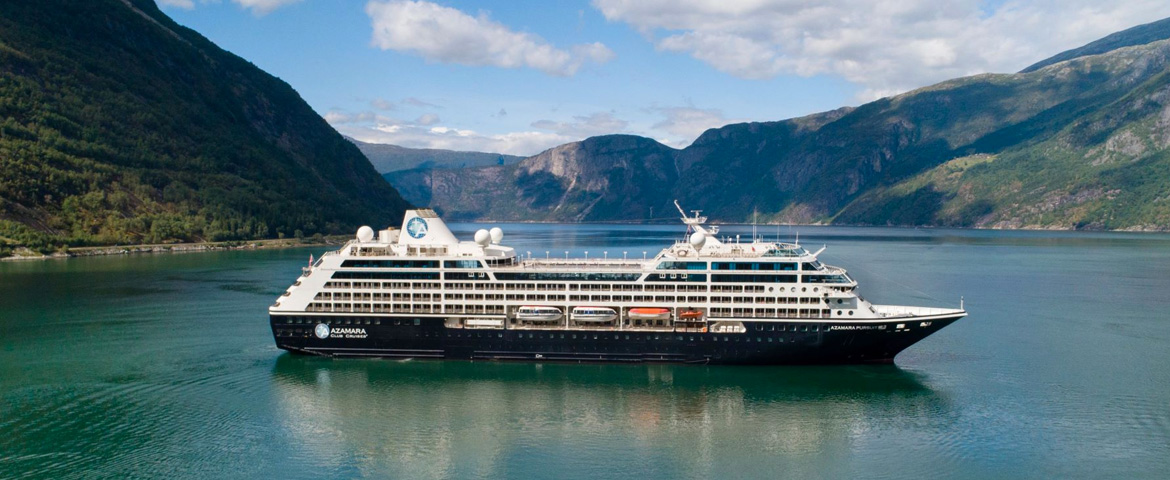
Azamara Club Cruises (4 Cruises)

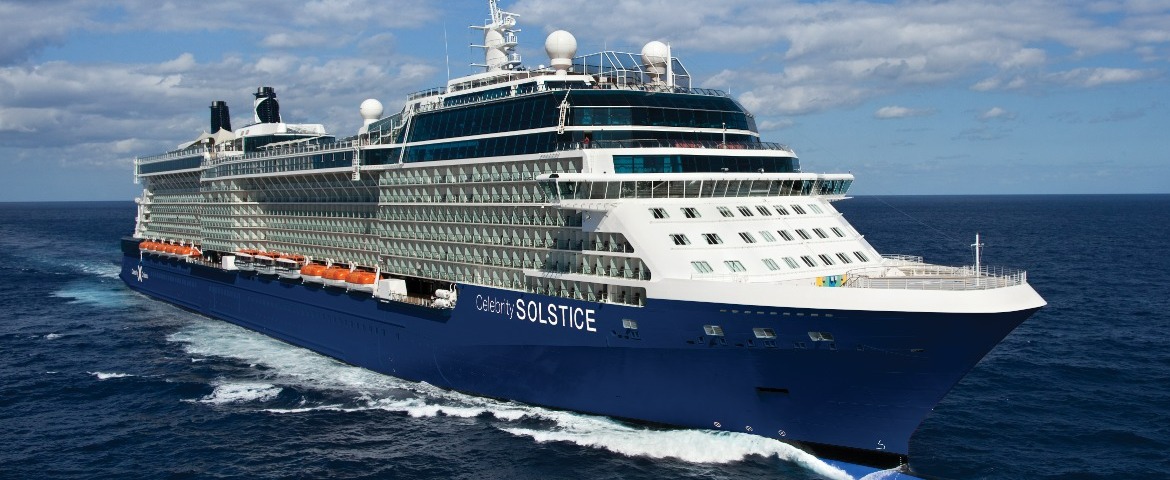
Celebrity Cruises (27 Cruises)
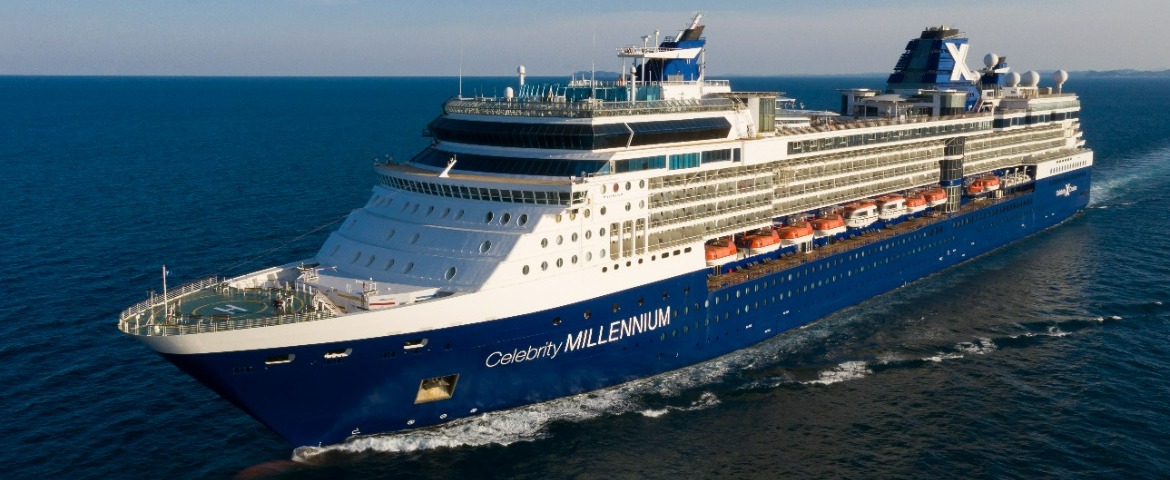
Celebrity Millennium
26 Cruises

Costa Cruises (34 Cruises)
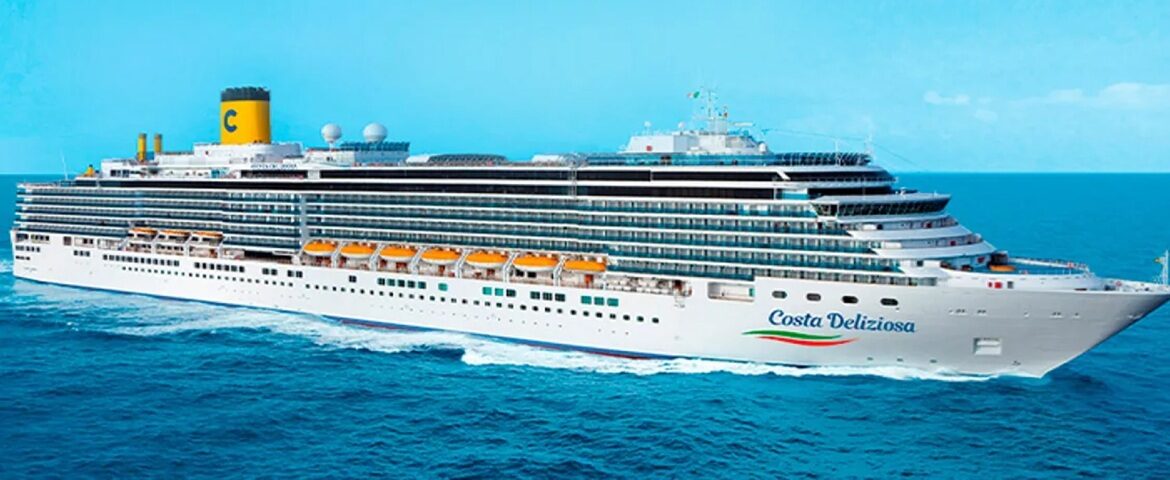
Costa Deliziosa
34 Cruises

Crystal Cruises (6 Cruises)
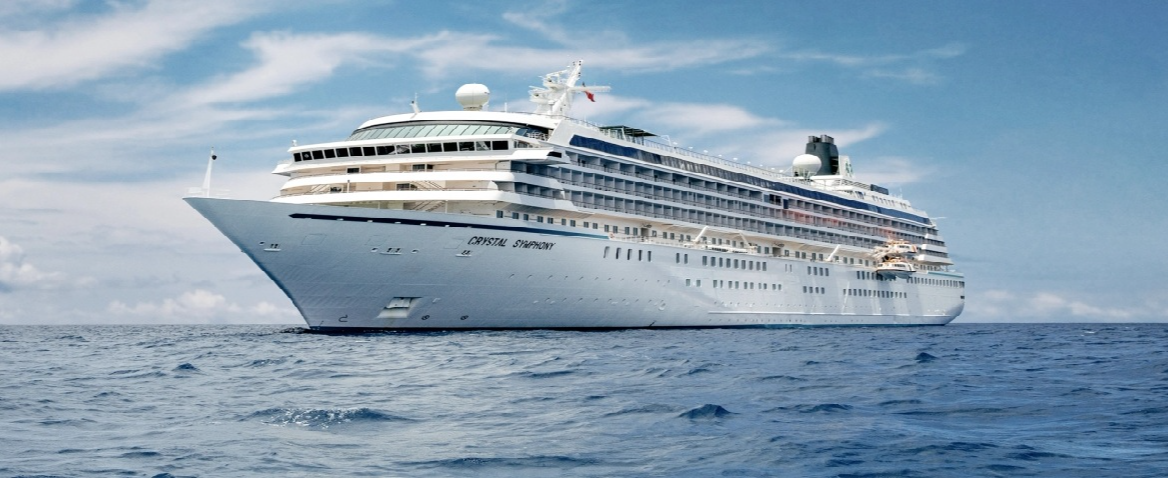
Crystal Symphony
6 Cruises

| 11 January | 137 days | One-way from Fort Lauderdale to Barcelona |
450-628-6241
Call us
|
| 11 January | 151 days | Round-trip 150 Night Roundtrip Fort Lauderdale Cruise |
450-628-6241
Call us
|
Cunard (29 Cruises)
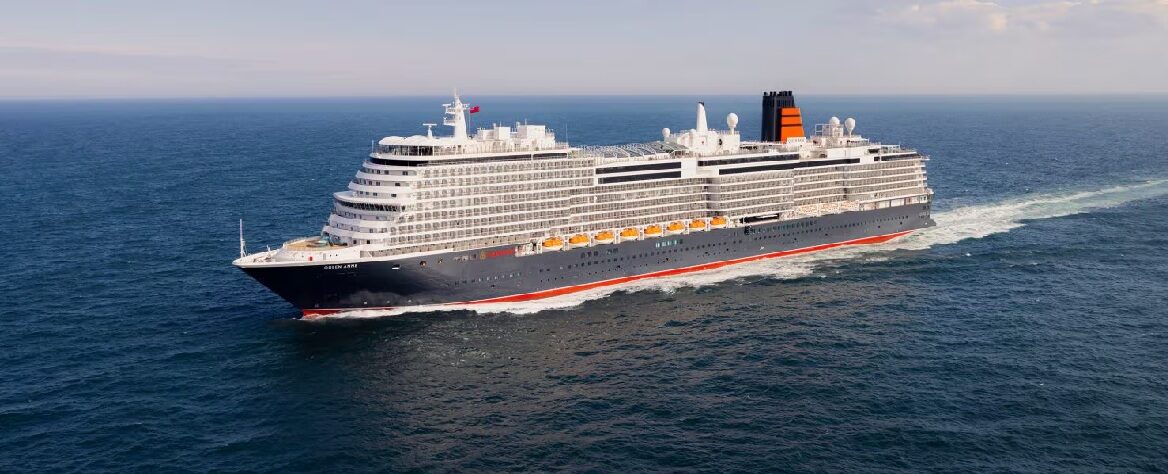
Queen Anne
18 Cruises

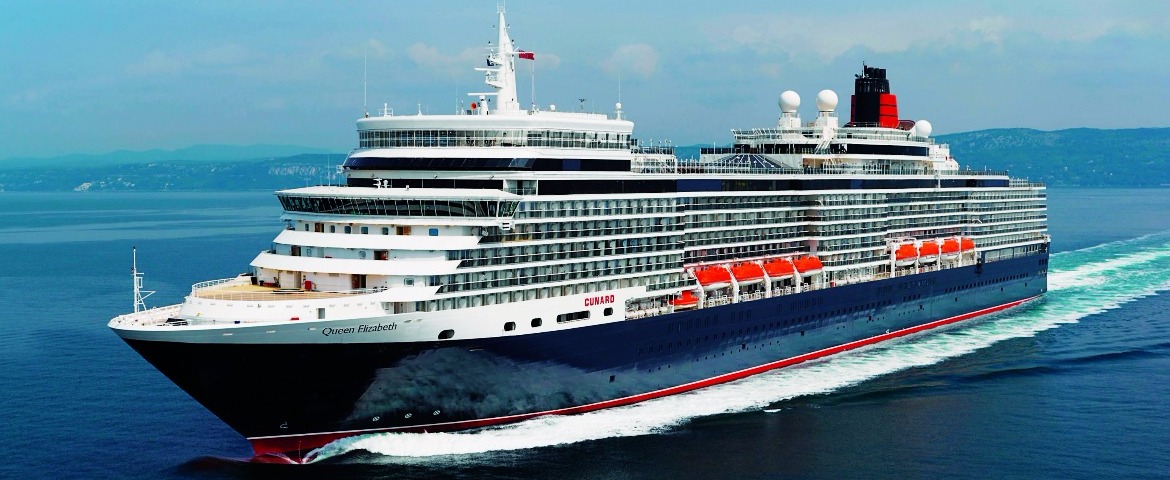
Queen Elizabeth
11 Cruises
Emerald Waterways (7 Cruises)
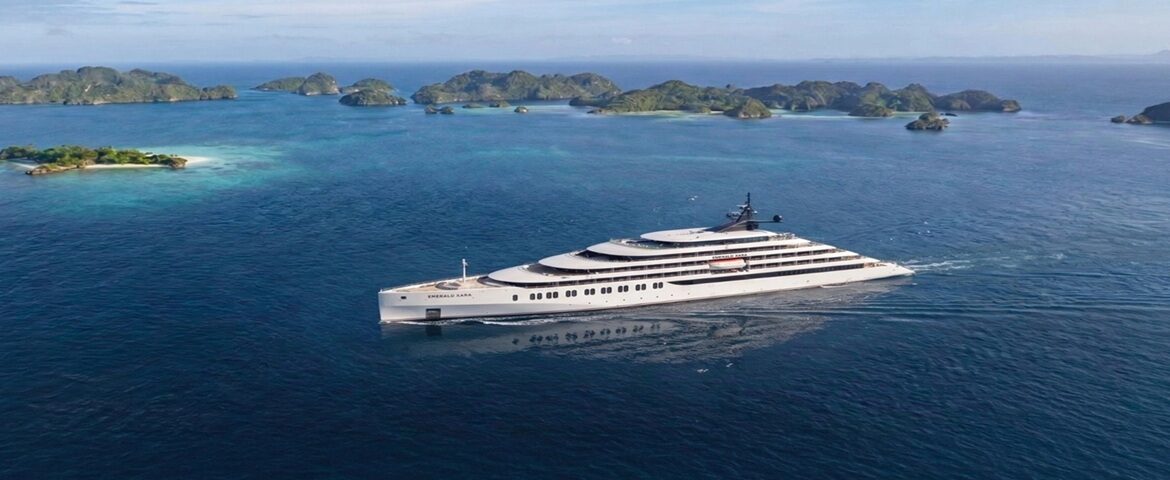
Emerald Xara
7 Cruises

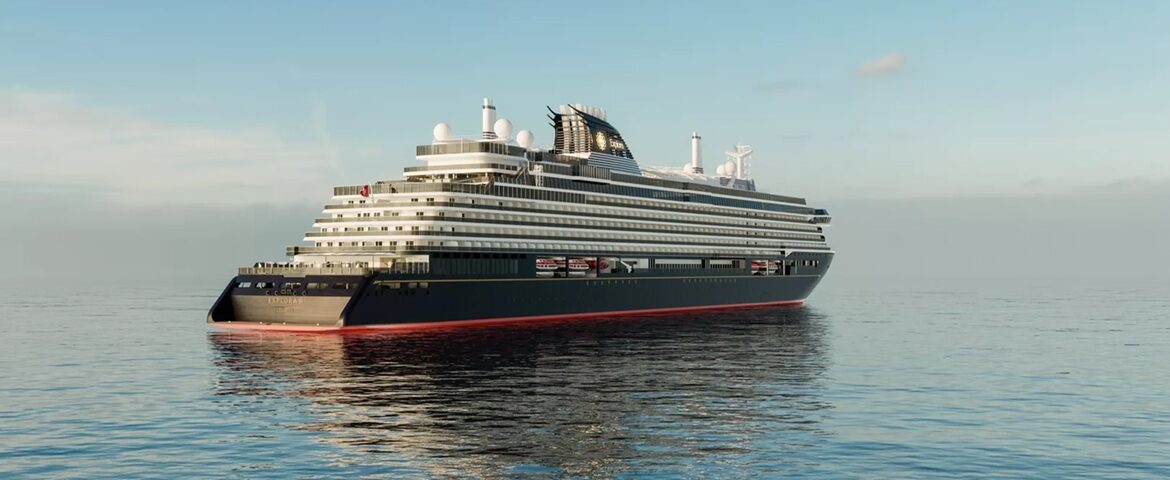
Explora Journeys (12 Cruises)
Explora III
12 Cruises

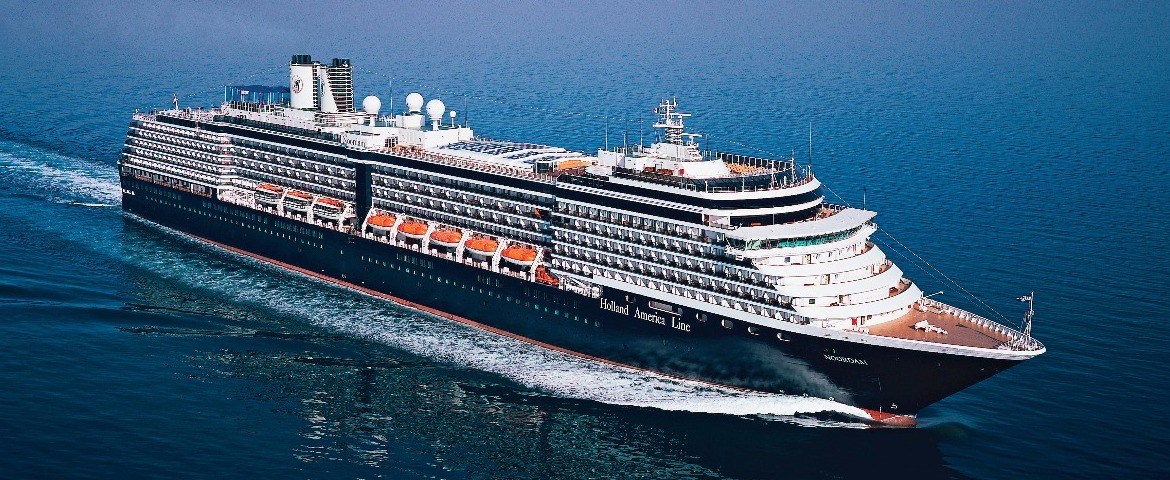
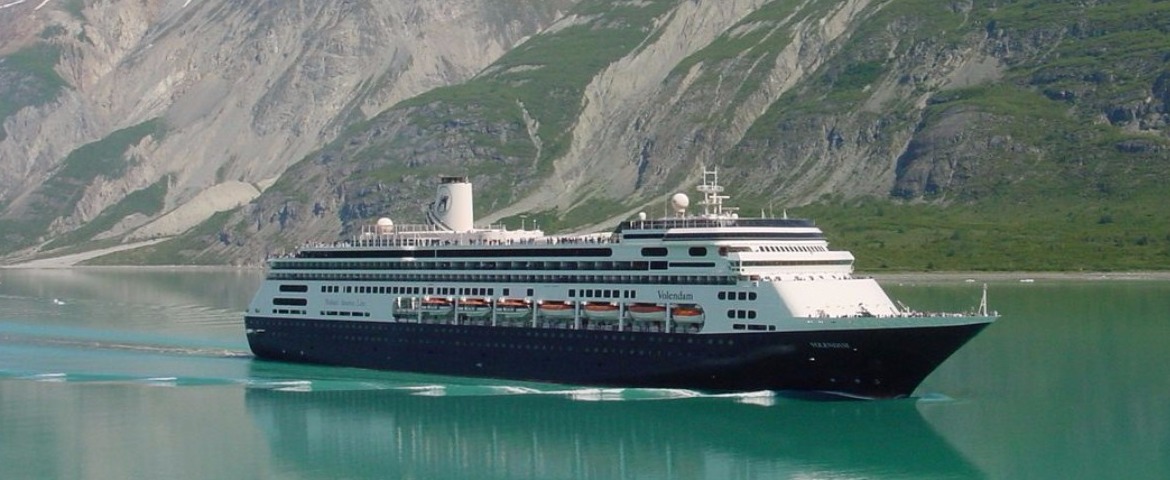
Holland America Line (4 Cruises)

Oceania Cruises (45 Cruises)
Oceania Aurelia
9 Cruises
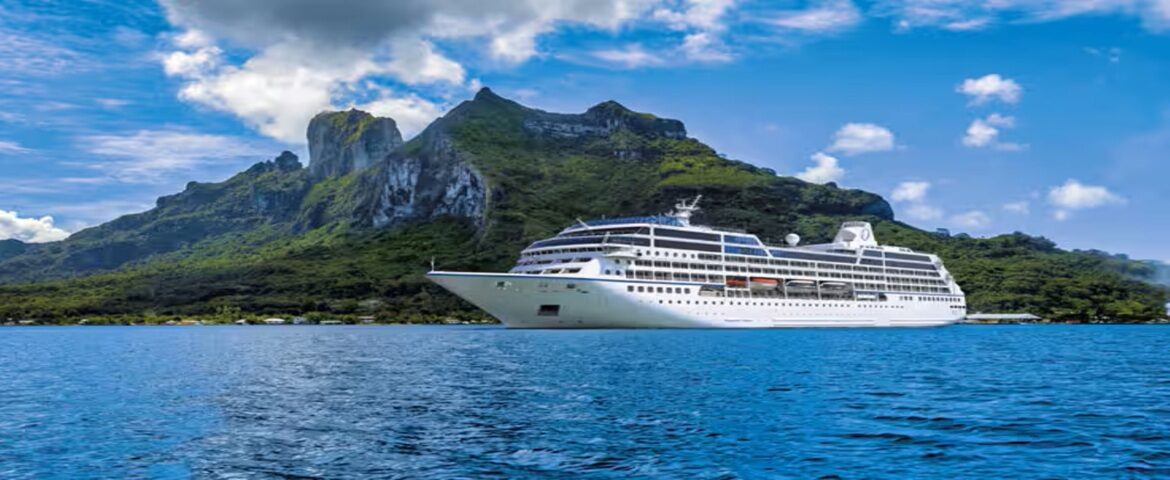

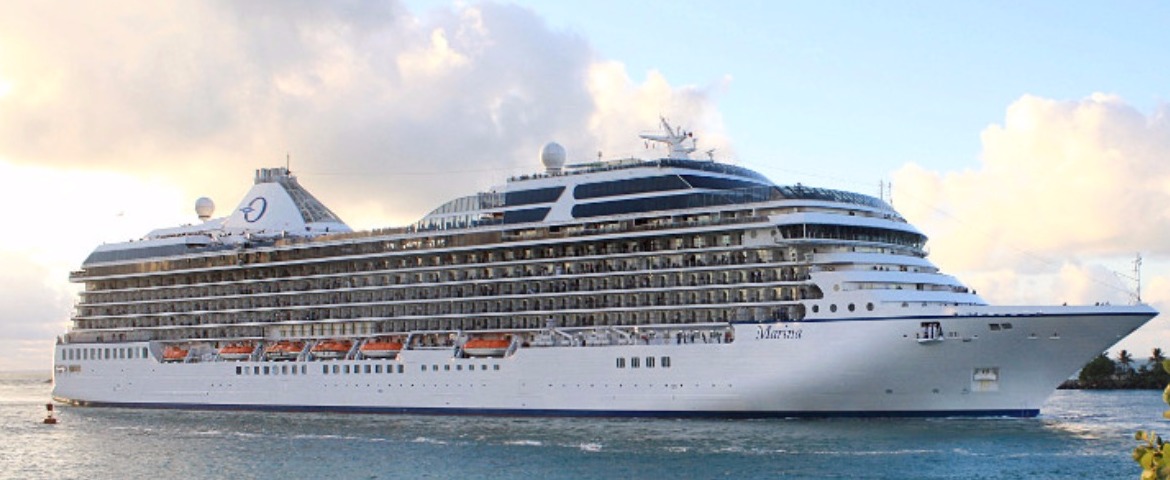
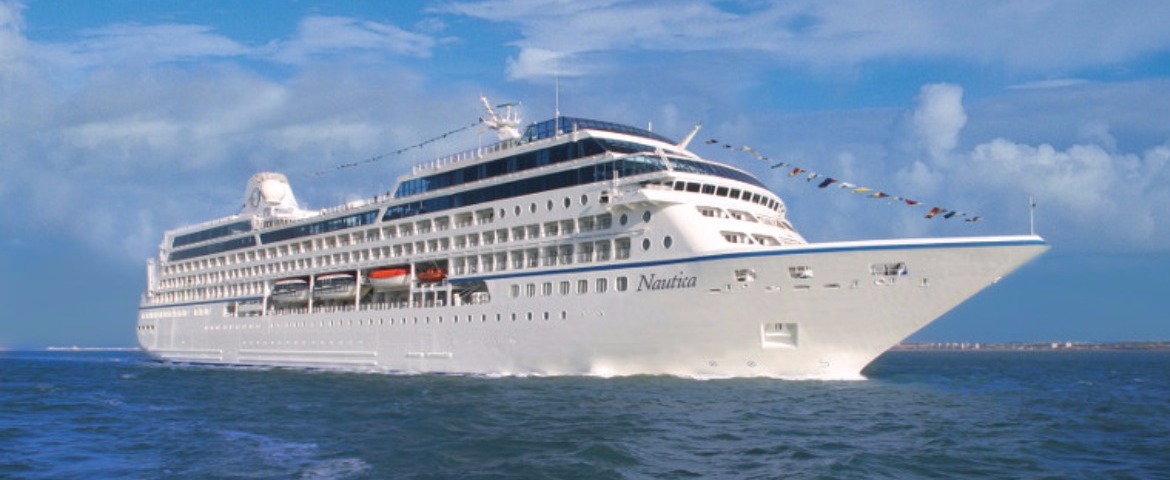
Oceania Nautica
9 Cruises
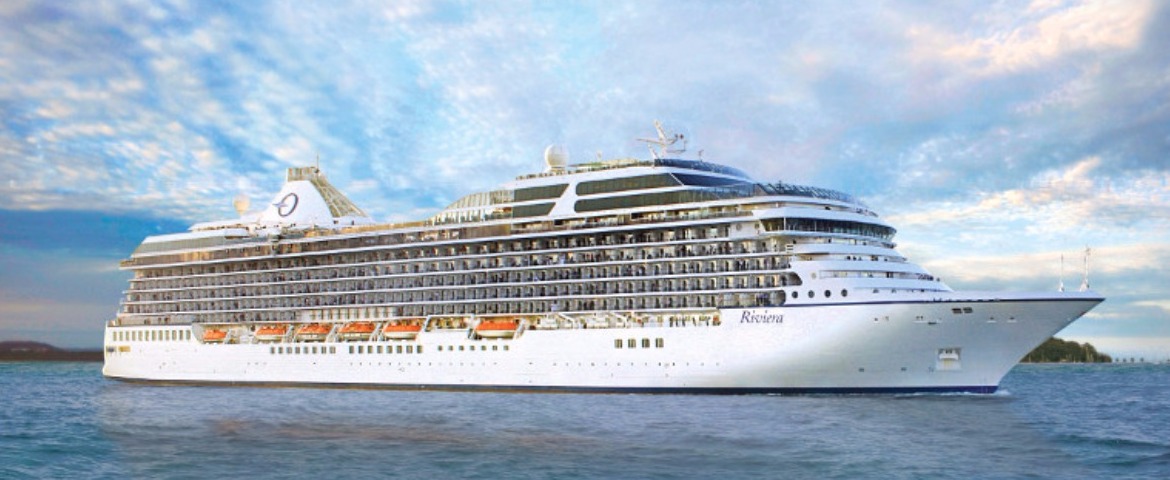
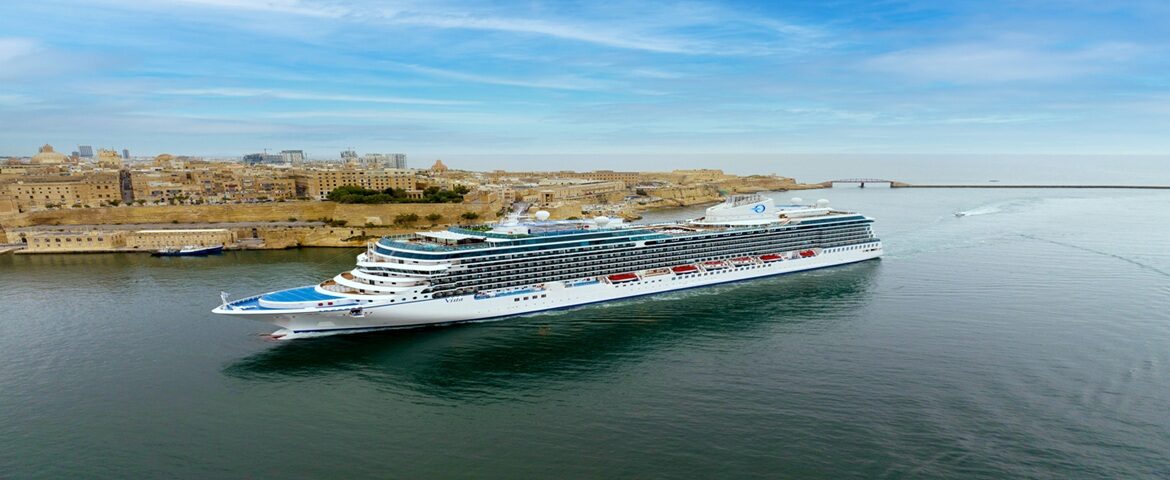
Oceania Vista
17 Cruises
| 6 January | 180 days | One-way from Miami to Southampton |
450-628-6241
Call us
|
| 6 January | 244 days | One-way from Miami to New York |
450-628-6241
Call us
|
| 26 February | 129 days | One-way from Sydney to Southampton |
450-628-6241
Call us
|
| 26 February | 130 days | One-way from Sydney to Southampton |
450-628-6241
Call us
|
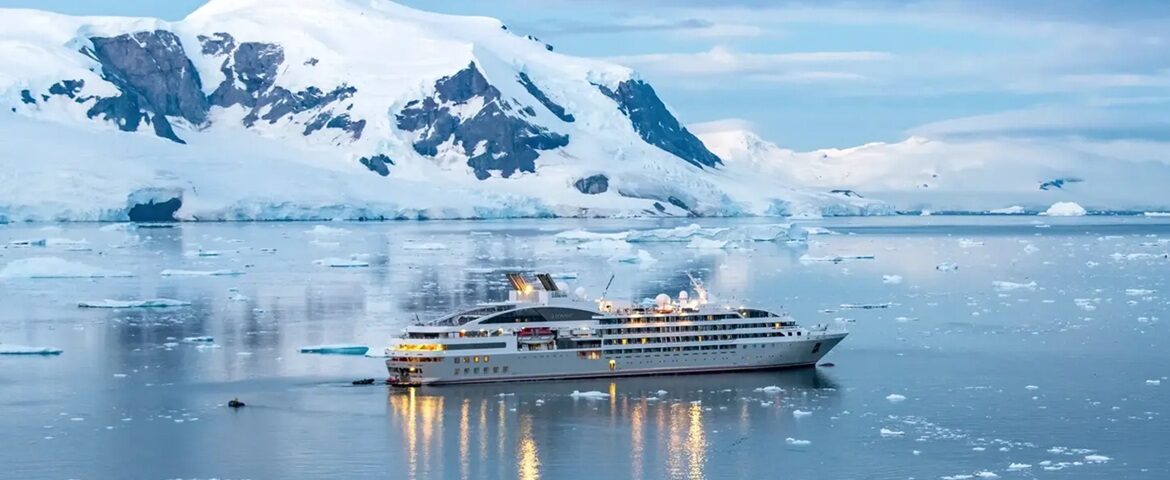
Ponant (4 Cruises)

Princess Cruises (53 Cruises)
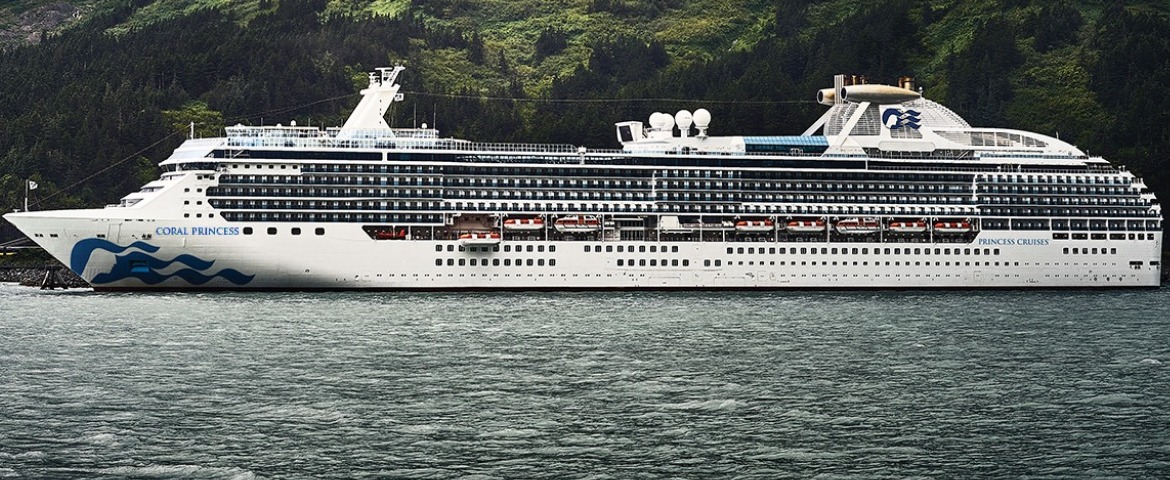
Coral Princess
9 Cruises
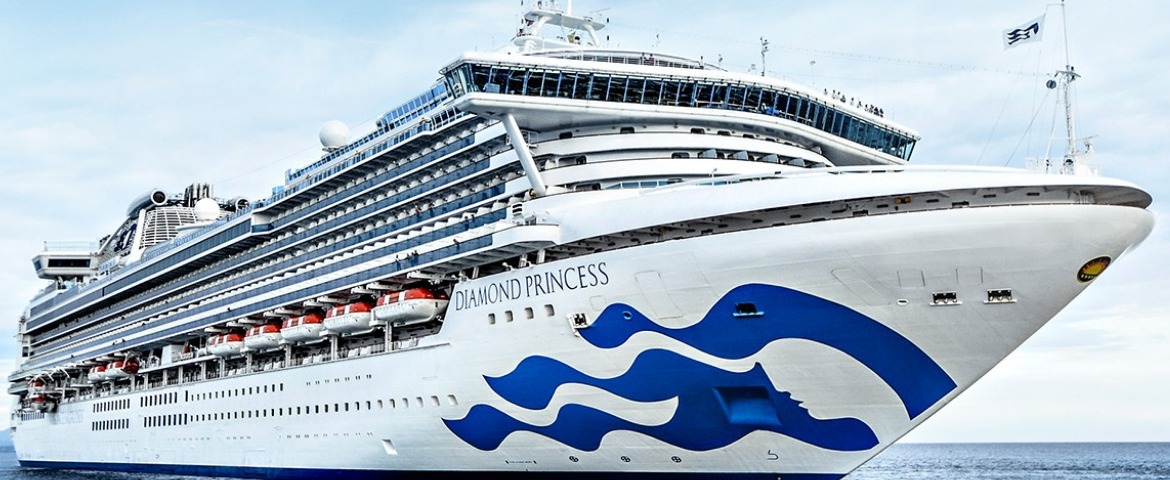
Diamond Princess
19 Cruises
| 2 January | 13 days | Round-trip from Singapore, Singapore |
450-628-6241
Call us
|
| 14 January | 13 days | Round-trip from Singapore, Singapore |
450-628-6241
Call us
|
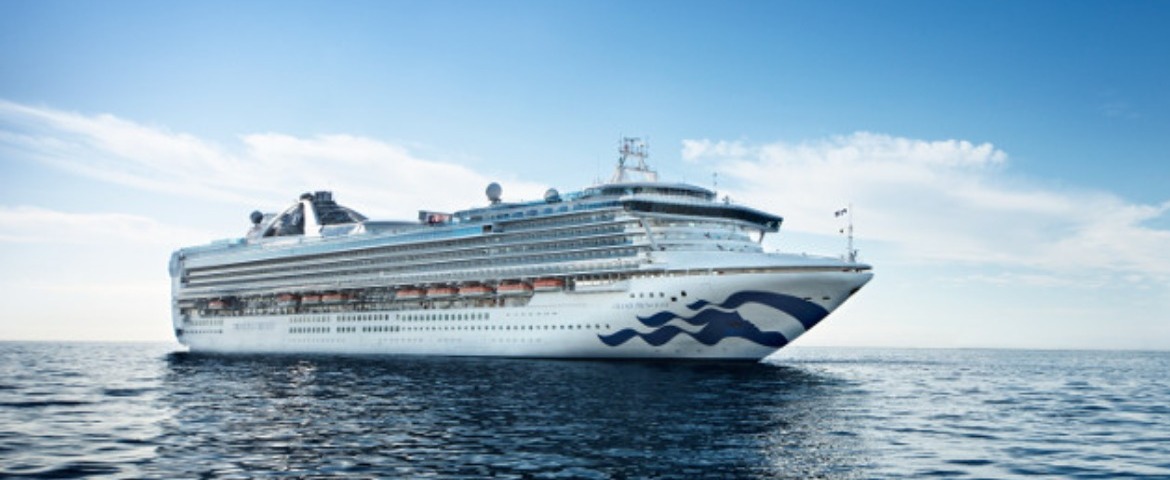
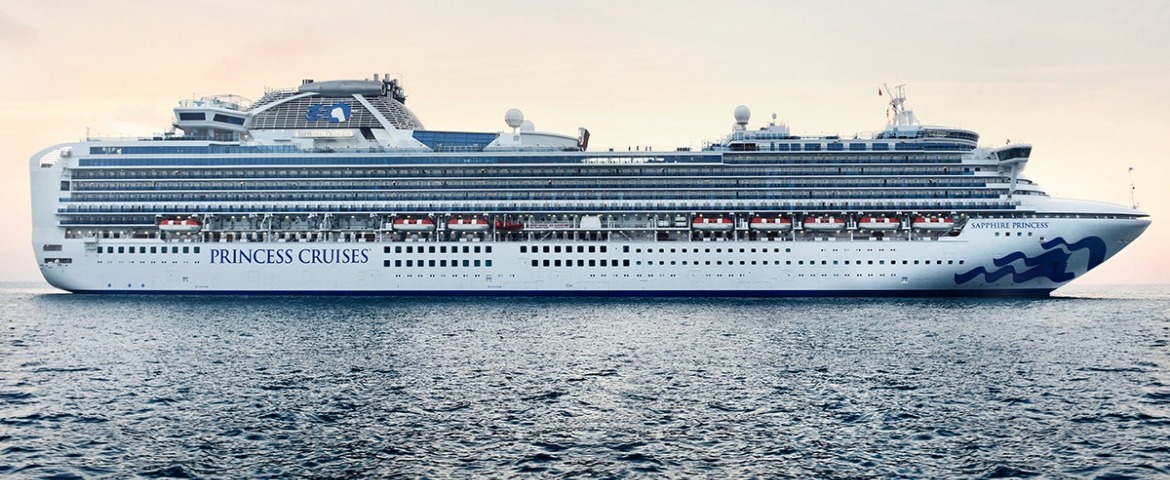
Sapphire Princess
23 Cruises
Regent Seven Seas Cruises (51 Cruises)
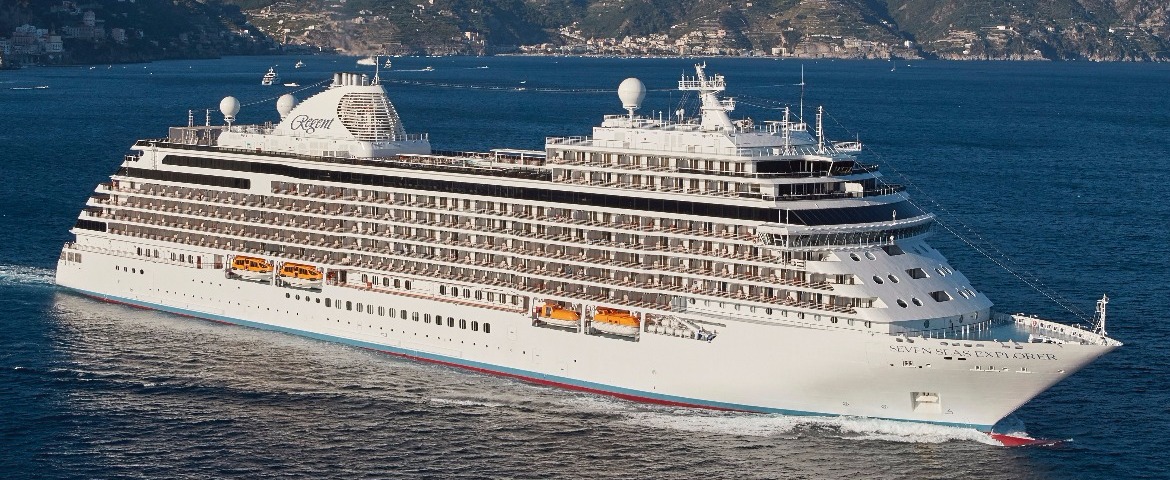
Seven Seas Explorer
14 Cruises

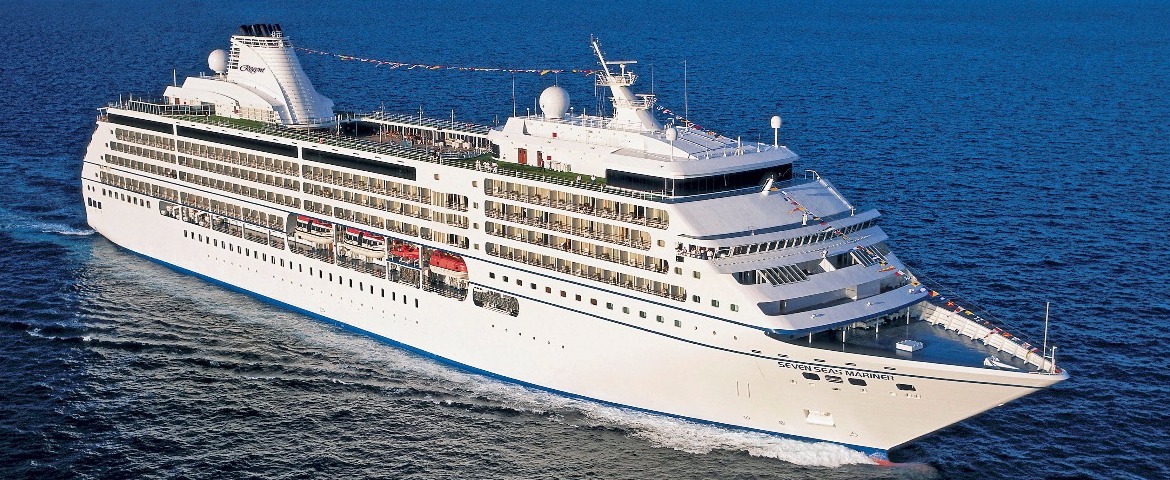
Seven Seas Mariner
17 Cruises
| 19 February | 69 days | One-way from Sydney to Cape Town |
450-628-6241
Call us
|
| 19 February | 69 days | One-way from Sydney to Cape Town |
450-628-6241
Call us
|
Seven Seas Navigator
7 Cruises
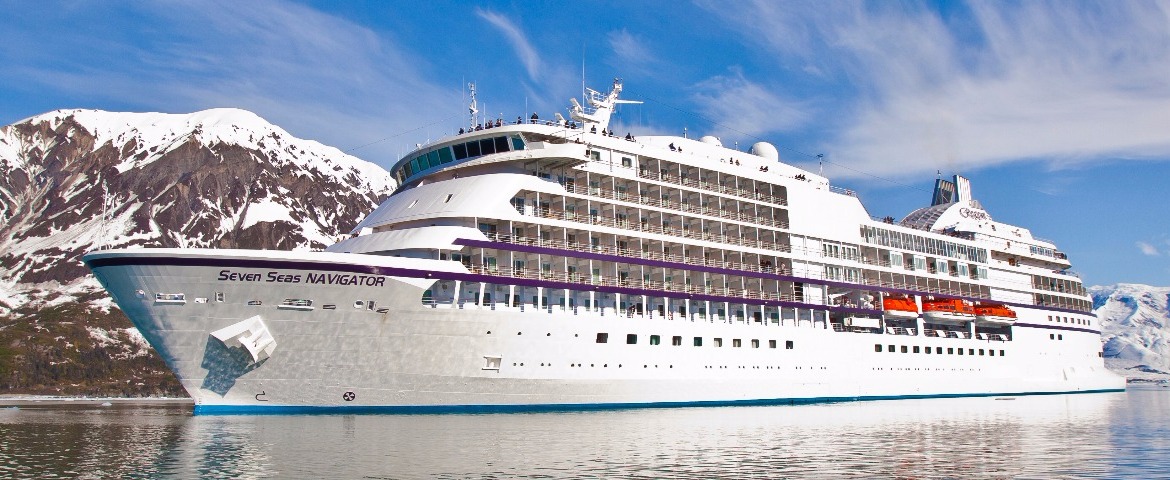
| 9 March | 28 days | One-way from Cape Town to Singapore |
450-628-6241
Call us
|
| 9 March | 28 days | One-way from Cape Town to Singapore |
450-628-6241
Call us
|
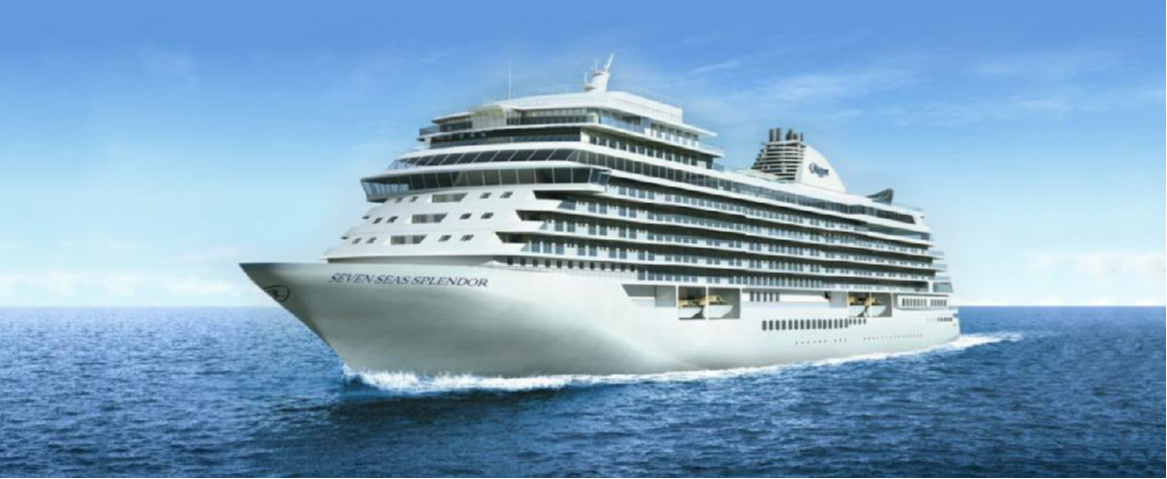
Seven Seas Splendor
13 Cruises
Royal Caribbean Cruises (57 Cruises)
Navigator of the Seas
28 Cruises


| 1 February | 4 days | Round-trip from Singapore, Singapore |
From
431$
|
| 4 February | 5 days | Round-trip from Singapore, Singapore |
From
884$
|
| 8 February | 6 days | Round-trip from Singapore, Singapore |
From
1068$
|
Quantum of the Seas
29 Cruises

| 25 October | 4 days | Round-trip from Singapore, Singapore |
From
442$
|
| 28 October | 5 days | Round-trip from Singapore, Singapore |
From
693$
|
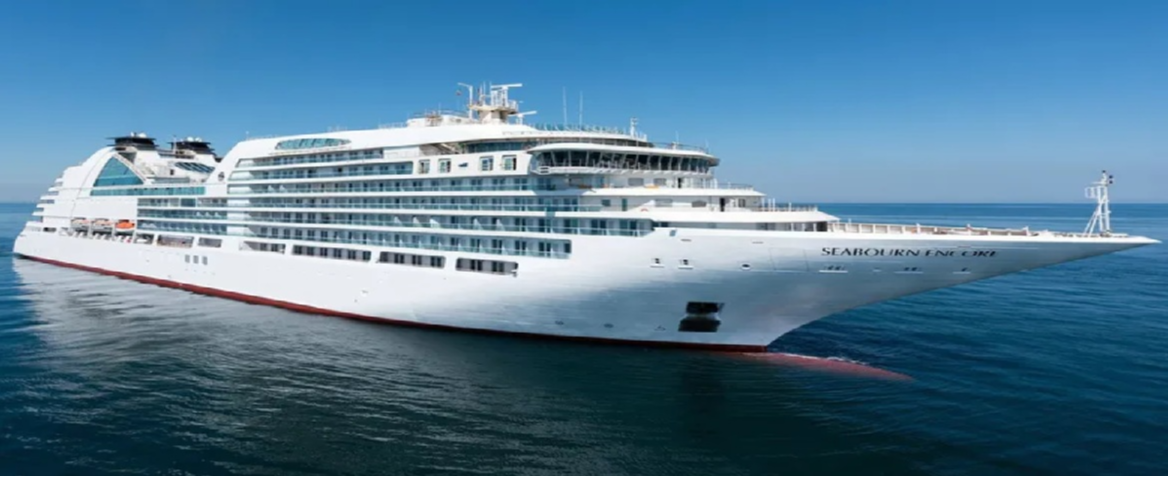
Seabourn Cruise Line (4 Cruises)

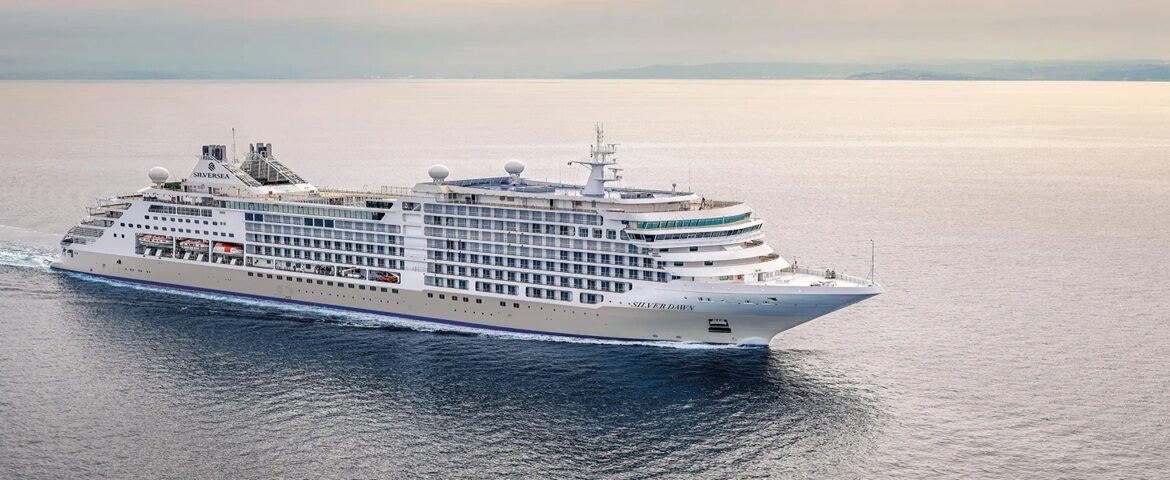
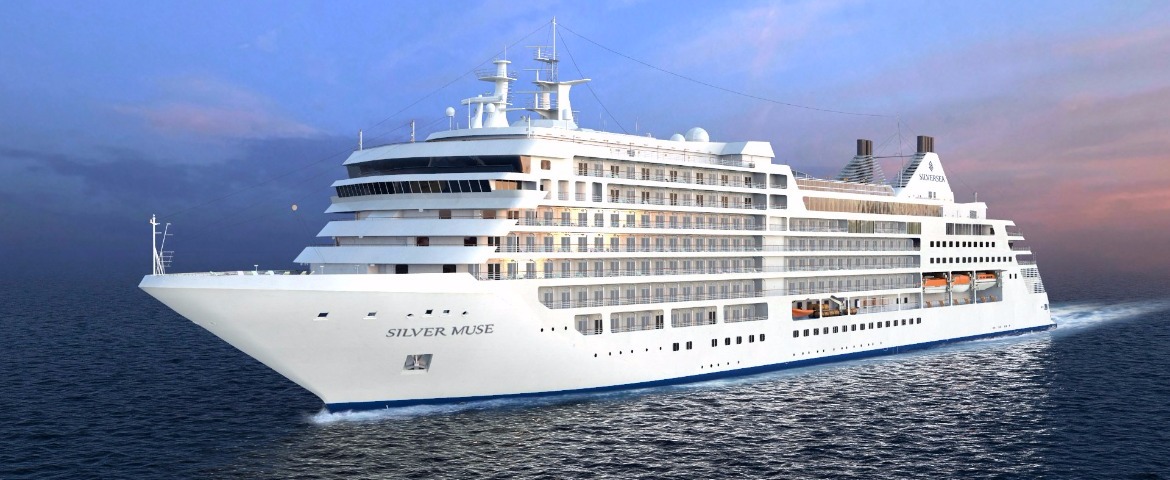
Silversea Cruises (10 Cruises)

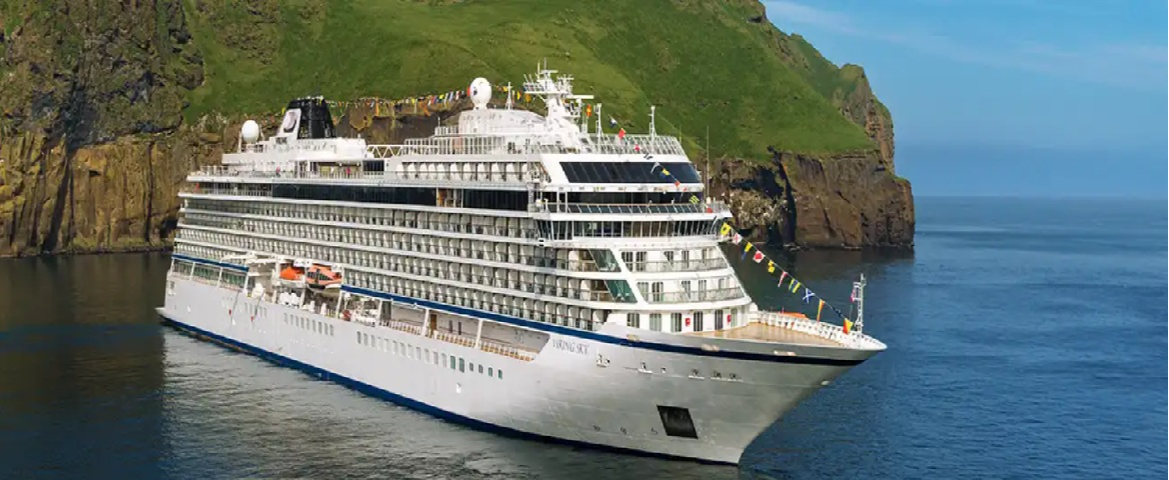
Viking Ocean Cruises (4 Cruises)

Penang, Malaysia | Cruise Port Guide
Frequently Asked Questions
At Swettenham Pier, which literally touches George Town. Five minutes' walk takes you from the gangway into the listed streets of one of the best-preserved colonial ensembles in Southeast Asia. Few terminals offer an introduction like it.
Yes, and that is the way to do it. A Penang call is lived on foot, with your appetite awake: the UNESCO-listed merchant heart is covered without shuttle or queue. Flower-canopied trishaws offer their services to tired legs, bell included.
Fort Cornwallis and the esplanade as you leave the pier, then the clan quarter, then Armenian Street for the murals, with a street food stop around Chulia Street. The heritage centre is more than enough to fill your hours ashore; Kek Lok Si temple and the Penang Hill funicular need a taxi and another half day.
It is a Chinese clan house hidden at the back of a courtyard, and the finest of its kind: laden with gilded carvings, frescoes and dragon-edged roofs. Nearby, the clan jetties push their stilt villages out over the water; the Chew jetty, the most visited, lines up wooden houses, altars smoking with incense sticks and an open view over the anchorage.
Since 2012, artists including the Lithuanian Ernest Zacharevic have scattered mischievous scenes across the facades, mixing paint with real objects: children on bicycles, swings, giant cats. Armenian Street and its surroundings hold most of them, and hunting the works with a map in hand turns a stroll into a treasure trail.
Penang is considered Malaysia's food capital. Char koay teow, rice noodles seared over high heat with prawns and bean sprouts; asam laksa, a tamarind-soured fish soup that is the island's signature dish; and cendol, shaved ice with coconut milk and palm sugar, a lifesaver at midday.
Around Chulia Street and in the covered markets, where the stalls cluster. You order by pointing, sit on a plastic stool and quickly understand why locals defend their recipes so fiercely. A few ringgits cover a plate, preferably in local currency.
They are the low walls facing the landing, on the very spot where Captain Francis Light set foot on the island in 1786, founding the region's first British trading post. Cannons, chapel and powder magazine take half an hour, before you walk the grassed esplanade with its Victorian clock tower, a gift for the queen's jubilee.
The Malaysian ringgit and Malay, with English widely spoken, Mandarin and Hokkien in the old quarter and Tamil in Little India. Cards work in shops; keep ringgits for the street kitchens, where they are of no use.
Kek Lok Si temple, one of the largest Buddhist complexes in Southeast Asia, terracing its pagodas on a hillside outside the centre, and the Penang Hill funicular, which lifts its carriages toward cooler air and a panorama reaching across the strait to the mainland. Allow a taxi and half a day for either.


