Tangier Morocco, Tanger-Ville
Morocco
650
Cruises availables
At departure or passage at this port
Atlas Ocean Voyages (7 Cruises)
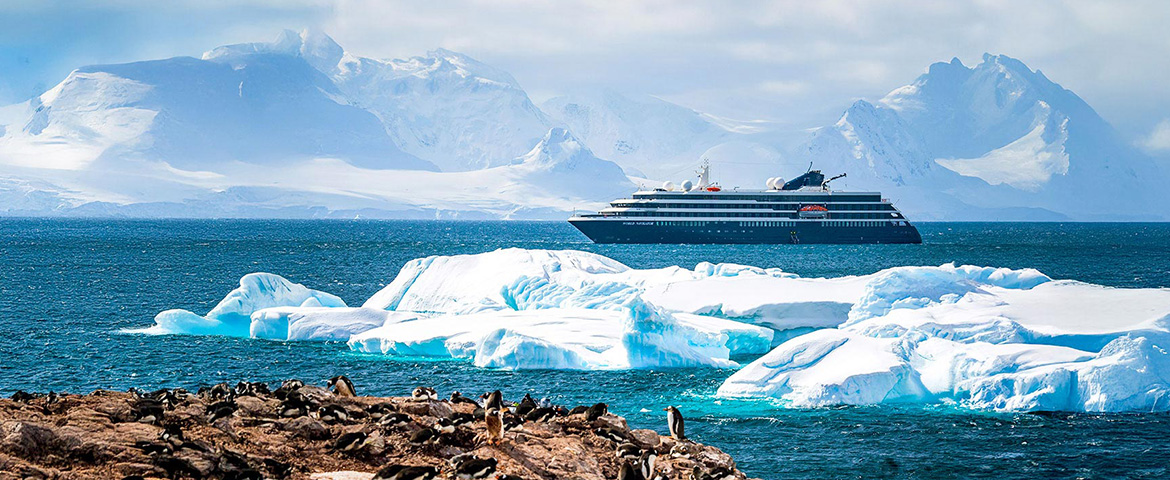

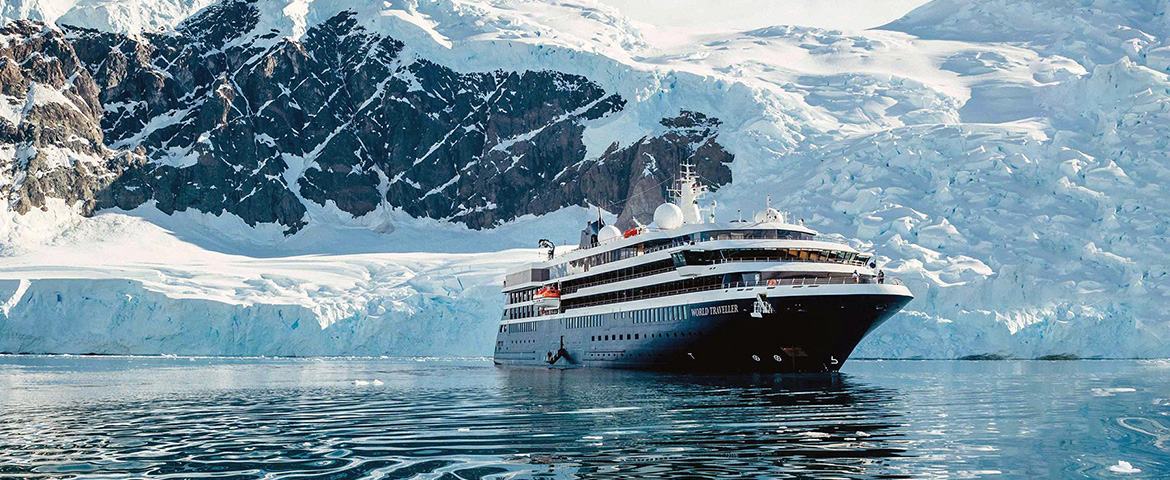
World Voyager
4 Cruises
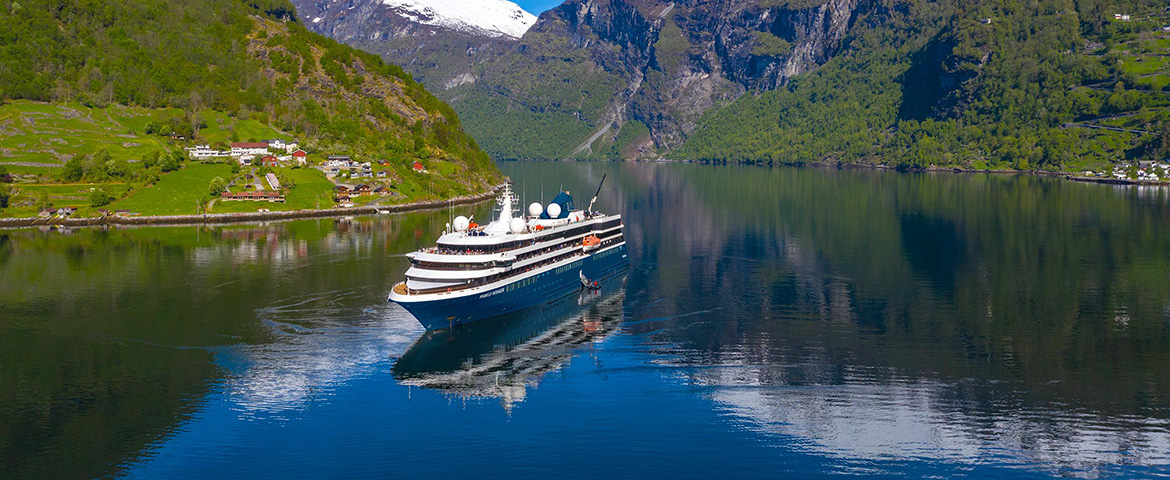
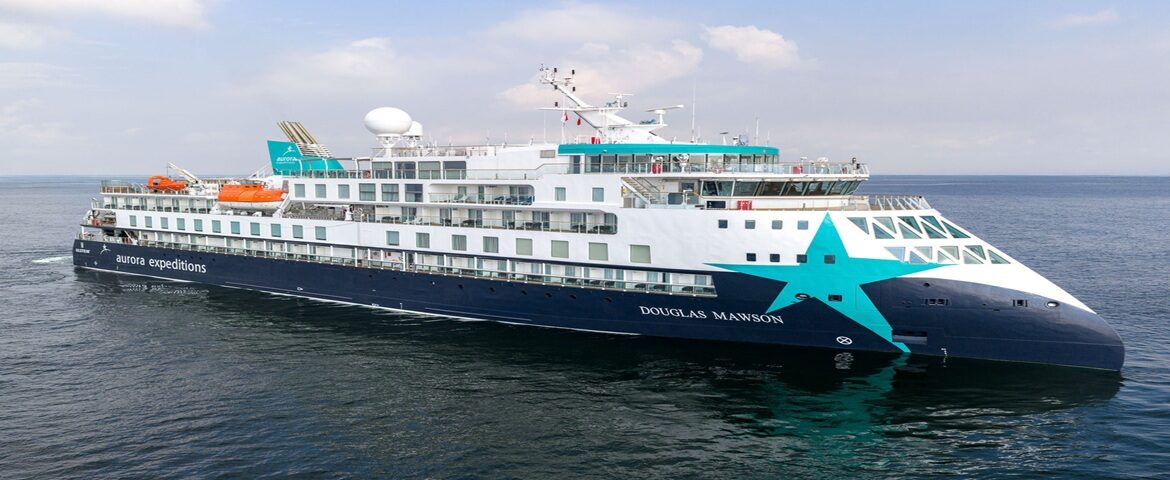

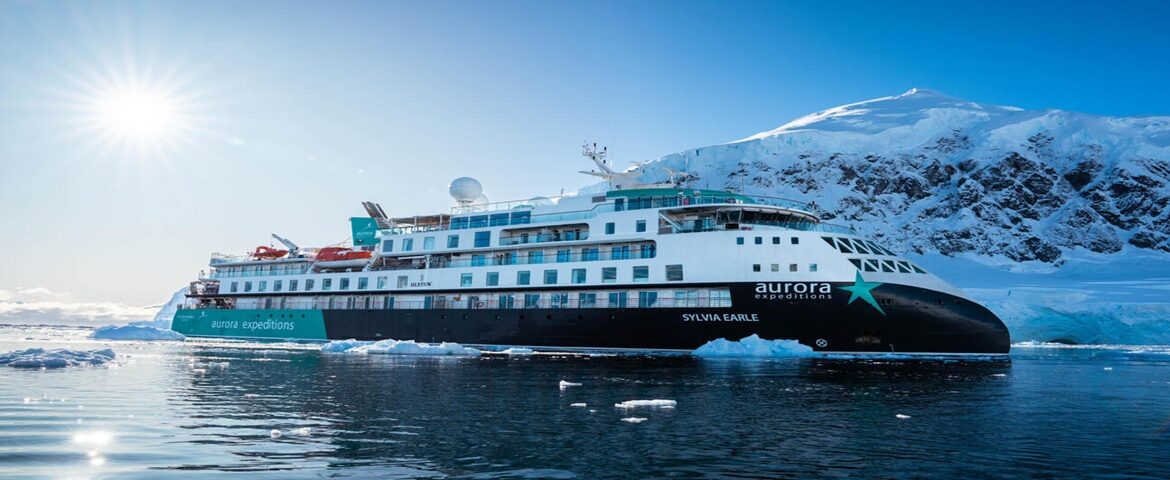
Azamara Club Cruises (26 Cruises)
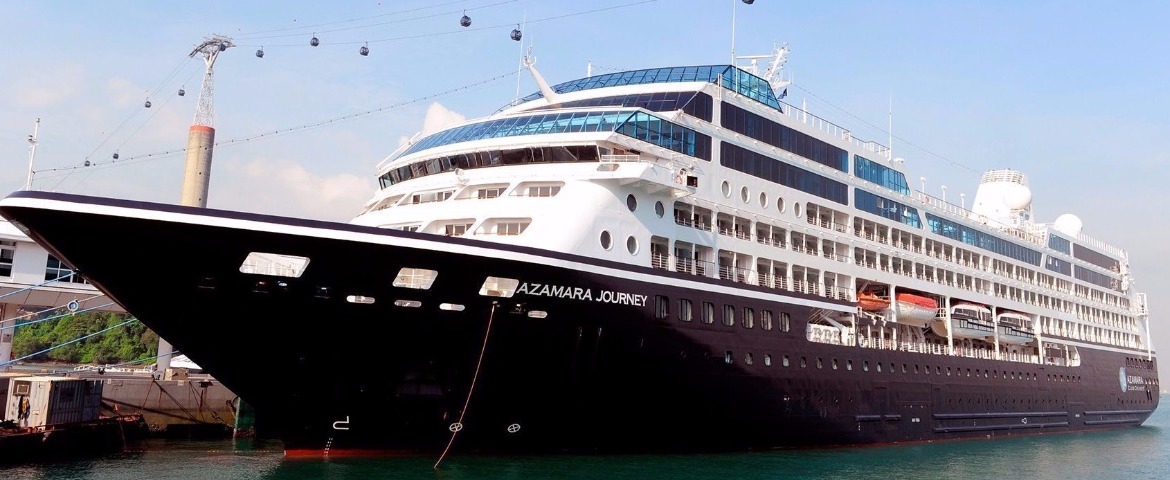
Azamara Journey
11 Cruises

| 7 January | 7 nights | One-way from Lisbon to Las Palmas de Gran Canaria |
450-628-6241
Call us
|
| 7 January | 14 nights | Round-trip from Lisbon, Portugal |
450-628-6241
Call us
|
Azamara Onward
13 Cruises

Carnival Cruise Line (1 Cruises)

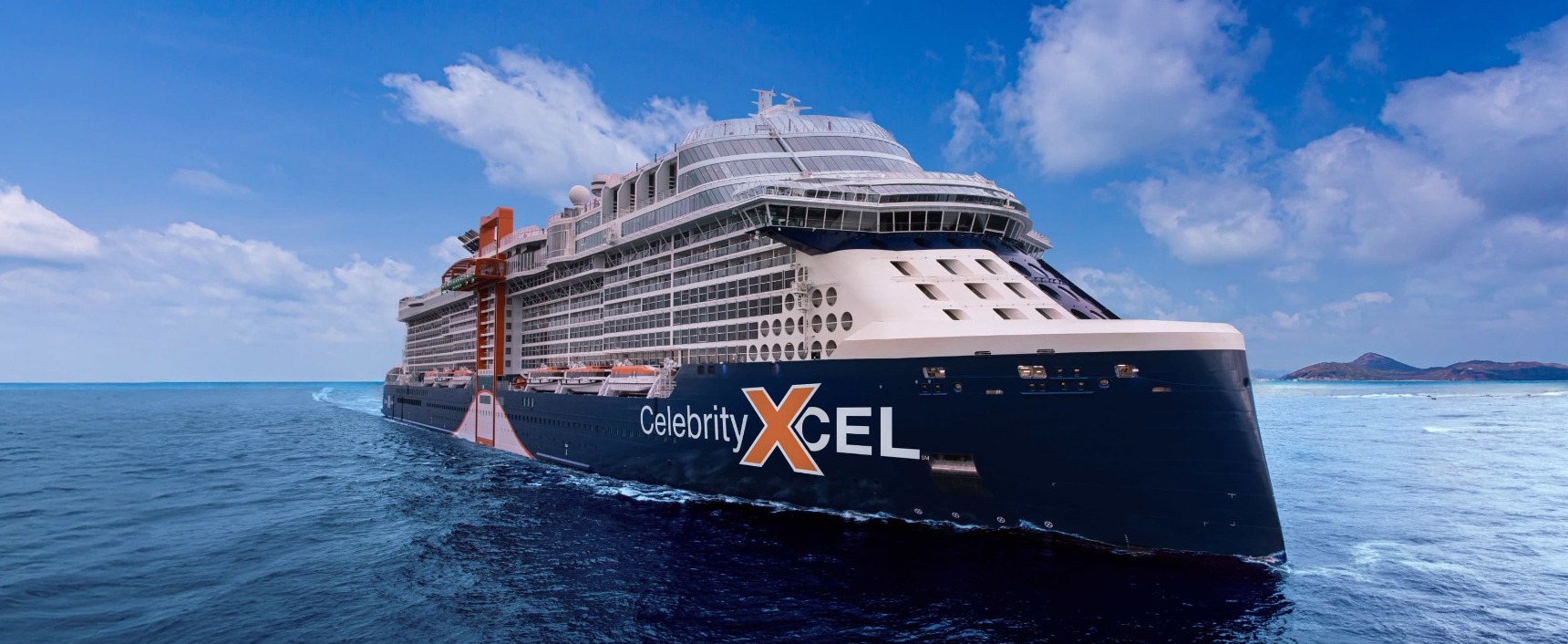
Celebrity Cruises (43 Cruises)

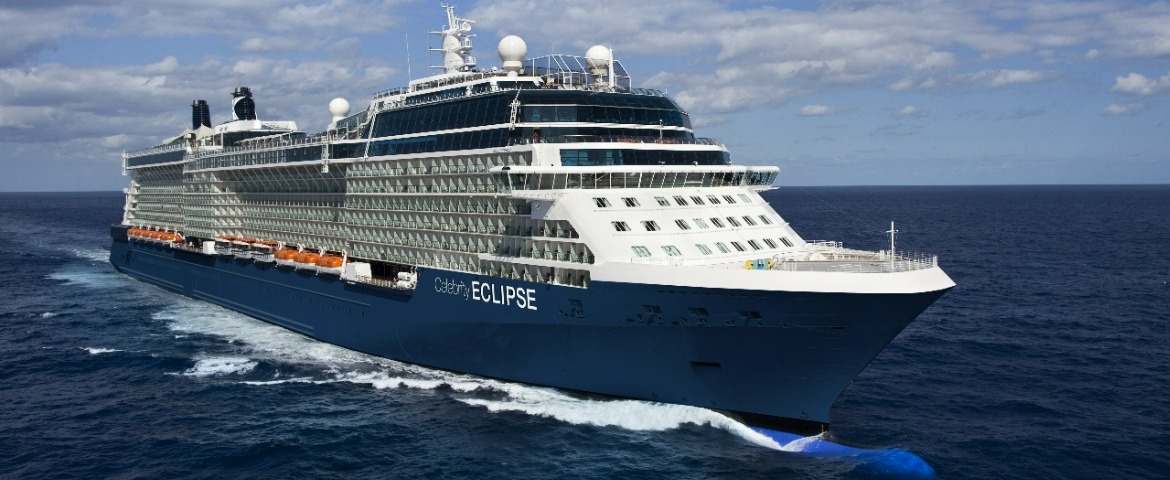
Celebrity Equinox
14 Cruises
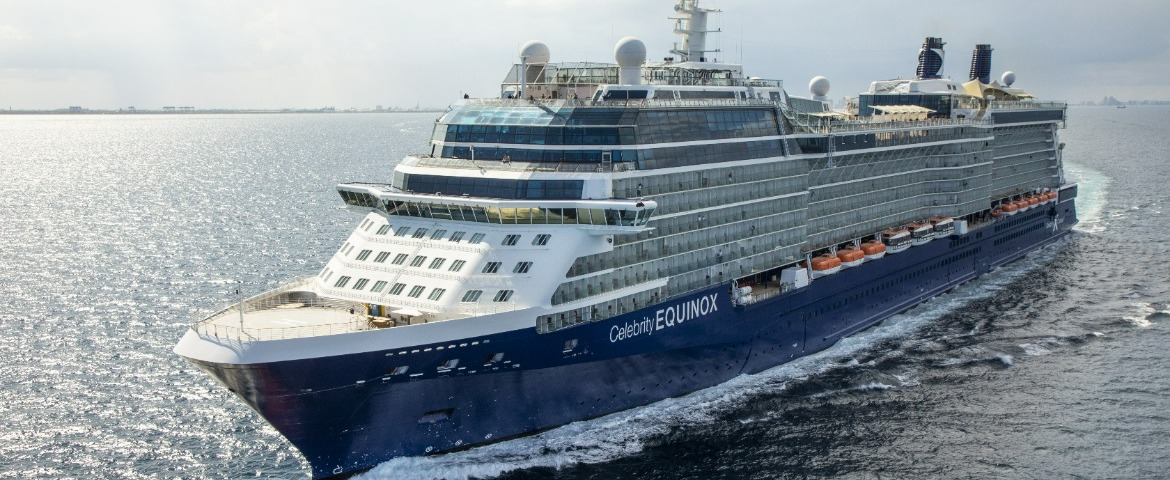
| 10 April | 10 nights | Round-trip from Barcelona, Spain |
From
1761$
|
| 20 April | 11 nights | Round-trip from Barcelona, Spain |
From
2463$
|
| 17 June | 9 nights | Round-trip from Barcelona, Spain |
From
1964$
|
| 26 June | 10 nights | One-way from Barcelona to Civitavecchia-Rome |
From
1647$
|
| 12 August | 9 days | Round-trip Western Mediterranean Celebrity Equinox Barcelona |
450-628-6241
Call us
|
| 21 August | 10 nights | One-way from Barcelona to Civitavecchia-Rome |
From
2322$
|
Celebrity Infinity
19 Cruises
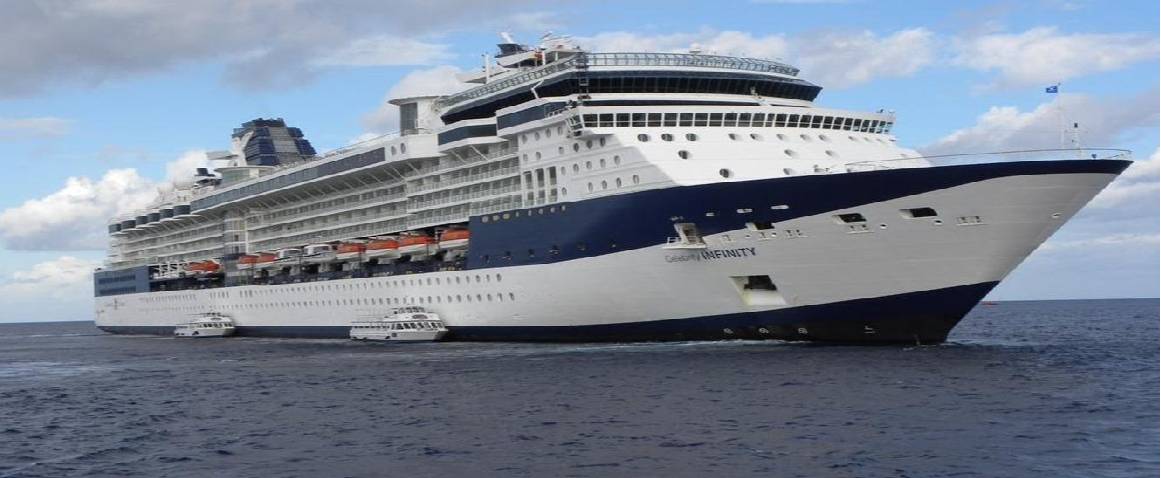
| 2 January | 12 nights | Round-trip from Barcelona, Spain |
From
1663$
|
| 14 January | 12 nights | Round-trip from Barcelona, Spain |
From
1516$
|
| 26 January | 12 nights | Round-trip from Barcelona, Spain |
From
1656$
|
| 7 February | 12 nights | Round-trip from Barcelona, Spain |
450-628-6241
Call us
|
| 19 February | 12 nights | Round-trip from Barcelona, Spain |
From
1381$
|
Celestyal Cruises (26 Cruises)
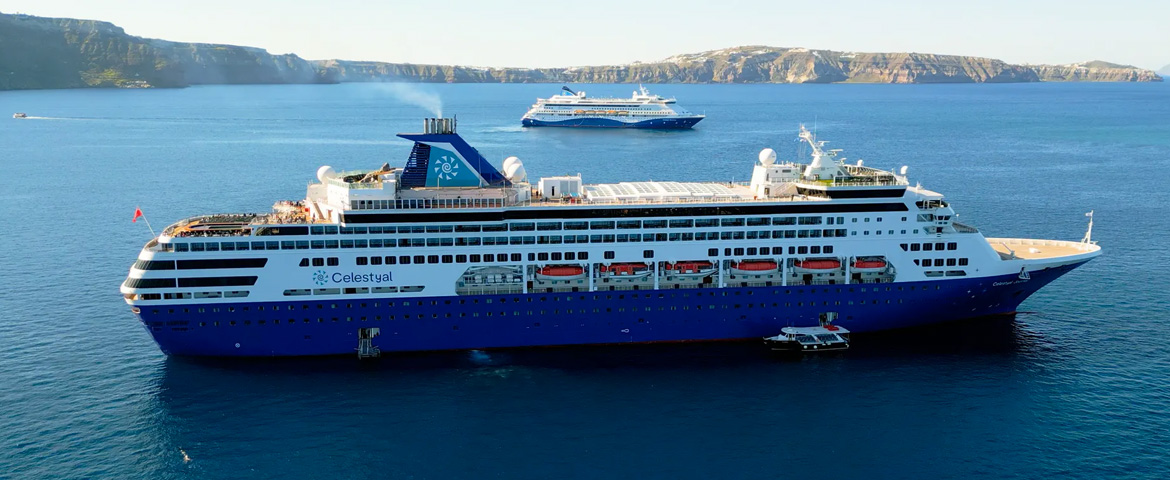
Celestyal Discovery
26 Cruises

| 19 November | 22 nights | One-way from Piraeus-Athens to Tarragona |
450-628-6241
Call us
|
| 28 November | 13 nights | Round-trip from Tarragona, Spain |
450-628-6241
Call us
|
Costa Cruises (111 Cruises)
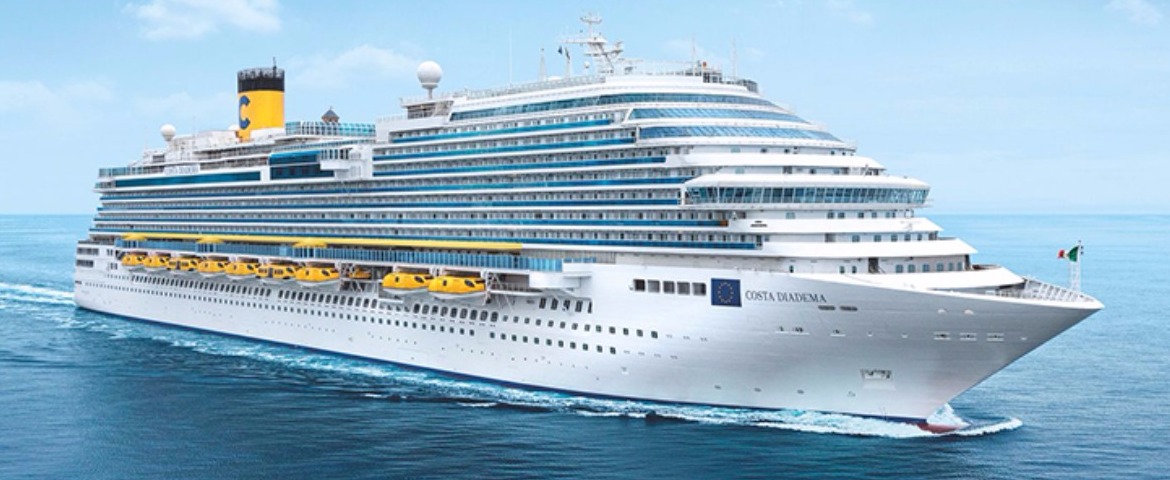
Costa Diadema
12 Cruises

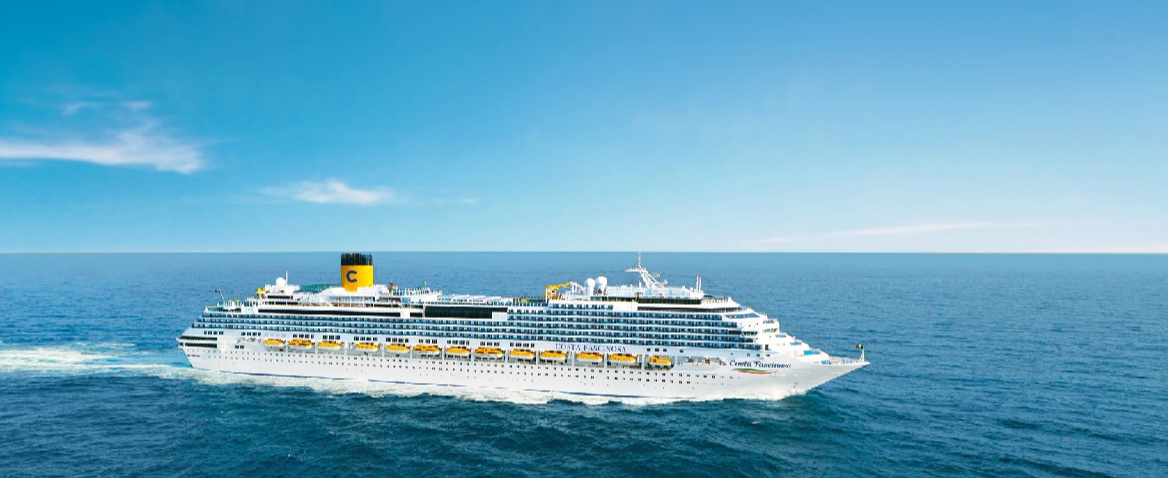
Costa Fascinosa
11 Cruises
| 28 February | 23 nights | One-way from La Romana to Genoa |
450-628-6241
Call us
|
| 28 February | 24 nights | One-way from La Romana to Marseille |
450-628-6241
Call us
|
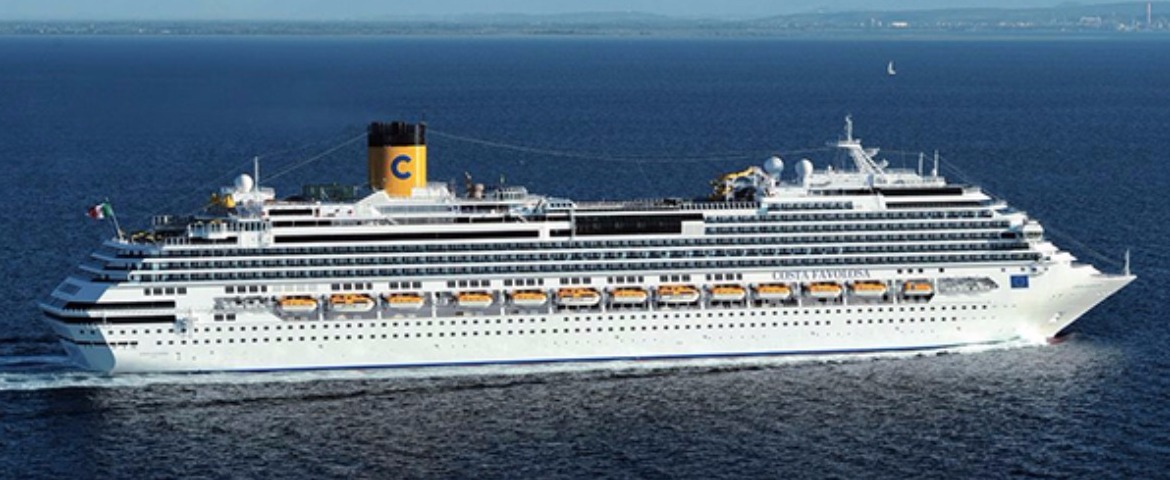
Costa Favolosa
11 Cruises
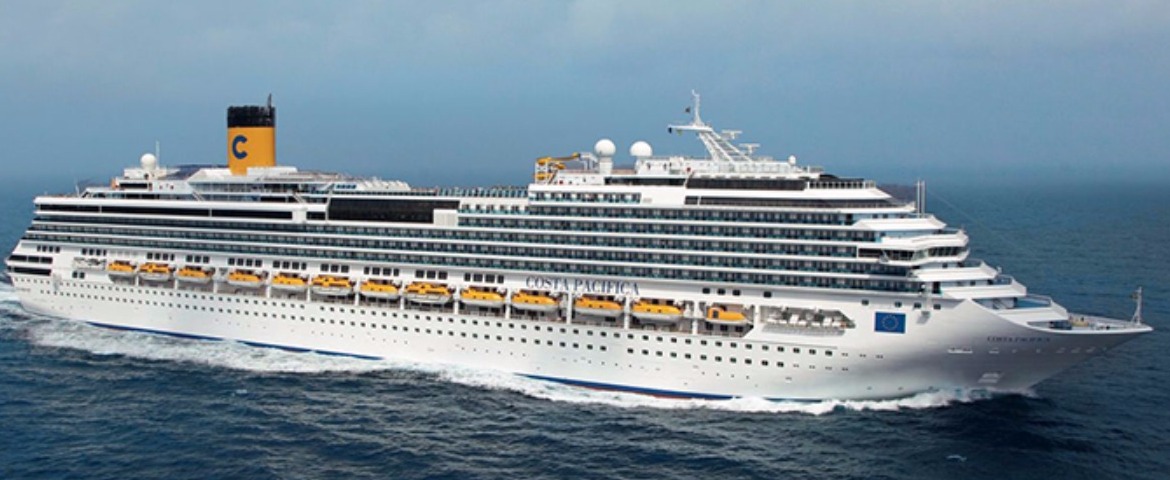
Costa Pacifica
47 Cruises
| 1 February | 12 nights | Round-trip from Marseille, France |
450-628-6241
Call us
|
| 2 February | 12 nights | Round-trip from Savona, Italy |
450-628-6241
Call us
|
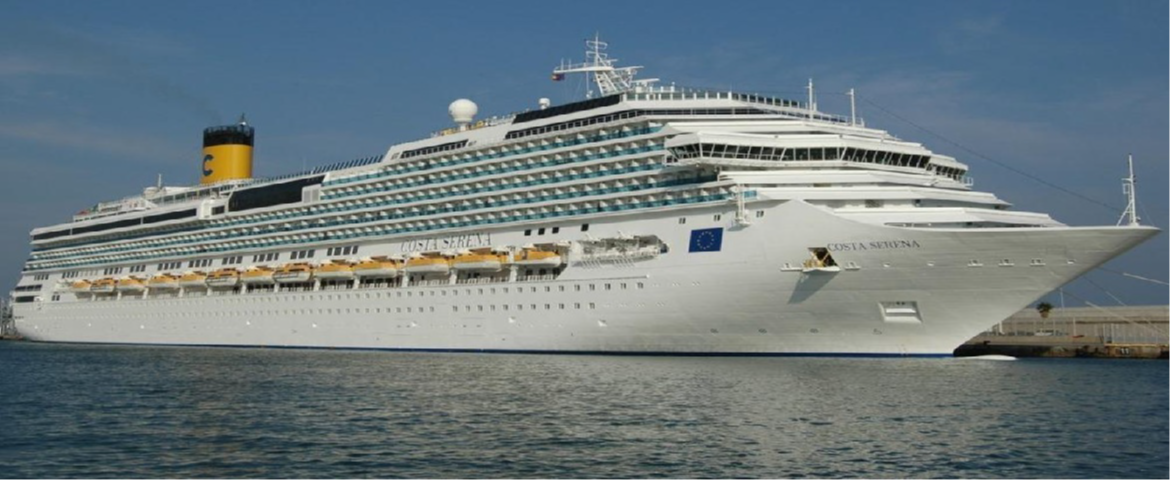
Costa Serena
13 Cruises
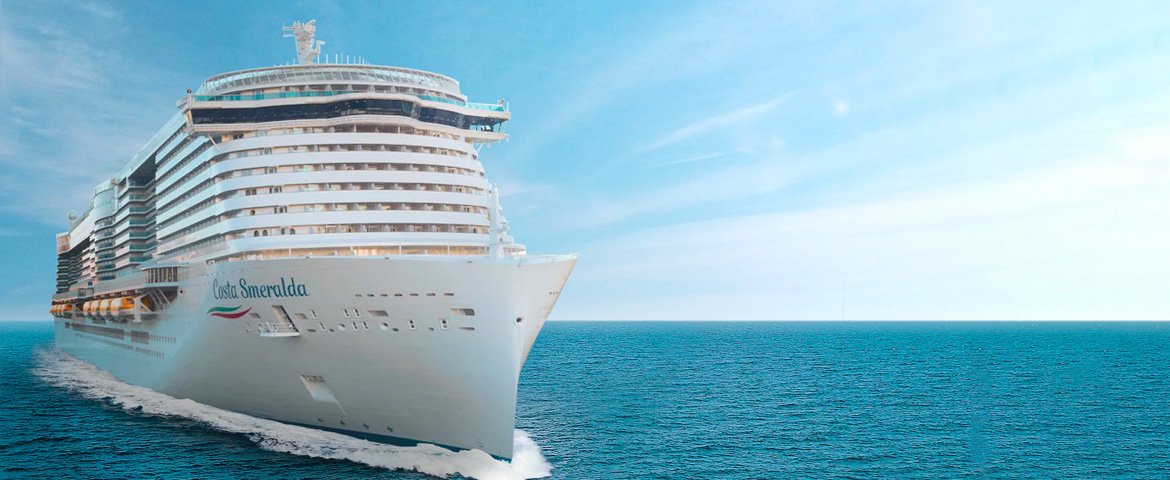
Costa Smeralda
17 Cruises
Crystal Cruises (8 Cruises)



Cunard (17 Cruises)

Queen Elizabeth
7 Cruises
Queen Victoria
9 Cruises
| 12 May | 16 nights | Round-trip from Southampton, United Kingdom |
450-628-6241
Call us
|
| 28 May | 14 nights | Round-trip from Southampton, United Kingdom |
450-628-6241
Call us
|
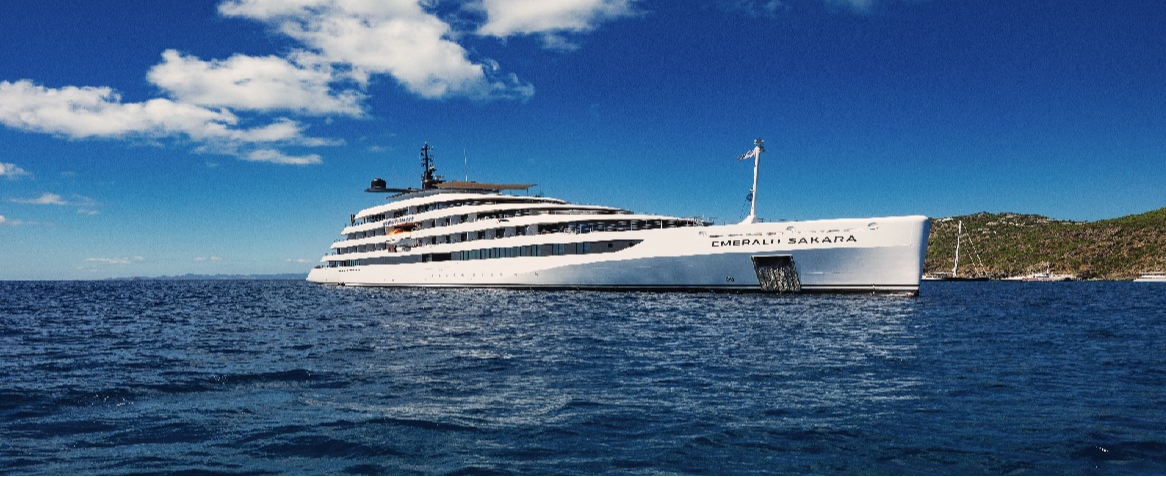
Emerald Waterways (12 Cruises)
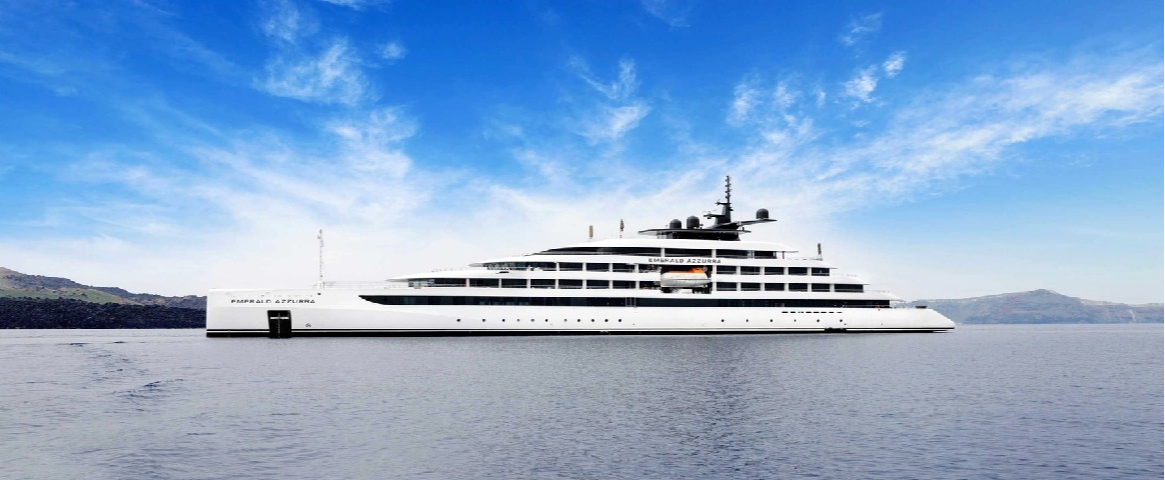

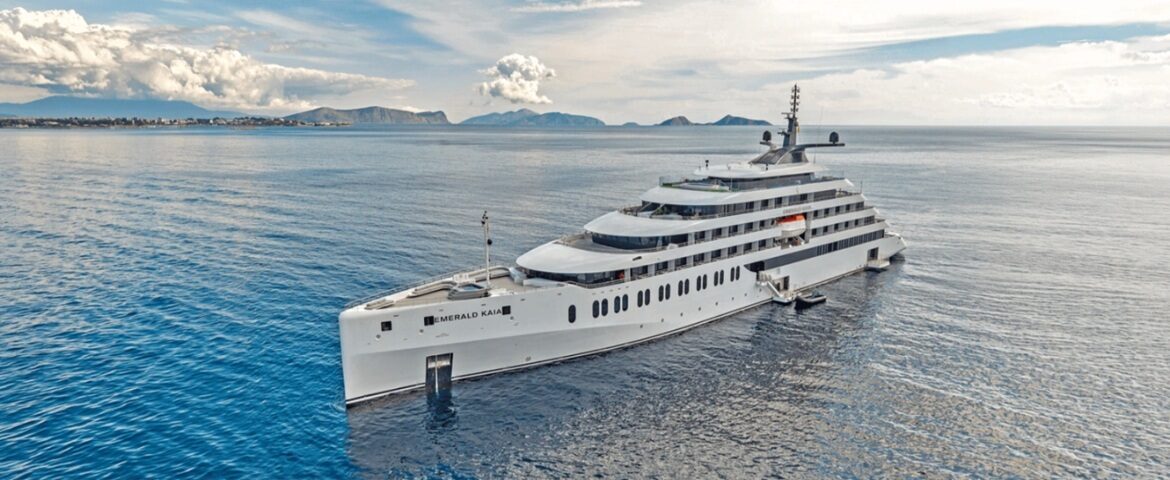
Emerald Kaia
6 Cruises
Explora Journeys (18 Cruises)
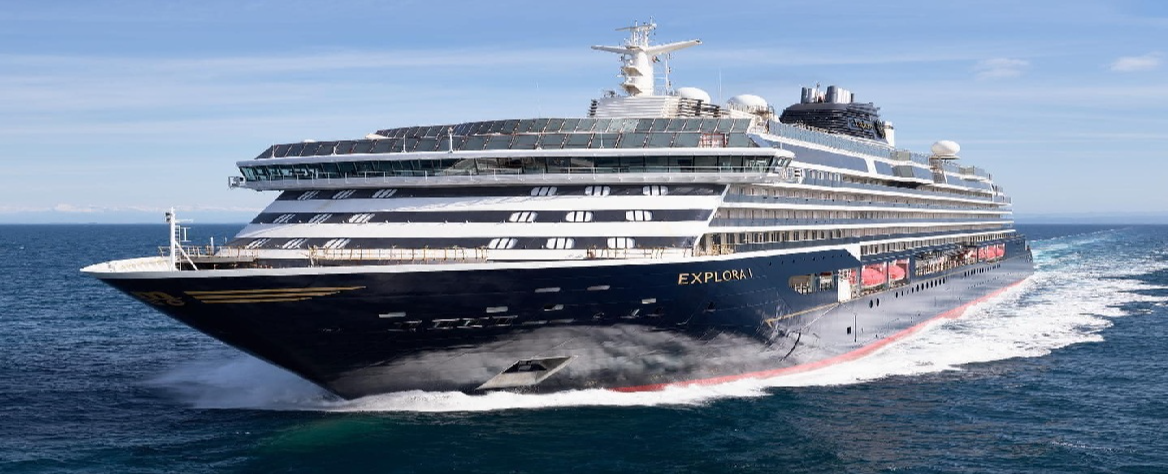

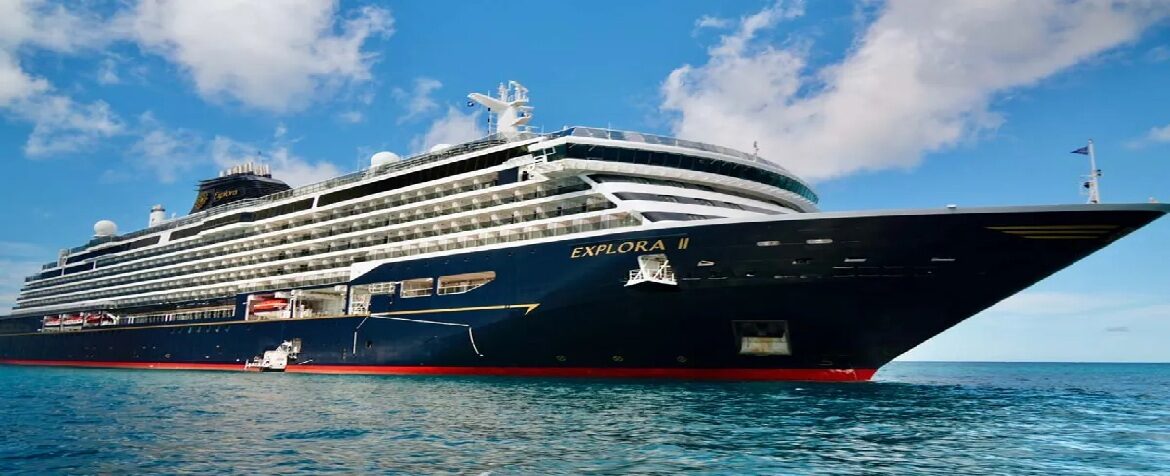
Explora II
13 Cruises
Holland America Line (14 Cruises)
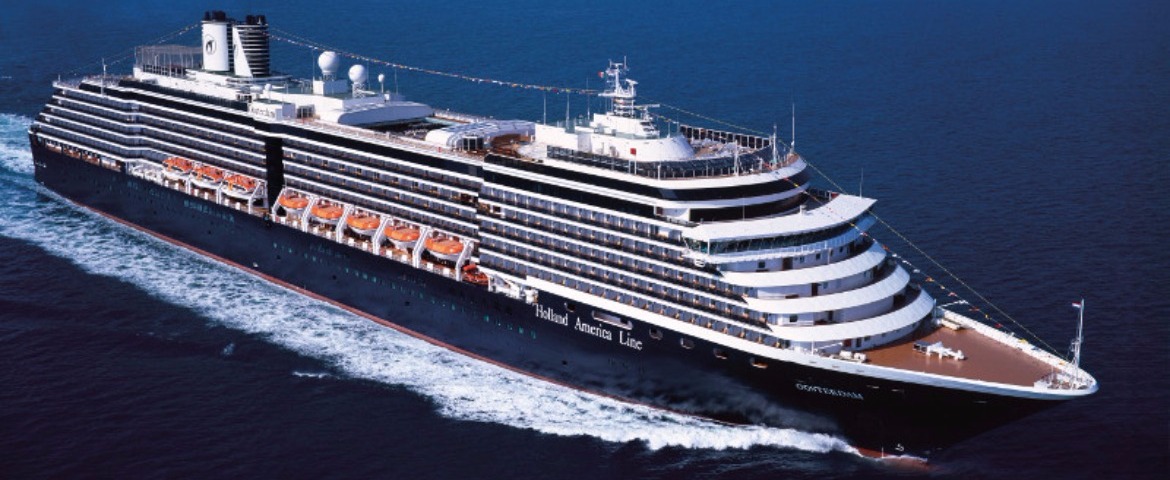
ms Oosterdam
7 Cruises

| 9 April | 25 nights | One-way from Fort Lauderdale to Piraeus-Athens |
450-628-6241
Call us
|
| 9 April | 14 nights | One-way from Fort Lauderdale to Barcelona |
450-628-6241
Call us
|
Lindblad Expeditions (6 Cruises)
National Geographic Orion
6 Cruises

| 25 June | 12 nights | One-way from Barcelona to Ponta Delgada |
450-628-6241
Call us
|
| 25 June | 11 days | One-way from Barcelona to Ponta Delgada |
450-628-6241
Call us
|
MSC Cruises (61 Cruises)
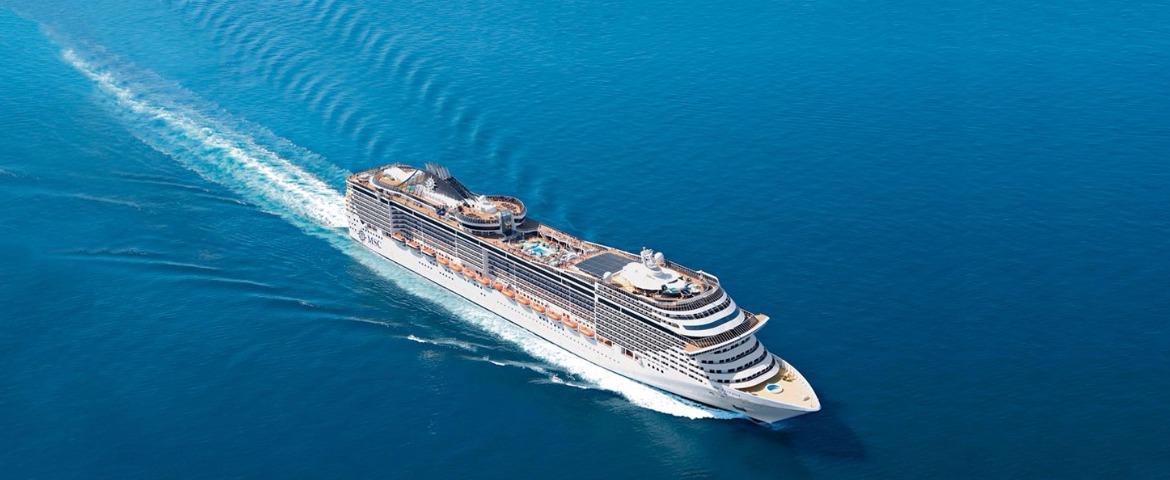

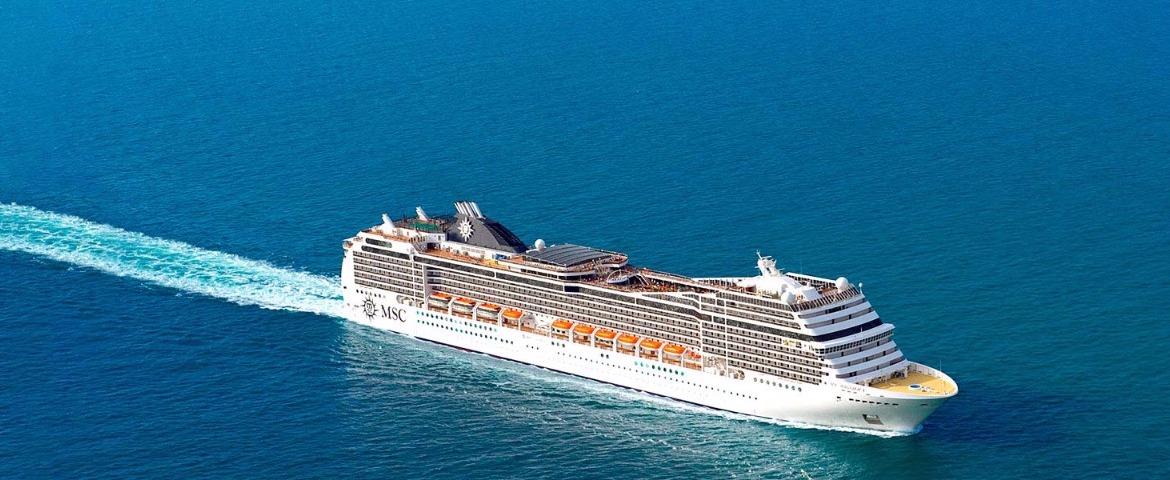
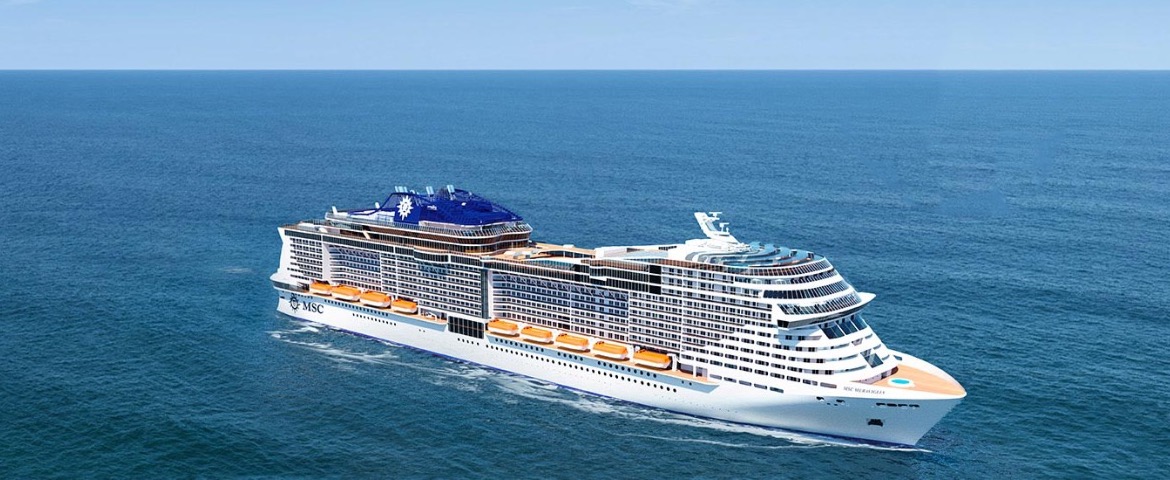
MSC Seaview
13 Cruises
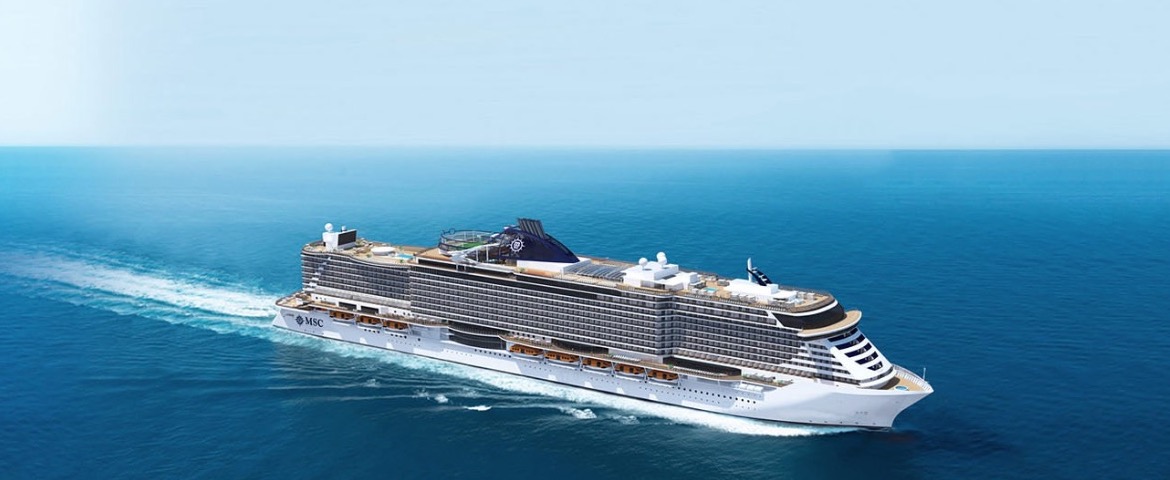
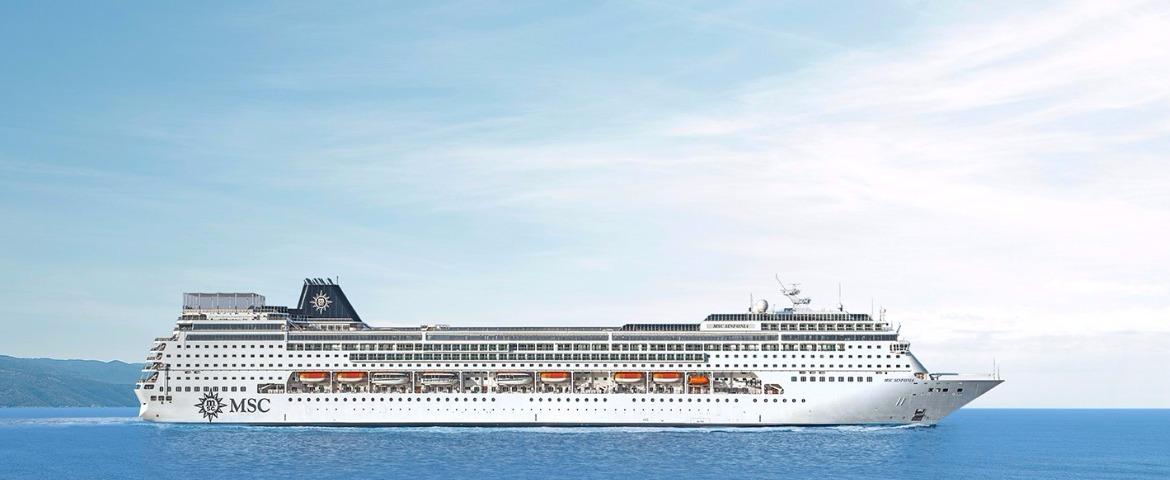
MSC Sinfonia
15 Cruises
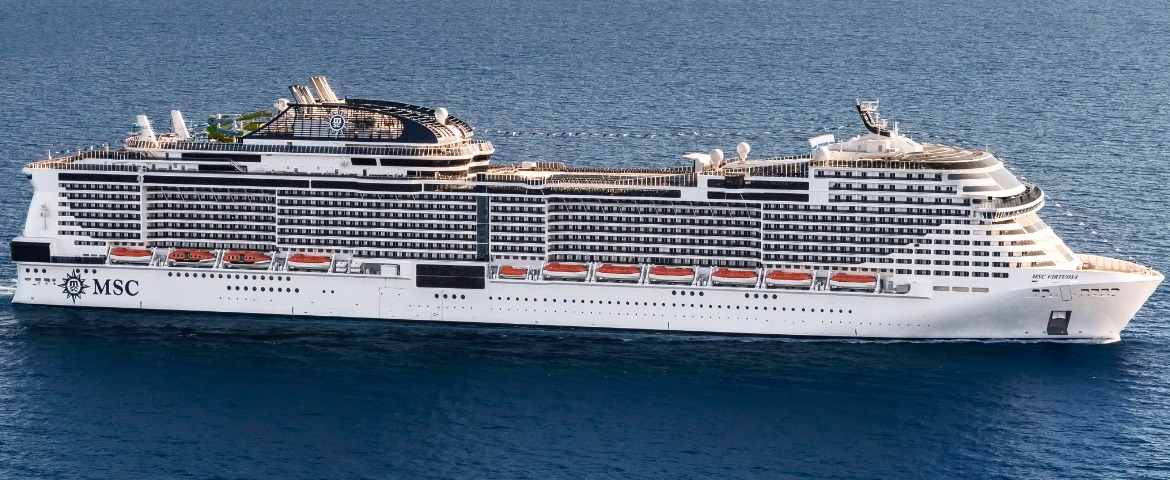
MSC Virtuosa
8 Cruises
MSC World Europa
14 Cruises
 Image not available

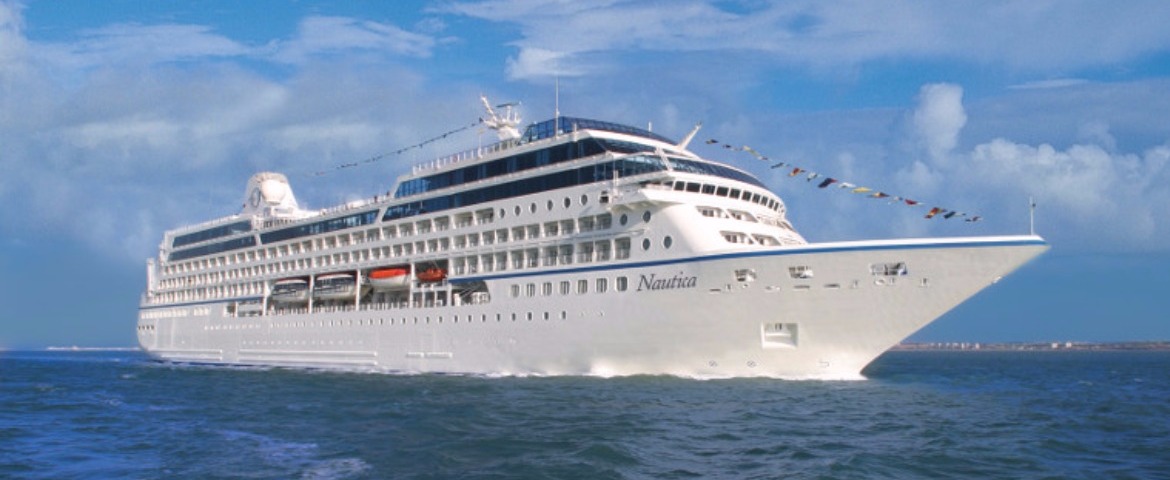
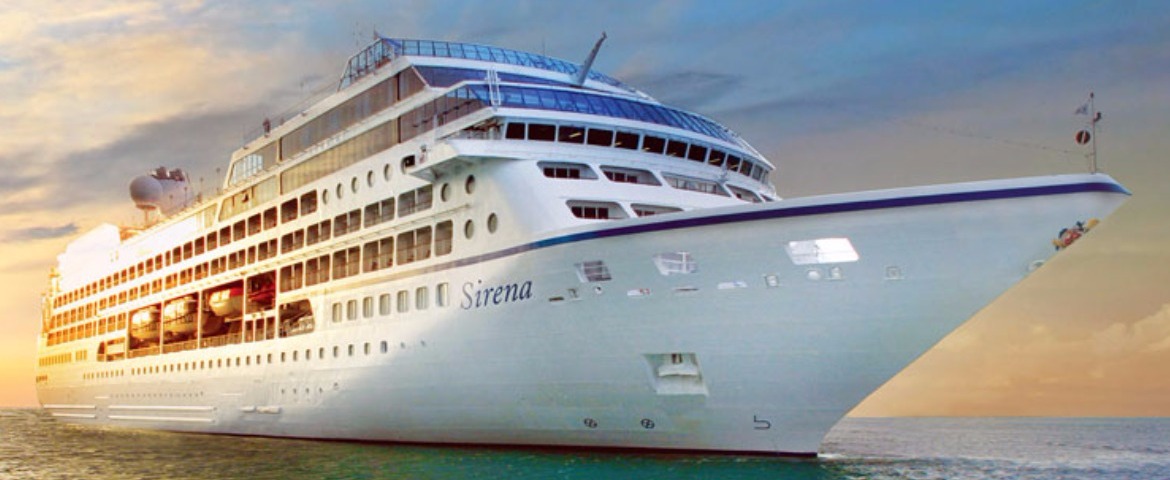
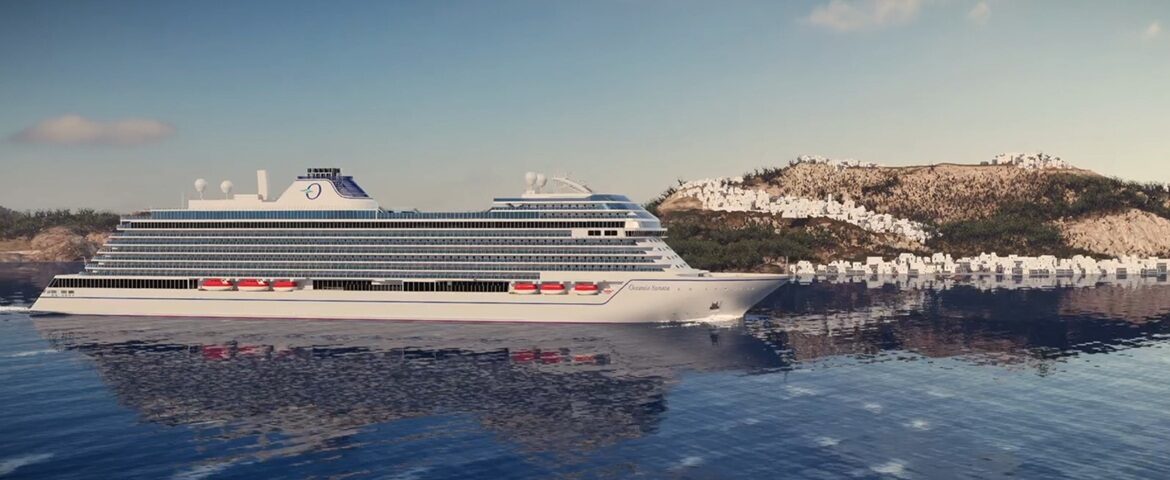
Oceania Cruises (20 Cruises)
Oceania Allura
8 Cruises

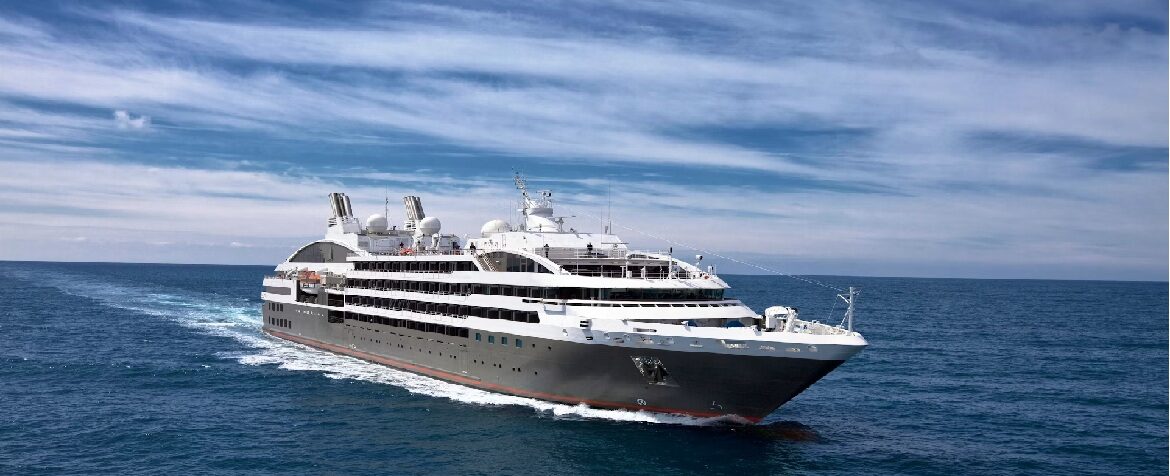
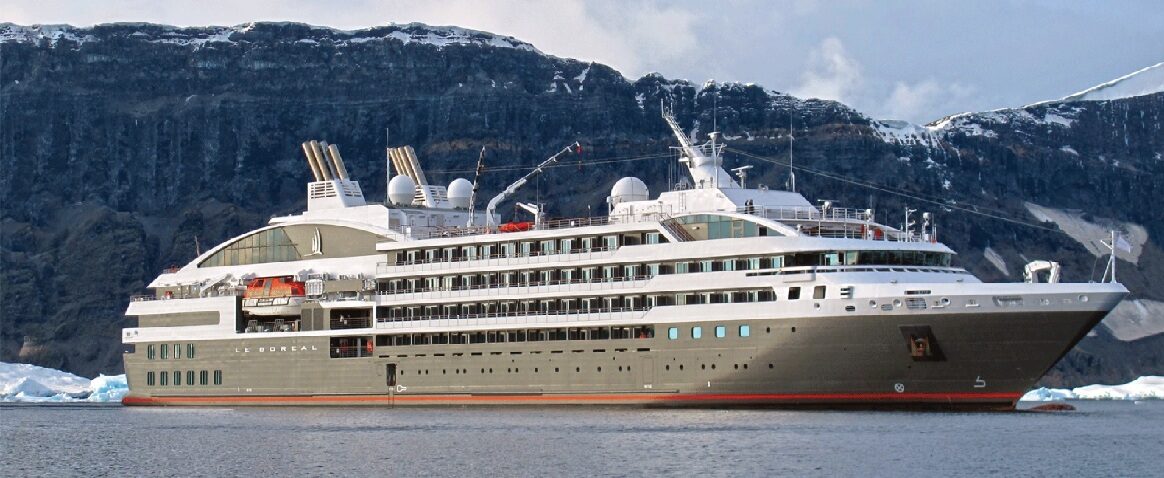
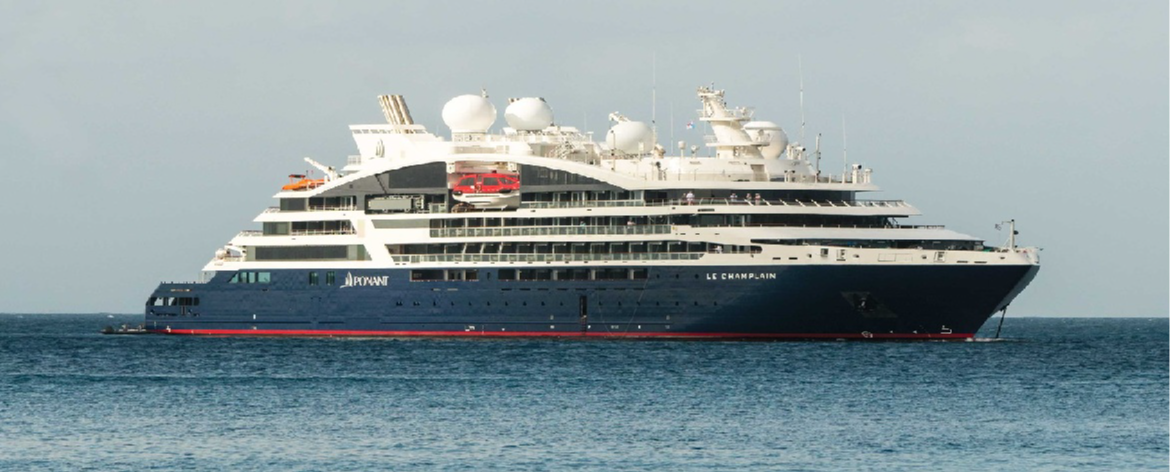
Ponant (13 Cruises)

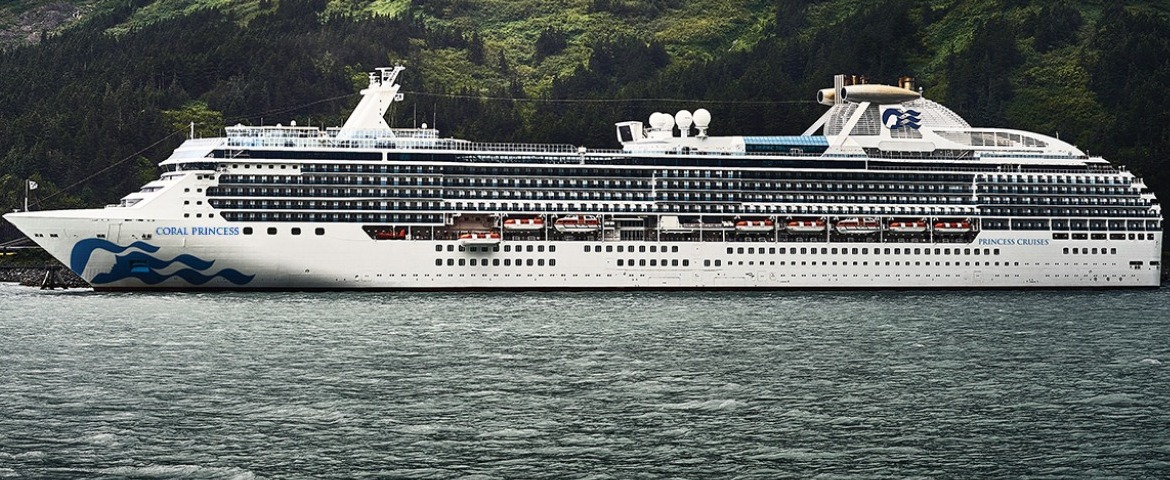
Princess Cruises (8 Cruises)
Coral Princess
8 Cruises

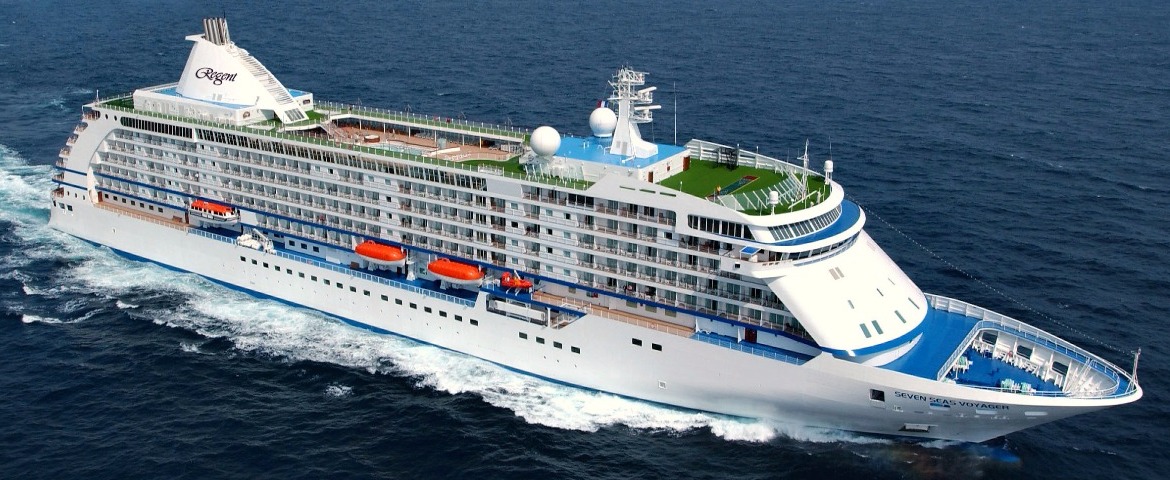
Regent Seven Seas Cruises (32 Cruises)
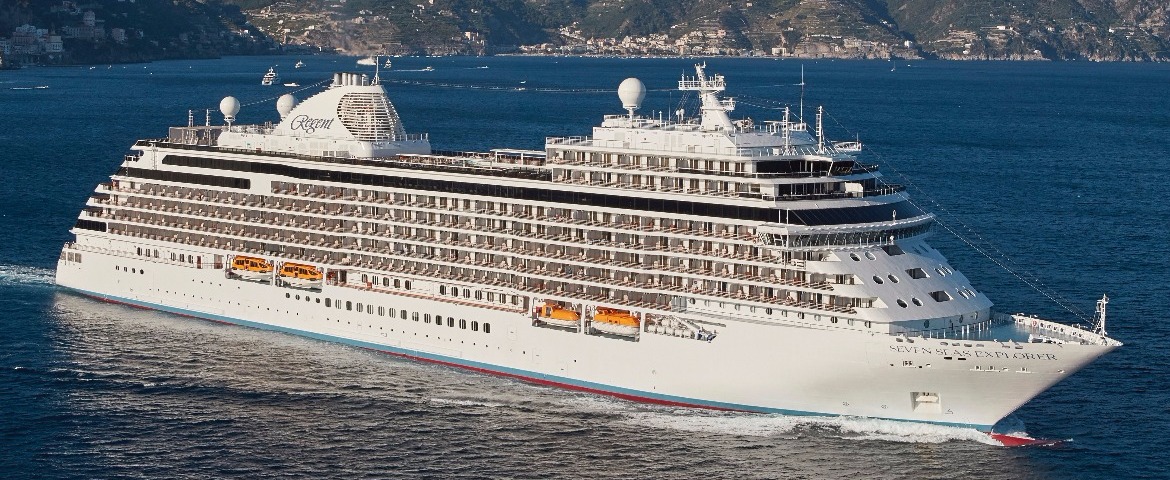
Seven Seas Explorer
5 Cruises

Seven Seas Grandeur
6 Cruises
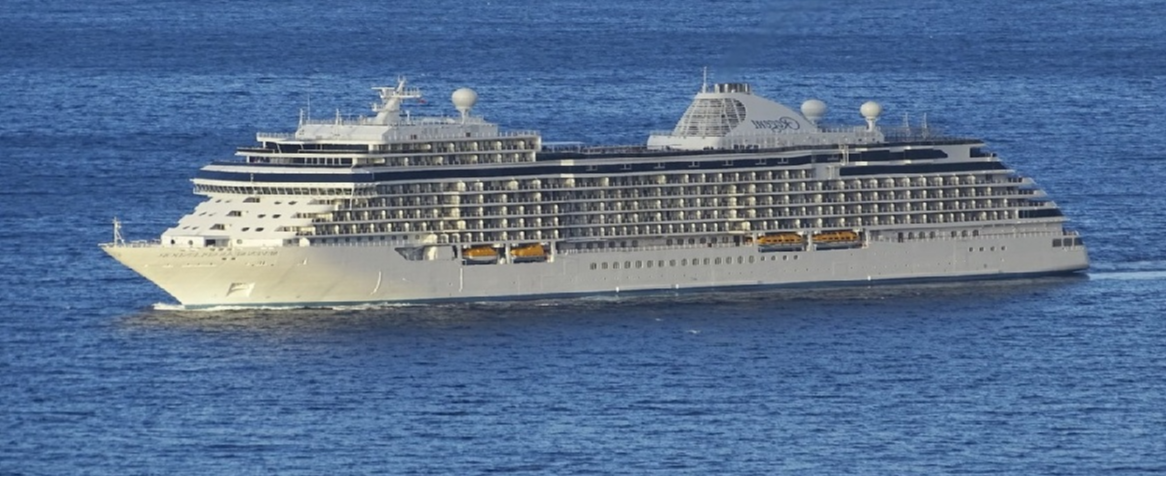
Seven Seas Mariner
5 Cruises

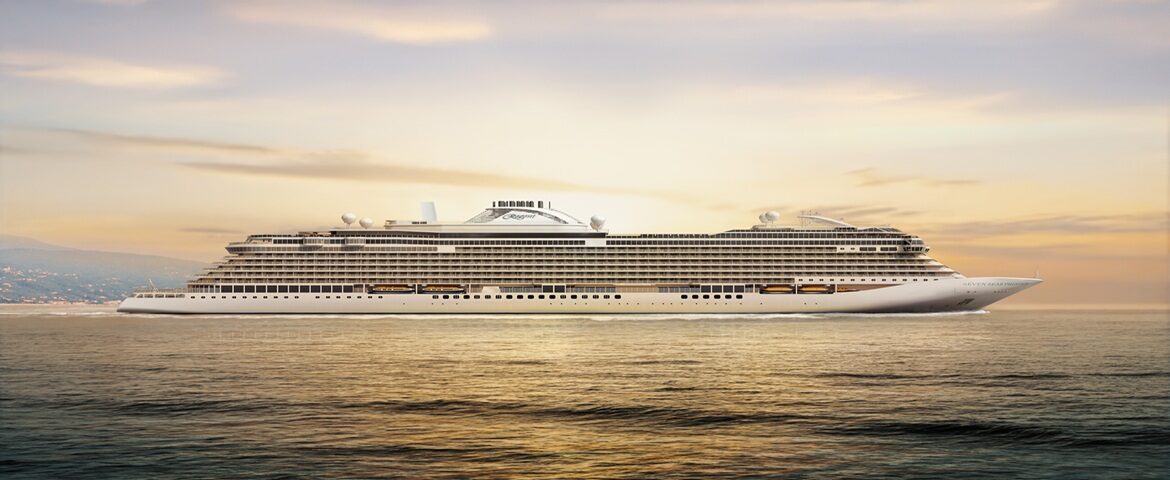
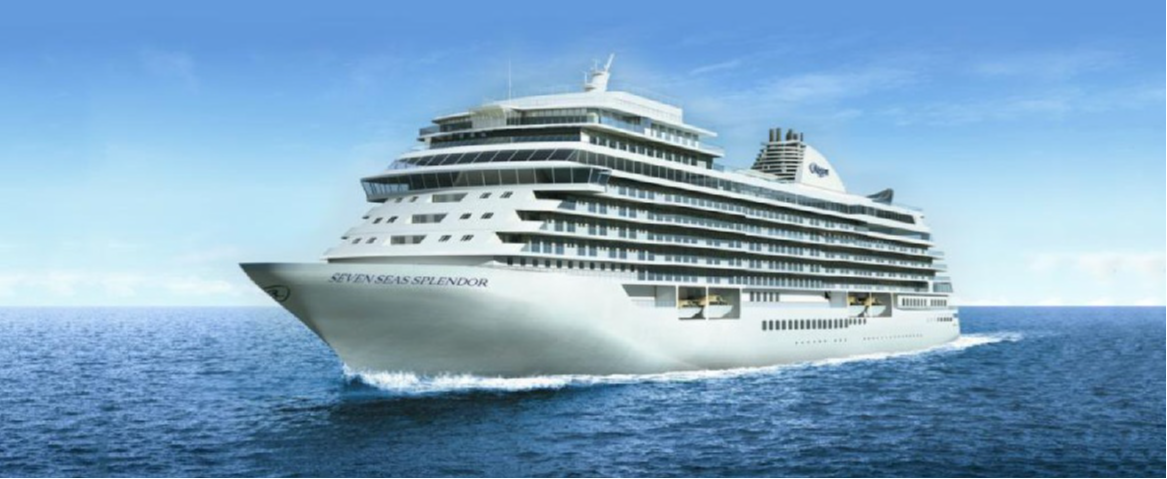
Seven Seas Splendor
4 Cruises
Royal Caribbean Cruises (17 Cruises)



Mariner of the Seas
13 Cruises

| 11 May | 7 nights | Round-trip from Barcelona, Spain |
From
915$
|
| 18 May | 9 nights | One-way from Barcelona to Lisbon |
From
1247$
|
| 27 May | 9 nights | One-way from Lisbon to Barcelona |
From
1216$
|
| 16 July | 7 nights | Round-trip from Barcelona, Spain |
From
1292$
|
| 23 July | 7 nights | One-way from Barcelona to Lisbon |
From
1704$
|
| 30 July | 7 nights | One-way from Lisbon to Barcelona |
From
3514$
|

Scenic Cruises (8 Cruises)
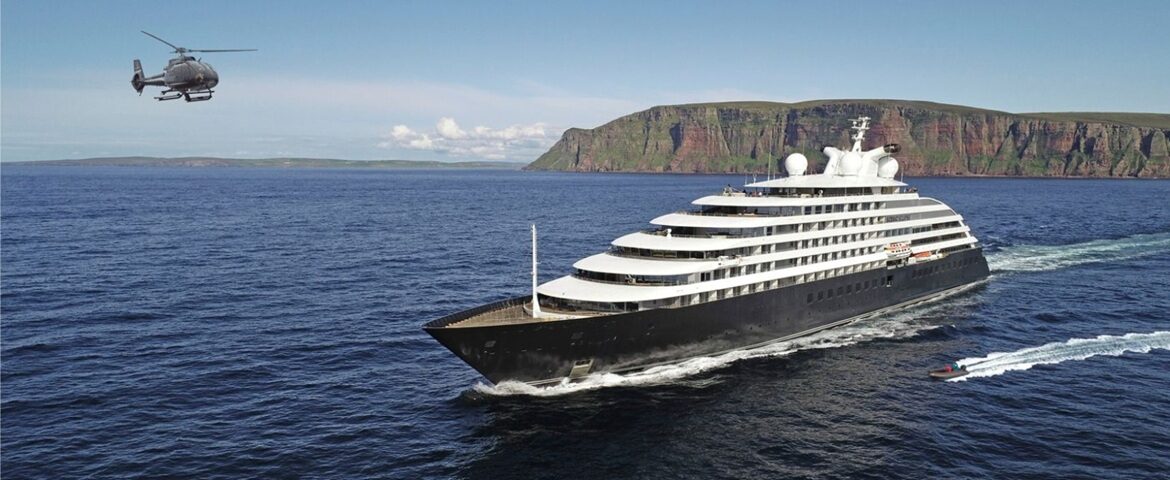
Scenic Eclipse
4 Cruises


Seabourn Cruise Line (36 Cruises)
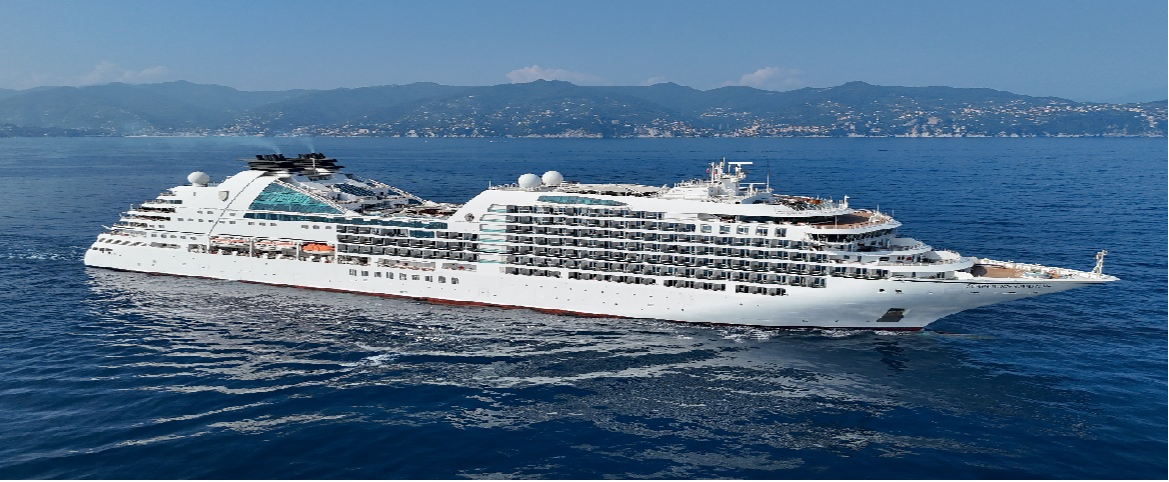
Seabourn Ovation
12 Cruises

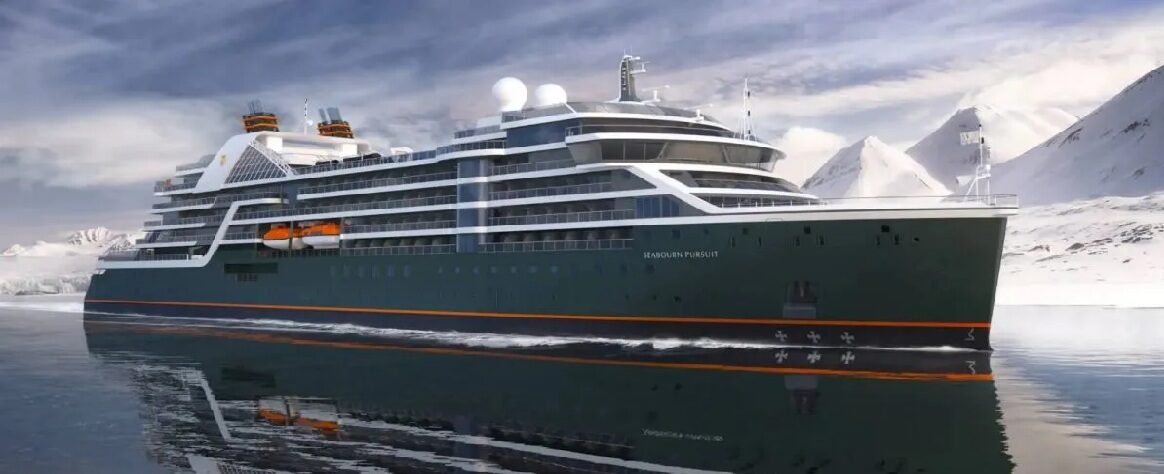
Seabourn Pursuit
7 Cruises
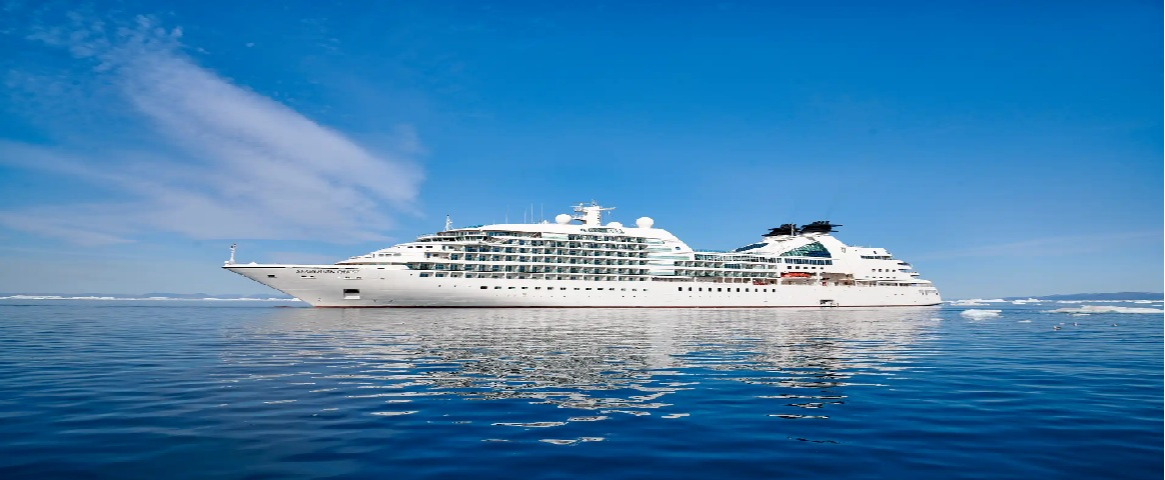
Seabourn Quest
8 Cruises
| 7 January | 120 nights | One-way from Miami to Southampton |
450-628-6241
Call us
|
| 7 January | 112 nights | One-way from Miami to Lisbon |
450-628-6241
Call us
|
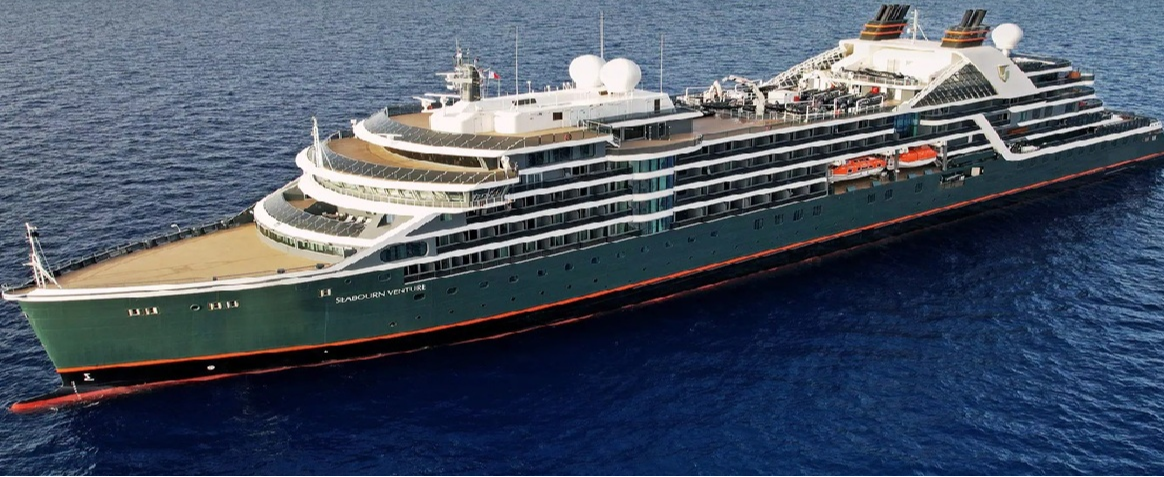
Seabourn Venture
9 Cruises

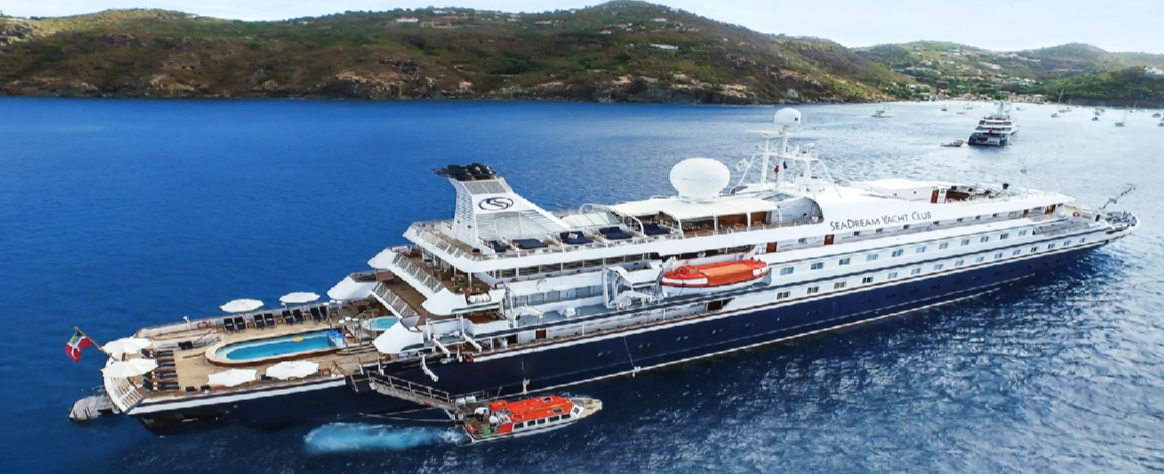
Silversea Cruises (19 Cruises)
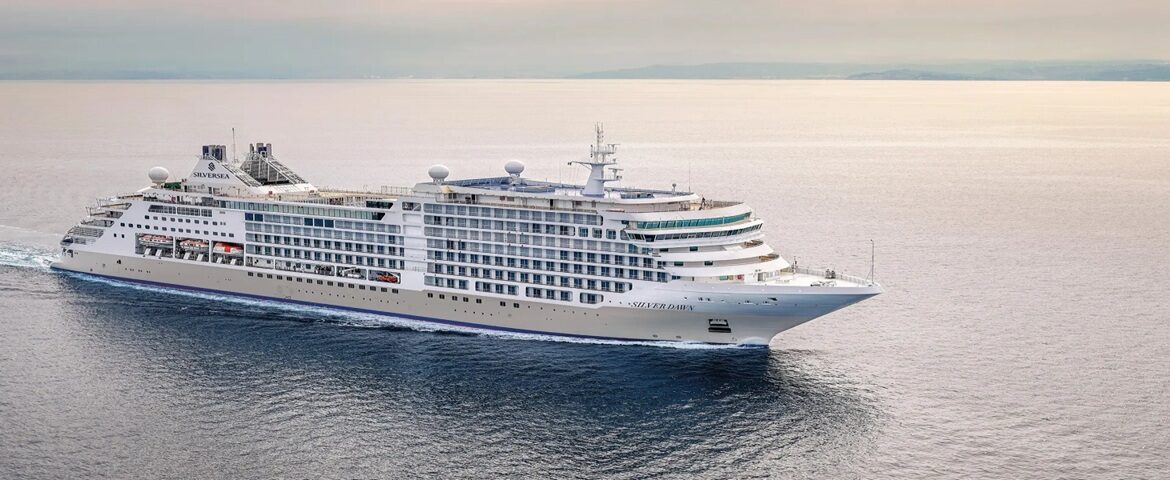

Silver Ray
9 Cruises
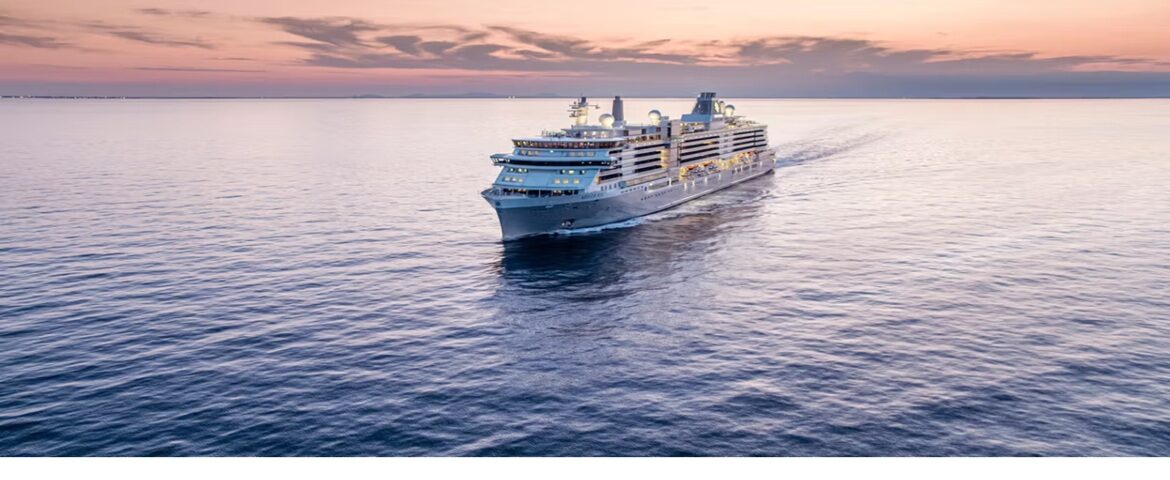
| 10 March | 25 nights | One-way from Miami to Barcelona |
450-628-6241
Call us
|
| 24 March | 11 nights | One-way from Lisbon to Barcelona |
450-628-6241
Call us
|
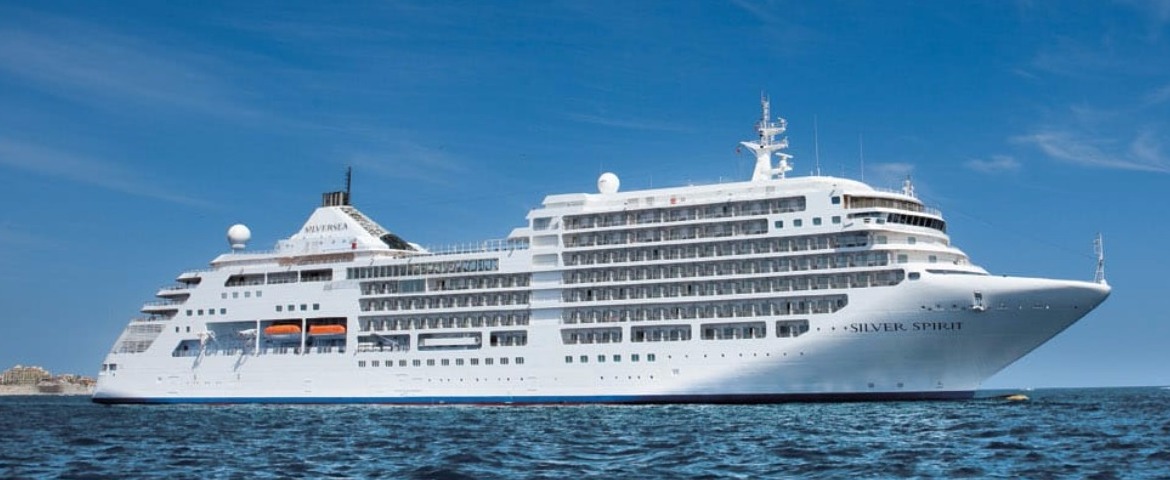

Viking Ocean Cruises (113 Cruises)
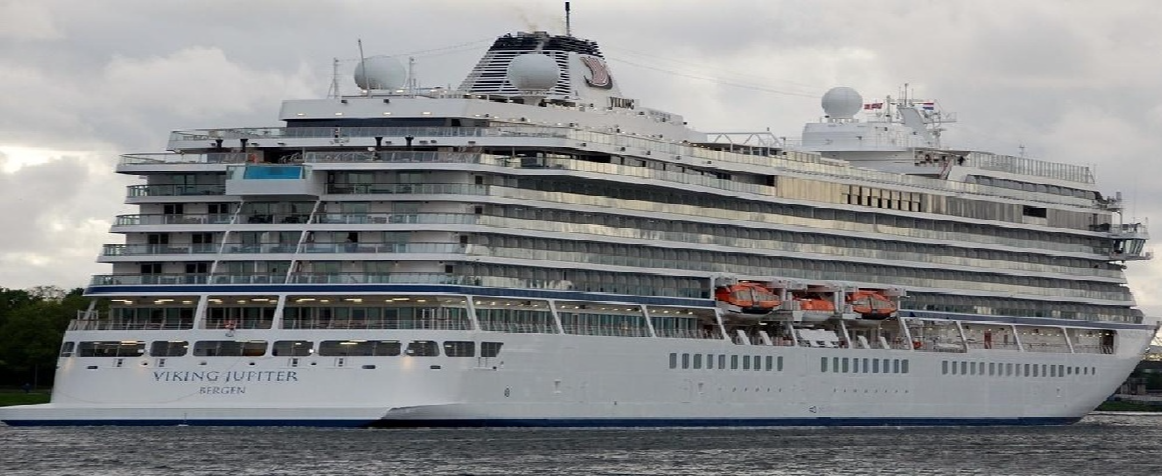
Viking Jupiter
36 Cruises

| 20 August | 33 nights | One-way from Istanbul to Lisbon |
450-628-6241
Call us
|
| 26 August | 27 nights | One-way from Piraeus-Athens to Lisbon |
450-628-6241
Call us
|
Viking Neptune
23 Cruises
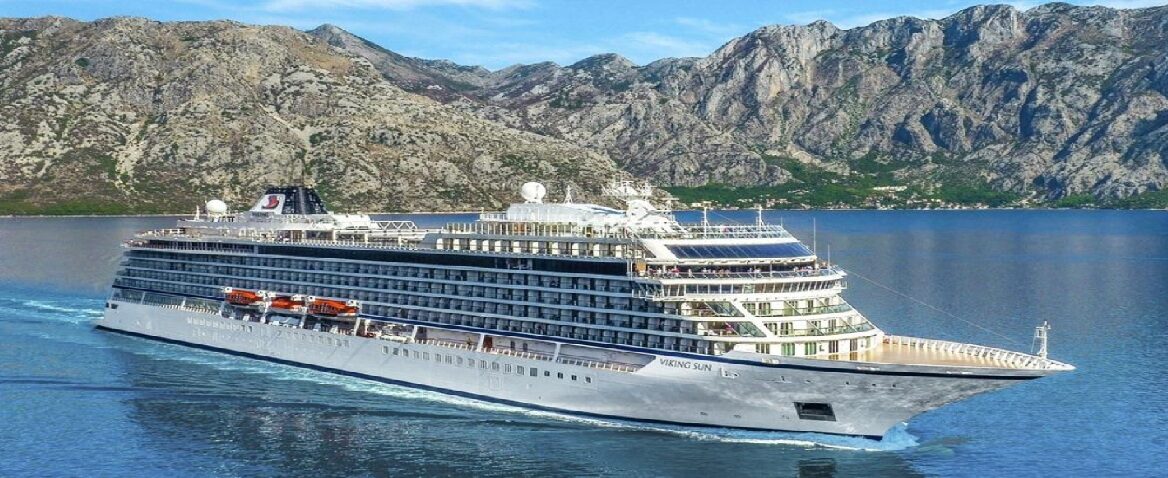
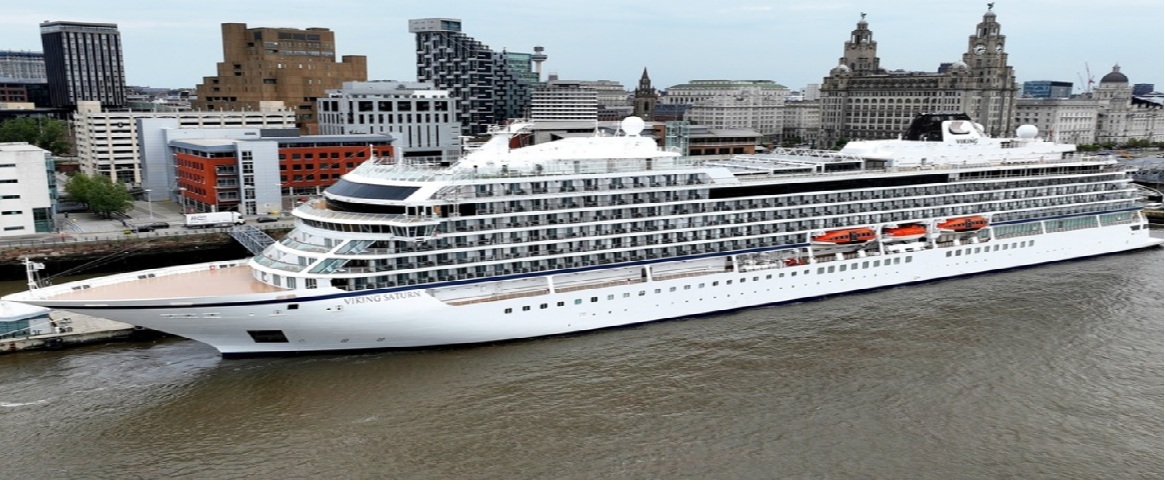
Viking Saturn
12 Cruises
| 19 April | 17 nights | One-way from Barcelona to London-Tilbury |
450-628-6241
Call us
|
| 19 April | 6 nights | One-way from Barcelona to Lisbon |
450-628-6241
Call us
|
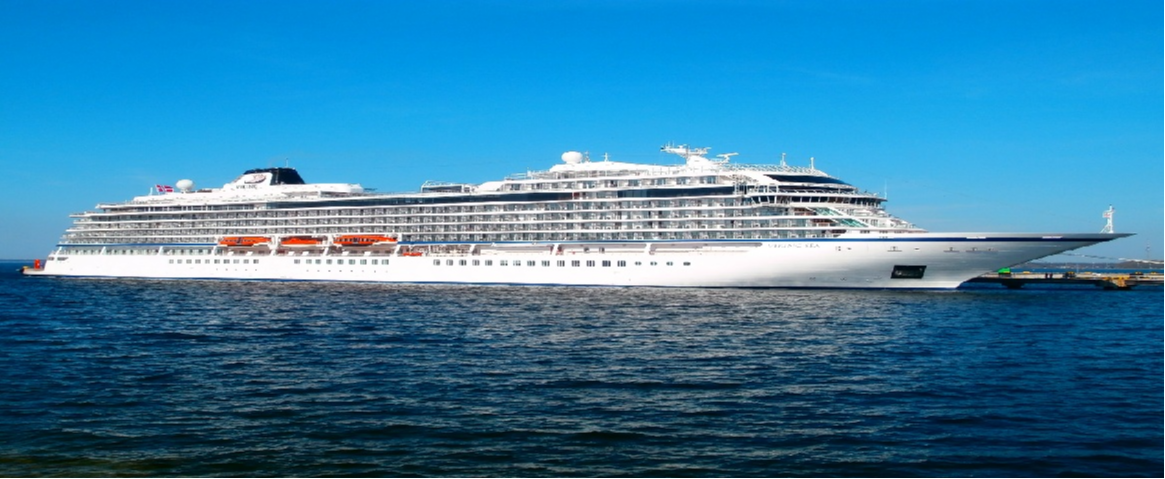
Viking Sky
12 Cruises
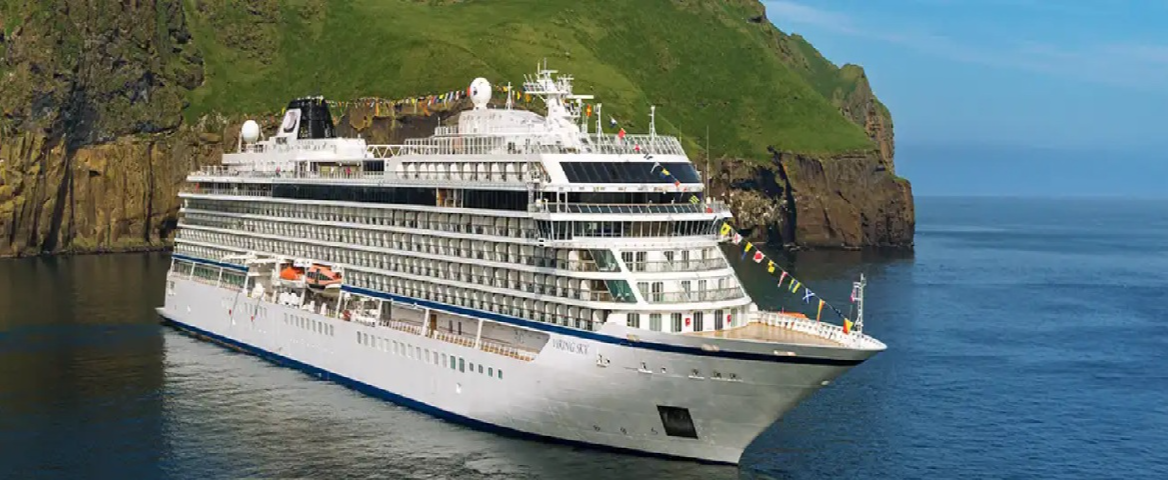
Viking Star
4 Cruises
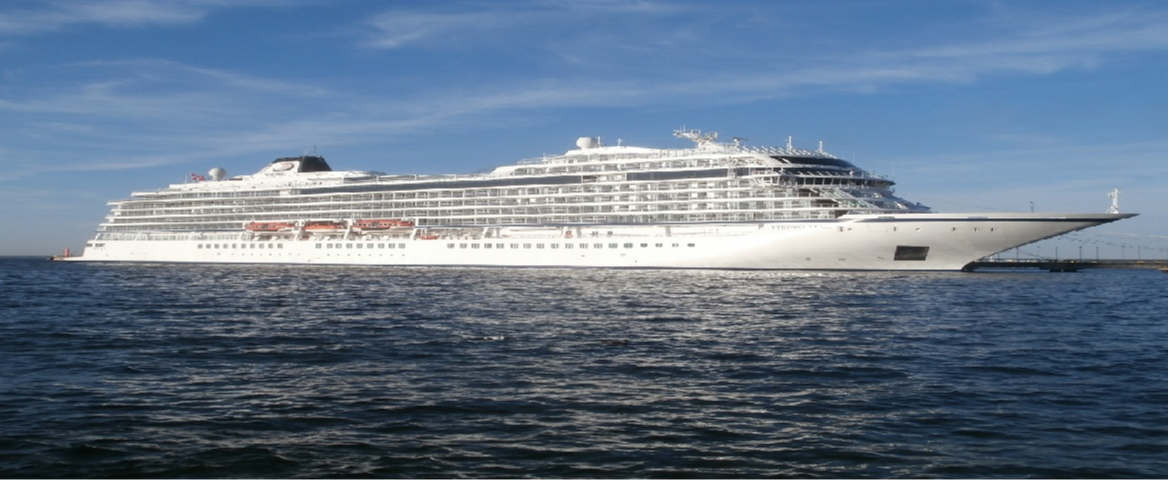
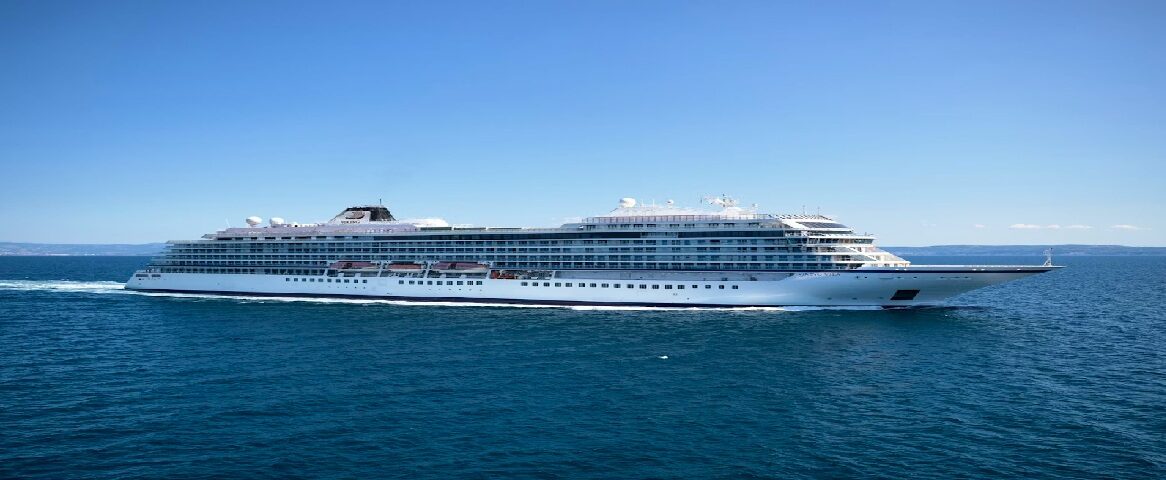
Viking Vela
24 Cruises
| 21 March | 27 nights | One-way from Piraeus-Athens to Lisbon |
450-628-6241
Call us
|
| 29 March | 19 nights | One-way from Venice to Lisbon |
450-628-6241
Call us
|
Windstar Cruises (12 Cruises)

Wind Spirit
10 Cruises

Tangier, Morocco | Cruise Port Guide
Frequently Asked Questions
At the Tanger Ville terminal, 800 metres from the old town. Ten to fifteen minutes on foot, including a steady climb, and you step into another world.
Take a petit taxi up to the upper gate of the kasbah, then walk down. The city unfolds in front of you instead of having to be earned uphill, and every descent eventually leads back to the lower gates of the walls.
The kasbah and its museum, the walk down through the medina to the Petit Socco, then the Grand Socco and the American Legation. With time left, the Café Hafa or Cape Spartel.
The former sultan's palace, Dar el-Makhzen, which houses a museum of Mediterranean cultures: Roman mosaics, ceramics and manuscripts. The citadel occupies the highest point of the medina, and from the nearby terraces the view reaches Spain.
Yes, in clear weather: barely fourteen kilometres separate Africa from Europe here. From the ship's deck or the kasbah terraces, the Spanish coast is visible across the Strait of Gibraltar.
The old square of bankers and literary cafes at the bottom of the medina, where Paul Bowles and the Beat Generation writers were regulars. The white and blue lanes run down to it on a gentle slope from the kasbah.
The first property the United States ever acquired abroad, a gift from the sultan in 1821, in the lower medina. Now a museum, it recounts the long ties between the two countries and displays paintings and mementoes of cosmopolitan Tangier; its patios and staircases are as worthwhile as the collections.
A cafe founded in 1921 whose stepped terraces tumble down the cliff facing the strait. You drink mint tea where the Rolling Stones and generations of dreamers have sat, among students and card players watching the freighters pass.
Cape Spartel, about 14 kilometres away, where the Atlantic meets the Mediterranean, and the Caves of Hercules cut into the nearby cliff. Allow a taxi ride and a good part of the afternoon.
The Moroccan dirham, which cannot be taken out of the country: change on arrival and spend before you leave. Cards work in the new town, far less in the medina.


