Auckland New Zealand
New Zealand
366
Cruises availables
At departure or passage at this port
Azamara Club Cruises (35 Cruises)
Azamara Onward
13 Cruises
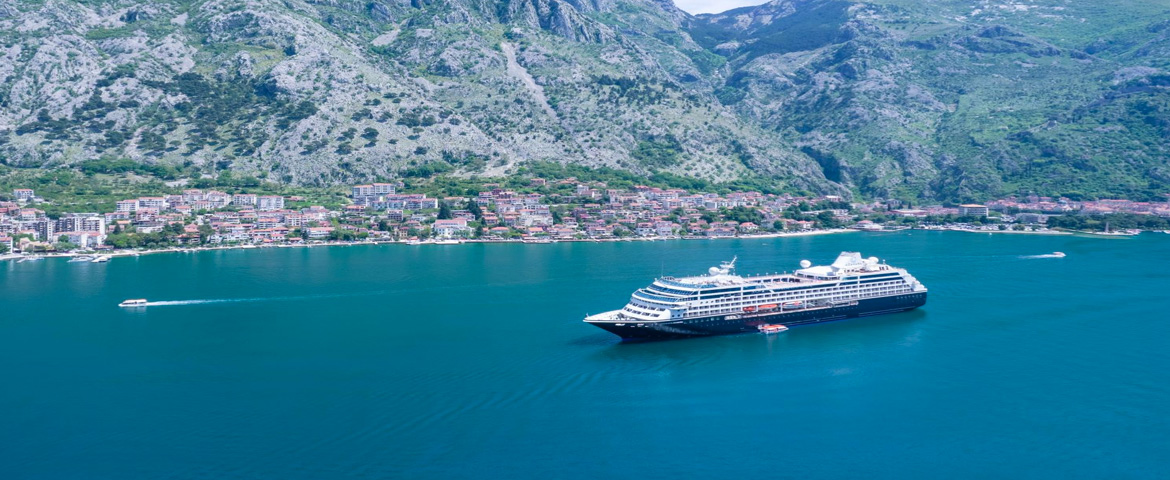

Azamara Pursuit
15 Cruises
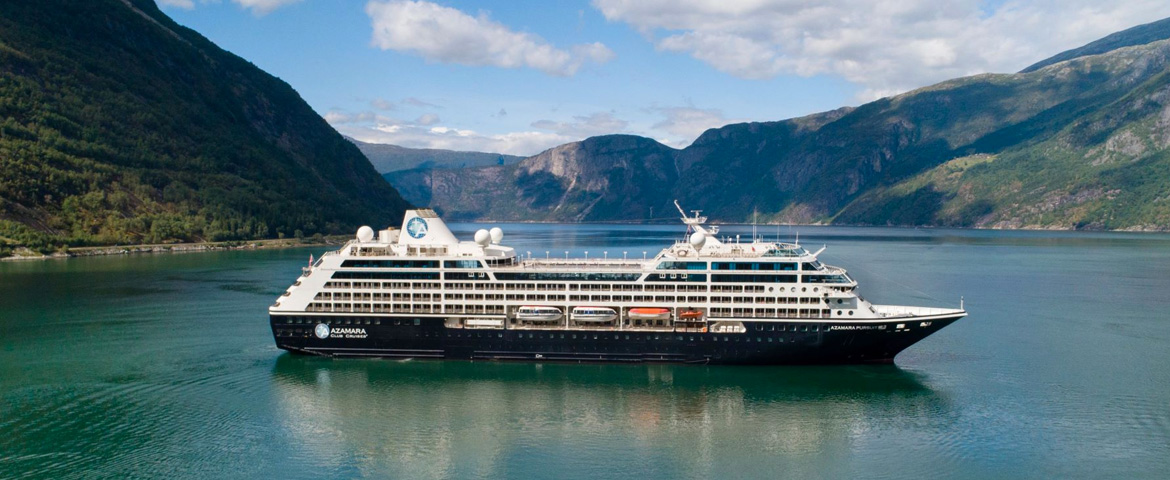
Azamara Quest
7 Cruises
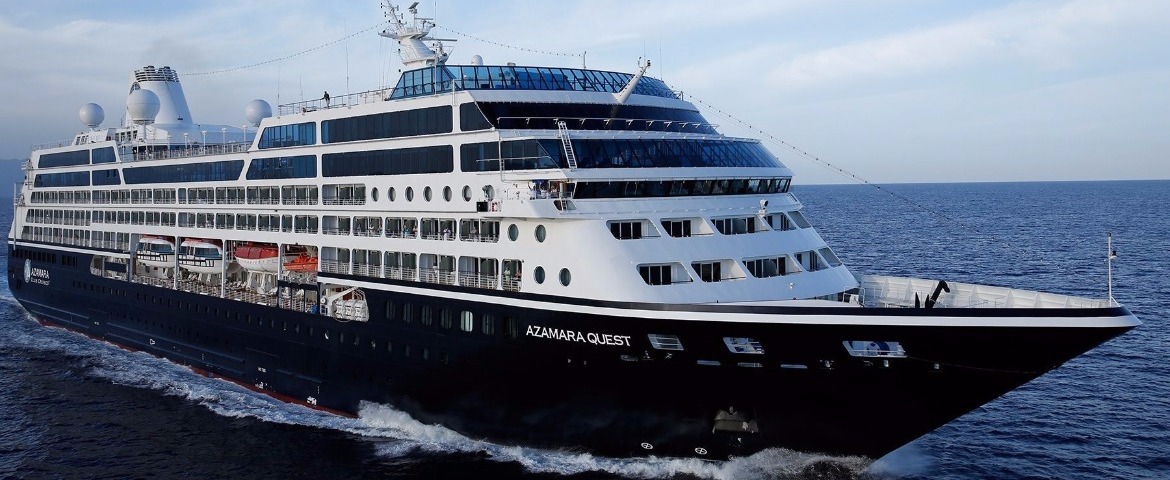
Carnival Cruise Line (12 Cruises)
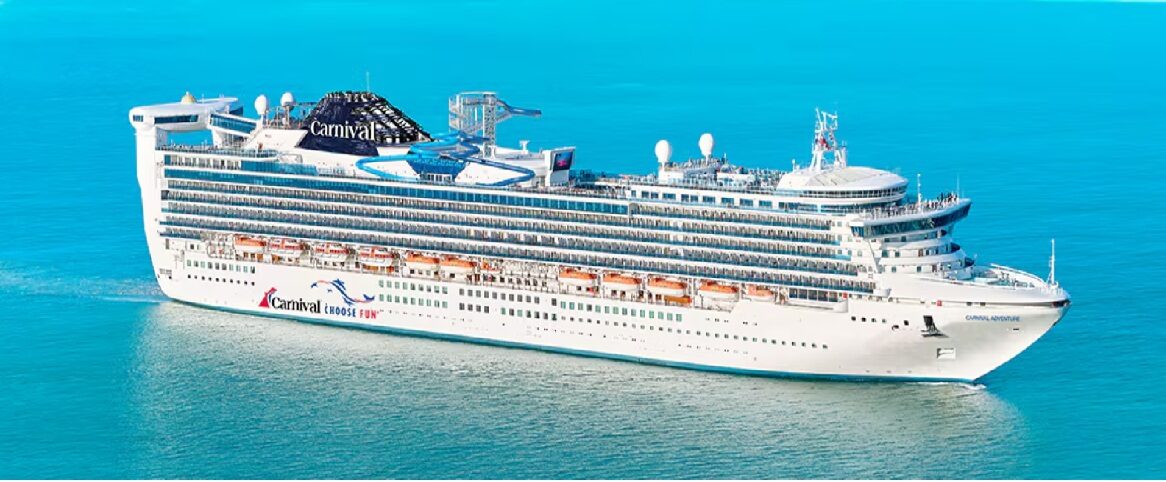
Carnival Adventure
10 Cruises

| 21 May | 5 days | One-way from Sydney to Auckland |
450-628-6241
Call us
|
| 25 May | 10 days | Round-trip from Auckland, New Zealand |
450-628-6241
Call us
|
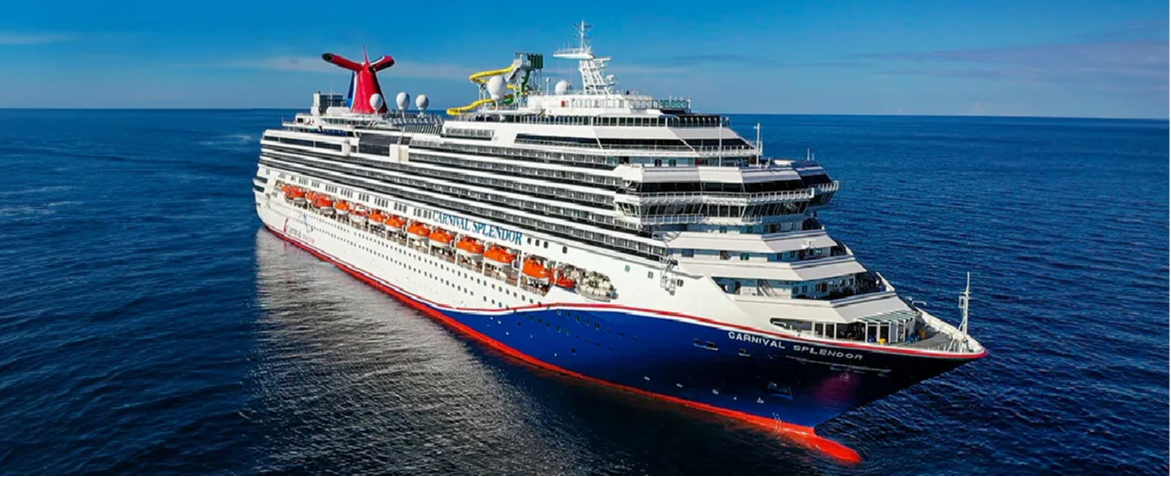
Celebrity Cruises (19 Cruises)
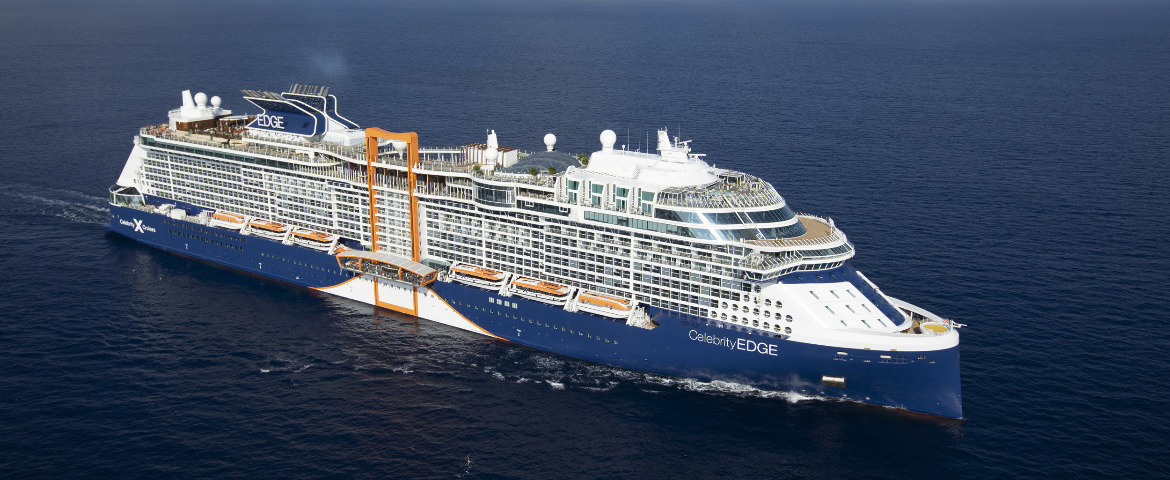
Celebrity Edge
17 Cruises

| 14 January | 12 days | One-way from Sydney to Auckland |
From
4420$
|
| 25 January | 13 days | One-way from Auckland to Sydney |
From
22116$
|
| 6 February | 13 days | Round-trip from Sydney, Australia |
From
4460$
|
| 18 February | 13 days | Round-trip from Sydney, Australia |
From
4612$
|
Costa Cruises (8 Cruises)
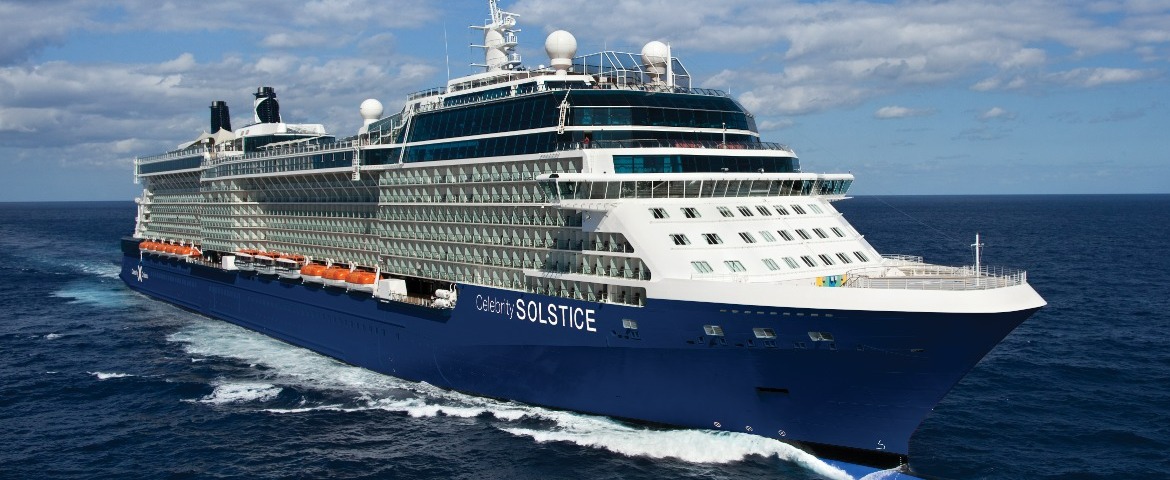
Costa Deliziosa
8 Cruises

Crystal Cruises (18 Cruises)
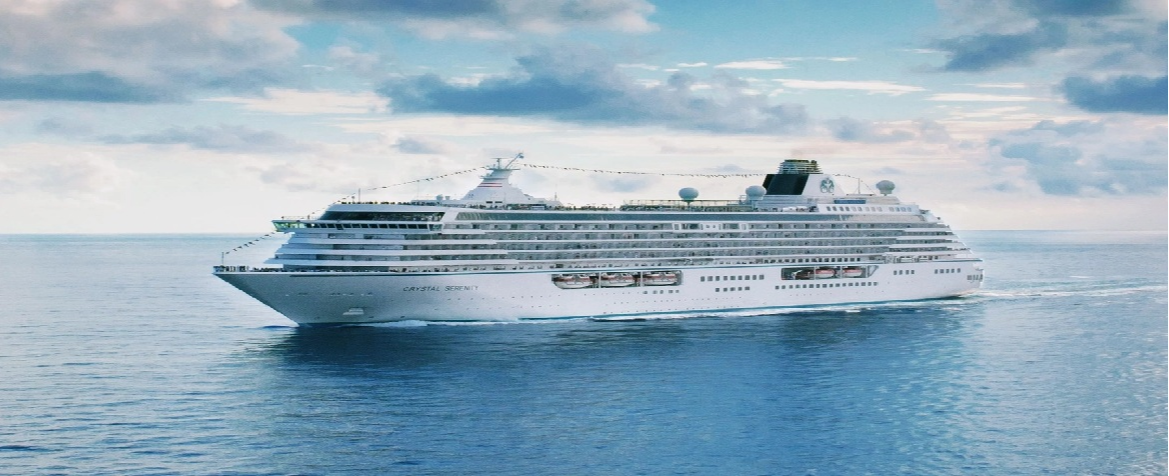
Crystal Serenity
7 Cruises

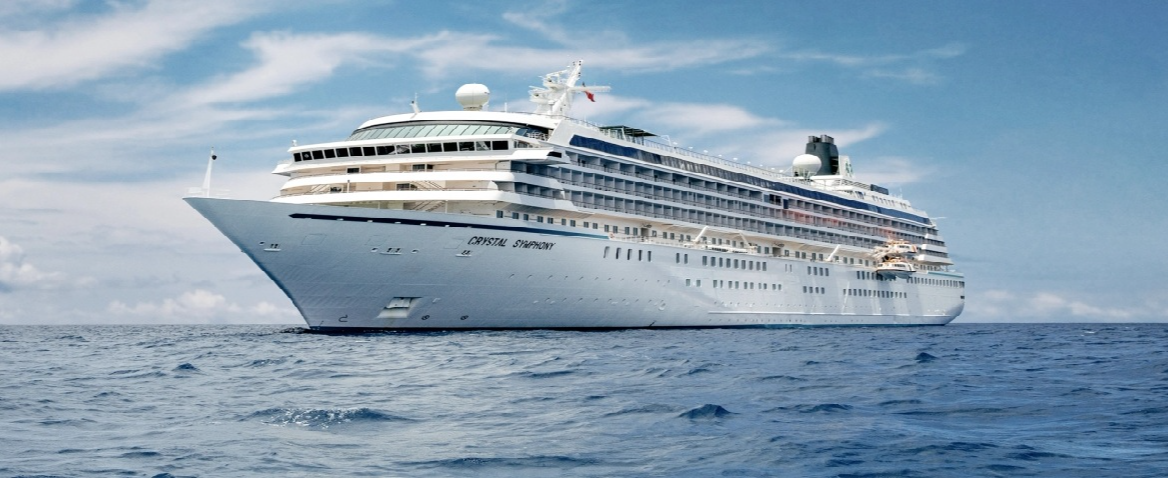
Crystal Symphony
11 Cruises
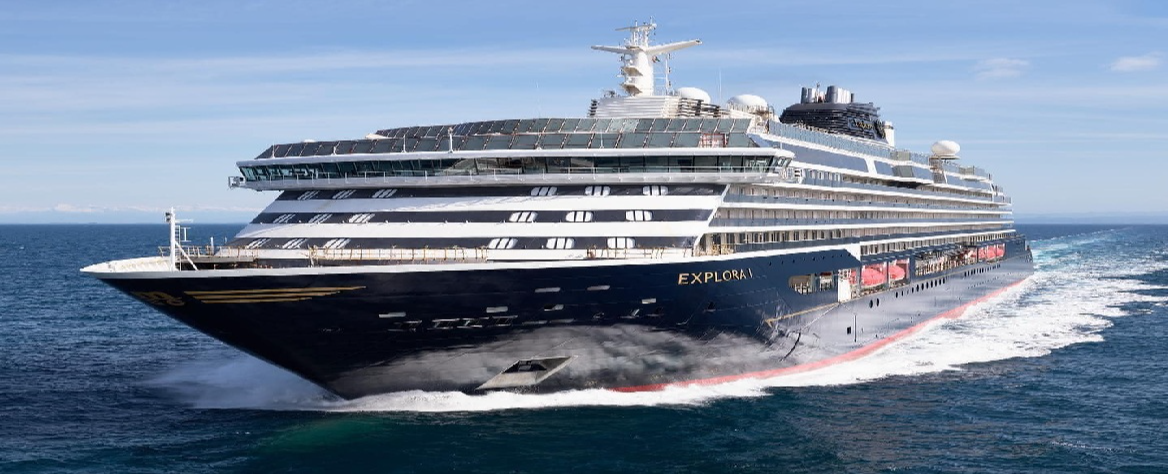
Explora Journeys (3 Cruises)

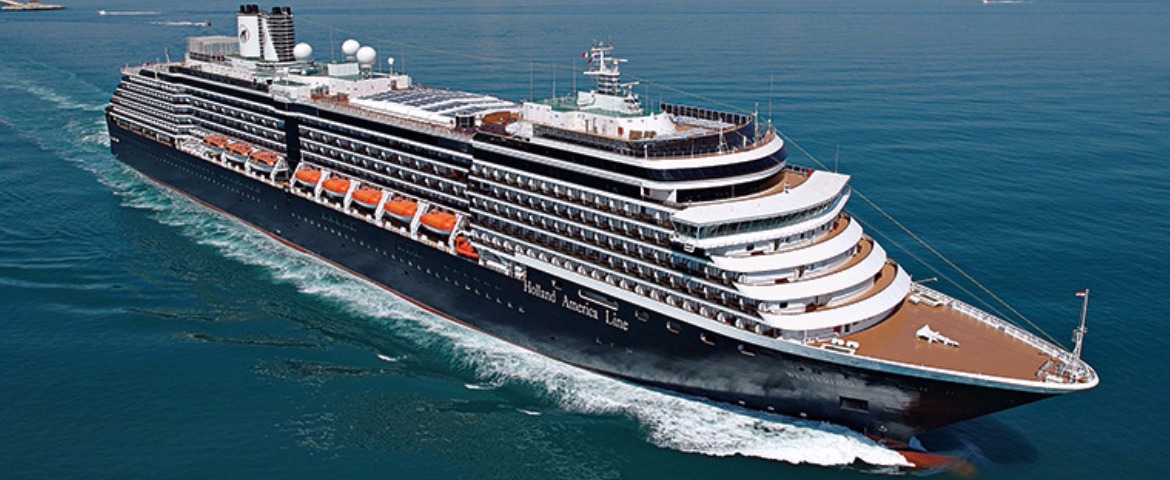
Holland America Line (22 Cruises)
ms Noordam
7 Cruises
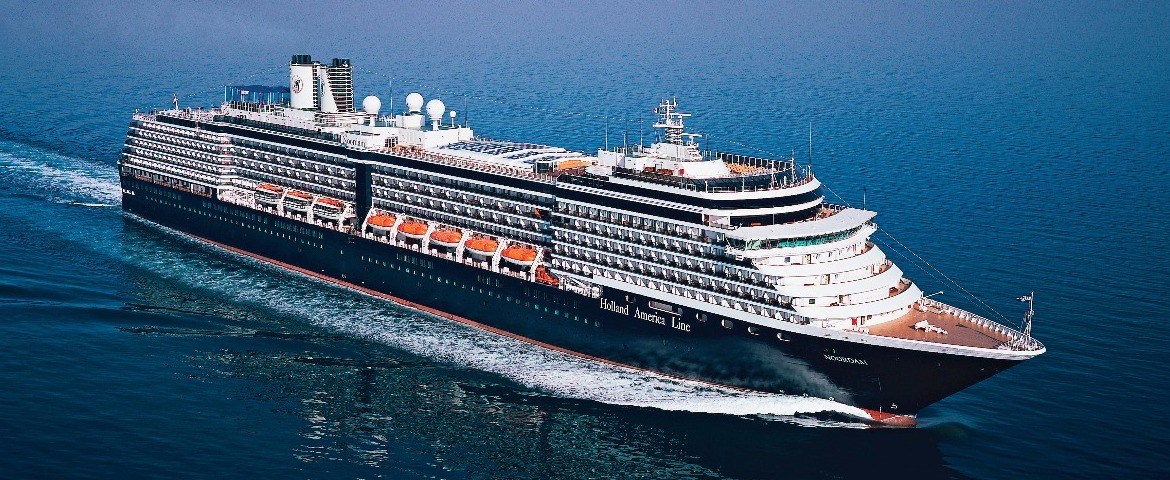

ms Westerdam
15 Cruises
MSC Cruises (14 Cruises)
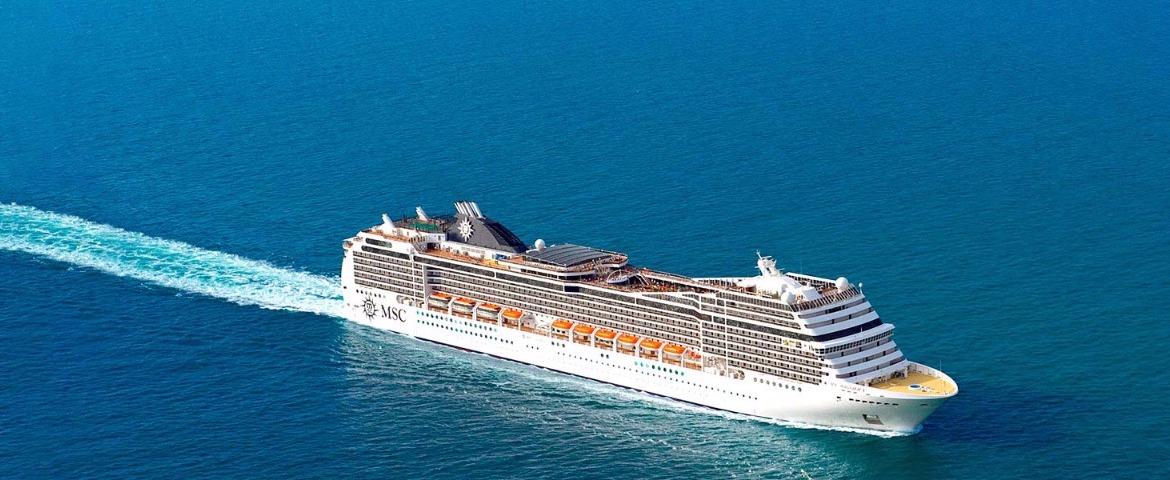
MSC Magnifica
14 Cruises

Norwegian Cruise Line (15 Cruises)
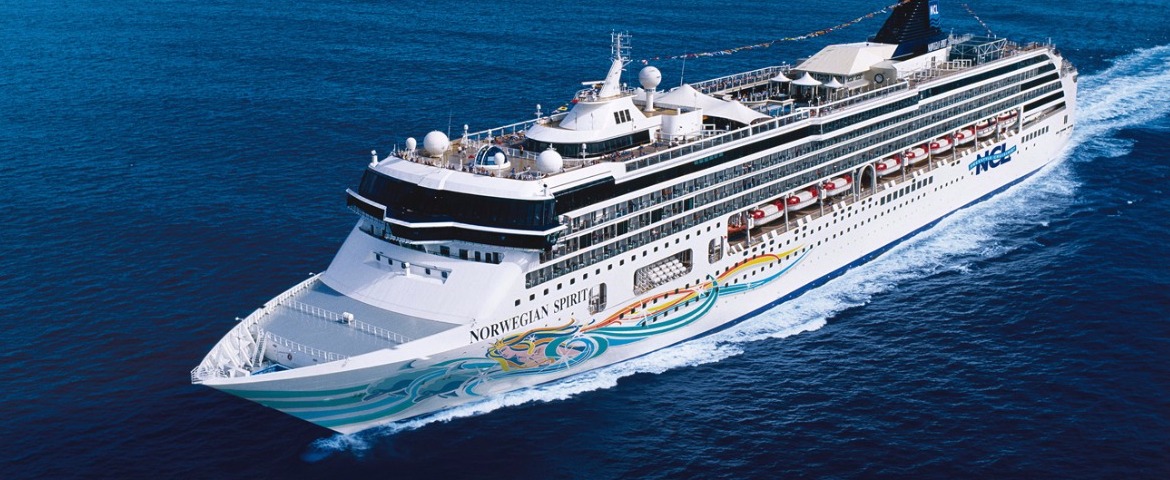
Norwegian Spirit
15 Cruises

| 5 February | 12 days | One-way from Auckland to Sydney |
From
1374$
|
| 16 February | 12 days | One-way from Sydney to Auckland |
From
1297$
|
| 27 February | 12 days | One-way from Auckland to Sydney |
From
1268$
|
Oceania Cruises (20 Cruises)
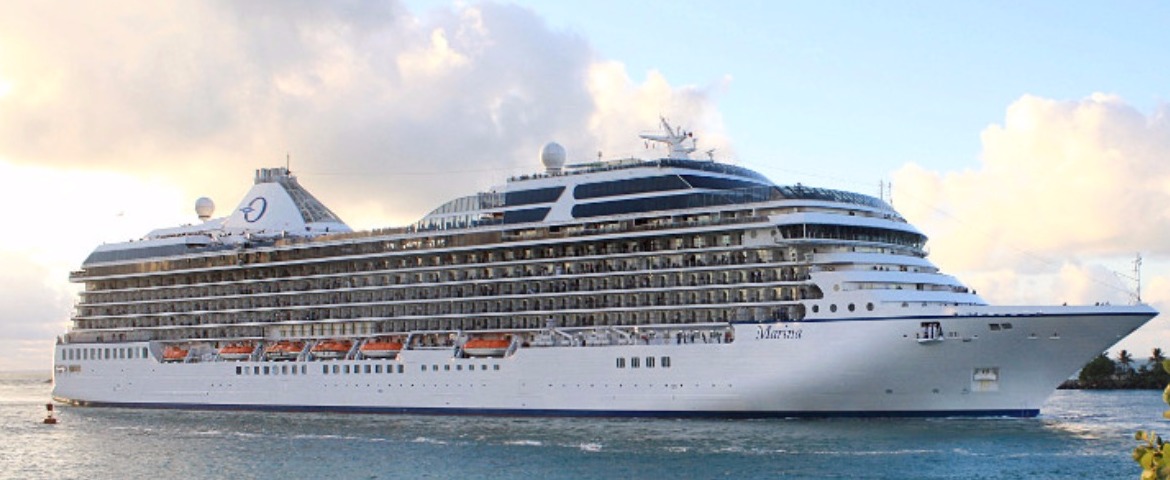

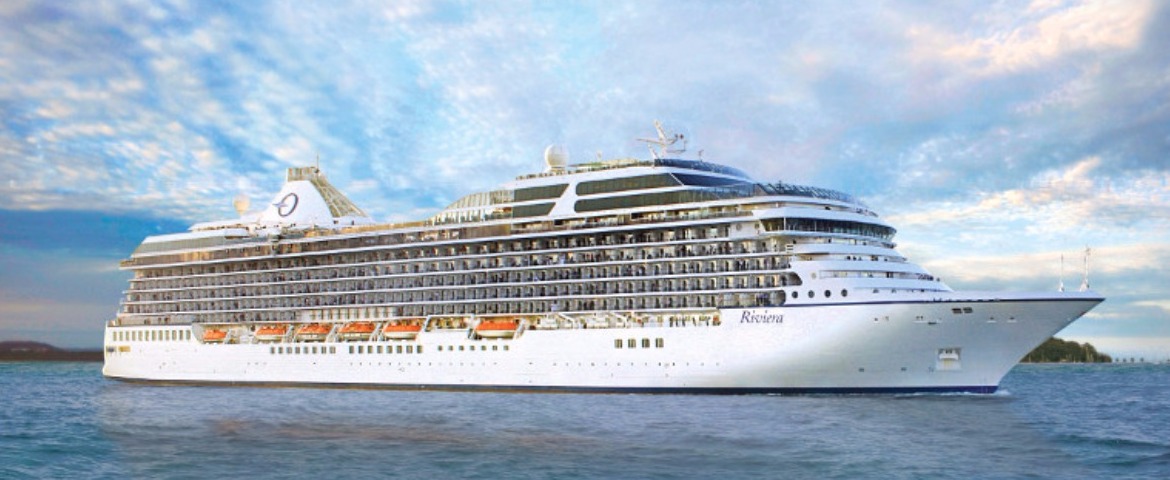
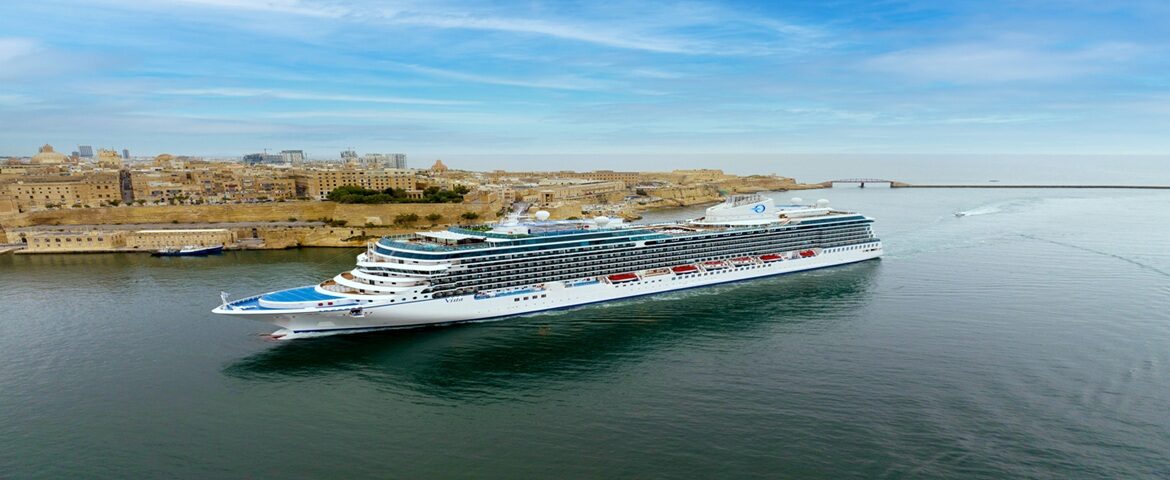
Oceania Riviera
11 Cruises
Princess Cruises (91 Cruises)
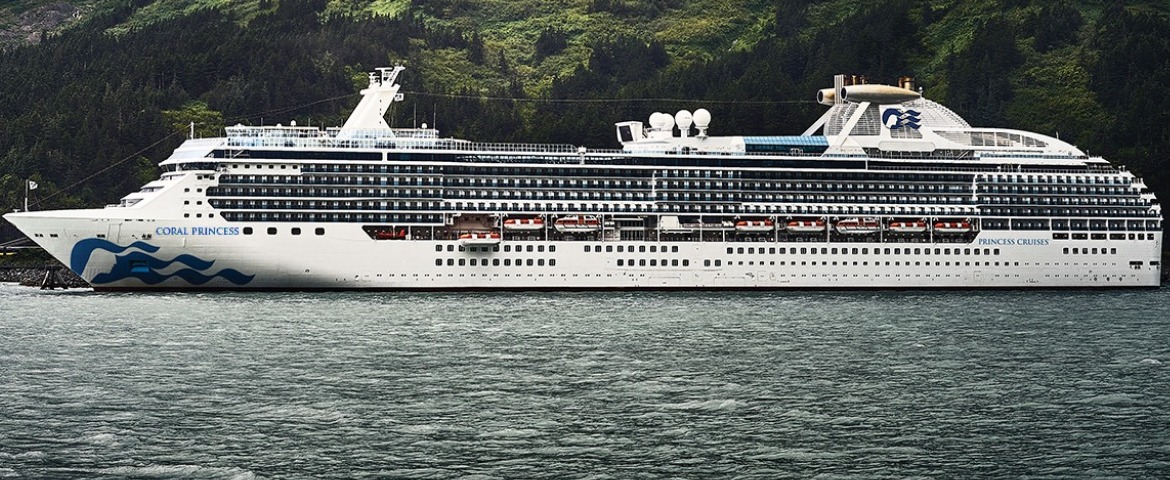
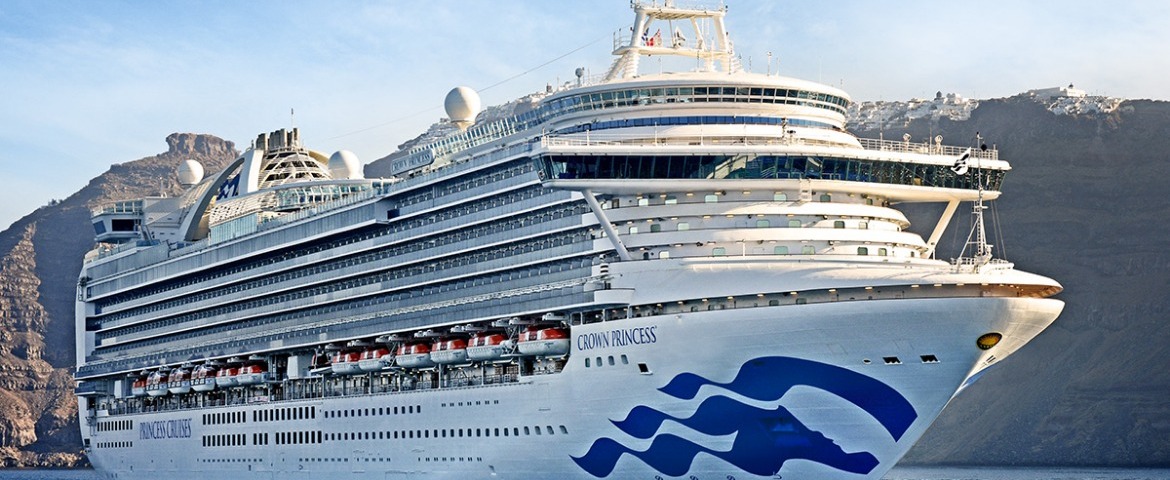
Coral Princess
19 Cruises

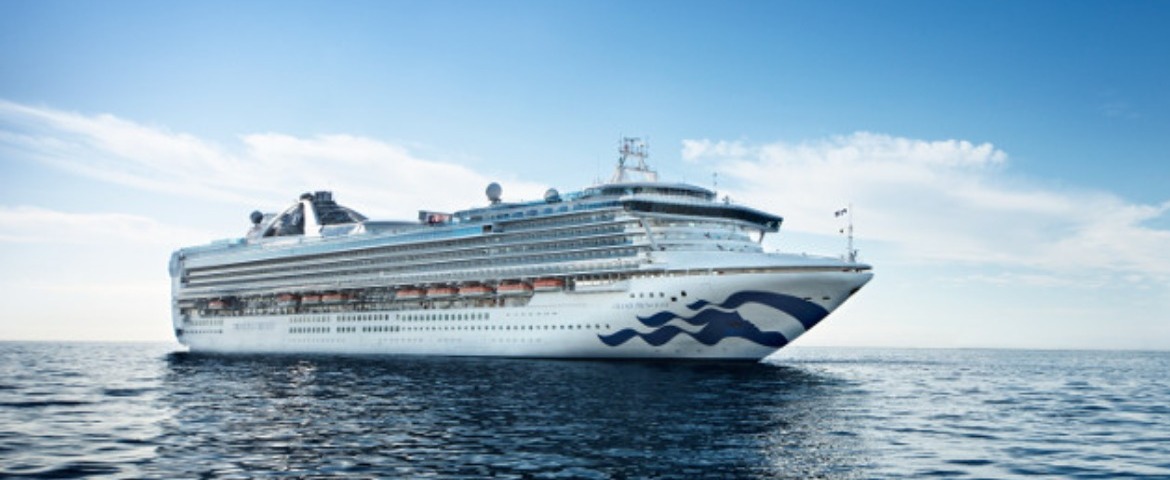
Grand Princess
29 Cruises
| 1 February | 15 days | Round-trip from Brisbane, Australia |
450-628-6241
Call us
|
| 15 February | 15 days | Round-trip from Brisbane, Australia |
450-628-6241
Call us
|
| 4 September | 36 days | Round-trip from Sydney, Australia |
450-628-6241
Call us
|
| 8 September | 32 days | One-way from Auckland to Sydney |
450-628-6241
Call us
|
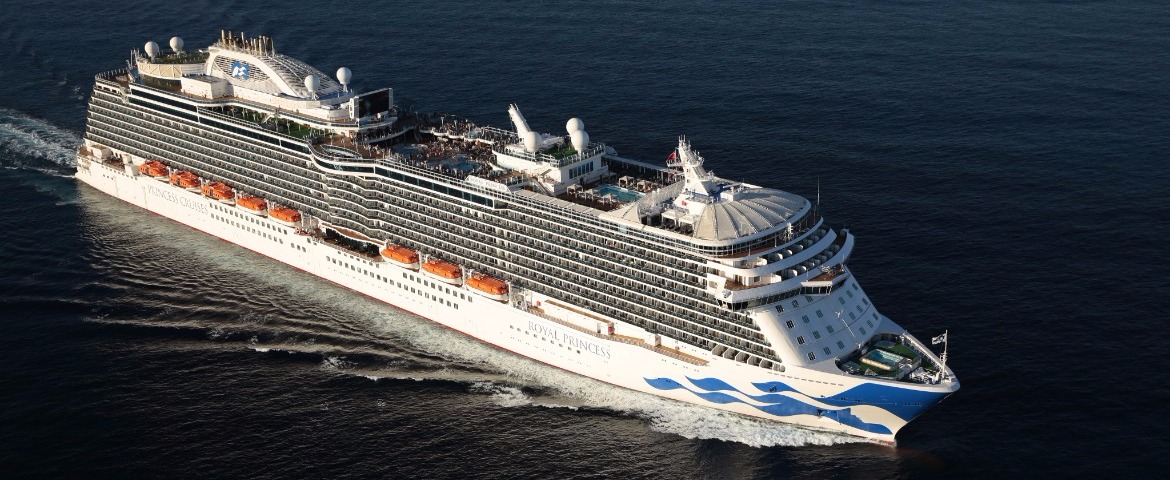
Royal Princess
36 Cruises
| 7 February | 14 days | Round-trip from Sydney, Australia |
450-628-6241
Call us
|
| 20 February | 15 days | One-way from Sydney to Auckland |
450-628-6241
Call us
|
| 2 April | 21 days | One-way from Auckland to Los Angeles |
450-628-6241
Call us
|
| 2 April | 27 days | One-way from Auckland to Vancouver |
450-628-6241
Call us
|
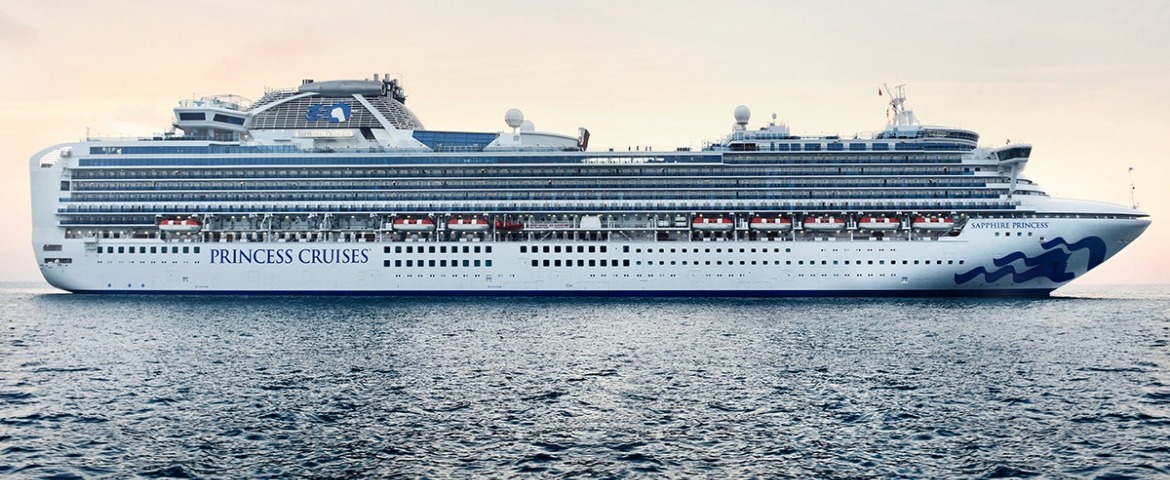
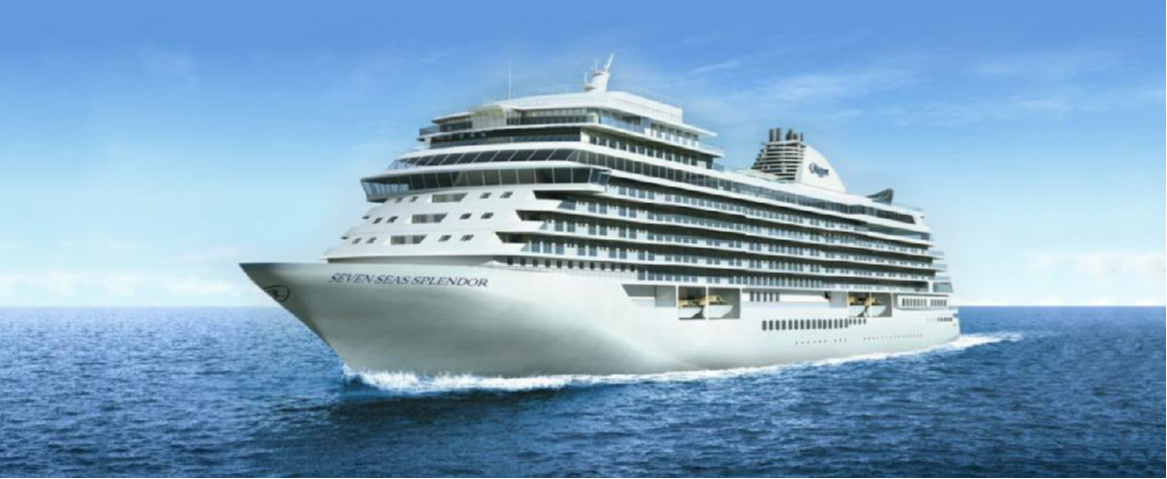
Regent Seven Seas Cruises (29 Cruises)
Seven Seas Explorer
12 Cruises
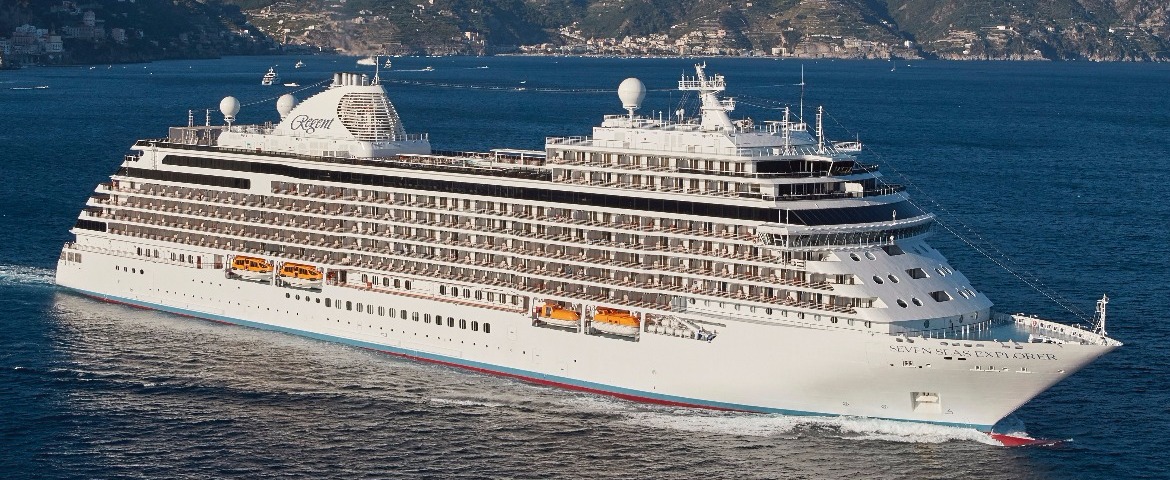
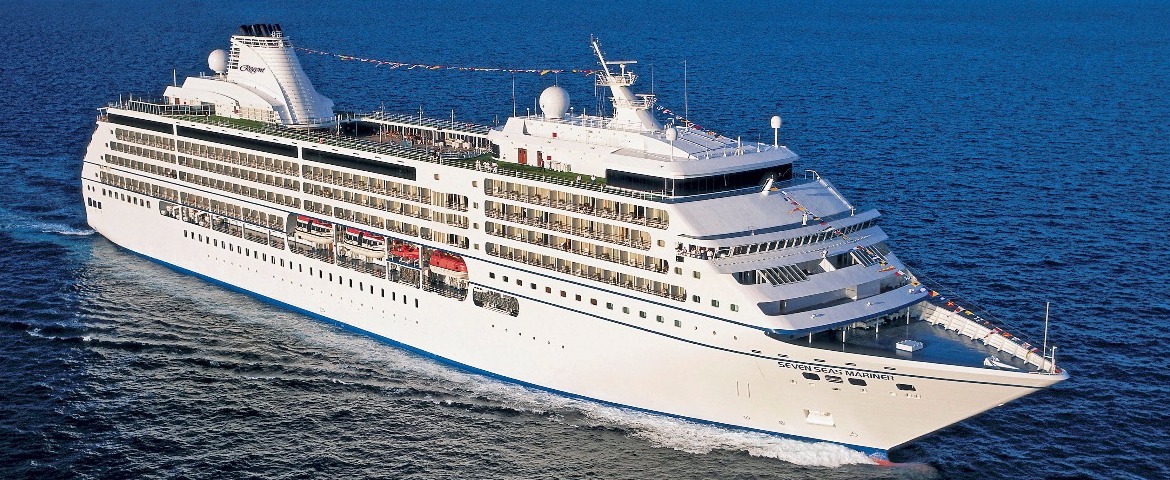
Seven Seas Mariner
13 Cruises
| 4 January | 15 days | One-way from Auckland to Sydney |
450-628-6241
Call us
|
| 4 January | 14 days | One-way from Auckland to Sydney |
450-628-6241
Call us
|
Royal Caribbean Cruises (1 Cruises)


Seabourn Cruise Line (11 Cruises)
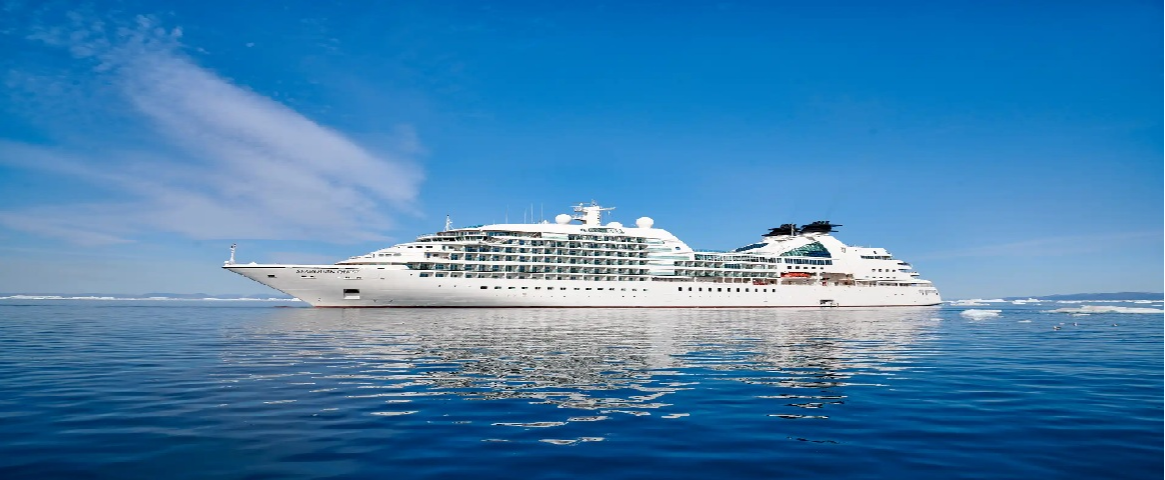
Seabourn Quest
11 Cruises

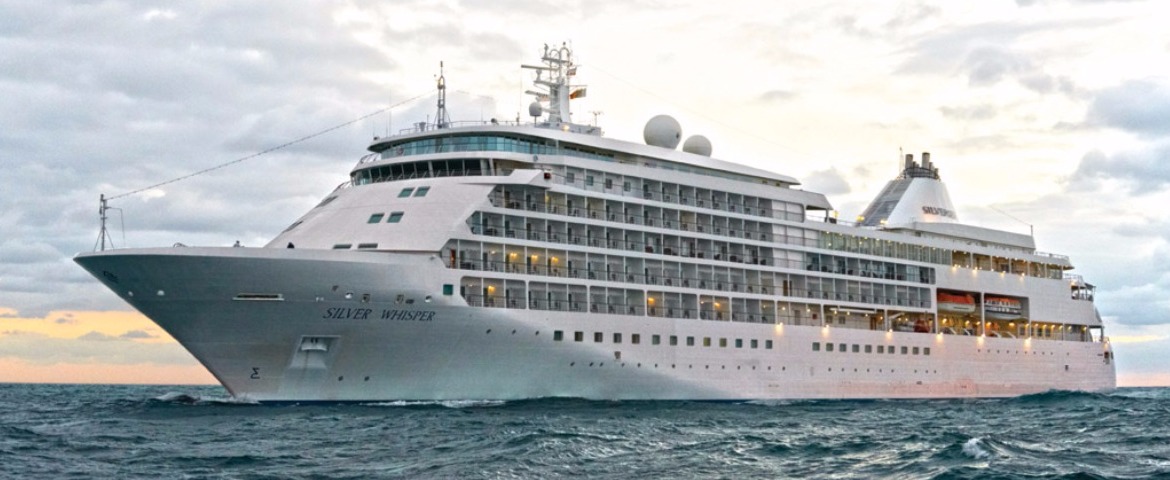
Silversea Cruises (15 Cruises)
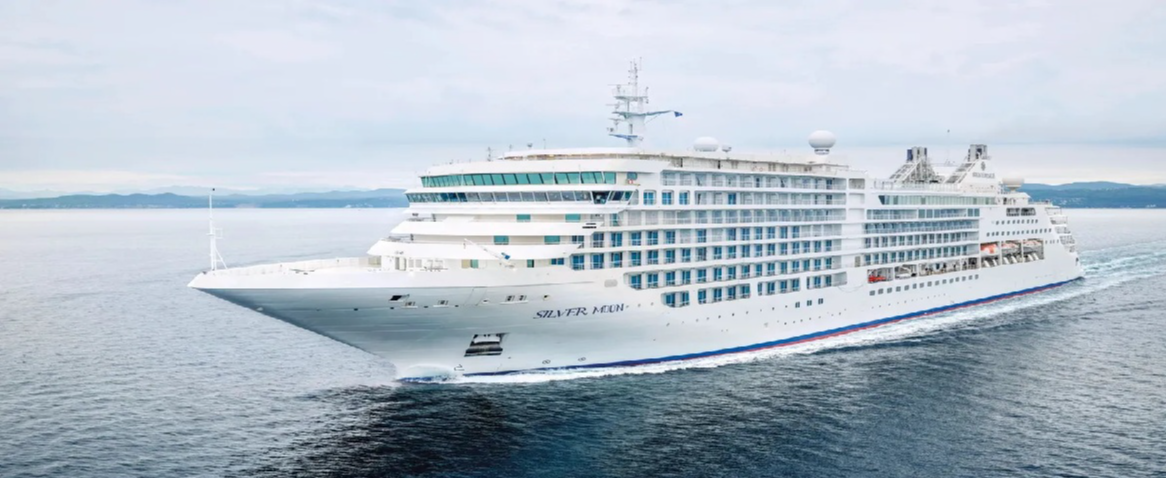
Silver Moon
12 Cruises

Viking Ocean Cruises (53 Cruises)
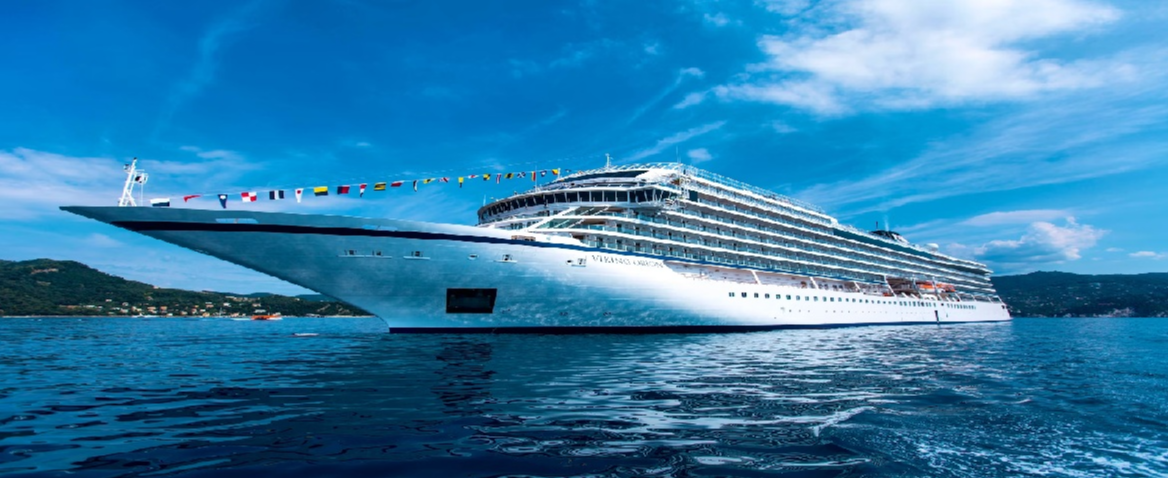
Viking Orion
21 Cruises

| 21 September | 92 days | One-way from Vancouver to Auckland |
450-628-6241
Call us
|
| 21 September | 93 days | One-way from Vancouver to Auckland |
450-628-6241
Call us
|
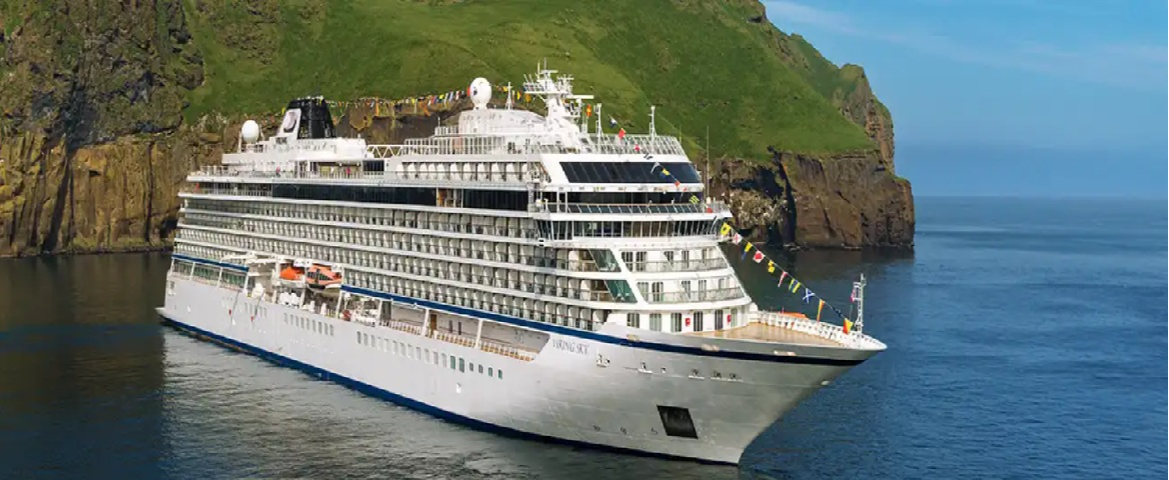
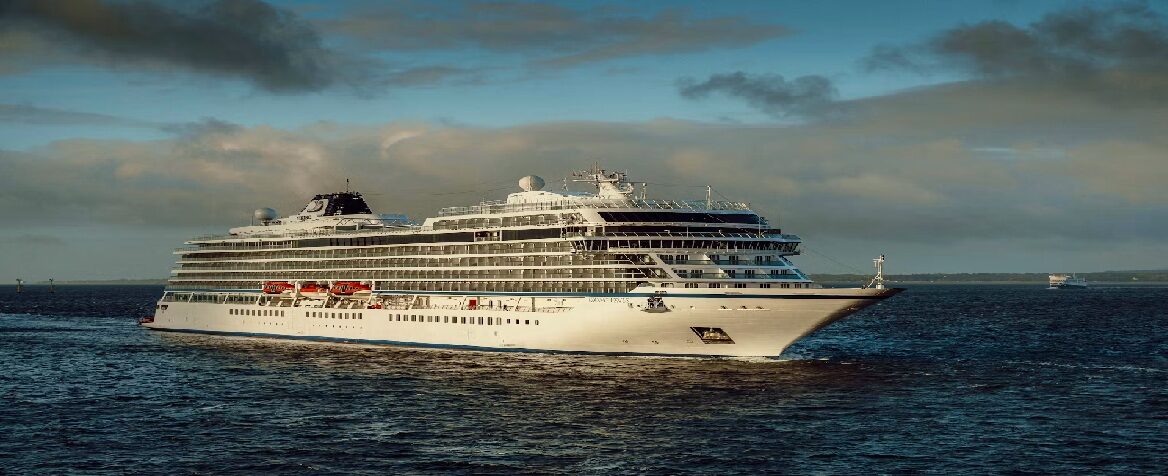
Viking Venus
28 Cruises
| 4 January | 13 days | One-way from Auckland to Sydney |
450-628-6241
Call us
|
| 18 January | 13 days | One-way from Sydney to Auckland |
450-628-6241
Call us
|
| 1 February | 13 days | One-way from Auckland to Sydney |
450-628-6241
Call us
|
| 15 February | 13 days | One-way from Sydney to Auckland |
450-628-6241
Call us
|
| 7 September | 93 days | One-way from Vancouver to Auckland |
450-628-6241
Call us
|
| 7 September | 92 days | One-way from Vancouver to Auckland |
450-628-6241
Call us
|
| 7 January | 13 days | One-way from Auckland to Sydney |
450-628-6241
Call us
|
| 21 January | 13 days | One-way from Sydney to Auckland |
450-628-6241
Call us
|
Port of Auckland, New Zealand | Cruise Port Guide
Frequently Asked Questions
Right downtown, at Queens Wharf or neighbouring Princes Wharf. The city begins thirty metres from the gangway — no shuttle, no waiting.
Yes, the whole centre is walkable. The red-brick Ferry Building lines the quay, the Britomart district of converted warehouses is next door, and the Viaduct Harbour and Wynyard Quarter follow the waterfront westward.
Walk the centre up to the Sky Tower, then take the ferry to Devonport for the view from Mount Victoria. If you prefer culture, swap Devonport for the War Memorial Museum and its Māori collections.
328 metres, about fifteen minutes' walk from the pier. Its observation deck gives the clearest summary of the city's geography, set between two seas and some fifty dormant volcanoes.
By ferry, from the terminal right beside the cruise berth: about twelve minutes across. Devonport has Victorian villas, secondhand bookshops and a century-old cinema, and nearby Mount Victoria offers a full circle view over the harbour and Hauraki Gulf.
One of the country's richest collections of Māori and Polynesian art and artefacts, including a war canoe and a carved meeting house. The daily cultural performances are an excellent first encounter with the Māori world.
Tāmaki Makaurau, the maiden desired by a hundred lovers, recalling the tribes that contested its fertile isthmus. The city is built on a volcanic field of about fifty cones.
Only if the ship stays all day: allow forty minutes each way. Gently sloping vineyards, pale sand beaches and tasting rooms overlooking the gulf. It is the excursion Aucklanders themselves choose.
The New Zealand dollar, and English — Māori is also an official language. Cards are accepted everywhere, even for a coffee; cash is rarely needed.
Yes. Mount Eden, the city's highest natural point at 196 metres, opens its grassy crater a few kilometres from downtown. On a clear day the view reaches Rangitoto, which rose from the sea about 600 years ago.


