Santa Cruz de Tenerife Canary Islands
670
Cruises availables
At departure or passage at this port
Atlas Ocean Voyages (4 Cruises)

Azamara Club Cruises (8 Cruises)
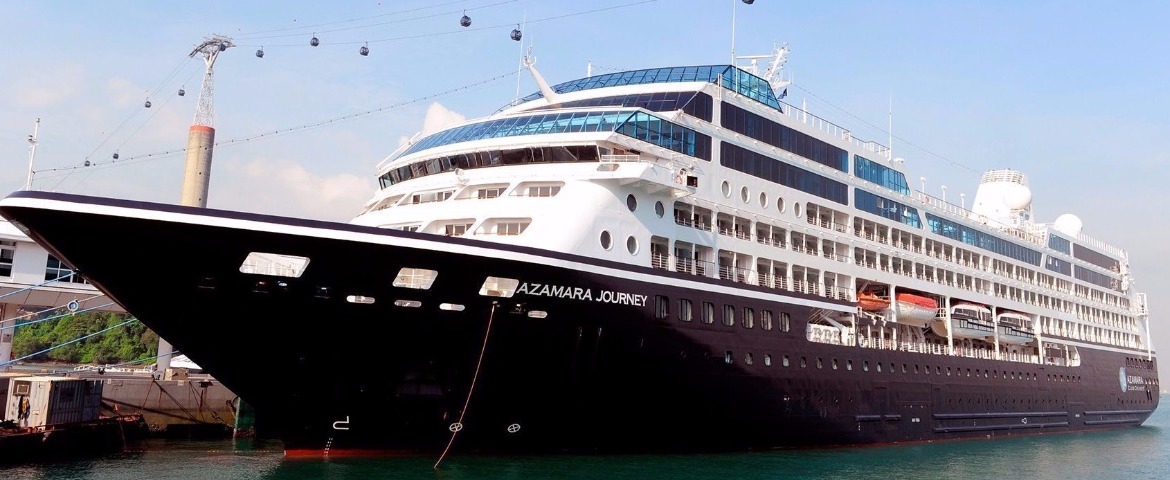

Azamara Onward
4 Cruises
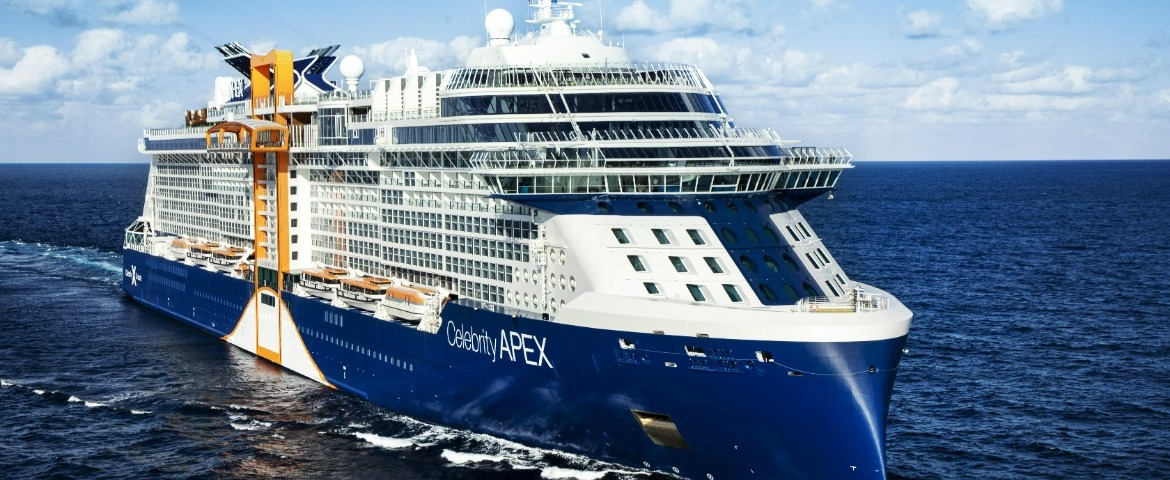
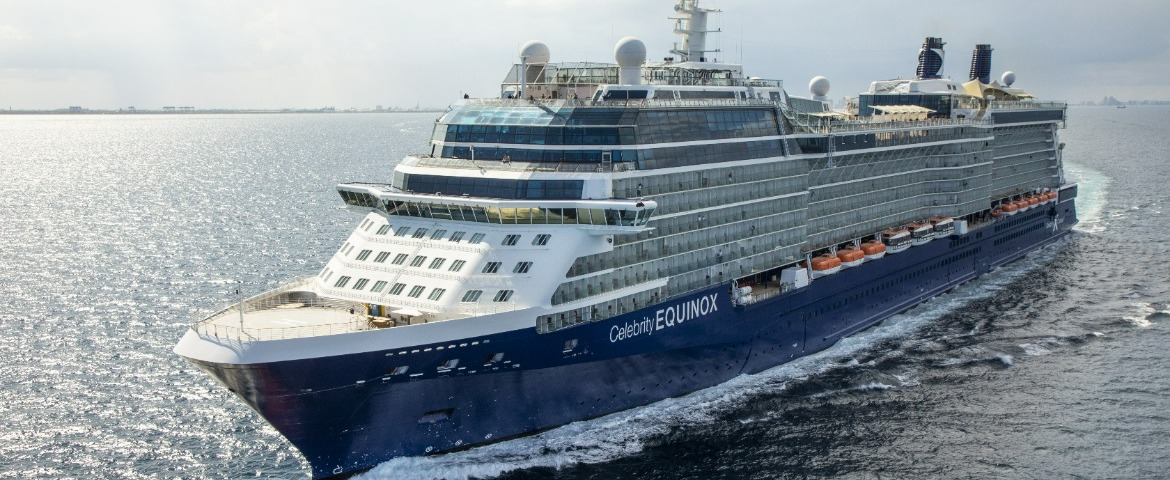
Celebrity Cruises (23 Cruises)

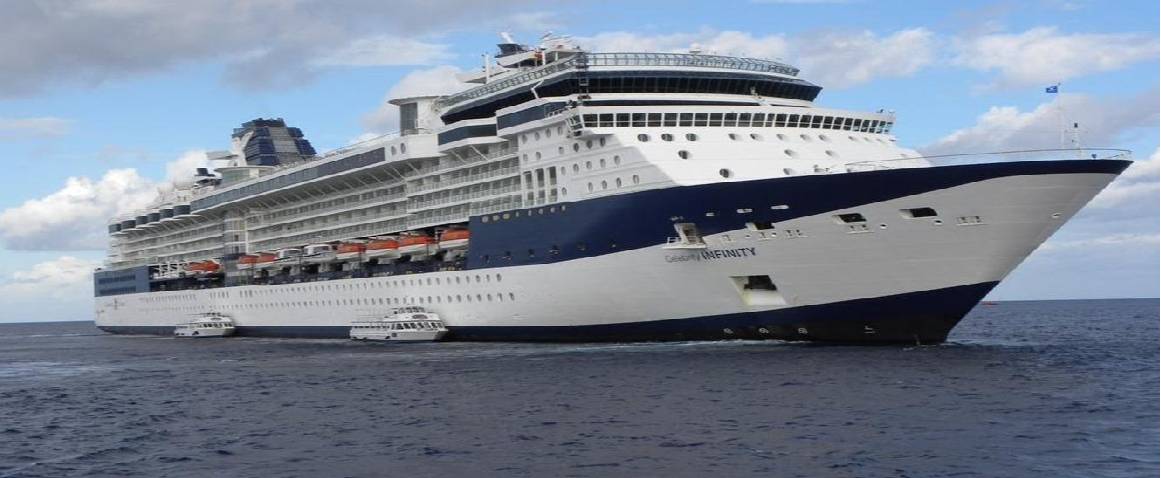
Celebrity Infinity
19 Cruises
| 2 January | 12 nights | Round-trip from Barcelona, Spain |
From
1663$
|
| 14 January | 12 nights | Round-trip from Barcelona, Spain |
From
1516$
|
| 26 January | 12 nights | Round-trip from Barcelona, Spain |
From
1656$
|
| 7 February | 12 nights | Round-trip from Barcelona, Spain |
450-628-6241
Call us
|
| 19 February | 12 nights | Round-trip from Barcelona, Spain |
From
1381$
|
Costa Cruises (114 Cruises)
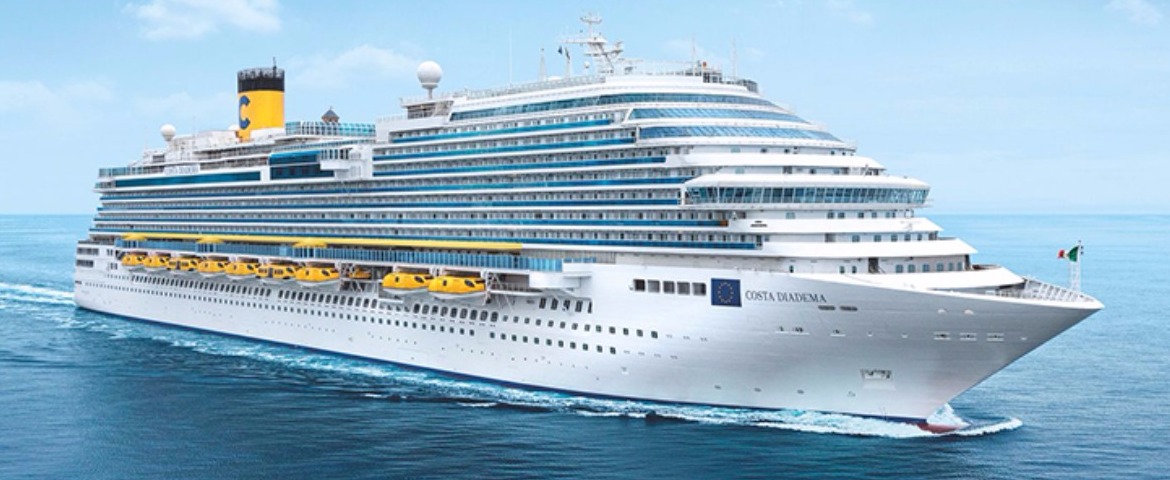
Costa Diadema
6 Cruises

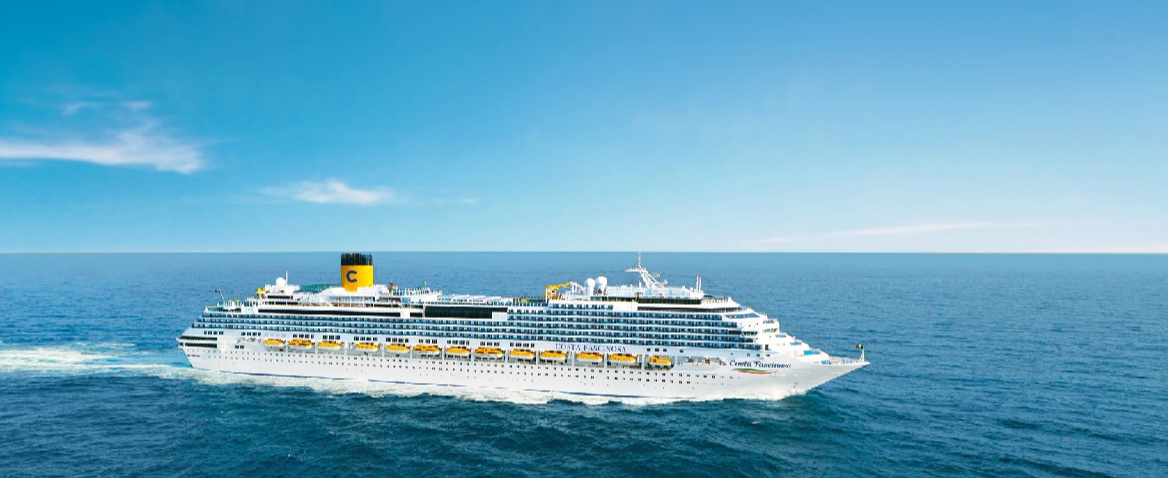
Costa Fascinosa
7 Cruises
| 28 February | 23 nights | One-way from La Romana to Genoa |
450-628-6241
Call us
|
| 28 February | 24 nights | One-way from La Romana to Marseille |
450-628-6241
Call us
|
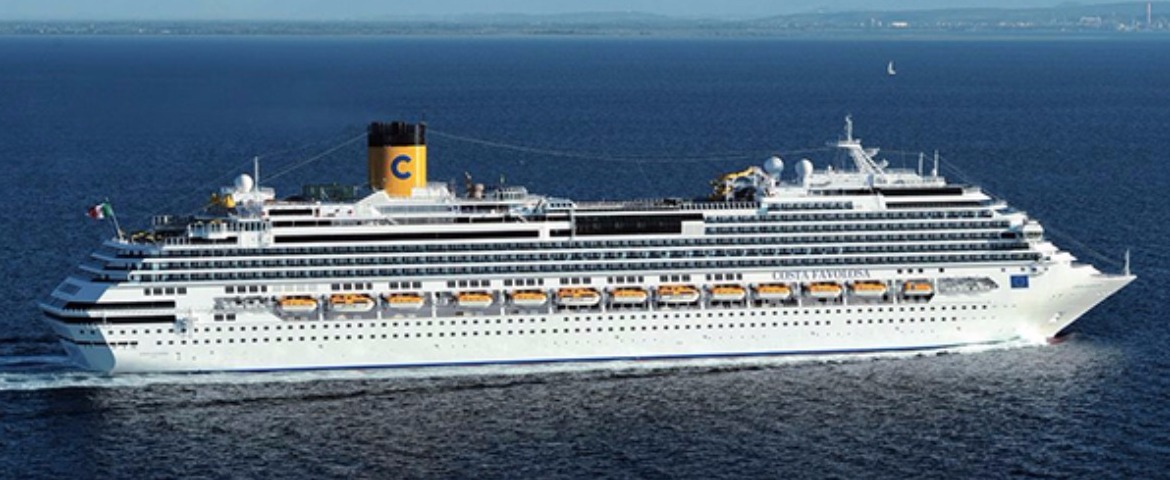
Costa Favolosa
11 Cruises
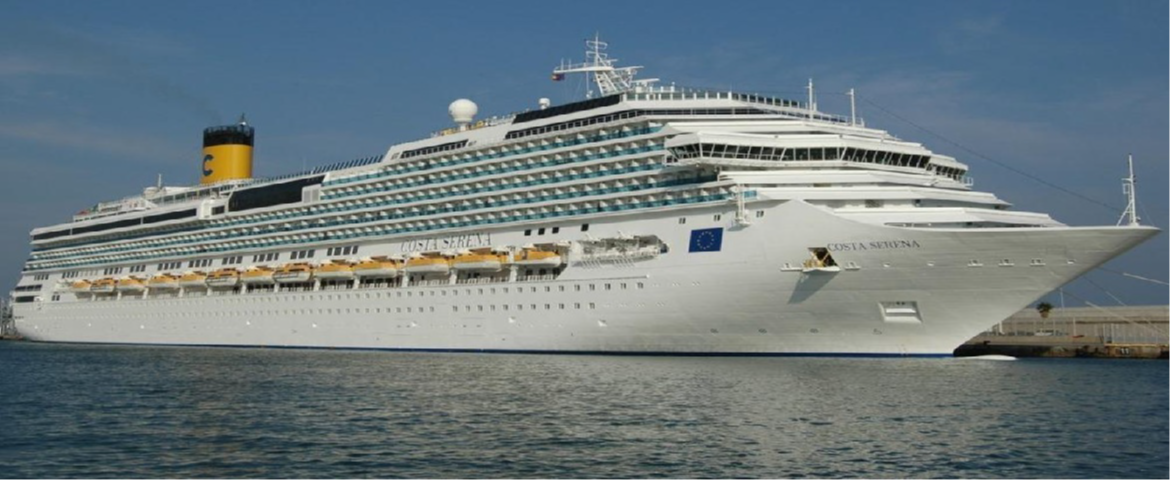
Costa Serena
11 Cruises
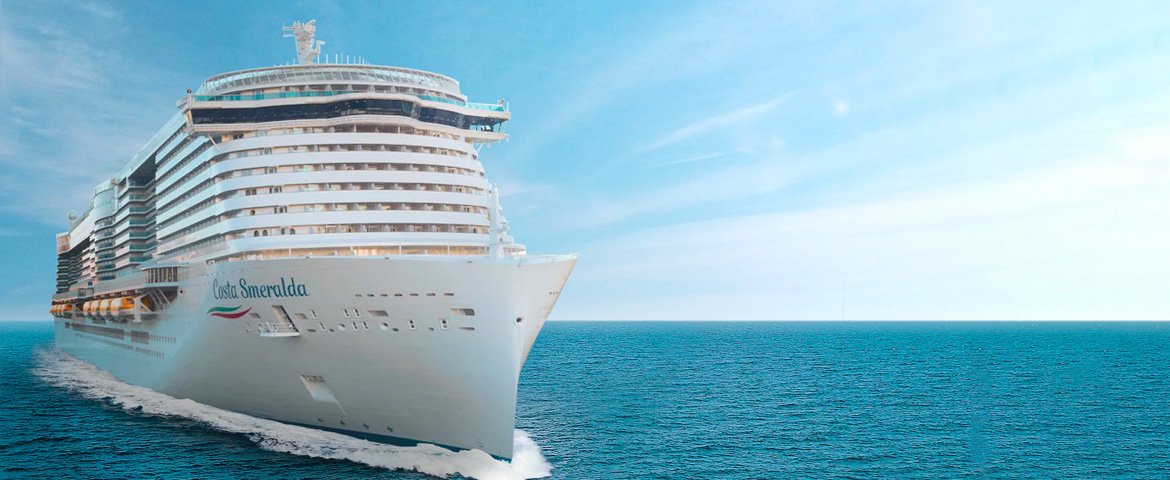
Costa Smeralda
79 Cruises
CroisiEurope (48 Cruises)
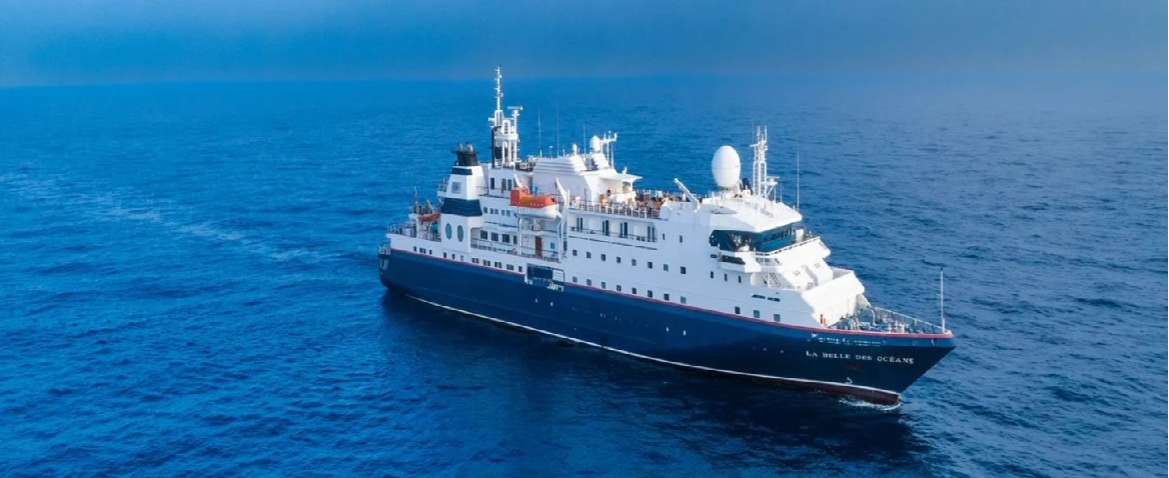
Mv La Belle Des Oceans
48 Cruises

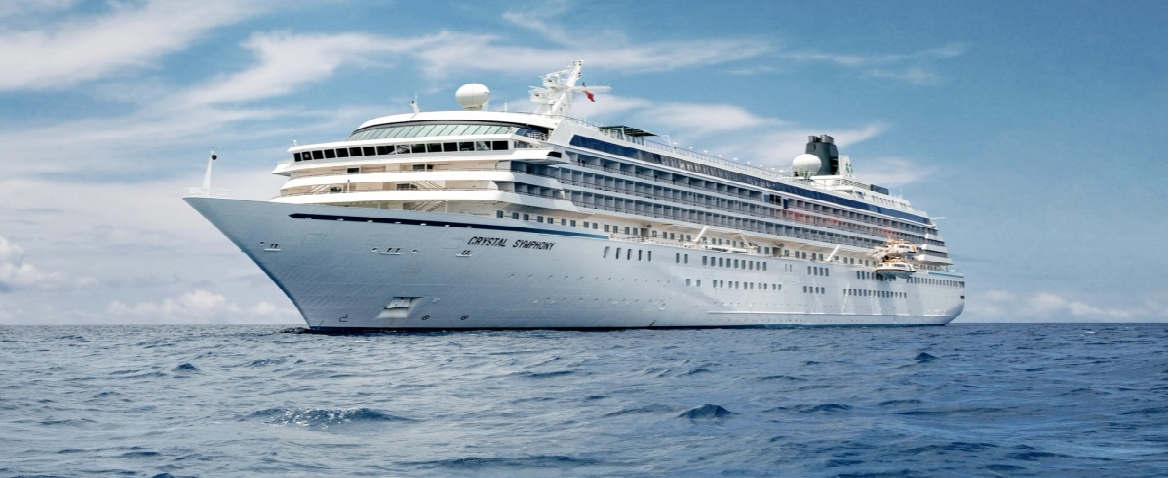
Crystal Cruises (2 Cruises)

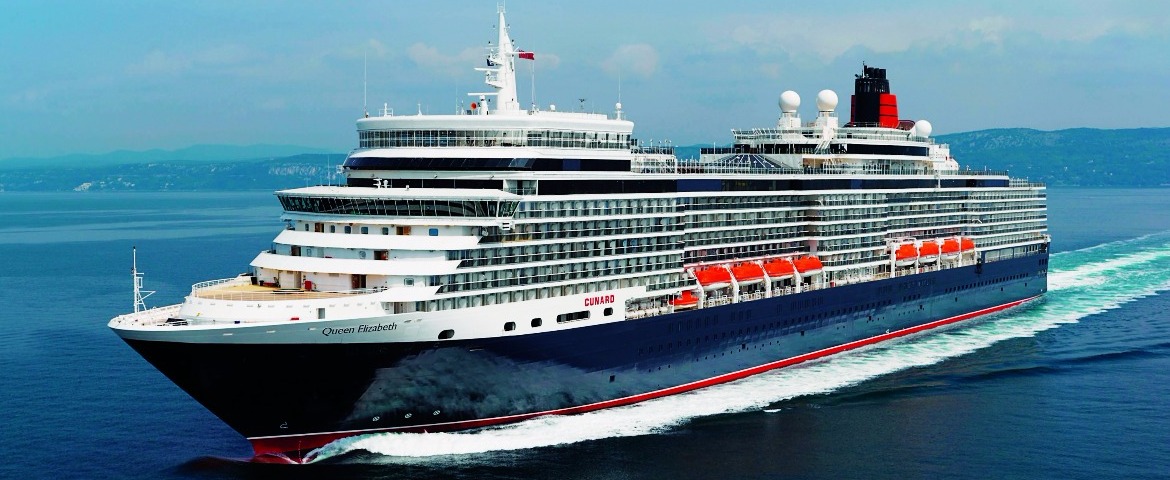
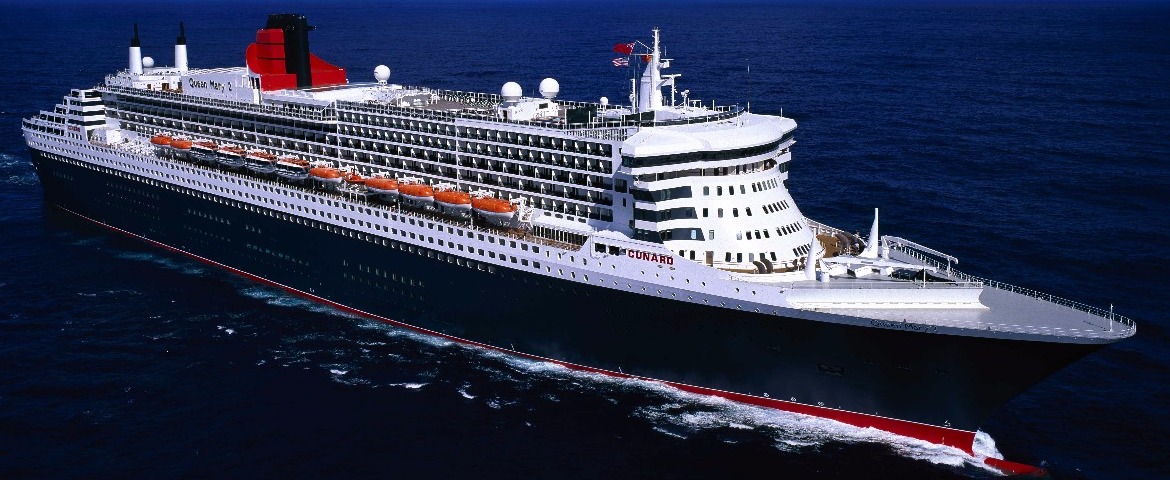
Cunard (52 Cruises)
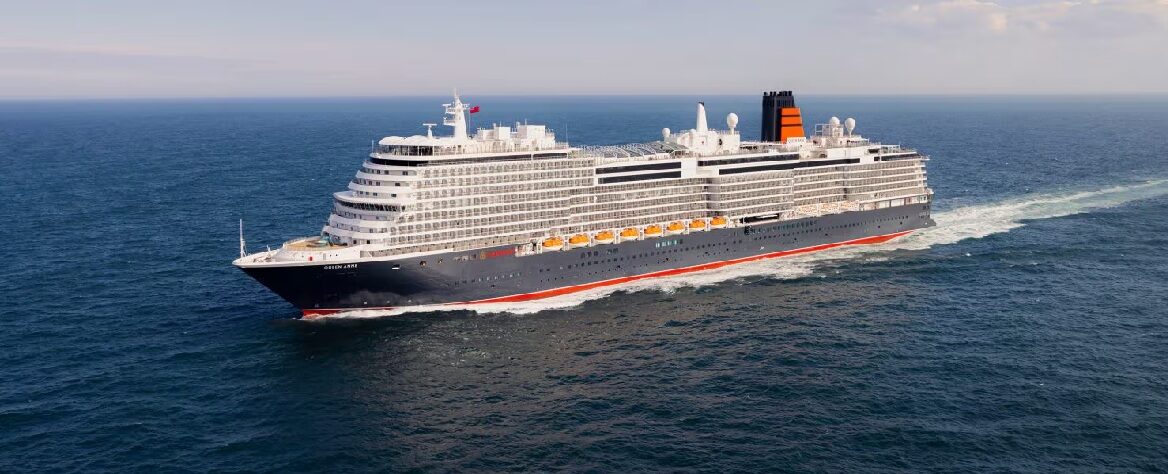

Queen Elizabeth
14 Cruises
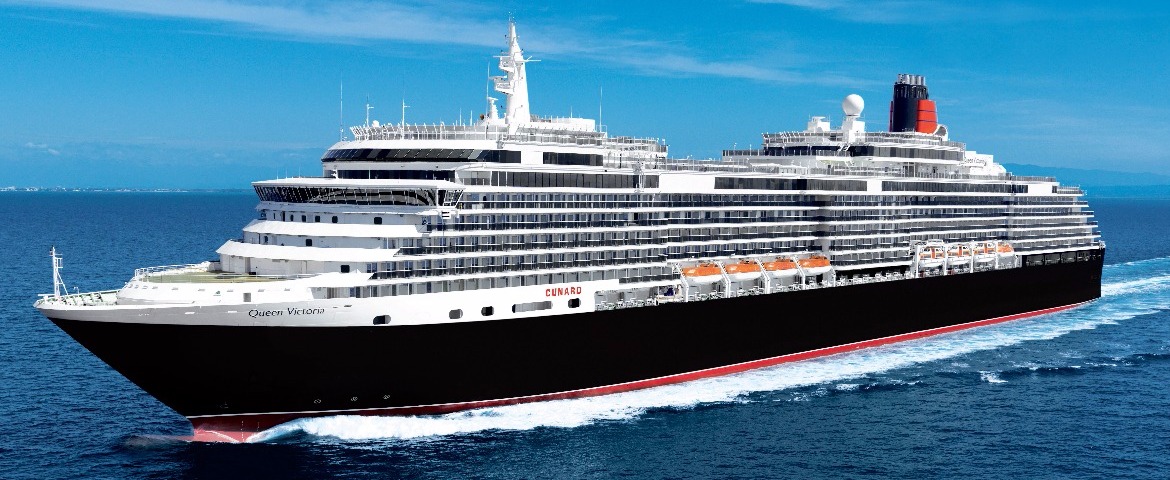
Queen Victoria
25 Cruises
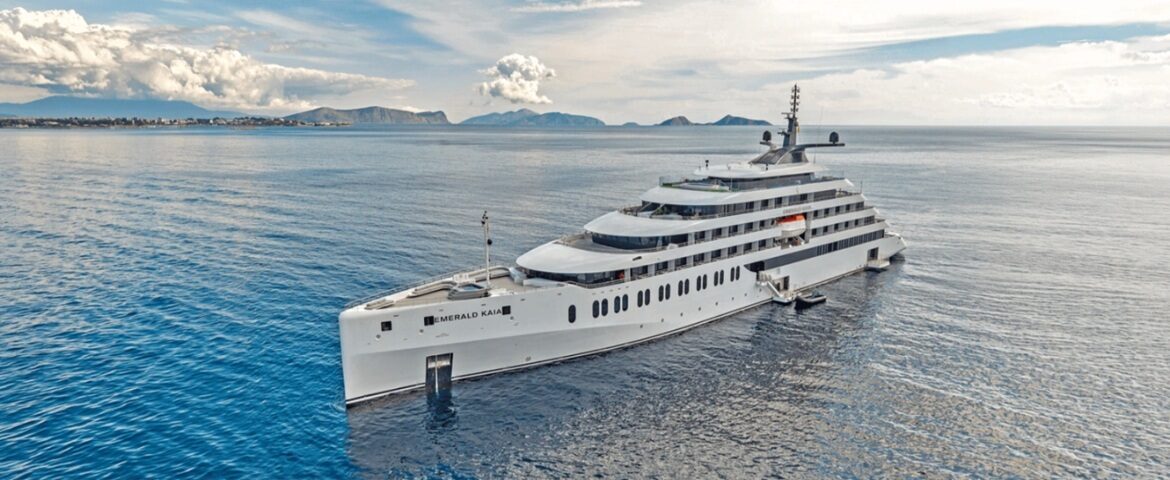
Emerald Waterways (1 Cruises)

Explora Journeys (12 Cruises)
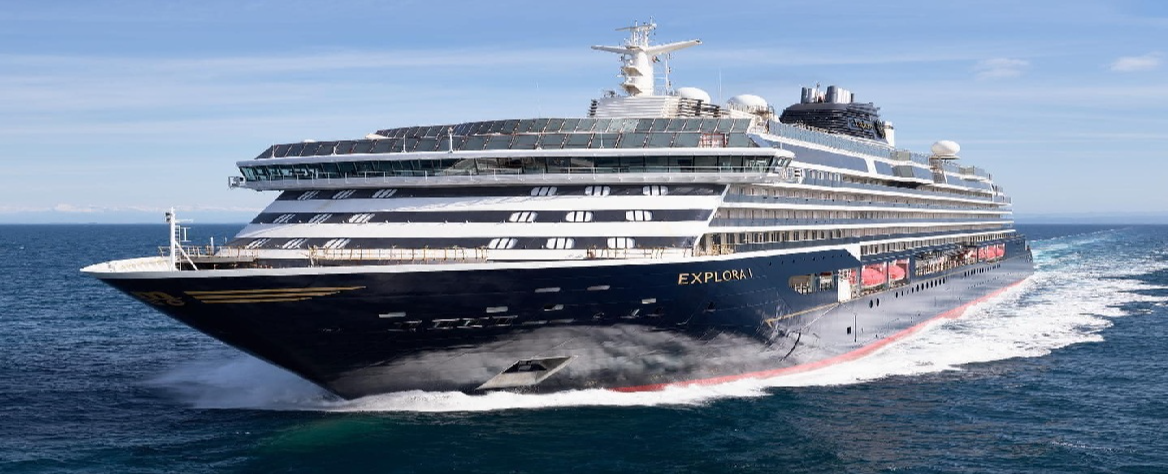

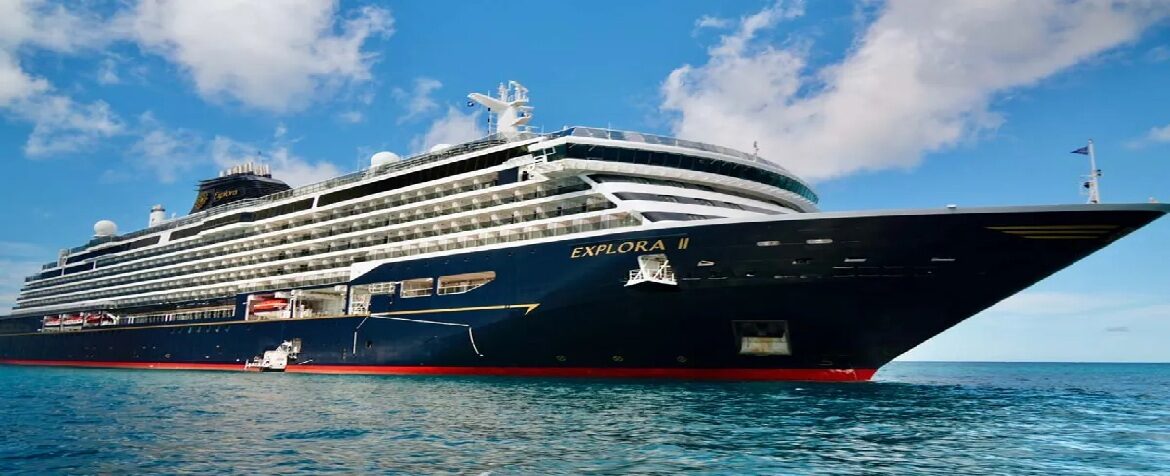
Explora II
10 Cruises
| 29 November | 29 nights | One-way from Piraeus-Athens to Barcelona |
450-628-6241
Call us
|
| 29 November | 22 nights | One-way from Piraeus-Athens to Lisbon |
450-628-6241
Call us
|
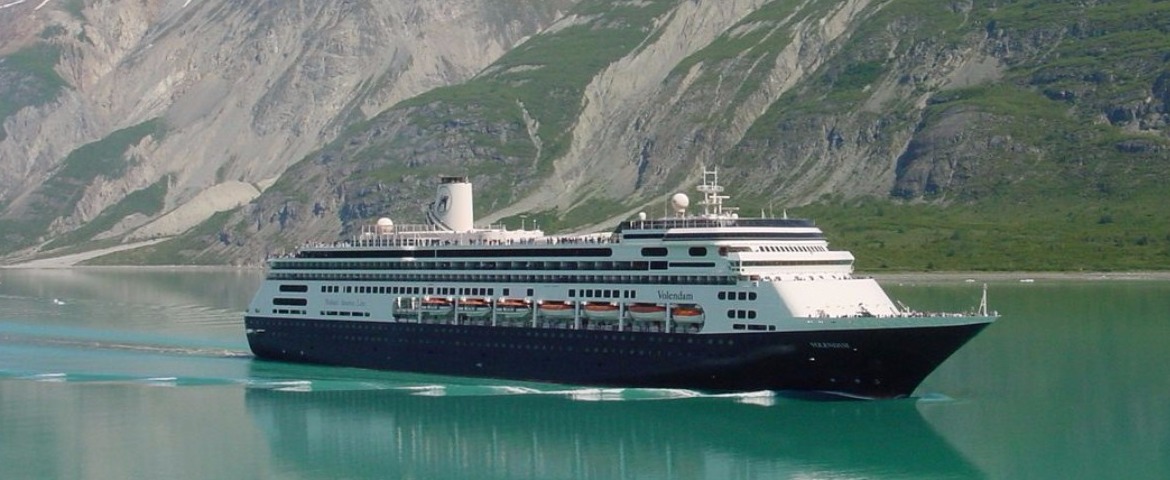
Holland America Line (2 Cruises)

MSC Cruises (203 Cruises)
MSC Armonia
6 Cruises
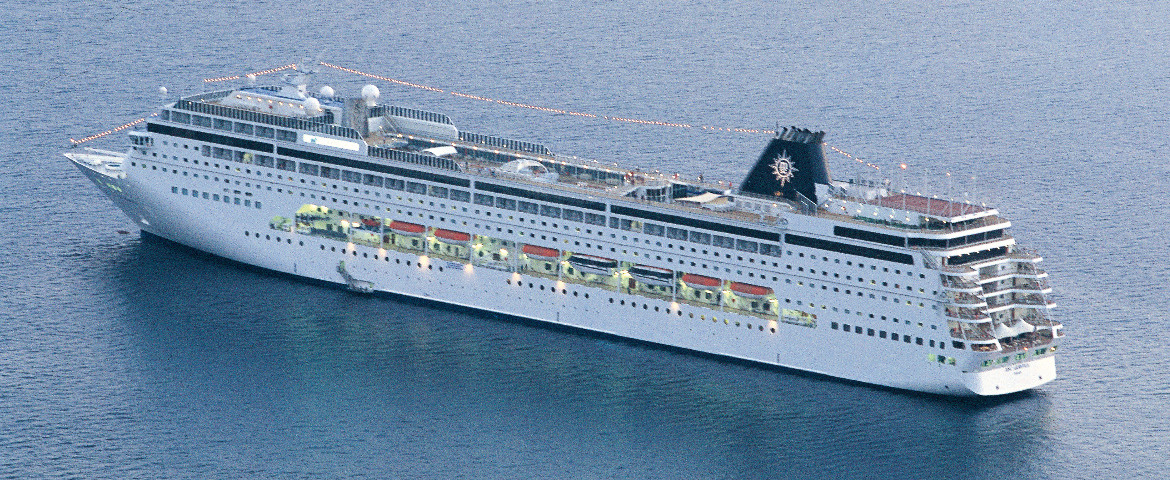

MSC Divina
8 Cruises
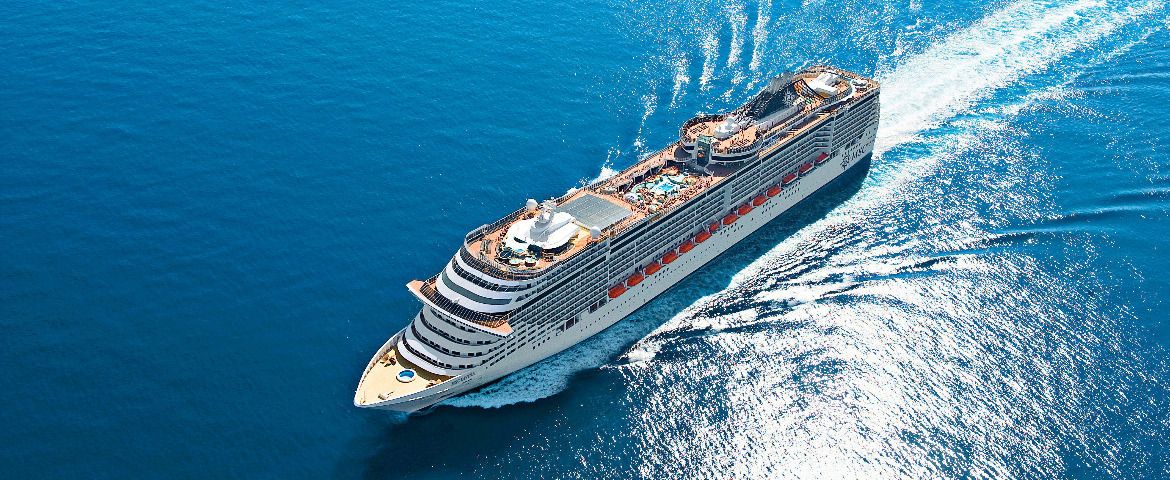
MSC Fantasia
145 Cruises
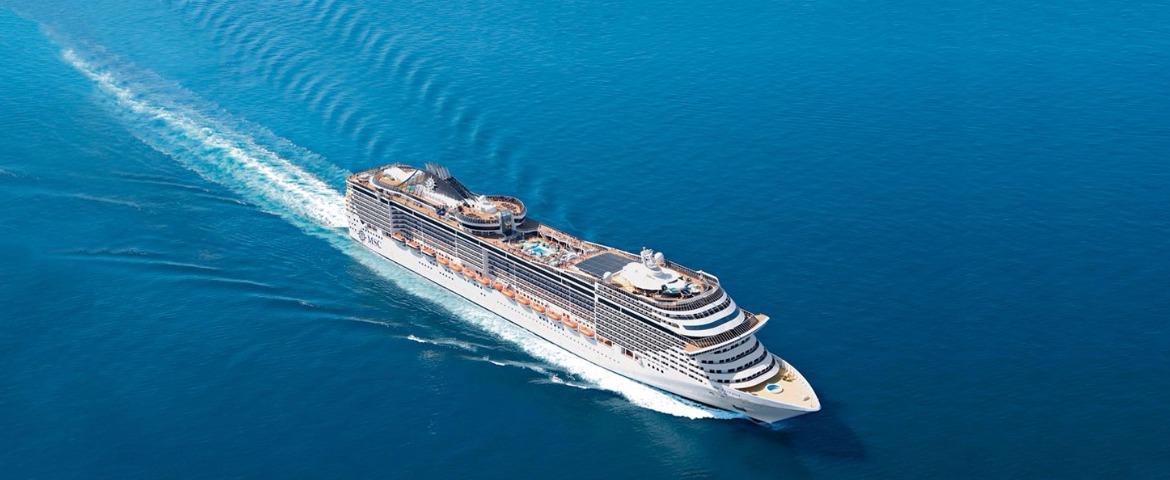
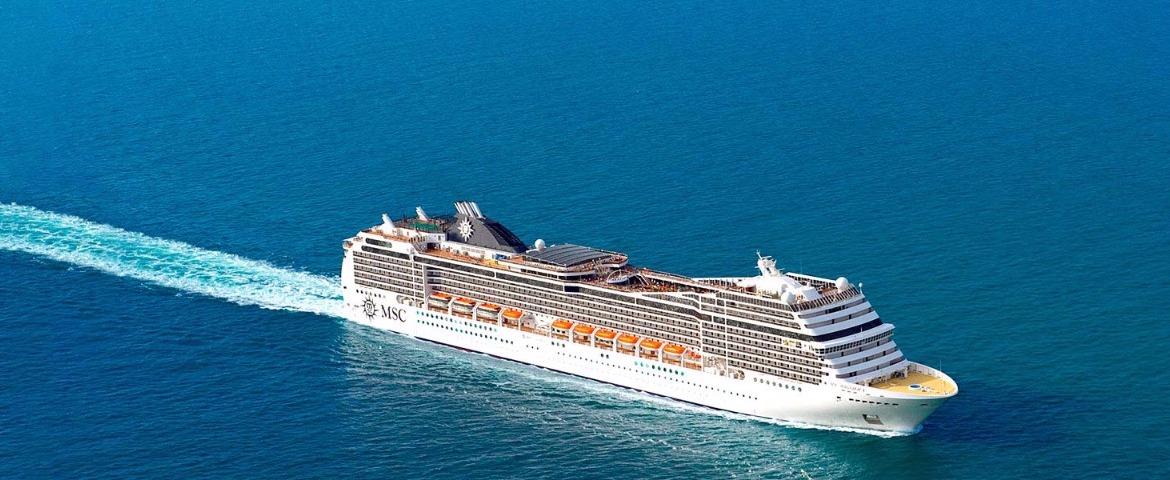
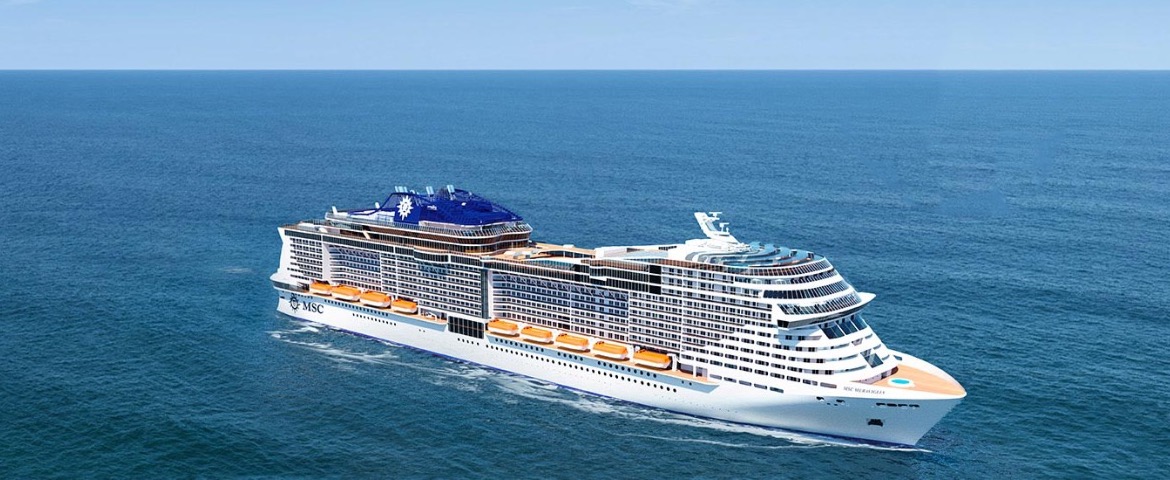
MSC Virtuosa
16 Cruises
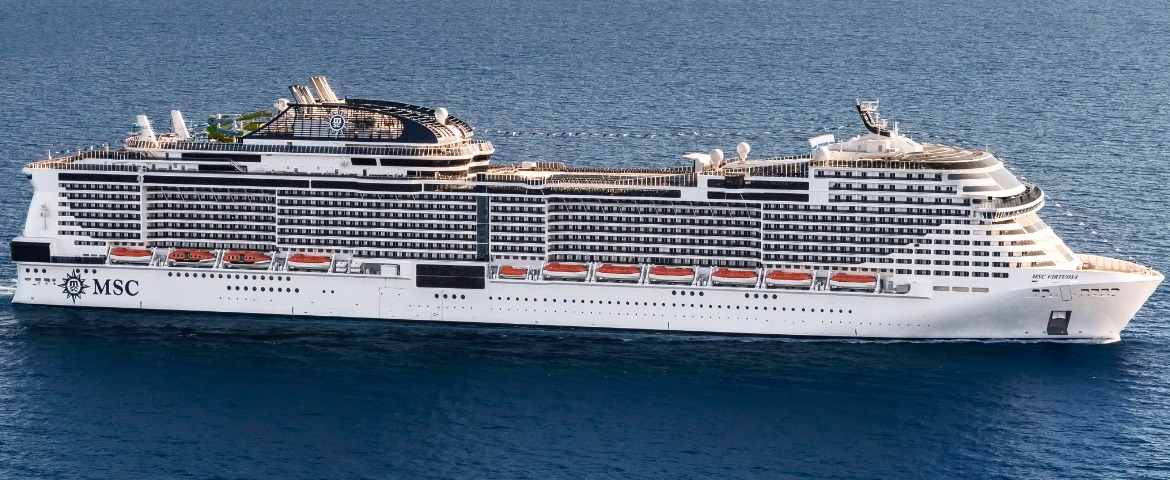
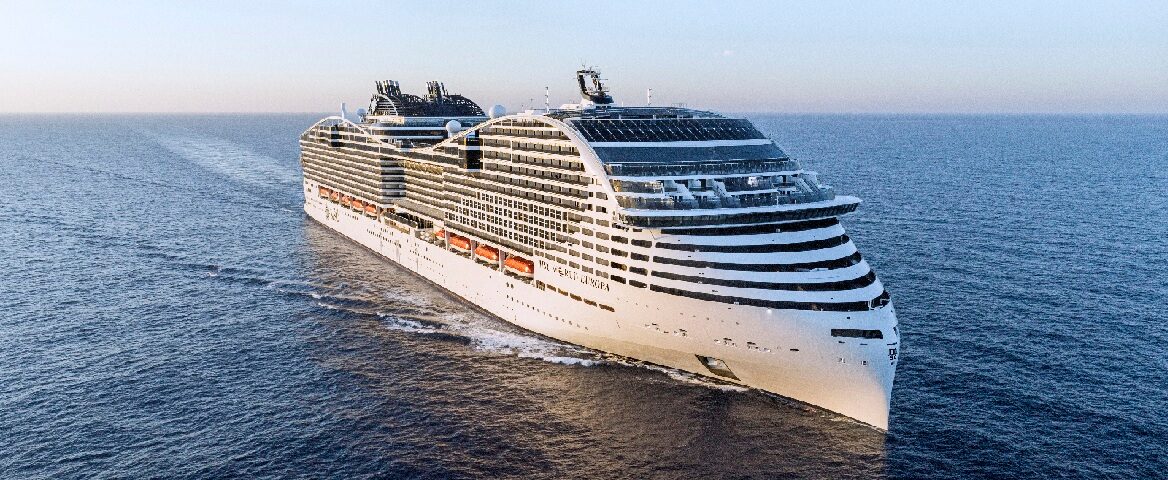
MSC World Europa
19 Cruises

Oceania Cruises (29 Cruises)
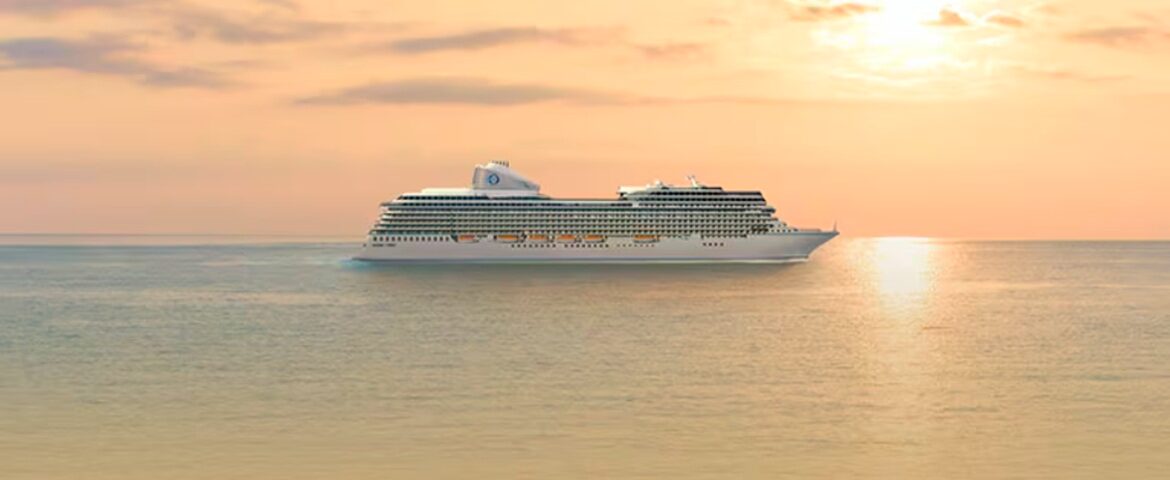

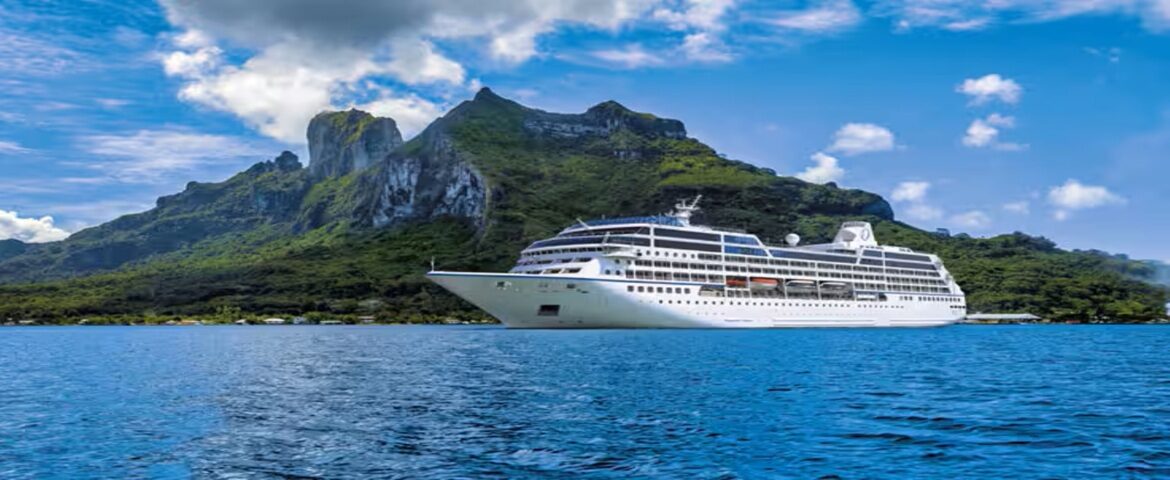
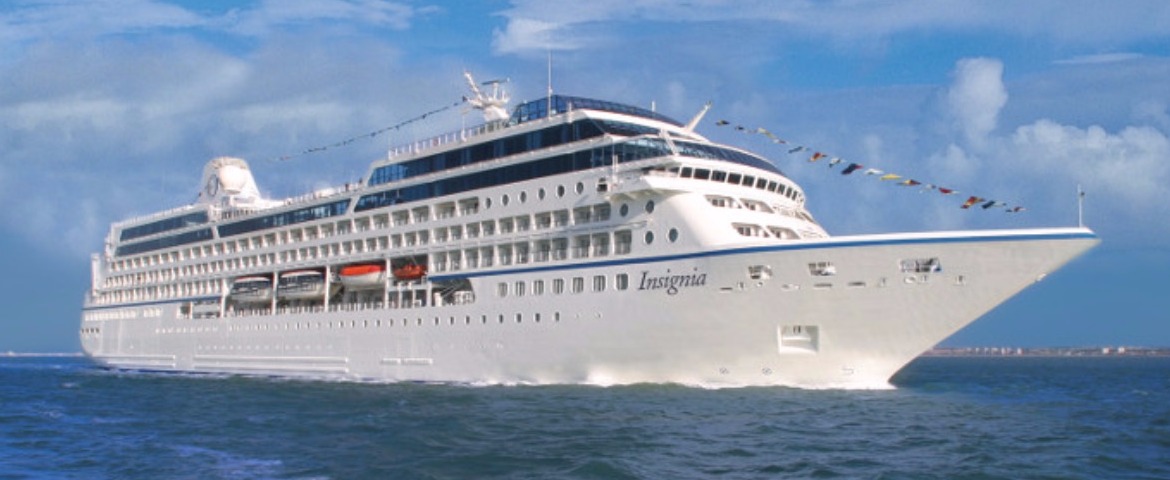
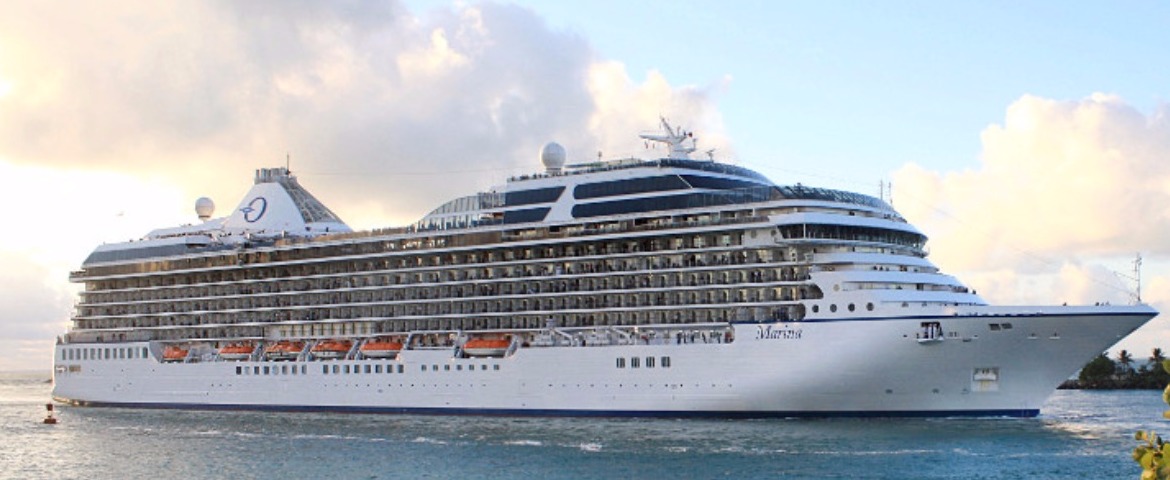
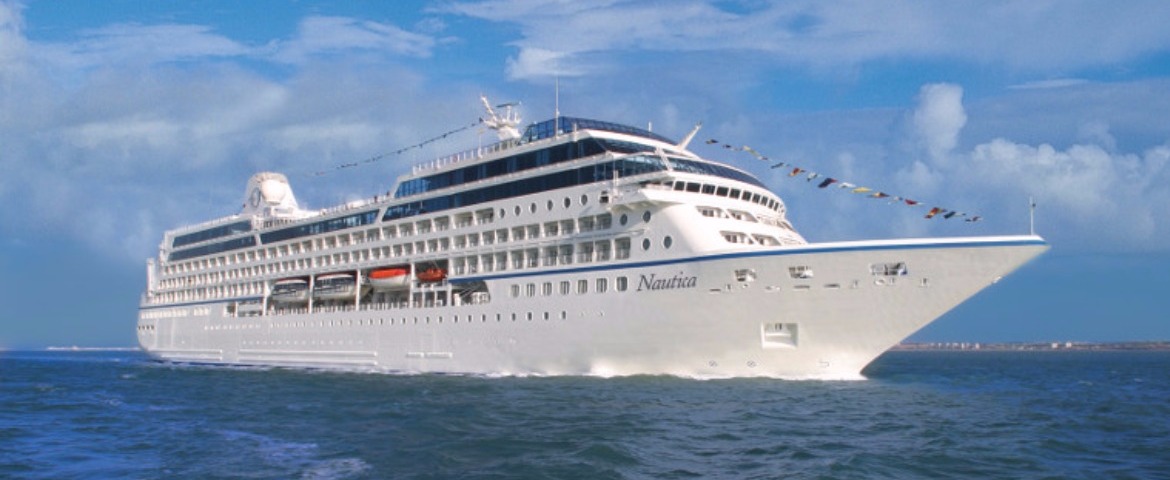
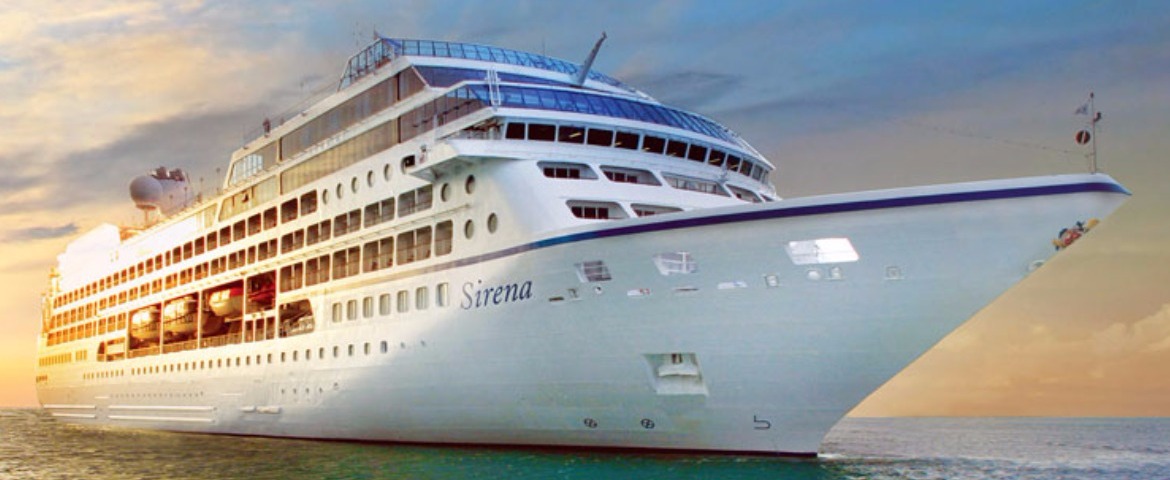
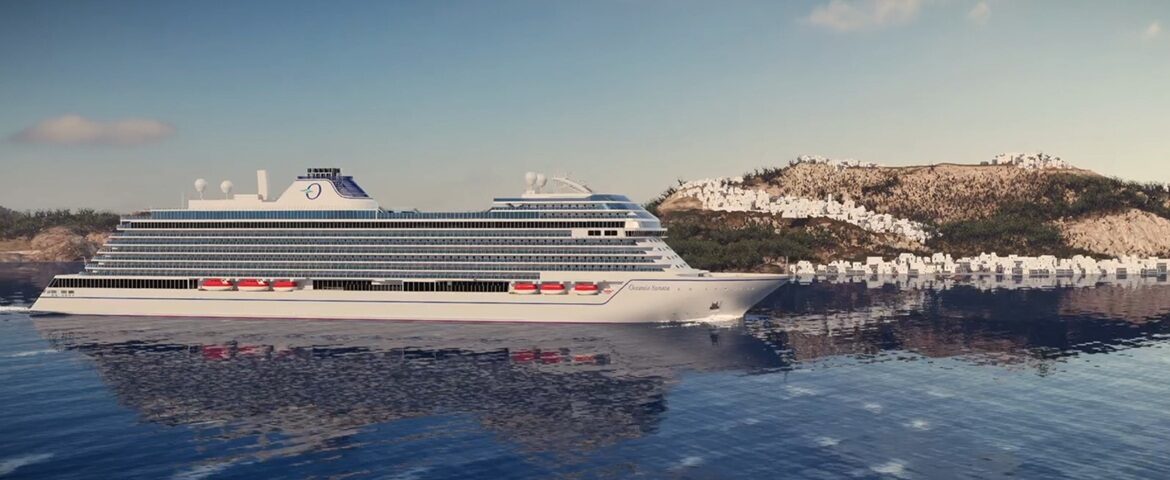
Oceania Sonata
7 Cruises
| 18 March | 21 nights | One-way from Miami to Civitavecchia-Rome |
450-628-6241
Call us
|
| 18 March | 14 nights | One-way from Miami to Barcelona |
450-628-6241
Call us
|
Ponant (15 Cruises)
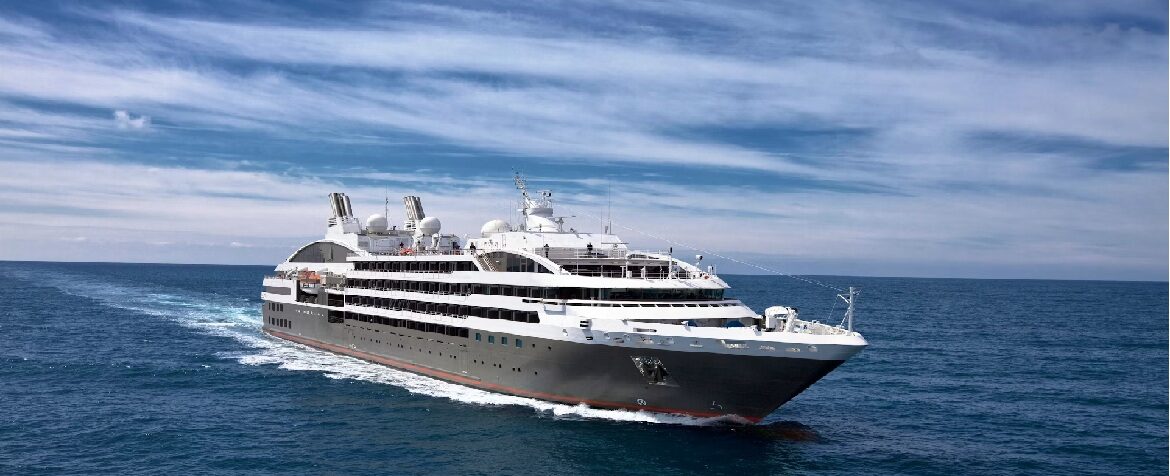

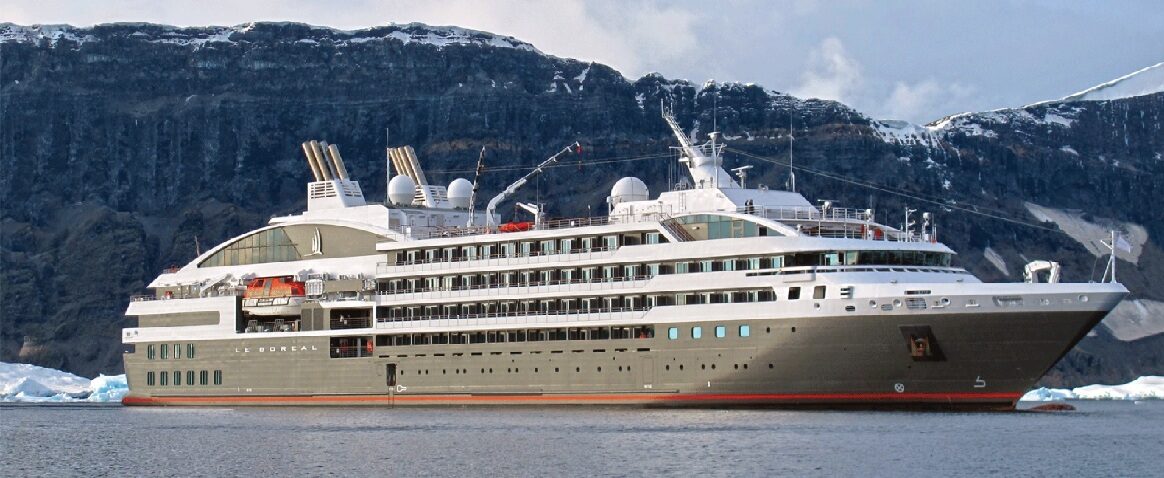
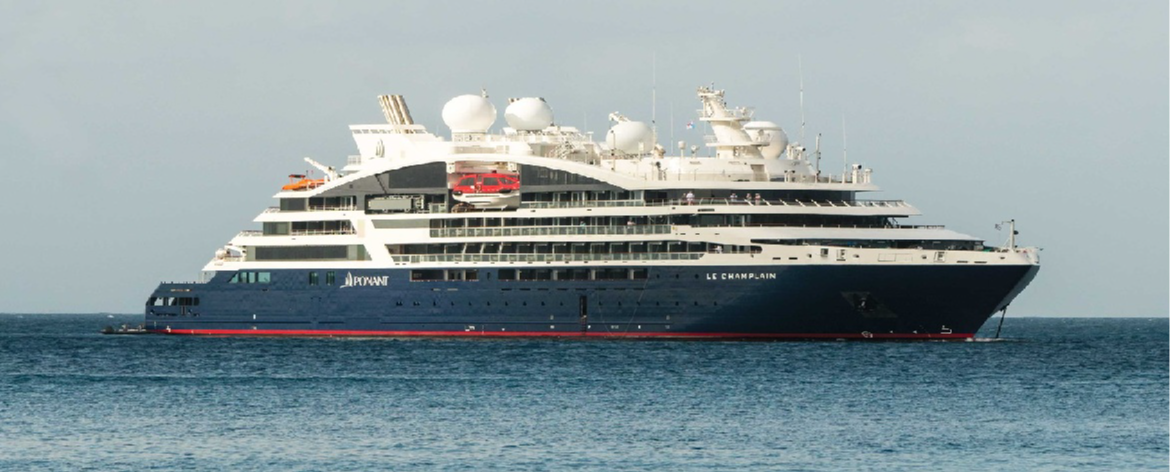
Le Champlain
7 Cruises
| 6 January | 10 nights | One-way from Dakar to Las Palmas de Gran Canaria |
450-628-6241
Call us
|
| 16 January | 9 nights | One-way from Las Palmas de Gran Canaria to Casablanca |
450-628-6241
Call us
|
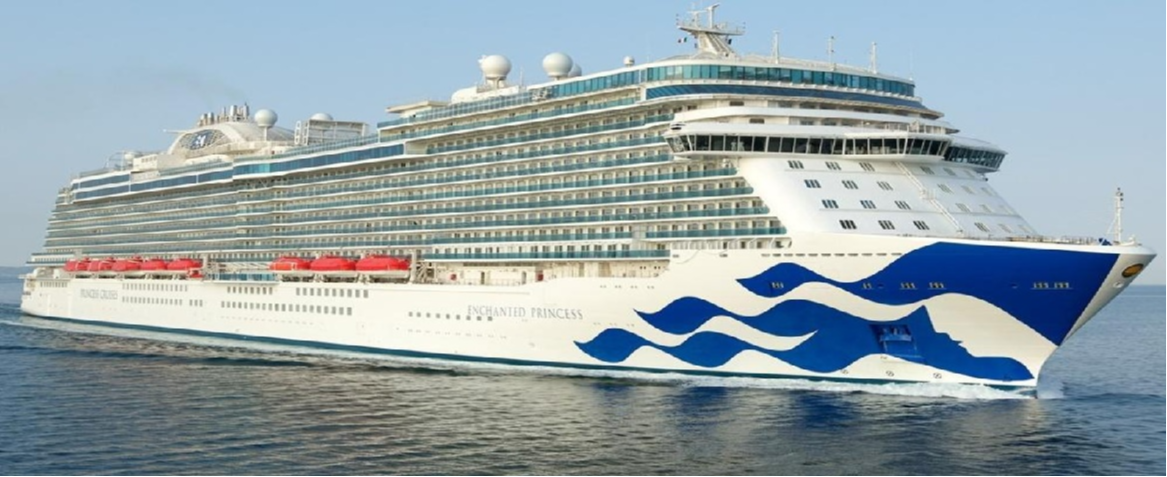
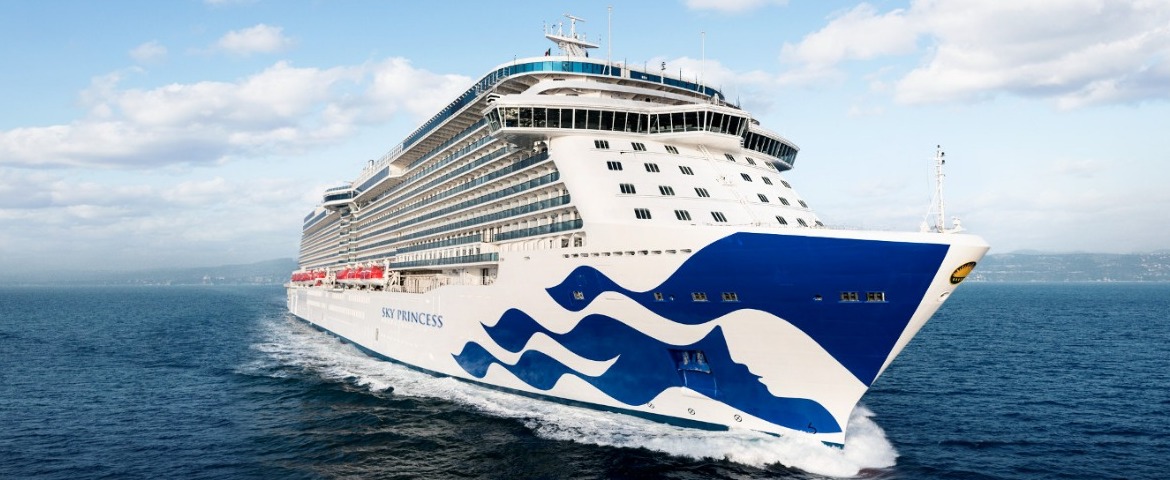
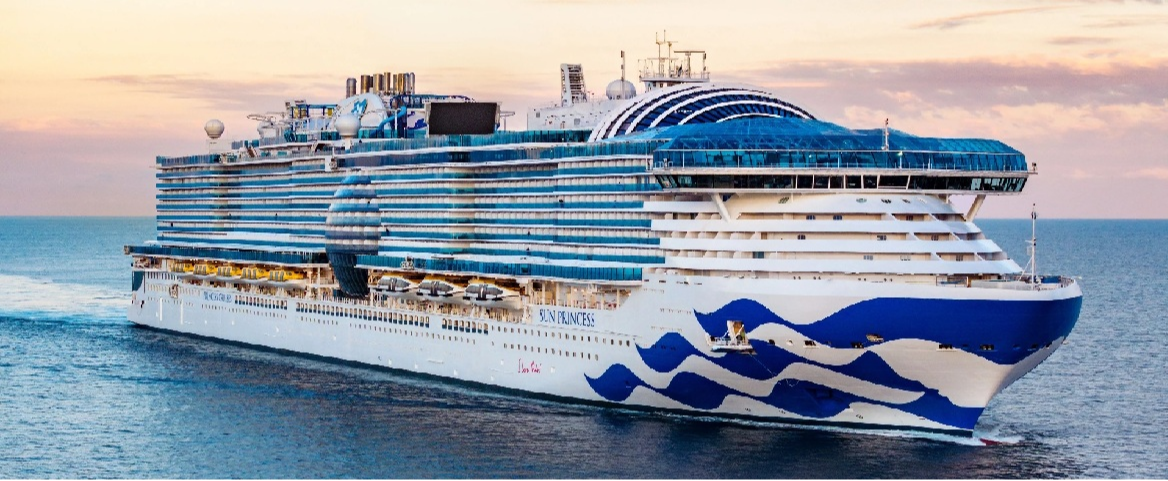
Princess Cruises (45 Cruises)
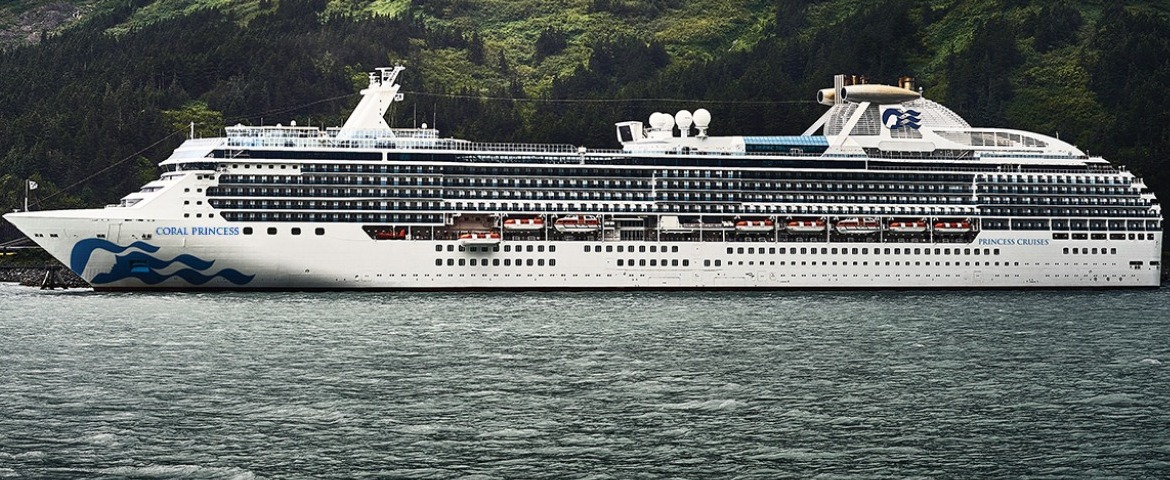
Coral Princess
9 Cruises

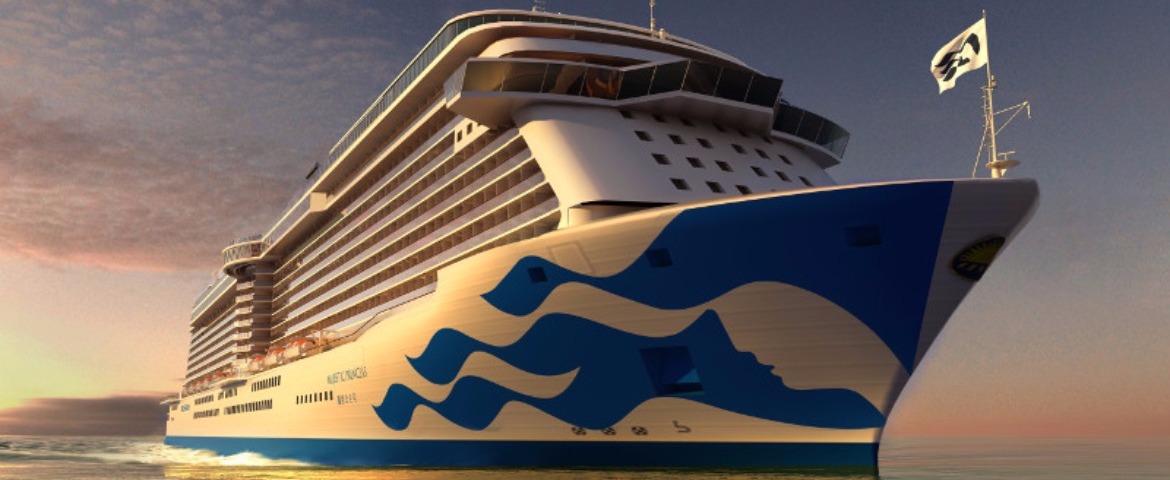
Majestic Princess
16 Cruises
| 24 January | 52 days | One-way from Buenos Aires to Southampton |
450-628-6241
Call us
|
| 25 January | 52 nights | One-way from Buenos Aires to Southampton |
450-628-6241
Call us
|
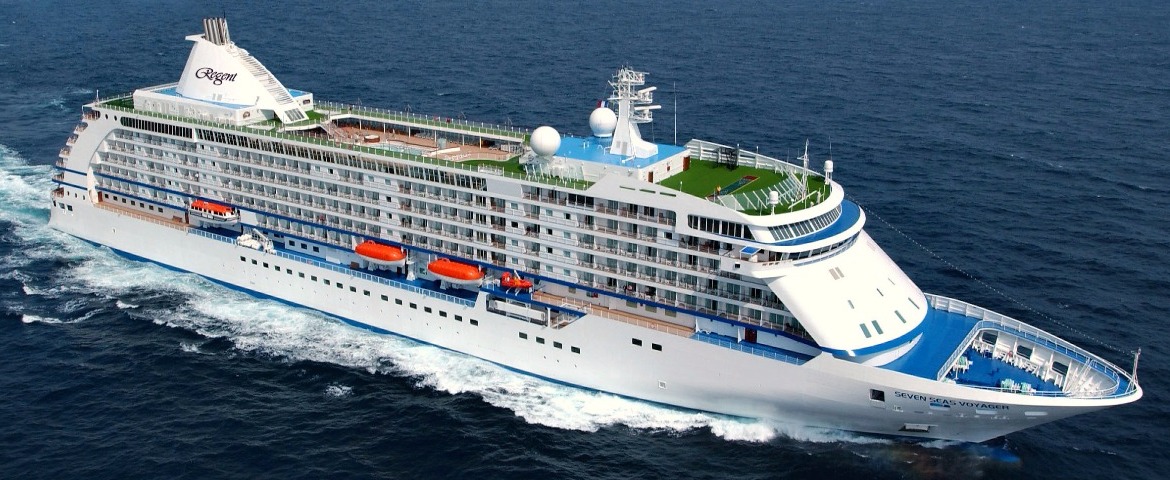
Regent Seven Seas Cruises (23 Cruises)
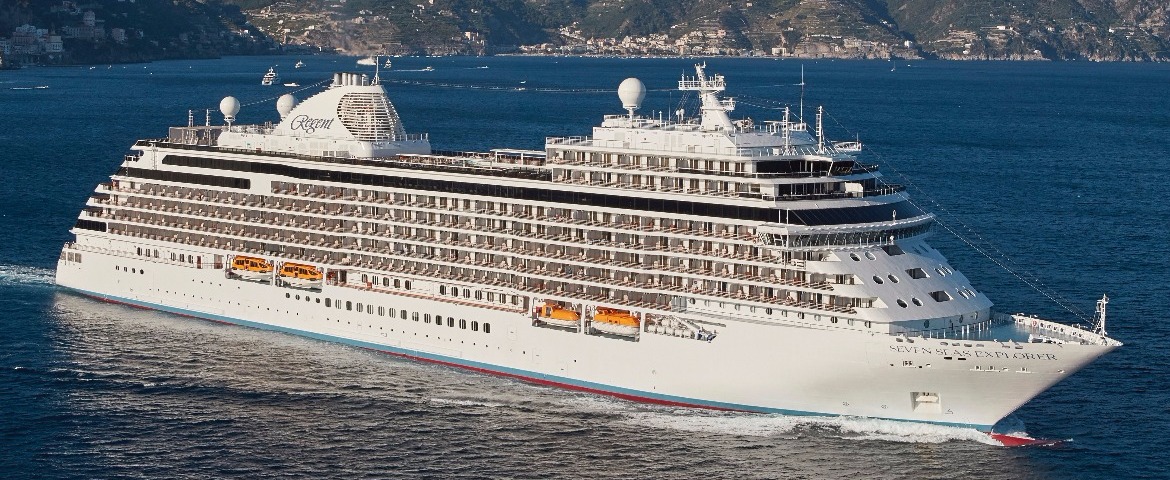

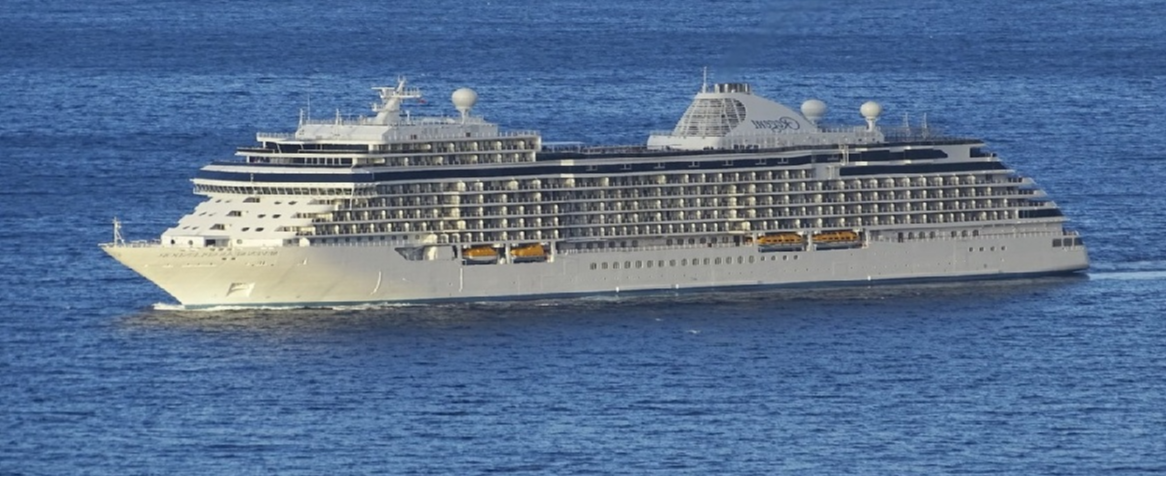
Seven Seas Mariner
7 Cruises

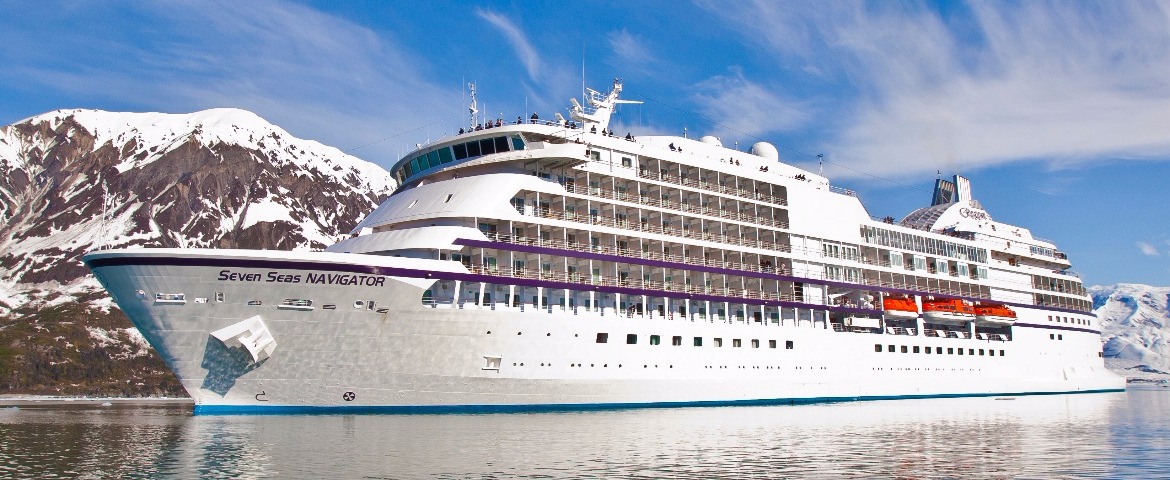
Royal Caribbean Cruises (1 Cruises)




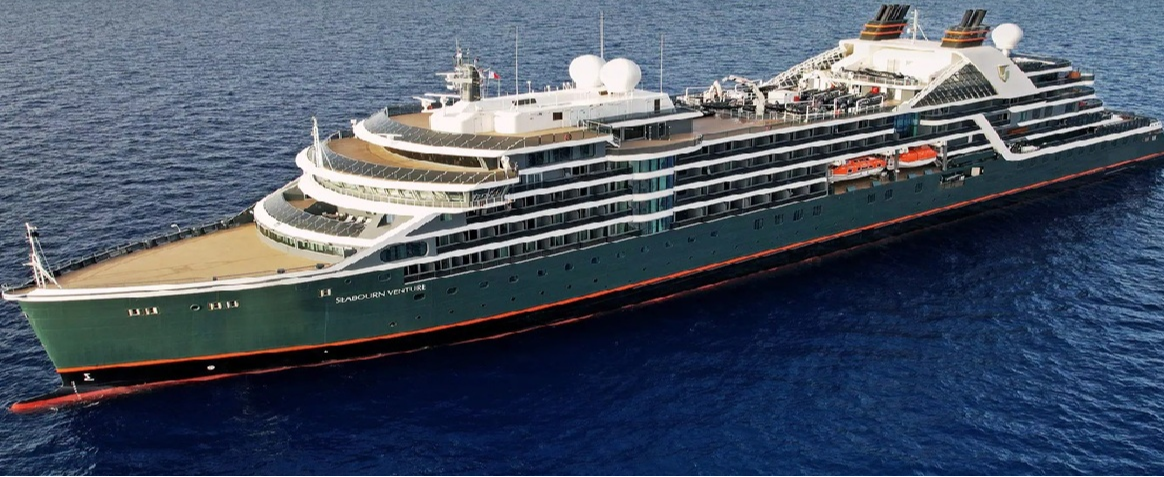
Seabourn Cruise Line (21 Cruises)
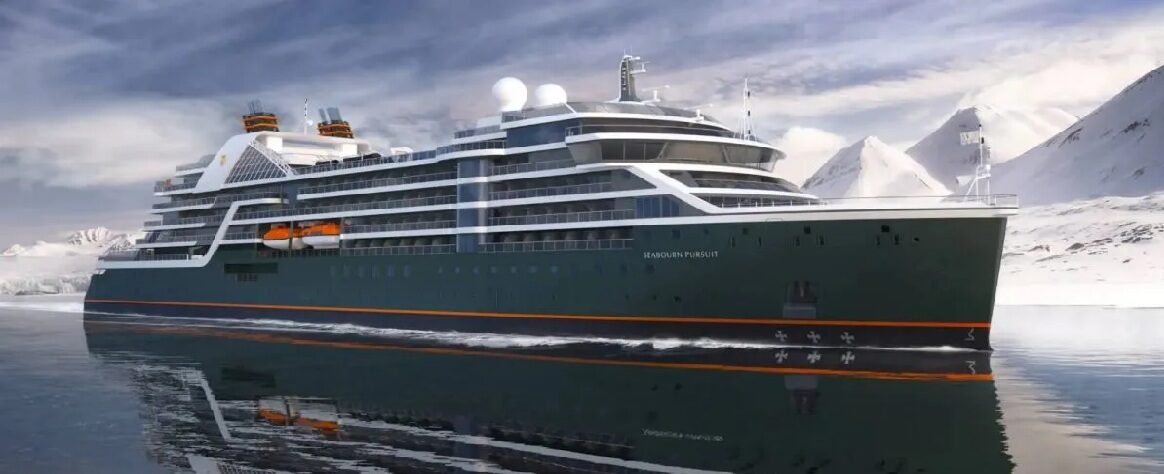

Seabourn Venture
19 Cruises

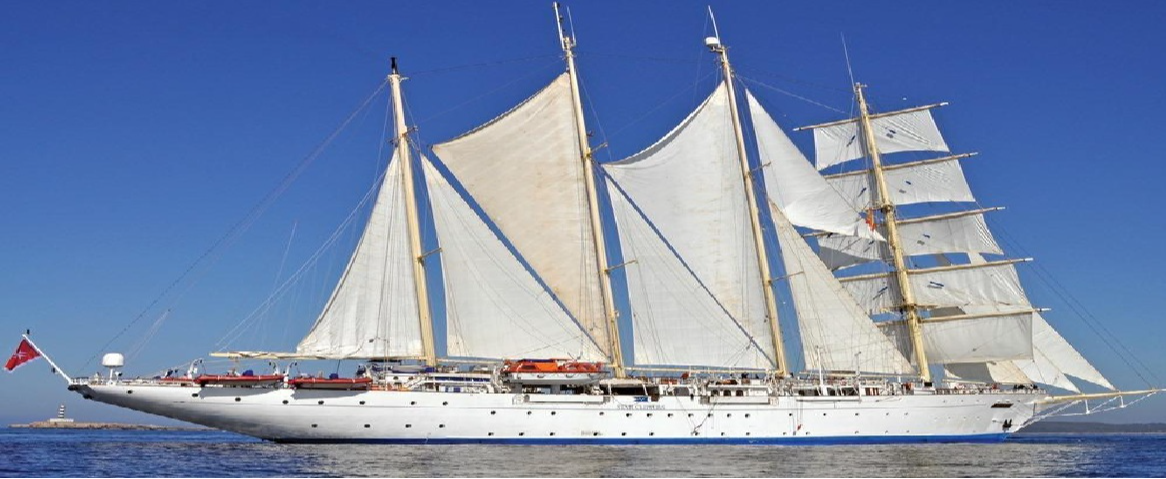
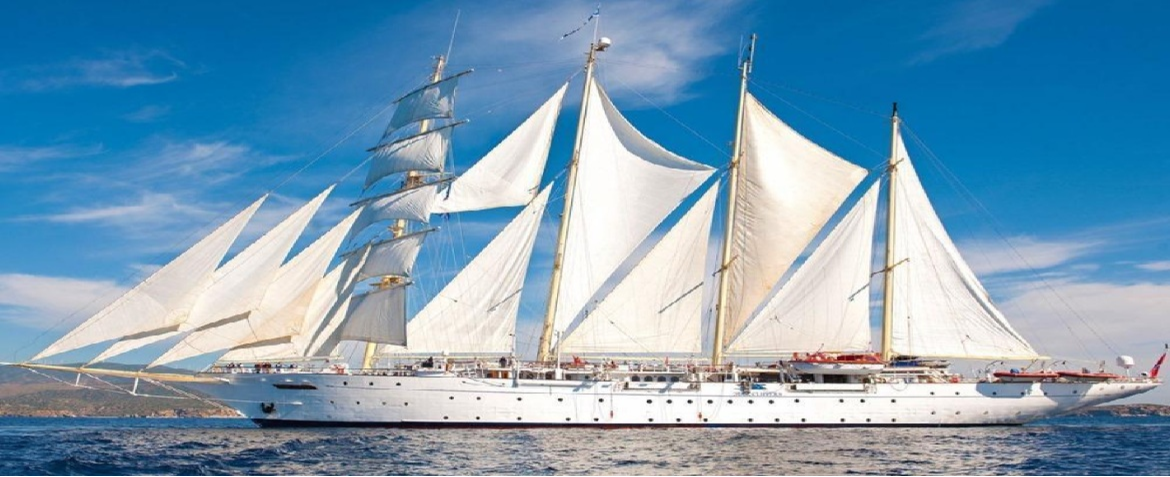
Star Clippers (5 Cruises)


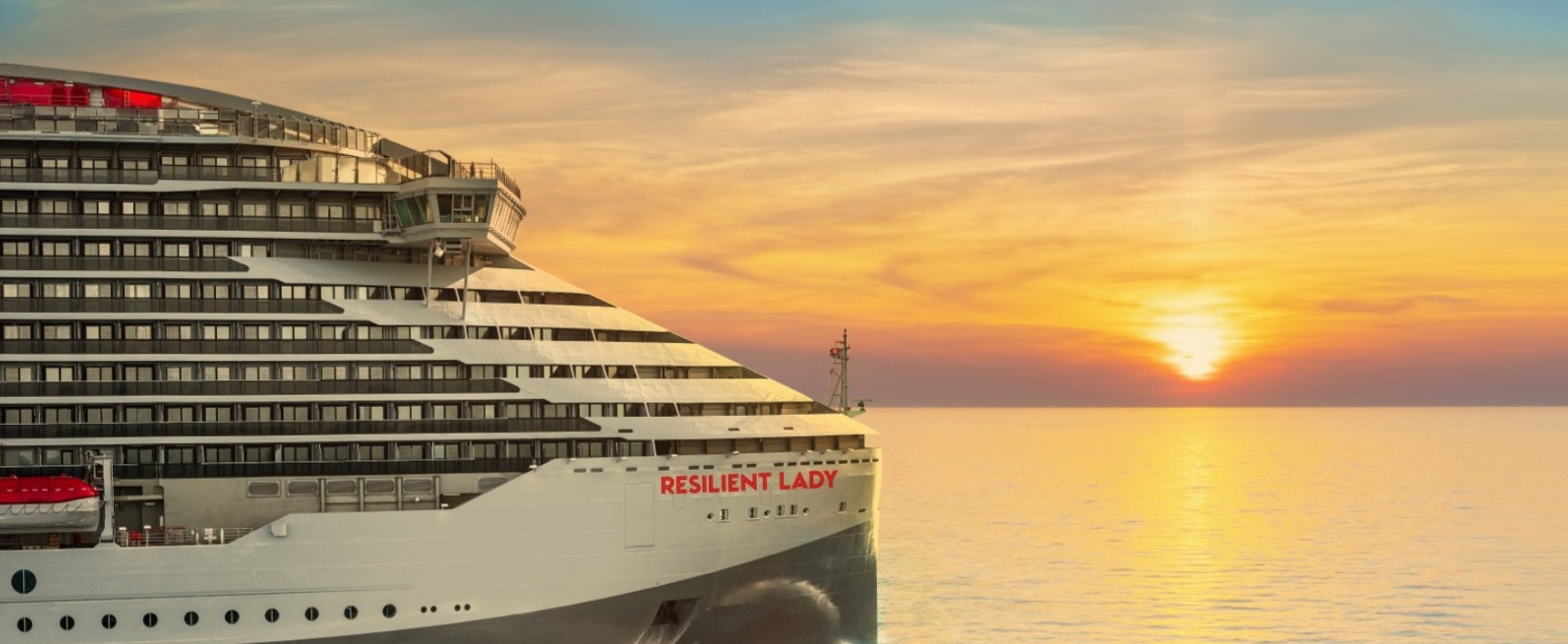
Virgin Voyages (2 Cruises)

Windstar Cruises (29 Cruises)

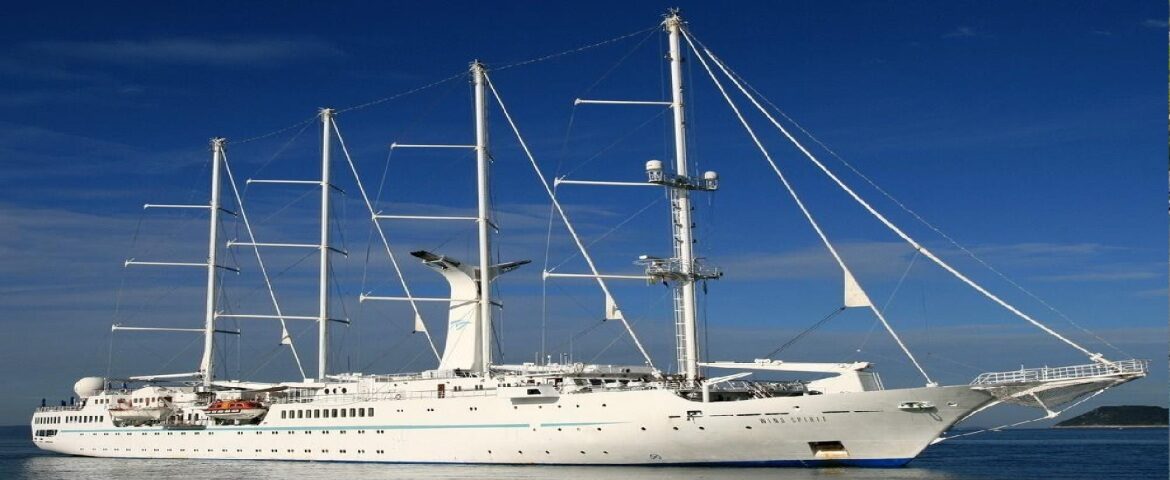
Wind Spirit
27 Cruises

Port of Santa Cruz de Tenerife | Cruise Port Guide
Frequently Asked Questions
At the south mole. A free shuttle links the terminal to the Plaza de España on the edge of the centre; you can also walk the breakwater and take in the scale of the port traffic.
It is worth seeing. This is a busy commercial city, not merely a gateway to Teide. Its squares, market and seafront easily fill half a day before you head elsewhere.
Plaza de España and the pedestrian streets up to Calle Castillo, the Nuestra Señora de África market, then the auditorium on the seafront. With more time, the tram to La Laguna is the simplest and one of the most rewarding outings.
A work by architect Santiago Calatrava, opened in 2003, whose white arc rises above the waves like a frozen breaker. It has become the city's emblem, visible from the sea long before you berth.
Under ochre arcades: tropical fruit, island cheeses, churro counters. The stalls overflow with mangoes, papayas and Canary bananas, and the fishmongers cut up the morning's catch in cheerful uproar. It is the best place to feel the city living, cortado in hand.
By tram from the centre, about forty minutes uphill. San Cristóbal de La Laguna, the island's first capital, is a World Heritage site: its grid of colonial streets served as the prototype for Spanish cities in the Americas.
Yes, but allow a good half day. The road climbs through pine forest and lava flows to a lunar landscape of craters and spires above 2,000 metres. Teide itself reaches 3,718 metres, the highest point in Spain. It is a trade-off: that excursion will cost you the city.
Yes, Las Teresitas, seven kilometres north, twenty minutes on a city bus. Its pale sand was imported from the Sahara in the 1970s and a breakwater calms the ocean, which makes for easy swimming.
In García Sanabria park, which mixes contemporary sculpture, flame trees and giant ficus. Plant lovers can continue to the Palmetum, a collection palm garden built on a former coastal landfill — a successful piece of green reclamation.
One of the largest in the world after Rio's. It electrifies the city every winter, usually in February. Outside that season Santa Cruz works, trades and studies without trying to charm anyone, and that is exactly what makes it likeable.


