Visby Gotland Island Sweden
Sweden
234
Cruises availables
At departure or passage at this port
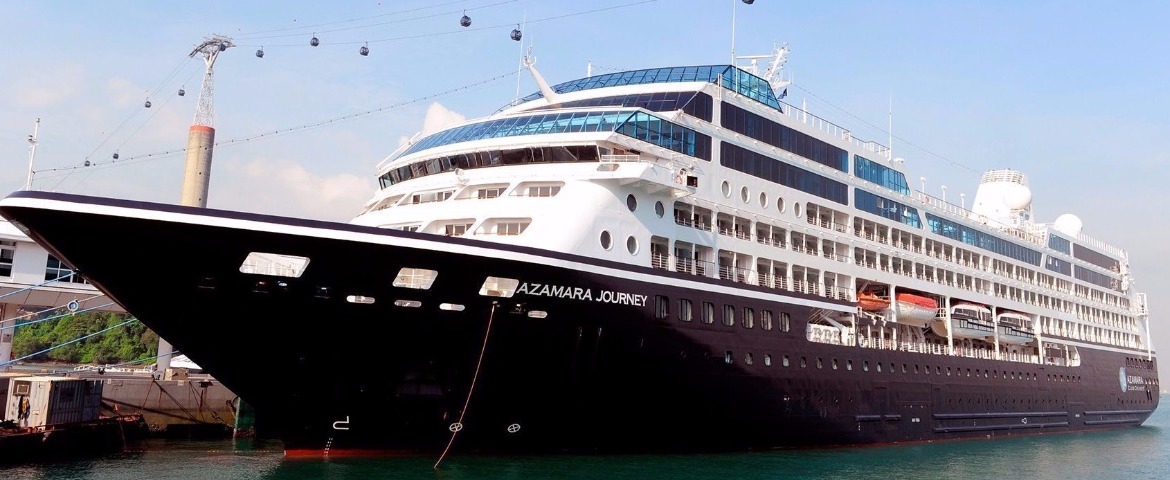


Celebrity Cruises (3 Cruises)
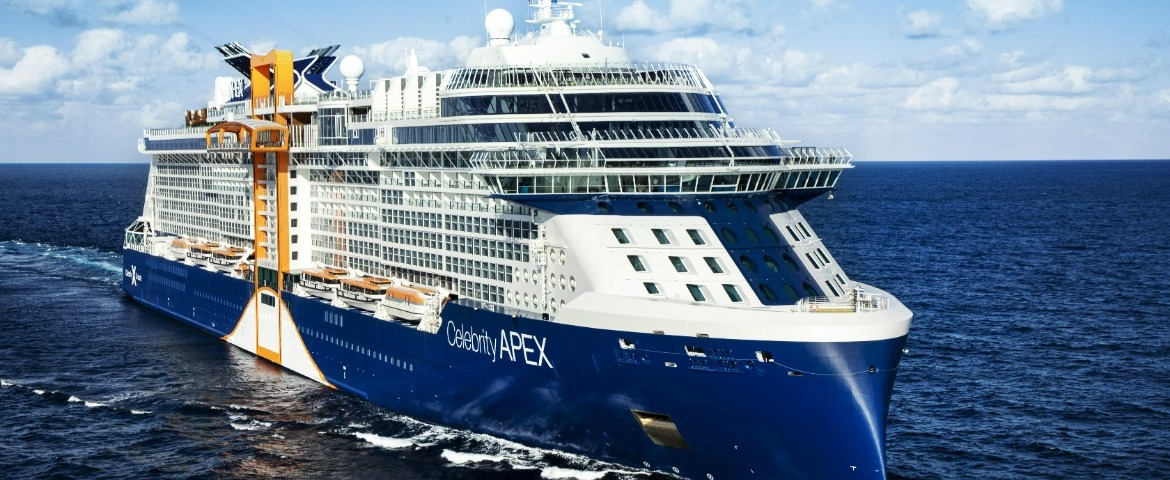

Costa Cruises (4 Cruises)
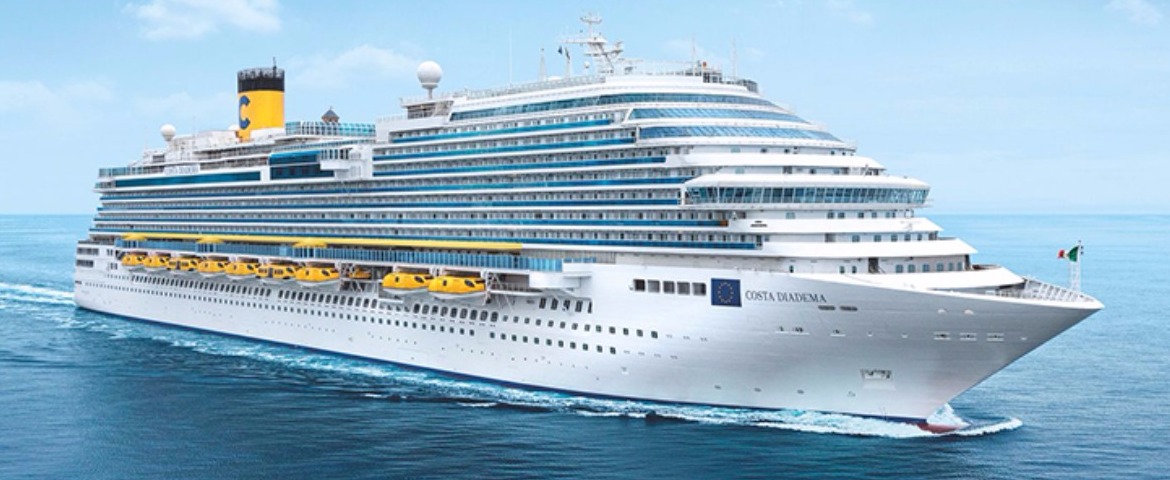

Crystal Cruises (2 Cruises)


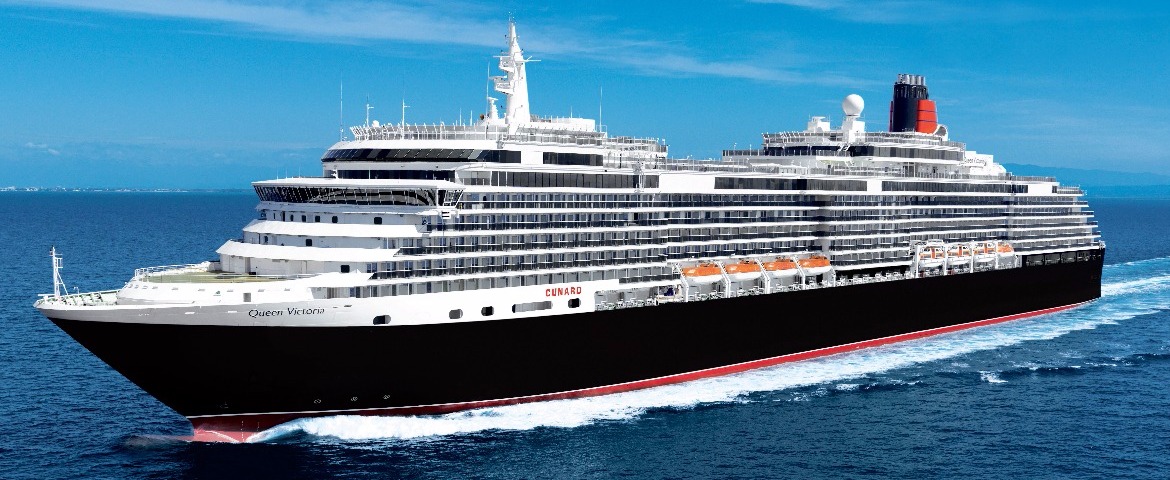
Cunard (4 Cruises)

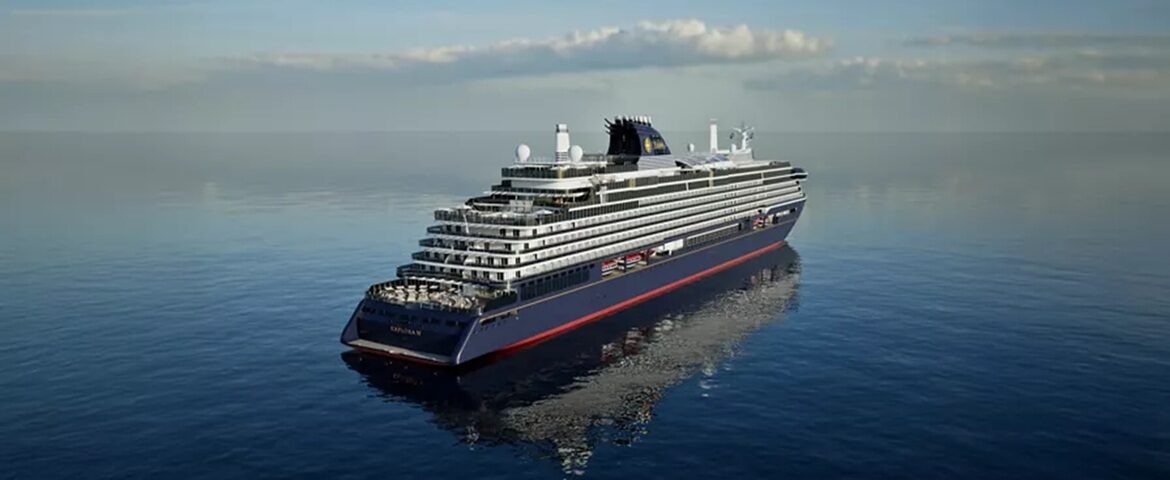
Explora Journeys (8 Cruises)
Explora IV
8 Cruises

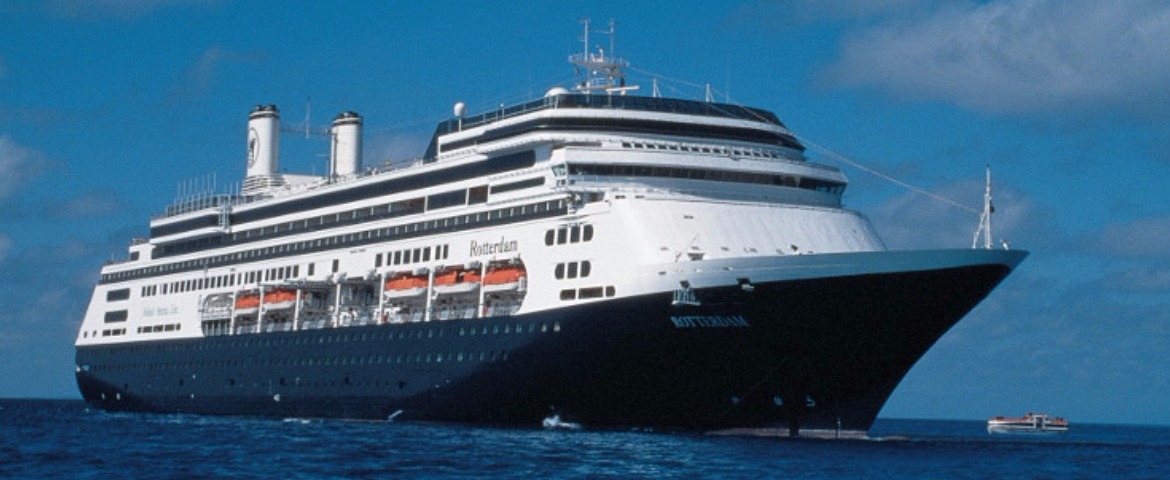
Holland America Line (6 Cruises)

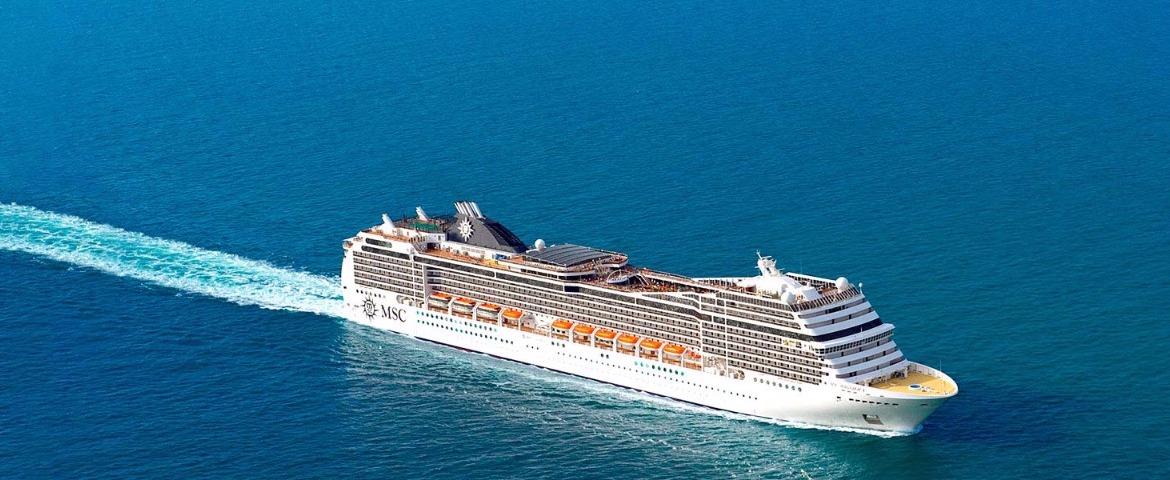
MSC Cruises (13 Cruises)

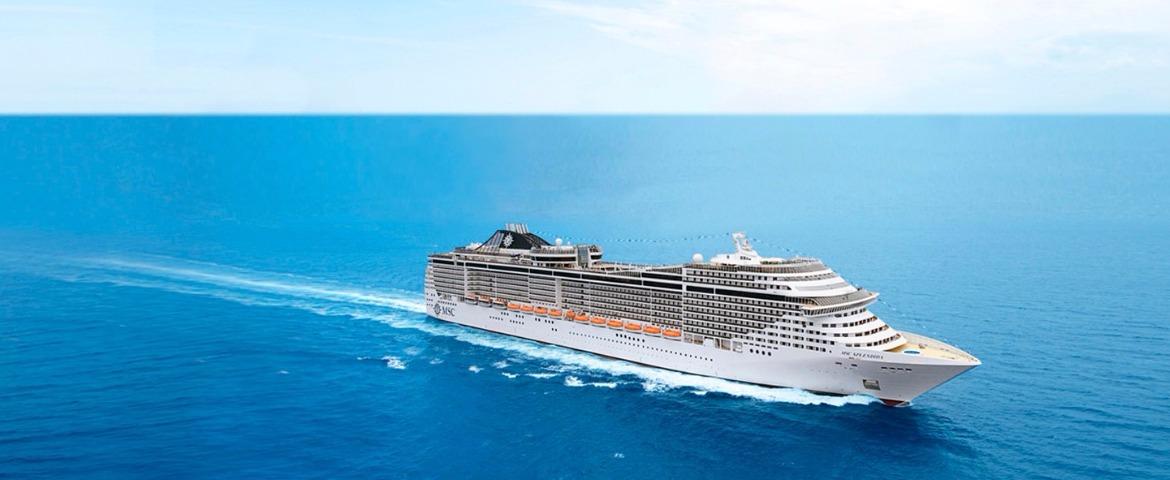
MSC Splendida
10 Cruises
| 25 April | 10 nights | One-way from Warnemunde-Rostock to Copenhagen |
From
3307$
|
| 25 April | 11 nights | Round-trip from Warnemunde-Rostock, Germany |
From
2852$
|
Norwegian Cruise Line (3 Cruises)

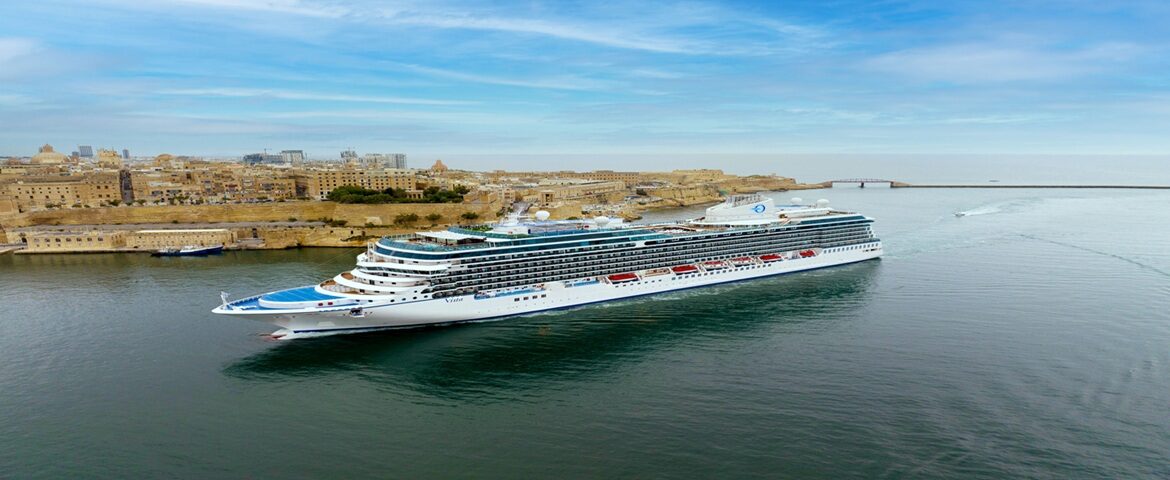
Oceania Cruises (26 Cruises)

Oceania Insignia
4 Cruises
Oceania Marina
7 Cruises
| 10 May | 43 nights | One-way from Lisbon to Southampton |
450-628-6241
Call us
|
| 27 May | 26 nights | Round-trip from Southampton, United Kingdom |
450-628-6241
Call us
|
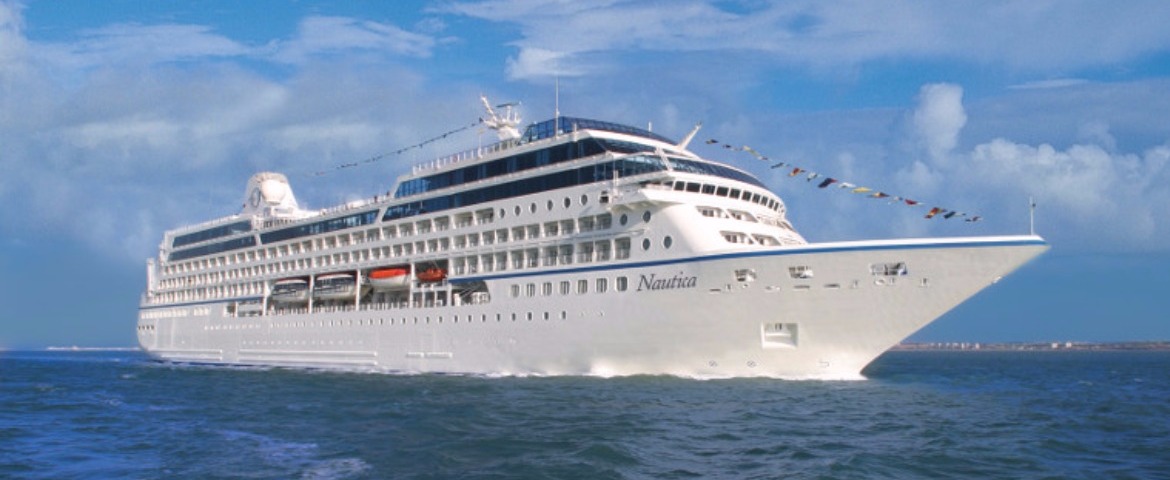
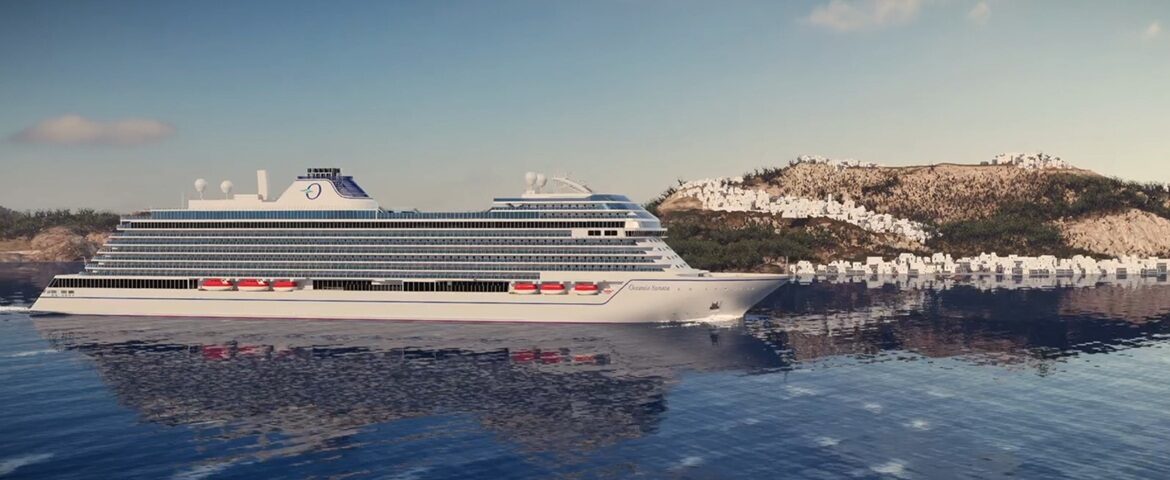
Oceania Sonata
6 Cruises
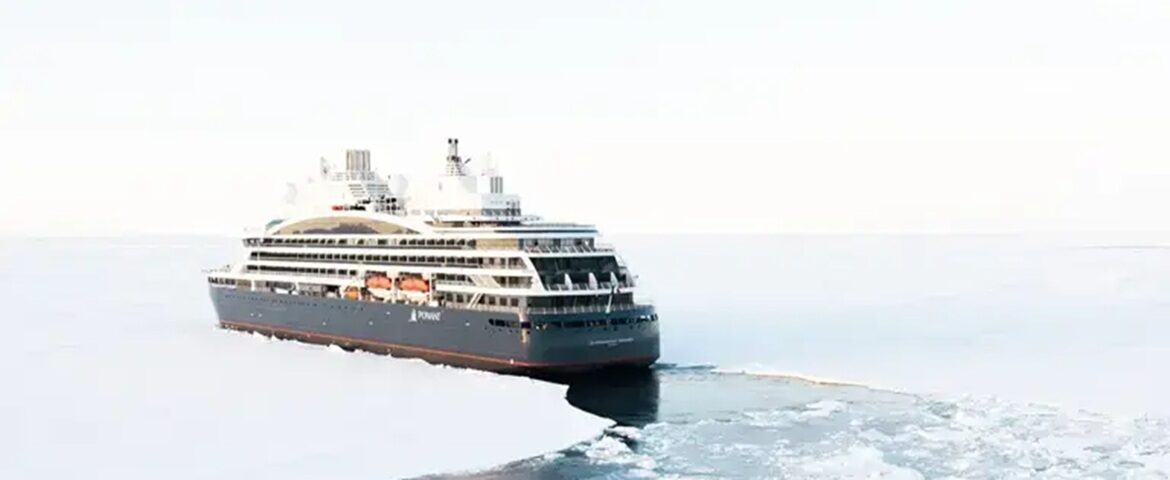
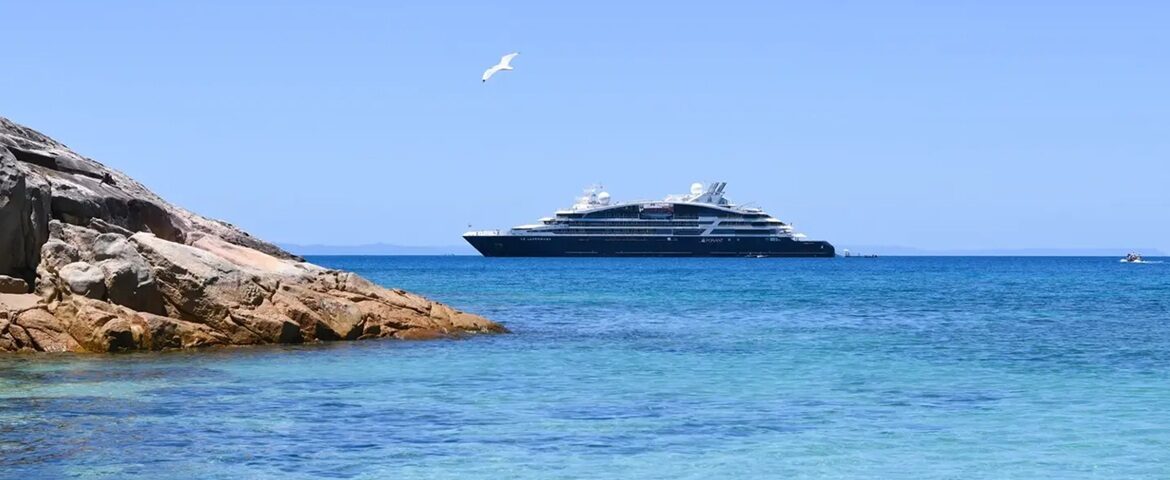
Ponant (14 Cruises)
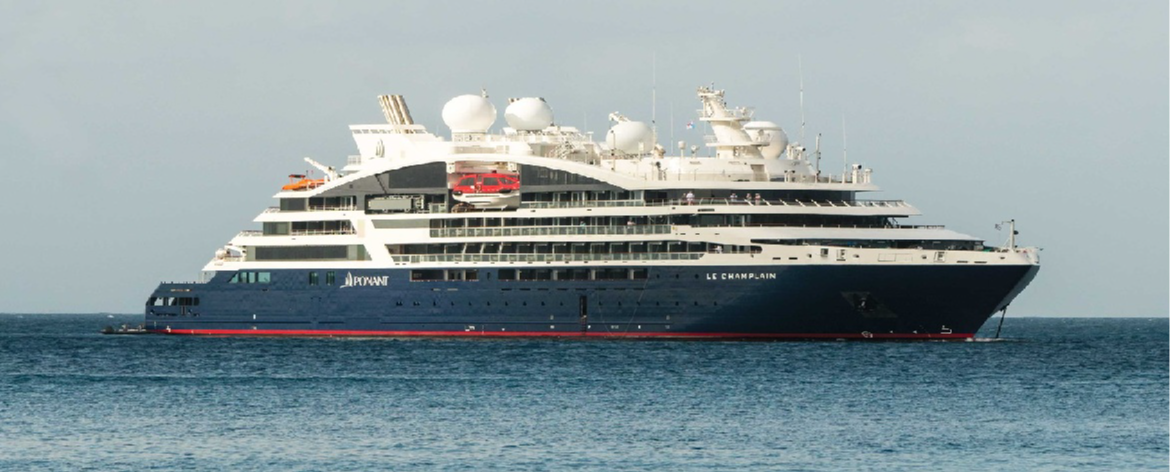
Le Champlain
5 Cruises

Princess Cruises (63 Cruises)
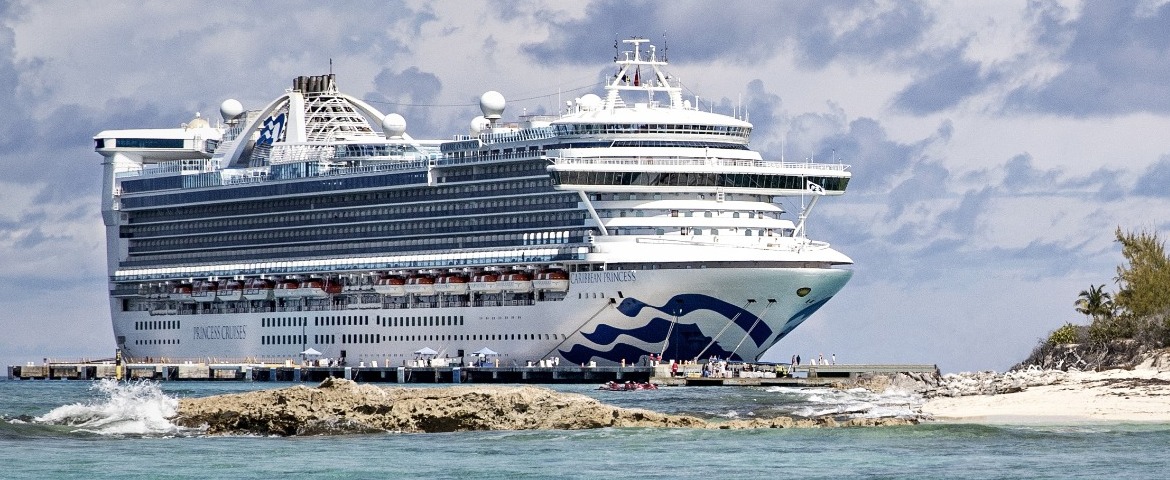
Caribbean Princess
23 Cruises

| 11 June | 12 nights | Round-trip from Copenhagen, Denmark |
450-628-6241
Call us
|
| 23 June | 12 nights | Round-trip from Copenhagen, Denmark |
450-628-6241
Call us
|
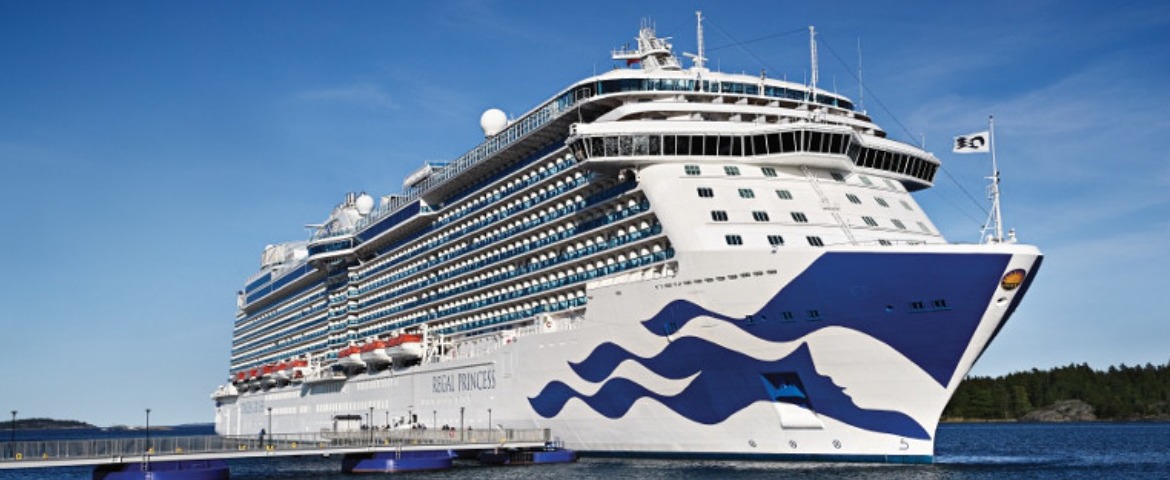
Regal Princess
32 Cruises
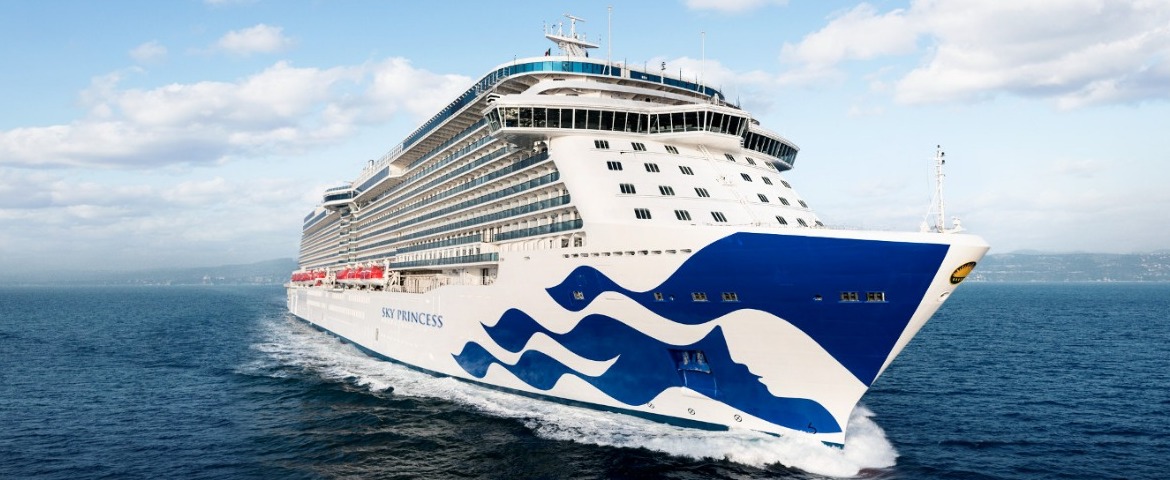
Sky Princess
8 Cruises
Regent Seven Seas Cruises (11 Cruises)
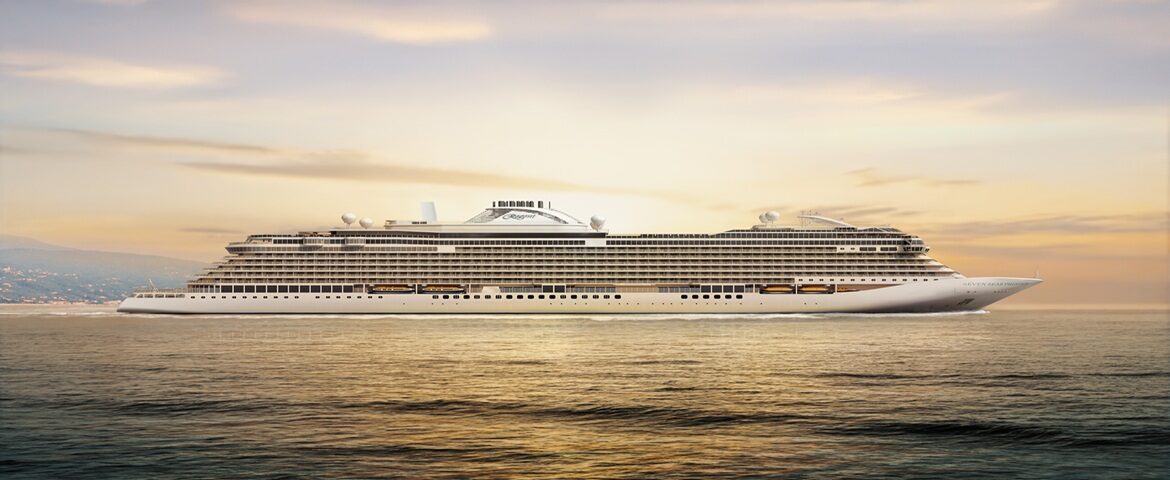
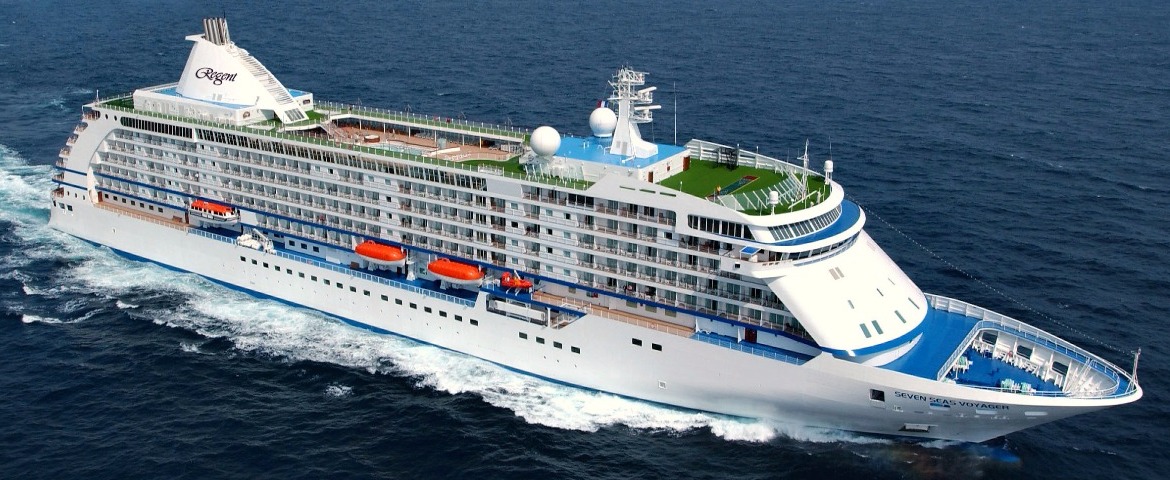
Seven Seas Mariner
4 Cruises


Seabourn Cruise Line (22 Cruises)
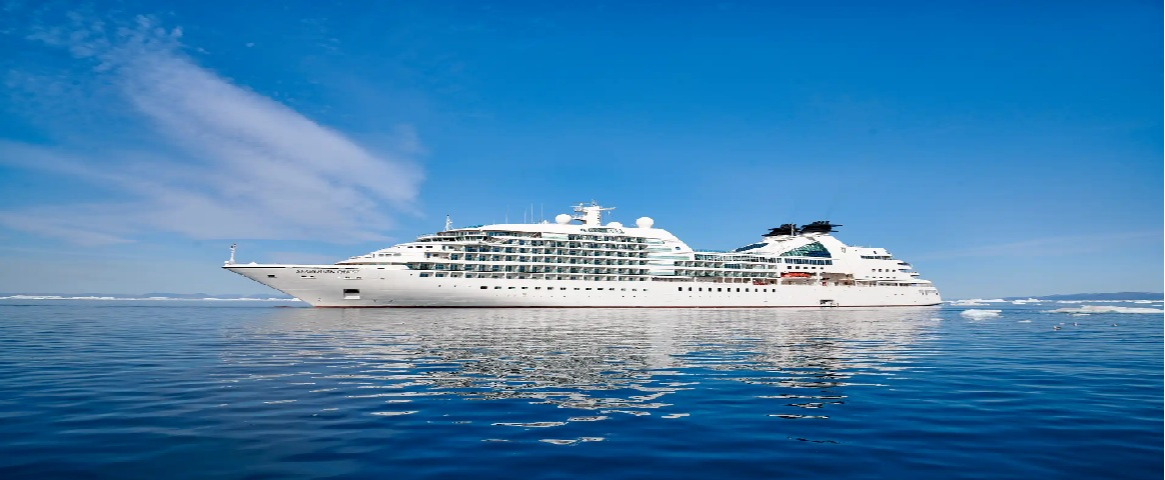
Seabourn Quest
20 Cruises

Silversea Cruises (2 Cruises)

Viking Ocean Cruises (48 Cruises)
Viking Saturn
48 Cruises


Port of Visby, Sweden | Cruise Port Guide
Frequently Asked Questions
At the cruise quay built in 2018 south of the harbour, which takes the largest ships without tendering. No shuttle is needed to disembark: the historic centre is about 1.2 km away, roughly twenty minutes on a marked path.
Yes, about twenty minutes along a marked path past the small marina. Shuttles and rental bicycles are available for those who would rather save their legs for the cobbles — and Visby’s cobbles are worth saving strength for.
Because it is the best-preserved walled town in northern Europe, listed since 1995. Its wall, nearly 3.5 km long and raised between the thirteenth and fourteenth centuries, still encircles the old centre and is entered through original fortified gates.
Because the town, hugely prosperous in the days of the Hanseatic League, declined sharply after the fourteenth century. A dozen medieval church ruins punctuate the centre: arches open to the sky, naves overgrown with grass. Sankta Maria, the former German merchants’ church turned cathedral, is the only one still in use.
Walk up to the wall, cross the centre along Sankt Hansgatan and Adelsgatan, stop on Stora Torget beneath the remains of St Catherine’s church, visit the Gotlands Museum, then return along the seaward ramparts. All of it on foot.
The finds made on the island: Viking-age carved stones showing ships and legendary scenes, silver hoards buried by medieval merchants, and collections on Gotland’s rural and maritime life. It is the key to understanding what the stones of the centre are saying.
Everywhere inside the walls from June onward, and above all in narrow Fiskargränd, where climbing roses cling to whitewashed walls. Seeing roses cover medieval façades at this northern latitude surprises visitors every time.
An August event that fills the streets with costumes, tournaments and period markets. If your call coincides, the whole town appears to slip back seven centuries — check the calendar before you plan, since it is also the busiest week of the year.
At Almedalen park by the water, with its shaded lawns, or at the botanical garden a little further north, with rose beds and old trees sheltered by the ramparts. The terraces on Stora Torget do the job just as well.
Gotland woollens and local sweets, sold in the craft shops along Adelsgatan, the main shopping street of the centre. Made on the island, not imported.


