Da Nang Hue City, Vietnam
731
Cruises availables
At departure or passage at this port
Azamara Club Cruises (47 Cruises)
Azamara Onward
11 Cruises
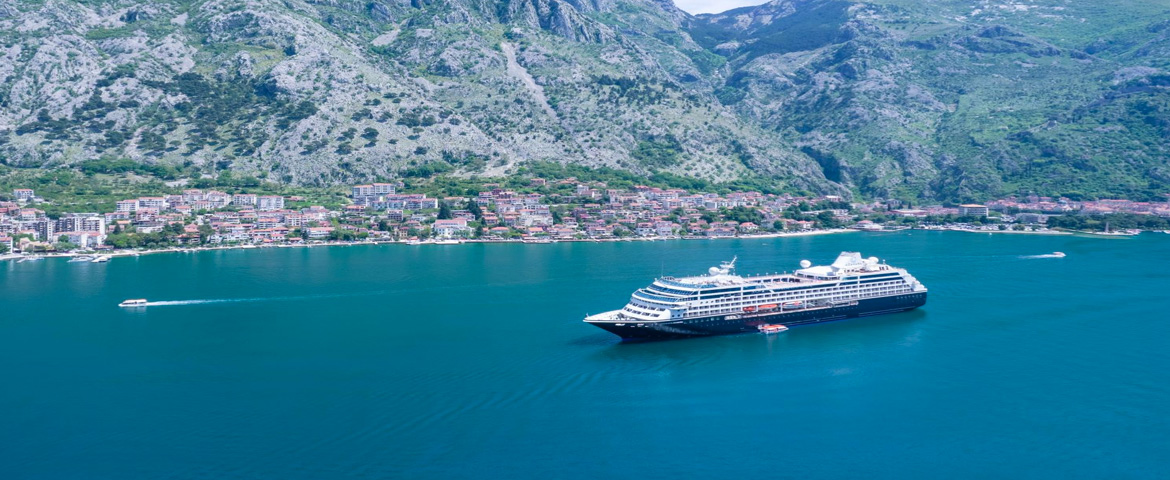

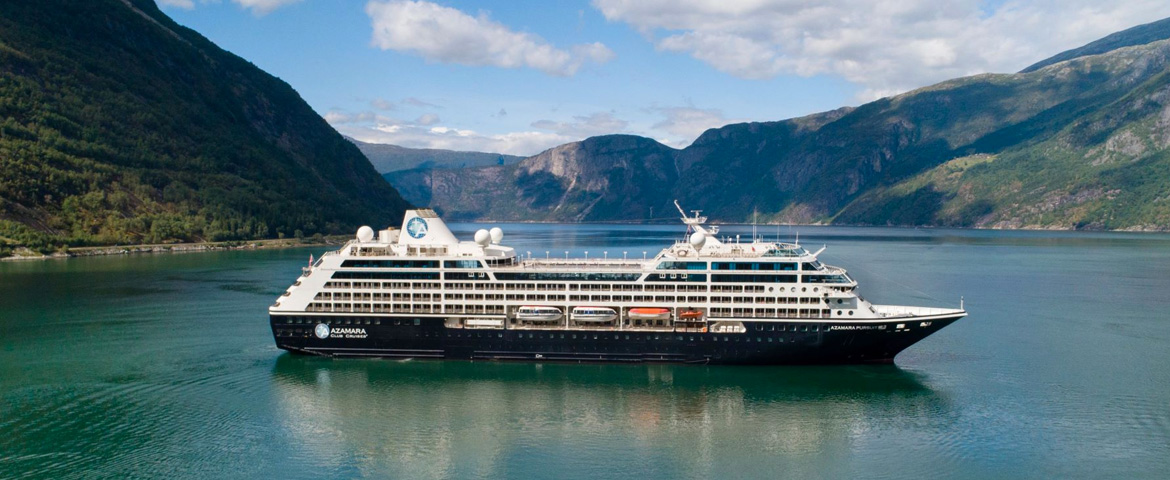
Azamara Pursuit
28 Cruises
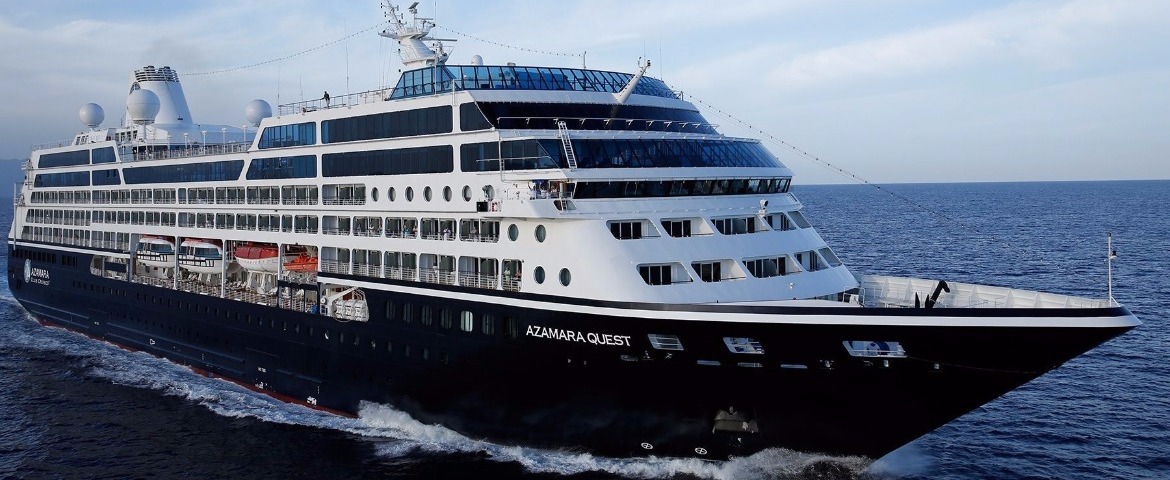
Azamara Quest
8 Cruises
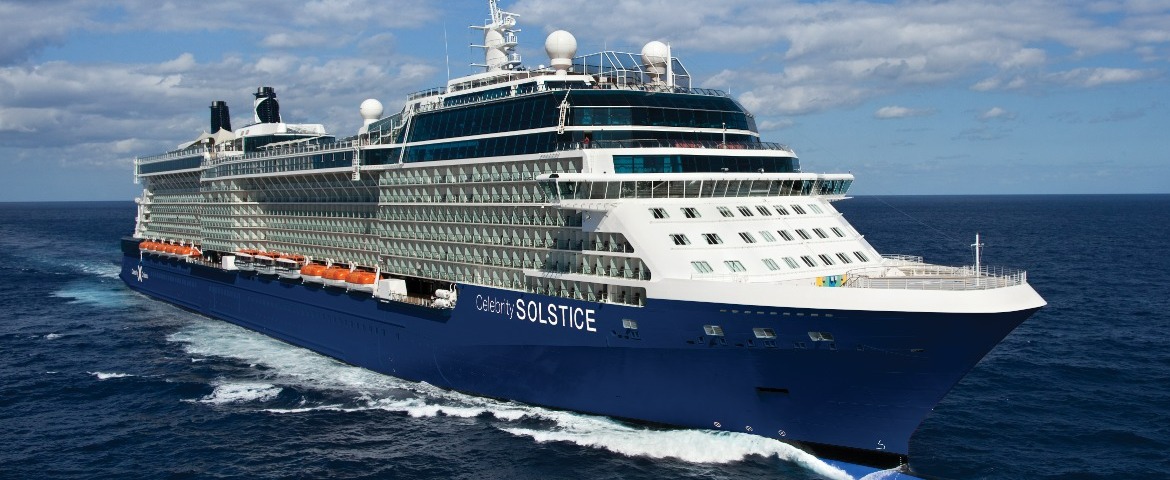
Celebrity Cruises (20 Cruises)
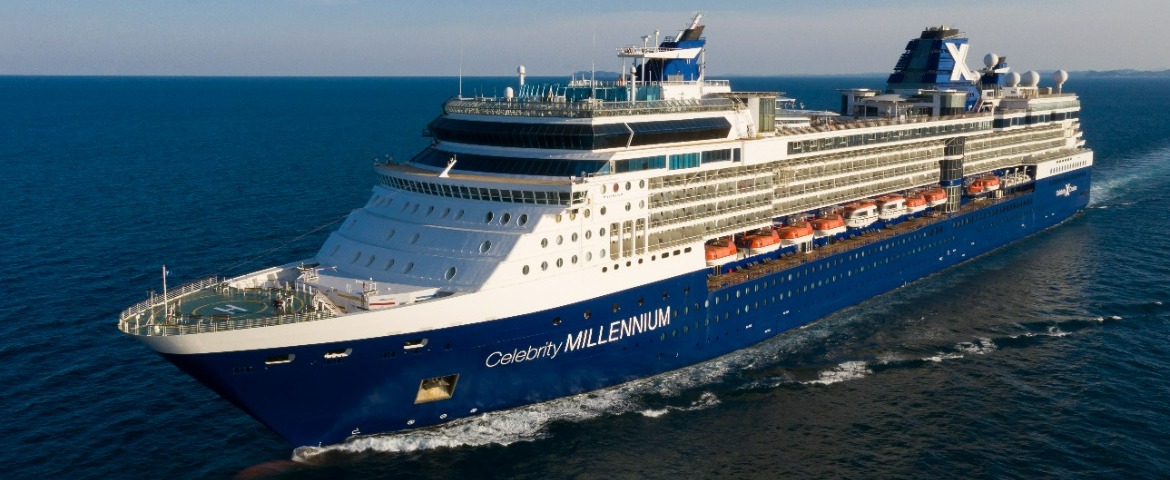

Celebrity Solstice
16 Cruises
CroisiEurope (134 Cruises)
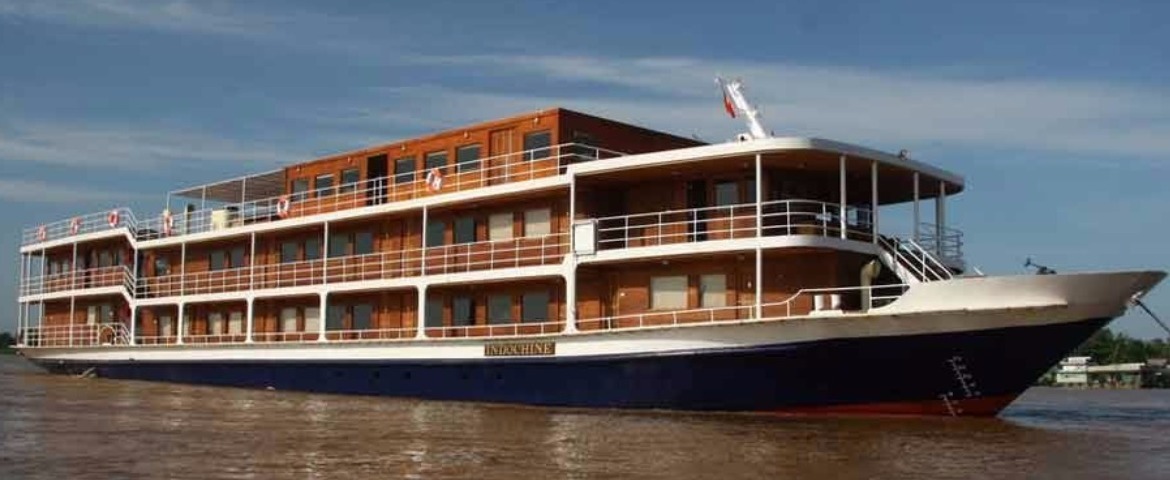
RV Indochine
80 Cruises

| 24 February | 16 days | One-way from Hanoi to Siem Reap |
450-628-6241
Call us
|
| 24 February | 17 days | One-way from Hanoi to Siem Reap |
450-628-6241
Call us
|
| 28 August | 17 days | One-way from Siem Reap to Halong Bay |
450-628-6241
Call us
|
| 28 August | 16 days | One-way from Siem Reap to Halong Bay |
450-628-6241
Call us
|
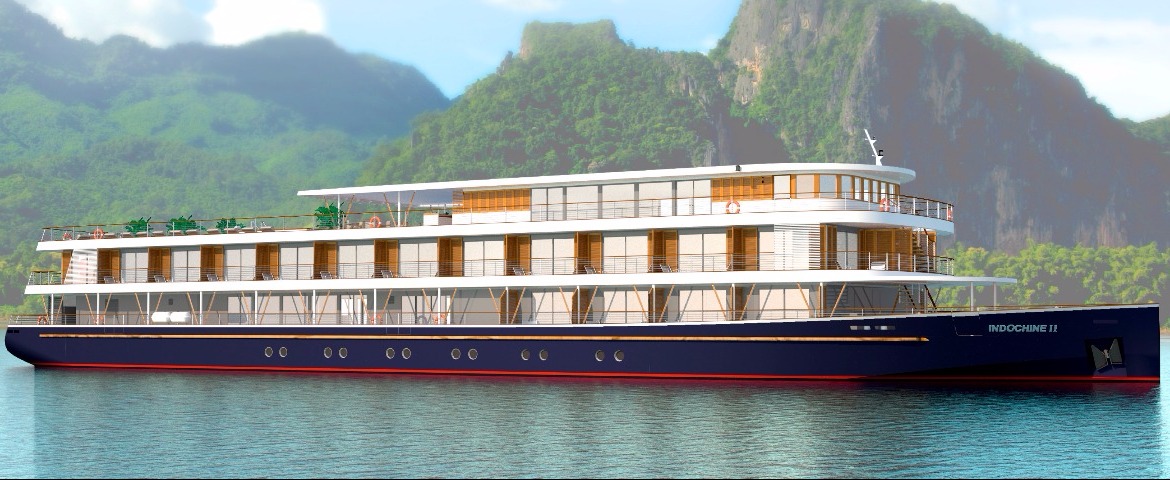
RV Indochine II
54 Cruises
| 8 January | 17 days | One-way from Siem Reap to Halong Bay |
450-628-6241
Call us
|
| 8 January | 16 days | One-way from Siem Reap to Halong Bay |
450-628-6241
Call us
|
| 14 April | 17 days | One-way from Siem Reap to Halong Bay |
450-628-6241
Call us
|
| 14 April | 16 days | One-way from Siem Reap to Halong Bay |
450-628-6241
Call us
|
| 23 November | 17 days | One-way from Siem Reap to Halong Bay |
450-628-6241
Call us
|
| 23 November | 16 days | One-way from Siem Reap to Halong Bay |
450-628-6241
Call us
|
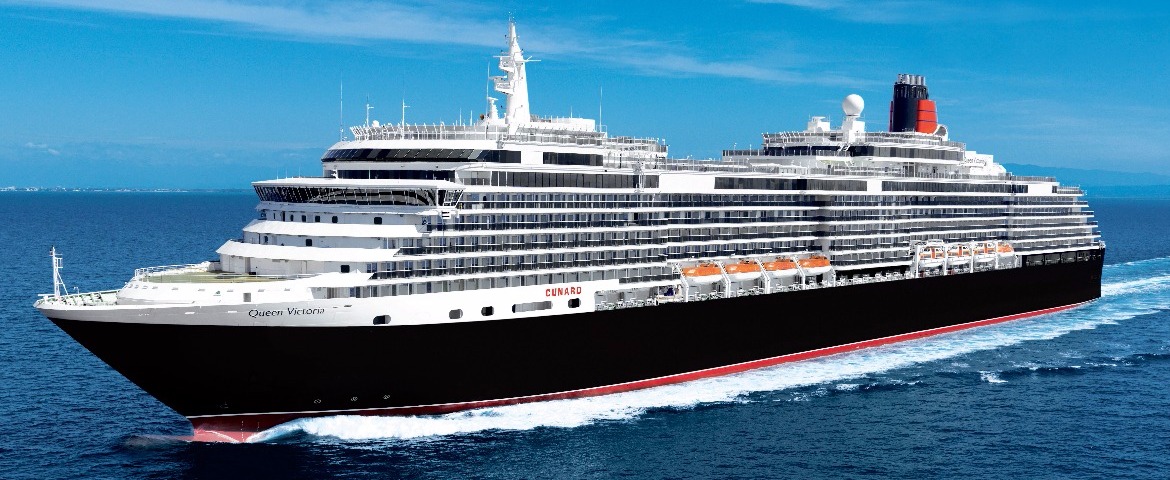
Cunard (13 Cruises)
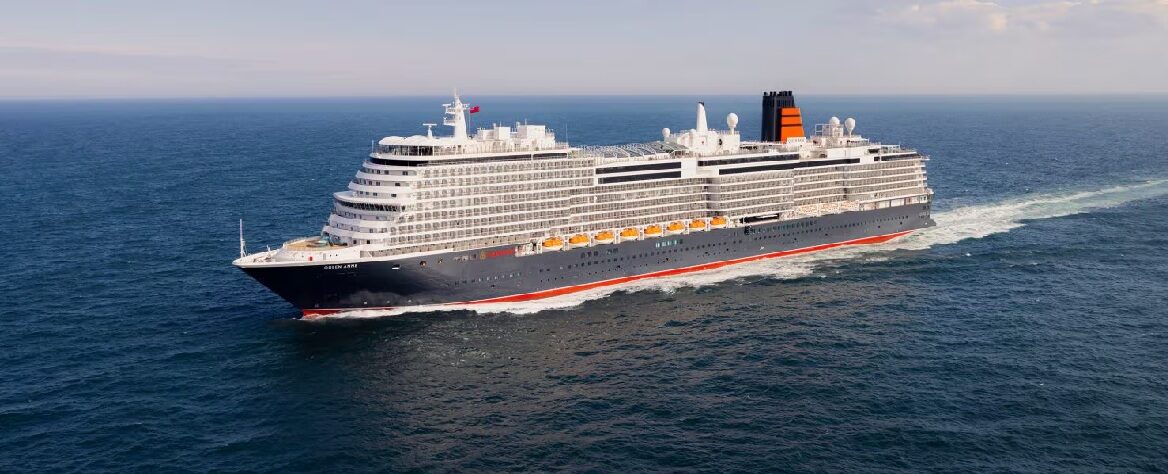

Queen Victoria
12 Cruises
Emerald Waterways (212 Cruises)
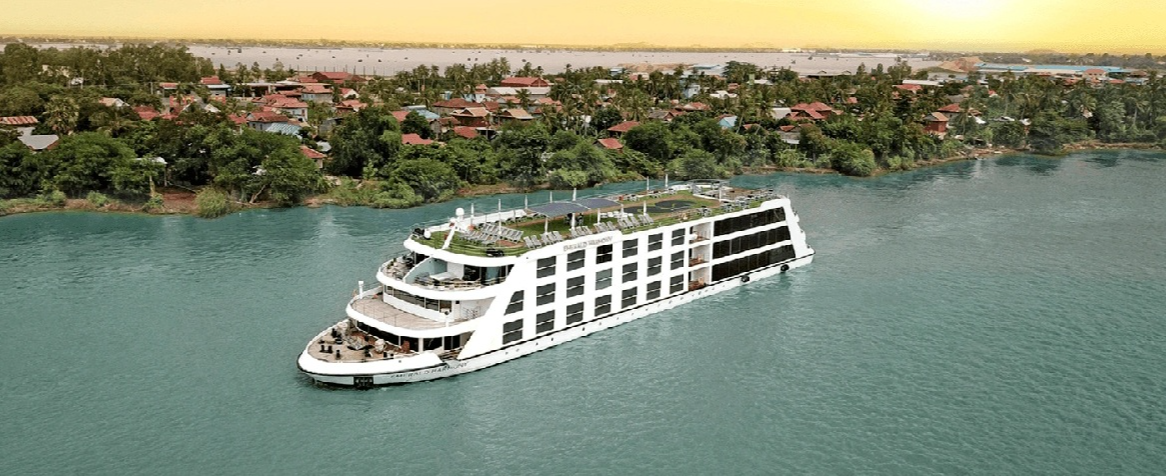
Emerald Harmony
103 Cruises

| 27 October | 20 days | One-way from Hanoi to Saigon |
450-628-6241
Call us
|
| 27 October | 21 days | One-way from Hanoi to Saigon |
450-628-6241
Call us
|
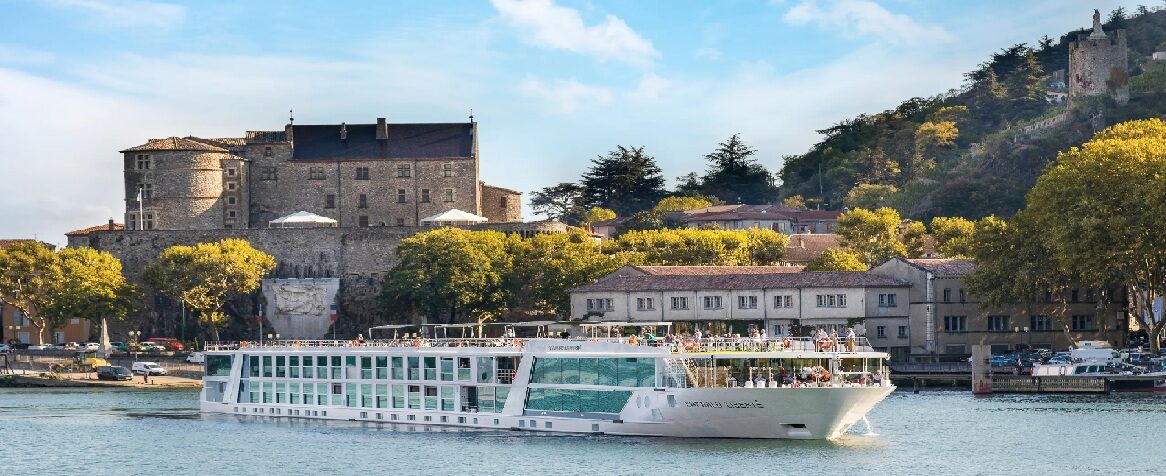
Emerald Liberte
103 Cruises
| 27 October | 21 days | One-way from Hanoi to Saigon |
450-628-6241
Call us
|
| 27 October | 20 days | One-way from Hanoi to Saigon |
450-628-6241
Call us
|
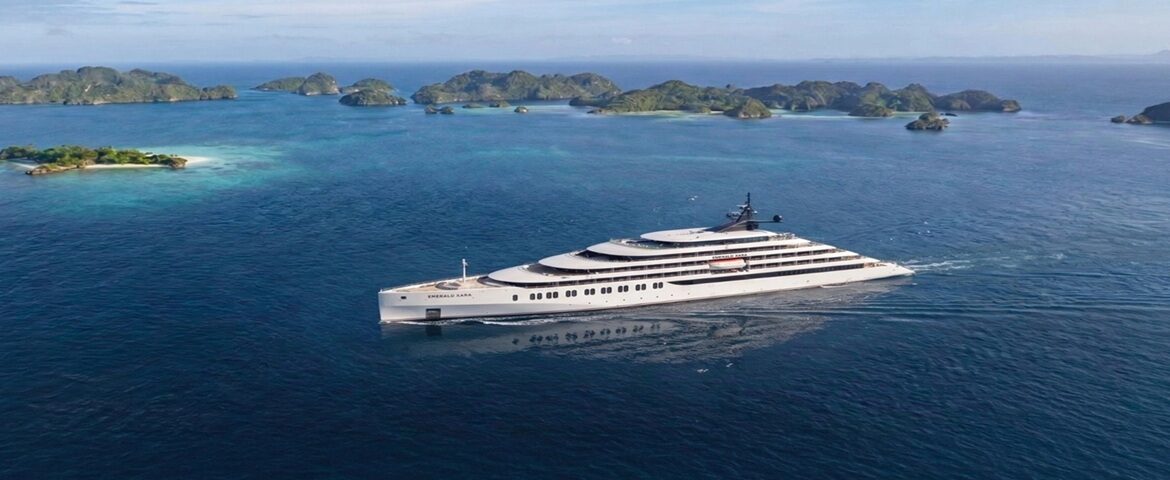
Emerald Xara
6 Cruises
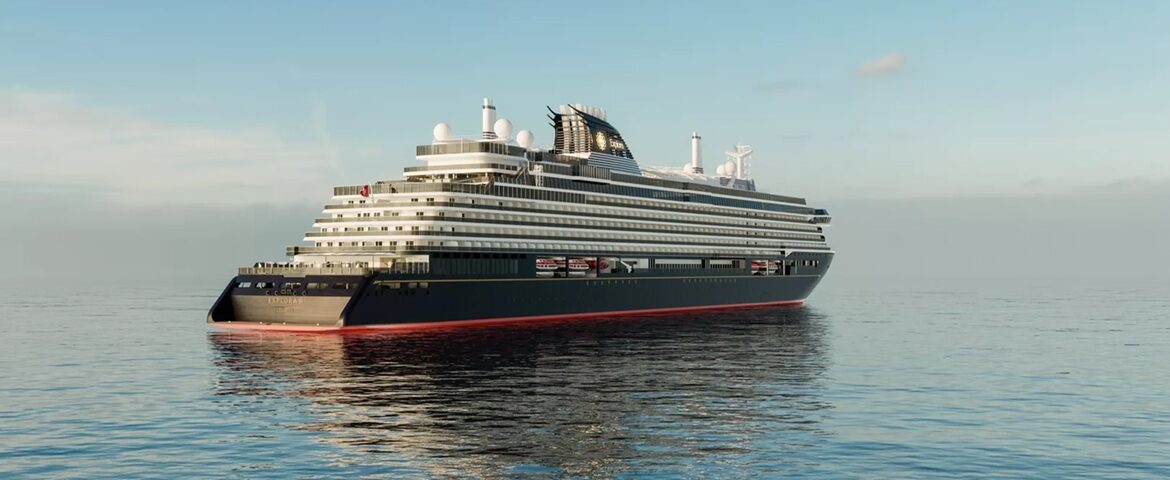
Explora Journeys (10 Cruises)
Explora III
10 Cruises

Holland America Line (16 Cruises)
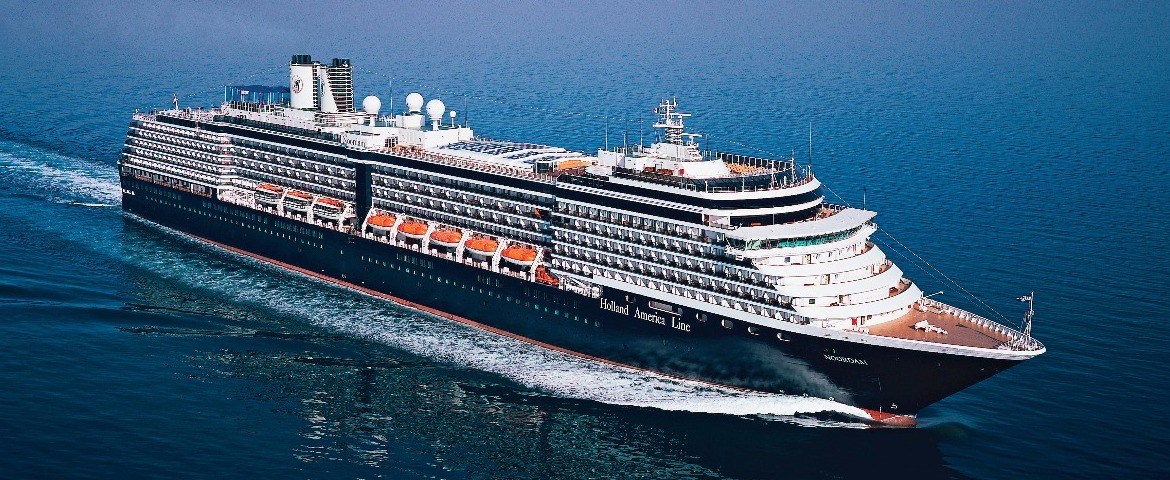
ms Noordam
9 Cruises

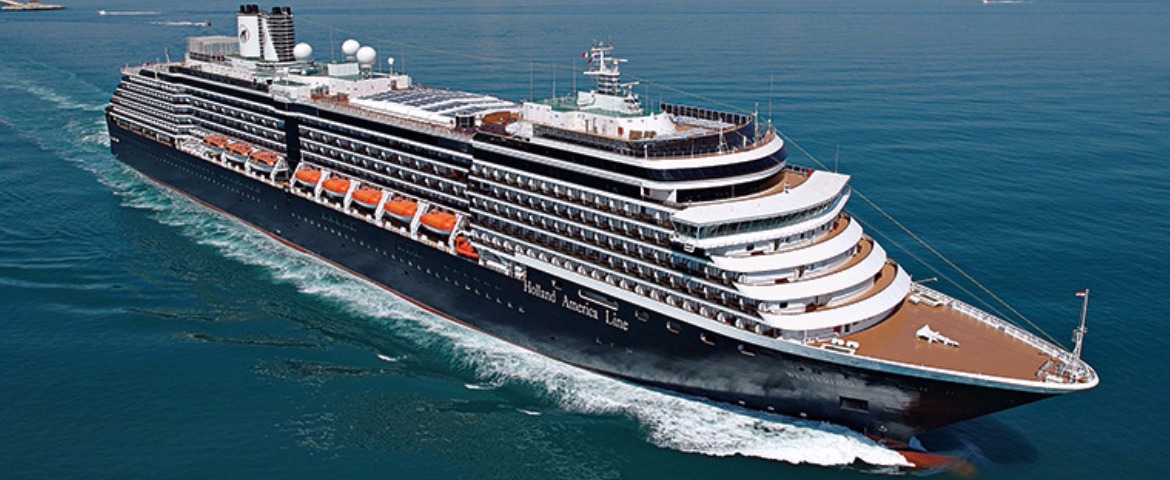
ms Westerdam
7 Cruises
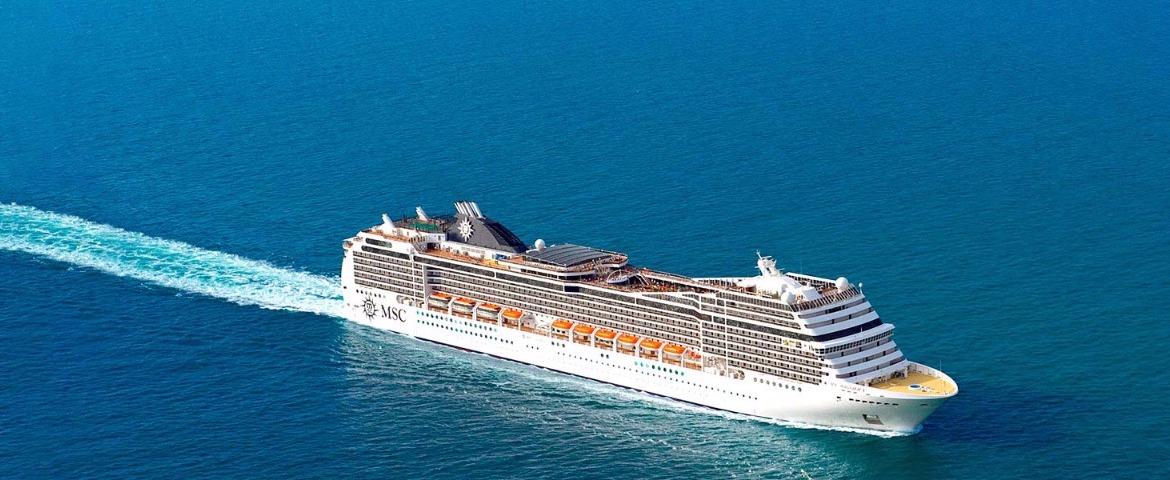
MSC Cruises (4 Cruises)

Norwegian Cruise Line (6 Cruises)
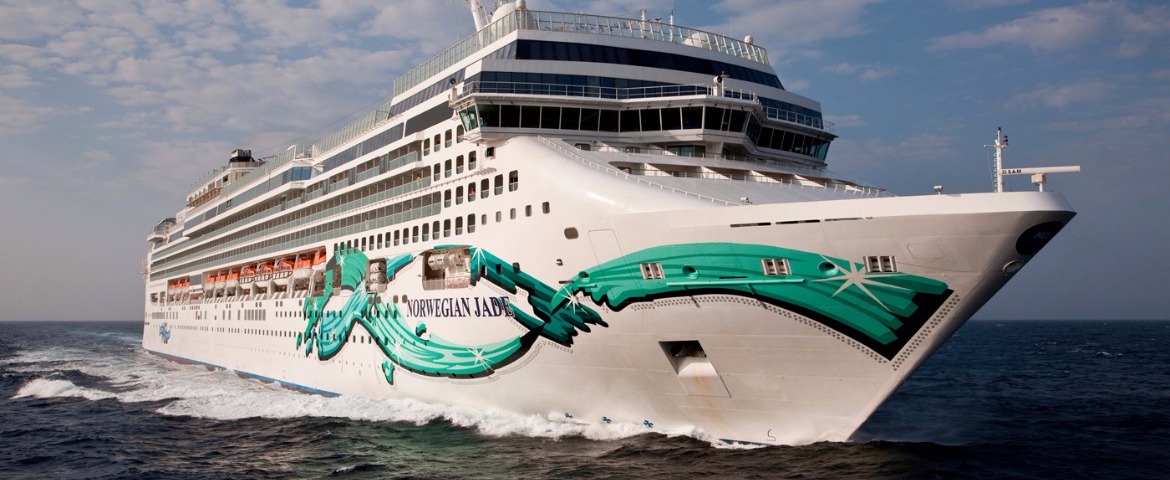

Oceania Cruises (44 Cruises)
Oceania Aurelia
16 Cruises
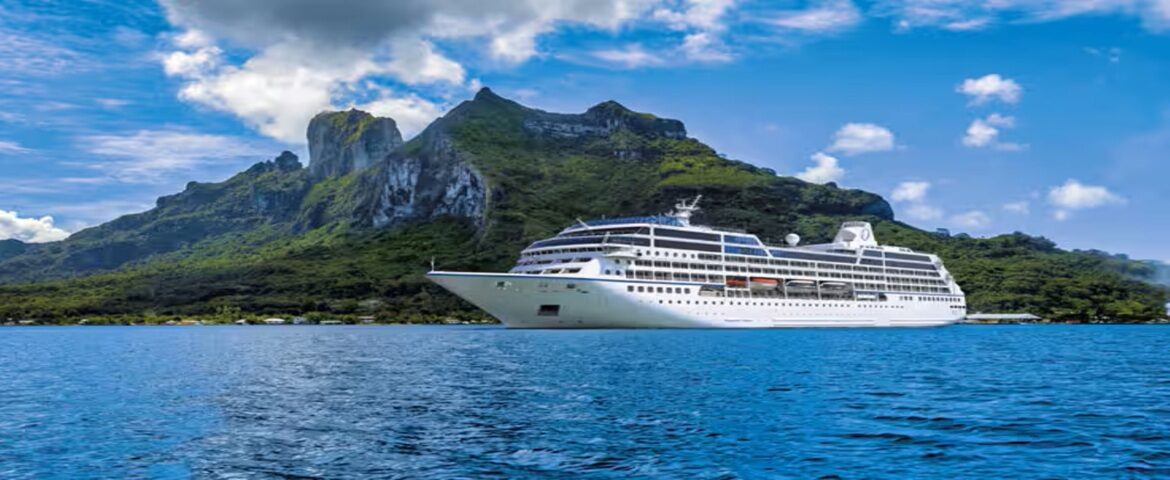

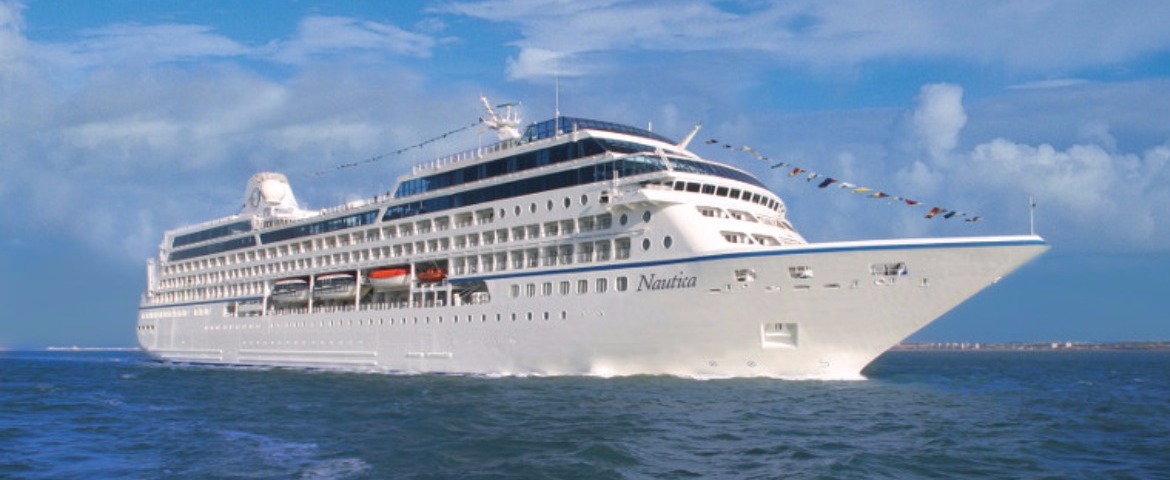
Oceania Nautica
16 Cruises
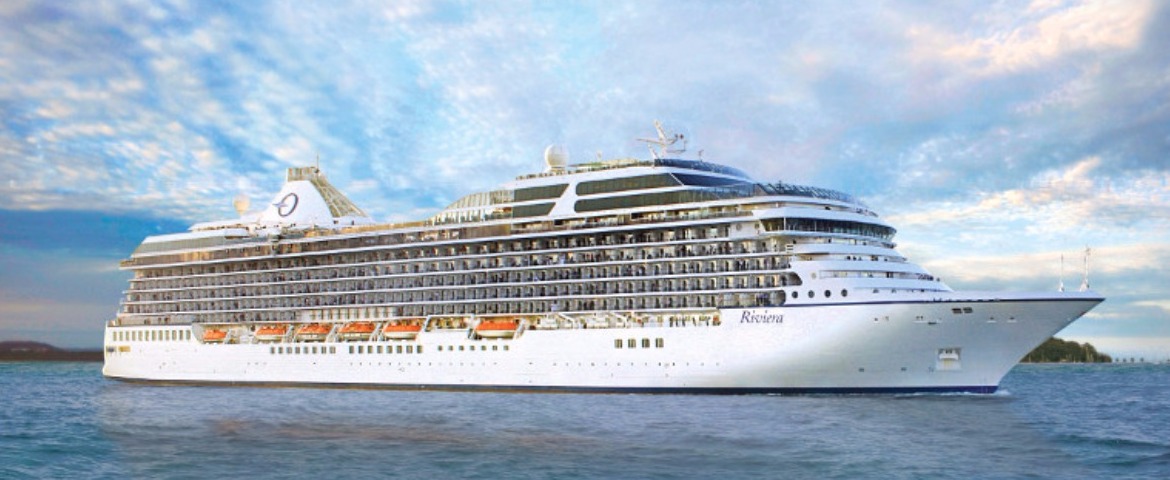
Oceania Riviera
5 Cruises
Oceania Vista
7 Cruises
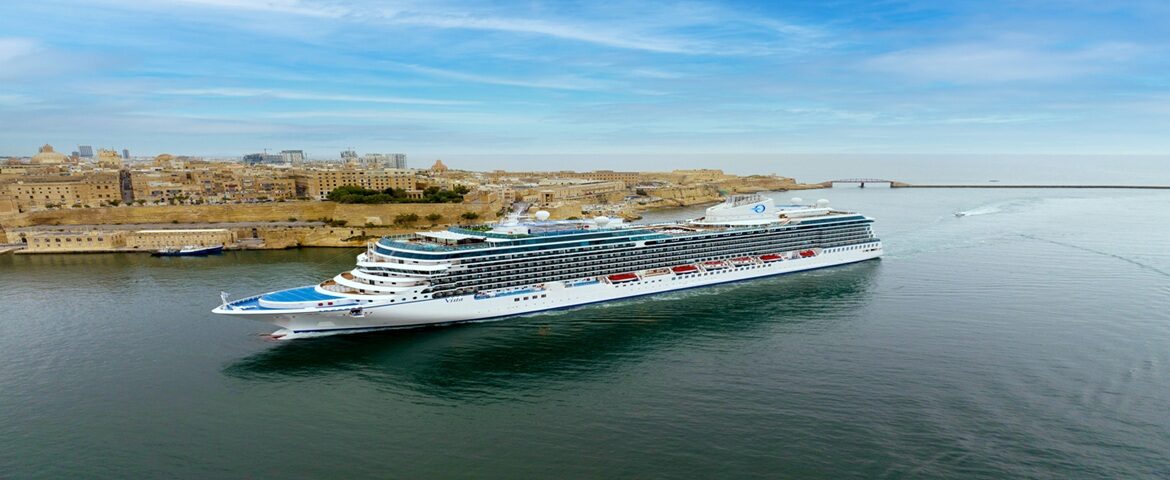
| 6 January | 180 days | One-way from Miami to Southampton |
450-628-6241
Call us
|
| 6 January | 244 days | One-way from Miami to New York |
450-628-6241
Call us
|
Ponant (4 Cruises)


Princess Cruises (44 Cruises)
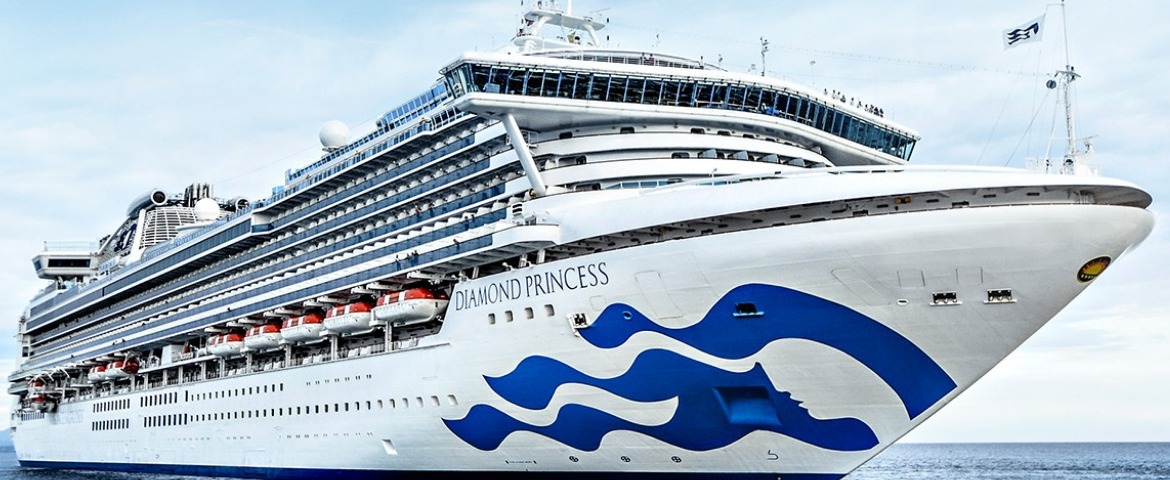
Diamond Princess
19 Cruises

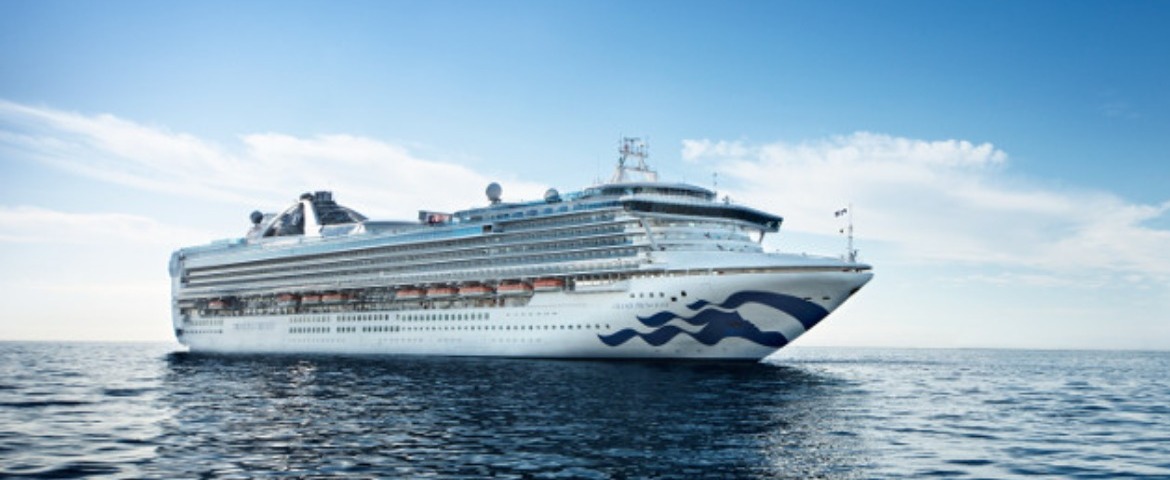
Grand Princess
7 Cruises
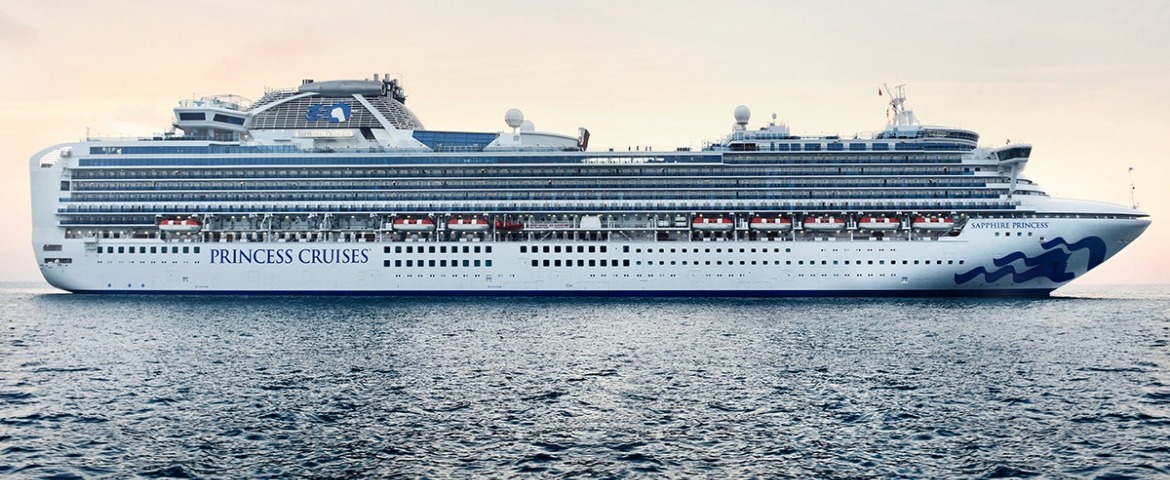
Sapphire Princess
18 Cruises
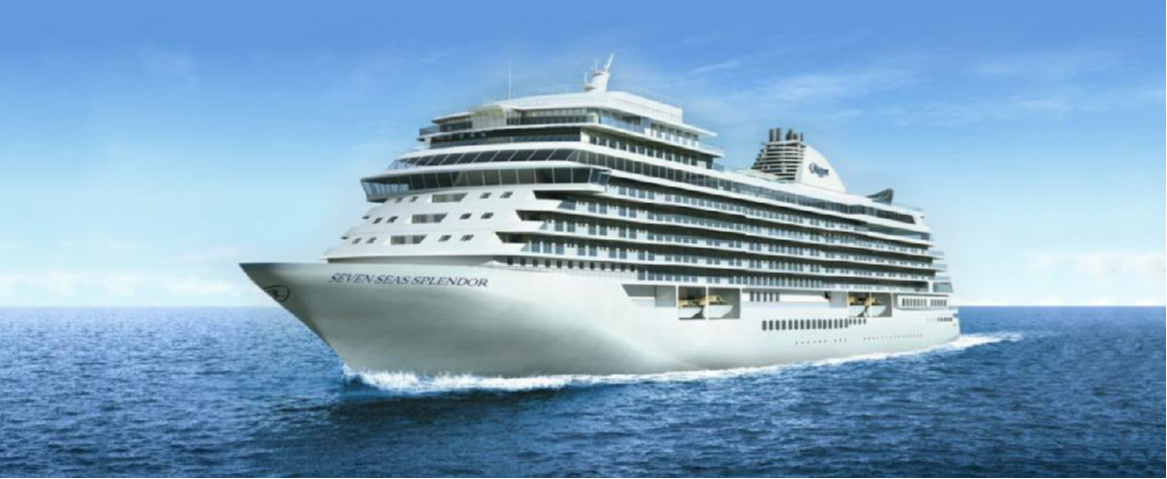
Regent Seven Seas Cruises (9 Cruises)
Seven Seas Splendor
9 Cruises




Scenic Cruises (84 Cruises)
Scenic Spirit
84 Cruises


| 27 July | 24 days | One-way from Hanoi to Siem Reap |
450-628-6241
Call us
|
| 27 July | 23 days | One-way from Hanoi to Siem Reap |
450-628-6241
Call us
|
| 4 August | 23 days | One-way from Hanoi to Saigon |
450-628-6241
Call us
|
| 4 August | 24 days | One-way from Hanoi to Saigon |
450-628-6241
Call us
|
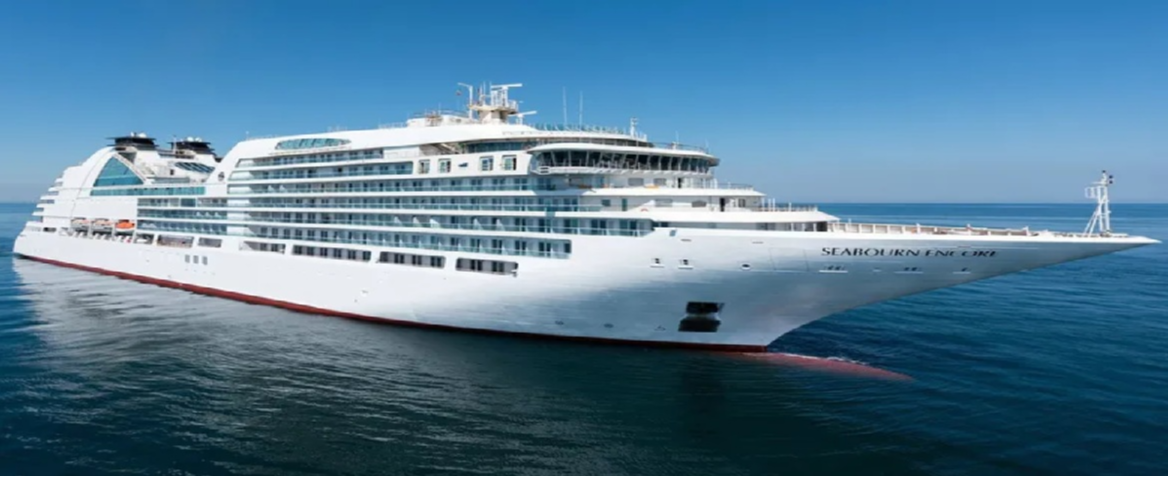
Seabourn Cruise Line (24 Cruises)
Seabourn Encore
24 Cruises

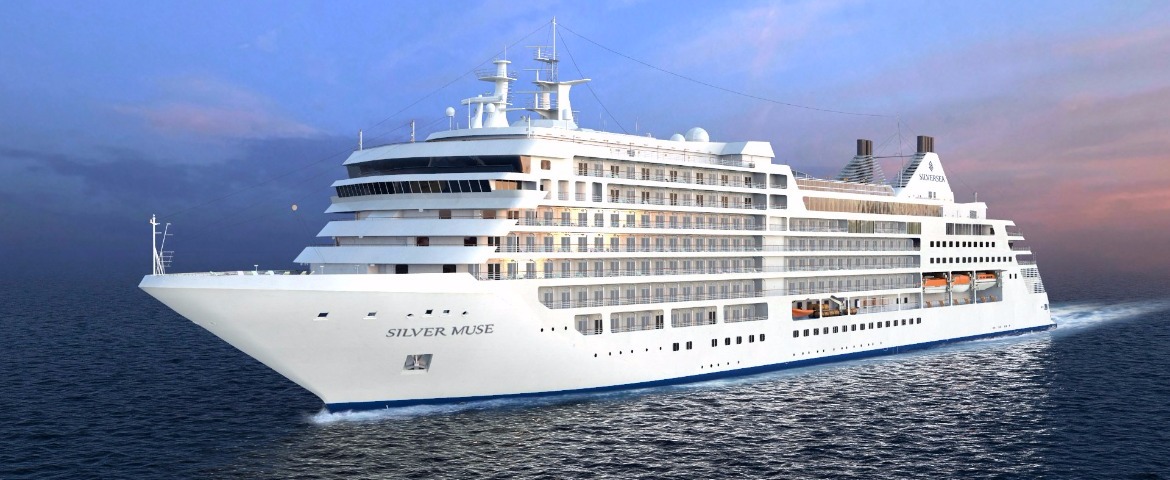
Silversea Cruises (14 Cruises)
Silver Muse
13 Cruises

| 17 January | 29 days | Round-trip from Singapore, Singapore |
450-628-6241
Call us
|
| 17 January | 15 days | One-way from Singapore to Hong Kong |
450-628-6241
Call us
|
Viking Ocean Cruises (39 Cruises)
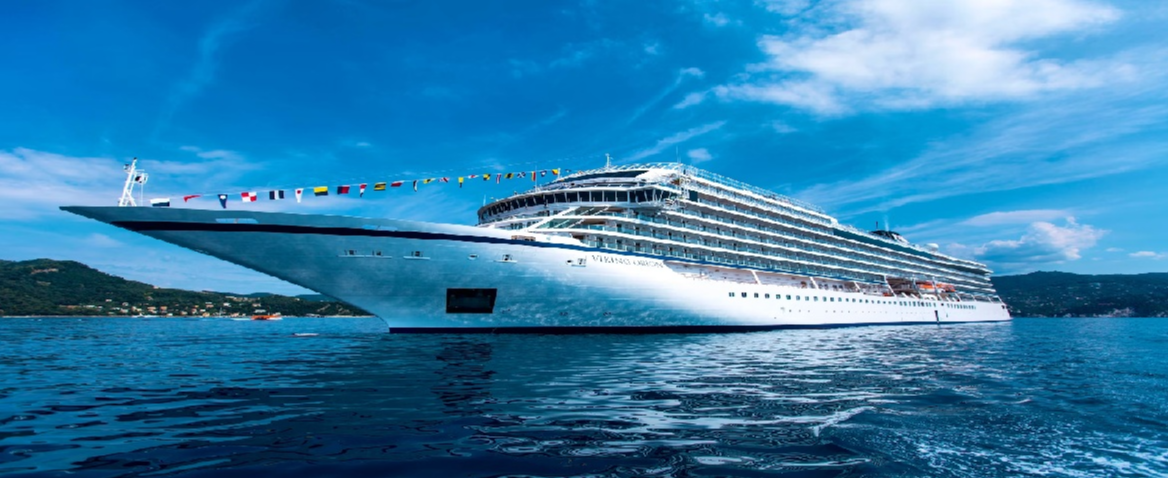
Viking Orion
18 Cruises

| 23 February | 90 days | One-way from Auckland to Vancouver |
450-628-6241
Call us
|
| 23 February | 91 days | One-way from Auckland to Vancouver |
450-628-6241
Call us
|
| 6 April | 27 days | One-way from Laem Chabang to Tokyo |
450-628-6241
Call us
|
| 6 April | 13 days | One-way from Laem Chabang to Hong Kong |
450-628-6241
Call us
|
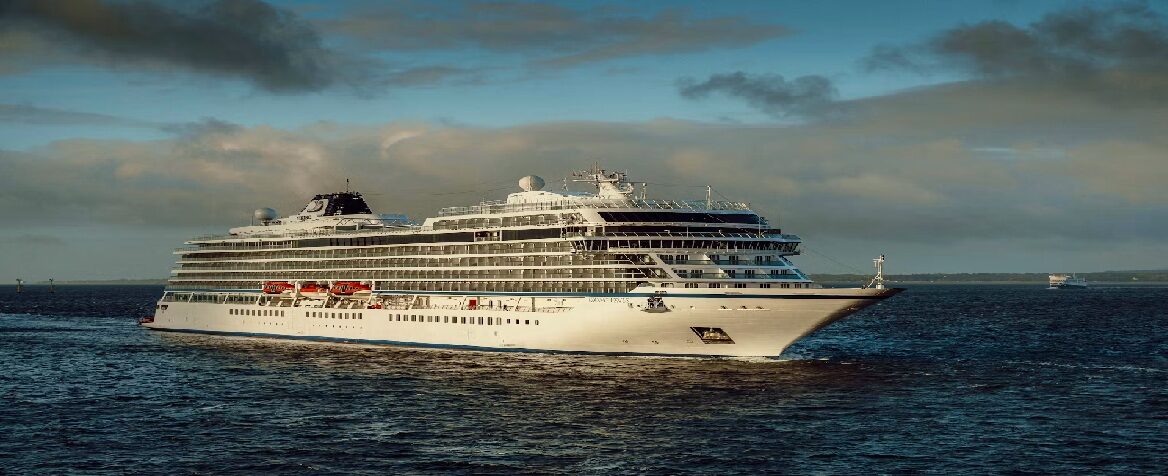
Viking Venus
21 Cruises
| 12 April | 13 days | One-way from Laem Chabang to Hong Kong |
450-628-6241
Call us
|
| 12 April | 27 days | One-way from Laem Chabang to Tokyo |
450-628-6241
Call us
|

Port of Da Nang, Vietnam | Cruise Port Guide
Frequently Asked Questions
At Tien Sa port, on the Son Tra peninsula, about 10 km from the city centre — a 15 to 20 minute drive. Taxis and shuttles wait at the terminal.
No. Ten kilometres separate the pier from the centre, along a peninsula road with no continuous sidewalk. A taxi or an organized shuttle is the only sensible option.
The Marble Mountains, 20 km away and a 30 minute drive, combined with a stop at the Linh Ung pagoda, fit that window. Hoi An works on a longer call; Hue requires the full day.
It is the white statue at the Linh Ung pagoda on the Son Tra peninsula. It overlooks the bay, serves as a landmark for local fishermen, and the site offers a panorama over the whole harbour.
Yes. Hoi An lies about 35 km south, roughly an hour's drive. The UNESCO-listed old town is walkable: wooden merchant houses, the Japanese covered bridge, tailor shops and ochre facades along the Thu Bon river.
Only on a long call. Hue is about 100 km away, roughly 2 hours 30 minutes each way via the Hai Van pass or tunnel. The round trip fills the entire day and leaves room for nothing else.
The Vietnamese dong. Carry small notes for markets and taxis; cards are accepted in hotels and larger businesses, far less in neighbourhood shops.
Vietnamese. English is used in tourist services and hotels, noticeably less in local shops and street taxis.
Not for everyone. The steps cut into the rock are uneven and sometimes slippery. An elevator serves the Thuy Son hill and skips part of the climb, but the visit remains physical and calls for proper shoes.
Mi quang, turmeric noodles topped with shrimp and peanuts, is the city's pride. It is served in small neighbourhood restaurants between two visits.


