Sydney NS Nova Scotia Canada
184
Cruises availables
At departure or passage at this port
Azamara Club Cruises (1 Cruises)


Celebrity Cruises (5 Cruises)

Crystal Cruises (7 Cruises)

Cunard (17 Cruises)
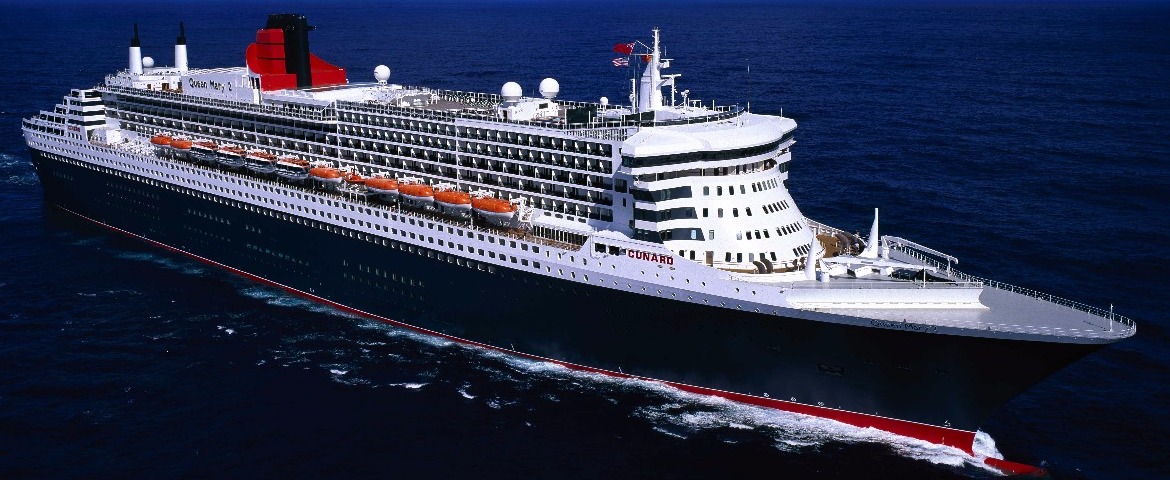
Queen Mary 2
17 Cruises

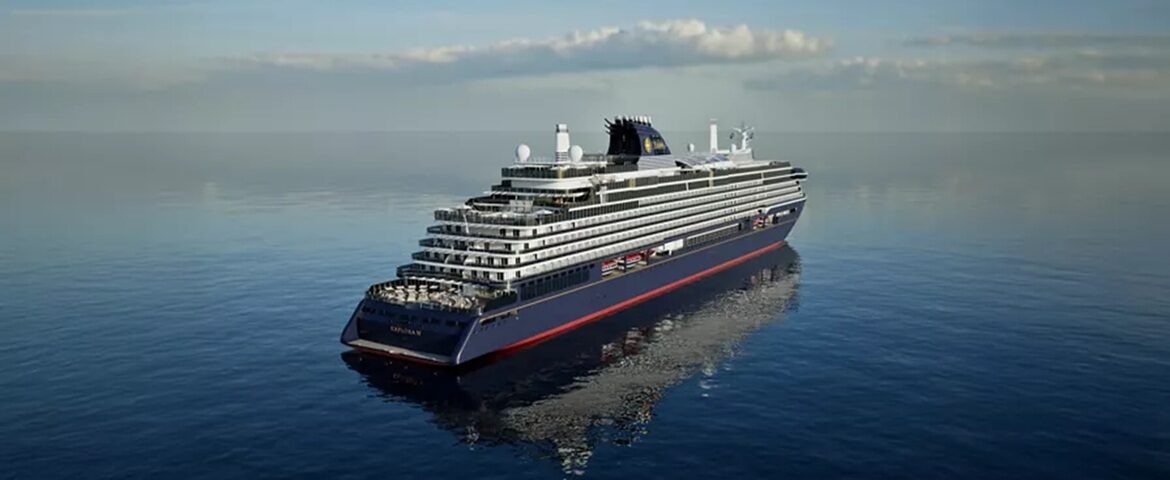
Explora Journeys (8 Cruises)
Explora IV
8 Cruises

Holland America Line (24 Cruises)
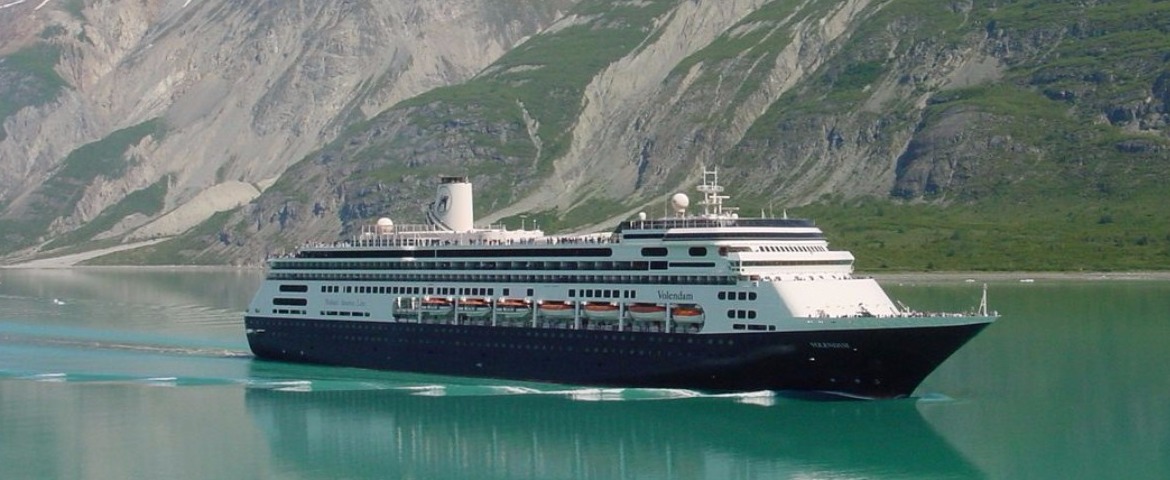
ms Volendam
14 Cruises
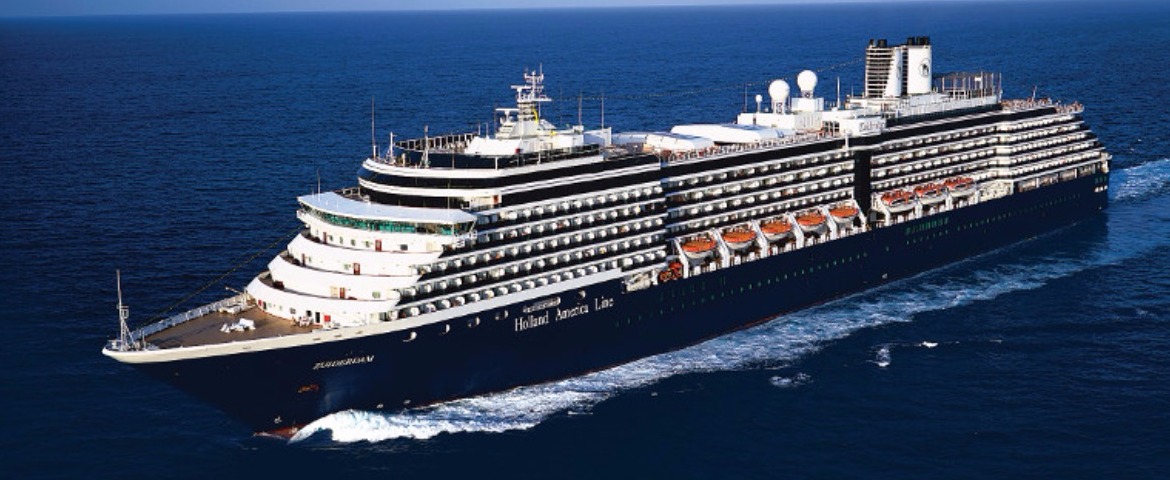
ms Zuiderdam
10 Cruises
Norwegian Cruise Line (10 Cruises)
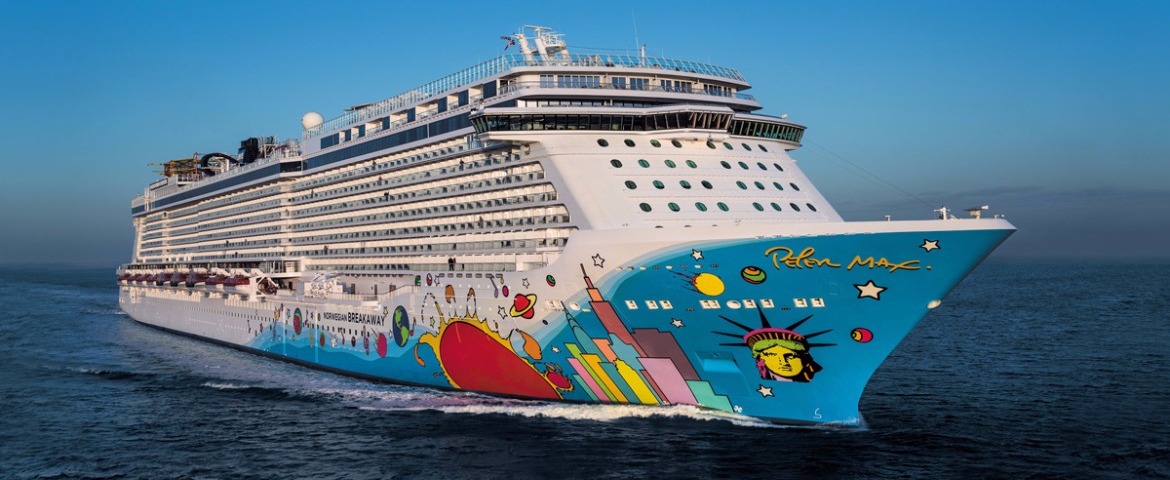
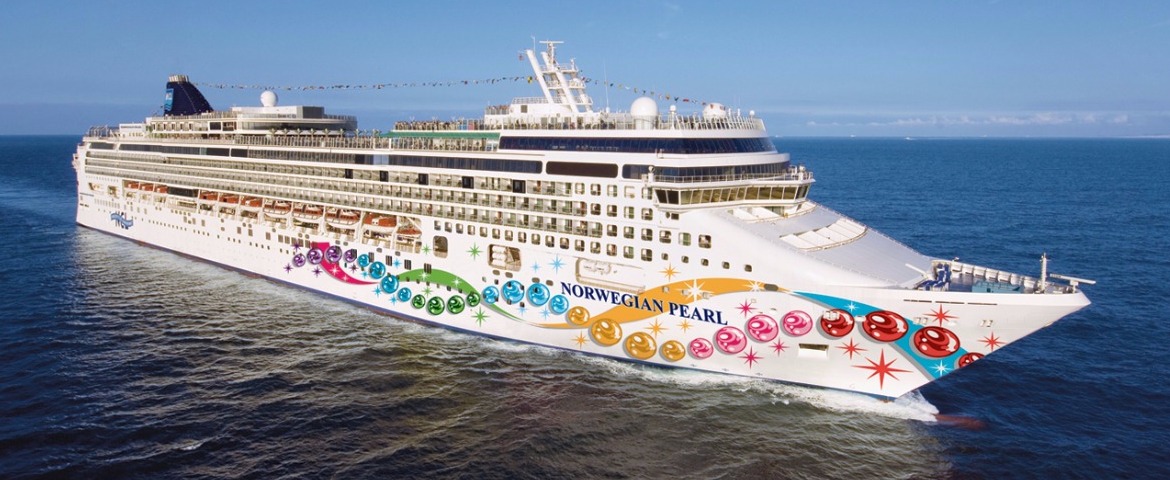
Norwegian Pearl
5 Cruises
Oceania Cruises (28 Cruises)
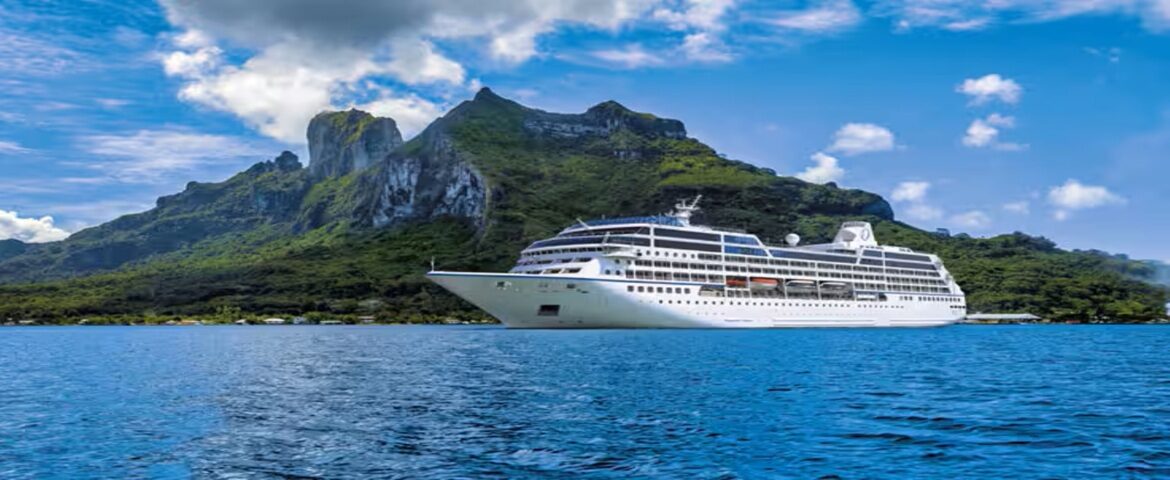

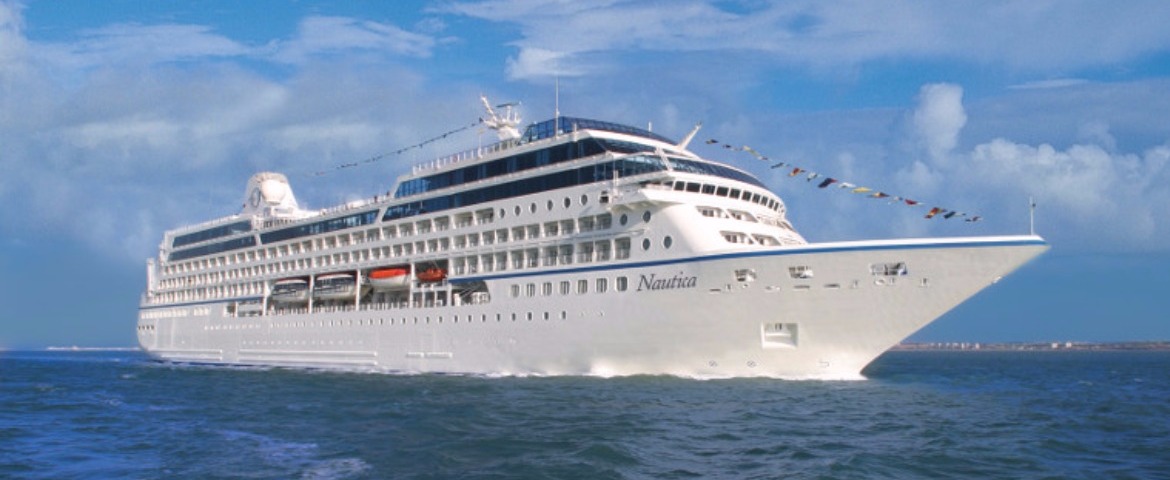
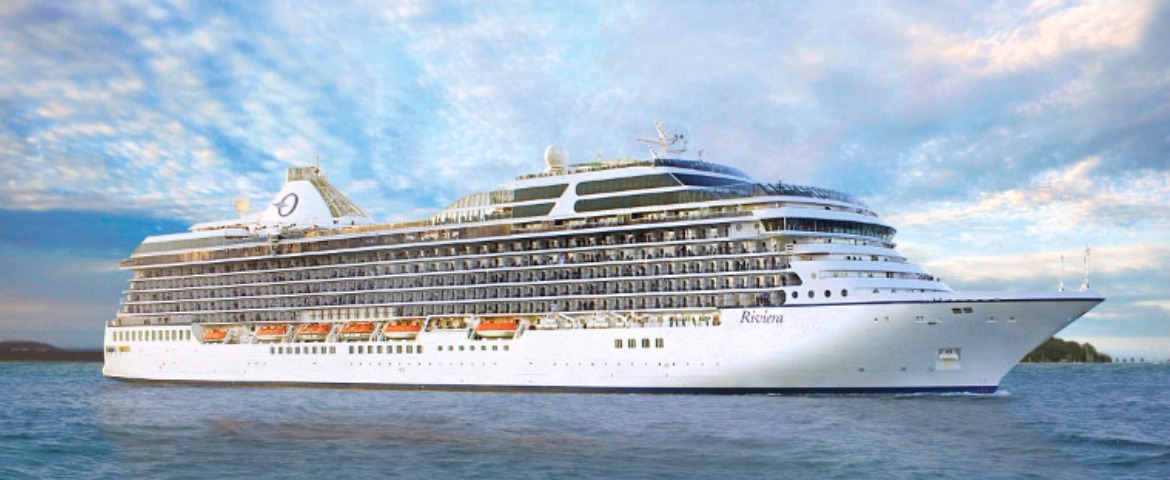
Oceania Sirena
9 Cruises
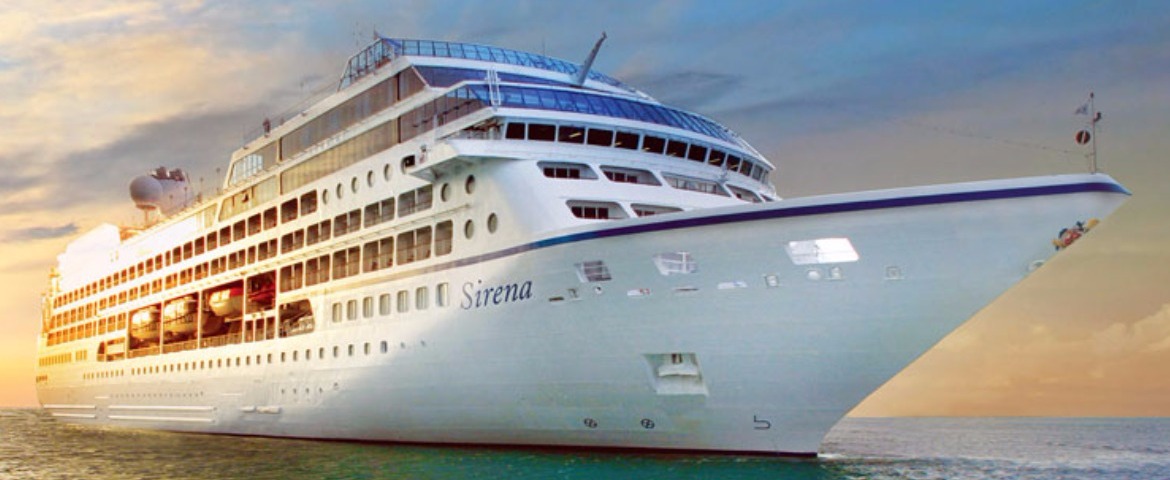
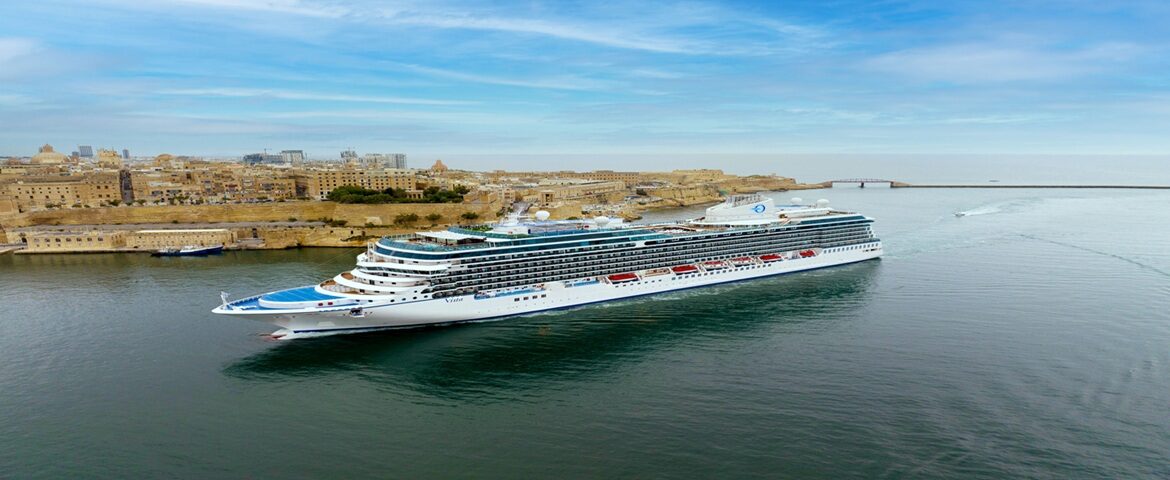
Oceania Vista
12 Cruises
| 21 August | 16 days | One-way from Reykjavik to New York |
450-628-6241
Call us
|
| 22 August | 16 nights | One-way from Reykjavik to New York |
450-628-6241
Call us
|
Ponant (3 Cruises)

Princess Cruises (8 Cruises)
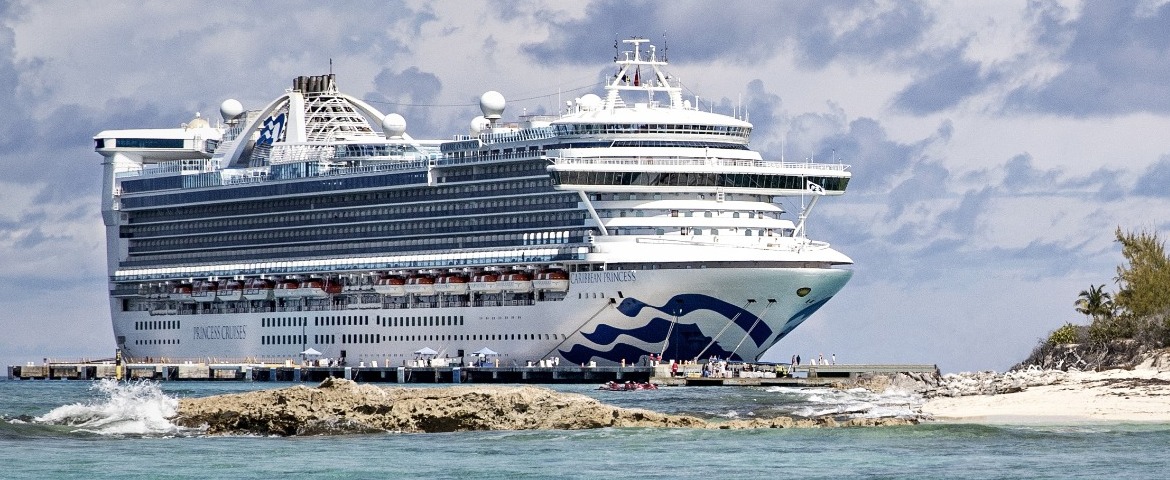
Caribbean Princess
8 Cruises

Regent Seven Seas Cruises (12 Cruises)
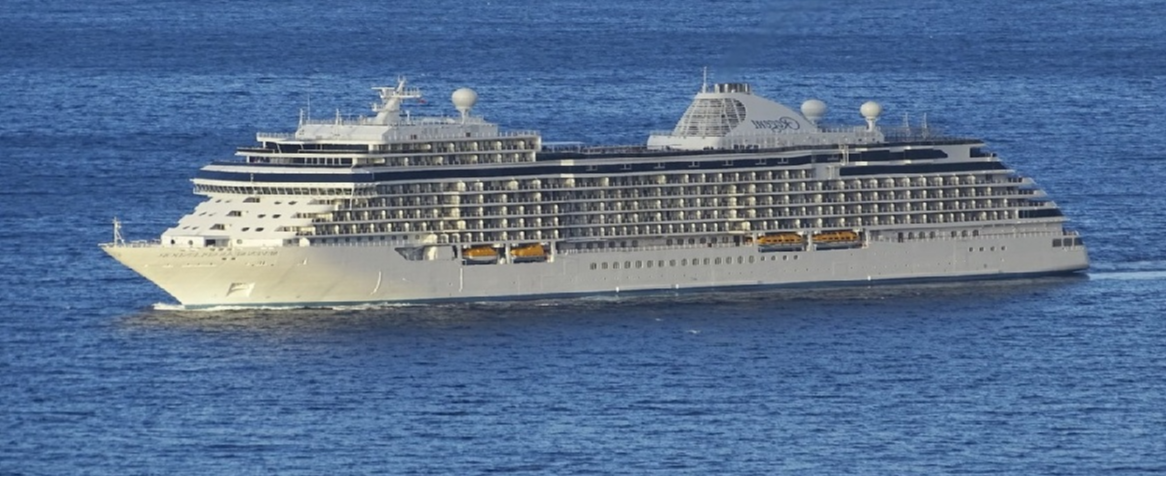
Seven Seas Grandeur
6 Cruises

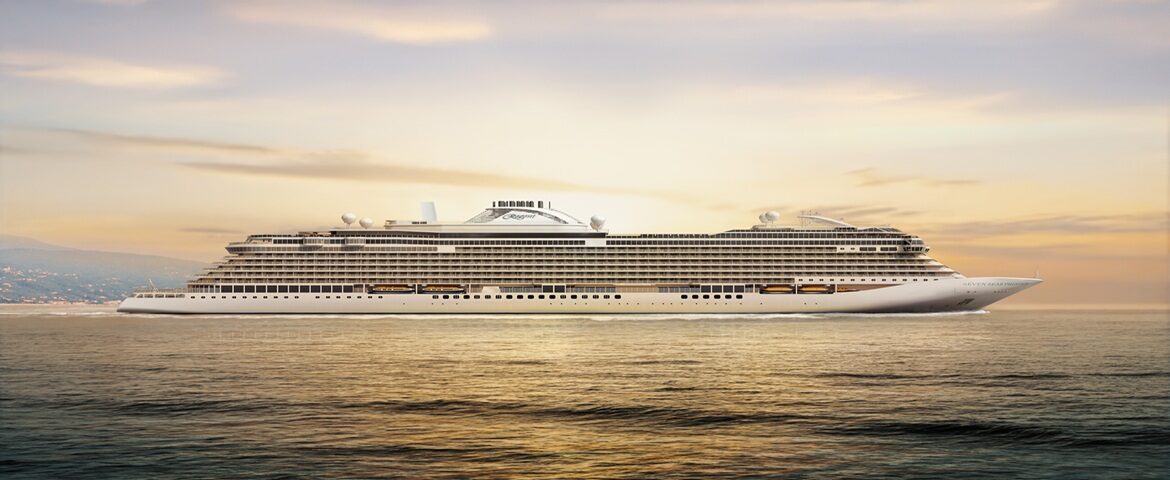



Seabourn Cruise Line (1 Cruises)
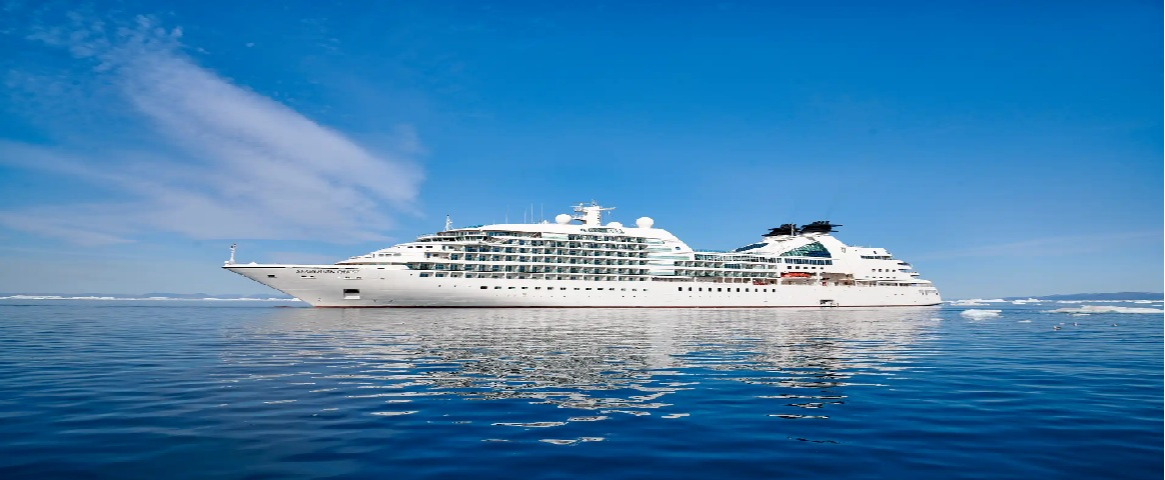

Silversea Cruises (6 Cruises)
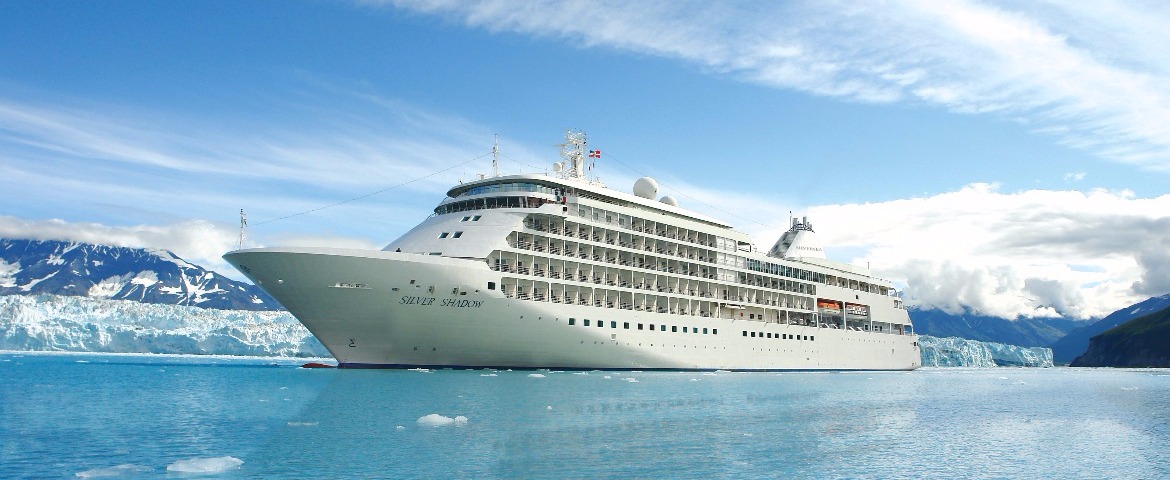

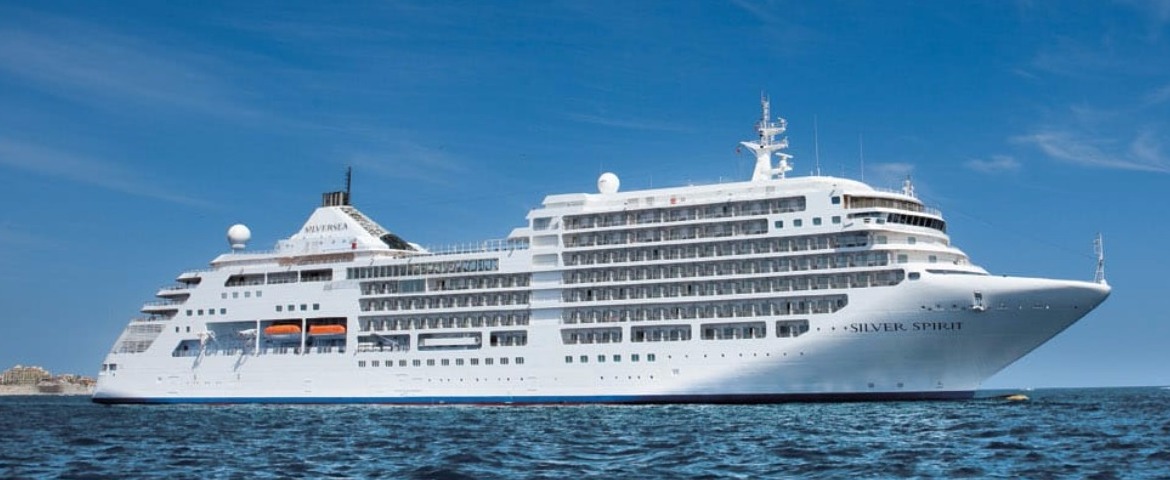
Viking Ocean Cruises (40 Cruises)
Viking Octantis
24 Cruises
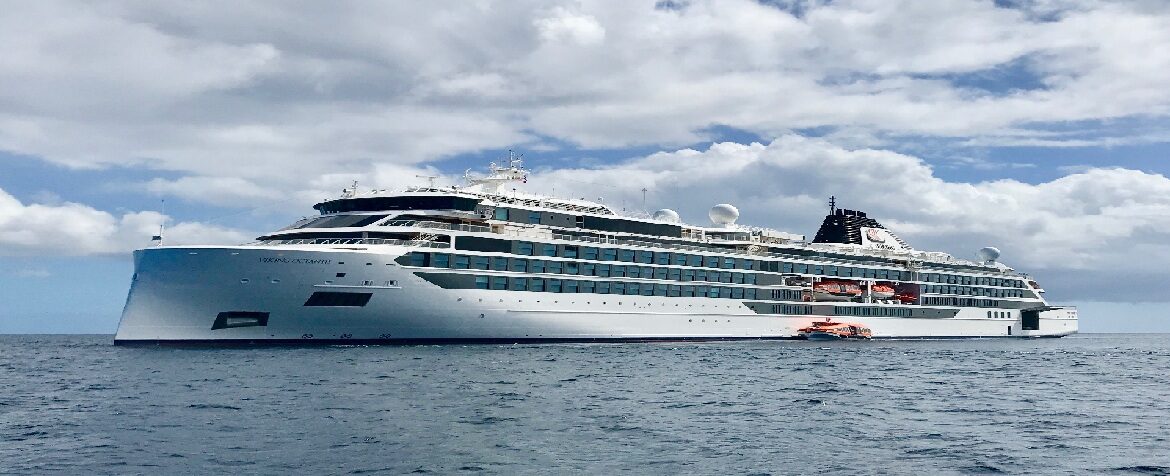

| 2 March | 68 nights | One-way from Buenos Aires to Milwaukee WI |
450-628-6241
Call us
|
| 3 March | 66 days | One-way from Buenos Aires to Milwaukee WI |
450-628-6241
Call us
|
| 20 April | 12 nights | One-way from New York to Toronto |
450-628-6241
Call us
|
| 20 April | 11 days | One-way from New York to Toronto |
450-628-6241
Call us
|
| 15 March | 62 nights | One-way from Buenos Aires to Milwaukee WI |
450-628-6241
Call us
|
| 16 March | 60 days | One-way from Buenos Aires to Milwaukee WI |
450-628-6241
Call us
|
| 27 April | 12 nights | One-way from New York to Toronto |
450-628-6241
Call us
|
| 27 April | 11 days | One-way from New York to Toronto |
450-628-6241
Call us
|
Viking Polaris
16 Cruises
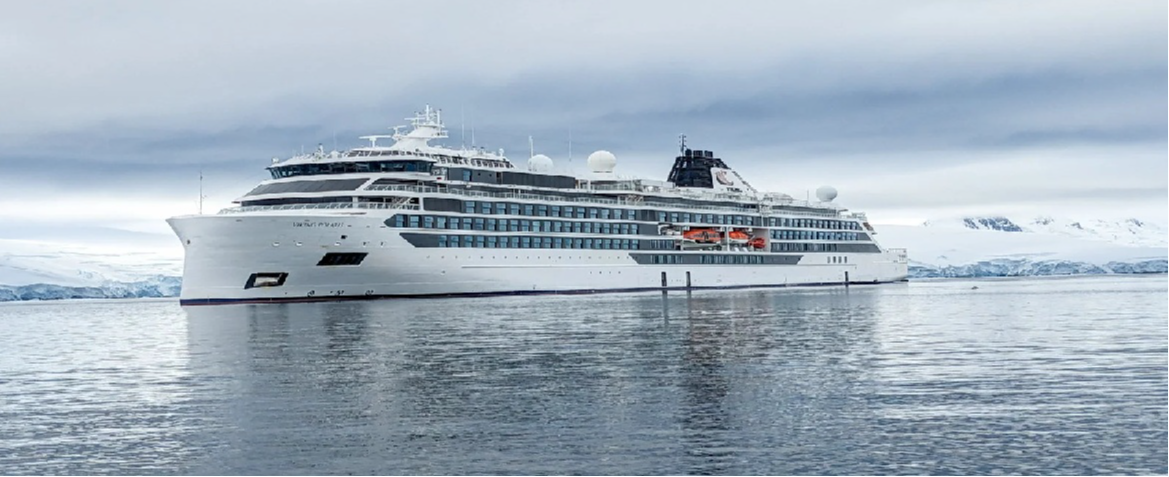
| 14 March | 62 nights | One-way from Buenos Aires to Milwaukee WI |
450-628-6241
Call us
|
| 15 March | 60 days | One-way from Buenos Aires to Milwaukee WI |
450-628-6241
Call us
|
| 26 April | 11 days | One-way from New York to Toronto |
450-628-6241
Call us
|
| 26 April | 12 nights | One-way from New York to Toronto |
450-628-6241
Call us
|
| 29 April | 12 nights | One-way from New York to Toronto |
450-628-6241
Call us
|
| 29 April | 11 days | One-way from New York to Toronto |
450-628-6241
Call us
|
Windstar Cruises (3 Cruises)
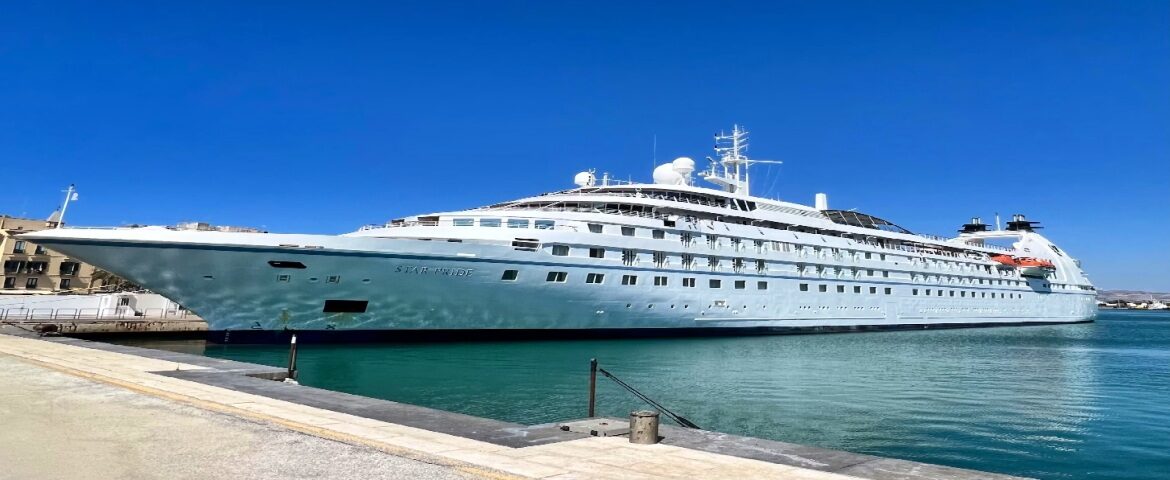


Port of Sydney, Nova Scotia | Cruise Port Guide
Frequently Asked Questions
At the Joan Harriss Pavilion, a bright terminal where artisans and musicians set up on port days. Tourist information, shops and local products are all under one roof.
An eighteen-metre violin standing in front of the cruise pavilion, bow pointed at the sky. It is the emblem of the call, and traditional fiddle tunes often greet passengers right at the gangway.
Yes, about fifteen minutes along the water, with no difficulty. A boardwalk follows the harbour, dotted with panels on the city's coal and steel past.
The Fortress of Louisbourg, about 35 kilometres away, easily fills half a day and is the headline excursion. To stay in town: the harbour boardwalk, the historic district and Cossit House 1.5 kilometres out.
An 18th-century French fortified town, rebuilt over a quarter of its original footprint — the largest reconstruction of its kind in North America. Soldiers, bakers, lacemakers and fishermen play their parts in the streets of 1744: wood-fired bread, cannon firings, houses open to walk into.
Cossit House, built around 1787 for the island's first Anglican minister, with costumed guides and Georgian furnishings. Nearby, Jost House and the museum in St. Patrick's Church, the oldest Catholic church in Cape Breton.
Yes, at Membertou Heritage Park, about 5 kilometres from the terminal, where the Mi'kmaq community of Membertou shares its history, songs and craft work. Allow for a taxi or an excursion.
Yes, at the Glace Bay miners' museum, where former coal workers lead visitors into an underground gallery, helmets on, and describe a trade that shaped the whole region.
Only a glimpse, and only on a long call. The Cabot Trail is one of the most celebrated coastal roads on the continent, but driving it fully takes far more than a day.
The Canadian dollar and English. Cards are accepted everywhere, and the artisans set up at the pavilion on port days generally take electronic payment.


