Hong Kong China
688
Cruises availables
At departure or passage at this port
Azamara Club Cruises (79 Cruises)
Azamara Onward
17 Cruises
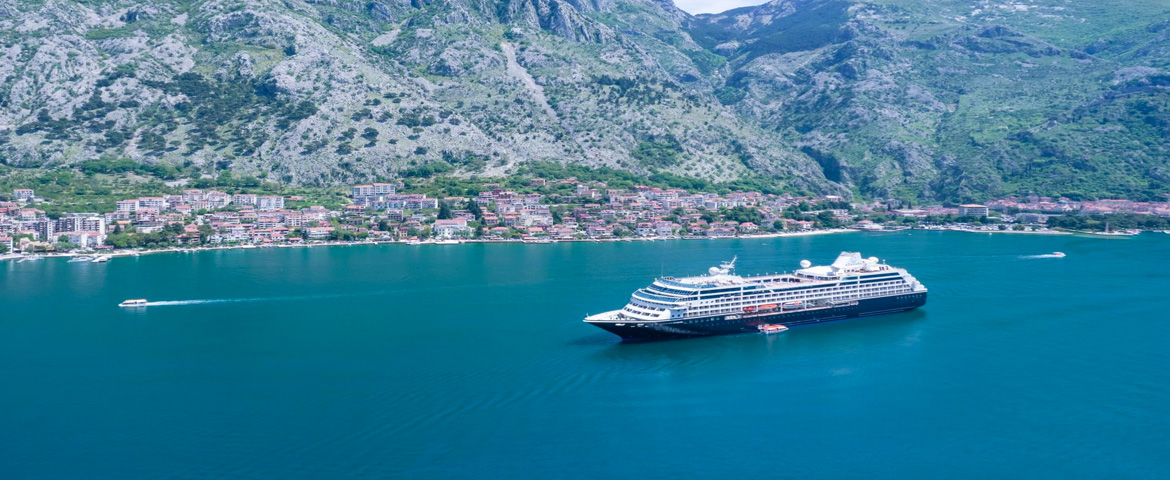

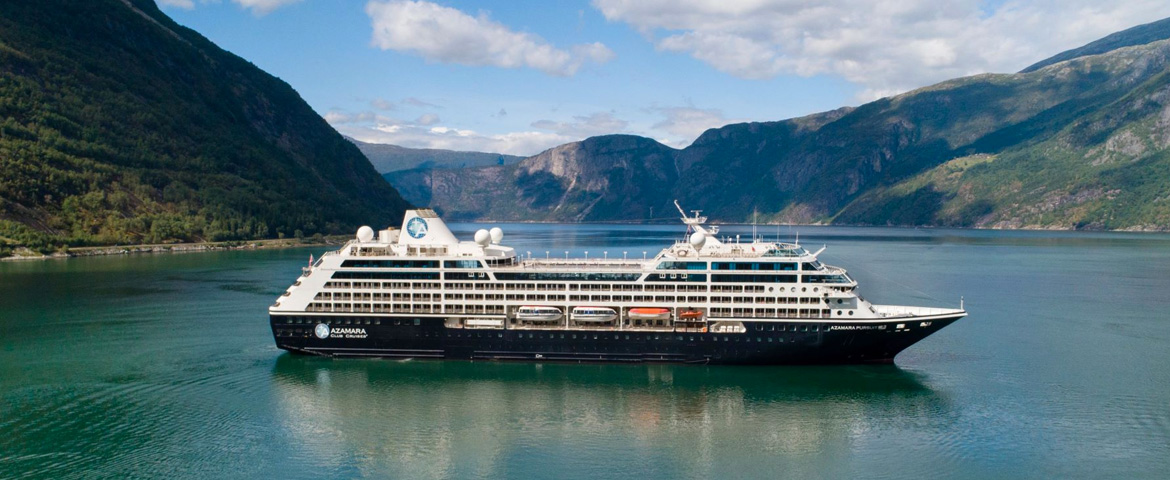
Azamara Pursuit
52 Cruises
| 15 March | 17 days | One-way from Singapore to Yokohama |
450-628-6241
Call us
|
| 15 March | 16 days | One-way from Singapore to Yokohama |
450-628-6241
Call us
|
| 28 April | 38 days | One-way from Tokyo to Hong Kong |
450-628-6241
Call us
|
| 28 April | 38 days | One-way from Tokyo to Hong Kong |
450-628-6241
Call us
|
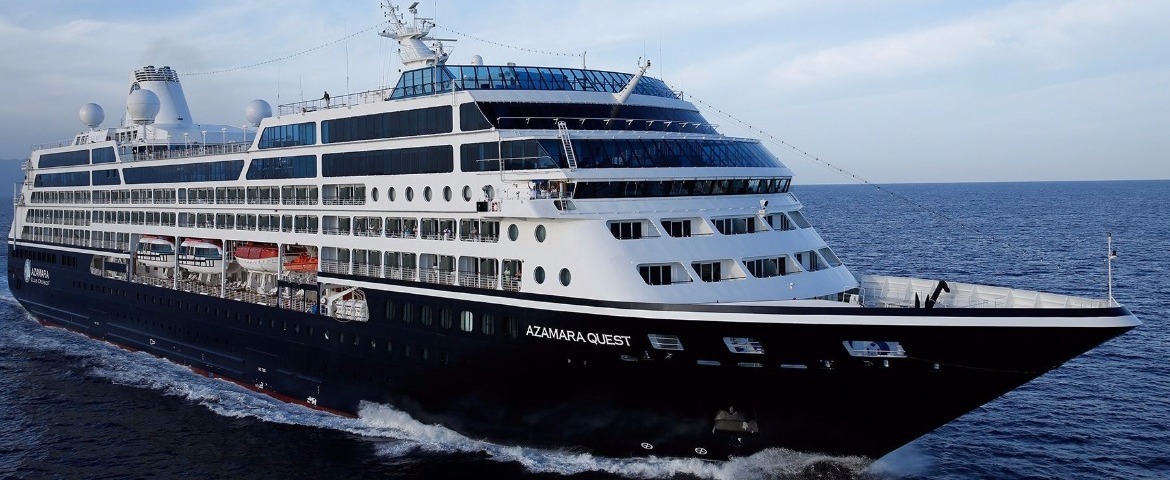
Azamara Quest
10 Cruises
| 22 February | 90 days | One-way from Sydney to San Diego |
450-628-6241
Call us
|
| 23 February | 91 days | One-way from Sydney to San Diego |
450-628-6241
Call us
|
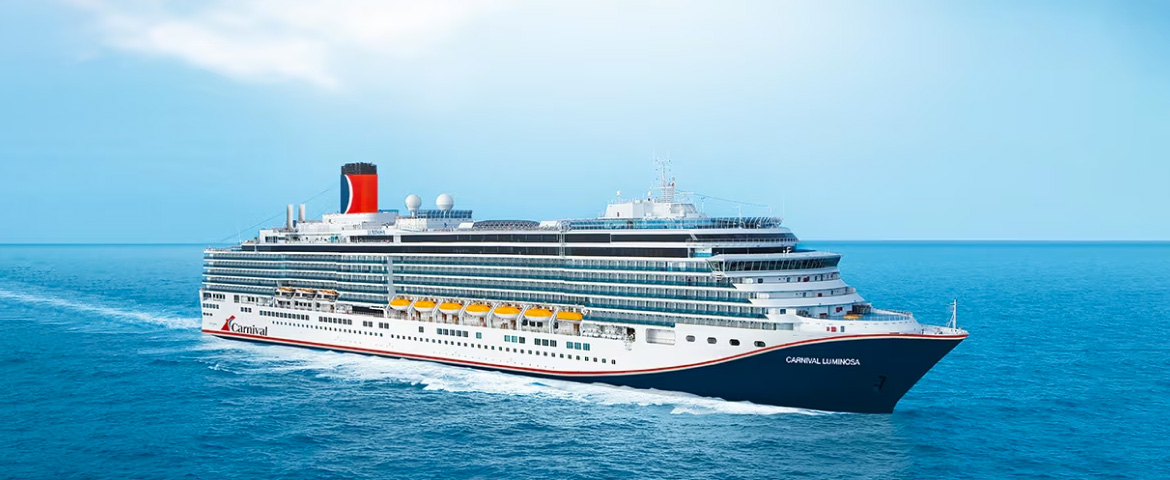
Carnival Cruise Line (1 Cruises)

Celebrity Cruises (23 Cruises)
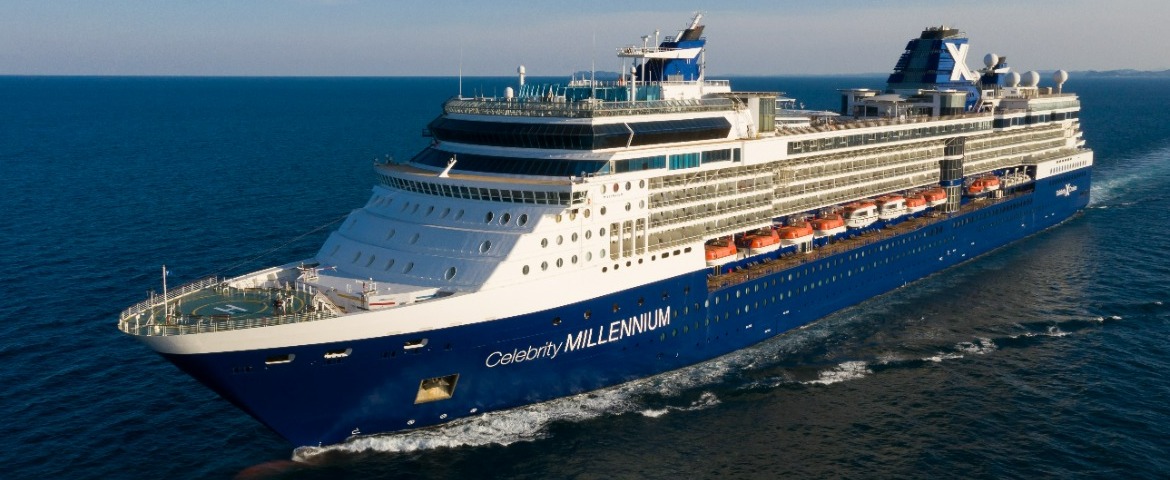
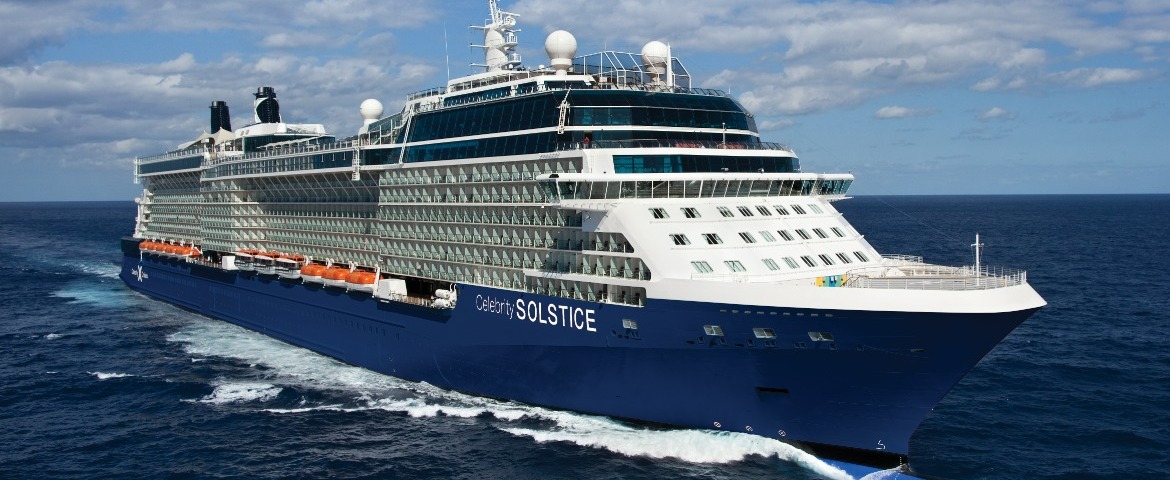
Celebrity Solstice
17 Cruises
Costa Cruises (42 Cruises)
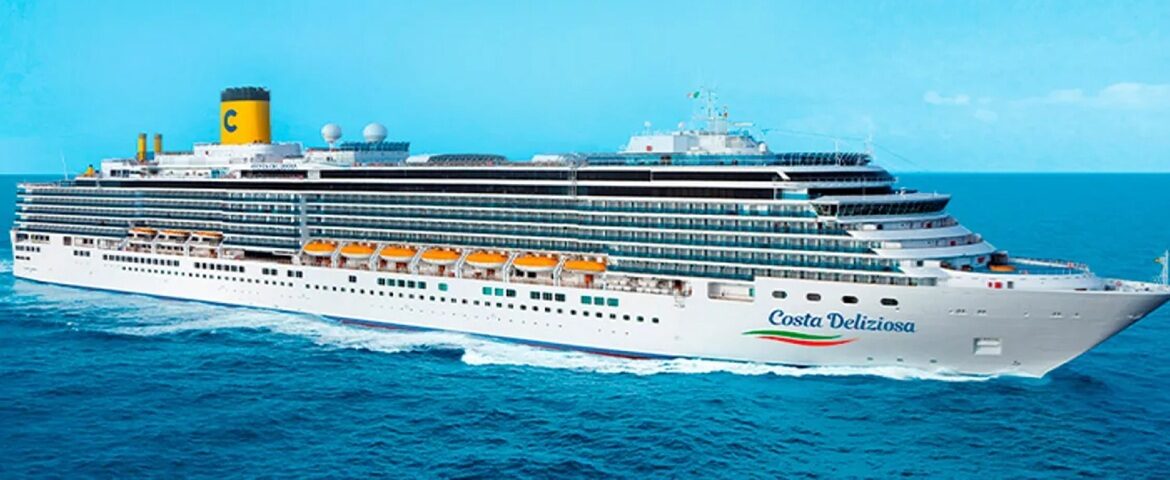
Costa Deliziosa
42 Cruises

Crystal Cruises (7 Cruises)
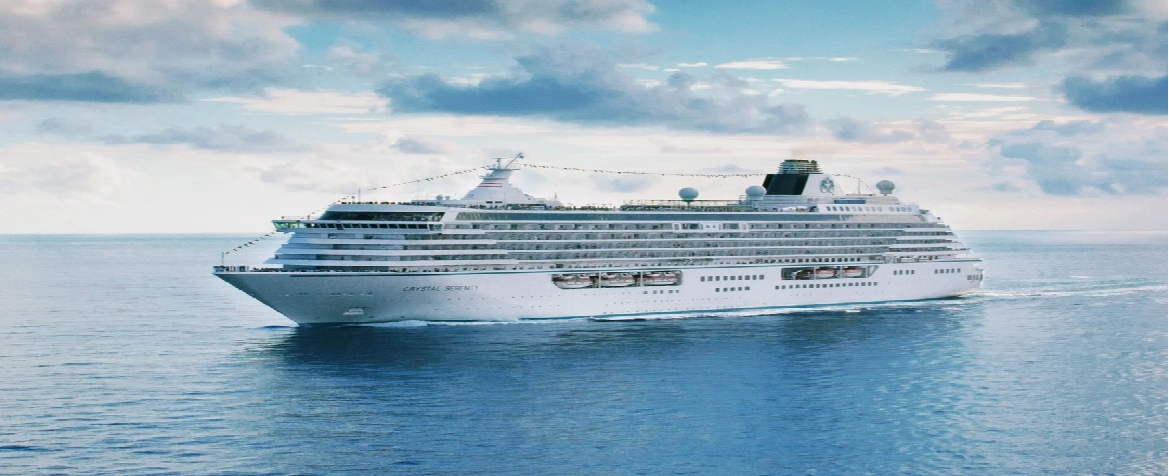
Crystal Serenity
7 Cruises

| 18 March | 36 days | One-way from Brisbane to Hong Kong |
450-628-6241
Call us
|
| 18 March | 37 days | One-way from Brisbane to Hong Kong |
450-628-6241
Call us
|
Cunard (59 Cruises)
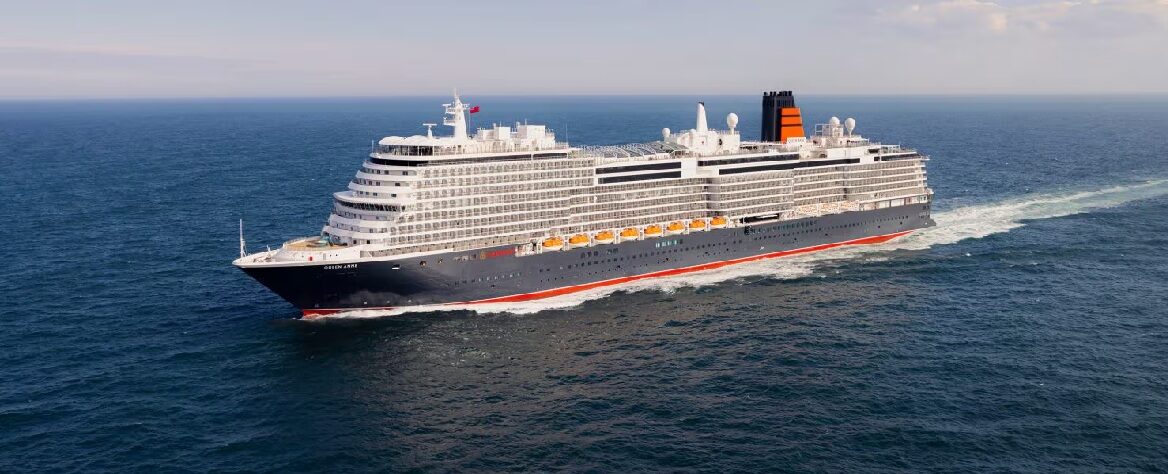
Queen Anne
25 Cruises
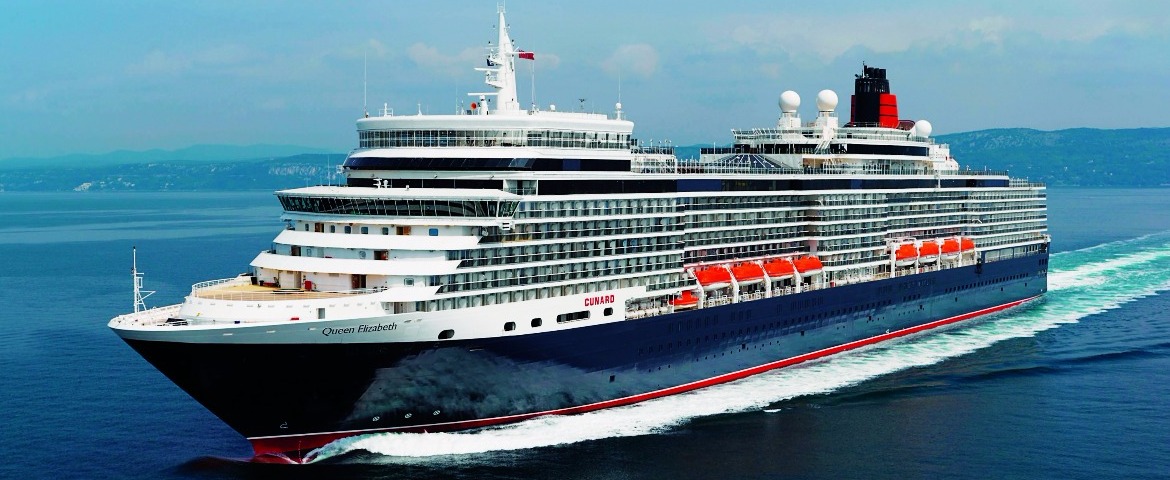
Queen Elizabeth
20 Cruises
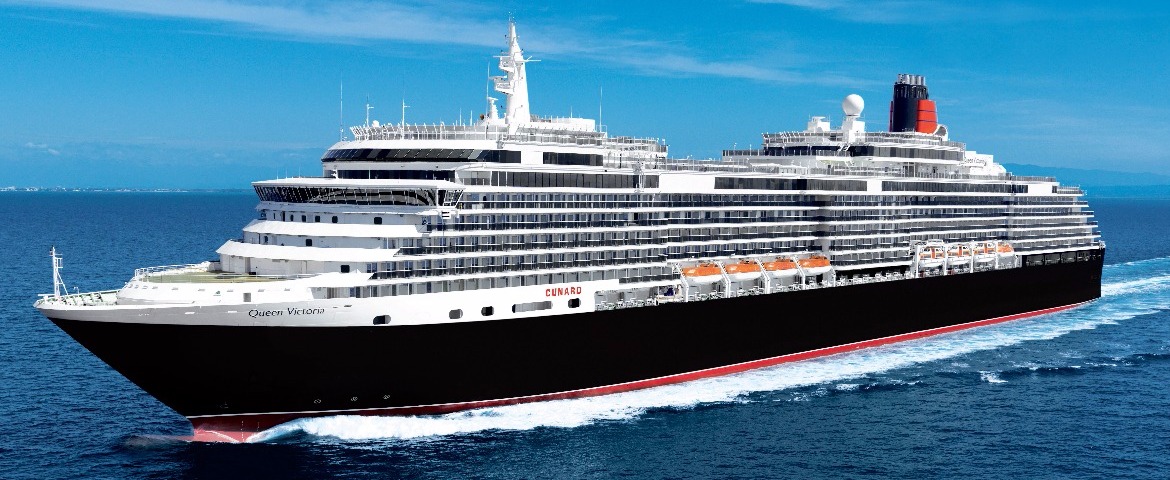
Queen Victoria
14 Cruises
Emerald Waterways (9 Cruises)
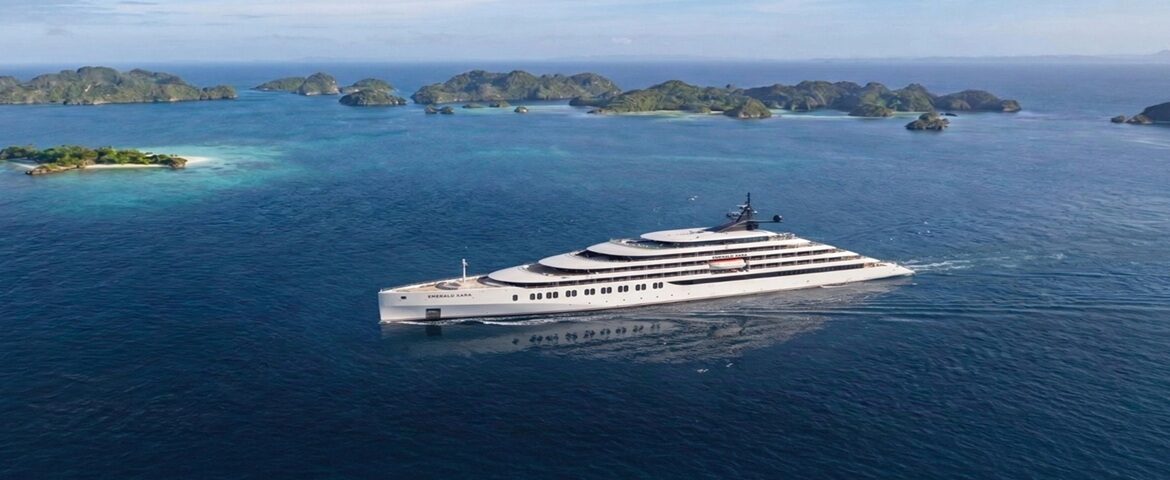
Emerald Xara
9 Cruises
Explora Journeys (19 Cruises)
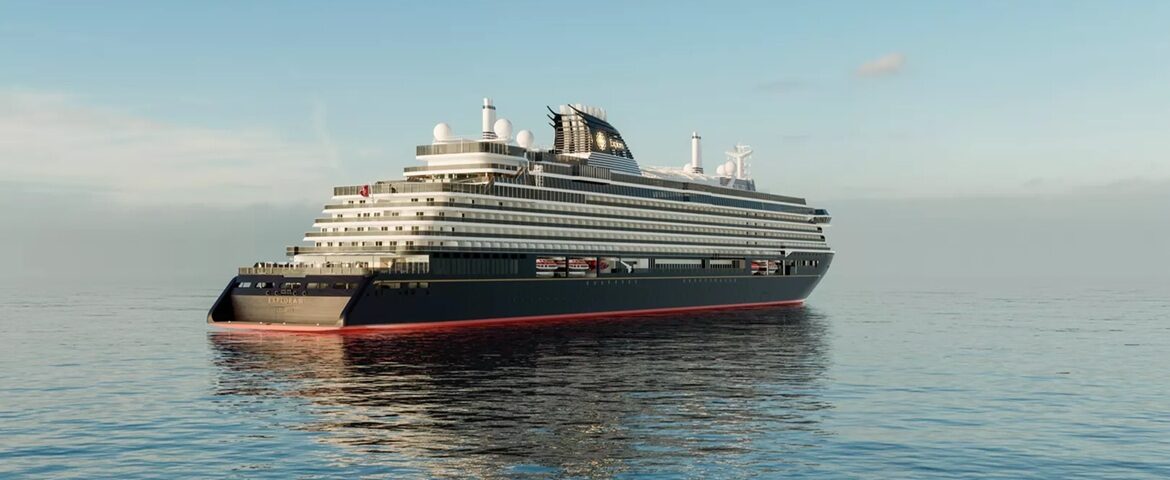
Explora III
19 Cruises
Holland America Line (25 Cruises)
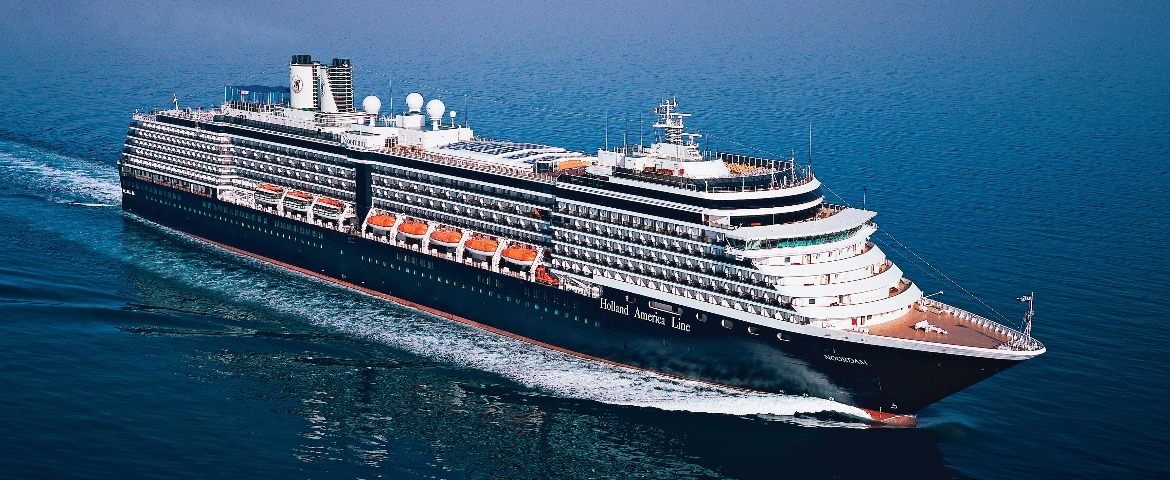
ms Noordam
16 Cruises
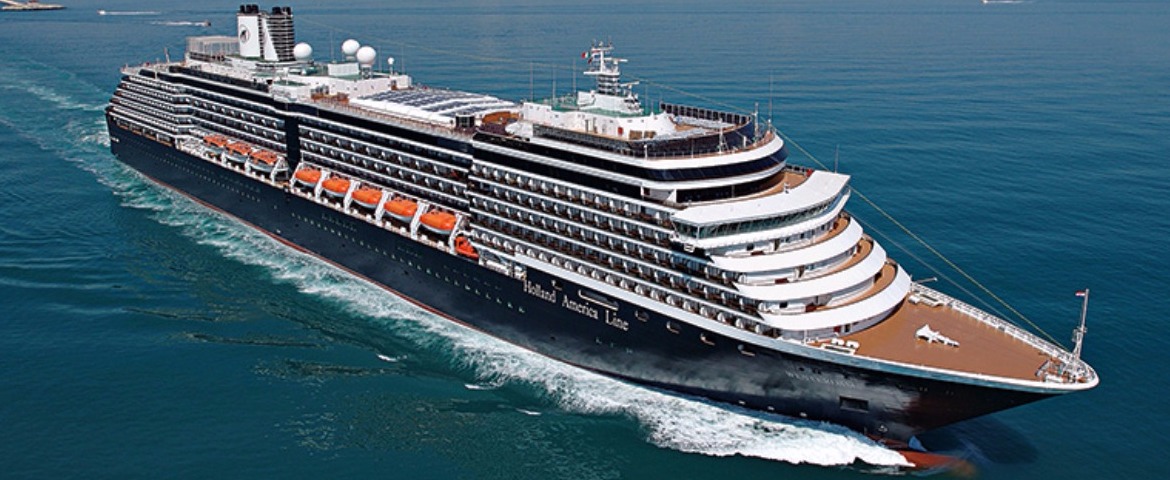
ms Westerdam
9 Cruises
Norwegian Cruise Line (25 Cruises)
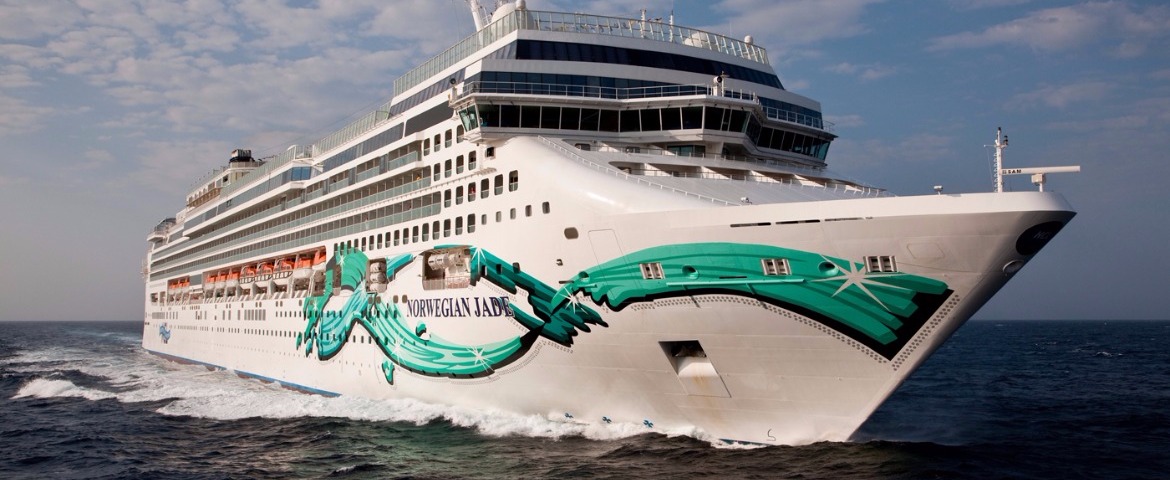
Norwegian Jade
25 Cruises
Oceania Cruises (87 Cruises)
Oceania Aurelia
20 Cruises
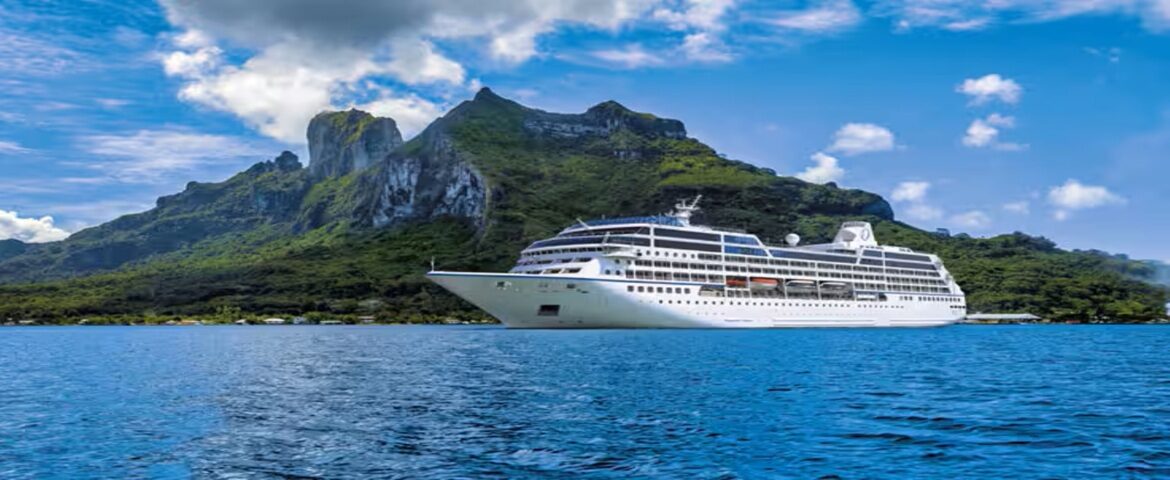

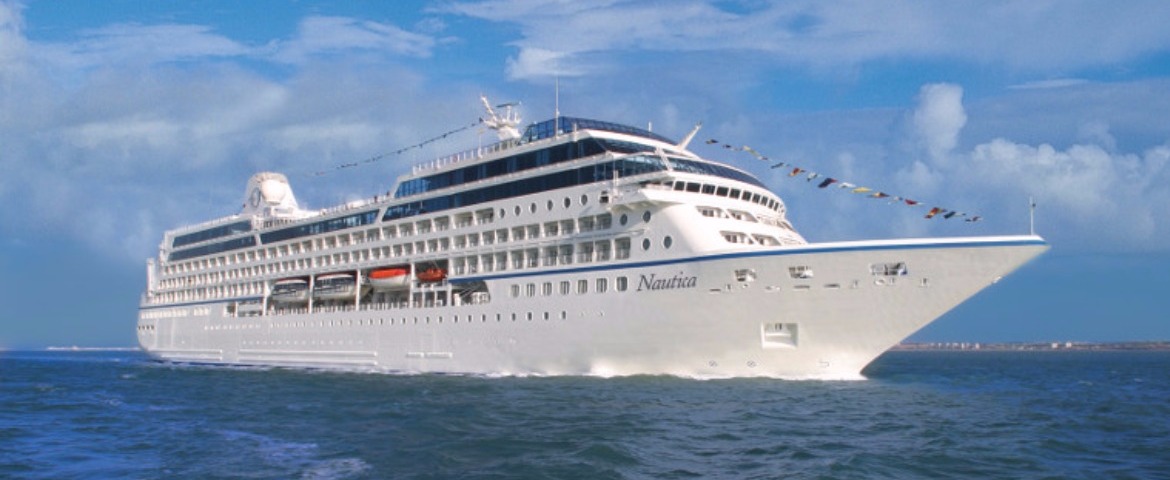
Oceania Nautica
20 Cruises
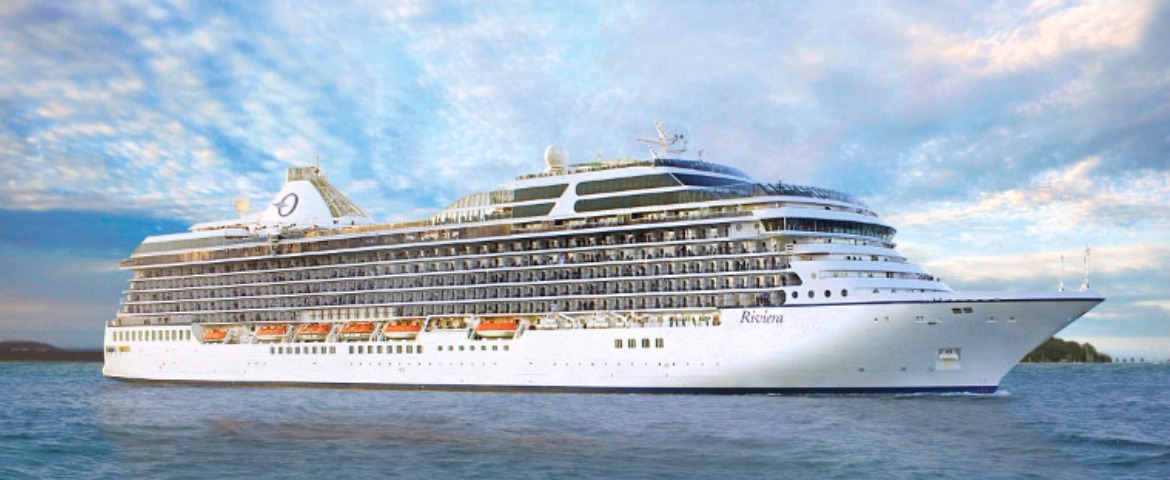
Oceania Riviera
39 Cruises
| 4 January | 11 days | One-way from Singapore to Hong Kong |
450-628-6241
Call us
|
| 5 January | 11 days | One-way from Singapore to Hong Kong |
450-628-6241
Call us
|
| 10 January | 12 days | One-way from Hong Kong to Singapore |
450-628-6241
Call us
|
| 22 January | 13 days | One-way from Singapore to Hong Kong |
450-628-6241
Call us
|
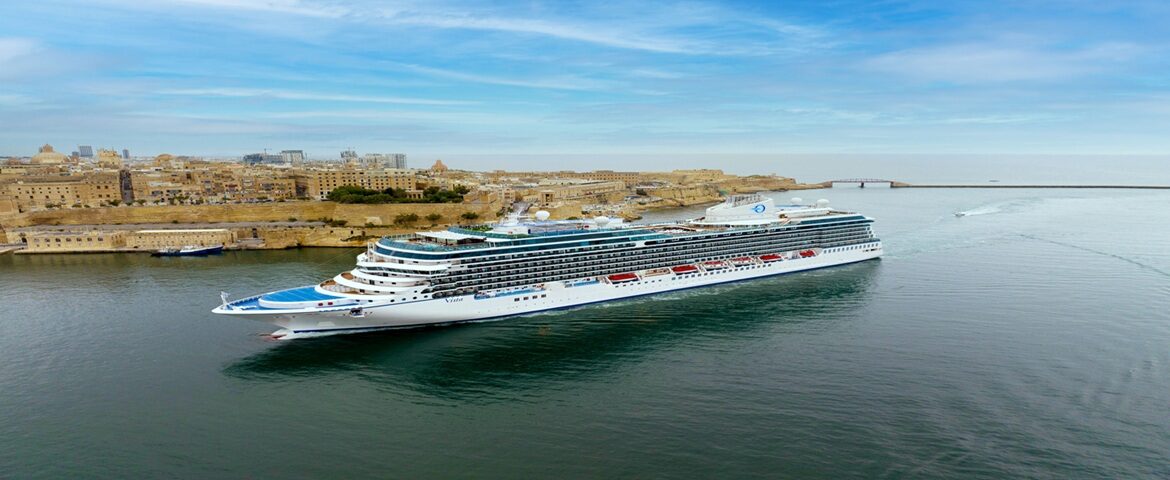
Oceania Vista
8 Cruises
| 6 January | 244 days | One-way from Miami to New York |
450-628-6241
Call us
|
| 6 January | 180 days | One-way from Miami to Southampton |
450-628-6241
Call us
|
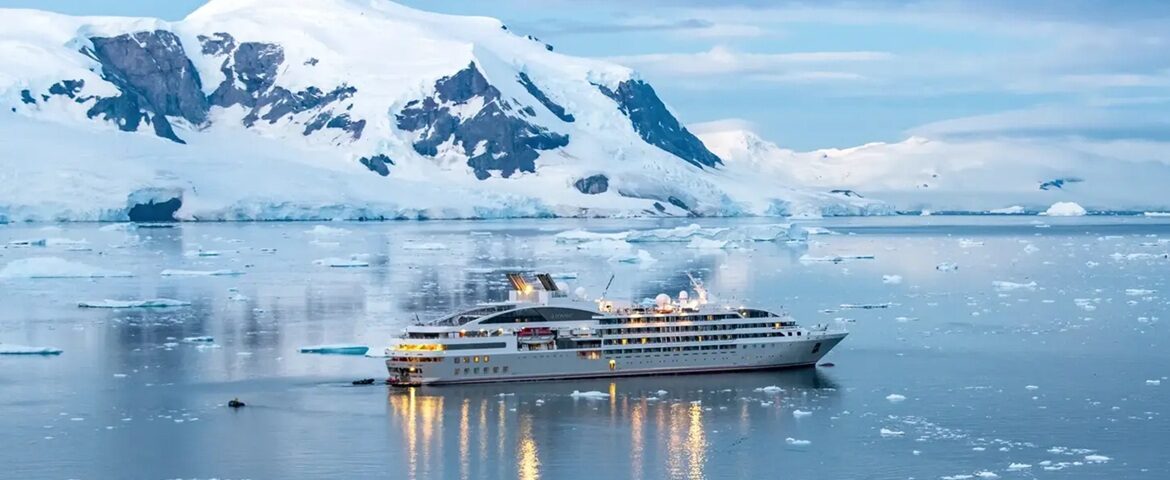
Ponant (4 Cruises)

Princess Cruises (68 Cruises)
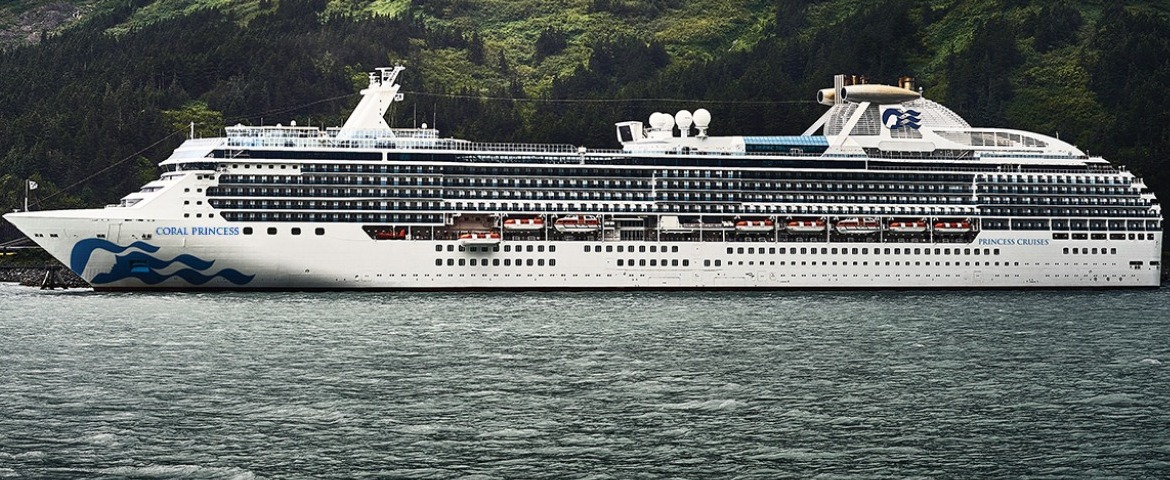
Coral Princess
10 Cruises
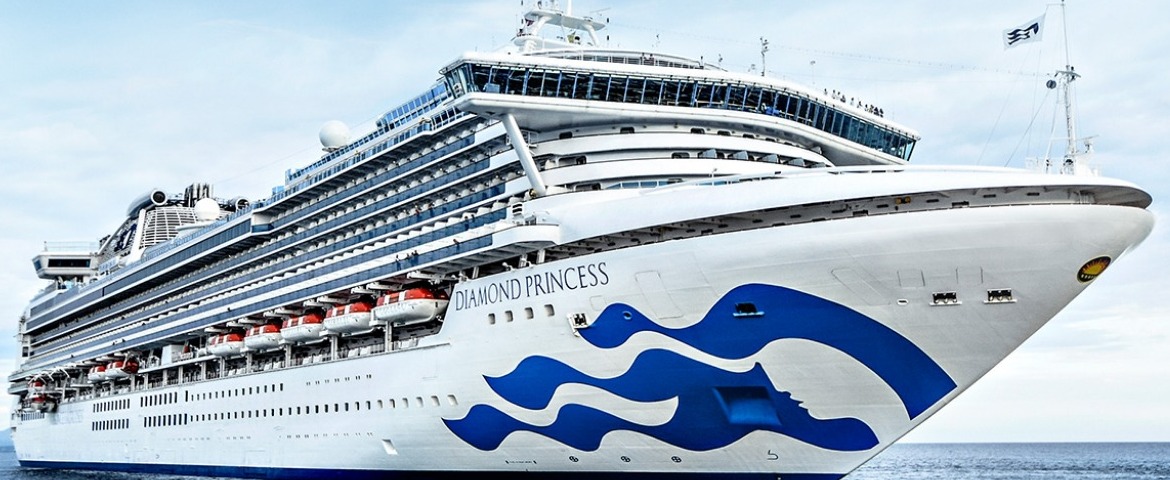
Diamond Princess
14 Cruises
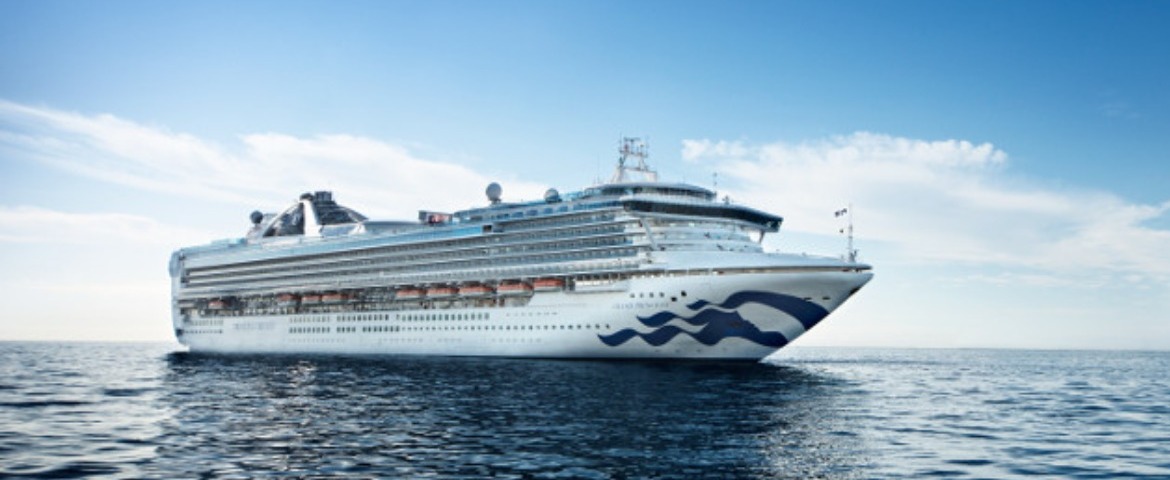
Grand Princess
14 Cruises
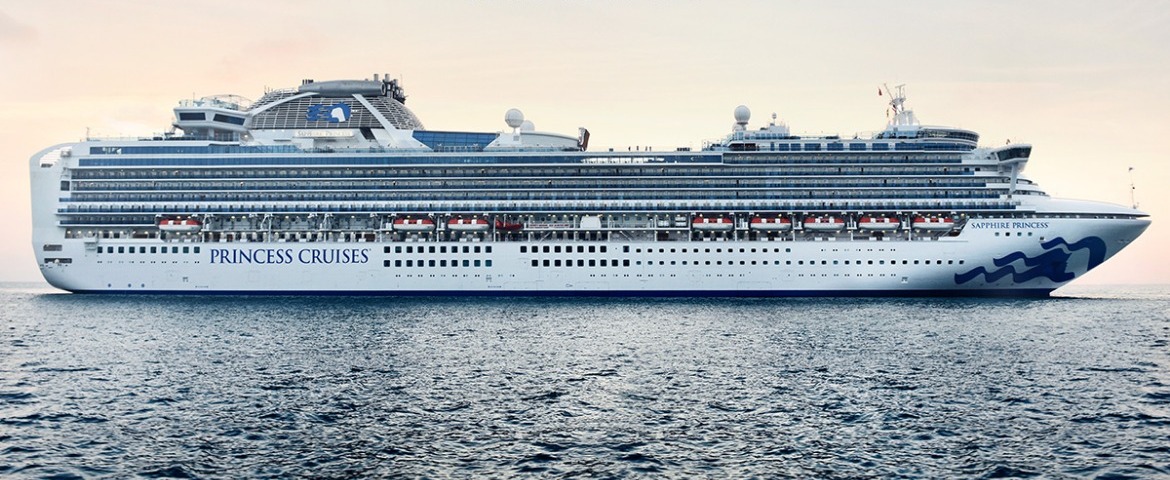
Sapphire Princess
30 Cruises
Regent Seven Seas Cruises (64 Cruises)
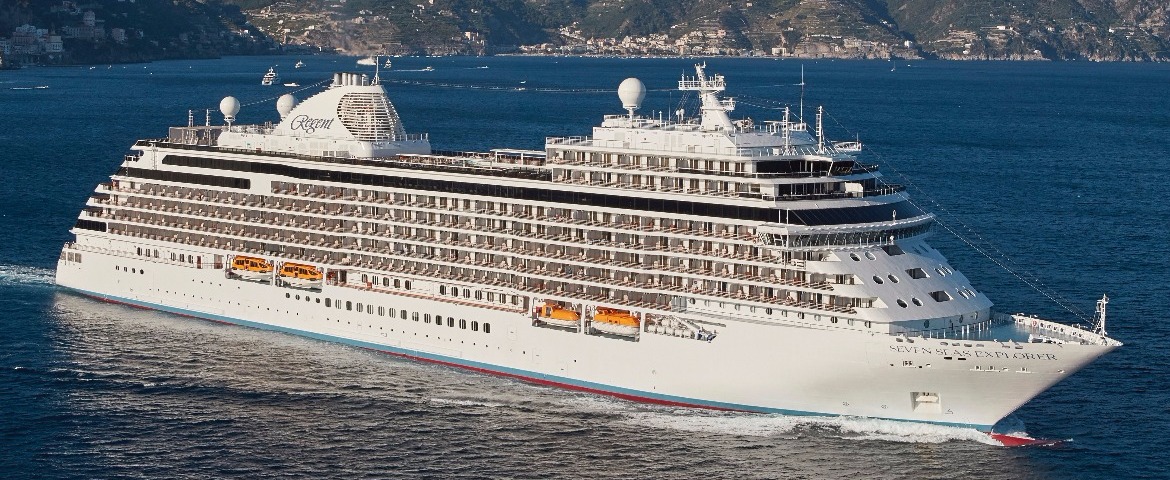
Seven Seas Explorer
32 Cruises

| 2 March | 17 days | One-way from Laem Chabang to Tokyo |
450-628-6241
Call us
|
| 2 March | 16 days | One-way from Laem Chabang to Tokyo |
450-628-6241
Call us
|
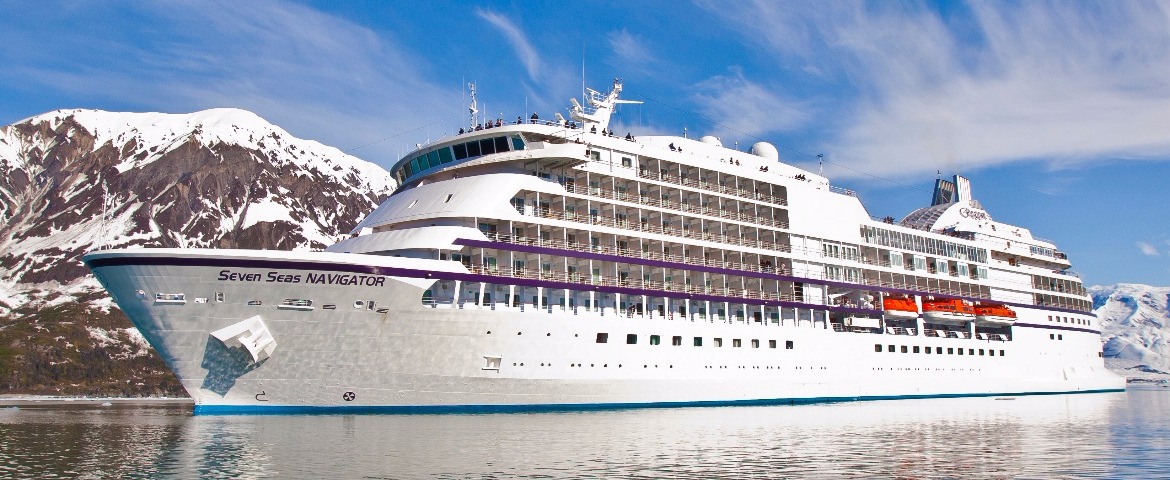
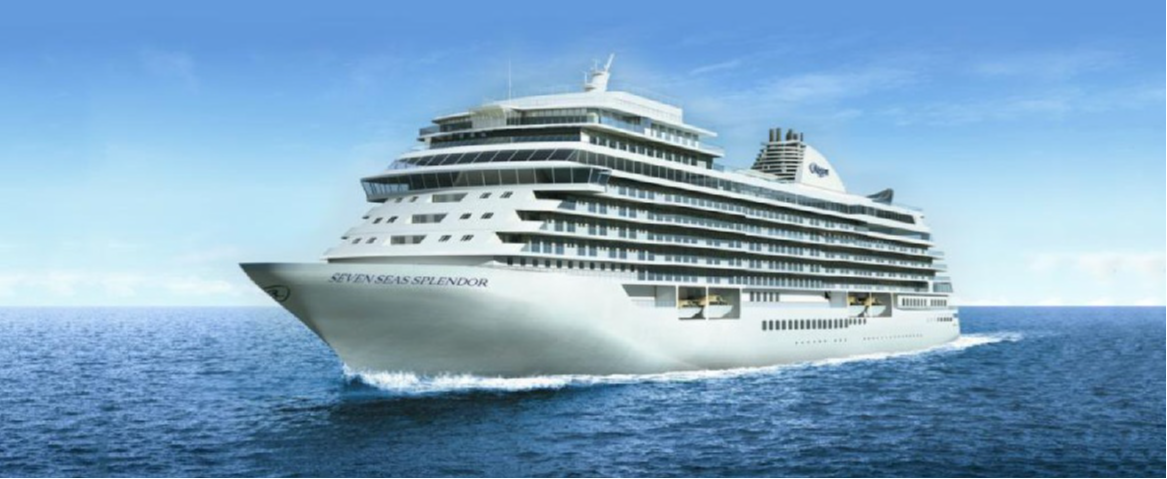
Seven Seas Splendor
28 Cruises
| 6 January | 133 days | Round-trip from San Francisco, USA |
450-628-6241
Call us
|
| 6 January | 140 days | One-way from San Francisco to Vancouver |
450-628-6241
Call us
|
| 4 January | 15 days | One-way from Hong Kong to Benoa |
450-628-6241
Call us
|
| 4 January | 14 days | One-way from Hong Kong to Benoa |
450-628-6241
Call us
|
Royal Caribbean Cruises (39 Cruises)


Spectrum of the Seas
33 Cruises

| 21 October | 11 days | One-way from Yokohama to Hong Kong |
From
2400$
|
| 31 October | 6 days | Round-trip from Hong Kong, China |
From
1061$
|
Seabourn Cruise Line (41 Cruises)
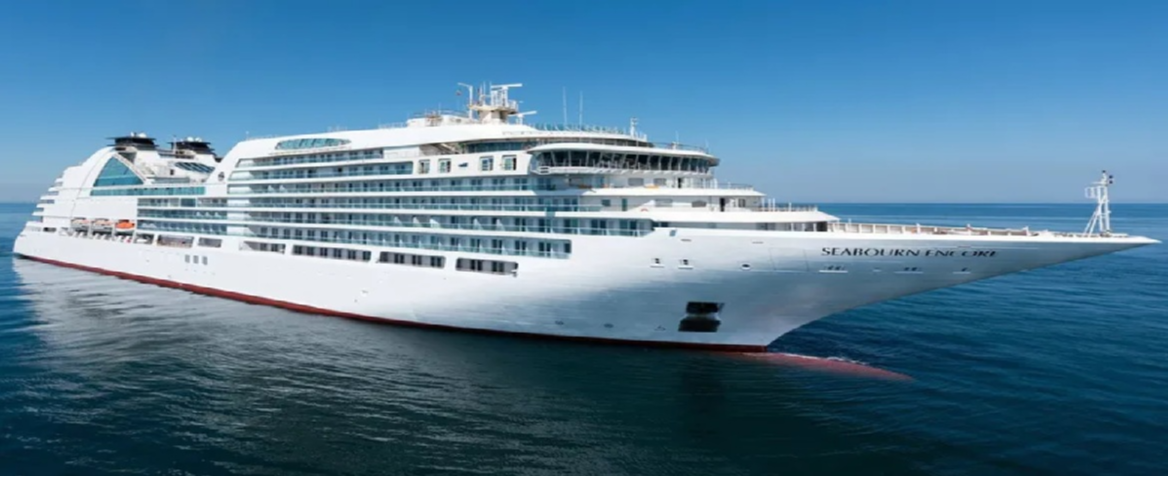
Seabourn Encore
41 Cruises

| 12 February | 15 days | One-way from Hong Kong to Tokyo |
450-628-6241
Call us
|
| 12 February | 29 days | One-way from Hong Kong to Tokyo |
450-628-6241
Call us
|
Silversea Cruises (35 Cruises)
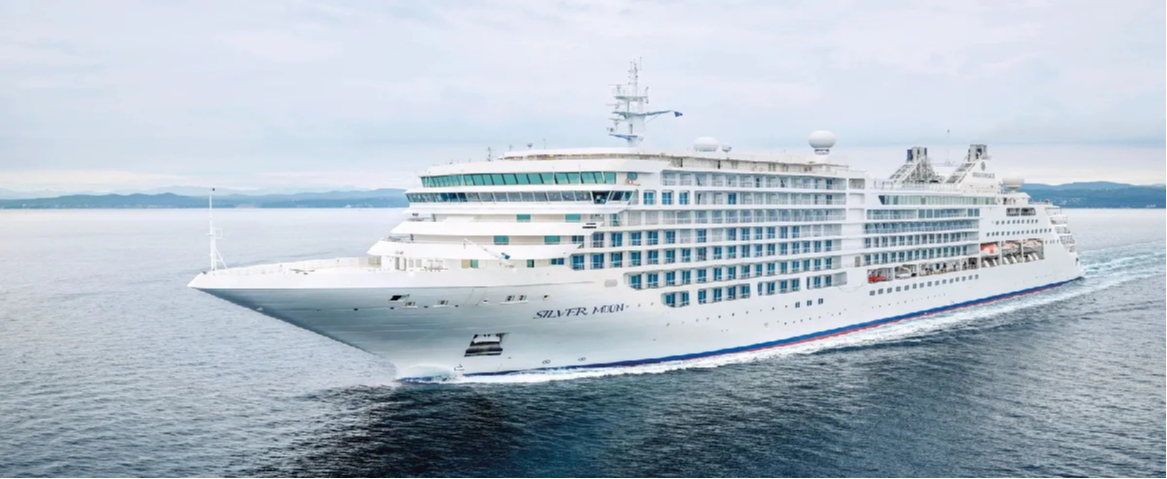
Silver Moon
8 Cruises

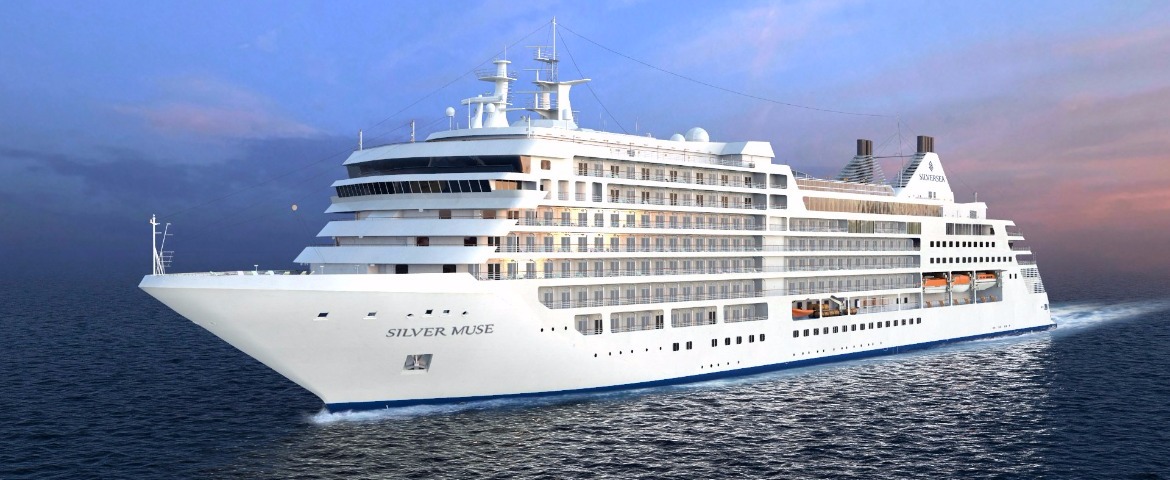
Silver Muse
25 Cruises
| 14 March | 16 days | One-way from Singapore to Tokyo |
450-628-6241
Call us
|
| 14 March | 30 days | One-way from Singapore to Yokohama |
450-628-6241
Call us
|
| 25 October | 13 days | One-way from Yokohama to Hong Kong |
450-628-6241
Call us
|
| 25 October | 14 days | One-way from Incheon to Hong Kong |
450-628-6241
Call us
|
Viking Ocean Cruises (61 Cruises)
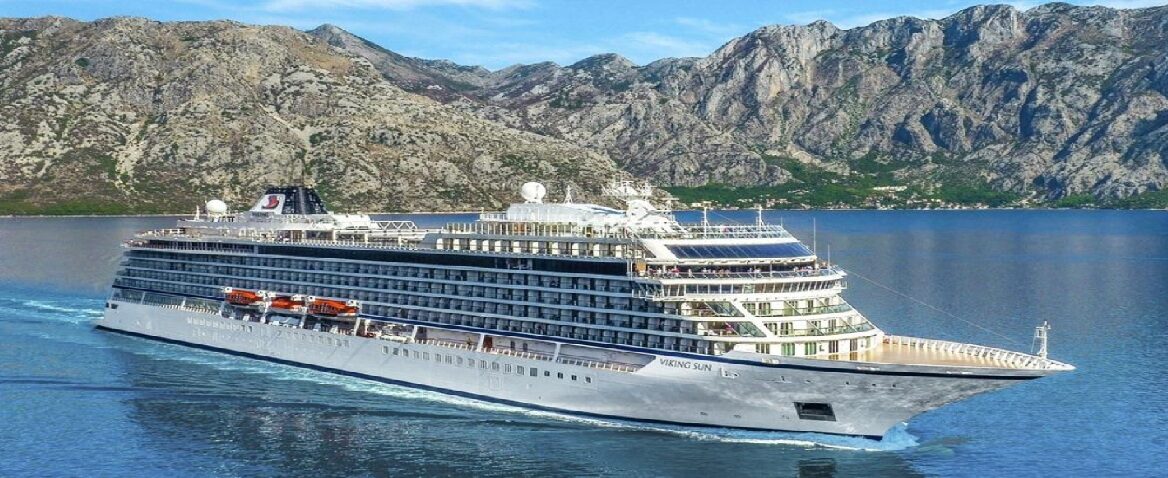
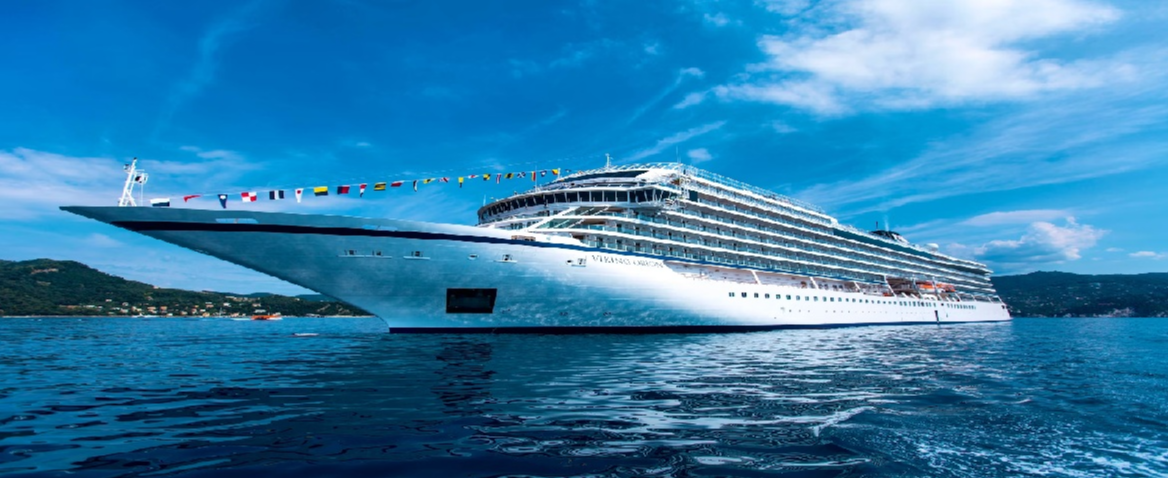
Viking Orion
28 Cruises
| 23 February | 91 days | One-way from Auckland to Vancouver |
450-628-6241
Call us
|
| 23 February | 90 days | One-way from Auckland to Vancouver |
450-628-6241
Call us
|
| 23 April | 27 days | One-way from Laem Chabang to Tokyo |
450-628-6241
Call us
|
| 23 April | 13 days | One-way from Laem Chabang to Hong Kong |
450-628-6241
Call us
|
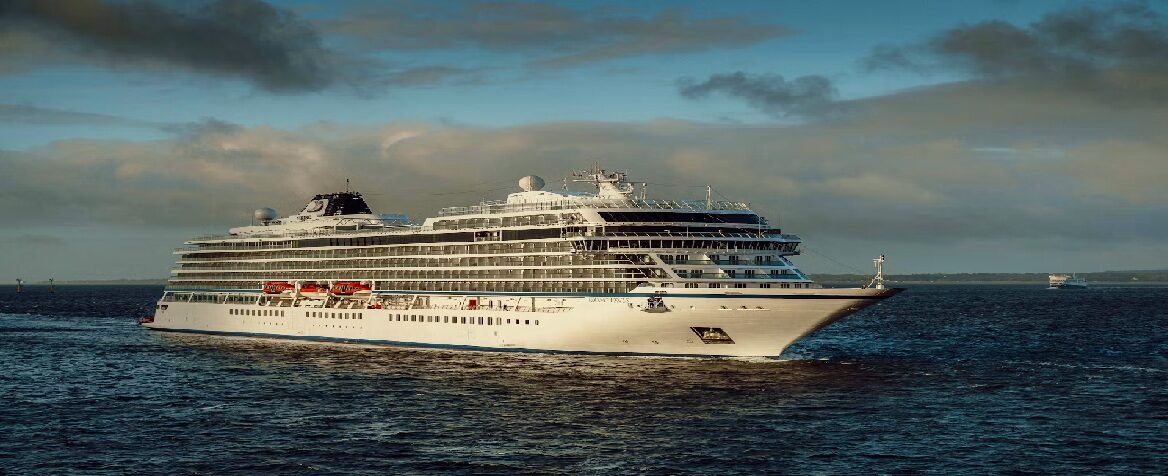
Viking Venus
31 Cruises

Port of Hong Kong | Cruise Port Guide
Frequently Asked Questions
At one of two terminals, depending on the itinerary. Ocean Terminal sits in the middle of Tsim Sha Tsui: you step off straight into the crowd. Kai Tak, built on the old airport runway, is about ten kilometres from the centre, linked by shuttles, taxis and metro.
The Star Ferry, the Peak Tram up to Victoria Peak, then a dim sum meal. That is the classic trio and it fits a half day. Add Man Mo Temple or a Kowloon market if the call runs longer.
Asia's most famous ferry: for over a century its green and white boats have crossed from Kowloon to Hong Kong Island in about ten minutes, for the price of small change. It is the cheapest and perhaps the most memorable panorama in the city.
By the Peak Tram funicular, running since 1888, which climbs to 396 metres above the harbour. The ride alone is worth it: the buildings slide past at such an angle that they appear to lean.
By going early in the morning. Lines build through midday when all the groups converge; at opening, the wait melts away. It is the single most useful tip for a one-day call.
A rechargeable card accepted on the metro, ferries, trams and in many shops. It hugely simplifies a day ashore: no more hunting for exact change on every trip.
Man Mo Temple on Hollywood Road, where thick coils of incense hang from the ceiling above the worshippers. The Mid-Levels escalators, the longest such system in the world, climb Central's steep lanes past shops and canteens.
Yes, the tall narrow double-deck trams have rattled east to west across the island since 1904. For a handful of local dollars you sit upstairs and the city slides past with the window open, market after market.
Everywhere, which is the problem: every district has its addresses, from century-old tea houses to modestly priced starred counters. Ask locally; residents' recommendations beat any guidebook. You order by pointing, get it wrong, and try again.
They run one into the next and each has its own street: birds, flowers, goldfish, jade. In the evening, the Temple Street night market lines up stalls, fortune tellers and small seafood restaurants.


