Warnemunde-Rostock Germany
309
Cruises availables
At departure or passage at this port

Carnival Cruise Line (8 Cruises)
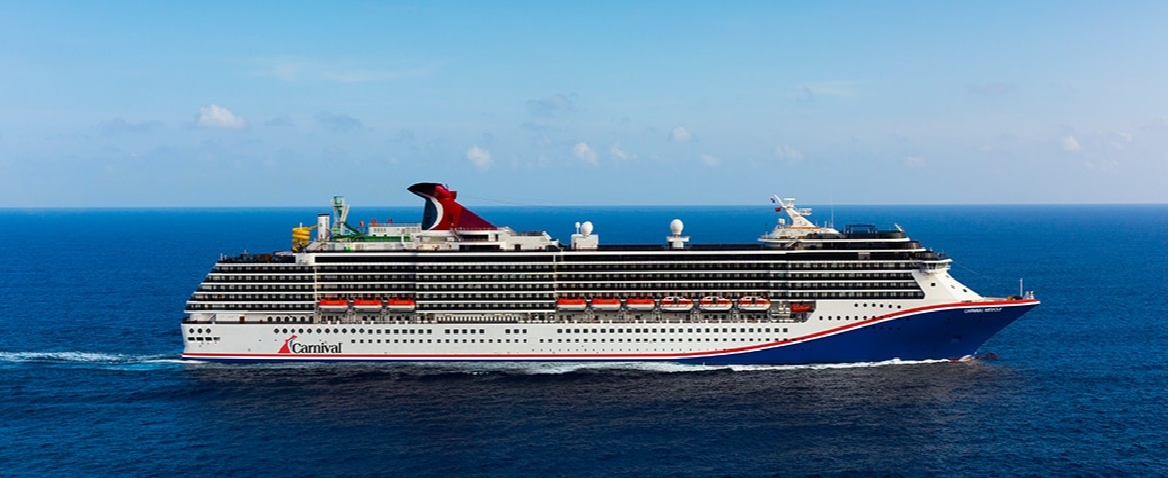
Carnival Miracle
8 Cruises

| 7 June | 12 nights | Round-trip from Dover, United Kingdom |
From
1811$
|
| 19 June | 9 nights | Round-trip from Dover, United Kingdom |
From
1573$
|
| 28 June | 12 nights | Round-trip from Dover, United Kingdom |
From
1811$
|
Celebrity Cruises (1 Cruises)

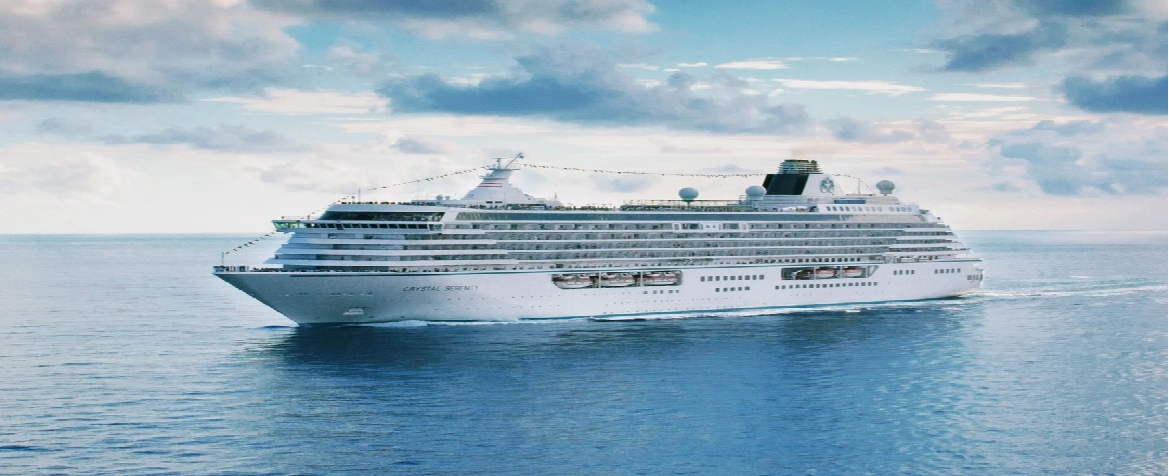
Crystal Cruises (3 Cruises)

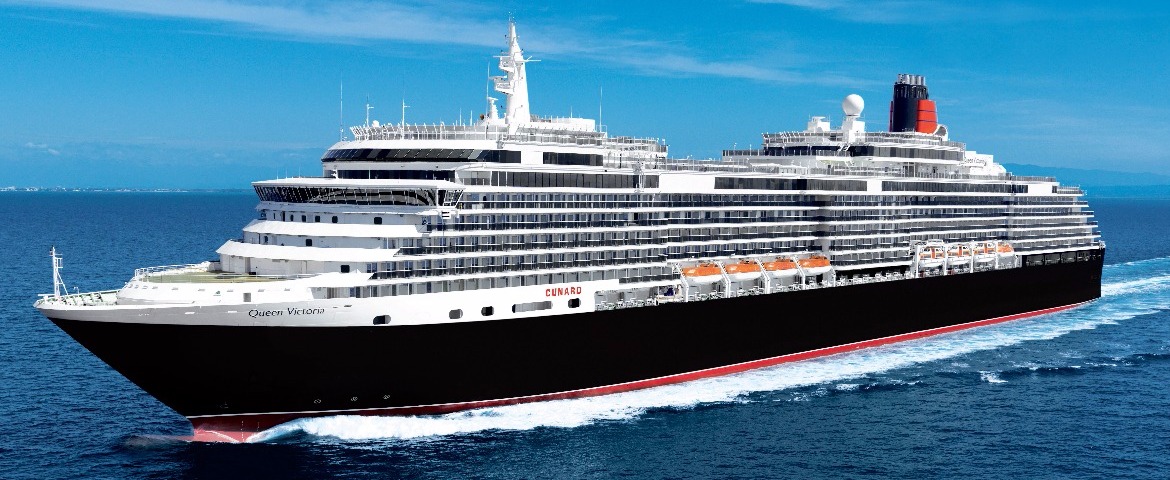
Cunard (1 Cruises)

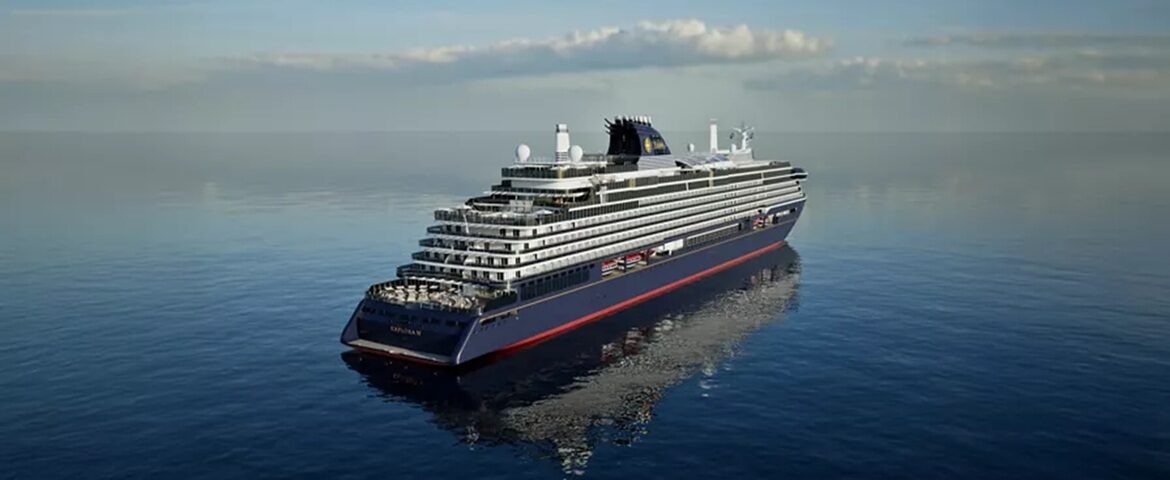
Explora Journeys (6 Cruises)
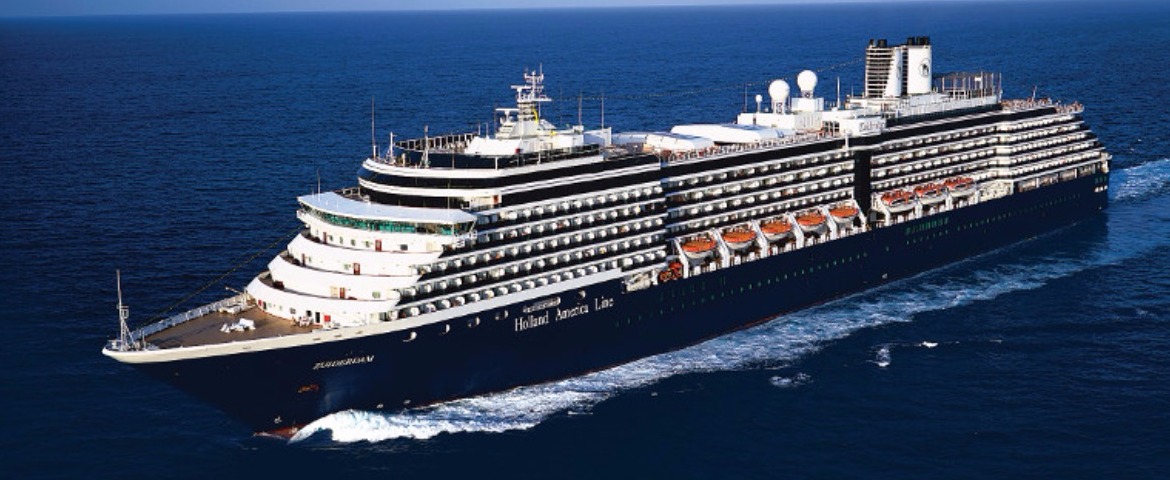
Explora IV
6 Cruises


MSC Cruises (142 Cruises)
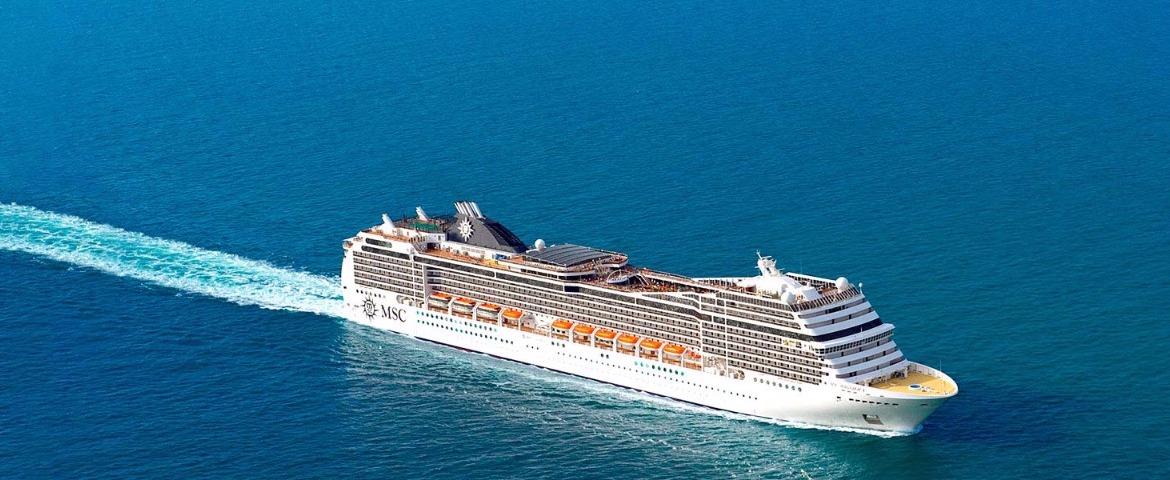
MSC Magnifica
87 Cruises

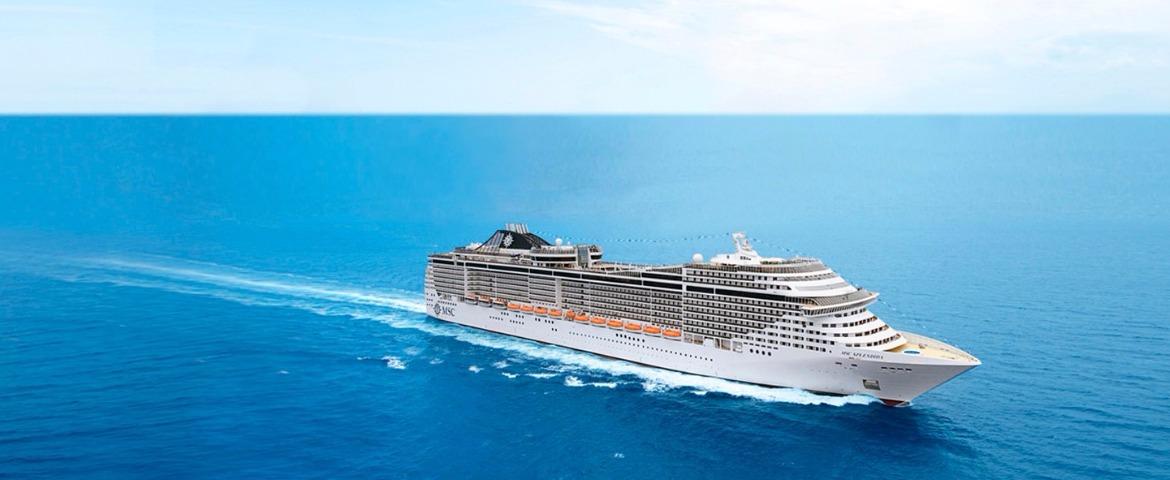
MSC Splendida
55 Cruises
| 25 April | 10 nights | One-way from Warnemunde-Rostock to Copenhagen |
From
3307$
|
| 25 April | 11 nights | Round-trip from Warnemunde-Rostock, Germany |
From
2852$
|
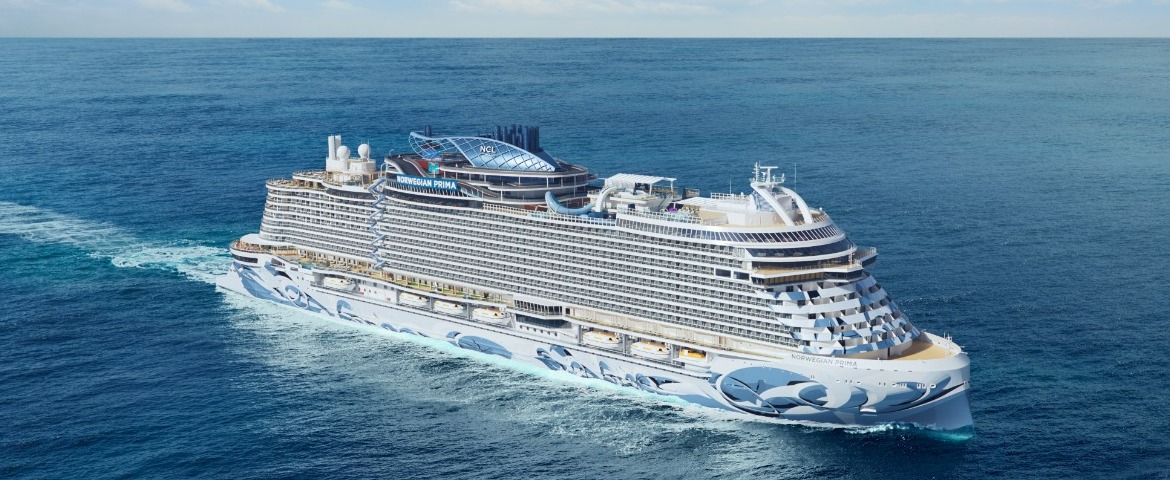
Norwegian Cruise Line (15 Cruises)
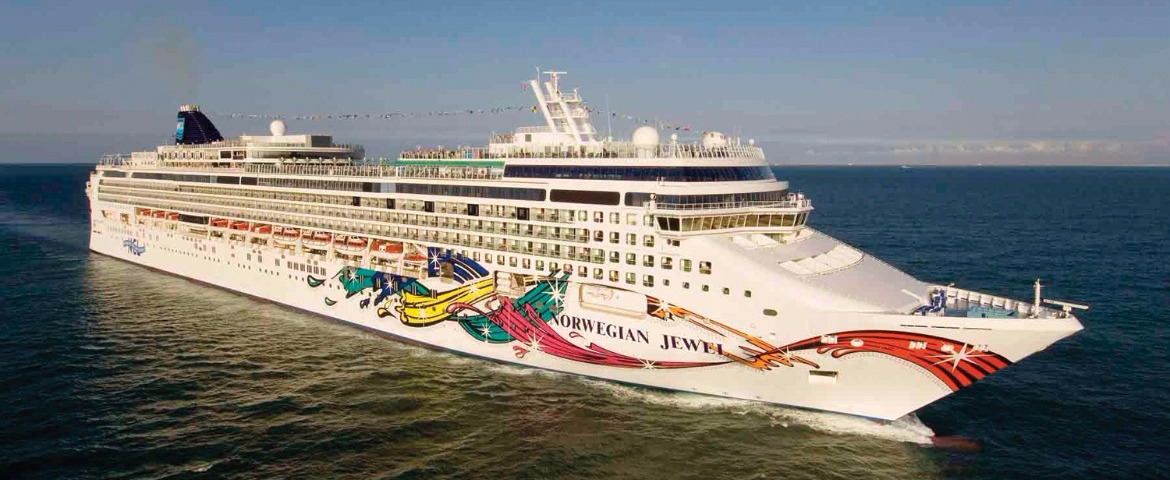
Norwegian Jewel
13 Cruises

Oceania Cruises (38 Cruises)
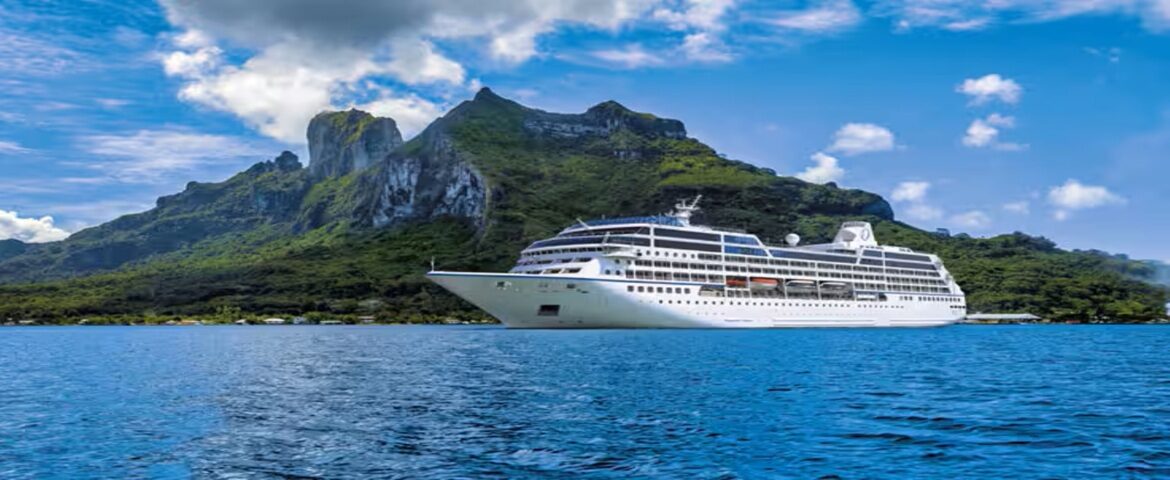

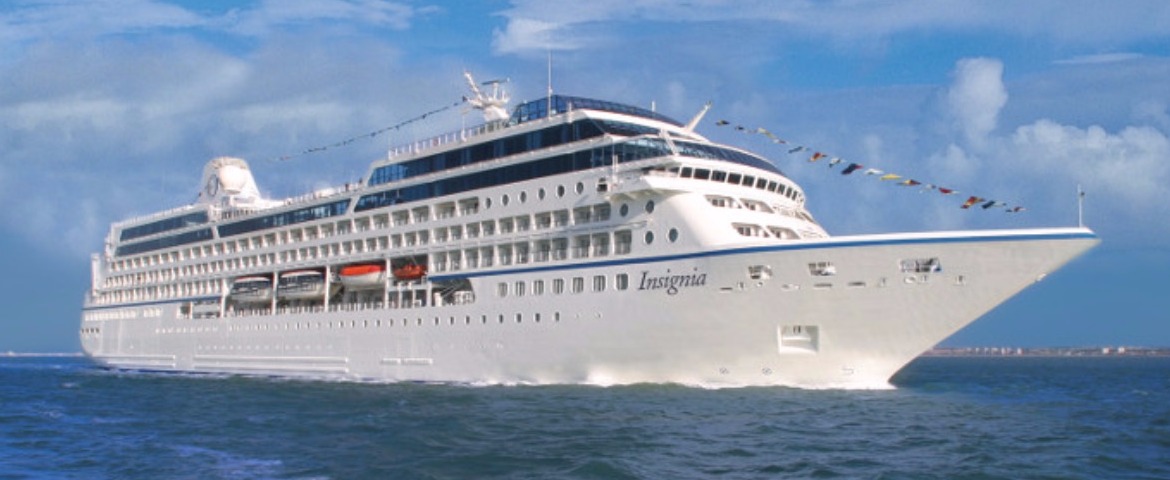
Oceania Insignia
9 Cruises
| 16 May | 25 nights | One-way from Southampton to Stockholm |
450-628-6241
Call us
|
| 27 May | 14 nights | One-way from Southampton to Stockholm |
450-628-6241
Call us
|
| 10 June | 11 nights | One-way from Stockholm to Copenhagen |
450-628-6241
Call us
|
| 10 June | 24 nights | One-way from Stockholm to Reykjavik |
450-628-6241
Call us
|
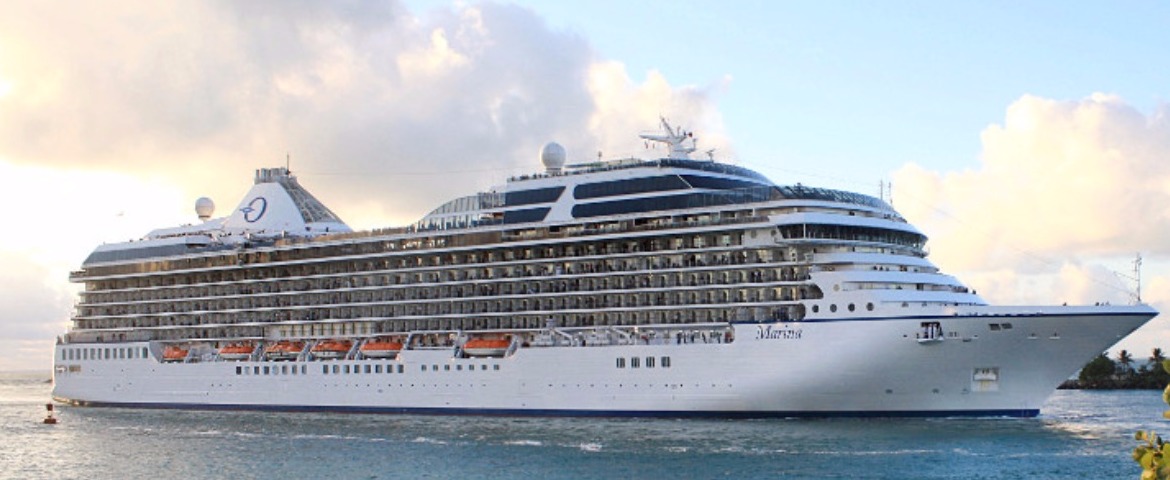
Oceania Marina
7 Cruises
| 10 May | 43 nights | One-way from Lisbon to Southampton |
450-628-6241
Call us
|
| 27 May | 26 nights | Round-trip from Southampton, United Kingdom |
450-628-6241
Call us
|
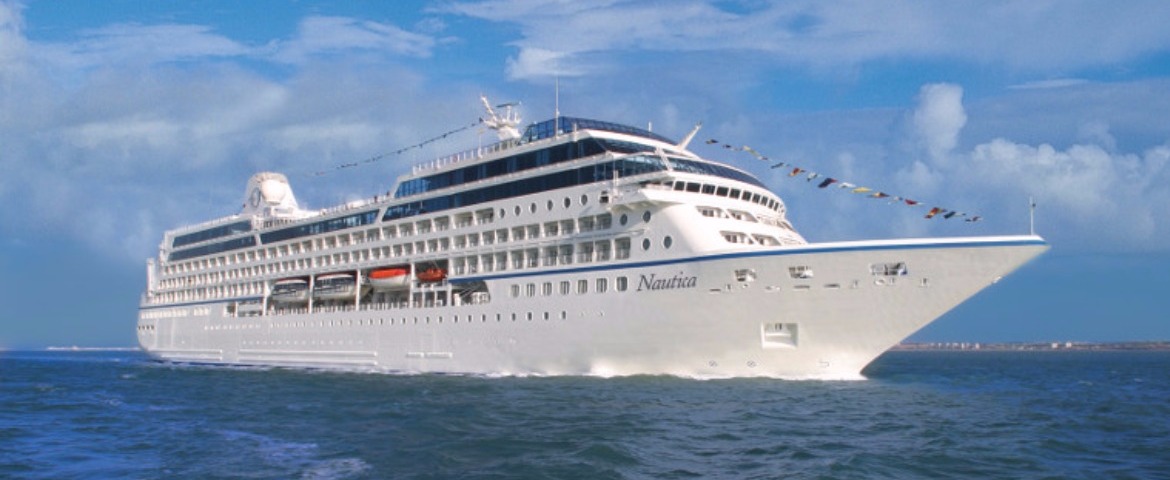
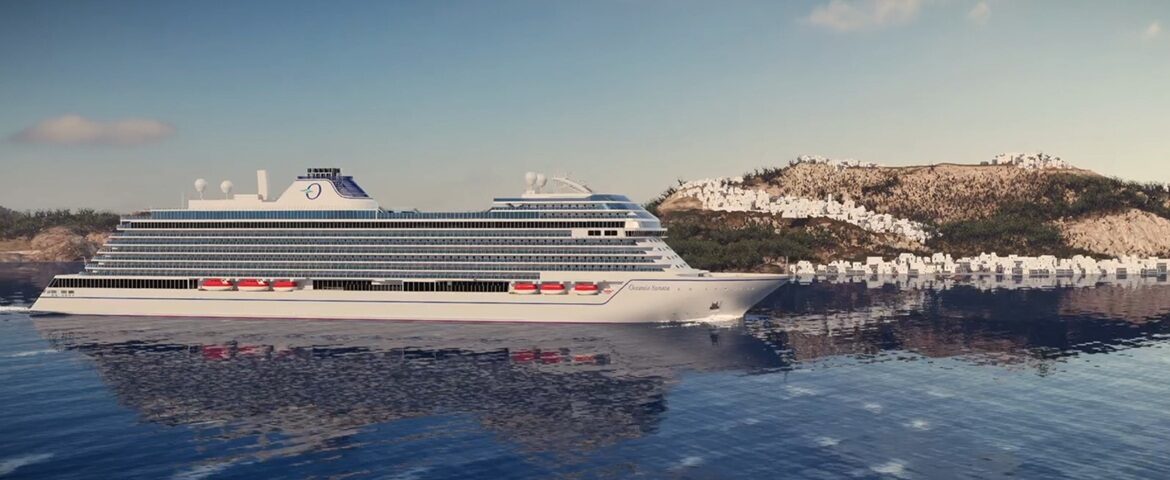
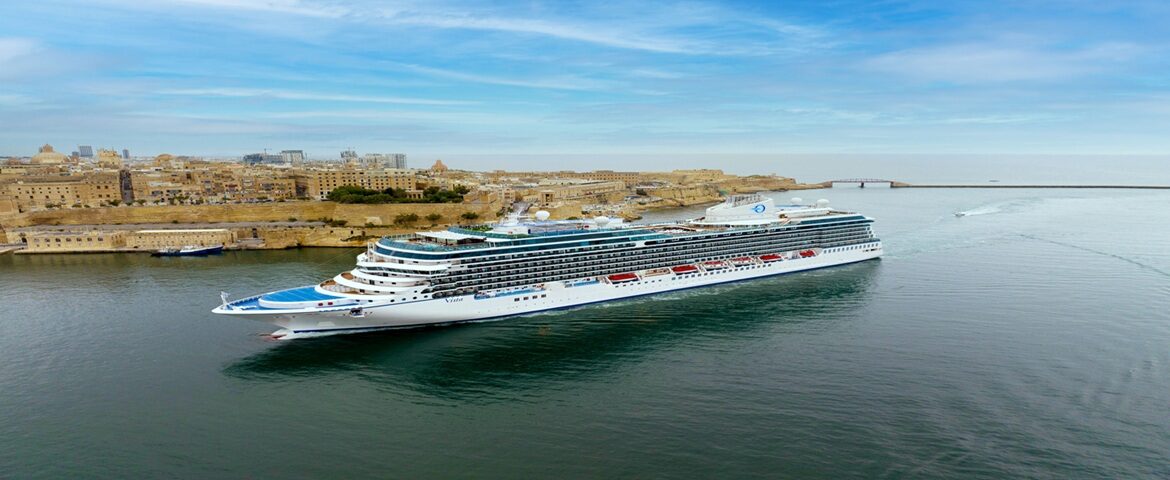
Oceania Sonata
10 Cruises
Princess Cruises (34 Cruises)
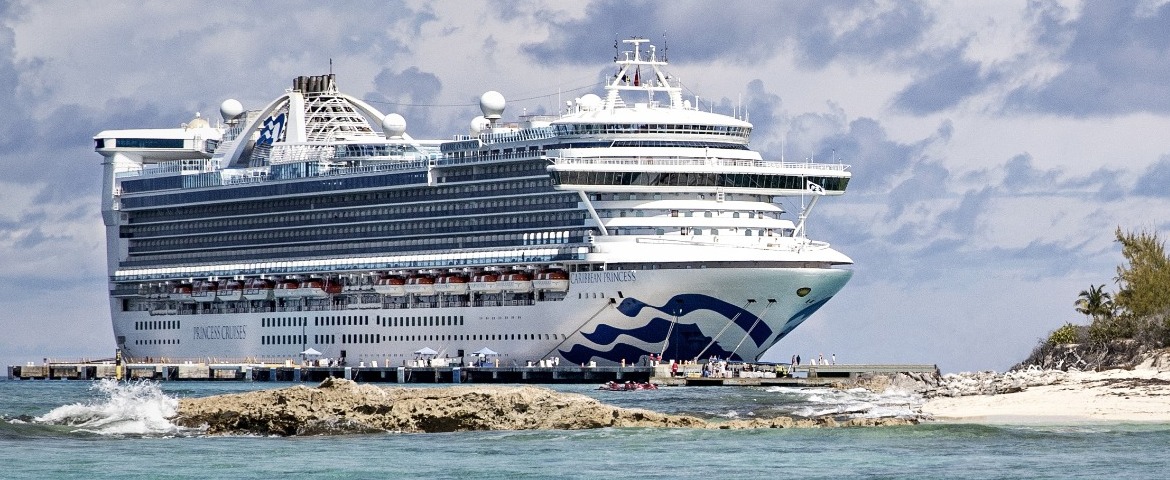
Caribbean Princess
10 Cruises
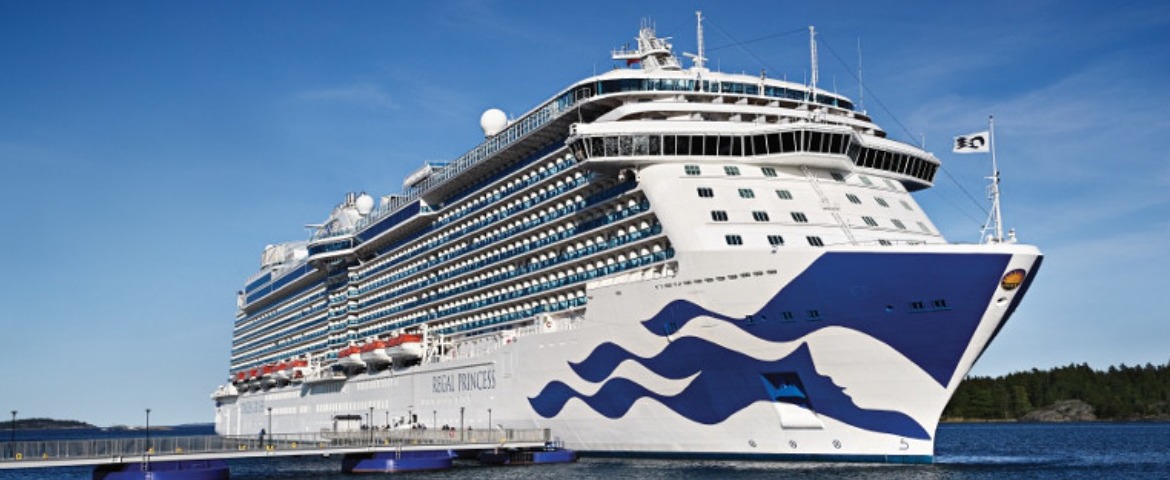
Regal Princess
16 Cruises
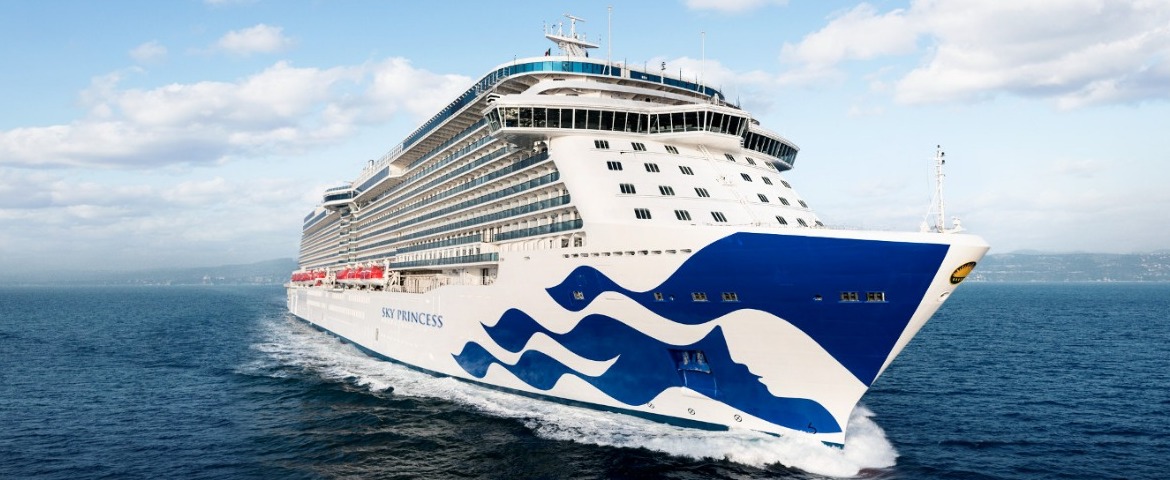
Sky Princess
8 Cruises
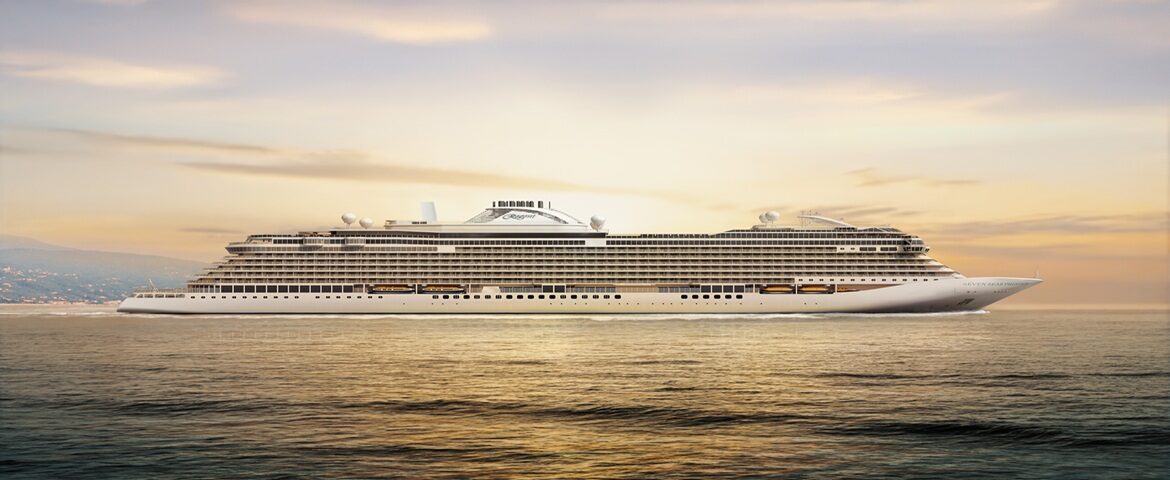
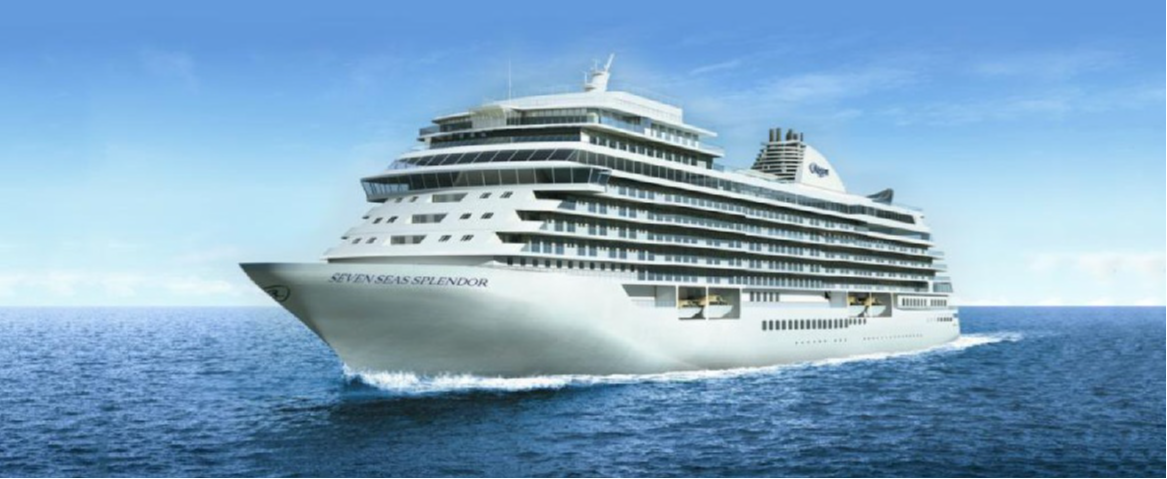
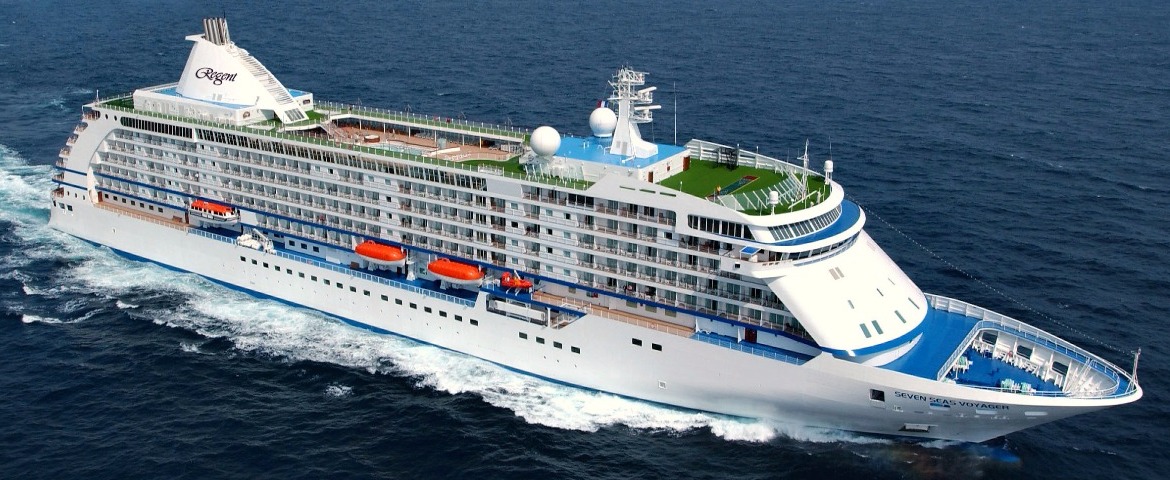
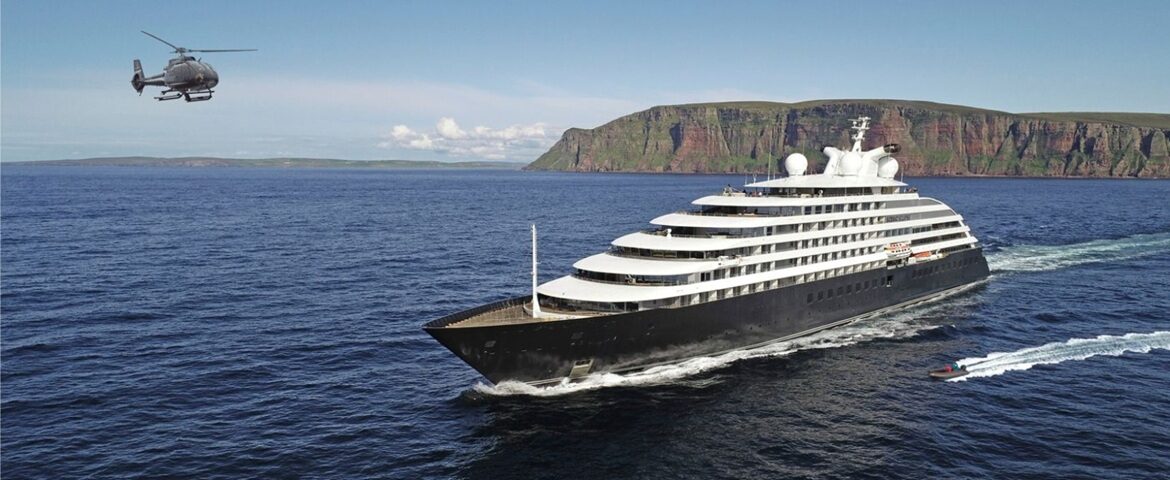
Regent Seven Seas Cruises (19 Cruises)
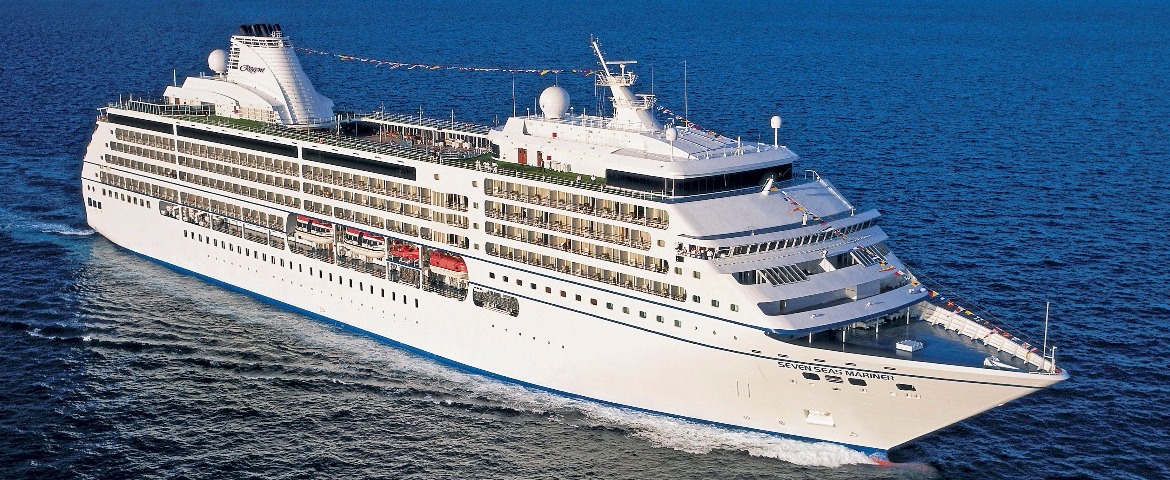
Seven Seas Mariner
8 Cruises



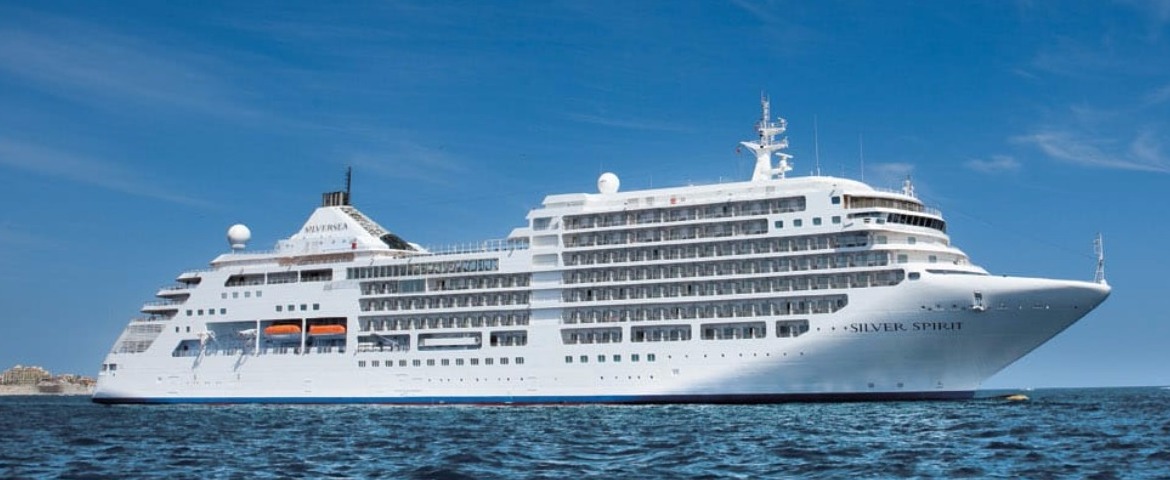
Silversea Cruises (6 Cruises)

Viking Ocean Cruises (16 Cruises)
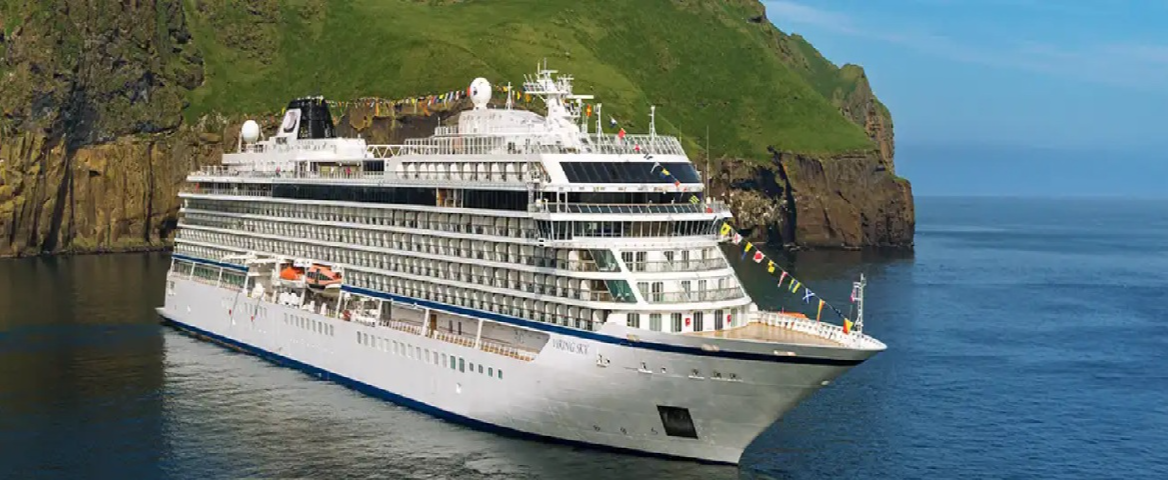
Viking Sky
16 Cruises
| 11 June | 12 nights | One-way from Stockholm to Bergen |
450-628-6241
Call us
|
| 25 June | 12 nights | One-way from Bergen to Stockholm |
450-628-6241
Call us
|

Port of Warnemünde-Rostock, Germany | Cruise Port Guide
Frequently Asked Questions
Yes, you walk down the gangway, cover a few hundred metres and the sand is there: a wide blonde band running west, lined with wicker beach chairs. Few cruise terminals open this directly onto a beach.
It depends on the time you have. Warnemünde is done on foot, with no transport. Rostock is about twenty minutes away by suburban train. Berlin takes roughly three hours each way, six hours of travel for a capital seen at a run.
The old arm of the Warnow, five minutes from the terminal, where local life concentrates. Fishing boats moor side by side, several converted into floating counters selling smoked herring and Fischbrötchen.
Yes, in season: the gallery of the late 19th-century lighthouse is open and the view reaches the Baltic, the shore and the ballet of ferries. You get there by following the channel seaward, past the Teepott, a 1960s pavilion with a wavy roof.
The station adjoins the terminal and the suburban train reaches the centre in about twenty minutes. It is the best compromise of the call: Hanseatic heritage without giving up the whole day.
The astronomical clock in the Marienkirche, completed in 1472 and still running: at noon its automata come to life before the onlookers. The pedestrian Kröpeliner Strasse then links the town hall square to the buildings of the university, founded in 1419.
Yes, the Norwegian painter settled here in 1907, facing the fishing boats, for a period of recovery during which he painted bathers, nets and fishermen's houses. The house he occupied, at number 53 Am Strom, now hosts exhibitions and artist residencies.
Rent a wicker beach chair, walk out to the west jetty to greet the ships coming in, and climb the lanes where a net is still sometimes drying. The village's neo-gothic church keeps a period altarpiece and pulpit, and early 20th-century seaside villas line the front.
Yes, Schwerin castle, set on its island about an hour and a half away by road. It is the compromise favoured by lovers of romantic architecture who find Berlin too far and Rostock too brief.
The euro, with cash for the floating counters. The Fischbrötchen, a bread roll filled with pickled or smoked fish, is the snack not to miss, eaten standing up facing the channel.


