Souda-Chania Crete Greece
662
Cruises availables
At departure or passage at this port
Atlas Ocean Voyages (1 Cruises)


Azamara Club Cruises (42 Cruises)
Azamara Journey
22 Cruises
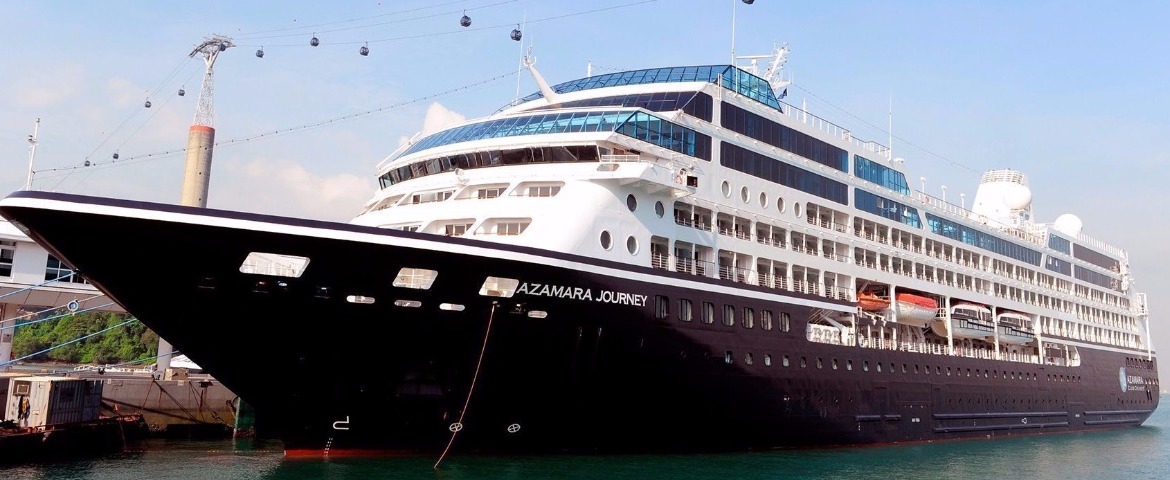

| 22 January | 50 days | One-way from Lisbon to Barcelona |
450-628-6241
Call us
|
| 22 January | 49 days | One-way from Lisbon to Barcelona |
450-628-6241
Call us
|
| 25 March | 42 days | One-way from Lisbon to Piraeus-Athens |
450-628-6241
Call us
|
| 25 March | 43 days | One-way from Lisbon to Piraeus-Athens |
450-628-6241
Call us
|
| 15 April | 22 days | One-way from Civitavecchia-Rome to Piraeus-Athens |
450-628-6241
Call us
|
| 25 April | 12 days | One-way from Venice to Piraeus-Athens |
450-628-6241
Call us
|
| 6 May | 17 days | One-way from Piraeus-Athens to Venice |
450-628-6241
Call us
|
| 13 May | 10 days | One-way from Piraeus-Athens to Venice |
450-628-6241
Call us
|
| 26 August | 71 days | One-way from Portsmouth UK to Piraeus-Athens |
450-628-6241
Call us
|
| 26 August | 70 days | One-way from Portsmouth UK to Piraeus-Athens |
450-628-6241
Call us
|
Azamara Onward
20 Cruises
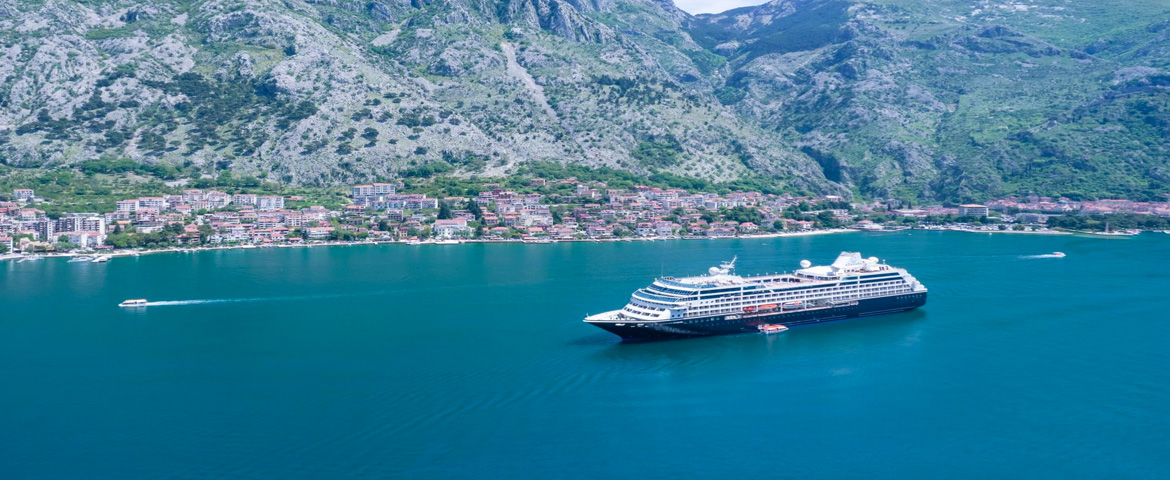
| 28 November | 14 days | One-way from Barcelona to Piraeus-Athens |
450-628-6241
Call us
|
| 28 November | 14 days | One-way from Barcelona to Piraeus-Athens |
450-628-6241
Call us
|
Carnival Cruise Line (2 Cruises)

Celebrity Cruises (23 Cruises)
Celebrity Ascent
10 Cruises
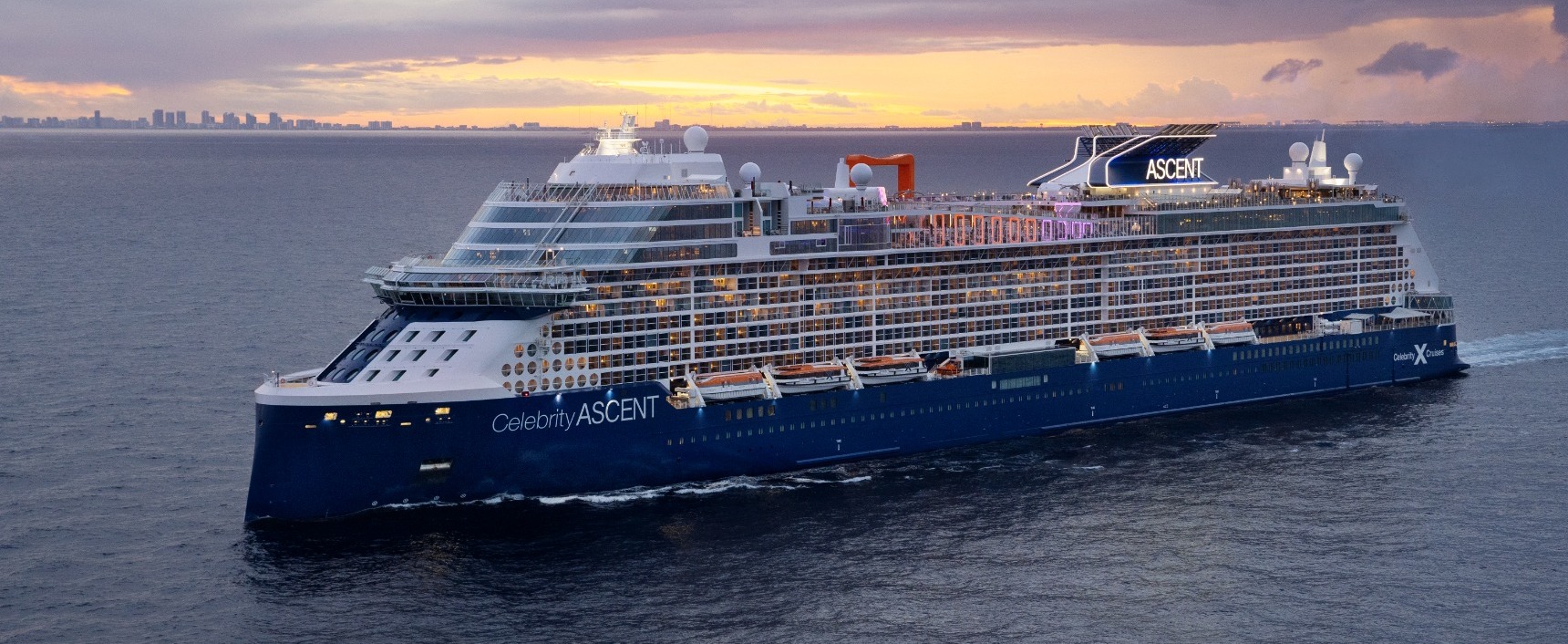

| 3 May | 12 days | Round-trip from Civitavecchia-Rome, Italy |
From
2636$
|
| 24 May | 12 days | Round-trip from Civitavecchia-Rome, Italy |
From
2874$
|
| 5 July | 11 days | Round-trip Mediterranean Celebrity Ascent Civitavecchia Rome |
From
2829$
|
| 5 July | 12 days | Round-trip from Civitavecchia-Rome, Italy |
450-628-6241
Call us
|
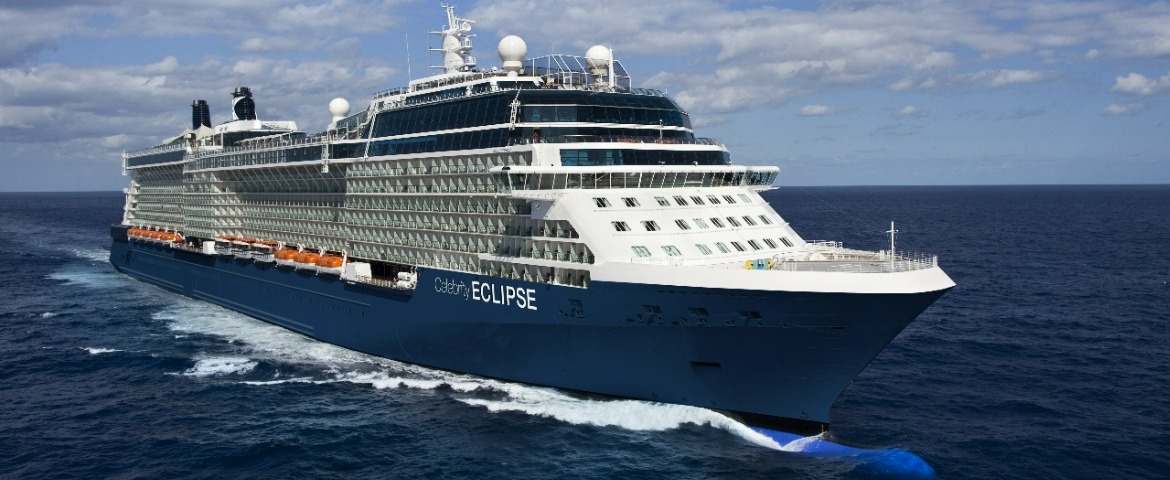
Celebrity Eclipse
6 Cruises
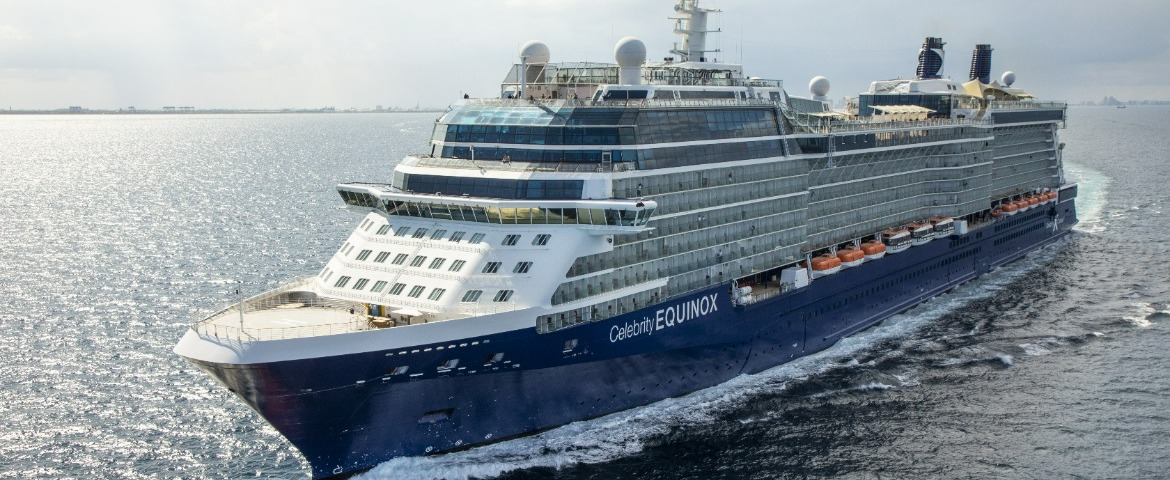
Celebrity Equinox
4 Cruises
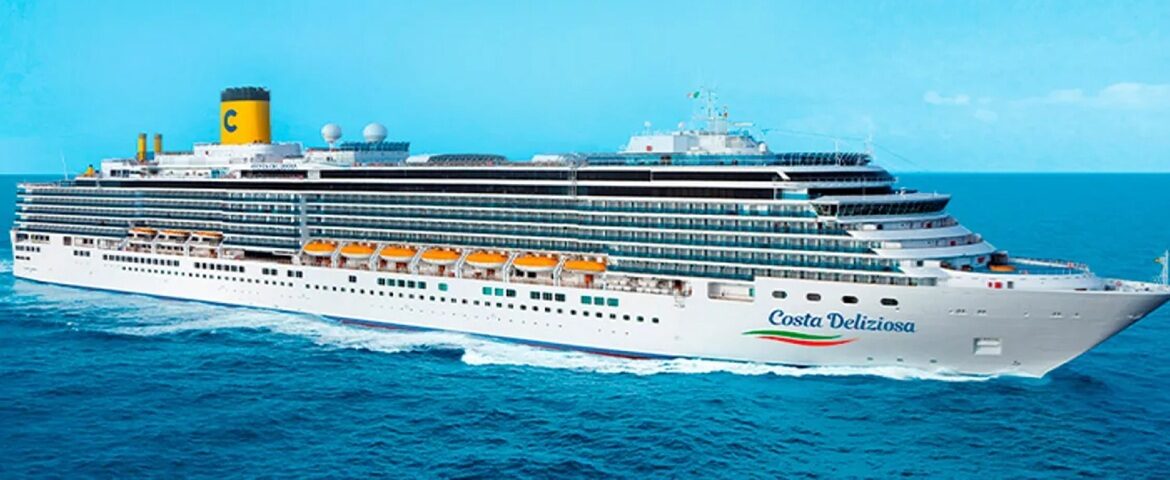
Costa Cruises (5 Cruises)

Crystal Cruises (15 Cruises)
Crystal Serenity
7 Cruises


| 5 May | 28 days | One-way from Lisbon to Barcelona |
450-628-6241
Call us
|
| 13 May | 9 days | One-way from Civitavecchia-Rome to Piraeus-Athens |
450-628-6241
Call us
|
Crystal Symphony
8 Cruises

| 11 January | 137 days | One-way from Fort Lauderdale to Barcelona |
450-628-6241
Call us
|
| 11 January | 151 days | Round-trip 150 Night Roundtrip Fort Lauderdale Cruise |
450-628-6241
Call us
|
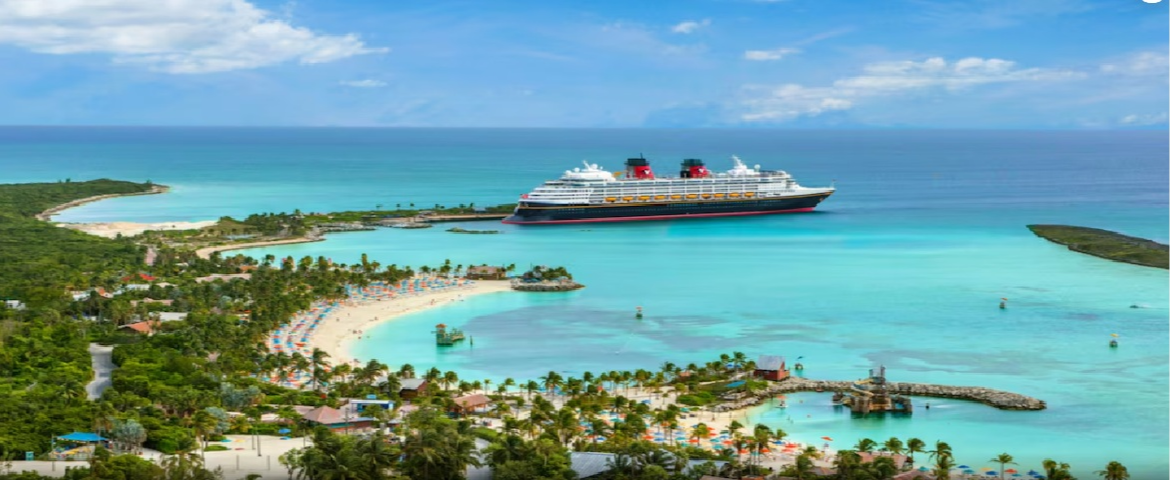
Disney Cruise Line (3 Cruises)

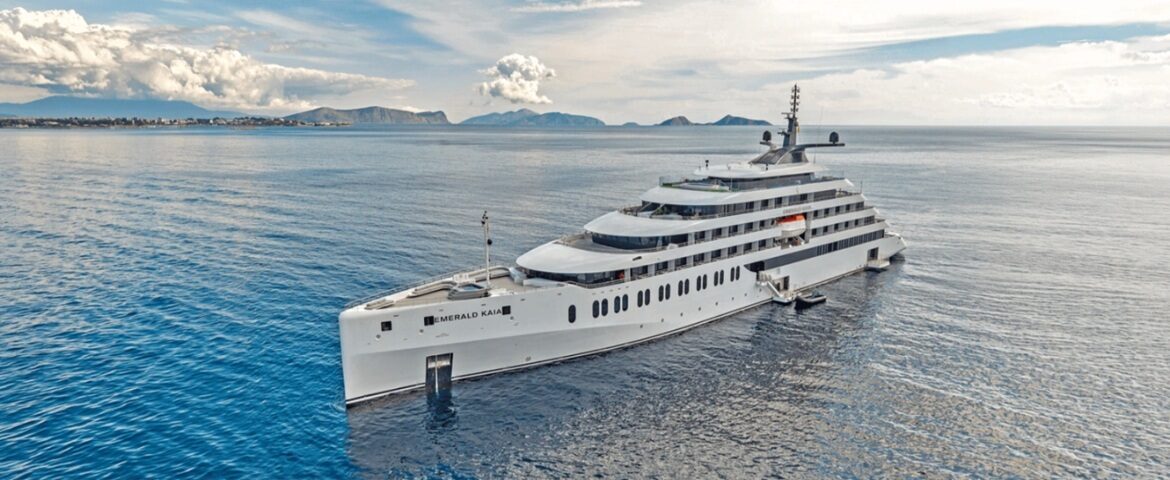
Emerald Waterways (6 Cruises)
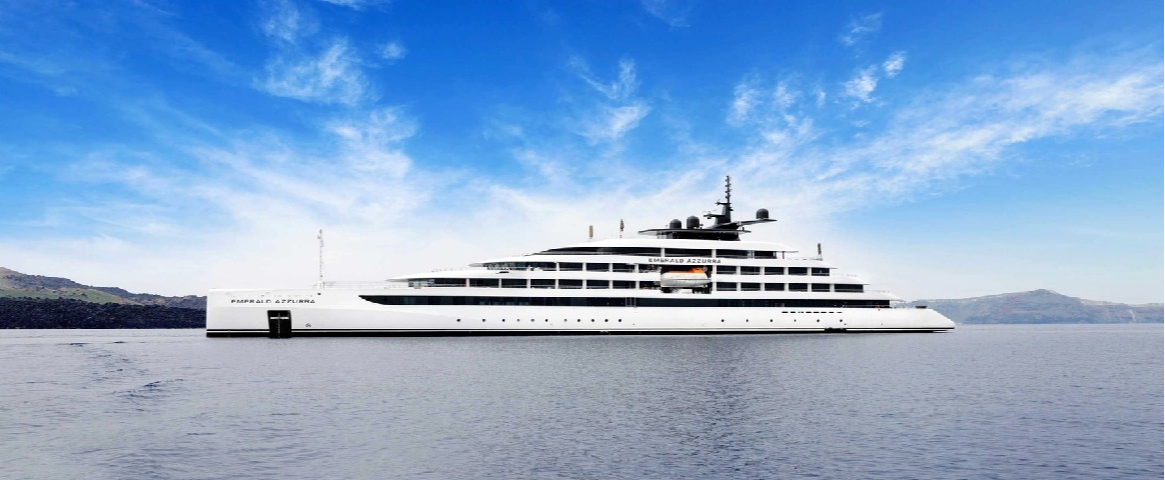
Emerald Azzurra
5 Cruises

Holland America Line (50 Cruises)
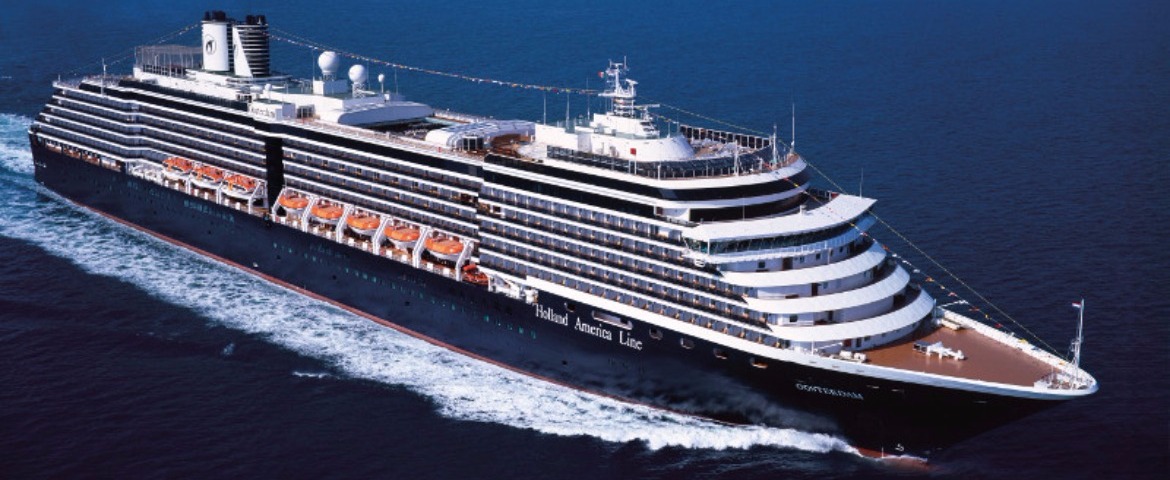
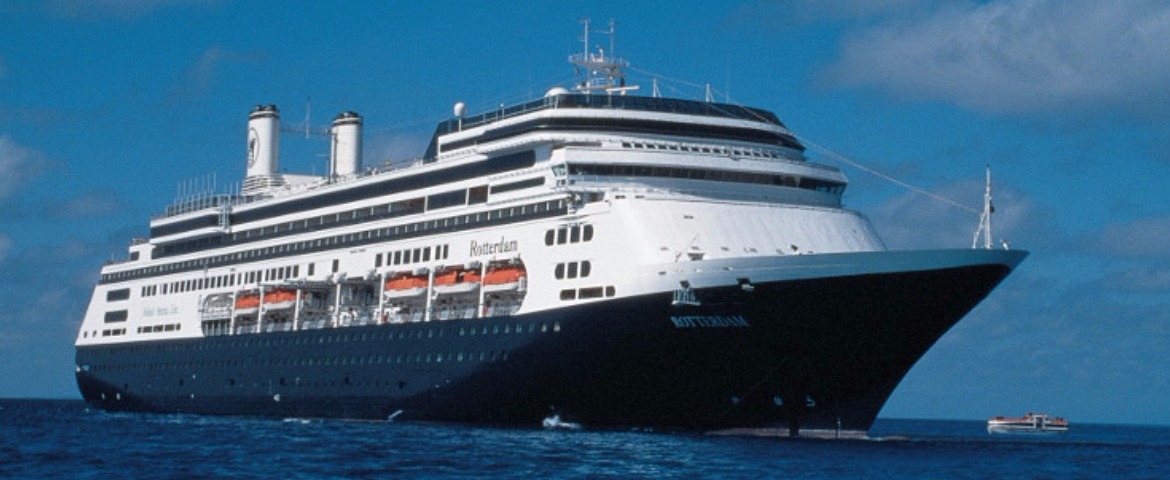
ms Oosterdam
46 Cruises

Oceania Cruises (13 Cruises)
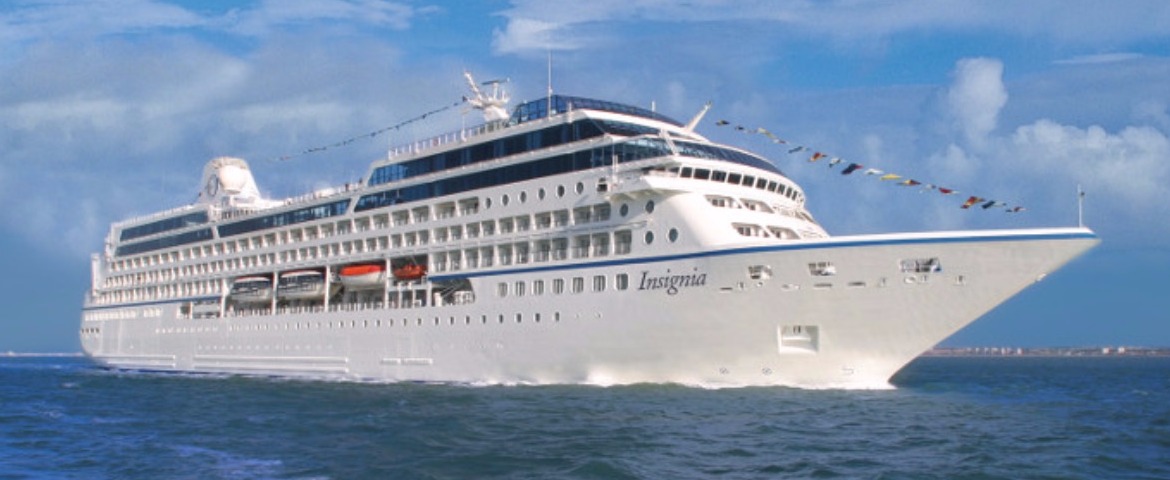

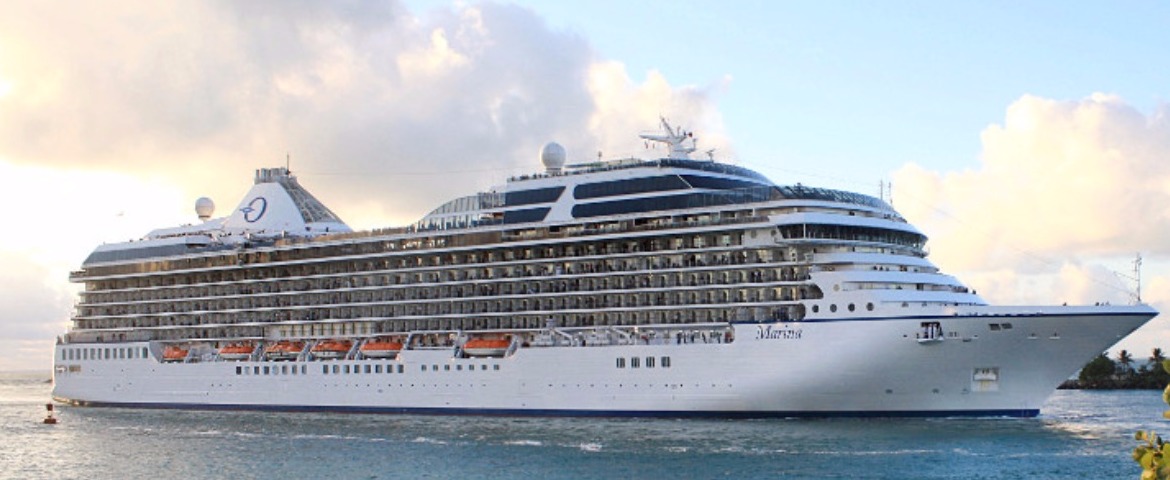
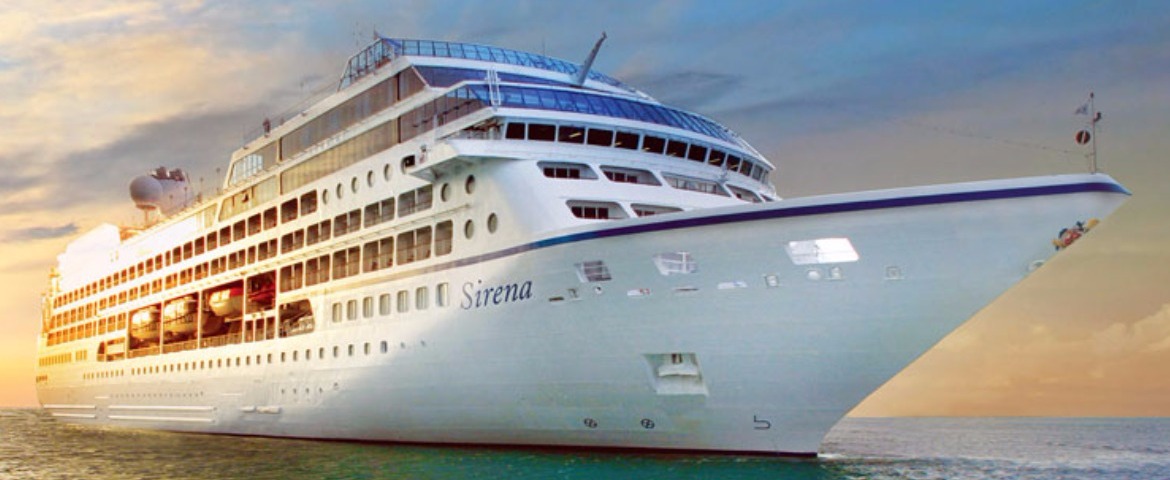
Oceania Sirena
4 Cruises
Princess Cruises (311 Cruises)
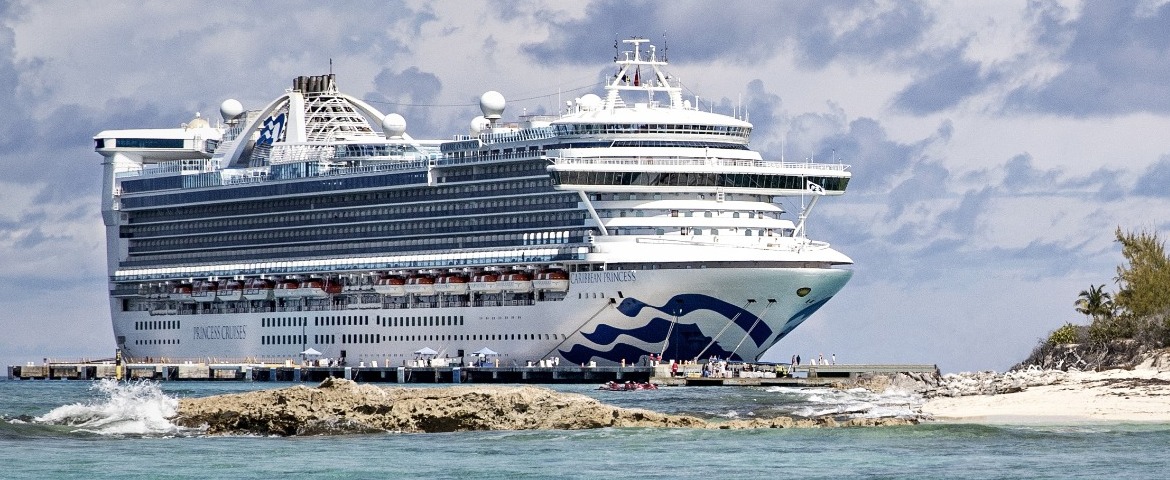
Caribbean Princess
6 Cruises

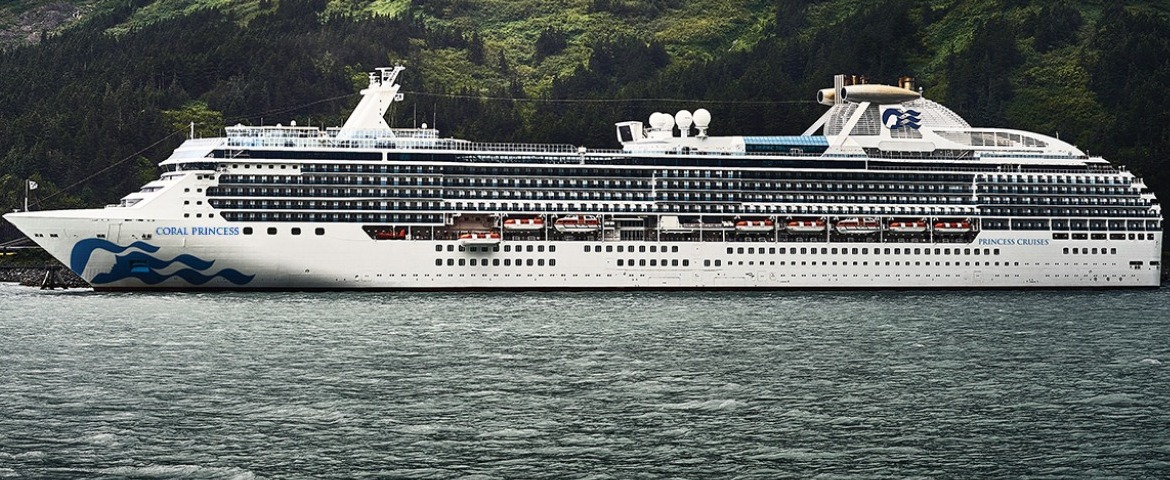
Coral Princess
10 Cruises
| 14 February | 54 days | One-way from Sydney to Civitavecchia-Rome |
450-628-6241
Call us
|
| 14 February | 55 days | One-way from Sydney to Civitavecchia-Rome |
450-628-6241
Call us
|
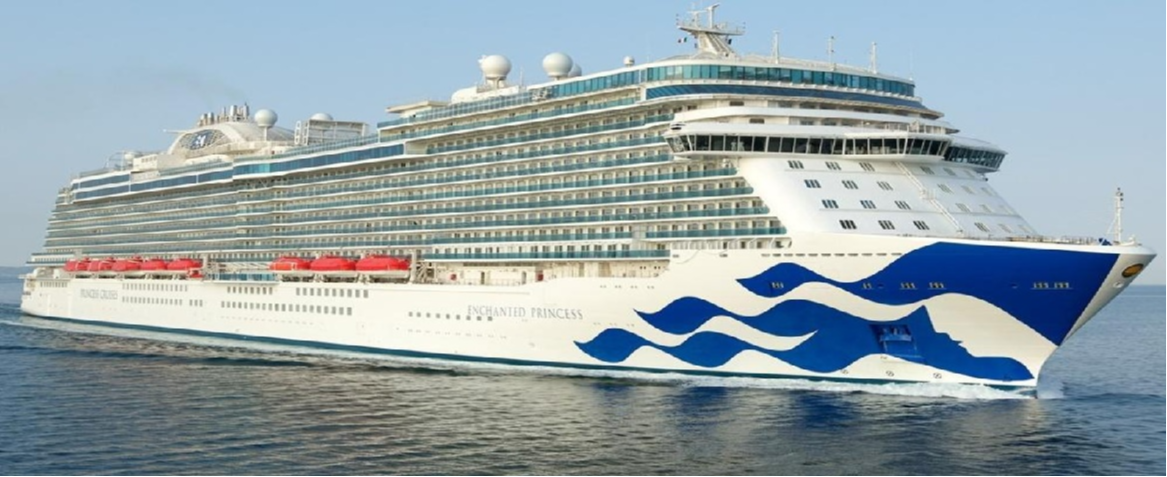
Enchanted Princess
86 Cruises
| 8 July | 14 days | One-way from Piraeus-Athens to Civitavecchia-Rome |
450-628-6241
Call us
|
| 8 July | 28 days | One-way from Piraeus-Athens to Civitavecchia-Rome |
450-628-6241
Call us
|
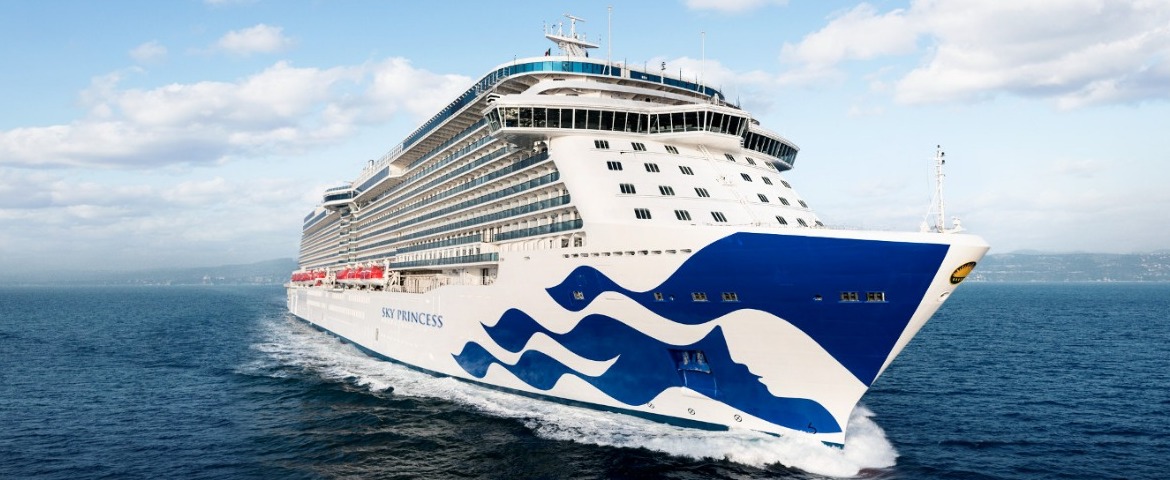
Sky Princess
4 Cruises
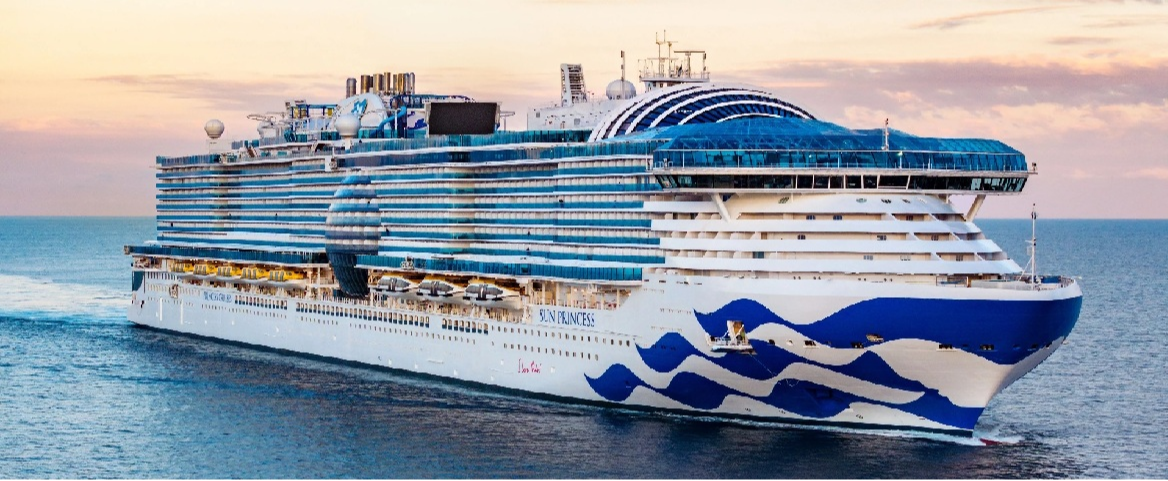
Sun Princess
205 Cruises
Regent Seven Seas Cruises (15 Cruises)
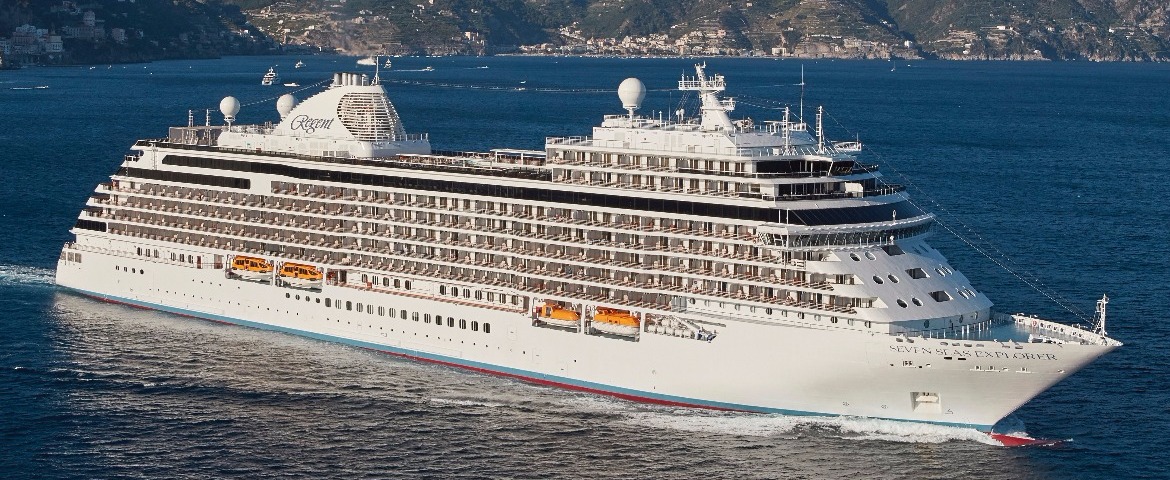

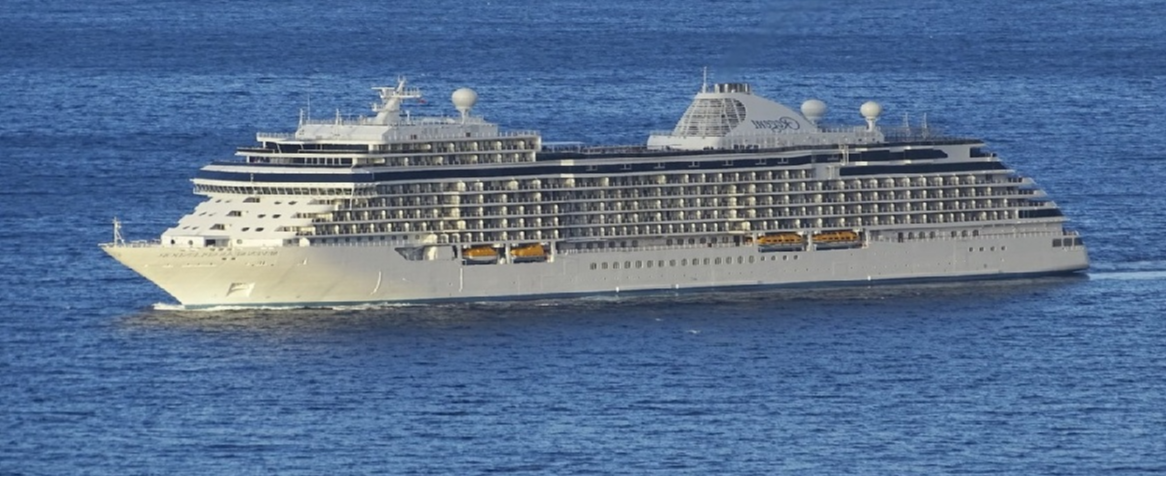
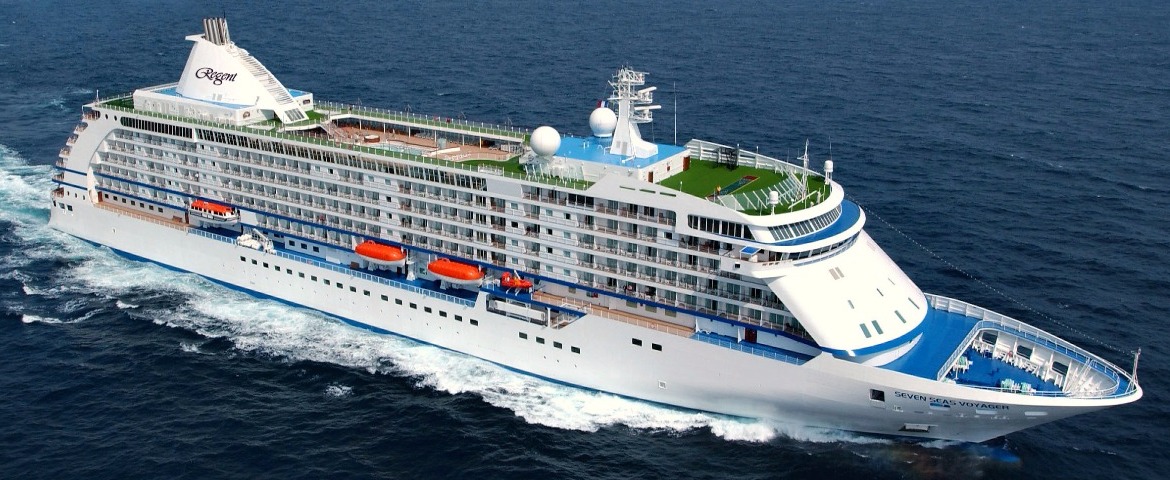
Seven Seas Mariner
7 Cruises

| 29 April | 175 days | One-way from New York to Piraeus-Athens |
450-628-6241
Call us
|
| 29 April | 174 days | One-way from New York to Piraeus-Athens |
450-628-6241
Call us
|
Royal Caribbean Cruises (11 Cruises)



Silversea Cruises (18 Cruises)
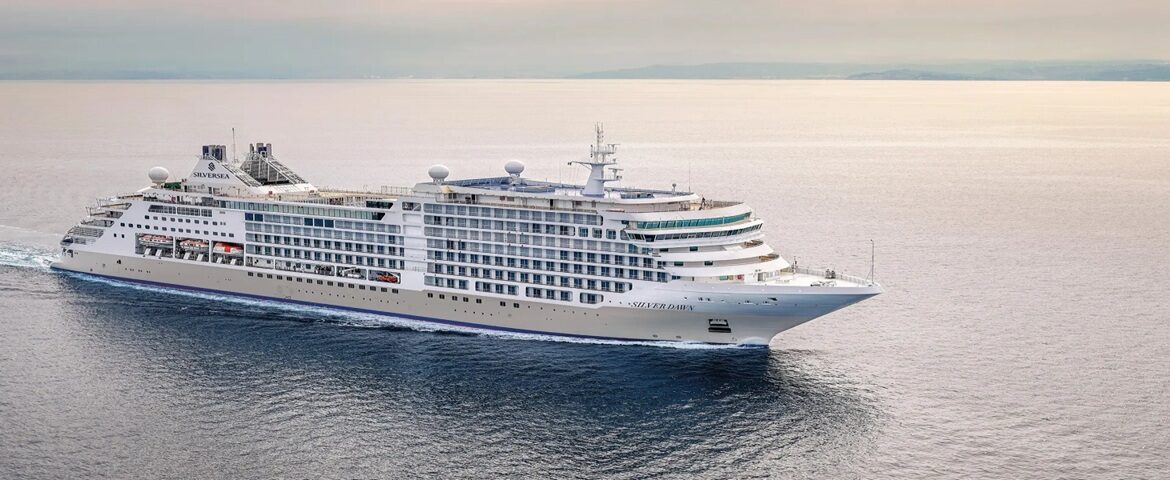
Silver Dawn
6 Cruises

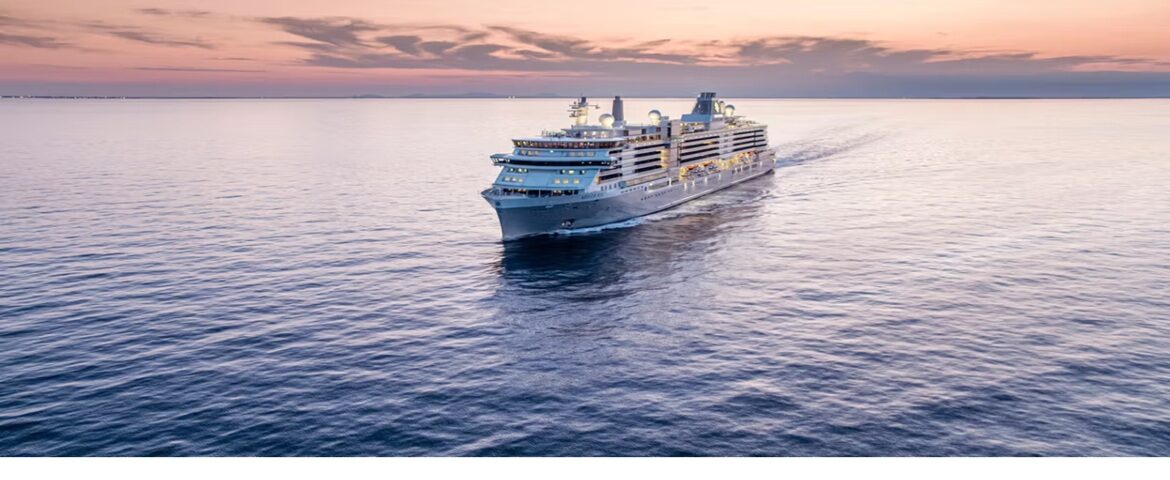
Silver Ray
6 Cruises
Star Clippers (7 Cruises)

Viking Ocean Cruises (123 Cruises)
Viking Jupiter
12 Cruises
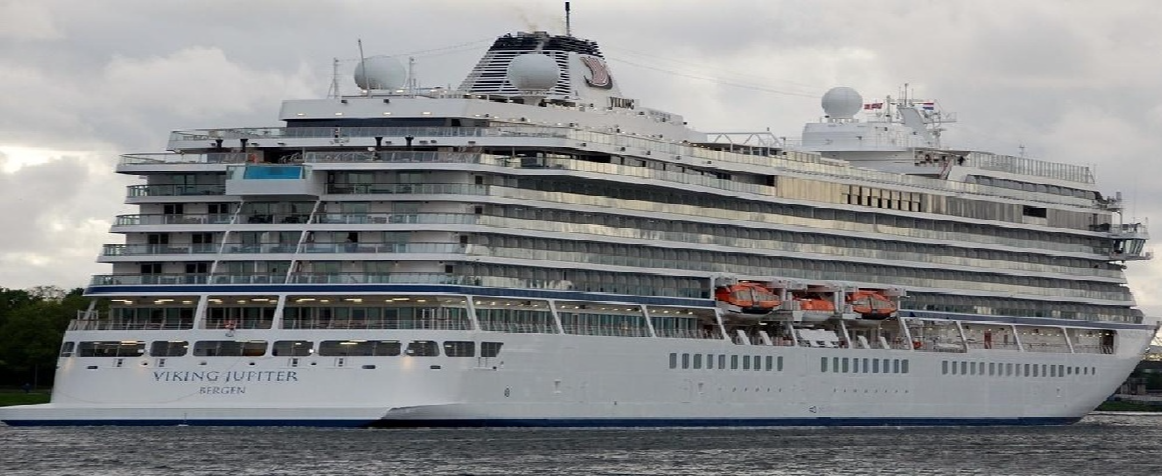

| 26 April | 10 days | Round-trip from Piraeus-Athens, Greece |
450-628-6241
Call us
|
| 26 April | 9 days | Round-trip 10 Night Greek Odyssey Cruise |
450-628-6241
Call us
|
| 12 August | 10 days | Round-trip from Piraeus-Athens, Greece |
450-628-6241
Call us
|
| 12 August | 9 days | Round-trip 10 Night Greek Odyssey Cruise |
450-628-6241
Call us
|
Viking Neptune
18 Cruises
| 25 November | 27 days | One-way from Lisbon to Istanbul |
450-628-6241
Call us
|
| 25 November | 20 days | One-way from Lisbon to Piraeus-Athens |
450-628-6241
Call us
|
Viking Saturn
32 Cruises
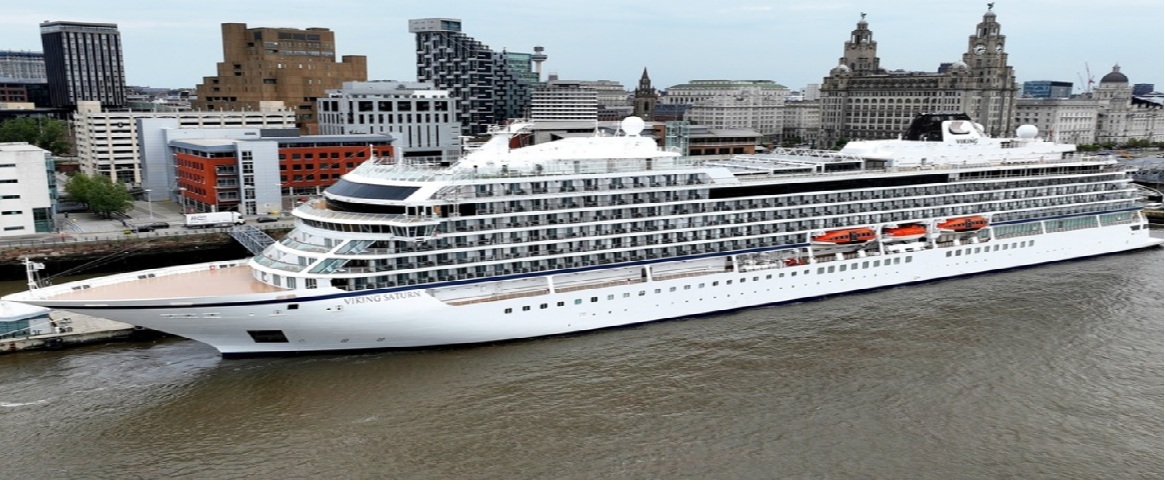
| 5 March | 10 days | Round-trip from Piraeus-Athens, Greece |
450-628-6241
Call us
|
| 5 March | 9 days | Round-trip 10 Night Greek Odyssey Cruise |
450-628-6241
Call us
|
| 30 October | 10 days | Round-trip from Piraeus-Athens, Greece |
450-628-6241
Call us
|
| 30 October | 9 days | Round-trip 10 Night Greek Odyssey Cruise |
450-628-6241
Call us
|
| 7 January | 14 days | One-way from Piraeus-Athens to Barcelona |
450-628-6241
Call us
|
| 7 January | 7 days | One-way from Piraeus-Athens to Civitavecchia-Rome |
450-628-6241
Call us
|
Viking Sea
7 Cruises
Viking Sky
11 Cruises
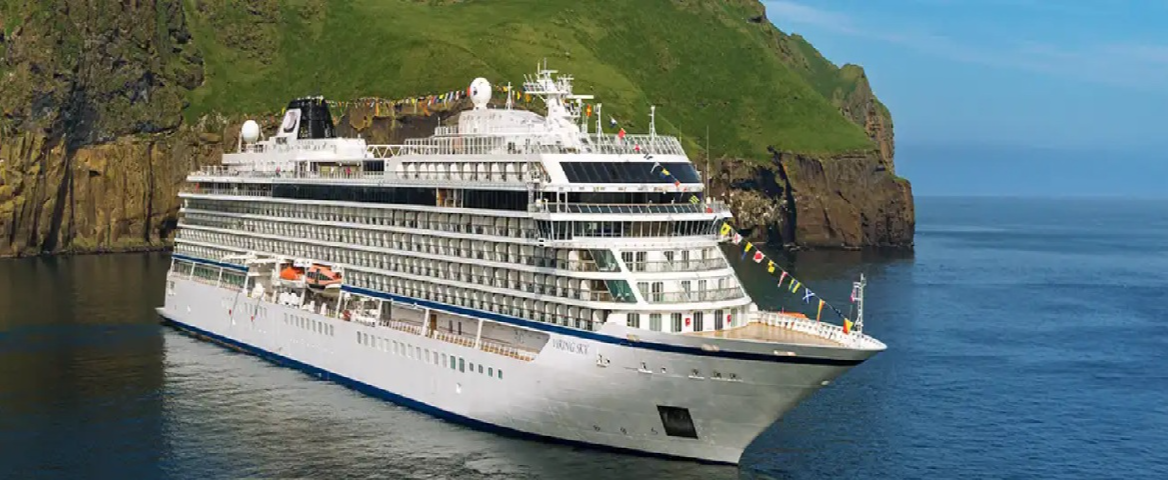
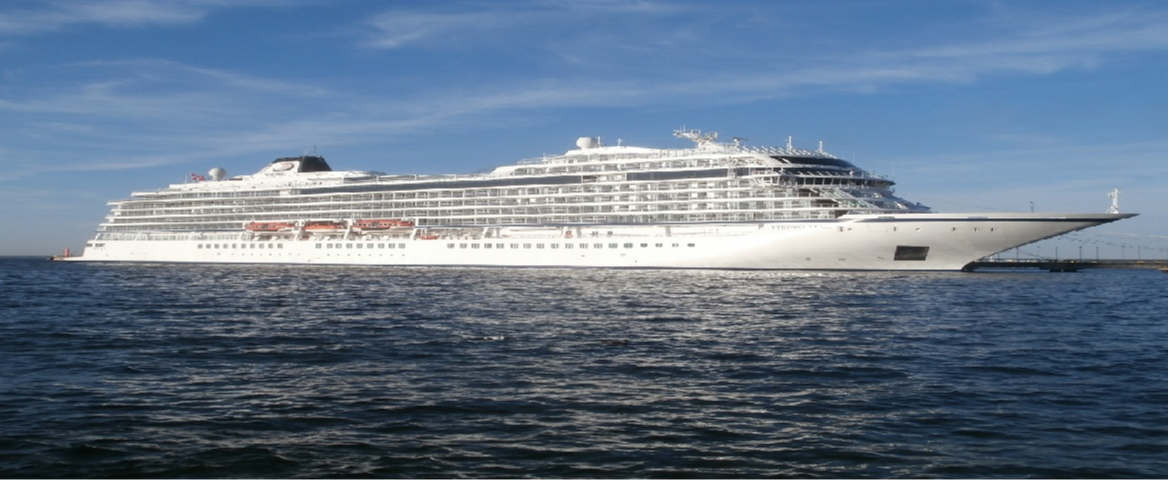
Viking Star
14 Cruises
| 31 October | 14 days | One-way from Civitavecchia-Rome to Istanbul |
450-628-6241
Call us
|
| 31 October | 7 days | One-way from Civitavecchia-Rome to Piraeus-Athens |
450-628-6241
Call us
|
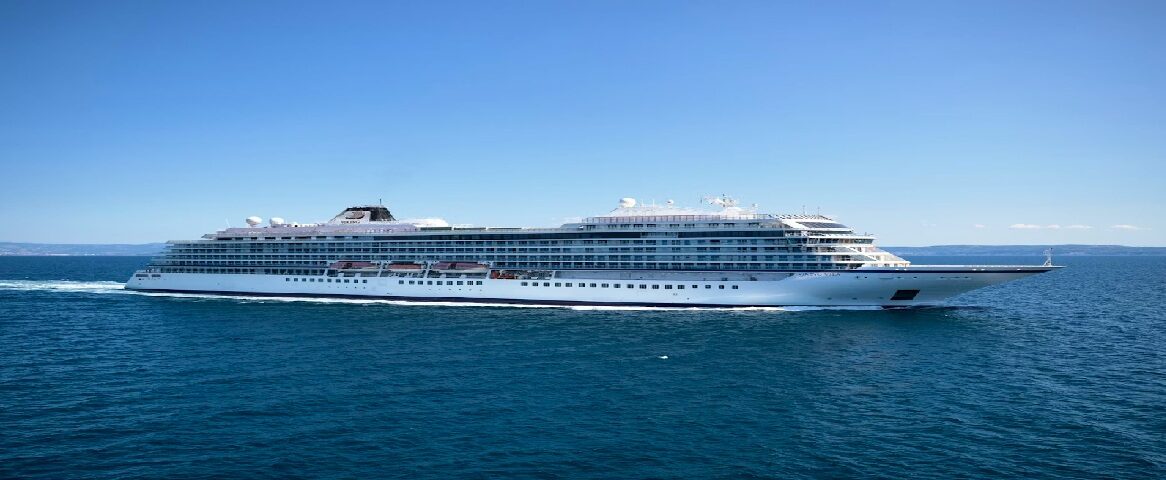
Viking Vela
29 Cruises
| 14 October | 9 days | Round-trip 10 Night Greek Odyssey Cruise |
450-628-6241
Call us
|
| 14 October | 10 days | Round-trip from Piraeus-Athens, Greece |
450-628-6241
Call us
|
Virgin Voyages (17 Cruises)
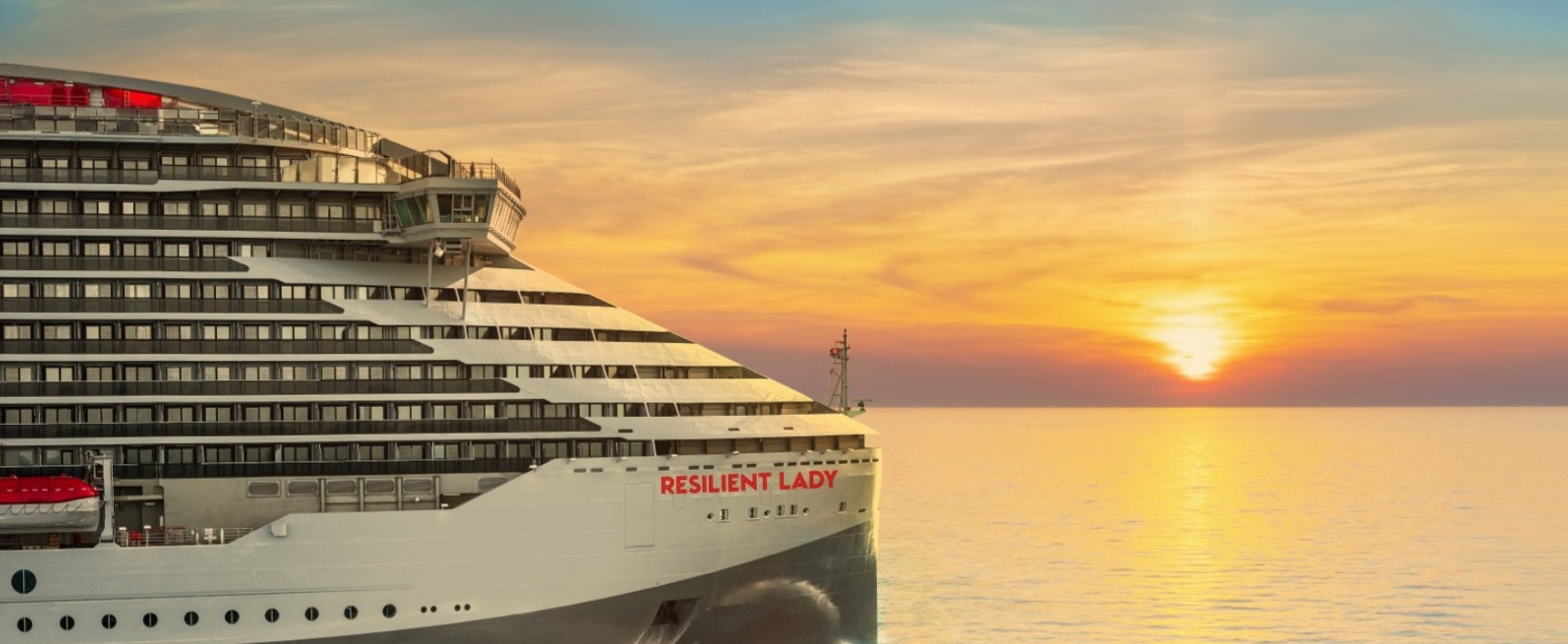
Scarlet Lady
15 Cruises
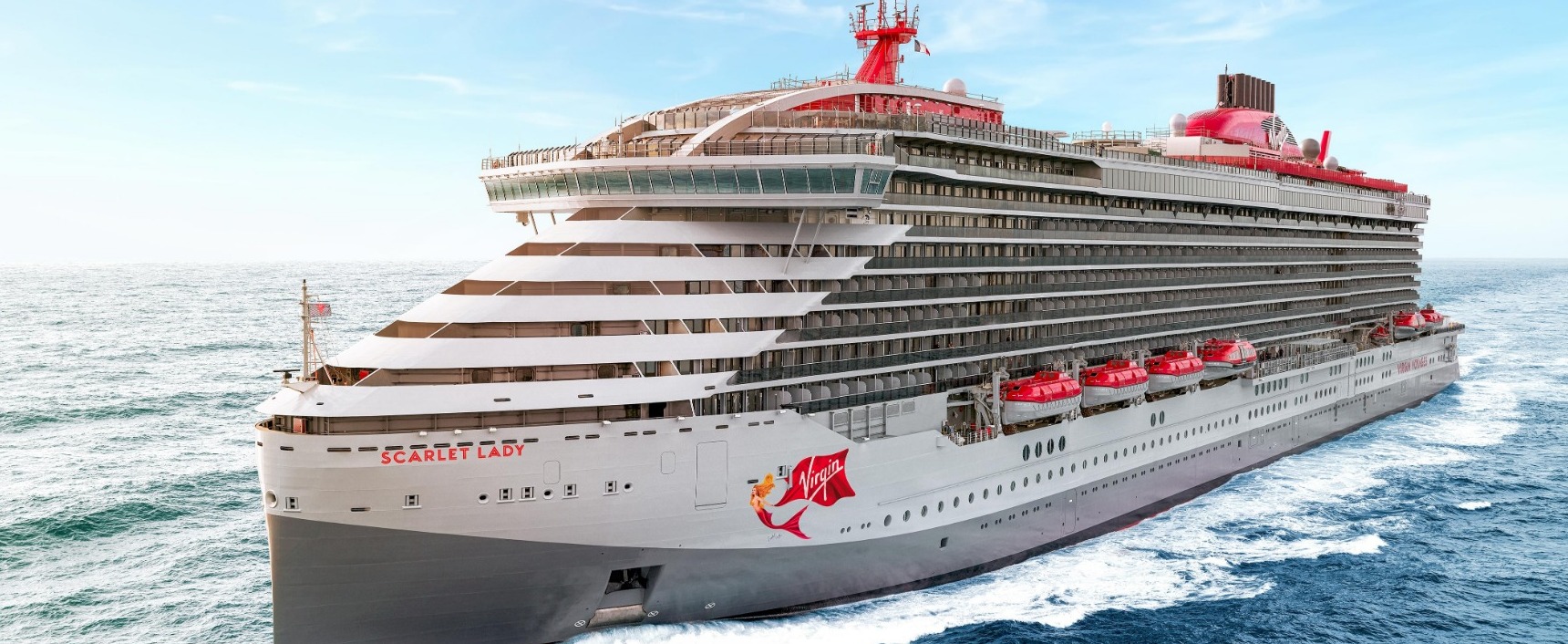
| 16 May | 8 days | Round-trip from Piraeus-Athens, Greece |
450-628-6241
Call us
|
| 30 May | 12 days | Round-trip from Piraeus-Athens, Greece |
450-628-6241
Call us
|
| 4 July | 8 days | Round-trip from Piraeus-Athens, Greece |
450-628-6241
Call us
|
| 21 July | 12 days | Round-trip from Piraeus-Athens, Greece |
450-628-6241
Call us
|

Port of Souda–Chania, Crete | Cruise Port Guide
Frequently Asked Questions
In Souda Bay, one of the safest anchorages in the Mediterranean, about seven kilometres from the centre of Chania. The quay sits beside a naval base; the real destination of the call lies beyond the hills.
Walking is not an option, but there are plenty of alternatives: port shuttles in under half an hour depending on traffic, city bus number 13 for a modest fare in about twenty minutes, or a taxi in around fifteen. Once at the covered market, everything else is on foot.
The Venetian harbour and its jetty out to the lighthouse, the Topanas quarter with its wooden balconies, the covered market, and a meal at a taverna in the lanes. Everything is moments apart, which makes wandering a pleasure.
The old basin closed off by a slender stone lighthouse planted at the end of the jetty. Opposite, the Mosque of the Janissaries with its pink domes recalls two and a half centuries of Ottoman rule; between them, the curving quay lines up pastel facades and cafés.
The maritime museum near the harbour entrance, which traces Crete's long relationship with the sea, and the archaeological museum, showing pieces from the Neolithic to the Roman period.
A cross-shaped market hall inspired by the one in Marseille, where port shuttles drop their passengers. It is filled with olive oil, thyme honey, cheeses, wild herbs and raki poured without ceremony.
A plate of small fried cheeses with honey or a dish of snails done the local way, at the taverns around the market. Cretan cooking is considered among the healthiest in the world, and this is where you learn it.
Yes, Nea Chora, about ten minutes' walk west of the centre, where the taverns line up their tables facing the sand.
The Souda Bay allied war cemetery, honouring the soldiers who fell in the Battle of Crete in 1941. Visitors moved by that history can pay their respects before heading into town.
The euro and Greek, with English widely spoken. Cards work in the centre; keep cash for the number 13 bus and the market stalls.


