Klang Kuala Lumpur, Malaysia Selangor
382
Cruises availables
At departure or passage at this port
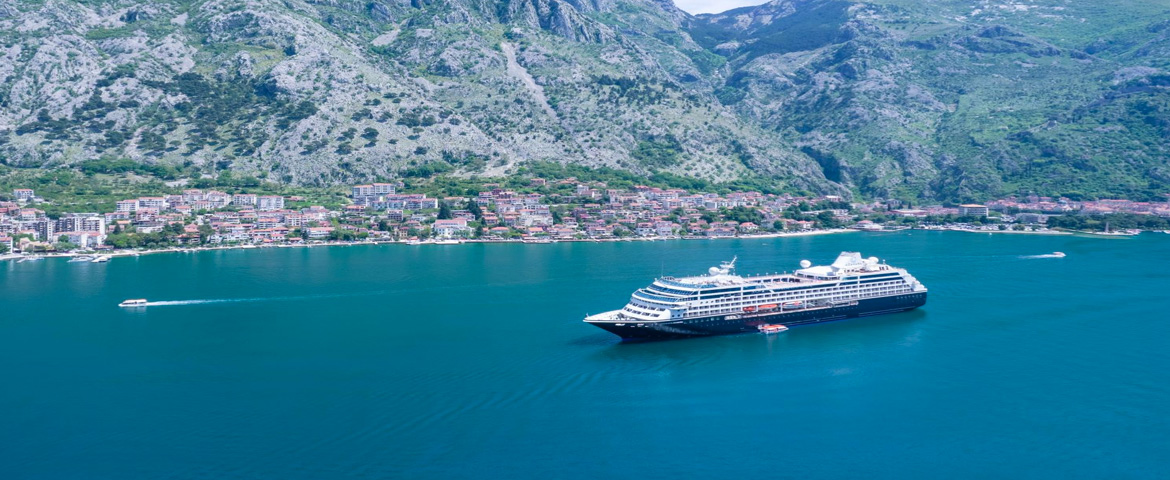
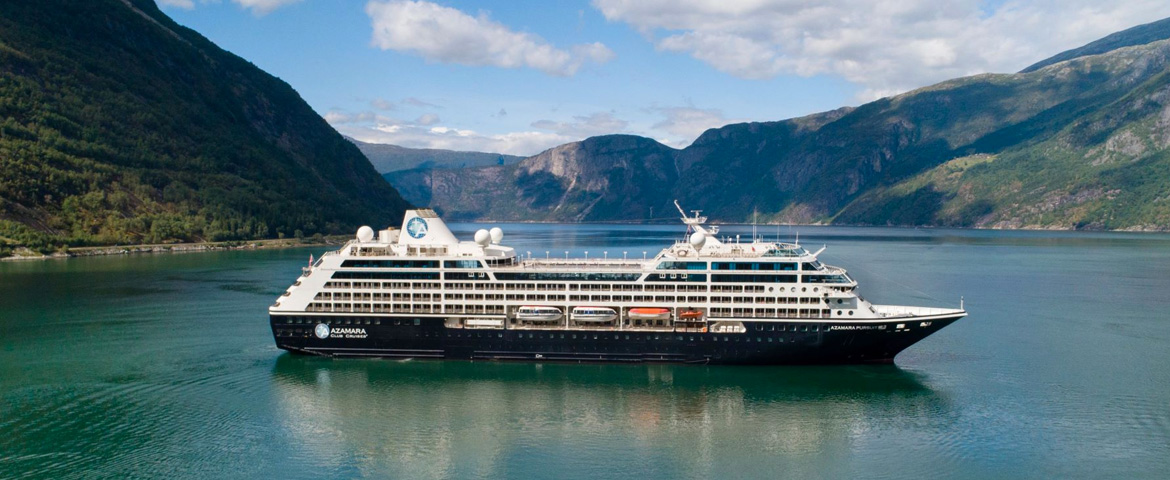
Azamara Club Cruises (17 Cruises)
Azamara Onward
13 Cruises

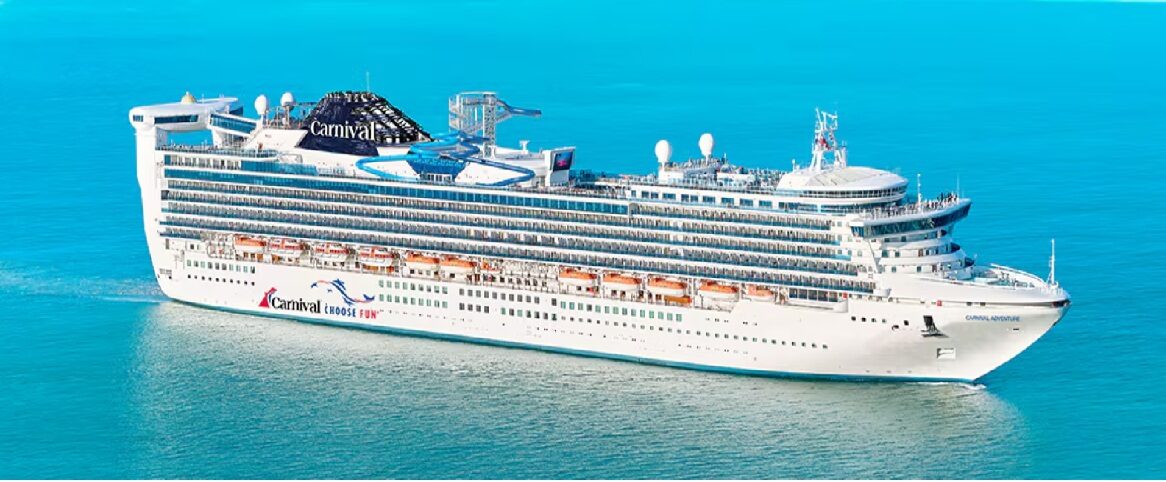
Carnival Cruise Line (1 Cruises)

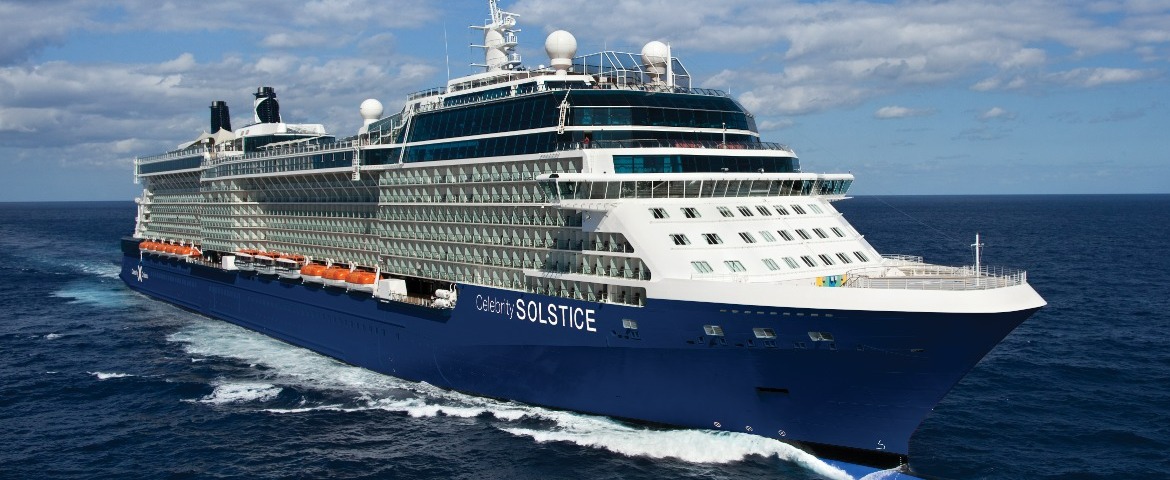
Celebrity Cruises (27 Cruises)
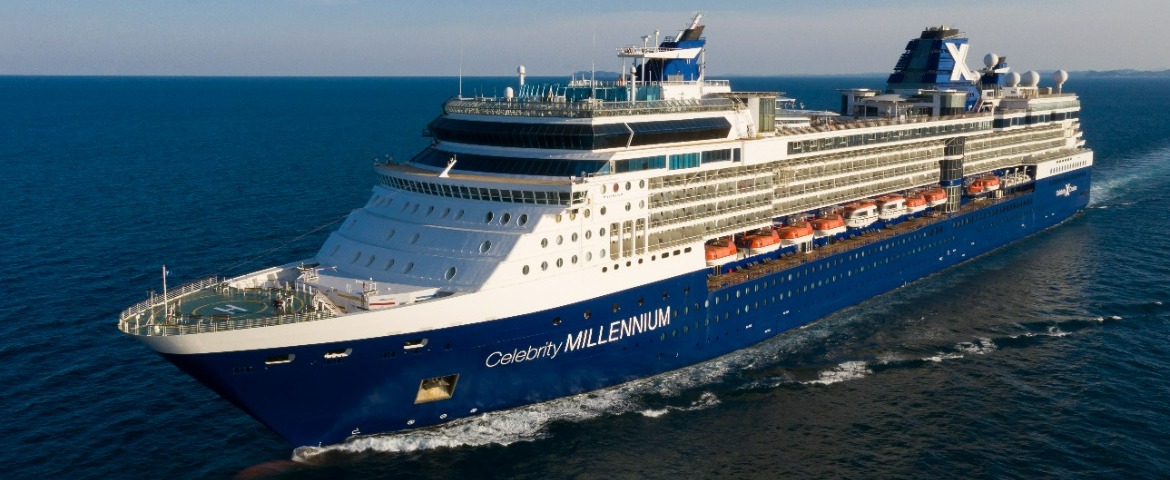
Celebrity Millennium
26 Cruises

Costa Cruises (34 Cruises)
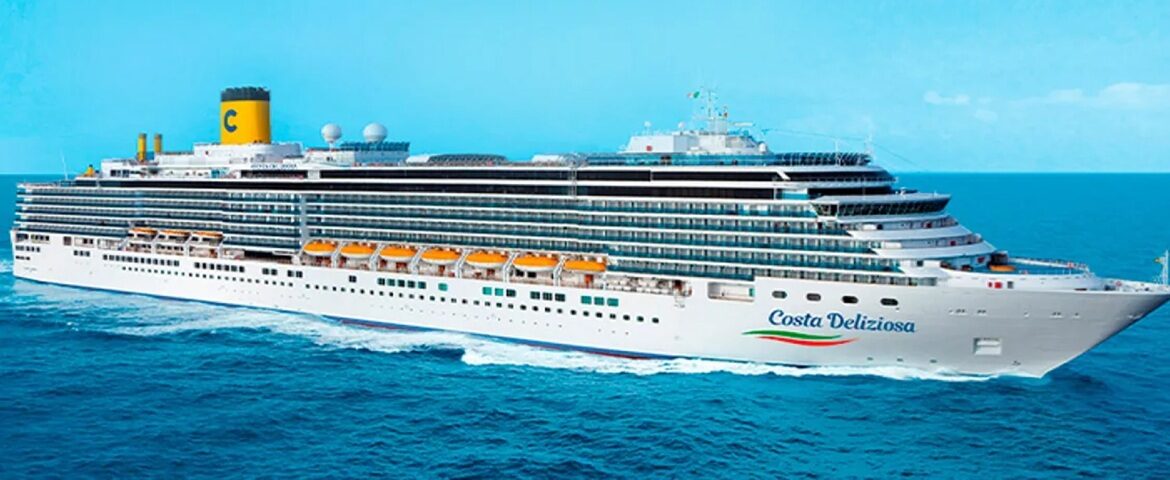
Costa Deliziosa
34 Cruises

Crystal Cruises (6 Cruises)
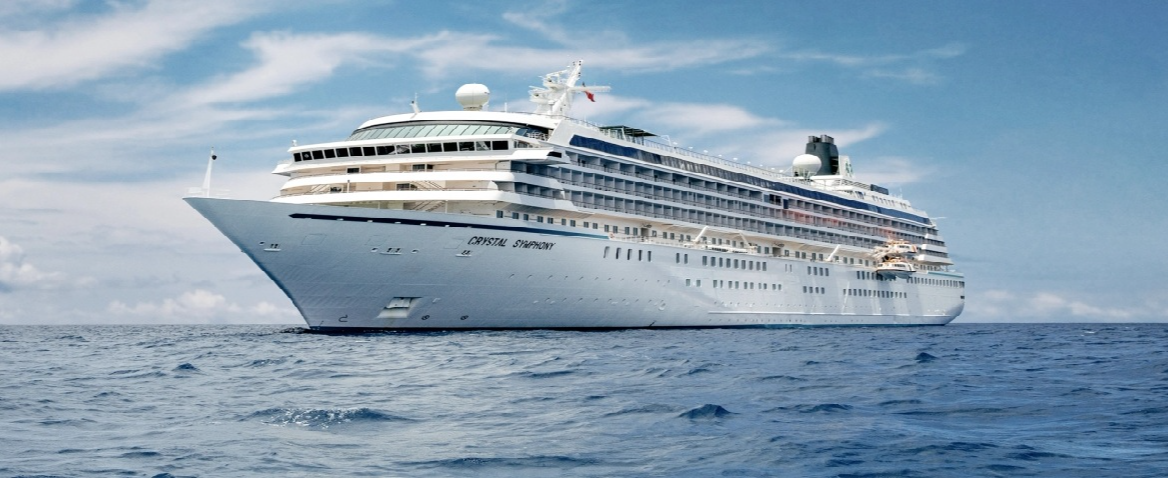
Crystal Symphony
6 Cruises

| 11 January | 137 days | One-way from Fort Lauderdale to Barcelona |
450-628-6241
Call us
|
| 11 January | 151 days | Round-trip 150 Night Roundtrip Fort Lauderdale Cruise |
450-628-6241
Call us
|
Cunard (31 Cruises)
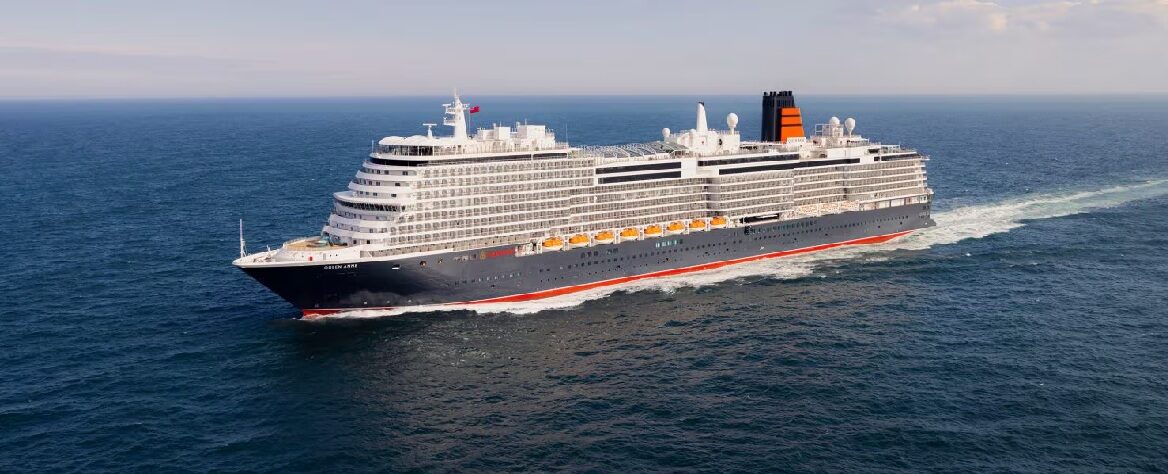
Queen Anne
18 Cruises

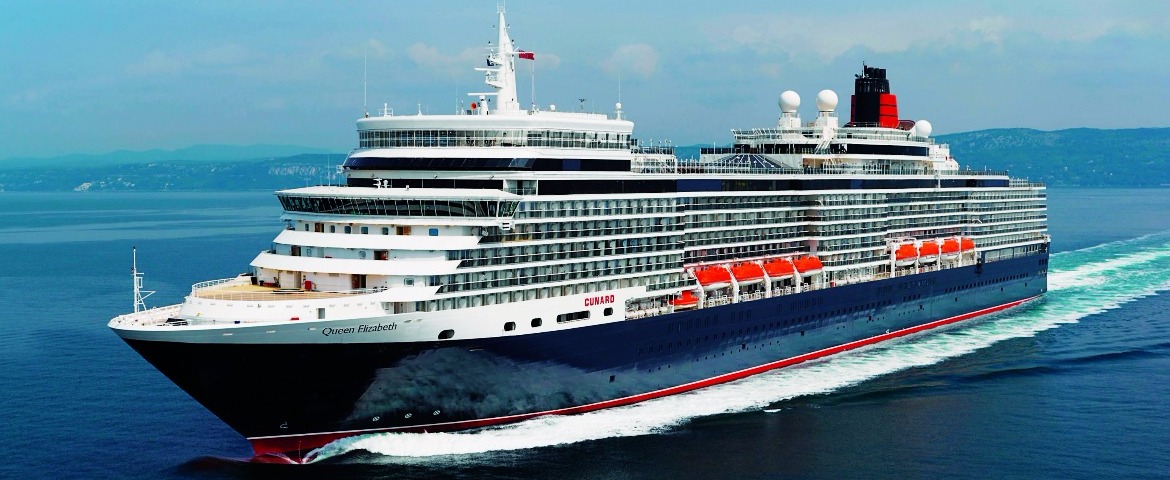
Queen Elizabeth
13 Cruises
Emerald Waterways (7 Cruises)
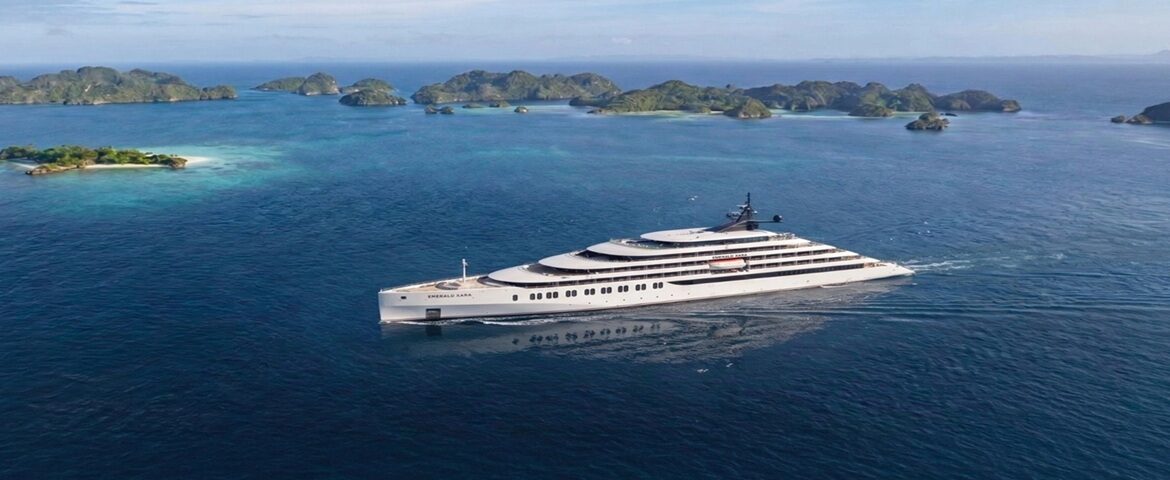
Emerald Xara
7 Cruises

Explora Journeys (15 Cruises)
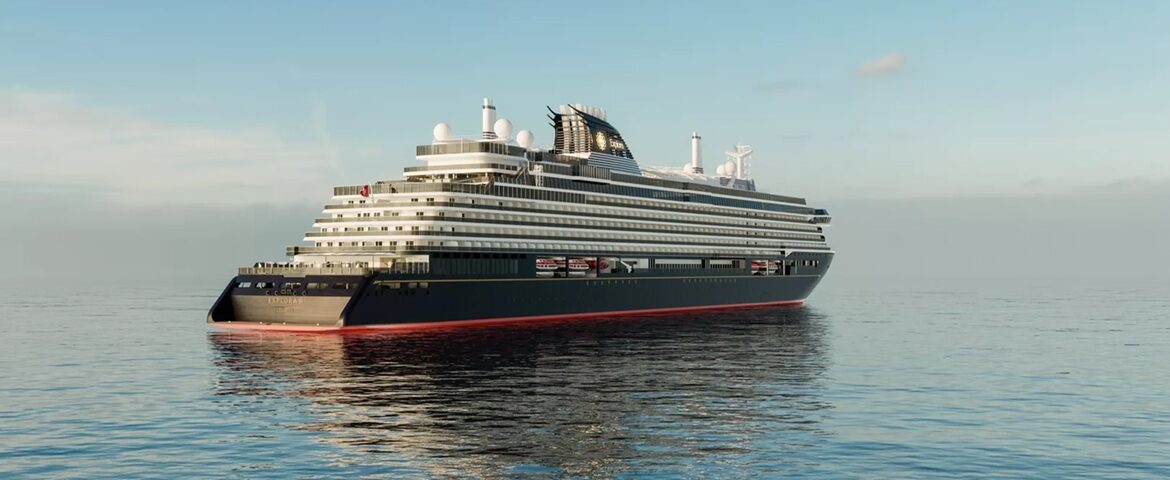
Explora III
15 Cruises

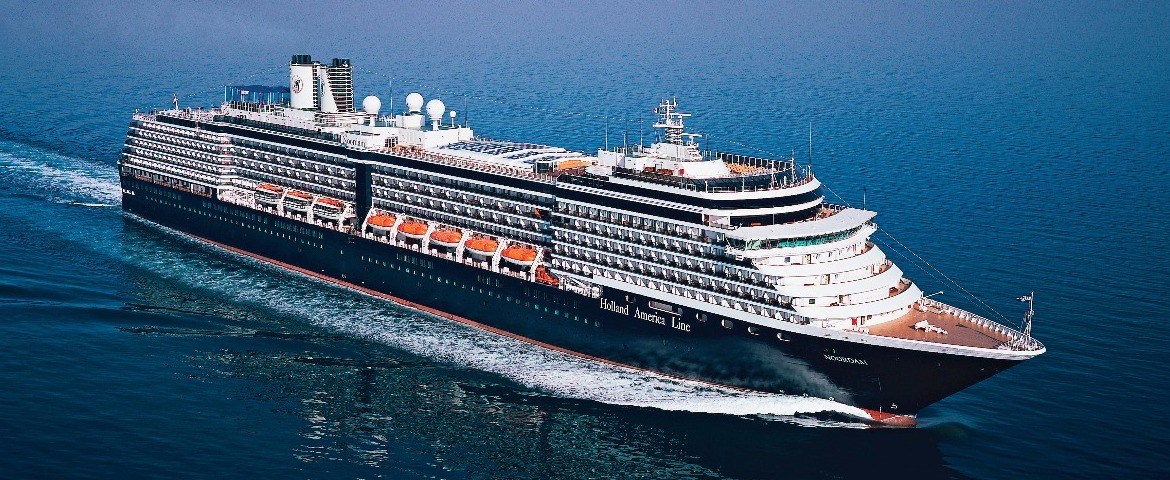
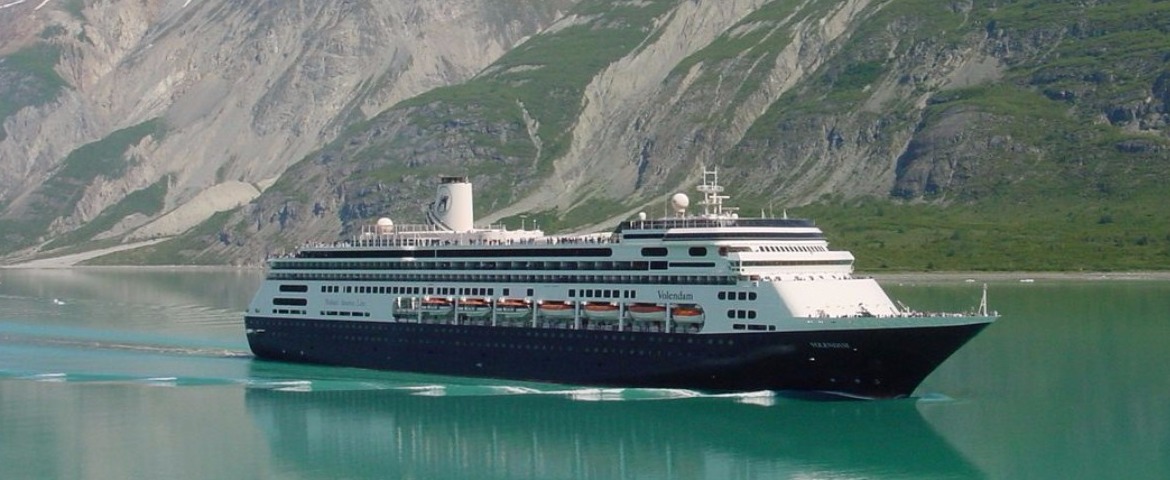
Holland America Line (5 Cruises)

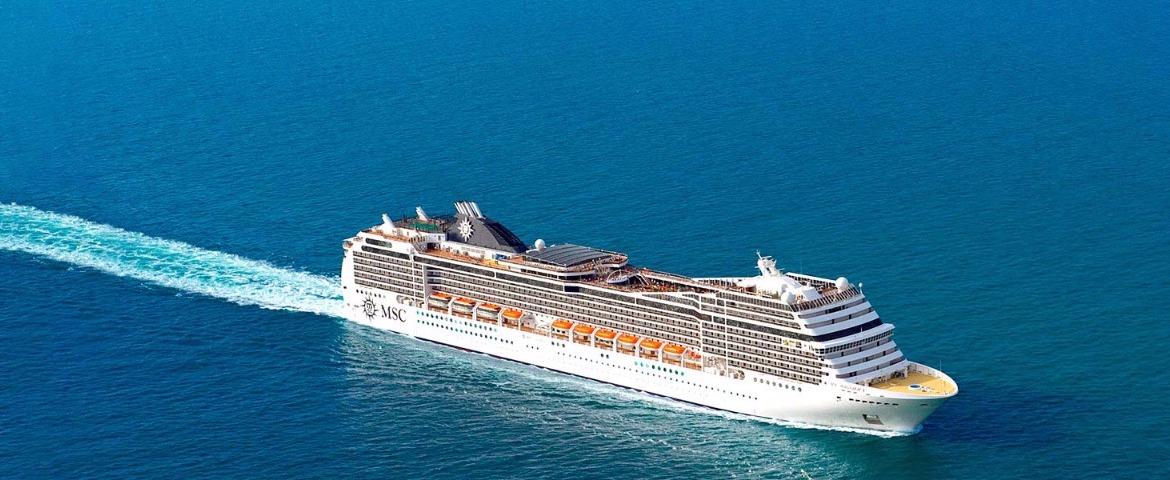
MSC Cruises (4 Cruises)

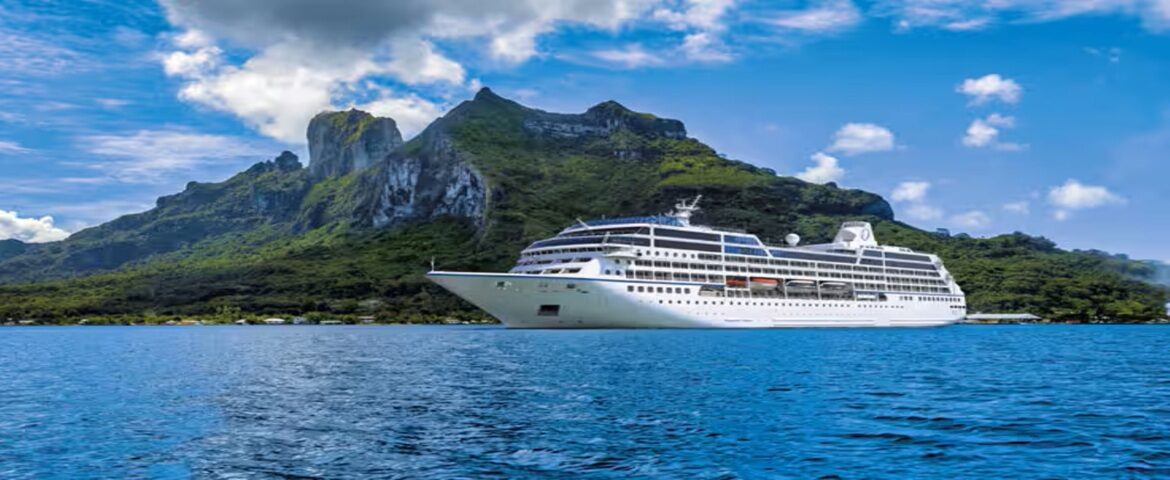
Oceania Cruises (54 Cruises)
Oceania Aurelia
12 Cruises

| 14 October | 21 days | One-way from Doha Qatar to Singapore |
450-628-6241
Call us
|
| 14 October | 21 days | One-way from Doha Qatar to Singapore |
450-628-6241
Call us
|
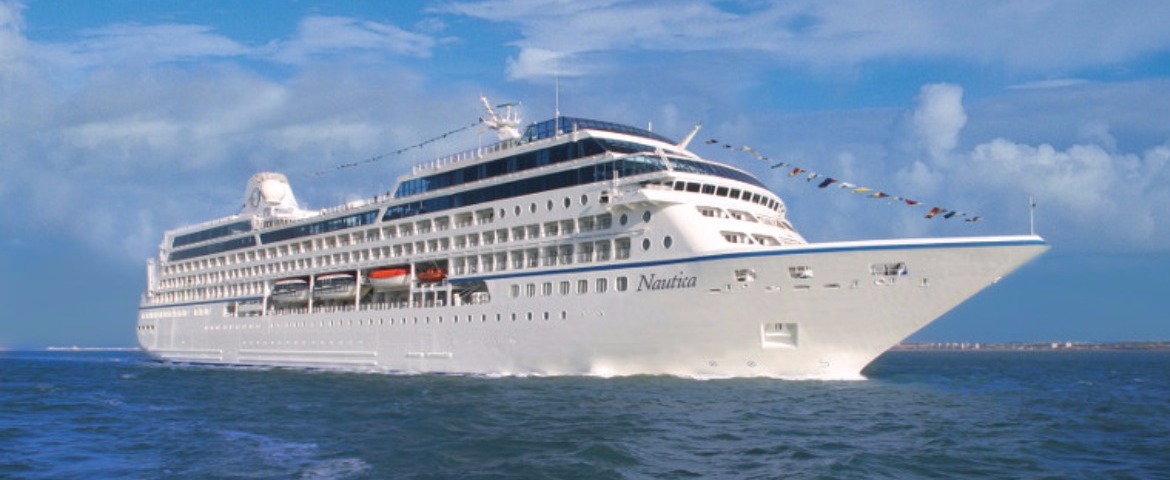
Oceania Nautica
12 Cruises
| 14 October | 21 days | One-way from Doha Qatar to Singapore |
450-628-6241
Call us
|
| 14 October | 21 days | One-way from Doha Qatar to Singapore |
450-628-6241
Call us
|
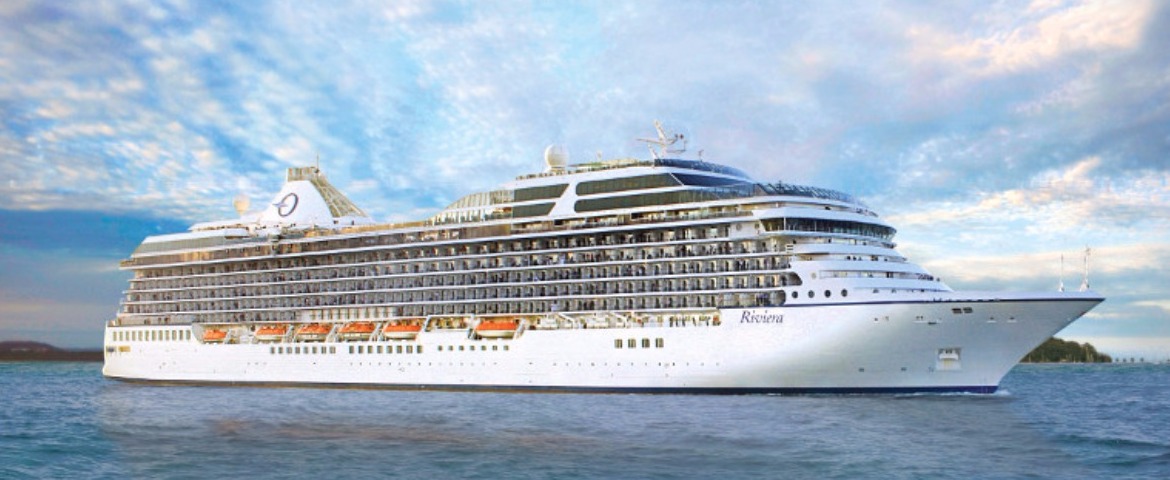
Oceania Riviera
6 Cruises
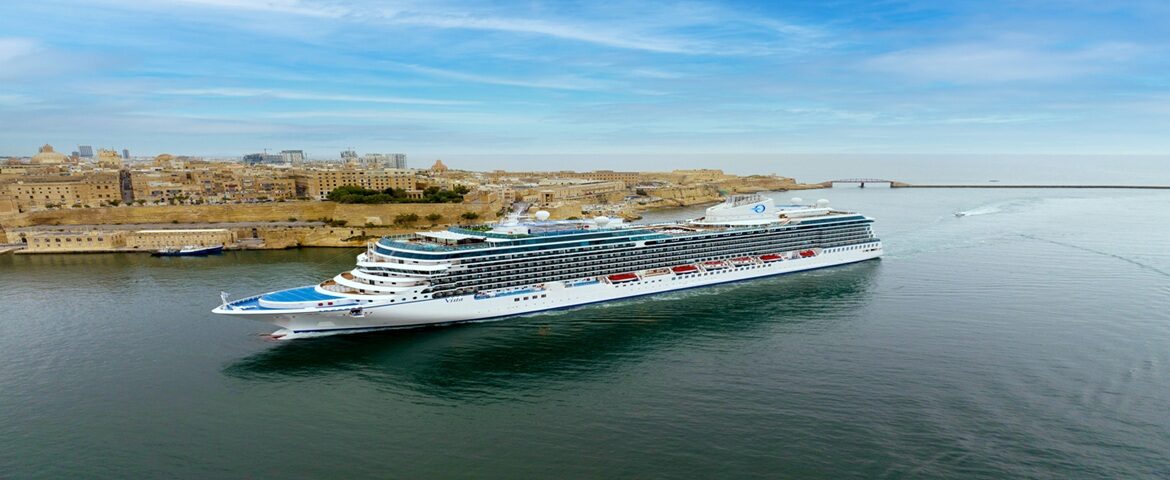
Oceania Vista
17 Cruises
| 6 January | 180 days | One-way from Miami to Southampton |
450-628-6241
Call us
|
| 6 January | 244 days | One-way from Miami to New York |
450-628-6241
Call us
|
| 26 February | 129 days | One-way from Sydney to Southampton |
450-628-6241
Call us
|
| 26 February | 130 days | One-way from Sydney to Southampton |
450-628-6241
Call us
|
Ponant (4 Cruises)

Princess Cruises (56 Cruises)
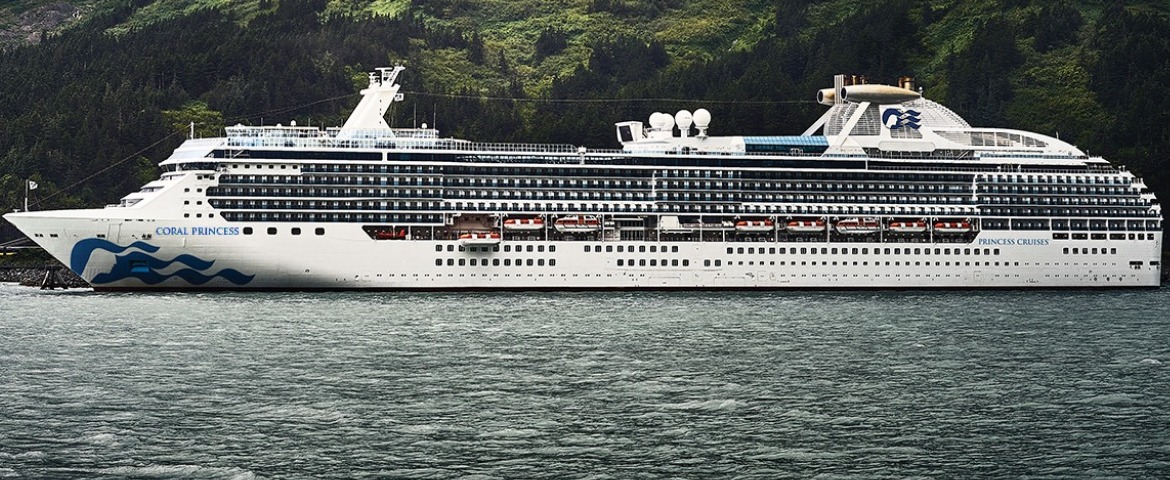
Coral Princess
9 Cruises

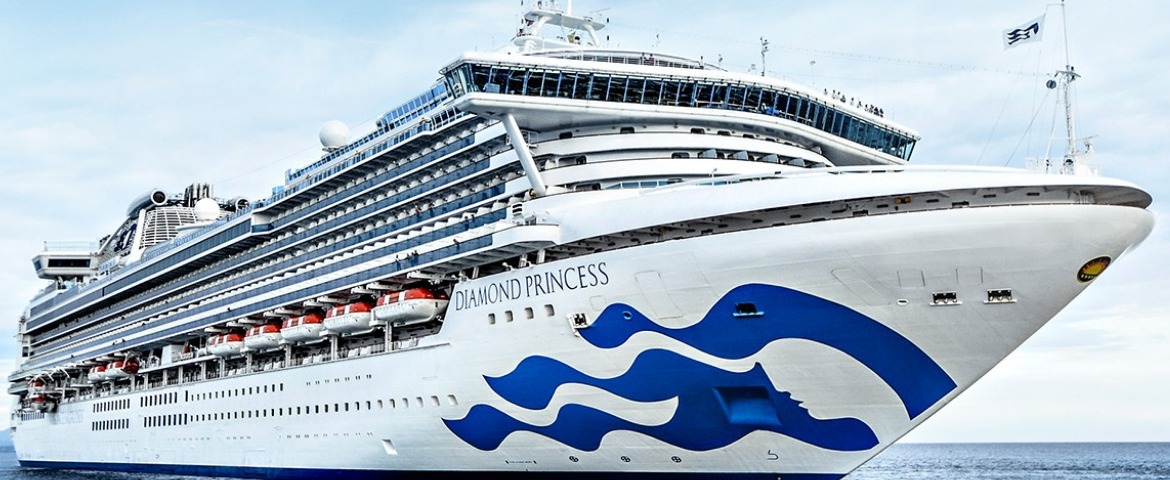
Diamond Princess
19 Cruises
| 2 January | 13 days | Round-trip from Singapore, Singapore |
450-628-6241
Call us
|
| 14 January | 13 days | Round-trip from Singapore, Singapore |
450-628-6241
Call us
|
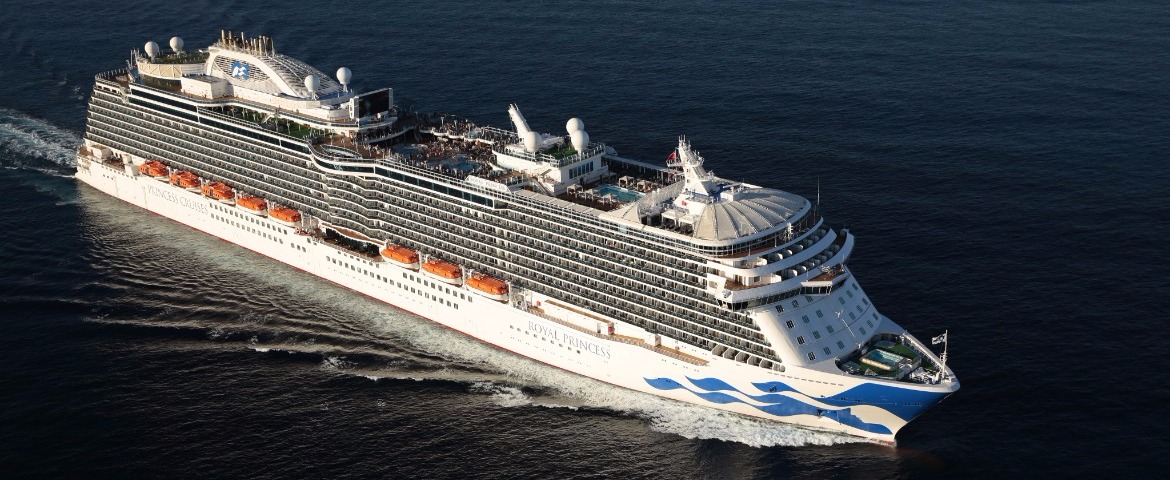
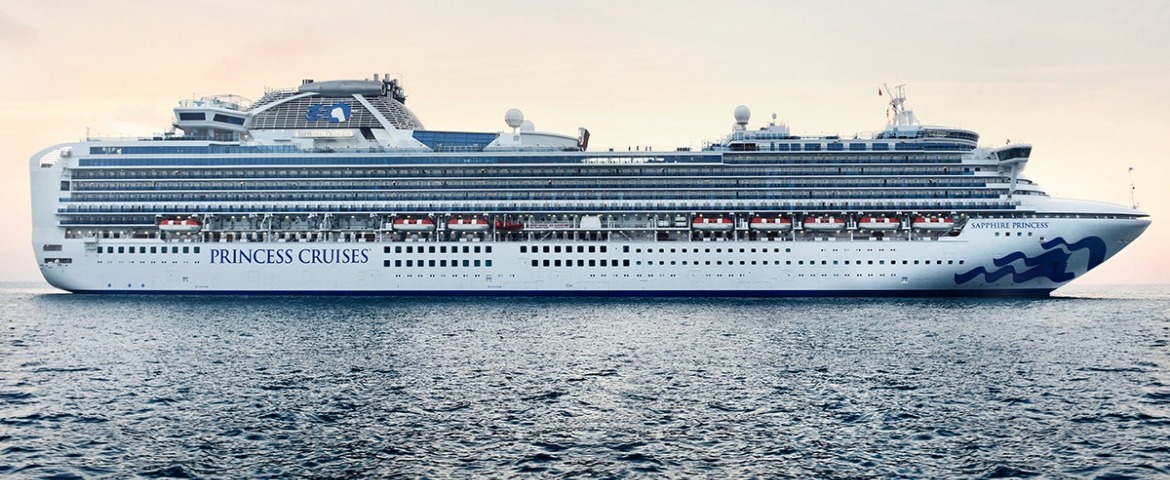
Sapphire Princess
23 Cruises
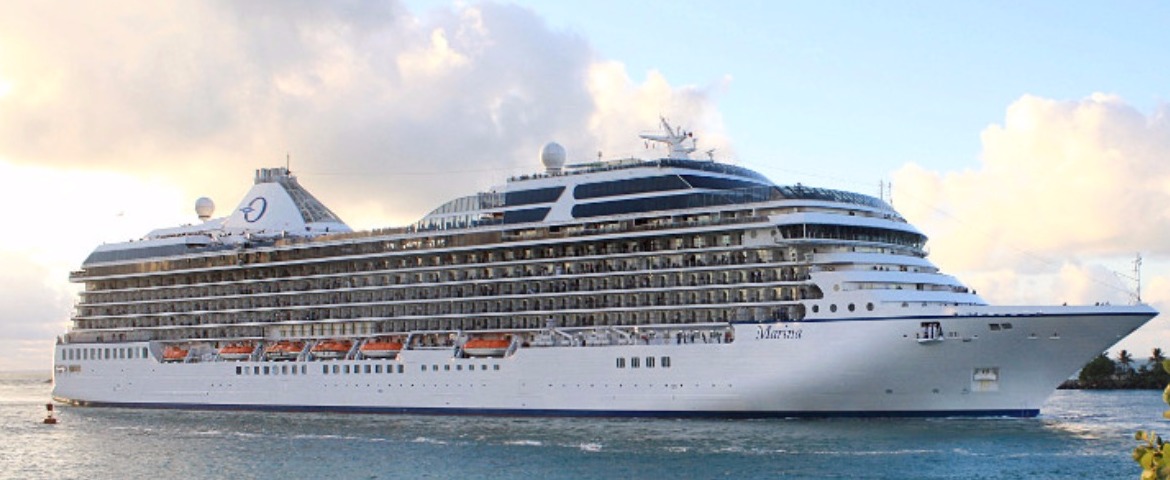
Regent Seven Seas Cruises (53 Cruises)
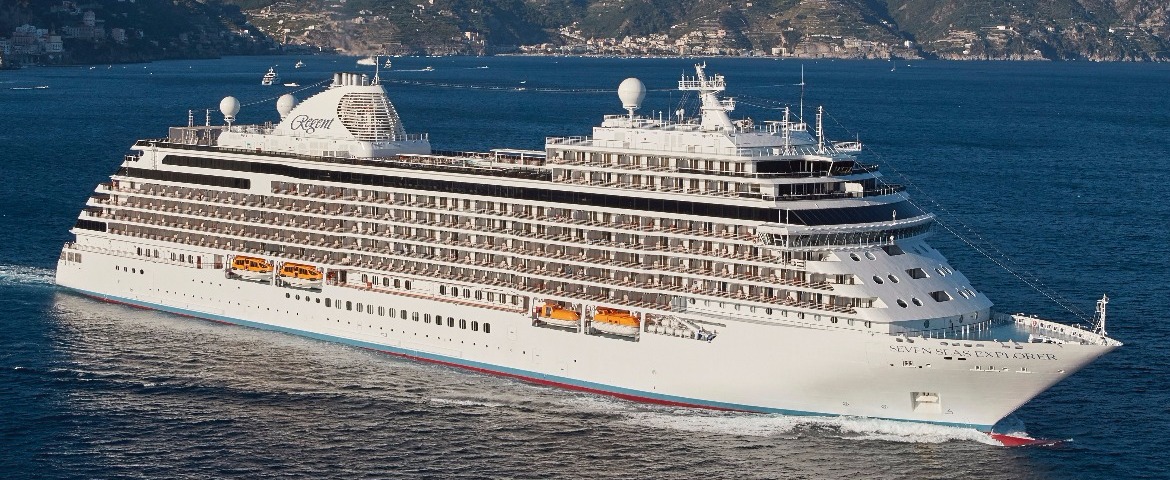
Seven Seas Explorer
17 Cruises

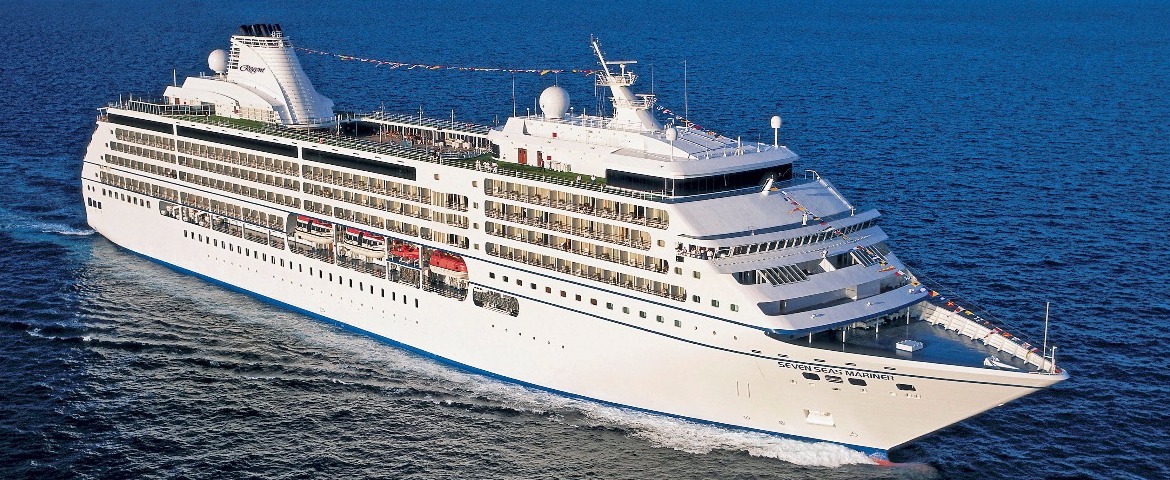
Seven Seas Mariner
17 Cruises
| 19 February | 69 days | One-way from Sydney to Cape Town |
450-628-6241
Call us
|
| 19 February | 69 days | One-way from Sydney to Cape Town |
450-628-6241
Call us
|
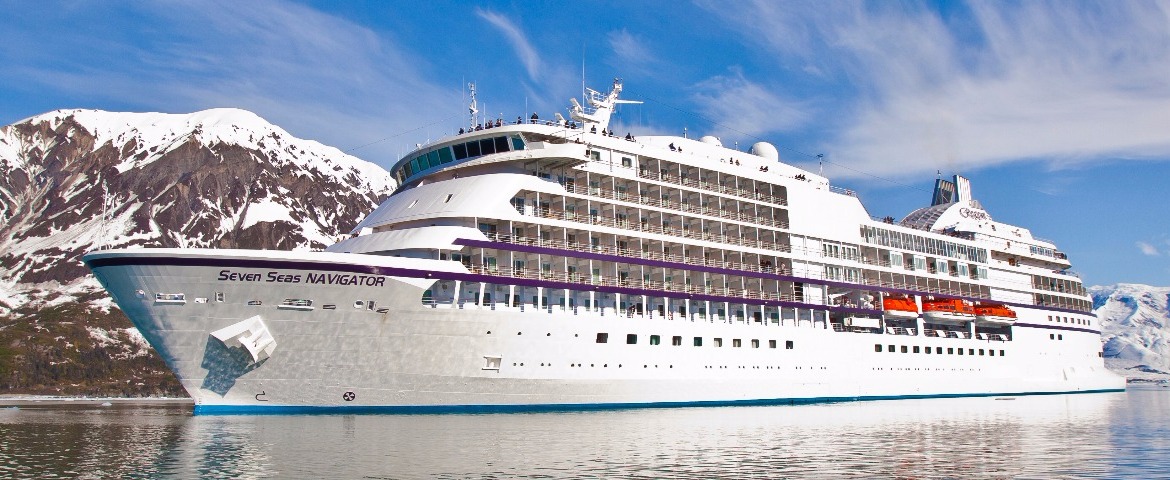
Seven Seas Navigator
6 Cruises
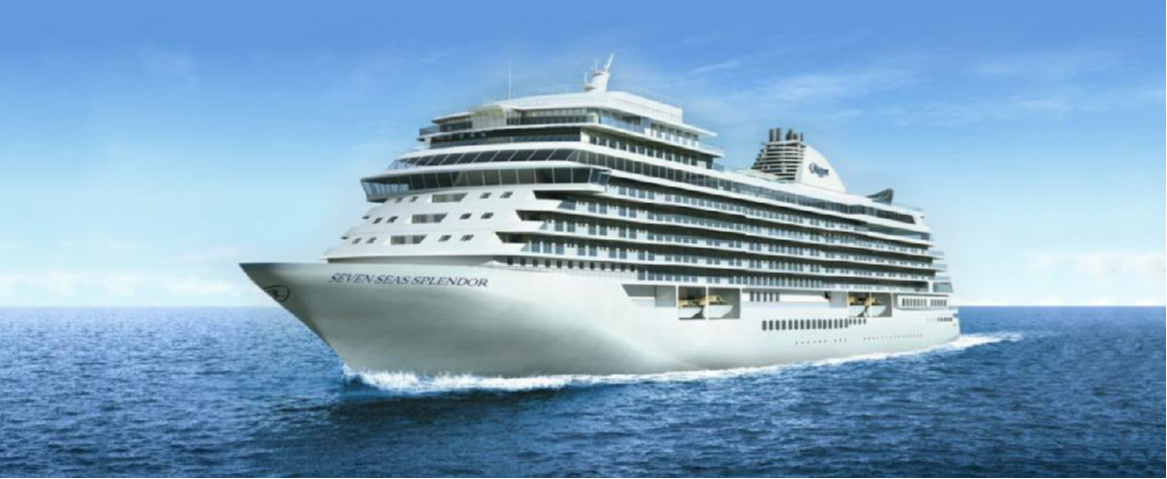
Seven Seas Splendor
13 Cruises
Seabourn Cruise Line (4 Cruises)
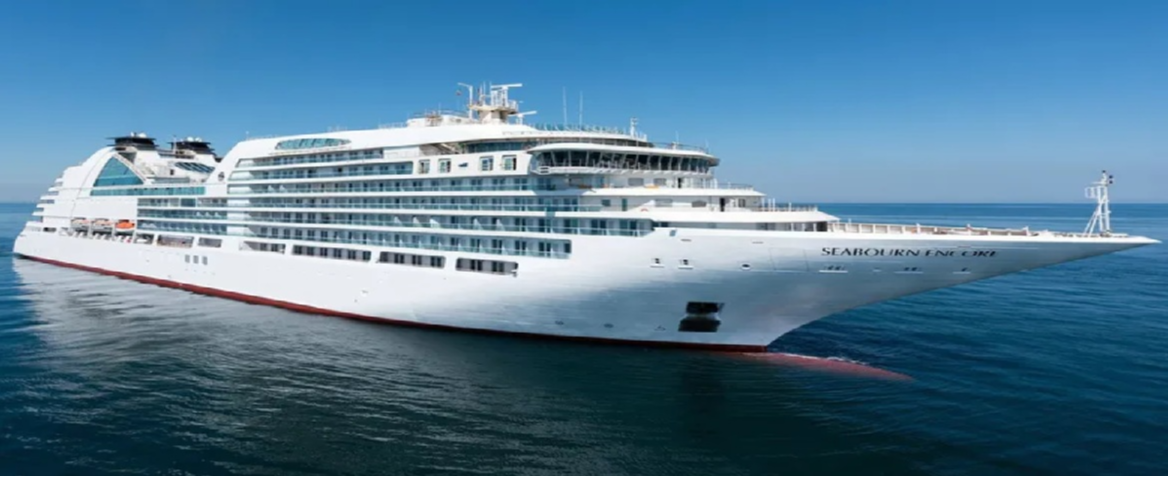

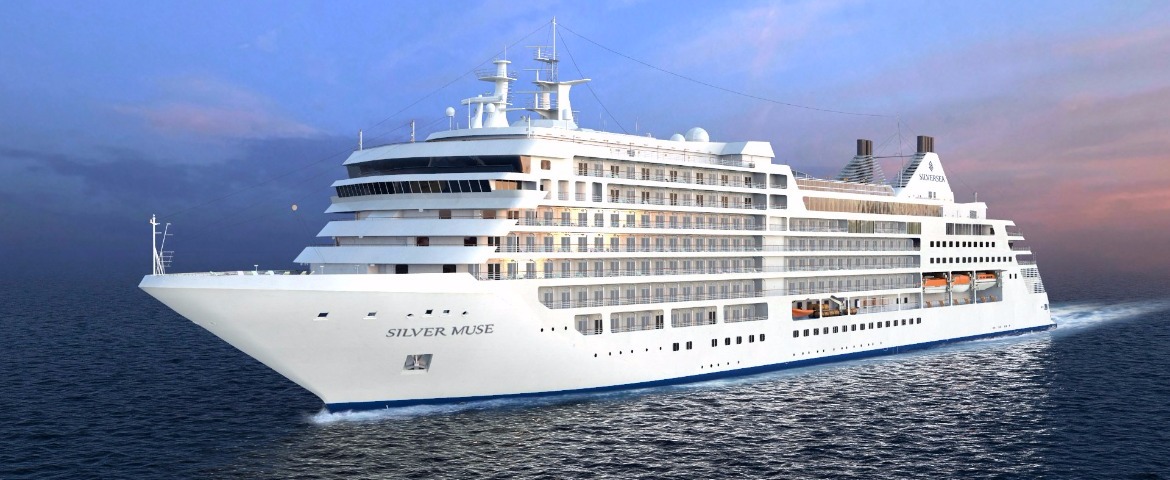
Silversea Cruises (9 Cruises)

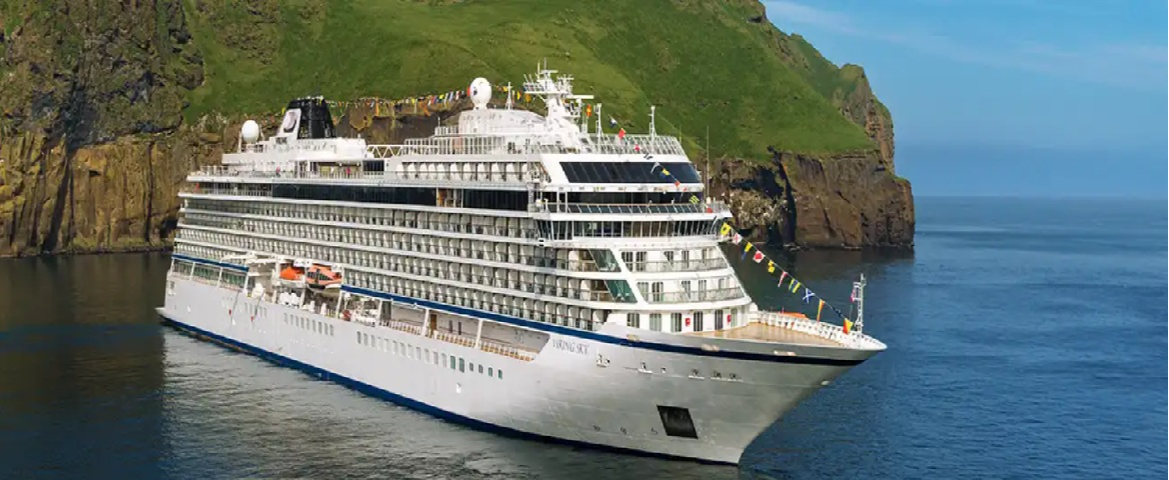
Viking Ocean Cruises (55 Cruises)
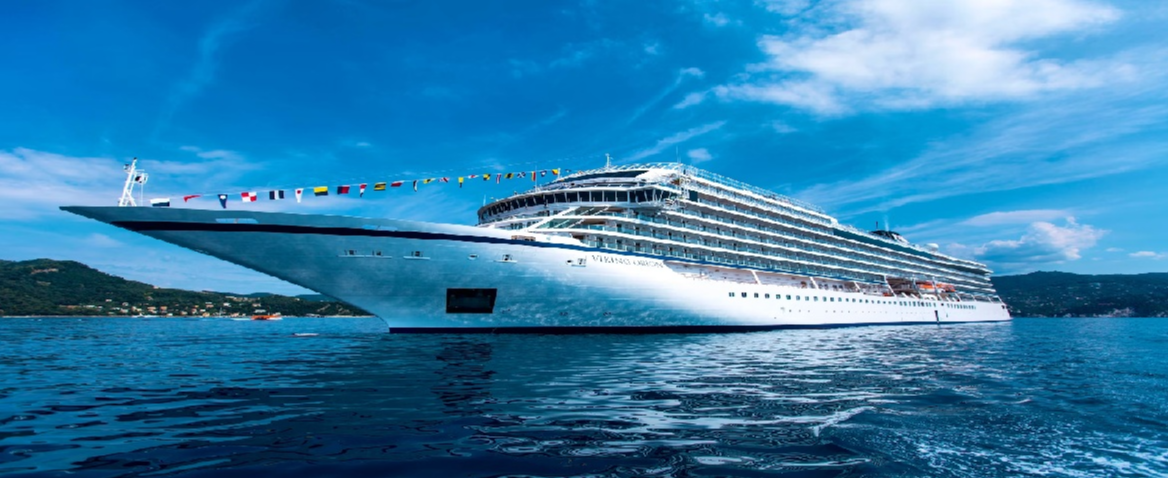
Viking Orion
23 Cruises

| 23 February | 91 days | One-way from Auckland to Vancouver |
450-628-6241
Call us
|
| 23 February | 90 days | One-way from Auckland to Vancouver |
450-628-6241
Call us
|
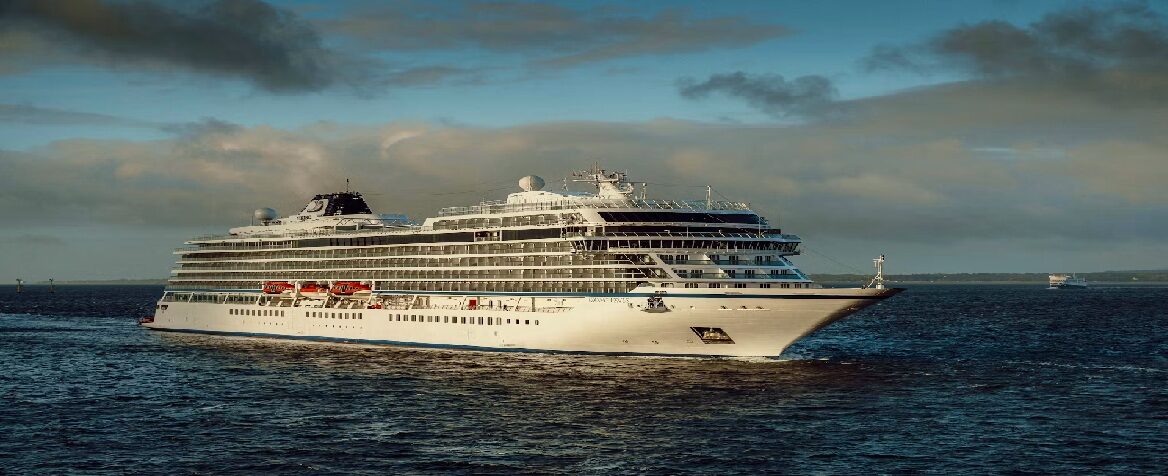
Viking Venus
28 Cruises
Frequently Asked Questions
At the cruise terminal on Pulau Indah island, between mangroves and gantry cranes. It is Malaysia's main port complex. The terminal building is modern: currency exchange, shops, cafés and excursion desks.
About 40 kilometres, or 45 to 60 minutes by motorway depending on traffic. Seeing the capital takes six to seven hours round trip to visit two or three sites without rushing. That is the day's structuring decision: the metropolis or the Klang area, not both.
By organized excursion, negotiated taxi or ride-hailing app, which is widely used in the country. The motorway is direct. If you travel independently, keep a comfortable margin for the return: late-day traffic can lengthen the trip considerably.
The Petronas Towers, where you can go up to the skybridge linking the two shafts, or simply admire them from KLCC park where locals picnic at the foot of the giants. KL Tower, on its wooded hill, offers the other great panorama. Below, the old colonial heart is walkable: Merdeka Square, Moorish buildings, the century-old station, Central Market and Petaling Street, the Chinatown market.
A Hindu sanctuary north of Kuala Lumpur, where a monumental multicoloured stairway climbs the limestone cliff, watched over by a giant gilded statue of the god Murugan. In the great cavern, colourful temples and thieving monkeys share vaults pierced by shafts of light. The site pairs well with the city in a single excursion.
Shoulders and knees covered to enter temples, at the Batu Caves and elsewhere. It is as much practical as respectful: it determines access. Bring light clothing too: heat and humidity are constant year round.
Klang is the historic seat of the Selangor sultanate and offers an unstaged immersion fifteen minutes from the port: the Sultan Abdul Aziz Royal Gallery in an elegant colonial building, the grand mosque, incense-filled Chinese temples and one of the liveliest Indian quarters on the peninsula, where saris, jasmine garlands and banana leaf rice stalls make for a complete change of scene.
Bak kut teh, the herbal simmered broth Klang proudly claims as its birthplace and that food lovers travel across the peninsula to try. More broadly, the country's culinary trinity: charcoal-grilled satay, coconut-milk laksa, roti canai stretched in the air, nasi lemak served in its banana leaf.
The Malaysian ringgit and Malay. English is very widely spoken, a British legacy, and Mandarin and Tamil are heard everywhere. Credit cards work in shops and restaurants; keep ringgits for street stalls and markets.
Year round, with nuances. The equatorial climate stays hot and humid throughout; late-afternoon showers are frequent and brief. November to March is somewhat wetter, without preventing sightseeing. Start early: midday heat weighs more heavily than the rain.


