Cabo San Lucas Baja California Mexico
602
Cruises availables
At departure or passage at this port
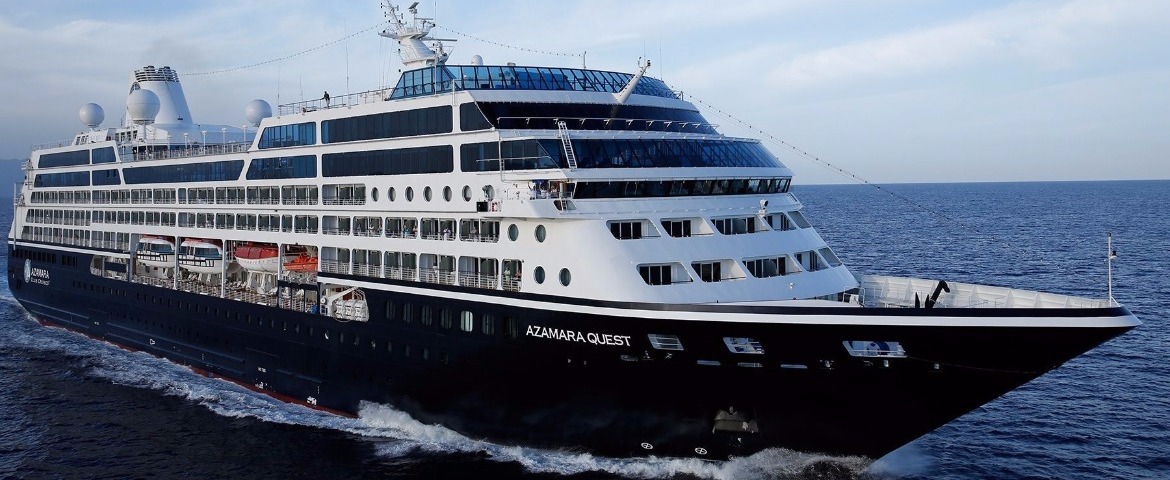
Azamara Club Cruises (4 Cruises)

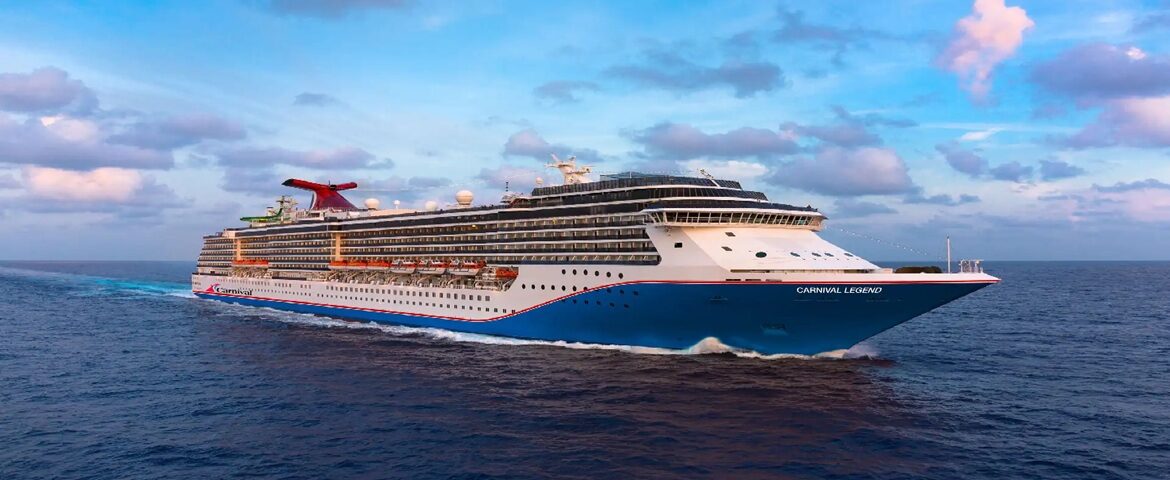
Carnival Cruise Line (101 Cruises)
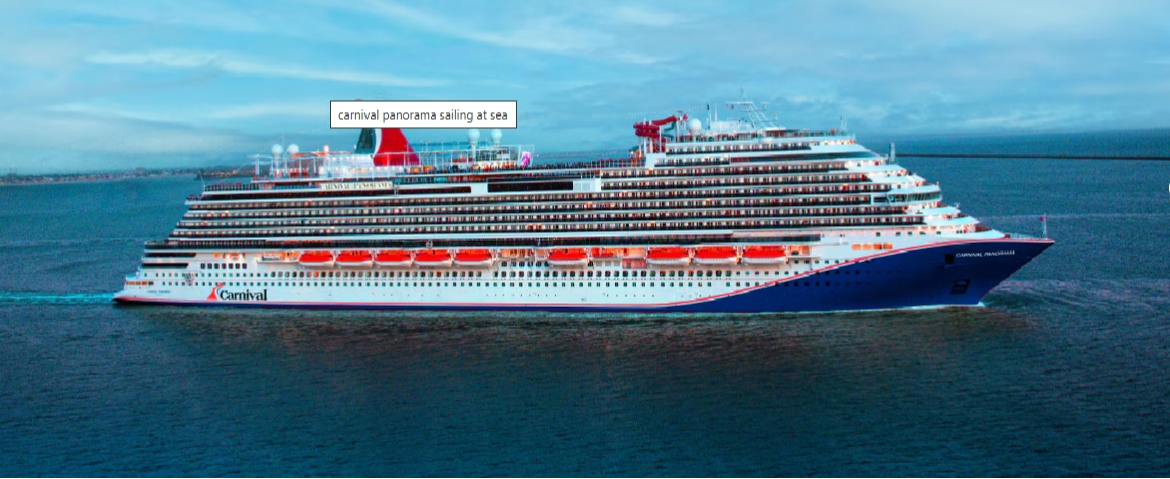
Carnival Panorama
77 Cruises
| 5 September | 7 days | Round-trip from Los Angeles, USA |
From
603$
|
| 19 September | 7 days | Round-trip from Los Angeles, USA |
From
603$
|
| 25 September | 9 days | Round-trip from Los Angeles, USA |
From
882$
|
Carnival Radiance
14 Cruises
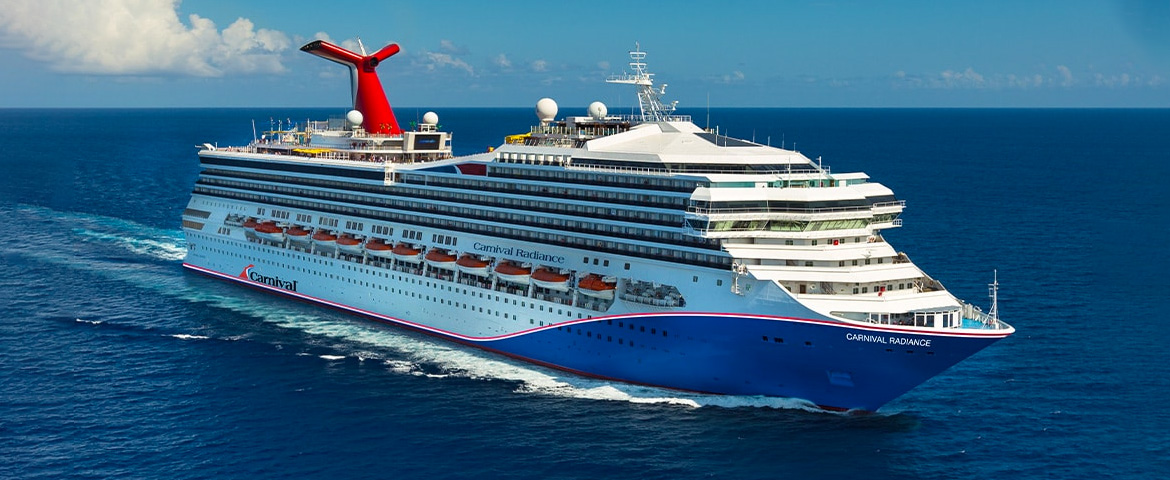
| 7 January | 6 days | Round-trip from Los Angeles, USA |
From
369$
|
| 12 January | 6 days | Round-trip from Los Angeles, USA |
From
410$
|
| 4 February | 6 days | Round-trip from Los Angeles, USA |
From
418$
|
| 9 February | 6 days | Round-trip from Los Angeles, USA |
From
388$
|
| 4 March | 6 days | Round-trip from Los Angeles, USA |
From
537$
|
| 9 March | 6 days | Round-trip from Los Angeles, USA |
From
550$
|
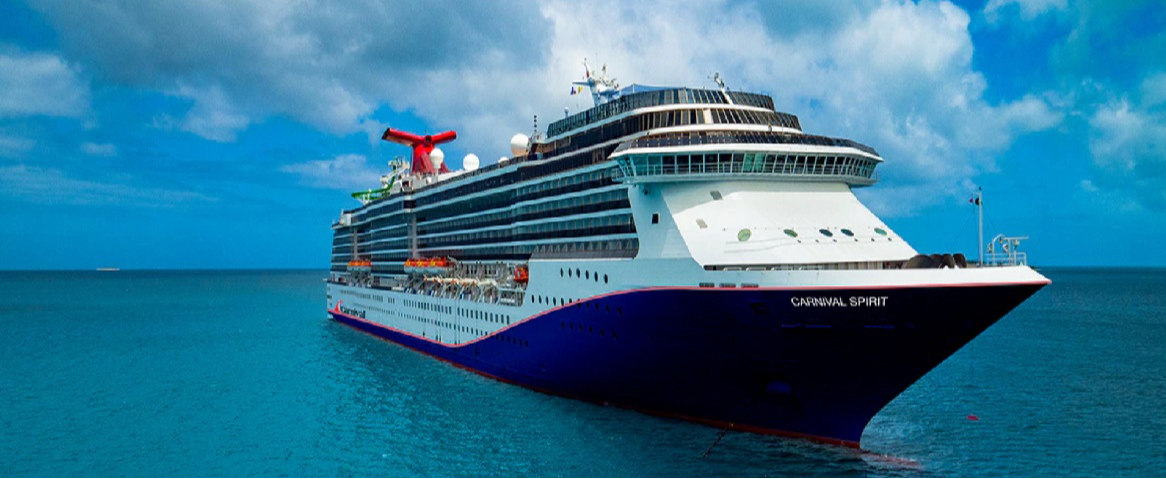
Costa Cruises (20 Cruises)
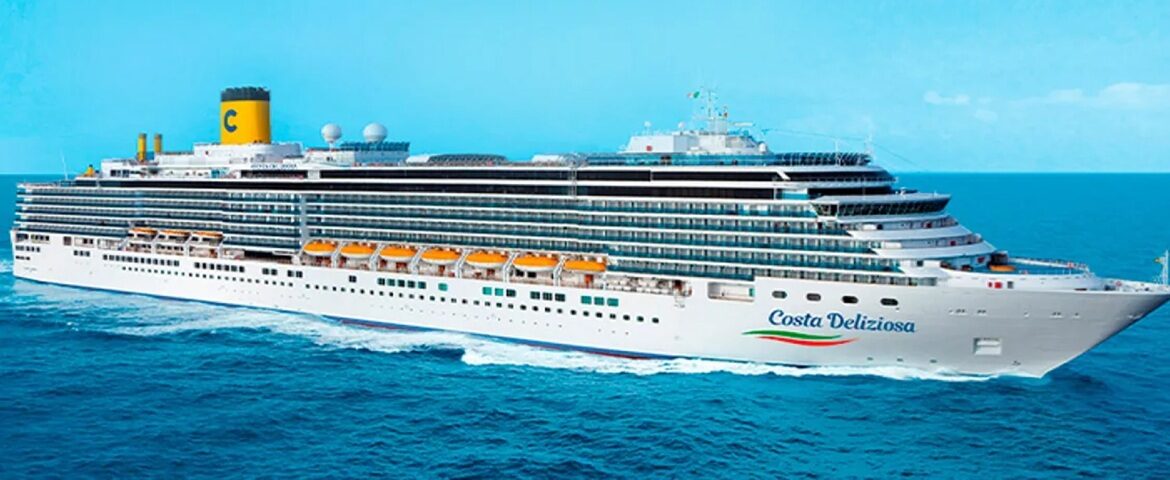
Costa Deliziosa
20 Cruises

Crystal Cruises (7 Cruises)

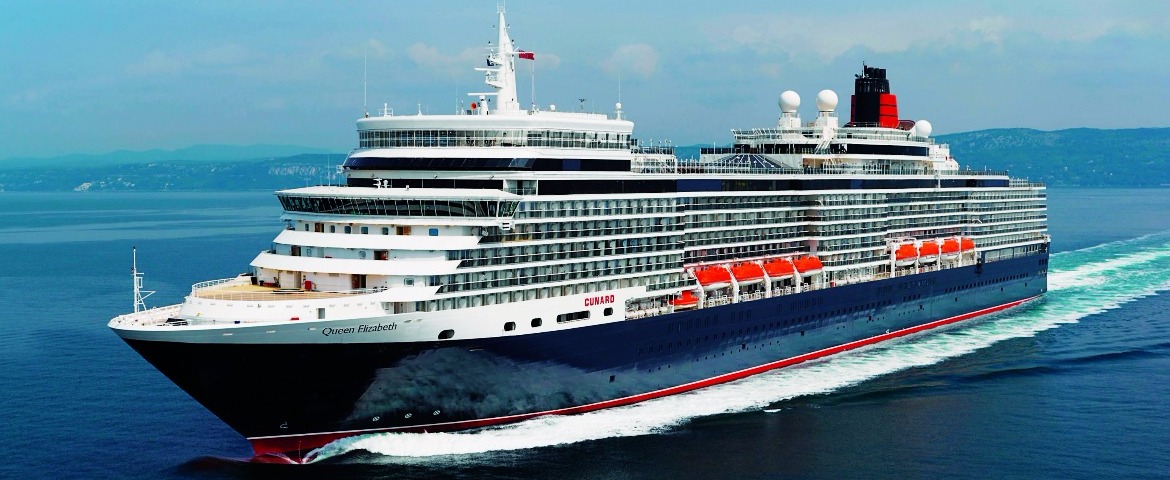
Cunard (7 Cruises)
Queen Elizabeth
7 Cruises

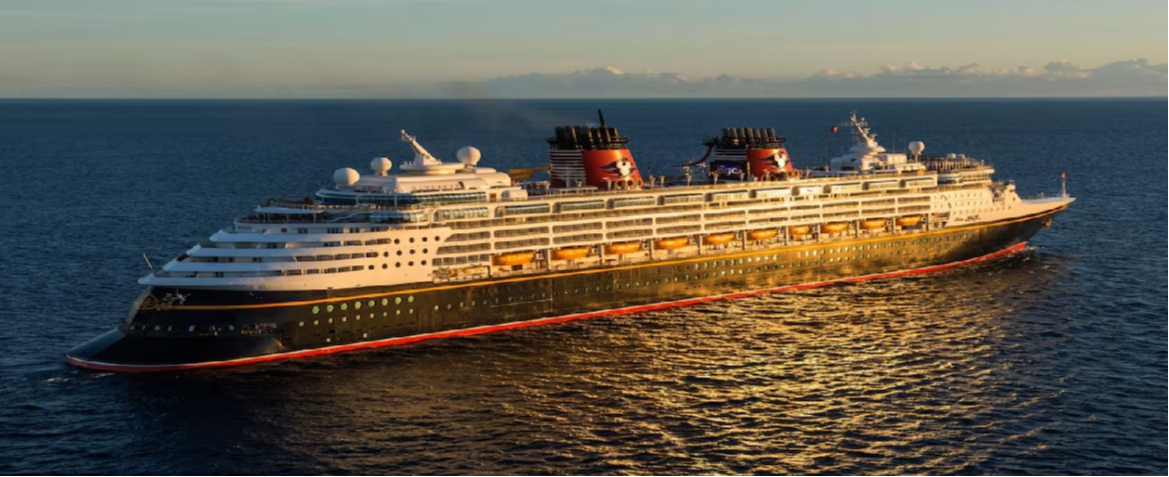
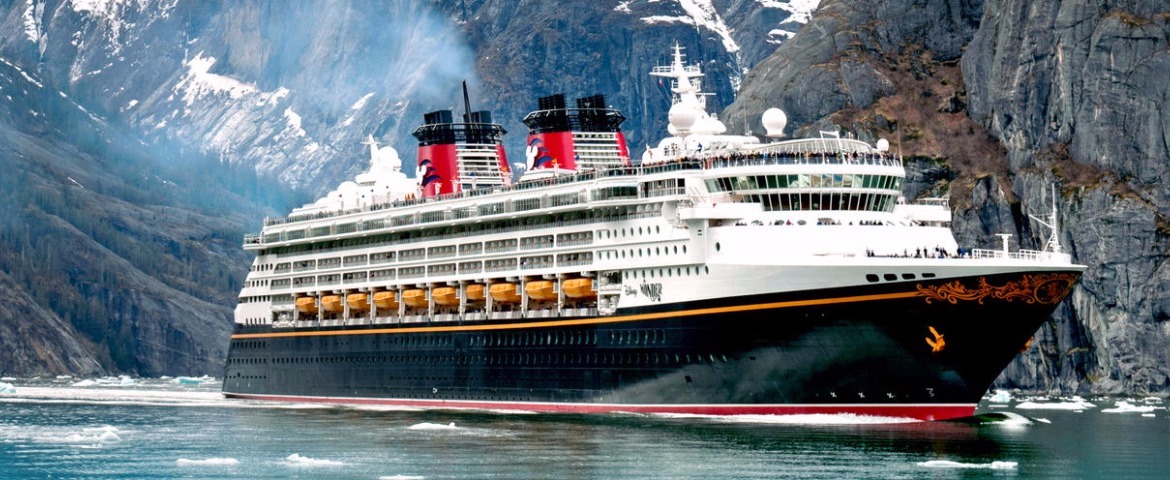
Disney Cruise Line (14 Cruises)

Holland America Line (111 Cruises)
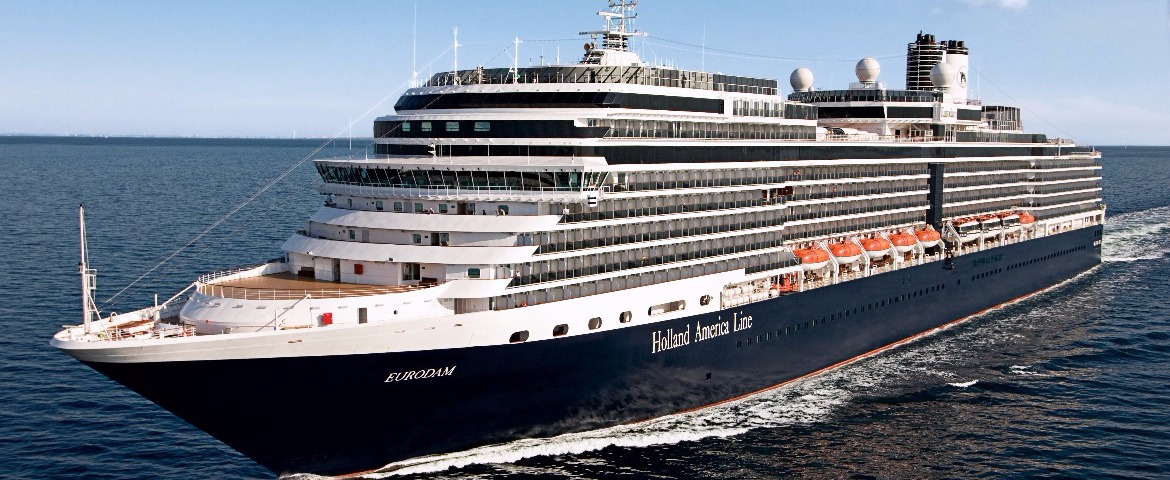
ms Eurodam
10 Cruises

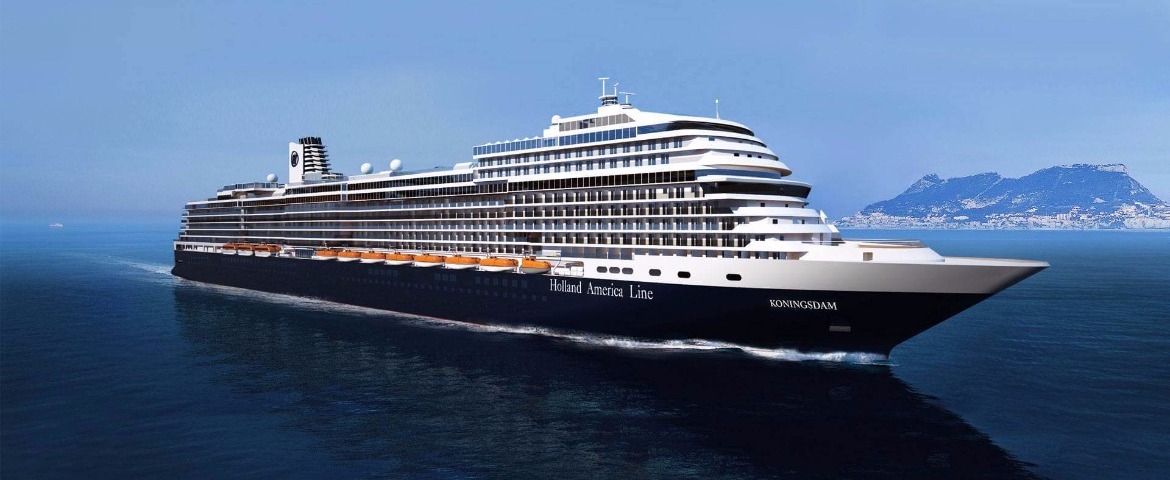
ms Koningsdam
59 Cruises
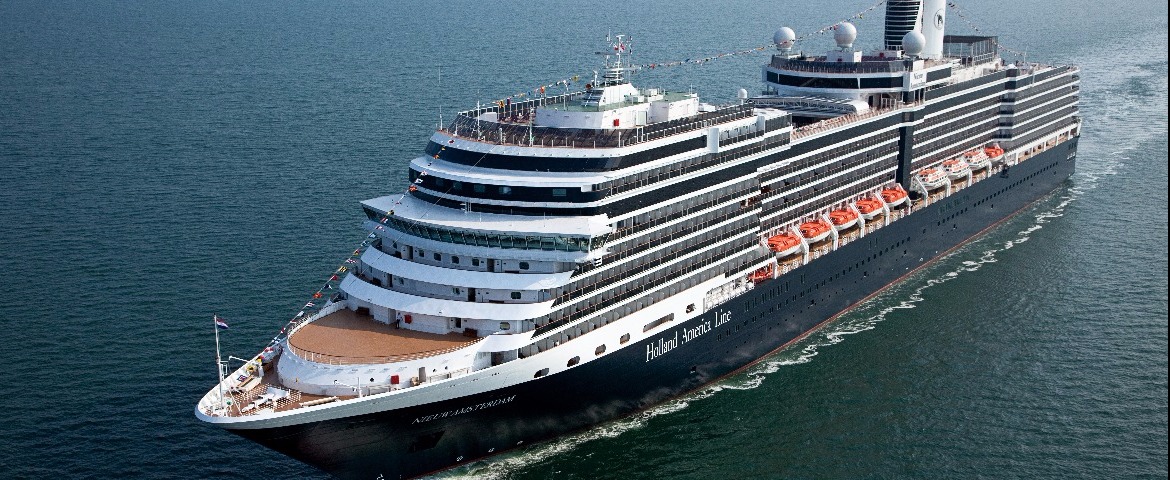
ms Nieuw Amsterdam
10 Cruises
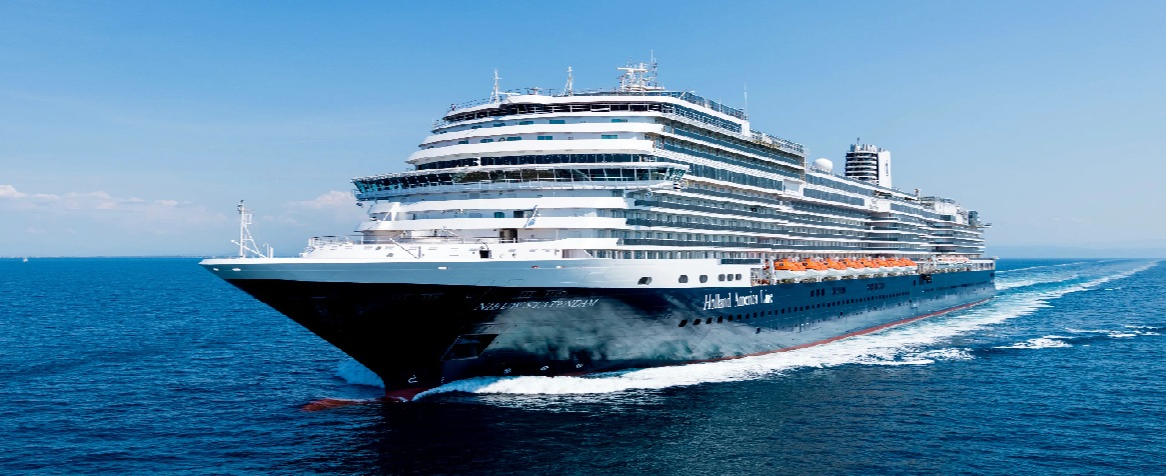
ms Nieuw Statendam
10 Cruises
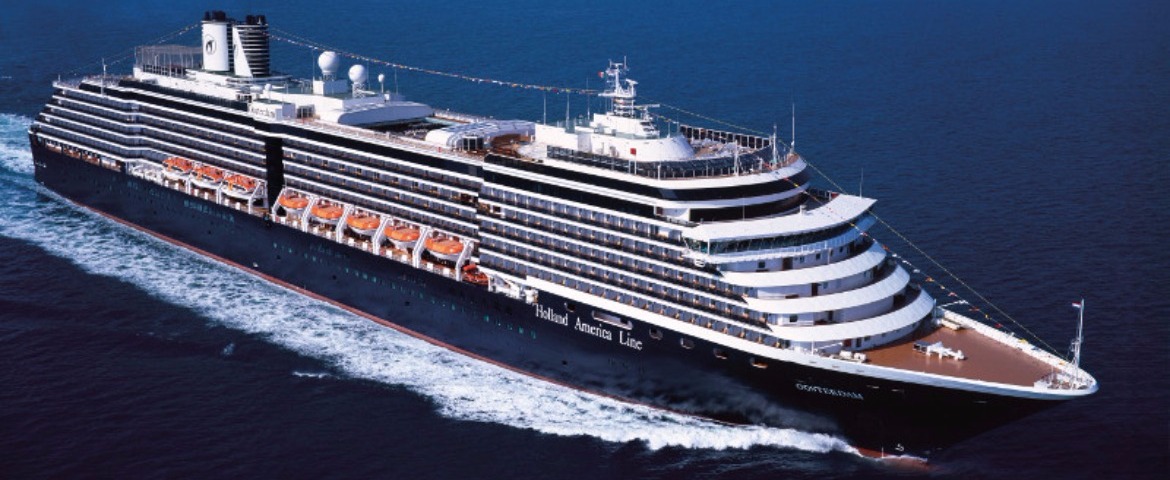
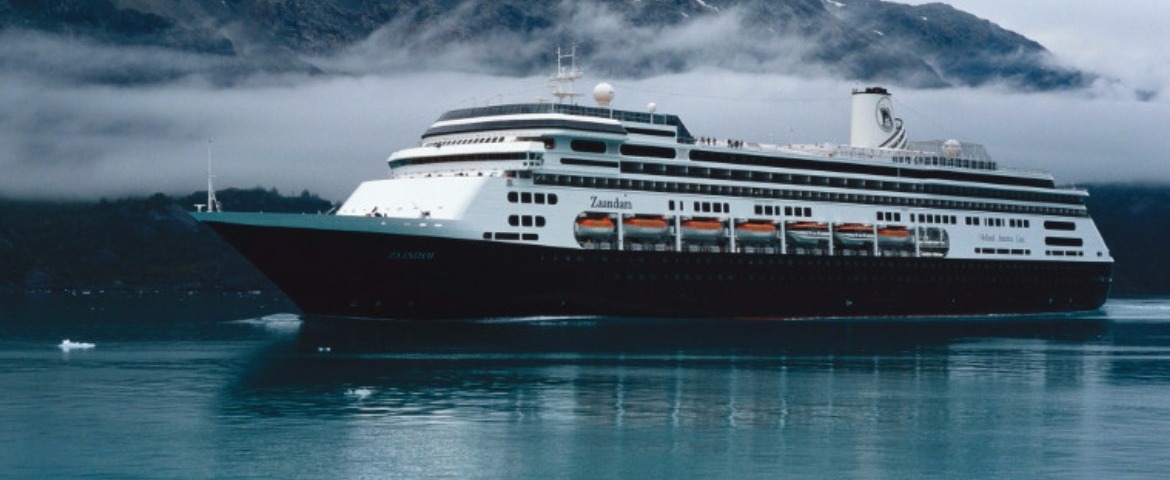
ms Zaandam
13 Cruises
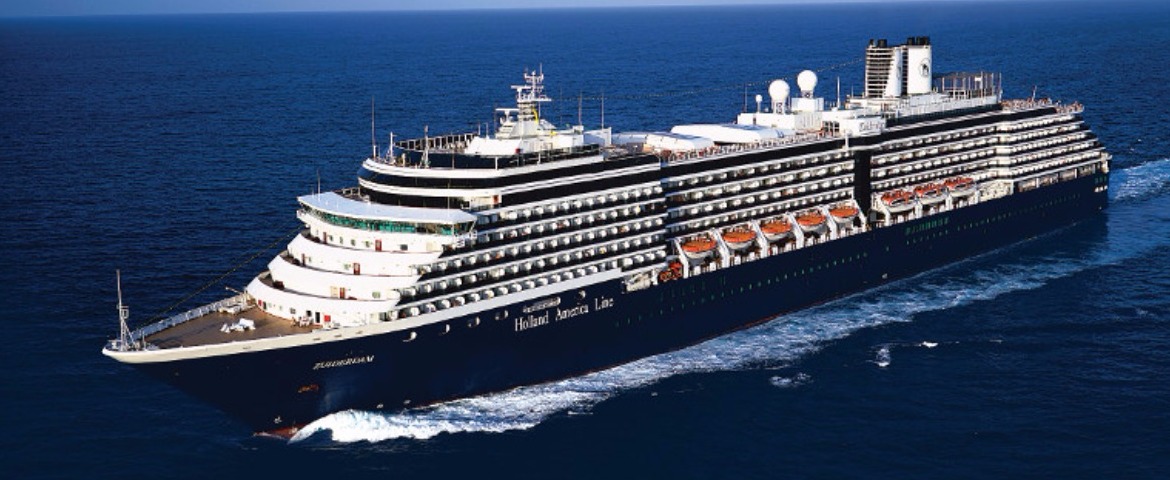
ms Zuiderdam
7 Cruises
MSC Cruises (20 Cruises)
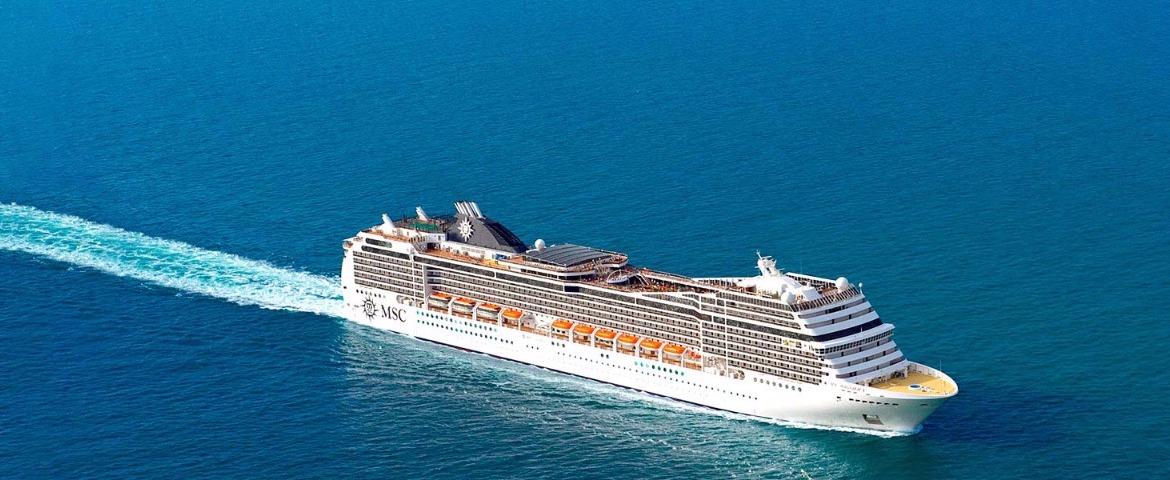
MSC Magnifica
15 Cruises

| 10 February | 86 days | One-way from Valparaiso-Santiago to Marseille |
450-628-6241
Call us
|
| 10 February | 87 days | One-way from Valparaiso-Santiago to Tarragona |
450-628-6241
Call us
|
Norwegian Cruise Line (88 Cruises)
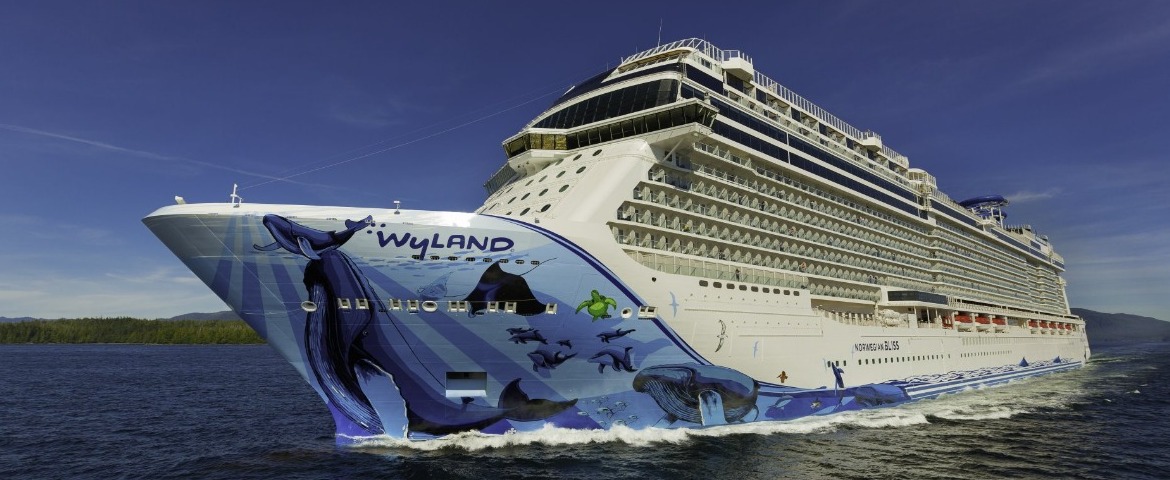
Norwegian Bliss
12 Cruises
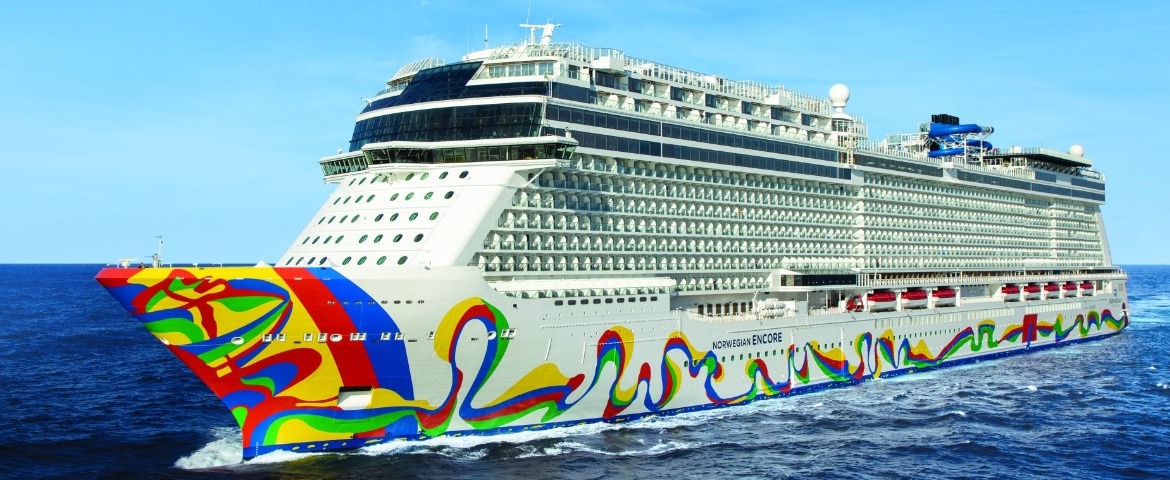
Norwegian Encore
50 Cruises
| 4 April | 8 days | Round-trip from Los Angeles, USA |
From
546$
|
| 11 April | 8 days | Round-trip from Los Angeles, USA |
From
588$
|
| 17 October | 8 days | Round-trip from Los Angeles, USA |
From
448$
|
| 24 October | 8 days | Round-trip from Los Angeles, USA |
From
462$
|
| 31 October | 8 days | Round-trip from Los Angeles, USA |
From
469$
|
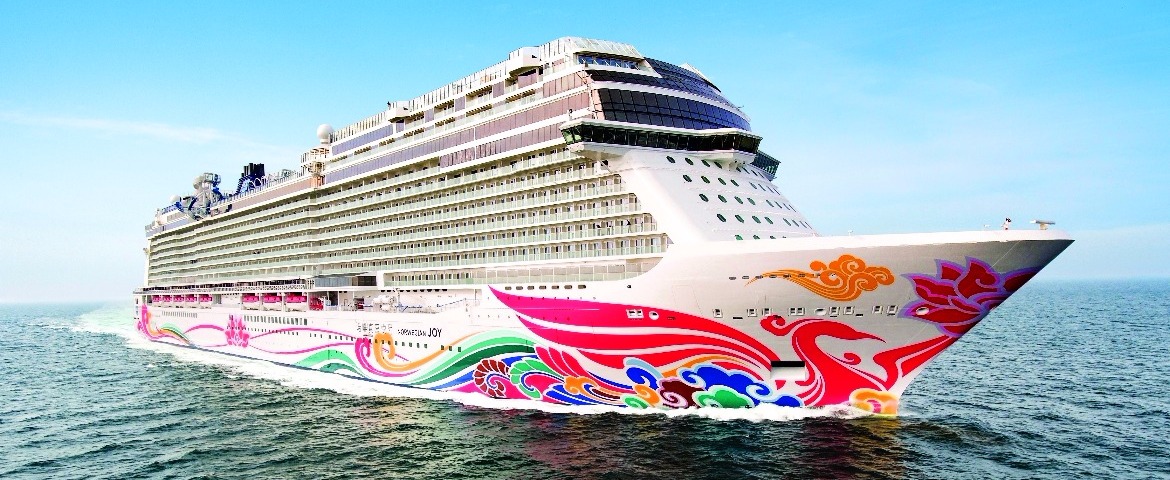
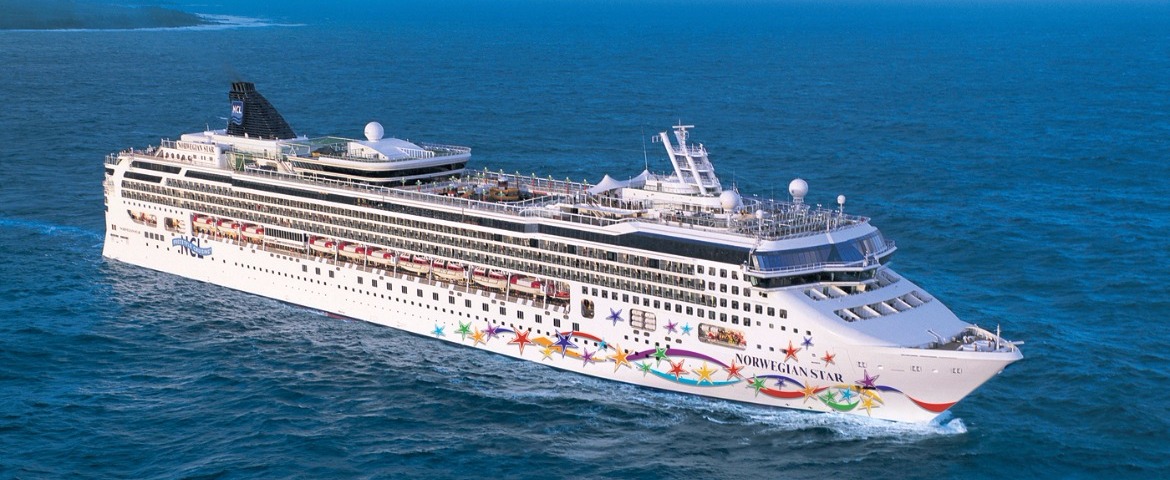
Norwegian Star
20 Cruises
Oceania Cruises (10 Cruises)
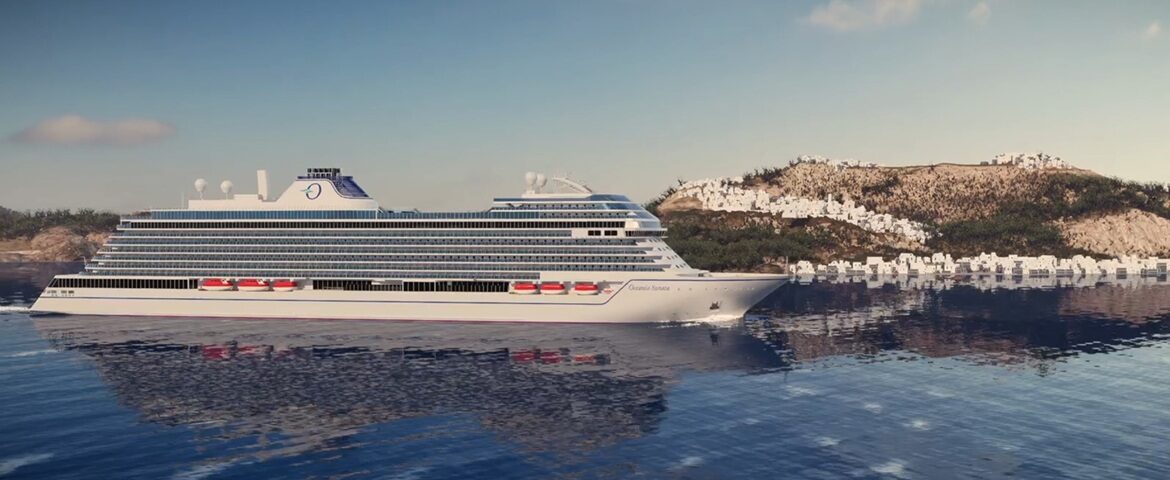

Oceania Vista
6 Cruises
Ponant (17 Cruises)
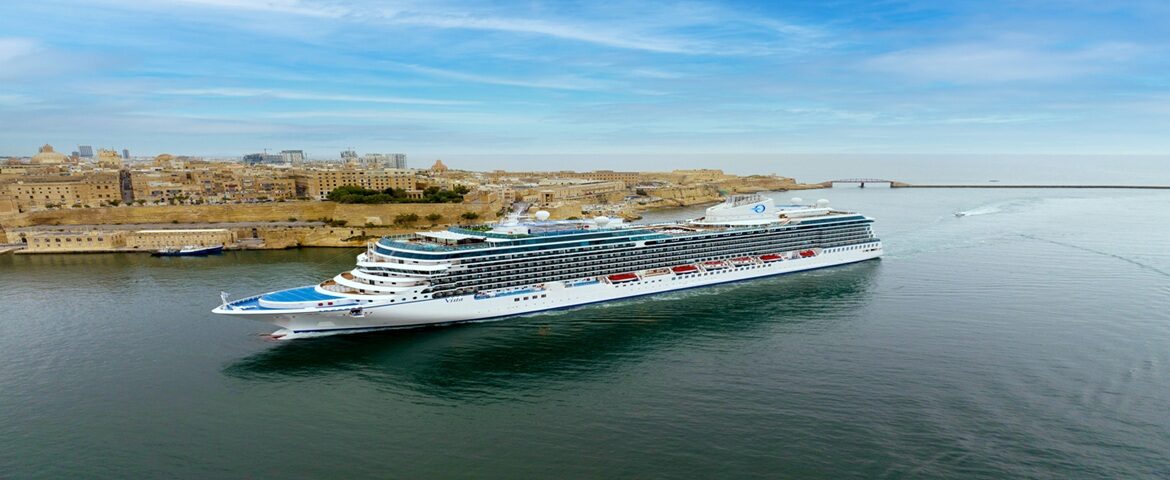
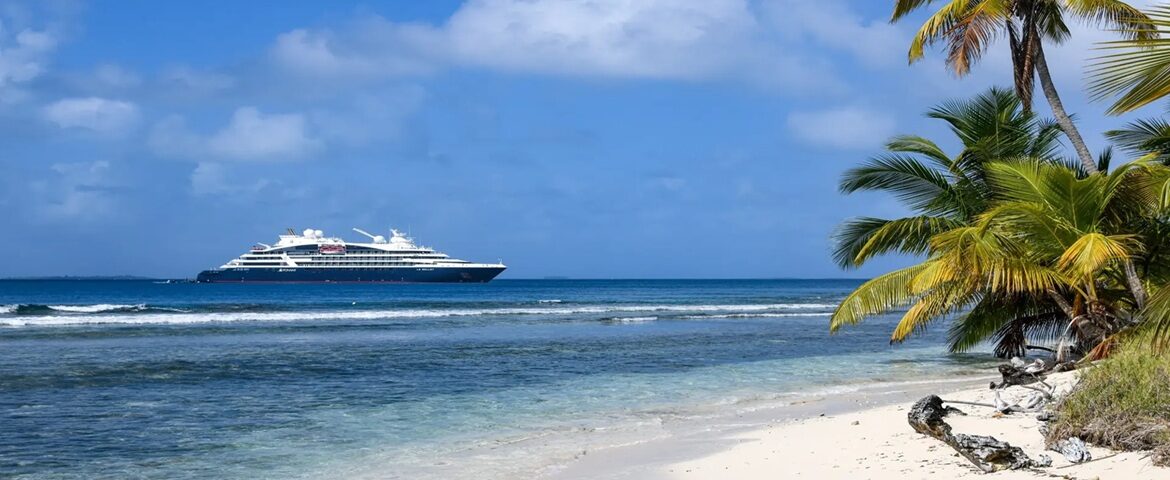
Le Bellot
17 Cruises

| 10 February | 11 days | Round-trip from Cabo San Lucas, Mexico |
450-628-6241
Call us
|
| 20 February | 11 days | Round-trip from Cabo San Lucas, Mexico |
450-628-6241
Call us
|
| 18 January | 8 days | One-way from Puntarenas to Cabo San Lucas |
450-628-6241
Call us
|
| 25 January | 11 days | Round-trip from Cabo San Lucas, Mexico |
450-628-6241
Call us
|
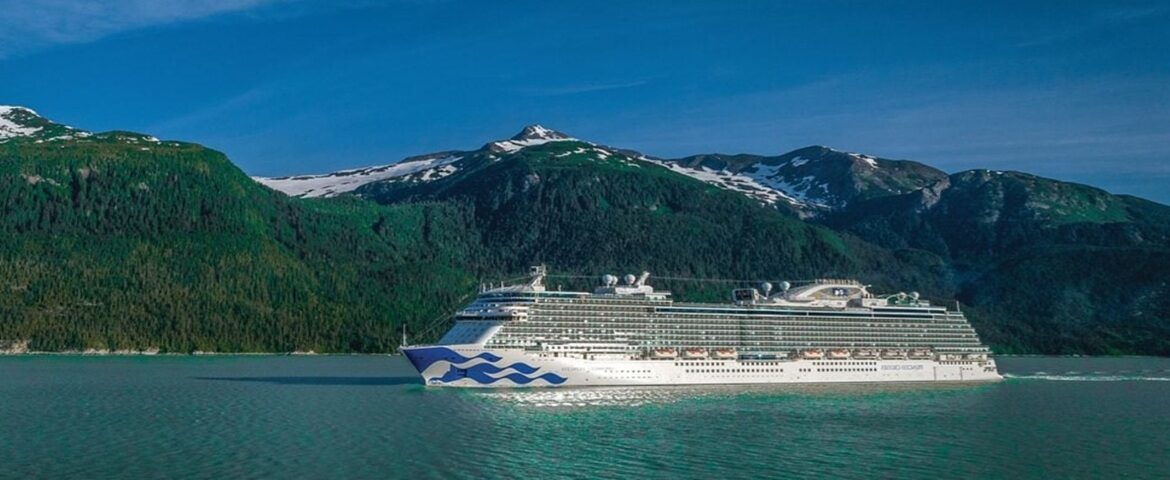
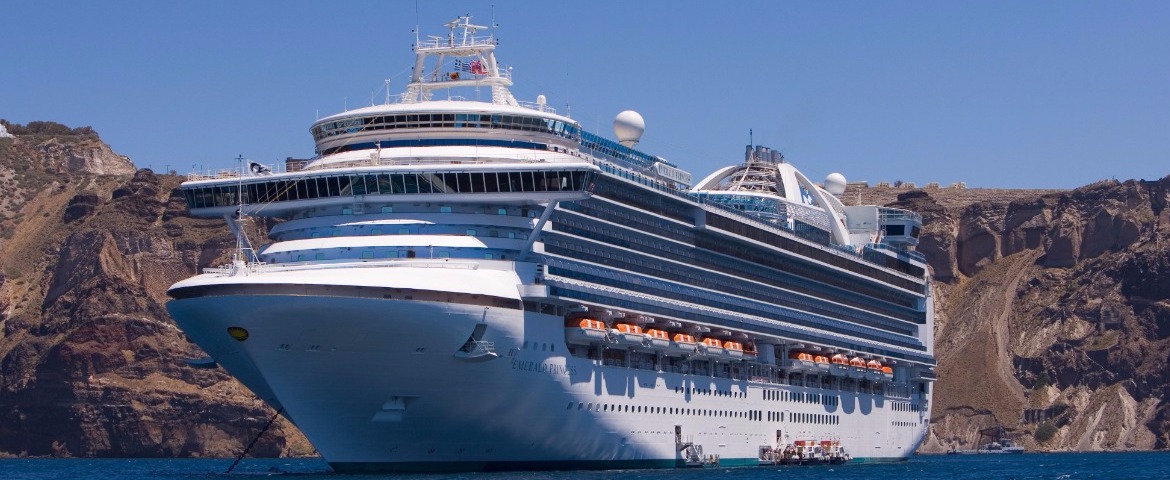
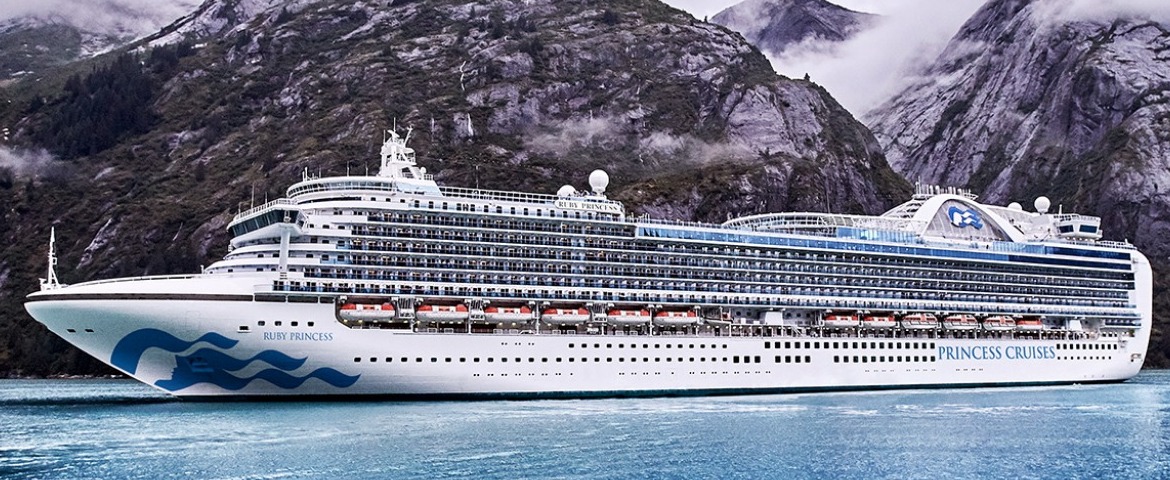
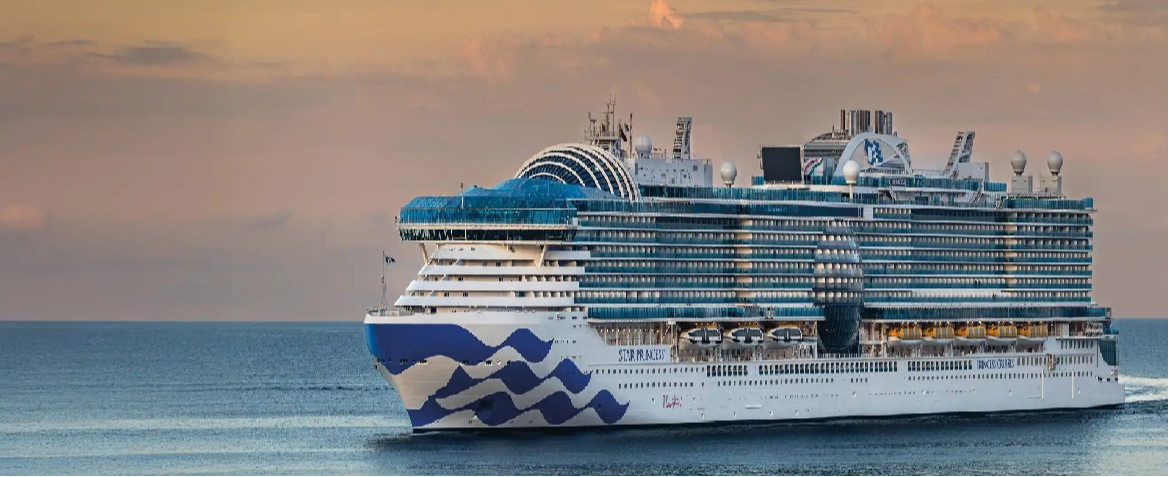
Princess Cruises (70 Cruises)
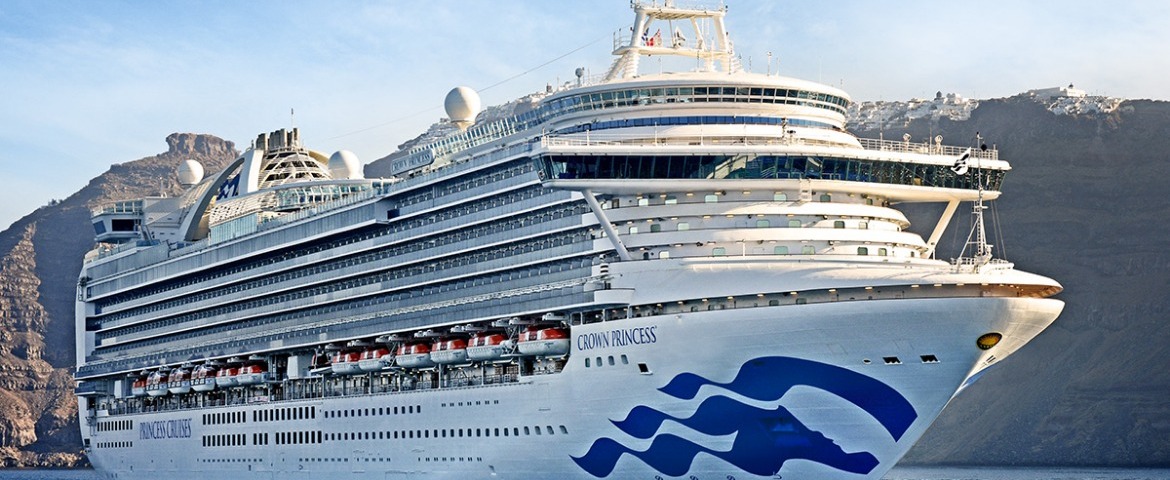
Discovery Princess
57 Cruises
Regent Seven Seas Cruises (15 Cruises)
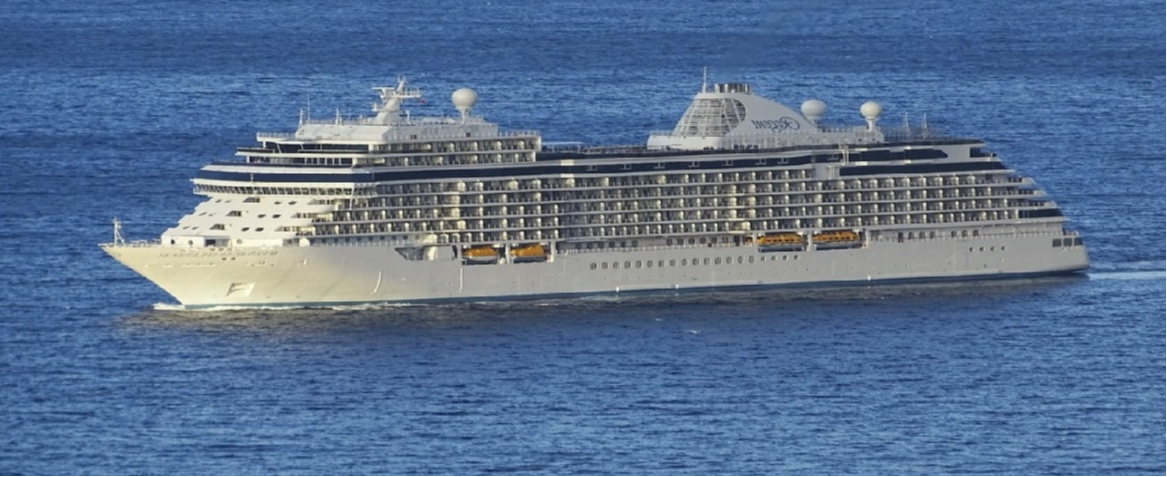
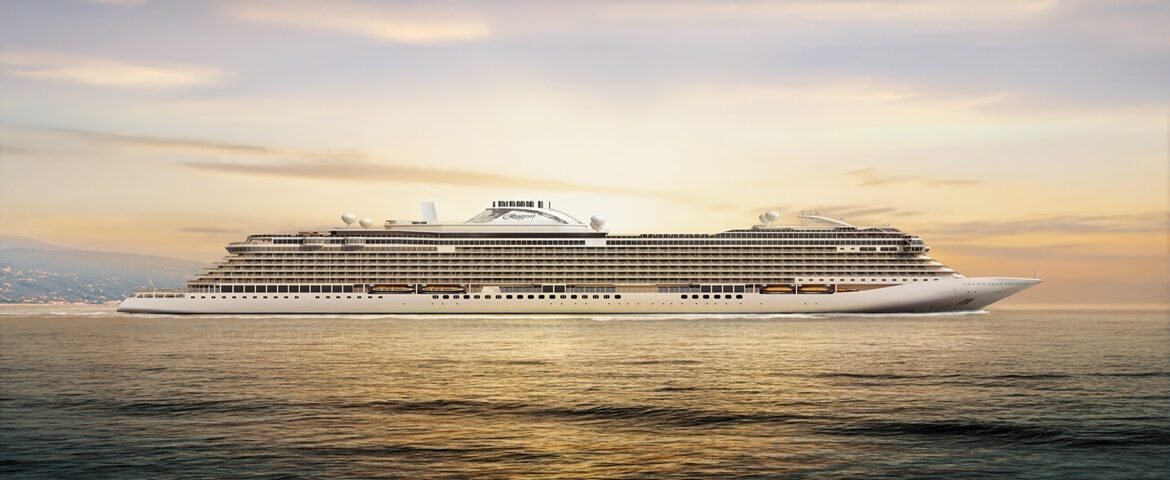
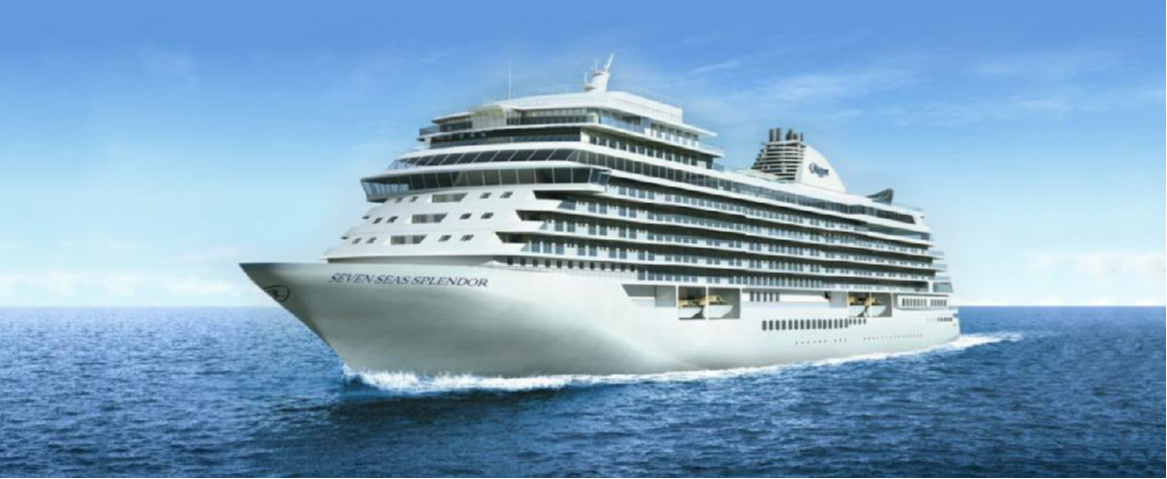
Seven Seas Splendor
7 Cruises
Royal Caribbean Cruises (92 Cruises)
Navigator of the Seas
47 Cruises


Ovation of the Seas
8 Cruises

Serenade of the Seas
12 Cruises

Voyager of the Seas
25 Cruises

| 8 January | 8 days | Round-trip from Los Angeles, USA |
From
673$
|
| 15 January | 8 days | Round-trip from Los Angeles, USA |
From
658$
|
| 22 January | 8 days | Round-trip from Los Angeles, USA |
From
641$
|
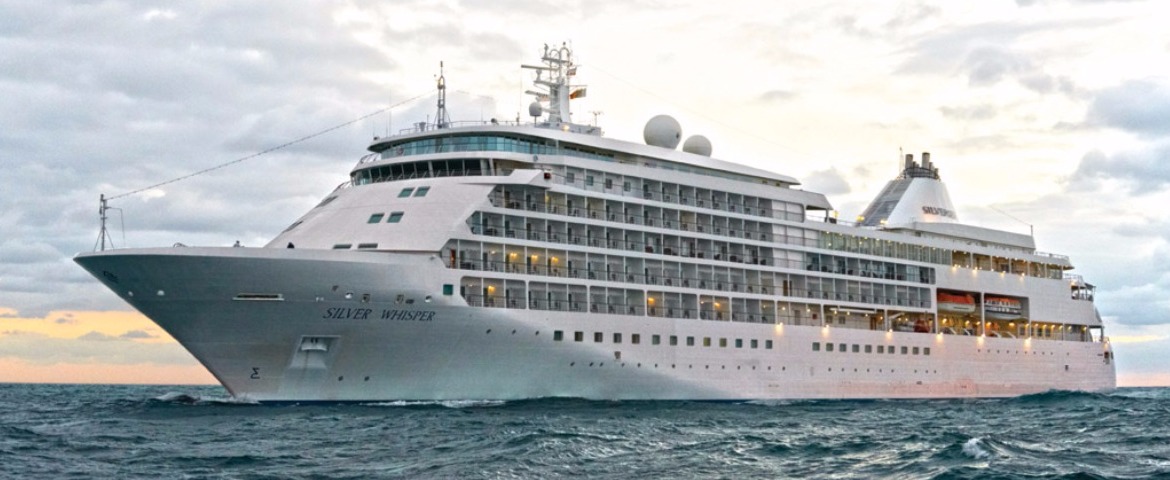
Silversea Cruises (1 Cruises)

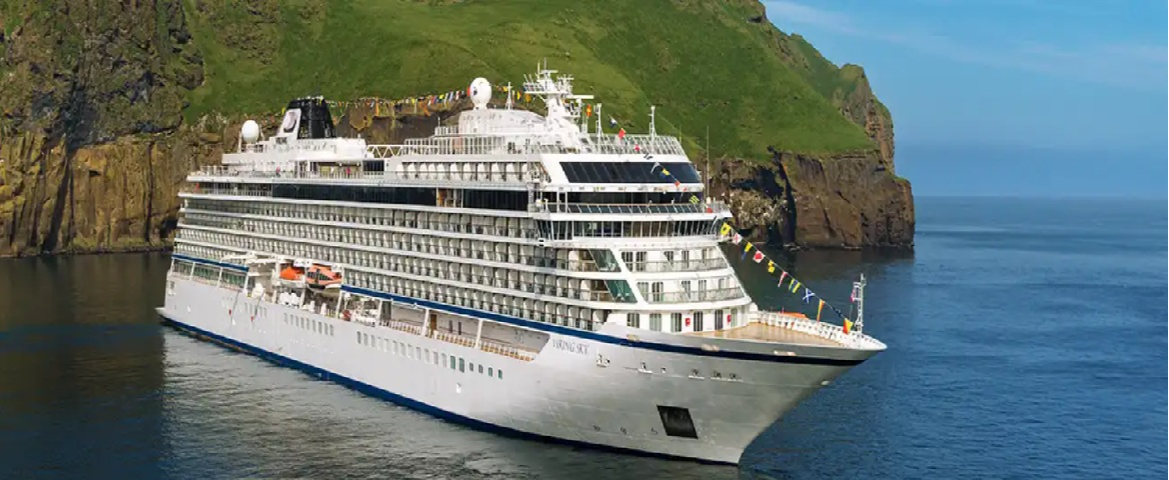
Viking Ocean Cruises (3 Cruises)

Virgin Voyages (22 Cruises)
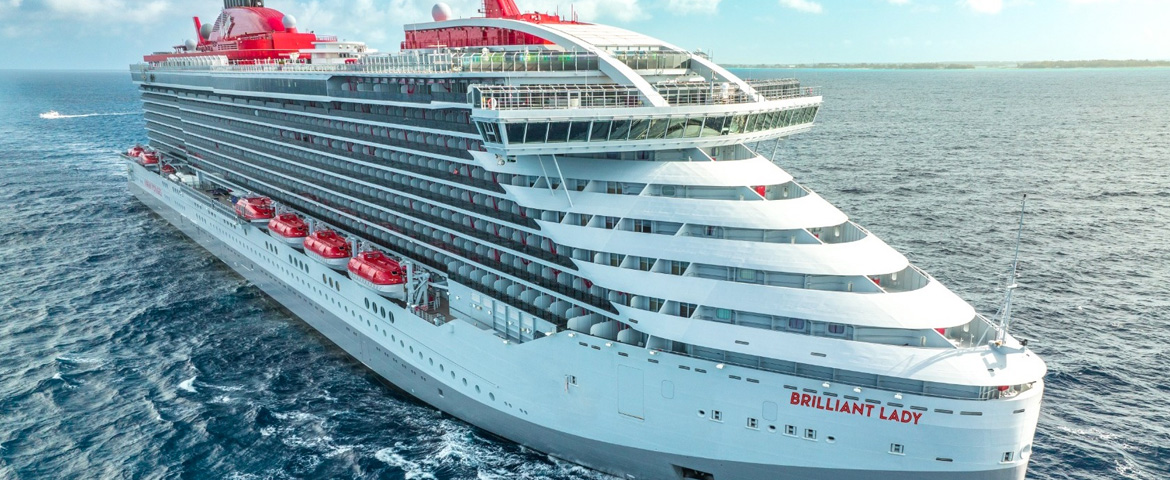
Brilliant Lady
22 Cruises
| 26 March | 17 days | One-way from Miami to Los Angeles |
450-628-6241
Call us
|
| 26 March | 16 days | One-way from Miami to Los Angeles |
450-628-6241
Call us
|
| 18 September | 8 days | Round-trip from Los Angeles, USA |
450-628-6241
Call us
|
| 25 September | 8 days | Round-trip from Los Angeles, USA |
450-628-6241
Call us
|

Port of Cabo San Lucas, Mexico | Cruise Port Guide
Frequently Asked Questions
They anchor in the bay: there is no pier for large ships. Ship tenders reach the tender dock in the heart of the marina in five to ten minutes, among the sportfishing yachts and the sea lions perched on the pilings.
Yes, around the marina. The walkway circling the basin, with its restaurants, shops and excursion kiosks, starts at the tender dock. Medano beach is a fifteen to twenty minute walk away, or two minutes by water taxi.
No, the arch has to be reached by sea. Just outside the dock, local captains offer water taxi or glass-bottom boat runs: a forty-minute loop past the sea lion colony, the granite cliffs and the rock formations of Land's End.
A strip of sand wedged between two seas at the tip of Land's End: calm bay water on one side, Pacific breakers on the other, where swimming is forbidden. It is boat-access only, so agree on a pickup time with your captain before you step off.
At Medano beach, facing the anchorage. It is the area's main swimmable, lifeguarded beach, nearly three kilometres of sand with the arch as a backdrop. Elsewhere the Pacific brings currents that make swimming dangerous.
Yes, from mid-December to mid-April. Grey and humpback whales pass off the cape after a migration of thousands of kilometres from Alaska. Watching trips leave from the docks, and it is common to spot a blow from the ship's deck or the beach.
The Mexican peso, though US dollars are accepted everywhere and change often comes back in pesos. Cards work without trouble at the marina and in restaurants.
Spanish, with English very widely used: the resort has lived off North American tourism for half a century.
Getting back aboard depends entirely on the tenders. Allow at least an hour's margin before the last posted departure: the queue builds fast in late afternoon and wind can slow the rotations.
Watch the sportfishing boats come in during early afternoon and hoist their catch to applause. The cape built its reputation on marlin, celebrated each autumn by one of the richest tournaments in the world. The terraces nearby serve ceviche and aguachile through the daily show.


