Alicante Spain
603
Cruises availables
At departure or passage at this port
Azamara Club Cruises (14 Cruises)
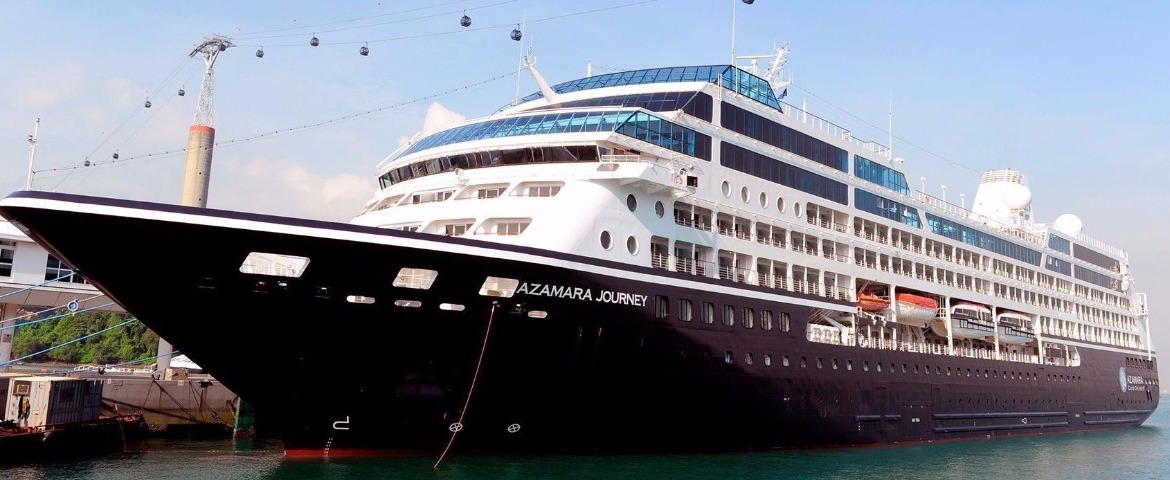
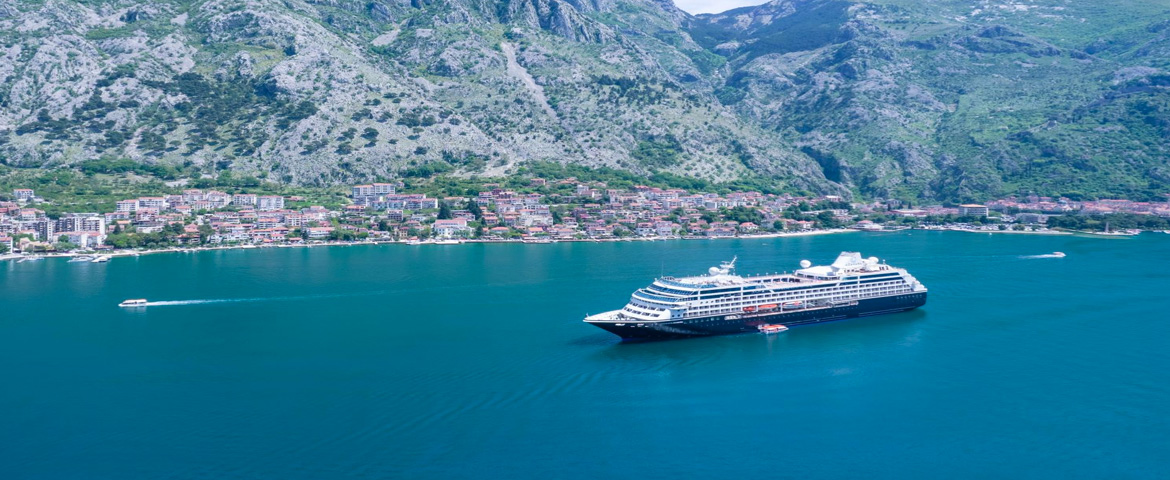
Azamara Journey
10 Cruises

Carnival Cruise Line (2 Cruises)


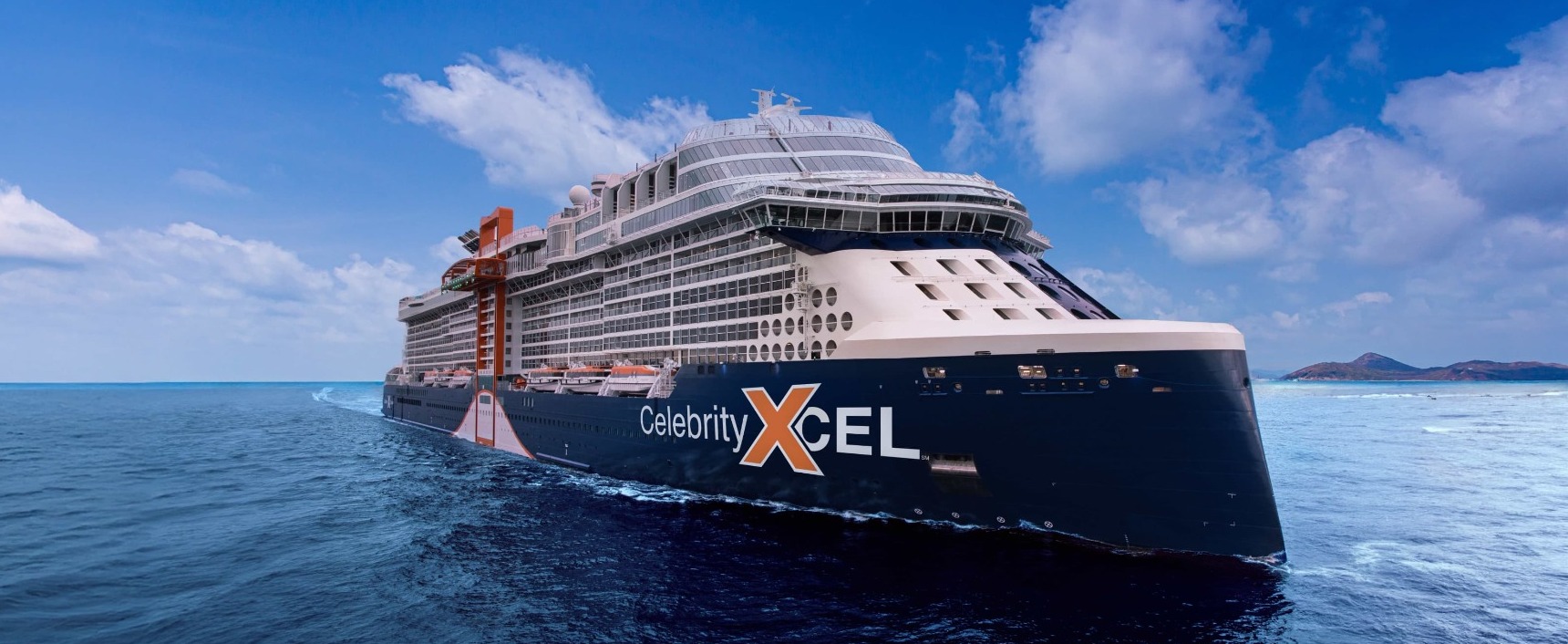
Costa Cruises (78 Cruises)
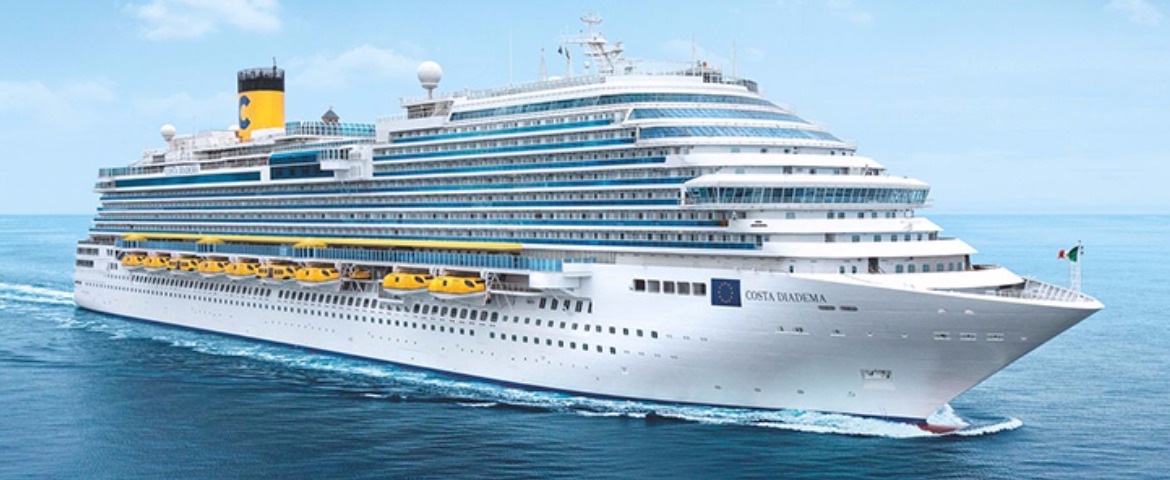
Costa Diadema
17 Cruises

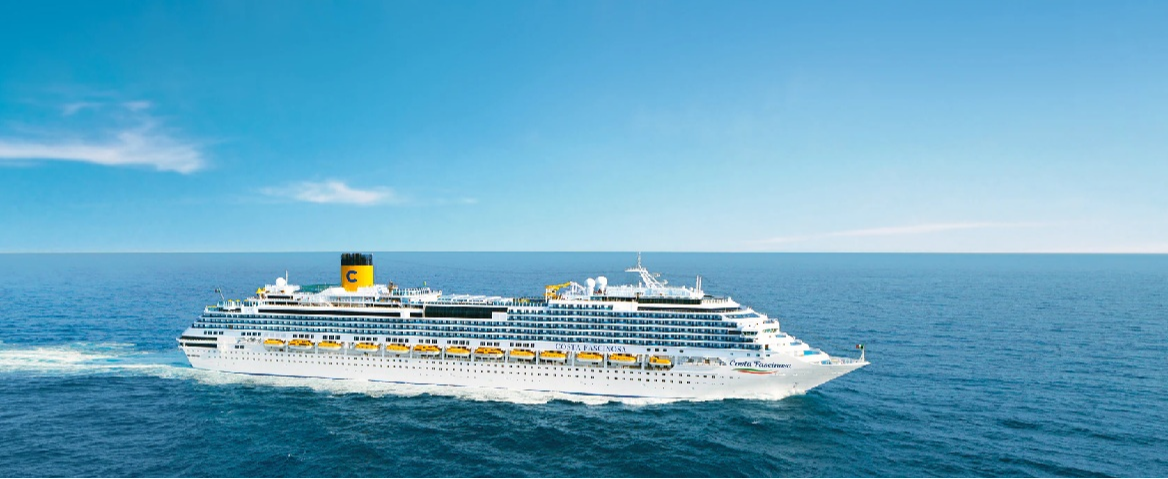
Costa Fascinosa
6 Cruises
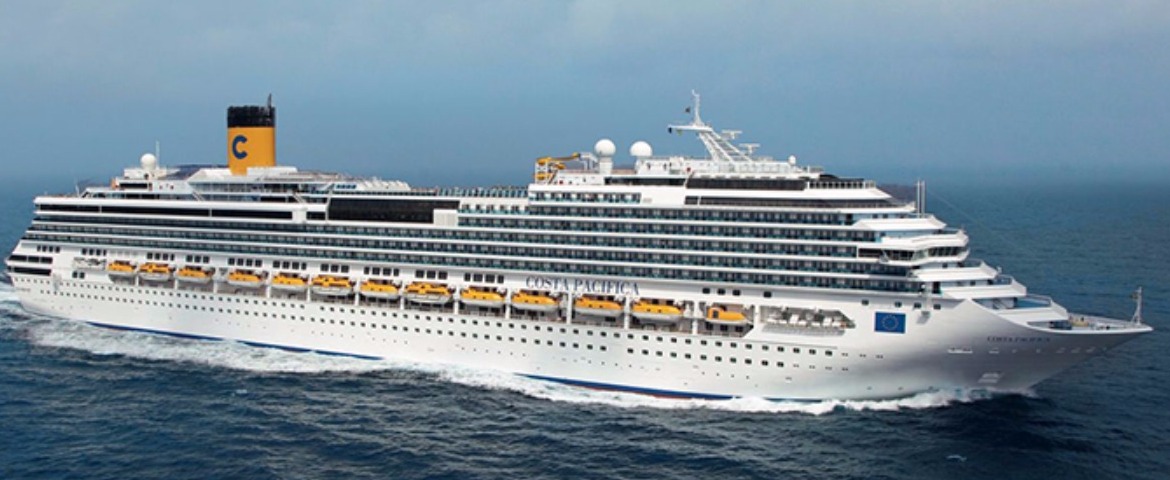
Costa Pacifica
43 Cruises
| 1 February | 13 days | Round-trip from Marseille, France |
450-628-6241
Call us
|
| 2 February | 13 days | Round-trip from Savona, Italy |
450-628-6241
Call us
|
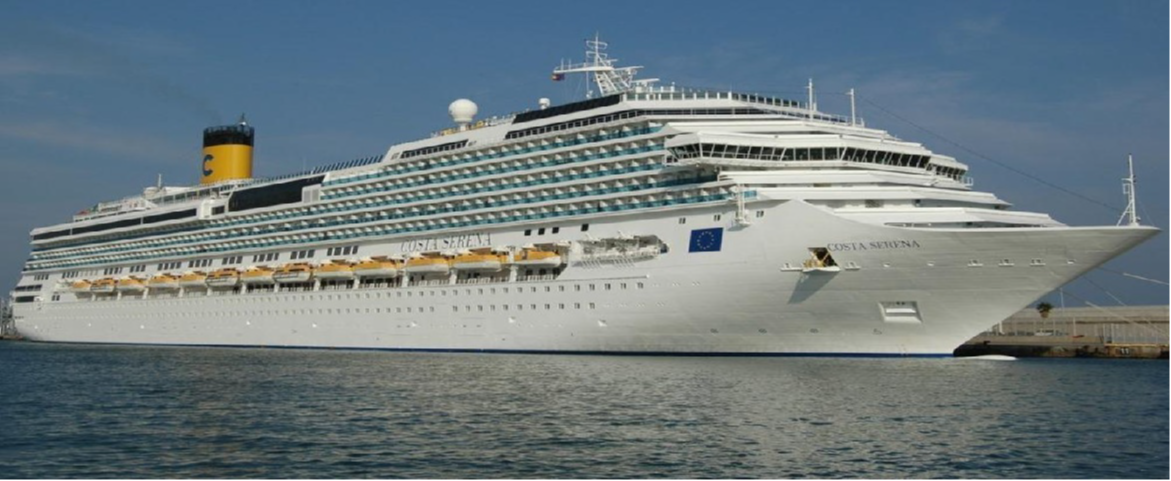
Costa Serena
4 Cruises
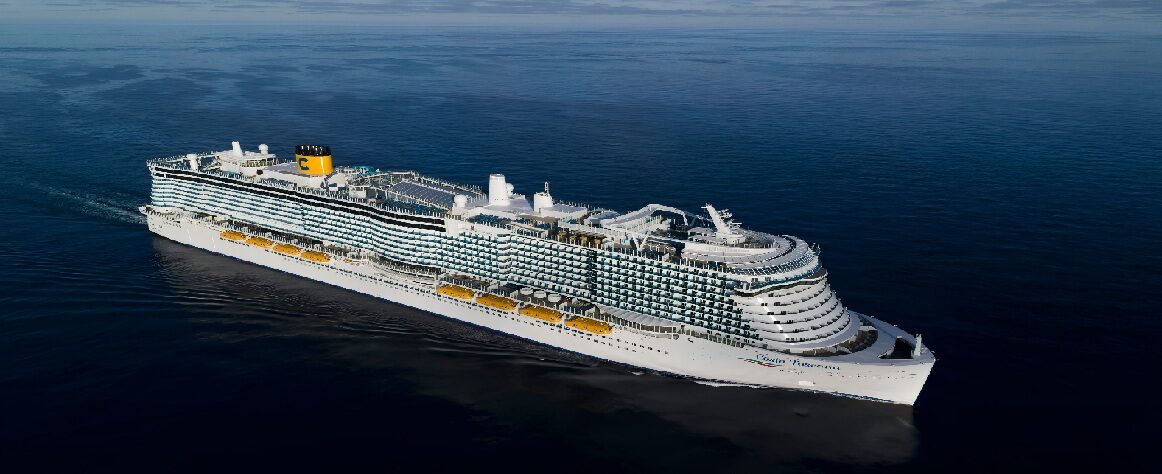
Costa Toscana
8 Cruises
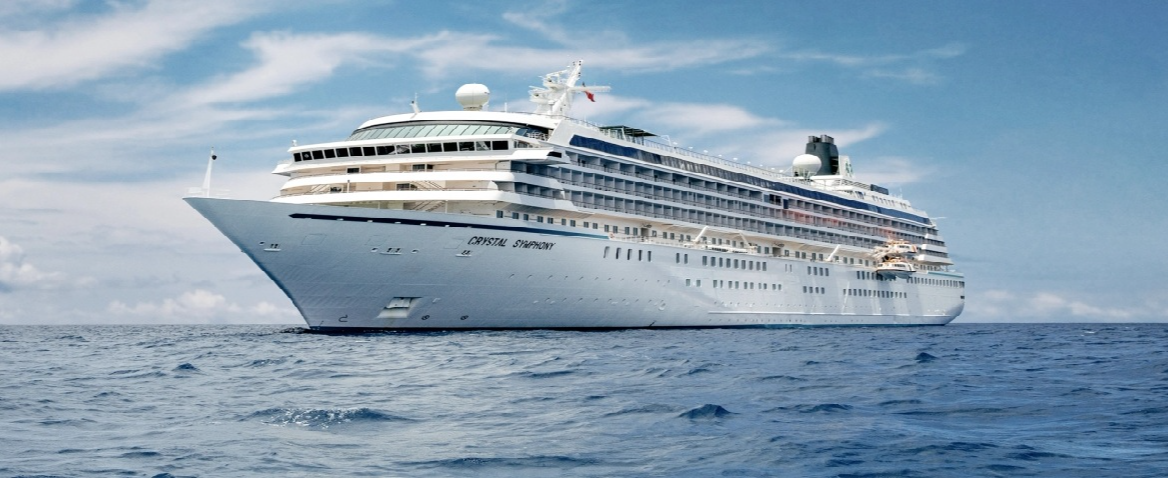
Crystal Cruises (8 Cruises)

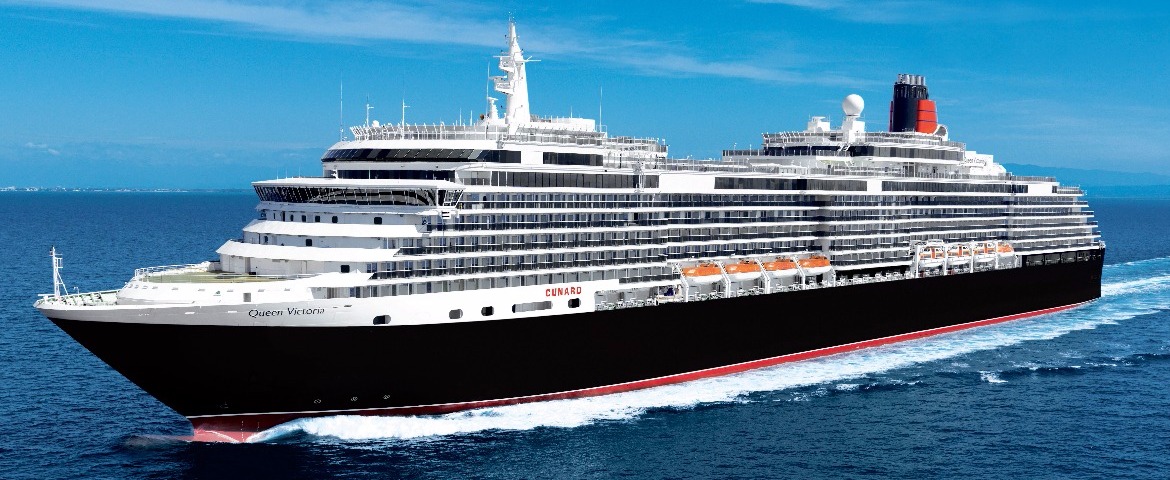
Cunard (13 Cruises)
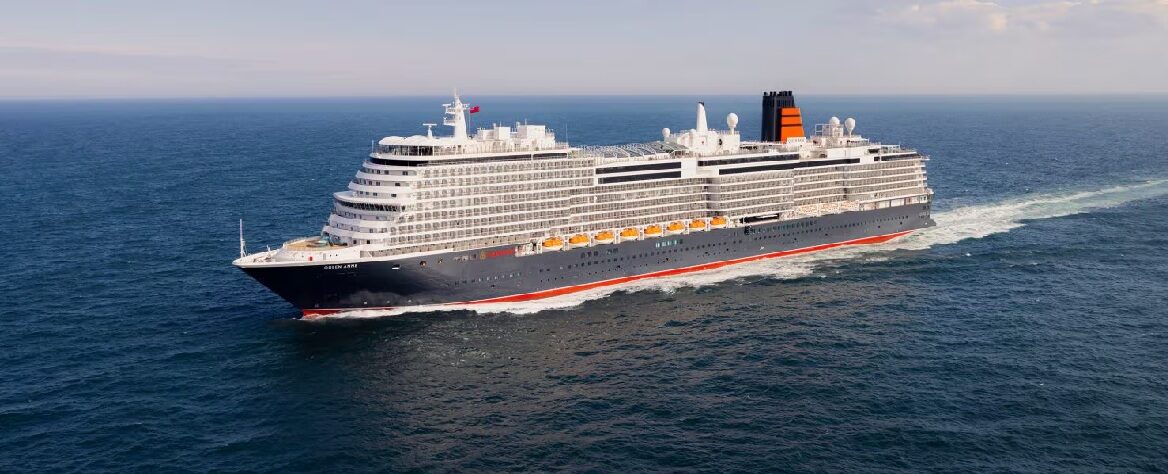

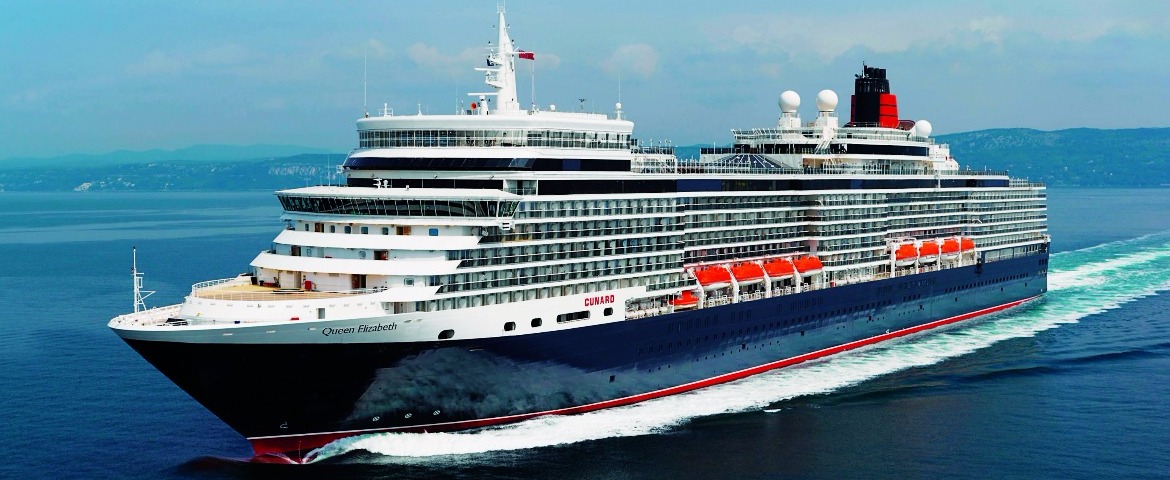
Queen Elizabeth
9 Cruises
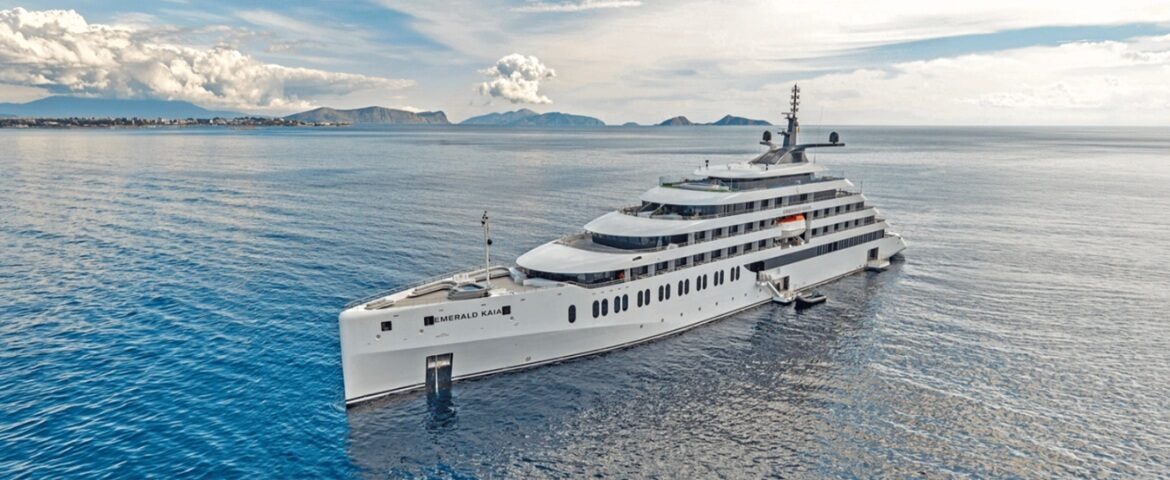
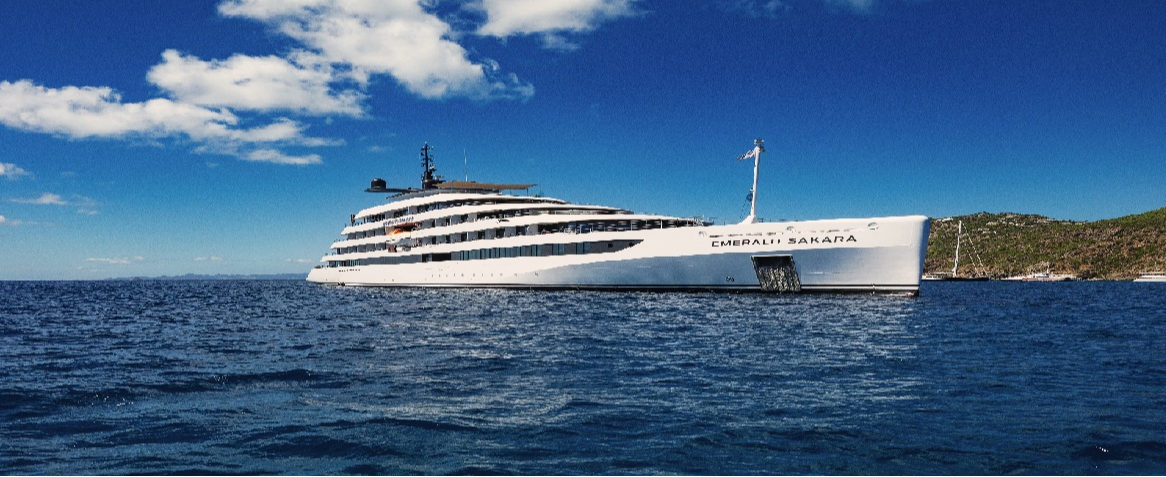
Emerald Waterways (5 Cruises)

Explora Journeys (26 Cruises)
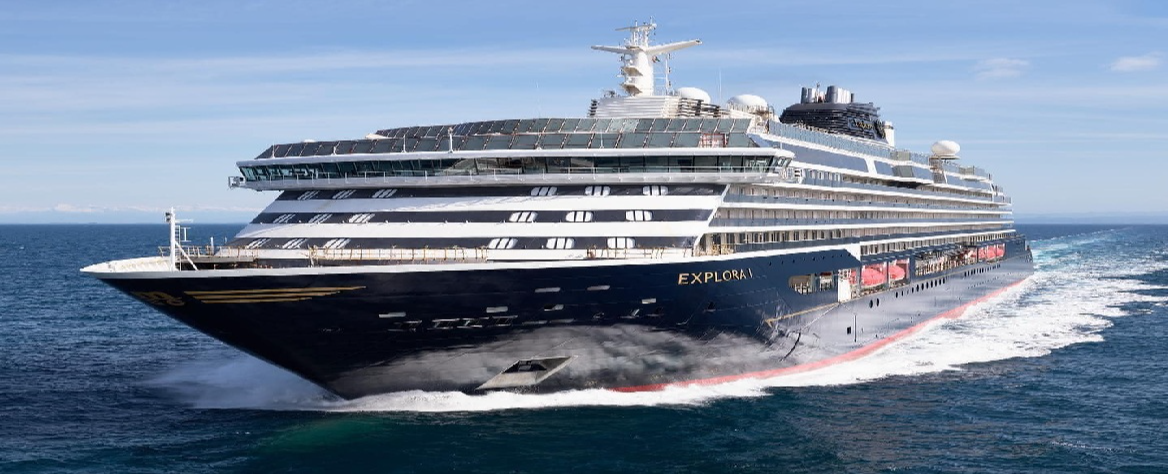

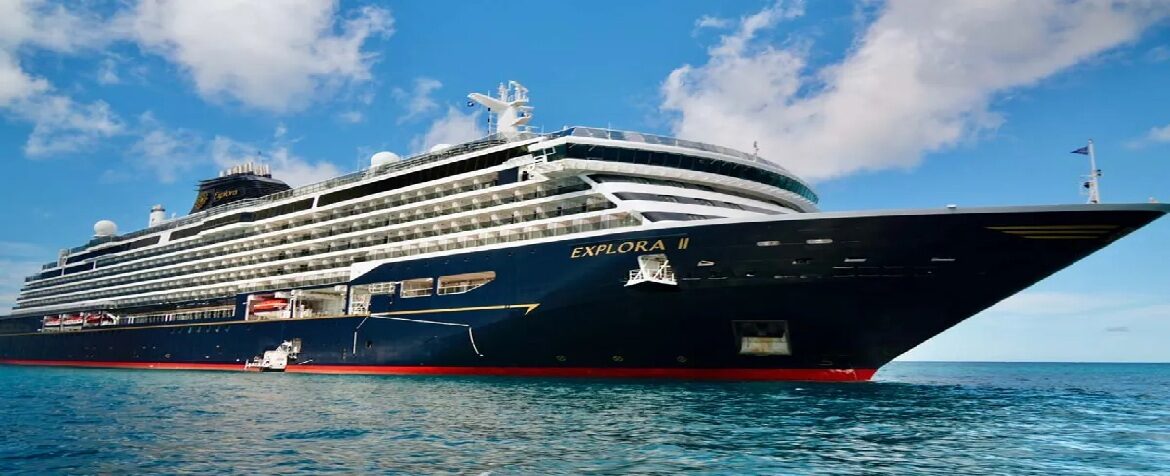
Explora II
23 Cruises
| 29 November | 29 days | One-way from Piraeus-Athens to Barcelona |
450-628-6241
Call us
|
| 29 November | 30 days | One-way from Piraeus-Athens to Barcelona |
450-628-6241
Call us
|
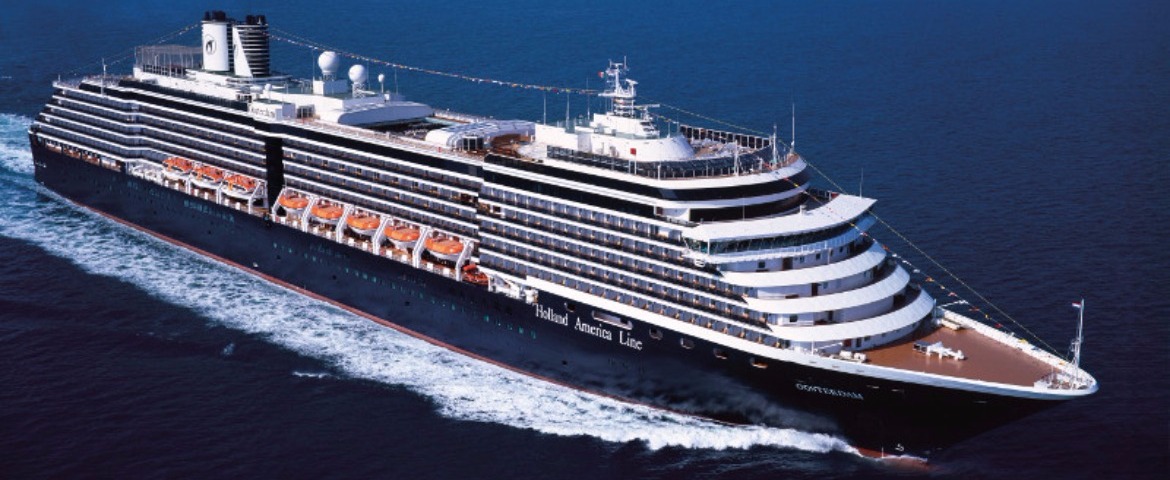
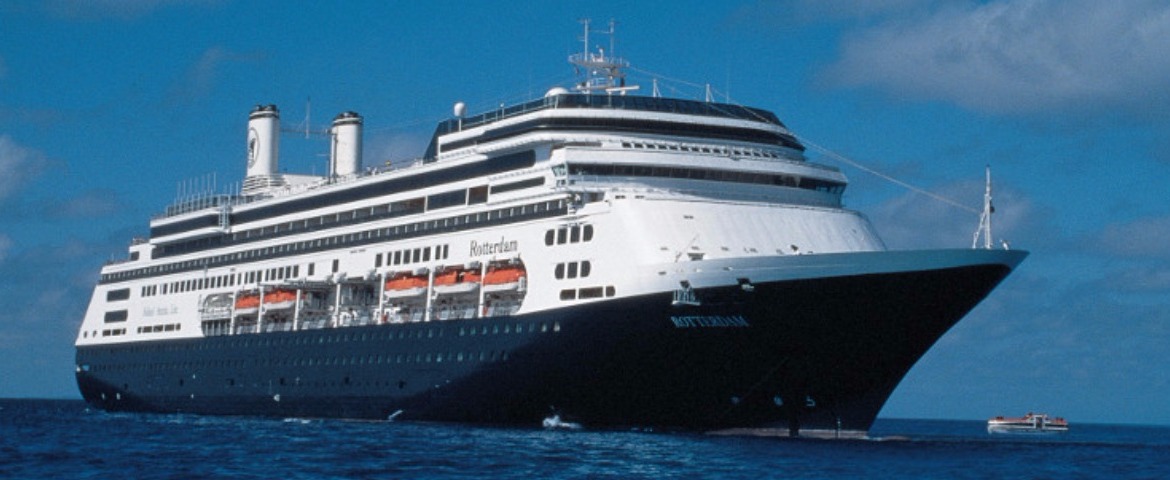
Holland America Line (6 Cruises)

MSC Cruises (322 Cruises)
MSC Divina
8 Cruises
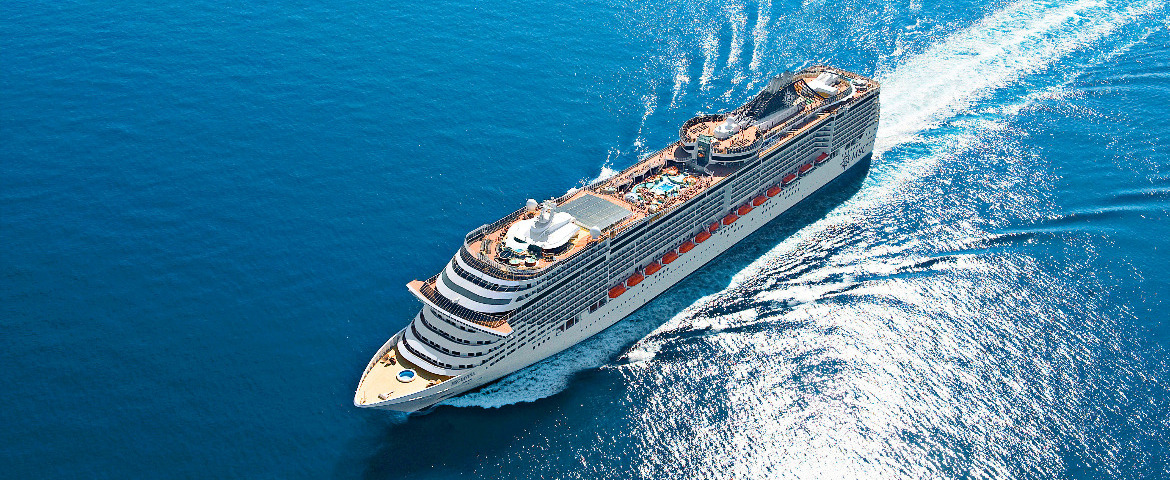

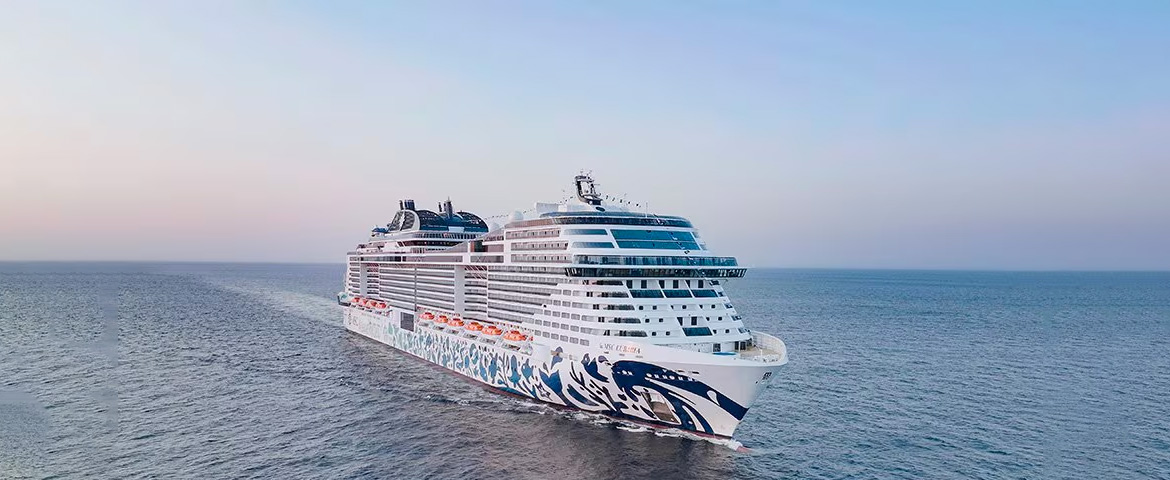
MSC Euribia
14 Cruises
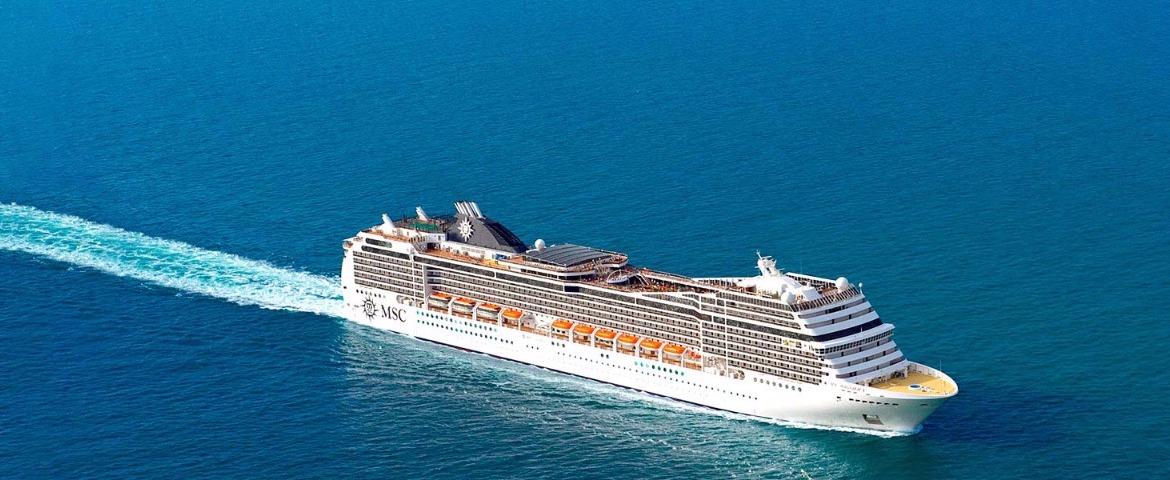
MSC Magnifica
35 Cruises
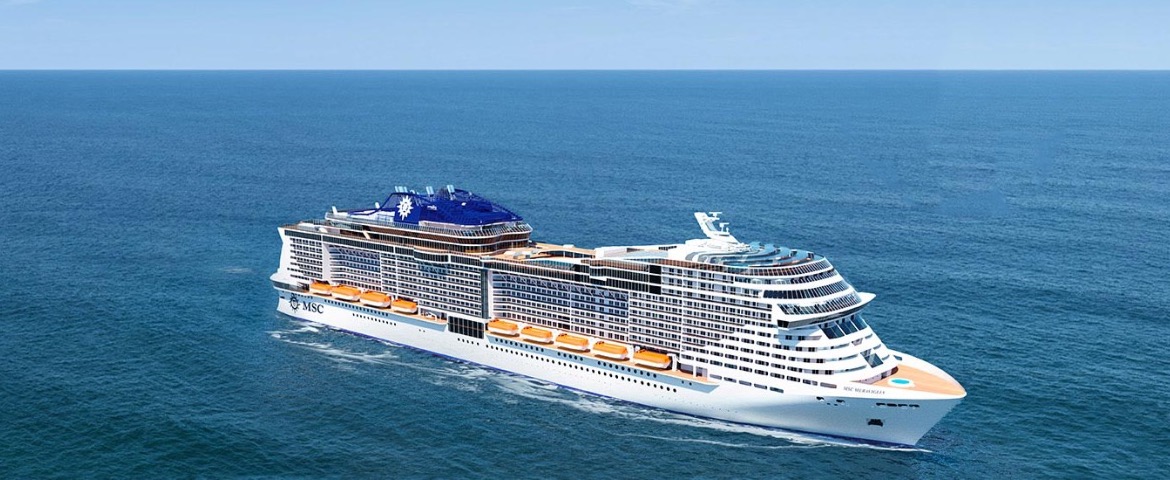
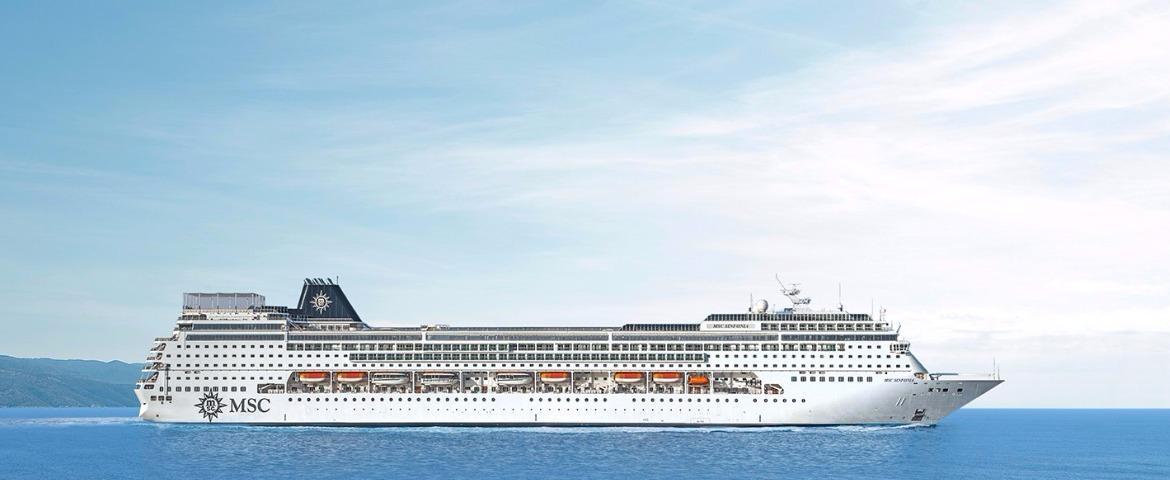
MSC Sinfonia
171 Cruises
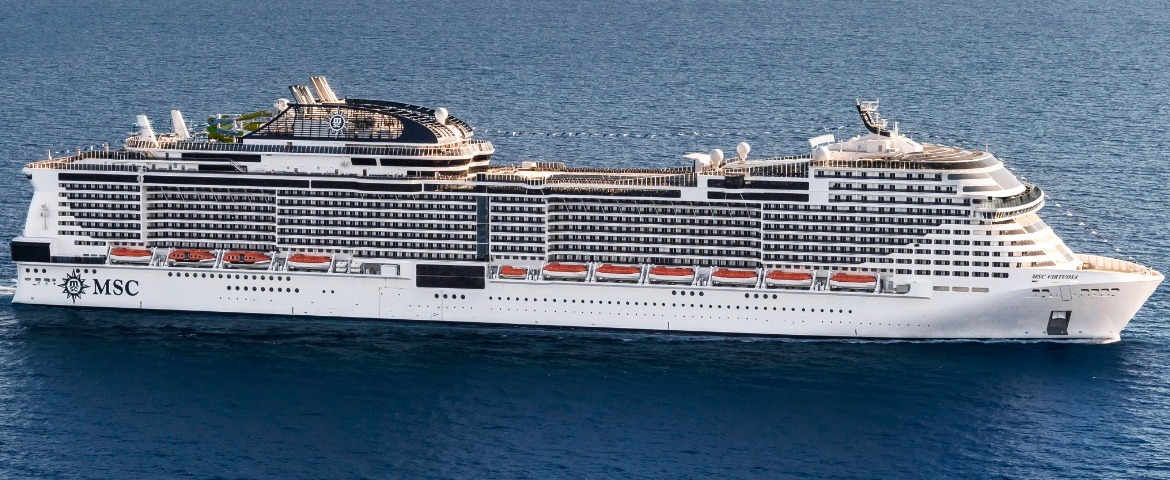
MSC Virtuosa
5 Cruises
MSC World Europa
87 Cruises
 Image not available
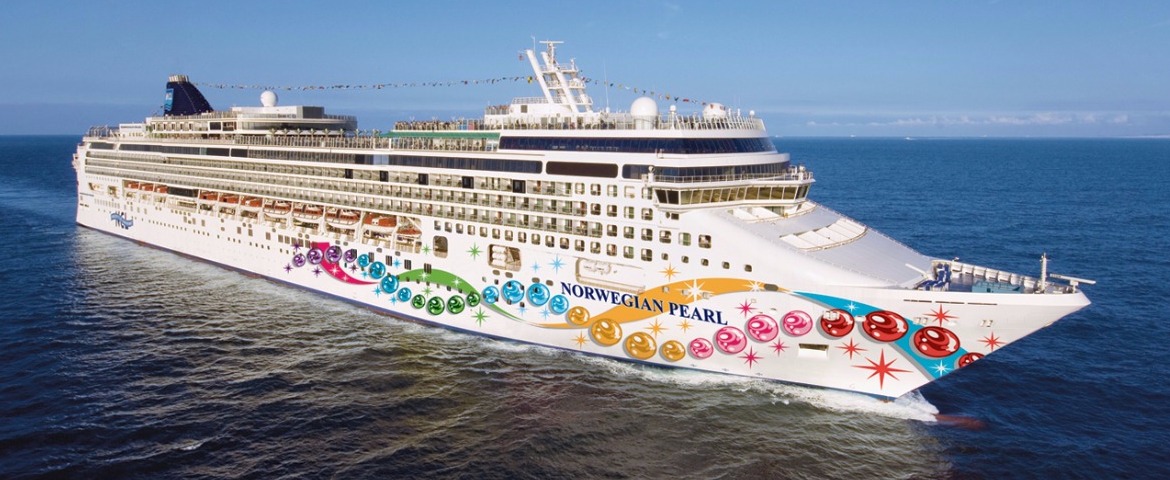
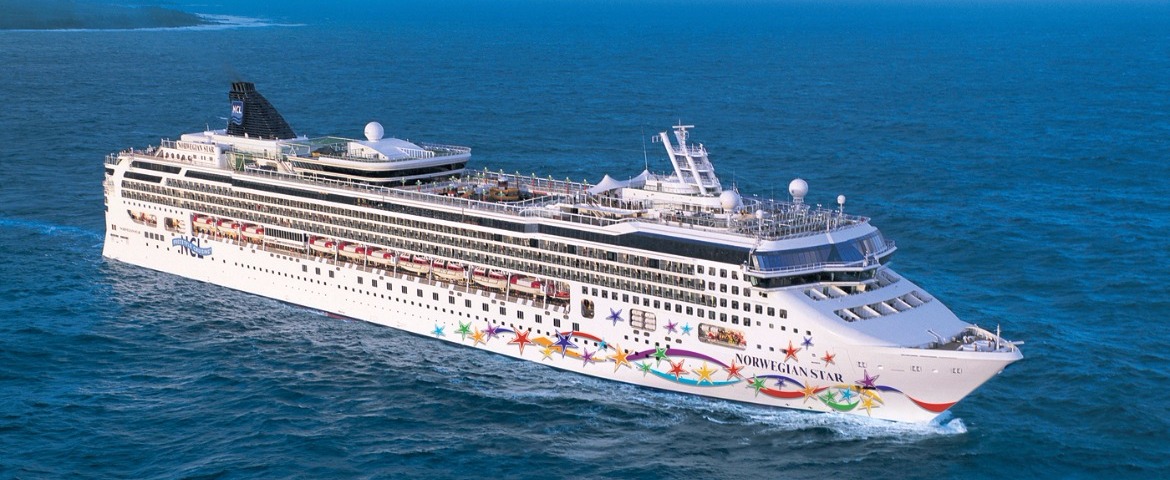
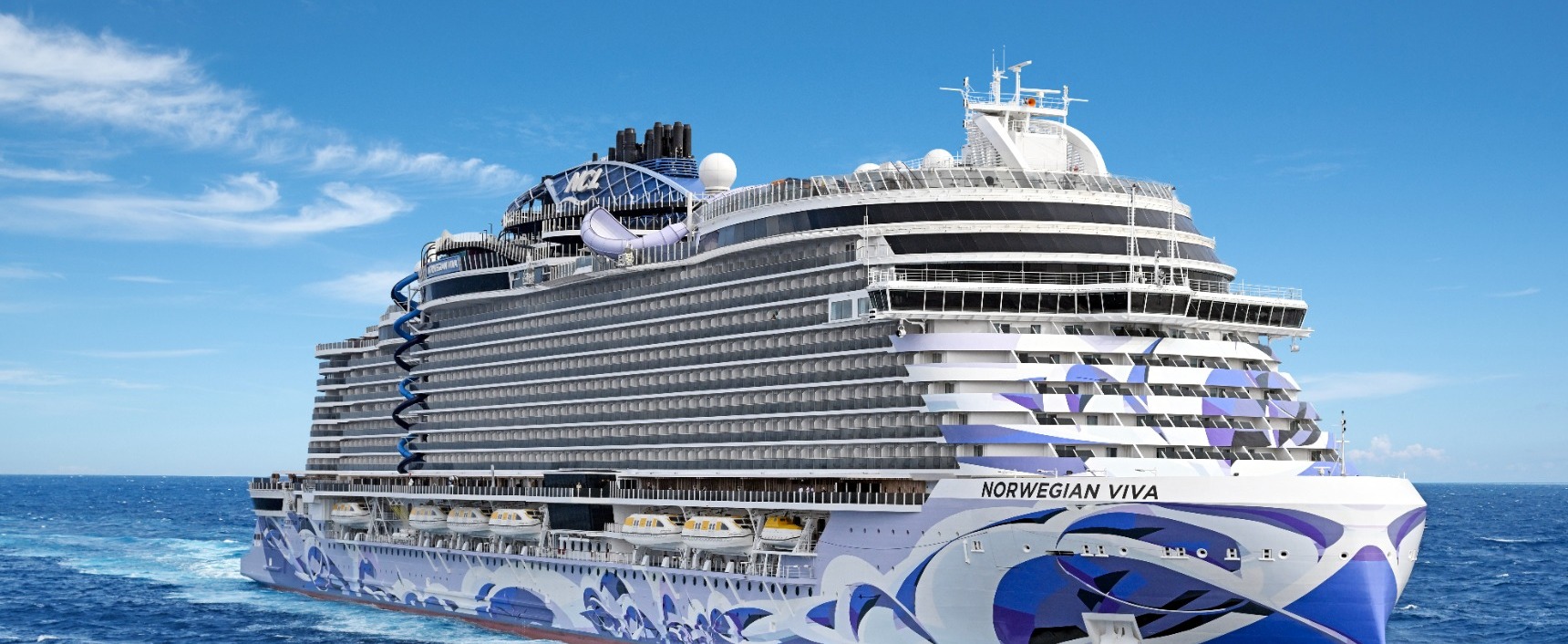
Norwegian Cruise Line (4 Cruises)

Oceania Cruises (68 Cruises)
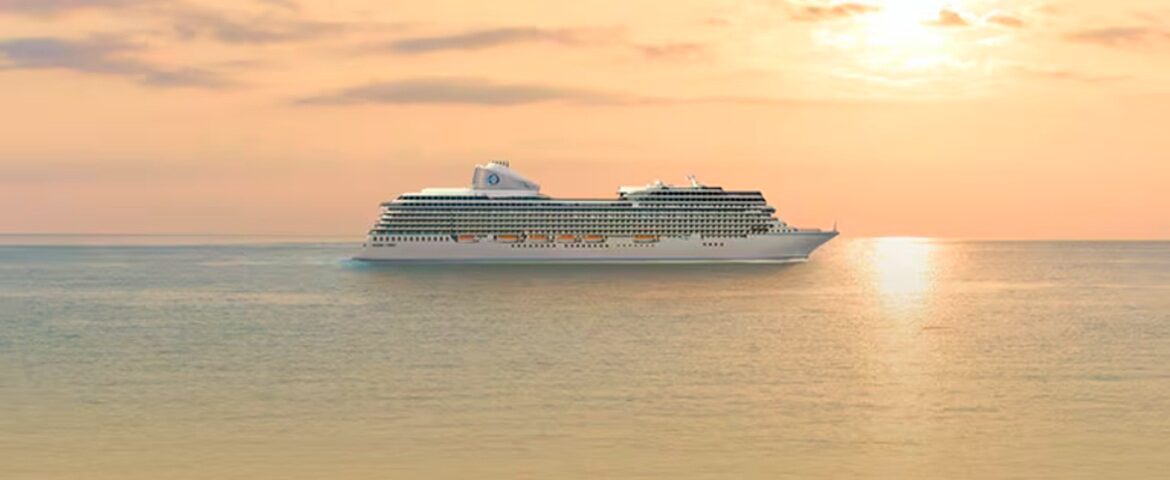
Oceania Allura
15 Cruises

| 6 August | 18 days | One-way from Lisbon to Piraeus-Athens |
450-628-6241
Call us
|
| 6 August | 11 days | One-way from Lisbon to Civitavecchia-Rome |
450-628-6241
Call us
|
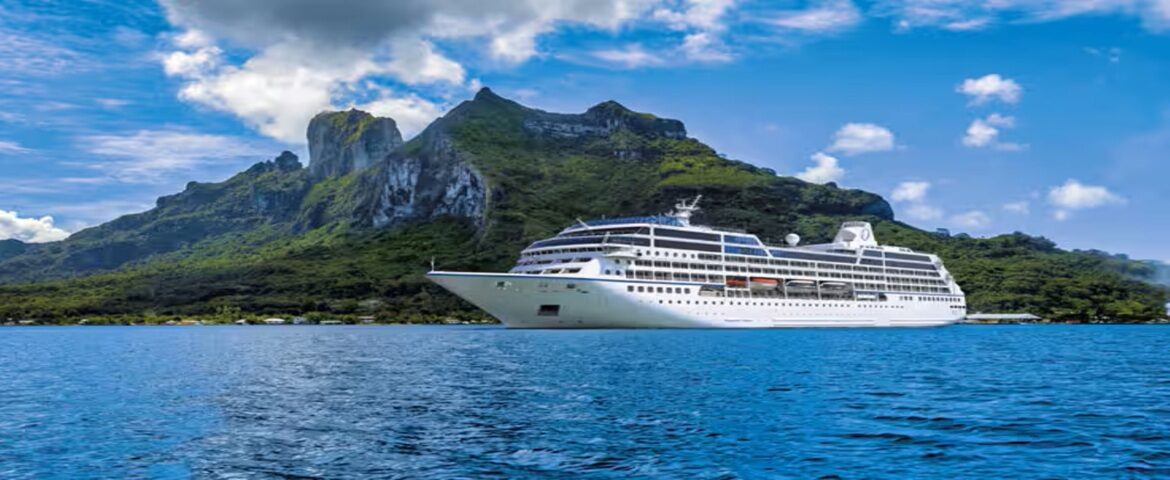
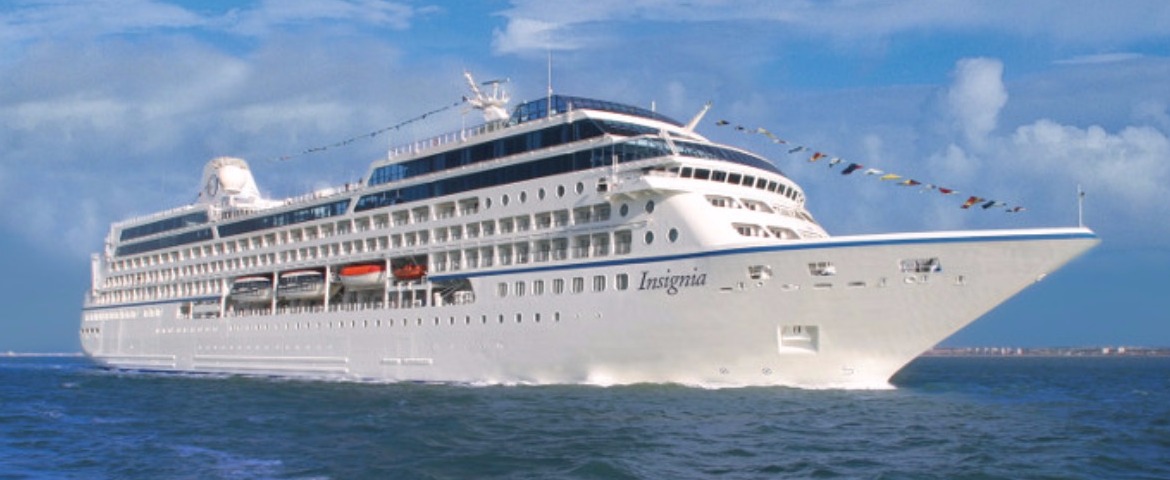
Oceania Insignia
11 Cruises
| 19 August | 68 days | One-way from Helsinki to Piraeus-Athens |
450-628-6241
Call us
|
| 19 August | 67 days | One-way from Helsinki to Piraeus-Athens |
450-628-6241
Call us
|
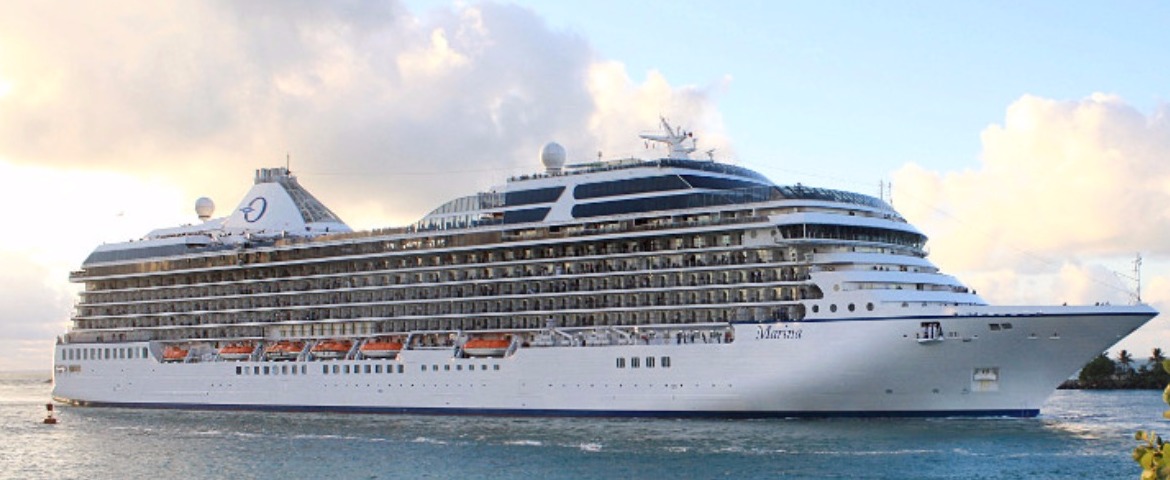
Oceania Marina
14 Cruises
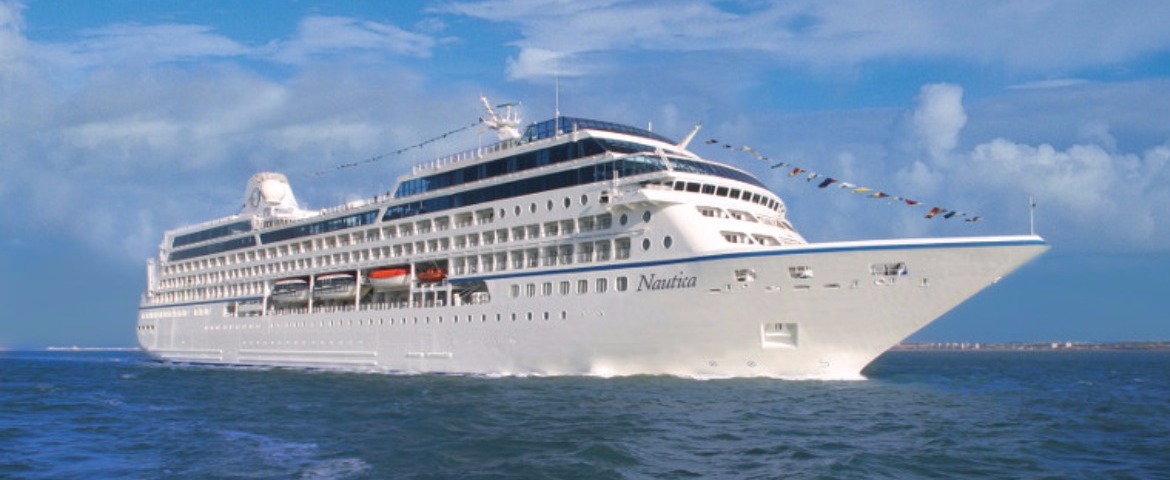
Oceania Sirena
8 Cruises
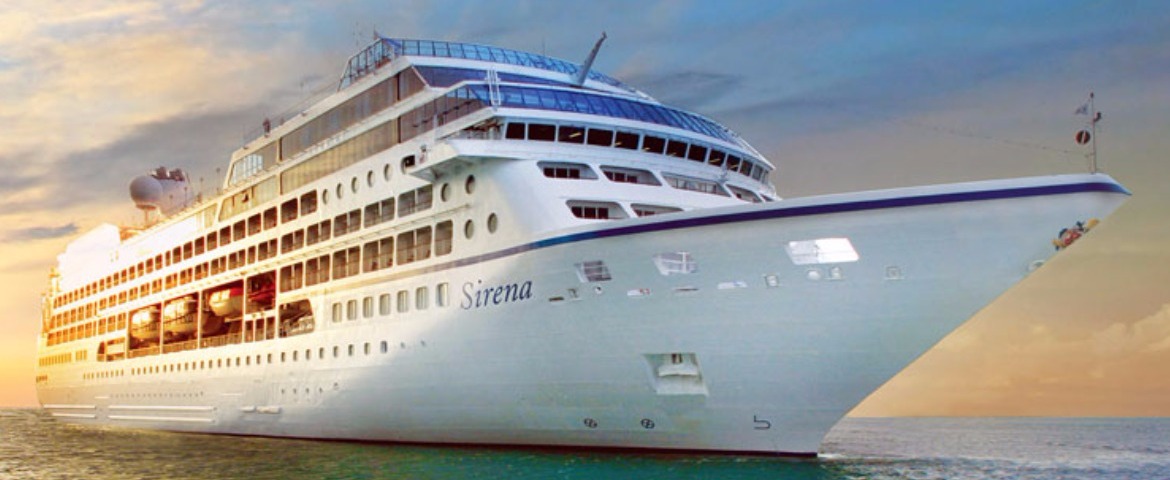
| 12 November | 40 days | One-way from Istanbul to Lisbon |
450-628-6241
Call us
|
| 12 November | 39 days | One-way from Istanbul to Lisbon |
450-628-6241
Call us
|
Oceania Sonata
12 Cruises
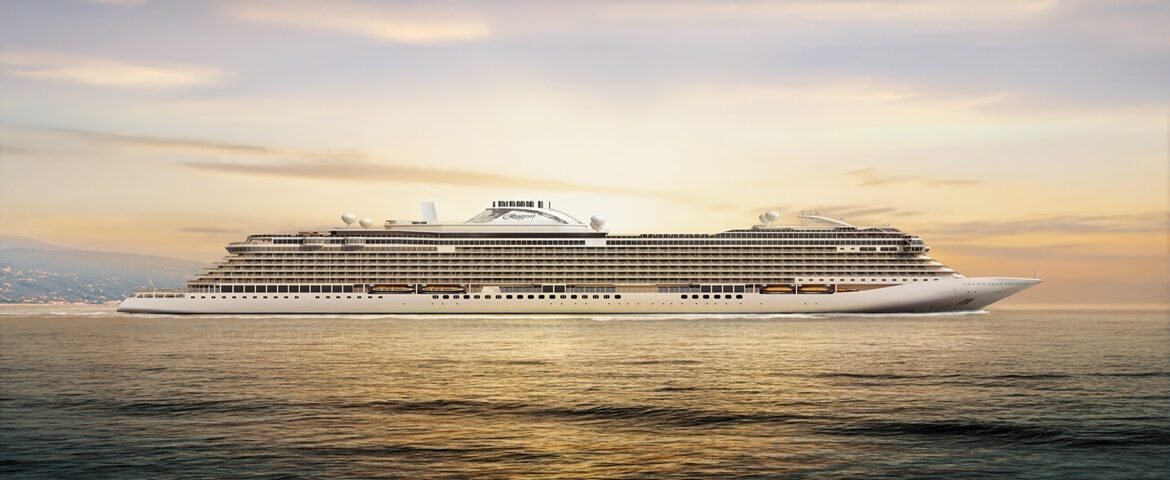
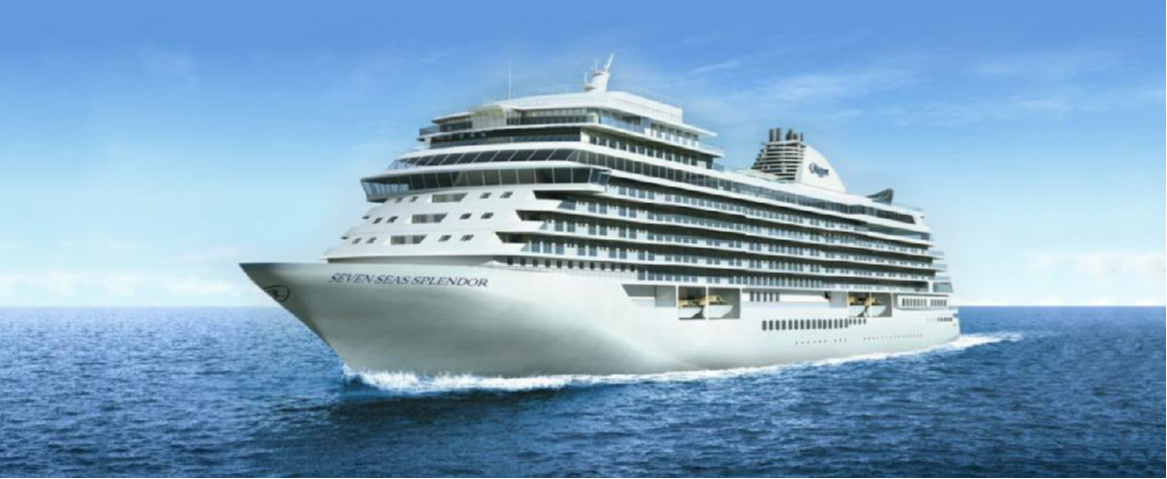
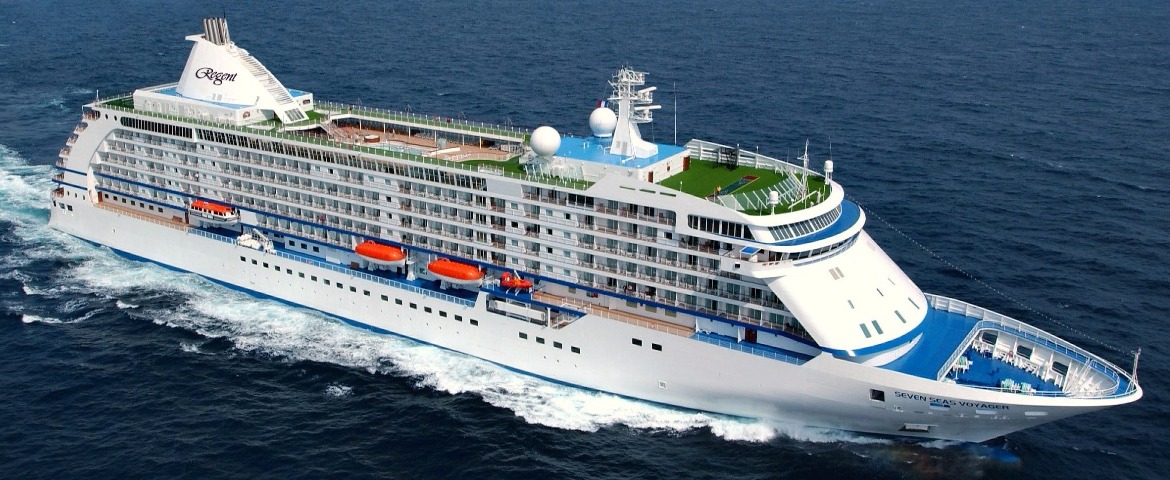
Regent Seven Seas Cruises (34 Cruises)
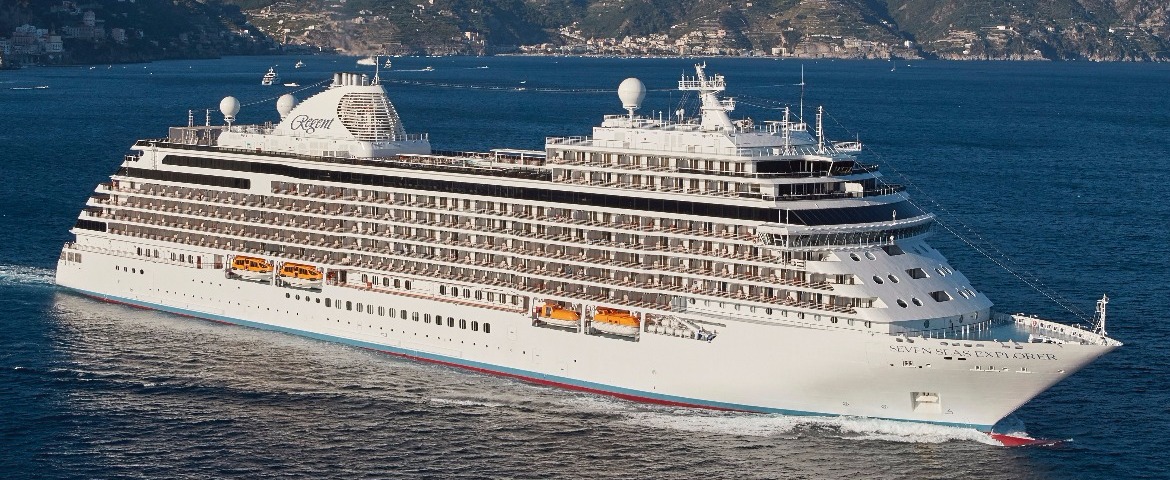
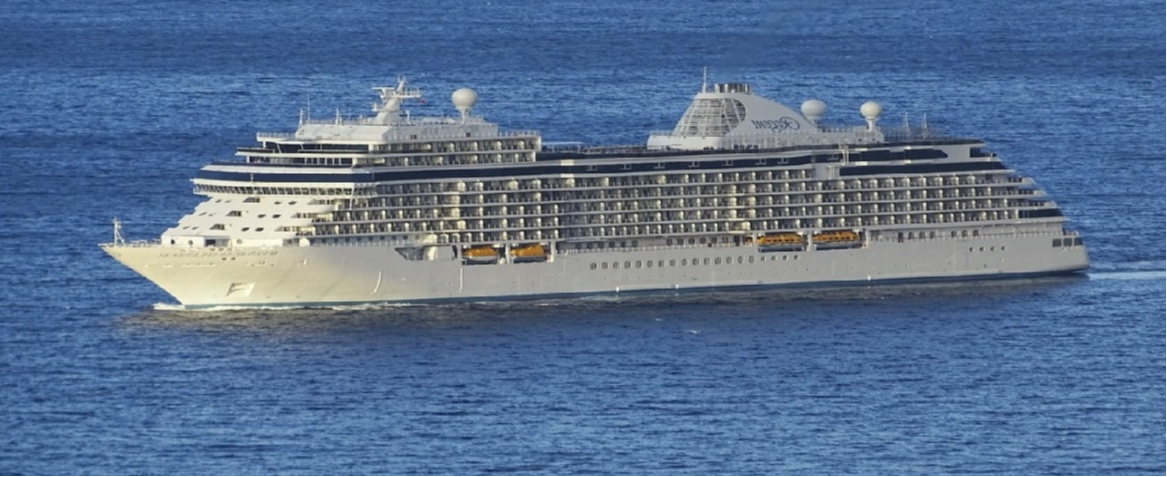
Seven Seas Explorer
4 Cruises
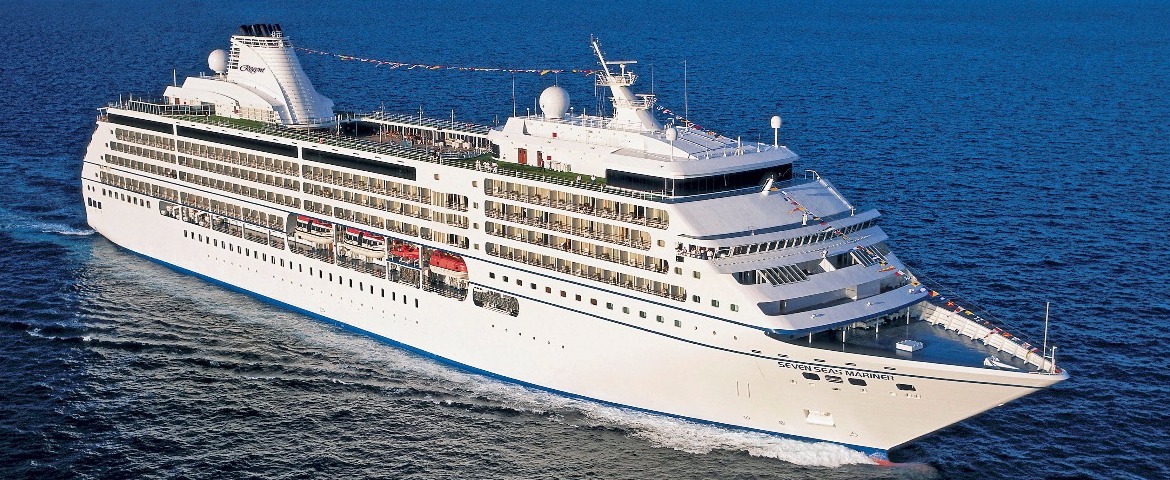
Seven Seas Mariner
10 Cruises
| 29 April | 175 days | One-way from New York to Piraeus-Athens |
450-628-6241
Call us
|
| 29 April | 174 days | One-way from New York to Piraeus-Athens |
450-628-6241
Call us
|
Royal Caribbean Cruises (5 Cruises)





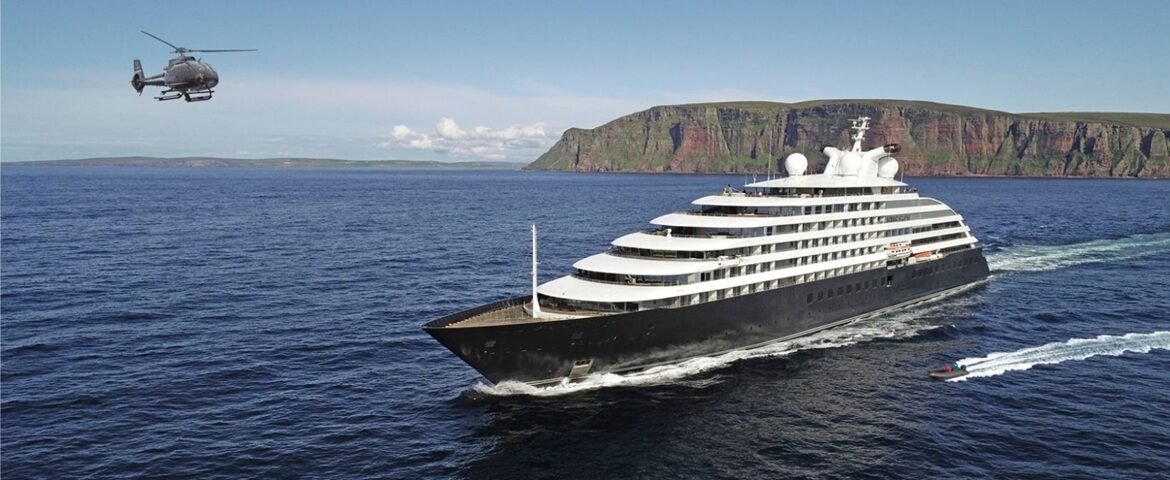
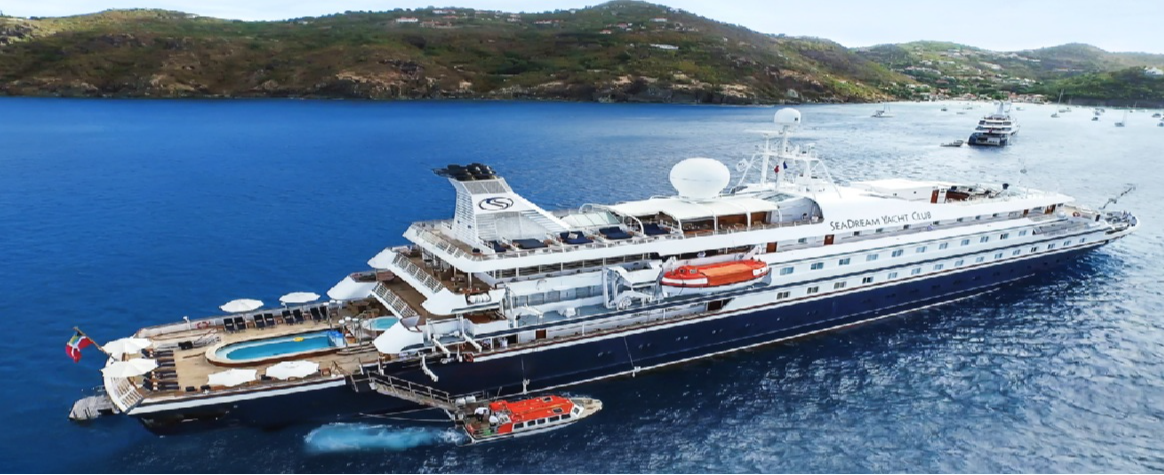
SeaDream Yacht Club (1 Cruises)

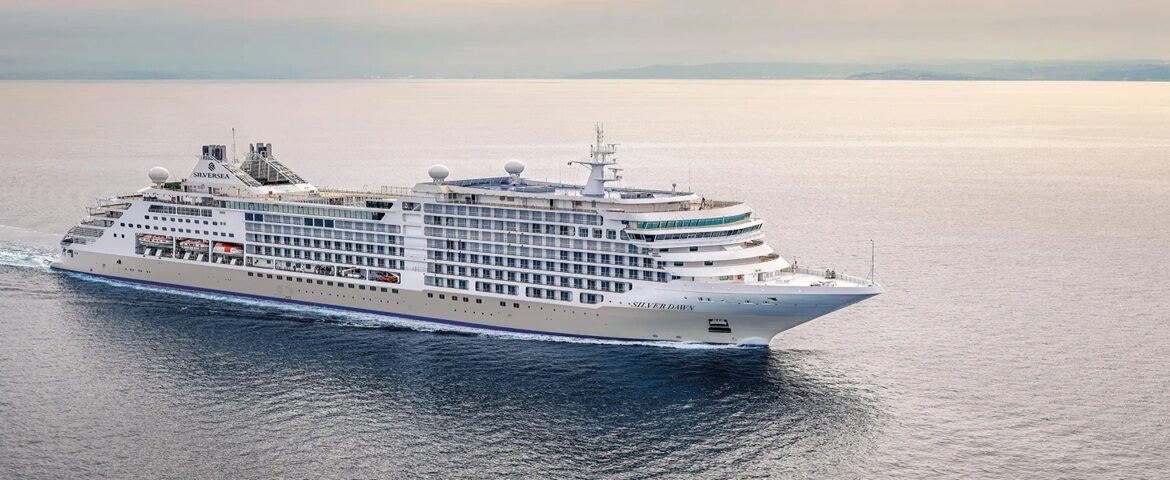
Silversea Cruises (13 Cruises)

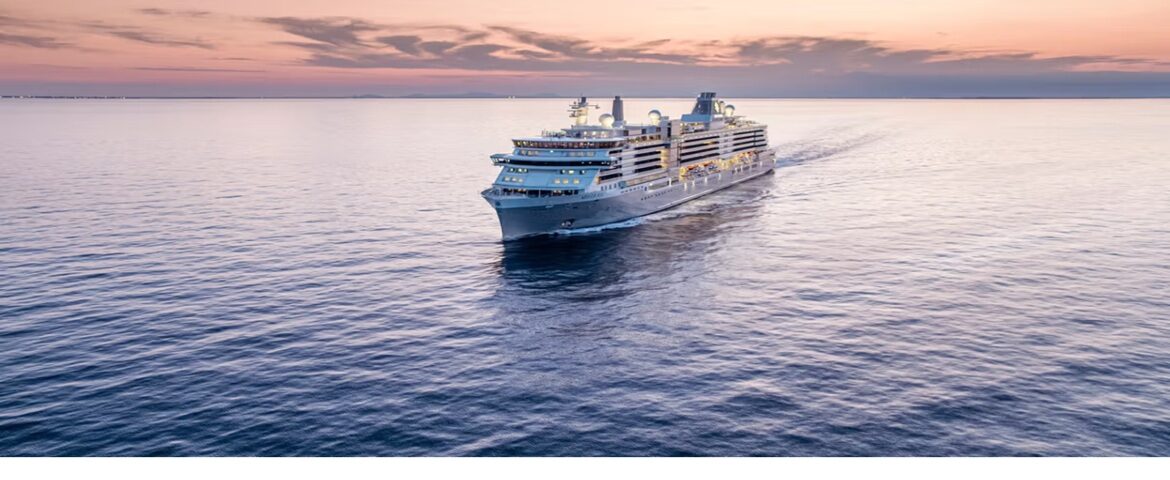
Silver Ray
9 Cruises
| 4 April | 11 days | Round-trip from Barcelona, Spain |
450-628-6241
Call us
|
| 14 April | 11 days | Round-trip from Barcelona, Spain |
450-628-6241
Call us
|
Port of Alicante, Spain | Cruise Port Guide
Frequently Asked Questions
At the Muelle de Levante, about two kilometres from the historic centre. A free shuttle links the terminal to Plaza Puerta del Mar in a few minutes; strong walkers cover the distance in twenty minutes along the basins.
A promenade paved in red, cream and black marble mosaic, six and a half million tesserae laid in stone waves beneath four rows of palm trees, facing the yachts. It is Alicante's open-air drawing room.
A lift cut into the rock, entered from the seafront near Postiguet beach, saves the climb. The fortress stands 166 metres above the water and ranks among Spain's largest medieval military sites.
A full circle of views over the bay, the old town rooftops and the inland mountains. The route is self-guided, through Arab-era ramparts, Gothic halls and cannon batteries.
The old town at the foot of Mount Benacantil: brightly painted lanes, cobalt and ochre houses in the Santa Cruz quarter, washing on balconies and flowered staircases. It holds the co-cathedral of San Nicolás and the basilica of Santa María.
Yes, Postiguet beach adjoins the centre, within walking distance of the terminal. It is one of the rare Mediterranean calls where a swim can be improvised between two monuments.
The Explanada and the marina, the lift up to the castle, then El Barrio and the Mercado Central. Everything sits within a kilometre of the marina, which makes it one of Spain's densest calls.
Under modernist vaults, ten minutes north of the centre: red prawns from the coast, cured tuna, Calasparra rice and mountains of citrus. It is the place to spot the products behind the local cooking.
The seafood rices, which local restaurants take well beyond paella and often serve straight in their cast-iron pan. And turrón, the province's speciality, in its ice-cream version when it is hot.
Seen from the quay, its flank forms the profile of a sleeping face, nicknamed the Moor's Face. Look for it before you go ashore: the pier is the best vantage point.


