Bilbao Spain Biscay Basque Country
217
Cruises availables
At departure or passage at this port
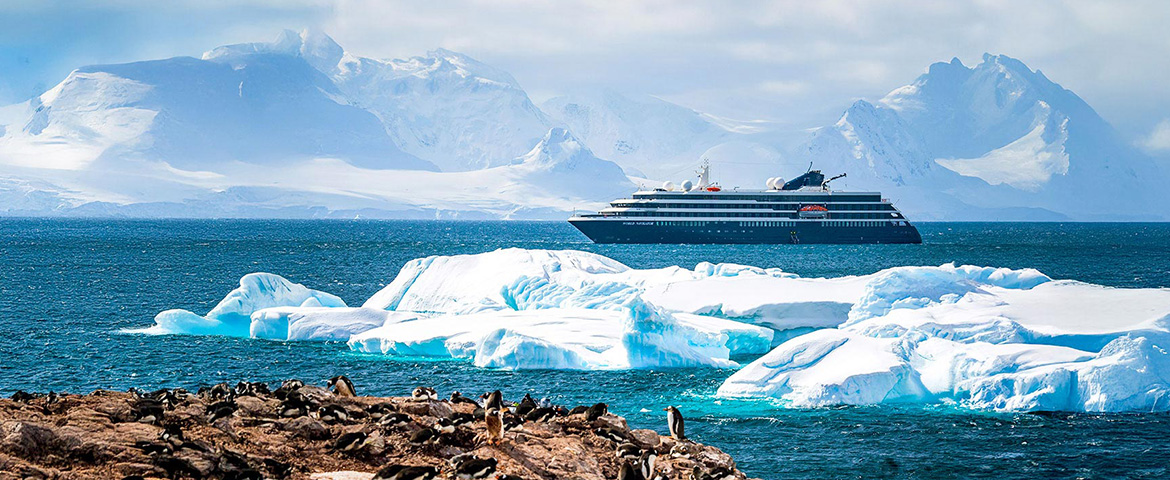
Atlas Ocean Voyages (2 Cruises)

Azamara Club Cruises (21 Cruises)
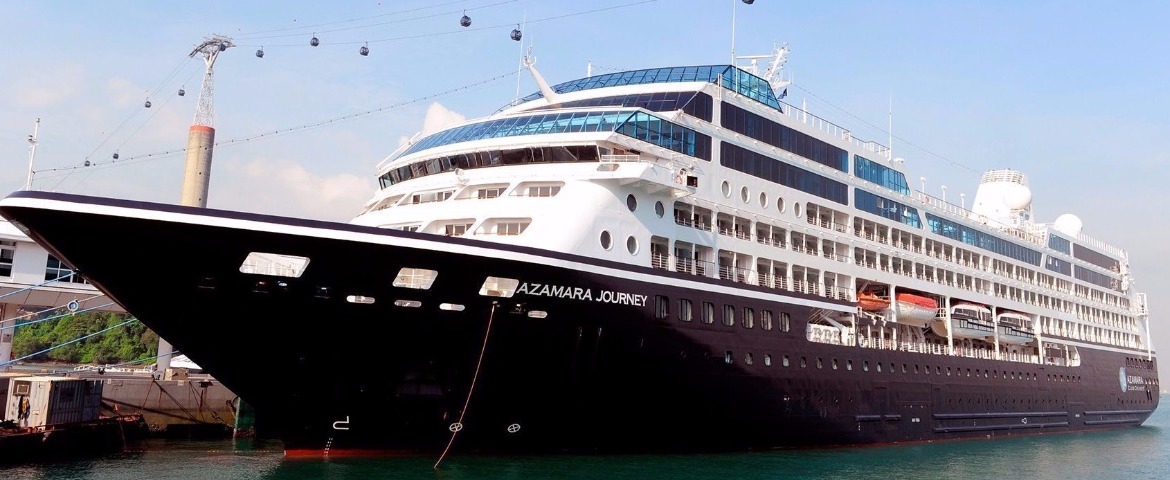
Azamara Journey
11 Cruises

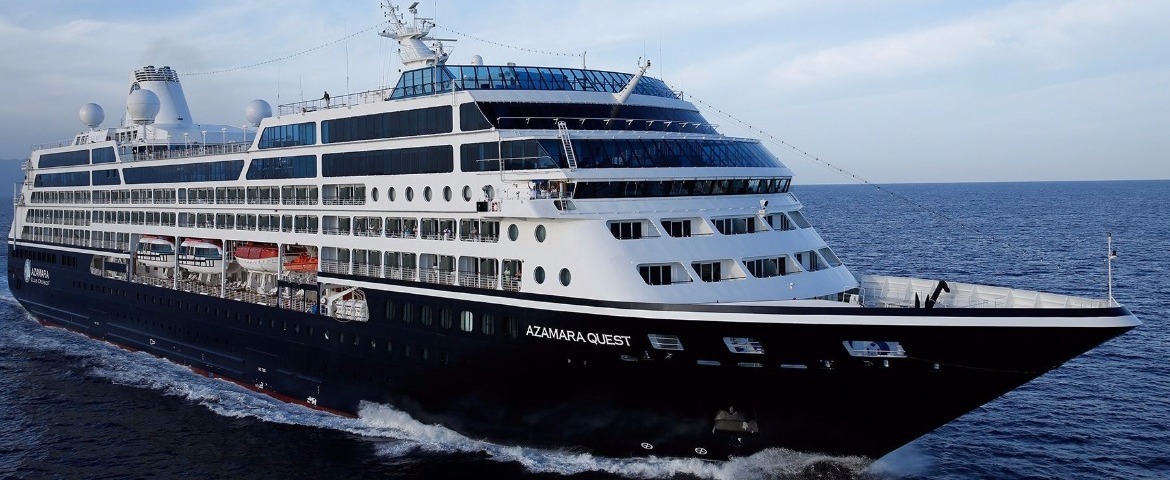
Azamara Quest
10 Cruises

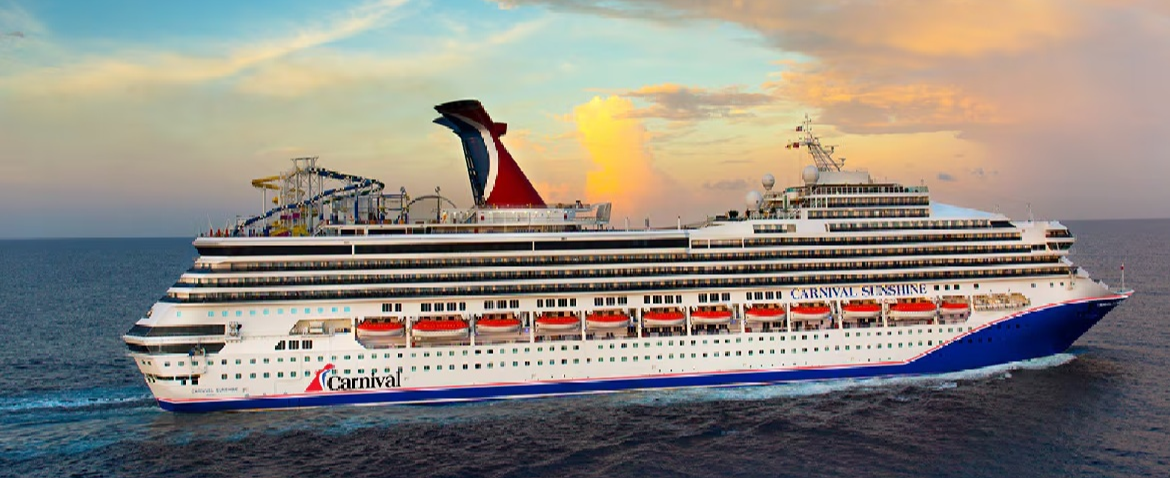
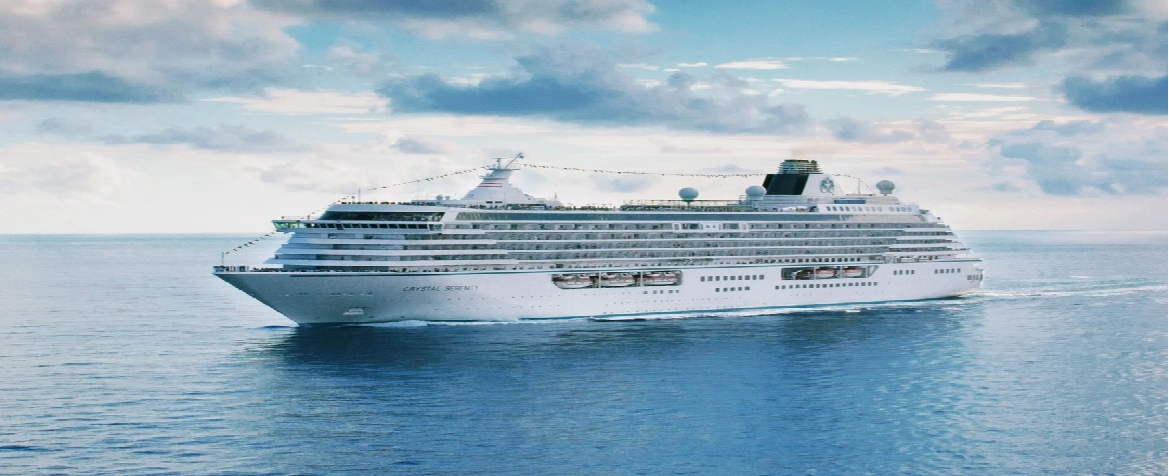

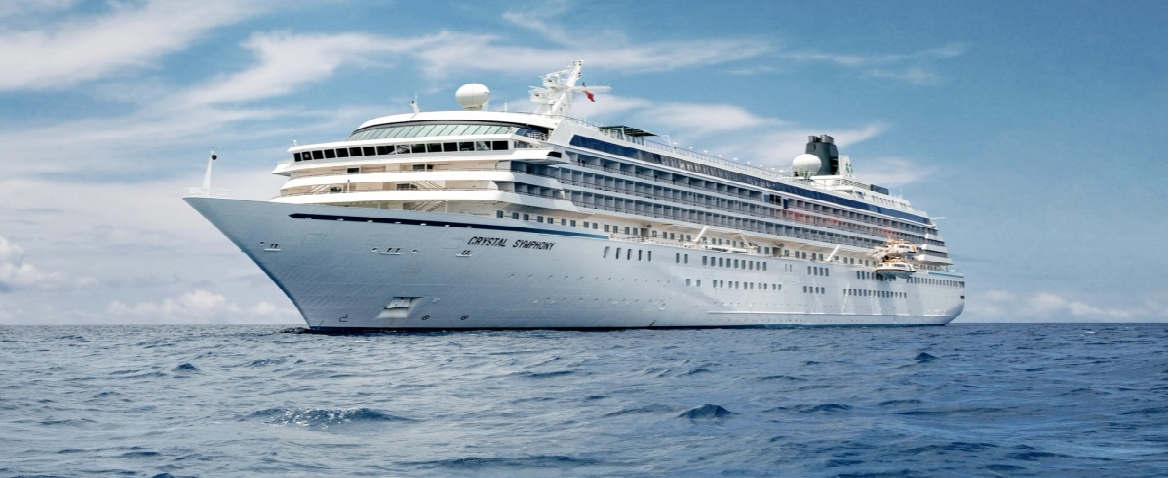
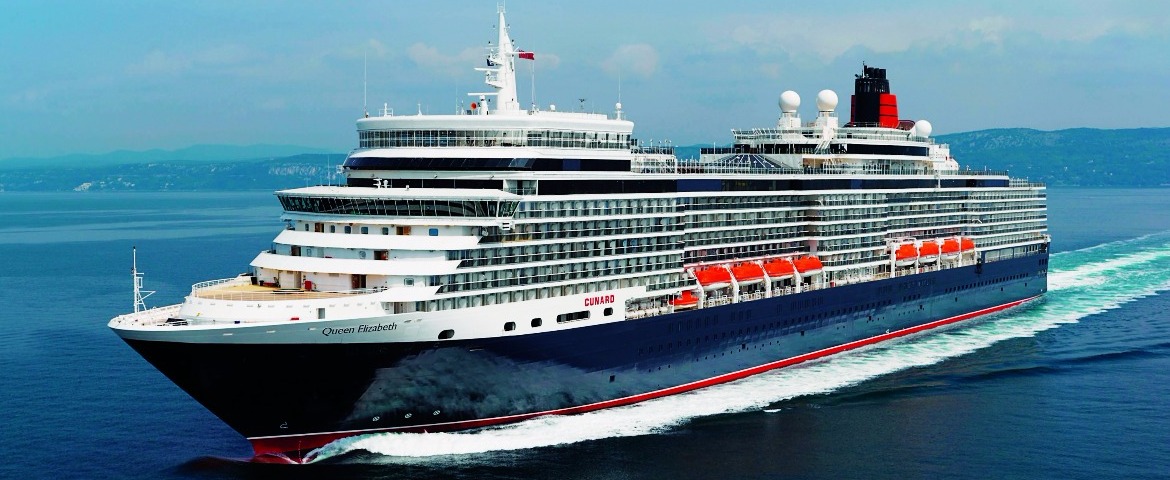
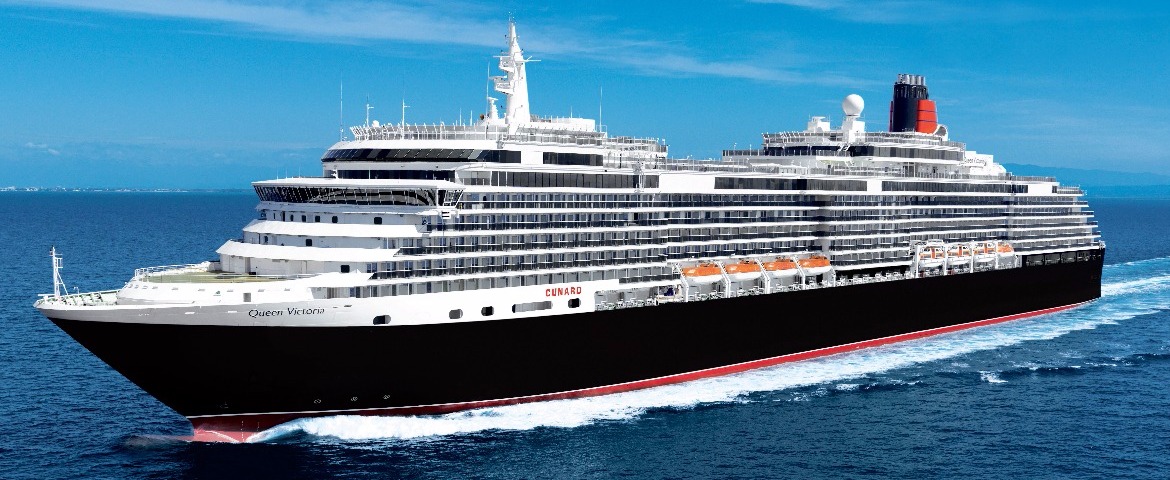
Cunard (16 Cruises)
Queen Anne
14 Cruises
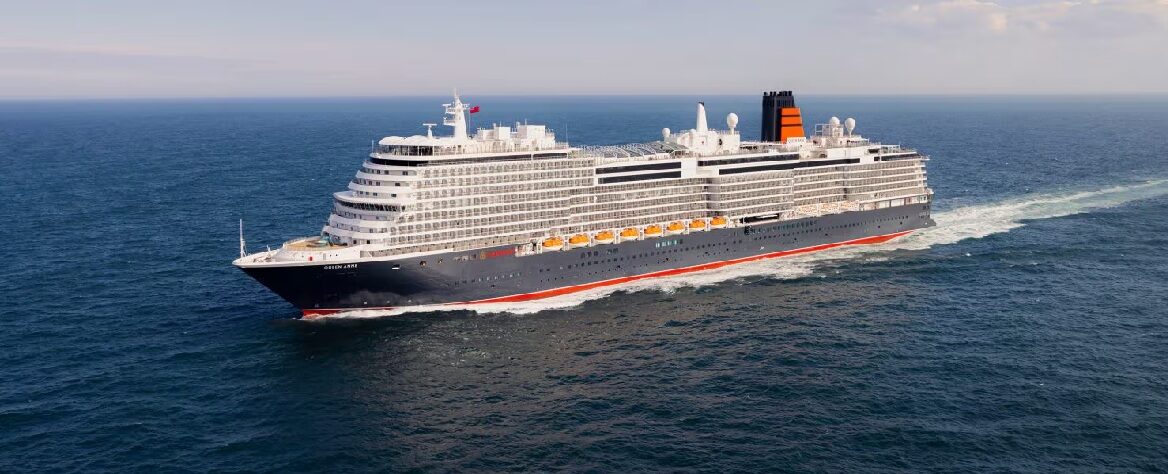

| 11 June | 8 days | Round-trip from Southampton, United Kingdom |
450-628-6241
Call us
|
| 25 June | 8 days | Round-trip from Southampton, United Kingdom |
450-628-6241
Call us
|
| 9 July | 8 days | Round-trip from Southampton, United Kingdom |
450-628-6241
Call us
|
| 23 July | 8 days | Round-trip from Southampton, United Kingdom |
450-628-6241
Call us
|
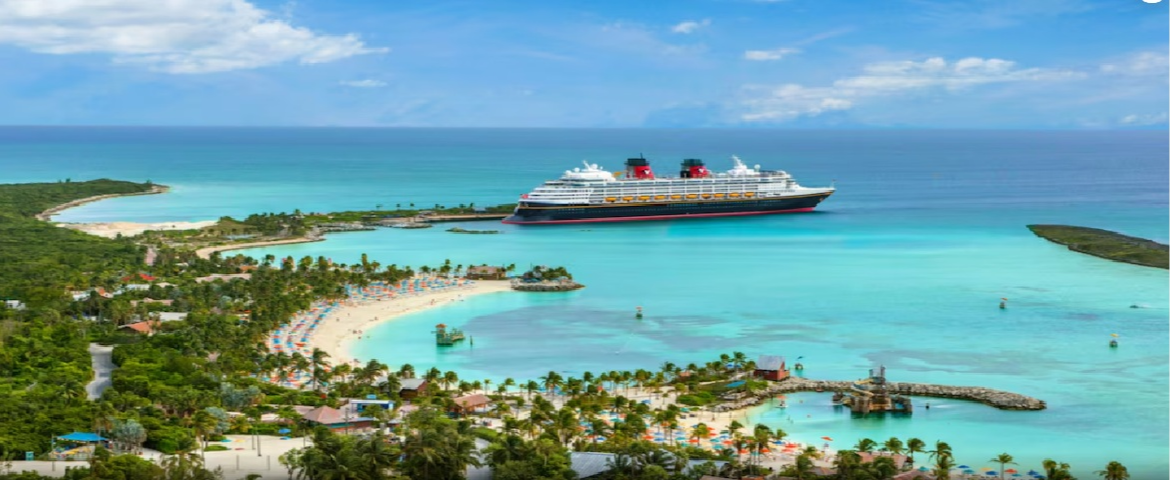
Disney Cruise Line (2 Cruises)

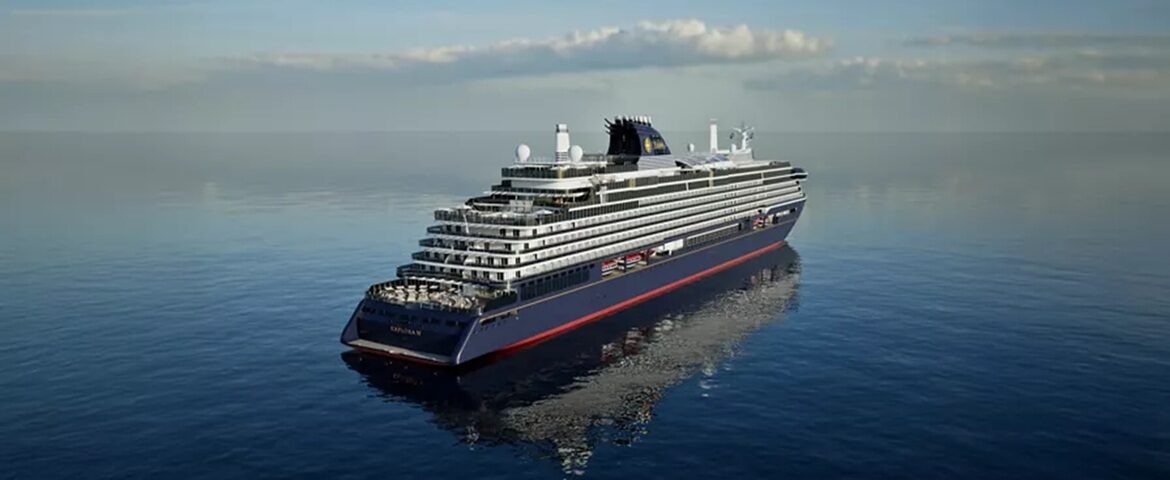
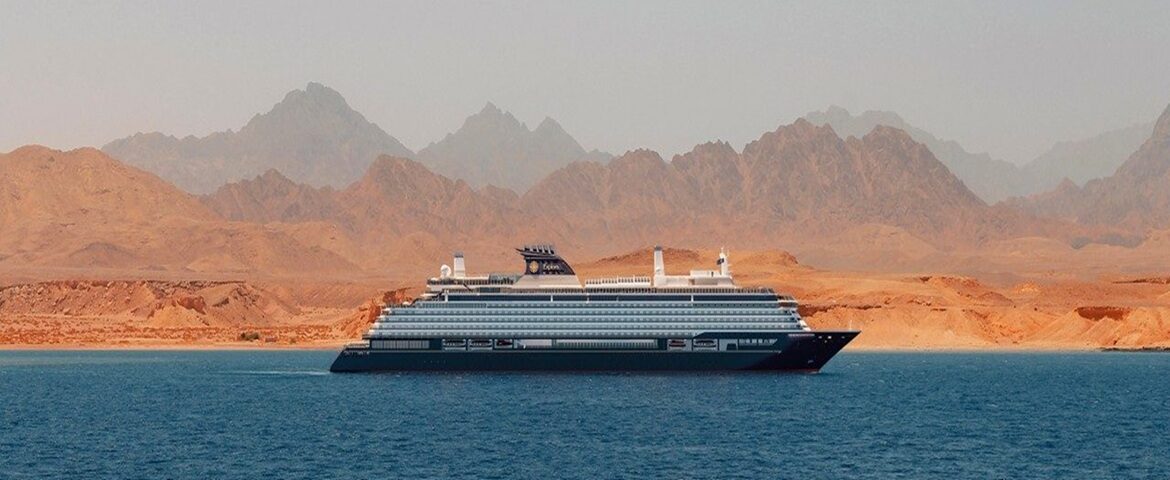
Explora Journeys (5 Cruises)

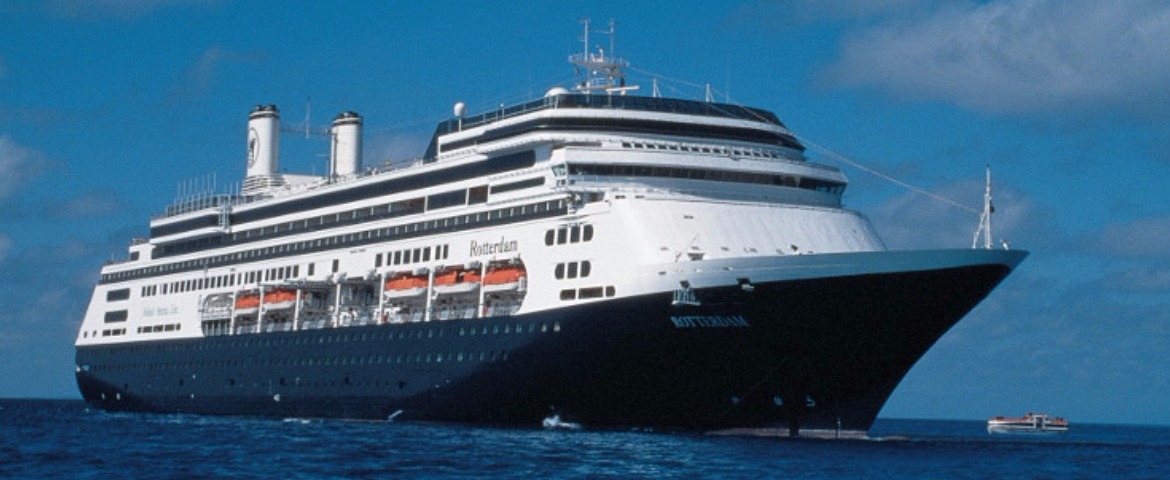
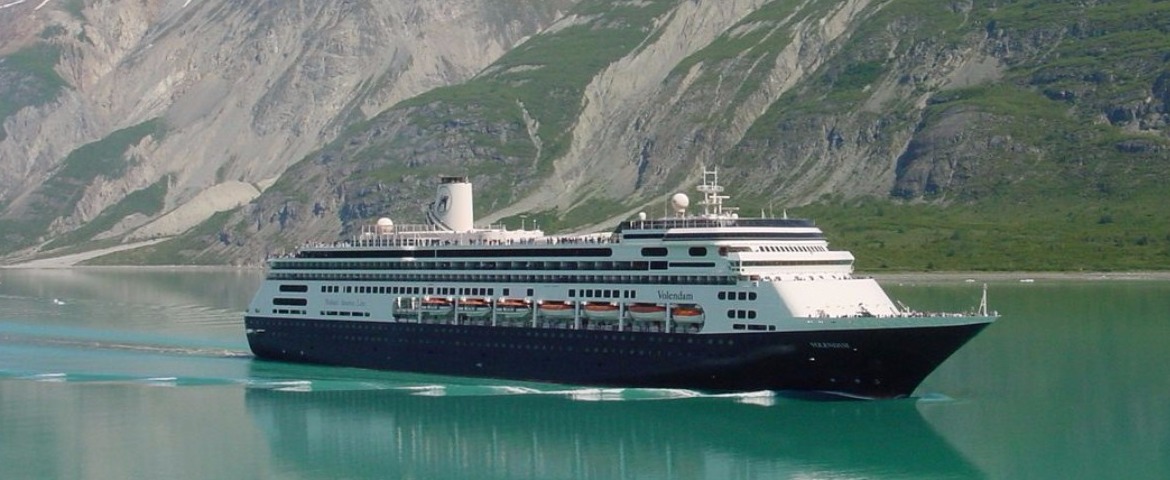
Holland America Line (8 Cruises)


MSC Cruises (23 Cruises)
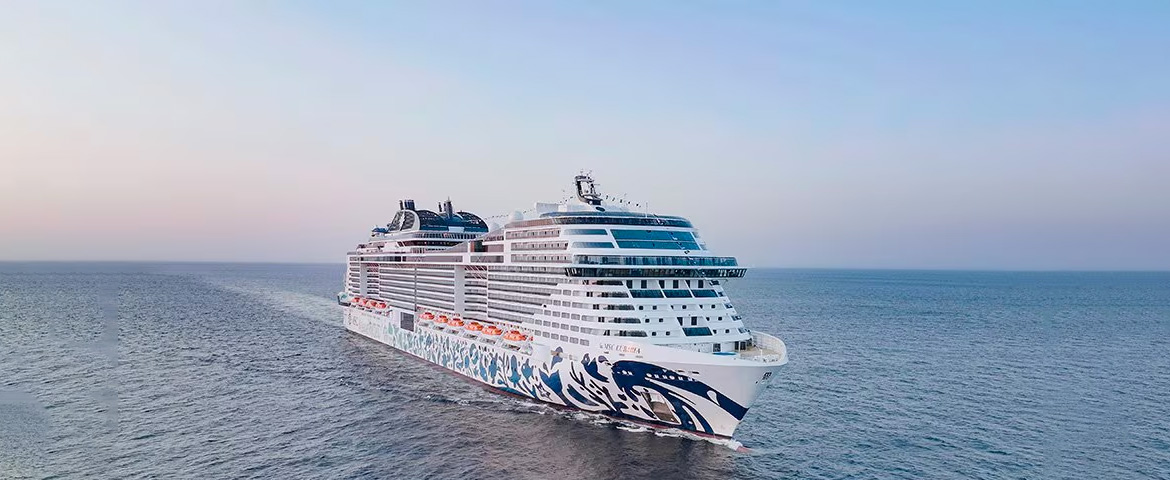
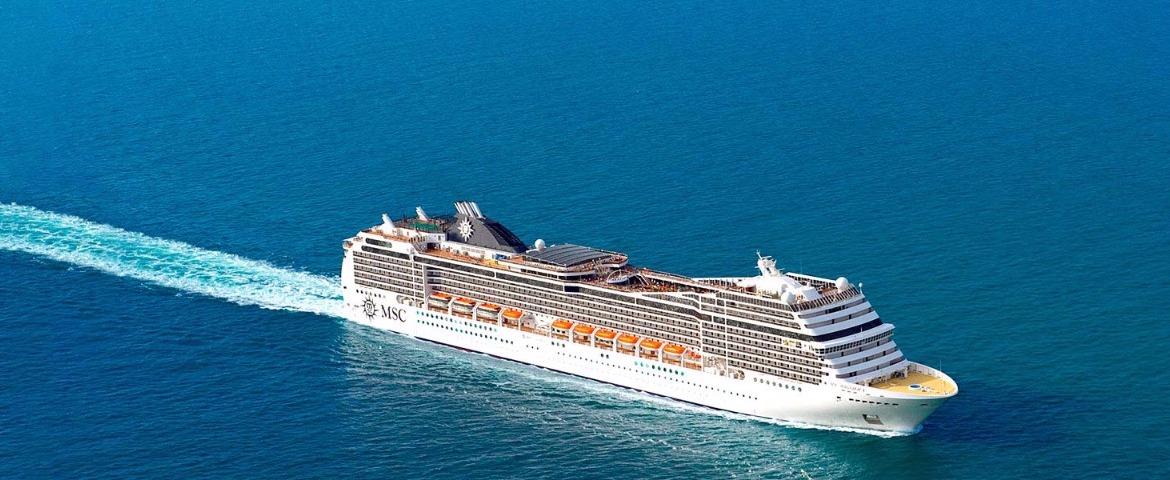
MSC Euribia
7 Cruises

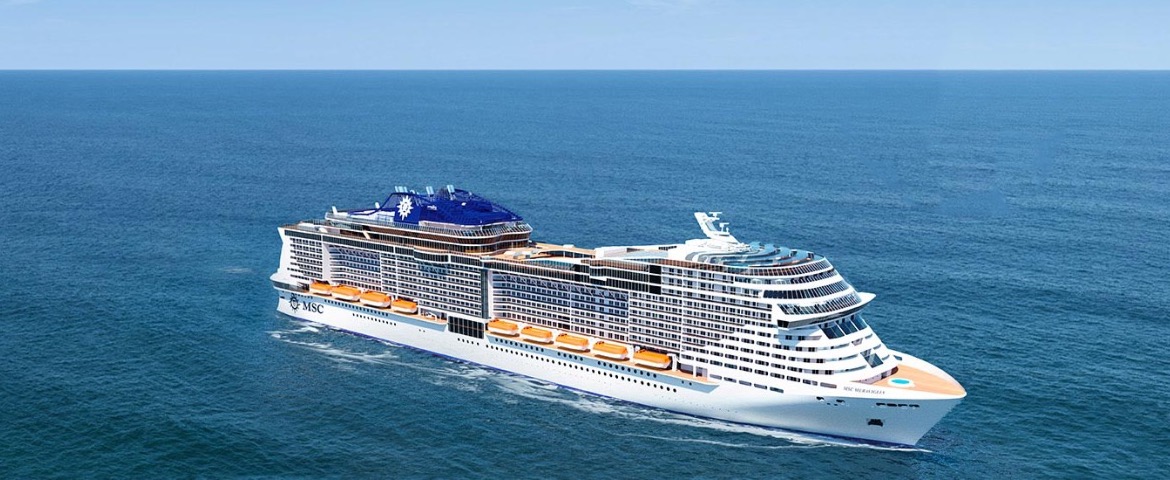
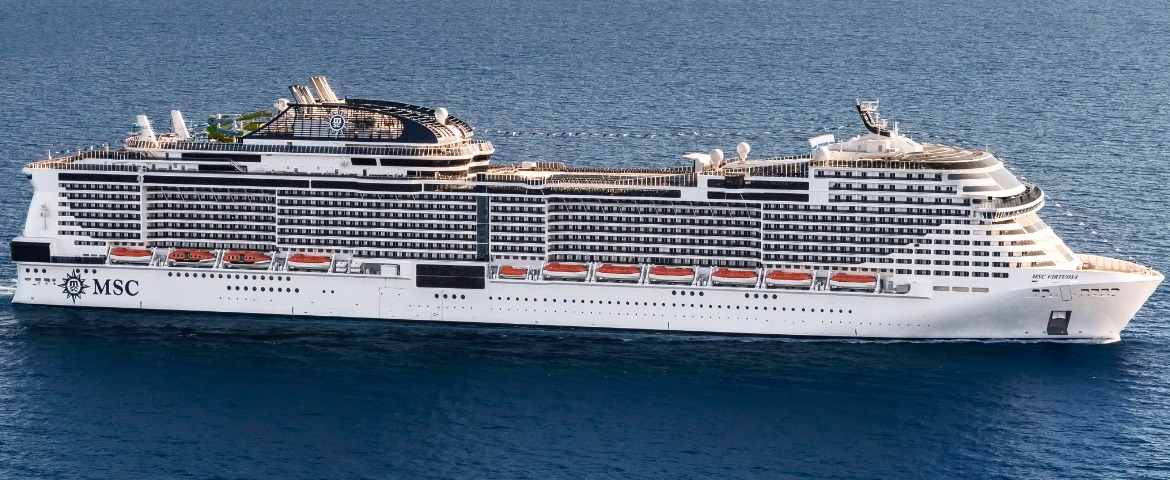
MSC Meraviglia
10 Cruises
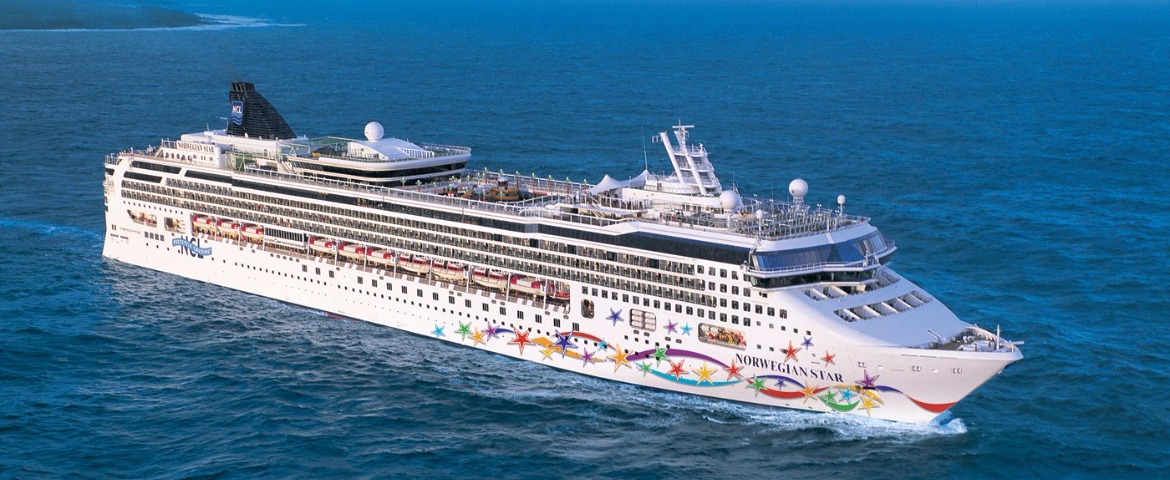
Norwegian Cruise Line (3 Cruises)

Oceania Cruises (49 Cruises)
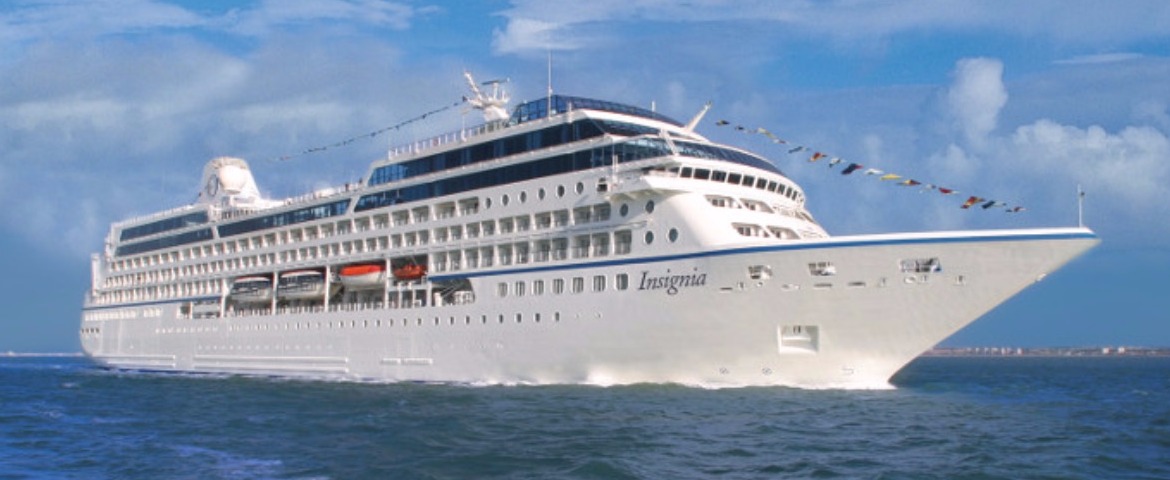
Oceania Insignia
9 Cruises

| 19 August | 67 days | One-way from Helsinki to Piraeus-Athens |
450-628-6241
Call us
|
| 19 August | 68 days | One-way from Helsinki to Piraeus-Athens |
450-628-6241
Call us
|
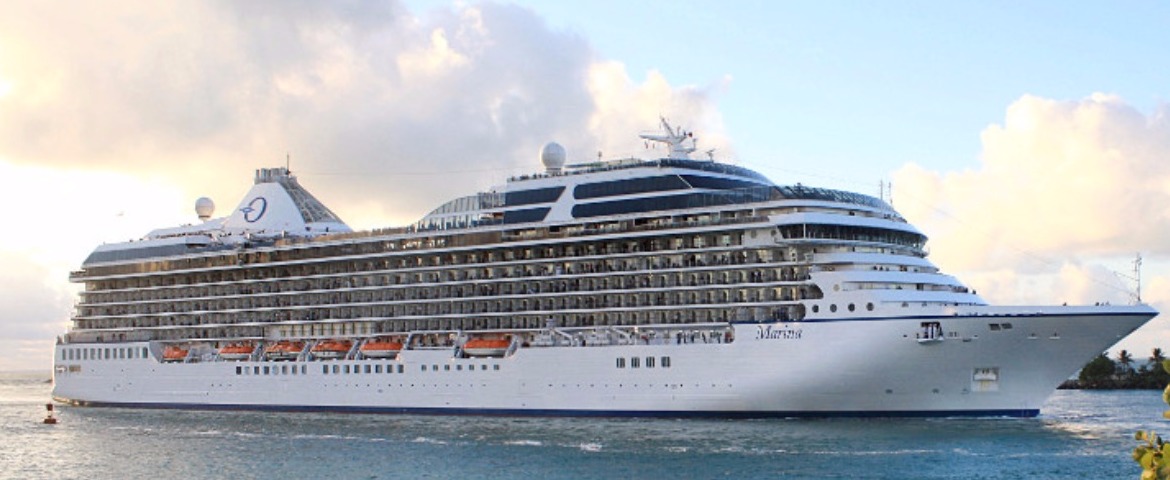
Oceania Marina
10 Cruises
| 17 April | 66 days | One-way from Trieste to Southampton |
450-628-6241
Call us
|
| 17 April | 67 days | One-way from Trieste to Southampton |
450-628-6241
Call us
|
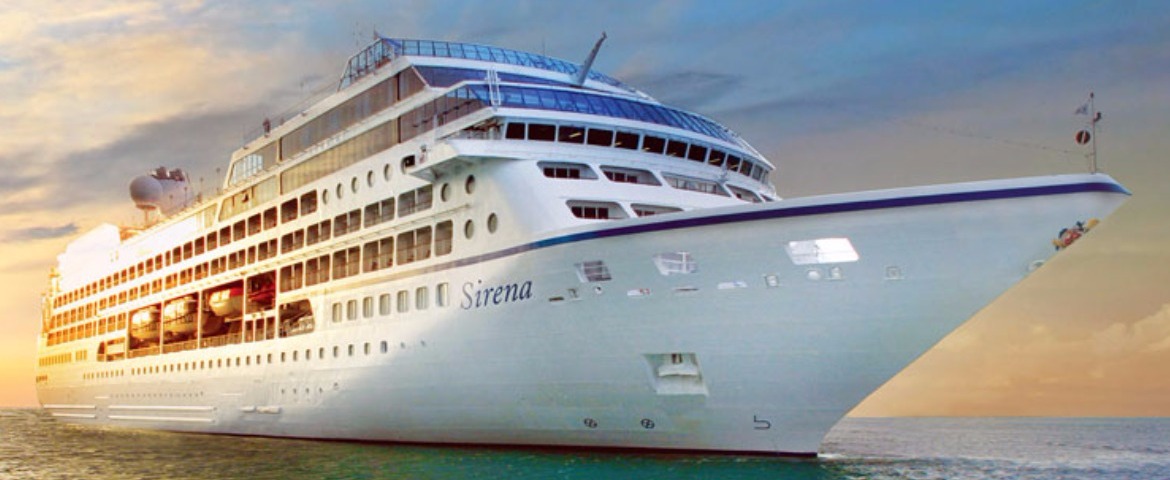
Oceania Sirena
7 Cruises
Oceania Sonata
12 Cruises
Oceania Vista
11 Cruises


Regent Seven Seas Cruises (35 Cruises)
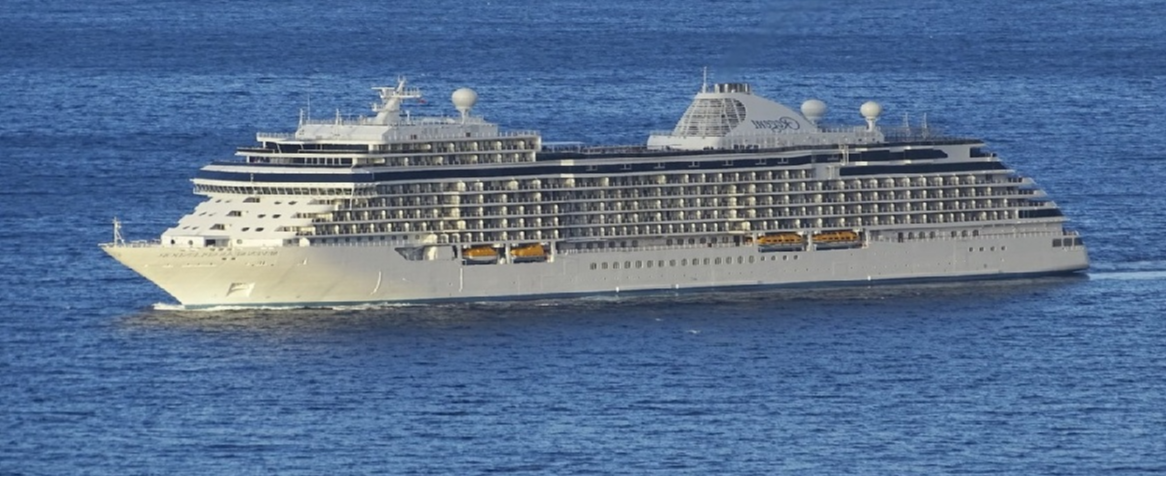
Seven Seas Grandeur
5 Cruises

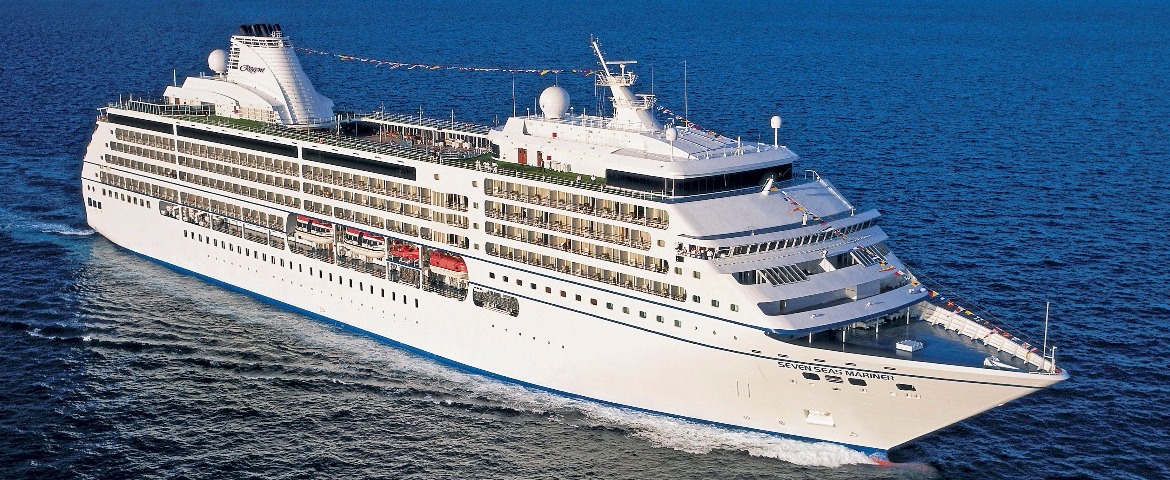
Seven Seas Mariner
15 Cruises
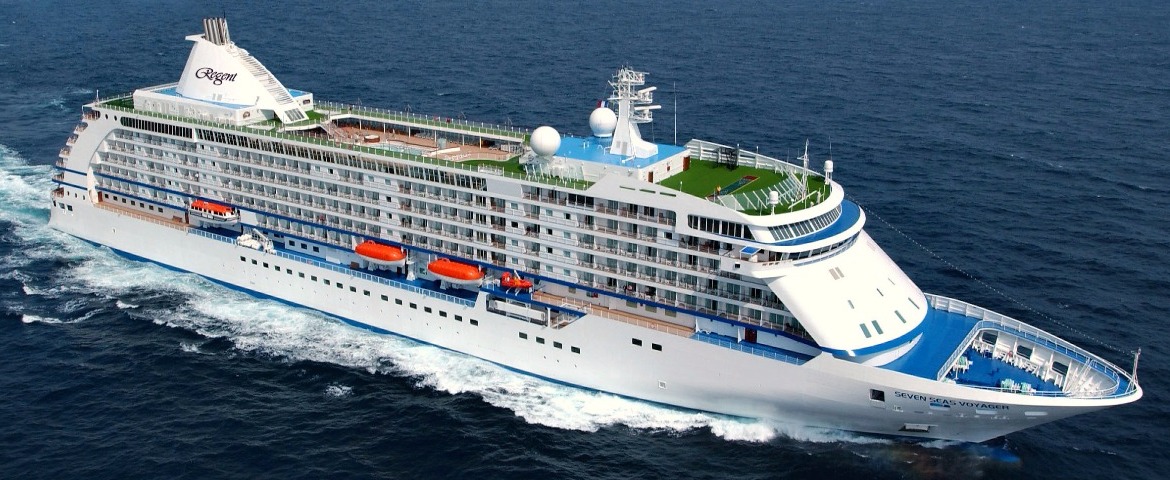
Seven Seas Voyager
9 Cruises
Royal Caribbean Cruises (10 Cruises)
Freedom of the Seas
10 Cruises
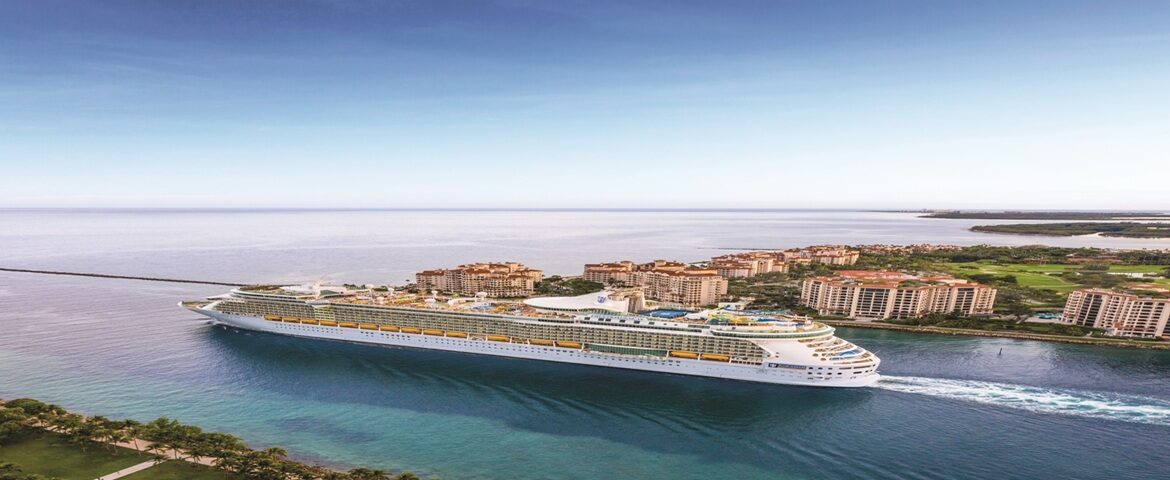

| 9 August | 9 days | Round-trip from Southampton, United Kingdom |
From
2303$
|
| 30 August | 10 days | Round-trip from Southampton, United Kingdom |
From
1578$
|


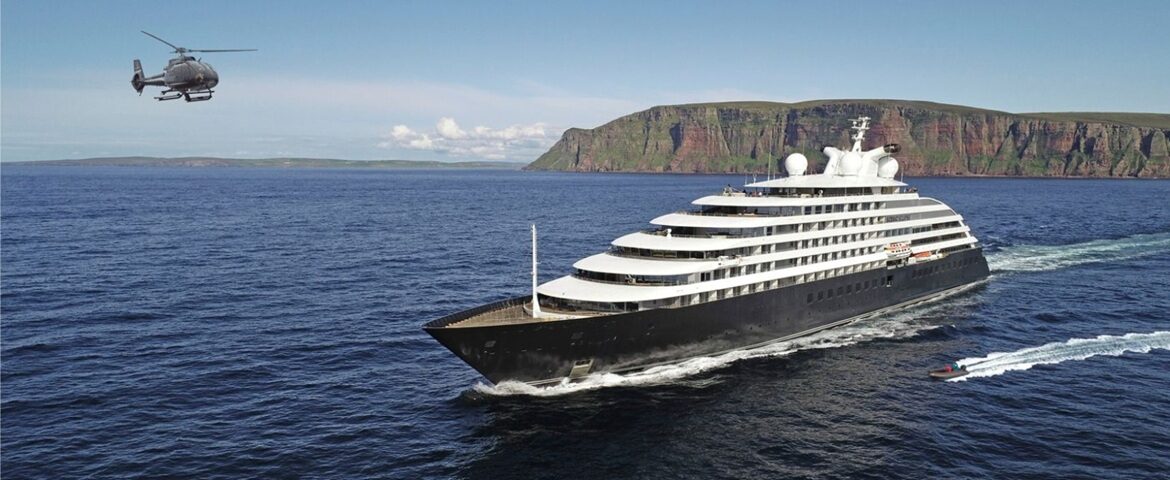
Seabourn Cruise Line (4 Cruises)
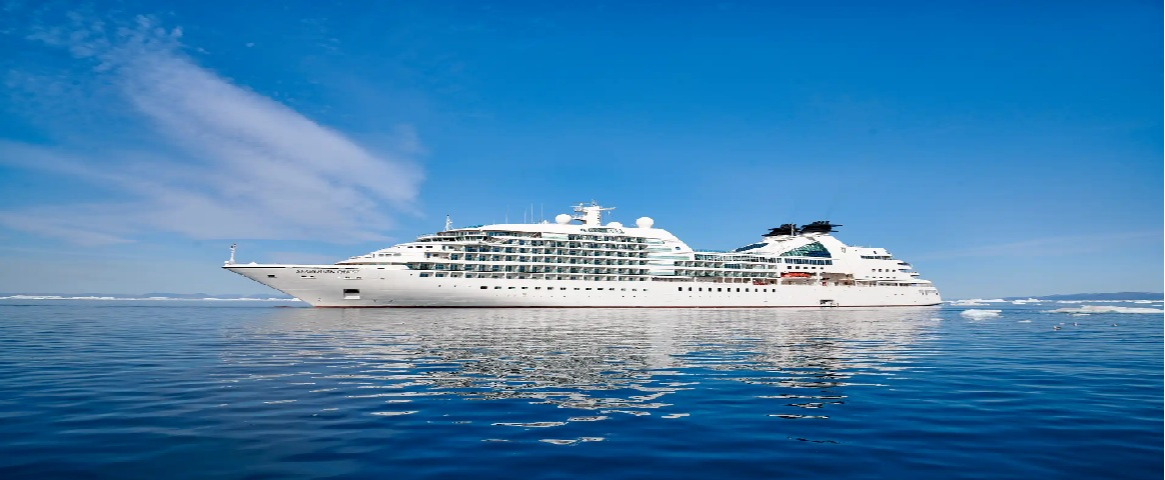

SeaDream Yacht Club (2 Cruises)
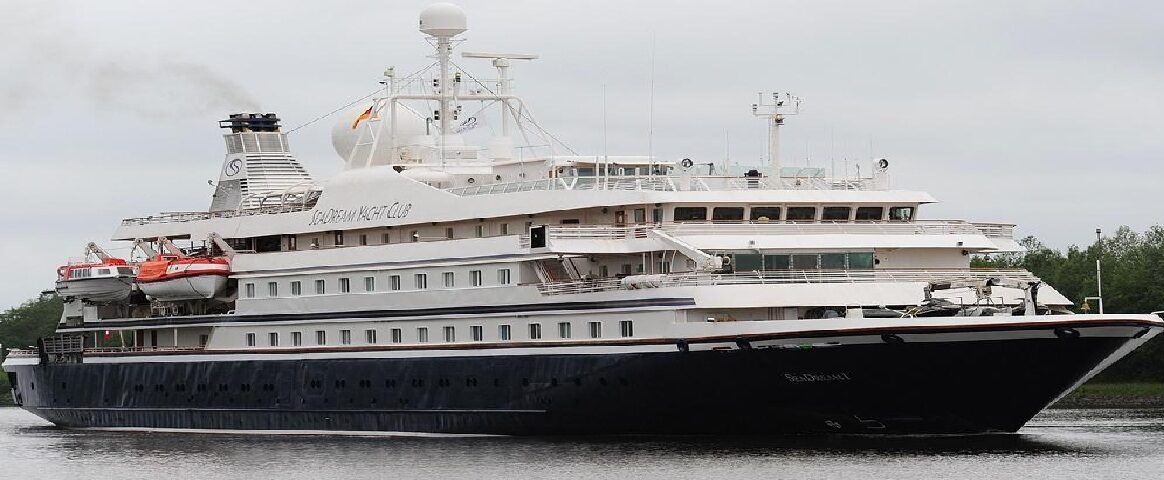

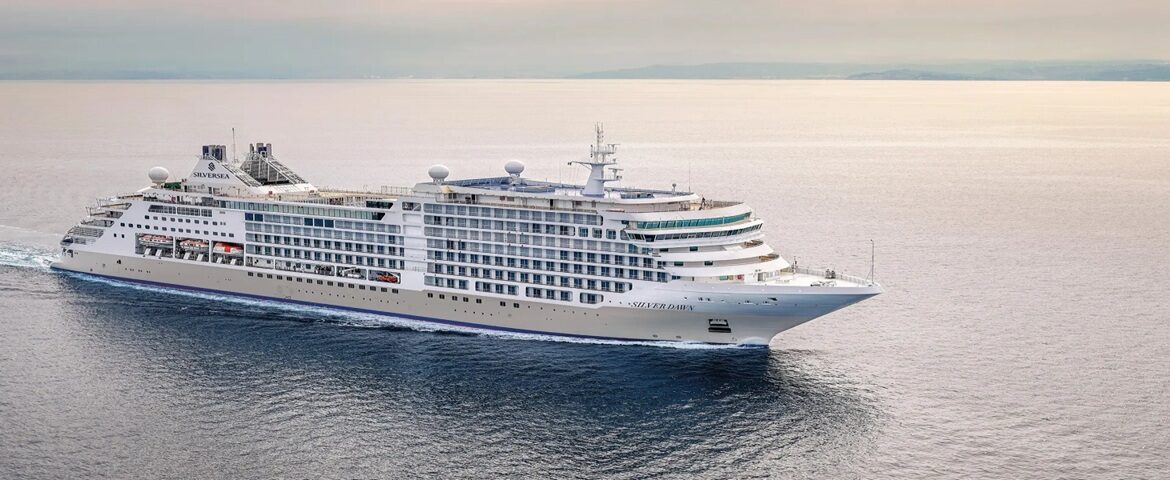

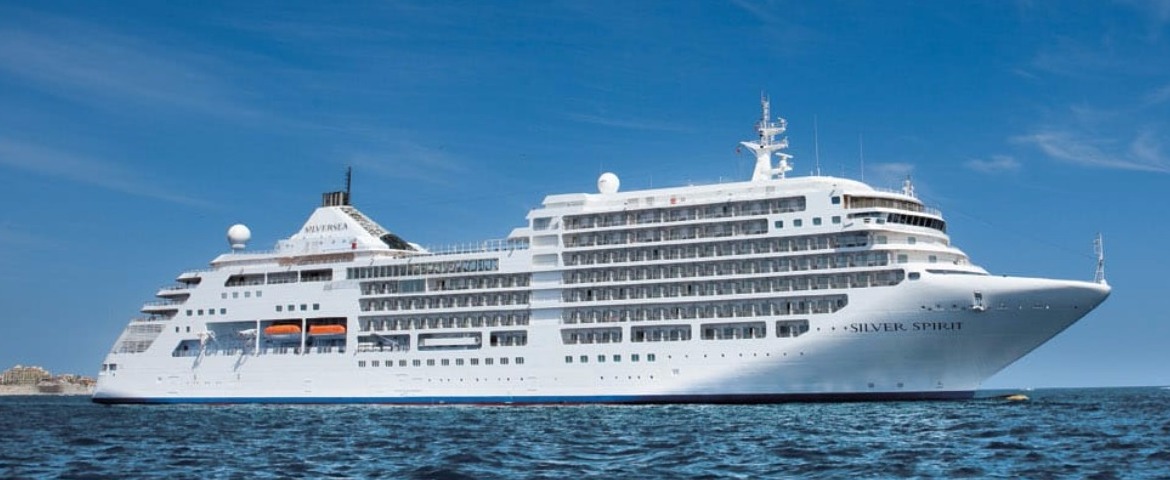
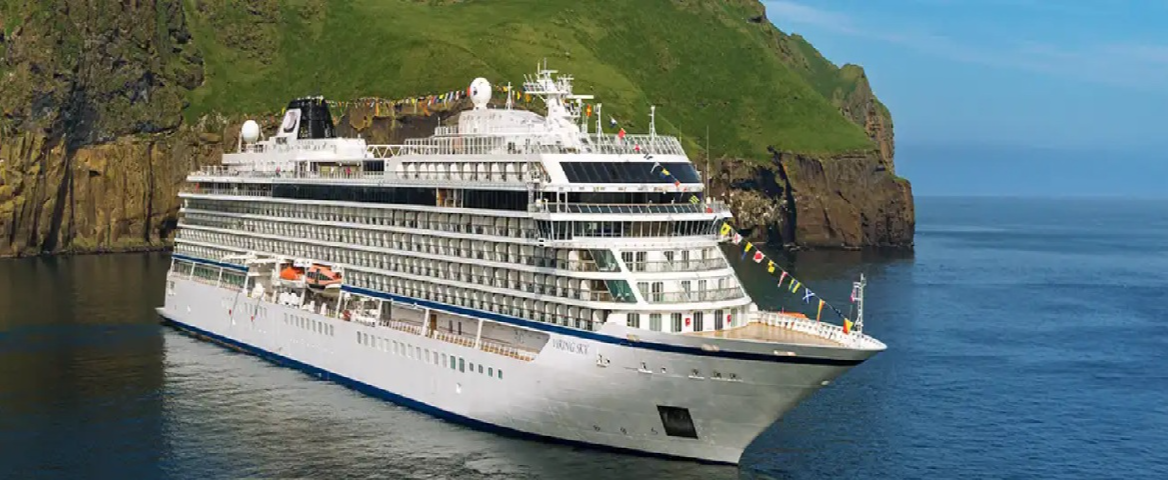
Viking Ocean Cruises (10 Cruises)
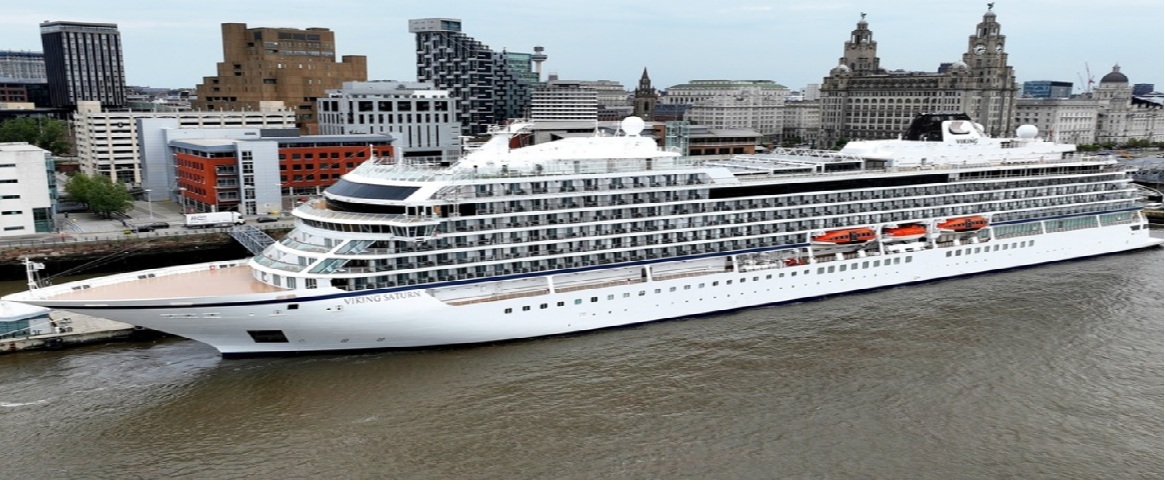
Viking Saturn
8 Cruises


Bilbao Spain | Basque Country Cruise Port Guide
Frequently Asked Questions
At Getxo, a seaside town at the mouth of the estuary, about twenty kilometres from central Bilbao. Transfer into the city is by shuttle, taxi or metro.
The grand seafront houses left by shipowners and industrialists of the early 20th century, and above all the Vizcaya Bridge: this 1893 transporter bridge, a UNESCO World Heritage site, still carries cars and pedestrians in its suspended gondola.
The building as much as the art. The titanium curves change colour with the sky, Puppy, the giant flower-covered dog, stands guard at the entrance, and the bronze spider Maman spreads her legs on the river side. Allow one to two hours inside.
Not necessarily. The building alone, seen from the riverside walkway, justifies the trip. Opened in 1997, it triggered the entire renewal of the Abandoibarra district.
The Casco Viejo, seven medieval streets packed onto the right bank. You move from a century-old bookshop to a beret maker and on to Plaza Nueva, a neoclassical arcaded square where bars compete on pintxos.
Basque bites laid out on the counters like a jeweller's window: cod in pil-pil, soft tortilla, stuffed peppers. They go with a txikito, the small glass of wine drunk on a crawl from bar to bar.
At the Artxanda viewpoint, reached by funicular. The view takes in the valley, the green hills and the ribbon of the estuary heading back to sea. Families settle on the lawns there, away from the bustle below.
The Guggenheim and the riverside walk, then the Casco Viejo for pintxos. The transfer from Getxo eats into the call, so it is better not to overload the plan.
The Fine Arts Museum, the city's other major art address, and the neighbouring Doña Casilda park for a green break. The Ribera market by the water rounds it out with its tasting counters.
The euro, cards accepted everywhere. Spanish and Basque are spoken; English is understood in tourist places, less so in neighbourhood bars, where a smile usually does the job.


