Halong Bay Vietnam, Ha Long City
970
Cruises availables
At departure or passage at this port
AmaWaterways (10 Cruises)
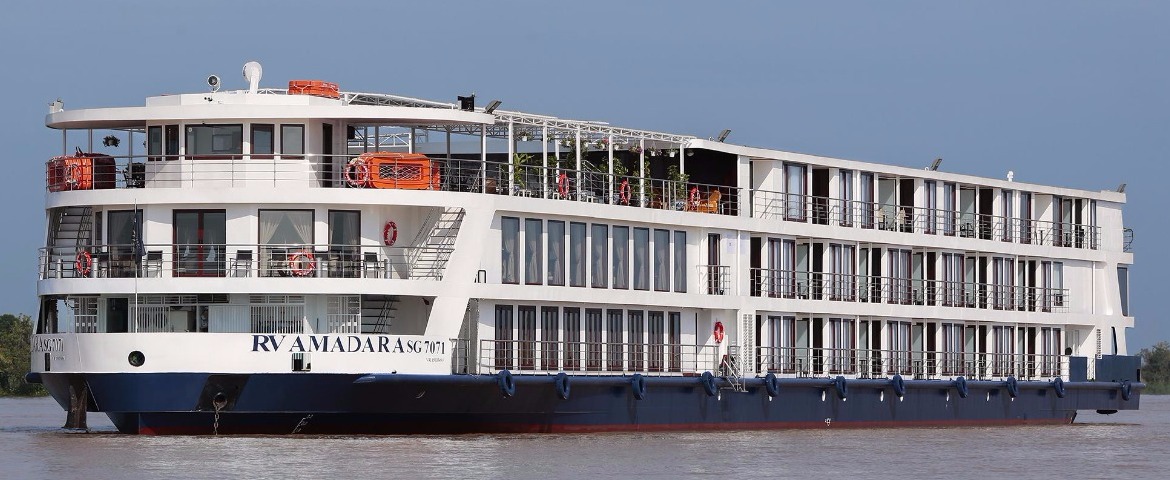

Avalon Waterways (72 Cruises)
Avalon SaigonSM
72 Cruises


| 30 July | 18 nights | One-way from Hanoi to Laem Chabang |
450-628-6241
Call us
|
| 30 July | 15 nights | One-way from Hanoi to Siem Reap |
450-628-6241
Call us
|
Azamara Club Cruises (18 Cruises)
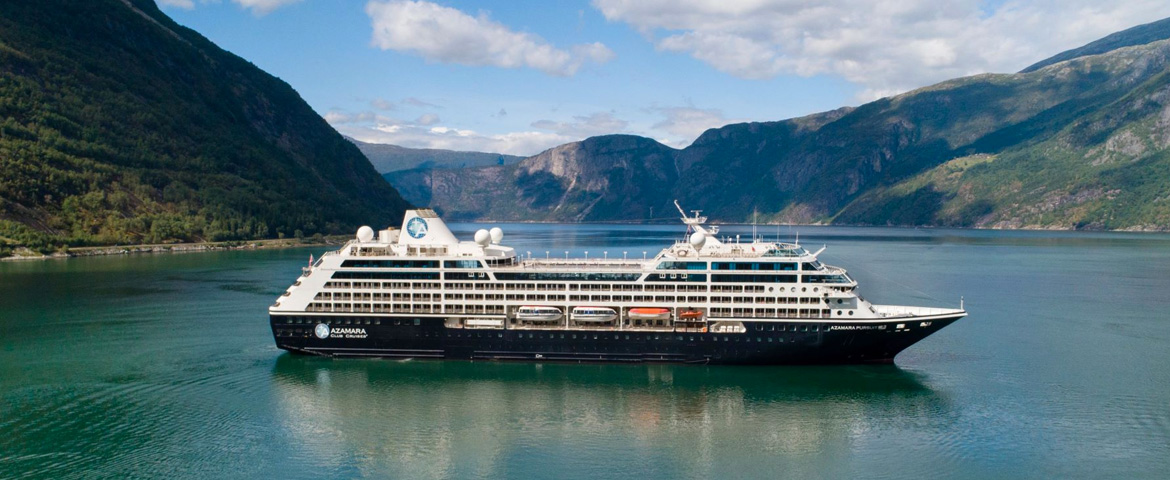
Azamara Pursuit
12 Cruises

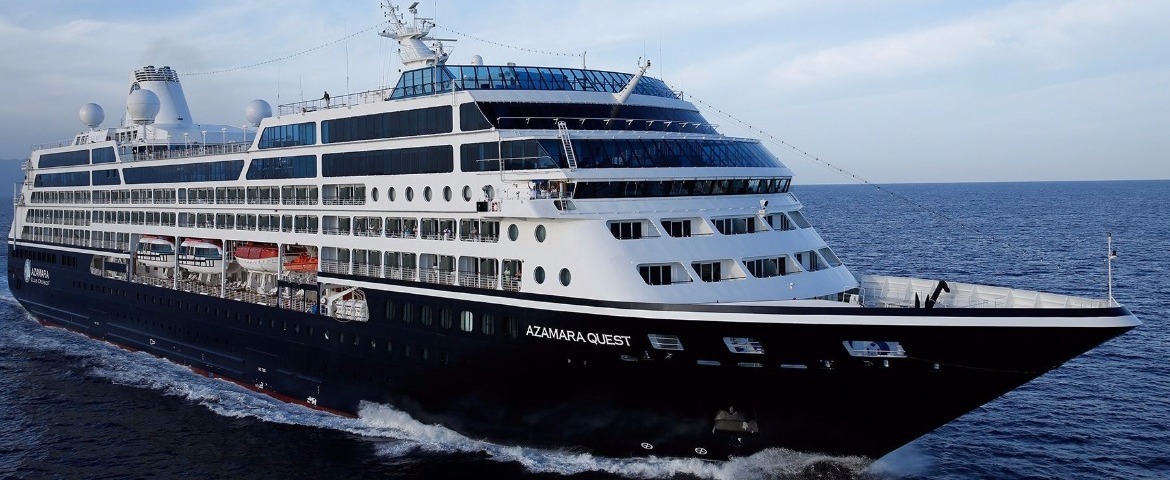
Azamara Quest
6 Cruises
| 5 January | 86 nights | One-way from San Francisco to Hong Kong |
450-628-6241
Call us
|
| 5 January | 188 days | One-way from San Francisco to Copenhagen |
450-628-6241
Call us
|
Celebrity Cruises (14 Cruises)
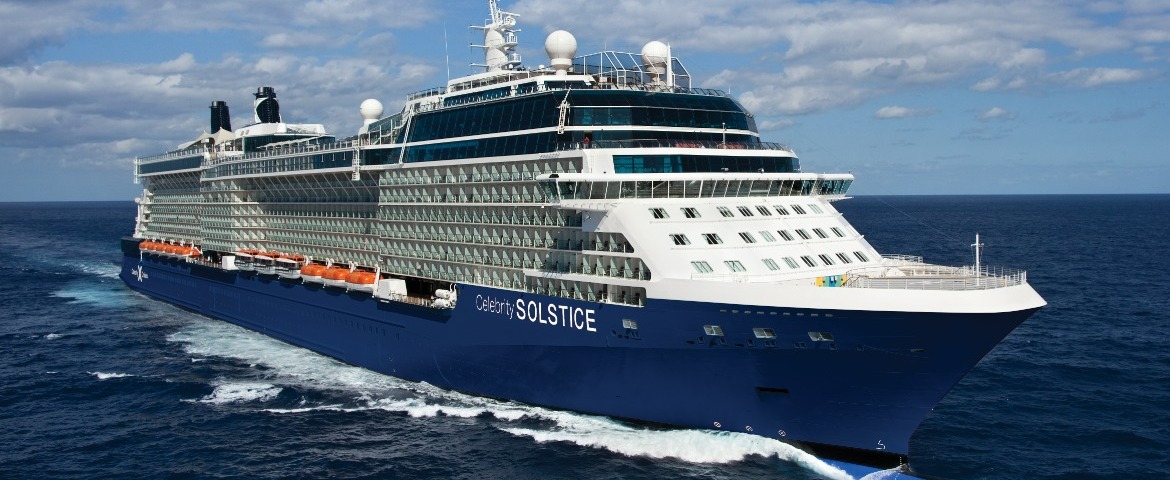
Celebrity Solstice
14 Cruises

CroisiEurope (217 Cruises)
RV Indochine
136 Cruises
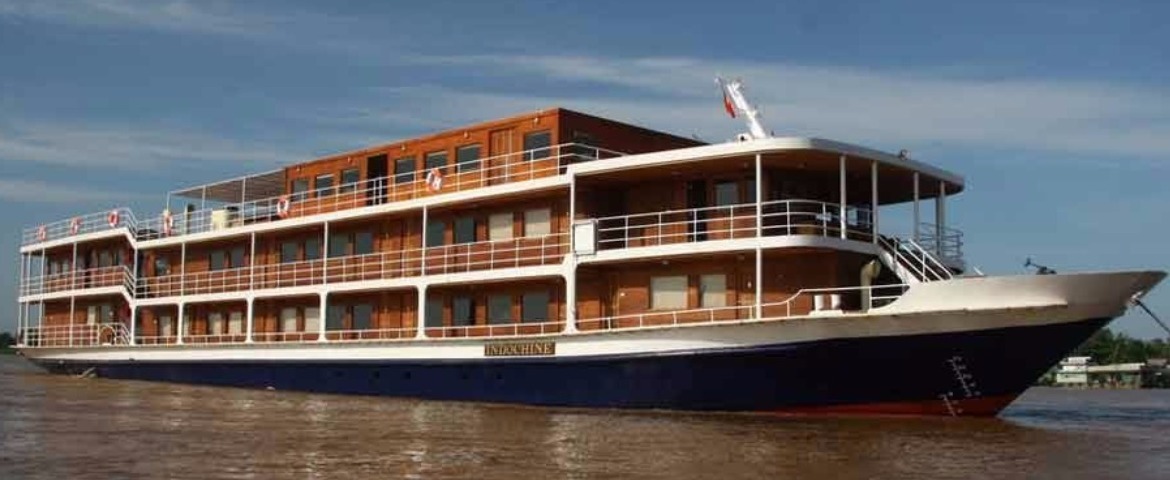

| 20 November | 16 days | One-way from Hanoi to Siem Reap |
450-628-6241
Call us
|
| 23 November | 13 days | One-way from Hanoi to Siem Reap |
450-628-6241
Call us
|
| 2 May | 13 nights | One-way from Hanoi to Siem Reap |
450-628-6241
Call us
|
| 2 May | 13 days | One-way from Hanoi to Siem Reap |
450-628-6241
Call us
|
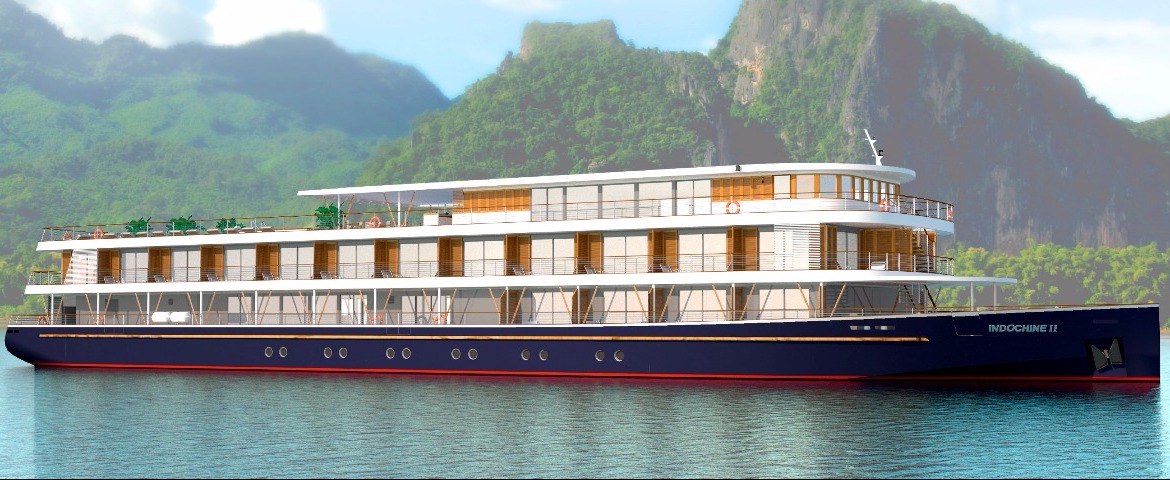
RV Indochine II
81 Cruises
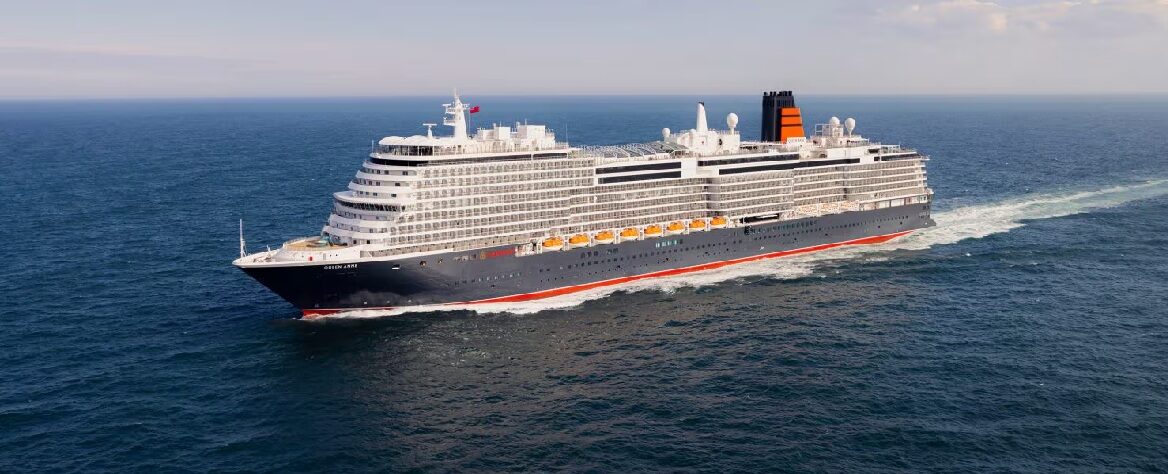
Cunard (1 Cruises)

Emerald Waterways (370 Cruises)
Emerald Harmony
182 Cruises
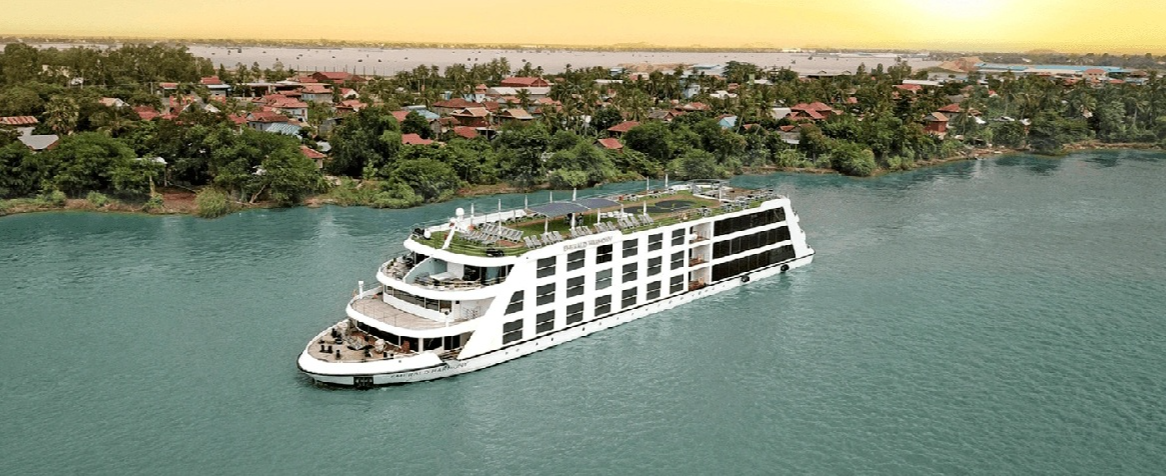

| 26 July | 18 nights | One-way from Hanoi to Saigon |
450-628-6241
Call us
|
| 26 July | 18 days | One-way from Hanoi to Saigon |
450-628-6241
Call us
|
Emerald Liberte
182 Cruises
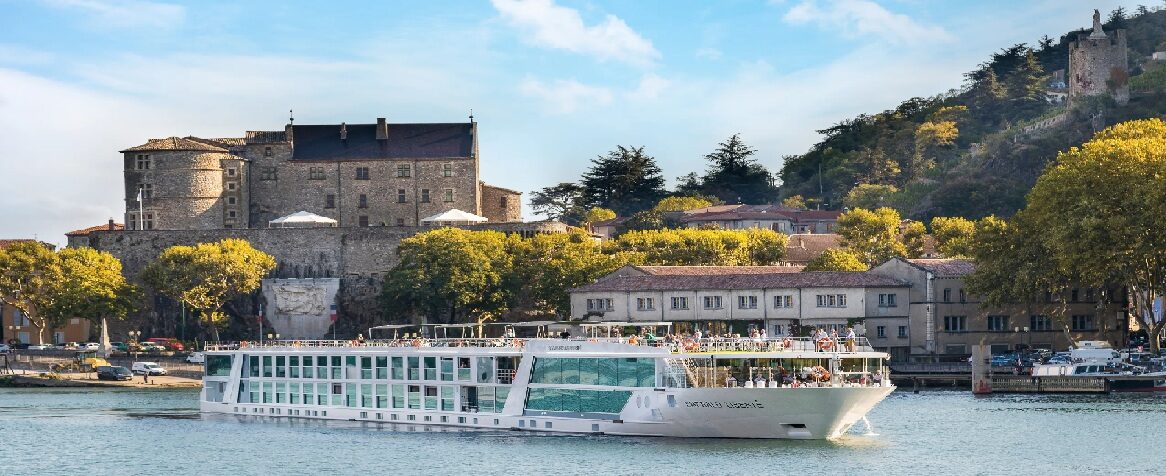
| 26 July | 18 days | One-way from Hanoi to Saigon |
450-628-6241
Call us
|
| 26 July | 18 nights | One-way from Hanoi to Saigon |
450-628-6241
Call us
|
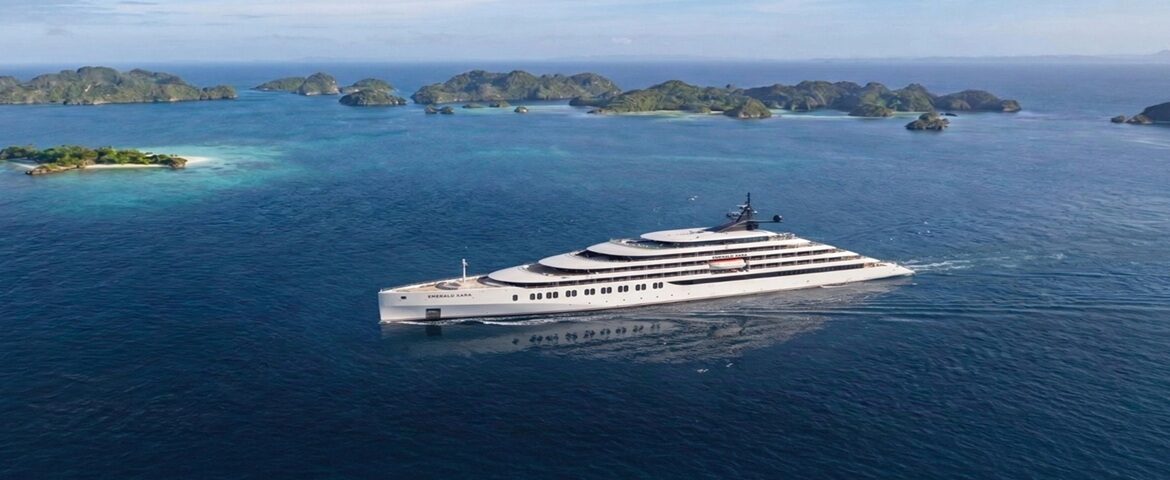
Emerald Xara
6 Cruises
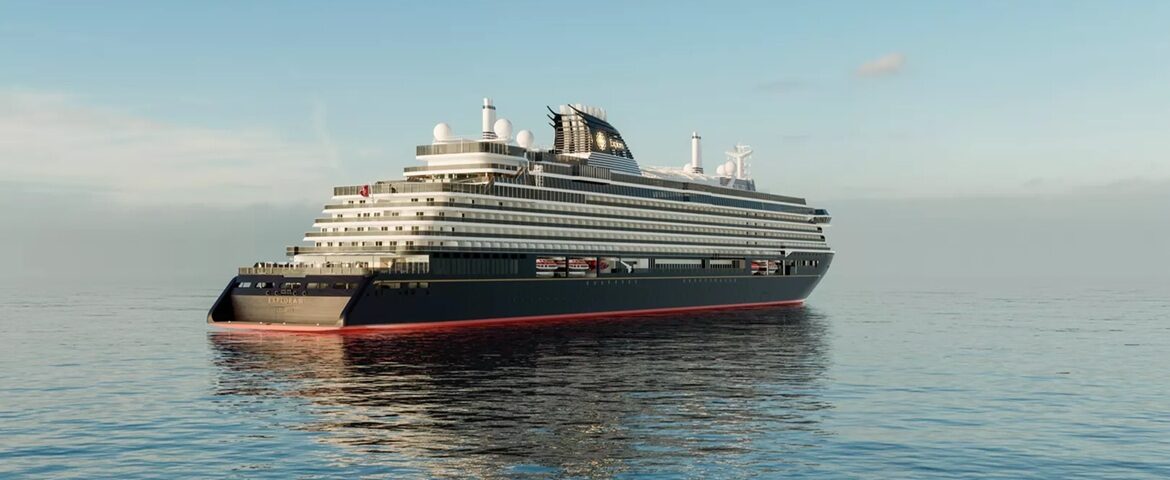
Explora Journeys (4 Cruises)

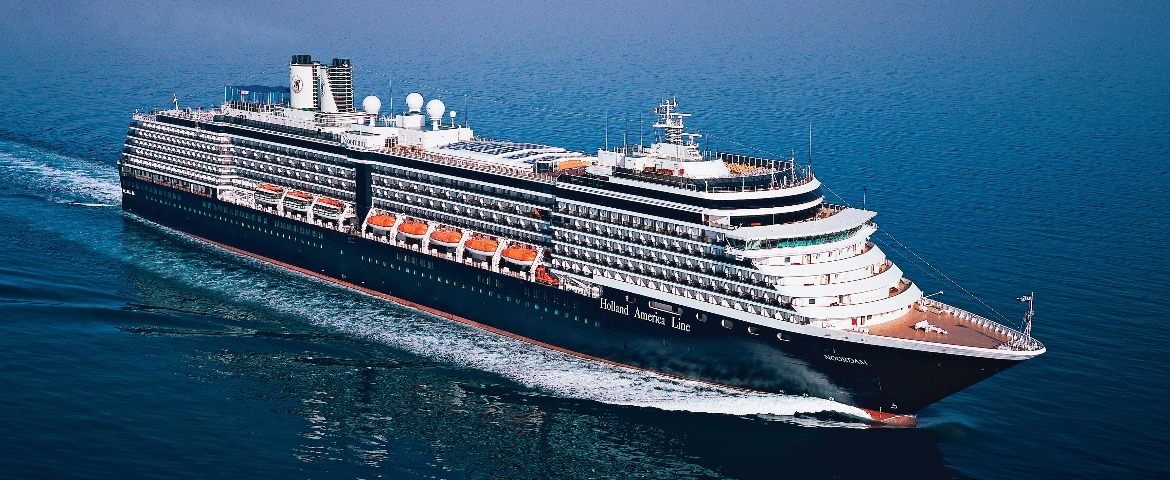
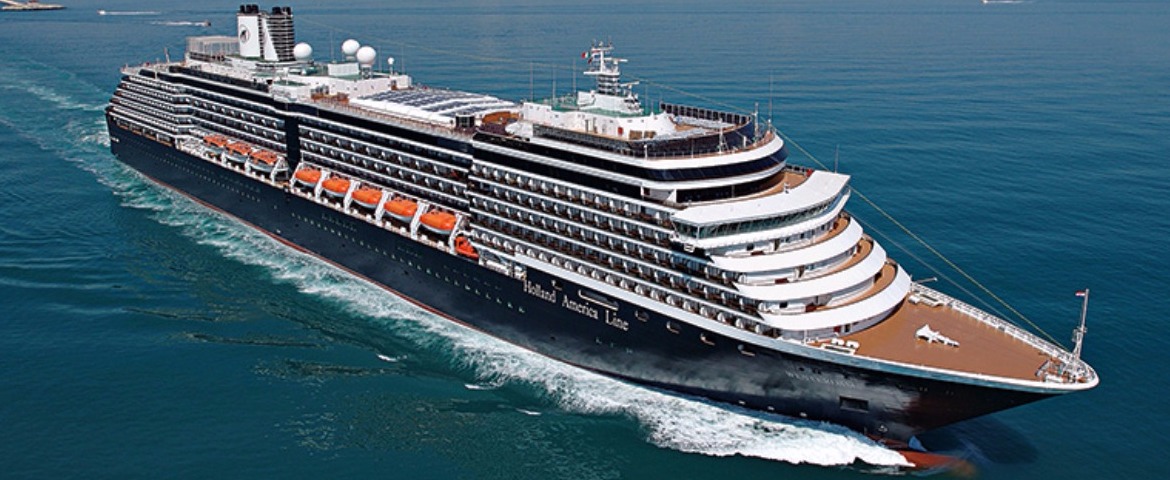
Holland America Line (16 Cruises)
ms Noordam
10 Cruises

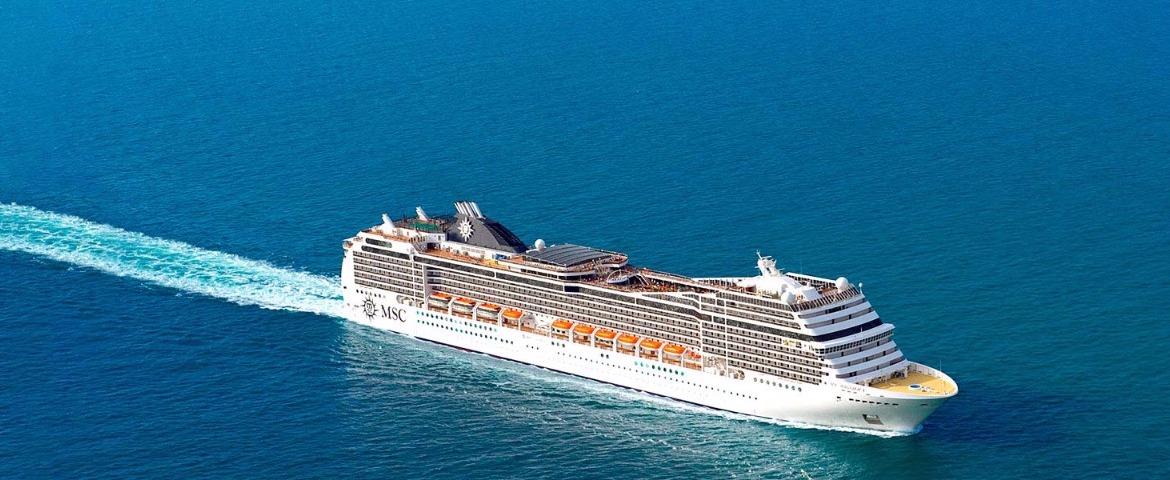
MSC Cruises (4 Cruises)

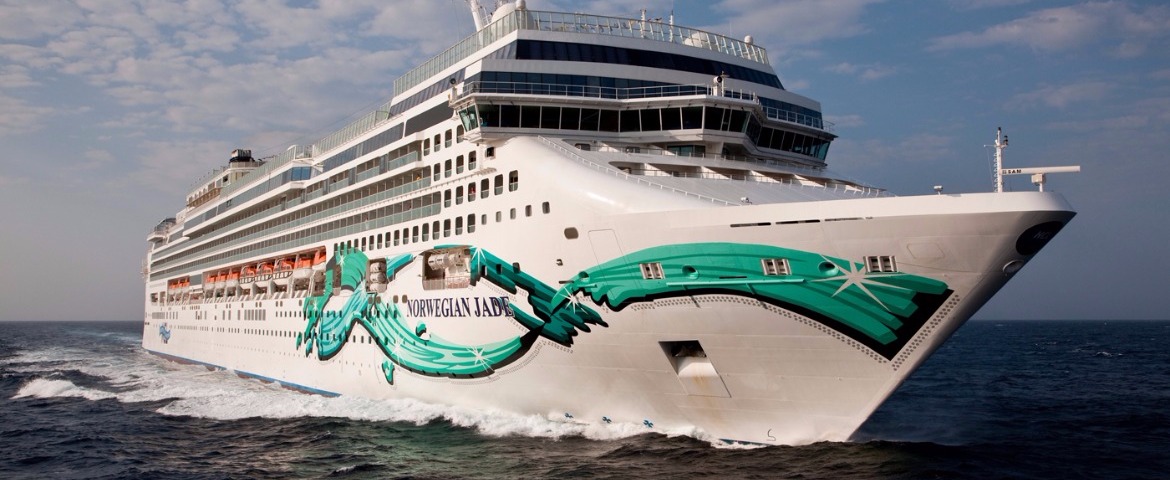
Norwegian Cruise Line (4 Cruises)

Oceania Cruises (36 Cruises)
Oceania Aurelia
11 Cruises
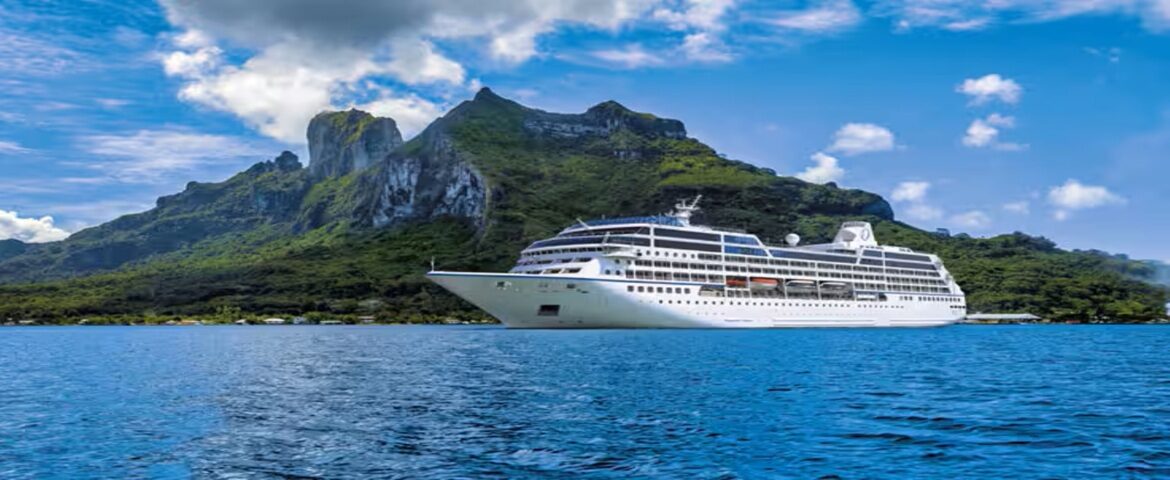

Oceania Nautica
11 Cruises
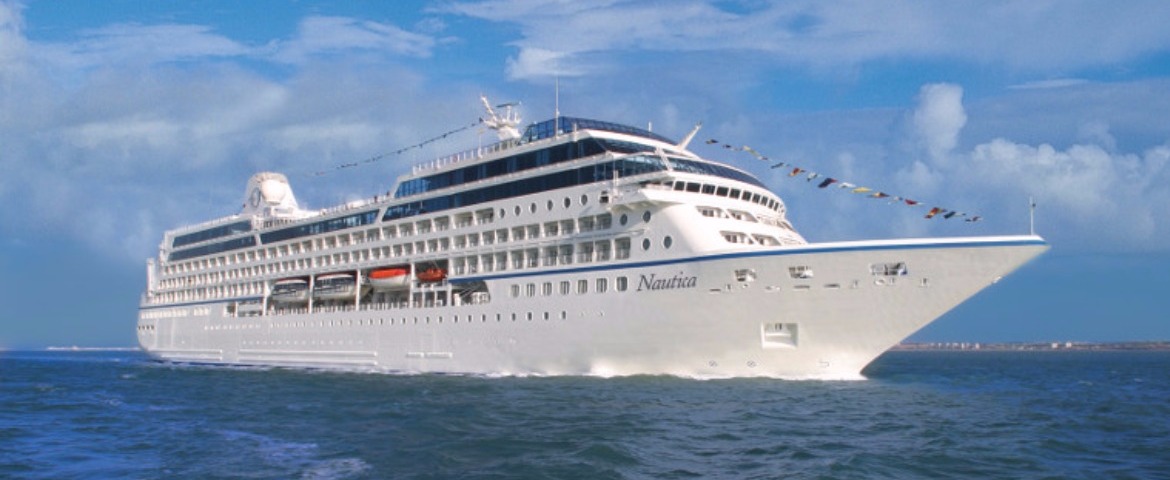
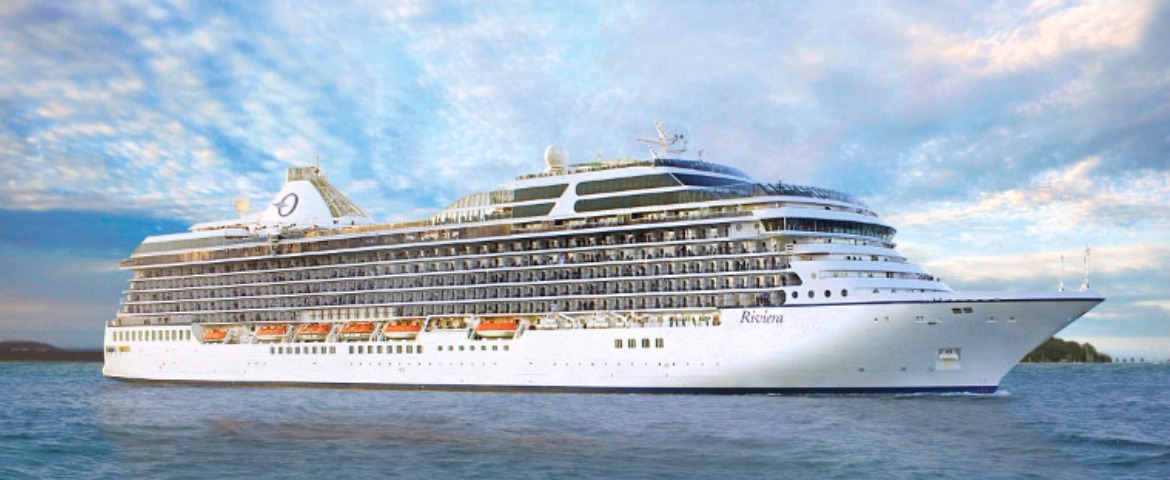
Oceania Riviera
8 Cruises
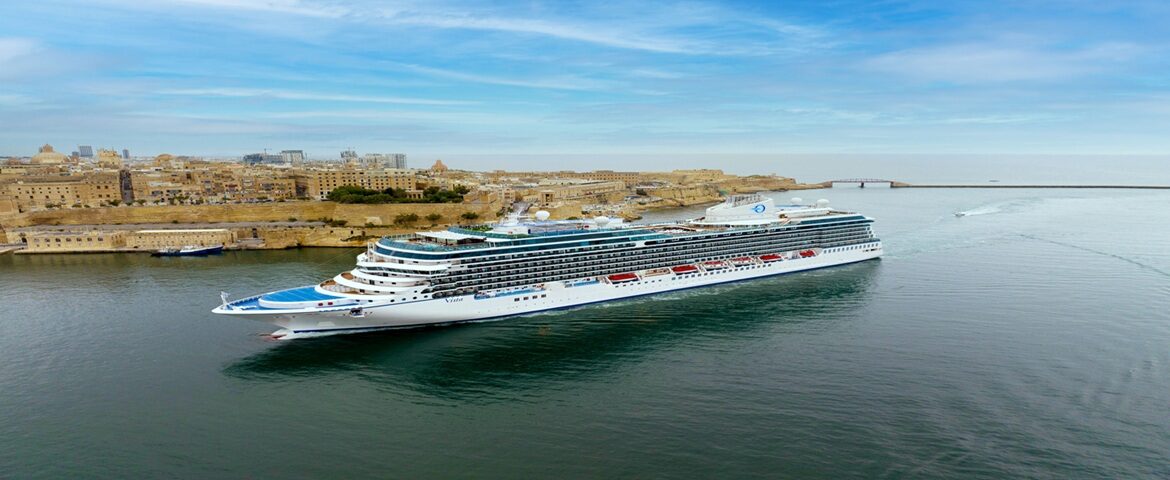
Oceania Vista
6 Cruises
| 6 January | 244 days | One-way from Miami to New York |
450-628-6241
Call us
|
| 6 January | 180 days | One-way from Miami to Southampton |
450-628-6241
Call us
|
Ponant (4 Cruises)


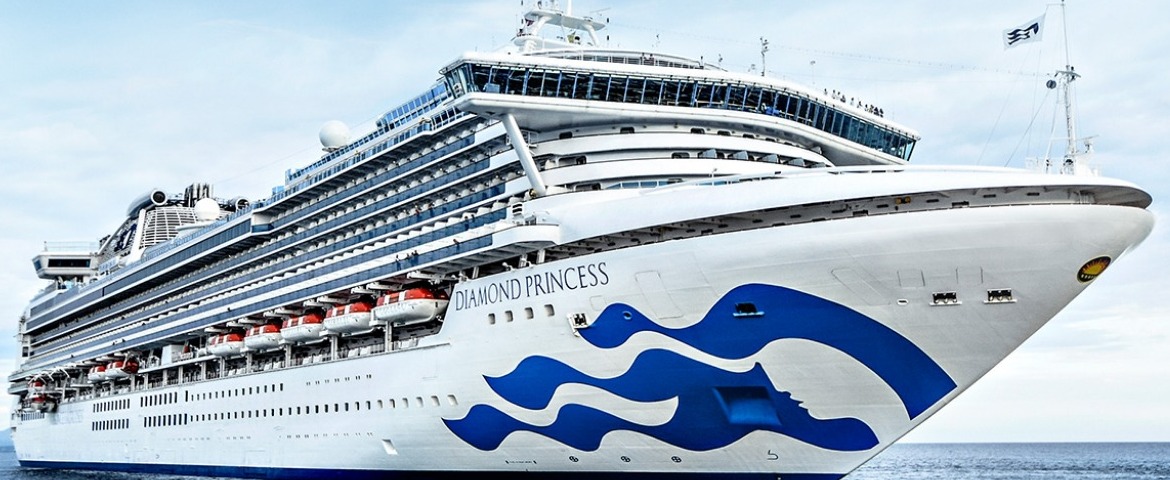
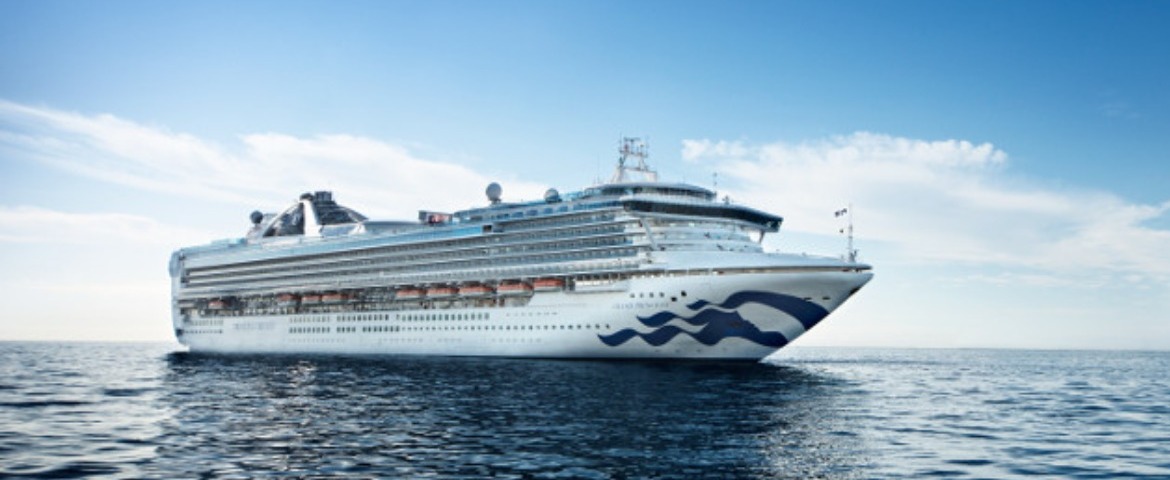
Princess Cruises (27 Cruises)
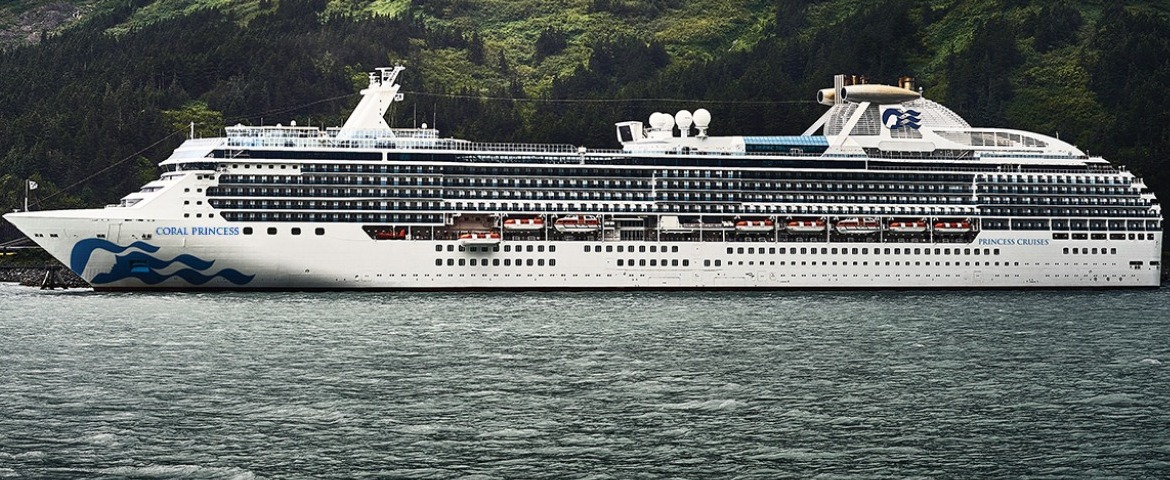
Coral Princess
6 Cruises

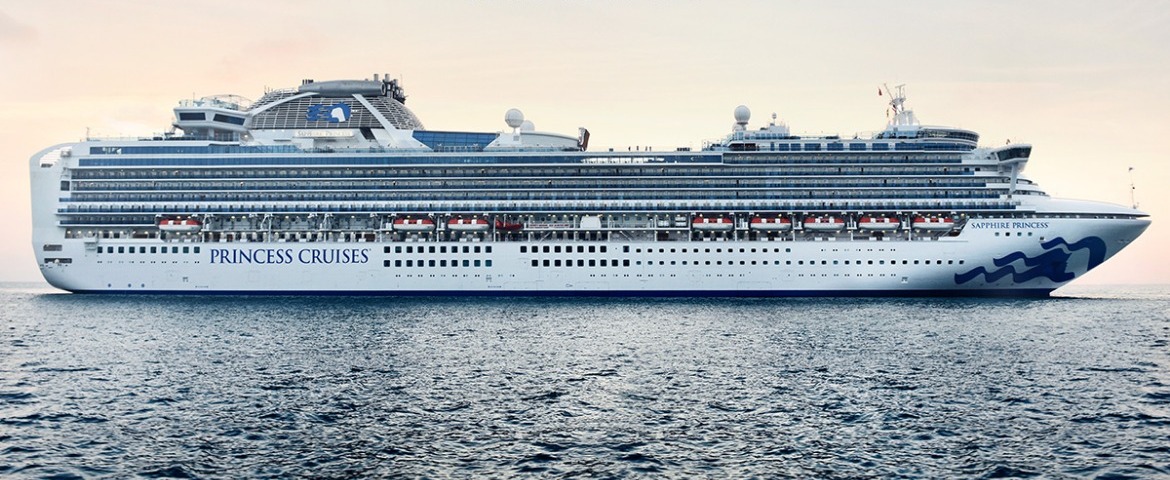
Sapphire Princess
12 Cruises
Regent Seven Seas Cruises (24 Cruises)
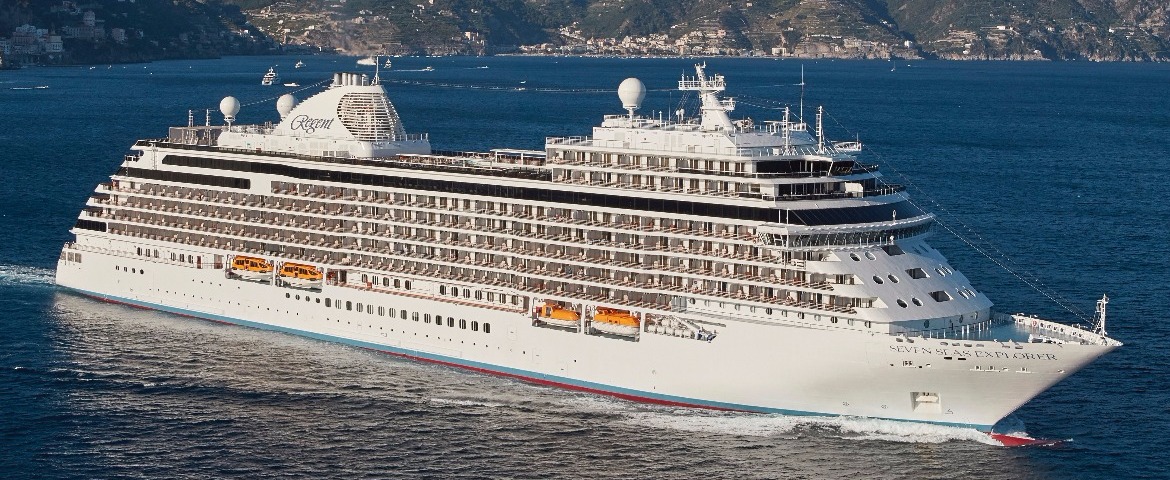
Seven Seas Explorer
11 Cruises

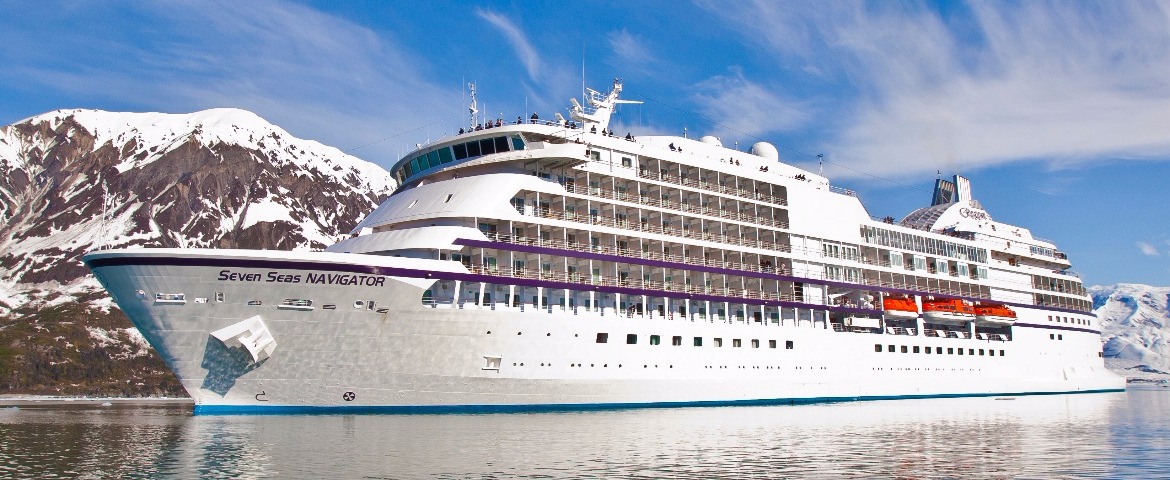
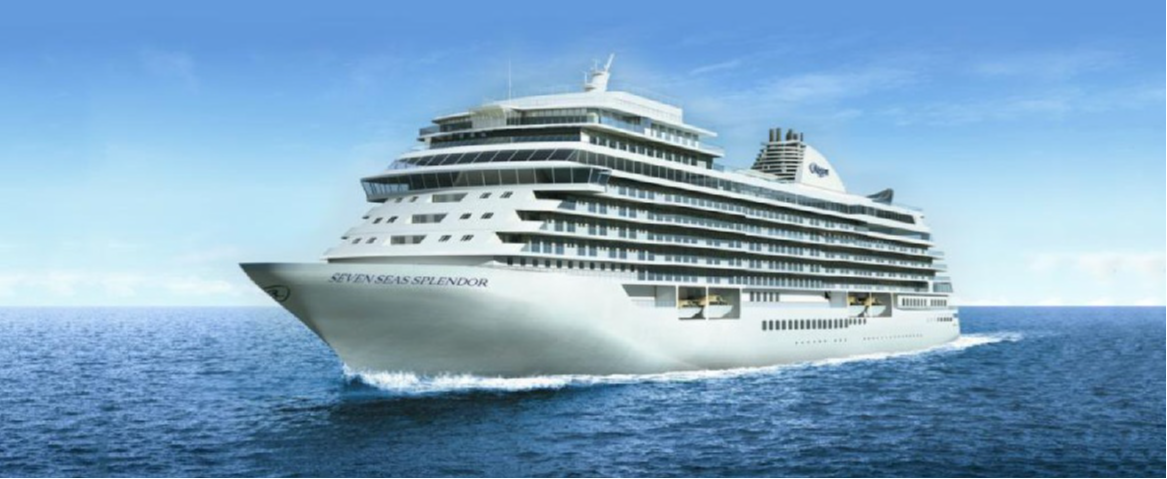
Seven Seas Splendor
12 Cruises
| 6 January | 132 nights | Round-trip from San Francisco, USA |
450-628-6241
Call us
|
| 6 January | 139 nights | One-way from San Francisco to Vancouver |
450-628-6241
Call us
|
Scenic Cruises (89 Cruises)
Scenic Spirit
89 Cruises


| 25 January | 17 nights | One-way from Hanoi to Saigon |
450-628-6241
Call us
|
| 29 January | 24 nights | One-way from Hanoi to Laem Chabang |
450-628-6241
Call us
|
Seabourn Cruise Line (21 Cruises)
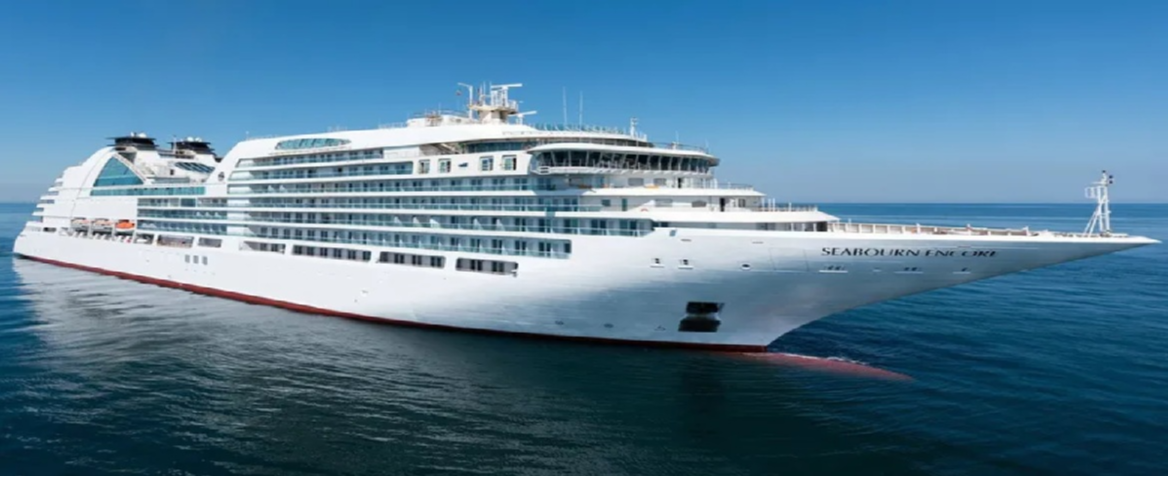
Seabourn Encore
21 Cruises

Silversea Cruises (12 Cruises)
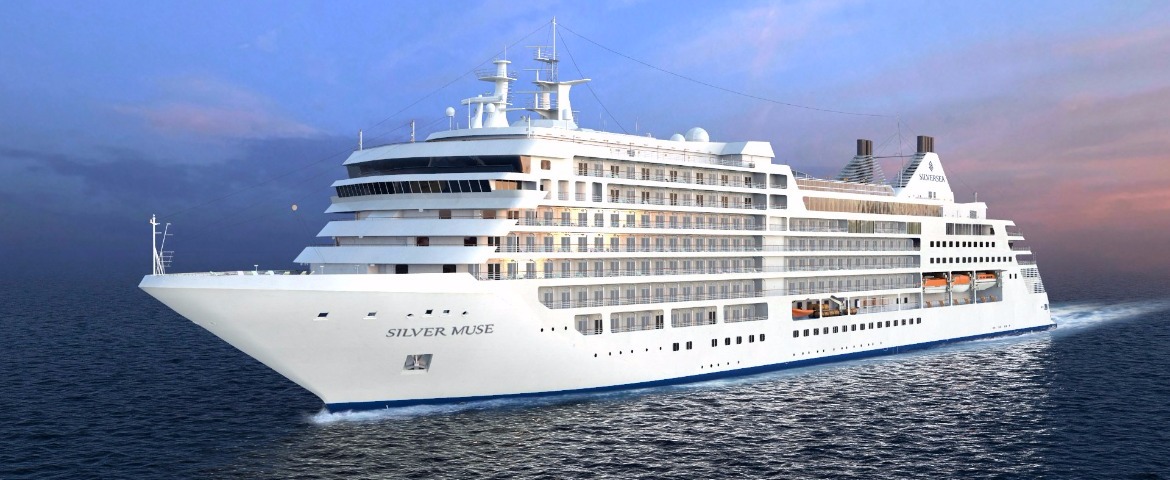
Silver Muse
11 Cruises

| 17 January | 14 nights | One-way from Singapore to Hong Kong |
450-628-6241
Call us
|
| 17 January | 28 nights | Round-trip from Singapore, Singapore |
450-628-6241
Call us
|
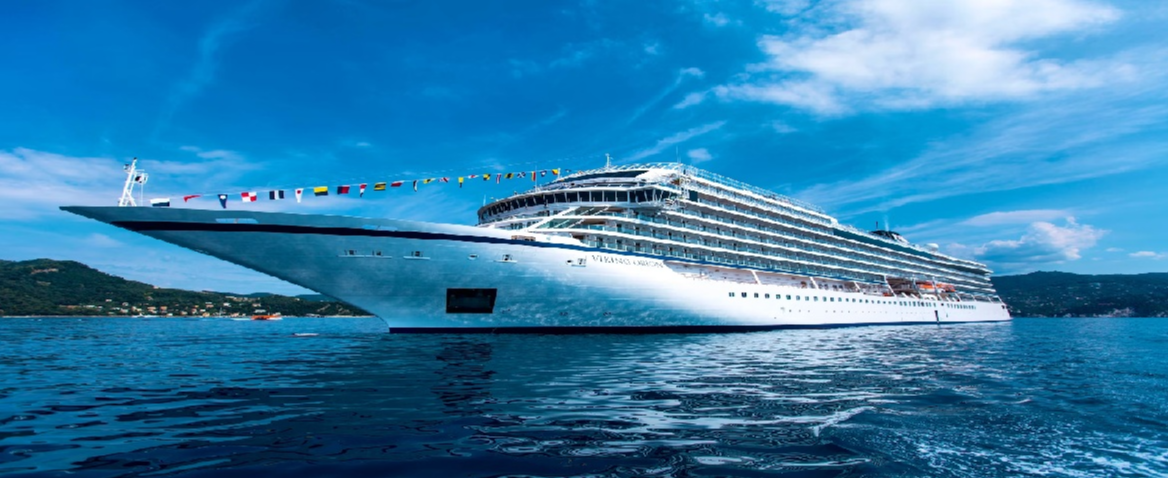
Viking Ocean Cruises (27 Cruises)
Viking Orion
12 Cruises

| 8 March | 77 nights | One-way from Sydney to Vancouver |
450-628-6241
Call us
|
| 25 March | 24 nights | One-way from Benoa to Hong Kong |
450-628-6241
Call us
|
| 6 April | 12 nights | One-way from Laem Chabang to Hong Kong |
450-628-6241
Call us
|
| 6 April | 26 nights | One-way from Laem Chabang to Tokyo |
450-628-6241
Call us
|
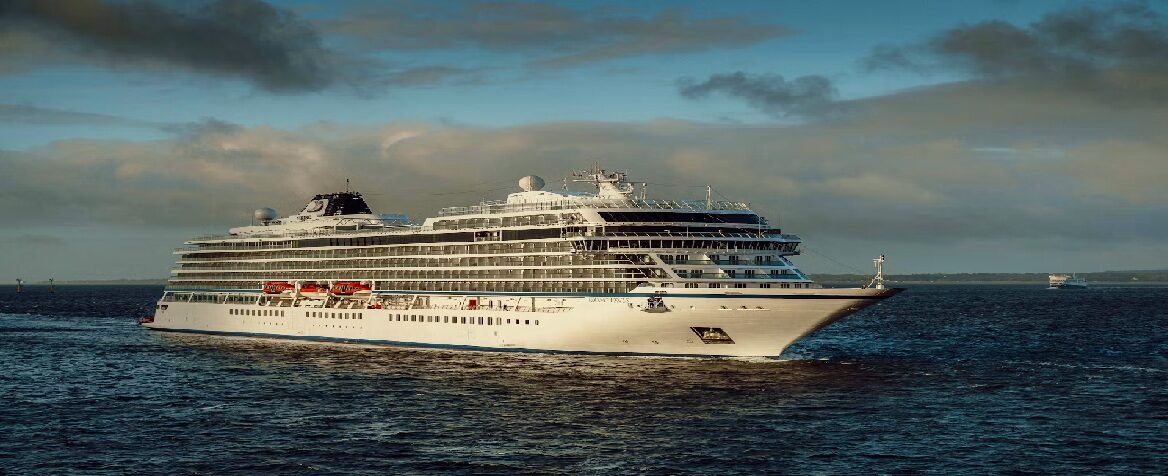
Viking Venus
15 Cruises
| 12 April | 12 nights | One-way from Laem Chabang to Hong Kong |
450-628-6241
Call us
|
| 12 April | 26 nights | One-way from Laem Chabang to Tokyo |
450-628-6241
Call us
|

Ha Long Bay | Cruise Port Guide
Frequently Asked Questions
At the Ha Long international port in the Bai Chay district, or by tender to the nearby tourist pier depending on the ship's size. Either way, you land in the liveliest part of town.
Yes. The waterfront, its hotels, seafood restaurants and shaded promenades are within walking distance, as is the cable car station. Formalities are simple and distances short.
A boat trip among the islets, lasting two to four hours depending on the circuit, takes up most of the day. It is the whole point of the call: junks and launches leave the piers to sail between the limestone formations.
Thien Cung, whose stalactite-studded chambers are lit in shifting colours, and Sung Sot, larger still, with a viewpoint overlooking the anchorages. Circuits usually include one of the two.
Yes, several circuits include a kayak stop in an enclosed cove, where the only sound is the paddle against calm water. Check when booking, as not every programme offers it.
Yes. A double-decker cable car links Bai Chay to Ba Deo hill, across the Cua Luc strait. It is the way to grasp the scale of the site without boarding a boat, with a Ferris wheel and gardens at the top.
October to April, the dry season, offers the clearest skies. Summer is hotter and stormier, sometimes draping the scenery in a mist that has its own mystery but limits the view of the karsts.
Yes, several circuits pass them: fishing families have lived on the water there for generations, among raft houses, nets and guard dogs posted at the bow.
Yes. The boat trip, the double-decker cable car, the Ba Deo Ferris wheel and the seafront promenade, which fills with families and street vendors in the evening, make for a day that is easy to organize with children.
Cha muc, a minced squid patty typical of the region, often served with sticky rice. Waterfront restaurants also serve tiger prawns and grilled cuttlefish landed that same morning.


