St Georges Grenada
425
Cruises availables
At departure or passage at this port
Azamara Club Cruises (26 Cruises)
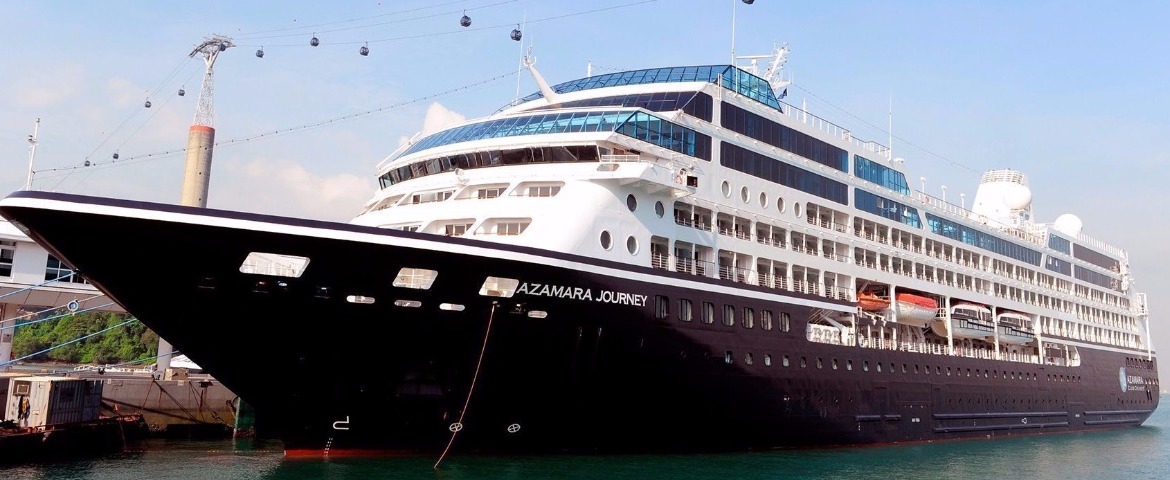
Azamara Journey
8 Cruises

Azamara Quest
18 Cruises

| 28 October | 24 nights | One-way from New York to San Juan |
450-628-6241
Call us
|
| 28 October | 17 nights | One-way from New York to Bridgetown |
450-628-6241
Call us
|
| 5 January | 77 nights | Round-trip from Miami, USA |
450-628-6241
Call us
|
| 24 January | 58 nights | One-way from Valparaiso-Santiago to Miami |
450-628-6241
Call us
|
Carnival Cruise Line (14 Cruises)
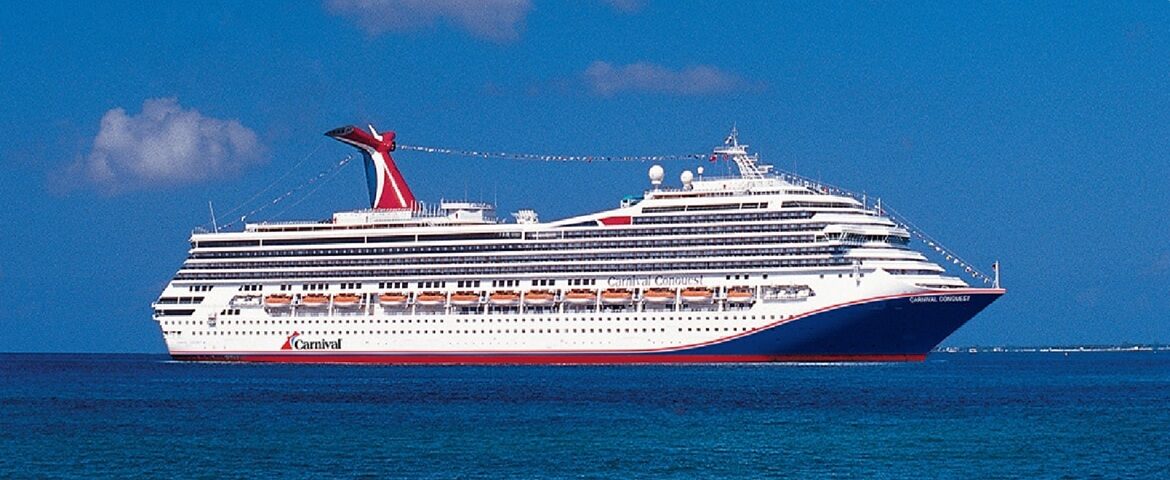

Carnival Firenze
8 Cruises
Celebrity Cruises (16 Cruises)
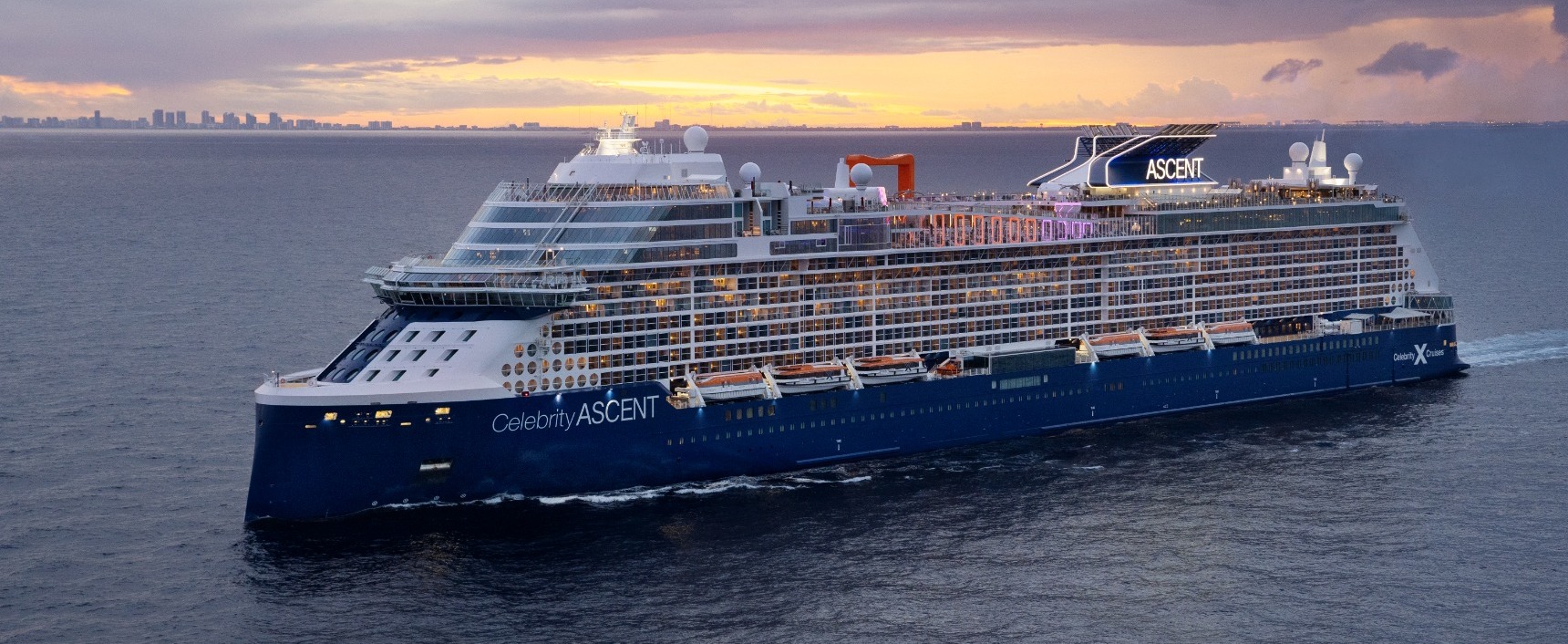
Celebrity Ascent
8 Cruises

Crystal Cruises (3 Cruises)


Cunard (6 Cruises)
Explora Journeys (6 Cruises)


MSC Cruises (107 Cruises)
MSC Meraviglia
36 Cruises

MSC Opera
36 Cruises
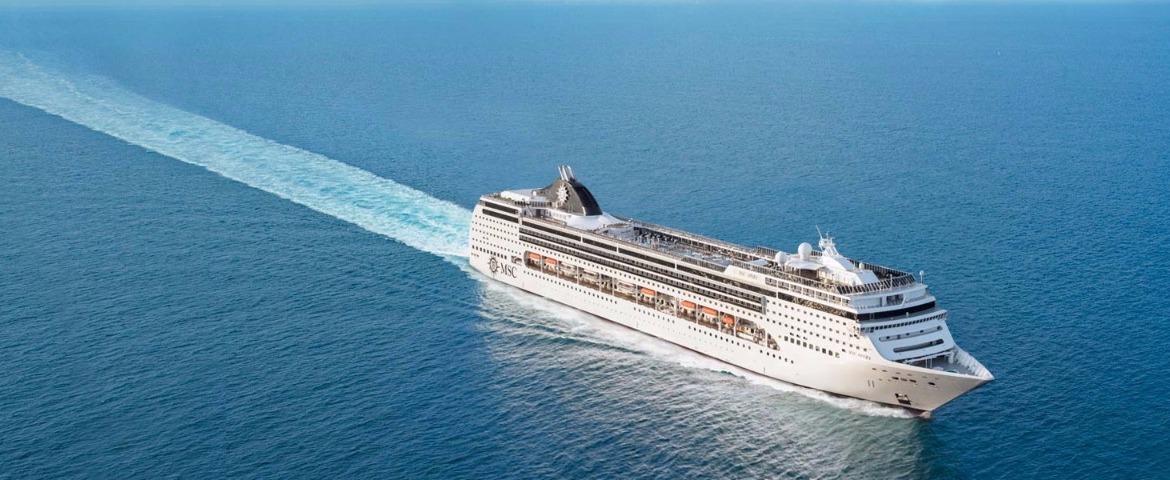
| 5 April | 14 days | Round-trip Caribbean Msc Opera La Romana |
From
3702$
|
| 5 April | 7 nights | Round-trip from La Romana, Dominican Rep |
From
966$
|
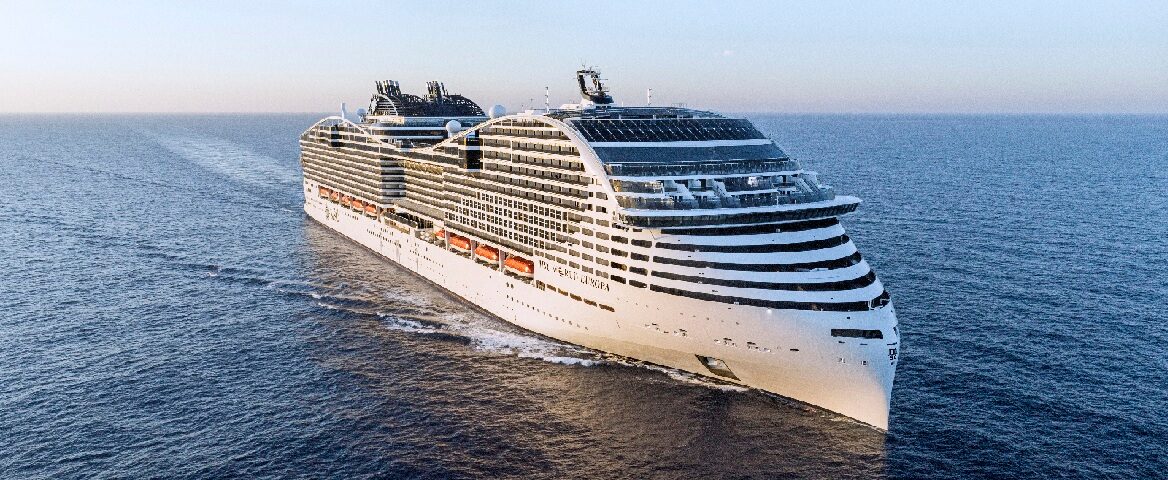
MSC World Europa
35 Cruises
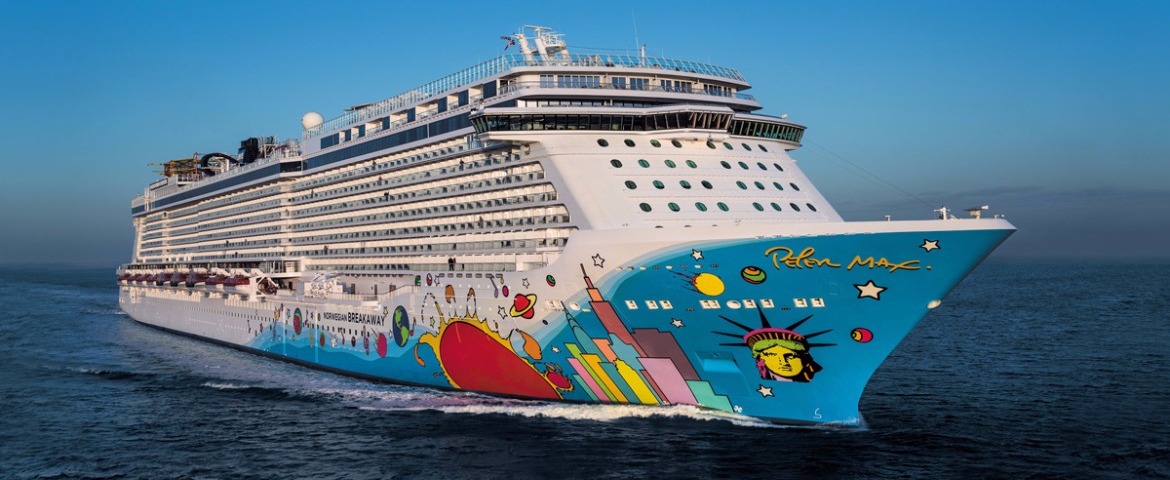
Norwegian Cruise Line (1 Cruises)

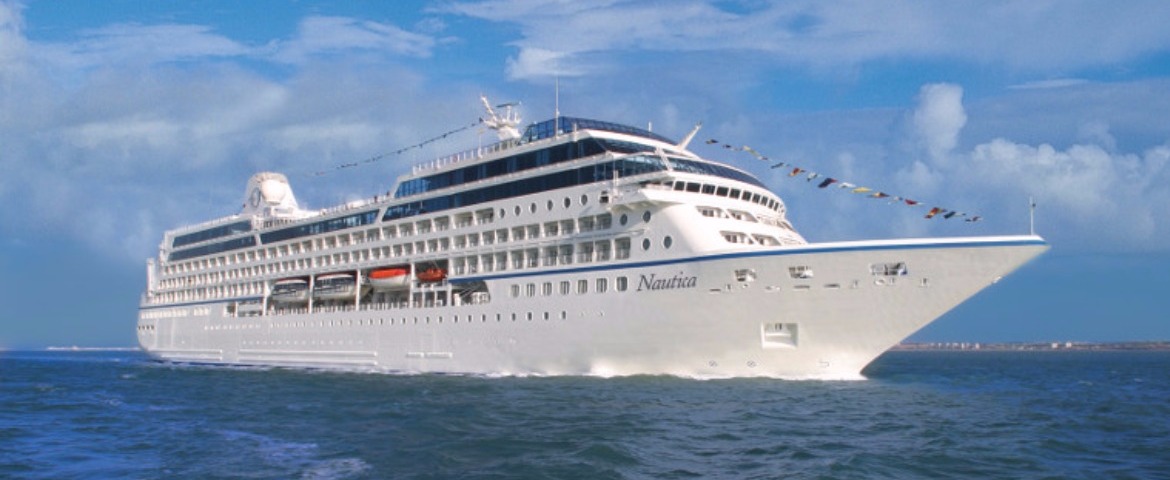
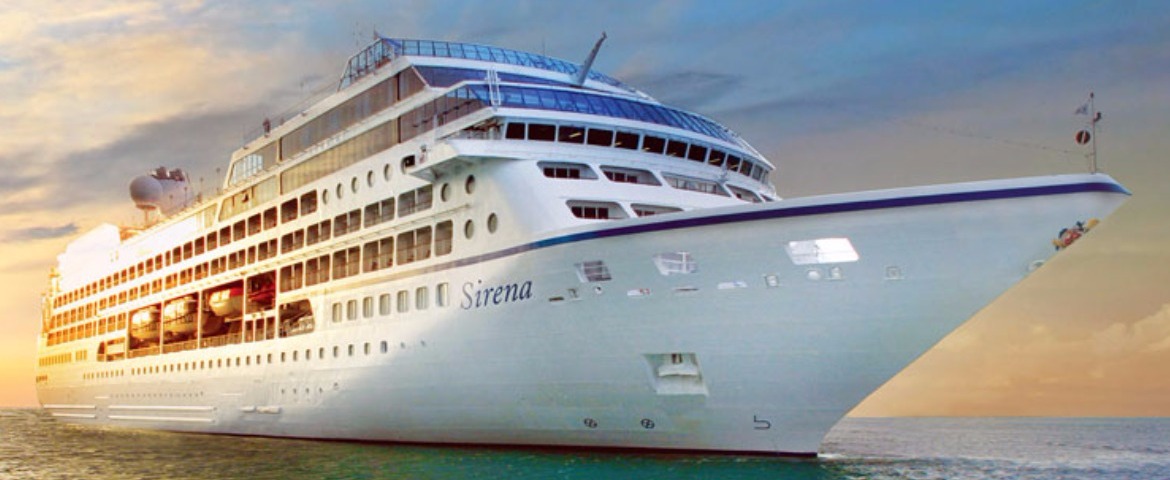
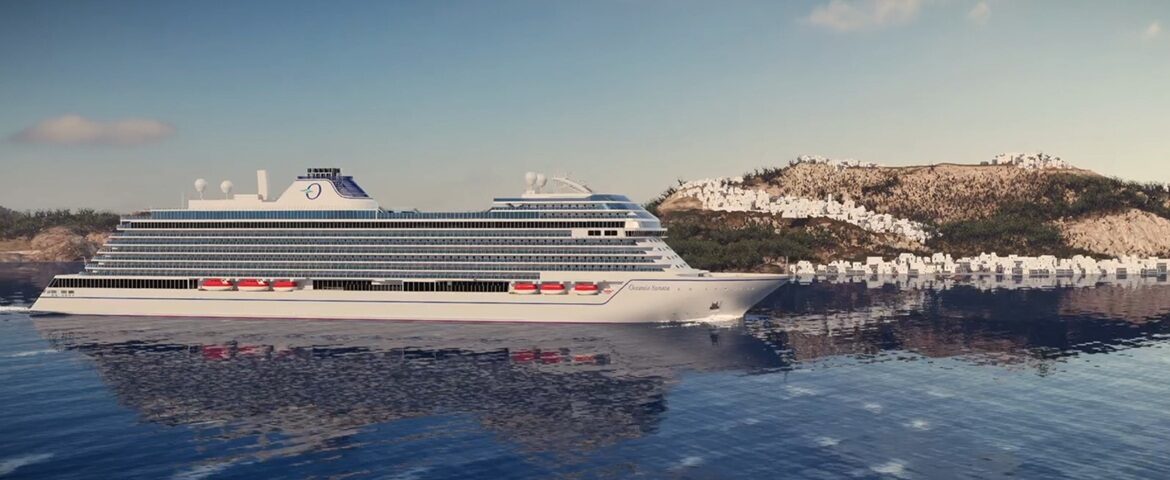
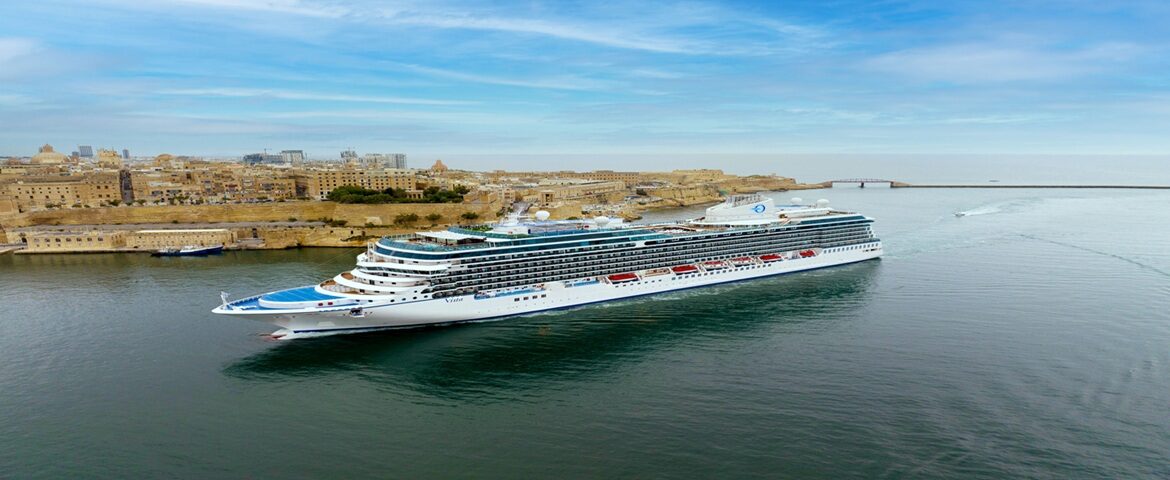
Oceania Cruises (15 Cruises)

Princess Cruises (61 Cruises)
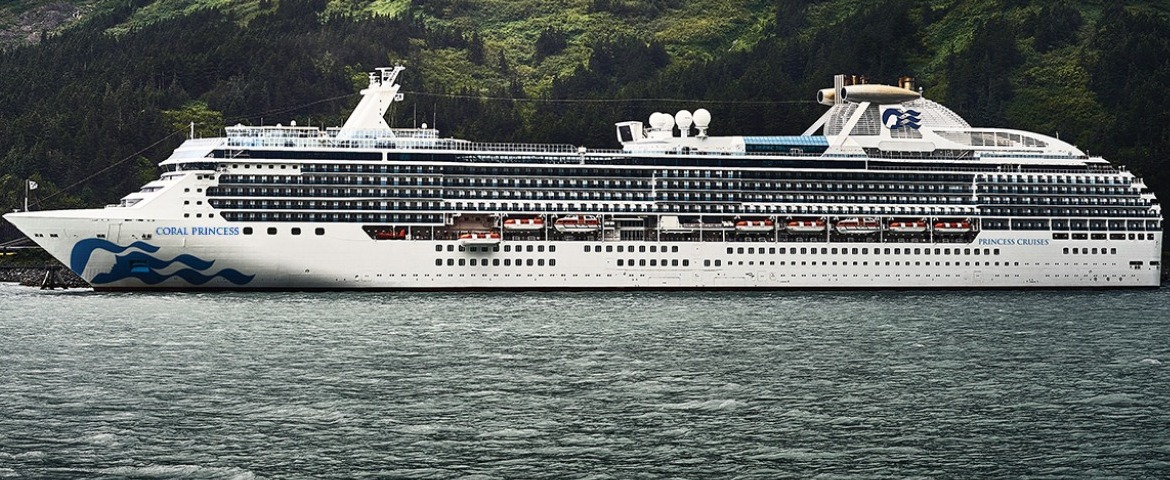

Crown Princess
24 Cruises
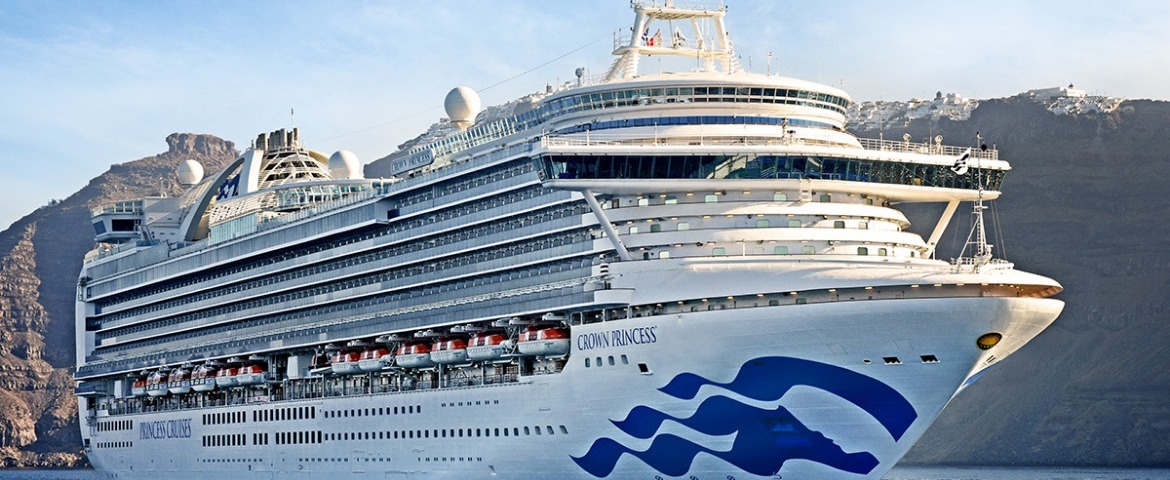
Emerald Princess
31 Cruises
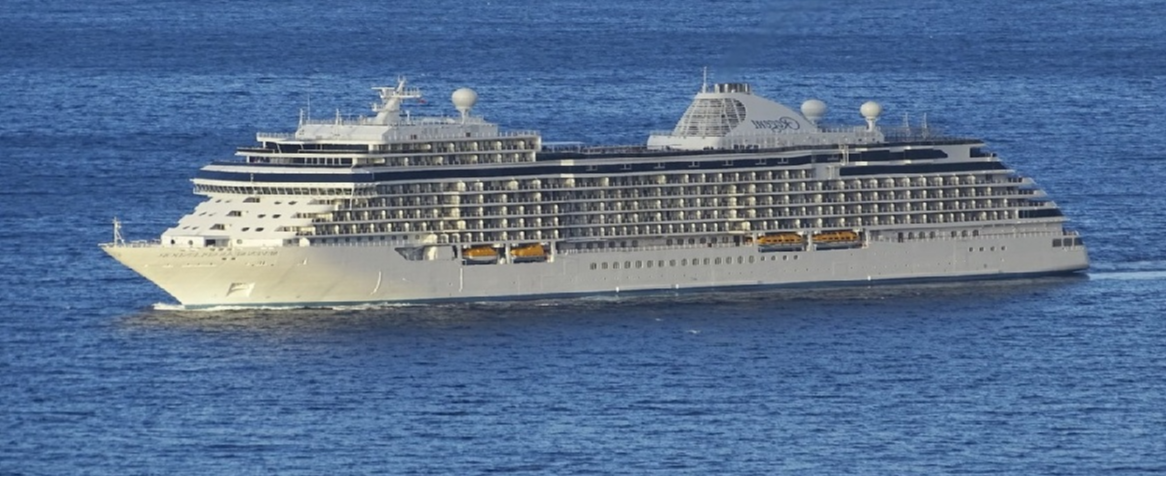
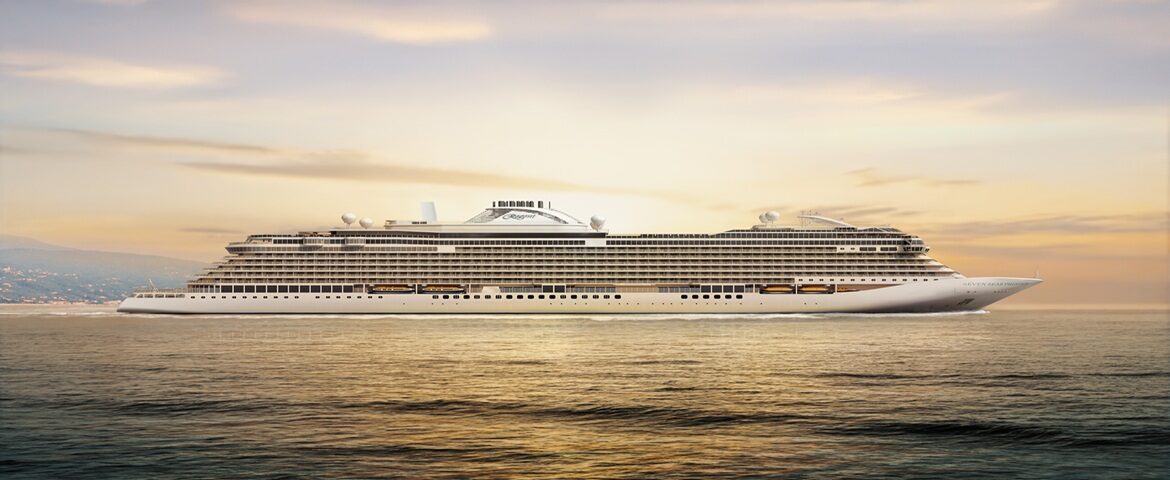
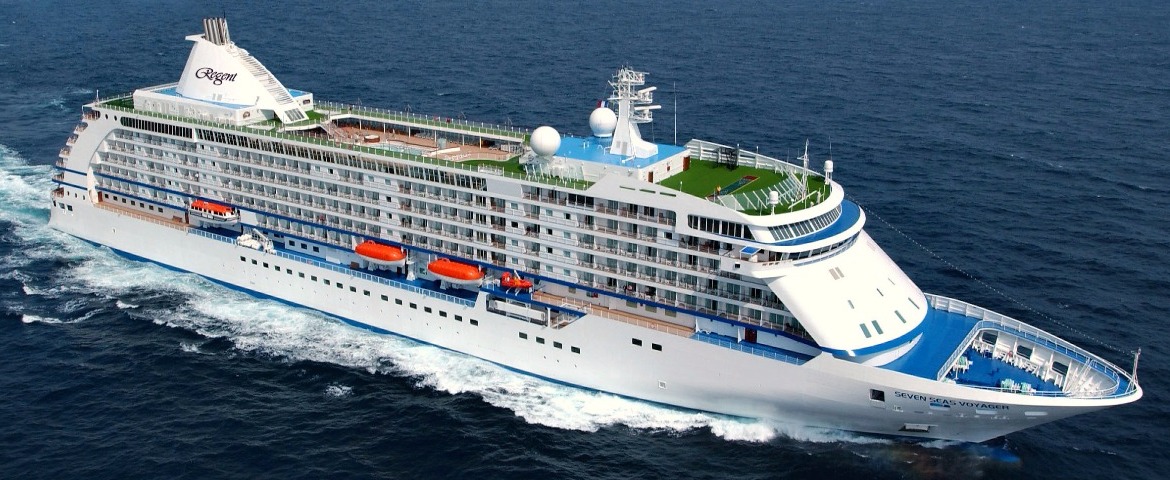
Regent Seven Seas Cruises (15 Cruises)


Royal Caribbean Cruises (10 Cruises)

Seabourn Cruise Line (38 Cruises)
Seabourn Ovation
38 Cruises
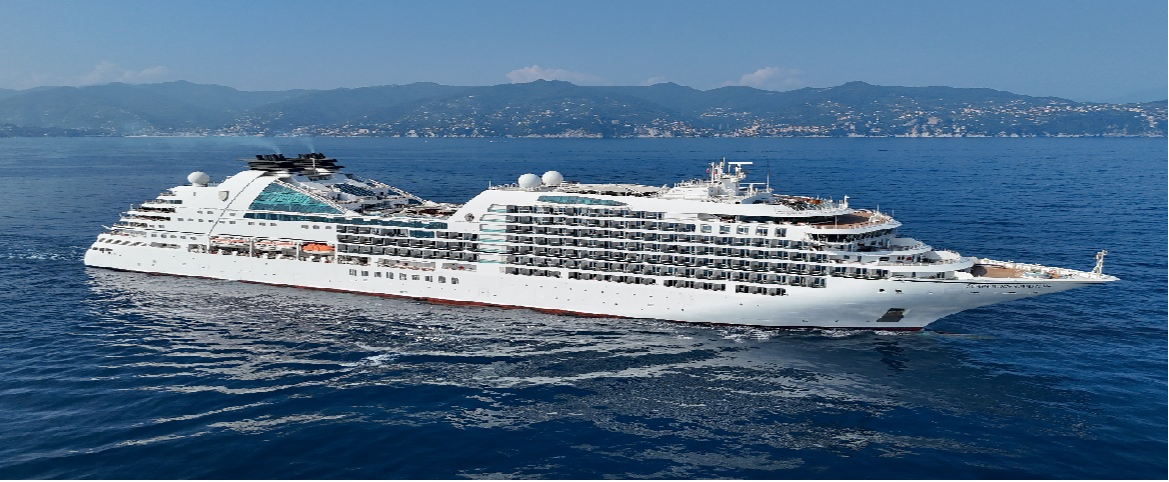

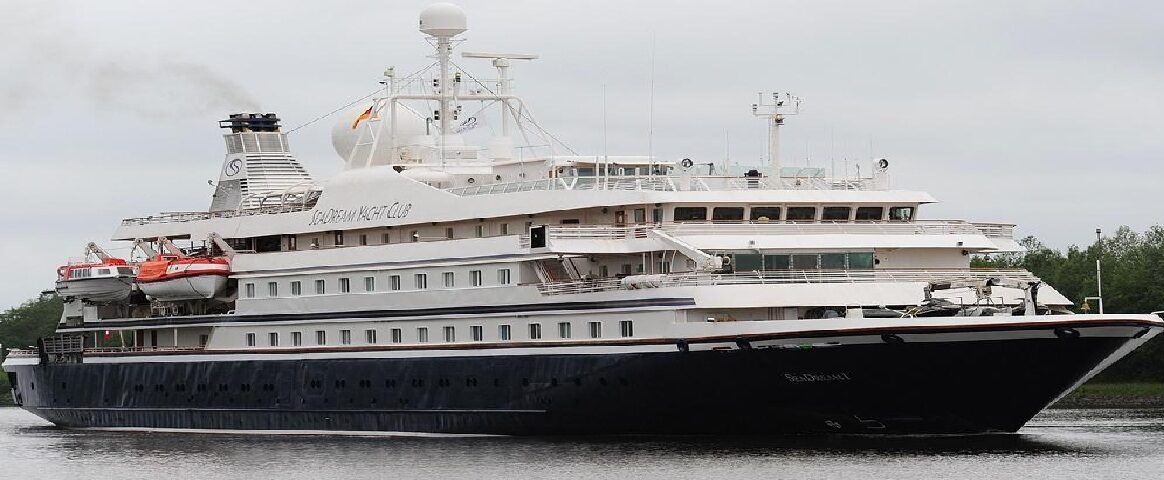
SeaDream Yacht Club (2 Cruises)

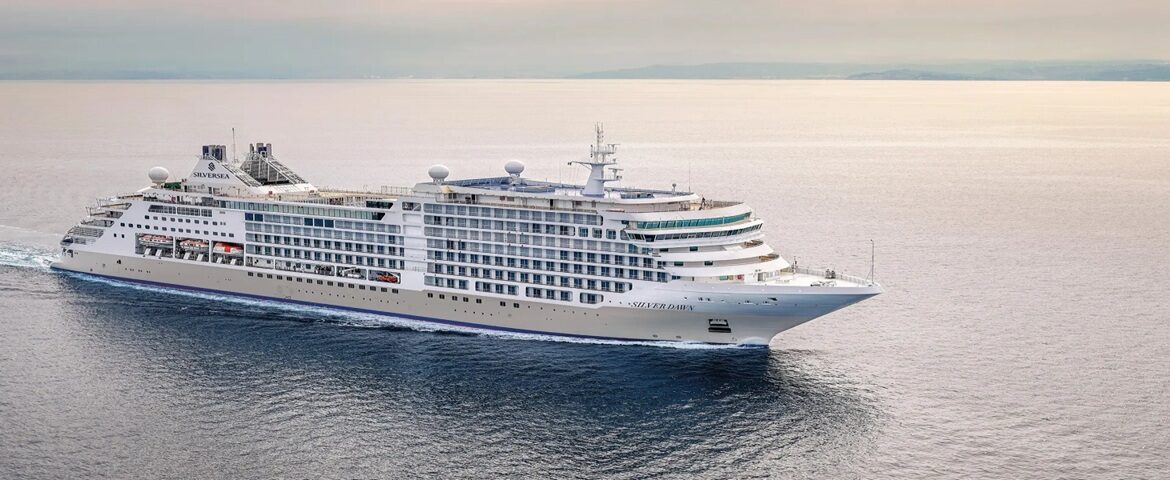
Silversea Cruises (27 Cruises)
Silver Dawn
5 Cruises

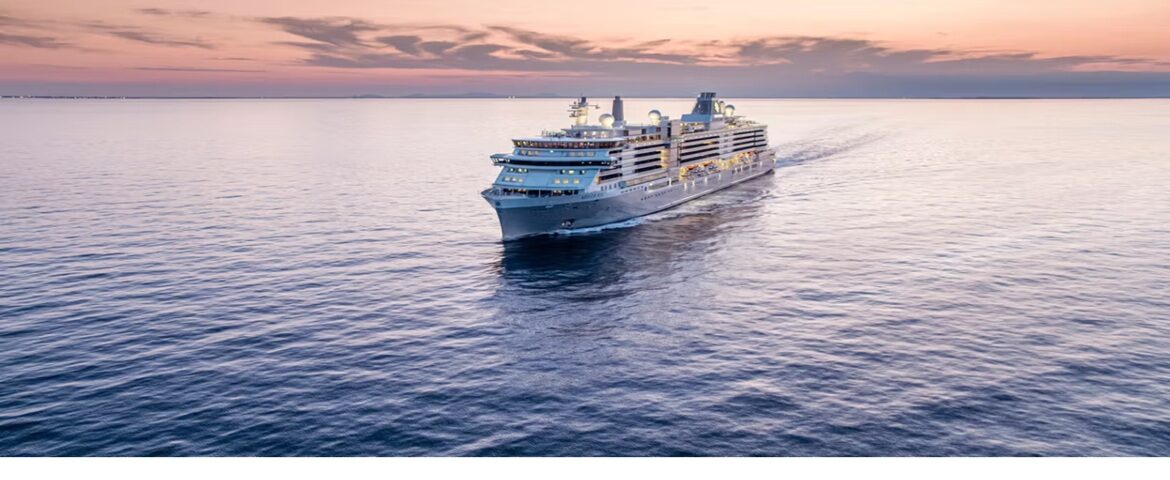
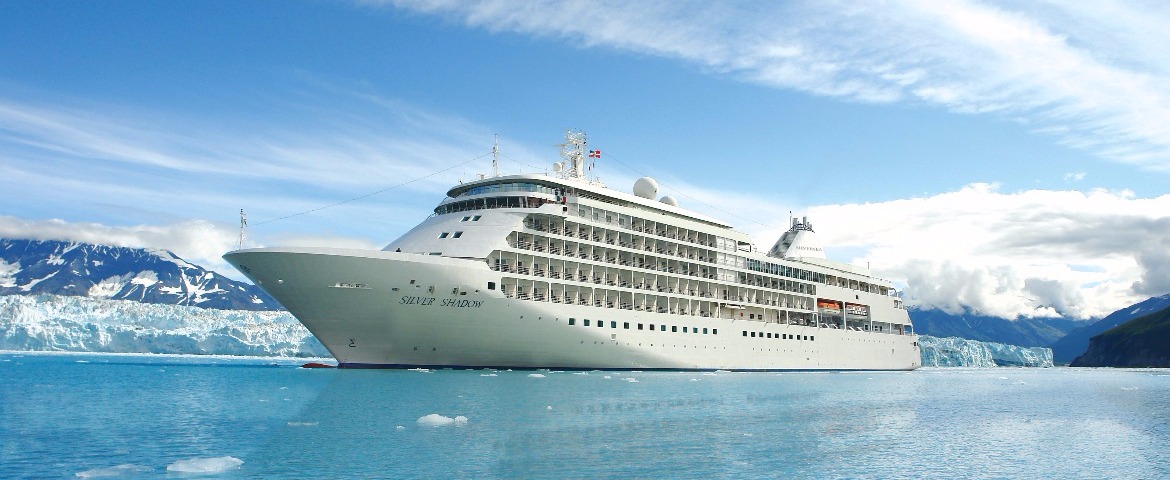
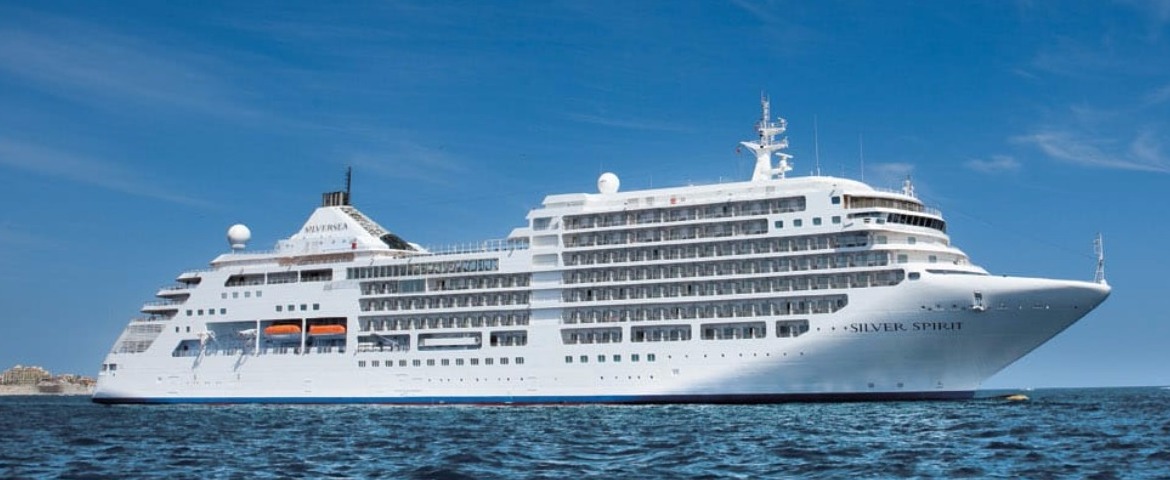
Silver Spirit
17 Cruises
| 6 February | 12 nights | One-way from Miami to Bridgetown |
450-628-6241
Call us
|
| 18 February | 10 nights | Round-trip from Bridgetown, Barbados |
450-628-6241
Call us
|
Star Clippers (27 Cruises)
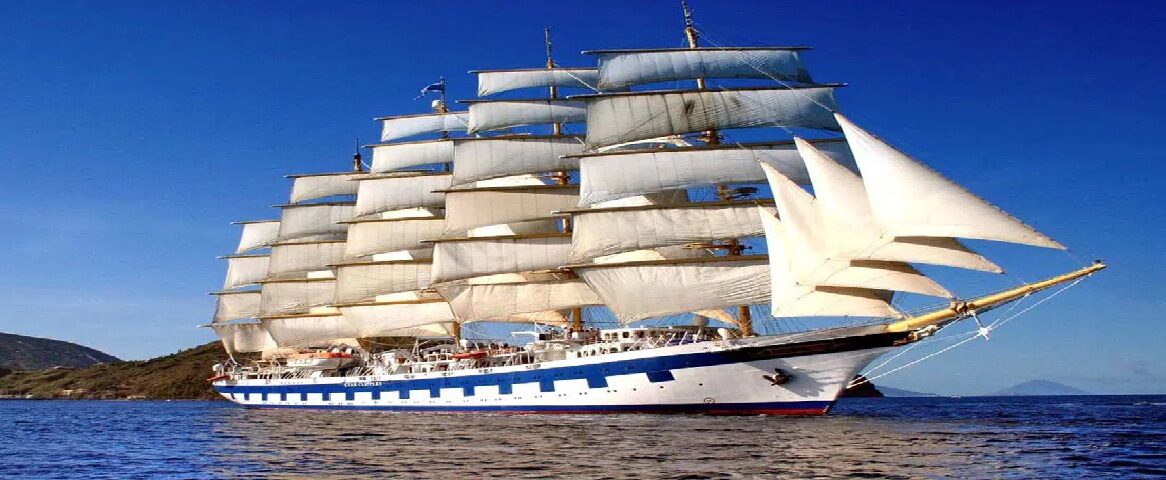
Royal Clipper
19 Cruises

| 9 January | 7 nights | Round-trip from Bridgetown, Barbados |
450-628-6241
Call us
|
| 23 January | 7 nights | Round-trip from Bridgetown, Barbados |
450-628-6241
Call us
|
| 6 February | 7 nights | Round-trip from Bridgetown, Barbados |
450-628-6241
Call us
|
| 20 February | 7 nights | Round-trip from Bridgetown, Barbados |
450-628-6241
Call us
|
| 8 January | 7 nights | Round-trip from Bridgetown, Barbados |
450-628-6241
Call us
|
| 22 January | 7 nights | Round-trip from Bridgetown, Barbados |
450-628-6241
Call us
|
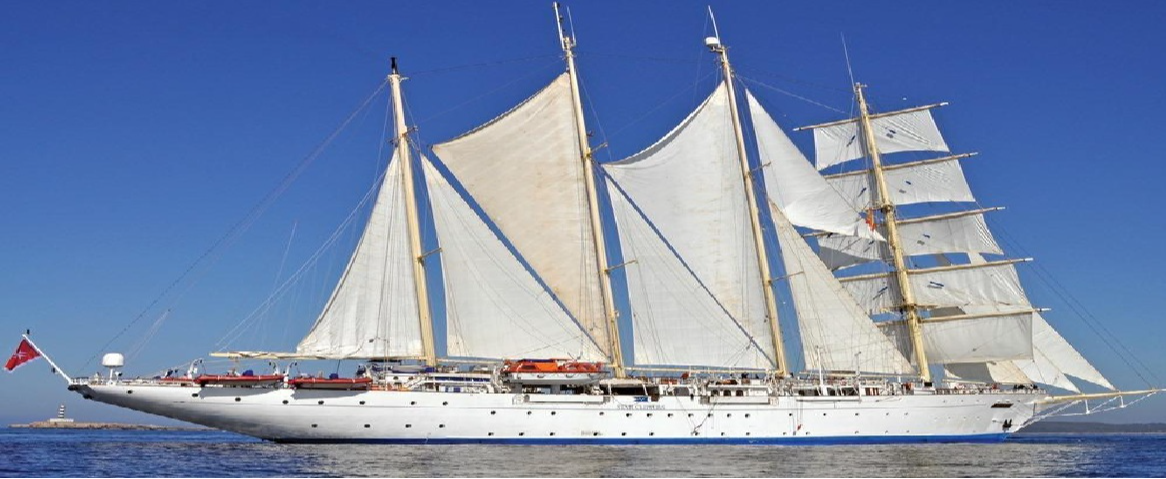
Windstar Cruises (49 Cruises)
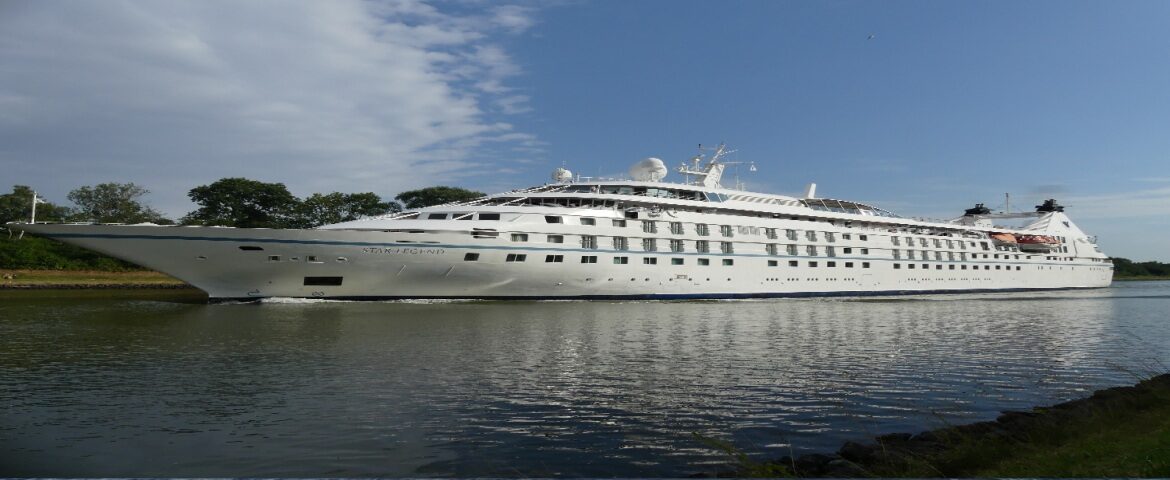
Star Legend
21 Cruises

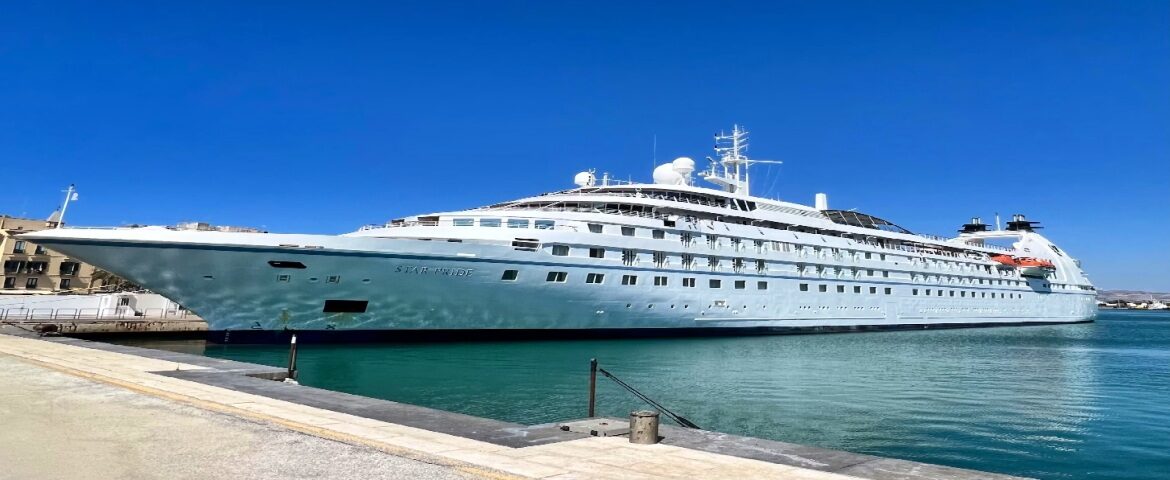
Star Pride
26 Cruises
| 3 January | 14 nights | Round-trip from San Juan, Puerto Rico |
450-628-6241
Call us
|
| 3 January | 7 nights | Round-trip from San Juan, Puerto Rico |
450-628-6241
Call us
|

Port of St. George's, Grenada | Cruise Port Guide
Frequently Asked Questions
At the Melville Street terminal, which opens straight onto the centre: the Carenage is ten minutes' walk, Fort George fifteen.
The horseshoe-shaped inner harbour where coastal traders and fishing boats tie up, ringed by 18th and 19th century brick and stone façades. The wooden schooners serving Carriacou still load crates and passengers there much as they did a century ago.
The Carenage, the climb to Fort George, the Sendall Tunnel and the spice market: all on foot in half a day. That leaves time for the water taxi across to Grand Anse beach.
Yes. Built by the French in 1705 on the point closing the harbour, it gives the best view of the capital from among its cannon: the basin, the steeple-dotted hills and the coast running south. The climb is steep but short, and fully exposed to the sun.
A passage cut through the hill in 1894 to spare carts the detour. Pedestrians and cars still share it, in a cool gloom a few dozen metres long that opens directly into the market.
Because it remains one of the world's leading nutmeg producers and has grown cocoa and cinnamon for centuries. On Market Square the stalls line up nutmeg, mace, cinnamon sticks and cocoa beans.
Yes, two streets from Market Square: the House of Chocolate follows the bean from plantation to bar and serves a strong hot cocoa, dense as a dessert.
By water taxi from the Carenage, about ten minutes. The crossing is worth the fare on its own: the whole capital slides past, from the fort to the steeples. Very cheap local buses make the trip too.
The Eastern Caribbean dollar. US dollars are accepted everywhere in the capital.
A reminder of the liner Bianca C, which caught fire in the harbour in 1961. Grenadian fishermen rescued nearly all the passengers in their own boats, an episode locals are glad to recount.


