Puerto Quetzal Guatemala
171
Cruises availables
At departure or passage at this port
Azamara Club Cruises (5 Cruises)
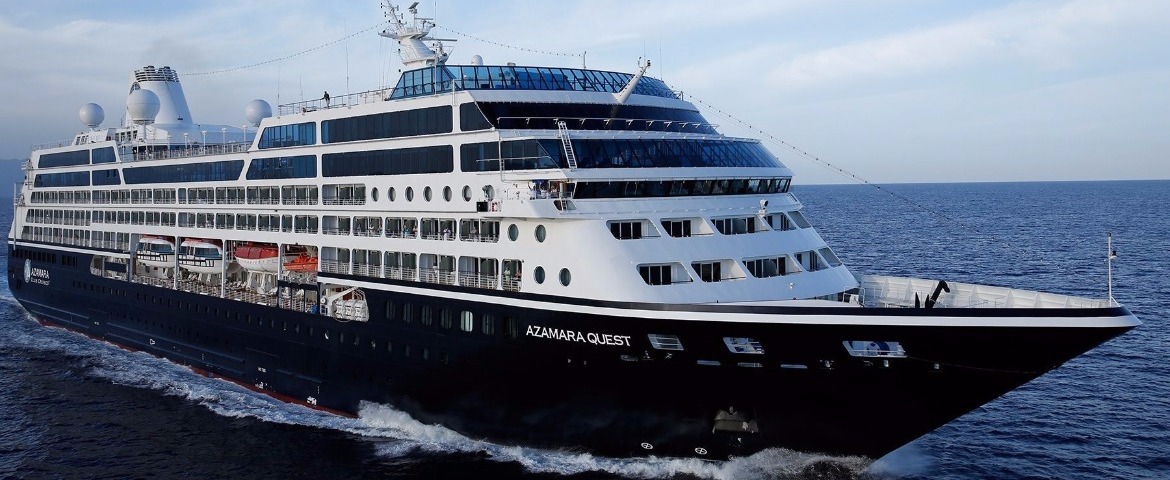

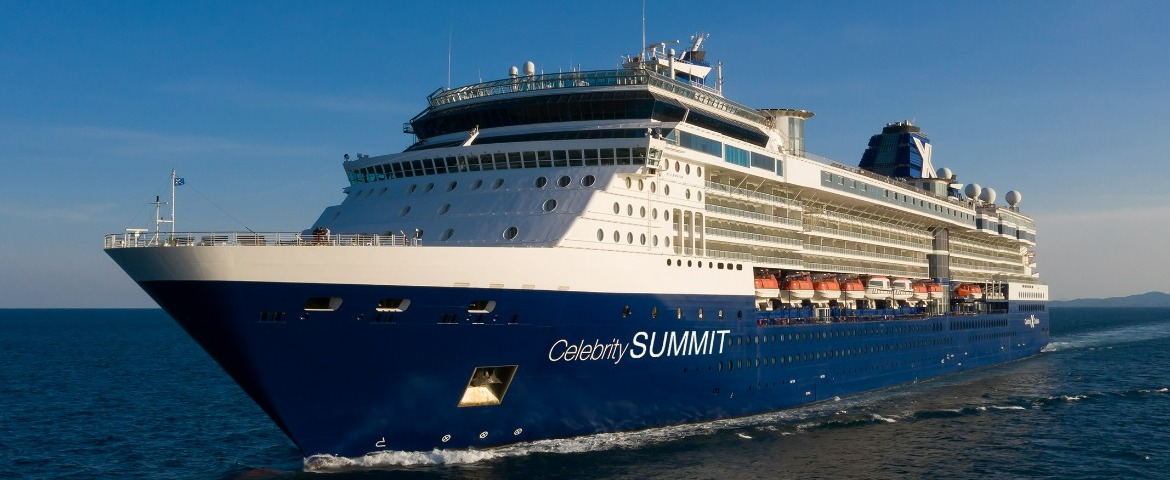
Celebrity Cruises (1 Cruises)

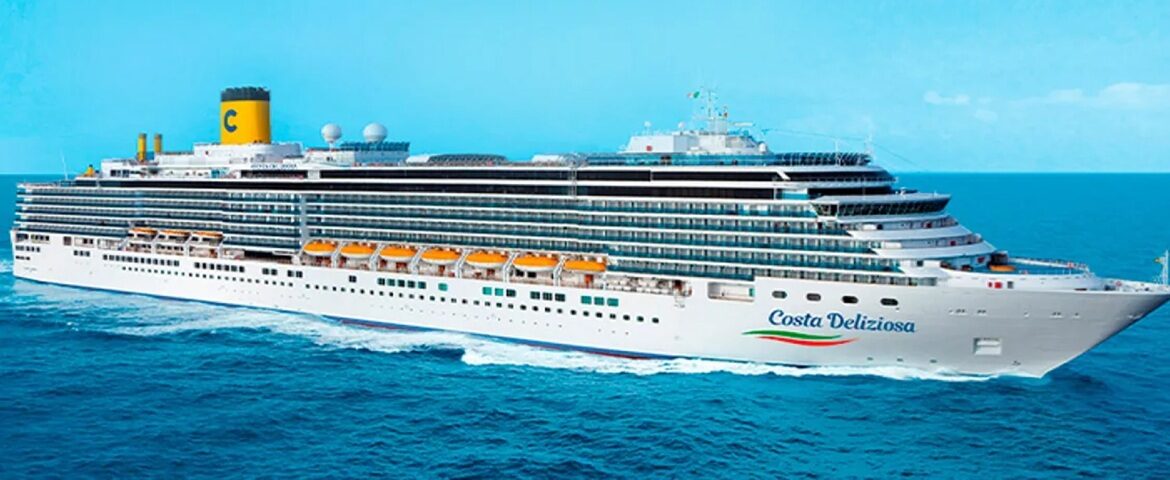
Costa Cruises (20 Cruises)
Costa Deliziosa
20 Cruises

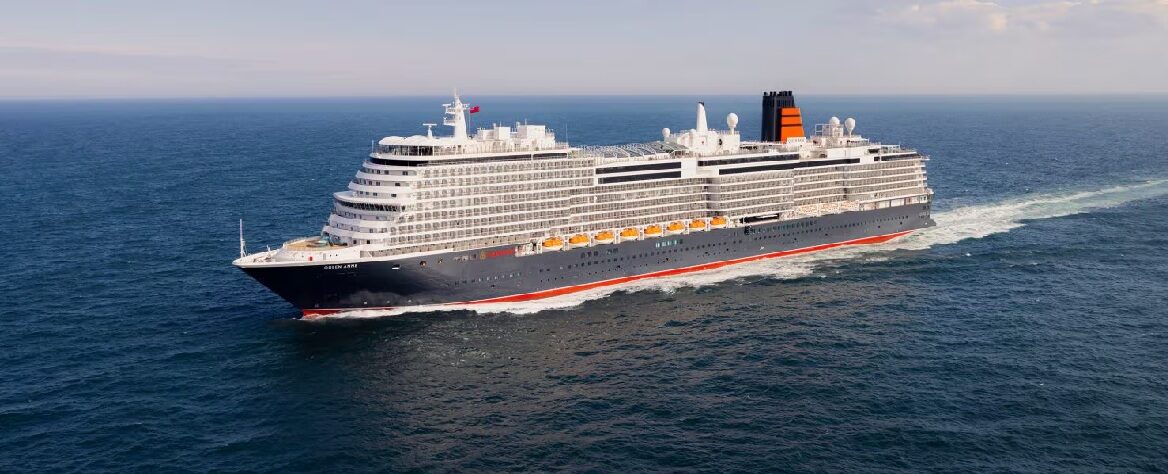
Cunard (13 Cruises)
Queen Anne
13 Cruises

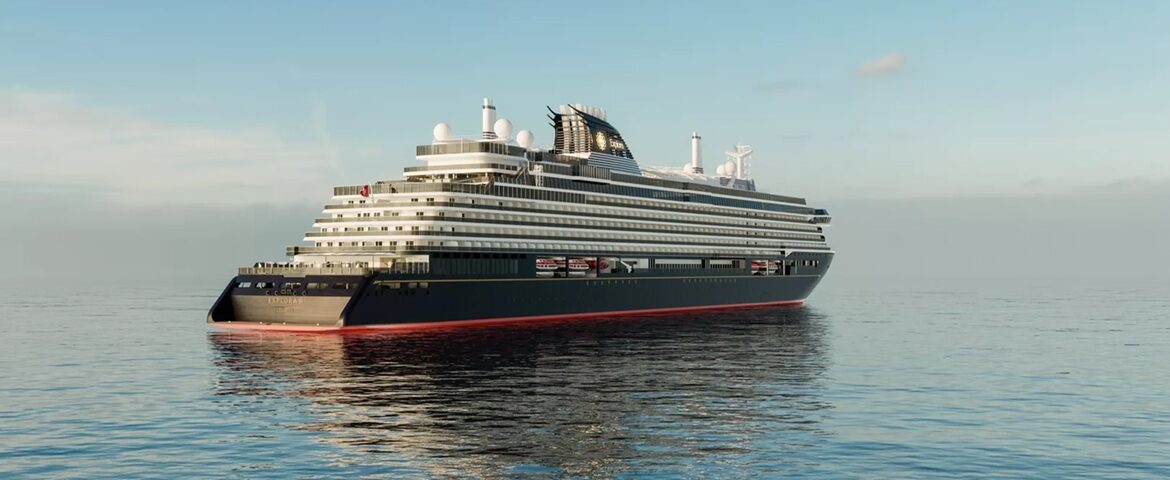
Explora Journeys (3 Cruises)

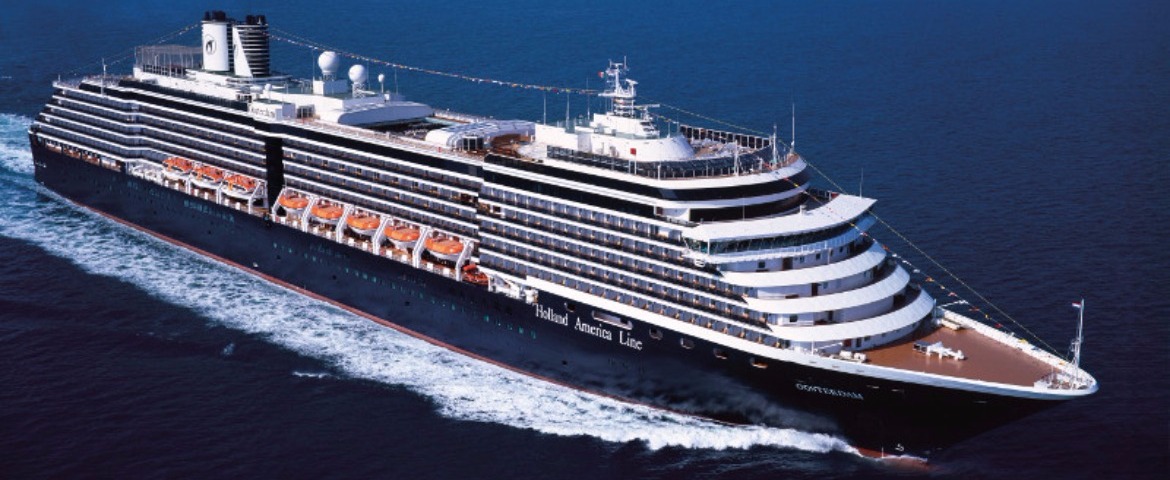
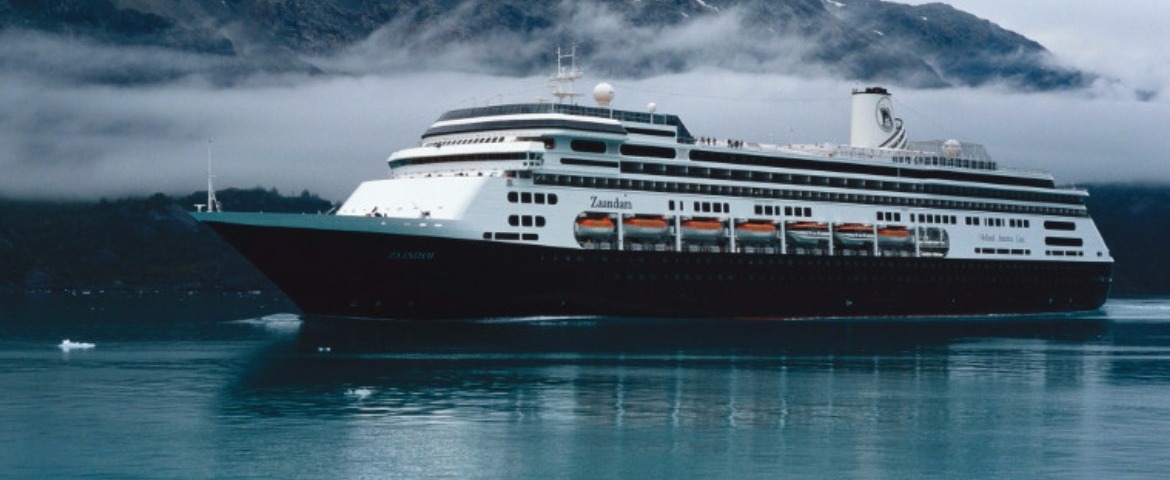
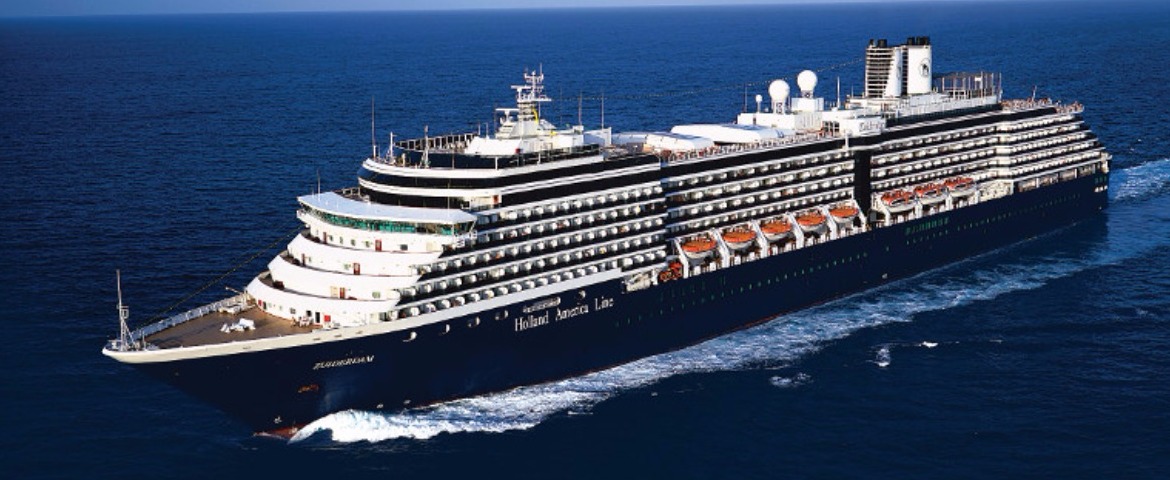
Holland America Line (42 Cruises)
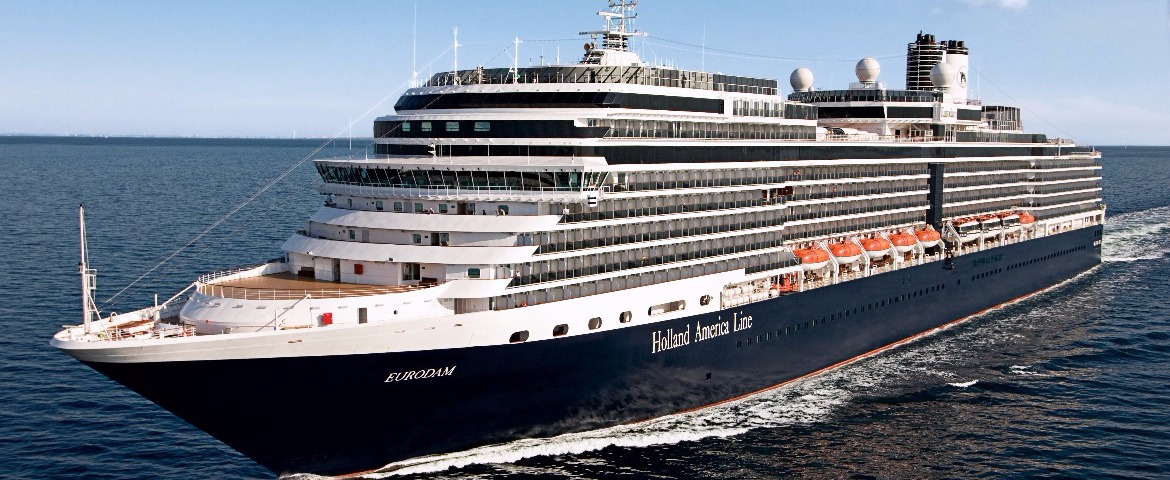
ms Eurodam
13 Cruises

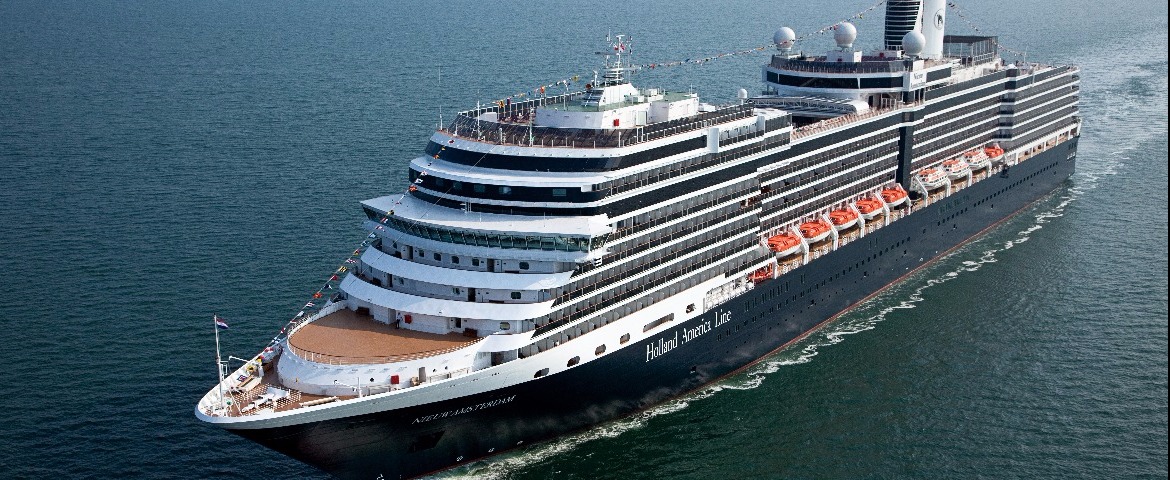
ms Nieuw Amsterdam
10 Cruises
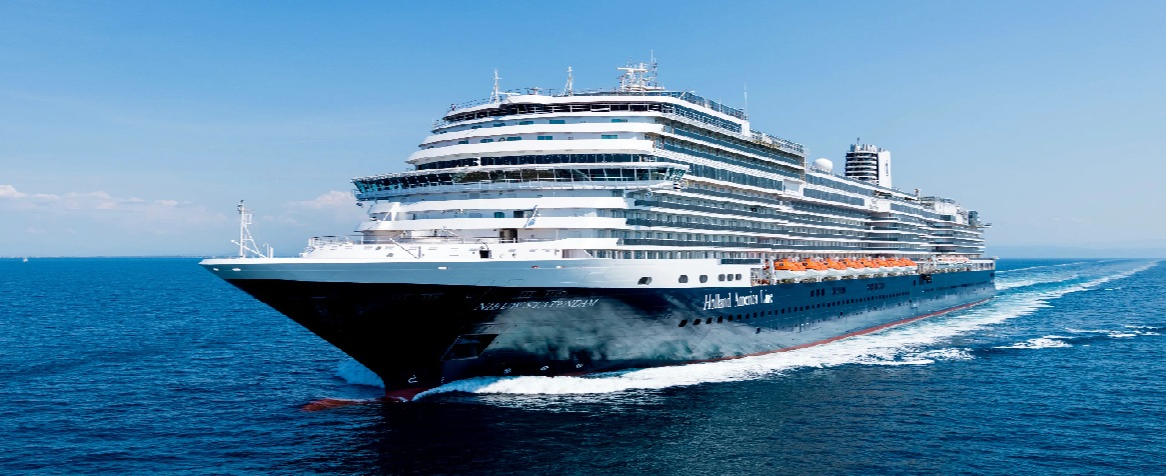
ms Nieuw Statendam
10 Cruises
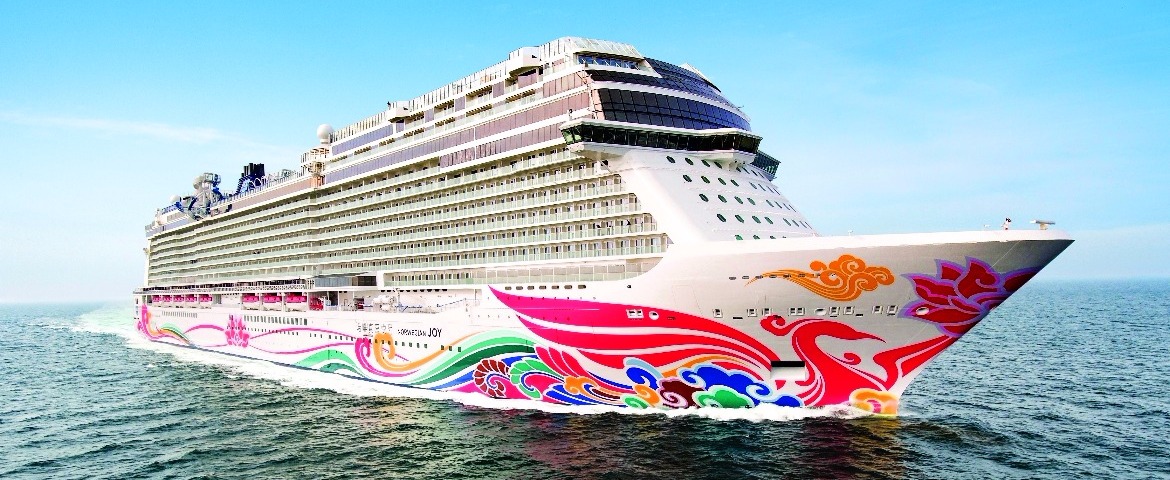
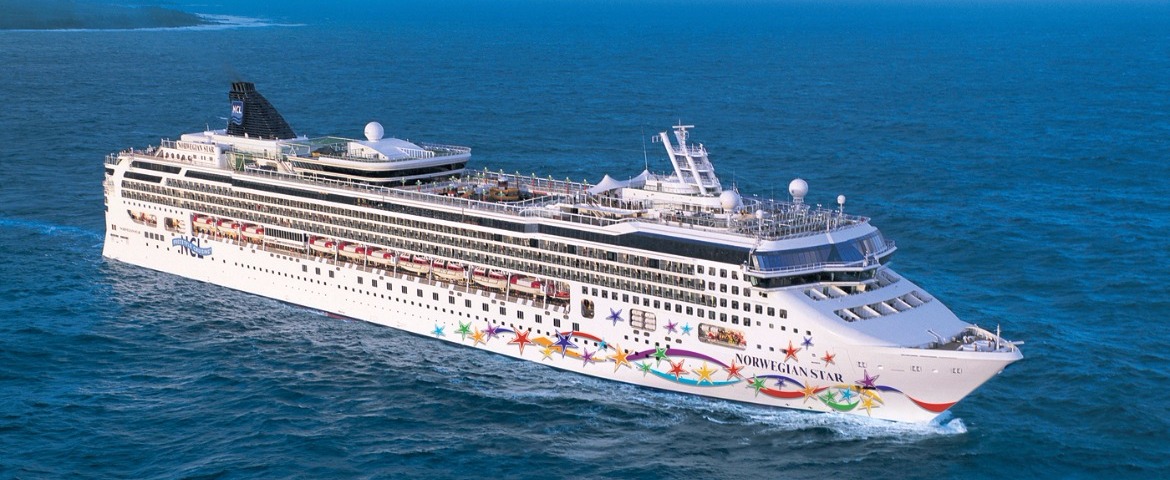
Norwegian Cruise Line (27 Cruises)
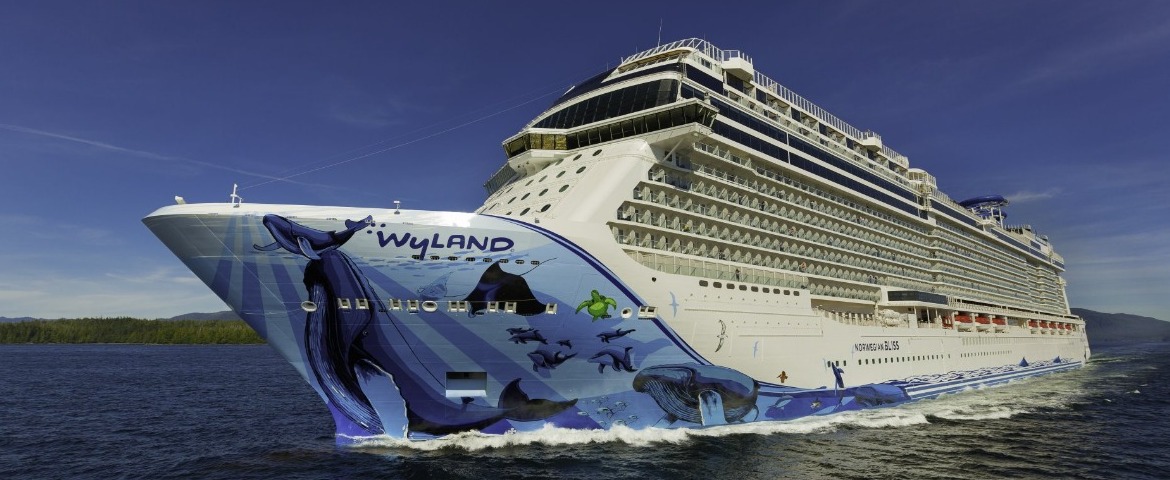
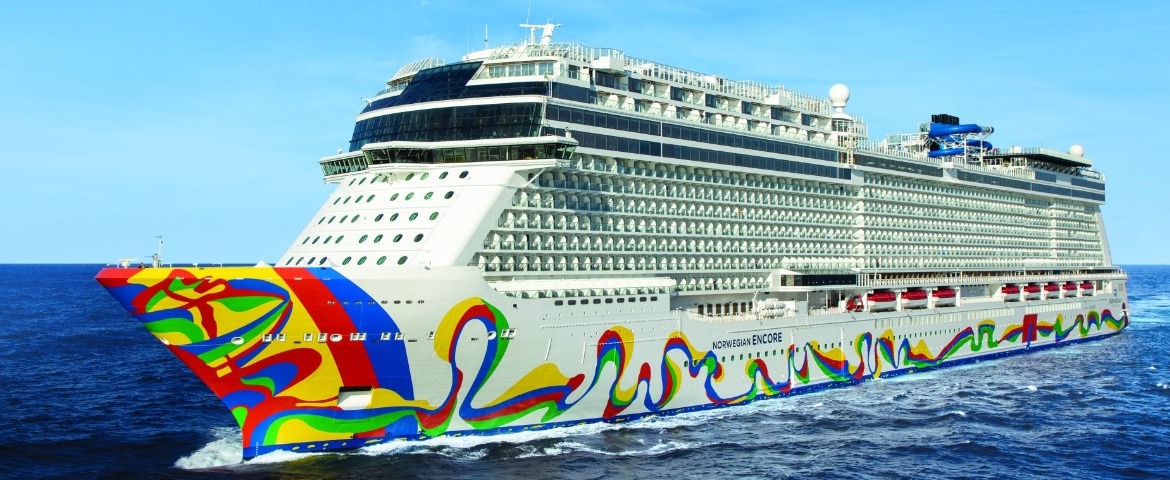
Norwegian Bliss
12 Cruises

Oceania Cruises (18 Cruises)
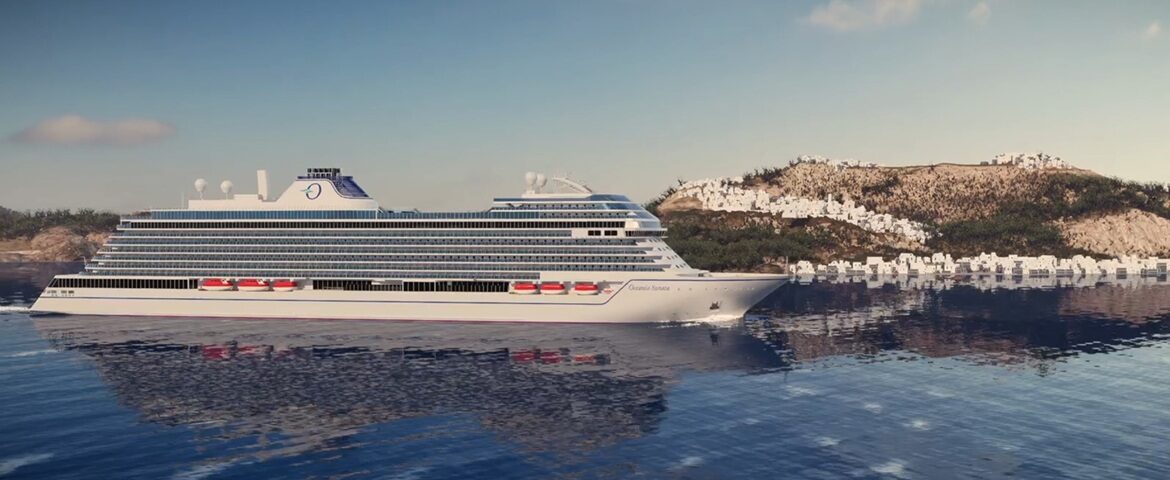
Oceania Sonata
9 Cruises

| 6 January | 17 days | One-way from Los Angeles to Miami |
450-628-6241
Call us
|
| 6 January | 45 days | One-way from Los Angeles to Miami |
450-628-6241
Call us
|
Oceania Vista
9 Cruises
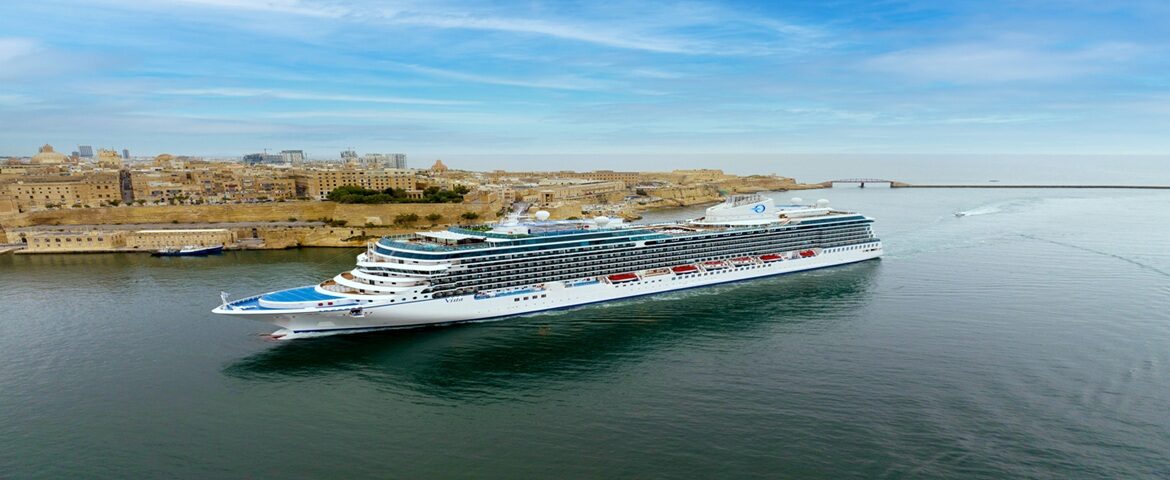
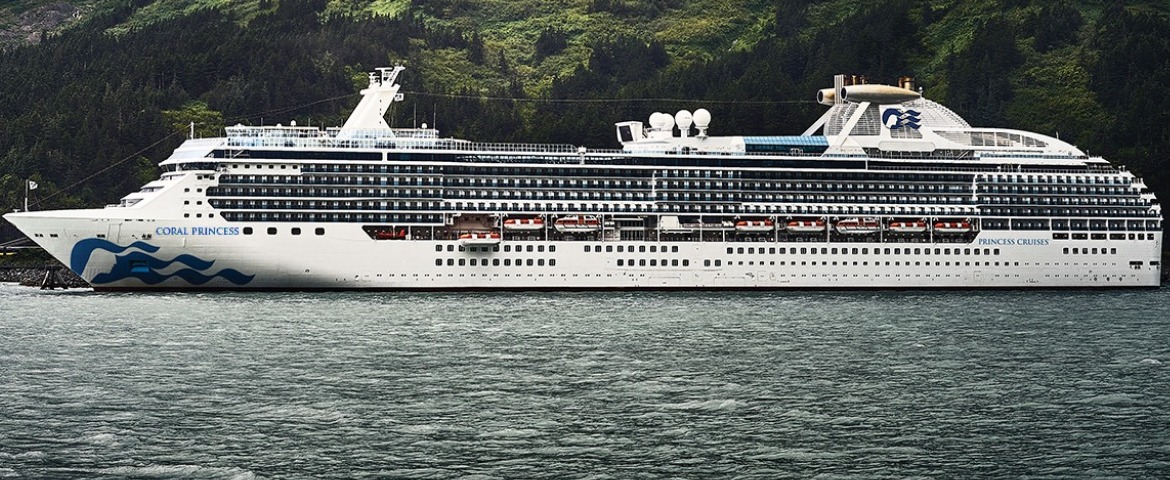
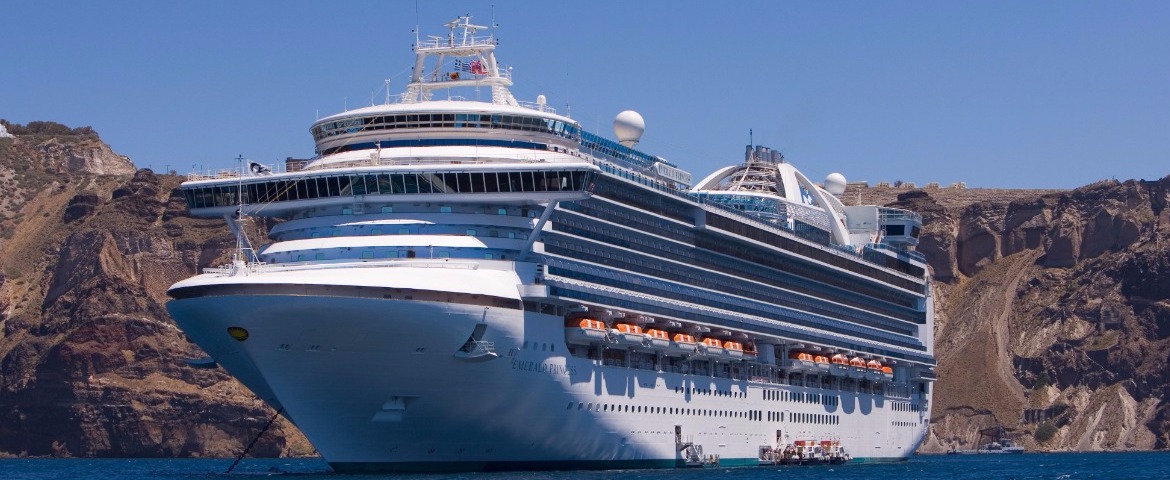
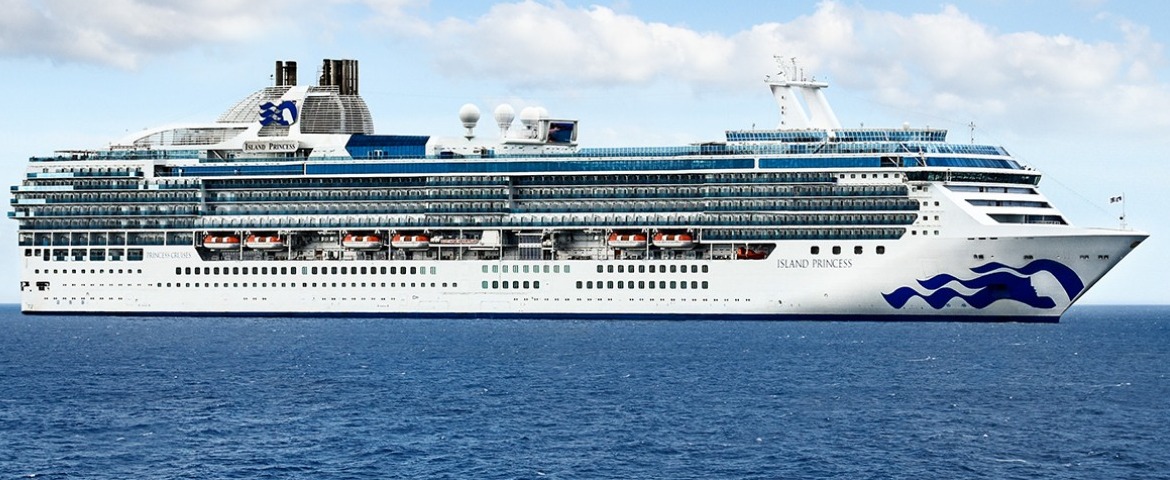
Princess Cruises (9 Cruises)

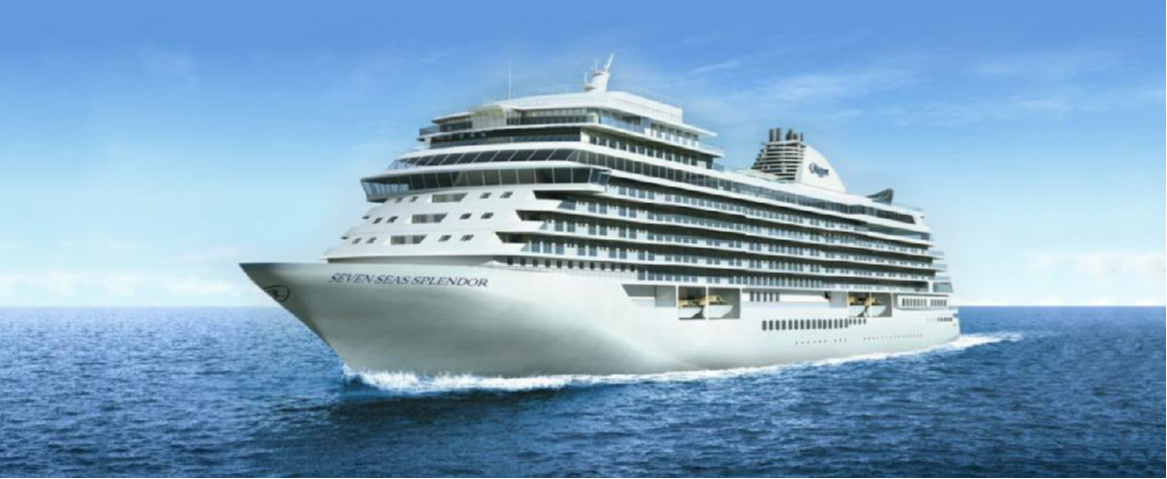
Regent Seven Seas Cruises (13 Cruises)
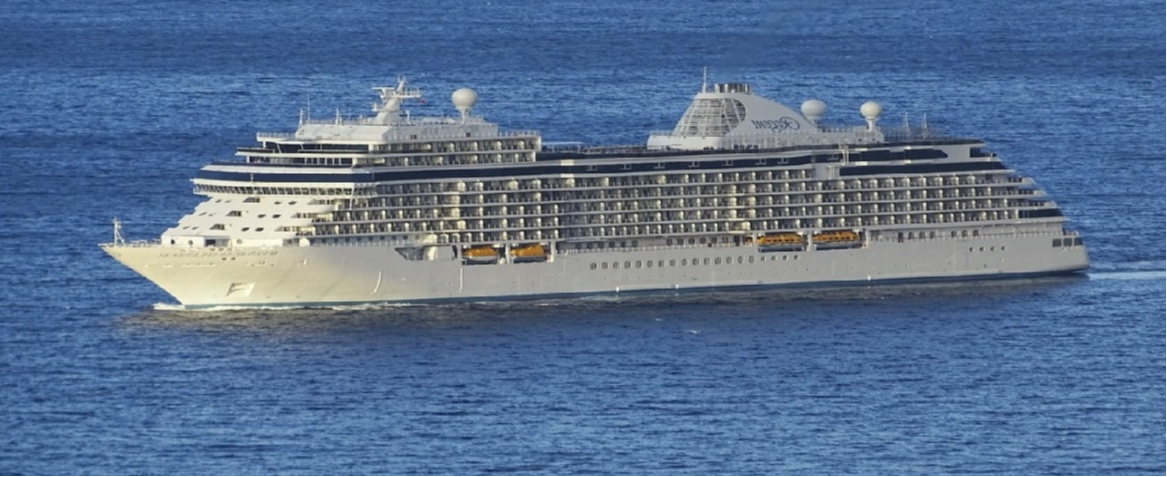

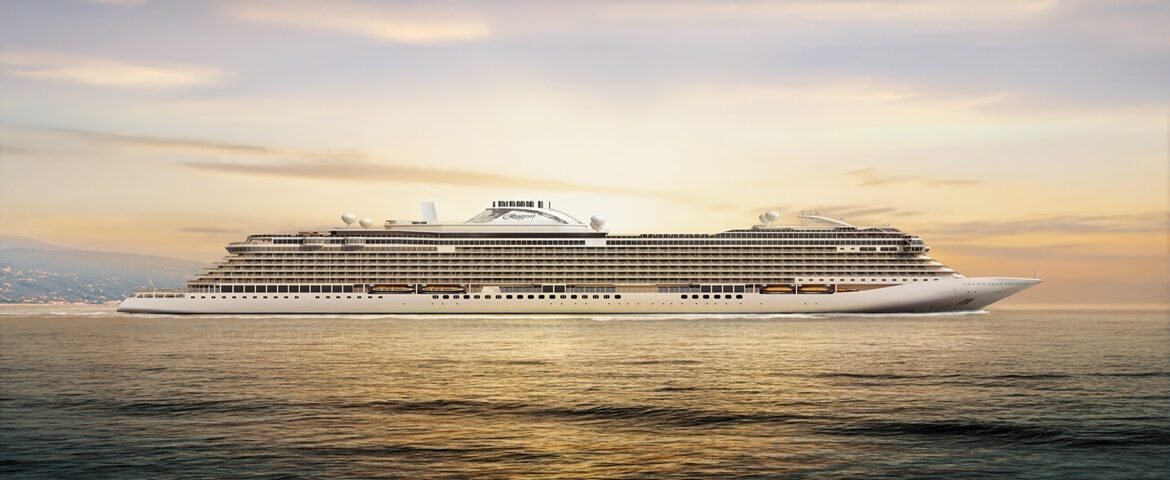
Seven Seas Splendor
7 Cruises


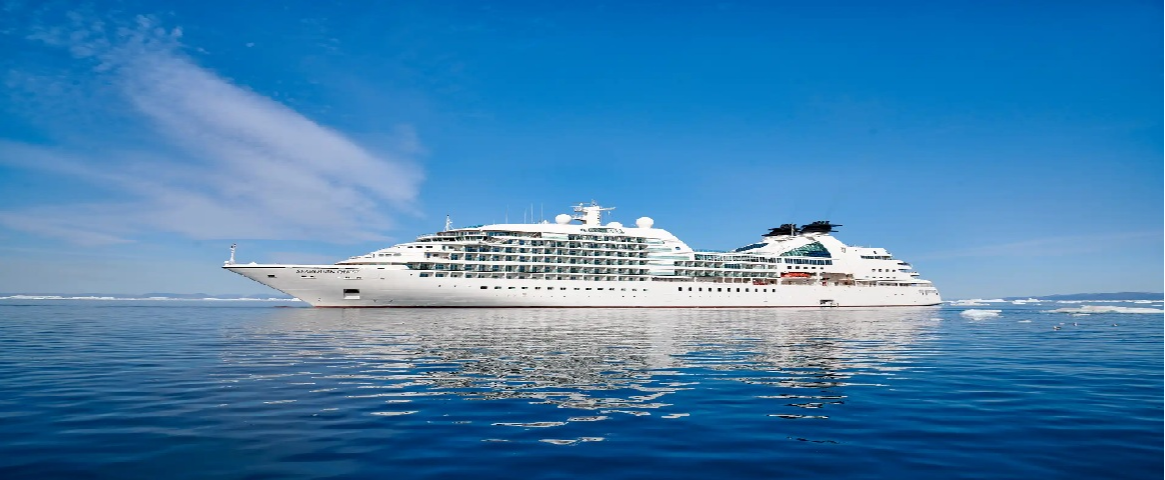
Seabourn Cruise Line (8 Cruises)
Seabourn Quest
8 Cruises

Silversea Cruises (3 Cruises)

Virgin Voyages (8 Cruises)


Puerto Quetzal, Guatemala | Cruise Port Guide
Frequently Asked Questions
Directly alongside, in a port complex on the Pacific coast. The cruise terminal holds a large craft market, a few restaurants and the excursion desks.
No, and it is better to know it: beyond the terminal lies an industrial zone with no town within walking distance. Nobody comes ashore at Puerto Quetzal for Puerto Quetzal — the port is a gateway to the interior.
About 90 kilometres, roughly an hour and a half each way. Count on the full day including transport, and it will still feel short.
Because the old colonial capital, a UNESCO World Heritage site, lines its cobbled streets with ochre, brick-red and powder-blue façades beneath three volcanoes, including the regularly smoking Fuego. Arcades, earthquake-ruined churches and the Santa Catalina arch are all walkable.
Yes, Pacaya, about two hours' drive: a guided climb across its cooled lava fields, within reach of anyone in reasonable shape.
Yes, but you have to want it: two and a half to three hours' drive each way. Those who have seen it understand why so many travellers rate it among the world's most beautiful lakes — but it takes the entire day.
Yes, Iximché, the former Kaqchikel capital, at a drive comparable to Pacaya. The site is peaceful and far less visited than the country's headline names.
It is safer for the distant destinations: Guatemalan roads have their share of surprises, and ship excursions guarantee your return on board. With an independent operator, choose an established one and leave slack in the schedule.
The terminal market rewards an hour of patient rummaging: textiles, jade, wooden masks and whole-bean coffee, often from the makers themselves. Marimba players sometimes set the tone, and the complex restaurants serve local food.
The quetzal, though terminal vendors readily take US dollars, and haggling is part of the exchange. As for climate, the Pacific coast piles heat on humidity from early morning: water and sun protection are essential.


