Fort-de-France Martinique
825
Cruises availables
At departure or passage at this port
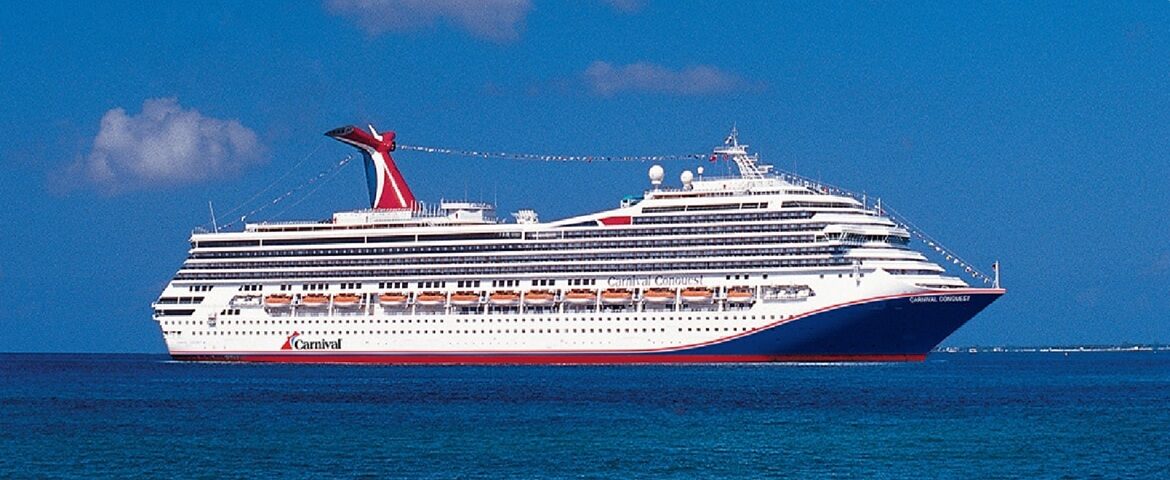
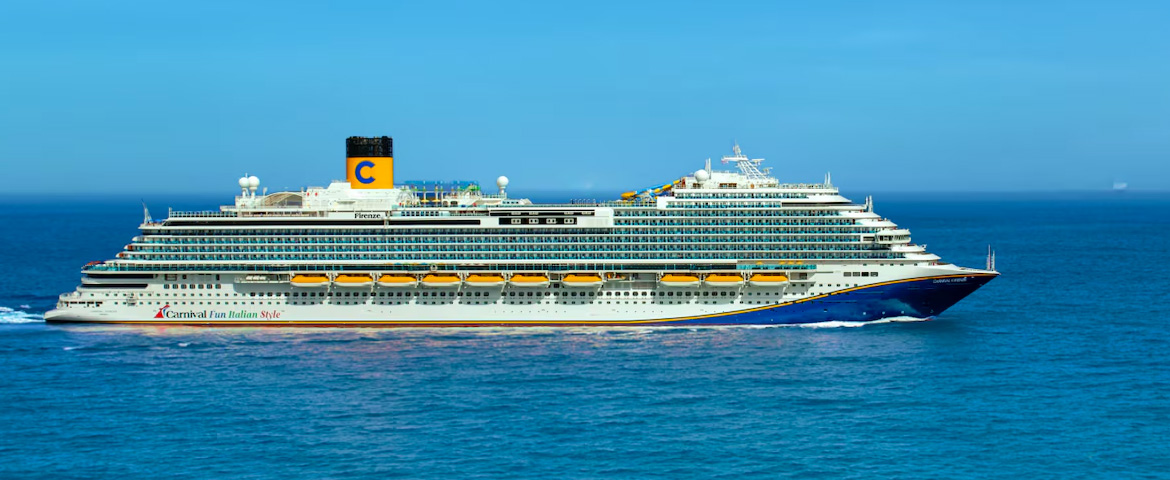
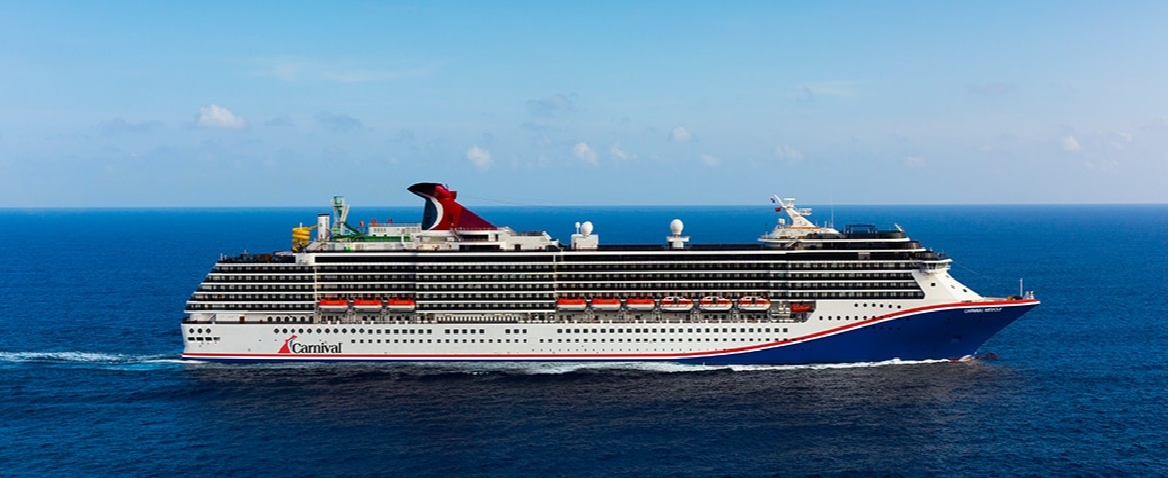
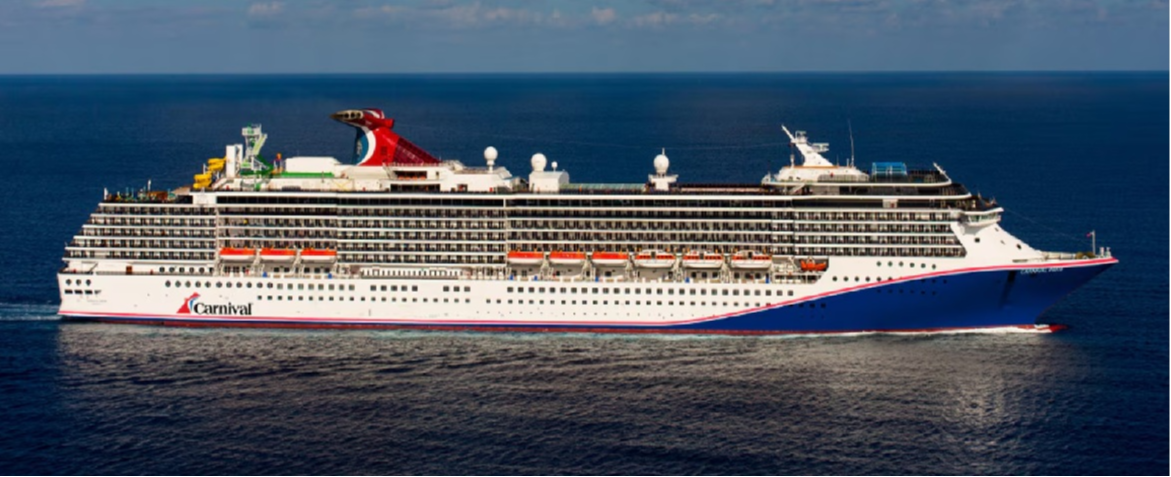
Carnival Cruise Line (9 Cruises)

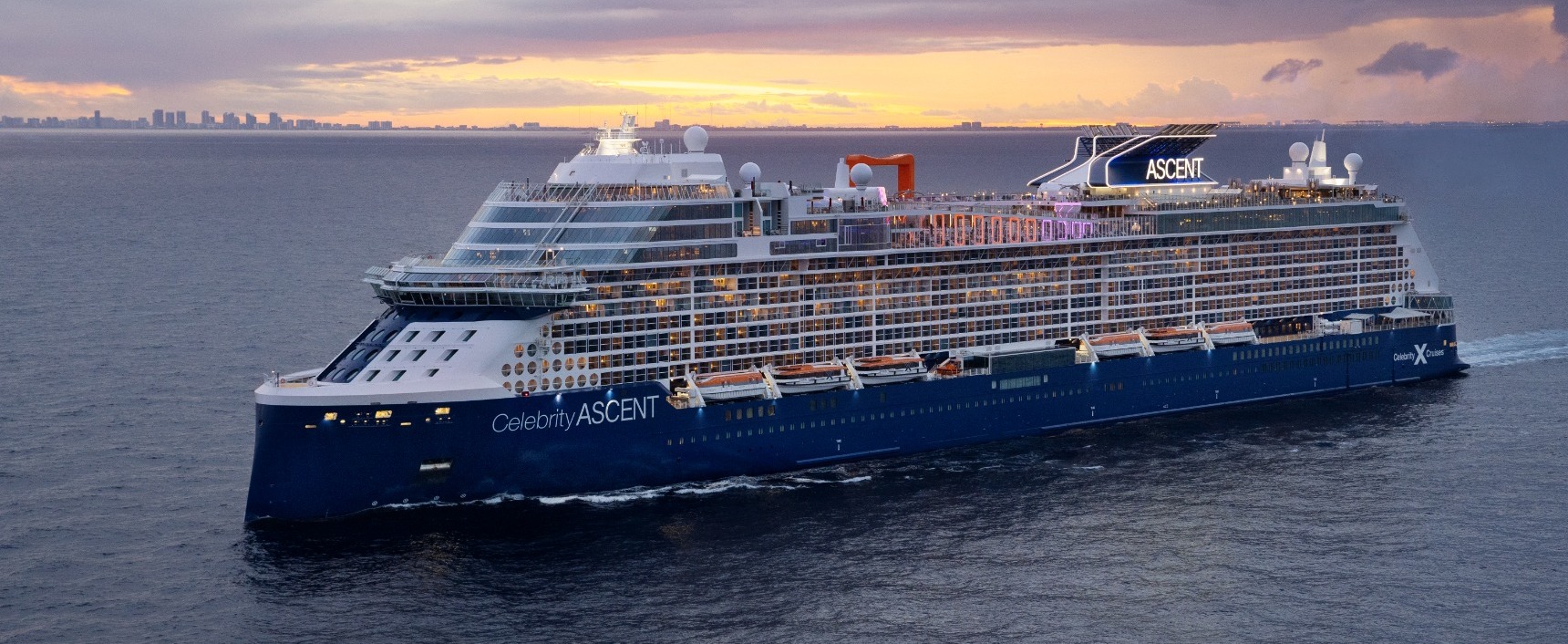
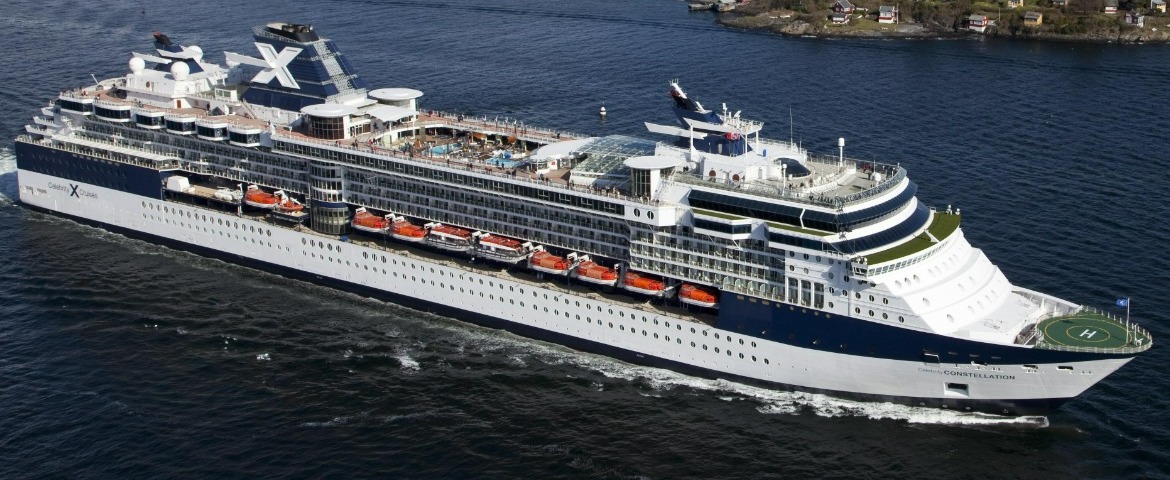
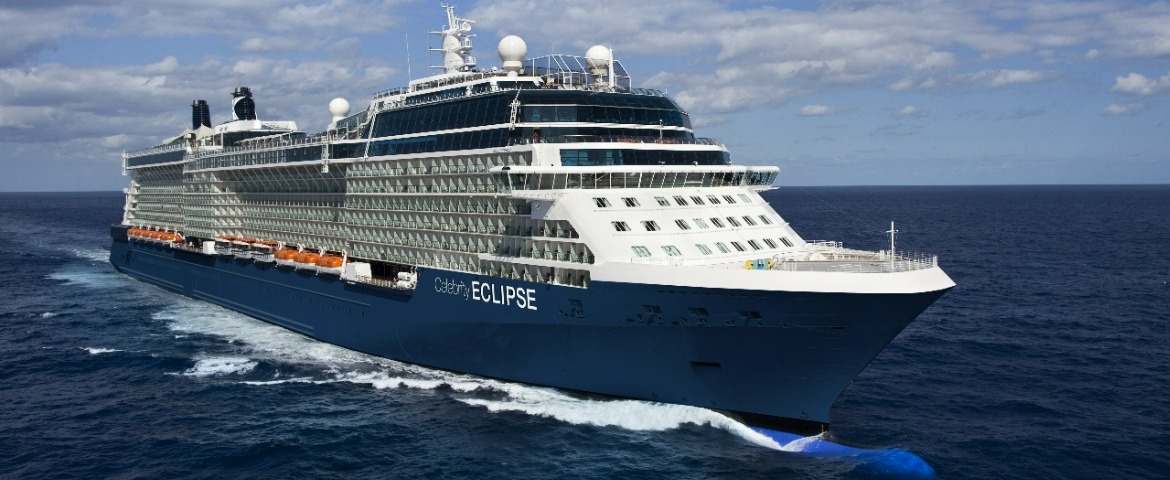
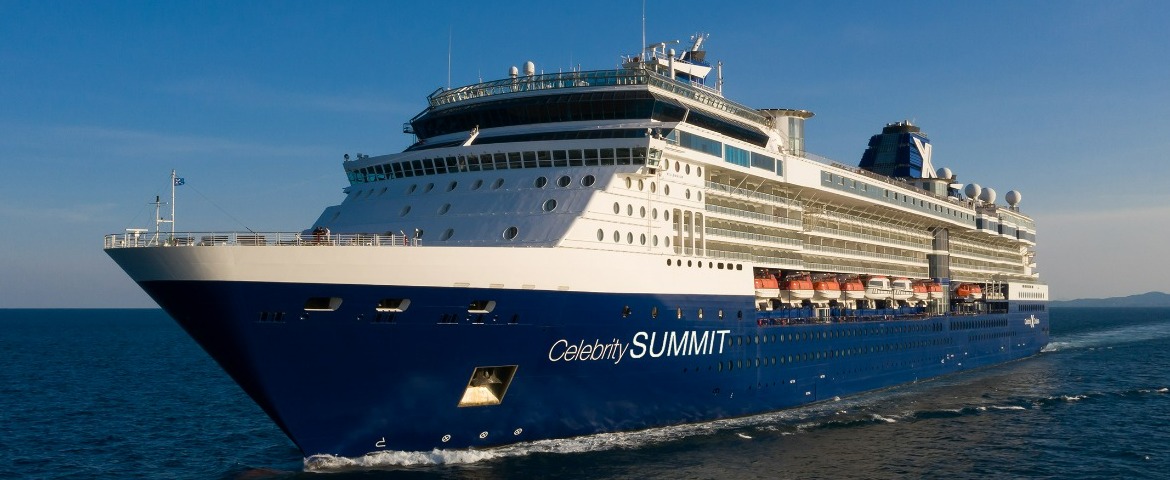
Celebrity Cruises (5 Cruises)

Costa Cruises (125 Cruises)
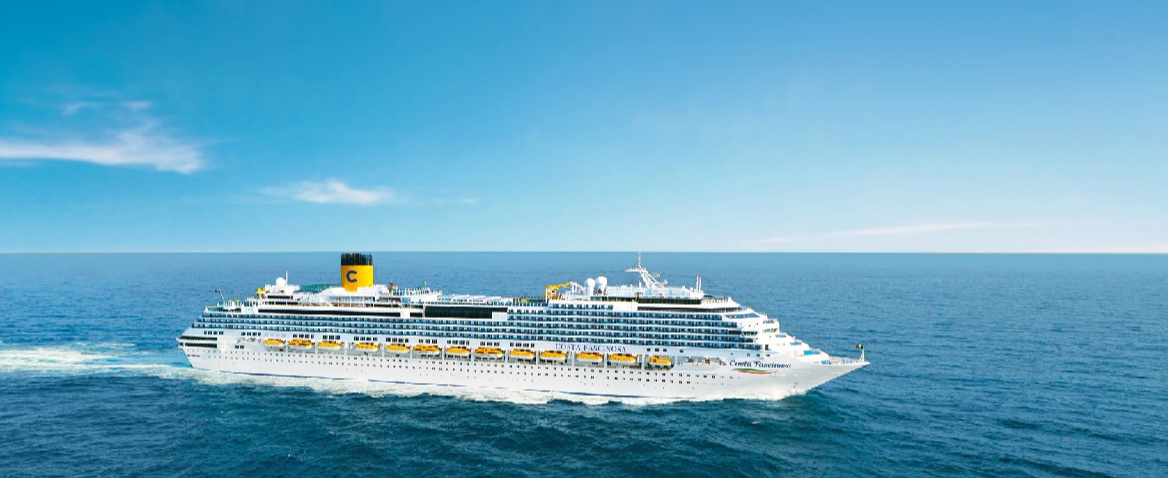
Costa Fascinosa
7 Cruises

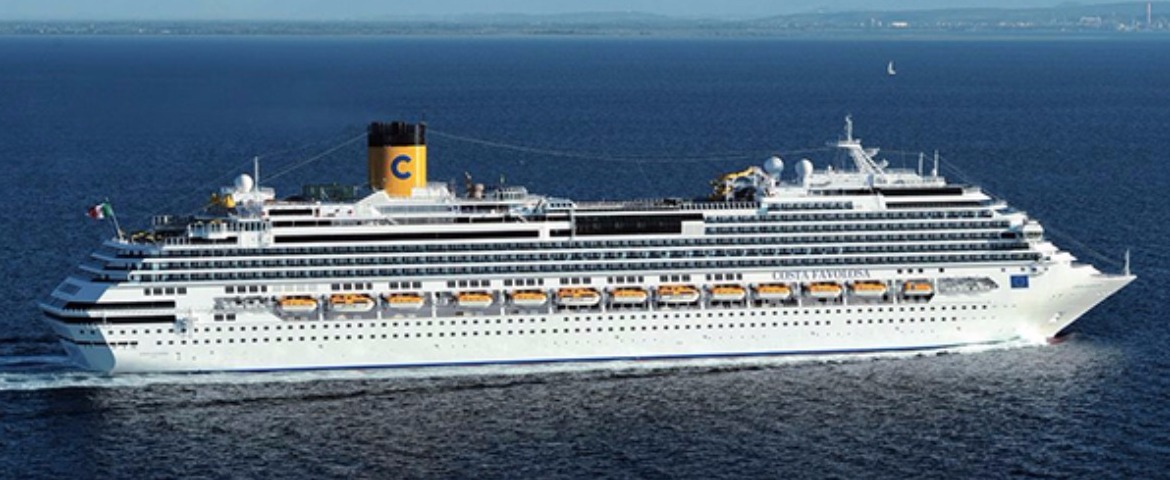
Costa Favolosa
58 Cruises
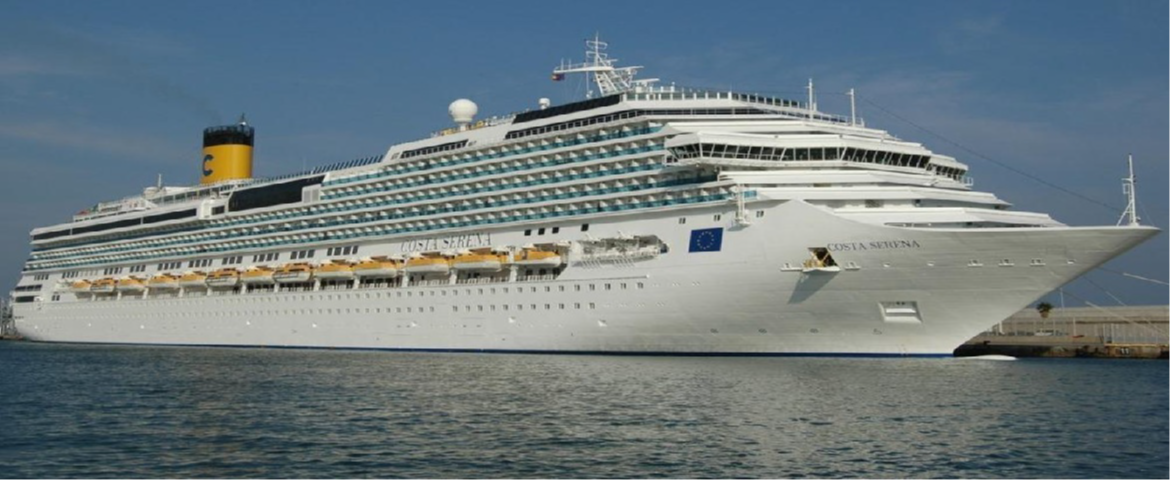
Costa Serena
60 Cruises
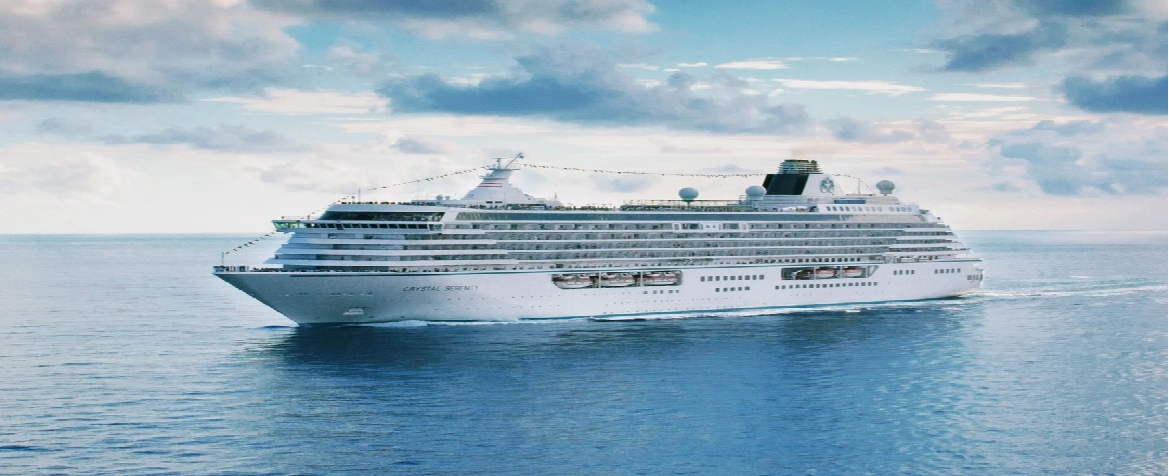
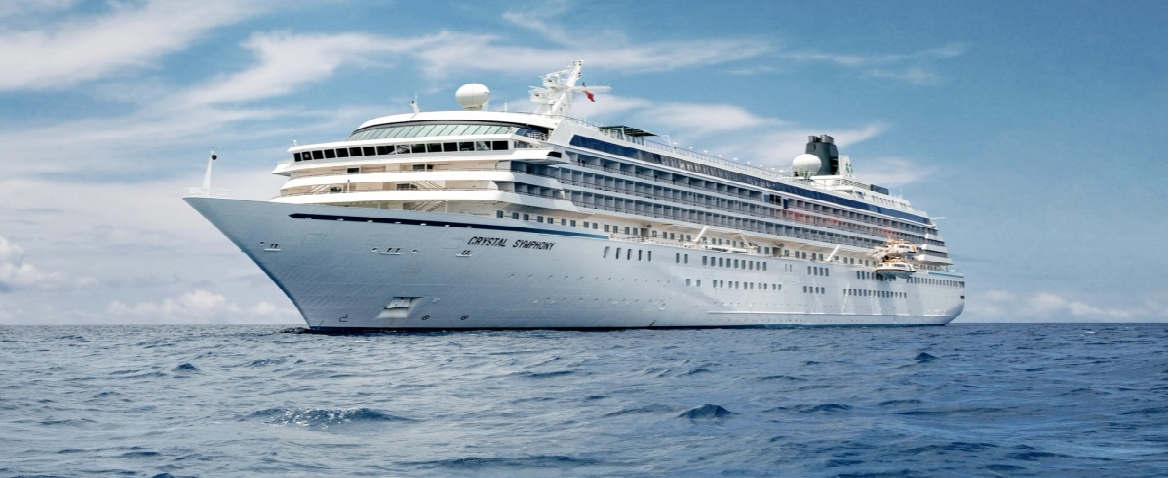
Crystal Cruises (10 Cruises)

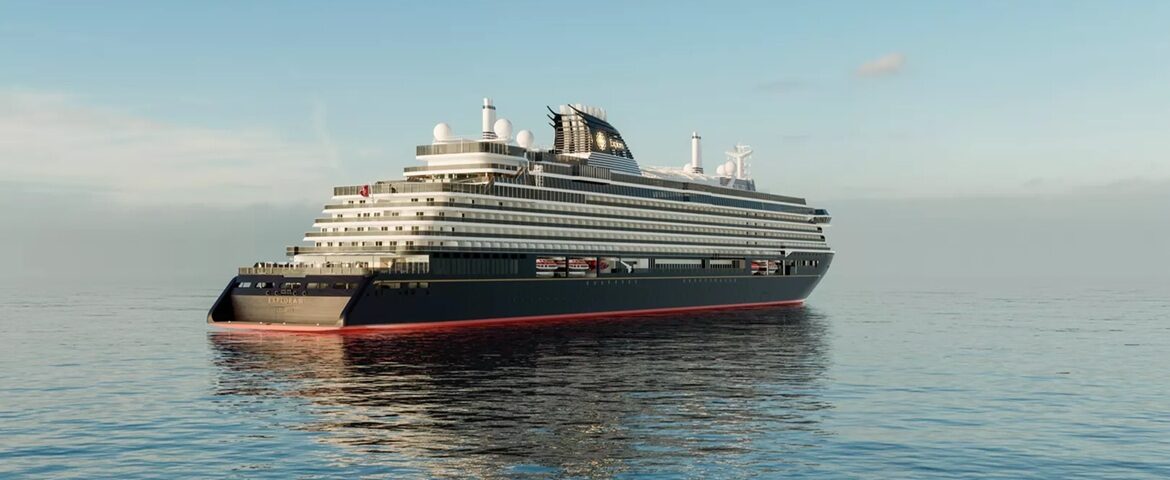
Explora Journeys (5 Cruises)
Explora III
5 Cruises

Holland America Line (40 Cruises)
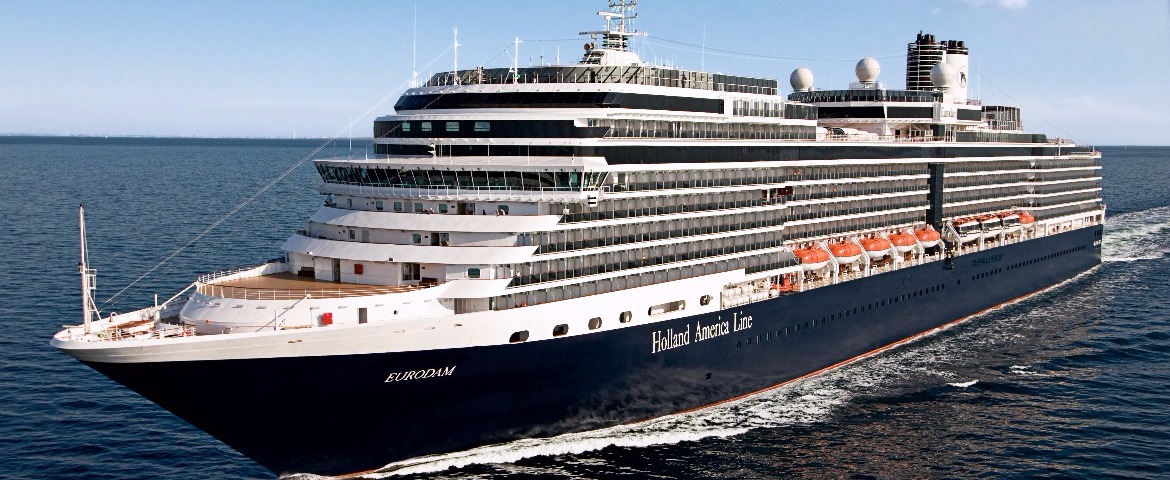
ms Eurodam
13 Cruises

| 2 January | 21 days | Round-trip from Fort Lauderdale, USA |
450-628-6241
Call us
|
| 12 January | 11 days | Round-trip from Fort Lauderdale, USA |
450-628-6241
Call us
|
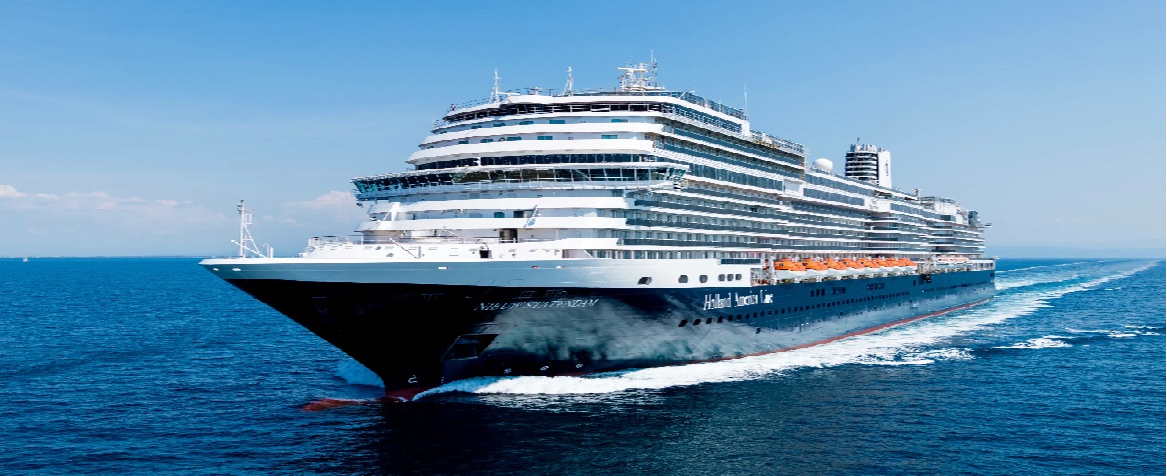
ms Rotterdam
11 Cruises
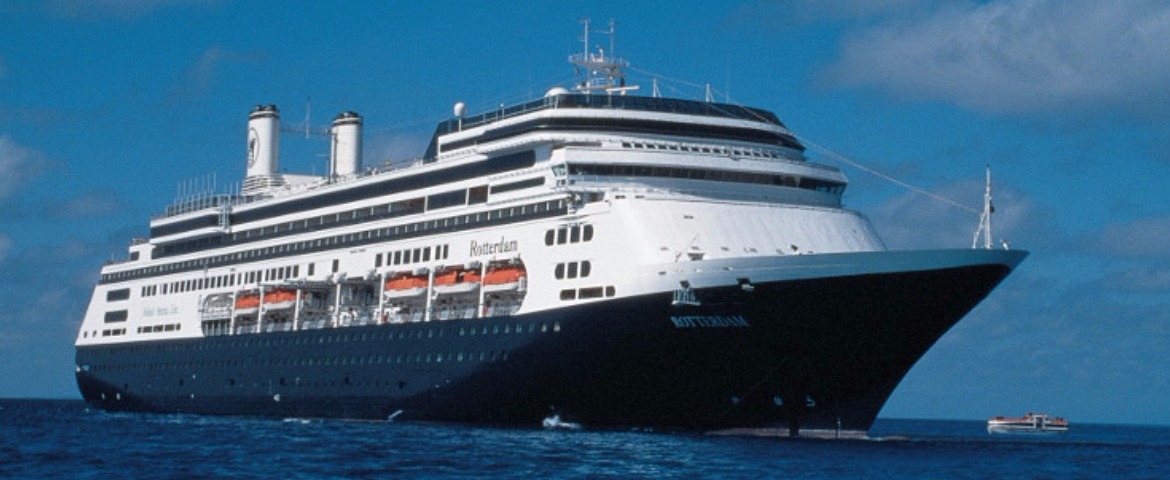
ms Volendam
6 Cruises
MSC Cruises (390 Cruises)
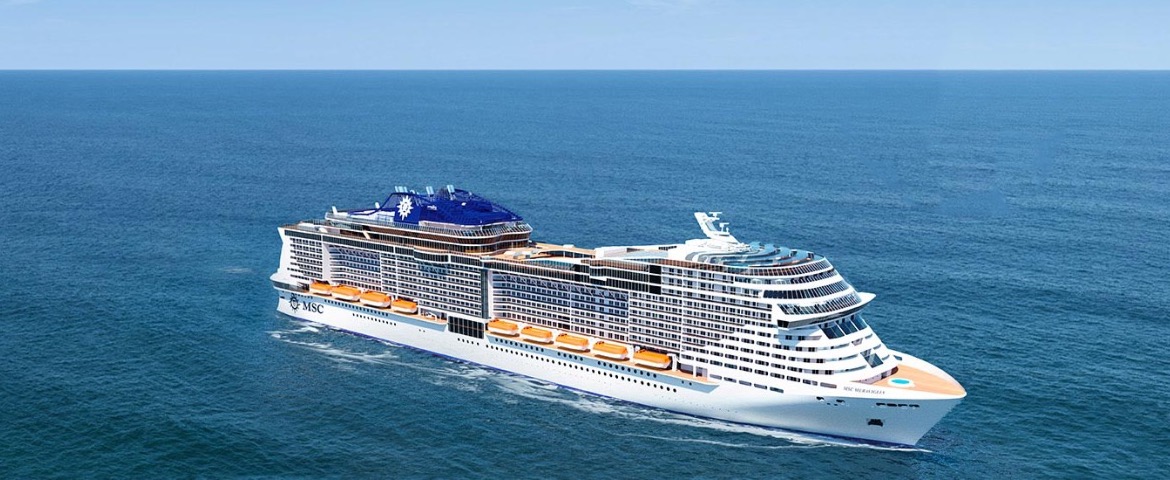
MSC Meraviglia
66 Cruises

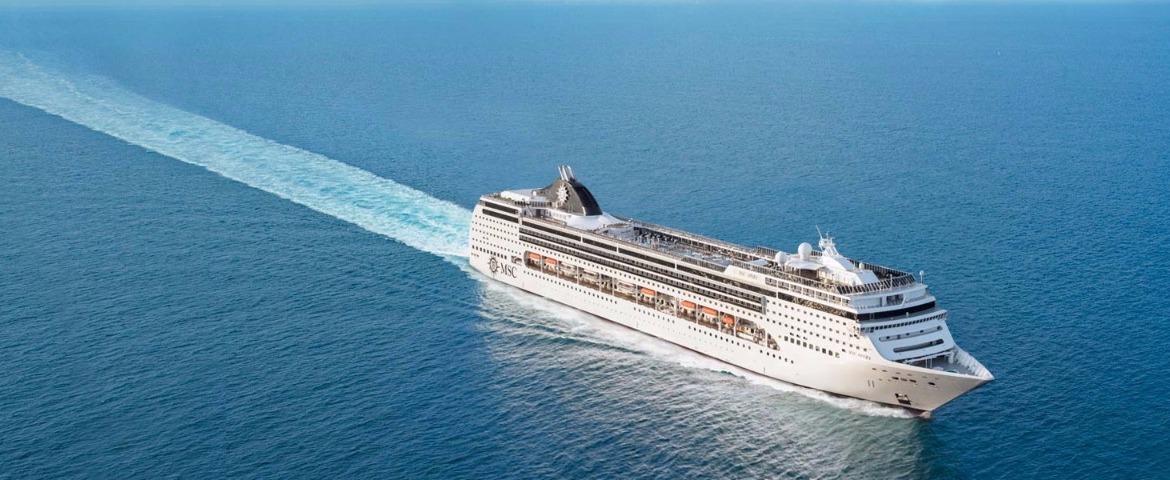
MSC Opera
264 Cruises
| 29 October | 26 days | One-way from Civitavecchia-Rome to La Romana |
450-628-6241
Call us
|
| 30 October | 25 days | One-way from Genoa to La Romana |
From
2278$
|
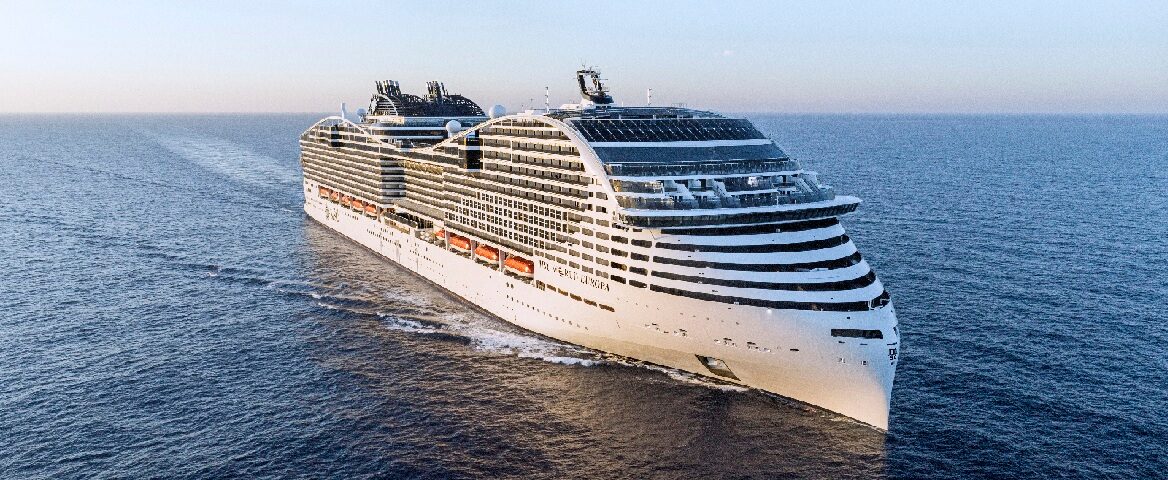
MSC World Europa
60 Cruises
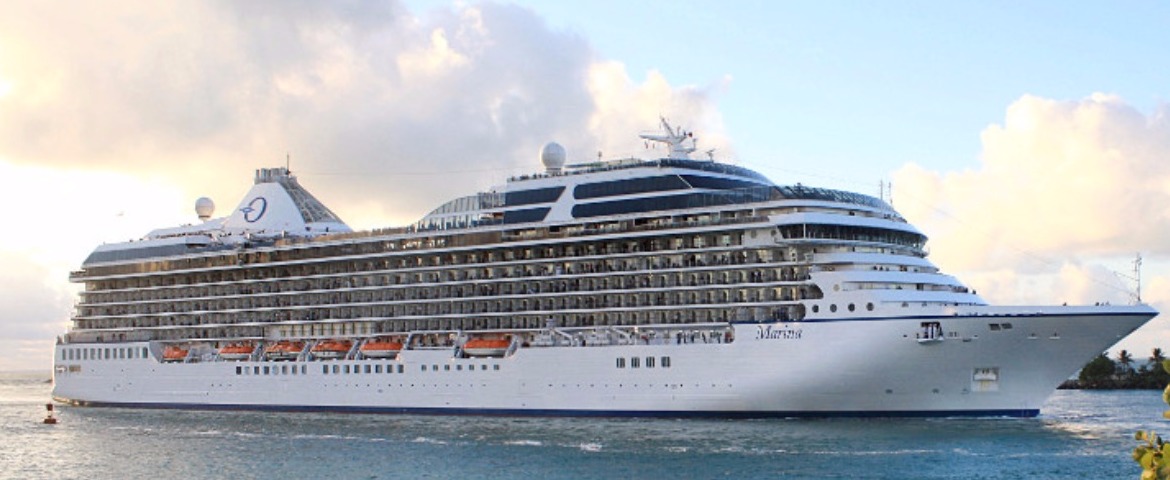
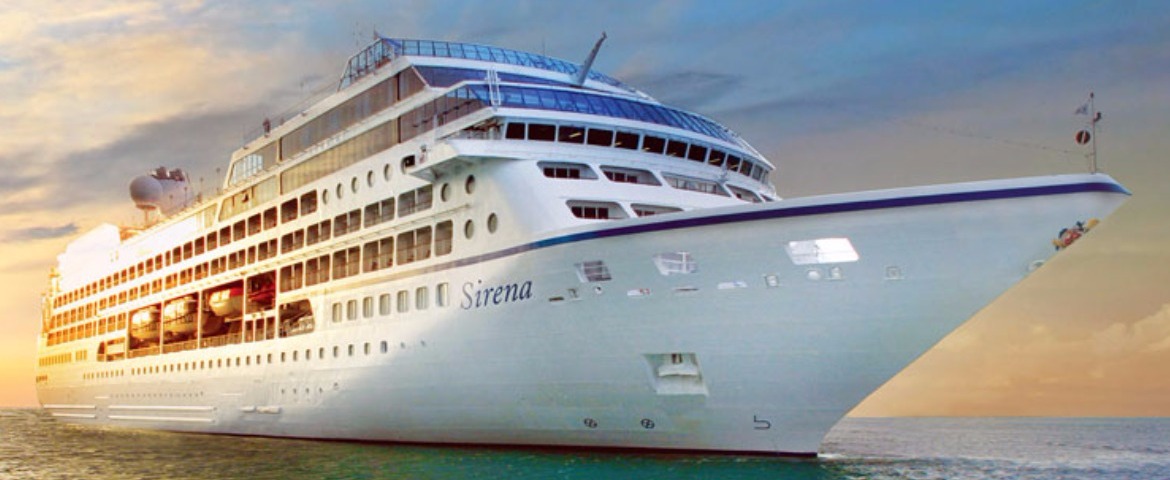
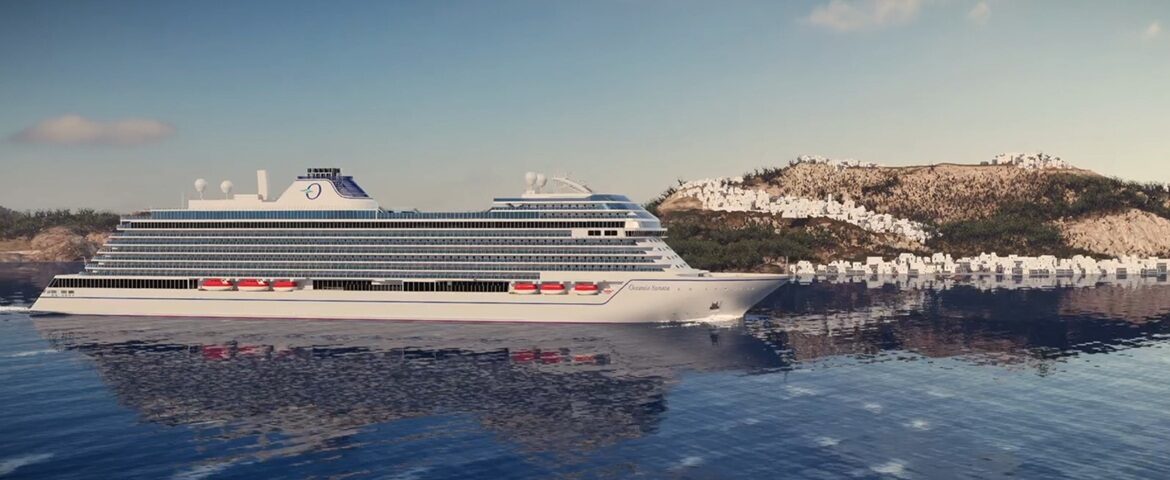
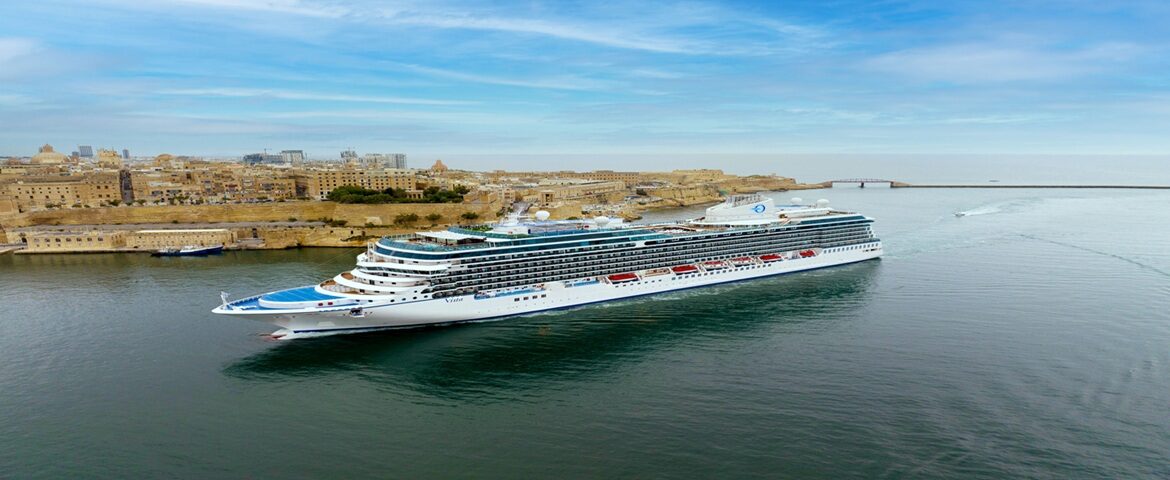
Oceania Cruises (11 Cruises)

Ponant (44 Cruises)
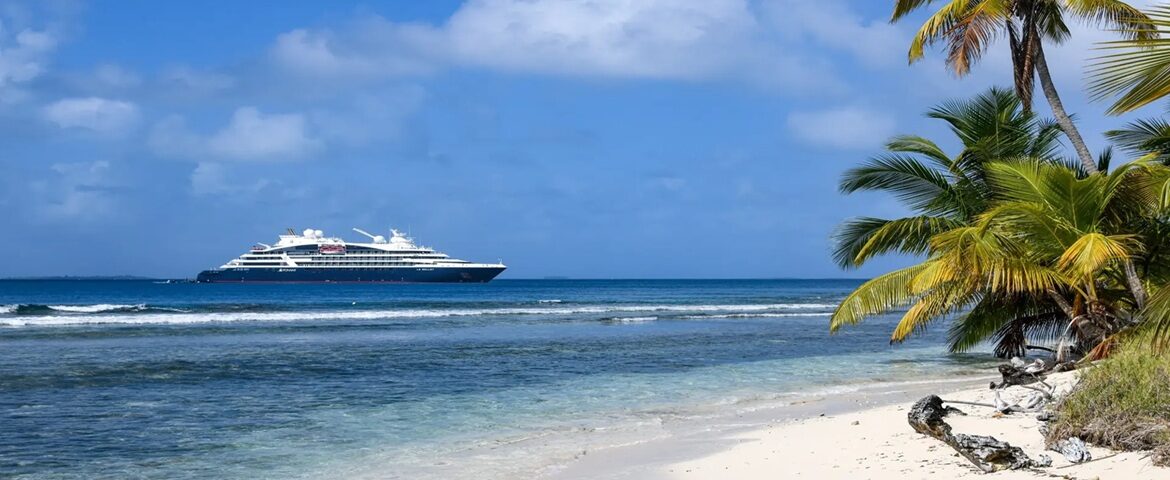

Le Bougainville
18 Cruises
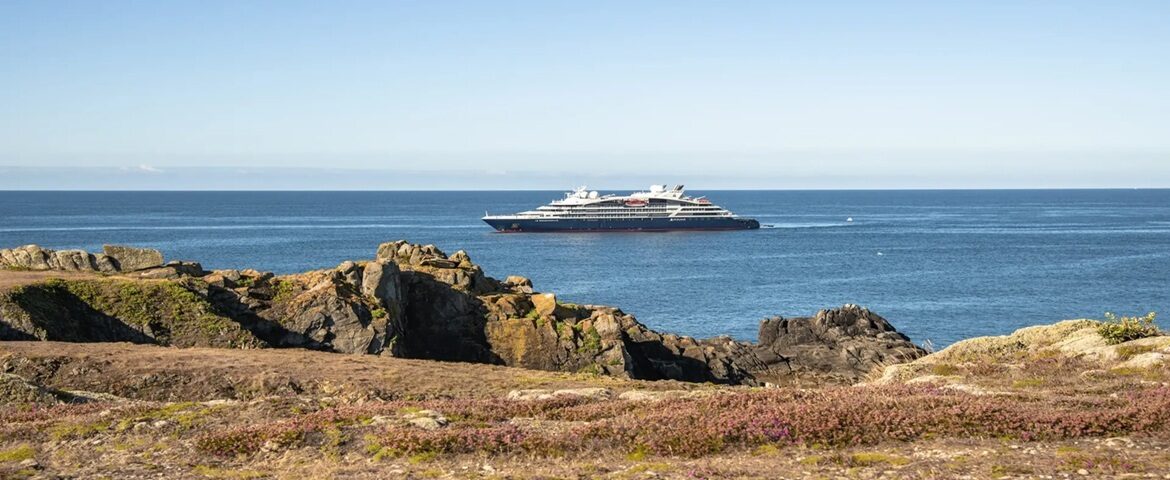
Le Champlain
13 Cruises
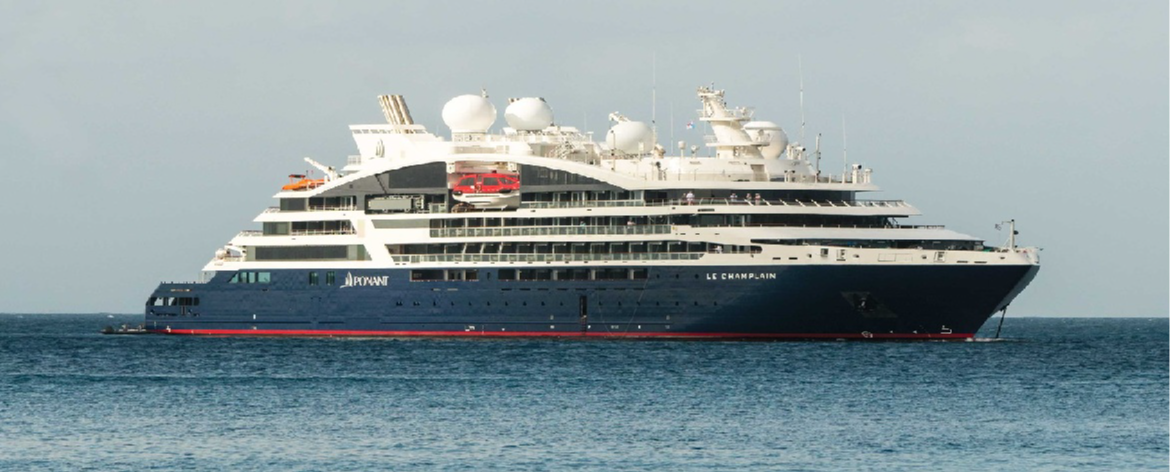
Le Laperouse
8 Cruises
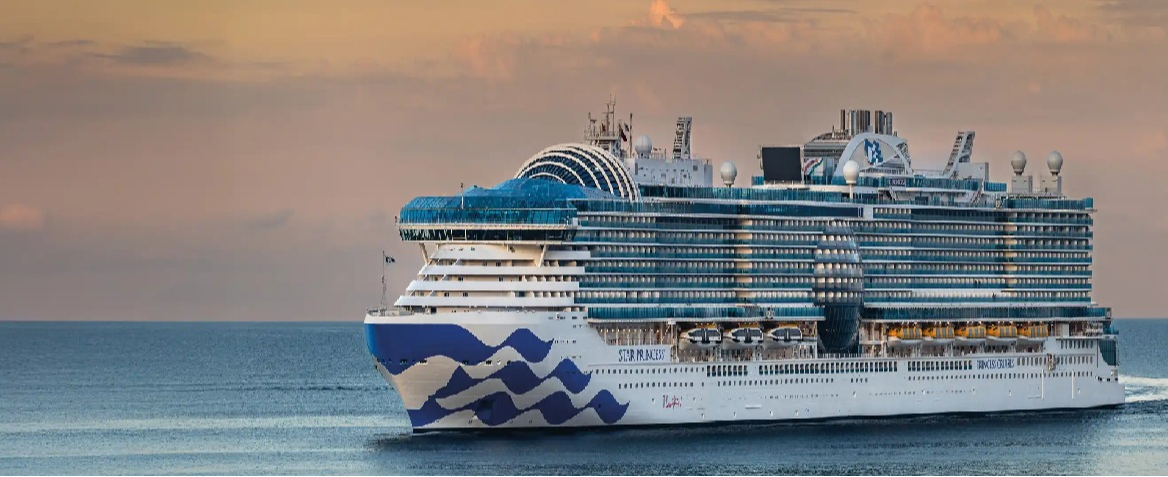
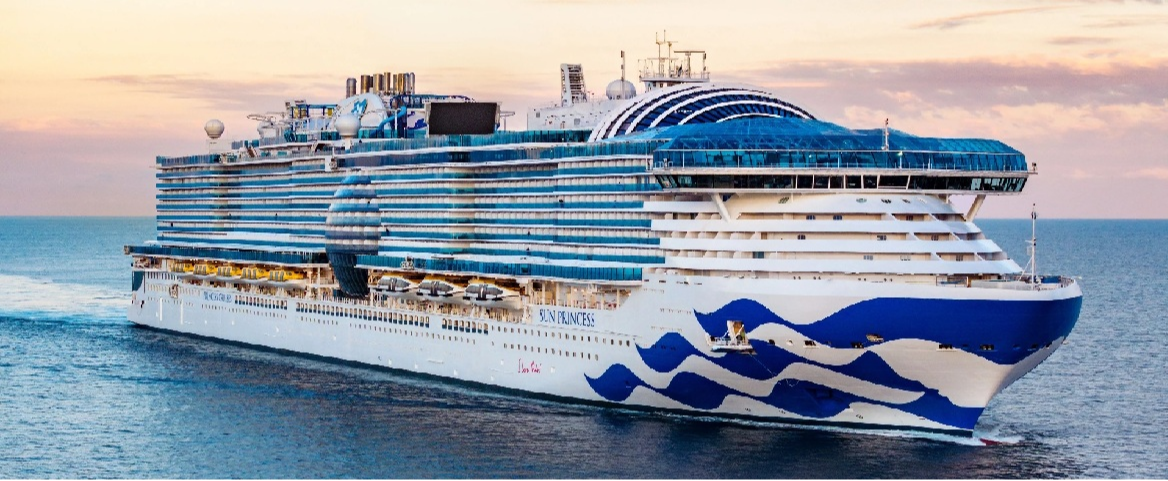
Princess Cruises (24 Cruises)
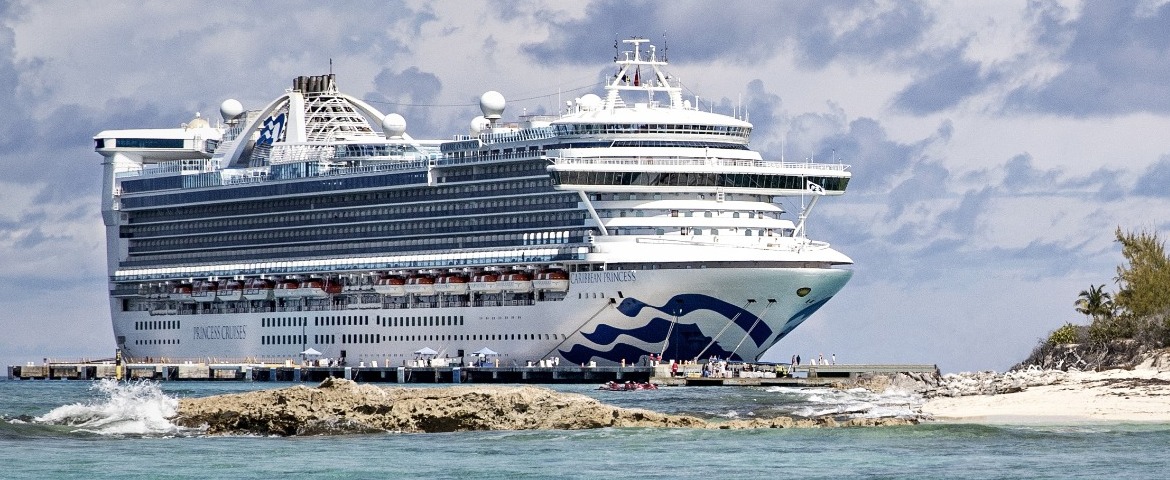

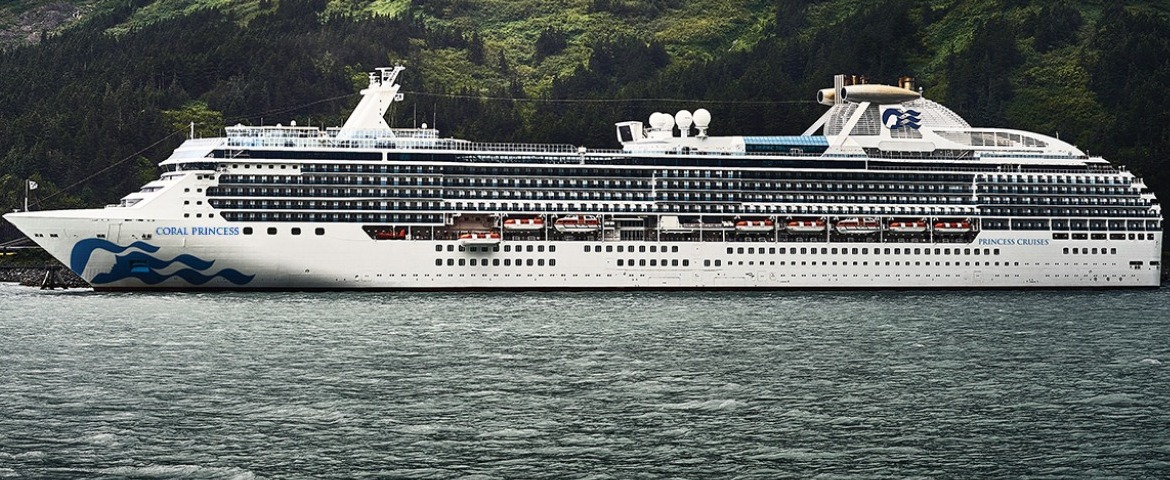
Crown Princess
8 Cruises
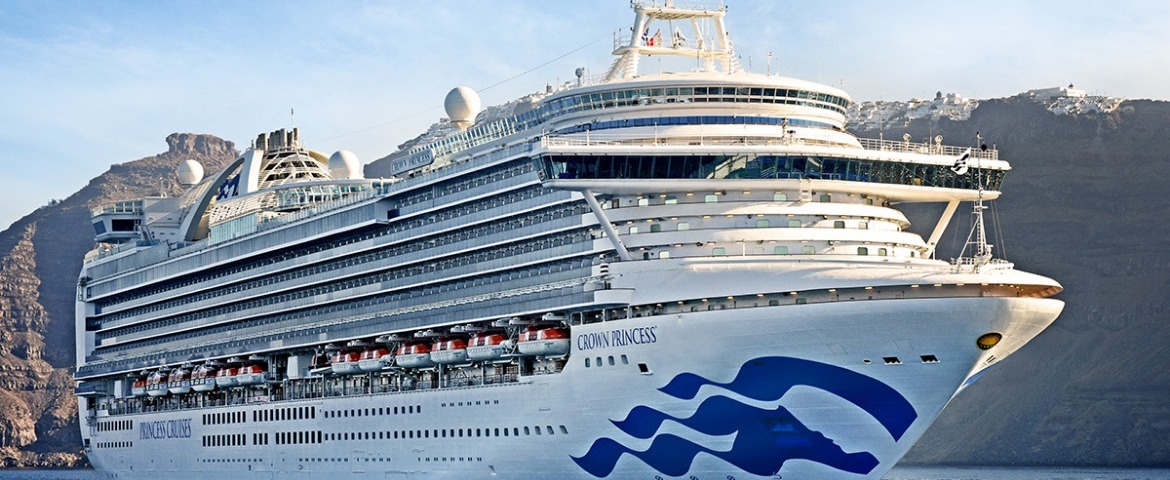
Emerald Princess
9 Cruises
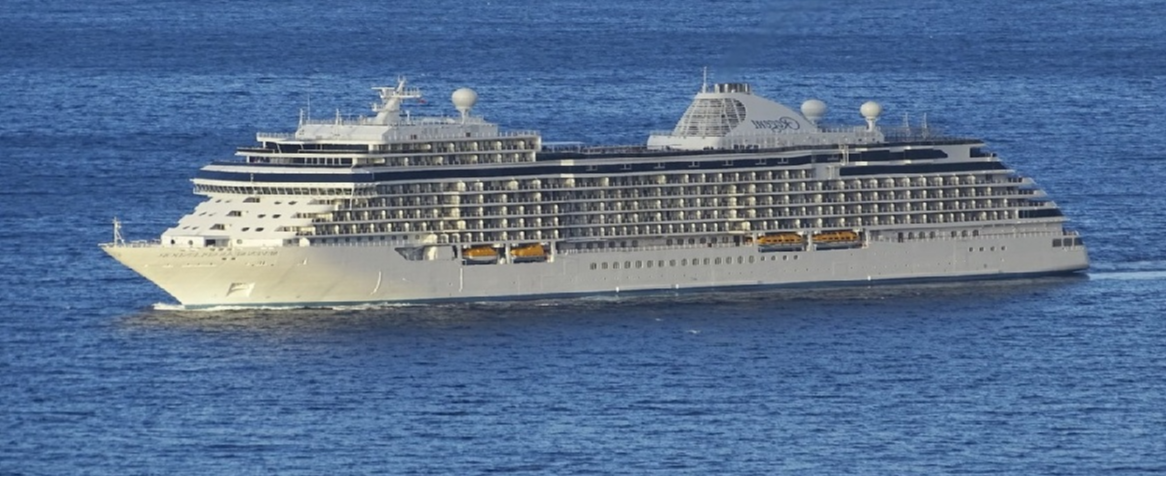
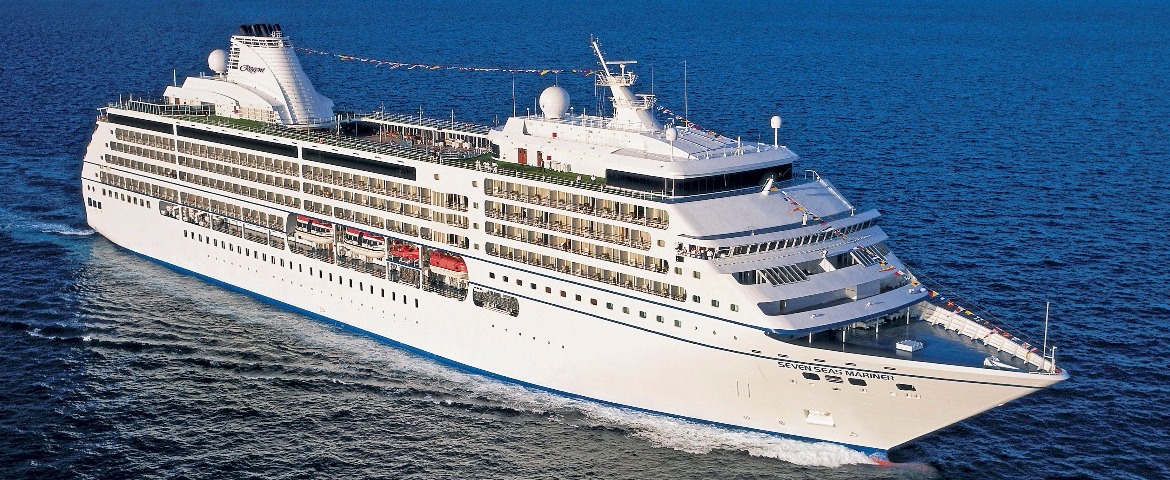
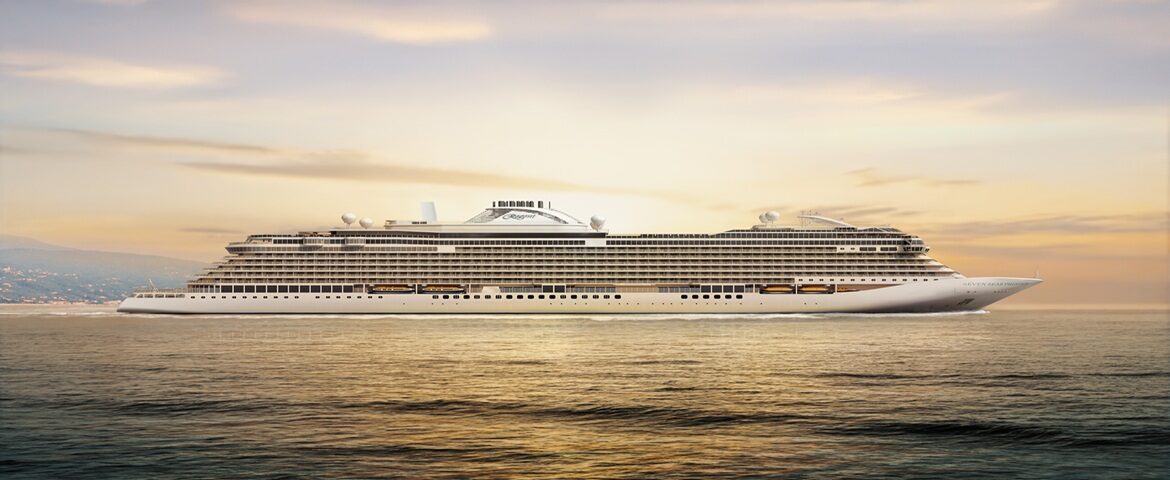
Regent Seven Seas Cruises (17 Cruises)
Seven Seas Grandeur
15 Cruises

Royal Caribbean Cruises (6 Cruises)




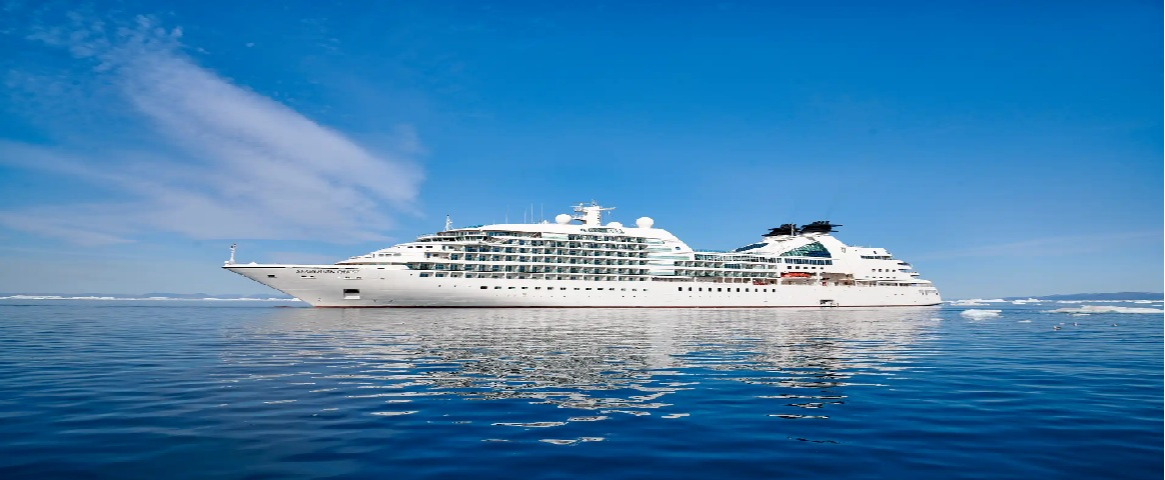
Seabourn Cruise Line (8 Cruises)
Seabourn Quest
8 Cruises

| 22 November | 15 days | Round-trip from Miami, USA |
450-628-6241
Call us
|
| 22 November | 14 days | Round-trip Eastern Caribbean Seabourn Quest Miami Fl |
450-628-6241
Call us
|
Silversea Cruises (34 Cruises)
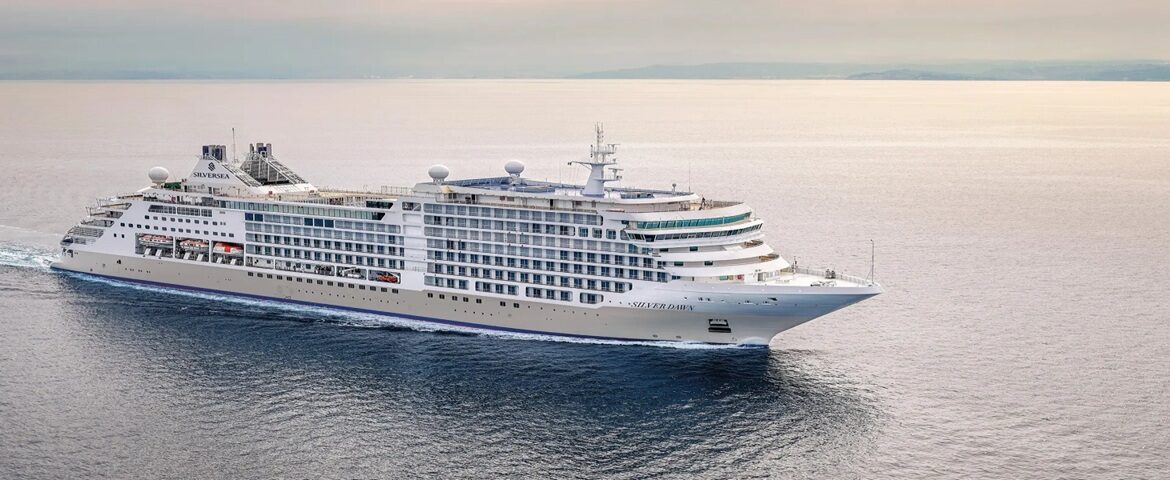
Silver Dawn
6 Cruises

Silver Ray
10 Cruises
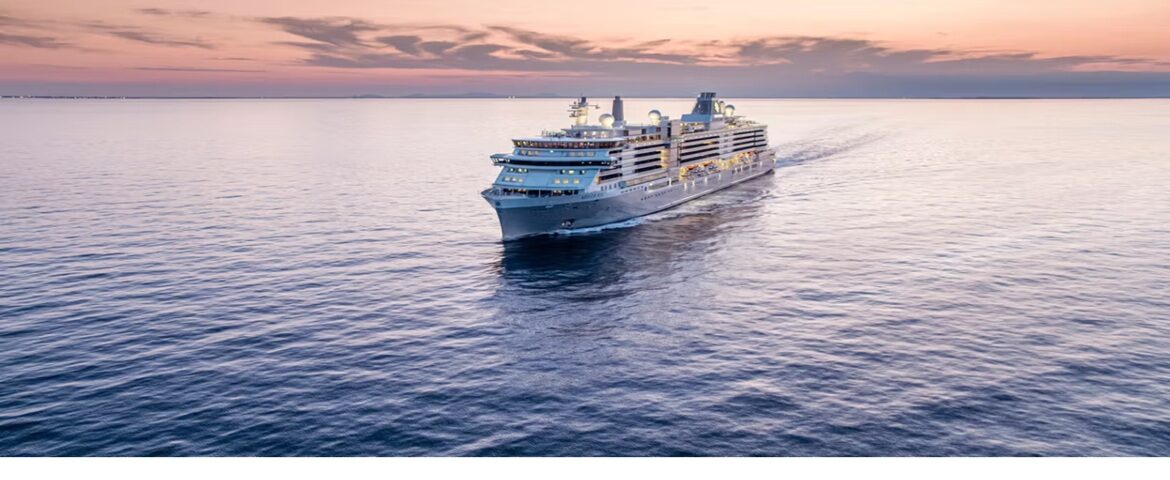
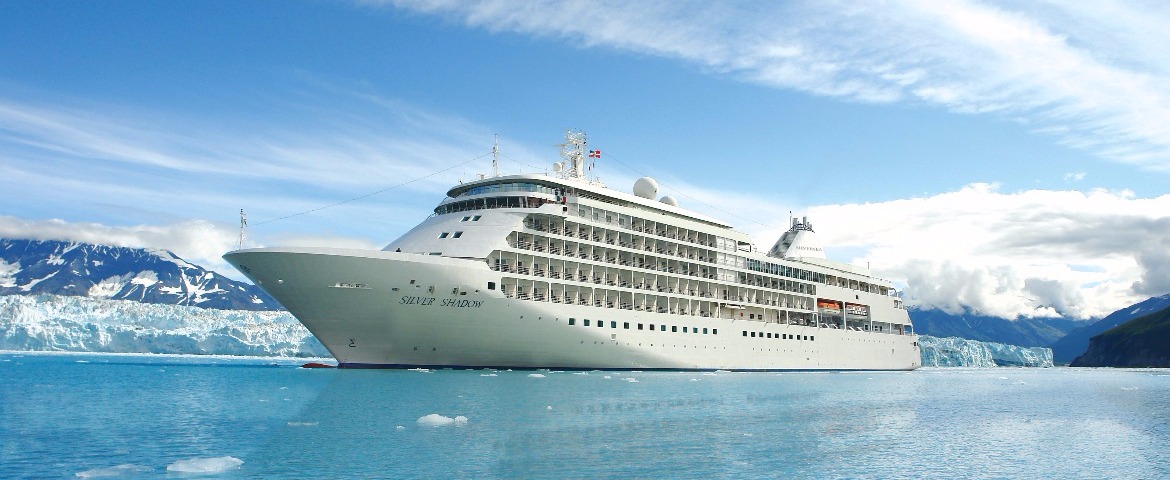
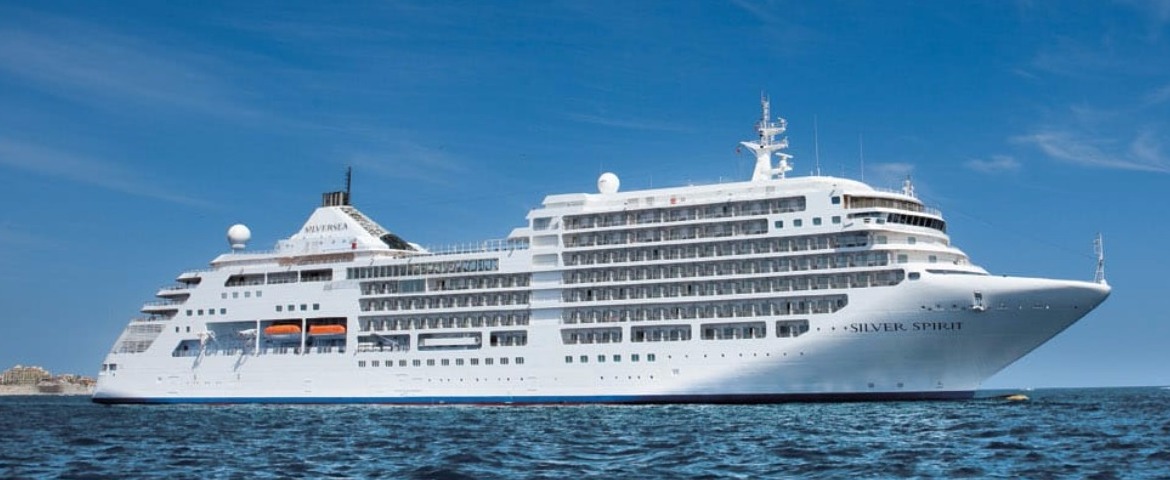
Silver Spirit
16 Cruises
Star Clippers (81 Cruises)
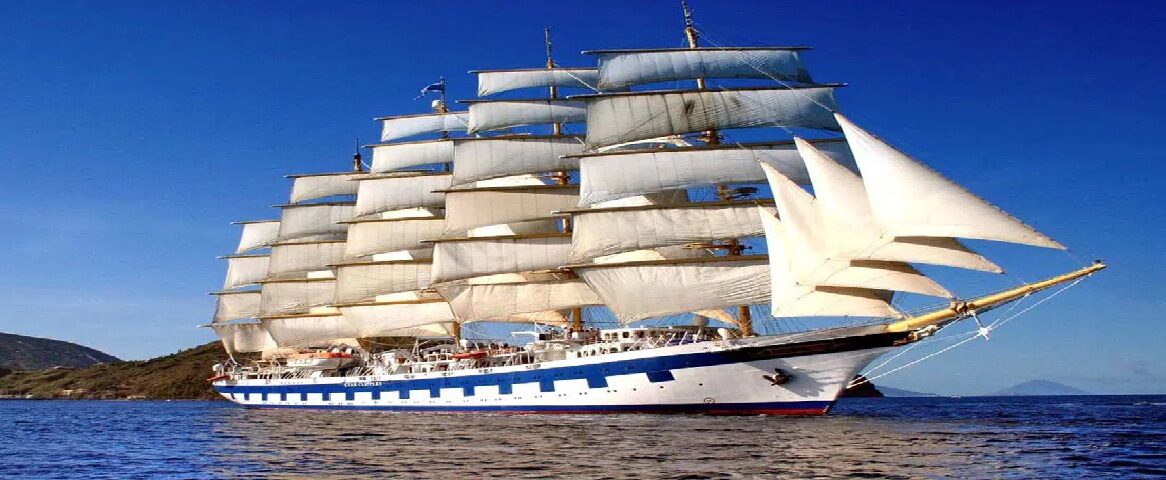
Royal Clipper
67 Cruises

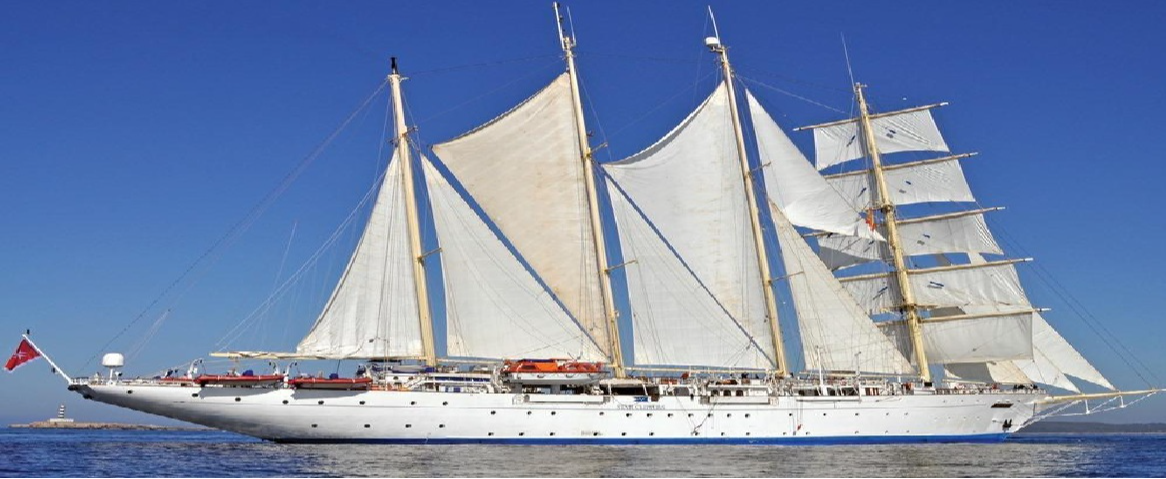
Star Clipper
14 Cruises
| 27 February | 8 days | One-way from St Georges Grenada to St Johns Antigua |
450-628-6241
Call us
|
| 27 February | 7 days | One-way from St Georges Grenada to St Johns Antigua |
450-628-6241
Call us
|
| 27 November | 7 days | Round-trip 7 Night Antigua to Antigua Cruise |
450-628-6241
Call us
|
| 27 November | 8 days | Round-trip from St Johns Antigua, Antigua & Barbuda |
450-628-6241
Call us
|
Virgin Voyages (16 Cruises)
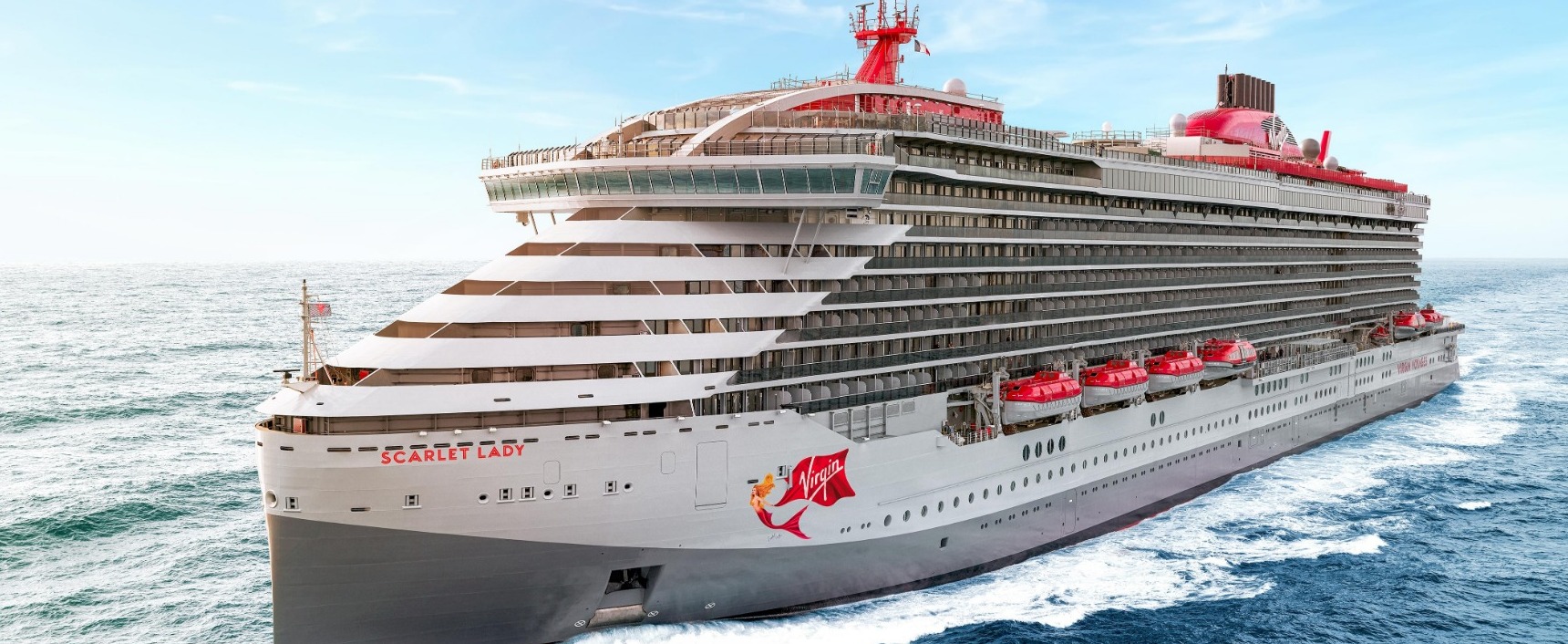
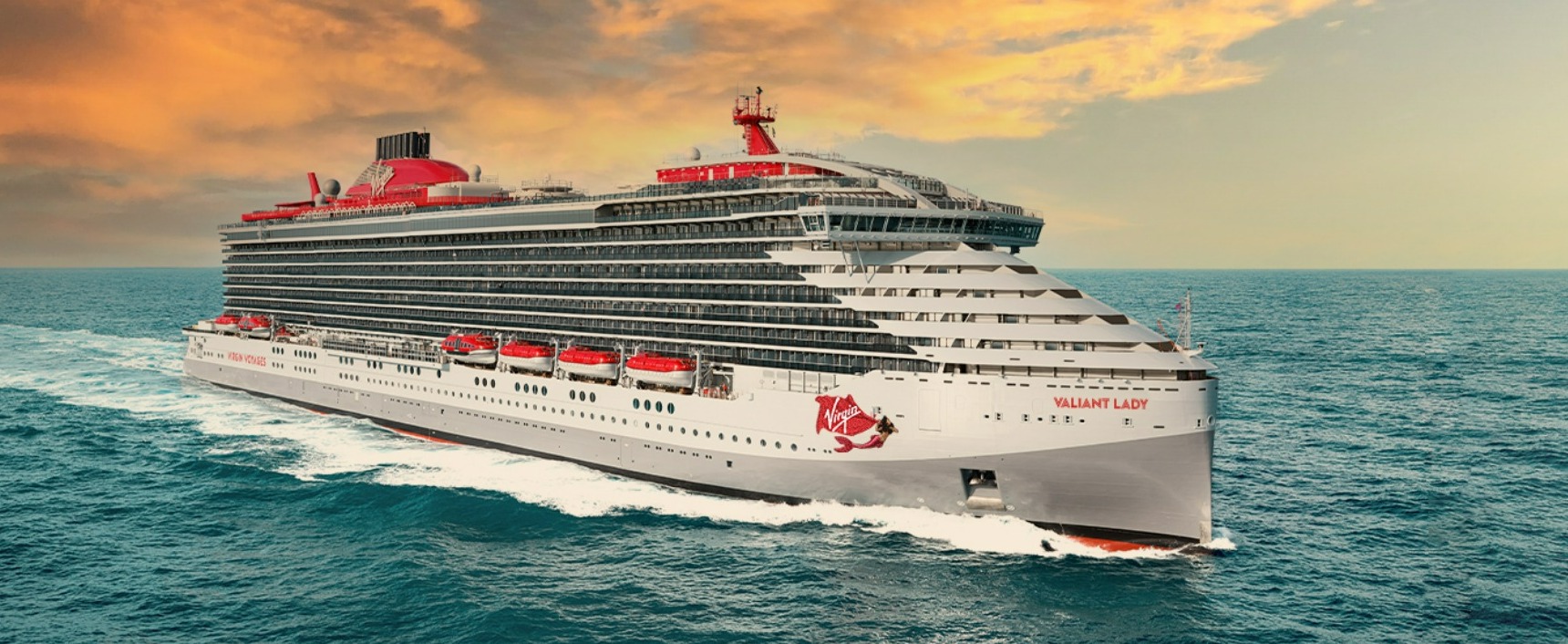
Valiant Lady
11 Cruises

Fort-de-France Port, Martinique | Cruise Port Guide & Shore Excursions
Frequently Asked Questions
At the Pointe Simon terminal, 500 metres from the centre: you follow the waterfront and reach La Savane in about ten minutes. Some ships, however, berth at Les Tourelles, further out, with a shuttle. Check which one appears on your itinerary.
Yes, the whole historic centre. La Savane, Fort Saint-Louis, the Schœlcher library, the cathedral and the covered market fit within a few streets. Only the Balata garden, up in the hills, requires a taxi or an excursion.
It is Martinique's most photographed building: a fantasy of iron, glass and mosaic designed by Henri Picq, shown in Paris at the 1889 Exposition, then dismantled and shipped here. It still functions as a public library, and you can step in and leaf through a newspaper under its dome.
The centre on foot in the morning: La Savane, the Schœlcher library, St Louis cathedral and the covered market. In the afternoon, choose between the Balata garden up in the hills and a ferry across to Anse Mitan to finish with your feet in the water.
A late 19th-century iron hall fragrant with cinnamon, vanilla and colombo spice. The vendors sell infused rums, tropical flowers and chillies in every colour, conversation included. It is the place to pick up a bag of spices and a few words of Creole.
It is a tropical garden about twenty minutes' drive up in the hills, gathering nearly 3,000 species around a Creole house: rows of pink porcelain flowers, giant water lily ponds, hummingbirds hovering. Walkways suspended fifteen metres up let visitors walk through the crowns of century-old mahoganies.
Yes, with a guide: it is still an active naval base. From the ramparts, the view runs along the bay, your ship and the packed roofs of the historic quarter. The stone spur bristling with cannon has stood guard over the harbour since the 17th century.
Yes. The ferries leaving from the waterfront cross the bay in twenty minutes to Anse Mitan and Les Trois-Îlets: shaded shores, restaurants with their feet in the sand and a view of the city from the far side. Check the time of the last return before boarding.
The euro and French: Martinique is a French department, and the call is experienced in French, in euros and to a Creole rhythm. Cards are widely accepted, but the market prefers cash. Creole is the language of daily life.
A cod accra eaten standing at a counter, or an iced cane juice, along rue Victor-Hugo and rue de la République with their shops, pastry counters and wrought-iron balconies. The covered market also sells infused rums and colombo spice to take home.


