Puerto Vallarta Jalisco, Mexico Riviera
378
Cruises availables
At departure or passage at this port
Azamara Club Cruises (1 Cruises)
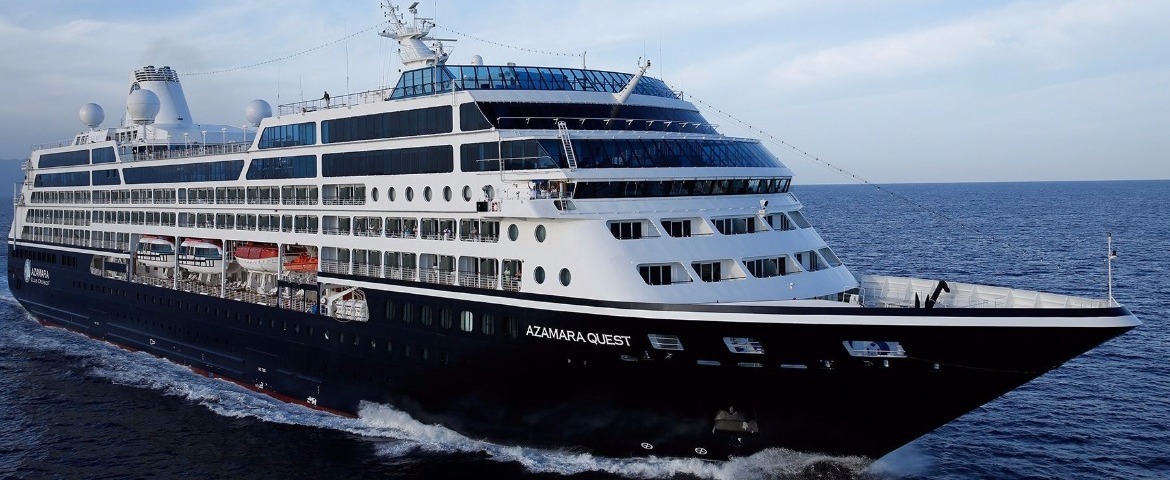

Carnival Cruise Line (39 Cruises)
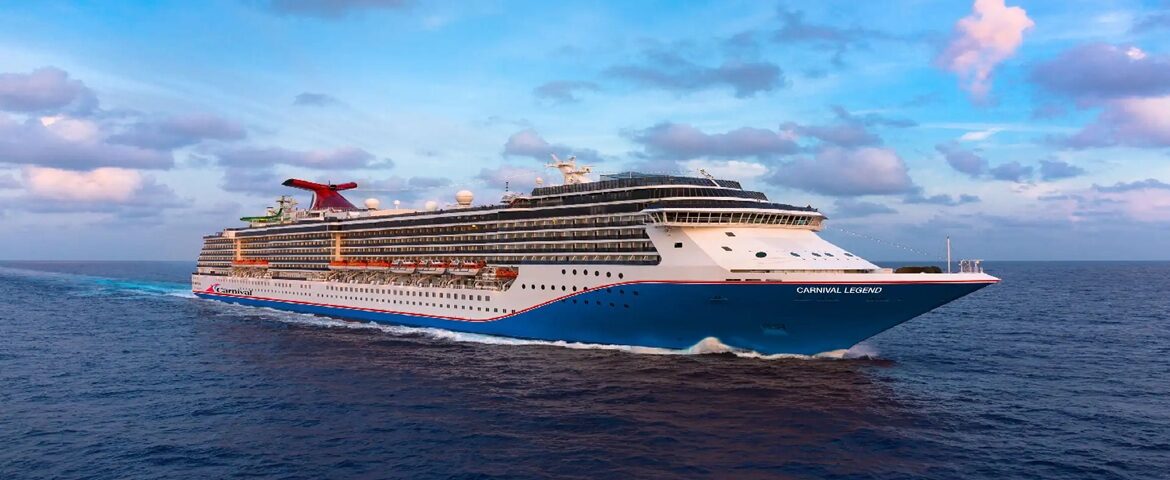

Carnival Panorama
35 Cruises
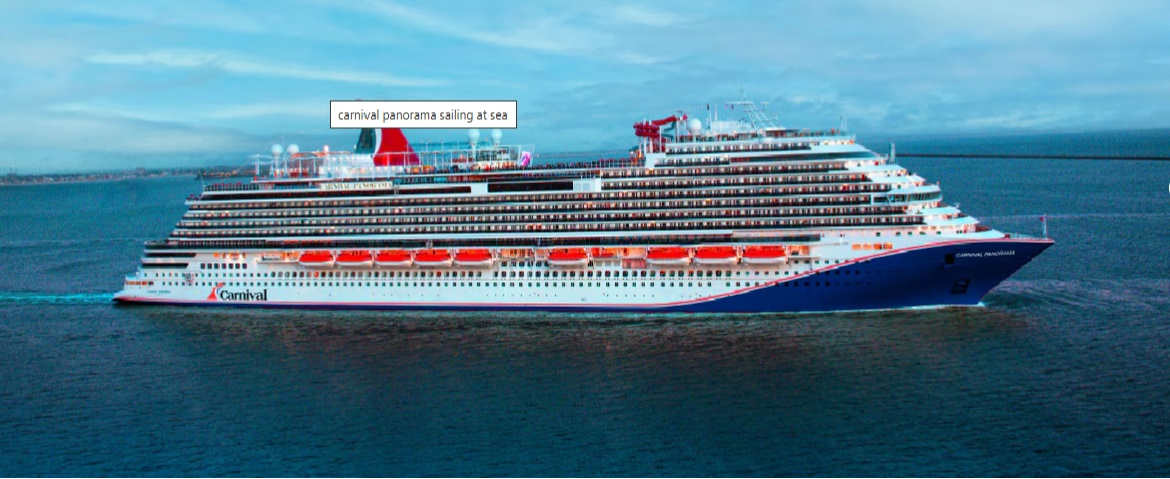
| 2 January | 8 nights | Round-trip from Los Angeles, USA |
From
653$
|
| 16 January | 8 nights | Round-trip from Los Angeles, USA |
From
603$
|
| 30 January | 8 nights | Round-trip from Los Angeles, USA |
From
624$
|
| 13 February | 8 nights | Round-trip from Los Angeles, USA |
From
831$
|
| 27 February | 8 nights | Round-trip from Los Angeles, USA |
From
610$
|
| 13 March | 8 nights | Round-trip from Los Angeles, USA |
From
781$
|
| 27 March | 8 nights | Round-trip from Los Angeles, USA |
From
888$
|
| 10 April | 8 nights | Round-trip from Los Angeles, USA |
From
753$
|
| 24 April | 8 nights | Round-trip from Los Angeles, USA |
From
760$
|
| 5 June | 8 nights | Round-trip from Los Angeles, USA |
From
1152$
|
| 19 June | 8 nights | Round-trip from Los Angeles, USA |
From
1138$
|
| 3 July | 8 nights | Round-trip from Los Angeles, USA |
From
1132$
|
| 17 July | 8 nights | Round-trip from Los Angeles, USA |
From
1161$
|
| 31 July | 8 nights | Round-trip from Los Angeles, USA |
From
1103$
|
| 14 August | 8 nights | Round-trip from Los Angeles, USA |
From
883$
|
| 28 August | 8 nights | Round-trip from Los Angeles, USA |
From
925$
|
| 9 October | 8 nights | Round-trip from Los Angeles, USA |
From
833$
|
| 23 October | 8 nights | Round-trip from Los Angeles, USA |
From
833$
|
| 15 January | 8 nights | Round-trip from Los Angeles, USA |
From
875$
|
| 29 January | 8 nights | Round-trip from Los Angeles, USA |
From
890$
|
| 12 February | 8 nights | Round-trip from Los Angeles, USA |
From
918$
|
| 26 February | 8 nights | Round-trip from Los Angeles, USA |
From
989$
|
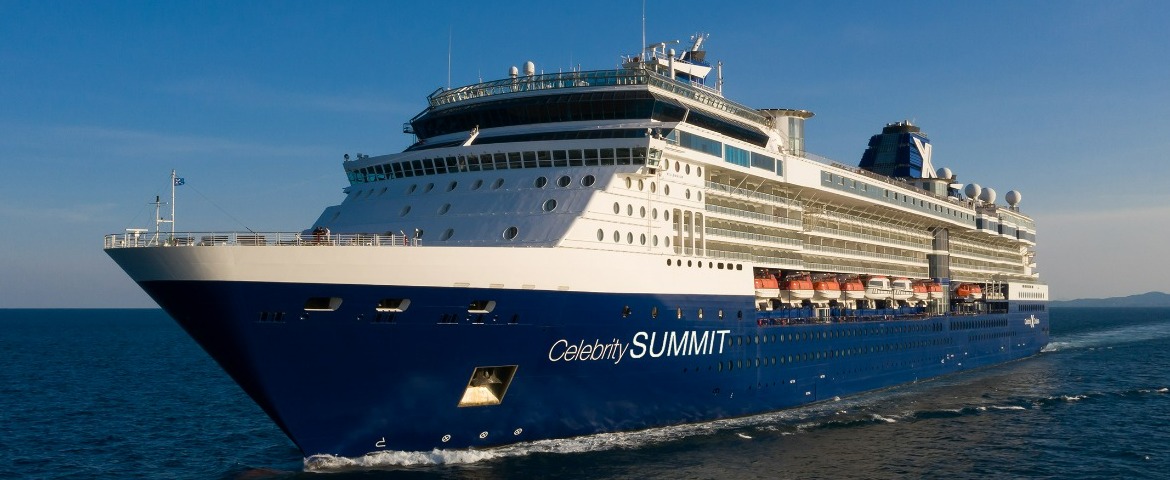
Celebrity Cruises (2 Cruises)

Costa Cruises (20 Cruises)
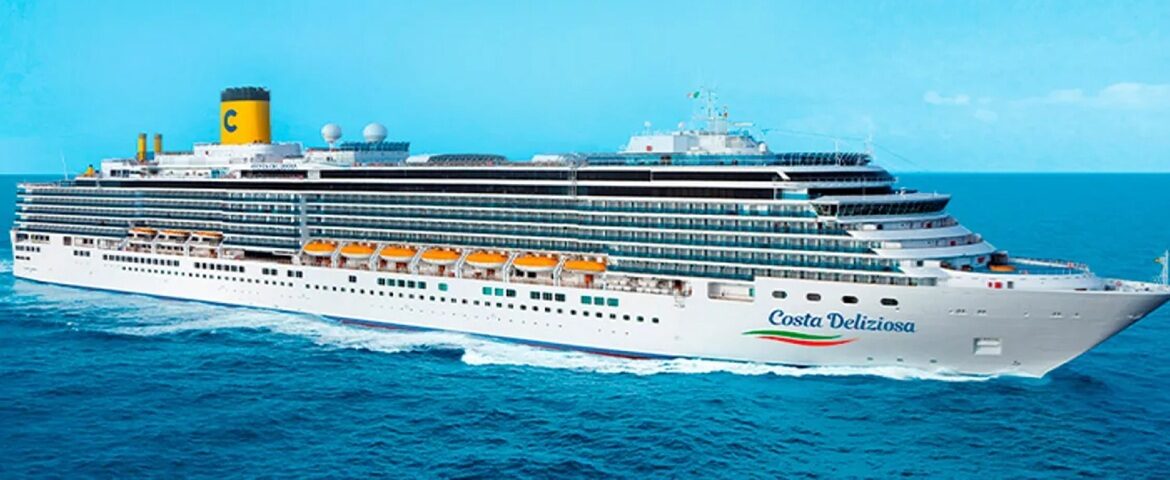
Costa Deliziosa
20 Cruises

Crystal Cruises (12 Cruises)
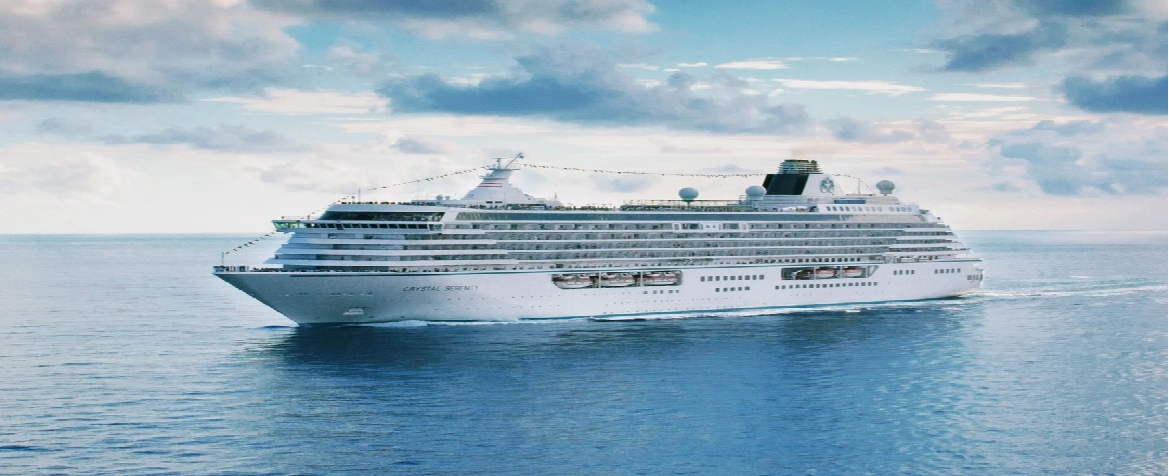
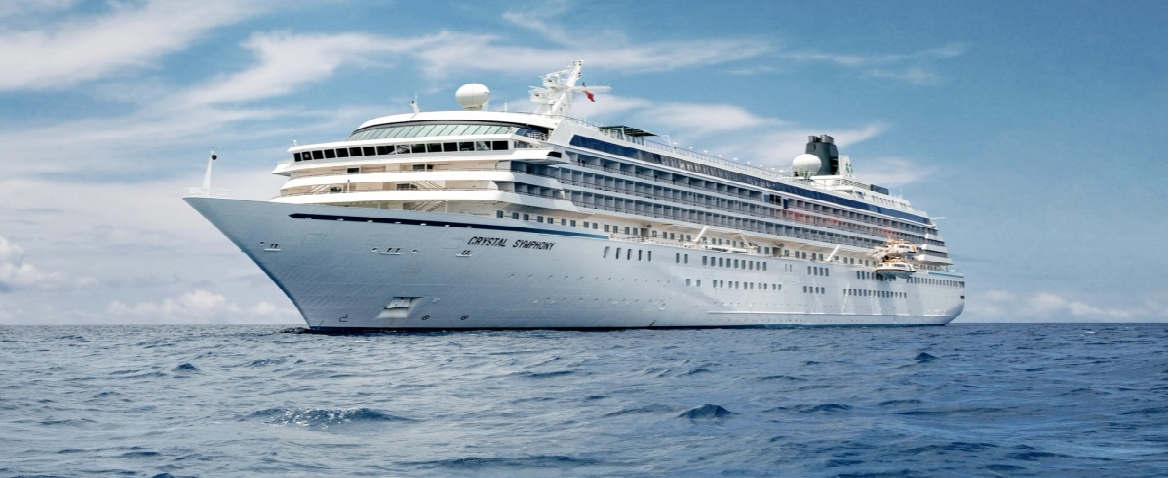
Crystal Serenity
10 Cruises

Cunard (7 Cruises)
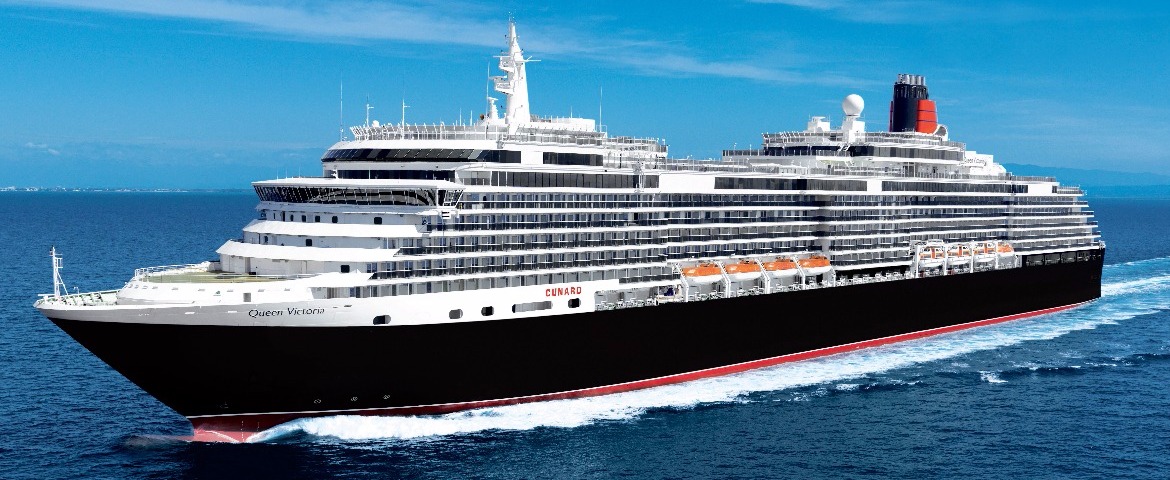
Queen Victoria
7 Cruises

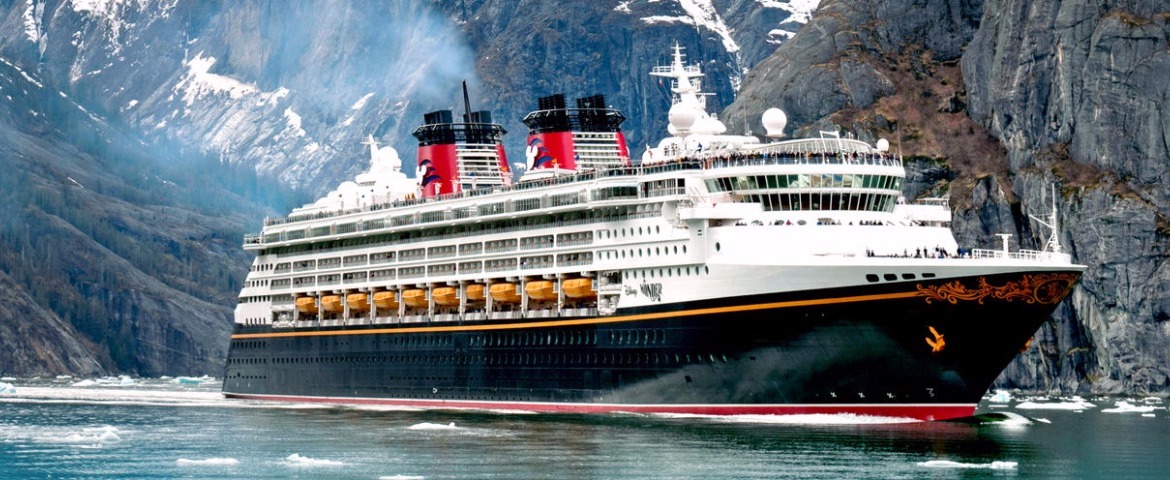
Disney Cruise Line (4 Cruises)

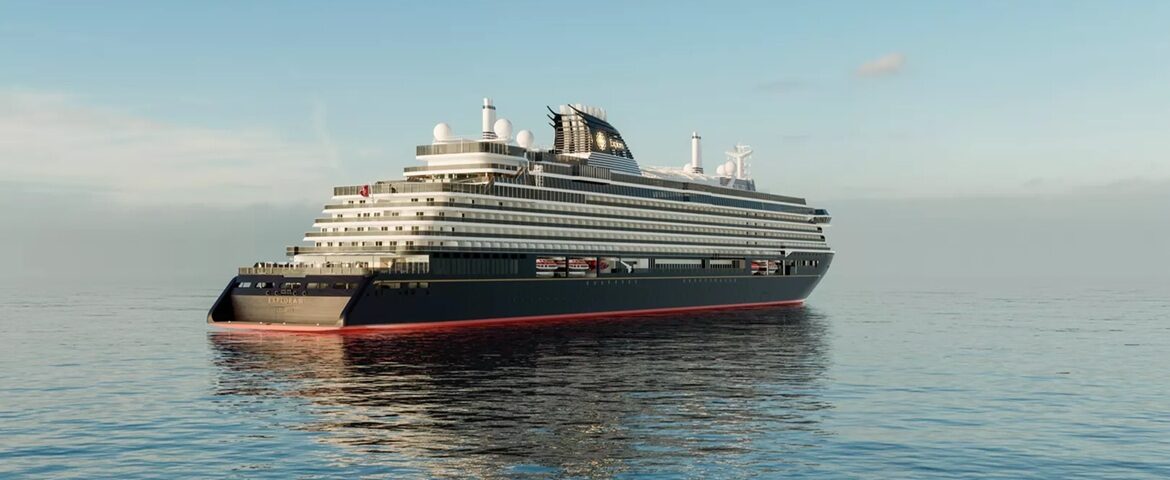
Explora Journeys (3 Cruises)

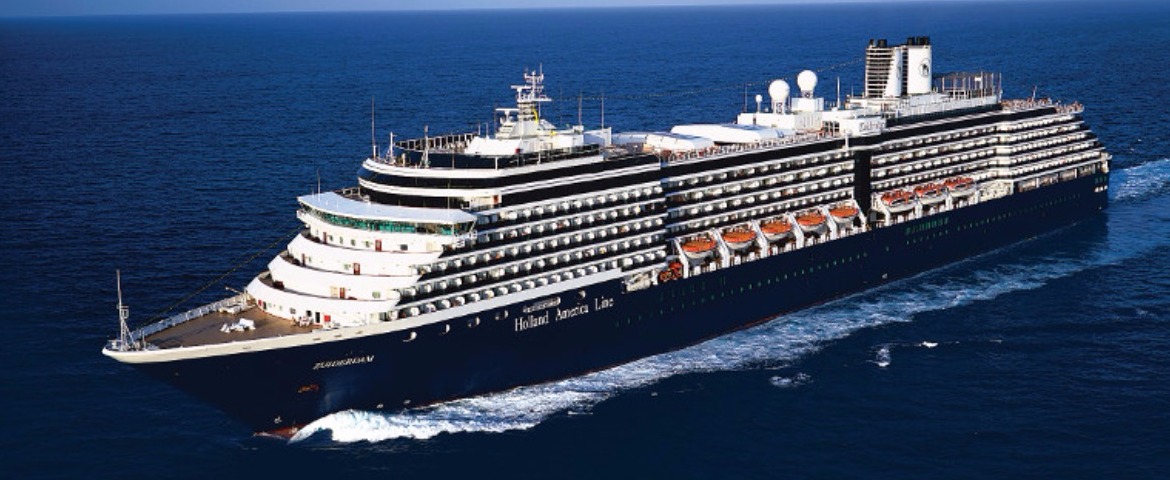
Holland America Line (47 Cruises)
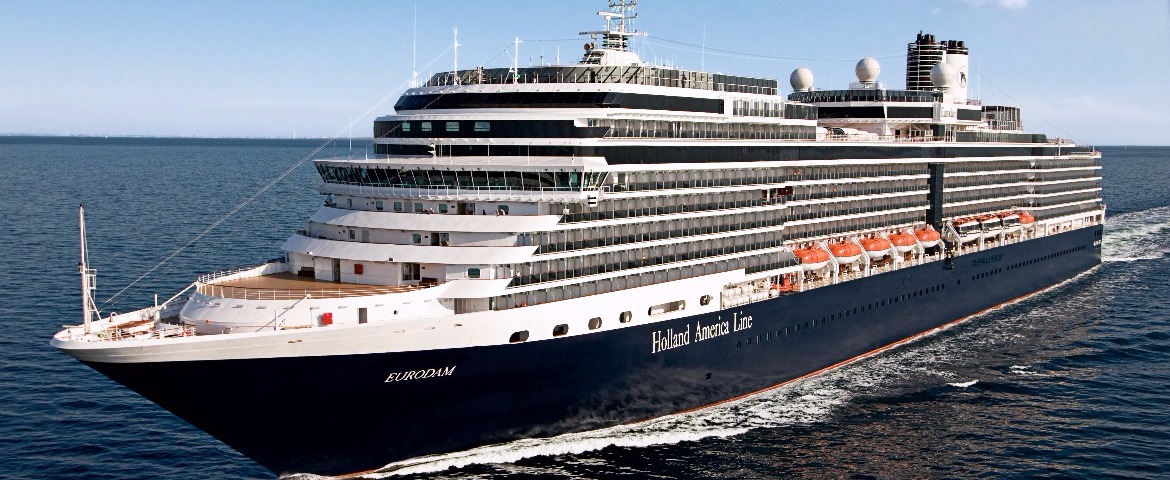

ms Koningsdam
24 Cruises
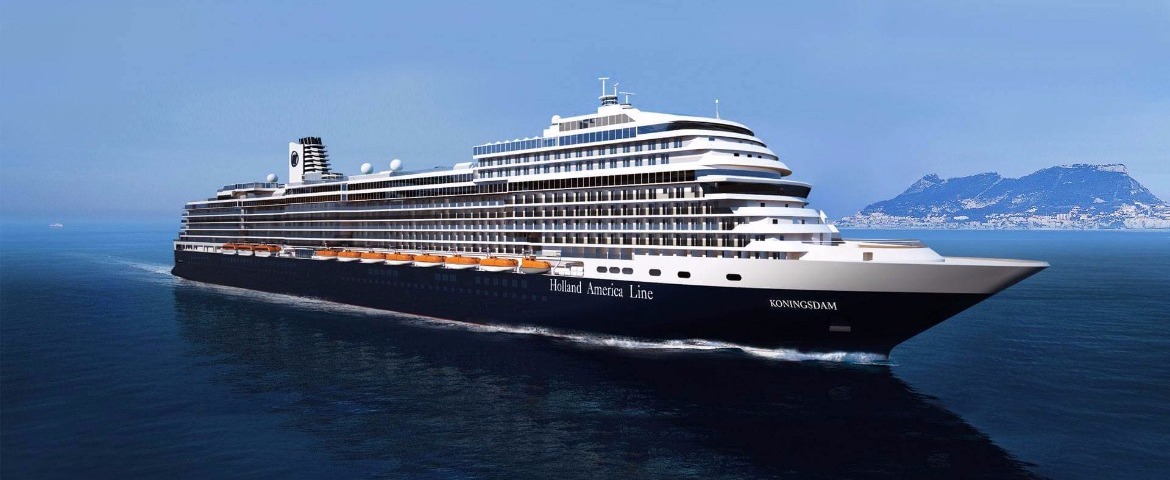
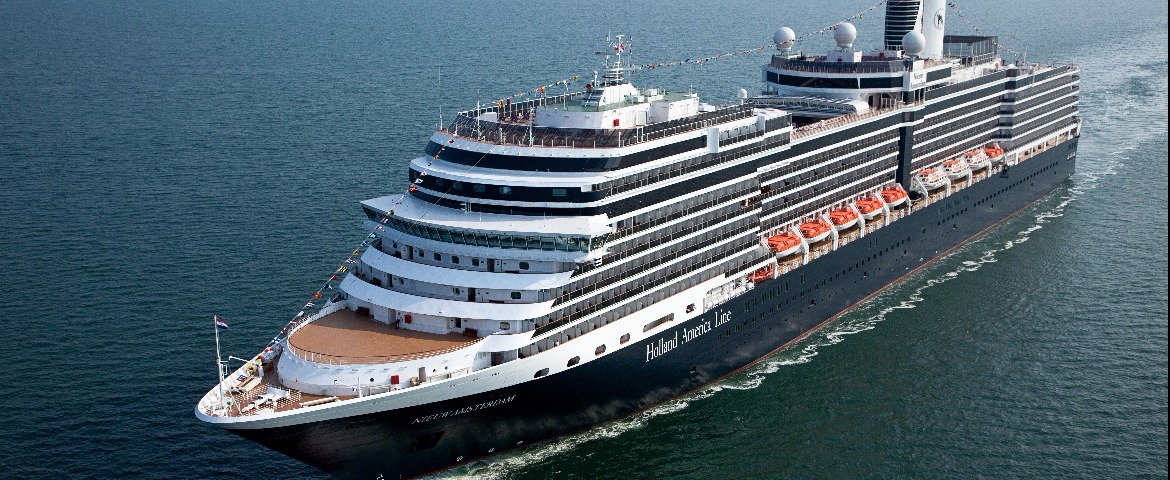
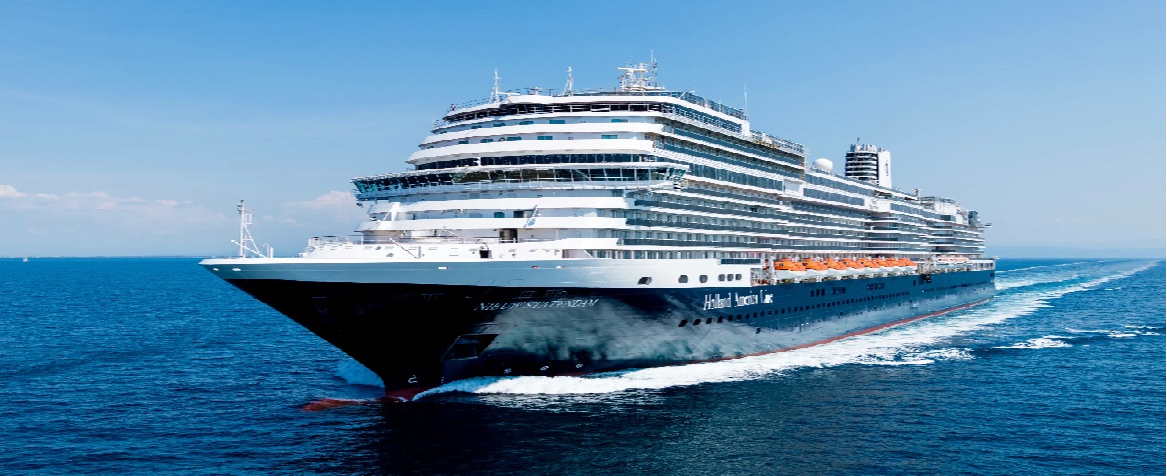
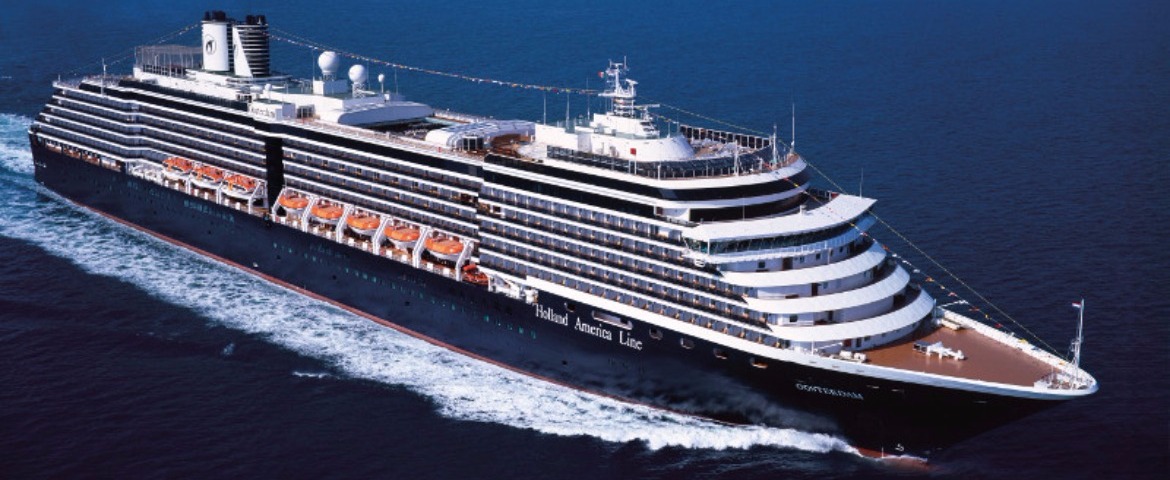
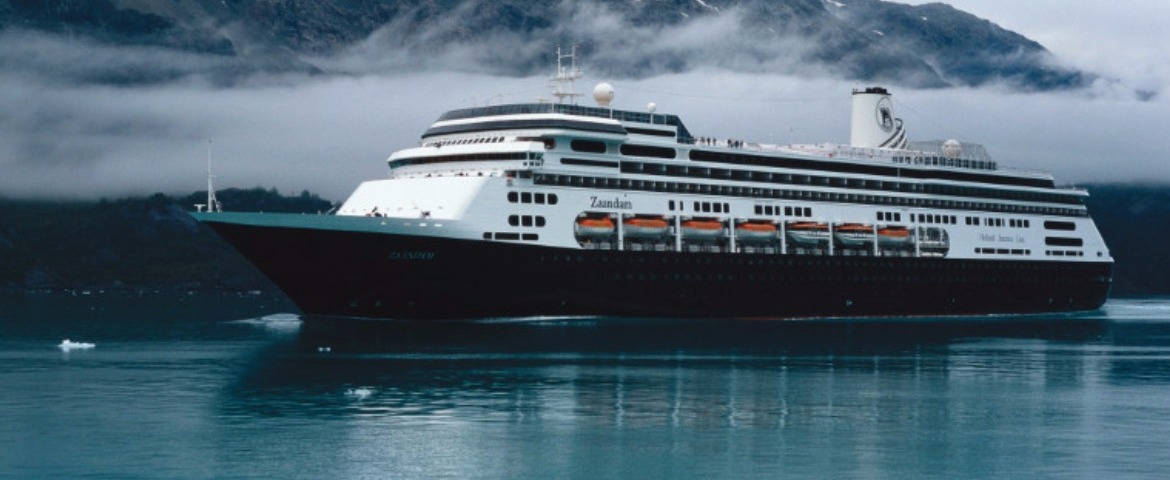
ms Zaandam
11 Cruises
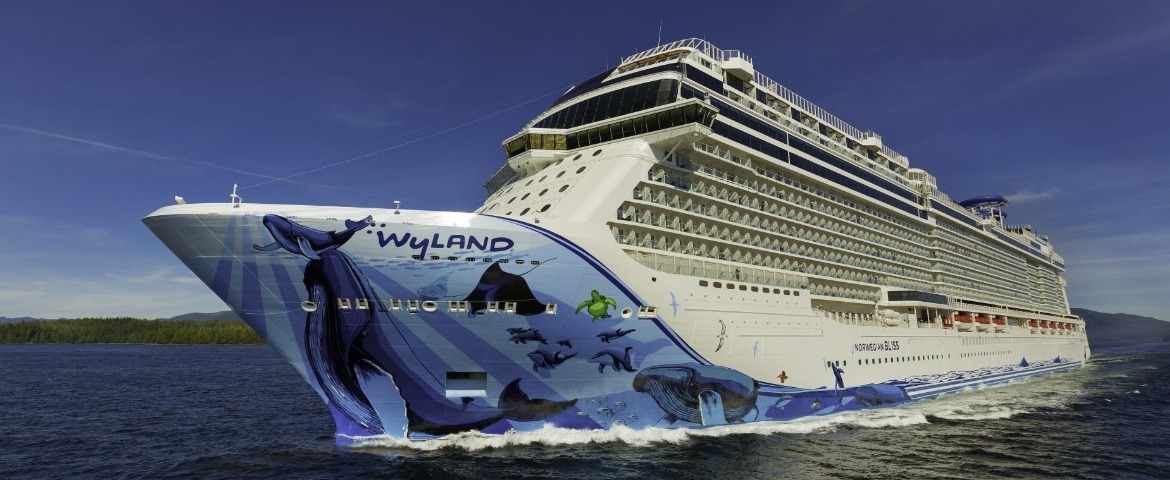
Norwegian Cruise Line (59 Cruises)

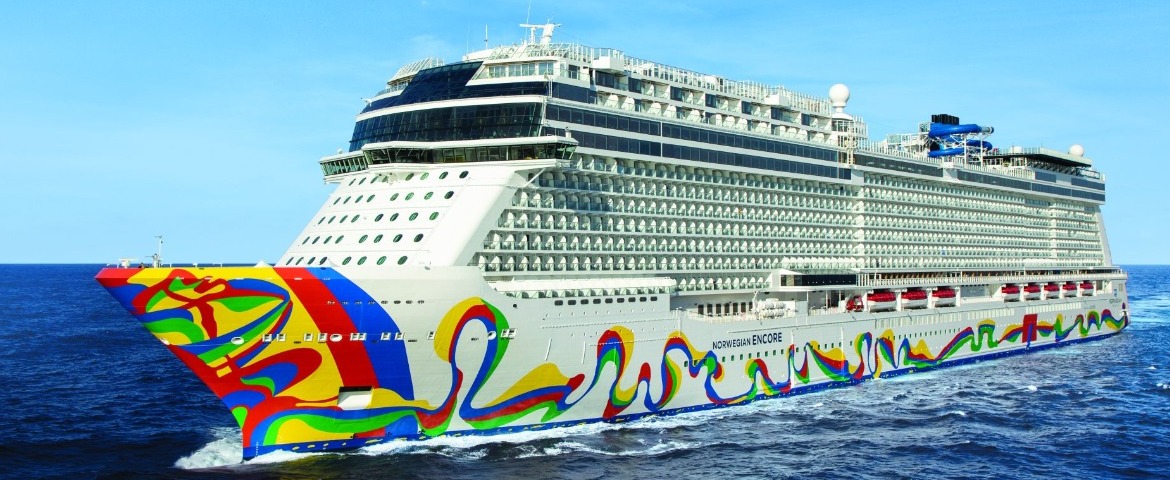
Norwegian Encore
42 Cruises
| 4 April | 7 nights | Round-trip from Los Angeles, USA |
From
491$
|
| 11 April | 7 nights | Round-trip from Los Angeles, USA |
From
491$
|
| 17 October | 7 nights | Round-trip from Los Angeles, USA |
From
448$
|
| 24 October | 7 nights | Round-trip from Los Angeles, USA |
From
491$
|
| 31 October | 7 nights | Round-trip from Los Angeles, USA |
From
477$
|
| 13 February | 7 nights | Round-trip from Los Angeles, USA |
From
505$
|
| 20 February | 7 nights | Round-trip from Los Angeles, USA |
From
484$
|
| 27 February | 7 nights | Round-trip from Los Angeles, USA |
From
484$
|
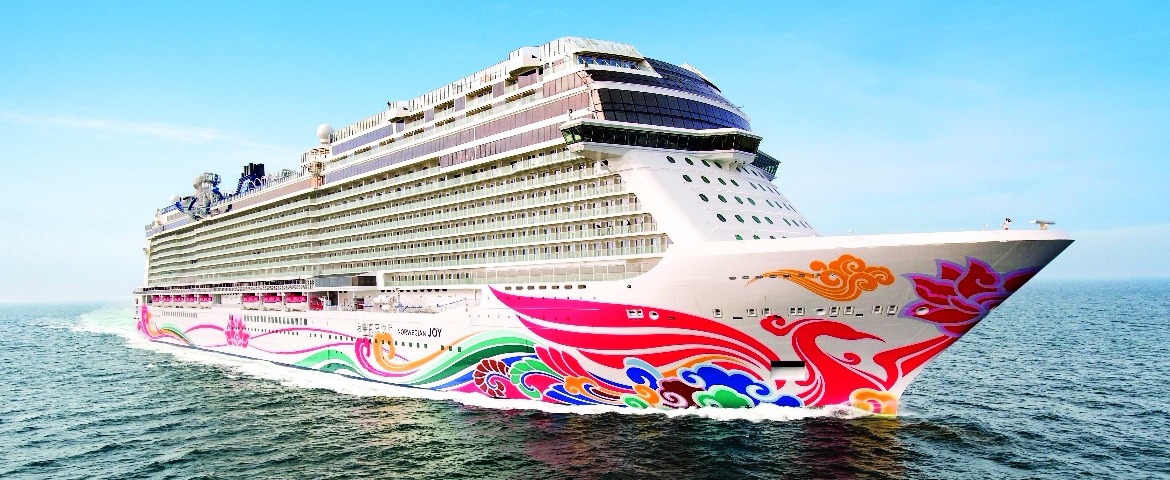
Norwegian Star
13 Cruises
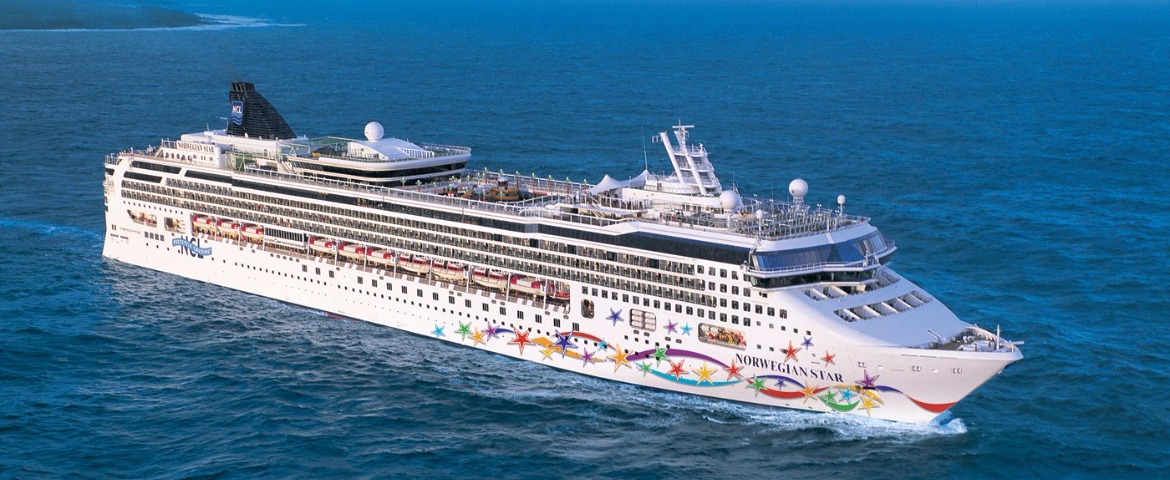
| 2 January | 7 nights | Round-trip from San Diego, USA |
From
434$
|
| 30 January | 7 nights | Round-trip from San Diego, USA |
From
406$
|

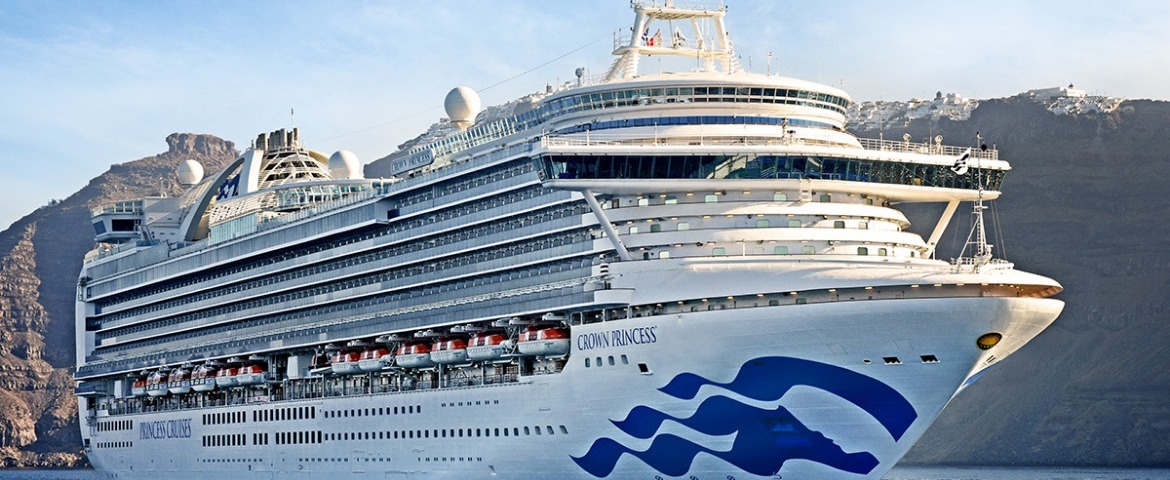
Princess Cruises (96 Cruises)
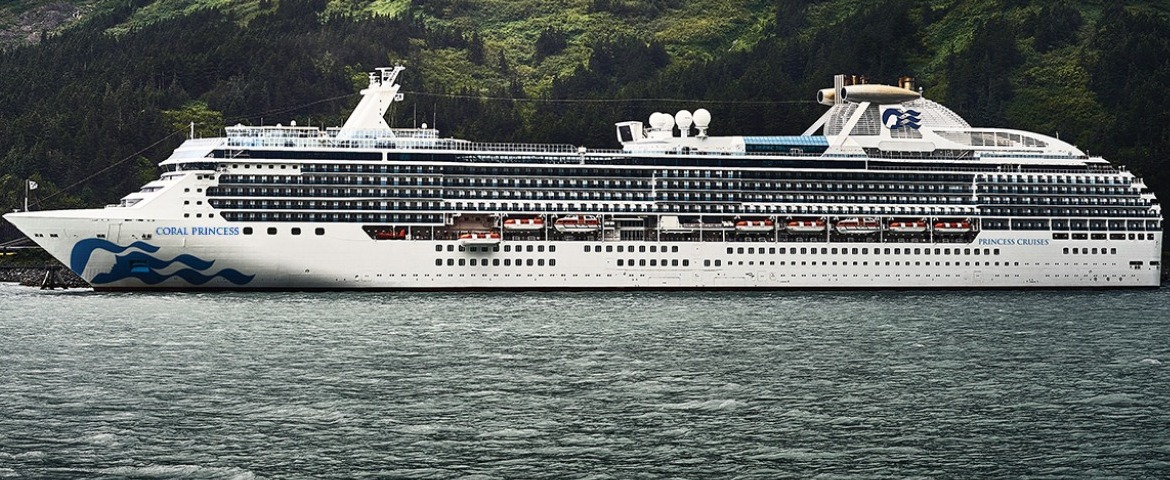
Coral Princess
14 Cruises

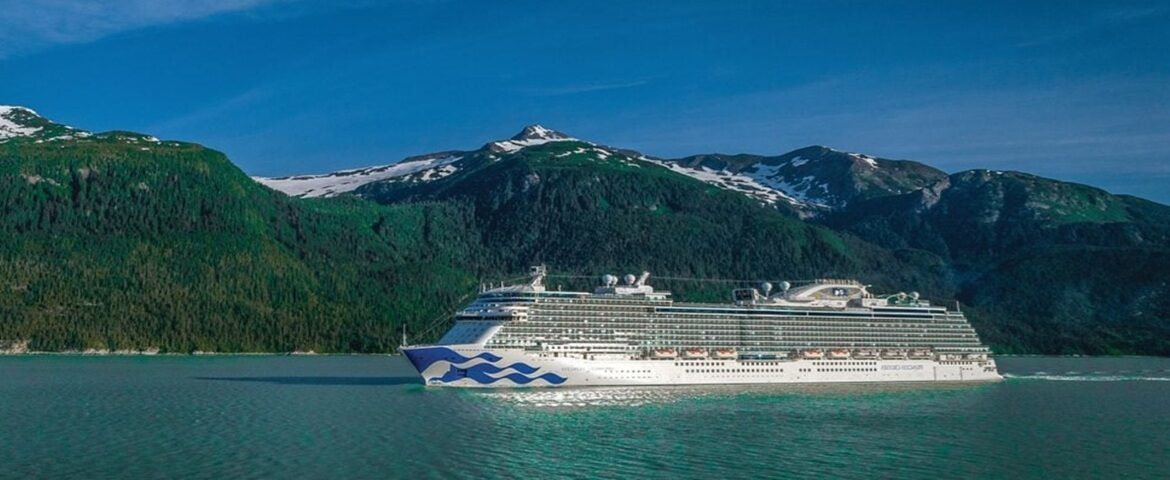
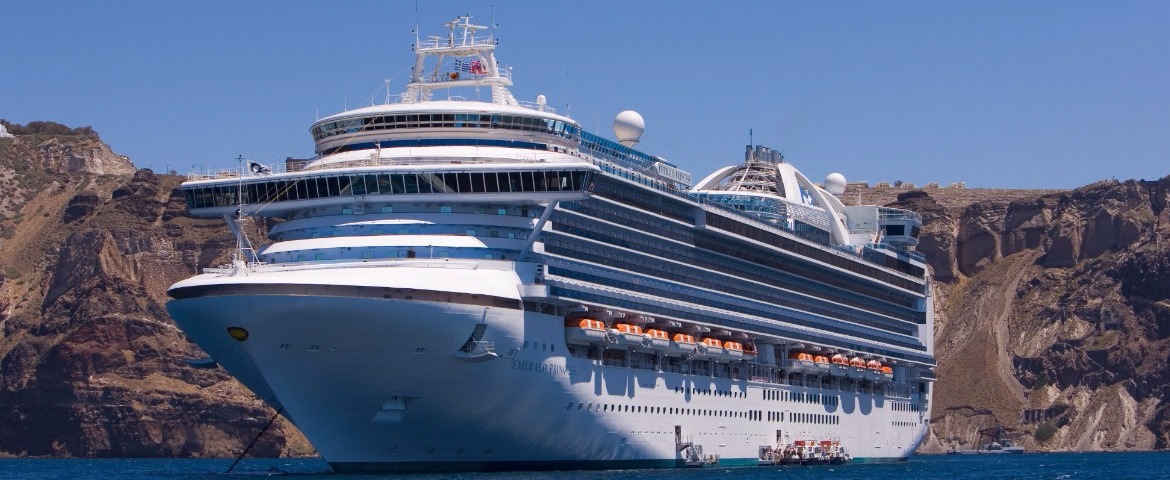
Discovery Princess
53 Cruises
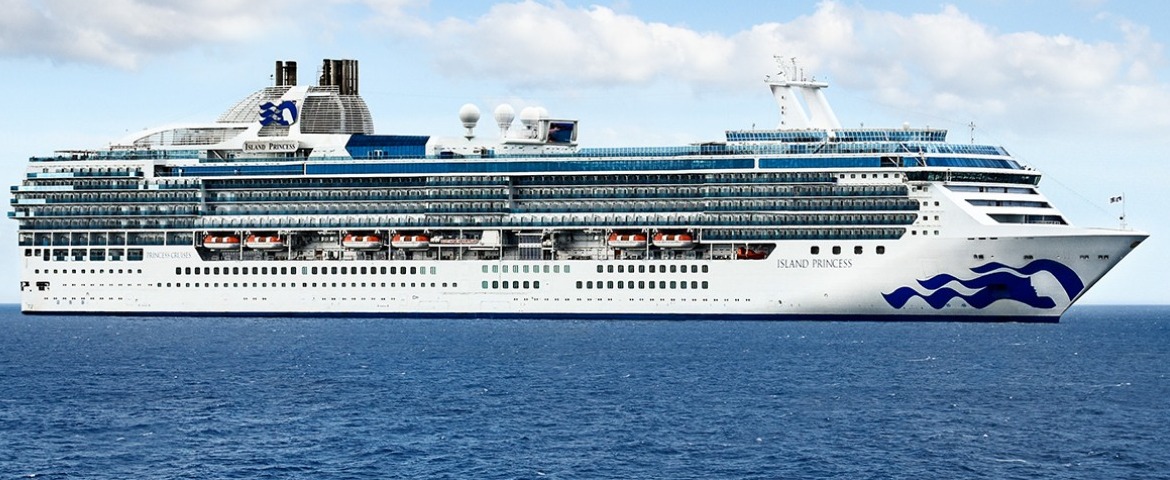
Island Princess
18 Cruises
| 13 January | 16 nights | One-way from Fort Lauderdale to San Diego |
450-628-6241
Call us
|
| 29 January | 16 nights | One-way from San Diego to Fort Lauderdale |
450-628-6241
Call us
|
Regent Seven Seas Cruises (9 Cruises)
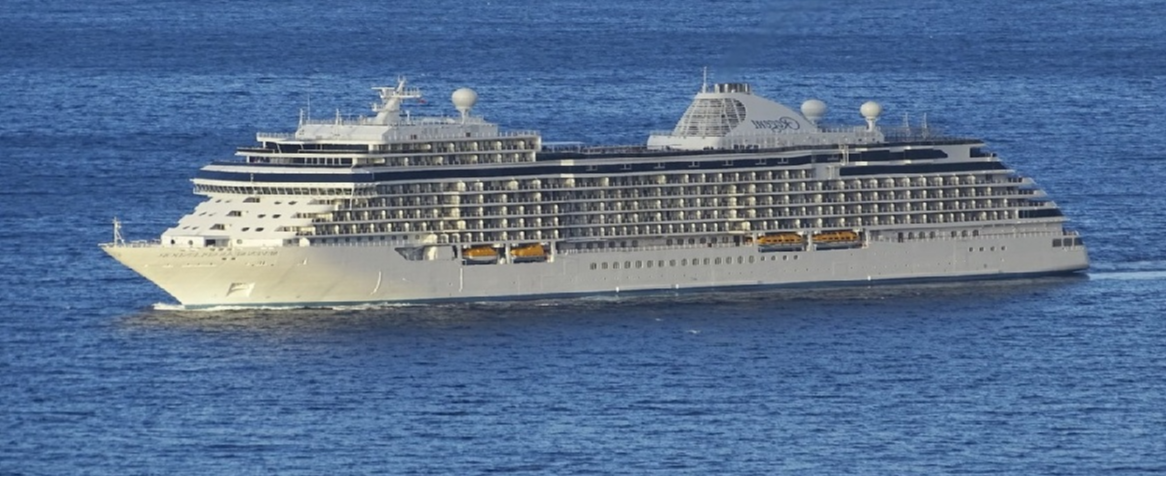

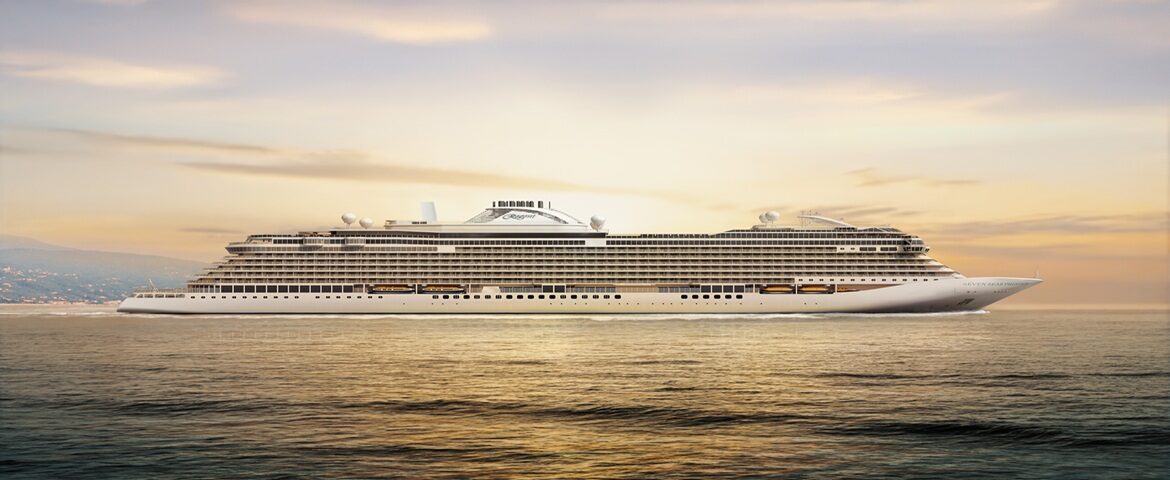
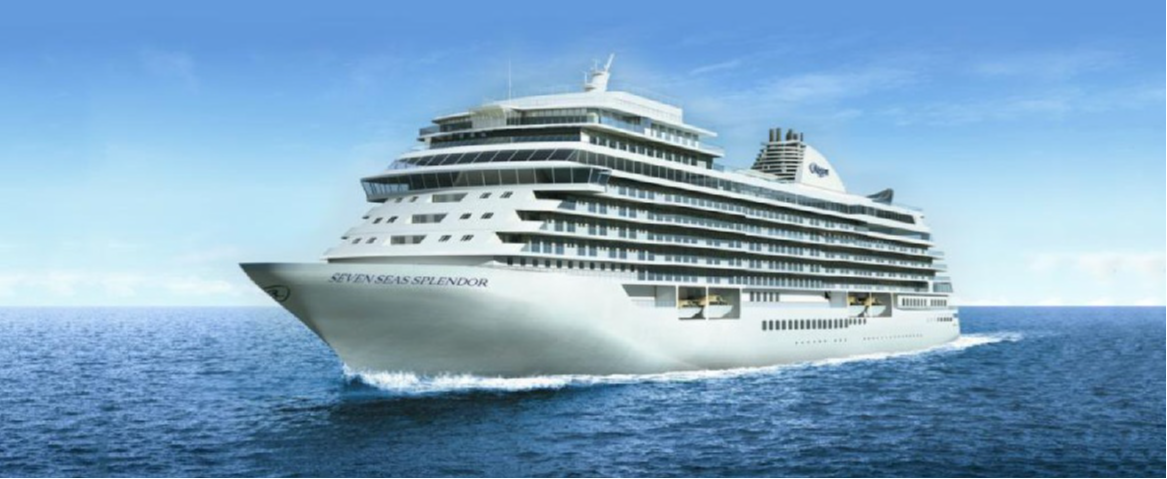
Seven Seas Splendor
5 Cruises
Royal Caribbean Cruises (54 Cruises)
Navigator of the Seas
43 Cruises




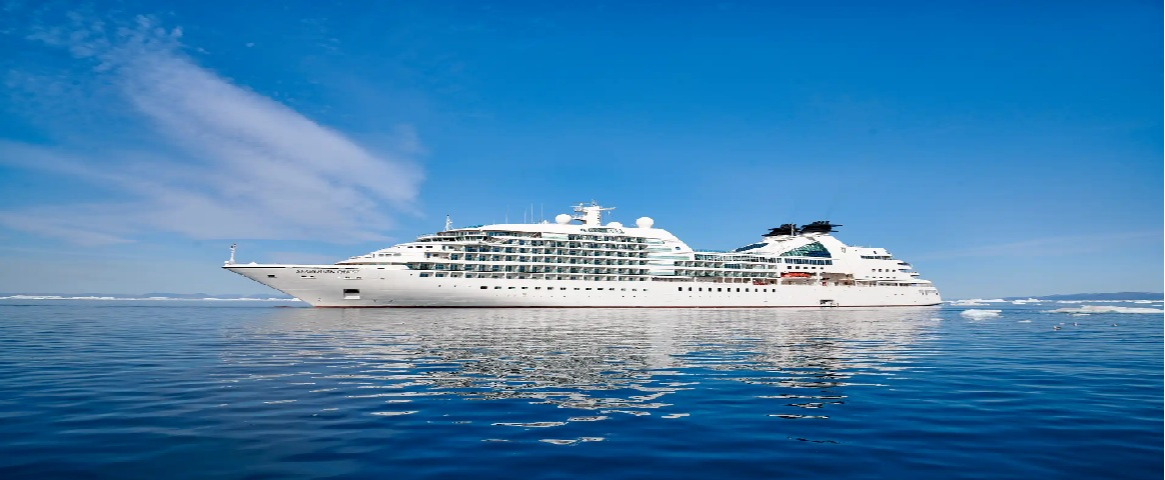
Seabourn Cruise Line (7 Cruises)

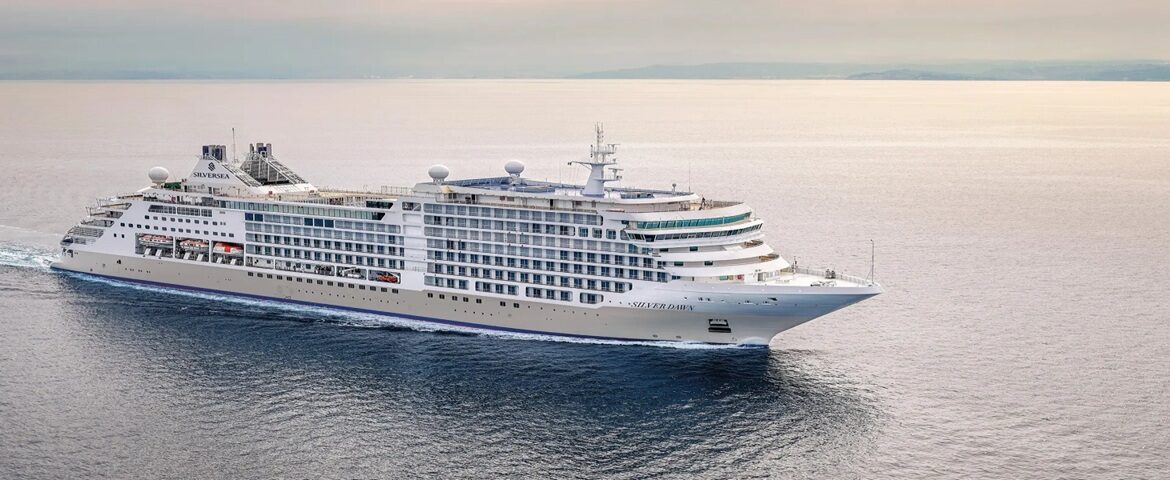
Silversea Cruises (2 Cruises)

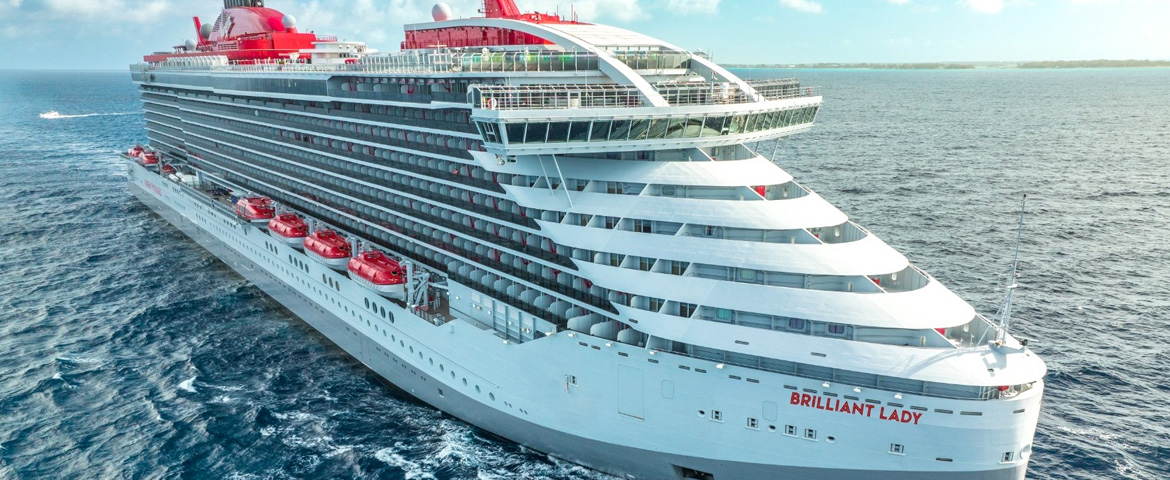
Virgin Voyages (10 Cruises)
Brilliant Lady
10 Cruises

| 18 September | 7 nights | Round-trip from Los Angeles, USA |
450-628-6241
Call us
|
| 25 September | 7 nights | Round-trip from Los Angeles, USA |
450-628-6241
Call us
|

Puerto Vallarta, Mexico | Cruise Port Guide
Frequently Asked Questions
At the cruise terminal, about five kilometres north of downtown. Two simple ways to reach the malecón: a taxi, or the city buses marked Centro that run along the boulevard outside the terminal. Allow about fifteen minutes.
Yes, once you reach the centre. The day organises itself north to south: the malecón, the historic core, Cuale island, then the Zona Romántica and Playa de los Muertos. All of it is walkable without another taxi.
The malecón and its sculptures, the Nuestra Señora de Guadalupe church and its cobbled streets, a shaded pause on Cuale island, then the Zona Romántica and Playa de los Muertos. That north-to-south route fills the day.
Two and a half kilometres of seaside pedestrian promenade punctuated by sculptures that have become emblems: the boy on the seahorse, Rosalío's strange chairs, the balancing figures. Coconut ice cream vendors, sand artists and the voladores de Papantla animate the walk.
A narrow island between the historic core and the southern districts, shaded by giant fig trees, with craft stalls, a small archaeological museum and riverside restaurants. The suspension bridges linking it sway just enough to delight children, and iguanas sometimes sit motionless in the branches.
The district south of the Cuale river, which kept the scale of old Vallarta: cobbled streets, art galleries, neighbourhood cafes, family cantinas. It opens onto Playa de los Muertos and its contemporary sail-shaped pier.
Yes, from December to March: humpback whales calve in the sheltered waters of Banderas Bay. Watching trips leave from the marina next to the terminal, a real logistical advantage on a short call.
The Mexican peso. Cards work everywhere along the malecón and in the Zona Romántica; keep cash for the stalls on Cuale island and for taxis.
By fare zones rather than meters. Confirm the price before setting off and there will be no surprises. The city buses marked Centro are the cheapest option from the terminal.
The southern coves, Las Caletas or Yelapa, reachable only by sea, for snorkelling and villages with no roads. Or the Vallarta Botanical Gardens in the mountains about 45 minutes away, with their orchid and agave collections.


