Stockholm Sweden
Sweden
454
Cruises availables
At departure or passage at this port
Atlas Ocean Voyages (1 Cruises)



Celebrity Cruises (8 Cruises)

Costa Cruises (4 Cruises)
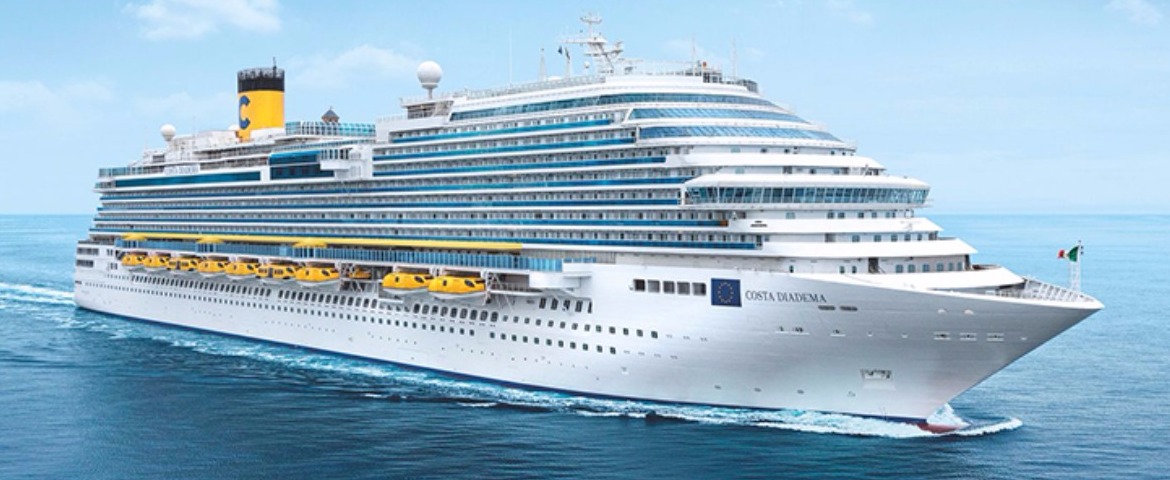

Crystal Cruises (3 Cruises)


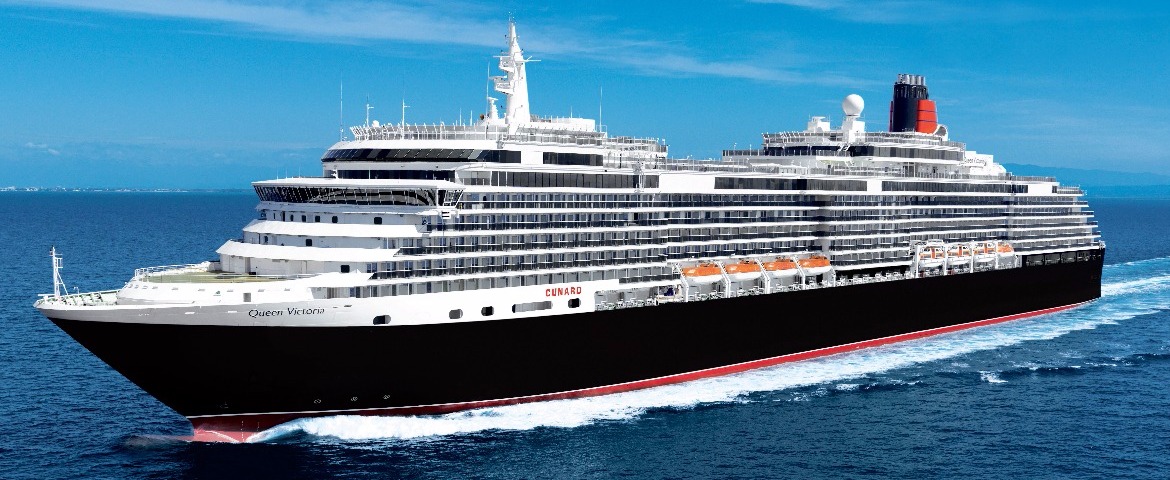
Cunard (5 Cruises)

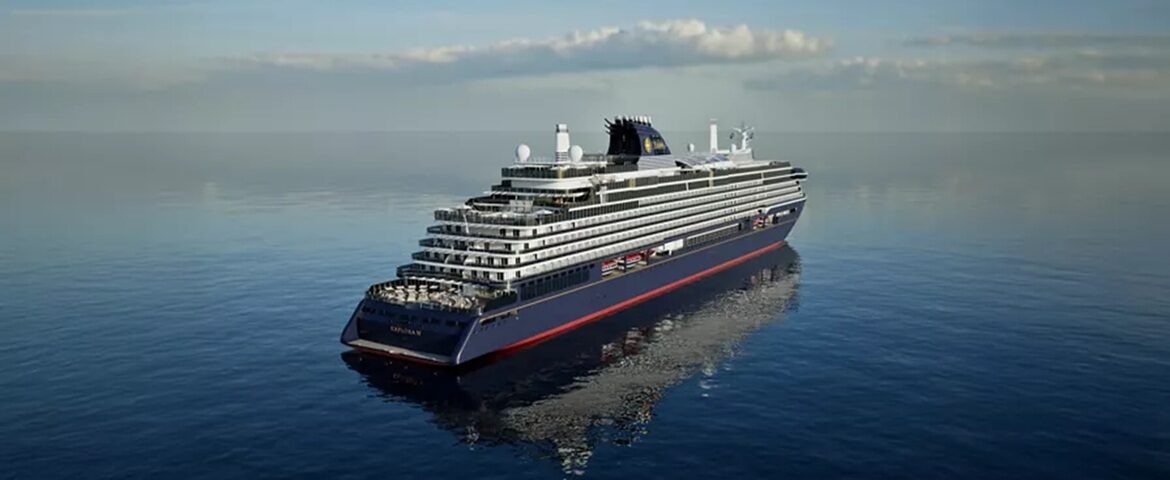
Explora Journeys (8 Cruises)
Explora IV
8 Cruises

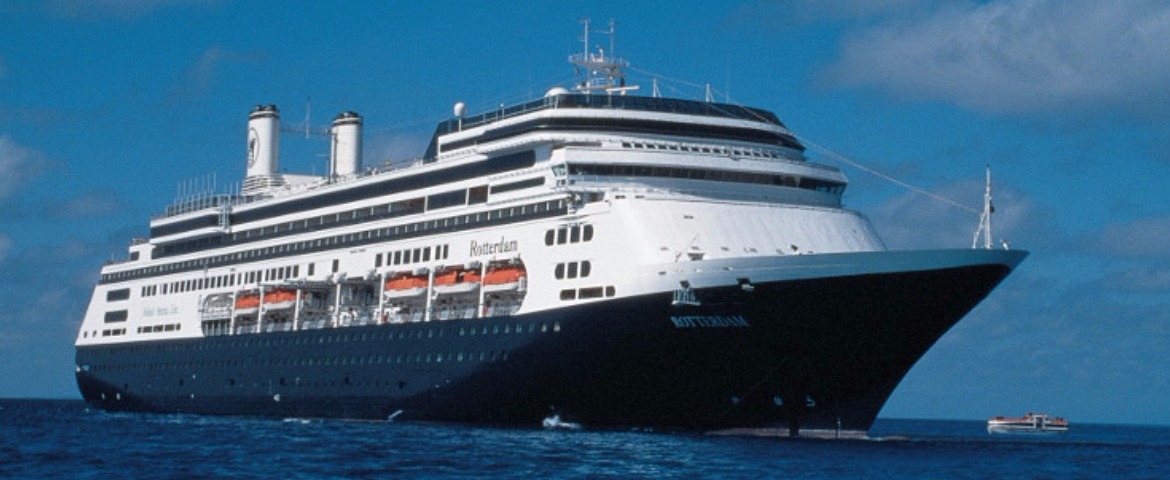
Holland America Line (6 Cruises)


MSC Cruises (103 Cruises)
MSC Magnifica
63 Cruises
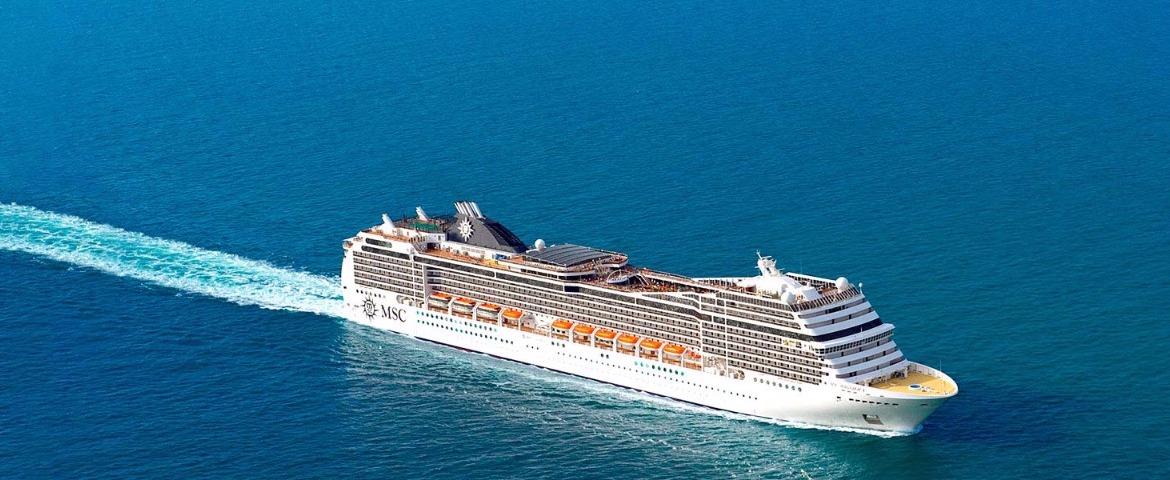

MSC Splendida
40 Cruises
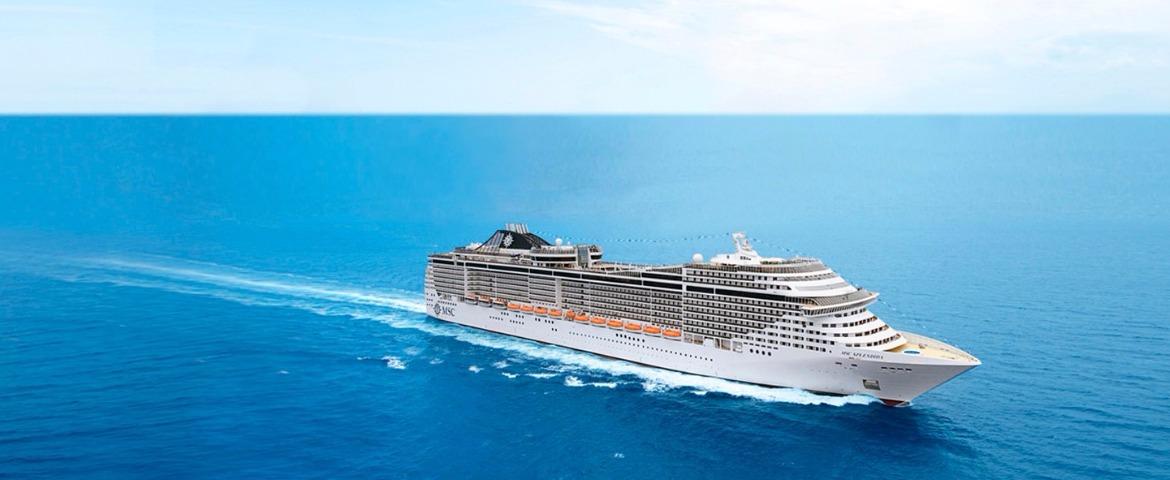
| 25 April | 10 nights | One-way from Warnemunde-Rostock to Copenhagen |
From
3307$
|
| 25 April | 11 nights | Round-trip from Warnemunde-Rostock, Germany |
From
2852$
|
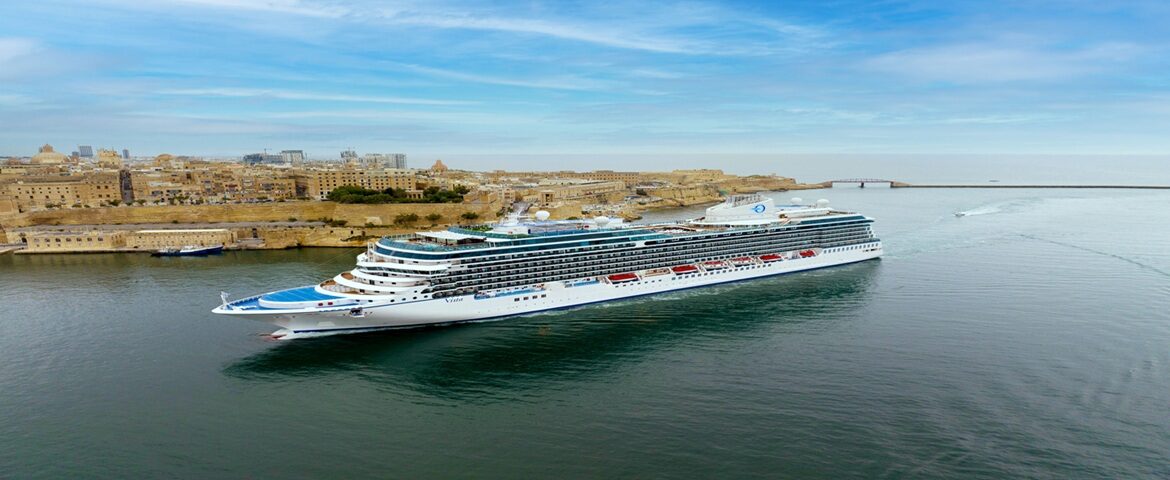
Oceania Cruises (39 Cruises)


Oceania Insignia
7 Cruises
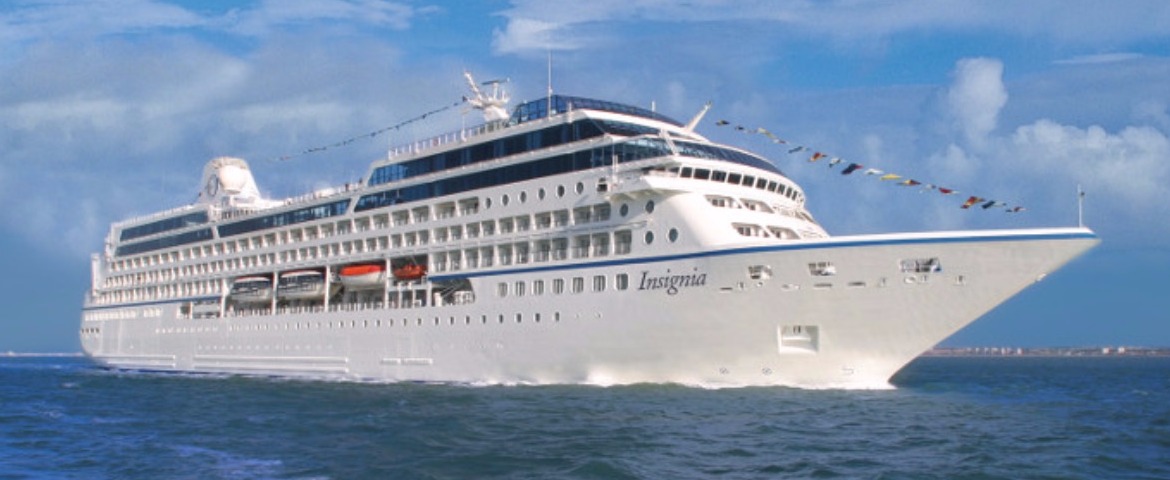
| 16 May | 25 nights | One-way from Southampton to Stockholm |
450-628-6241
Call us
|
| 27 May | 14 nights | One-way from Southampton to Stockholm |
450-628-6241
Call us
|
| 10 June | 11 nights | One-way from Stockholm to Copenhagen |
450-628-6241
Call us
|
| 10 June | 24 nights | One-way from Stockholm to Reykjavik |
450-628-6241
Call us
|
Oceania Marina
7 Cruises
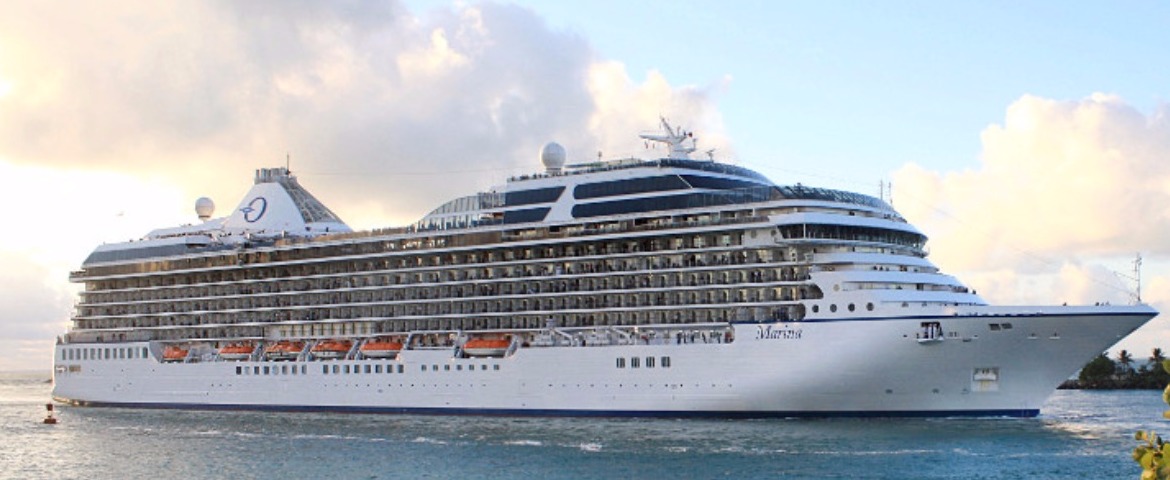
| 10 May | 43 nights | One-way from Lisbon to Southampton |
450-628-6241
Call us
|
| 27 May | 26 nights | Round-trip from Southampton, United Kingdom |
450-628-6241
Call us
|
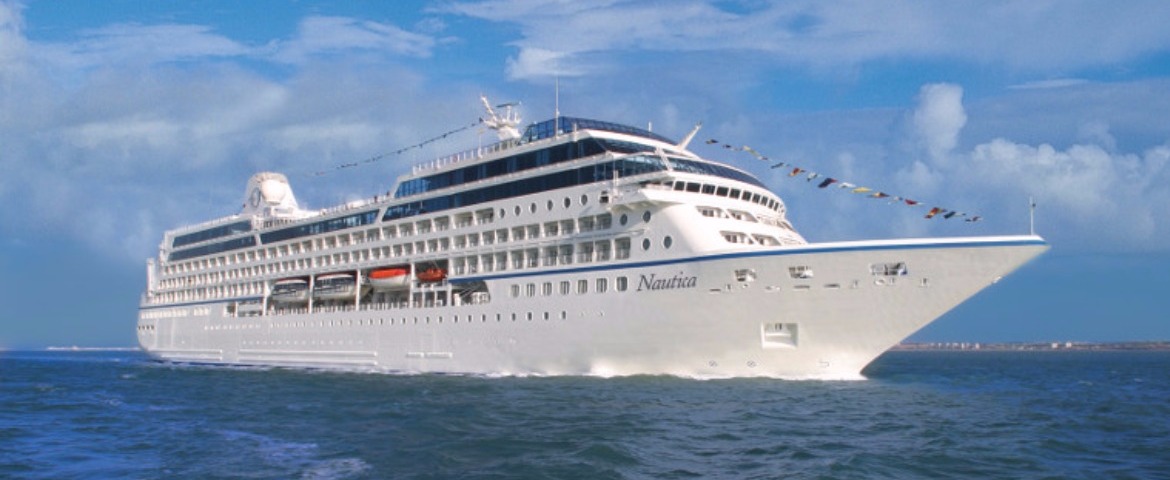
Oceania Sonata
10 Cruises

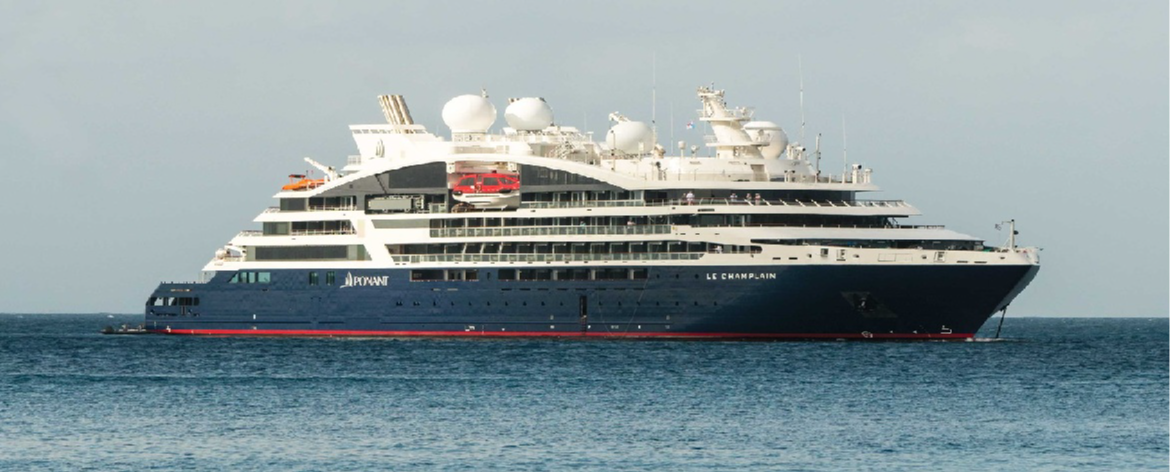
Ponant (22 Cruises)
Le Champlain
5 Cruises

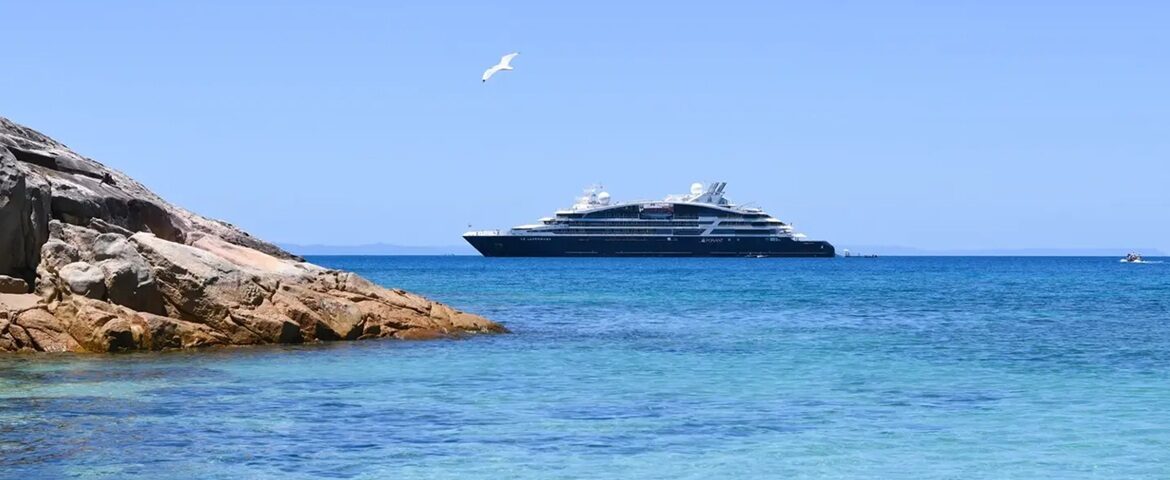
Le Commandant Charcot
12 Cruises

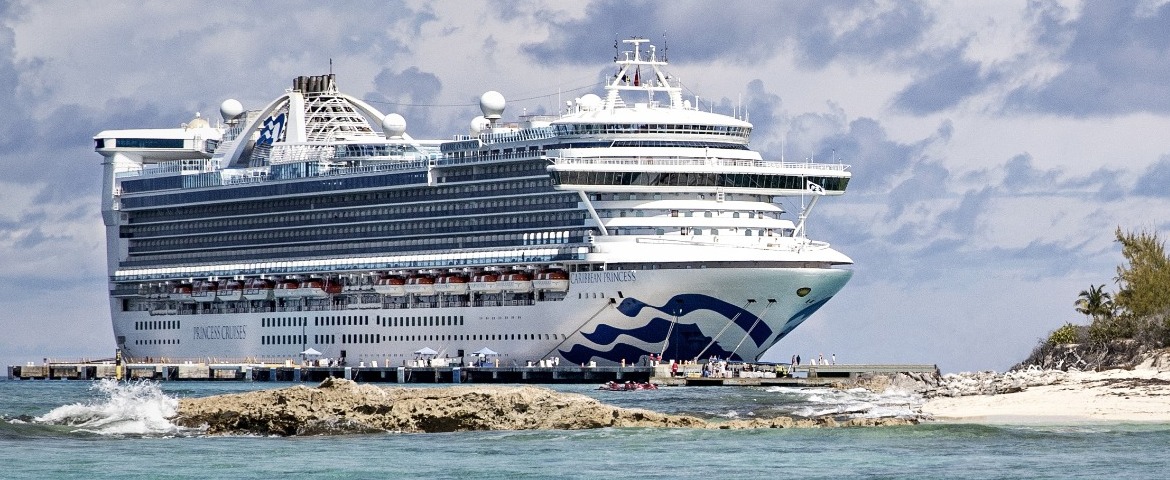
Princess Cruises (79 Cruises)
Caribbean Princess
42 Cruises

| 11 June | 12 nights | Round-trip from Copenhagen, Denmark |
450-628-6241
Call us
|
| 23 June | 12 nights | Round-trip from Copenhagen, Denmark |
450-628-6241
Call us
|
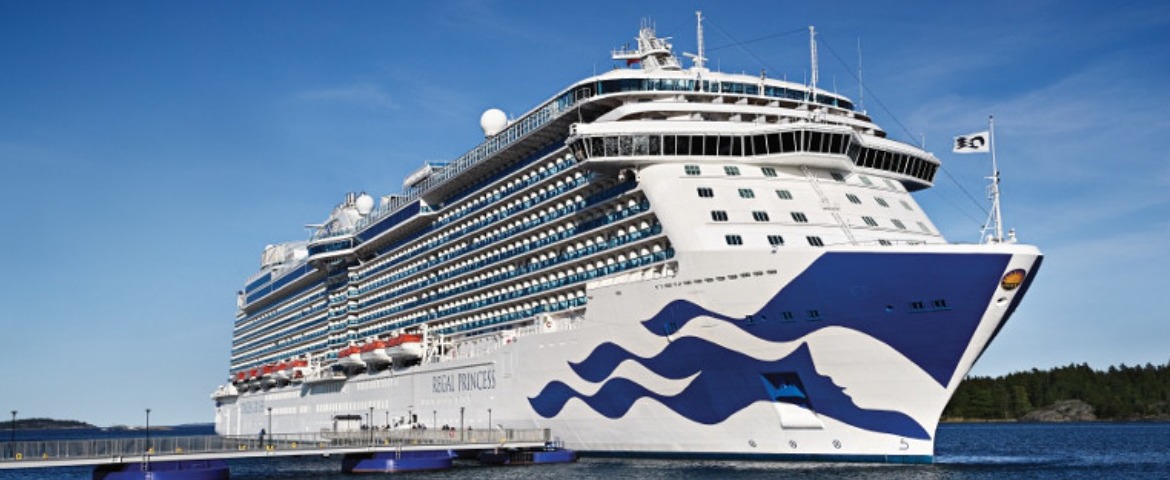
Regal Princess
29 Cruises
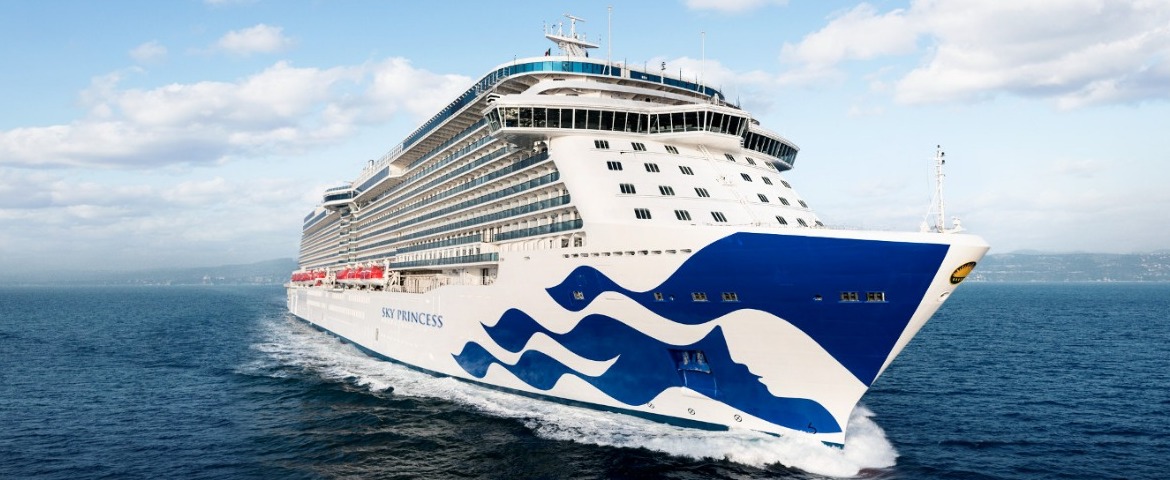
Sky Princess
8 Cruises
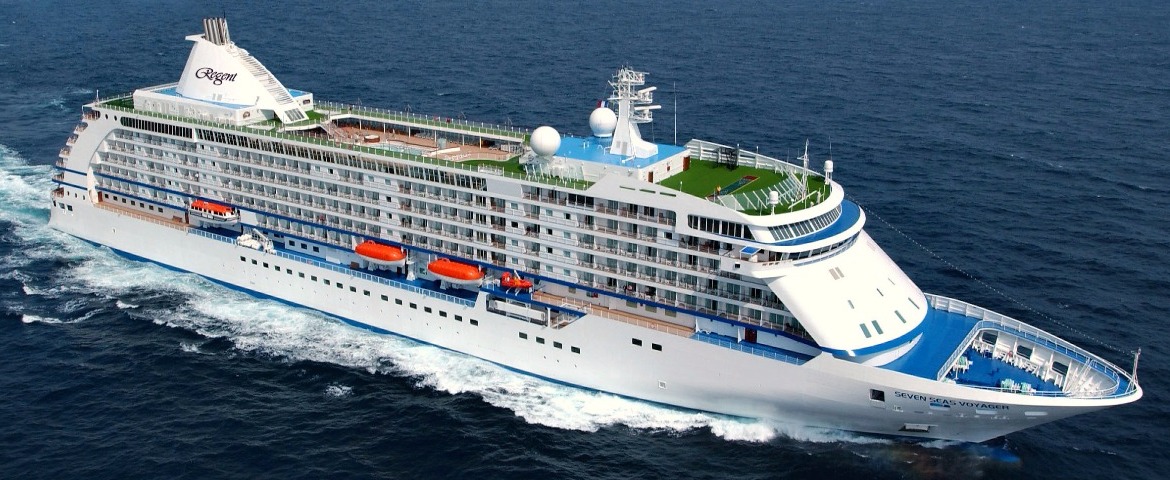
Regent Seven Seas Cruises (24 Cruises)
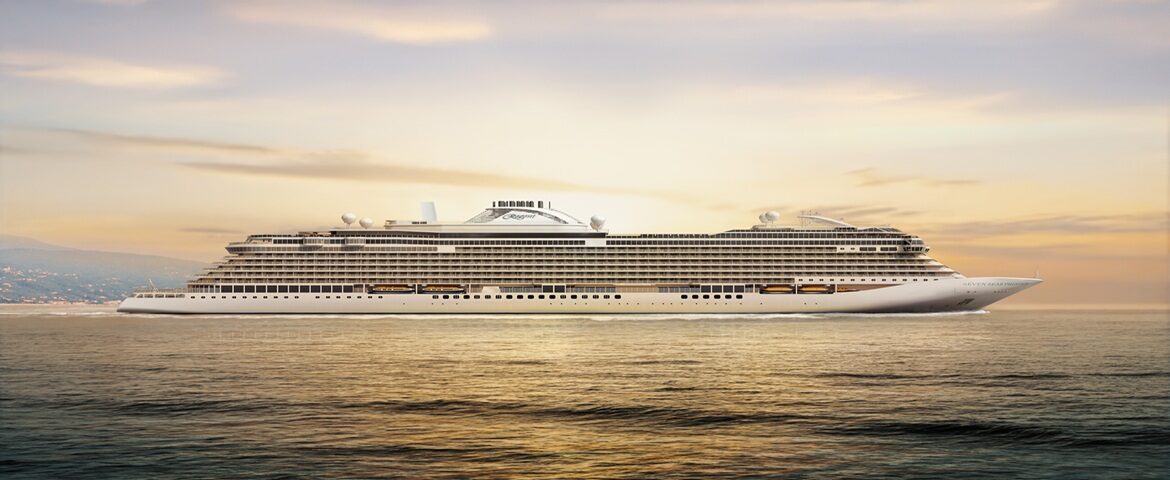
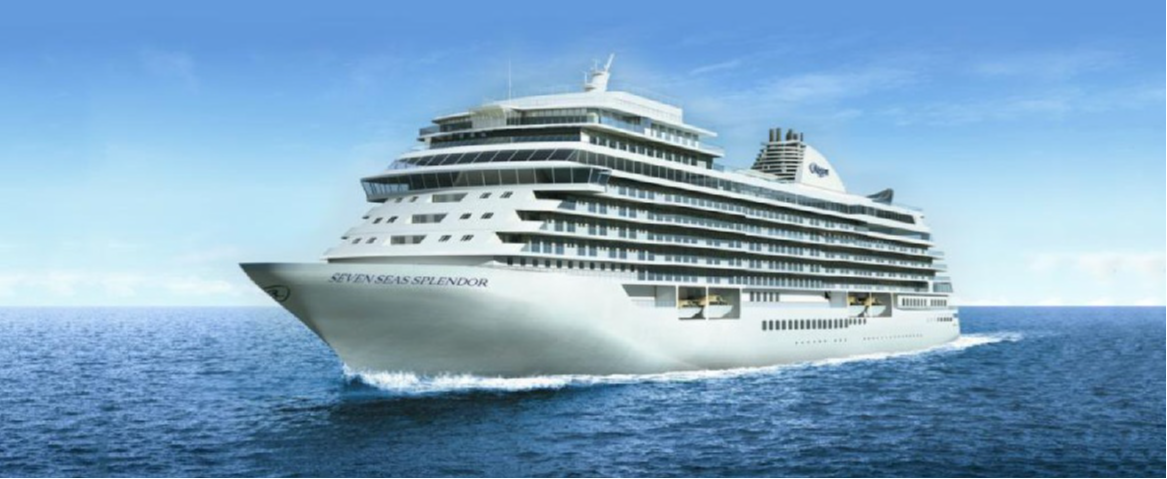
Seven Seas Mariner
13 Cruises




Seabourn Cruise Line (20 Cruises)
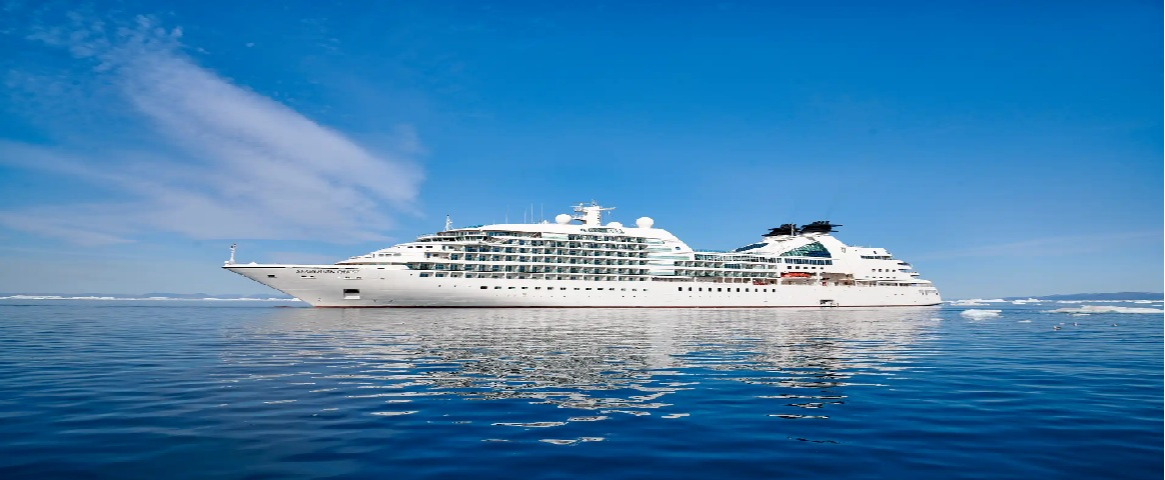
Seabourn Quest
20 Cruises

Silversea Cruises (21 Cruises)
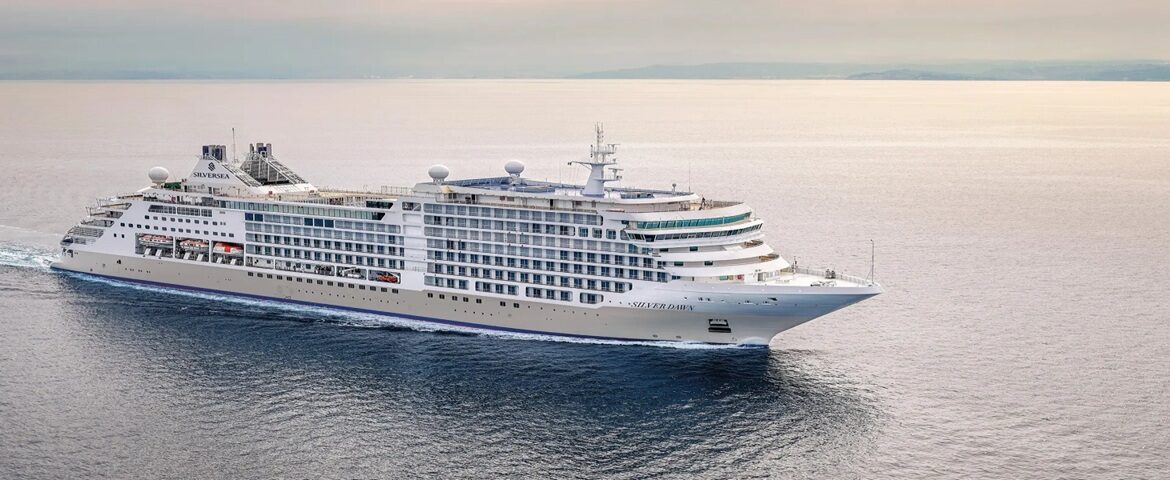
Silver Dawn
9 Cruises

| 7 June | 10 nights | Round-trip from Copenhagen, Denmark |
450-628-6241
Call us
|
| 27 June | 7 nights | One-way from Copenhagen to Stockholm |
450-628-6241
Call us
|
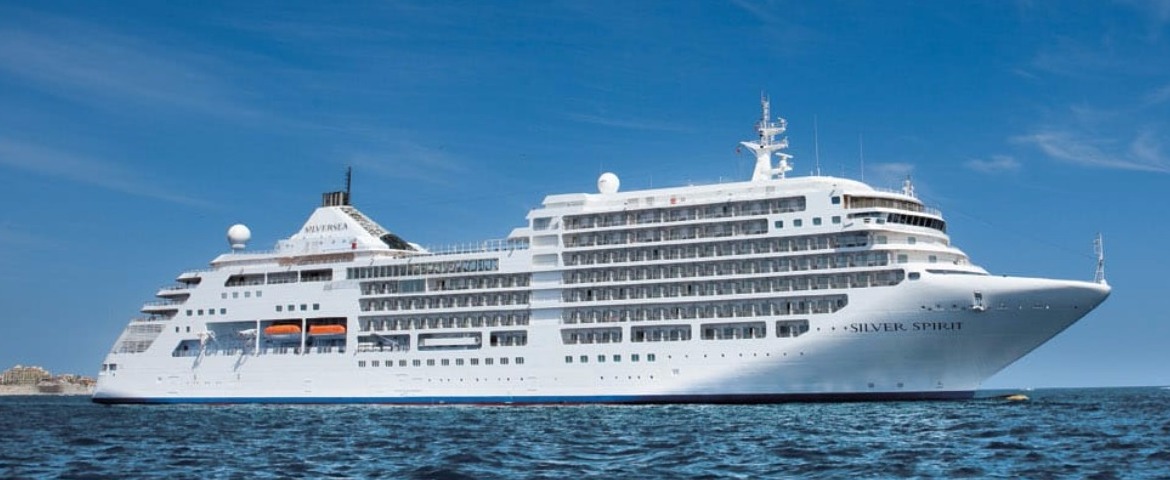
Silver Spirit
12 Cruises
Viking Ocean Cruises (76 Cruises)
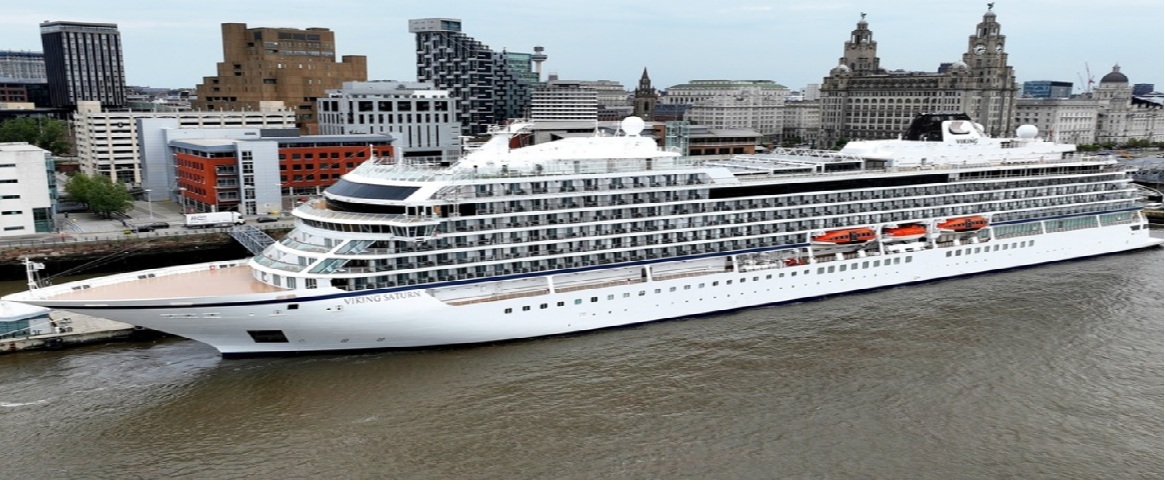
Viking Saturn
60 Cruises

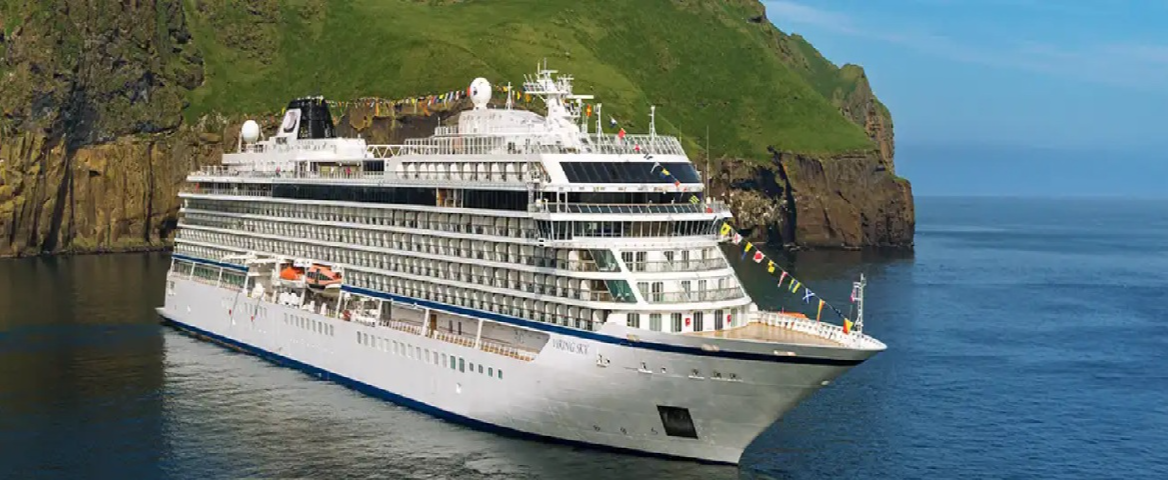
Viking Sky
16 Cruises
| 11 June | 12 nights | One-way from Stockholm to Bergen |
450-628-6241
Call us
|
| 25 June | 12 nights | One-way from Bergen to Stockholm |
450-628-6241
Call us
|
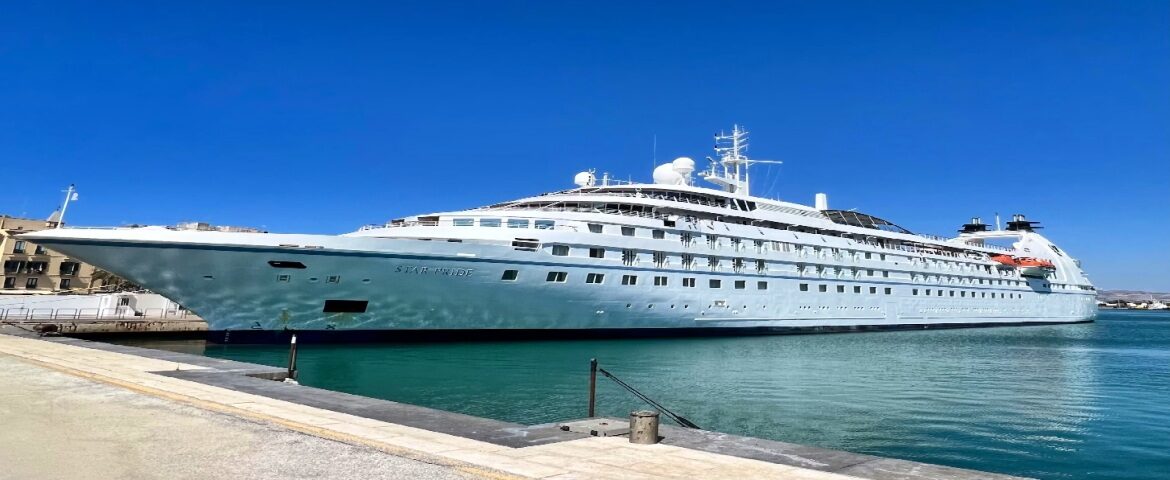
Windstar Cruises (4 Cruises)


Stockholm, Sweden | Cruise Port & Travel Guide
Frequently Asked Questions
At Stadsgården, facing the old town, or at Frihamnen, four or five kilometres northeast of the centre, depending on the ship. From Stadsgården, Gamla Stan is a 20 to 30 minute walk along the water. From Frihamnen, bus 76 and taxis reach the centre in about fifteen minutes.
From Stadsgården, yes: the walk to the old town follows the water and is worth doing for its own sake. From Frihamnen, no — you need the bus or a taxi, but the museum island lies halfway, which argues for starting with the Vasa.
Because it is the busiest museum in the city. The Vasa is a warship that sank in 1628 on her maiden voyage and was raised in 1961; she survives 98 per cent intact, mast and all, in a striking half-light. Arriving at opening time avoids the crush.
A web of ochre and saffron lanes converging on Stortorget, the square of narrow coloured façades that houses the Swedish Academy and the Nobel Museum. The Royal Palace, one of Europe’s largest with some 600 rooms, dominates the north side. In the cathedral nearby, a carved wooden Saint George has been slaying his dragon since 1489.
Yes, around midday: plumed helmets, brass and a full band in front of one of Europe’s largest palaces. It is the liveliest moment in Gamla Stan, and it is worth planning for rather than stumbling upon.
Far more than one day allows. A former royal hunting ground, it holds the Vasa Museum, Skansen — which since 1891 has gathered farms, churches and workshops from across Sweden, with moose and bears in its animal park — and the ABBA Museum. A ferry gets you there from the old town in minutes.
One major museum, the medieval lanes and a fika: that is what a well-run day allows without rushing. The Vasa first, early, then Gamla Stan, then coffee with a cinnamon bun. Trying to do everything is the surest way to see nothing.
Yes. The dark brick city hall, where the Nobel banquet is held each December, carries a tower crowned with the kingdom’s three golden crowns; the climb delivers a full panorama over the islands.
On the Södermalm cliff just above Stadsgården, and along the Söder Mälarstrand quays. The district adds cafés and vintage shops in the bohemian SoFo streets, which makes it the best option for passengers landing at Stadsgården with limited time.
Mårten Trotzigs gränd, in Gamla Stan: 90 centimetres wide. It is a curiosity you have to hunt for between two lanes, and it delights children as much as photographers.


