Portland ME Maine
113
Cruises availables
At departure or passage at this port
American Cruise Lines (10 Cruises)
American Pioneer
10 Cruises
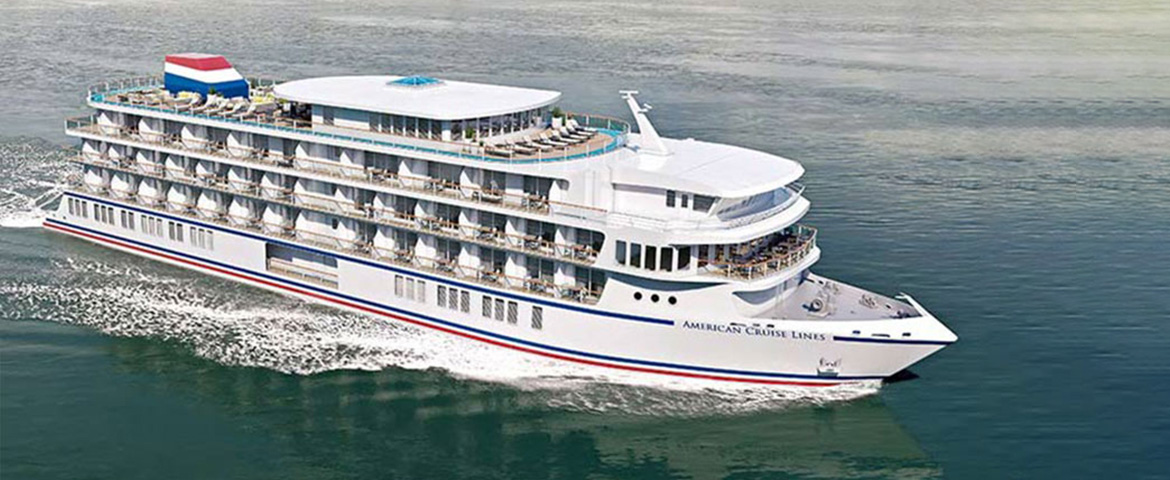

| 4 June | 15 nights | Round-trip from Boston, USA |
450-628-6241
Call us
|
| 18 June | 15 nights | Round-trip from Boston, USA |
450-628-6241
Call us
|
| 2 July | 15 nights | Round-trip from Boston, USA |
450-628-6241
Call us
|
| 16 July | 15 nights | Round-trip from Boston, USA |
450-628-6241
Call us
|
| 30 July | 15 nights | Round-trip from Boston, USA |
450-628-6241
Call us
|
| 13 August | 15 nights | Round-trip from Boston, USA |
450-628-6241
Call us
|
| 27 August | 15 nights | Round-trip from Boston, USA |
450-628-6241
Call us
|
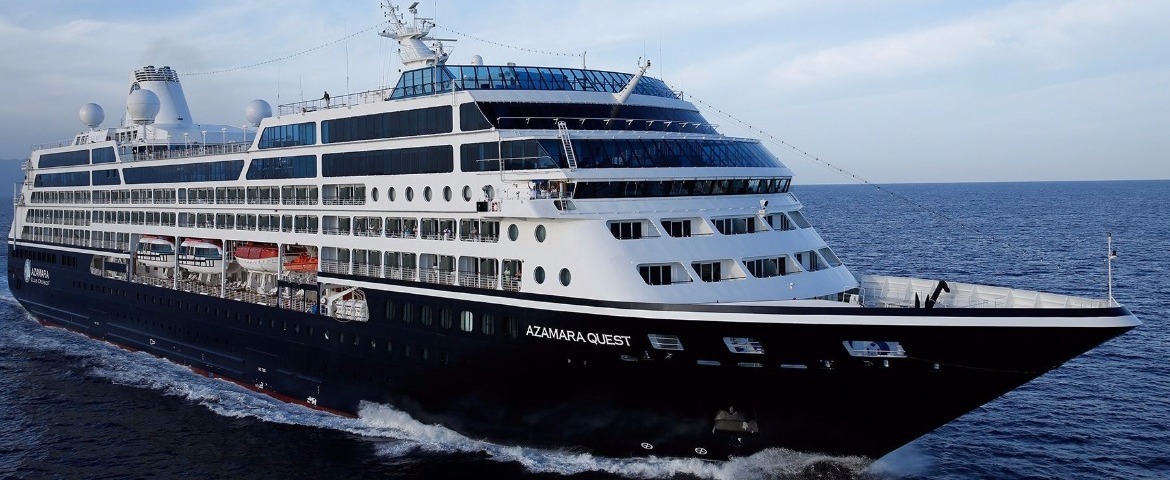
Azamara Club Cruises (6 Cruises)

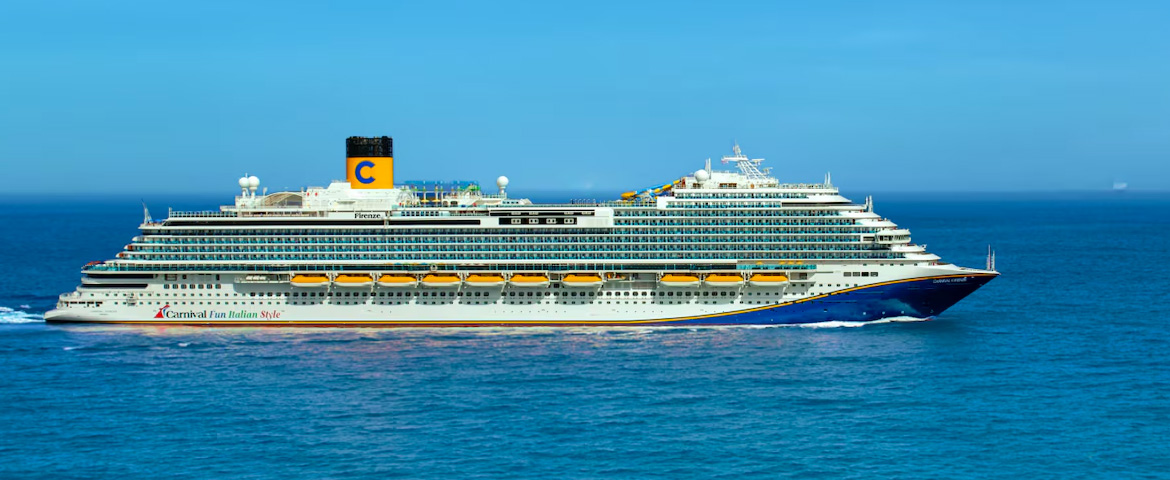
Carnival Cruise Line (1 Cruises)

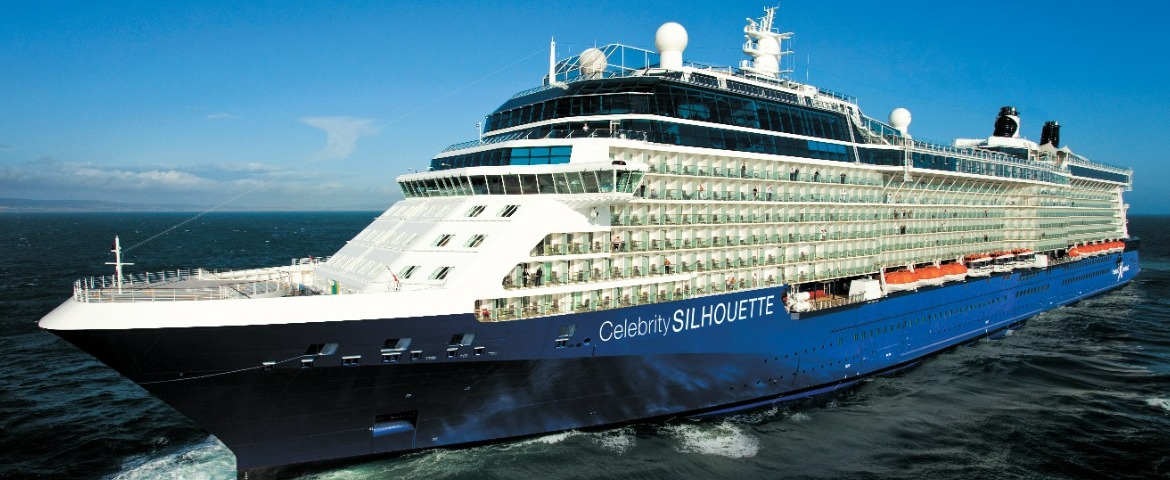
Celebrity Cruises (4 Cruises)

Explora Journeys (3 Cruises)

Holland America Line (23 Cruises)
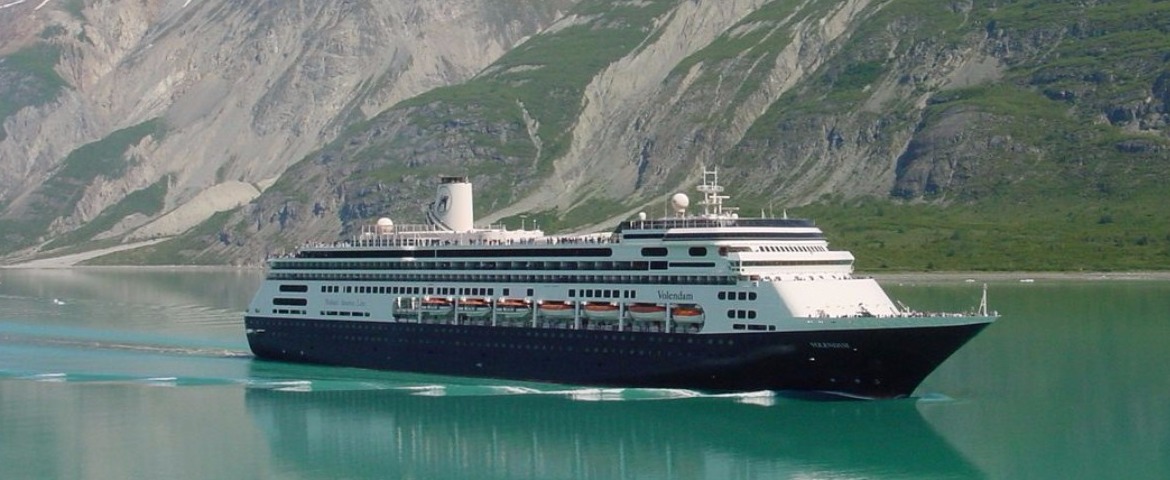
ms Volendam
12 Cruises

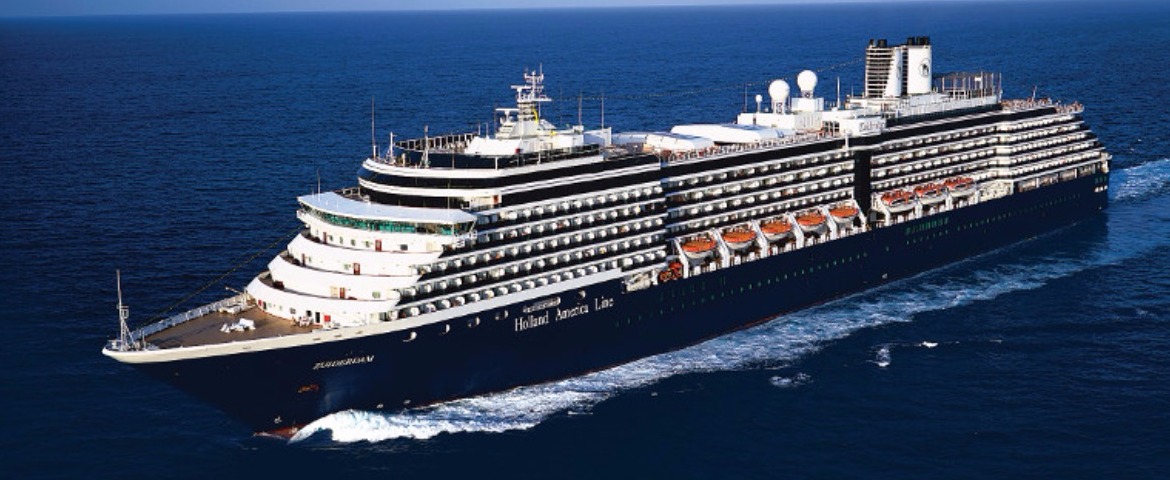
ms Zuiderdam
11 Cruises
| 7 August | 28 nights | One-way from Amsterdam to Boston |
450-628-6241
Call us
|
| 14 August | 21 nights | One-way from Amsterdam to Boston |
450-628-6241
Call us
|
Norwegian Cruise Line (11 Cruises)
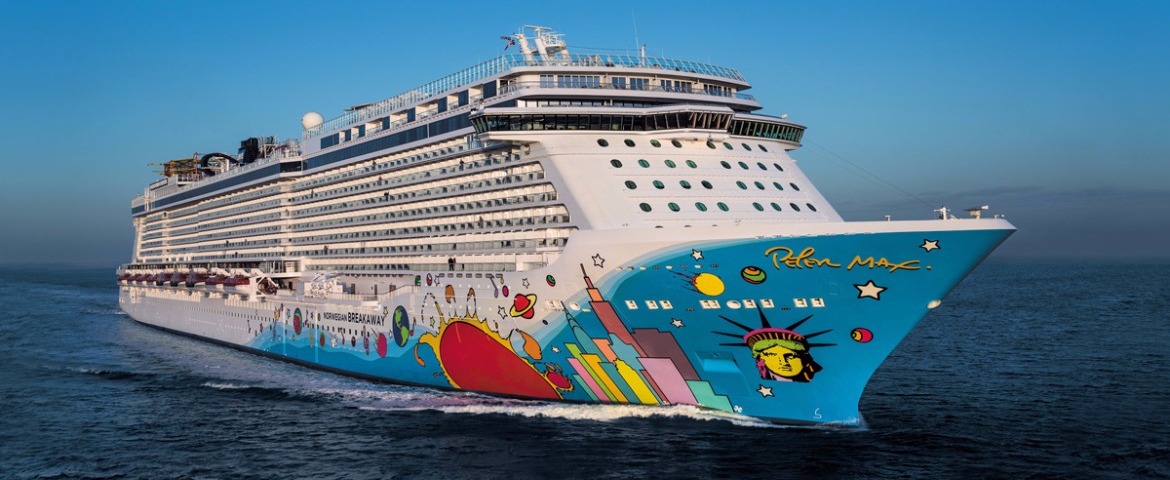
Norwegian Breakaway
7 Cruises

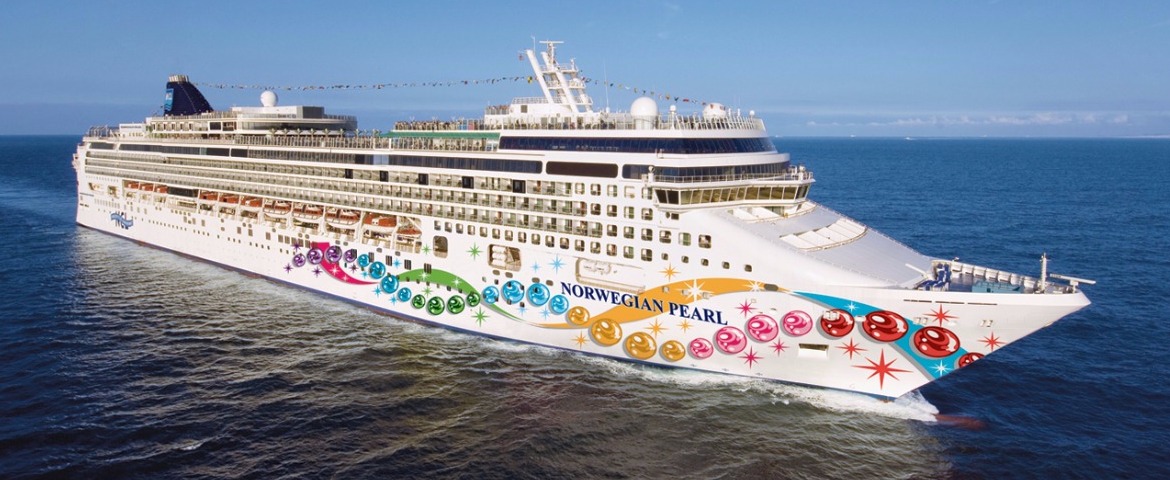
Oceania Cruises (13 Cruises)
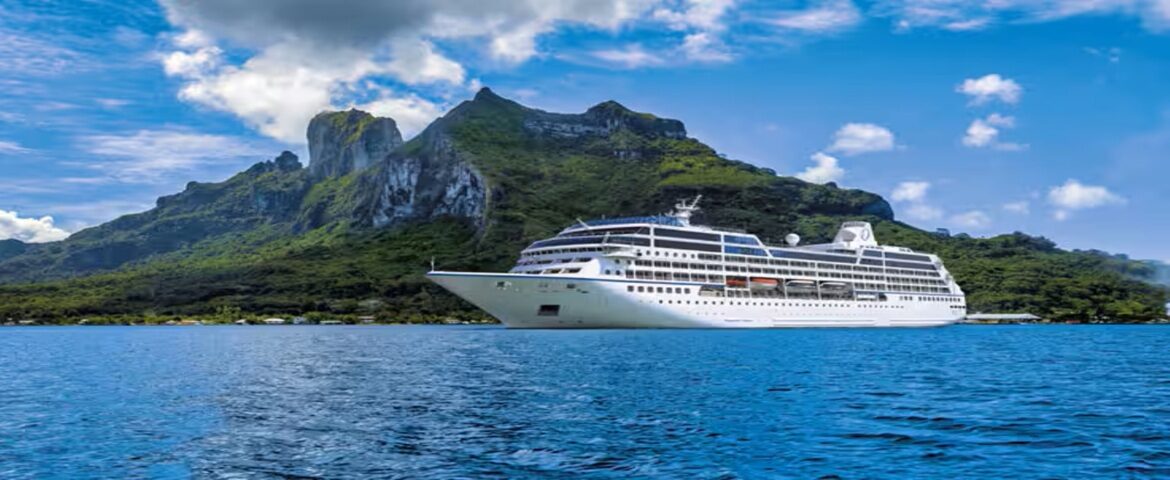

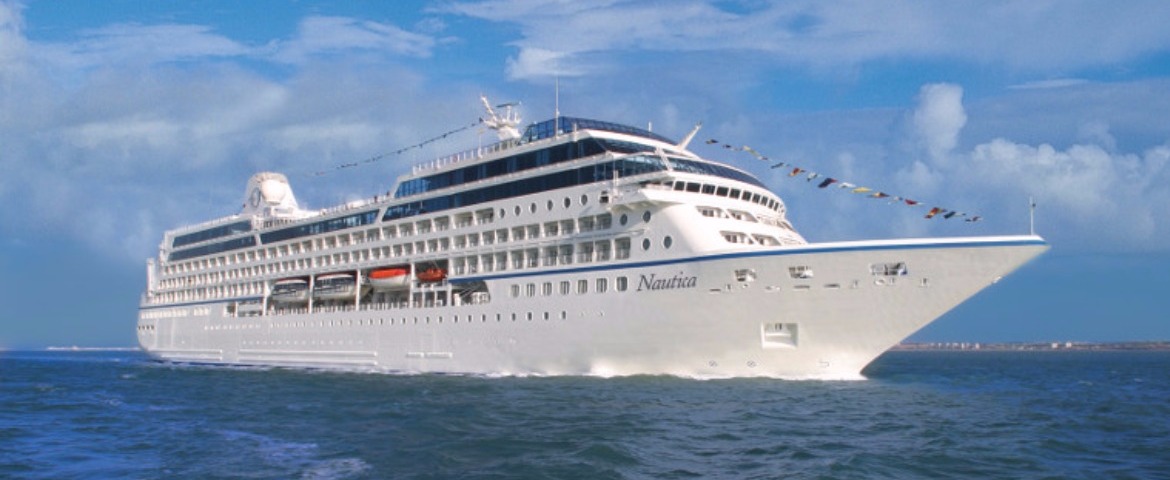
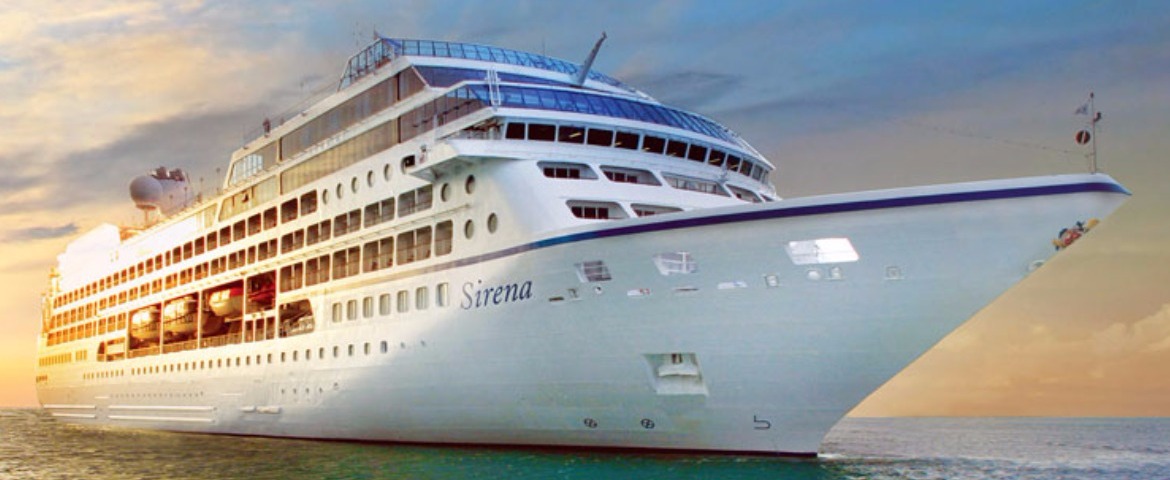
Oceania Vista
6 Cruises
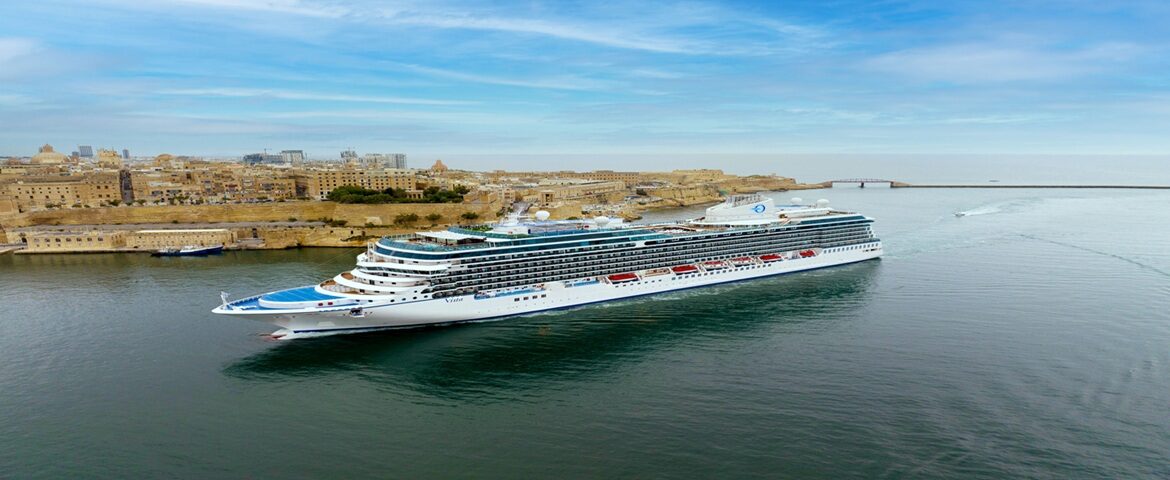
Princess Cruises (13 Cruises)
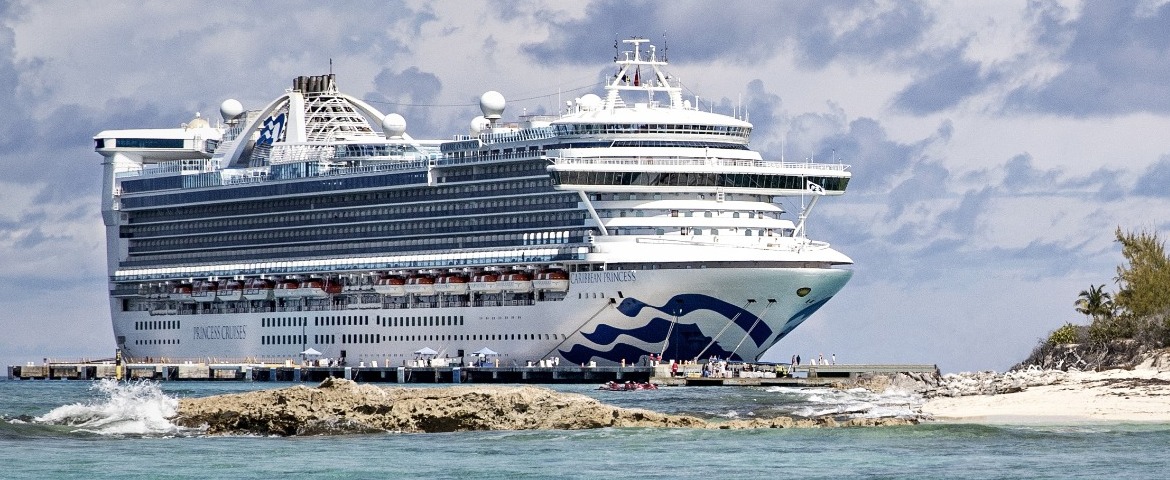
Caribbean Princess
4 Cruises
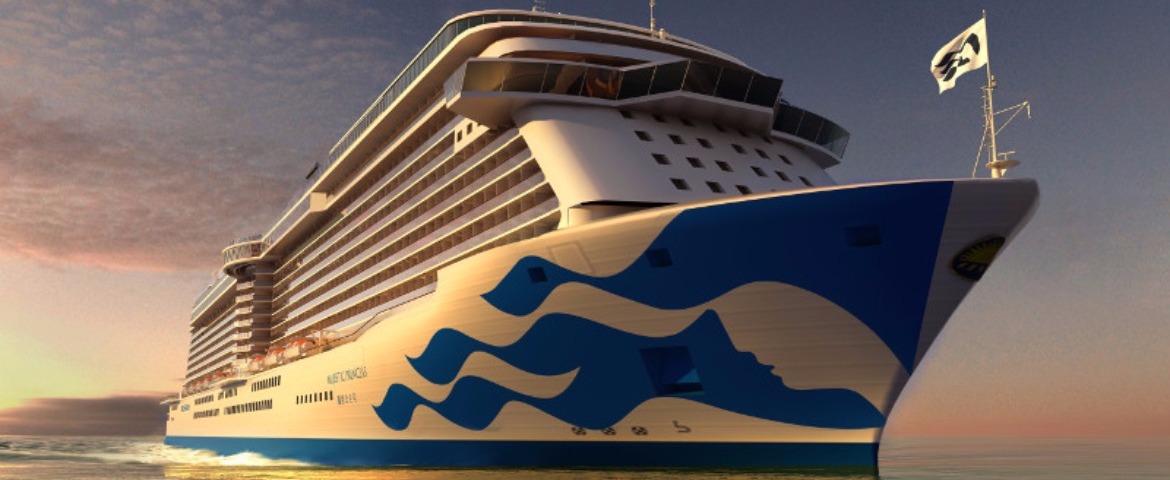
Regal Princess
8 Cruises
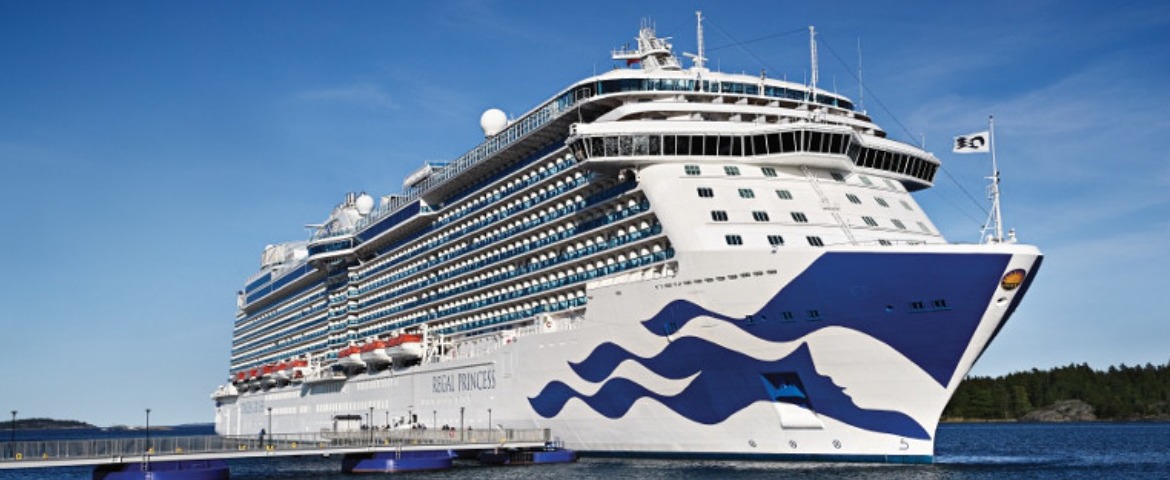
| 18 September | 7 nights | Round-trip from New York, USA |
450-628-6241
Call us
|
| 25 September | 7 nights | Round-trip from New York, USA |
450-628-6241
Call us
|
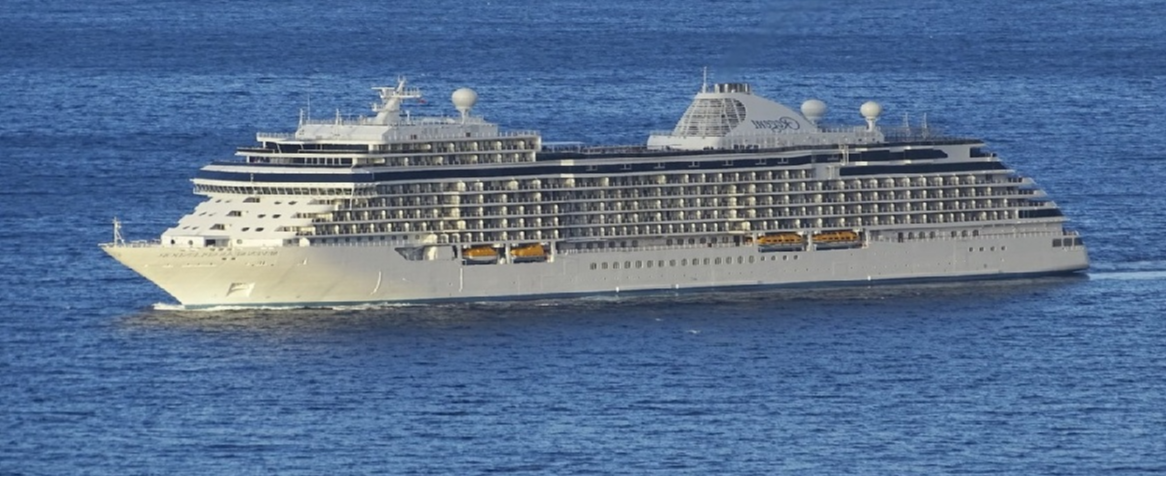

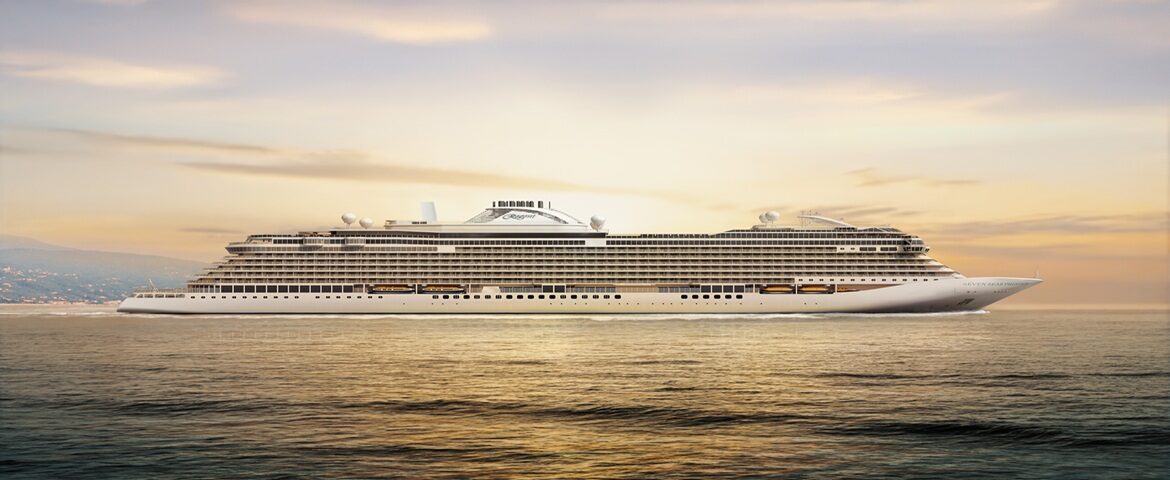


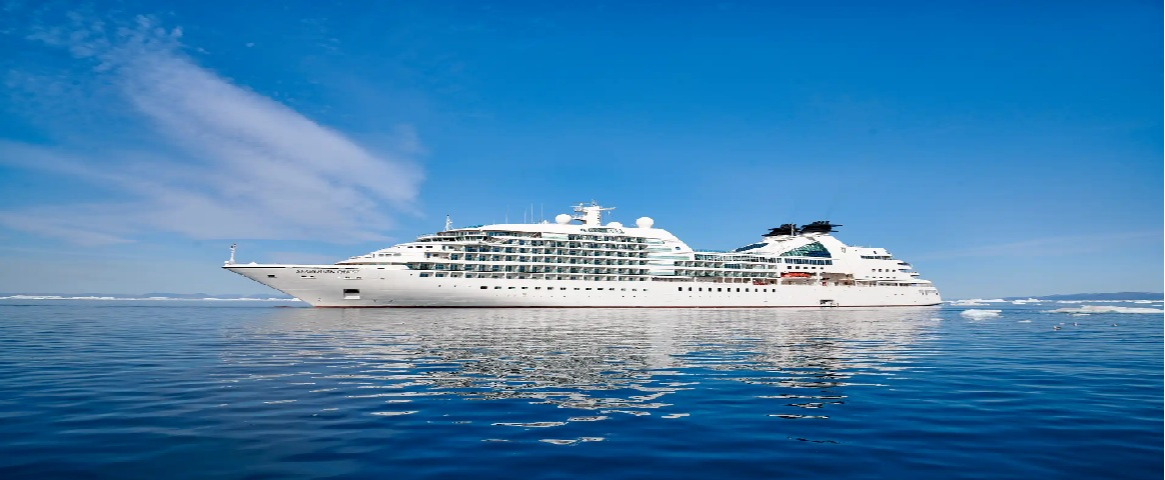
Seabourn Cruise Line (2 Cruises)

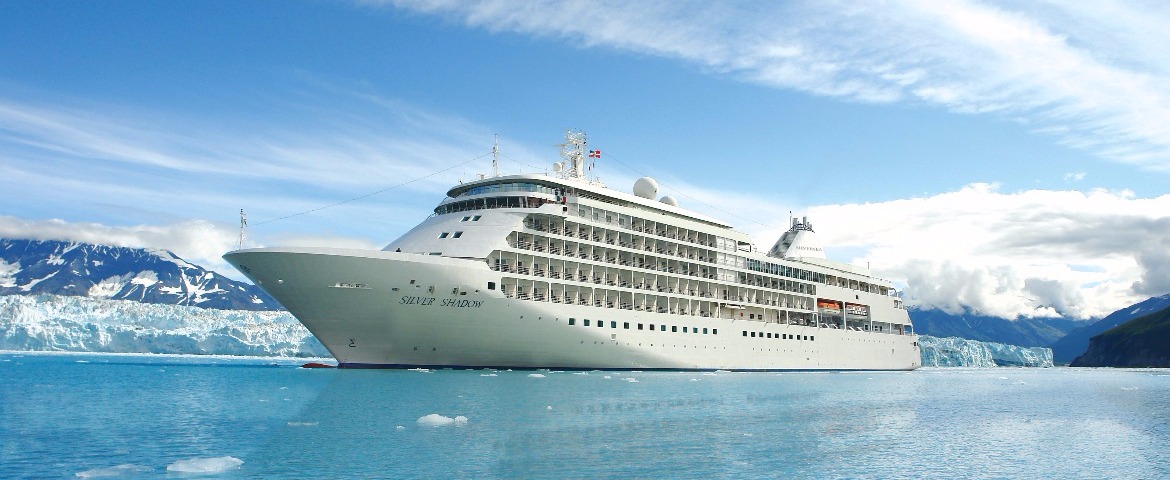
Silversea Cruises (4 Cruises)

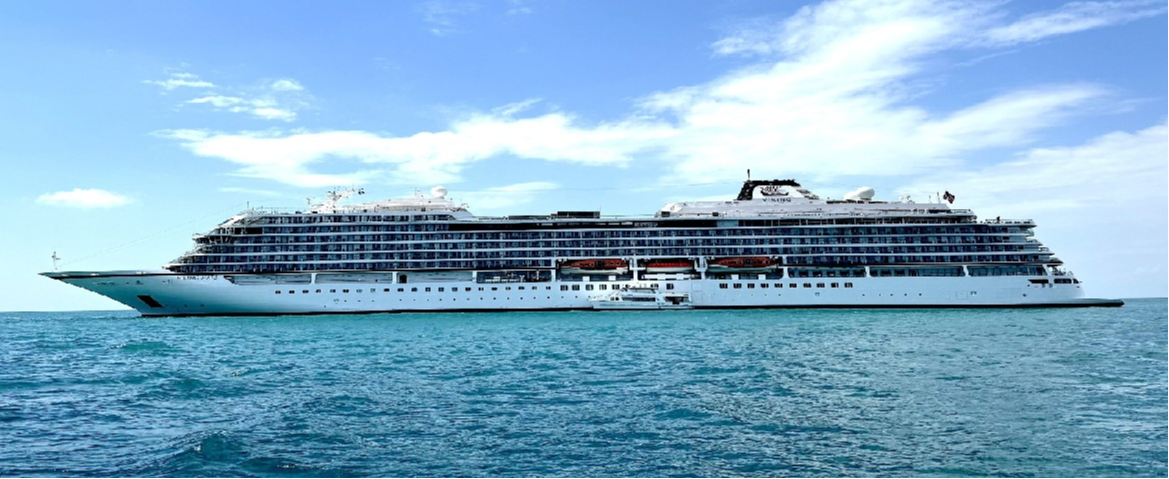
Viking Ocean Cruises (1 Cruises)

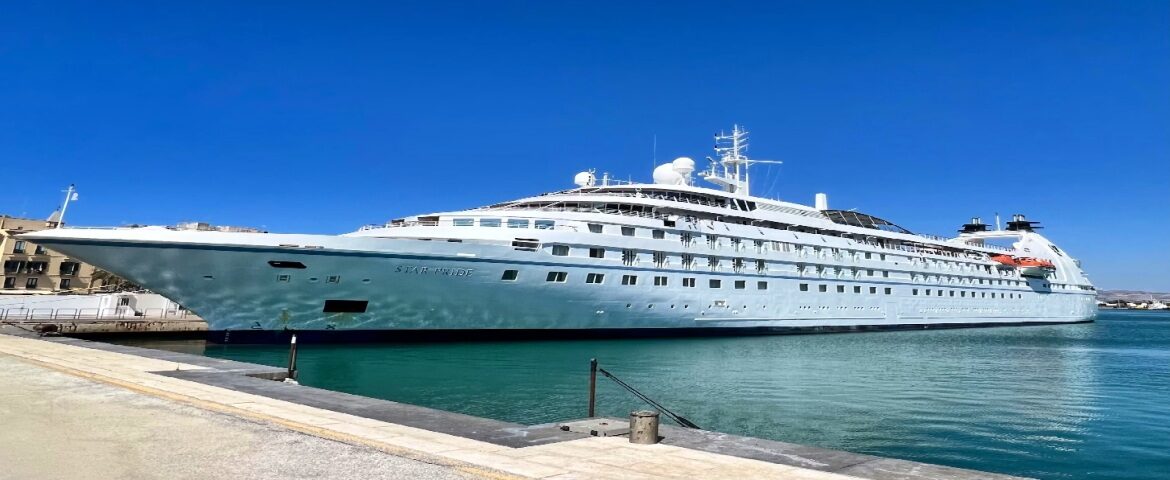
Windstar Cruises (6 Cruises)
Star Pride
6 Cruises


Portland, Maine | Cruise Port Guide
Frequently Asked Questions
At the Ocean Gateway terminal on the waterfront. The Old Port begins a five-minute walk from the gangway: few calls put you into the heart of things so quickly.
Yes, for the essentials. The Old Port, the Munjoy Hill observatory, the Eastern Promenade and the Portland Museum of Art are all walkable. Only Portland Head Light, about seven kilometres away, needs a vehicle.
The Old Port and its cobbled streets with a lobster roll in hand; the climb to the Munjoy Hill observatory for the view over Casco Bay; then, if time allows, the excursion to Portland Head Light.
An octagonal timber tower built in 1807 on top of Munjoy Hill, the last maritime signal tower still standing in the United States. Merchants were once alerted to their ships' arrival by flags flown here; the guided tour reaches the top, with views over Casco Bay and its wooded islands.
The most photographed lighthouse in New England, in service since 1791, in Fort Williams Park at Cape Elizabeth, about seven kilometres from downtown. Its white tower with a red cap stands on a dark rocky headland battered by the sea.
Almost anywhere in the Old Port: the city has made it a signature, served on a buttered grilled roll from the humblest counter to the most sought-after tables. The nineteenth-century red brick warehouses hold one of the most respected food scenes on the east coast.
A remarkable collection devoted to the artists who shaped the image of Maine: Winslow Homer and his heavy seas, along with Edward Hopper, Andrew Wyeth and the American Impressionists. The main building was designed by I. M. Pei's firm. An hour covers the essentials.
Yes, and it shows from the terminal. Lobster traps stack up on the timber wharves, boats come in with the tide and the gulls set the tone. The old warehouses were saved from demolition rather than replaced.
The US dollar, and cards work everywhere: restaurants, craft breweries, museums, Old Port shops. Some cash remains handy for tips.
June through October. Summer is mild and lively; September and October bring New England colour, superb light over the bay and fewer people in the Old Port.


