Zadar Croatia
524
Cruises availables
At departure or passage at this port
Azamara Club Cruises (29 Cruises)
Azamara Journey
11 Cruises
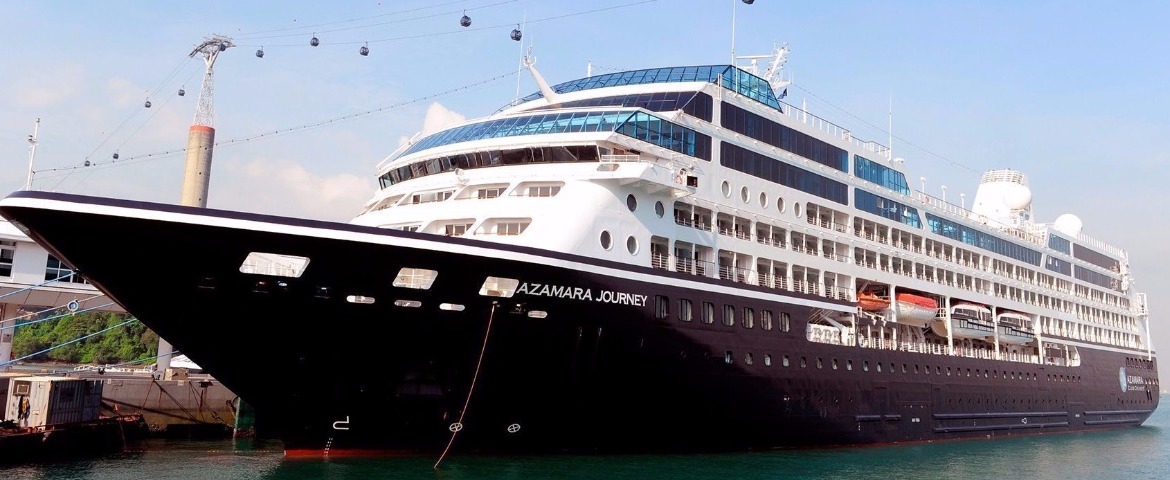

| 9 September | 40 nights | One-way from Portsmouth UK to Piraeus-Athens |
450-628-6241
Call us
|
| 29 September | 11 nights | One-way from Barcelona to Venice |
450-628-6241
Call us
|
Azamara Onward
16 Cruises
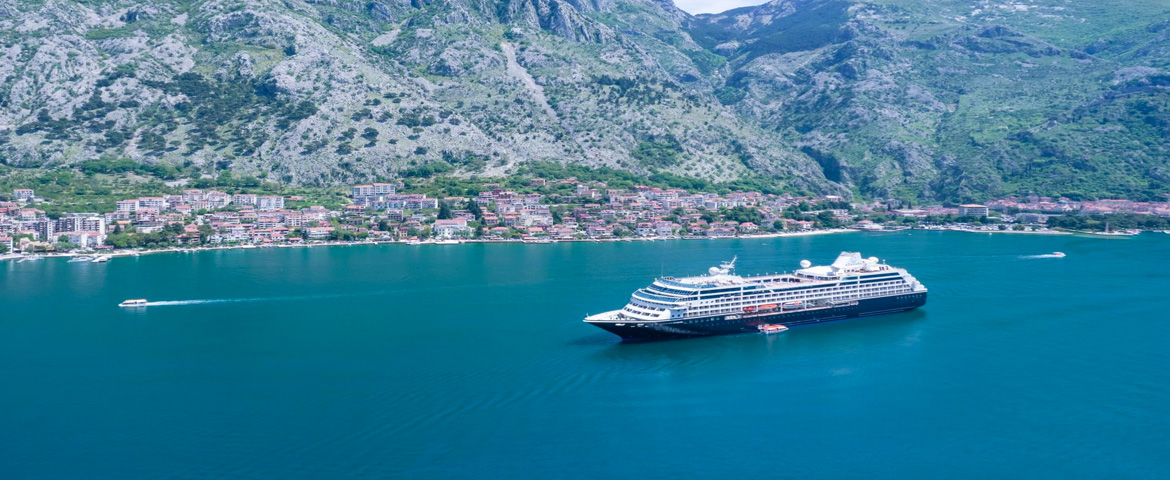
| 8 June | 21 nights | One-way from Barcelona to Piraeus-Athens |
450-628-6241
Call us
|
| 20 June | 9 nights | One-way from Venice to Piraeus-Athens |
450-628-6241
Call us
|

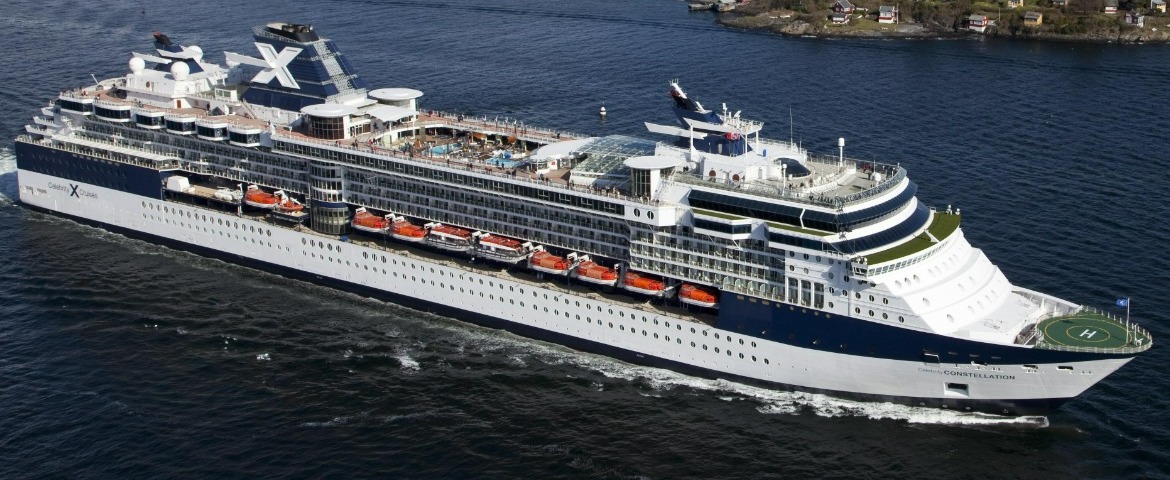
Celebrity Cruises (1 Cruises)

Costa Cruises (27 Cruises)
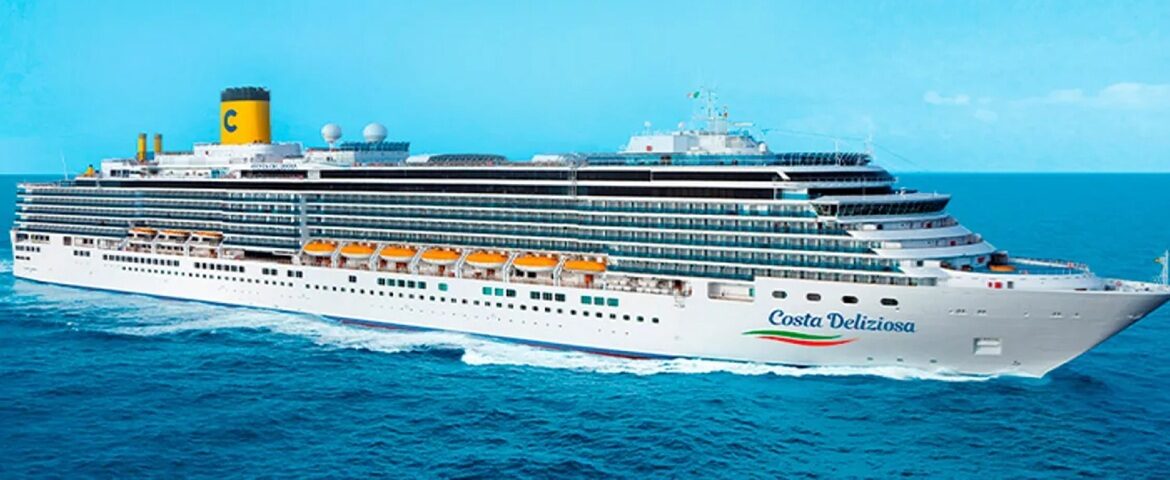
Costa Deliziosa
27 Cruises

Crystal Cruises (7 Cruises)
Crystal Grace
7 Cruises
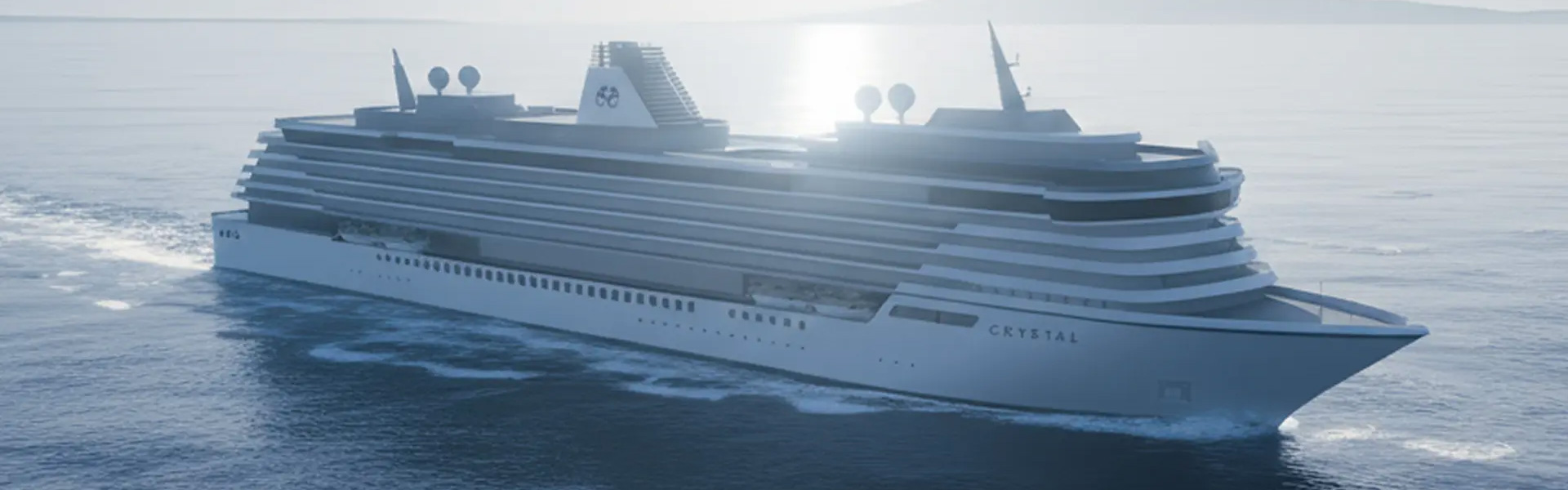

Cunard (82 Cruises)
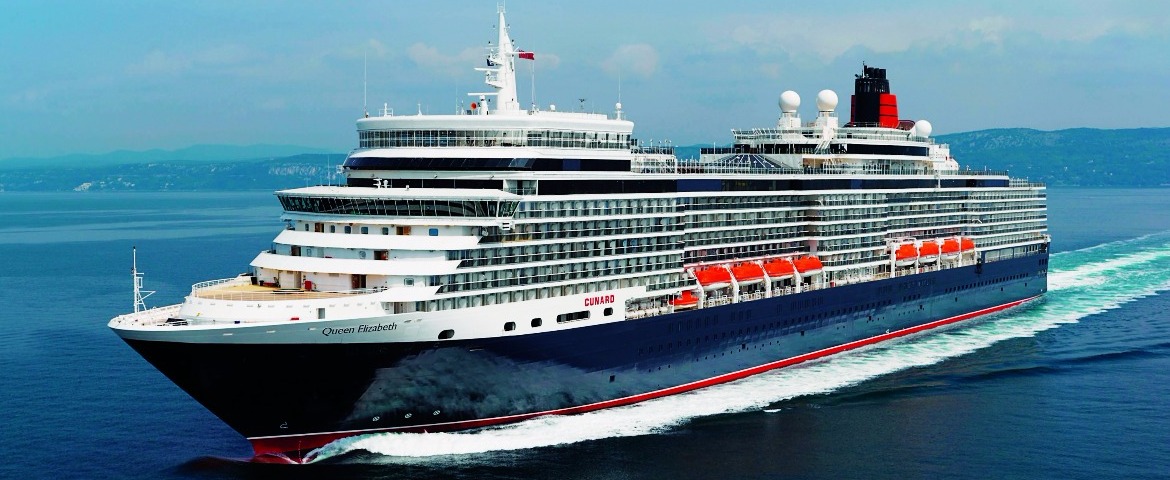
Queen Elizabeth
82 Cruises

Disney Cruise Line (1 Cruises)

Emerald Waterways (72 Cruises)
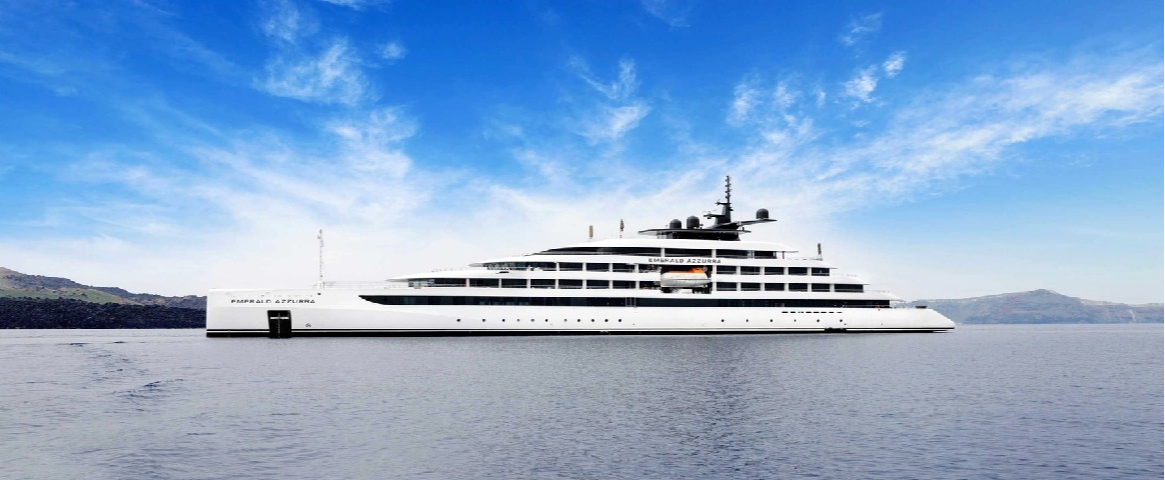
Emerald Azzurra
22 Cruises

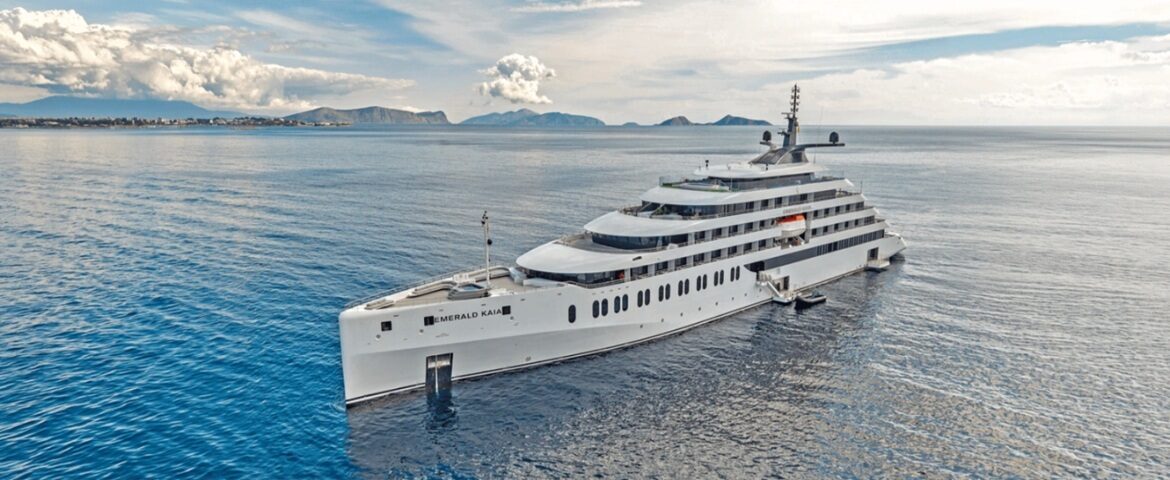
Emerald Kaia
46 Cruises
| 29 May | 7 nights | One-way from Dubrovnik to Venice |
450-628-6241
Call us
|
| 30 May | 5 days | One-way from Dubrovnik to Venice |
450-628-6241
Call us
|
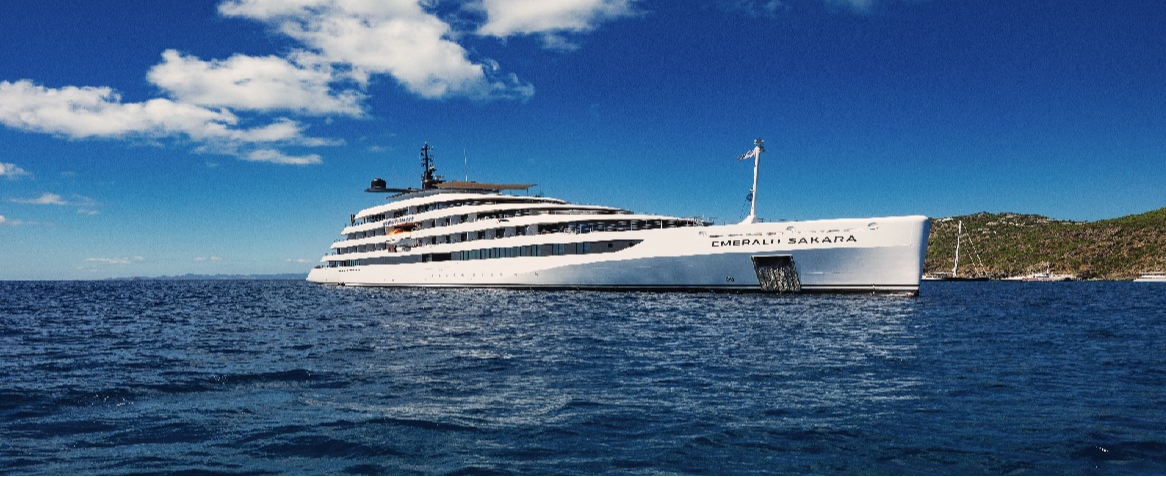
Emerald Sakara
4 Cruises
Explora Journeys (3 Cruises)


Lindblad Expeditions (5 Cruises)

MSC Cruises (21 Cruises)
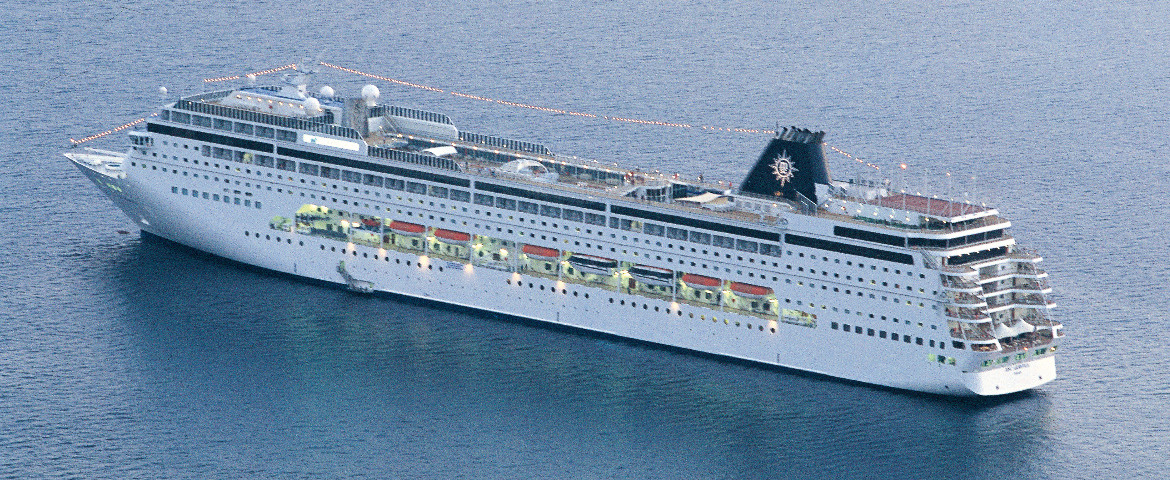
MSC Armonia
21 Cruises

| 28 May | 7 nights | Round-trip from Brindisi, Italy |
From
1293$
|
| 29 May | 7 nights | Round-trip from Split, Croatia |
From
1836$
|
| 30 May | 7 nights | Round-trip from Venice, Italy |
From
1281$
|
| 18 June | 7 nights | Round-trip from Brindisi, Italy |
From
1955$
|
| 19 June | 7 nights | Round-trip from Split, Croatia |
From
1253$
|
| 20 June | 7 nights | Round-trip from Venice, Italy |
From
1365$
|
| 30 July | 7 nights | Round-trip from Brindisi, Italy |
From
2173$
|
| 31 July | 7 nights | Round-trip from Split, Croatia |
From
1535$
|
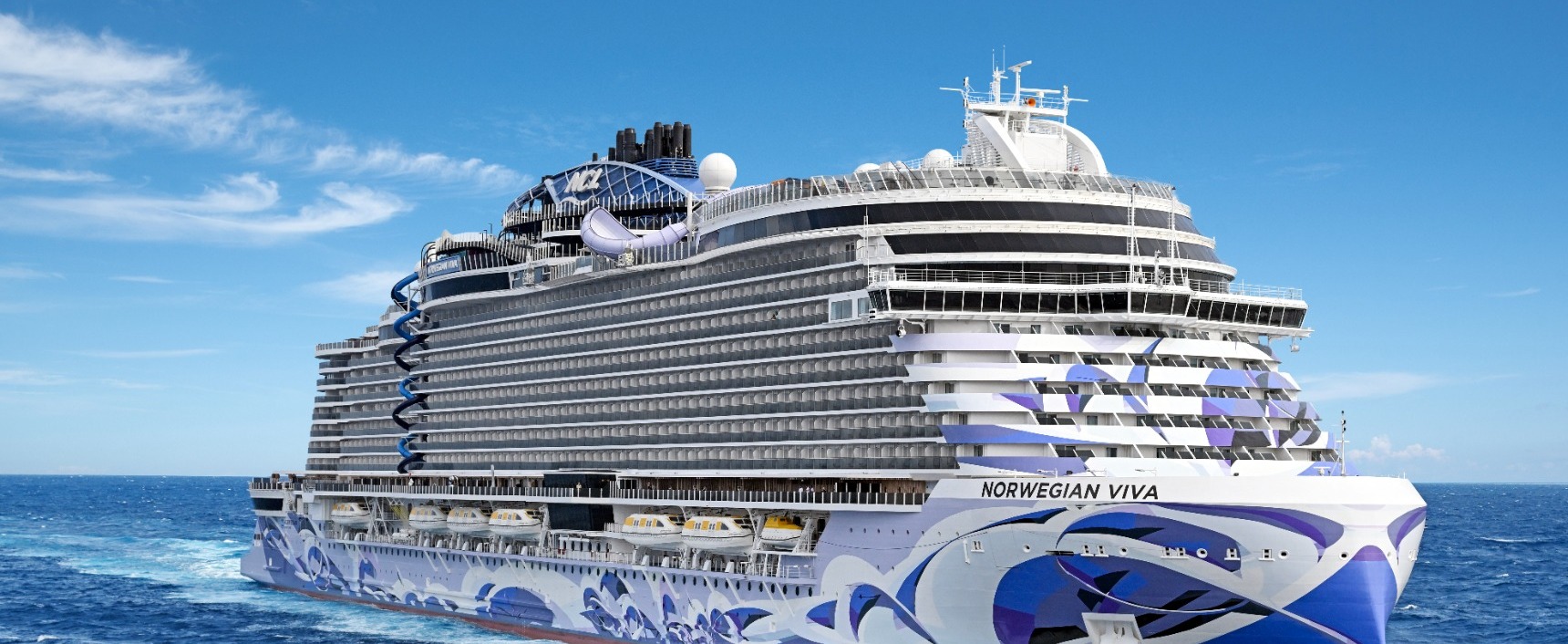
Norwegian Cruise Line (14 Cruises)
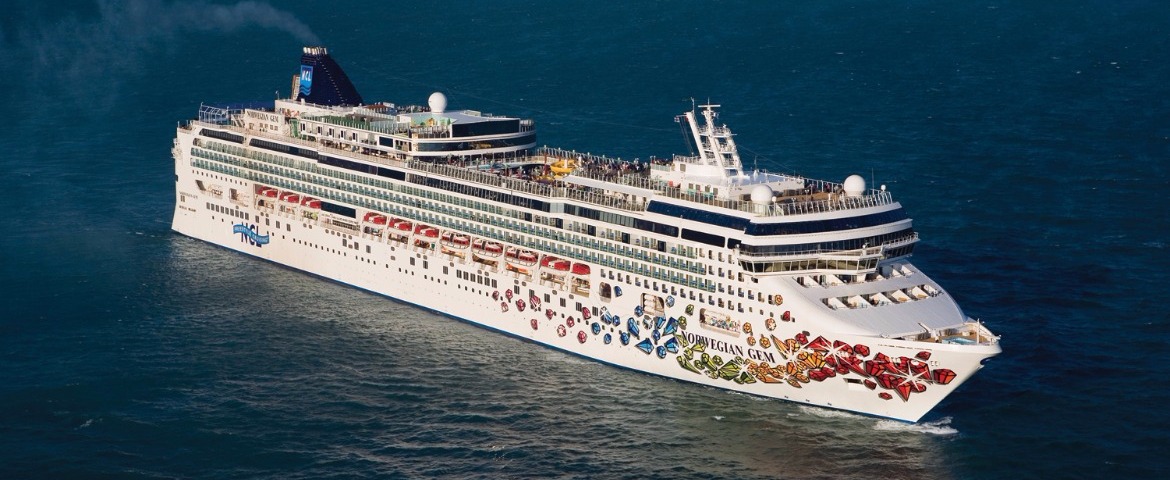
Norwegian Gem
7 Cruises

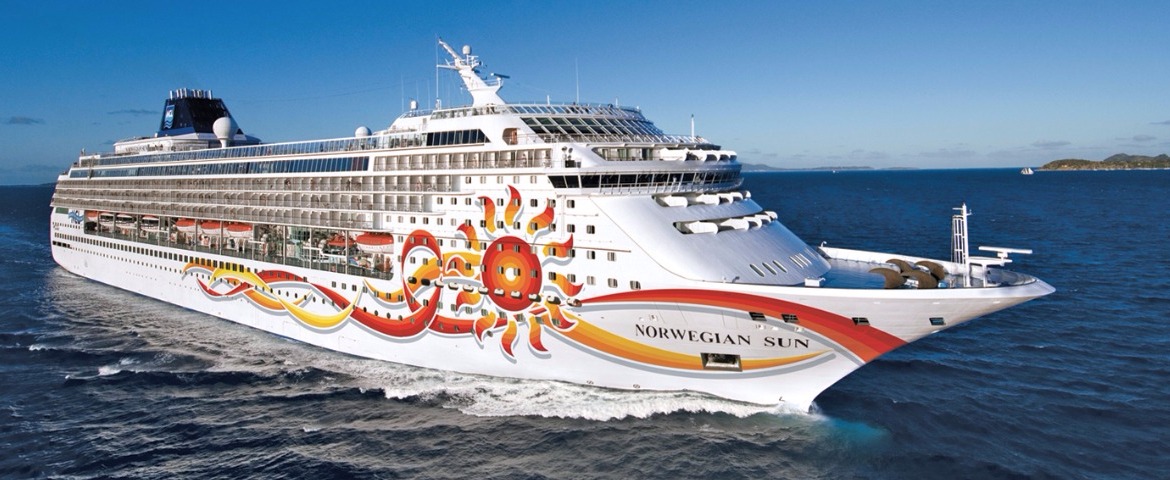
Norwegian Sun
6 Cruises
Oceania Cruises (51 Cruises)
Oceania Allura
19 Cruises

| 18 June | 21 nights | One-way from Trieste to Barcelona |
450-628-6241
Call us
|
| 18 June | 7 nights | One-way from Trieste to Piraeus-Athens |
450-628-6241
Call us
|
| 1 May | 10 nights | One-way from Civitavecchia-Rome to Trieste |
450-628-6241
Call us
|
| 11 May | 10 nights | One-way from Trieste to Piraeus-Athens |
450-628-6241
Call us
|
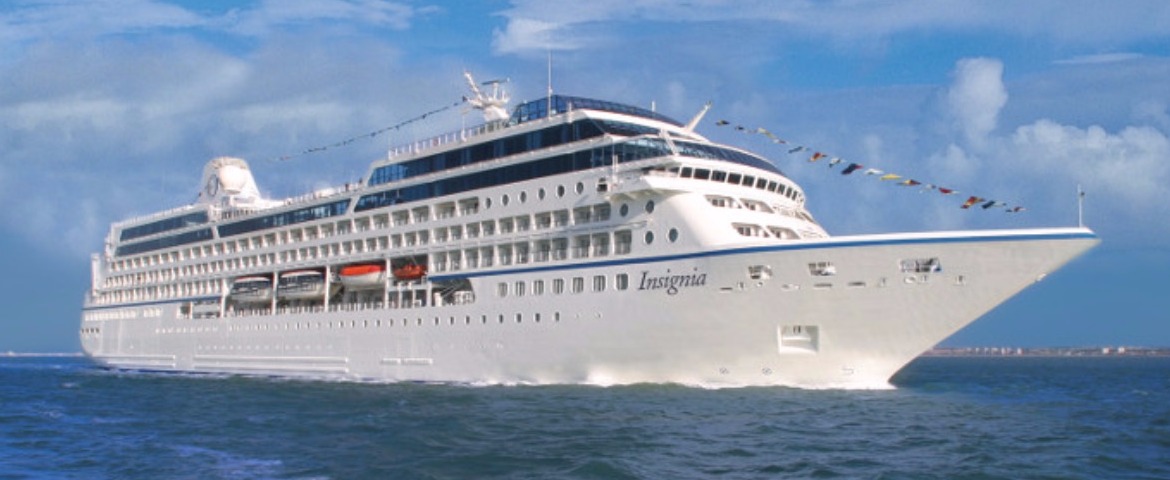
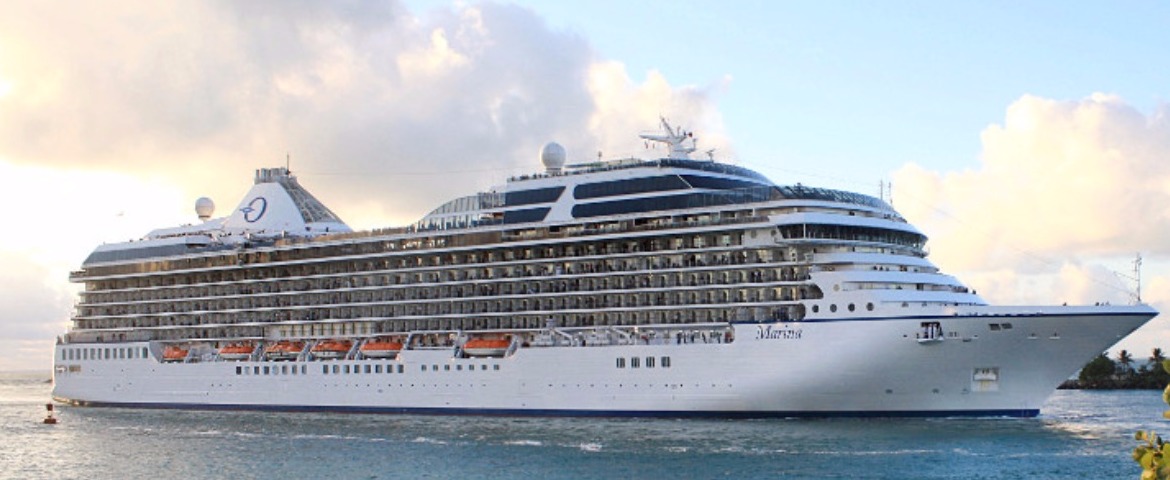
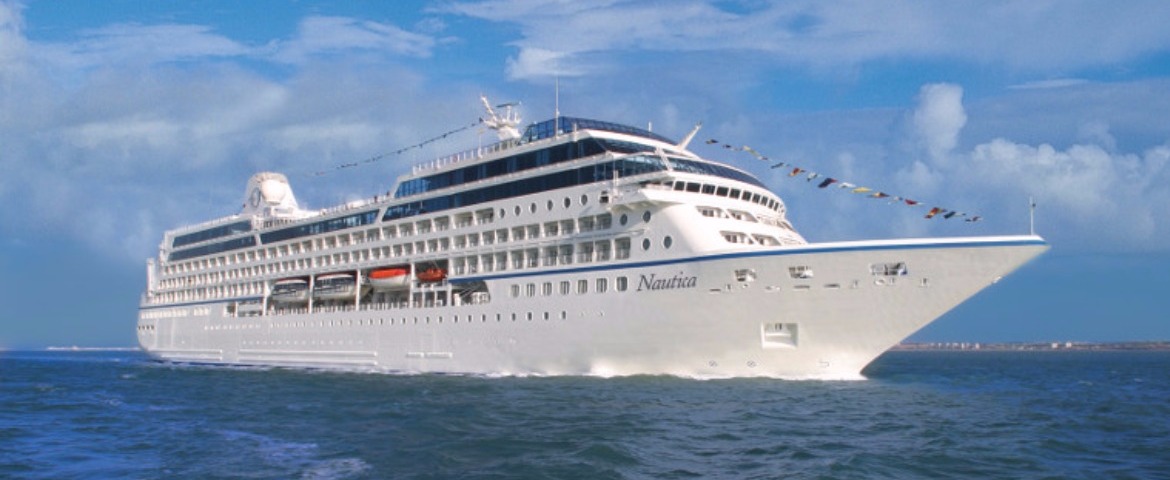
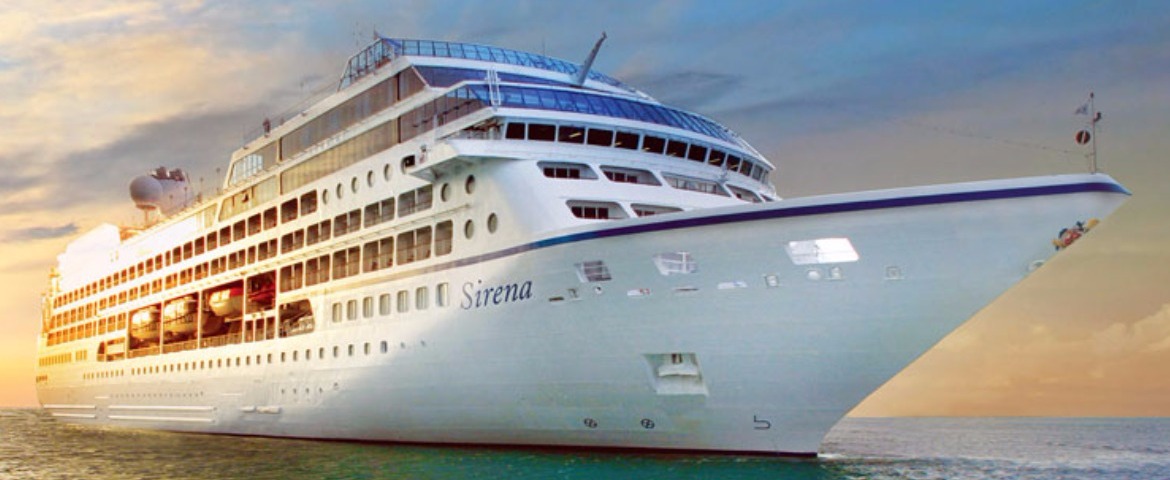
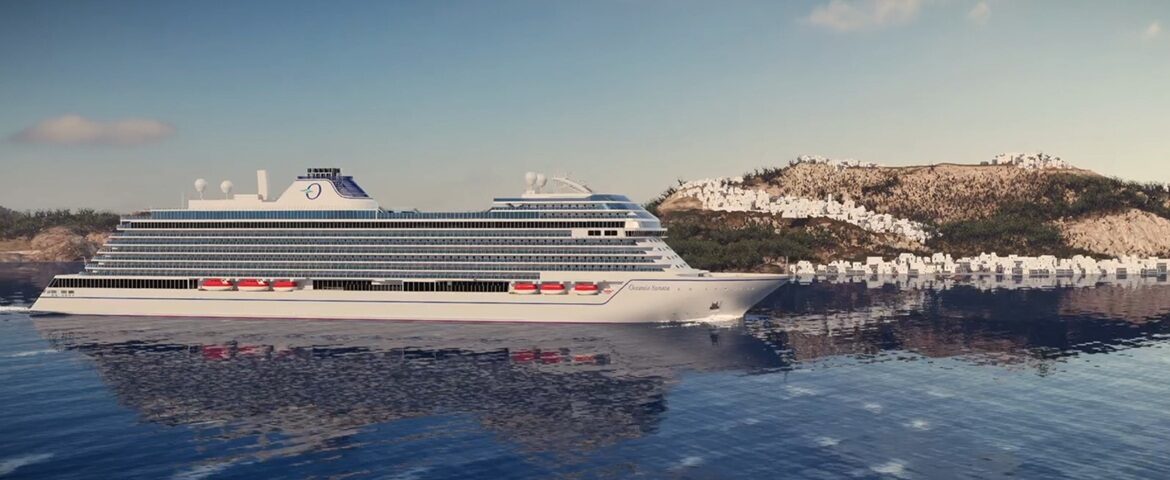
Oceania Sirena
5 Cruises
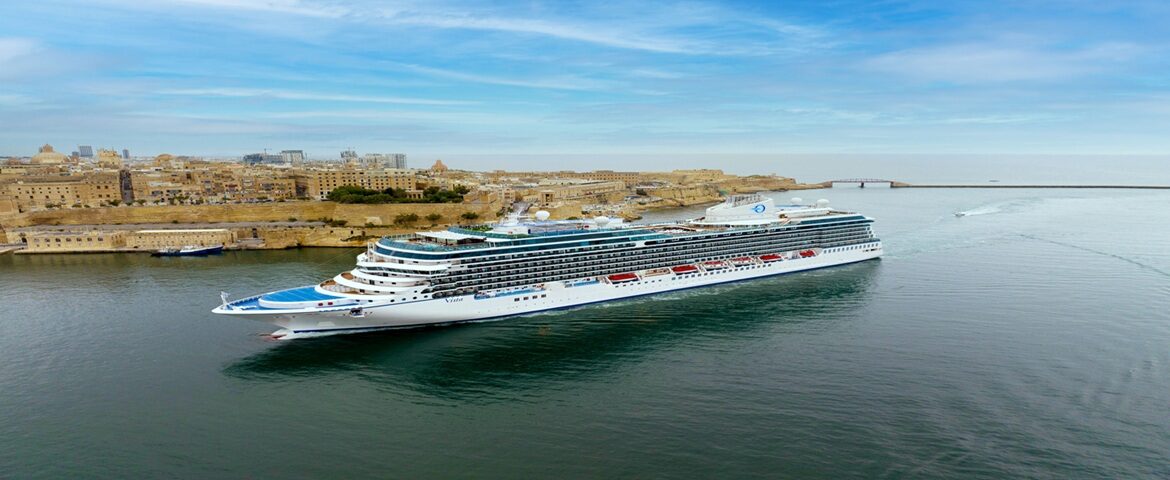
Oceania Vista
6 Cruises
| 6 January | 180 days | One-way from Miami to Southampton |
450-628-6241
Call us
|
| 6 January | 244 days | One-way from Miami to New York |
450-628-6241
Call us
|
Princess Cruises (17 Cruises)
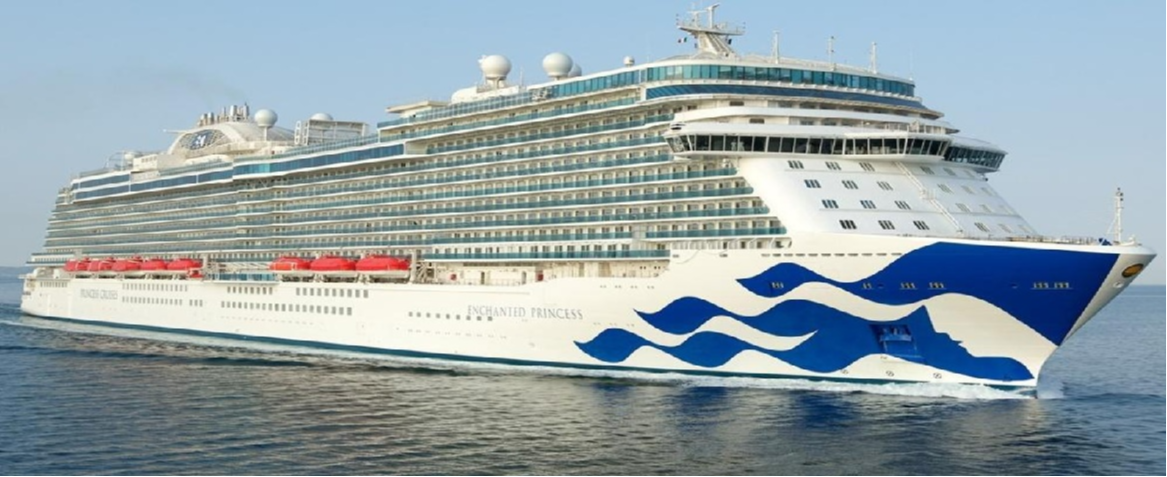
Enchanted Princess
17 Cruises

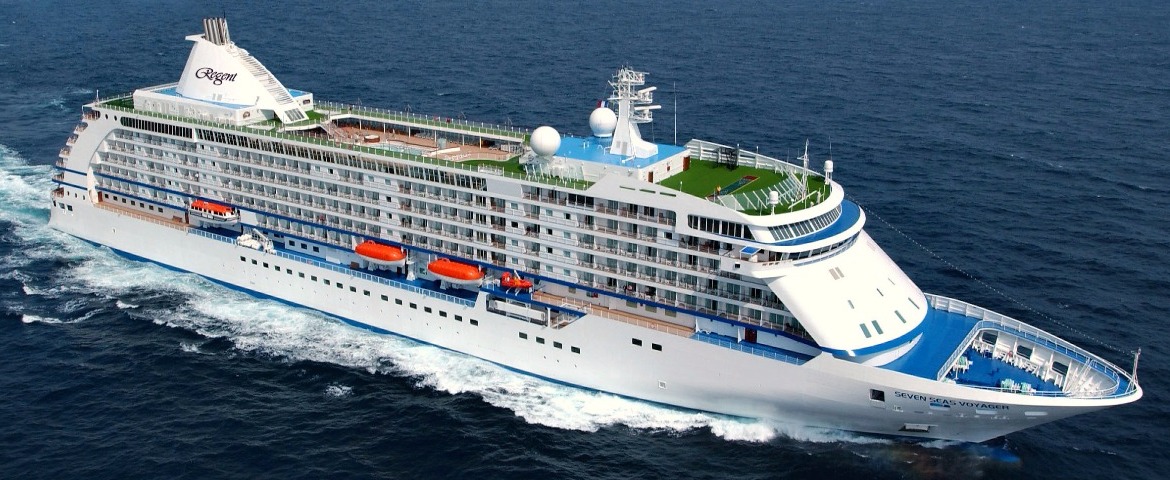
Regent Seven Seas Cruises (19 Cruises)
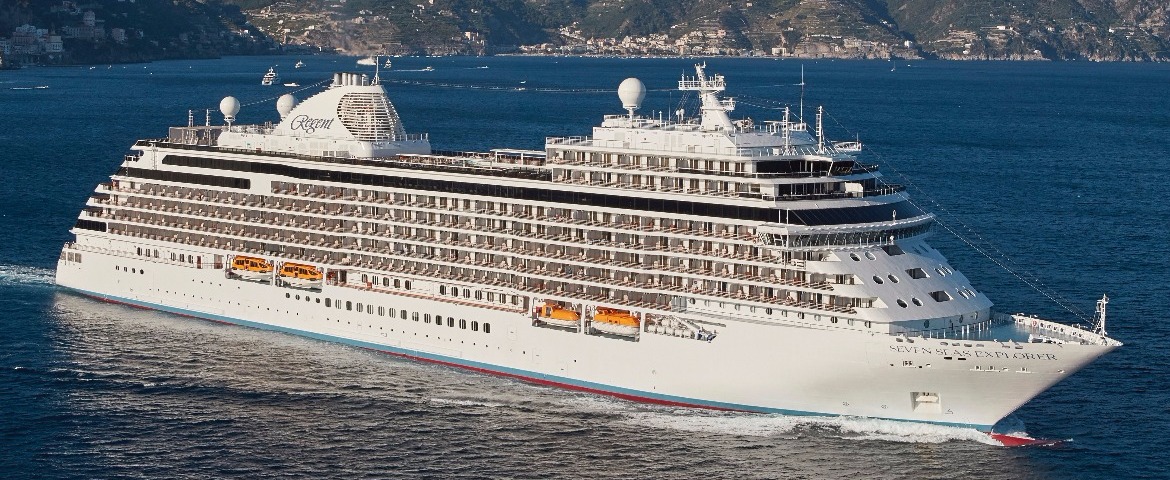

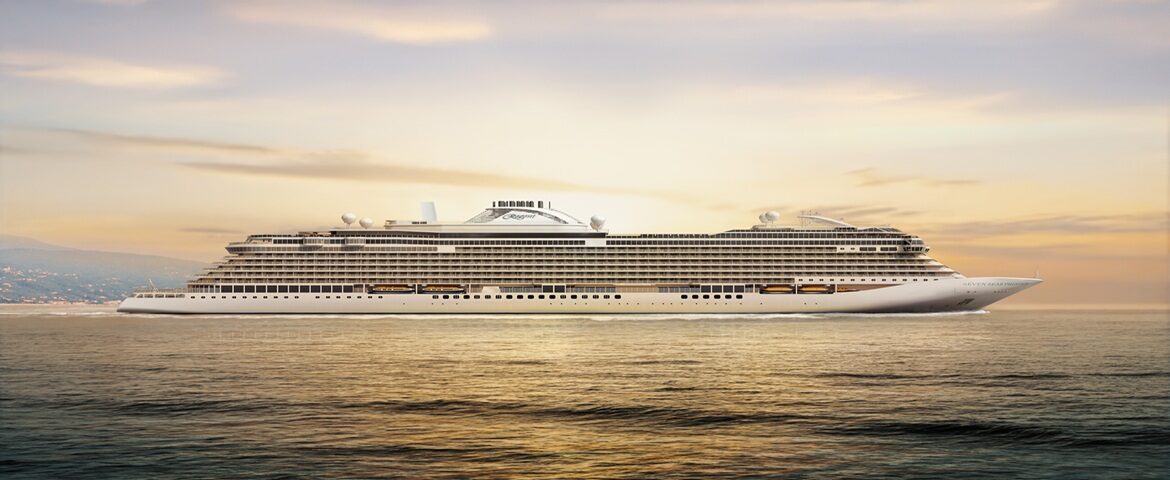
Seven Seas Grandeur
8 Cruises
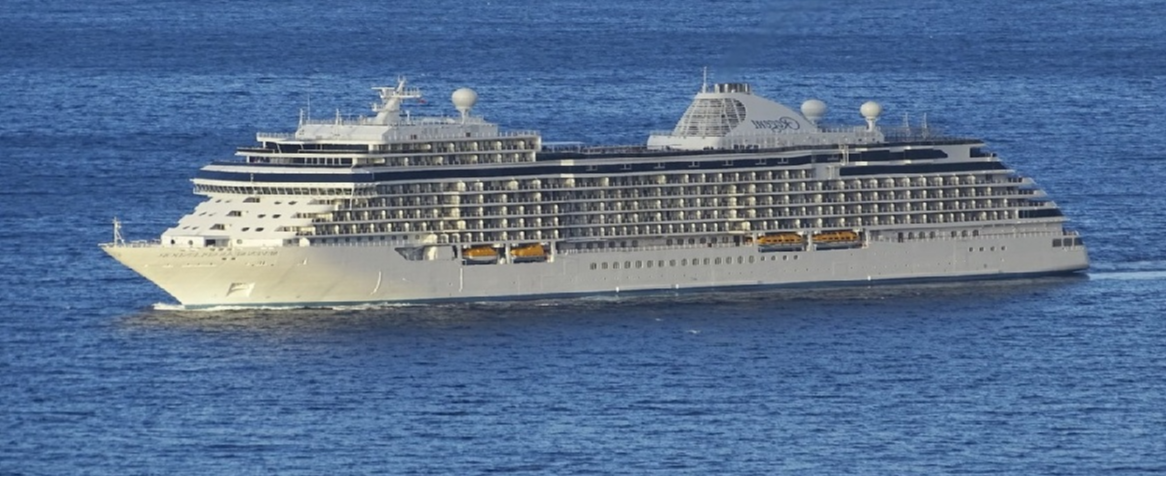
Seven Seas Prestige
8 Cruises
Royal Caribbean Cruises (6 Cruises)




Seabourn Cruise Line (54 Cruises)
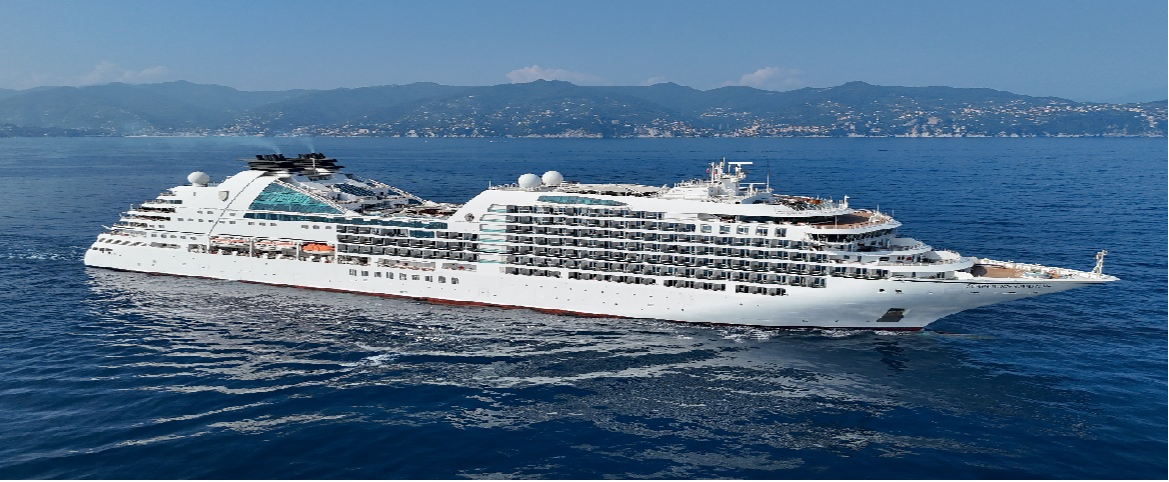
Seabourn Ovation
54 Cruises

SeaDream Yacht Club (5 Cruises)

Silversea Cruises (25 Cruises)

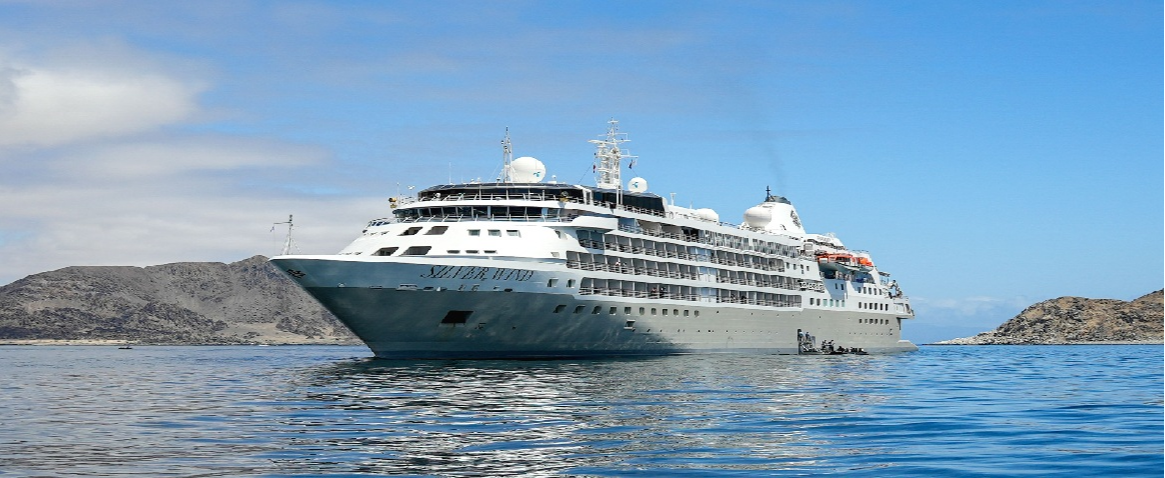
Silver Ray
11 Cruises
| 24 April | 19 nights | One-way from Civitavecchia-Rome to Piraeus-Athens |
450-628-6241
Call us
|
| 24 April | 10 nights | One-way from Civitavecchia-Rome to Venice |
450-628-6241
Call us
|
| 6 July | 9 nights | One-way from Piraeus-Athens to Venice |
450-628-6241
Call us
|
| 6 July | 16 nights | One-way from Piraeus-Athens to Civitavecchia-Rome |
450-628-6241
Call us
|
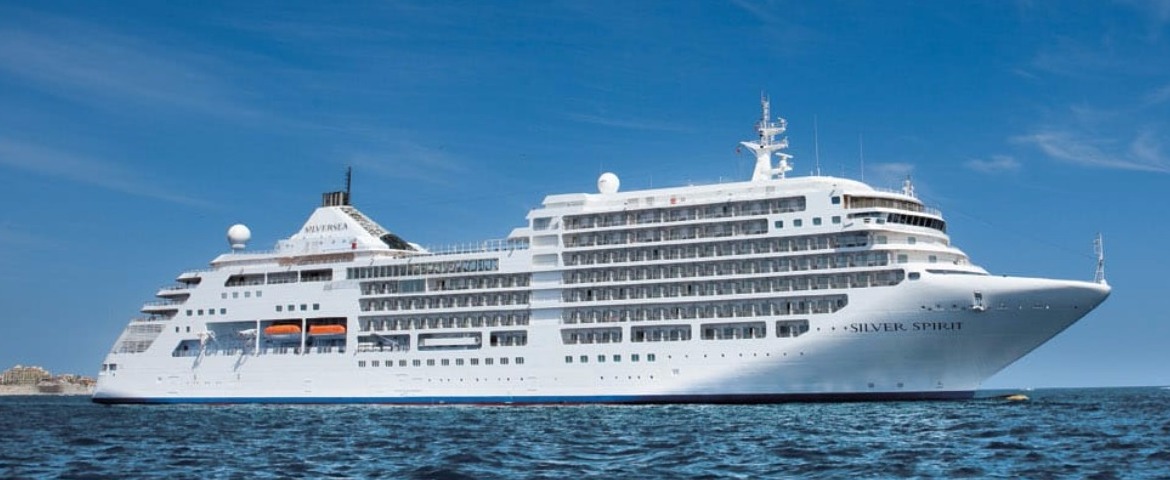
Silver Spirit
5 Cruises
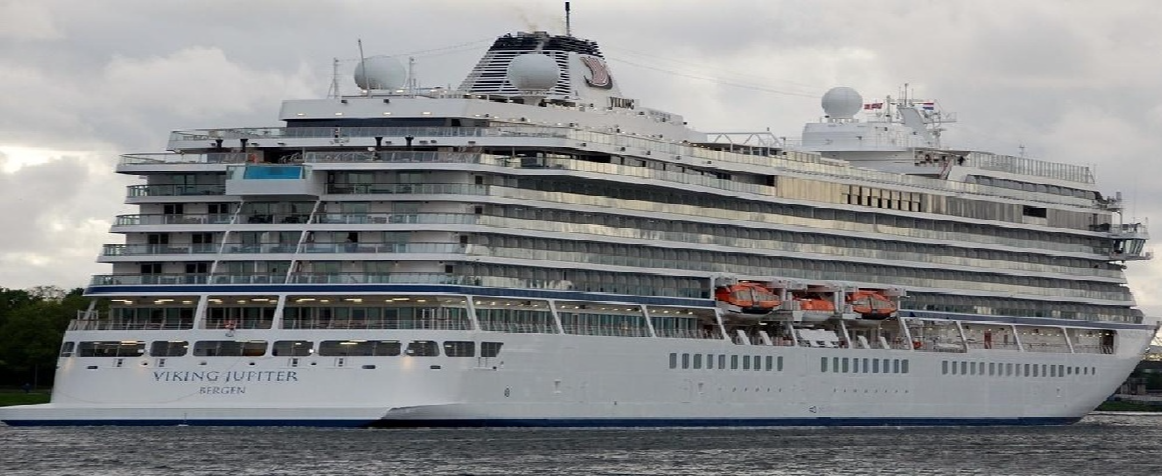
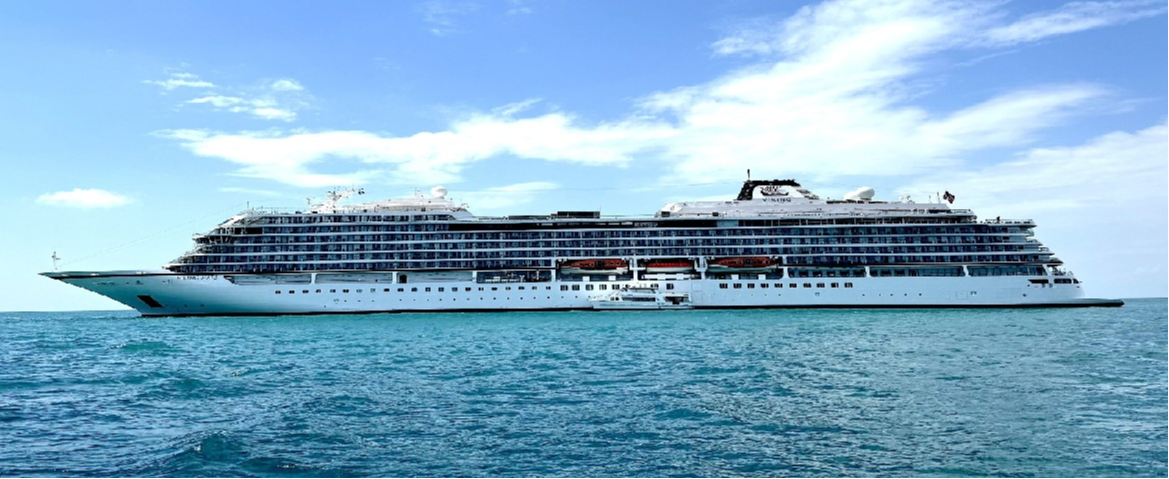
Viking Ocean Cruises (53 Cruises)

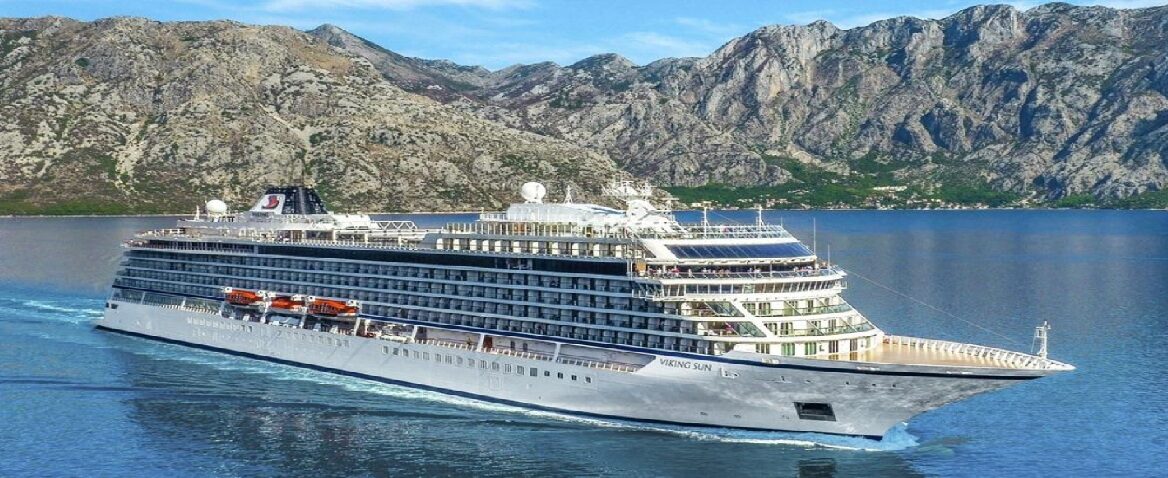
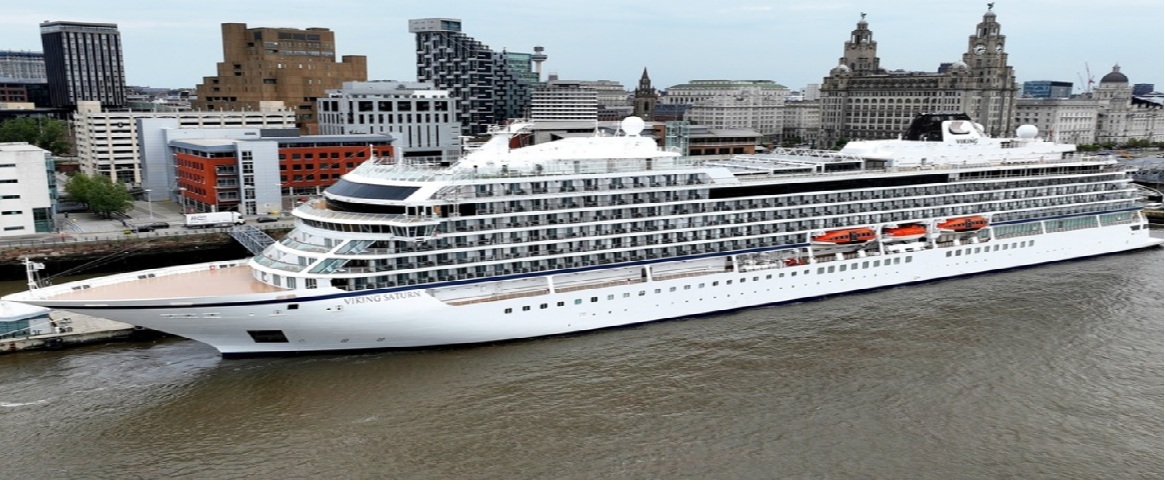
Viking Sea
9 Cruises
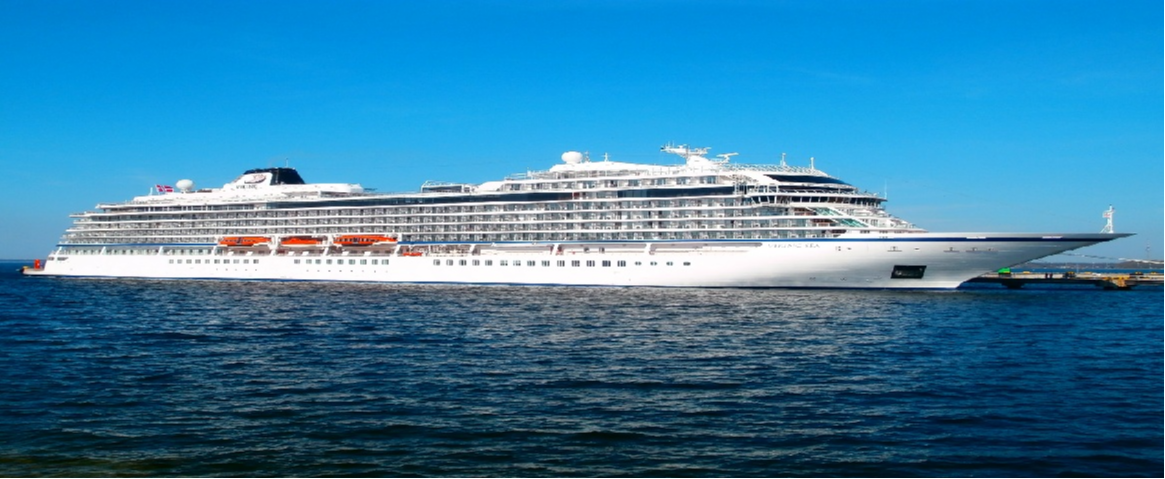
Viking Sky
10 Cruises
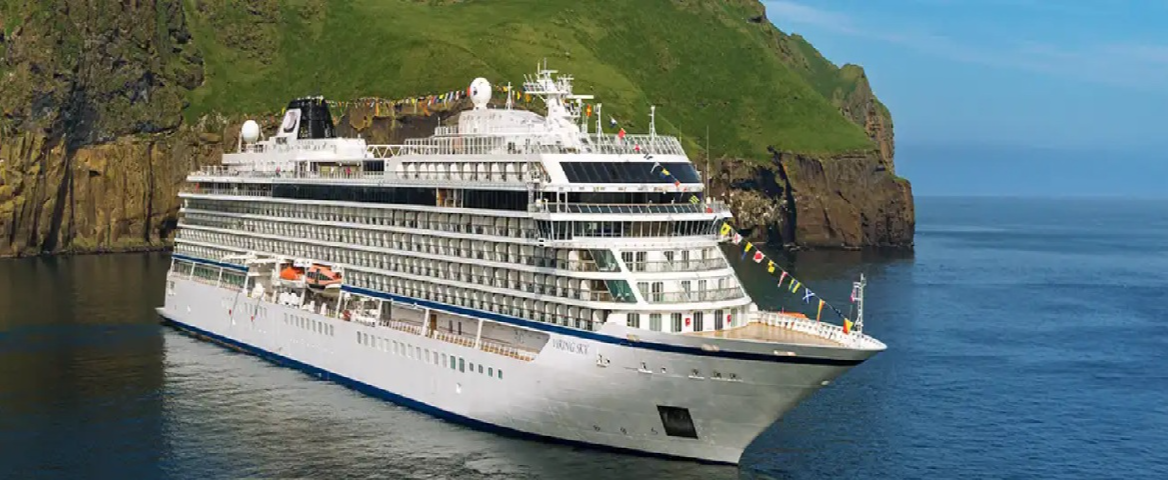
Viking Star
17 Cruises
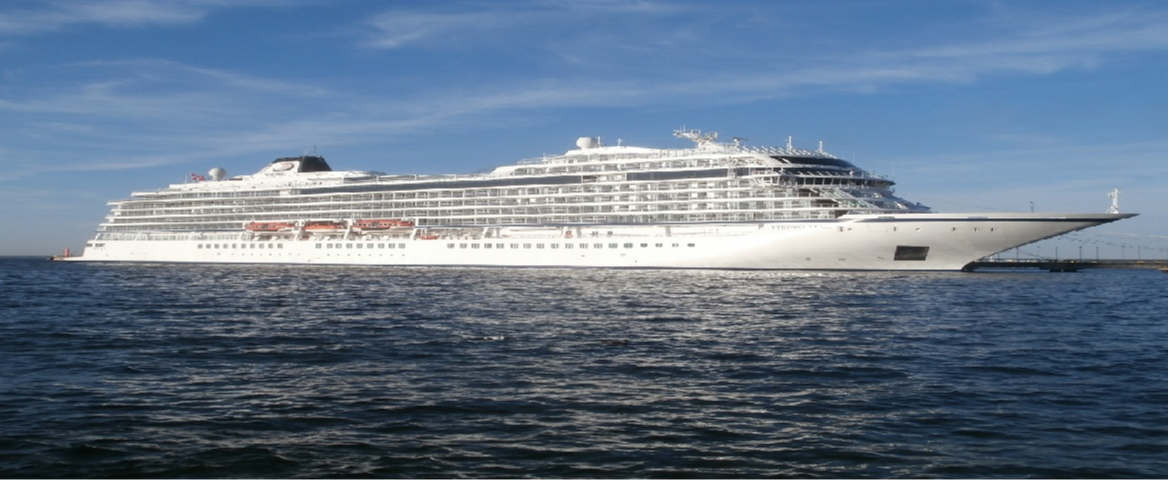
| 14 June | 8 nights | One-way from Venice to Piraeus-Athens |
450-628-6241
Call us
|
| 24 June | 8 nights | One-way from Piraeus-Athens to Venice |
450-628-6241
Call us
|
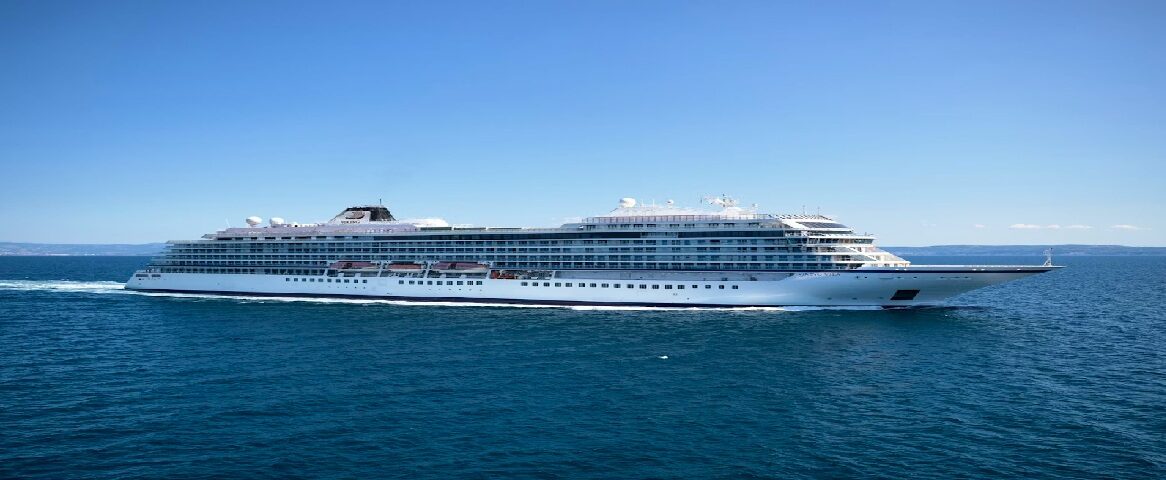
Viking Vela
8 Cruises
Windstar Cruises (25 Cruises)
Wind Spirit
25 Cruises
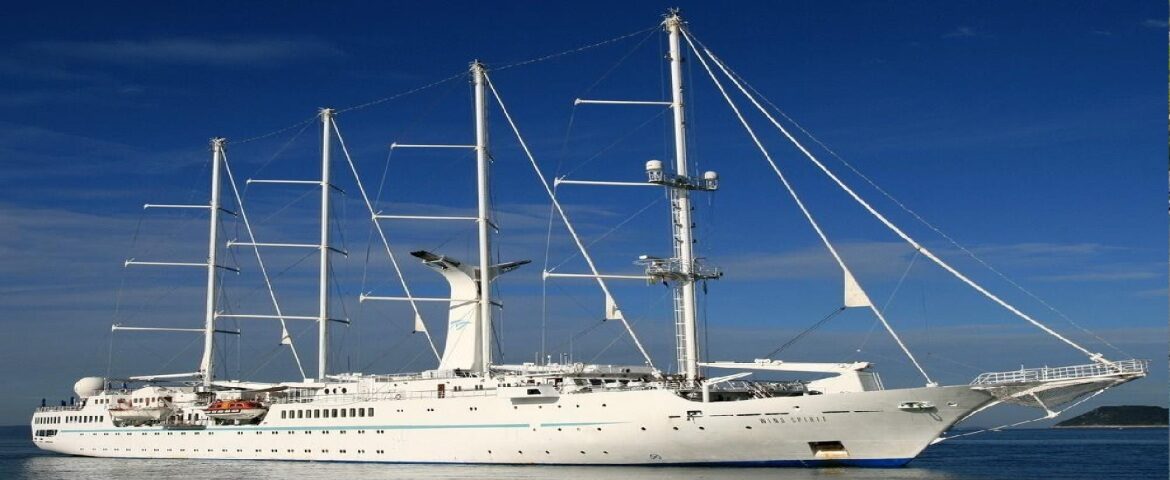

| 2 May | 7 nights | One-way from Venice to Dubrovnik |
450-628-6241
Call us
|
| 2 May | 14 nights | Round-trip from Venice, Italy |
450-628-6241
Call us
|
| 2 July | 7 days | One-way from Venice to Dubrovnik |
450-628-6241
Call us
|
| 2 July | 14 days | Round-trip 14 Night Star Collector Adriatic Odyssey Cruise |
450-628-6241
Call us
|

Port of Zadar, Croatia | Cruise Port Guide
Frequently Asked Questions
At the Gaženica terminal, about 4.5 kilometres from the old town. Shuttles cover the distance in fifteen to twenty minutes and drop passengers at the seafront, right by the sea organ.
You can, allow about forty minutes. The coastal path is flat the whole way and works well by bicycle too, in about twenty minutes. The shuttle remains the simplest choice.
An instrument built beneath the white stone steps that descend into the sea: thirty-five pipes turn each wave into a sustained chord, deep or crystalline depending on the Adriatic's mood. It is the work of architect Nikola Bašić, from 2005.
A 22-metre glass disc set beside the sea organ, which absorbs daylight and returns it after dark in shifting colours. It is Bašić's other creation at the western tip of the peninsula, where everyone converges at the end of the day.
The Roman forum and St Donatus' church, the Museum of Ancient Glass, the Kalelarga and the open-air market, the Land Gate, then the sea organ and the Greeting to the Sun. It is all walkable within the peninsula.
A 9th-century rotunda built by reusing stone from the neighbouring Roman forum — carved fragments still show at the base of the walls. Known for its acoustics, it hosts concerts in summer.
Because Zadar was Venice's most important stronghold on this shore of the Adriatic and its fortifications repelled Ottoman sieges without ever falling. They were inscribed on the World Heritage list in 2017. The Land Gate, bearing the lion of St Mark, is the finest example.
The main street of the old town, as Zadar residents call it. It follows the line of the Roman road and gathers cafes, bookshops and pastry shops. Turning north brings you to the open-air market.
The euro and Croatian. English is very widely spoken. Cards work everywhere; keep cash for the market and the fish hall.
Alfred Hitchcock said so, passing through in 1964. The line stuck and the city turned it into a daily gathering at the western tip. If your ship sails in the evening, save yourself a place on the steps with your feet above the water.


