Kobe-Osaka Kyoto, Japan
596
Cruises availables
At departure or passage at this port
Azamara Club Cruises (73 Cruises)
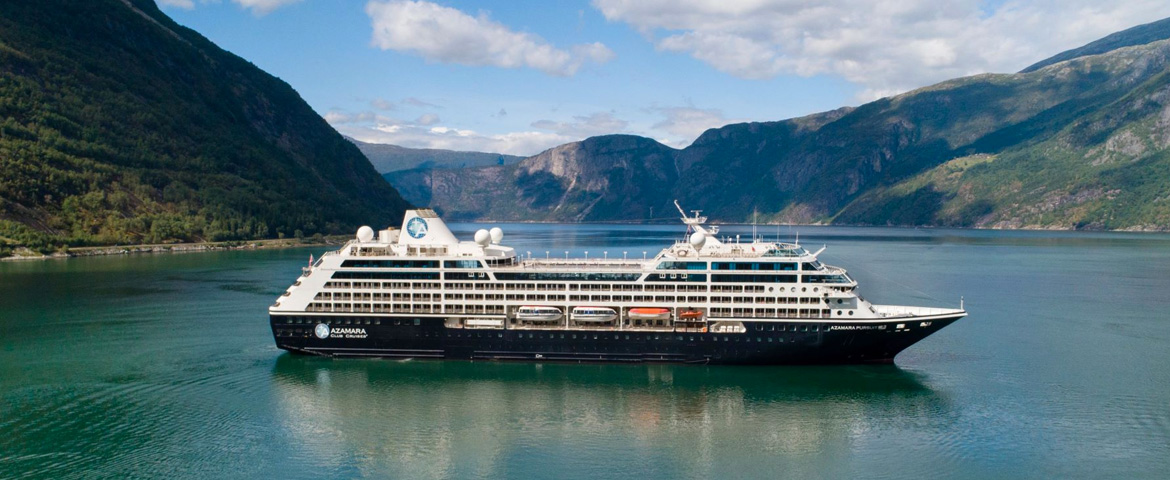
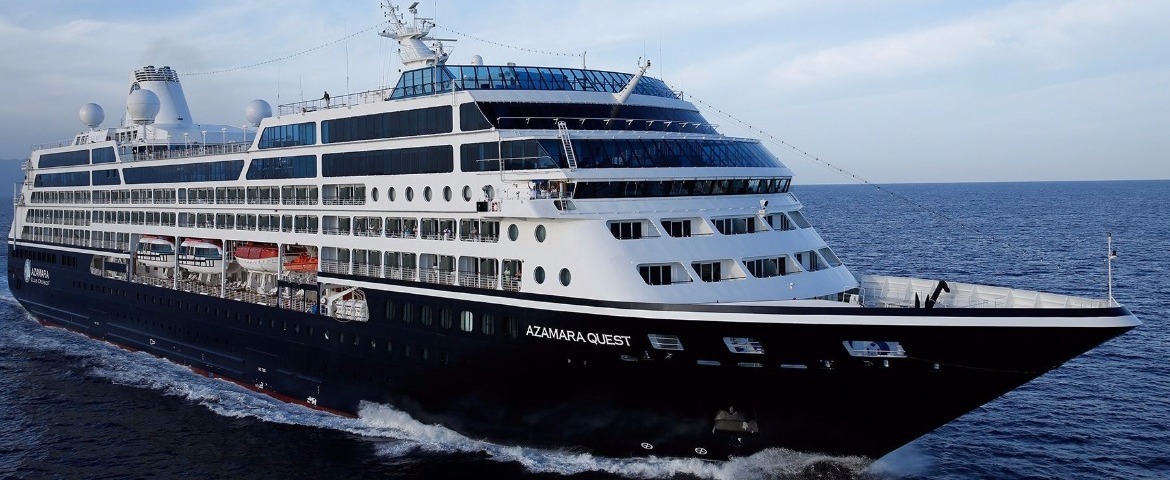
Azamara Pursuit
68 Cruises

| 15 March | 16 nights | One-way from Singapore to Yokohama |
450-628-6241
Call us
|
| 31 March | 13 nights | One-way from Yokohama to Kobe-Osaka |
450-628-6241
Call us
|
| 12 May | 23 nights | One-way from Yokohama to Hong Kong |
450-628-6241
Call us
|
| 12 May | 12 nights | One-way from Yokohama to Incheon |
450-628-6241
Call us
|
Celebrity Cruises (27 Cruises)
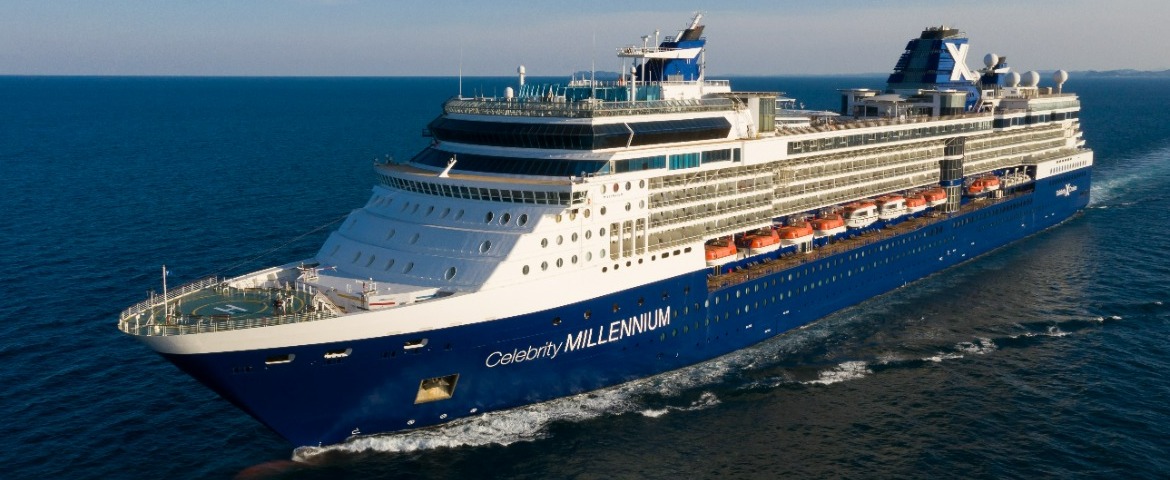
Celebrity Millennium
22 Cruises
| 7 April | 11 nights | Round-trip from Tokyo, Japan |
450-628-6241
Call us
|
| 19 April | 11 nights | Round-trip from Tokyo, Japan |
450-628-6241
Call us
|
| 1 May | 11 nights | Round-trip from Tokyo, Japan |
450-628-6241
Call us
|
| 13 May | 13 nights | One-way from Tokyo to Incheon |
From
12157$
|
| 26 May | 13 nights | One-way from Incheon to Tokyo |
From
11508$
|
| 8 June | 11 nights | Round-trip from Tokyo, Japan |
450-628-6241
Call us
|
| 20 June | 11 nights | Round-trip from Tokyo, Japan |
450-628-6241
Call us
|
| 2 July | 11 nights | Round-trip from Tokyo, Japan |
450-628-6241
Call us
|
| 14 July | 11 nights | Round-trip from Tokyo, Japan |
450-628-6241
Call us
|
| 26 July | 12 nights | Round-trip from Tokyo, Japan |
From
3884$
|
| 7 August | 11 nights | Round-trip from Tokyo, Japan |
450-628-6241
Call us
|
| 19 August | 11 nights | Round-trip from Tokyo, Japan |
450-628-6241
Call us
|
| 31 August | 12 nights | One-way from Tokyo to Incheon |
From
4489$
|
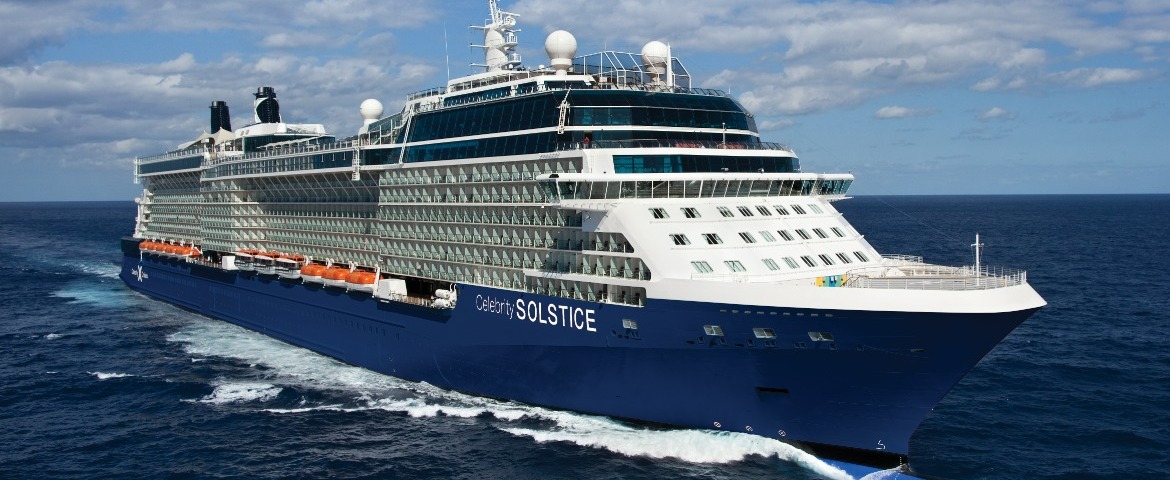
Costa Cruises (32 Cruises)
Costa Deliziosa
32 Cruises
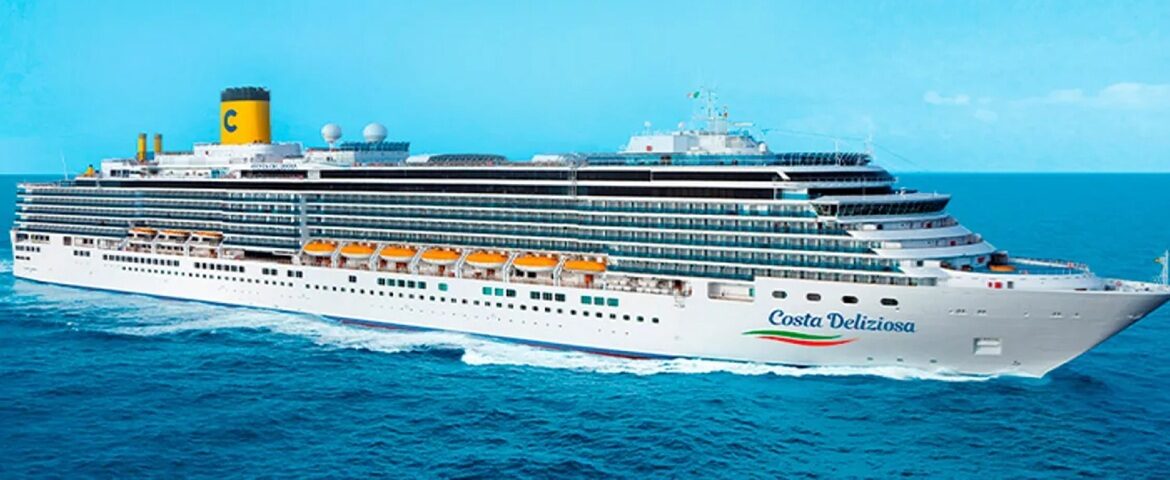

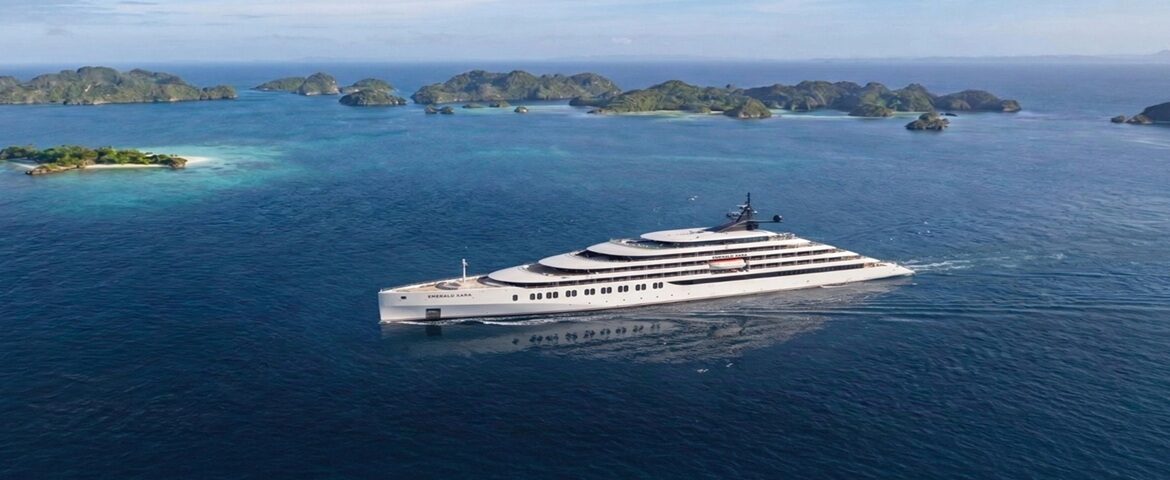
Emerald Waterways (10 Cruises)
Emerald Xara
10 Cruises

| 9 April | 10 nights | One-way from Busan to Kobe-Osaka |
450-628-6241
Call us
|
| 19 April | 10 nights | One-way from Kobe-Osaka to Busan |
450-628-6241
Call us
|
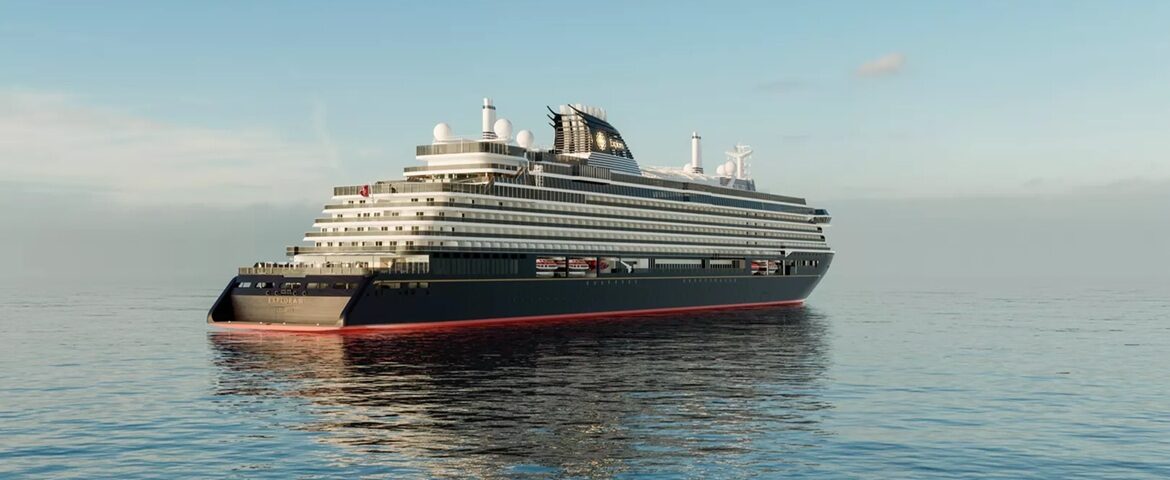
Explora Journeys (13 Cruises)
Explora III
13 Cruises
| 2 February | 10 nights | One-way from Tokyo to Hong Kong |
450-628-6241
Call us
|
| 2 February | 7 days | One-way from Tokyo to Keelung |
450-628-6241
Call us
|
Holland America Line (26 Cruises)
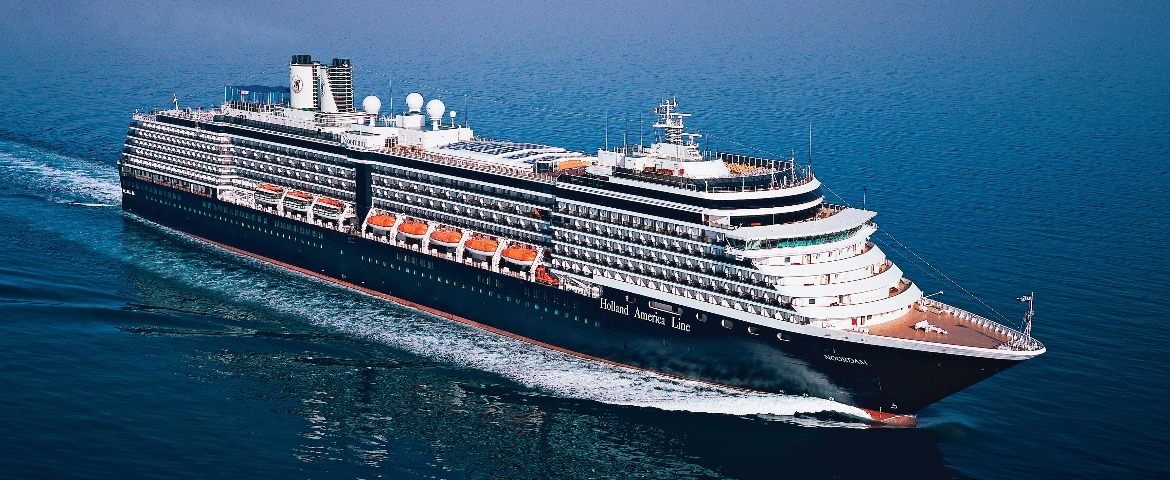
ms Noordam
17 Cruises

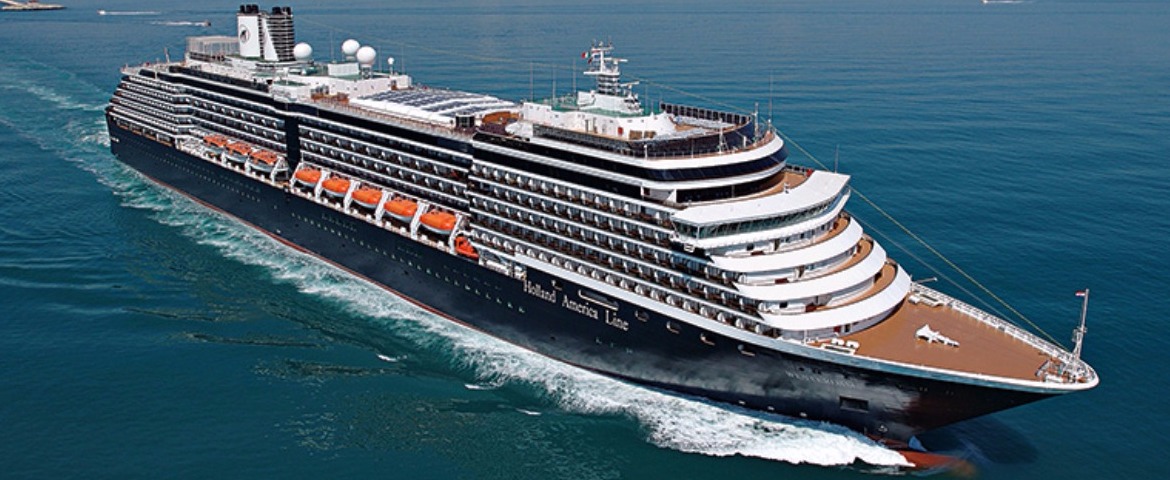
ms Westerdam
9 Cruises
Lindblad Expeditions (12 Cruises)
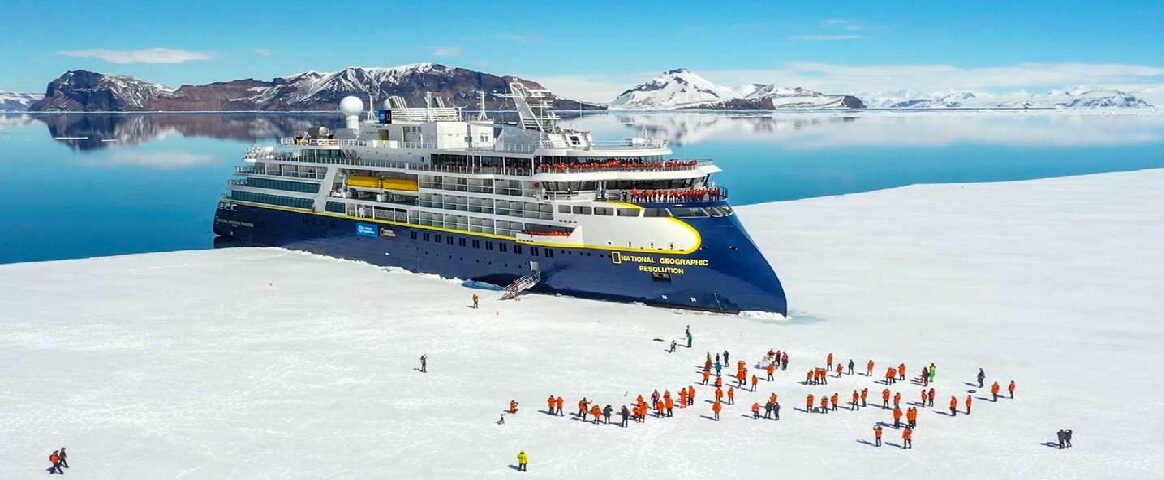
National Geographic Resolution
12 Cruises

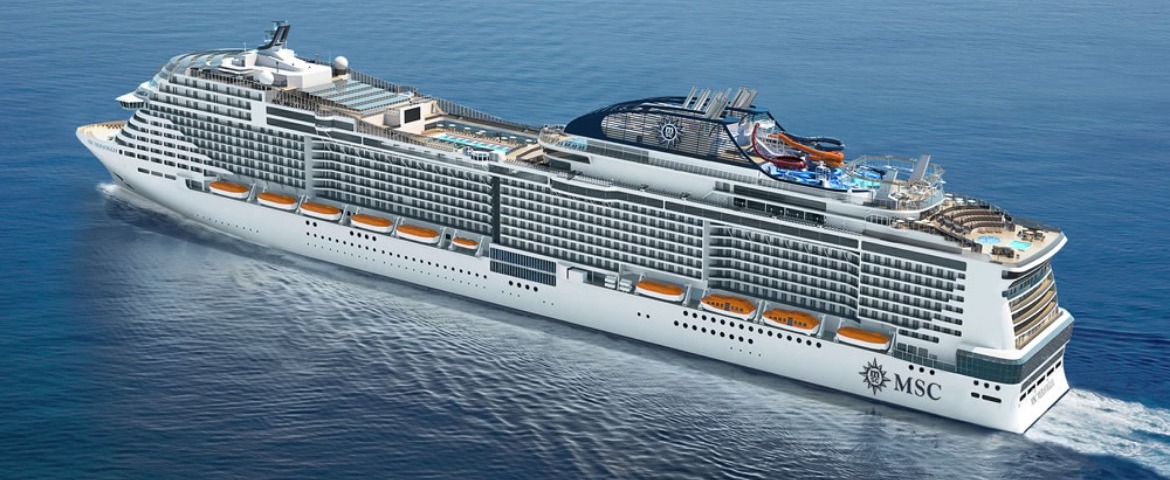
MSC Cruises (4 Cruises)

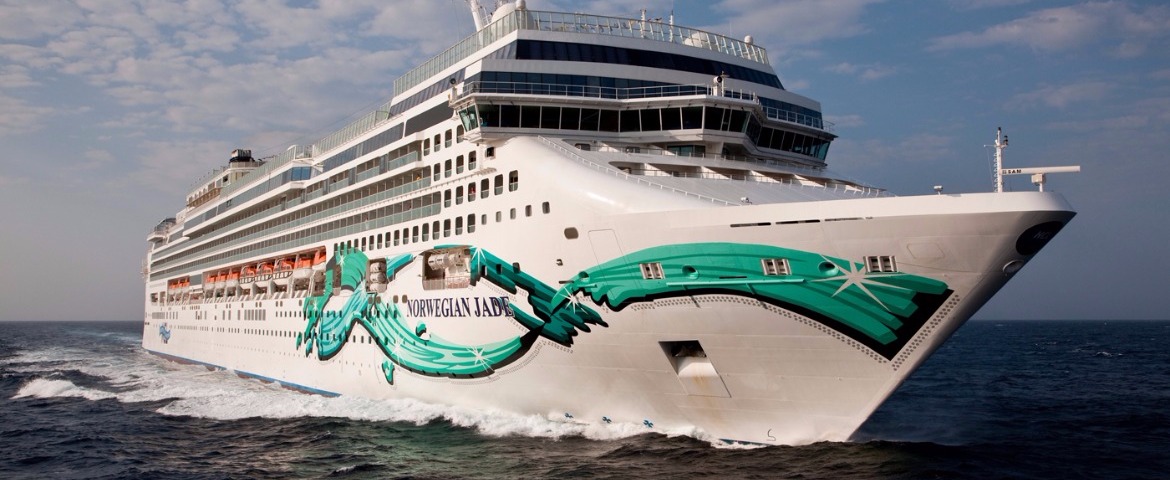
Norwegian Cruise Line (16 Cruises)

Oceania Cruises (47 Cruises)
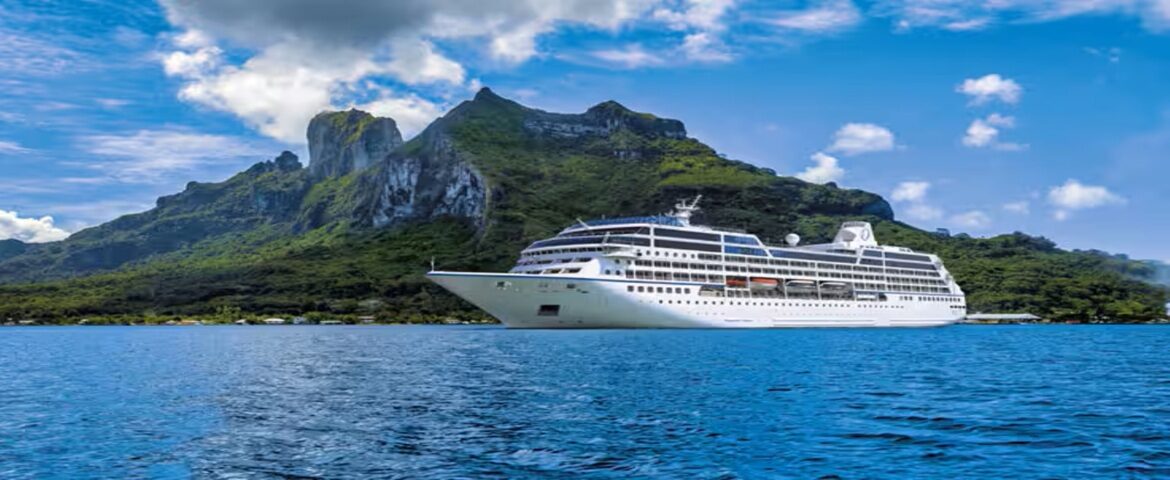

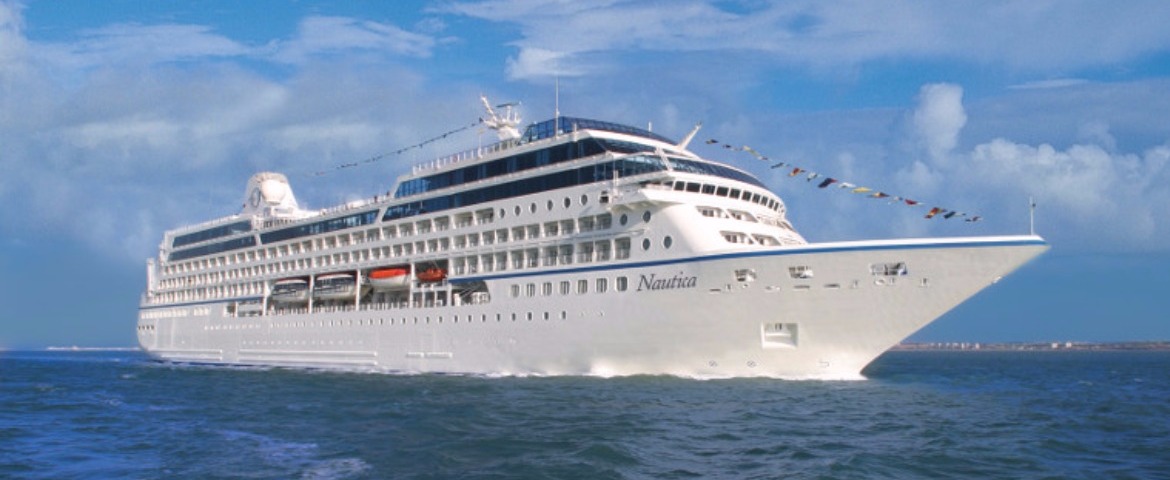
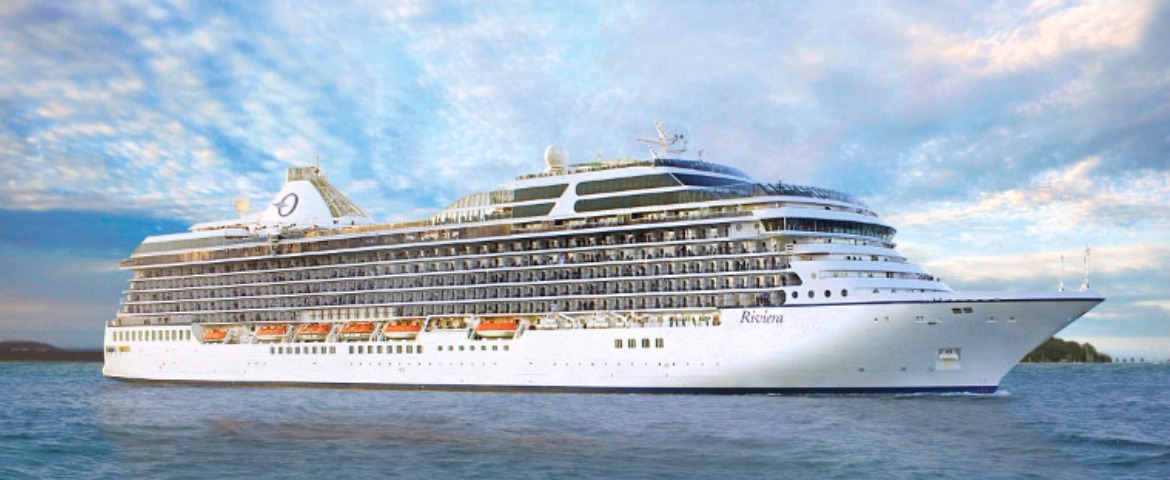
Oceania Riviera
29 Cruises
| 13 September | 28 nights | One-way from Vancouver to Tokyo |
450-628-6241
Call us
|
| 30 September | 11 nights | Round-trip from Tokyo, Japan |
450-628-6241
Call us
|
| 2 March | 9 nights | One-way from Yokohama to Incheon |
450-628-6241
Call us
|
| 22 March | 10 nights | Round-trip from Yokohama, Japan |
450-628-6241
Call us
|
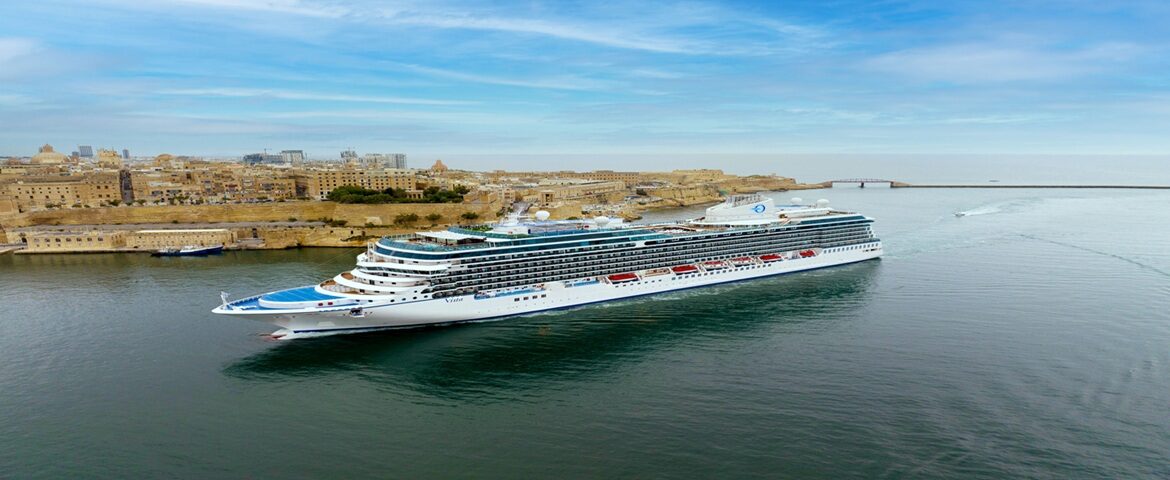
Oceania Vista
6 Cruises
| 6 January | 180 days | One-way from Miami to Southampton |
450-628-6241
Call us
|
| 6 January | 244 days | One-way from Miami to New York |
450-628-6241
Call us
|
Ponant (20 Cruises)
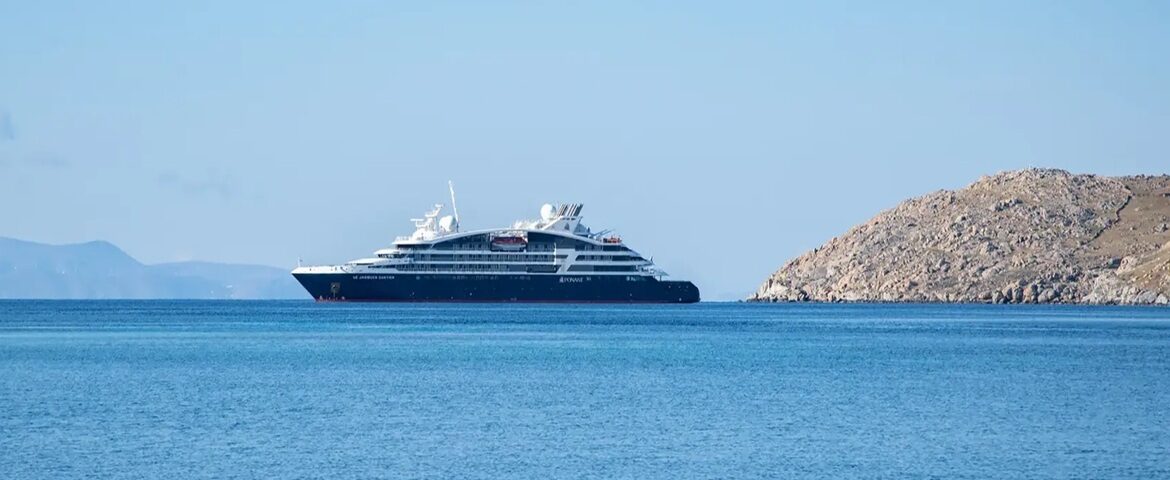

Le Soleal
16 Cruises
Princess Cruises (101 Cruises)
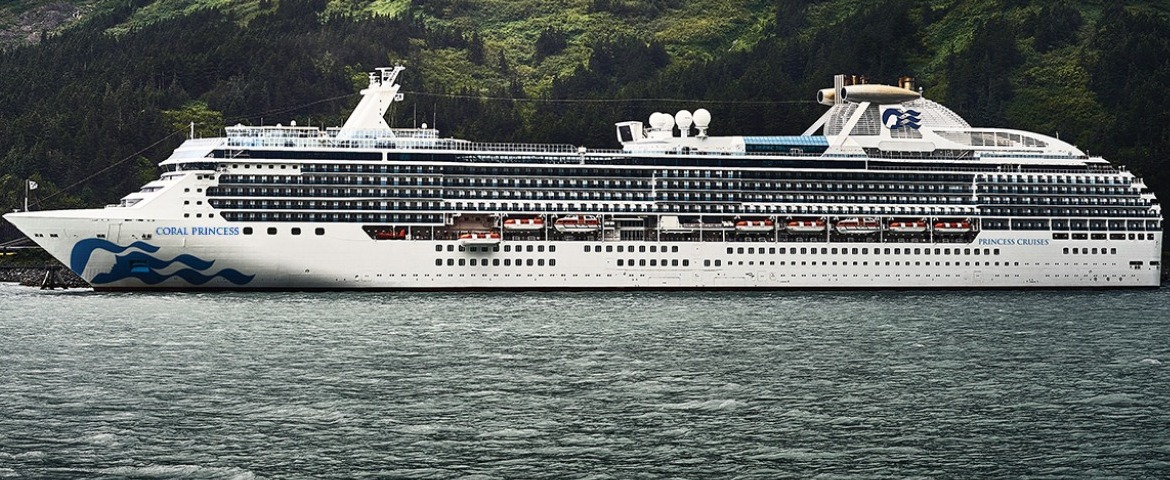
Coral Princess
6 Cruises
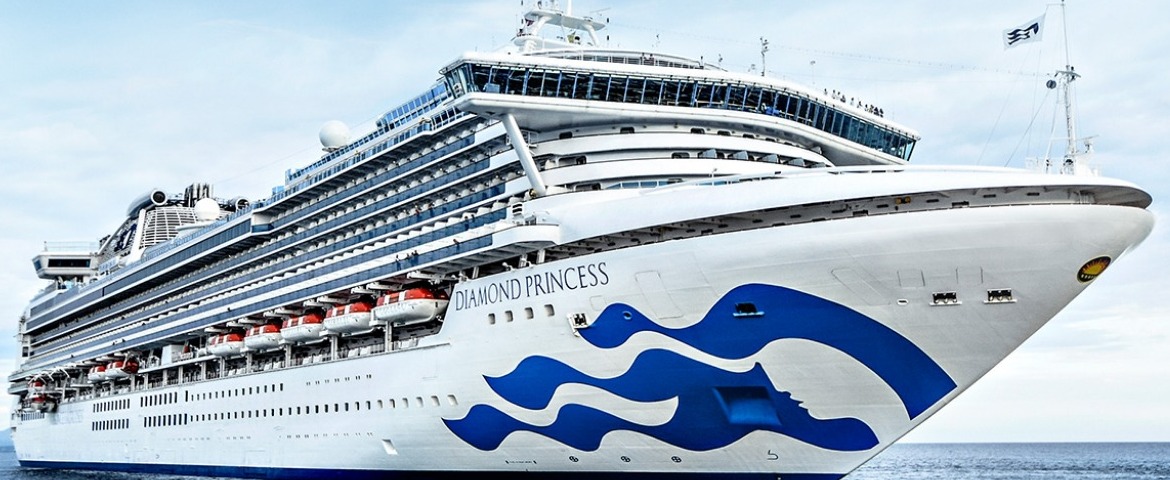
Diamond Princess
54 Cruises
| 8 May | 20 nights | Round-trip from Yokohama, Japan |
450-628-6241
Call us
|
| 8 May | 10 nights | Round-trip from Yokohama, Japan |
450-628-6241
Call us
|
| 5 September | 19 nights | Round-trip from Yokohama, Japan |
450-628-6241
Call us
|
| 15 September | 9 nights | Round-trip from Yokohama, Japan |
450-628-6241
Call us
|
| 9 July | 18 nights | Round-trip from Tokyo, Japan |
450-628-6241
Call us
|
| 9 July | 11 nights | Round-trip from Tokyo, Japan |
450-628-6241
Call us
|
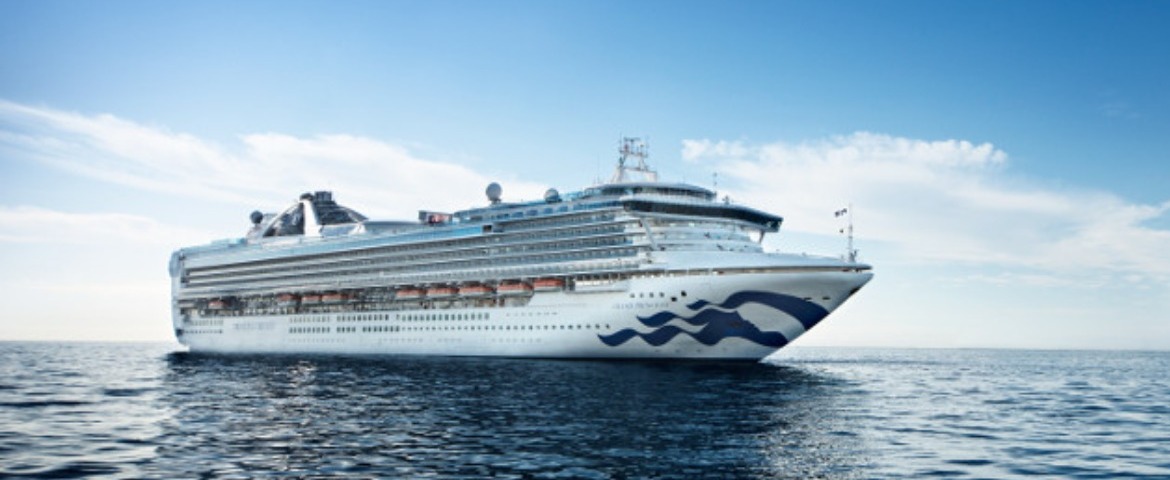
Grand Princess
5 Cruises
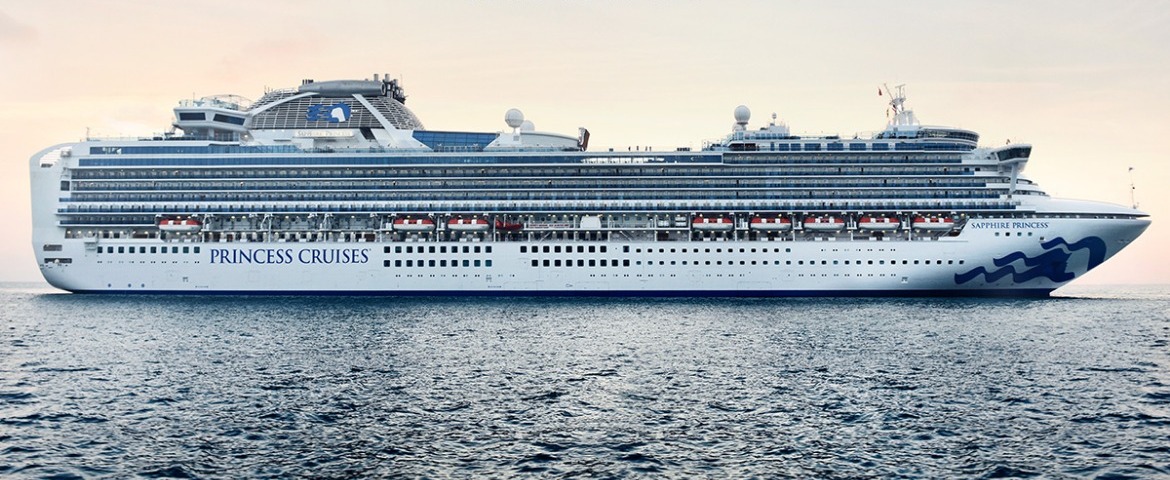
Sapphire Princess
36 Cruises
| 6 March | 11 nights | Round-trip from Tokyo, Japan |
450-628-6241
Call us
|
| 6 March | 23 nights | Round-trip from Tokyo, Japan |
450-628-6241
Call us
|
| 9 May | 20 nights | Round-trip from Tokyo, Japan |
450-628-6241
Call us
|
| 18 May | 18 nights | Round-trip from Tokyo, Japan |
450-628-6241
Call us
|
| 18 May | 11 nights | Round-trip from Tokyo, Japan |
450-628-6241
Call us
|
| 29 March | 10 nights | Round-trip from Tokyo, Japan |
450-628-6241
Call us
|
| 29 March | 21 nights | Round-trip from Tokyo, Japan |
450-628-6241
Call us
|
Regent Seven Seas Cruises (37 Cruises)
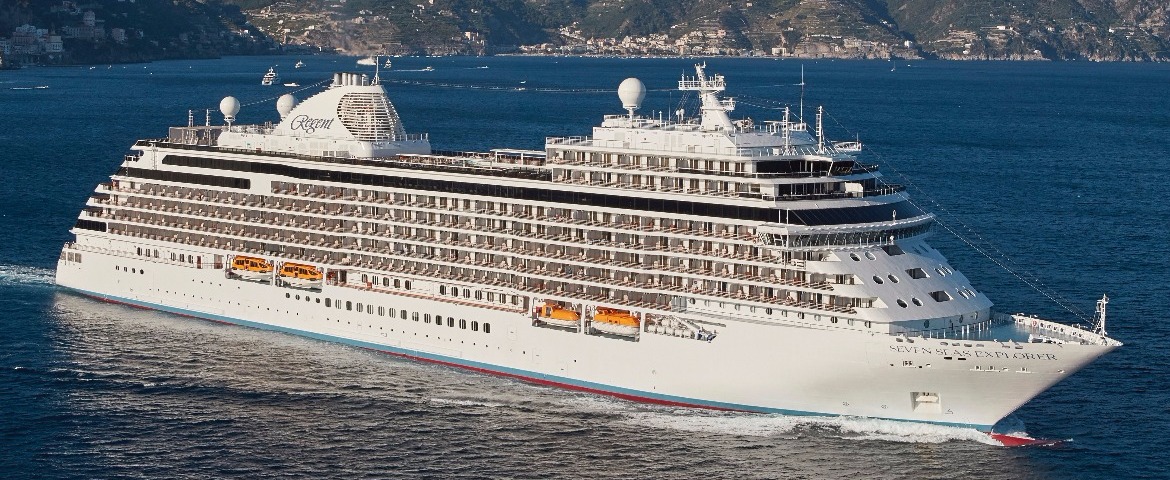
Seven Seas Explorer
15 Cruises

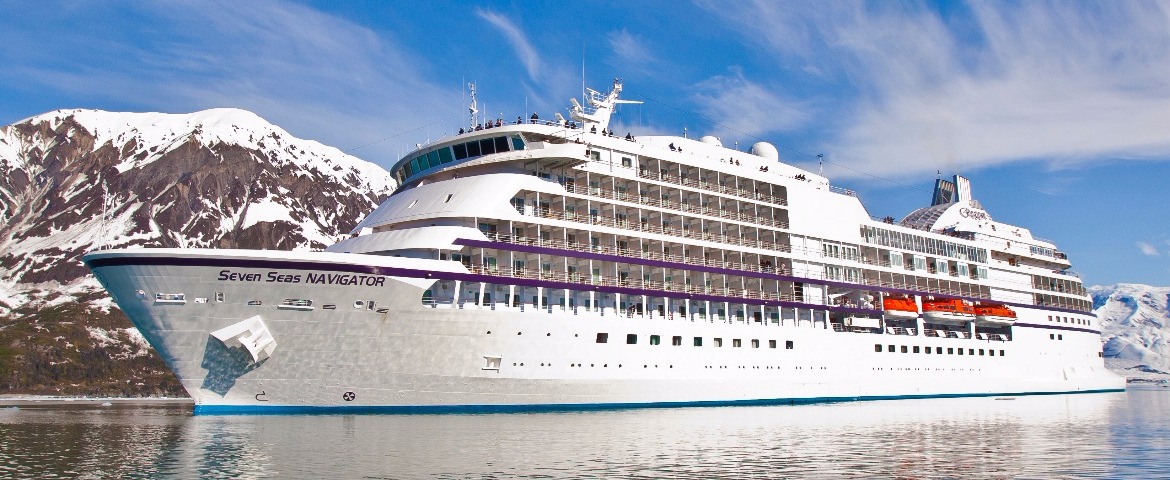
Seven Seas Navigator
6 Cruises
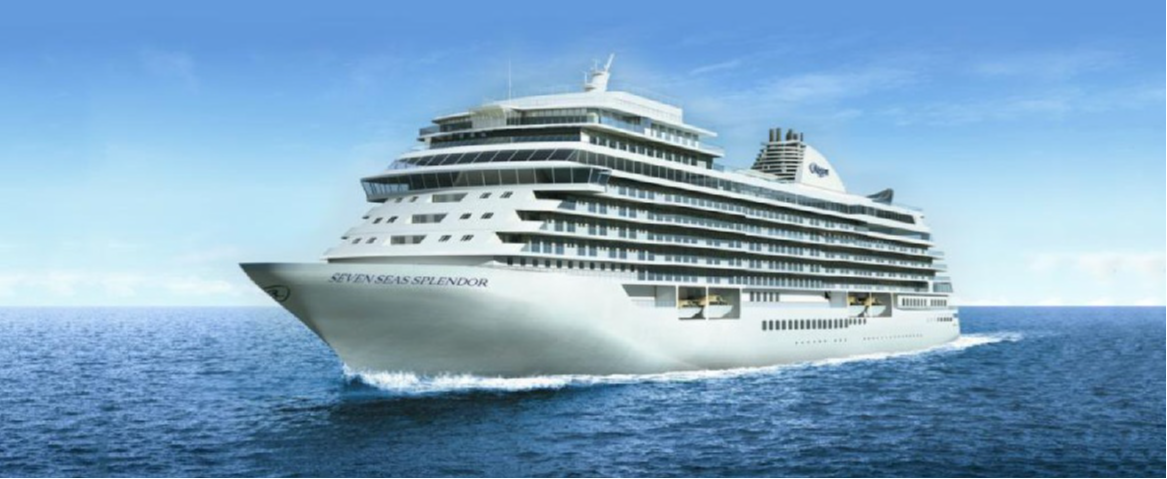
Seven Seas Splendor
16 Cruises
| 6 January | 132 nights | Round-trip from San Francisco, USA |
450-628-6241
Call us
|
| 6 January | 139 nights | One-way from San Francisco to Vancouver |
450-628-6241
Call us
|
Royal Caribbean Cruises (18 Cruises)




Scenic Cruises (8 Cruises)
Scenic Spirit
8 Cruises


| 21 March | 26 days | One-way from Hakata-Fukuoka City to Siem Reap |
450-628-6241
Call us
|
| 21 March | 27 days | One-way from Hakata-Fukuoka City to Siem Reap |
450-628-6241
Call us
|
Seabourn Cruise Line (51 Cruises)
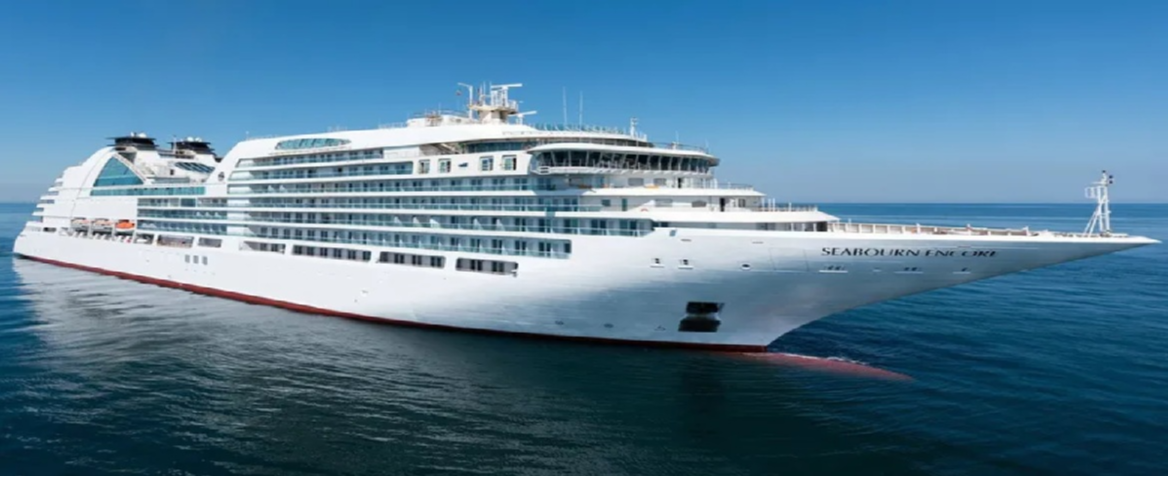
Seabourn Encore
51 Cruises

| 31 January | 40 nights | One-way from Hong Kong to Tokyo |
450-628-6241
Call us
|
| 31 January | 26 nights | One-way from Hong Kong to Tokyo |
450-628-6241
Call us
|
| 17 January | 38 nights | One-way from Singapore to Tokyo |
450-628-6241
Call us
|
| 31 January | 24 nights | One-way from Hong Kong to Tokyo |
450-628-6241
Call us
|
Silversea Cruises (64 Cruises)
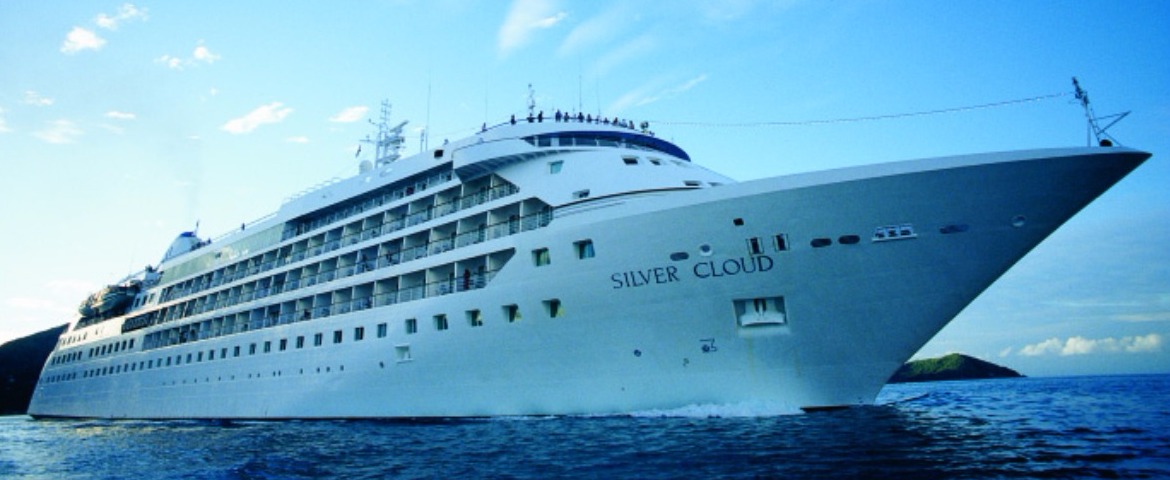
Silver Cloud
4 Cruises

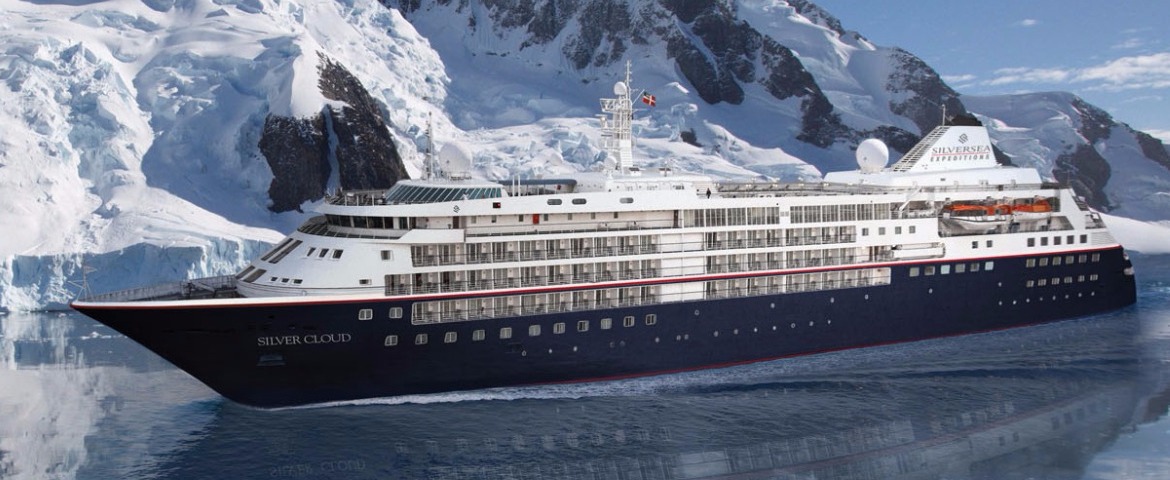
Silver Cloud Expedition
4 Cruises
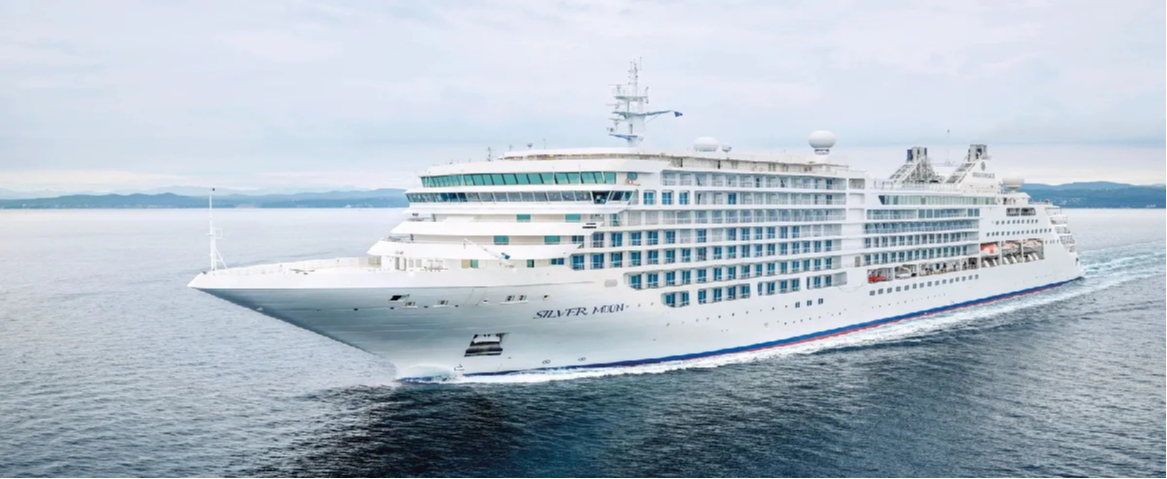
Silver Moon
14 Cruises
| 3 April | 14 nights | Round-trip from Tokyo, Japan |
450-628-6241
Call us
|
| 17 April | 14 nights | Round-trip from Tokyo, Japan |
450-628-6241
Call us
|
| 1 May | 10 nights | Round-trip from Tokyo, Japan |
450-628-6241
Call us
|
| 1 May | 26 nights | One-way from Tokyo to Vancouver |
450-628-6241
Call us
|
Silver Muse
26 Cruises
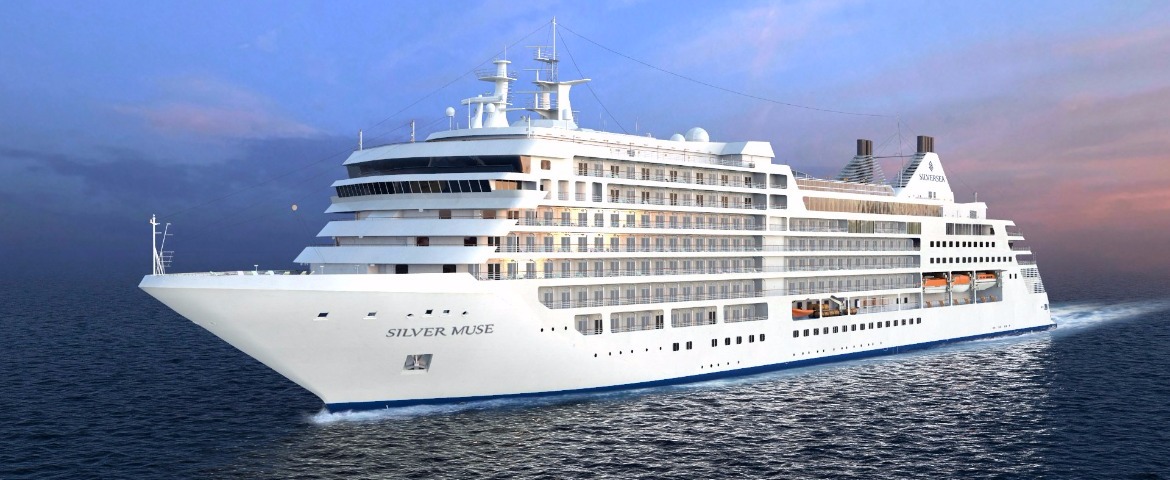
| 14 March | 29 nights | One-way from Singapore to Yokohama |
450-628-6241
Call us
|
| 29 March | 14 nights | One-way from Tokyo to Yokohama |
450-628-6241
Call us
|
| 12 April | 14 nights | One-way from Yokohama to Tokyo |
450-628-6241
Call us
|
| 26 April | 14 nights | One-way from Tokyo to Incheon |
450-628-6241
Call us
|
| 10 May | 14 nights | One-way from Incheon to Tokyo |
450-628-6241
Call us
|
| 24 May | 14 nights | One-way from Tokyo to Incheon |
450-628-6241
Call us
|
| 8 August | 24 nights | Round-trip from Tokyo, Japan |
450-628-6241
Call us
|
| 8 August | 12 nights | One-way from Tokyo to Incheon |
450-628-6241
Call us
|
Silver Whisper
16 Cruises
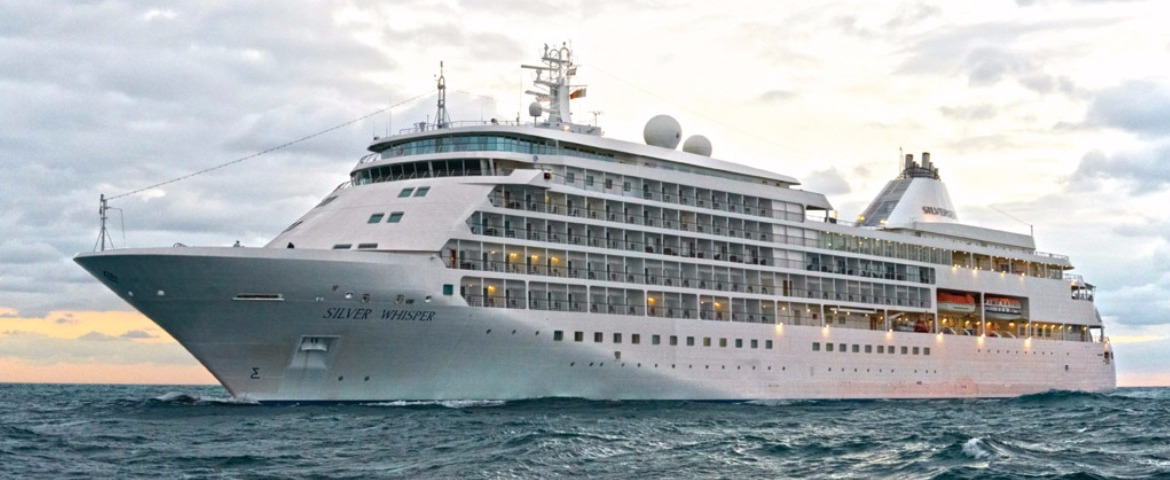
| 18 June | 13 nights | One-way from Tokyo to Incheon |
450-628-6241
Call us
|
| 18 June | 25 nights | Round-trip from Tokyo, Japan |
450-628-6241
Call us
|
Viking Ocean Cruises (37 Cruises)
Viking Neptune
7 Cruises
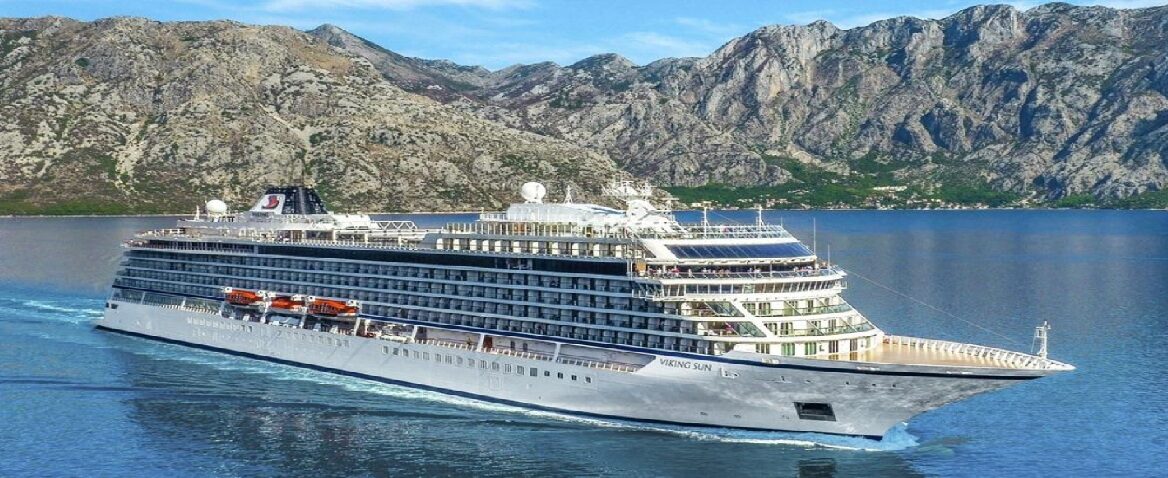

| 5 July | 12 nights | One-way from Tokyo to Hong Kong |
450-628-6241
Call us
|
| 19 July | 12 nights | One-way from Hong Kong to Tokyo |
450-628-6241
Call us
|
Viking Orion
14 Cruises
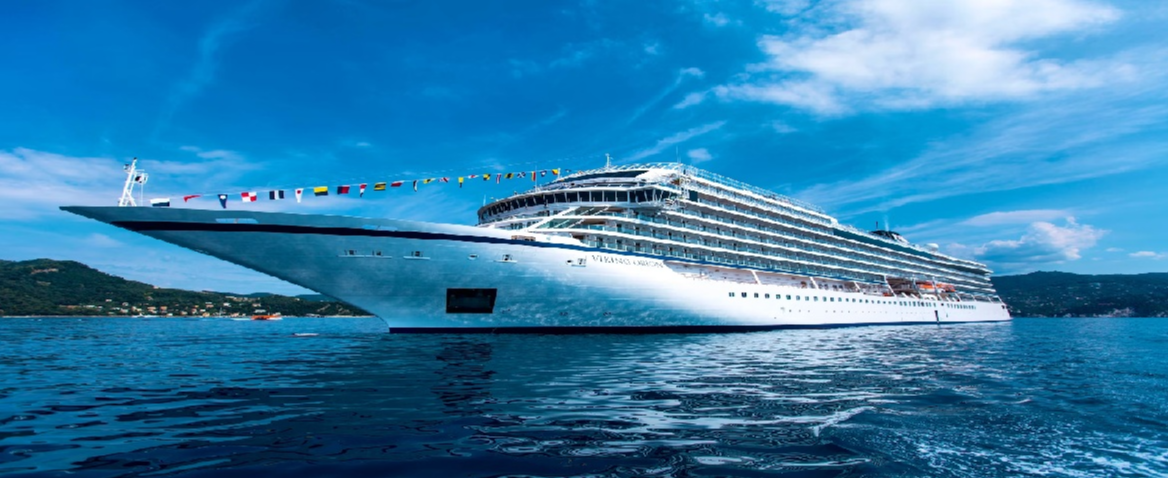
Viking Venus
16 Cruises
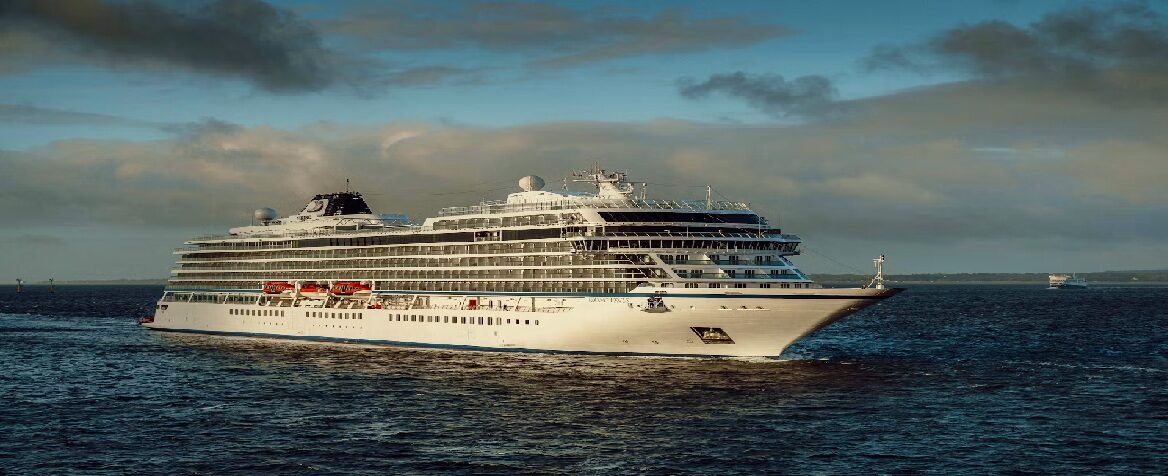
| 1 March | 90 nights | One-way from Auckland to Vancouver |
450-628-6241
Call us
|
| 14 March | 77 nights | One-way from Sydney to Vancouver |
450-628-6241
Call us
|
| 4 February | 90 nights | One-way from Auckland to Vancouver |
450-628-6241
Call us
|
| 17 February | 77 nights | One-way from Sydney to Vancouver |
450-628-6241
Call us
|

Port of Kobe, Japan | Cruise Port Guide
Frequently Asked Questions
At one of two terminals, Port Terminal on the Shinko pier or Naka Pier, both a few minutes from the centre. That is rare in Japan and it changes the whole day: from Naka Pier, a short walk reaches Meriken Park.
Yes, but only on a long call. Kyoto takes about fifty minutes direct from Sannomiya, or roughly thirty by Shinkansen from Shin-Kobe station. Osaka is easier: about twenty minutes by JR express. Leave a generous margin for the return.
Meriken Park and Harborland along the basins, then the Nankinmachi Chinatown and the Motomachi arcades toward Sannomiya. Keen walkers then climb to Kitano, where the 19th-century foreign merchants' residences can be visited one by one.
A large green esplanade set between the quays, with the 108-metre red port tower and the maritime museum under its white lattice roof. The BE KOBE monument letters draw the photographers.
A piece of wharf left exactly as it collapsed in the 1995 earthquake, preserved as a memorial. The contrast with the nearby BE KOBE monument sets the tone of the call: a joyful memory and a grave one, side by side.
One of Japan's few Chinatowns, packed into two hundred metres about ten minutes' walk from the port: steamed bun counters, red lanterns, patient queues at the stalls. It is quickly crossed but worth a stop.
The Western-style residences built by 19th-century foreign merchants, on the lower slopes of the Rokko mountains. Kobe opened to foreign trade as early as 1868, and this quarter still shows it. The climb is real: bring your legs.
In the restaurants of the centre, around Sannomiya and Motomachi. It is the specialty that carried the city's name around the world, and many passengers would rather spend their day on it than rush to Kyoto.
The sake brewing quarter, backed against the mountains. Several houses open their doors to visitors. It is a worthwhile alternative when the call leaves no time to head into the Kansai.
At convenience store ATMs, which accept foreign cards, unlike many Japanese bank machines. The currency is the yen; carry cash for Nankinmachi and the small counters.


