Tallinn Estonia
Estonia
358
Cruises availables
At departure or passage at this port
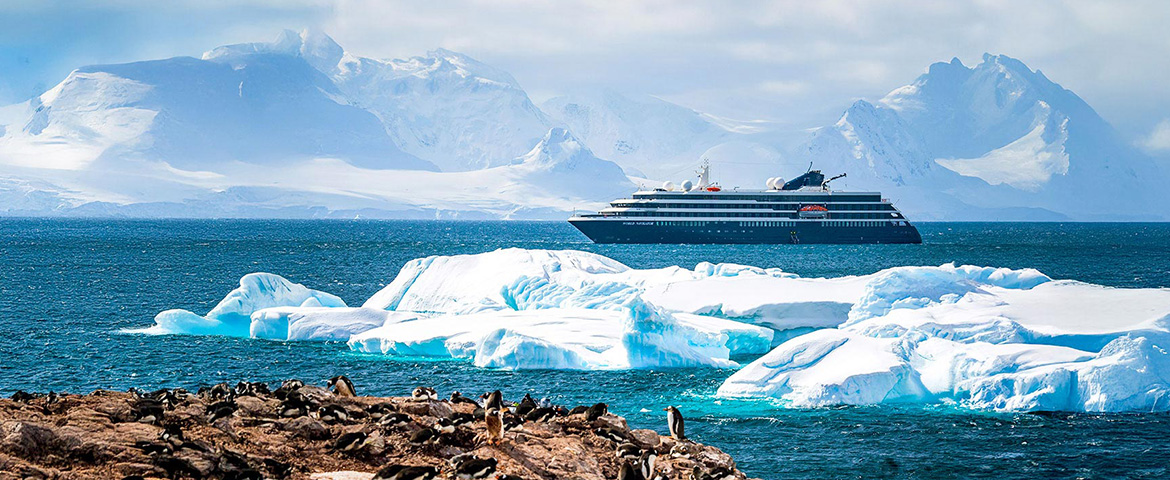
Atlas Ocean Voyages (1 Cruises)

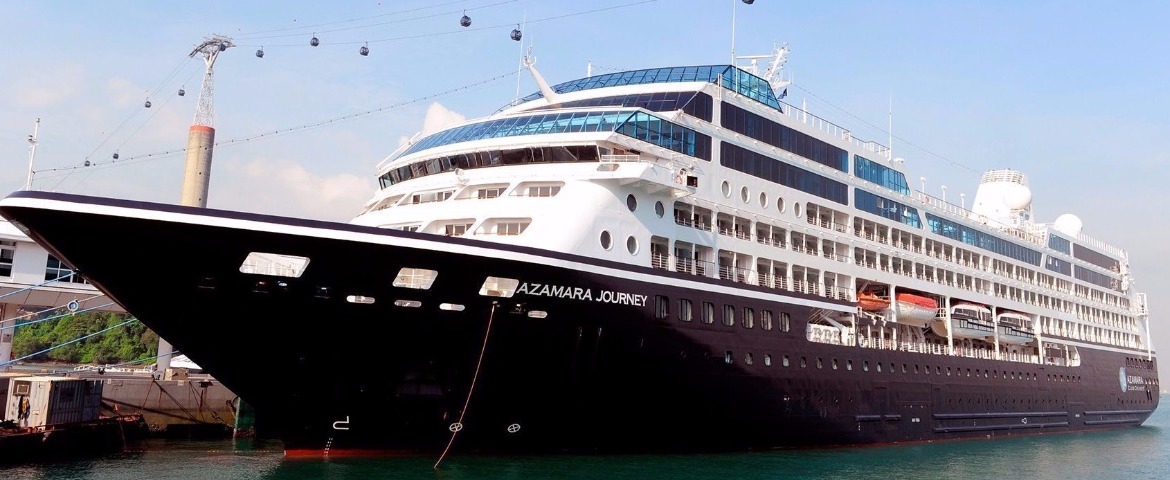


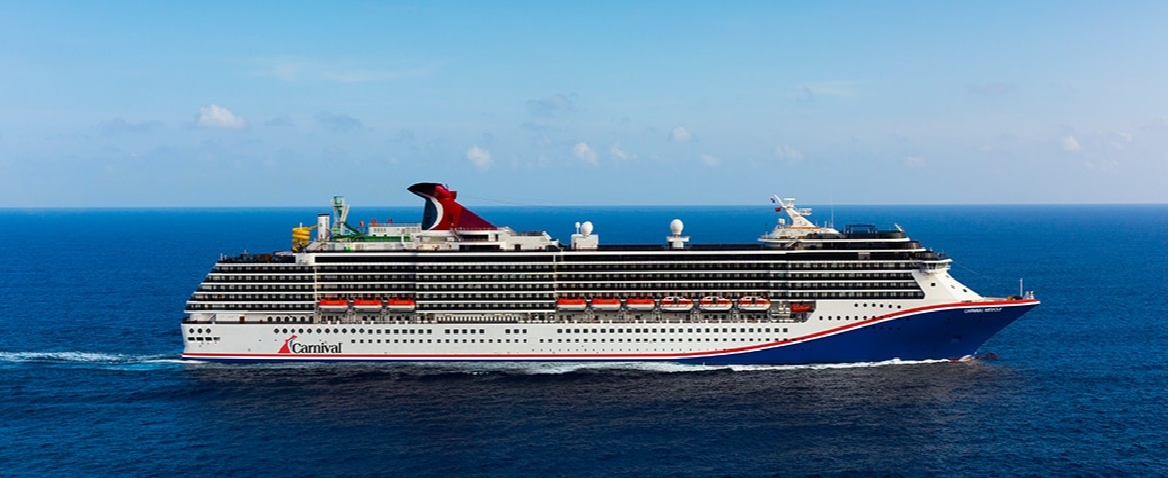
Carnival Cruise Line (4 Cruises)

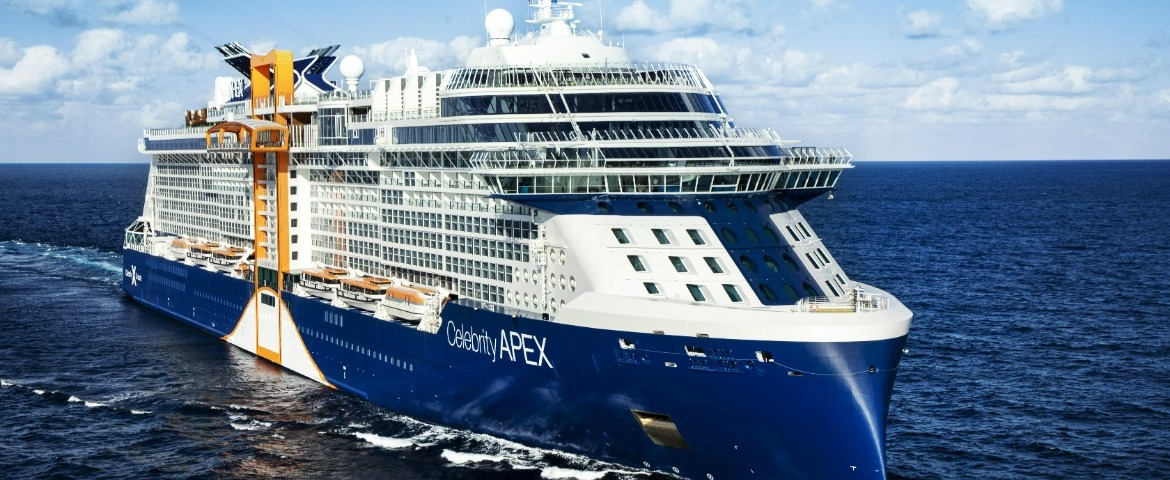
Celebrity Cruises (8 Cruises)

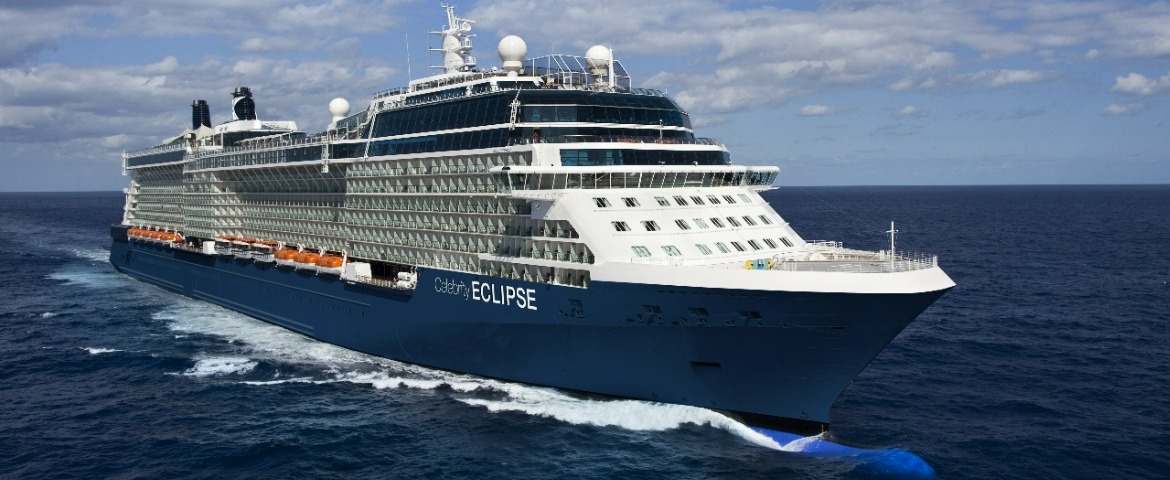
Crystal Cruises (2 Cruises)


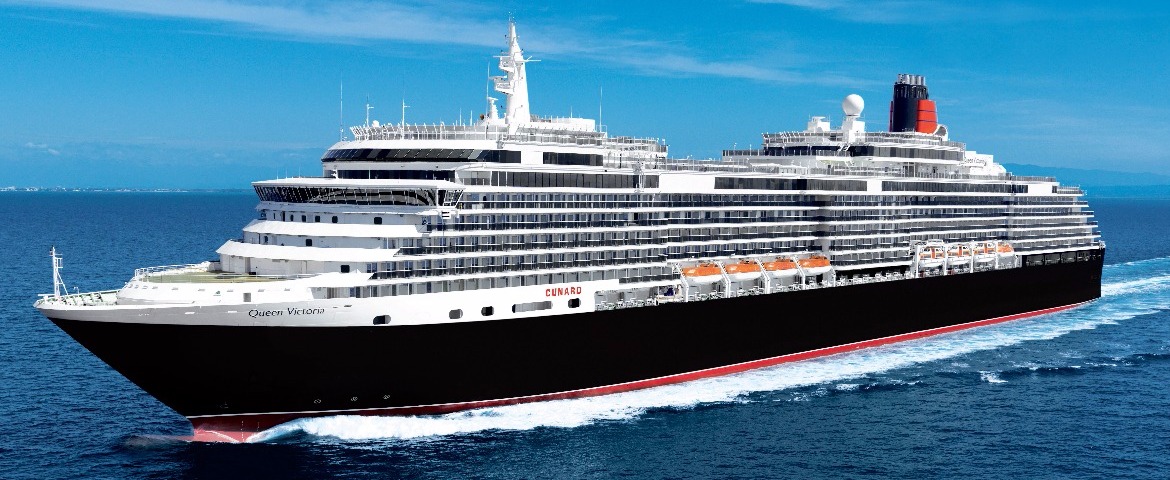
Cunard (3 Cruises)

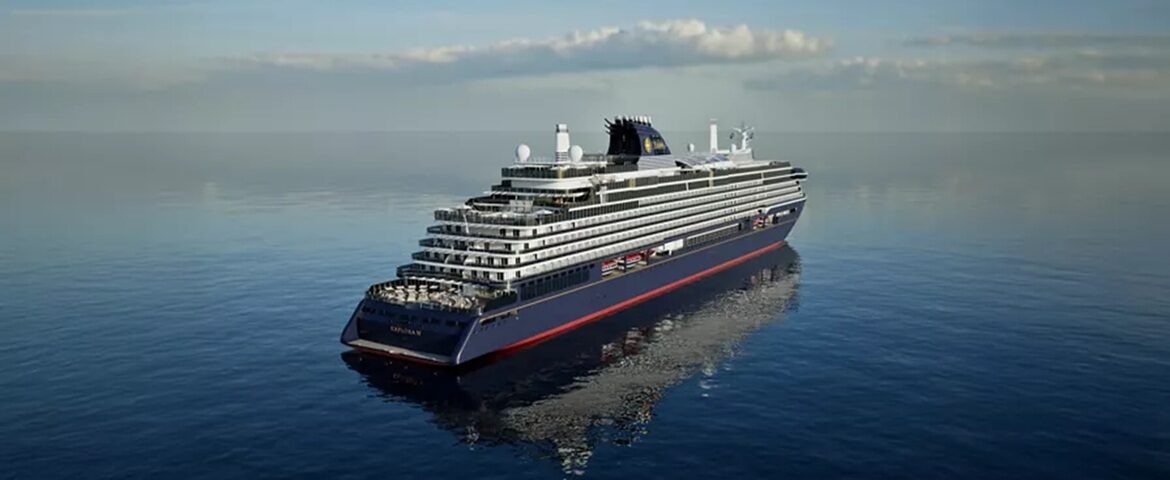
Explora Journeys (8 Cruises)
Explora IV
8 Cruises

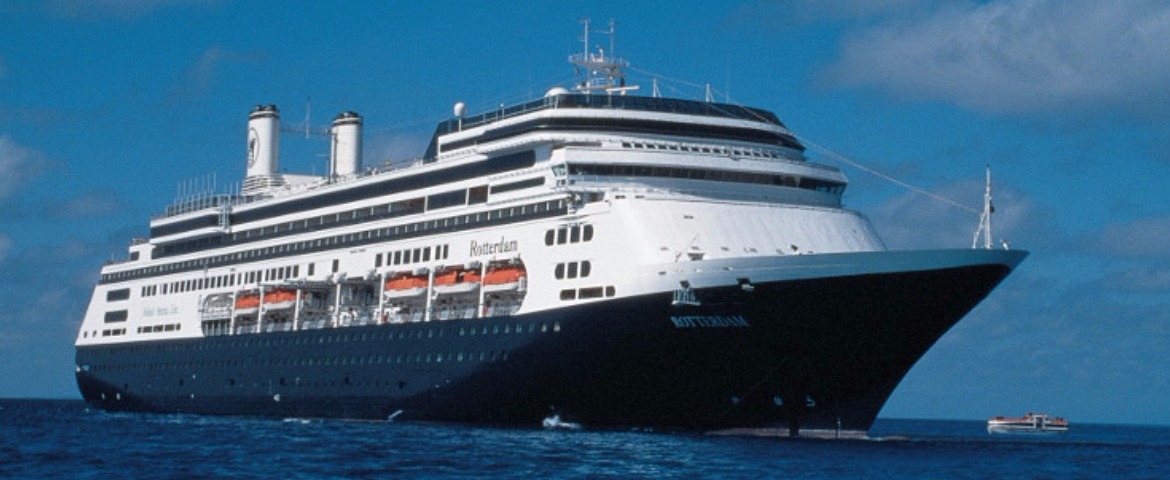
Holland America Line (6 Cruises)

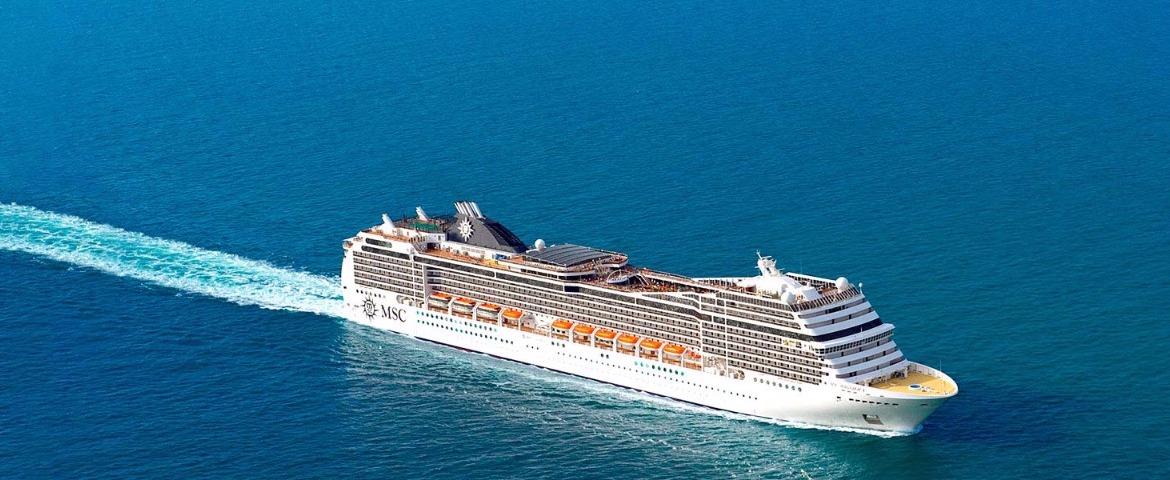
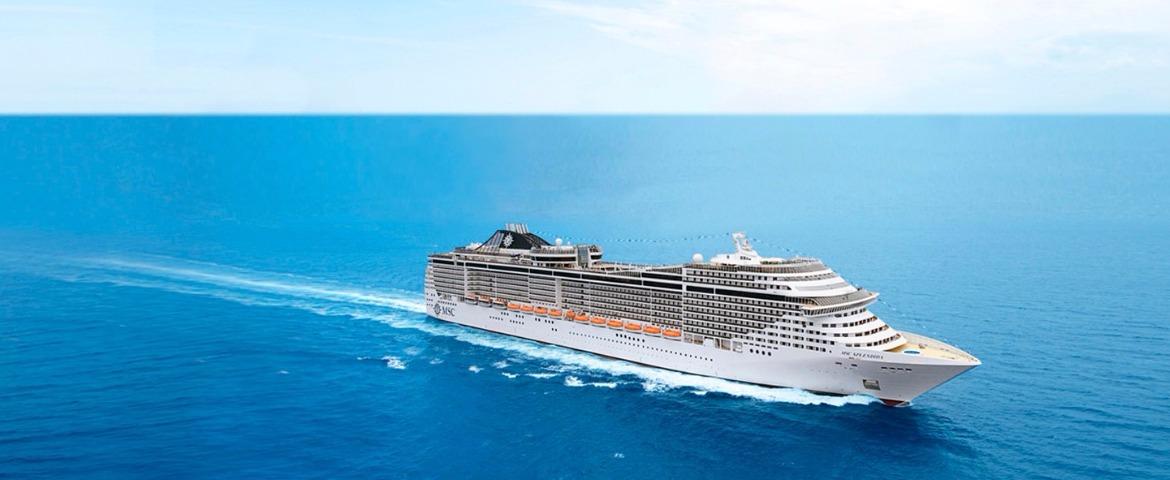
MSC Cruises (44 Cruises)
MSC Magnifica
10 Cruises

MSC Splendida
34 Cruises
| 25 April | 10 nights | One-way from Warnemunde-Rostock to Copenhagen |
From
3307$
|
| 25 April | 11 nights | Round-trip from Warnemunde-Rostock, Germany |
From
2852$
|
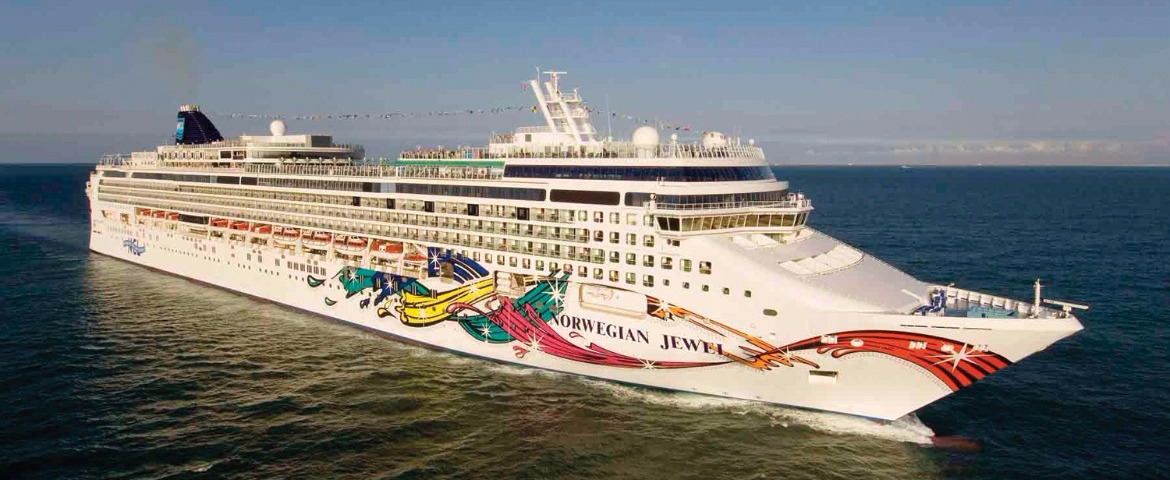
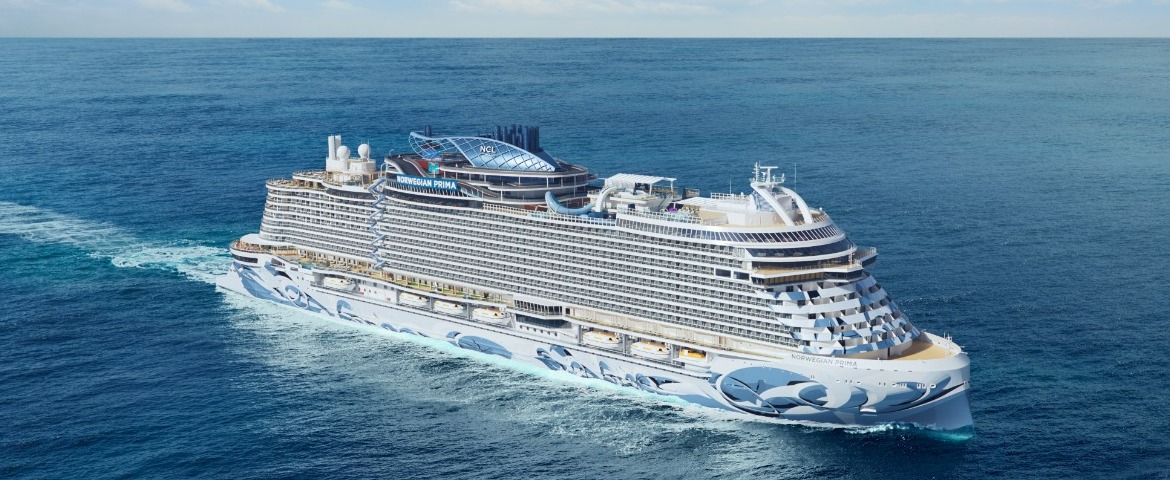
Norwegian Cruise Line (16 Cruises)
Norwegian Jewel
12 Cruises

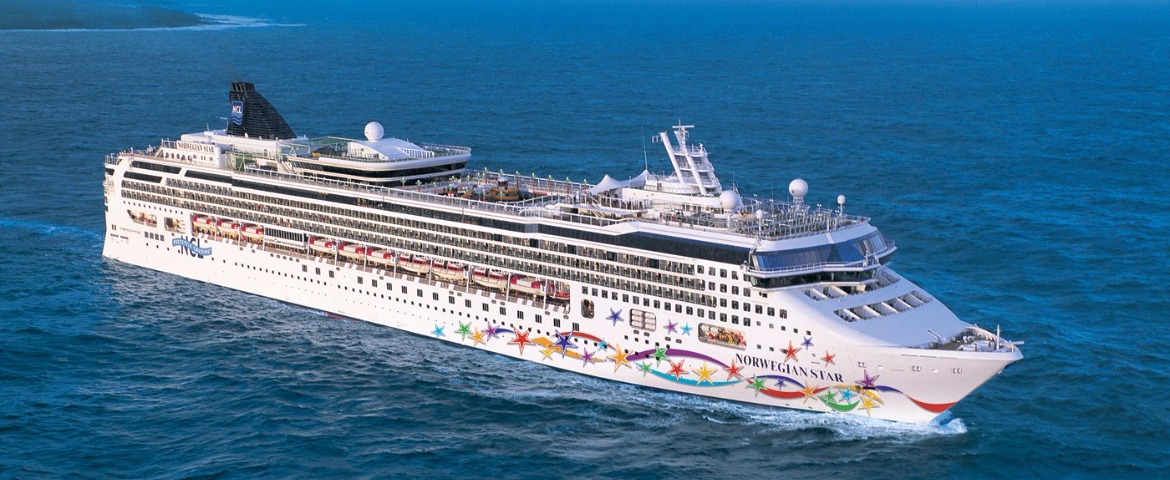
Oceania Cruises (34 Cruises)
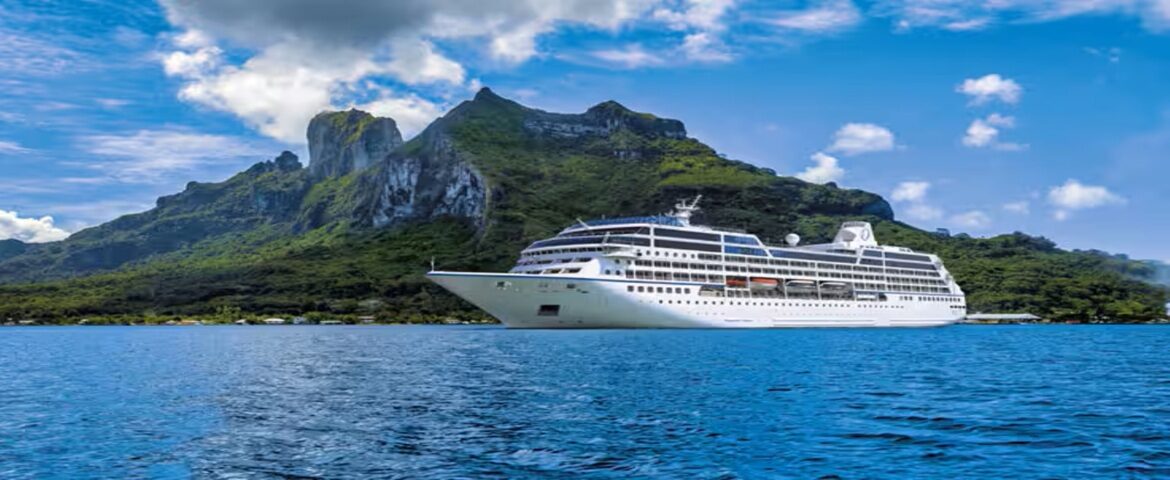

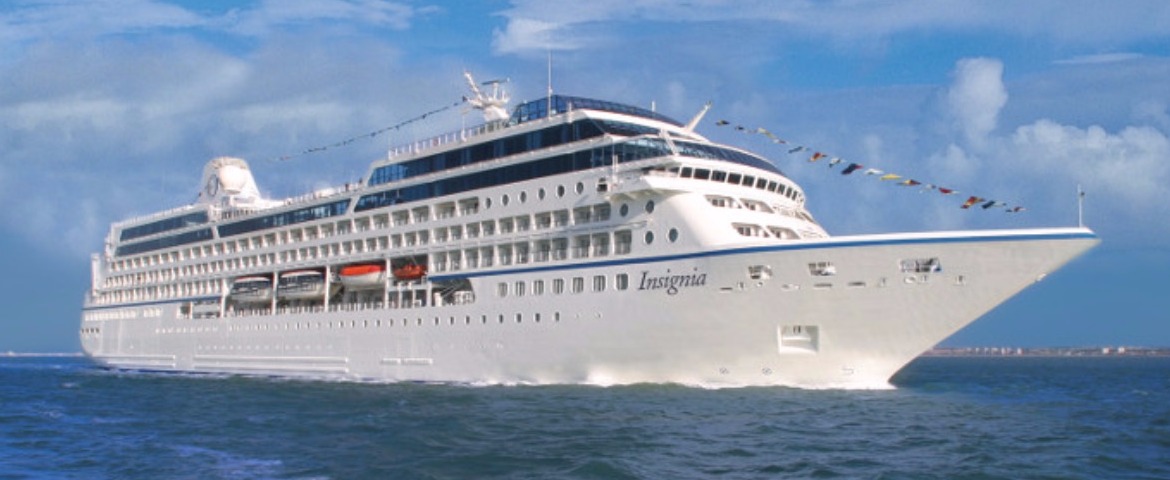
Oceania Insignia
9 Cruises
| 16 May | 25 nights | One-way from Southampton to Stockholm |
450-628-6241
Call us
|
| 27 May | 14 nights | One-way from Southampton to Stockholm |
450-628-6241
Call us
|
| 10 June | 24 nights | One-way from Stockholm to Reykjavik |
450-628-6241
Call us
|
| 10 June | 11 nights | One-way from Stockholm to Copenhagen |
450-628-6241
Call us
|
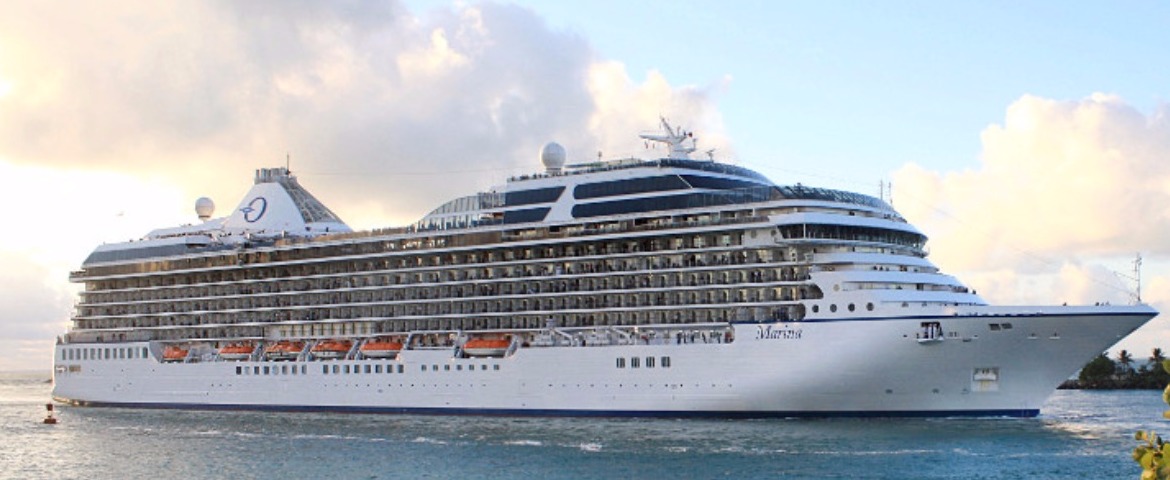
Oceania Marina
7 Cruises
| 10 May | 43 nights | One-way from Lisbon to Southampton |
450-628-6241
Call us
|
| 27 May | 26 nights | Round-trip from Southampton, United Kingdom |
450-628-6241
Call us
|
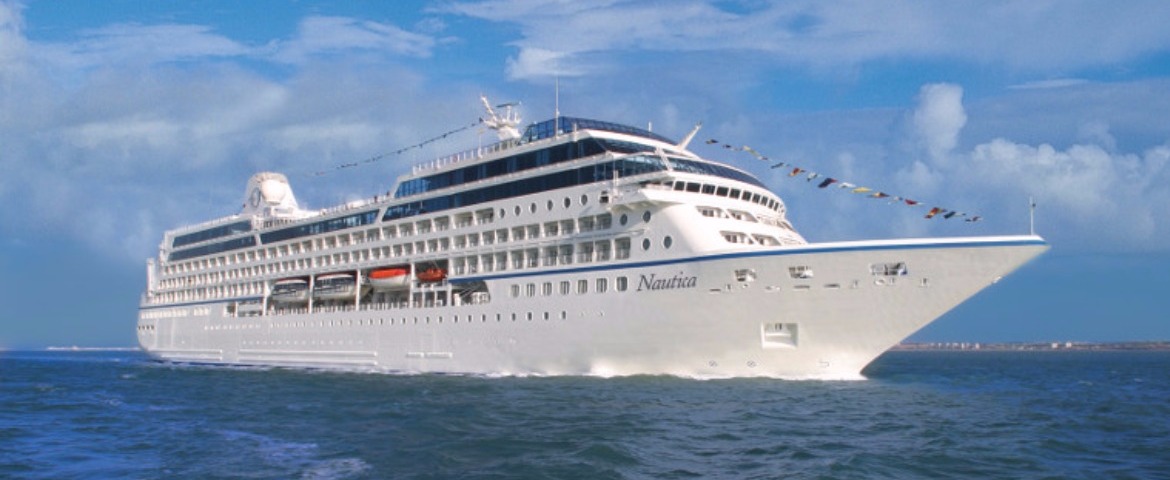
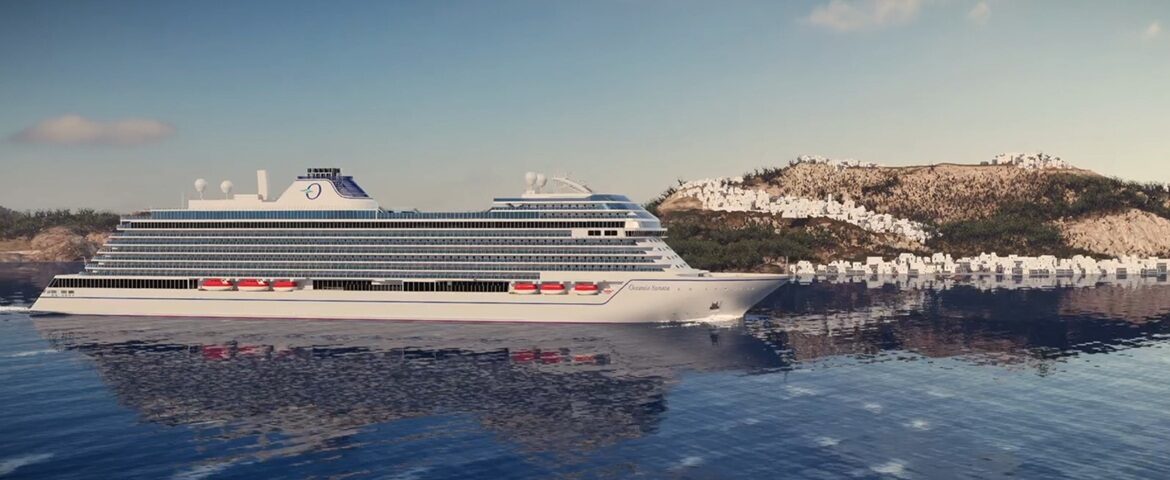
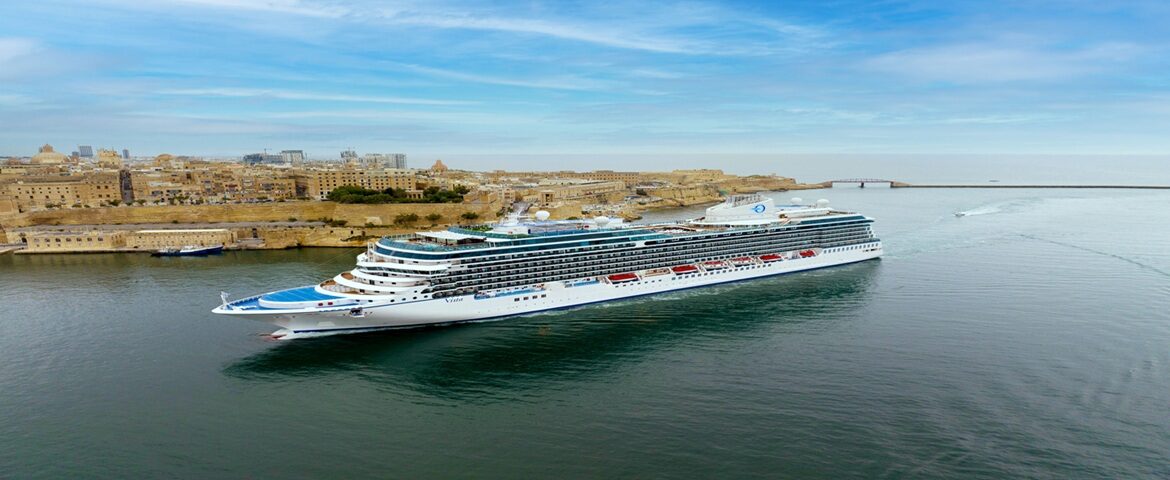
Oceania Sonata
8 Cruises
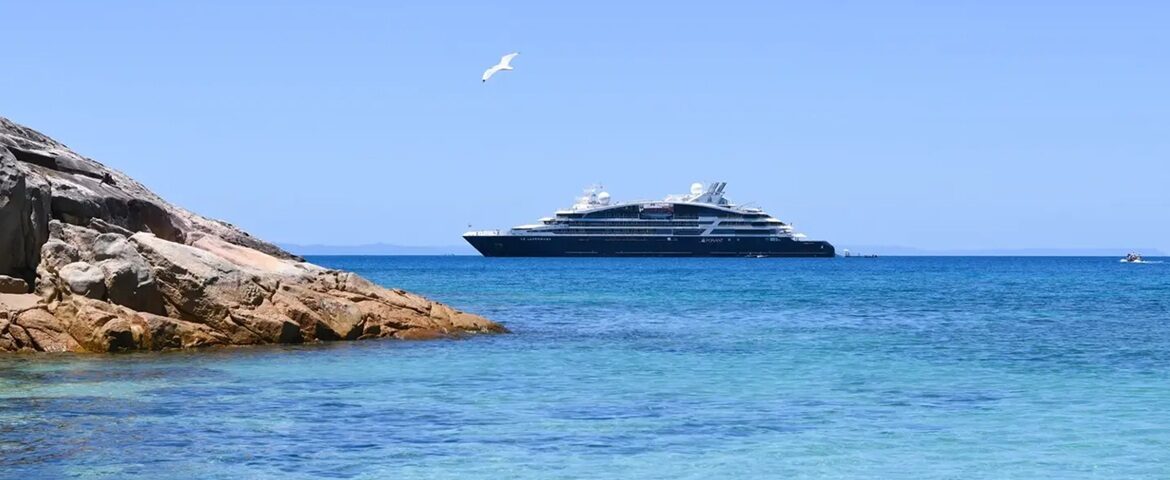
Ponant (14 Cruises)
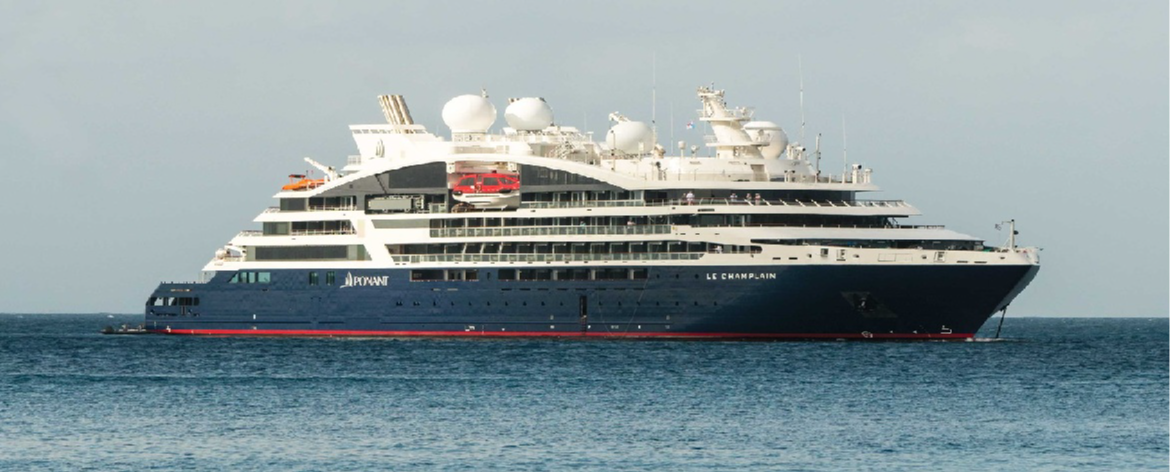
Le Champlain
5 Cruises


Princess Cruises (89 Cruises)
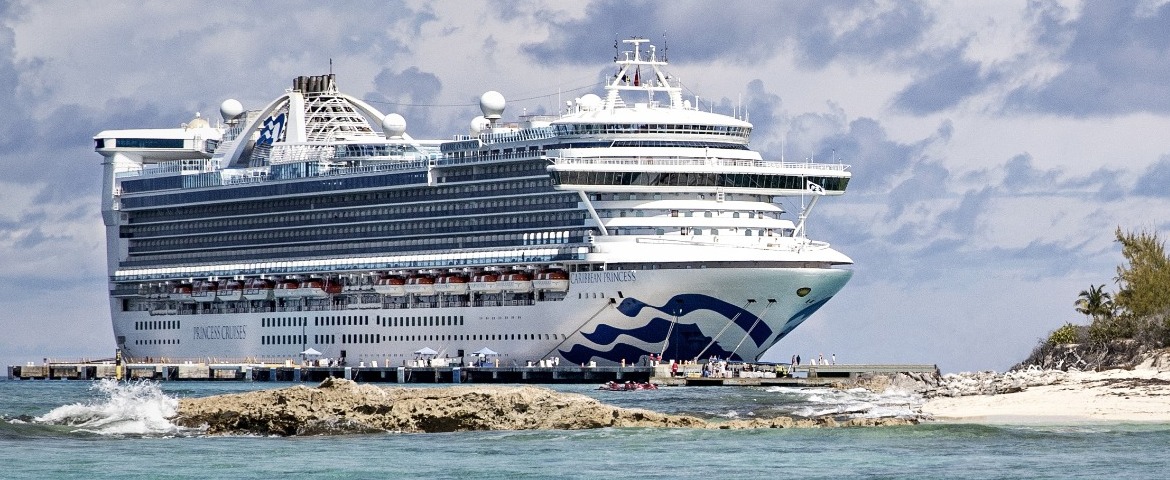
Caribbean Princess
49 Cruises

| 11 June | 12 nights | Round-trip from Copenhagen, Denmark |
450-628-6241
Call us
|
| 23 June | 12 nights | Round-trip from Copenhagen, Denmark |
450-628-6241
Call us
|
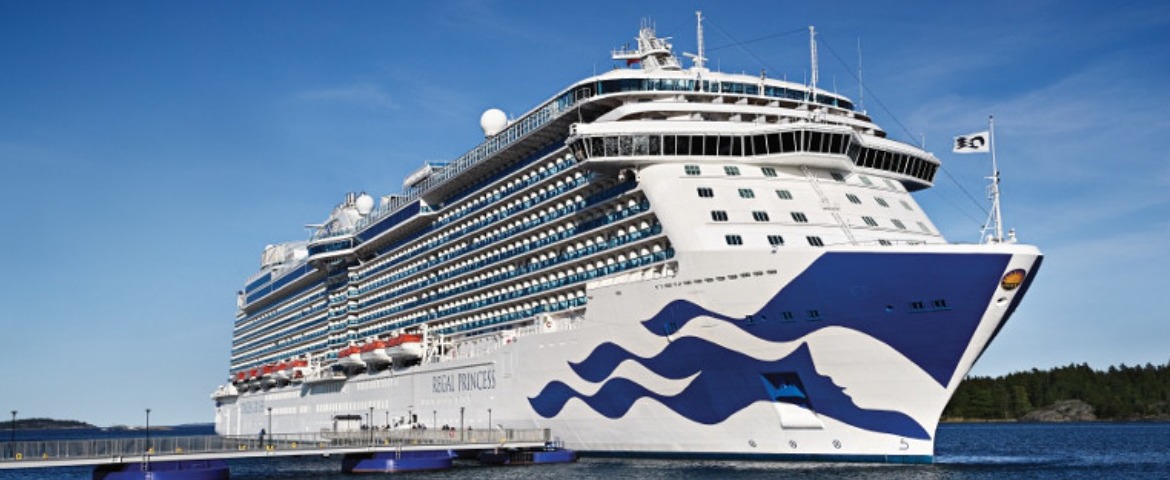
Regal Princess
32 Cruises
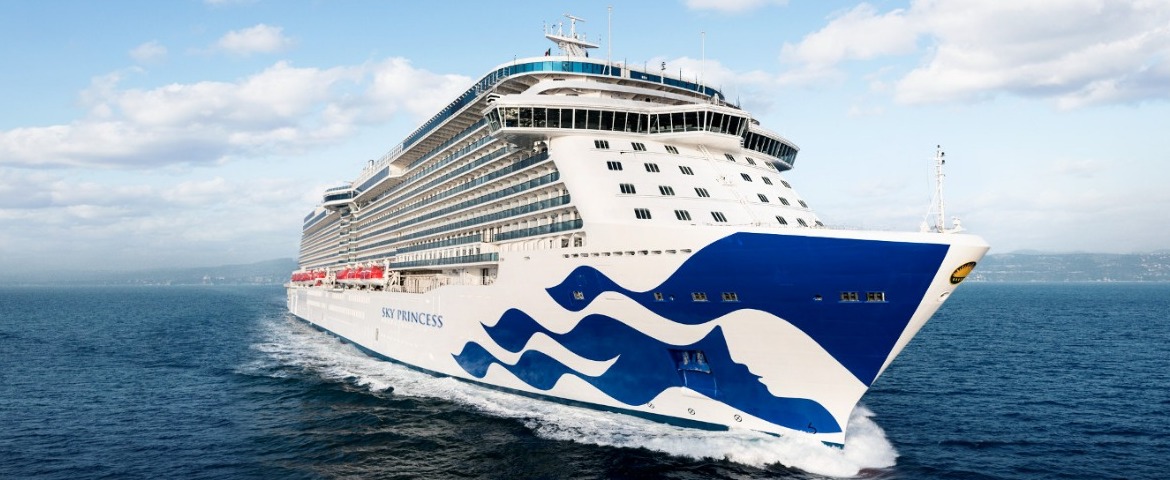
Sky Princess
8 Cruises
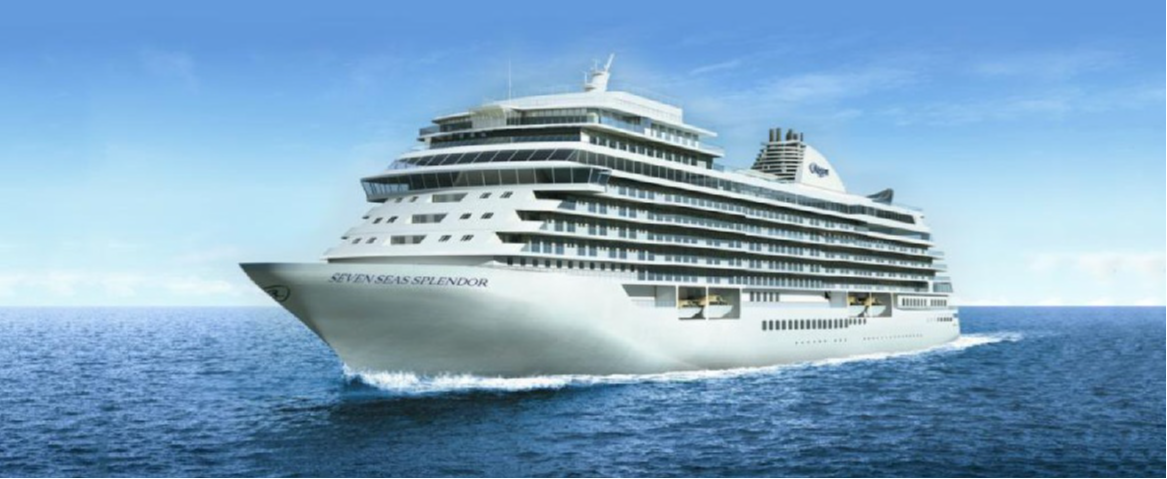
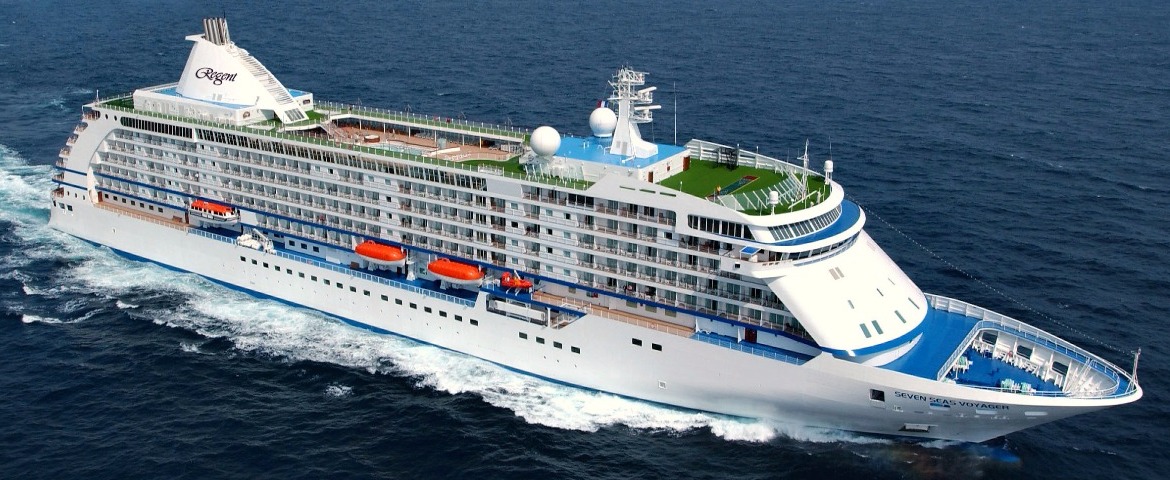
Regent Seven Seas Cruises (19 Cruises)
Seven Seas Mariner
10 Cruises


Seabourn Cruise Line (20 Cruises)
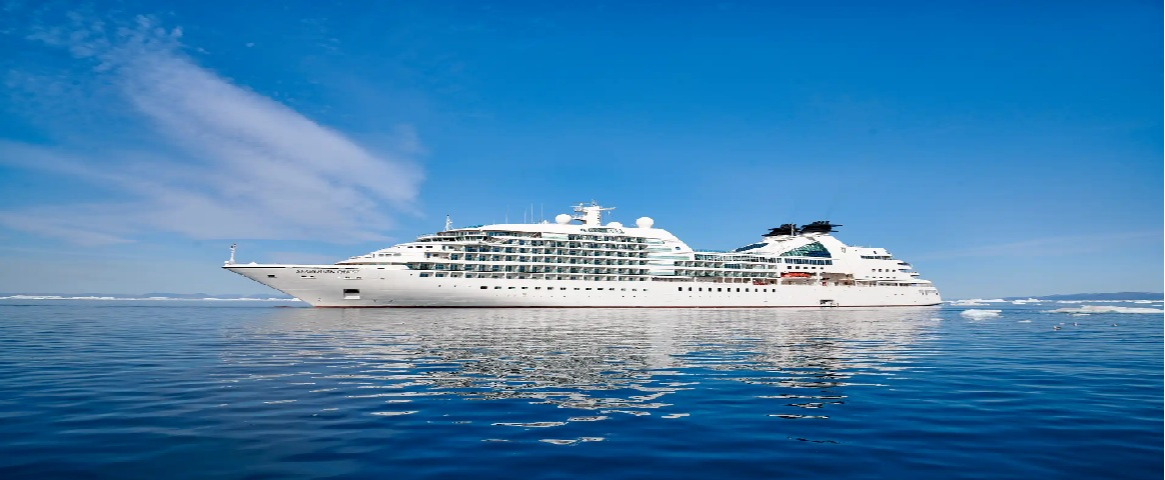
Seabourn Quest
20 Cruises

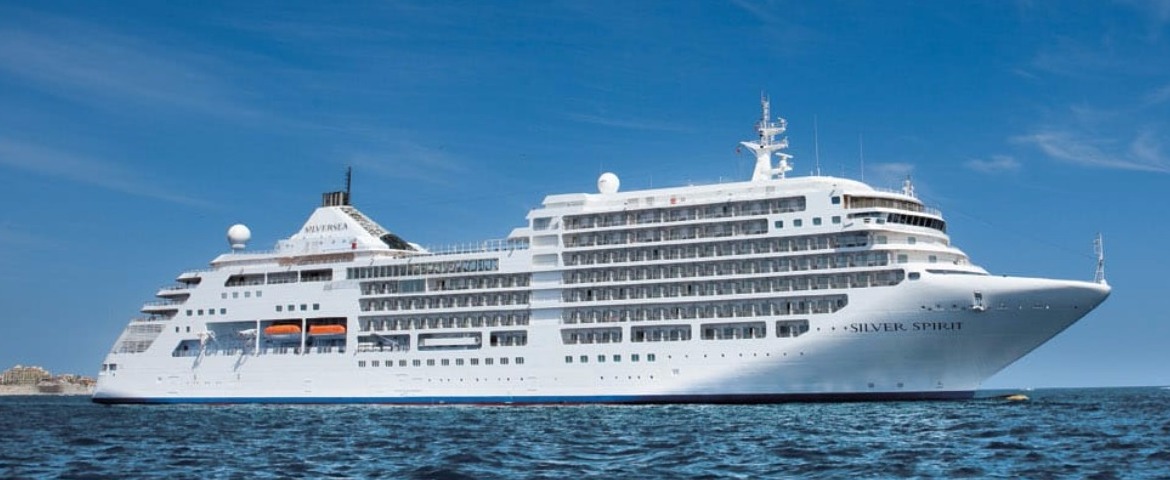
Silversea Cruises (19 Cruises)
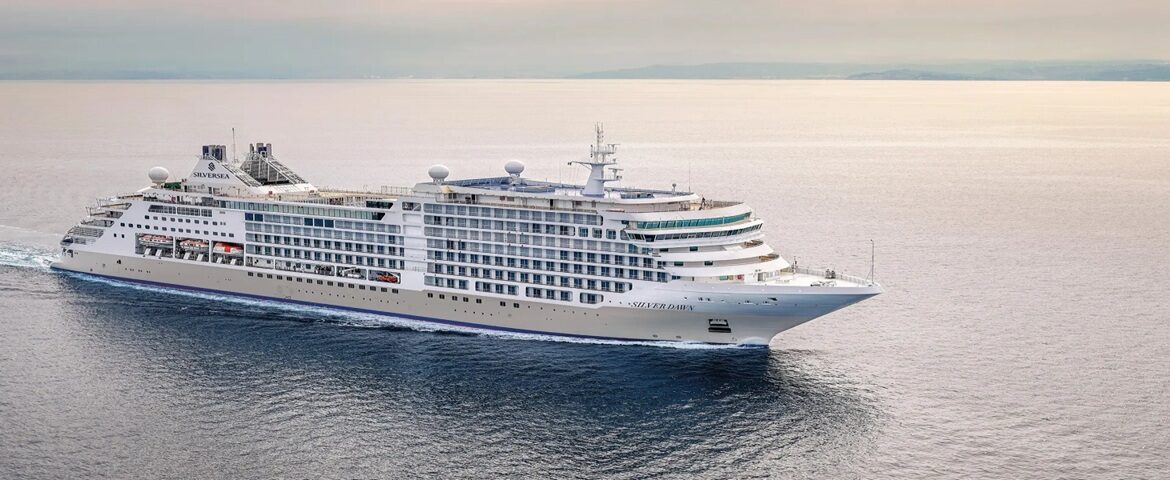
Silver Dawn
9 Cruises

| 7 June | 10 nights | Round-trip from Copenhagen, Denmark |
450-628-6241
Call us
|
| 27 June | 7 nights | One-way from Copenhagen to Stockholm |
450-628-6241
Call us
|
Viking Ocean Cruises (52 Cruises)
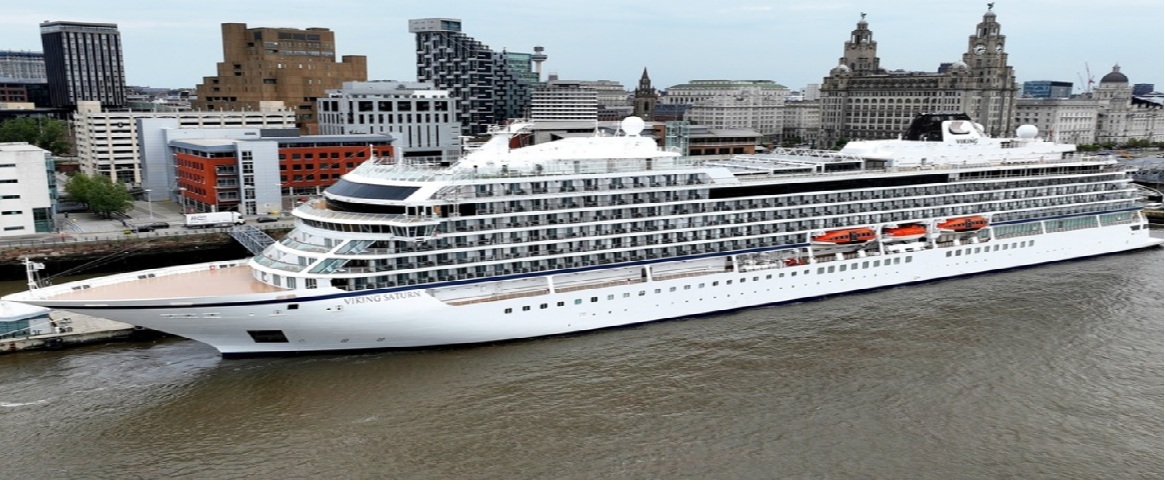
Viking Saturn
36 Cruises

| 21 May | 20 nights | One-way from Bergen to Copenhagen |
450-628-6241
Call us
|
| 28 May | 13 nights | One-way from Oslo to Copenhagen |
450-628-6241
Call us
|
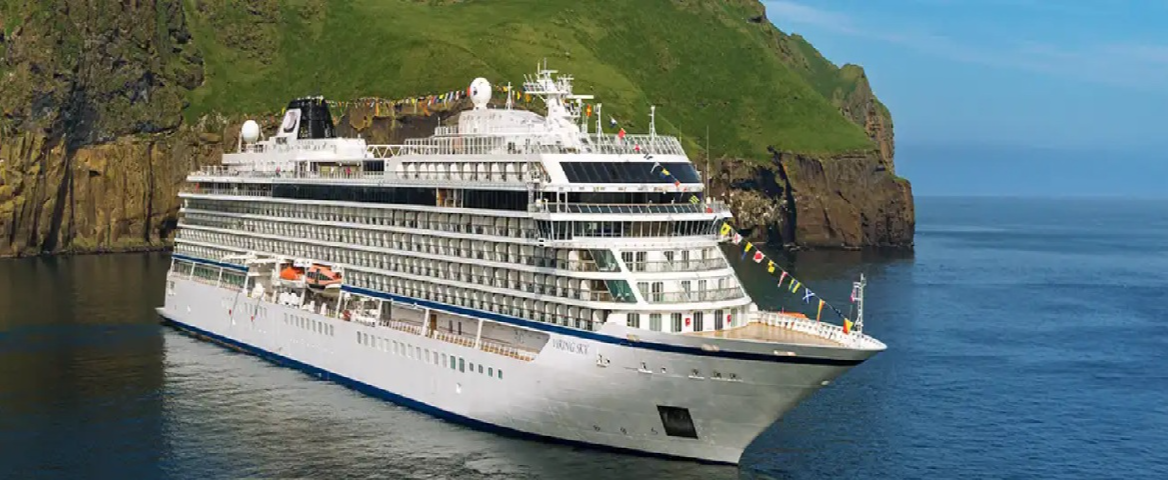
Viking Sky
16 Cruises
| 11 June | 12 nights | One-way from Stockholm to Bergen |
450-628-6241
Call us
|
| 25 June | 12 nights | One-way from Bergen to Stockholm |
450-628-6241
Call us
|
Windstar Cruises (4 Cruises)


Tallinn, Estonia | Baltic Cruise Port & Travel Guide
Frequently Asked Questions
Yes. The ramparts start barely a kilometre from the quays: fifteen to twenty minutes on level ground and you pass through the seaward gate into another century.
It is one of the best-preserved medieval centres in Europe, listed by UNESCO. Gothic spires, Orthodox domes and watchtowers break the roofline much as they did in Hanseatic times.
The town hall itself, completed in 1404, the oldest surviving one in northern Europe, with its Old Thomas weathervane. Opposite, the town pharmacy has served customers since 1422 and displays period vials and remedies.
A vaulted lane where glassblowers, ceramicists and bookbinders work in studios backing onto a former convent. It is the corner of the old town where the Middle Ages still have working hands.
By a cobbled ramp from the lower town, about thirty minutes' walk from the quays including the climb. Toompea is the upper hill where knights and governors once sat, and where the Estonian parliament sits today.
From the Kohtuotsa and Patkuli platforms on Toompea: the tide of red roofs, the round towers of the walls and, beyond, the Baltic where your ship waits.
Two towers of the city wall. Fat Margaret, squat and pierced with loopholes, guards the seaward gate and houses the Estonian maritime museum. Kiek in de Kök, 'peek into the kitchen', is named for gunners who could see into neighbouring hearths; it is visited together with the tunnels dug beneath the bastions.
The Lennusadam maritime museum, twenty to twenty-five minutes on foot from the port or a short taxi ride. It occupies former seaplane hangars with concrete vaults, and you can climb aboard the submarine Lembit: children refuse to leave.
Yes, the Rotermann quarter, ten minutes' walk from the quays, where old brick factories have become contemporary architecture, shops and restaurants. It is the immediate counterpoint to the old town.
Marzipan, whose invention the city claims against Lübeck, in the old cafés tucked under the vaults, with hot chocolate and cinnamon pastries. The currency is the euro and English is spoken everywhere.


