Rhodes Island Greece
829
Cruises availables
At departure or passage at this port
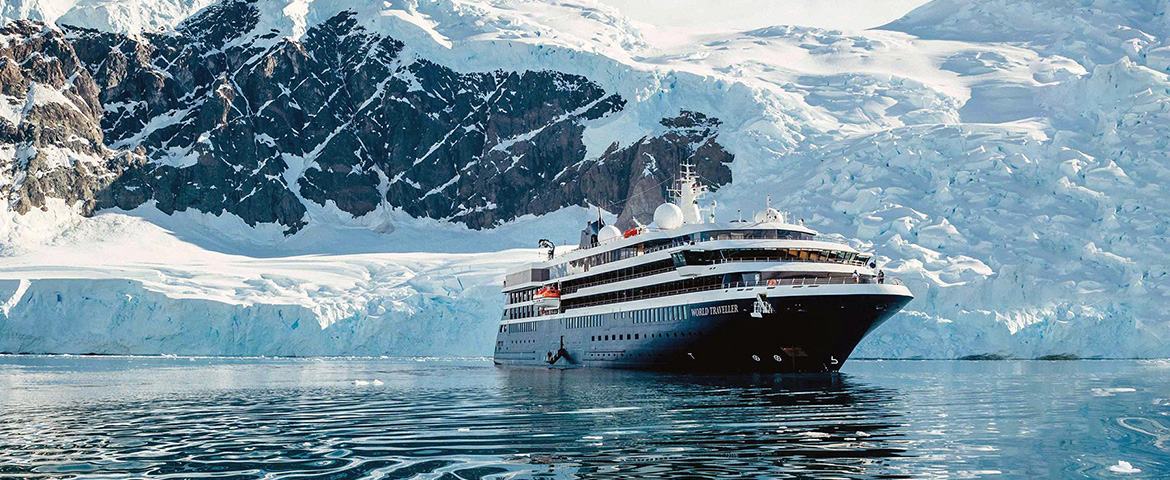
Atlas Ocean Voyages (2 Cruises)

Azamara Club Cruises (53 Cruises)
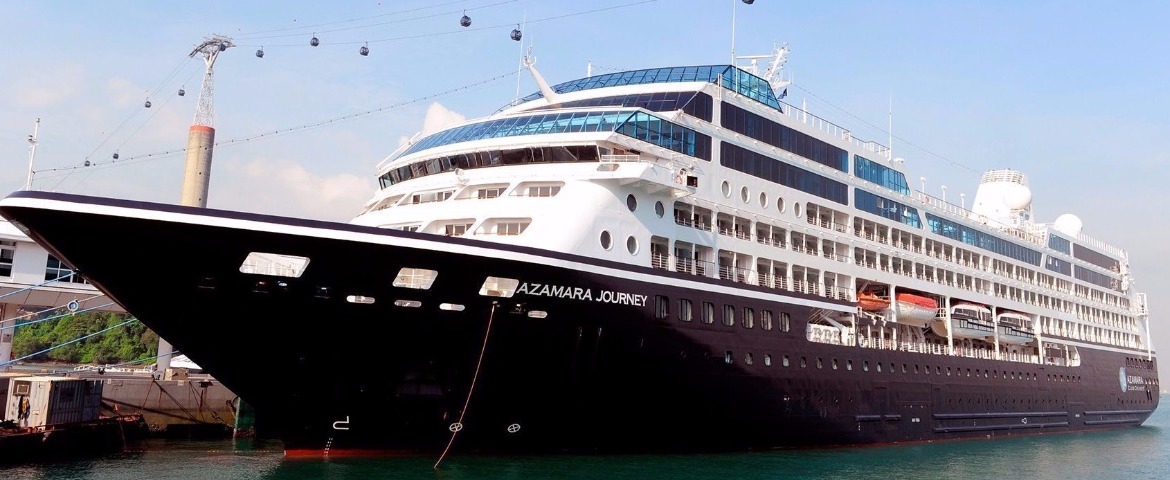
Azamara Journey
28 Cruises

| 31 October | 21 days | One-way from Barcelona to Piraeus-Athens |
450-628-6241
Call us
|
| 31 October | 21 days | One-way from Barcelona to Piraeus-Athens |
450-628-6241
Call us
|
| 22 January | 50 days | One-way from Lisbon to Barcelona |
450-628-6241
Call us
|
| 22 January | 49 days | One-way from Lisbon to Barcelona |
450-628-6241
Call us
|
| 6 May | 17 days | One-way from Piraeus-Athens to Venice |
450-628-6241
Call us
|
| 6 May | 8 days | Round-trip from Piraeus-Athens, Greece |
450-628-6241
Call us
|
| 26 August | 70 days | One-way from Portsmouth UK to Piraeus-Athens |
450-628-6241
Call us
|
| 26 August | 71 days | One-way from Portsmouth UK to Piraeus-Athens |
450-628-6241
Call us
|
Azamara Onward
25 Cruises
| 9 May | 52 days | One-way from Cape Town to Piraeus-Athens |
450-628-6241
Call us
|
| 9 May | 51 days | One-way from Cape Town to Piraeus-Athens |
450-628-6241
Call us
|
Celebrity Cruises (43 Cruises)
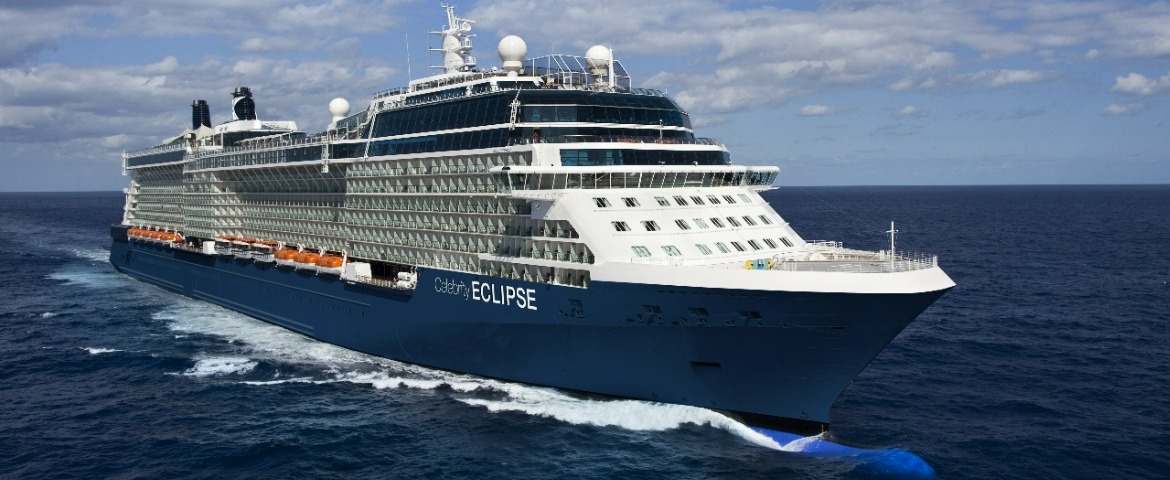

Celebrity Infinity
33 Cruises
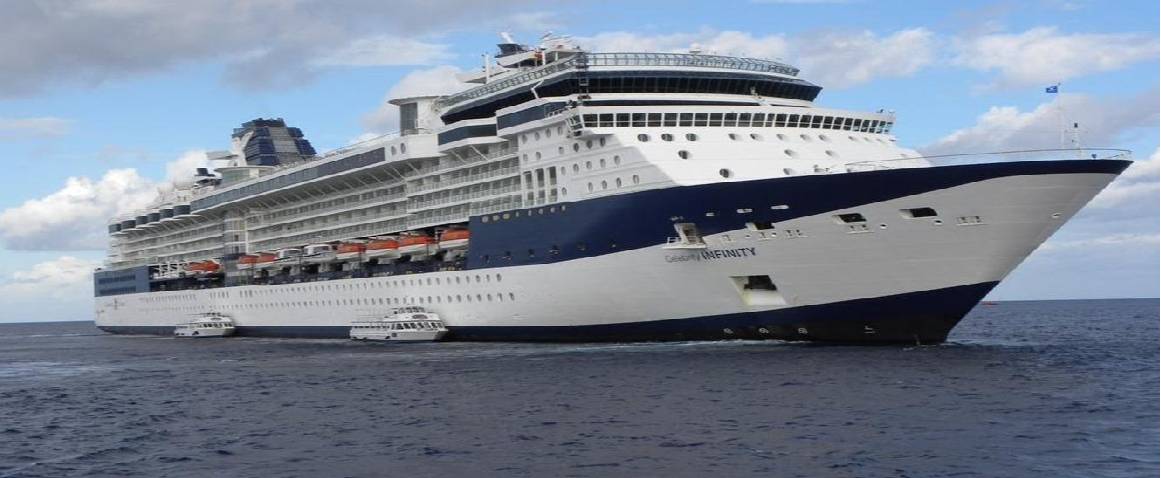
| 22 March | 11 days | Round-trip Eastern Mediterranean Celebrity Infinity Piraeus Athens |
From
1353$
|
| 22 March | 11 days | Round-trip from Piraeus-Athens, Greece |
450-628-6241
Call us
|
| 3 May | 12 days | Round-trip from Piraeus-Athens, Greece |
From
3529$
|
| 14 May | 10 days | Round-trip from Piraeus-Athens, Greece |
From
2576$
|
| 30 May | 8 days | Round-trip from Piraeus-Athens, Greece |
From
2381$
|
| 6 June | 8 days | Round-trip from Piraeus-Athens, Greece |
From
1896$
|
| 20 June | 8 days | Round-trip from Piraeus-Athens, Greece |
From
1825$
|
| 27 June | 8 days | Round-trip from Piraeus-Athens, Greece |
From
1824$
|
| 11 July | 8 days | Round-trip from Piraeus-Athens, Greece |
From
1816$
|
| 18 July | 8 days | Round-trip from Piraeus-Athens, Greece |
From
1879$
|
Celestyal Cruises (169 Cruises)
Celestyal Discovery
82 Cruises
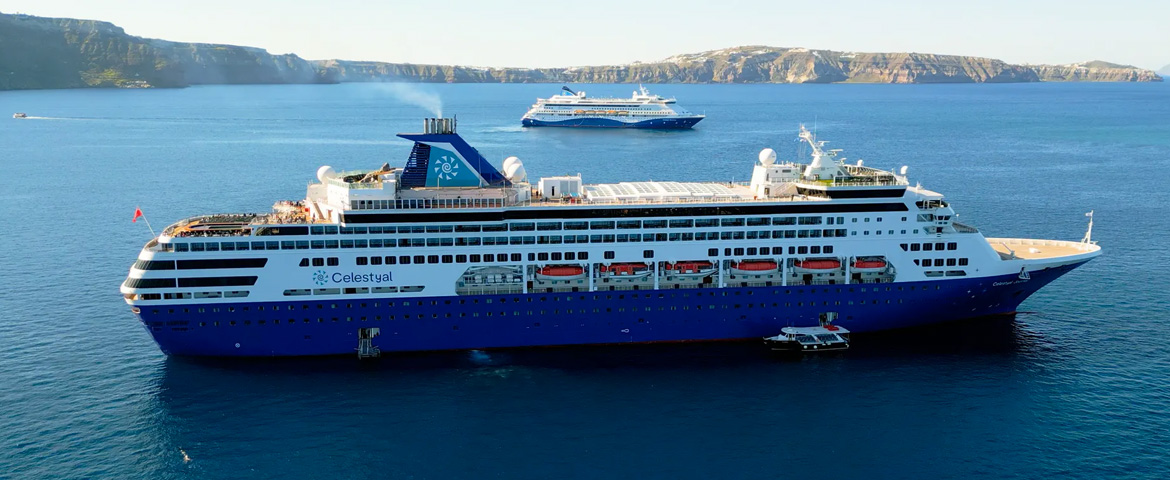

Celestyal Journey
87 Cruises
Costa Cruises (69 Cruises)
Costa Deliziosa
5 Cruises

Costa Pacifica
64 Cruises
CroisiEurope (7 Cruises)
MV La Belle de L'Adriatique
7 Cruises


Cunard (30 Cruises)
Queen Elizabeth
30 Cruises

Disney Cruise Line (2 Cruises)

Emerald Waterways (2 Cruises)

Explora Journeys (21 Cruises)

Explora II
14 Cruises
| 14 April | 11 days | One-way from Venice to Piraeus-Athens |
450-628-6241
Call us
|
| 14 April | 20 days | Round-trip from Venice, Italy |
450-628-6241
Call us
|
| 24 May | 8 days | One-way from Piraeus-Athens to Venice |
450-628-6241
Call us
|
| 24 May | 15 days | Round-trip from Piraeus-Athens, Greece |
450-628-6241
Call us
|
| 14 June | 8 days | One-way from Piraeus-Athens to Venice |
450-628-6241
Call us
|
| 14 June | 15 days | Round-trip from Piraeus-Athens, Greece |
450-628-6241
Call us
|
Holland America Line (18 Cruises)
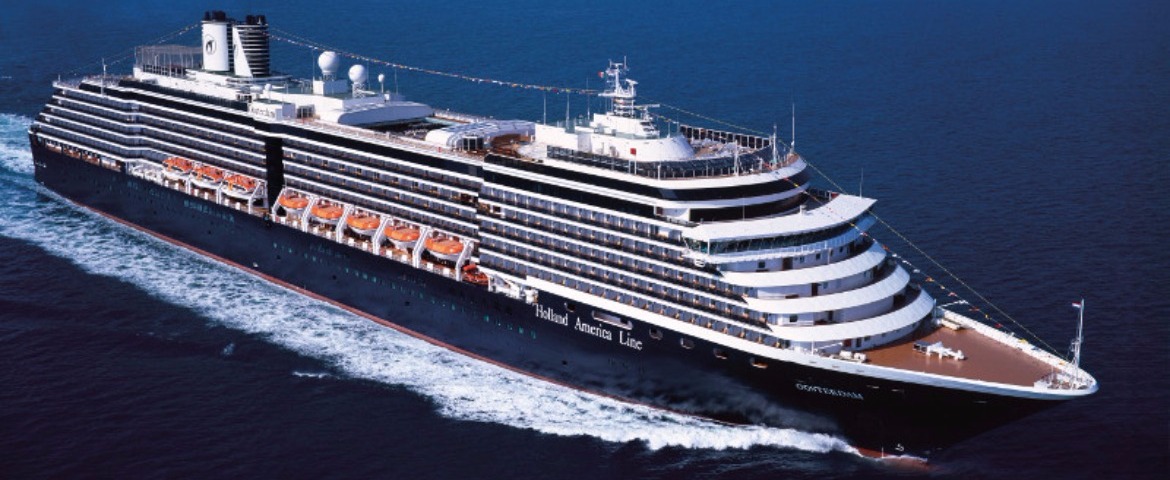
ms Oosterdam
13 Cruises

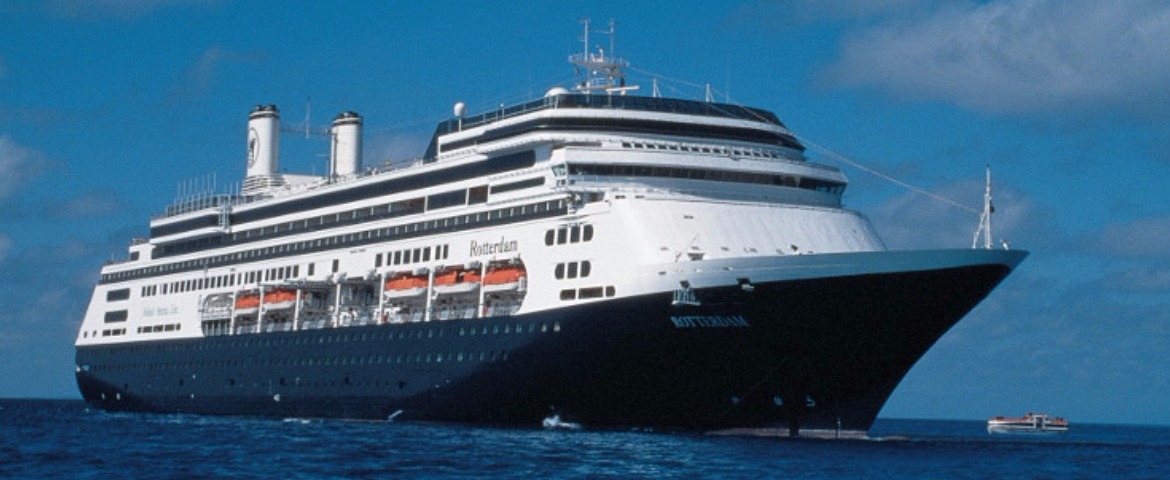
ms Rotterdam
5 Cruises
MSC Cruises (33 Cruises)

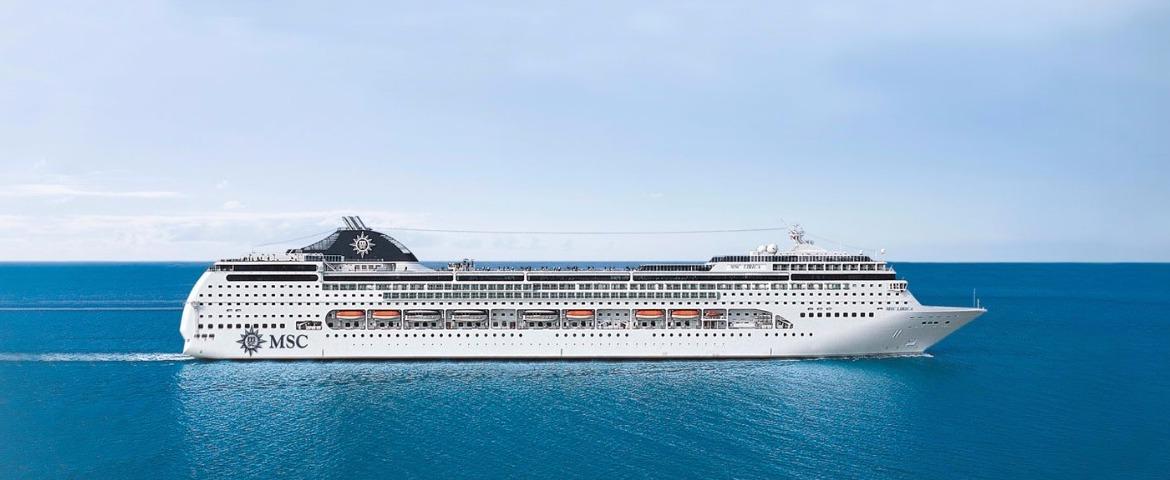
MSC Lirica
18 Cruises
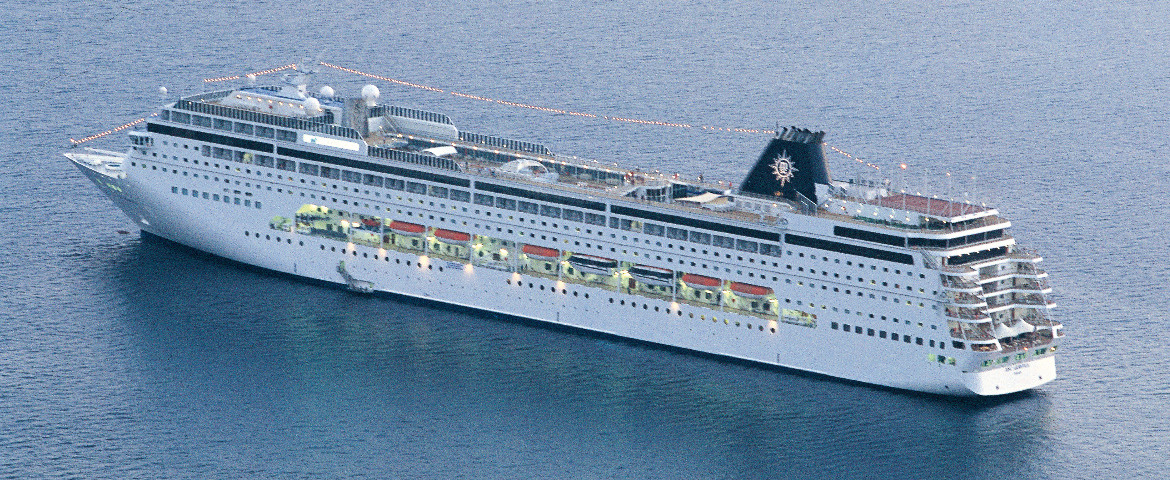
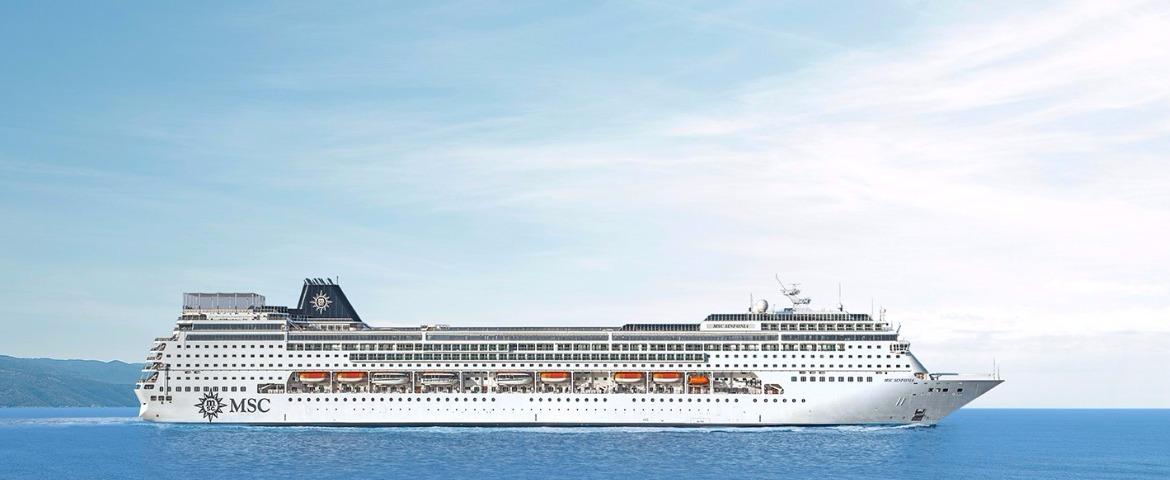
MSC Sinfonia
7 Cruises
MSC World Europa
4 Cruises
 Image not available
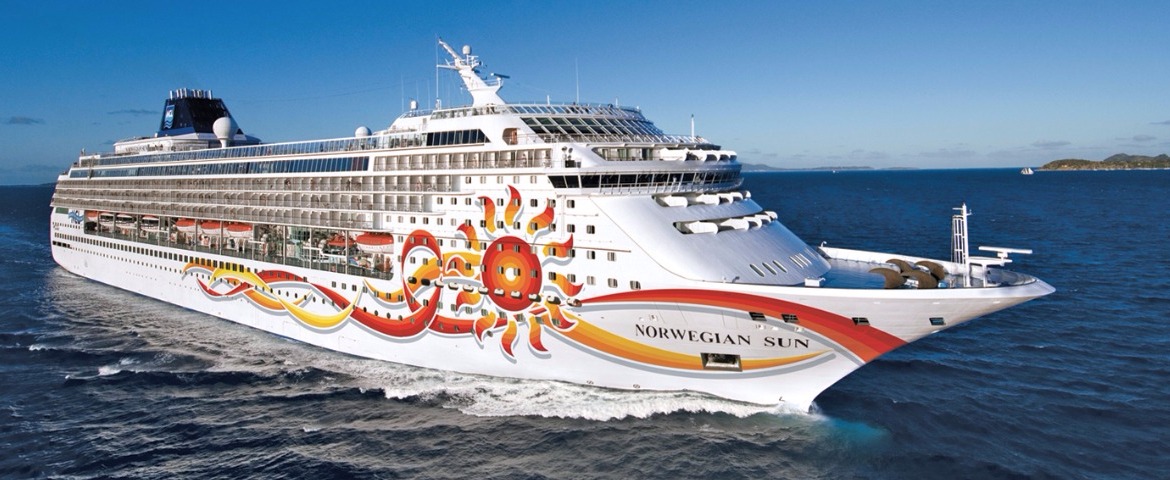
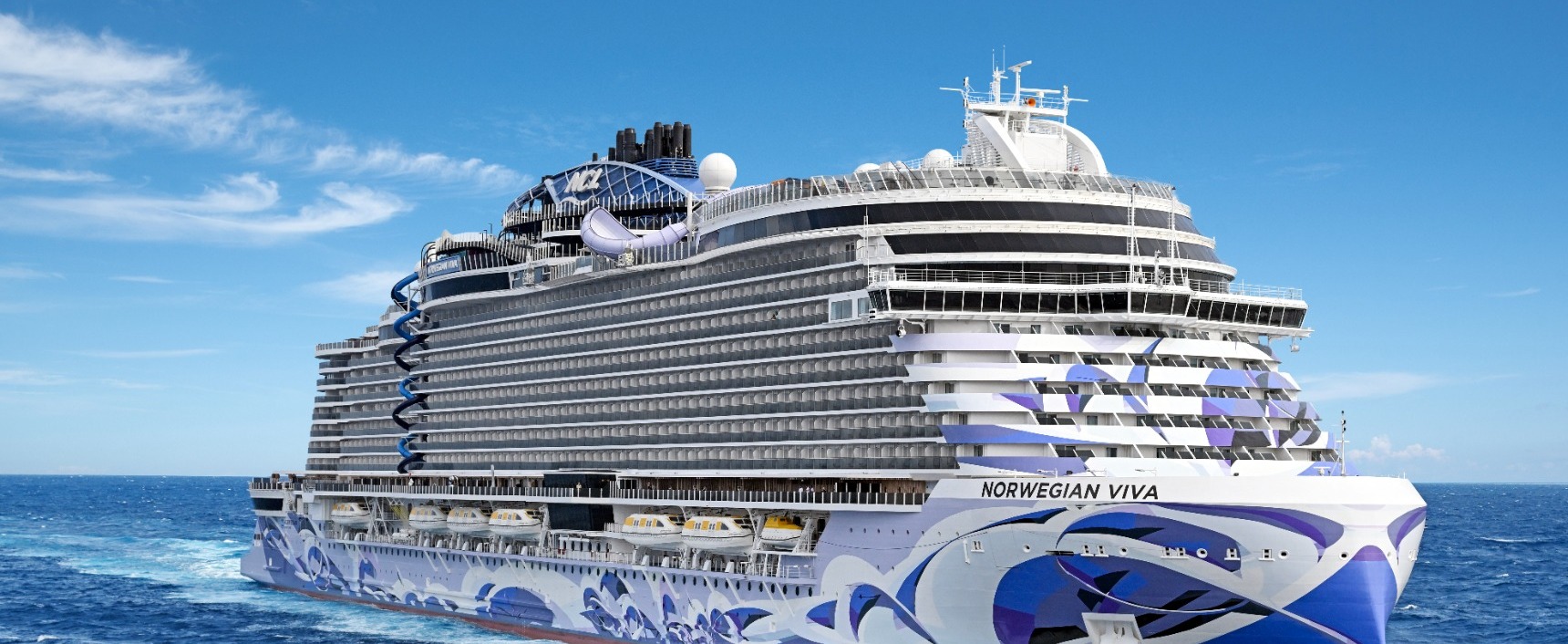
Norwegian Cruise Line (8 Cruises)

Oceania Cruises (57 Cruises)
Oceania Allura
15 Cruises

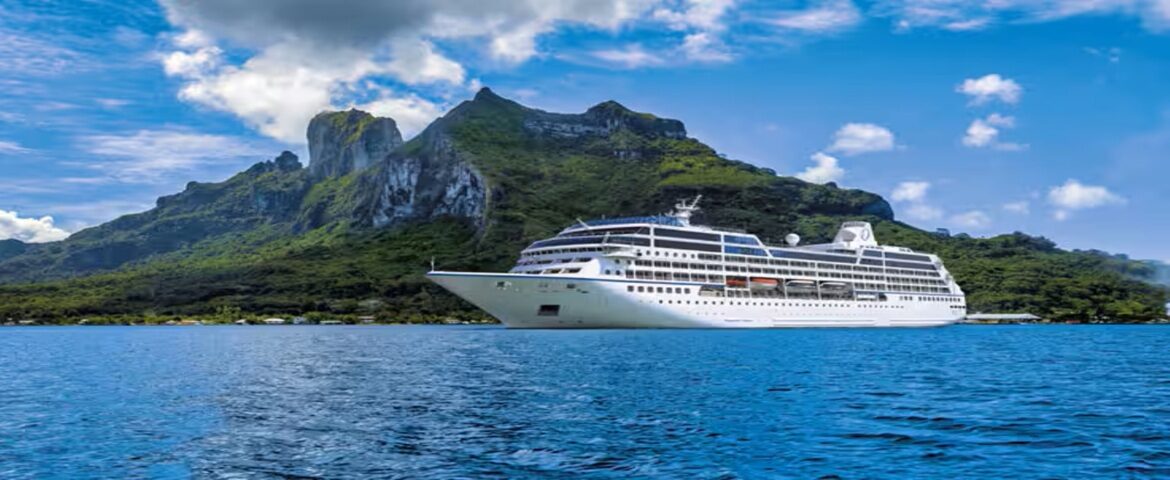
Oceania Aurelia
5 Cruises
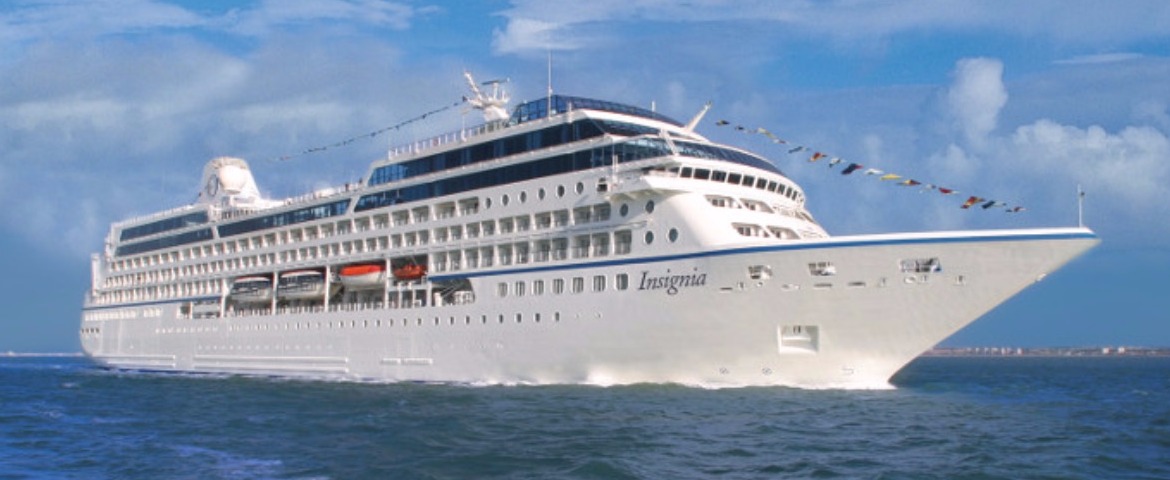
Oceania Insignia
8 Cruises
| 19 August | 67 days | One-way from Helsinki to Piraeus-Athens |
450-628-6241
Call us
|
| 19 August | 68 days | One-way from Helsinki to Piraeus-Athens |
450-628-6241
Call us
|
| 13 September | 43 days | One-way from Le Havre-Paris to Piraeus-Athens |
450-628-6241
Call us
|
| 13 September | 42 days | One-way from Le Havre-Paris to Piraeus-Athens |
450-628-6241
Call us
|
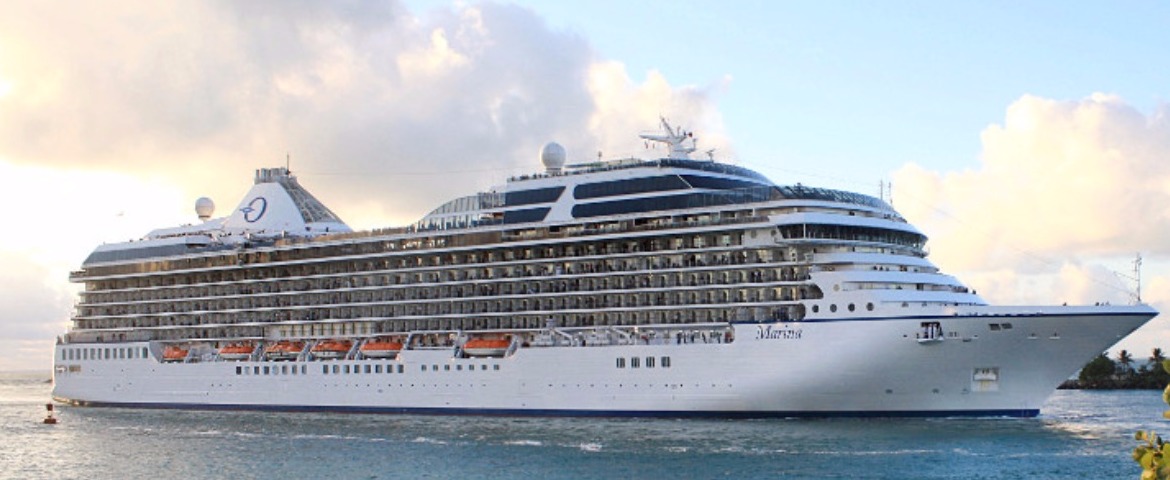
Oceania Marina
10 Cruises
| 17 April | 21 days | One-way from Barcelona to Istanbul |
450-628-6241
Call us
|
| 29 April | 9 days | One-way from Piraeus-Athens to Istanbul |
450-628-6241
Call us
|
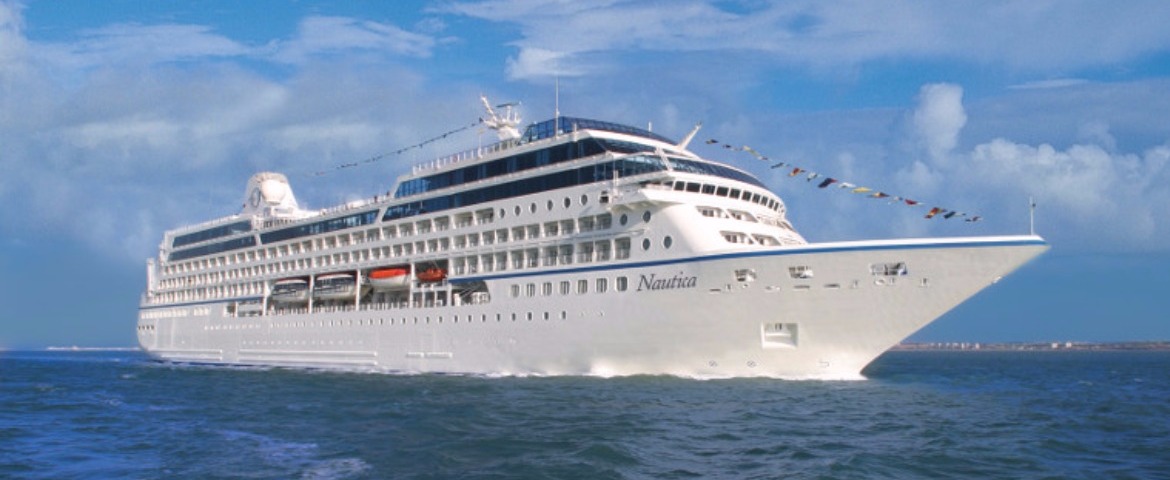
Oceania Nautica
5 Cruises
Oceania Sonata
4 Cruises
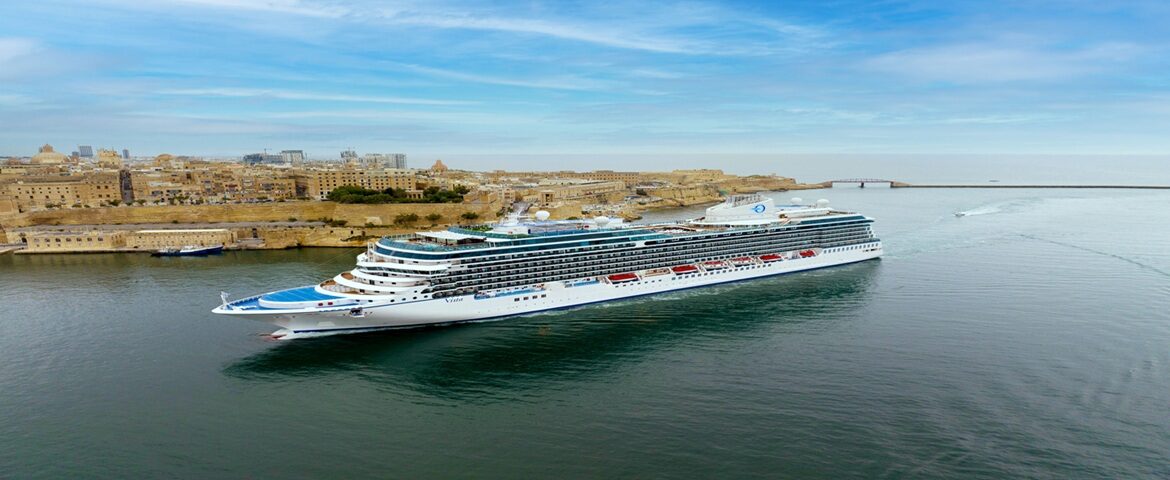
Oceania Vista
10 Cruises
| 6 January | 244 days | One-way from Miami to New York |
450-628-6241
Call us
|
| 6 January | 180 days | One-way from Miami to Southampton |
450-628-6241
Call us
|
| 26 February | 130 days | One-way from Sydney to Southampton |
450-628-6241
Call us
|
| 26 February | 129 days | One-way from Sydney to Southampton |
450-628-6241
Call us
|
Ponant (1 Cruises)

Princess Cruises (76 Cruises)
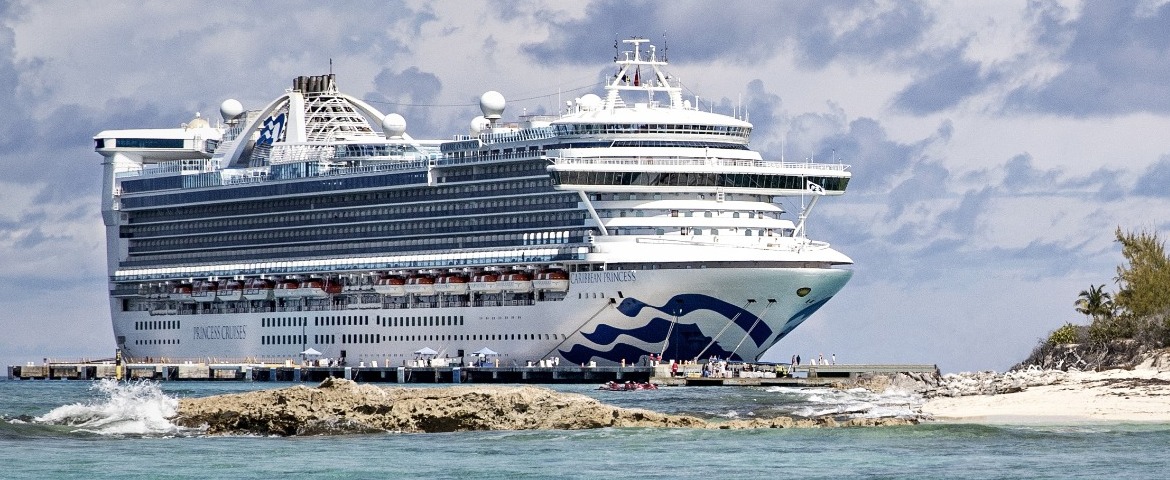
Caribbean Princess
4 Cruises

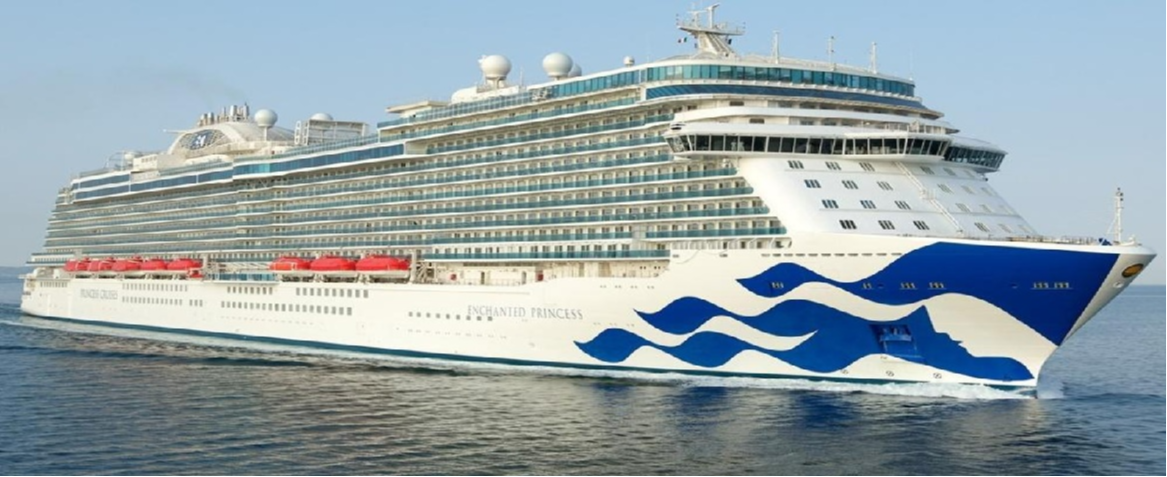
Enchanted Princess
71 Cruises
| 1 June | 12 days | One-way from Piraeus-Athens to Civitavecchia-Rome |
450-628-6241
Call us
|
| 1 June | 11 days | One-way from Piraeus-Athens to Civitavecchia-Rome |
450-628-6241
Call us
|
| 8 July | 28 days | One-way from Piraeus-Athens to Civitavecchia-Rome |
450-628-6241
Call us
|
| 8 July | 14 days | One-way from Piraeus-Athens to Civitavecchia-Rome |
450-628-6241
Call us
|
Regent Seven Seas Cruises (26 Cruises)
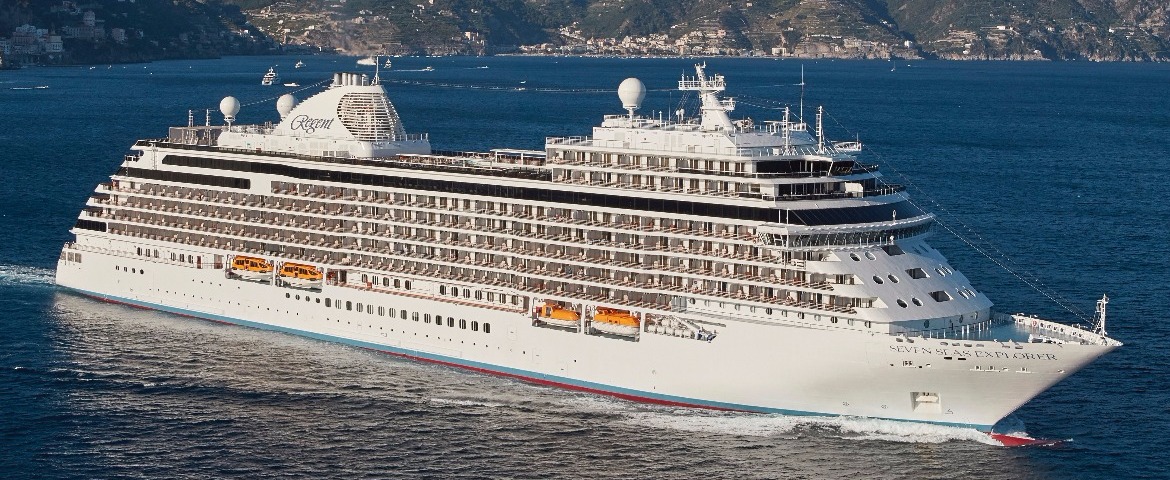
Seven Seas Explorer
6 Cruises

Seven Seas Mariner
6 Cruises
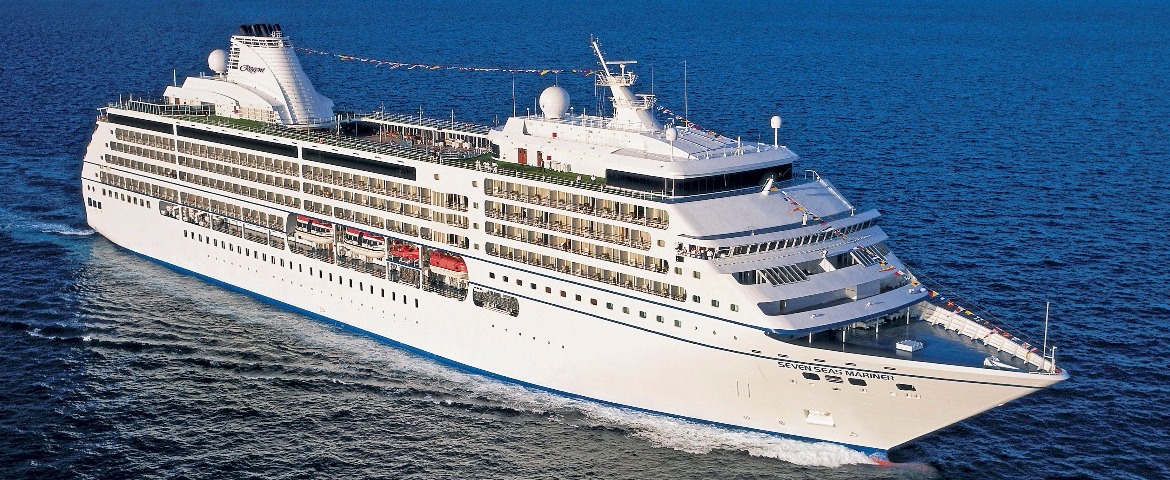
| 29 April | 174 days | One-way from New York to Piraeus-Athens |
450-628-6241
Call us
|
| 29 April | 175 days | One-way from New York to Piraeus-Athens |
450-628-6241
Call us
|
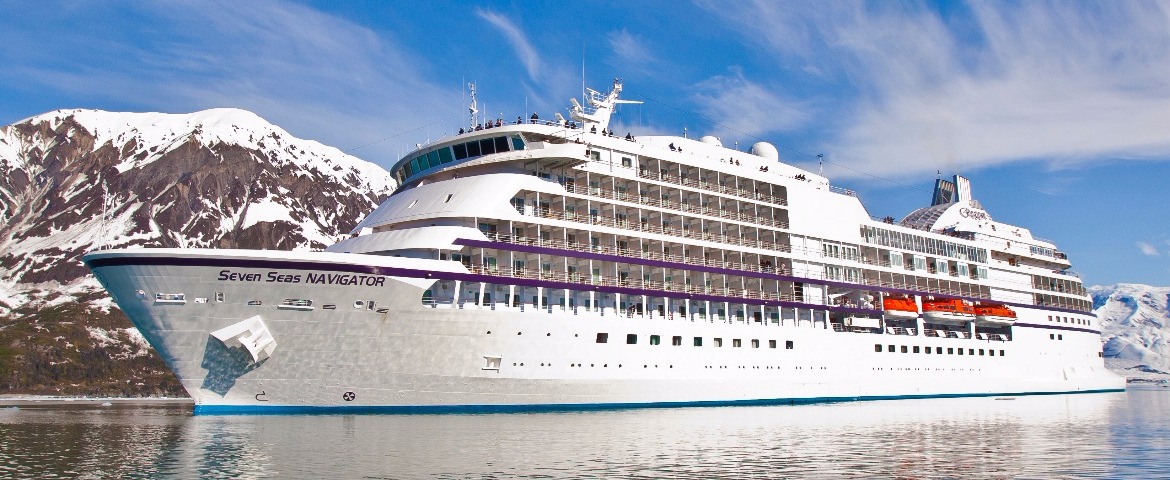
Seven Seas Navigator
6 Cruises
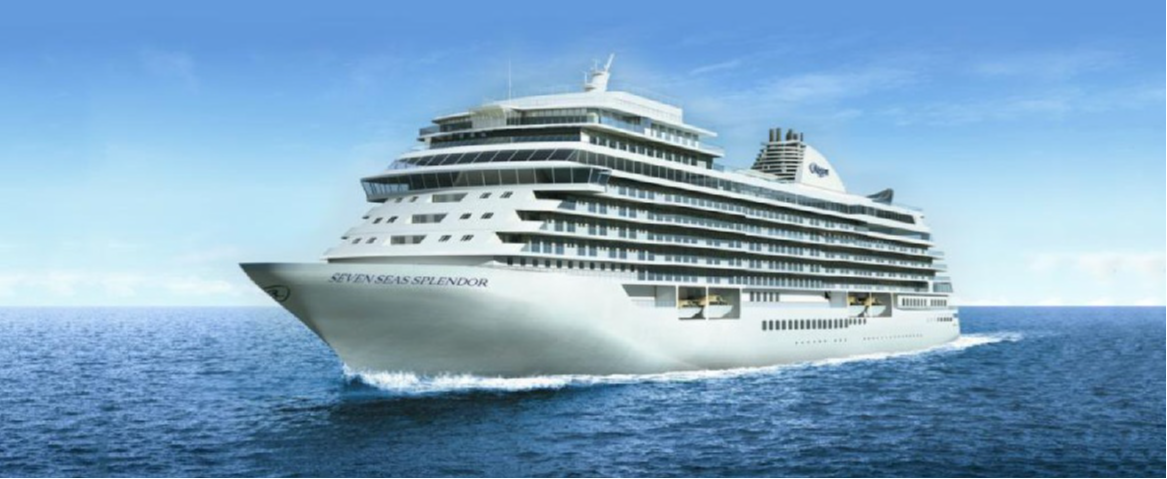
Seven Seas Splendor
4 Cruises
Royal Caribbean Cruises (11 Cruises)



Rhapsody of the Seas
8 Cruises

Seabourn Cruise Line (34 Cruises)
Seabourn Ovation
34 Cruises
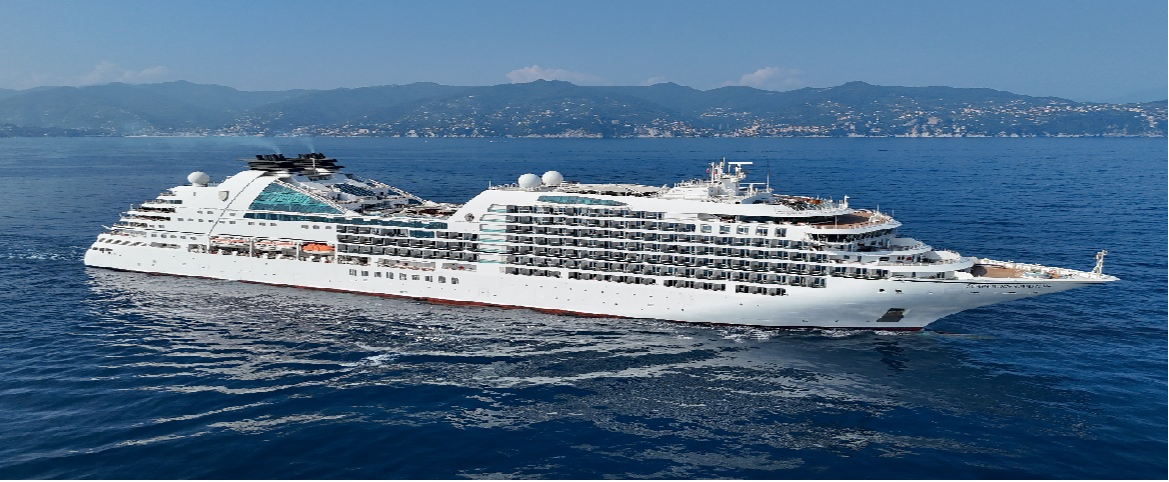

| 25 September | 36 days | One-way from Barcelona to Piraeus-Athens |
450-628-6241
Call us
|
| 25 September | 35 days | One-way from Barcelona to Piraeus-Athens |
450-628-6241
Call us
|
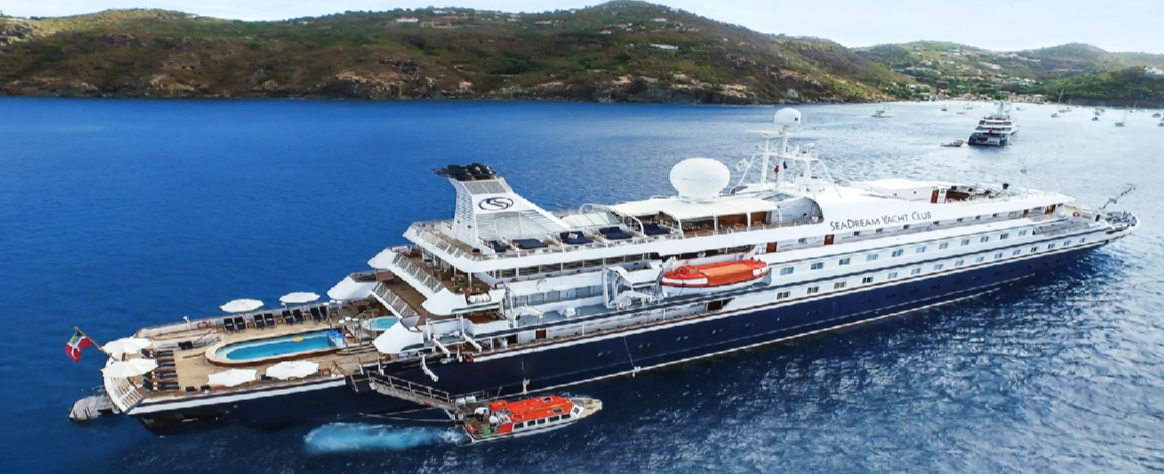
SeaDream Yacht Club (1 Cruises)

Silversea Cruises (13 Cruises)
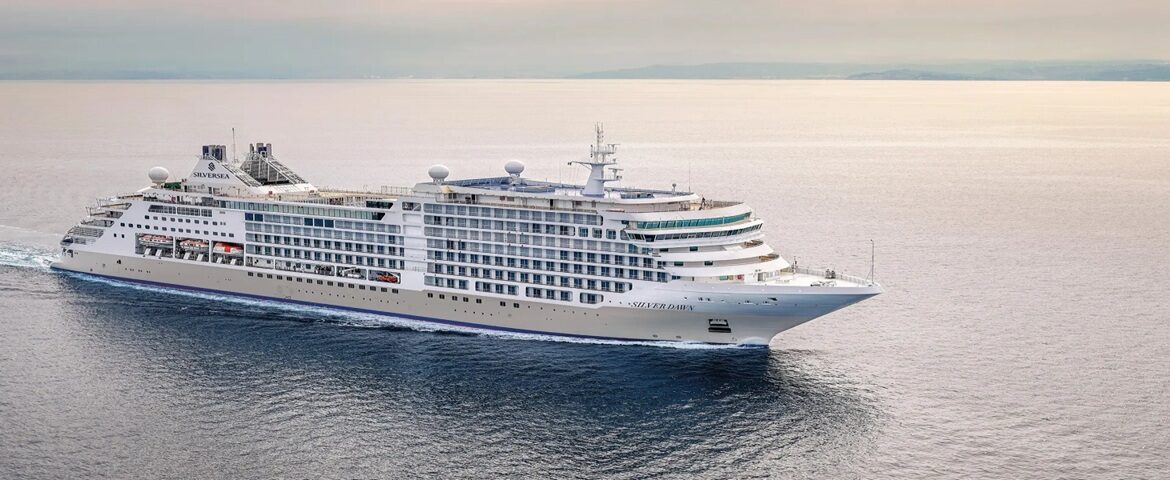

Silver Shadow
4 Cruises
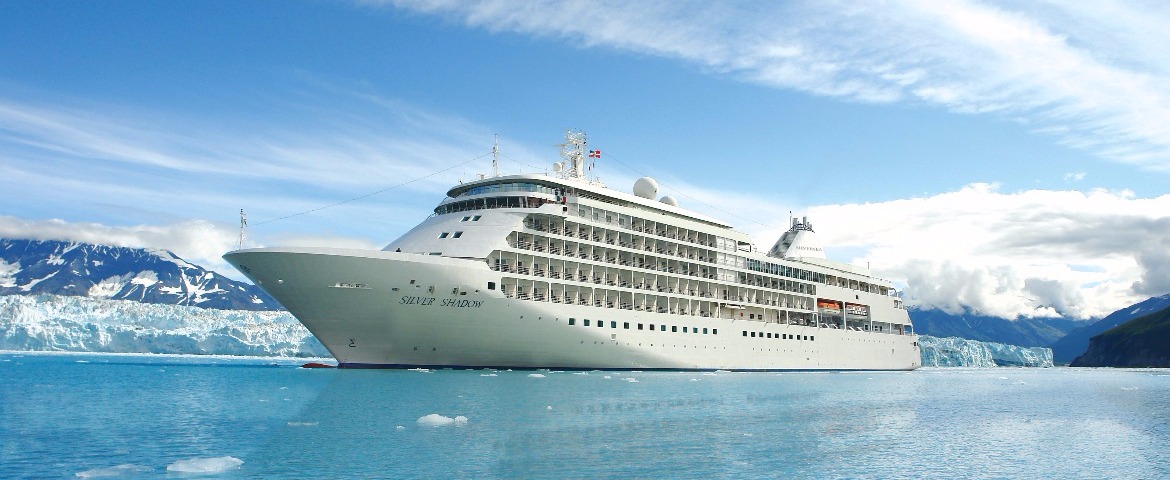
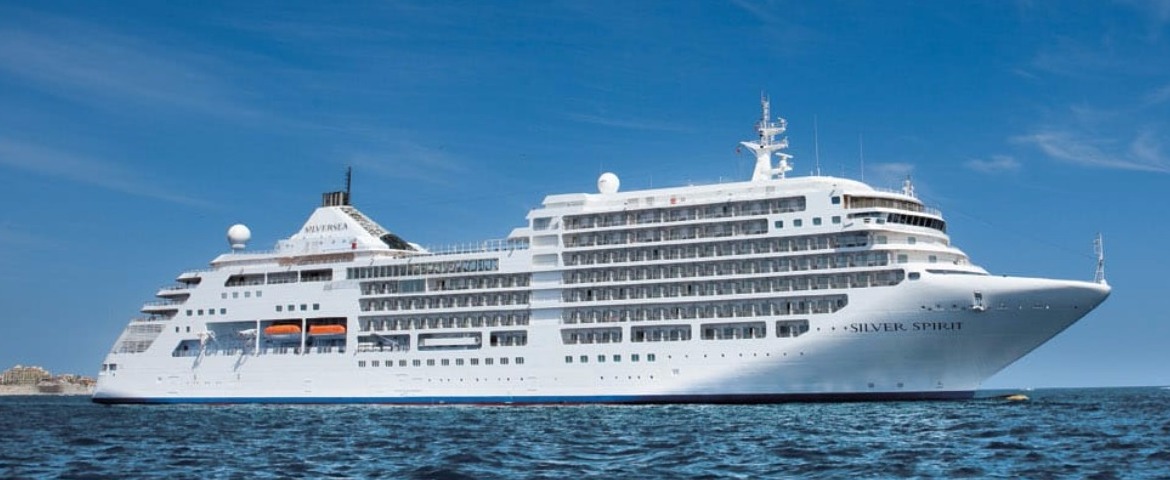
Star Clippers (6 Cruises)
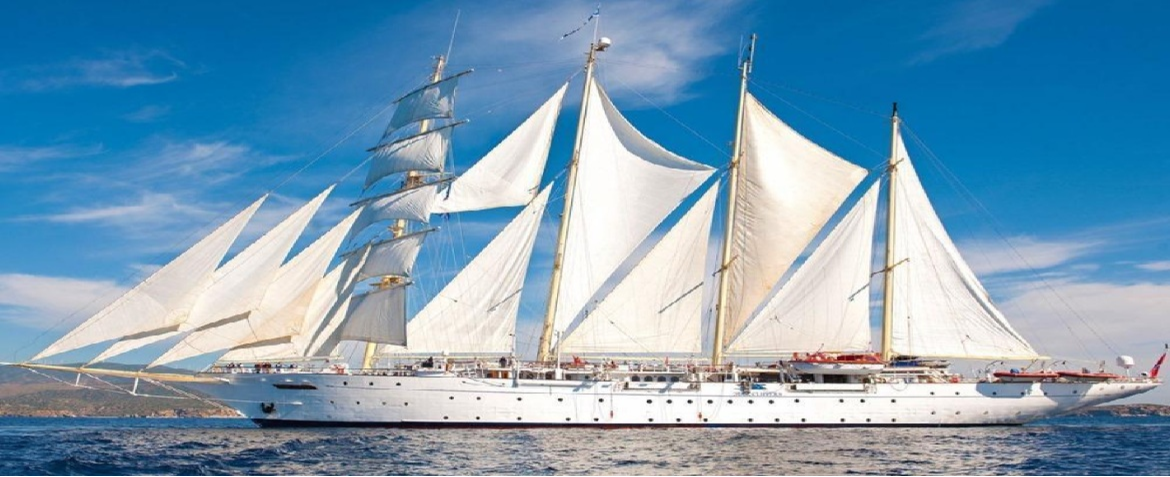
Star Flyer
6 Cruises

Viking Ocean Cruises (133 Cruises)
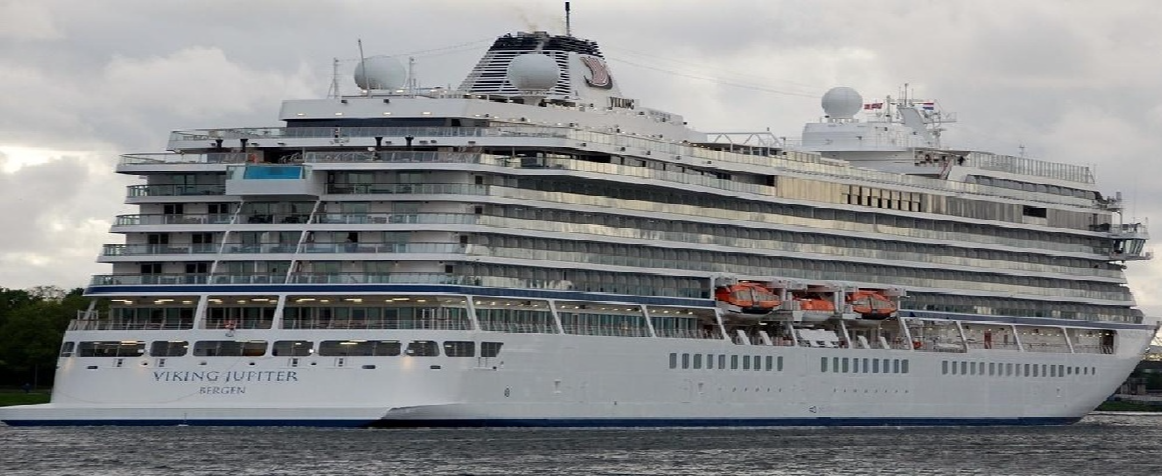
Viking Jupiter
23 Cruises

| 26 April | 9 days | Round-trip 10 Night Greek Odyssey Cruise |
450-628-6241
Call us
|
| 26 April | 10 days | Round-trip from Piraeus-Athens, Greece |
450-628-6241
Call us
|
| 12 August | 9 days | Round-trip 10 Night Greek Odyssey Cruise |
450-628-6241
Call us
|
| 12 August | 10 days | Round-trip from Piraeus-Athens, Greece |
450-628-6241
Call us
|
| 19 September | 34 days | One-way from Lisbon to Istanbul |
450-628-6241
Call us
|
| 26 September | 27 days | One-way from Barcelona to Istanbul |
450-628-6241
Call us
|
| 27 April | 10 days | Round-trip from Piraeus-Athens, Greece |
450-628-6241
Call us
|
| 27 April | 9 days | Round-trip 10 Night Greek Odyssey Cruise |
450-628-6241
Call us
|
| 23 July | 27 days | One-way from Barcelona to Istanbul |
450-628-6241
Call us
|
| 29 July | 21 days | One-way from Civitavecchia-Rome to Istanbul |
450-628-6241
Call us
|
Viking Mars
19 Cruises
Viking Neptune
37 Cruises
| 20 January | 9 days | Round-trip 10 Night Greek Odyssey Cruise |
450-628-6241
Call us
|
| 20 January | 10 days | Round-trip from Piraeus-Athens, Greece |
450-628-6241
Call us
|
Viking Saturn
14 Cruises
| 23 February | 10 days | Round-trip from Piraeus-Athens, Greece |
450-628-6241
Call us
|
| 23 February | 9 days | Round-trip 10 Night Greek Odyssey Cruise |
450-628-6241
Call us
|
| 5 March | 10 days | Round-trip from Piraeus-Athens, Greece |
450-628-6241
Call us
|
| 5 March | 9 days | Round-trip 10 Night Greek Odyssey Cruise |
450-628-6241
Call us
|
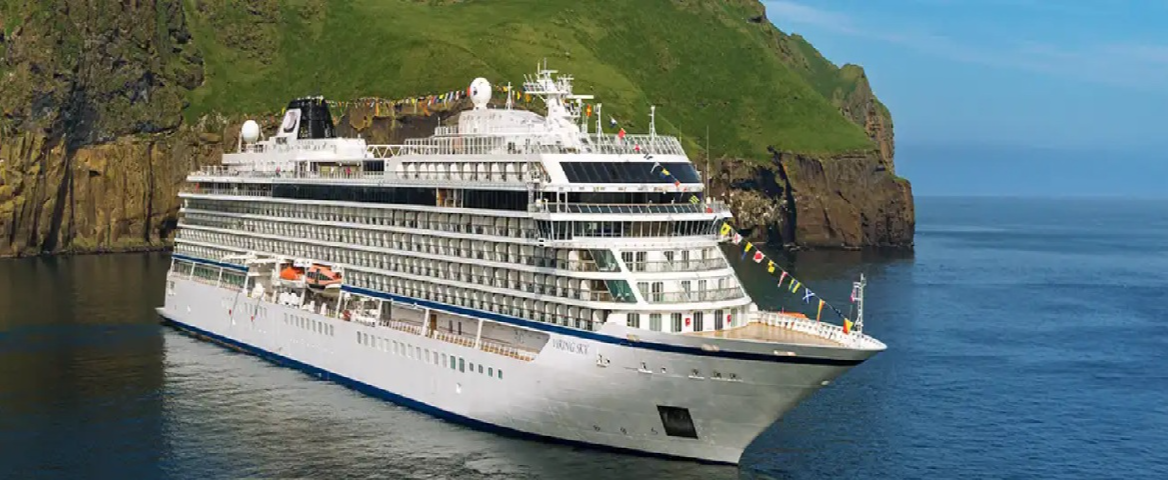
Viking Sky
8 Cruises
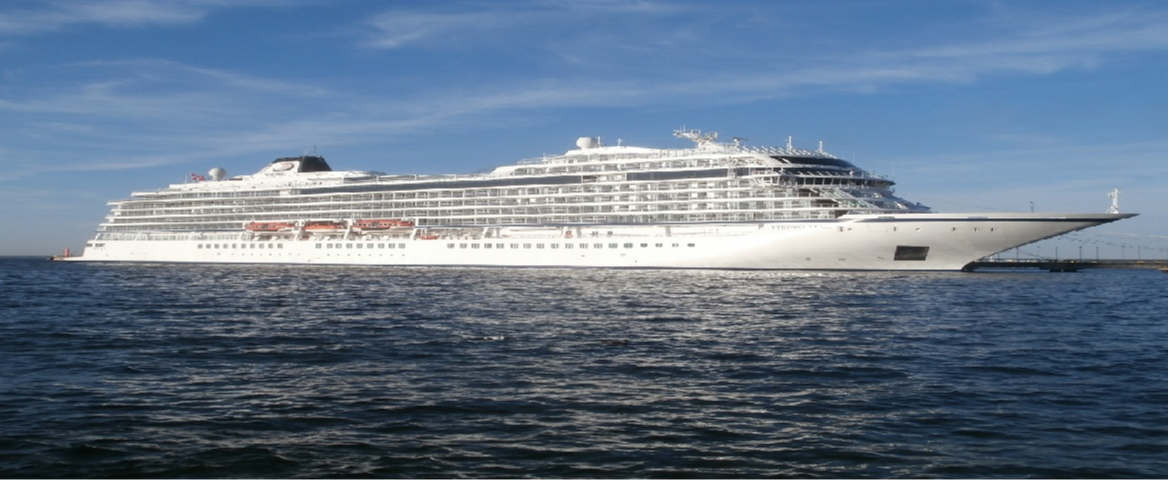
Viking Star
10 Cruises
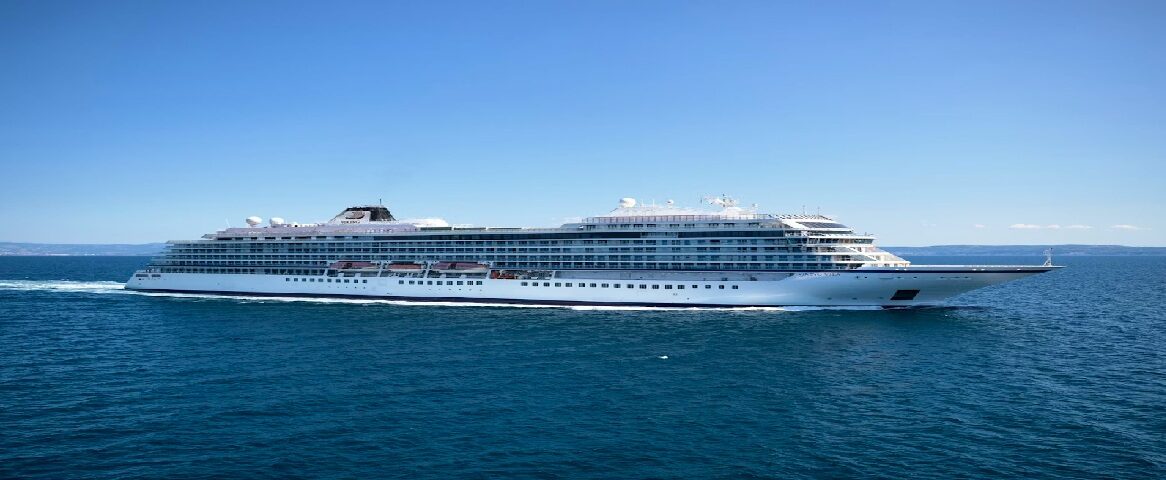
Viking Vela
17 Cruises
Virgin Voyages (14 Cruises)
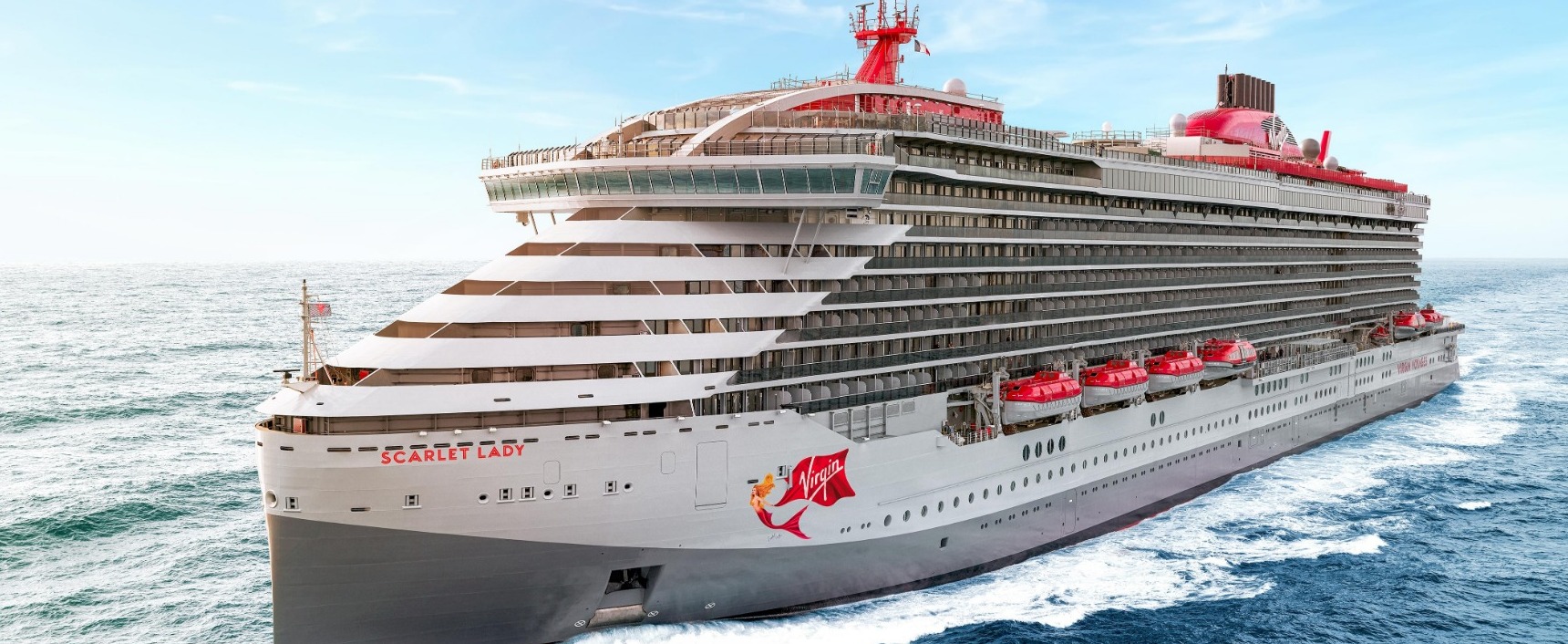
Scarlet Lady
14 Cruises

| 10 June | 11 days | Round-trip from Piraeus-Athens, Greece |
450-628-6241
Call us
|
| 27 June | 8 days | Round-trip from Piraeus-Athens, Greece |
450-628-6241
Call us
|

Rhodes Greece | Medieval Heritage & Greek Island Cruise Guide
Frequently Asked Questions
At the foot of the walls themselves: five to ten minutes' walk separates the gangway from the first gates of the medieval enclosure. No shuttle or coach is needed to enter the old town.
The largest inhabited medieval city in Europe, a UNESCO World Heritage site. The Knights Hospitaller of Saint John left a complete town here: ramparts, inns, hospital and palace, to which the Ottoman centuries added mosques and fountains.
The old town is more than enough: the Street of the Knights, the Palace of the Grand Masters, sections of the ramparts and a break at a taverna inside the walls. A quarter-hour walk north adds the Mandraki basin.
The most solemn axis of the city, climbing in a straight line to the top of the hill, lined with the inns that housed the brothers of each 'tongue' of the order, France, Spain, Italy, England. The carved coats of arms are still legible above the doors.
Nothing at all. Tradition places the statue's feet at the entrance to Mandraki basin, where two columns now carry a bronze stag and doe, but the Colossus was toppled by an earthquake more than two thousand years ago and no trace survives.
Only on a long call: Lindos lies about fifty kilometres south and needs a full half day. The white village and its perched ancient acropolis must be earned, by road and then on foot. Staying in town is no loss: the old city easily fills the hours ashore.
Yes, around two thousand people still live inside the walls. Laundry dries at medieval windows, and it is this blend of monument and ordinary life that gives the place its value.
Natural sponges, olive oil and ceramics with Lindos motifs, sold in shops inside the walls. The taverns serve souvlaki, grilled octopus and island wine.
Good shoes: the lanes are paved with pebbles and the climb to the Palace of the Grand Masters takes about ten minutes. Inner squares, such as the one with the seahorse fountain, offer shaded pauses.
The euro and Greek, with English spoken throughout the old town. Cards work in most shops; keep cash for small stalls.


