Stavanger Norway
Norway
284
Cruises availables
At departure or passage at this port
Azamara Club Cruises (3 Cruises)


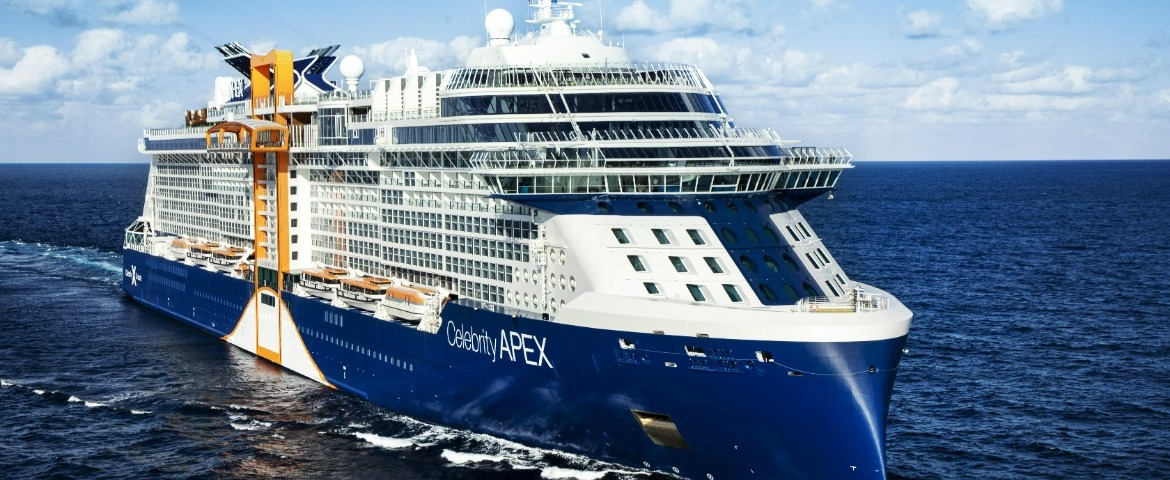
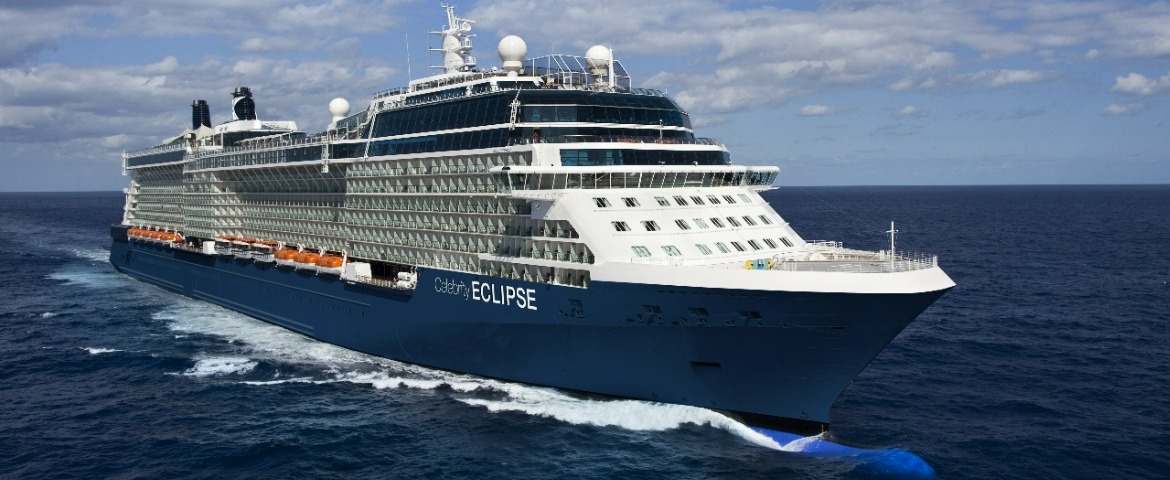
Celebrity Cruises (5 Cruises)

Costa Cruises (24 Cruises)
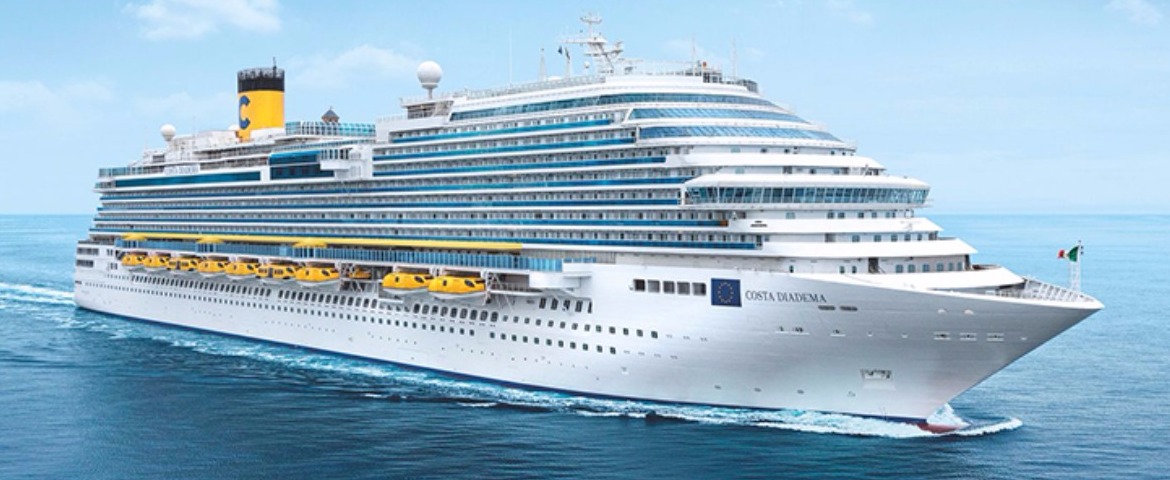
Costa Diadema
24 Cruises

Crystal Cruises (4 Cruises)


Cunard (28 Cruises)
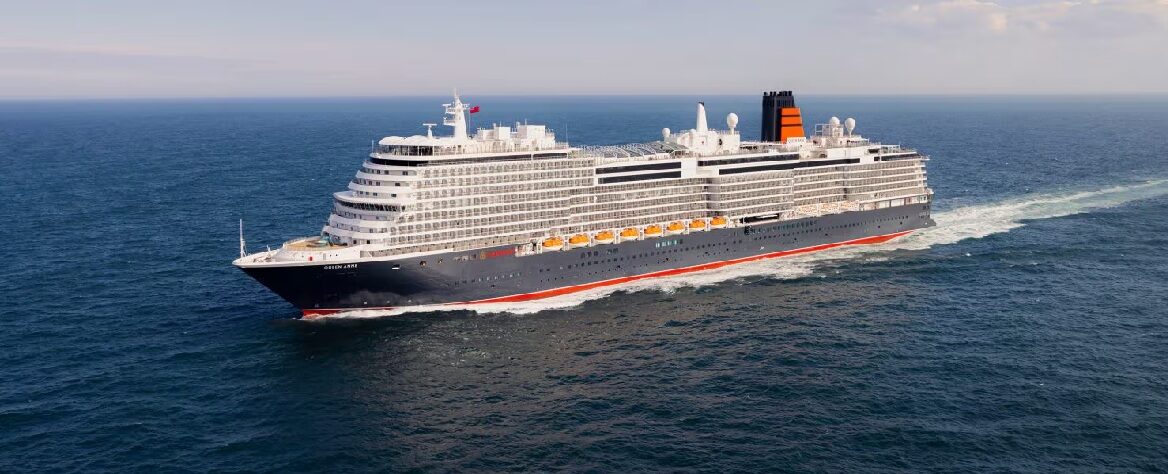
Queen Anne
17 Cruises

| 13 August | 7 nights | Round-trip from Southampton, United Kingdom |
450-628-6241
Call us
|
| 27 August | 7 nights | Round-trip from Southampton, United Kingdom |
450-628-6241
Call us
|
Disney Cruise Line (1 Cruises)

Explora Journeys (2 Cruises)

Holland America Line (18 Cruises)
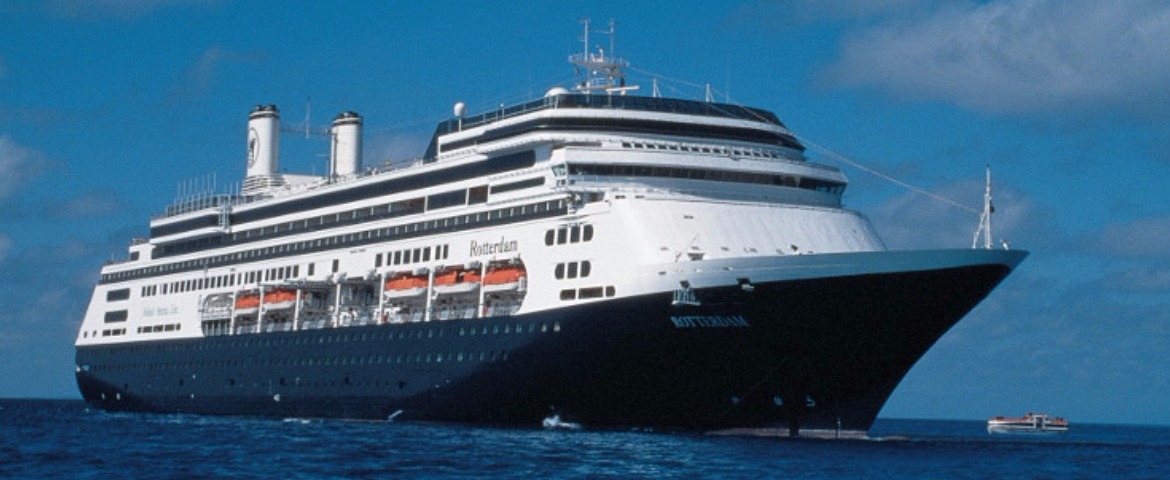
ms Rotterdam
12 Cruises

Hurtigruten (39 Cruises)
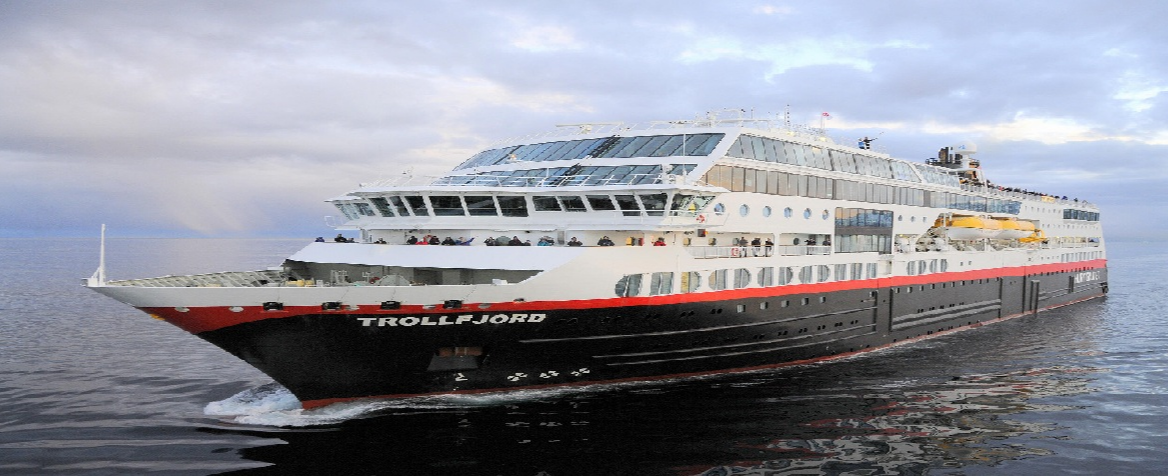
MS Trollfjord
39 Cruises

| 29 January | 14 nights | Round-trip from Oslo, Norway |
450-628-6241
Call us
|
| 29 January | 6 nights | One-way from Oslo to Tromso |
450-628-6241
Call us
|

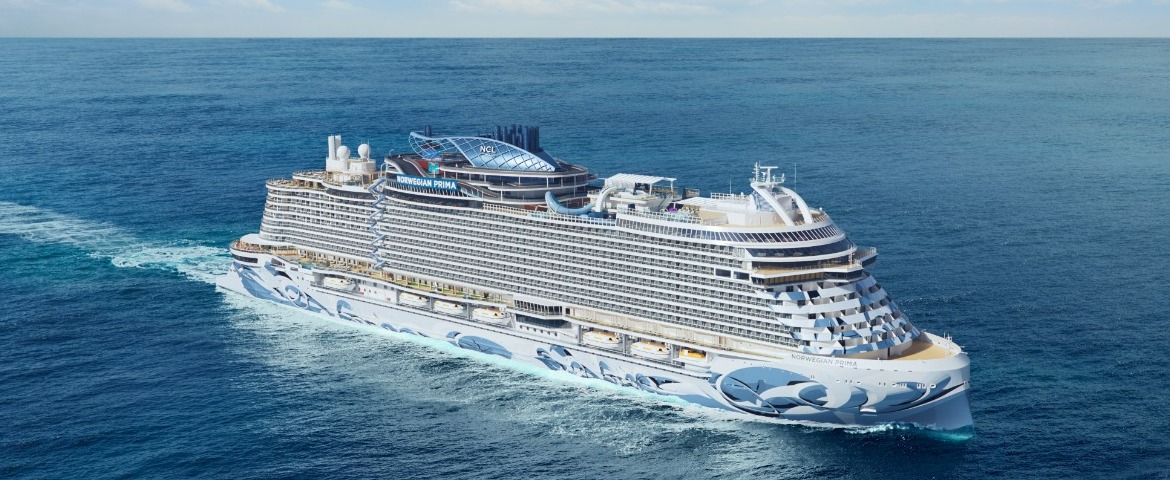

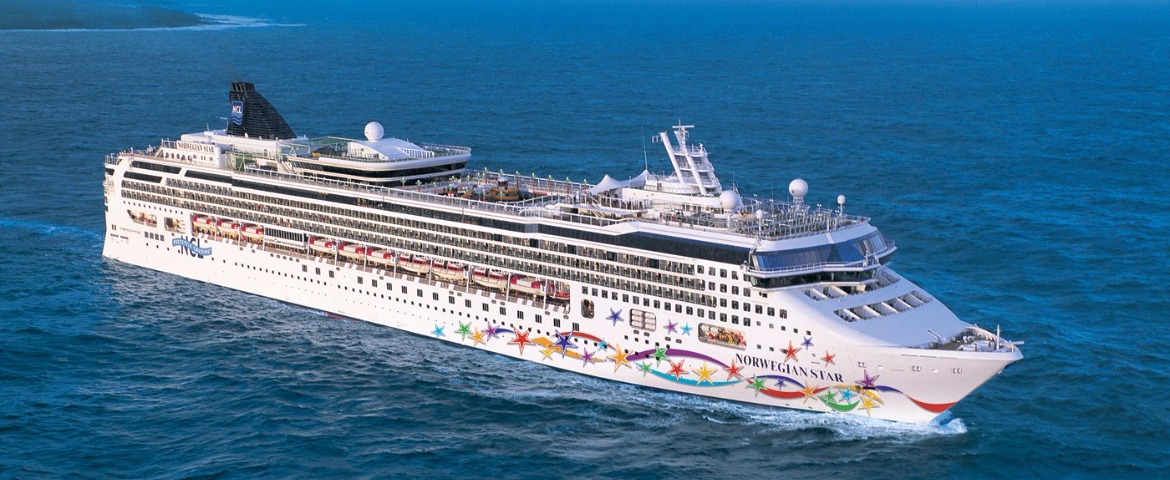
Oceania Cruises (7 Cruises)
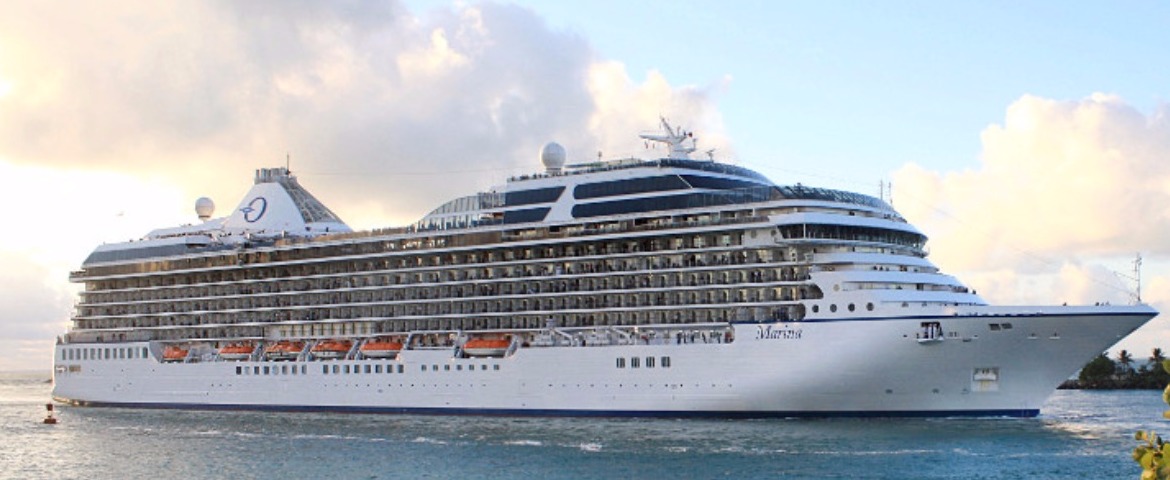
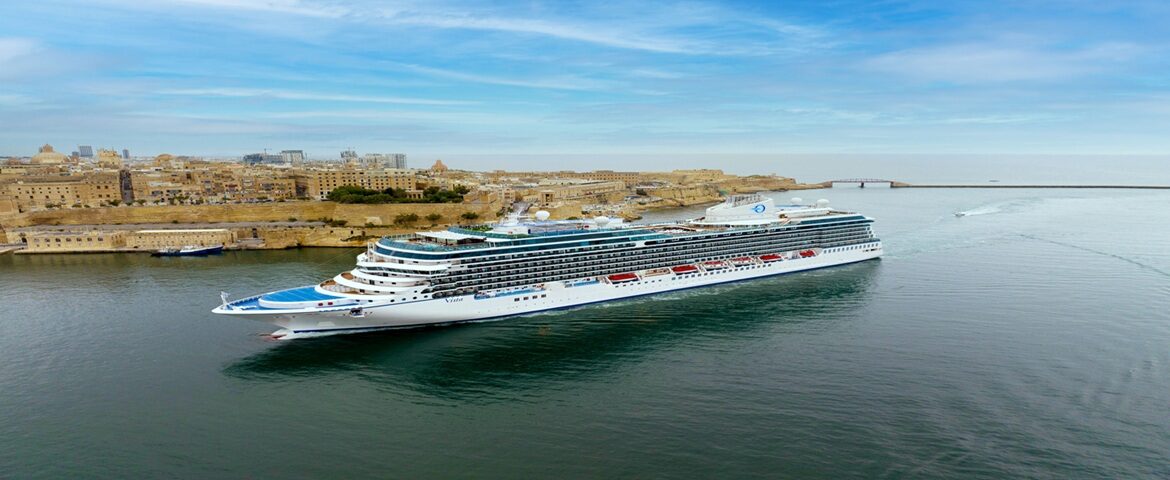
Oceania Marina
5 Cruises

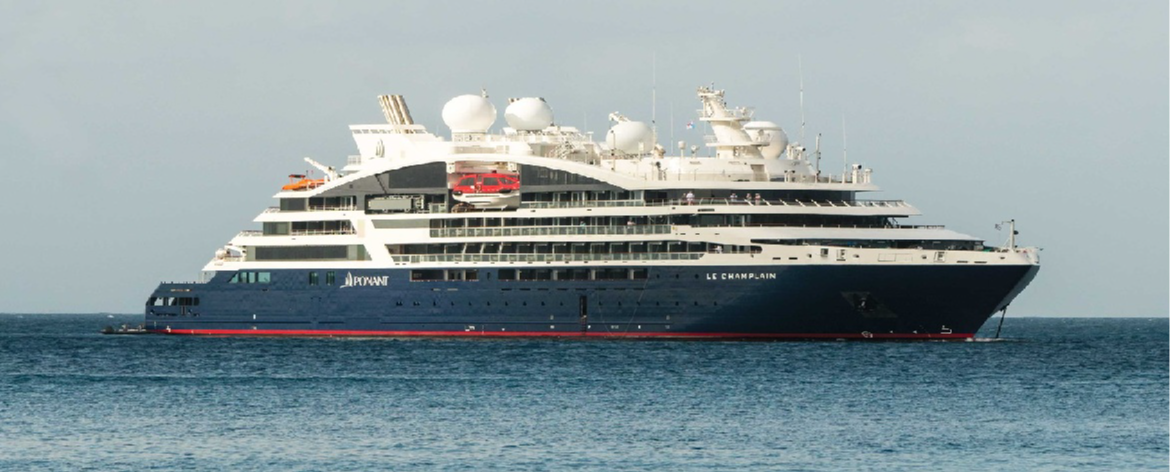
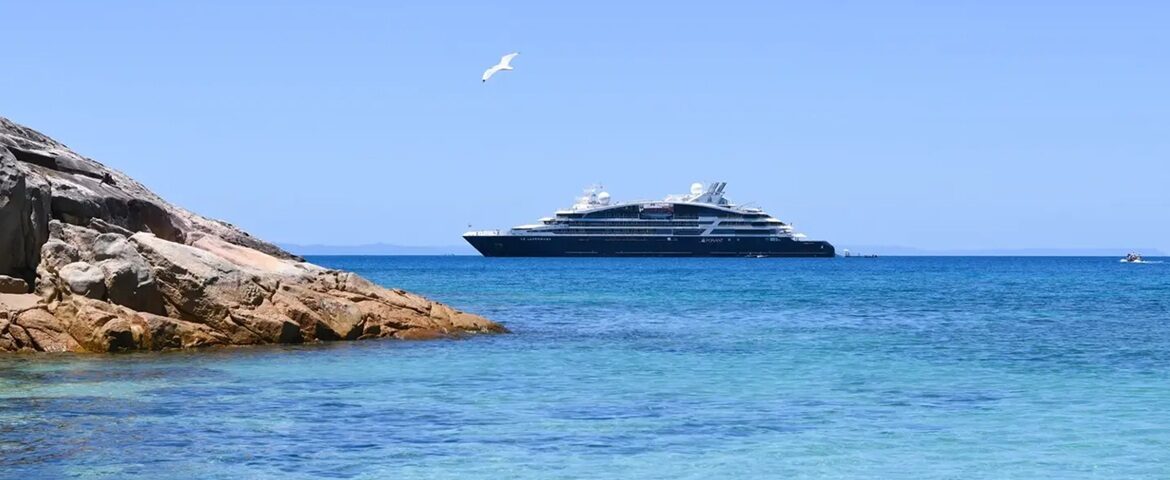
Ponant (9 Cruises)

Princess Cruises (54 Cruises)
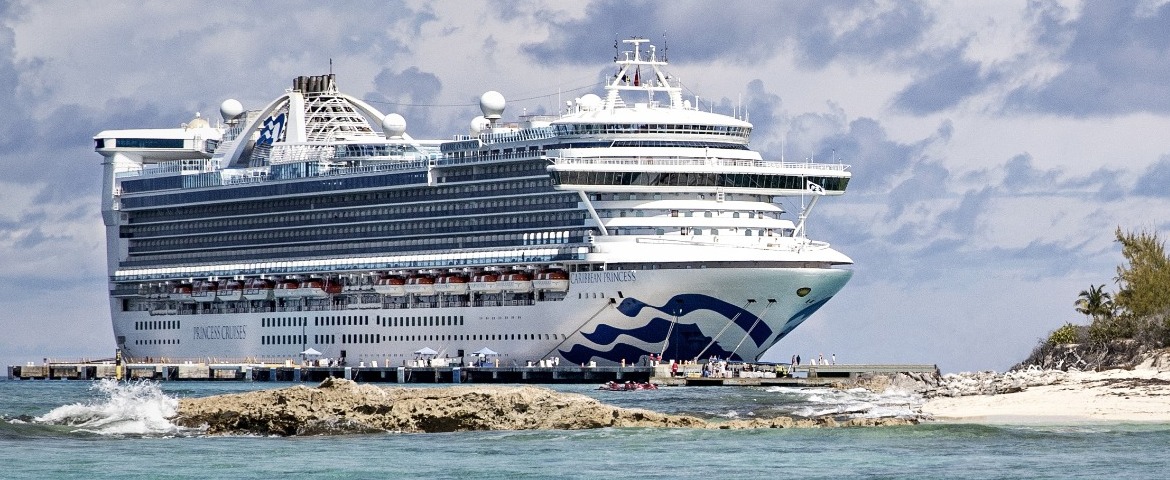
Caribbean Princess
31 Cruises

| 29 April | 40 nights | Round-trip from Southampton, United Kingdom |
450-628-6241
Call us
|
| 29 April | 31 nights | One-way from Southampton to Reykjavik |
450-628-6241
Call us
|
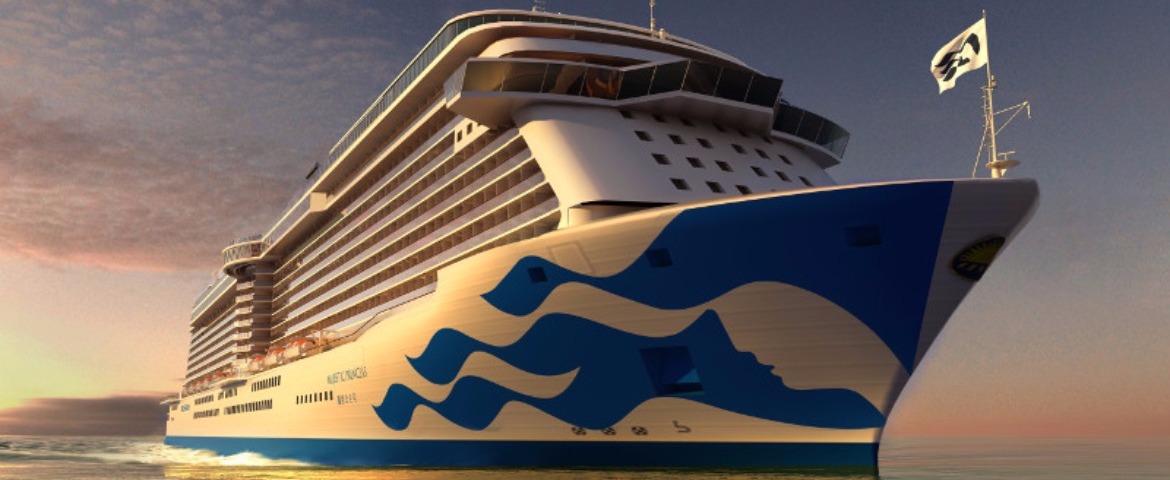
Majestic Princess
5 Cruises
| 24 January | 52 days | One-way from Buenos Aires to Southampton |
450-628-6241
Call us
|
| 25 January | 52 nights | One-way from Buenos Aires to Southampton |
450-628-6241
Call us
|
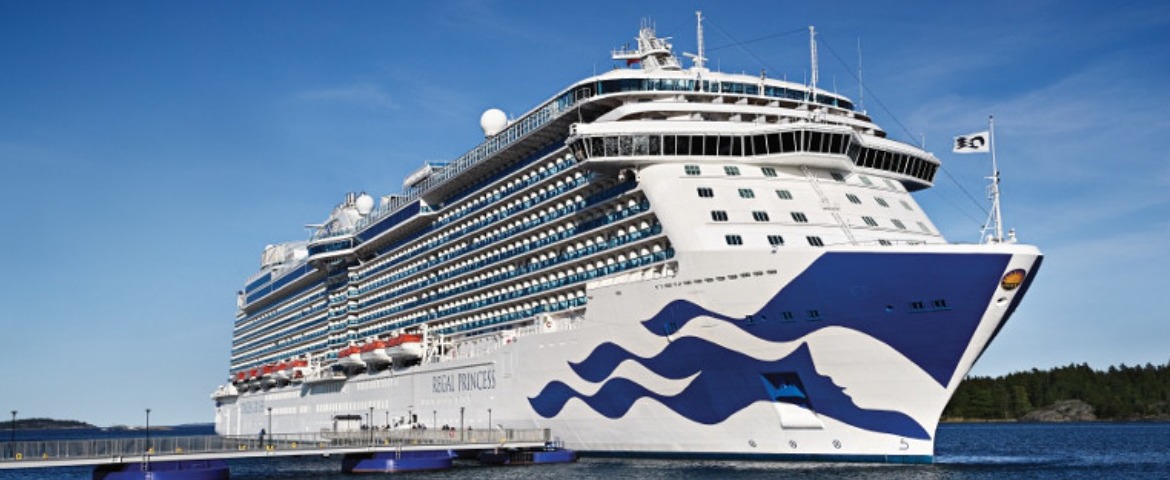
Regal Princess
10 Cruises
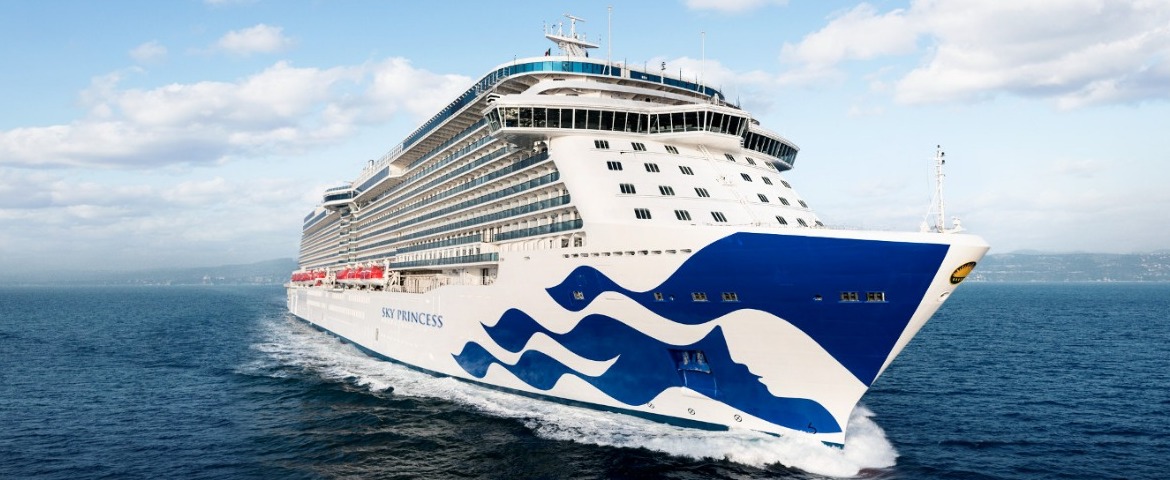
Sky Princess
8 Cruises


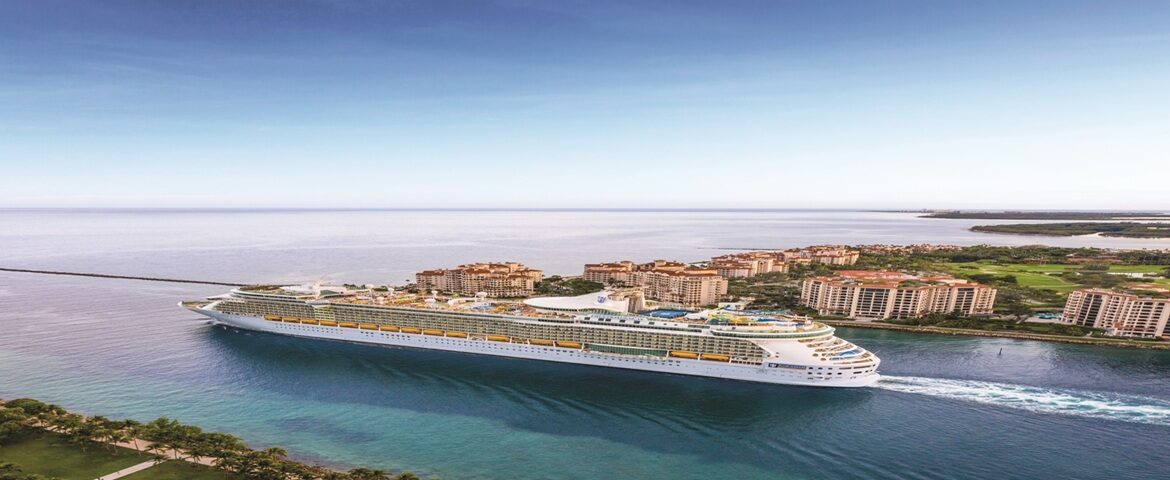
Royal Caribbean Cruises (3 Cruises)

Scenic Cruises (10 Cruises)
Scenic Eclipse
5 Cruises


Scenic Eclipse II
5 Cruises
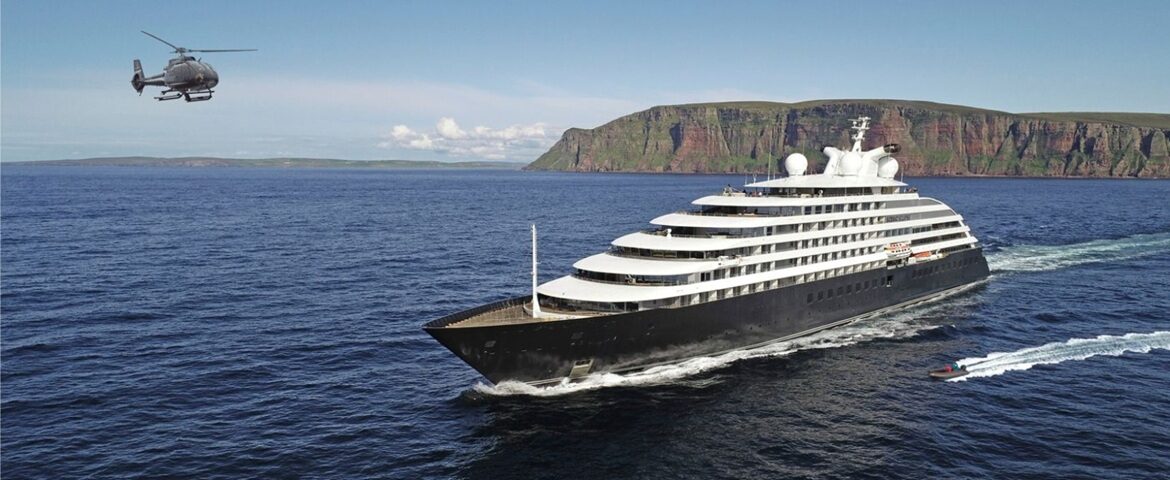
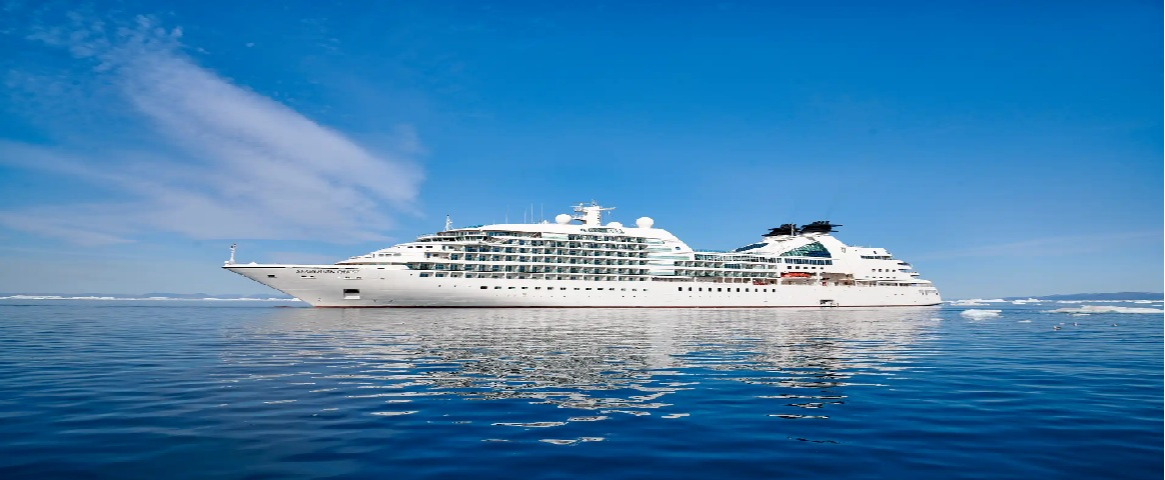
Seabourn Cruise Line (18 Cruises)
Seabourn Quest
18 Cruises

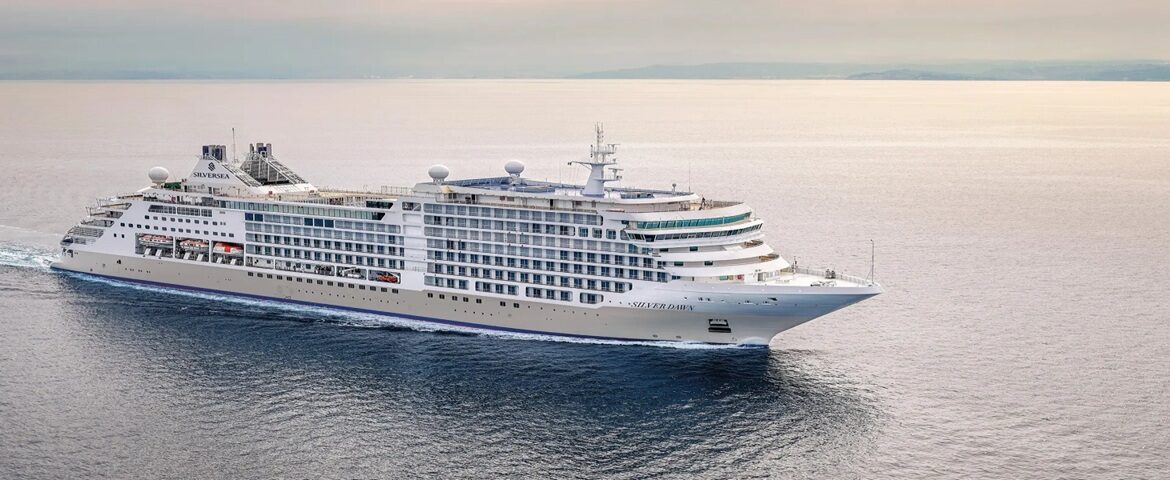
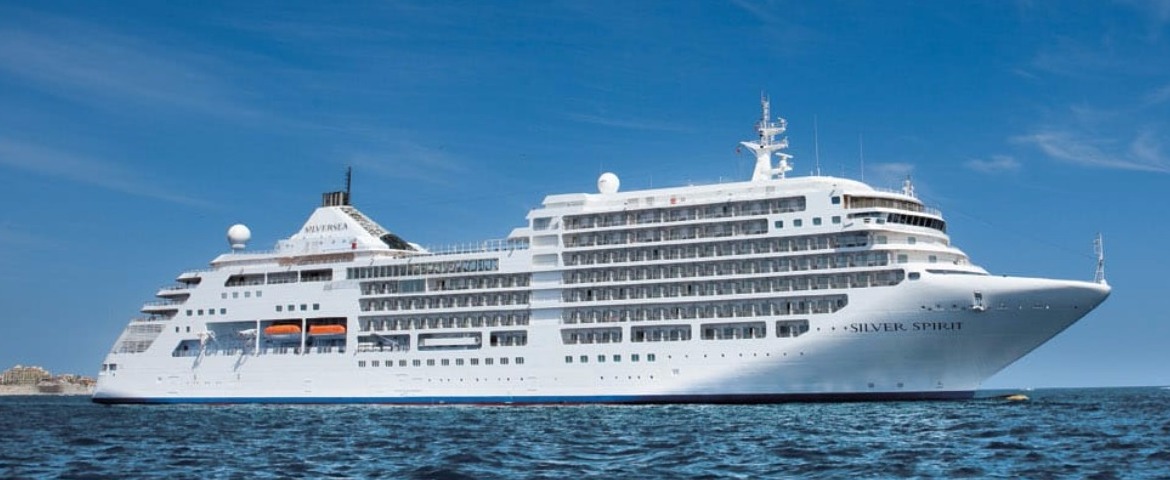
Silversea Cruises (8 Cruises)

Viking Ocean Cruises (23 Cruises)

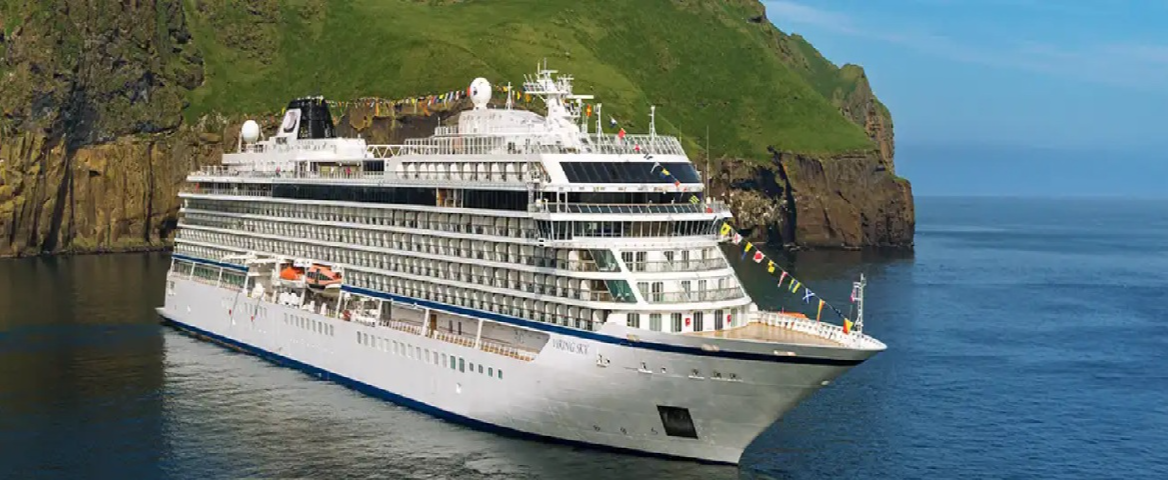
Viking Sky
16 Cruises
| 11 June | 12 nights | One-way from Stockholm to Bergen |
450-628-6241
Call us
|
| 25 June | 12 nights | One-way from Bergen to Stockholm |
450-628-6241
Call us
|


Stavanger, Norway | Cruise Port & Travel Guide
Frequently Asked Questions
In the Vågen, the historic basin lined with colourful facades, right in the city centre. The gangway lands practically on the heart of town: your first Norwegian coffee of the day is less than five minutes away.
Neither. The whole old centre, the cathedral, Gamle Stavanger and the Norwegian Petroleum Museum are walkable from the berth. Boats for the Lysefjord leave from the Vågen, the same basin.
The old wooden quarter on the west side of the basin: more than 170 white eighteenth- and nineteenth-century houses along cobbled lanes. It is one of the best-preserved wooden townscapes in northern Europe, saved from demolition in the 1950s. Half an hour of wandering covers it.
Yes, two ways. Boats from the Vågen run up the Lysefjord in about three hours and pass beneath the rock platform suspended 604 metres above the water. The hike itself takes a full day including transfers, roughly eight kilometres return — for long calls and experienced walkers only.
The centre on foot: Gamle Stavanger, the cathedral, the colourful Øvre Holmegate street and the Petroleum Museum. That is a full programme without rushing. The Lysefjord cruise alone takes about three hours and leaves little room for the rest.
It is the oldest cathedral in Norway still in use, begun around 1125. Its squat Romanesque nave regained its full brilliance after a long restoration completed for the city's 900th anniversary in 2025.
Yes, even if oil does not interest you. It explains how a nation of fishermen became, after 1969, one of the world's major hydrocarbon producers, hiding neither the achievements nor the dilemmas. Reconstructed platforms, escape capsules and deep-diving suits appeal to every age.
The Norwegian krone, and credit cards absolutely everywhere. Norway is one of the least cash-dependent countries in the world. There is no need to exchange currency before the call.
Very much so. Everything is within walking distance, the Petroleum Museum is designed for all ages, the colourful street amuses children and the waterfront is flat. Only the Preikestolen hike is out of reach for young children.
May to September, for long bright days, the terraces of Øvre Holmegate and a Lysefjord navigable in good conditions. Each year the Nuart festival adds contemporary murals to the walls of this Scandinavian street-art pioneer.


