Sitka Baranof Island Alaska
500
Cruises availables
At departure or passage at this port
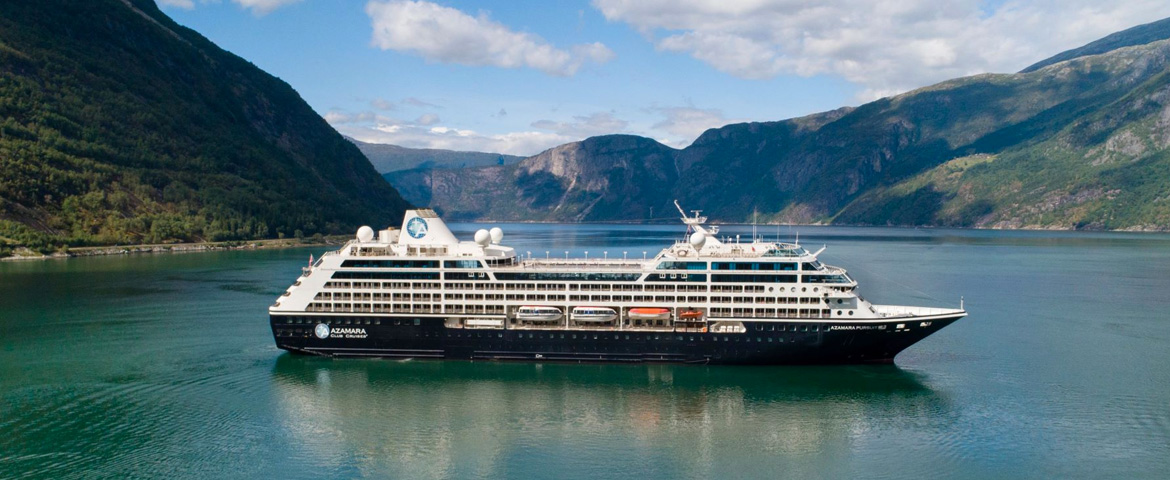
Azamara Club Cruises (11 Cruises)
Azamara Pursuit
11 Cruises

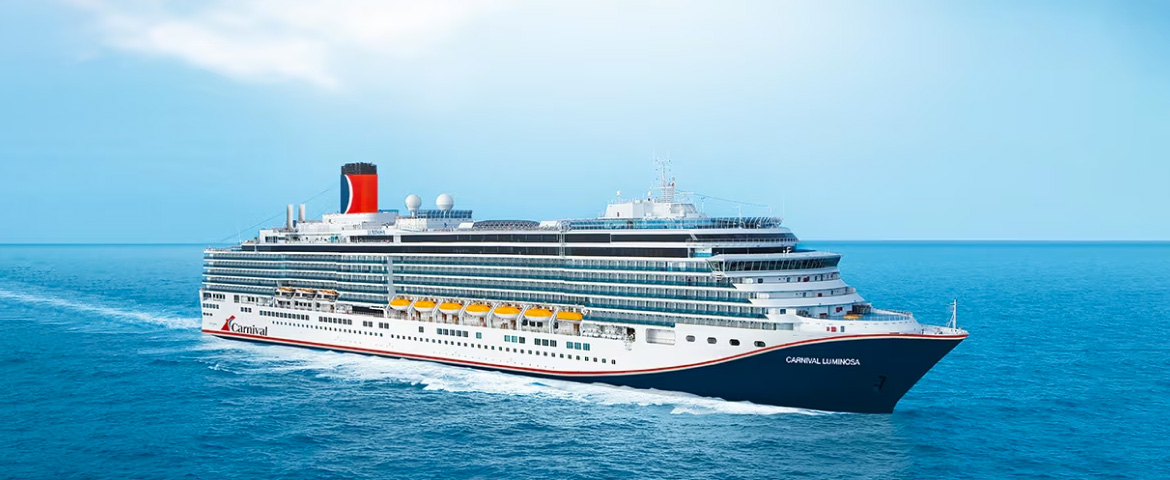
Carnival Cruise Line (1 Cruises)

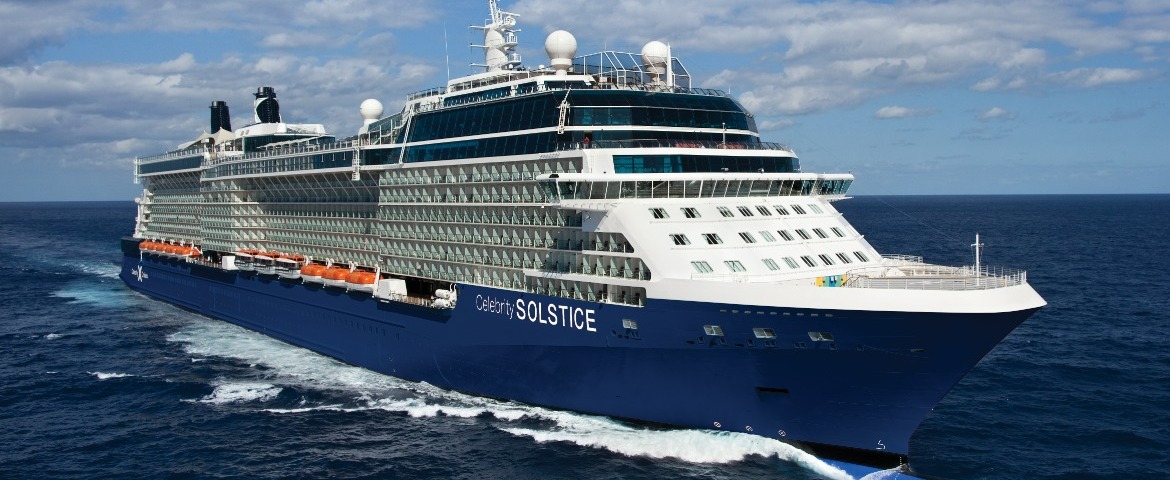
Celebrity Cruises (10 Cruises)
Celebrity Solstice
10 Cruises
| 7 May | 7 nights | One-way from Vancouver to Seward |
450-628-6241
Call us
|
| 21 May | 7 nights | One-way from Vancouver to Seward |
450-628-6241
Call us
|
| 4 June | 7 nights | One-way from Vancouver to Seward |
450-628-6241
Call us
|
| 18 June | 7 nights | One-way from Vancouver to Seward |
450-628-6241
Call us
|
Crystal Cruises (21 Cruises)
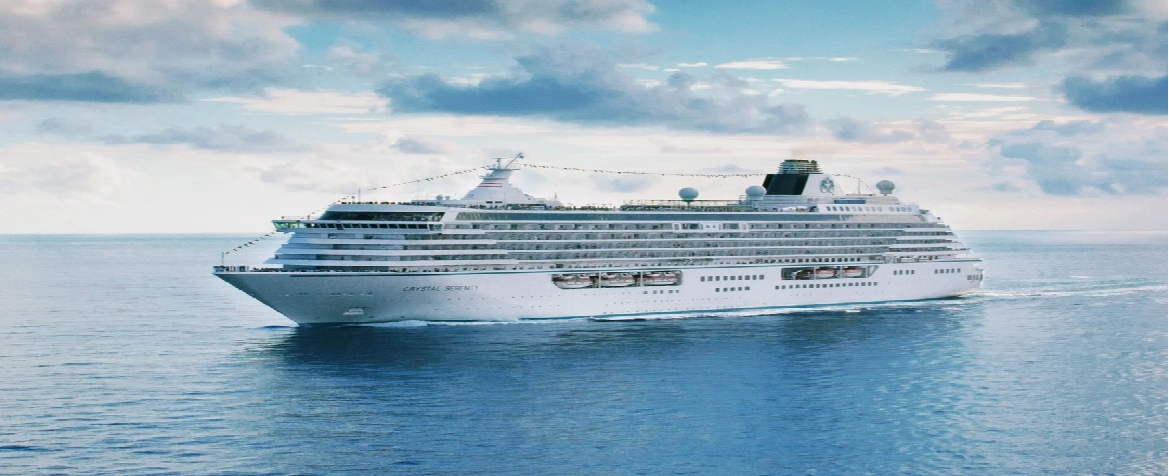
Crystal Serenity
11 Cruises

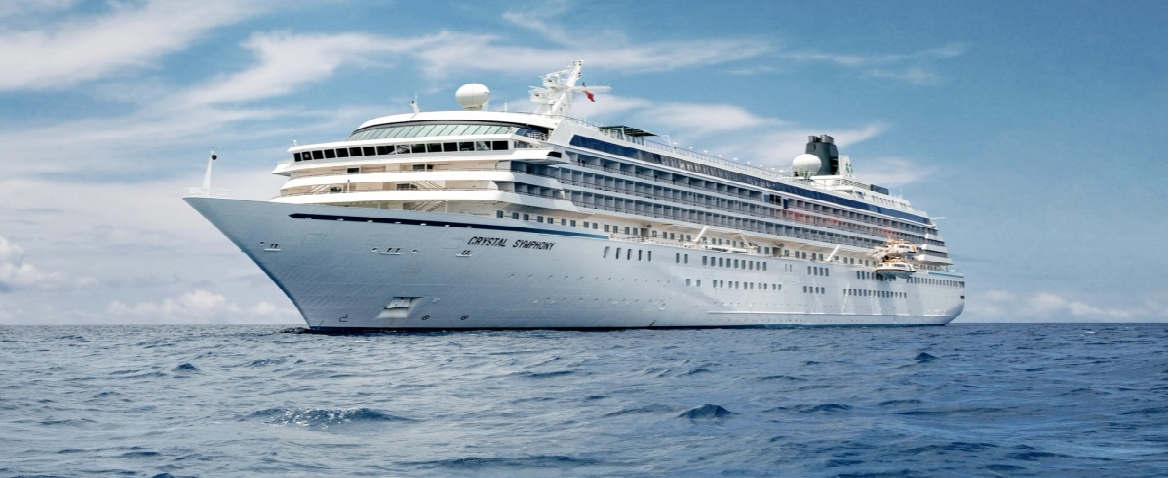
Crystal Symphony
10 Cruises
| 10 June | 33 nights | One-way from Fort Lauderdale to Vancouver |
450-628-6241
Call us
|
| 25 June | 18 nights | One-way from San Diego to Vancouver |
450-628-6241
Call us
|
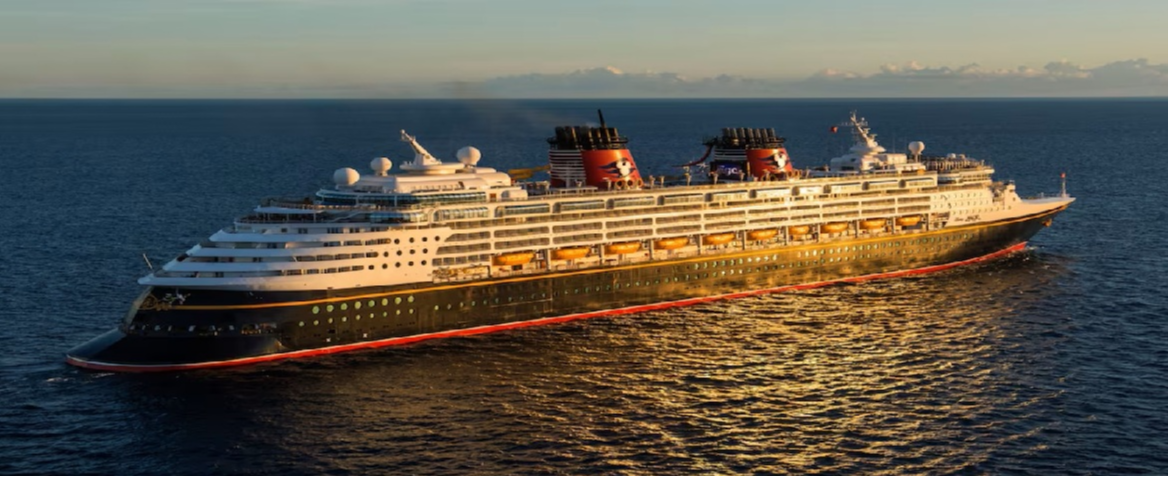
Disney Cruise Line (1 Cruises)

Explora Journeys (15 Cruises)
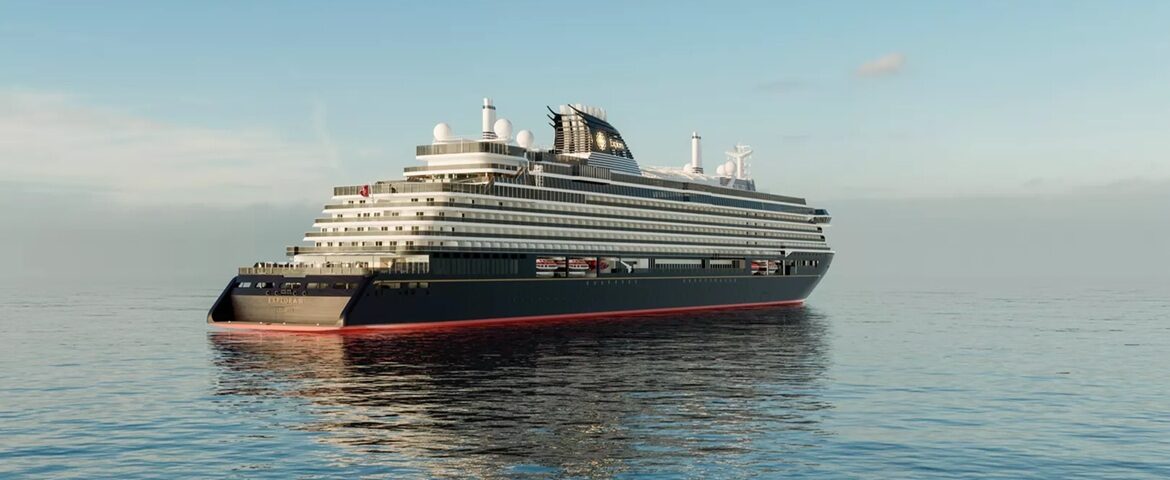
Explora III
15 Cruises

| 3 May | 18 nights | One-way from Los Angeles to Vancouver |
450-628-6241
Call us
|
| 10 May | 11 nights | Round-trip from Vancouver, Canada |
450-628-6241
Call us
|
| 1 June | 9 nights | Round-trip from Vancouver, Canada |
450-628-6241
Call us
|
| 22 June | 10 nights | Round-trip from Vancouver, Canada |
450-628-6241
Call us
|
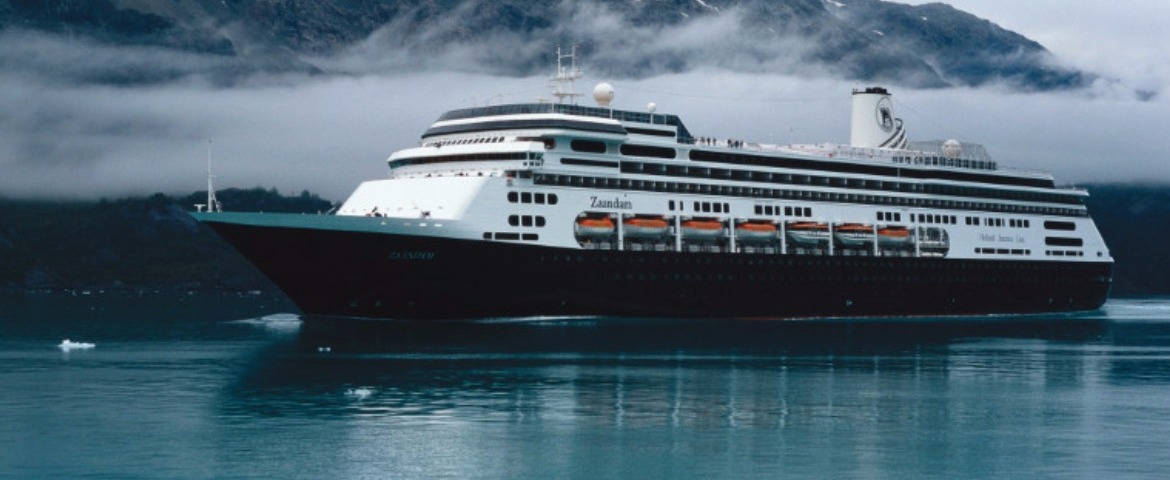
Holland America Line (43 Cruises)
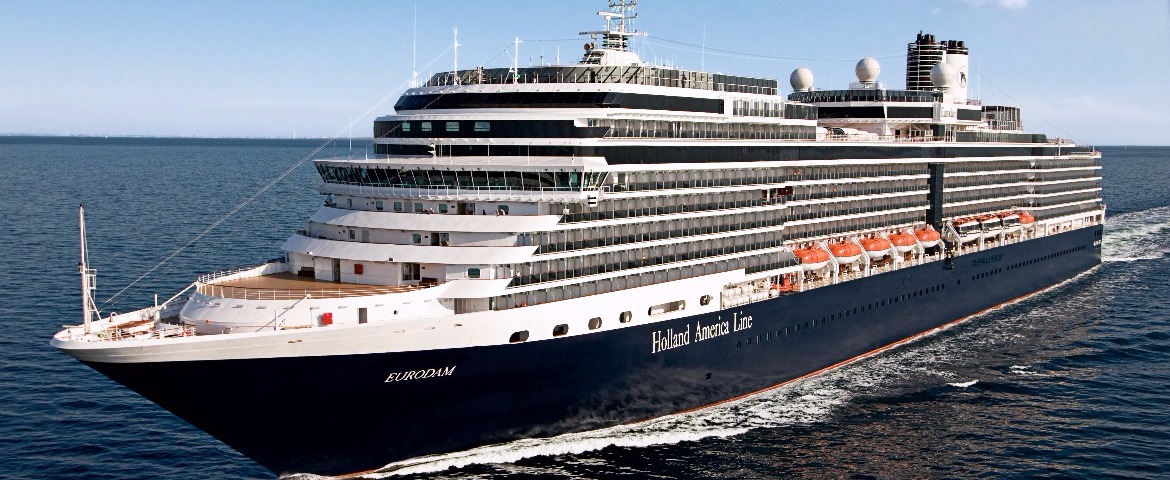
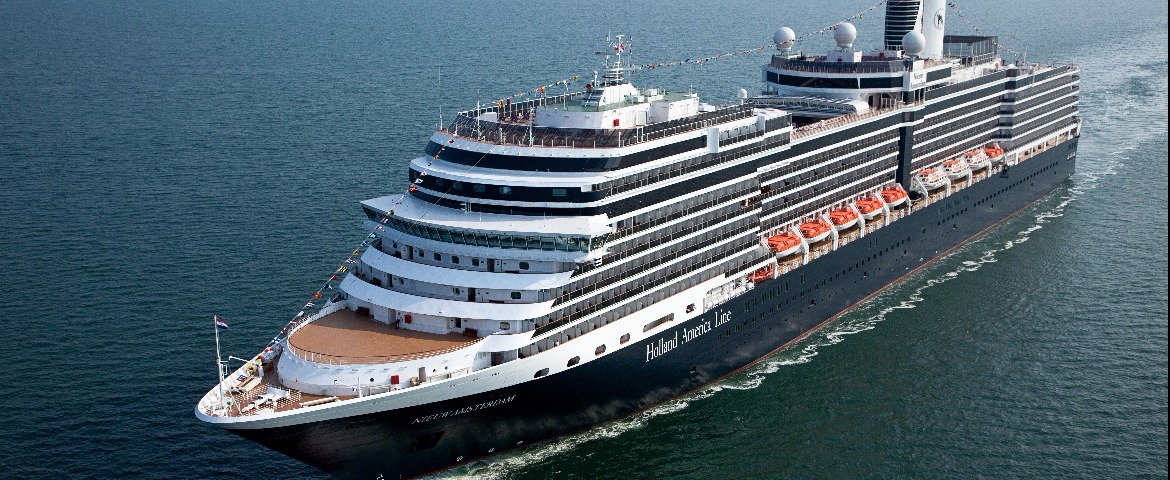
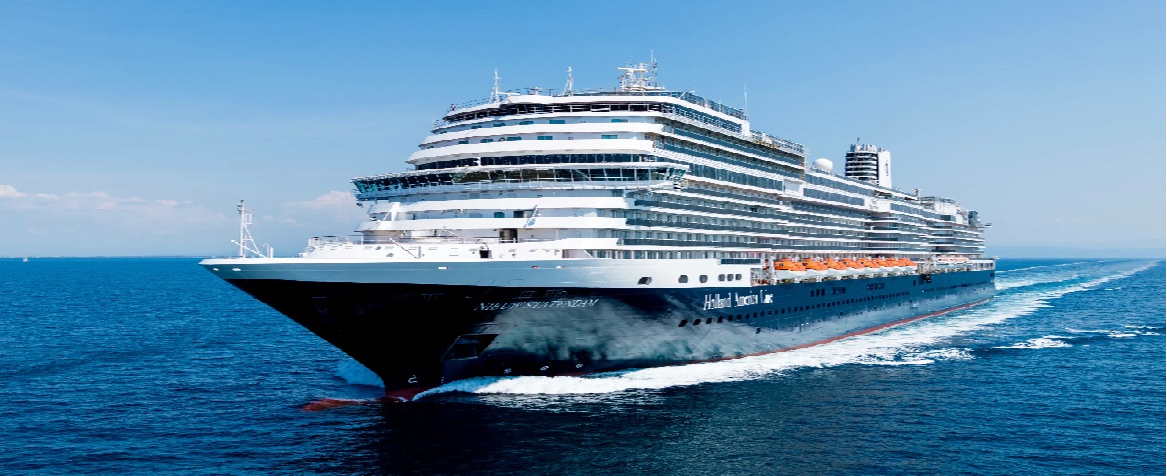
ms Eurodam
23 Cruises

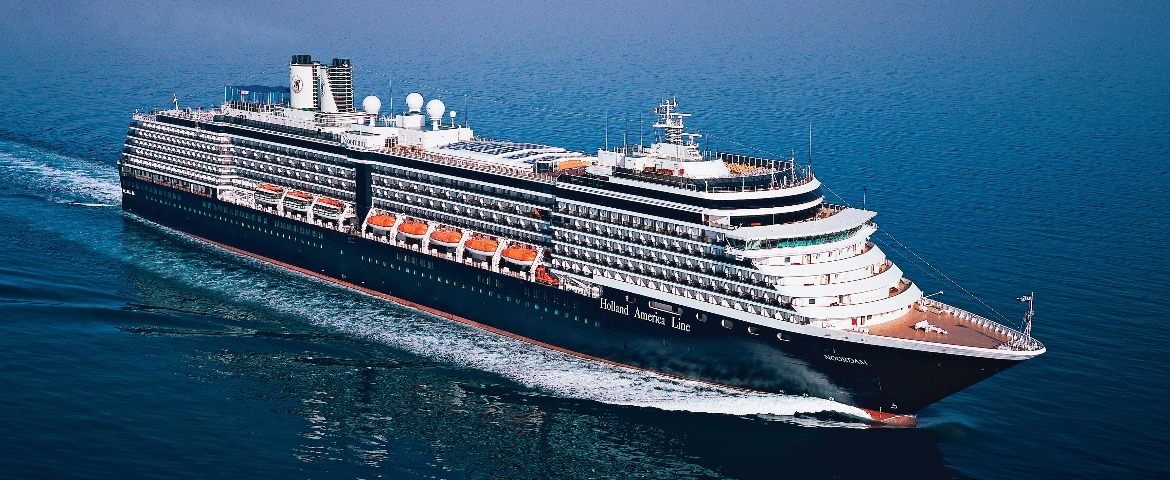
ms Noordam
16 Cruises
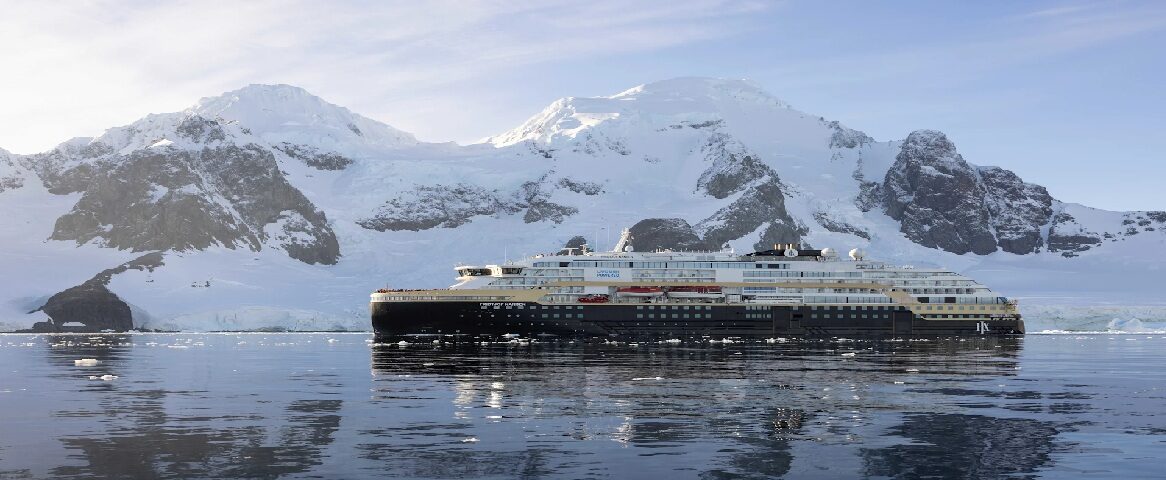
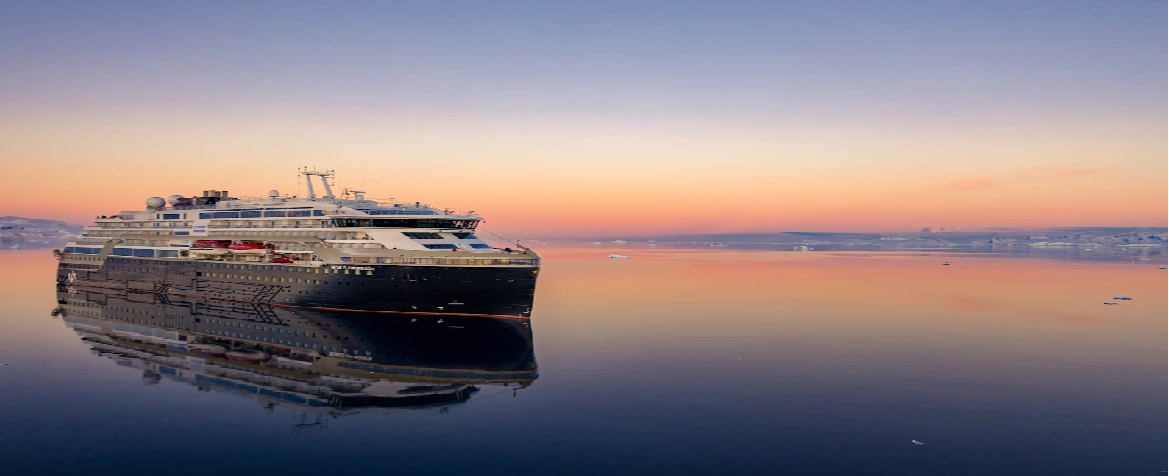
HX Expeditions (4 Cruises)

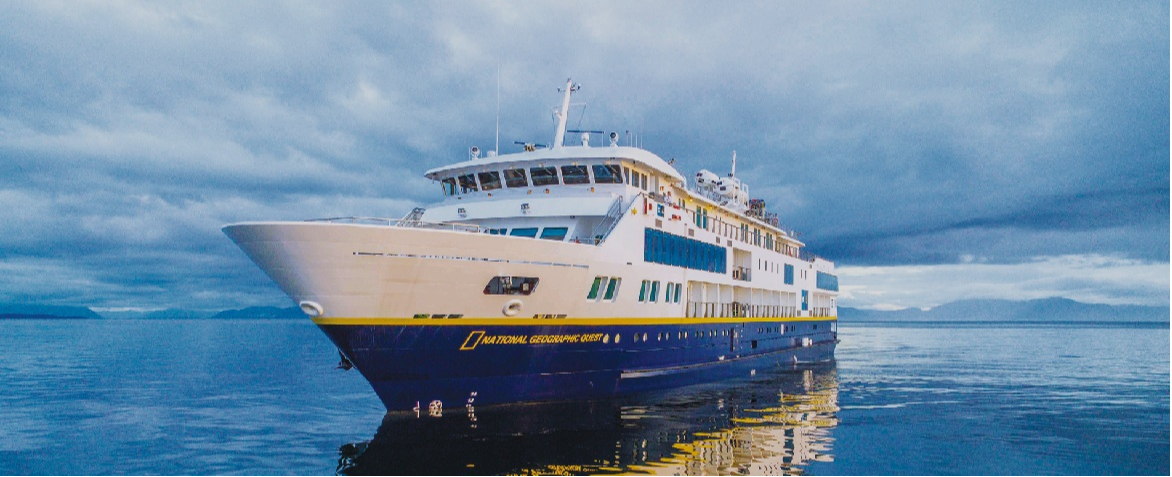
Lindblad Expeditions (40 Cruises)
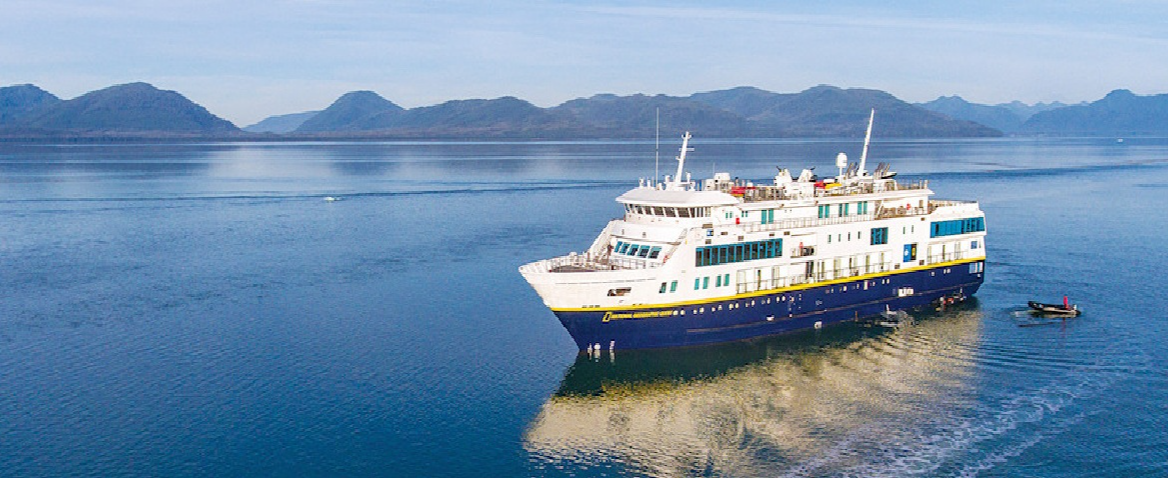
National Geographic Quest
20 Cruises

| 15 May | 7 nights | One-way from Juneau to Sitka |
450-628-6241
Call us
|
| 22 May | 7 nights | One-way from Sitka to Juneau |
450-628-6241
Call us
|
| 29 May | 7 nights | One-way from Juneau to Sitka |
450-628-6241
Call us
|
National Geographic Venture
20 Cruises
Norwegian Cruise Line (33 Cruises)
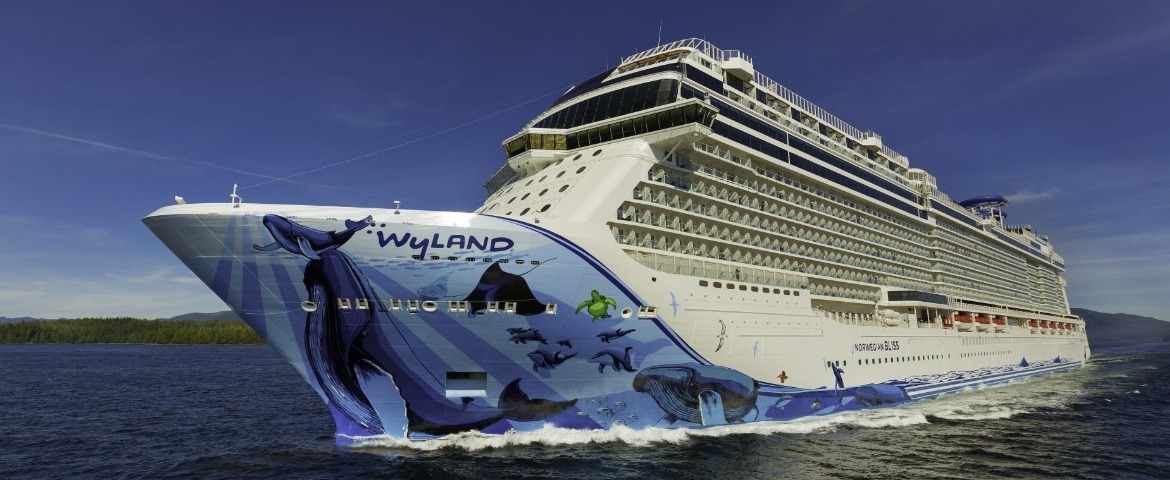
Norwegian Bliss
24 Cruises
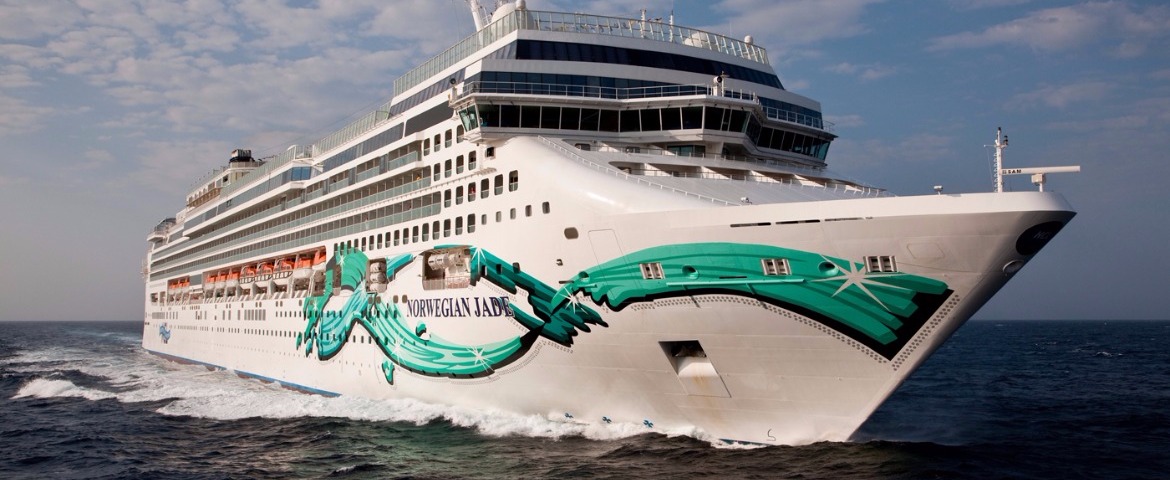
Norwegian Joy
8 Cruises
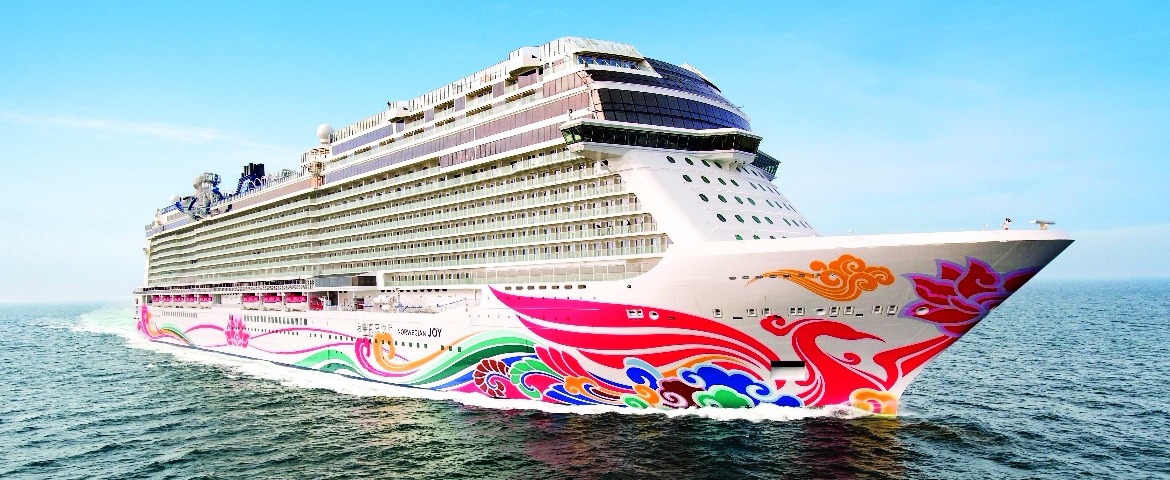
| 19 May | 9 nights | Round-trip from Seattle, USA |
From
1135$
|
| 28 May | 10 nights | Round-trip from Seattle, USA |
From
1205$
|
| 7 June | 9 nights | Round-trip from Seattle, USA |
450-628-6241
Call us
|
| 16 June | 9 nights | Round-trip from Seattle, USA |
From
1304$
|
Oceania Cruises (29 Cruises)
Oceania Riviera
29 Cruises
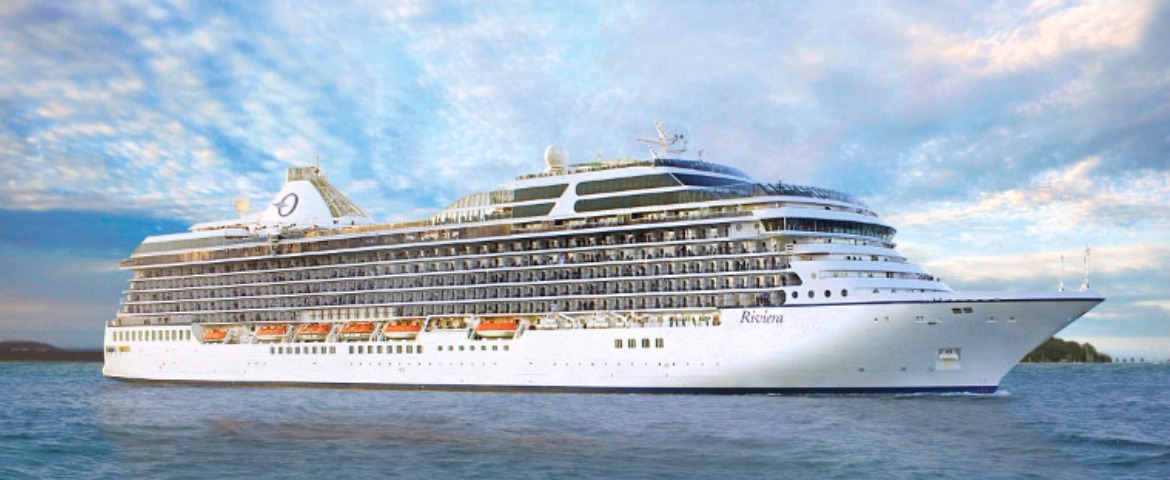

| 11 May | 11 nights | One-way from Vancouver to Seattle |
450-628-6241
Call us
|
| 31 May | 7 nights | Round-trip from Seattle, USA |
450-628-6241
Call us
|
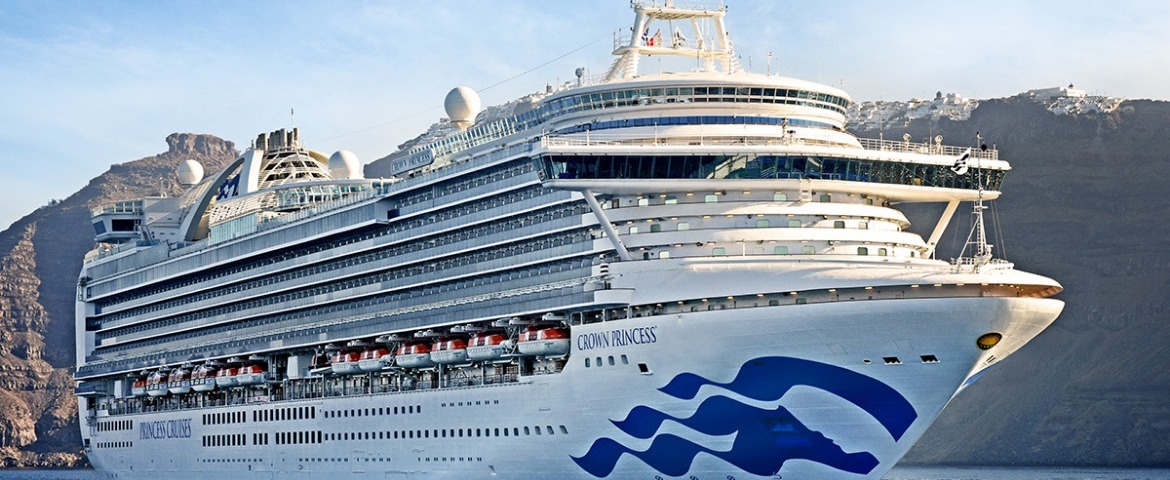
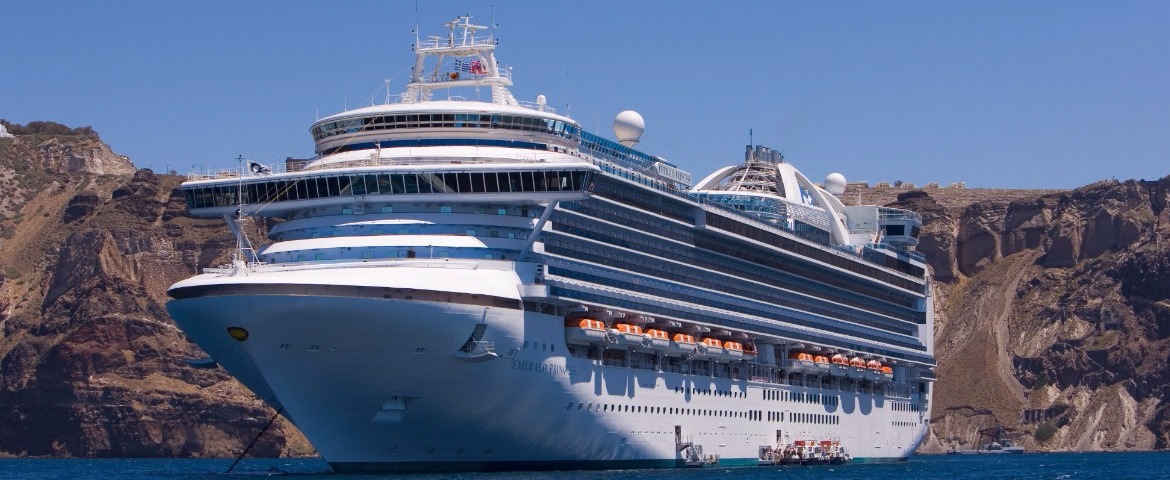
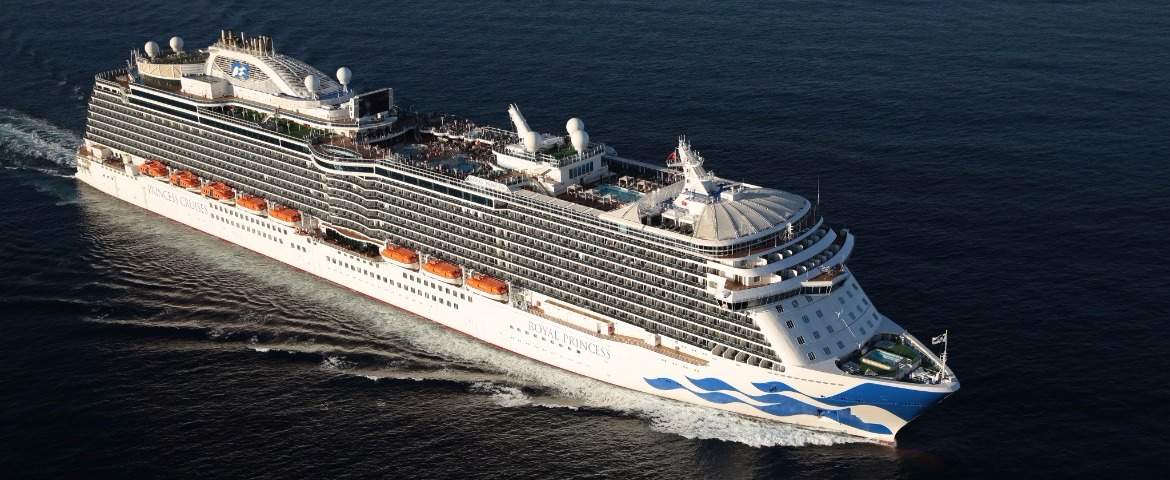
Princess Cruises (19 Cruises)
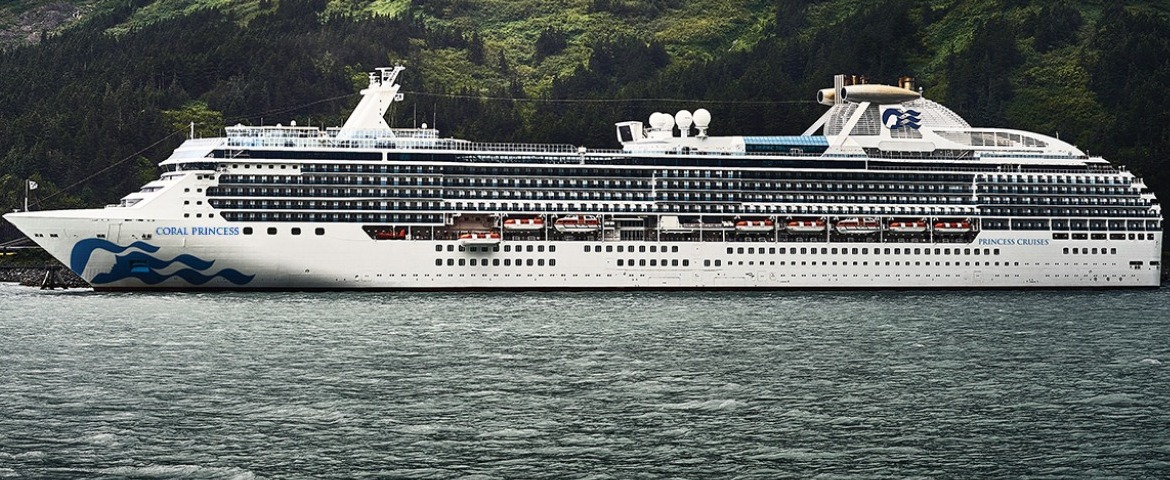
Coral Princess
6 Cruises
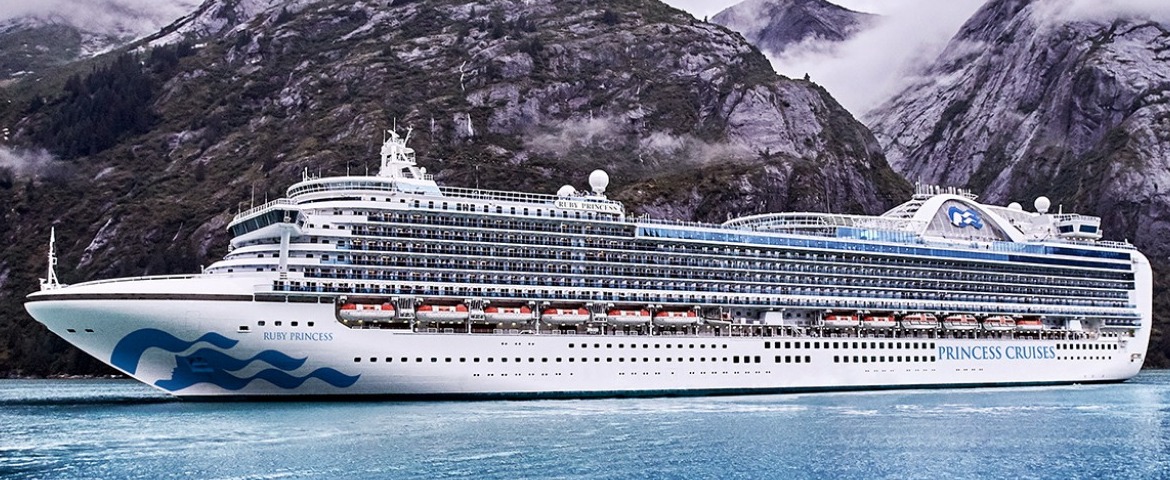
Ruby Princess
8 Cruises
| 11 May | 10 nights | Round-trip from San Francisco, USA |
450-628-6241
Call us
|
| 31 May | 10 nights | Round-trip from San Francisco, USA |
450-628-6241
Call us
|
| 10 July | 10 nights | Round-trip from San Francisco, USA |
450-628-6241
Call us
|
| 20 July | 10 nights | Round-trip from San Francisco, USA |
450-628-6241
Call us
|
Regent Seven Seas Cruises (16 Cruises)
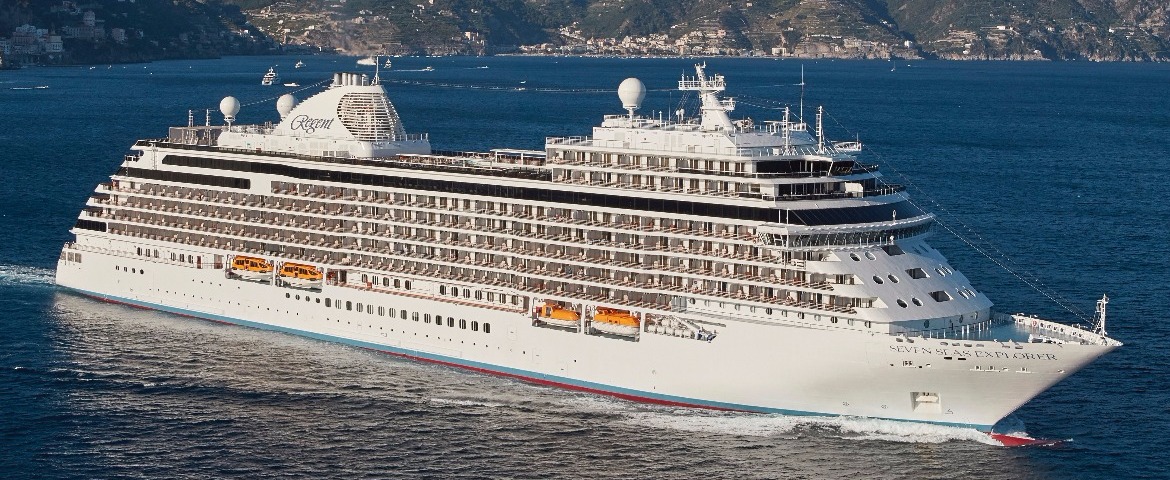
Seven Seas Explorer
8 Cruises

| 14 July | 7 nights | One-way from Whittier to Vancouver |
450-628-6241
Call us
|
| 28 July | 7 nights | One-way from Whittier to Vancouver |
450-628-6241
Call us
|
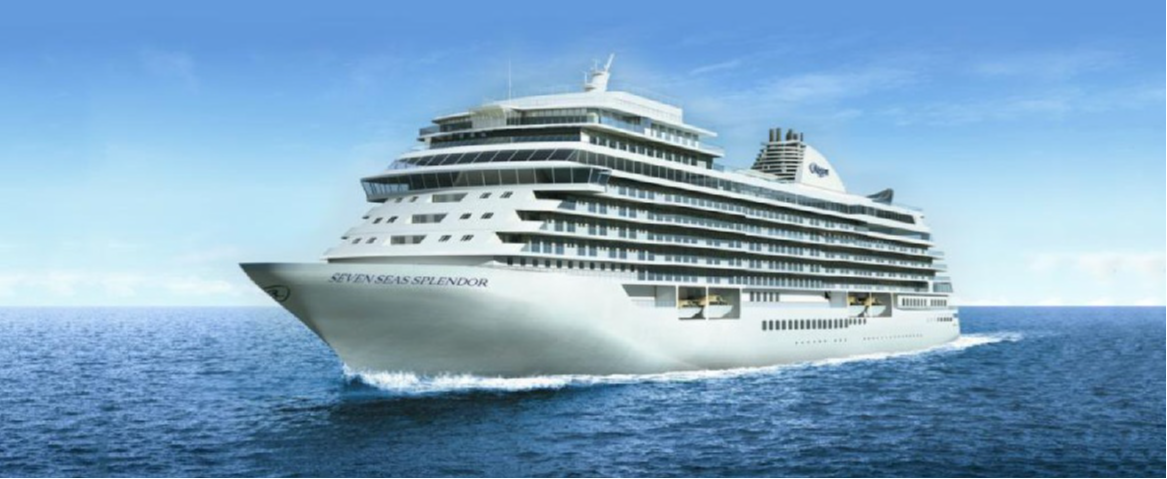
Seven Seas Splendor
8 Cruises
| 14 June | 7 nights | One-way from Whittier to Vancouver |
450-628-6241
Call us
|
| 28 June | 7 nights | One-way from Whittier to Vancouver |
450-628-6241
Call us
|
| 12 July | 7 nights | One-way from Whittier to Vancouver |
450-628-6241
Call us
|
| 26 July | 7 nights | One-way from Whittier to Vancouver |
450-628-6241
Call us
|
Royal Caribbean Cruises (57 Cruises)
Anthem of the Seas
12 Cruises


| 7 May | 7 nights | Round-trip from Vancouver, Canada |
From
1330$
|
| 14 May | 7 nights | One-way from Vancouver to Seward |
From
993$
|
| 28 May | 7 nights | One-way from Vancouver to Seward |
From
1142$
|
| 11 June | 7 nights | One-way from Vancouver to Seward |
From
1190$
|
| 25 June | 7 nights | One-way from Vancouver to Seward |
From
1348$
|
| 9 July | 7 nights | One-way from Vancouver to Seward |
From
1345$
|
| 23 July | 7 nights | One-way from Vancouver to Seward |
From
1496$
|
Quantum of the Seas
21 Cruises

Serenade of the Seas
19 Cruises


Seabourn Cruise Line (48 Cruises)
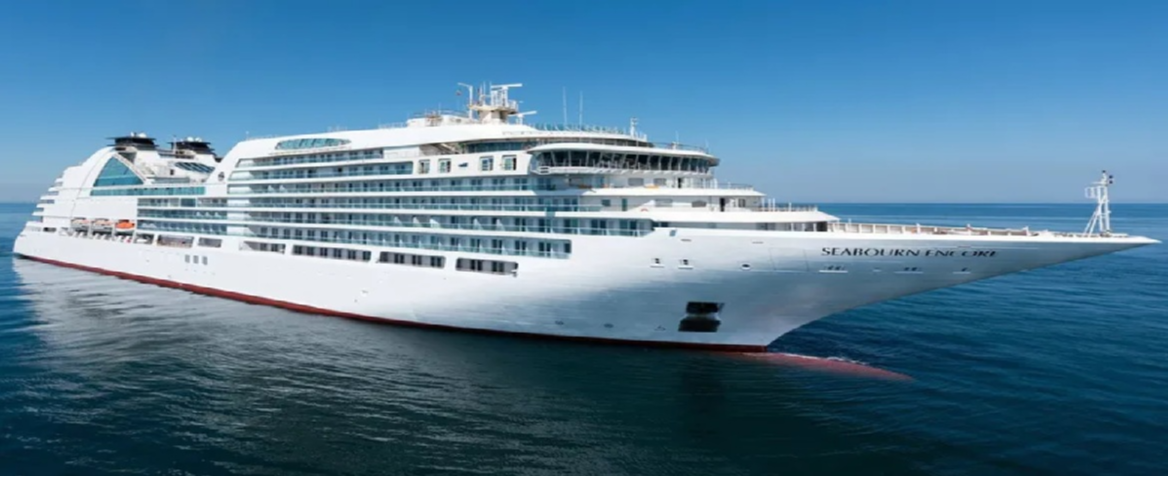
Seabourn Encore
48 Cruises

| 8 April | 34 nights | One-way from Yokohama to Vancouver |
450-628-6241
Call us
|
| 22 April | 20 nights | One-way from Tokyo to Vancouver |
450-628-6241
Call us
|
Silversea Cruises (67 Cruises)
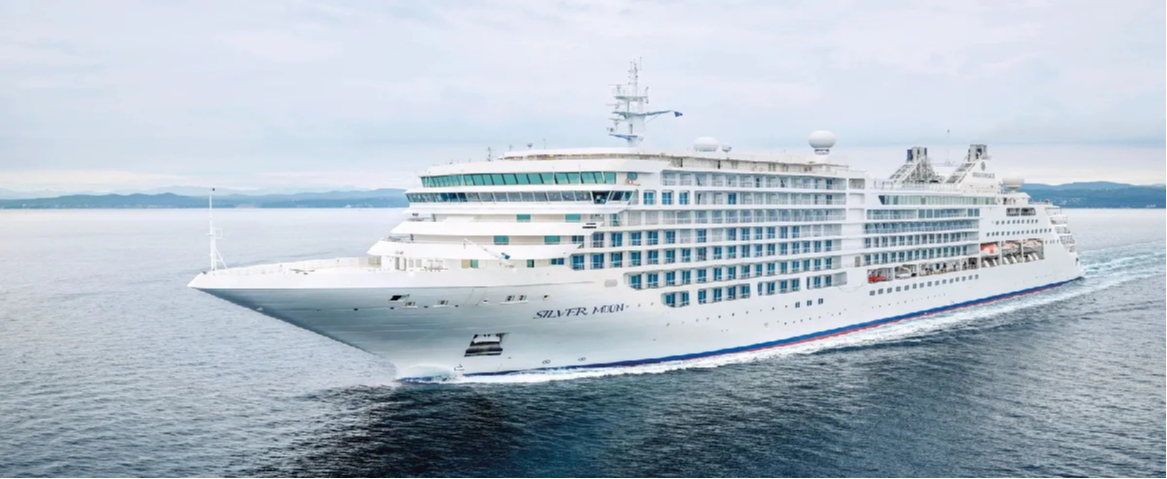
Silver Moon
35 Cruises

| 8 May | 15 nights | One-way from Tokyo to Vancouver |
450-628-6241
Call us
|
| 23 May | 9 nights | One-way from Vancouver to Seward |
450-628-6241
Call us
|
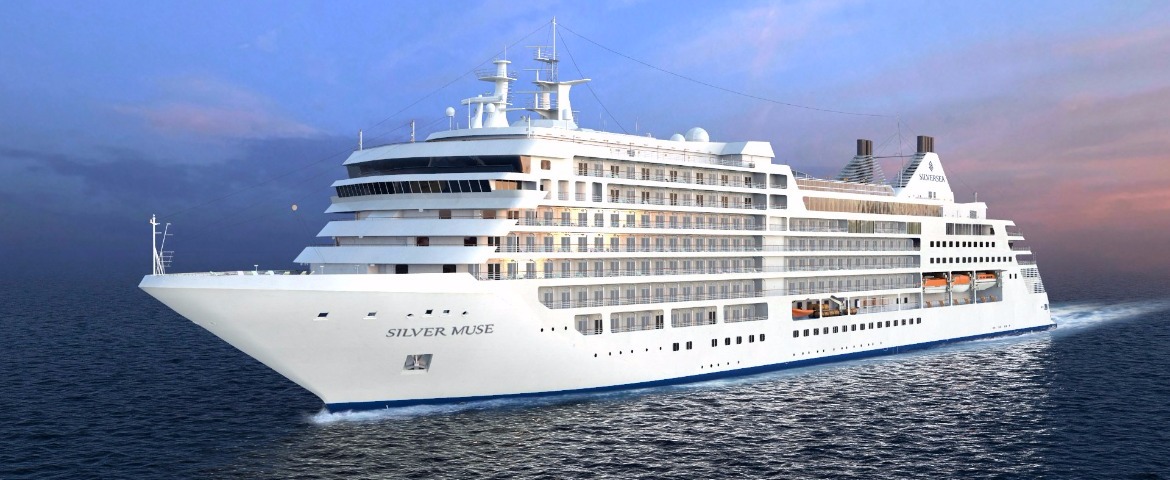
Silver Muse
17 Cruises
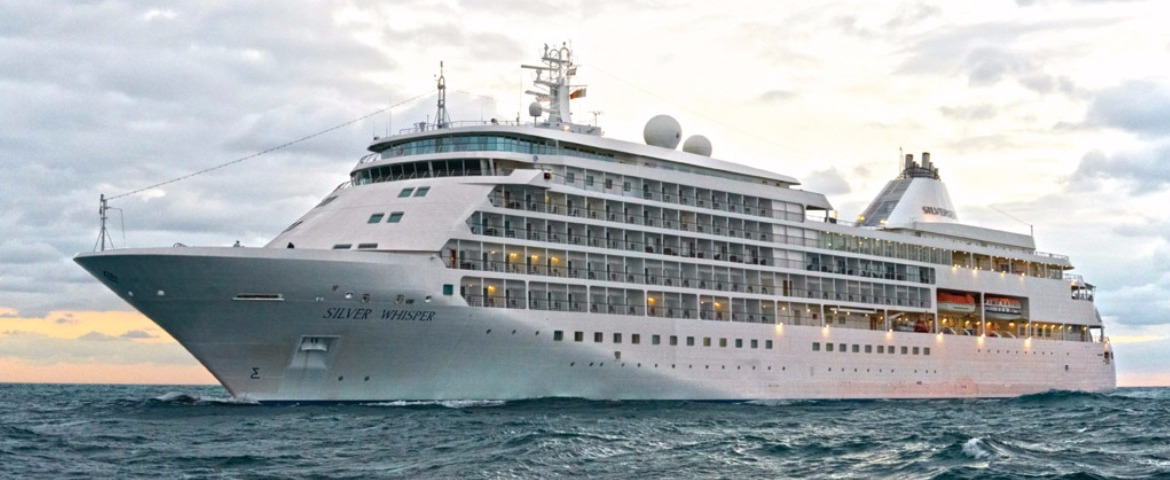
Silver Whisper
15 Cruises
Viking Ocean Cruises (71 Cruises)
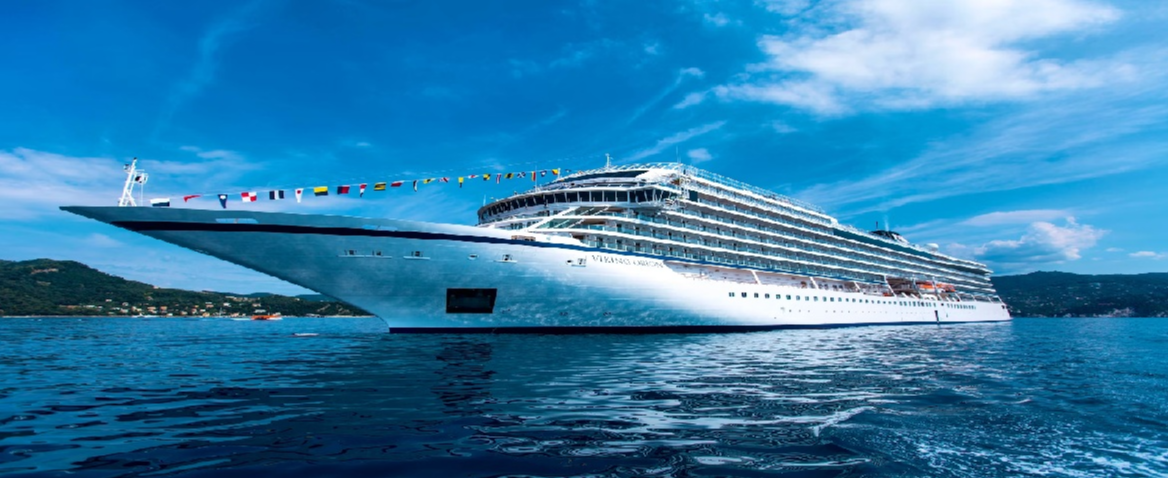
Viking Orion
33 Cruises

| 4 May | 20 nights | One-way from Tokyo to Vancouver |
450-628-6241
Call us
|
| 24 May | 9 nights | One-way from Vancouver to Seward |
450-628-6241
Call us
|
| 12 August | 9 nights | One-way from Vancouver to Seward |
450-628-6241
Call us
|
| 23 August | 9 nights | One-way from Seward to Vancouver |
450-628-6241
Call us
|
| 7 May | 34 nights | One-way from Hong Kong to Vancouver |
450-628-6241
Call us
|
| 21 May | 20 nights | One-way from Tokyo to Vancouver |
450-628-6241
Call us
|
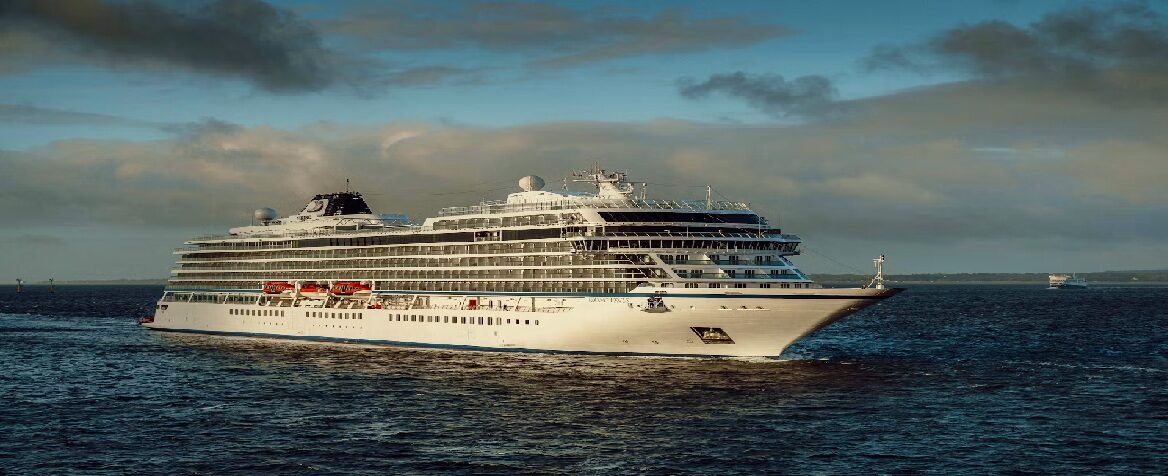
Viking Venus
38 Cruises
| 1 March | 90 nights | One-way from Auckland to Vancouver |
450-628-6241
Call us
|
| 14 March | 77 nights | One-way from Sydney to Vancouver |
450-628-6241
Call us
|
| 10 May | 20 nights | One-way from Tokyo to Vancouver |
450-628-6241
Call us
|
| 30 May | 9 nights | One-way from Vancouver to Seward |
450-628-6241
Call us
|
| 4 February | 90 nights | One-way from Auckland to Vancouver |
450-628-6241
Call us
|
| 17 February | 77 nights | One-way from Sydney to Vancouver |
450-628-6241
Call us
|
Virgin Voyages (14 Cruises)
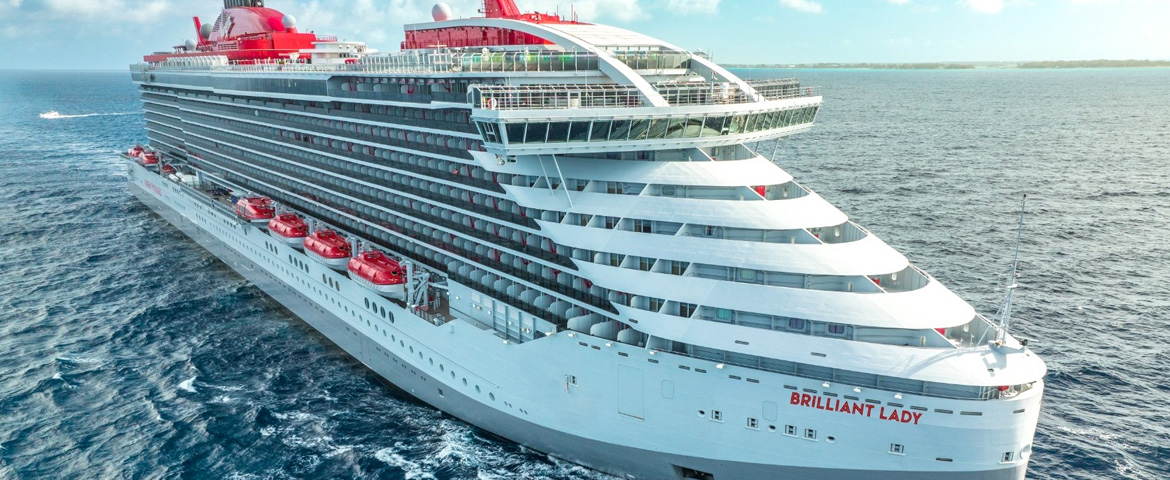
Brilliant Lady
14 Cruises

Port of Sitka, Alaska | Cruise Port Guide
Frequently Asked Questions
Large ships generally berth a few kilometres north of town, from where frequent free shuttles reach the heart of Sitka in about fifteen minutes, near Harrigan Centennial Hall. Smaller ships sometimes anchor off the centre and tender ashore.
Yes, once you have taken the shuttle. The historic core is flat and compact, and the main sights are less than twenty minutes’ walk from one another.
String together St. Michael’s Cathedral, the Russian Bishop’s House and Castle Hill, then follow the shore to Sitka National Historical Park and the Alaska Raptor Center. It all fits into a normal call without racing the clock.
Because it was the capital of Russian America. St. Michael’s Orthodox Cathedral, rebuilt exactly after the 1966 fire, still holds the icons rescued from the flames, and the Russian Bishop’s House, completed in 1842, is among the few buildings of that era still standing in North America.
This is where, in 1867, the Russian imperial flag was lowered and the American flag raised at the transfer of Alaska to the United States. The climb is short and easy, and the view over the bay and Mount Edgecumbe justifies it on its own.
Sitka National Historical Park, about ten minutes from the centre along the shore. A shaded trail winds beneath giant spruces past totem poles, and the park protects the site of the 1804 battle between Tlingit warriors and Russian forces. It is not unusual to see a carver working red cedar there.
Yes, at the Alaska Raptor Center, which treats injured bald eagles, hawks and owls before releasing them. The rehabilitation flight enclosures can be visited, and meeting a bald eagle at under two metres leaves a lasting impression.
Yes. The Sitka Sound Science Center and its hatchery explain the salmon cycle with touch tanks that hold the attention of all ages, and the totem trail is an easy walk.
The US dollar and English. Tlingit and Russian left their mark on names and buildings, but not on everyday conversation.
Mid-May to mid-September. In season, sea otters, whales and puffins work the waters of the sound; rain and mist are part of the setting and give the totem trail its most memorable atmosphere.


