Split Croatia
1123
Cruises availables
At departure or passage at this port
Azamara Club Cruises (22 Cruises)
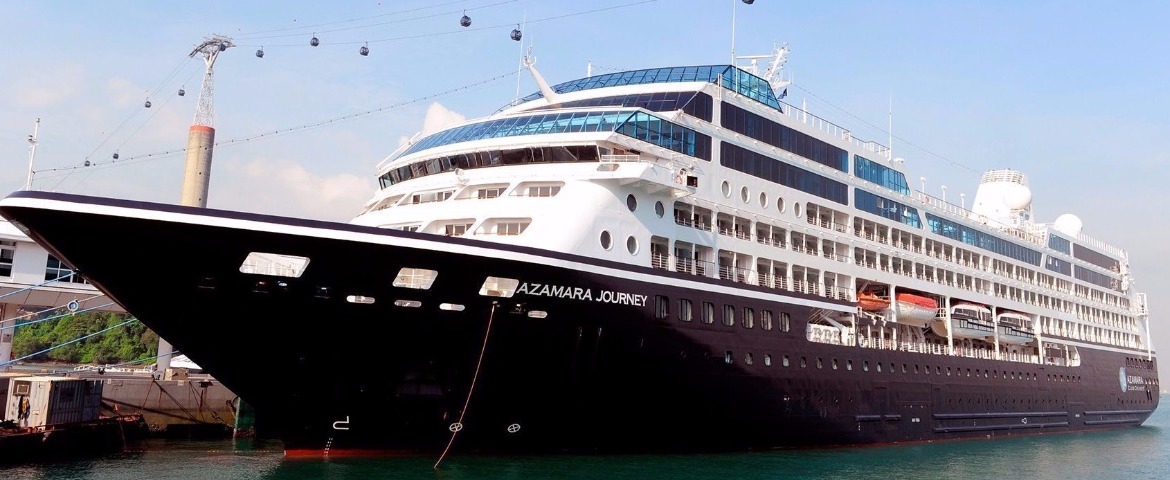
Azamara Journey
8 Cruises

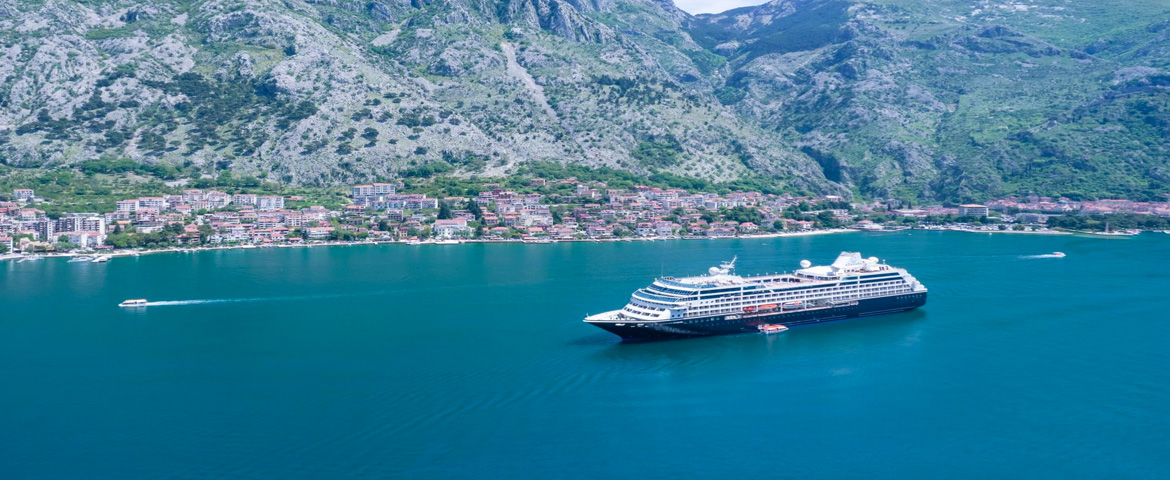
Azamara Onward
12 Cruises
| 13 March | 20 nights | One-way from Barcelona to Piraeus-Athens |
450-628-6241
Call us
|
| 25 March | 8 nights | One-way from Venice to Piraeus-Athens |
450-628-6241
Call us
|
| 8 June | 21 nights | One-way from Barcelona to Piraeus-Athens |
450-628-6241
Call us
|
| 20 June | 9 nights | One-way from Venice to Piraeus-Athens |
450-628-6241
Call us
|
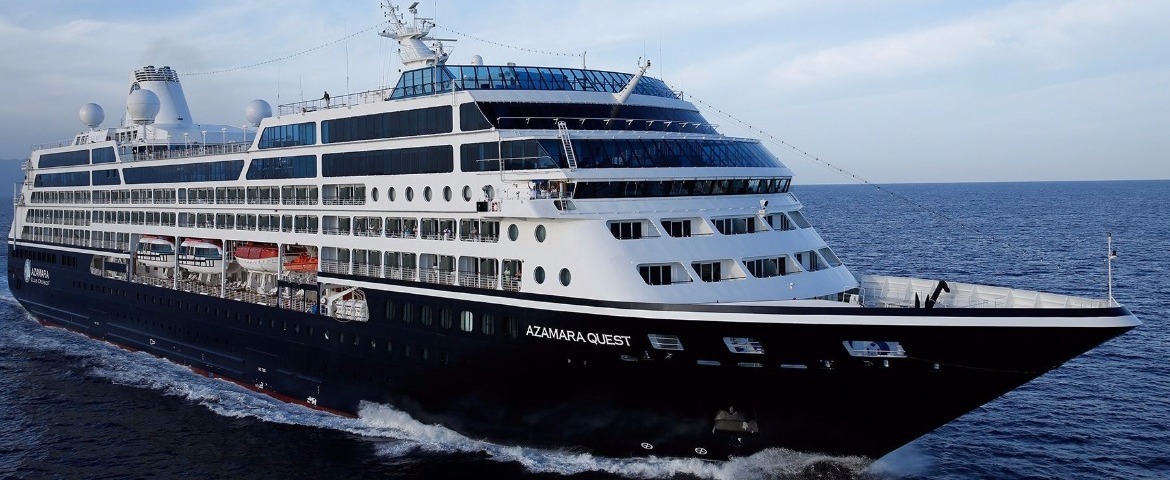
Carnival Cruise Line (1 Cruises)
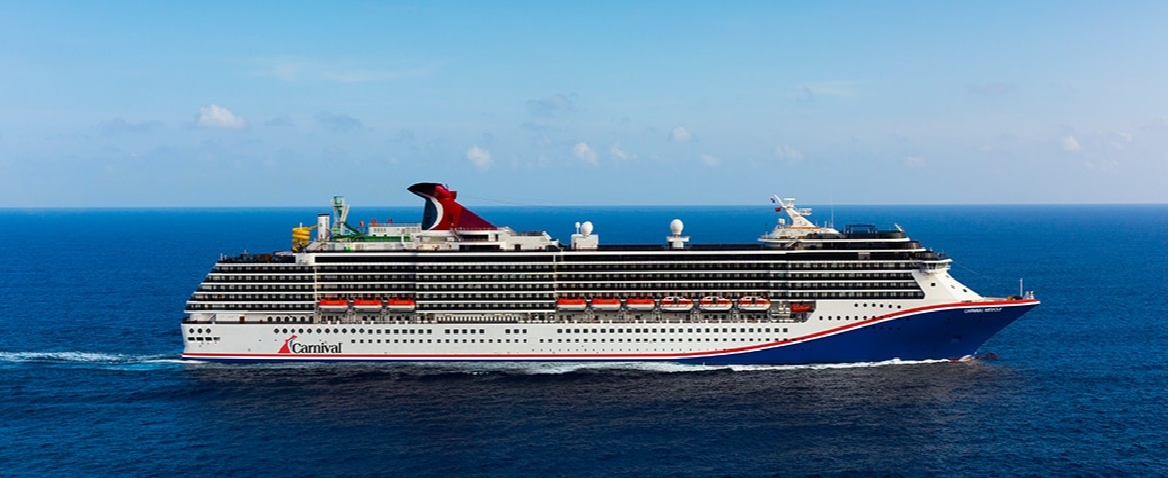

Celebrity Cruises (29 Cruises)
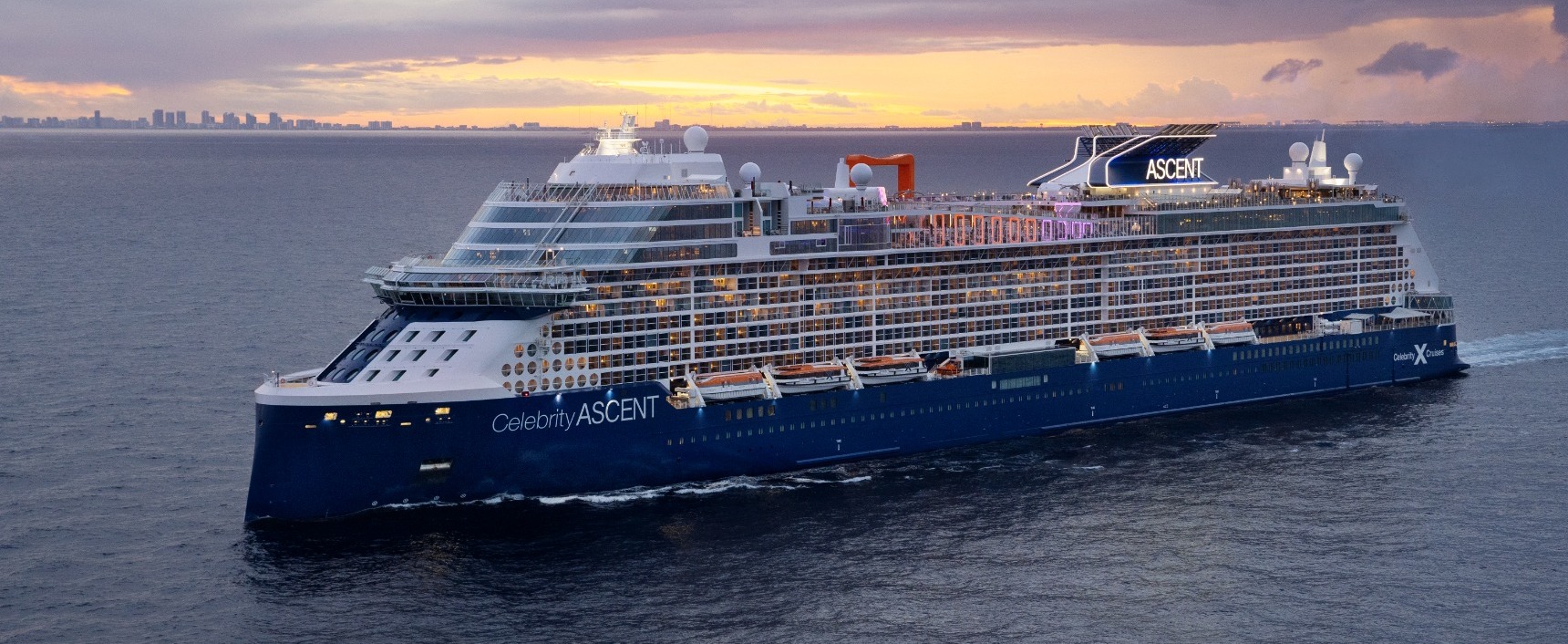
Celebrity Ascent
8 Cruises

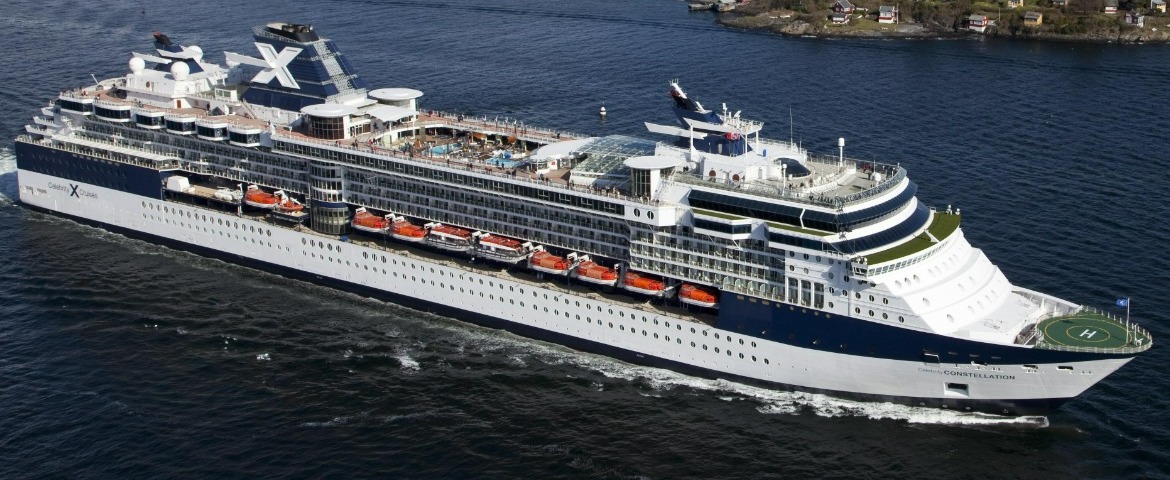
Celebrity Constellation
14 Cruises
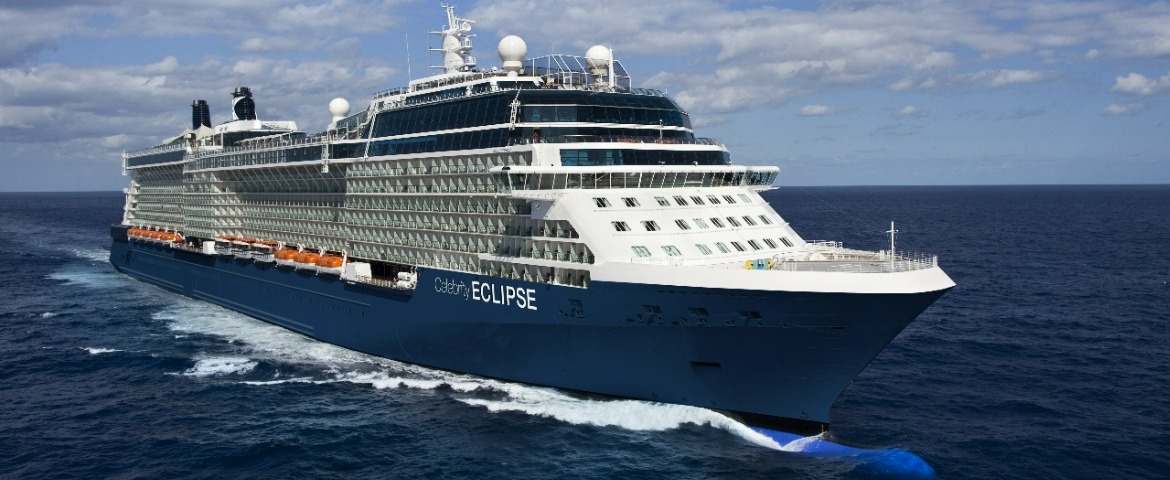
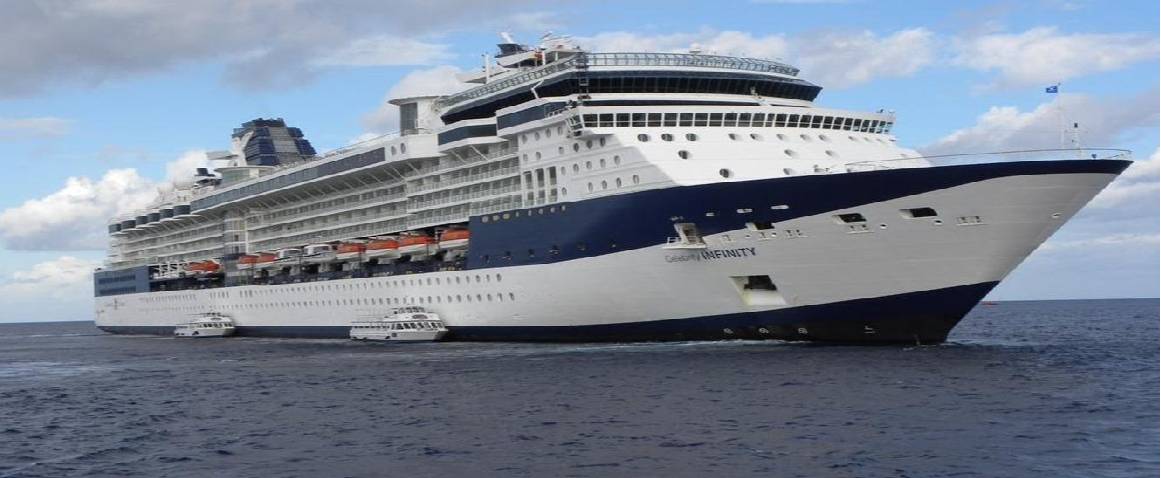
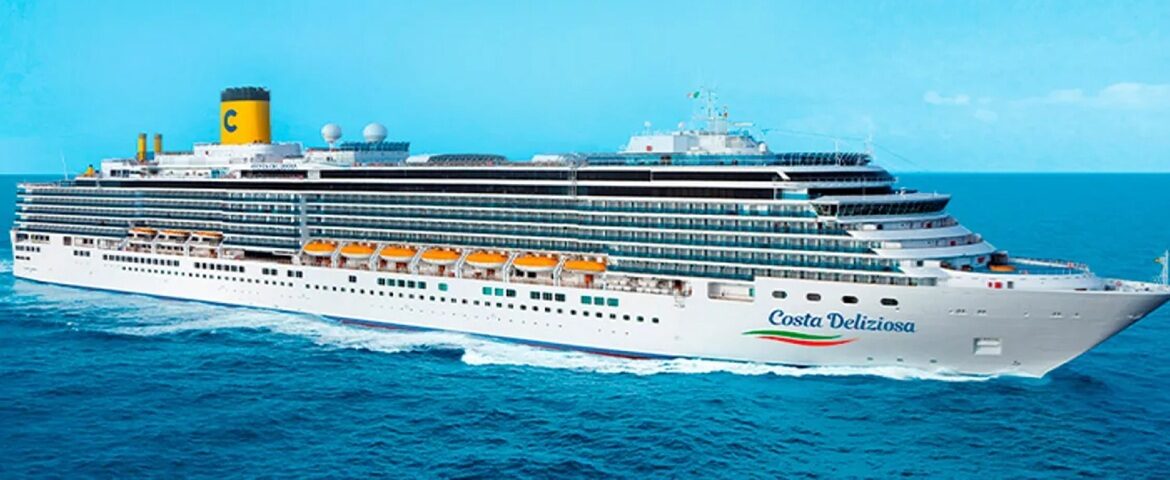
Costa Cruises (18 Cruises)
Costa Deliziosa
18 Cruises

CroisiEurope (23 Cruises)
MV La Belle de L'Adriatique
23 Cruises


| 24 June | 7 nights | Round-trip from Dubrovnik, Croatia |
450-628-6241
Call us
|
| 24 June | 7 days | Round-trip Croatia and Montenegro |
450-628-6241
Call us
|
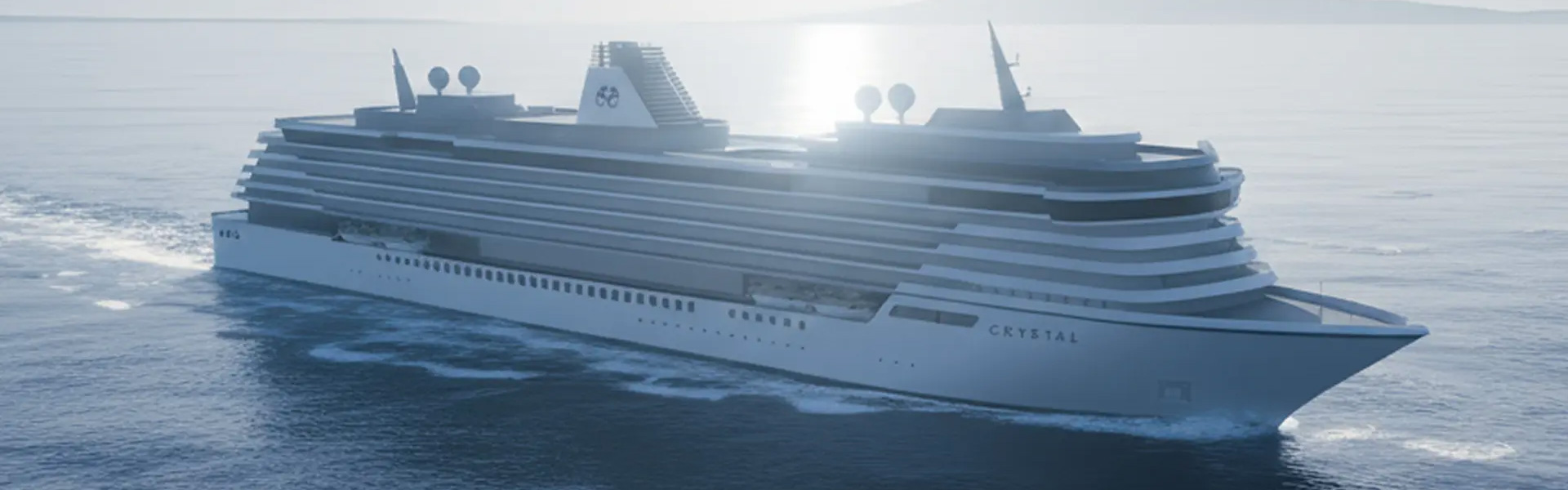
Crystal Cruises (7 Cruises)
Crystal Grace
7 Cruises

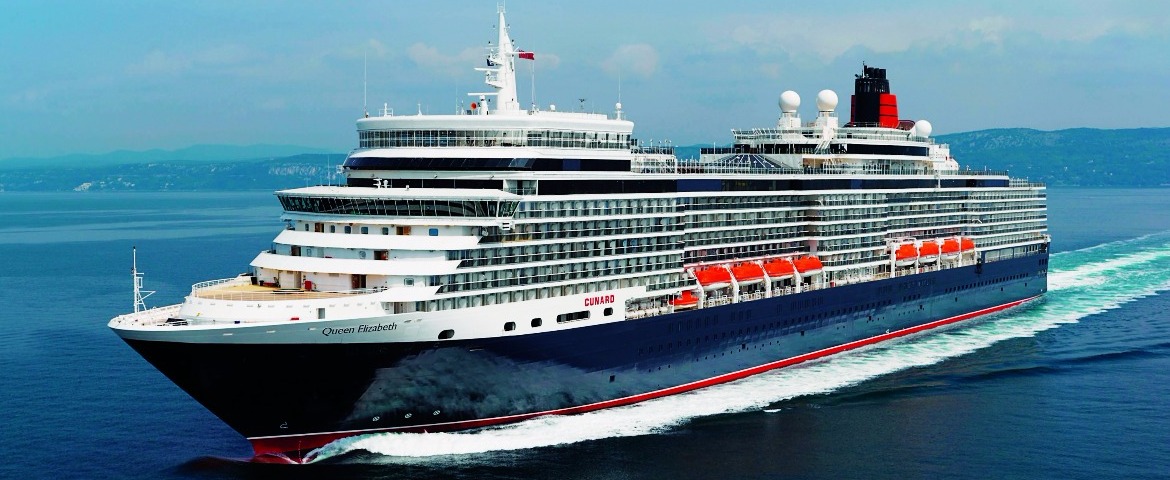
Cunard (78 Cruises)
Queen Elizabeth
77 Cruises

Emerald Waterways (71 Cruises)
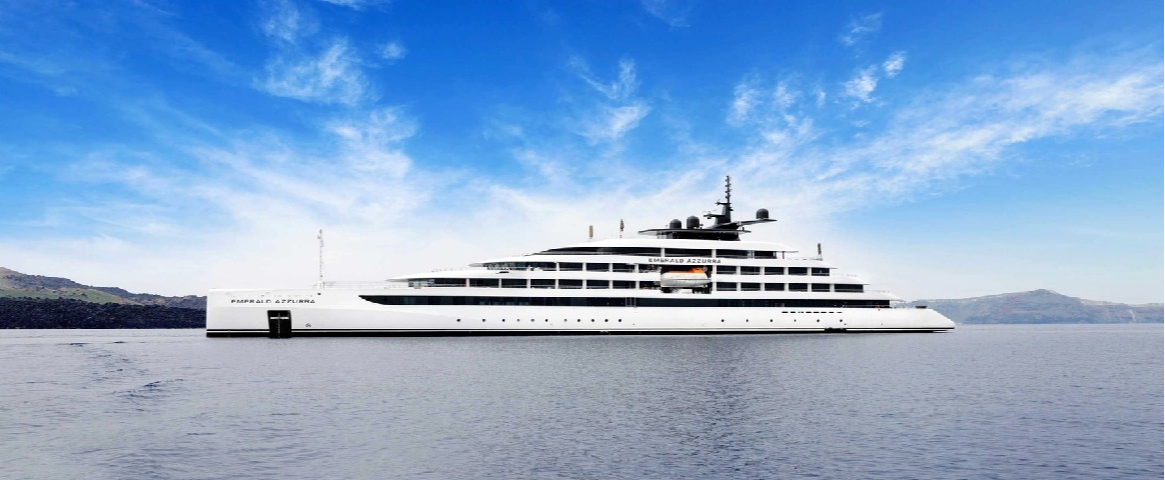
Emerald Azzurra
22 Cruises

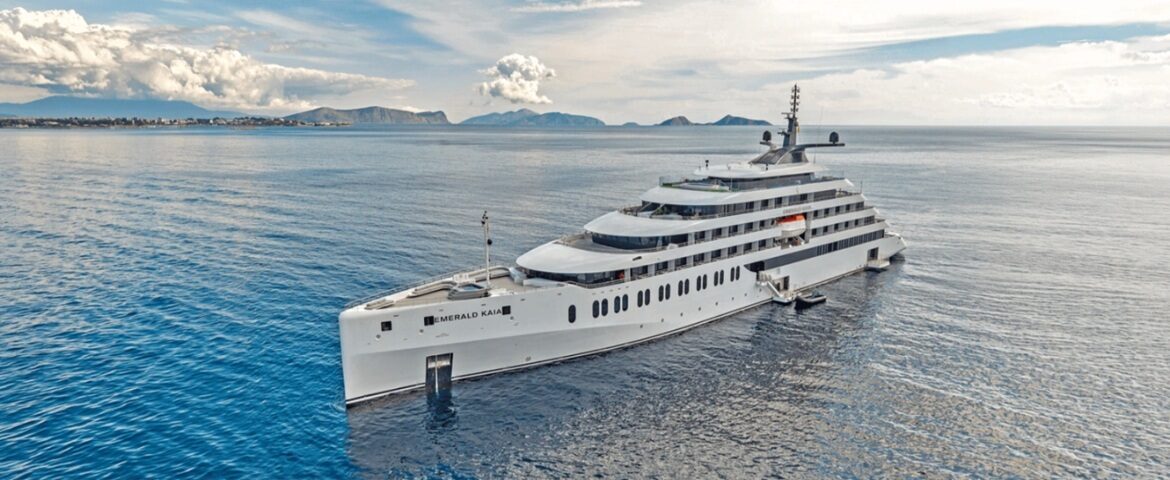
Emerald Kaia
45 Cruises
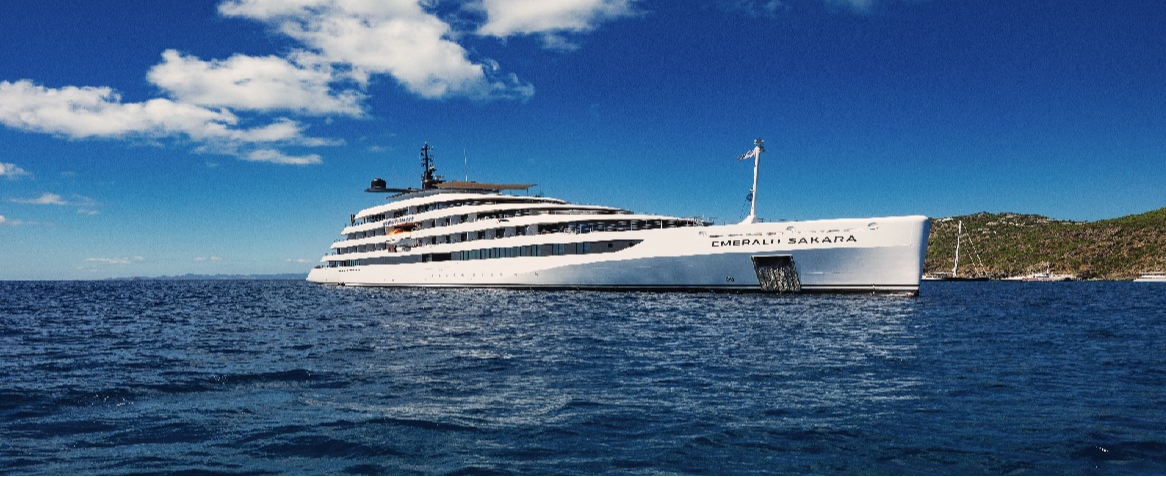
Emerald Sakara
4 Cruises
Explora Journeys (27 Cruises)
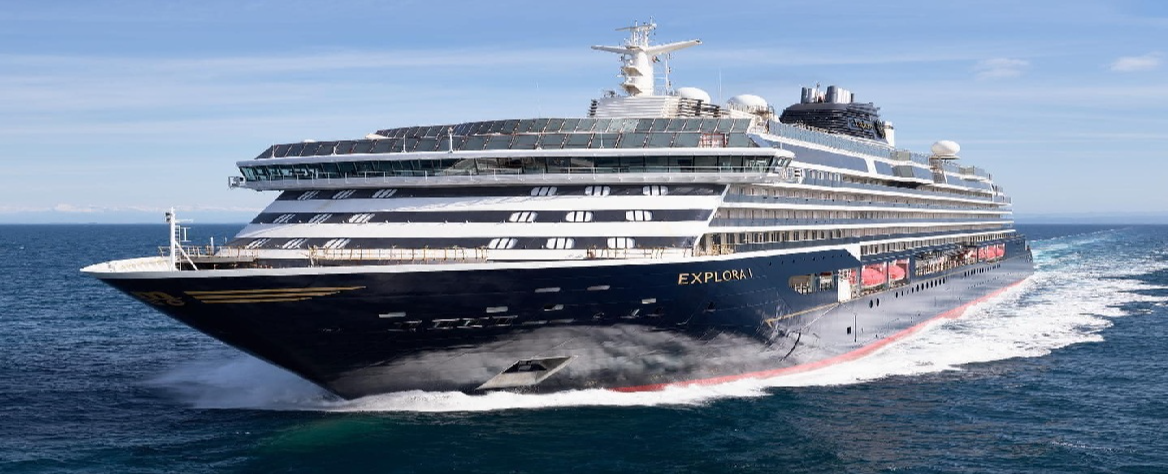
Explora I
6 Cruises

Explora II
19 Cruises
| 25 March | 10 nights | One-way from Piraeus-Athens to Venice |
450-628-6241
Call us
|
| 25 March | 20 nights | One-way from Piraeus-Athens to Venice |
450-628-6241
Call us
|
| 24 May | 7 nights | One-way from Piraeus-Athens to Venice |
450-628-6241
Call us
|
| 24 May | 14 nights | Round-trip from Piraeus-Athens, Greece |
450-628-6241
Call us
|
| 14 June | 7 nights | One-way from Piraeus-Athens to Venice |
450-628-6241
Call us
|
| 14 June | 14 nights | Round-trip from Piraeus-Athens, Greece |
450-628-6241
Call us
|
Holland America Line (10 Cruises)
ms Oosterdam
6 Cruises

MSC Cruises (340 Cruises)
MSC Armonia
171 Cruises
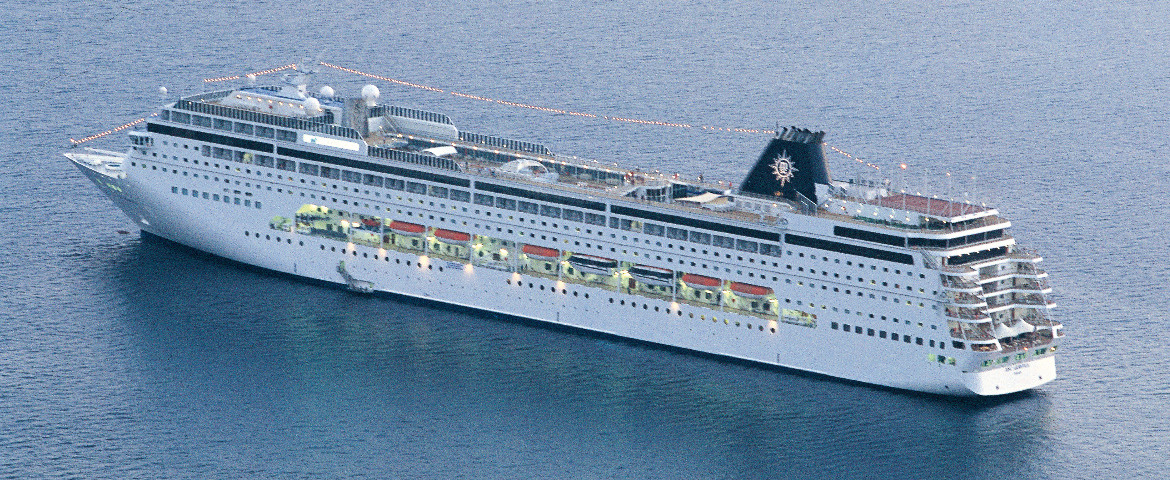

| 28 March | 5 nights | Round-trip from Venice, Italy |
From
954$
|
| 31 March | 7 nights | Round-trip from Brindisi, Italy |
450-628-6241
Call us
|
MSC Lirica
19 Cruises
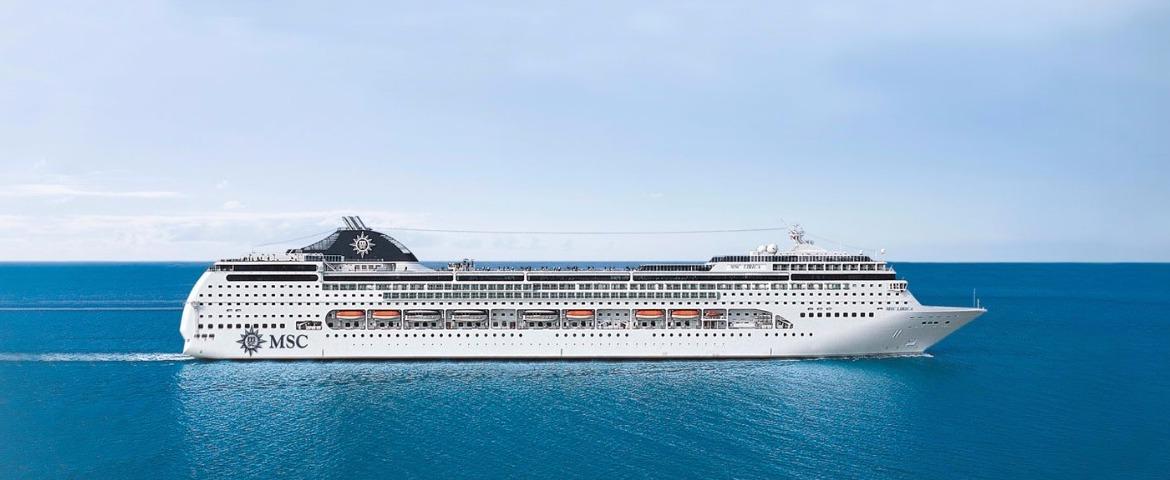
| 15 November | 11 nights | Round-trip from Venice, Italy |
From
796$
|
| 25 November | 11 nights | Round-trip from Split, Croatia |
From
1355$
|
| 26 November | 11 nights | Round-trip from Venice, Italy |
From
1809$
|
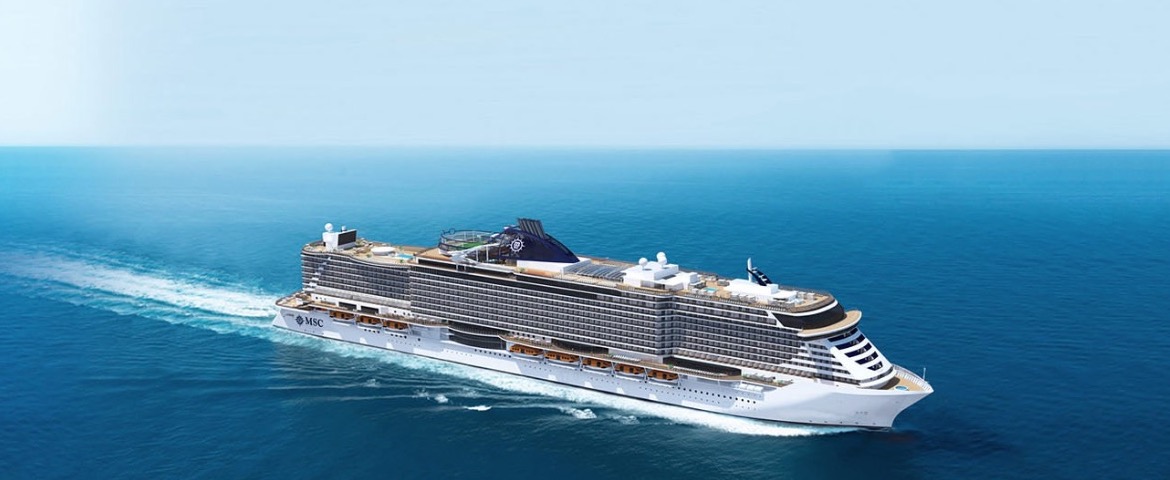
MSC Seaview
75 Cruises
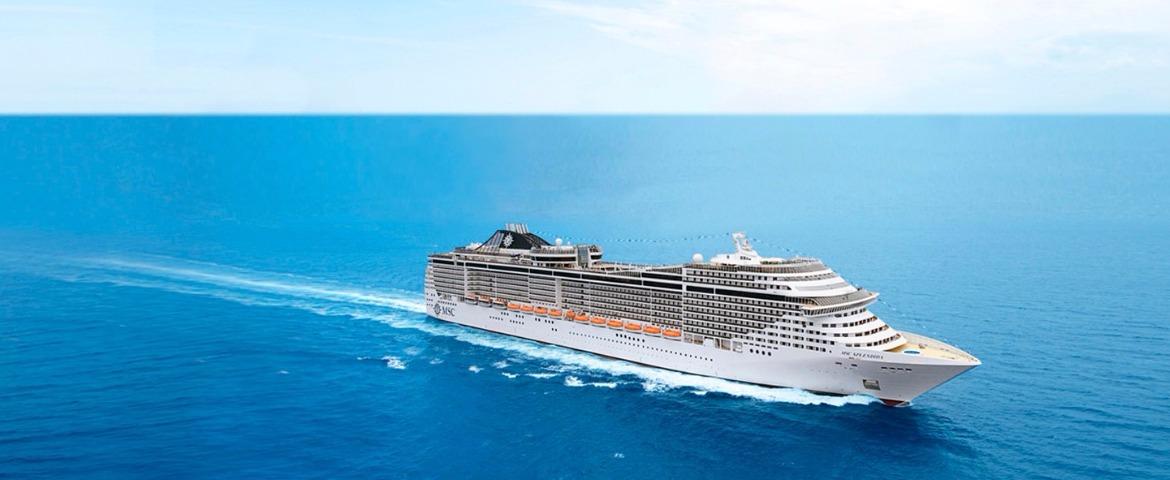
MSC Splendida
75 Cruises
Norwegian Cruise Line (23 Cruises)
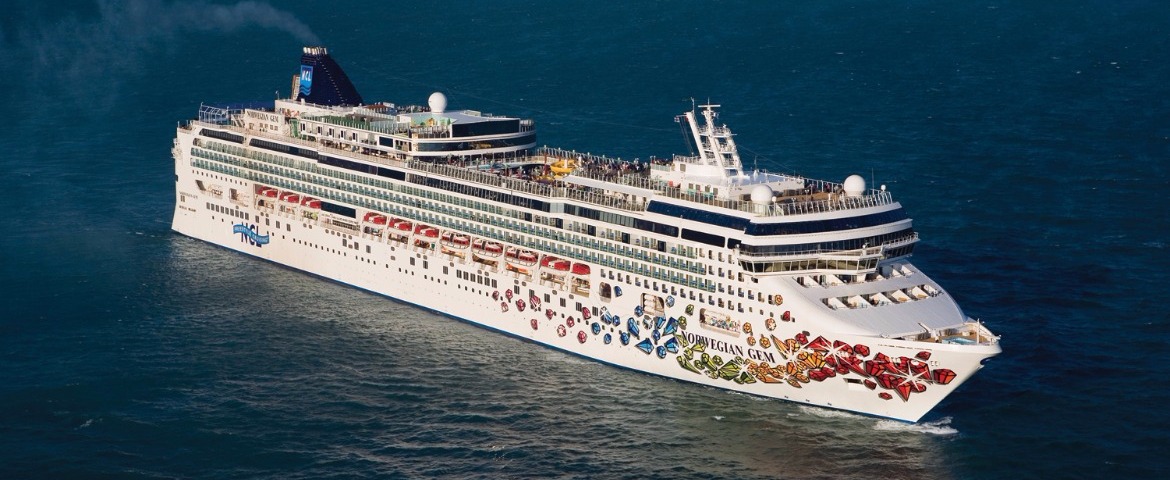

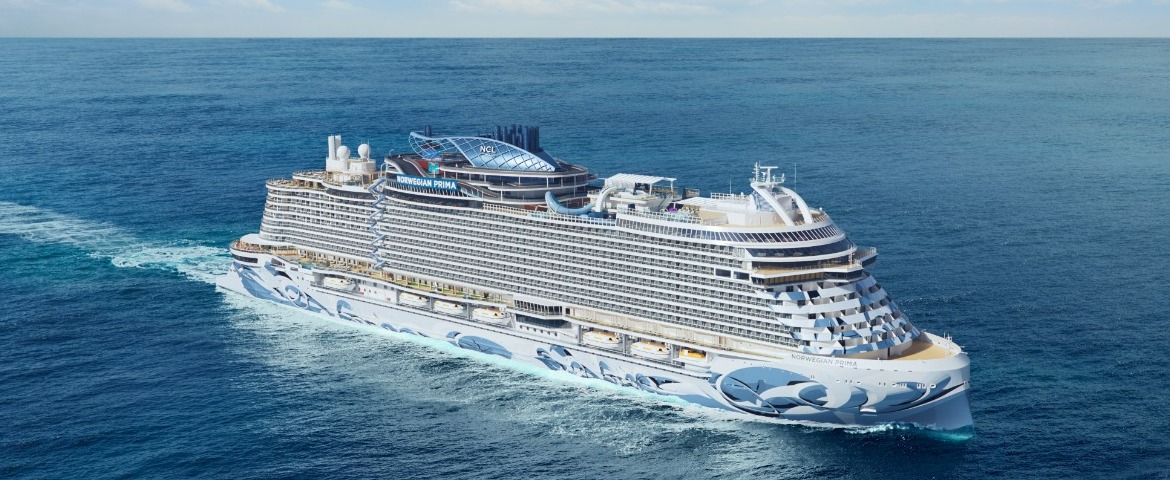
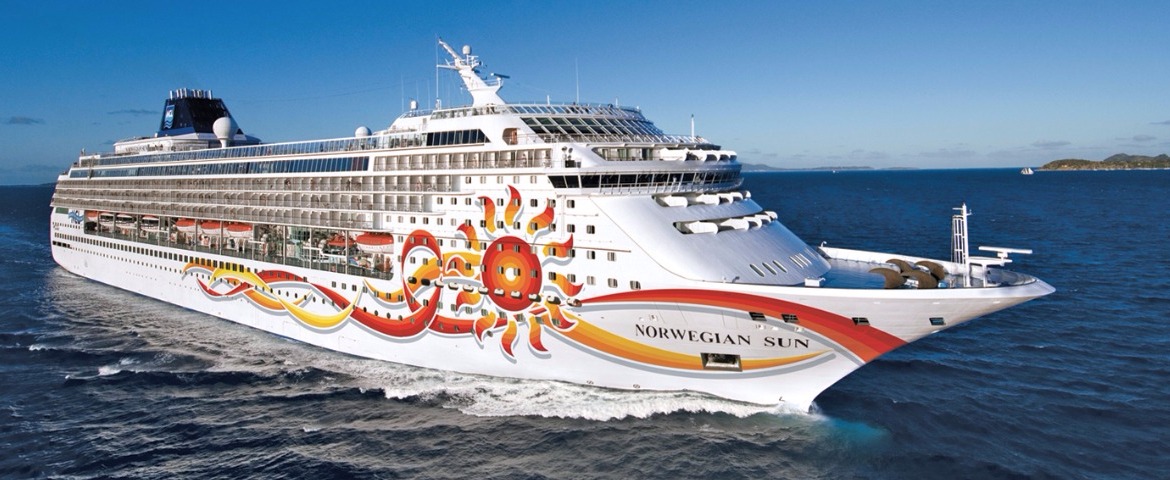
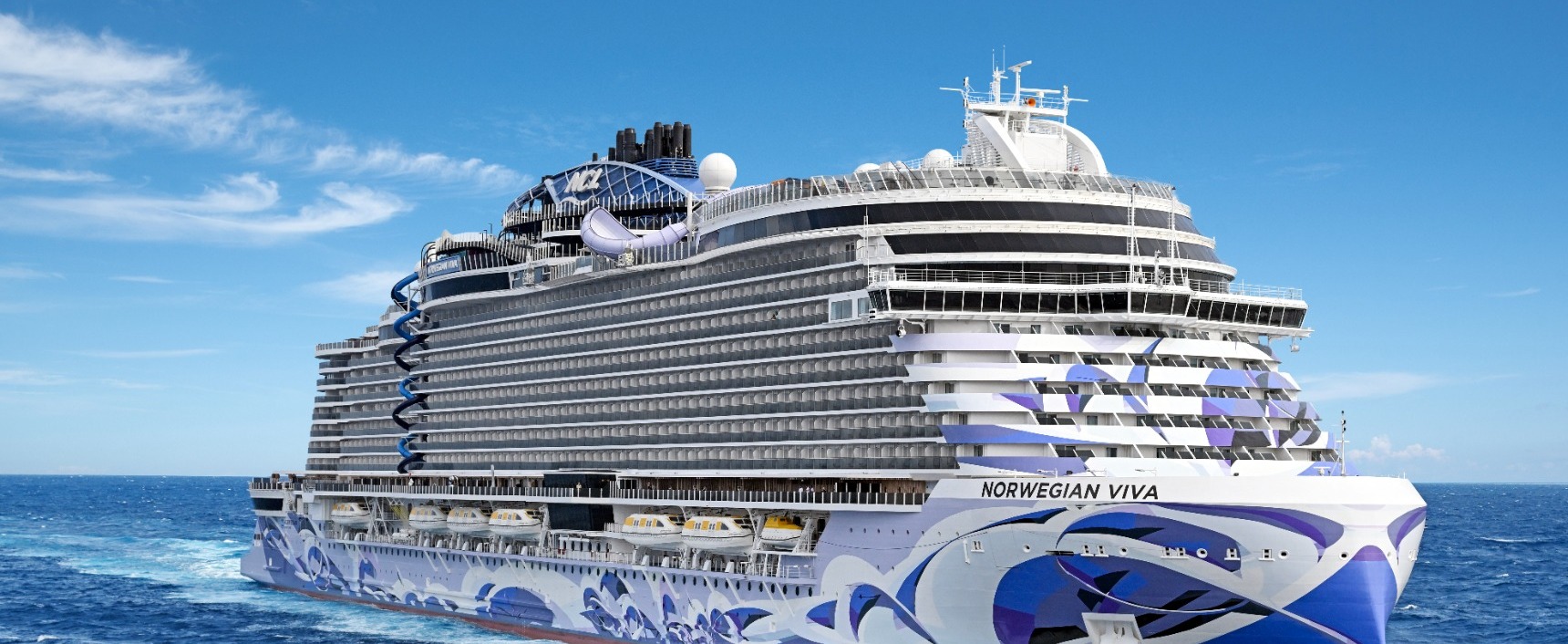
Norwegian Sun
14 Cruises
Oceania Cruises (52 Cruises)
Oceania Allura
19 Cruises
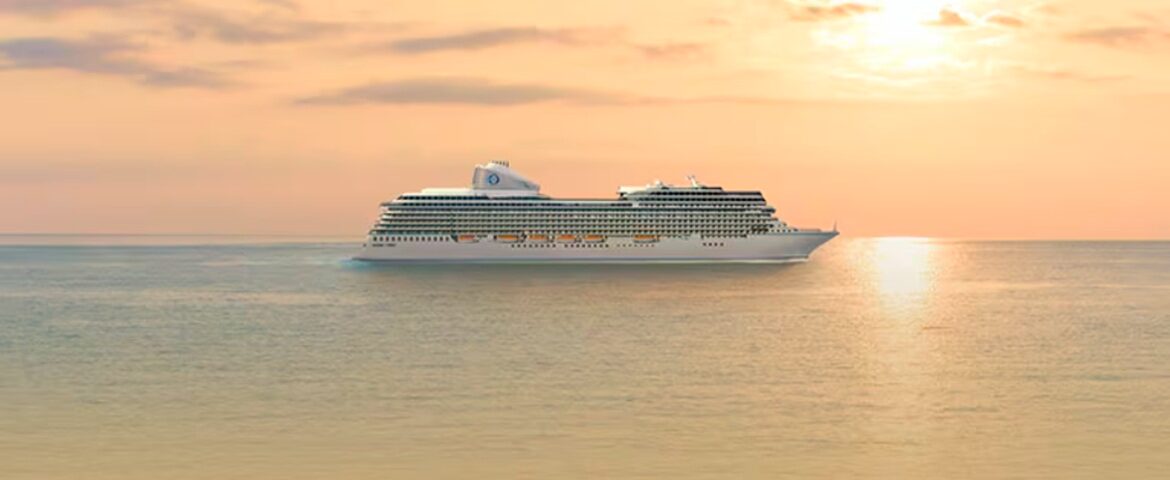

| 23 May | 10 nights | One-way from Trieste to Barcelona |
450-628-6241
Call us
|
| 23 May | 19 nights | One-way from Trieste to Civitavecchia-Rome |
450-628-6241
Call us
|
| 10 January | 10 nights | One-way from Civitavecchia-Rome to Trieste |
450-628-6241
Call us
|
| 20 January | 9 nights | One-way from Trieste to Piraeus-Athens |
450-628-6241
Call us
|
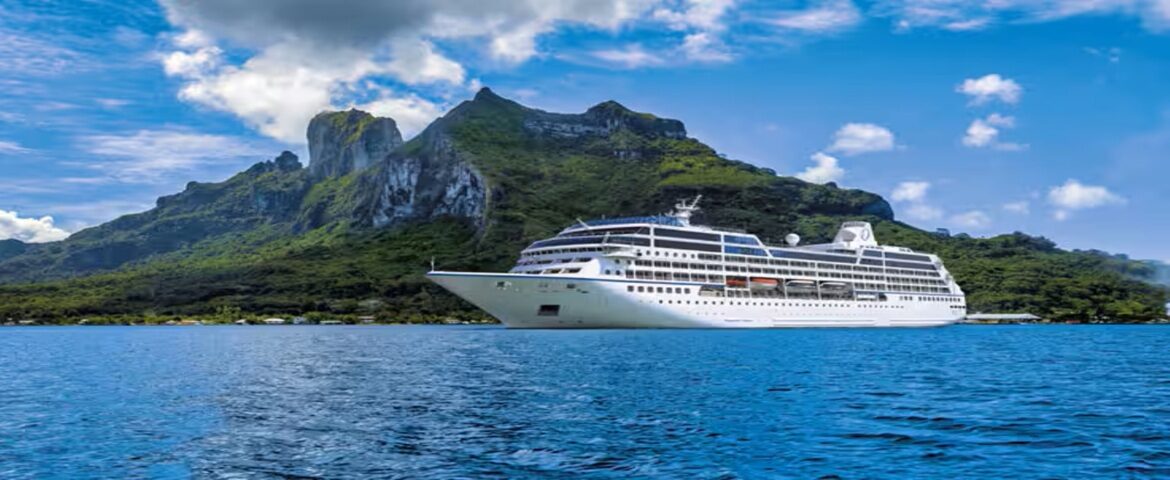
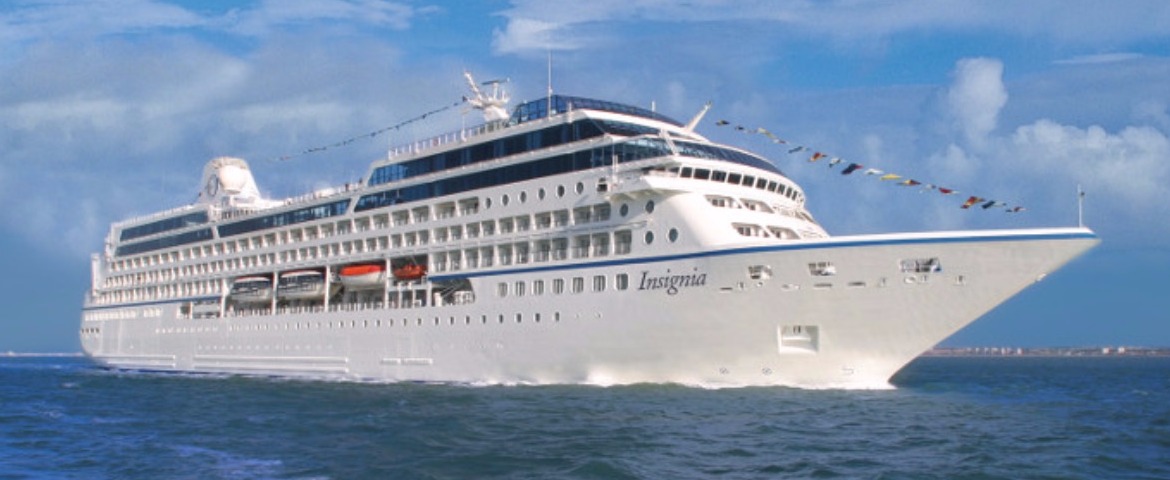
Oceania Insignia
5 Cruises
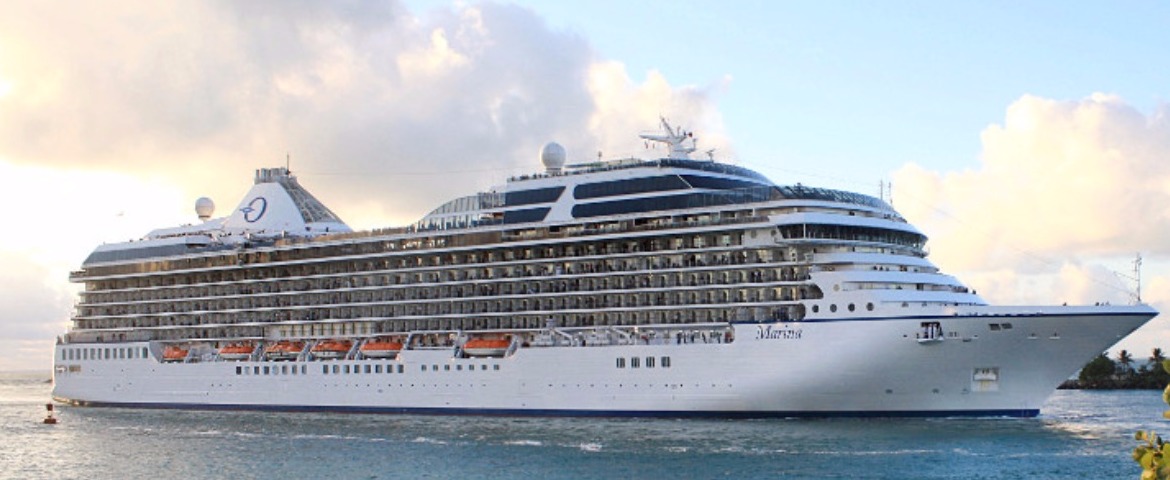
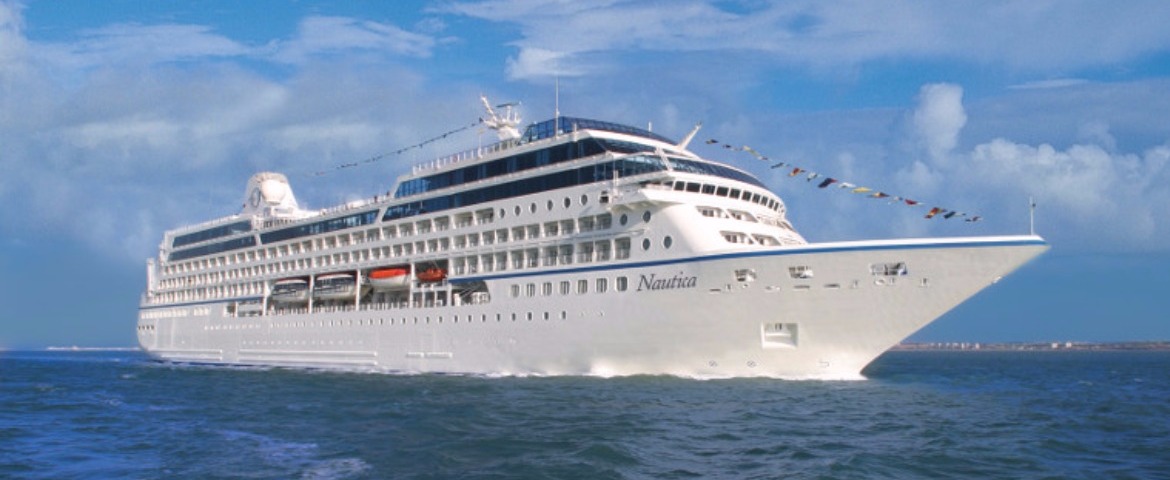
Oceania Sirena
6 Cruises
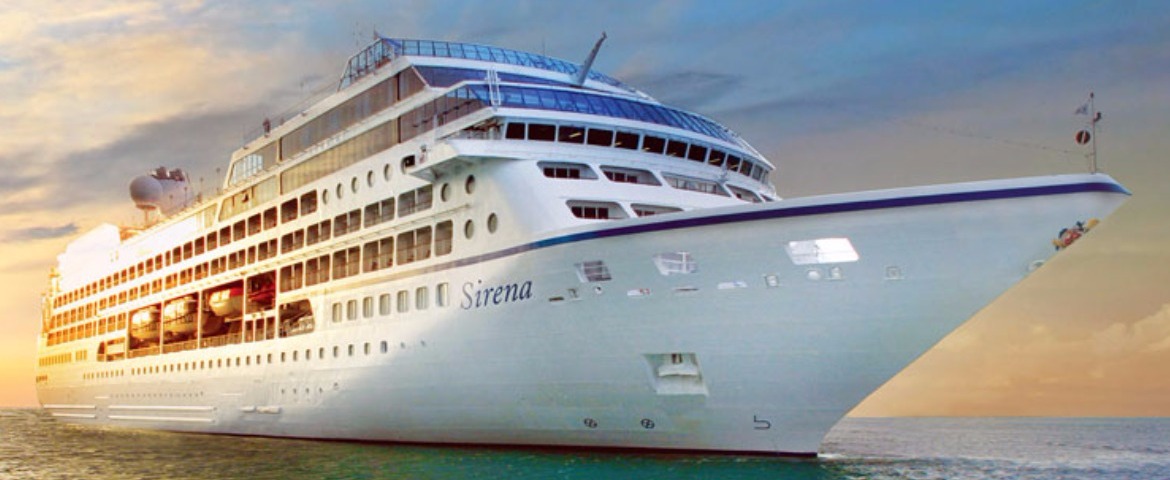
Oceania Sonata
7 Cruises
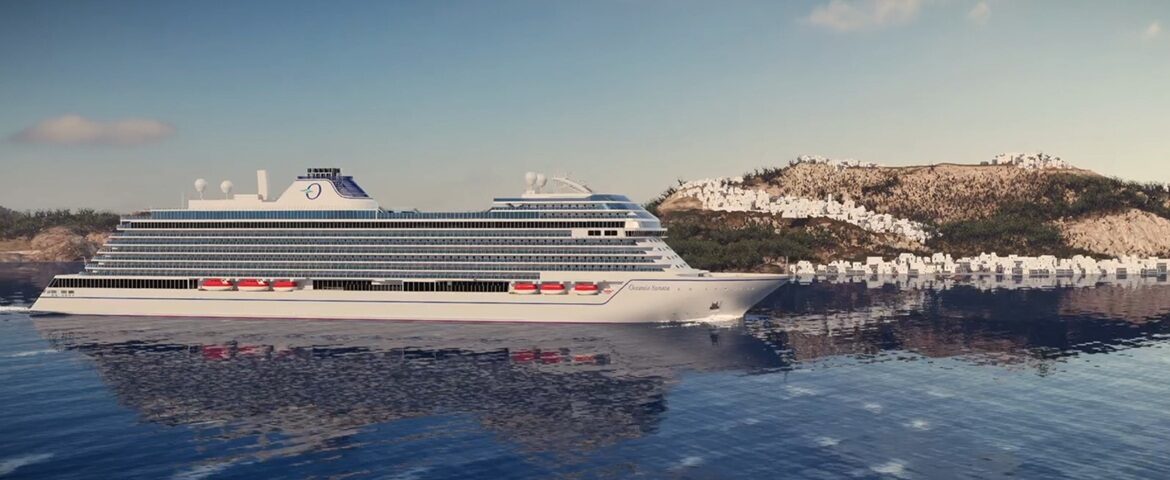
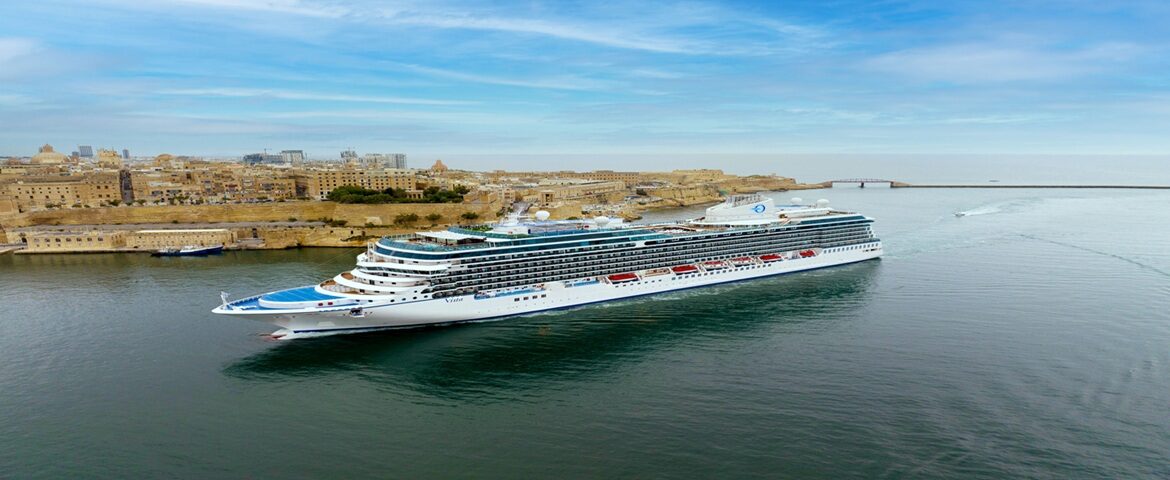
Oceania Vista
6 Cruises
| 6 January | 244 days | One-way from Miami to New York |
450-628-6241
Call us
|
| 6 January | 180 days | One-way from Miami to Southampton |
450-628-6241
Call us
|
Ponant (2 Cruises)
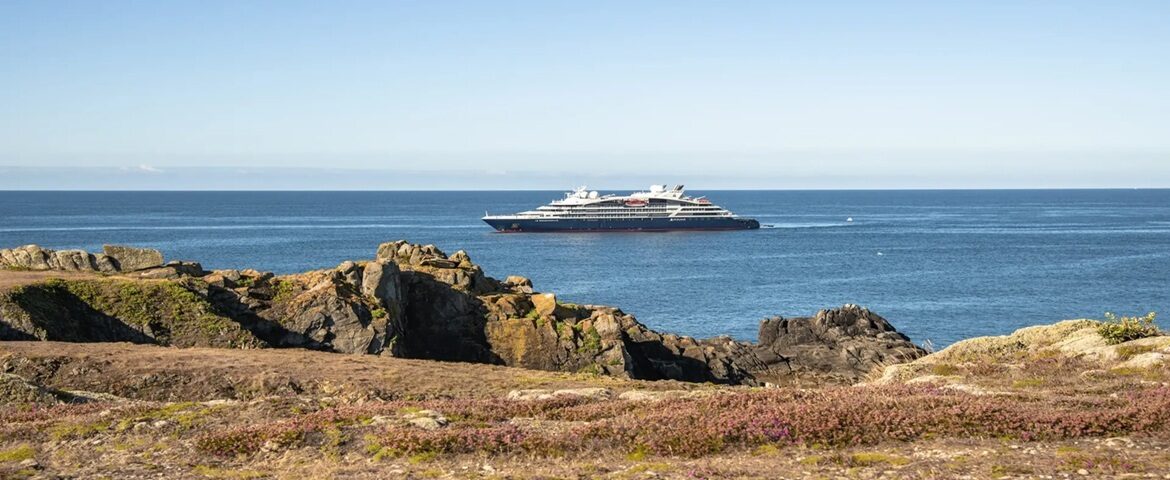

Princess Cruises (80 Cruises)
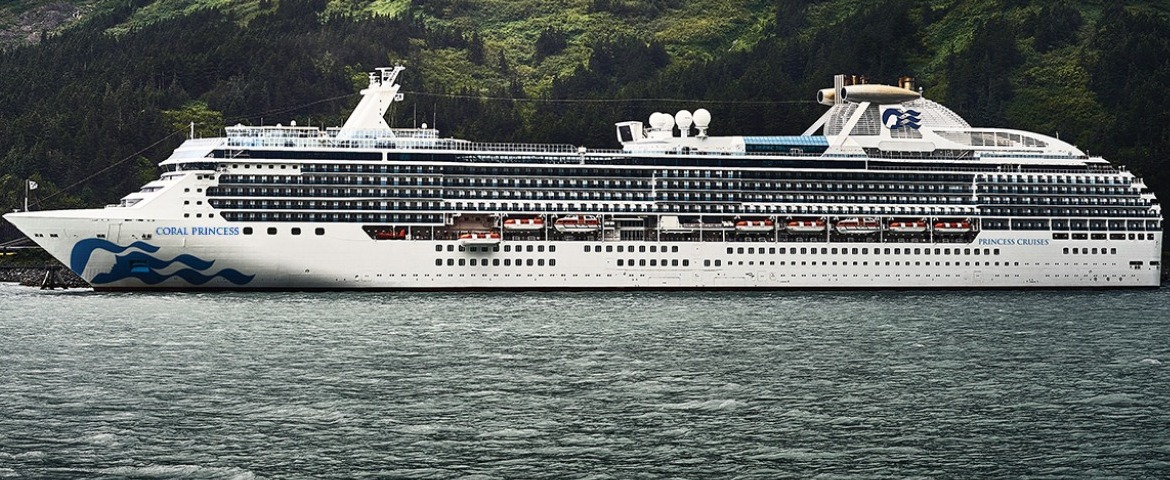
Coral Princess
9 Cruises

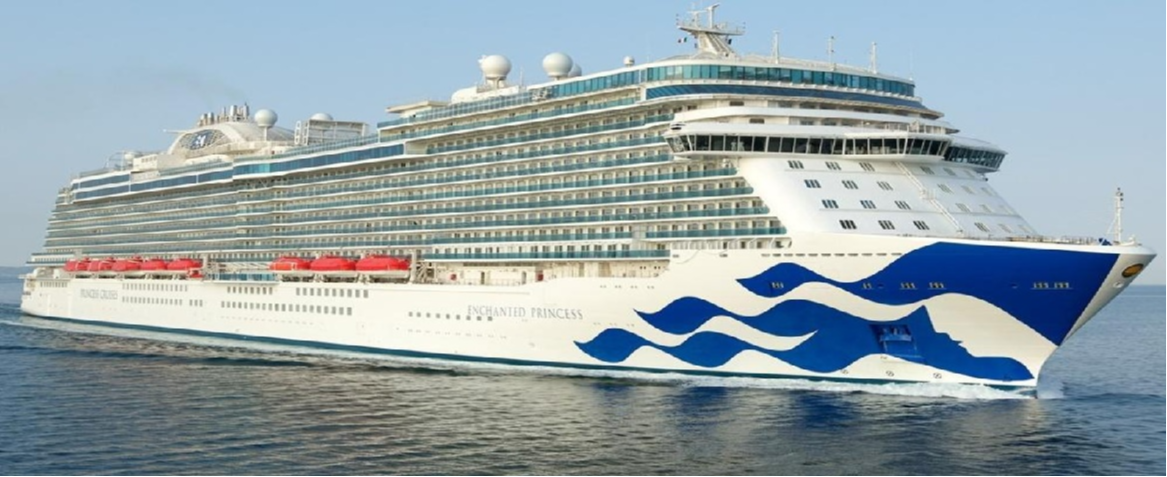
Enchanted Princess
71 Cruises
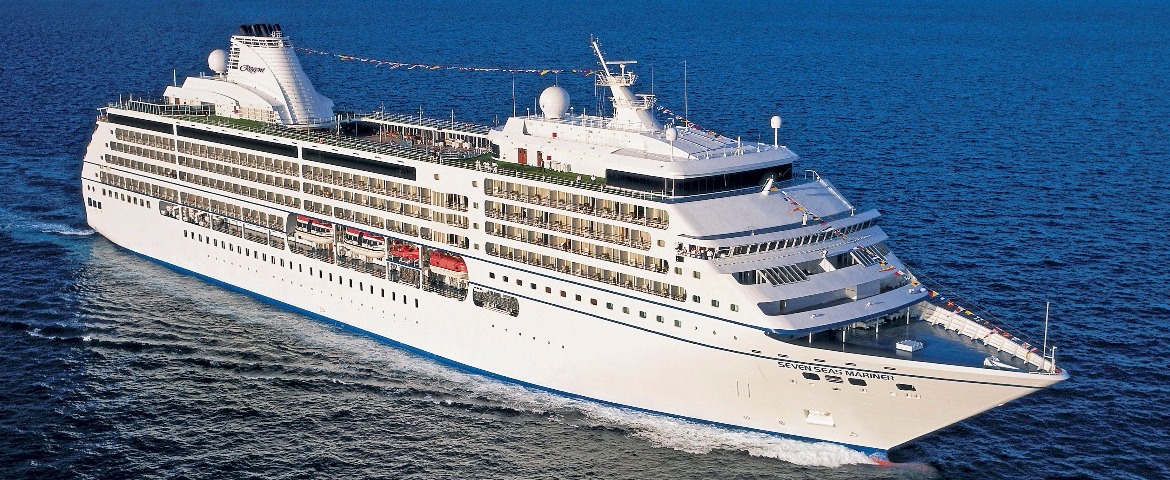
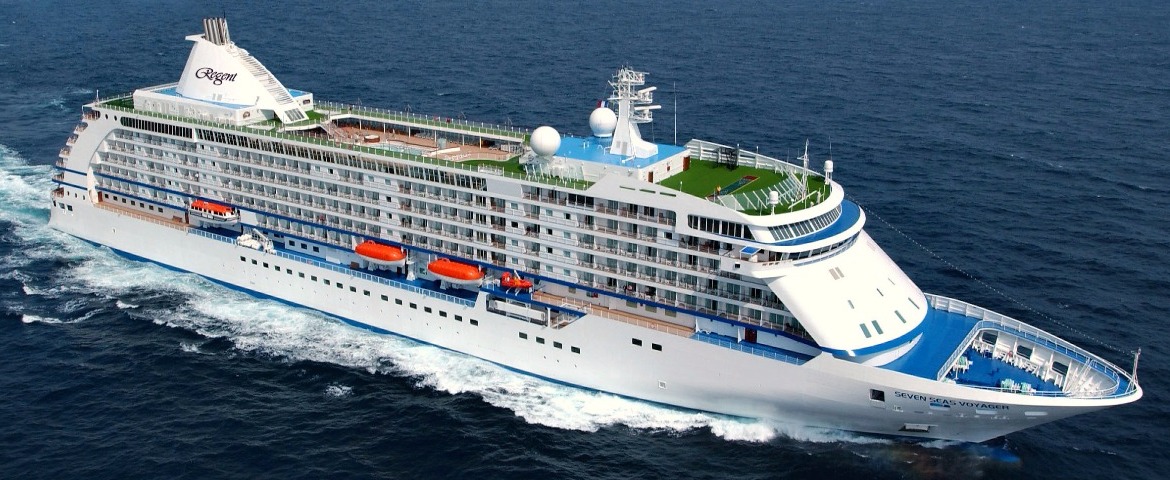
Regent Seven Seas Cruises (26 Cruises)
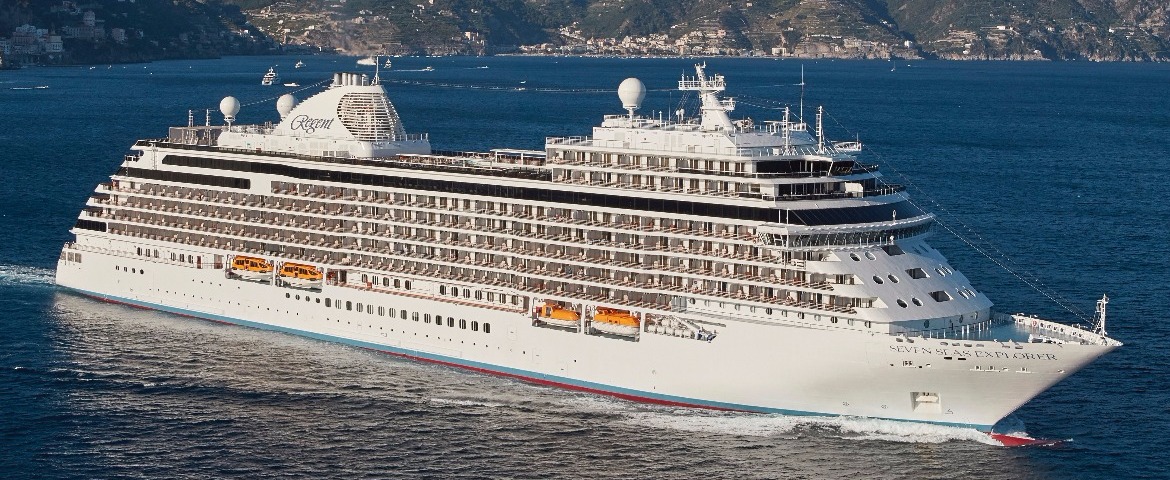

Seven Seas Grandeur
18 Cruises
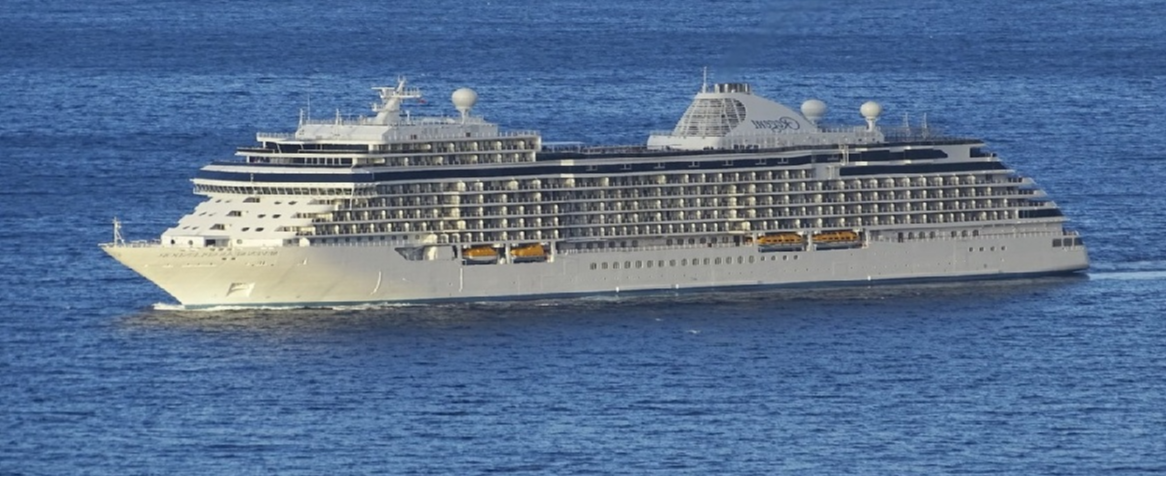
| 1 August | 16 nights | One-way from Civitavecchia-Rome to Piraeus-Athens |
450-628-6241
Call us
|
| 1 August | 7 nights | One-way from Civitavecchia-Rome to Venice |
450-628-6241
Call us
|
Royal Caribbean Cruises (33 Cruises)
Brilliance of the Seas
24 Cruises


| 15 May | 7 nights | Round-trip from Ravenna, Italy |
From
1037$
|
| 22 May | 7 nights | Round-trip from Ravenna, Italy |
From
1033$
|
| 29 May | 7 nights | Round-trip from Ravenna, Italy |
From
1067$
|
Explorer of the Seas
6 Cruises


Seabourn Cruise Line (16 Cruises)
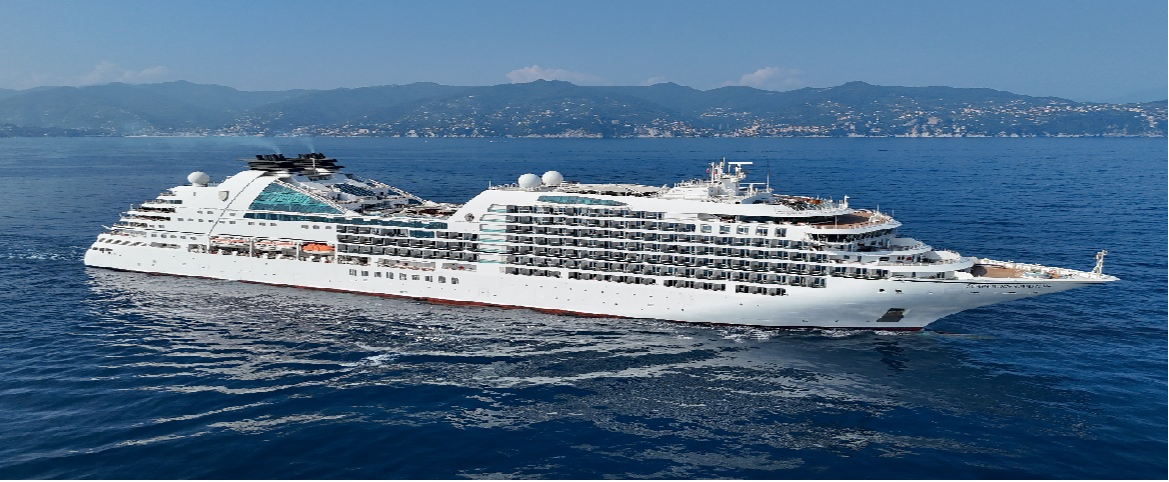
Seabourn Ovation
16 Cruises

Silversea Cruises (37 Cruises)
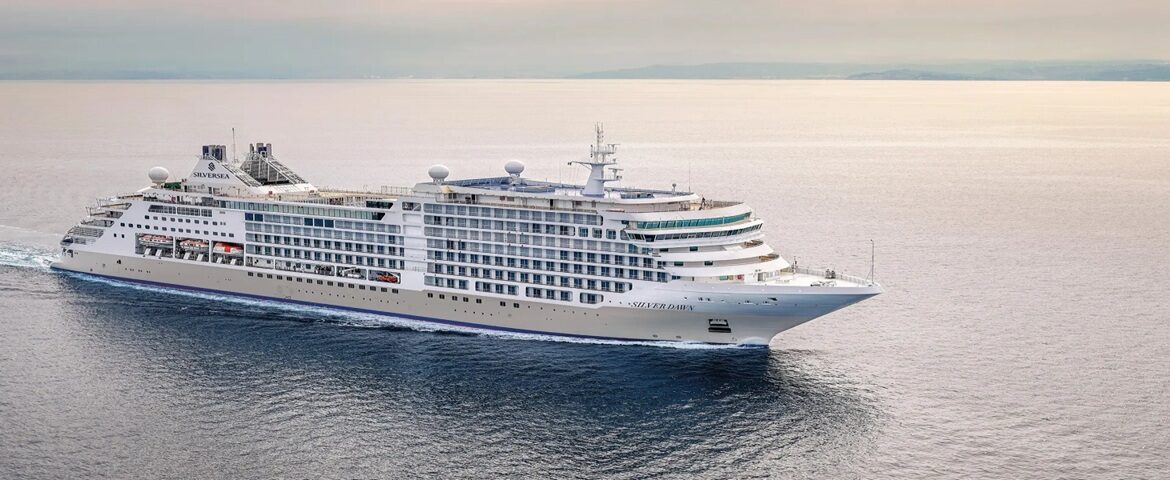
Silver Dawn
6 Cruises

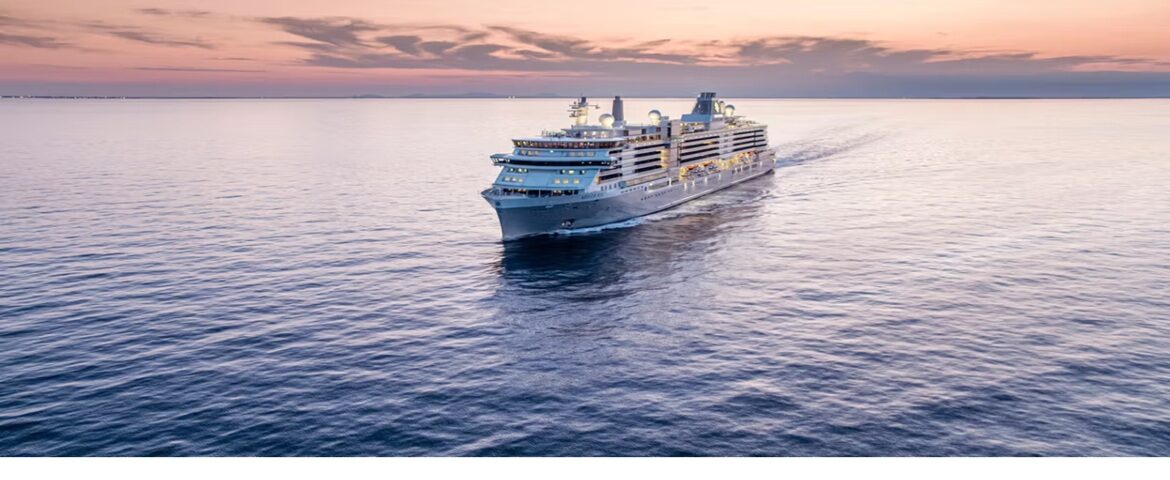
Silver Ray
17 Cruises
| 26 June | 7 nights | One-way from Venice to Civitavecchia-Rome |
450-628-6241
Call us
|
| 26 June | 14 nights | One-way from Venice to Monte Carlo |
450-628-6241
Call us
|
| 24 April | 19 nights | One-way from Civitavecchia-Rome to Piraeus-Athens |
450-628-6241
Call us
|
| 24 April | 10 nights | One-way from Civitavecchia-Rome to Venice |
450-628-6241
Call us
|
| 6 July | 16 nights | One-way from Piraeus-Athens to Civitavecchia-Rome |
450-628-6241
Call us
|
| 6 July | 9 nights | One-way from Piraeus-Athens to Venice |
450-628-6241
Call us
|
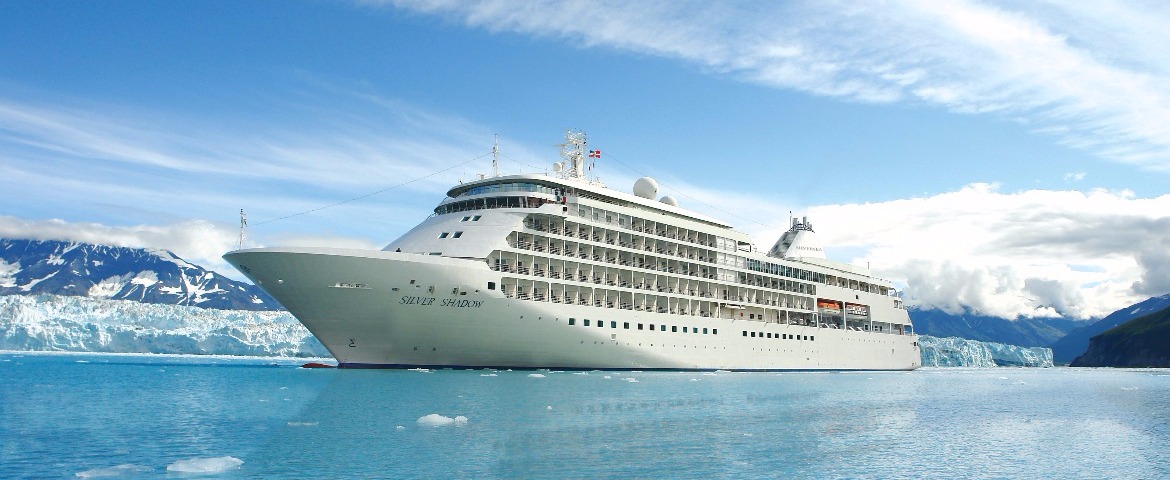
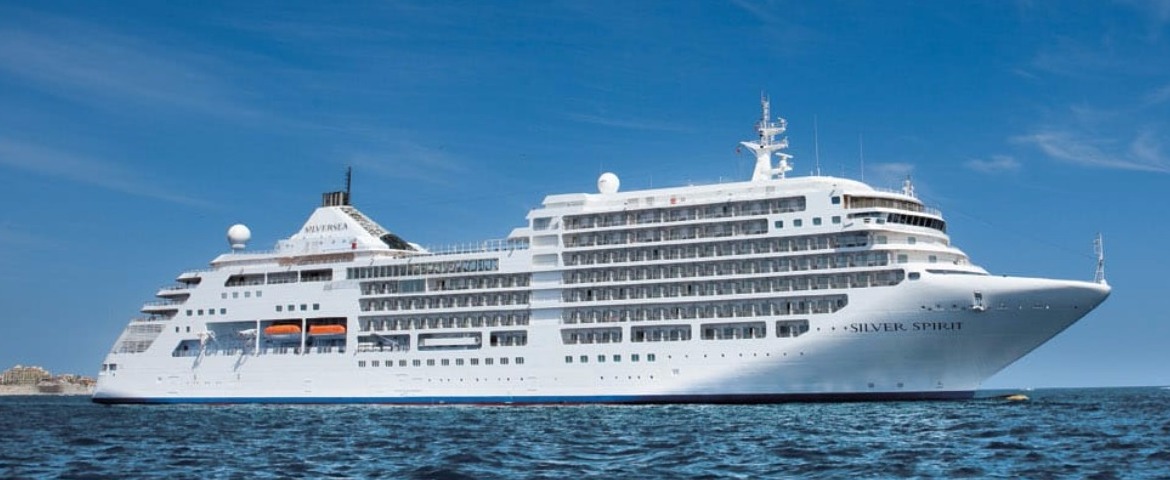
Silver Spirit
7 Cruises
| 15 September | 12 nights | One-way from Civitavecchia-Rome to Venice |
450-628-6241
Call us
|
| 27 September | 9 nights | Round-trip from Venice, Italy |
450-628-6241
Call us
|
Viking Ocean Cruises (221 Cruises)
Viking Jupiter
55 Cruises

Viking Mars
29 Cruises
| 23 March | 10 nights | One-way from Chioggia to Barcelona |
450-628-6241
Call us
|
| 23 March | 10 days | One-way from Venice to Barcelona |
450-628-6241
Call us
|
Viking Neptune
47 Cruises
| 20 February | 27 nights | One-way from Lisbon to Piraeus-Athens |
450-628-6241
Call us
|
| 27 February | 20 nights | One-way from Barcelona to Piraeus-Athens |
450-628-6241
Call us
|
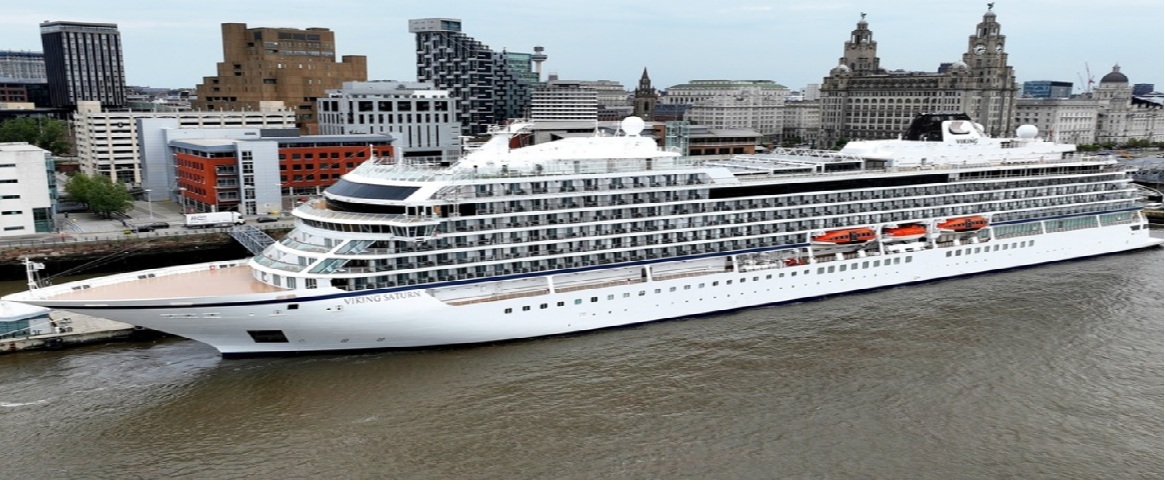
Viking Saturn
11 Cruises
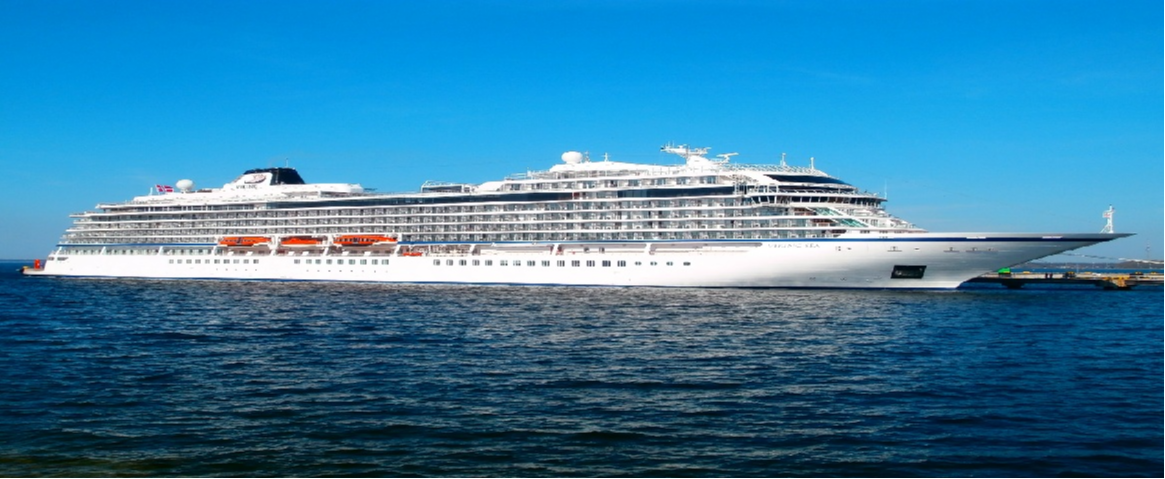
Viking Sea
17 Cruises
| 20 March | 20 nights | One-way from Barcelona to Piraeus-Athens |
450-628-6241
Call us
|
| 26 March | 14 nights | One-way from Civitavecchia-Rome to Piraeus-Athens |
450-628-6241
Call us
|
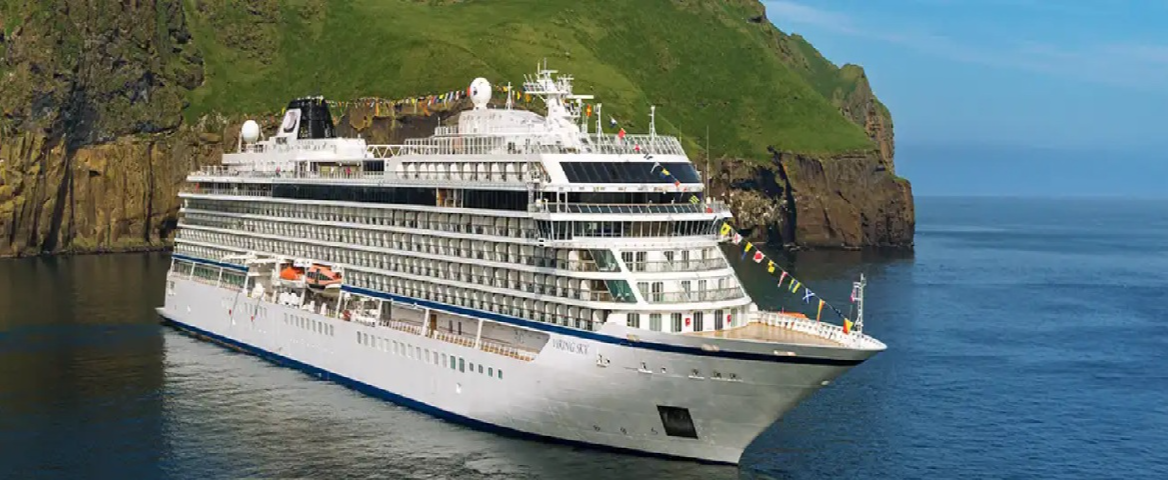
Viking Sky
16 Cruises
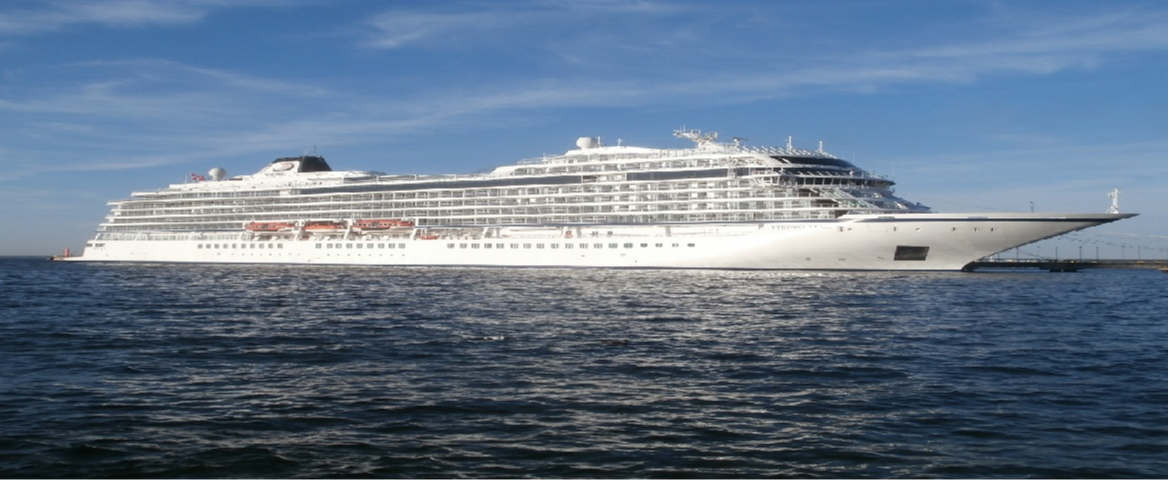
Viking Star
25 Cruises
| 24 March | 20 nights | One-way from Barcelona to Piraeus-Athens |
450-628-6241
Call us
|
| 30 March | 14 nights | One-way from Civitavecchia-Rome to Piraeus-Athens |
450-628-6241
Call us
|
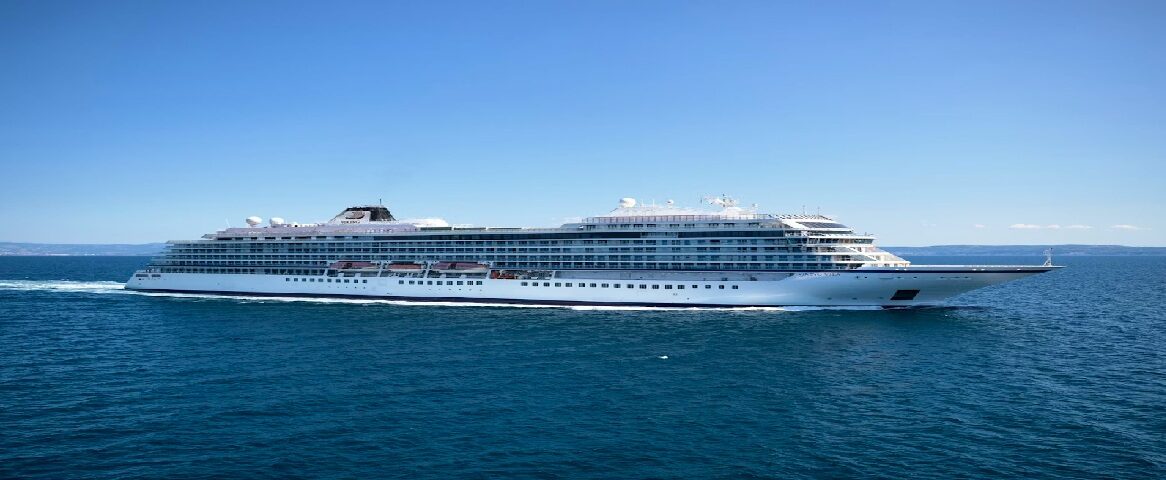
Viking Vela
21 Cruises
Windstar Cruises (7 Cruises)
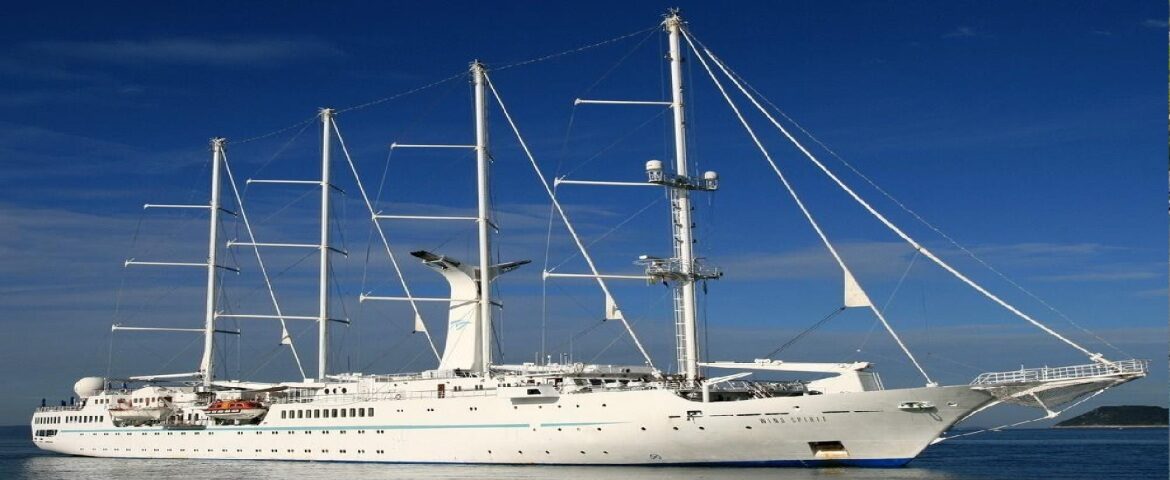
Wind Spirit
7 Cruises

| 9 May | 16 nights | One-way from Dubrovnik to Civitavecchia-Rome |
450-628-6241
Call us
|
| 16 May | 9 nights | One-way from Venice to Civitavecchia-Rome |
450-628-6241
Call us
|

Port of Split, Croatia | Cruise Port Guide
Frequently Asked Questions
At St Peter's quay or the nearby berths. Allow ten to fifteen minutes of flat walking along the harbour to the Riva and the palace walls. No shuttle is needed.
Yes, and it is the only sensible way. Diocletian's Palace, the Riva, the People's Square and the markets are all within a twenty-minute walk on level ground. Only Marjan hill requires a climb.
Diocletian's Palace: the peristyle, the vaulted cellars and St Domnius Cathedral with its bell tower. Add the fish market and the People's Square, then a pause on the Riva. Marjan hill fits if your call runs past six hours.
The fortified retirement residence Emperor Diocletian had built facing the sea in AD 305. Seventeen centuries later, Croatia's second city still lives inside its walls. It is not a monument to visit: it is a place people inhabit.
No, access to the enclosure is free: you enter by one of the four gates, Golden, Silver, Iron or Bronze. The cathedral, the bell tower and the vaulted cellars require a ticket.
The ceremonial court at the centre of the enclosure, framed by granite and marble columns, where a sphinx brought from Egypt has stood guard for 3,500 years. This is where the emperor appeared to his subjects; in the evening the steps serve as cafe seating.
History's revenge. Diocletian was a fierce persecutor of Christians; his mausoleum was converted into St Domnius Cathedral, named for a bishop martyred on his orders. The Romanesque bell tower is climbed by increasingly airy stairs.
The wooded hill closing the peninsula to the west, where locals go to breathe when the stone gets too hot. From the old Varoš quarter, a stairway leads in about fifteen minutes to a viewpoint over the whole harbour.
The euro and Croatian. English is very widely spoken. Cards work everywhere; keep cash for the fish market and the green market.
May to October. In July and August the palace is packed at midday and the stone radiates heat: start early. June and September strike the best balance of light and crowds.


