Roatan Island Isla Tropicale-Coxen Hole, Honduras
1148
Cruises availables
At departure or passage at this port
Azamara Club Cruises (10 Cruises)
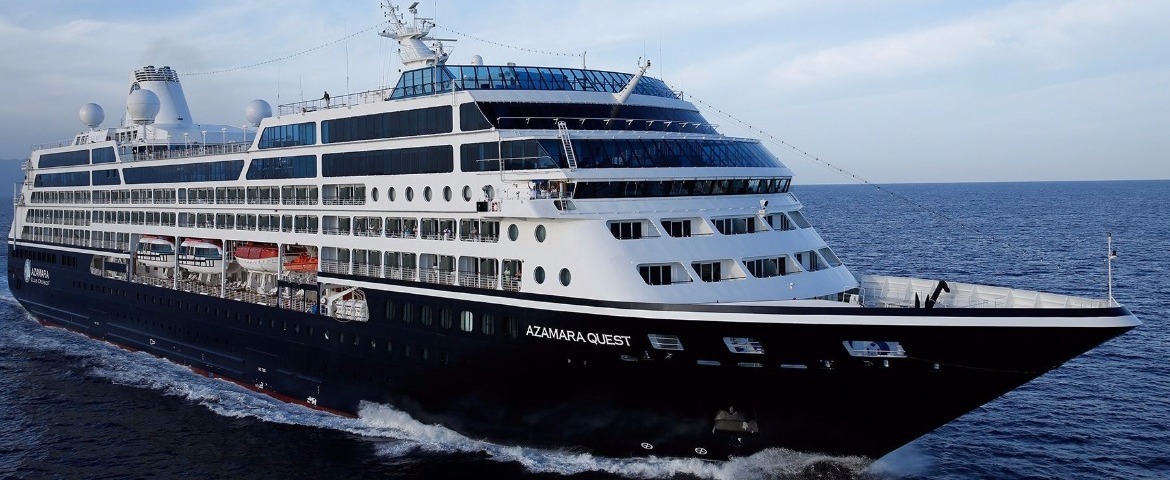
Azamara Quest
10 Cruises

Carnival Cruise Line (200 Cruises)
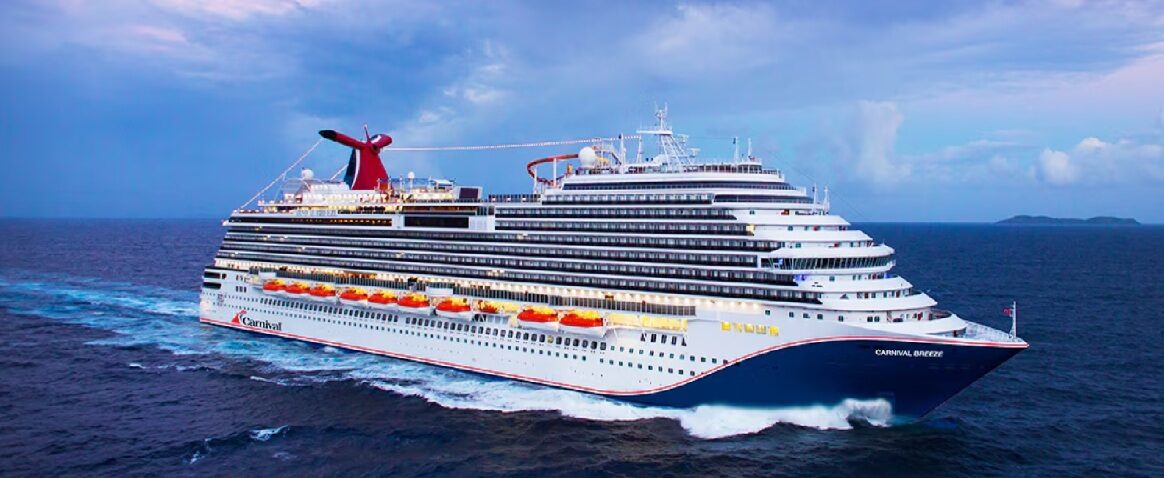
Carnival Breeze
19 Cruises

| 12 June | 8 days | Round-trip from Galveston, USA |
From
1424$
|
| 26 June | 8 days | Round-trip from Galveston, USA |
From
1431$
|
| 10 July | 8 days | Round-trip from Galveston, USA |
From
1431$
|
| 24 July | 8 days | Round-trip from Galveston, USA |
From
1417$
|
| 7 August | 8 days | Round-trip from Galveston, USA |
From
1166$
|
| 21 August | 8 days | Round-trip from Galveston, USA |
From
886$
|
| 4 September | 8 days | Round-trip from Galveston, USA |
From
858$
|
| 18 September | 8 days | Round-trip from Galveston, USA |
From
858$
|
| 2 October | 8 days | Round-trip from Galveston, USA |
From
872$
|
| 30 October | 8 days | Round-trip from Galveston, USA |
From
872$
|
Carnival Celebration
17 Cruises

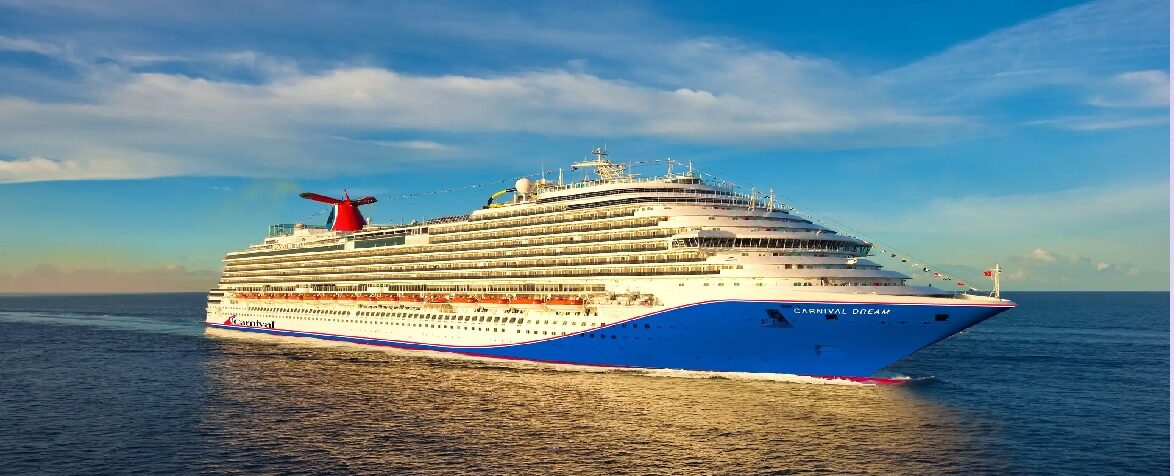
Carnival Dream
11 Cruises
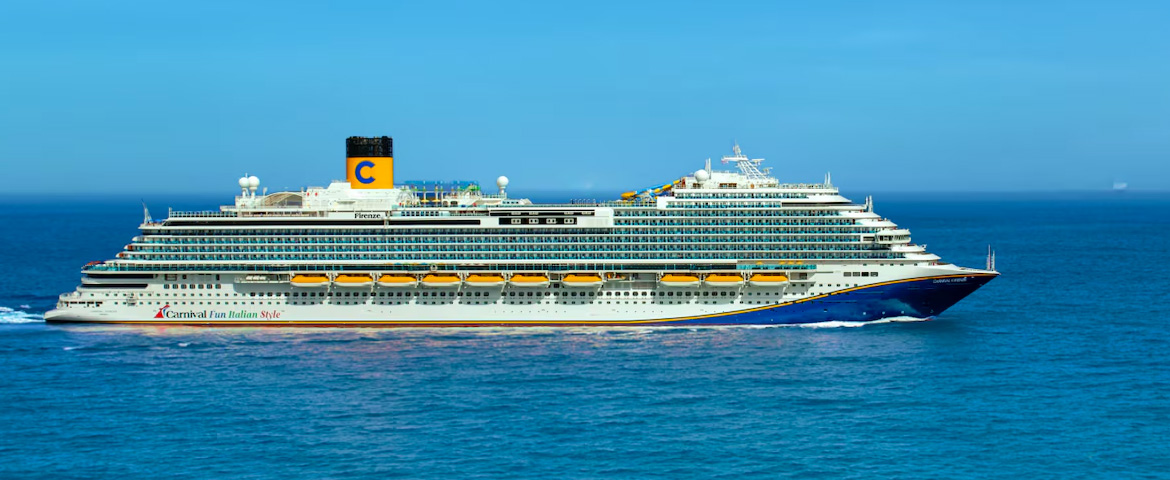
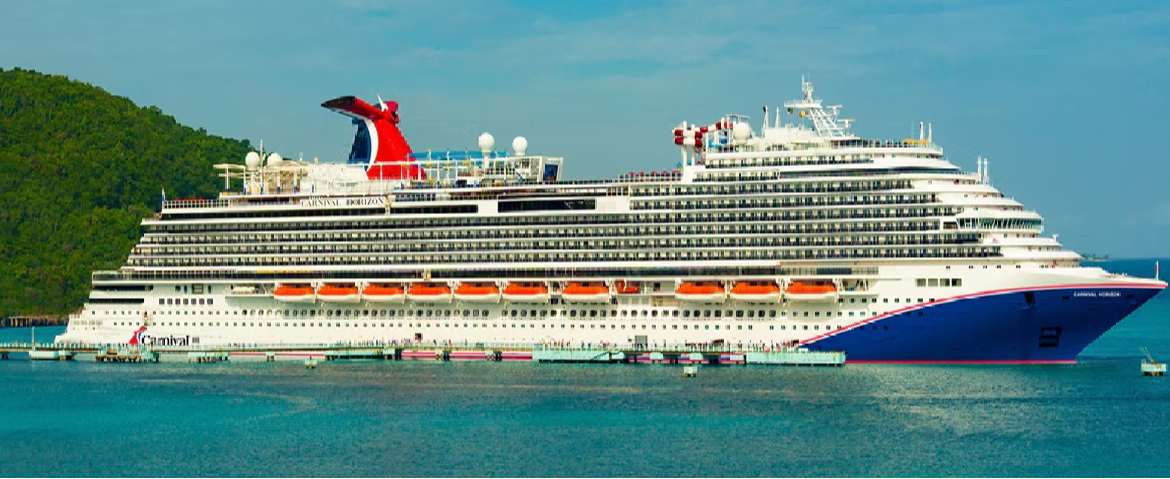
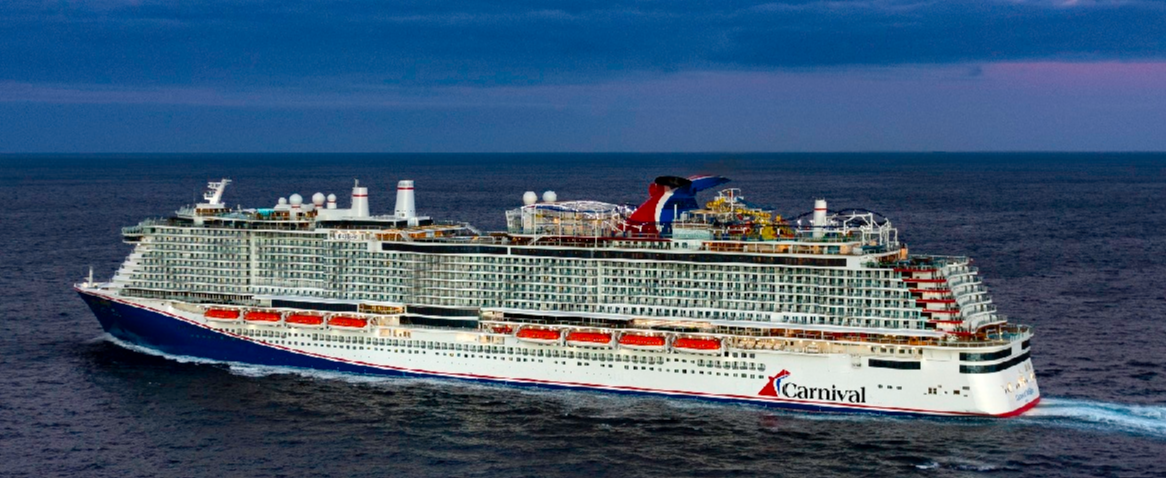
Carnival Jubilee
32 Cruises
| 14 February | 7 days | Round-trip from Galveston, USA |
450-628-6241
Call us
|
| 28 February | 7 days | Round-trip from Galveston, USA |
450-628-6241
Call us
|
| 14 March | 7 days | Round-trip from Galveston, USA |
450-628-6241
Call us
|
| 28 March | 7 days | Round-trip from Galveston, USA |
450-628-6241
Call us
|
| 11 April | 7 days | Round-trip from Galveston, USA |
450-628-6241
Call us
|
| 25 April | 7 days | Round-trip from Galveston, USA |
450-628-6241
Call us
|
| 9 May | 7 days | Round-trip from Galveston, USA |
450-628-6241
Call us
|
| 23 May | 7 days | Round-trip from Galveston, USA |
450-628-6241
Call us
|
| 6 June | 7 days | Round-trip from Galveston, USA |
450-628-6241
Call us
|
| 20 June | 7 days | Round-trip from Galveston, USA |
450-628-6241
Call us
|
| 4 July | 7 days | Round-trip from Galveston, USA |
450-628-6241
Call us
|
| 18 July | 7 days | Round-trip from Galveston, USA |
450-628-6241
Call us
|
| 10 October | 7 days | Round-trip from Galveston, USA |
450-628-6241
Call us
|
| 24 October | 7 days | Round-trip from Galveston, USA |
450-628-6241
Call us
|
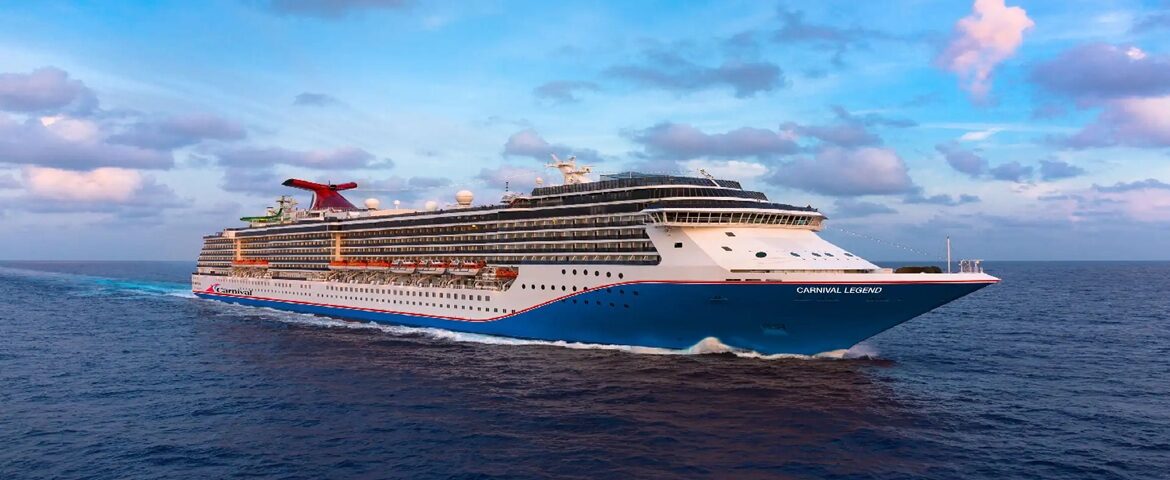
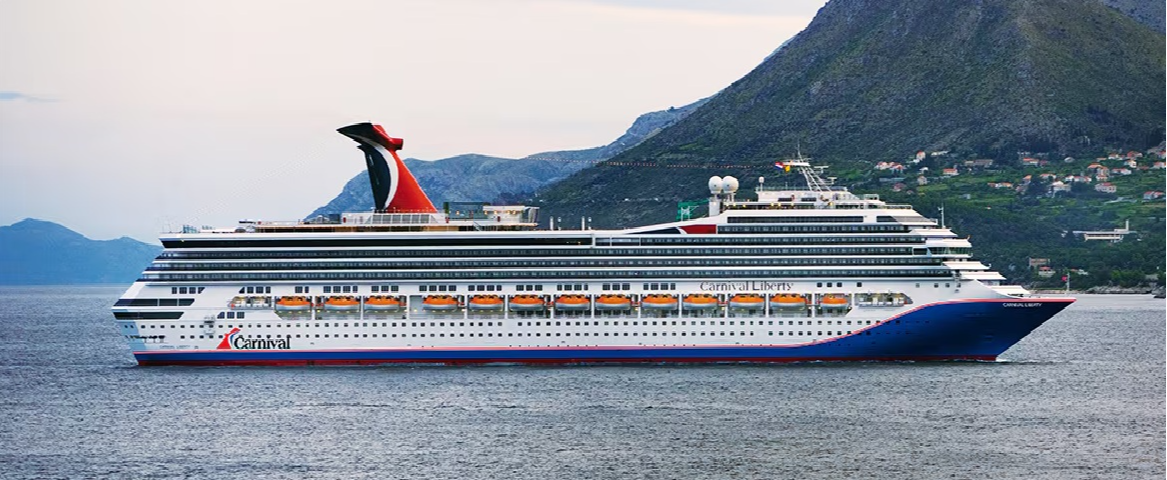
Carnival Liberty
35 Cruises
| 3 January | 8 days | Round-trip from New Orleans, USA |
From
635$
|
| 10 January | 8 days | Round-trip from New Orleans, USA |
From
621$
|
| 7 February | 8 days | Round-trip from New Orleans, USA |
From
803$
|
| 21 February | 8 days | Round-trip from New Orleans, USA |
From
719$
|
| 28 February | 8 days | Round-trip from New Orleans, USA |
From
740$
|
| 7 March | 8 days | Round-trip from New Orleans, USA |
From
852$
|
| 28 March | 8 days | Round-trip from New Orleans, USA |
From
992$
|
| 4 April | 8 days | Round-trip from New Orleans, USA |
From
768$
|
| 18 April | 8 days | Round-trip from New Orleans, USA |
From
754$
|
| 25 April | 8 days | Round-trip from New Orleans, USA |
From
754$
|
| 2 May | 8 days | Round-trip from New Orleans, USA |
From
796$
|
| 16 May | 8 days | Round-trip from New Orleans, USA |
From
929$
|
| 30 May | 8 days | Round-trip from New Orleans, USA |
From
1223$
|
| 13 June | 8 days | Round-trip from New Orleans, USA |
From
1391$
|
| 27 June | 8 days | Round-trip from New Orleans, USA |
From
1398$
|
| 11 July | 8 days | Round-trip from New Orleans, USA |
From
1371$
|
| 25 July | 8 days | Round-trip from New Orleans, USA |
From
1245$
|
| 8 August | 8 days | Round-trip from New Orleans, USA |
From
1007$
|
| 22 August | 8 days | Round-trip from New Orleans, USA |
From
924$
|
| 5 September | 8 days | Round-trip from New Orleans, USA |
From
910$
|
| 19 September | 8 days | Round-trip from New Orleans, USA |
From
882$
|
Carnival Miracle
8 Cruises
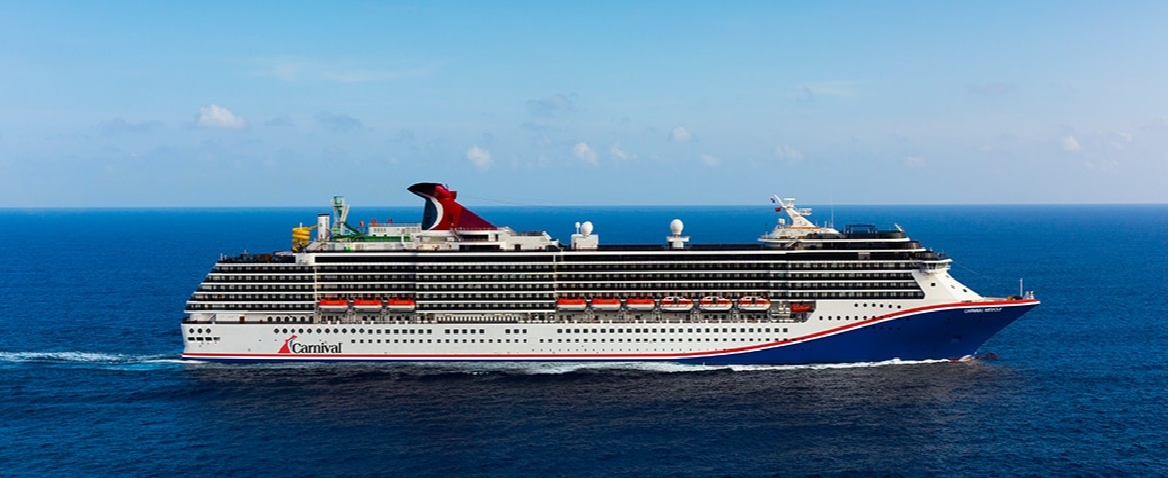
Carnival Paradise
22 Cruises

| 3 April | 6 days | Round-trip from Tampa, USA |
From
624$
|
| 17 April | 6 days | Round-trip from Tampa, USA |
From
610$
|
| 10 May | 7 days | Round-trip from Tampa, USA |
From
767$
|
| 24 May | 7 days | Round-trip from Tampa, USA |
From
837$
|
| 2 August | 7 days | Round-trip from Tampa, USA |
From
928$
|
| 16 August | 7 days | Round-trip from Tampa, USA |
From
816$
|
| 13 September | 7 days | Round-trip from Tampa, USA |
From
620$
|
| 27 September | 7 days | Round-trip from Tampa, USA |
From
593$
|
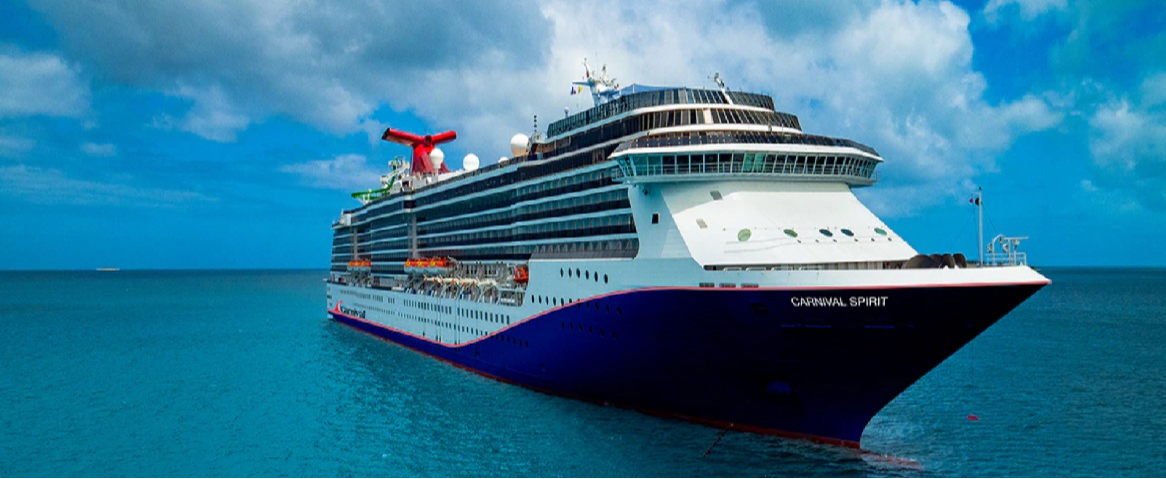
Carnival Spirit
10 Cruises
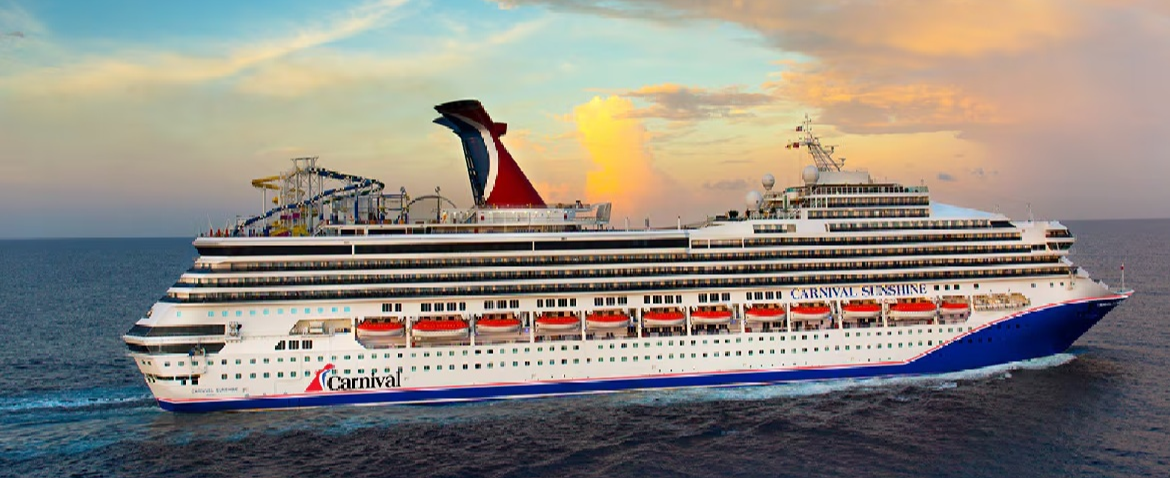
Carnival Sunshine
7 Cruises
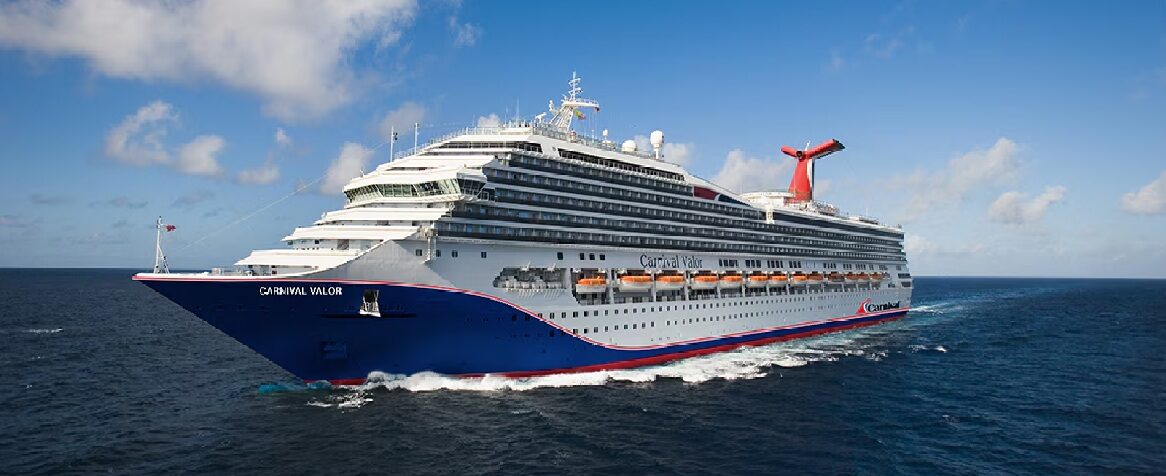
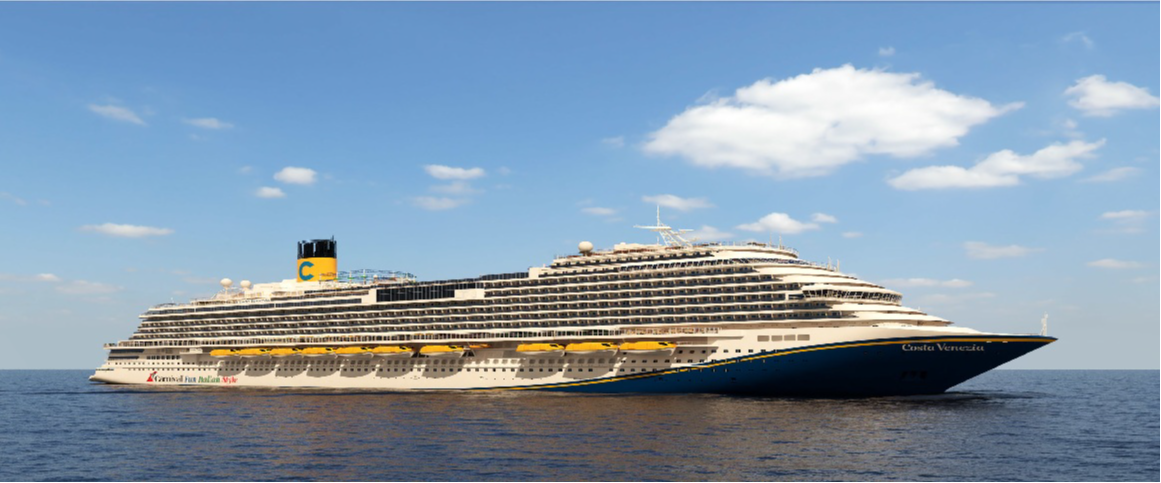
Carnival Venezia
12 Cruises
| 3 January | 8 days | Round-trip from Port Canaveral, USA |
From
704$
|
| 31 January | 8 days | Round-trip from Port Canaveral, USA |
From
627$
|
| 14 March | 8 days | Round-trip from Port Canaveral, USA |
From
998$
|
| 28 March | 8 days | Round-trip from Port Canaveral, USA |
From
1040$
|


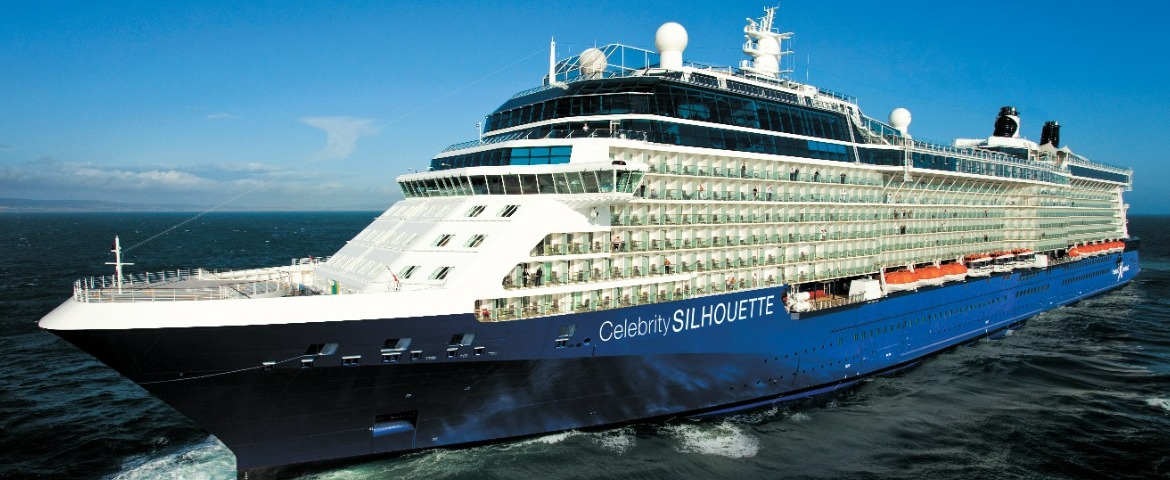
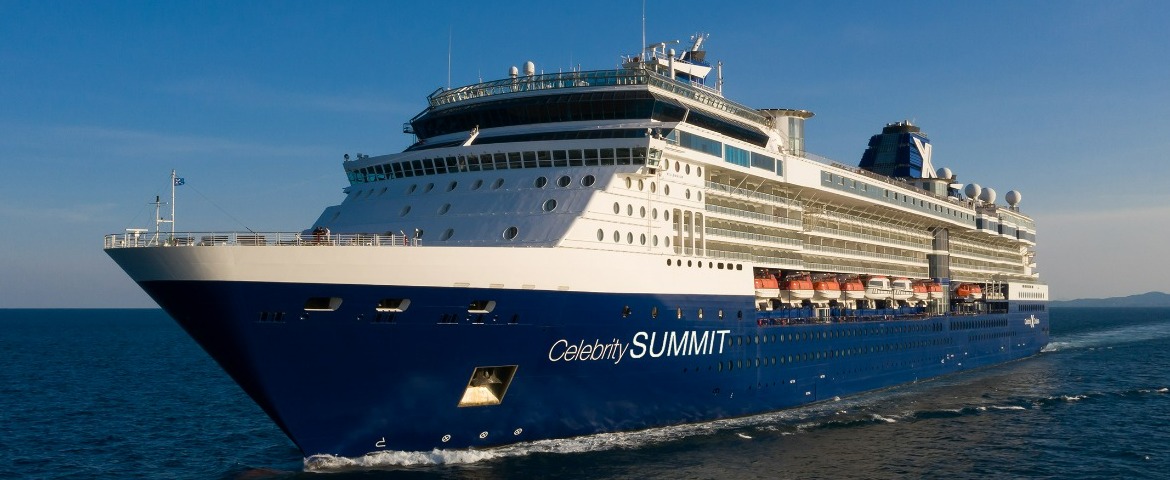
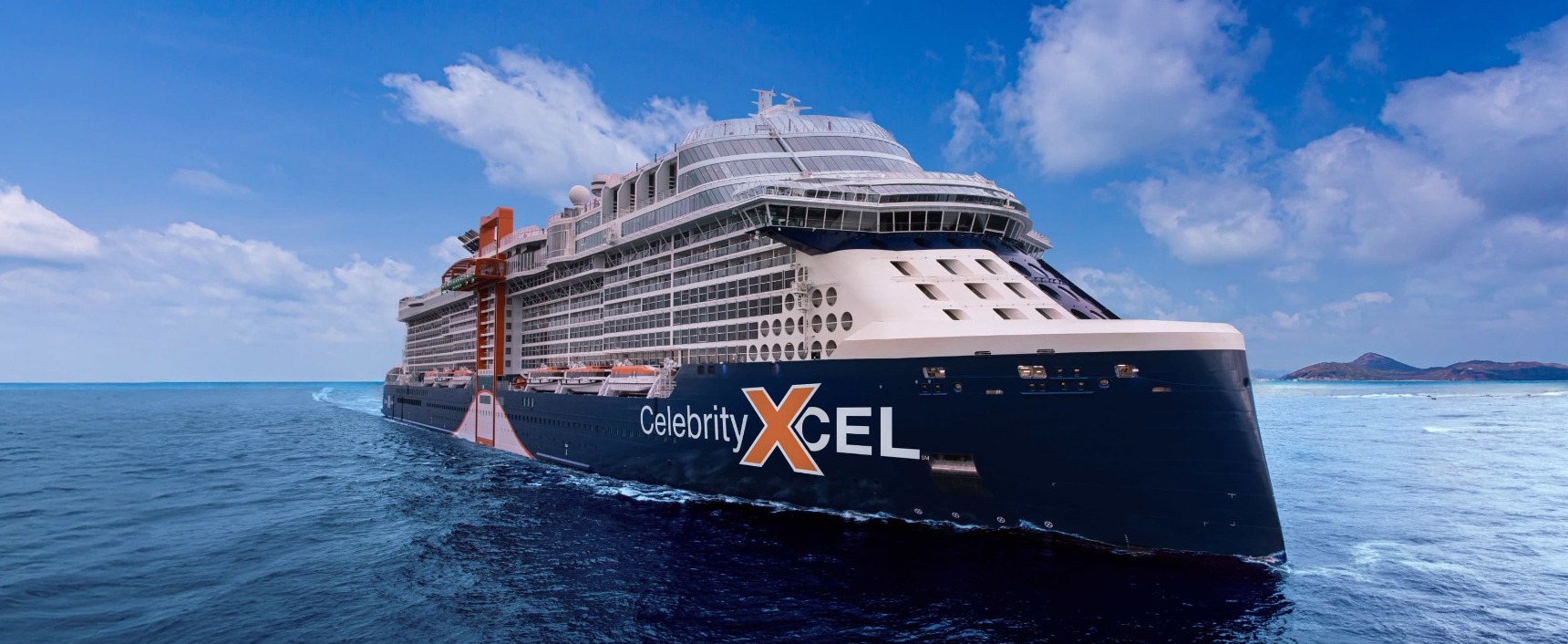
Celebrity Cruises (7 Cruises)

Crystal Cruises (24 Cruises)
Crystal Serenity
10 Cruises
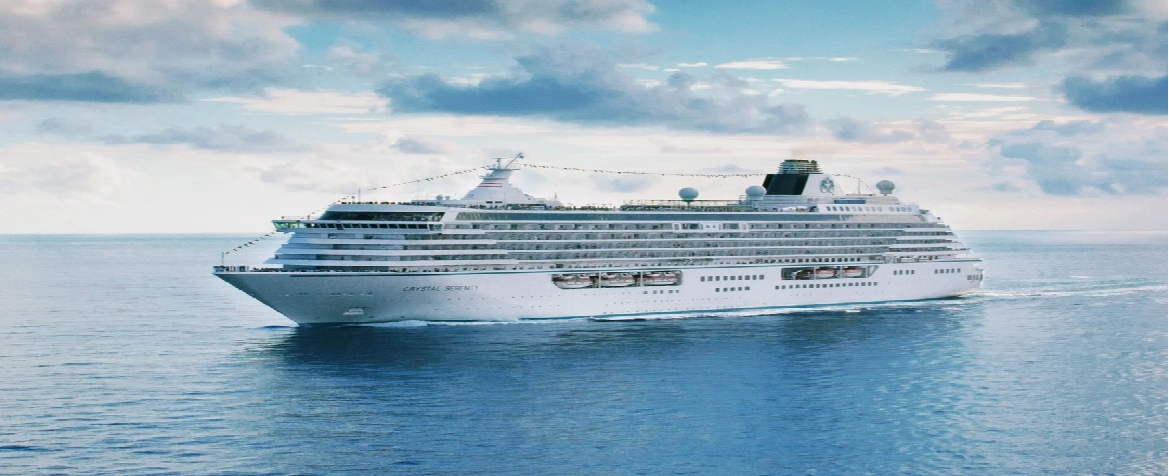

| 12 October | 71 days | One-way from New York to Fort Lauderdale |
450-628-6241
Call us
|
| 12 October | 72 days | One-way from New York to Fort Lauderdale |
450-628-6241
Call us
|
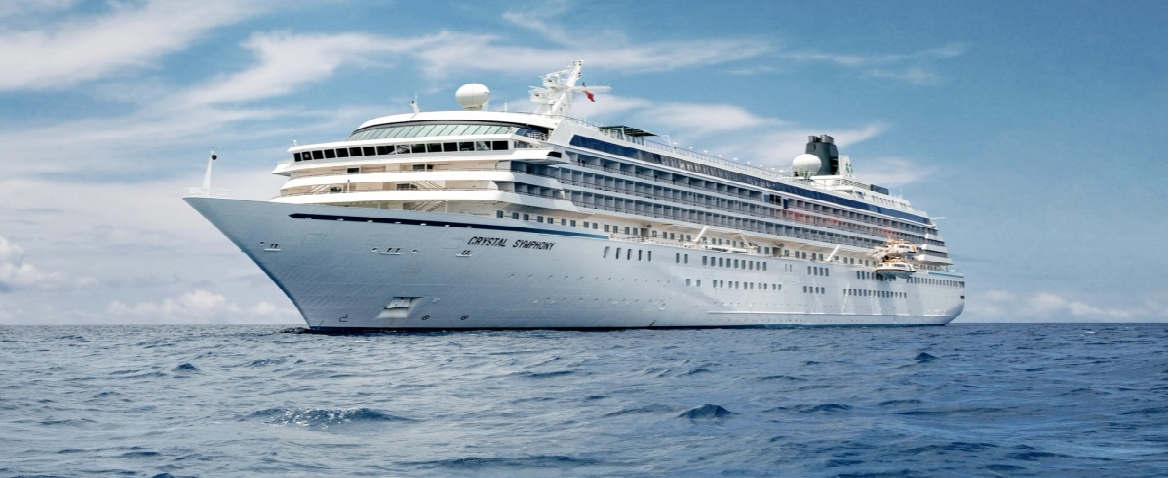
Crystal Symphony
14 Cruises
Cunard (10 Cruises)
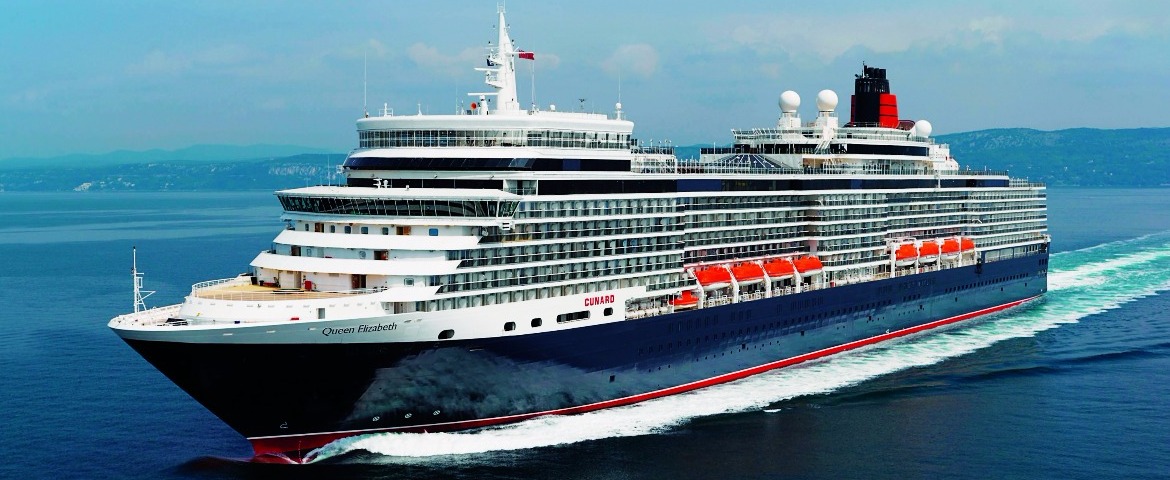
Queen Elizabeth
10 Cruises

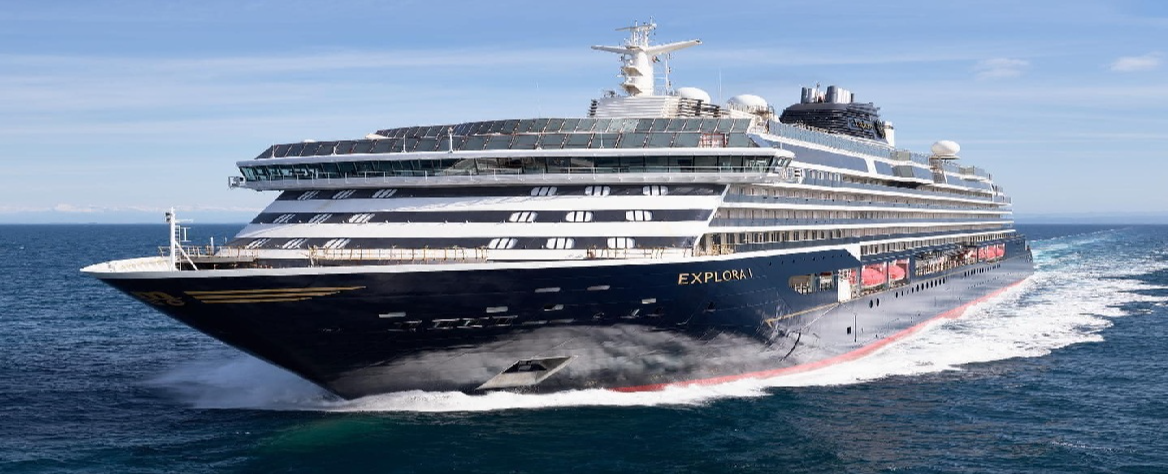
Explora Journeys (11 Cruises)

Holland America Line (29 Cruises)
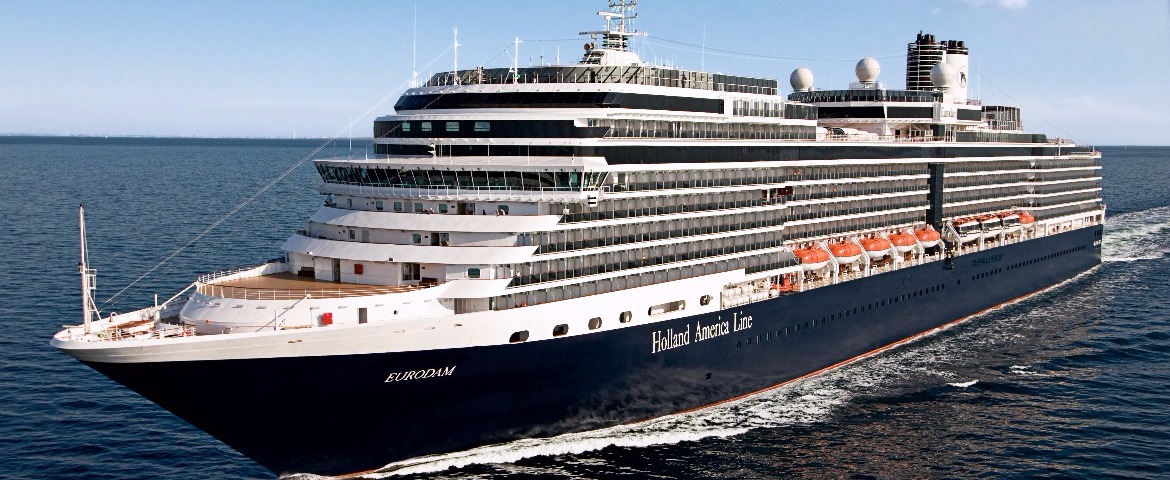
ms Eurodam
12 Cruises

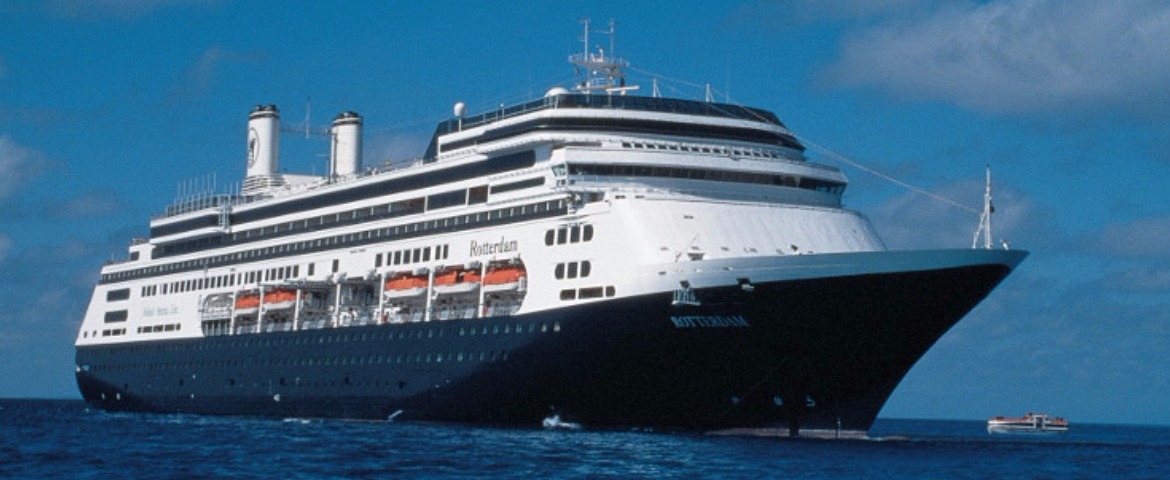
ms Rotterdam
17 Cruises
| 31 October | 11 days | Round-trip from Fort Lauderdale, USA |
450-628-6241
Call us
|
| 31 October | 22 days | Round-trip from Fort Lauderdale, USA |
450-628-6241
Call us
|
Margaritaville at Sea (7 Cruises)
Islander
7 Cruises


| 14 August | 7 days | Round-trip Key West Western Caribbean |
450-628-6241
Call us
|
| 29 August | 7 days | Round-trip from Tampa, USA |
450-628-6241
Call us
|
MSC Cruises (294 Cruises)
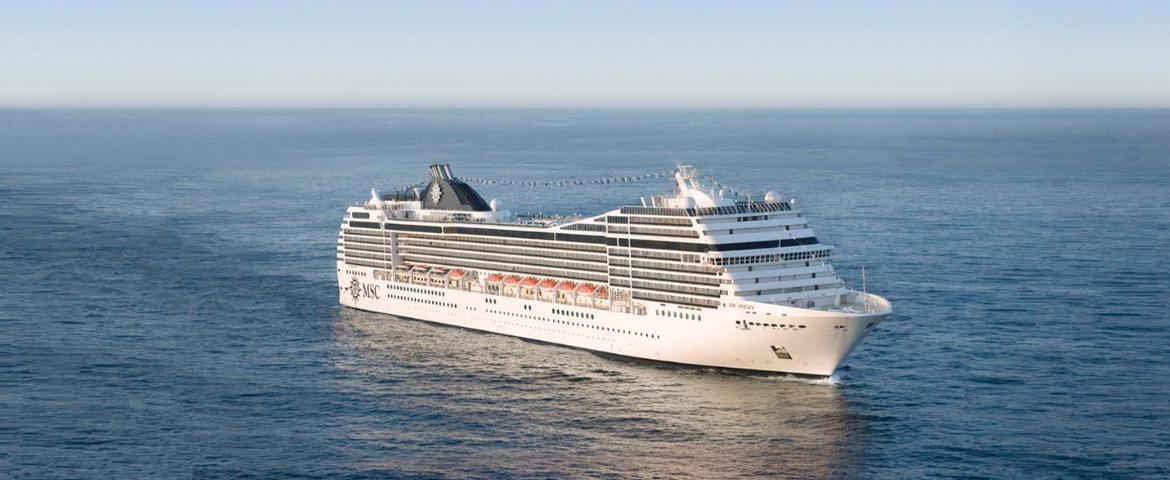
MSC Poesia
39 Cruises

| 14 February | 12 days | Round-trip from Miami, USA |
From
3125$
|
| 14 February | 22 days | Round-trip from Miami, USA |
From
5495$
|
| 25 February | 22 days | Round-trip from Miami, USA |
From
4456$
|
| 21 October | 22 days | Round-trip from Miami, USA |
From
4623$
|
| 31 October | 22 days | Round-trip from Miami, USA |
From
5433$
|
| 31 October | 12 days | Round-trip from Miami, USA |
From
1634$
|
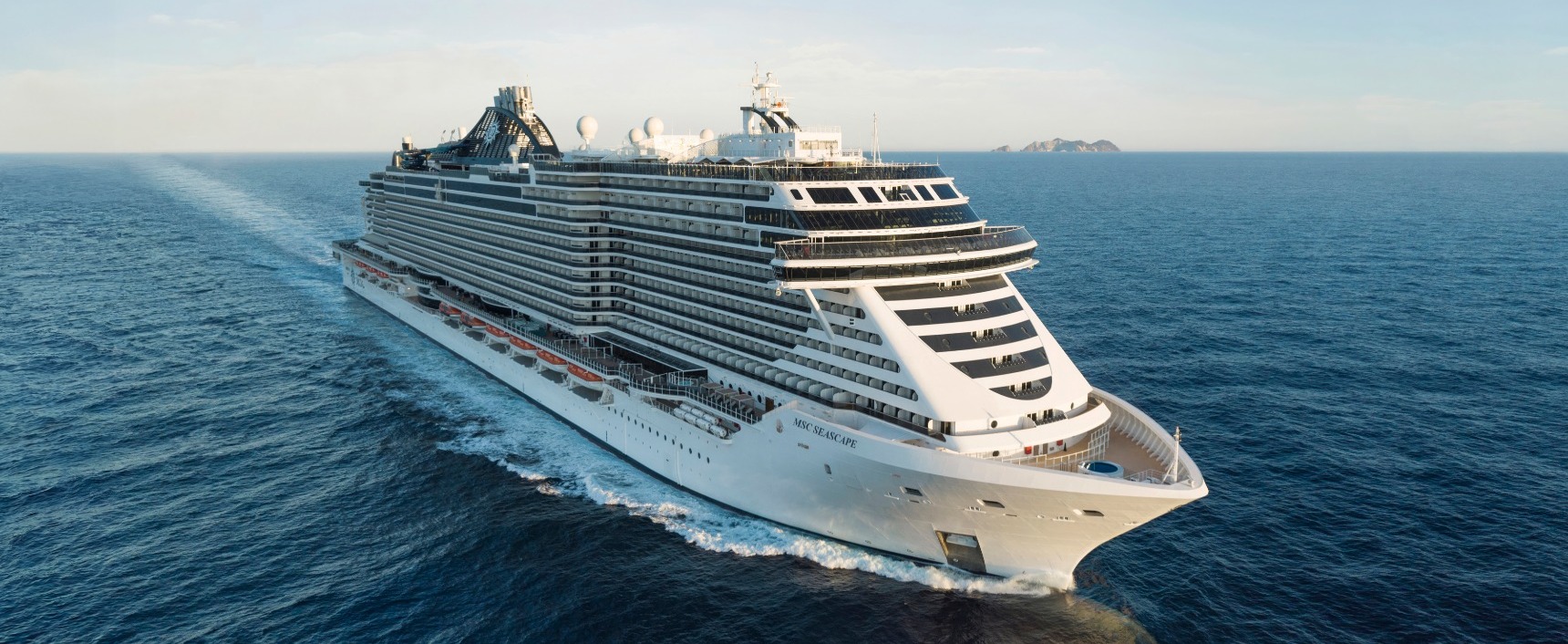
MSC Seascape
102 Cruises
| 3 October | 8 days | Round-trip from Galveston, USA |
From
978$
|
| 10 October | 8 days | Round-trip from Galveston, USA |
From
1017$
|
| 17 October | 8 days | Round-trip from Galveston, USA |
From
992$
|
MSC World America
153 Cruises

Norwegian Cruise Line (145 Cruises)


Norwegian Aura
22 Cruises
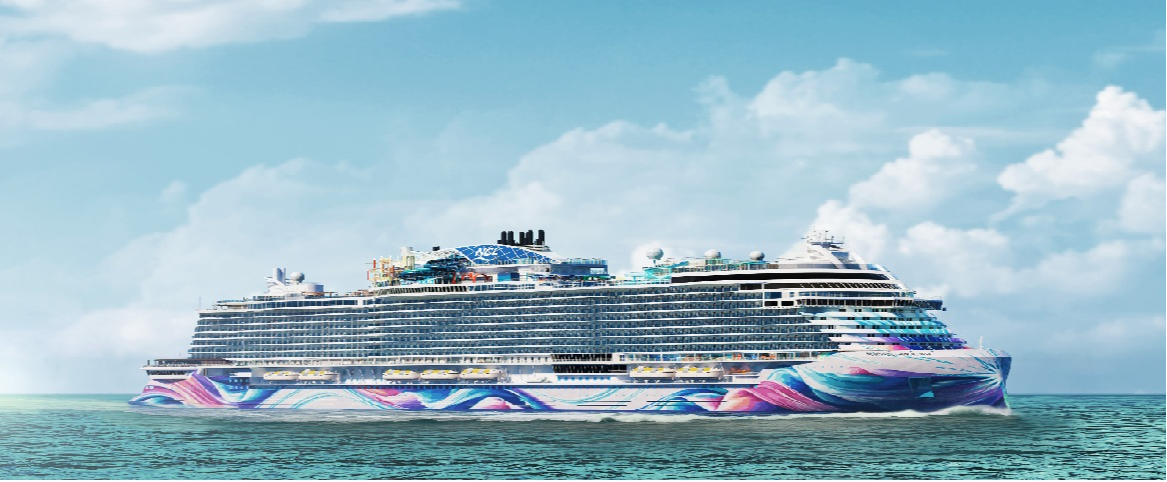
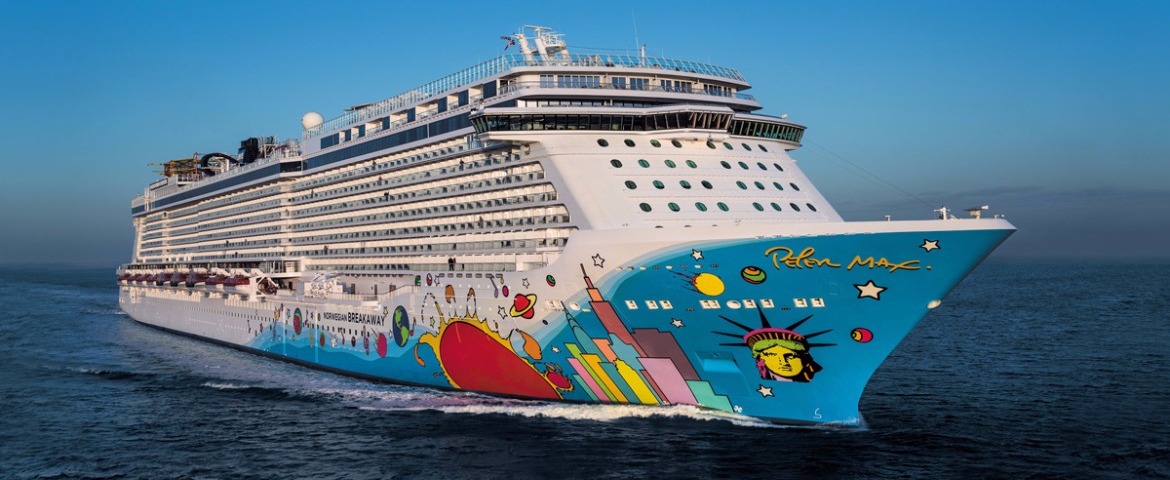
Norwegian Breakaway
19 Cruises
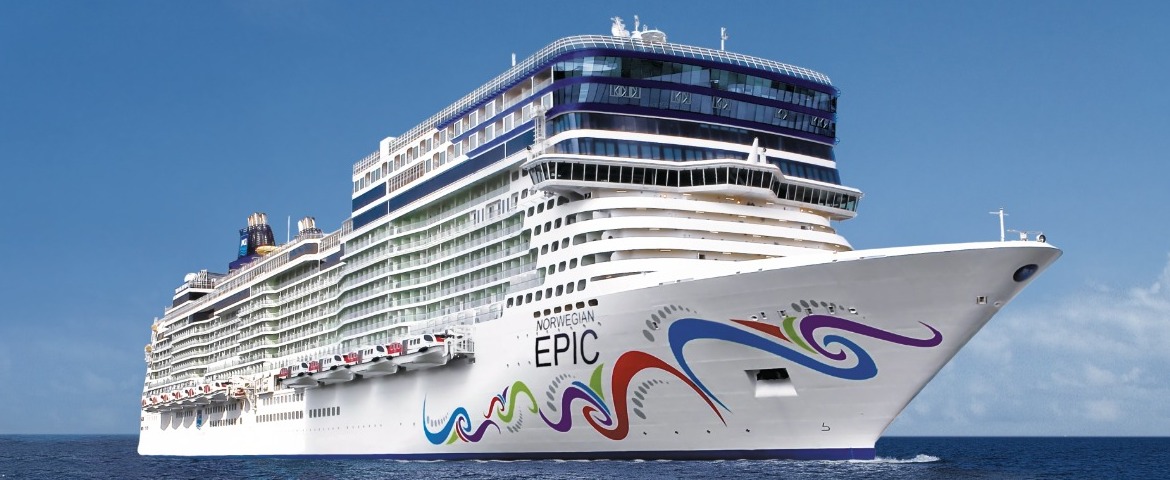
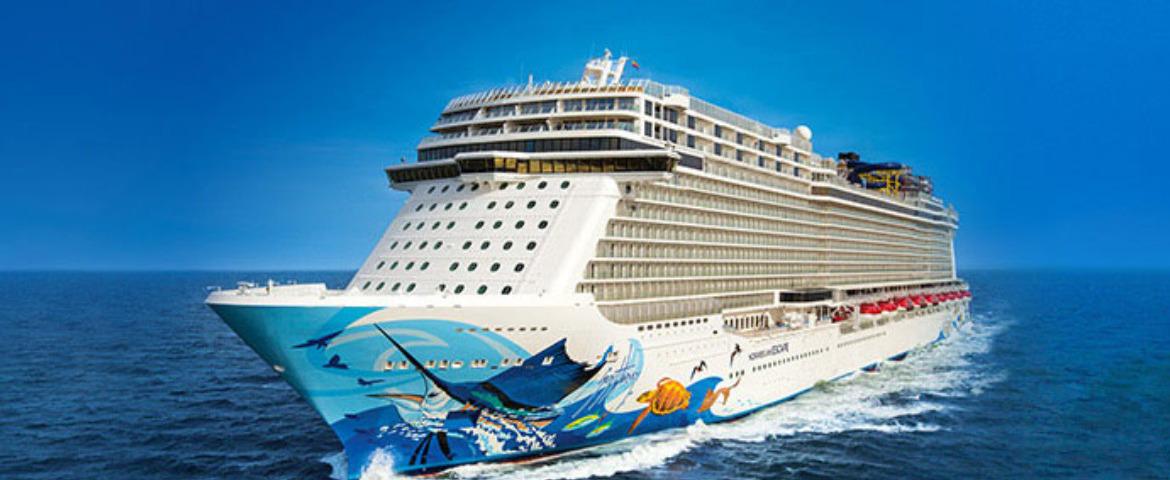
Norwegian Escape
21 Cruises
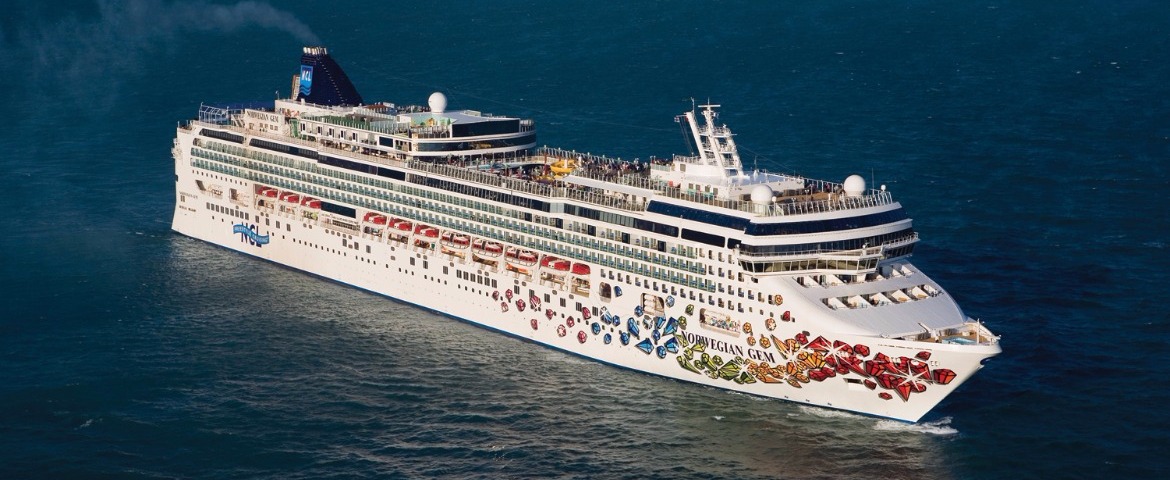
Norwegian Gem
7 Cruises
Norwegian Getaway
23 Cruises

Norwegian Luna
21 Cruises

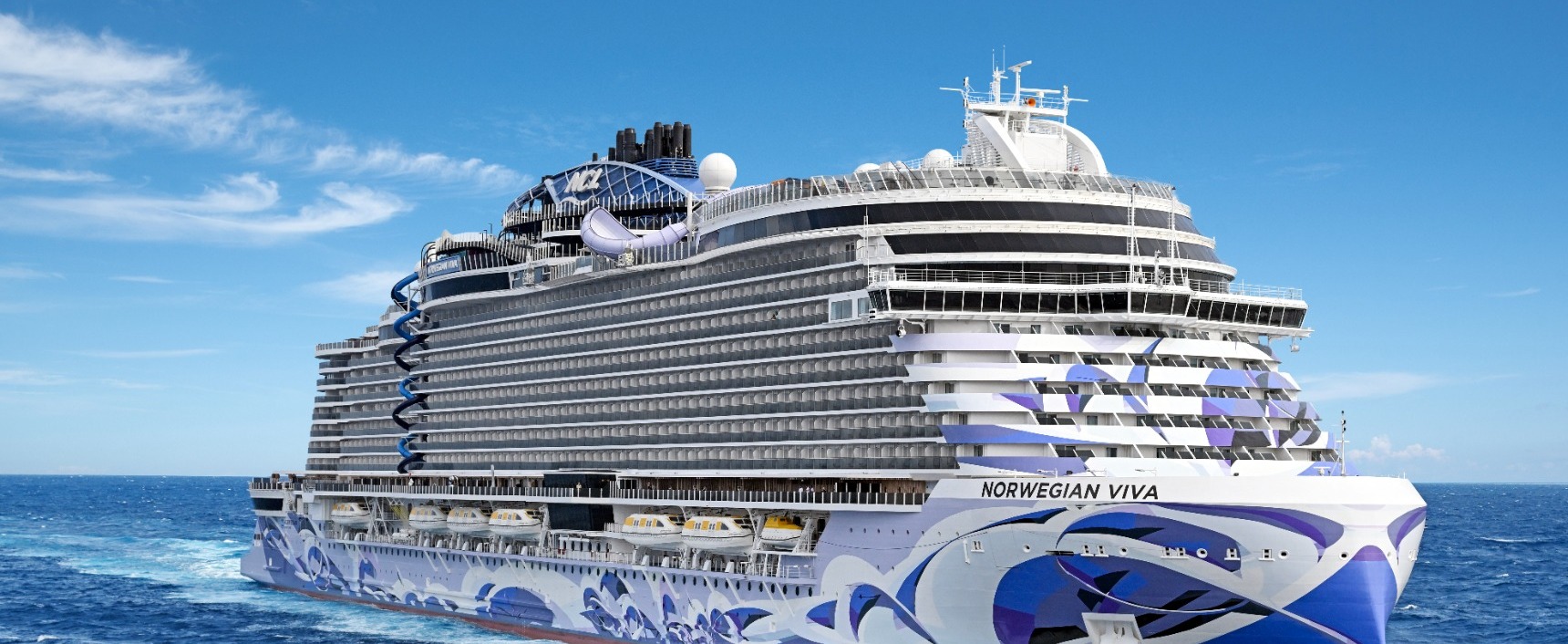
Norwegian Viva
28 Cruises
Oceania Cruises (34 Cruises)

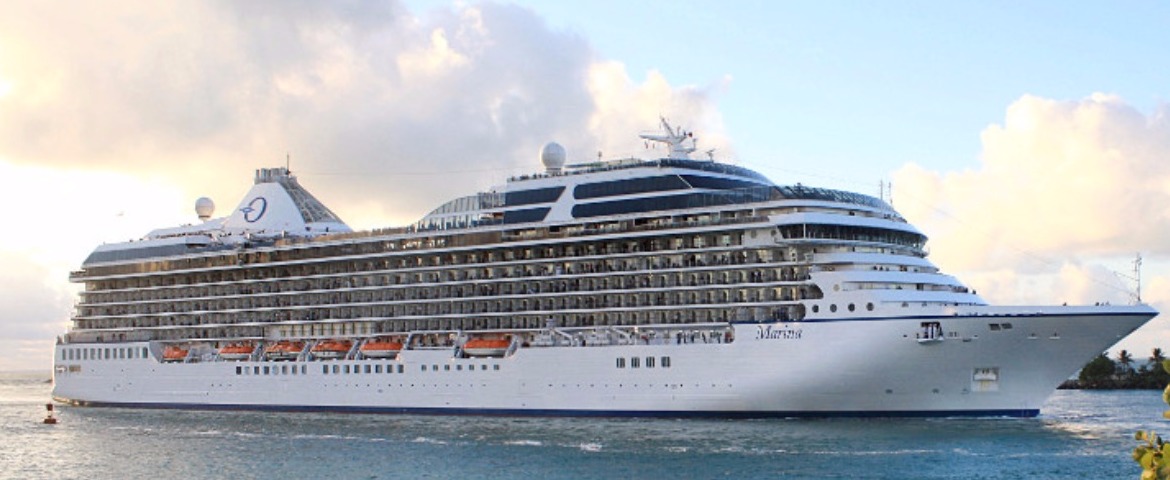
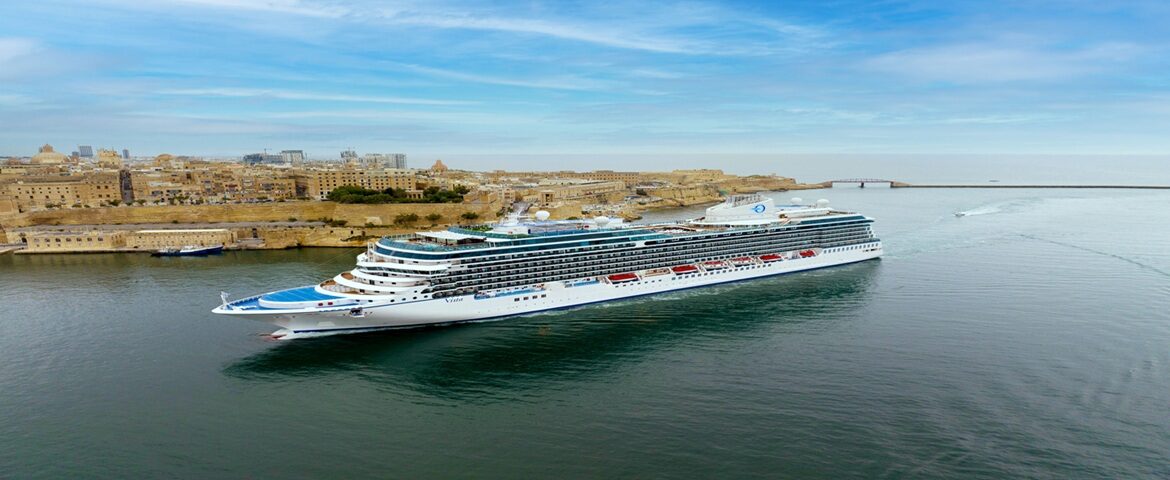
Oceania Marina
18 Cruises
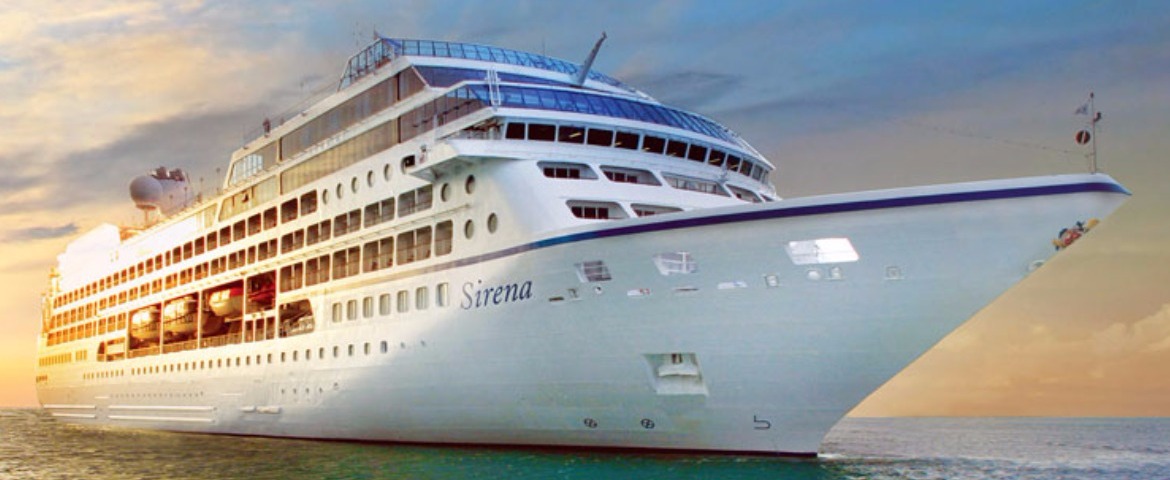
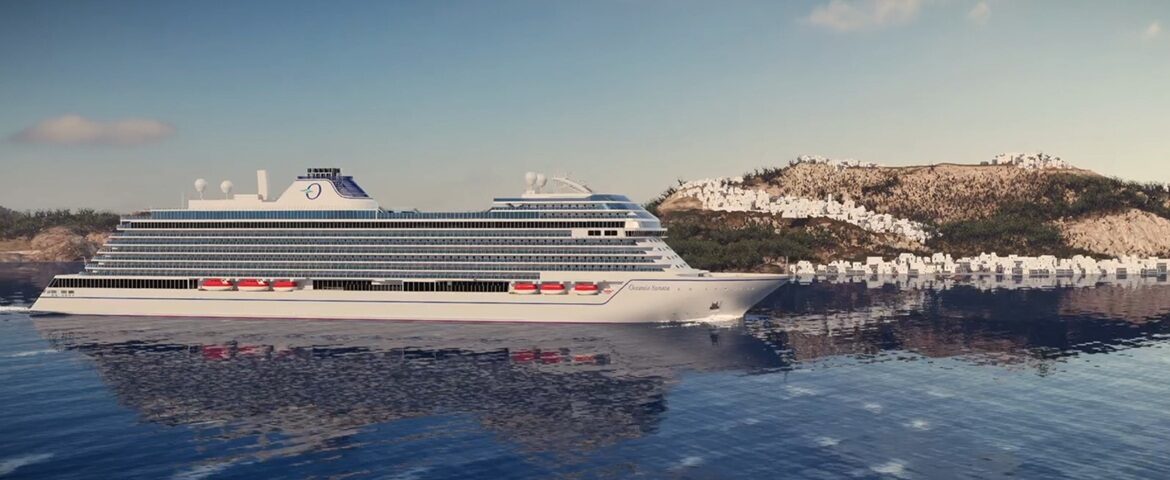
Oceania Sonata
7 Cruises
Princess Cruises (88 Cruises)
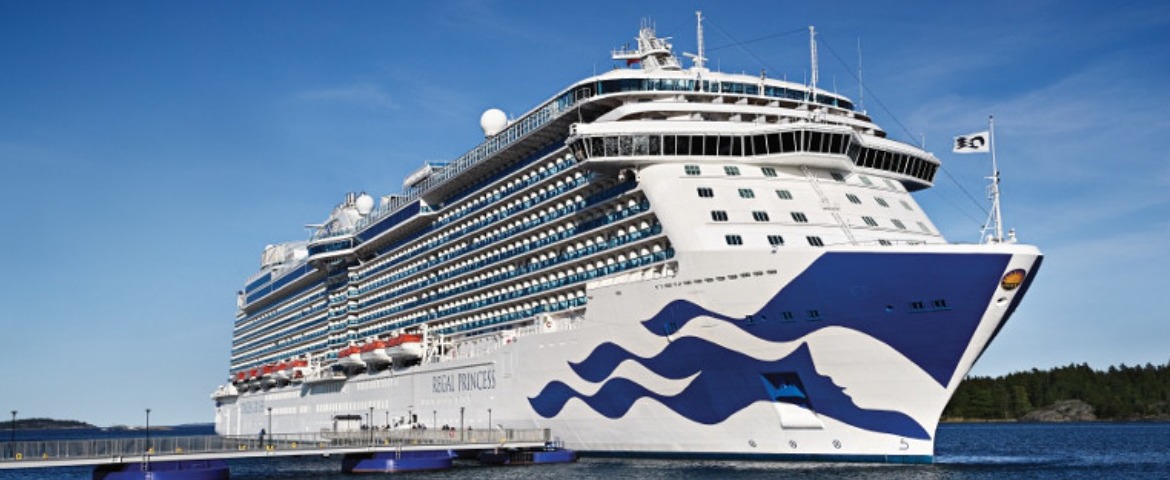
Regal Princess
19 Cruises

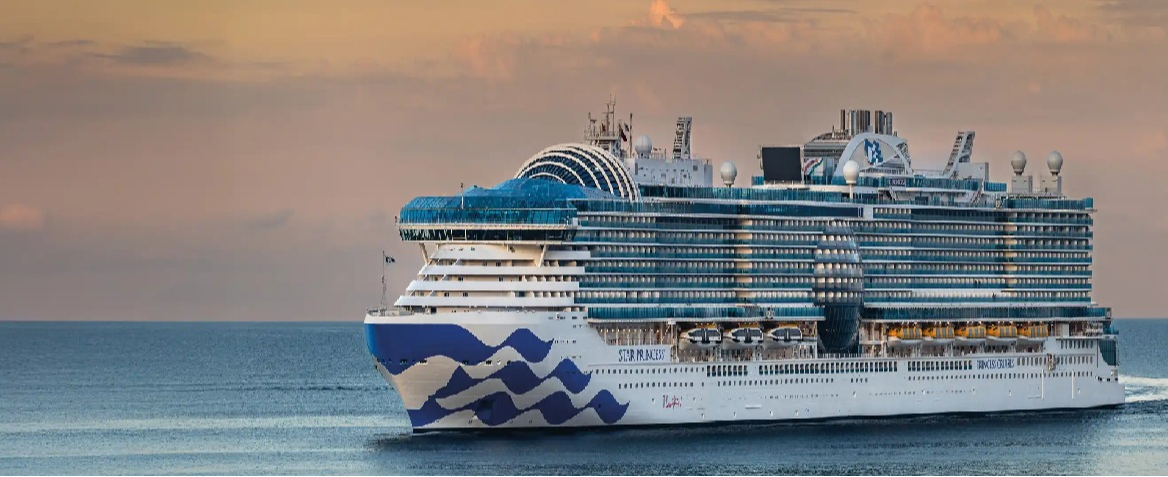
Star Princess
32 Cruises
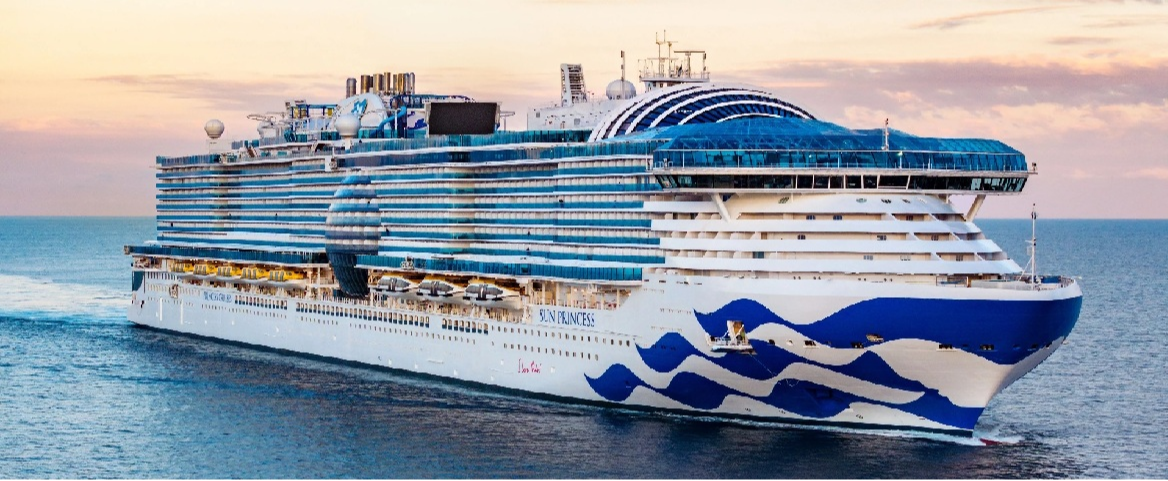
Sun Princess
37 Cruises
Regent Seven Seas Cruises (34 Cruises)
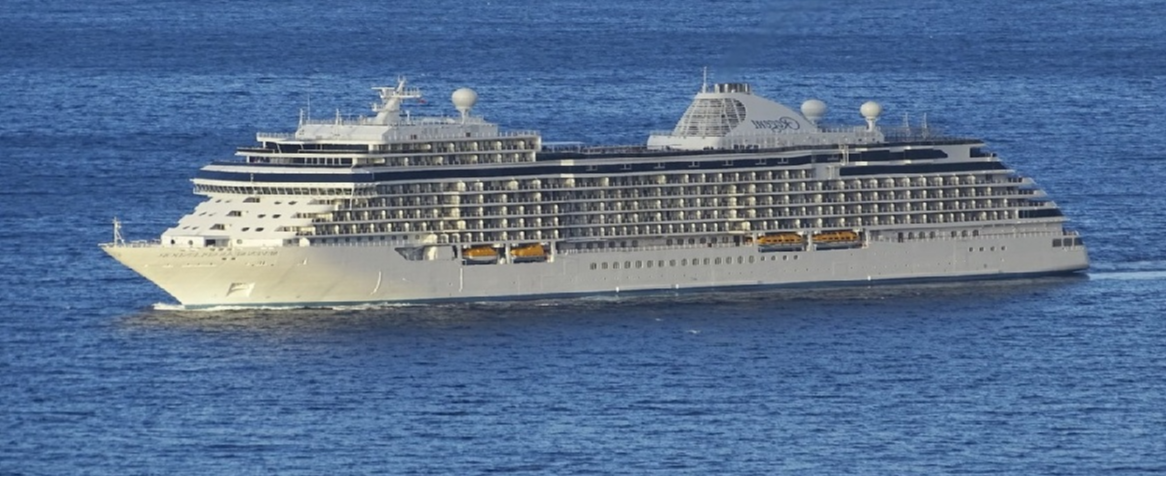
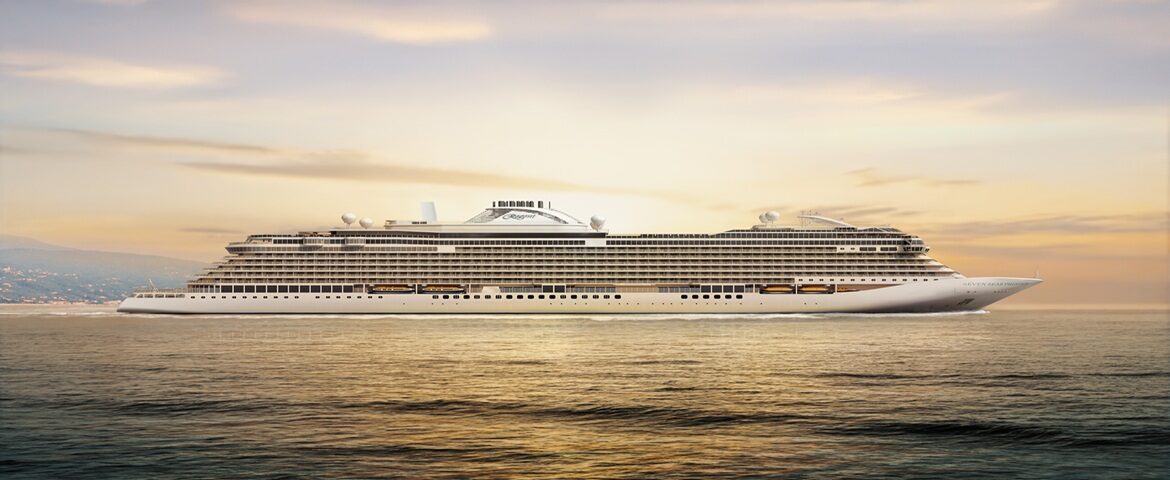
Seven Seas Grandeur
14 Cruises

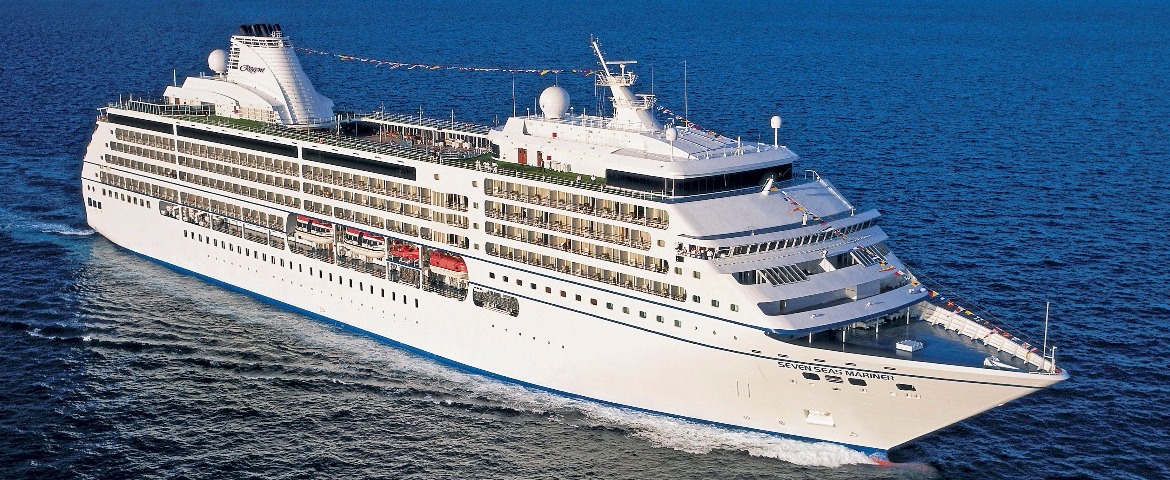
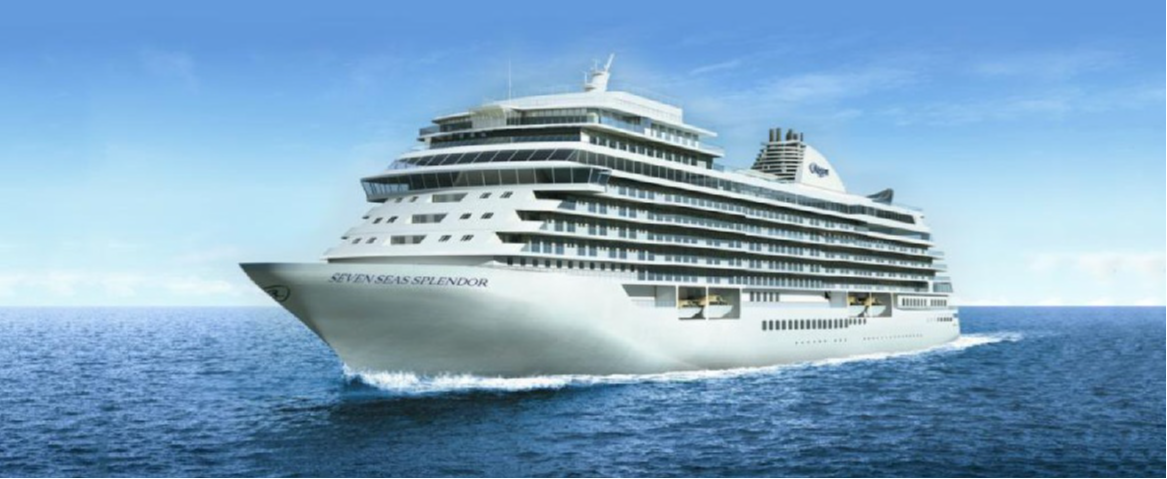
Seven Seas Splendor
9 Cruises
Royal Caribbean Cruises (240 Cruises)
Brilliance of the Seas
20 Cruises


Enchantment of the Seas
42 Cruises

| 4 April | 8 days | Round-trip from Tampa, USA |
From
817$
|
| 11 April | 8 days | Round-trip from Tampa, USA |
From
818$
|
| 18 April | 7 days | Round-trip from Tampa, USA |
From
864$
|

Harmony of the Seas
7 Cruises

Icon of the Seas
49 Cruises

| 9 January | 8 days | Round-trip from Miami, USA |
From
1723$
|
| 23 January | 8 days | Round-trip from Miami, USA |
From
1632$
|
| 6 February | 8 days | Round-trip from Miami, USA |
From
1636$
|
| 20 February | 8 days | Round-trip from Miami, USA |
From
1553$
|
| 6 March | 8 days | Round-trip from Miami, USA |
From
1894$
|
| 20 March | 8 days | Round-trip from Miami, USA |
From
2276$
|
| 3 April | 8 days | Round-trip from Miami, USA |
From
1765$
|
| 17 April | 8 days | Round-trip from Miami, USA |
From
1899$
|
| 1 May | 8 days | Round-trip from Miami, USA |
From
1937$
|
| 22 May | 8 days | Round-trip from Miami, USA |
From
2300$
|
| 3 July | 8 days | Round-trip from Miami, USA |
From
3012$
|
| 24 July | 8 days | Round-trip from Miami, USA |
From
2742$
|
| 16 August | 7 days | Round-trip from Galveston, USA |
From
2300$
|
| 22 August | 7 days | Round-trip from Galveston, USA |
From
2138$
|
| 5 September | 7 days | Round-trip from Galveston, USA |
From
2207$
|
| 19 September | 7 days | Round-trip from Galveston, USA |
From
2209$
|
| 3 October | 7 days | Round-trip from Galveston, USA |
From
1928$
|
| 17 October | 7 days | Round-trip from Galveston, USA |
From
2068$
|
| 31 October | 7 days | Round-trip from Galveston, USA |
From
1928$
|


Radiance of the Seas
21 Cruises

| 9 January | 9 days | Round-trip from Tampa, USA |
From
942$
|
| 17 January | 7 days | Round-trip from Tampa, USA |
From
734$
|
| 23 January | 8 days | Round-trip from Tampa, USA |
450-628-6241
Call us
|
| 6 March | 9 days | Round-trip from Tampa, USA |
From
961$
|
| 14 March | 7 days | Round-trip from Tampa, USA |
From
815$
|
| 26 March | 9 days | Round-trip from Tampa, USA |
From
889$
|
Serenade of the Seas
19 Cruises

| 7 January | 9 days | Round-trip from Tampa, USA |
From
1196$
|
| 21 January | 9 days | Round-trip from Tampa, USA |
From
1189$
|
| 4 February | 9 days | Round-trip from Tampa, USA |
From
1192$
|
| 12 February | 7 days | Round-trip from Tampa, USA |
From
885$
|
| 18 February | 9 days | Round-trip from Tampa, USA |
From
1287$
|
Star of the Seas
35 Cruises

| 14 February | 8 days | Round-trip from Port Canaveral, USA |
450-628-6241
Call us
|
| 28 February | 8 days | Round-trip from Port Canaveral, USA |
450-628-6241
Call us
|
| 14 March | 8 days | Round-trip from Port Canaveral, USA |
450-628-6241
Call us
|
| 28 March | 8 days | Round-trip from Port Canaveral, USA |
450-628-6241
Call us
|
| 11 April | 8 days | Round-trip from Port Canaveral, USA |
450-628-6241
Call us
|
| 25 April | 8 days | Round-trip from Port Canaveral, USA |
450-628-6241
Call us
|
| 6 June | 8 days | Round-trip from Port Canaveral, USA |
450-628-6241
Call us
|
| 27 June | 8 days | Round-trip from Port Canaveral, USA |
450-628-6241
Call us
|
| 8 August | 8 days | Round-trip from Port Canaveral, USA |
450-628-6241
Call us
|
| 29 August | 8 days | Round-trip from Port Canaveral, USA |
450-628-6241
Call us
|
Symphony of the Seas
36 Cruises

| 2 May | 7 days | Round-trip from Galveston, USA |
From
1031$
|
| 16 May | 7 days | Round-trip from Galveston, USA |
From
891$
|
| 30 May | 7 days | Round-trip from Galveston, USA |
From
1431$
|
| 13 June | 7 days | Round-trip from Galveston, USA |
From
1536$
|
| 27 June | 7 days | Round-trip from Galveston, USA |
From
1379$
|
Viking Ocean Cruises (12 Cruises)
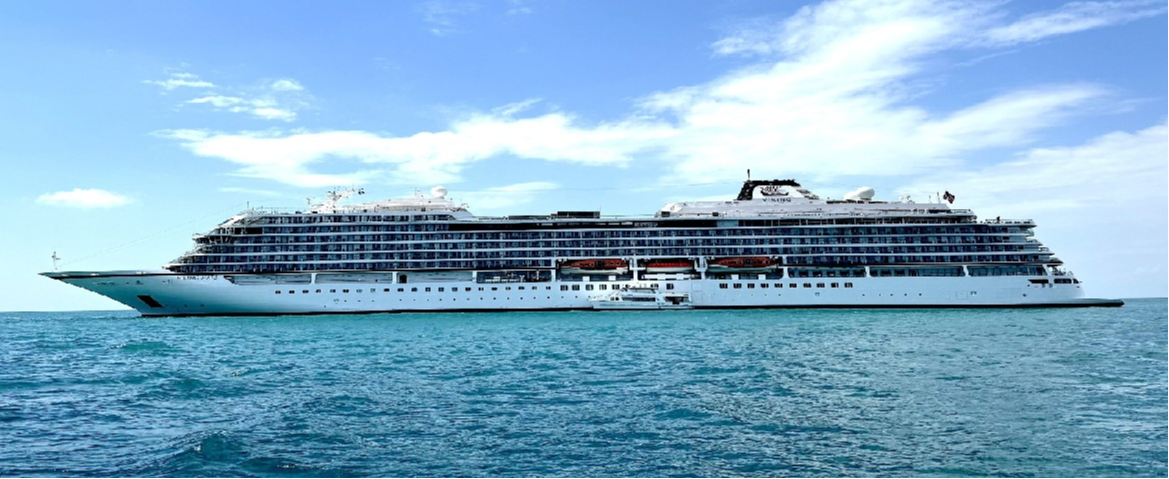
Viking Mars
12 Cruises

Virgin Voyages (3 Cruises)


Roatán Port, Honduras | Cruise Port Guide & Shore Excursions Meta Description:
Frequently Asked Questions
At one of two terminals, depending on the line: Isla Tropicale (formerly Mahogany Bay) for Carnival and its sister brands, or the Coxen Hole pier in the middle of the island capital. About five kilometres separate them.
Isla Tropicale is a purpose-built complex around a private cove, with its strip of sand, shops and a chairlift over the palms. Coxen Hole opens straight onto the town, with duty-free shops and a craft market at the pier exit.
By taxi or shuttle: 11 to 12 kilometres and 20 to 30 minutes depending on traffic. Agree the fare before getting in.
Nearly two kilometres of pale sand against shallow water, the beach that made the island's name. The reef comes within a few dozen metres of shore: mask and snorkel are enough to drift over the coral. It is also the busiest spot on the island.
West End village, just before it: colourful wooden cabins, dive schools and small restaurants with their feet in the sand. The mood is more local, and you can eat grilled lobster watching the boats go by.
Yes. Several animal sanctuaries between the hills and the coast let you get close to sloths, capuchin monkeys, iguanas and scarlet macaws, Honduras's national bird. Visits combine easily with a zip line or a swim stop in half a day.
Excellent and well known: sheer walls, coral gardens, wrecks and remarkably clear water twelve months a year, minutes offshore. West coast dive centres tailor trips to port call schedules, including intro dives for beginners.
A glass-bottom boat trip from the terminals shows the reef without diving. The Isla Tropicale chairlift also gives a view over the flame trees.
The US dollar is accepted everywhere on the island. The lempira remains the national currency, but you will not need to change money for a port call.
Yes, particularly the wildlife excursions and diving: places go quickly on busy days, when several ships are alongside at once.


