Gibraltar
United Kingdom
439
Cruises availables
At departure or passage at this port
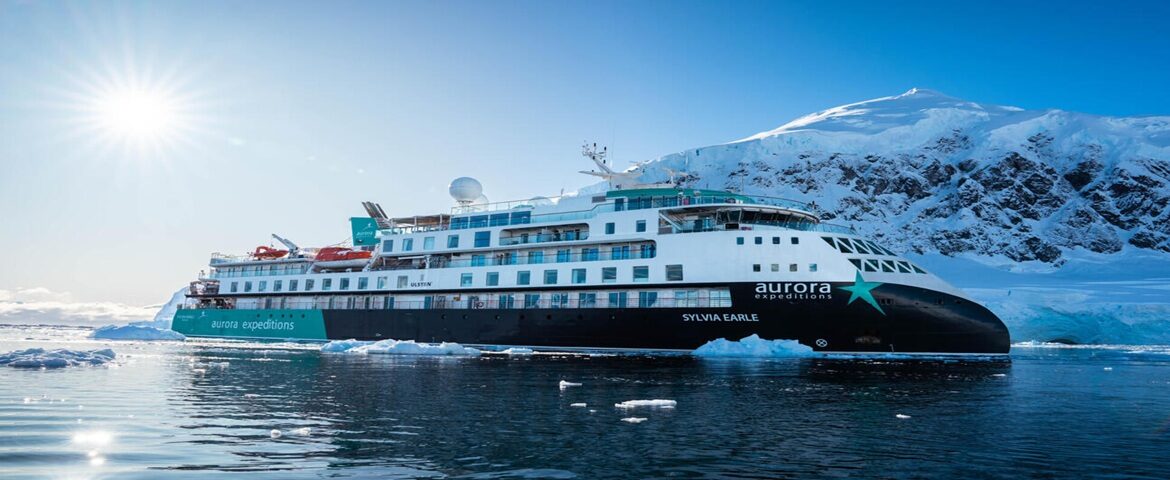
Aurora Expeditions (1 Cruises)

Azamara Club Cruises (70 Cruises)
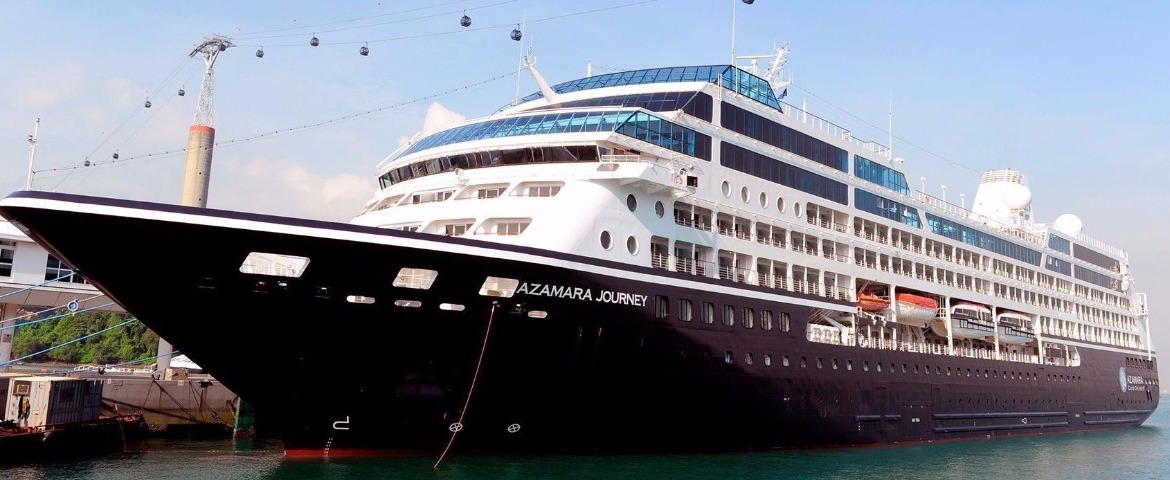
Azamara Journey
40 Cruises

| 29 March | 38 days | One-way from Miami to Chioggia |
450-628-6241
Call us
|
| 29 March | 37 days | One-way from Miami to Fusina Venice |
450-628-6241
Call us
|
| 10 April | 15 days | One-way from Lisbon to Barcelona |
450-628-6241
Call us
|
| 17 April | 8 days | One-way from Malaga to Barcelona |
450-628-6241
Call us
|
| 15 May | 36 days | One-way from Civitavecchia-Rome to Dublin |
450-628-6241
Call us
|
| 22 May | 8 days | One-way from Barcelona to Lisbon |
450-628-6241
Call us
|
| 9 September | 41 days | One-way from Portsmouth UK to Piraeus-Athens |
450-628-6241
Call us
|
| 20 September | 10 days | One-way from Lisbon to Barcelona |
450-628-6241
Call us
|
| 10 November | 39 days | One-way from Fusina Venice to Lisbon |
450-628-6241
Call us
|
| 10 November | 39 days | One-way from Venice to Lisbon |
450-628-6241
Call us
|
| 15 February | 39 days | One-way from Piraeus-Athens to Lisbon |
450-628-6241
Call us
|
| 15 February | 39 days | One-way from Piraeus-Athens to Lisbon |
450-628-6241
Call us
|
Azamara Onward
17 Cruises
| 1 March | 94 days | One-way from Sydney to Barcelona |
450-628-6241
Call us
|
| 1 March | 93 days | One-way from Sydney to Barcelona |
450-628-6241
Call us
|
| 10 April | 54 days | One-way from Singapore to Barcelona |
450-628-6241
Call us
|
| 10 April | 53 days | One-way from Singapore to Barcelona |
450-628-6241
Call us
|
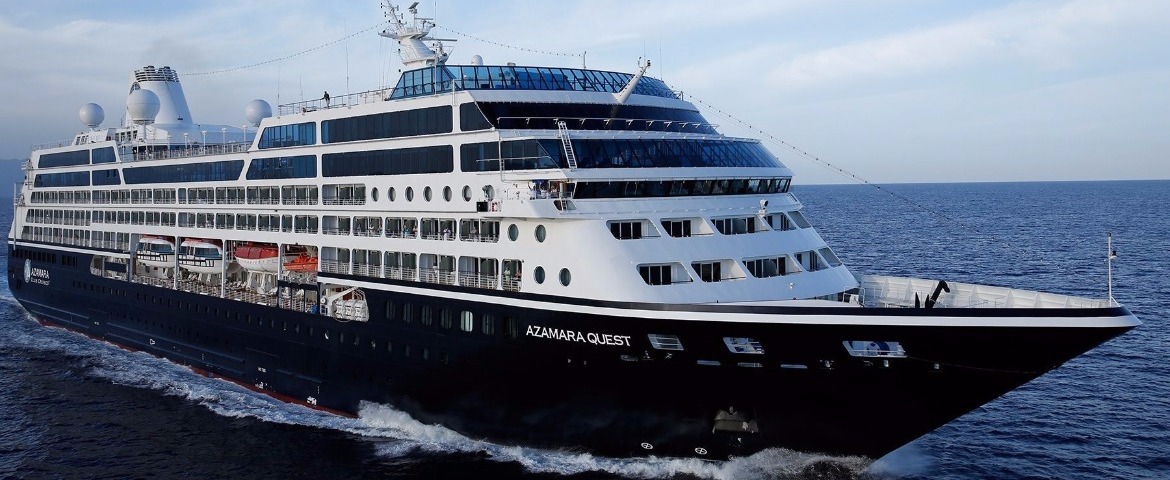
Azamara Quest
13 Cruises
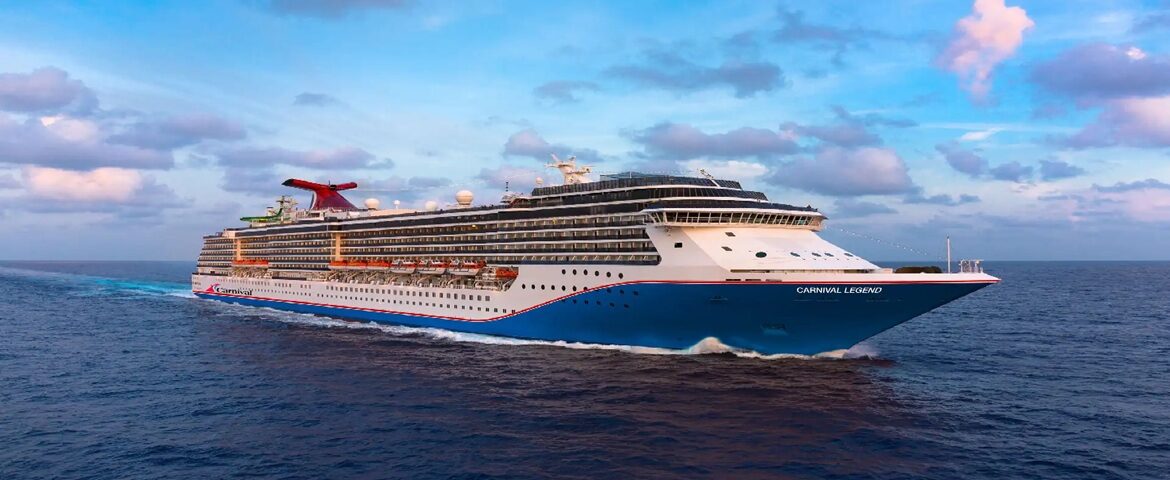
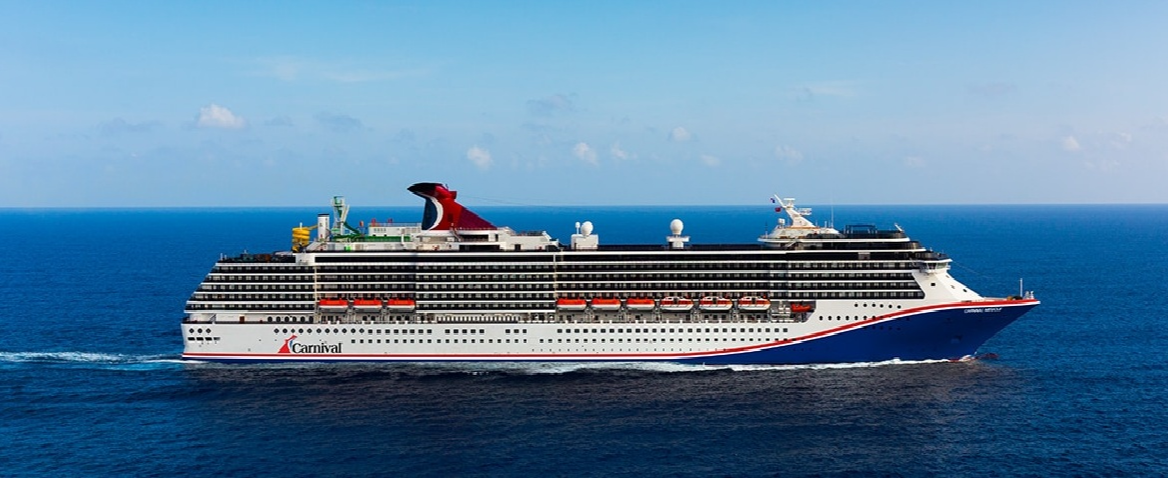
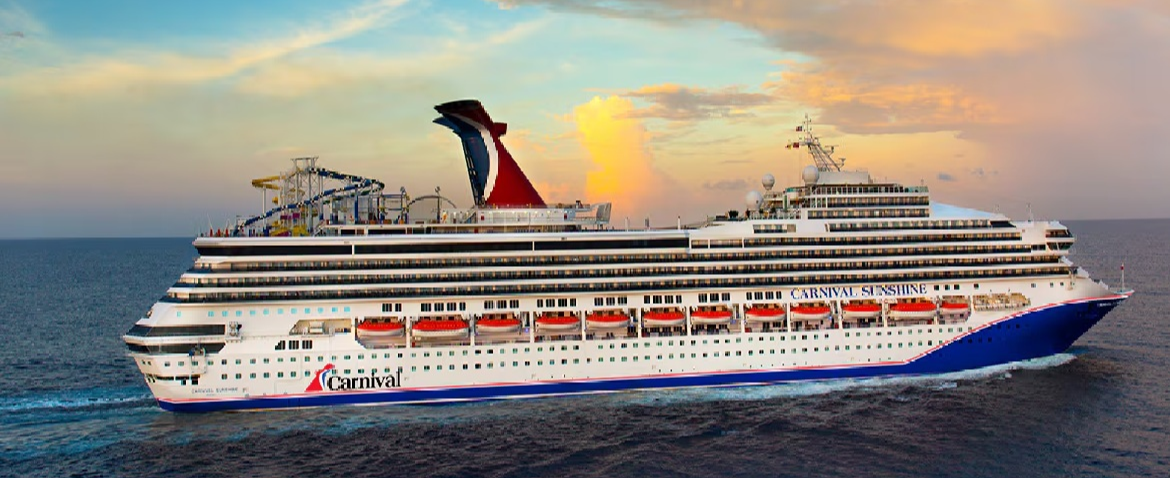
Carnival Cruise Line (4 Cruises)

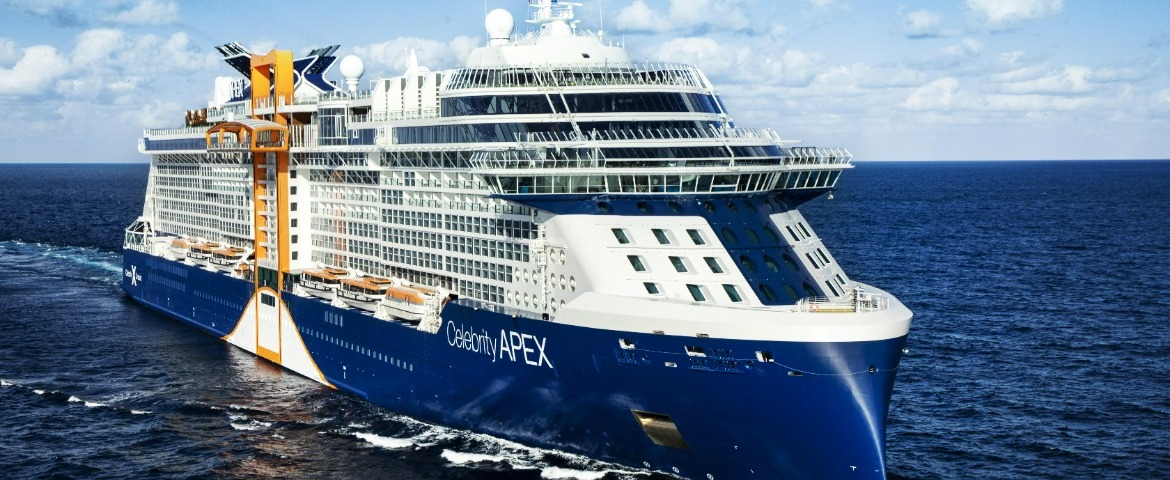
Celebrity Cruises (14 Cruises)

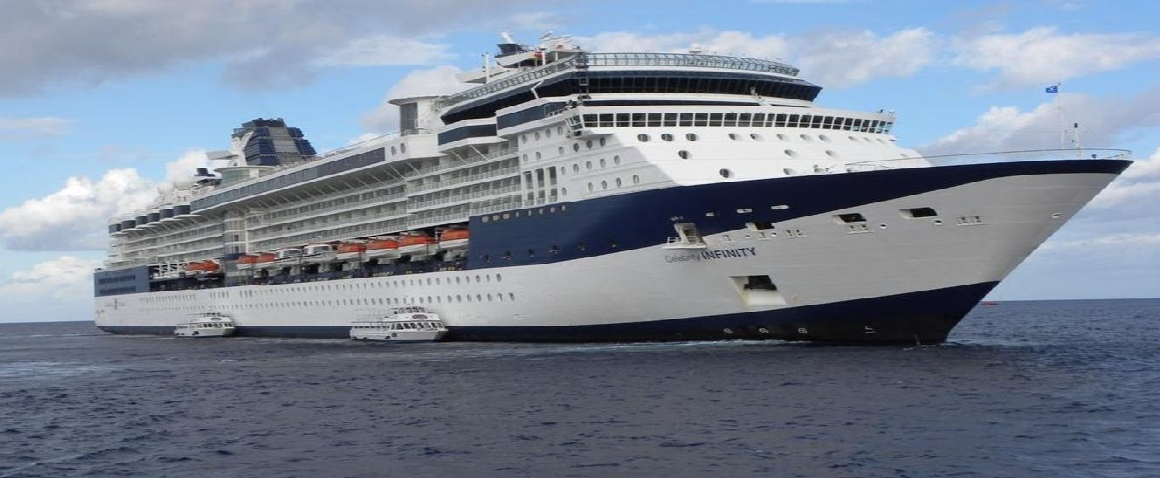
Celestyal Cruises (26 Cruises)
Celestyal Discovery
26 Cruises
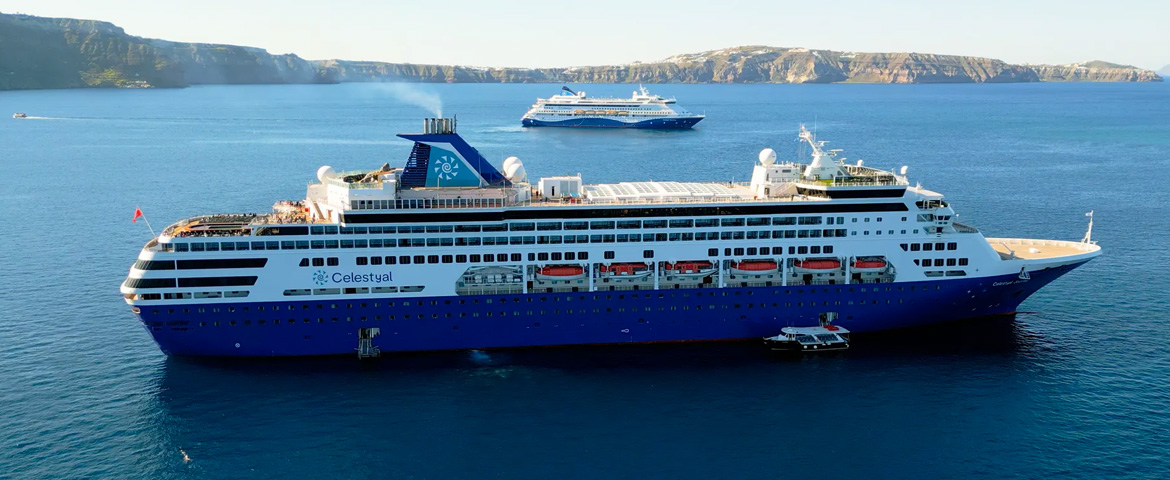

Costa Cruises (33 Cruises)
Costa Diadema
10 Cruises
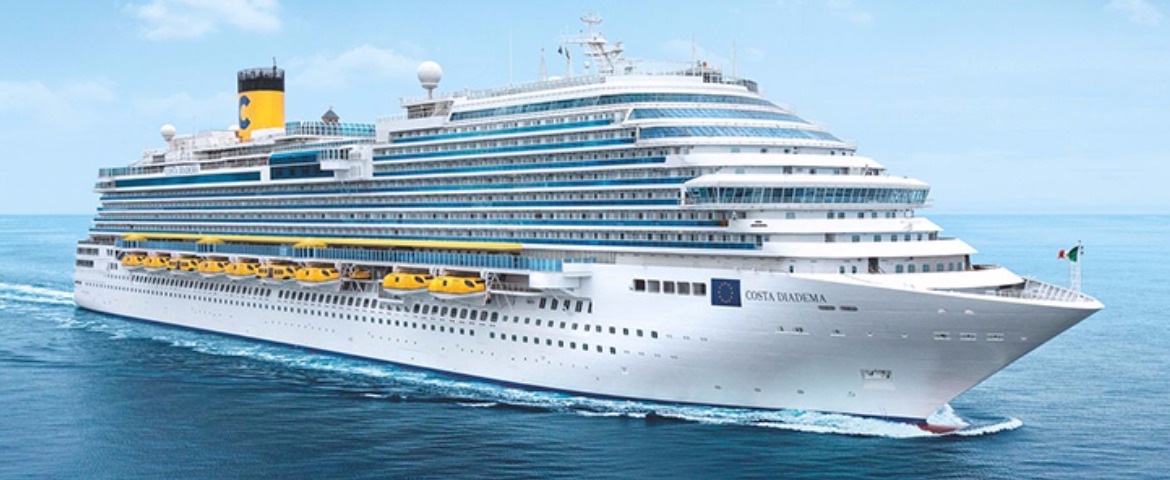

Costa Fascinosa
12 Cruises
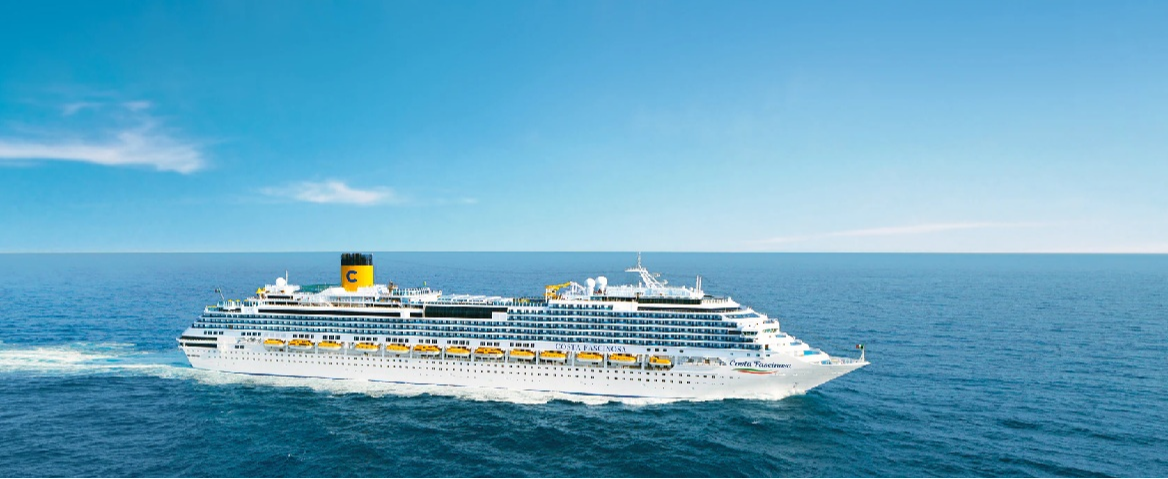
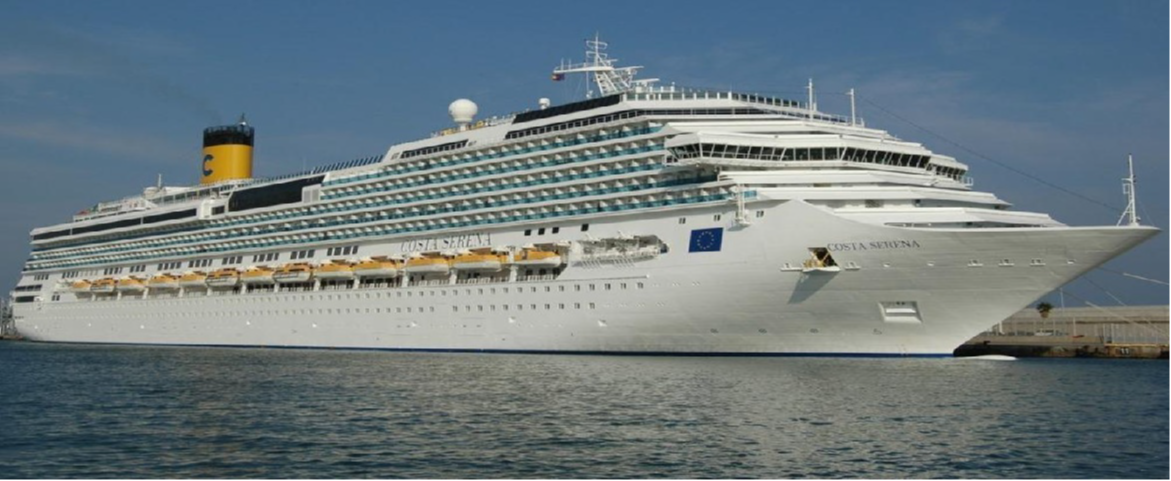
Costa Serena
11 Cruises
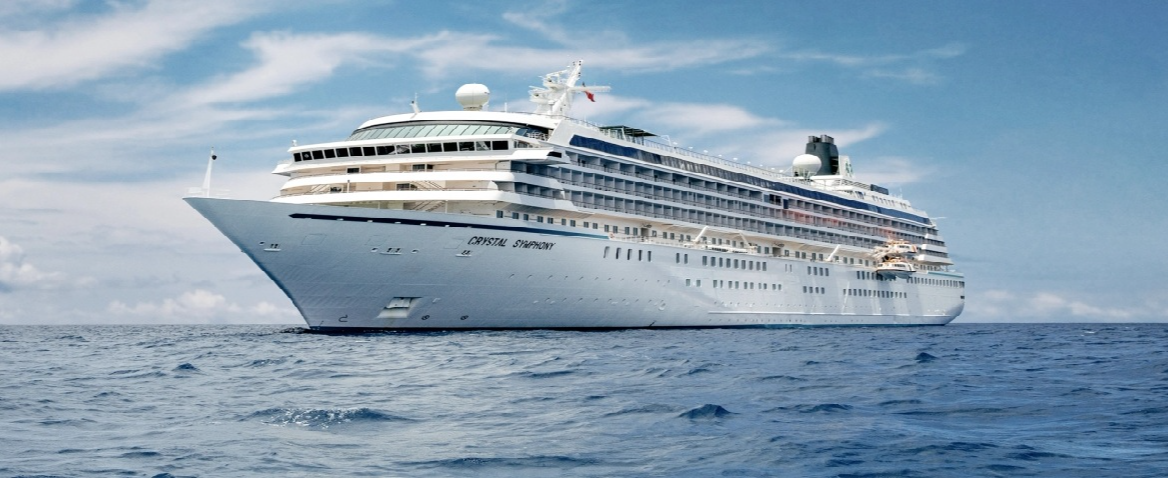
Crystal Cruises (2 Cruises)

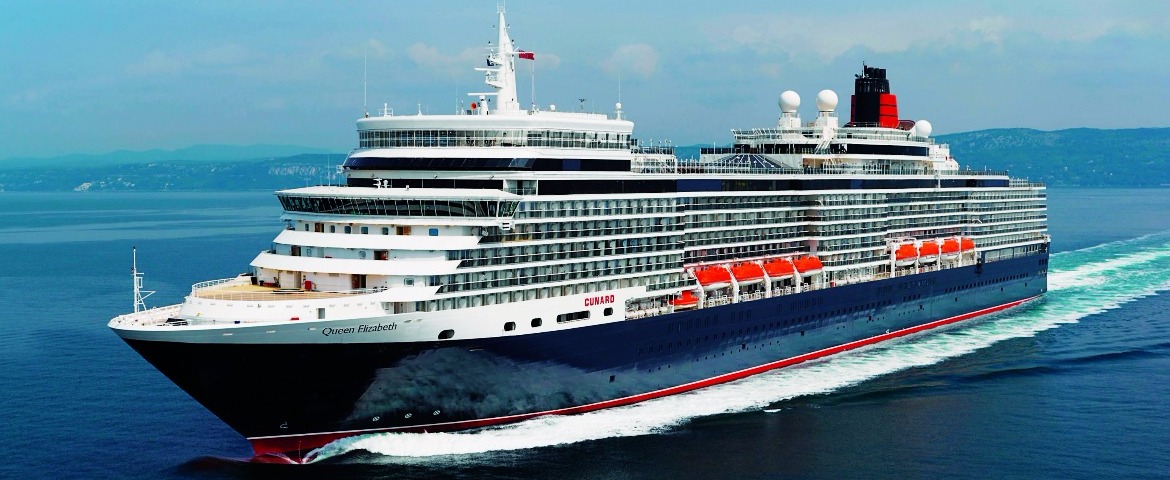
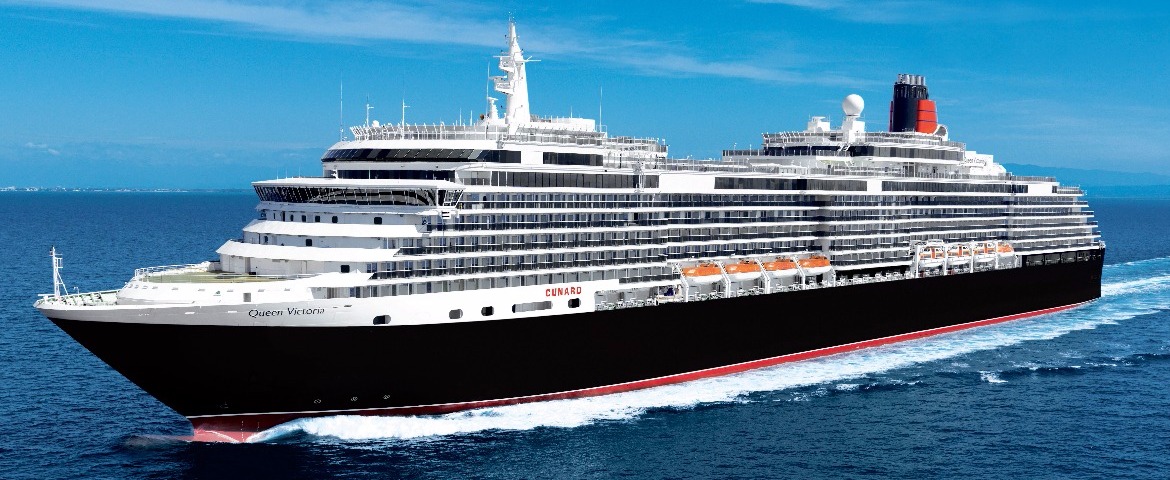
Cunard (14 Cruises)
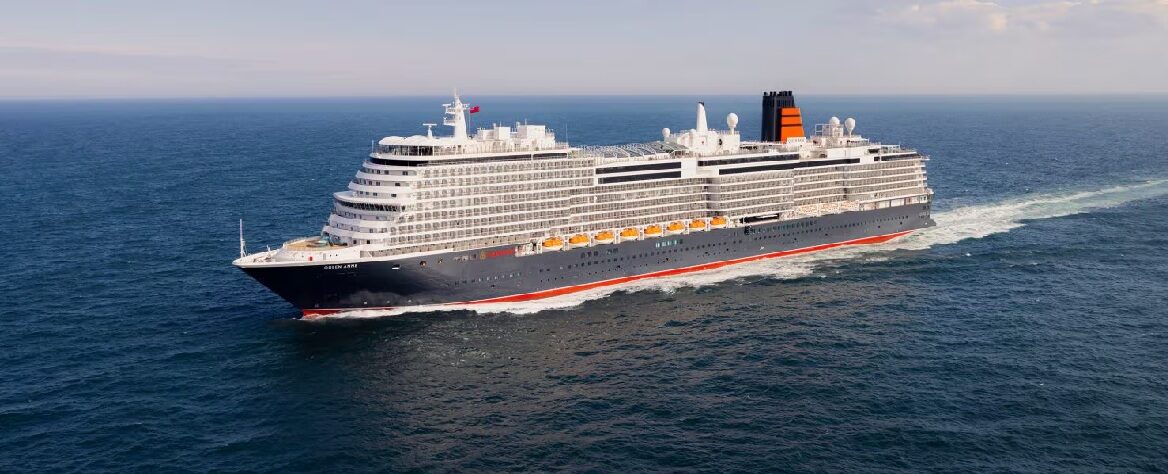

Queen Elizabeth
9 Cruises
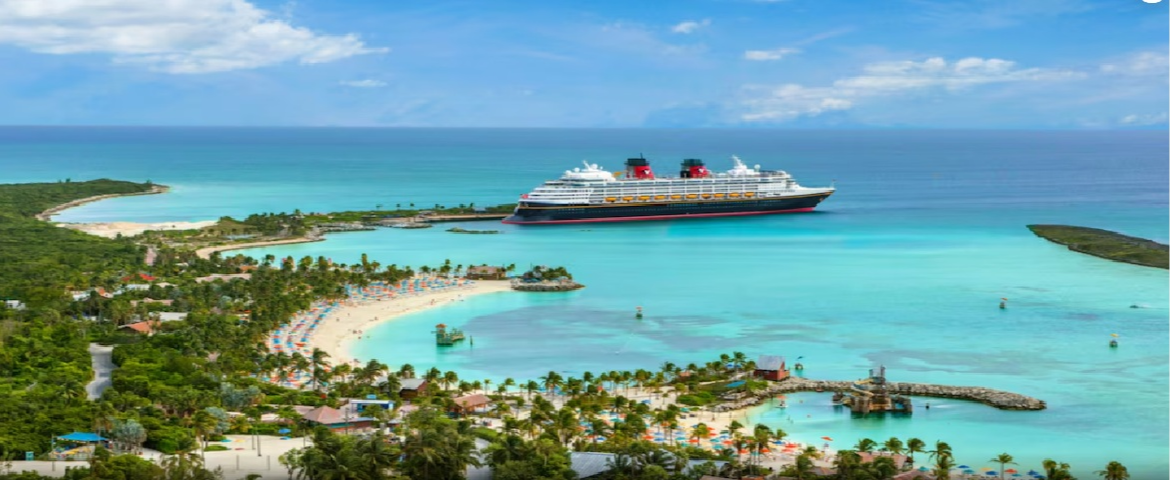
Disney Cruise Line (2 Cruises)

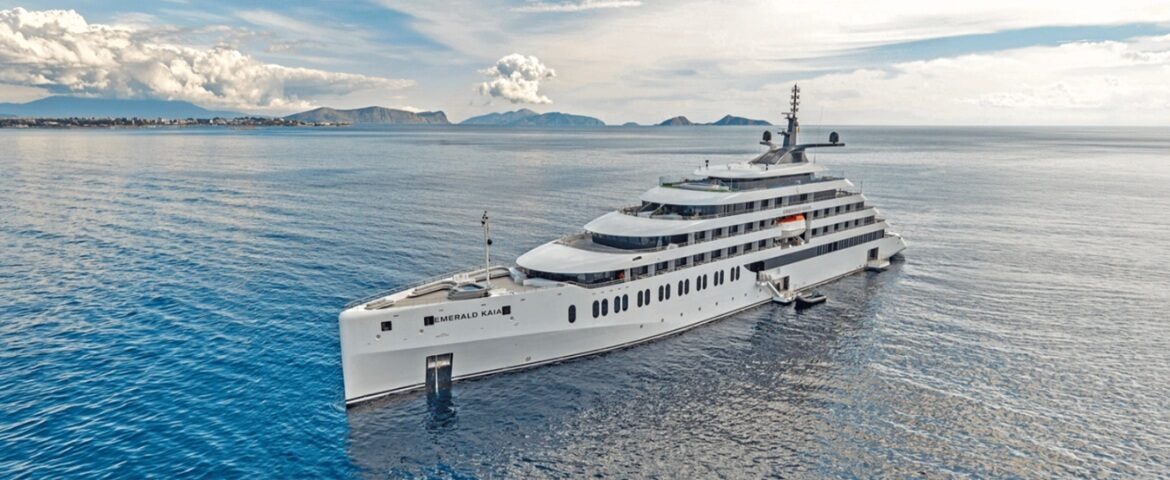
Emerald Waterways (10 Cruises)
Emerald Kaia
7 Cruises

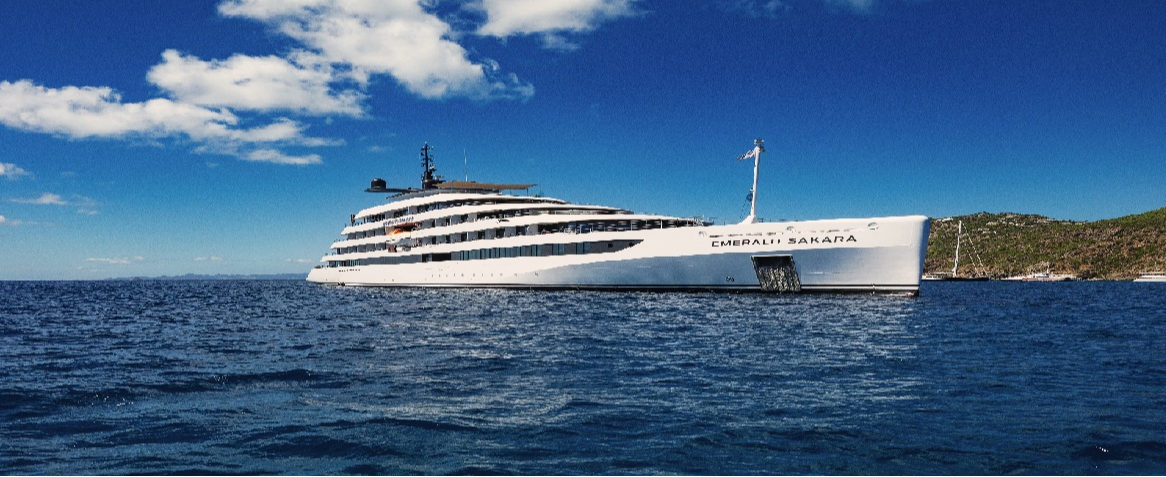
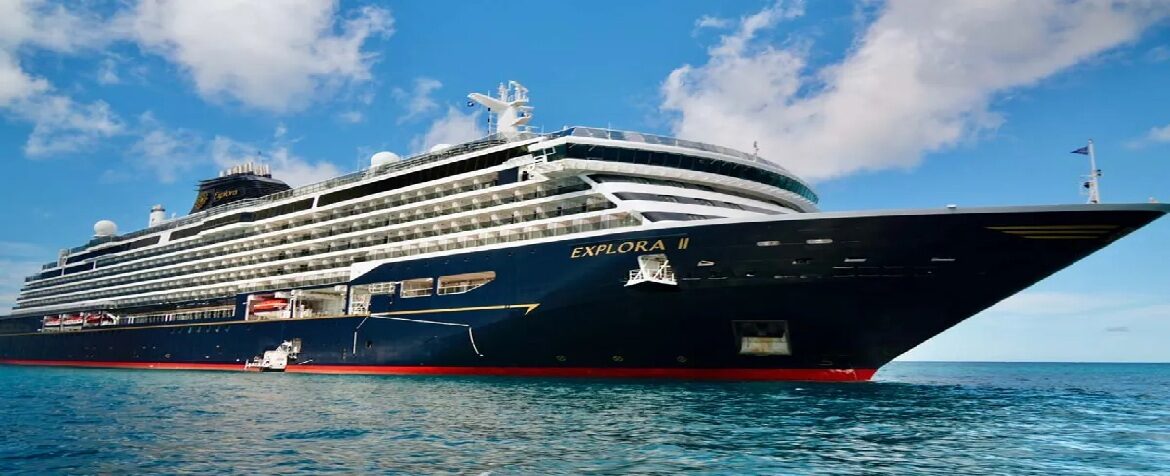
Explora Journeys (11 Cruises)
Explora II
11 Cruises

| 29 November | 30 days | One-way from Piraeus-Athens to Barcelona |
450-628-6241
Call us
|
| 29 November | 29 days | One-way from Piraeus-Athens to Barcelona |
450-628-6241
Call us
|
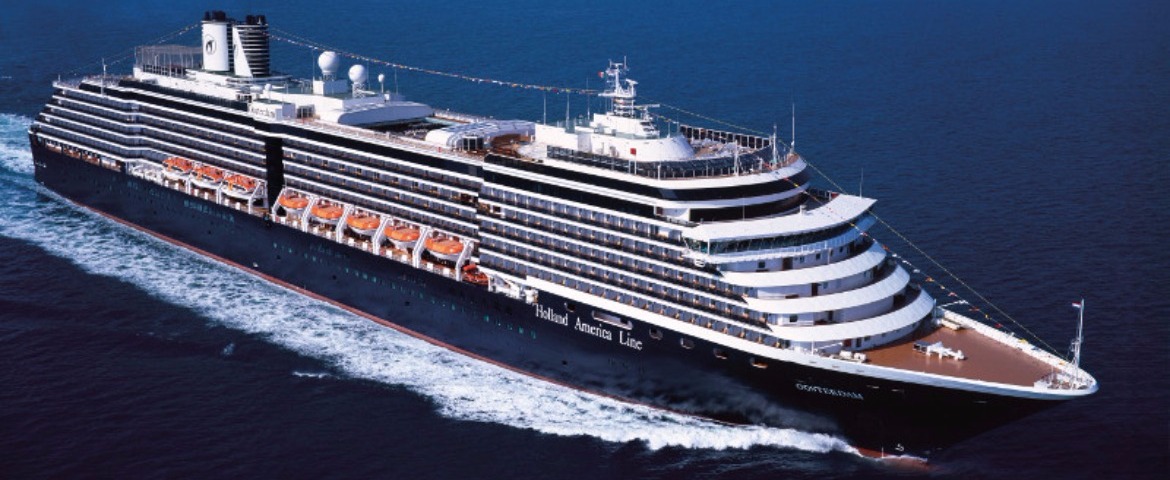
Holland America Line (27 Cruises)
ms Oosterdam
22 Cruises

MSC Cruises (40 Cruises)
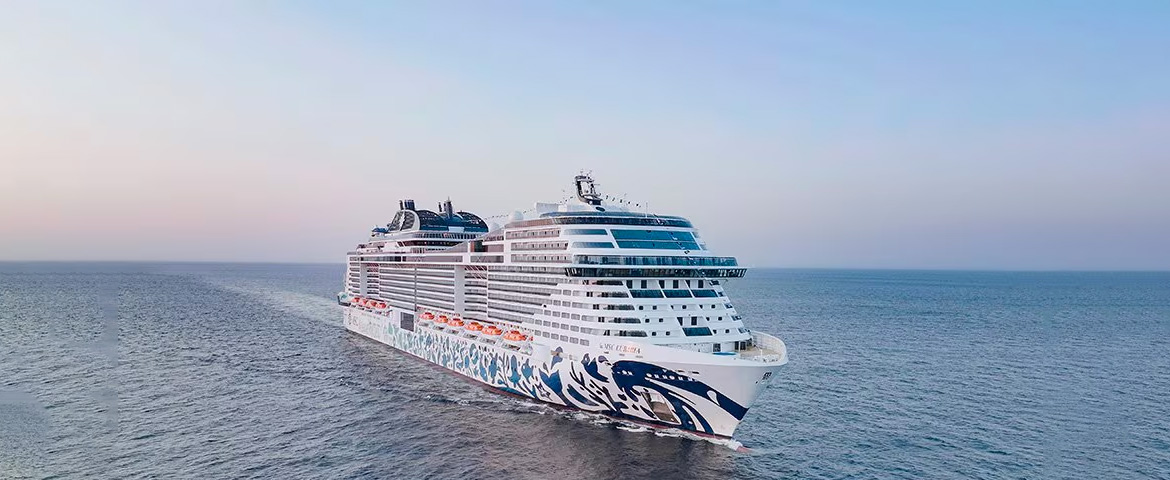
MSC Euribia
7 Cruises

MSC Magnifica
5 Cruises
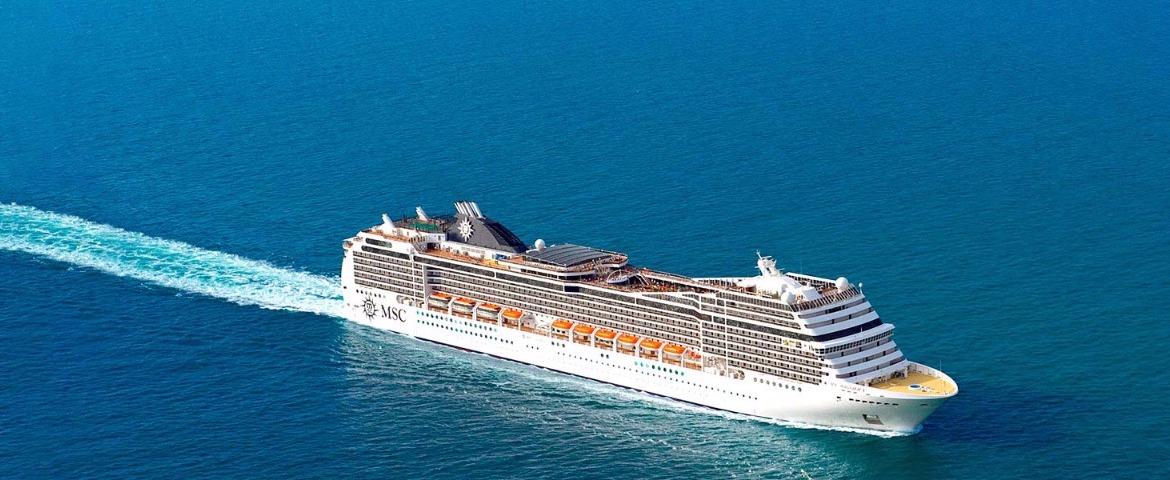
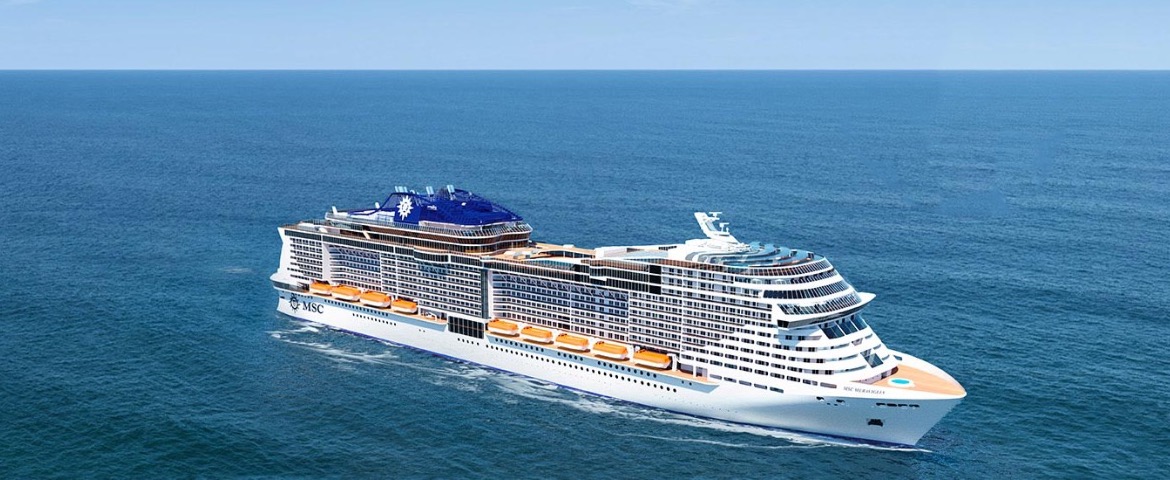
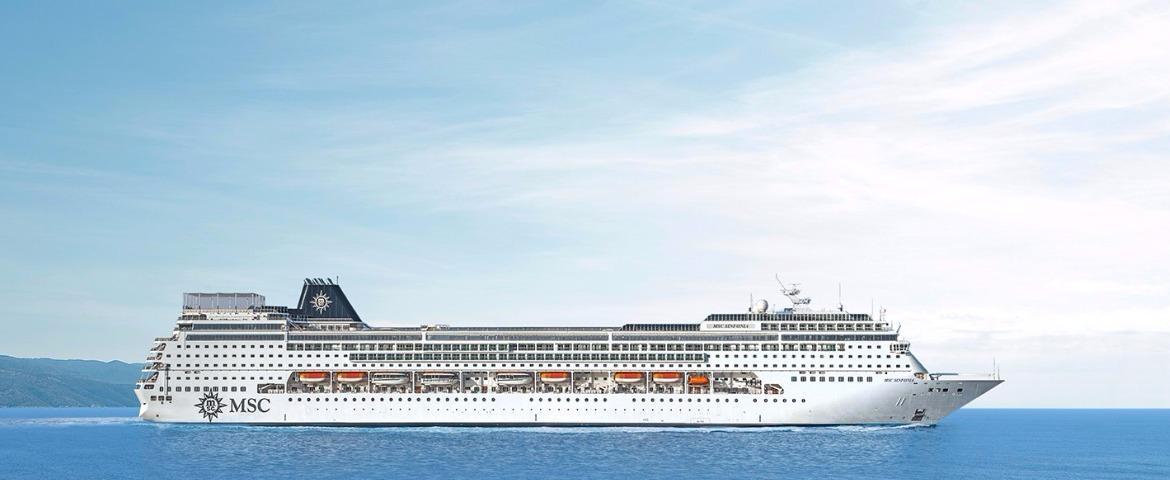
MSC Sinfonia
12 Cruises
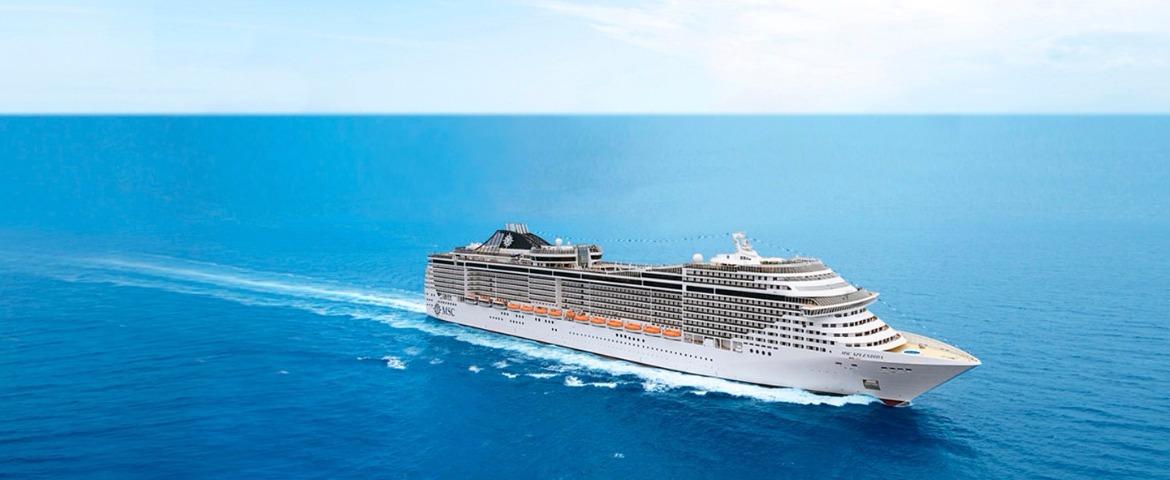
MSC Splendida
5 Cruises
MSC World Europa
8 Cruises
 Image not available
Norwegian Cruise Line (21 Cruises)
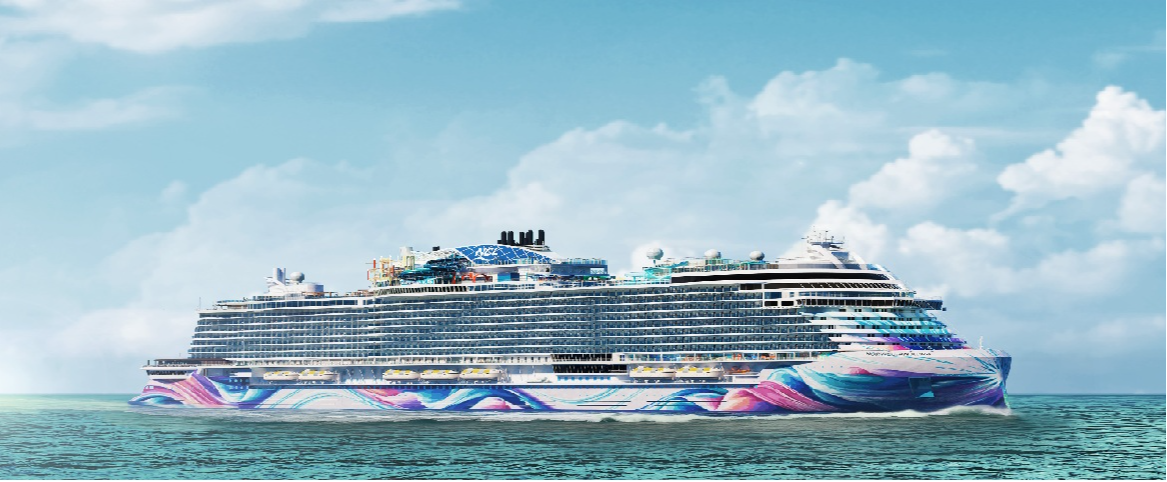

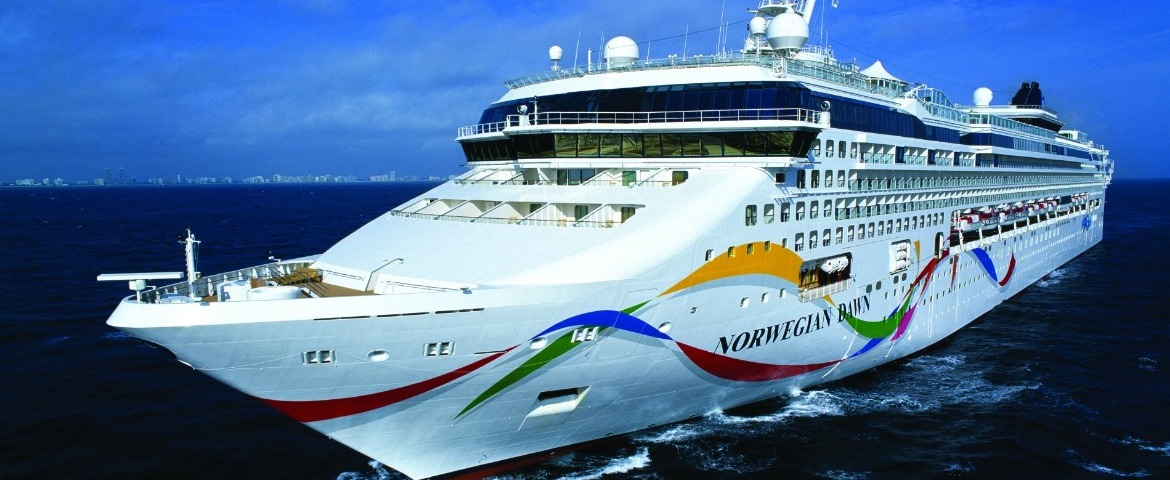
Norwegian Dawn
17 Cruises
| 1 August | 8 days | One-way from Barcelona to Lisbon |
From
862$
|
| 29 August | 8 days | One-way from Barcelona to Lisbon |
From
855$
|
Oceania Cruises (41 Cruises)
Oceania Allura
9 Cruises

Oceania Marina
6 Cruises
Oceania Sirena
14 Cruises
| 12 November | 40 days | One-way from Istanbul to Lisbon |
450-628-6241
Call us
|
| 12 November | 39 days | One-way from Istanbul to Lisbon |
450-628-6241
Call us
|
Oceania Vista
6 Cruises
Ponant (2 Cruises)

Princess Cruises (37 Cruises)
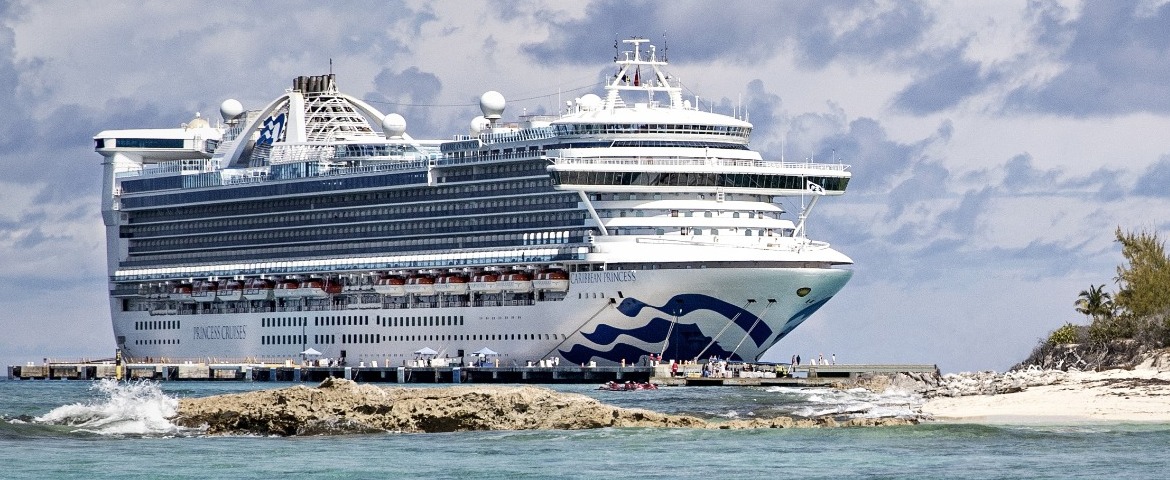

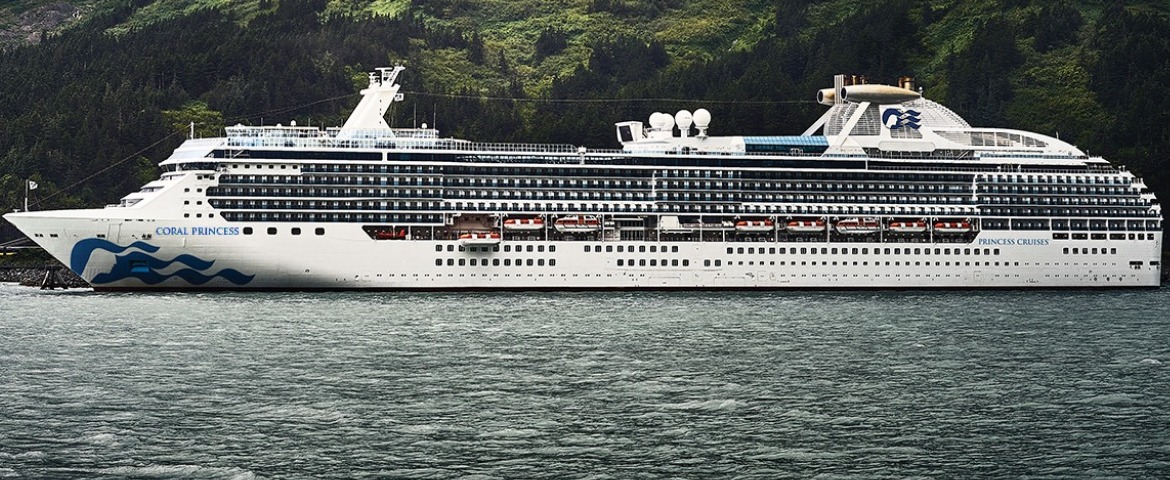
Coral Princess
10 Cruises
| 14 February | 55 days | One-way from Sydney to Civitavecchia-Rome |
450-628-6241
Call us
|
| 14 February | 54 days | One-way from Sydney to Civitavecchia-Rome |
450-628-6241
Call us
|
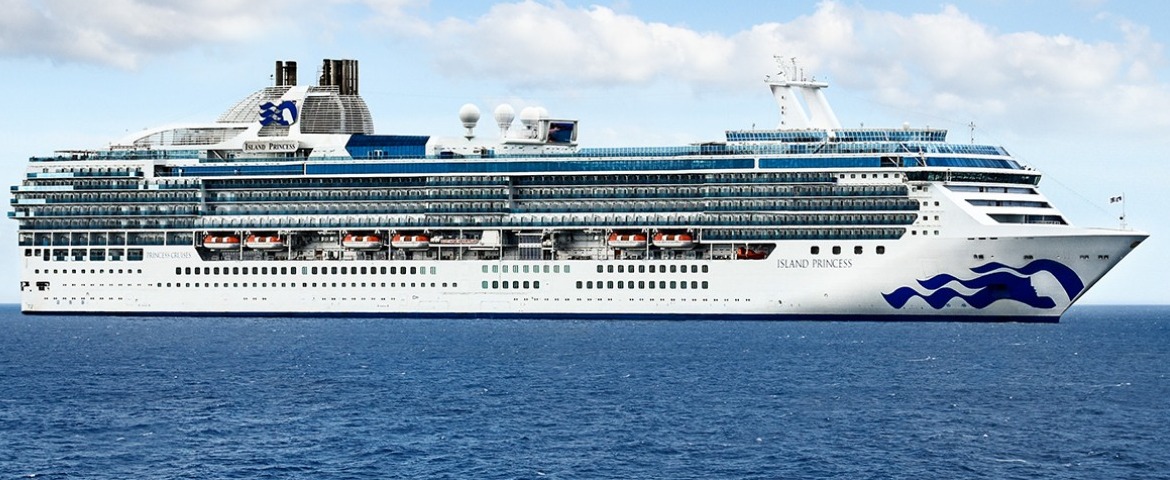
Enchanted Princess
14 Cruises
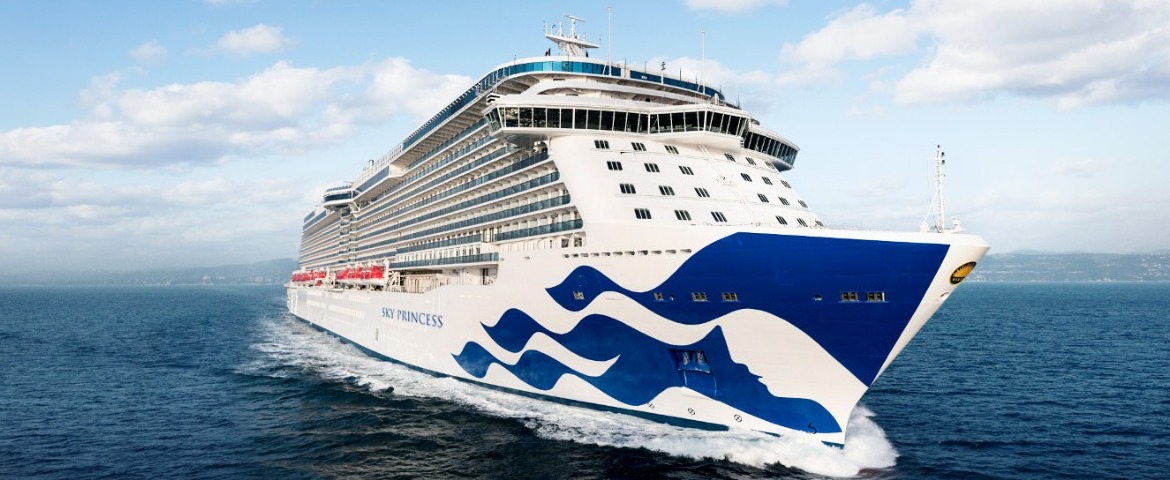
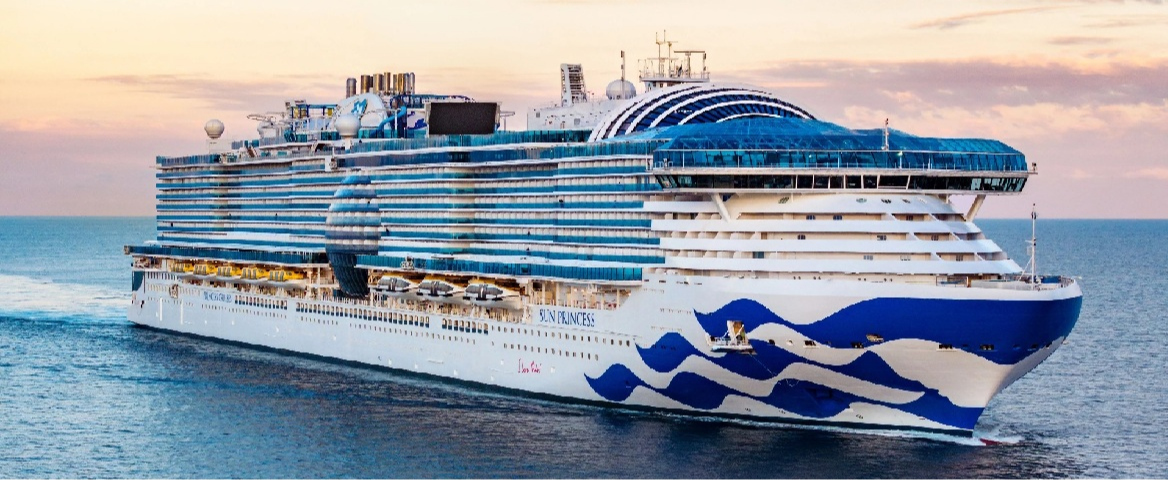
Sky Princess
4 Cruises
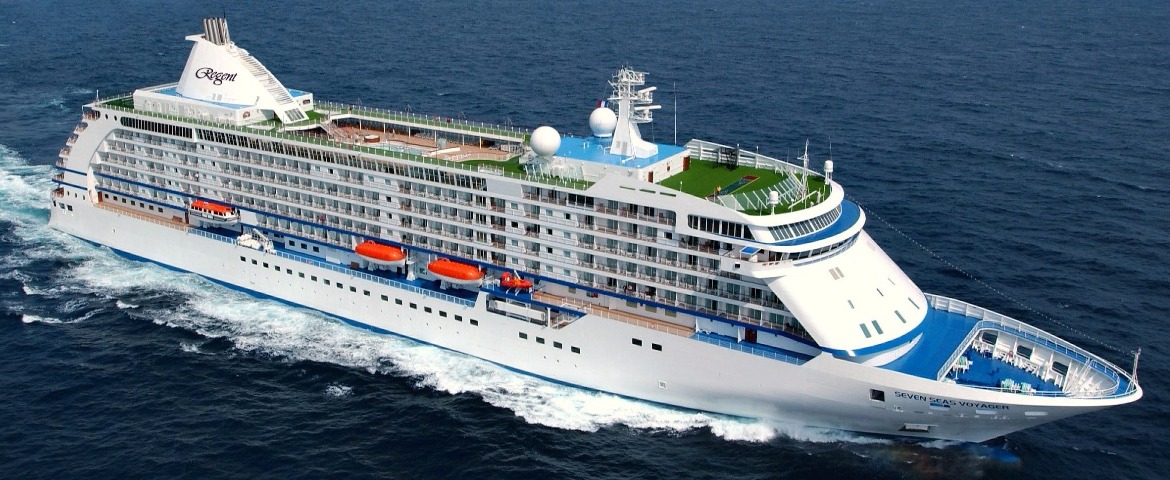
Regent Seven Seas Cruises (22 Cruises)
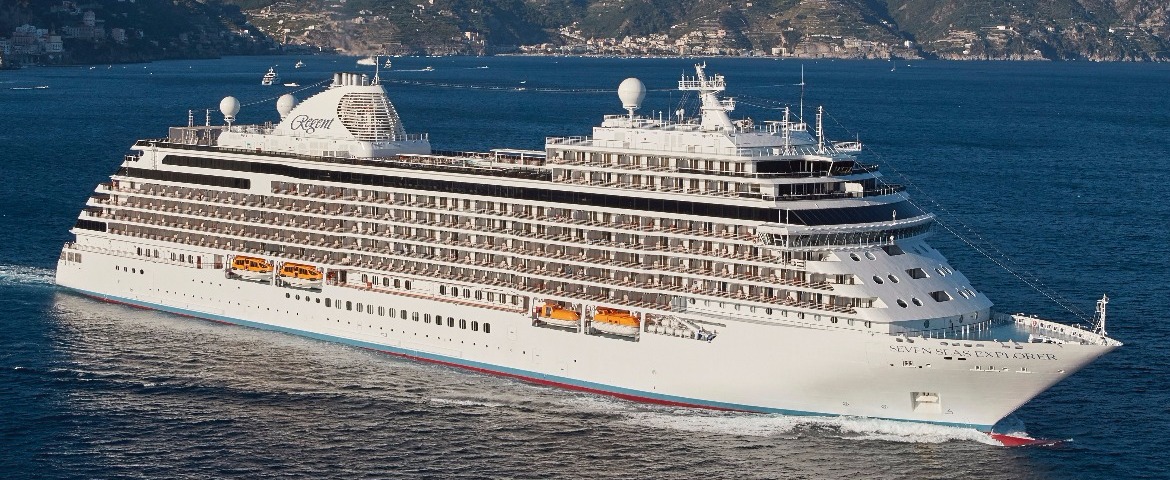
Seven Seas Explorer
8 Cruises
Royal Caribbean Cruises (2 Cruises)



Silversea Cruises (23 Cruises)
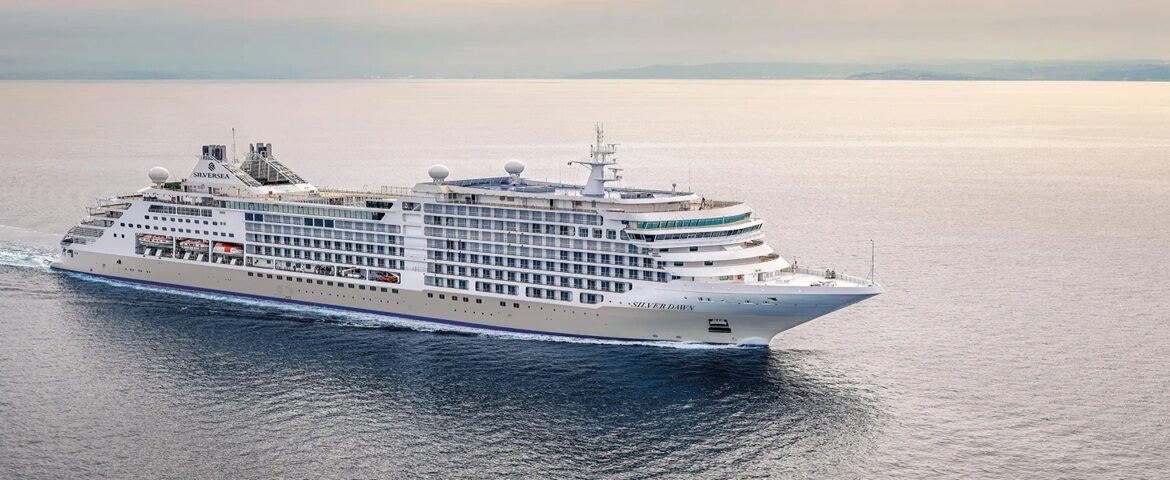

Silver Ray
12 Cruises
| 10 March | 26 days | One-way from Miami to Barcelona |
450-628-6241
Call us
|
| 24 March | 12 days | One-way from Lisbon to Barcelona |
450-628-6241
Call us
|
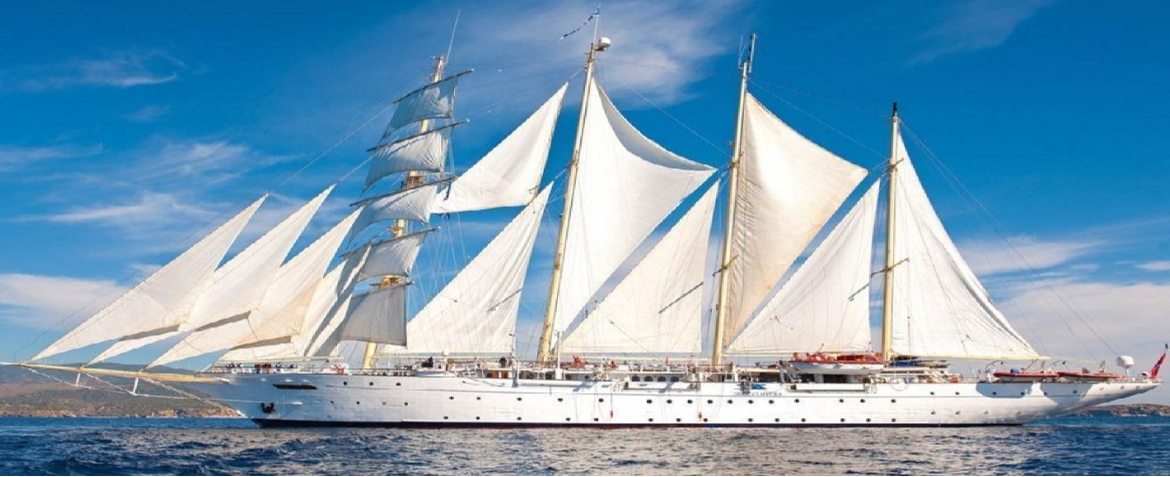
Star Clippers (6 Cruises)

Windstar Cruises (25 Cruises)
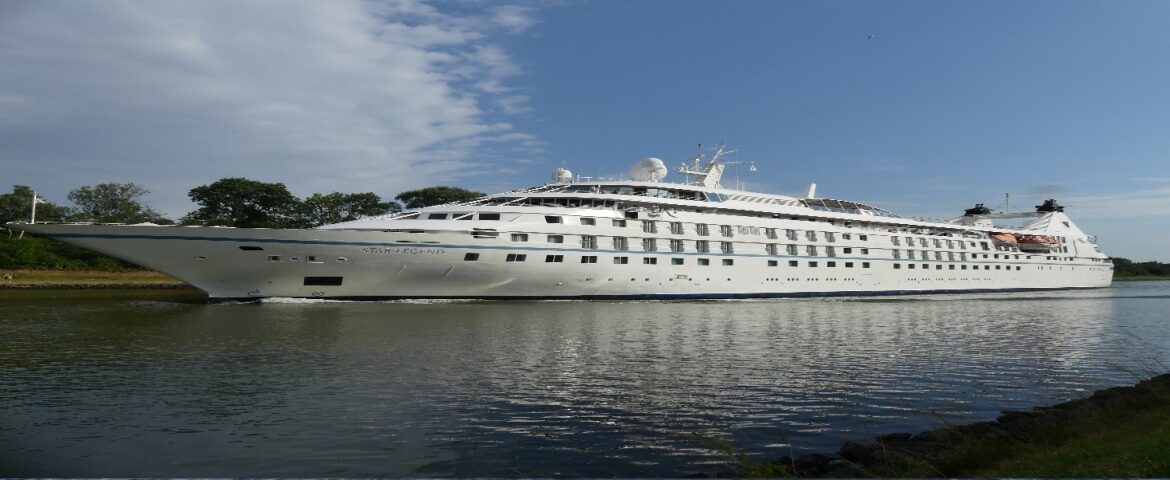
Star Legend
15 Cruises

Gibraltar | Mediterranean Cruise Port & Historic Guide
Frequently Asked Questions
At the north mole, about fifteen minutes' walk from the centre. A shuttle also links the terminal to Casemates Square for a few euros. It is one of the rare ports where you step off the gangway and onto a pedestrian street without changing transport.
The centre, yes: Casemates Square and Main Street are an easy walk from the berth. The Rock, no. Its 426 metres are reached by cable car, by excursion minibus or by a long climb that few passengers attempt during a port call.
The usual programme has three parts: Main Street and Casemates Square, the cable car up to the top station at 412 metres, then St Michael's Cave or the Great Siege Tunnels on the way down. An excursion minibus links these sites more efficiently than the cable car alone.
The cable car rises in six minutes from the southern end of Main Street to the top station at 412 metres. Queues build quickly in high season, so excursion minibuses let you combine several nature reserve sites without waiting. Since 2018 the glass Skywalk platform has jutted over the void at 340 metres.
Yes, the Barbary macaques live free on the Rock — Europe's only wild monkeys — and gather around the cable car top station. They are used to visitors, but keep bags, glasses and food well clear of their expert hands.
Two quite different visits. St Michael's Cave, twenty minutes' walk below the top station, spreads its calcite draperies through a chamber so vast that concerts are held there. Further north, the Great Siege Tunnels were cut by British gunners in the late eighteenth century to aim their cannon at the isthmus.
If time allows. A bus runs to this southern tip of the territory, facing Africa, where a lighthouse and a mosque face each other across the Strait. It is the best place to grasp just how close Morocco is.
Very much so. The cable car, the macaques and the caves make a combination that works at any age. Two caveats: the Skywalk, with 340 metres of air beneath it, is no place for anyone with a fear of heights, and children need to be told not to reach out to the monkeys.
The Gibraltar pound, at parity with sterling; euros are accepted in many shops, often at a poorer rate. English is the official language, but Spanish is spoken everywhere and many residents switch between the two mid-sentence.
April to June and September to October: the heat stays manageable for the climb up the Rock, which can be punishing in high summer. The Levanter, the easterly wind, sometimes caps the summit in cloud and spoils the view from the top station — and that can happen in any season.


