Ajaccio Corsica France
631
Cruises availables
At departure or passage at this port
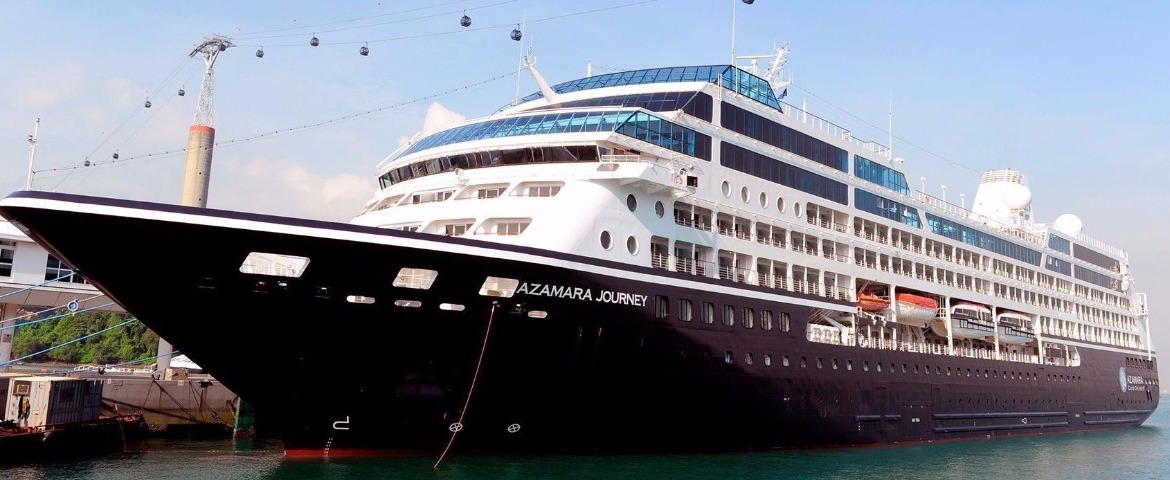
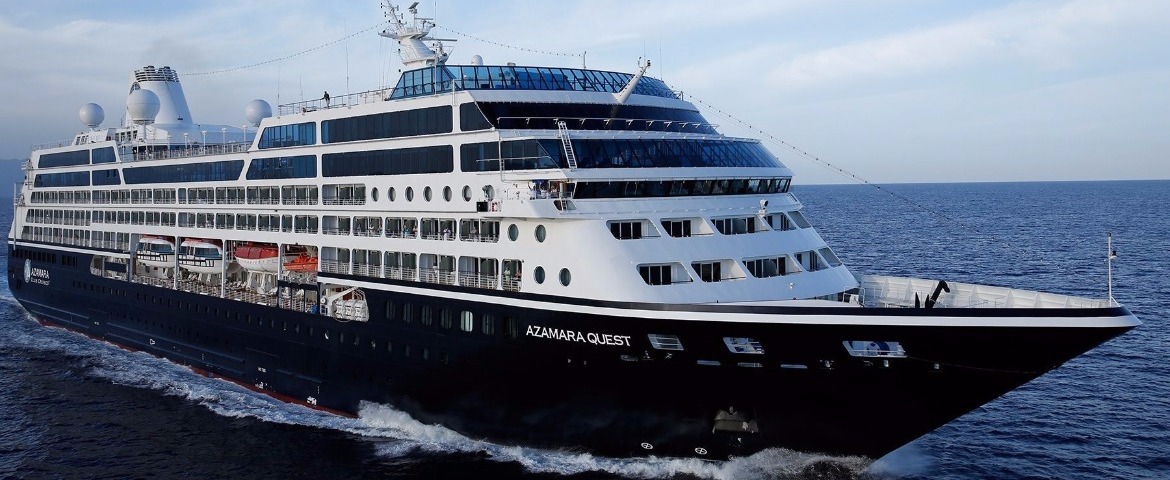
Azamara Club Cruises (7 Cruises)

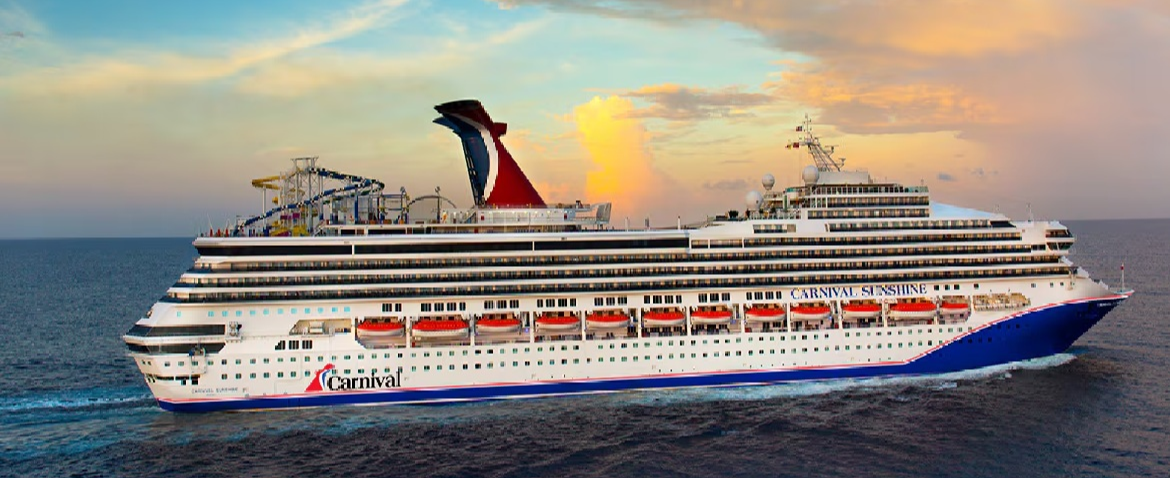
Carnival Cruise Line (2 Cruises)

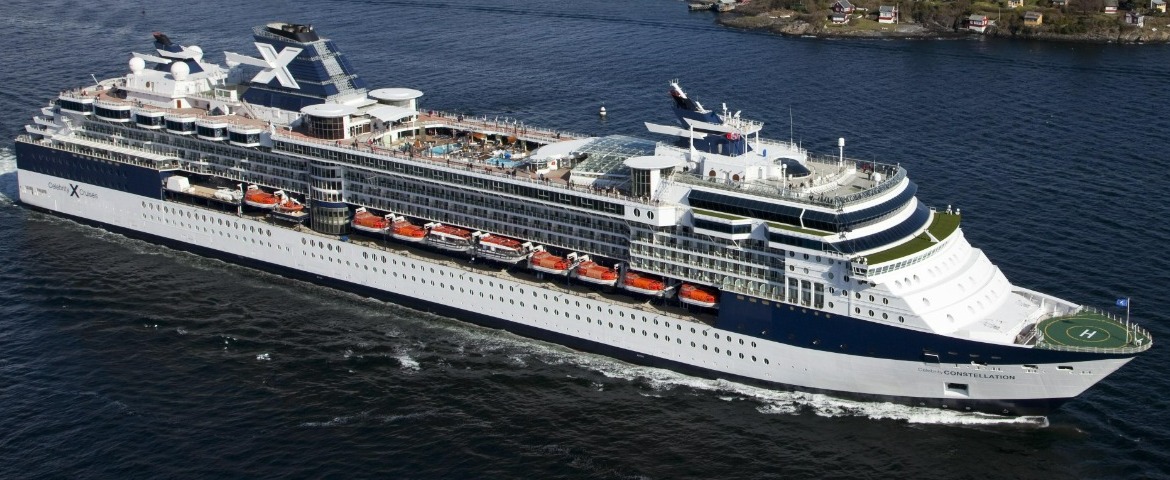

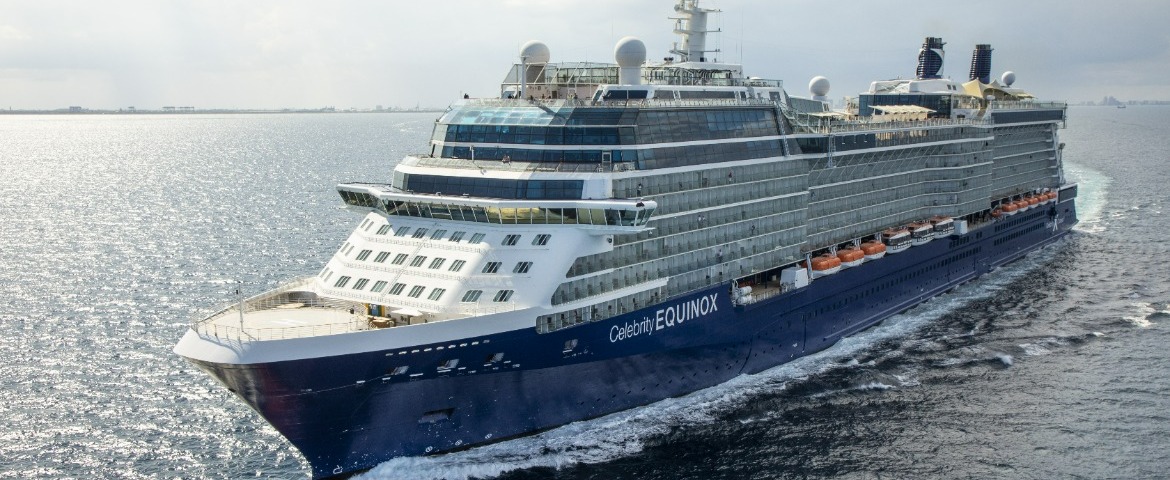
Costa Cruises (36 Cruises)
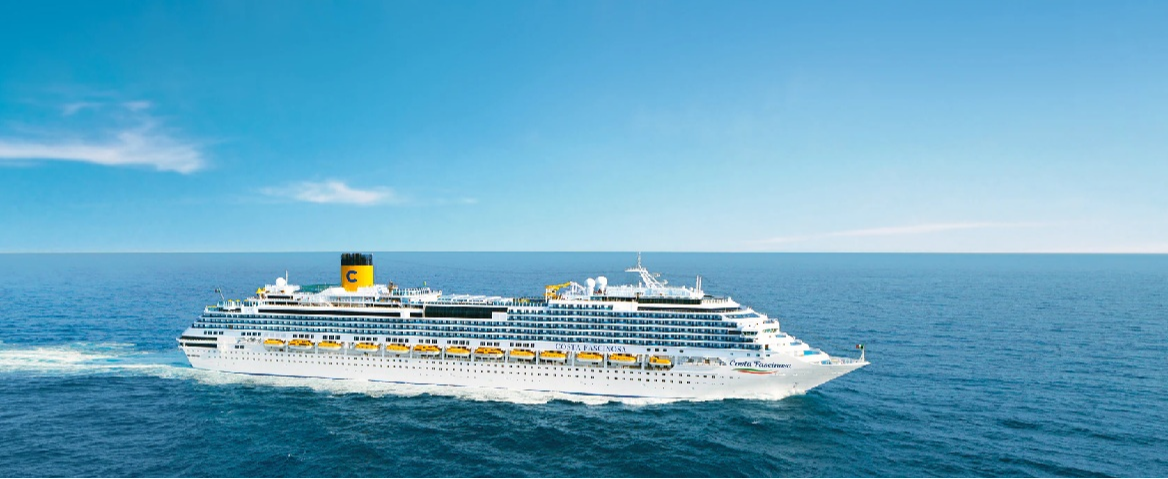
Costa Fascinosa
12 Cruises

| 28 February | 24 days | One-way from La Romana to Genoa |
450-628-6241
Call us
|
| 28 February | 25 days | One-way from La Romana to Marseille |
450-628-6241
Call us
|
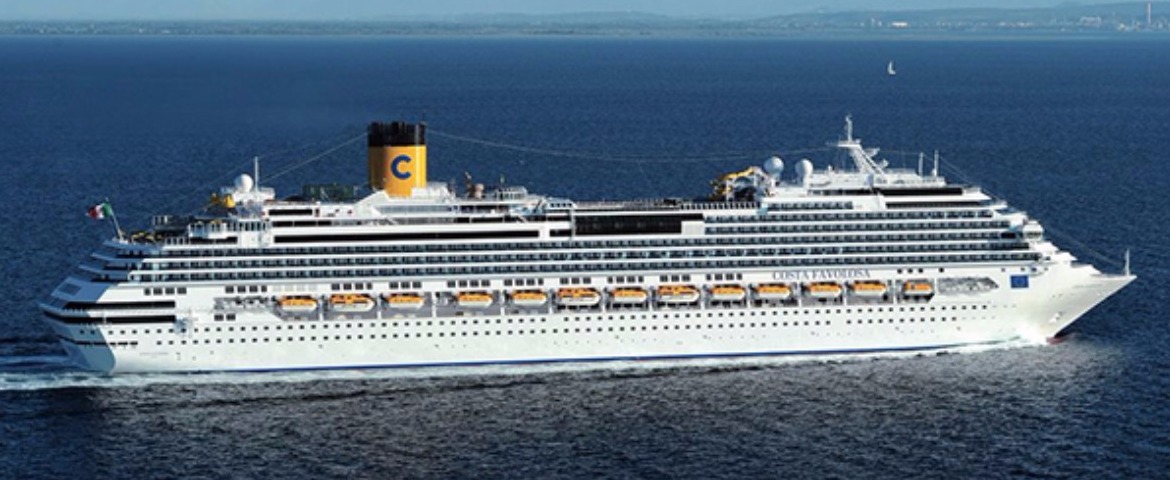
Costa Favolosa
11 Cruises
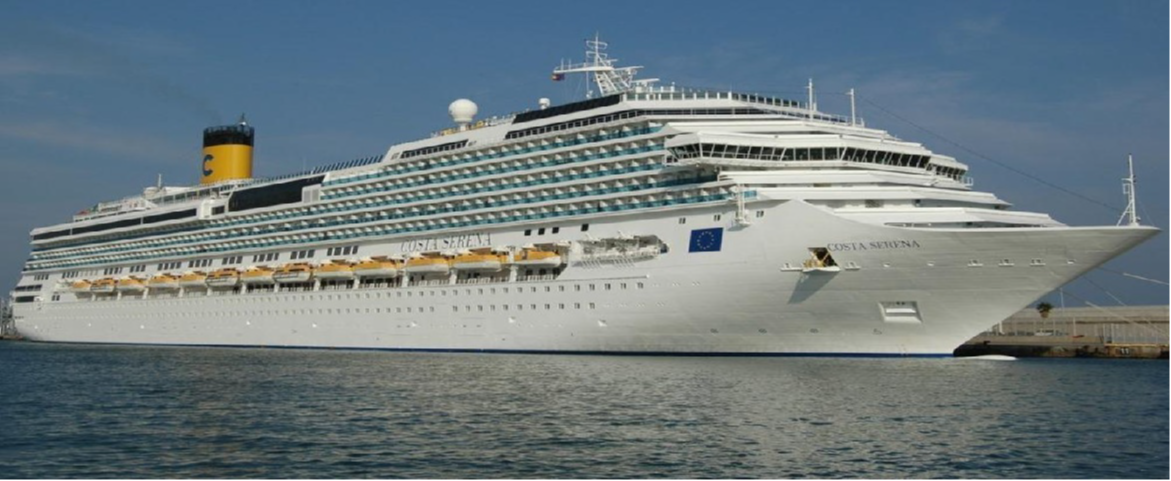
Costa Serena
13 Cruises
CroisiEurope (23 Cruises)
Mv La Belle Des Oceans
23 Cruises
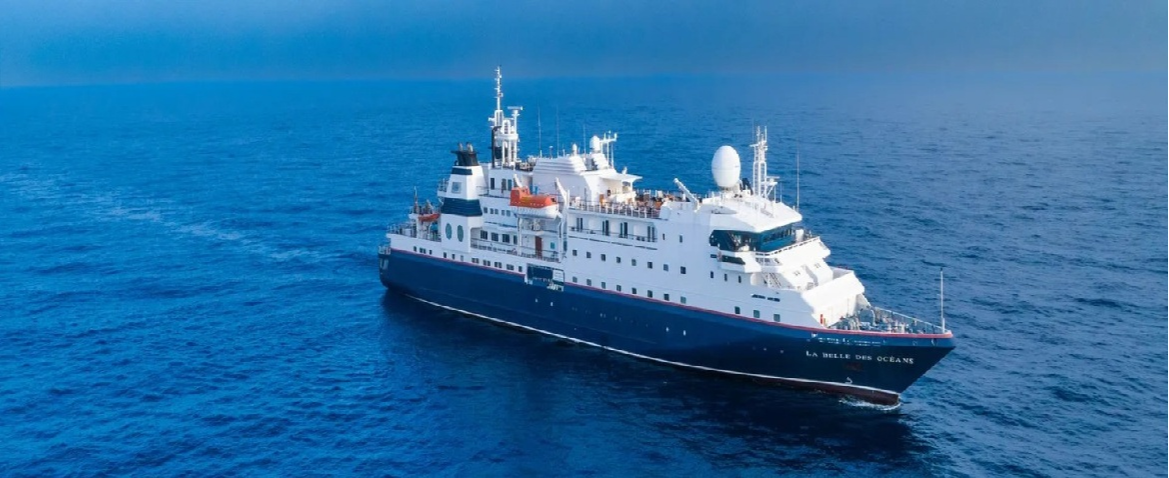

| 16 April | 8 days | Round-trip from Villefranche-sur-Mer, France |
450-628-6241
Call us
|
| 23 April | 8 days | Round-trip from Villefranche-sur-Mer, France |
450-628-6241
Call us
|
| 11 June | 8 days | Round-trip from Villefranche-sur-Mer, France |
450-628-6241
Call us
|
| 18 June | 8 days | Round-trip from Villefranche-sur-Mer, France |
450-628-6241
Call us
|
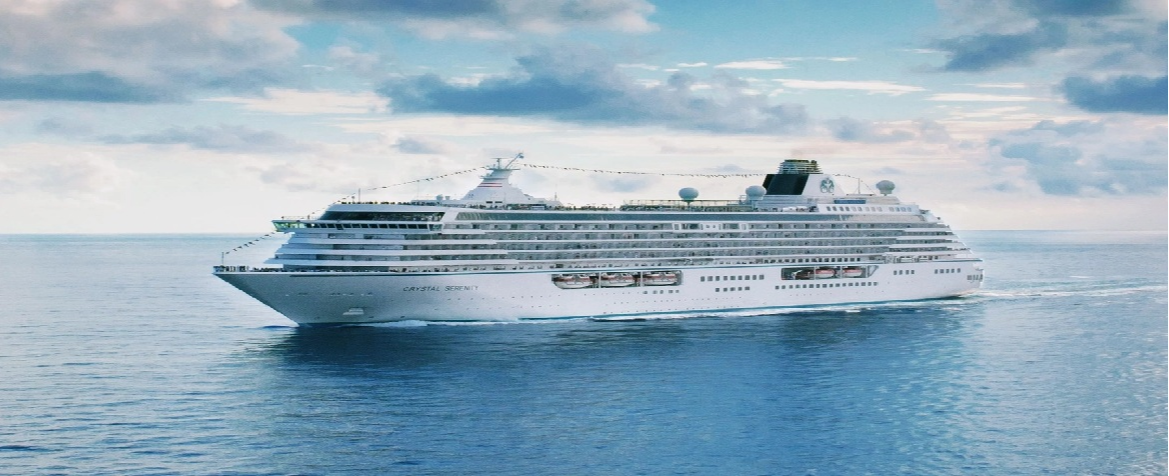
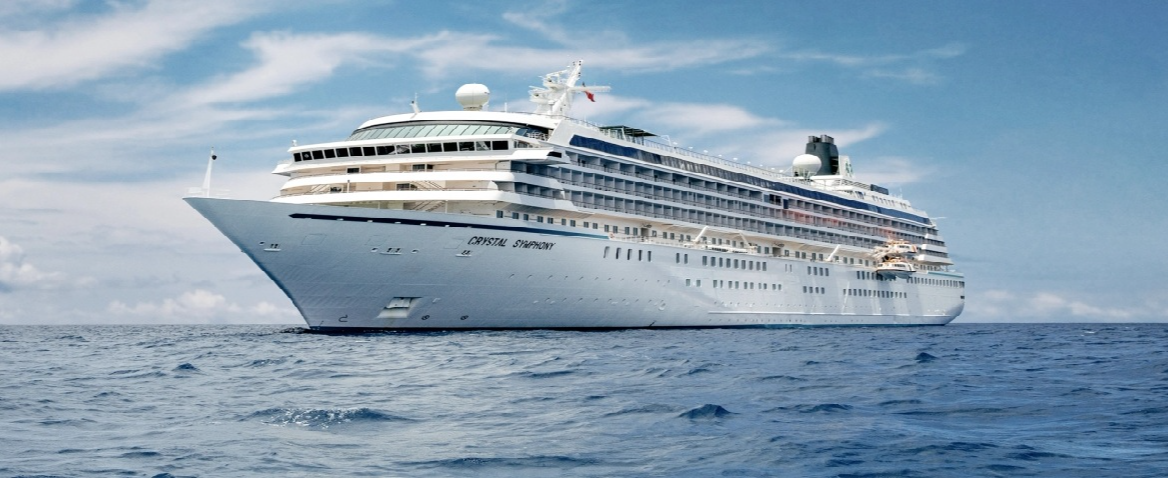
Crystal Cruises (11 Cruises)
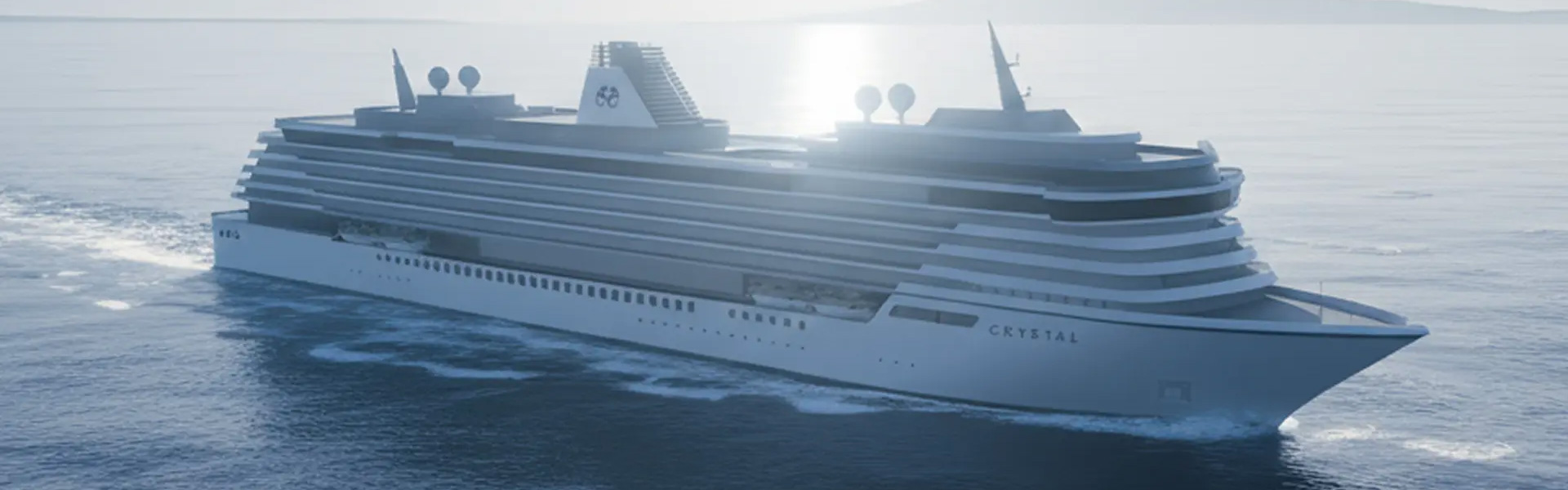

Crystal Serenity
5 Cruises
Cunard (92 Cruises)
Queen Elizabeth
92 Cruises
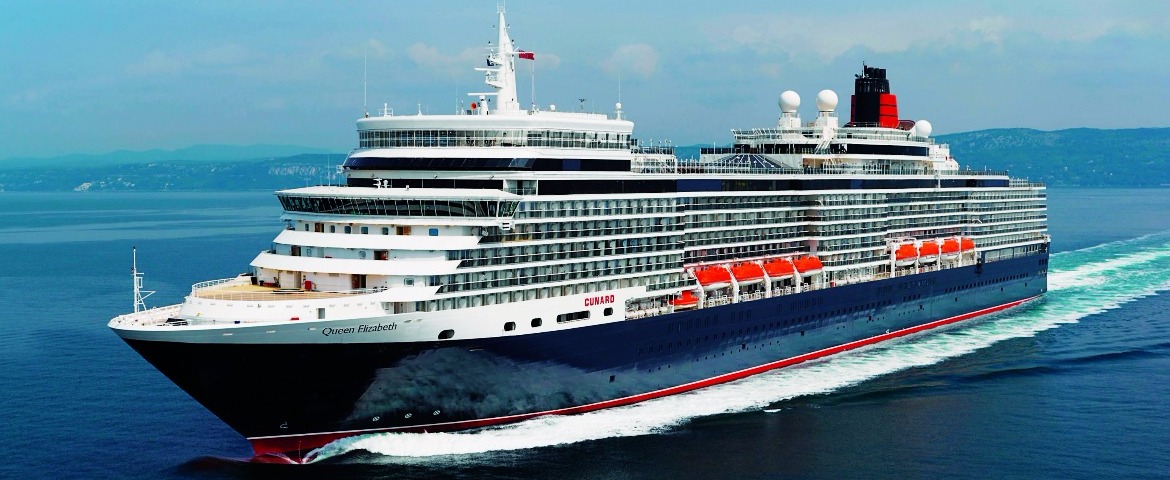

| 28 May | 21 days | Round-trip Mediterranean Queen Elizabeth Civitavecchia Rome |
450-628-6241
Call us
|
| 28 May | 22 days | Round-trip from Civitavecchia-Rome, Italy |
450-628-6241
Call us
|
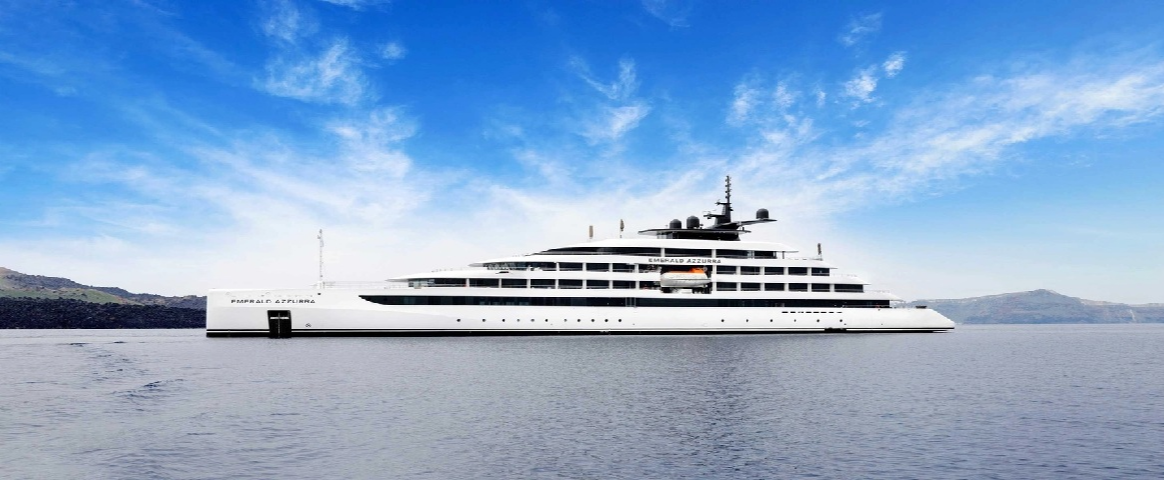
Emerald Waterways (2 Cruises)

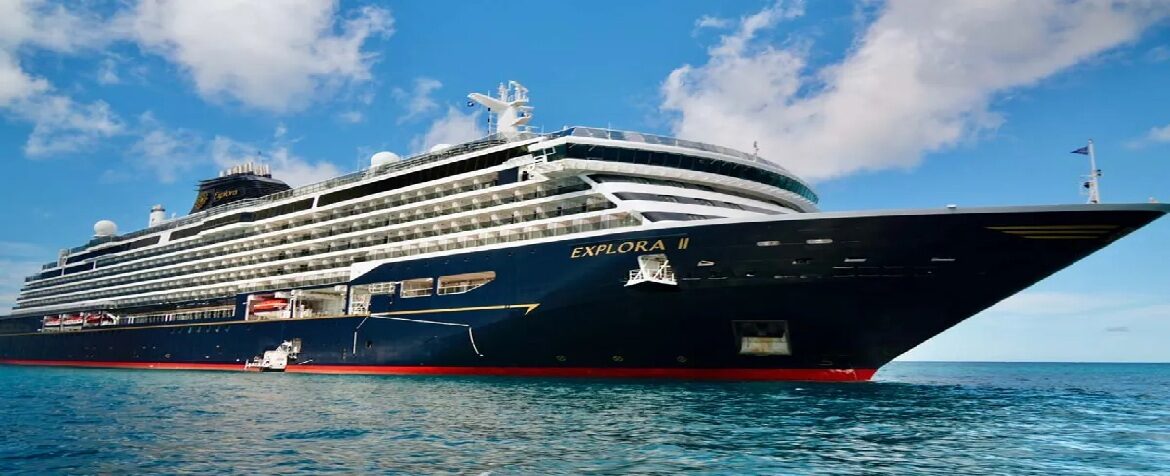
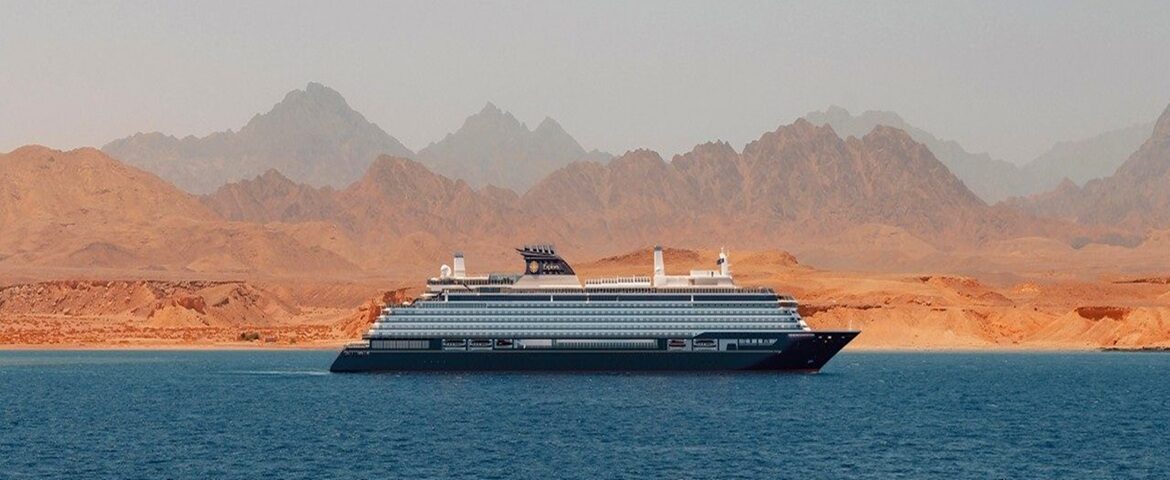
Explora Journeys (20 Cruises)
Explora I
17 Cruises
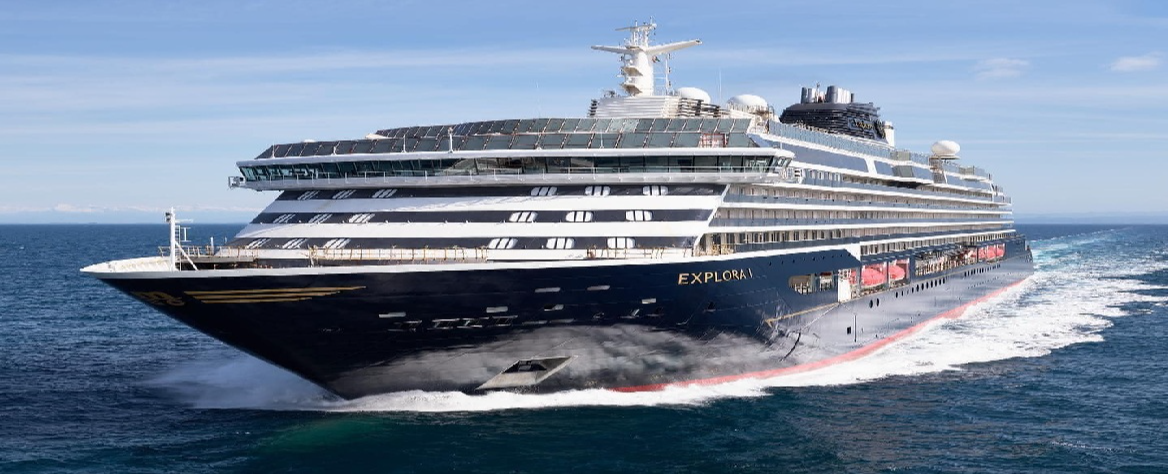

| 3 May | 15 days | Round-trip from Barcelona, Spain |
450-628-6241
Call us
|
| 10 May | 8 days | One-way from Civitavecchia-Rome to Barcelona |
450-628-6241
Call us
|
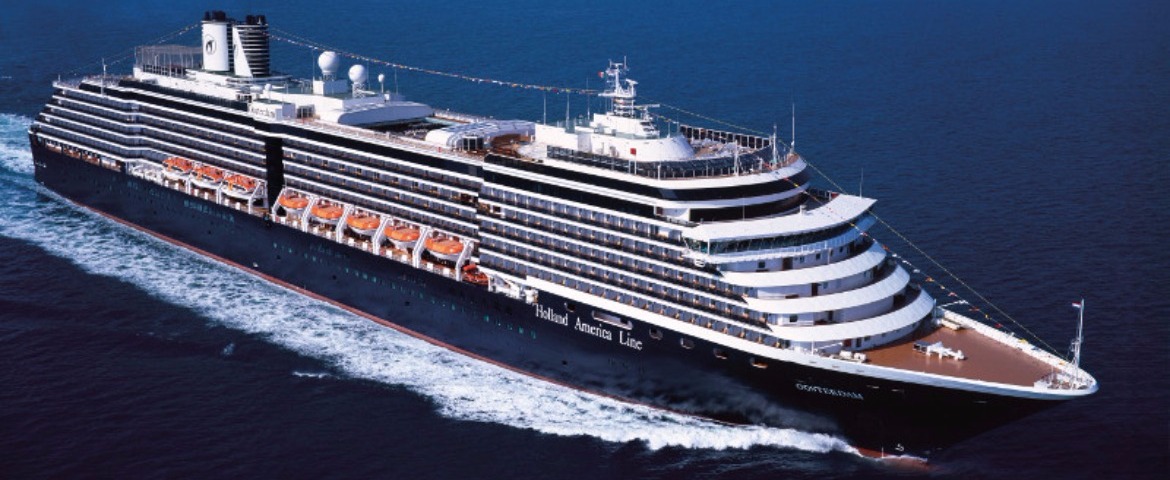
Holland America Line (17 Cruises)
ms Oosterdam
17 Cruises

| 26 June | 21 days | Round-trip Mediterranean Oosterdam Barcelona |
450-628-6241
Call us
|
| 26 June | 22 days | Round-trip from Barcelona, Spain |
450-628-6241
Call us
|
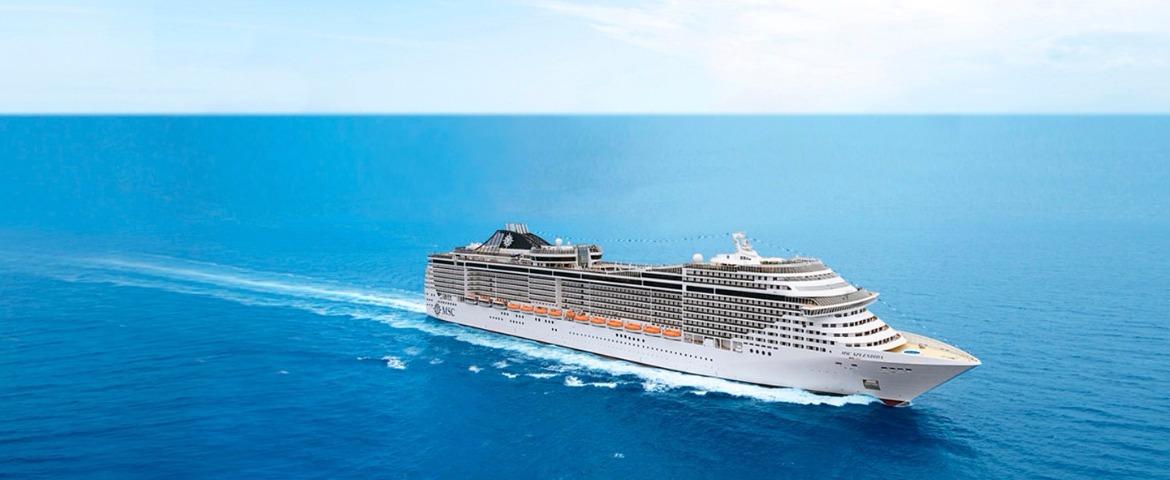
MSC Cruises (6 Cruises)

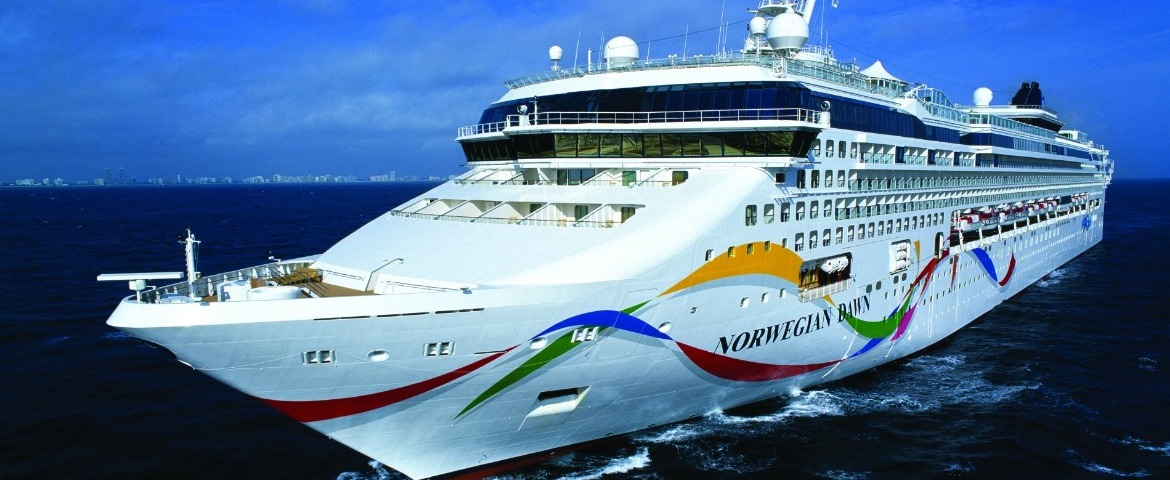
Norwegian Cruise Line (1 Cruises)

Oceania Cruises (36 Cruises)
Oceania Allura
14 Cruises
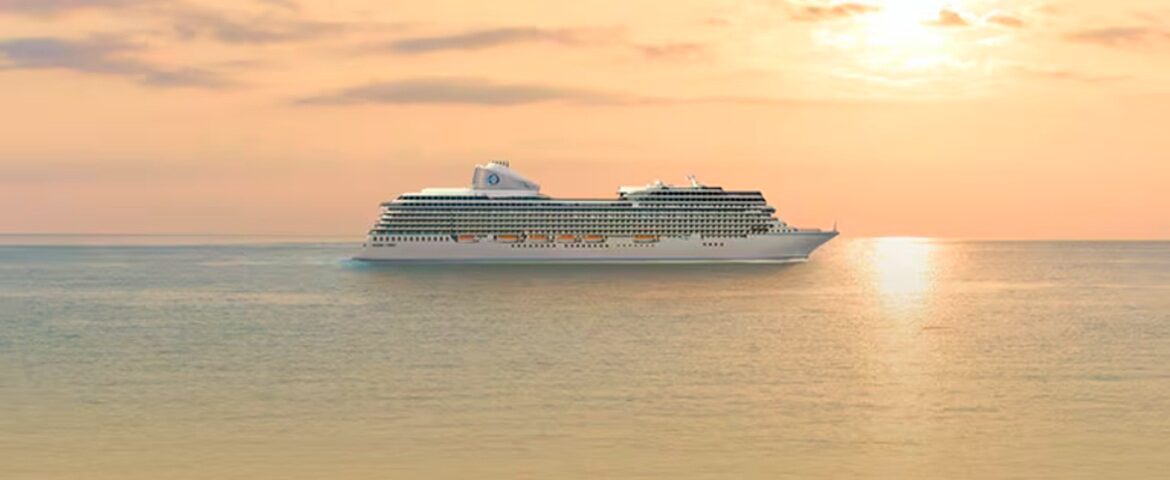

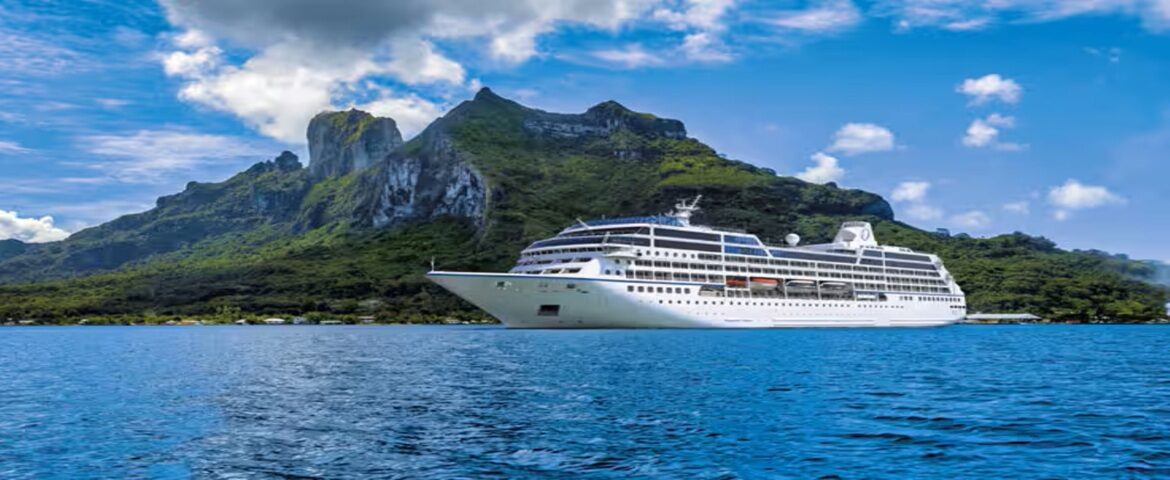
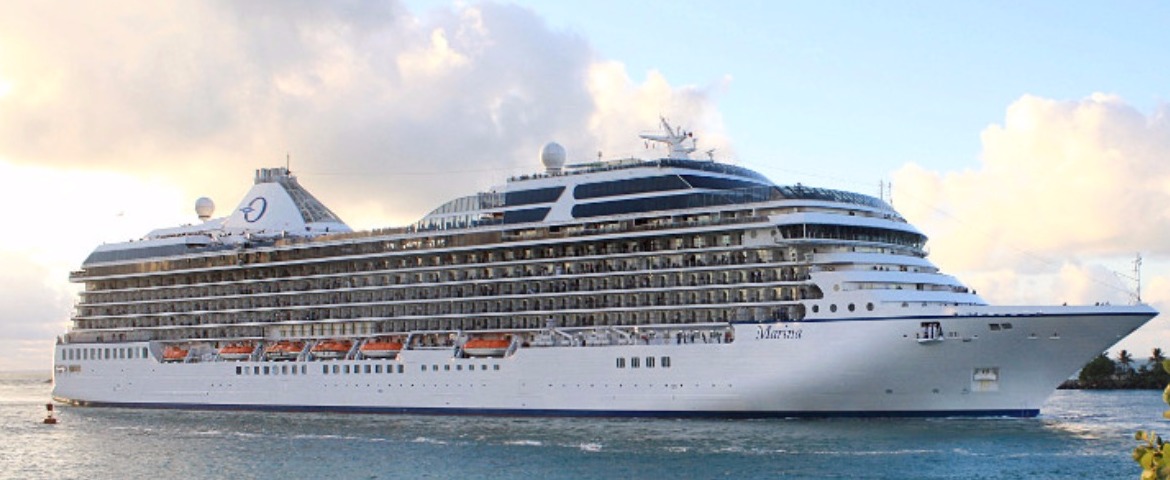
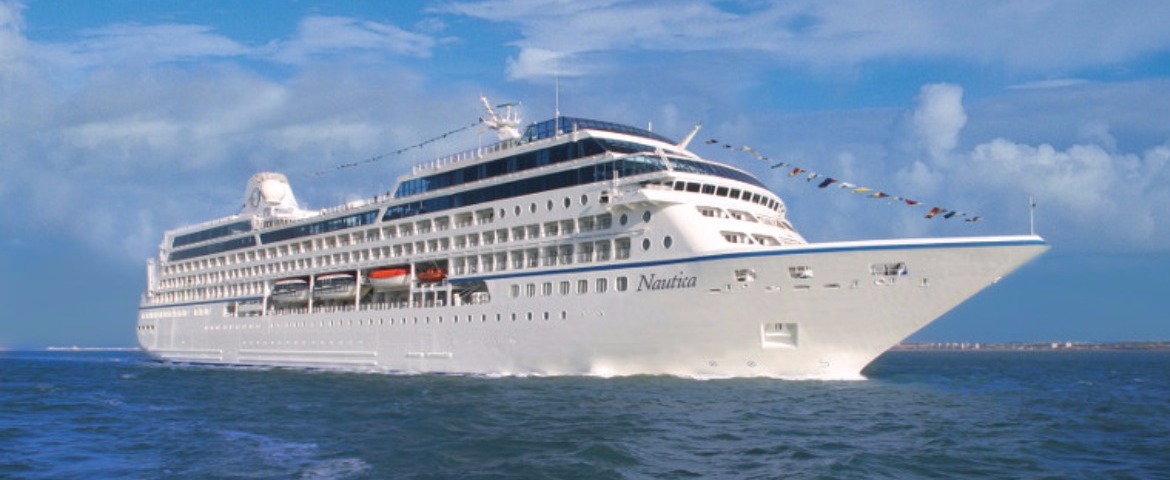
Oceania Sirena
6 Cruises
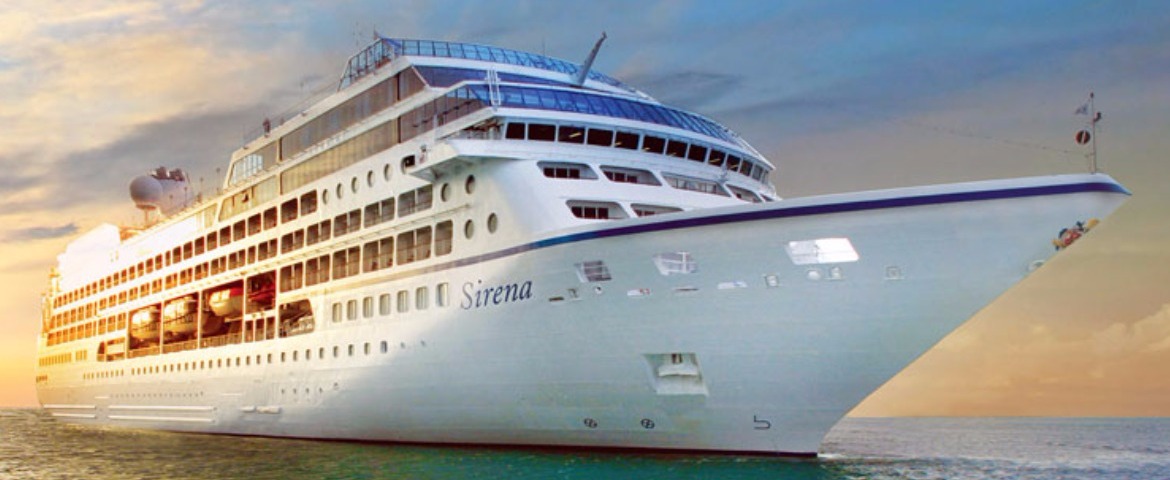
| 29 October | 7 days | One-way from Tarragona to Civitavecchia-Rome |
450-628-6241
Call us
|
| 29 October | 8 days | One-way from Tarragona to Civitavecchia-Rome |
450-628-6241
Call us
|
Oceania Sonata
8 Cruises
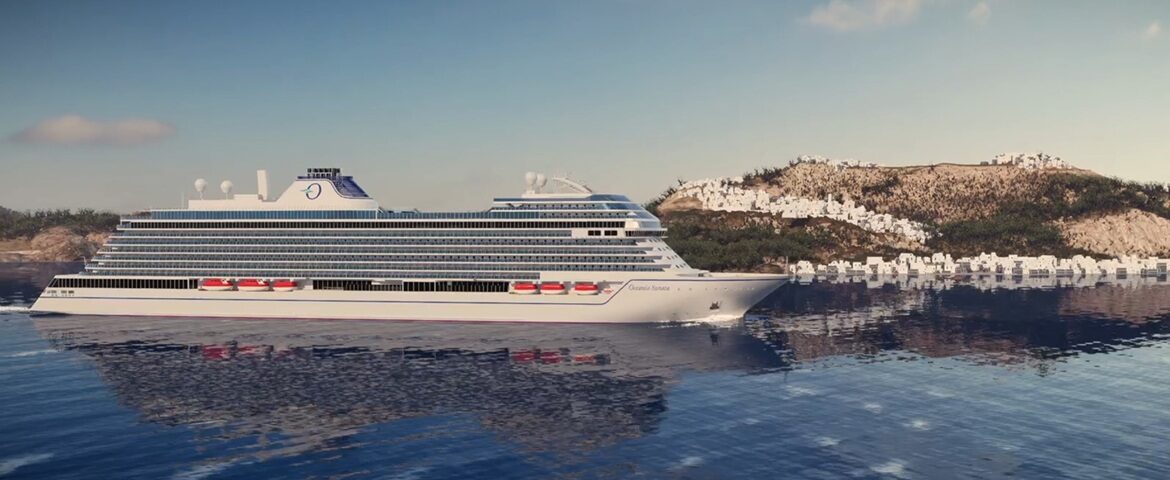
| 31 October | 32 days | One-way from Trieste to Miami |
450-628-6241
Call us
|
| 31 October | 33 days | One-way from Trieste to Miami |
450-628-6241
Call us
|

Princess Cruises (239 Cruises)
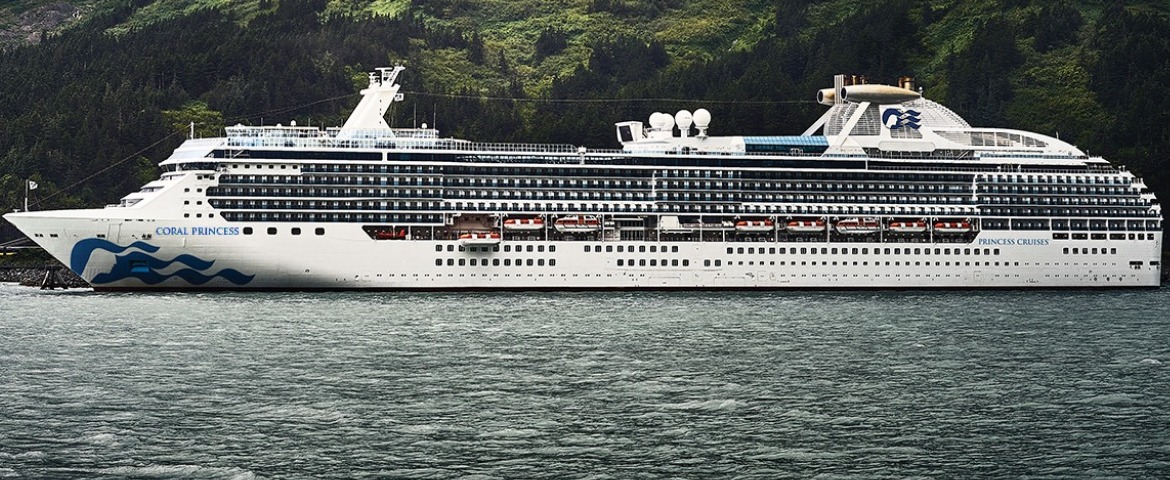
Coral Princess
8 Cruises

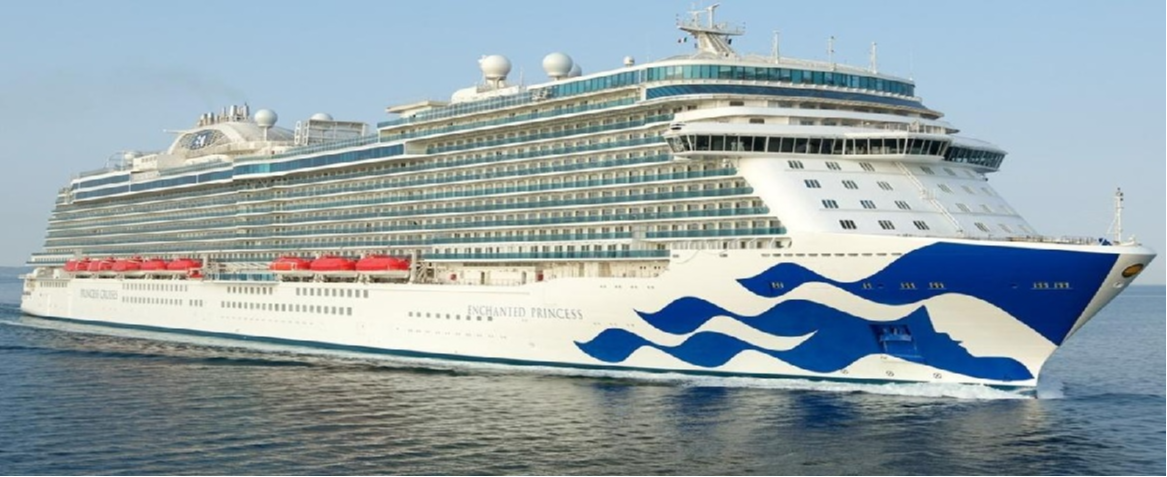
Enchanted Princess
51 Cruises
| 3 April | 10 days | One-way from Civitavecchia-Rome to Trieste |
450-628-6241
Call us
|
| 3 April | 21 days | One-way from Civitavecchia-Rome to Piraeus-Athens |
450-628-6241
Call us
|
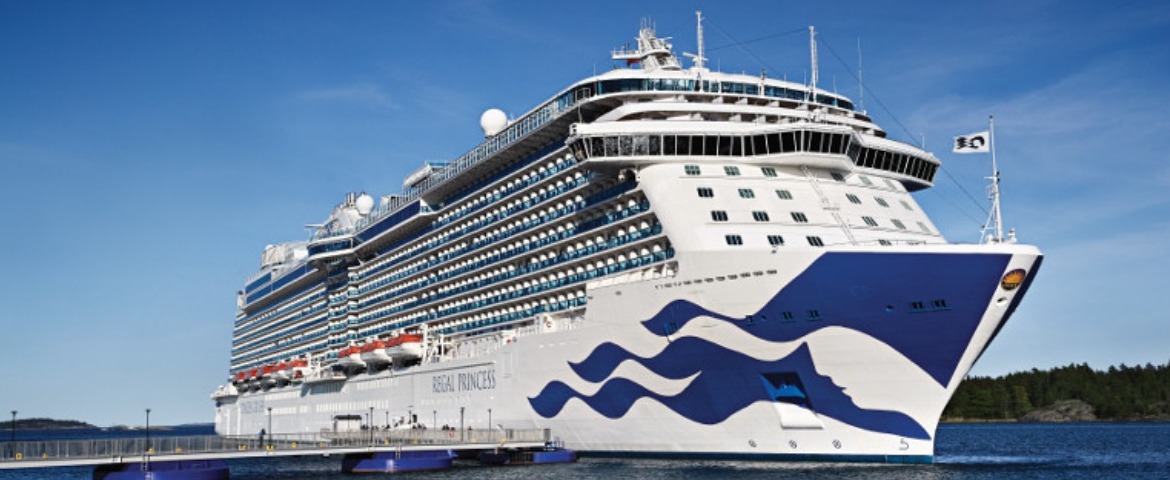
Regal Princess
11 Cruises
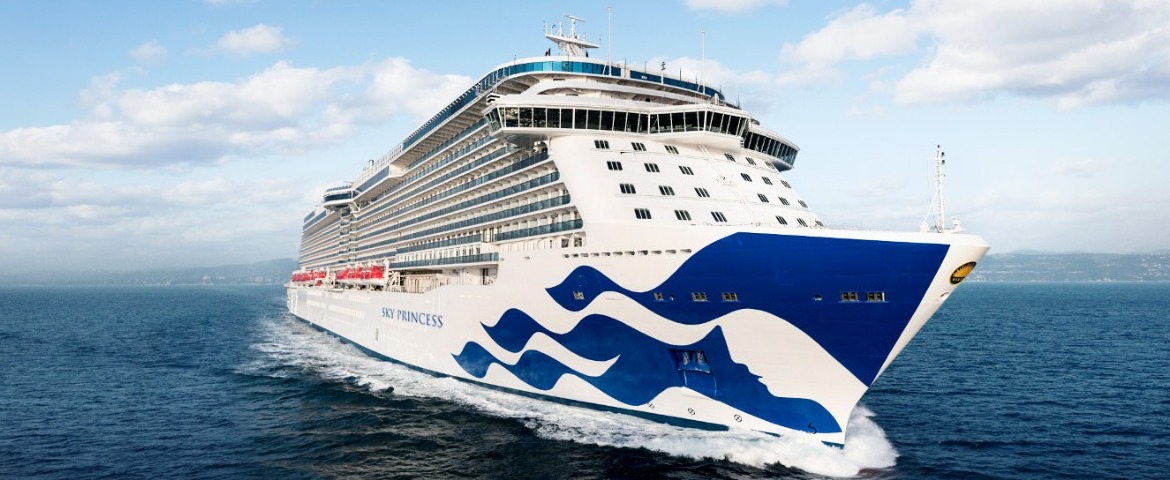
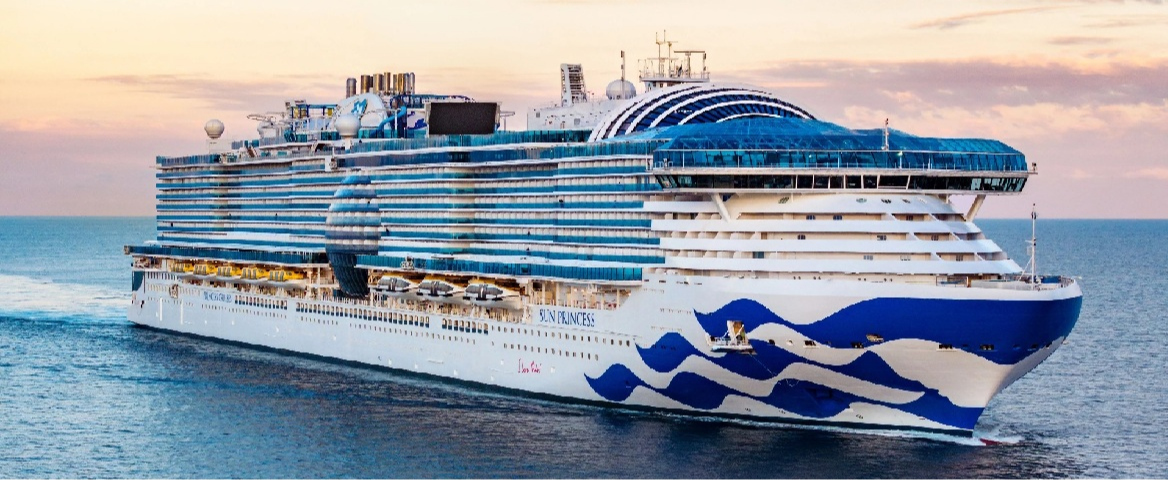
Sun Princess
163 Cruises
| 25 July | 28 days | One-way from Piraeus-Athens to Civitavecchia-Rome |
450-628-6241
Call us
|
| 25 July | 29 days | One-way from Piraeus-Athens to Civitavecchia-Rome |
450-628-6241
Call us
|
Regent Seven Seas Cruises (18 Cruises)
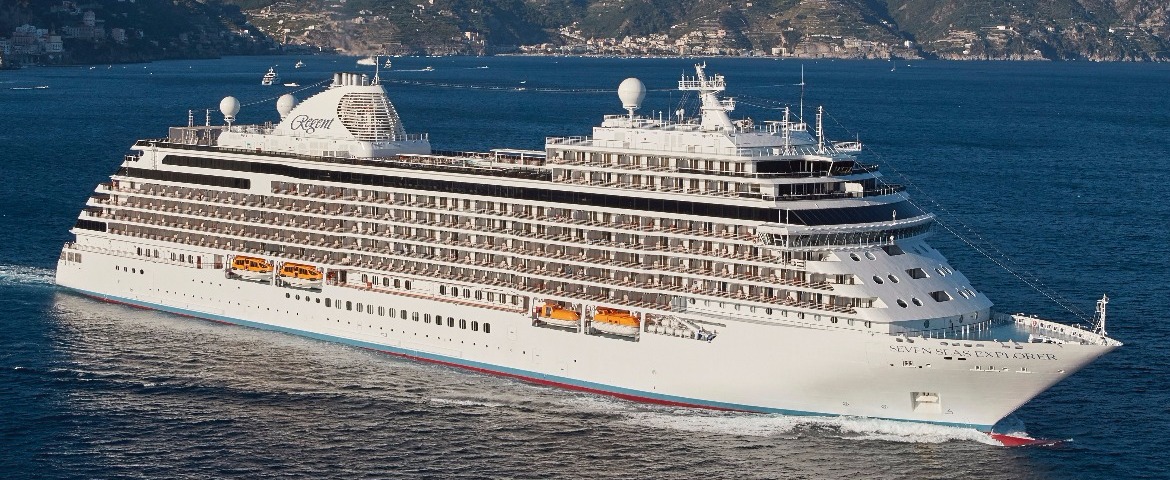

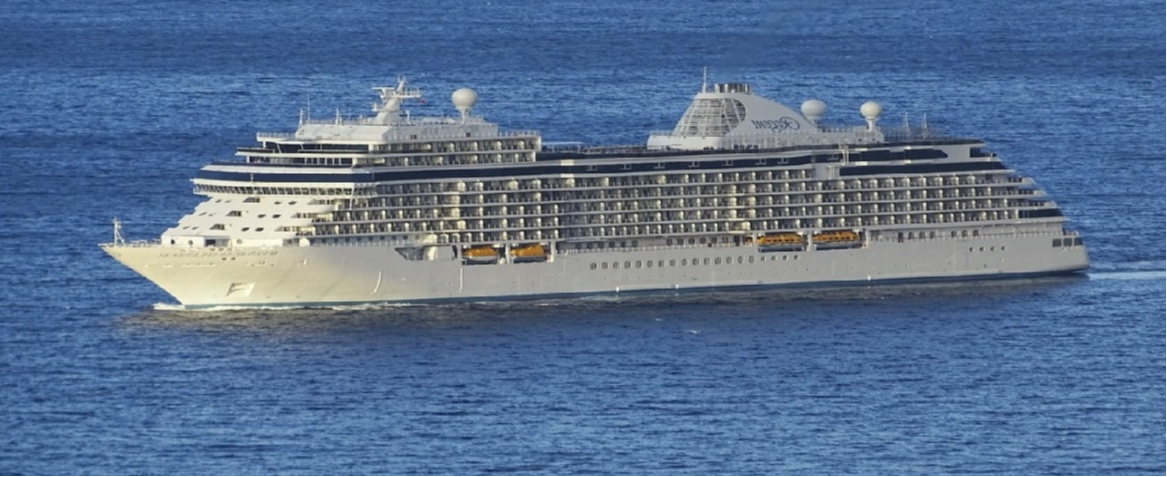
Seven Seas Mariner
6 Cruises
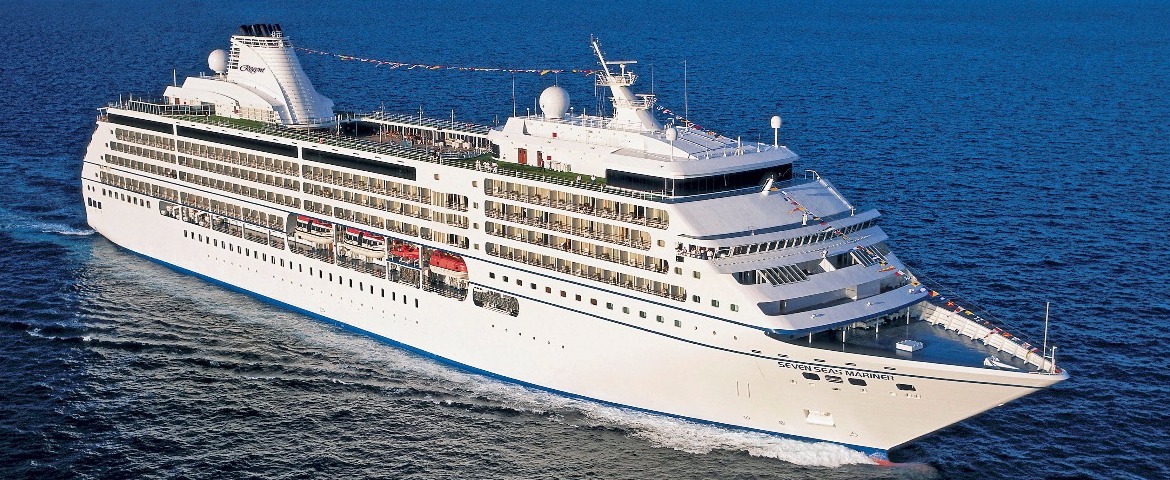
| 29 April | 175 days | One-way from New York to Piraeus-Athens |
450-628-6241
Call us
|
| 29 April | 174 days | One-way from New York to Piraeus-Athens |
450-628-6241
Call us
|
Seven Seas Prestige
7 Cruises
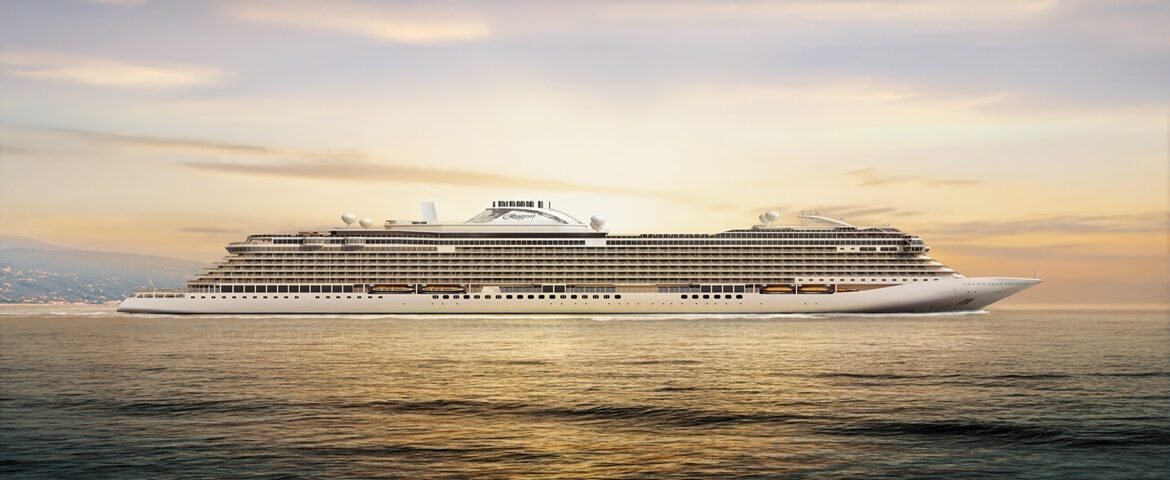
| 8 June | 19 days | One-way from Lisbon to Civitavecchia-Rome |
450-628-6241
Call us
|
| 17 June | 10 days | One-way from Barcelona to Civitavecchia-Rome |
450-628-6241
Call us
|
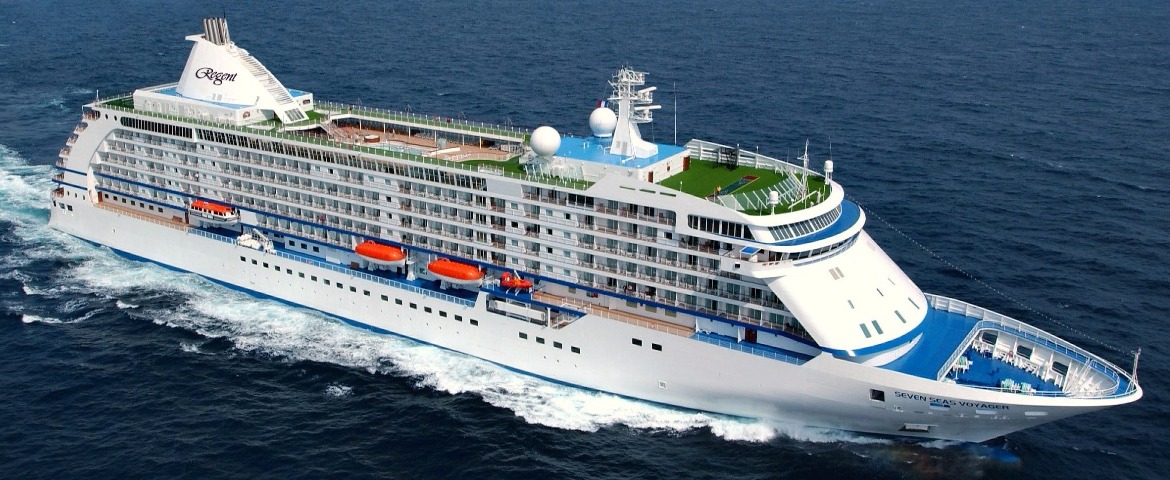
Royal Caribbean Cruises (8 Cruises)




Seabourn Cruise Line (11 Cruises)
Seabourn Ovation
7 Cruises
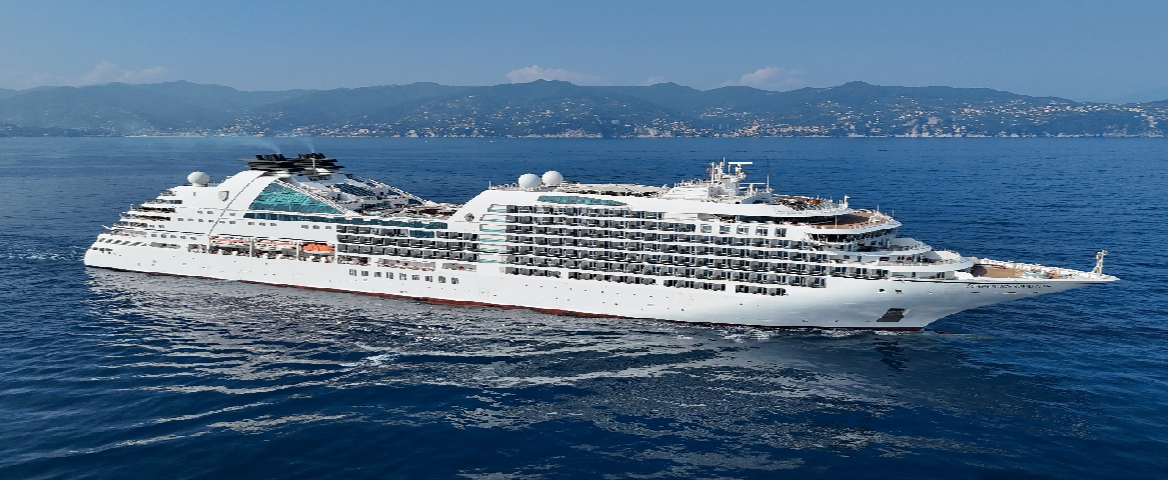

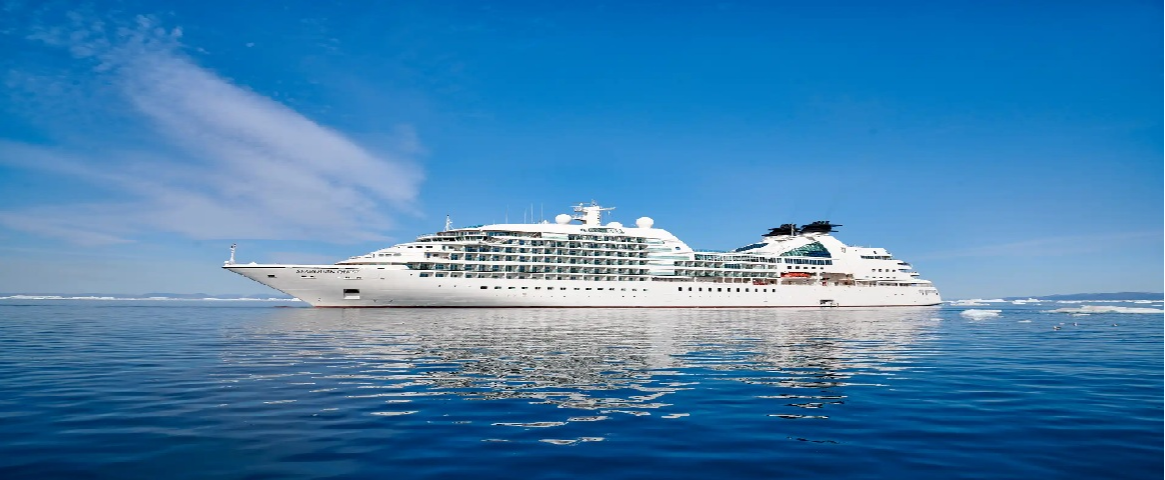
Silversea Cruises (29 Cruises)
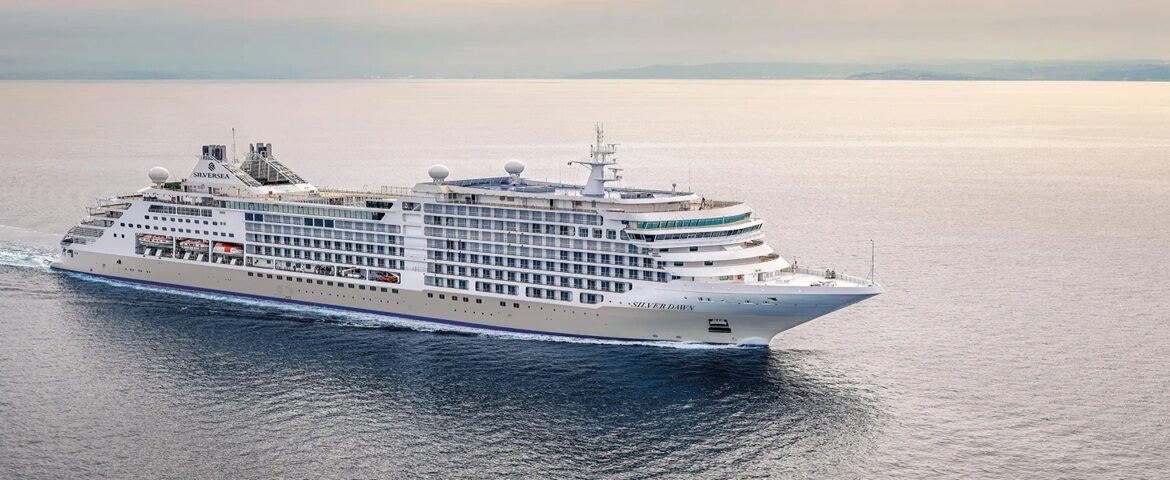

Silver Ray
22 Cruises
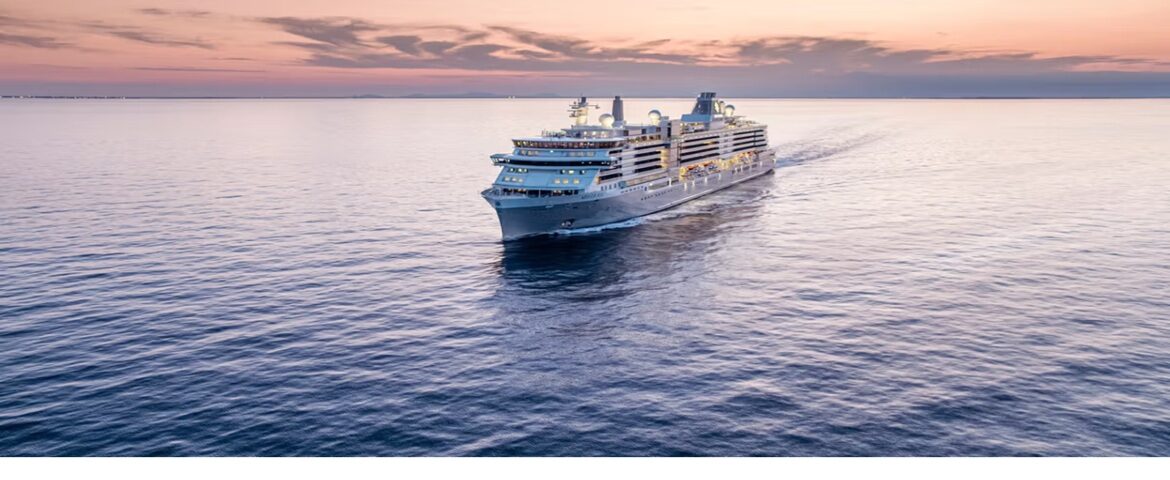
| 20 May | 20 days | One-way from Piraeus-Athens to Barcelona |
450-628-6241
Call us
|
| 29 May | 11 days | One-way from Civitavecchia-Rome to Barcelona |
450-628-6241
Call us
|
Star Clippers (15 Cruises)
Royal Clipper
9 Cruises
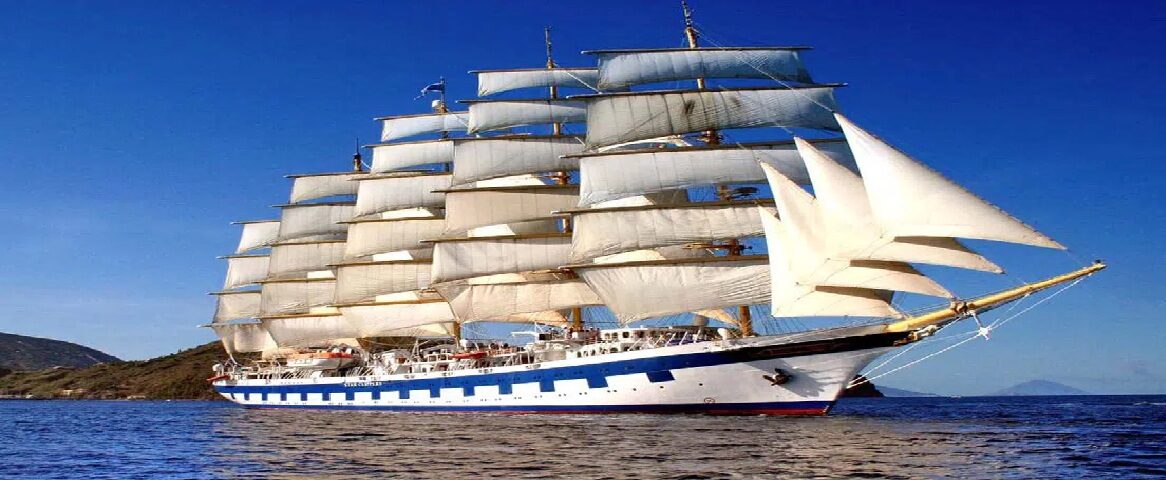

| 24 April | 15 days | Round-trip from Villefranche-sur-Mer, France |
450-628-6241
Call us
|
| 24 April | 14 days | Round-trip 14 Night Nice to Nice Cruise |
450-628-6241
Call us
|
Star Clipper
6 Cruises
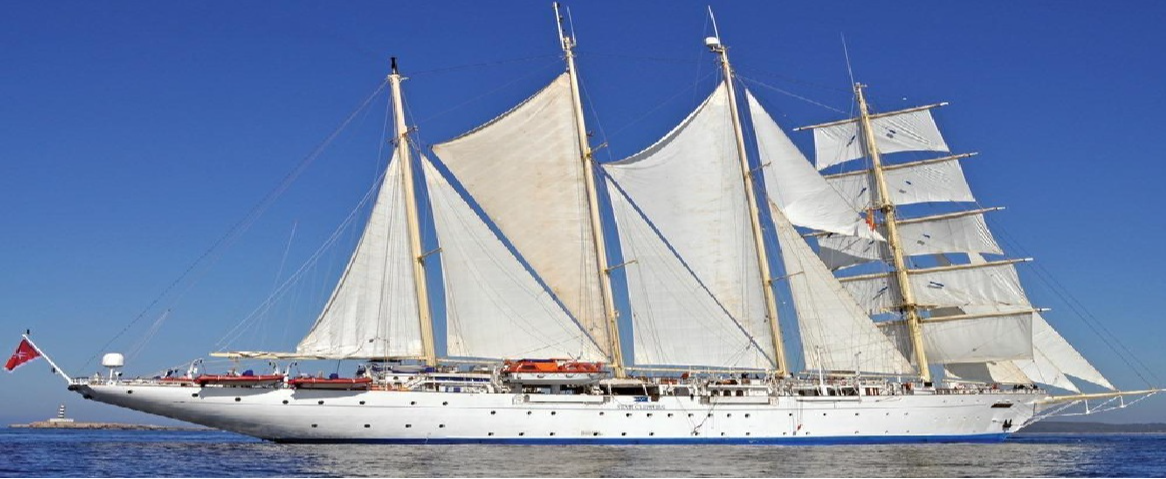
| 25 September | 15 days | One-way from Civitavecchia-Rome to Villefranche-sur-Mer |
450-628-6241
Call us
|
| 25 September | 14 days | One-way from Civitavecchia-Rome to Villefranche-sur-Mer |
450-628-6241
Call us
|
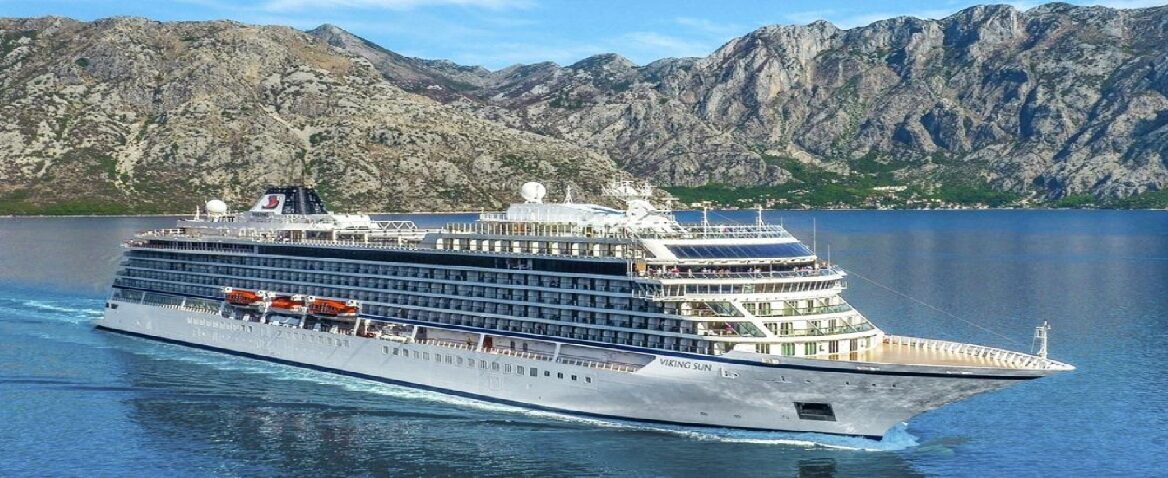
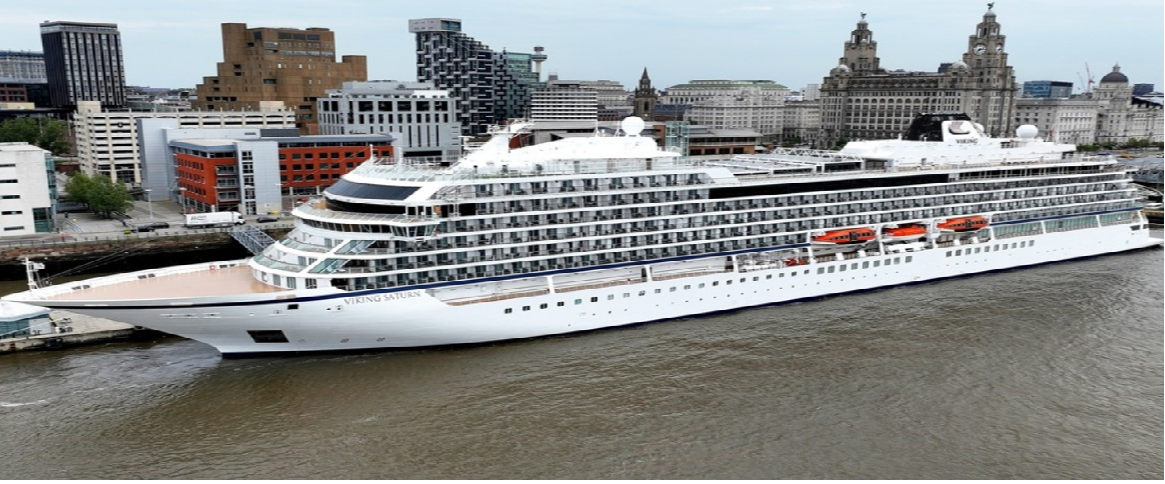
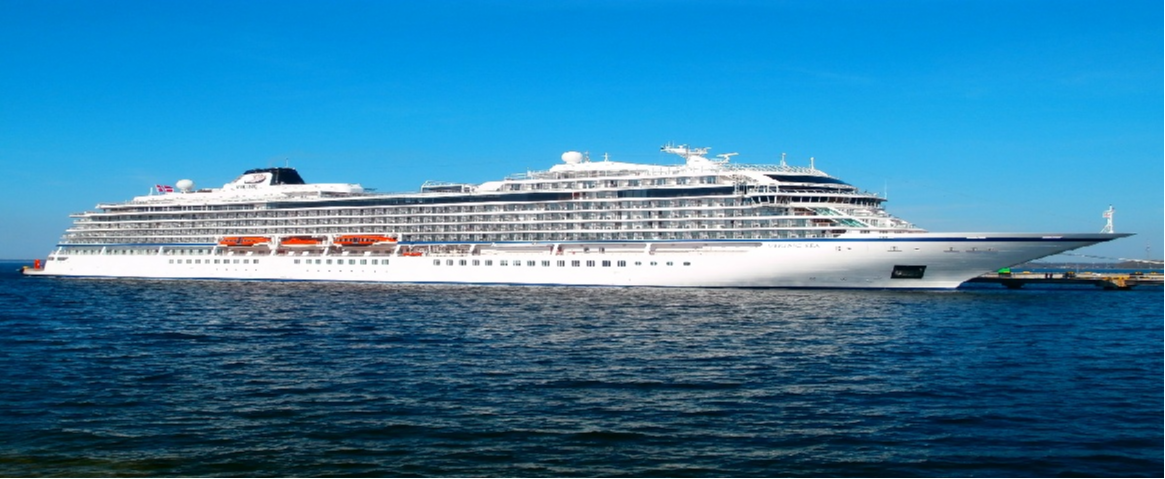
Viking Ocean Cruises (31 Cruises)
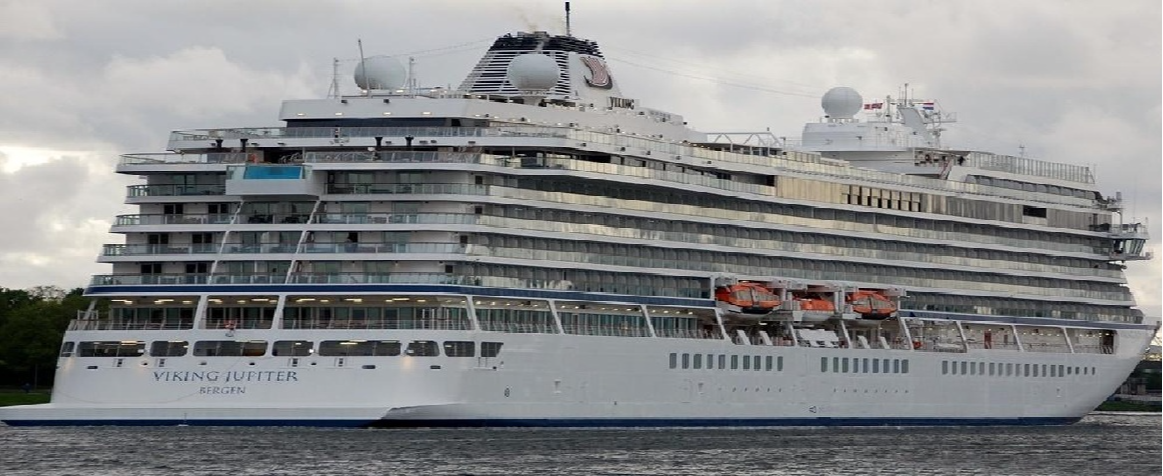
Viking Jupiter
10 Cruises

Virgin Voyages (10 Cruises)
Resilient Lady
5 Cruises
Windstar Cruises (5 Cruises)
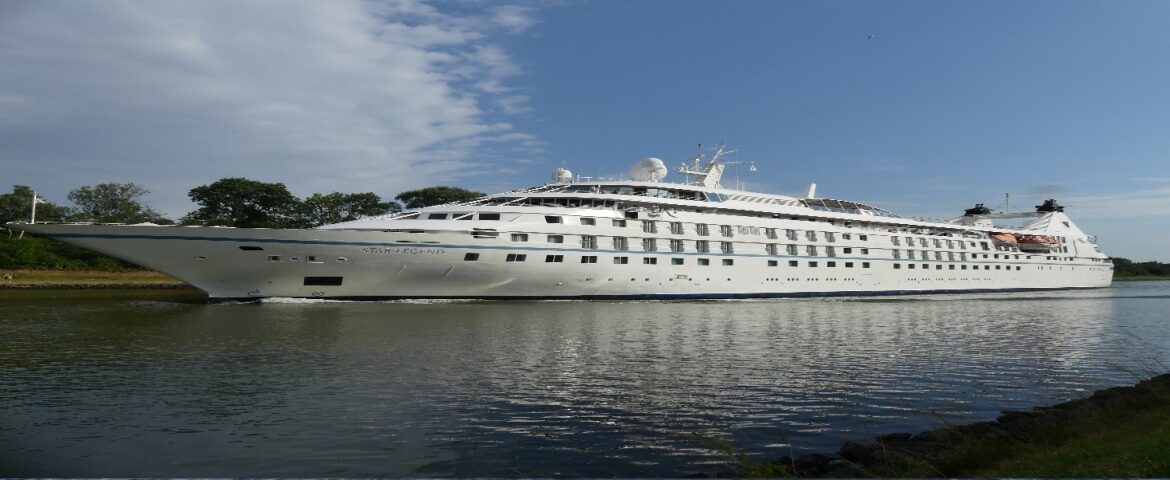
Star Legend
5 Cruises

Port of Ajaccio, Corsica France | Cruise Port Guide
Frequently Asked Questions
At Quai L'Herminier, alongside the ferry terminal, right in the centre of town. Ships come alongside; no tenders are needed.
A five-minute walk brings you to Place Foch and its palm trees. The bus station and the excursion kiosks are in the same spot, which makes planning the day straightforward.
Yes. Maison Bonaparte, now a national museum, sits on a quiet lane in the old town, ten minutes' walk from the pier. It holds period furniture, family portraits and the room where Napoleon was born on 15 August 1769.
The old town, Maison Bonaparte, the cathedral of Notre-Dame-de-l'Assomption and the Palais Fesch all link up on foot within a fifteen-minute radius. Add the market if you are in port in the morning.
One of the richest collections of Italian painting in France: Botticelli, Titian, Veronese and dozens of early masters, left to the city by Cardinal Joseph Fesch, Napoleon's maternal uncle. The Imperial Chapel next door holds the tombs of several family members.
Yes, Saint-François beach lies below the citadel, about ten minutes' walk from the ship. It is a city beach, handy for a quick swim between visits.
Via Pointe de la Parata, about 12 kilometres from the centre, served by a city bus and by tourist shuttles. A path climbs to the Genoese tower for a view over the whole gulf. Allow around three hours round trip from the ship.
Chestnut-fed charcuterie, brocciu cheese, canistrelli biscuits and maquis honey. Producers offer tastings freely, and thinly sliced lonzu packs easily into a cabin bag. Stalls run in the morning.
The euro. French is the official language and Corsican is heard everywhere, in conversation and on signs. Cards work in shops, though some market producers prefer cash.
Very much so, because everything is close: ten minutes separate the ship from the beach, and the museums take about an hour each. The Palais Fesch is rarely crowded even in high season, which spares you queues with young children.


