Puntarenas Puerto Caldera, Costa Rica
320
Cruises availables
At departure or passage at this port
Azamara Club Cruises (5 Cruises)

Carnival Cruise Line (2 Cruises)

Celebrity Cruises (2 Cruises)

Costa Cruises (20 Cruises)
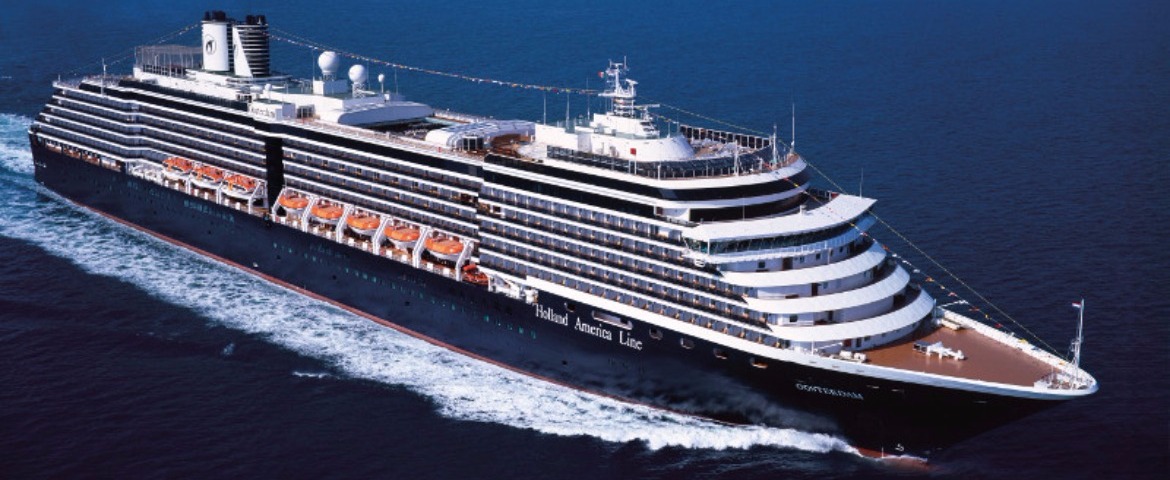
Costa Deliziosa
20 Cruises

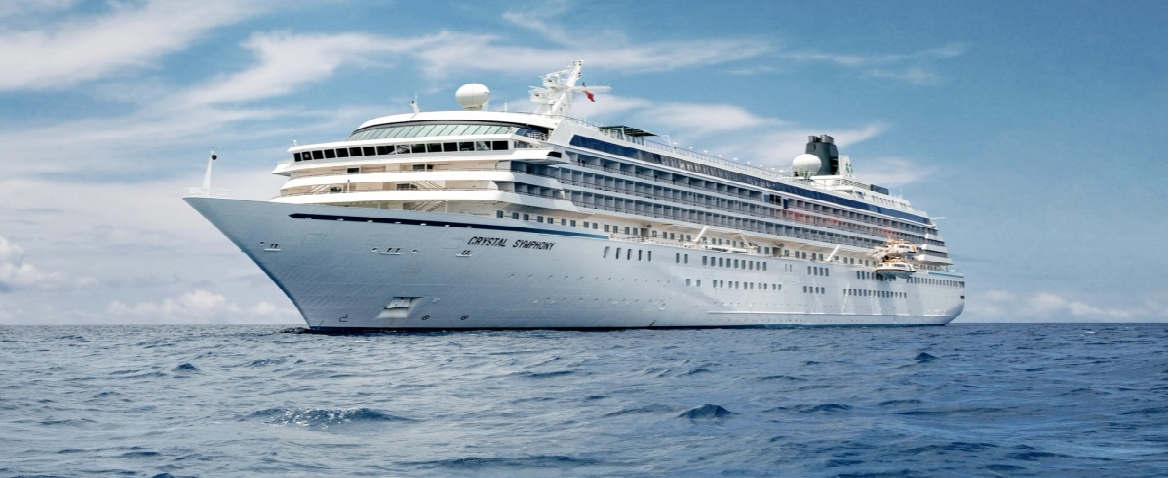
Crystal Cruises (12 Cruises)
Crystal Serenity
10 Cruises


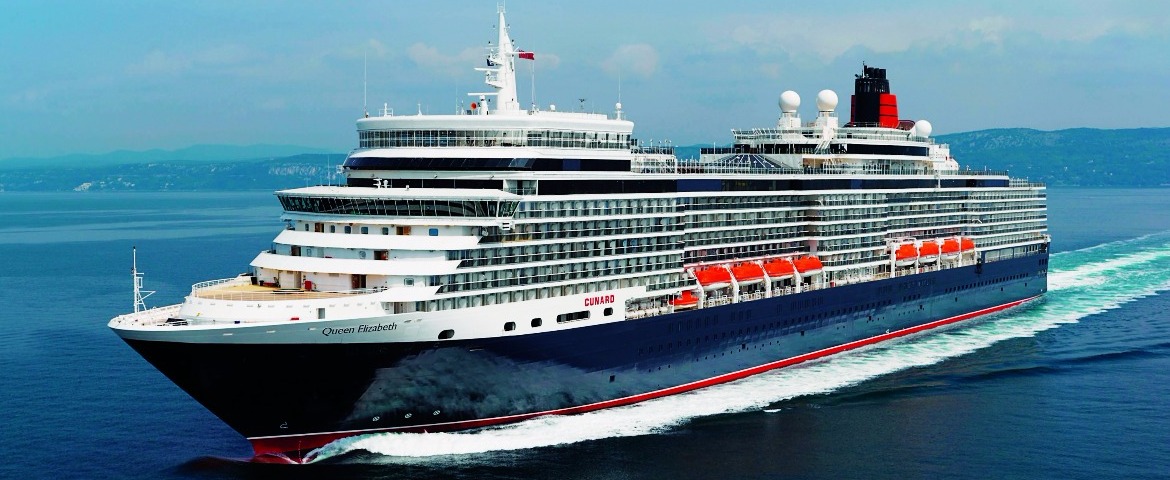
Cunard (7 Cruises)
Queen Elizabeth
7 Cruises

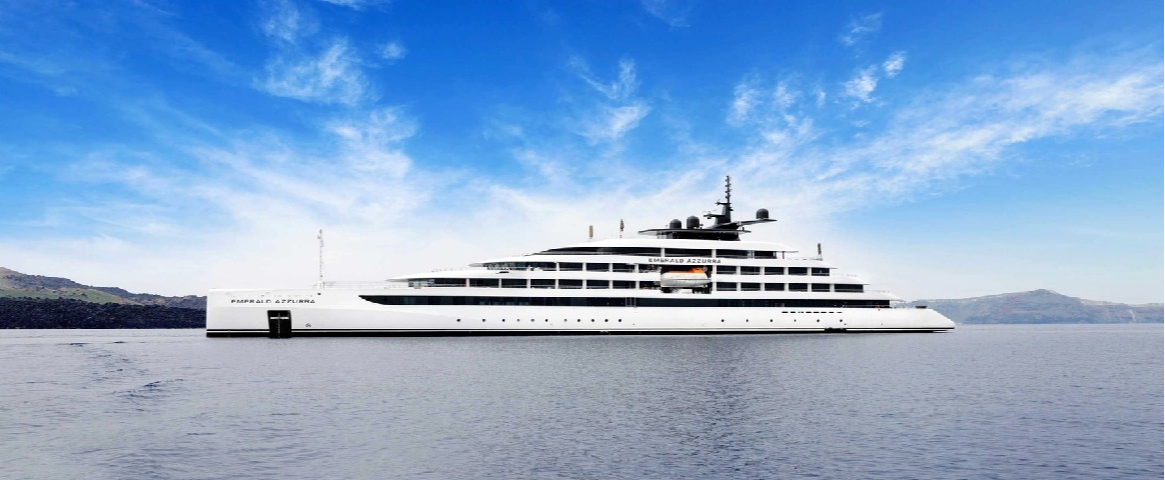
Emerald Waterways (10 Cruises)
Emerald Azzurra
10 Cruises

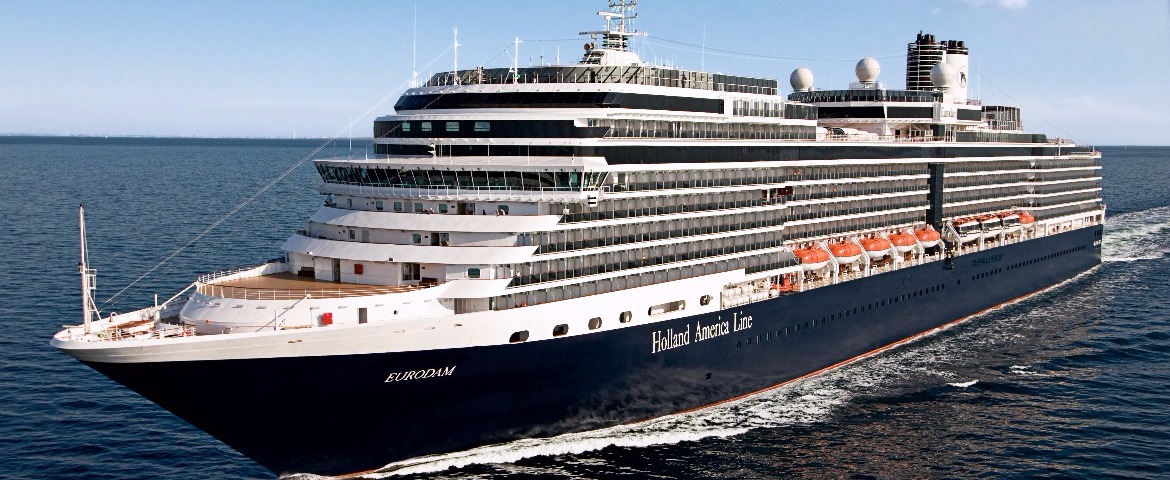
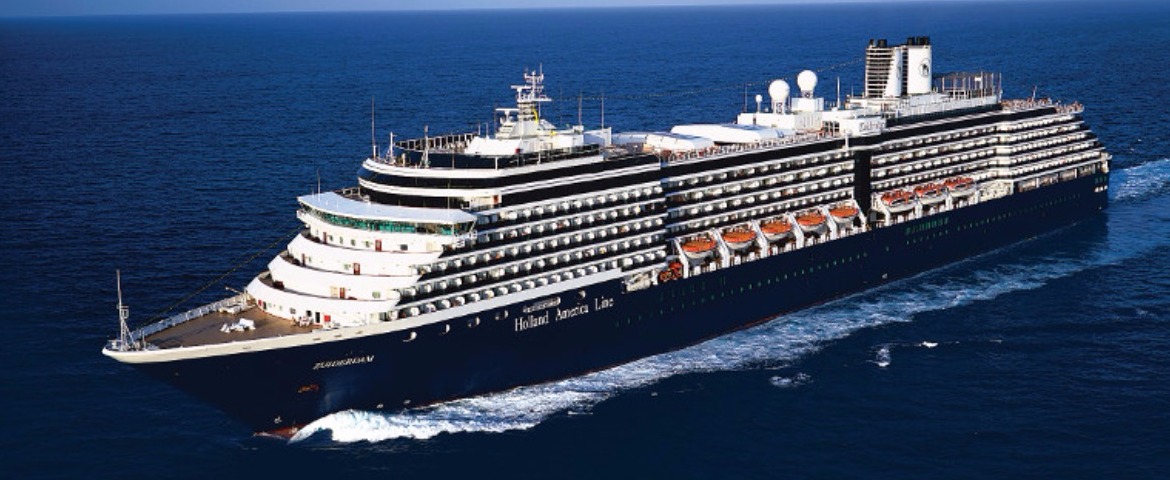
Holland America Line (25 Cruises)
ms Eurodam
8 Cruises

ms Nieuw Amsterdam
6 Cruises
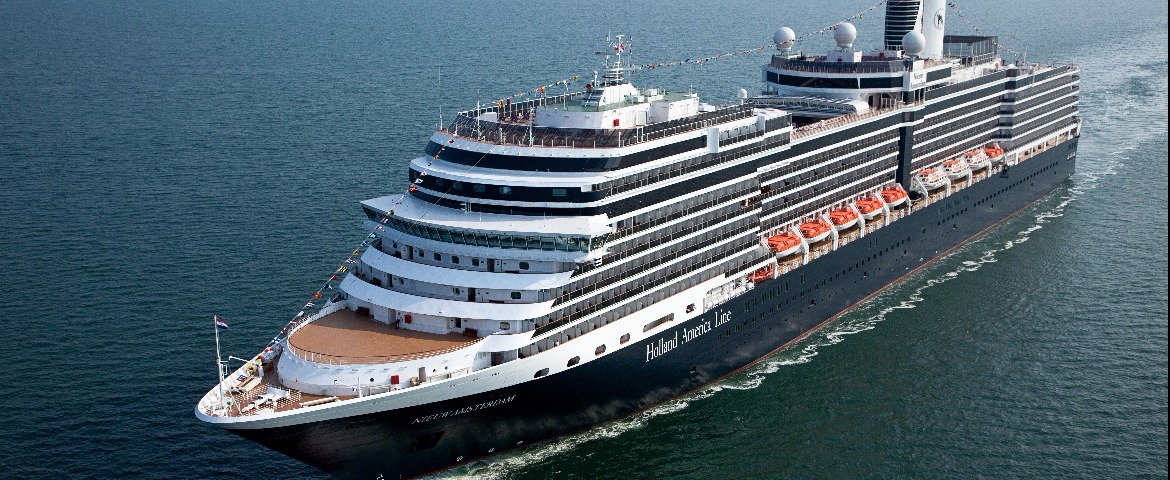
| 11 April | 17 nights | One-way from Fort Lauderdale to San Diego |
450-628-6241
Call us
|
| 11 April | 21 nights | One-way from Fort Lauderdale to Vancouver |
450-628-6241
Call us
|
ms Nieuw Statendam
6 Cruises
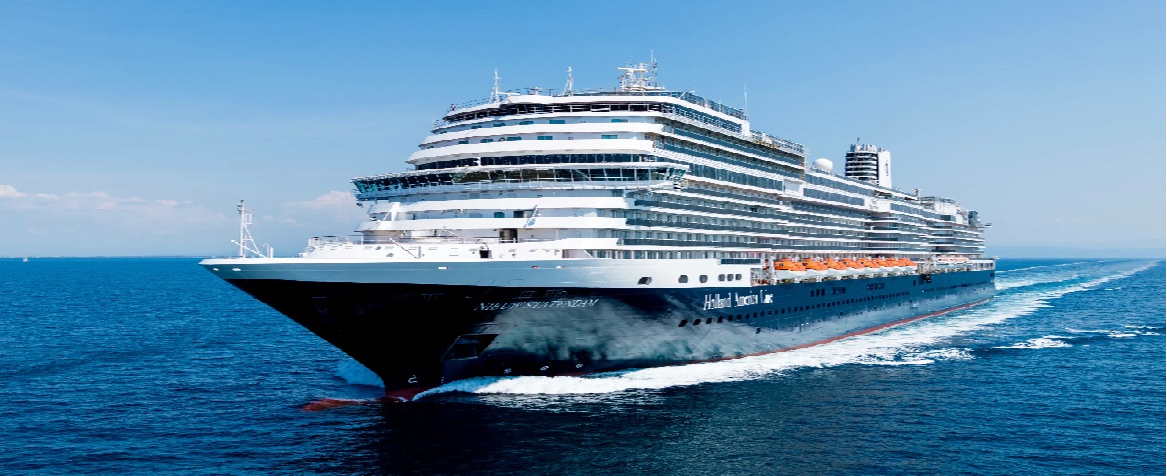
| 11 April | 17 nights | One-way from Fort Lauderdale to San Diego |
450-628-6241
Call us
|
| 11 April | 21 nights | One-way from Fort Lauderdale to Vancouver |
450-628-6241
Call us
|
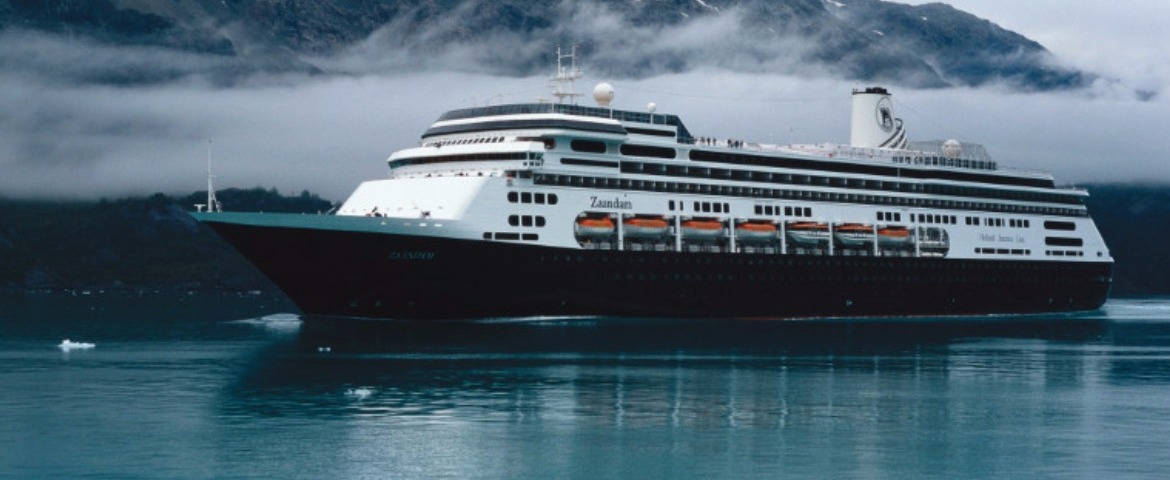
Lindblad Expeditions (41 Cruises)
National Geographic Quest
41 Cruises
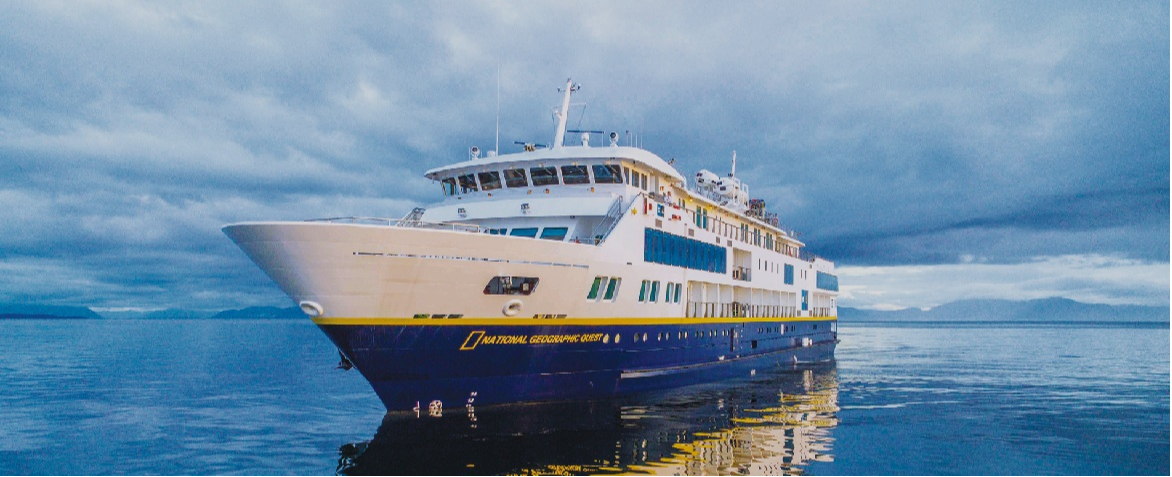

| 3 January | 7 nights | One-way from Panama City to land tour |
450-628-6241
Call us
|
| 10 January | 7 nights | One-way from Puntarenas to Colon |
450-628-6241
Call us
|
MSC Cruises (16 Cruises)
MSC Magnifica
15 Cruises
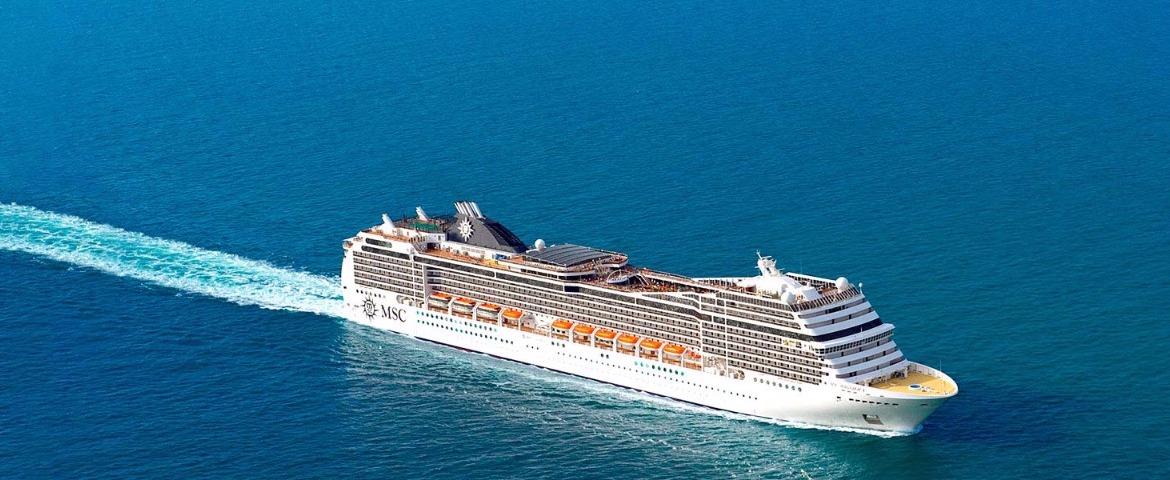

| 10 February | 87 days | One-way from Valparaiso-Santiago to Tarragona |
450-628-6241
Call us
|
| 10 February | 86 days | One-way from Valparaiso-Santiago to Marseille |
450-628-6241
Call us
|
Norwegian Cruise Line (14 Cruises)
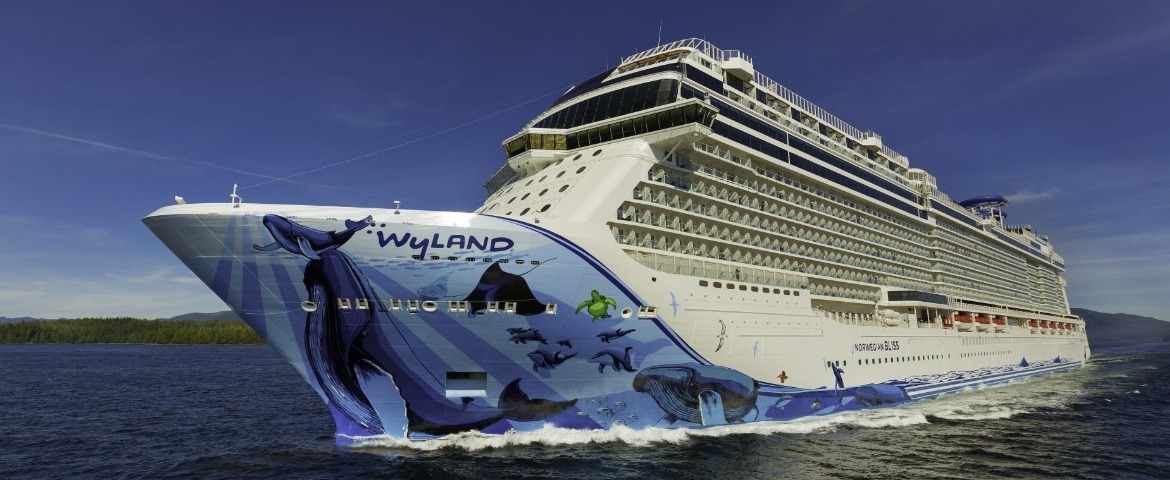

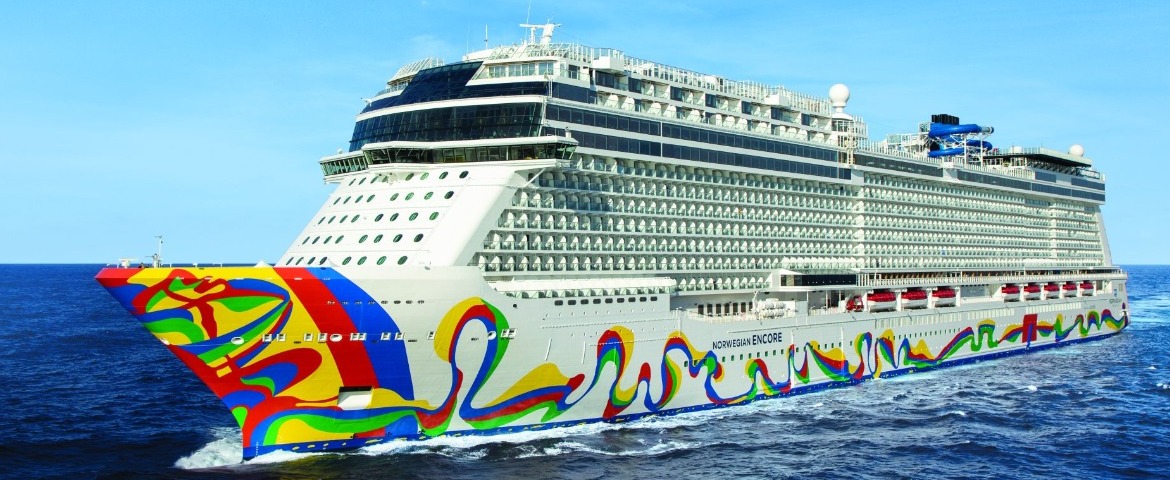
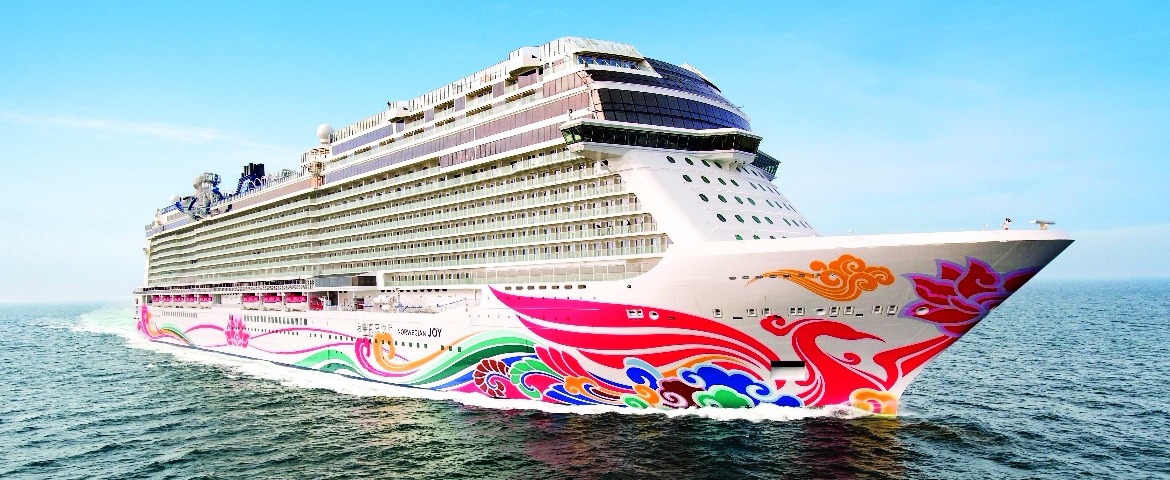
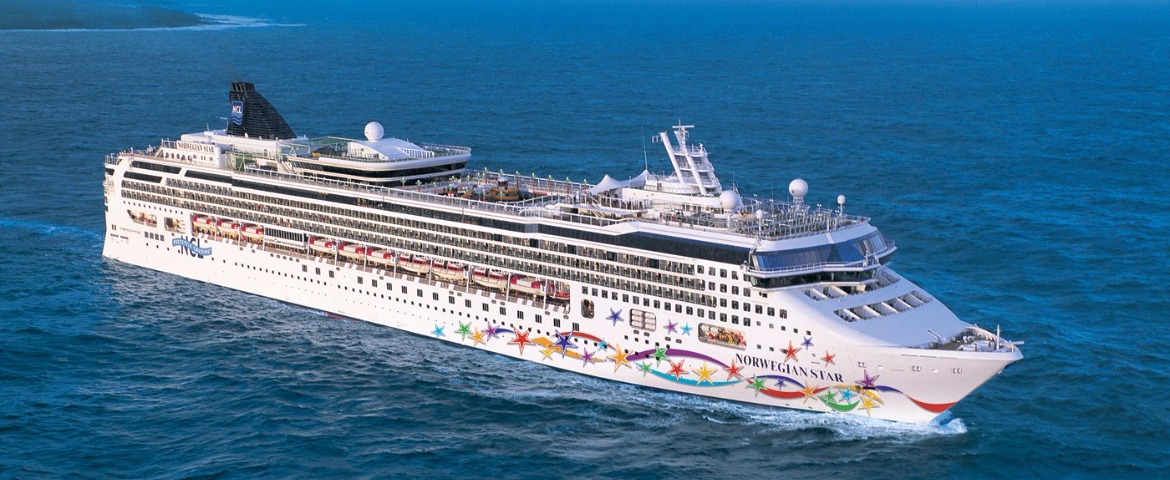
Oceania Cruises (12 Cruises)
Oceania Sonata
9 Cruises
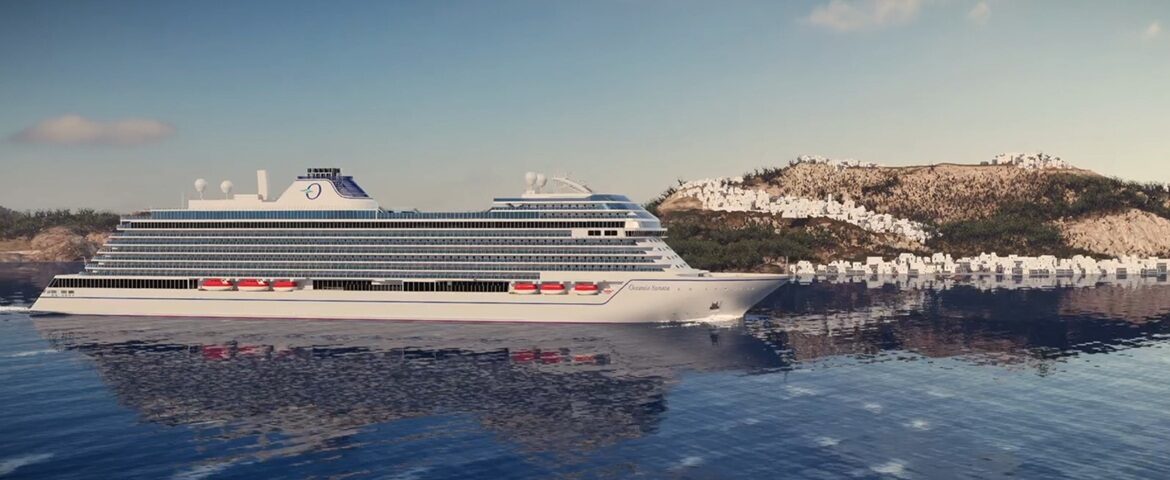

| 6 January | 44 nights | One-way from Los Angeles to Miami |
450-628-6241
Call us
|
| 6 January | 16 nights | One-way from Los Angeles to Miami |
450-628-6241
Call us
|
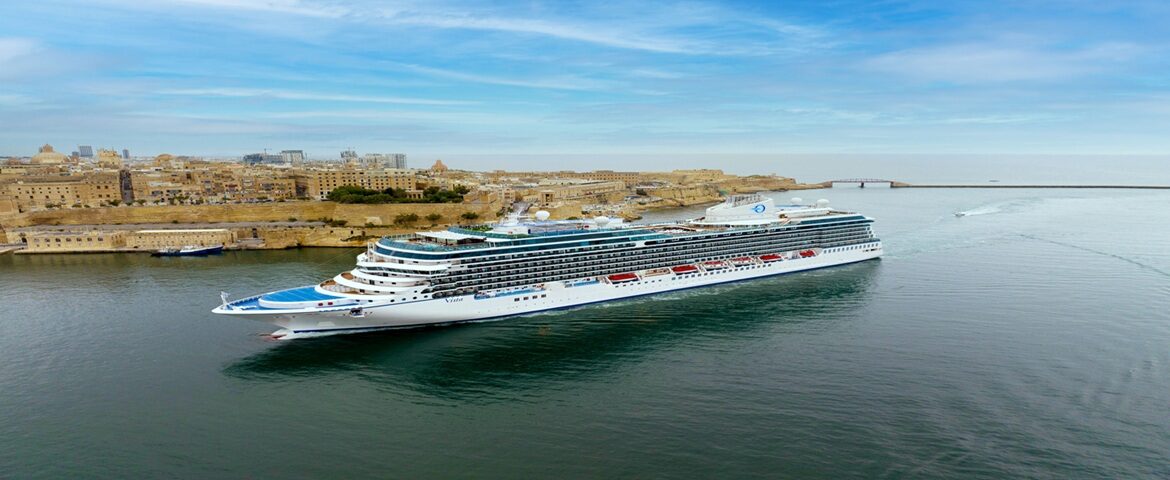
Ponant (50 Cruises)
Le Bellot
31 Cruises
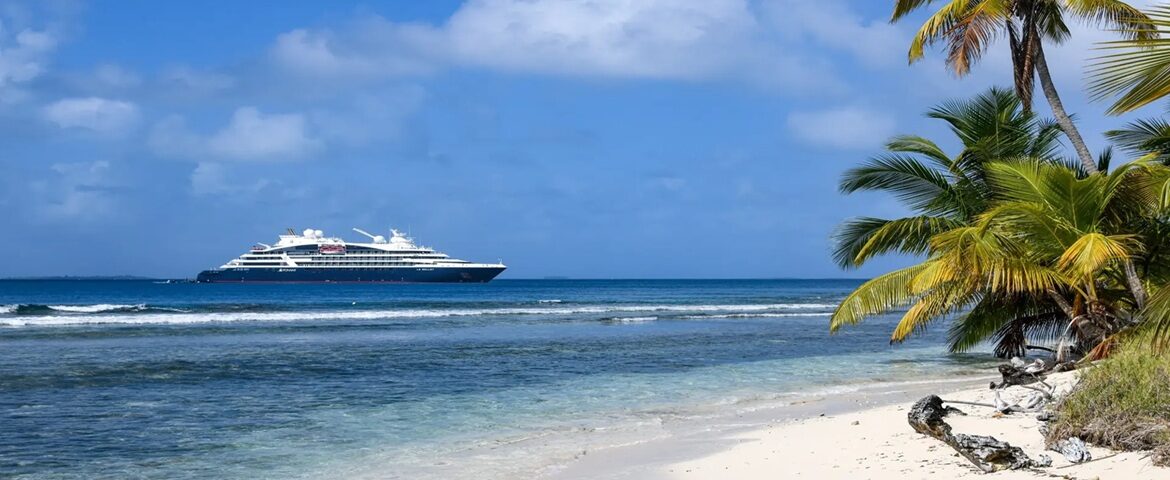

| 21 November | 10 nights | One-way from Colon to Puntarenas |
450-628-6241
Call us
|
| 22 November | 9 days | One-way from Colon to Puntarenas |
450-628-6241
Call us
|
| 28 November | 10 nights | One-way from Colon to Puntarenas |
450-628-6241
Call us
|
| 29 November | 9 days | One-way from Colon to Puntarenas |
450-628-6241
Call us
|
Le Bougainville
10 Cruises
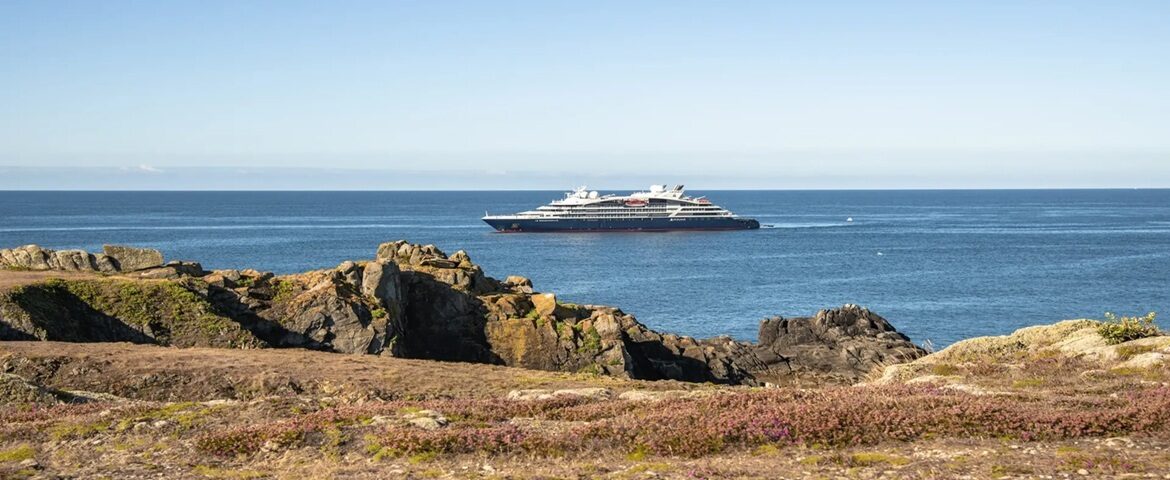
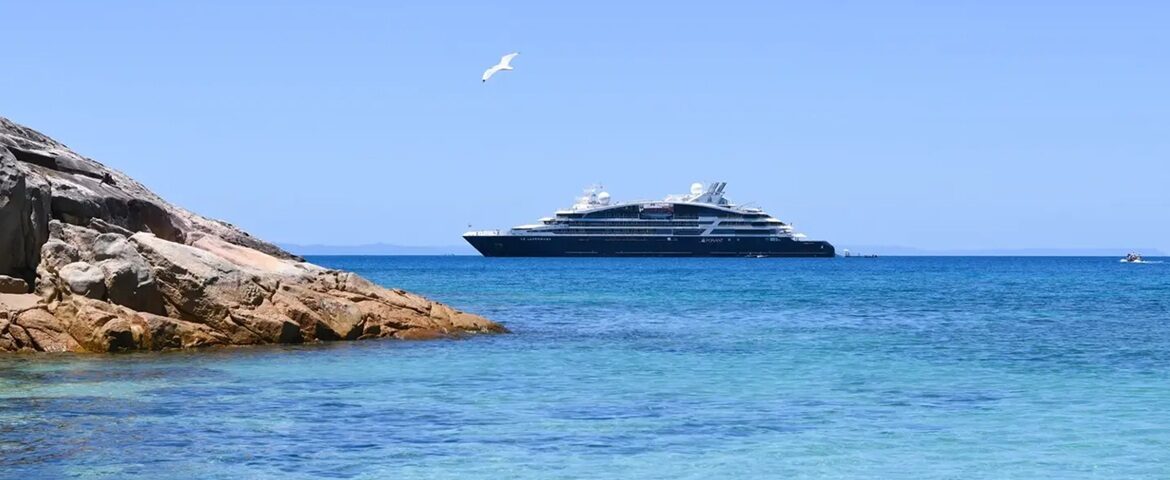
Le Laperouse
9 Cruises
Princess Cruises (29 Cruises)
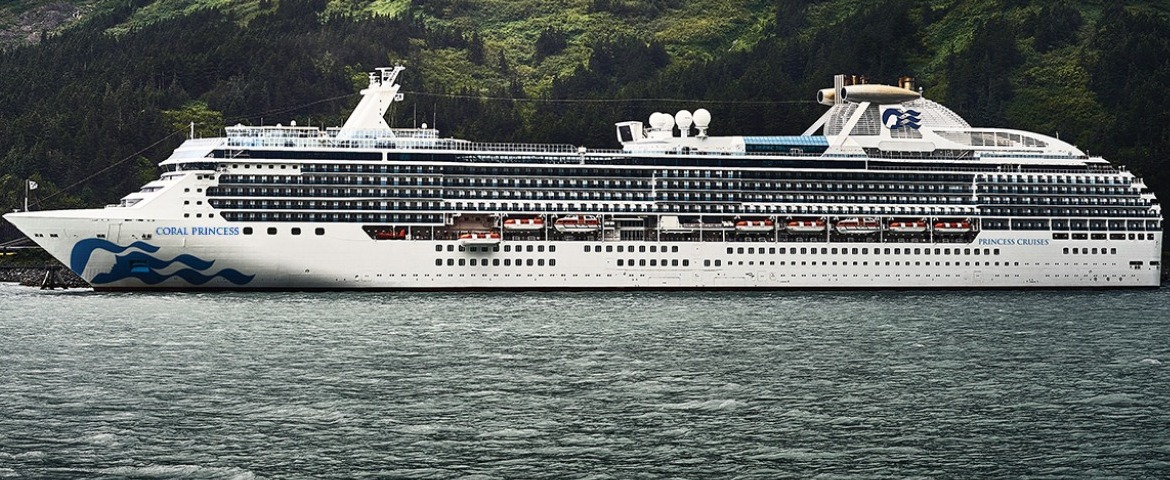
Coral Princess
5 Cruises

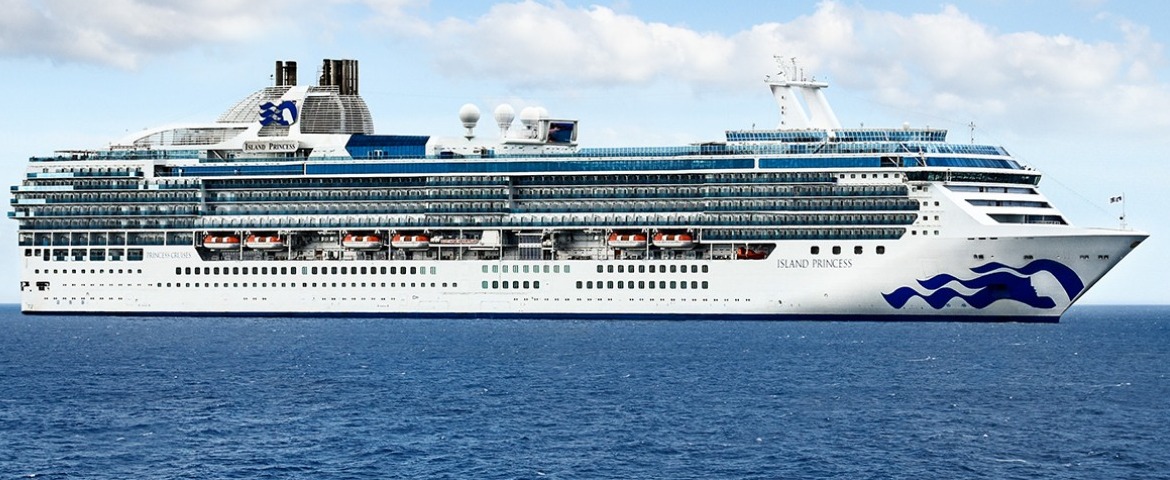
Island Princess
20 Cruises
| 13 January | 16 nights | One-way from Fort Lauderdale to San Diego |
450-628-6241
Call us
|
| 29 January | 16 nights | One-way from San Diego to Fort Lauderdale |
450-628-6241
Call us
|
| 2 March | 16 nights | One-way from Los Angeles to Fort Lauderdale |
450-628-6241
Call us
|
| 18 March | 16 nights | One-way from Fort Lauderdale to Los Angeles |
450-628-6241
Call us
|
Regent Seven Seas Cruises (11 Cruises)
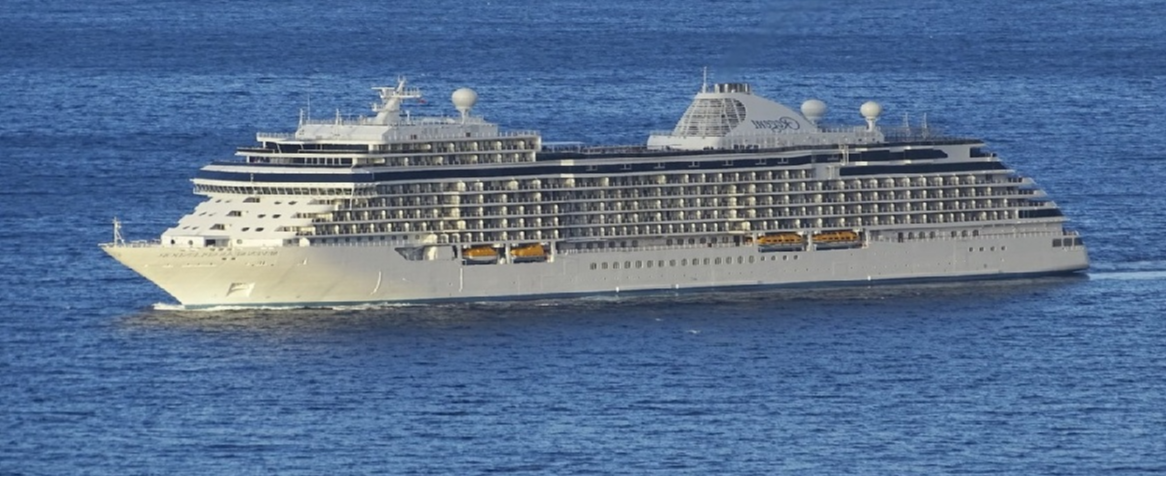

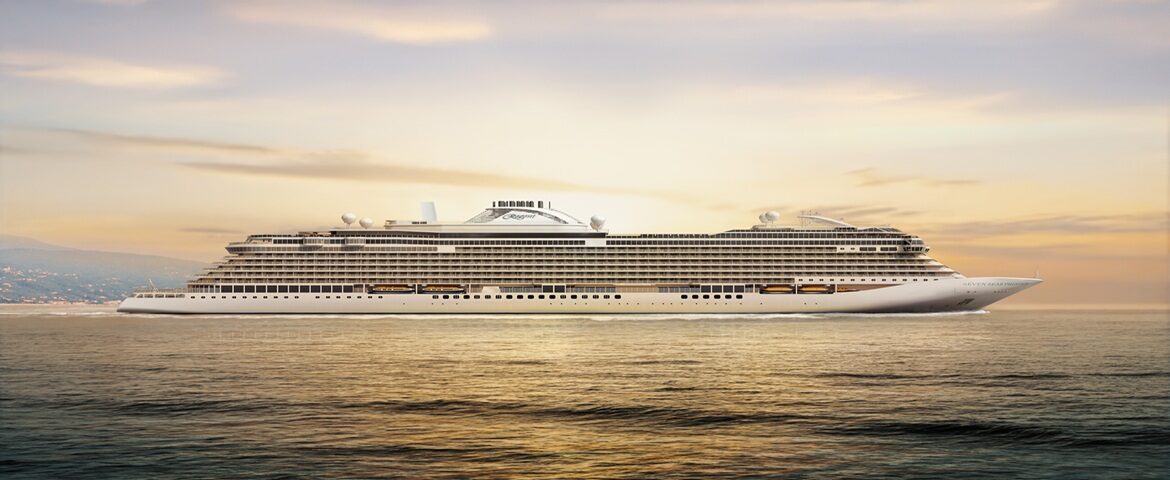
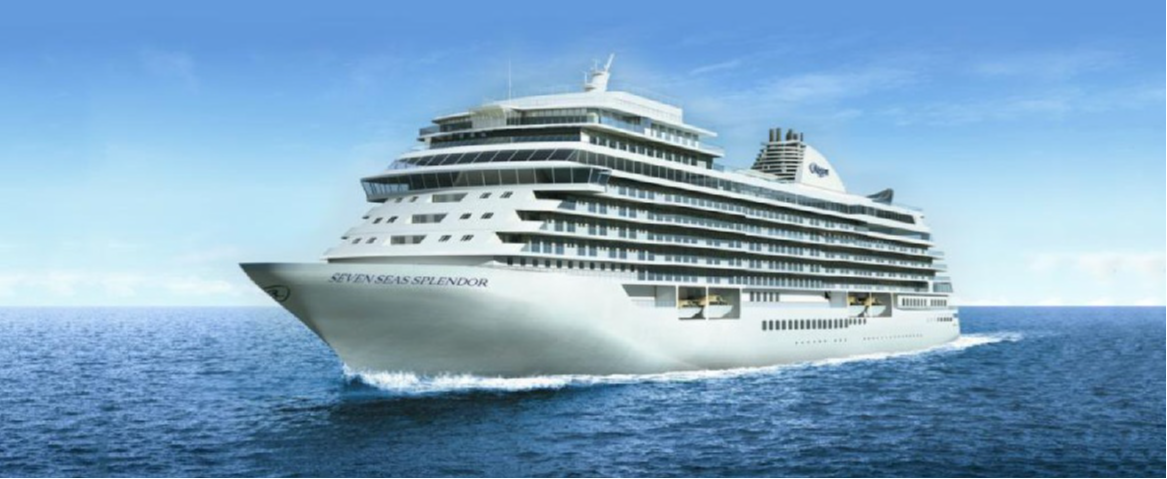
Seven Seas Splendor
5 Cruises


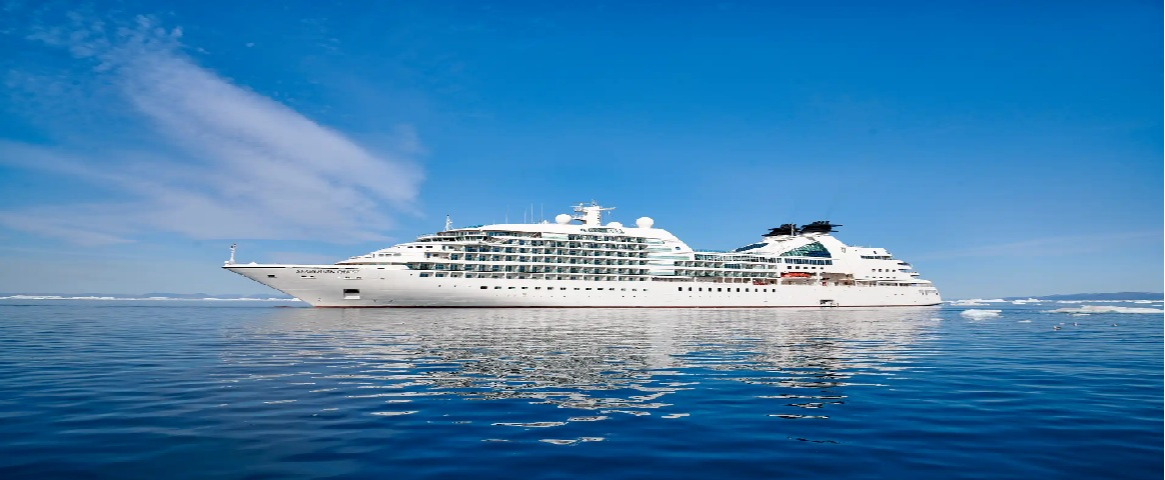
Seabourn Cruise Line (7 Cruises)

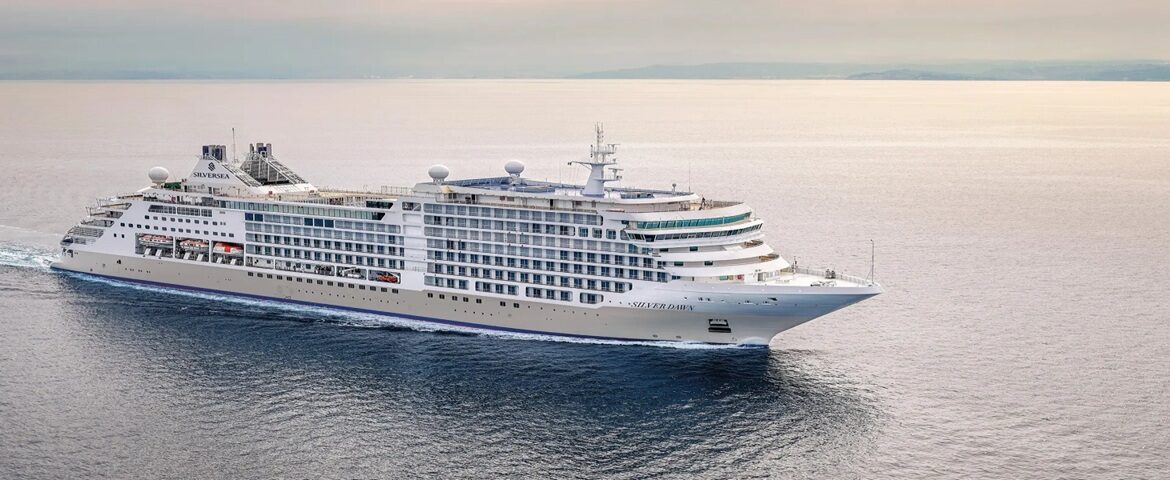
Silversea Cruises (2 Cruises)

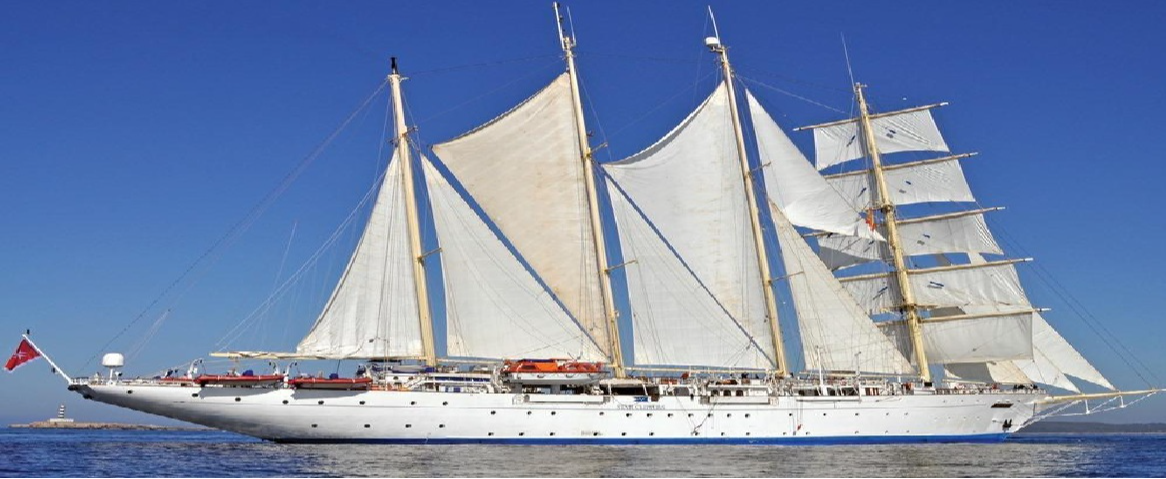
Star Clippers (8 Cruises)

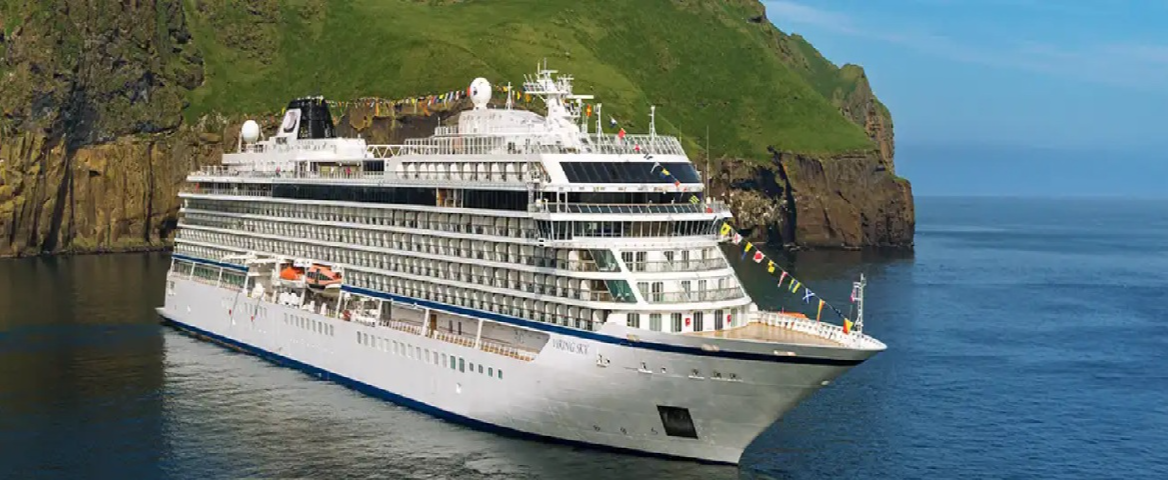
Viking Ocean Cruises (3 Cruises)

Virgin Voyages (3 Cruises)
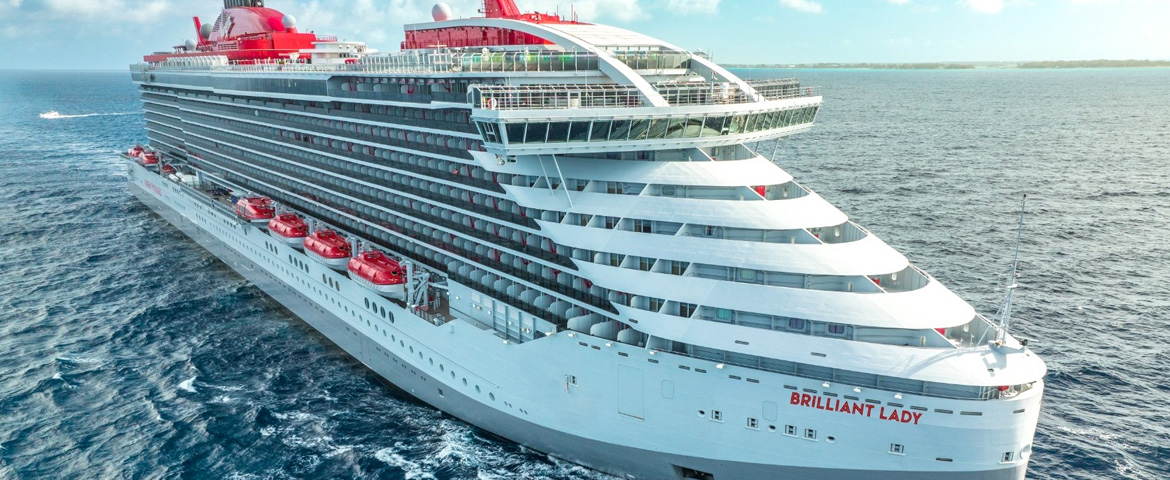

Windstar Cruises (40 Cruises)
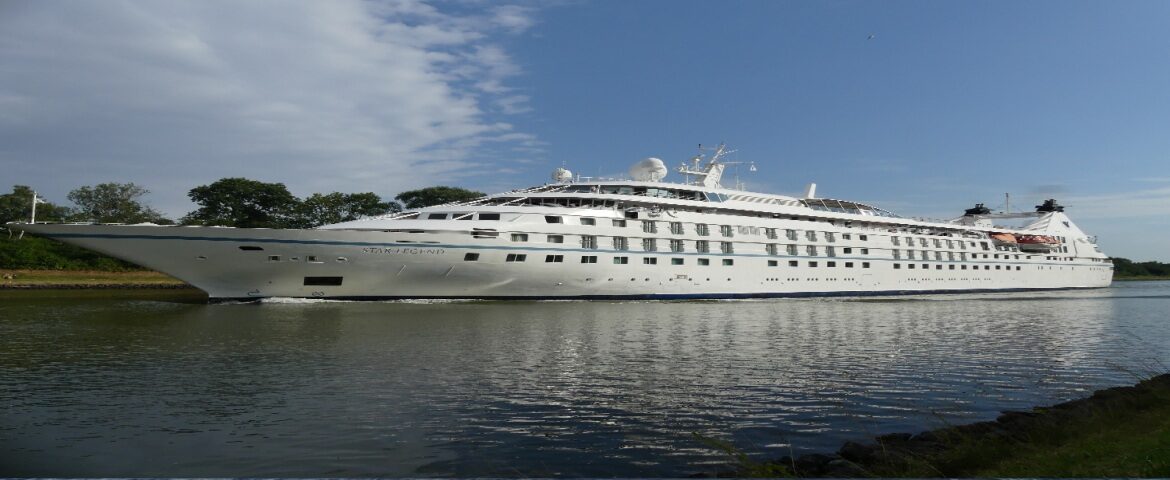
Star Legend
10 Cruises

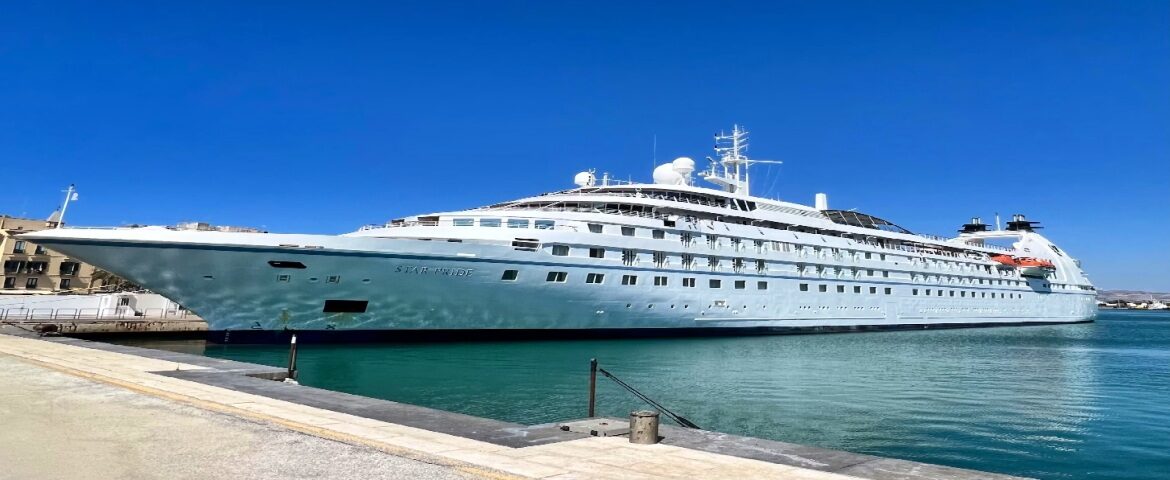
Star Pride
16 Cruises
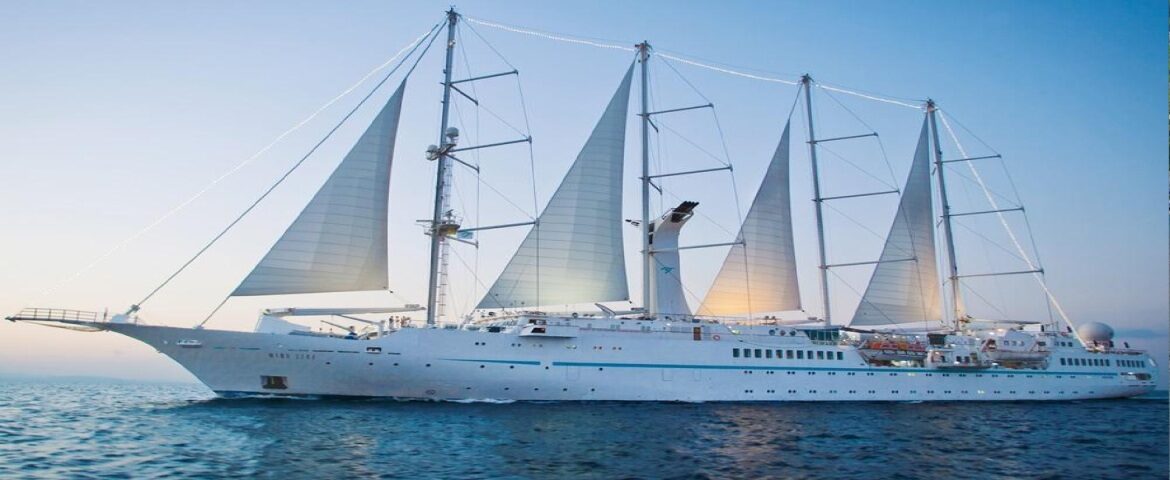
Wind Star
14 Cruises

Puntarenas, Costa Rica | Cruise Port Guide
Frequently Asked Questions
Usually at Puerto Caldera, some 20 km south of Puntarenas, which now handles most of Costa Rica's maritime traffic. Puntarenas, the historic town, occupies a narrow sand spit reaching into the Gulf of Nicoya.
No. It is a container terminal where walking on the docks is prohibited: a shuttle takes passengers to the gate, and excursion coaches wait at the foot of the gangway. Nothing is walkable in this area.
About twenty minutes by road. The town has kept a working-class, seaside soul, a legacy of the days when it was the only maritime outlet for Costa Rican coffee.
The promenade running for kilometres along Puntarenas beach. Families swim there, stands serve grilled fish, and the atmosphere is thoroughly local rather than internationally touristic.
The house specialty: a generous shaved ice topped with syrup, ice cream and condensed milk, a local institution for generations. You eat it on the Paseo de los Turistas, facing the sea.
A former prison that became a national park in 2020, off the tip of Puntarenas, visited by boat. Trails, beaches and penitentiary buildings full of stories make for an unusual outing, far from the usual beach programme.
Carara national park, about thirty minutes away, offers the most accessible taste of it: flat trails through a transition forest where scarlet macaws take the lead, backed by trogons, monkeys and iguanas.
At the Tárcoles River bridge, on the road to Carara. The crocodiles lounging below are among the largest in the country, and the sight can be taken in safely from the bridge deck.
The mists of Monteverde with its canopy suspension bridges, San José about 90 km east for its Gold and Jade museums and national theatre, or Tortuga Island by catamaran. Each takes up most of the call.
By whether you want forest, city or sand, checking the stated timings. Full-day trips leave no room to discover Puntarenas itself: you have to choose, not combine.


