Roseau Dominica
Dominica
525
Cruises availables
At departure or passage at this port
Azamara Club Cruises (26 Cruises)
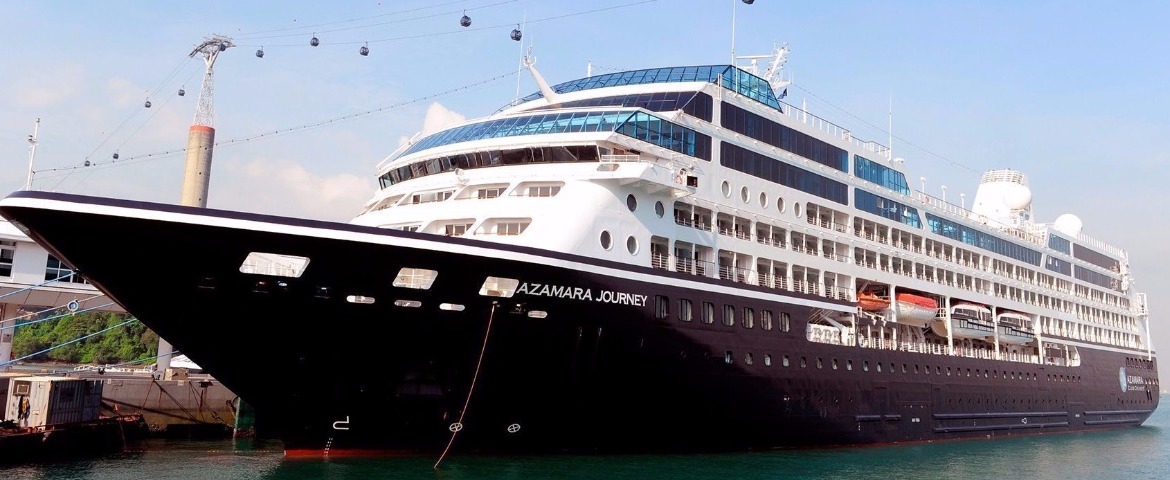
Azamara Journey
9 Cruises

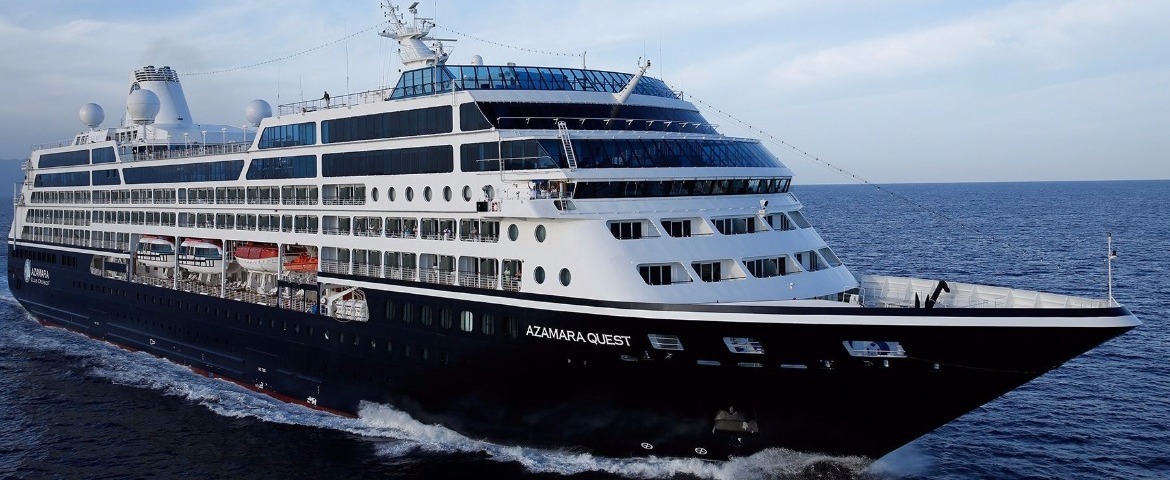
Azamara Quest
17 Cruises
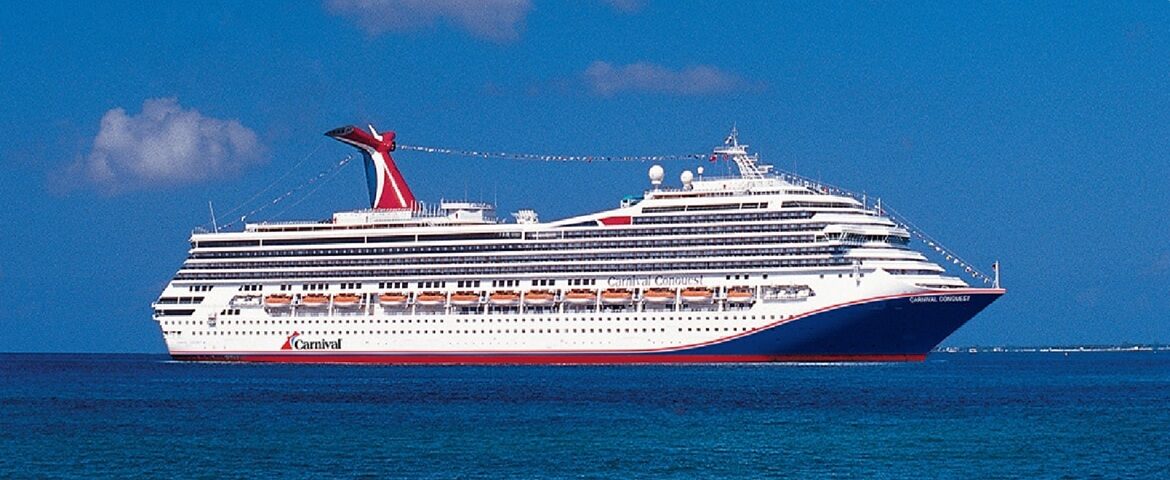
Carnival Cruise Line (10 Cruises)

Celebrity Cruises (31 Cruises)
Celebrity Ascent
8 Cruises

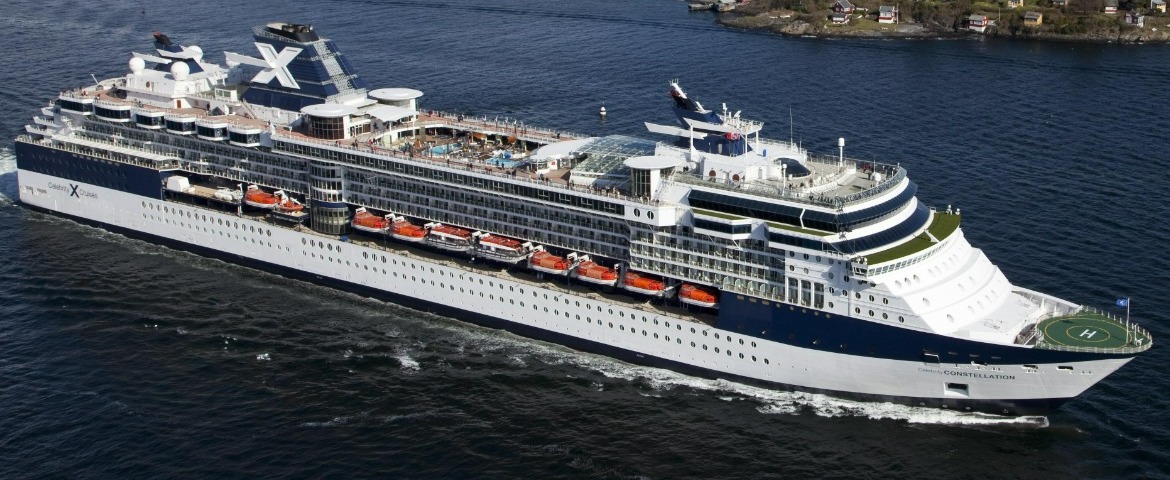
Celebrity Constellation
13 Cruises
| 2 January | 8 days | Round-trip from San Juan, Puerto Rico |
From
1020$
|
| 16 January | 8 days | Round-trip from San Juan, Puerto Rico |
From
1416$
|
| 30 January | 8 days | Round-trip from San Juan, Puerto Rico |
From
959$
|
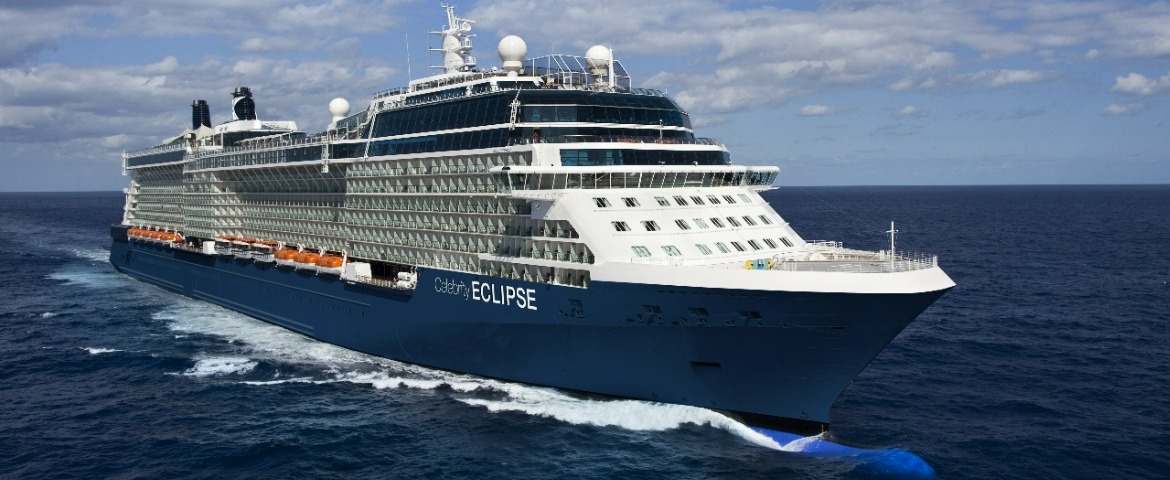
Celebrity Eclipse
6 Cruises
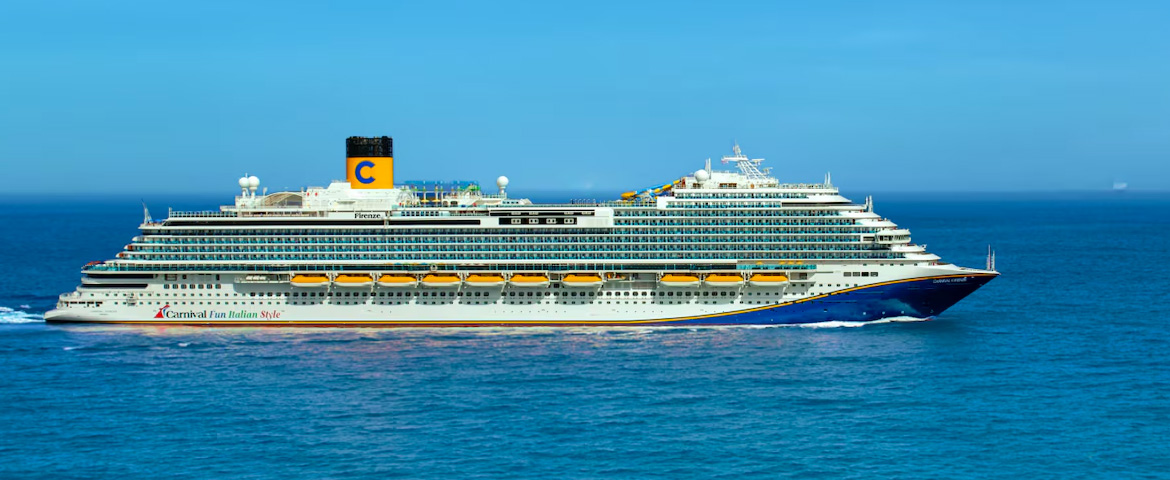
Costa Cruises (3 Cruises)

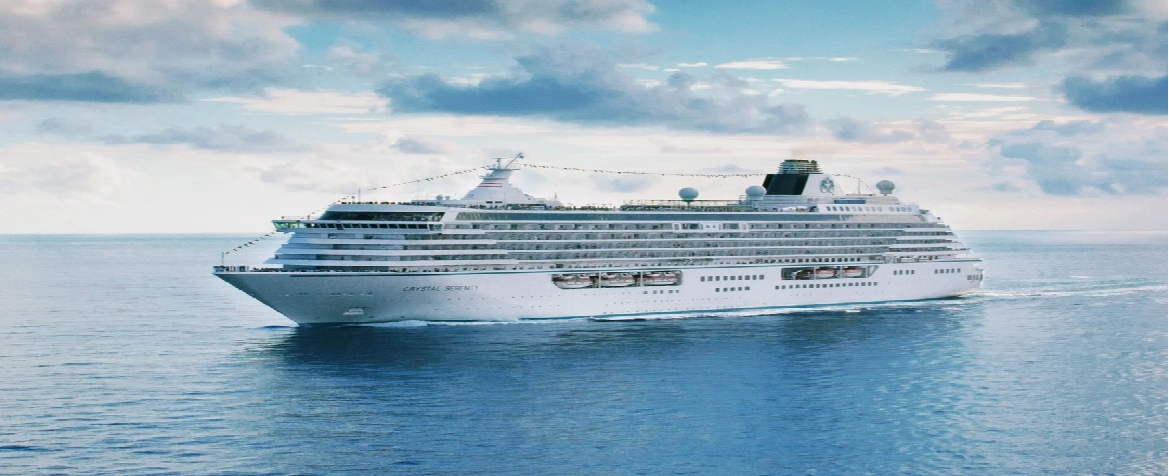
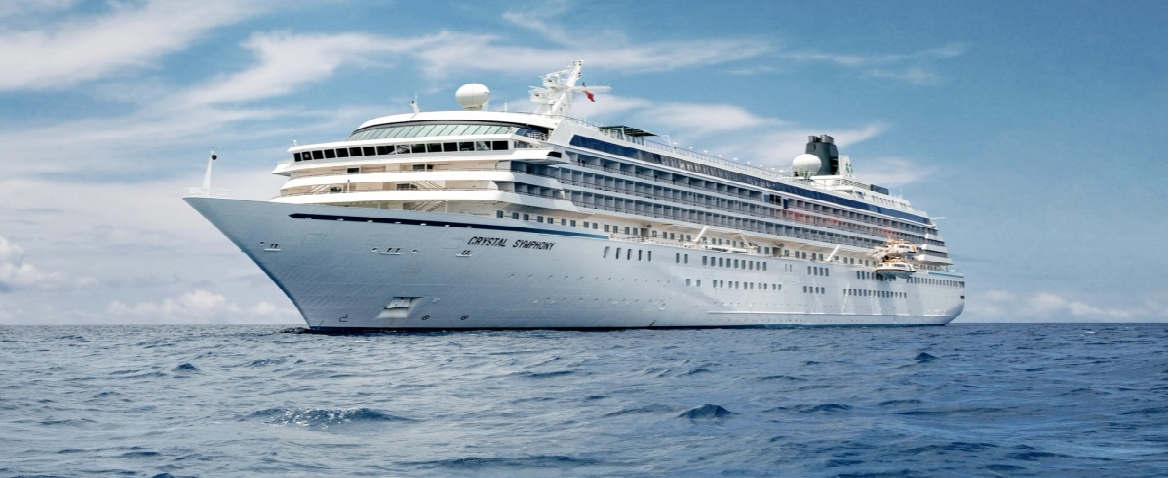
Crystal Cruises (11 Cruises)
Crystal Serenity
5 Cruises

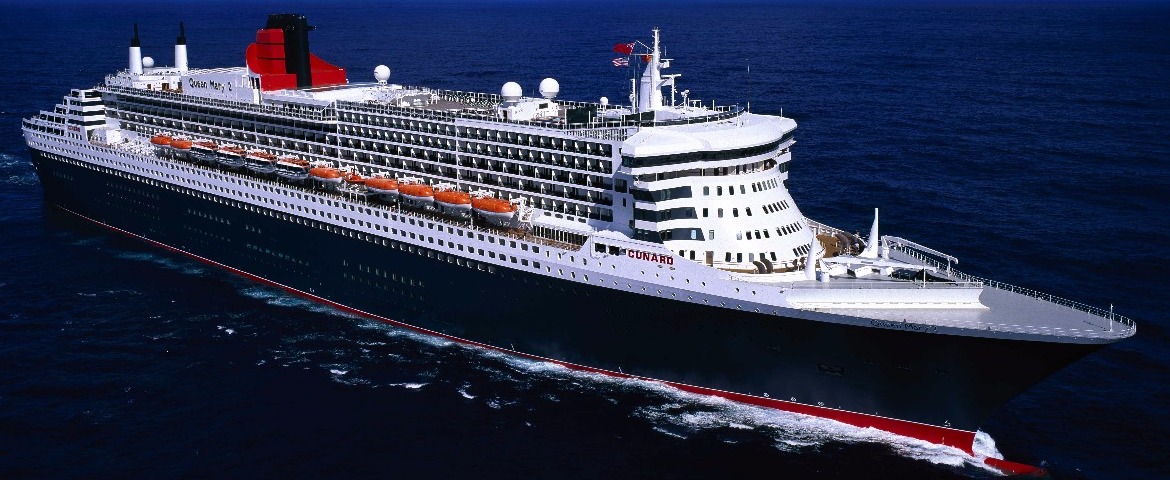
Cunard (21 Cruises)
Queen Mary 2
21 Cruises

| 27 February | 29 days | Round-trip from Southampton, United Kingdom |
450-628-6241
Call us
|
| 27 February | 21 days | One-way from Southampton to New York |
450-628-6241
Call us
|
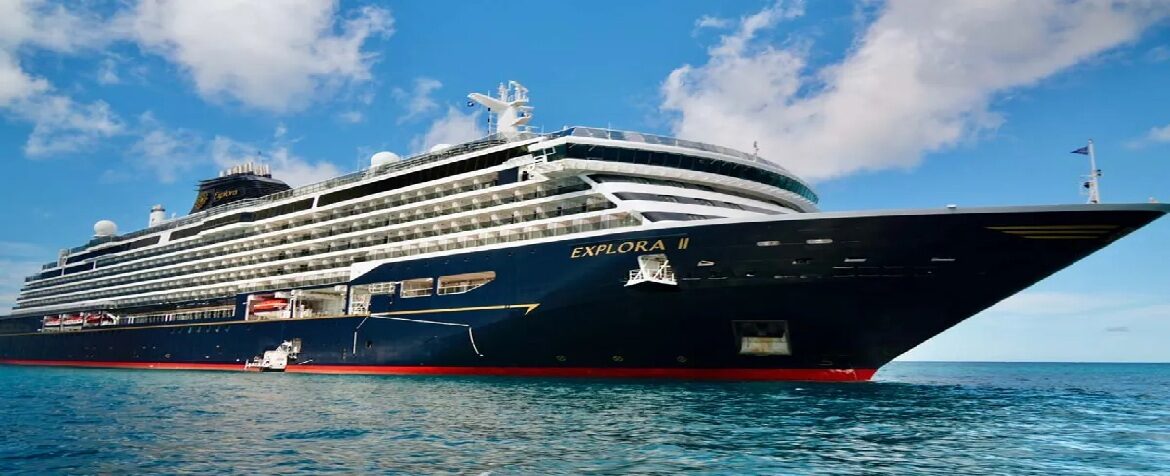
Explora Journeys (5 Cruises)

Holland America Line (34 Cruises)
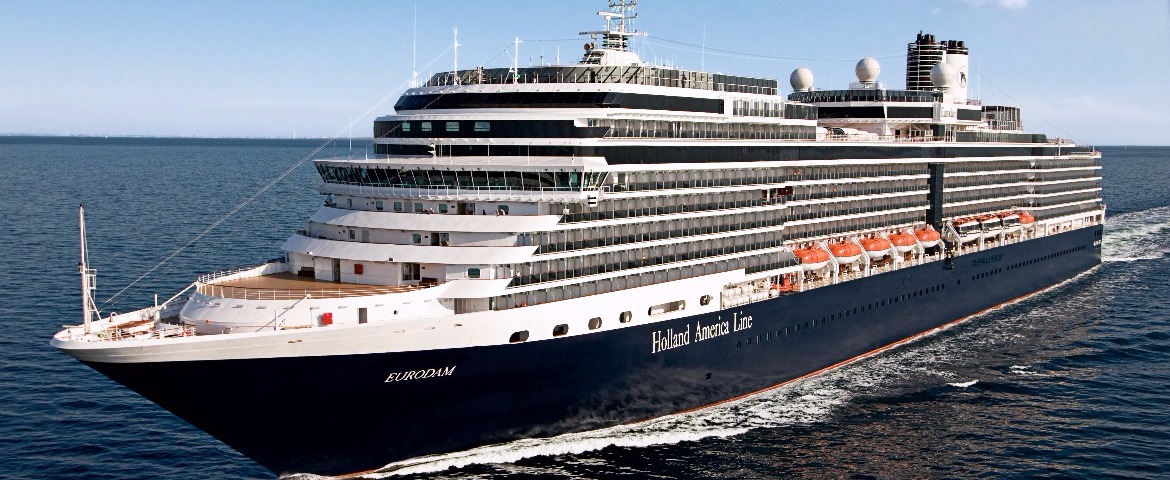
ms Eurodam
8 Cruises

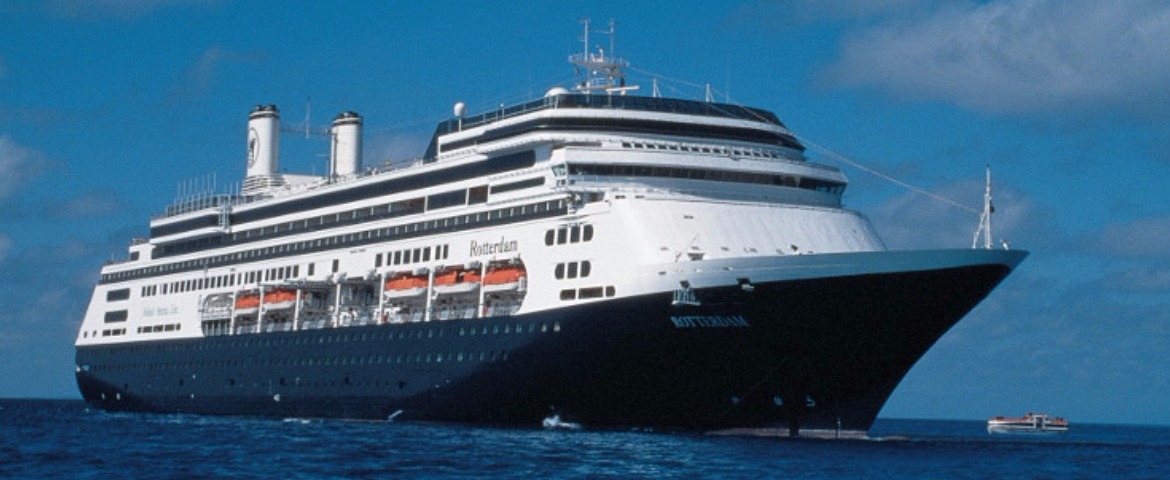
ms Rotterdam
20 Cruises
Lindblad Expeditions (12 Cruises)
Sea Cloud
12 Cruises
 Image not available

MSC Cruises (65 Cruises)
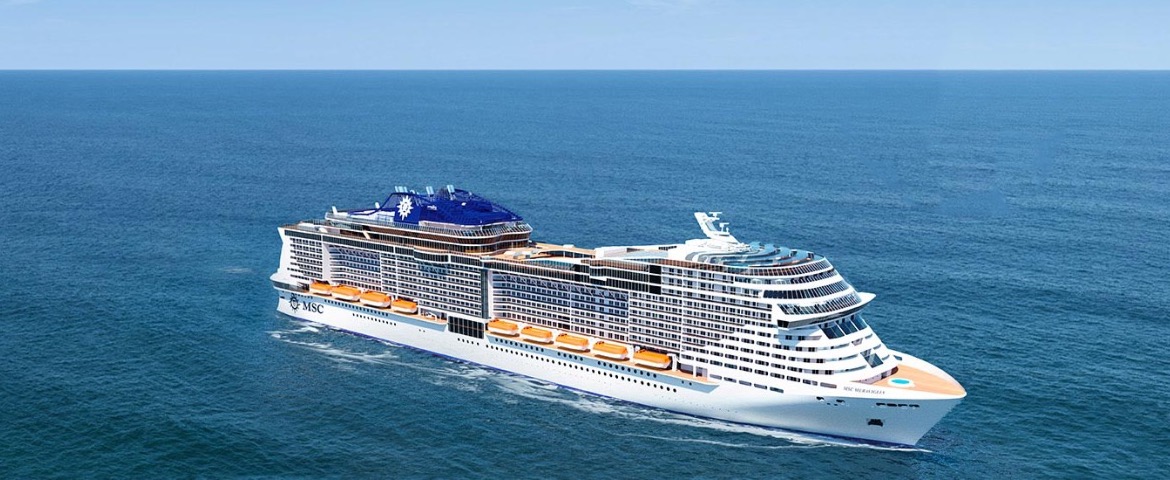
MSC Meraviglia
36 Cruises

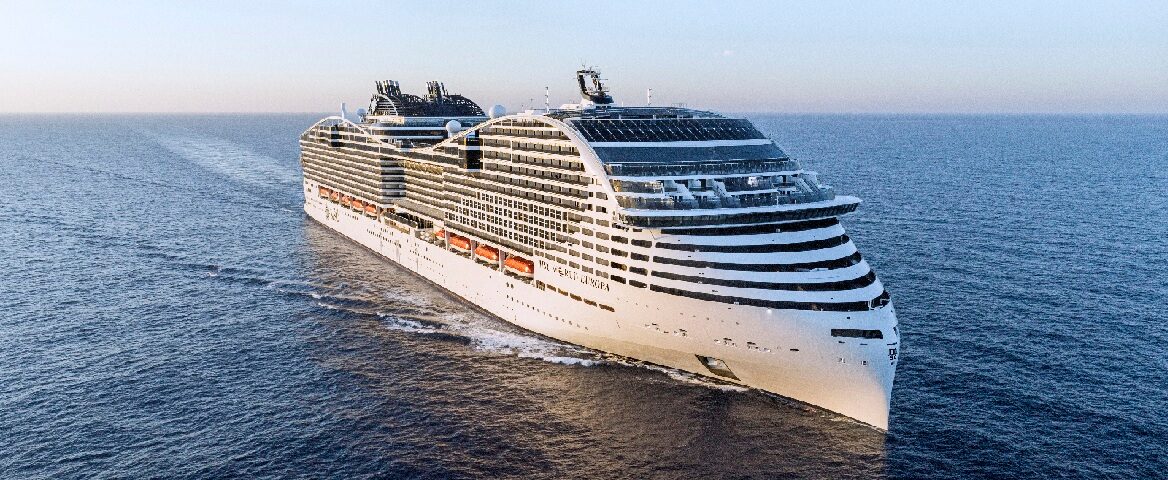
MSC World Europa
29 Cruises
| 14 November | 28 days | One-way from Genoa to Fort-de-France |
450-628-6241
Call us
|
| 18 November | 24 days | One-way from Barcelona to Fort-de-France |
450-628-6241
Call us
|
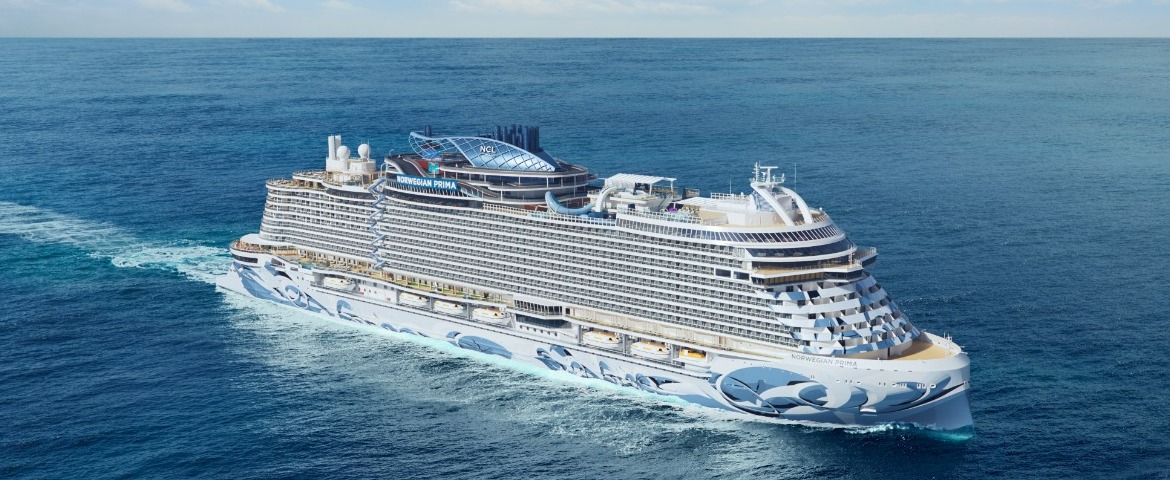
Norwegian Cruise Line (1 Cruises)
Oceania Cruises (20 Cruises)
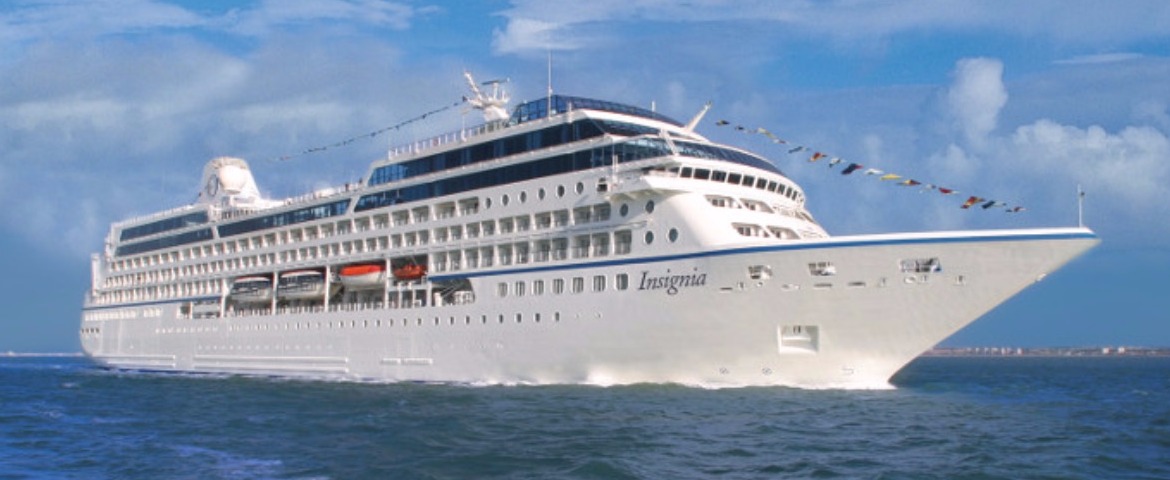
Oceania Insignia
5 Cruises

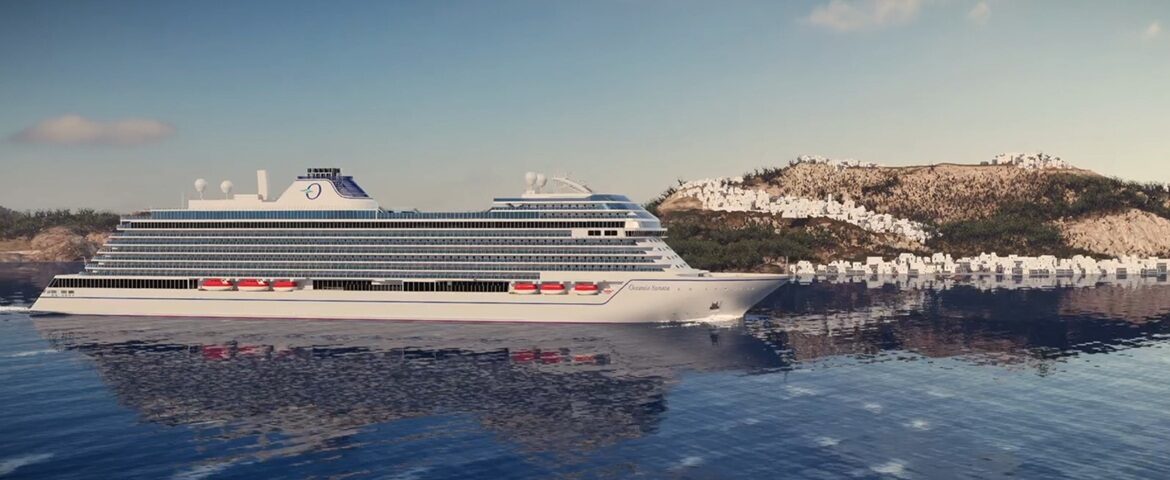
Oceania Sonata
6 Cruises
Ponant (2 Cruises)

Princess Cruises (71 Cruises)

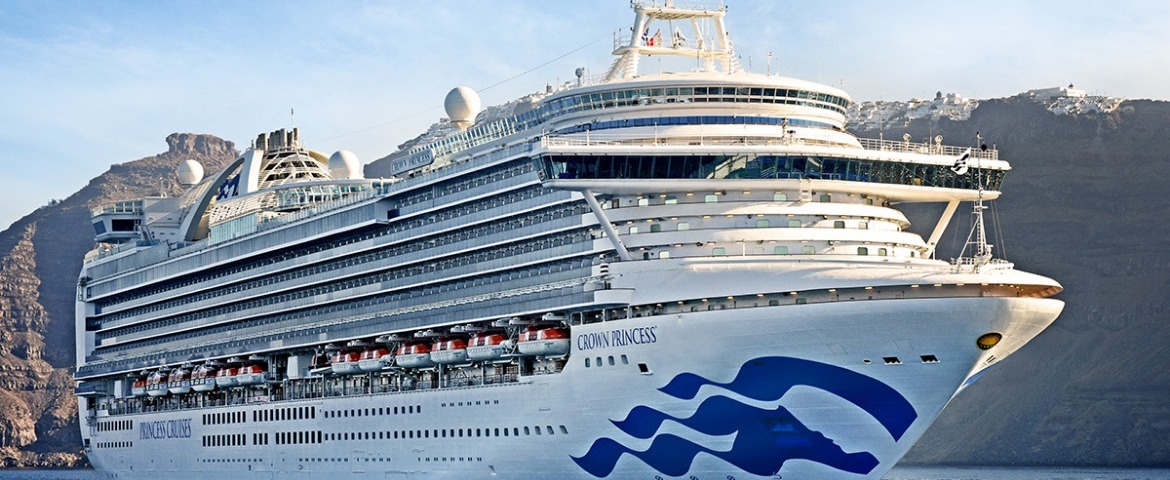
Crown Princess
22 Cruises
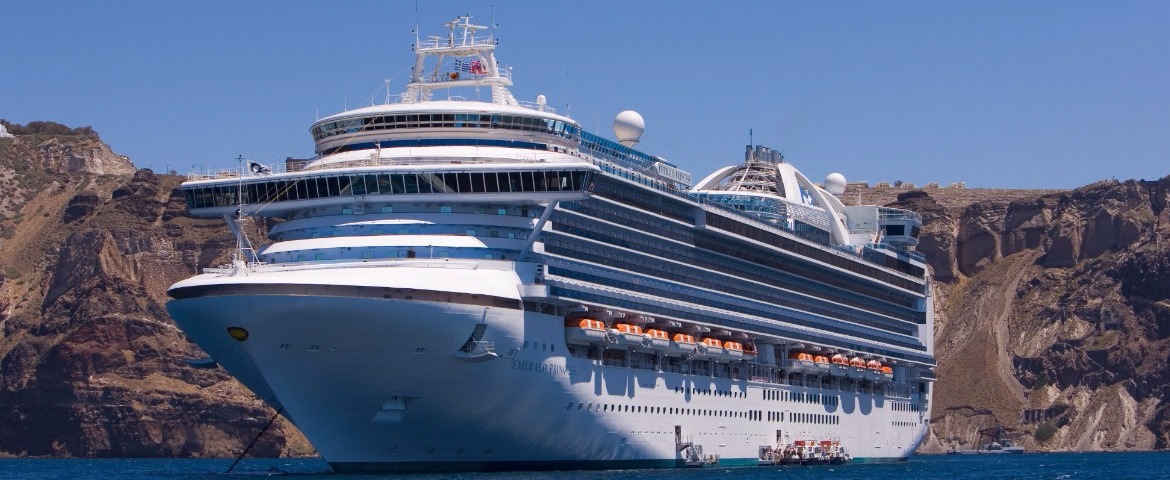
Emerald Princess
39 Cruises
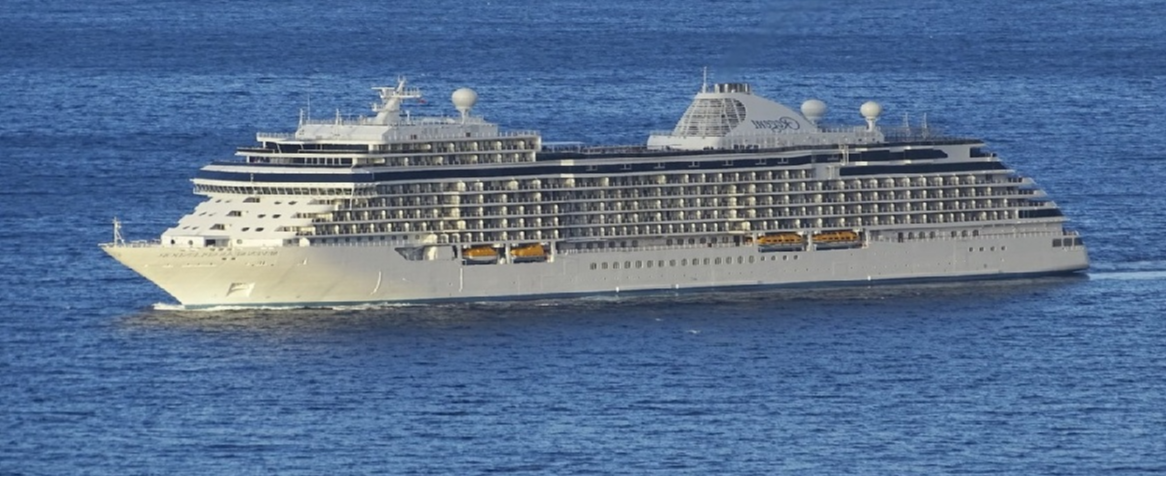
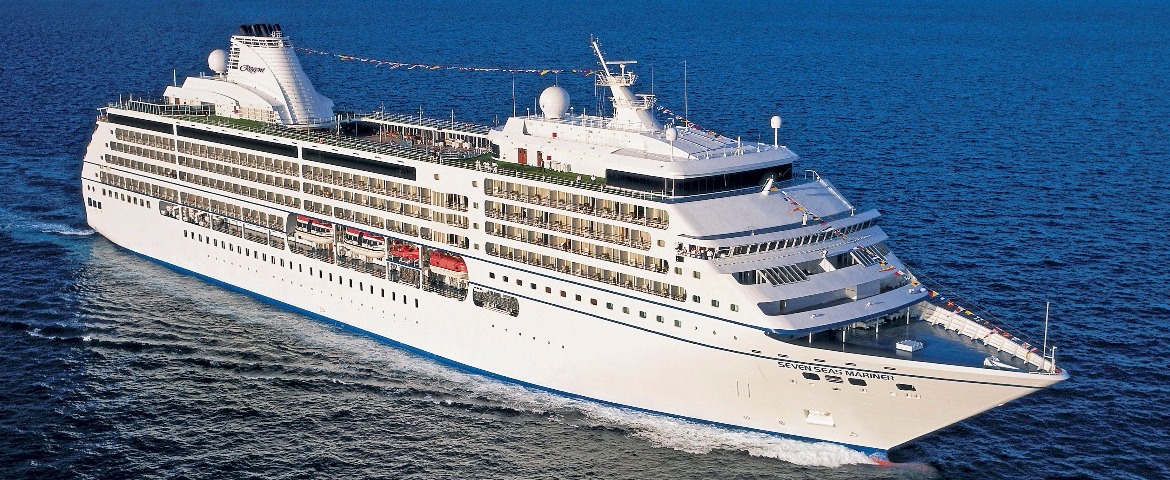
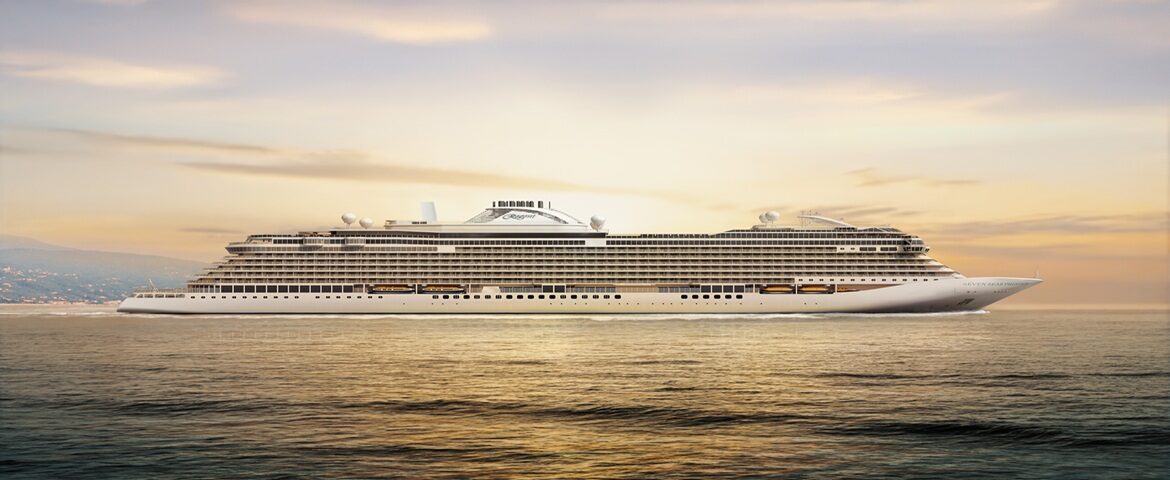
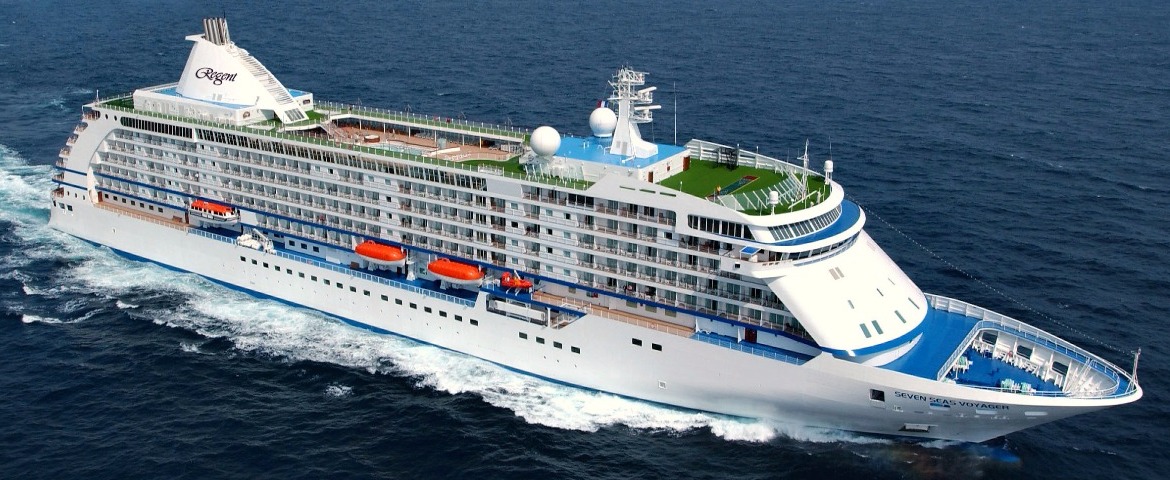
Regent Seven Seas Cruises (29 Cruises)
Seven Seas Grandeur
17 Cruises

Royal Caribbean Cruises (37 Cruises)


Rhapsody of the Seas
13 Cruises

Vision of the Seas
23 Cruises

| 7 February | 8 days | Round-trip from San Juan, Puerto Rico |
From
751$
|
| 21 February | 8 days | Round-trip from San Juan, Puerto Rico |
From
770$
|
Seabourn Cruise Line (20 Cruises)
Seabourn Ovation
10 Cruises
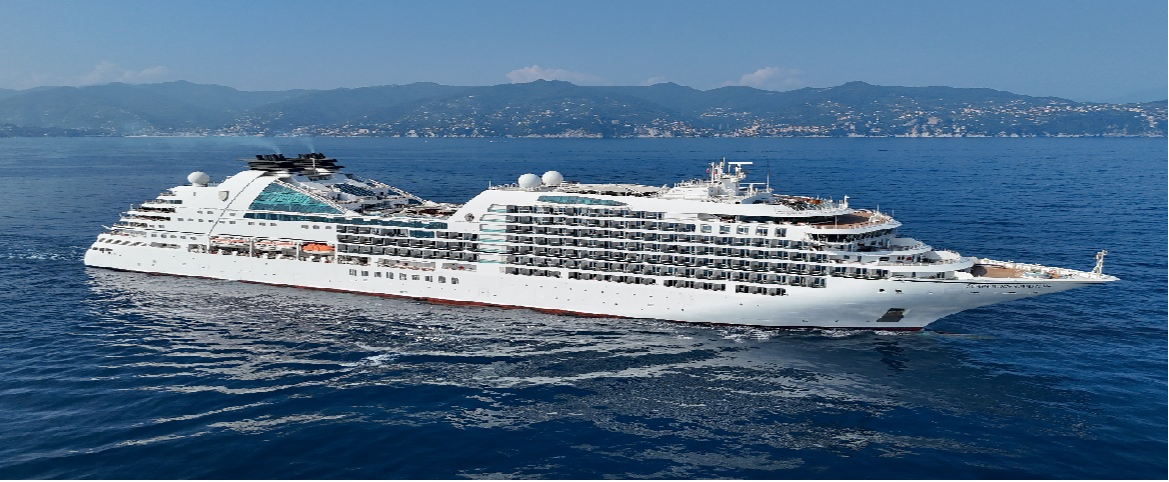

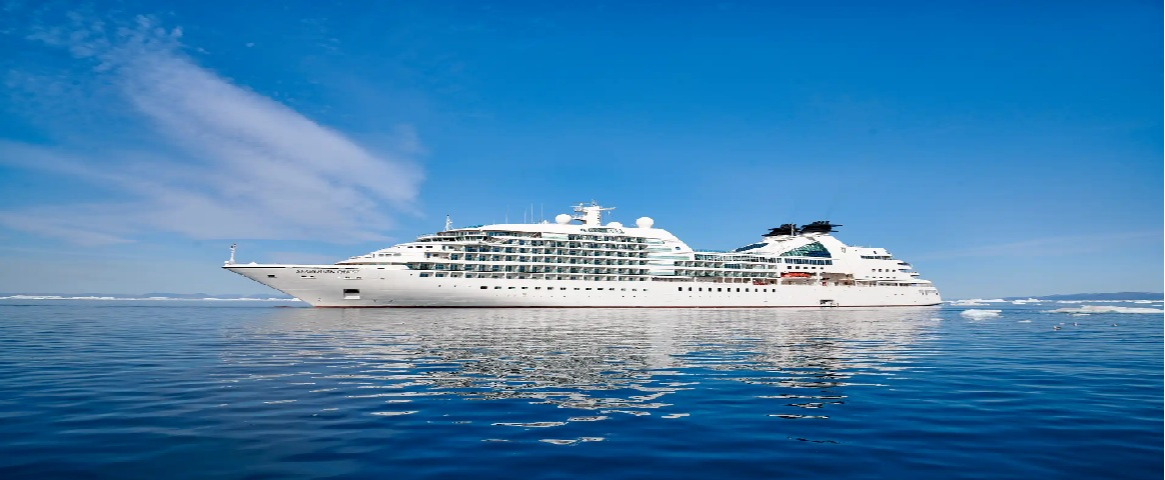
Seabourn Quest
10 Cruises
| 22 November | 15 days | Round-trip from Miami, USA |
450-628-6241
Call us
|
| 22 November | 14 days | Round-trip Eastern Caribbean Seabourn Quest Miami Fl |
450-628-6241
Call us
|
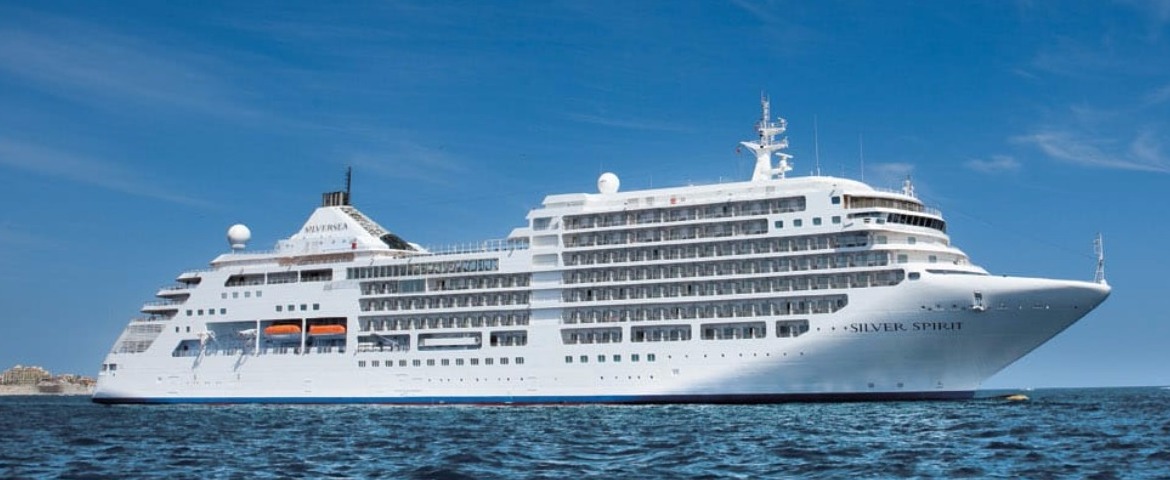
Silversea Cruises (20 Cruises)
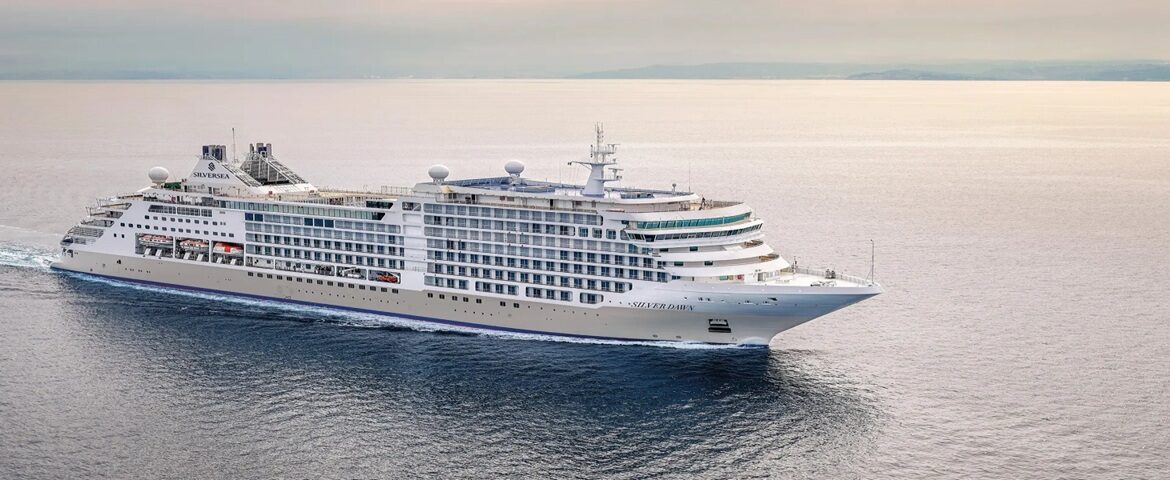

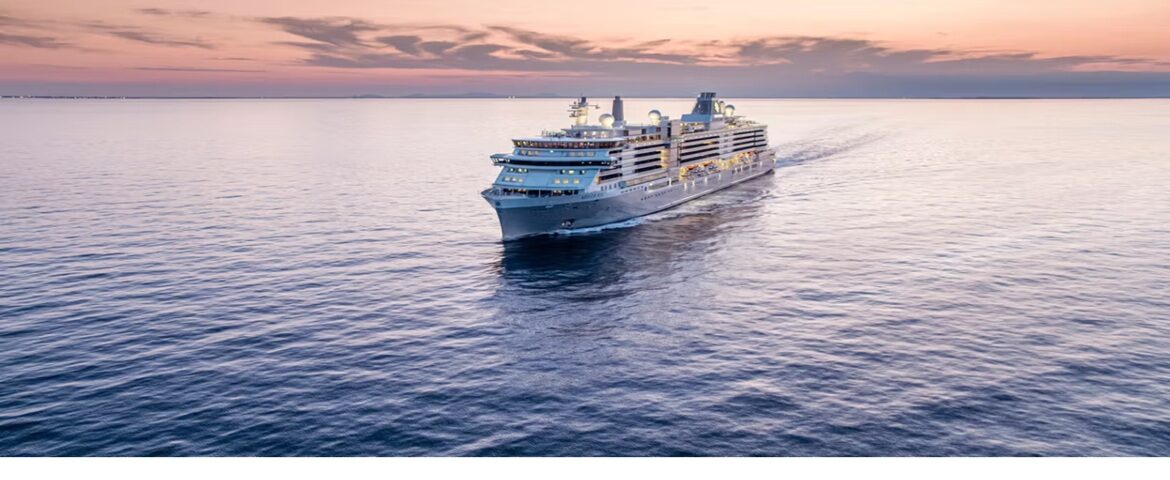
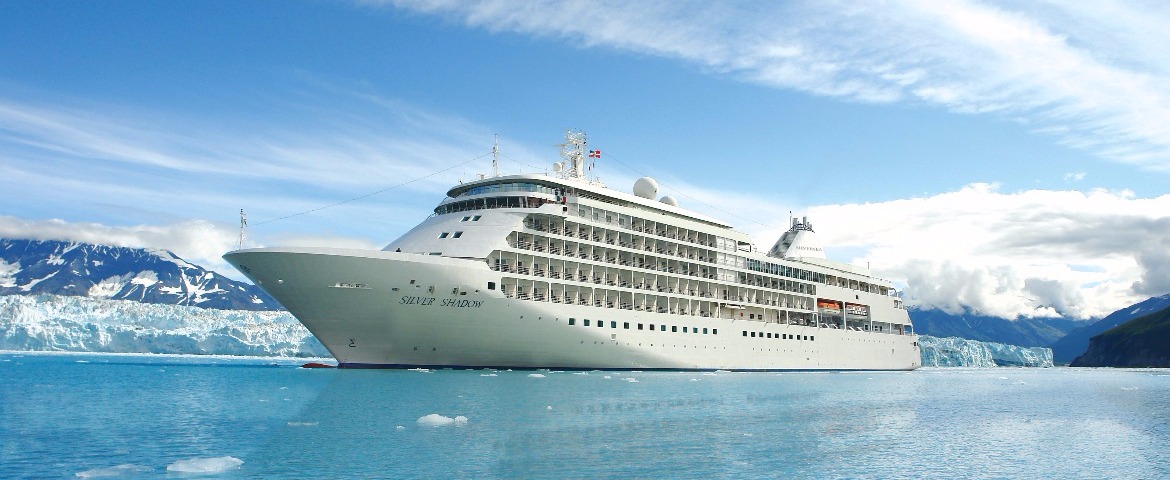
Silver Shadow
6 Cruises
| 20 January | 11 days | One-way from Bridgetown to San Juan |
450-628-6241
Call us
|
| 20 January | 10 days | One-way from Bridgetown to San Juan |
450-628-6241
Call us
|
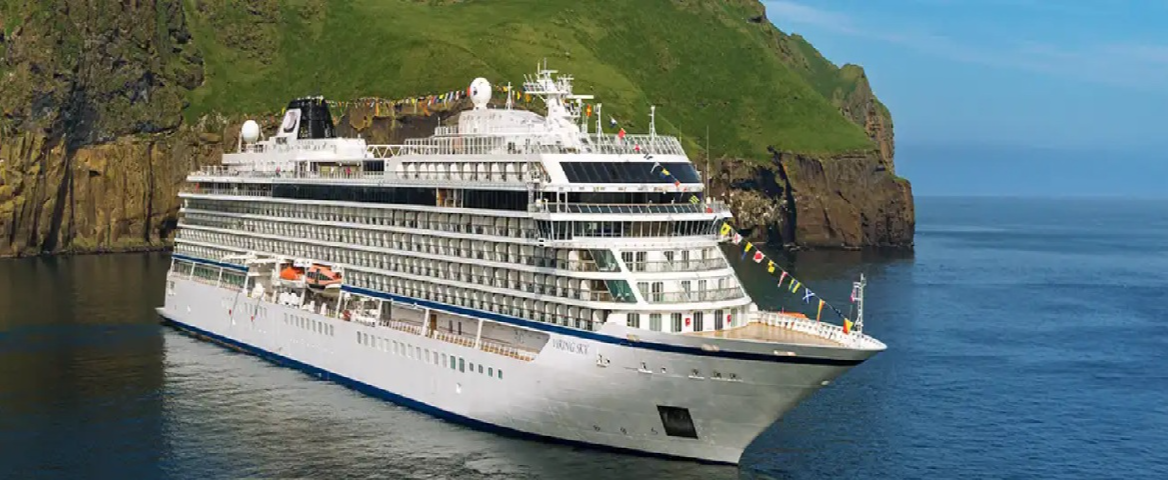
Viking Ocean Cruises (26 Cruises)
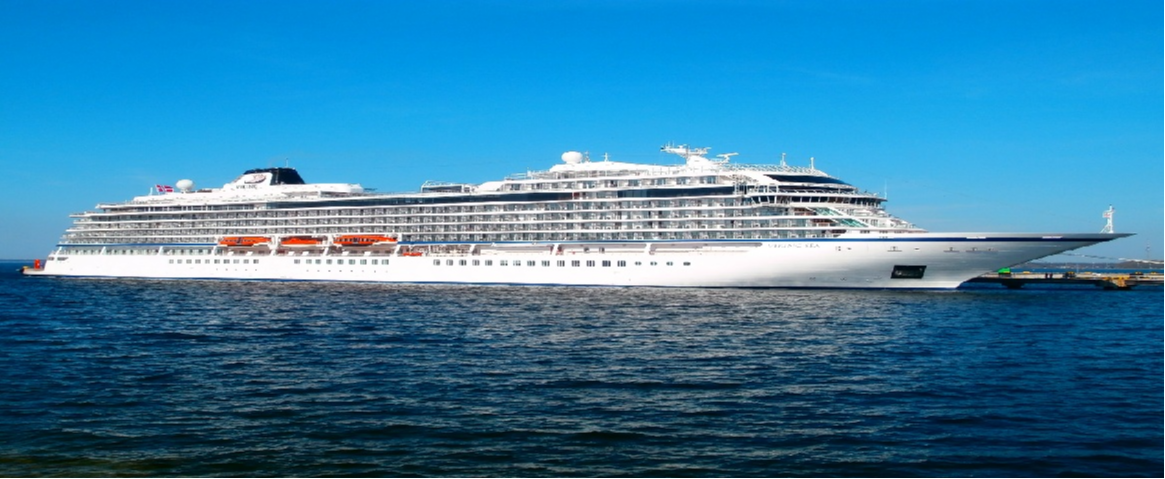
Viking Sea
17 Cruises

Windstar Cruises (73 Cruises)
Wind Surf
73 Cruises


Port of Roseau, Dominica | Cruise Port Guide
Frequently Asked Questions
Right downtown, along the waterfront. The gangway opens straight onto narrow streets lined with wooden balconies, painted tin roofs and creole facades weathered by the rain. Market, botanic gardens and cathedral are all within walking distance.
The old market and the creole lanes, the botanic gardens and the climb up Morne Bruce — about fifteen minutes on the Jack's Walk trail. With more time, Trafalgar Falls about twenty minutes away by road, or Champagne Reef seven kilometres south.
A cobbled square steps from the pier, which has traded its painful past — enslaved people were once sold here — for craft stalls. You will find Kalinago woven baskets, made by the Indigenous people who keep a territory on the island's east coast, along with bay leaf soaps, spices and hot sauces.
A curiosity left exactly as it fell in 1979: a baobab toppled by Hurricane David onto a school bus, thankfully empty that day, kept as a memorial. An aviary houses the sisserou parrot, the national emblem that appears on the flag.
Two waterfalls nicknamed the father and the mother, about twenty minutes by road up the Roseau valley, tumbling down a fern-covered wall. A viewing platform is reached by a short made path; the more agile continue to the pools, where warm volcanic spring water mingles with the cooler river.
A site where volcanic vents release strings of warm bubbles from the seabed: you literally swim in a glass of sparkling wine. Seven kilometres south of the pier, a few minutes by taxi, it suits snorkelling as much as diving — trumpetfish, sponges and turtles frequent the rocky bottom.
The East Caribbean dollar. US notes are accepted almost everywhere. Bring cash for the market and for the shared taxis at the pier exit: settle the price before setting off for Trafalgar or Champagne Reef.
English is Dominica's official language. You will also hear a French-based creole, a legacy of the island's history and the closeness of Guadeloupe and Martinique. The capital's name itself comes from the reeds French colonists found at the river mouth.
Wet, and worth planning for. Dominica is a green sponge standing out of the sea — locals say the island has three hundred and sixty-five rivers, one for each day of the year. Showers are frequent and brief: a light waterproof earns its place in any season.
No, and it is fairer to say so straight away. This is a volcanic island, green and mountainous, with dark sand and often rocky shores. Its riches lie elsewhere: rivers, waterfalls, hot springs and Morne Trois Pitons National Park, a UNESCO World Heritage Site for its volcanoes, gorges and boiling lake.


