Villefranche-sur-Mer Nice, France Riviera
616
Cruises availables
At departure or passage at this port
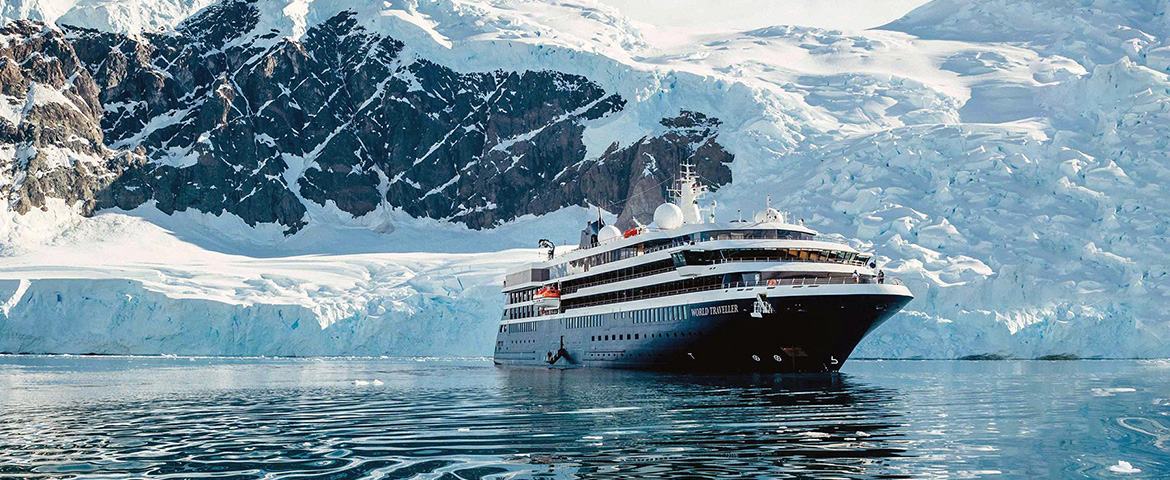
Atlas Ocean Voyages (7 Cruises)
World Traveller
7 Cruises

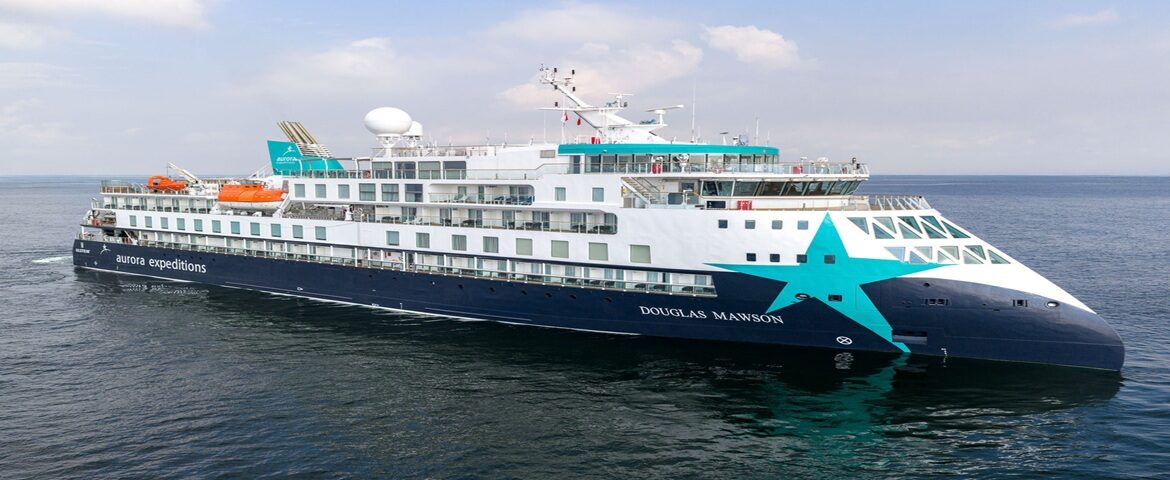
Aurora Expeditions (2 Cruises)

Avalon Waterways (112 Cruises)
Avalon Artistry II®
13 Cruises


| 4 April | 18 nights | One-way from Paris City to Villefranche-sur-Mer |
450-628-6241
Call us
|
| 18 April | 18 nights | One-way from Paris City to Villefranche-sur-Mer |
450-628-6241
Call us
|
| 16 May | 18 nights | One-way from Paris City to Villefranche-sur-Mer |
450-628-6241
Call us
|
| 30 May | 18 nights | One-way from Paris City to Villefranche-sur-Mer |
450-628-6241
Call us
|
| 11 July | 18 nights | One-way from Paris City to Villefranche-sur-Mer |
450-628-6241
Call us
|
| 25 July | 18 nights | One-way from Paris City to Villefranche-sur-Mer |
450-628-6241
Call us
|
Avalon Poetry II®
85 Cruises
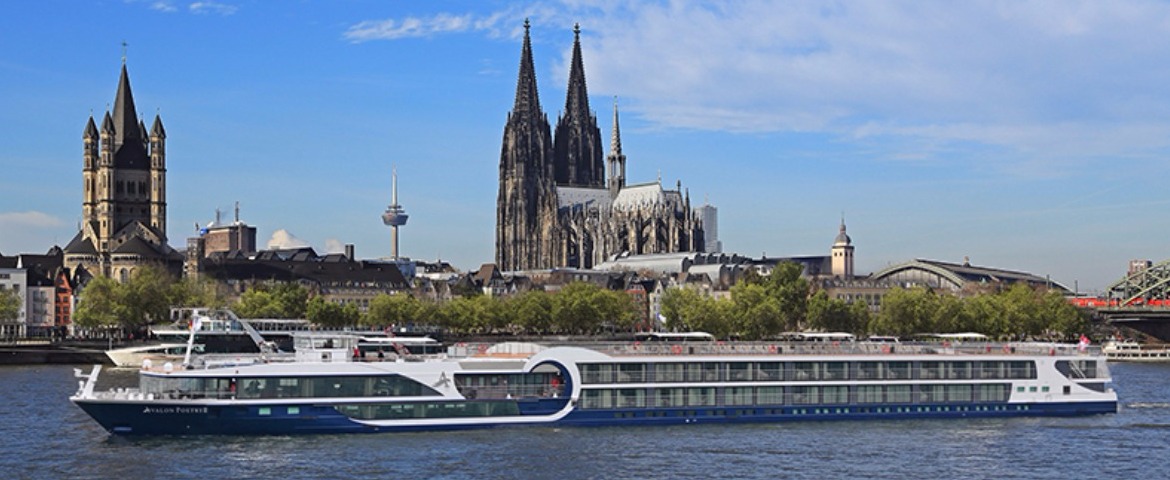
Avalon Tapestry II®
14 Cruises

| 6 April | 16 nights | One-way from Paris City to Villefranche-sur-Mer |
450-628-6241
Call us
|
| 20 April | 16 nights | One-way from Paris City to Villefranche-sur-Mer |
450-628-6241
Call us
|
| 1 June | 16 nights | One-way from Paris City to Villefranche-sur-Mer |
450-628-6241
Call us
|
| 29 June | 16 nights | One-way from Paris City to Villefranche-sur-Mer |
450-628-6241
Call us
|
| 13 July | 16 nights | One-way from Paris City to Villefranche-sur-Mer |
450-628-6241
Call us
|
| 27 July | 16 nights | One-way from Paris City to Villefranche-sur-Mer |
450-628-6241
Call us
|
| 10 August | 16 nights | One-way from Paris City to Villefranche-sur-Mer |
450-628-6241
Call us
|
| 24 August | 16 nights | One-way from Paris City to Villefranche-sur-Mer |
450-628-6241
Call us
|
Azamara Club Cruises (35 Cruises)
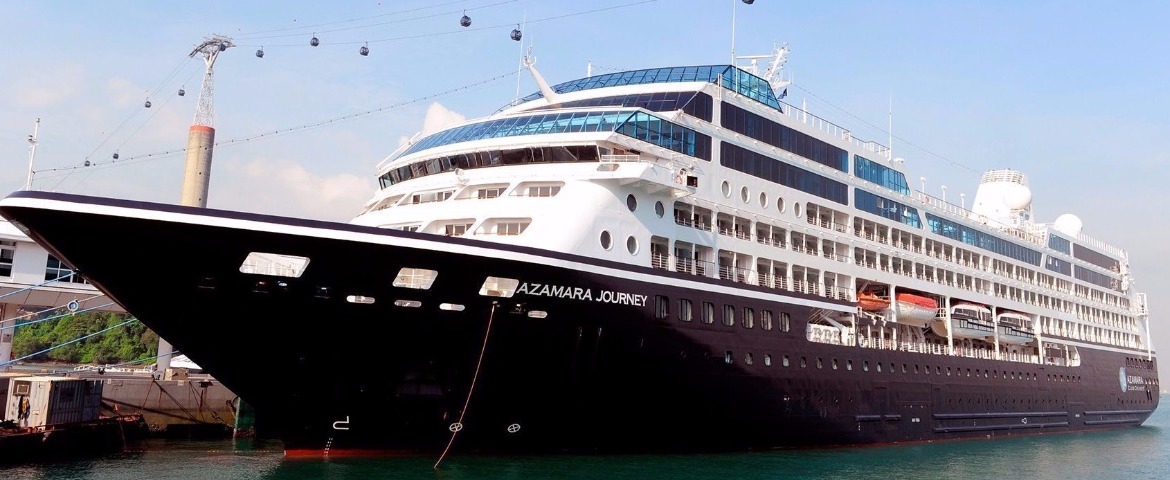
Azamara Journey
10 Cruises

Azamara Onward
17 Cruises
| 16 May | 18 nights | One-way from Venice to Barcelona |
450-628-6241
Call us
|
| 27 May | 7 nights | One-way from Civitavecchia-Rome to Barcelona |
450-628-6241
Call us
|
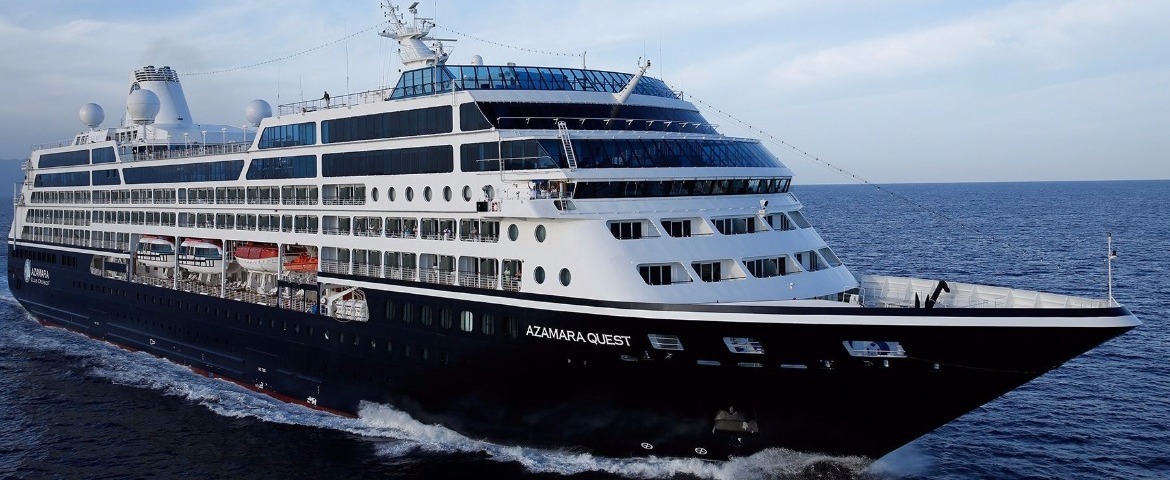
Azamara Quest
8 Cruises
Celebrity Cruises (15 Cruises)
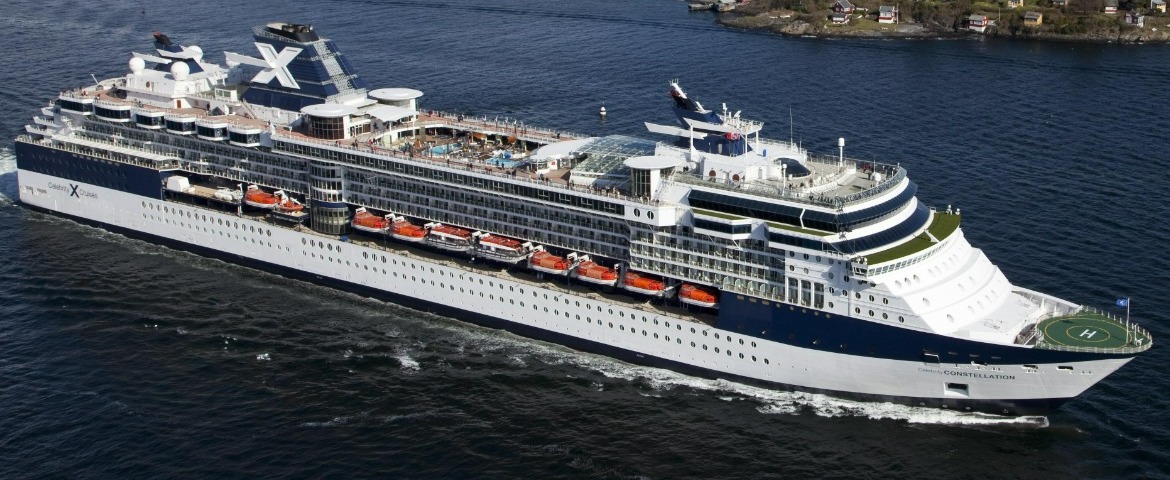

Celebrity Equinox
6 Cruises
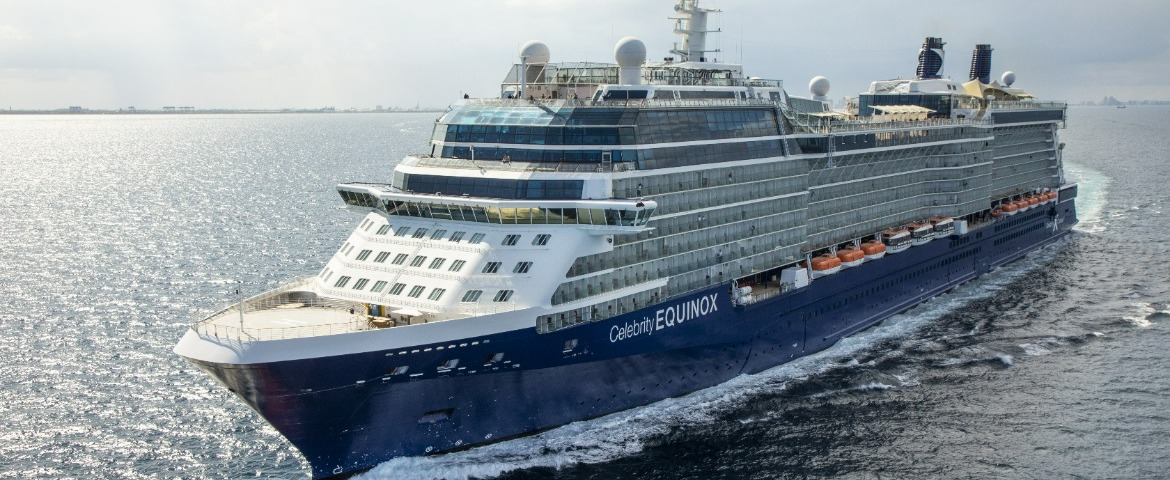
Celebrity XCEL
8 Cruises
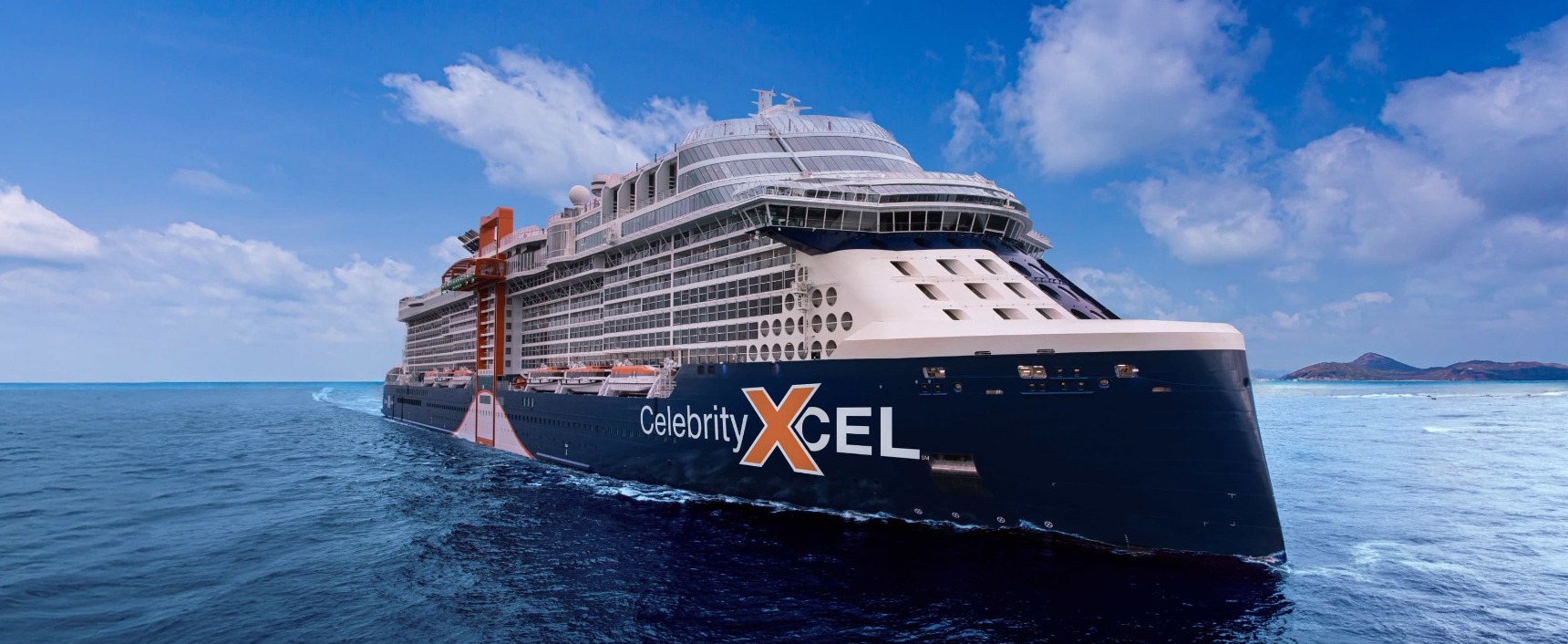
| 7 May | 10 nights | Round-trip from Barcelona, Spain |
From
2510$
|
| 28 May | 10 nights | Round-trip from Barcelona, Spain |
From
2503$
|
| 3 July | 7 nights | Round-trip from Barcelona, Spain |
From
2250$
|
| 10 July | 7 nights | Round-trip from Barcelona, Spain |
From
1818$
|
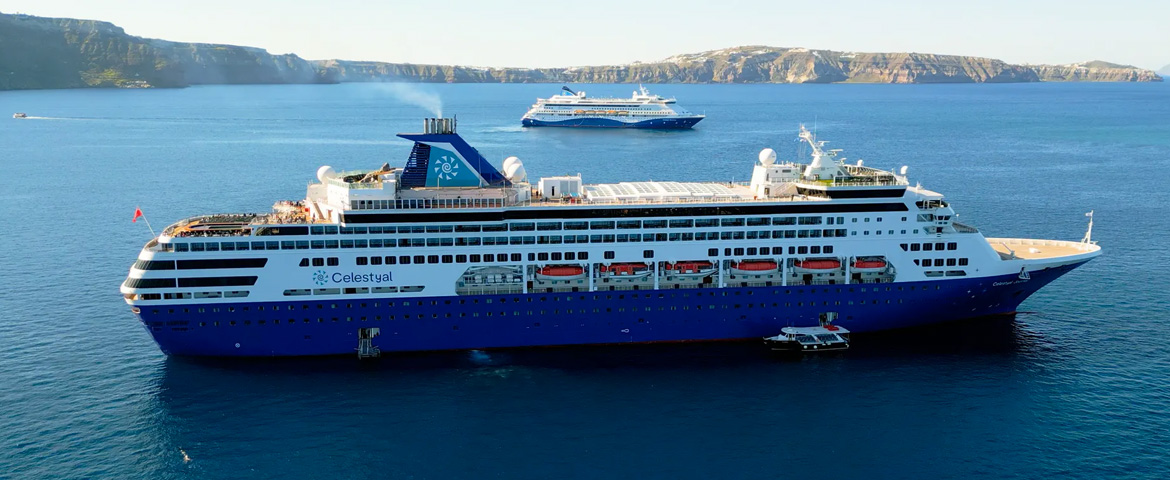
Celestyal Cruises (10 Cruises)

CroisiEurope (30 Cruises)
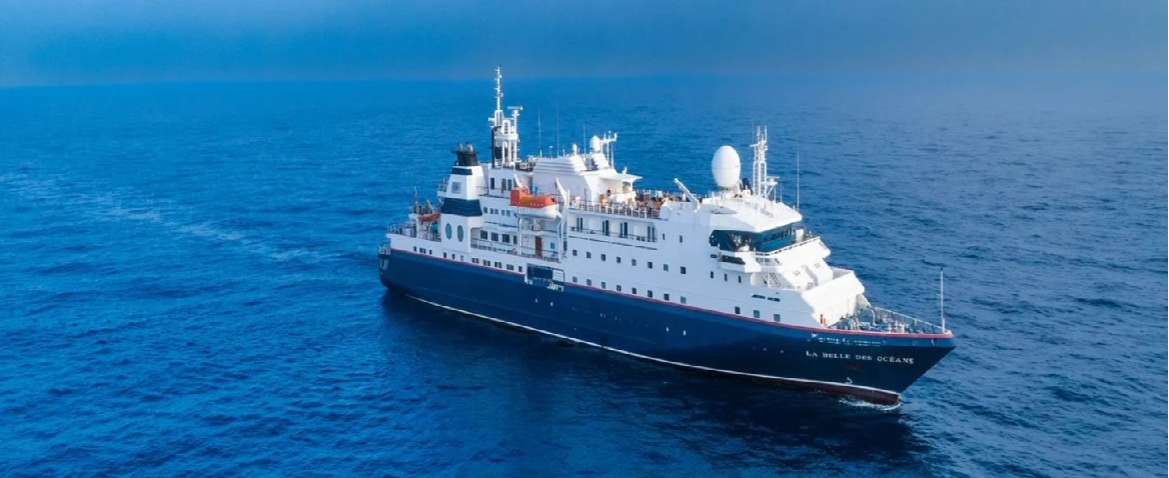
Mv La Belle Des Oceans
30 Cruises



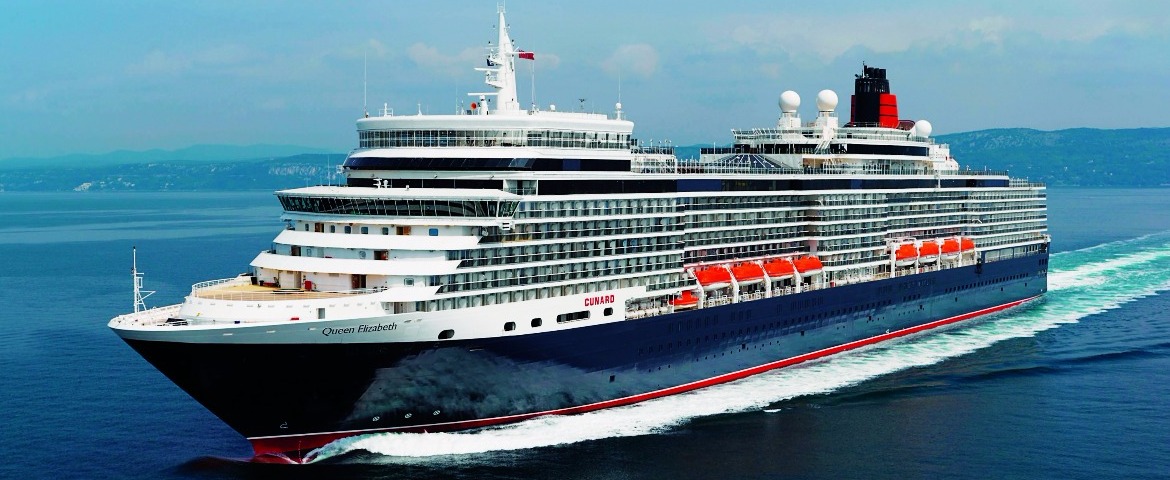
Cunard (7 Cruises)
Queen Elizabeth
7 Cruises

Emerald Waterways (43 Cruises)
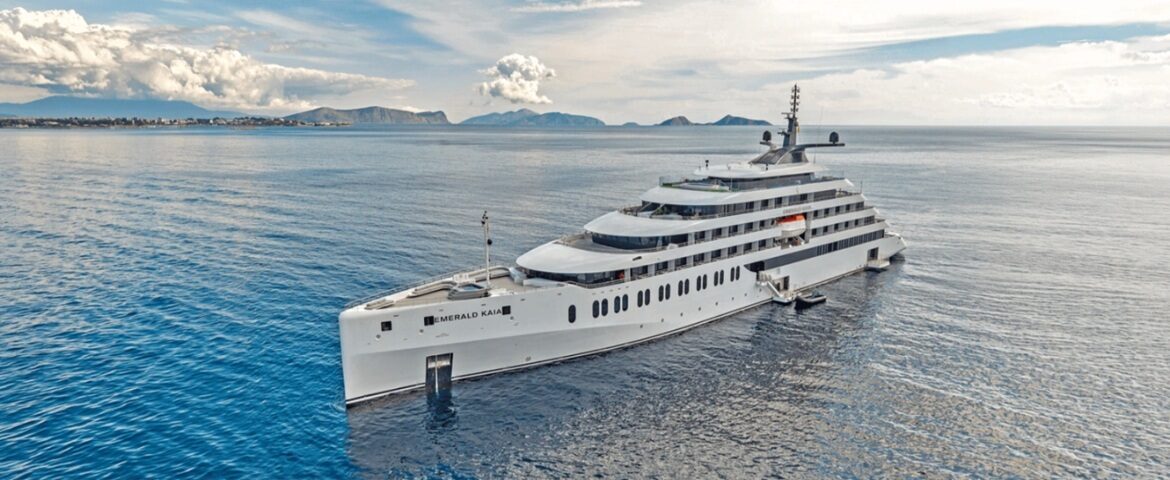
Emerald Kaia
8 Cruises

| 3 June | 7 nights | Round-trip from Villefranche-sur-Mer, France |
450-628-6241
Call us
|
| 10 June | 14 nights | One-way from Villefranche-sur-Mer to Dubrovnik |
450-628-6241
Call us
|
Emerald Radiance
12 Cruises

| 31 March | 21 days | One-way from Lisbon to Villefranche-sur-Mer |
450-628-6241
Call us
|
| 31 March | 18 days | One-way from Lisbon to Villefranche-sur-Mer |
450-628-6241
Call us
|
| 1 May | 15 days | One-way from Porto-Leixoes to Villefranche-sur-Mer |
450-628-6241
Call us
|
| 1 May | 18 days | One-way from Porto-Leixoes to Villefranche-sur-Mer |
450-628-6241
Call us
|
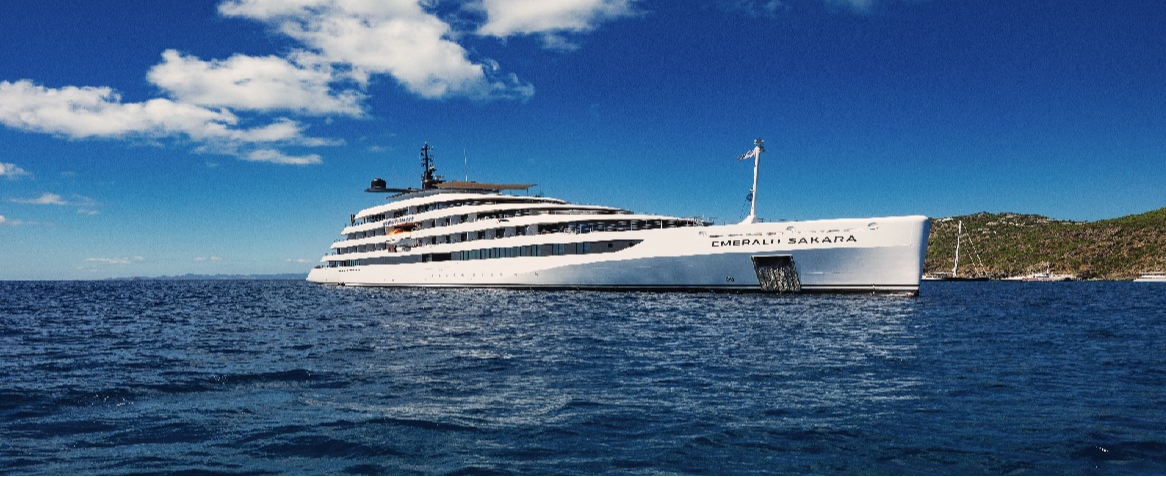
Emerald Sakara
23 Cruises
| 4 June | 8 nights | One-way from Villefranche-sur-Mer to Rome City |
450-628-6241
Call us
|
| 30 June | 17 nights | One-way from Valletta to Villefranche-sur-Mer |
450-628-6241
Call us
|
| 8 July | 10 nights | One-way from Rome City to Villefranche-sur-Mer |
450-628-6241
Call us
|
| 18 July | 11 nights | One-way from Villefranche-sur-Mer to Rome City |
450-628-6241
Call us
|
Explora Journeys (29 Cruises)
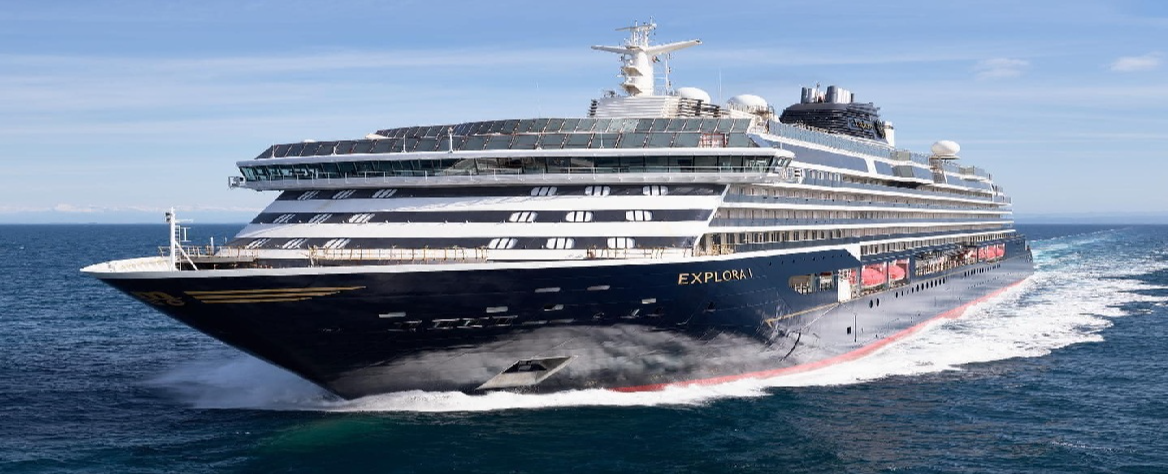
Explora I
14 Cruises

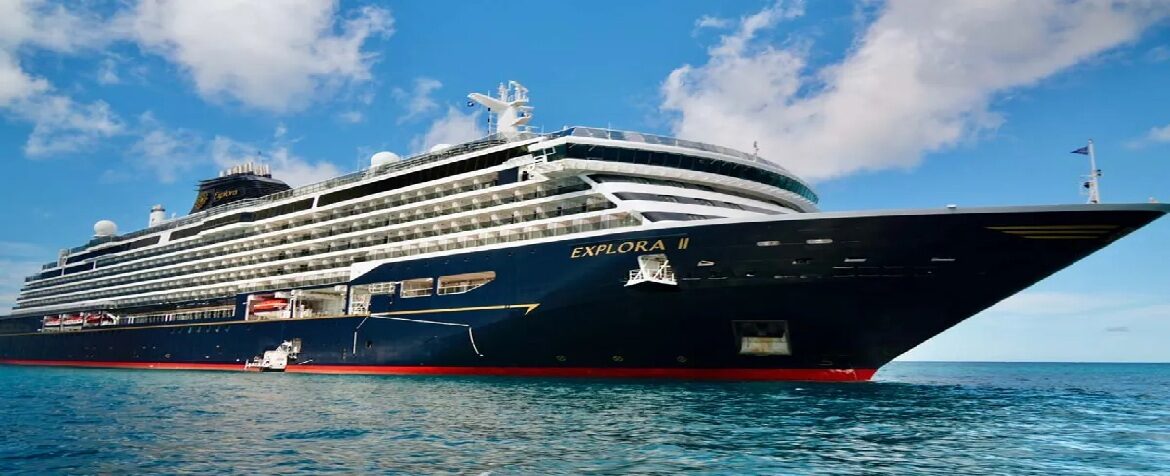
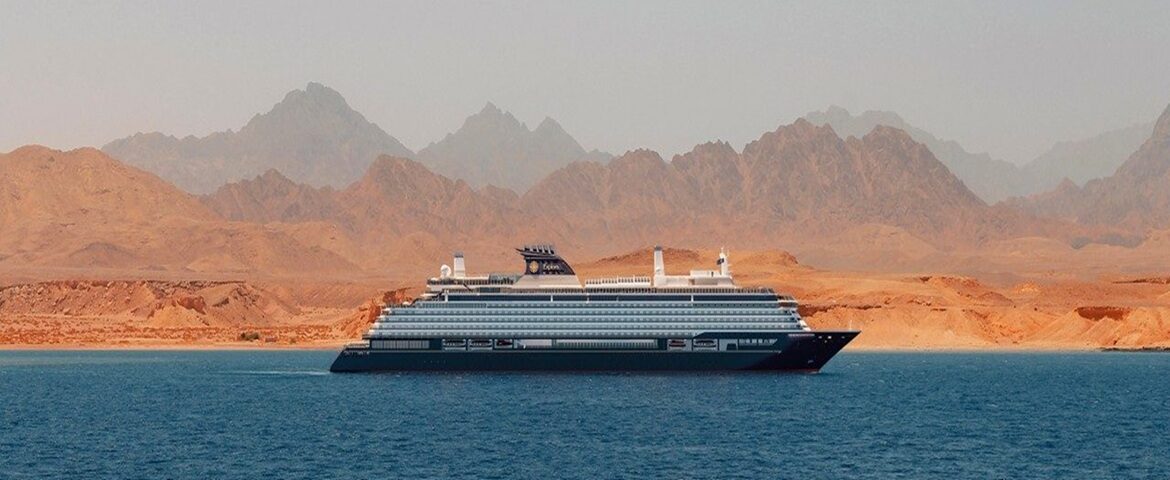
Explora II
13 Cruises
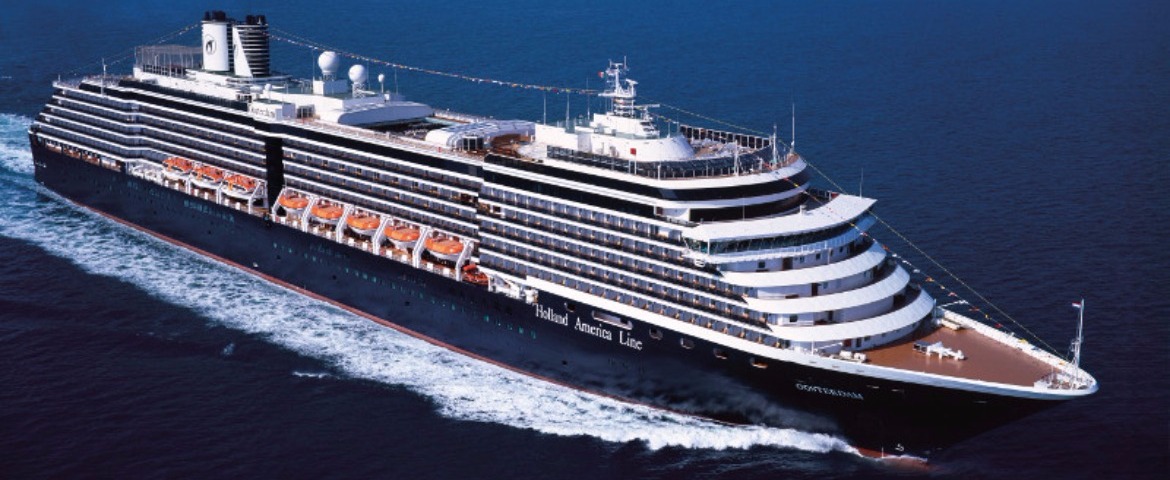
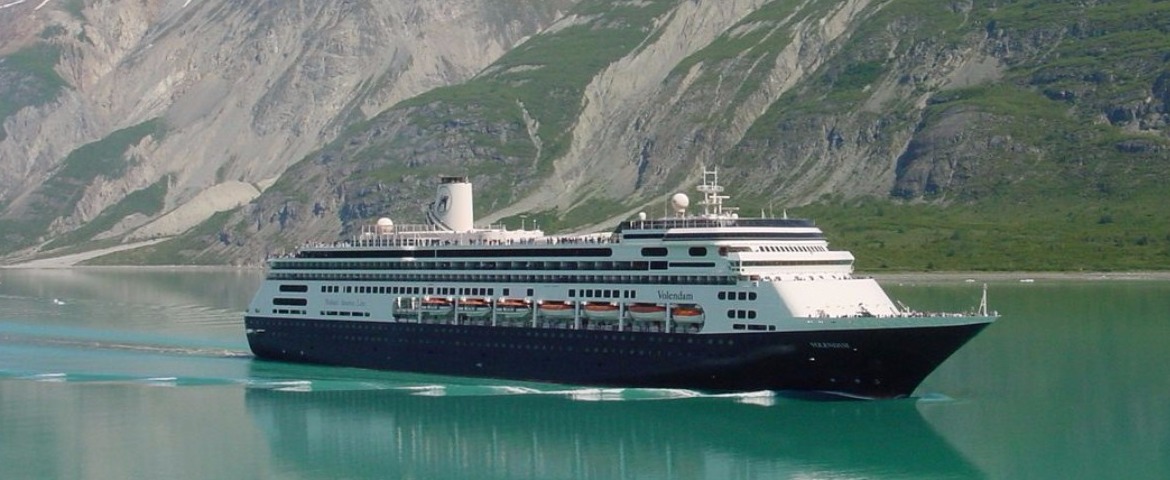
Holland America Line (5 Cruises)

Norwegian Cruise Line (29 Cruises)
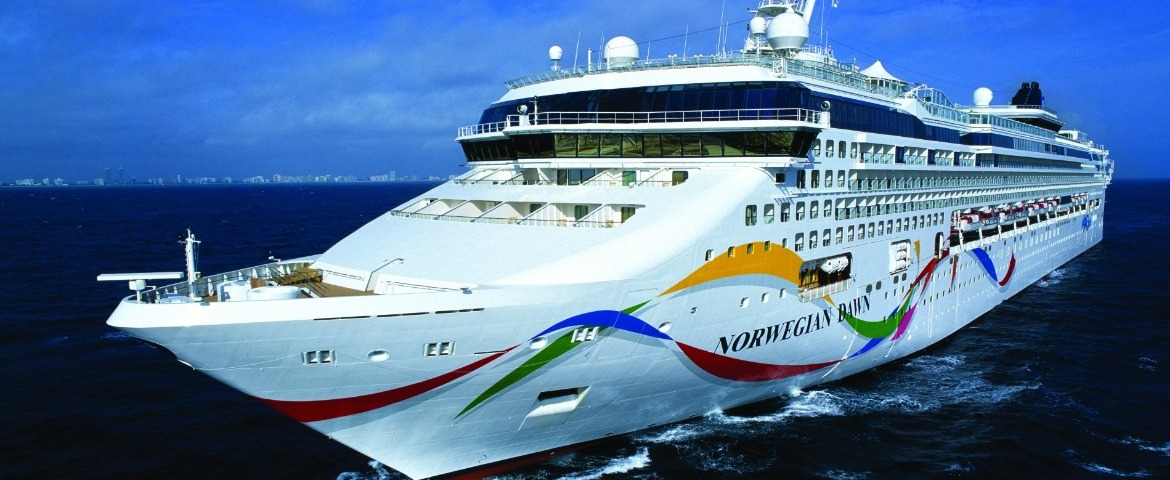

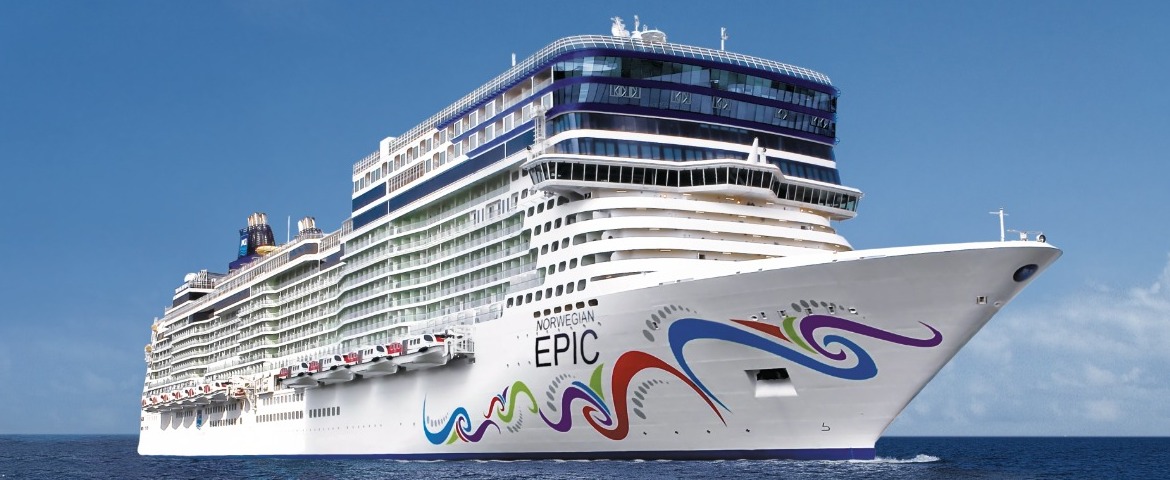
Norwegian Epic
18 Cruises
| 16 May | 7 nights | One-way from Barcelona to Civitavecchia-Rome |
From
819$
|
| 30 May | 7 nights | One-way from Barcelona to Civitavecchia-Rome |
From
869$
|
| 6 June | 7 nights | One-way from Civitavecchia-Rome to Barcelona |
From
812$
|
| 27 June | 7 nights | One-way from Barcelona to Civitavecchia-Rome |
From
955$
|
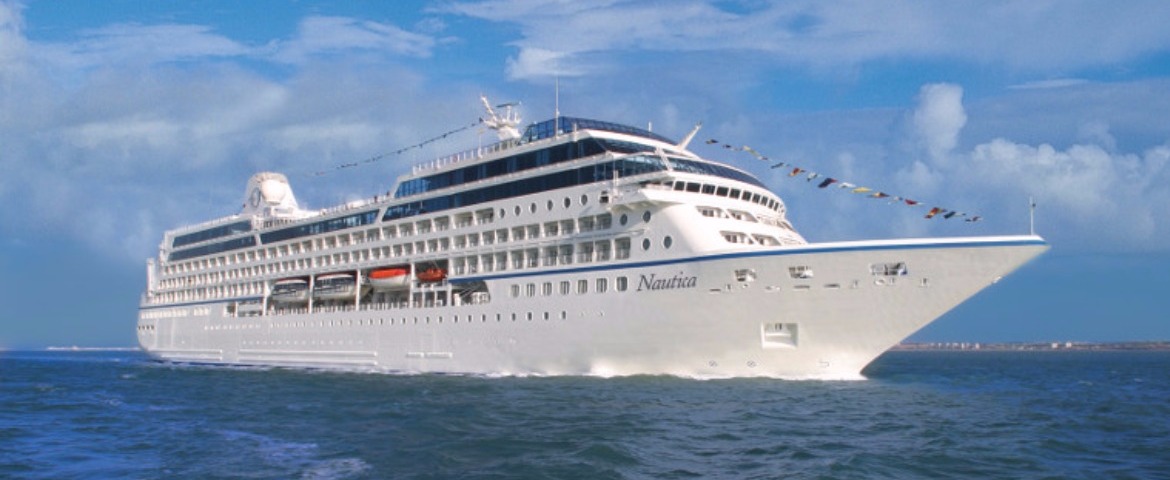
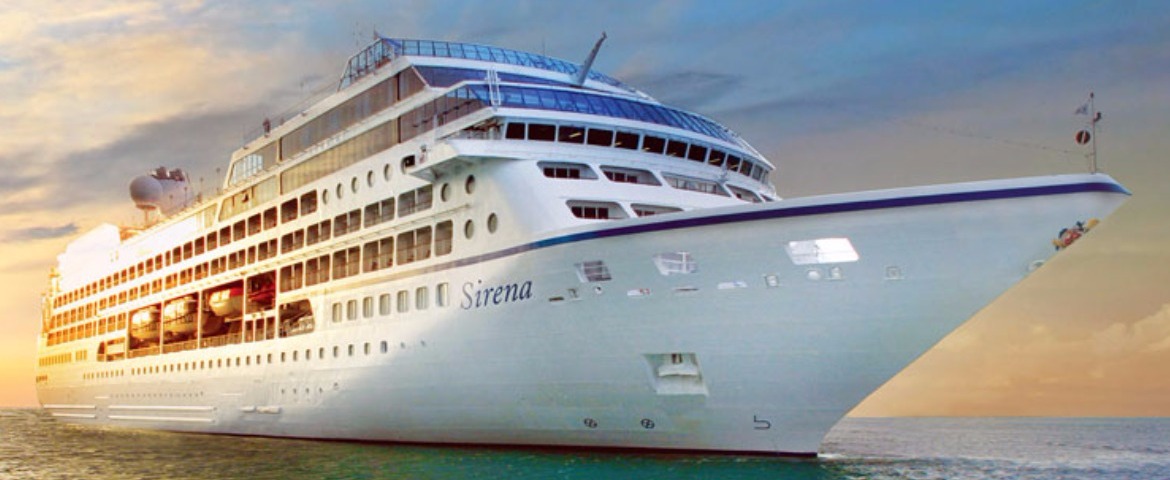
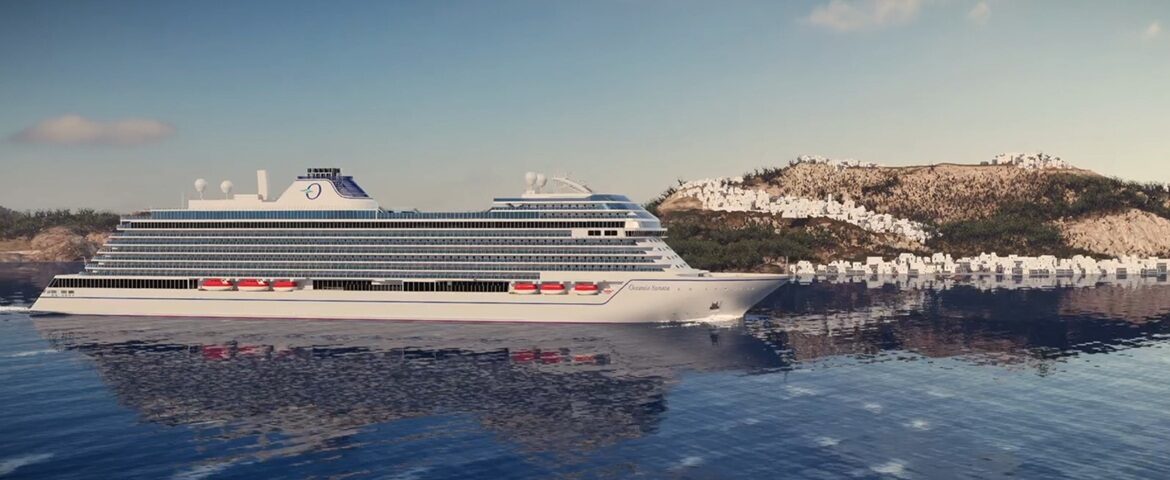
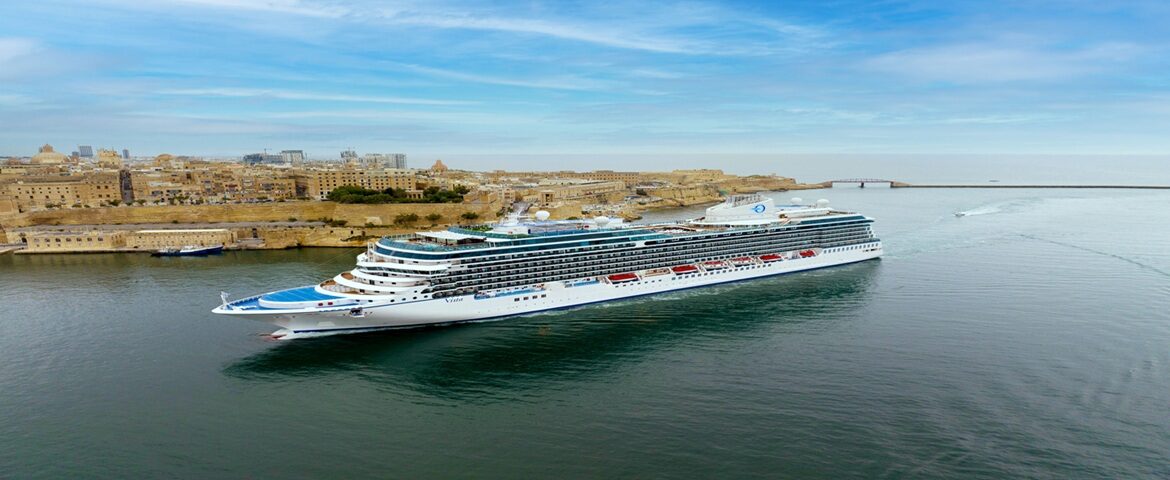
Oceania Cruises (11 Cruises)

Ponant (21 Cruises)
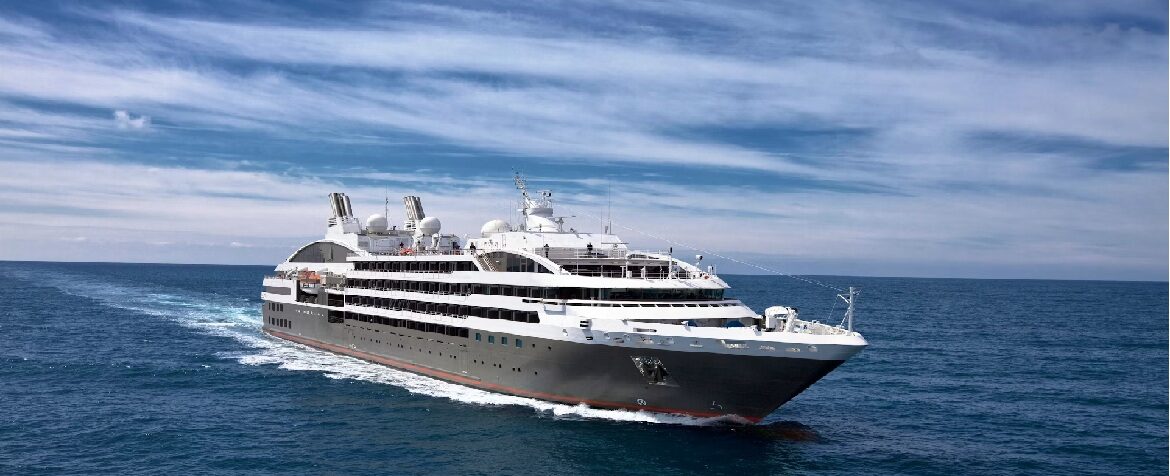

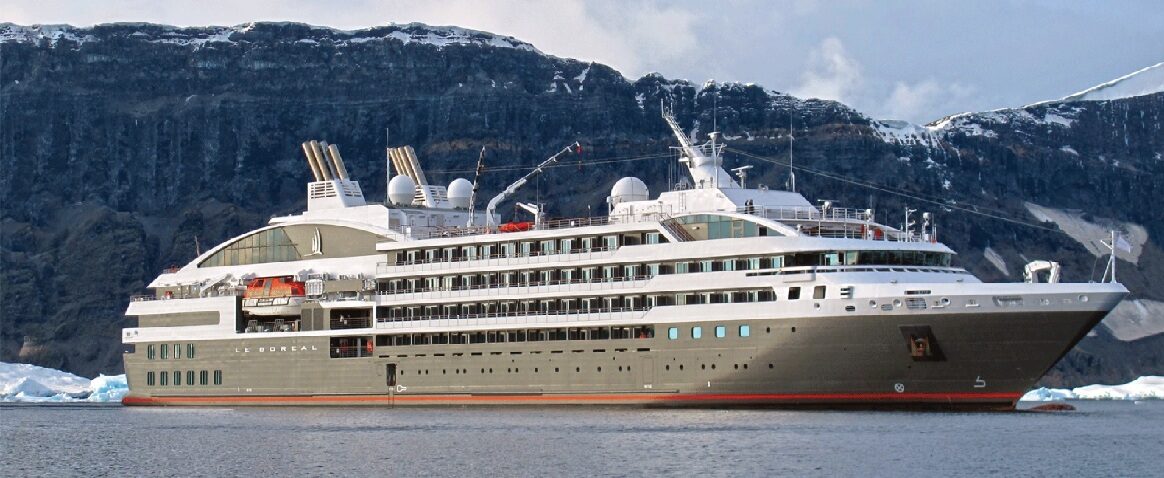
Le Boreal
8 Cruises
| 2 May | 5 nights | One-way from Barcelona to Villefranche-sur-Mer |
450-628-6241
Call us
|
| 7 May | 5 nights | One-way from Villefranche-sur-Mer to Civitavecchia-Rome |
450-628-6241
Call us
|
| 14 June | 9 nights | One-way from Valletta to Villefranche-sur-Mer |
450-628-6241
Call us
|
| 23 June | 7 nights | One-way from Villefranche-sur-Mer to Malaga |
450-628-6241
Call us
|
Le Bougainville
4 Cruises
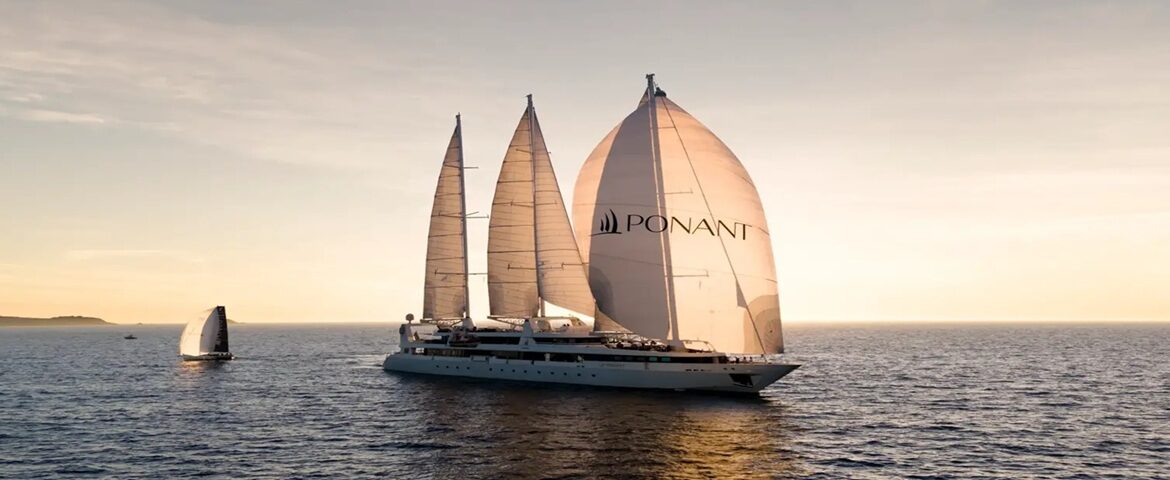
Le Ponant
8 Cruises
| 4 May | 7 nights | Round-trip from Villefranche-sur-Mer, France |
450-628-6241
Call us
|
| 18 May | 7 nights | Round-trip from Villefranche-sur-Mer, France |
450-628-6241
Call us
|
Regent Seven Seas Cruises (17 Cruises)
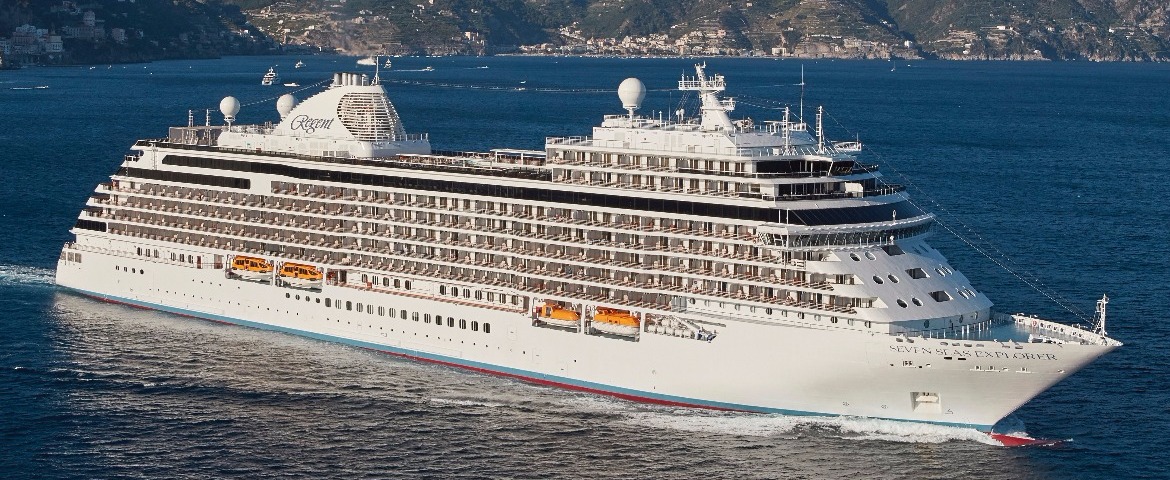

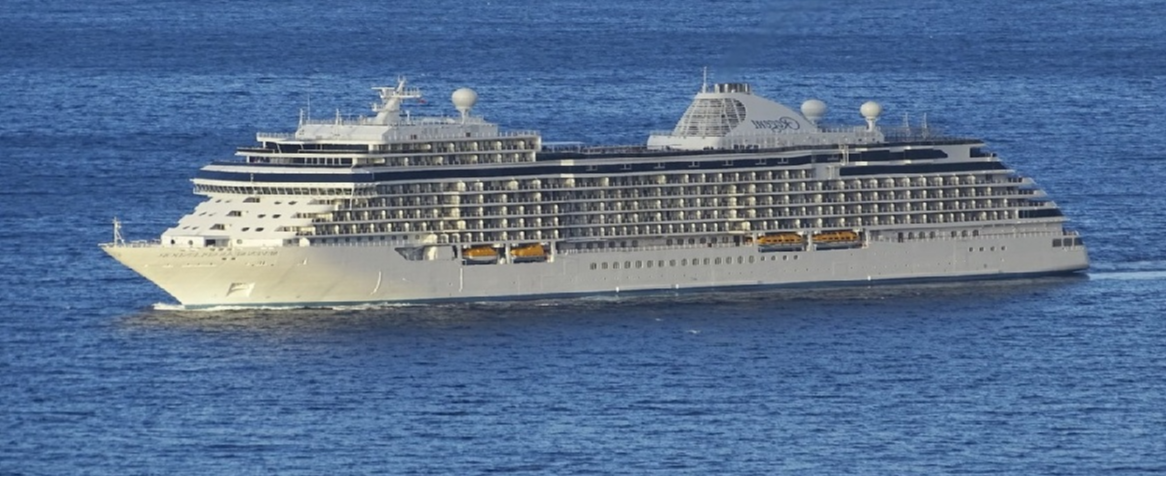

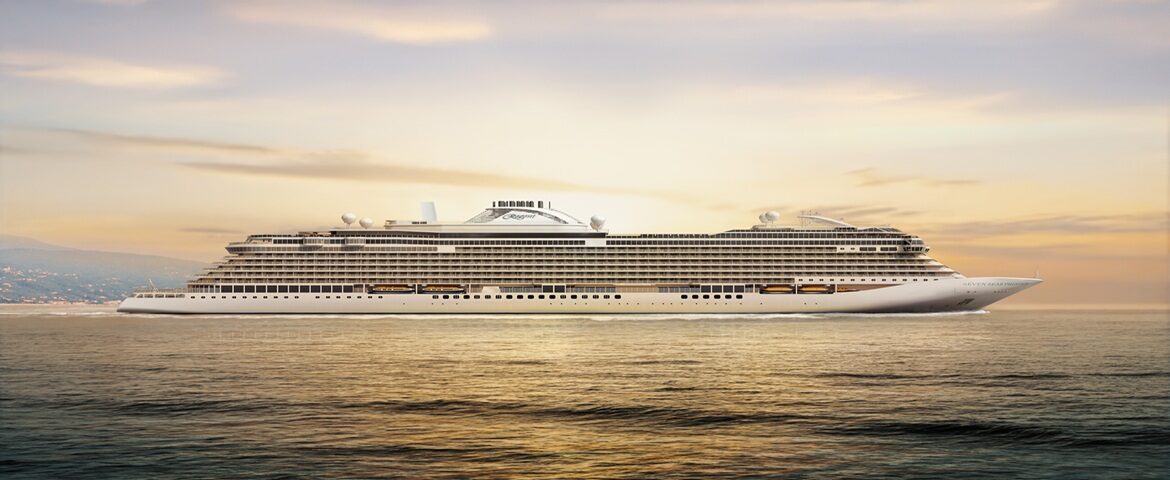
Seven Seas Prestige
9 Cruises
| 8 June | 18 nights | One-way from Lisbon to Civitavecchia-Rome |
450-628-6241
Call us
|
| 17 June | 9 nights | One-way from Barcelona to Civitavecchia-Rome |
450-628-6241
Call us
|
Royal Caribbean Cruises (8 Cruises)
Explorer of the Seas
6 Cruises



Scenic Cruises (34 Cruises)
Scenic Eclipse
6 Cruises


| 25 April | 9 days | One-way from Malaga to Villefranche-sur-Mer |
450-628-6241
Call us
|
| 25 April | 10 nights | One-way from Malaga to Villefranche-sur-Mer |
450-628-6241
Call us
|
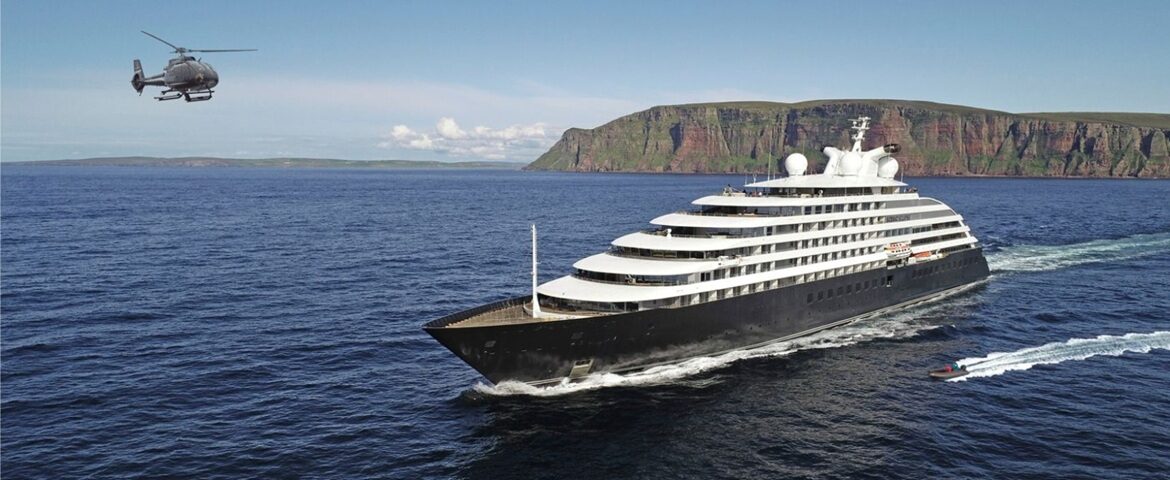
Scenic Eclipse II
6 Cruises
| 25 April | 10 nights | One-way from Malaga to Villefranche-sur-Mer |
450-628-6241
Call us
|
| 25 April | 9 days | One-way from Malaga to Villefranche-sur-Mer |
450-628-6241
Call us
|
Scenic Gem
5 Cruises

Scenic Sapphire
17 Cruises

SeaDream Yacht Club (23 Cruises)
Seadream I
9 Cruises
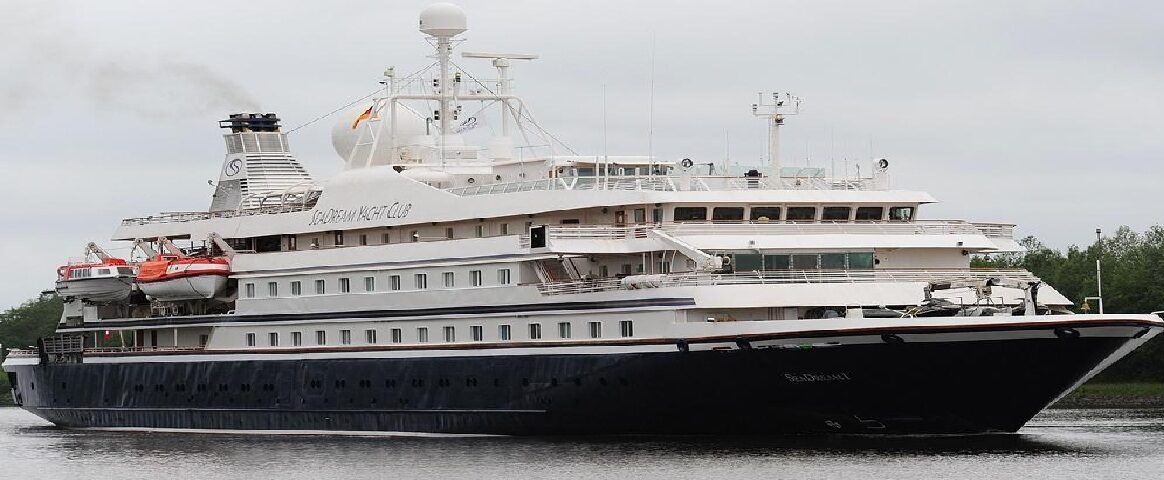

| 3 June | 7 nights | Round-trip from Villefranche-sur-Mer, France |
450-628-6241
Call us
|
| 10 June | 14 nights | One-way from Villefranche-sur-Mer to Venice |
450-628-6241
Call us
|
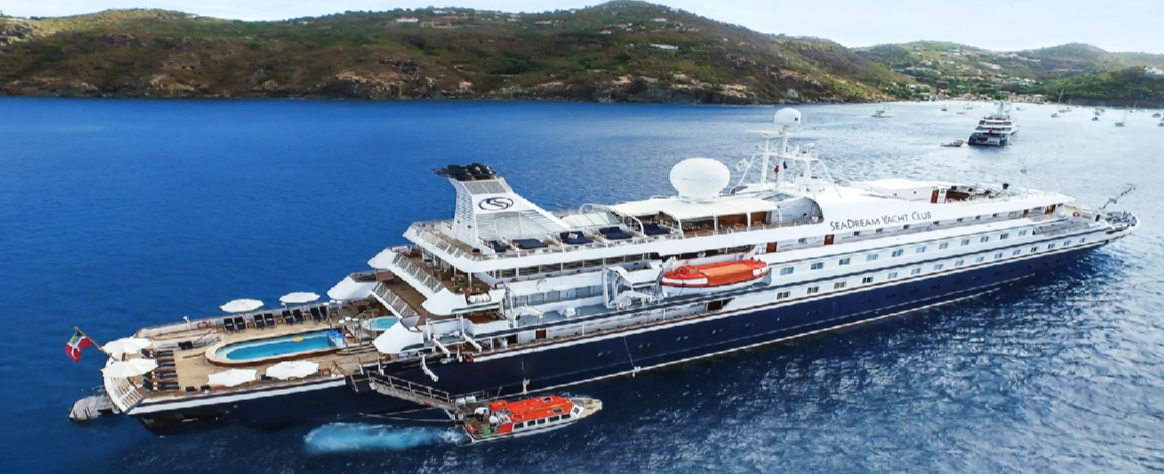
Seadream II
14 Cruises
Silversea Cruises (31 Cruises)

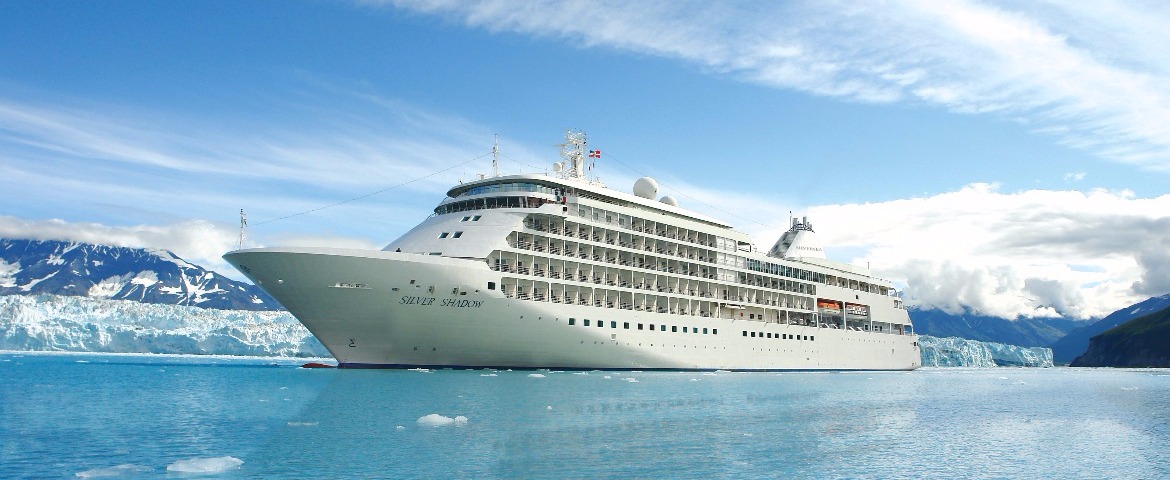
Silver Shadow
29 Cruises
| 9 March | 23 nights | One-way from San Juan to Villefranche-sur-Mer |
450-628-6241
Call us
|
| 23 March | 9 nights | One-way from Lisbon to Villefranche-sur-Mer |
450-628-6241
Call us
|
| 7 May | 10 nights | One-way from Venice to Villefranche-sur-Mer |
450-628-6241
Call us
|
| 24 May | 8 nights | Round-trip from Villefranche-sur-Mer, France |
450-628-6241
Call us
|
| 13 September | 24 nights | One-way from Piraeus-Athens to Villefranche-sur-Mer |
450-628-6241
Call us
|
| 25 September | 12 nights | One-way from Venice to Villefranche-sur-Mer |
450-628-6241
Call us
|
Star Clippers (17 Cruises)
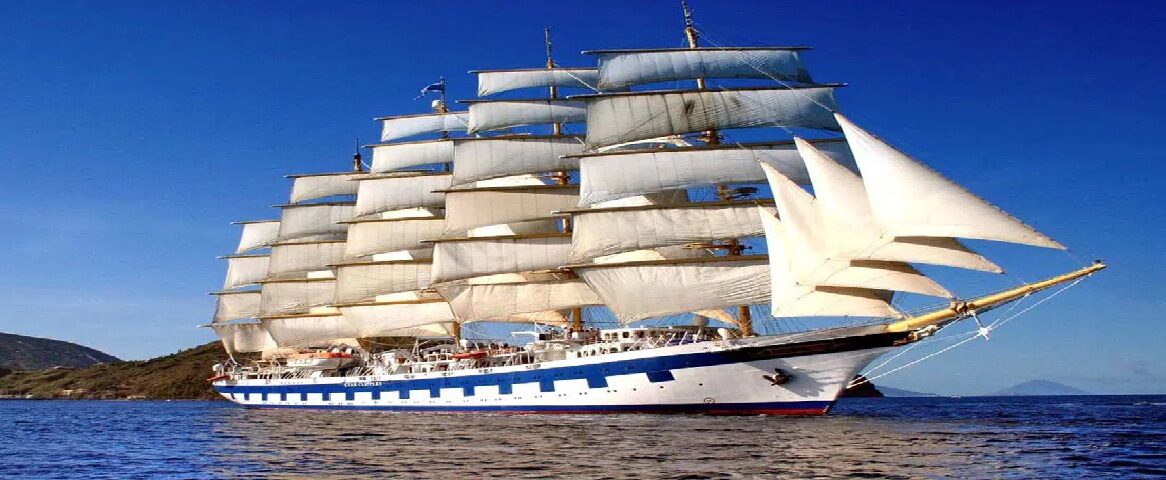
Royal Clipper
10 Cruises

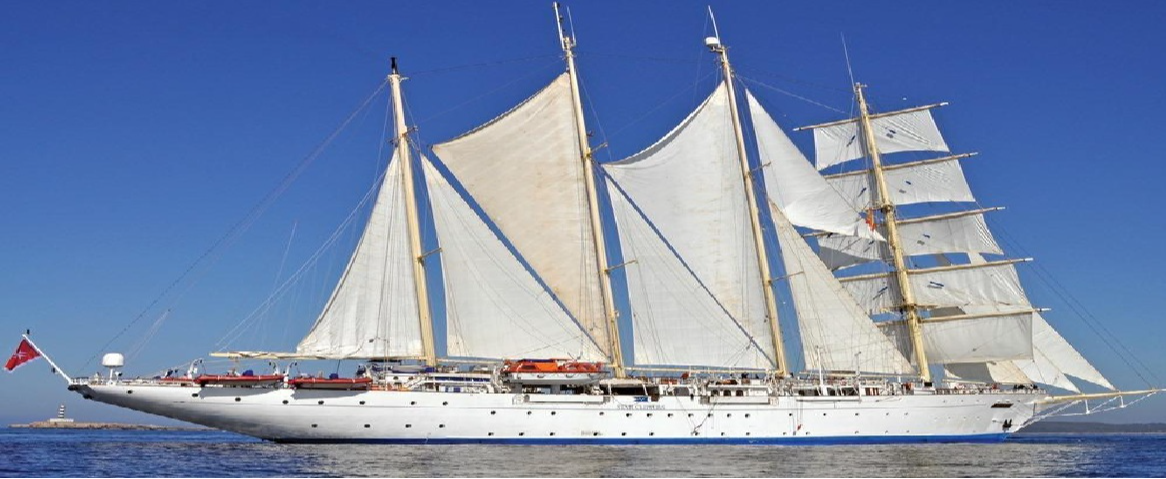
Star Clipper
7 Cruises
| 25 September | 7 nights | One-way from Civitavecchia-Rome to Villefranche-sur-Mer |
450-628-6241
Call us
|
| 25 September | 14 nights | One-way from Civitavecchia-Rome to Villefranche-sur-Mer |
450-628-6241
Call us
|
Viking Ocean Cruises (108 Cruises)
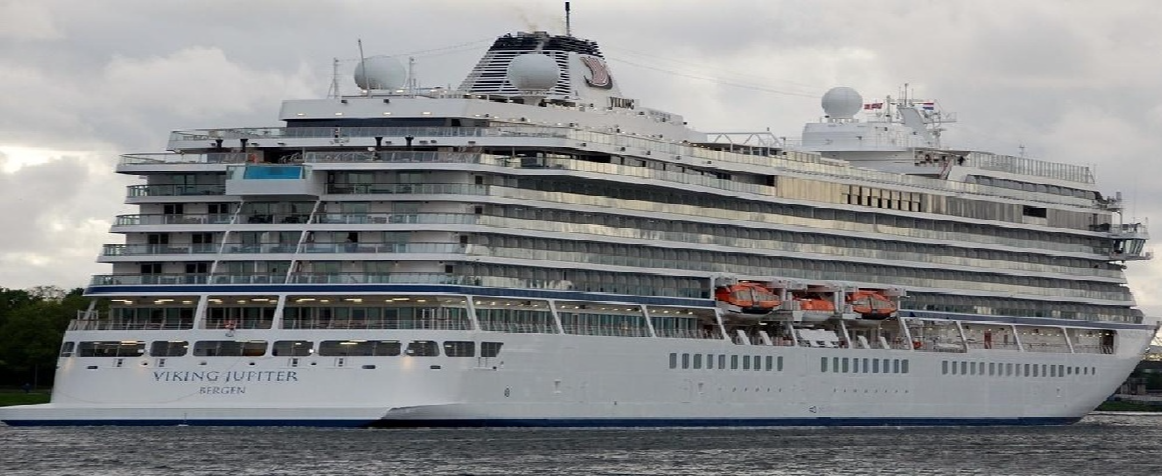
Viking Jupiter
10 Cruises

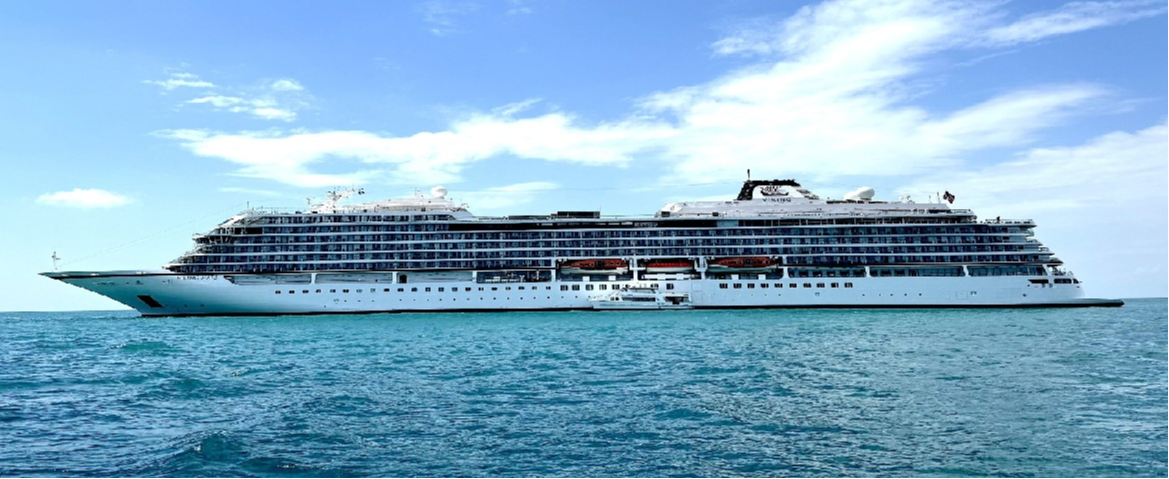
Viking Mars
7 Cruises
Viking Neptune
19 Cruises
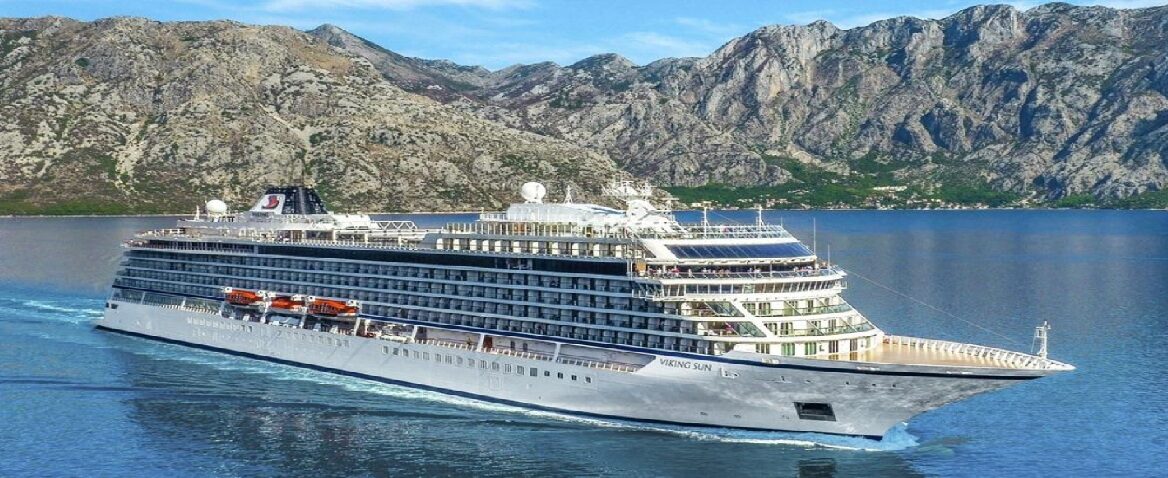
| 30 January | 19 nights | One-way from Piraeus-Athens to Lisbon |
450-628-6241
Call us
|
| 30 January | 12 nights | One-way from Piraeus-Athens to Barcelona |
450-628-6241
Call us
|
Viking Saturn
19 Cruises
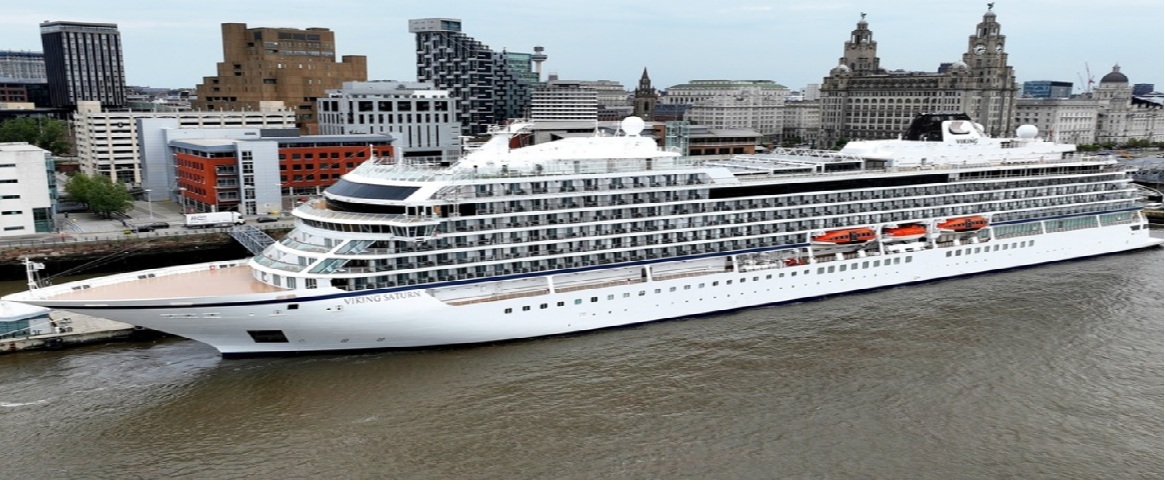
| 11 January | 12 nights | One-way from Piraeus-Athens to Barcelona |
450-628-6241
Call us
|
| 17 January | 6 nights | One-way from Civitavecchia-Rome to Barcelona |
450-628-6241
Call us
|
| 9 February | 12 nights | One-way from Barcelona to Piraeus-Athens |
450-628-6241
Call us
|
| 9 February | 6 nights | One-way from Barcelona to Civitavecchia-Rome |
450-628-6241
Call us
|
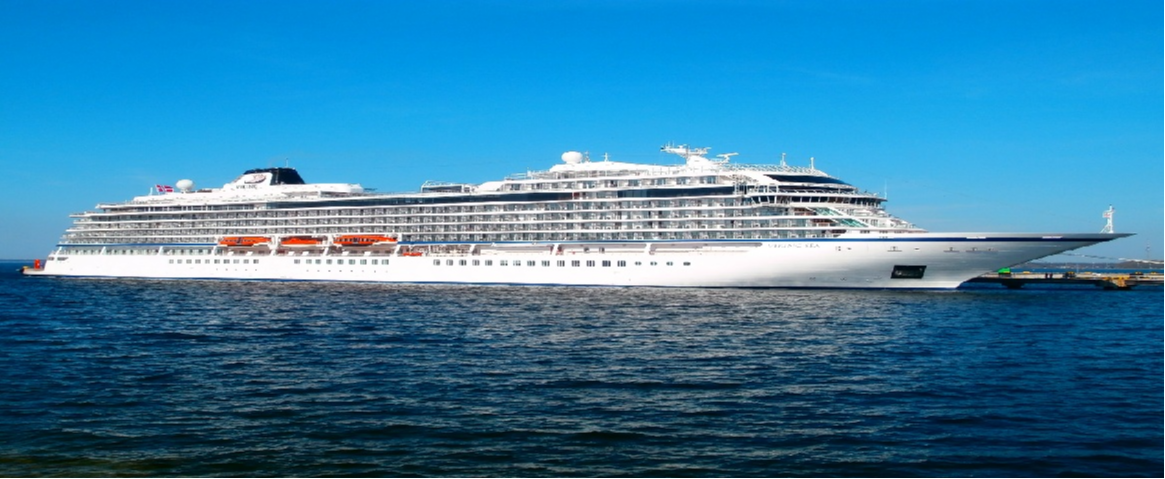
Viking Sea
5 Cruises
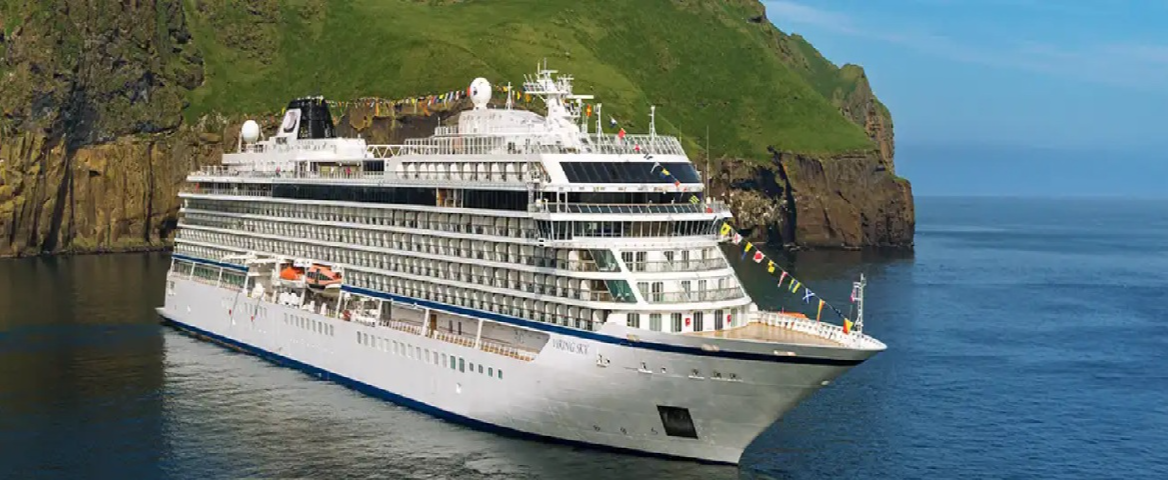
Viking Sky
8 Cruises
Viking Star
19 Cruises
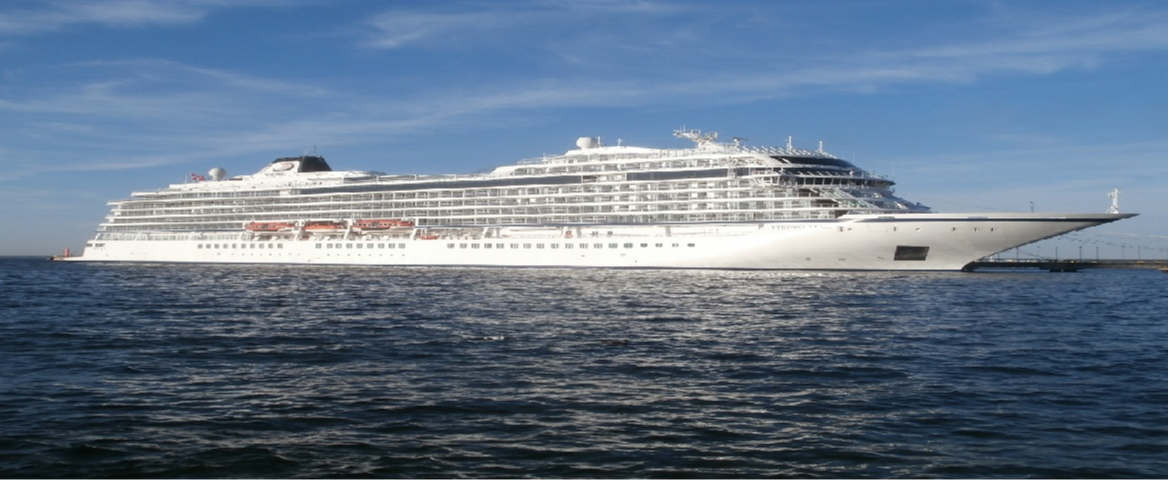
| 5 January | 14 nights | Round-trip from Civitavecchia-Rome, Italy |
450-628-6241
Call us
|
| 13 January | 6 nights | One-way from Barcelona to Civitavecchia-Rome |
450-628-6241
Call us
|
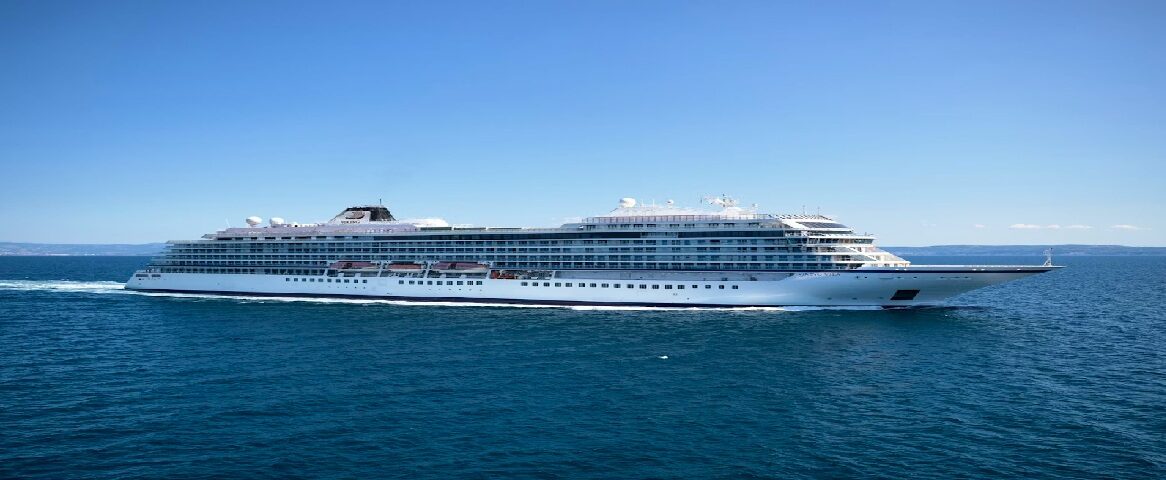
Viking Vela
21 Cruises
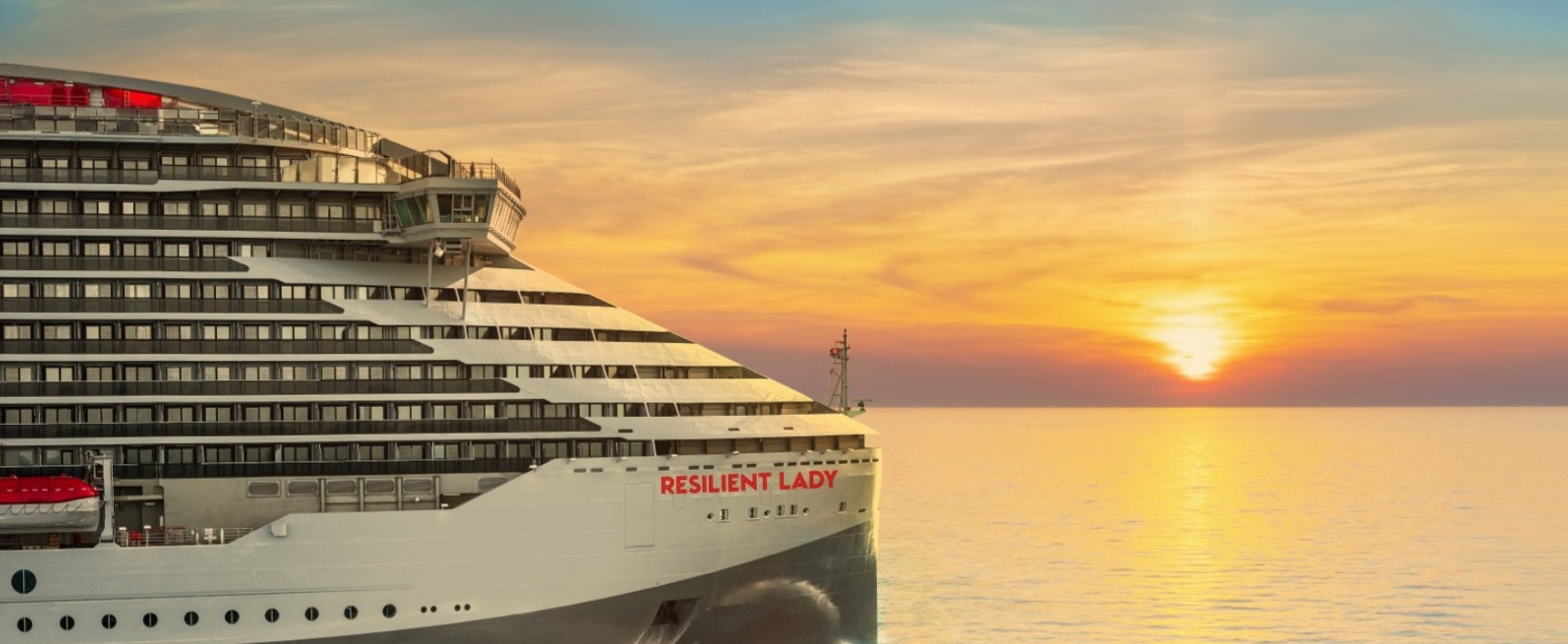
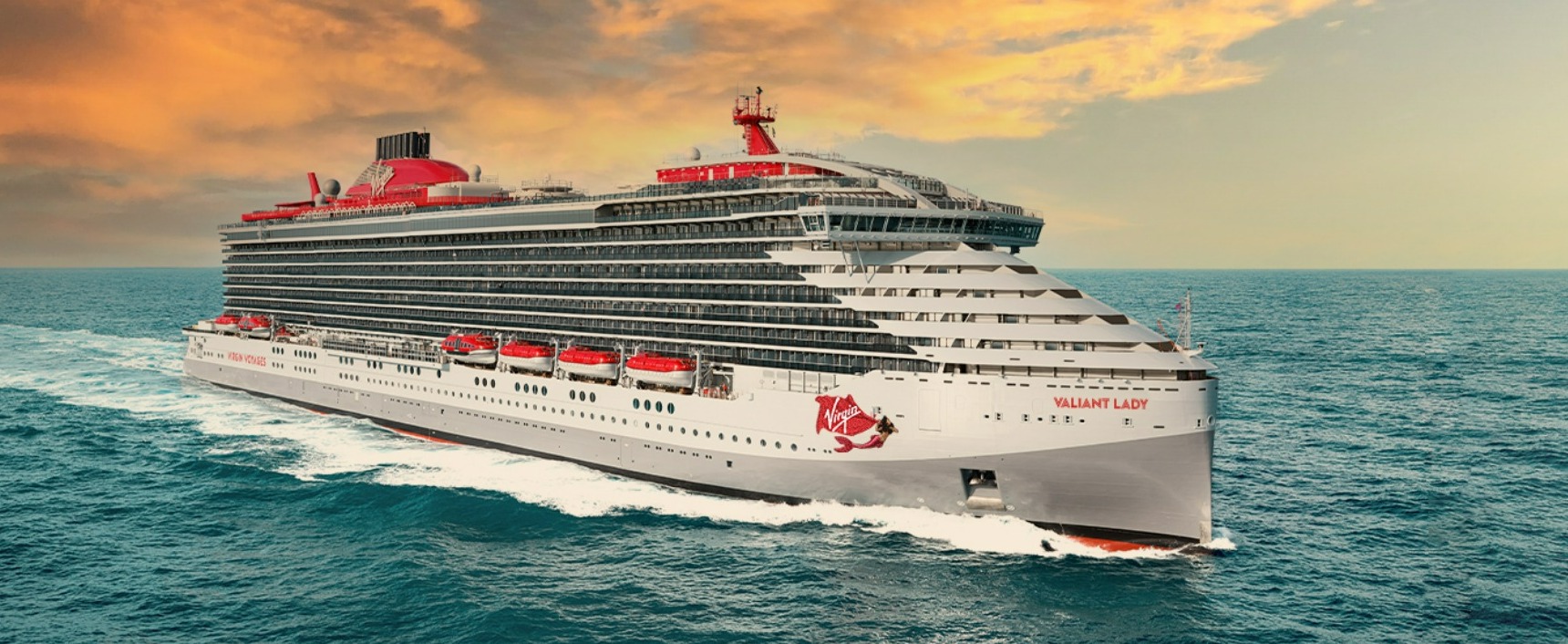
Virgin Voyages (8 Cruises)

Windstar Cruises (12 Cruises)
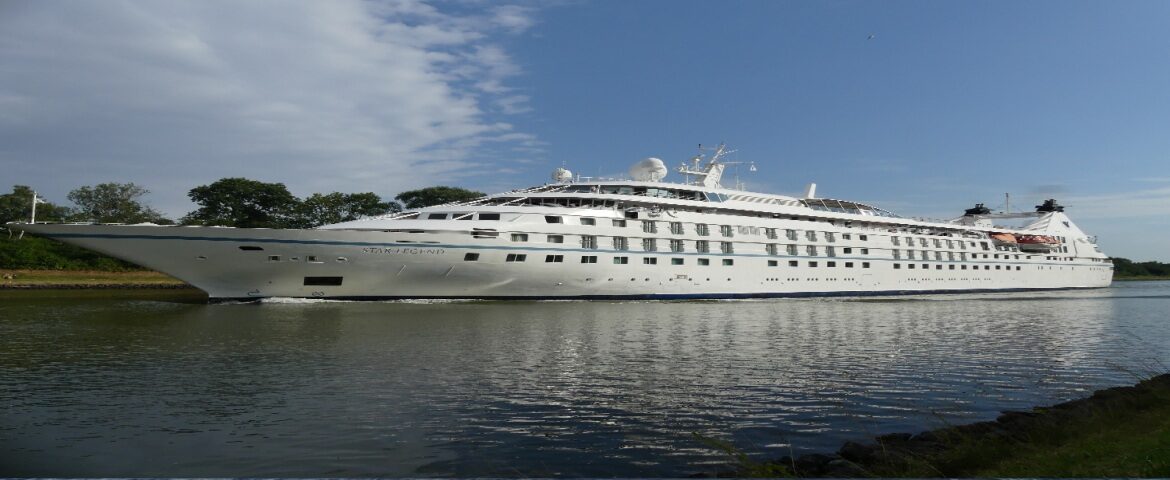
Star Legend
6 Cruises

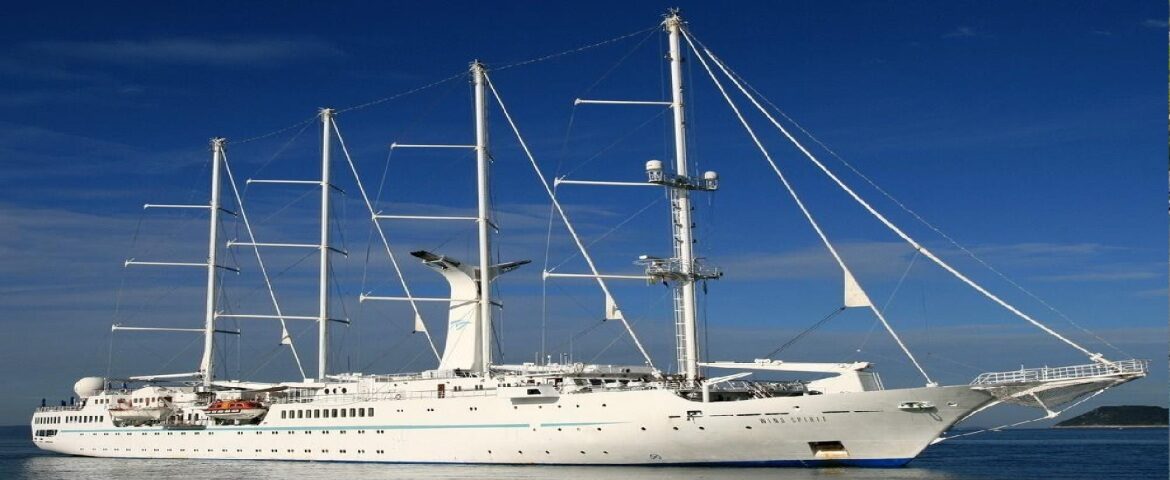
Wind Spirit
6 Cruises

Villefranche-sur-Mer, France | Cruise Port Guide
Frequently Asked Questions
No. Ships anchor in the middle of the bay and tenders land passengers directly on the old town quay, at the foot of the lanes. It is a short transfer in a sheltered bay considered one of the safest anchorages in the Mediterranean, but it is still a tender: in rough weather it can be delayed.
Everything sits within a few minutes' walk: the Saint-Pierre chapel decorated by Jean Cocteau on the quay itself, the Rue Obscure, the Saint-Michel church with its baroque surprise, then the 16th-century citadel at the end of the seafront. Two hours cover it, and many passengers do nothing else.
A vaulted 14th-century passage running beneath the houses along the whole length of the lower town. You walk through cool half-darkness, between walls that sheltered residents during past sieges. It is short, free, and the most surprising thing in the village.
Frescoes painted in 1957 by Jean Cocteau in a modest fishermen's chapel on the quay, mixing scenes from the life of Saint Peter with tributes to seafaring people. The visit takes only a few minutes: intimate, unusual, and one of the artistic signatures of the French Riviera.
Yes, by train. The station is about a five-minute walk from the landing stage and the coastal line serves both. A common plan is a morning in Nice or Monaco and a return in early afternoon to enjoy the village. Leave a comfortable margin: the return is by tender and the last runs do not wait.
Yes, across the bay, a stretch of sand and fine gravel running toward the railway station, about fifteen minutes' walk from the quay. The water is reputedly among the clearest on the coast. This is not fine Caribbean sand: bring water shoes if your feet are sensitive.
Yes, and entry is free. You can walk the ramparts and gardens, and a few small museums occupy the old military buildings. It has watched over the bay since the 16th century, at the far end of the seafront, ten minutes from the landing stage.
Yes, if you accept the slopes. The village is steep and the lanes climb, but everything is short. The beach, the free citadel and the colourful fishing boats fill a day easily. Strollers, on the other hand, struggle in the narrow lanes.
May, June, September and October strike the best balance: clear light, swimmable sea, moderate crowds. July and August are hot and very busy all along the Riviera. In winter several businesses close and swimming loses its appeal.
The euro and French. Cards work everywhere, including the quayside cafés. English is widely spoken in this visitor-oriented village. Haggling is not the custom.


