Salerno Italy
564
Cruises availables
At departure or passage at this port
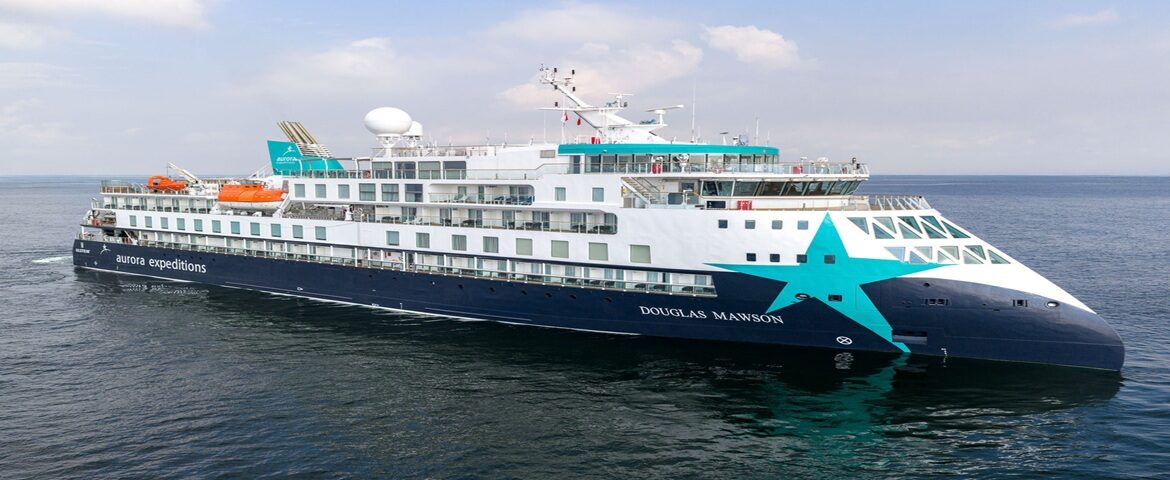
Aurora Expeditions (1 Cruises)

Azamara Club Cruises (26 Cruises)
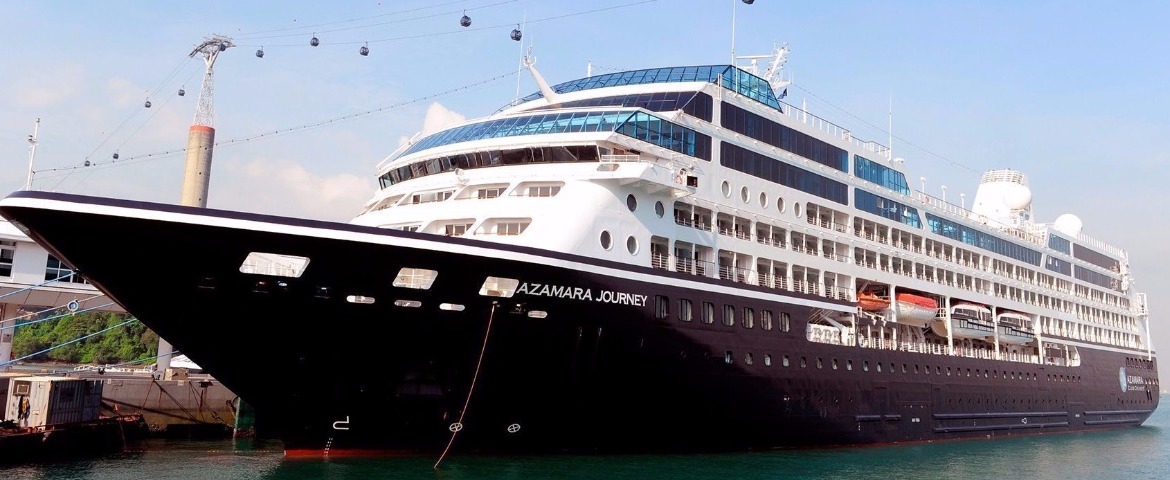
Azamara Journey
9 Cruises

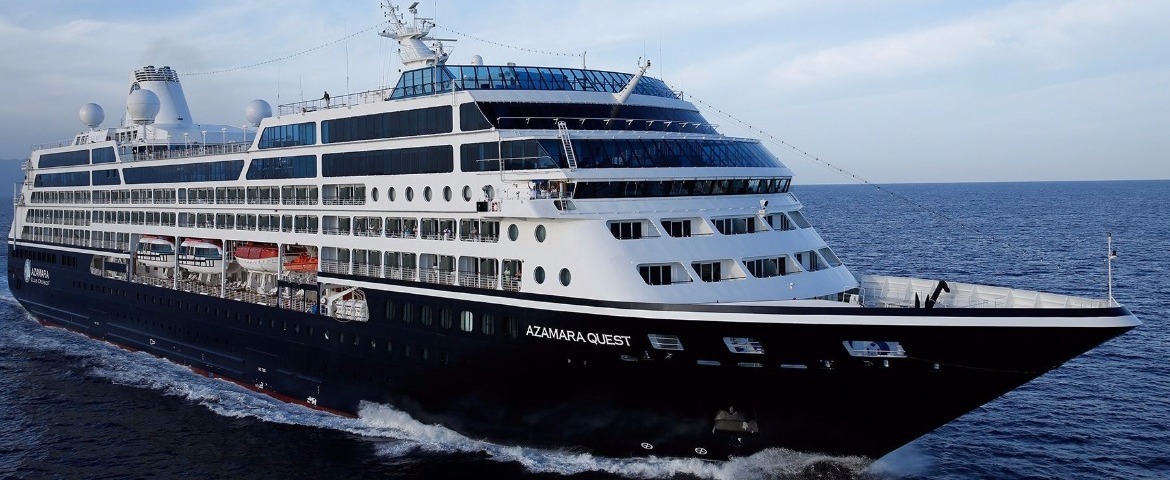
Azamara Onward
14 Cruises
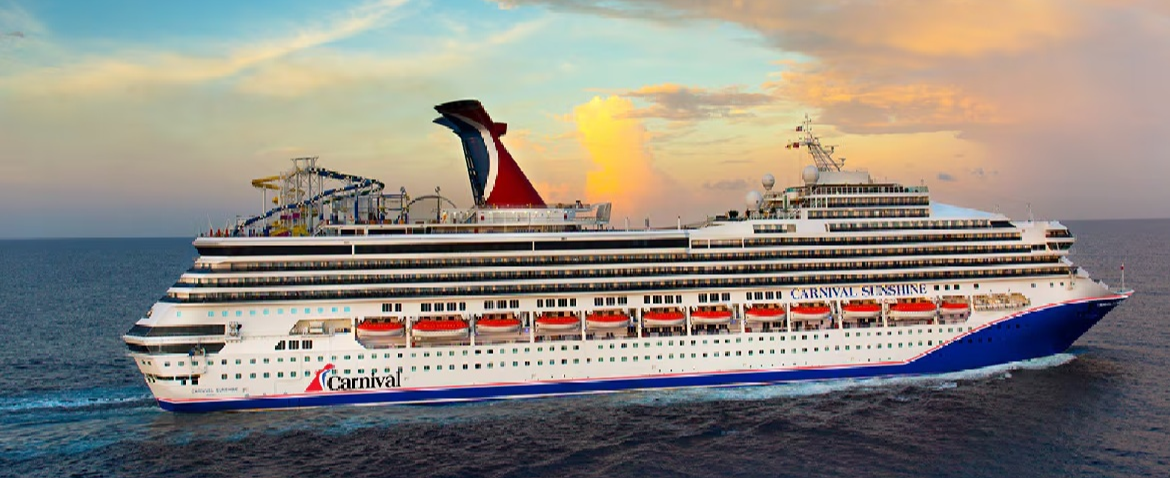
Carnival Cruise Line (4 Cruises)

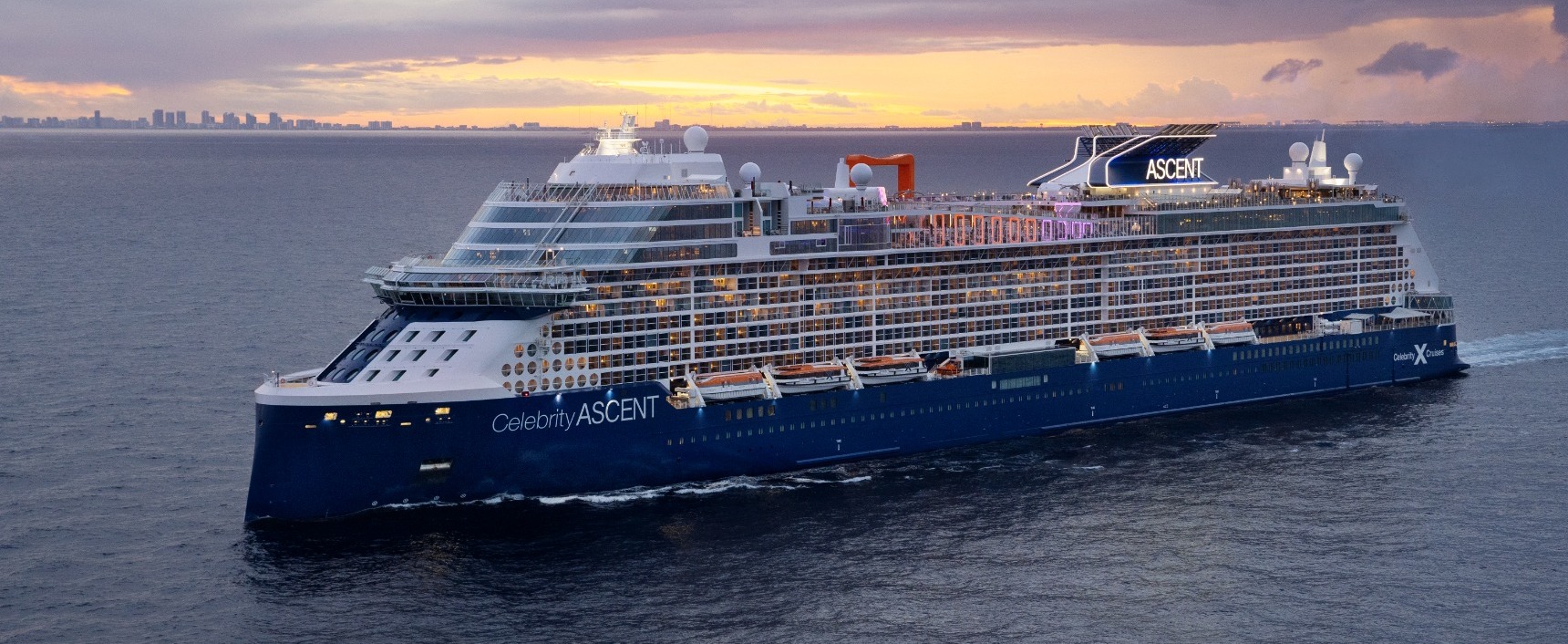
Celebrity Cruises (19 Cruises)

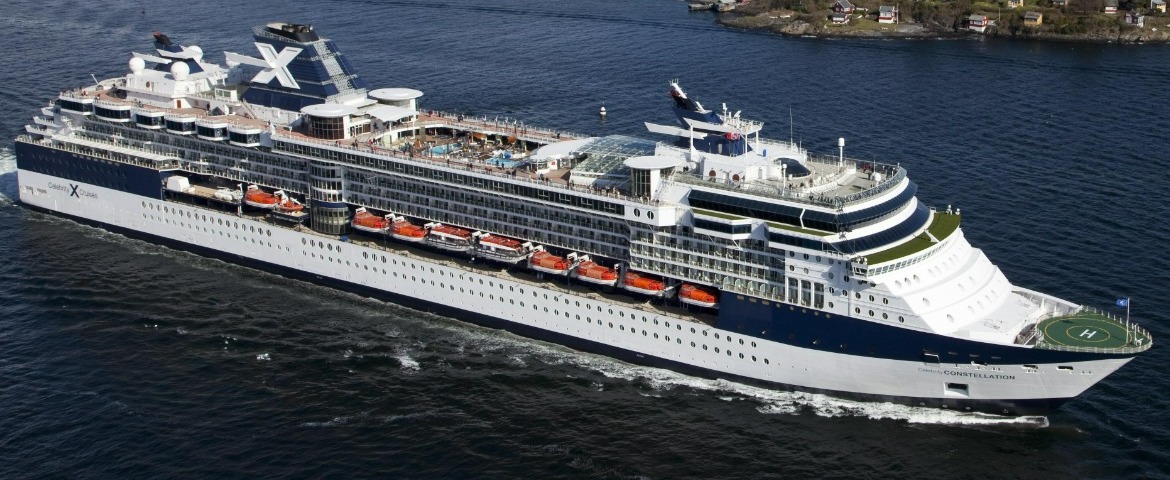
Celebrity Constellation
16 Cruises
| 15 May | 9 nights | One-way from Civitavecchia-Rome to Barcelona |
From
1504$
|
| 24 May | 11 nights | One-way from Barcelona to Civitavecchia-Rome |
From
1716$
|
Costa Cruises (44 Cruises)
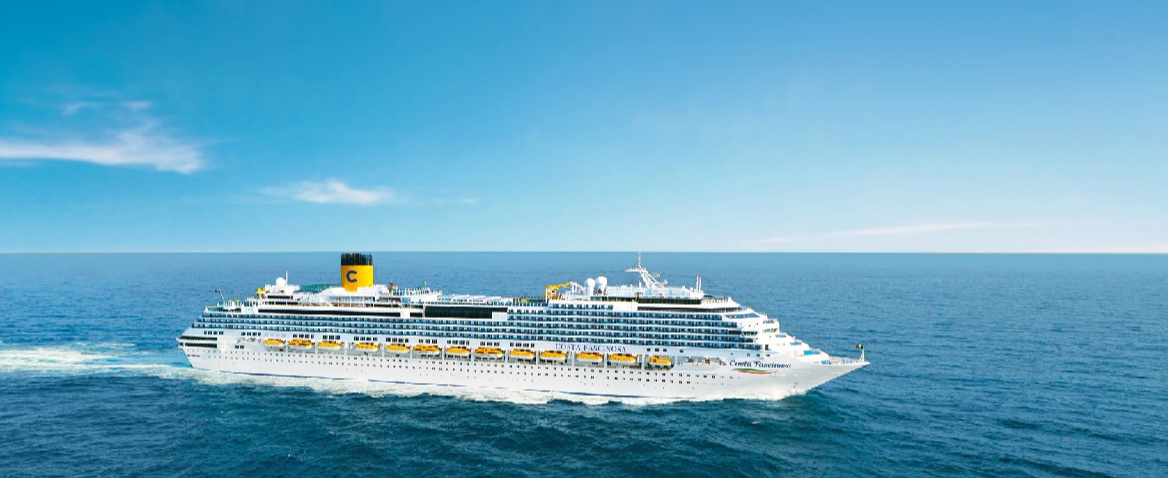
Costa Fascinosa
44 Cruises

CroisiEurope (30 Cruises)
MV La Belle de L'Adriatique
30 Cruises


| 30 November | 7 days | One-way from Valletta to Naples |
450-628-6241
Call us
|
| 30 November | 7 nights | One-way from Valletta to Naples |
450-628-6241
Call us
|
| 3 March | 7 days | One-way from Naples to Valletta |
450-628-6241
Call us
|
| 3 March | 7 nights | One-way from Naples to Valletta |
450-628-6241
Call us
|
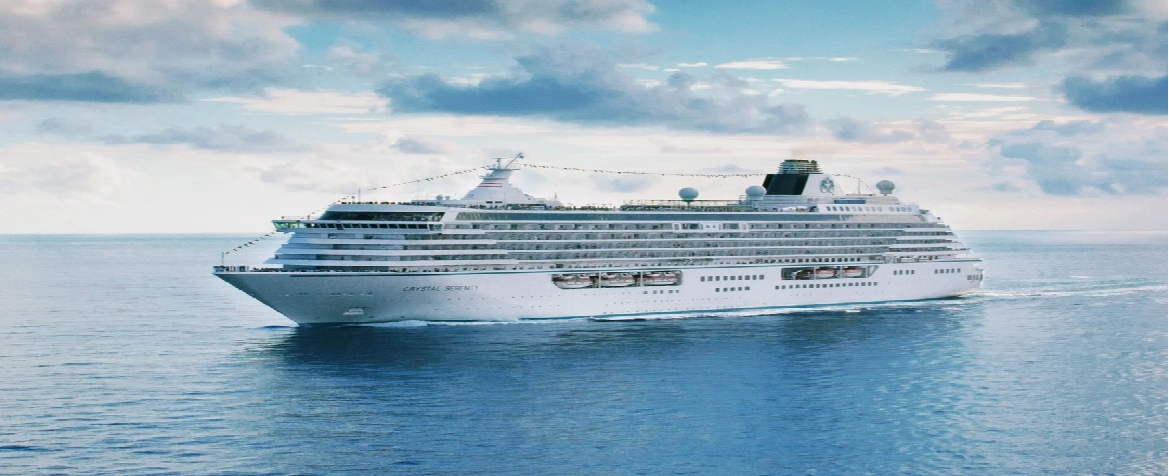
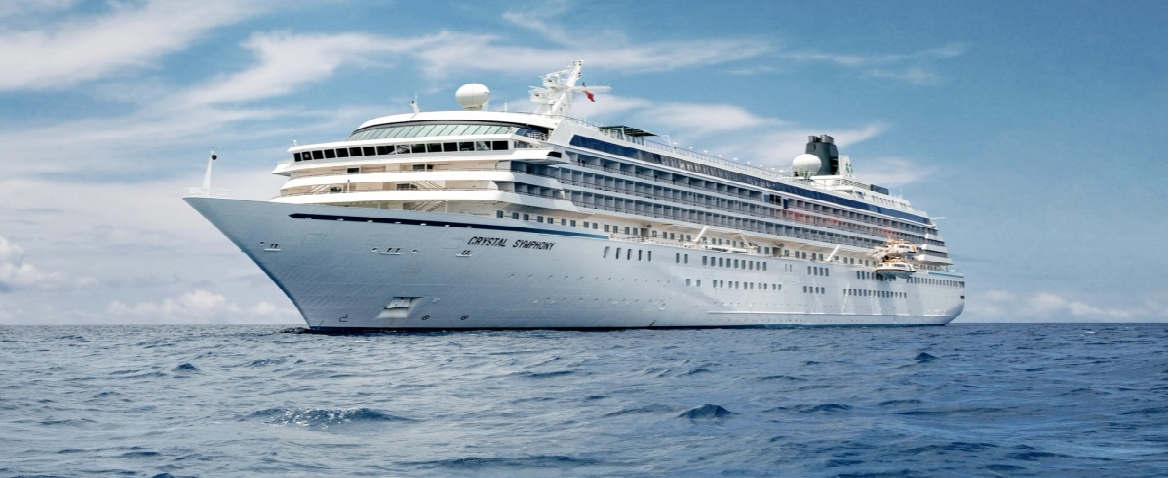
Crystal Cruises (6 Cruises)

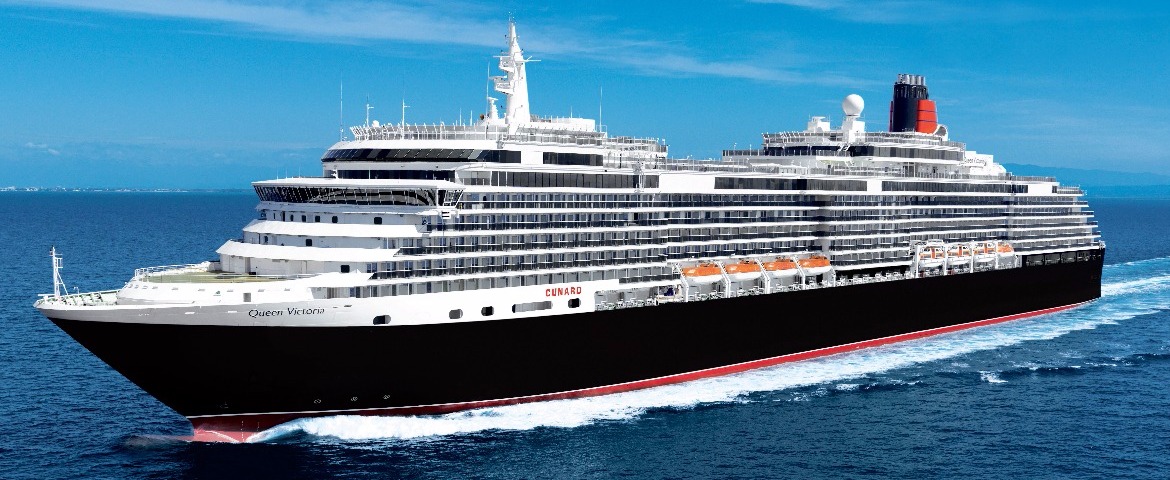
Cunard (7 Cruises)
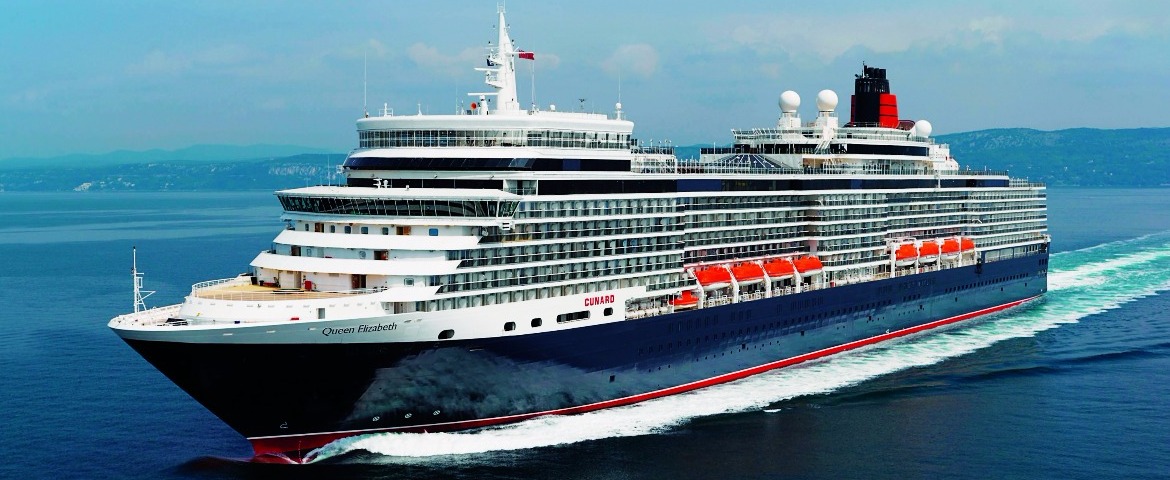
Queen Elizabeth
6 Cruises

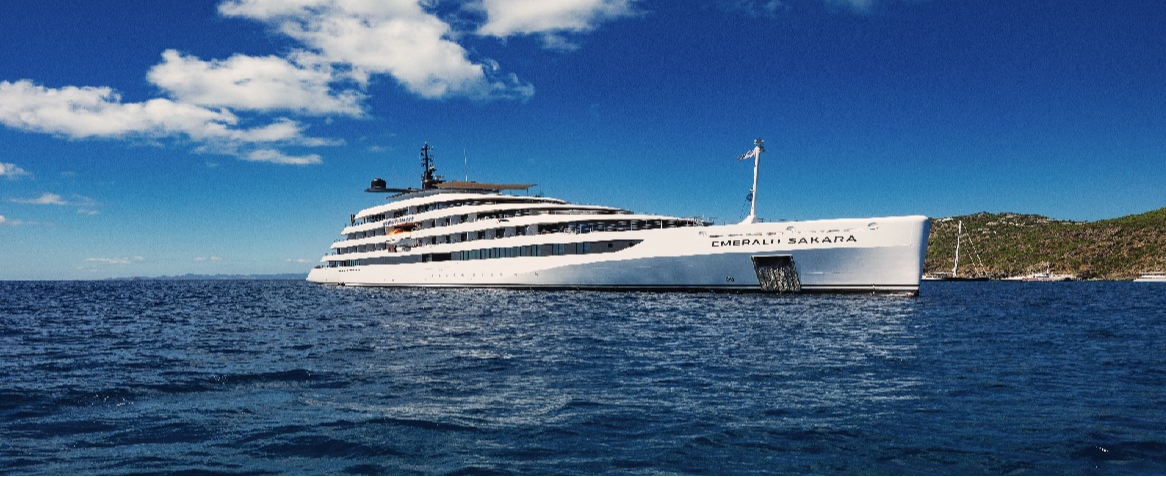
Emerald Waterways (3 Cruises)

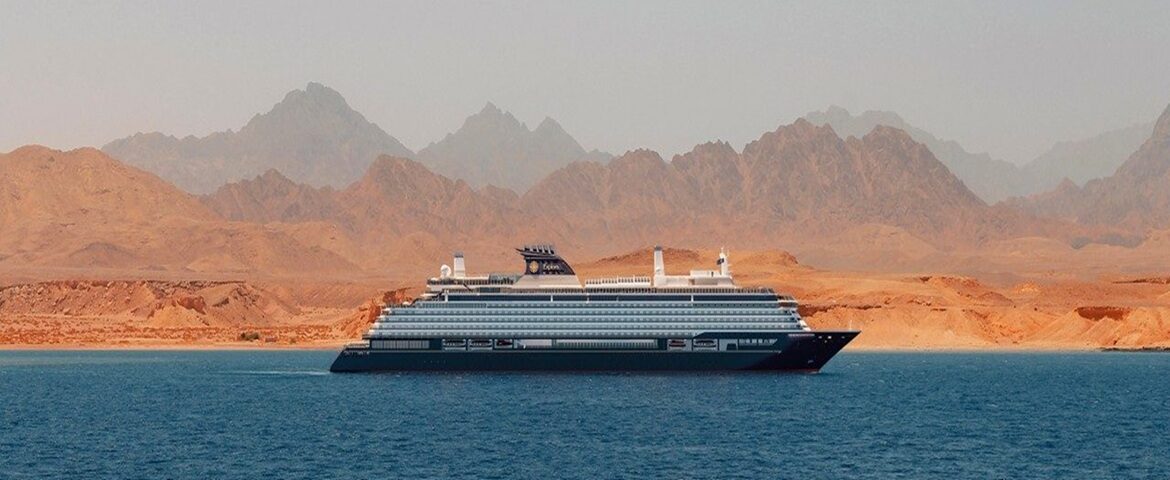
Explora Journeys (2 Cruises)

Norwegian Cruise Line (61 Cruises)
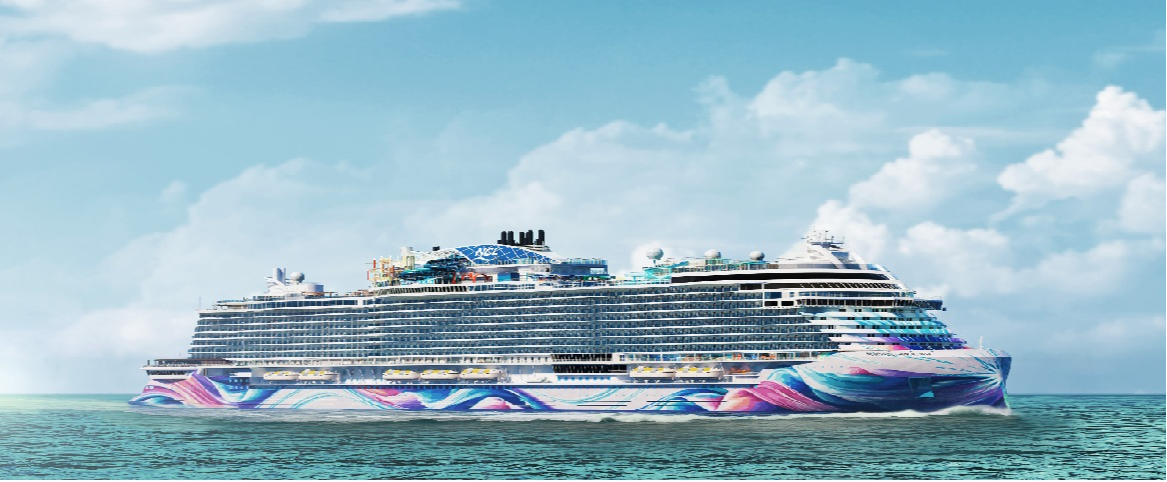

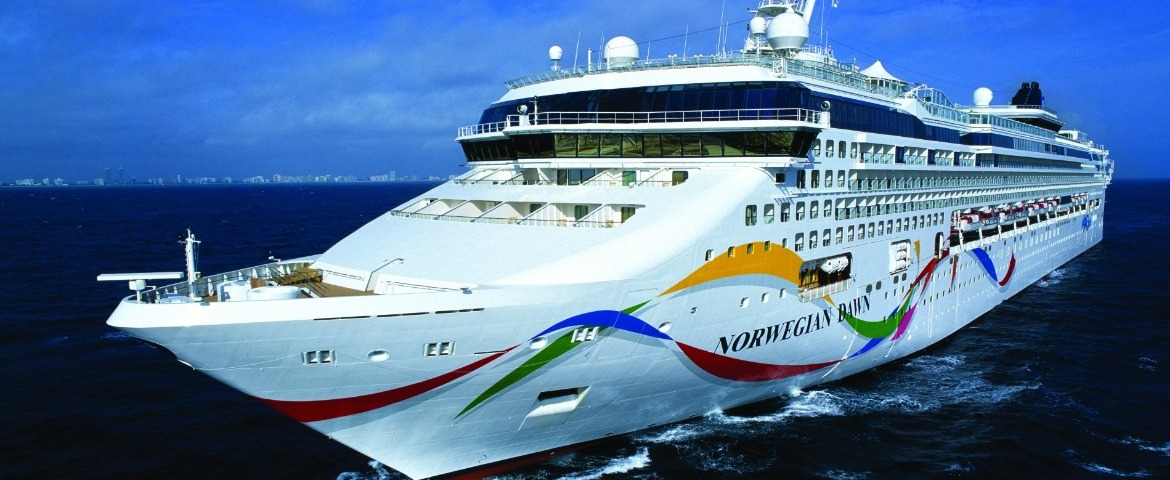
Norwegian Epic
24 Cruises
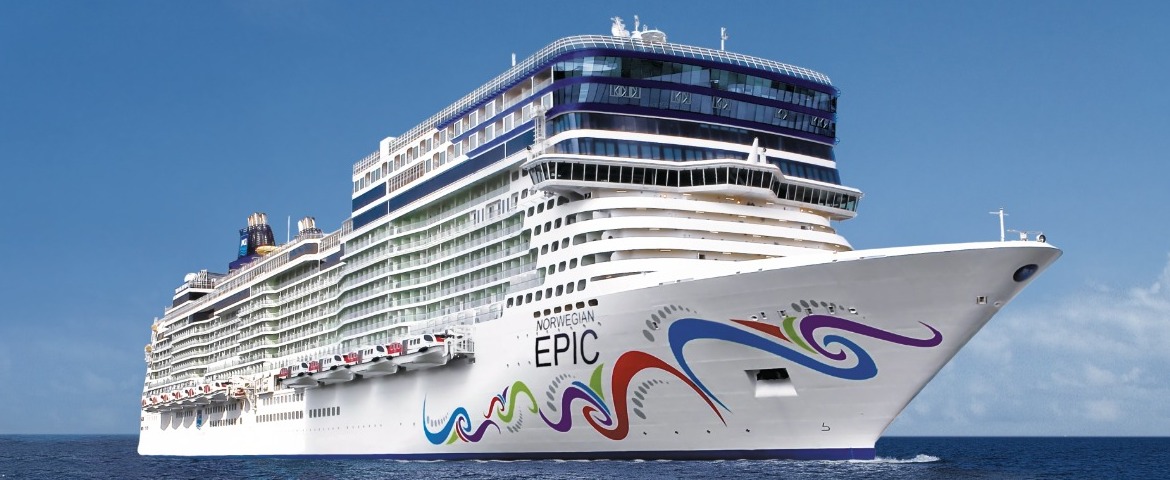
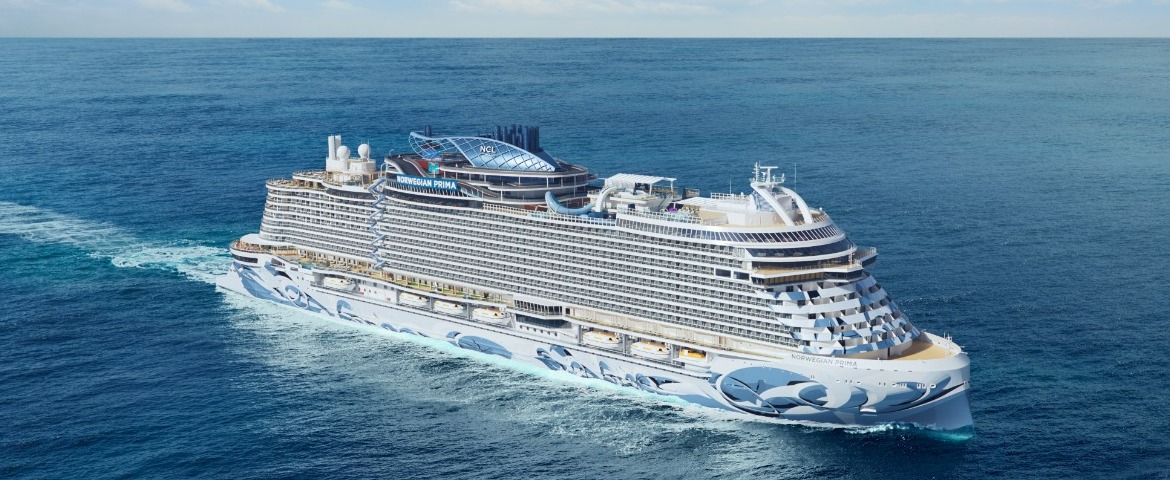
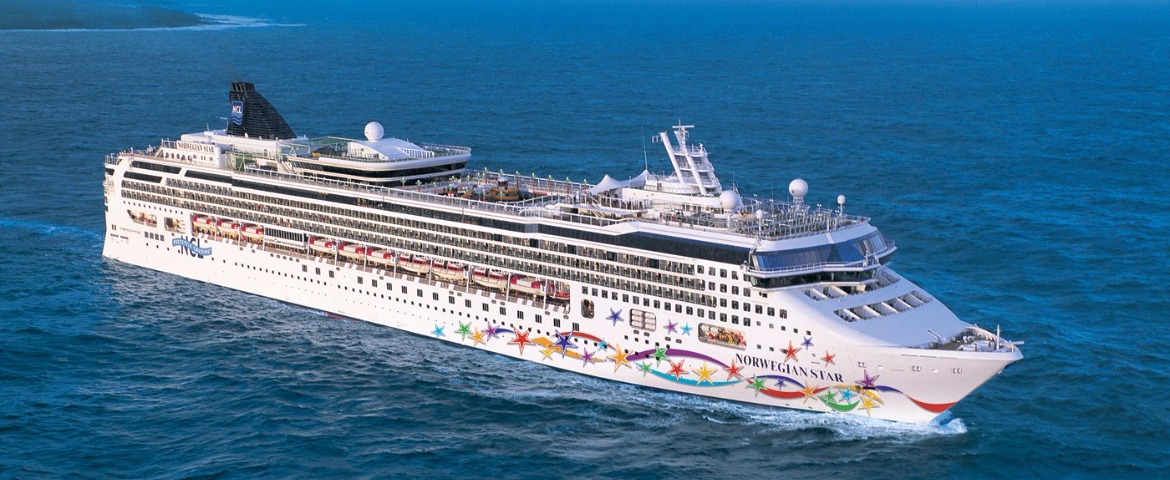
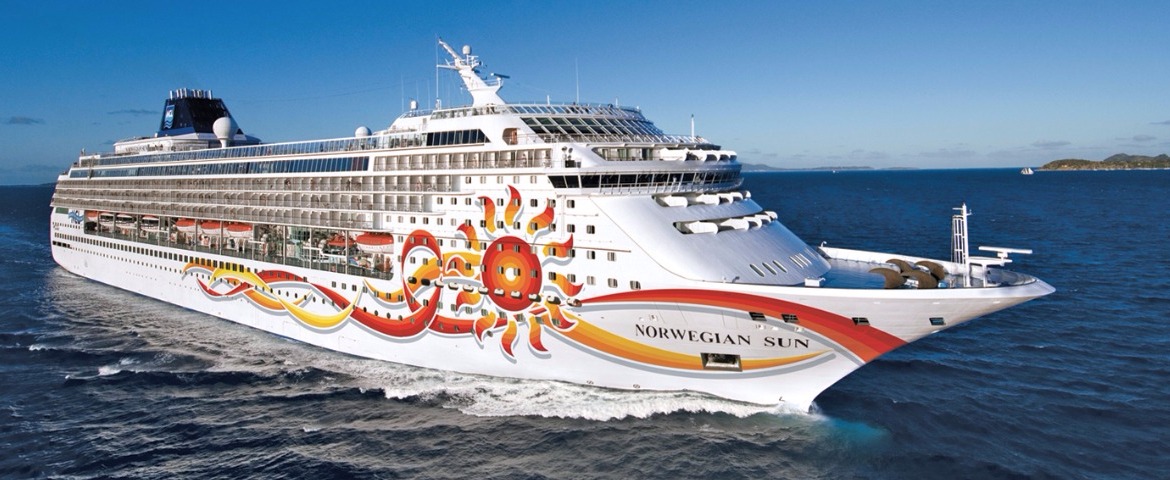
Norwegian Sun
17 Cruises
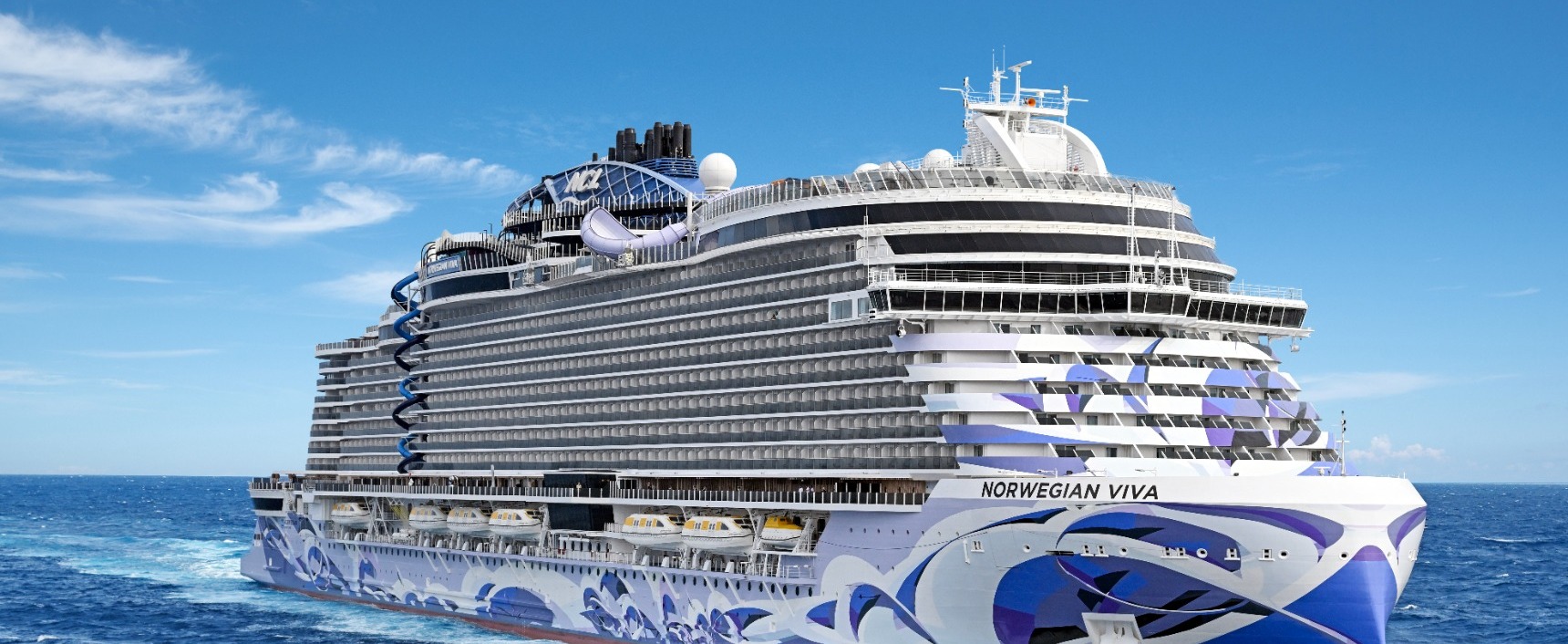
Norwegian Viva
12 Cruises
| 4 June | 9 nights | One-way from Barcelona to Ravenna |
From
2245$
|
| 23 June | 9 nights | One-way from Istanbul to Civitavecchia-Rome |
From
2188$
|
Oceania Cruises (103 Cruises)
Oceania Allura
49 Cruises

| 13 August | 7 nights | One-way from Civitavecchia-Rome to Trieste |
450-628-6241
Call us
|
| 27 August | 7 nights | One-way from Piraeus-Athens to Civitavecchia-Rome |
450-628-6241
Call us
|
| 3 September | 9 nights | One-way from Civitavecchia-Rome to Barcelona |
450-628-6241
Call us
|
| 26 September | 19 nights | One-way from Lisbon to Piraeus-Athens |
450-628-6241
Call us
|
| 1 May | 10 nights | One-way from Civitavecchia-Rome to Trieste |
450-628-6241
Call us
|
| 21 May | 14 nights | One-way from Piraeus-Athens to Barcelona |
450-628-6241
Call us
|
Oceania Aurelia
7 Cruises
Oceania Marina
11 Cruises
Oceania Nautica
7 Cruises
Oceania Sirena
8 Cruises
Oceania Sonata
13 Cruises
| 15 September | 35 nights | One-way from Southampton to Istanbul |
450-628-6241
Call us
|
| 25 September | 12 nights | One-way from Lisbon to Trieste |
450-628-6241
Call us
|
Ponant (5 Cruises)

Princess Cruises (60 Cruises)
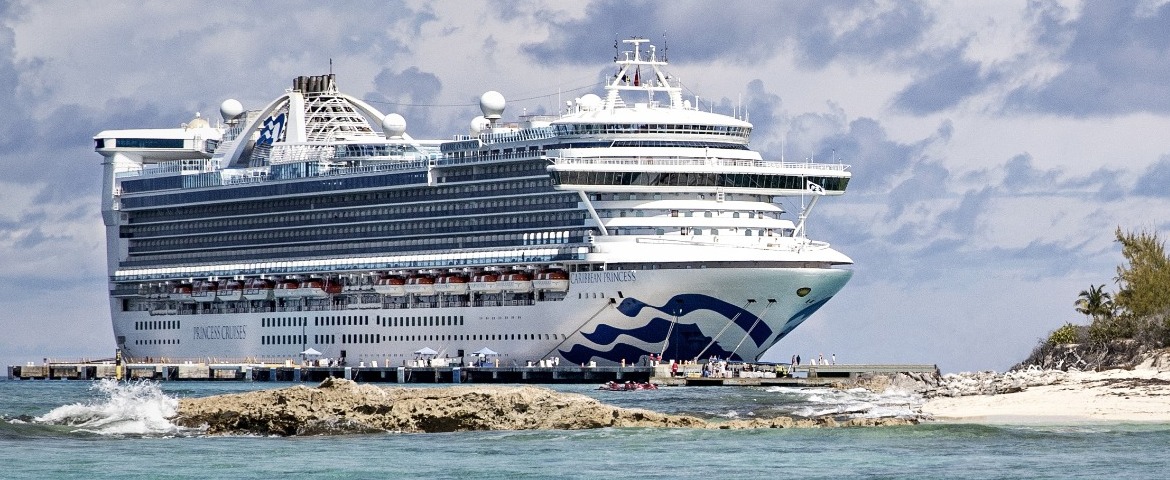

Coral Princess
9 Cruises
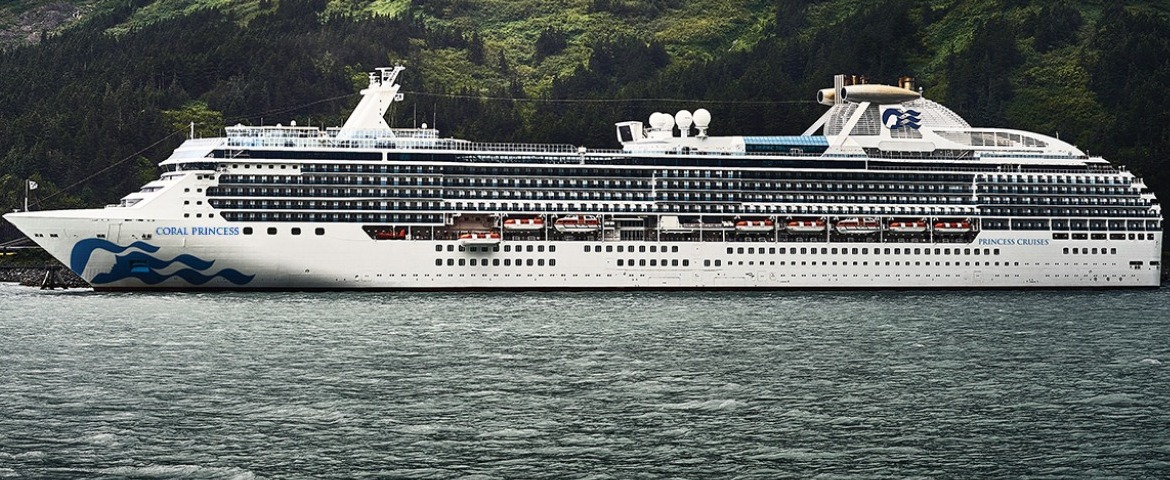
Enchanted Princess
48 Cruises
Regent Seven Seas Cruises (37 Cruises)
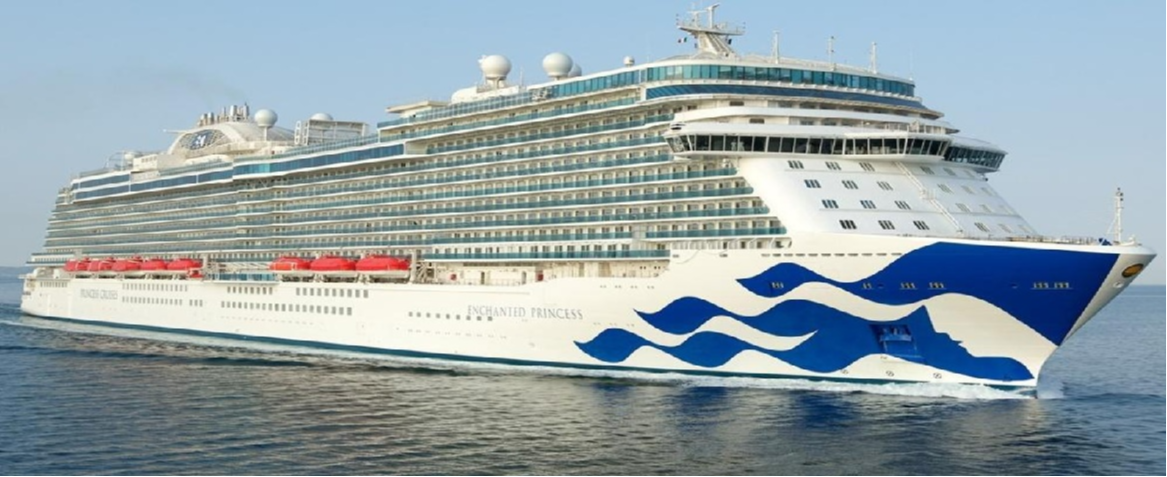
Seven Seas Explorer
5 Cruises
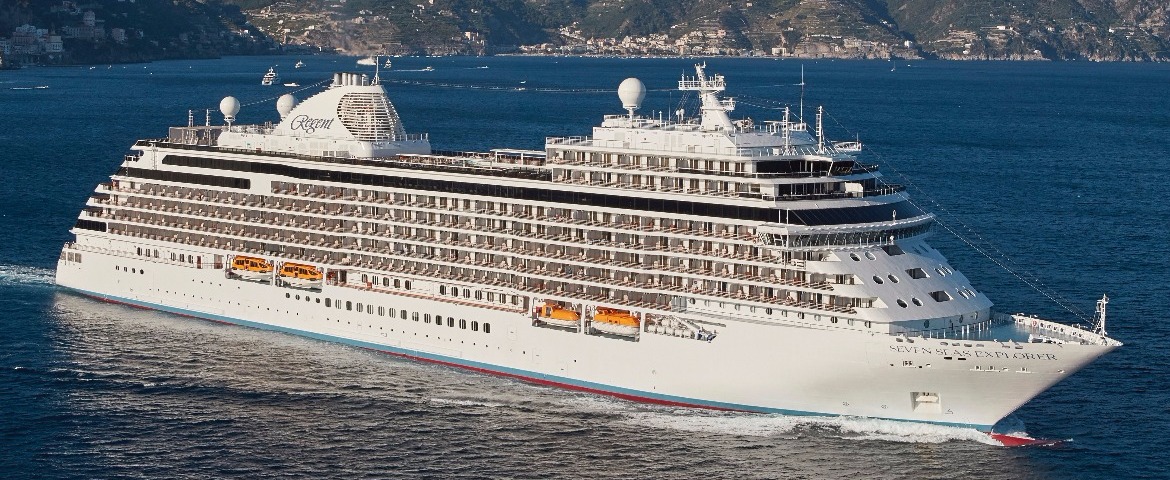

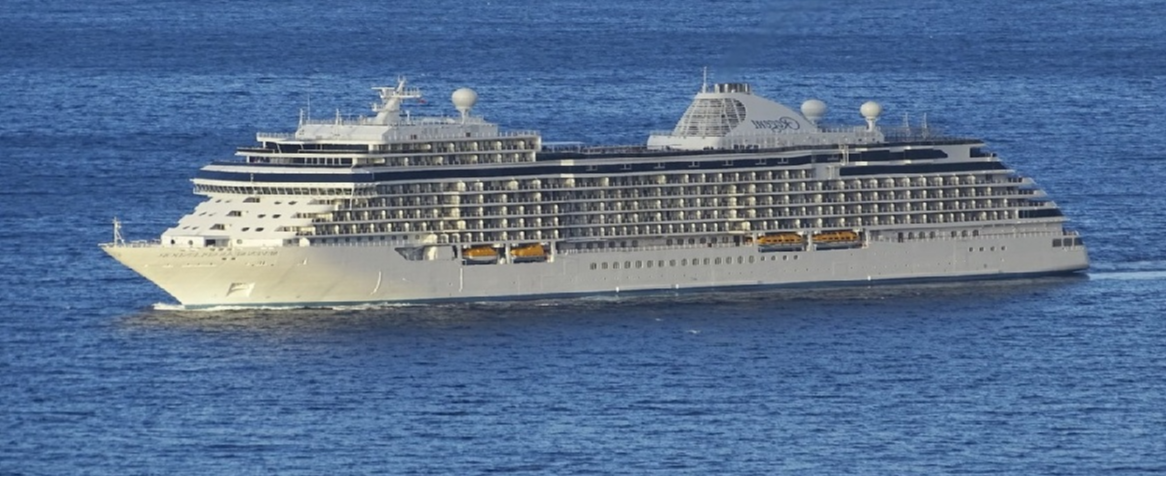
Seven Seas Grandeur
15 Cruises
| 16 April | 20 nights | One-way from Barcelona to Lisbon |
450-628-6241
Call us
|
| 16 April | 10 nights | Round-trip from Barcelona, Spain |
450-628-6241
Call us
|
| 21 June | 14 nights | One-way from Venice to Civitavecchia-Rome |
450-628-6241
Call us
|
| 28 June | 7 nights | One-way from Piraeus-Athens to Civitavecchia-Rome |
450-628-6241
Call us
|
| 5 July | 17 nights | One-way from Civitavecchia-Rome to Barcelona |
450-628-6241
Call us
|
| 5 July | 7 nights | One-way from Civitavecchia-Rome to Venice |
450-628-6241
Call us
|
| 24 August | 14 nights | One-way from Barcelona to Venice |
450-628-6241
Call us
|
| 31 August | 7 nights | One-way from Civitavecchia-Rome to Venice |
450-628-6241
Call us
|
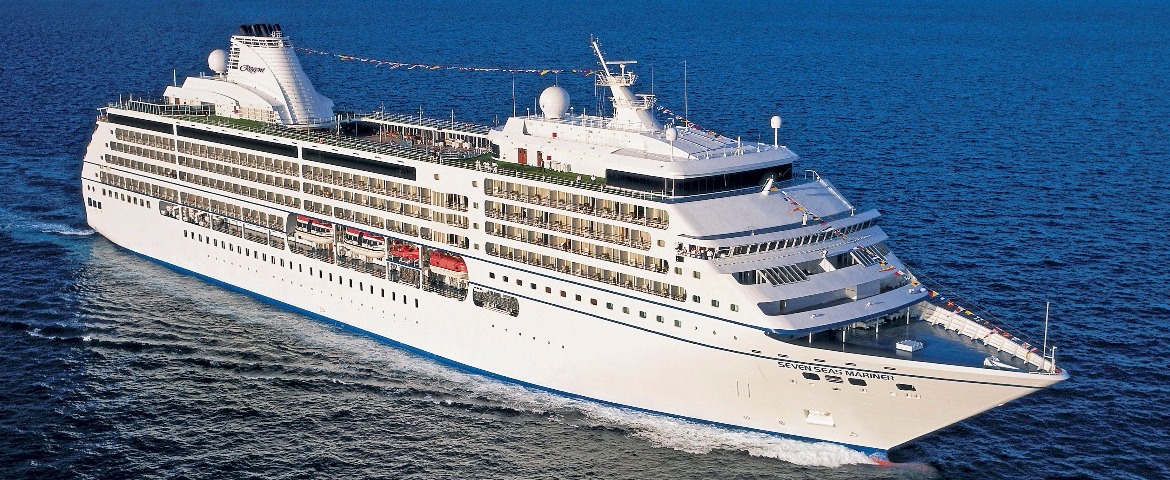
Seven Seas Prestige
5 Cruises
Royal Caribbean Cruises (15 Cruises)


Explorer of the Seas
9 Cruises

| 10 May | 7 nights | One-way from Barcelona to Ravenna |
From
1091$
|
| 17 May | 7 nights | One-way from Ravenna to Civitavecchia-Rome |
450-628-6241
Call us
|
| 21 June | 7 nights | One-way from Barcelona to Ravenna |
450-628-6241
Call us
|
| 28 June | 7 nights | One-way from Ravenna to Civitavecchia-Rome |
From
1452$
|
| 2 August | 7 nights | One-way from Barcelona to Ravenna |
From
1064$
|
| 9 August | 7 nights | One-way from Ravenna to Civitavecchia-Rome |
450-628-6241
Call us
|


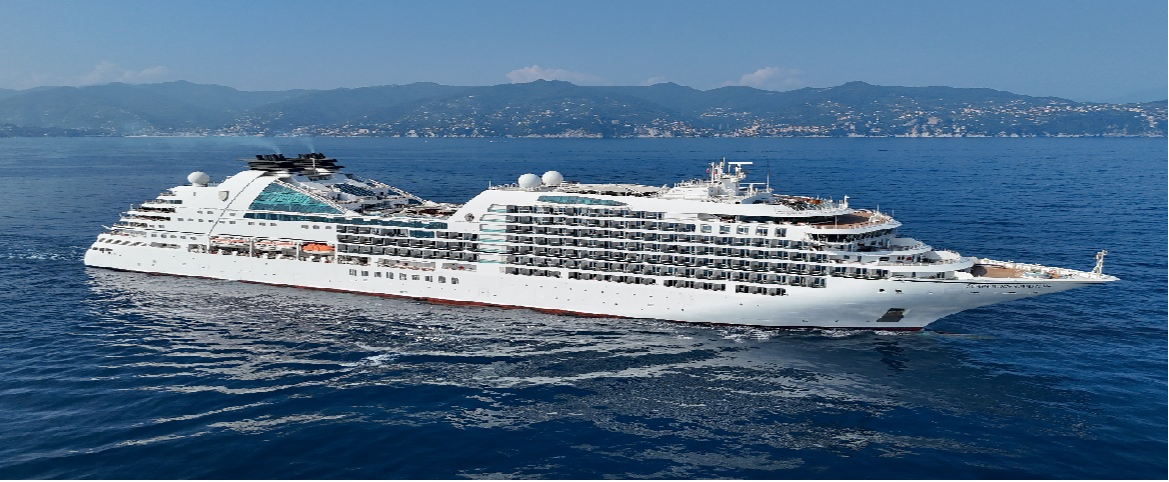
Seabourn Cruise Line (60 Cruises)
Seabourn Ovation
60 Cruises

Silversea Cruises (20 Cruises)
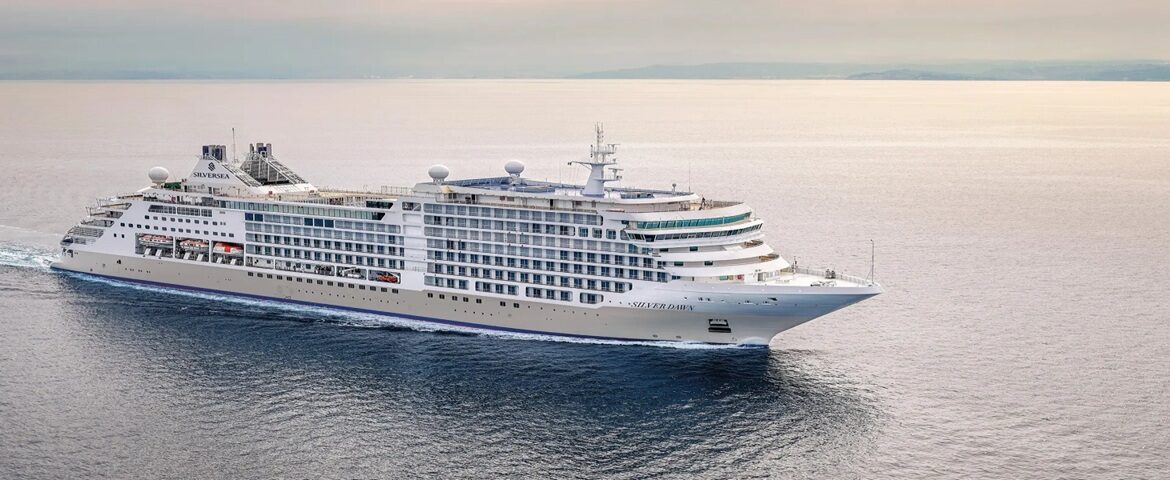
Silver Dawn
5 Cruises

| 19 July | 18 nights | One-way from Piraeus-Athens to Civitavecchia-Rome |
450-628-6241
Call us
|
| 29 July | 8 nights | One-way from Venice to Civitavecchia-Rome |
450-628-6241
Call us
|
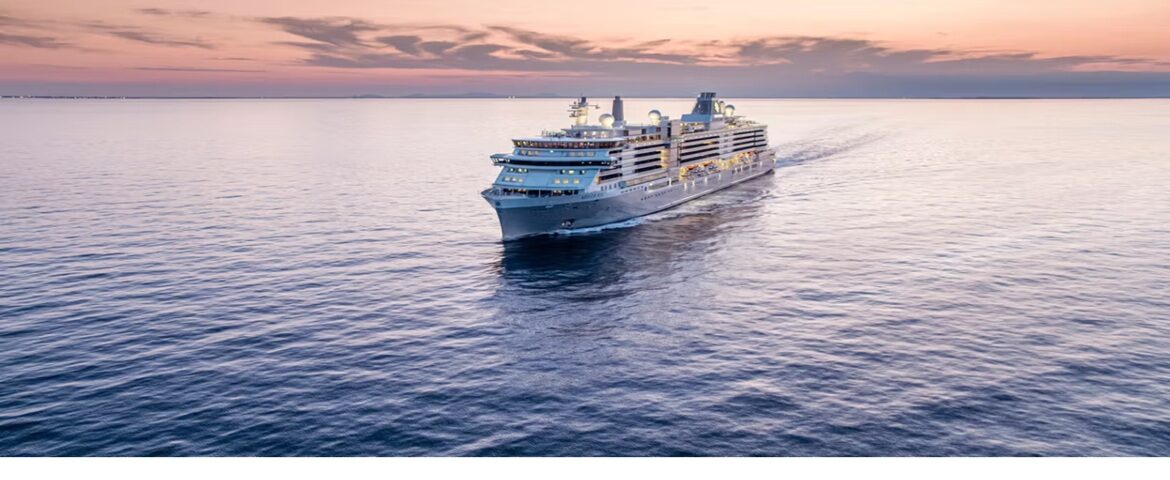
Silver Ray
8 Cruises
| 20 May | 19 nights | One-way from Piraeus-Athens to Barcelona |
450-628-6241
Call us
|
| 20 May | 9 nights | One-way from Piraeus-Athens to Civitavecchia-Rome |
450-628-6241
Call us
|
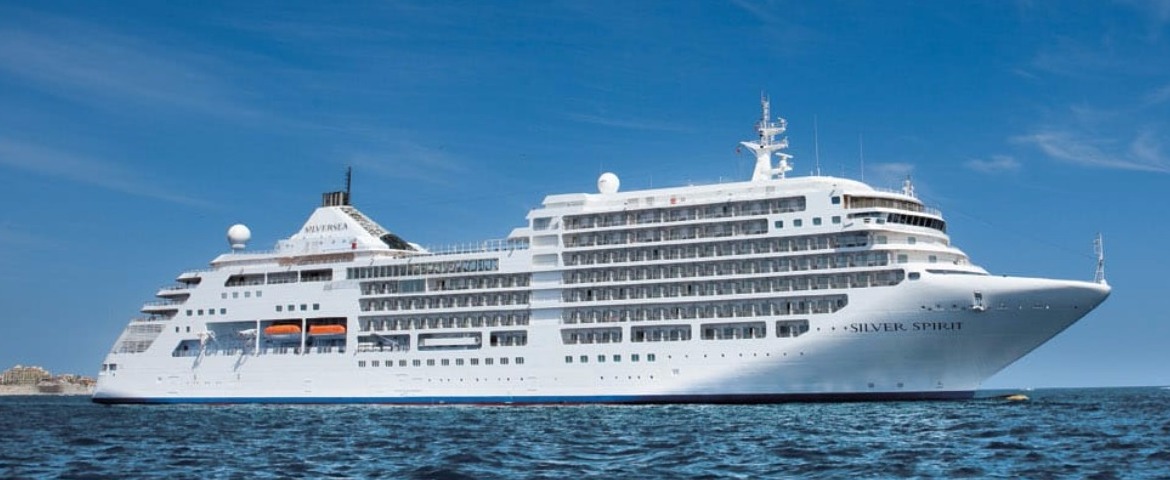
Viking Ocean Cruises (37 Cruises)
Viking Neptune
5 Cruises
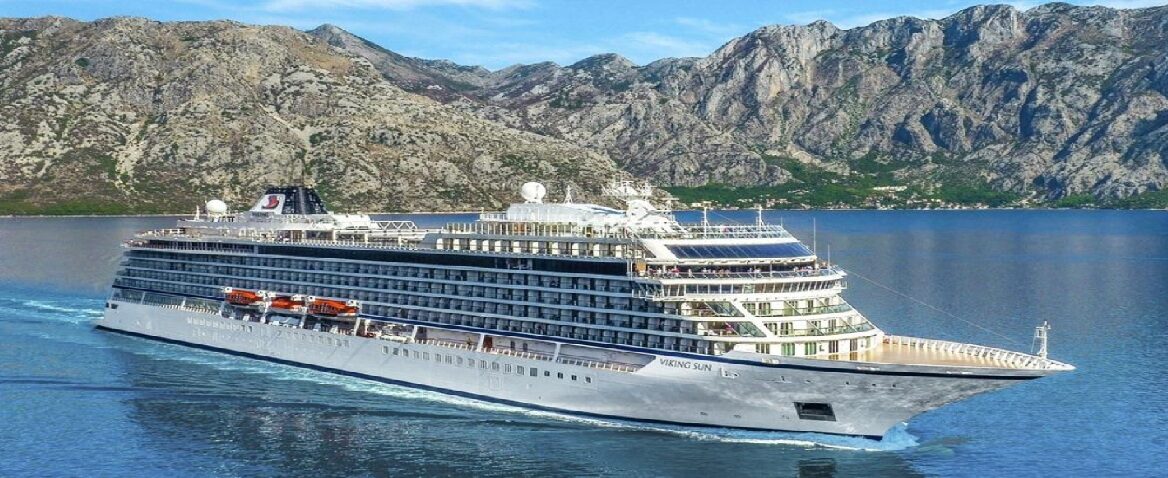

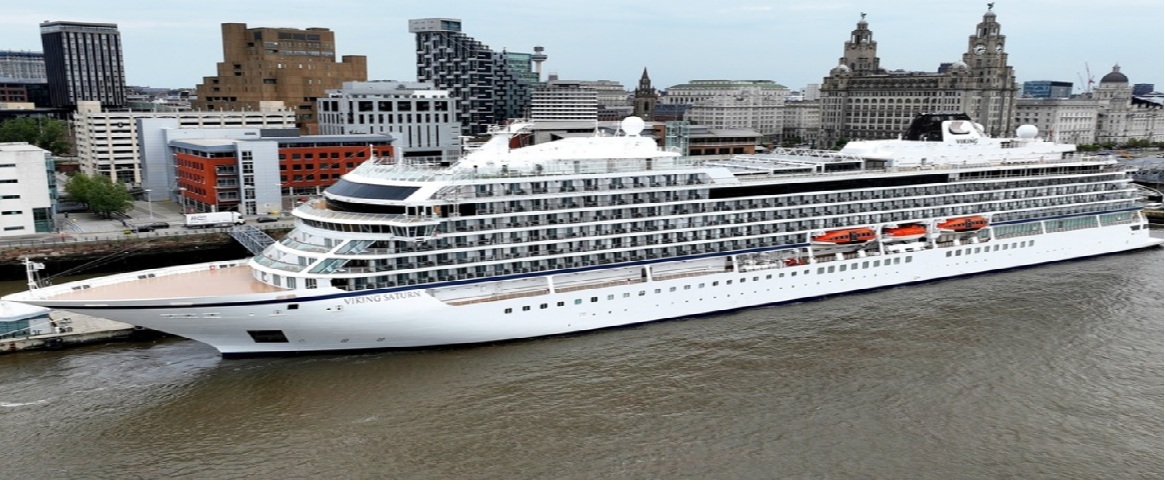
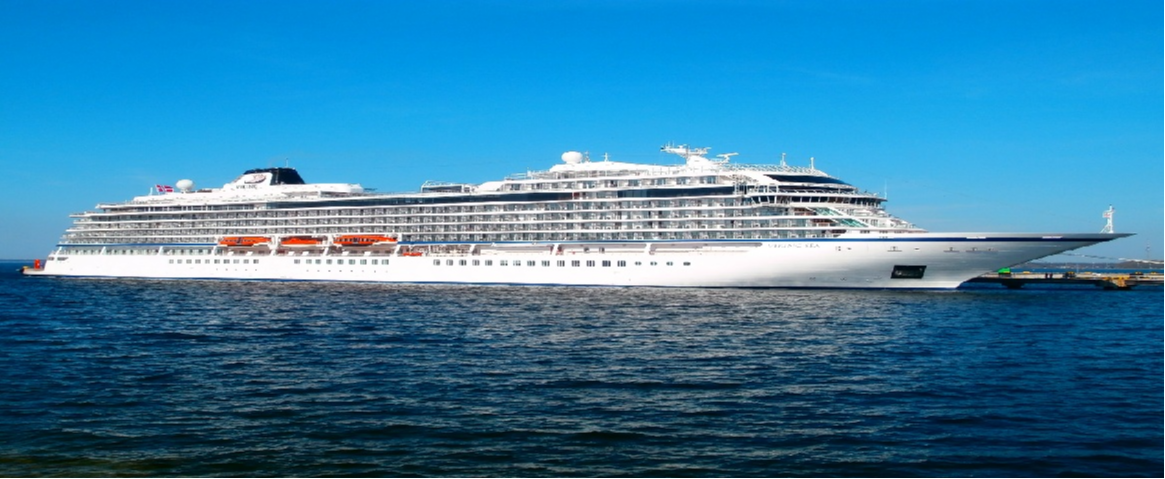
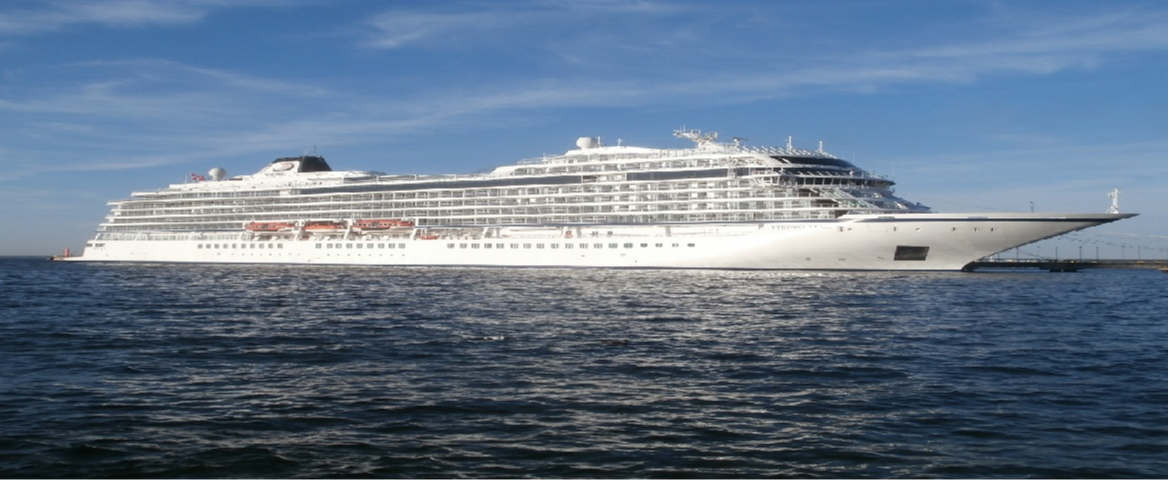
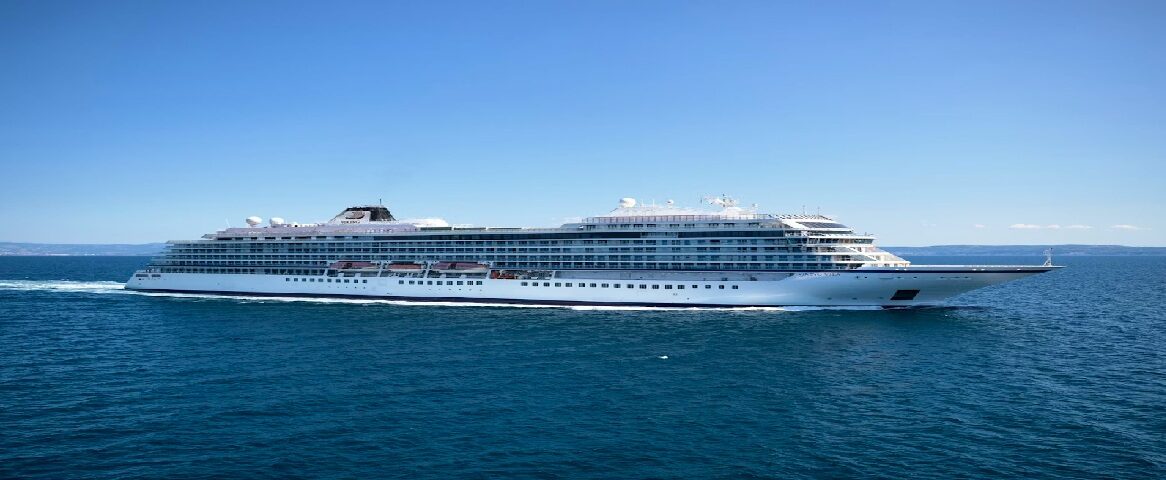
Viking Star
19 Cruises
| 5 January | 7 nights | One-way from Civitavecchia-Rome to Barcelona |
450-628-6241
Call us
|
| 5 January | 14 nights | Round-trip from Civitavecchia-Rome, Italy |
450-628-6241
Call us
|
| 3 January | 13 nights | Round-trip from Barcelona, Spain |
450-628-6241
Call us
|
| 3 January | 7 nights | One-way from Barcelona to Civitavecchia-Rome |
450-628-6241
Call us
|
Virgin Voyages (24 Cruises)
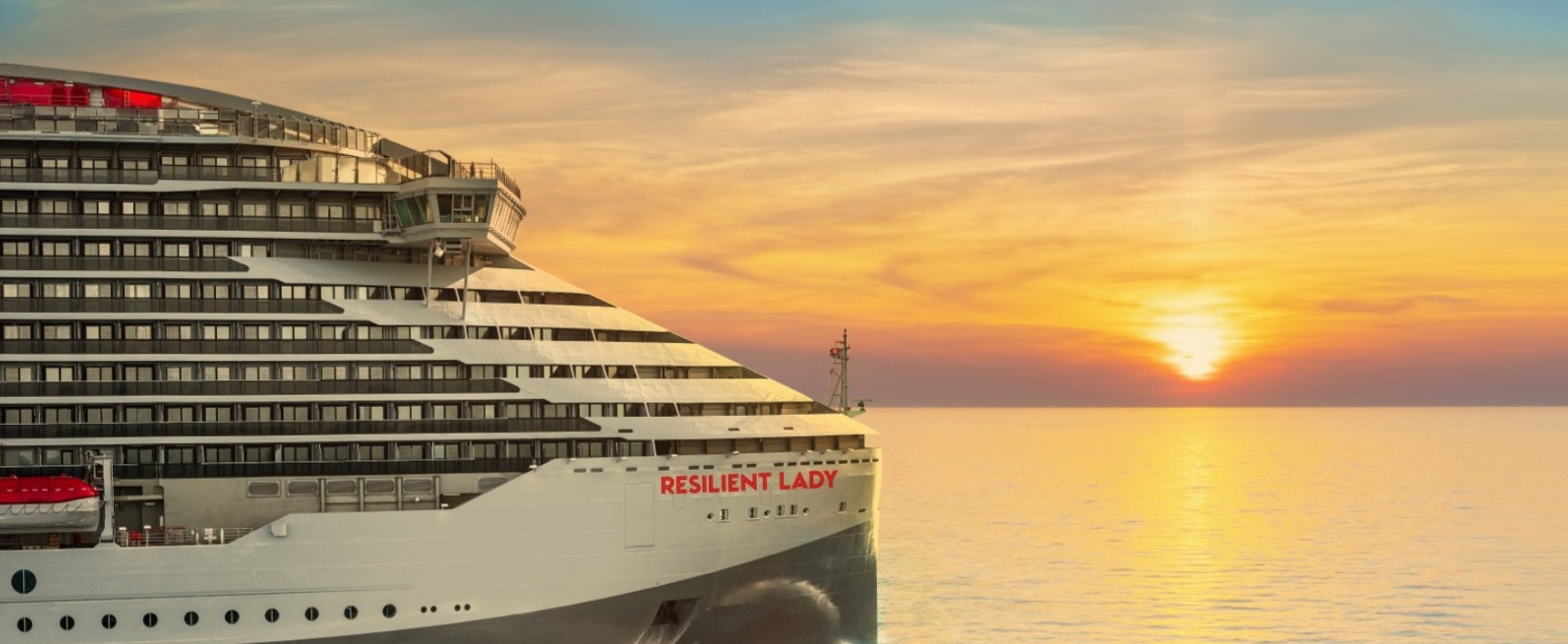
Resilient Lady
7 Cruises

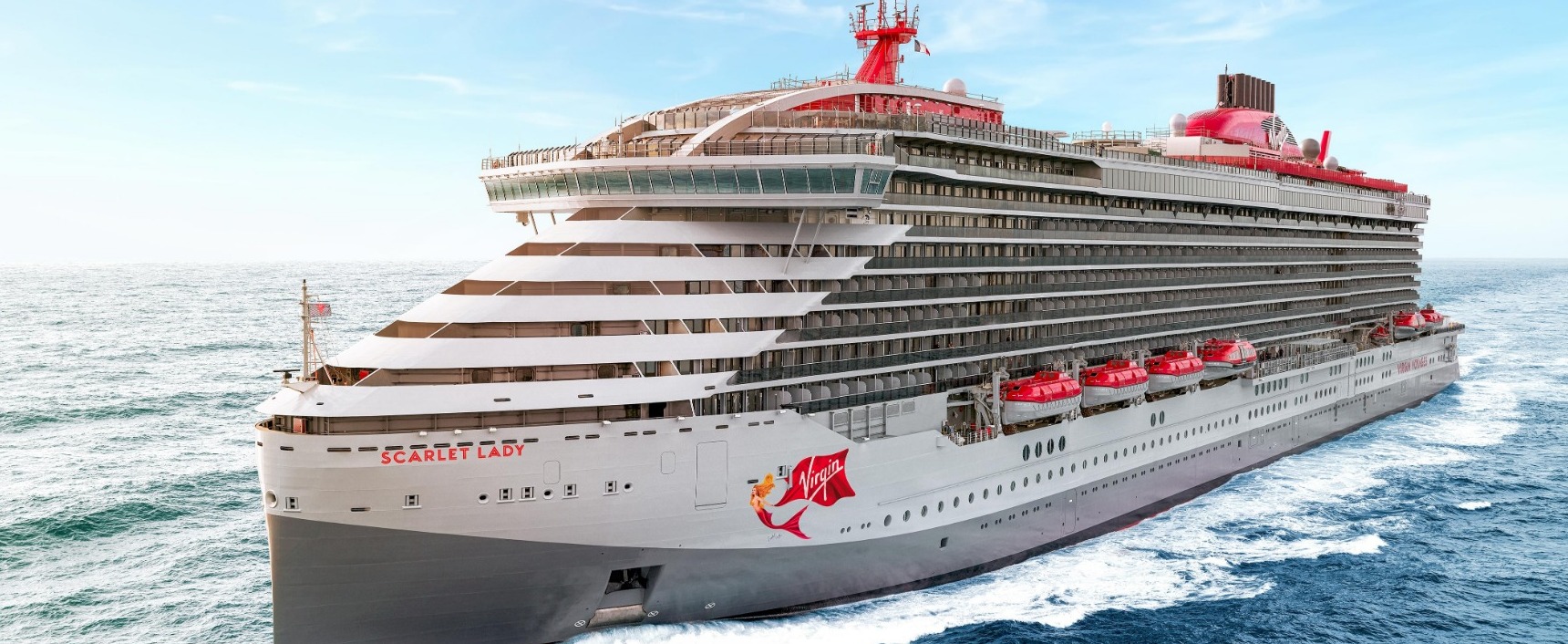
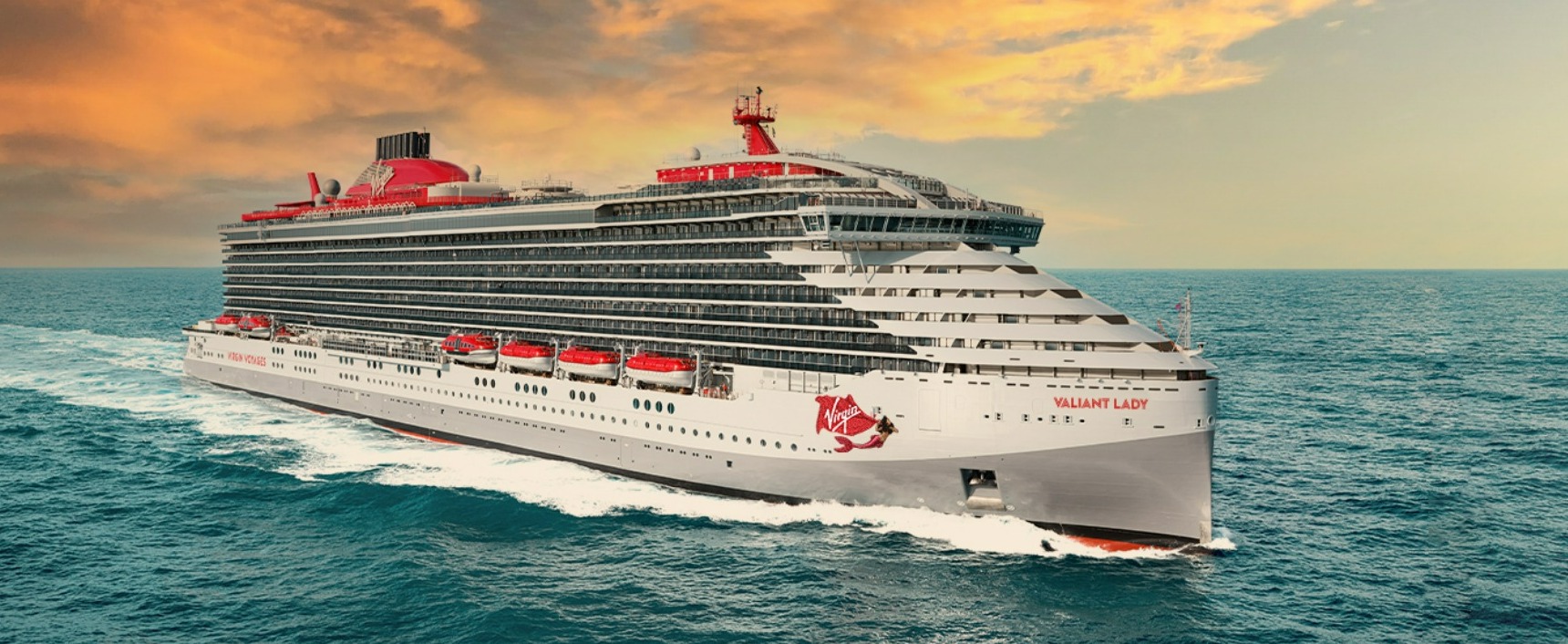
Valiant Lady
10 Cruises

Port of Salerno, Italy | Cruise Port Guide
Frequently Asked Questions
At the Manfredi mole, about fifteen minutes' walk from the historic centre. That is rare in Italy, where so many calls require shuttles and transfers: here the day begins with a stroll along the palm-lined Lungomare Trieste.
Yes. The seafront, San Matteo cathedral and Via dei Mercanti are all easily reached from the quay. Only the Arechi castle, up on the heights, needs a city bus — about twenty minutes uphill.
Three options depending on taste. Stay in town: the Duomo, Via dei Mercanti and the Garden of Minerva. Take a ferry along the Amalfi Coast from the adjacent quay. Or take the train to Paestum and its Greek temples. The three do not combine.
By ferry, from the quay next to the terminal. Amalfi is about thirty-five minutes away and Positano a little over an hour. The famous corniche road, admired from the sea, comes without the traffic jams — the strongest argument for going by water.
The most affecting trace of the Salerno Medical School, the oldest institution of its kind in Europe, where Christian, Jewish and Arab physicians shared knowledge in the Middle Ages. This terraced botanical garden above the rooftops grew the medicinal plants used in teaching. You climb to it through the upper lanes, and herbal infusions made to old recipes are served on site.
The crypt, which holds the relics of the evangelist Matthew and startles with its splendour: it is entirely faced in polychrome marble. Built by the Normans in the 11th century, San Matteo also has an atrium of ancient columns salvaged from Paestum and an Arab-Norman bell tower.
Yes, about forty minutes by train. Its three Greek temples are among the best preserved in the Mediterranean world and stand in a plain where water buffalo graze. It is the choice for lovers of antiquity, and it takes up most of the day.
Yes, on a half-day excursion. Salerno is well placed for it, but adding Pompeii and Vesuvius to a tour of the city is not realistic: you have to choose.
A warm sfogliatella from the pastry shops along Via dei Mercanti, with a coffee taken standing at the bar in southern style. The region also produces buffalo mozzarella from the nearby plains, which appears on every menu.
Not really, and that is what makes it pleasant. On Via dei Mercanti you meet more students than tourists. Salerno has neither Naples's fame nor Amalfi's drama: it offers an everyday, sincere southern Italy where you feel like a guest rather than a customer.


