Castries St Lucia Island
St Lucia
713
Cruises availables
At departure or passage at this port
Azamara Club Cruises (30 Cruises)
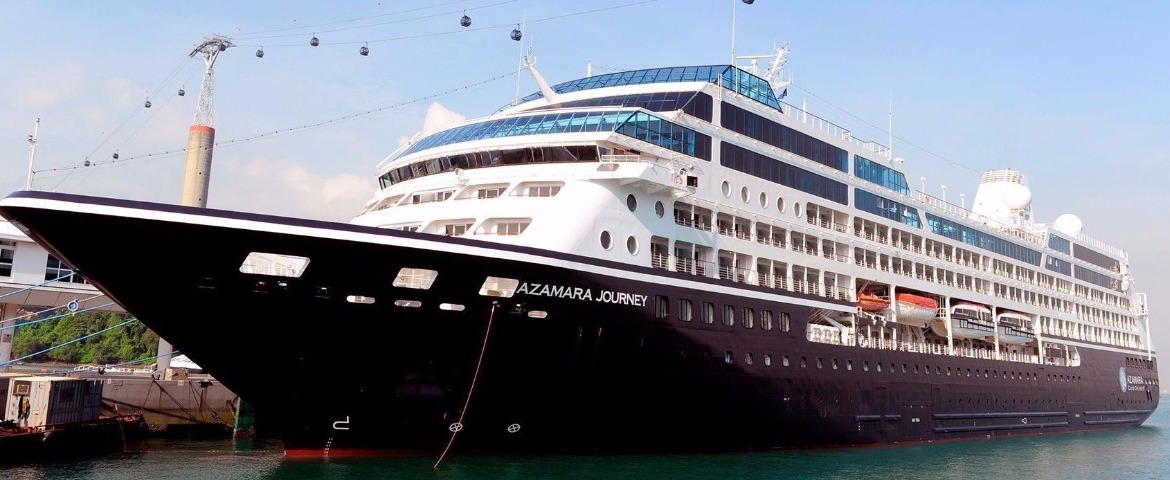
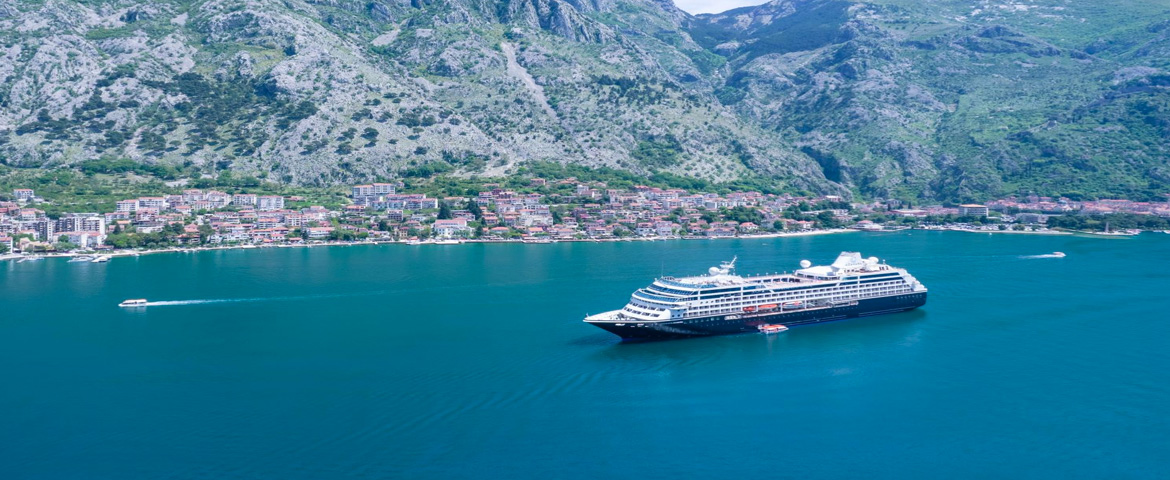
Azamara Journey
12 Cruises

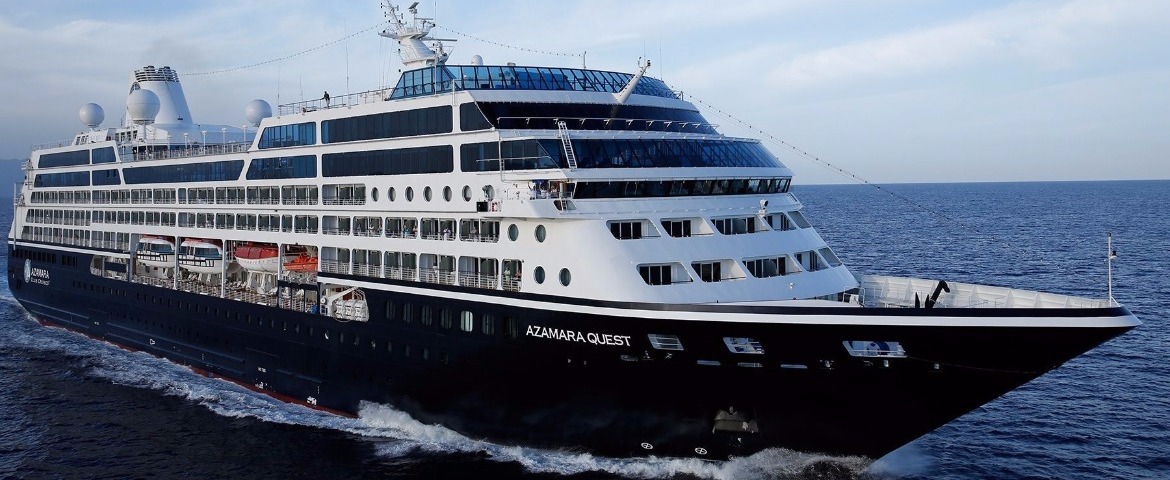
Azamara Quest
17 Cruises
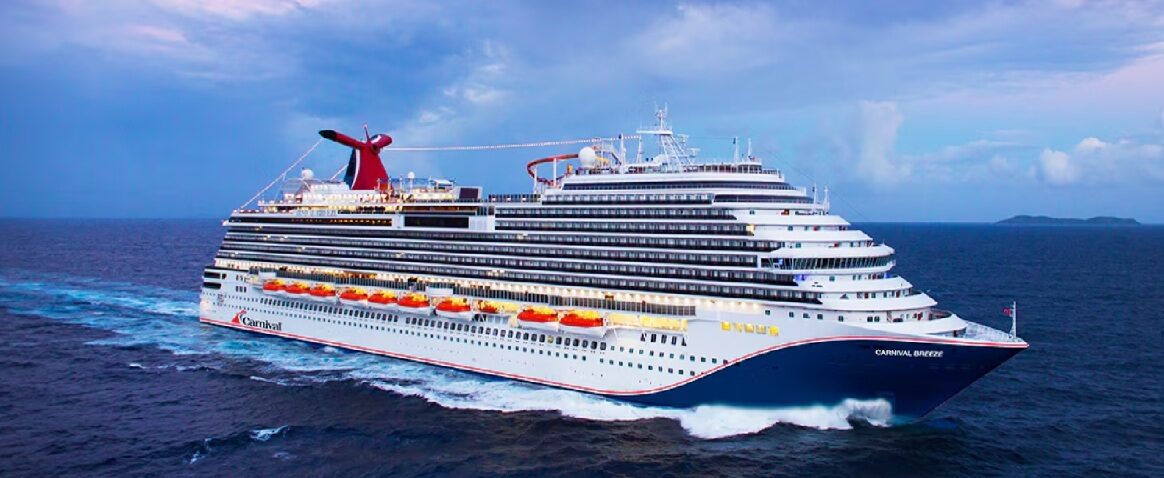
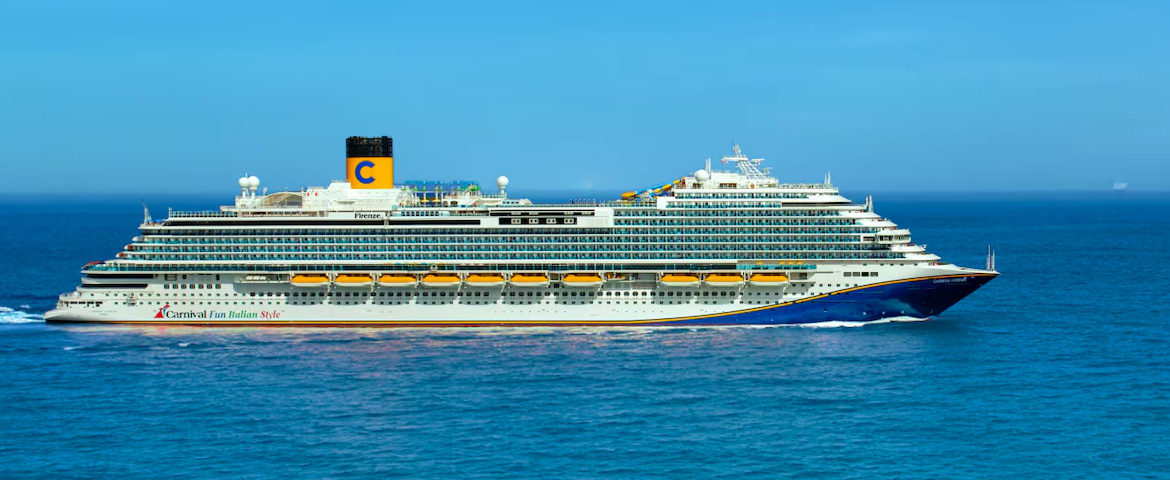
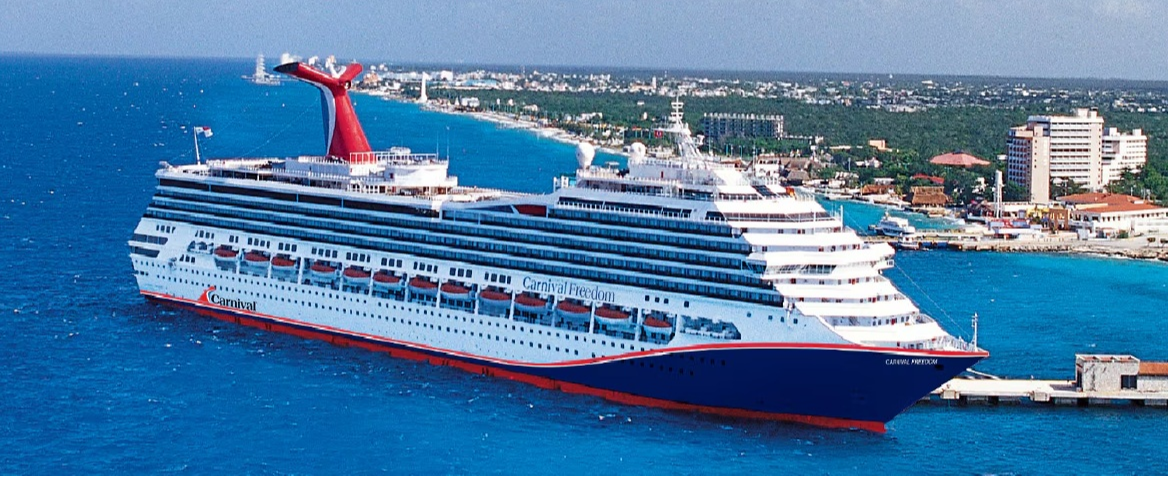
Carnival Cruise Line (15 Cruises)

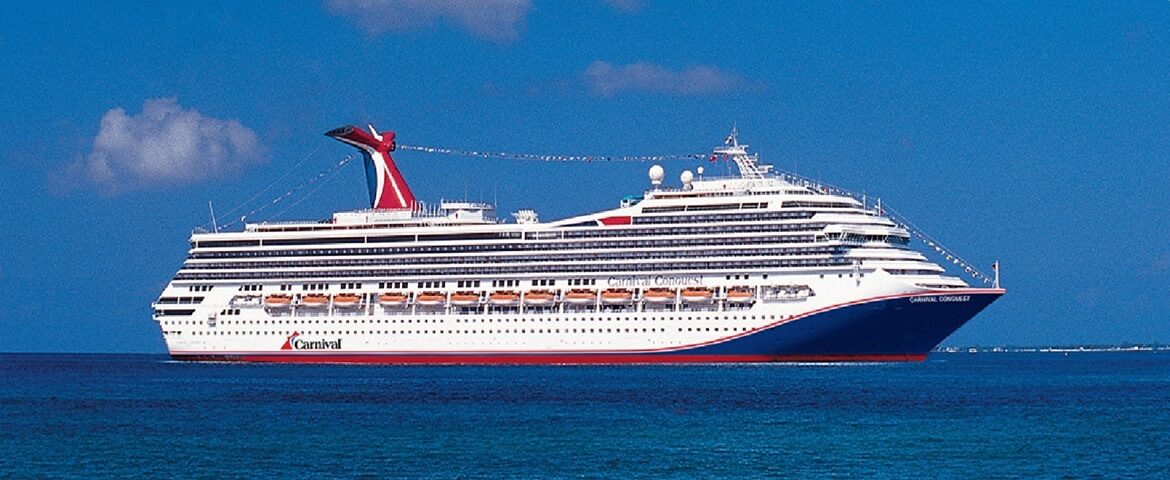
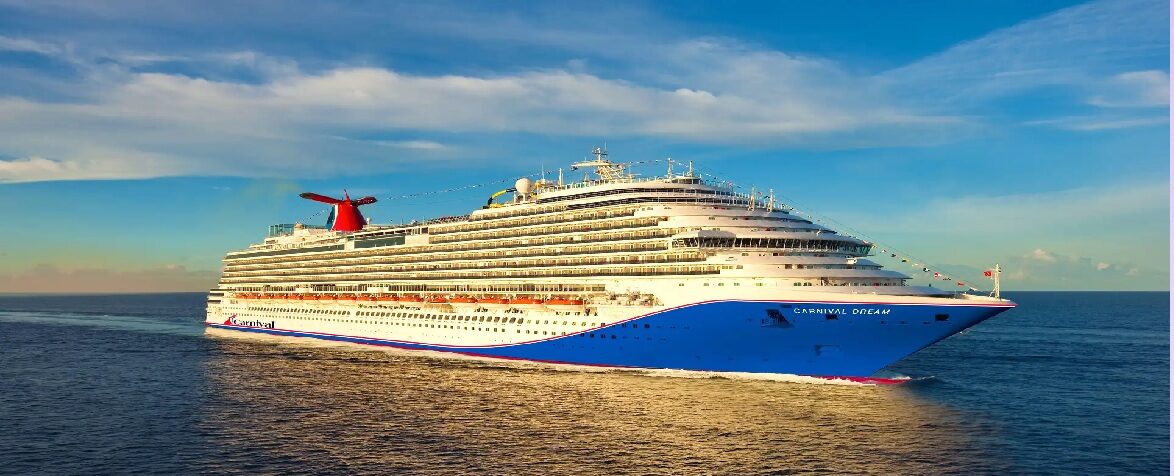
Carnival Firenze
7 Cruises
Celebrity Cruises (77 Cruises)
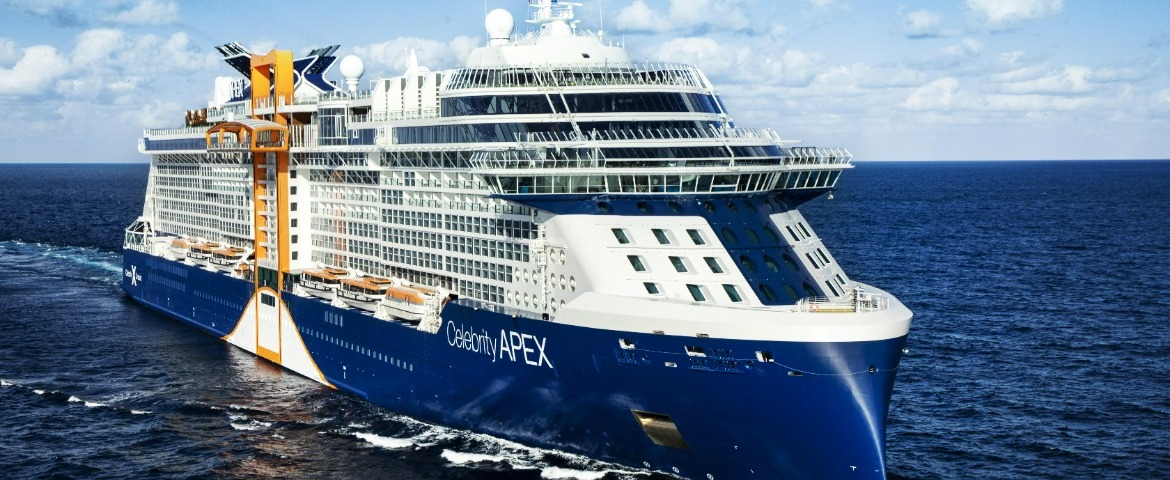

Celebrity Ascent
24 Cruises
| 4 January | 12 days | Round-trip from Fort Lauderdale, USA |
From
2213$
|
| 15 January | 11 days | Round-trip from Fort Lauderdale, USA |
From
2192$
|
| 25 January | 12 days | Round-trip from Fort Lauderdale, USA |
From
2815$
|
| 14 January | 11 days | Round-trip from Fort Lauderdale, USA |
From
2261$
|
| 24 January | 12 days | Round-trip from Fort Lauderdale, USA |
From
2373$
|
| 4 February | 11 days | Round-trip from Fort Lauderdale, USA |
From
2072$
|
| 25 February | 11 days | Round-trip from Fort Lauderdale, USA |
From
2420$
|
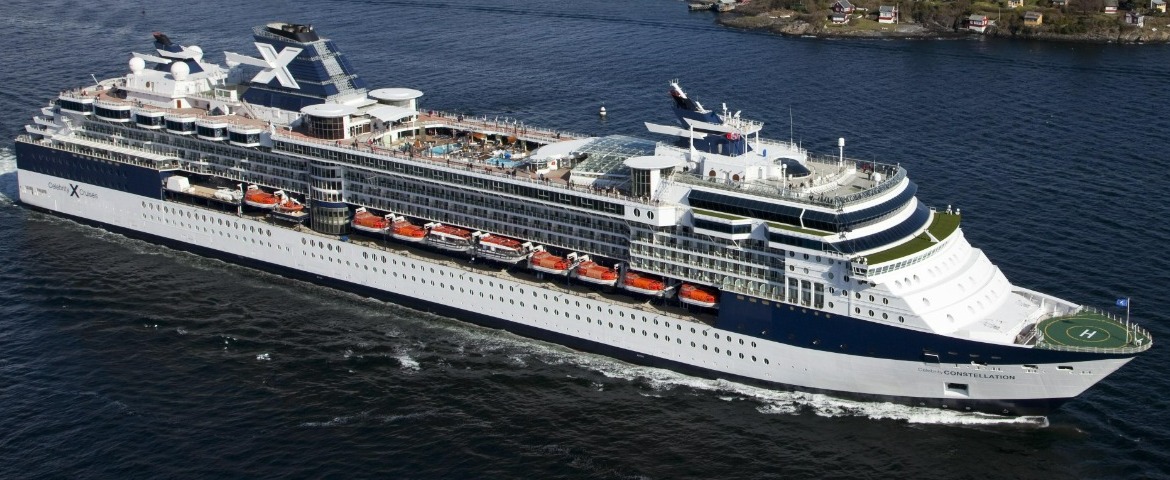
Celebrity Constellation
19 Cruises
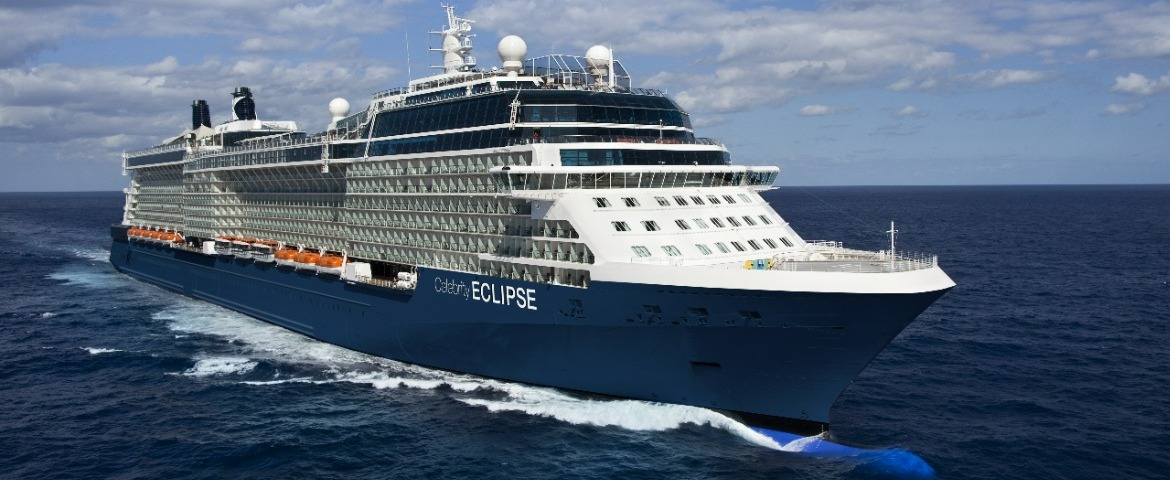
Celebrity Eclipse
25 Cruises
| 17 January | 13 days | Round-trip from Fort Lauderdale, USA |
From
2707$
|
| 29 January | 11 days | Round-trip from Fort Lauderdale, USA |
From
1431$
|
| 8 February | 12 days | Round-trip from Fort Lauderdale, USA |
From
1969$
|
| 28 February | 13 days | Round-trip from Fort Lauderdale, USA |
From
1930$
|
| 12 March | 11 days | Round-trip from Fort Lauderdale, USA |
From
1750$
|
| 22 March | 12 days | Round-trip from Fort Lauderdale, USA |
From
1459$
|
| 5 January | 13 days | Round-trip from Fort Lauderdale, USA |
From
1881$
|
| 17 January | 13 days | Round-trip from Fort Lauderdale, USA |
From
1843$
|
| 29 January | 10 days | Round-trip from Fort Lauderdale, USA |
From
1541$
|
Costa Cruises (30 Cruises)
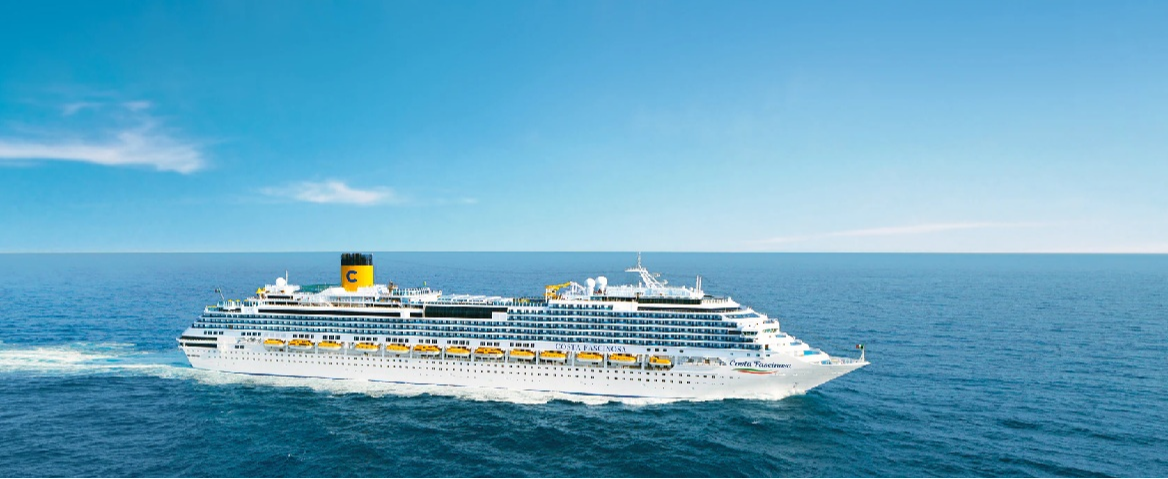
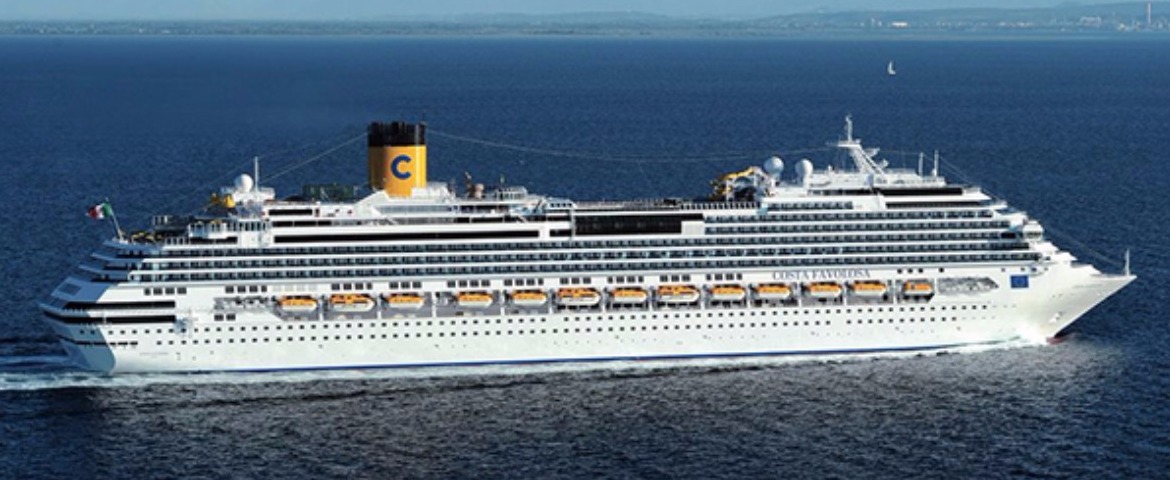
Costa Fascinosa
27 Cruises

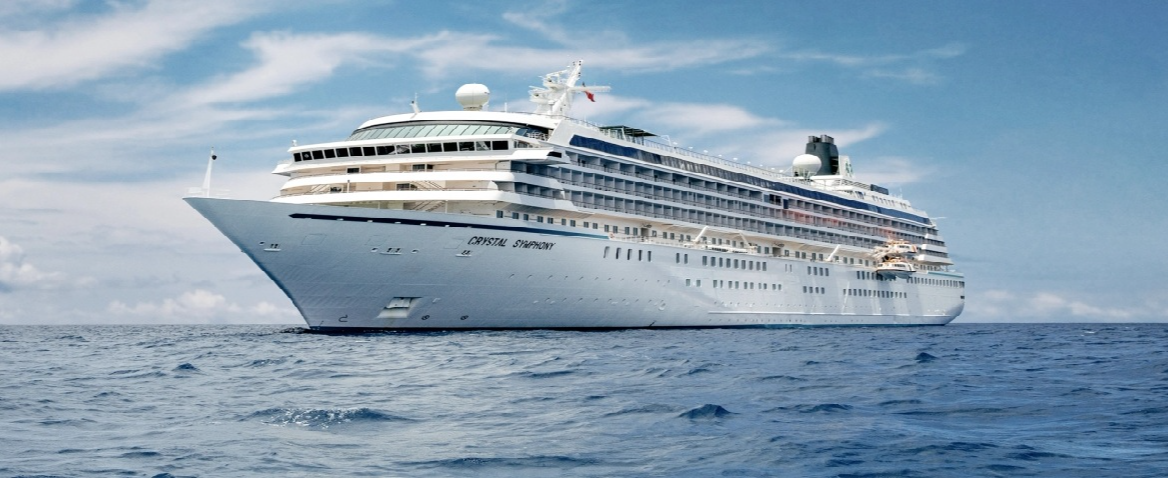
Crystal Cruises (17 Cruises)

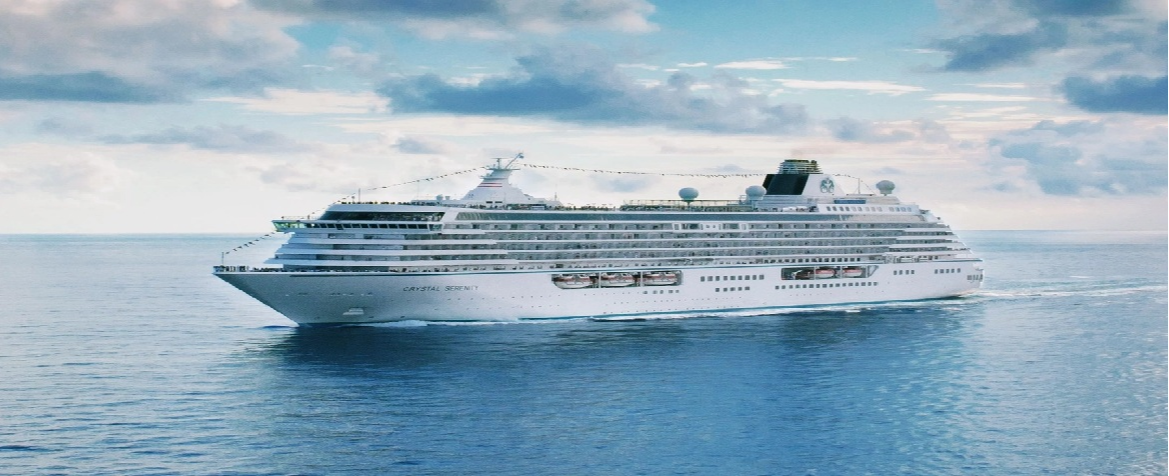
Crystal Serenity
13 Cruises
Cunard (37 Cruises)
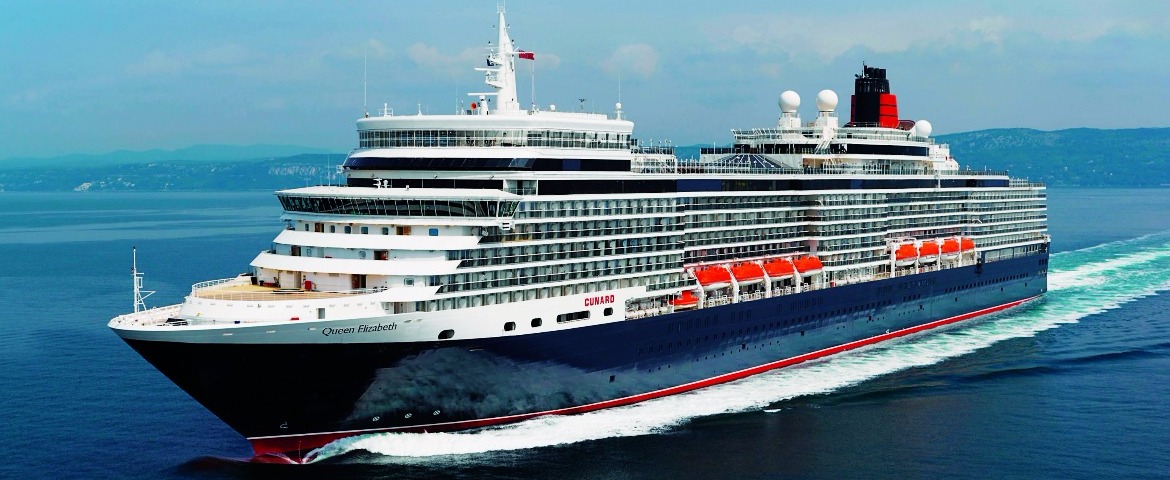
Queen Elizabeth
15 Cruises

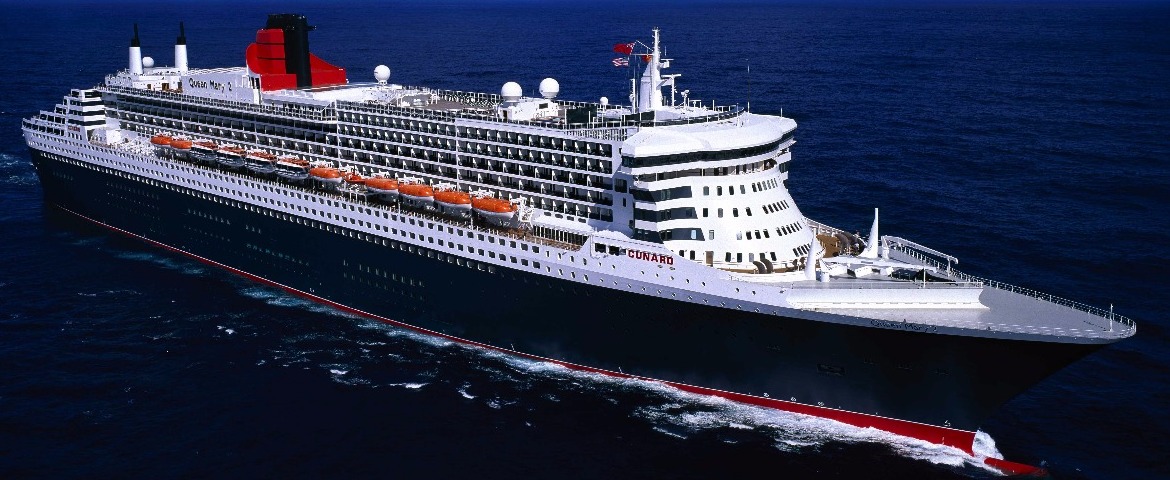
Queen Mary 2
22 Cruises
| 27 February | 21 days | One-way from Southampton to New York |
450-628-6241
Call us
|
| 27 February | 29 days | Round-trip from Southampton, United Kingdom |
450-628-6241
Call us
|
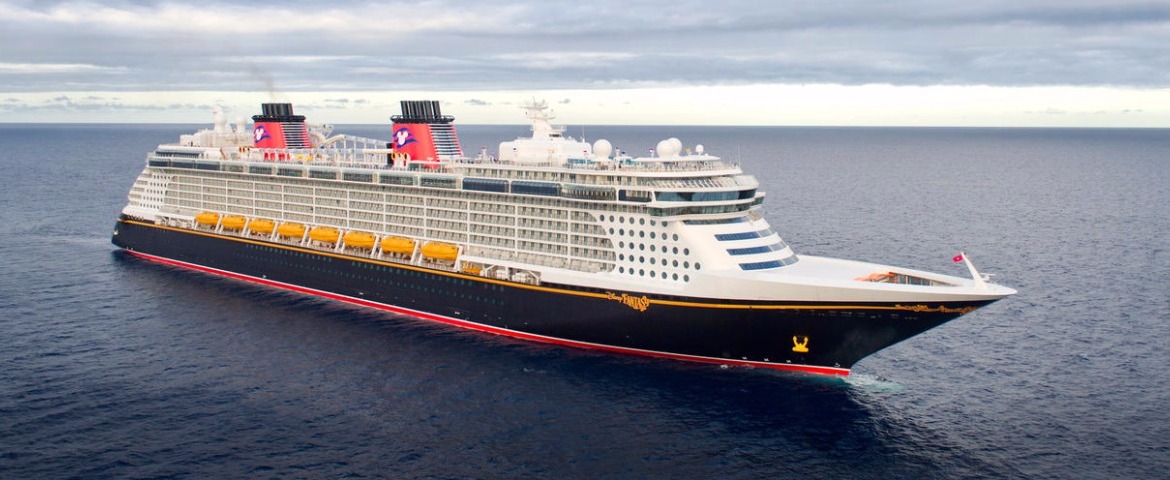
Disney Cruise Line (1 Cruises)

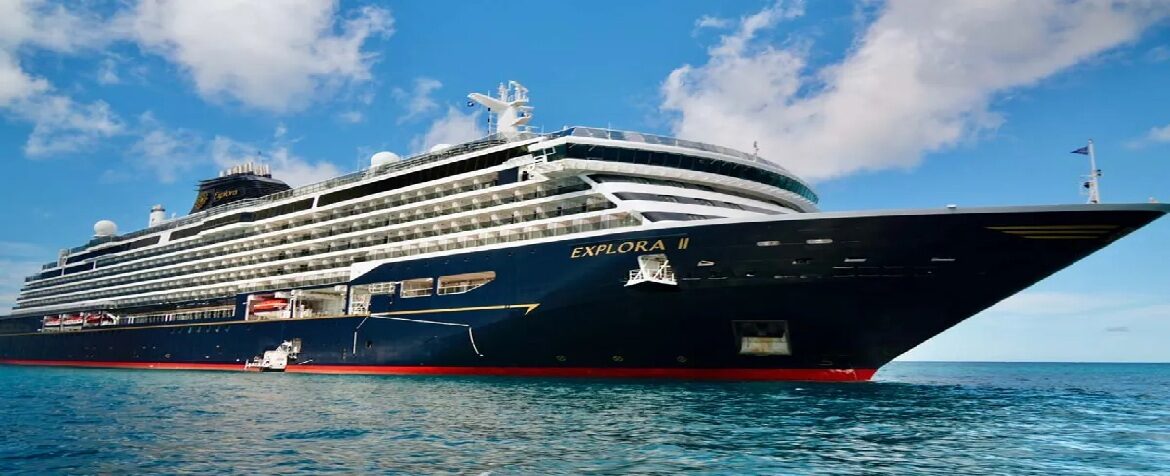
Explora Journeys (20 Cruises)
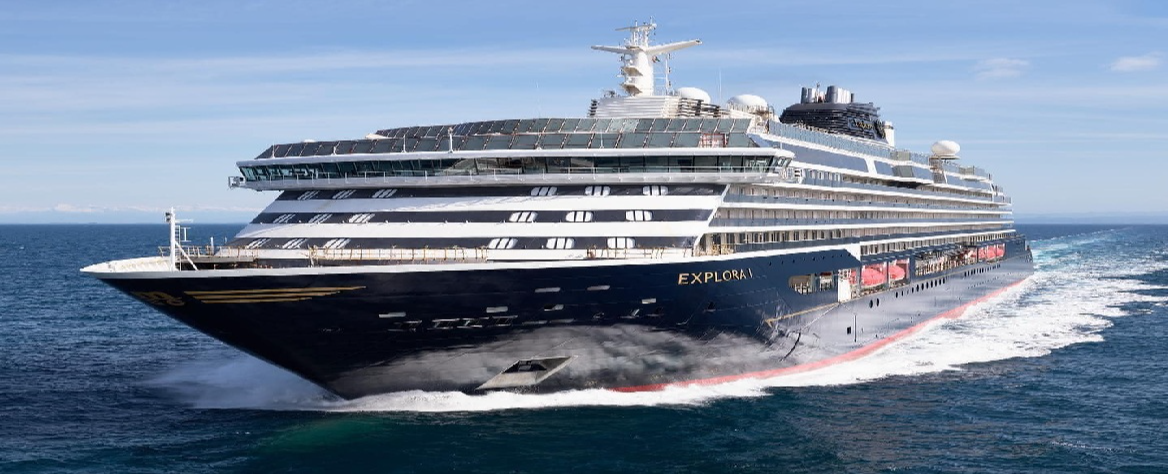
Explora I
6 Cruises

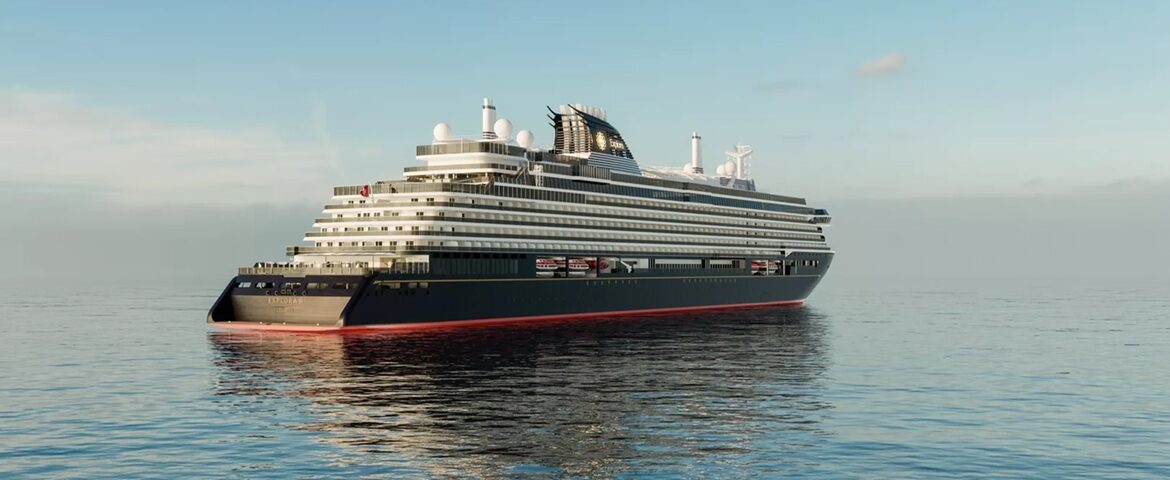
Explora III
11 Cruises
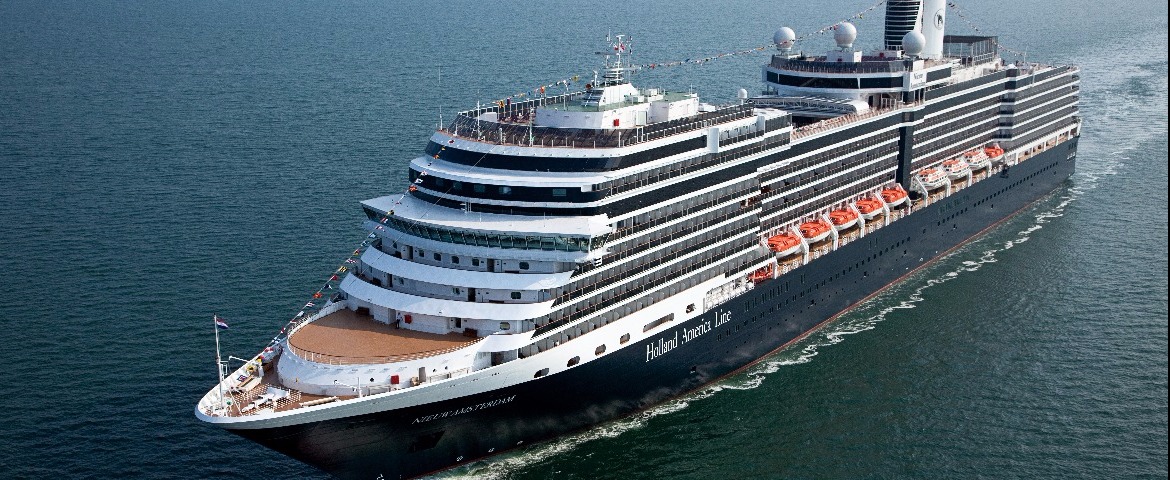
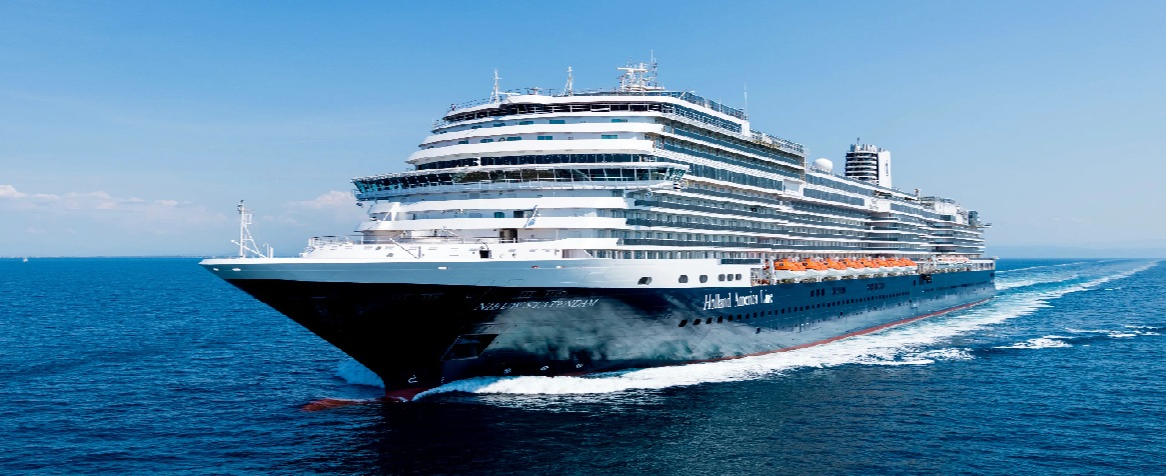
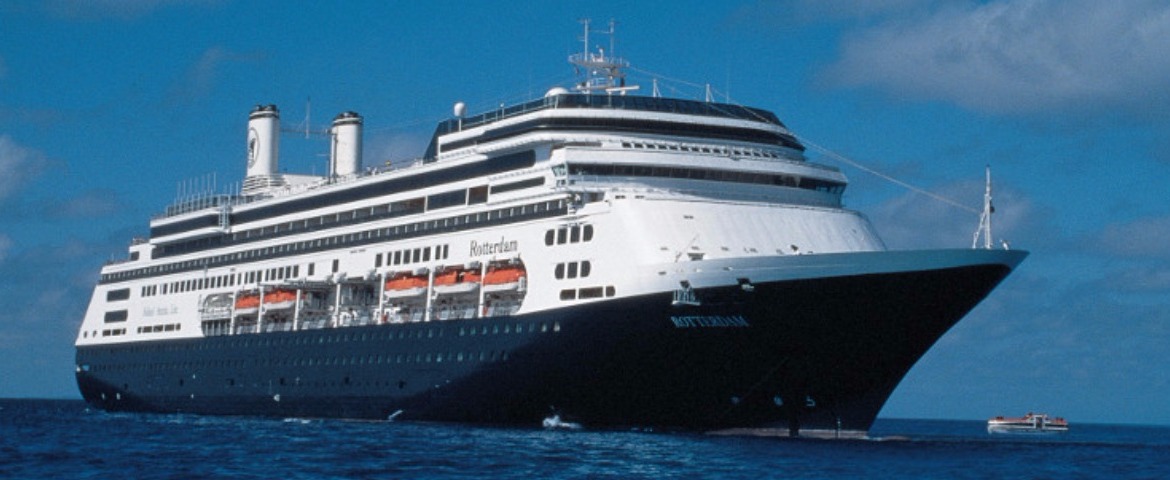
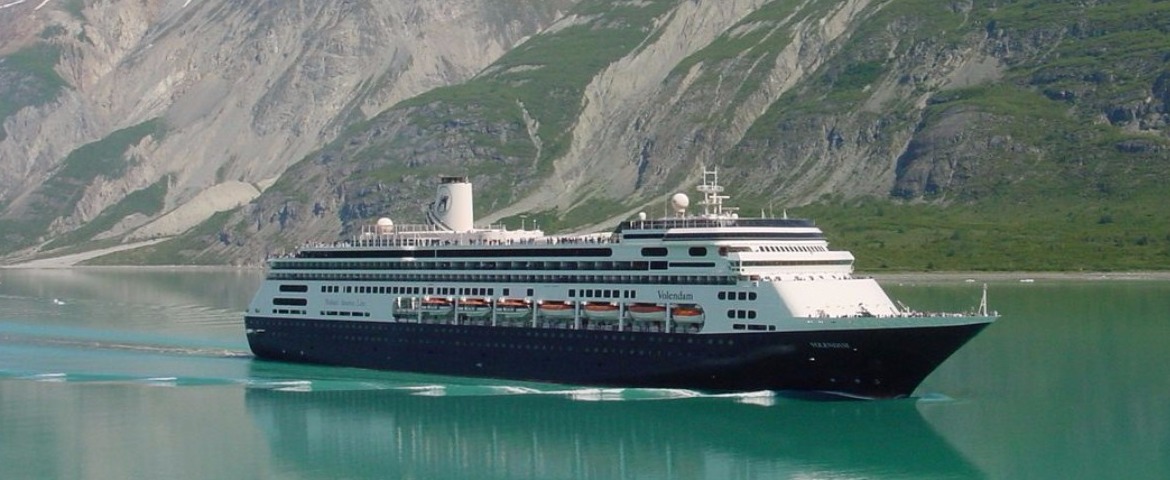
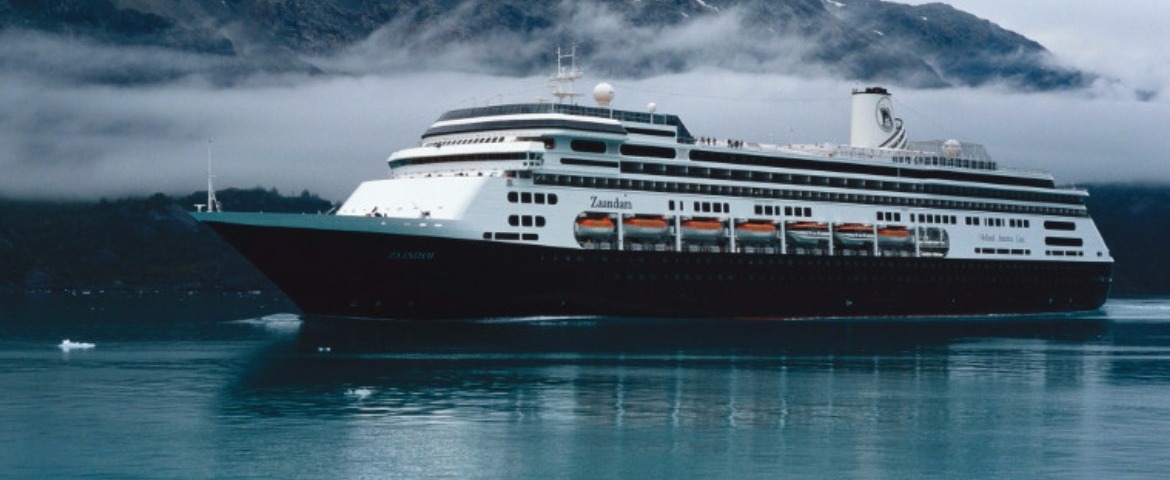
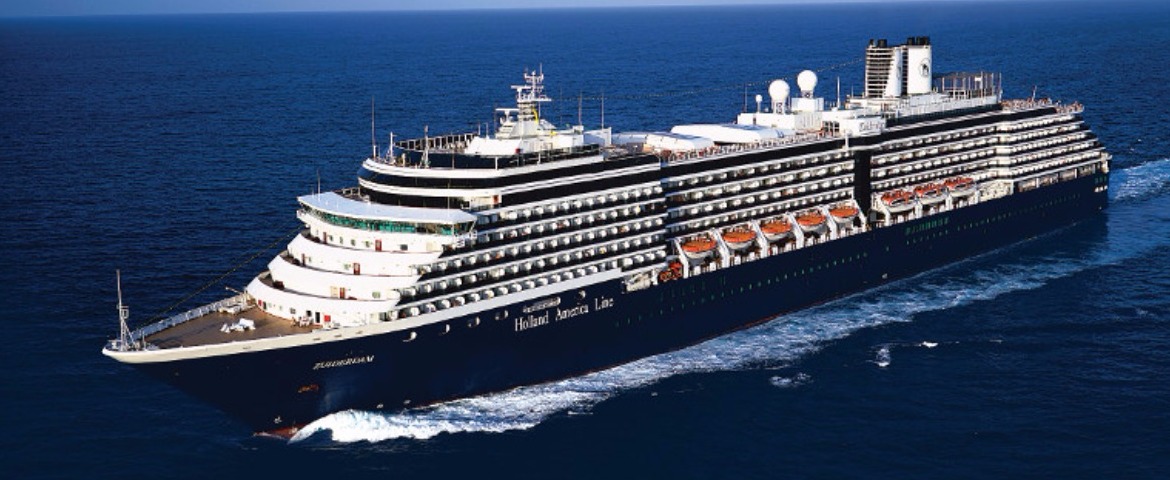
Holland America Line (26 Cruises)

ms Rotterdam
9 Cruises
MSC Cruises (57 Cruises)
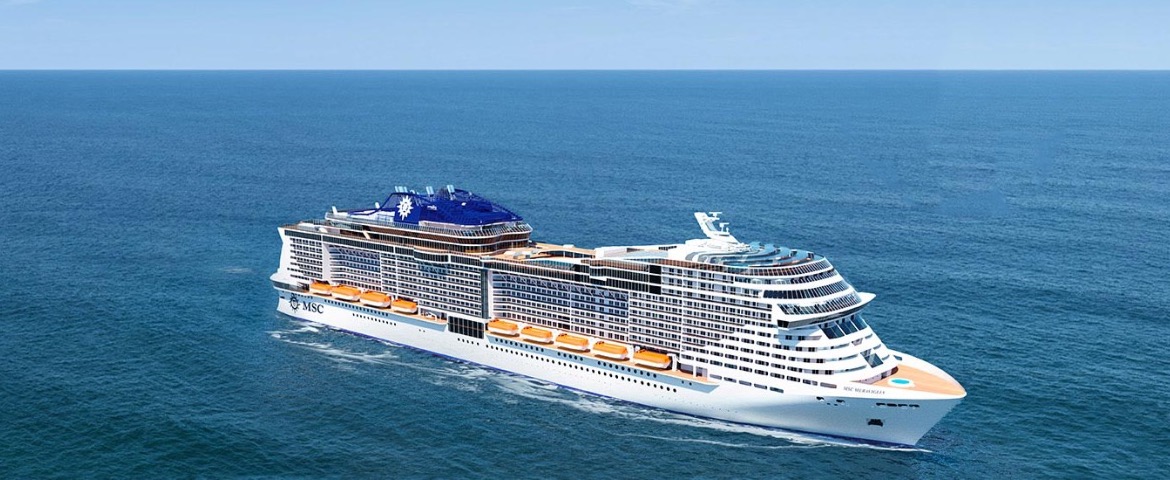
MSC Meraviglia
30 Cruises

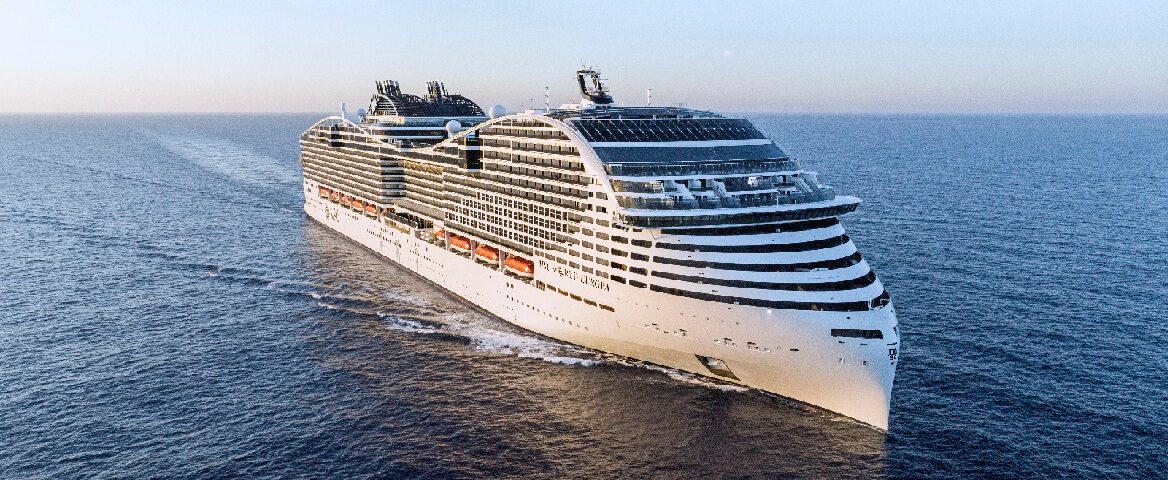
MSC World Europa
27 Cruises
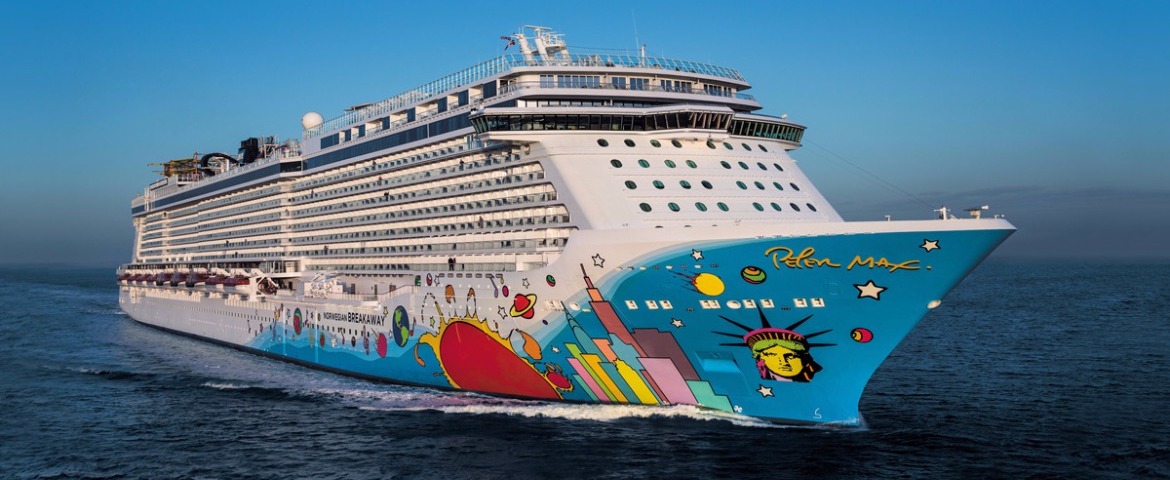
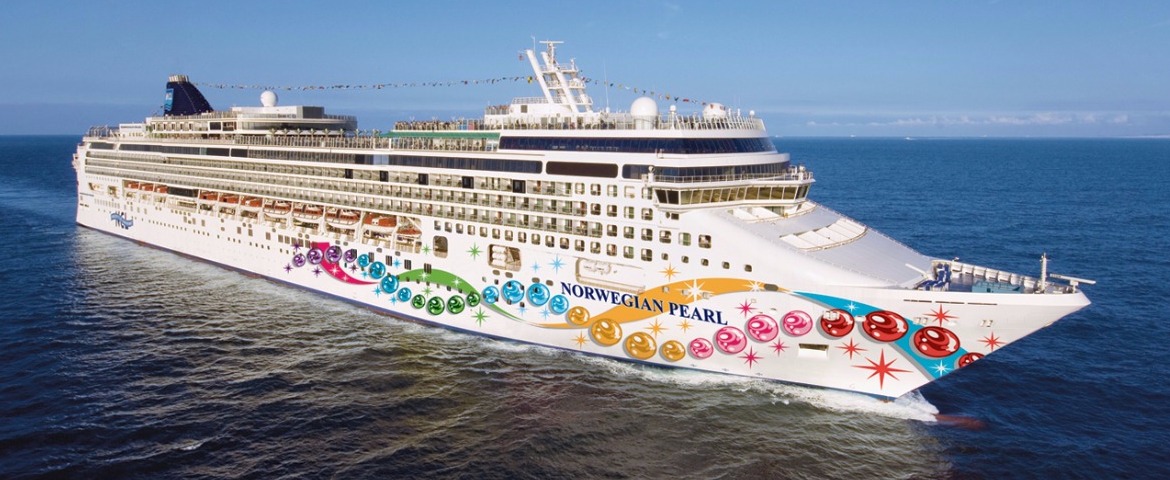
Norwegian Cruise Line (32 Cruises)

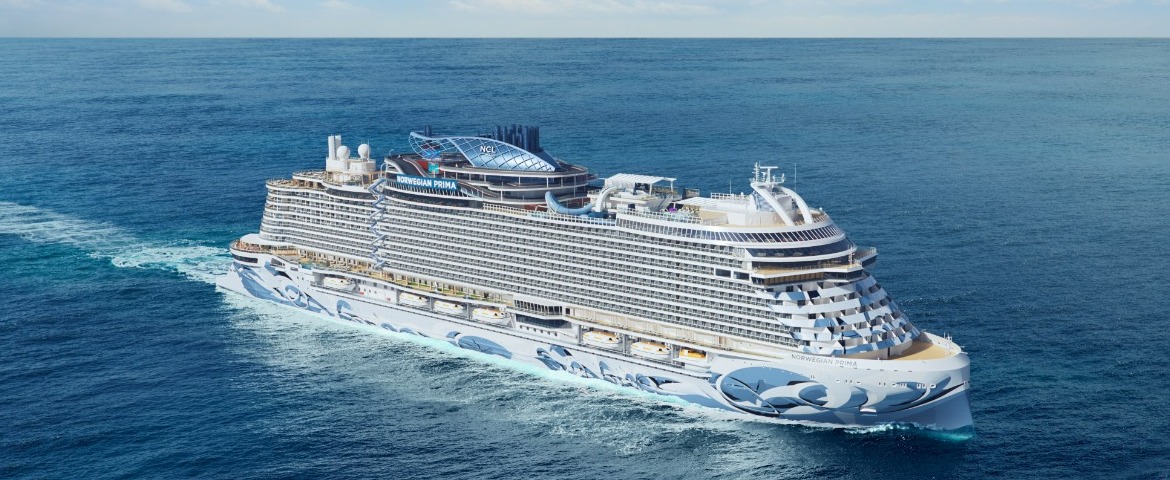
Norwegian Prima
24 Cruises
| 10 January | 8 days | Round-trip from San Juan, Puerto Rico |
From
960$
|
| 24 January | 8 days | Round-trip from San Juan, Puerto Rico |
From
855$
|
| 7 February | 8 days | Round-trip from San Juan, Puerto Rico |
From
911$
|
| 21 February | 8 days | Round-trip from San Juan, Puerto Rico |
From
946$
|
| 1 January | 7 days | Round-trip Eastern Caribbean Norwegian Prima San Juan |
From
853$
|
| 8 January | 8 days | Round-trip from San Juan, Puerto Rico |
From
855$
|
| 12 February | 7 days | Round-trip Eastern Caribbean Norwegian Prima San Juan |
From
853$
|
| 26 February | 8 days | Round-trip from San Juan, Puerto Rico |
From
862$
|
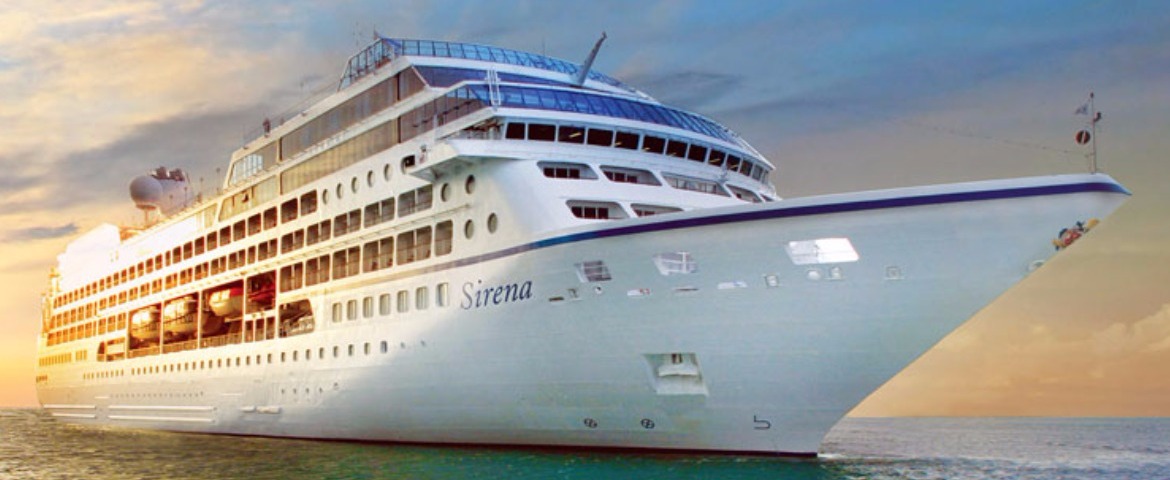
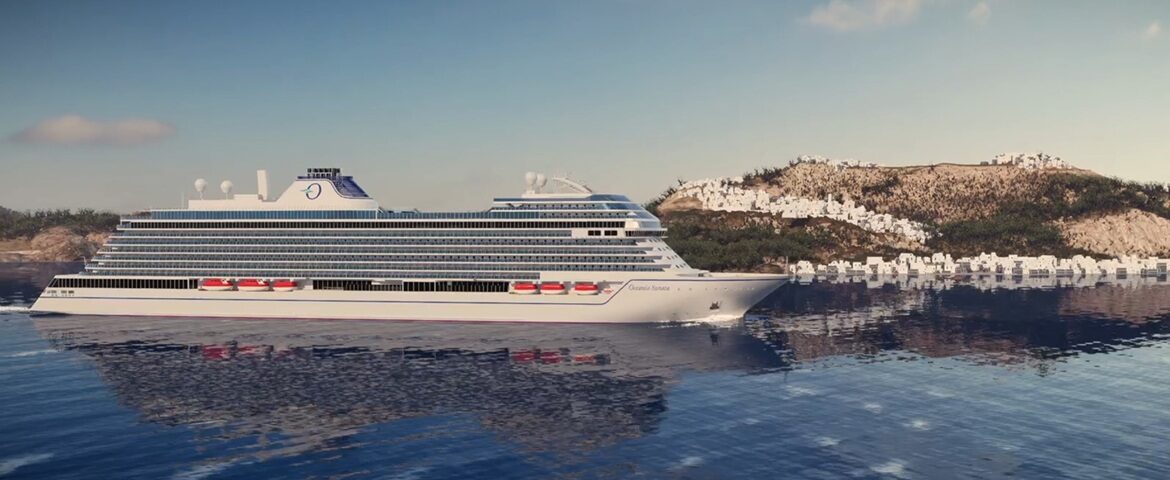
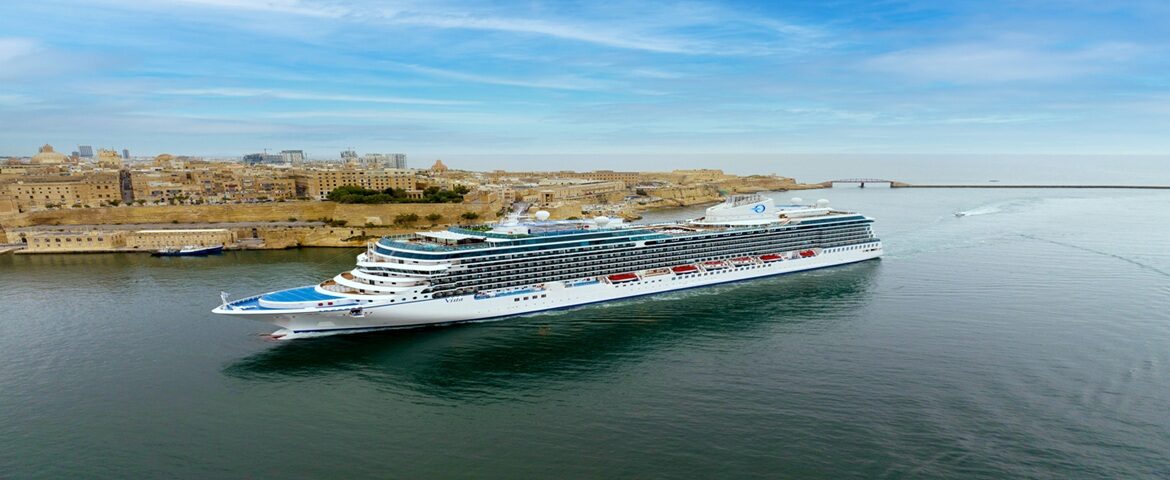
Oceania Cruises (24 Cruises)

Oceania Insignia
5 Cruises
Ponant (22 Cruises)
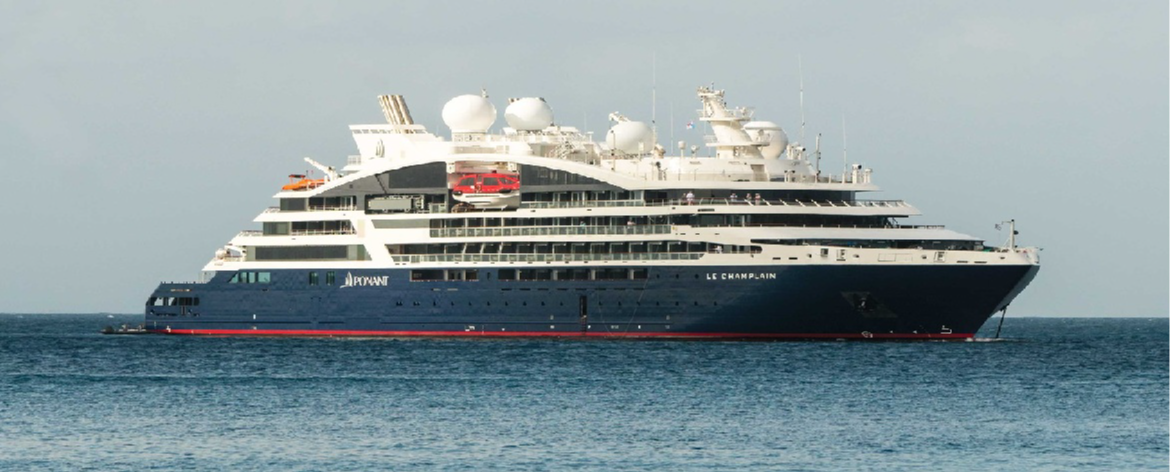
Le Champlain
6 Cruises

Le Ponant
16 Cruises
| 27 February | 8 days | Round-trip from Pointe-a-Pitre, Guadeloupe |
450-628-6241
Call us
|
| 28 February | 6 days | Round-trip 7 Night Gliding the Waters of the Windward Islands Cruise |
450-628-6241
Call us
|
| 17 January | 8 days | Round-trip from Pointe-a-Pitre, Guadeloupe |
450-628-6241
Call us
|
| 18 January | 6 days | Round-trip 7 Night Gliding the Waters of the Windward Islands Cruise |
450-628-6241
Call us
|
Princess Cruises (94 Cruises)

Crown Princess
23 Cruises
Emerald Princess
44 Cruises
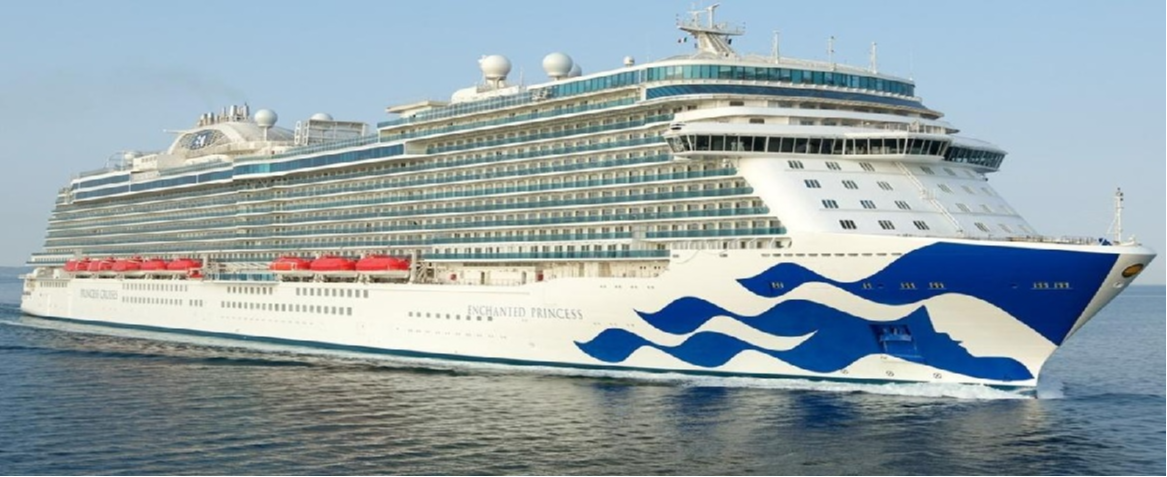
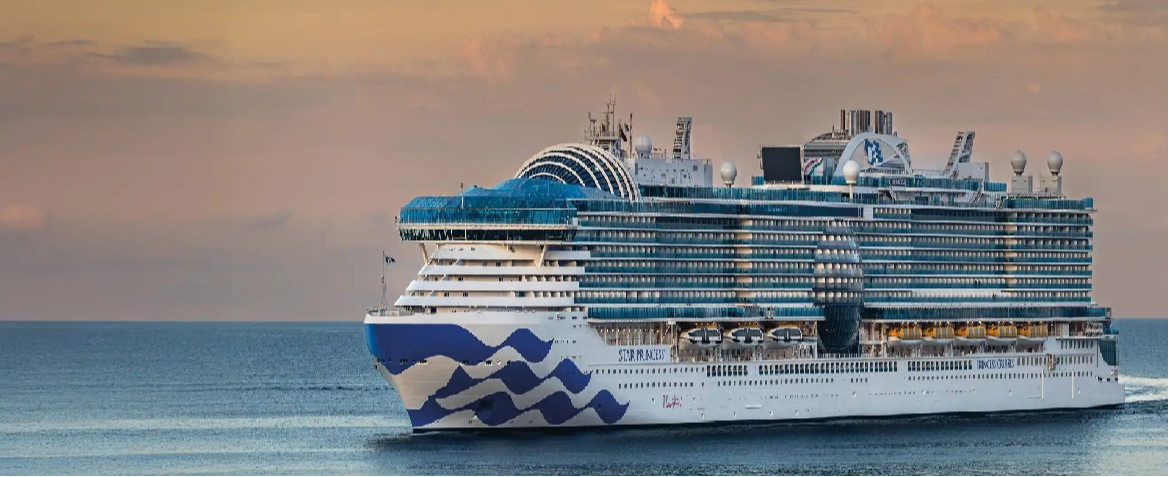
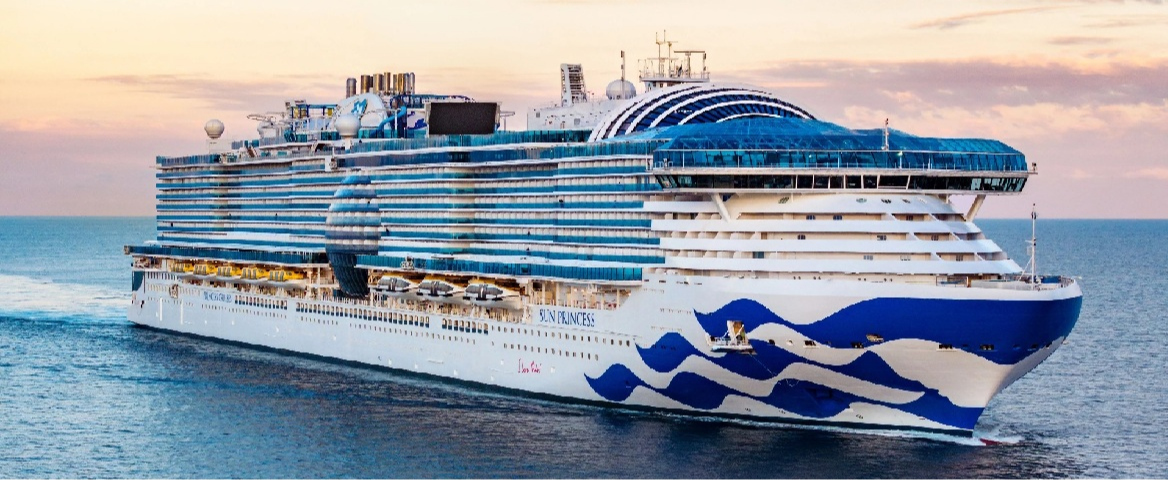
Enchanted Princess
7 Cruises
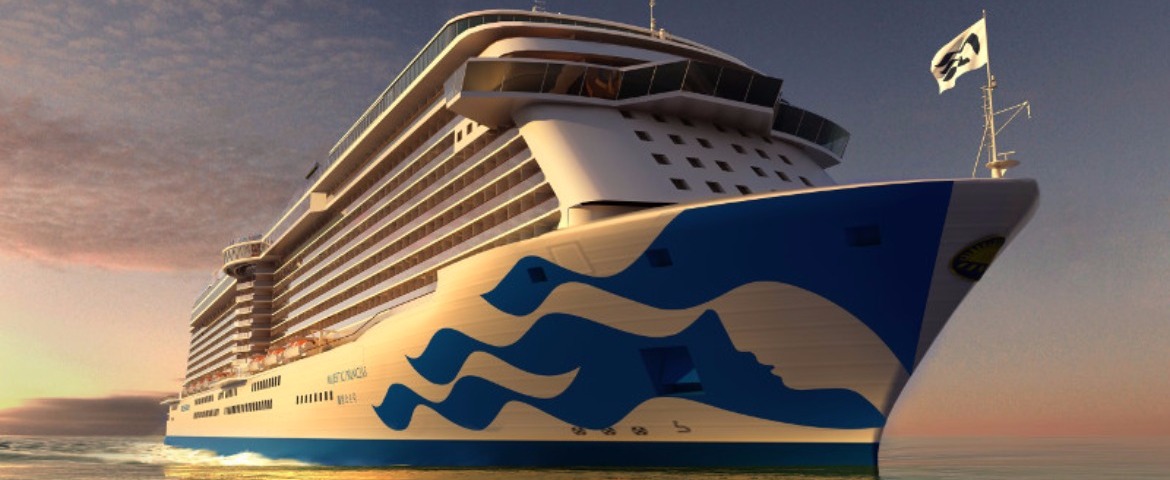
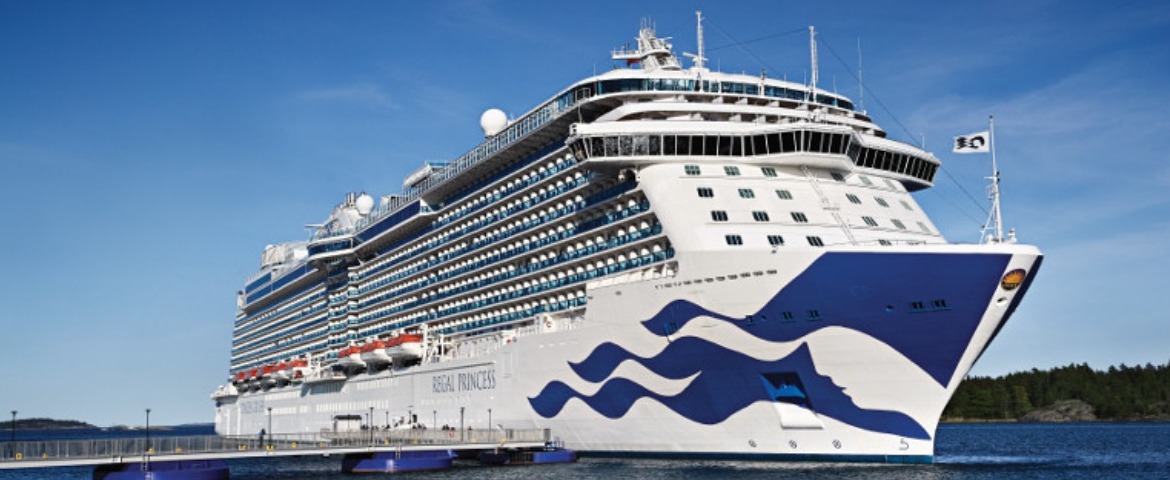
Majestic Princess
5 Cruises
Regent Seven Seas Cruises (35 Cruises)
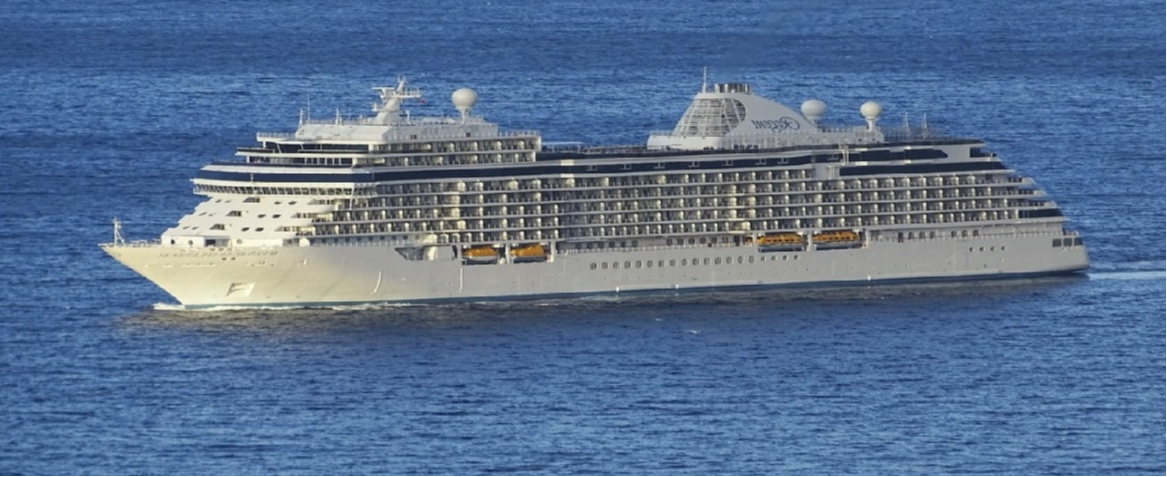
Seven Seas Grandeur
17 Cruises

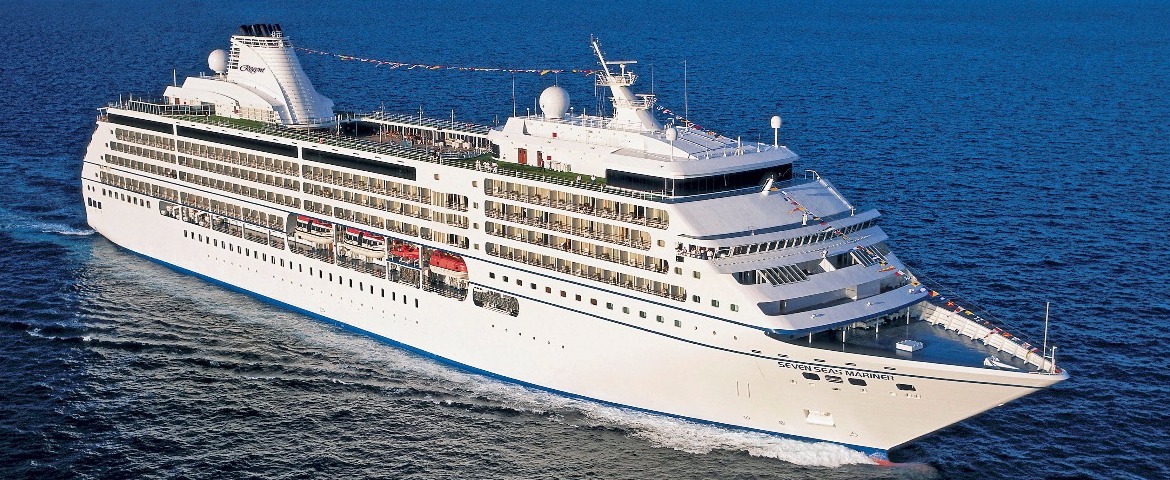
Seven Seas Prestige
10 Cruises
Royal Caribbean Cruises (40 Cruises)


Grandeur of the Seas
17 Cruises

| 1 May | 8 days | Round-trip from San Juan, Puerto Rico |
From
902$
|
| 15 May | 8 days | Round-trip from San Juan, Puerto Rico |
From
944$
|
| 29 May | 8 days | Round-trip from San Juan, Puerto Rico |
From
986$
|
| 12 June | 8 days | Round-trip from San Juan, Puerto Rico |
From
1279$
|
| 26 June | 8 days | Round-trip from San Juan, Puerto Rico |
From
1295$
|
| 10 July | 8 days | Round-trip from San Juan, Puerto Rico |
From
1394$
|
| 24 July | 8 days | Round-trip from San Juan, Puerto Rico |
From
1393$
|
| 7 August | 8 days | Round-trip from San Juan, Puerto Rico |
From
1100$
|
| 21 August | 8 days | Round-trip from San Juan, Puerto Rico |
From
954$
|
| 4 September | 8 days | Round-trip from San Juan, Puerto Rico |
From
899$
|
| 18 September | 8 days | Round-trip from San Juan, Puerto Rico |
From
889$
|

Rhapsody of the Seas
11 Cruises


Seabourn Cruise Line (64 Cruises)
Seabourn Ovation
64 Cruises

Silversea Cruises (36 Cruises)

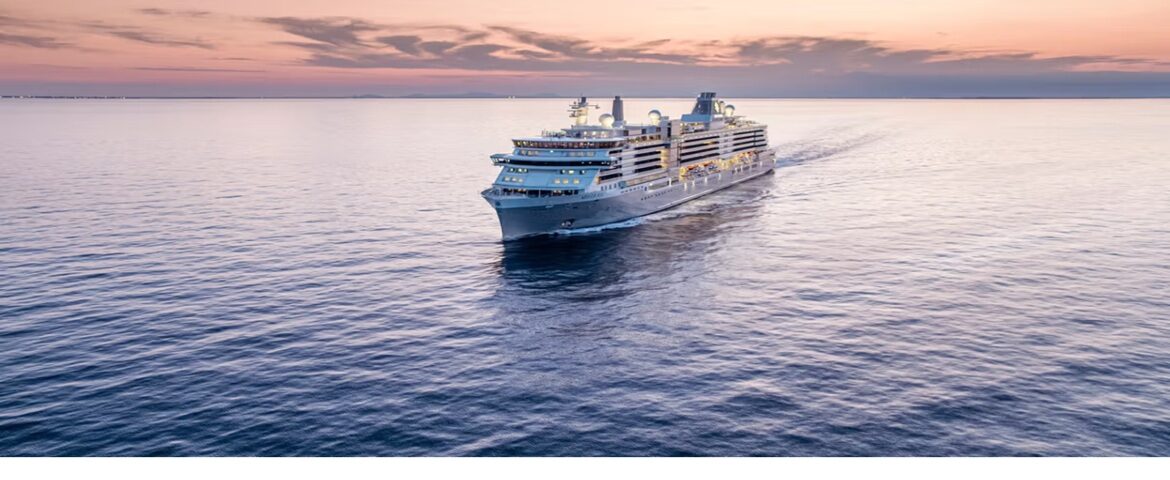
Silver Shadow
8 Cruises
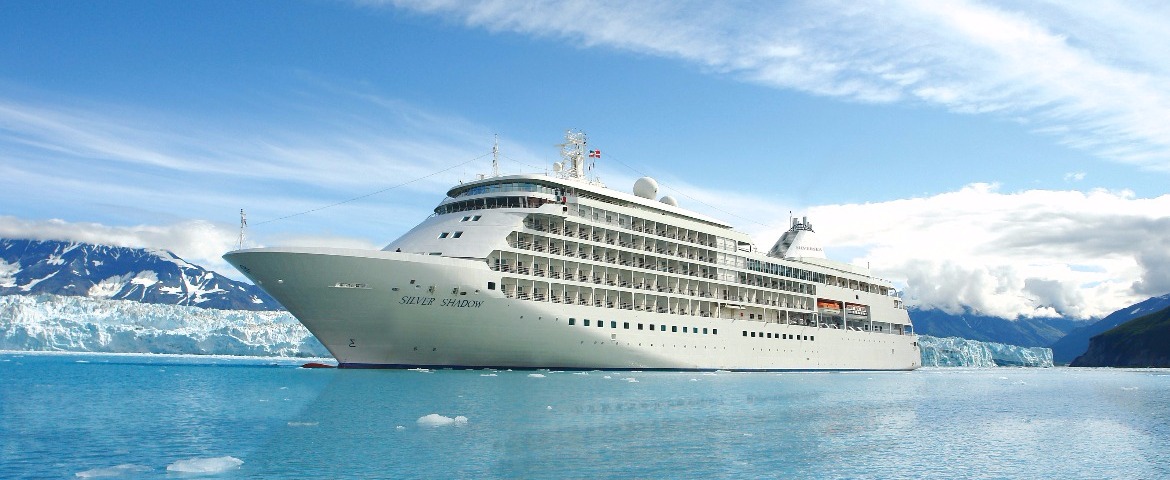
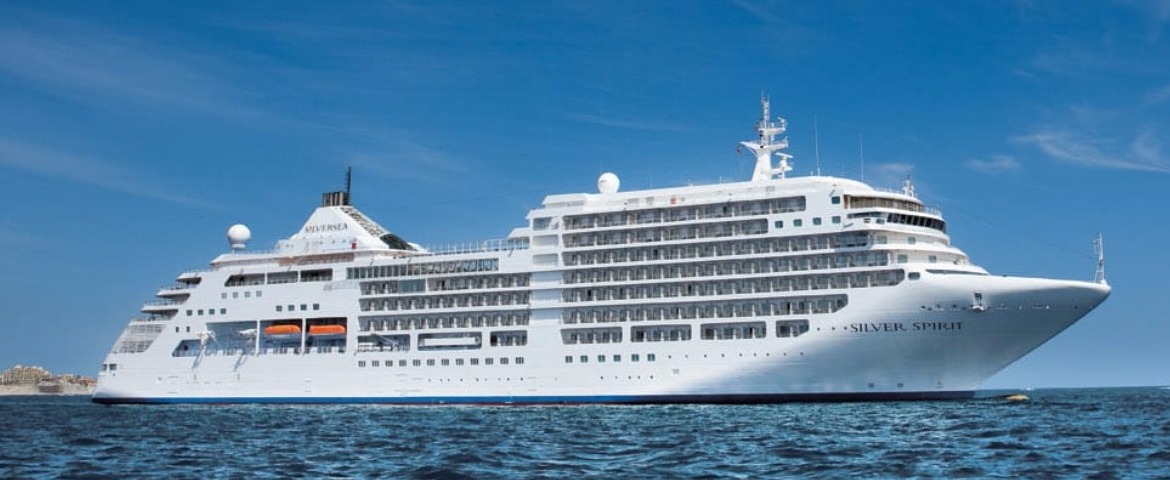
Silver Spirit
20 Cruises
| 4 January | 12 days | Round-trip from Bridgetown, Barbados |
450-628-6241
Call us
|
| 15 January | 11 days | Round-trip from Bridgetown, Barbados |
450-628-6241
Call us
|
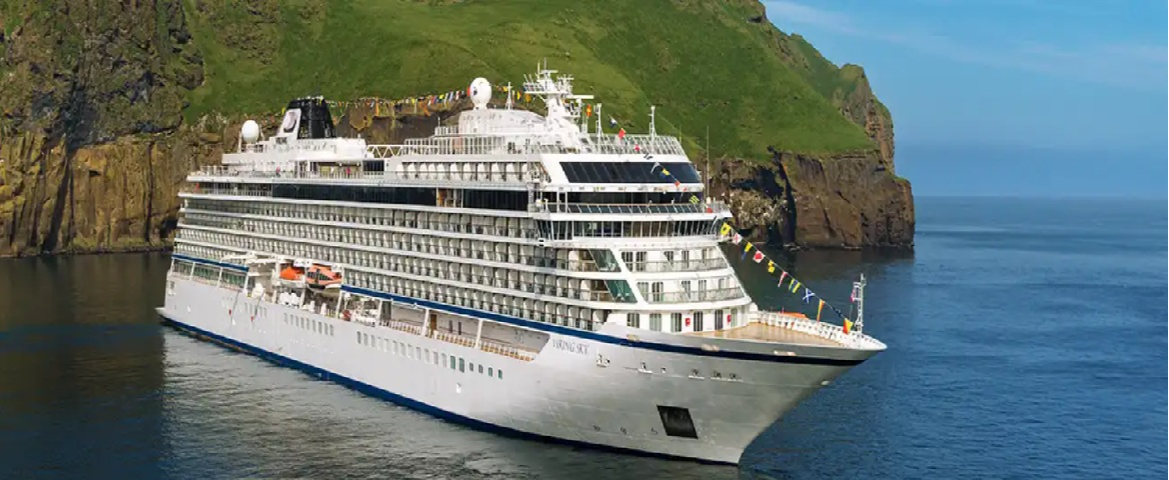
Viking Ocean Cruises (28 Cruises)
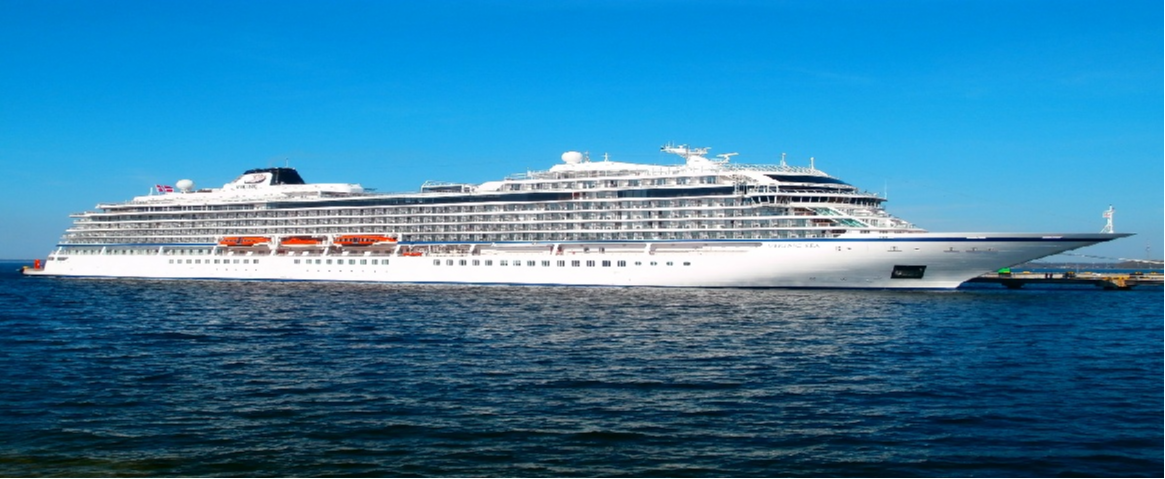
Viking Sea
19 Cruises

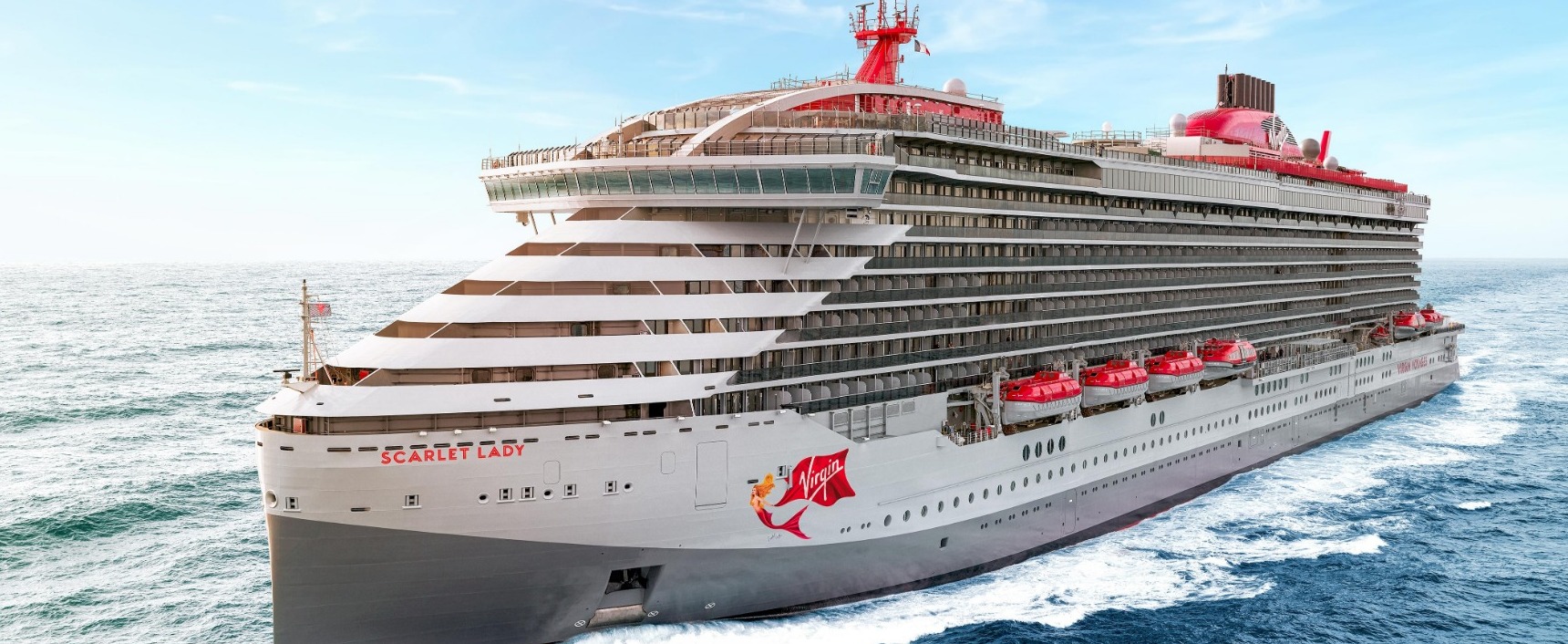
Virgin Voyages (18 Cruises)
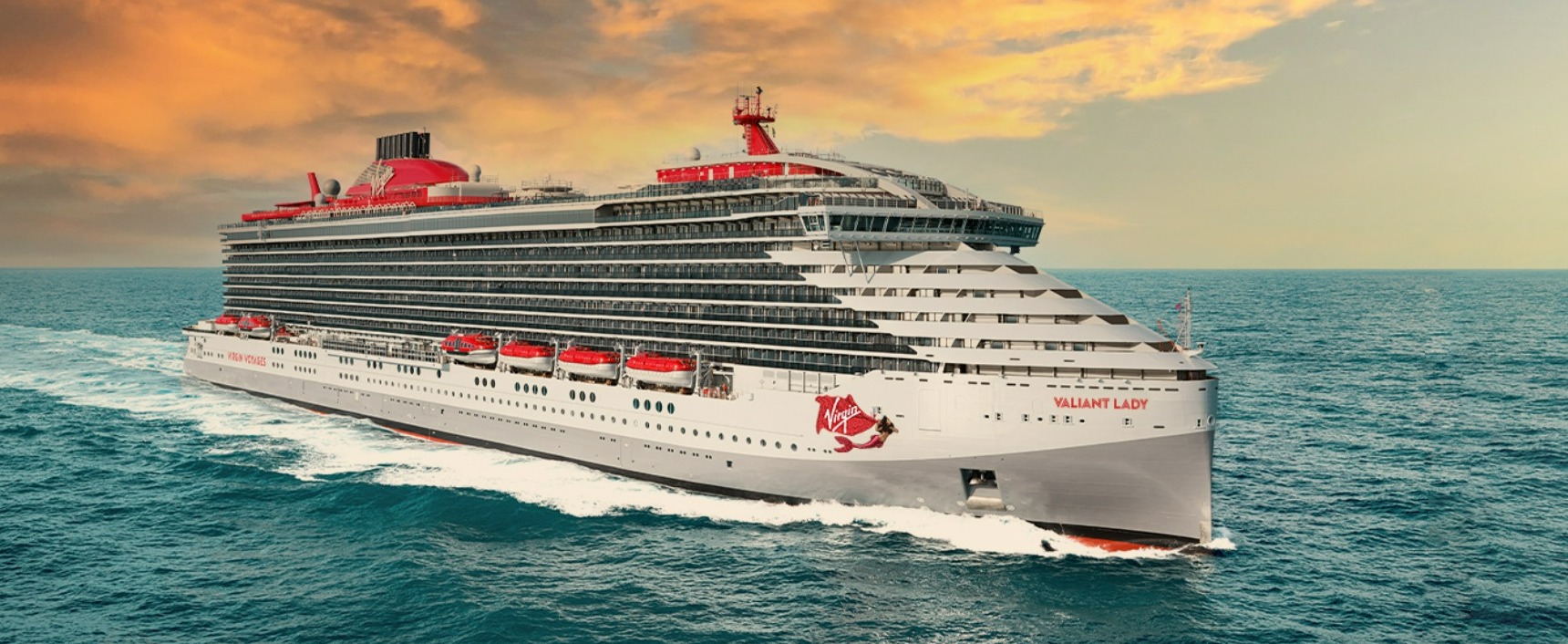
Valiant Lady
10 Cruises
Windstar Cruises (10 Cruises)
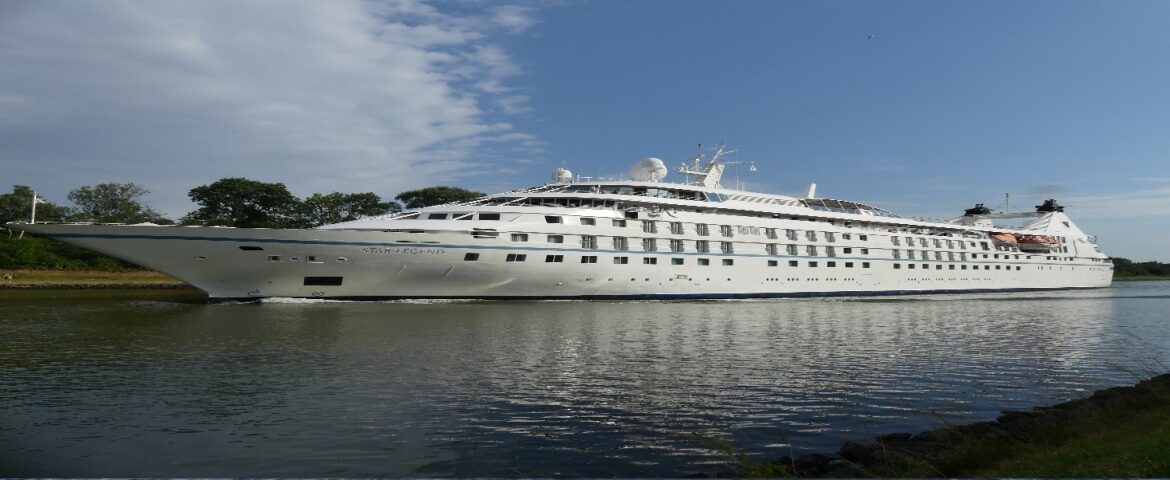
Star Legend
10 Cruises


Port of Castries, Saint Lucia | Cruise Port Guide
Frequently Asked Questions
At one of the two berths at the head of the harbour: Pointe Seraphine on the north shore, with the duty-free shops, or La Place Carenage, which opens straight onto the town centre. From either one, the heart of the capital is fifteen minutes' walk at most.
The central market, Derek Walcott Square and the cathedral, then up to Morne Fortune for the view. If you are aiming for the Pitons, count about 75 minutes of winding road each way: that is the whole call.
An orange-red iron hall opened in the late nineteenth century, with more than 300 stalls: plantains, yams, nutmeg, cinnamon sticks, peppers preserved in vinegar, woven baskets and spices sold by the bag. The vendors are happy to explain how to cook breadfruit or christophine.
Its interior. Walls and ceilings are covered with boldly coloured murals by the local artist Dunstan St Omer, in which the biblical figures have Caribbean faces. It is unique in the Antilles, and you would never guess it from outside.
The 1992 Nobel laureate in literature, and a son of this neighbourhood. A square shaded by great saman trees carries his name, opposite the cathedral. It is a good place to pause between the market and the rest of the walk.
A hill of about 260 metres south of the harbour, fought over by the French and British for a century. Batteries, stone barracks and a monument to the Inniskilling regiment remain. A taxi climbs up in about fifteen minutes for the plunging view over the harbour and, on a clear day, north to Pigeon Island.
Because the island changed hands fourteen times between France and England. English is the official language, but French-based Creole remains the language of daily life, and conversation slips into it quickly at the market.
Vigie beach runs alongside the small airport's runway, a few minutes from the terminal, for anyone who just wants a swim. For something better, aim for Rodney Bay, about twenty minutes north.
If scenery is your priority, yes, but know what you are buying: roughly 75 minutes of winding road to Soufrière each way, and almost the entire call goes into it. Book through the ship or an established operator.
A monumental old quarter. The great fires of 1927 and 1948 took it; only a few Creole houses with wooden fretwork survive. What Castries offers instead is a working Caribbean capital, a market fragrant with nutmeg and murals found nowhere else.


