Kralendijk Bonaire Netherlands Antilles
416
Cruises availables
At departure or passage at this port
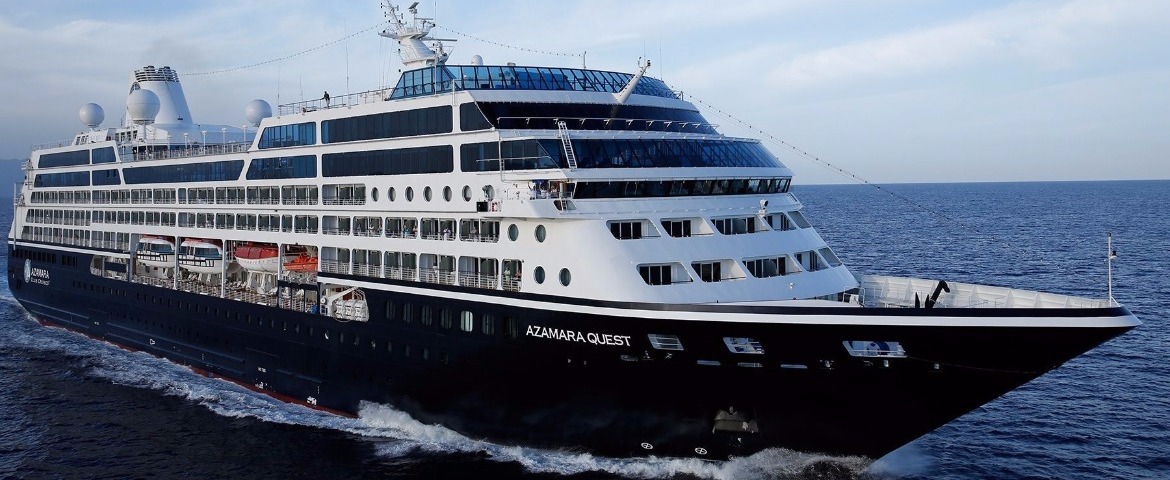
Azamara Club Cruises (3 Cruises)

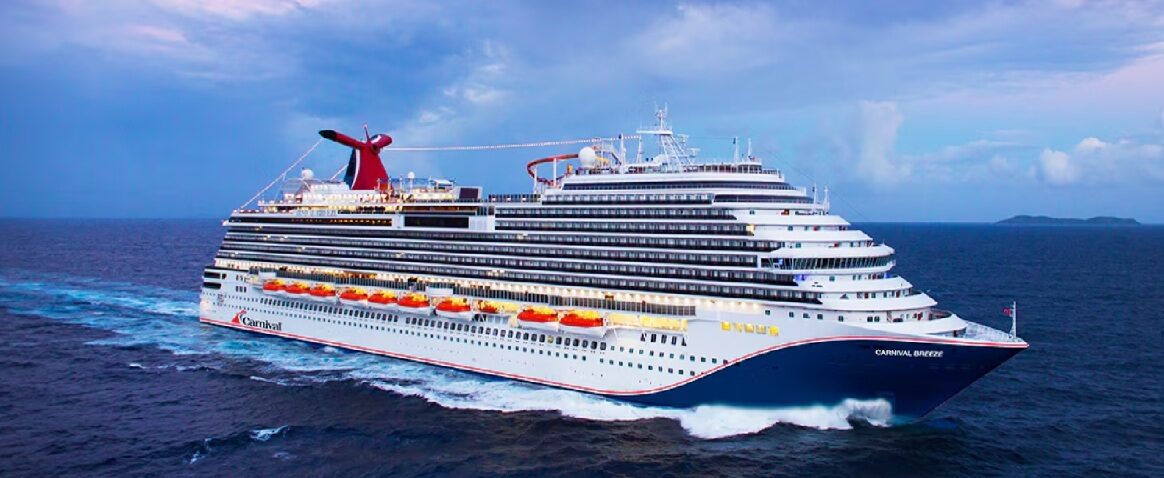
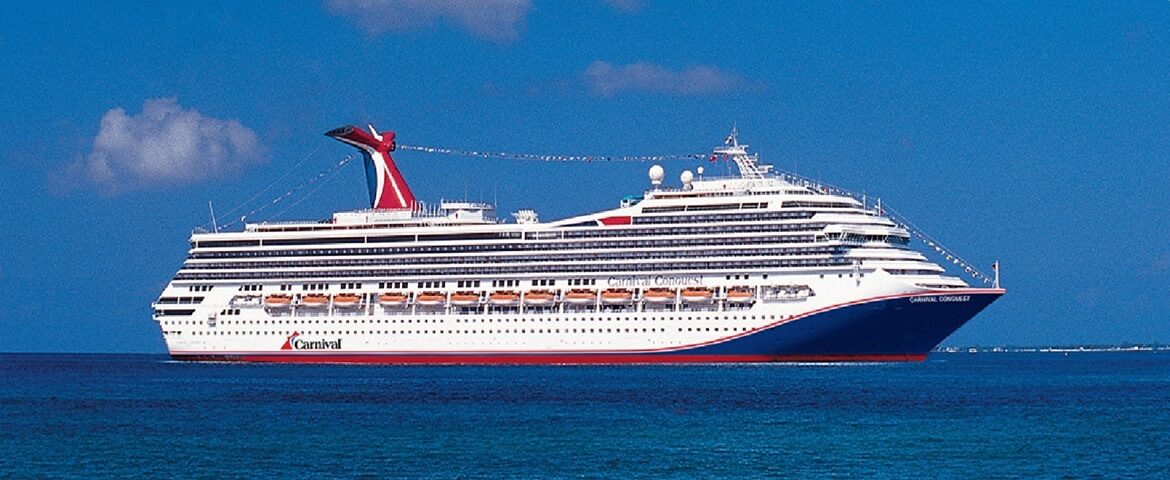
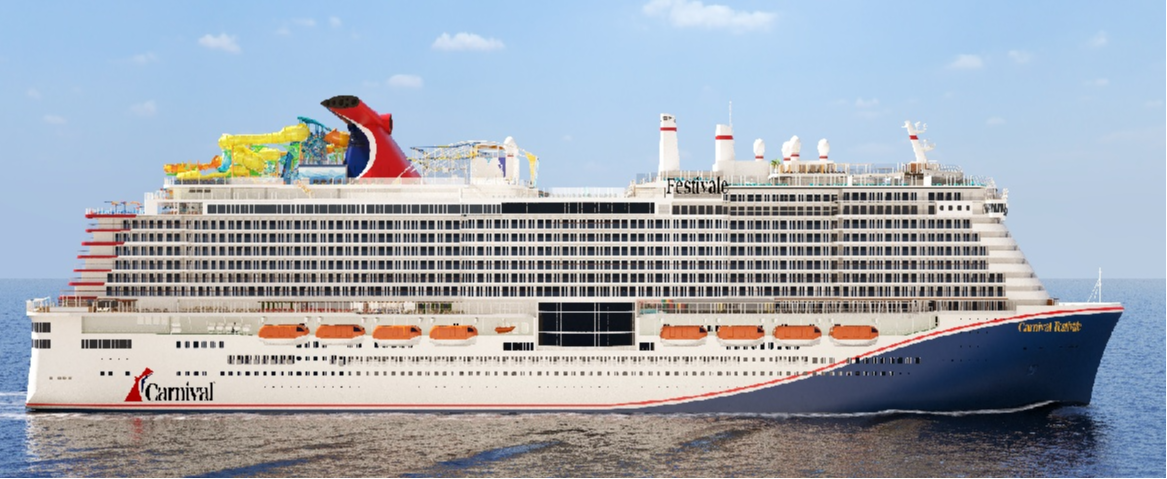
Carnival Cruise Line (48 Cruises)

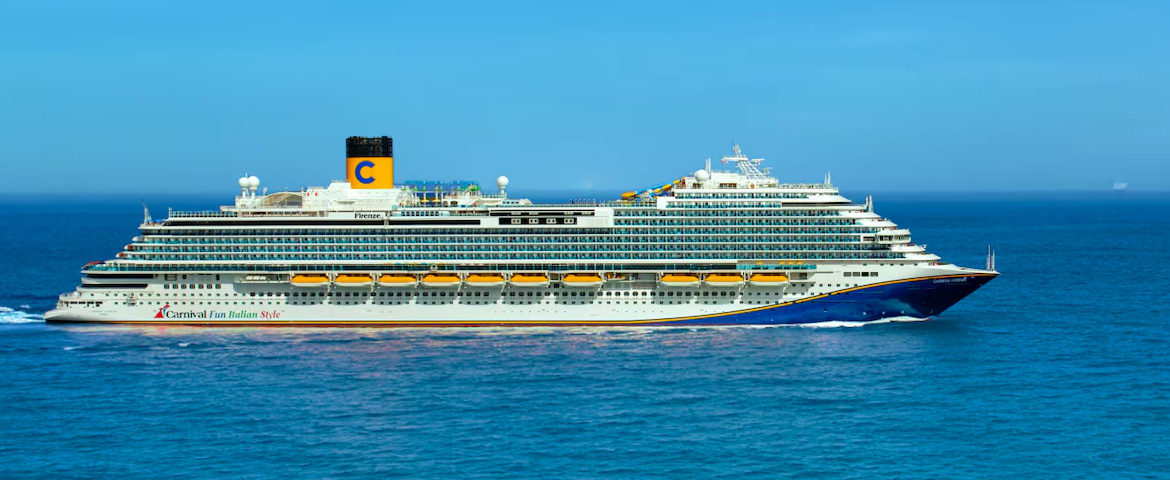
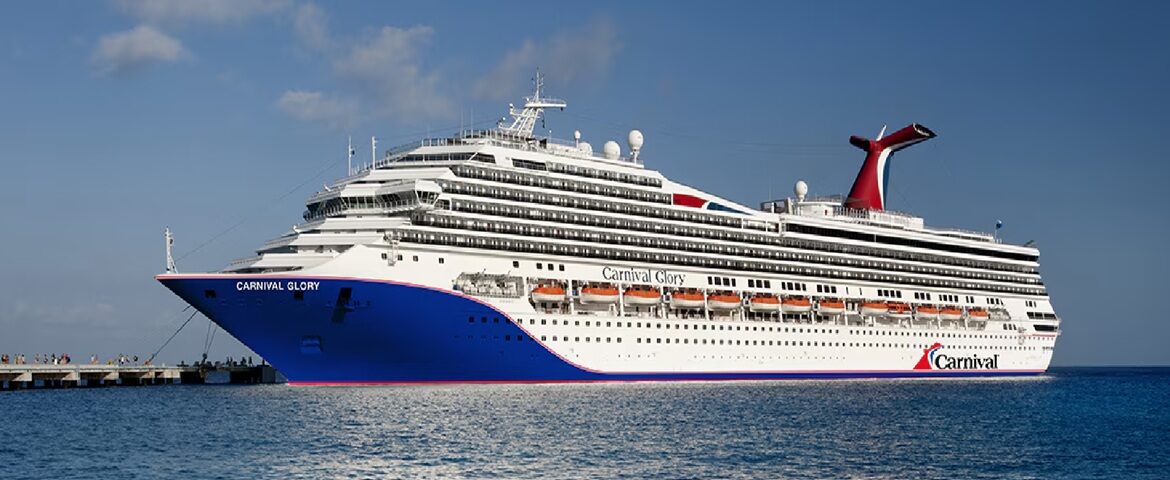
Carnival Horizon
6 Cruises
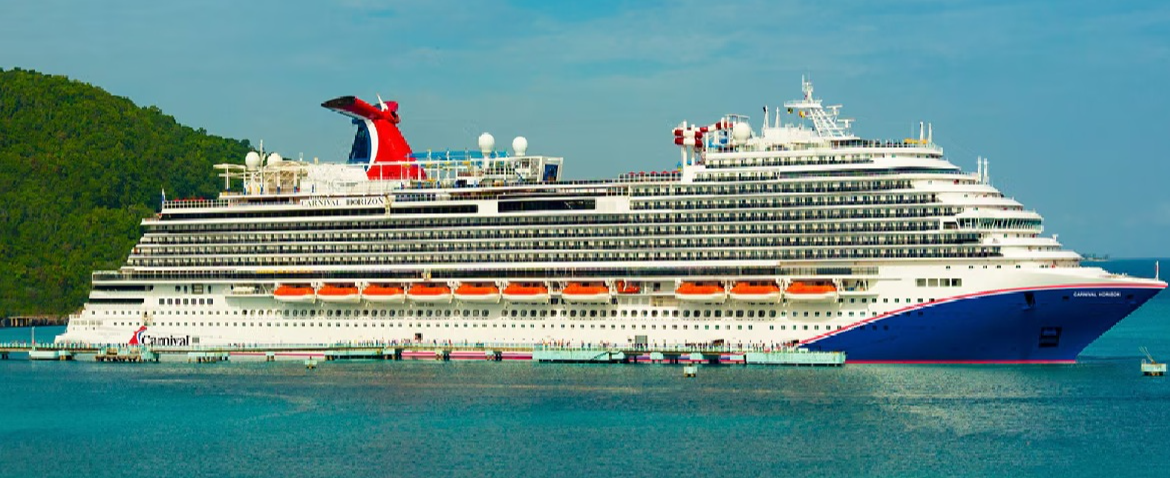
Carnival Magic
12 Cruises
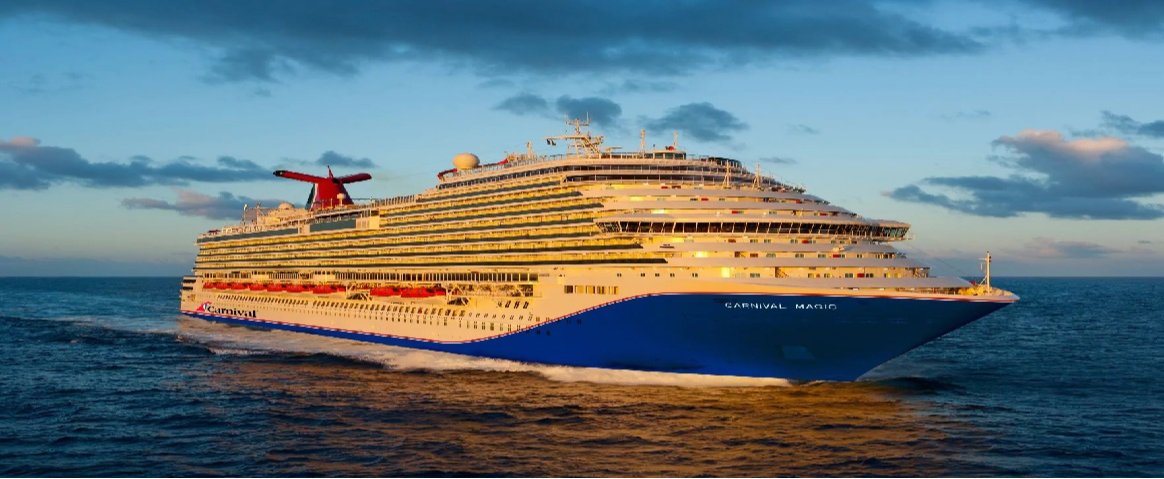
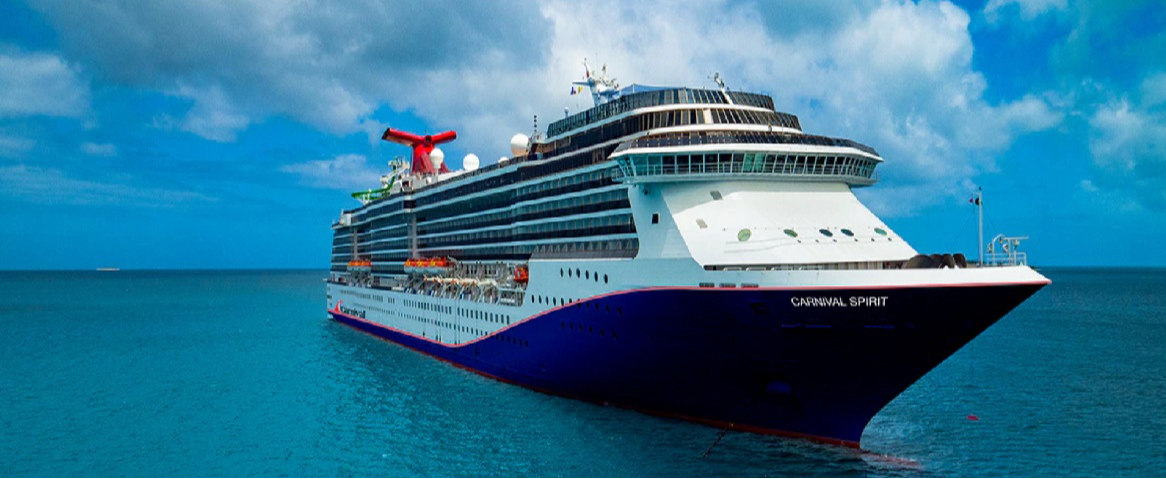
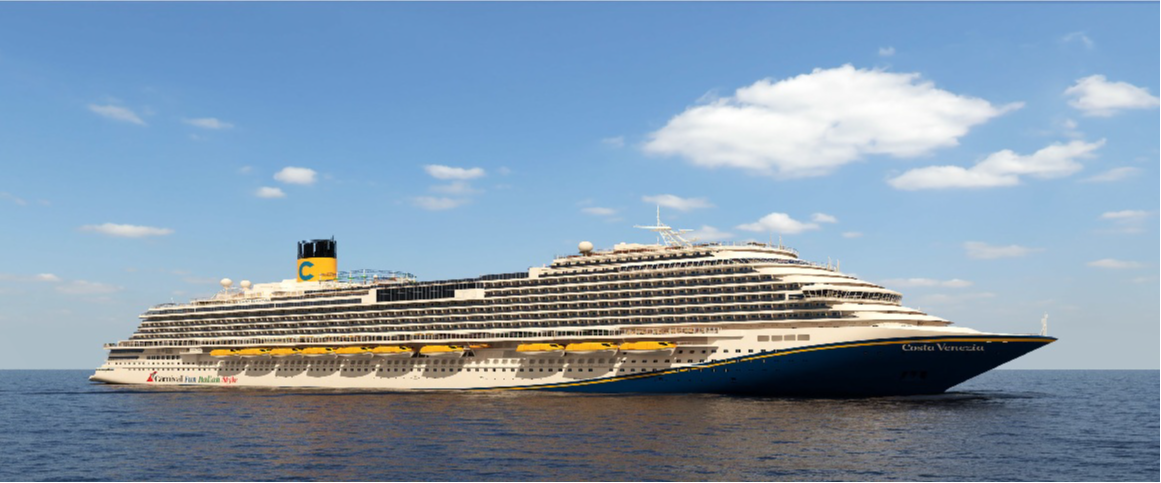
Carnival Venezia
21 Cruises
| 10 July | 9 days | Round-trip from Miami, USA |
From
1310$
|
| 24 July | 9 days | Round-trip from Miami, USA |
From
1296$
|
| 7 August | 9 days | Round-trip from Miami, USA |
From
1182$
|
| 21 August | 9 days | Round-trip from Miami, USA |
From
882$
|
| 4 September | 9 days | Round-trip from Miami, USA |
From
868$
|
| 18 September | 9 days | Round-trip from Miami, USA |
From
868$
|
| 2 October | 9 days | Round-trip from Miami, USA |
From
871$
|
| 16 October | 9 days | Round-trip from Miami, USA |
From
871$
|
| 30 October | 9 days | Round-trip from Miami, USA |
From
882$
|
Celebrity Cruises (65 Cruises)
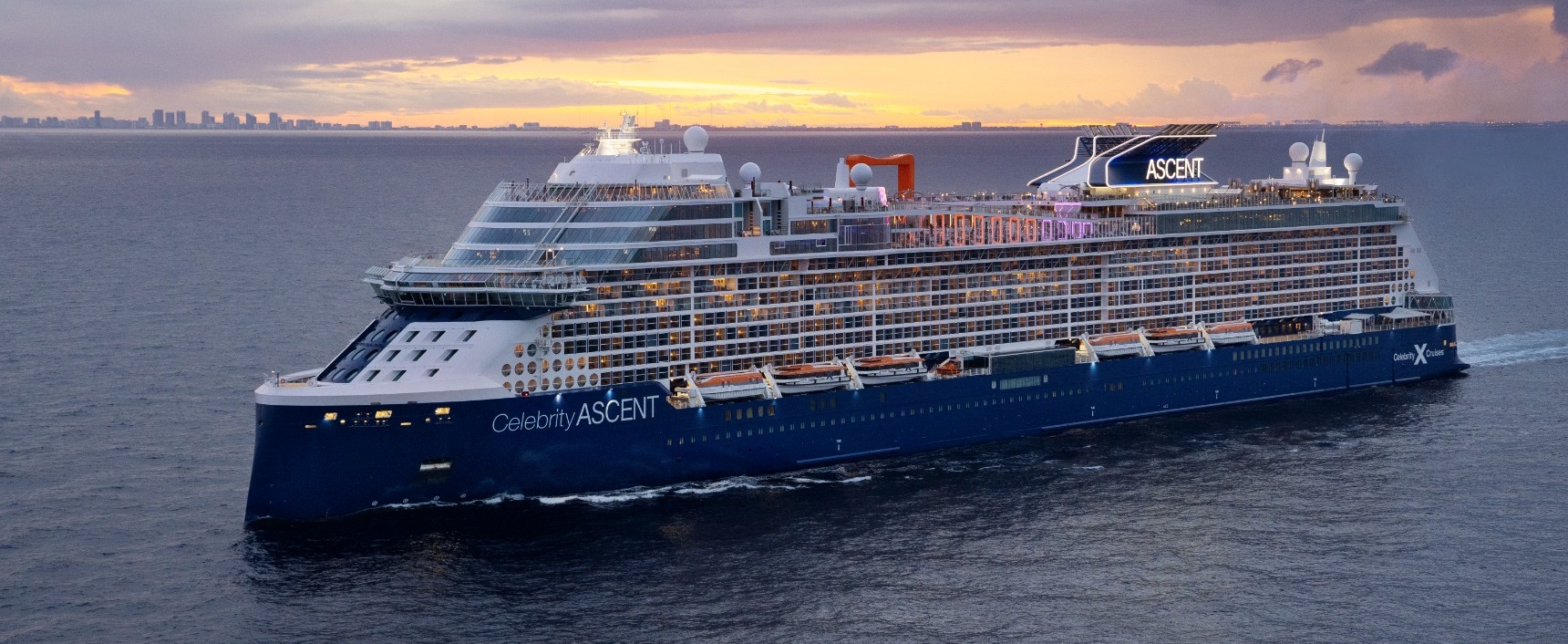

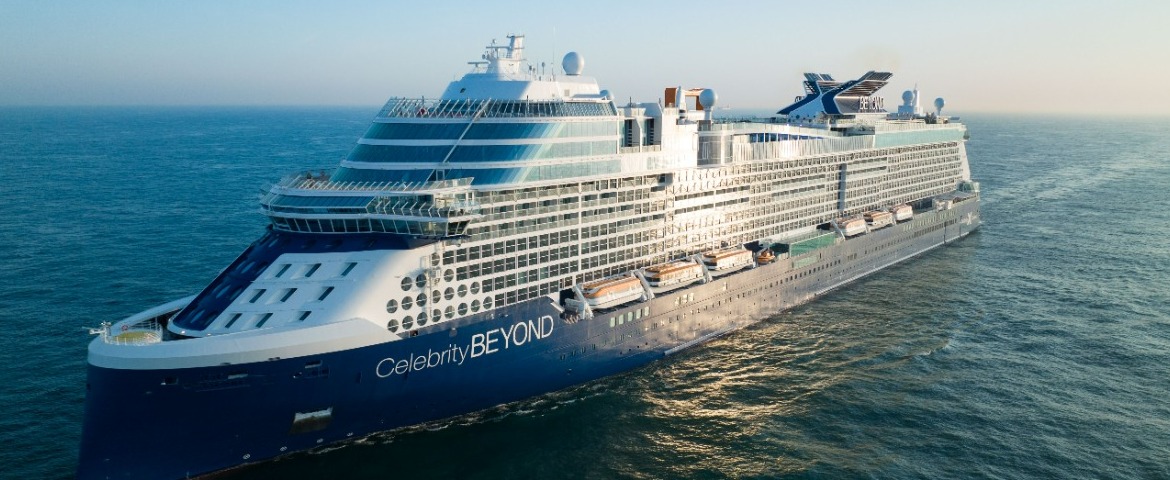
Celebrity Beyond
21 Cruises
| 5 June | 9 days | Round-trip from Miami, USA |
From
1587$
|
| 19 June | 9 days | Round-trip from Miami, USA |
From
1631$
|
| 3 July | 9 days | Round-trip from Miami, USA |
From
1596$
|
| 17 July | 9 days | Round-trip from Miami, USA |
From
1667$
|
| 31 July | 9 days | Round-trip from Miami, USA |
From
1728$
|
| 14 August | 9 days | Round-trip from Miami, USA |
From
1809$
|
| 28 August | 9 days | Round-trip from Miami, USA |
From
1687$
|
| 11 September | 9 days | Round-trip from Miami, USA |
From
1728$
|
| 25 September | 9 days | Round-trip from Miami, USA |
From
1857$
|
| 9 October | 9 days | Round-trip from Miami, USA |
From
1360$
|
| 23 October | 9 days | Round-trip from Miami, USA |
From
1426$
|
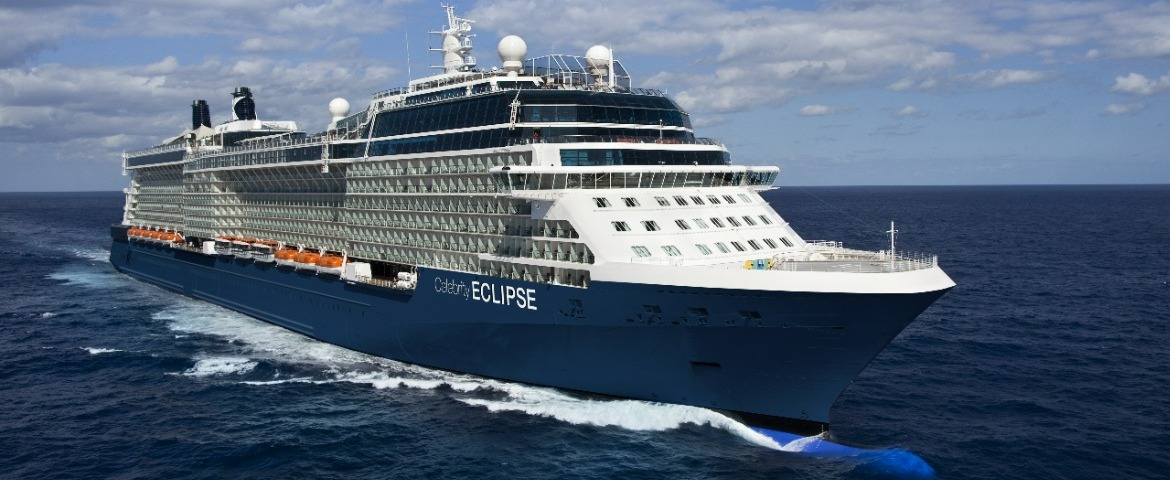
Celebrity Reflection
8 Cruises
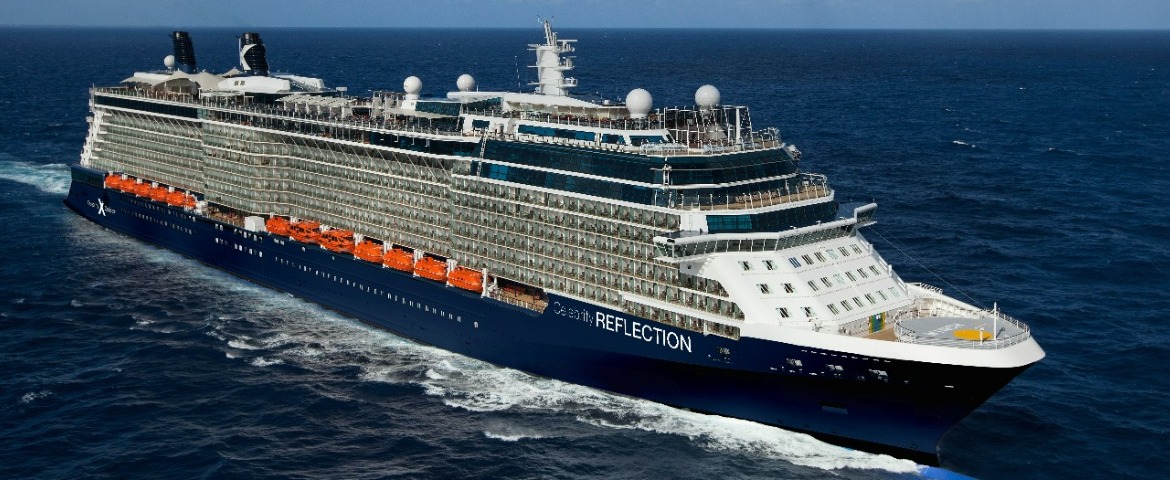
Celebrity Silhouette
24 Cruises
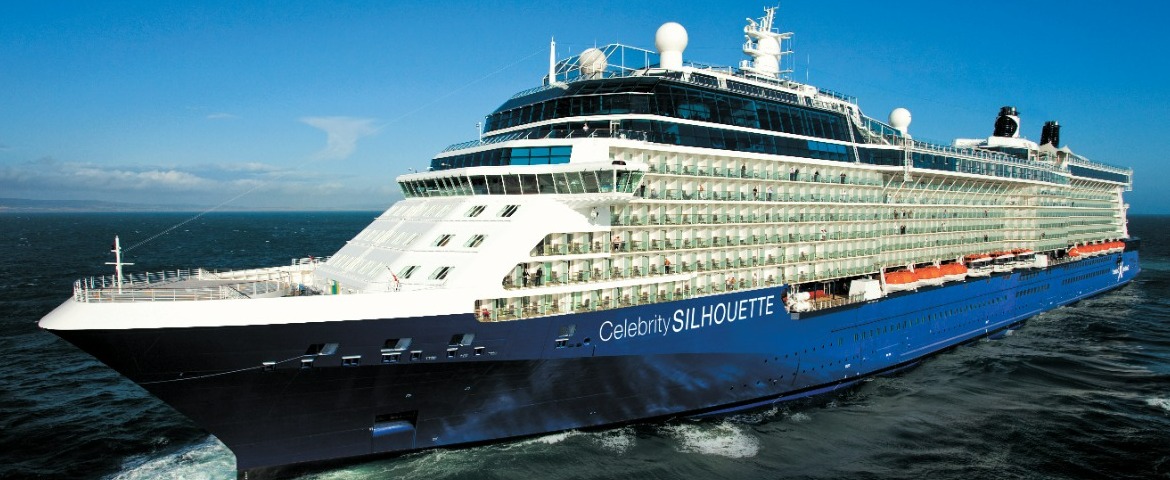
| 2 January | 9 days | Round-trip from Fort Lauderdale, USA |
From
2033$
|
| 16 January | 9 days | Round-trip from Fort Lauderdale, USA |
From
2994$
|
| 30 January | 9 days | Round-trip from Fort Lauderdale, USA |
From
1416$
|
| 13 March | 8 days | Round-trip Eastern Caribbean Celebrity Silhouette Fort Lauderdale Port Everglades Fl |
450-628-6241
Call us
|
| 27 March | 9 days | Round-trip from Fort Lauderdale, USA |
From
1146$
|
| 16 October | 11 days | One-way from Boston to Fort Lauderdale |
From
1023$
|
| 30 October | 9 days | Round-trip from Fort Lauderdale, USA |
From
1065$
|
Costa Cruises (2 Cruises)

Crystal Cruises (10 Cruises)
Crystal Serenity
8 Cruises

Emerald Waterways (10 Cruises)
Emerald Azzurra
10 Cruises

Explora Journeys (1 Cruises)

Holland America Line (52 Cruises)
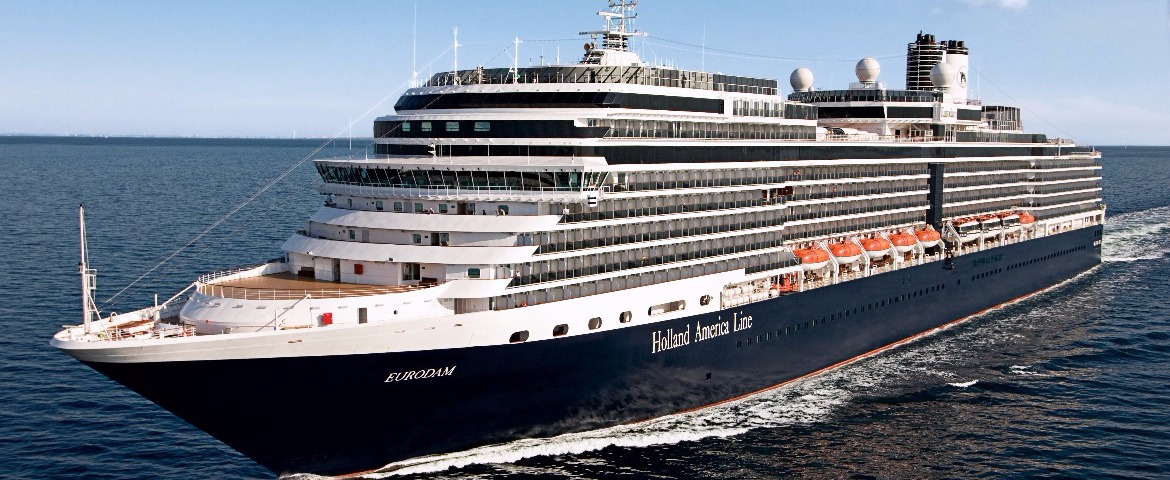

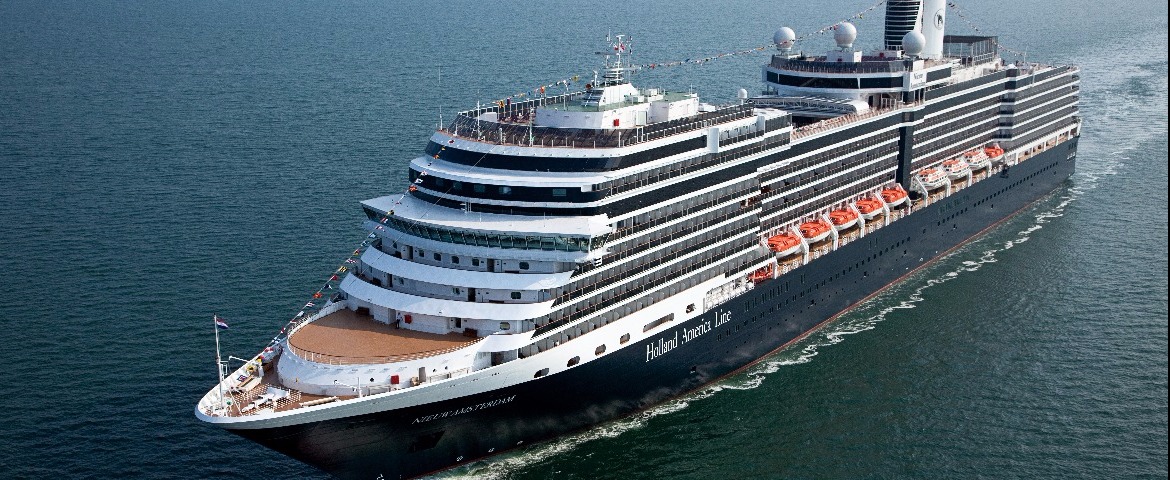
ms Nieuw Amsterdam
11 Cruises
| 8 January | 22 days | Round-trip from Fort Lauderdale, USA |
450-628-6241
Call us
|
| 8 January | 10 days | Round-trip from Fort Lauderdale, USA |
450-628-6241
Call us
|
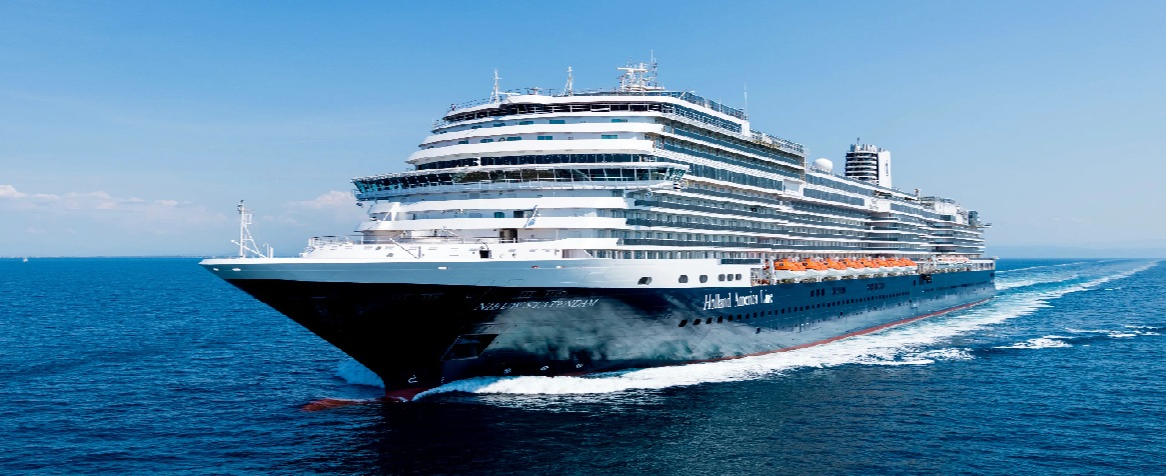
ms Nieuw Statendam
11 Cruises
| 8 January | 22 days | Round-trip from Fort Lauderdale, USA |
450-628-6241
Call us
|
| 8 January | 10 days | Round-trip from Fort Lauderdale, USA |
450-628-6241
Call us
|
ms Oosterdam
12 Cruises
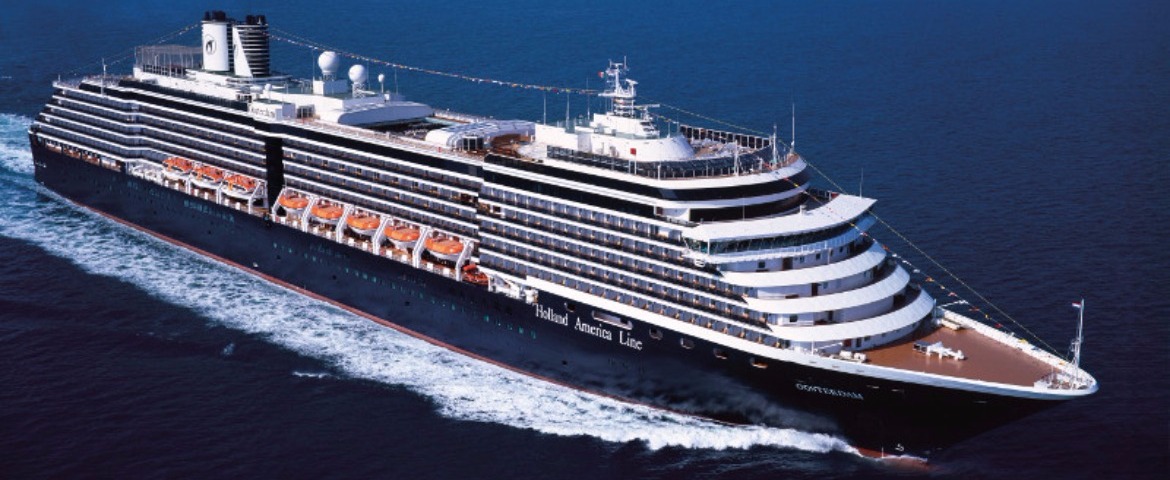
ms Zuiderdam
11 Cruises
| 14 February | 20 days | Round-trip Eastern Caribbean Zuiderdam Miami Fl |
450-628-6241
Call us
|
| 14 February | 21 days | Round-trip from Miami, USA |
450-628-6241
Call us
|
Margaritaville at Sea (2 Cruises)
MSC Cruises (64 Cruises)
MSC Opera
36 Cruises
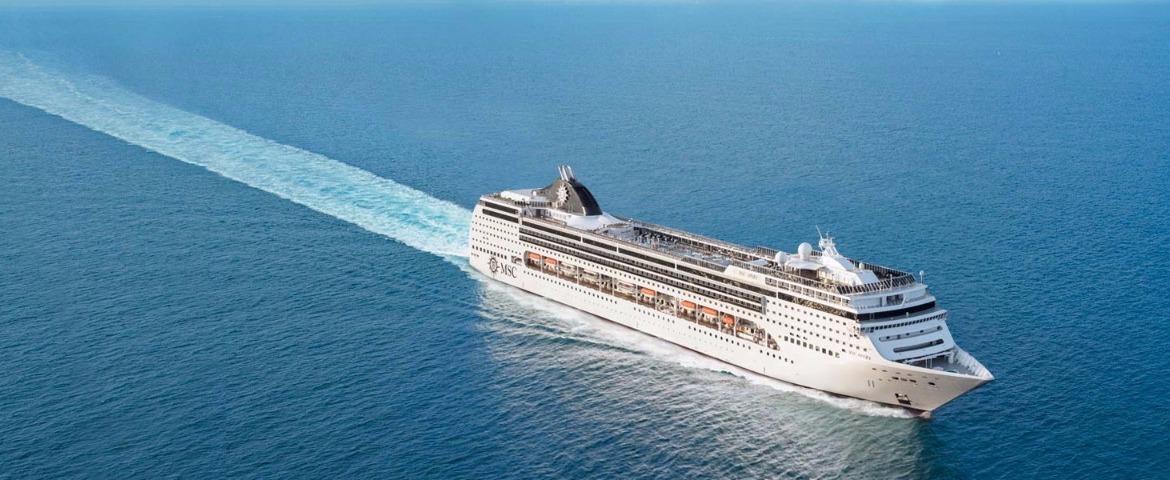

| 5 April | 14 days | Round-trip Caribbean Msc Opera La Romana |
450-628-6241
Call us
|
| 5 April | 8 days | Round-trip from La Romana, Dominican Rep |
From
1208$
|
MSC Poesia
28 Cruises
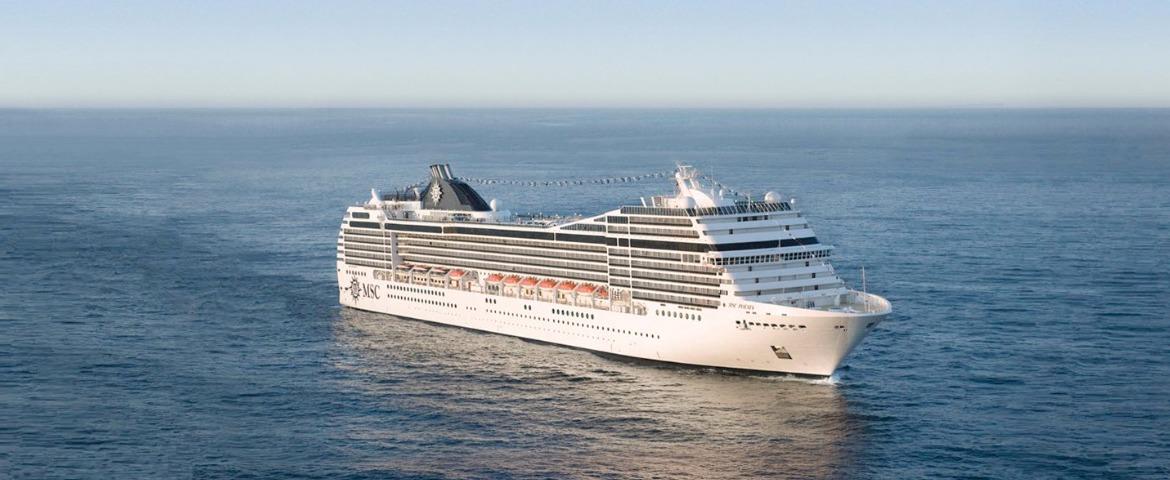
| 14 February | 22 days | Round-trip from Miami, USA |
From
5495$
|
| 25 February | 10 days | Round-trip Caribbean Msc Poesia Miami Fl |
From
1548$
|
| 25 February | 22 days | Round-trip from Miami, USA |
From
4456$
|
| 7 March | 22 days | Round-trip from Miami, USA |
From
5859$
|
| 18 March | 22 days | Round-trip from Miami, USA |
From
3828$
|
| 18 March | 10 days | Round-trip Caribbean Msc Poesia Miami Fl |
From
1449$
|

Oceania Cruises (20 Cruises)

Oceania Sirena
5 Cruises

Princess Cruises (13 Cruises)

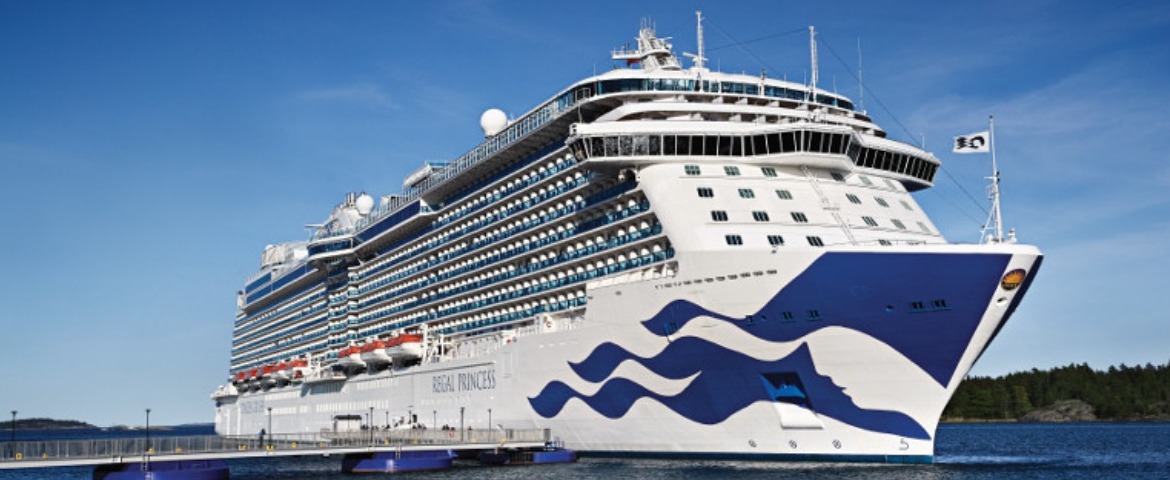
Regal Princess
6 Cruises
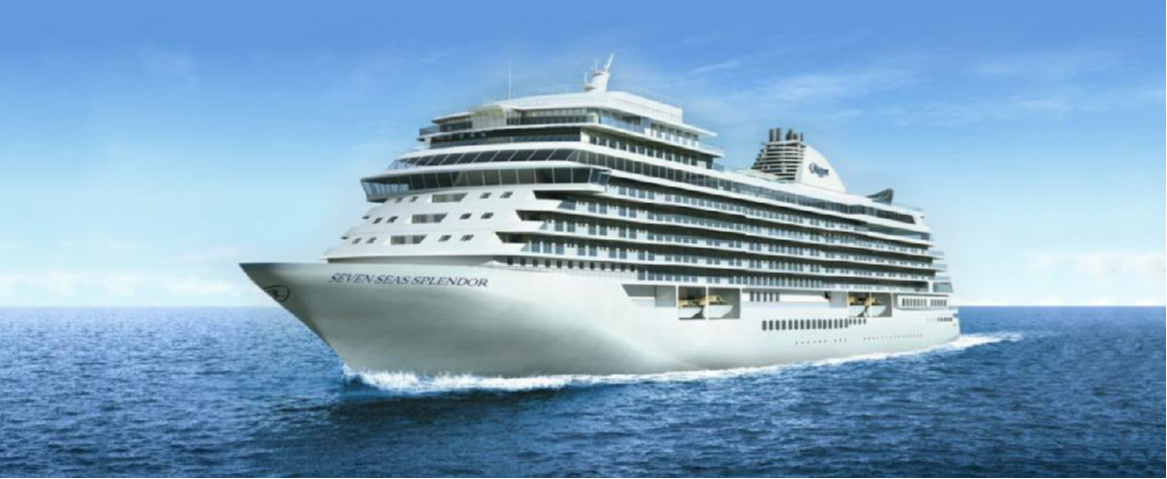
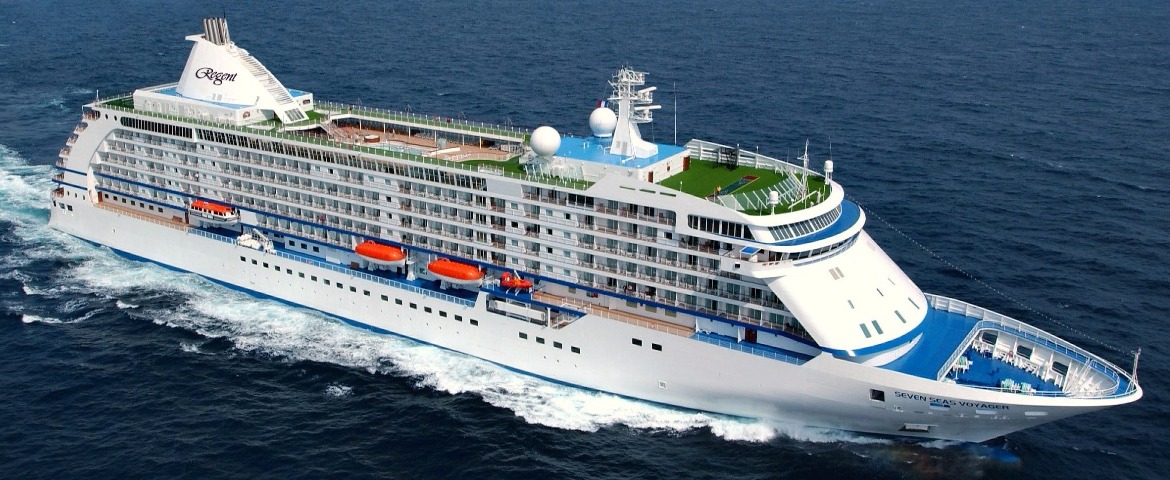
Regent Seven Seas Cruises (20 Cruises)
Royal Caribbean Cruises (35 Cruises)
Adventure of the Seas
6 Cruises



Grandeur of the Seas
17 Cruises

| 13 February | 8 days | Round-trip from Colon, Panama |
From
1476$
|
| 14 February | 8 days | Round-trip from Cartagena Colombia, Colombia |
From
1880$
|
Vision of the Seas
10 Cruises

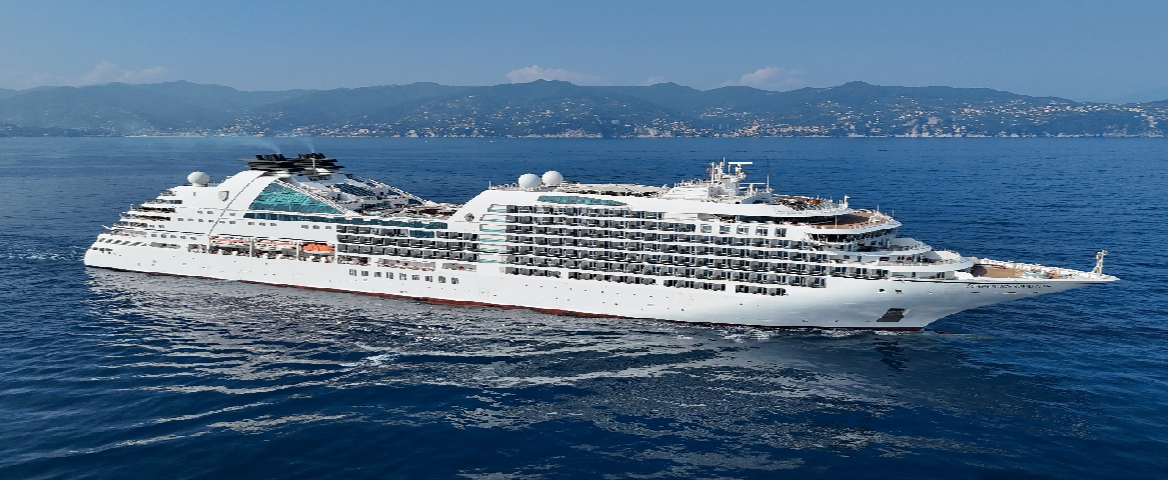
Seabourn Cruise Line (11 Cruises)
Seabourn Ovation
11 Cruises

Silversea Cruises (19 Cruises)
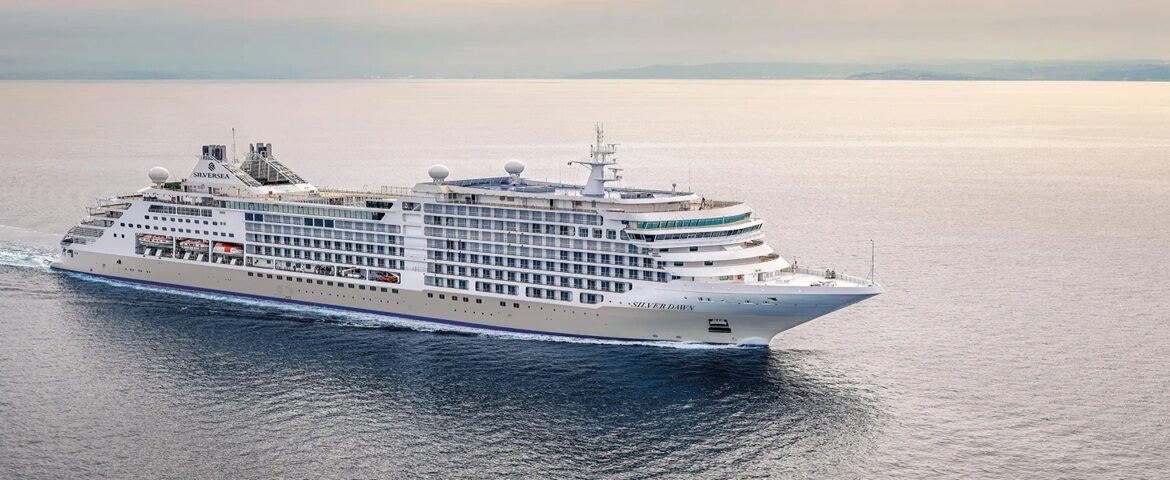

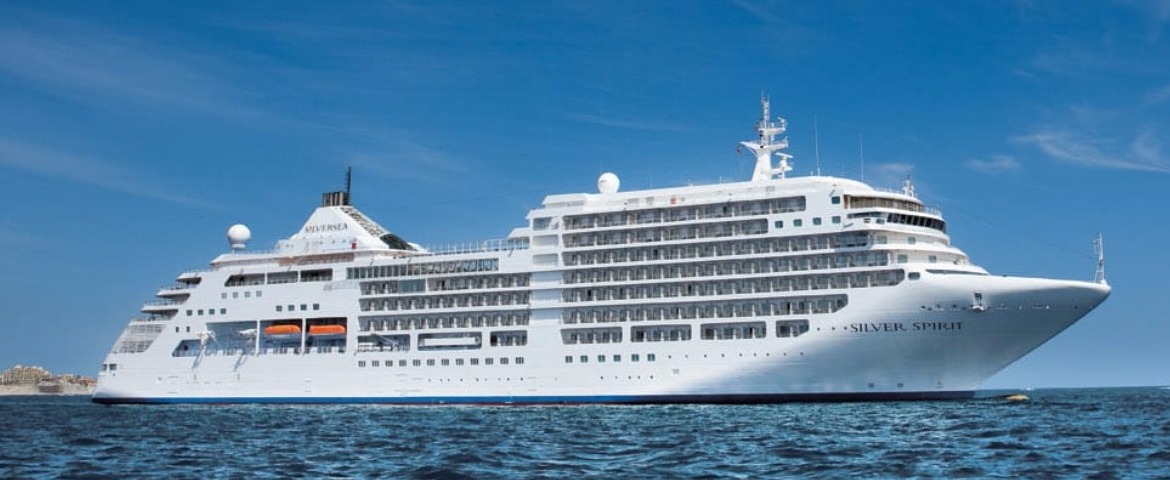
Silver Spirit
12 Cruises
| 6 February | 13 days | One-way from Miami to Bridgetown |
450-628-6241
Call us
|
| 18 February | 11 days | Round-trip from Bridgetown, Barbados |
450-628-6241
Call us
|

Virgin Voyages (1 Cruises)
Windstar Cruises (18 Cruises)
Star Legend
4 Cruises

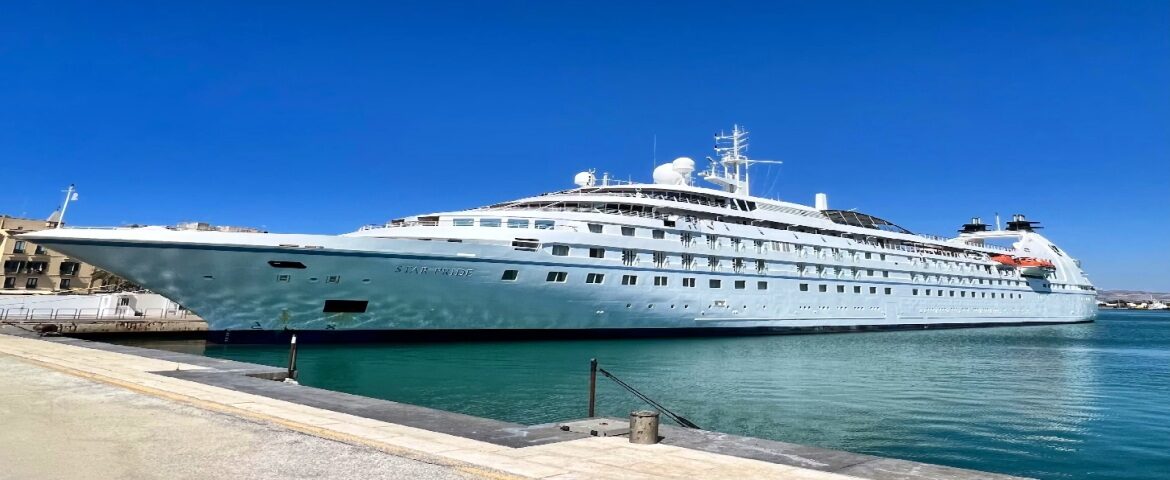
Star Pride
10 Cruises
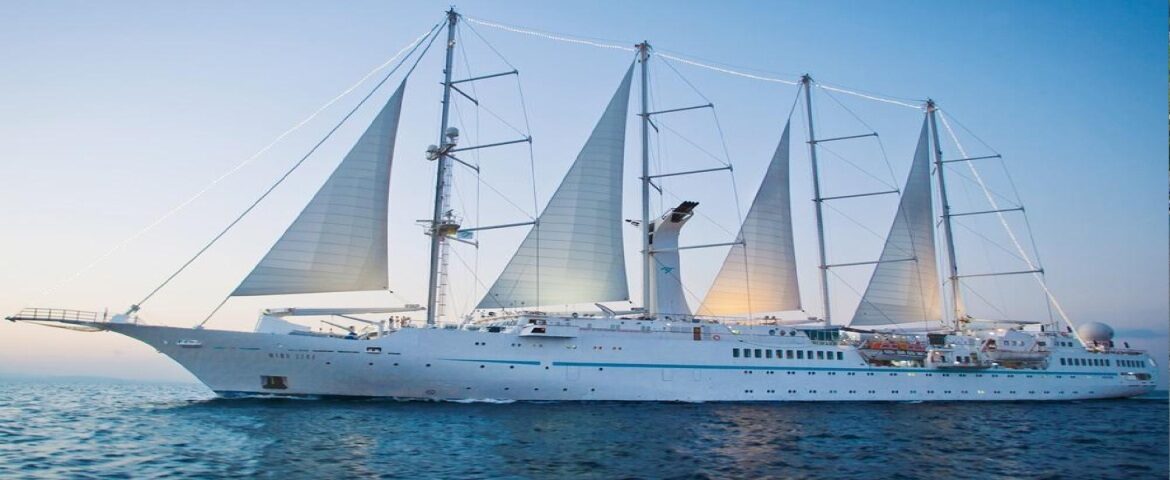
Wind Star
4 Cruises
Frequently Asked Questions
Right in the town centre, steps from the main street. No shuttle, no maze of a terminal: you walk down the gangway and everything is there. Lean over the quay and you can already pick out parrotfish among the corals.
Yes. The entire island is ringed by a marine park protected since 1979, one of the oldest on the planet. Numbered yellow stones along the coastal roads mark dozens of sites reachable straight from the shore, without a boat.
Yes, very easily. Mask and snorkel are enough to float over coral gardens a few strokes from the shore. Klein Bonaire, ten minutes by water taxi from the pier, offers the simplest conditions for a first taste of the island's reefs.
An uninhabited scrap of coral fringed by a white beach and clear water where visibility often exceeds thirty metres. Shuttles leave from shore several times a day with regular afternoon returns. Note: the islet has no shade at all — bring water and a hat.
Kaya Grandi, the main shopping street, with its ochre and lemon façades in tropical Dutch style, duty-free shops and cafés. On the waterfront, the small orange fort and its lighthouse watch over the fishing boats. The capital takes about an hour to walk at an easy pace.
Yes, at the Pekelmeer sanctuary in the south of the island, home to one of the few breeding colonies of Caribbean flamingos. The birds keep their distance: do not expect to get close, but their fuchsia shapes ripple above the pans.
Tiny white and ochre structures lined up facing the sea, where enslaved salt workers slept four or five to a hut before the long walk back to Rincon. The stop is plain and silent, and it stays with you. The road there runs past salt pans that turn pink under the sun.
Yes, the donkey sanctuary, home to several hundred descendants of the pack animals abandoned after the colonial era. You drive through with the windows down and curious muzzles guaranteed. It is the stop children agree on.
Papiamento, born from a mix of Spanish, Dutch and African speech, is the everyday language. Dutch is official, and English and Spanish circulate freely. Making yourself understood is not a problem.
An arid landscape of columnar cactus and dry-stone walls that recalls the American West more than the tropics. Rincon, the island's oldest village, sits in a valley twenty-five minutes from the port; a small distillery there draws a liqueur from the local cactus.


