Zeebrugge Bruges, Belgium
569
Cruises availables
At departure or passage at this port
Carnival Cruise Line (13 Cruises)
Carnival Miracle
13 Cruises
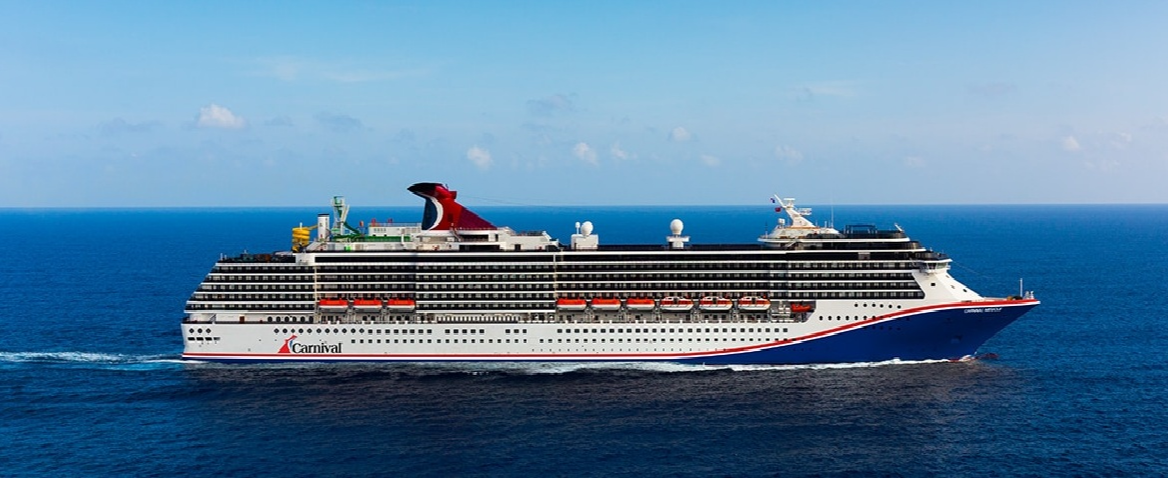

| 20 May | 10 days | One-way from Lisbon to Dover |
From
1487$
|
| 29 May | 10 days | Round-trip from Dover, United Kingdom |
From
1633$
|
Celebrity Cruises (6 Cruises)
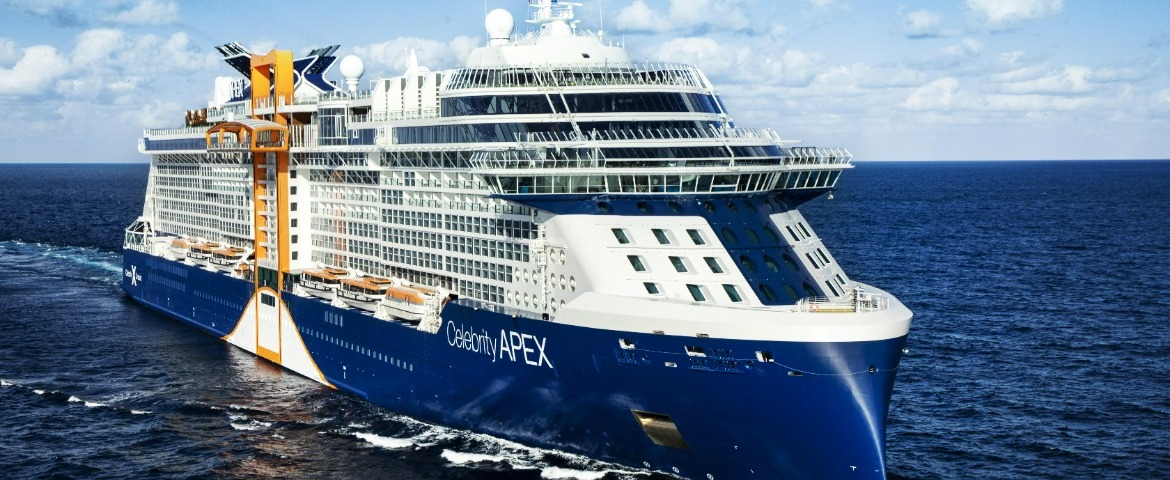
Celebrity Apex
5 Cruises
Costa Cruises (4 Cruises)
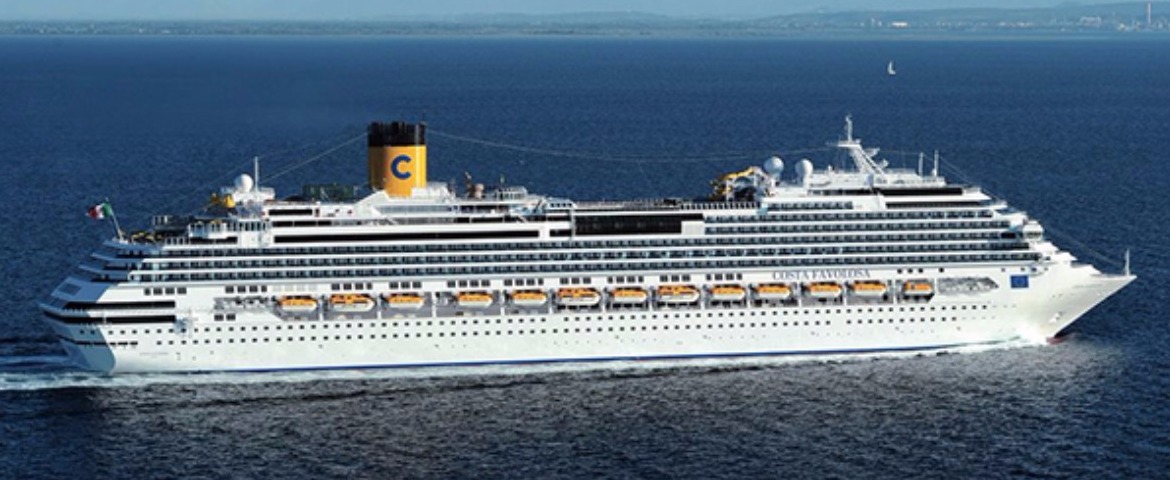
Costa Favolosa
4 Cruises

Crystal Cruises (13 Cruises)
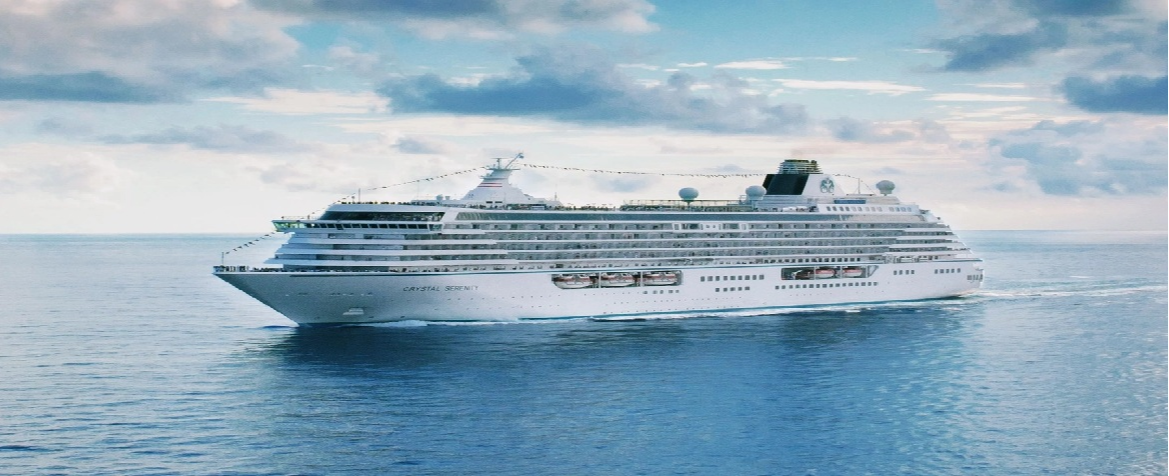
Crystal Serenity
7 Cruises

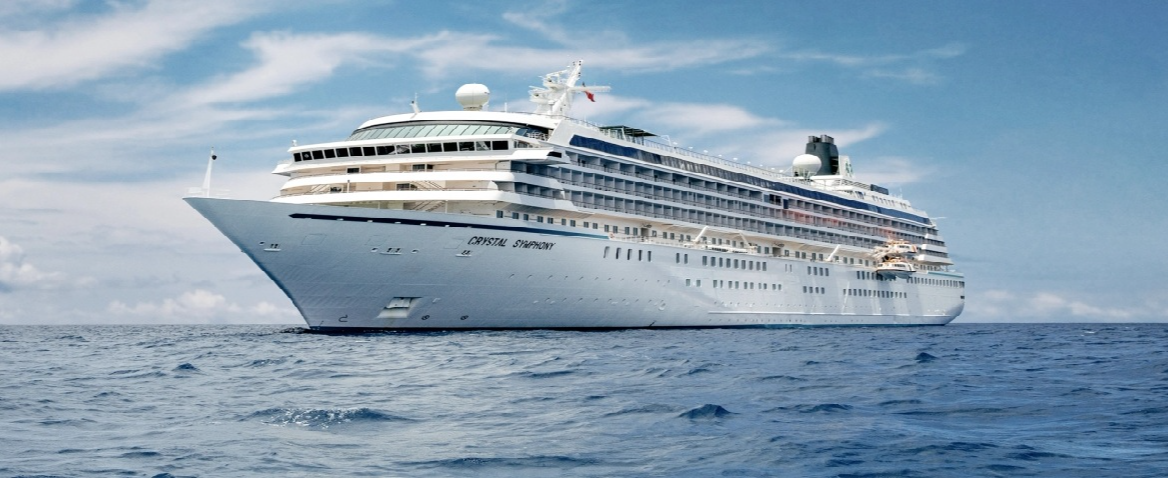
Crystal Symphony
6 Cruises
Cunard (55 Cruises)
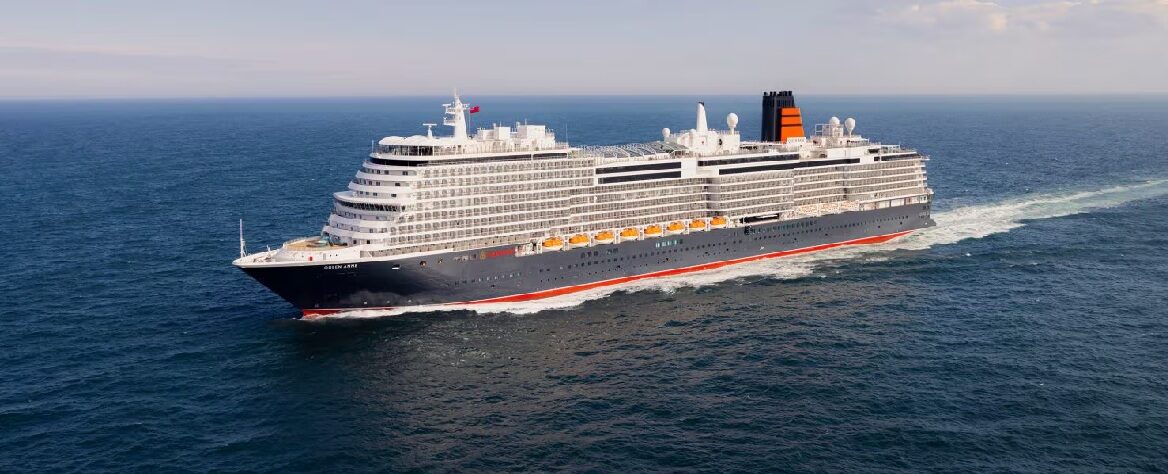
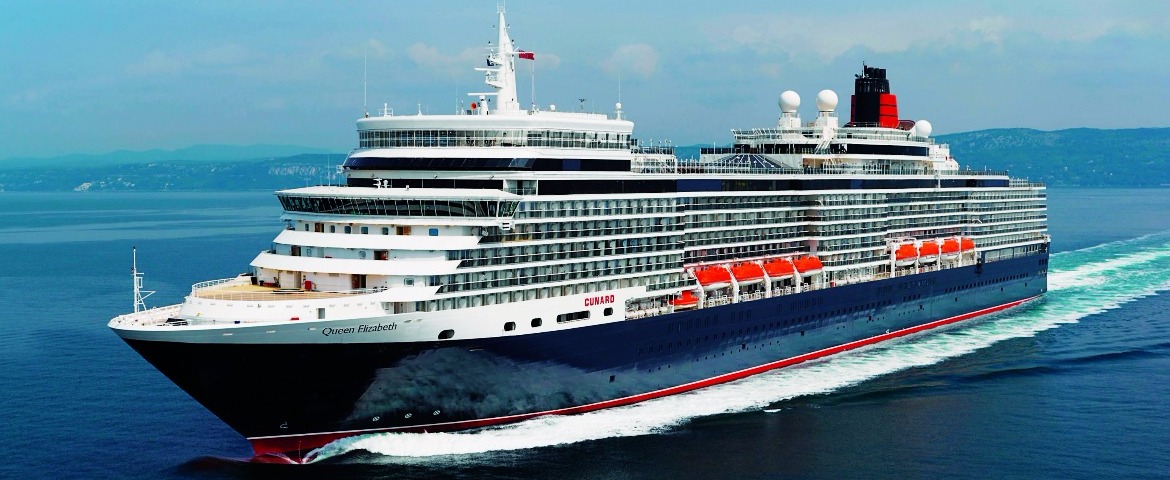
Queen Anne
26 Cruises
| 2 April | 4 days | One-way from Southampton to Hamburg |
450-628-6241
Call us
|
| 2 April | 6 days | Round-trip from Southampton, United Kingdom |
450-628-6241
Call us
|
| 4 January | 6 days | One-way from Southampton to Hamburg |
450-628-6241
Call us
|
| 4 January | 8 days | Round-trip from Southampton, United Kingdom |
450-628-6241
Call us
|
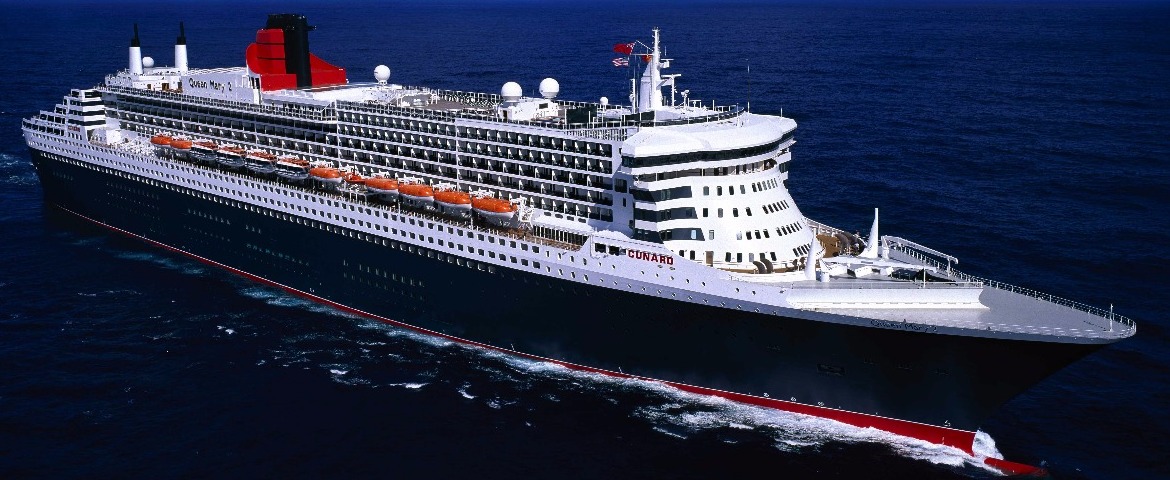
Queen Mary 2
20 Cruises
| 14 June | 19 days | Round-trip from New York, USA |
450-628-6241
Call us
|
| 21 June | 4 days | Round-trip from Southampton, United Kingdom |
450-628-6241
Call us
|
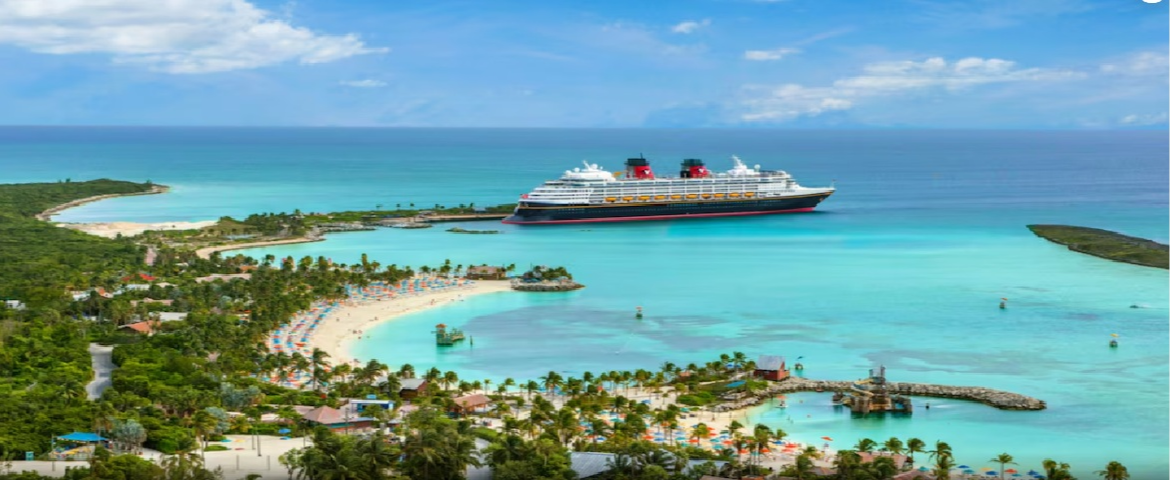
Disney Cruise Line (1 Cruises)

Explora Journeys (8 Cruises)
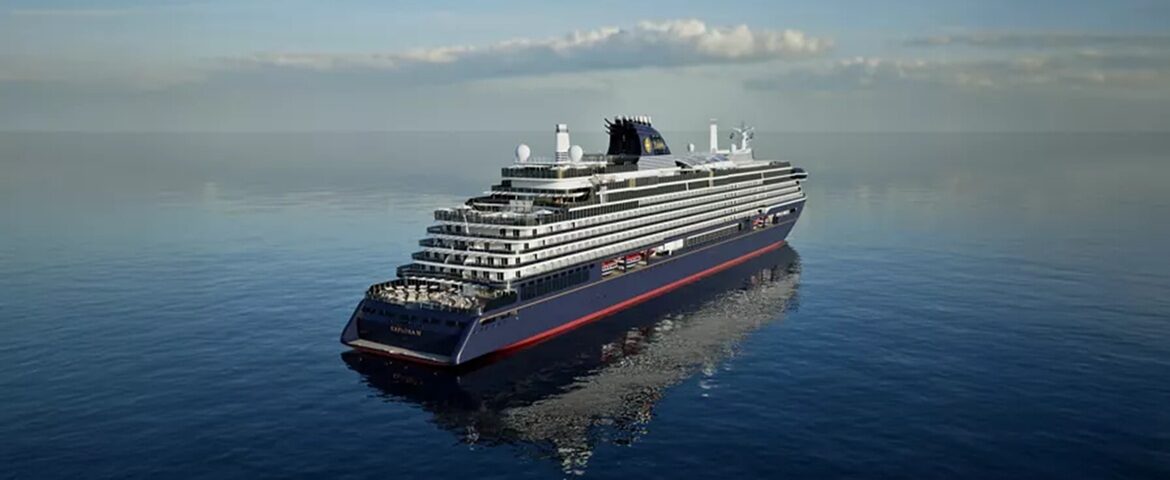
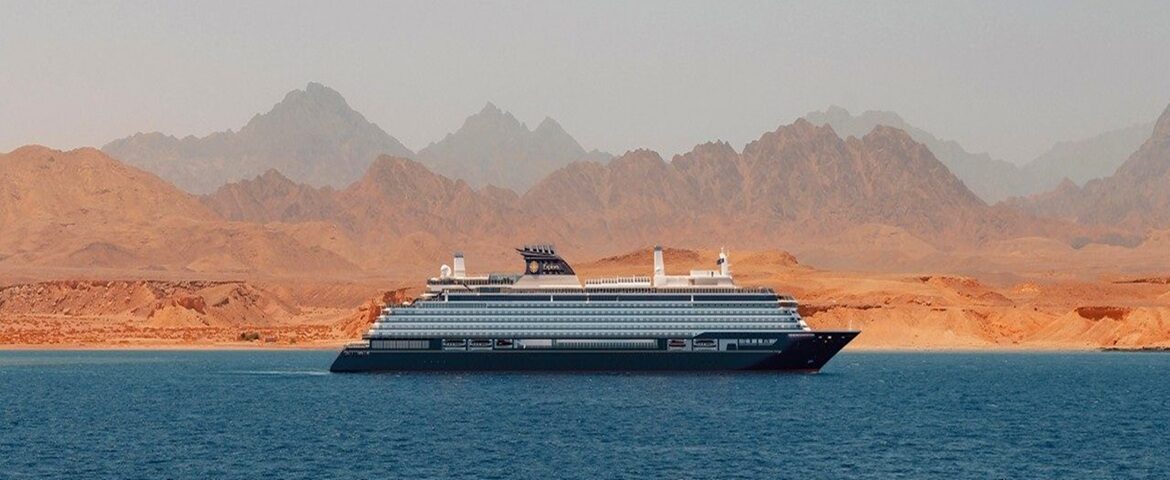
Explora IV
7 Cruises

| 2 May | 17 days | One-way from Southampton to Copenhagen |
450-628-6241
Call us
|
| 2 May | 9 days | One-way from Southampton to Copenhagen |
450-628-6241
Call us
|
Holland America Line (11 Cruises)
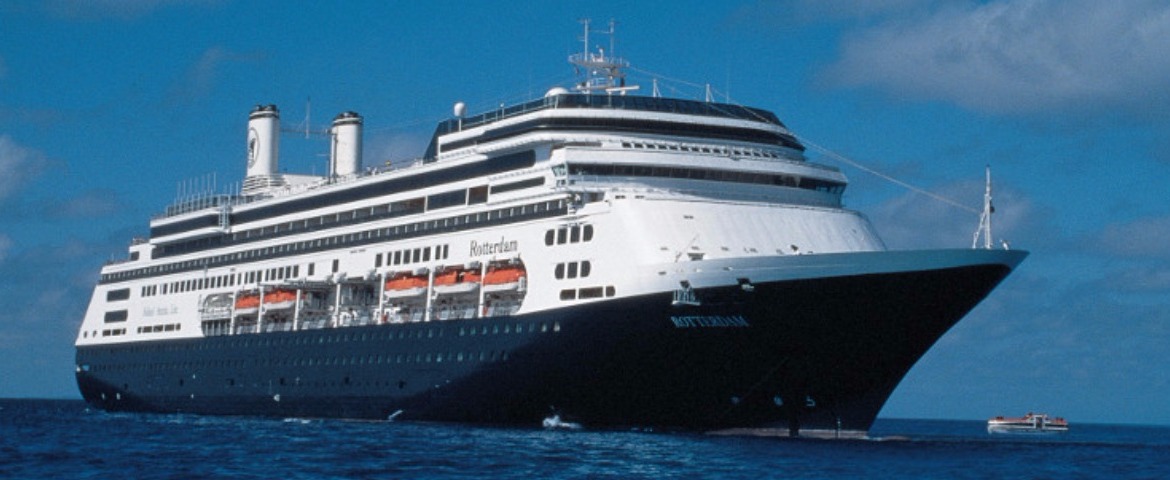
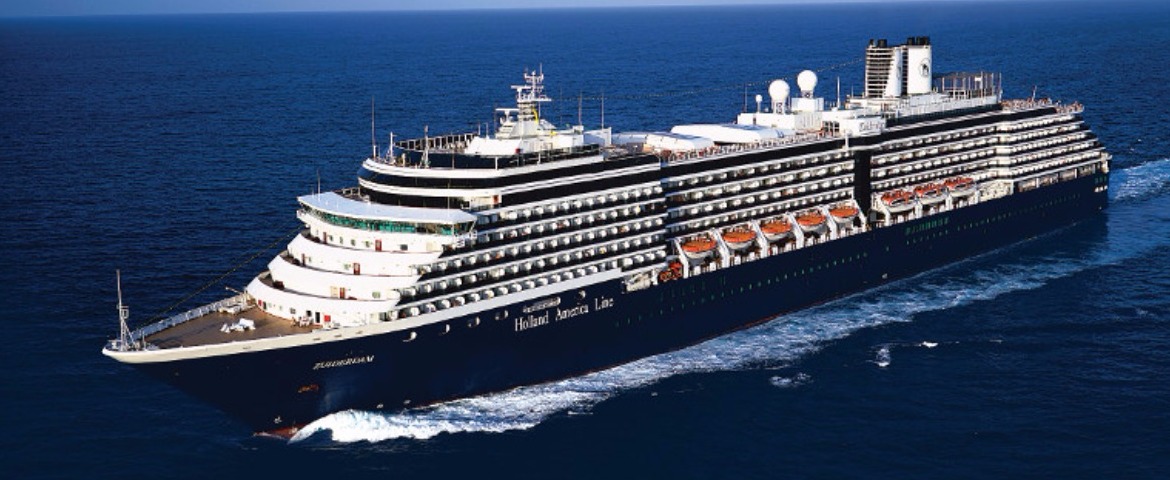
ms Rotterdam
9 Cruises
MSC Cruises (158 Cruises)
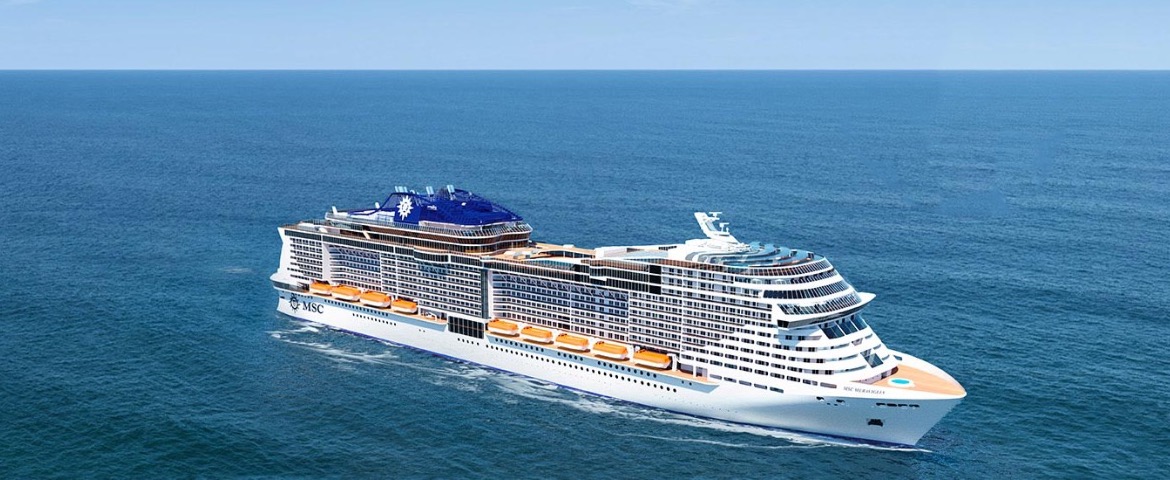

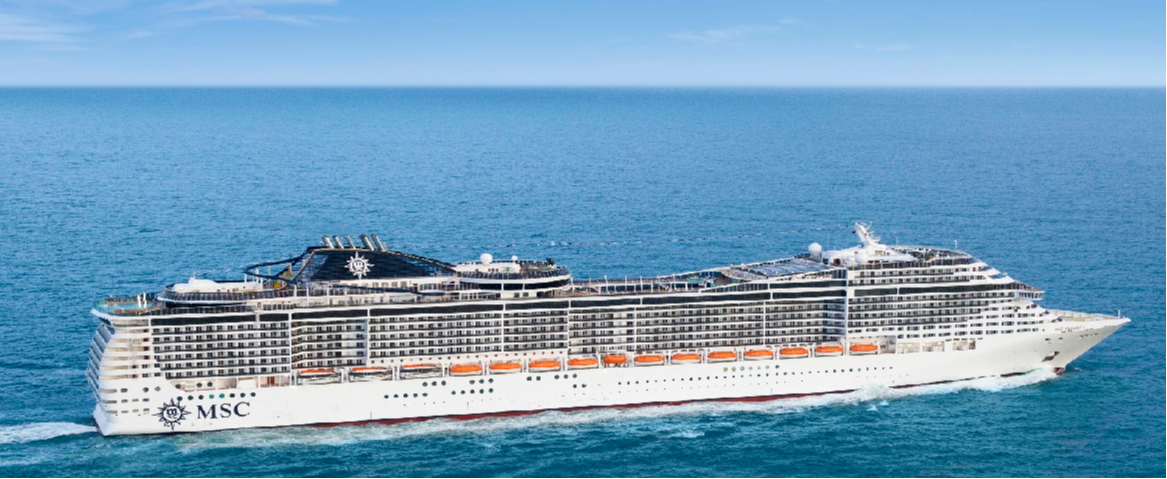
MSC Preziosa
156 Cruises
| 29 October | 8 days | Round-trip from Le Havre-Paris, France |
From
1094$
|
| 30 October | 8 days | Round-trip from Southampton, United Kingdom |
From
828$
|
Norwegian Cruise Line (35 Cruises)
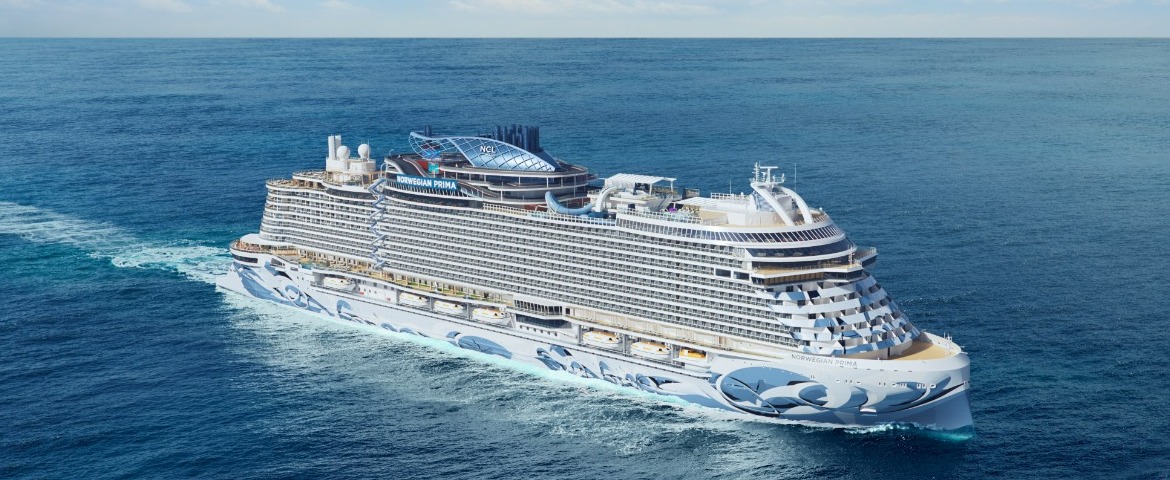
Norwegian Prima
17 Cruises
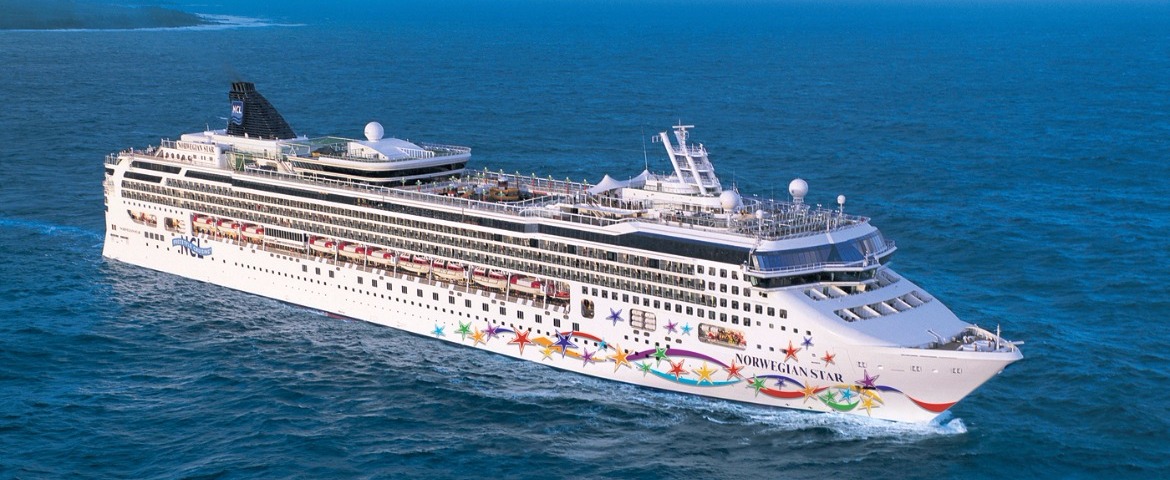
Norwegian Star
15 Cruises
| 18 April | 12 days | One-way from Lisbon to Southampton |
From
1030$
|
| 29 April | 11 days | Round-trip from Southampton, United Kingdom |
From
1051$
|
| 13 June | 11 days | Round-trip British Isles Norwegian Star Southampton |
From
2166$
|
| 13 June | 12 days | Round-trip from Southampton, United Kingdom |
450-628-6241
Call us
|
| 15 August | 11 days | Round-trip British Isles Norwegian Star Southampton |
From
1809$
|
| 15 August | 12 days | Round-trip from Southampton, United Kingdom |
450-628-6241
Call us
|
Oceania Cruises (27 Cruises)
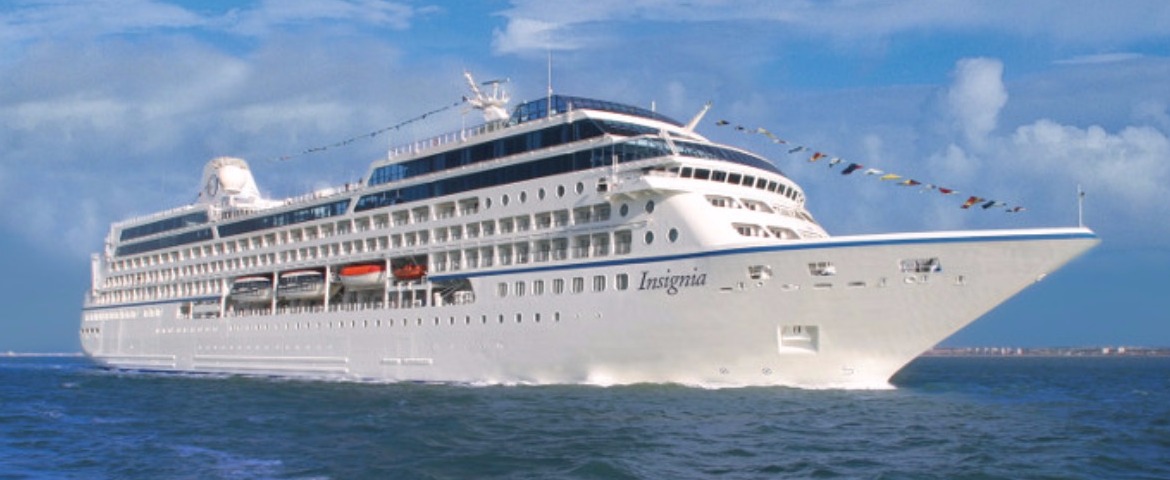

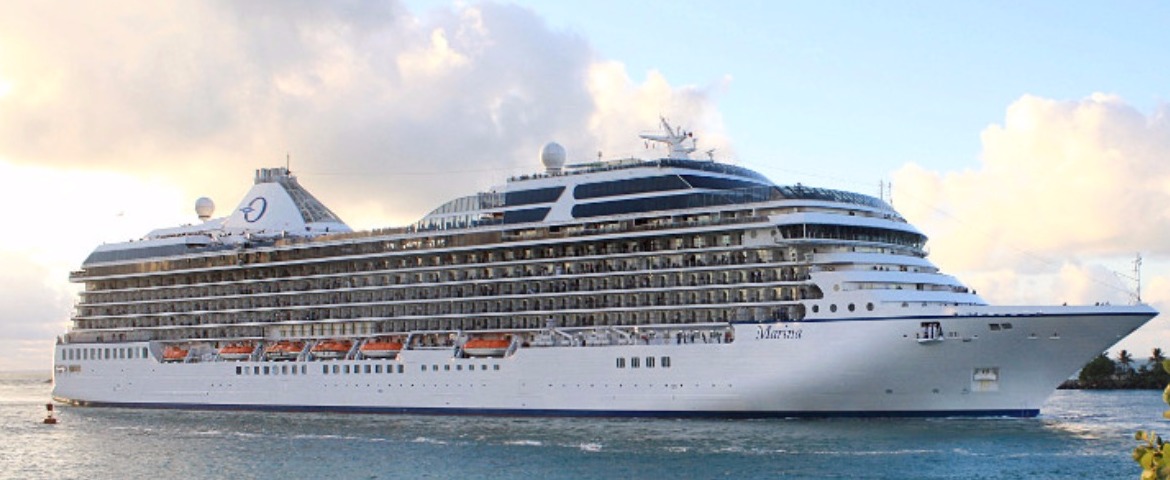
Oceania Marina
8 Cruises
| 17 April | 66 days | One-way from Trieste to Southampton |
450-628-6241
Call us
|
| 17 April | 67 days | One-way from Trieste to Southampton |
450-628-6241
Call us
|
Oceania Sonata
7 Cruises
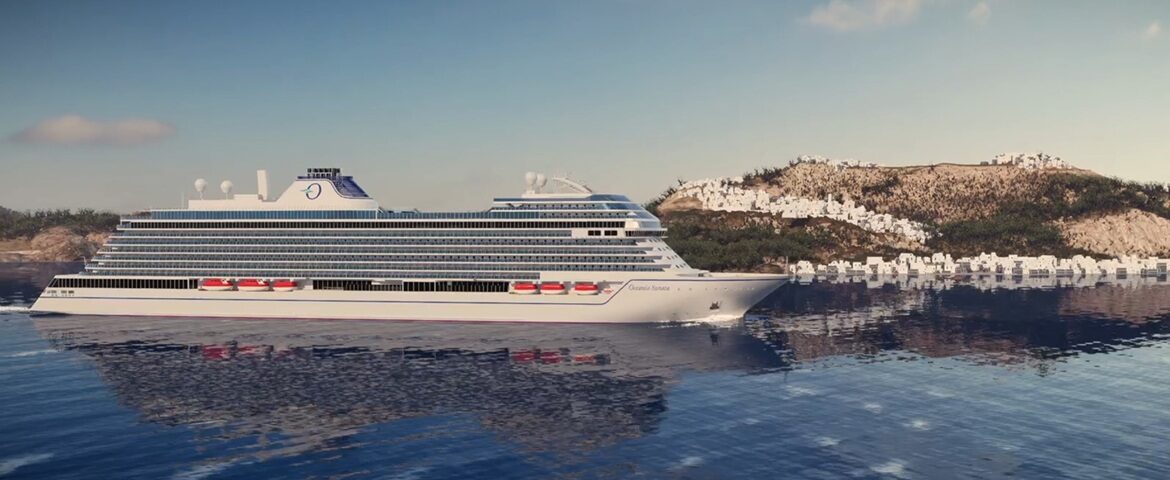
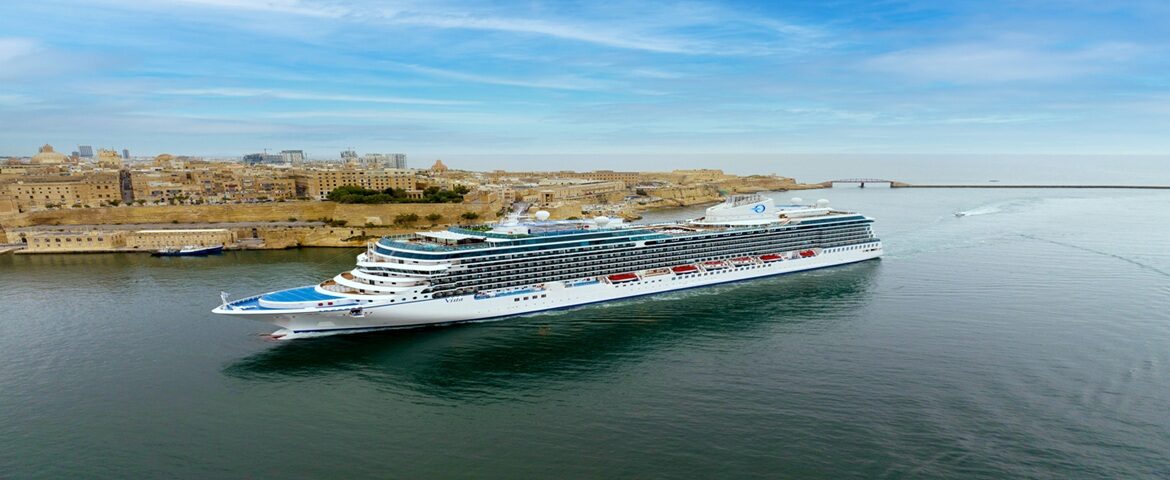
Oceania Vista
9 Cruises
Princess Cruises (113 Cruises)
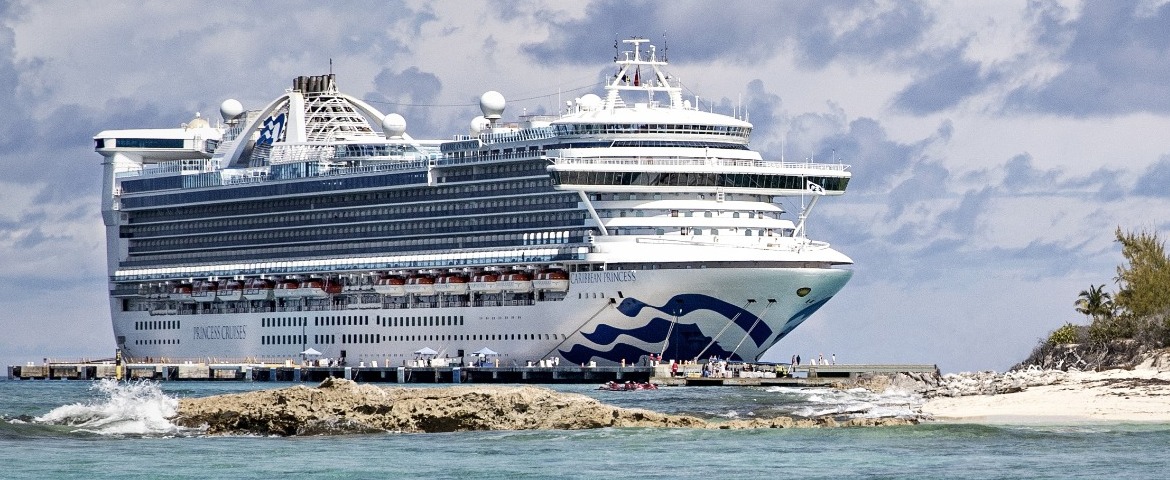
Caribbean Princess
41 Cruises
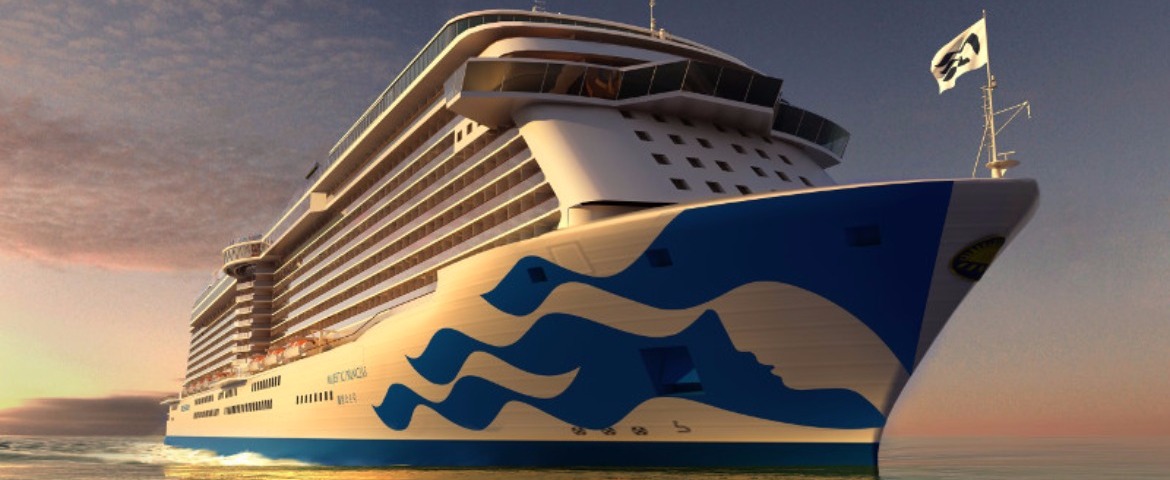
Majestic Princess
8 Cruises
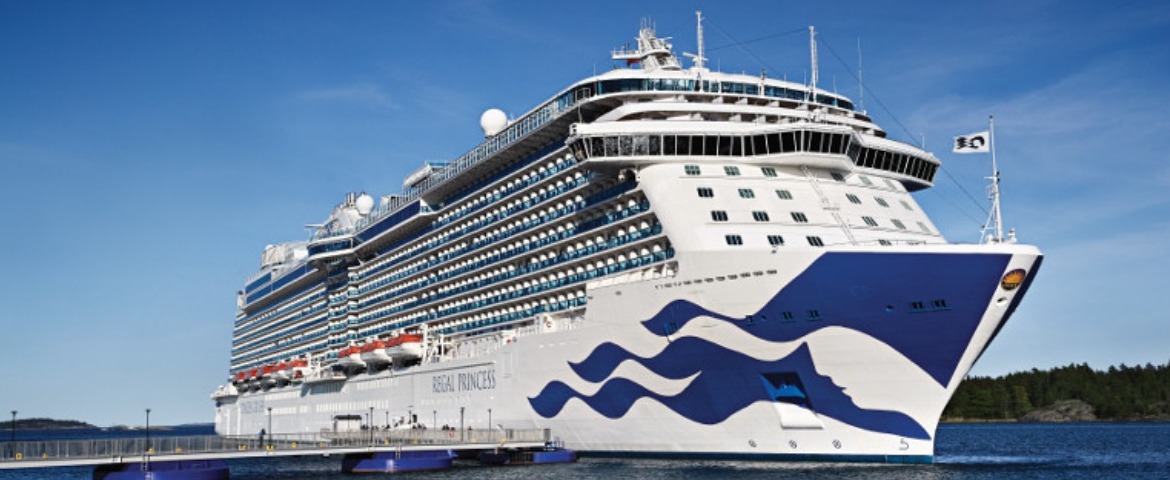
Regal Princess
53 Cruises
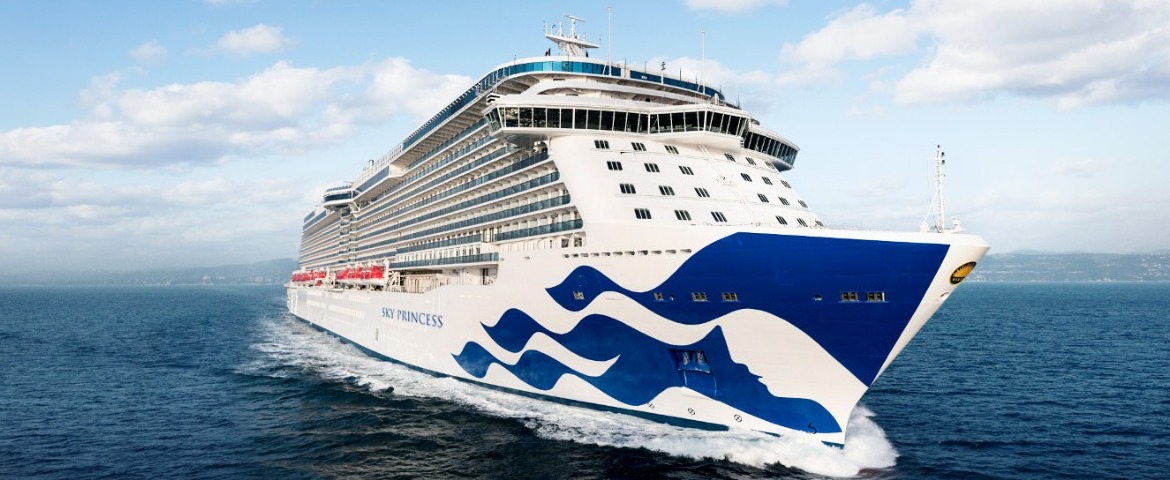
Sky Princess
9 Cruises
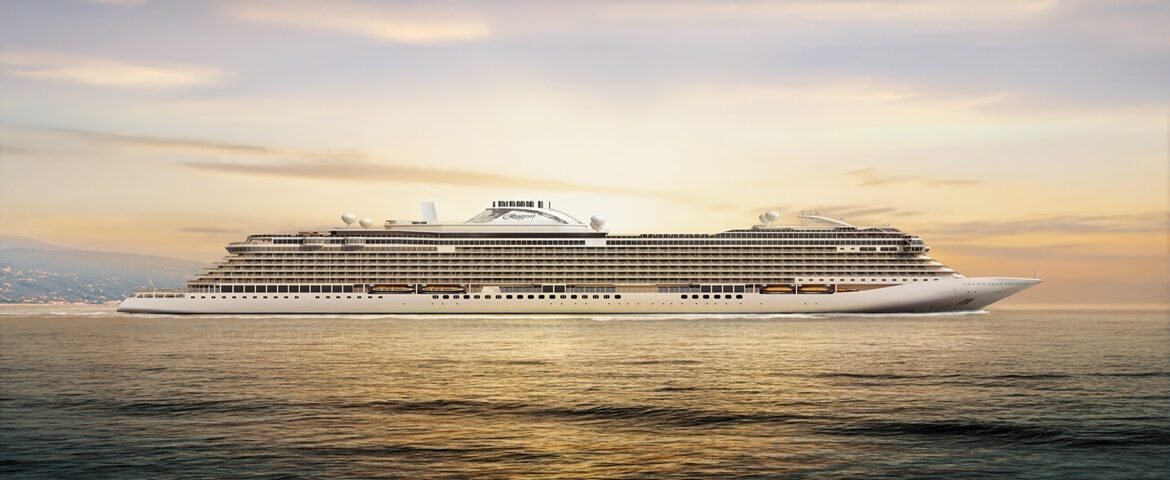
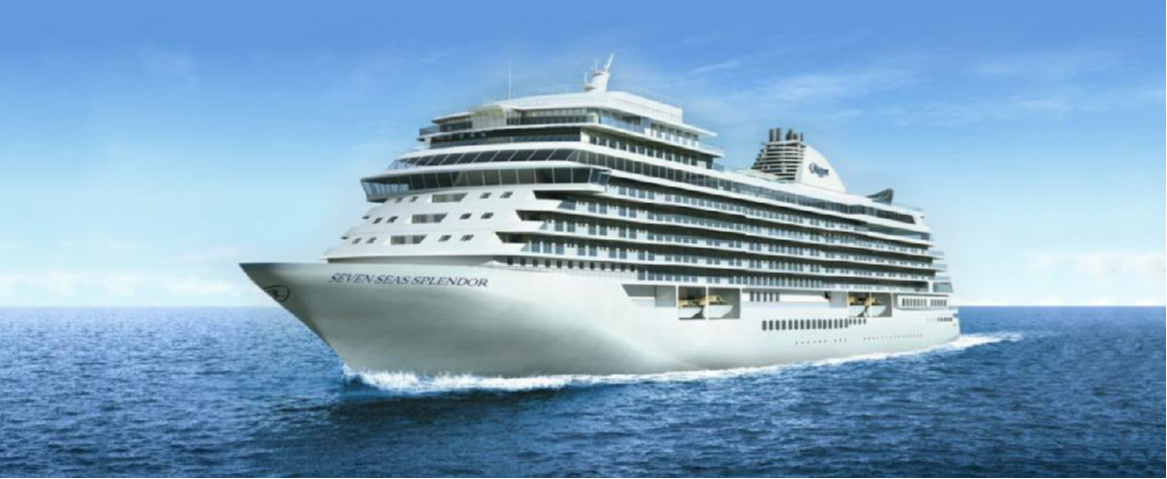
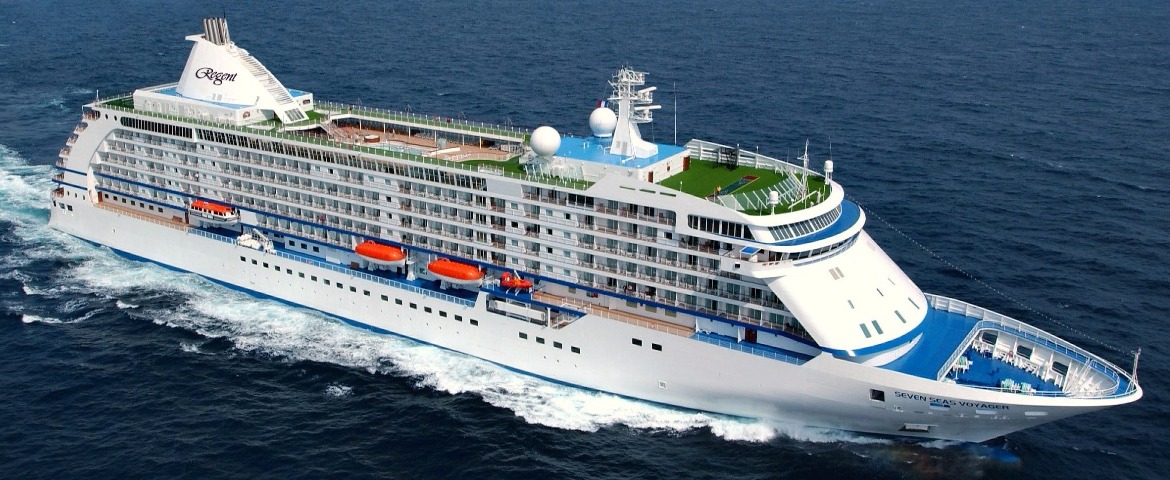
Regent Seven Seas Cruises (13 Cruises)
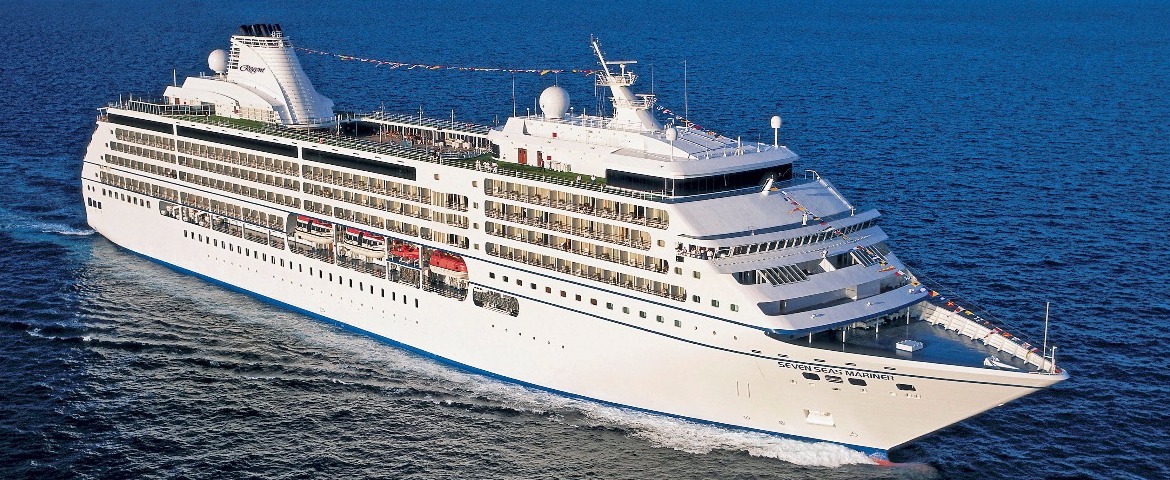
Seven Seas Mariner
7 Cruises
Riviera Travel (21 Cruises)
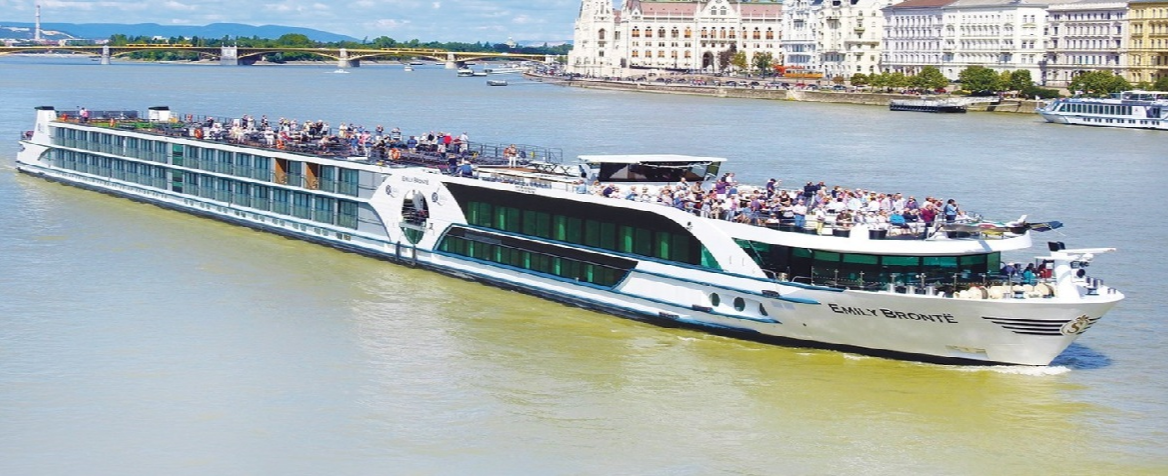
MS Emily Bronte
6 Cruises

MS George Eliot
6 Cruises
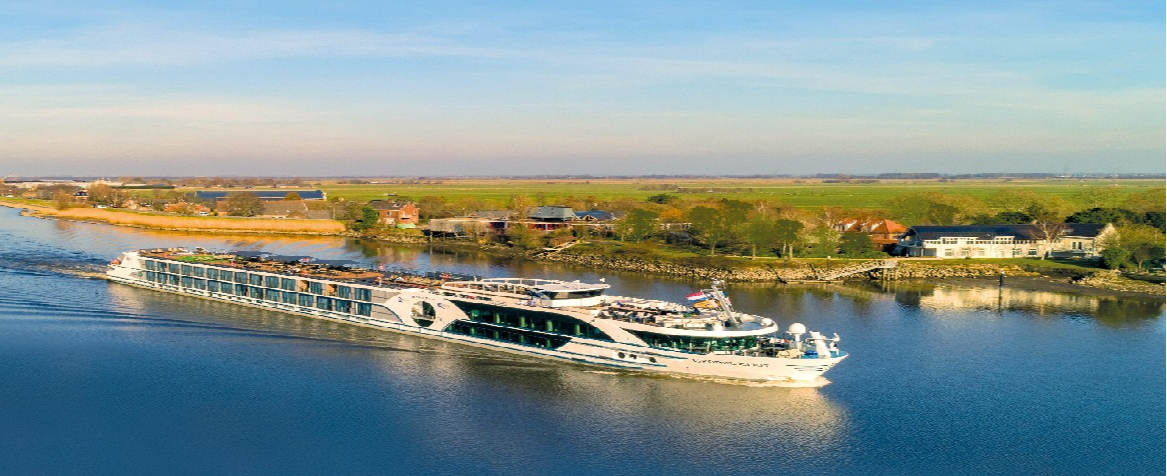
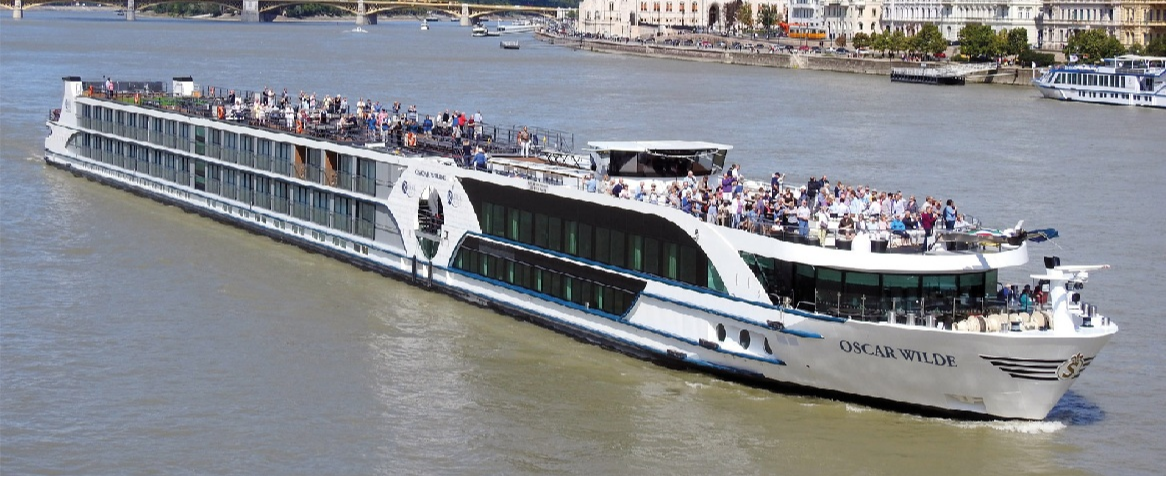
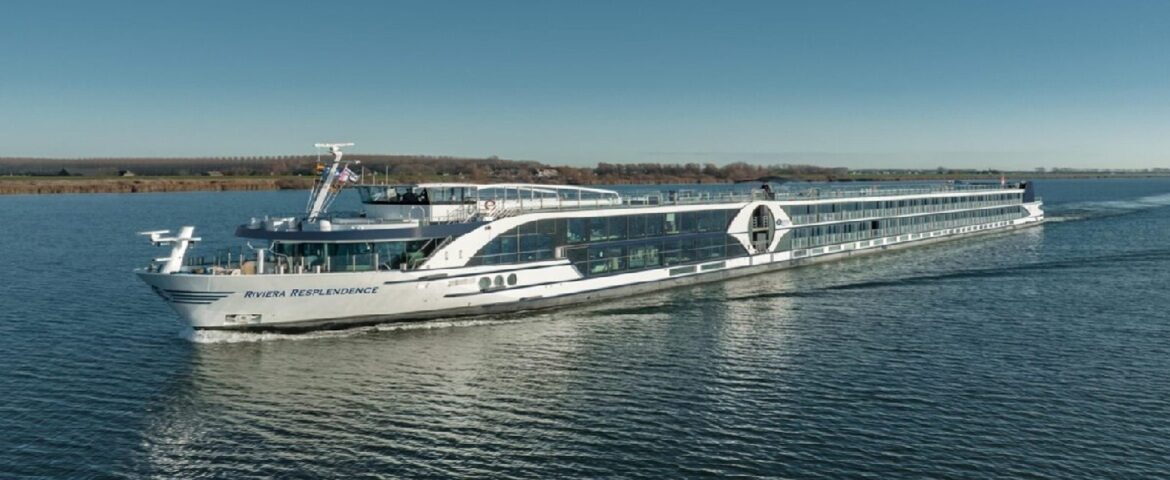
MS Riviera Resplendence
6 Cruises
Royal Caribbean Cruises (6 Cruises)
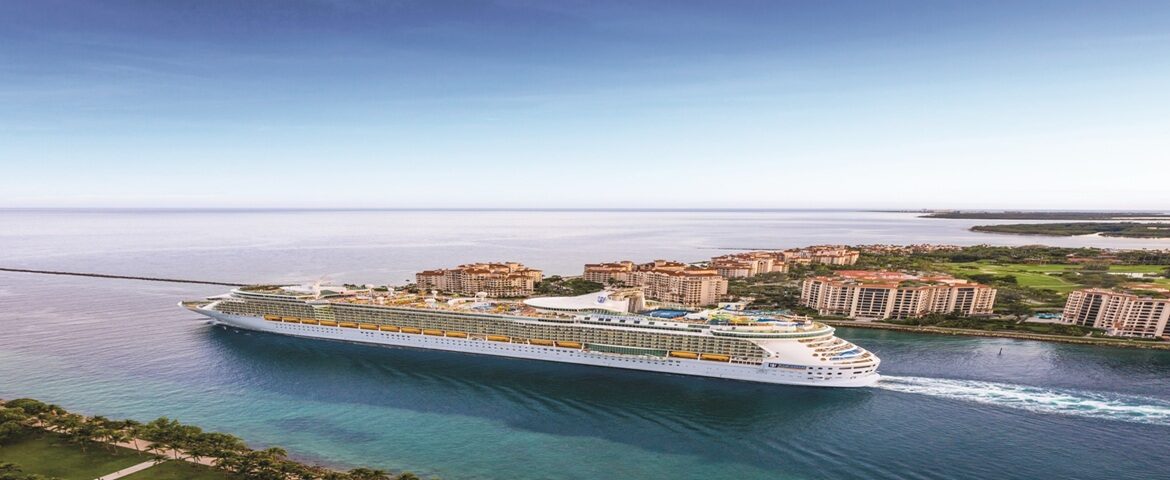
Freedom of the Seas
6 Cruises

Scenic Cruises (58 Cruises)
Scenic Amber
8 Cruises


Scenic Jewel
12 Cruises

Scenic Opal
10 Cruises

Scenic Pearl
5 Cruises

Scenic Ruby
23 Cruises

Seabourn Cruise Line (8 Cruises)
Seabourn Quest
8 Cruises
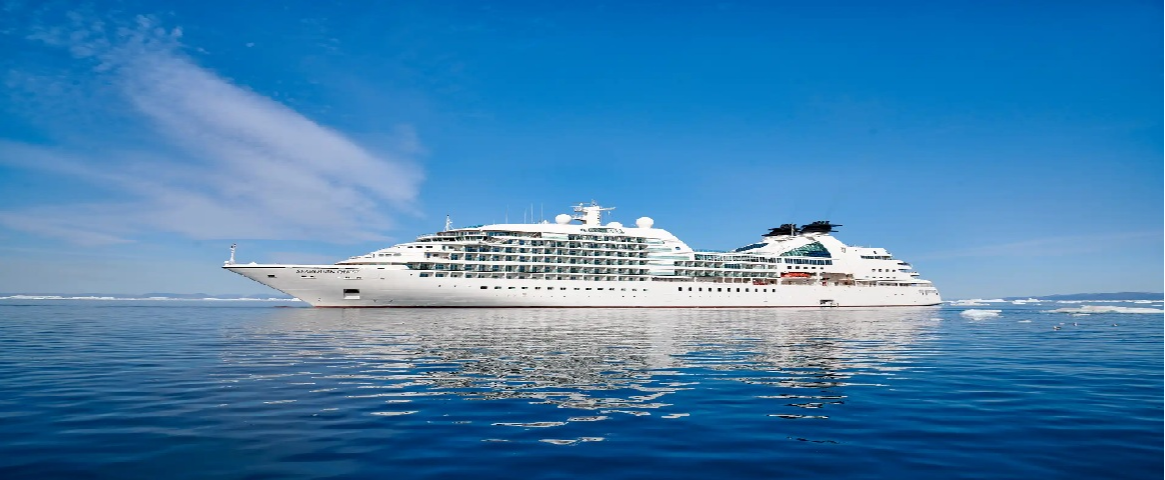

| 6 May | 8 days | One-way from Southampton to Hamburg |
450-628-6241
Call us
|
| 6 May | 15 days | One-way from Southampton to Copenhagen |
450-628-6241
Call us
|
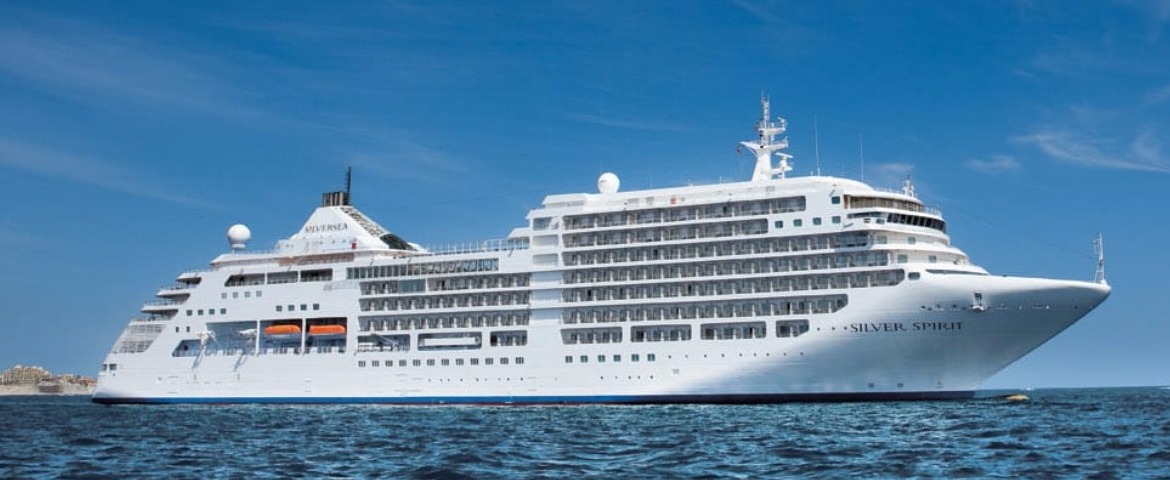
Silversea Cruises (4 Cruises)

Tauck Cruises (6 Cruises)
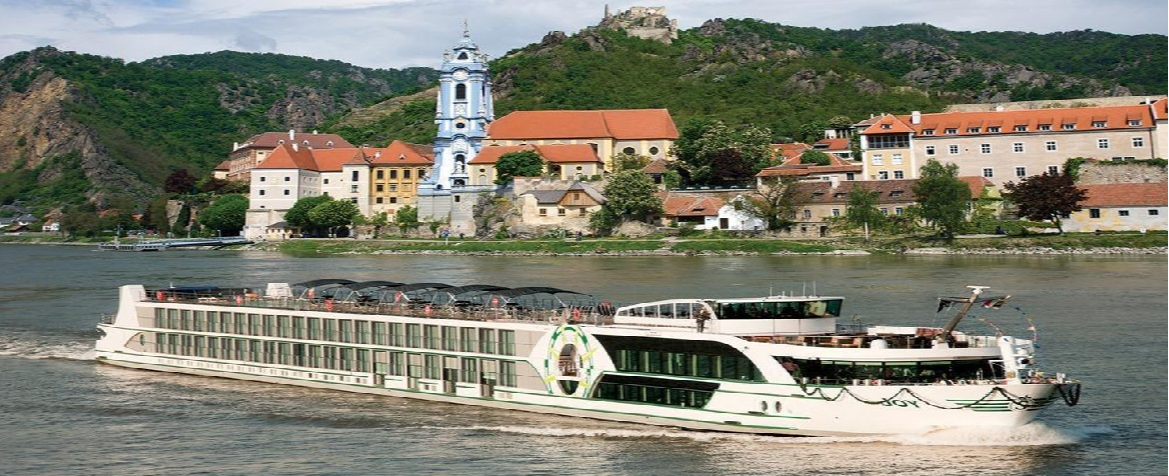
ms Joy
6 Cruises

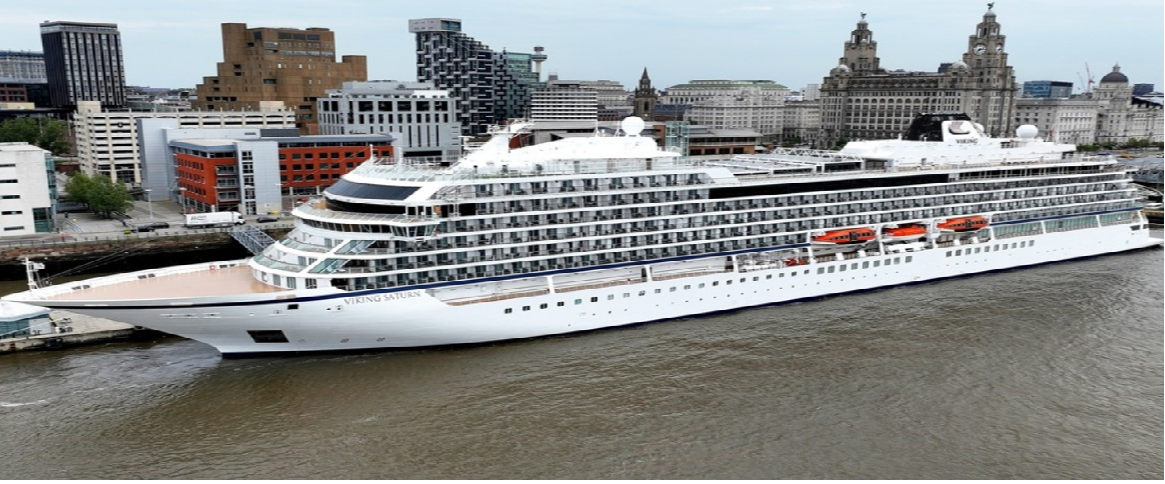
Viking Ocean Cruises (4 Cruises)


Port of Zeebrugge, Belgium | Cruise Port Guide
Frequently Asked Questions
At the cruise berths inside the port complex, in an industrial zone closed to pedestrians. A free port shuttle runs to the exit, near the coastal tram stop.
No, and it is worth knowing before you disembark. Bruges is about 15 kilometres inland and the docks are closed to pedestrians. You need an excursion, a cruise line shuttle, a taxi, or the tram-plus-train combination.
About 25 to 30 minutes by excursion or cruise line shuttle, 25 minutes by taxi, and roughly an hour in total by coastal tram then train from Blankenberge, with connections every 30 minutes.
The Markt and the belfry, a canal boat ride from the Rozenhoedkaai, then the Burg and the Basilica of the Holy Blood. The beguinage and the Lake of Love round off the day.
Yes, up 366 steps. The climb is demanding but the circular view over the russet roofs and spires rewards it, with the carillon ringing out above the crowd.
Yes, in the Church of Our Lady: a white marble Madonna and Child, one of the very few works by the master to leave Italy in his lifetime.
At the Groeninge Museum. Van Eyck, Memling and their contemporaries display a mastery of detail still fascinating five centuries on. Allow an hour, and seeing these works a few streets from where they were painted adds a great deal.
The euro, and Dutch: this is West Flanders. English is spoken throughout the tourist trade; French is understood but not automatic.
A hot waffle eaten on the move, a cone of frites near the Markt, and a beer chosen from the hundreds served in the taverns, from light blondes to characterful Trappists. The chocolatiers compete window by window.
Little, but one stop is worth it on the way back: near the mole, a memorial recalls the British raid of 23 April 1918, one of the boldest naval operations of the First World War.


