Colon Panama
521
Cruises availables
At departure or passage at this port
Azamara Club Cruises (9 Cruises)
Azamara Onward
9 Cruises
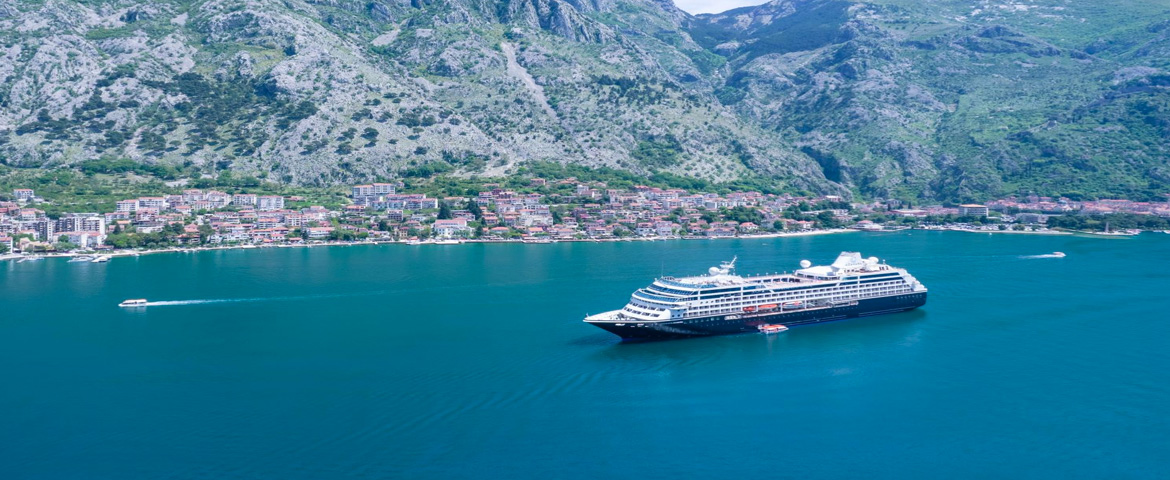

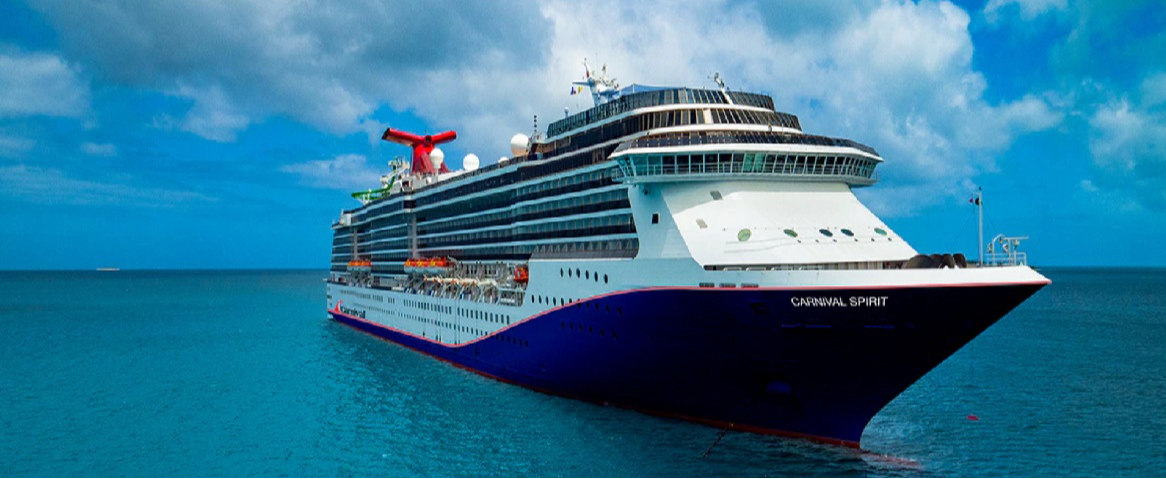
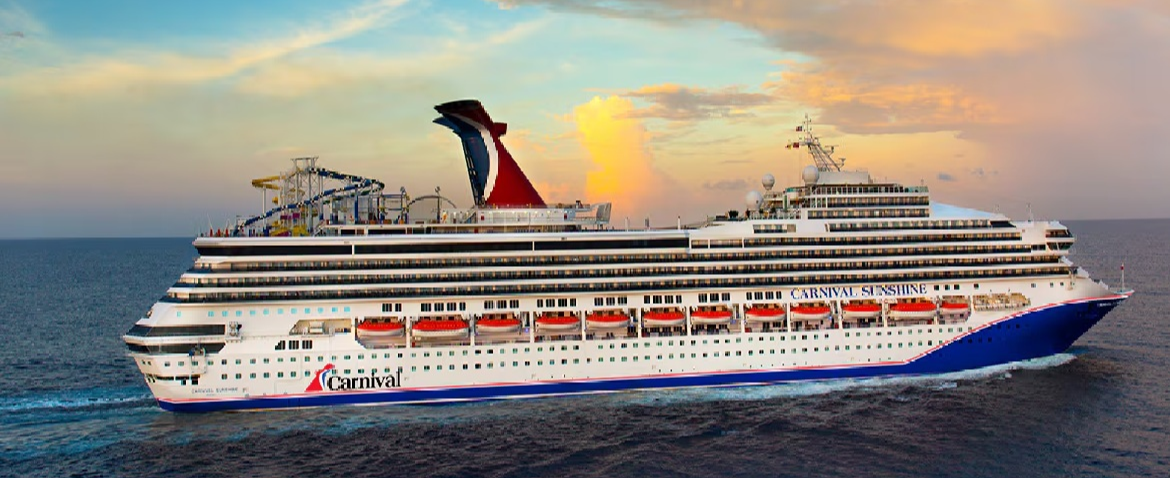
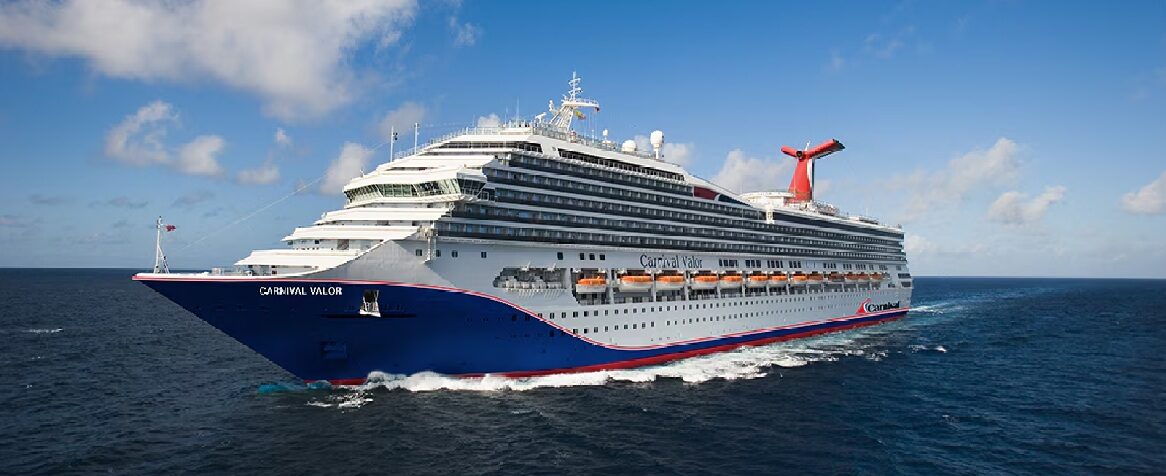
Carnival Cruise Line (21 Cruises)
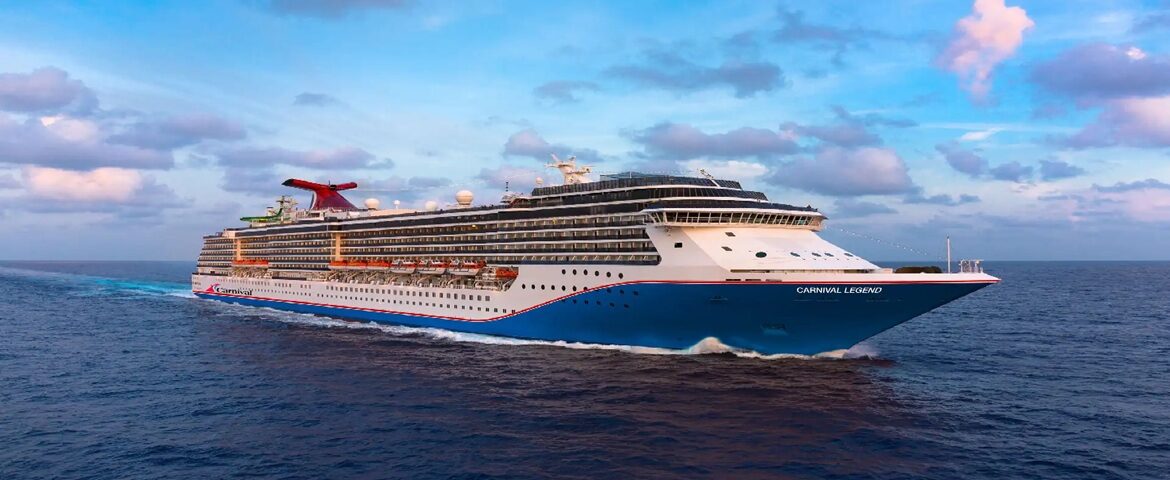

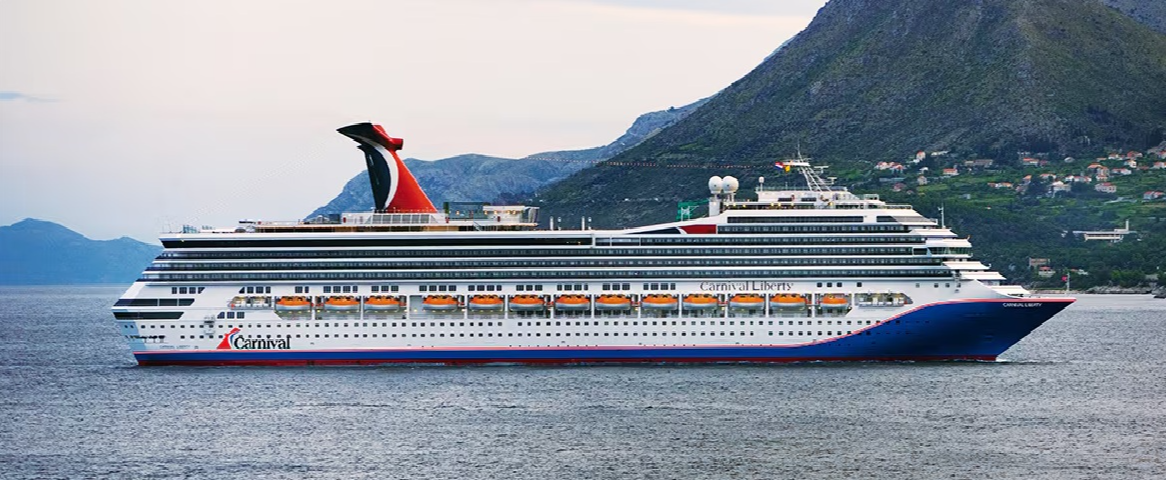
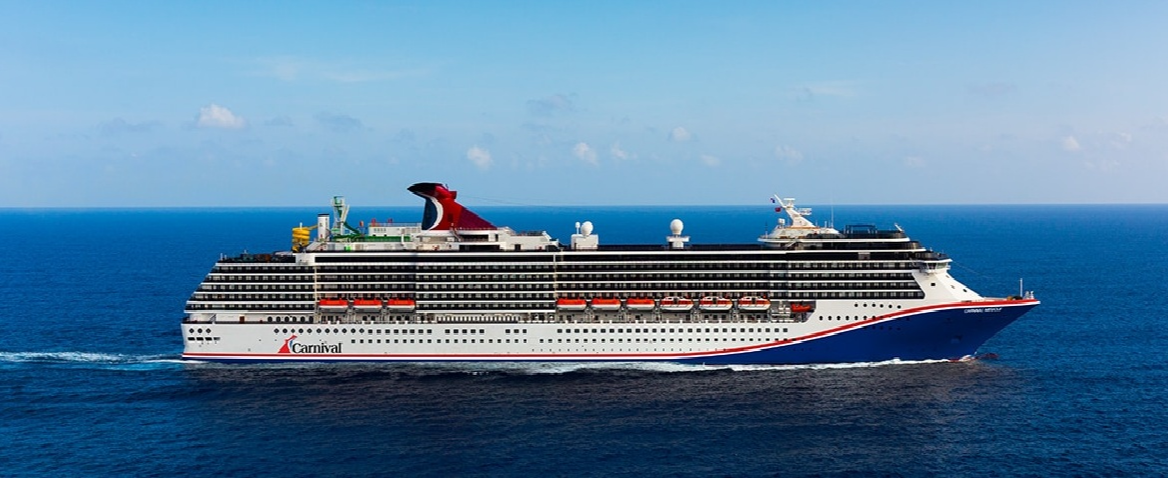

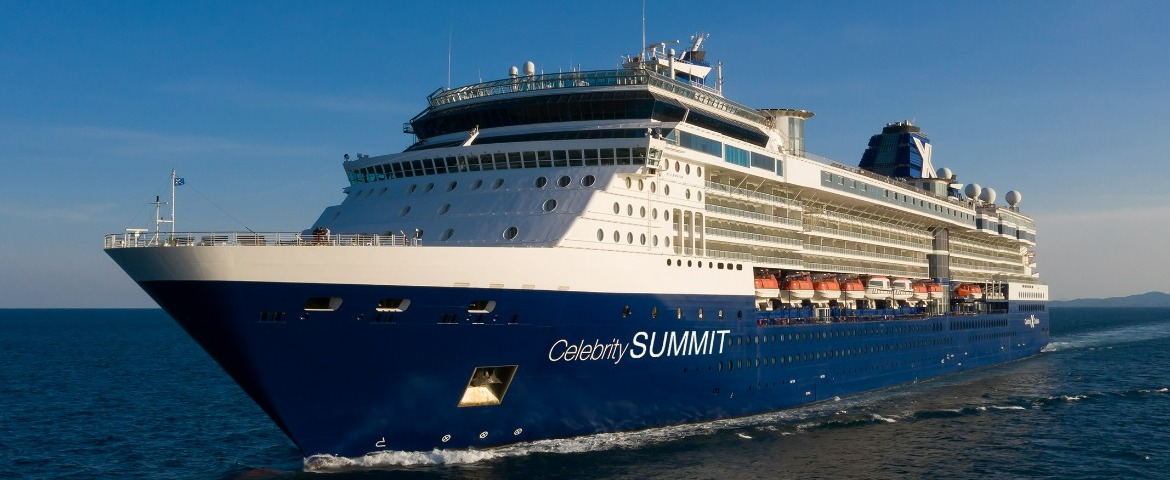
Costa Cruises (20 Cruises)
Costa Deliziosa
20 Cruises


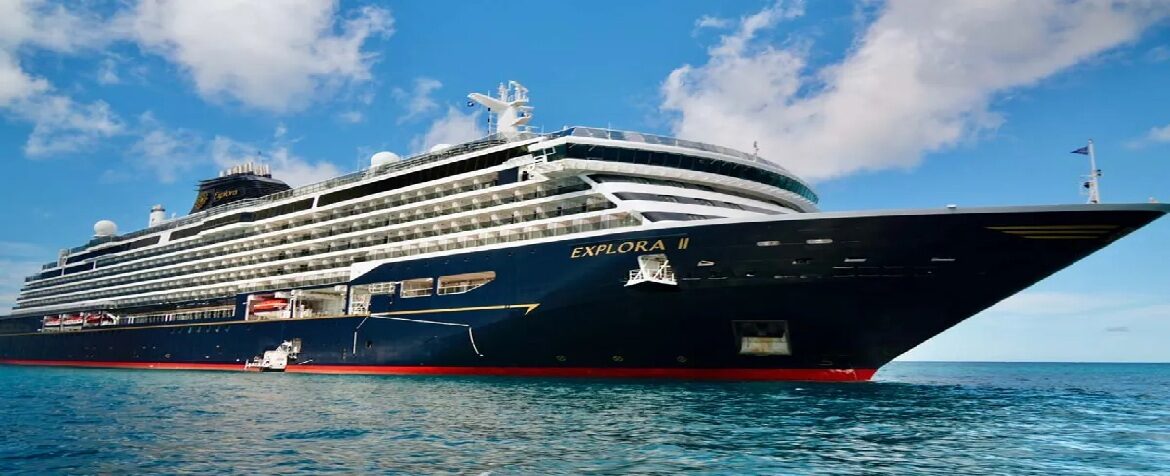
Explora Journeys (1 Cruises)

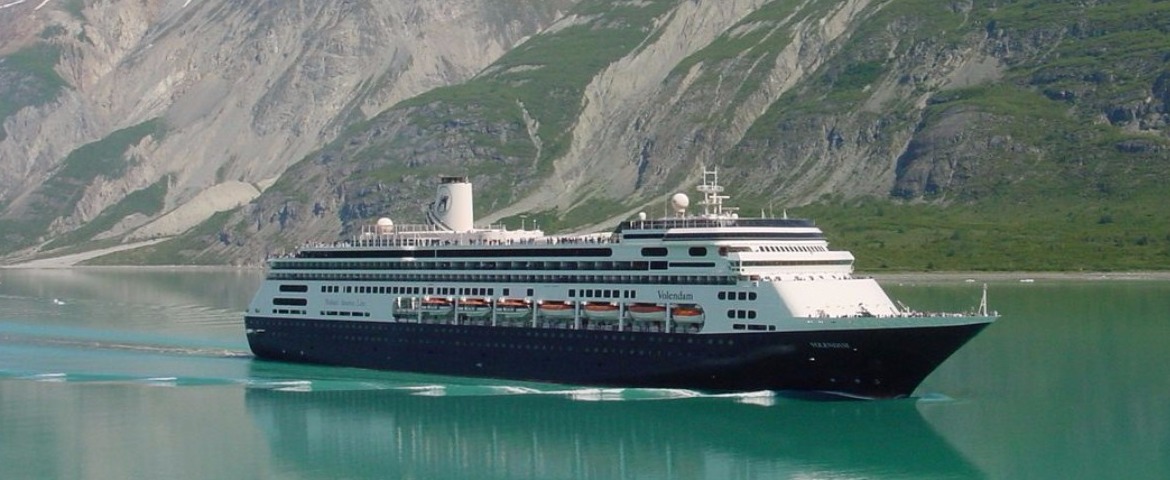
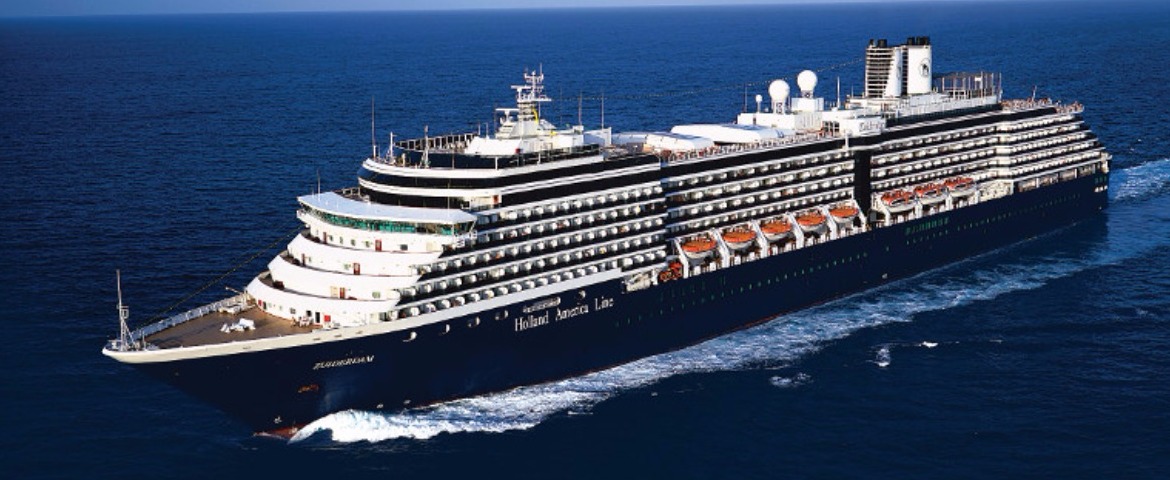
Holland America Line (57 Cruises)
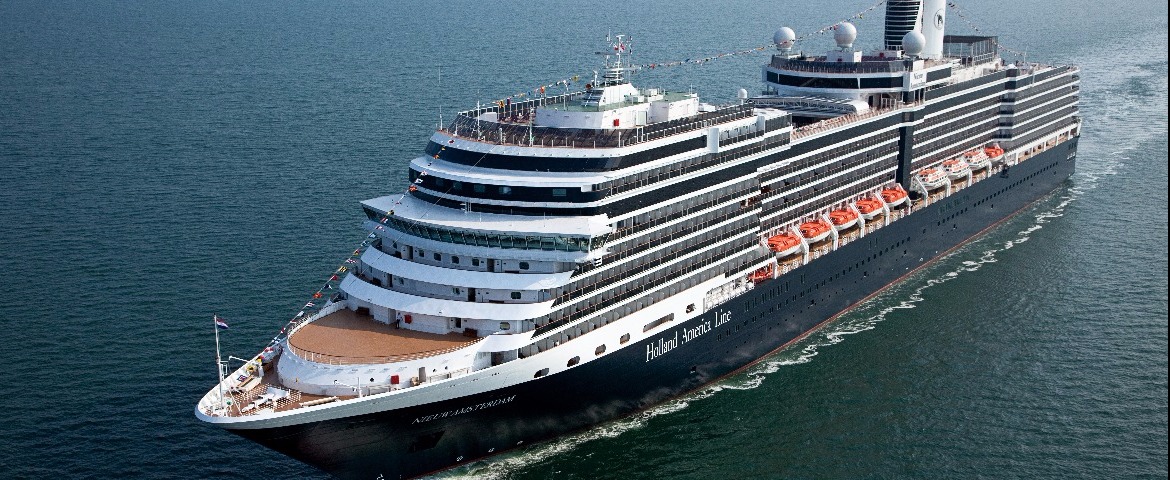
ms Nieuw Amsterdam
20 Cruises

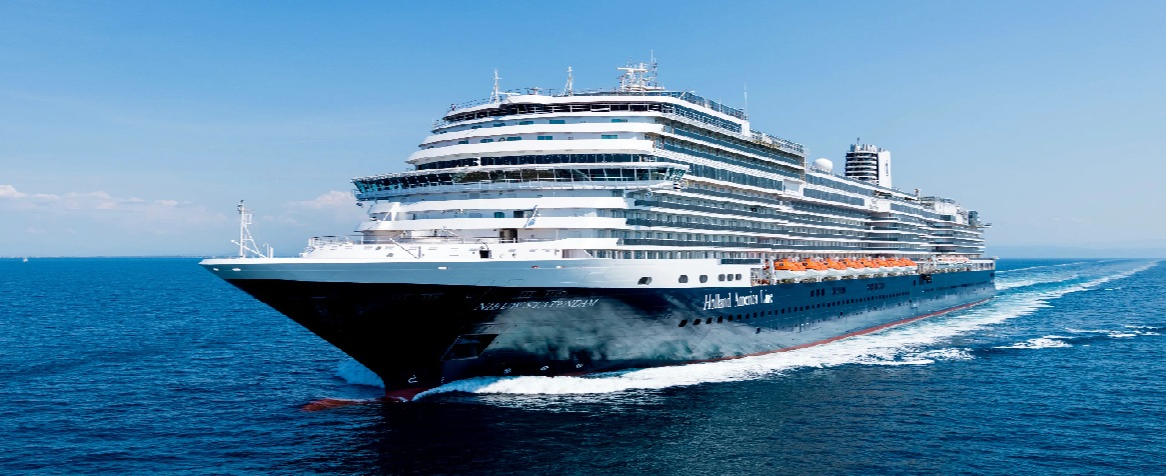
ms Nieuw Statendam
20 Cruises
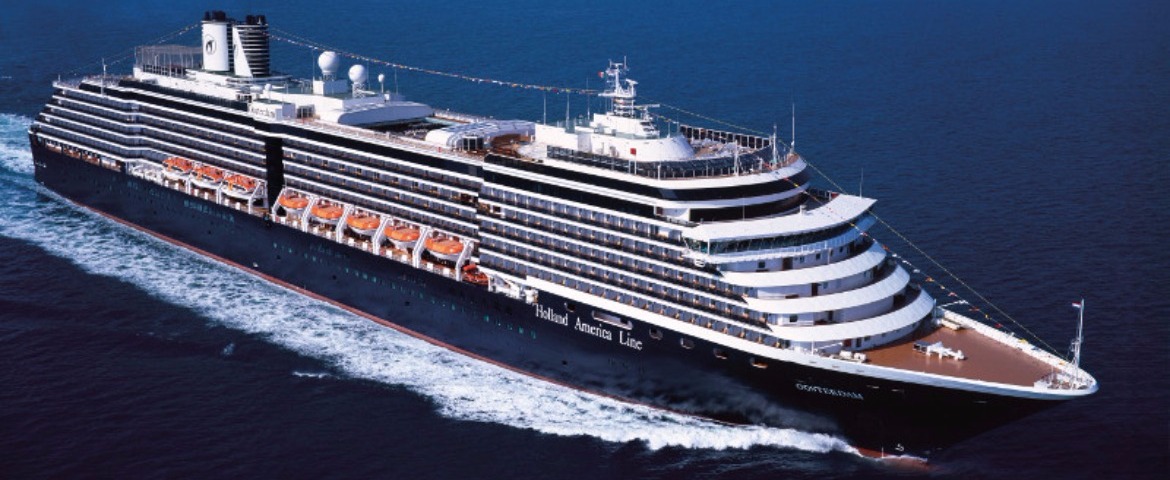
ms Oosterdam
14 Cruises
Lindblad Expeditions (49 Cruises)
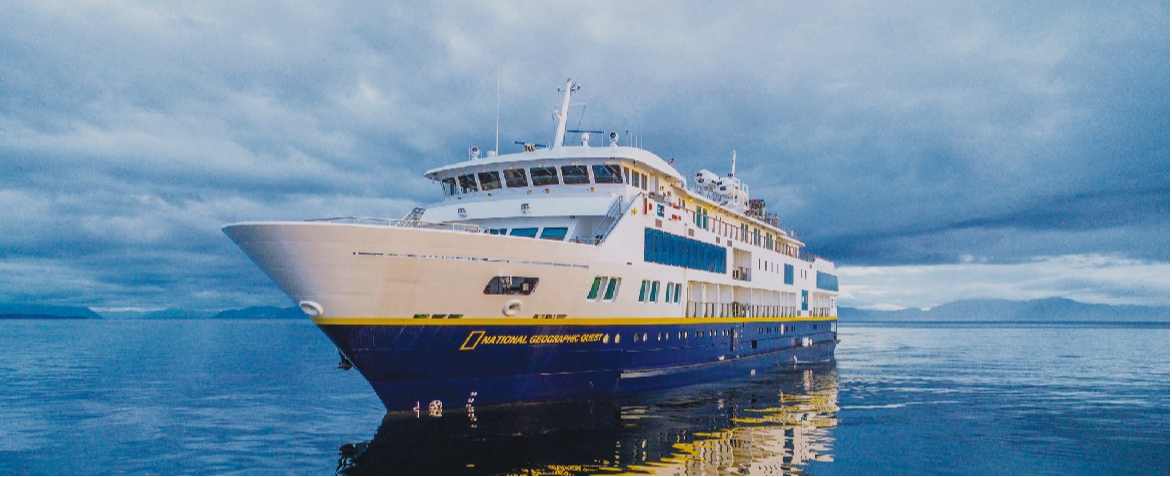
National Geographic Quest
49 Cruises

MSC Cruises (44 Cruises)
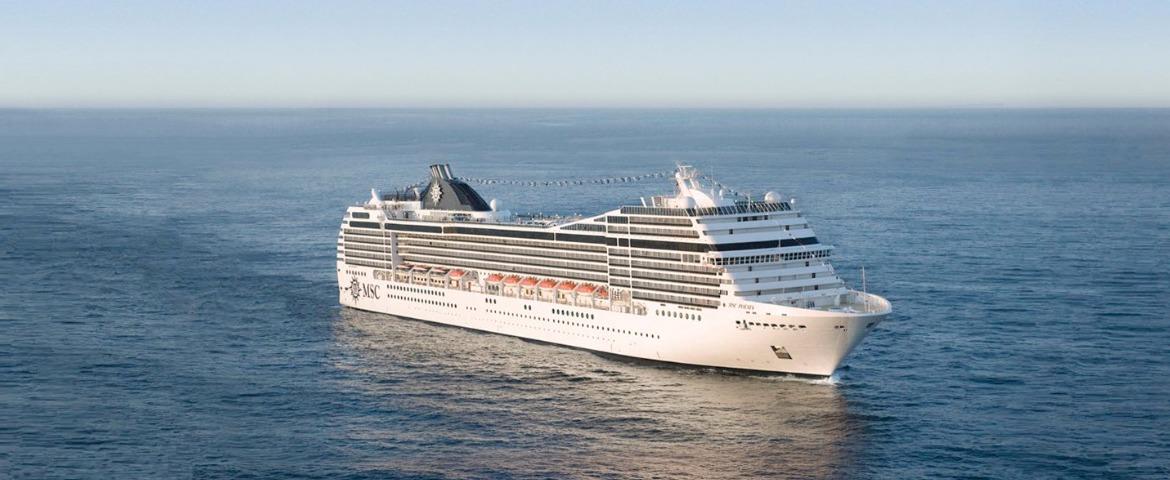
MSC Poesia
44 Cruises

| 14 February | 22 days | Round-trip from Miami, USA |
From
5495$
|
| 14 February | 12 days | Round-trip from Miami, USA |
From
3125$
|
| 25 February | 22 days | Round-trip from Miami, USA |
From
4456$
|
| 8 April | 26 days | One-way from Miami to Seattle |
From
6451$
|
| 8 April | 19 days | One-way from Miami to Seattle |
From
1694$
|
| 21 October | 22 days | Round-trip from Miami, USA |
From
4623$
|
| 31 October | 12 days | Round-trip from Miami, USA |
From
1634$
|
| 31 October | 22 days | Round-trip from Miami, USA |
From
5433$
|
Norwegian Cruise Line (38 Cruises)
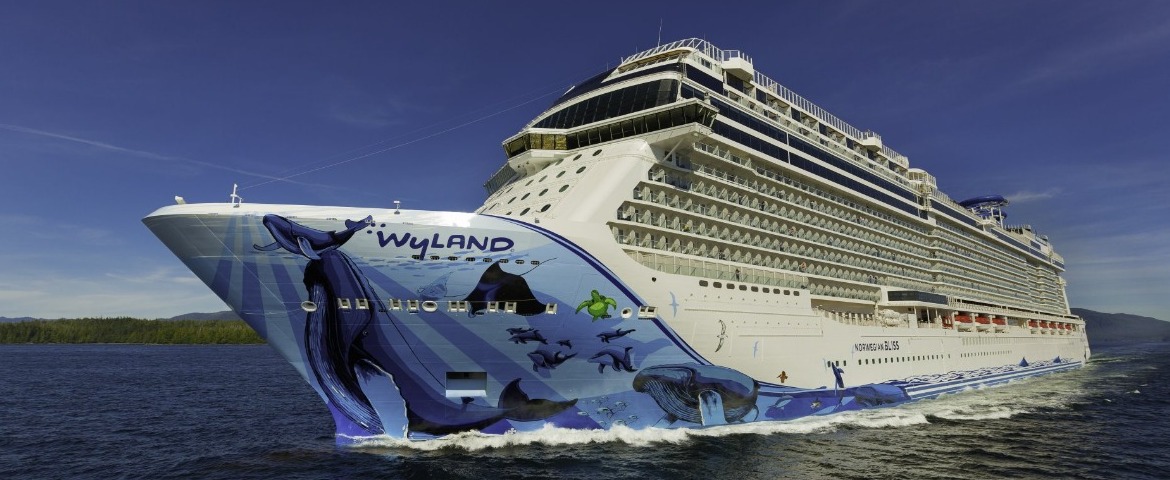

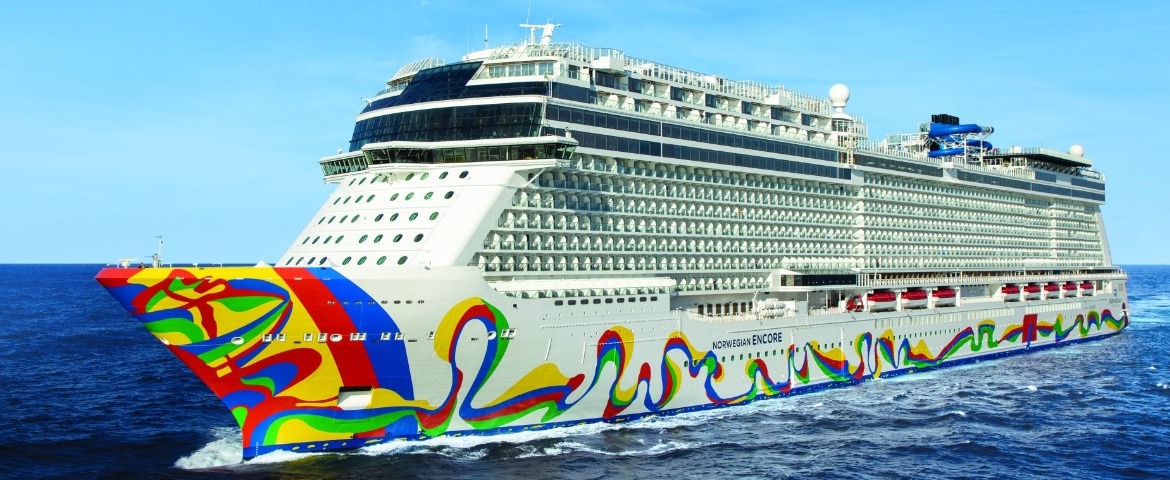
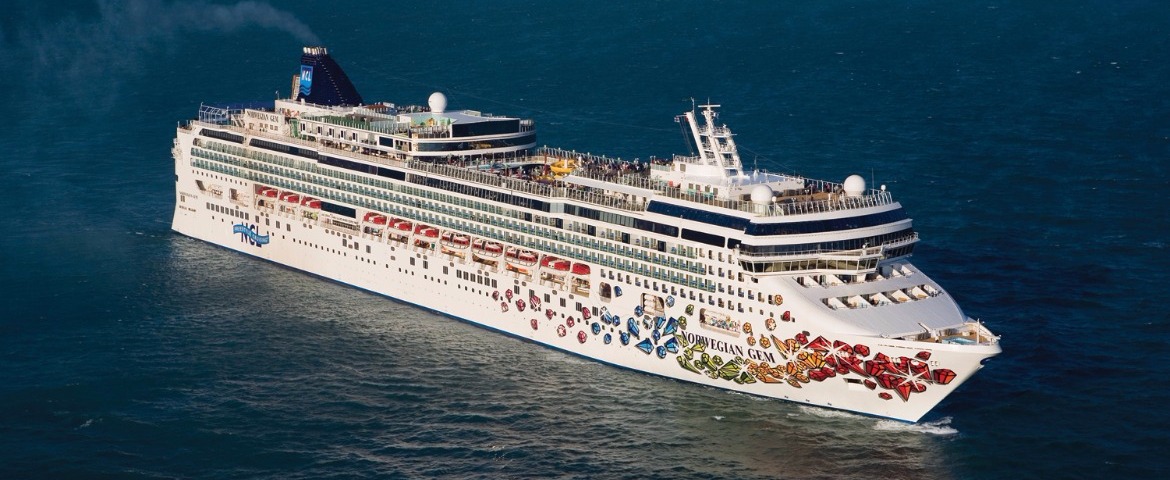
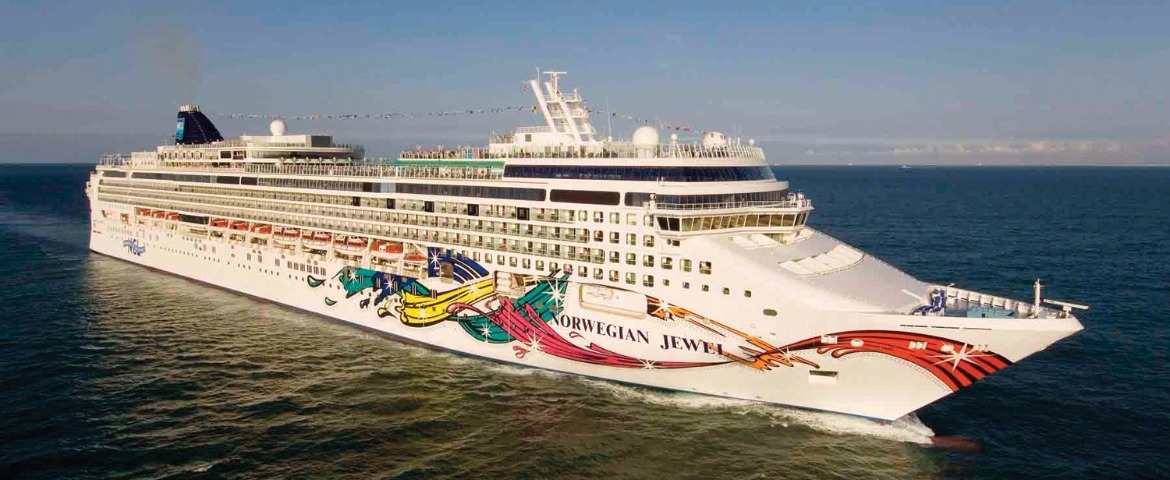
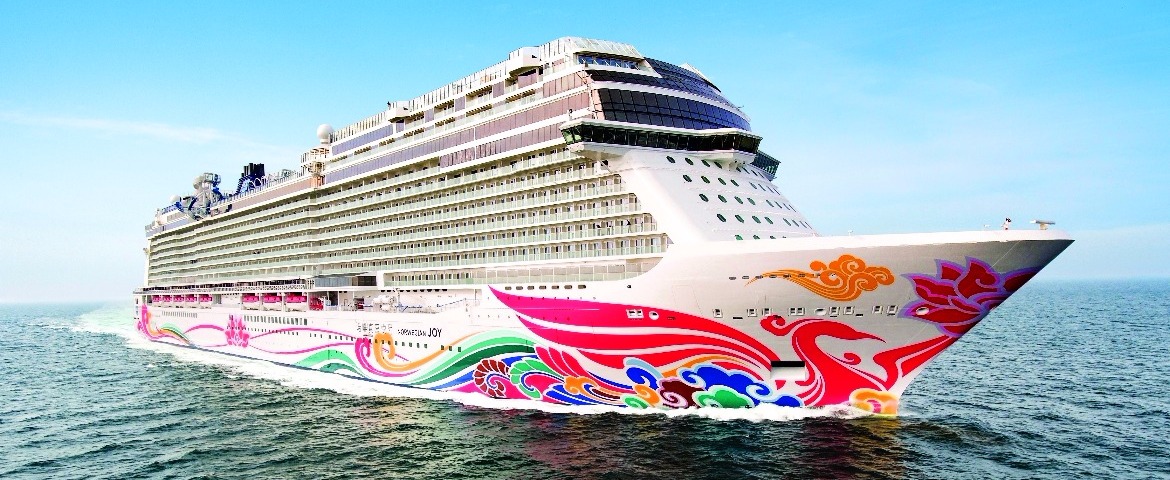
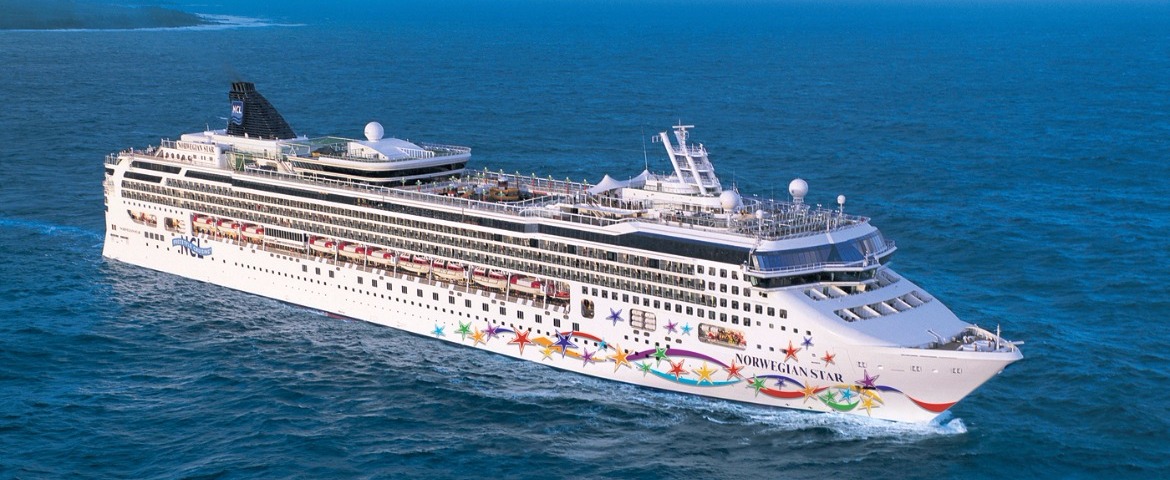
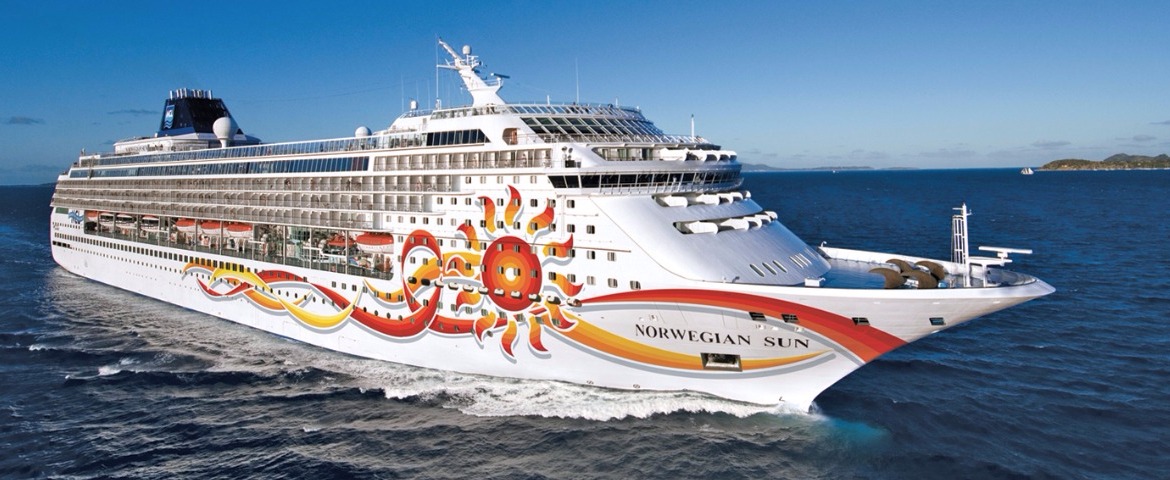
Norwegian Sun
16 Cruises
| 6 February | 12 days | Round-trip from Miami, USA |
From
1304$
|
| 17 February | 13 days | Round-trip from Miami, USA |
From
1423$
|
Oceania Cruises (6 Cruises)
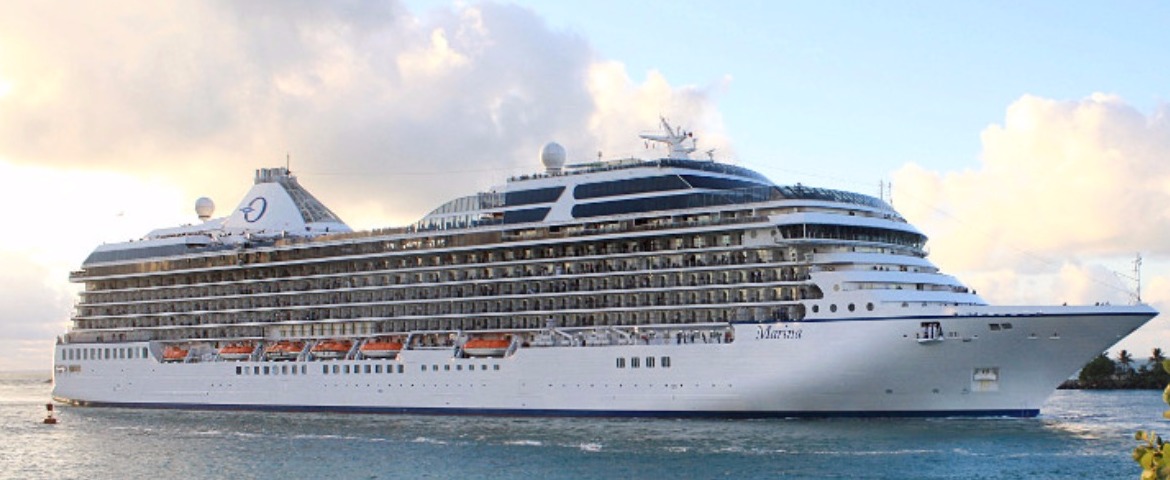

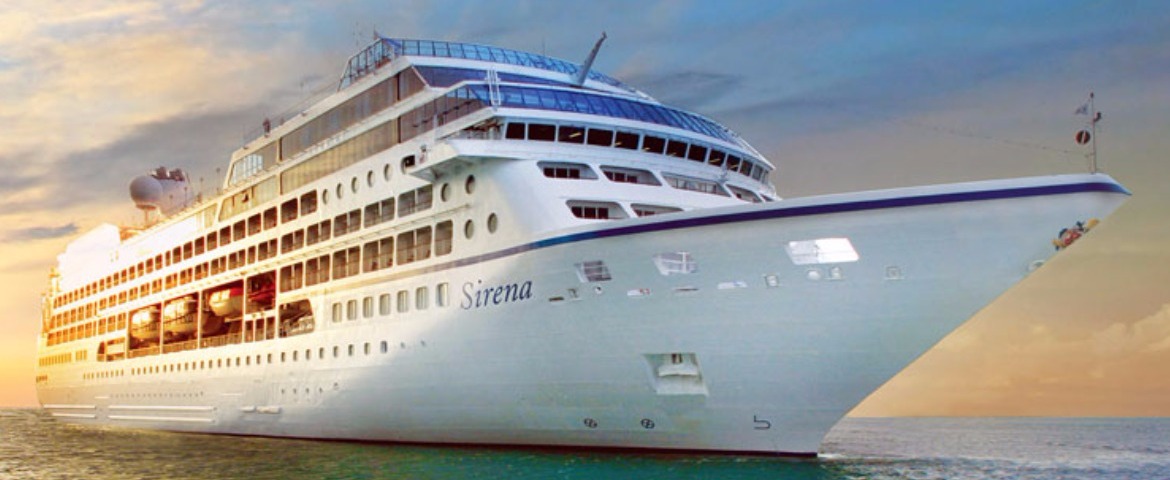
Oceania Sirena
4 Cruises
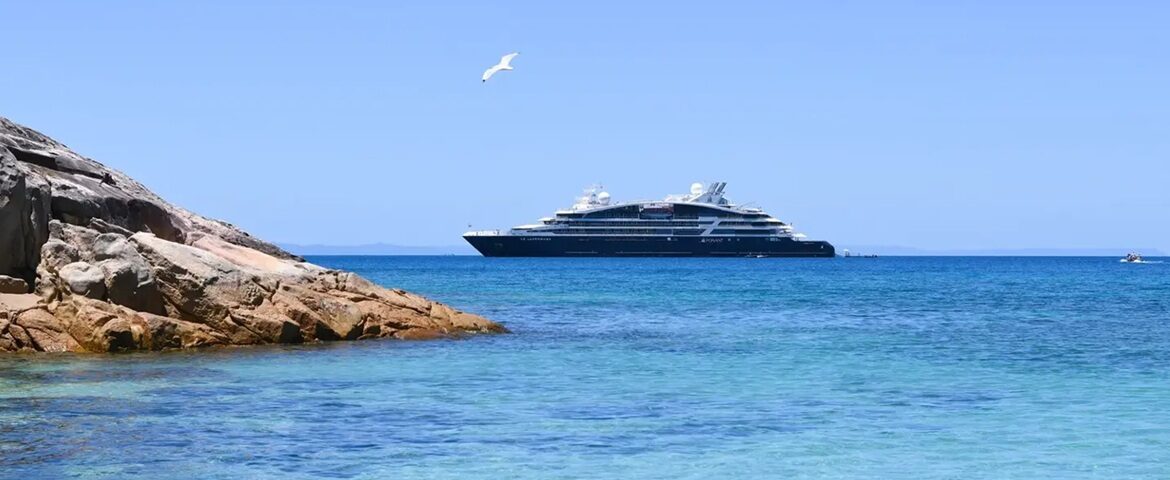
Ponant (50 Cruises)
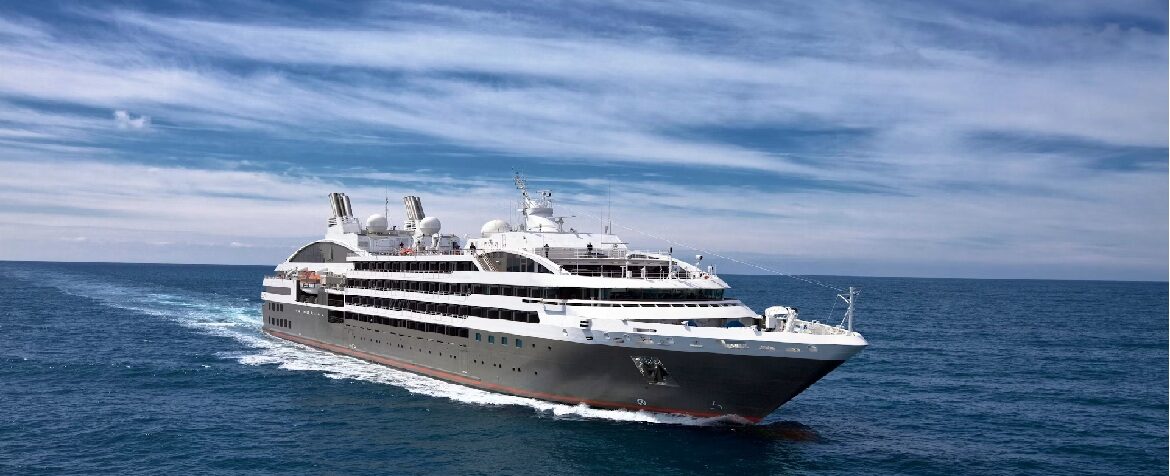

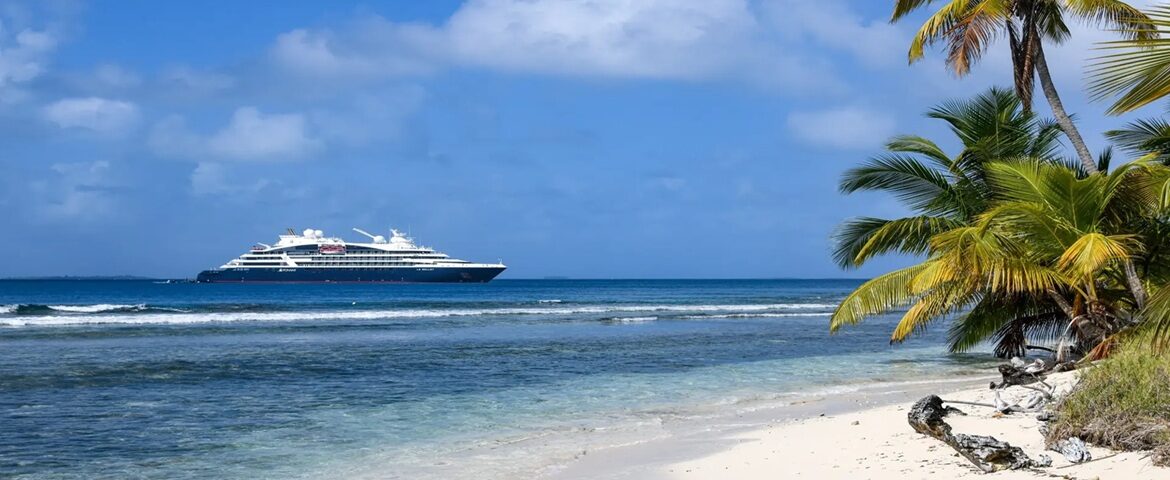
Le Bellot
26 Cruises
| 29 March | 11 days | One-way from Puntarenas to Colon |
450-628-6241
Call us
|
| 29 March | 9 days | One-way from Puntarenas to Colon |
450-628-6241
Call us
|
Le Bougainville
10 Cruises
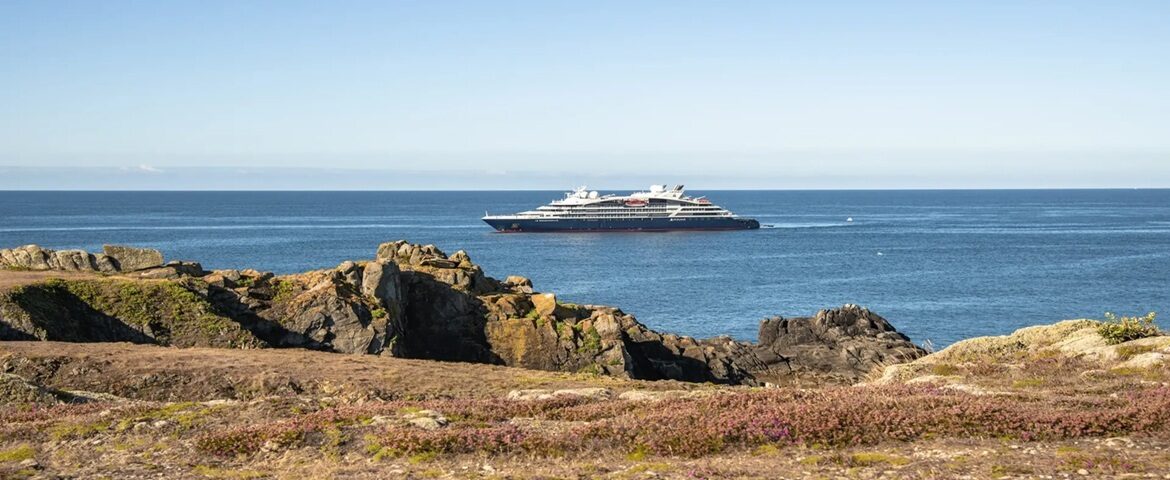
Le Laperouse
12 Cruises
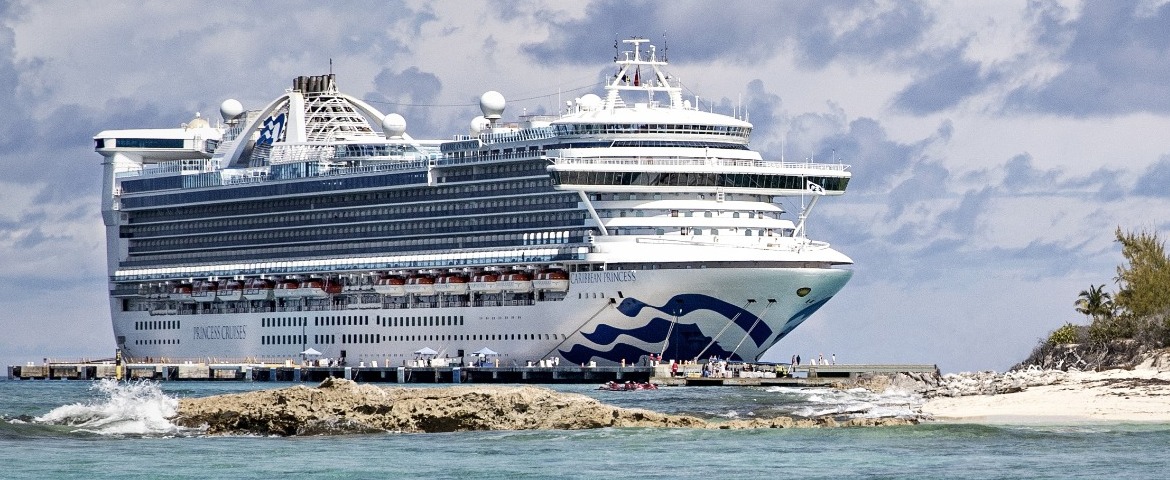
Princess Cruises (16 Cruises)
Caribbean Princess
16 Cruises

| 10 January | 13 days | Round-trip from Fort Lauderdale, USA |
450-628-6241
Call us
|
| 22 January | 13 days | Round-trip from Fort Lauderdale, USA |
450-628-6241
Call us
|
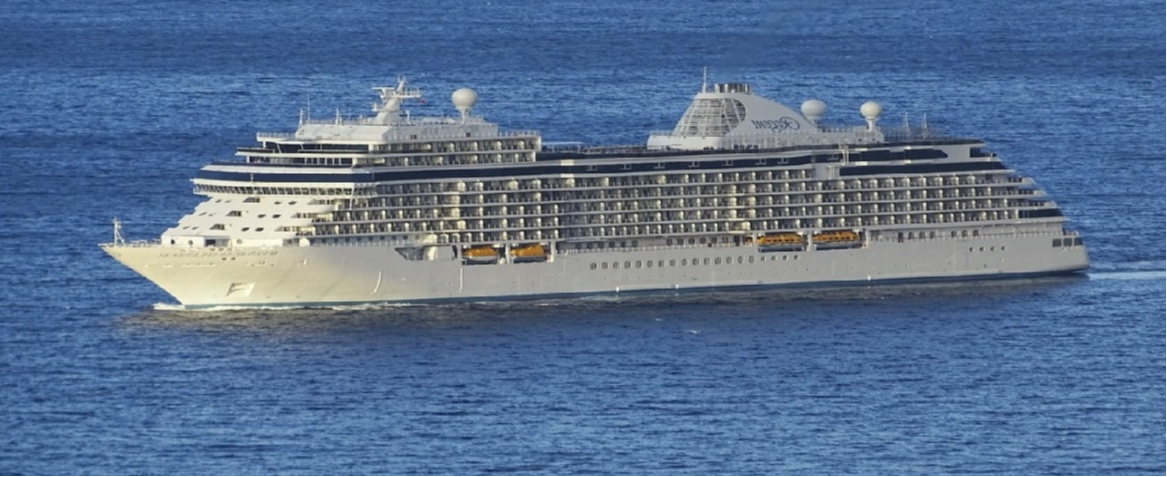
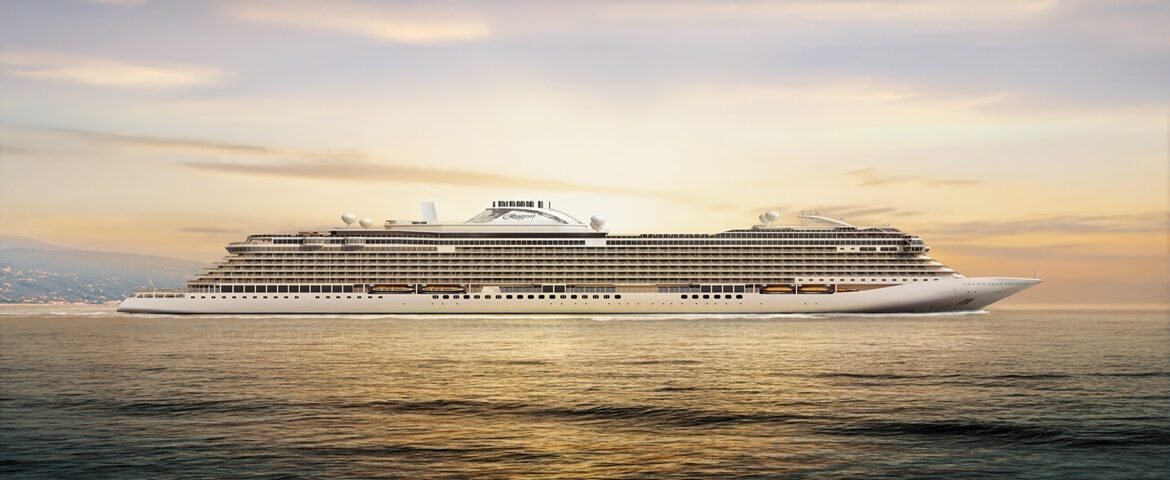
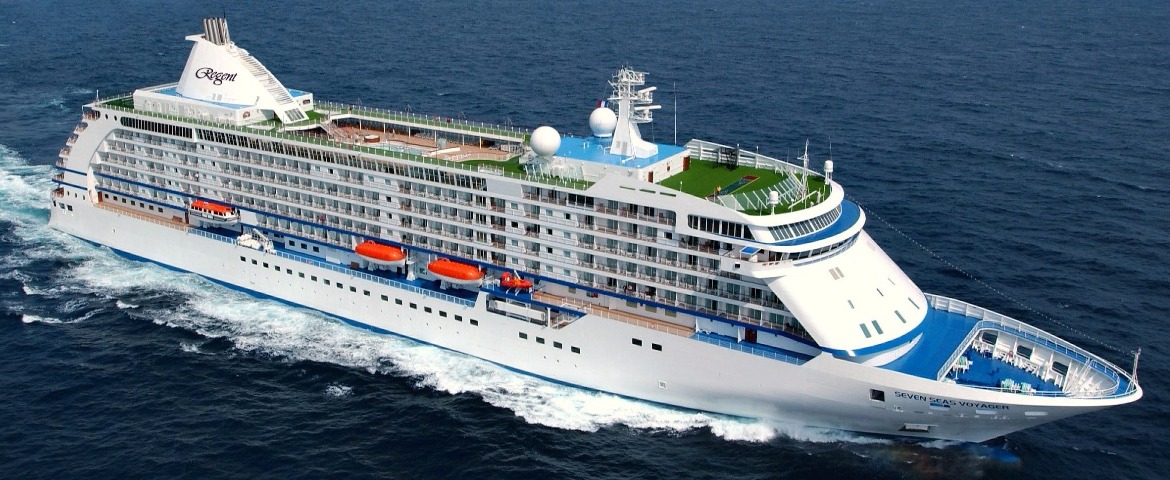
Regent Seven Seas Cruises (9 Cruises)
Seven Seas Grandeur
6 Cruises

Royal Caribbean Cruises (94 Cruises)
Grandeur of the Seas
94 Cruises


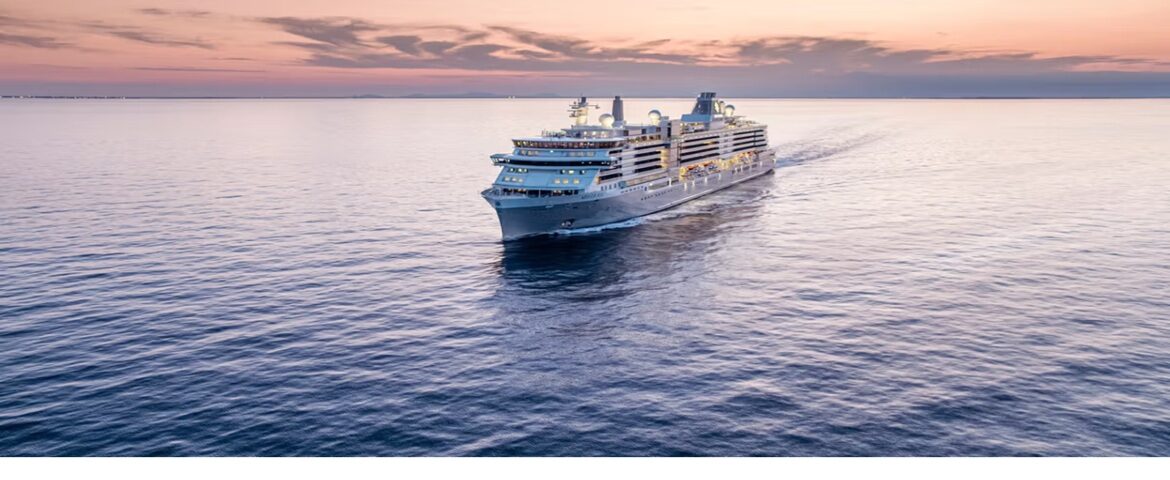
Silversea Cruises (3 Cruises)

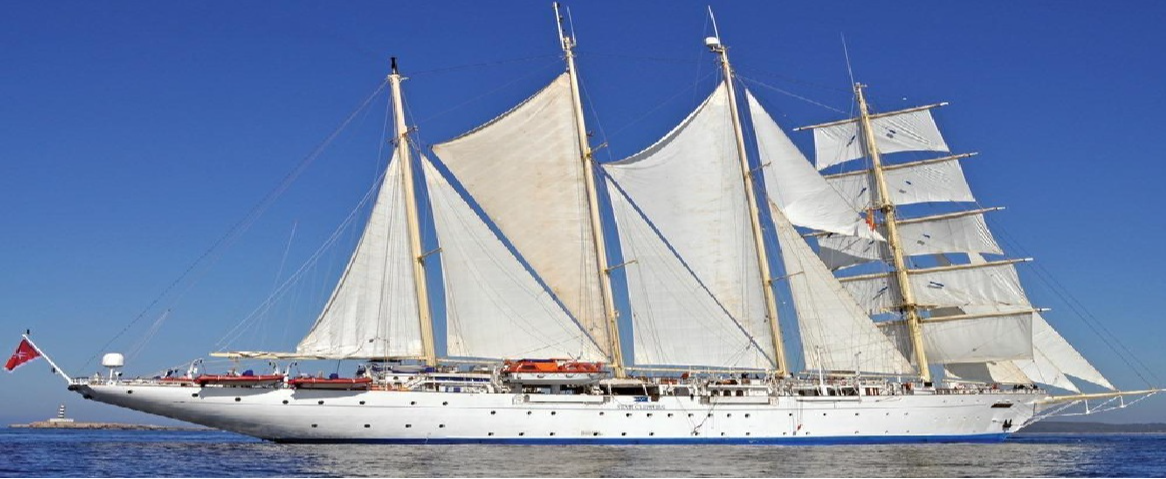
Star Clippers (4 Cruises)
Star Clipper
4 Cruises

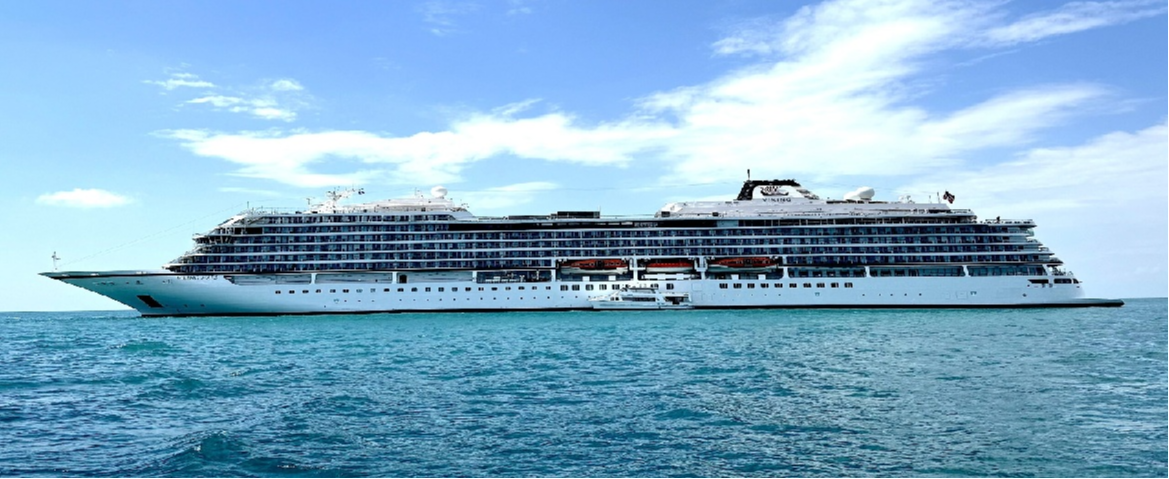
Viking Ocean Cruises (21 Cruises)
Viking Mars
18 Cruises

| 10 January | 14 days | Round-trip 14 Night Panama Canal and Central America Cruise |
450-628-6241
Call us
|
| 10 January | 15 days | Round-trip from Fort Lauderdale, USA |
450-628-6241
Call us
|
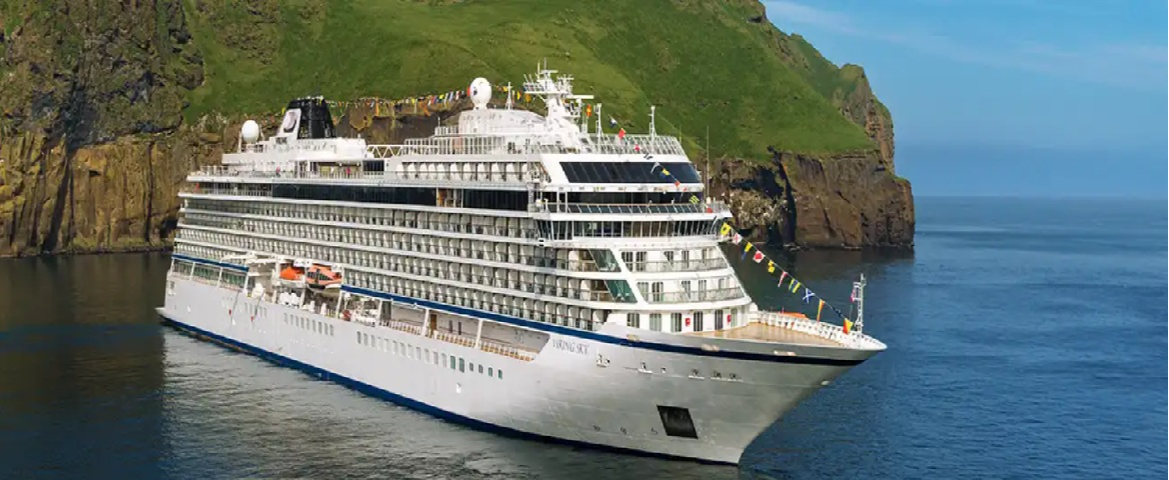
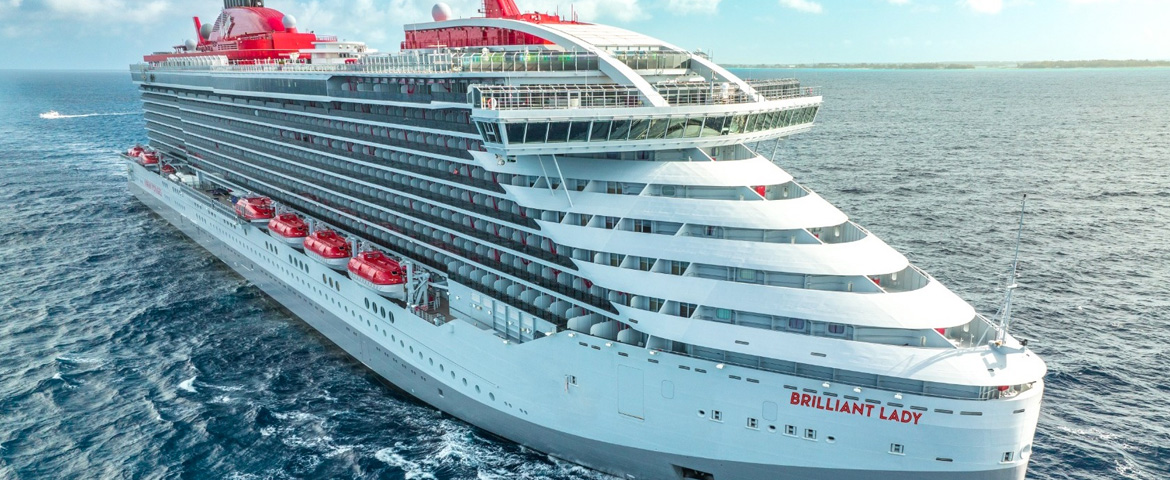
Virgin Voyages (4 Cruises)

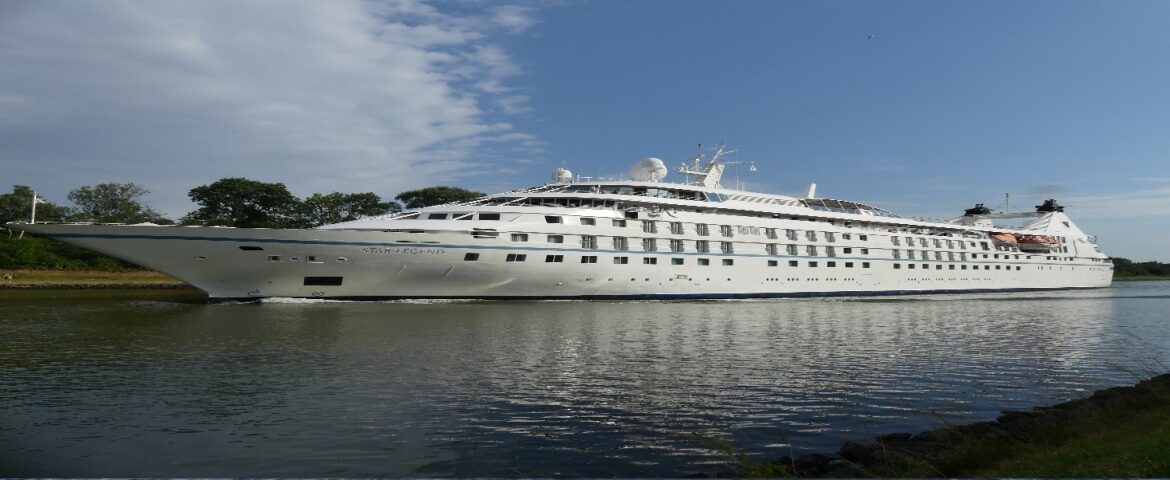
Windstar Cruises (62 Cruises)
Star Legend
10 Cruises

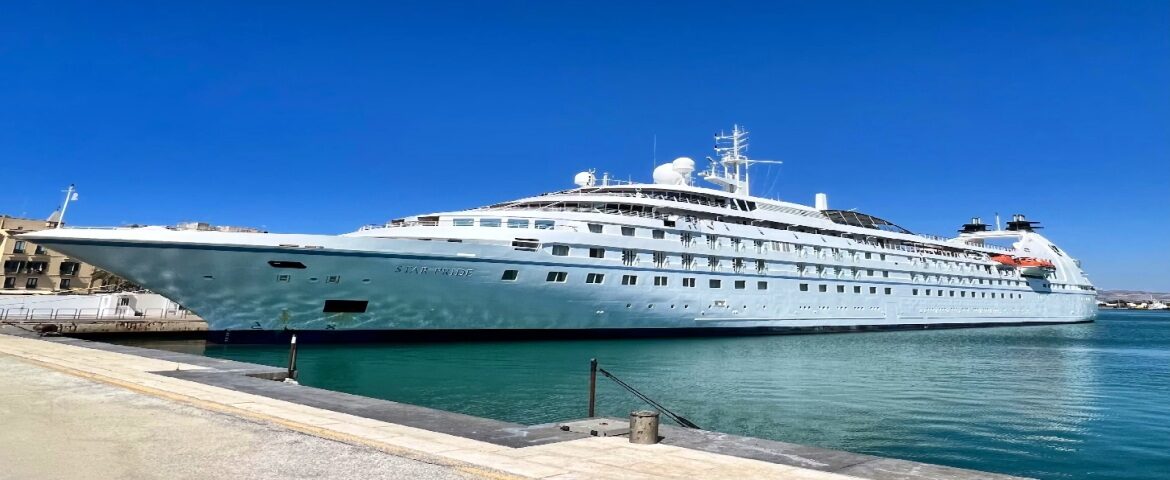
Star Pride
28 Cruises
Wind Star
24 Cruises
Port of Colón, Panama | Cruise Port Guide
Frequently Asked Questions
At the Colón 2000 terminal, a secure complex with duty-free shops, restaurants, a supermarket, ATMs and excursion desks. Authorized tourist taxis wait at the foot of the gangway.
It is not advisable. This former railway city founded in the mid-nineteenth century has been through a long difficult period and does not lend itself to strolling. The day's riches lie within an hour of the pier, and they are considerable.
The Agua Clara observation centre, about twenty minutes away by road: from the platforms you watch 300-metre container ships rise slowly toward Lake Gatún, guided to the centimetre. The historic three-chamber Gatún locks are close by and complete the visit.
Yes, and it is the whole point of the call. Colón sits at the Caribbean entrance to the canal: every day dozens of ships wait at anchor off the city before crossing the isthmus. The Agua Clara locks, opened in 2016, handle the new generation of vessels.
Yes, in about an hour and fifteen minutes by motorway. On the programme: the colonial Casco Antiguo quarter and the skyline across the bay. Along the way, the trans-isthmian railway line, which joined the two oceans as early as 1855, is still used by some tours.
Portobelo bay, about an hour east by road, preserves the fortifications that protected Spanish gold bound for Seville — a UNESCO World Heritage ensemble along with Fort San Lorenzo, perched above the mouth of the Chagres river.
Yes. These forest communities receive visitors for a river journey by dugout canoe, with music, crafts and demonstrations of daily life.
Yes, on a boat trip on Lake Gatún, where howler monkeys, capuchins, sloths and toucans can be watched from the water. It is the nature option of the call.
The US dollar, called the balboa in Panama, is accepted everywhere. ATMs are available at the Colón 2000 terminal.
Through an organized excursion, from the ship or a local operator, or by authorized tourist taxi taken at the foot of the gangway. That is the simplest and safest arrangement. Do not plan to improvise on foot from the terminal.


