Cartagena Colombia
613
Cruises availables
At departure or passage at this port
AmaWaterways (95 Cruises)
AmaMagdalena
43 Cruises
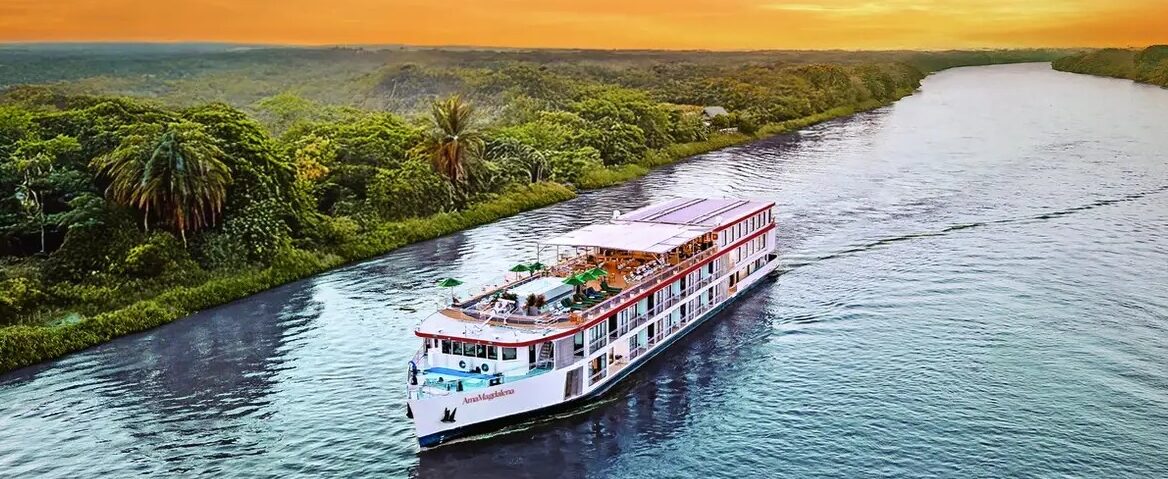

| 12 June | 8 days | One-way from Barranquilla Colombia to Cartagena Colombia |
450-628-6241
Call us
|
| 26 June | 8 days | One-way from Barranquilla Colombia to Cartagena Colombia |
450-628-6241
Call us
|
| 2 October | 8 days | One-way from Barranquilla Colombia to Cartagena Colombia |
450-628-6241
Call us
|
| 23 October | 8 days | One-way from Cartagena Colombia to Barranquilla Colombia |
450-628-6241
Call us
|
AmaMelodia
52 Cruises
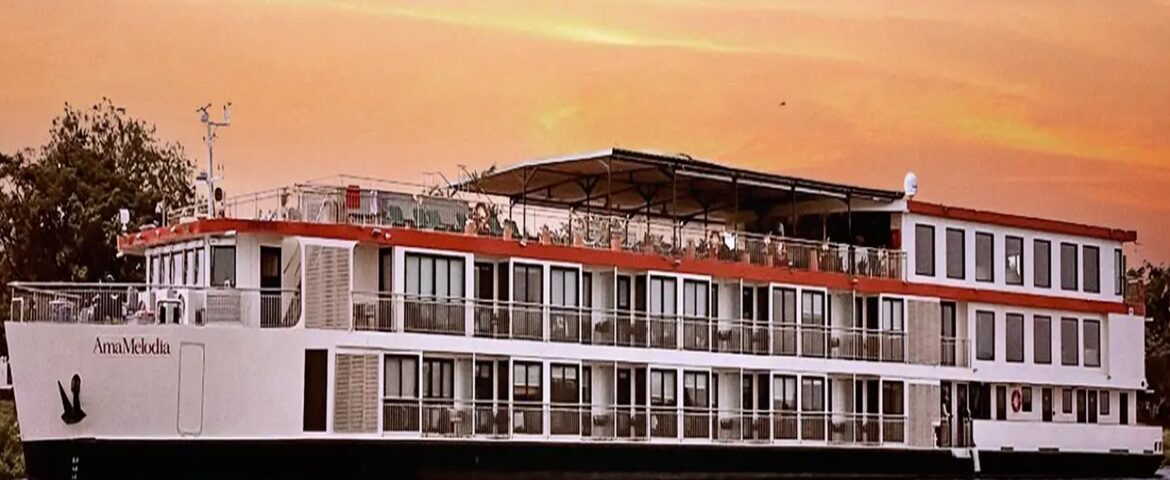
| 28 October | 8 days | One-way from Barranquilla Colombia to Cartagena Colombia |
450-628-6241
Call us
|
| 28 October | 7 days | One-way from Barranquilla Colombia to Cartagena Colombia |
450-628-6241
Call us
|
Azamara Club Cruises (14 Cruises)
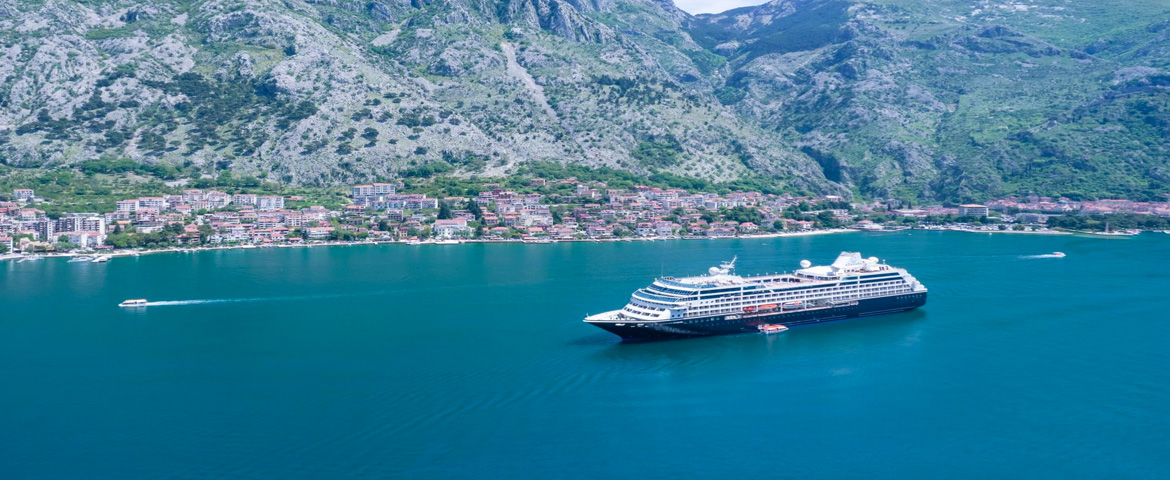
Azamara Onward
9 Cruises


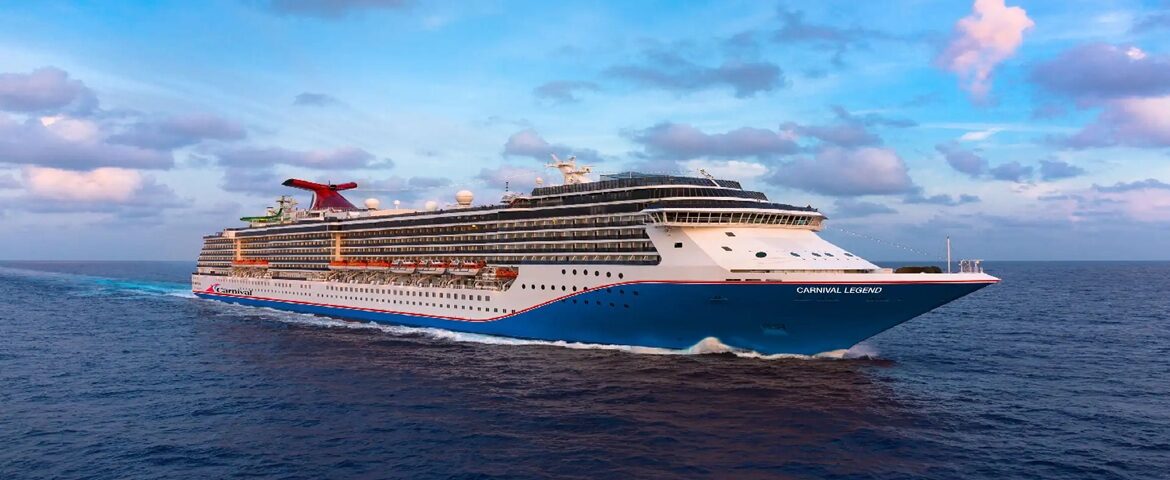
Carnival Cruise Line (6 Cruises)

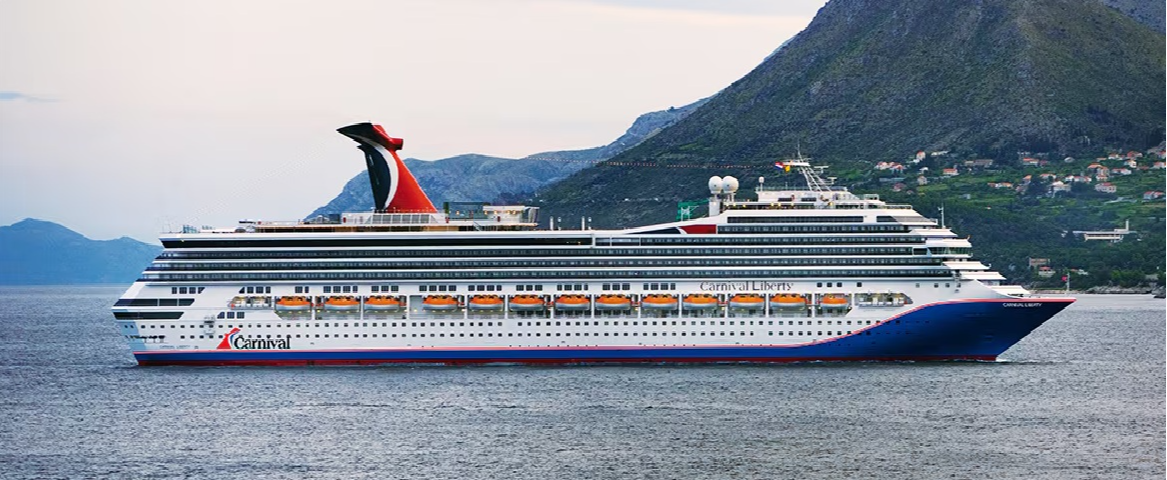
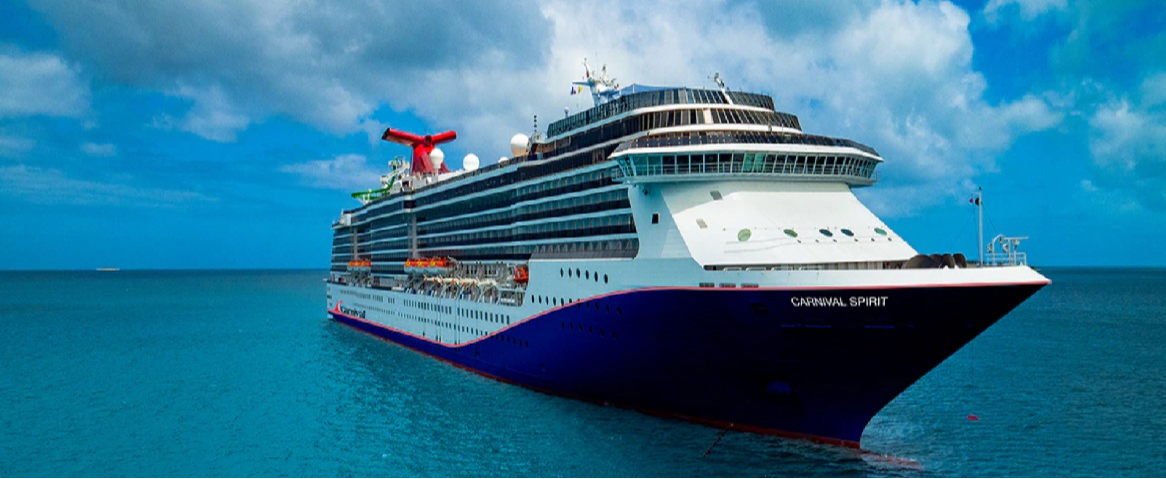
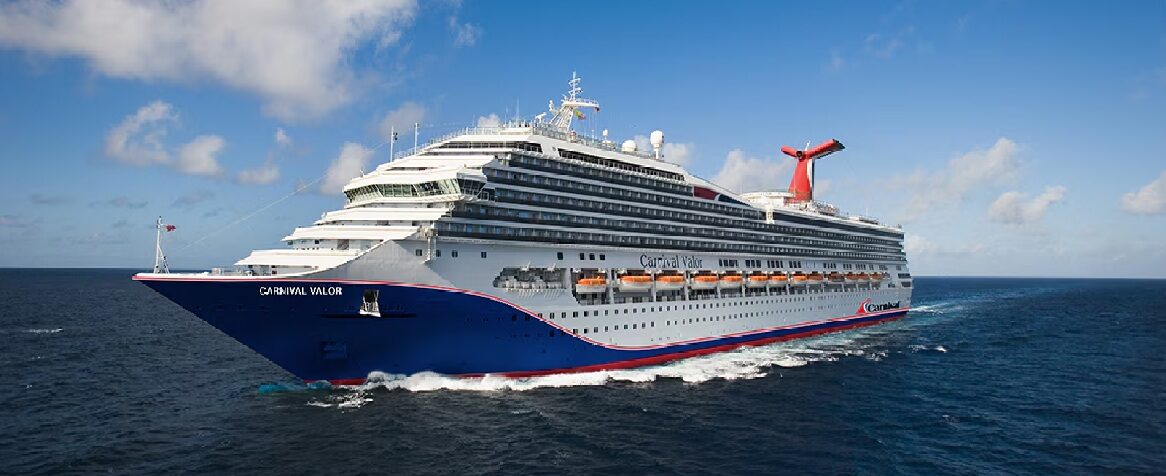

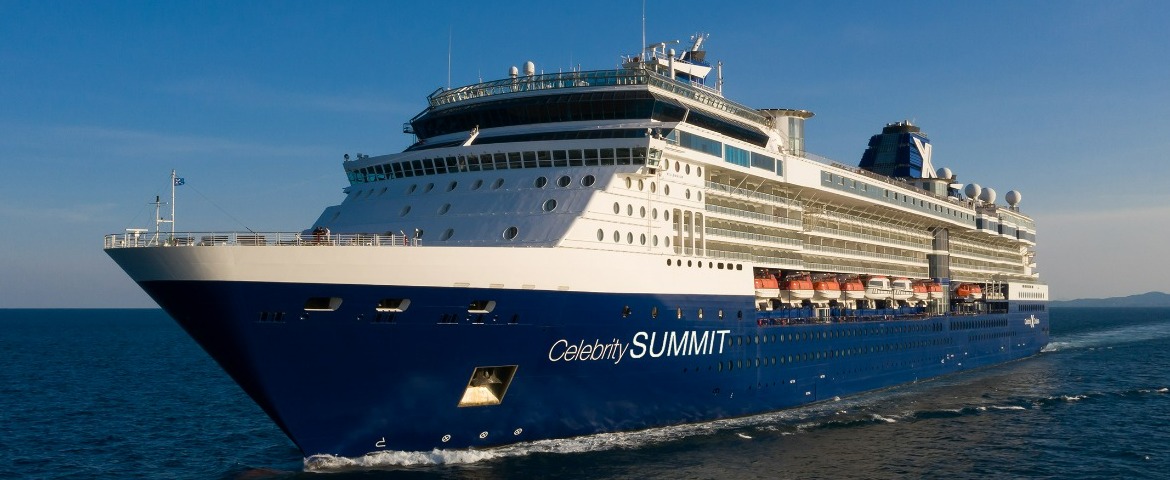
Crystal Cruises (27 Cruises)
Crystal Serenity
16 Cruises


Crystal Symphony
11 Cruises

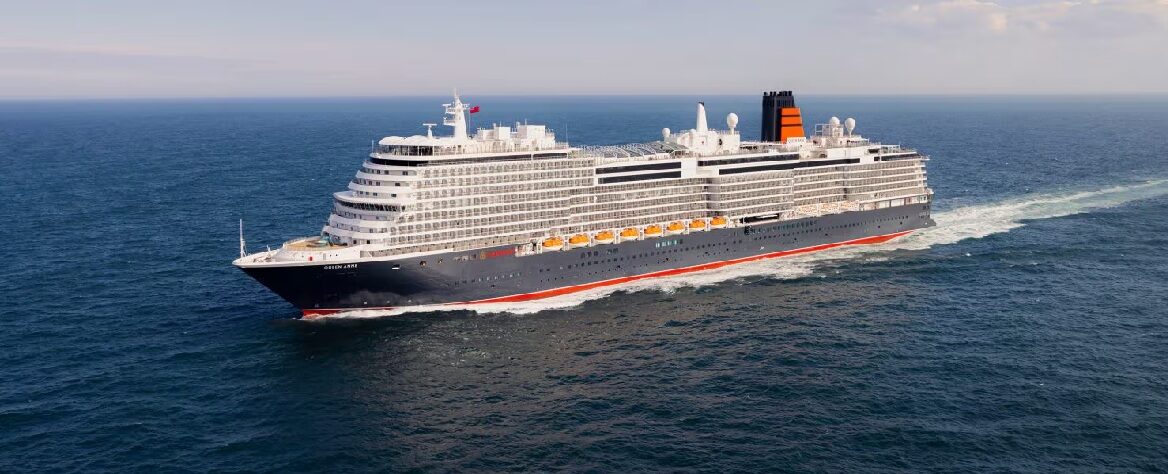
Cunard (13 Cruises)
Queen Anne
13 Cruises

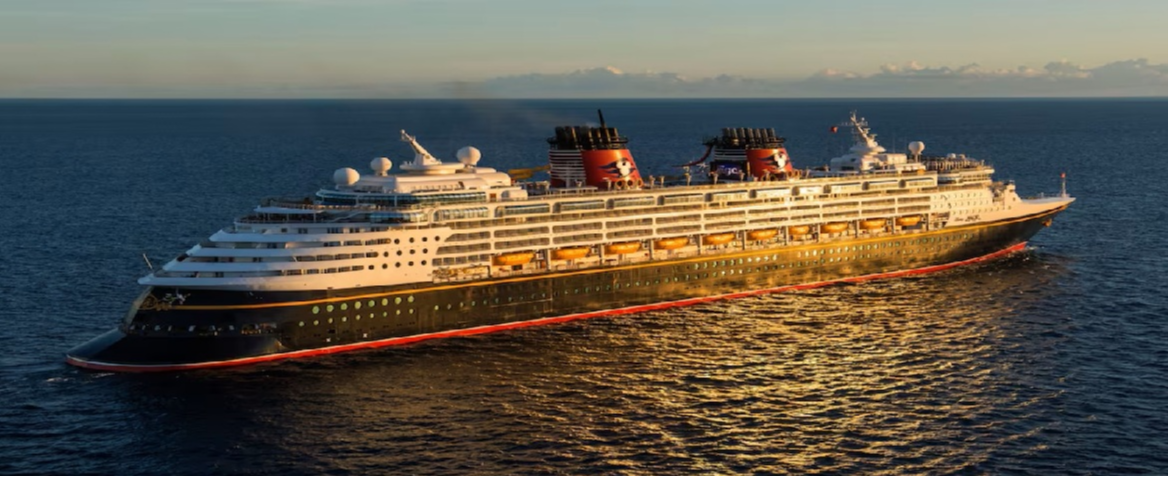
Disney Cruise Line (2 Cruises)

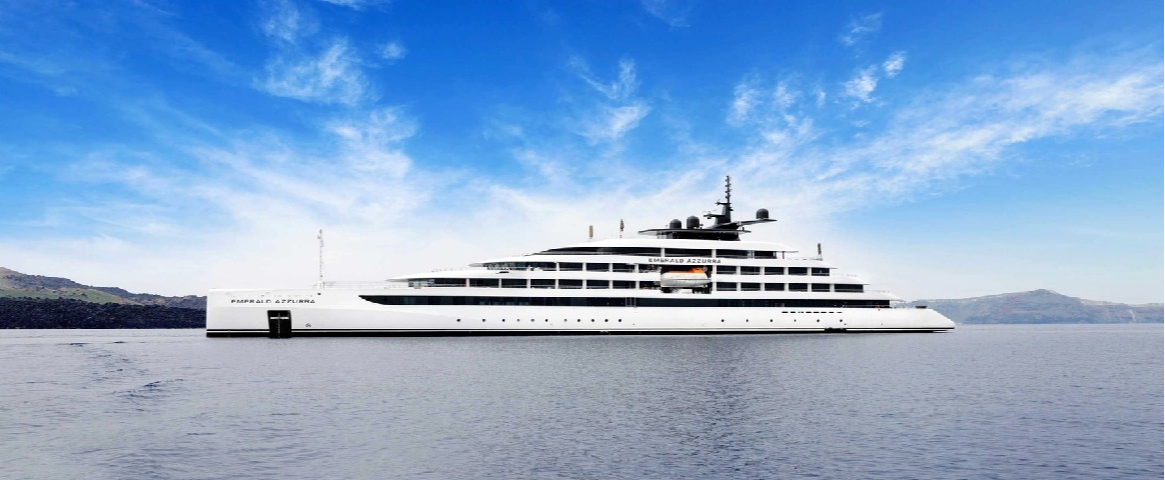
Emerald Waterways (10 Cruises)
Emerald Azzurra
10 Cruises

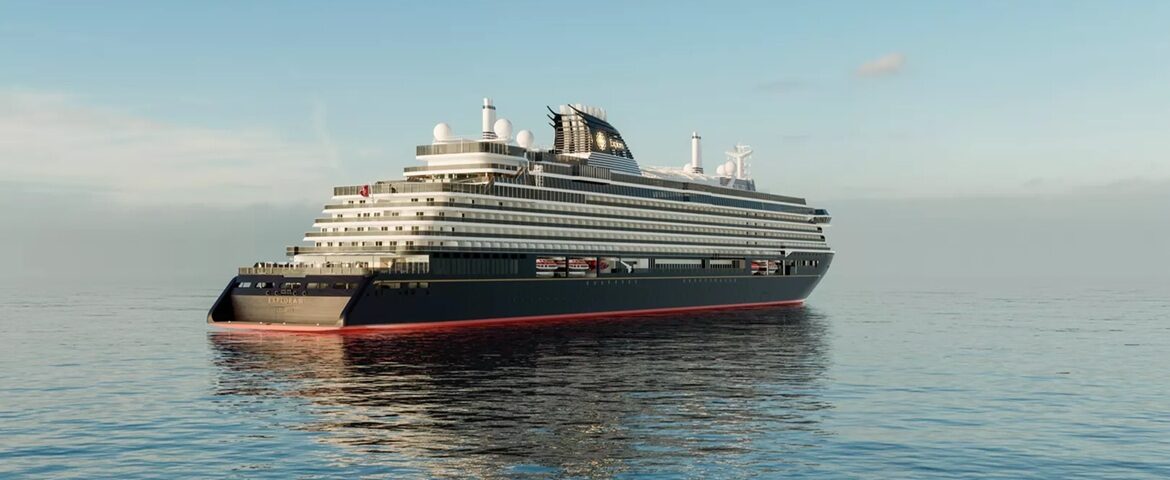
Explora Journeys (12 Cruises)
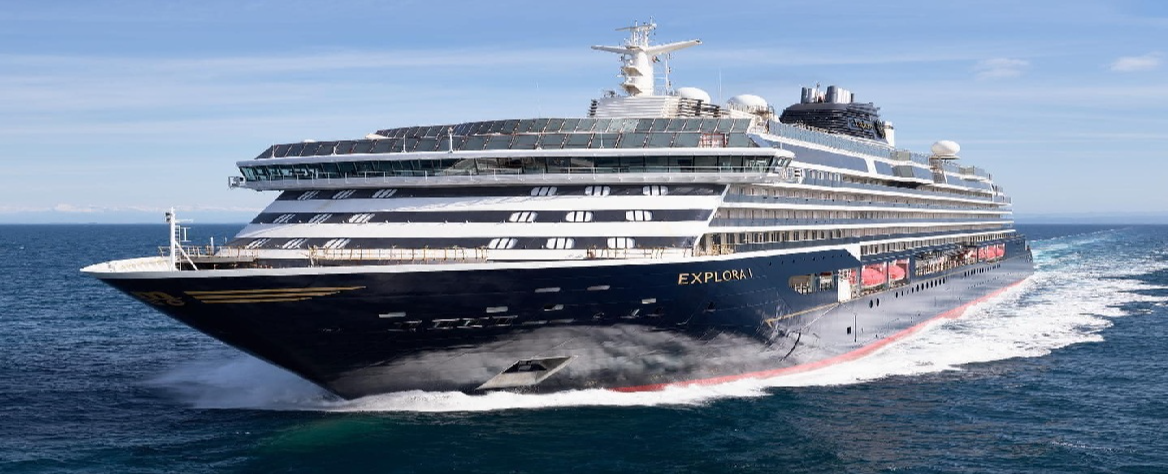

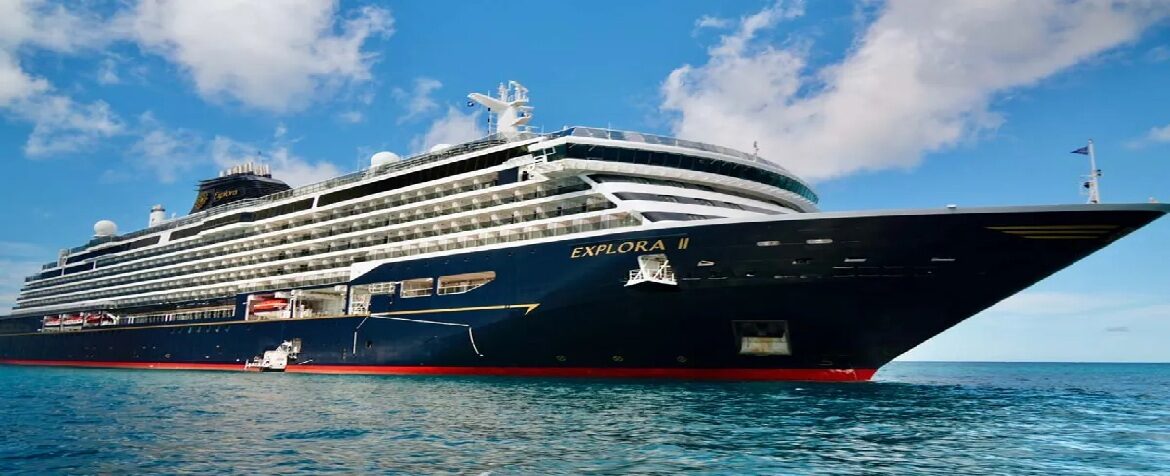
Explora III
5 Cruises
Holland America Line (69 Cruises)
ms Eurodam
7 Cruises
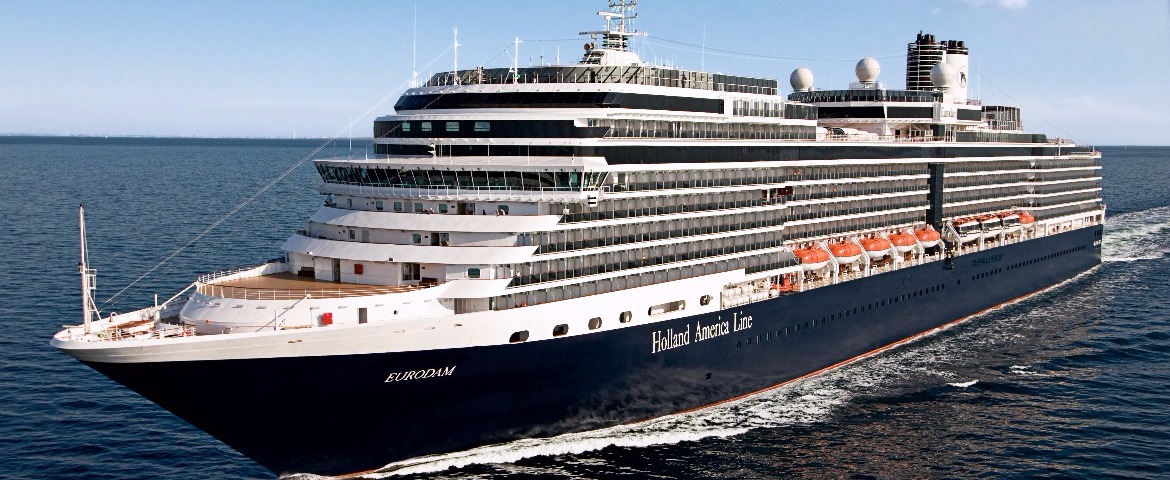

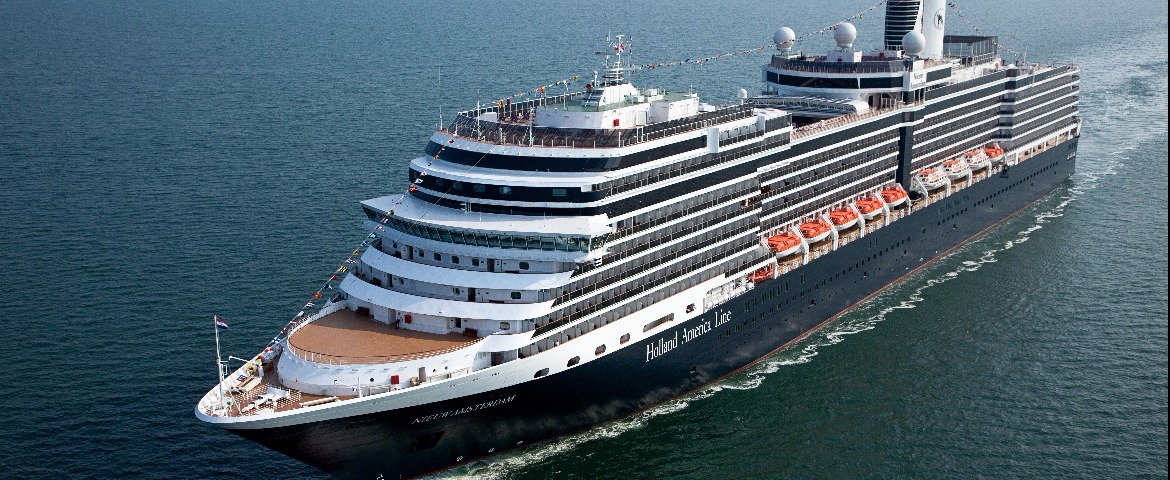
ms Nieuw Amsterdam
18 Cruises
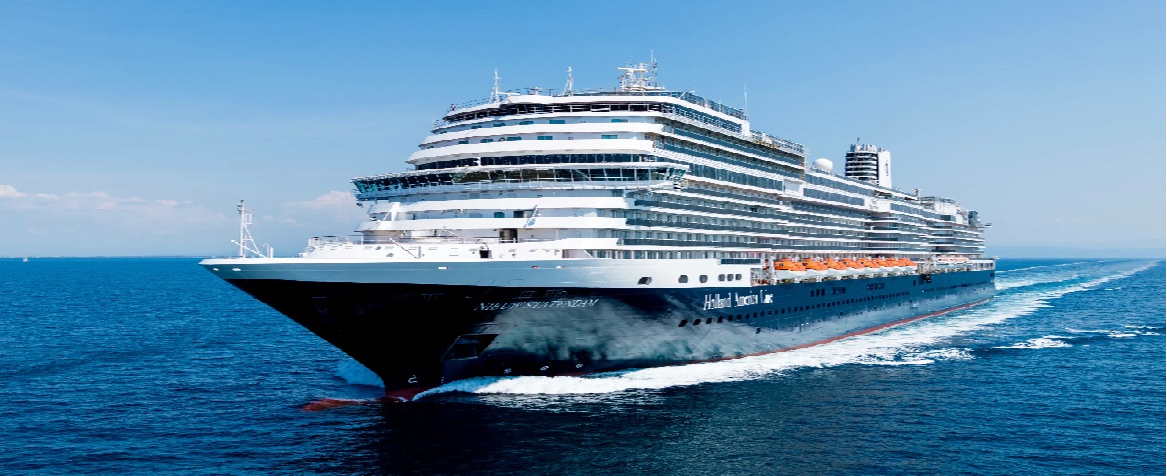
ms Nieuw Statendam
18 Cruises
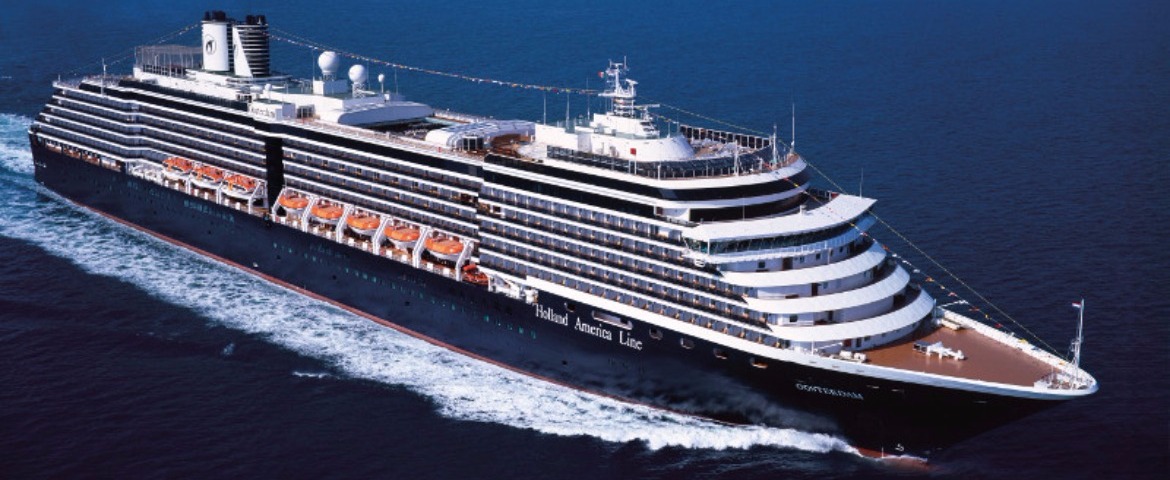
ms Oosterdam
15 Cruises
Lindblad Expeditions (2 Cruises)

MSC Cruises (44 Cruises)
MSC Poesia
44 Cruises

| 14 February | 22 days | Round-trip from Miami, USA |
From
5495$
|
| 14 February | 12 days | Round-trip from Miami, USA |
From
3125$
|
| 25 February | 22 days | Round-trip from Miami, USA |
From
4456$
|
| 8 April | 26 days | One-way from Miami to Seattle |
From
6451$
|
| 8 April | 19 days | One-way from Miami to Seattle |
From
1694$
|
| 21 October | 22 days | Round-trip from Miami, USA |
From
4623$
|
| 31 October | 22 days | Round-trip from Miami, USA |
From
5433$
|
| 31 October | 12 days | Round-trip from Miami, USA |
From
1634$
|
Norwegian Cruise Line (48 Cruises)
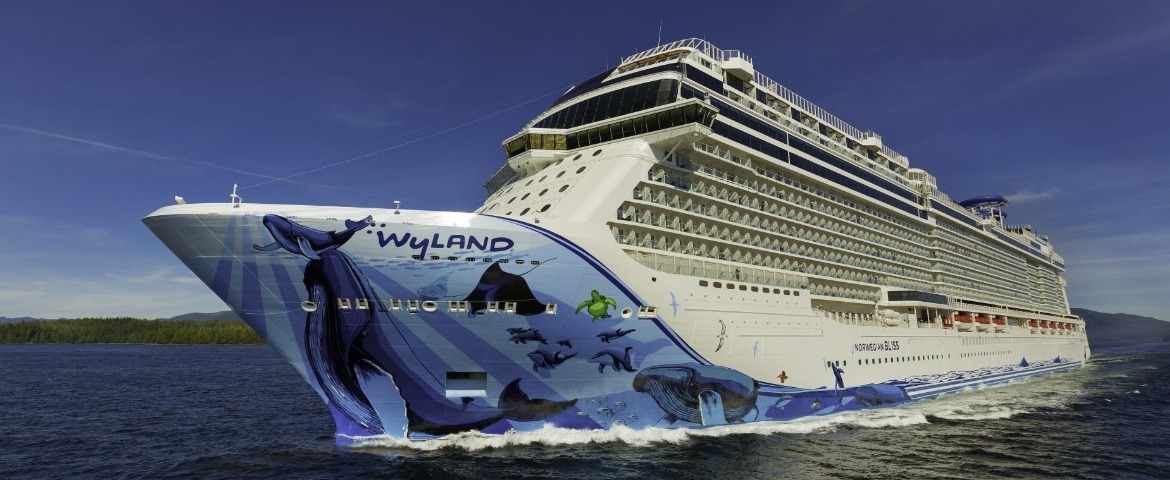
Norwegian Bliss
12 Cruises

Norwegian Sun
15 Cruises
| 6 February | 12 days | Round-trip from Miami, USA |
From
1304$
|
| 17 February | 13 days | Round-trip from Miami, USA |
From
1423$
|
Oceania Cruises (42 Cruises)

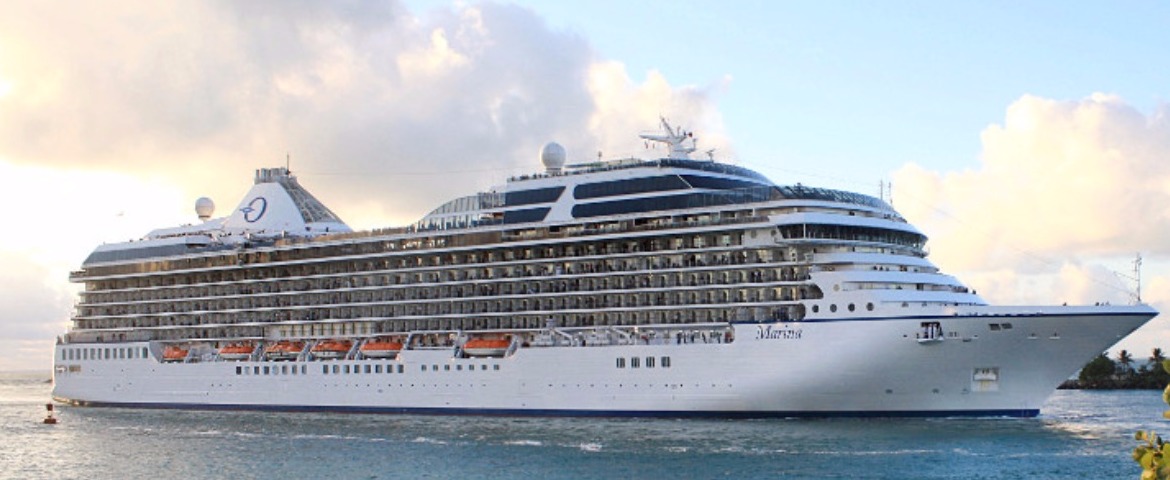
Oceania Marina
12 Cruises
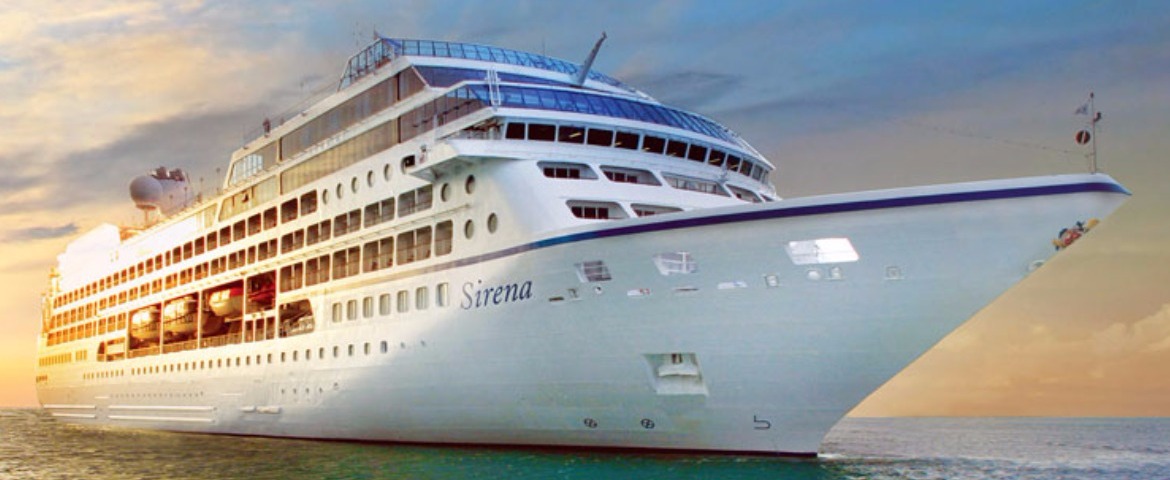
Oceania Sirena
4 Cruises
Oceania Sonata
11 Cruises
| 6 January | 45 days | One-way from Los Angeles to Miami |
450-628-6241
Call us
|
| 6 January | 17 days | One-way from Los Angeles to Miami |
450-628-6241
Call us
|
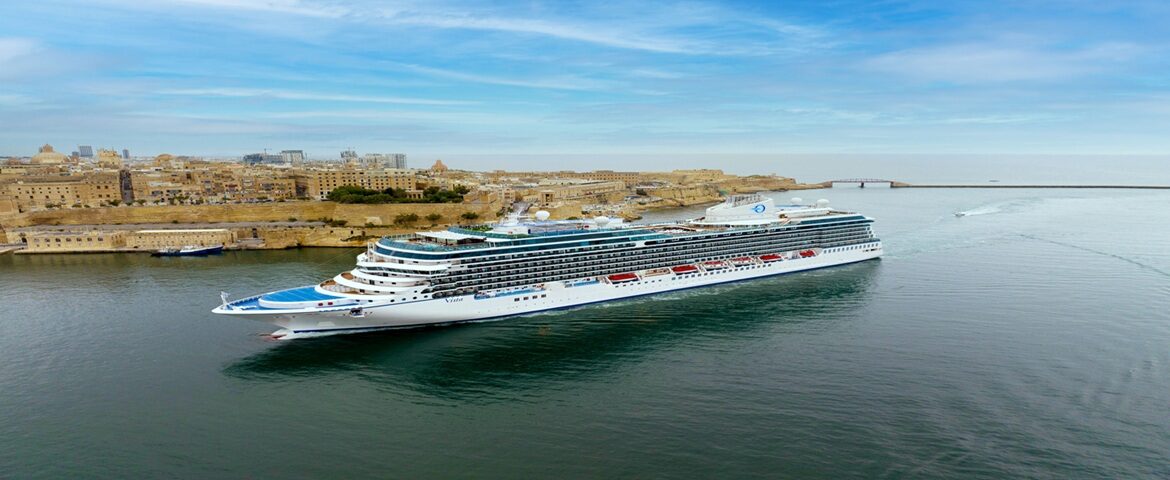
Oceania Vista
12 Cruises

Princess Cruises (29 Cruises)
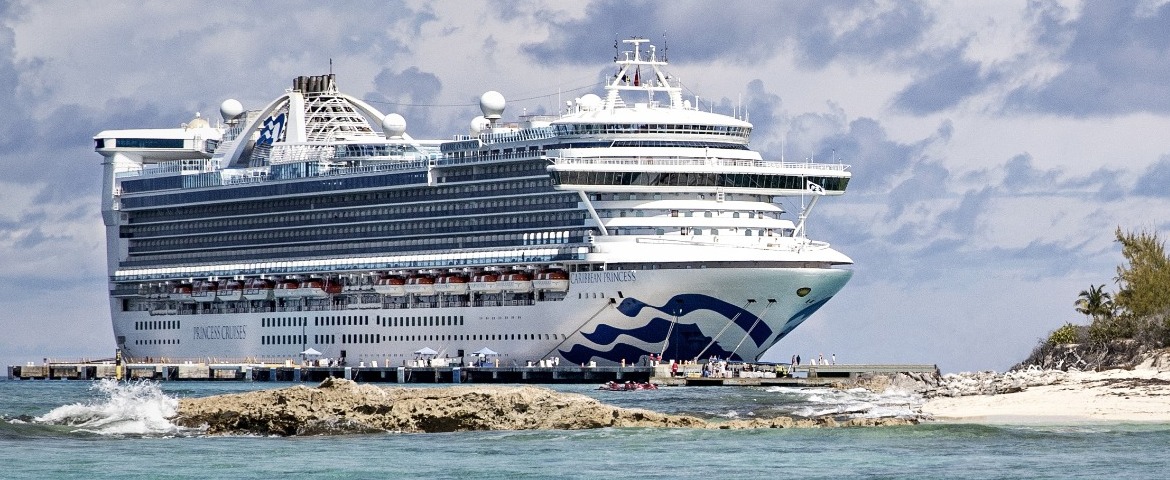
Caribbean Princess
15 Cruises

| 10 January | 13 days | Round-trip from Fort Lauderdale, USA |
450-628-6241
Call us
|
| 22 January | 13 days | Round-trip from Fort Lauderdale, USA |
450-628-6241
Call us
|
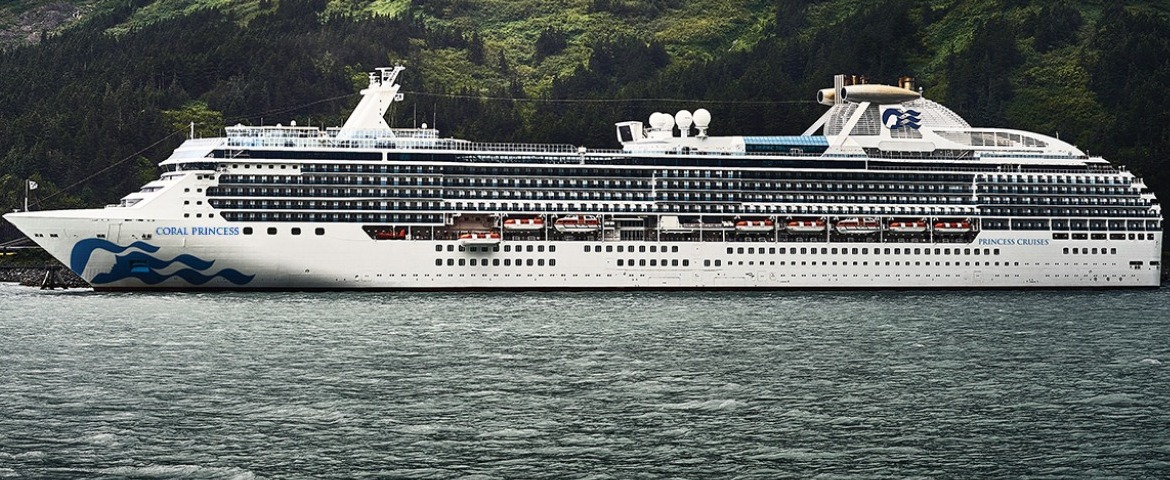
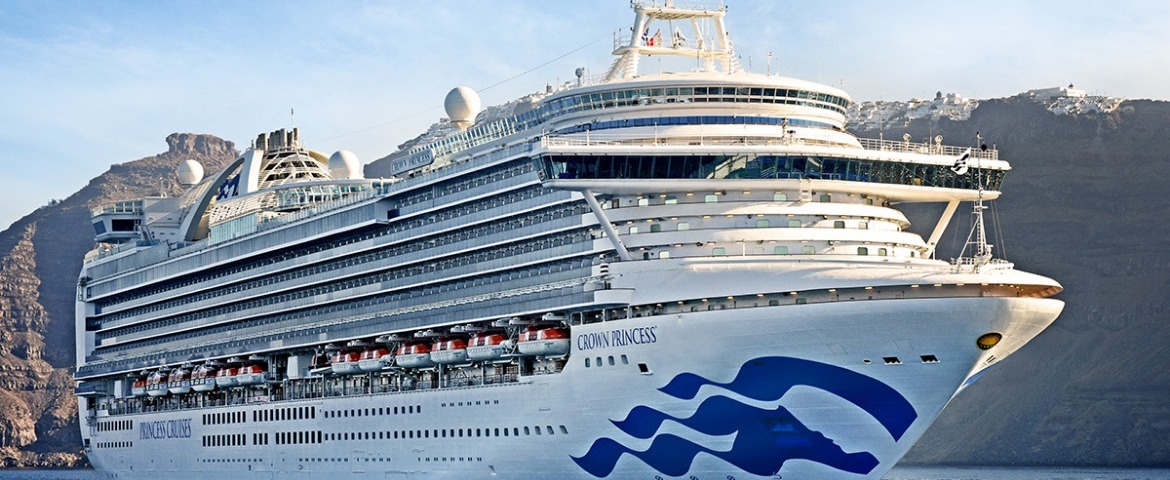
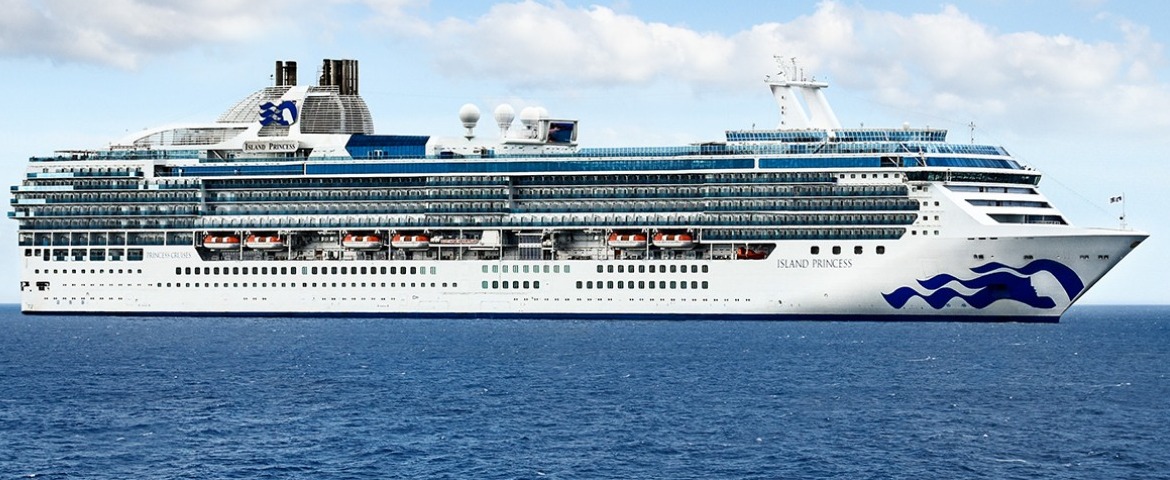
Coral Princess
12 Cruises
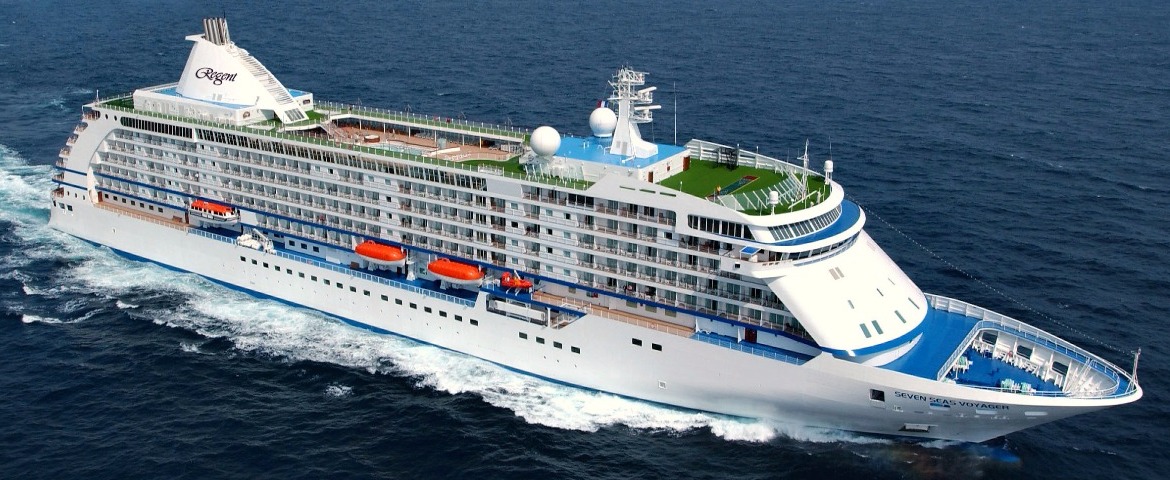
Regent Seven Seas Cruises (23 Cruises)
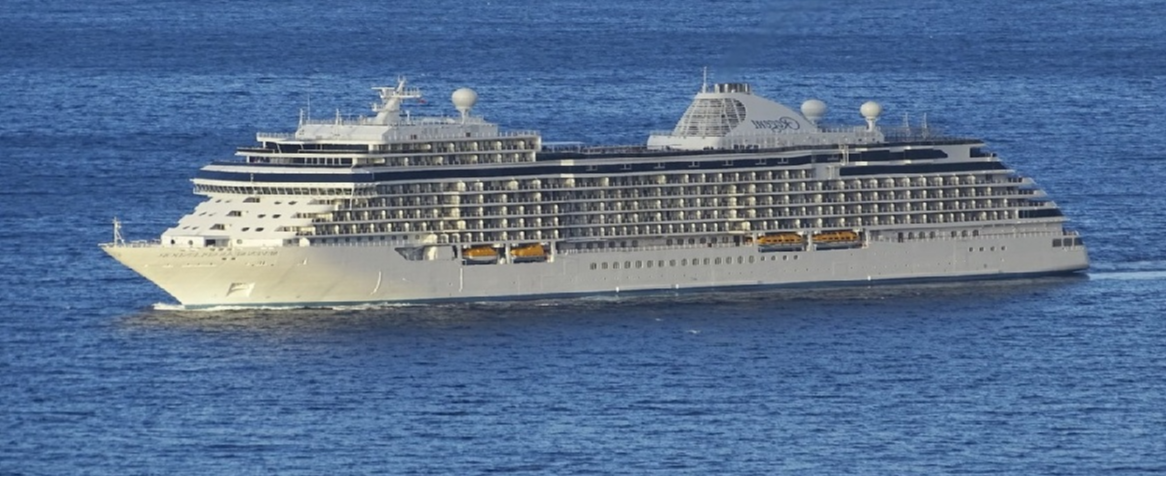
Seven Seas Grandeur
7 Cruises

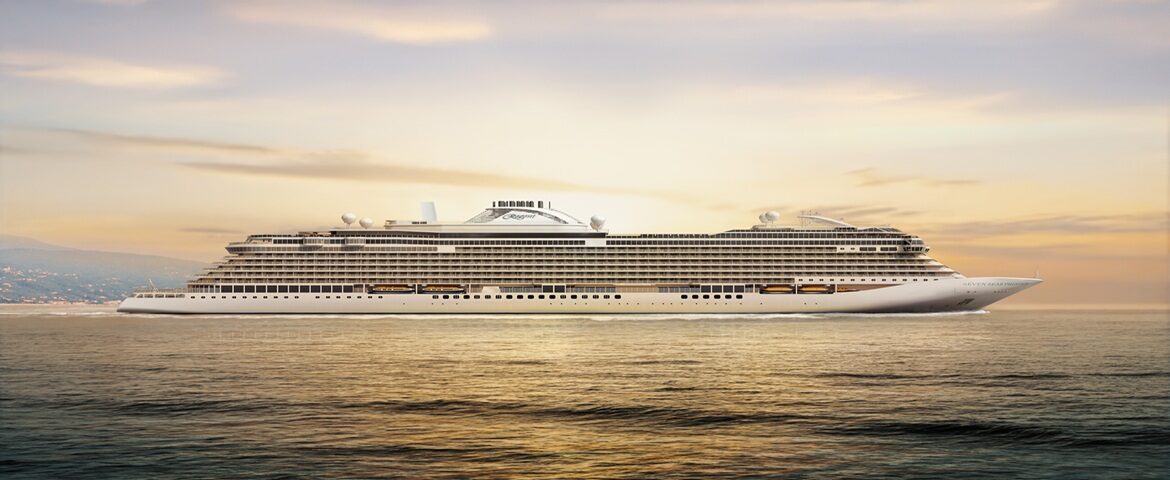
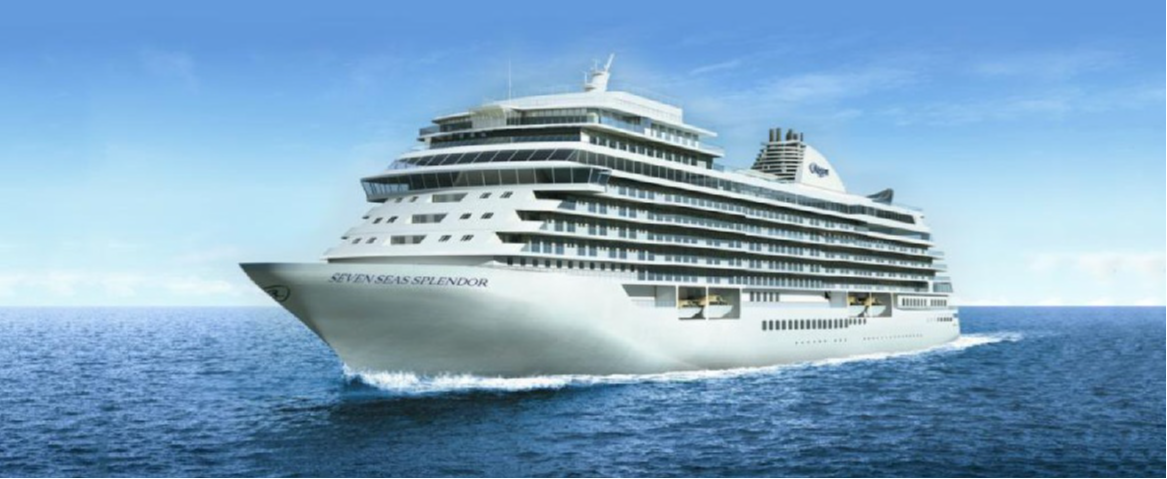
Seven Seas Splendor
7 Cruises
Royal Caribbean Cruises (91 Cruises)
Grandeur of the Seas
90 Cruises


| 24 October | 8 days | Round-trip from Colon, Panama |
From
1378$
|
| 25 October | 8 days | Round-trip from Cartagena Colombia, Colombia |
From
1947$
|
| 31 October | 8 days | Round-trip from Colon, Panama |
From
1558$
|



Seabourn Cruise Line (8 Cruises)
Seabourn Quest
8 Cruises

Silversea Cruises (7 Cruises)

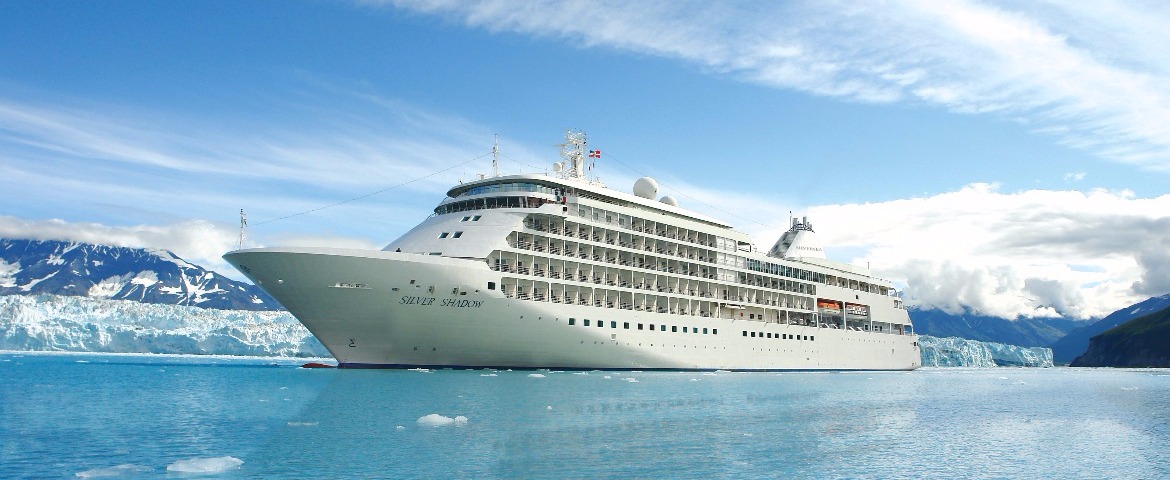
Silver Shadow
5 Cruises

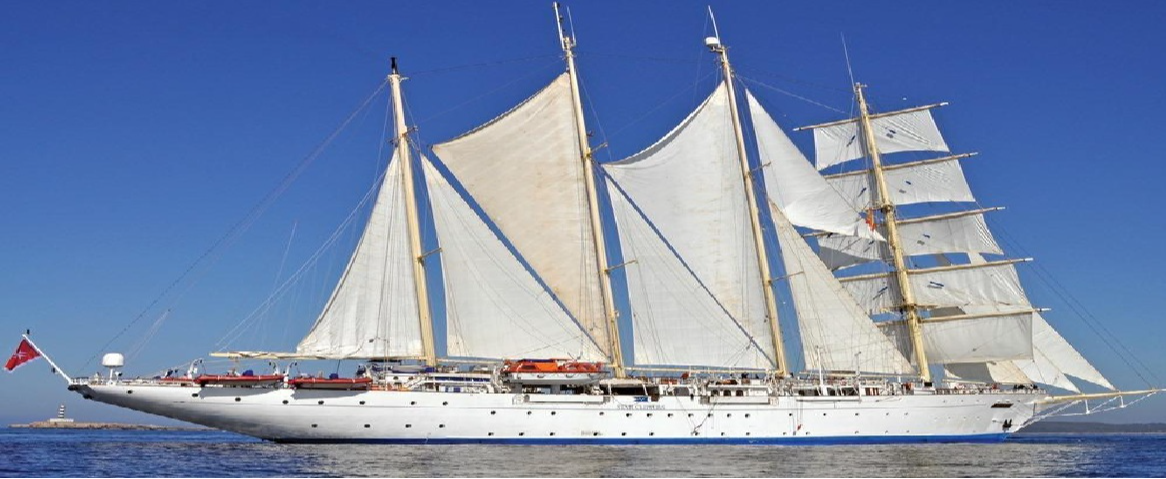
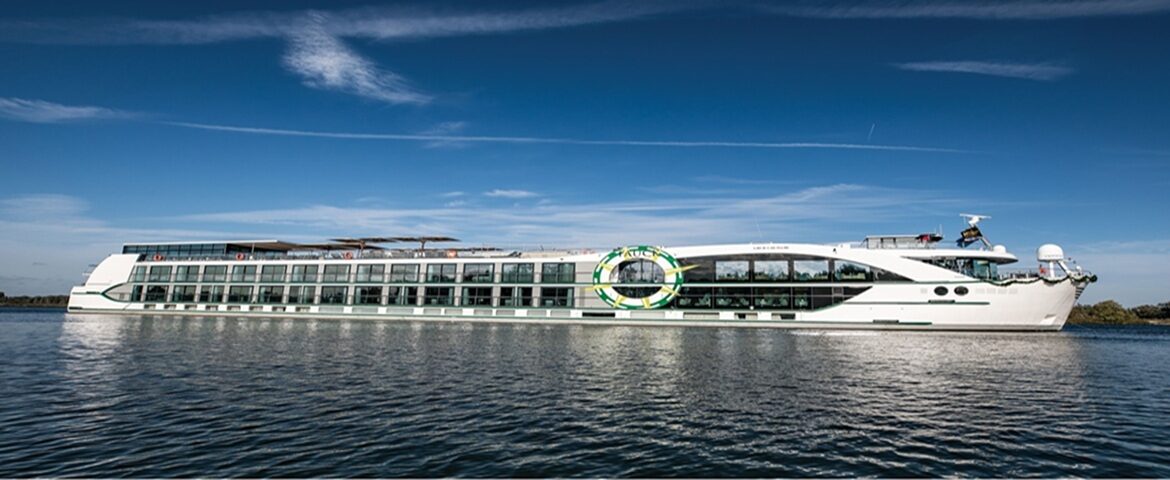
Tauck Cruises (1 Cruises)

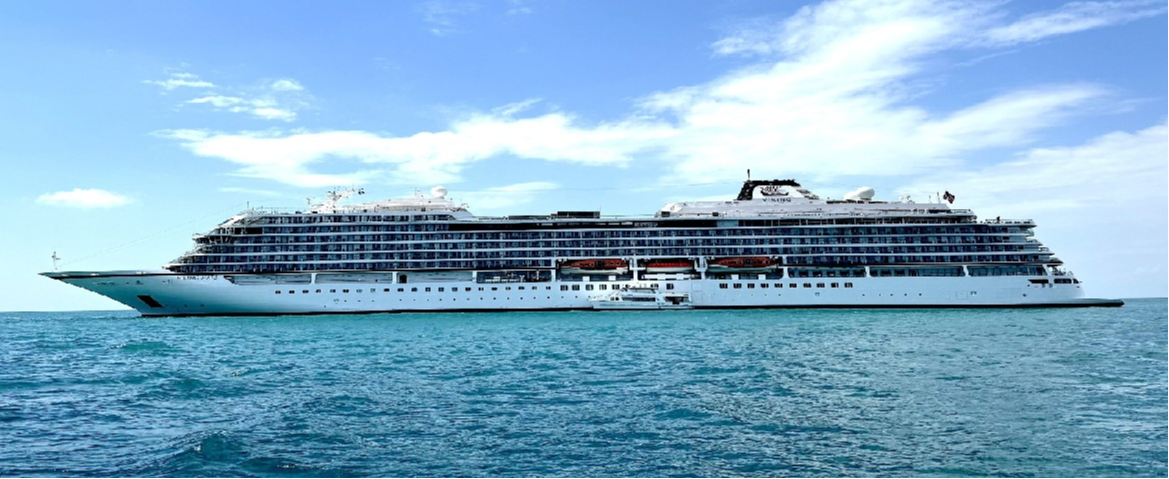

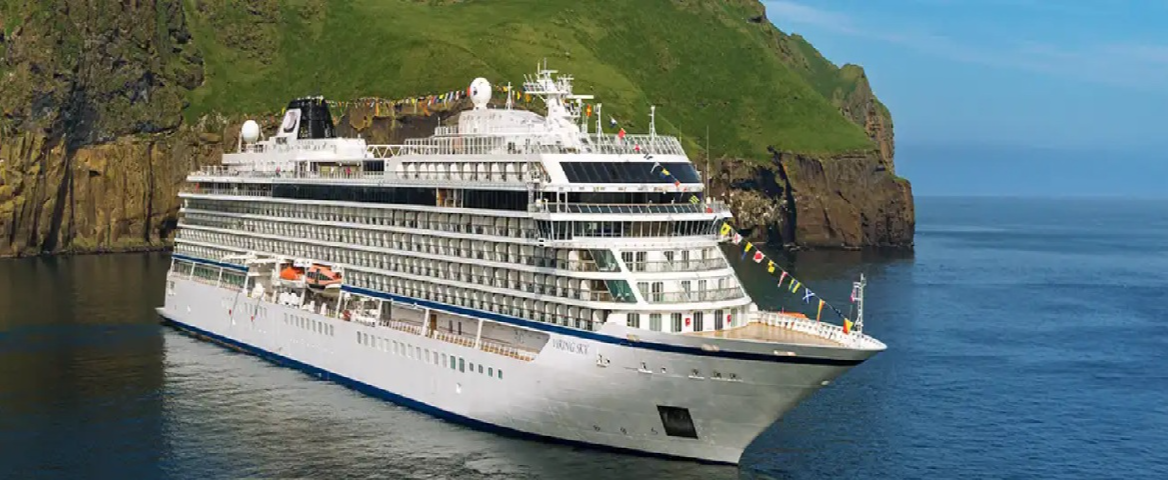
Virgin Voyages (8 Cruises)
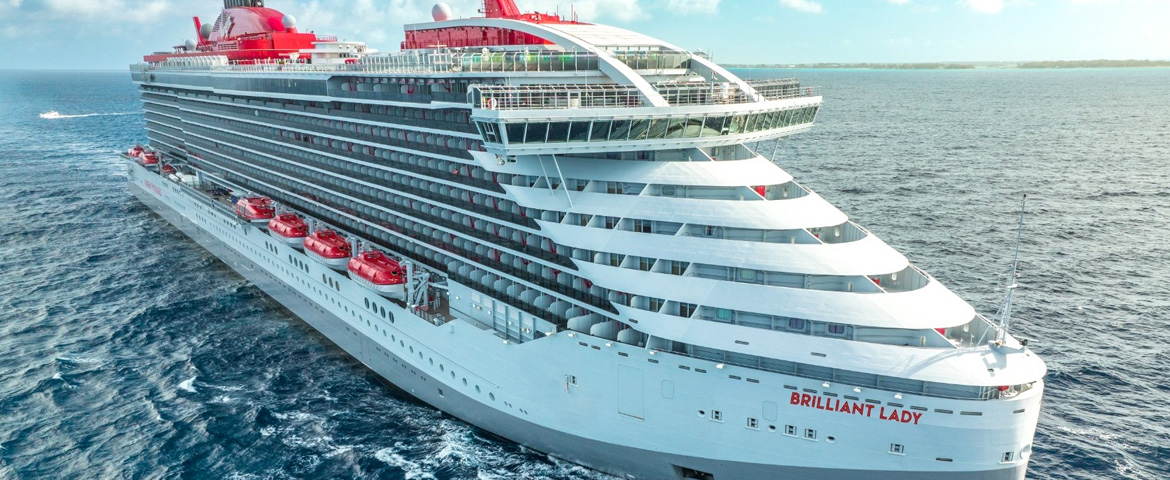

Windstar Cruises (27 Cruises)
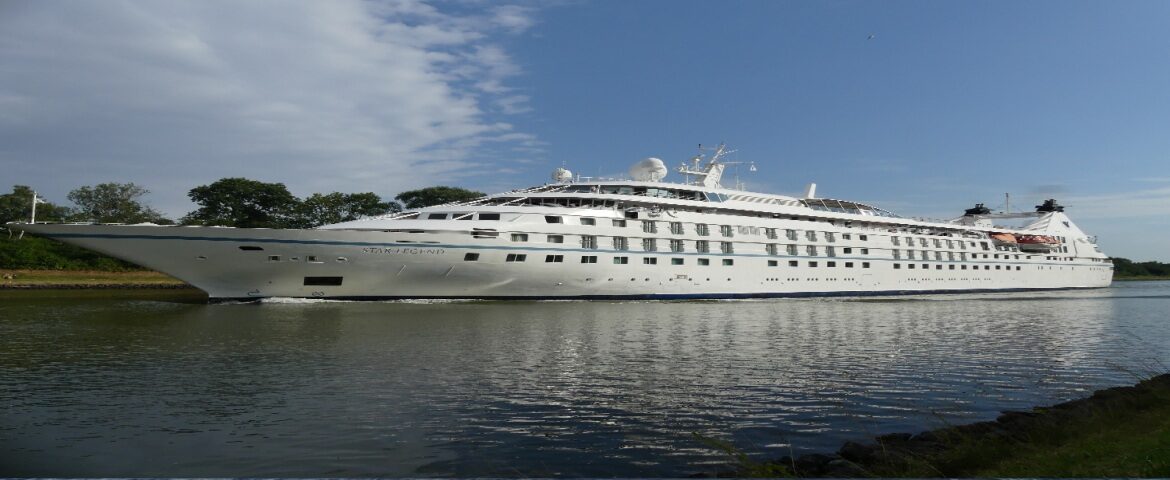
Star Legend
10 Cruises

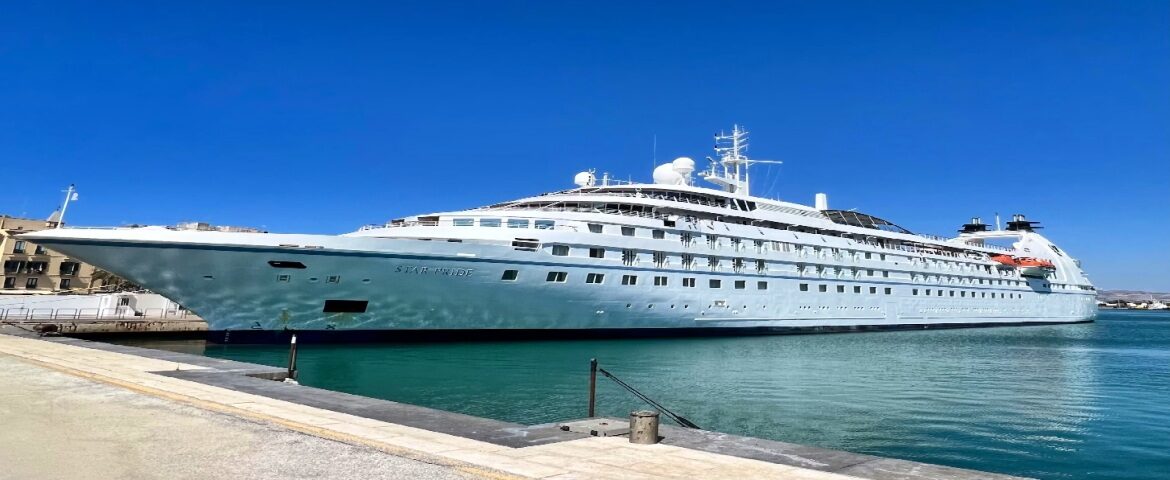
Star Pride
13 Cruises
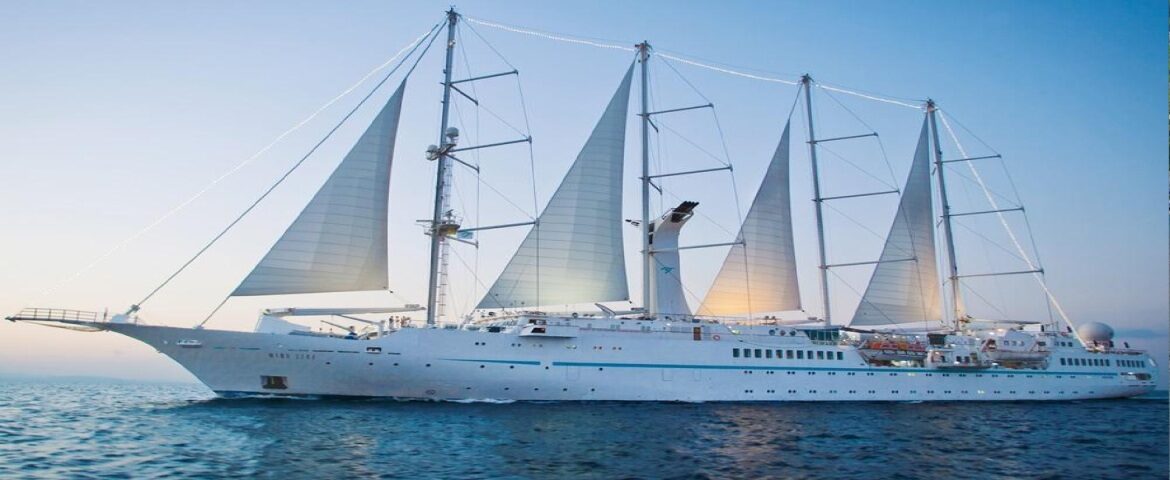
Wind Star
4 Cruises

Cartagena Spain | Mediterranean Cruise Port Guide
Frequently Asked Questions
At the cruise terminal, which opens directly onto the centre. Everything is walkable: eight minutes separate the gangway from the seats of the Roman theatre.
A theatre from the 1st century BC, cut into the hillside, that lay hidden beneath houses until the 1990s. Building work uncovered it, and its restored semicircle can now be visited with columns re-erected and the stage outlined.
A good hour, more if archaeology grips you. The adjoining museum route crosses the city's layers before emerging, unexpectedly, in the middle of the seating. Morning light there is particularly fine.
A hill that served as the forum of Carthago Nova, where excavation has revealed baths, a banqueting hall and temple foundations. Archaeologists are still at work and walkways let you watch the dig.
A house from the 1st century BC that preserves mosaics and wall paintings. You walk on the original roadway, between the rooms where a well-off Roman family lived.
The Carthaginians founded Carthago Nova here, the Romans made it one of the great cities of their empire, and the Spanish navy still keeps ships in it. Its deep harbour, ringed by hills, has sheltered fleets for more than two thousand years.
A redeveloped promenade along the basins, with views of the forts guarding the harbour mouth and a stretch of water mixing grey naval vessels, pleasure yachts and visiting ships. In season, boat trips circle the harbour.
On Calle Mayor, the pedestrian spine of the centre, lined with shops, terraces and ornate façades. You stop there for a coffee or a plate of tapas, shoulder to shoulder with residents.
No, and that is its great luxury: everything sits within a kilometre of the terminal. No coaches, no transfers, and you can drop your purchases back aboard before heading out again.
Two different cities. This one is in Murcia, on Spain's Mediterranean coast; the other, Cartagena de Indias, is in Colombia on the Caribbean. Check the itinerary if the name gave you pause.


