Casablanca Marrakesh, Morocco
Morocco
392
Cruises availables
At departure or passage at this port
Atlas Ocean Voyages (6 Cruises)

World Voyager
4 Cruises
Aurora Expeditions (1 Cruises)

Azamara Club Cruises (28 Cruises)
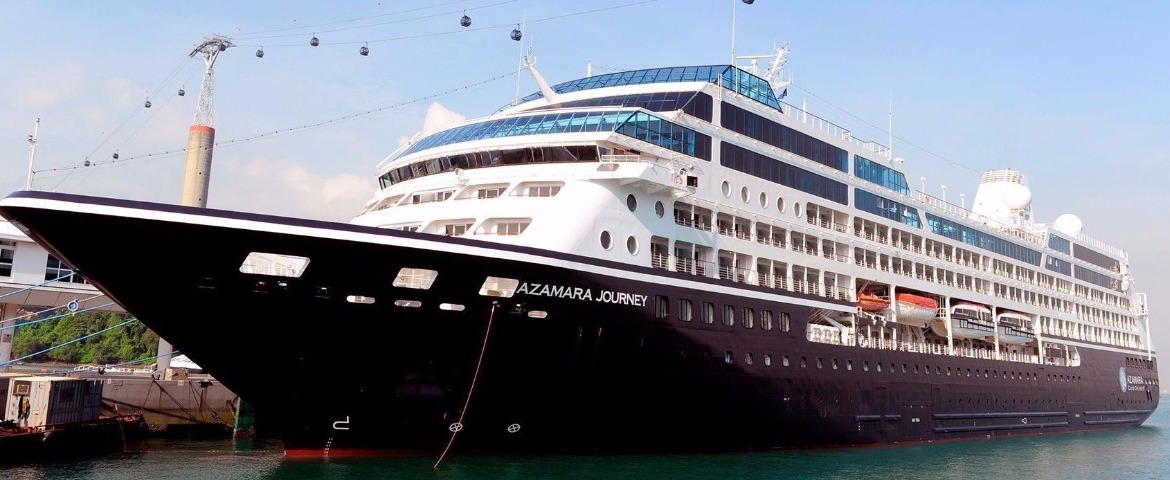
Azamara Journey
7 Cruises

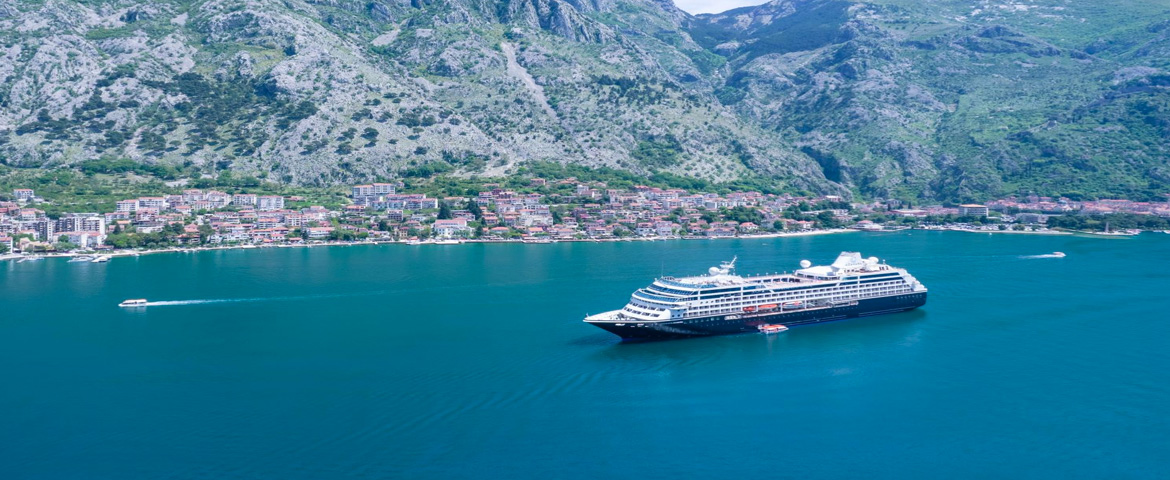
Azamara Onward
21 Cruises
| 17 November | 12 days | One-way from Lisbon to Barcelona |
450-628-6241
Call us
|
| 17 November | 19 days | One-way from Lisbon to Civitavecchia-Rome |
450-628-6241
Call us
|
| 1 March | 93 days | One-way from Sydney to Barcelona |
450-628-6241
Call us
|
| 1 March | 94 days | One-way from Sydney to Barcelona |
450-628-6241
Call us
|
| 10 April | 53 days | One-way from Singapore to Barcelona |
450-628-6241
Call us
|
| 10 April | 54 days | One-way from Singapore to Barcelona |
450-628-6241
Call us
|
Celebrity Cruises (11 Cruises)

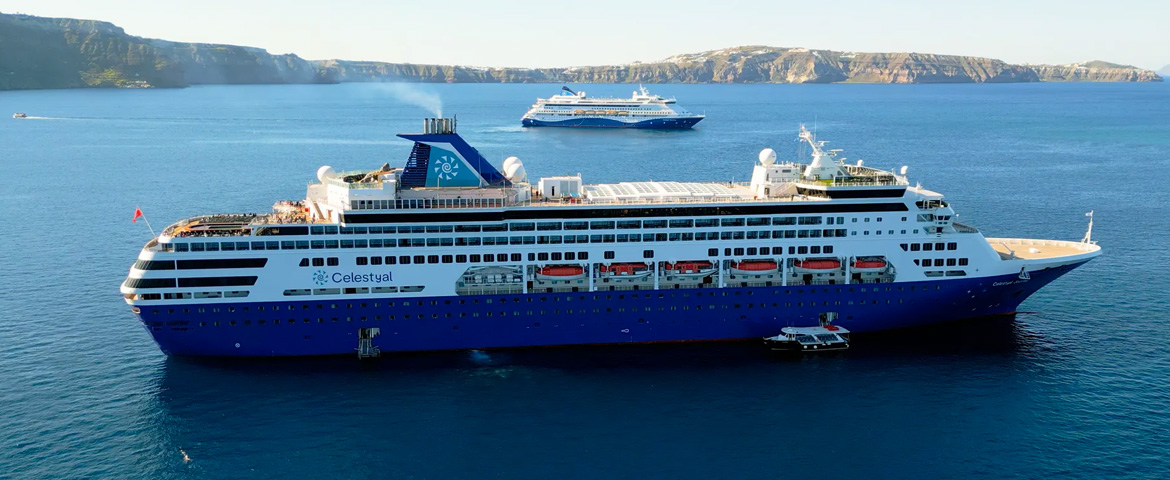
Celestyal Cruises (23 Cruises)
Celestyal Discovery
23 Cruises

Costa Cruises (22 Cruises)
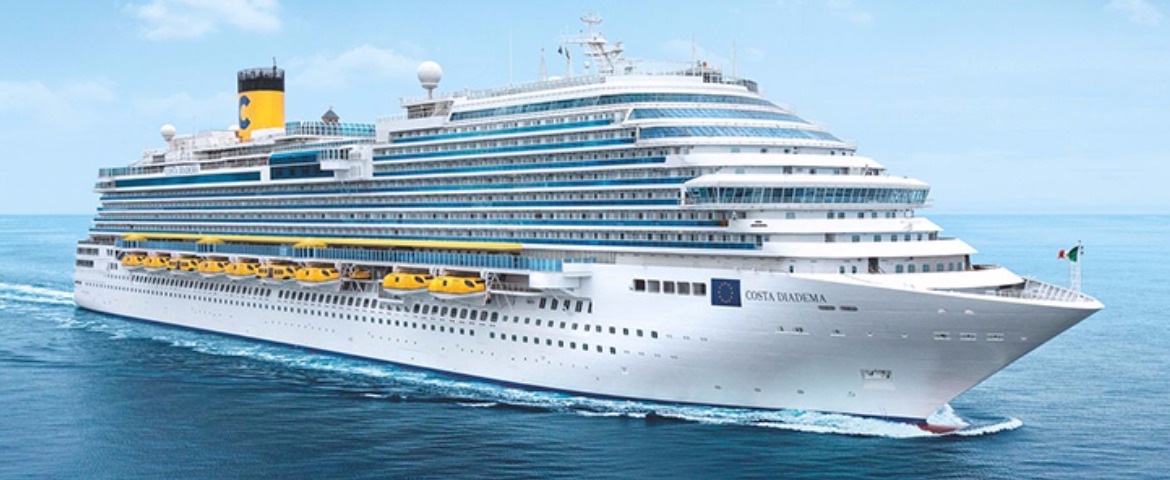
Costa Diadema
10 Cruises

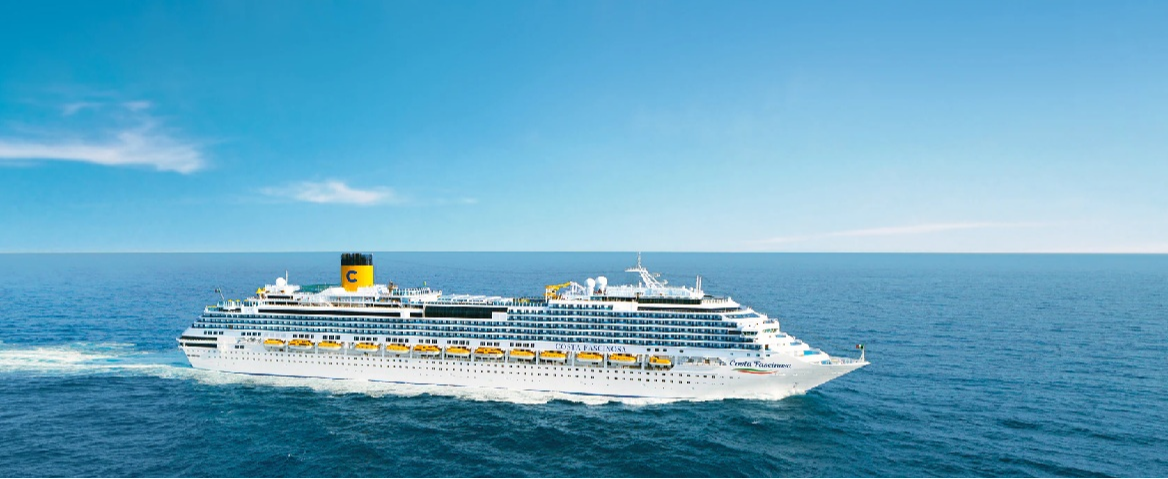
Costa Fascinosa
8 Cruises
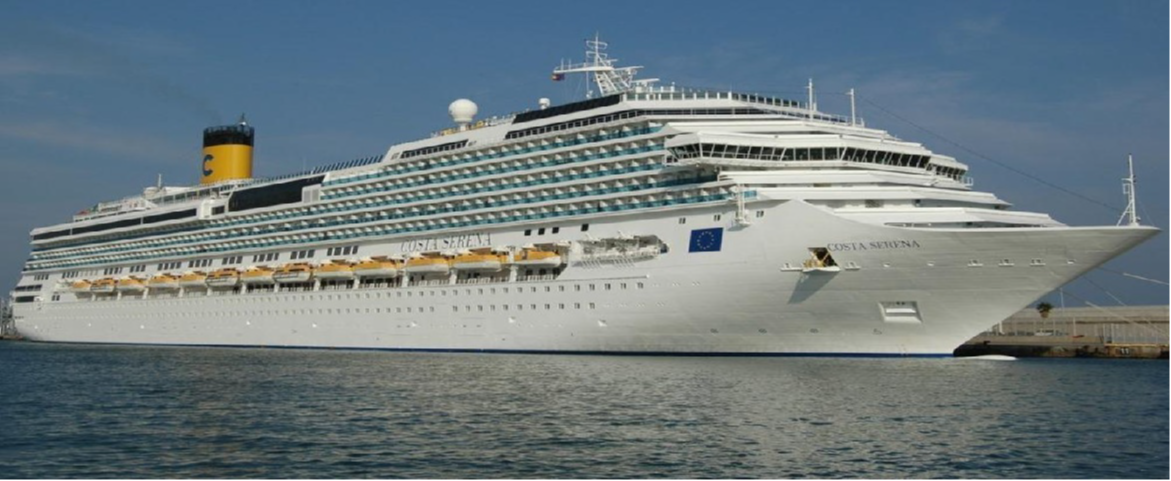
Costa Serena
4 Cruises
CroisiEurope (6 Cruises)

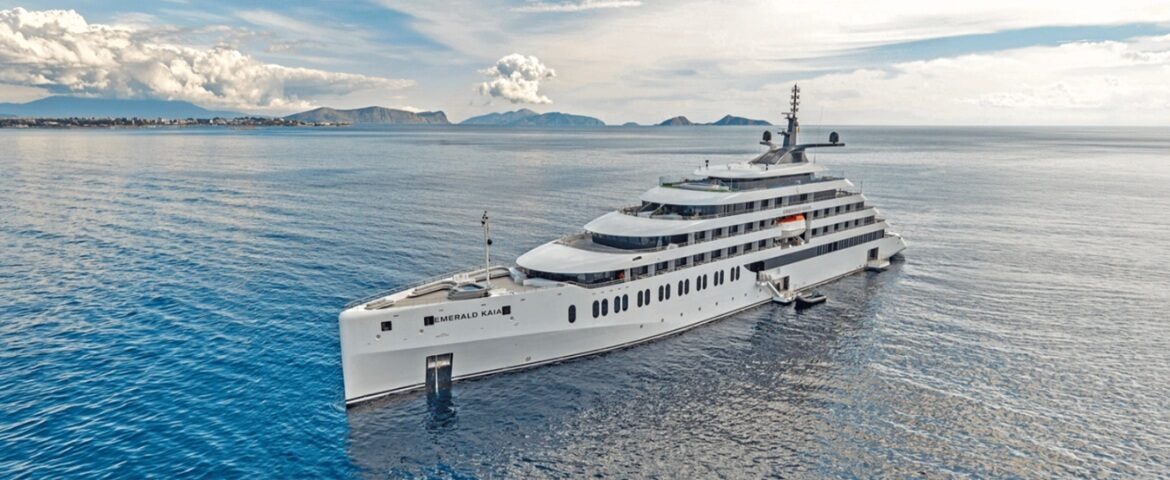
Emerald Waterways (1 Cruises)

Explora Journeys (20 Cruises)
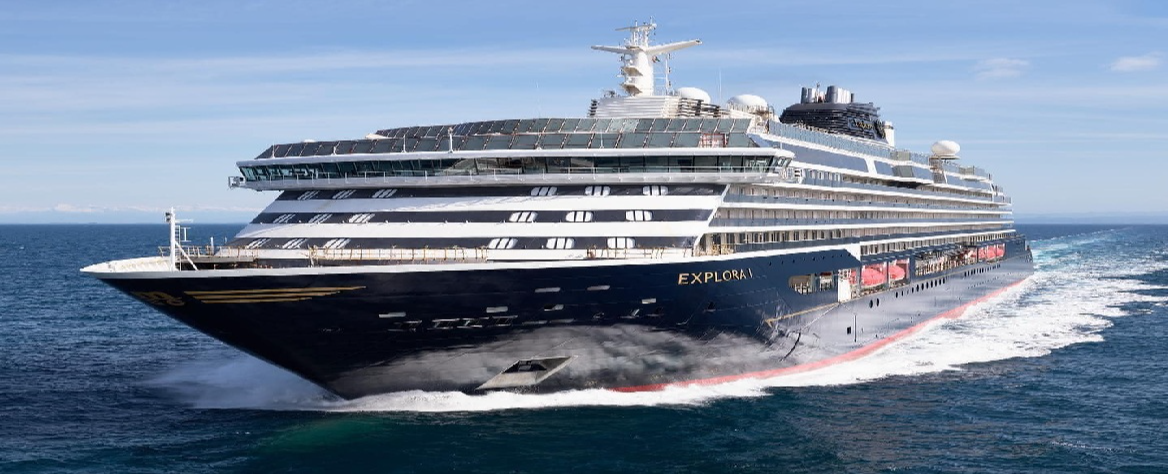

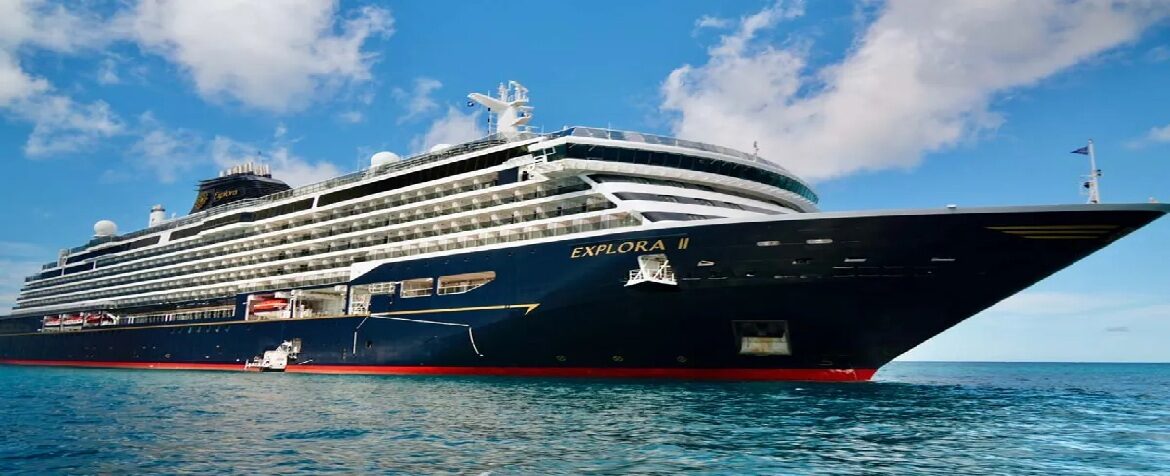
Explora II
18 Cruises
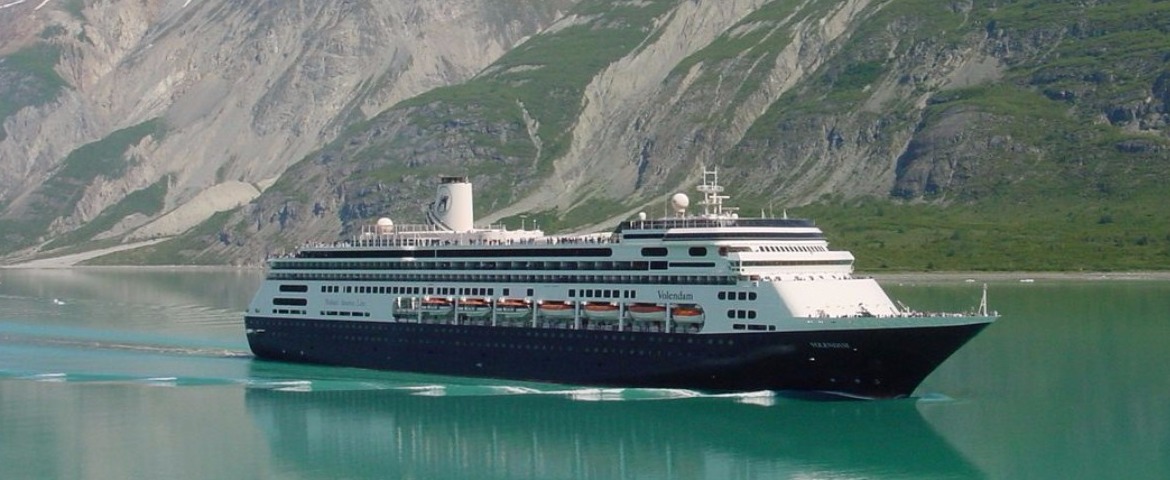
Holland America Line (2 Cruises)

Lindblad Expeditions (2 Cruises)

MSC Cruises (67 Cruises)
MSC Divina
8 Cruises

MSC Magnifica
32 Cruises
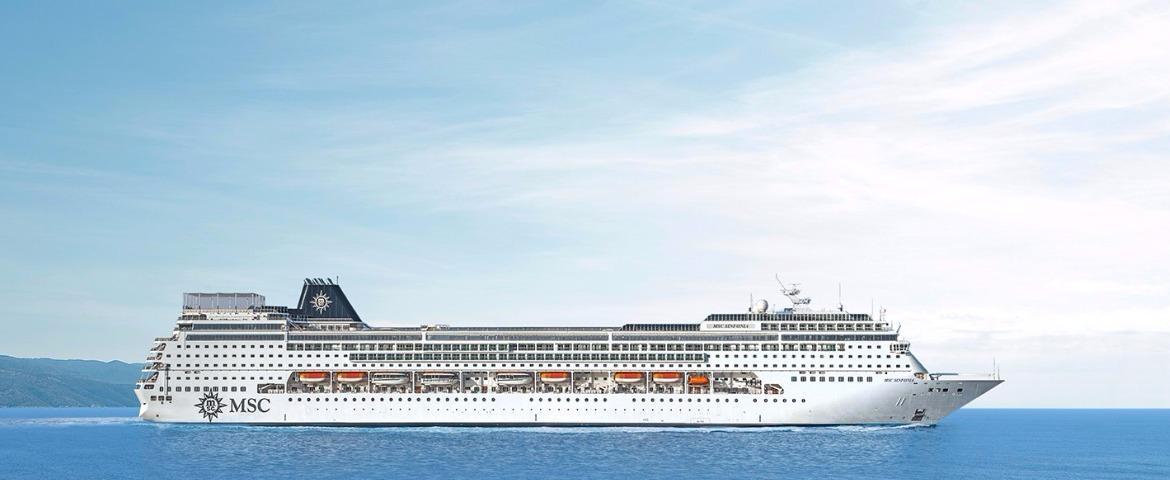
MSC Sinfonia
12 Cruises
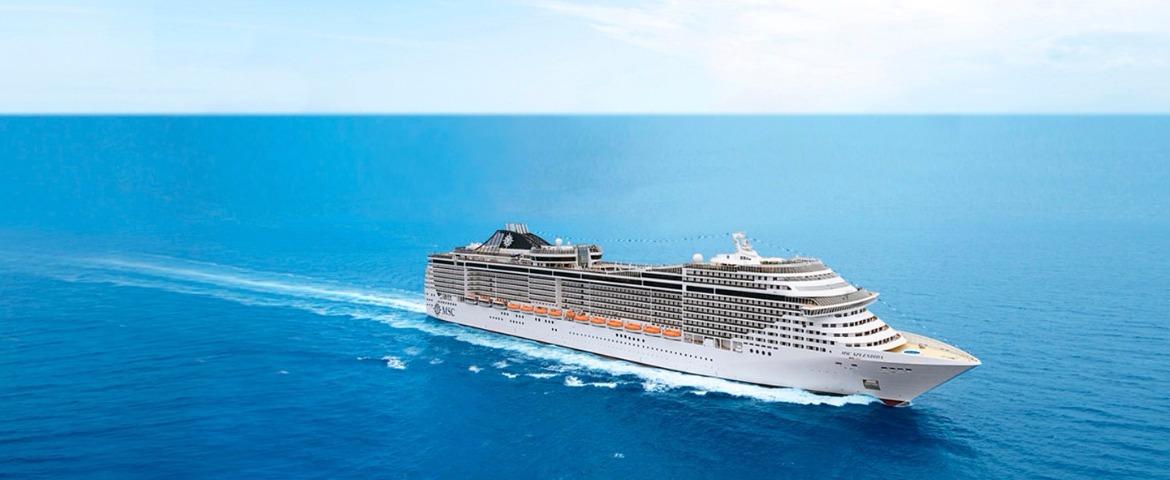
MSC Splendida
5 Cruises
MSC World Europa
8 Cruises
 Image not available
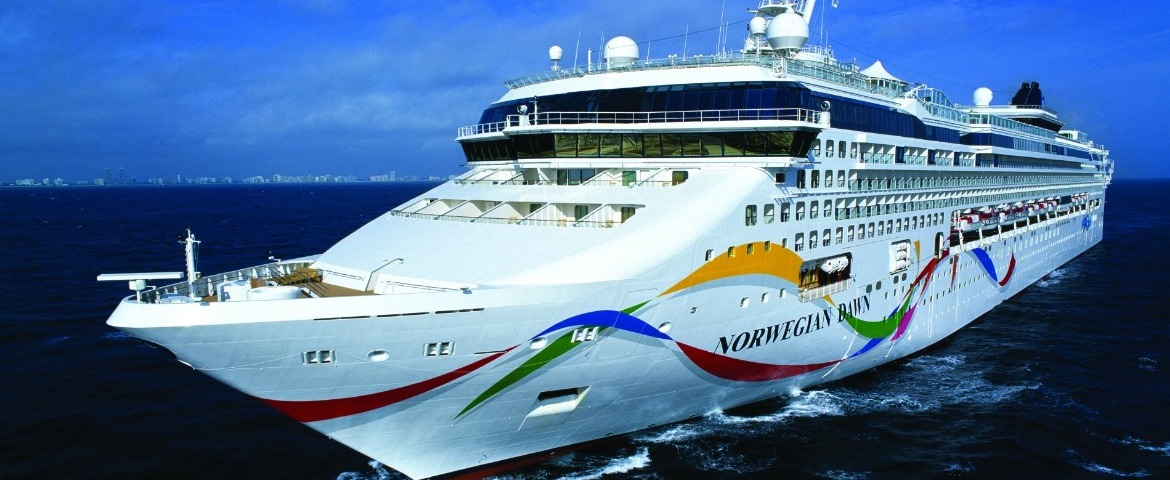
Norwegian Cruise Line (9 Cruises)

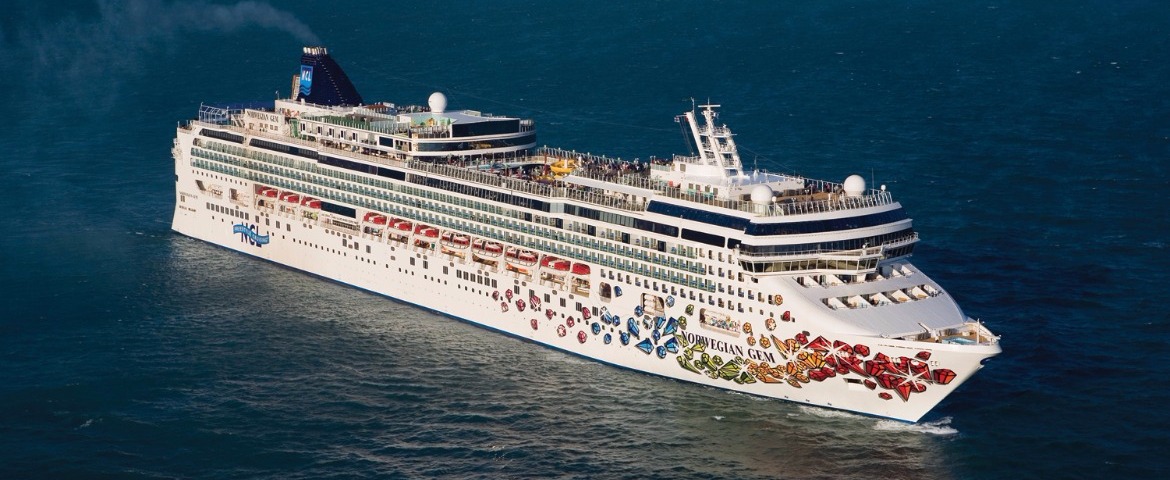
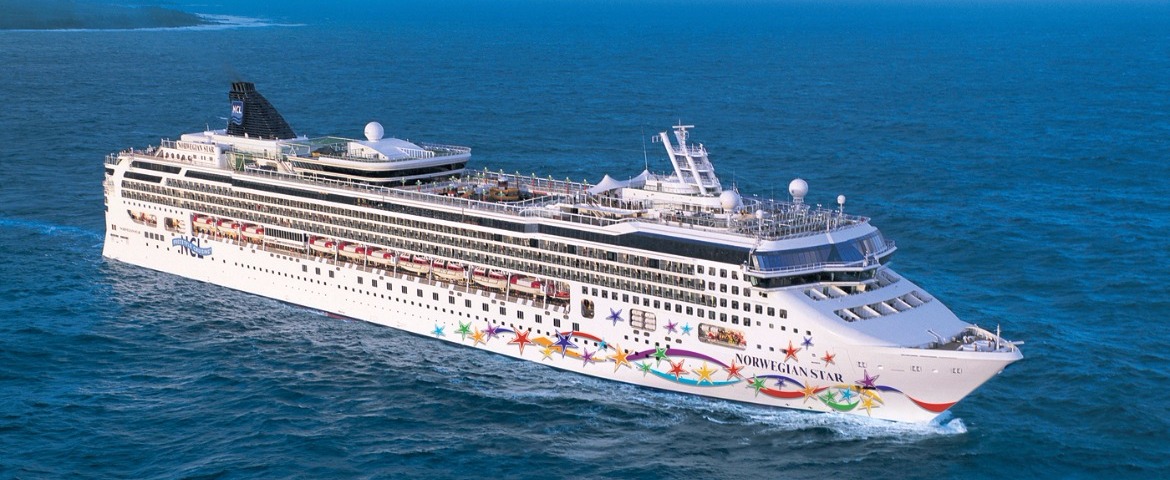
Oceania Cruises (20 Cruises)
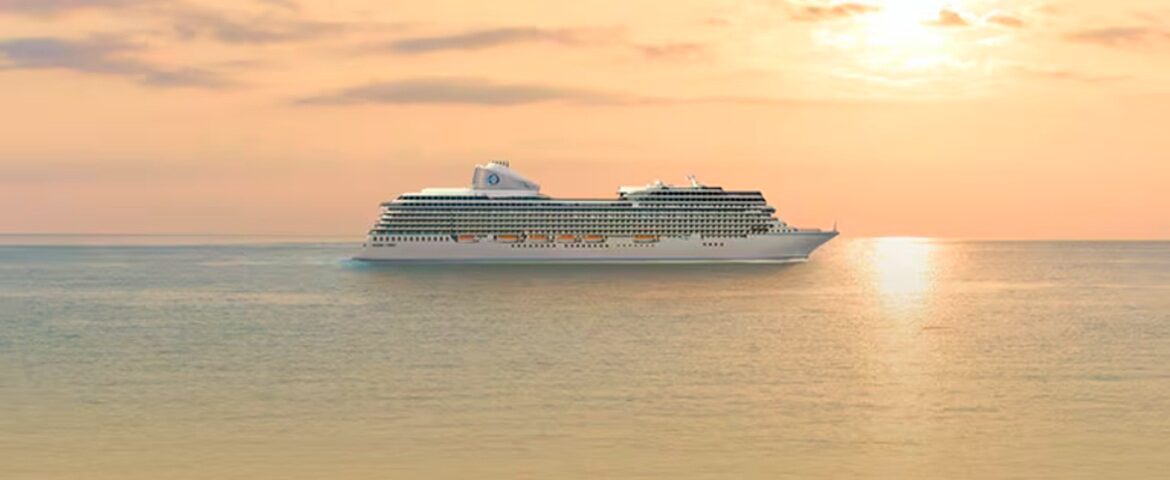

Oceania Marina
6 Cruises
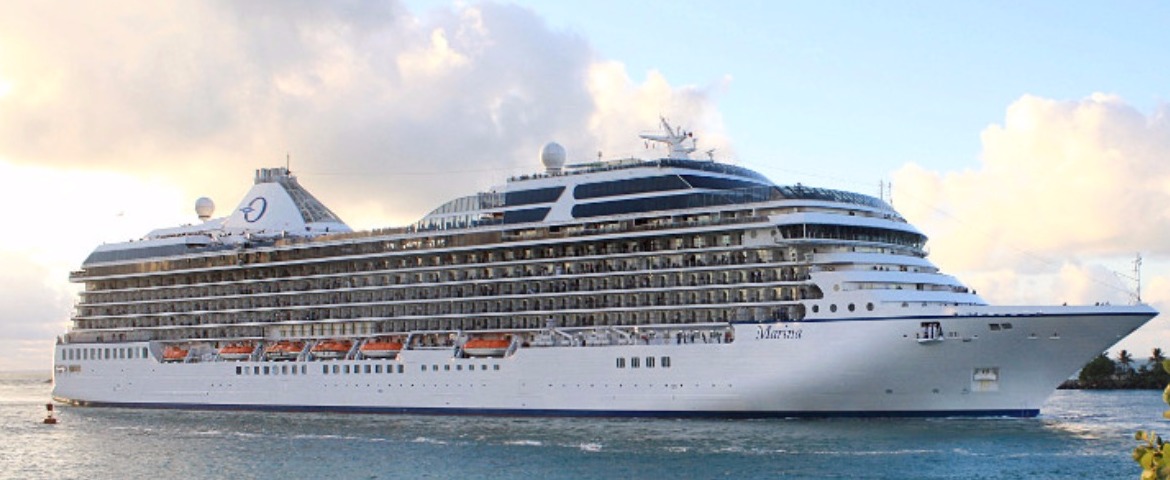
Oceania Sirena
6 Cruises
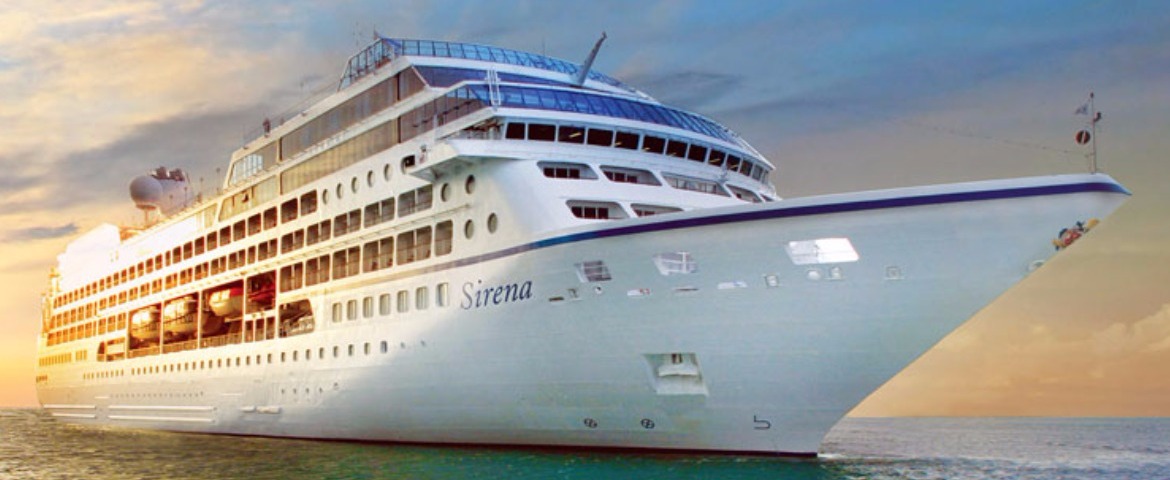
| 12 November | 39 days | One-way from Istanbul to Lisbon |
450-628-6241
Call us
|
| 12 November | 40 days | One-way from Istanbul to Lisbon |
450-628-6241
Call us
|
Ponant (11 Cruises)

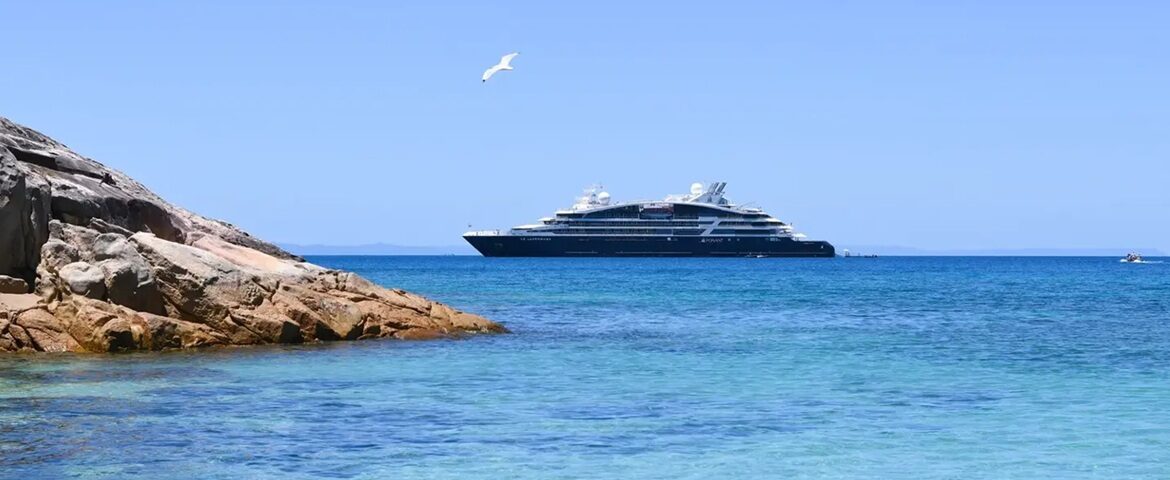
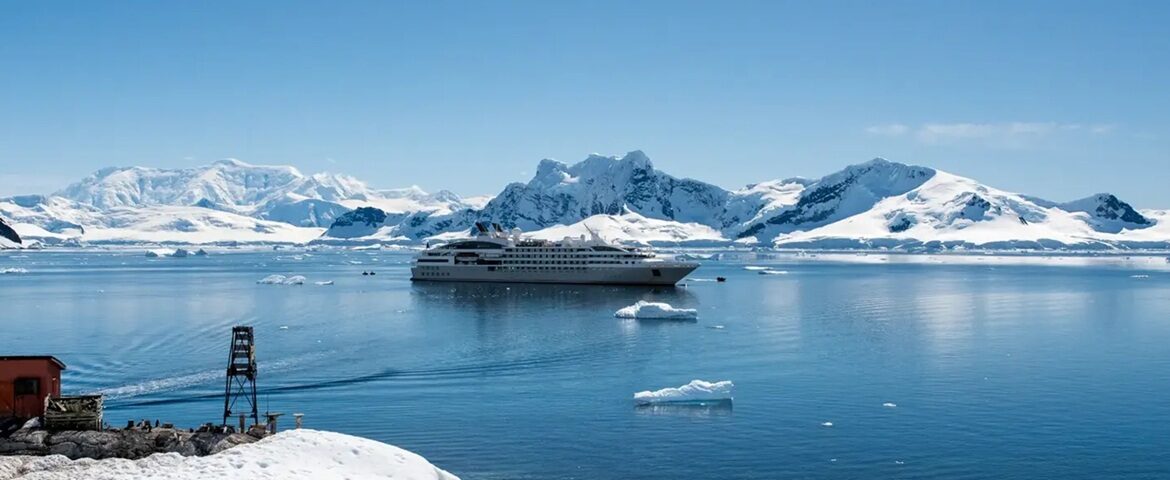
Princess Cruises (31 Cruises)
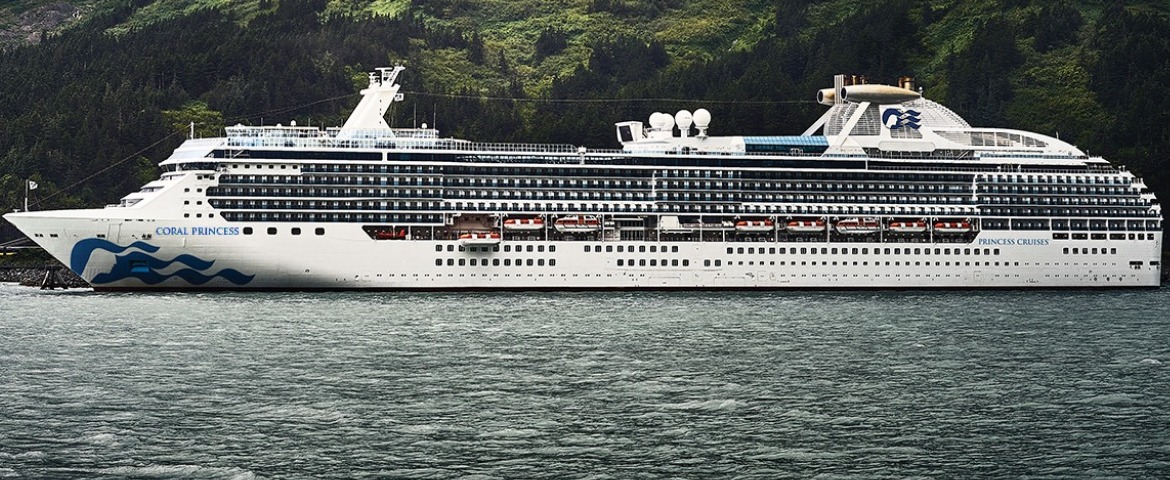
Coral Princess
10 Cruises

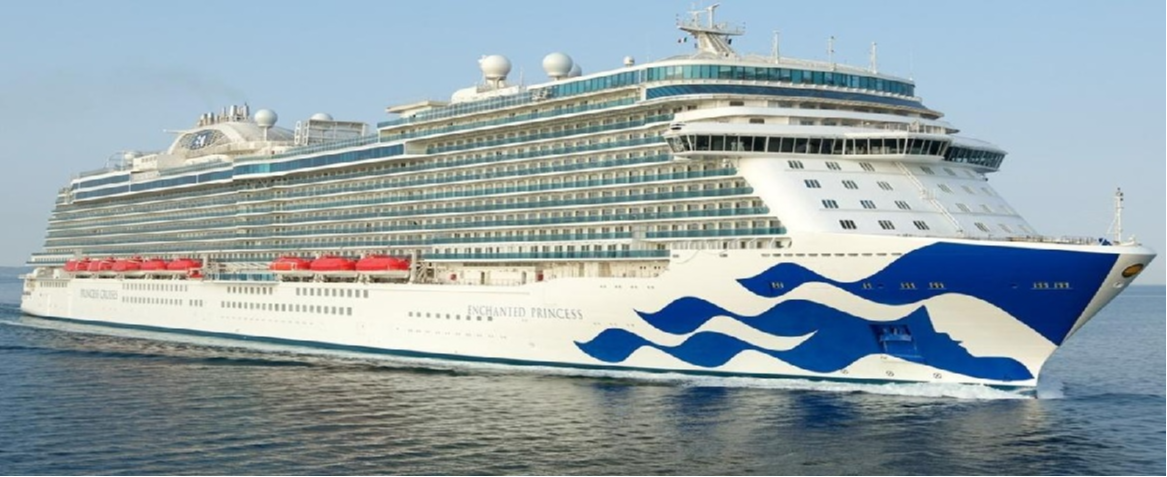
Majestic Princess
10 Cruises
| 24 January | 52 days | One-way from Buenos Aires to Southampton |
450-628-6241
Call us
|
| 25 January | 53 days | One-way from Buenos Aires to Southampton |
450-628-6241
Call us
|
Regent Seven Seas Cruises (27 Cruises)

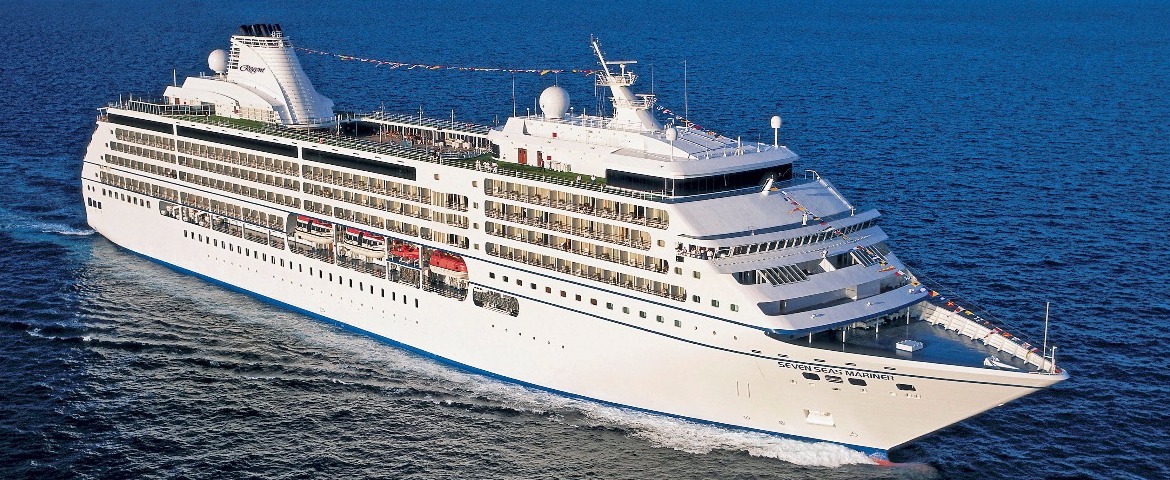
Seven Seas Mariner
6 Cruises
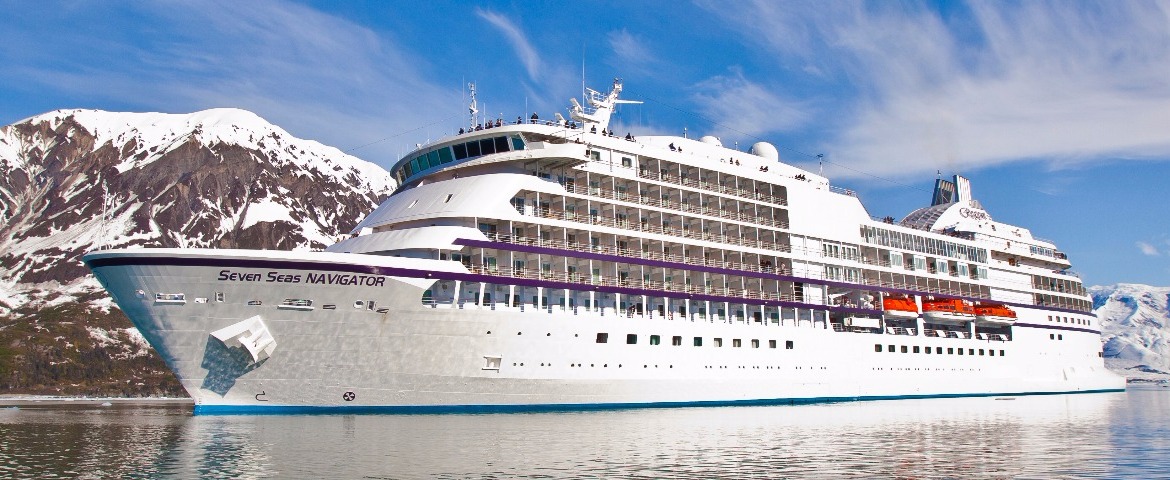
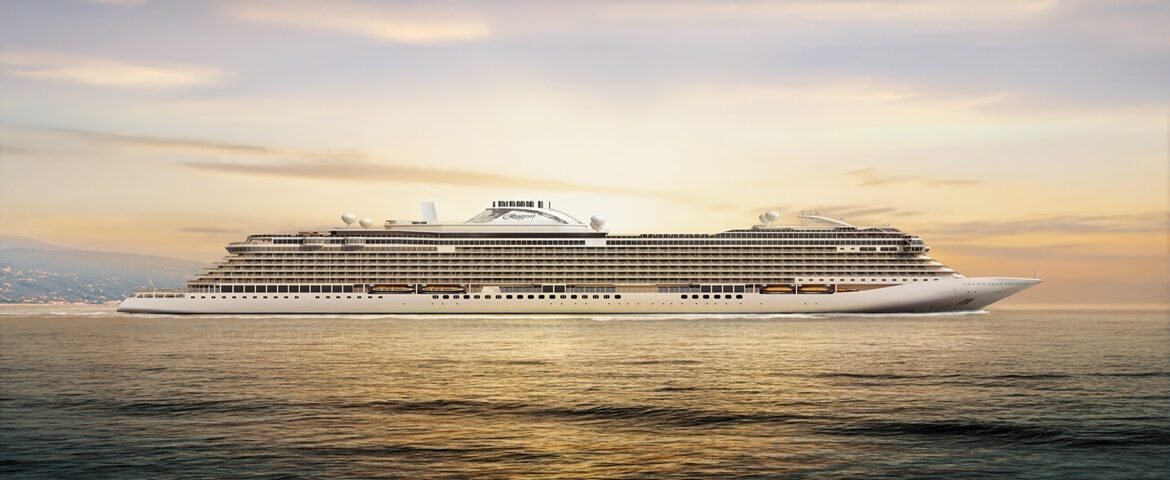
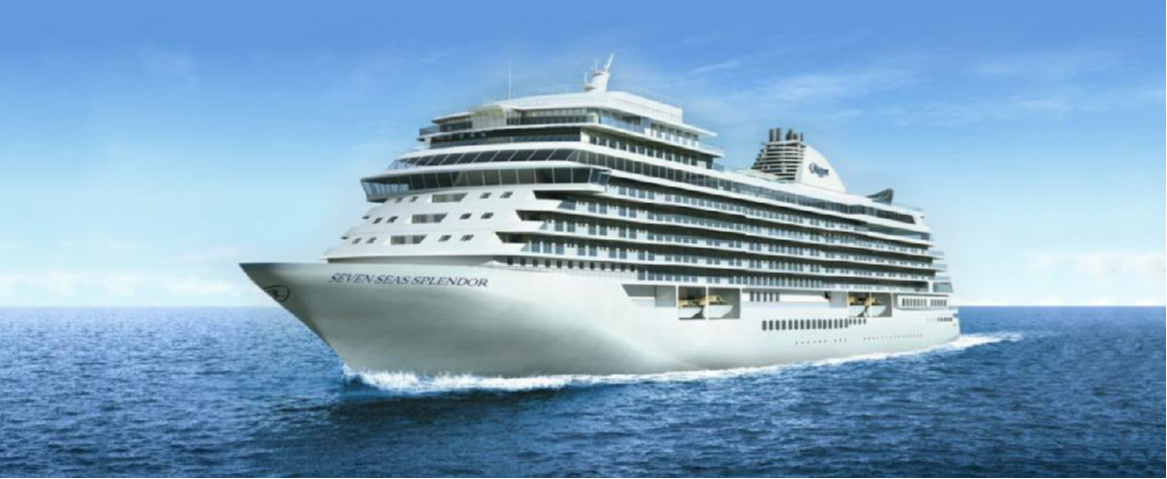
Seven Seas Splendor
6 Cruises
Royal Caribbean Cruises (15 Cruises)
Mariner of the Seas
13 Cruises


| 11 May | 8 days | Round-trip from Barcelona, Spain |
From
1161$
|
| 18 May | 10 days | One-way from Barcelona to Lisbon |
From
1450$
|
| 27 May | 10 days | One-way from Lisbon to Barcelona |
From
1435$
|
| 16 July | 8 days | Round-trip from Barcelona, Spain |
From
1298$
|
| 23 July | 8 days | One-way from Barcelona to Lisbon |
From
1704$
|
| 30 July | 8 days | One-way from Lisbon to Barcelona |
From
3514$
|

Seabourn Cruise Line (13 Cruises)
Seabourn Quest
10 Cruises
Silversea Cruises (11 Cruises)
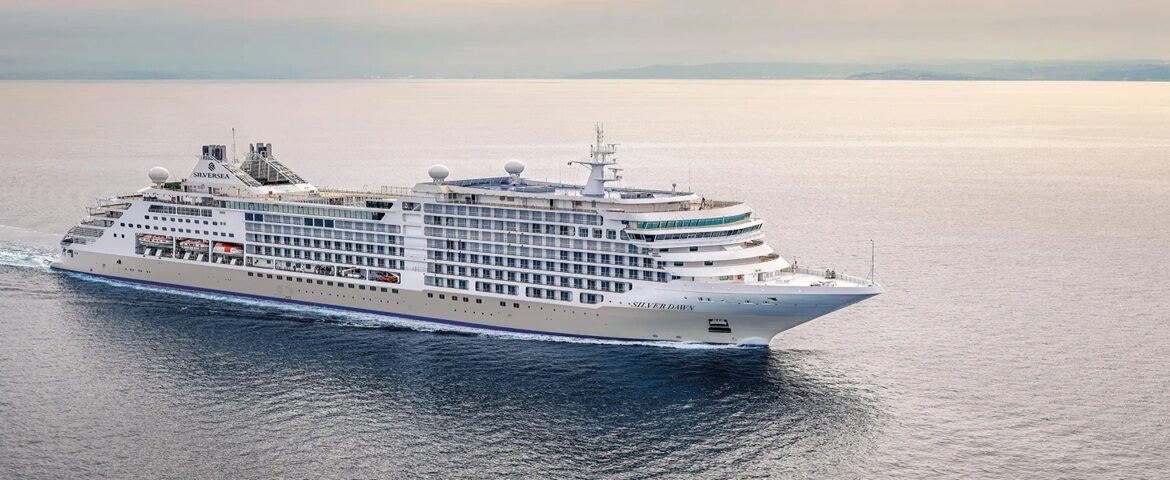

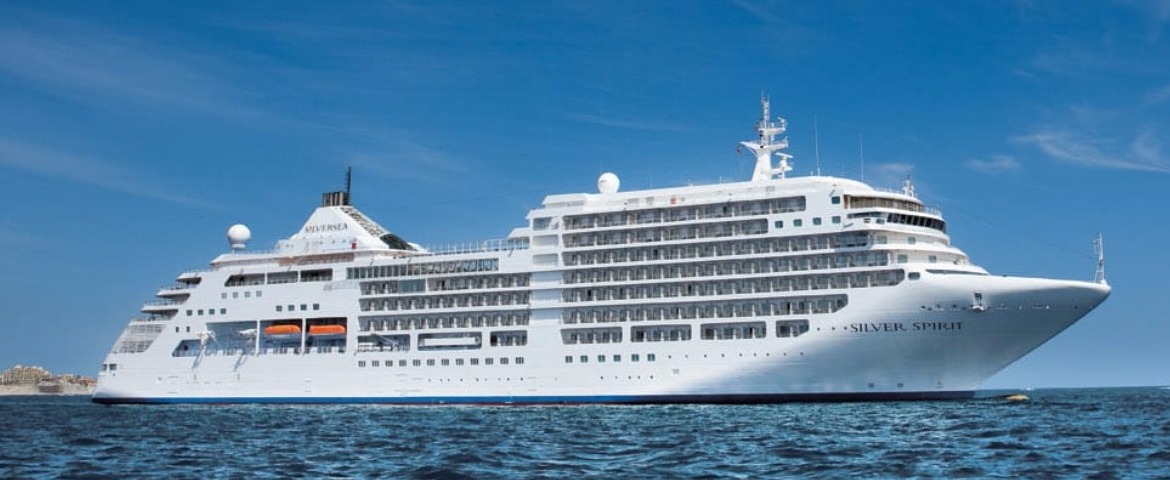
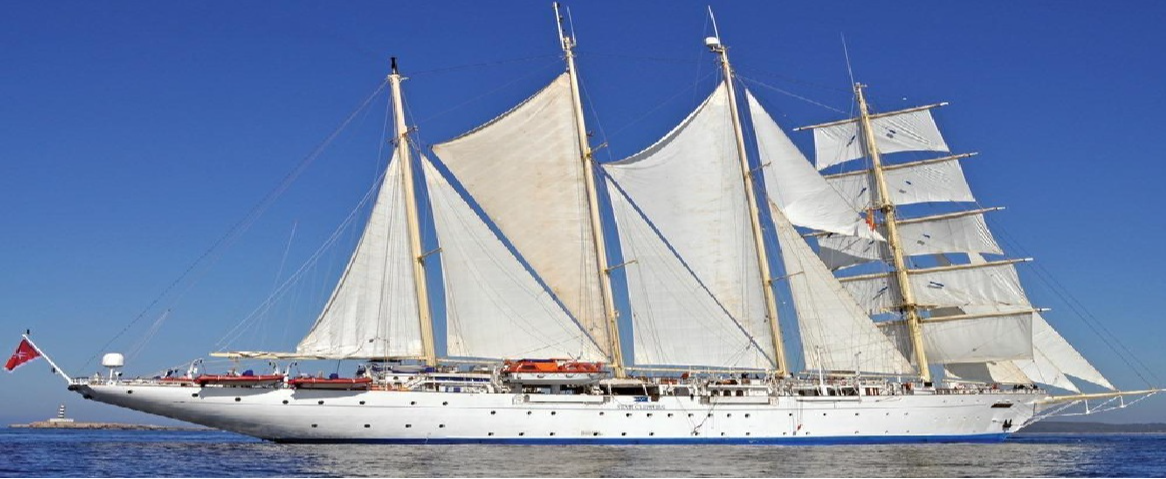
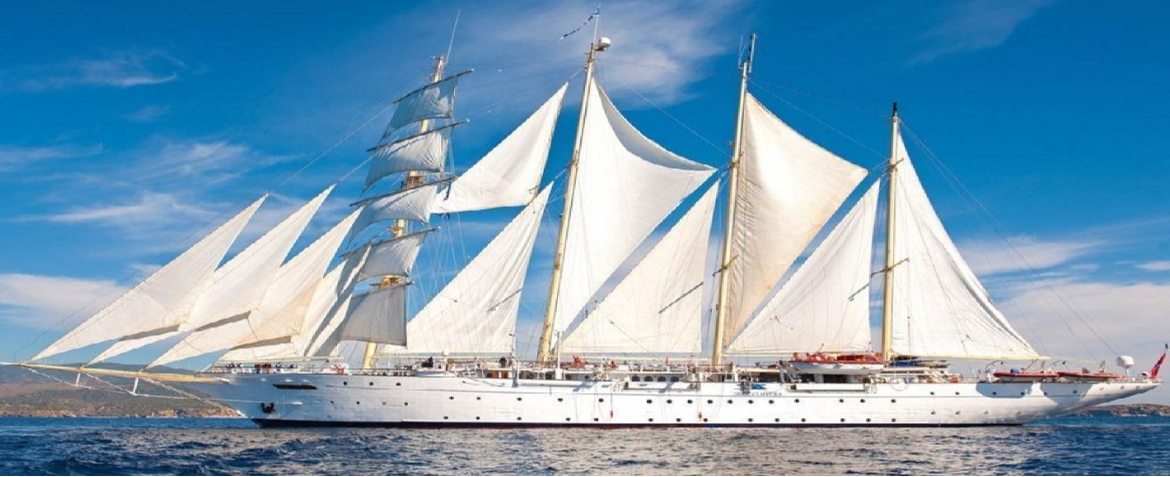
Star Clippers (6 Cruises)

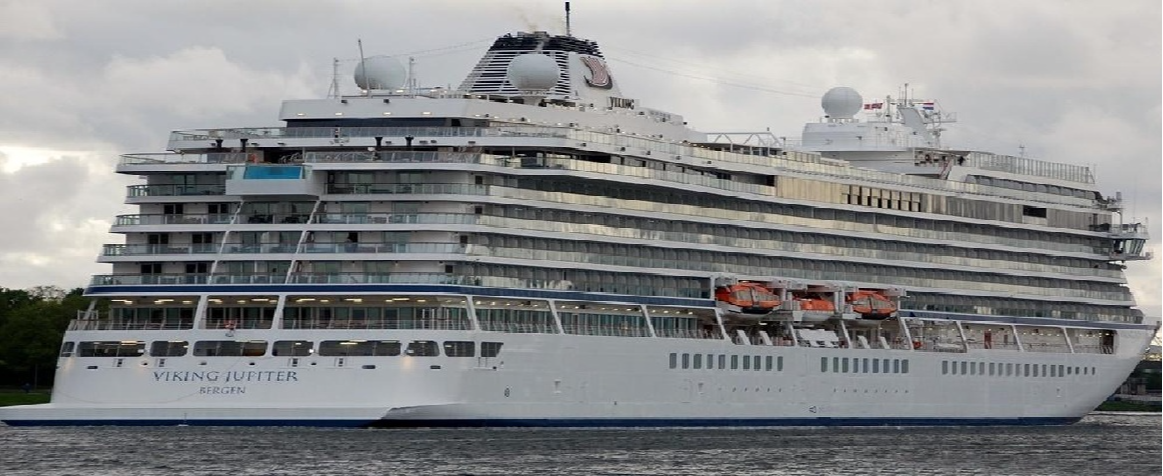
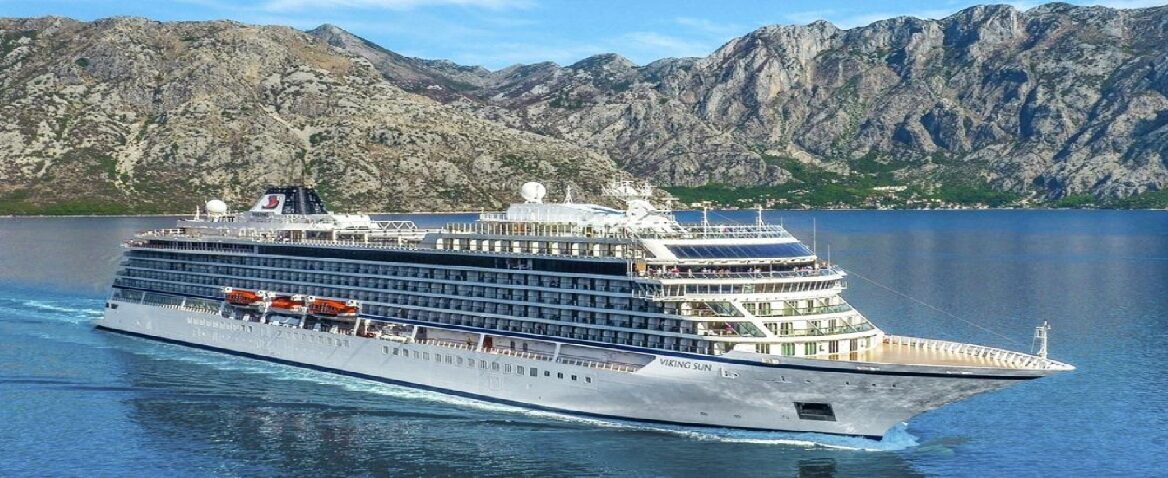
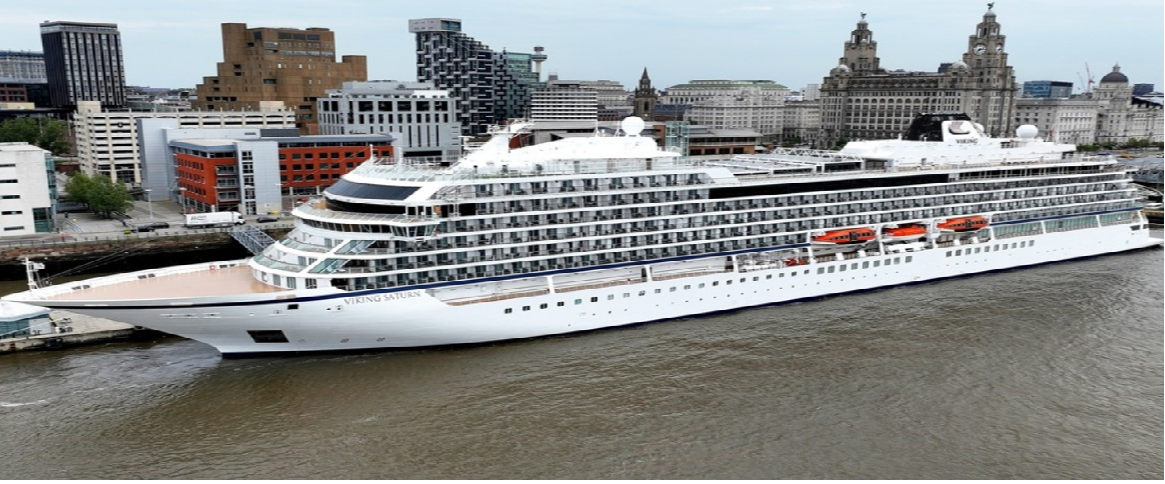
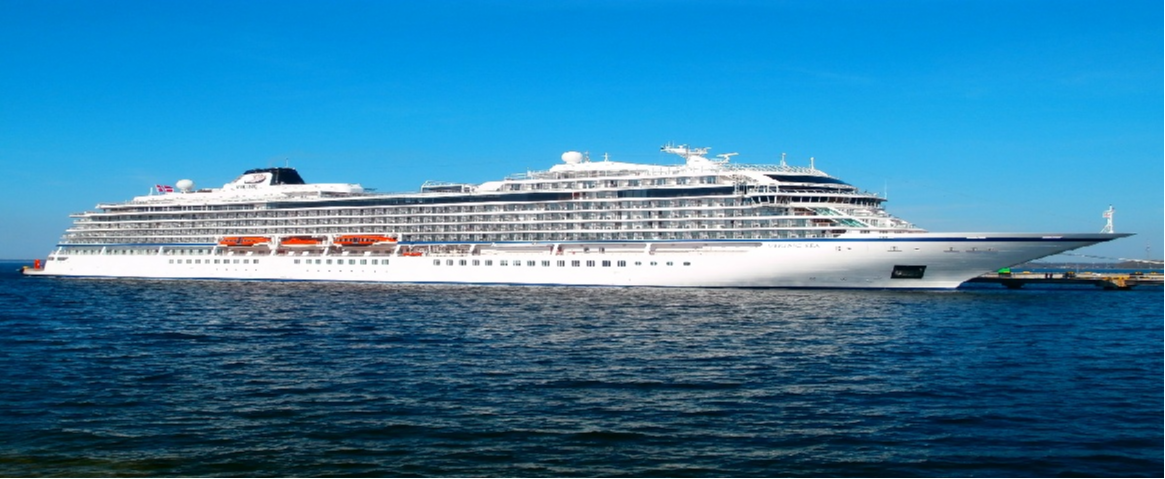
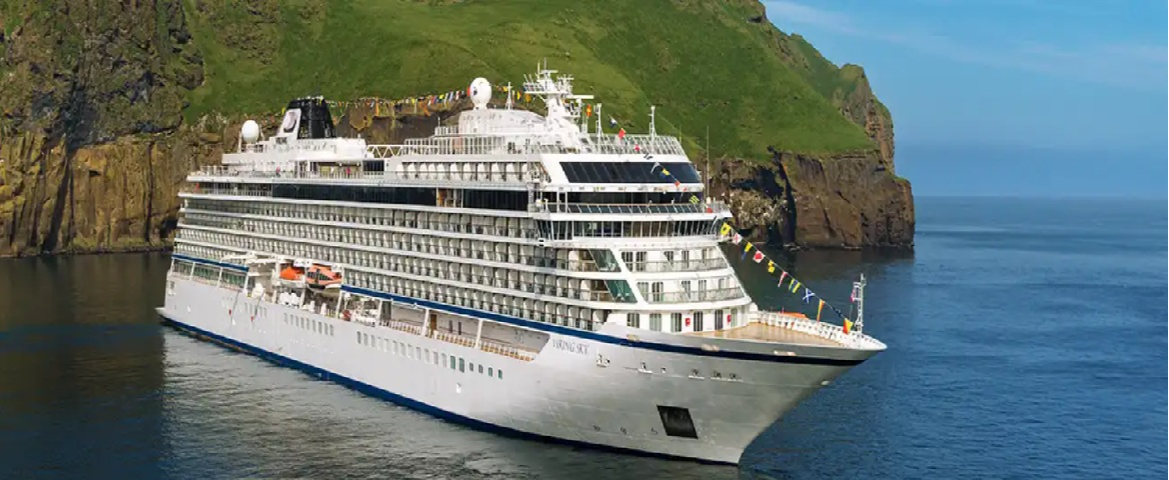
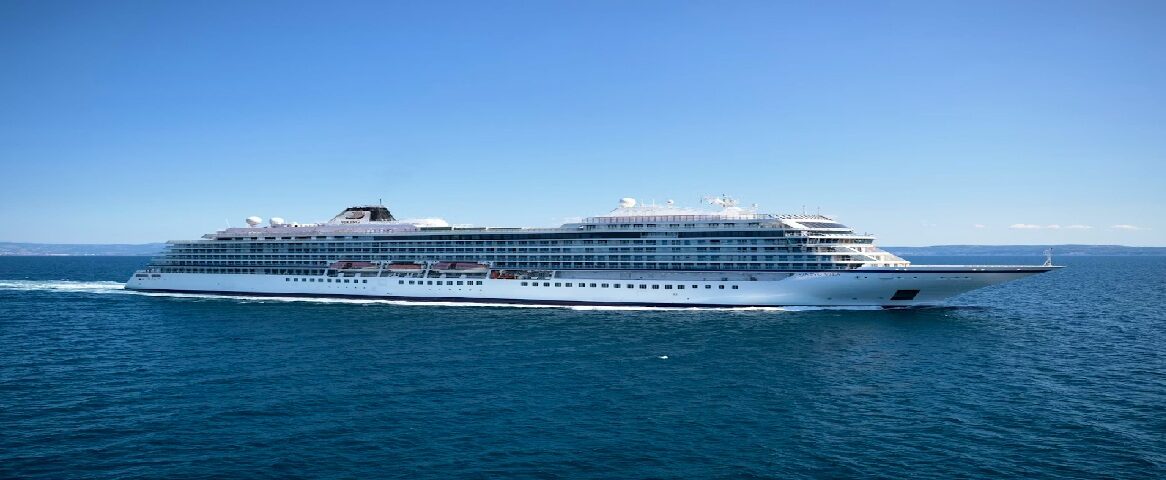
Viking Ocean Cruises (33 Cruises)

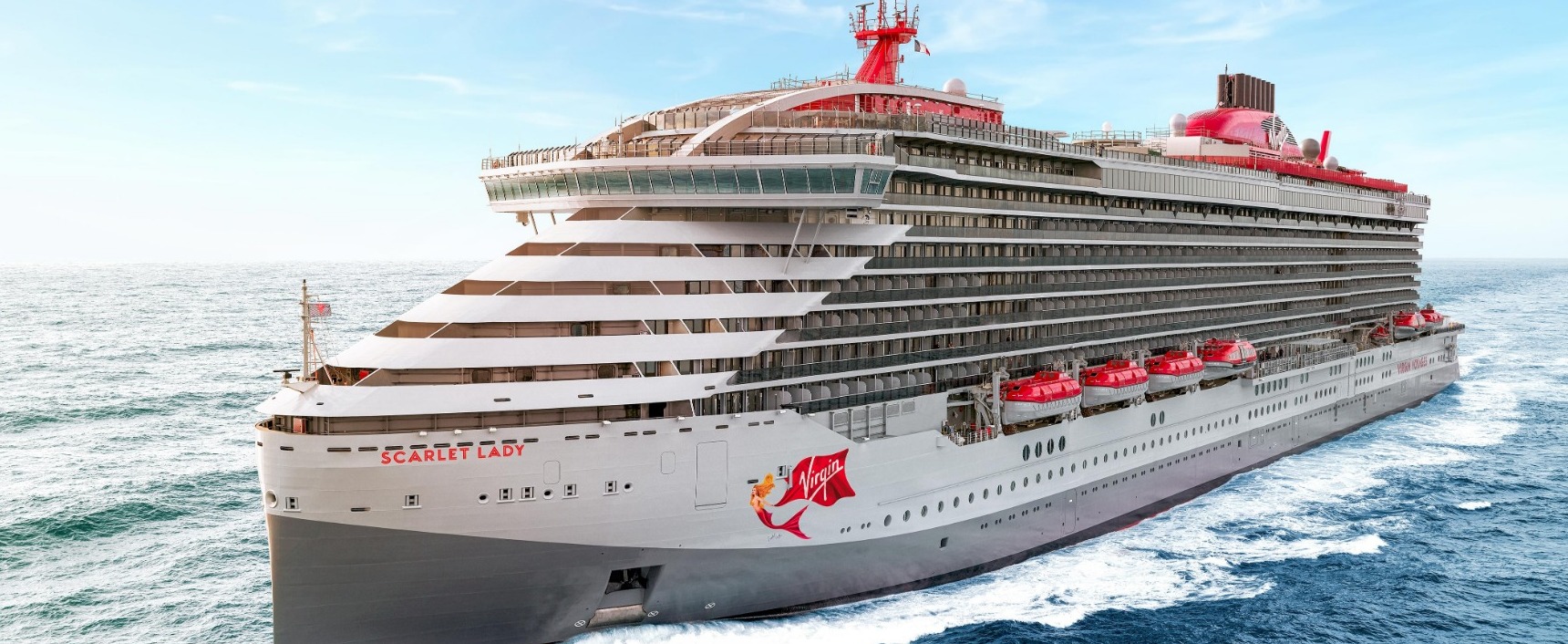
Virgin Voyages (1 Cruises)
Windstar Cruises (13 Cruises)
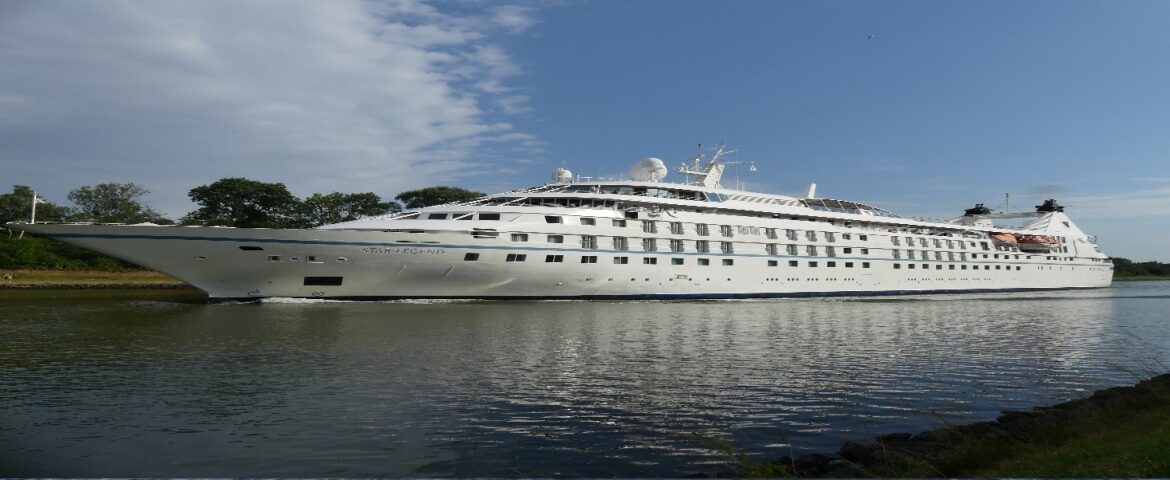
Star Legend
8 Cruises

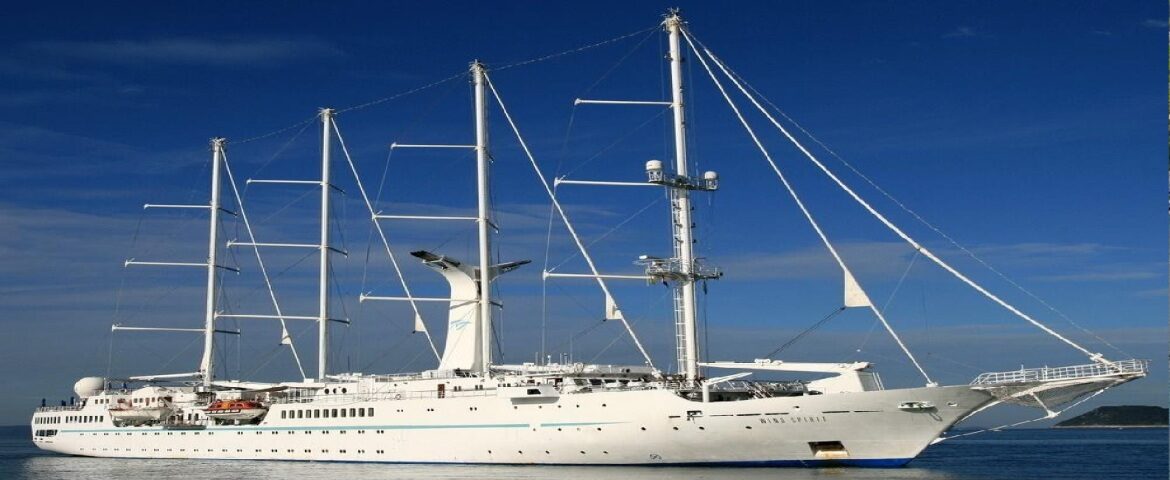
Wind Spirit
5 Cruises
Port of Casablanca, Morocco | Cruise Port Guide
Frequently Asked Questions
Inside the commercial port, one of the busiest in Africa. Walking out is long and dull: take a red petit taxi, agreeing the fare before you get in, or the ship's shuttle to Place des Nations Unies.
Yes, once you reach the centre: the old medina, Boulevard Mohammed V and the Art Deco district are all walkable. The Hassan II mosque and the Habous quarter need a taxi.
The Hassan II mosque first, then the old medina and the Art Deco centre on foot. The Habous quarter, a few minutes by taxi to the south, rounds out the day.
Yes, non-Muslims may enter on guided tours: polished marble, carved cedar, stucco and zellige tilework form a summary of Moroccan craftsmanship. Completed in 1993 after years of work by thousands of artisans, it is among the largest in the world, with a minaret over 200 metres tall.
The walk along the arcades facing the ocean. The esplanade juts out above the waves and the minaret dominates the whole coast: even without going inside, the trip is worth it.
Yes, but do not expect Fez or Marrakech. It is more modest, backing onto the port, with narrow lanes, fabric stalls and mint sellers. Its interest lies in the daily life of Casablancais a few steps from the quays.
Because in the 1920s and 1930s French and Moroccan architects made it a laboratory for the style. Around Boulevard Mohammed V and Place Mohammed V, facades with ironwork, rose windows and mashrabiya screens tell that story.
The new medina, laid out in the 1920s a few minutes by taxi to the south: white arcades, small squares and craft shops in an almost geometric order. It is the calmest district in the city, ideal for late morning.
Yes, but it is a recreation opened in 2004 near the docks. The film was not shot in Morocco; the place plays the card carefully and delights film buffs.
The Moroccan dirham, which cannot be taken out of the country: change on arrival and spend before you leave. Cards work in the modern centre, far less in the medina and the Central Market.


