Ponta Delgada Sao Miguel Island Azores Portugal
210
Cruises availables
At departure or passage at this port
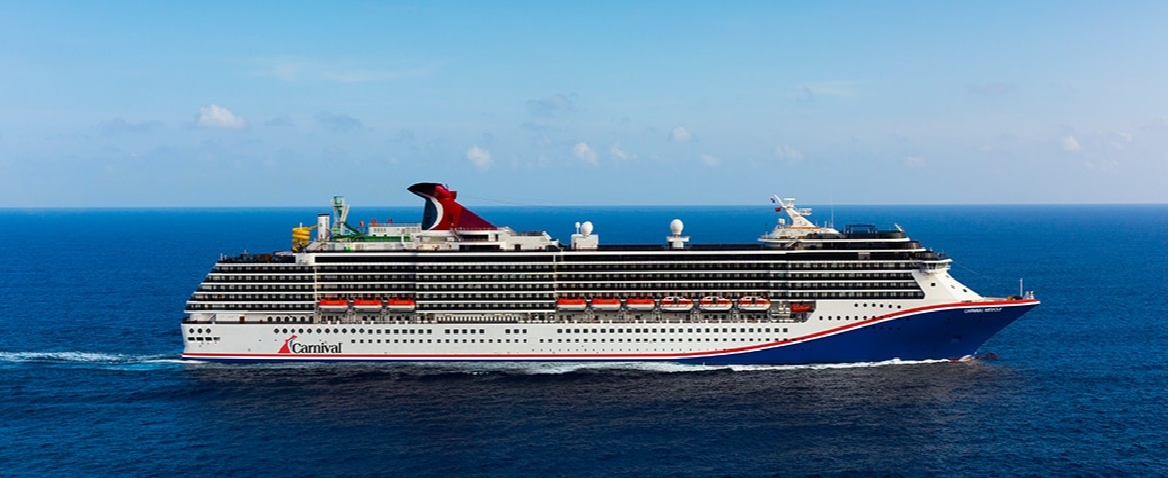
Carnival Cruise Line (1 Cruises)

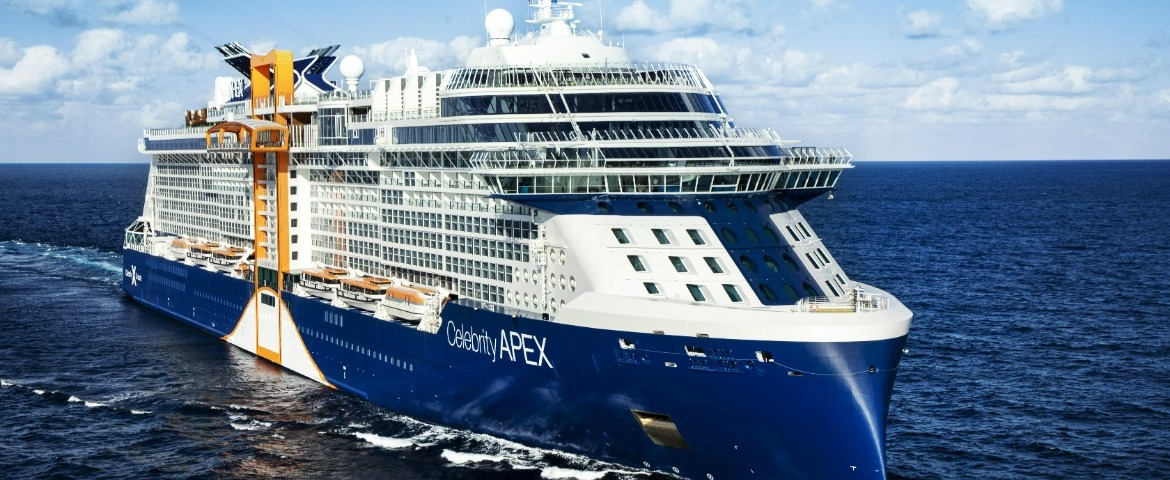
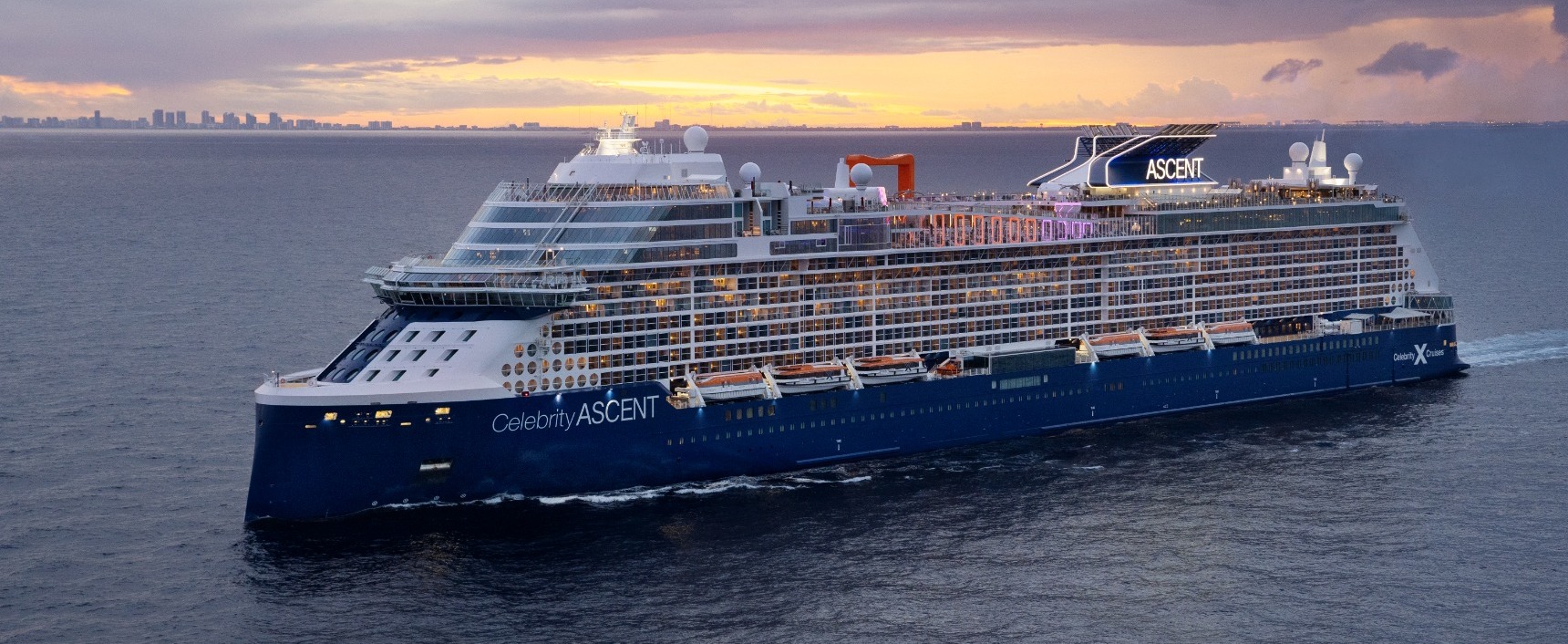
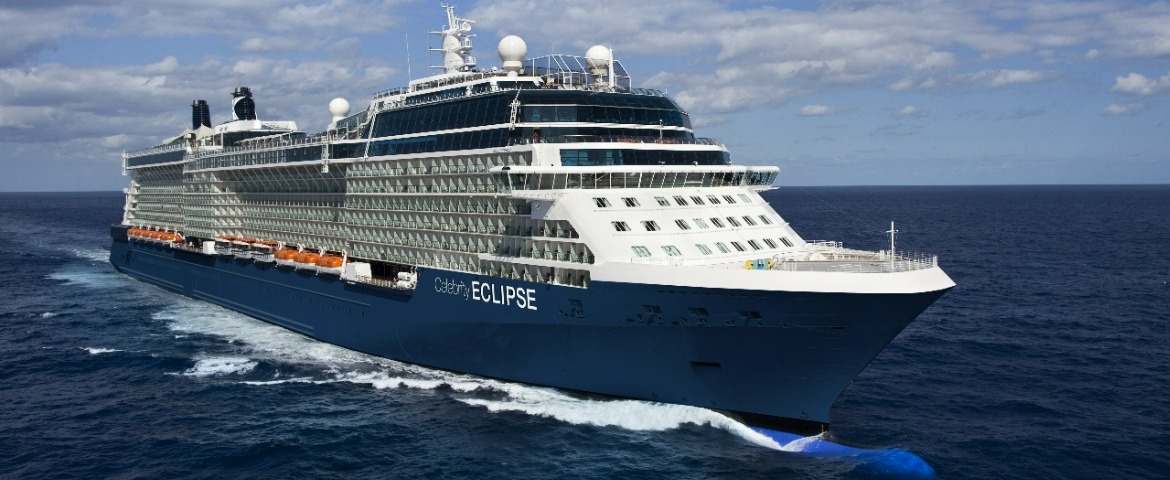
Celebrity Cruises (4 Cruises)

Costa Cruises (20 Cruises)
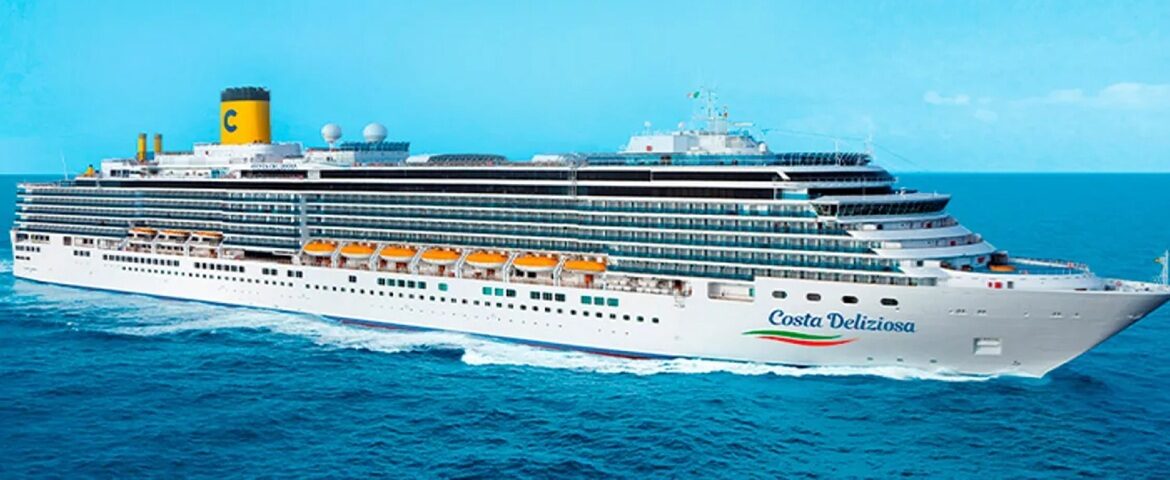
Costa Deliziosa
20 Cruises

Crystal Cruises (15 Cruises)



Cunard (40 Cruises)
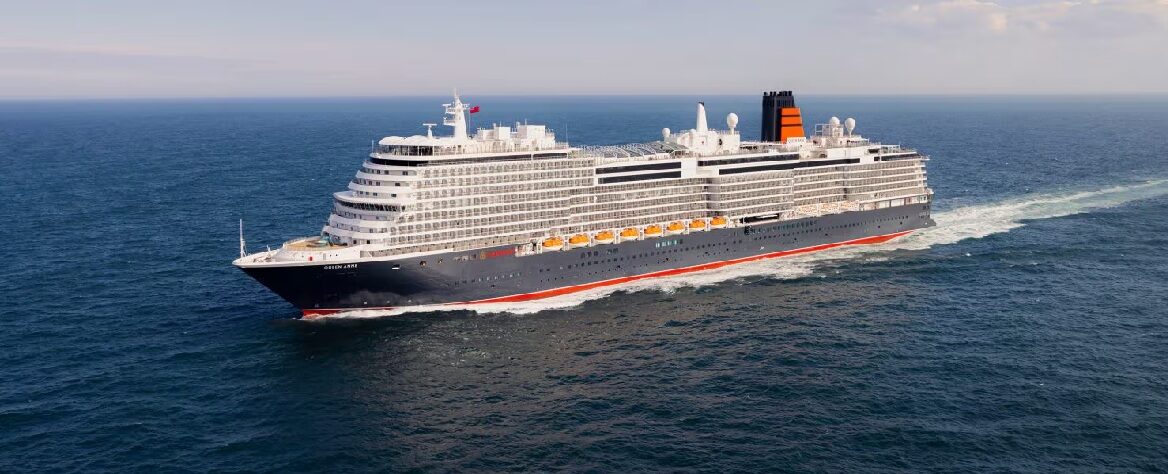
Queen Anne
19 Cruises

| 5 January | 90 days | Round-trip South America Queen Anne Hamburg |
450-628-6241
Call us
|
| 10 January | 82 days | Round-trip South America Queen Anne Southampton |
450-628-6241
Call us
|
| 28 February | 35 days | One-way from San Antonio to Hamburg |
450-628-6241
Call us
|
| 28 February | 32 days | One-way from San Antonio to Southampton |
450-628-6241
Call us
|
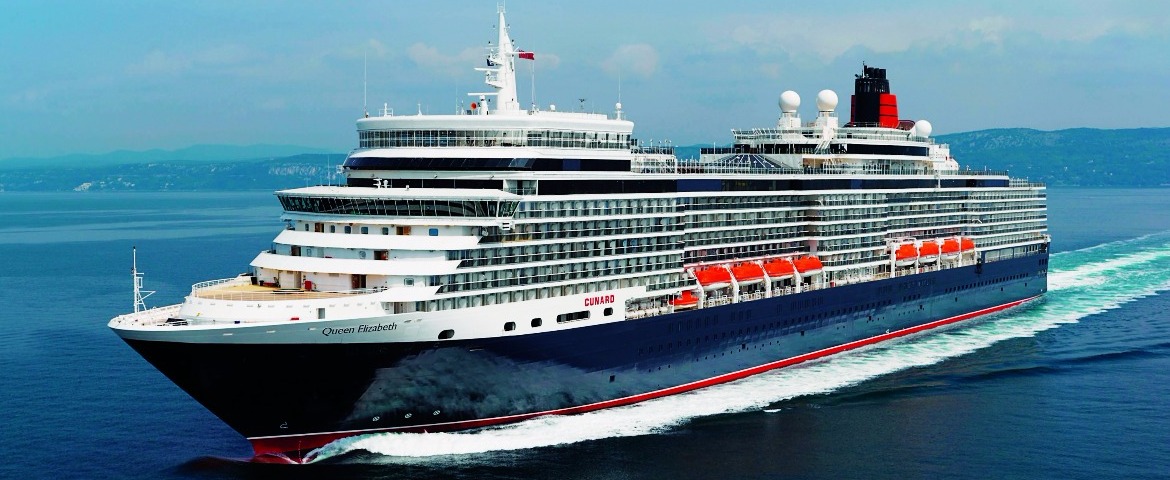
Queen Elizabeth
15 Cruises
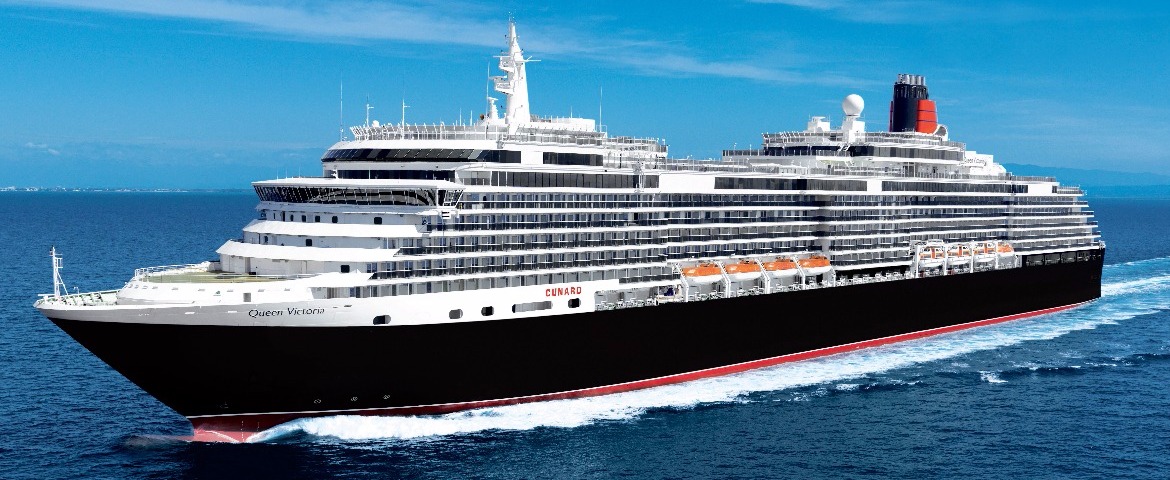
Explora Journeys (1 Cruises)
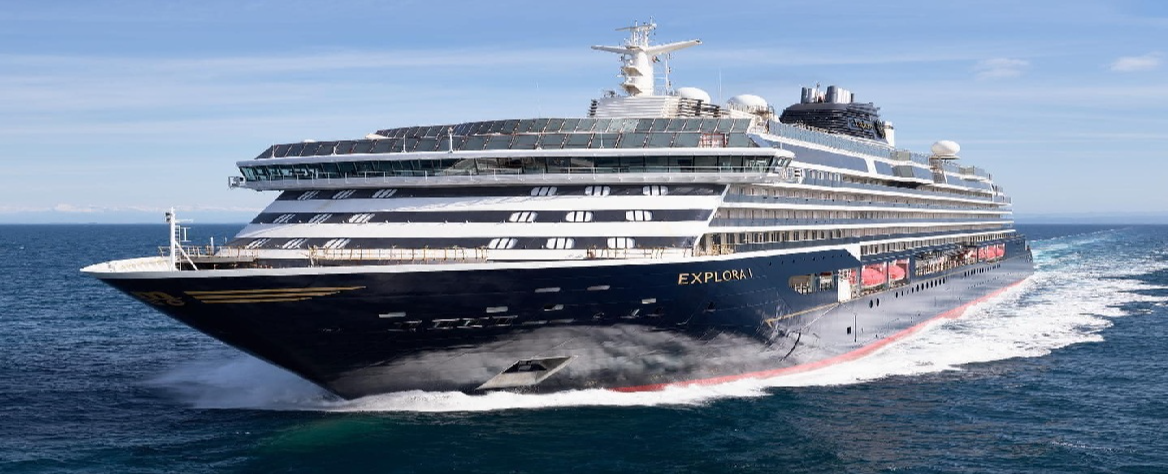

Holland America Line (4 Cruises)
ms Volendam
4 Cruises
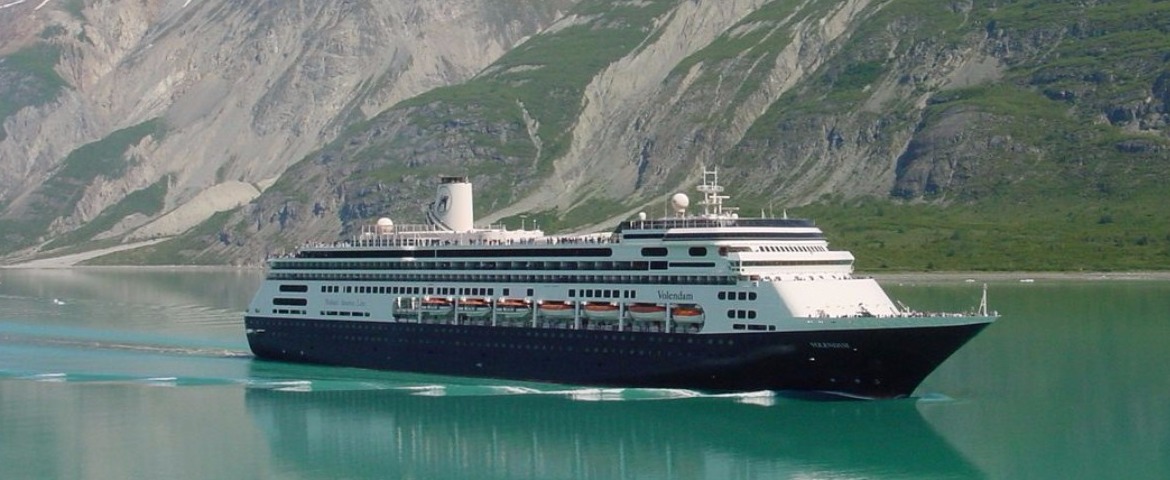

Lindblad Expeditions (10 Cruises)
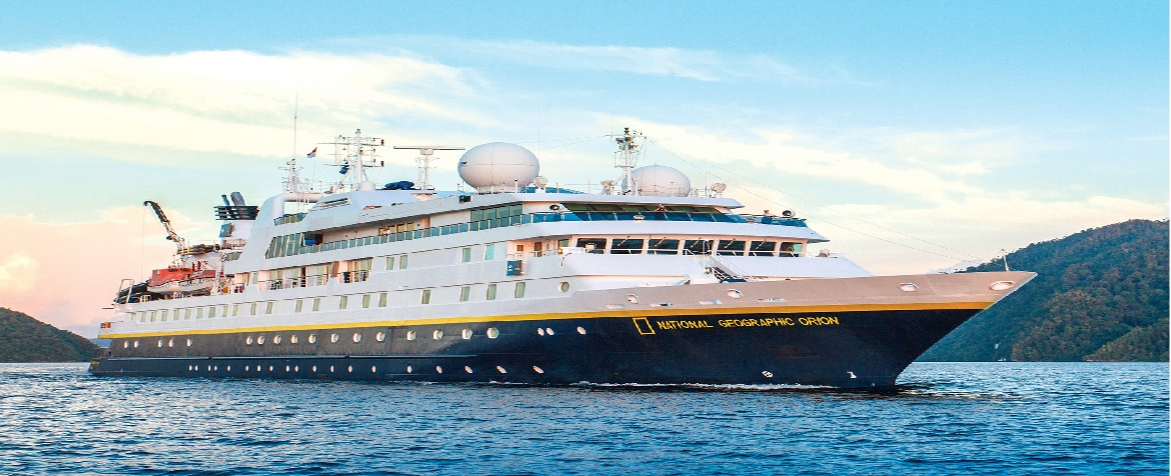
National Geographic Orion
10 Cruises

| 25 June | 13 days | One-way from Barcelona to Ponta Delgada |
450-628-6241
Call us
|
| 25 June | 11 days | One-way from Barcelona to Ponta Delgada |
450-628-6241
Call us
|
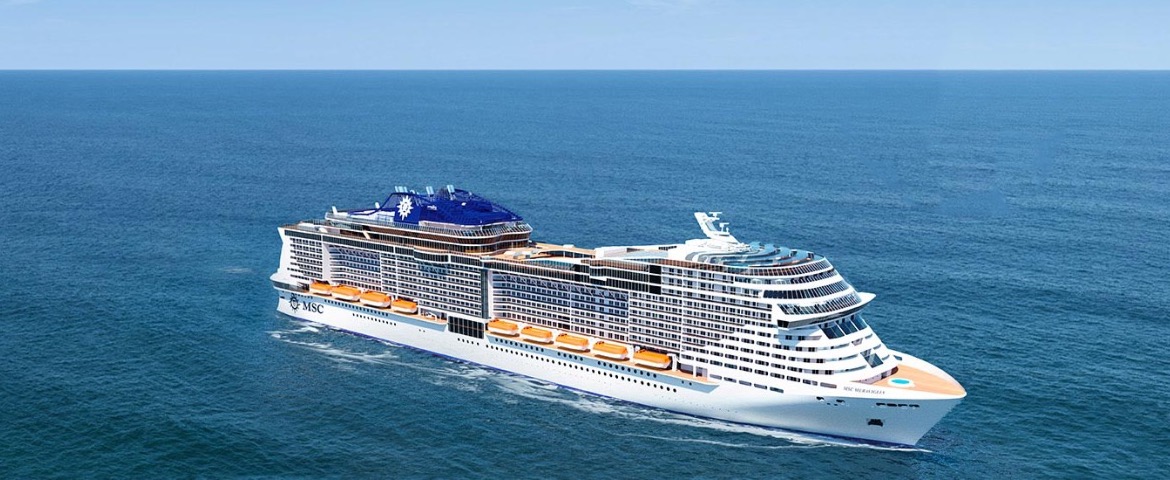
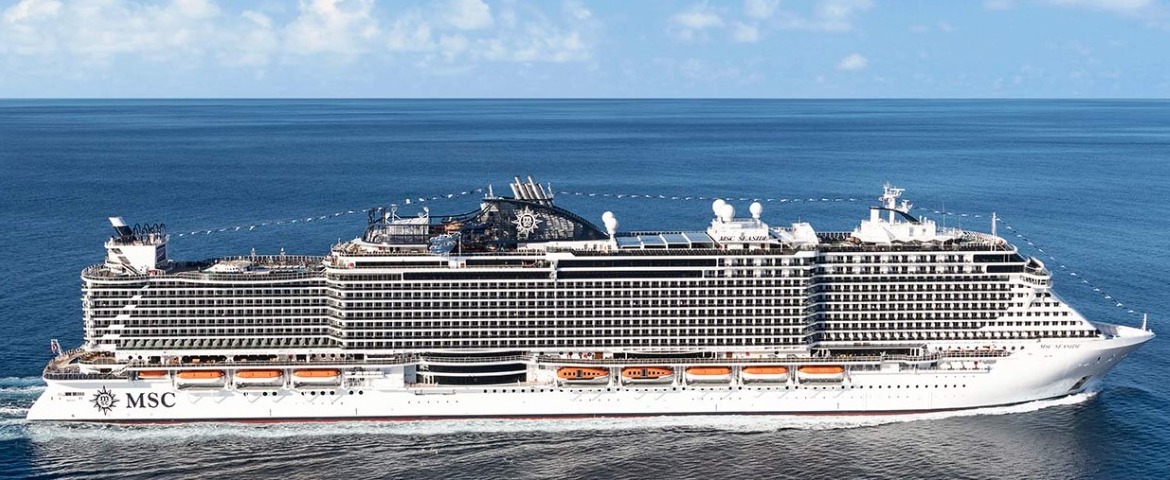
MSC Cruises (18 Cruises)
MSC Meraviglia
15 Cruises

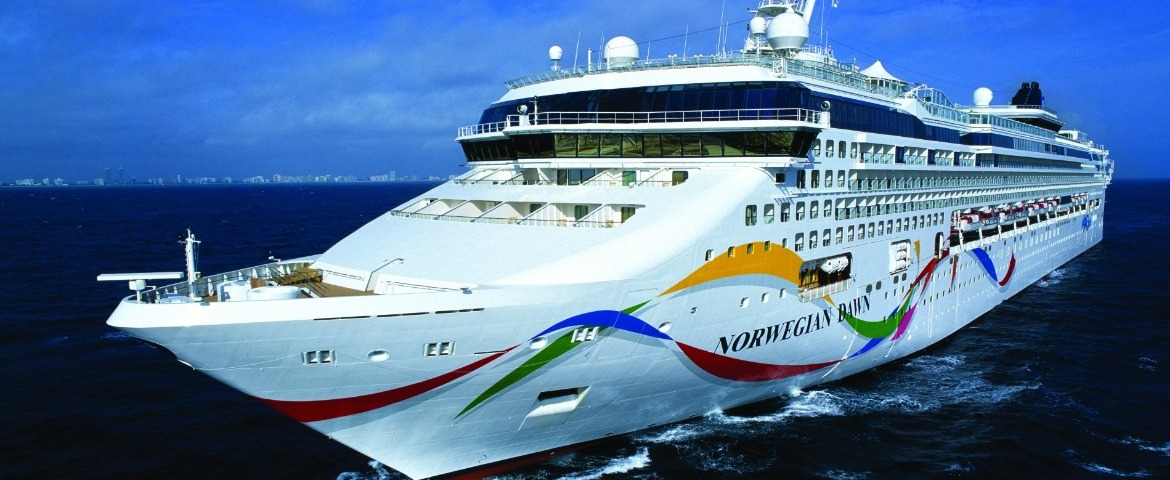
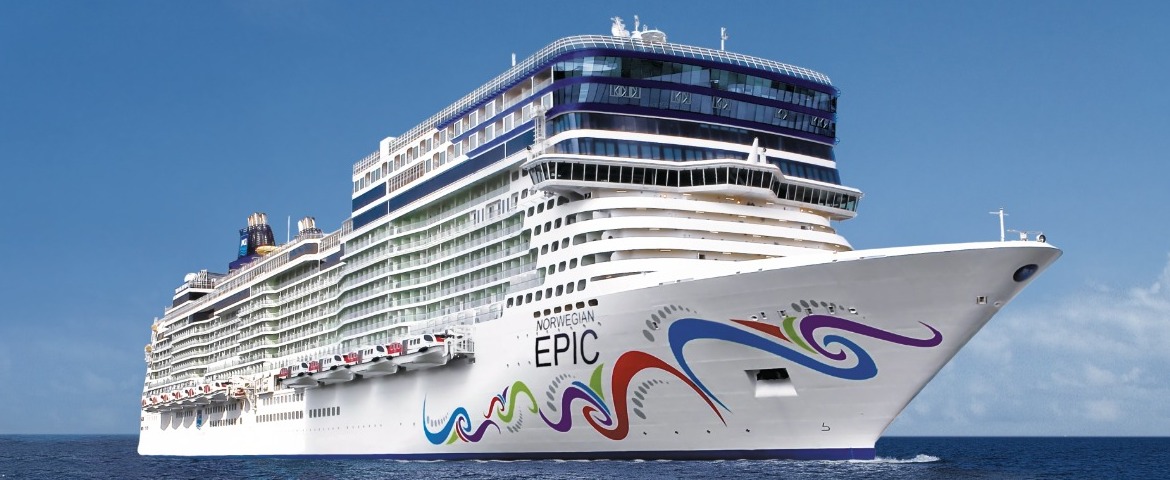
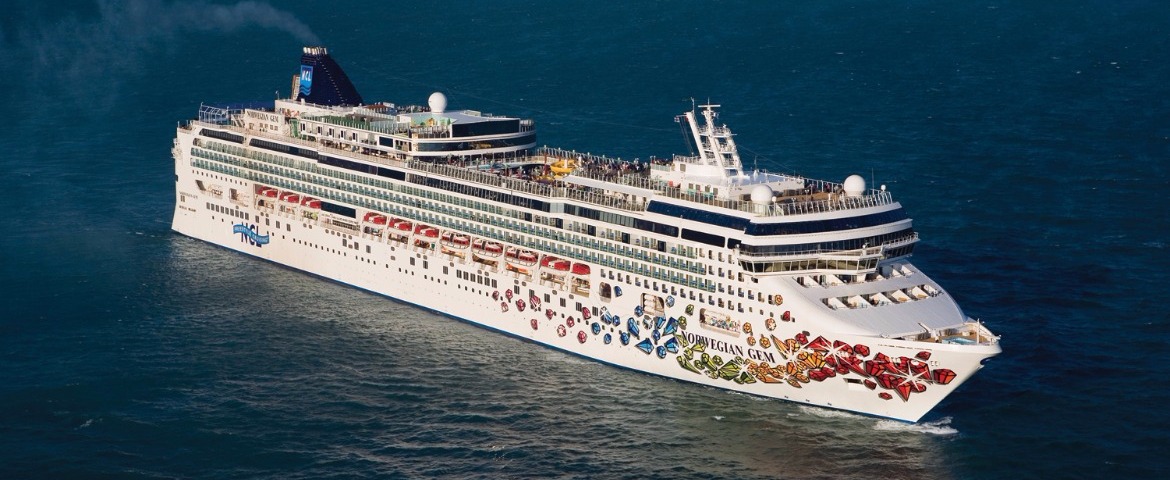
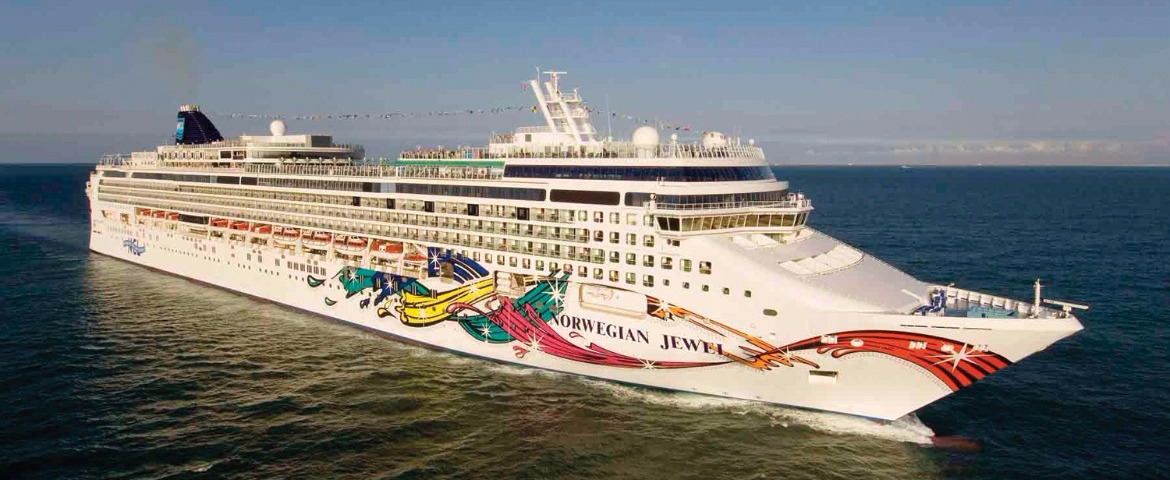
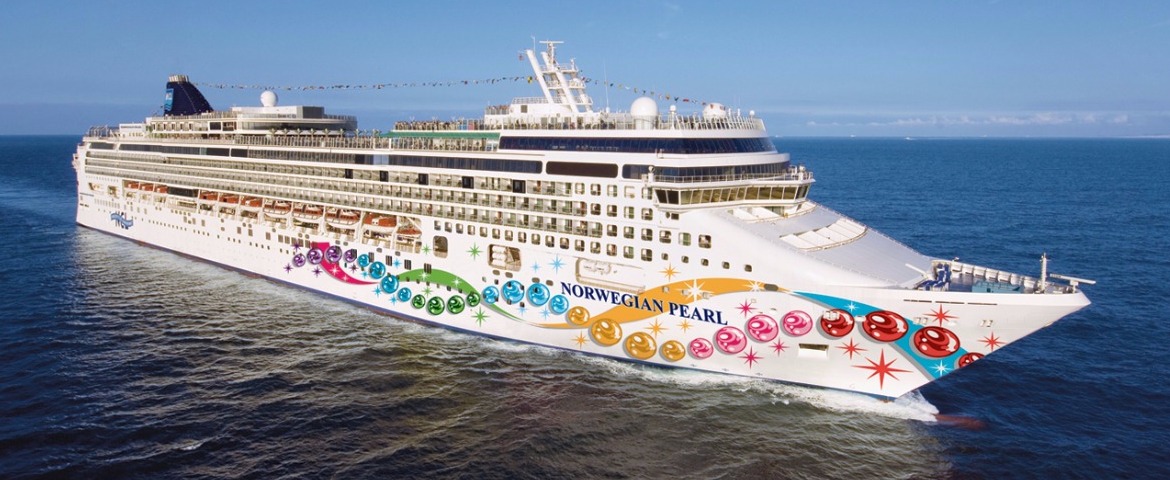
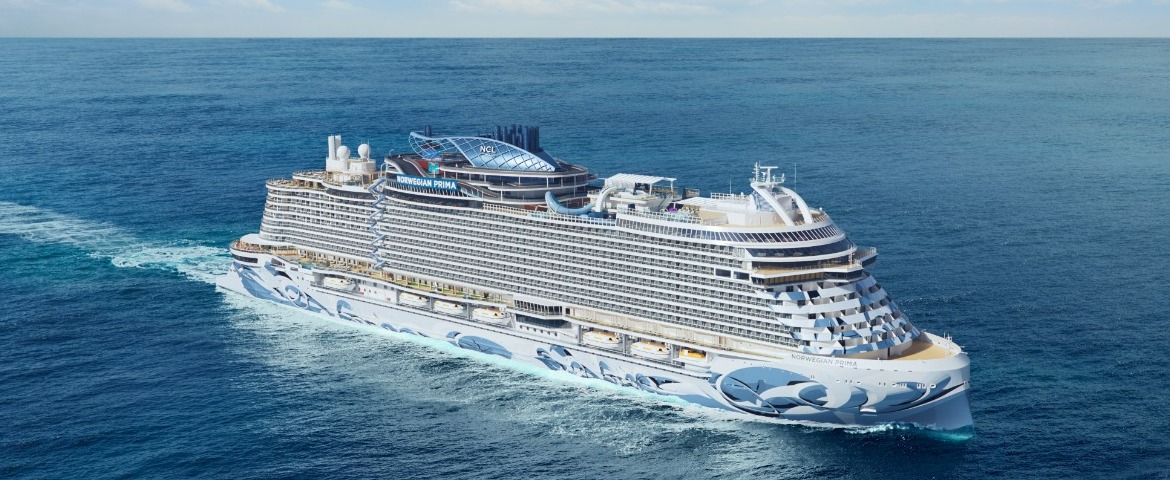
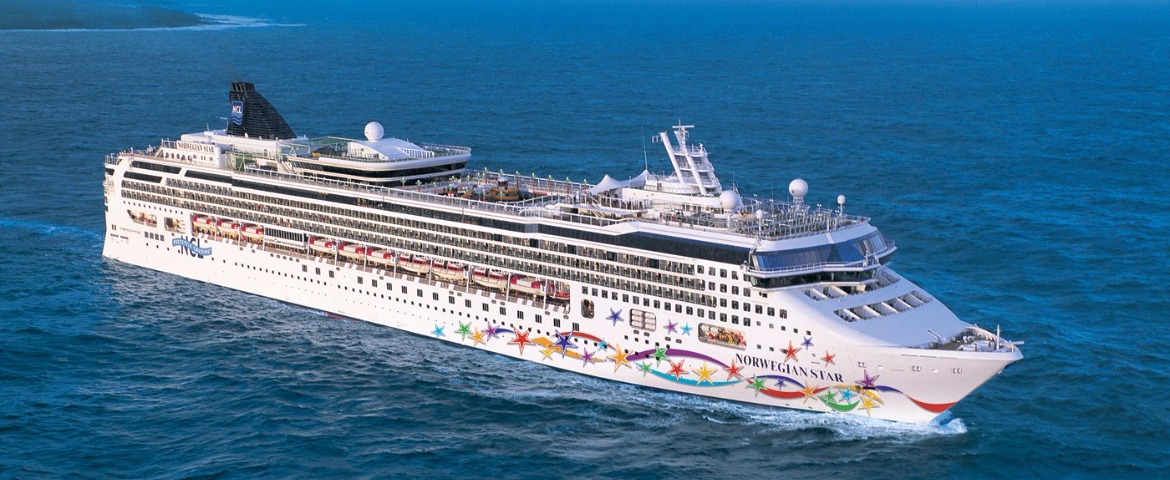
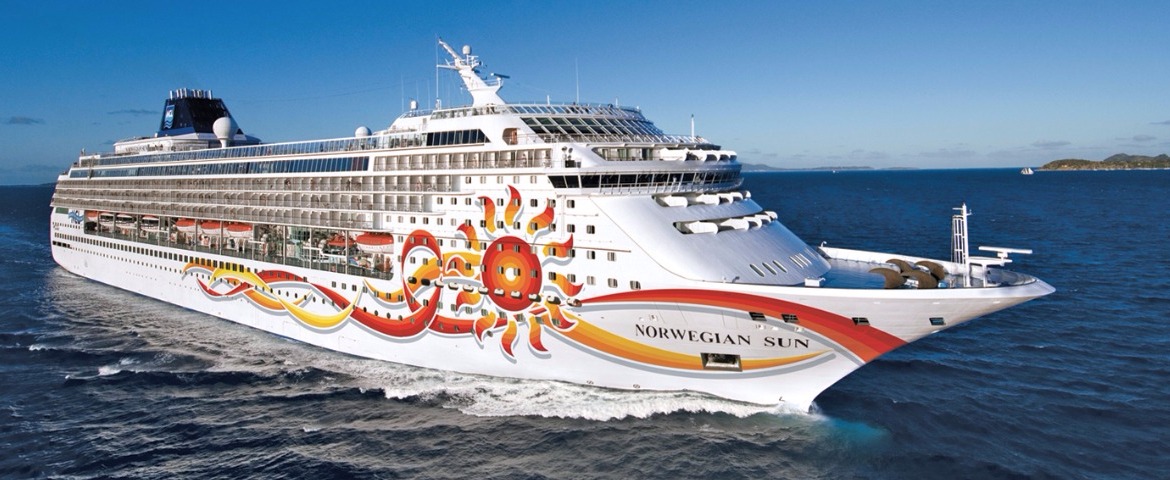
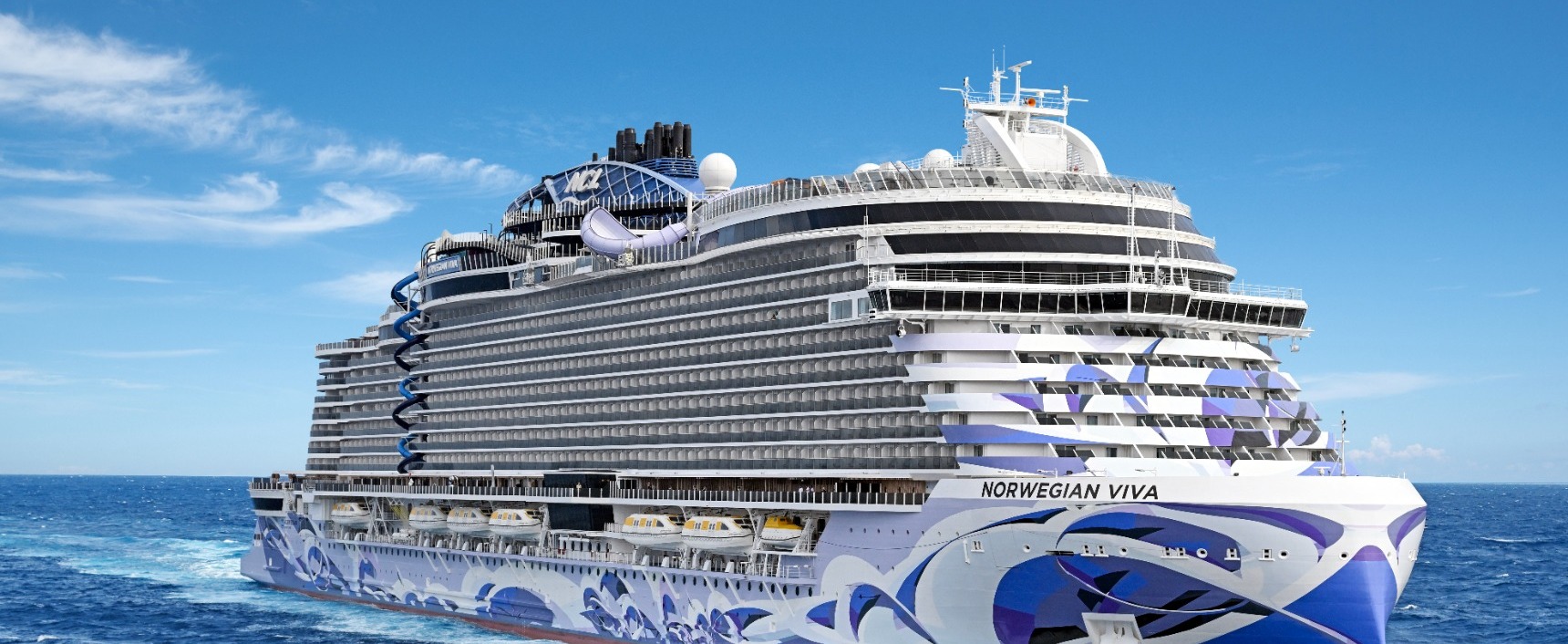
Norwegian Cruise Line (16 Cruises)

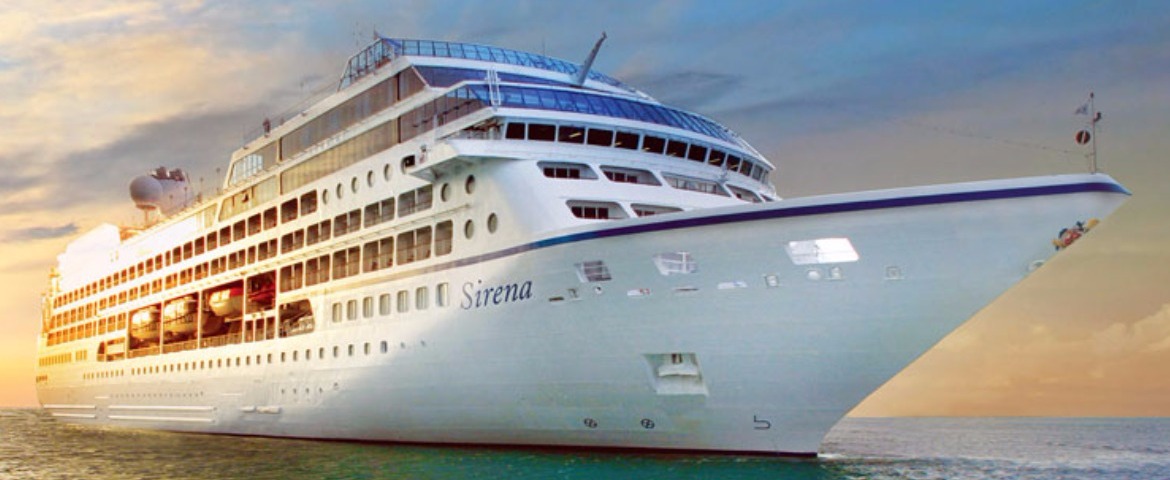
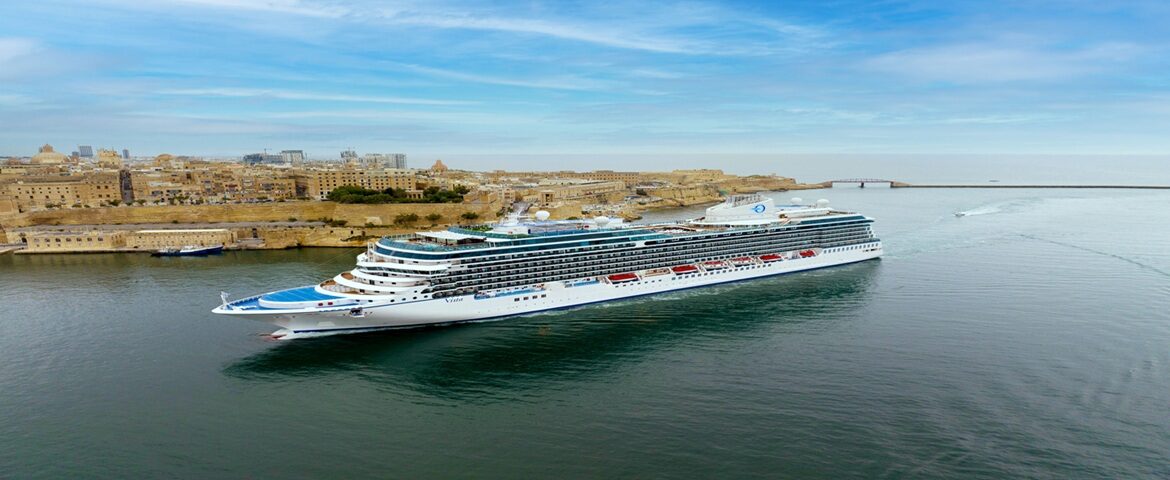
Oceania Cruises (19 Cruises)
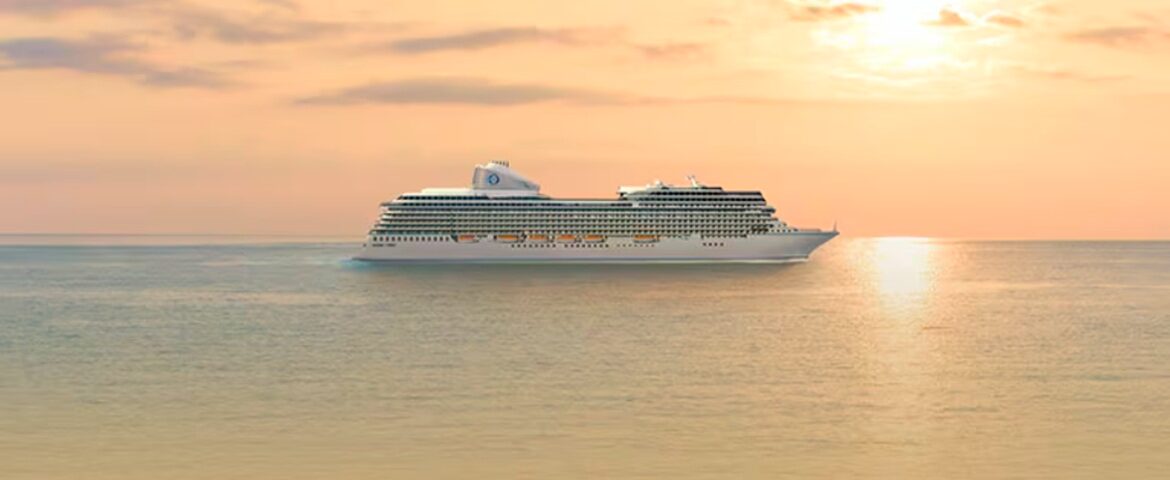

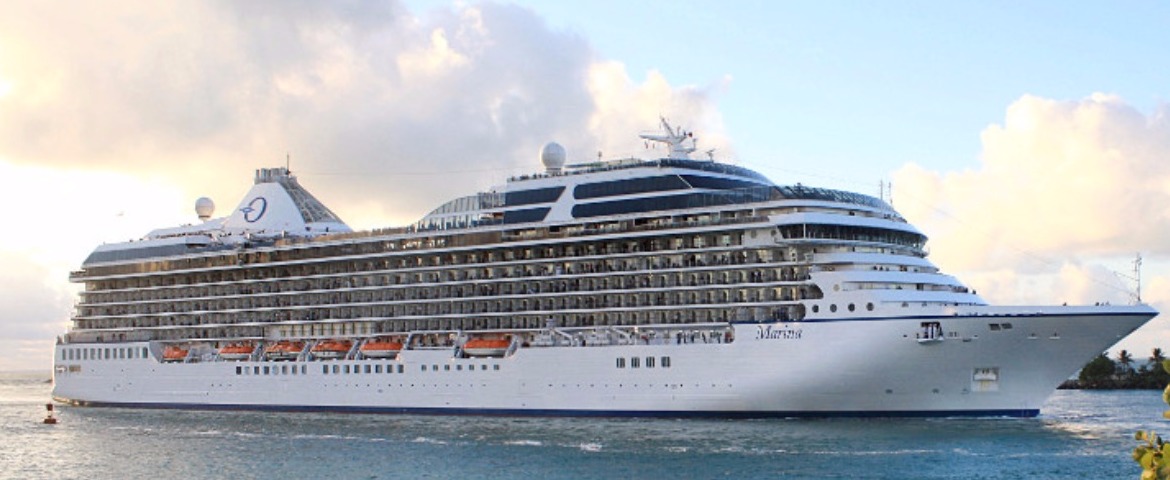
Oceania Marina
9 Cruises
Ponant (5 Cruises)
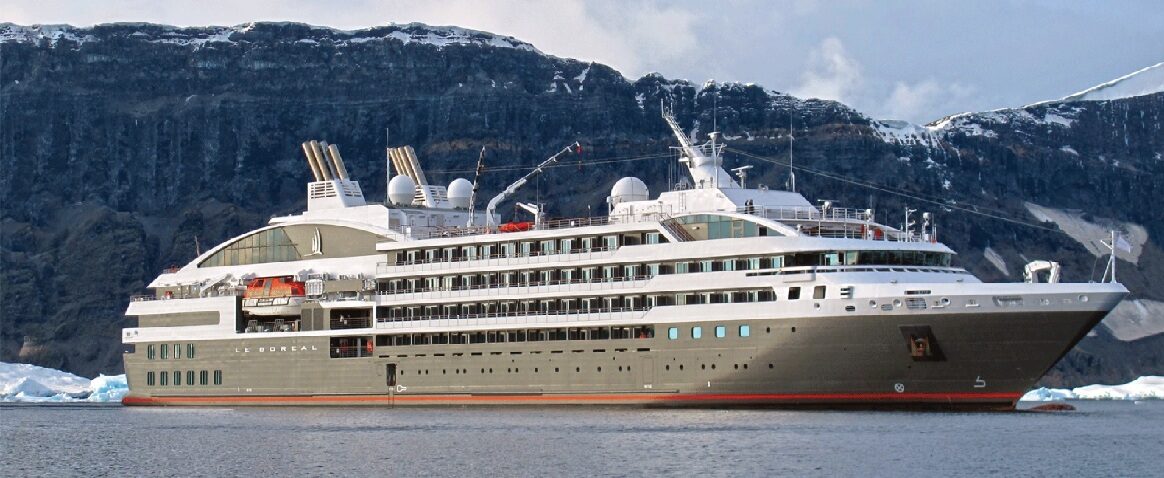
Le Boreal
5 Cruises

Princess Cruises (24 Cruises)
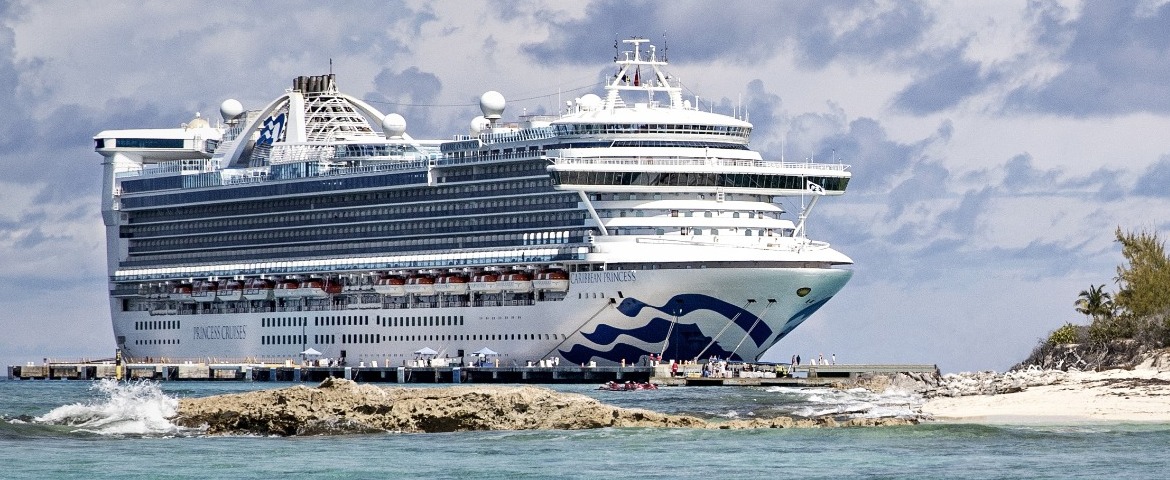

Coral Princess
10 Cruises
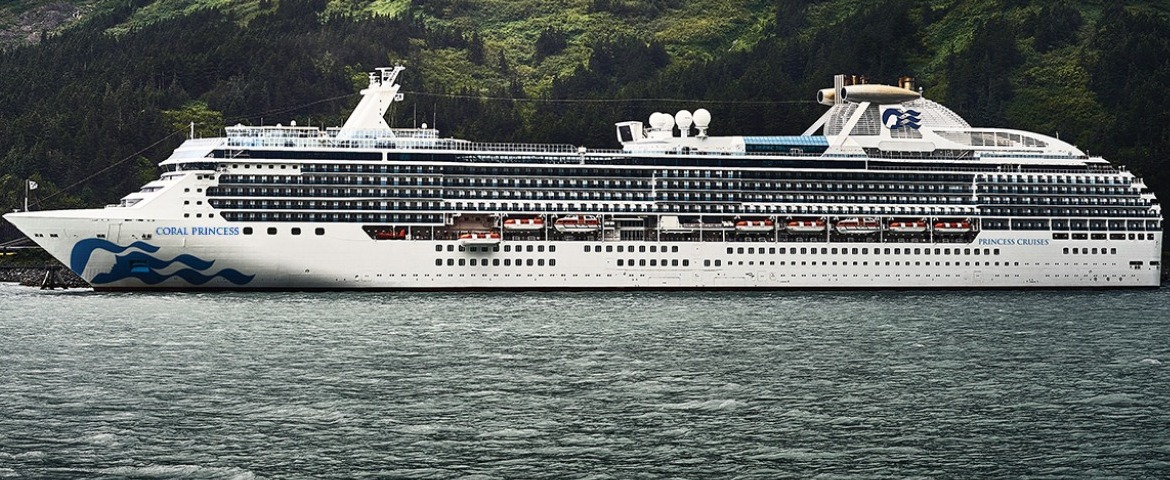
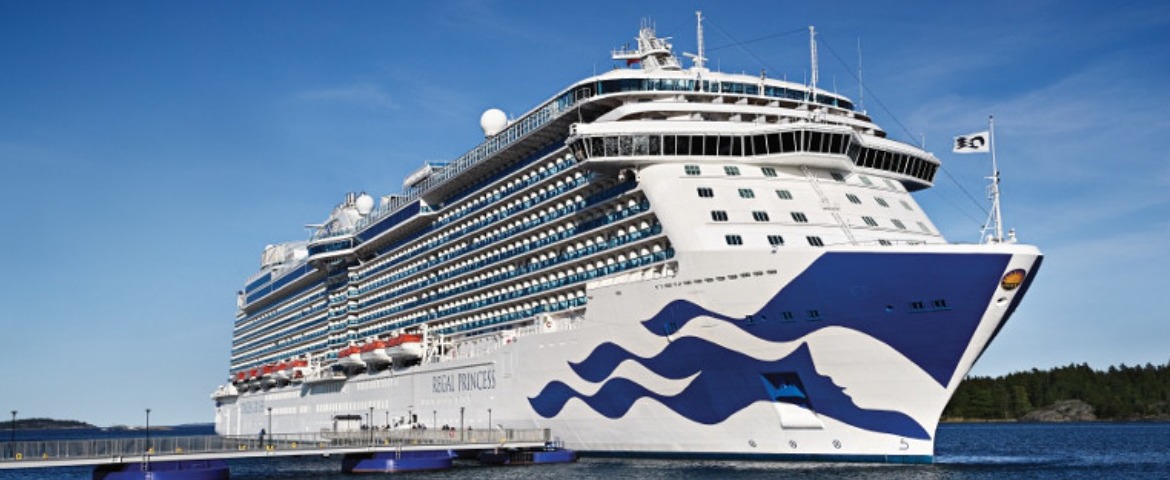
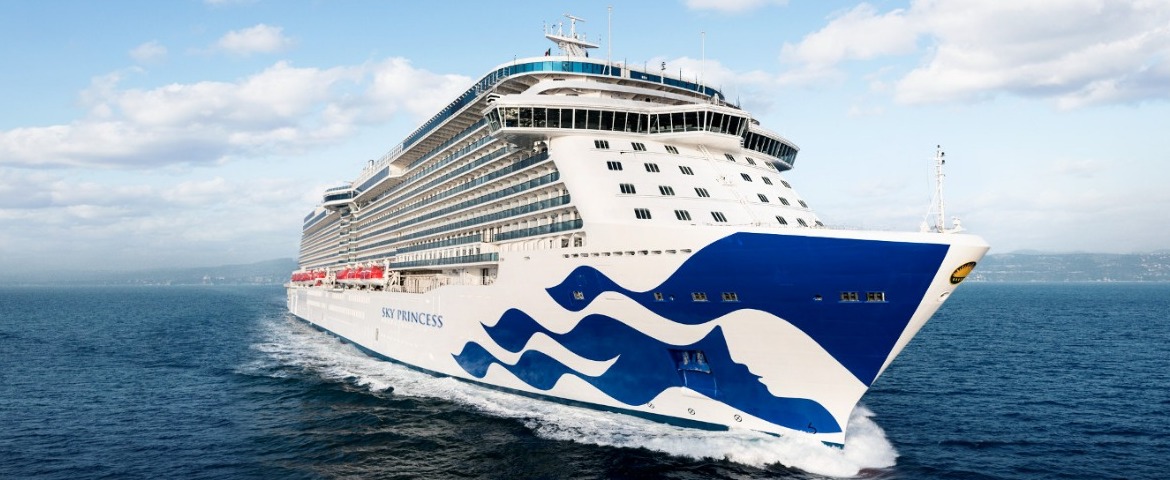
Enchanted Princess
6 Cruises
Regent Seven Seas Cruises (15 Cruises)
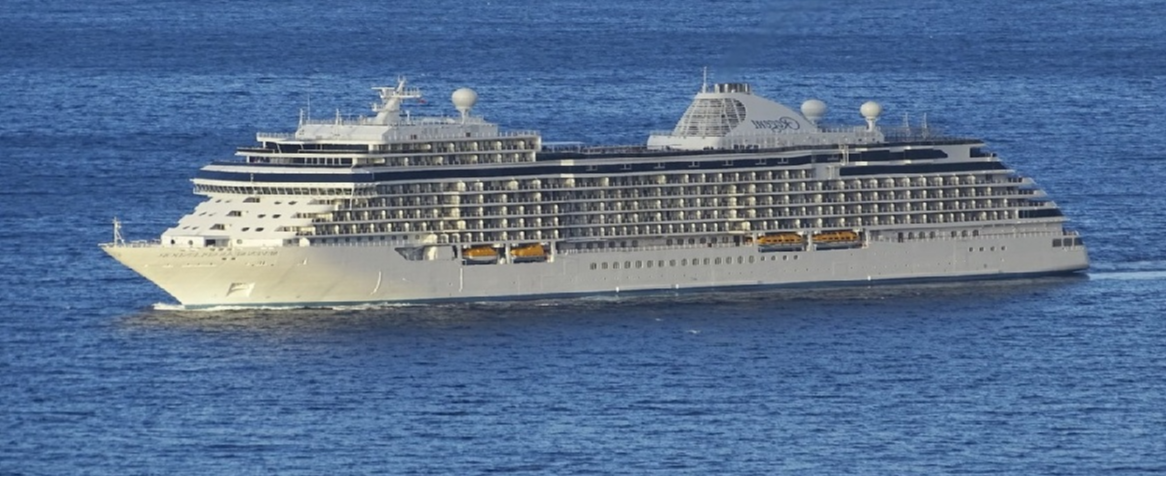

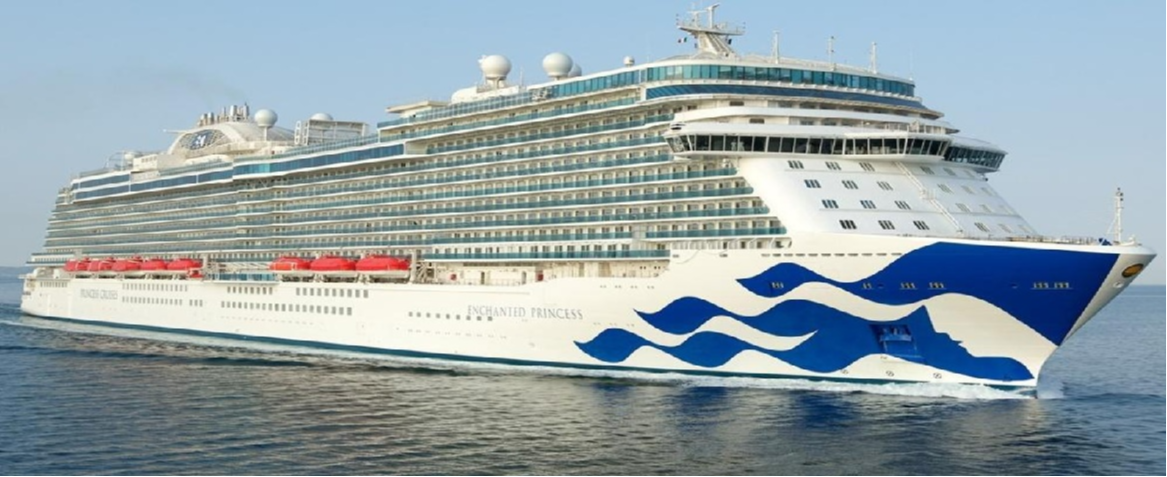
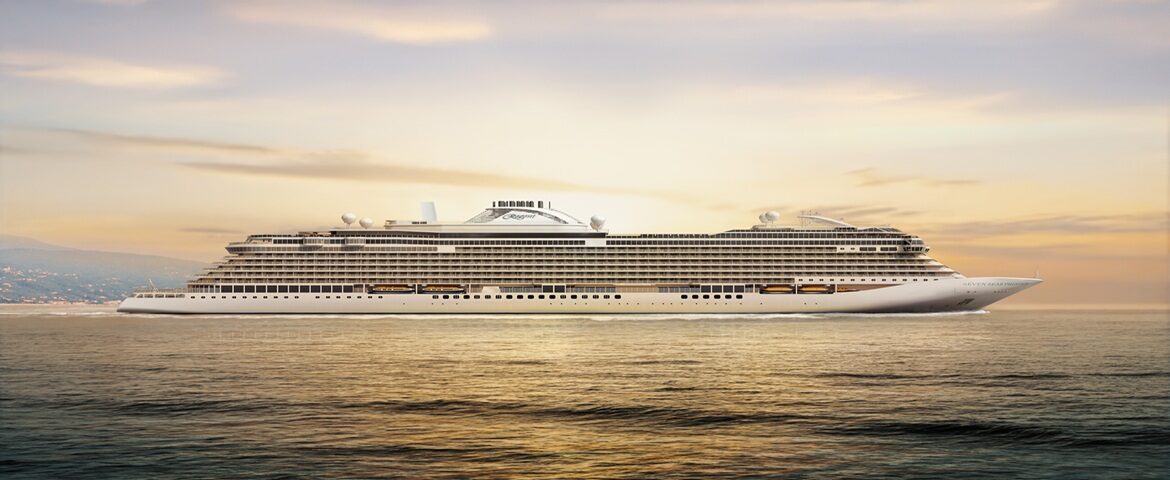
Seven Seas Mariner
6 Cruises

Royal Caribbean Cruises (8 Cruises)



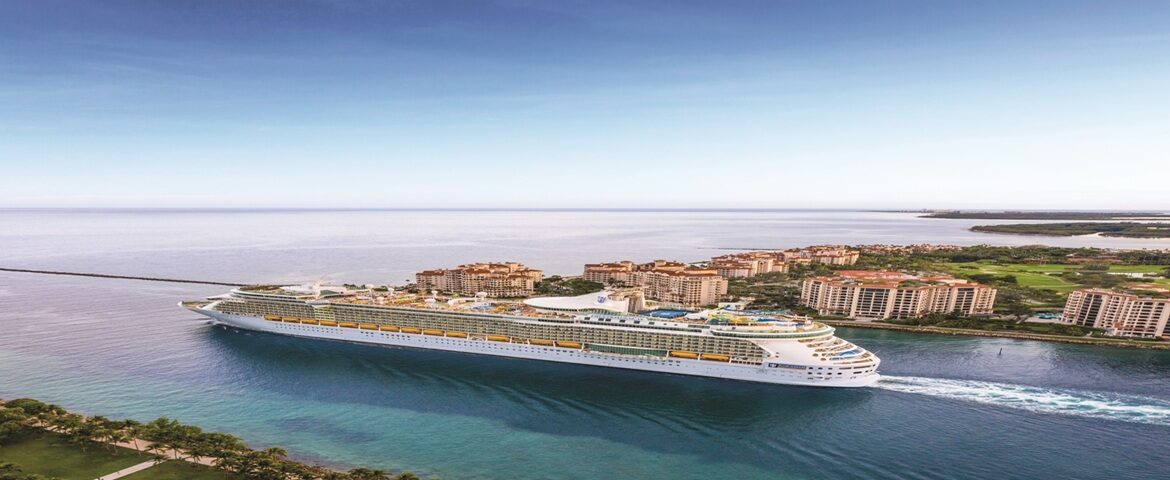

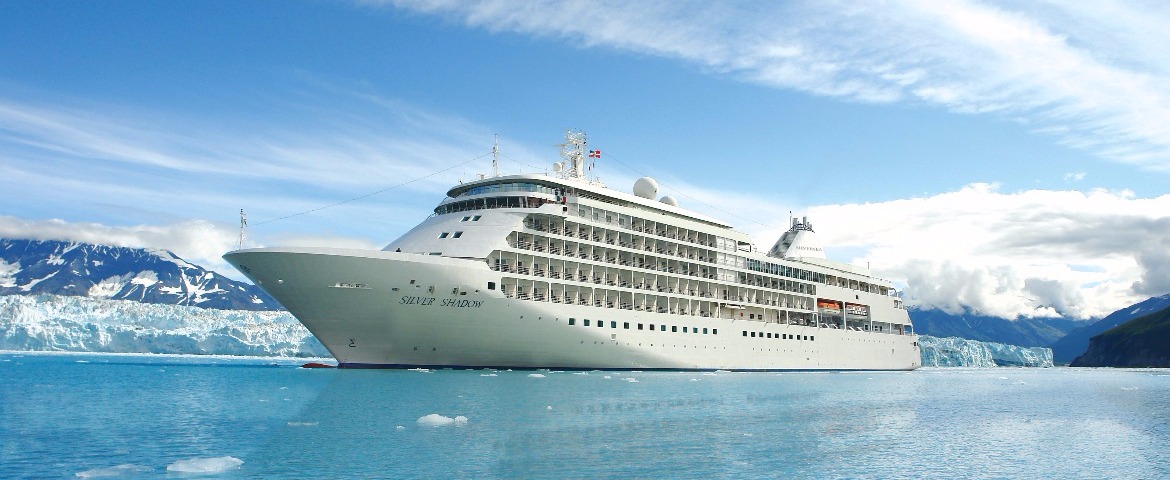

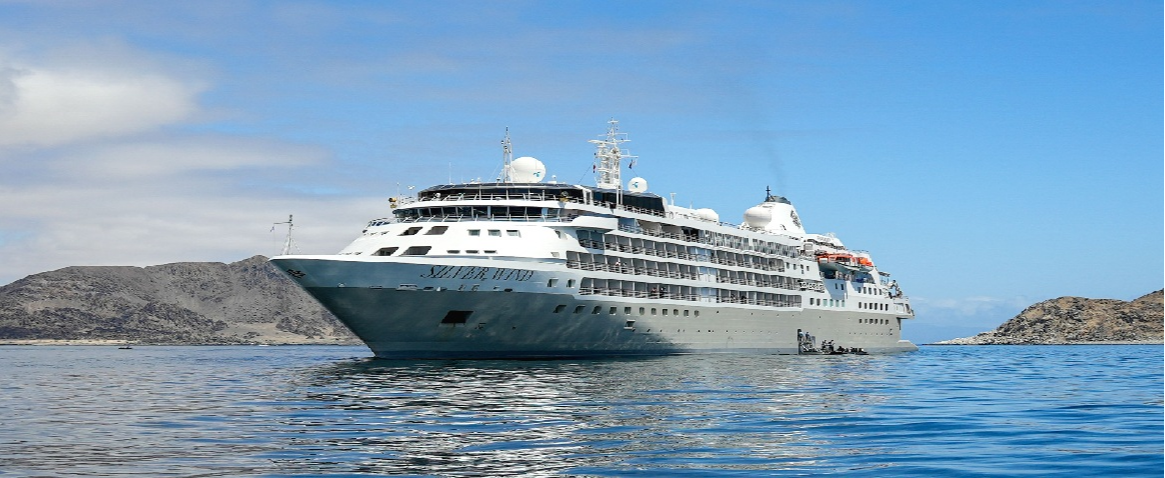
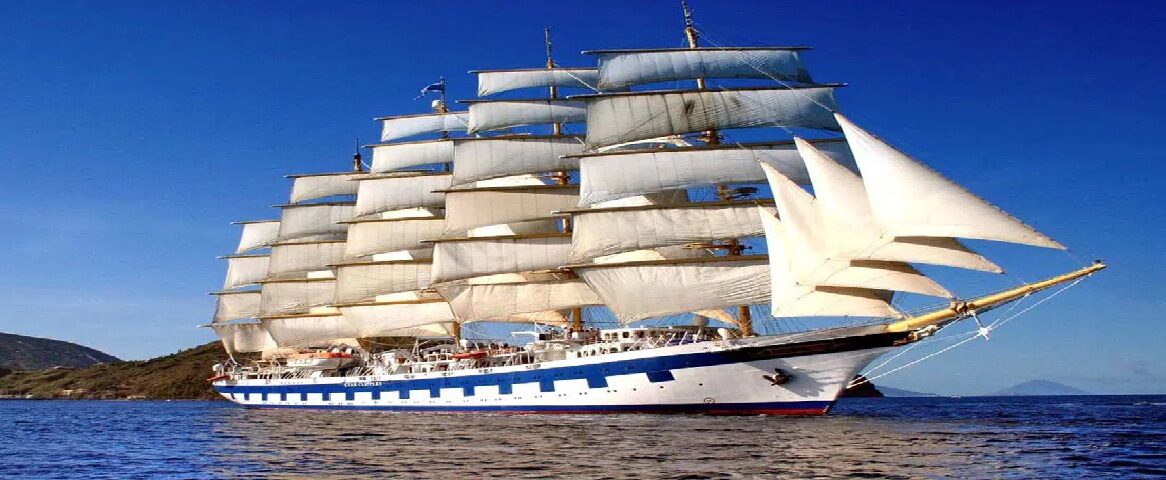

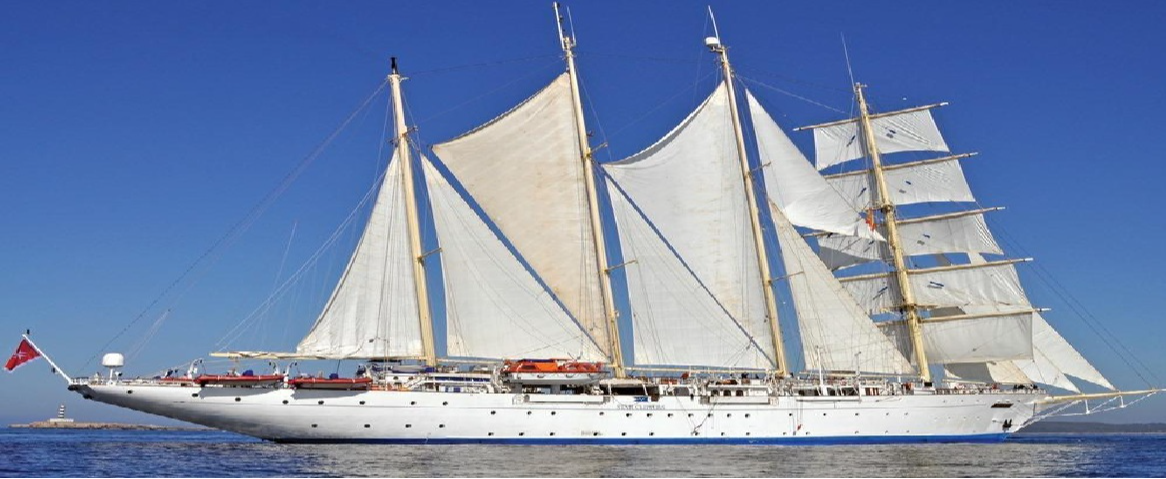
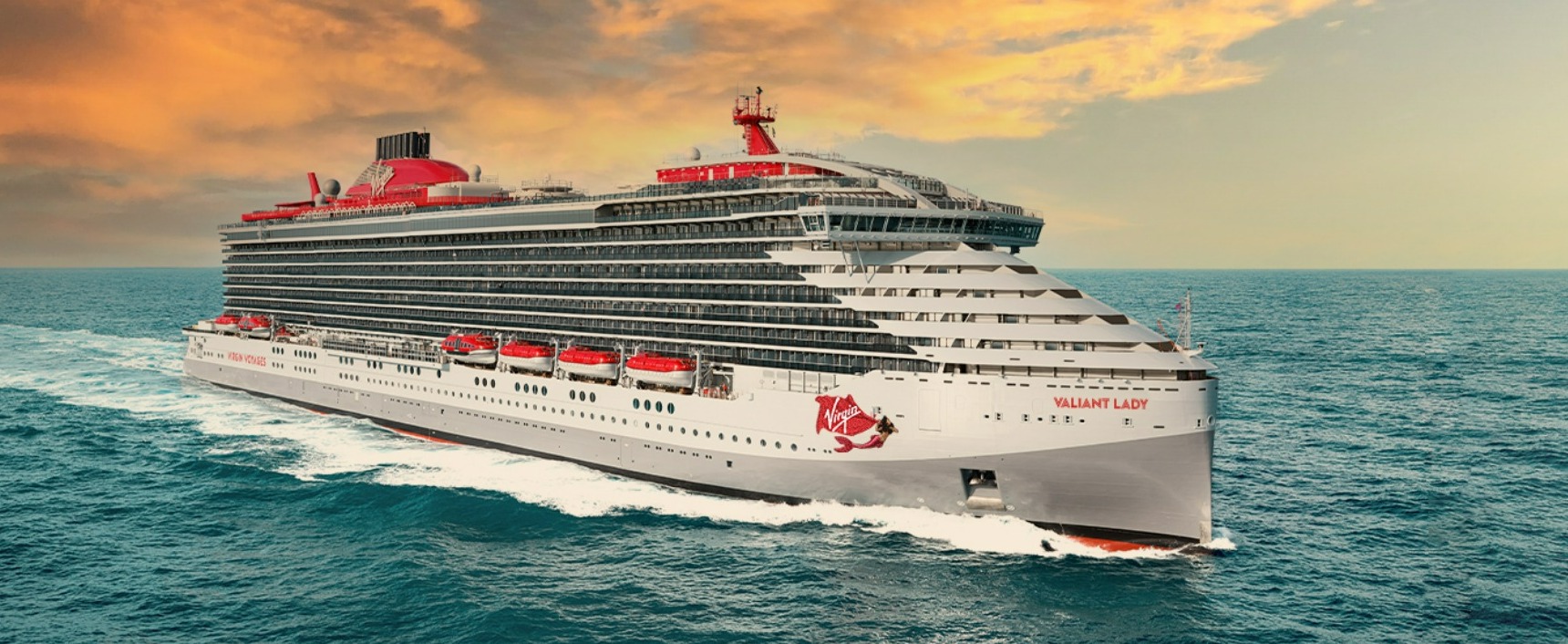
Virgin Voyages (1 Cruises)

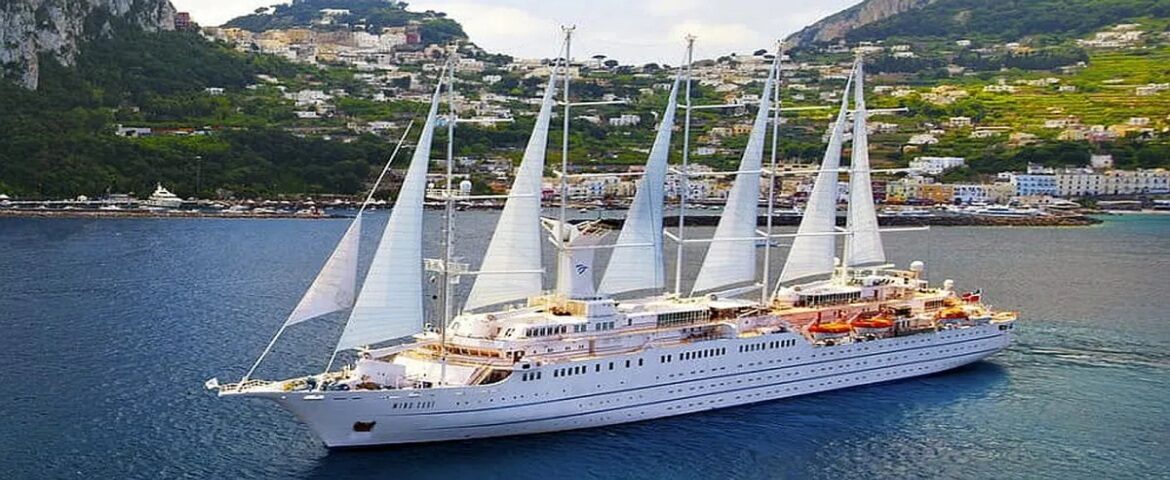
Windstar Cruises (3 Cruises)


Ponta Delgada Azores | Volcanic Island Cruise Guide
Frequently Asked Questions
At the Portas do Mar terminal, right in town. It is one of the most convenient berths in the Atlantic: five minutes on foot brings you to the Portas da Cidade, the city's three landmark arches facing the marina.
Yes, easily. The historic centre is comfortably walkable: shopping streets paved in Portuguese mosaic, the São Sebastião mother church, squares where hydrangeas spill out of the gardens. Only the crater excursions require a vehicle.
The most famous caldera on São Miguel, about forty minutes' drive away. From the Vista do Rei viewpoint you look down on a crater several kilometres across holding twin lakes, one green, one blue, separated by a single bridge.
One excursion, plus the town. Sete Cidades or Furnas: doing both in the same call means a day on a coach. The town itself deserves an hour or two, with the Graça market and its stalls of pineapple, fish and island cheeses.
A volcanic valley about forty-five minutes away where the ground bubbles: fumaroles, hot springs, mud pools. It's where cozido is cooked, a stew of meats and vegetables buried for hours in volcanic soil, often paired with a soak in the iron-rich pools of Terra Nostra park.
Yes. São Miguel is one of Europe's finest whale-watching bases: sperm whales, dolphins and, in season, blue whales. Trips leave from the marina a few steps from the terminal, led by biologists. Nothing is guaranteed: the ocean decides.
Yes, both. Pineapples grow under glass in family plantations you can visit on the edge of town, and the north coast holds some of the only tea plantations in Europe. Both fit comfortably into half a day.
The euro. Cards are taken everywhere in town, in restaurants and shops alike. Keep a little cash for the Graça market and country producers.
Portuguese. English is widely understood in tourism, hotels and excursions; French turns up with some guides. This is the largest city in the Azores and the habit of receiving visitors is well established.
May through September, for the kindest sea and hydrangeas in bloom. Weather shifts fast in every season: clear sky at the pier can become thick mist at the Sete Cidades viewpoint forty minutes later.


