Dubrovnik Croatia, Port Gruz
1663
Cruises availables
At departure or passage at this port
Atlas Ocean Voyages (3 Cruises)


Azamara Club Cruises (52 Cruises)
Azamara Journey
21 Cruises
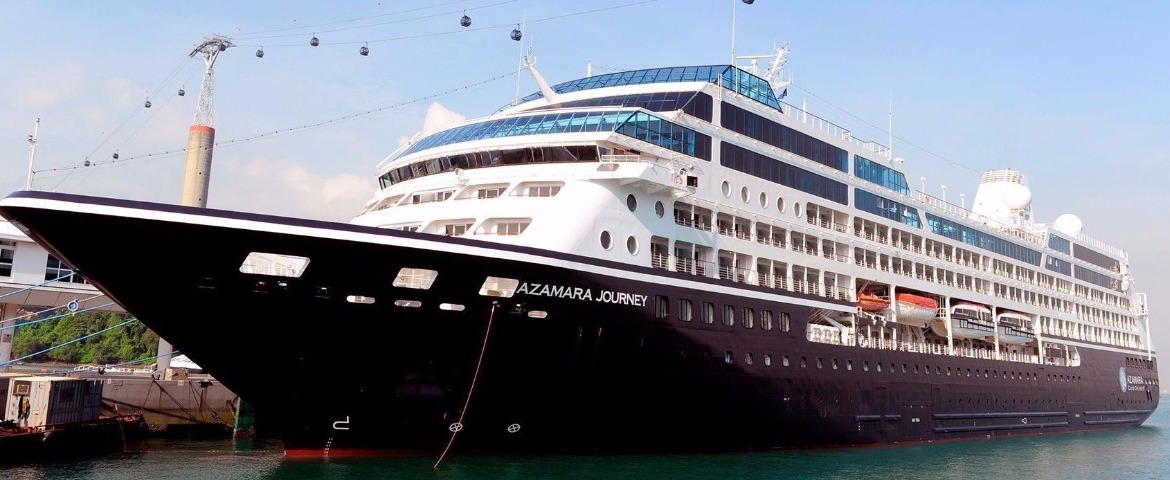

| 29 March | 37 days | One-way from Miami to Fusina Venice |
450-628-6241
Call us
|
| 29 March | 38 days | One-way from Miami to Chioggia |
450-628-6241
Call us
|
| 24 April | 11 days | One-way from Barcelona to Fusina Venice |
450-628-6241
Call us
|
| 24 April | 12 days | One-way from Barcelona to Chioggia |
450-628-6241
Call us
|
| 9 September | 41 days | One-way from Portsmouth UK to Piraeus-Athens |
450-628-6241
Call us
|
| 29 September | 12 days | One-way from Barcelona to Venice |
450-628-6241
Call us
|
| 25 March | 43 days | One-way from Lisbon to Piraeus-Athens |
450-628-6241
Call us
|
| 25 March | 42 days | One-way from Lisbon to Piraeus-Athens |
450-628-6241
Call us
|
| 15 April | 22 days | One-way from Civitavecchia-Rome to Piraeus-Athens |
450-628-6241
Call us
|
| 25 April | 12 days | One-way from Venice to Piraeus-Athens |
450-628-6241
Call us
|
Azamara Onward
28 Cruises
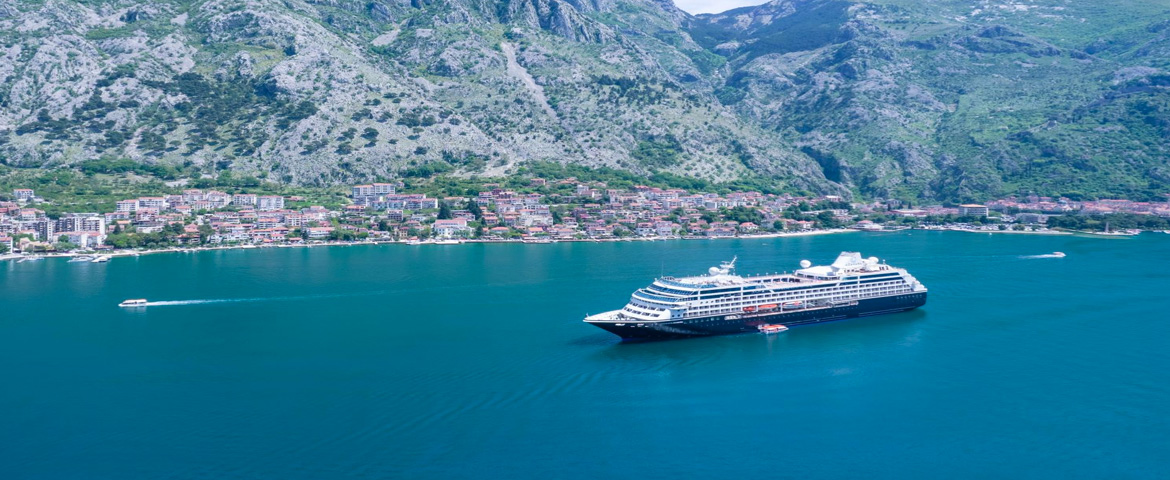
| 8 June | 22 days | One-way from Barcelona to Piraeus-Athens |
450-628-6241
Call us
|
| 20 June | 10 days | One-way from Venice to Piraeus-Athens |
450-628-6241
Call us
|
| 9 May | 52 days | One-way from Cape Town to Piraeus-Athens |
450-628-6241
Call us
|
| 9 May | 51 days | One-way from Cape Town to Piraeus-Athens |
450-628-6241
Call us
|
Carnival Cruise Line (3 Cruises)

Celebrity Cruises (48 Cruises)
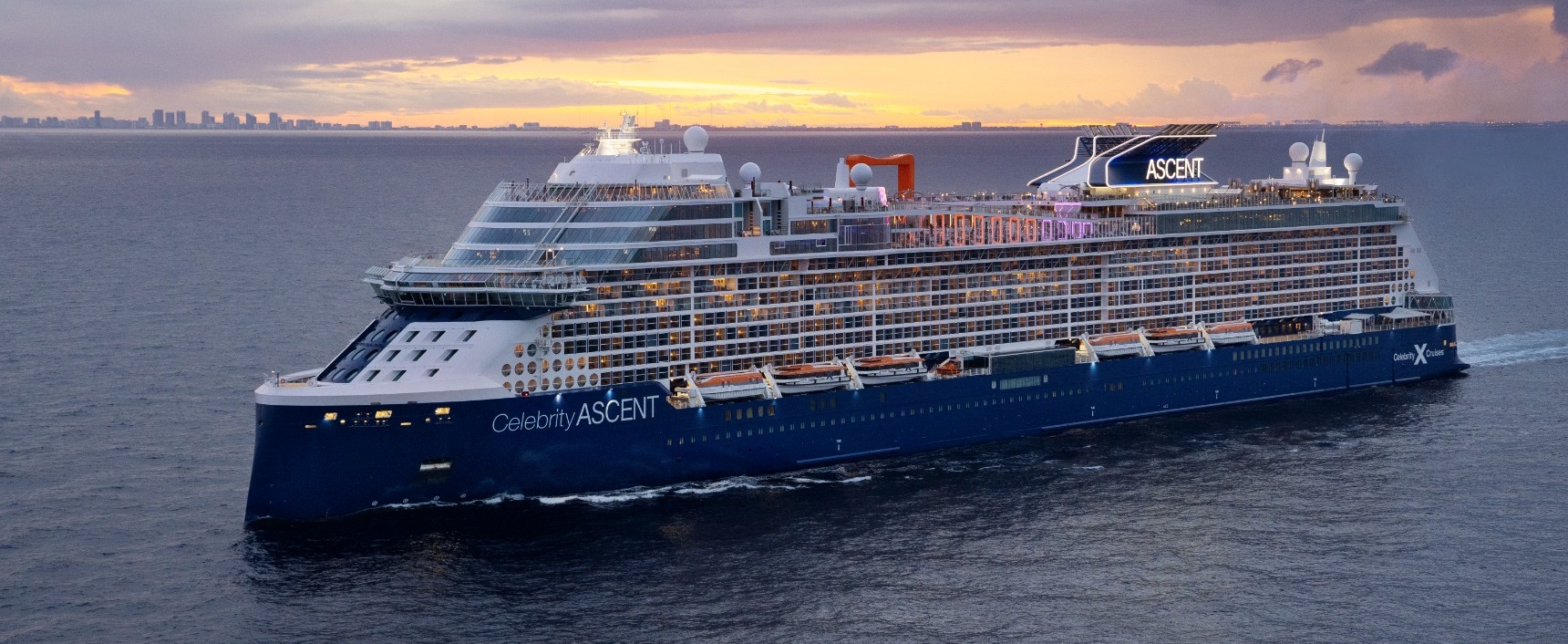
Celebrity Ascent
16 Cruises

| 14 May | 11 days | Round-trip from Civitavecchia-Rome, Italy |
450-628-6241
Call us
|
| 14 May | 10 days | Round-trip Mediterranean Celebrity Ascent Civitavecchia Rome |
From
3148$
|
| 16 July | 10 days | Round-trip Mediterranean Celebrity Ascent Civitavecchia Rome |
From
2701$
|
| 16 July | 11 days | Round-trip from Civitavecchia-Rome, Italy |
450-628-6241
Call us
|
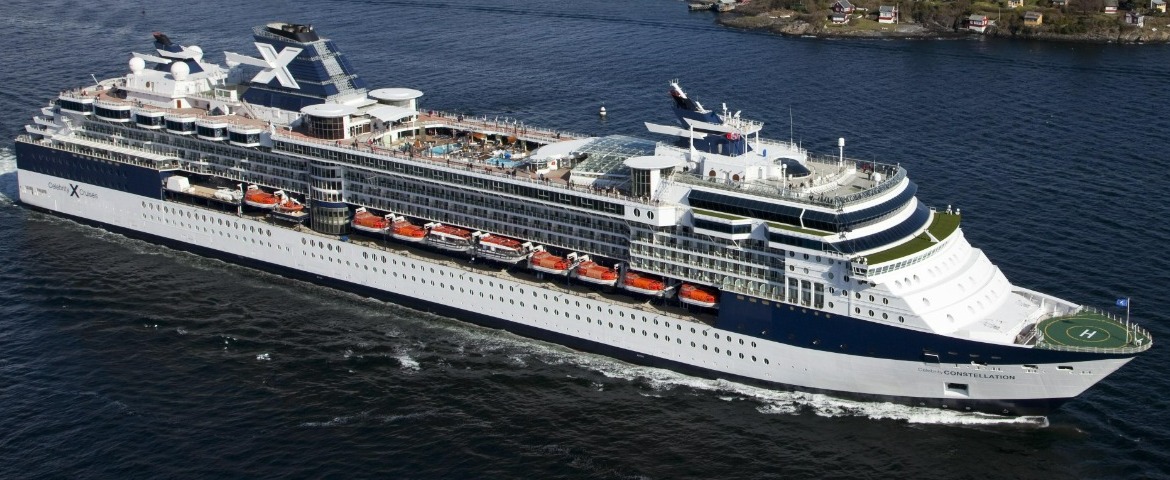
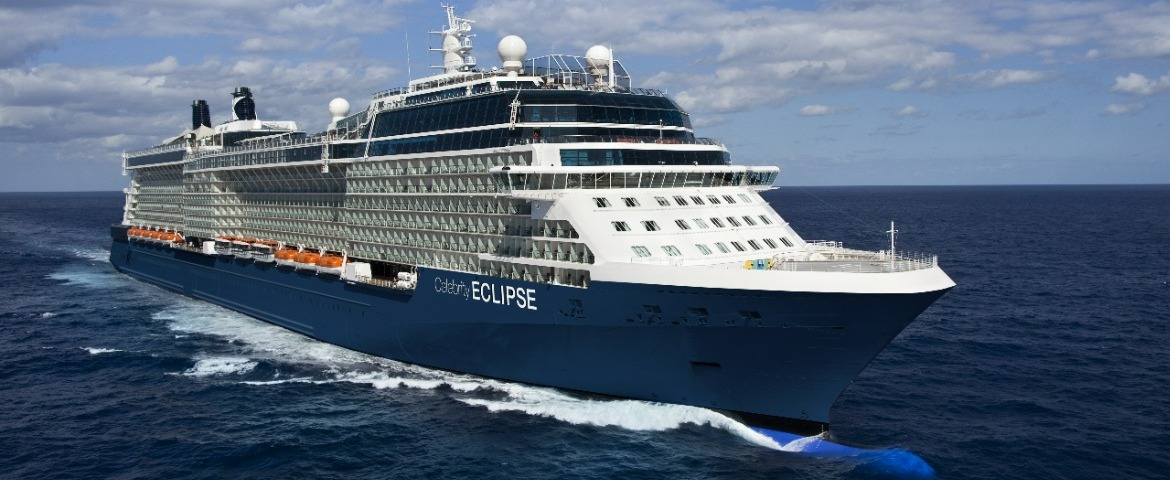
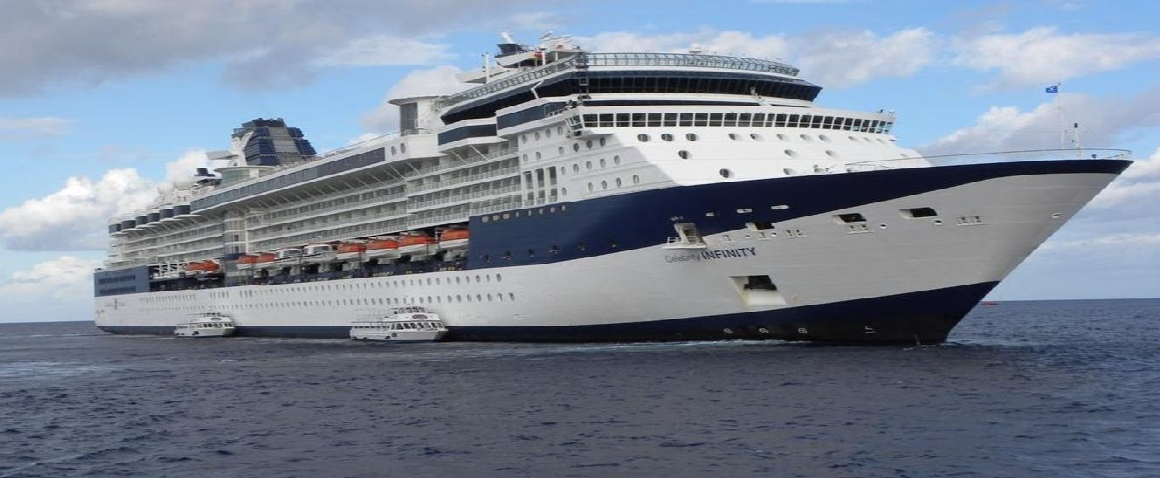
Celebrity Constellation
24 Cruises
Celestyal Cruises (54 Cruises)
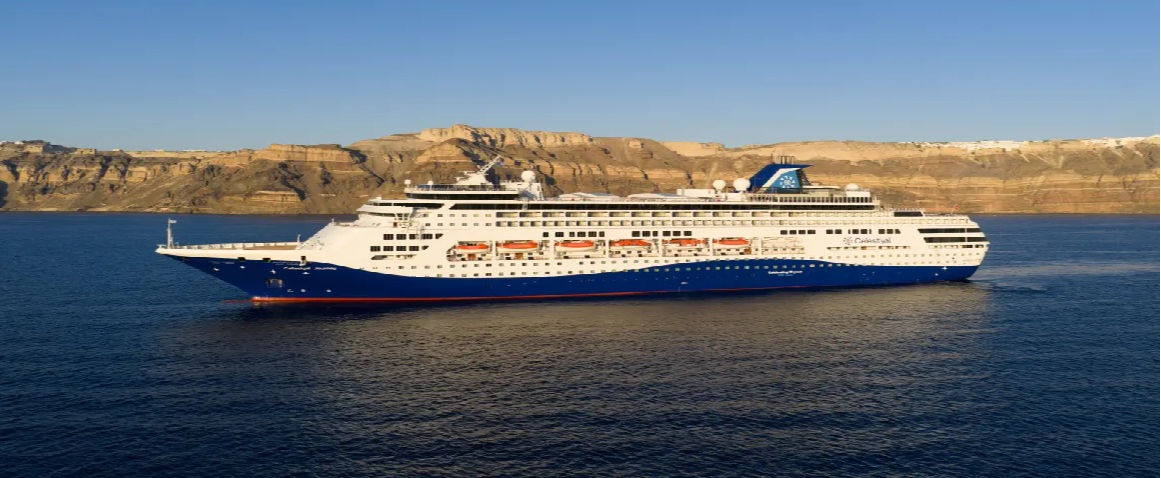
Celestyal Journey
54 Cruises

Costa Cruises (21 Cruises)
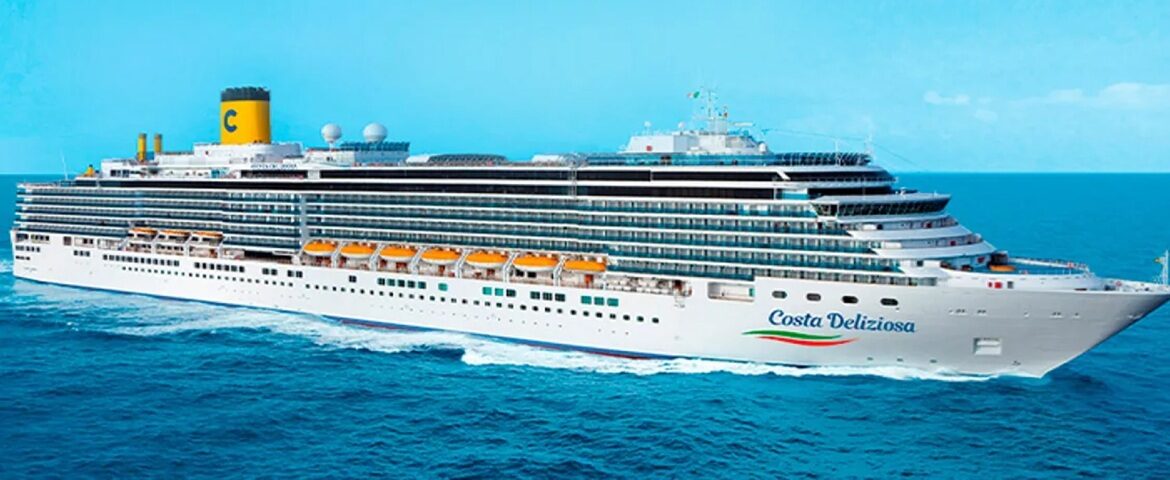
Costa Deliziosa
21 Cruises

| 5 June | 8 days | Round-trip from Venice, Italy |
450-628-6241
Call us
|
| 5 June | 15 days | Round-trip from Venice, Italy |
450-628-6241
Call us
|
| 26 June | 15 days | Round-trip from Venice, Italy |
450-628-6241
Call us
|
CroisiEurope (31 Cruises)
MV La Belle de L'Adriatique
31 Cruises


| 24 June | 7 days | Round-trip Croatia and Montenegro |
450-628-6241
Call us
|
| 24 June | 8 days | Round-trip from Dubrovnik, Croatia |
450-628-6241
Call us
|
Crystal Cruises (4 Cruises)

Cunard (150 Cruises)
Queen Elizabeth
148 Cruises

Disney Cruise Line (1 Cruises)

Emerald Waterways (132 Cruises)
Emerald Azzurra
55 Cruises
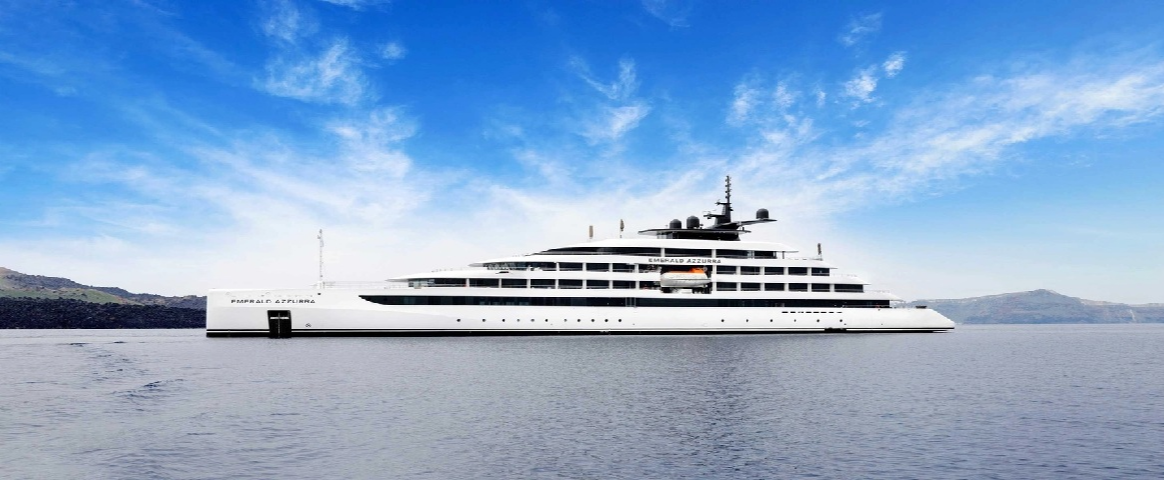

| 29 May | 20 days | One-way from Piraeus-Athens to Venice |
450-628-6241
Call us
|
| 29 May | 22 days | One-way from Piraeus-Athens to Venice |
450-628-6241
Call us
|
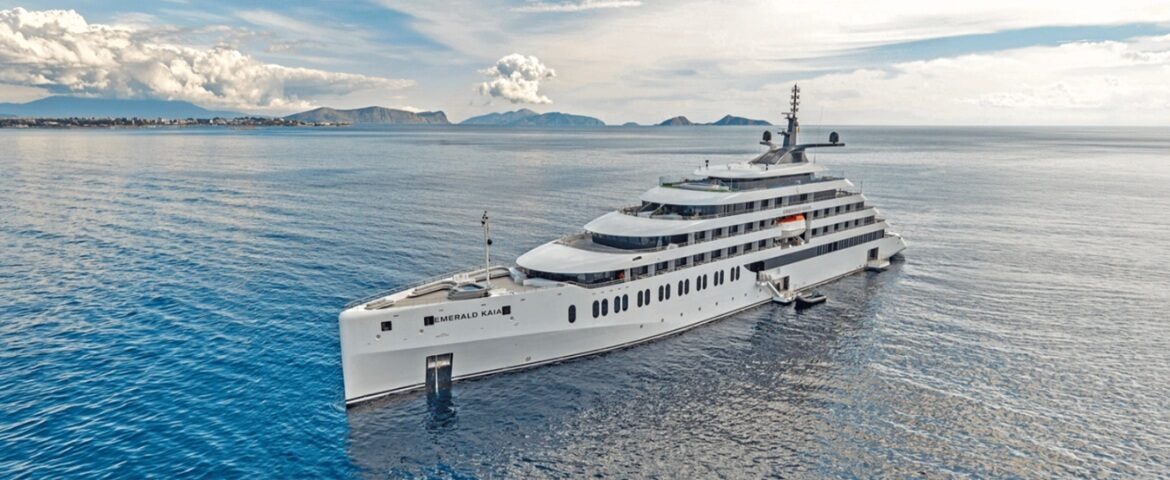
Emerald Kaia
69 Cruises
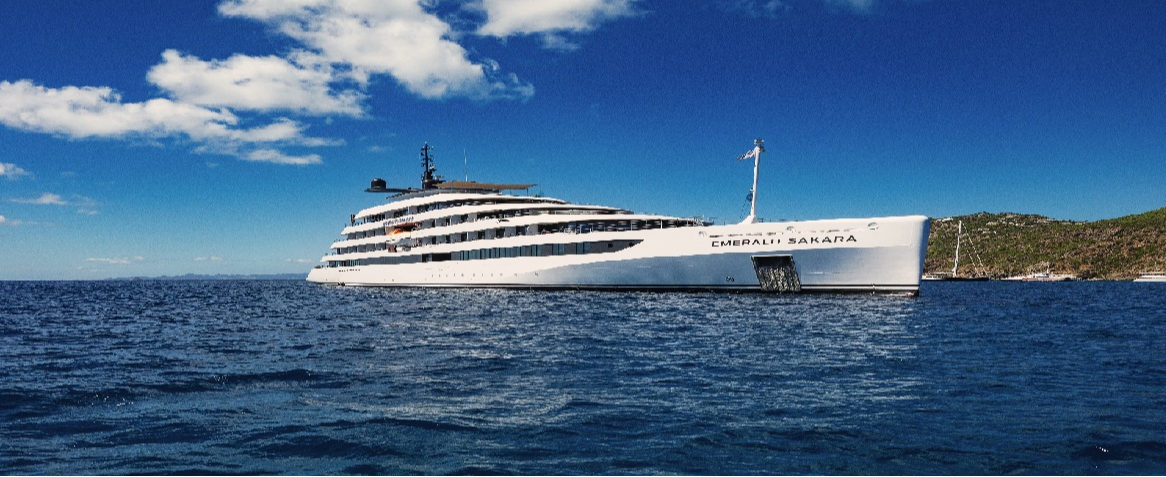
Emerald Sakara
8 Cruises
Explora Journeys (34 Cruises)
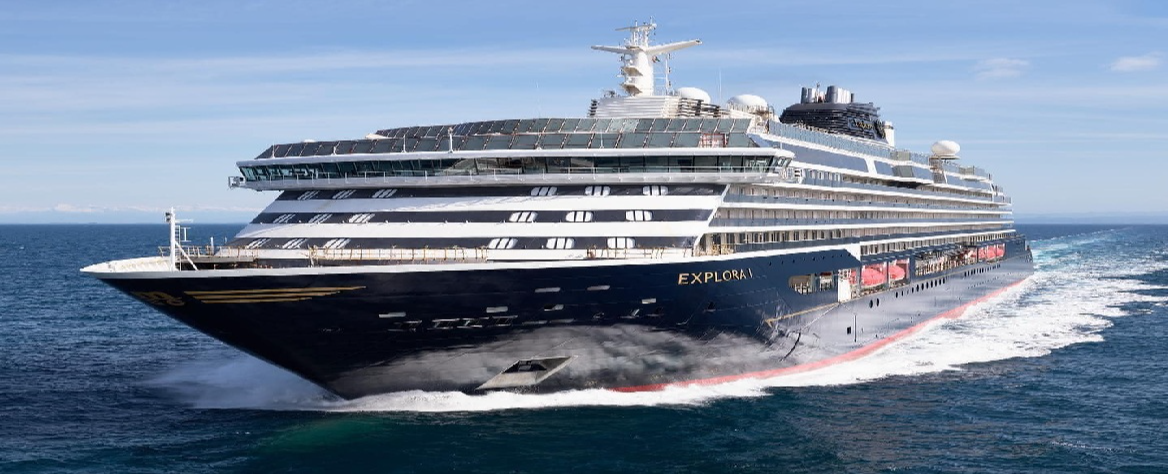

Explora II
27 Cruises
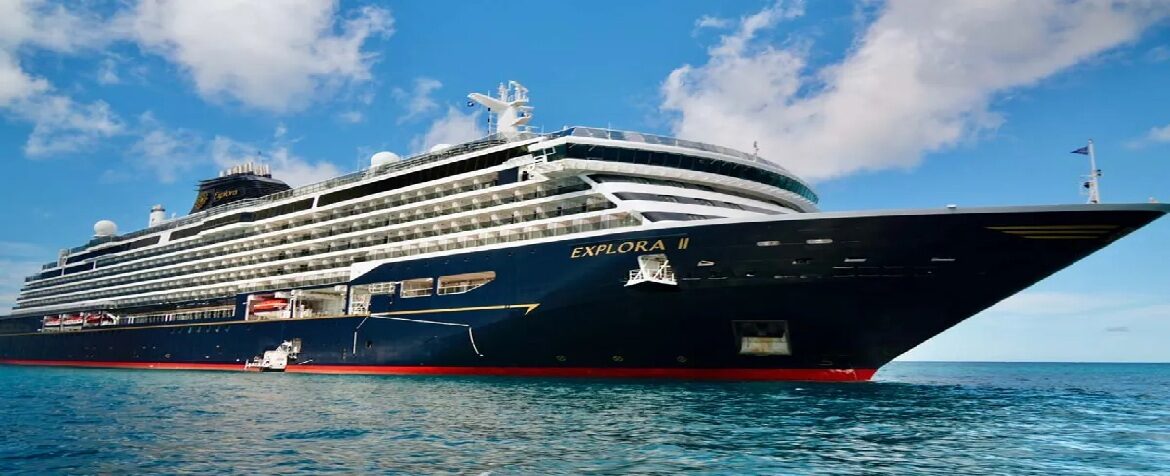
| 14 June | 15 days | Round-trip from Piraeus-Athens, Greece |
450-628-6241
Call us
|
| 21 June | 8 days | One-way from Venice to Piraeus-Athens |
450-628-6241
Call us
|
Holland America Line (27 Cruises)
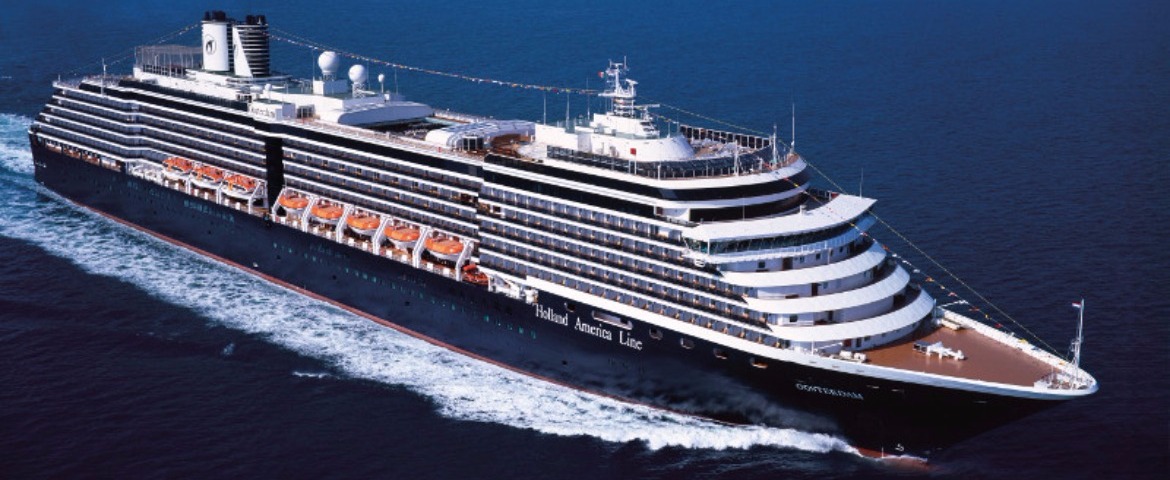
ms Oosterdam
22 Cruises

| 23 April | 23 days | One-way from Barcelona to Trieste |
450-628-6241
Call us
|
| 23 April | 22 days | One-way from Barcelona to Trieste |
450-628-6241
Call us
|
| 28 August | 25 days | One-way from Barcelona to Trieste |
450-628-6241
Call us
|
| 28 August | 24 days | One-way from Barcelona to Trieste |
450-628-6241
Call us
|
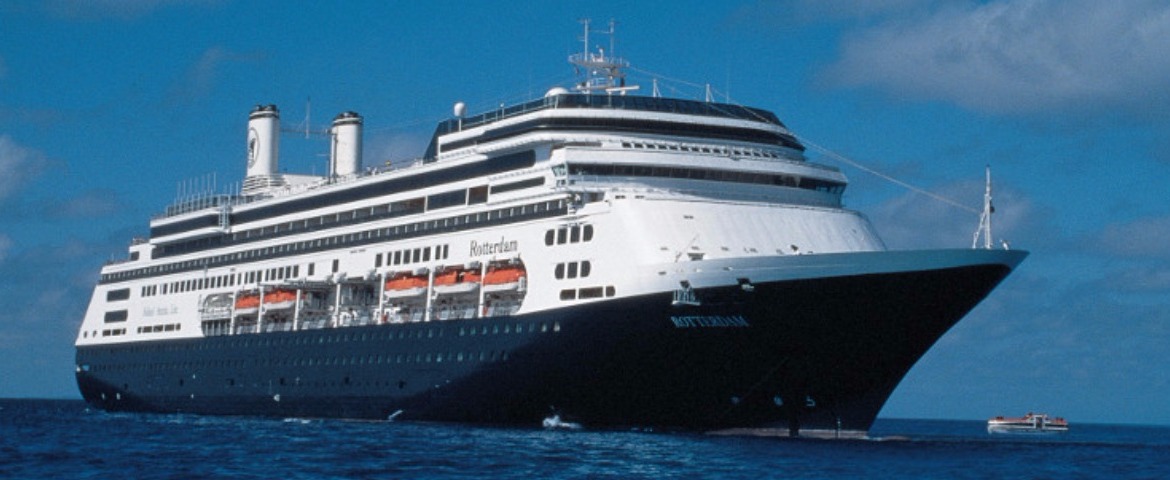
ms Rotterdam
5 Cruises
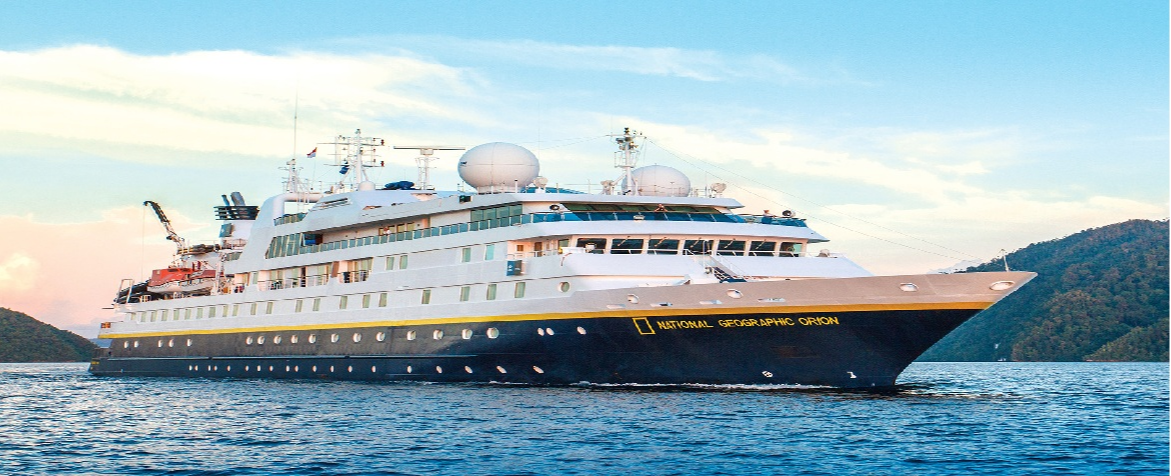
Lindblad Expeditions (5 Cruises)

MSC Cruises (151 Cruises)
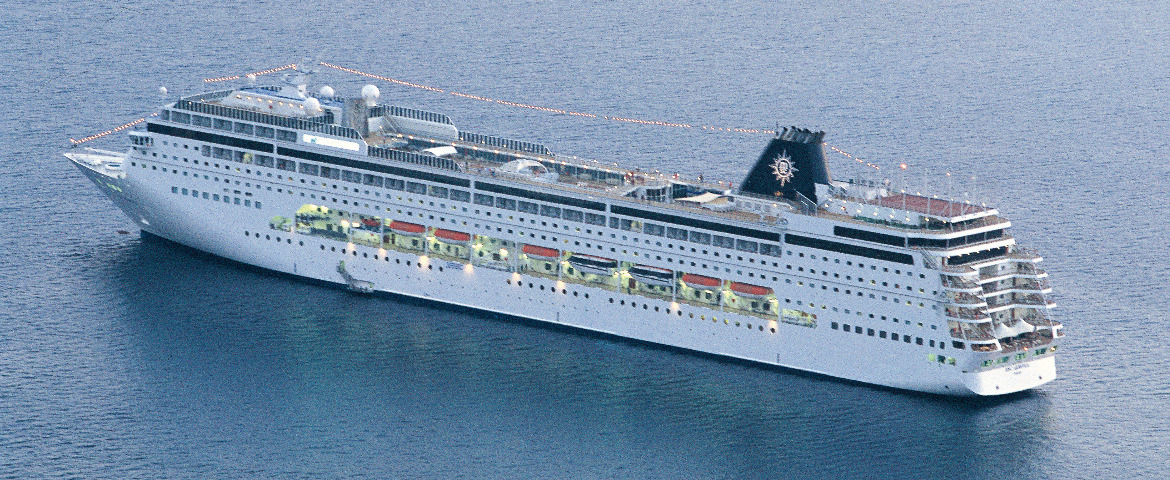
MSC Armonia
151 Cruises

Norwegian Cruise Line (52 Cruises)
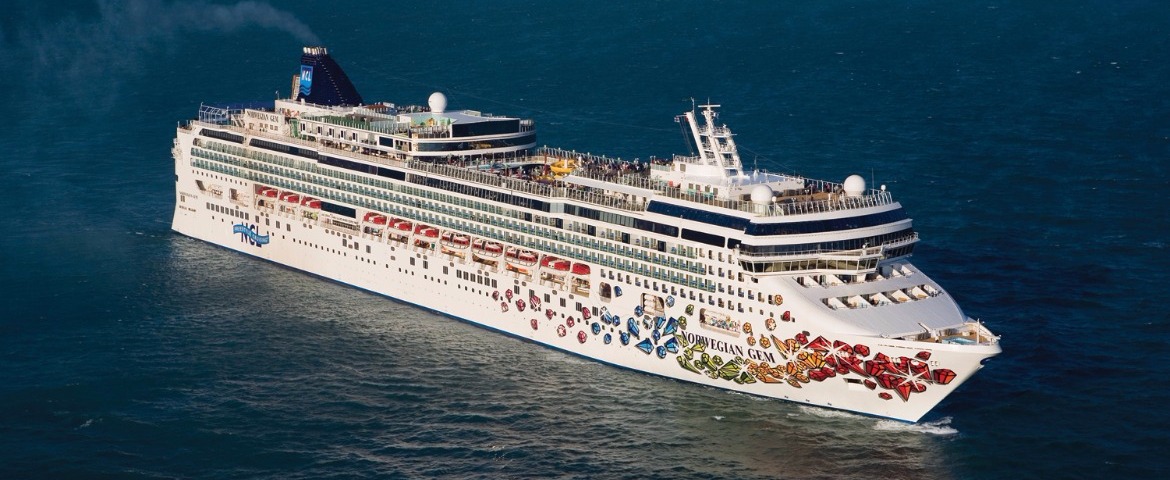
Norwegian Gem
19 Cruises

| 2 May | 8 days | One-way from Ravenna to Piraeus-Athens |
From
1016$
|
| 16 May | 8 days | One-way from Ravenna to Piraeus-Athens |
From
1156$
|
| 30 May | 8 days | One-way from Ravenna to Piraeus-Athens |
From
1142$
|
| 13 June | 8 days | One-way from Ravenna to Piraeus-Athens |
From
1086$
|
| 27 June | 8 days | One-way from Ravenna to Piraeus-Athens |
From
1100$
|
| 11 July | 8 days | One-way from Ravenna to Piraeus-Athens |
From
1072$
|
| 25 July | 8 days | One-way from Ravenna to Piraeus-Athens |
From
1086$
|
| 8 August | 8 days | One-way from Ravenna to Piraeus-Athens |
From
1051$
|
| 22 August | 8 days | One-way from Ravenna to Piraeus-Athens |
From
1030$
|
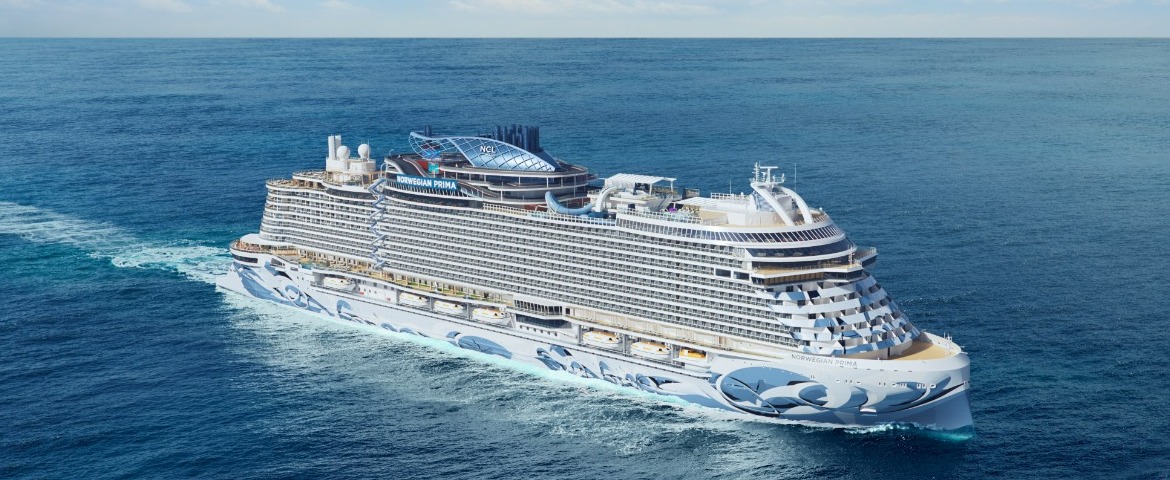
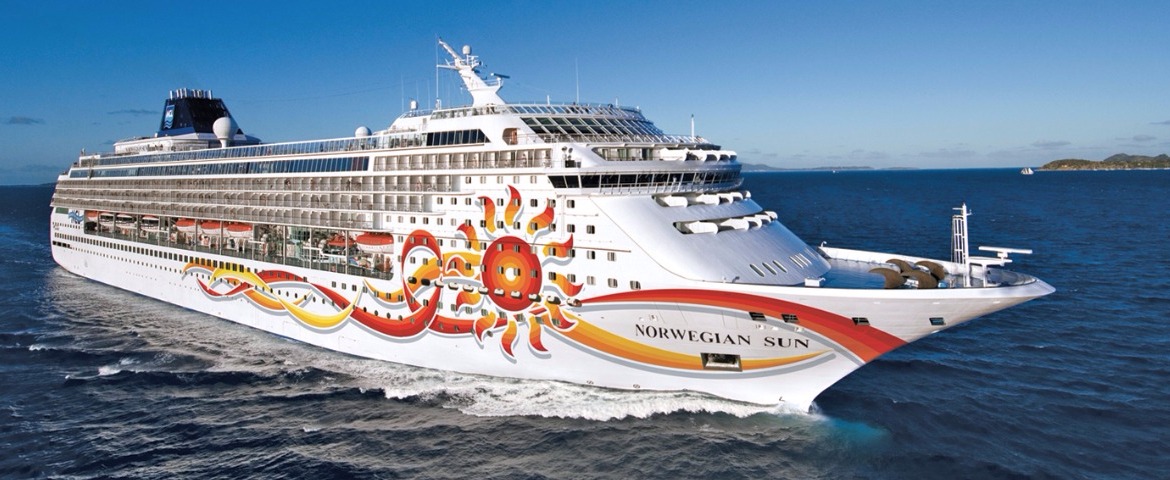
Norwegian Sun
15 Cruises
| 4 July | 7 days | One-way from Ravenna to Civitavecchia-Rome |
From
784$
|
| 18 July | 7 days | One-way from Ravenna to Civitavecchia-Rome |
From
770$
|
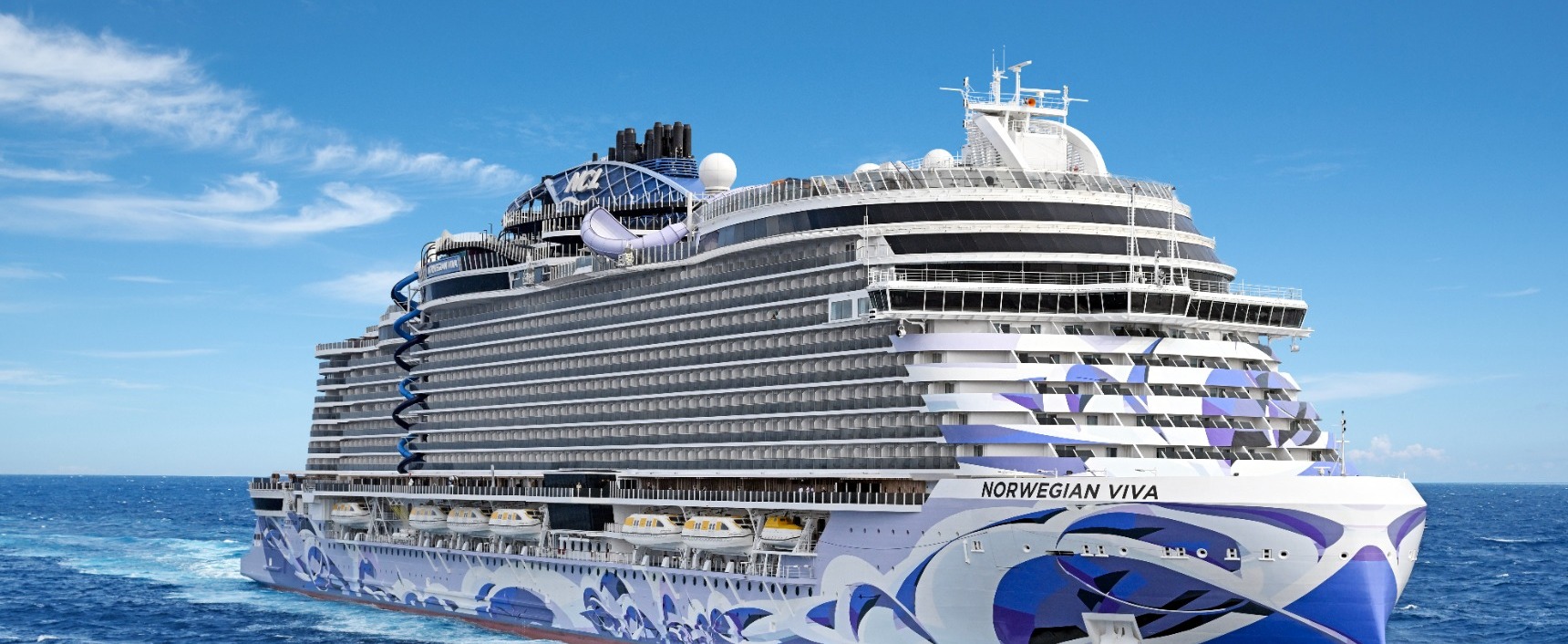
Norwegian Viva
13 Cruises
| 13 June | 10 days | One-way from Ravenna to Istanbul |
450-628-6241
Call us
|
| 13 June | 10 days | One-way from Ravenna to Istanbul |
From
2103$
|
| 8 August | 10 days | One-way from Ravenna to Istanbul |
450-628-6241
Call us
|
| 8 August | 10 days | One-way from Ravenna to Istanbul |
From
1871$
|
Oceania Cruises (97 Cruises)
Oceania Allura
35 Cruises

| 1 May | 11 days | One-way from Civitavecchia-Rome to Trieste |
450-628-6241
Call us
|
| 11 May | 11 days | One-way from Trieste to Piraeus-Athens |
450-628-6241
Call us
|
| 10 January | 11 days | One-way from Civitavecchia-Rome to Trieste |
450-628-6241
Call us
|
| 20 January | 10 days | One-way from Trieste to Piraeus-Athens |
450-628-6241
Call us
|
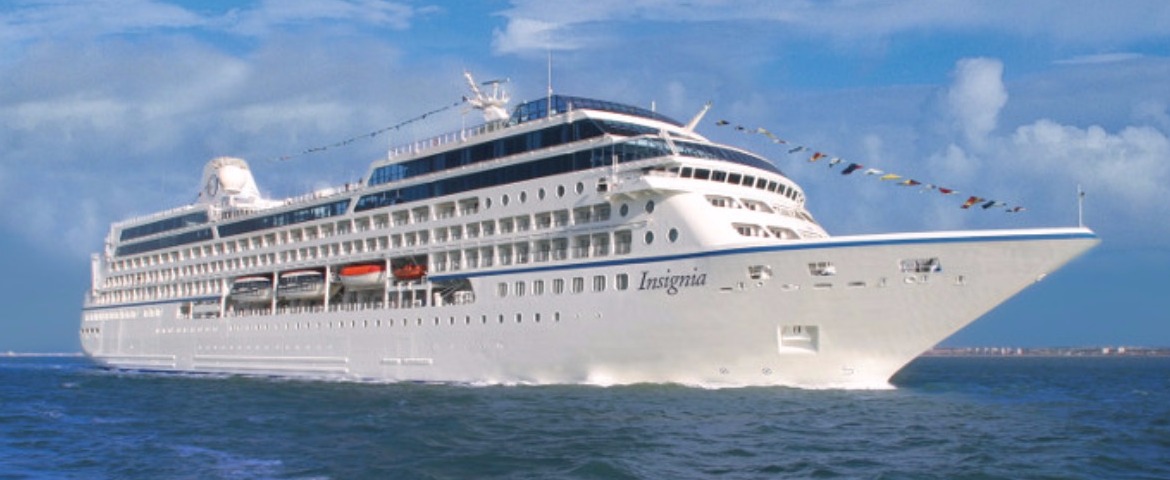
Oceania Insignia
10 Cruises
| 19 August | 68 days | One-way from Helsinki to Piraeus-Athens |
450-628-6241
Call us
|
| 19 August | 67 days | One-way from Helsinki to Piraeus-Athens |
450-628-6241
Call us
|
| 13 September | 42 days | One-way from Le Havre-Paris to Piraeus-Athens |
450-628-6241
Call us
|
| 13 September | 43 days | One-way from Le Havre-Paris to Piraeus-Athens |
450-628-6241
Call us
|
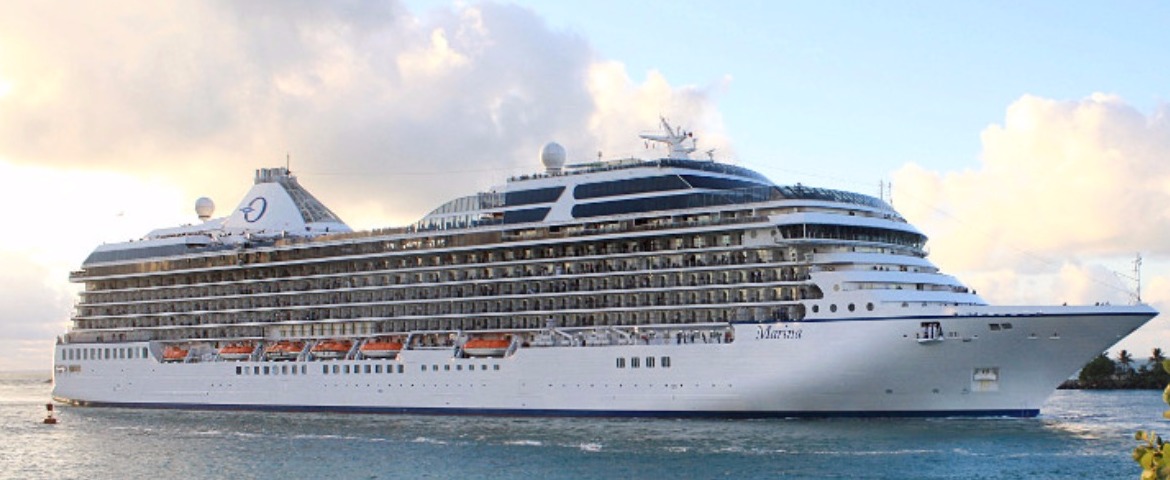
Oceania Marina
13 Cruises
Oceania Sirena
12 Cruises
Oceania Sonata
5 Cruises
Oceania Vista
16 Cruises
| 6 January | 180 days | One-way from Miami to Southampton |
450-628-6241
Call us
|
| 6 January | 244 days | One-way from Miami to New York |
450-628-6241
Call us
|
| 26 February | 129 days | One-way from Sydney to Southampton |
450-628-6241
Call us
|
| 26 February | 130 days | One-way from Sydney to Southampton |
450-628-6241
Call us
|
| 4 January | 96 days | One-way from Auckland to Civitavecchia-Rome |
450-628-6241
Call us
|
| 4 January | 97 days | One-way from Auckland to Civitavecchia-Rome |
450-628-6241
Call us
|
| 14 February | 55 days | One-way from Singapore to Civitavecchia-Rome |
450-628-6241
Call us
|
| 14 February | 56 days | One-way from Singapore to Civitavecchia-Rome |
450-628-6241
Call us
|
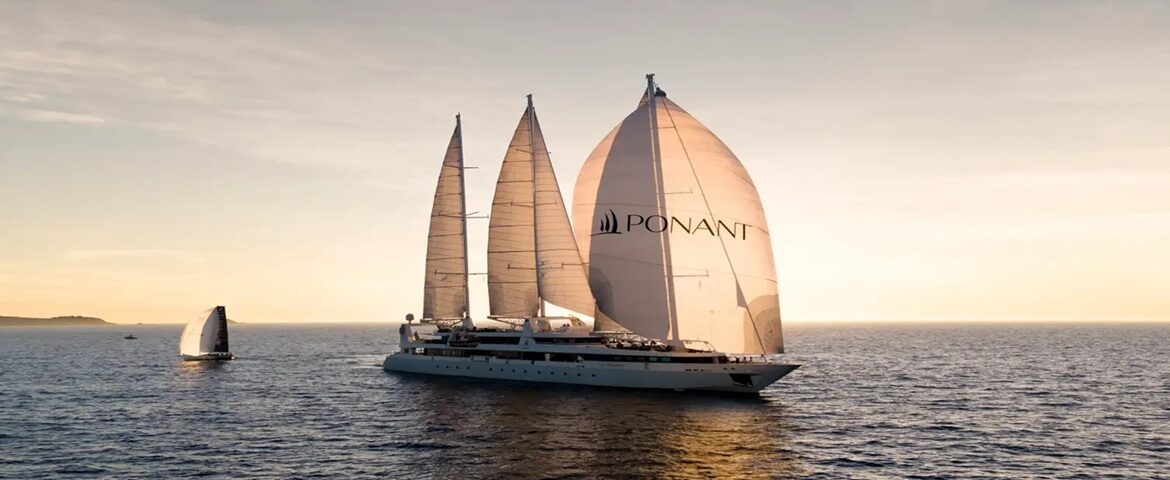
Ponant (10 Cruises)

Princess Cruises (88 Cruises)
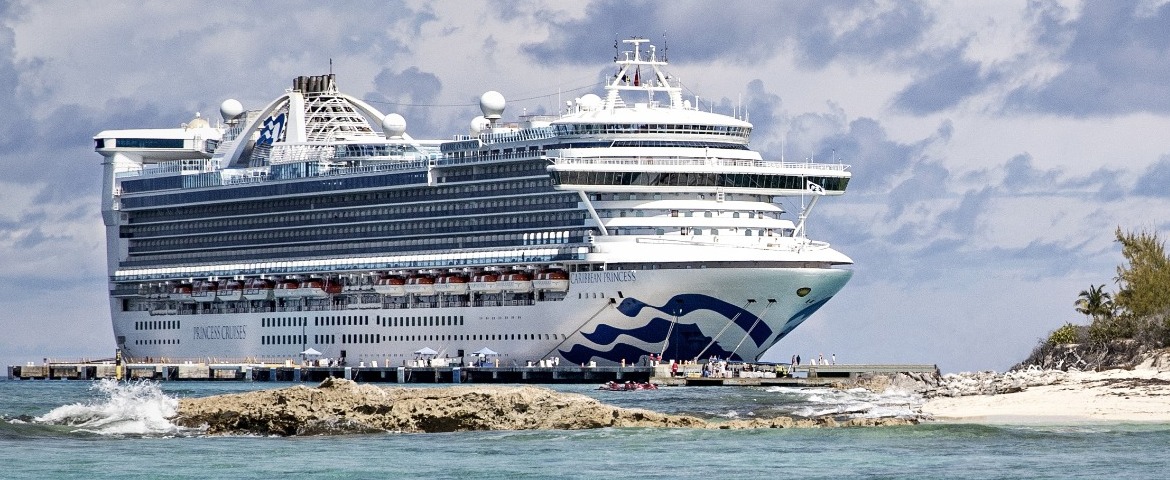
Caribbean Princess
6 Cruises

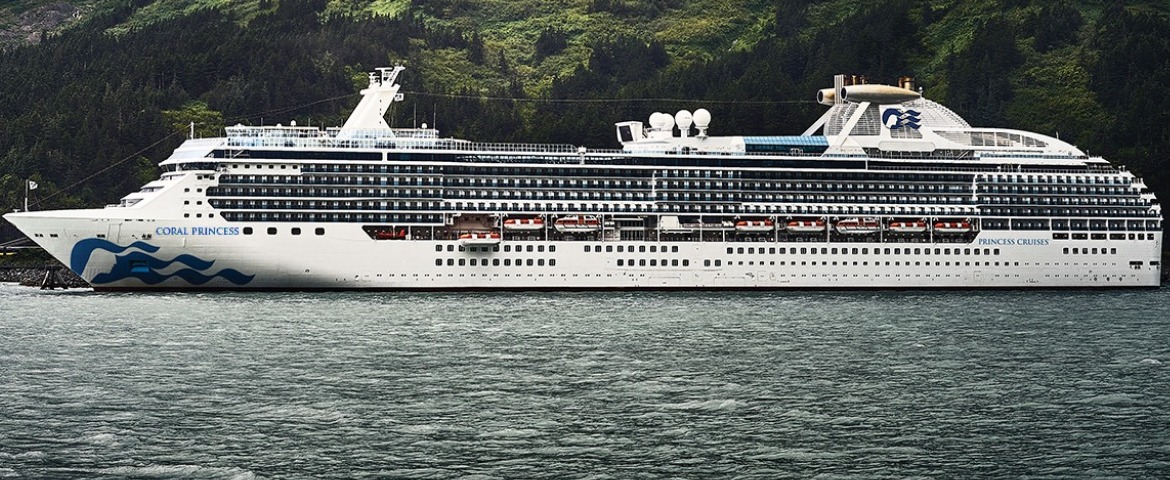
Coral Princess
10 Cruises
| 14 February | 54 days | One-way from Sydney to Civitavecchia-Rome |
450-628-6241
Call us
|
| 14 February | 55 days | One-way from Sydney to Civitavecchia-Rome |
450-628-6241
Call us
|
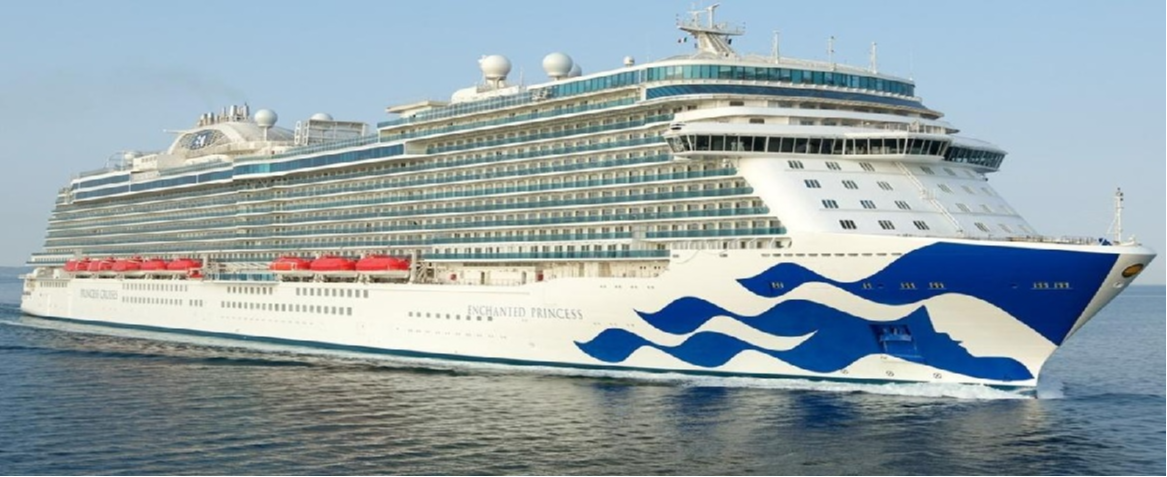
Enchanted Princess
71 Cruises
Regent Seven Seas Cruises (69 Cruises)
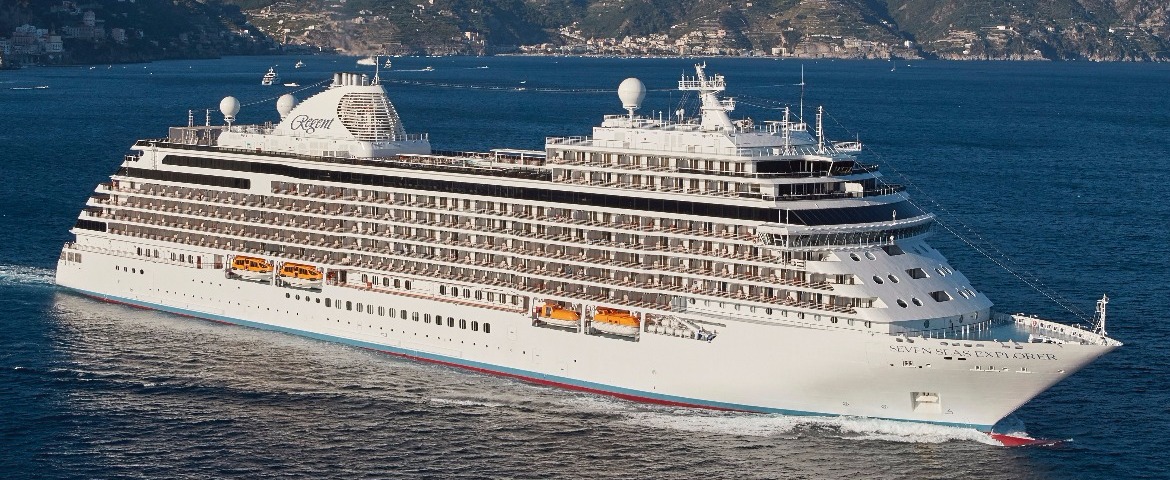
Seven Seas Explorer
9 Cruises

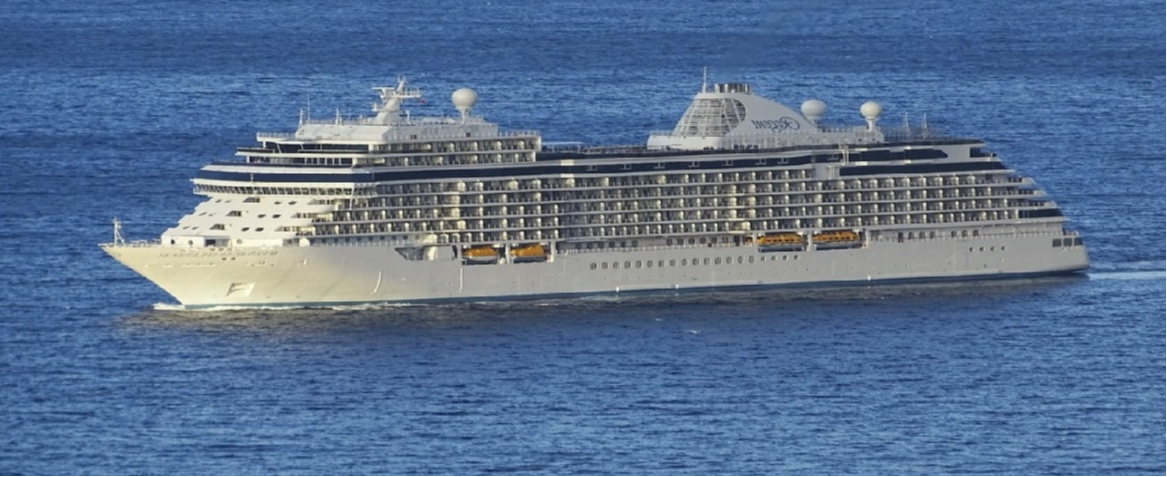
Seven Seas Grandeur
27 Cruises
| 24 August | 15 days | One-way from Barcelona to Venice |
450-628-6241
Call us
|
| 31 August | 8 days | One-way from Civitavecchia-Rome to Venice |
450-628-6241
Call us
|
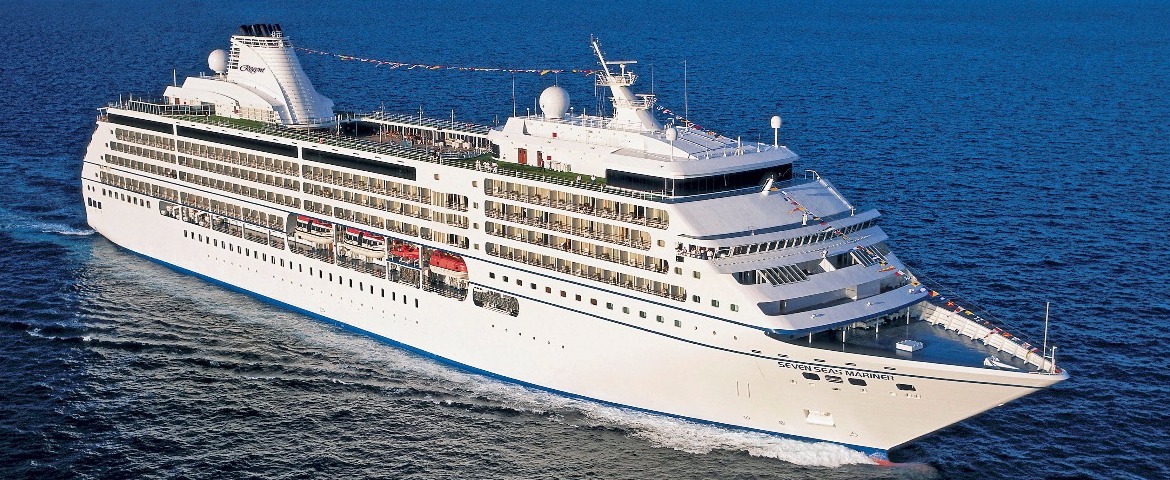
Seven Seas Mariner
8 Cruises
| 29 April | 175 days | One-way from New York to Piraeus-Athens |
450-628-6241
Call us
|
| 29 April | 174 days | One-way from New York to Piraeus-Athens |
450-628-6241
Call us
|
| 30 July | 83 days | One-way from Southampton to Piraeus-Athens |
450-628-6241
Call us
|
| 30 July | 82 days | One-way from Southampton to Piraeus-Athens |
450-628-6241
Call us
|
Seven Seas Prestige
13 Cruises
Seven Seas Voyager
12 Cruises
Royal Caribbean Cruises (23 Cruises)


Explorer of the Seas
10 Cruises

| 17 May | 7 days | One-way from Ravenna to Civitavecchia-Rome |
From
1429$
|
| 17 May | 8 days | One-way from Ravenna to Civitavecchia-Rome |
450-628-6241
Call us
|
| 28 June | 8 days | One-way from Ravenna to Civitavecchia-Rome |
450-628-6241
Call us
|
| 28 June | 7 days | One-way from Ravenna to Civitavecchia-Rome |
From
1574$
|

Seabourn Cruise Line (118 Cruises)
Seabourn Ovation
118 Cruises

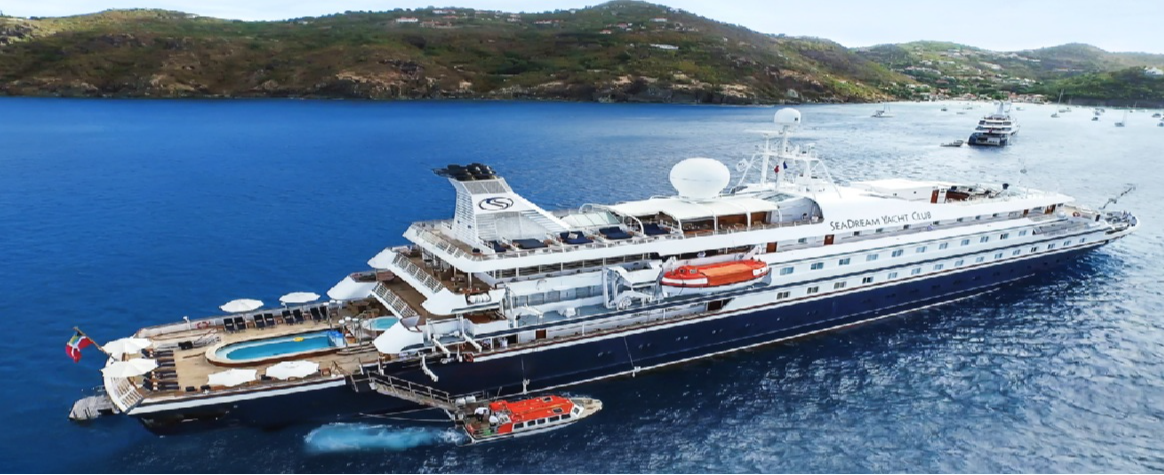
SeaDream Yacht Club (26 Cruises)
Seadream I
10 Cruises

| 1 July | 8 days | One-way from Dubrovnik to Piraeus-Athens |
450-628-6241
Call us
|
| 1 July | 7 days | One-way from Dubrovnik to Piraeus-Athens |
450-628-6241
Call us
|
Seadream II
16 Cruises
Silversea Cruises (50 Cruises)
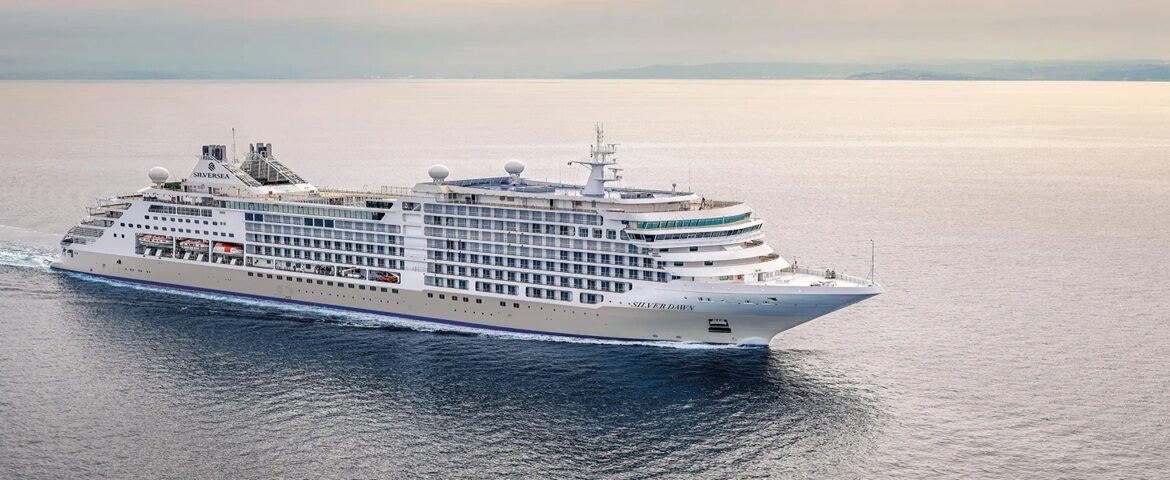
Silver Dawn
8 Cruises

| 19 July | 19 days | One-way from Piraeus-Athens to Civitavecchia-Rome |
450-628-6241
Call us
|
| 19 July | 11 days | One-way from Piraeus-Athens to Venice |
450-628-6241
Call us
|
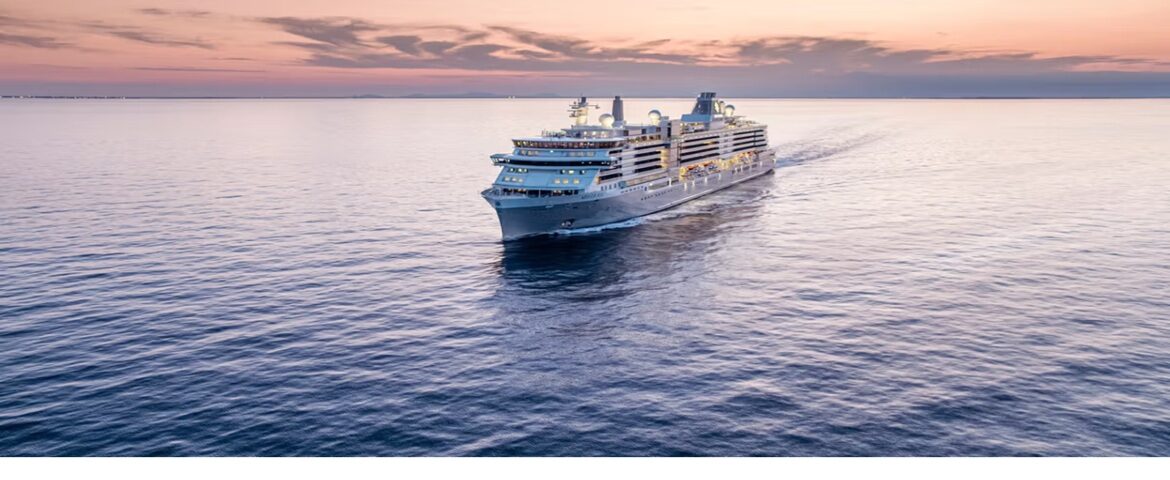
Silver Ray
19 Cruises
| 8 June | 19 days | One-way from Barcelona to Venice |
450-628-6241
Call us
|
| 18 June | 9 days | One-way from Monte Carlo to Venice |
450-628-6241
Call us
|
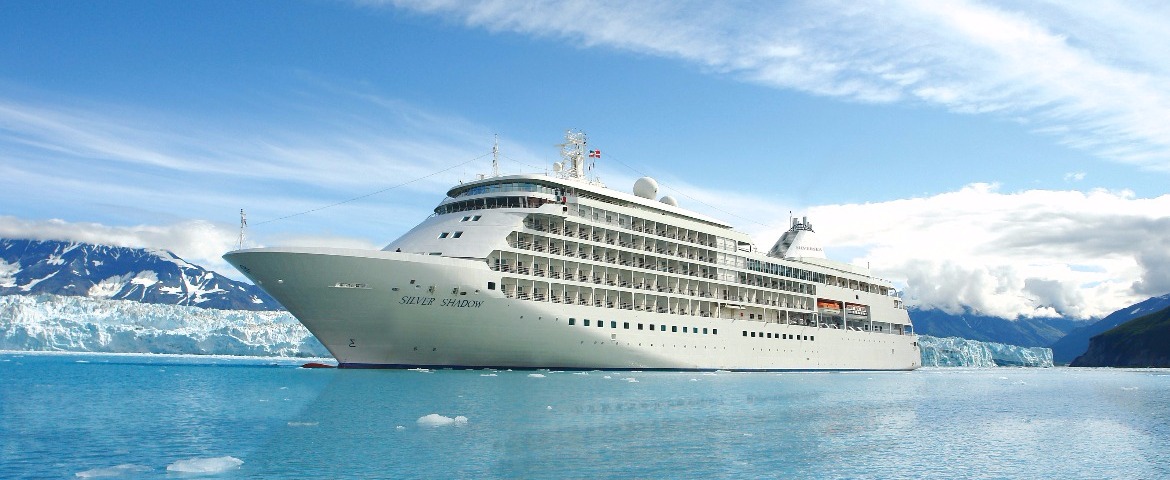
Silver Shadow
13 Cruises
| 27 July | 25 days | One-way from Piraeus-Athens to Villefranche-sur-Mer |
450-628-6241
Call us
|
| 27 July | 13 days | One-way from Piraeus-Athens to Venice |
450-628-6241
Call us
|
Silver Spirit
10 Cruises
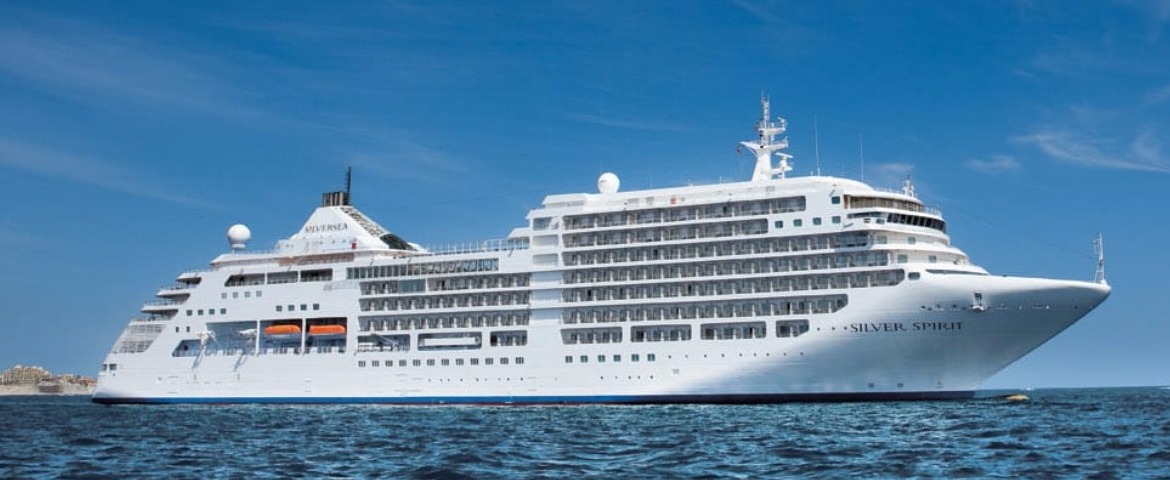
| 15 September | 13 days | One-way from Civitavecchia-Rome to Venice |
450-628-6241
Call us
|
| 27 September | 10 days | Round-trip from Venice, Italy |
450-628-6241
Call us
|
Star Clippers (18 Cruises)
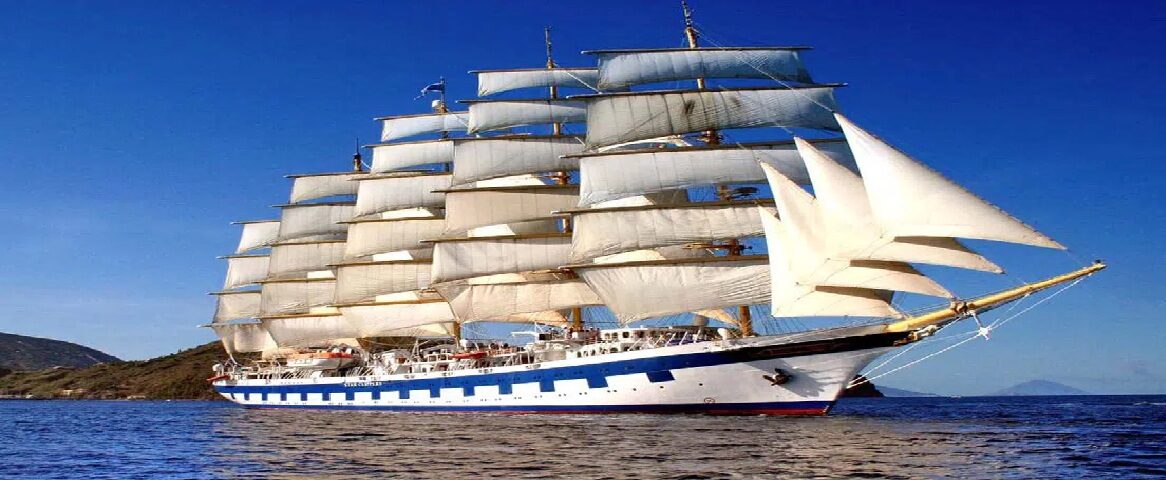
Royal Clipper
16 Cruises

Viking Ocean Cruises (335 Cruises)
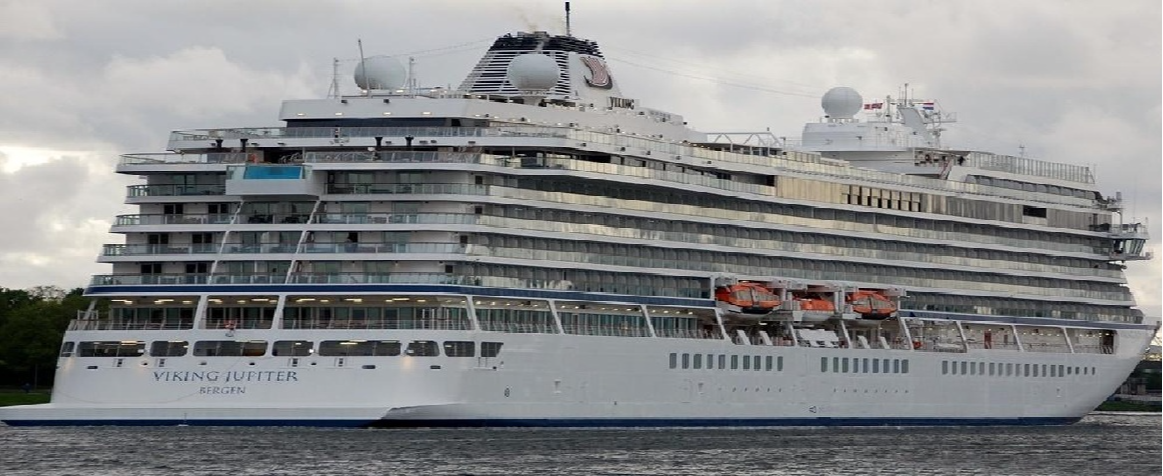
Viking Jupiter
79 Cruises

Viking Mars
39 Cruises
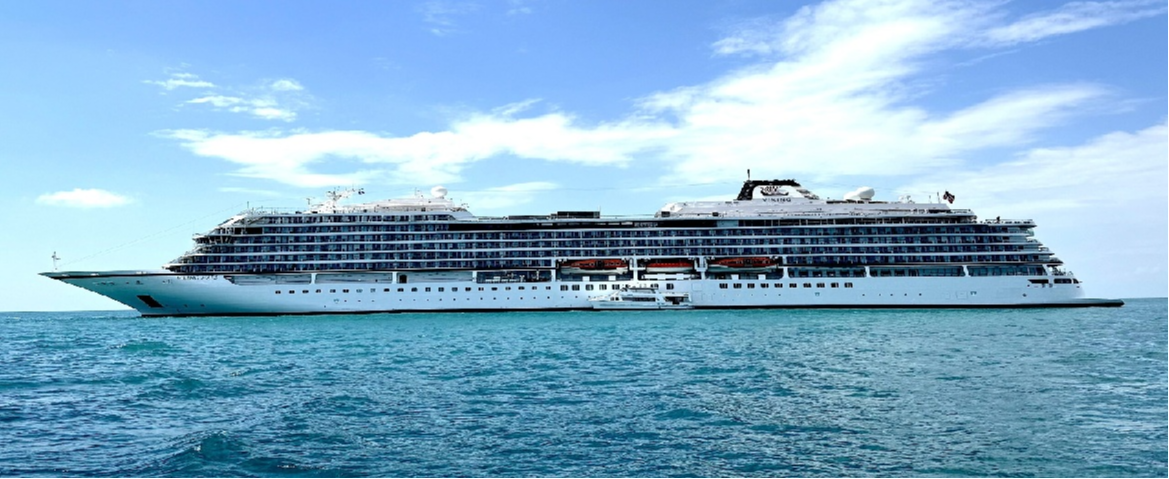
Viking Neptune
65 Cruises
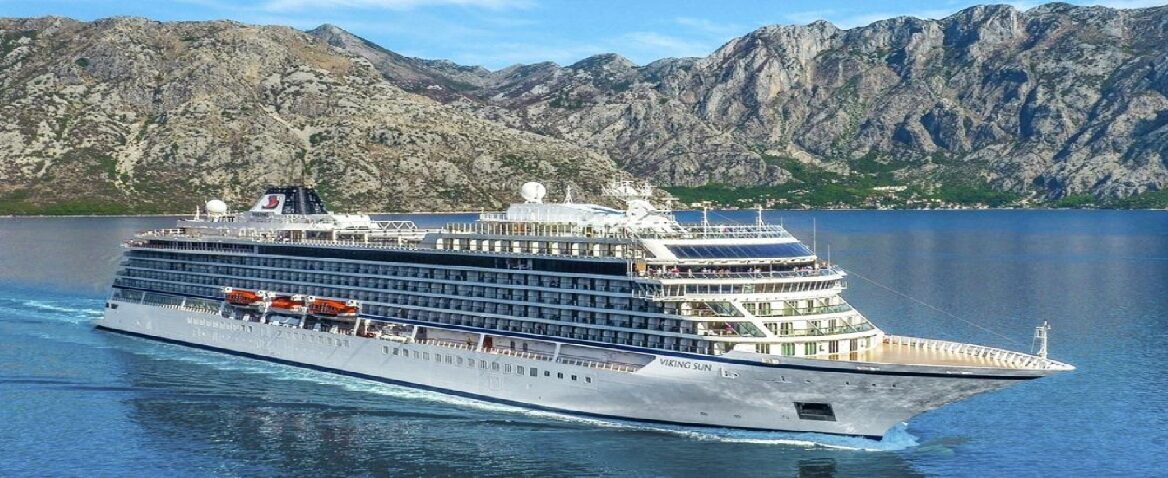
Viking Saturn
13 Cruises
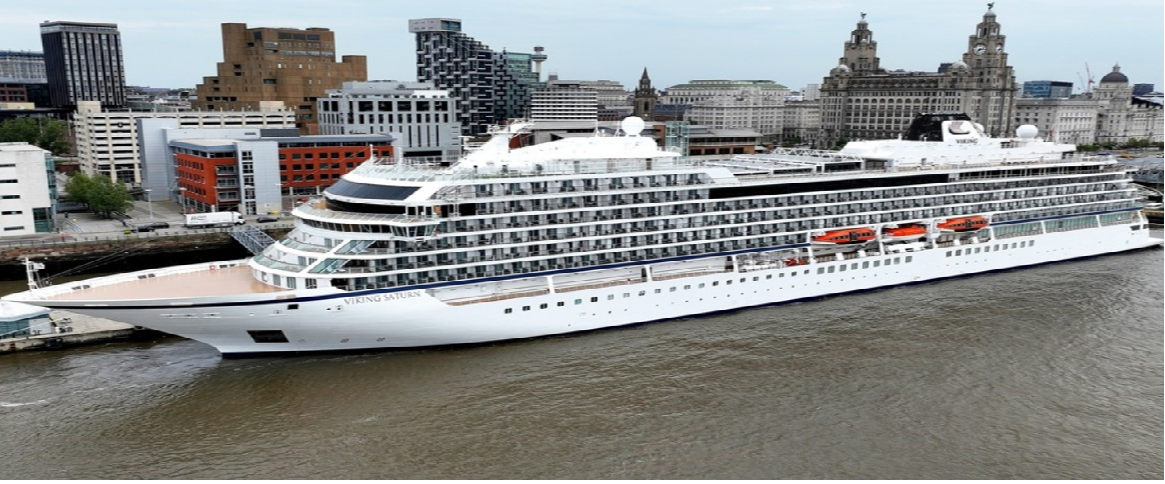
Viking Sea
27 Cruises
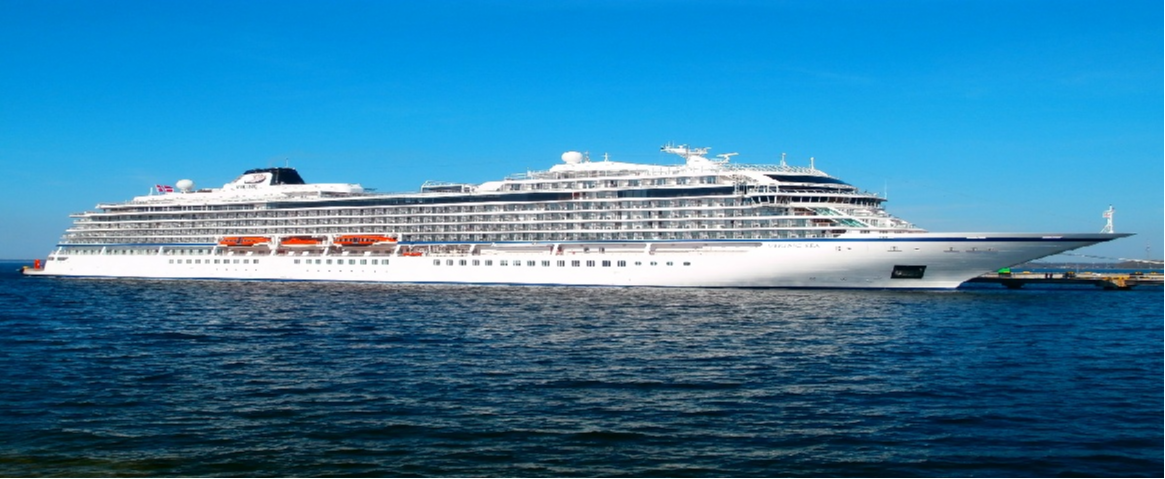
| 20 March | 21 days | One-way from Barcelona to Piraeus-Athens |
450-628-6241
Call us
|
| 26 March | 15 days | One-way from Civitavecchia-Rome to Piraeus-Athens |
450-628-6241
Call us
|
| 25 May | 8 days | One-way from Piraeus-Athens to Venice |
450-628-6241
Call us
|
| 25 May | 9 days | One-way from Piraeus-Athens to Chioggia |
450-628-6241
Call us
|
| 3 June | 10 days | One-way from Venice to Barcelona |
450-628-6241
Call us
|
| 3 June | 11 days | One-way from Chioggia to Barcelona |
450-628-6241
Call us
|
Viking Sky
25 Cruises
Viking Star
55 Cruises
Viking Vela
32 Cruises
Virgin Voyages (16 Cruises)
Scarlet Lady
16 Cruises

| 15 August | 7 days | Round-trip 7 Night Greek Isles Albania and the Adriatic Cruise |
450-628-6241
Call us
|
| 15 August | 8 days | Round-trip from Piraeus-Athens, Greece |
450-628-6241
Call us
|
| 4 June | 8 days | Round-trip from Piraeus-Athens, Greece |
450-628-6241
Call us
|
| 11 June | 11 days | Round-trip from Piraeus-Athens, Greece |
450-628-6241
Call us
|
Windstar Cruises (45 Cruises)
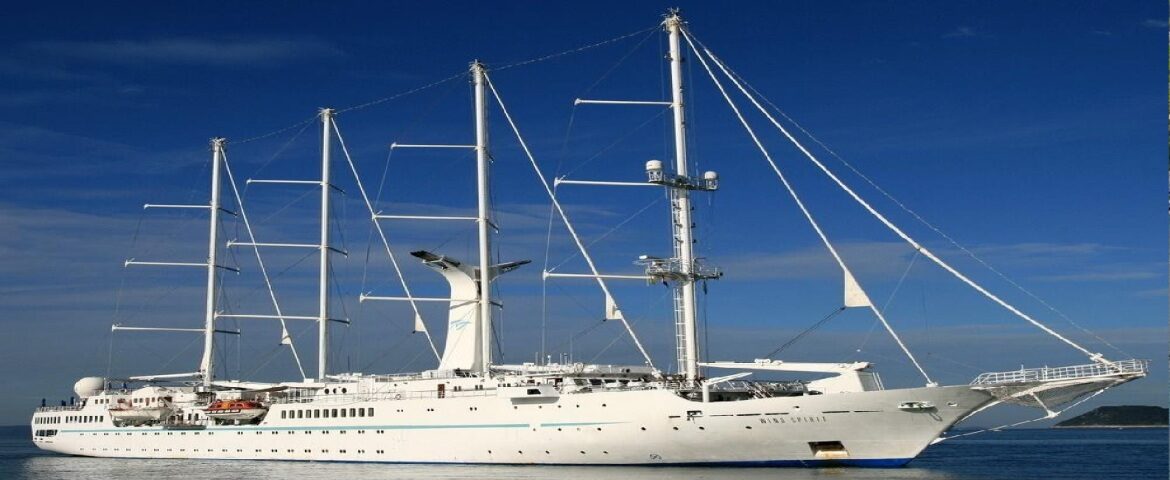
Wind Spirit
42 Cruises

| 8 April | 9 days | Round-trip from Venice, Italy |
450-628-6241
Call us
|
| 16 April | 9 days | Round-trip from Venice, Italy |
450-628-6241
Call us
|
| 24 April | 9 days | Round-trip from Venice, Italy |
450-628-6241
Call us
|
Frequently Asked Questions
At the port of Gruž, roughly three kilometres from the walled old town. Ships come alongside; the historic city is not visible from the terminal and must be reached by bus, taxi or shuttle.
City bus lines 1A and 1B leave from in front of the terminal and drop passengers at Pile Gate, the main entrance to the walls, in about fifteen minutes. A taxi runs roughly 15 to 20 euros depending on the hour. Late in the day the one-way traffic system clogs up, so leave a generous margin for all aboard.
You can, but it is not recommended. Allow about 45 minutes along a busy road with no shade and little to see. Bus or taxi is the better choice, especially on the return when heat and fatigue add up.
About two hours for the full circuit, with many steps. It is the experience that sets Dubrovnik apart from any other Mediterranean call: the sea on one side, a landscape of rooftops and stepped lanes on the other. In summer, go at opening time before the heat and the crowds.
The walls and the Stradun, without question. Add the Franciscan monastery with its pharmacy operating since 1317, just inside Pile Gate, then the Rector's Palace at the far end of the main street. Save the Mount Srđ cable car for calls longer than six hours.
Yes, if time allows. It reaches the summit in four minutes and the whole old town appears below, set on its rock between the mountain and the Elaphiti Islands. The Imperial Fort up there houses an exhibition on the Croatian war of independence.
Yes, Banje beach, about fifteen minutes on foot from Ploče Gate, with a view of the fortifications. It is pebble, as almost everywhere on this coast. Closer to the terminal, Lapad bay is quieter and more popular with locals.
The euro. Croatia has adopted it and cards are accepted throughout the old town. Keep some cash for the city bus, where tickets bought onboard sometimes cost more.
May to June and September to October. July and August combine heat, several ships in port and queues on the walls. Off season the city breathes and tour prices drop, though some terraces close.
Honestly, it is demanding. The walls involve hundreds of steps, the old town is cobbled and sloping, and Fort Lovrijenac takes some 200 steps. The Stradun itself is flat and accessible: a good day is possible sticking to it, with the Franciscan monastery and the Rector's Palace.


