St Johns Antigua RCI Royal Beach Club
Antigua & Barbuda
1157
Cruises availables
At departure or passage at this port
Azamara Club Cruises (26 Cruises)
Azamara Journey
13 Cruises
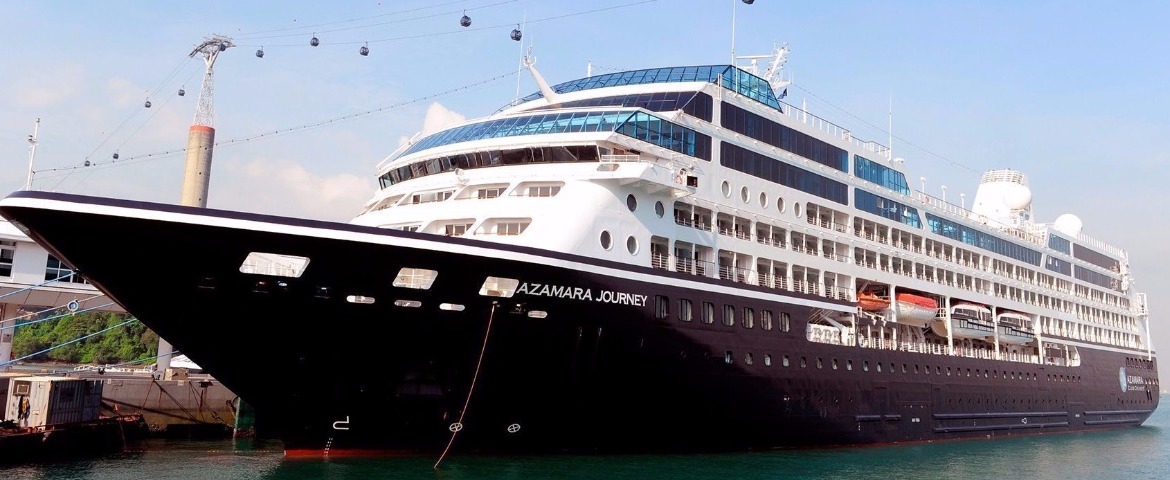

Azamara Quest
13 Cruises

| 28 October | 17 nights | One-way from New York to Bridgetown |
450-628-6241
Call us
|
| 28 October | 24 nights | One-way from New York to San Juan |
450-628-6241
Call us
|
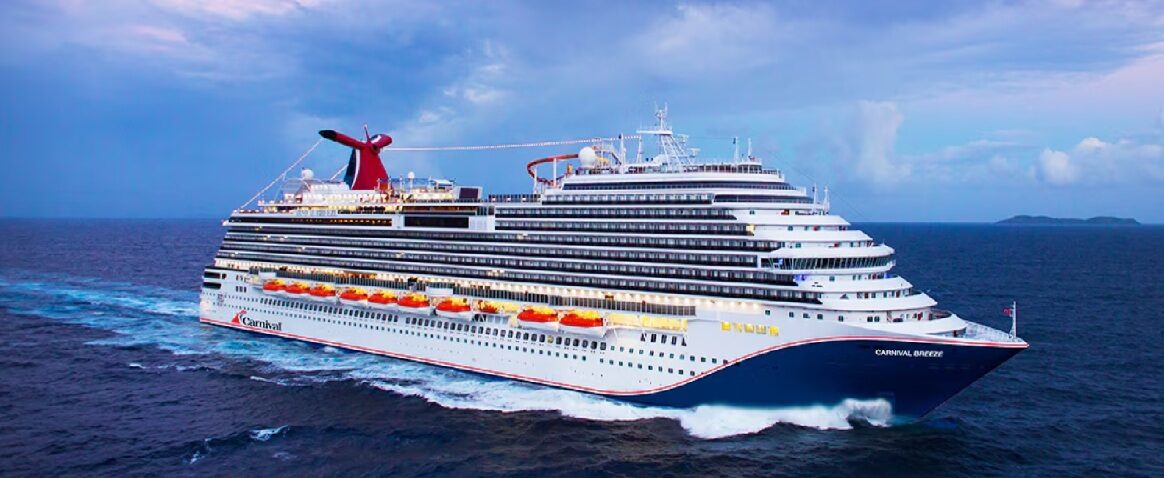
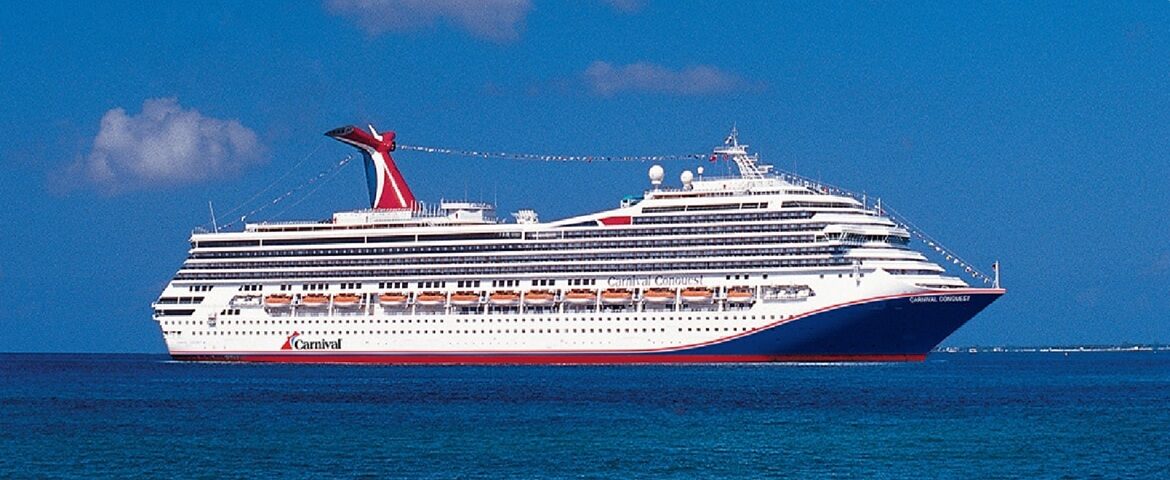
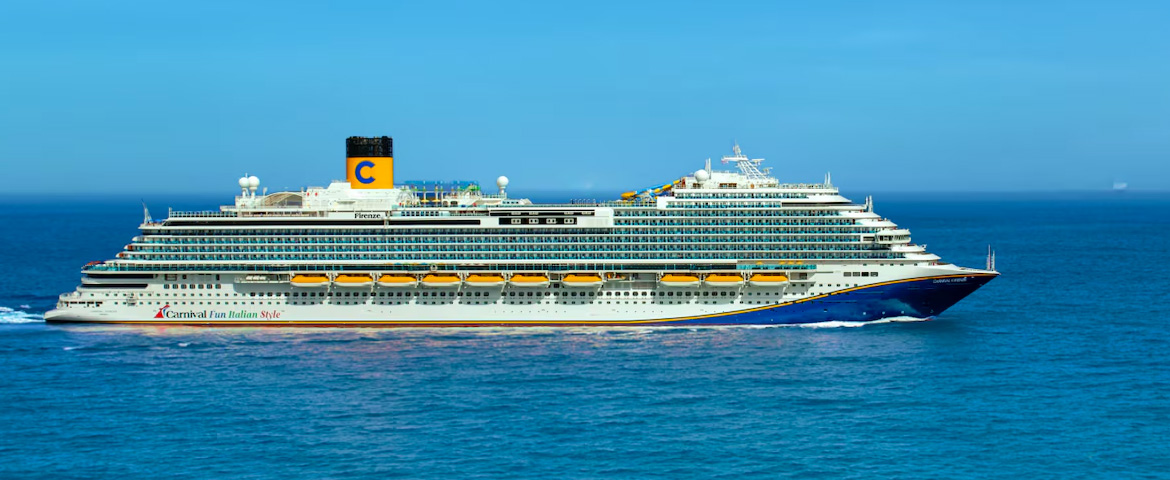
Carnival Cruise Line (18 Cruises)

Celebrity Cruises (69 Cruises)
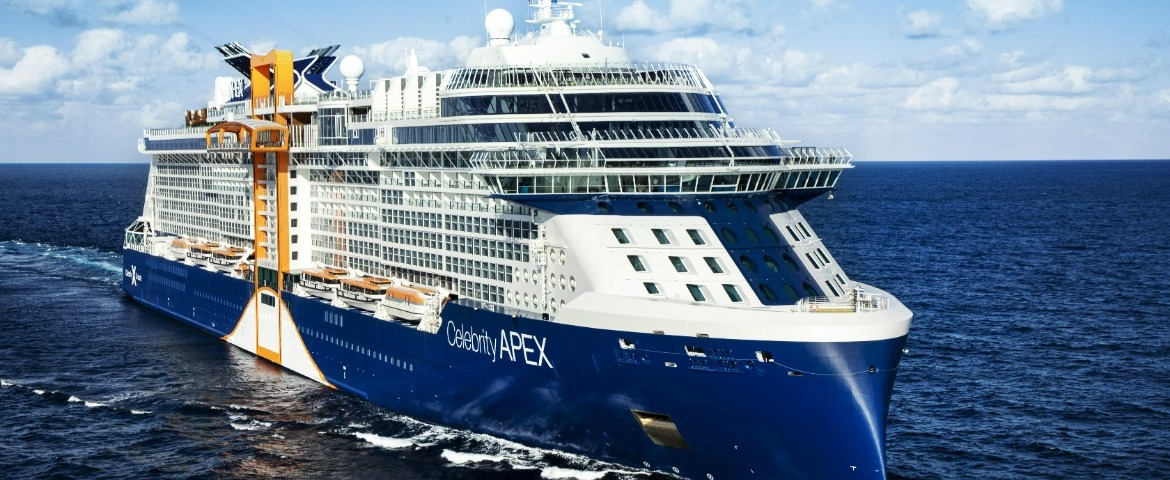

Celebrity Ascent
23 Cruises
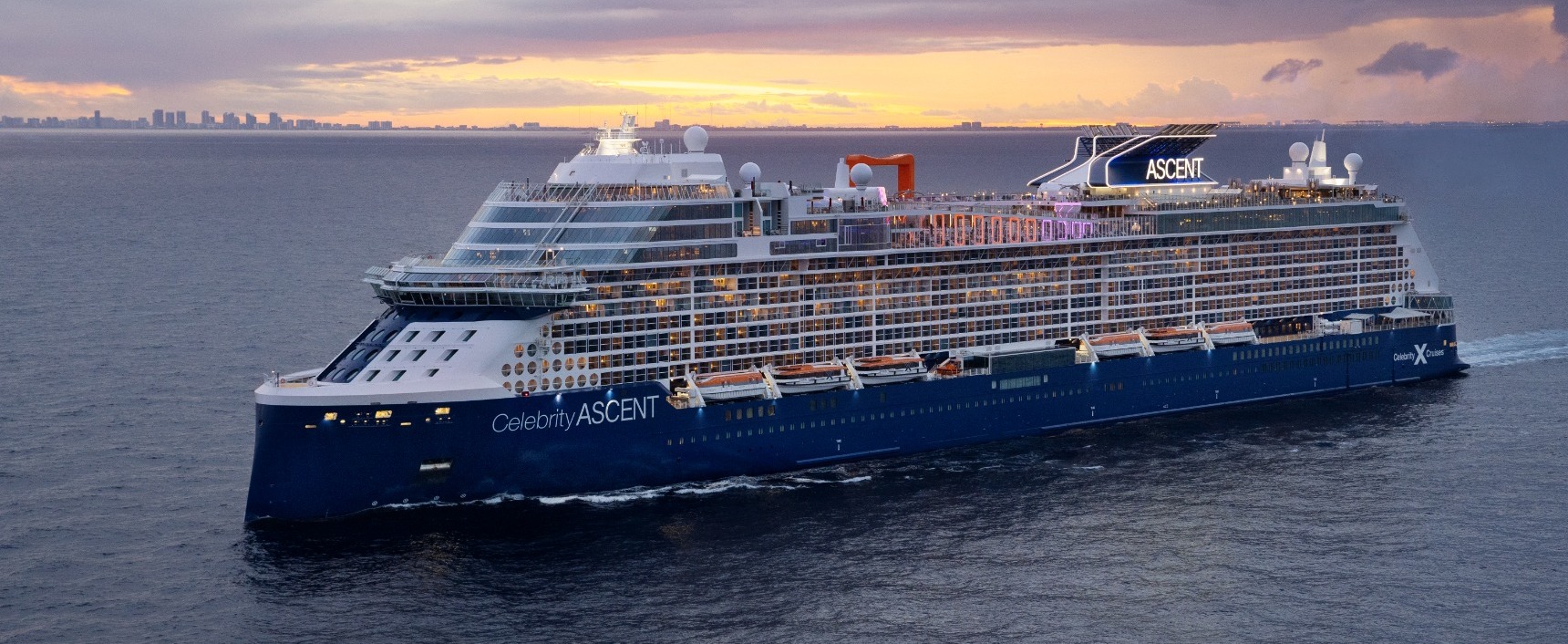
| 14 January | 10 nights | Round-trip from Fort Lauderdale, USA |
From
2331$
|
| 24 January | 11 nights | Round-trip from Fort Lauderdale, USA |
From
2443$
|
| 4 February | 10 nights | Round-trip from Fort Lauderdale, USA |
From
2142$
|
| 25 February | 10 nights | Round-trip from Fort Lauderdale, USA |
From
2490$
|
Celebrity Constellation
9 Cruises
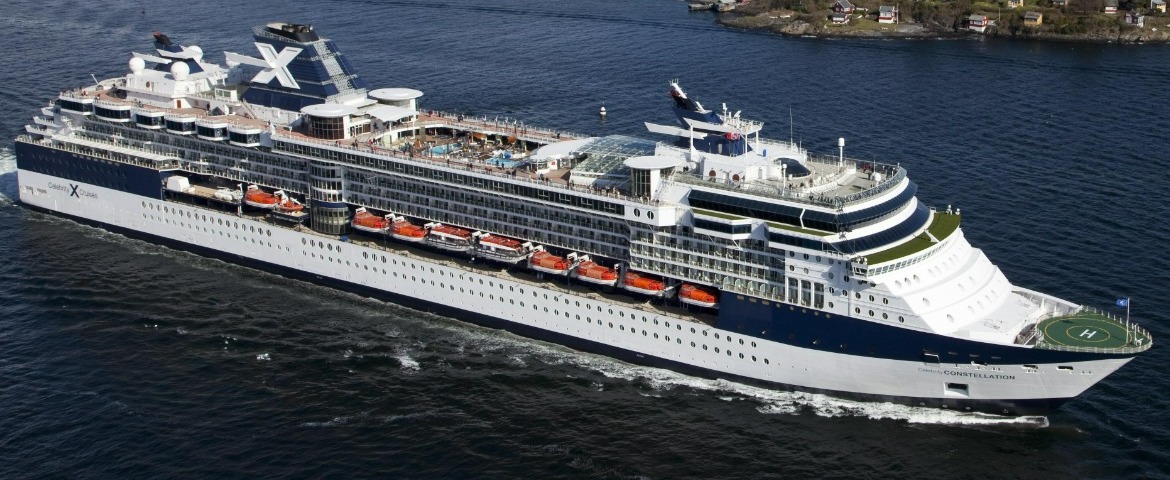
Celebrity Eclipse
15 Cruises
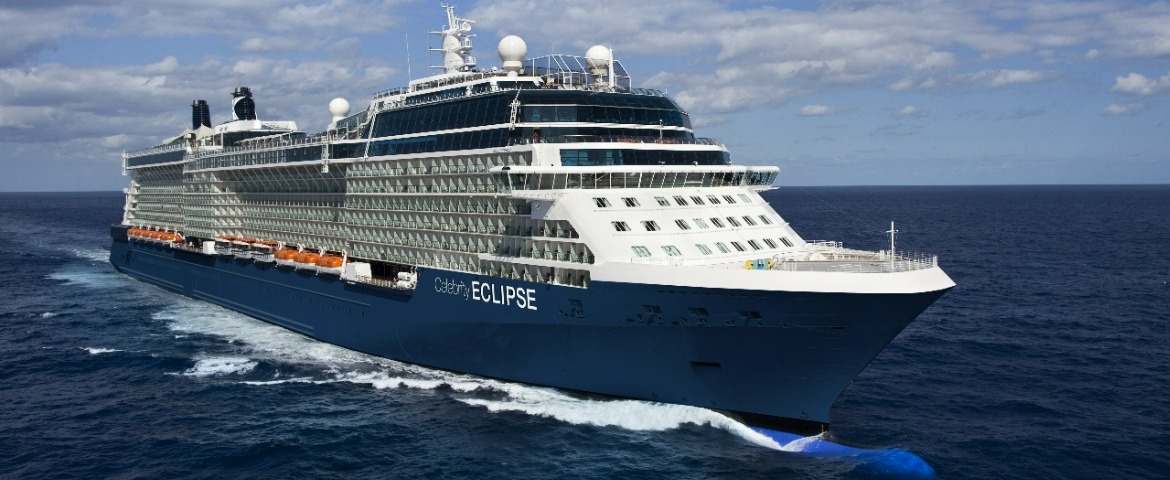
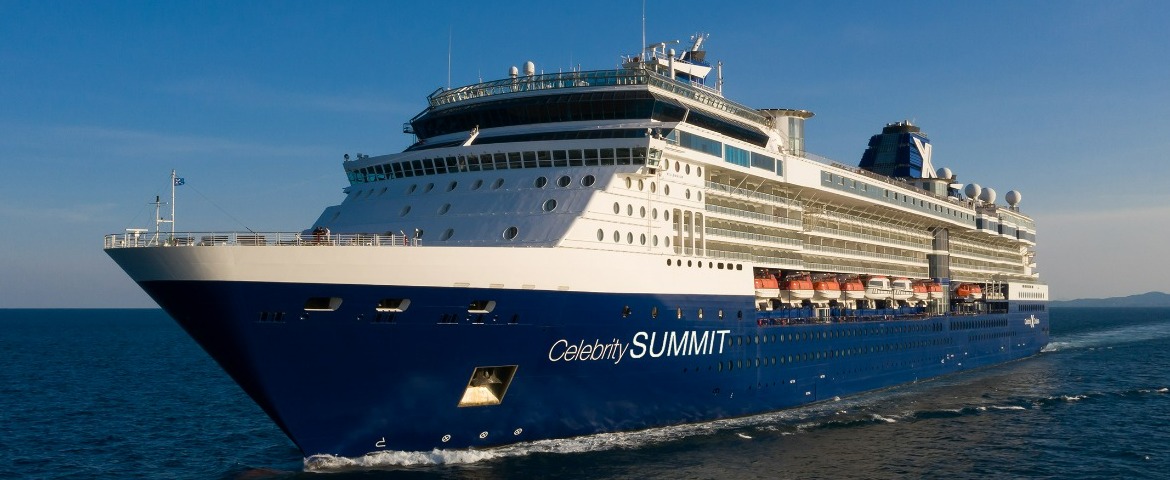
Celebrity Summit
10 Cruises
| 20 October | 9 nights | One-way from Boston to San Juan |
From
1310$
|
| 29 October | 9 nights | Round-trip from San Juan, Puerto Rico |
From
1057$
|
Costa Cruises (91 Cruises)
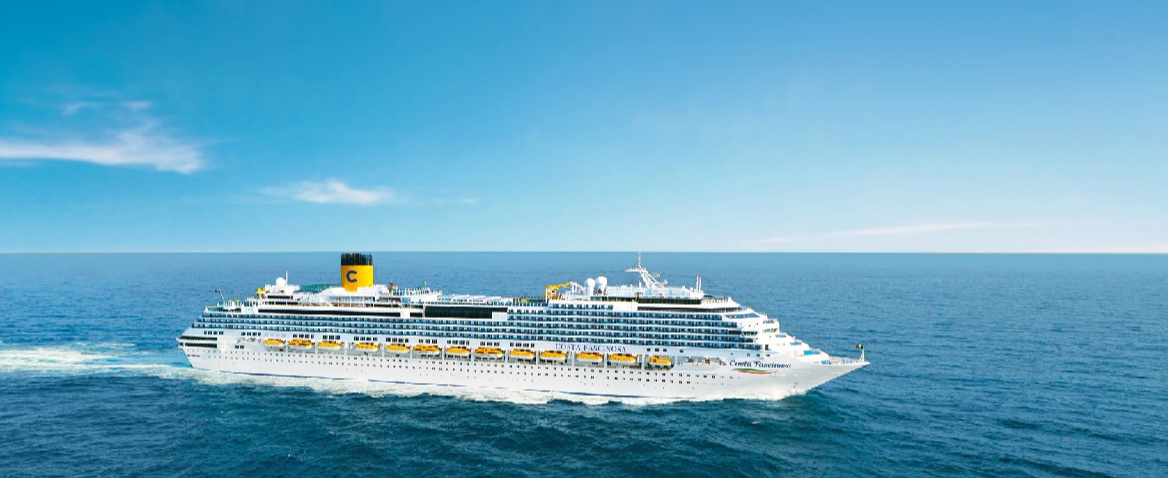
Costa Fascinosa
6 Cruises

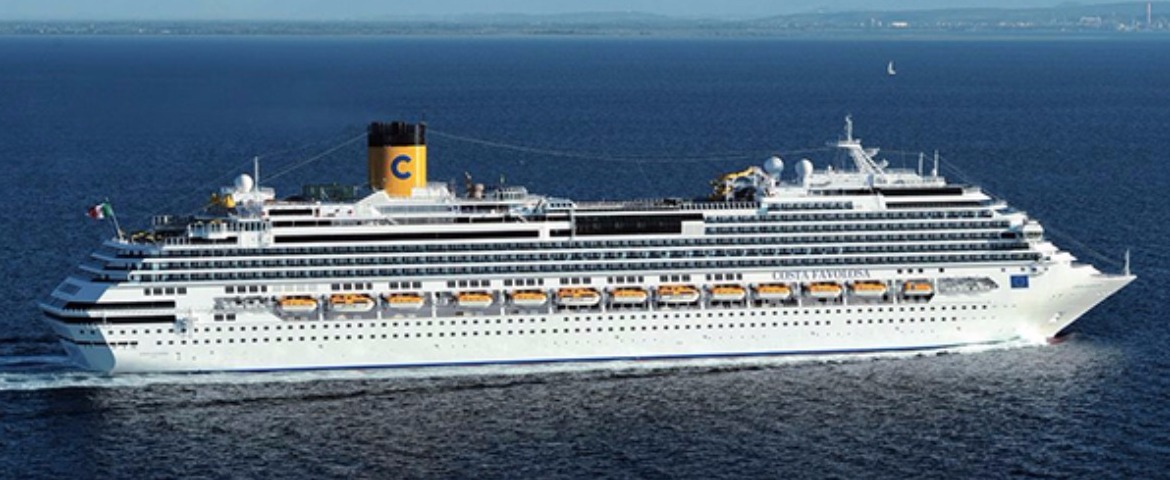
Costa Favolosa
40 Cruises
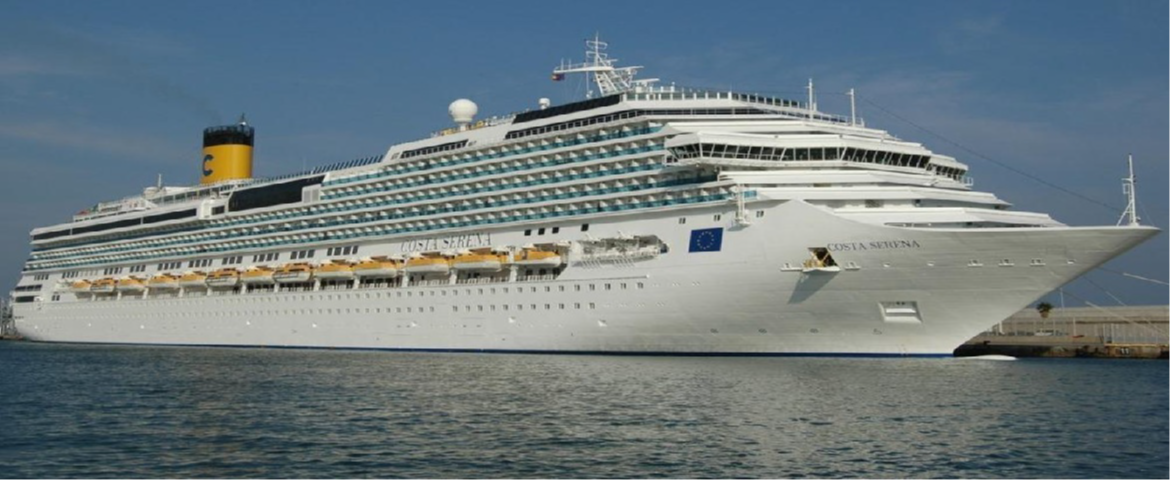
Costa Serena
45 Cruises
Crystal Cruises (24 Cruises)
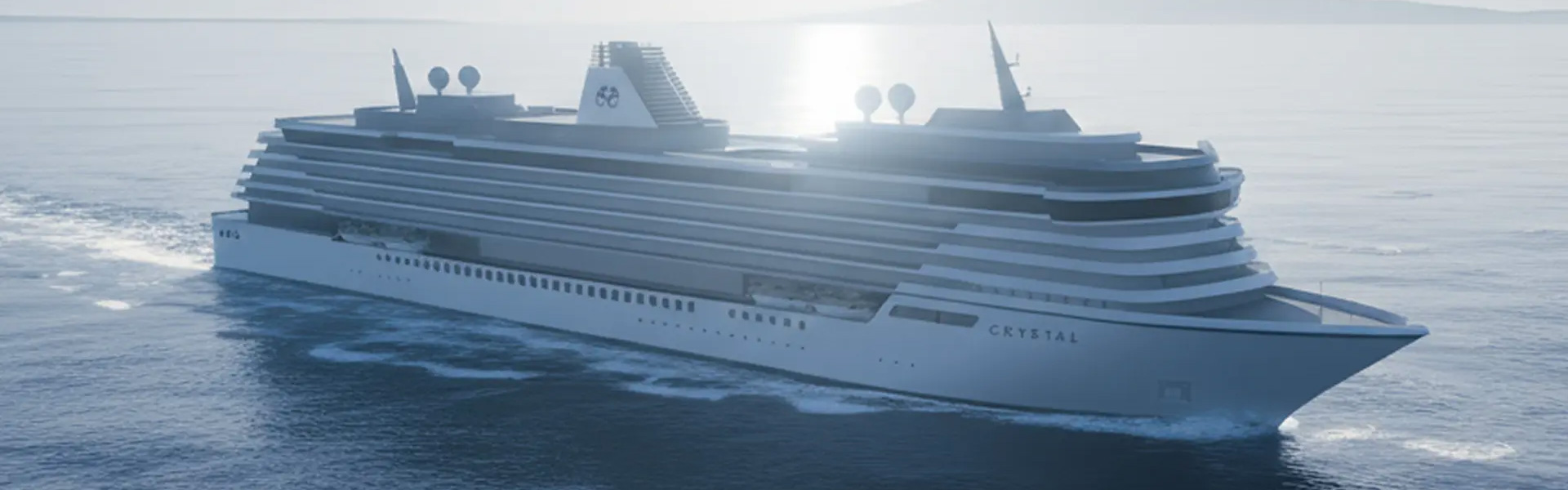

Crystal Serenity
8 Cruises

Crystal Symphony
14 Cruises

| 15 January | 25 nights | Round-trip from Fort Lauderdale, USA |
450-628-6241
Call us
|
| 28 January | 12 nights | One-way from Manaus to Fort Lauderdale |
450-628-6241
Call us
|
| 9 February | 17 nights | Round-trip from Fort Lauderdale, USA |
450-628-6241
Call us
|
| 9 February | 8 nights | One-way from Fort Lauderdale to San Juan |
450-628-6241
Call us
|
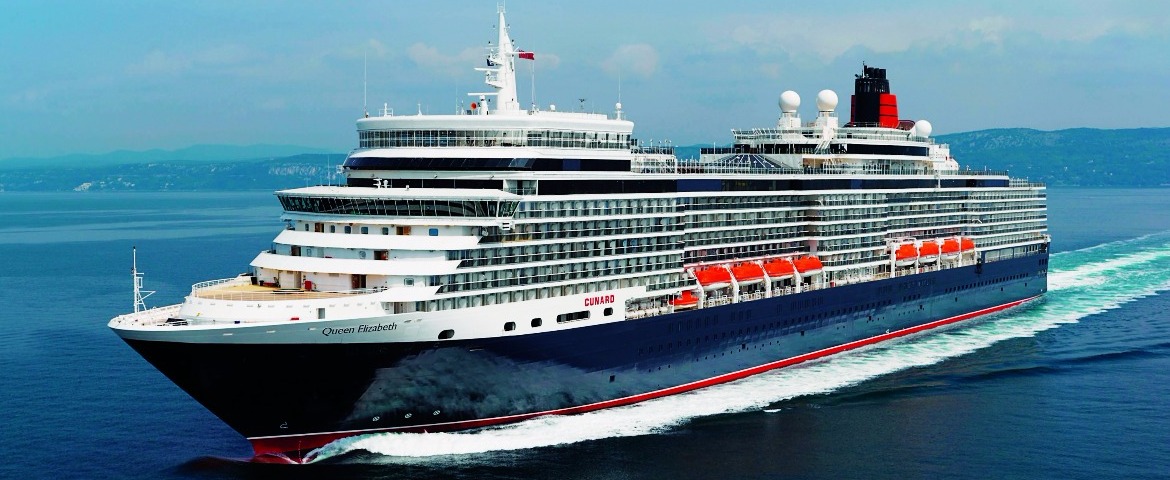
Cunard (7 Cruises)



Emerald Waterways (76 Cruises)
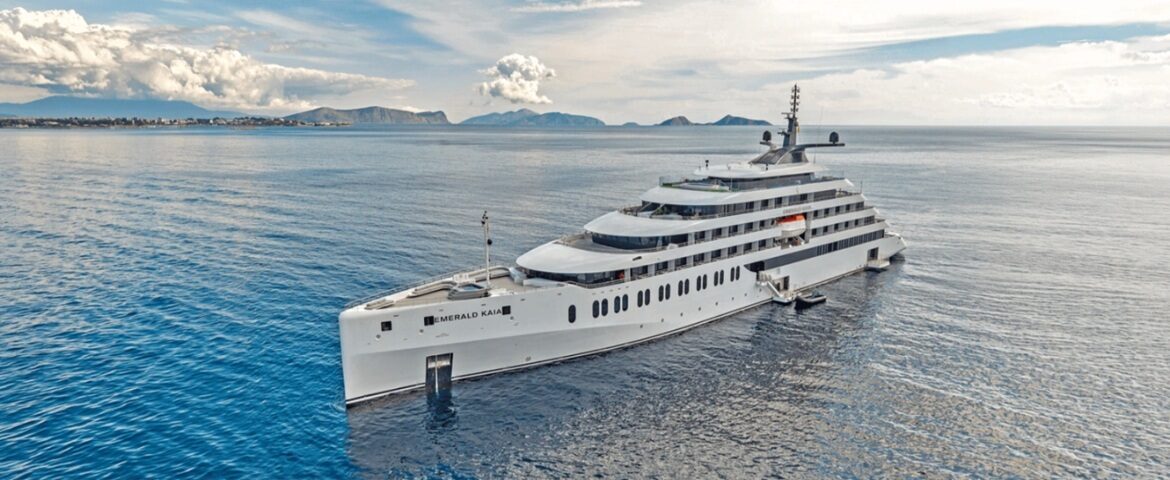
Emerald Kaia
40 Cruises

| 24 November | 7 nights | One-way from San Juan to St Johns Antigua |
450-628-6241
Call us
|
| 24 November | 14 nights | Round-trip from San Juan, Puerto Rico |
450-628-6241
Call us
|
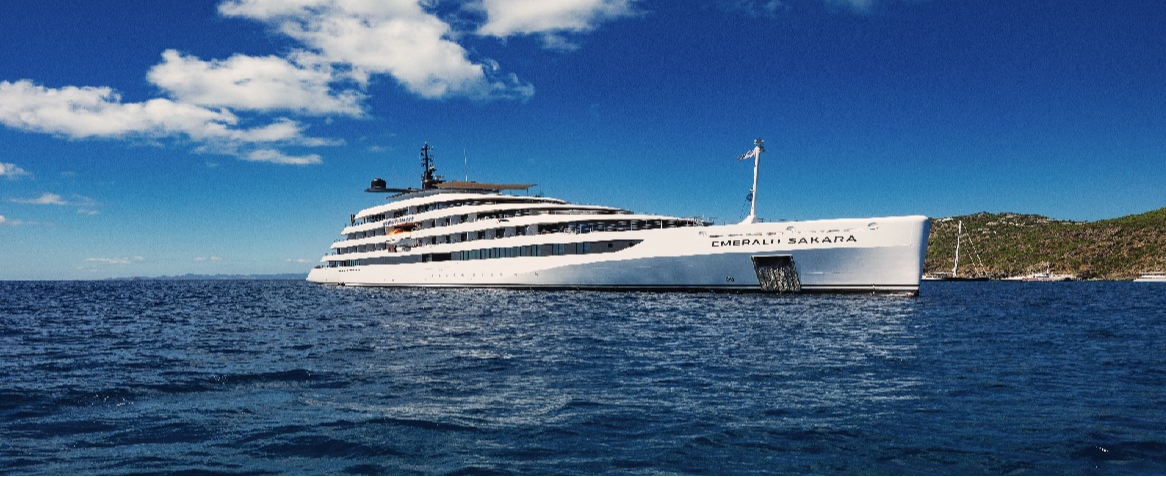
Emerald Sakara
36 Cruises
Explora Journeys (53 Cruises)
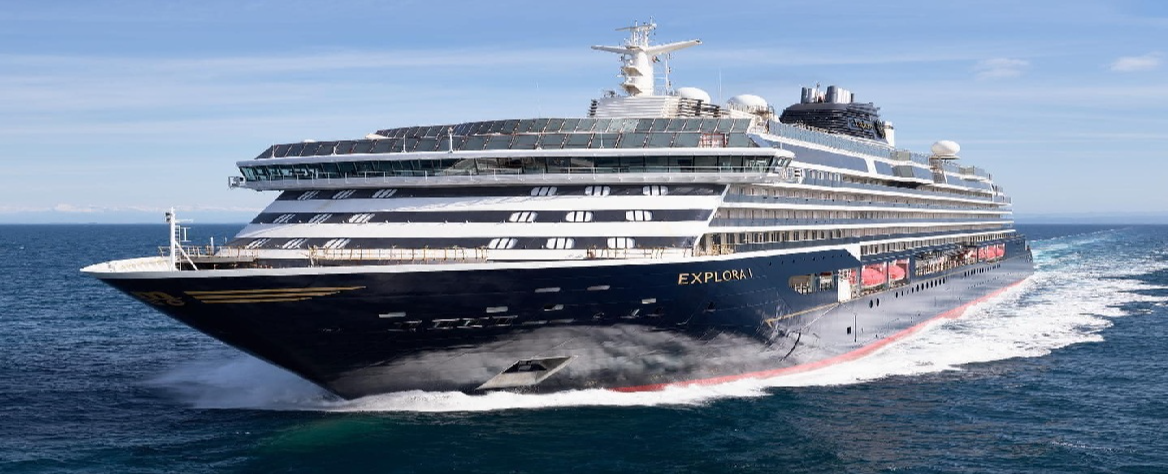
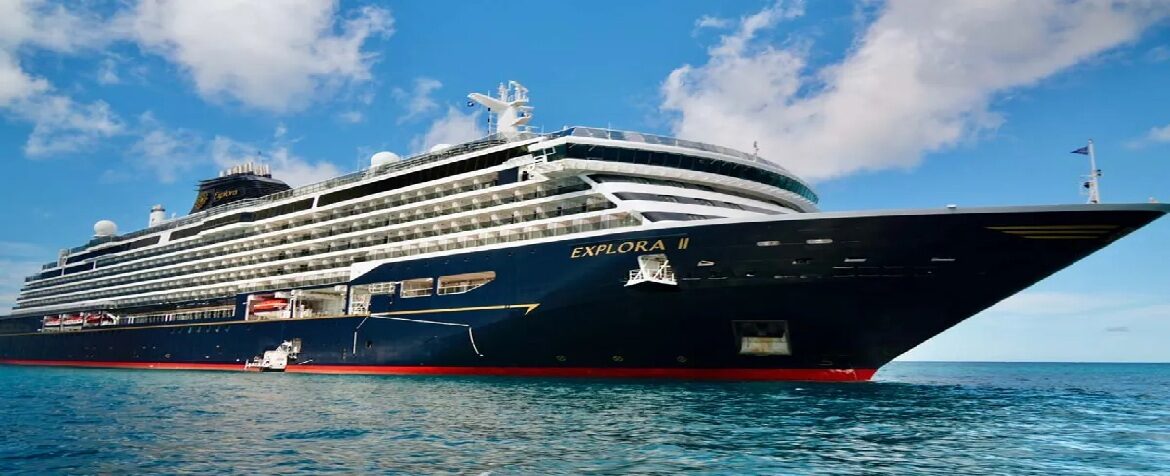
Explora I
9 Cruises

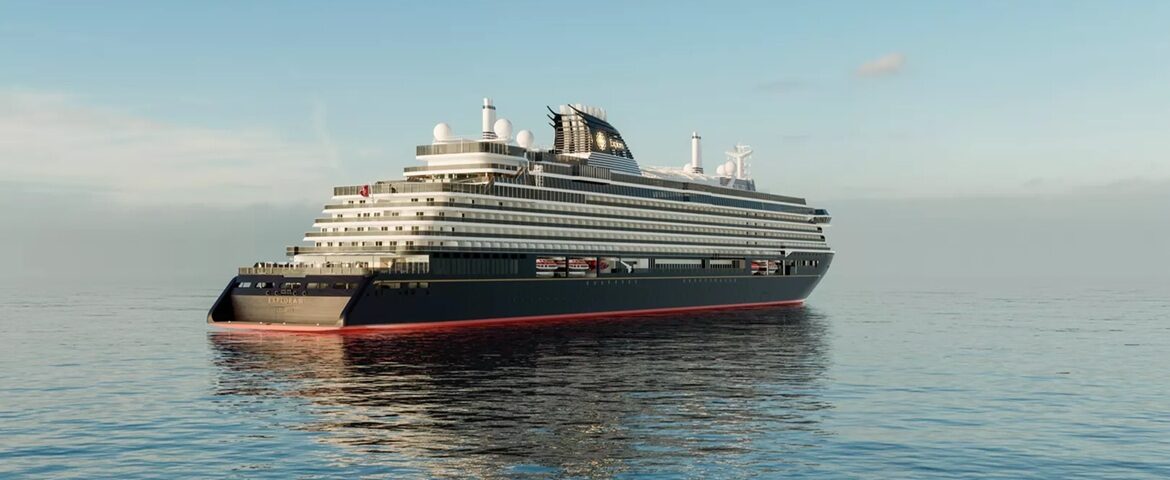
Explora III
27 Cruises
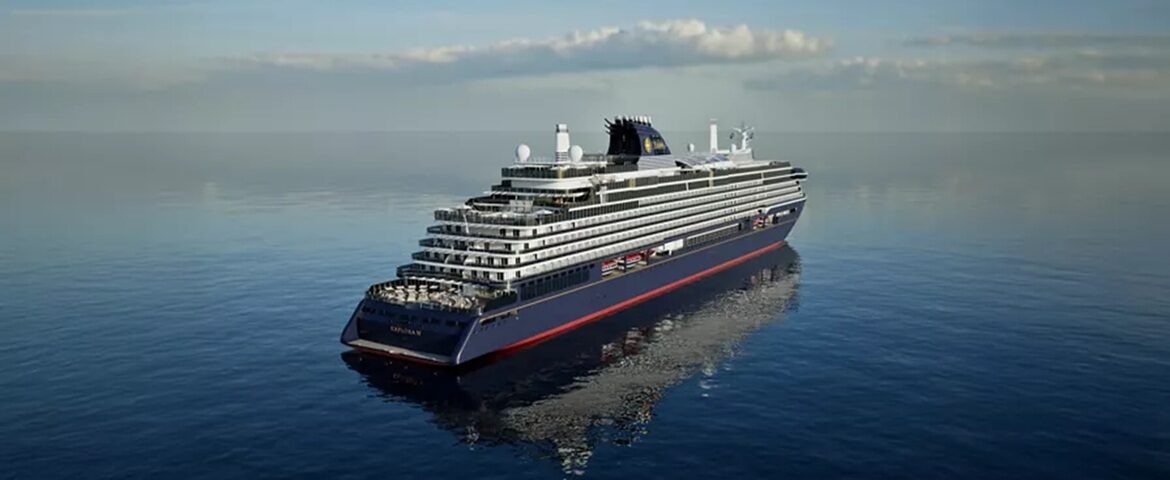
Explora IV
10 Cruises
| 15 January | 7 nights | One-way from Miami to San Juan |
450-628-6241
Call us
|
| 29 January | 7 nights | One-way from Miami to San Juan |
450-628-6241
Call us
|
| 12 February | 7 nights | One-way from Miami to San Juan |
450-628-6241
Call us
|
| 26 February | 7 nights | One-way from Miami to San Juan |
450-628-6241
Call us
|
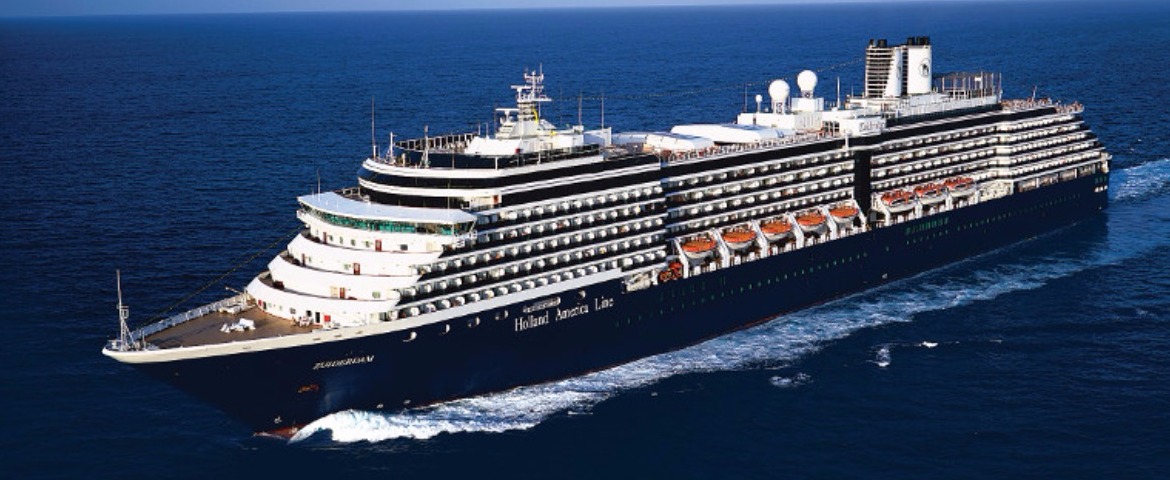
Holland America Line (54 Cruises)
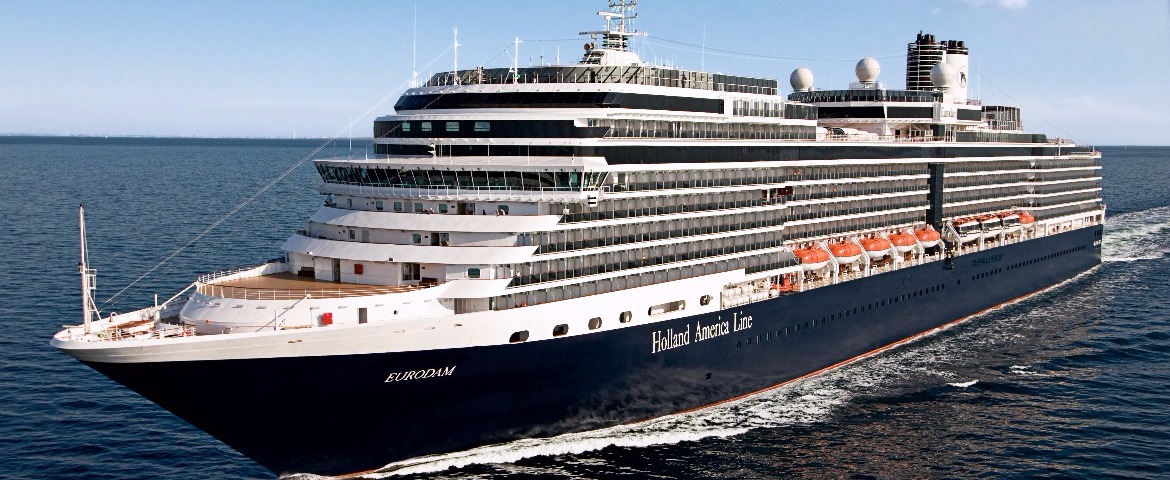
ms Eurodam
15 Cruises

| 20 February | 7 nights | Round-trip from Fort Lauderdale, USA |
450-628-6241
Call us
|
| 27 February | 10 nights | Round-trip from Fort Lauderdale, USA |
450-628-6241
Call us
|
| 2 January | 20 nights | Round-trip from Fort Lauderdale, USA |
450-628-6241
Call us
|
| 12 January | 10 nights | Round-trip from Fort Lauderdale, USA |
450-628-6241
Call us
|
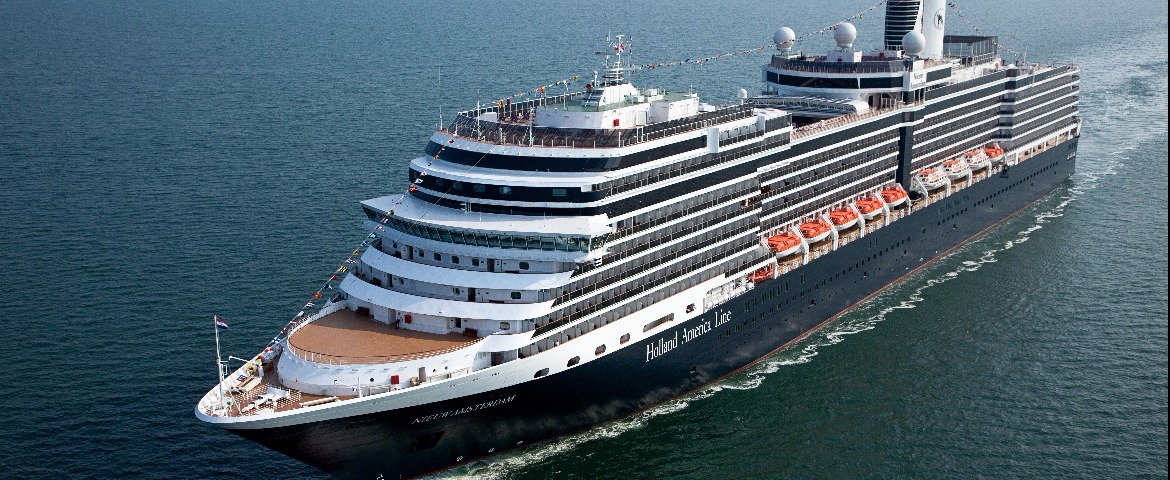
ms Nieuw Amsterdam
9 Cruises
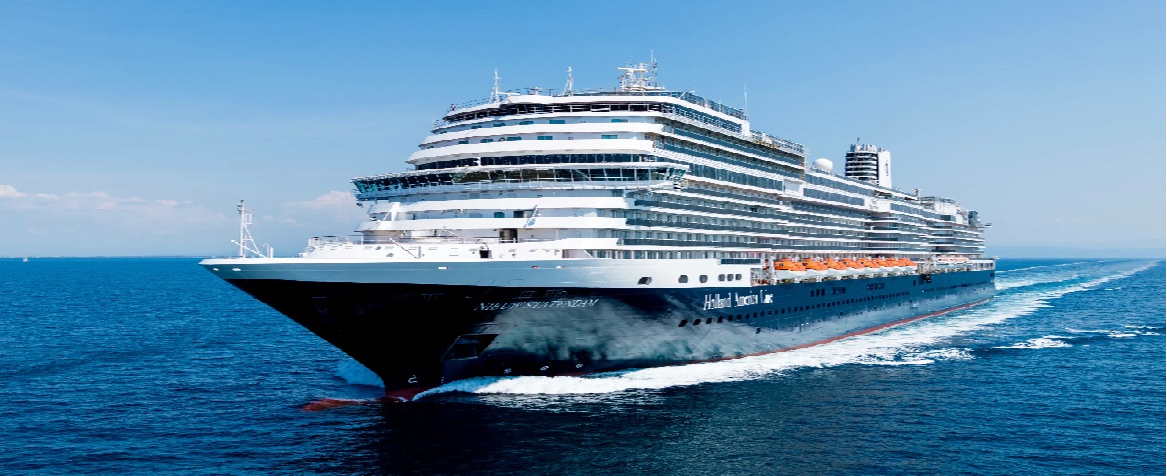
ms Nieuw Statendam
9 Cruises
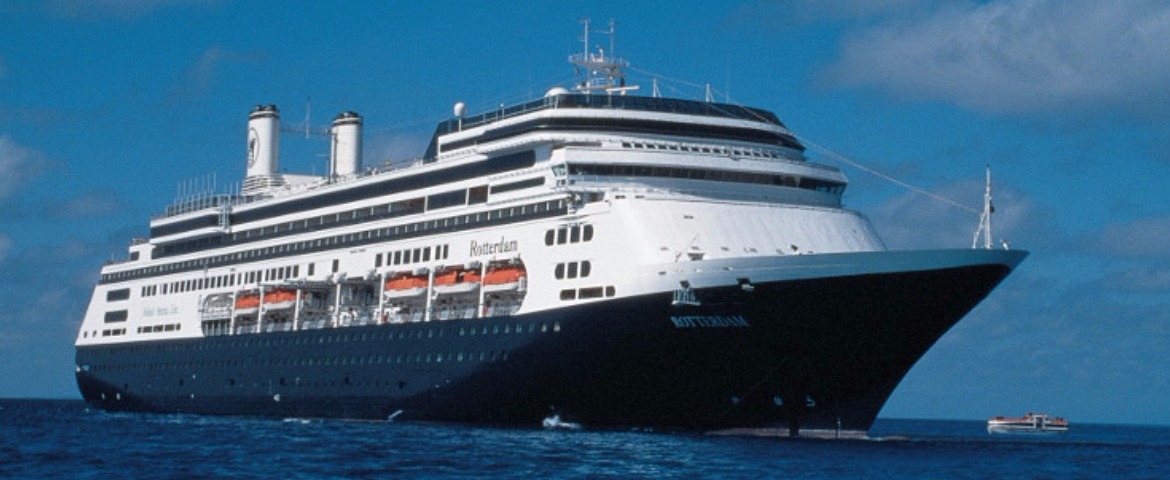
ms Rotterdam
17 Cruises
Lindblad Expeditions (1 Cruises)
Sea Cloud
1 Cruises
 Image not available

MSC Cruises (298 Cruises)
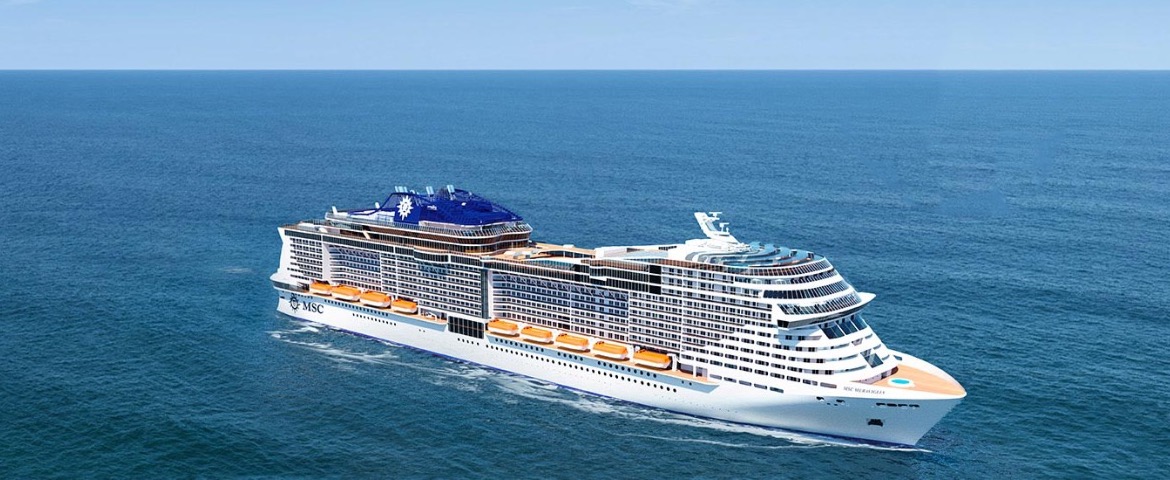
MSC Meraviglia
48 Cruises

| 10 January | 14 nights | Round-trip from Miami, USA |
From
2518$
|
| 16 January | 8 nights | Round-trip from Miami, USA |
From
806$
|
| 16 January | 14 nights | Round-trip from Miami, USA |
From
2518$
|
| 21 February | 14 nights | Round-trip from Miami, USA |
From
1631$
|
| 27 February | 14 nights | Round-trip from Miami, USA |
From
1702$
|
| 27 February | 8 nights | Round-trip from Miami, USA |
From
932$
|
| 7 March | 14 nights | Round-trip from Miami, USA |
From
2809$
|
| 13 March | 14 nights | Round-trip from Miami, USA |
From
1900$
|
| 13 March | 8 nights | Round-trip from Miami, USA |
From
1097$
|
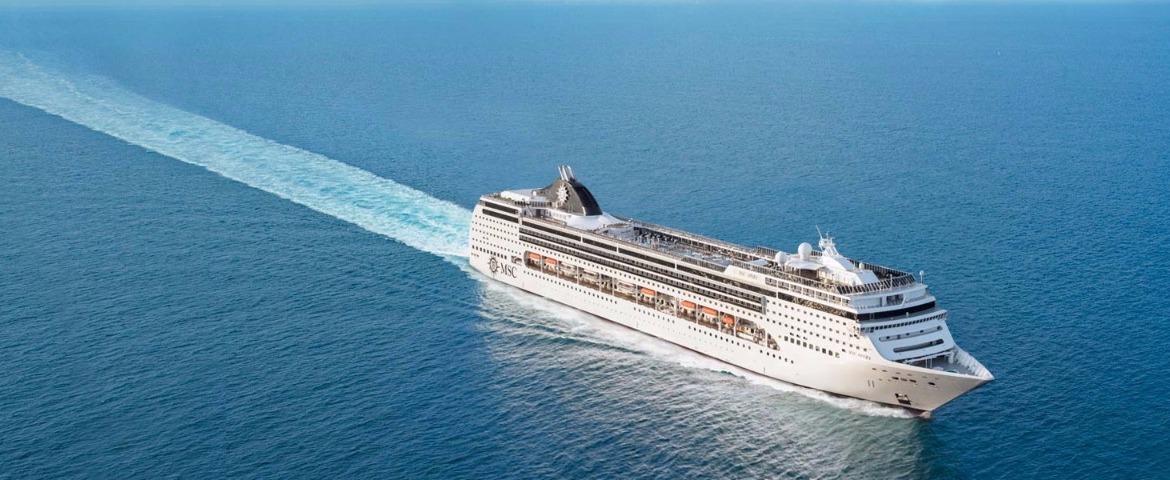
MSC Opera
203 Cruises
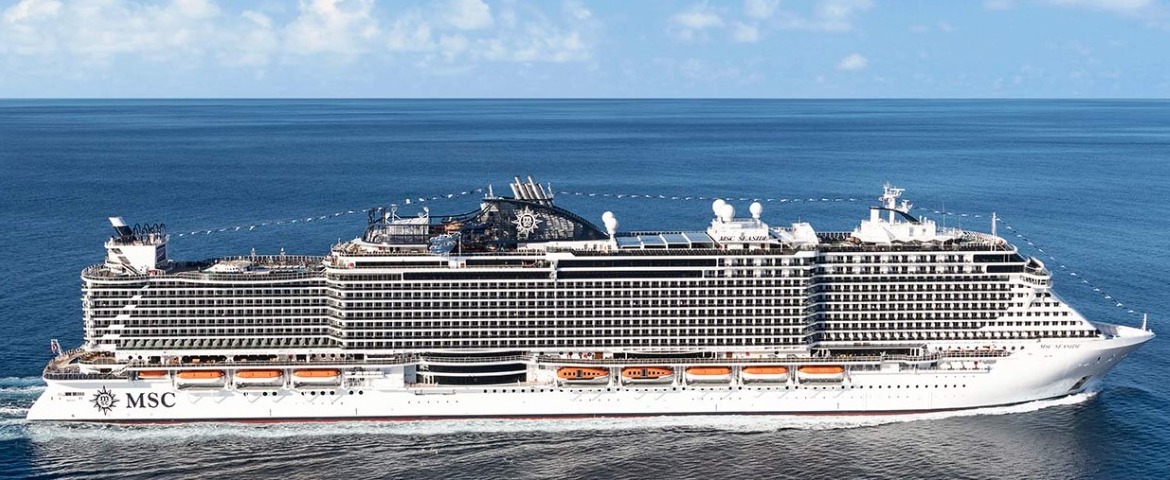
MSC Seashore
9 Cruises
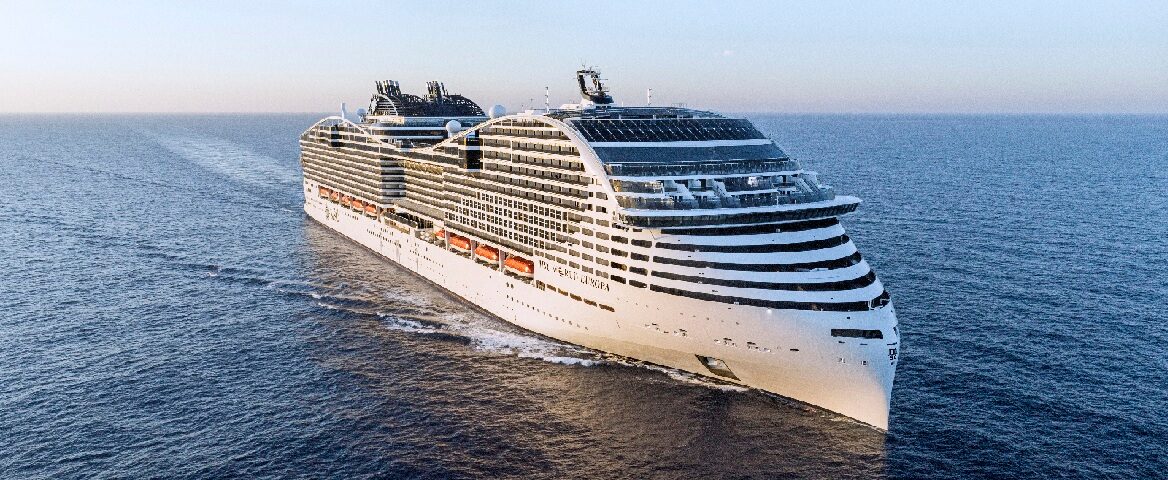
MSC World Europa
38 Cruises
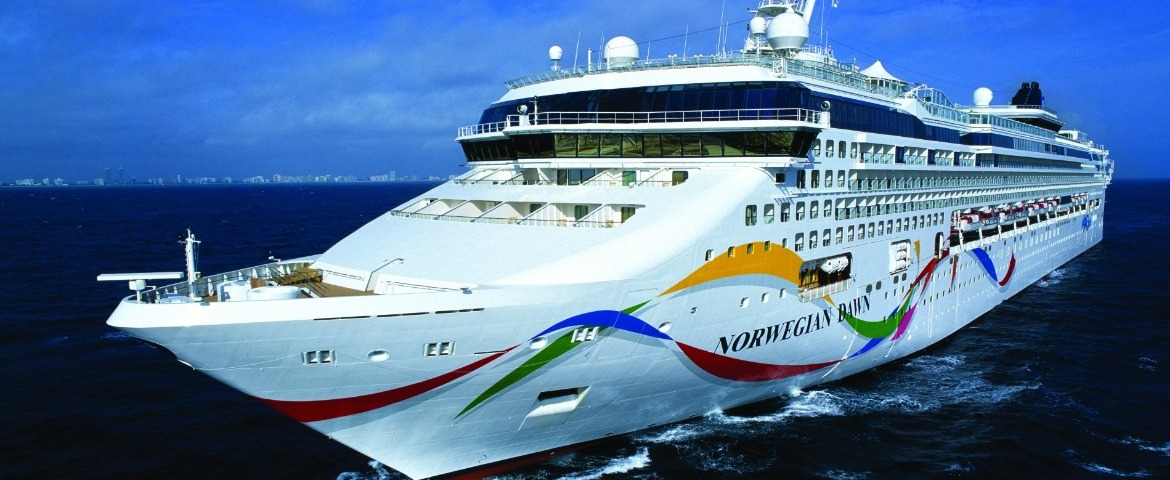
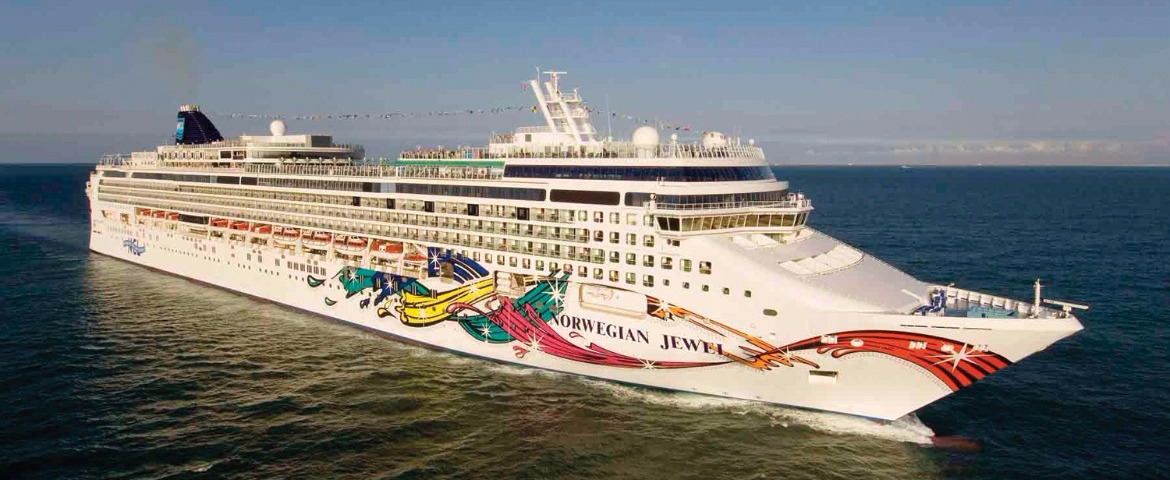
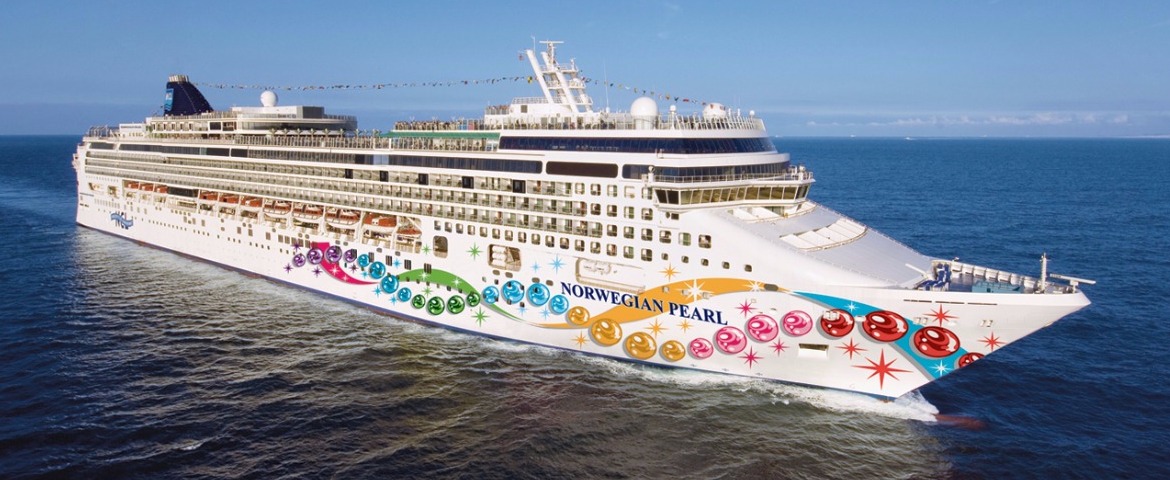
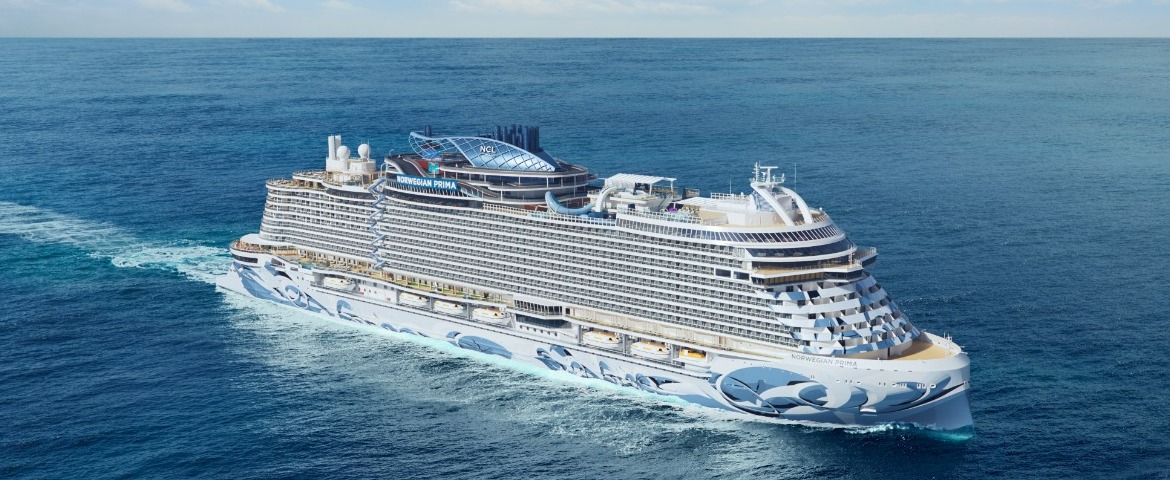
Norwegian Cruise Line (14 Cruises)

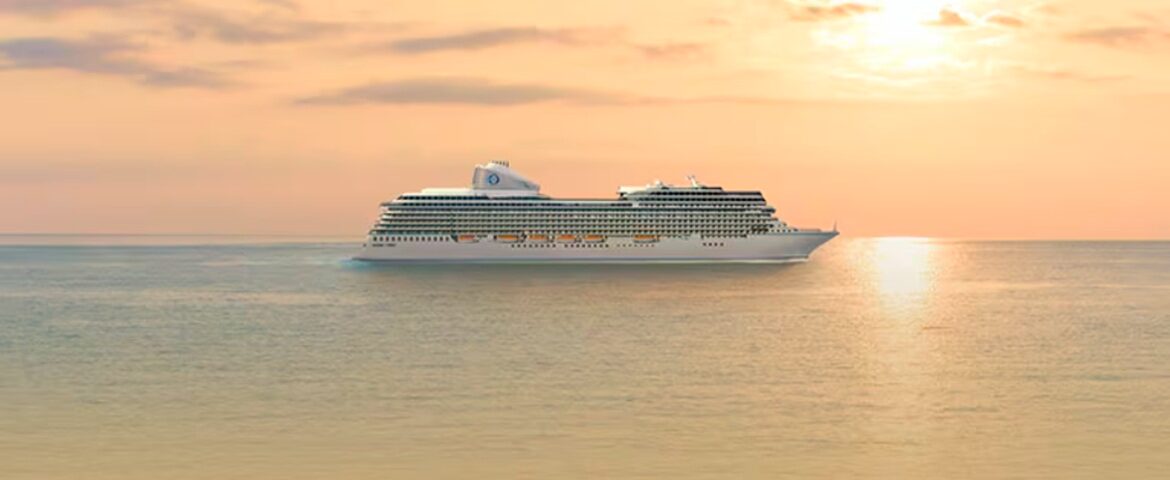
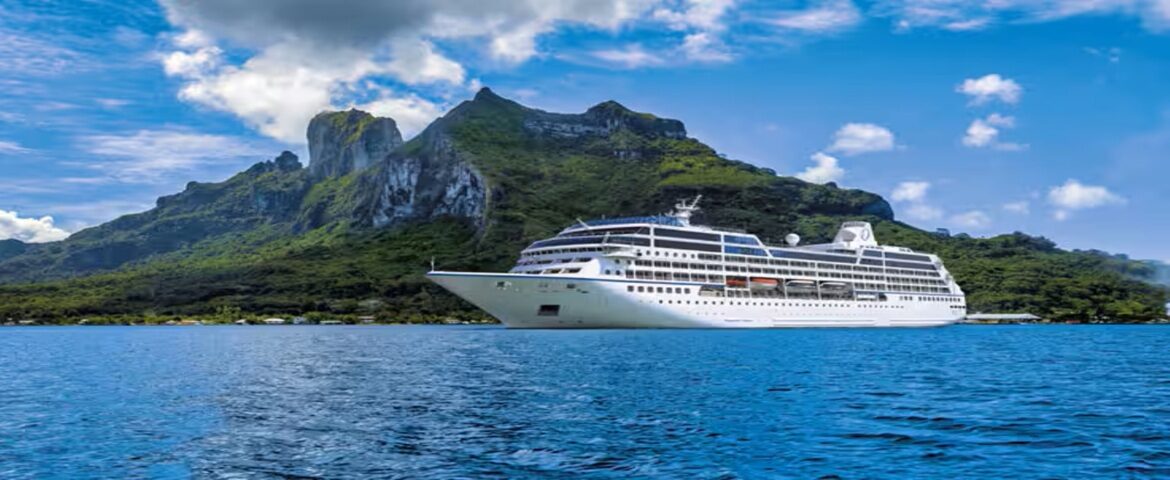
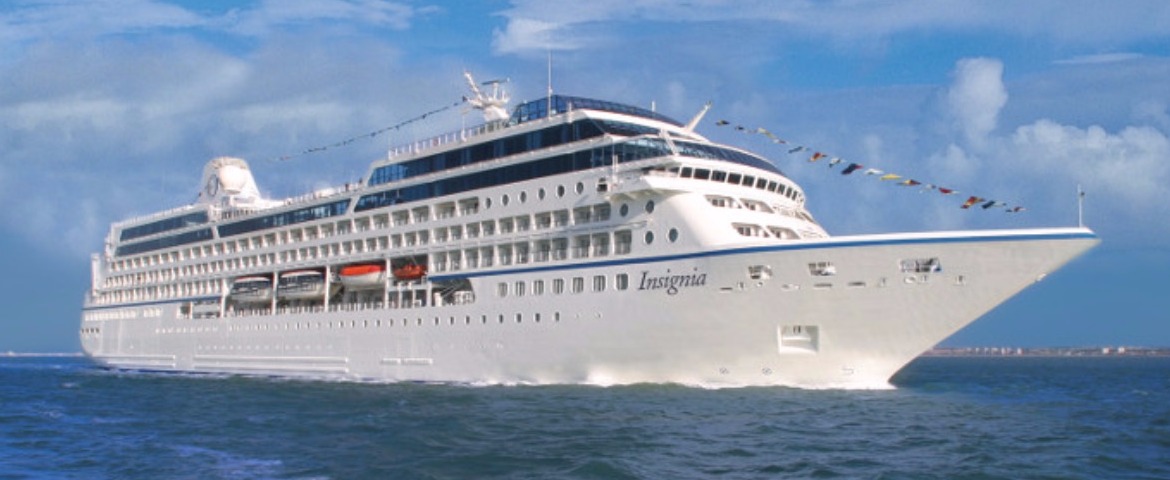
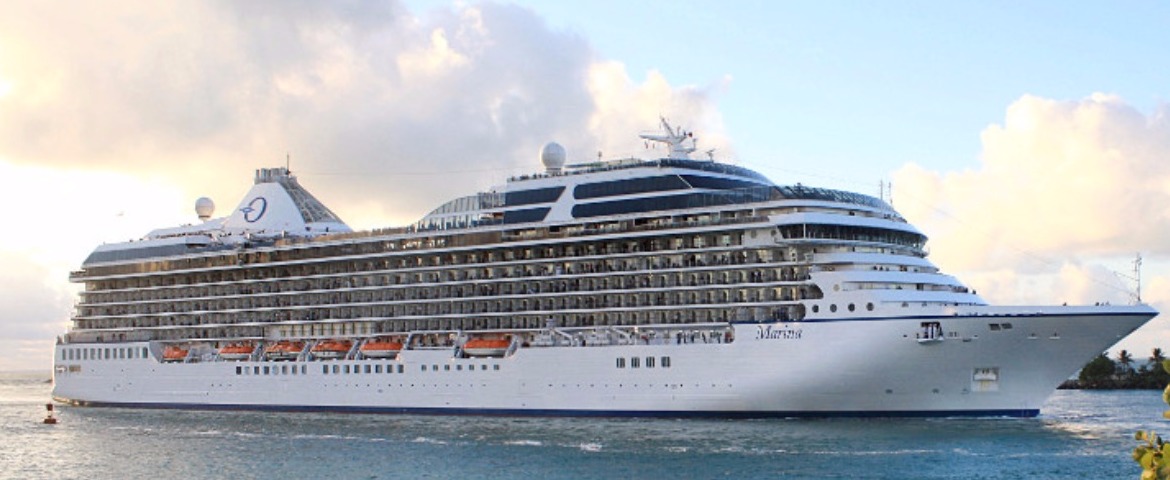
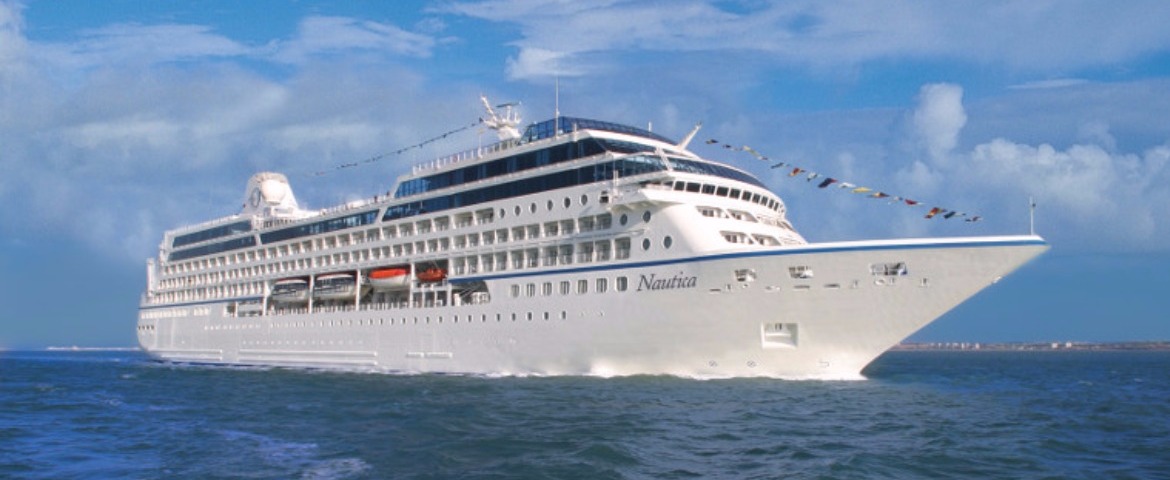
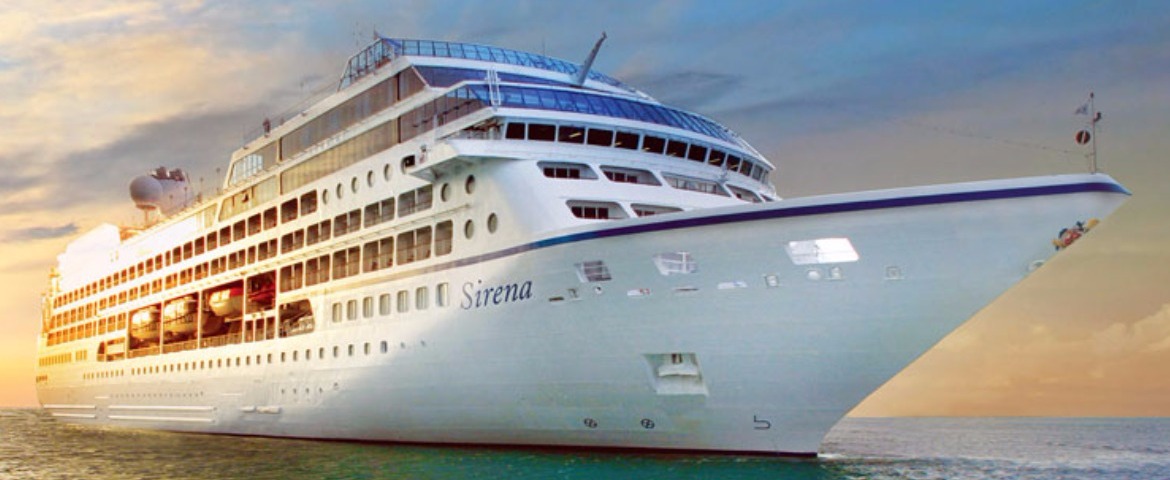
Oceania Cruises (35 Cruises)

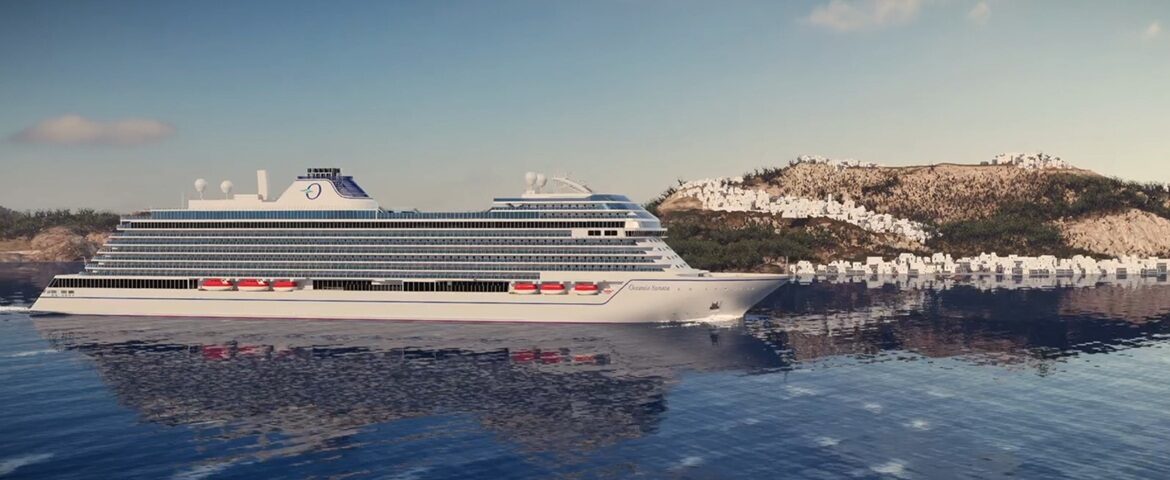
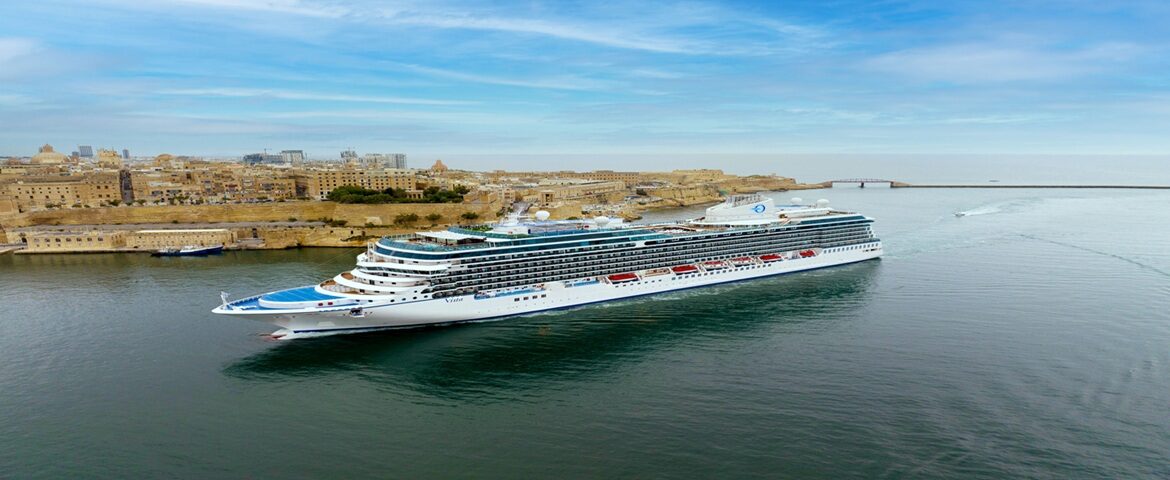
Oceania Sonata
9 Cruises
Ponant (26 Cruises)
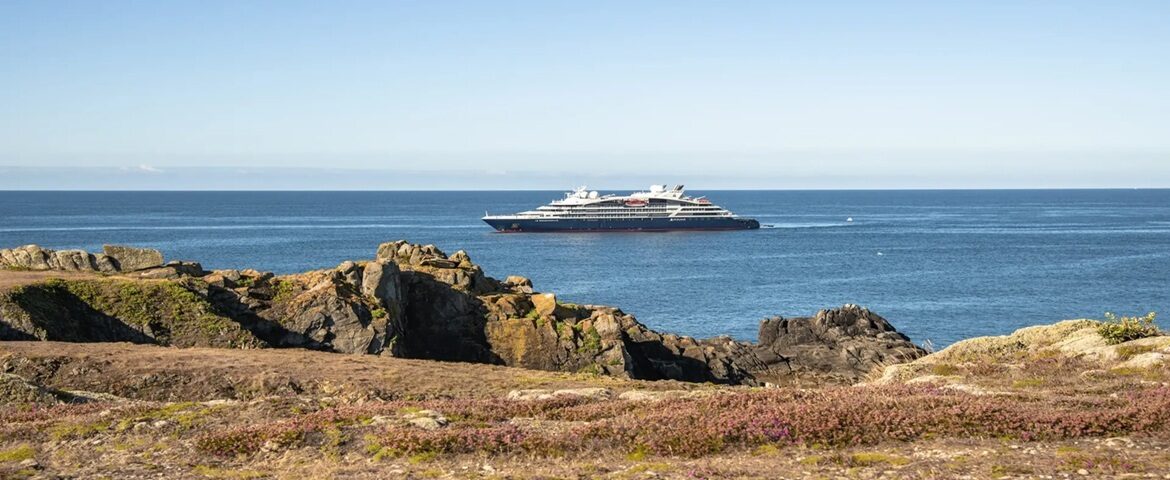

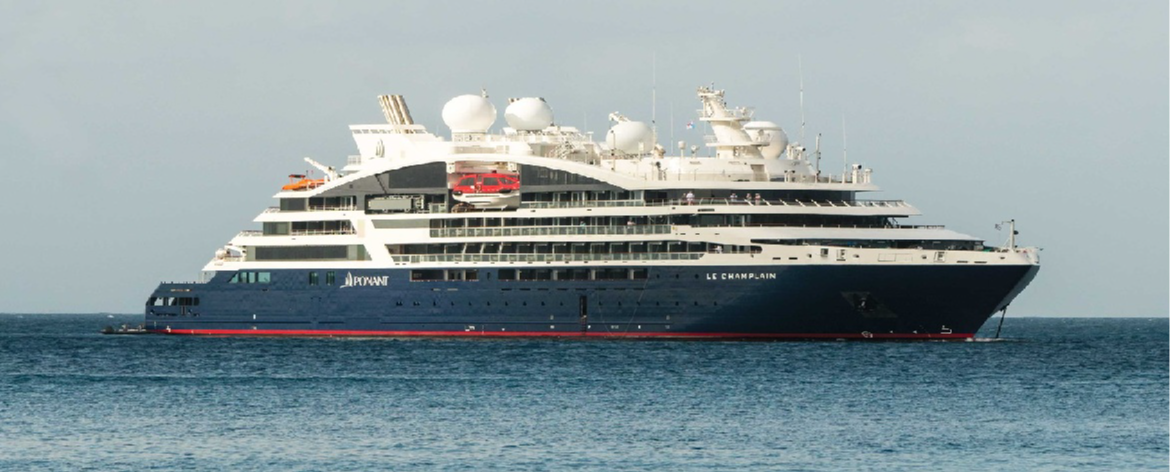
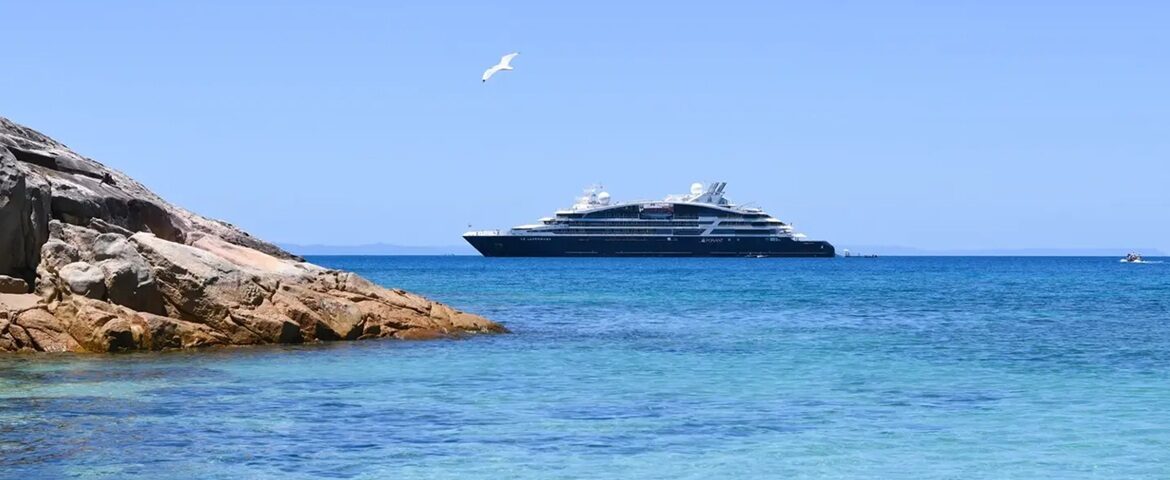
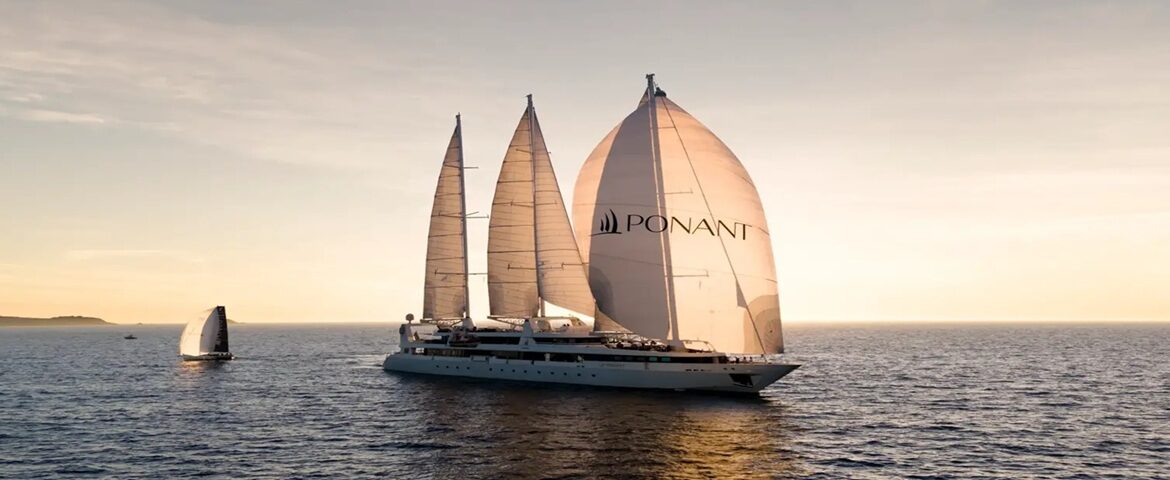
Le Ponant
19 Cruises
| 9 January | 7 nights | One-way from Pointe-a-Pitre to Marigot |
450-628-6241
Call us
|
| 23 January | 7 nights | One-way from Marigot to Pointe-a-Pitre |
450-628-6241
Call us
|
| 6 February | 7 nights | One-way from Pointe-a-Pitre to Marigot |
450-628-6241
Call us
|
| 20 February | 7 nights | One-way from Marigot to Pointe-a-Pitre |
450-628-6241
Call us
|
| 7 February | 7 nights | One-way from Marigot to Pointe-a-Pitre |
450-628-6241
Call us
|
| 21 February | 7 nights | One-way from Pointe-a-Pitre to Marigot |
450-628-6241
Call us
|
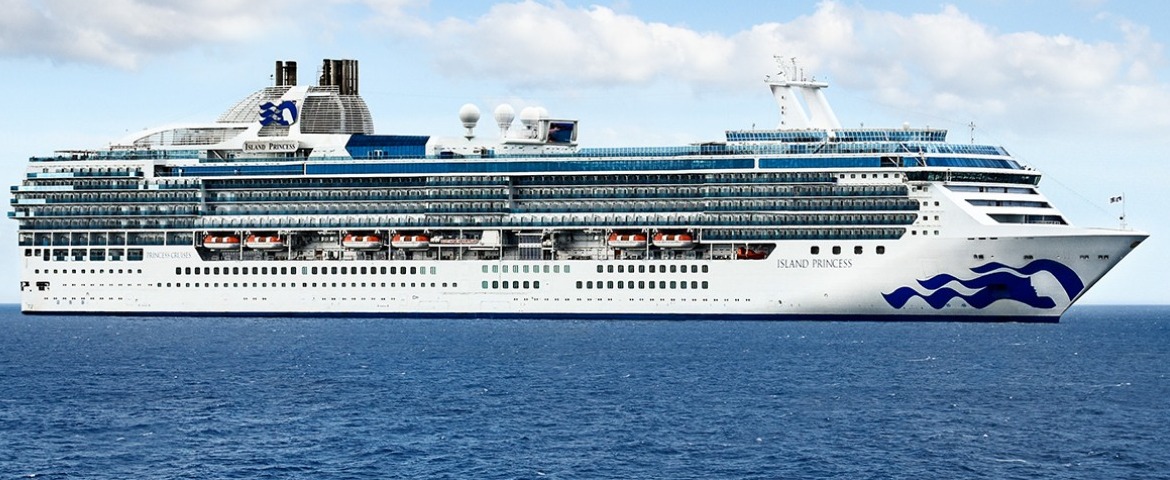
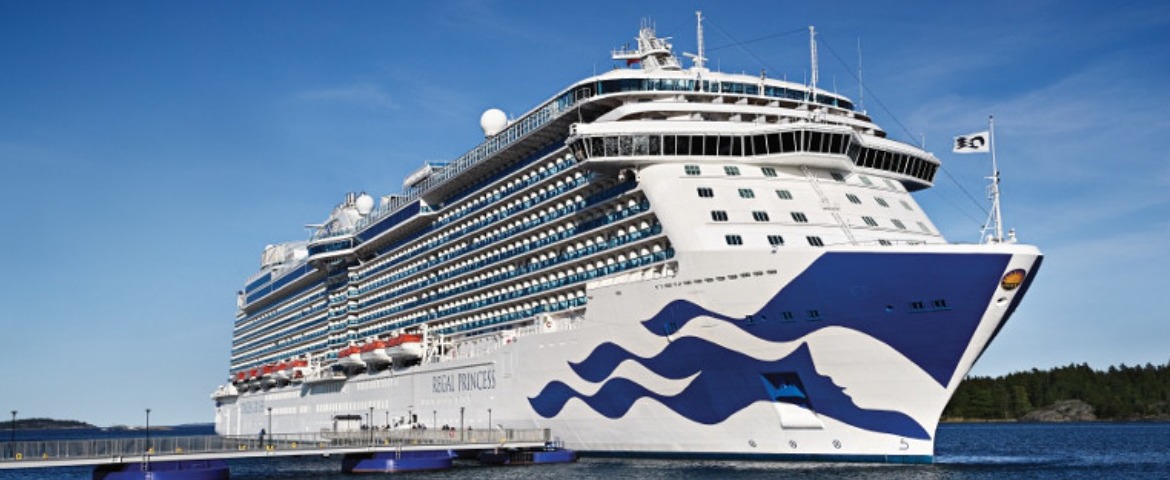
Princess Cruises (80 Cruises)
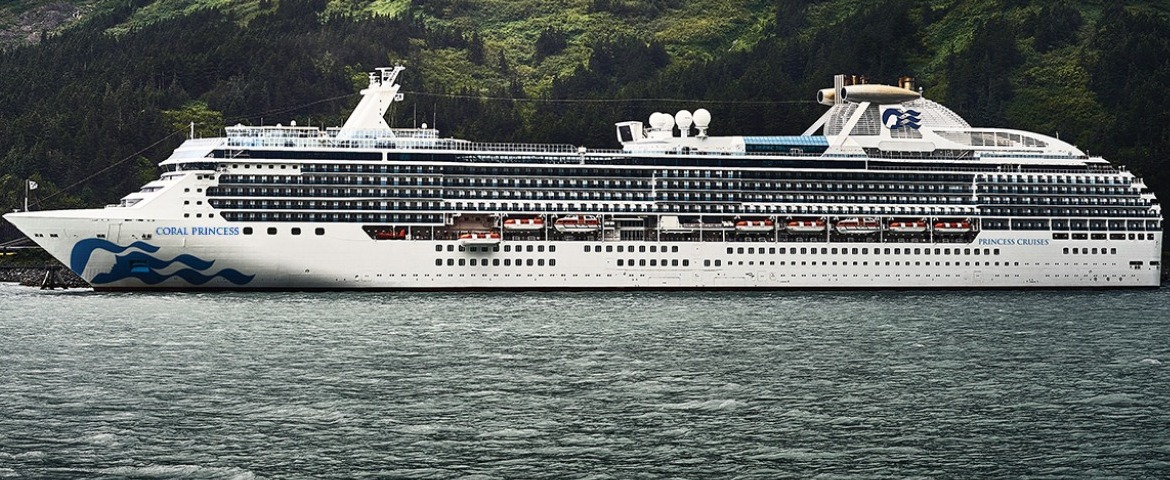

Crown Princess
26 Cruises
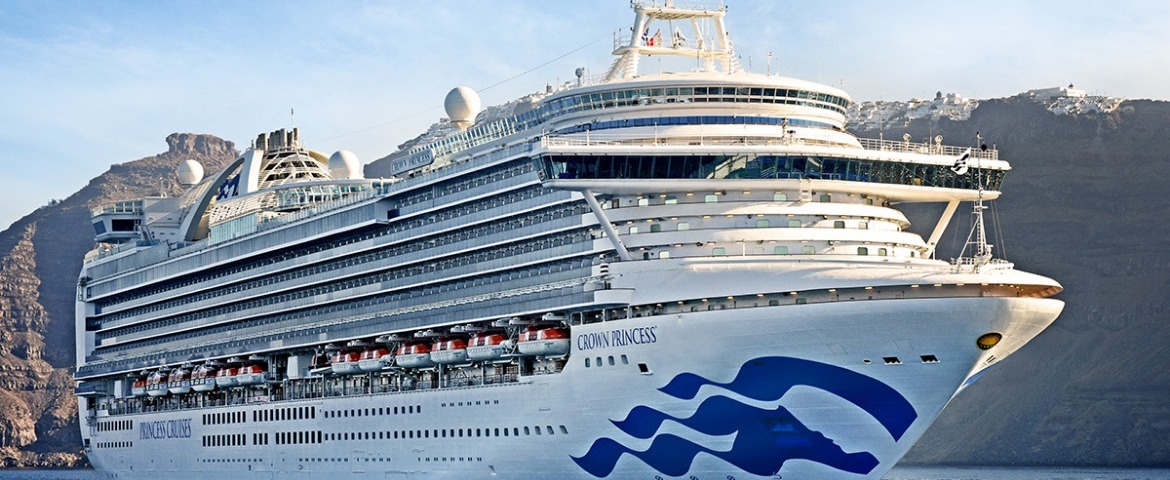
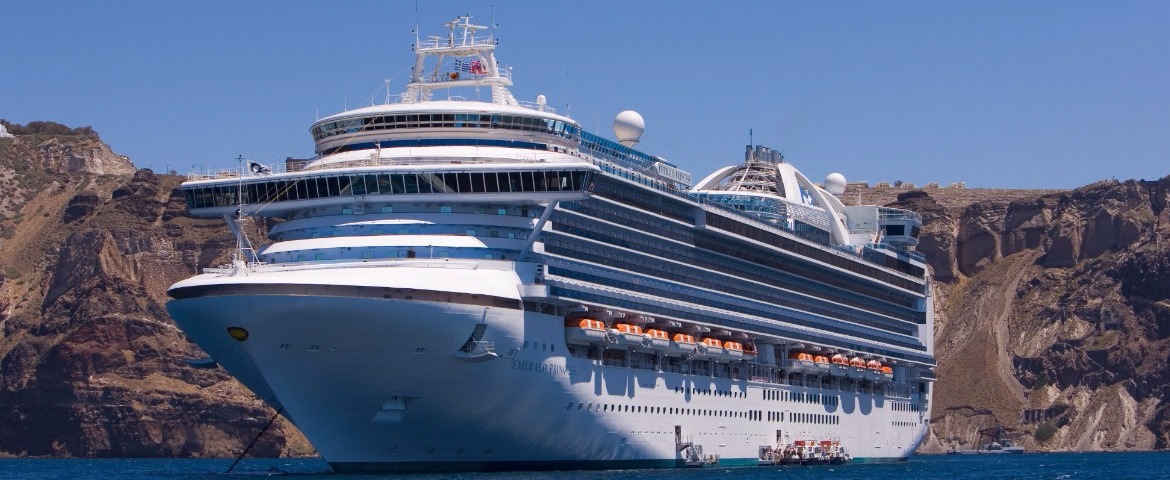
Emerald Princess
28 Cruises
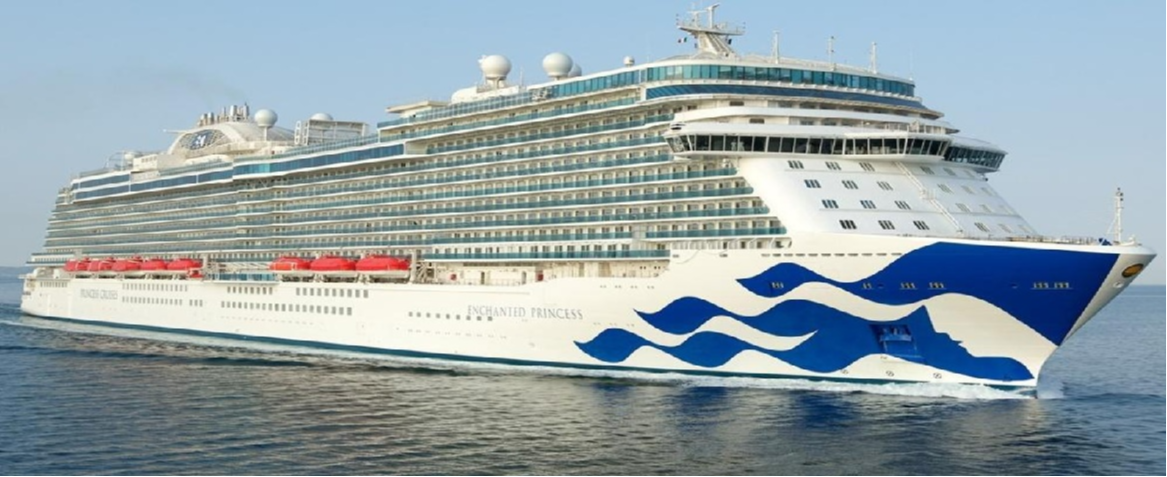
Enchanted Princess
18 Cruises
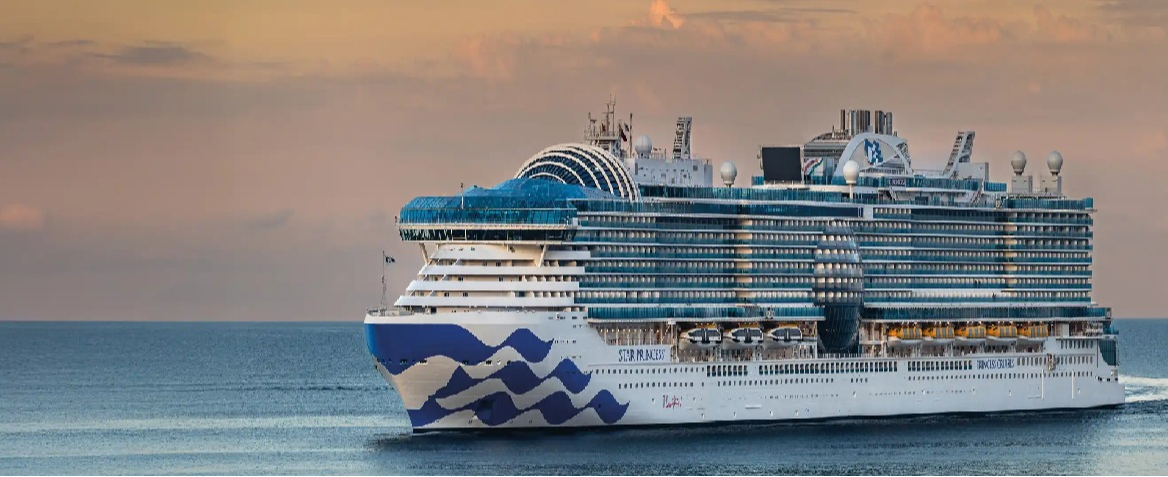
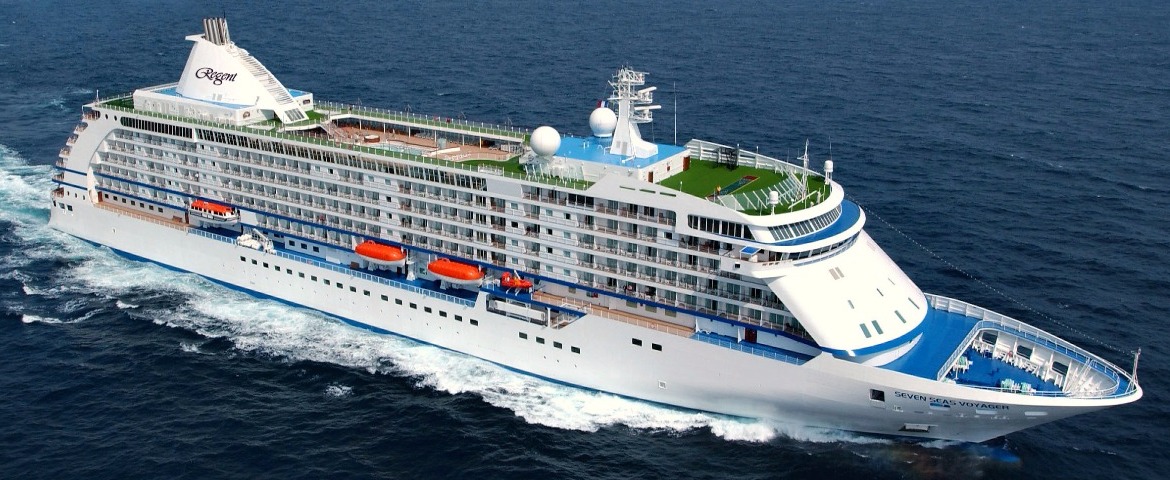
Regent Seven Seas Cruises (29 Cruises)
Seven Seas Grandeur
10 Cruises
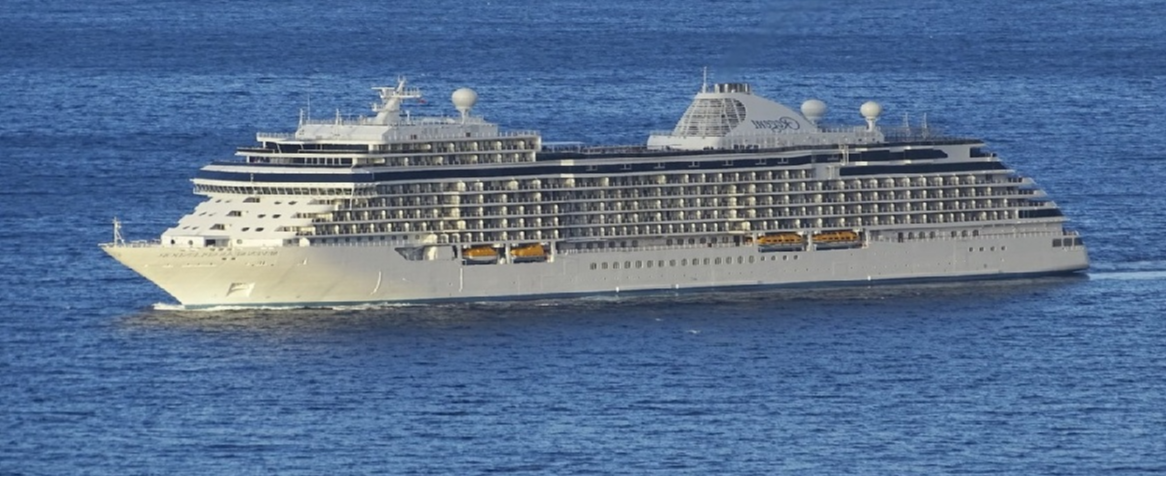

| 15 January | 10 nights | Round-trip from Bridgetown, Barbados |
450-628-6241
Call us
|
| 25 January | 10 nights | Round-trip from Bridgetown, Barbados |
450-628-6241
Call us
|

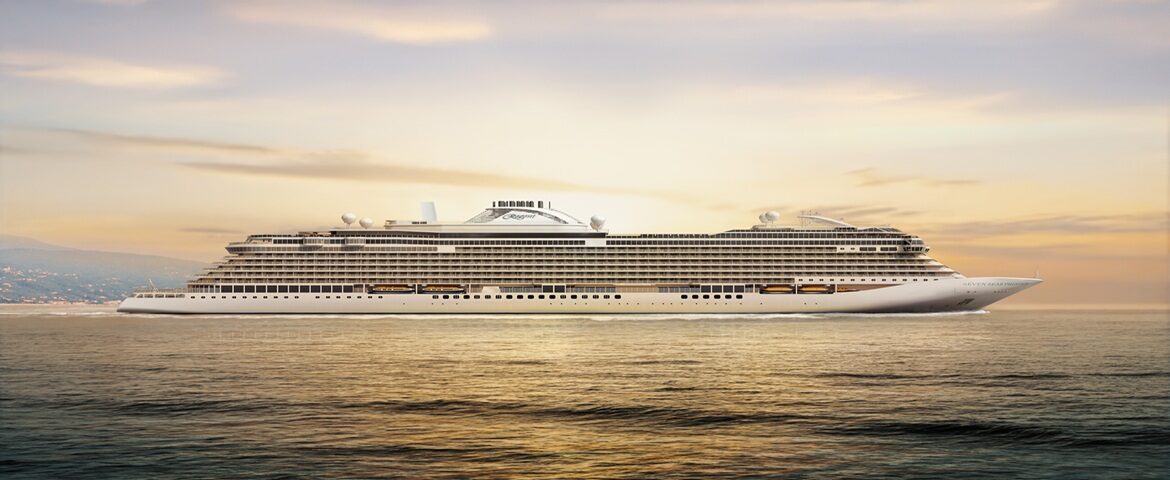
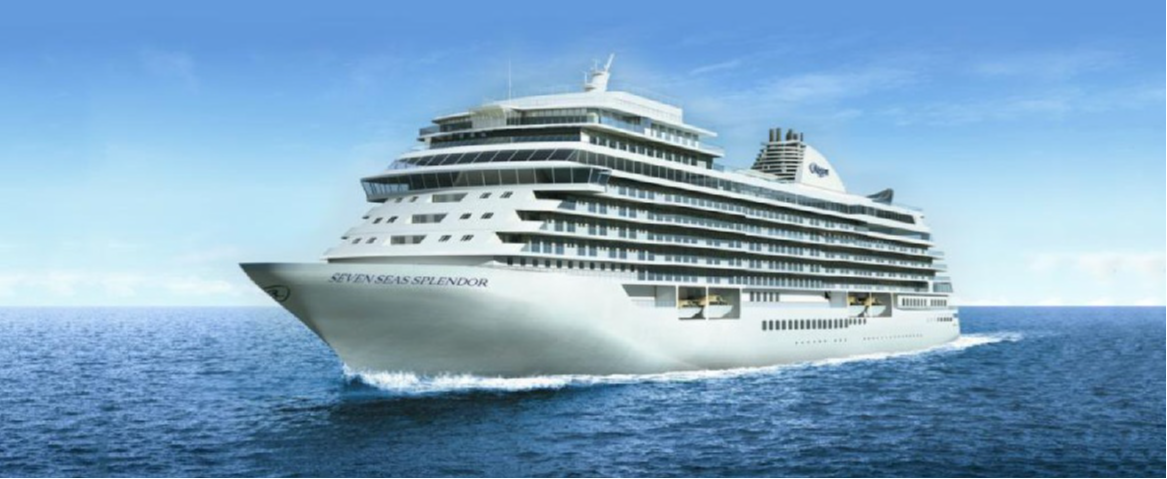
Seven Seas Prestige
11 Cruises
Royal Caribbean Cruises (92 Cruises)



Grandeur of the Seas
16 Cruises

| 8 May | 7 nights | Round-trip from San Juan, Puerto Rico |
From
879$
|
| 22 May | 7 nights | Round-trip from San Juan, Puerto Rico |
From
983$
|
| 5 June | 7 nights | Round-trip from San Juan, Puerto Rico |
From
1138$
|
| 19 June | 7 nights | Round-trip from San Juan, Puerto Rico |
From
1122$
|
| 3 July | 7 nights | Round-trip from San Juan, Puerto Rico |
From
862$
|
| 17 July | 7 nights | Round-trip from San Juan, Puerto Rico |
From
1195$
|
| 31 July | 7 nights | Round-trip from San Juan, Puerto Rico |
From
1136$
|
| 14 August | 7 nights | Round-trip from San Juan, Puerto Rico |
From
979$
|
| 28 August | 7 nights | Round-trip from San Juan, Puerto Rico |
From
861$
|
| 11 September | 7 nights | Round-trip from San Juan, Puerto Rico |
From
835$
|
| 25 September | 7 nights | Round-trip from San Juan, Puerto Rico |
From
828$
|


Rhapsody of the Seas
28 Cruises

| 12 February | 7 nights | Round-trip from San Juan, Puerto Rico |
From
1040$
|
| 26 February | 7 nights | Round-trip from San Juan, Puerto Rico |
From
1090$
|
Vision of the Seas
37 Cruises

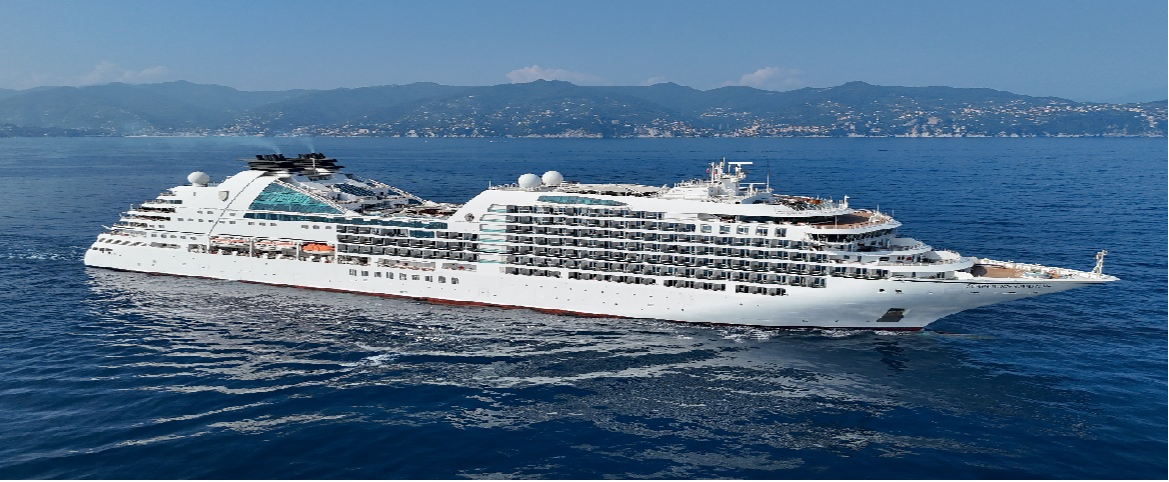
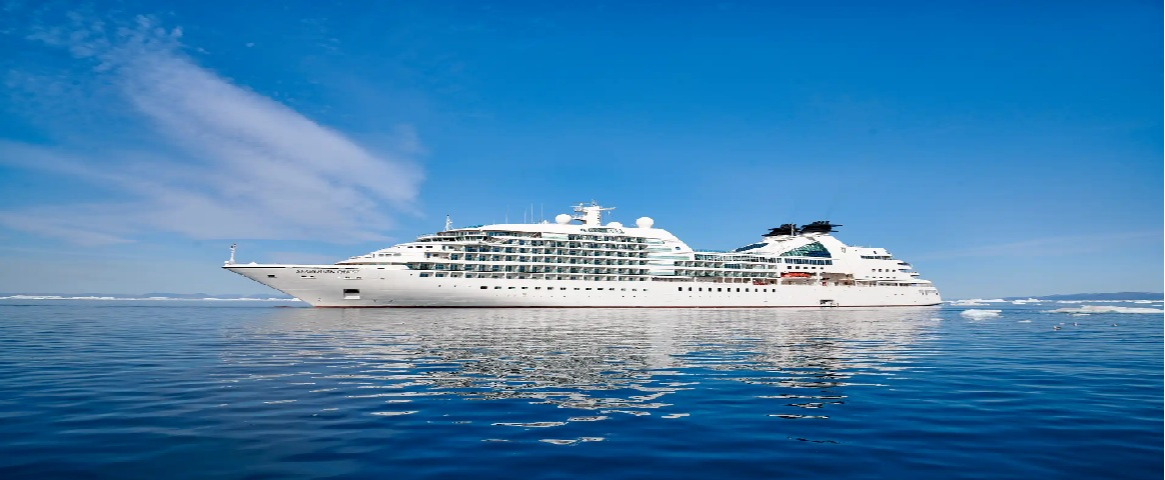
Seabourn Cruise Line (42 Cruises)
Seabourn Ovation
40 Cruises

SeaDream Yacht Club (2 Cruises)

Silversea Cruises (33 Cruises)
Silver Dawn
9 Cruises
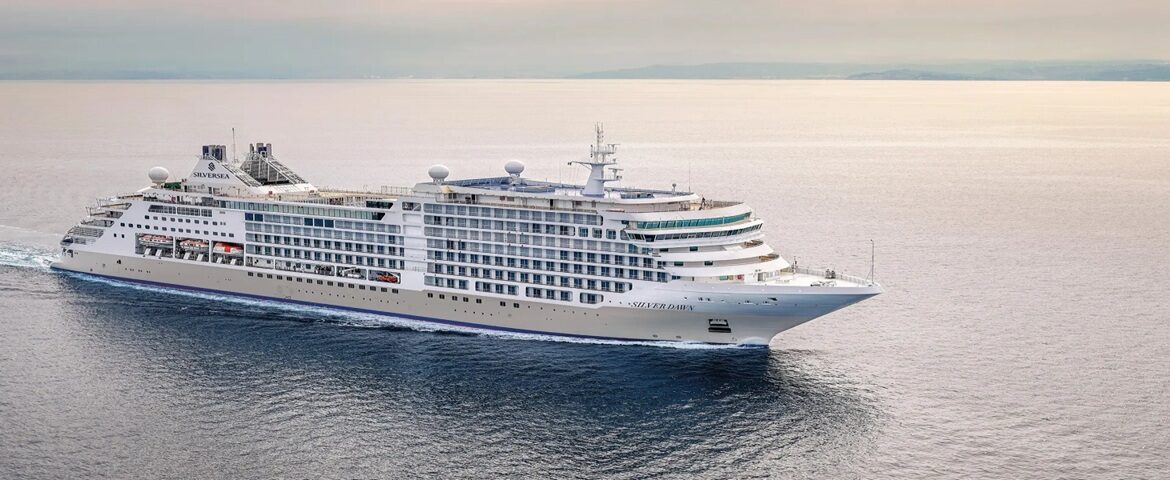

| 15 January | 10 nights | Round-trip from San Juan, Puerto Rico |
450-628-6241
Call us
|
| 15 January | 21 nights | Round-trip from San Juan, Puerto Rico |
450-628-6241
Call us
|
Silver Ray
9 Cruises
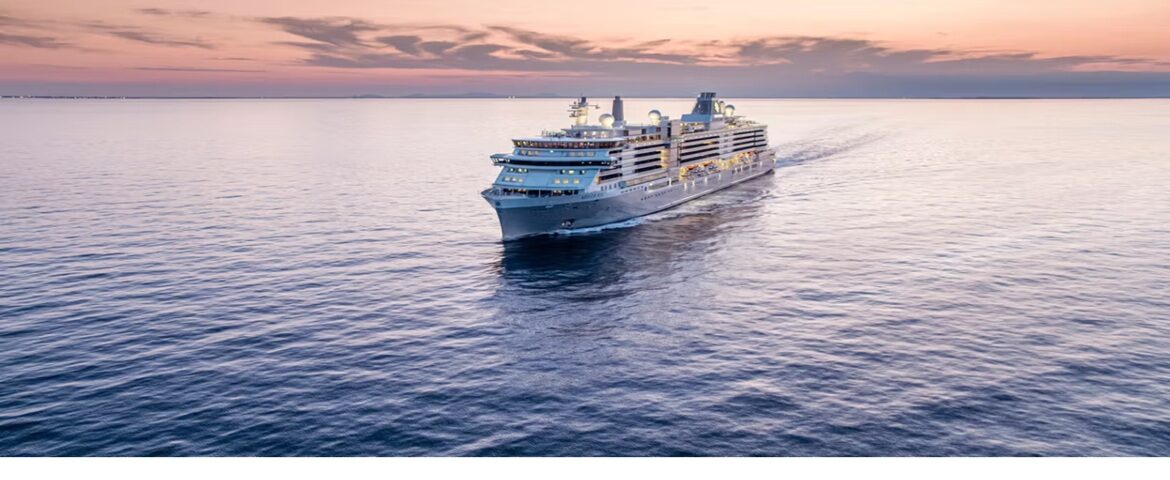
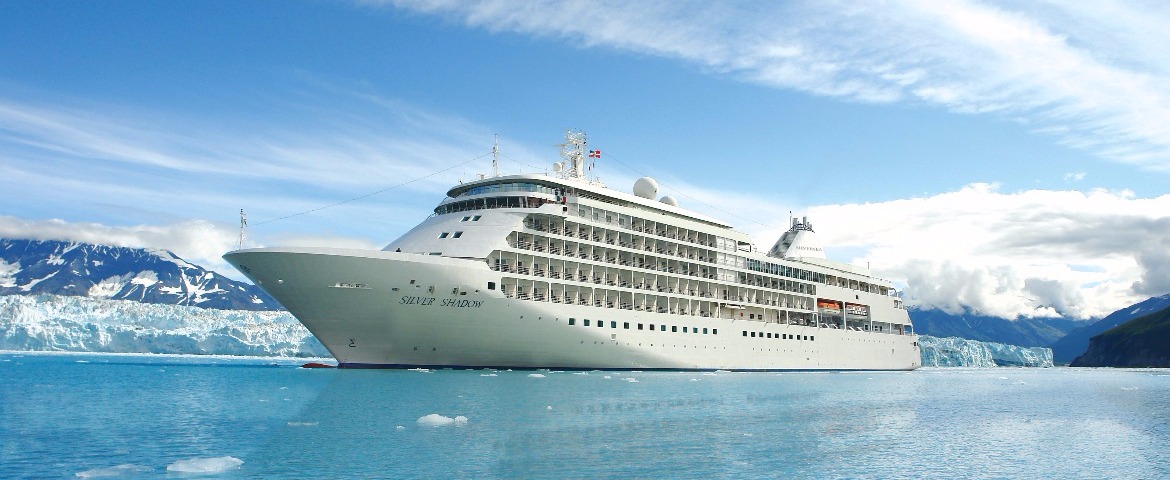
Silver Shadow
7 Cruises
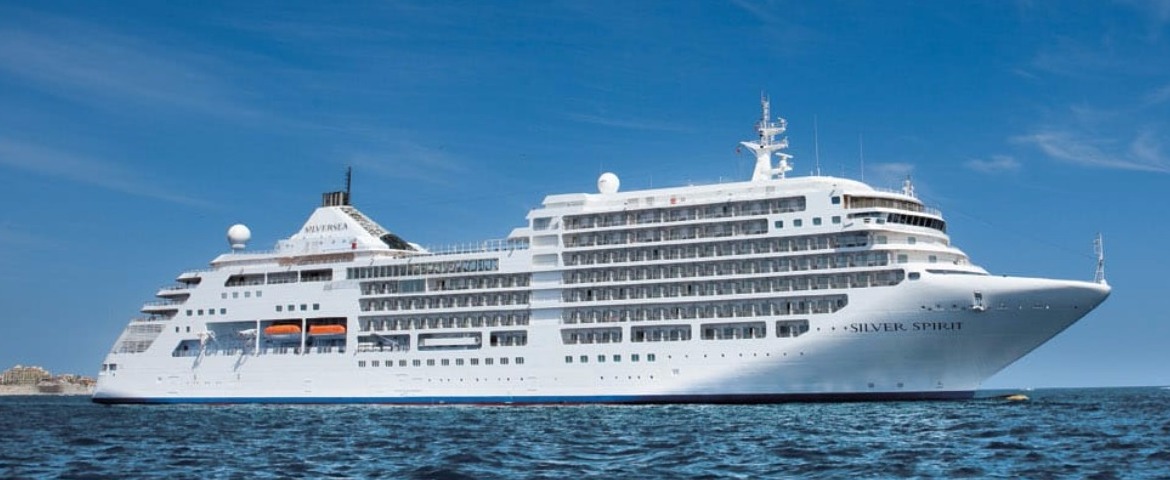
Star Clippers (18 Cruises)
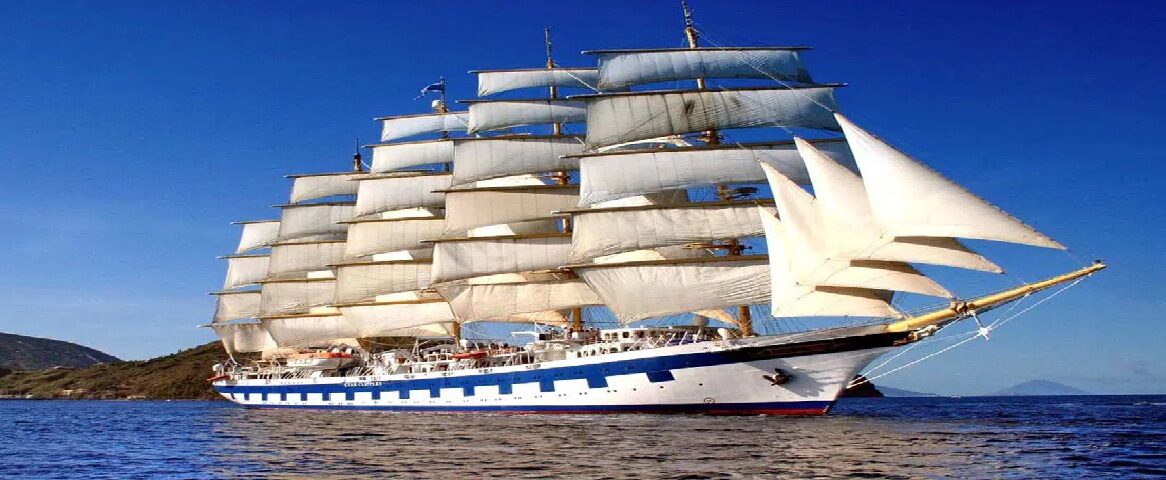

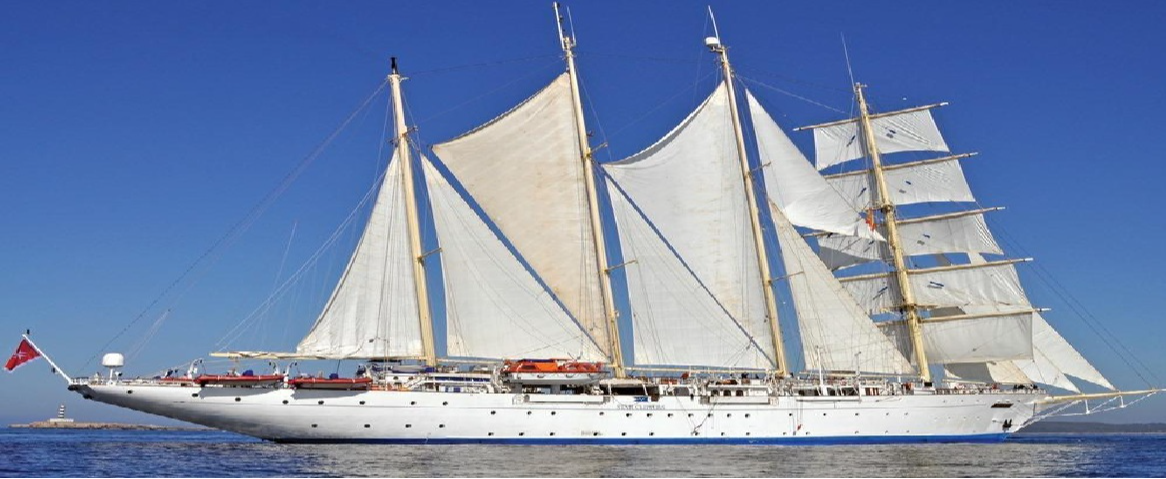
Star Clipper
17 Cruises
Viking Ocean Cruises (26 Cruises)
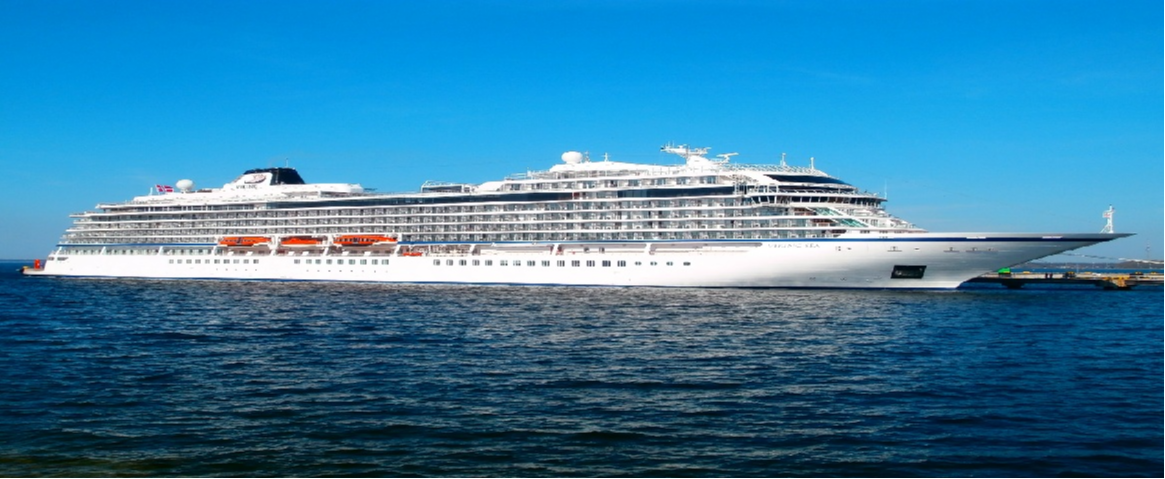
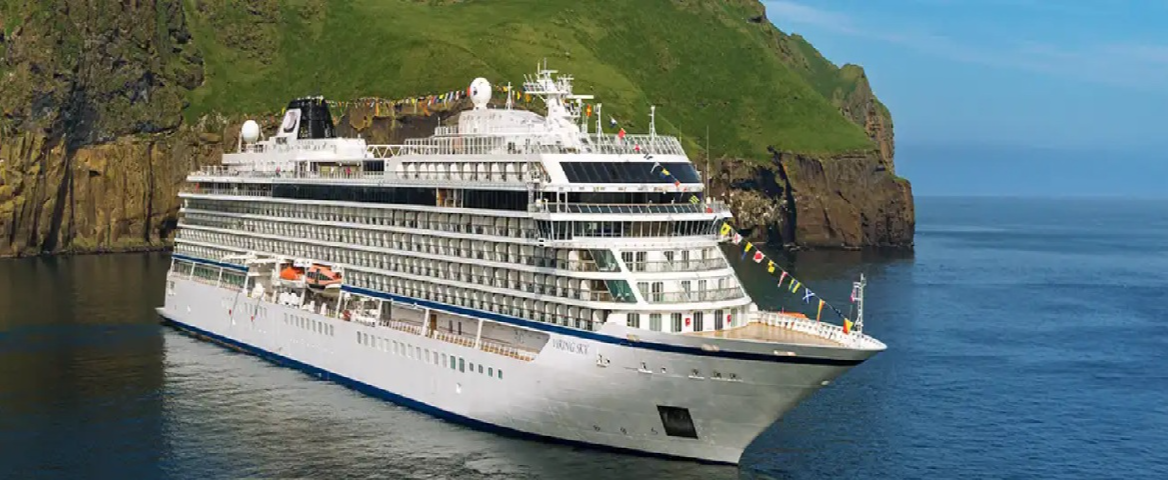
Viking Sea
17 Cruises

Virgin Voyages (25 Cruises)
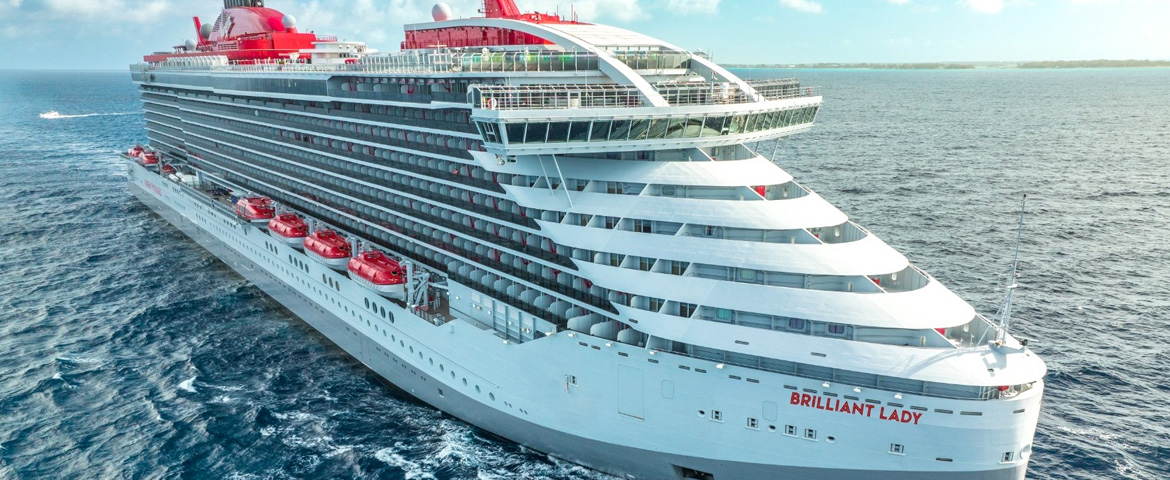

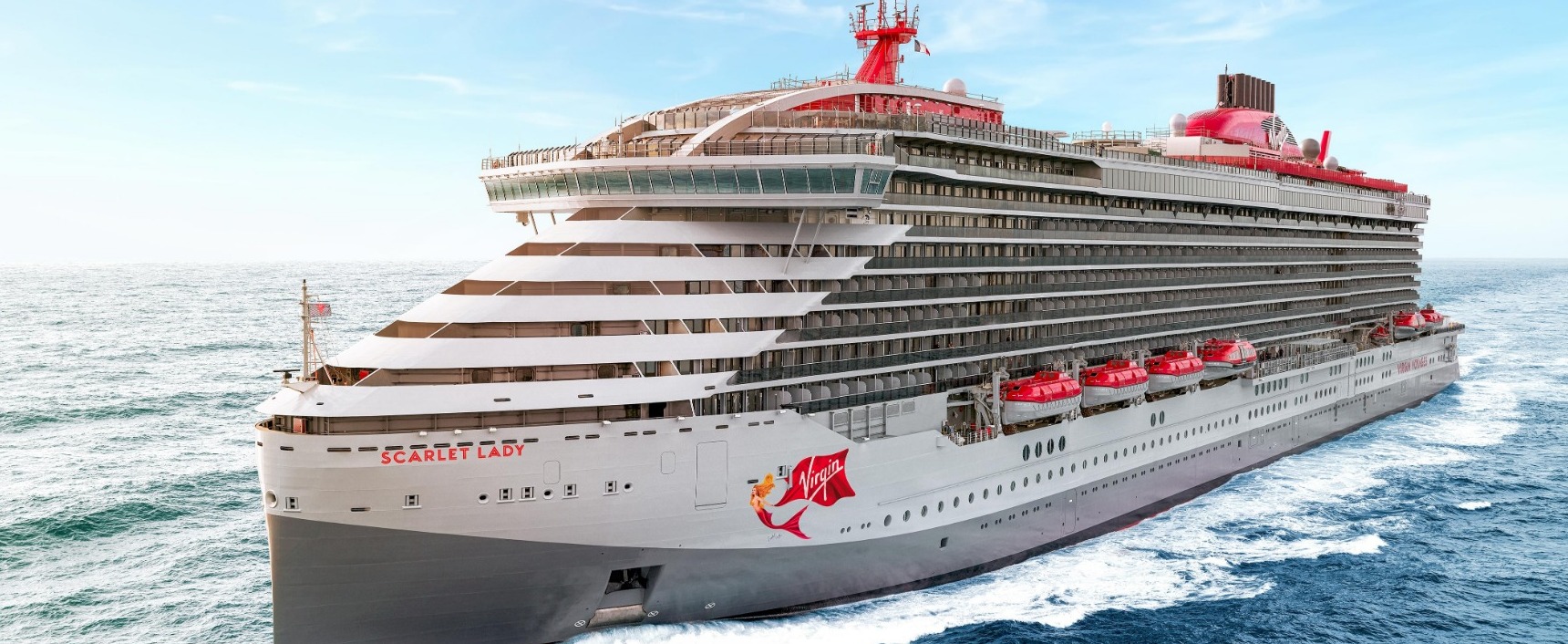
Scarlet Lady
15 Cruises
Windstar Cruises (16 Cruises)
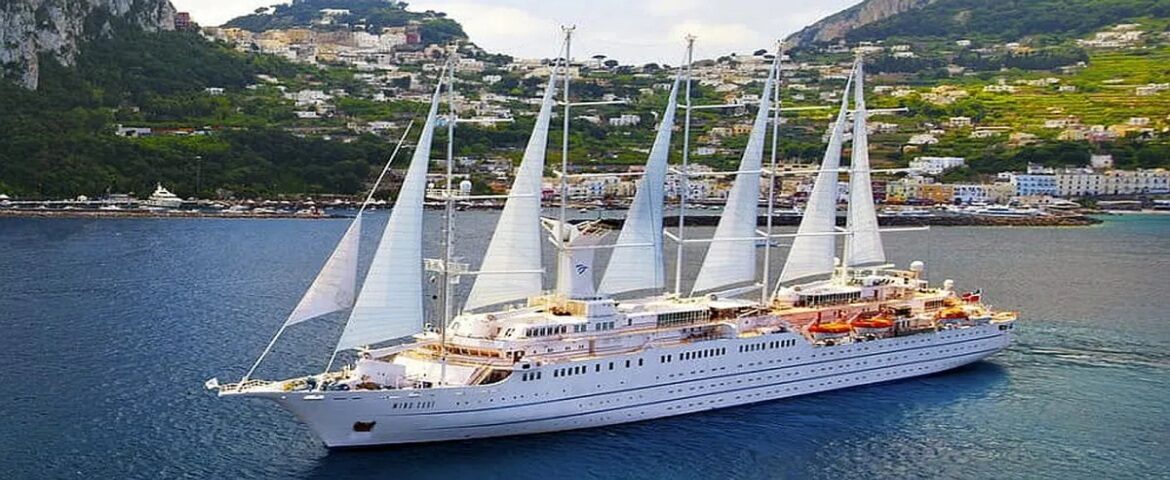
Wind Surf
16 Cruises


Port of St. John's, Antigua and Barbuda | Cruise Port Guide
Frequently Asked Questions
At Heritage Quay or Redcliffe Quay, two former merchant districts redeveloped in the city centre. The gangway leads straight onto the capital's sidewalks : the call begins in the heart of town.
Yes, entirely. The cathedral is a ten minute walk uphill, the museum and public market a few streets away. Only Fort James and the northern beaches need a taxi.
Heritage Quay lines up duty free jewellers and terraces. Redcliffe Quay, with more atmosphere, keeps its 18th century timber and stone warehouses, converted into galleries and artisan shops in the shade of flamboyant trees.
Its two white towers have served as a landmark for sailors since 1845. The unusual part is how it was built : a sturdy stone exterior encloses an interior entirely panelled in pine, a structure within a structure designed to withstand the earthquakes that destroyed the earlier churches.
Yes, and it takes about an hour. Housed in the former 1750 courthouse, it condenses the nation's history : a reconstructed Arawak village, the memory of the sugar plantations, independence in 1981, and the cricket bat of Viv Richards, local son and West Indian legend.
Saturday morning above all, when growers from across the island come to sell their harvest. Root vegetables, spices and lively conversation : the city going about its business, with nothing staged.
The black pineapple, a local speciality known for rare sweetness, mangoes from the street vendors and cane juice pressed on the spot, between Heritage Quay and Redcliffe Quay.
About ten minutes by taxi from the quays. This 18th century fort guards the harbour entrance, its cannons still pointing out to sea, and a stretch of sand popular with Antiguan families sits right beside it : a swim and some history in one stop.
Dickenson Bay, a quarter hour north by taxi, for turquoise water, loungers and cocktail huts. Local lore promises 365 beaches, one for each day of the year : a single port call forces a choice.
The East Caribbean dollar and English. Shops in the port area routinely take cards and US dollars; keep small change for street stalls and taxis.


