Cadiz Spain, Sevilla
1157
Cruises availables
At departure or passage at this port

Azamara Club Cruises (33 Cruises)
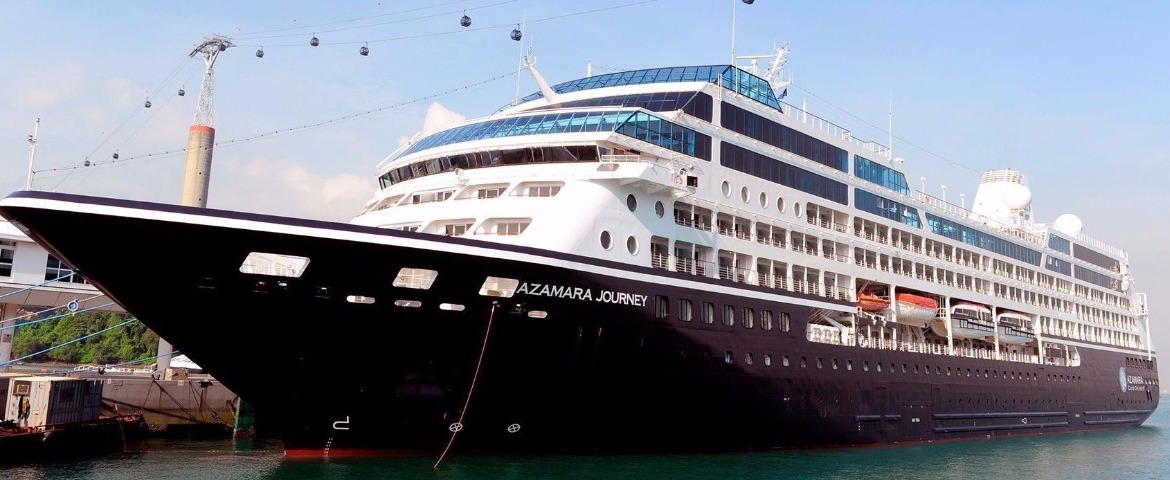
Azamara Journey
17 Cruises

Azamara Onward
12 Cruises
| 17 November | 12 days | One-way from Lisbon to Barcelona |
450-628-6241
Call us
|
| 17 November | 19 days | One-way from Lisbon to Civitavecchia-Rome |
450-628-6241
Call us
|

Celebrity Cruises (20 Cruises)

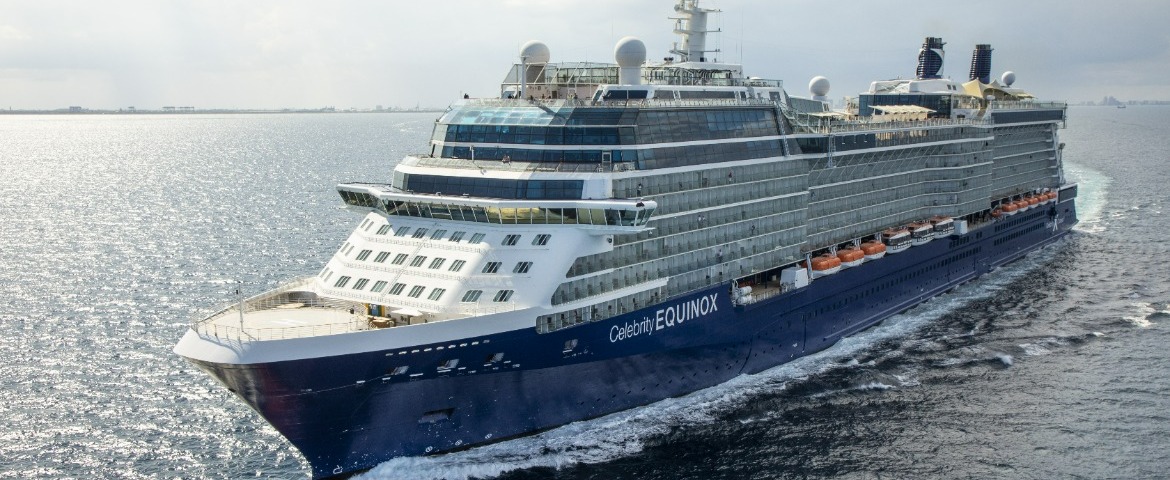
Celebrity Equinox
11 Cruises
Celestyal Cruises (26 Cruises)
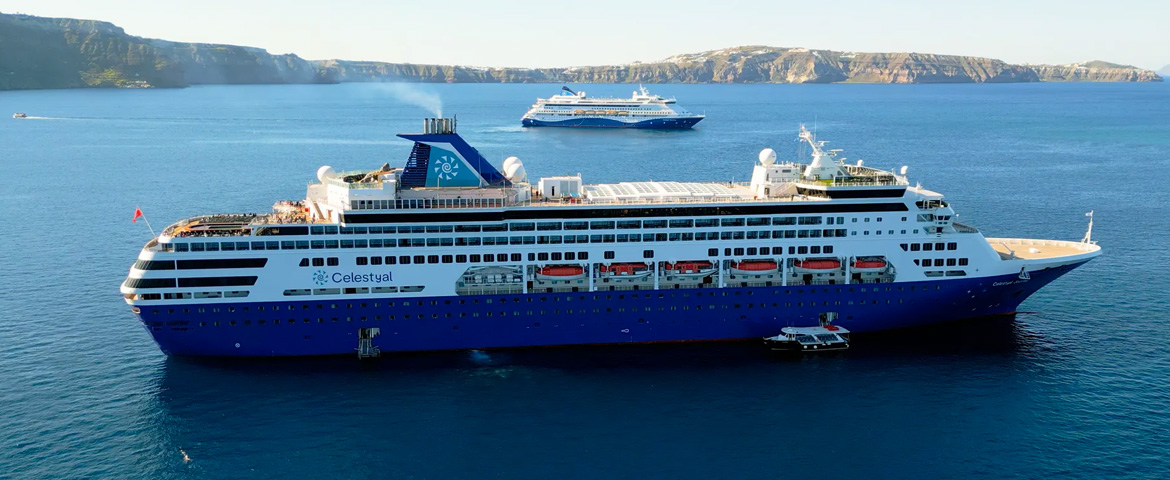
Celestyal Discovery
26 Cruises

Costa Cruises (106 Cruises)
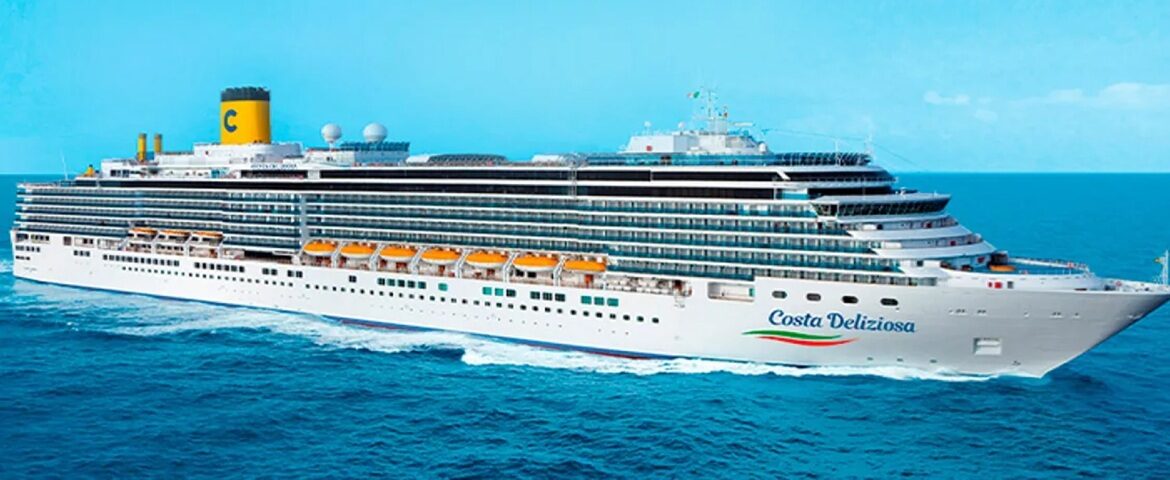
Costa Deliziosa
4 Cruises

Costa Diadema
40 Cruises
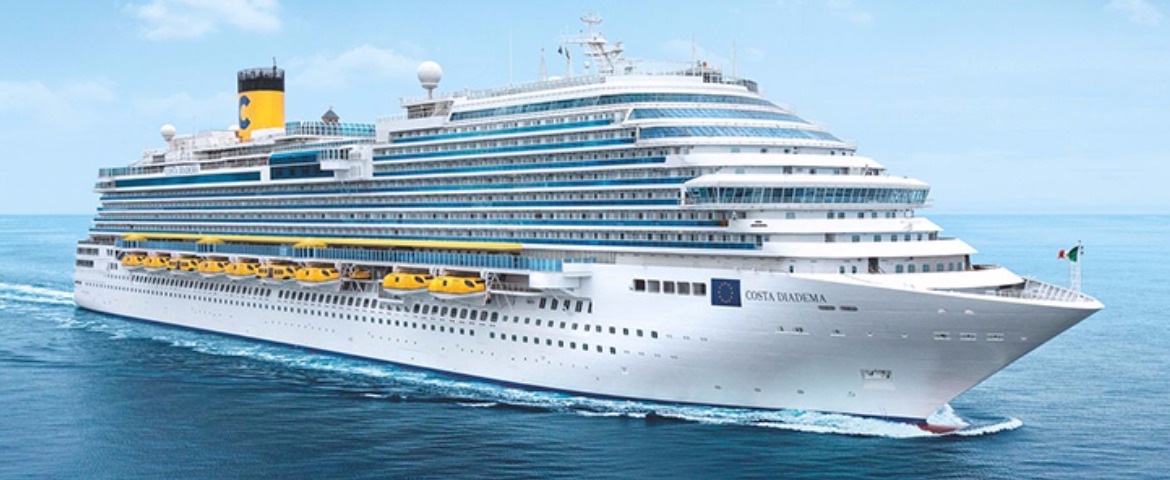
| 19 October | 13 days | Round-trip from Barcelona, Spain |
450-628-6241
Call us
|
| 21 October | 11 days | One-way from Cadiz to Barcelona |
450-628-6241
Call us
|
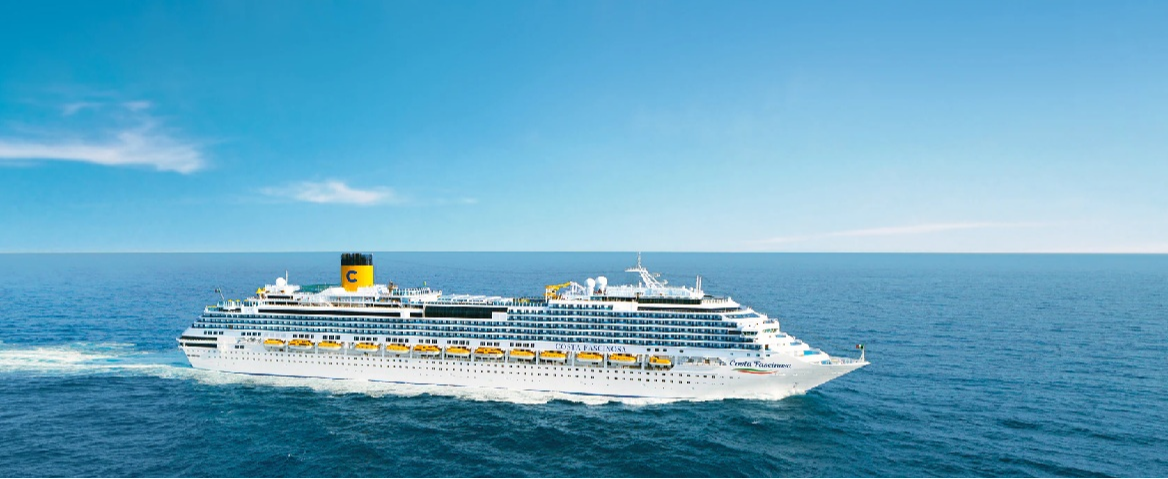
Costa Fascinosa
12 Cruises
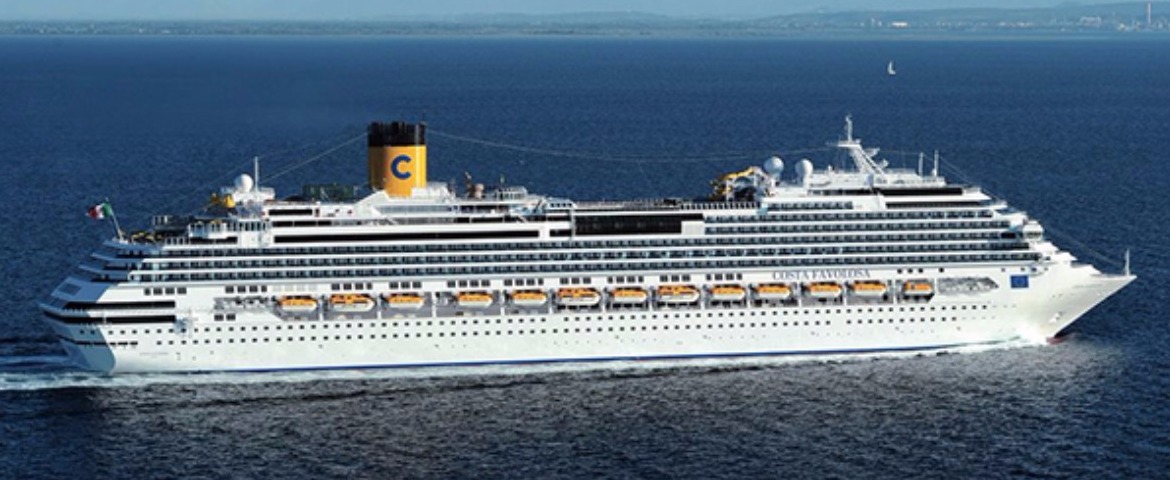
Costa Favolosa
17 Cruises
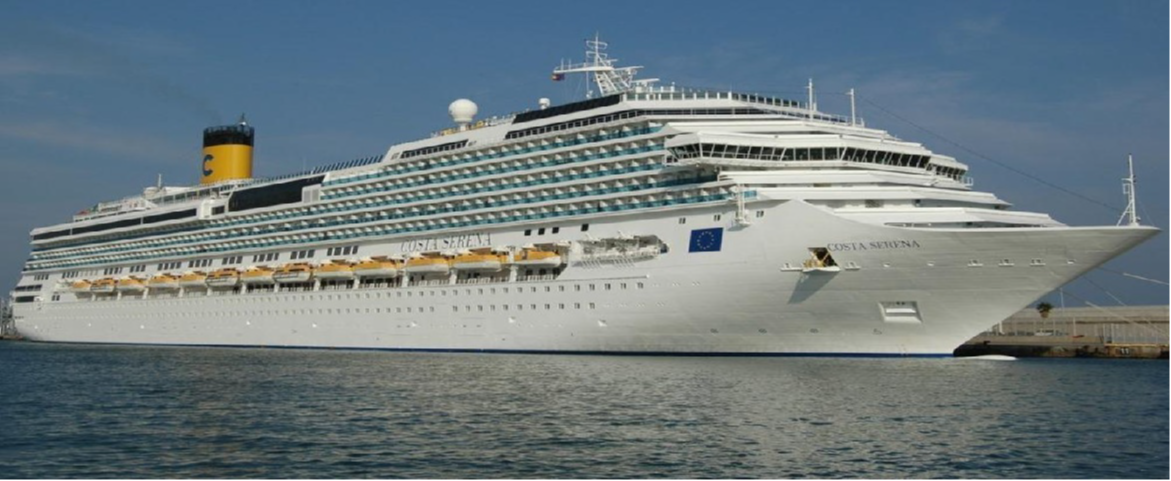
Costa Serena
22 Cruises
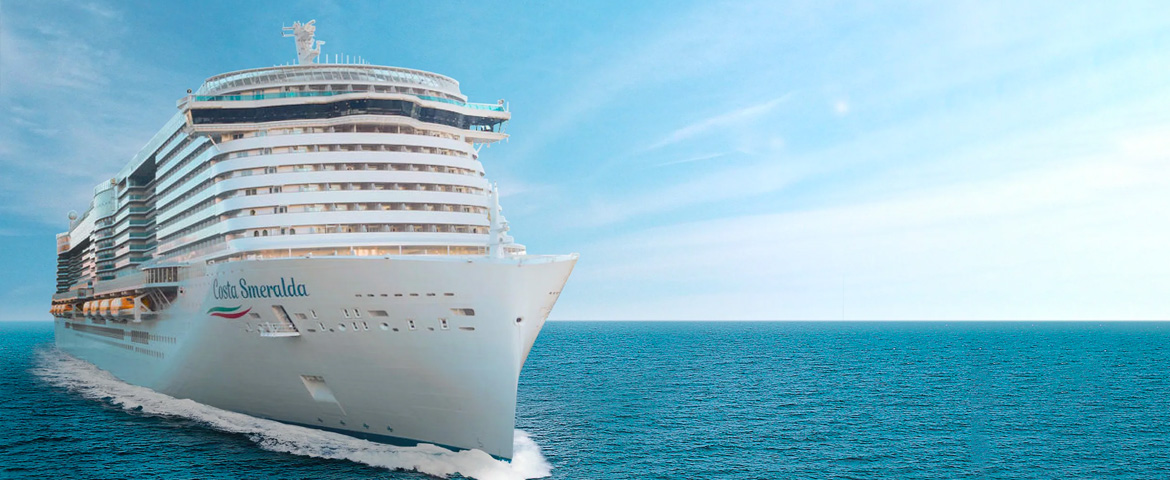
Costa Smeralda
11 Cruises
CroisiEurope (109 Cruises)
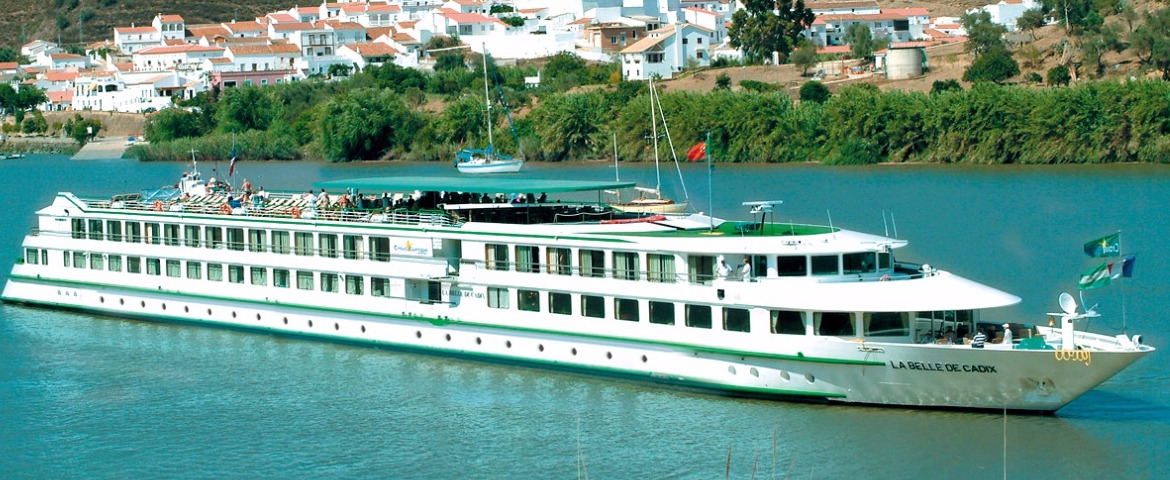
MS Belle de Cadix
109 Cruises

Crystal Cruises (12 Cruises)
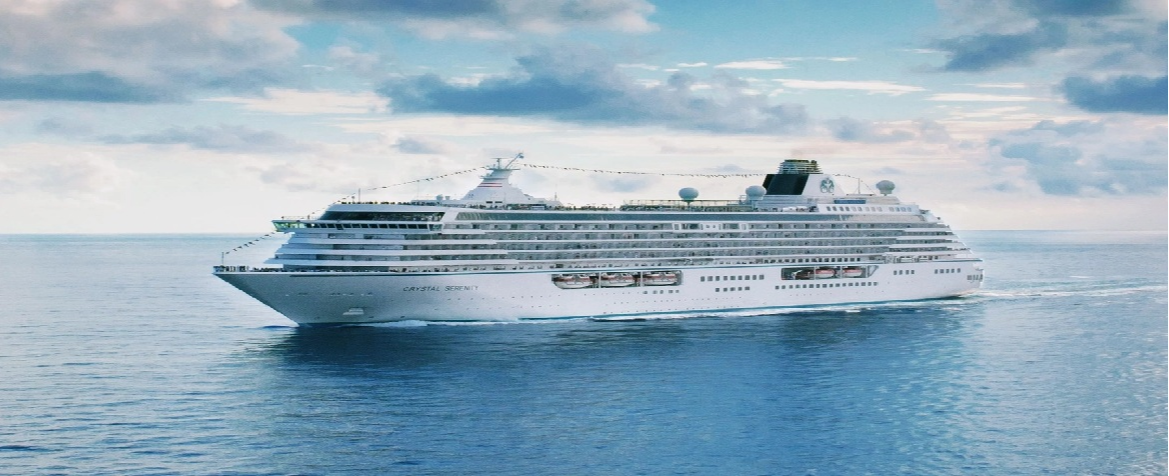
Crystal Serenity
5 Cruises

Cunard (33 Cruises)
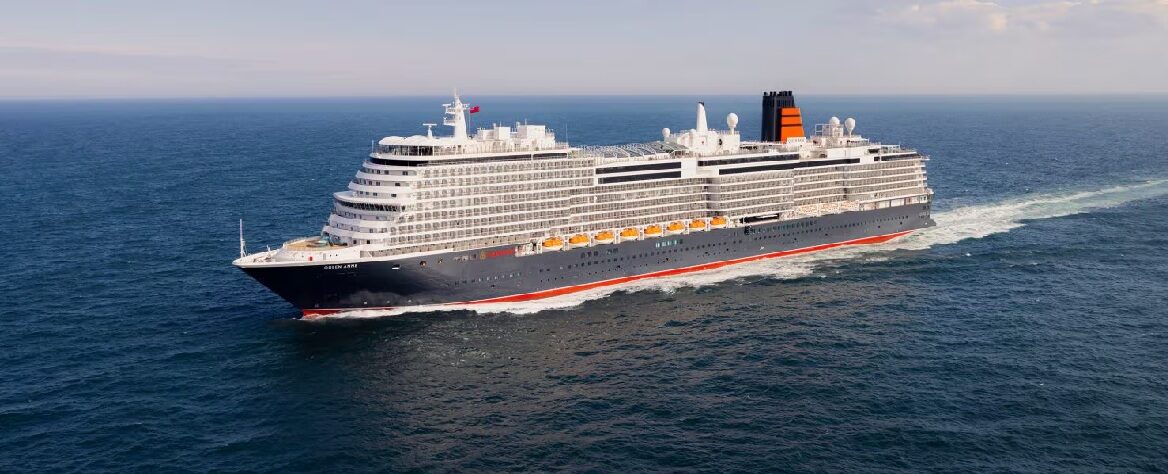

Queen Elizabeth
12 Cruises
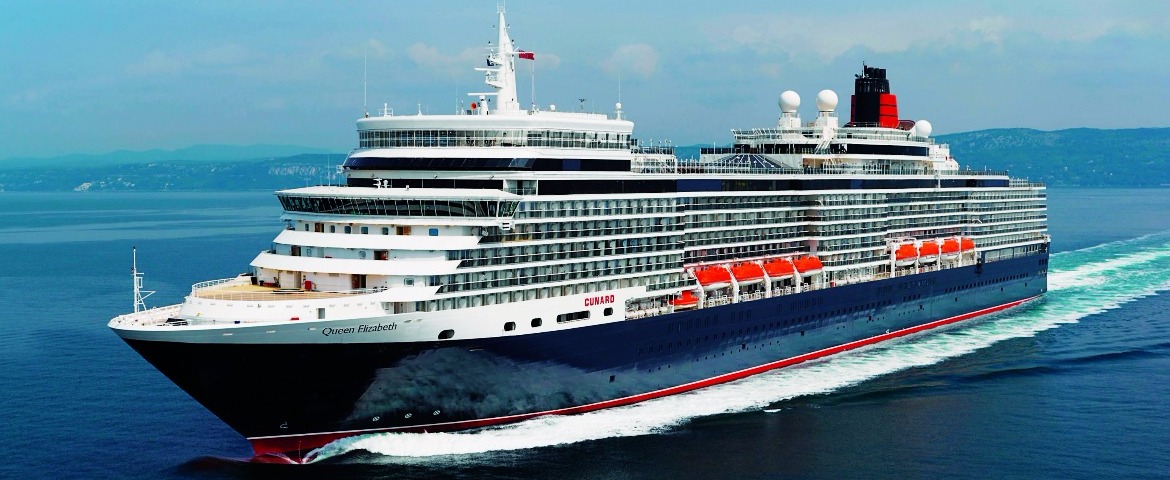
Queen Mary 2
4 Cruises
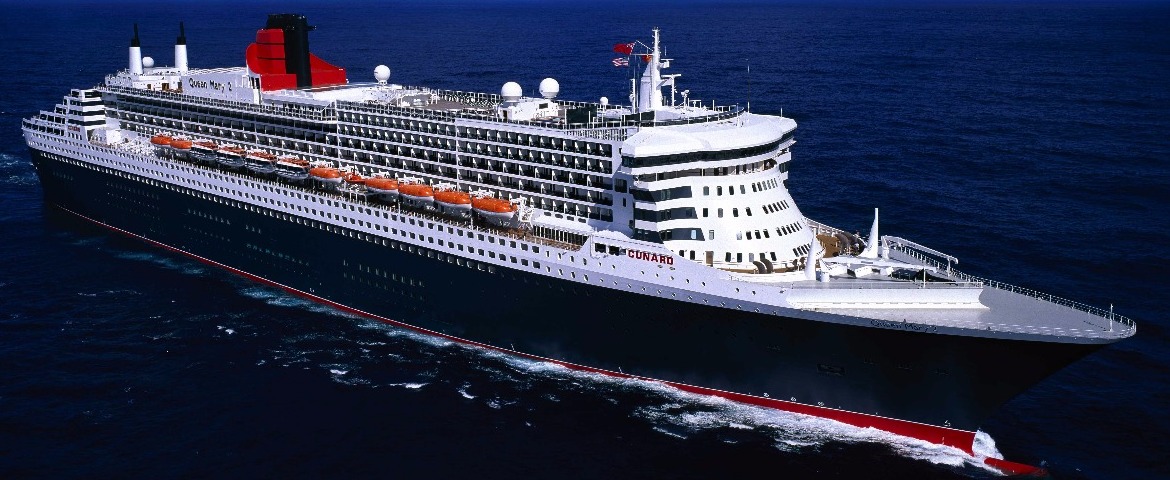
Queen Victoria
14 Cruises
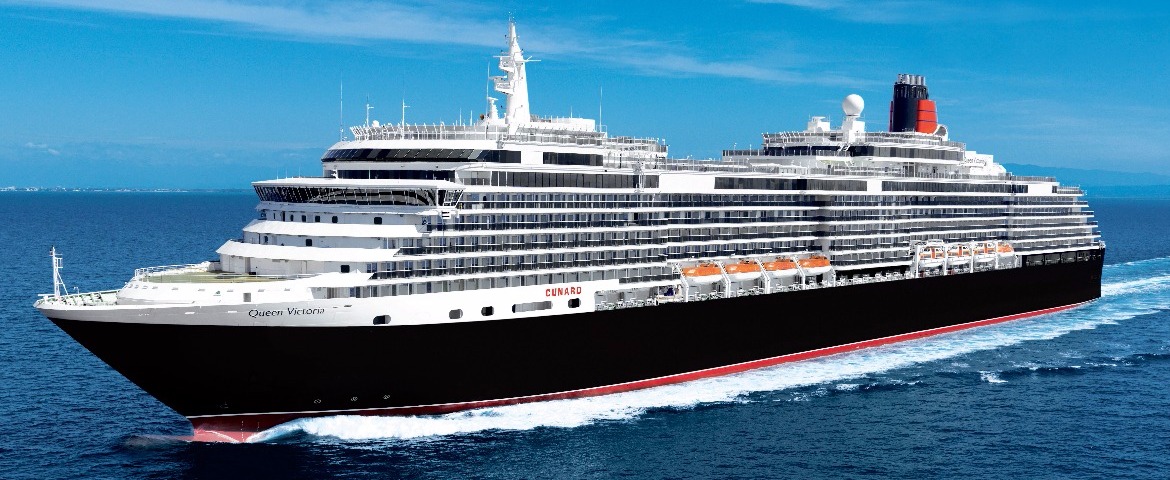
| 23 July | 18 days | One-way from Southampton to Kiel |
450-628-6241
Call us
|
| 23 July | 15 days | Round-trip from Southampton, United Kingdom |
450-628-6241
Call us
|
Emerald Waterways (9 Cruises)
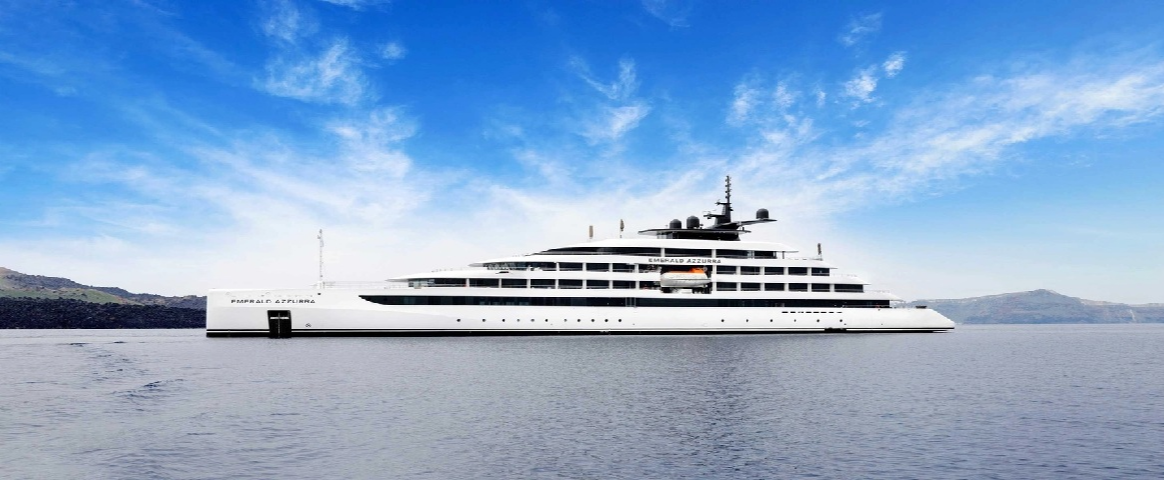

Emerald Kaia
6 Cruises
Explora Journeys (25 Cruises)
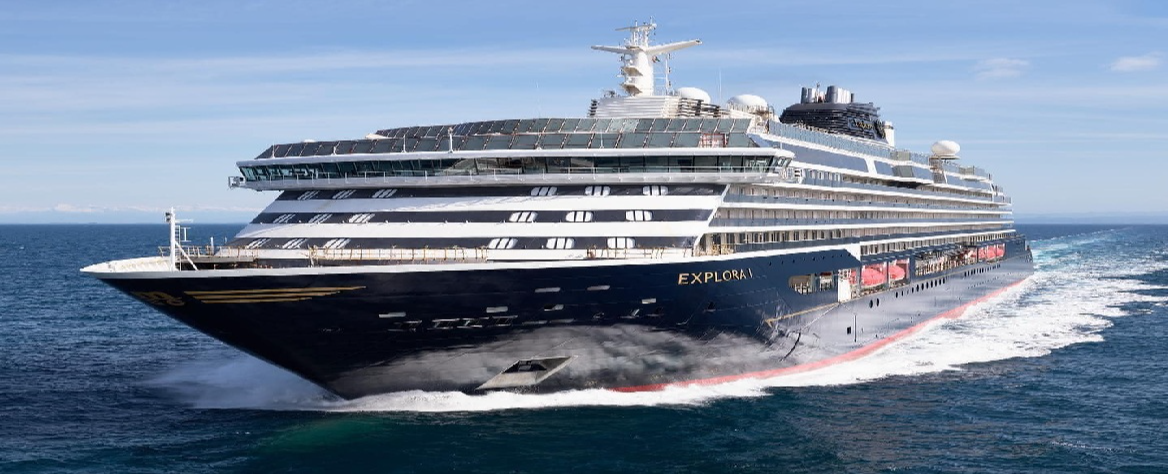

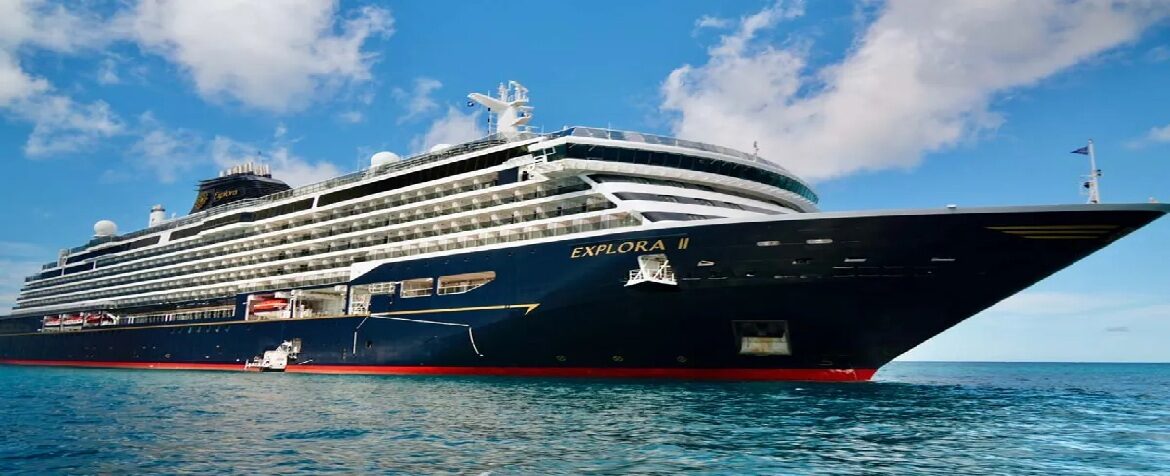
Explora II
12 Cruises
| 19 March | 17 days | One-way from Miami to Barcelona |
450-628-6241
Call us
|
| 19 March | 24 days | One-way from Miami to Barcelona |
450-628-6241
Call us
|
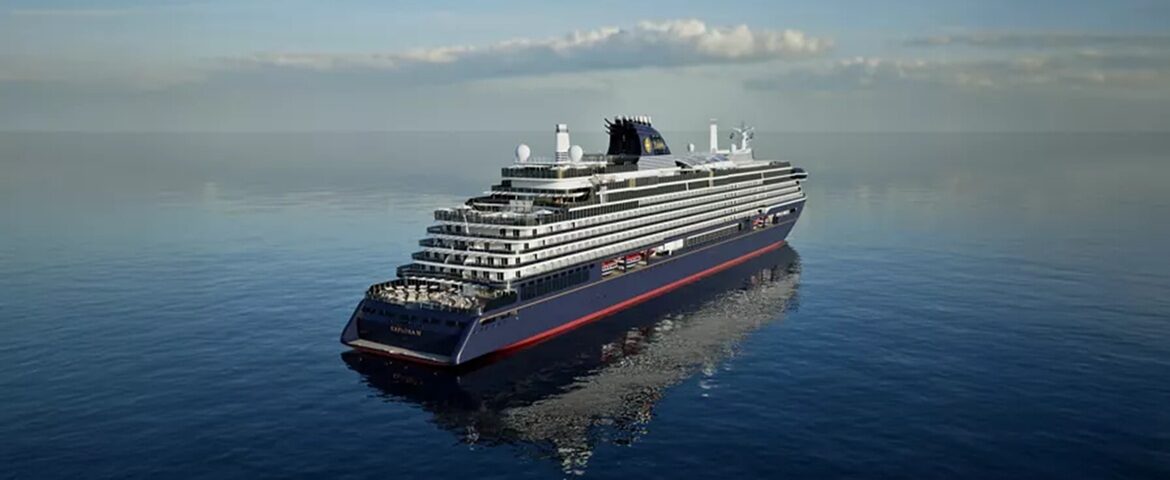
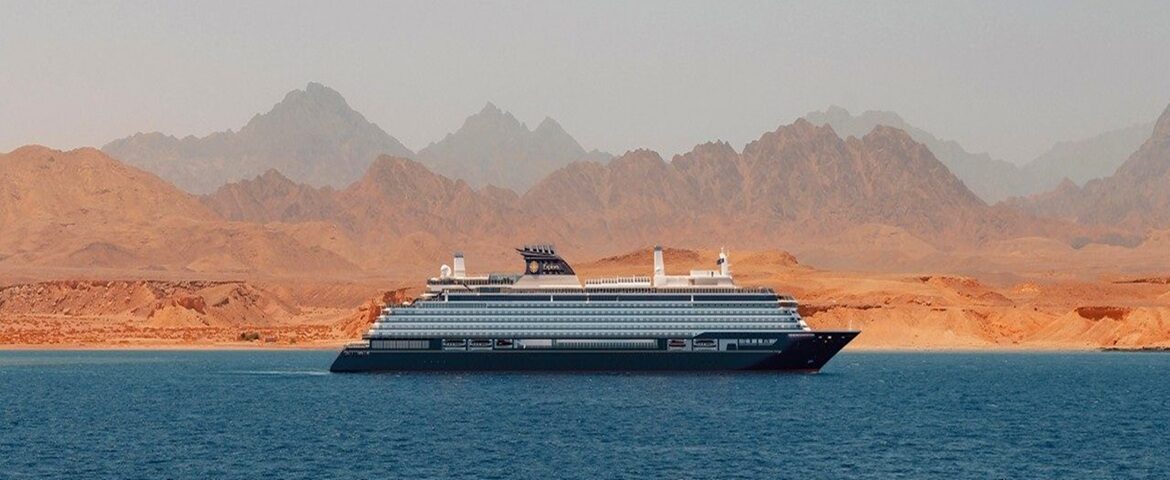
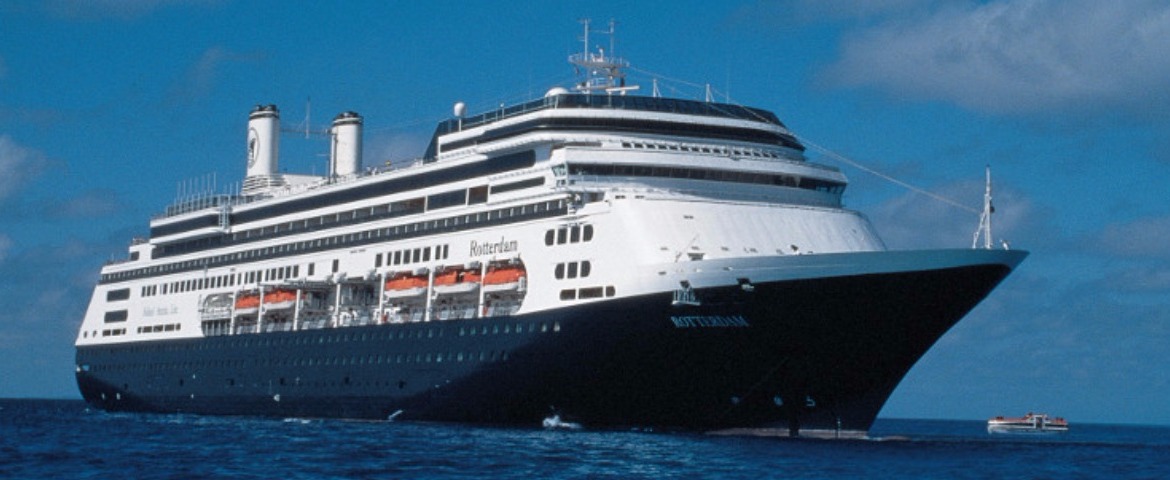
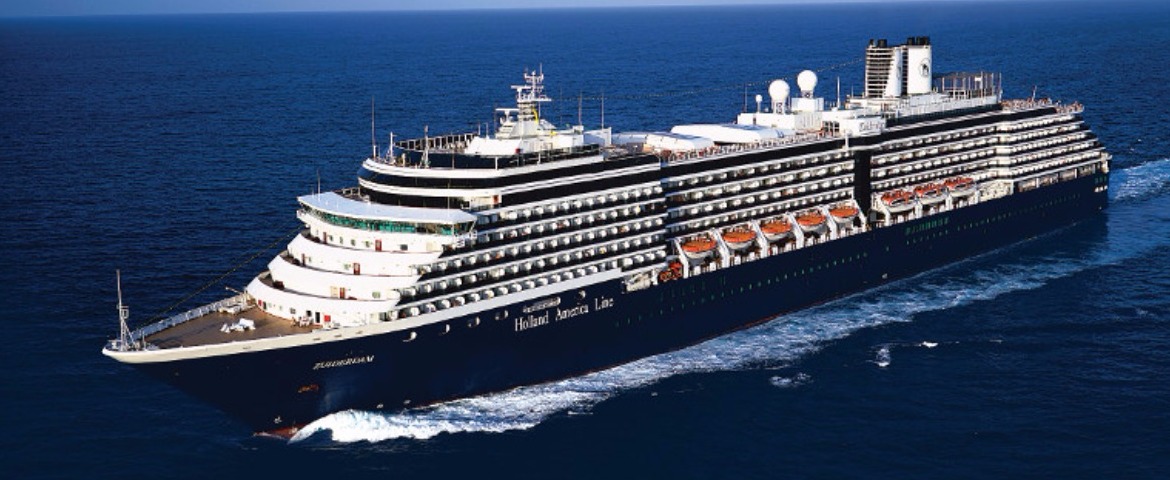
Holland America Line (5 Cruises)

MSC Cruises (257 Cruises)
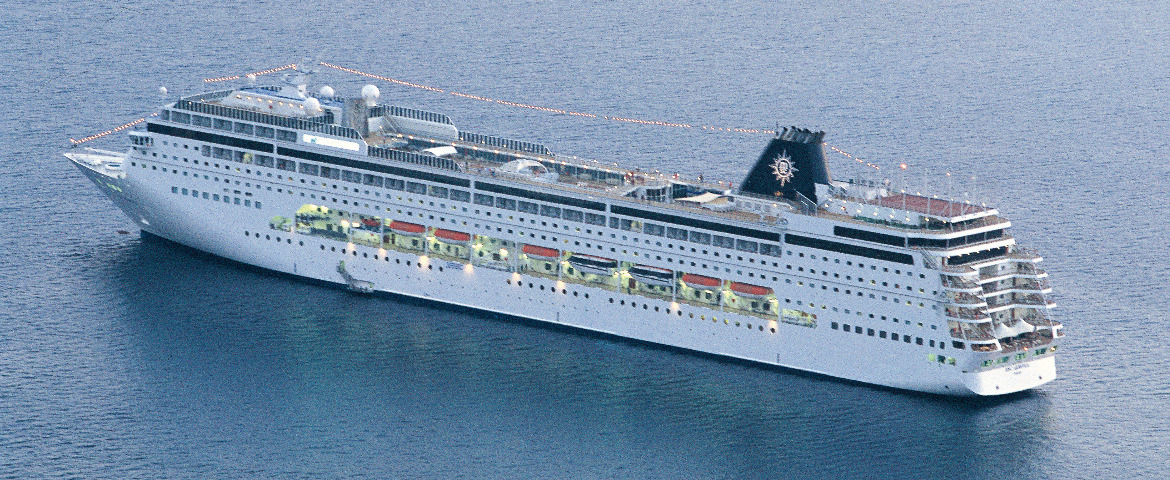
MSC Armonia
8 Cruises

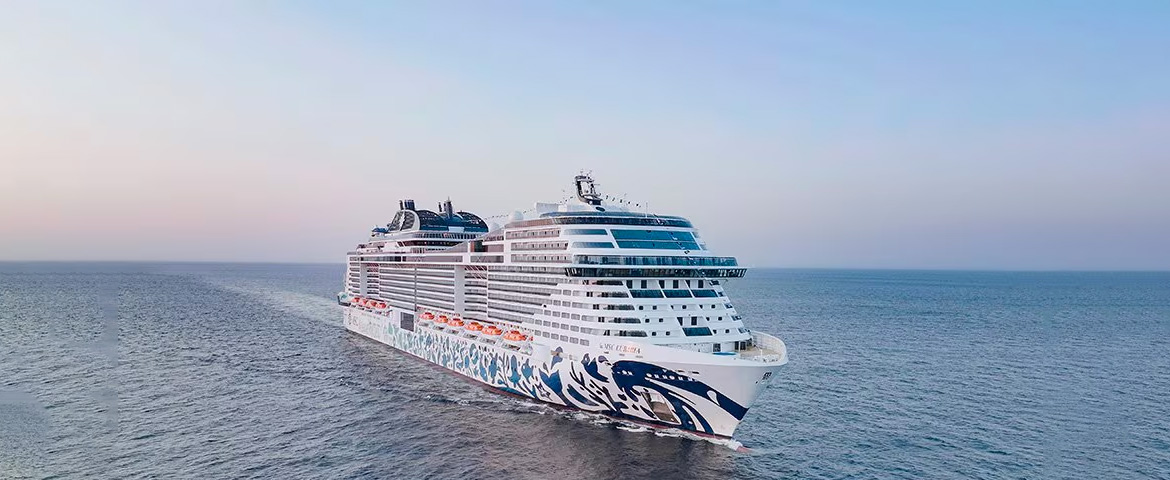
MSC Euribia
7 Cruises
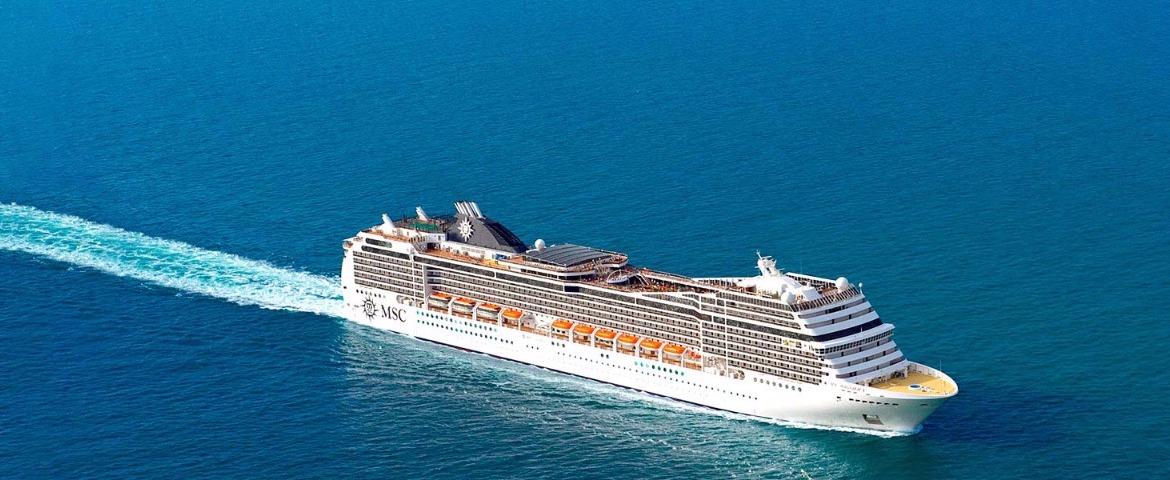
MSC Magnifica
35 Cruises
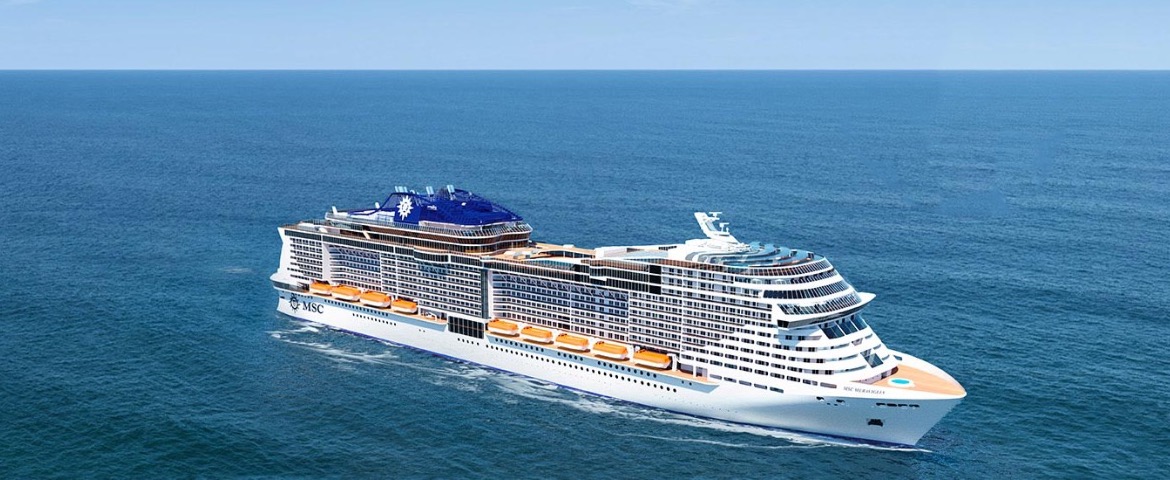
MSC Meraviglia
13 Cruises
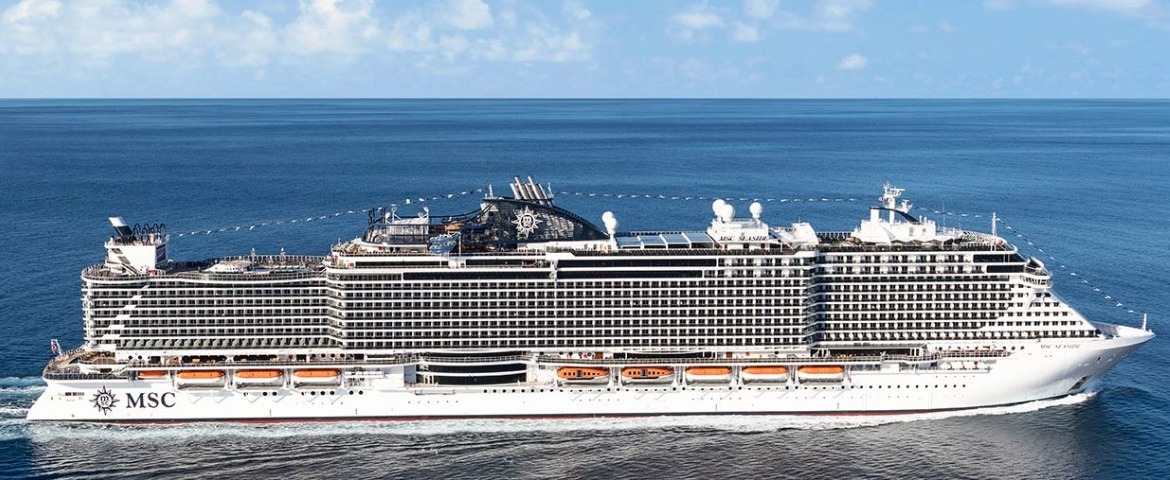
MSC Sinfonia
133 Cruises
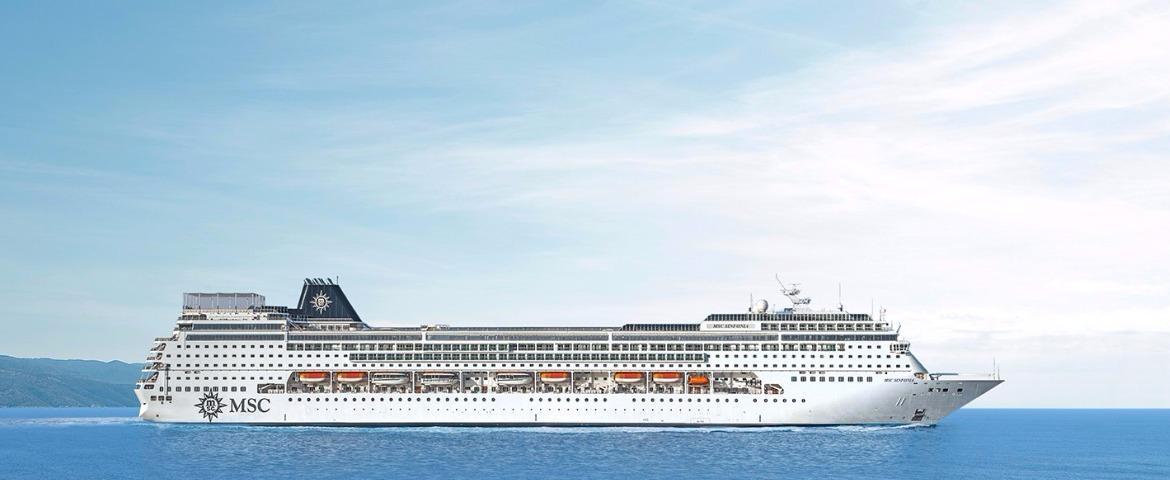
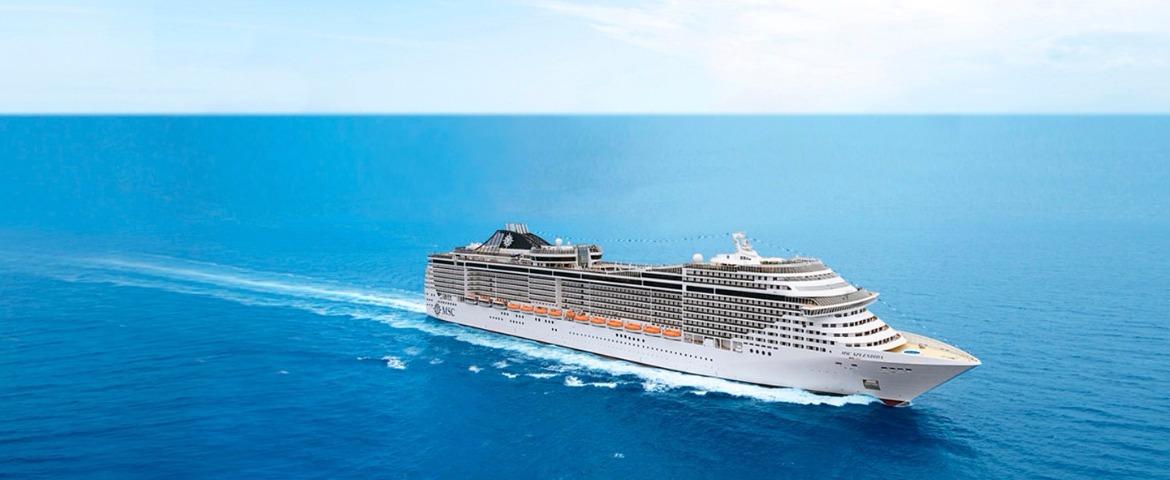
MSC Virtuosa
5 Cruises
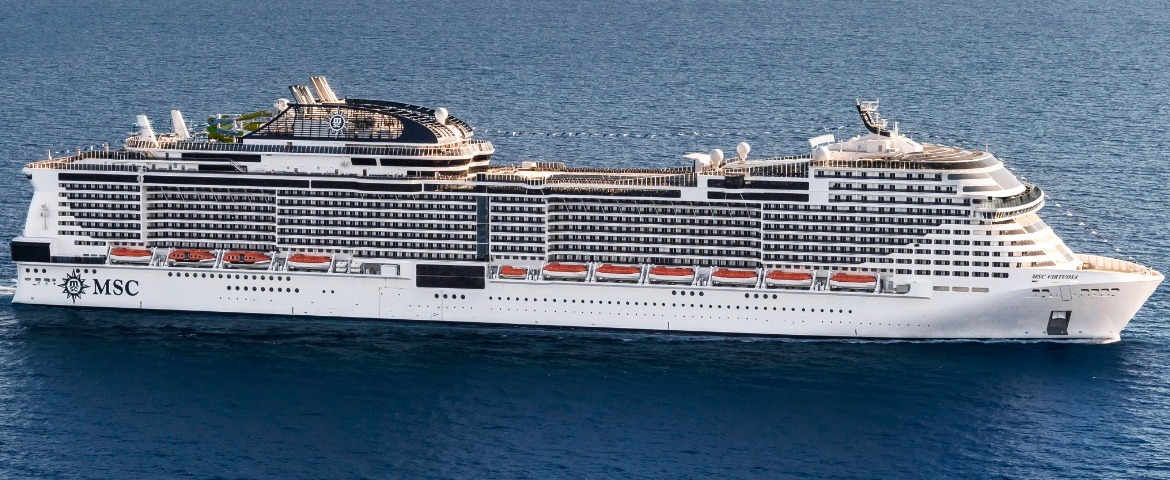
MSC World Europa
52 Cruises
 Image not available
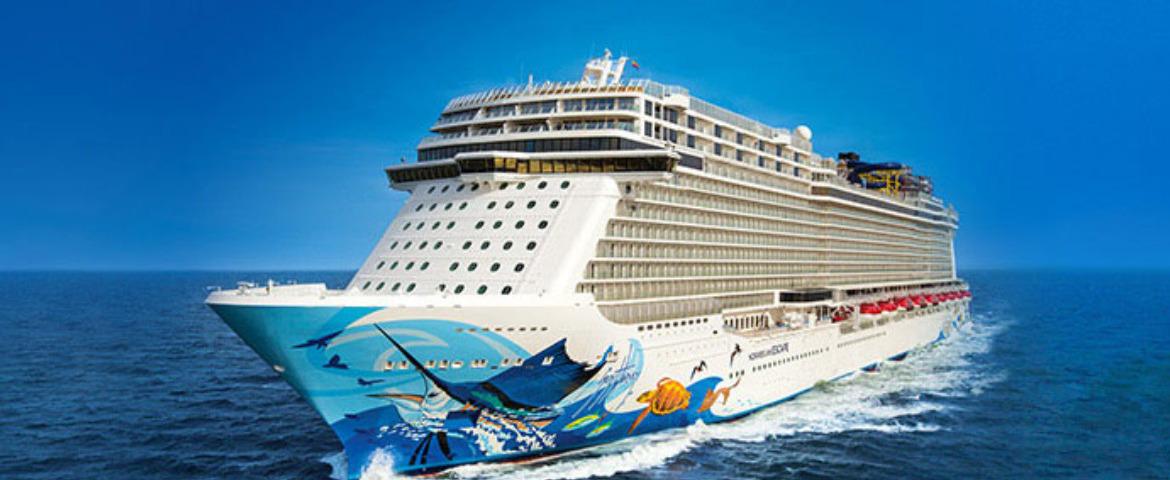
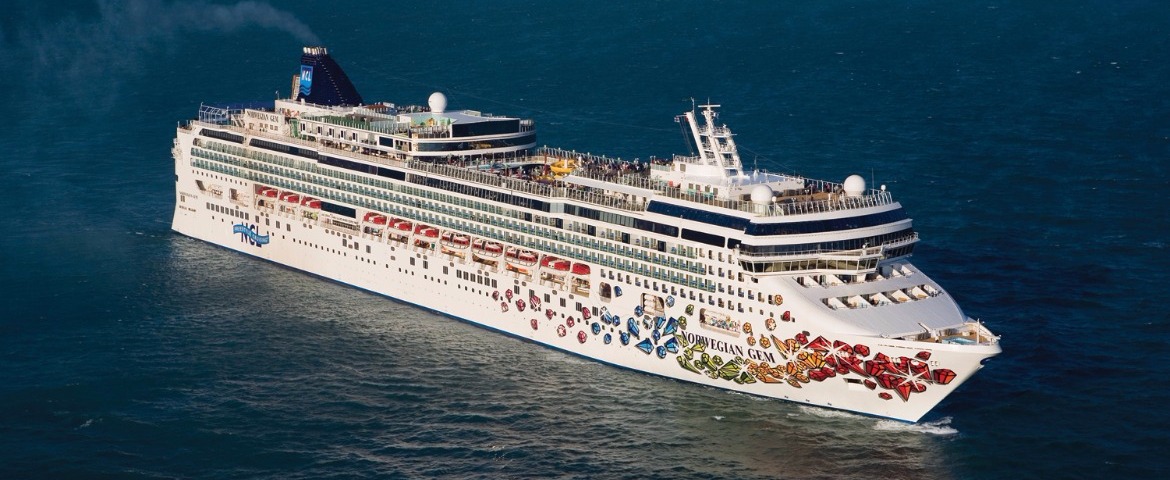
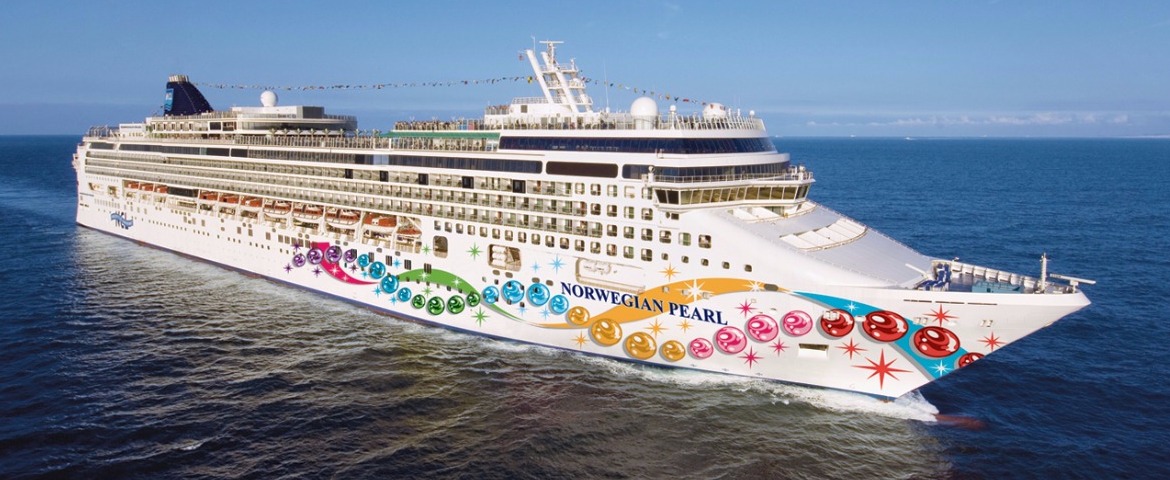
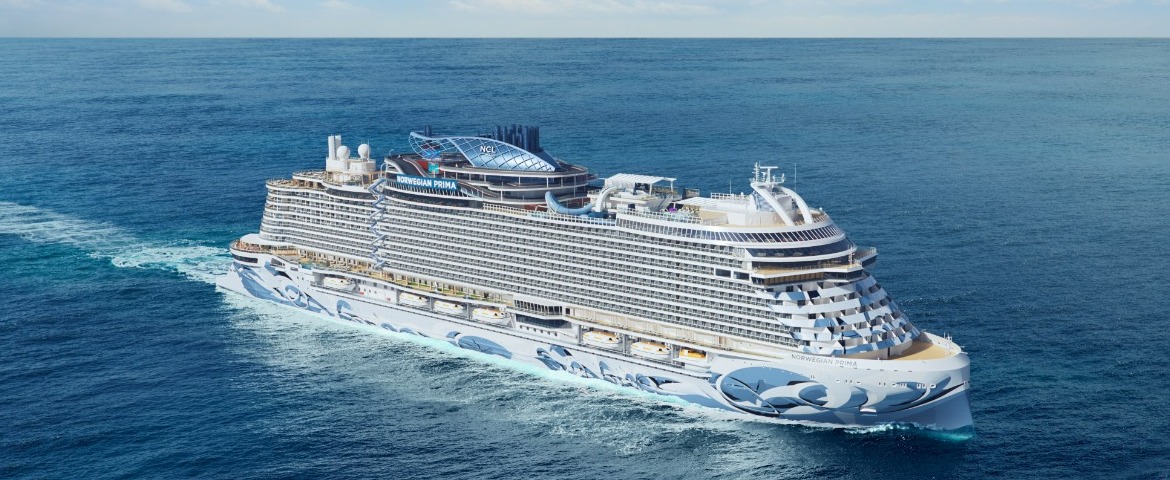
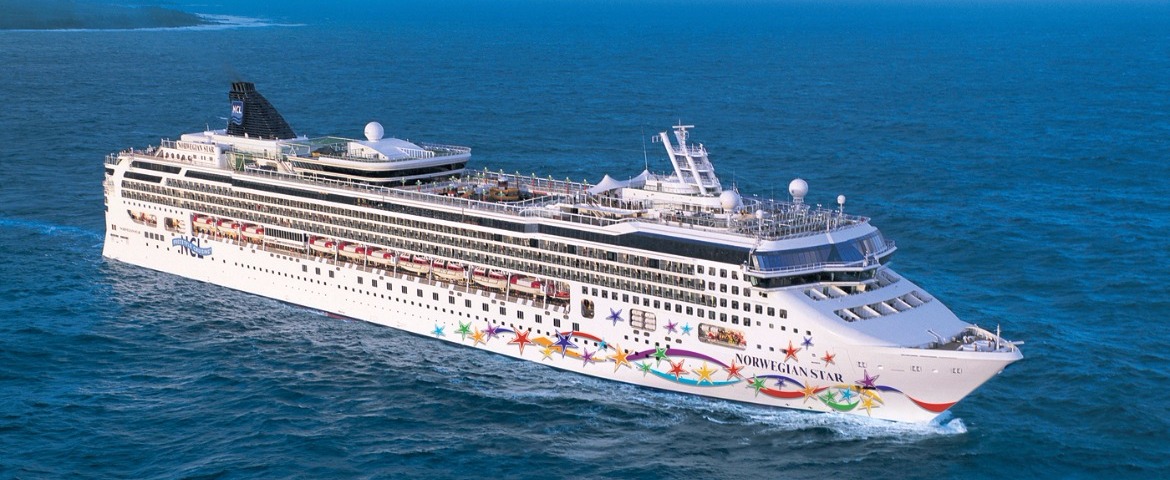
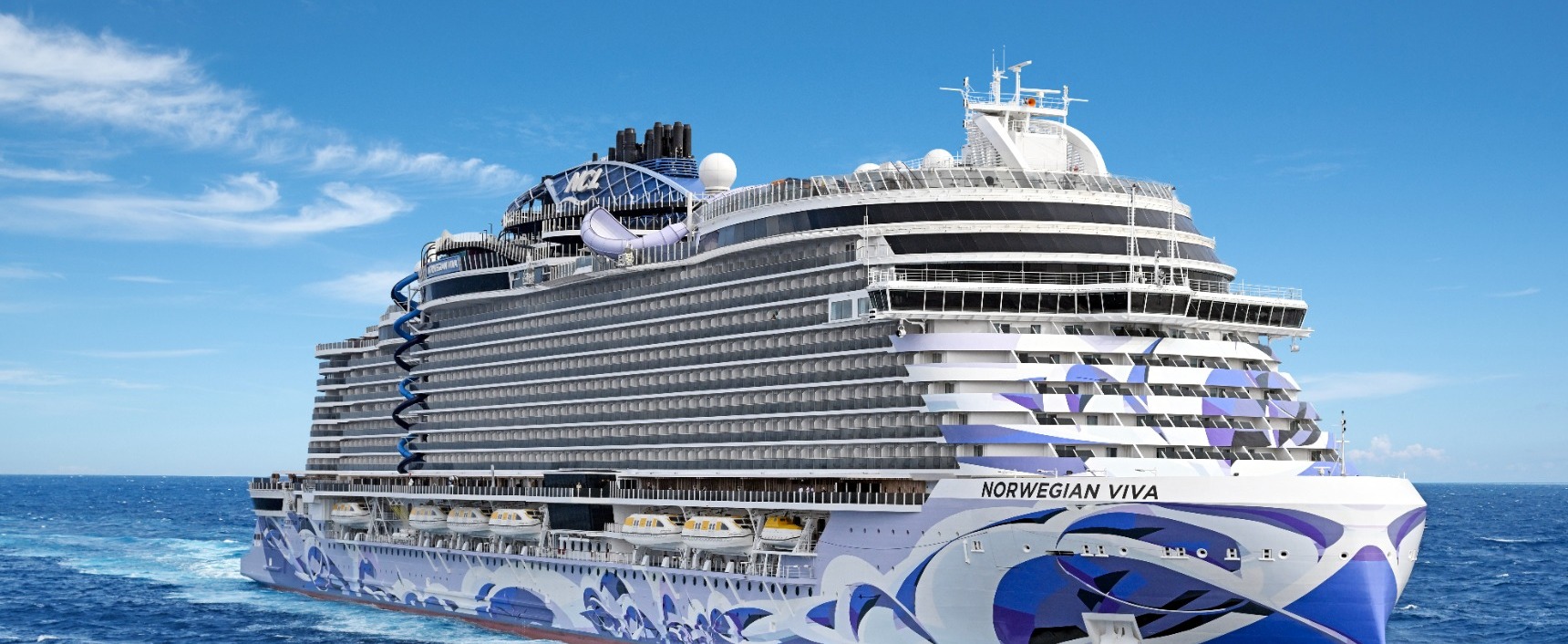
Norwegian Cruise Line (35 Cruises)
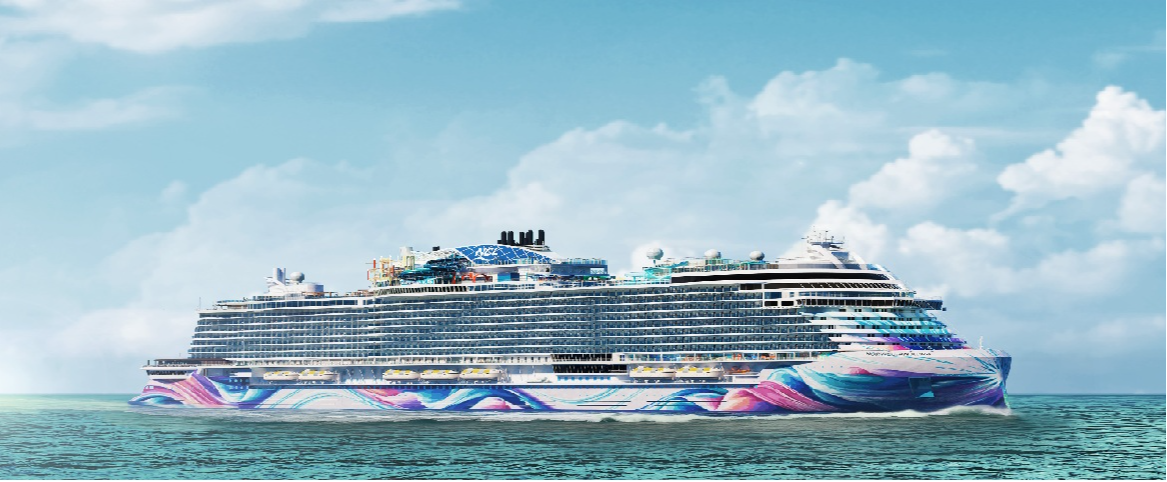

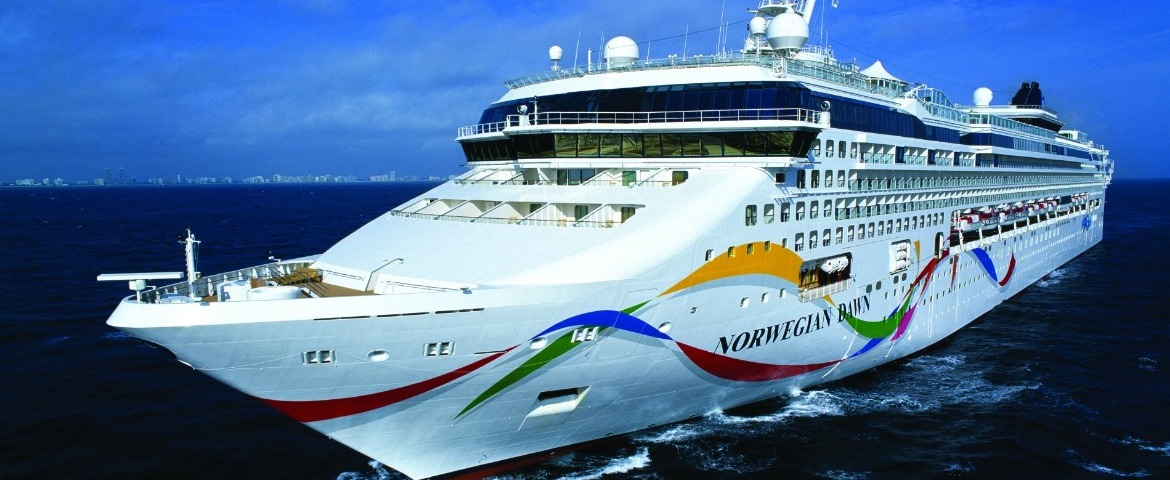
Norwegian Dawn
20 Cruises
| 1 August | 8 days | One-way from Barcelona to Lisbon |
From
862$
|
| 29 August | 8 days | One-way from Barcelona to Lisbon |
From
855$
|
Oceania Cruises (77 Cruises)
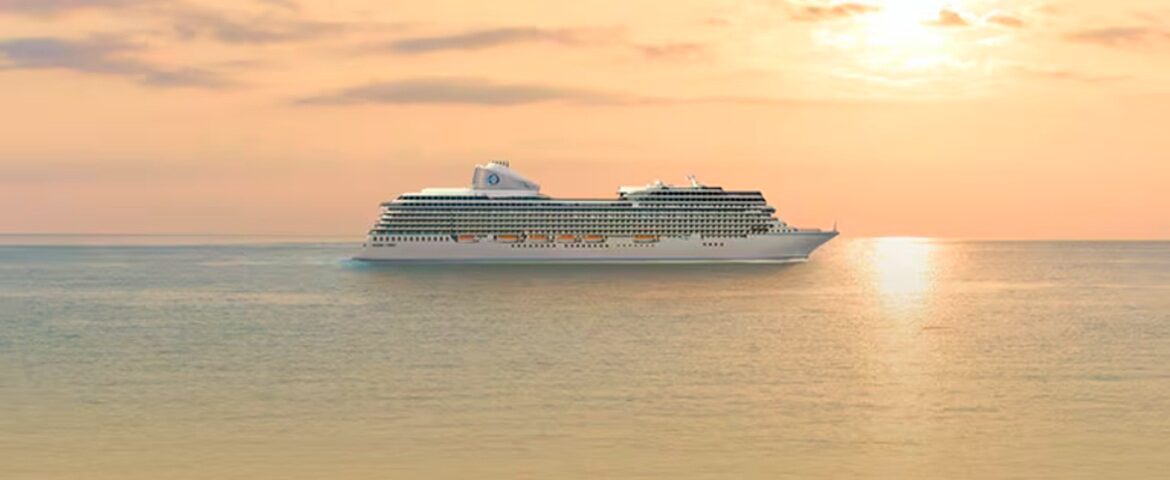
Oceania Allura
18 Cruises

| 20 July | 18 days | One-way from Trieste to Lisbon |
450-628-6241
Call us
|
| 27 July | 11 days | One-way from Naples to Lisbon |
450-628-6241
Call us
|
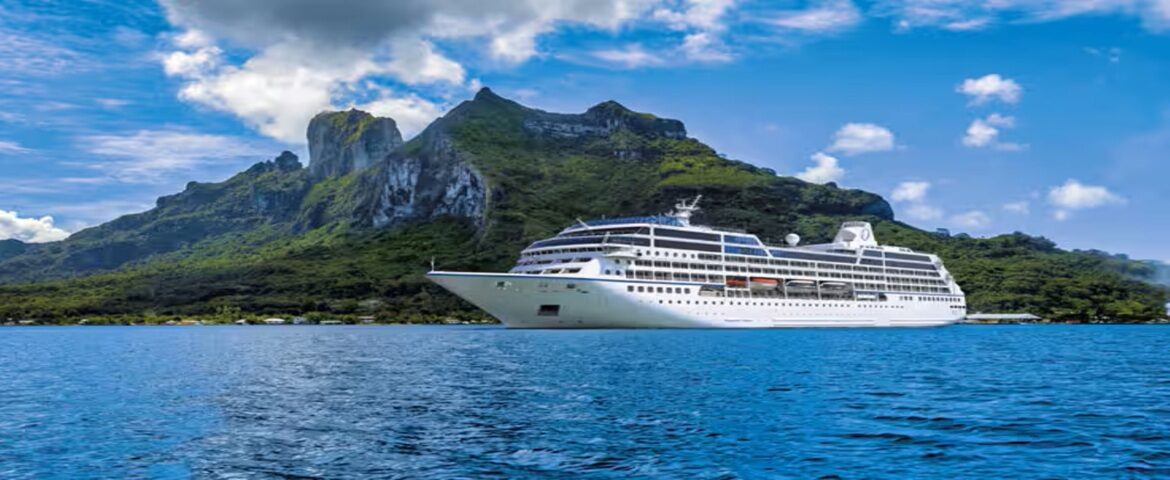
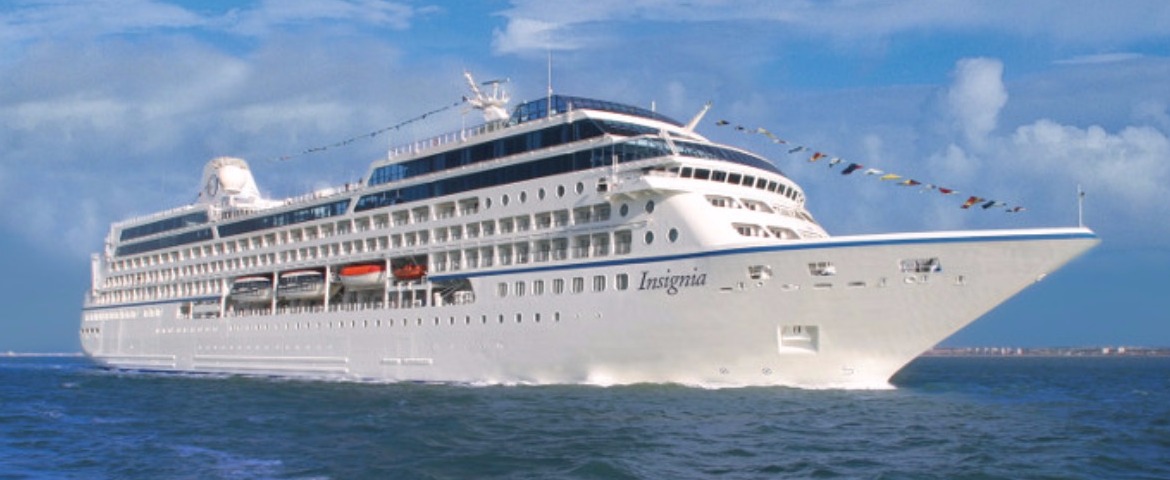
Oceania Insignia
9 Cruises
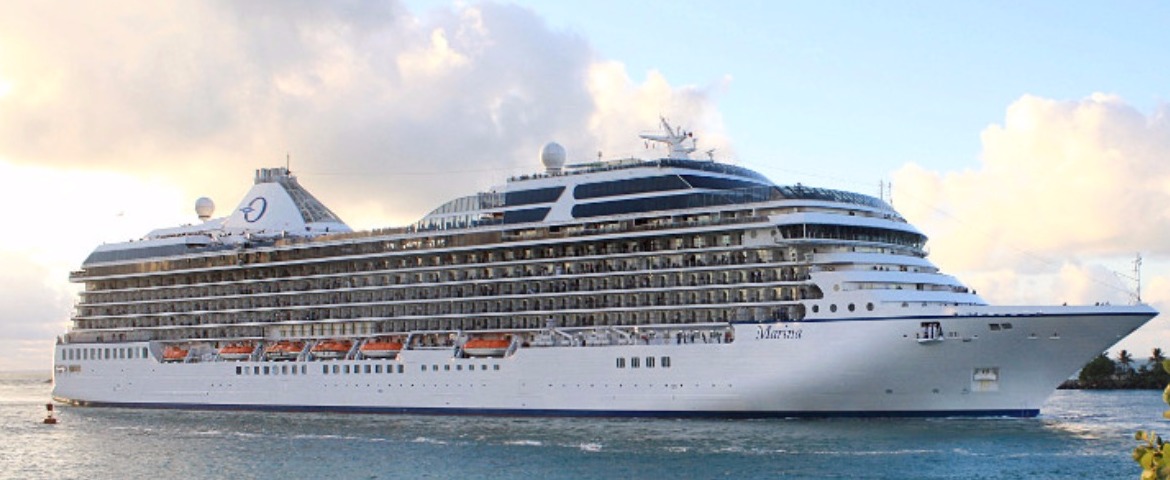
Oceania Marina
16 Cruises
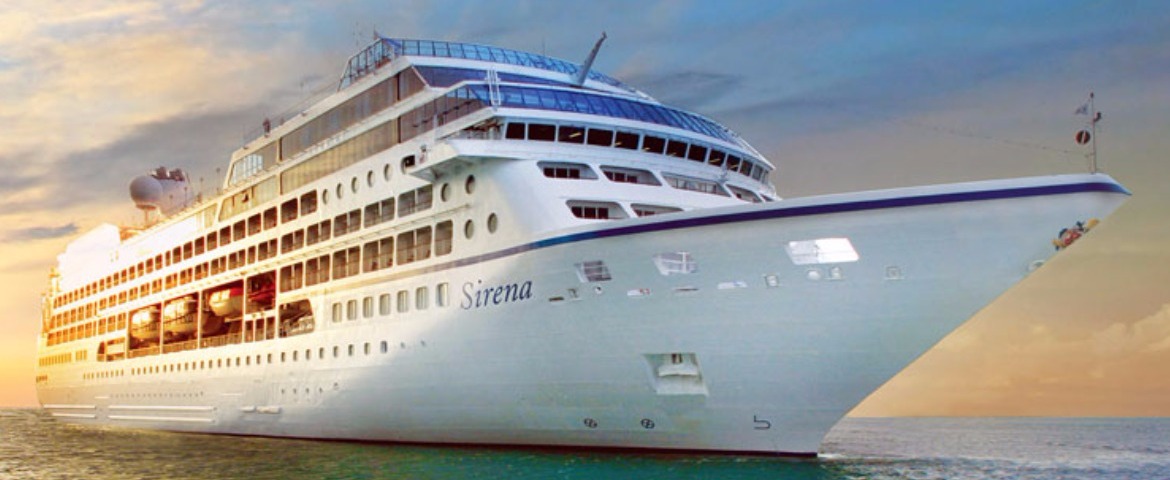
Oceania Sirena
7 Cruises
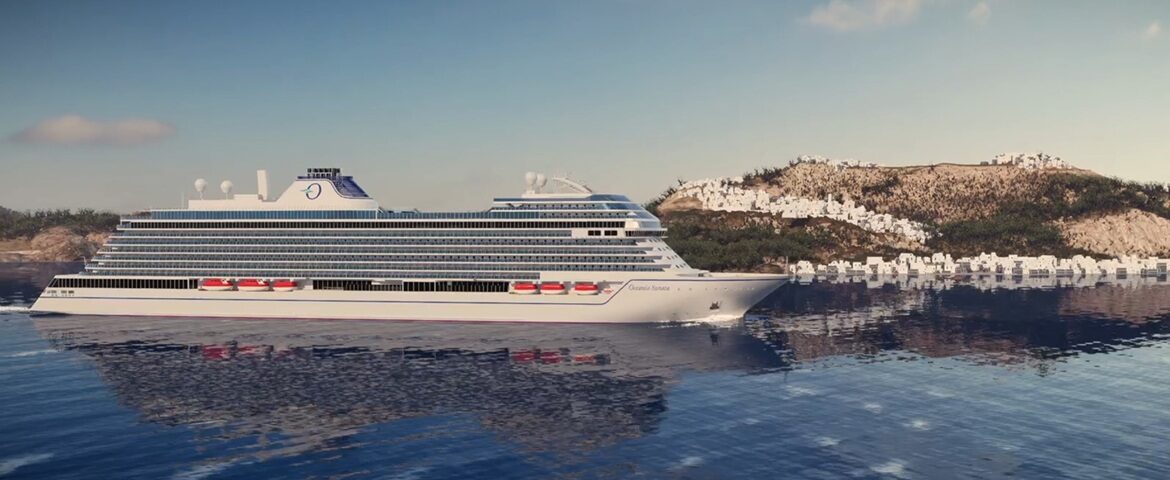
Oceania Sonata
15 Cruises
| 18 March | 22 days | One-way from Miami to Civitavecchia-Rome |
450-628-6241
Call us
|
| 18 March | 15 days | One-way from Miami to Barcelona |
450-628-6241
Call us
|
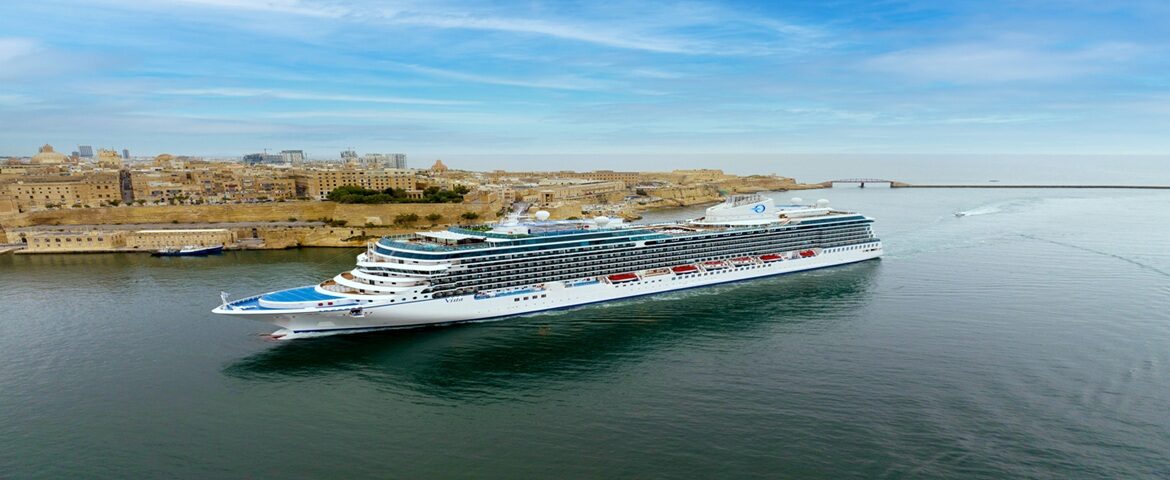
Oceania Vista
6 Cruises
Ponant (18 Cruises)
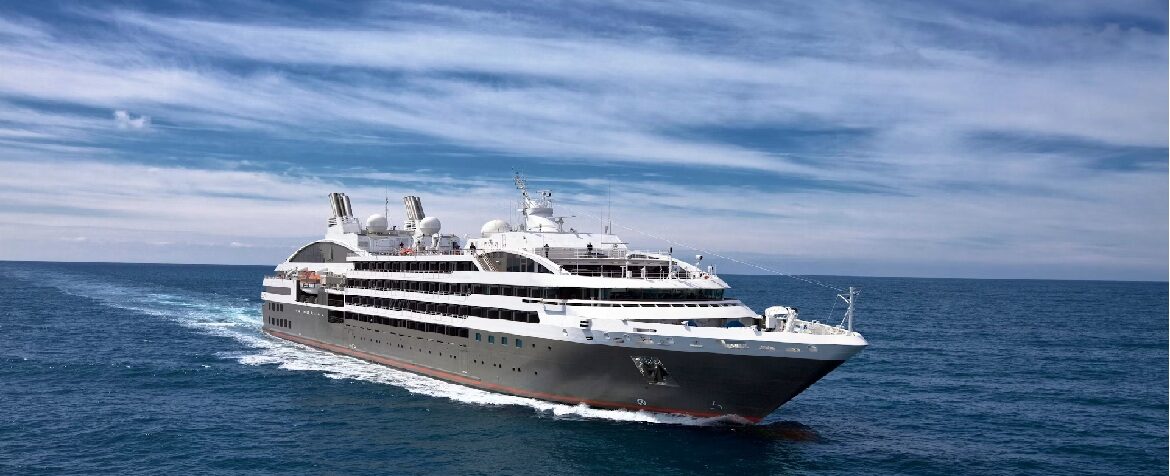

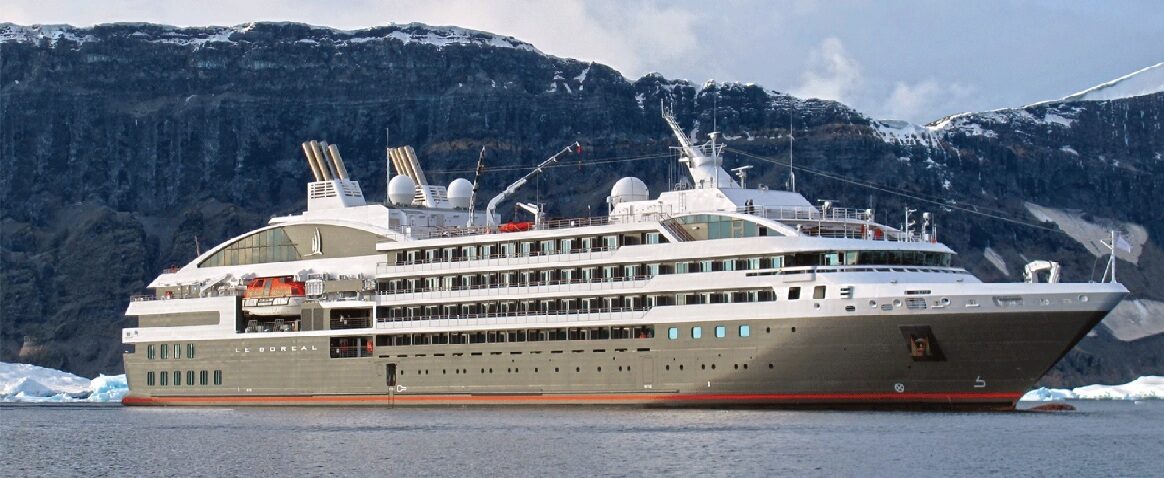
Le Boreal
6 Cruises
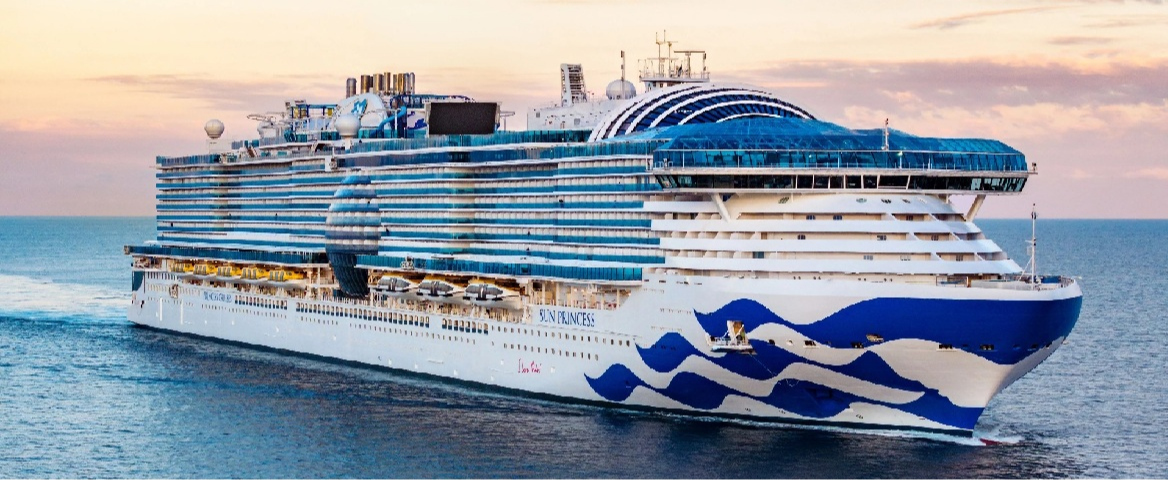
Princess Cruises (40 Cruises)

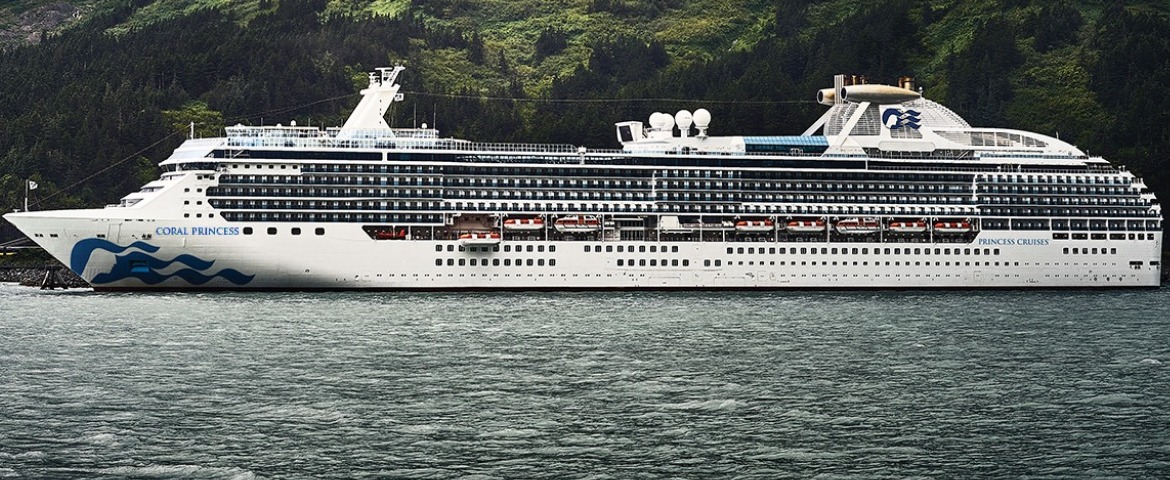
Coral Princess
10 Cruises
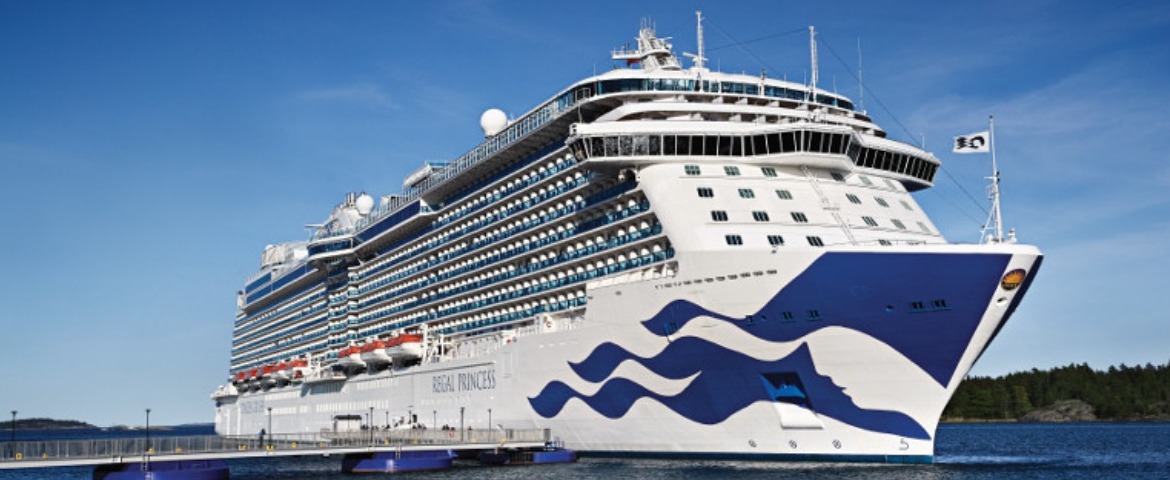
Regal Princess
11 Cruises
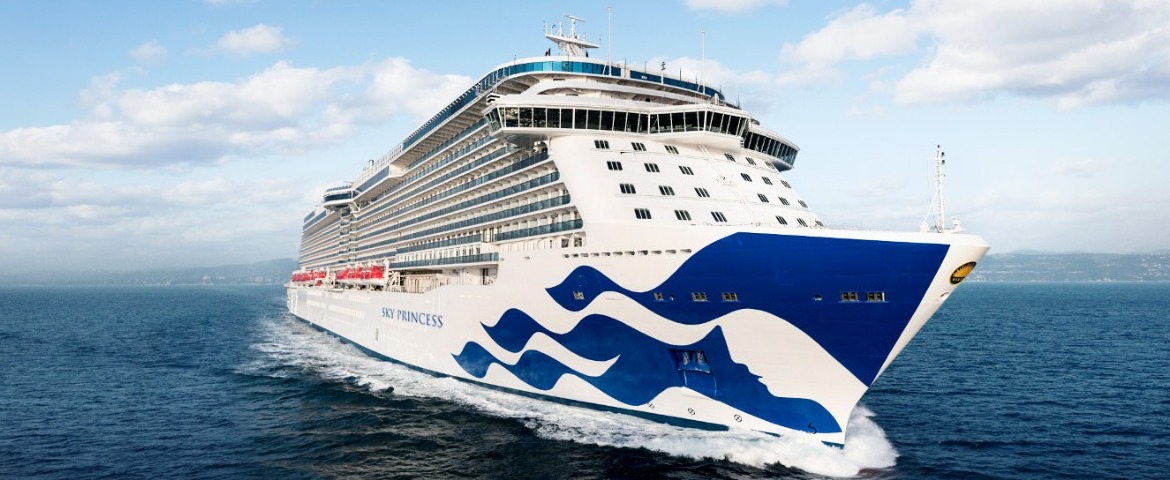
Sky Princess
13 Cruises
| 7 August | 15 days | Round-trip from Southampton, United Kingdom |
450-628-6241
Call us
|
| 28 August | 15 days | Round-trip from Southampton, United Kingdom |
450-628-6241
Call us
|
Regent Seven Seas Cruises (54 Cruises)
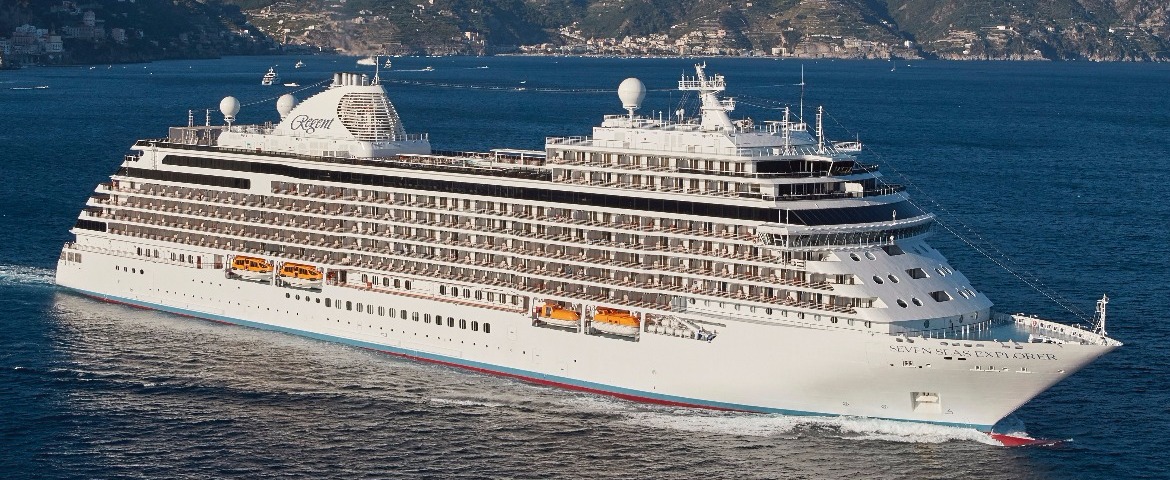

Seven Seas Grandeur
12 Cruises
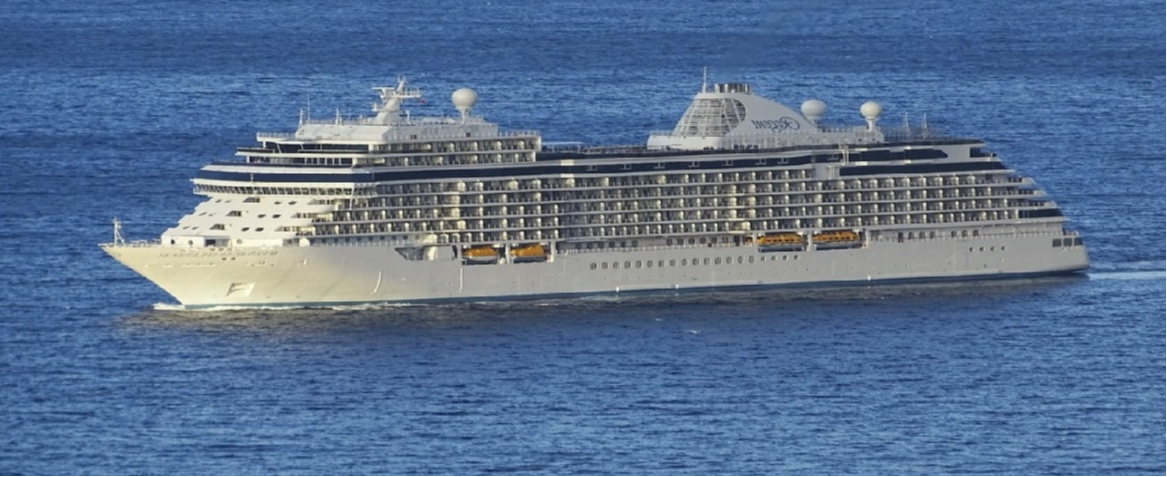
| 14 April | 15 days | One-way from Miami to Lisbon |
450-628-6241
Call us
|
| 14 April | 25 days | One-way from Miami to Lisbon |
450-628-6241
Call us
|
Seven Seas Mariner
11 Cruises
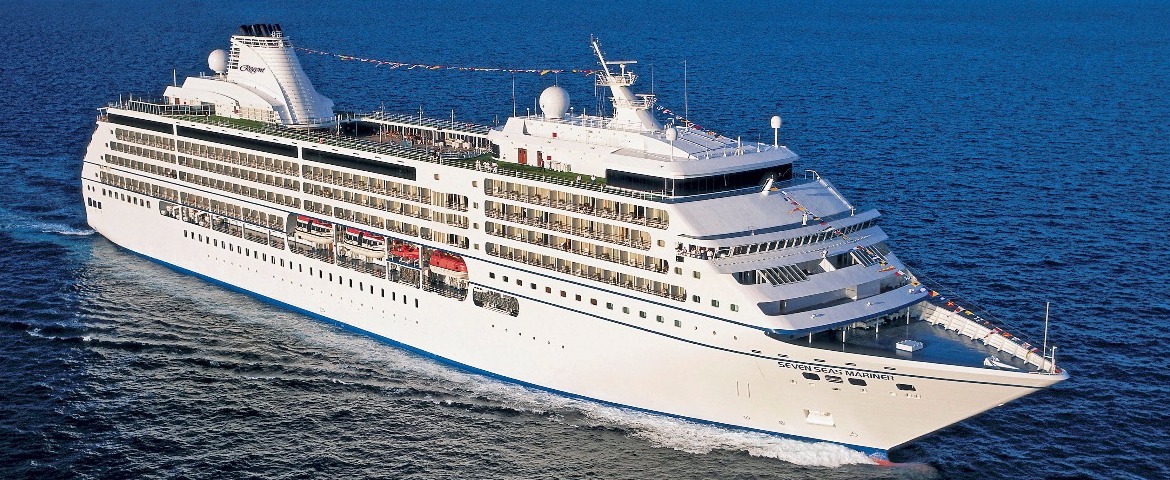
| 29 April | 174 days | One-way from New York to Piraeus-Athens |
450-628-6241
Call us
|
| 29 April | 175 days | One-way from New York to Piraeus-Athens |
450-628-6241
Call us
|
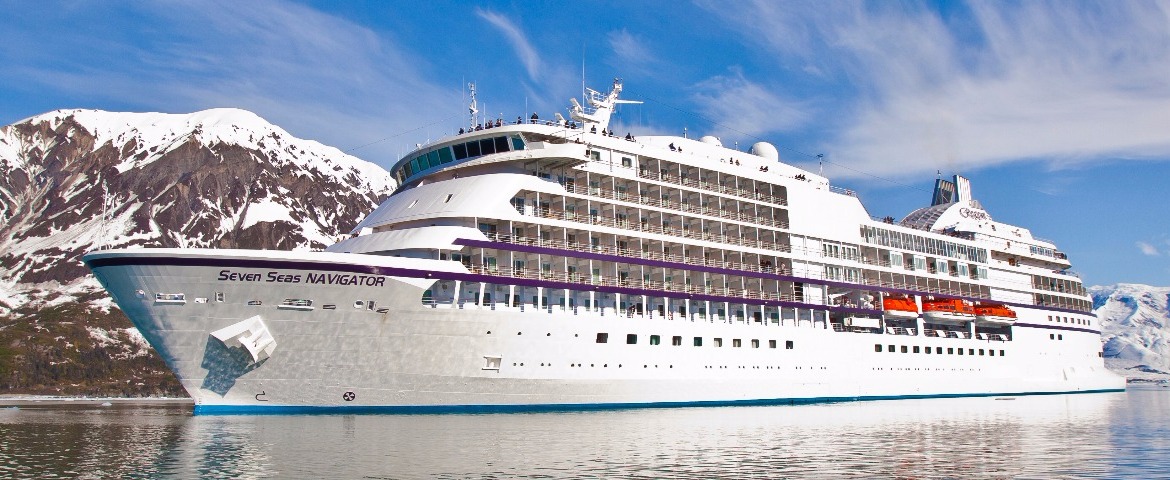
Seven Seas Prestige
9 Cruises
Seven Seas Voyager
15 Cruises
Royal Caribbean Cruises (13 Cruises)





Seabourn Cruise Line (34 Cruises)
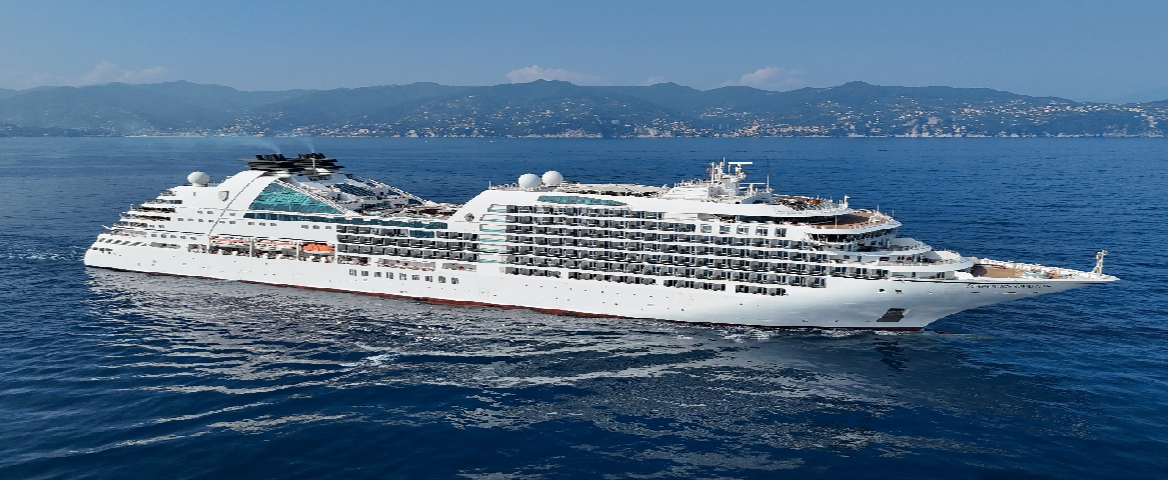
Seabourn Ovation
24 Cruises

| 28 October | 31 days | One-way from Piraeus-Athens to Lisbon |
450-628-6241
Call us
|
| 28 October | 30 days | One-way from Piraeus-Athens to Lisbon |
450-628-6241
Call us
|
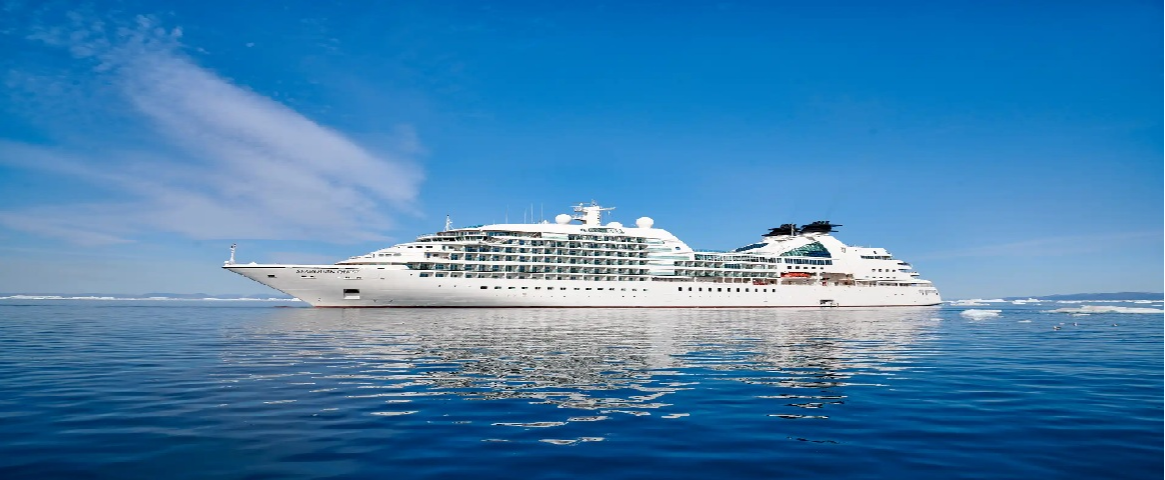
Seabourn Quest
10 Cruises

Silversea Cruises (45 Cruises)
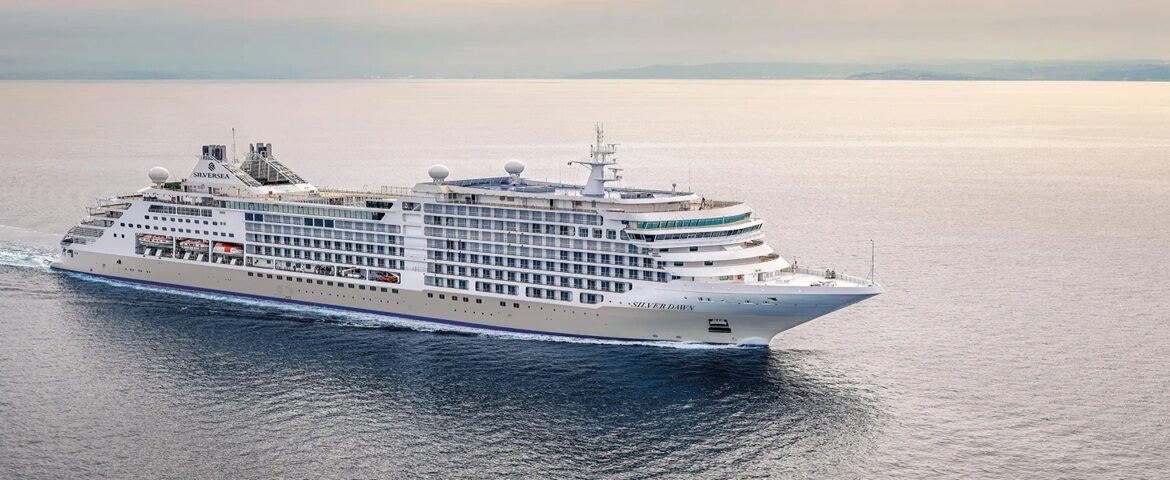
Silver Dawn
11 Cruises

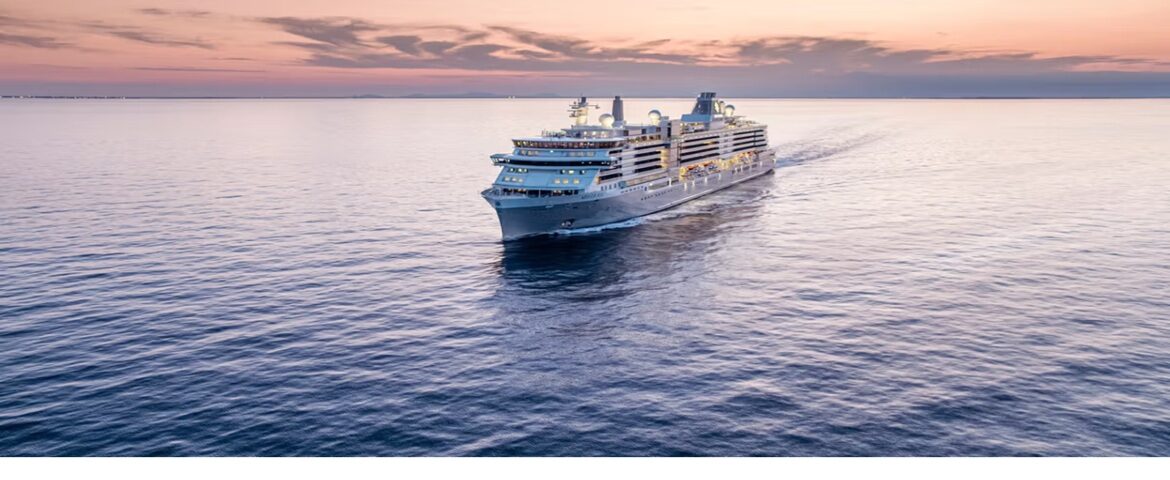
Silver Ray
12 Cruises
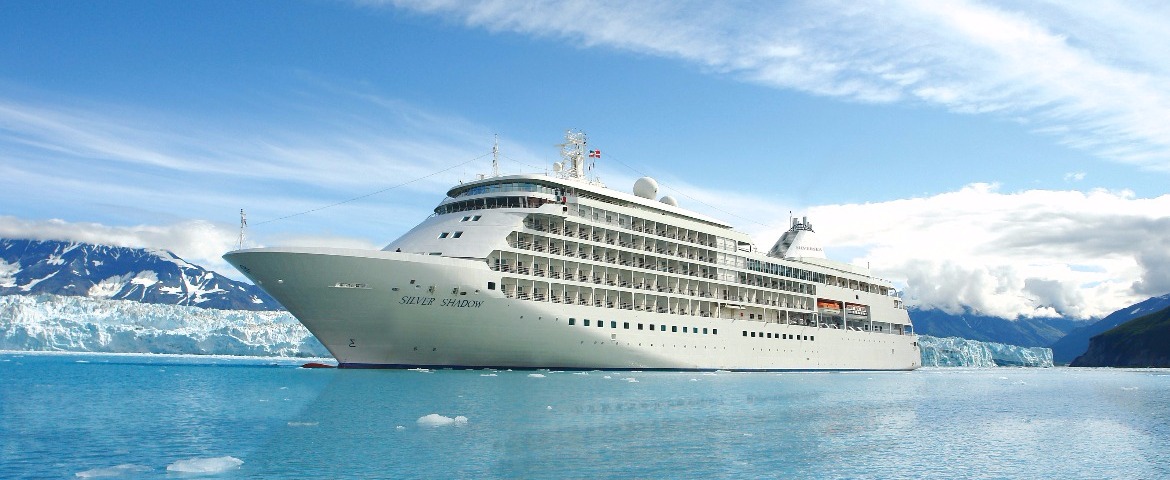
Silver Shadow
6 Cruises
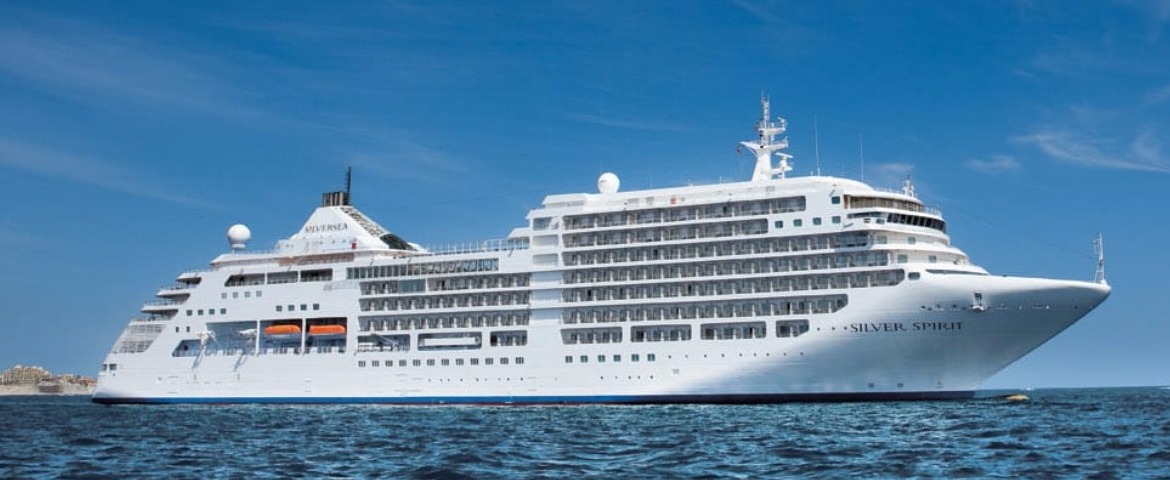
Silver Spirit
16 Cruises

Viking Ocean Cruises (157 Cruises)
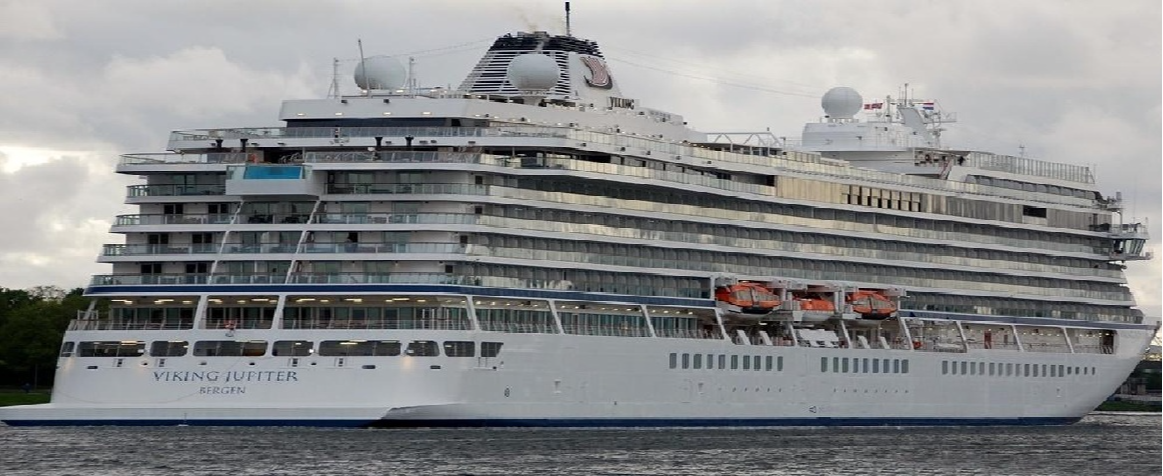
Viking Jupiter
40 Cruises

| 20 August | 34 days | One-way from Istanbul to Lisbon |
450-628-6241
Call us
|
| 26 August | 28 days | One-way from Piraeus-Athens to Lisbon |
450-628-6241
Call us
|
Viking Neptune
31 Cruises
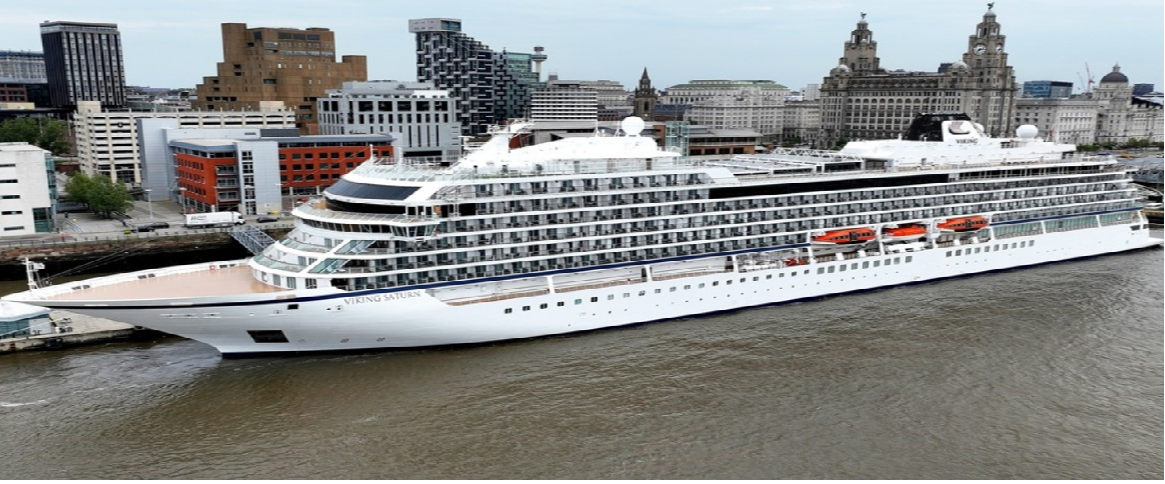
Viking Saturn
20 Cruises
| 4 February | 16 days | Round-trip from Barcelona, Spain |
450-628-6241
Call us
|
| 19 February | 16 days | Round-trip from Barcelona, Spain |
450-628-6241
Call us
|
| 19 March | 28 days | One-way from Piraeus-Athens to Lisbon |
450-628-6241
Call us
|
| 27 March | 20 days | One-way from Venice to Lisbon |
450-628-6241
Call us
|
Viking Sea
7 Cruises
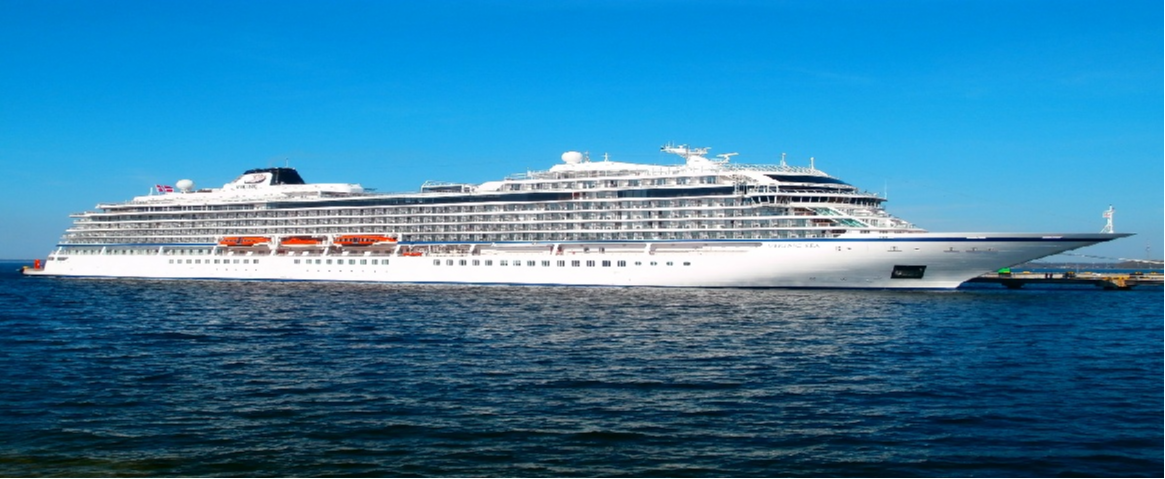
Viking Sky
16 Cruises
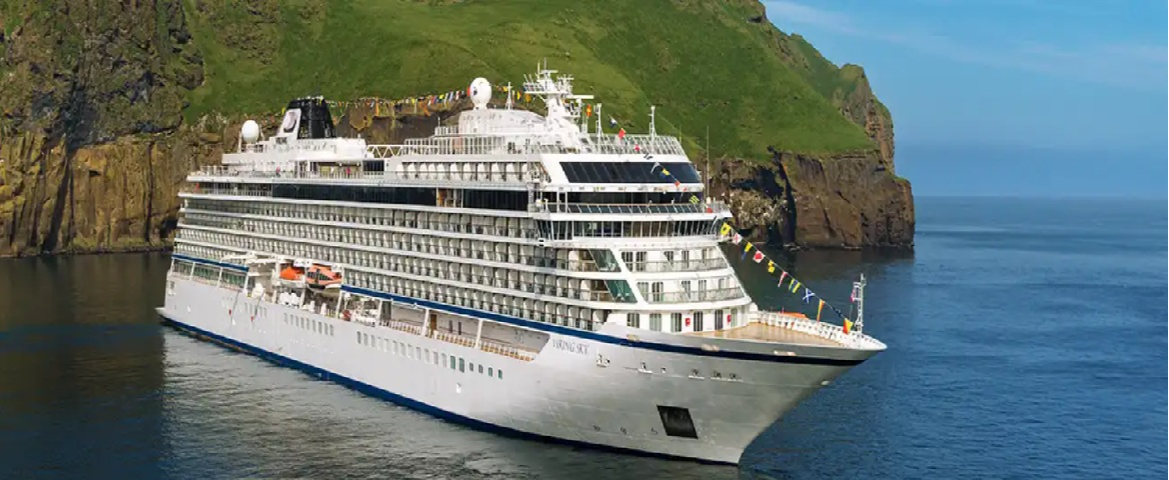
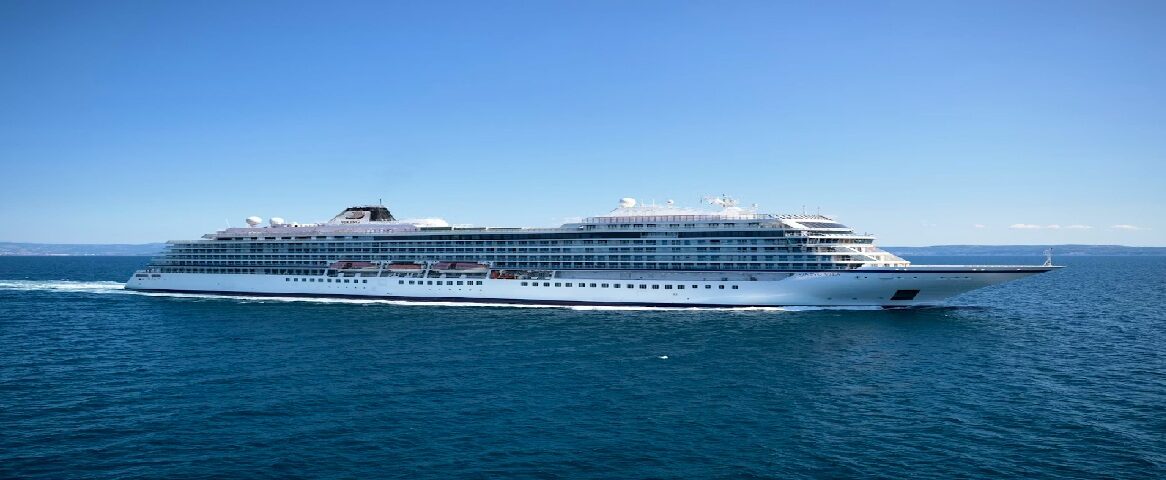
Viking Star
12 Cruises
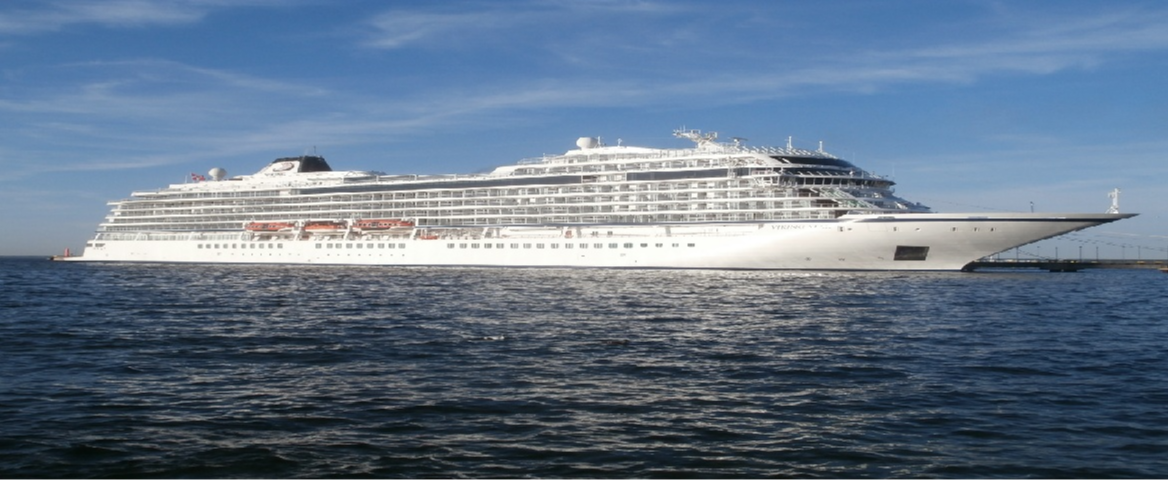
Viking Vela
31 Cruises
| 21 March | 28 days | One-way from Piraeus-Athens to Lisbon |
450-628-6241
Call us
|
| 29 March | 20 days | One-way from Venice to Lisbon |
450-628-6241
Call us
|
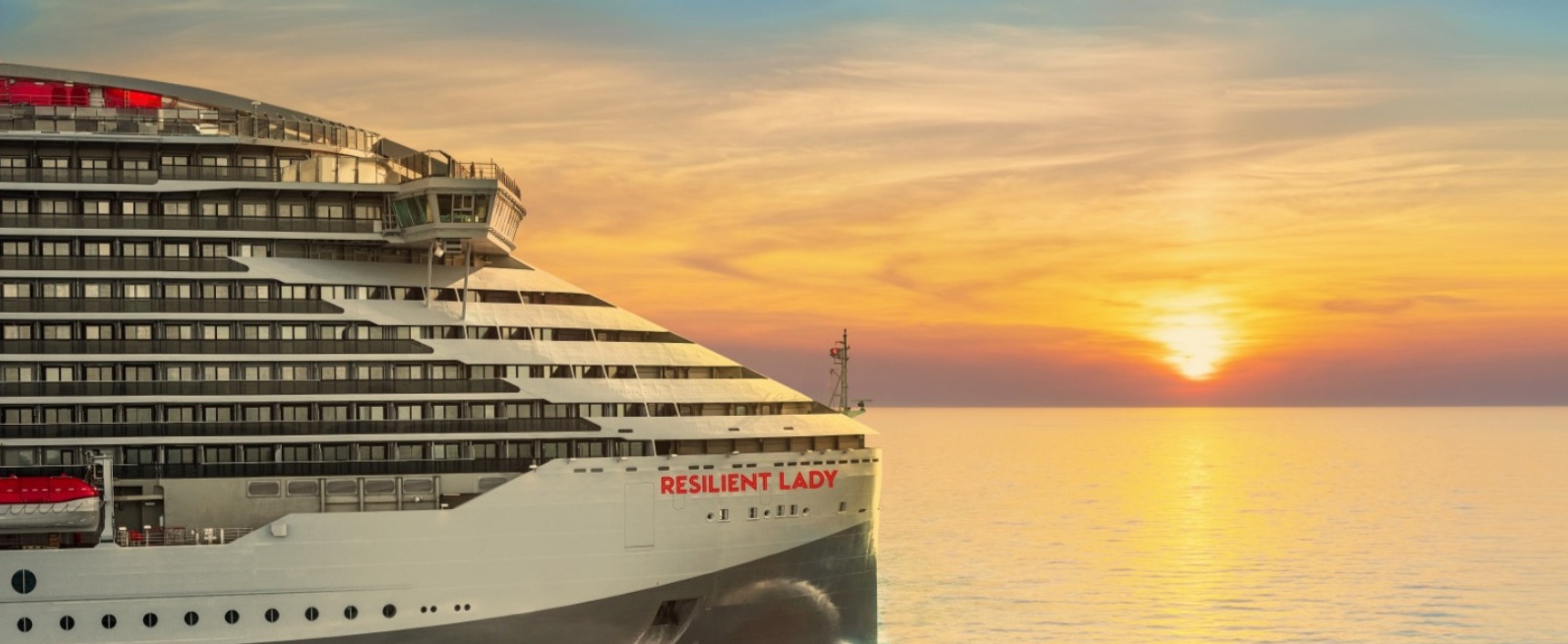
Virgin Voyages (1 Cruises)

Windstar Cruises (32 Cruises)
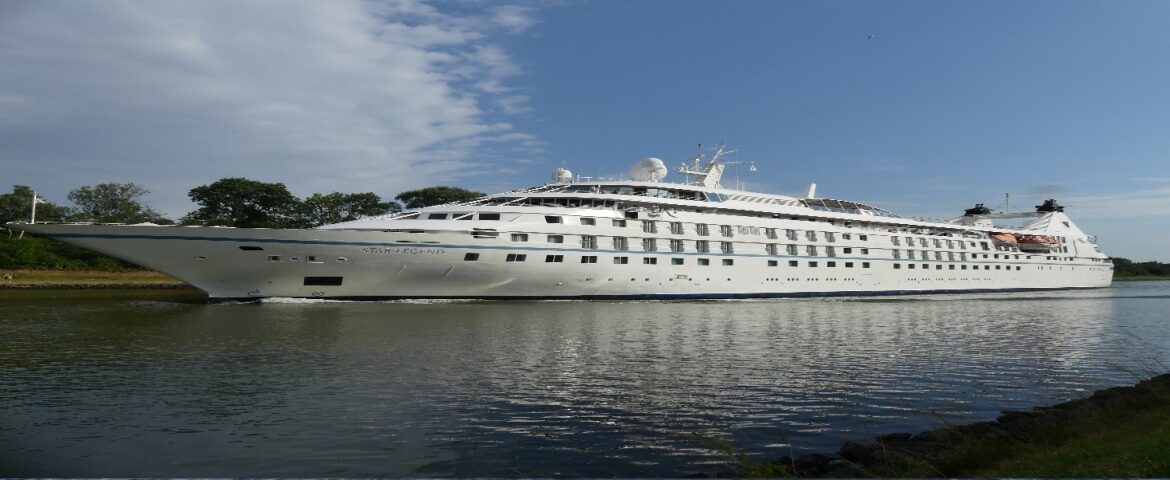
Star Legend
17 Cruises

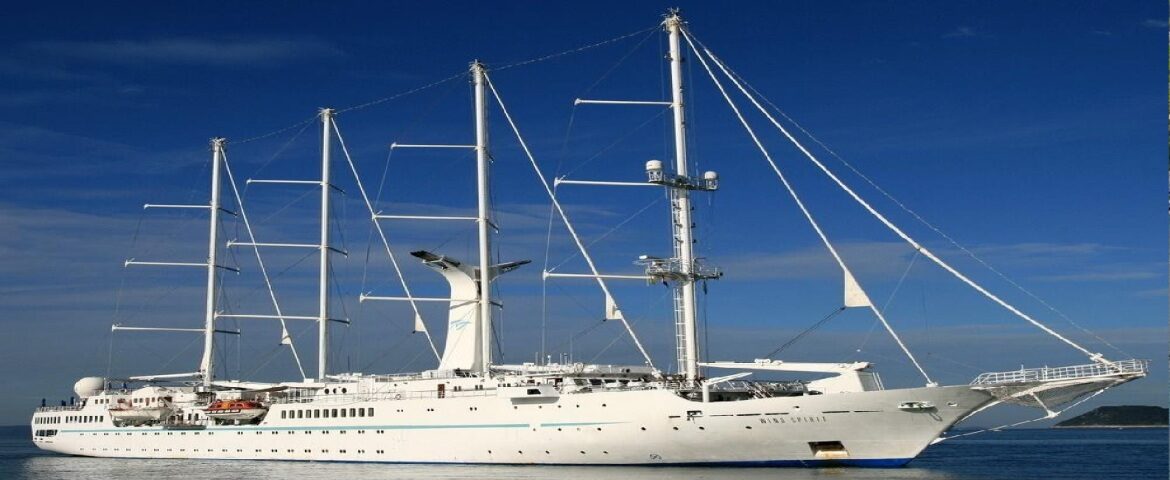
Wind Spirit
6 Cruises
Cadiz Spain | Andalusia Mediterranean Cruise Port Guide
Frequently Asked Questions
Right in the centre. The terminal faces the gates of the old town: five level minutes on foot bring you to Plaza de San Juan de Dios. No shuttle and no taxi required.
The Phoenicians founded Gadir some three thousand years ago, making it one of the oldest continuously inhabited cities in western Europe. Thirty centuries later, you step ashore literally at the foot of its walls.
Its dome clad in golden tiles, a landmark for sailors. Built over one hundred and sixteen years, from 1722 to 1838, it blends baroque and neoclassical, funded by the golden age of trade with the Americas when Cádiz held the transatlantic monopoly.
The tallest of the city's watchtowers, forty-five metres above sea level. Merchants built more than a hundred of them in the 18th century to watch for their returning ships. Its camera obscura projects a live image of the city onto a concave screen.
The fishermen's stronghold and the birthplace of the carnival, with taverns serving tortillitas de camarones, crisp shrimp fritters ordered while leaning on a barrel with a glass of local white.
Yes, uncovered by chance in 1980 beneath the houses of the Pópulo quarter. It is one of the largest in Roman Hispania and can be visited minutes from the centre.
Yes, La Caleta beach is about twenty minutes' walk from the ship, tucked between the San Sebastián and Santa Catalina fortresses. It is where locals gather to watch the sun drop into the Atlantic.
Almadraba tuna, prawns, sierra cheeses and counters where locals eat fried fish from paper cones. The market hums from early morning, halfway between the quay and the cathedral.
Yes, it is the classic excursion on longer calls, but it takes the whole day. On a short call the old town of Cádiz stands well enough on its own and is entirely walkable.
Yes. Everything is flat and on foot, La Caleta beach is close, and the Torre Tavira camera obscura delights children. Fried fish in a paper cone wins over the rest.


