Oranjestad Aruba Netherlands Antilles
832
Cruises availables
At departure or passage at this port
Azamara Club Cruises (11 Cruises)
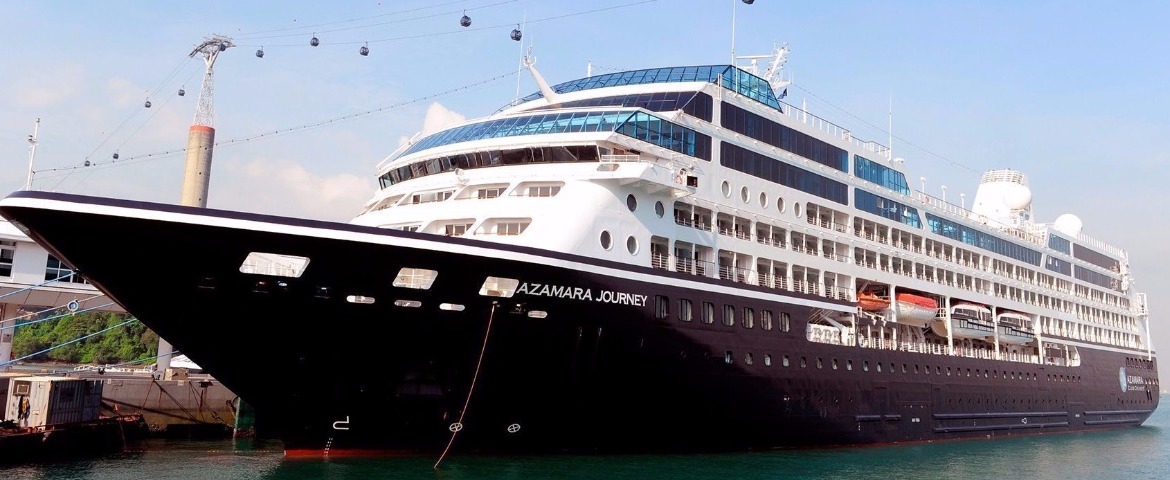

Azamara Onward
5 Cruises
Carnival Cruise Line (86 Cruises)
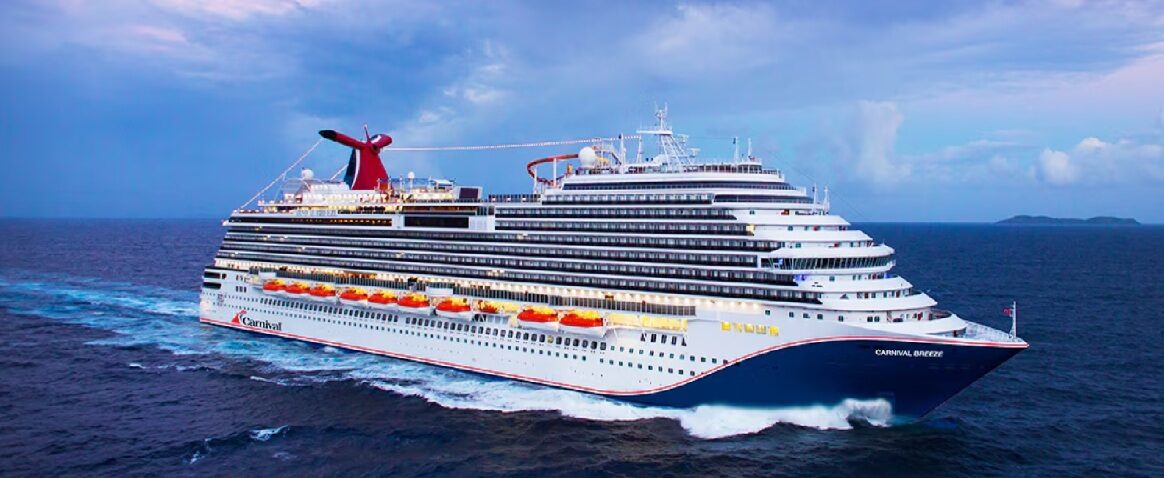

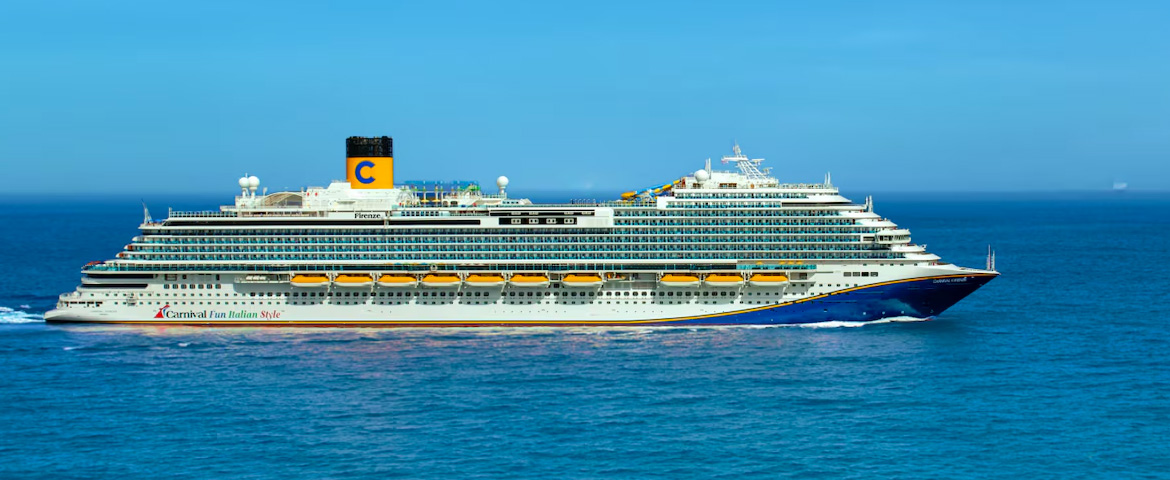
Carnival Firenze
9 Cruises
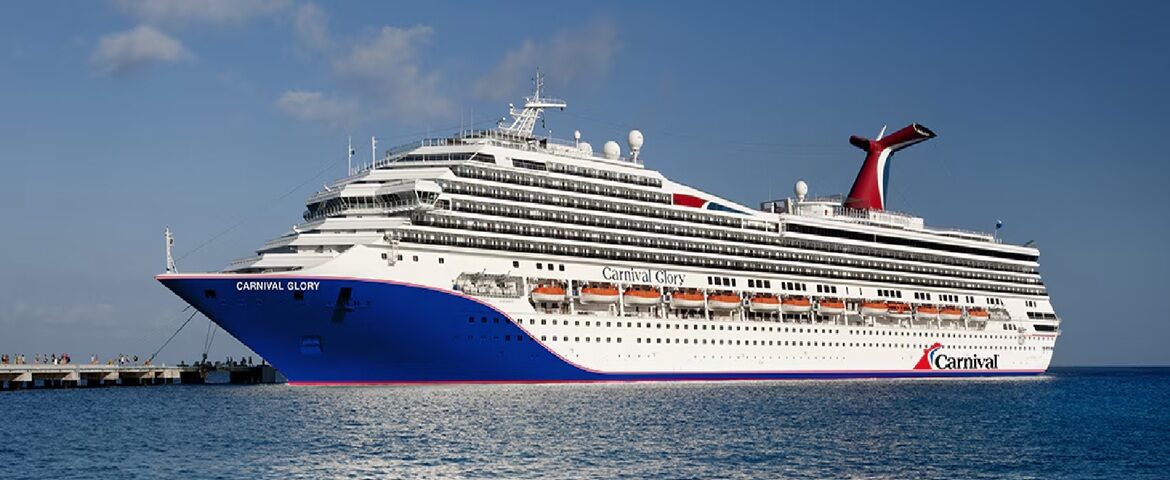
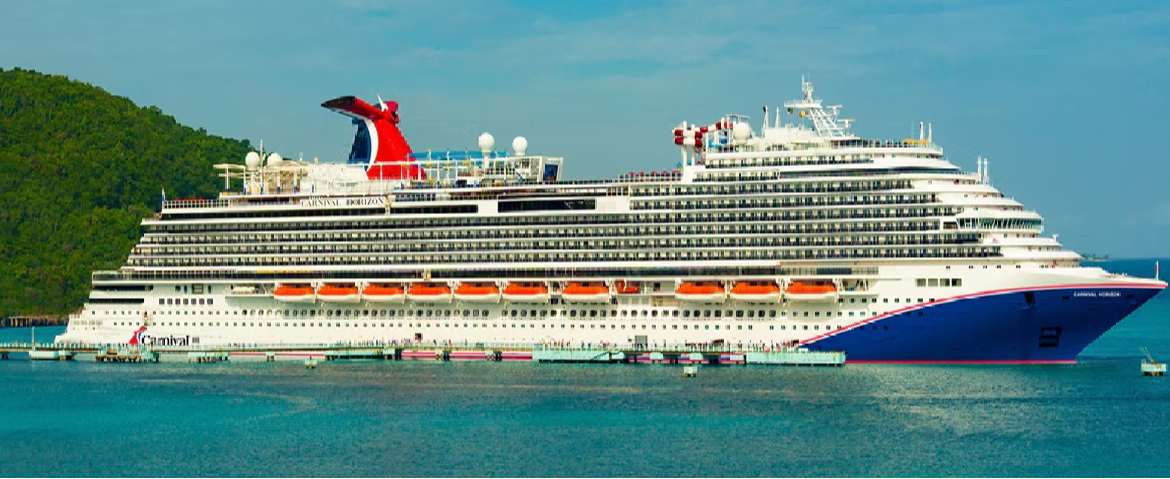
Carnival Horizon
12 Cruises
| 16 January | 8 nights | Round-trip from Miami, USA |
From
761$
|
| 30 January | 8 nights | Round-trip from Miami, USA |
From
743$
|
| 13 February | 8 nights | Round-trip from Miami, USA |
From
886$
|
| 27 February | 8 nights | Round-trip from Miami, USA |
From
886$
|
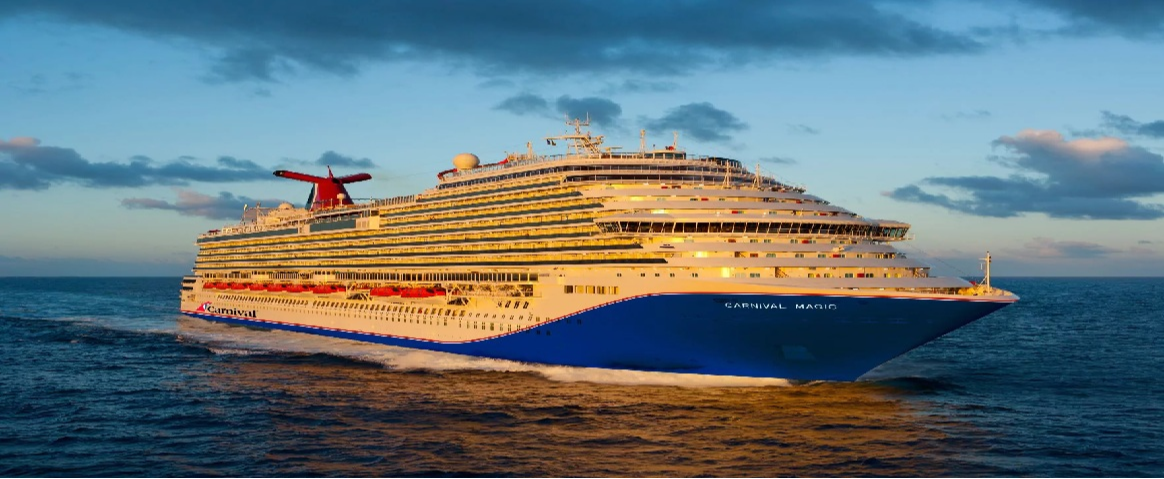
Carnival Magic
16 Cruises
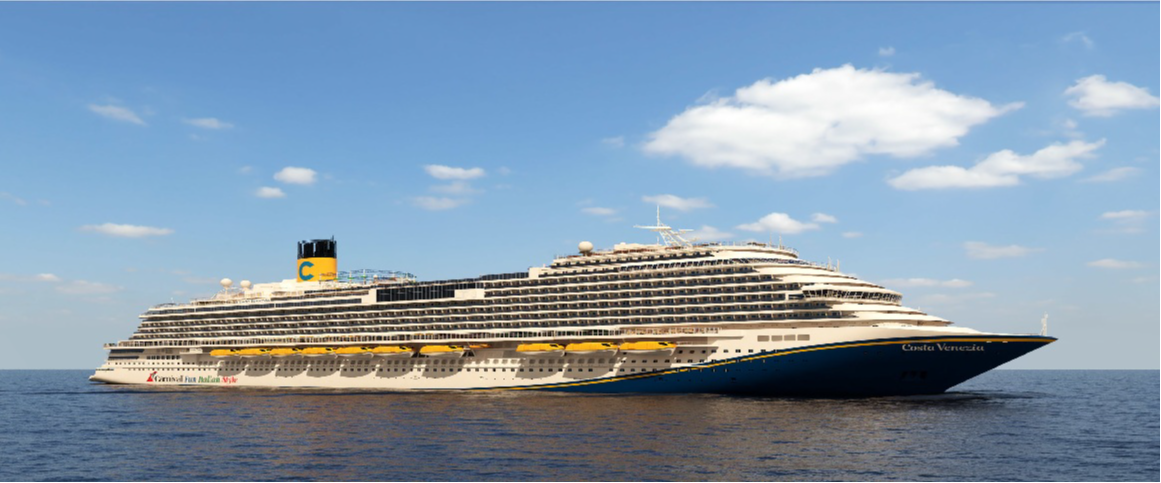
Carnival Venezia
22 Cruises
| 12 June | 8 nights | Round-trip from Miami, USA |
From
1270$
|
| 26 June | 8 nights | Round-trip from Miami, USA |
From
1283$
|
| 10 July | 8 nights | Round-trip from Miami, USA |
From
1283$
|
| 24 July | 8 nights | Round-trip from Miami, USA |
From
1269$
|
| 7 August | 8 nights | Round-trip from Miami, USA |
From
1157$
|
| 21 August | 8 nights | Round-trip from Miami, USA |
From
864$
|
| 4 September | 8 nights | Round-trip from Miami, USA |
From
850$
|
| 18 September | 8 nights | Round-trip from Miami, USA |
From
850$
|
| 2 October | 8 nights | Round-trip from Miami, USA |
From
853$
|
| 16 October | 8 nights | Round-trip from Miami, USA |
From
853$
|
| 30 October | 8 nights | Round-trip from Miami, USA |
From
864$
|

Celebrity Cruises (74 Cruises)
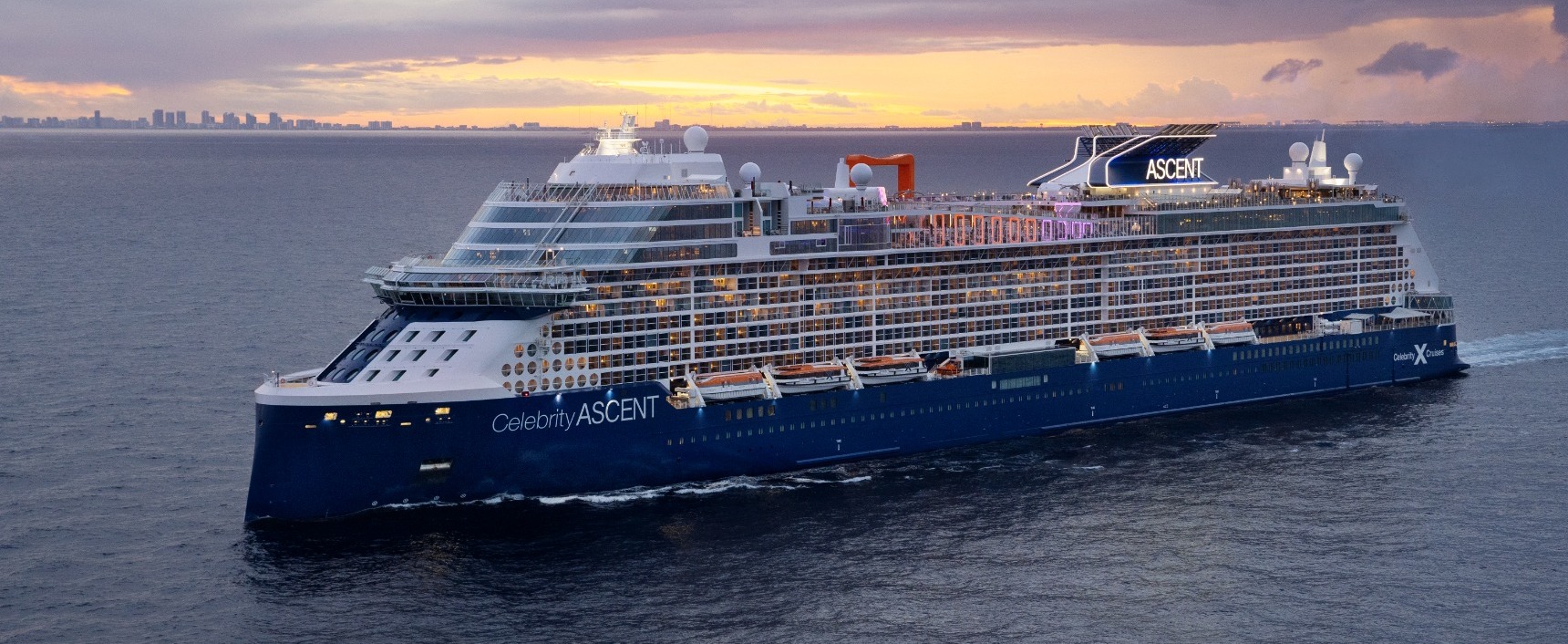

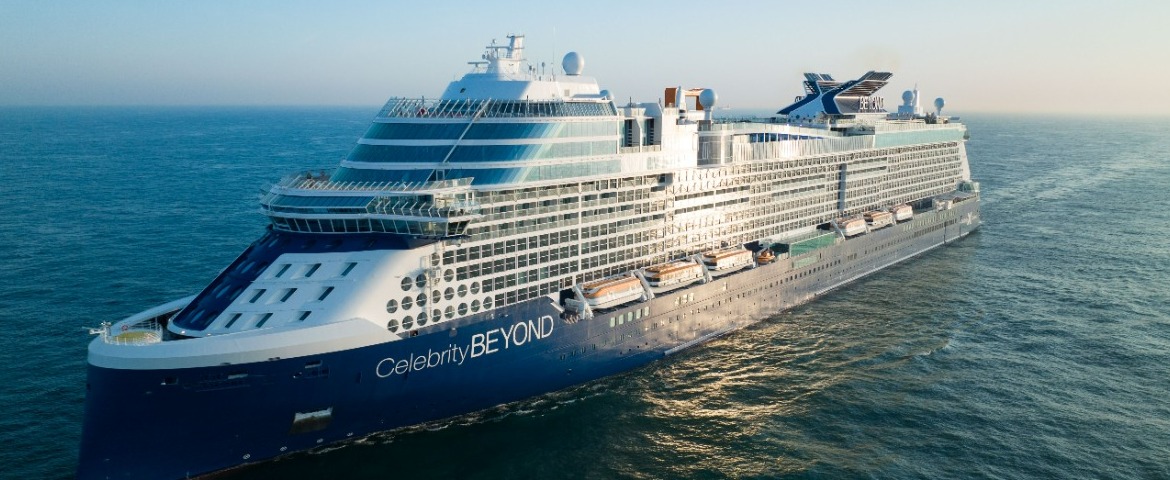
Celebrity Beyond
22 Cruises
| 5 June | 8 nights | Round-trip from Miami, USA |
From
1587$
|
| 19 June | 8 nights | Round-trip from Miami, USA |
From
1631$
|
| 3 July | 8 nights | Round-trip from Miami, USA |
From
1596$
|
| 17 July | 8 nights | Round-trip from Miami, USA |
From
1667$
|
| 31 July | 8 nights | Round-trip from Miami, USA |
From
1728$
|
| 14 August | 8 nights | Round-trip from Miami, USA |
From
1809$
|
| 28 August | 8 nights | Round-trip from Miami, USA |
From
1687$
|
| 11 September | 8 nights | Round-trip from Miami, USA |
From
1728$
|
| 25 September | 8 nights | Round-trip from Miami, USA |
From
1857$
|
| 9 October | 8 nights | Round-trip from Miami, USA |
From
1360$
|
| 23 October | 8 nights | Round-trip from Miami, USA |
From
1426$
|
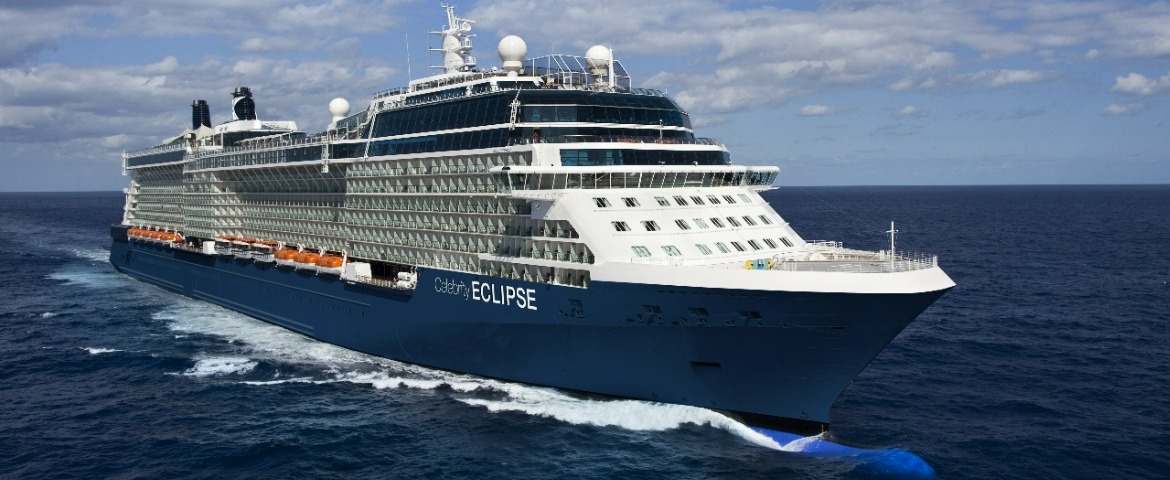
Celebrity Eclipse
13 Cruises
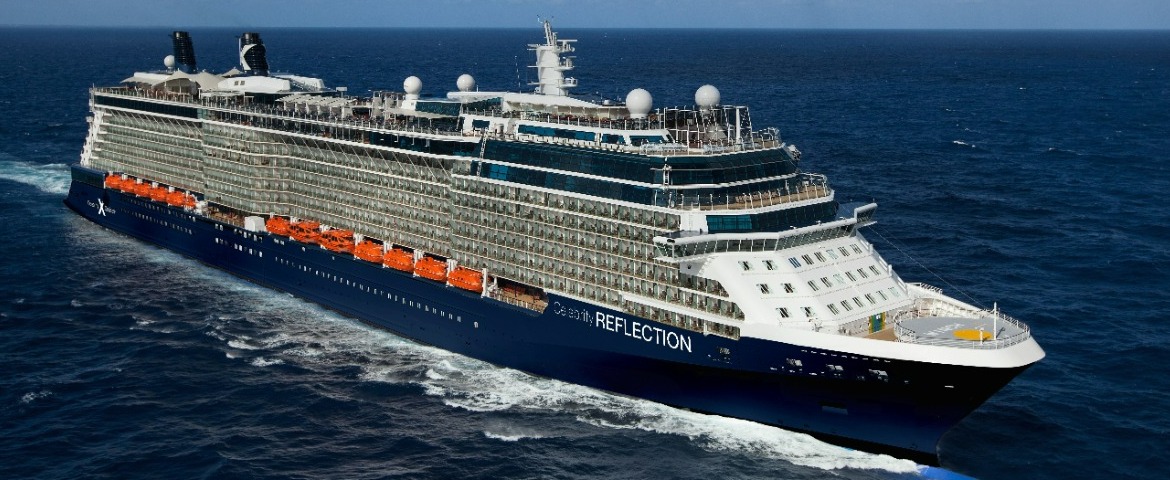
Celebrity Reflection
6 Cruises
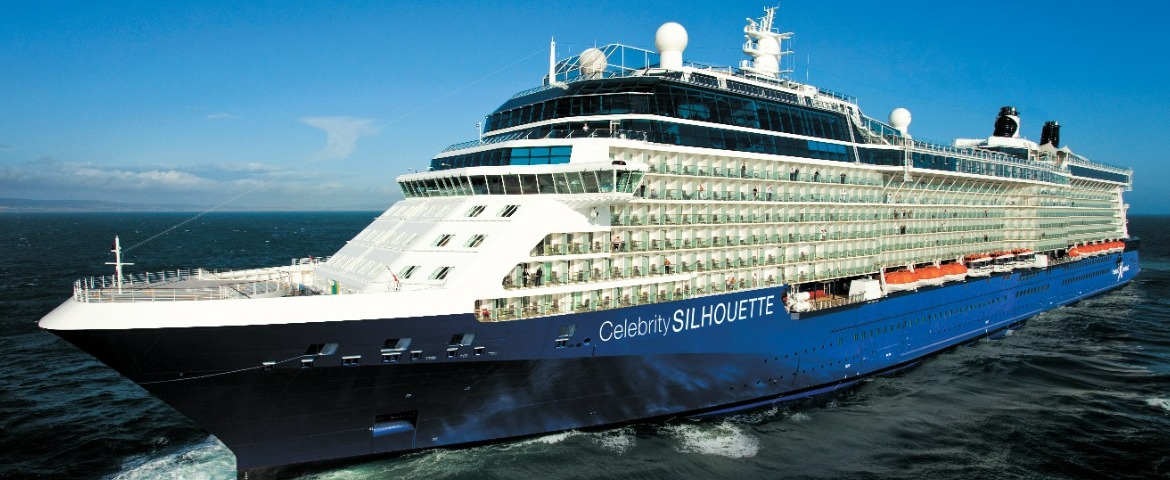
Celebrity Silhouette
26 Cruises
| 14 February | 7 nights | Round-trip from Fort Lauderdale, USA |
450-628-6241
Call us
|
| 26 February | 9 nights | Round-trip from Fort Lauderdale, USA |
From
1490$
|
| 13 March | 7 nights | Round-trip from Fort Lauderdale, USA |
450-628-6241
Call us
|
| 27 March | 8 nights | Round-trip from Fort Lauderdale, USA |
From
1146$
|
| 10 April | 8 nights | Round-trip from Fort Lauderdale, USA |
From
1115$
|
| 24 April | 8 nights | One-way from Fort Lauderdale to Cape Liberty Bayonne |
From
779$
|
| 16 October | 10 nights | One-way from Boston to Fort Lauderdale |
From
1023$
|
| 30 October | 8 nights | Round-trip from Fort Lauderdale, USA |
From
1065$
|
| 8 January | 8 nights | Round-trip from Fort Lauderdale, USA |
From
1227$
|
| 22 January | 8 nights | Round-trip from Fort Lauderdale, USA |
From
1208$
|
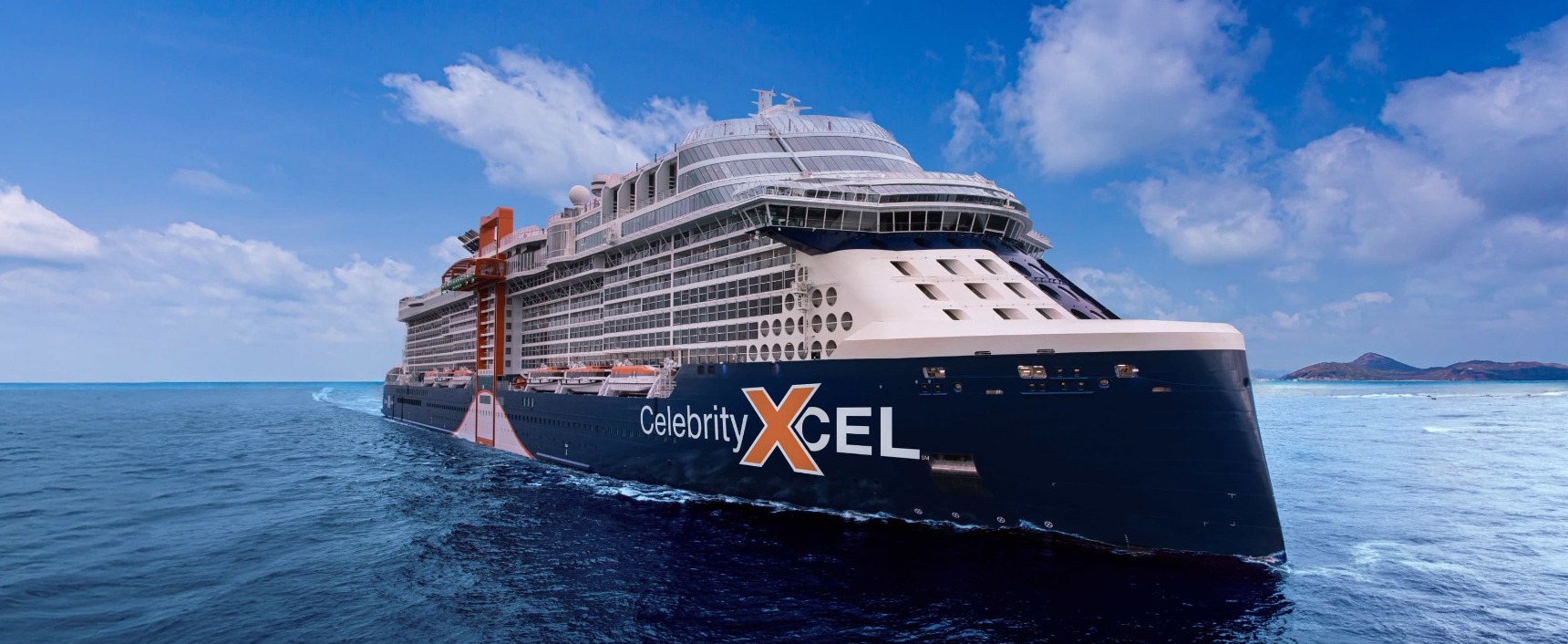
Costa Cruises (2 Cruises)

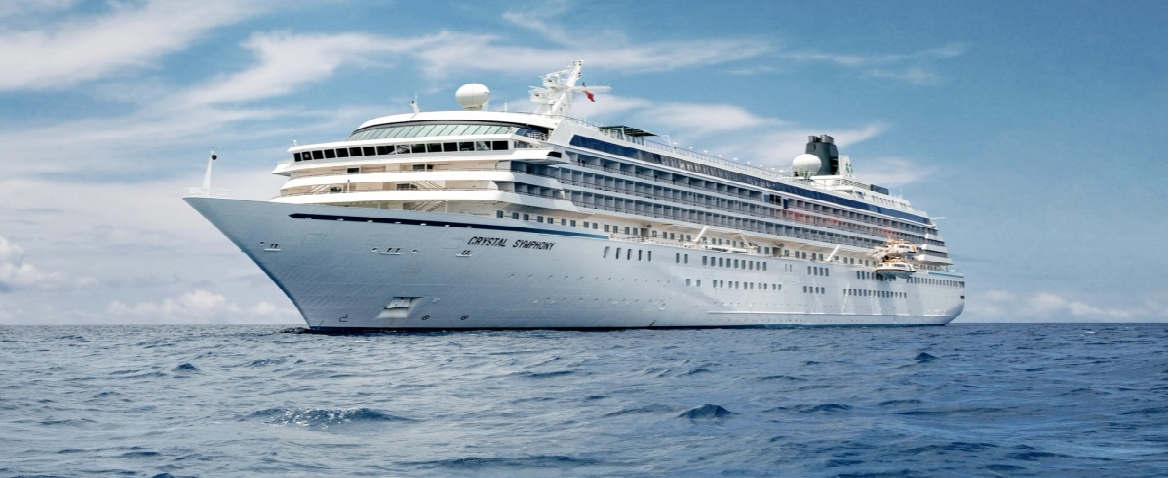
Crystal Cruises (12 Cruises)
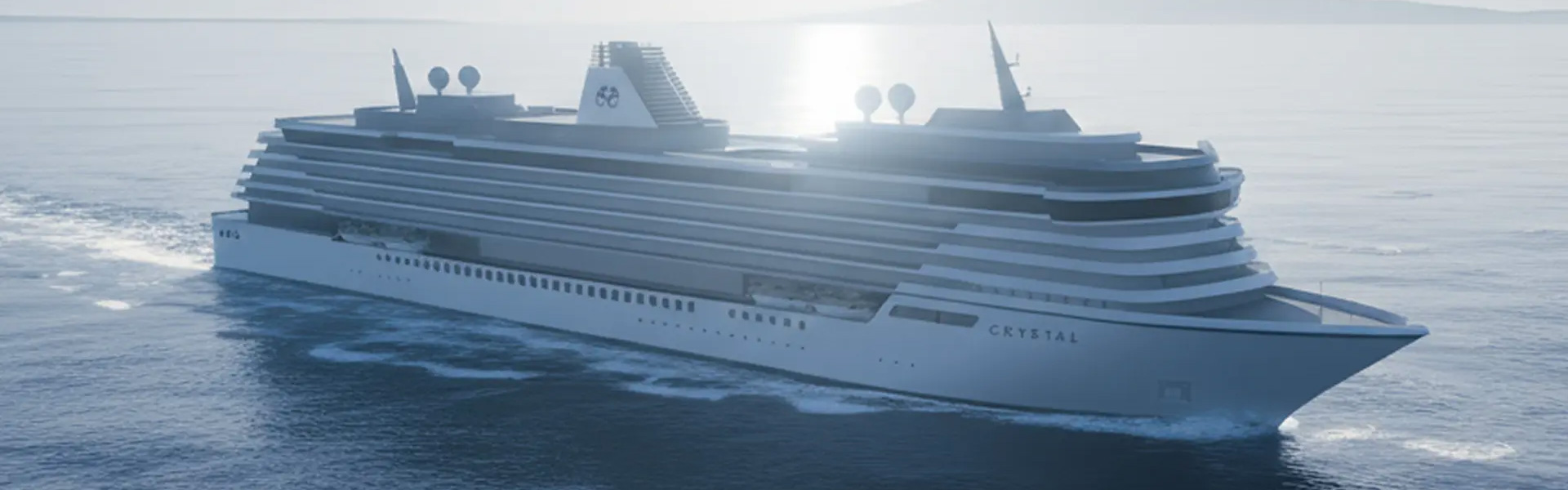

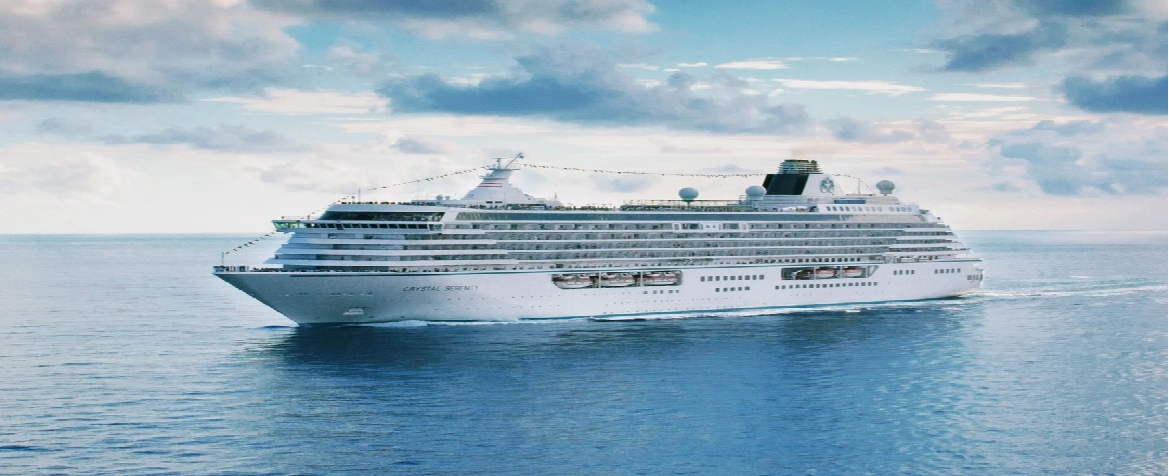
Crystal Serenity
8 Cruises
Cunard (23 Cruises)
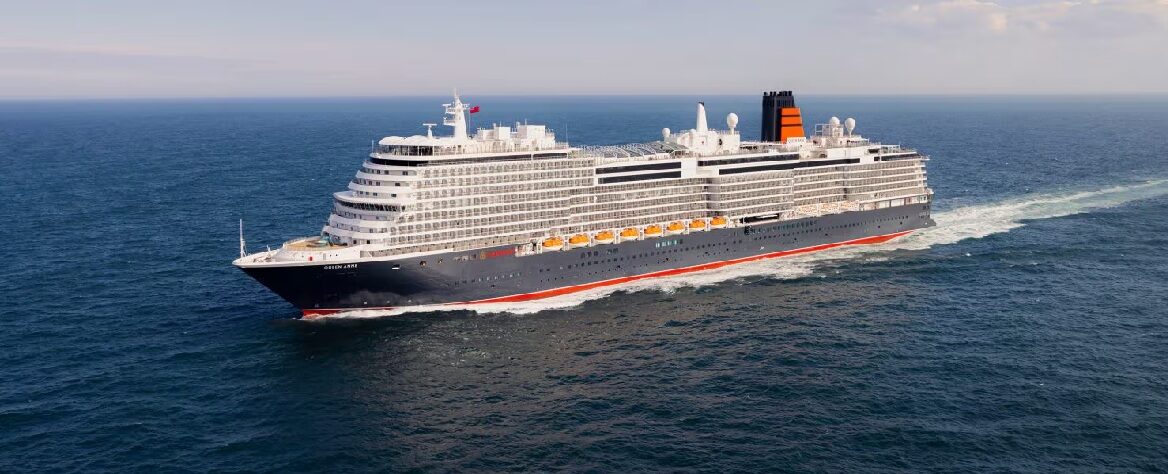
Queen Anne
9 Cruises

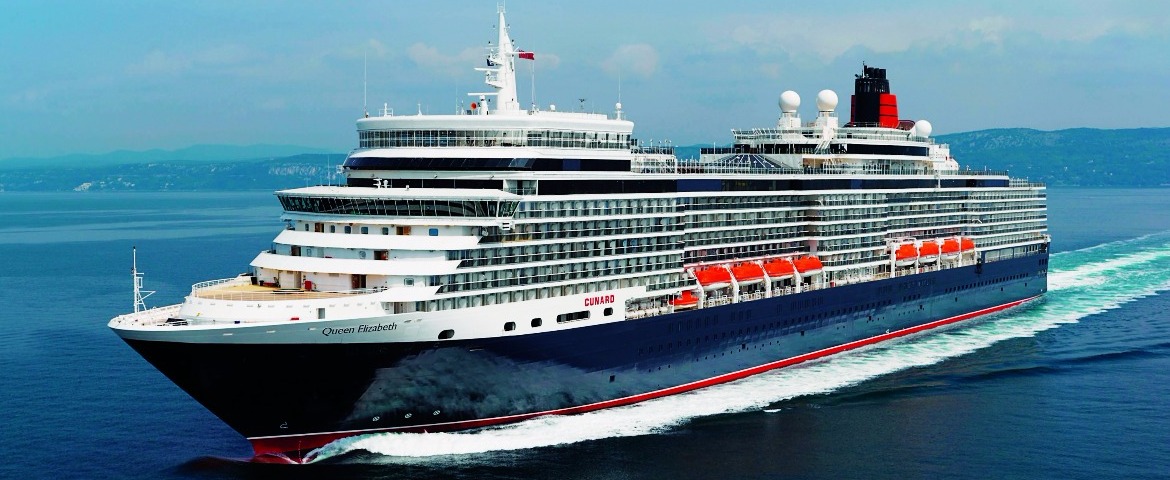
Queen Elizabeth
7 Cruises
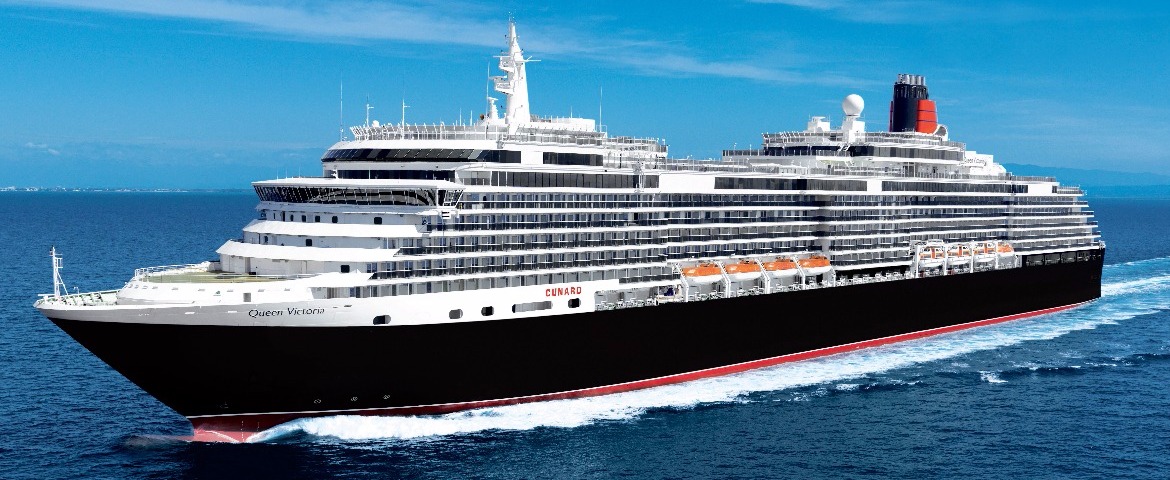
Queen Victoria
7 Cruises
Disney Cruise Line (1 Cruises)


Emerald Waterways (9 Cruises)
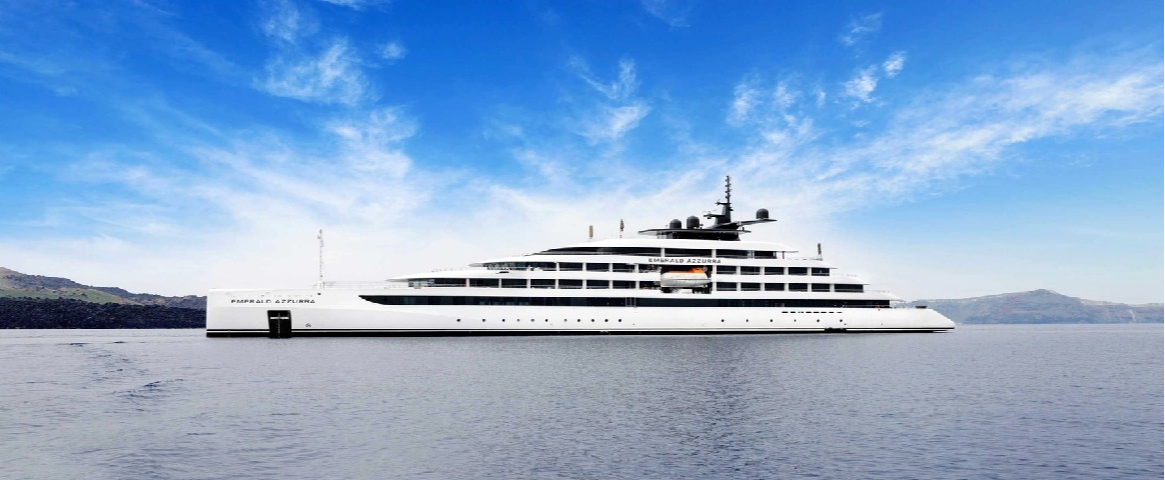
Emerald Azzurra
9 Cruises


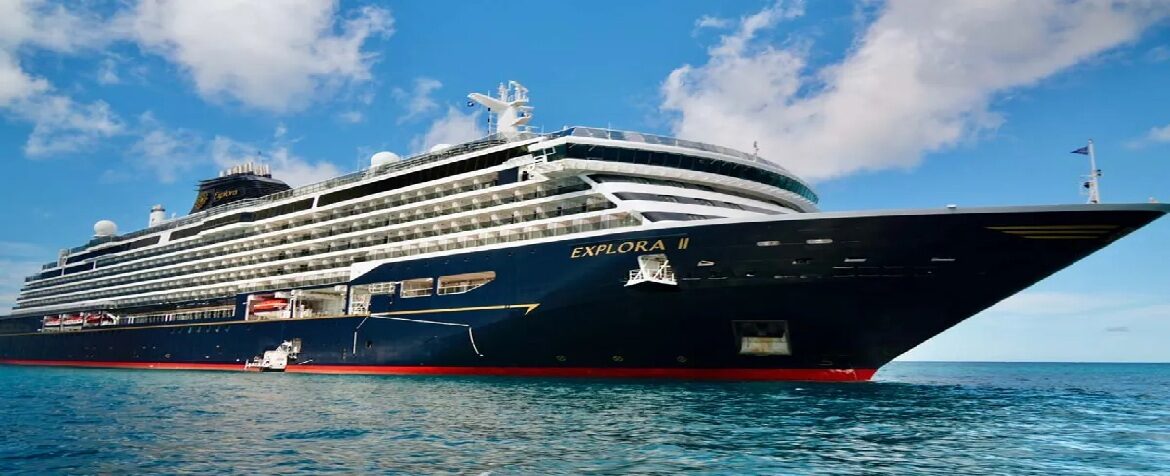
Holland America Line (85 Cruises)
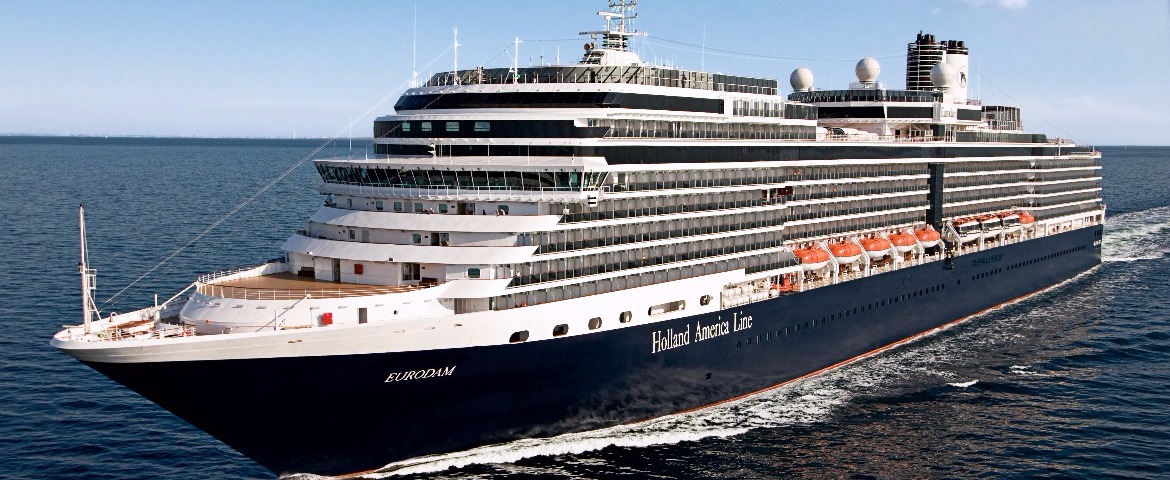

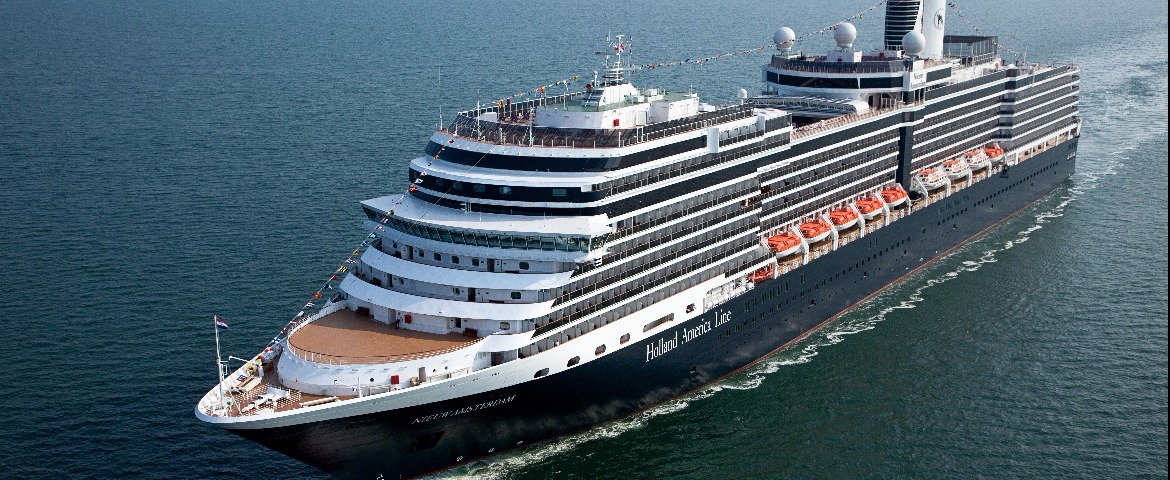
ms Nieuw Amsterdam
21 Cruises
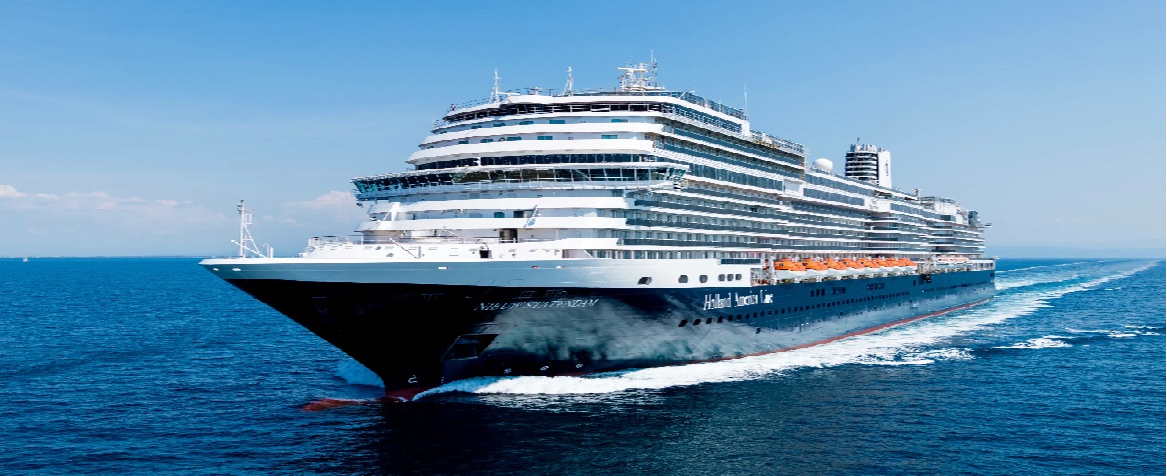
ms Nieuw Statendam
21 Cruises
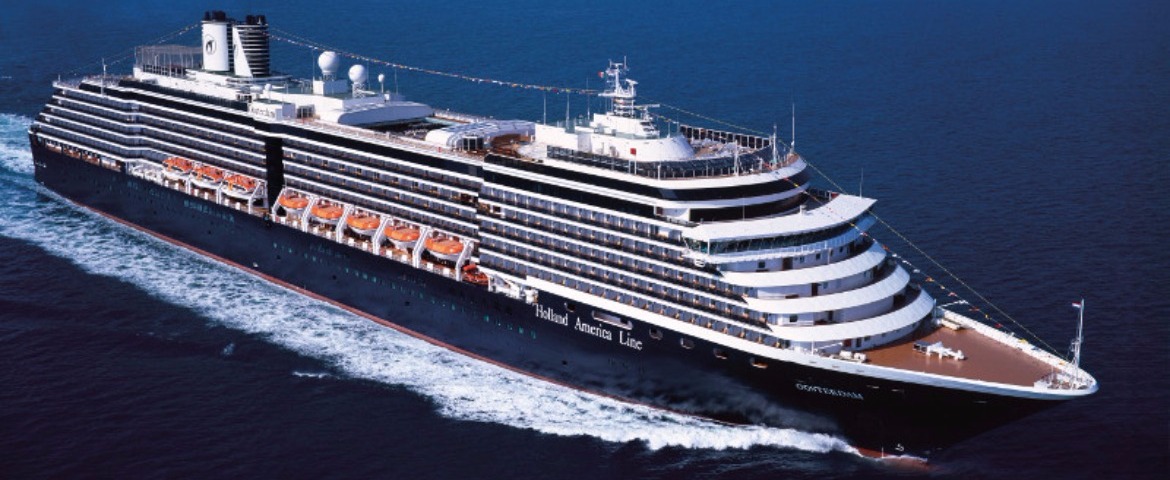
ms Oosterdam
21 Cruises
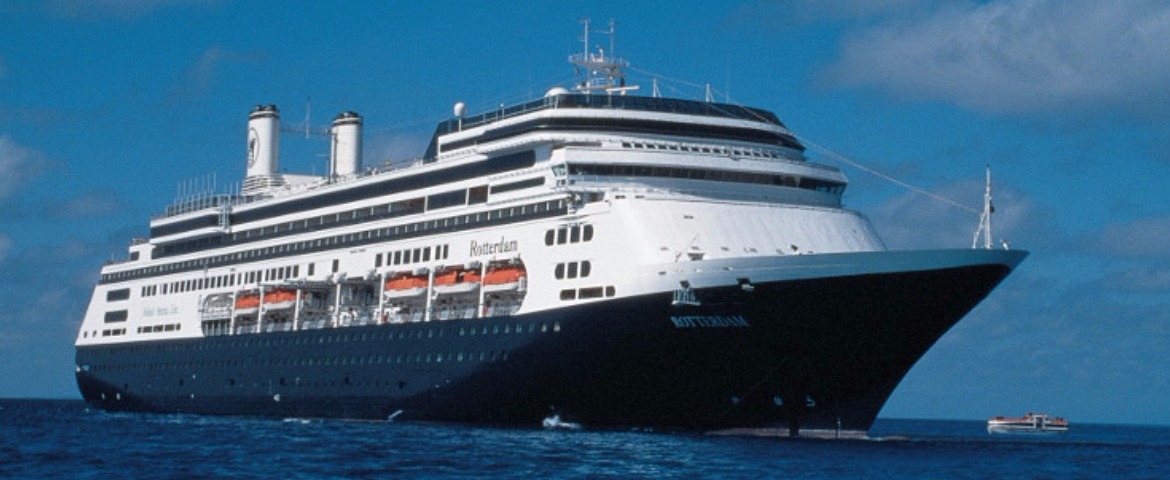
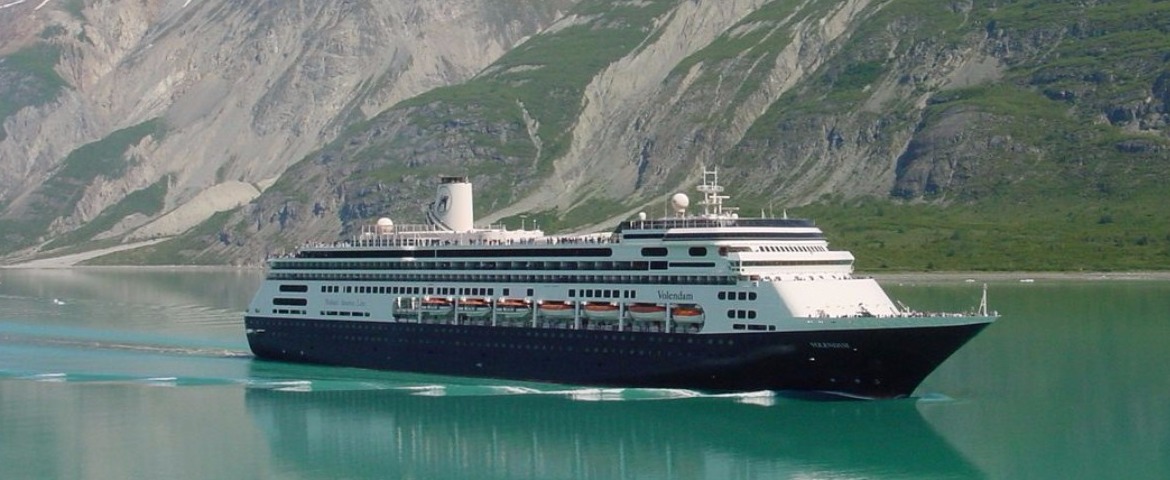
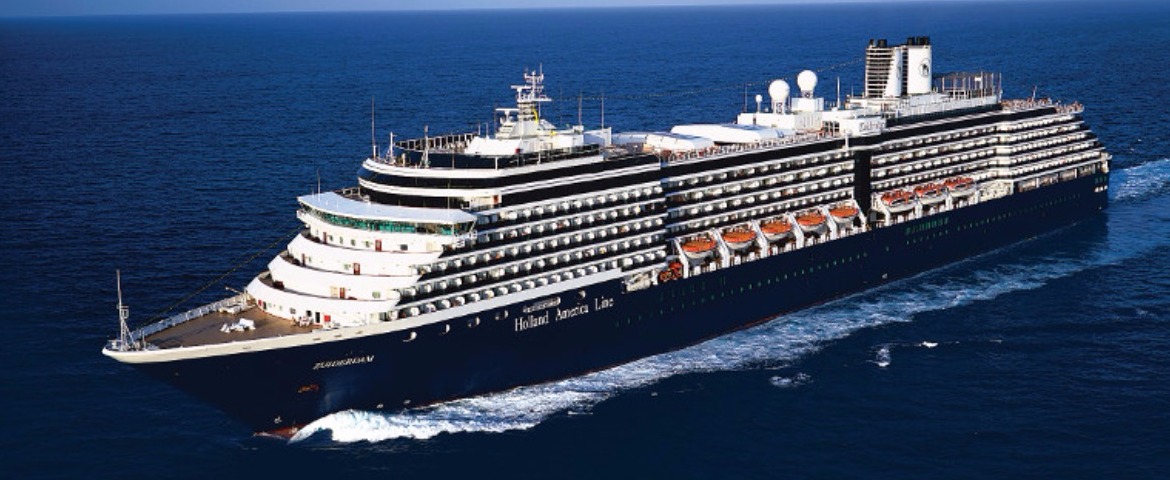
ms Zuiderdam
11 Cruises

MSC Cruises (70 Cruises)
MSC Opera
36 Cruises
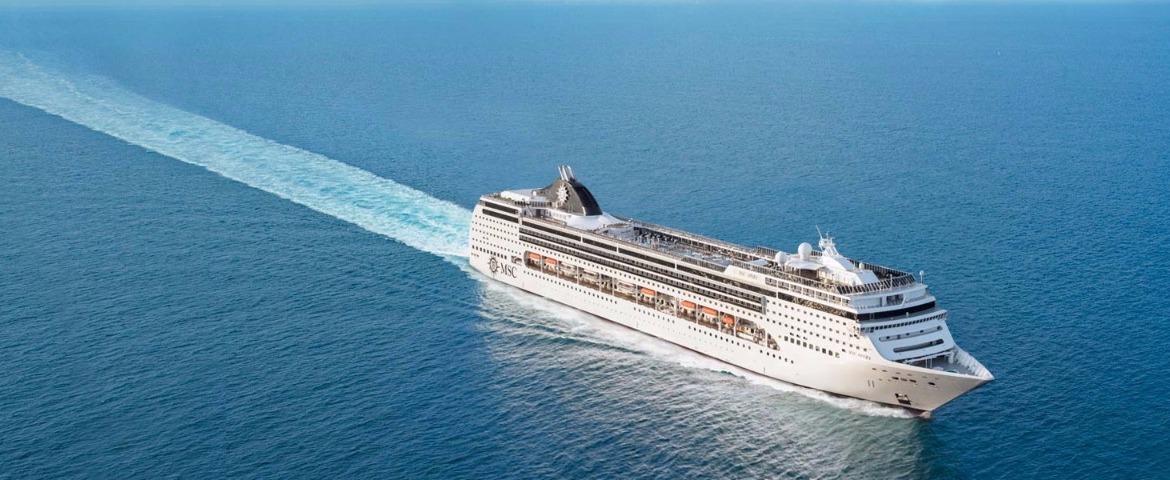

| 5 April | 14 days | Round-trip Caribbean Msc Opera La Romana |
450-628-6241
Call us
|
| 5 April | 7 nights | Round-trip from La Romana, Dominican Rep |
From
1208$
|
MSC Poesia
34 Cruises
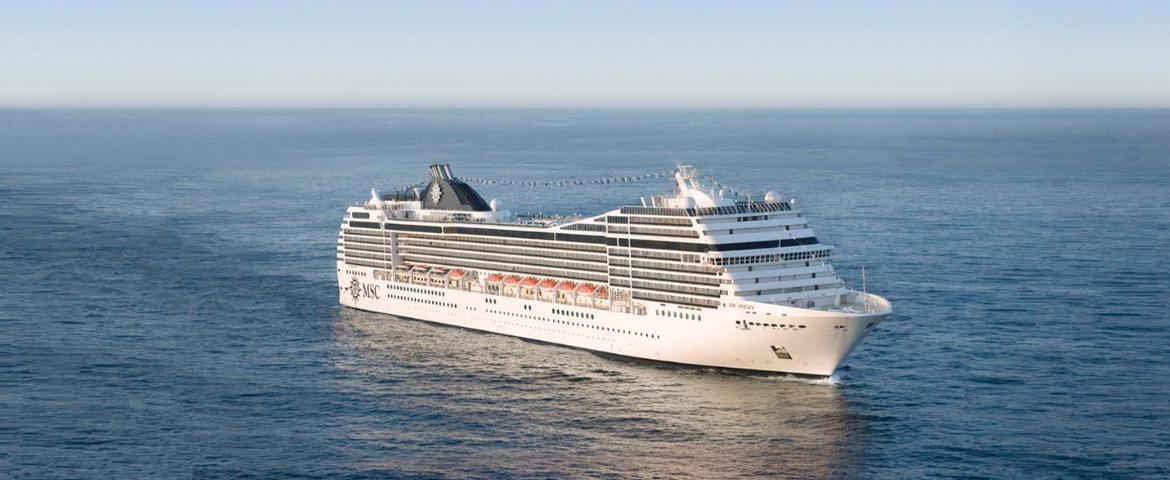
| 14 February | 21 nights | Round-trip from Miami, USA |
From
5495$
|
| 25 February | 10 days | Round-trip Caribbean Msc Poesia Miami Fl |
From
1548$
|
| 25 February | 21 nights | Round-trip from Miami, USA |
From
4456$
|
| 7 March | 21 nights | Round-trip from Miami, USA |
From
5859$
|
| 18 March | 10 days | Round-trip Caribbean Msc Poesia Miami Fl |
From
1449$
|
| 18 March | 21 nights | Round-trip from Miami, USA |
From
3828$
|
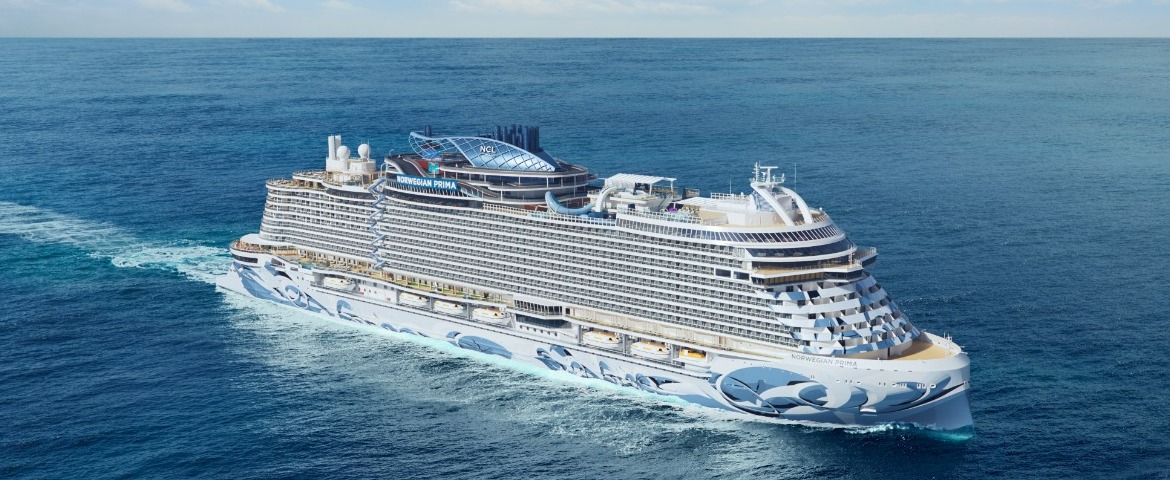
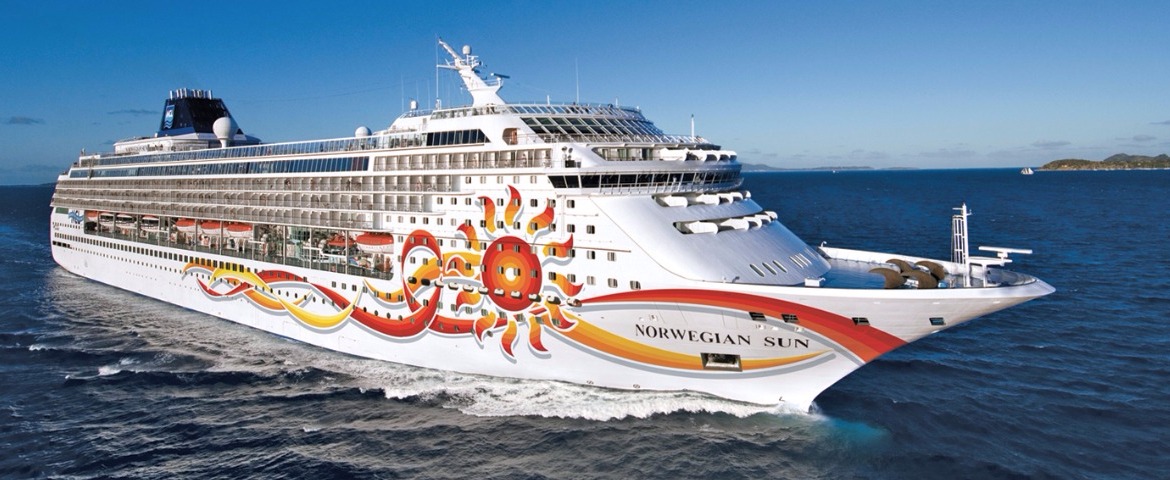
Norwegian Cruise Line (44 Cruises)
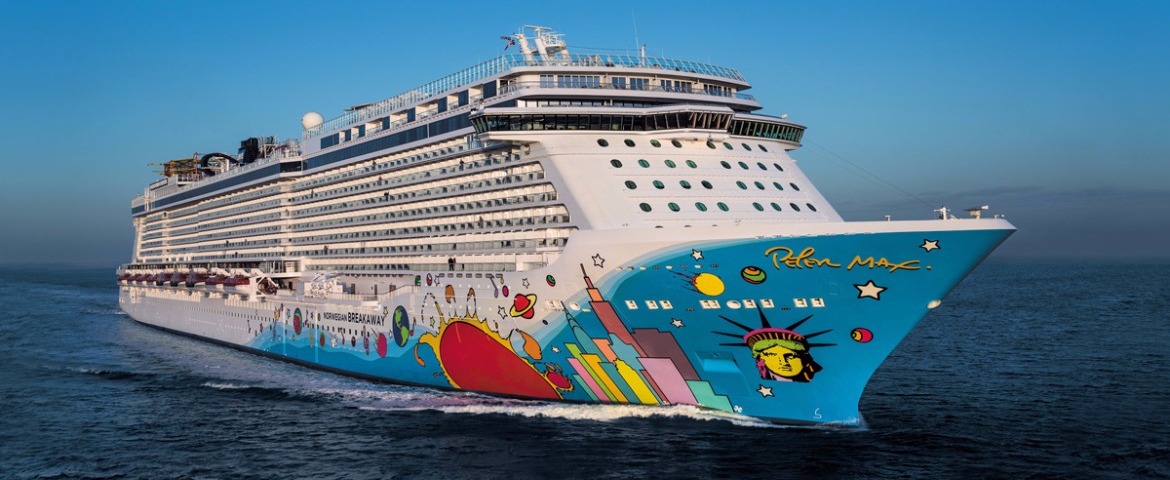

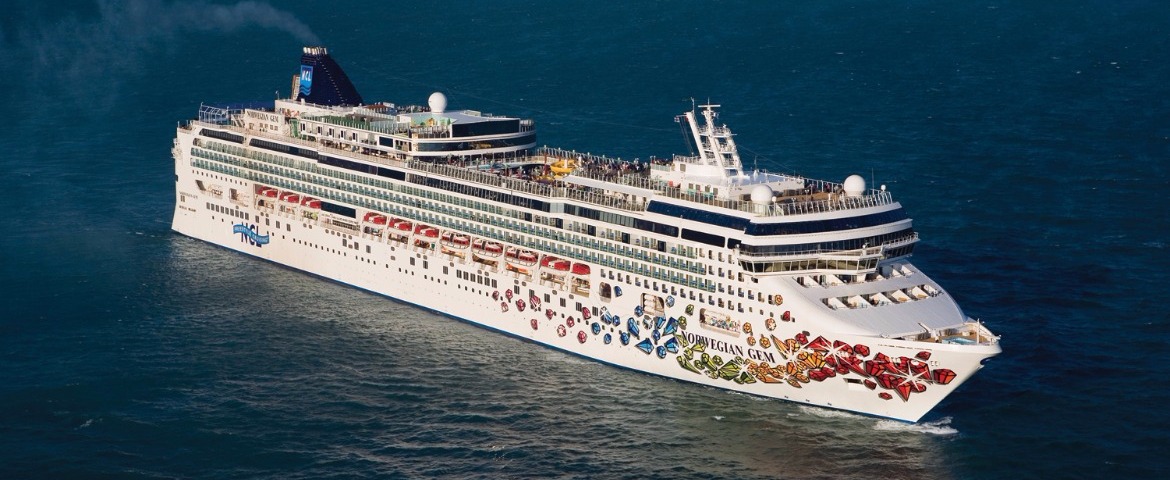

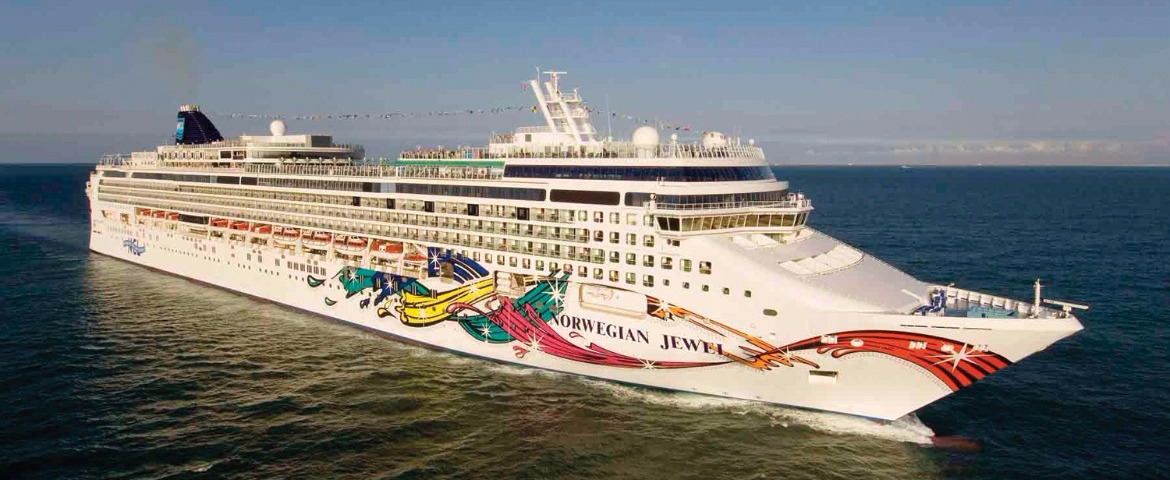
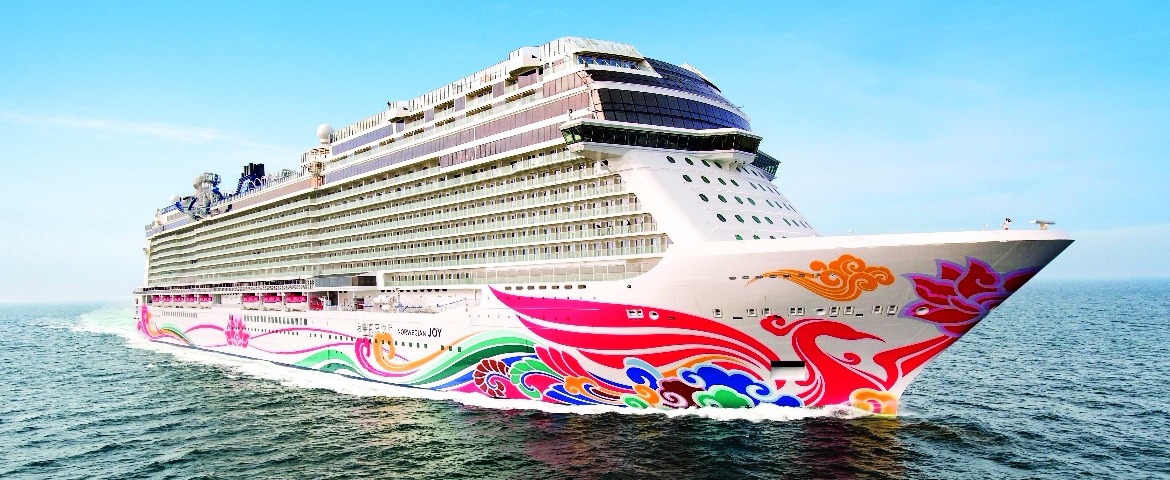
Norwegian Joy
12 Cruises
| 4 January | 10 nights | Round-trip from Miami, USA |
450-628-6241
Call us
|
| 31 January | 9 nights | Round-trip from Miami, USA |
450-628-6241
Call us
|
Oceania Cruises (39 Cruises)

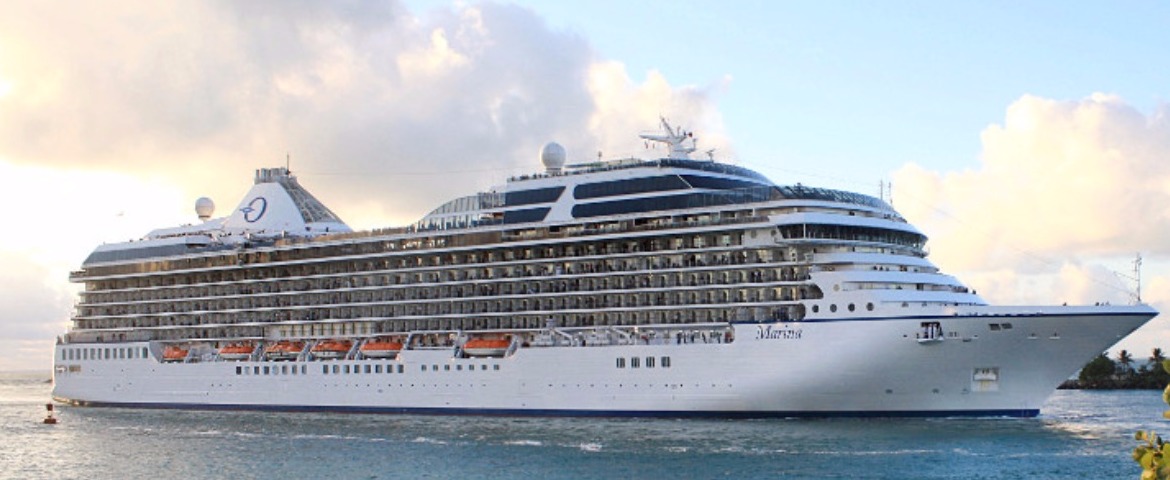
Oceania Marina
12 Cruises
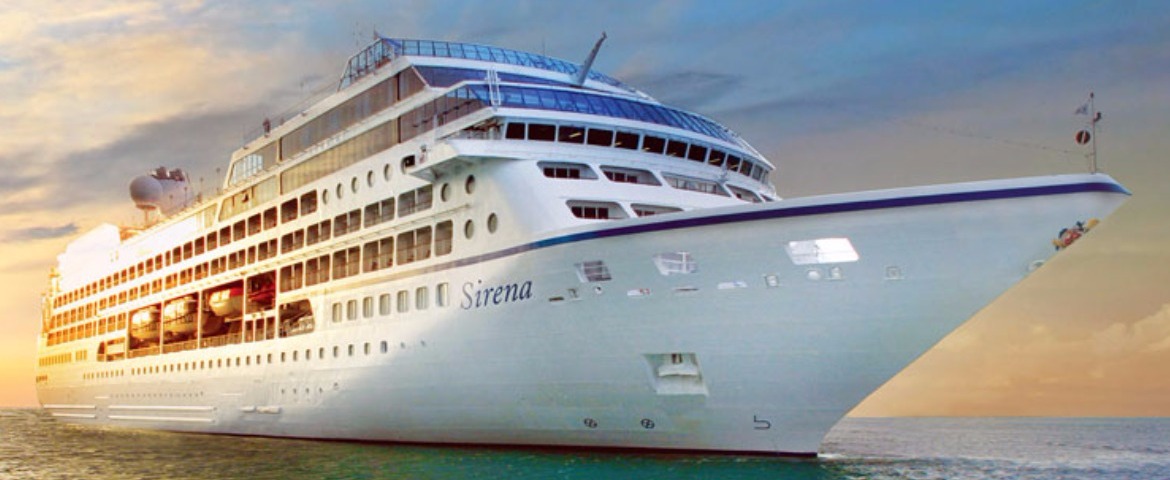
Oceania Sirena
5 Cruises
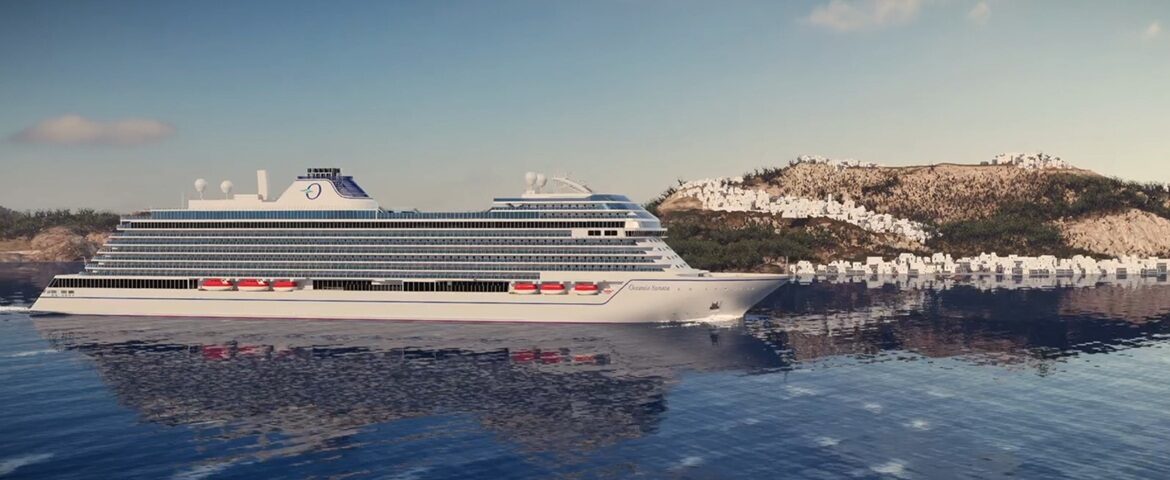
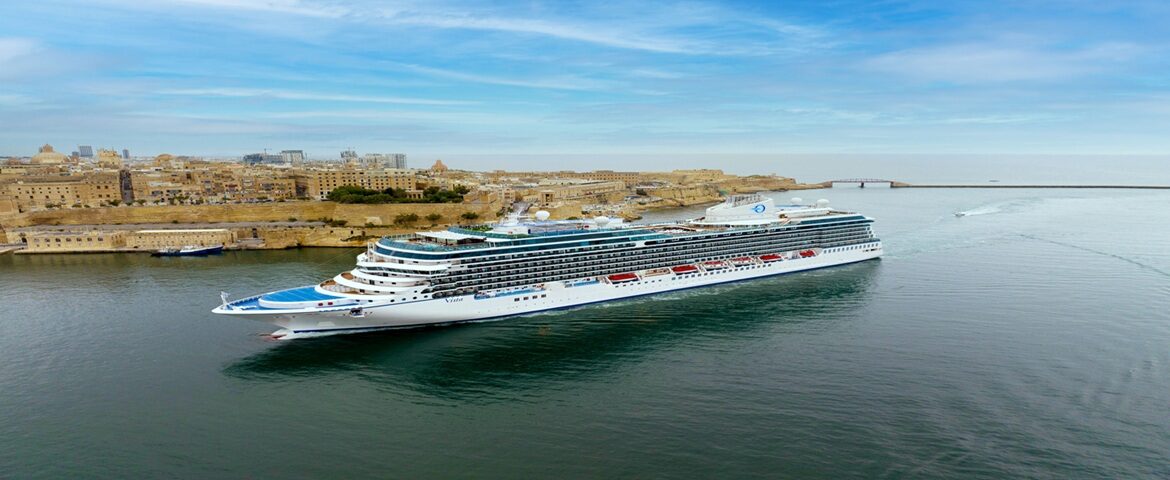
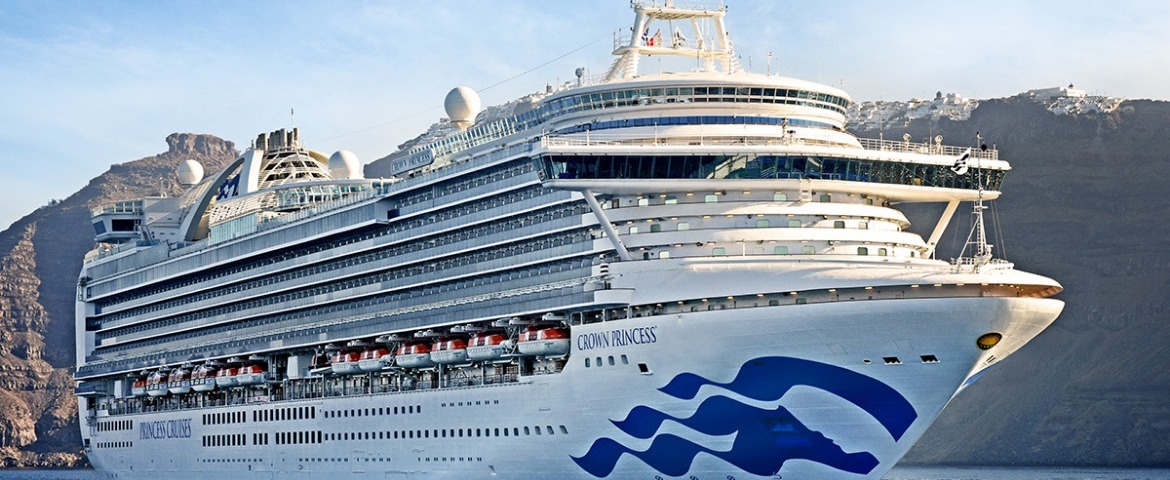
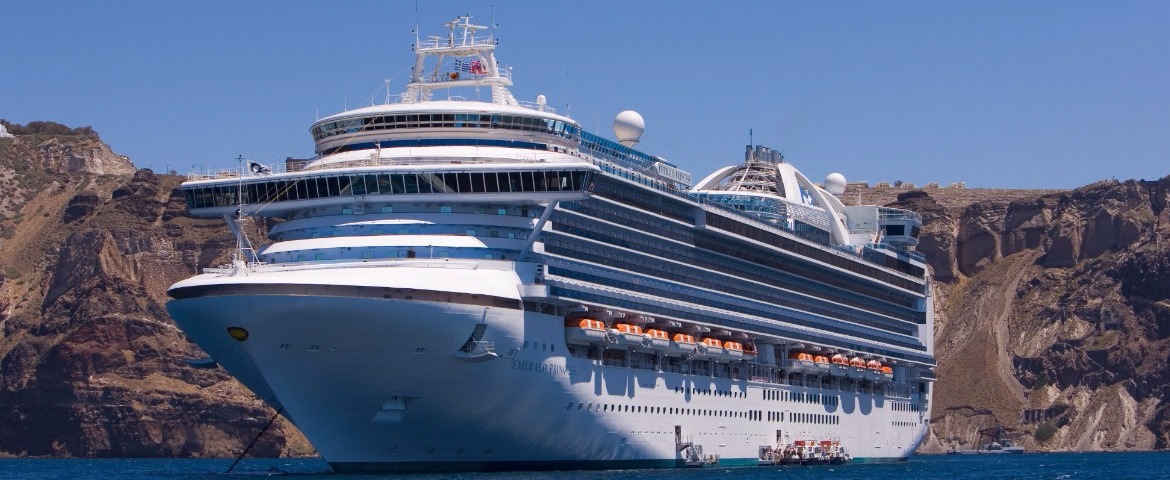
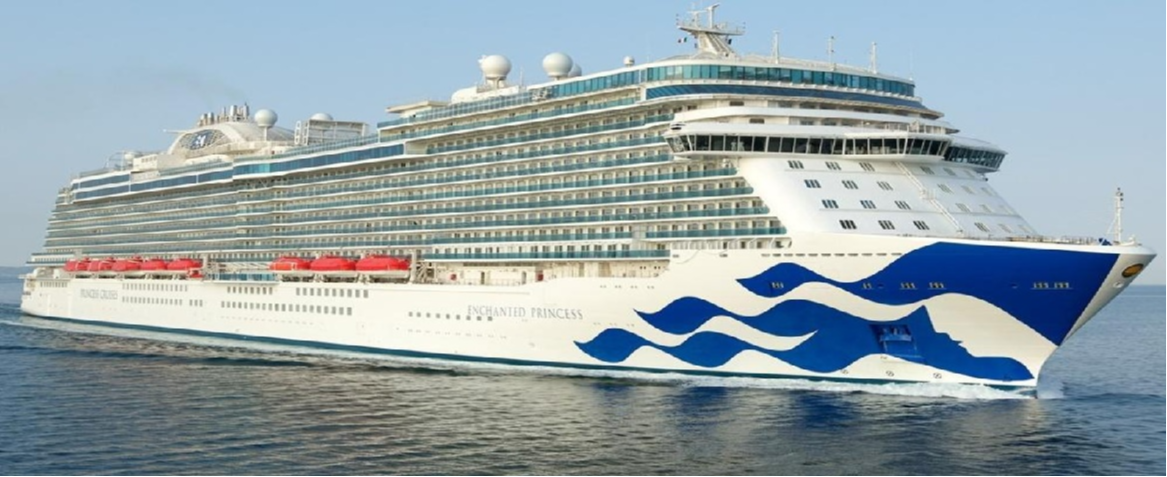
Princess Cruises (82 Cruises)
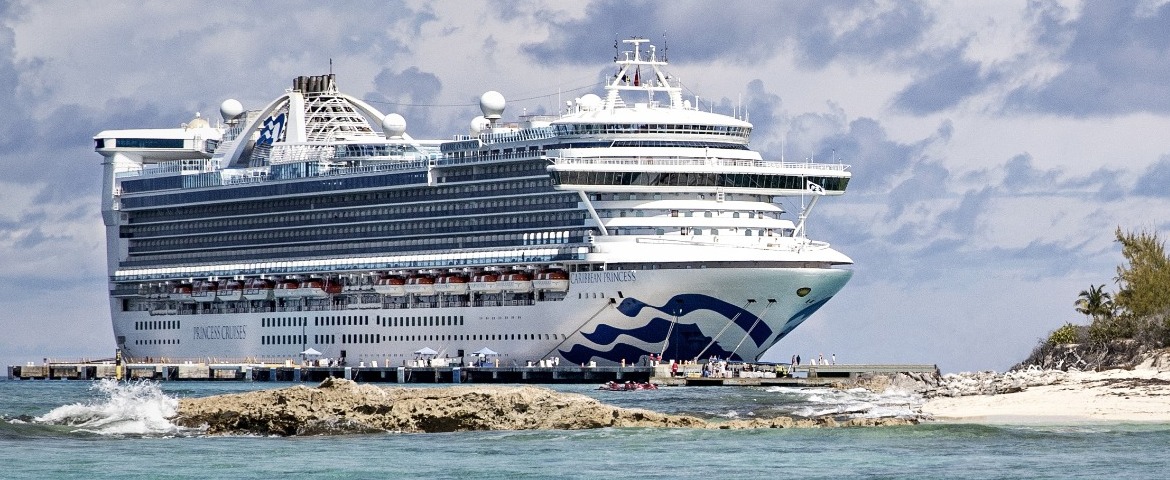
Caribbean Princess
20 Cruises

| 3 February | 12 nights | Round-trip from Fort Lauderdale, USA |
450-628-6241
Call us
|
| 15 February | 12 nights | Round-trip from Fort Lauderdale, USA |
450-628-6241
Call us
|
| 19 March | 9 nights | Round-trip from Fort Lauderdale, USA |
450-628-6241
Call us
|
| 28 March | 12 nights | Round-trip from Fort Lauderdale, USA |
450-628-6241
Call us
|
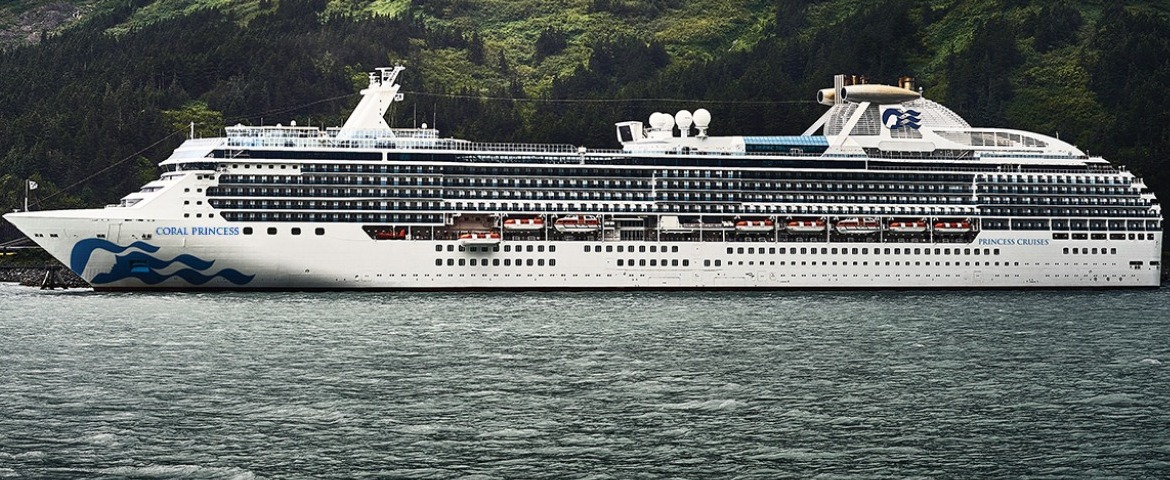
Coral Princess
5 Cruises
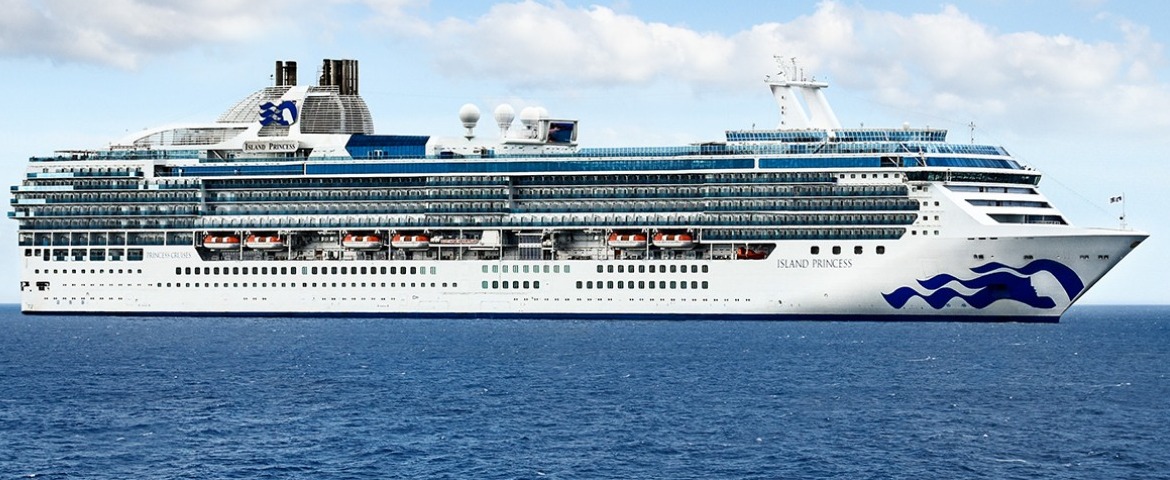
Island Princess
25 Cruises
| 13 January | 16 nights | One-way from Fort Lauderdale to San Diego |
450-628-6241
Call us
|
| 29 January | 16 nights | One-way from San Diego to Fort Lauderdale |
450-628-6241
Call us
|
| 2 March | 16 nights | One-way from Los Angeles to Fort Lauderdale |
450-628-6241
Call us
|
| 18 March | 16 nights | One-way from Fort Lauderdale to Los Angeles |
450-628-6241
Call us
|
| 6 October | 23 nights | One-way from Vancouver to Fort Lauderdale |
450-628-6241
Call us
|
| 13 October | 16 nights | One-way from Los Angeles to Fort Lauderdale |
450-628-6241
Call us
|
| 14 January | 16 nights | One-way from Fort Lauderdale to Los Angeles |
450-628-6241
Call us
|
| 30 January | 16 nights | One-way from Los Angeles to Fort Lauderdale |
450-628-6241
Call us
|
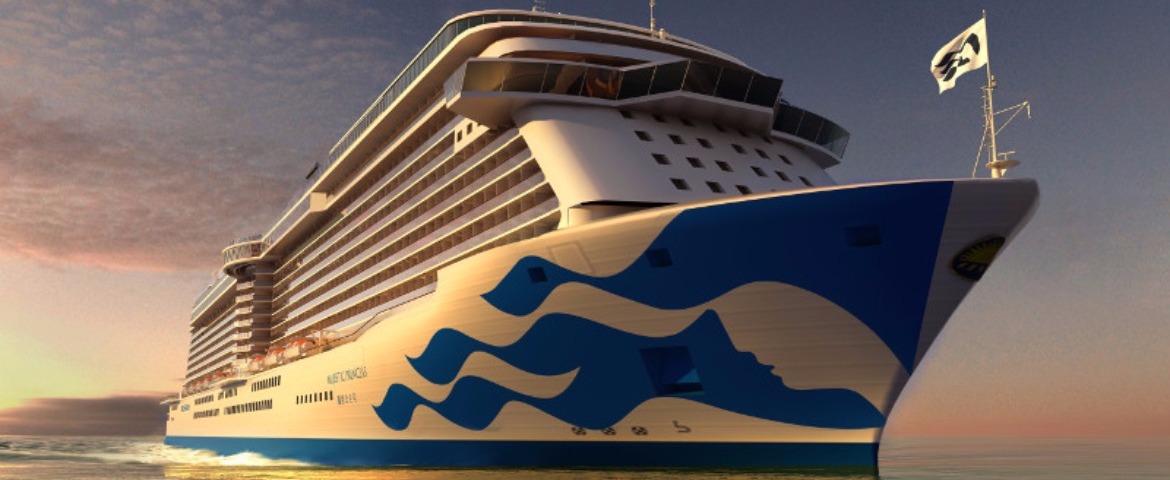
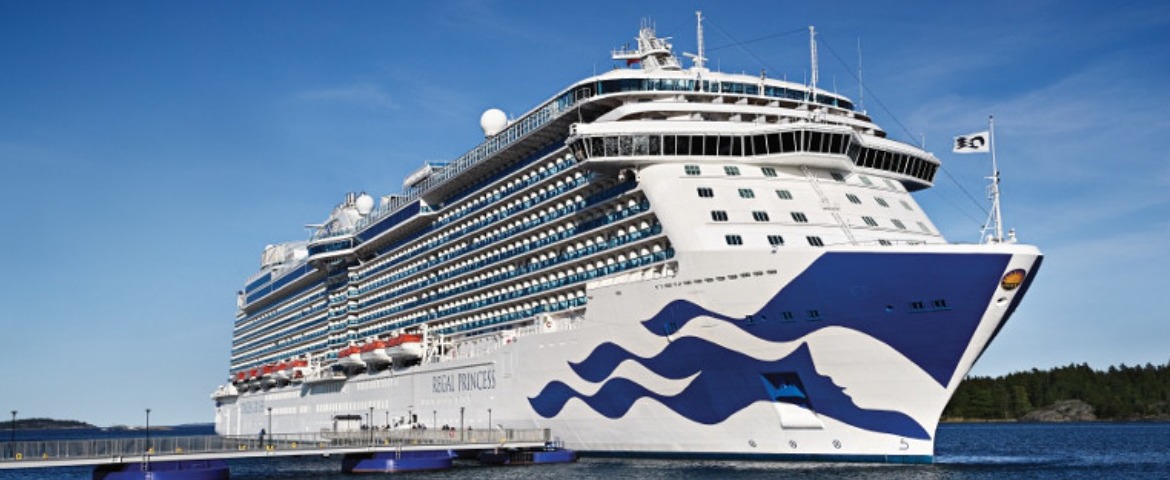
Regal Princess
16 Cruises
Regent Seven Seas Cruises (22 Cruises)
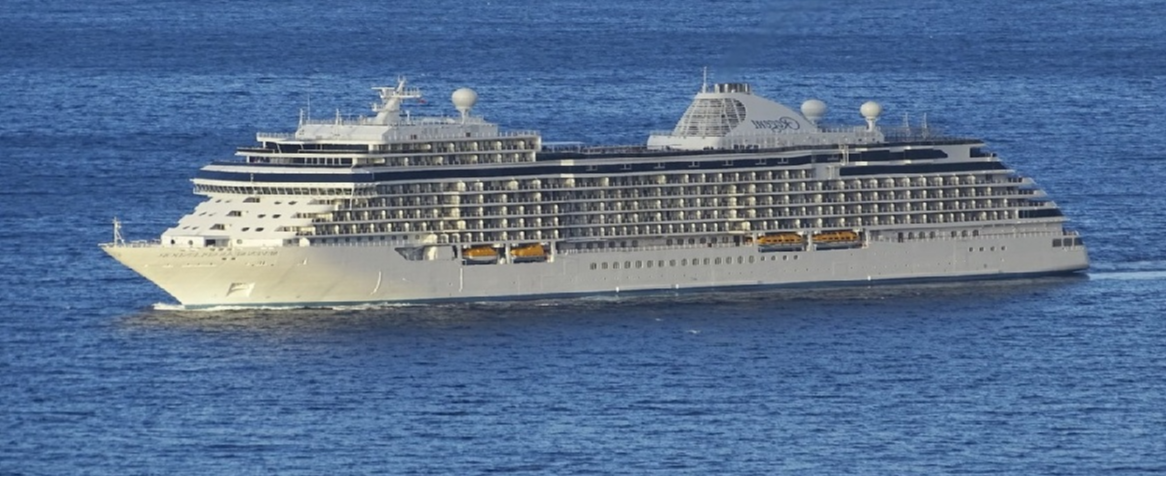
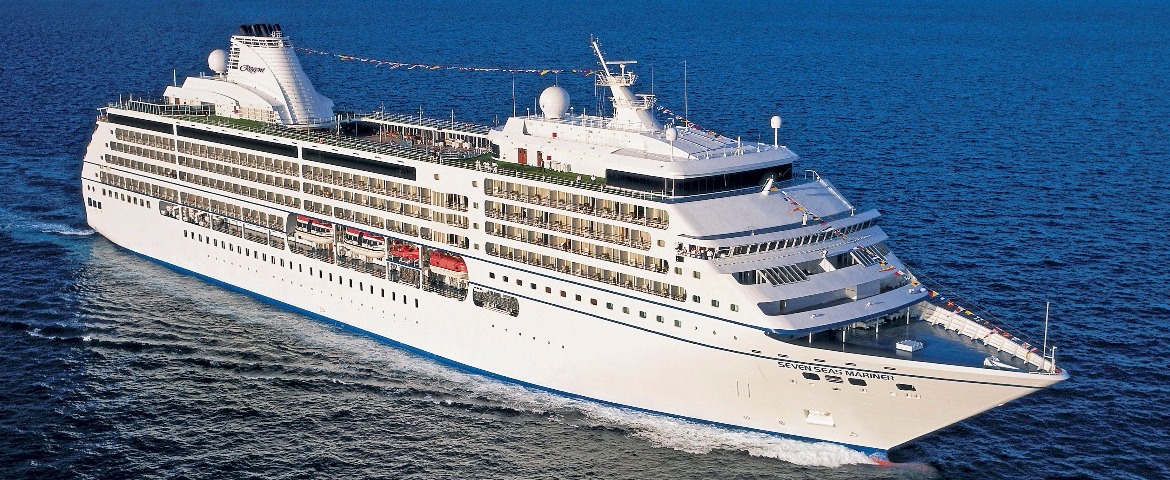
Seven Seas Grandeur
8 Cruises

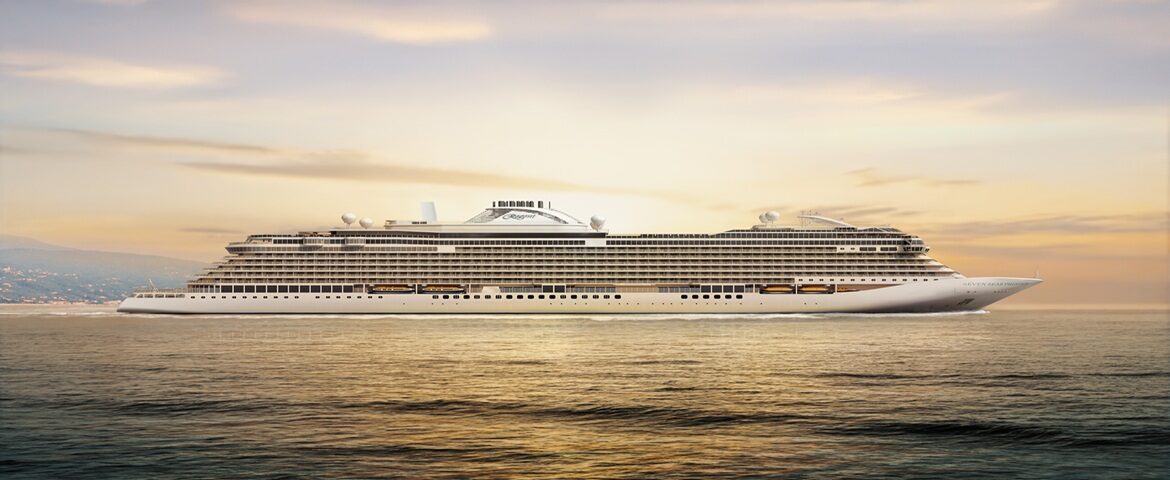
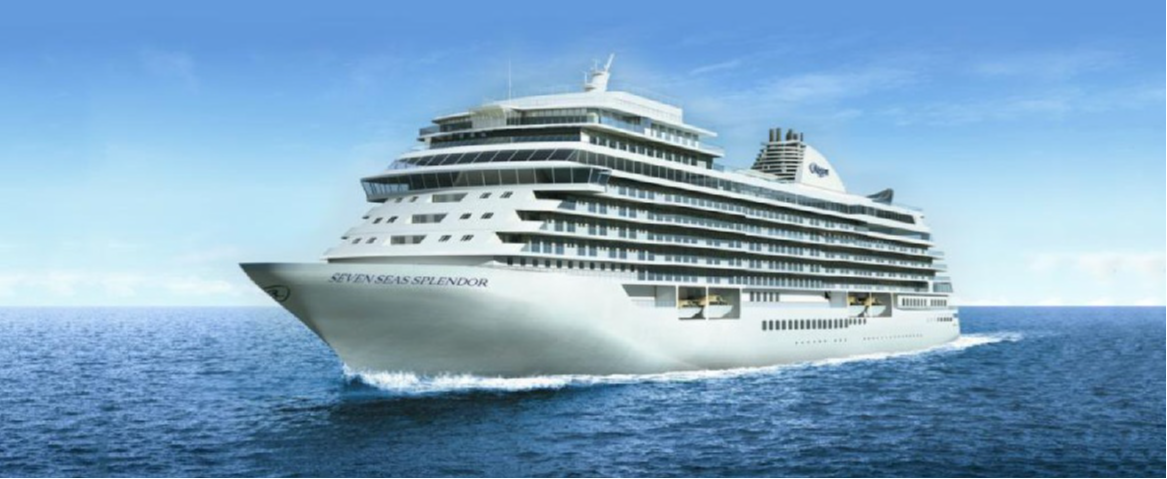
Seven Seas Prestige
6 Cruises
Royal Caribbean Cruises (180 Cruises)
Adventure of the Seas
18 Cruises


| 13 February | 8 nights | Round-trip from Fort Lauderdale, USA |
From
1447$
|
| 27 February | 8 nights | Round-trip from Fort Lauderdale, USA |
450-628-6241
Call us
|
| 13 March | 8 nights | Round-trip from Fort Lauderdale, USA |
From
1356$
|
| 27 March | 8 nights | Round-trip from Fort Lauderdale, USA |
From
1439$
|
| 5 May | 9 nights | Round-trip from Port Canaveral, USA |
From
1410$
|
| 19 May | 9 nights | Round-trip from Port Canaveral, USA |
From
1395$
|
| 8 September | 9 nights | Round-trip from Port Canaveral, USA |
From
1529$
|
| 22 September | 9 nights | Round-trip from Port Canaveral, USA |
From
1621$
|
Allure of the Seas
13 Cruises

| 15 May | 8 nights | Round-trip from Fort Lauderdale, USA |
From
1911$
|
| 29 May | 8 nights | Round-trip from Fort Lauderdale, USA |
From
1855$
|
| 12 June | 8 nights | Round-trip from Fort Lauderdale, USA |
From
2374$
|
| 26 June | 8 nights | Round-trip from Fort Lauderdale, USA |
From
2092$
|
| 10 July | 8 nights | Round-trip from Fort Lauderdale, USA |
From
2437$
|
| 24 July | 8 nights | Round-trip from Fort Lauderdale, USA |
From
2358$
|
| 7 August | 8 nights | Round-trip from Fort Lauderdale, USA |
From
2635$
|
| 21 August | 8 nights | Round-trip from Fort Lauderdale, USA |
From
1909$
|

Grandeur of the Seas
83 Cruises


Independence of the Seas
6 Cruises

Legend of the Seas
24 Cruises

| 9 January | 8 nights | Round-trip from Fort Lauderdale, USA |
450-628-6241
Call us
|
| 23 January | 8 nights | Round-trip from Fort Lauderdale, USA |
450-628-6241
Call us
|
| 6 February | 8 nights | Round-trip from Fort Lauderdale, USA |
450-628-6241
Call us
|
| 20 February | 8 nights | Round-trip from Fort Lauderdale, USA |
450-628-6241
Call us
|
| 6 March | 8 nights | Round-trip from Fort Lauderdale, USA |
450-628-6241
Call us
|
| 20 March | 8 nights | Round-trip from Fort Lauderdale, USA |
450-628-6241
Call us
|
| 3 April | 8 nights | Round-trip from Fort Lauderdale, USA |
450-628-6241
Call us
|
| 17 April | 8 nights | Round-trip from Fort Lauderdale, USA |
450-628-6241
Call us
|
| 8 January | 8 nights | Round-trip from Fort Lauderdale, USA |
450-628-6241
Call us
|
| 22 January | 8 nights | Round-trip from Fort Lauderdale, USA |
450-628-6241
Call us
|
| 5 February | 8 nights | Round-trip from Fort Lauderdale, USA |
450-628-6241
Call us
|
| 19 February | 8 nights | Round-trip from Fort Lauderdale, USA |
450-628-6241
Call us
|

Symphony of the Seas
5 Cruises

Vision of the Seas
12 Cruises


Seabourn Cruise Line (16 Cruises)

Seabourn Pursuit
11 Cruises
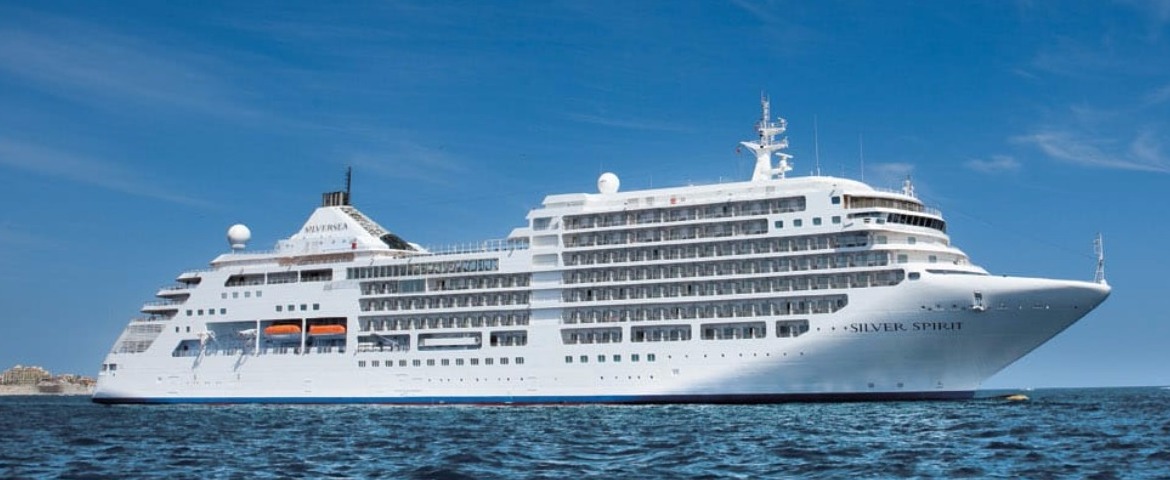
Silversea Cruises (15 Cruises)
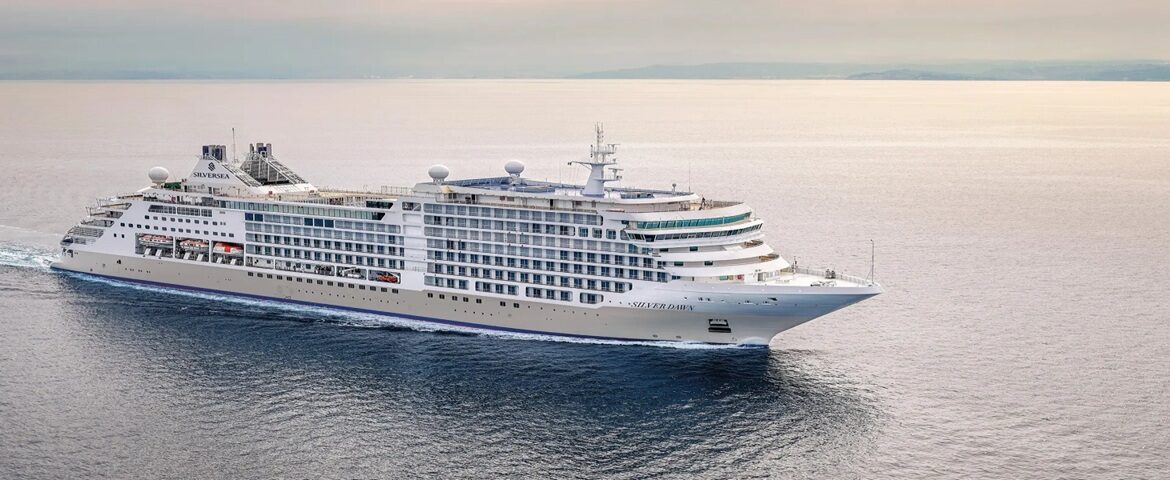

Silver Spirit
13 Cruises

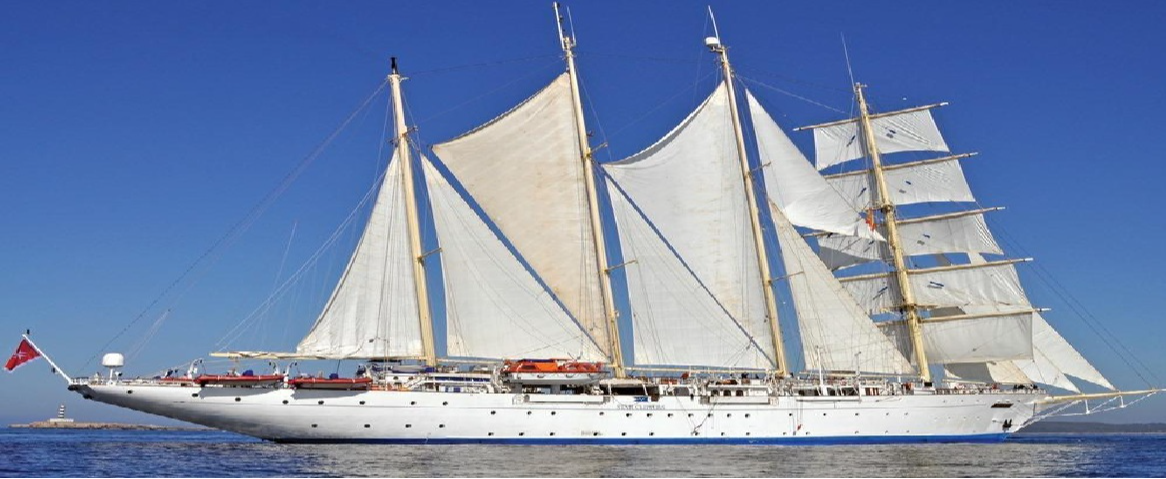
Virgin Voyages (20 Cruises)
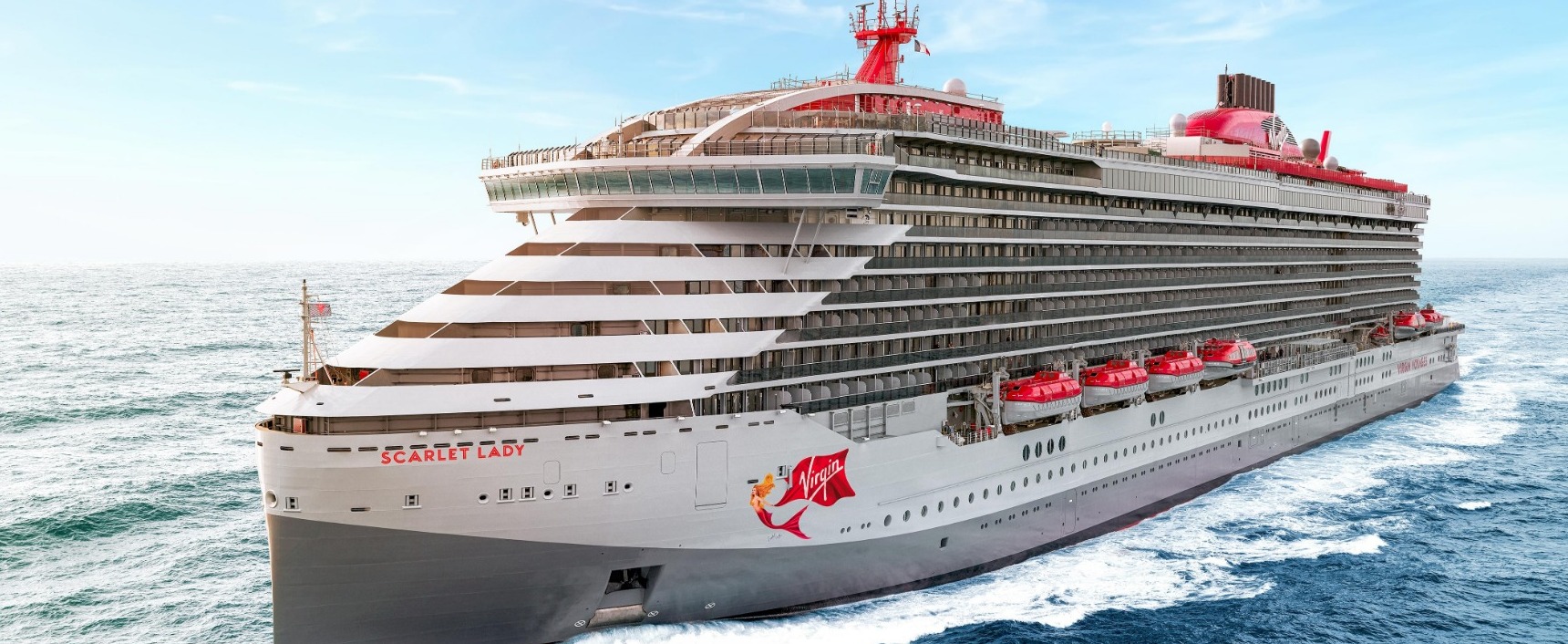
Scarlet Lady
11 Cruises
| 8 January | 7 nights | Round-trip from San Juan, Puerto Rico |
450-628-6241
Call us
|
| 22 January | 7 nights | Round-trip from San Juan, Puerto Rico |
450-628-6241
Call us
|
| 5 February | 7 nights | Round-trip from San Juan, Puerto Rico |
450-628-6241
Call us
|
| 19 February | 7 nights | Round-trip from San Juan, Puerto Rico |
450-628-6241
Call us
|
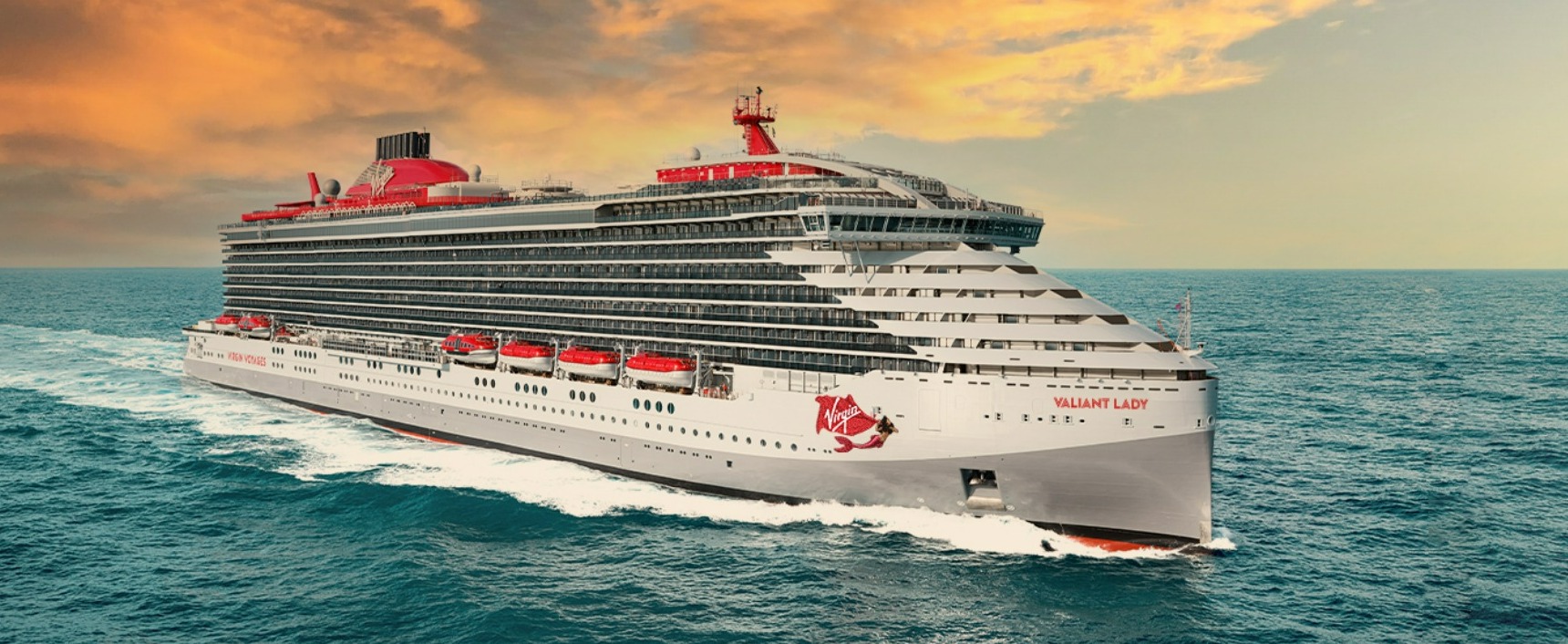
Valiant Lady
9 Cruises
| 9 January | 7 nights | Round-trip from San Juan, Puerto Rico |
450-628-6241
Call us
|
| 29 January | 8 nights | Round-trip from San Juan, Puerto Rico |
450-628-6241
Call us
|
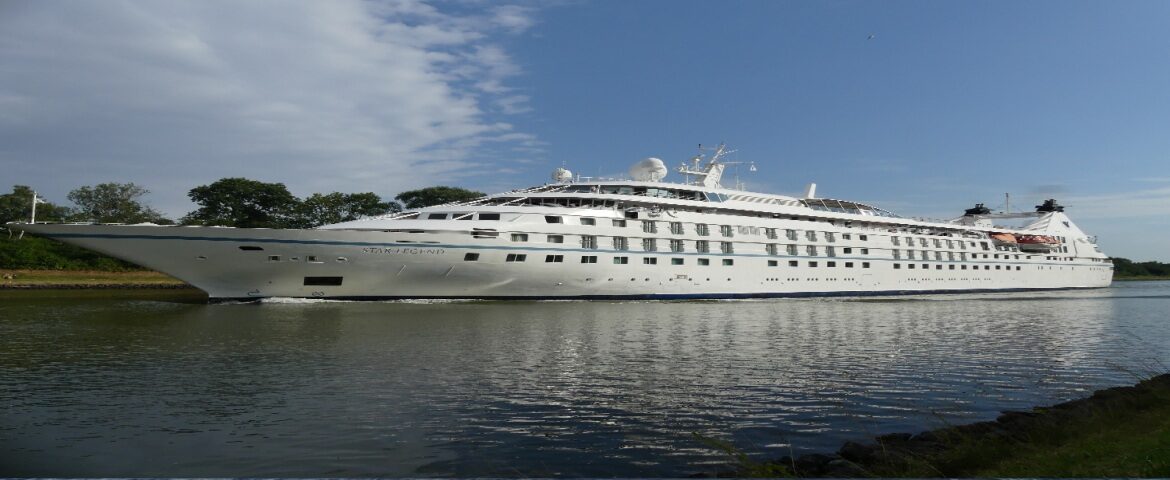
Windstar Cruises (19 Cruises)
Star Legend
9 Cruises

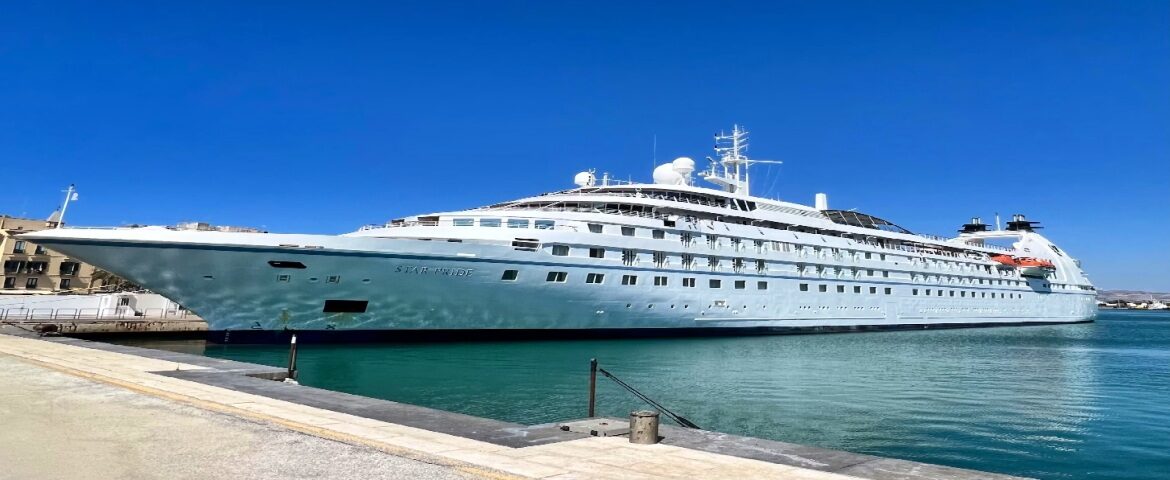
Star Pride
7 Cruises

Port of Oranjestad, Aruba | Cruise Port Guide
Frequently Asked Questions
At the capital's cruise terminal, a five-minute walk from the first streets of the centre. Rarely has a Caribbean call required so little planning: everything begins at the foot of the gangway.
On foot, or by tram. A free double-decker streetcar loops the town centre from in front of the terminal, stopping at the museums and squares. Dutch façades repainted mint green, candy pink and corn yellow line the main street.
Surfside Beach, a fifteen-minute walk along the boulevard: calm water, pale sand, perfect for a quick swim. The more famous Eagle Beach is about three kilometres away.
Eagle Beach offers a wide, barely built-up ribbon shaded by the photogenic fofoti trees that appear on half the island's posters. Palm Beach, further north, lines up hotels, palapas and watersports along five kilometres. Eagle for quiet, Palm for activity.
By taxi, with posted fixed fares, or by public bus from the terminal-side station for a few florins. Chairs and umbrellas can be rented on site, though the natural shade of the fofoti trees stays free for early risers.
The oldest building on the island, raised in 1798, with its Willem III tower. It houses the historical museum: half an hour well spent understanding this rock's past, contested by Spanish, English and Dutch before it prospered on oil refining and then on visitors.
Arikok National Park, covering nearly a fifth of the island: columnar cactus, free-roaming goats, lava hills and a windward coast where waves burst against the cliffs. The Conchi natural pool is earned by four-wheel-drive, on a half-day outing.
Because of the trade wind, which never tires here. The divi-divi trees grow bent to the west, shaped by the wind like living weathervanes. That same wind tempers the sun and keeps most hurricanes away, giving the island a rare climatic steadiness for the Caribbean.
Papiamento, an official language alongside Dutch, blending Portuguese, Spanish and old African words. English and Spanish circulate just as freely. Bon bini — welcome — greets travellers on the signs.
Very much so. The free tram, a beach fifteen minutes away, the calm water at Surfside and the compact town centre reduce logistics to a minimum. The Arikok excursion, though, is a bumpy four-wheel-drive ride — not suited to very young children.


