San Juan Puerto Rico
1602
Cruises availables
At departure or passage at this port
Azamara Club Cruises (37 Cruises)
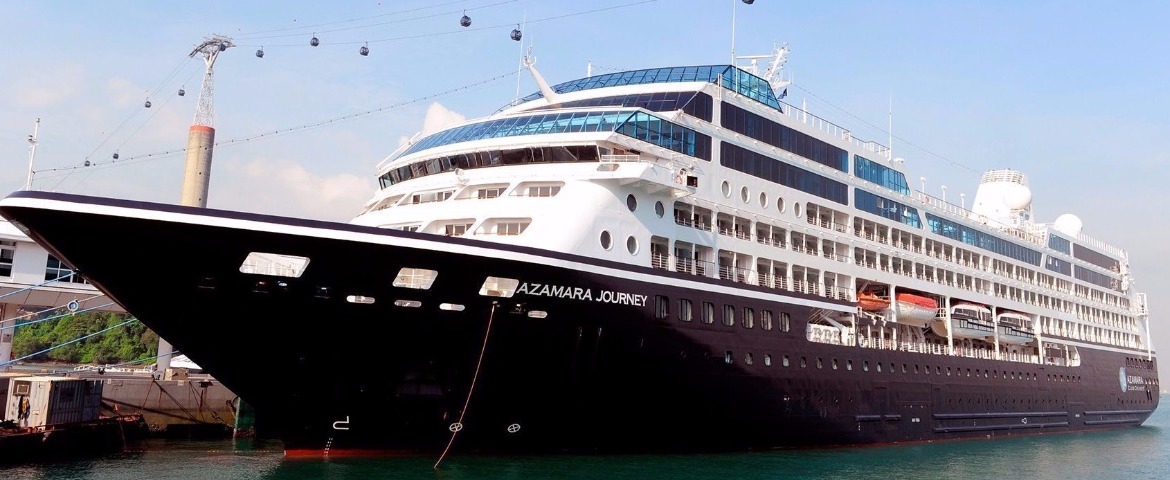
Azamara Journey
17 Cruises

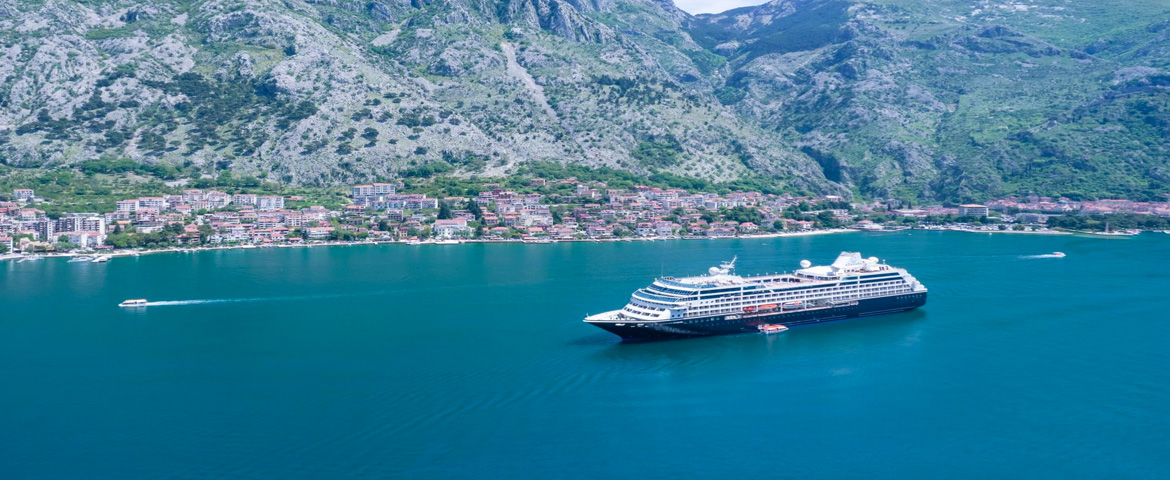
Azamara Quest
19 Cruises

Carnival Cruise Line (108 Cruises)
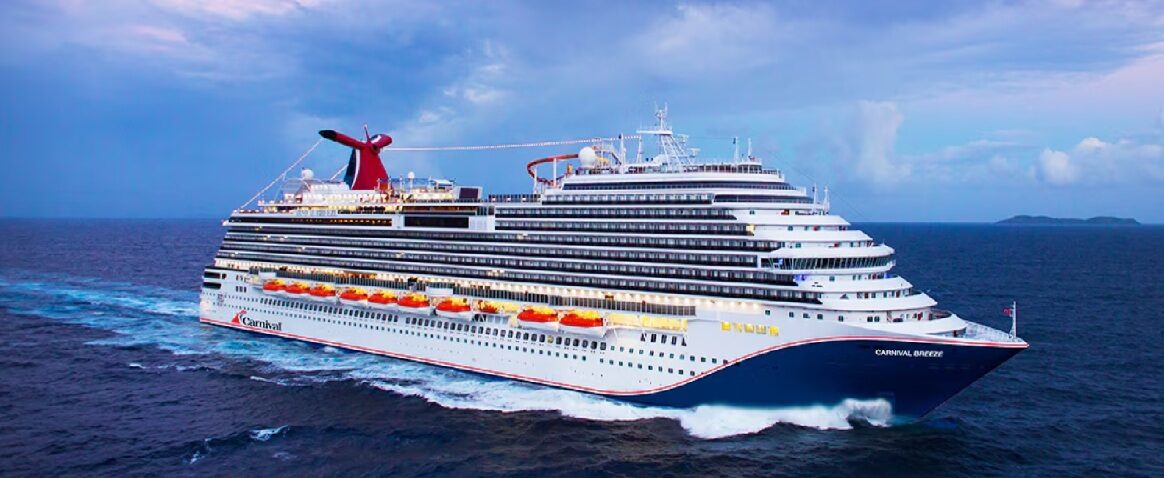


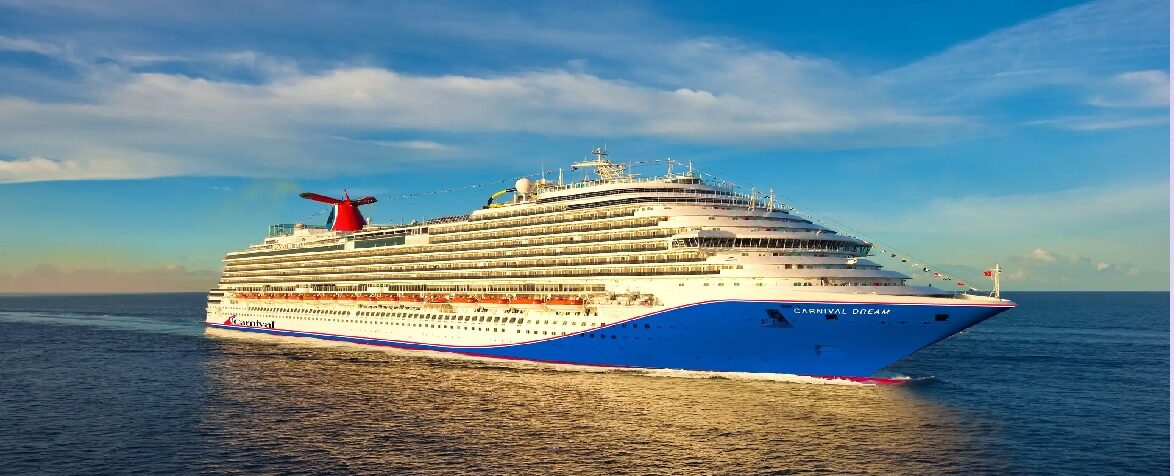
Carnival Festivale
17 Cruises
| 10 July | 8 nights | Round-trip from Port Canaveral, USA |
450-628-6241
Call us
|
| 24 July | 8 nights | Round-trip from Port Canaveral, USA |
450-628-6241
Call us
|
| 7 August | 8 nights | Round-trip from Port Canaveral, USA |
450-628-6241
Call us
|
| 21 August | 8 nights | Round-trip from Port Canaveral, USA |
450-628-6241
Call us
|
| 16 October | 8 nights | Round-trip from Port Canaveral, USA |
450-628-6241
Call us
|
| 30 October | 8 nights | Round-trip from Port Canaveral, USA |
450-628-6241
Call us
|
Carnival Magic
20 Cruises
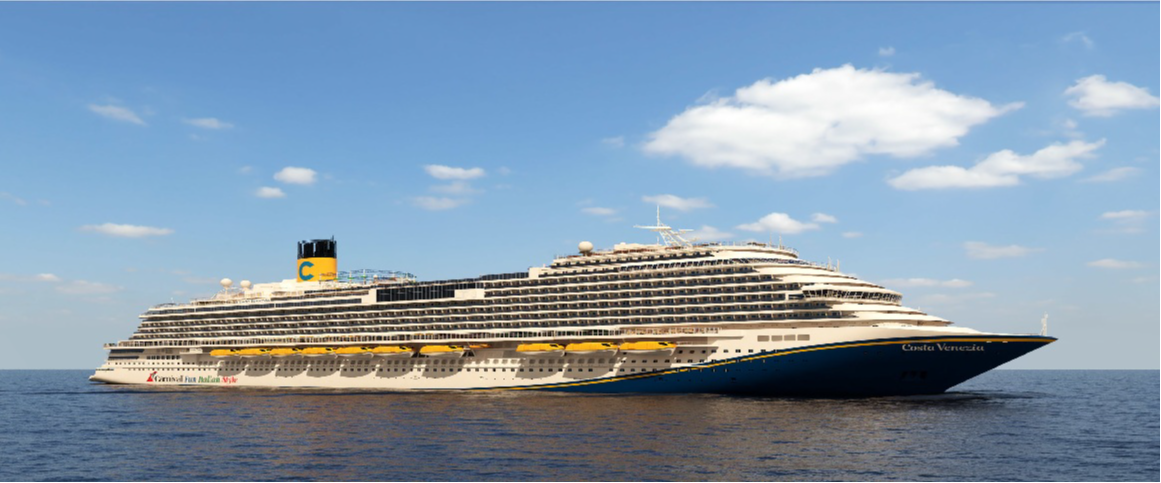
Carnival Venezia
13 Cruises
| 7 February | 7 nights | Round-trip from Port Canaveral, USA |
From
790$
|
| 21 February | 14 nights | Round-trip from Port Canaveral, USA |
From
1555$
|
| 7 March | 7 nights | Round-trip from Port Canaveral, USA |
From
881$
|
| 21 March | 7 nights | Round-trip from Port Canaveral, USA |
From
1000$
|
Carnival Vista
26 Cruises

| 1 May | 8 nights | Round-trip from Port Canaveral, USA |
From
1156$
|
| 9 May | 7 nights | Round-trip from Port Canaveral, USA |
From
878$
|
| 5 June | 7 nights | Round-trip from Port Canaveral, USA |
From
1336$
|
| 19 June | 7 nights | Round-trip from Port Canaveral, USA |
From
1350$
|
| 10 July | 7 nights | Round-trip from Port Canaveral, USA |
From
1336$
|
| 31 July | 7 nights | Round-trip from Port Canaveral, USA |
From
1154$
|
| 4 September | 7 nights | Round-trip from Port Canaveral, USA |
From
805$
|
| 25 September | 7 nights | Round-trip from Port Canaveral, USA |
From
793$
|

Celebrity Cruises (47 Cruises)
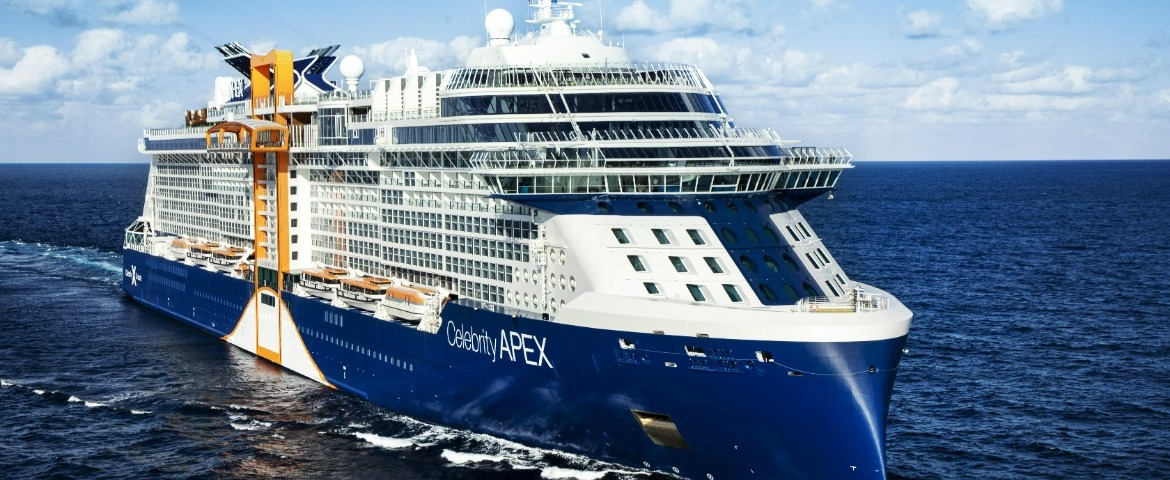

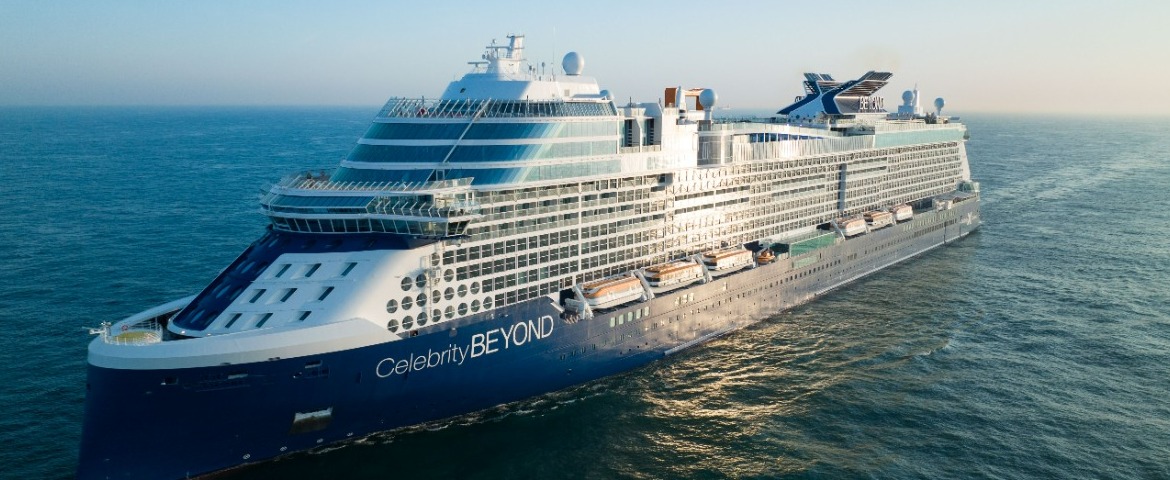
Celebrity Constellation
21 Cruises
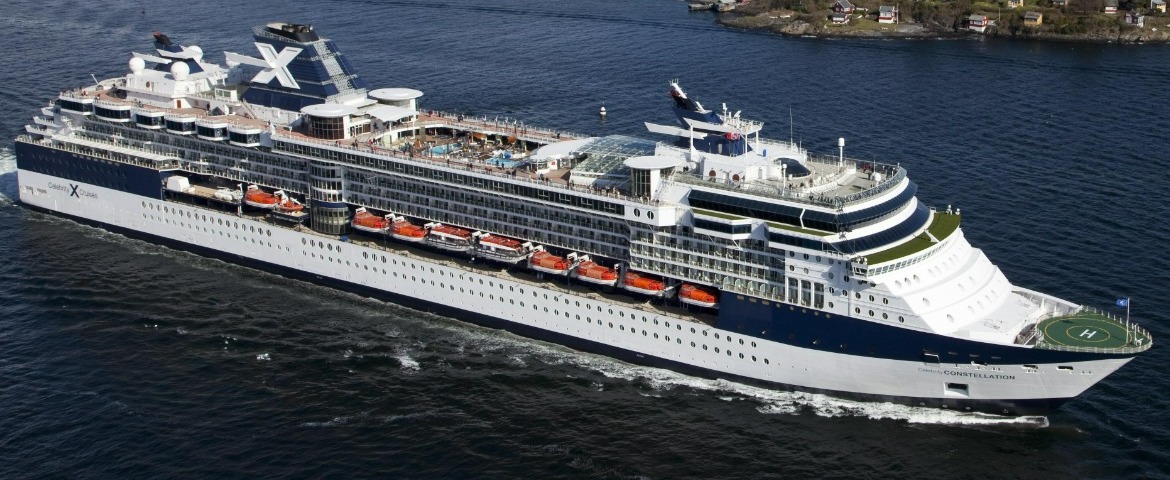
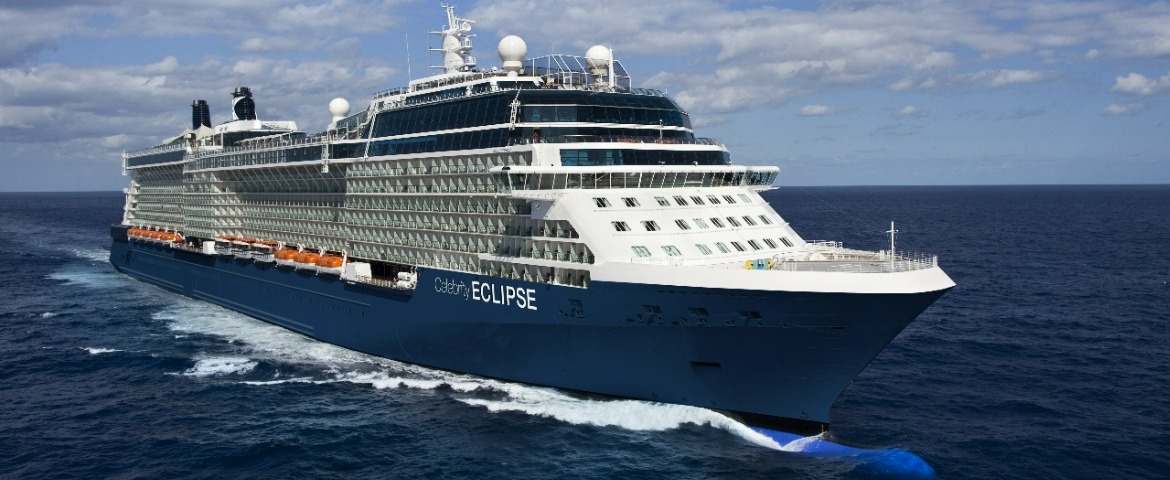
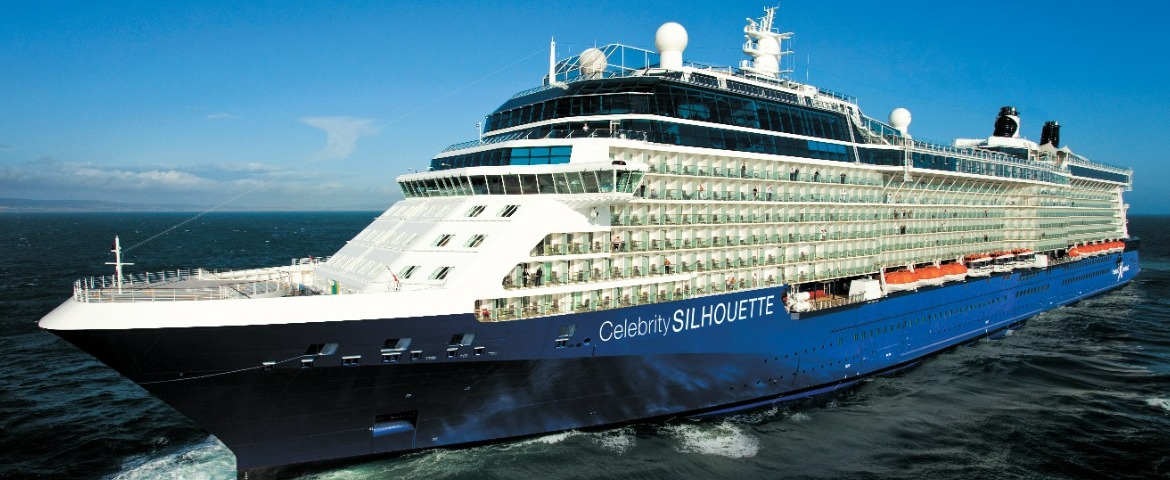
Celebrity Summit
12 Cruises
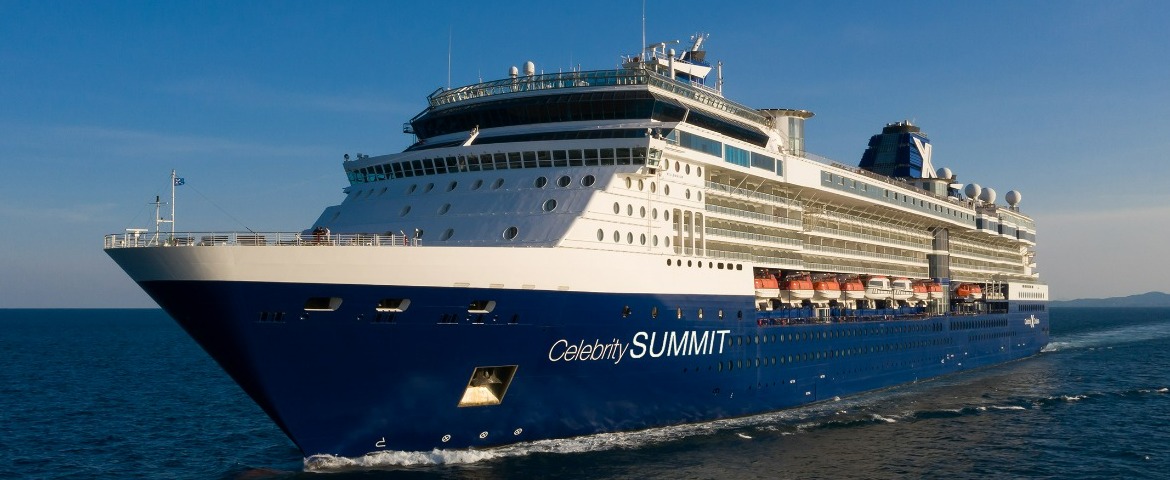
| 20 October | 9 nights | One-way from Boston to San Juan |
450-628-6241
Call us
|
| 29 October | 9 nights | Round-trip from San Juan, Puerto Rico |
From
956$
|
Costa Cruises (14 Cruises)
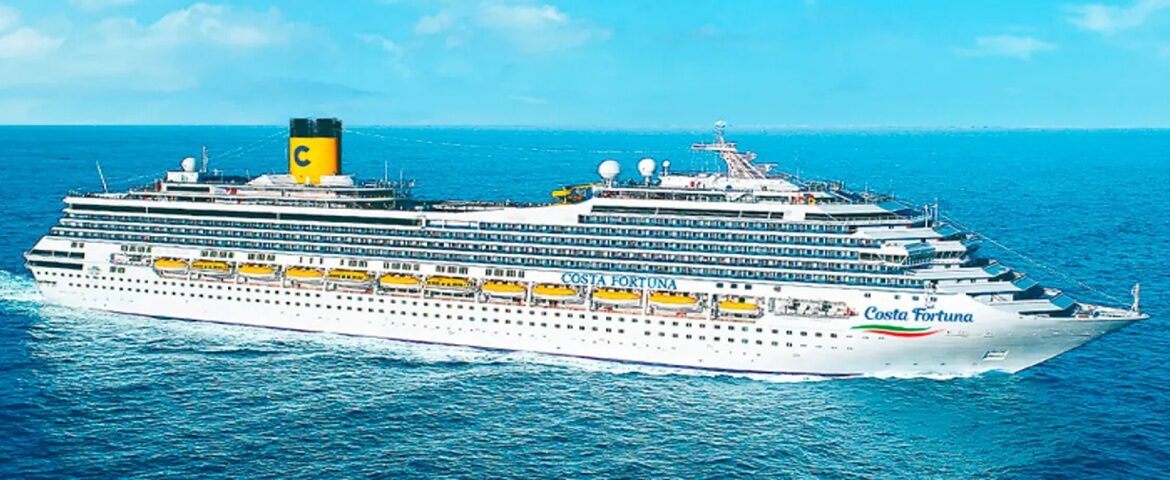
Costa Fortuna
14 Cruises

| 9 January | 7 nights | Round-trip from Miami, USA |
450-628-6241
Call us
|
| 16 January | 7 nights | Round-trip from Miami, USA |
450-628-6241
Call us
|
| 3 April | 7 nights | Round-trip from Miami, USA |
450-628-6241
Call us
|
| 24 April | 7 nights | Round-trip from Miami, USA |
450-628-6241
Call us
|
| 5 June | 7 nights | Round-trip from Miami, USA |
450-628-6241
Call us
|
| 19 June | 7 nights | Round-trip from Miami, USA |
450-628-6241
Call us
|
Crystal Cruises (44 Cruises)
Crystal Serenity
22 Cruises


Crystal Symphony
22 Cruises

| 4 November | 7 nights | One-way from San Juan to Fort Lauderdale |
450-628-6241
Call us
|
| 24 November | 9 nights | Round-trip from Fort Lauderdale, USA |
450-628-6241
Call us
|
| 8 November | 14 nights | One-way from Lisbon to Fort Lauderdale |
450-628-6241
Call us
|
| 22 November | 27 nights | Round-trip from Fort Lauderdale, USA |
450-628-6241
Call us
|
Cunard (9 Cruises)
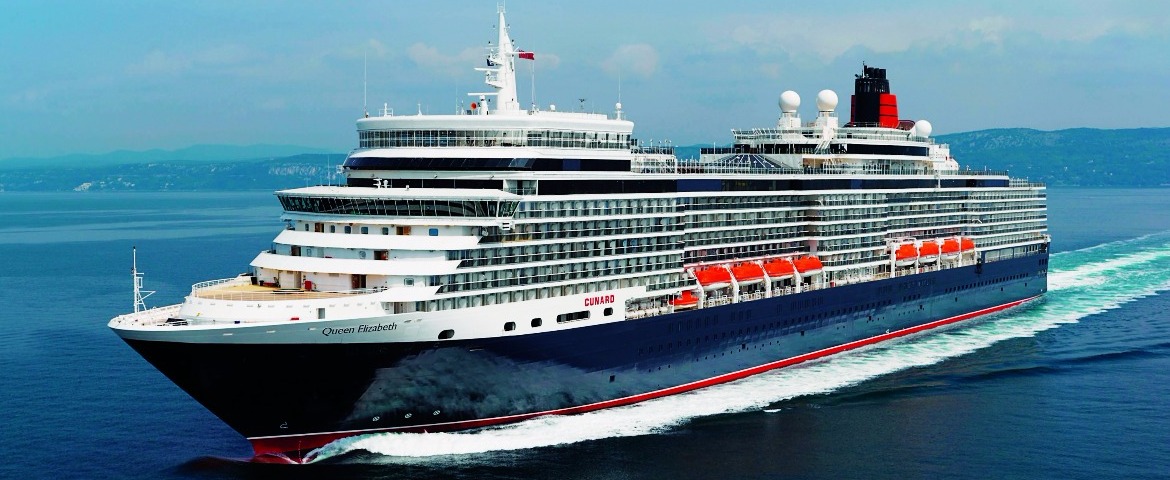
Queen Elizabeth
9 Cruises

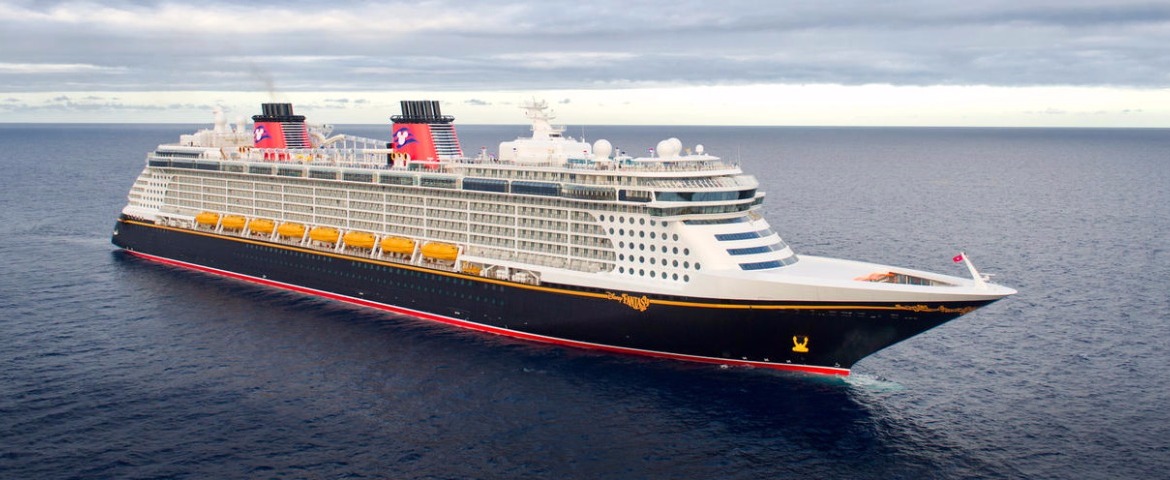
Disney Cruise Line (15 Cruises)




Emerald Waterways (59 Cruises)
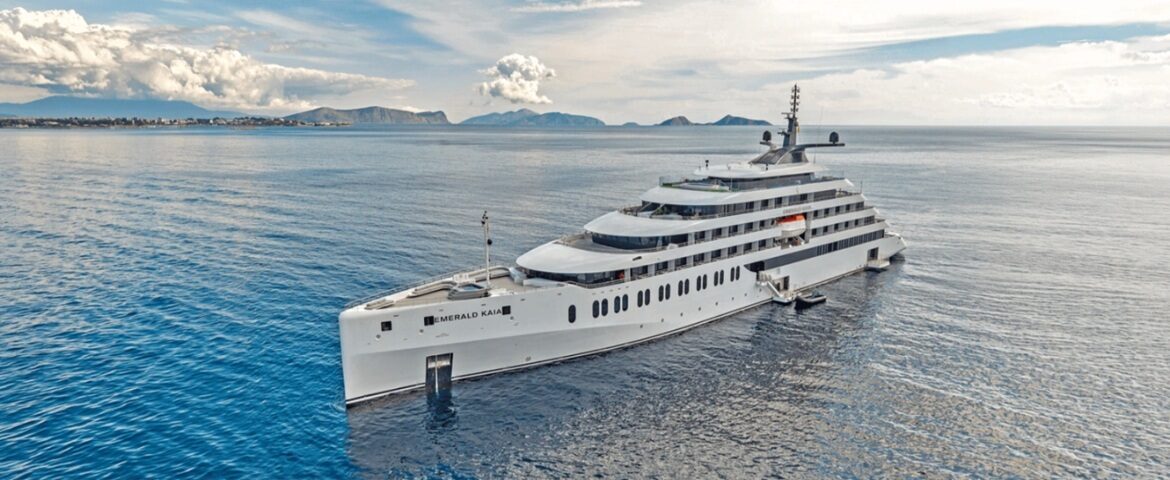
Emerald Kaia
49 Cruises

| 11 February | 9 nights | One-way from Miami to San Juan |
450-628-6241
Call us
|
| 20 February | 9 nights | One-way from San Juan to Miami |
450-628-6241
Call us
|
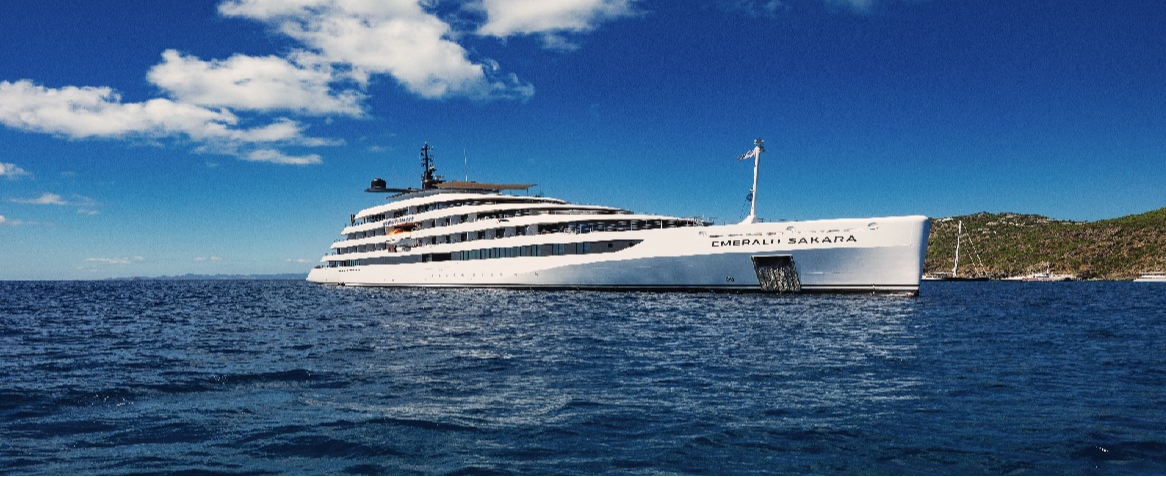
Emerald Sakara
10 Cruises
| 3 January | 6 nights | One-way from St Thomas Island USVI to San Juan |
450-628-6241
Call us
|
| 9 January | 7 nights | One-way from San Juan to St Thomas Island USVI |
450-628-6241
Call us
|
| 6 February | 7 nights | One-way from St Thomas Island USVI to San Juan |
450-628-6241
Call us
|
| 13 February | 7 nights | One-way from San Juan to St Thomas Island USVI |
450-628-6241
Call us
|
Explora Journeys (104 Cruises)
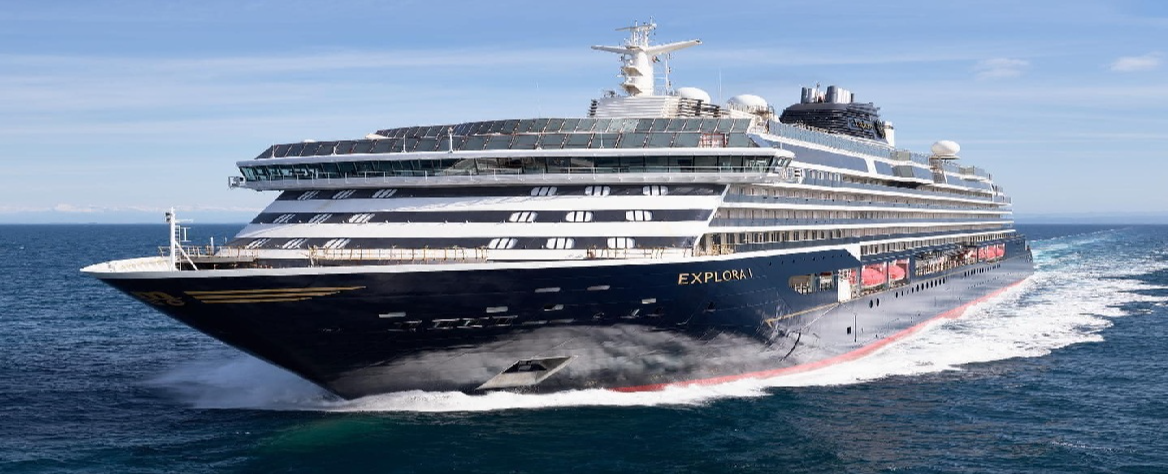
Explora I
24 Cruises

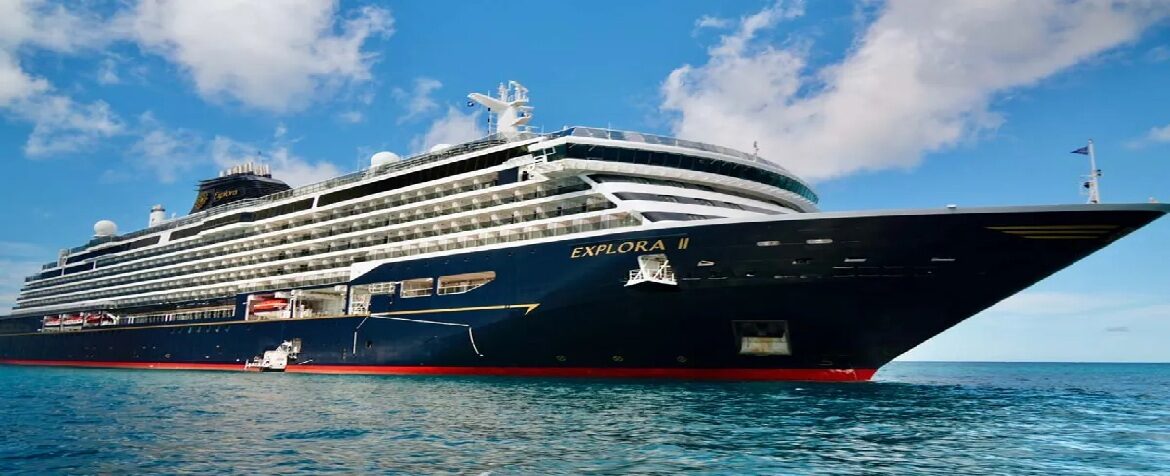
Explora II
16 Cruises
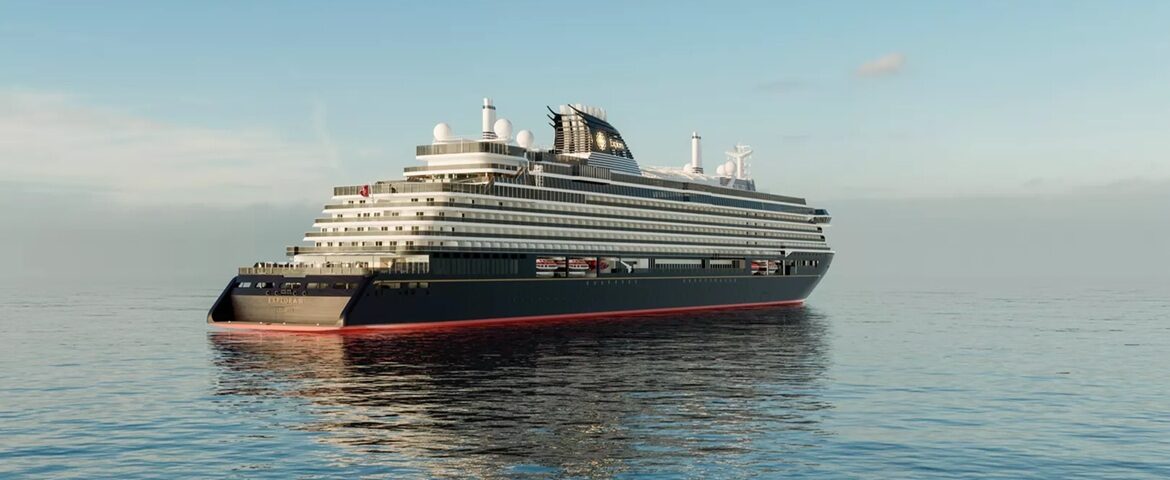
Explora III
41 Cruises
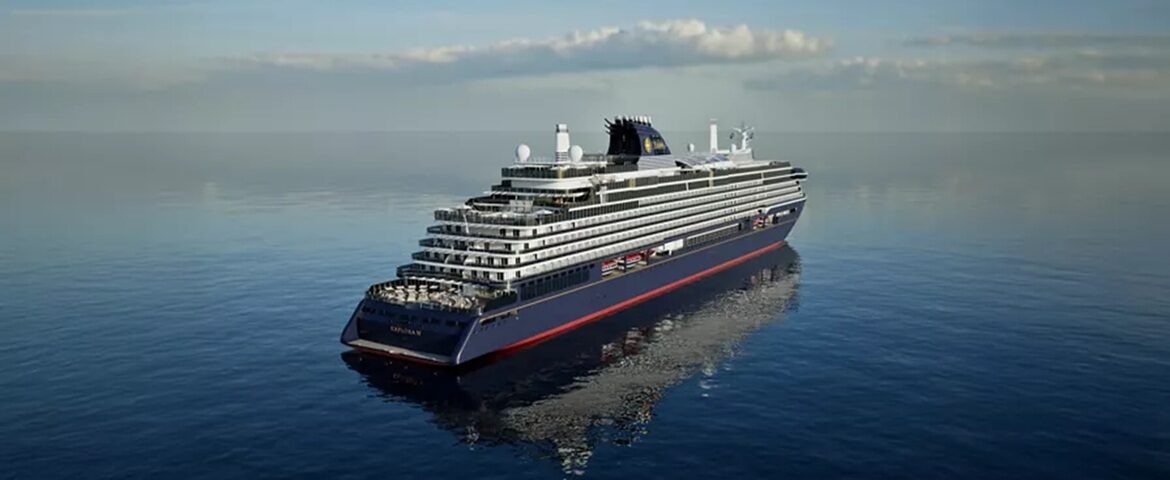
Explora IV
23 Cruises
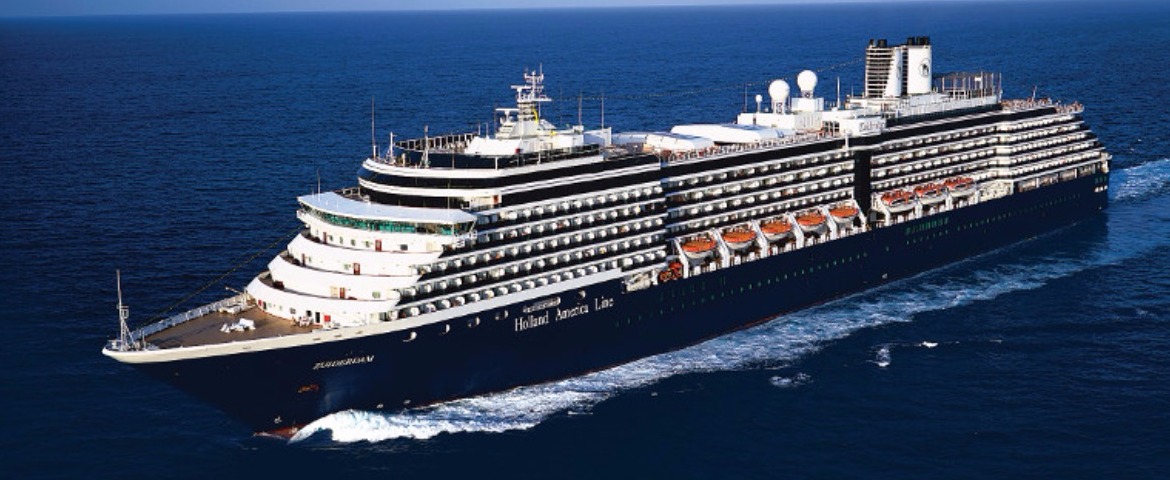
Holland America Line (79 Cruises)
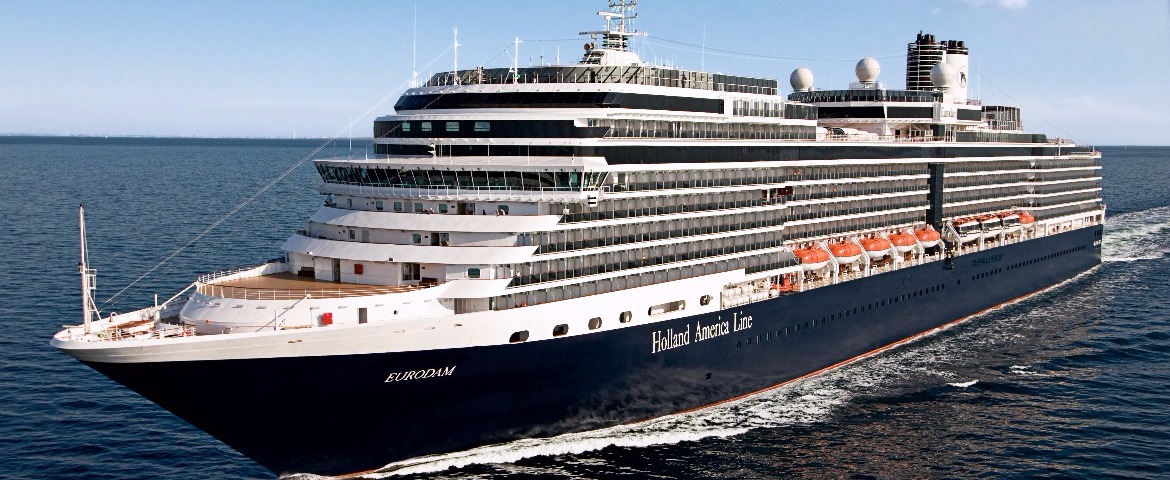
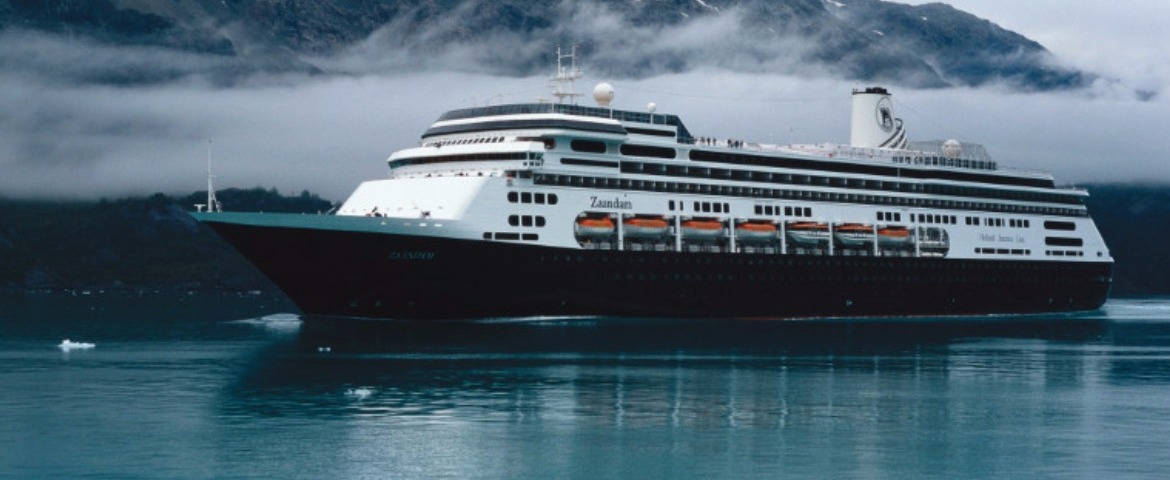
ms Eurodam
17 Cruises

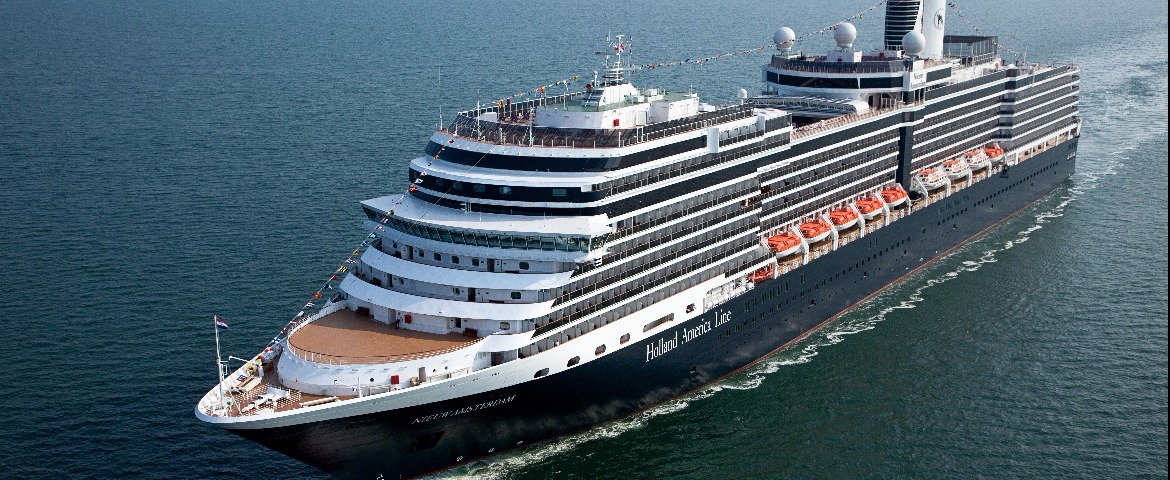
ms Nieuw Amsterdam
9 Cruises
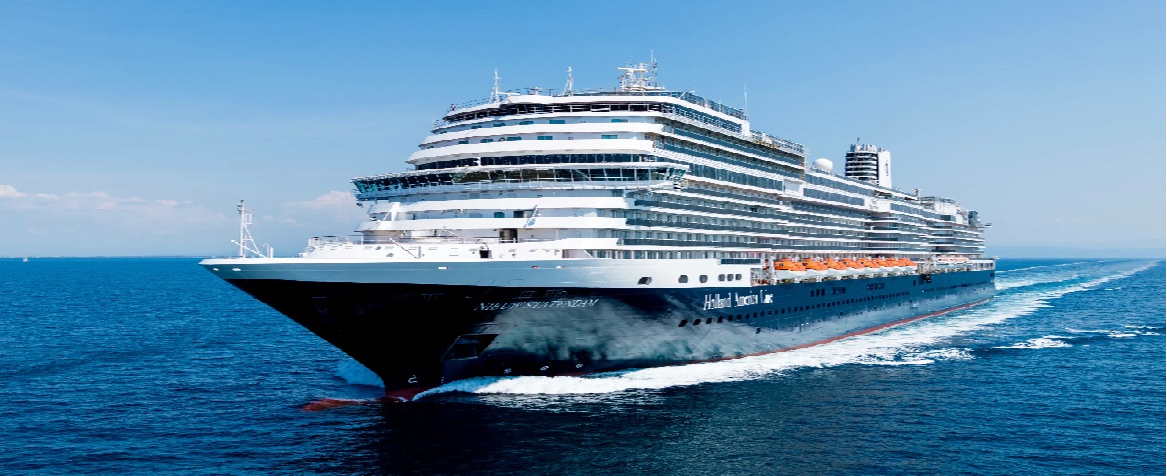
ms Nieuw Statendam
9 Cruises
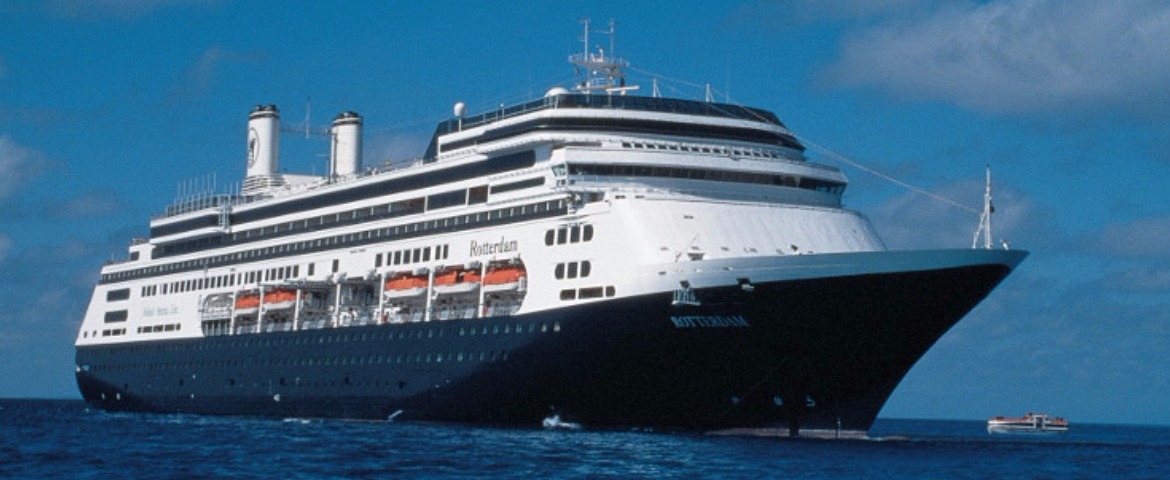
ms Rotterdam
26 Cruises
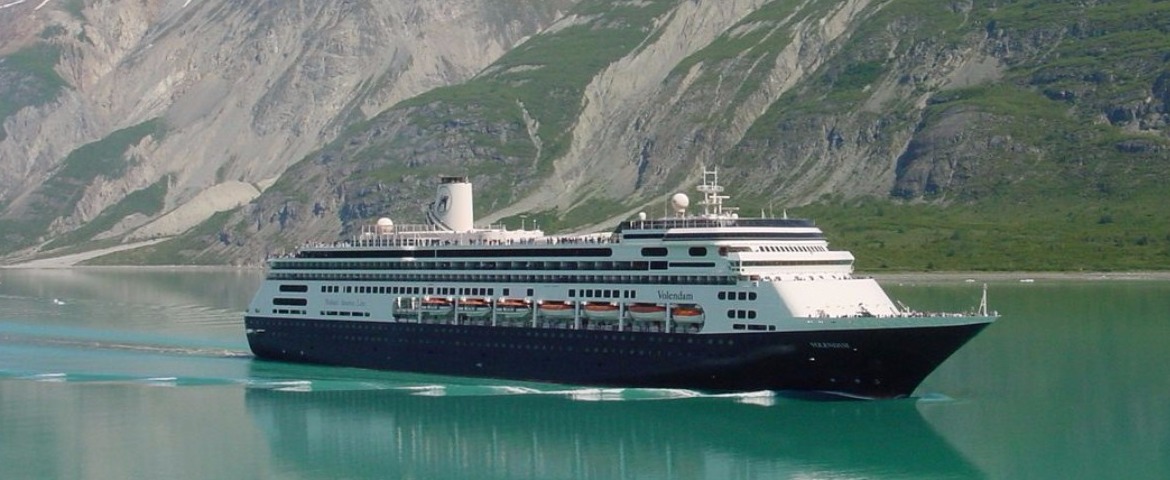
Margaritaville at Sea (14 Cruises)
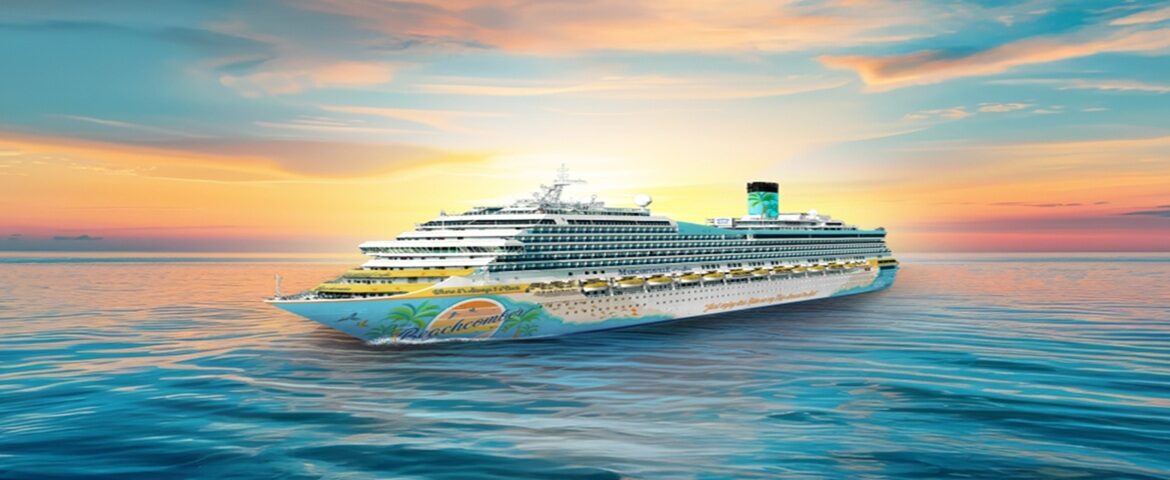
Beachcomber
14 Cruises

| 9 January | 7 nights | Round-trip from Miami, USA |
450-628-6241
Call us
|
| 16 January | 7 nights | Round-trip from Miami, USA |
450-628-6241
Call us
|
| 3 April | 7 nights | Round-trip from Miami, USA |
450-628-6241
Call us
|
| 24 April | 7 nights | Round-trip from Miami, USA |
450-628-6241
Call us
|
| 5 June | 7 nights | Round-trip from Miami, USA |
450-628-6241
Call us
|
| 19 June | 7 nights | Round-trip from Miami, USA |
450-628-6241
Call us
|
MSC Cruises (175 Cruises)


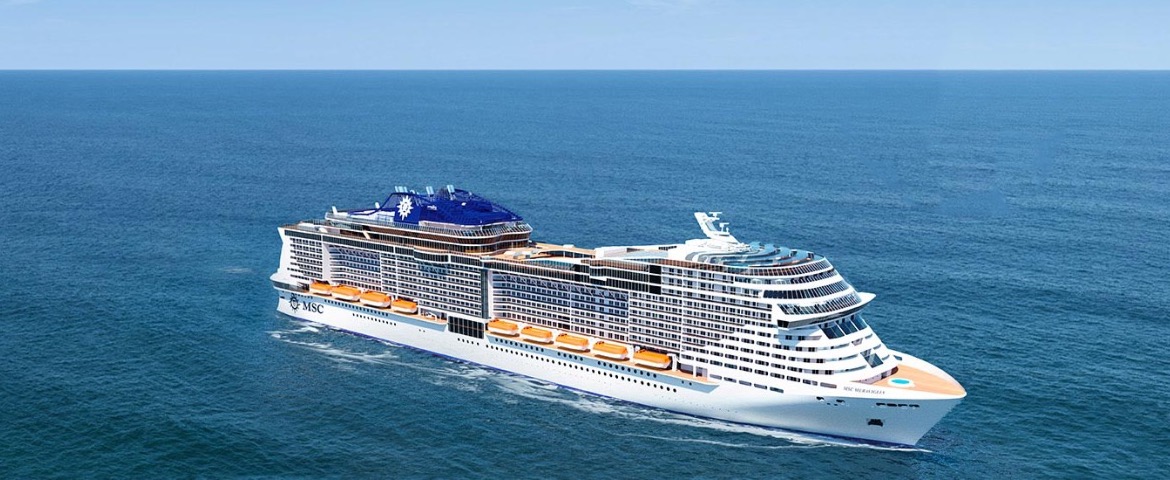
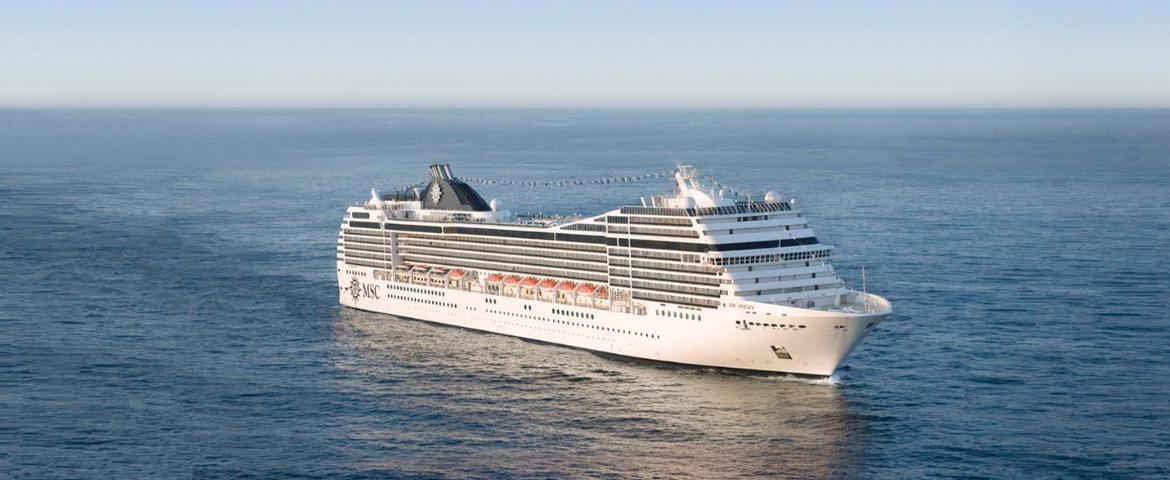

MSC World America
157 Cruises

| 31 October | 7 nights | Round-trip from Miami, USA |
450-628-6241
Call us
|
| 31 October | 14 nights | Round-trip from Miami, USA |
From
1861$
|
Norwegian Cruise Line (99 Cruises)


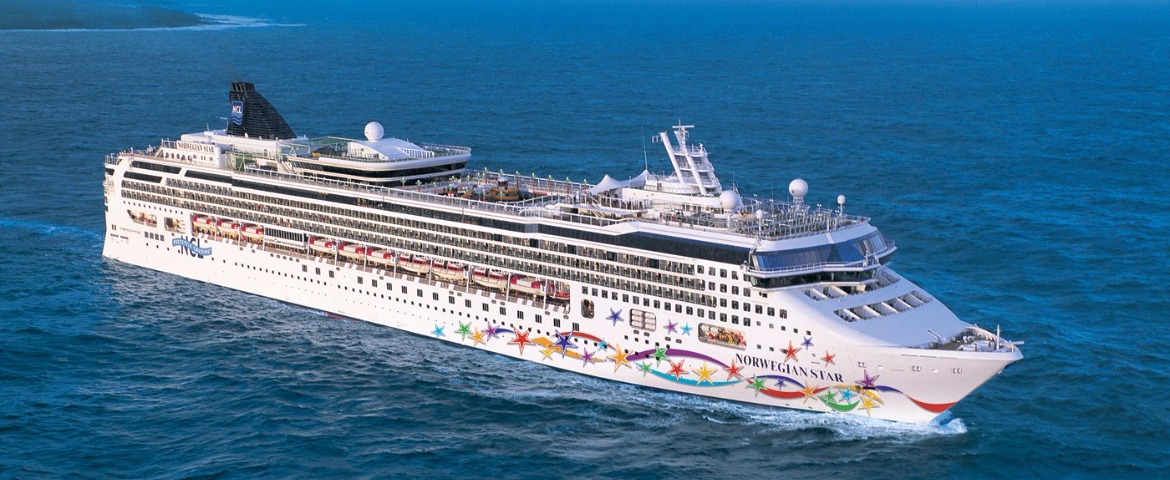
Norwegian Bliss
16 Cruises
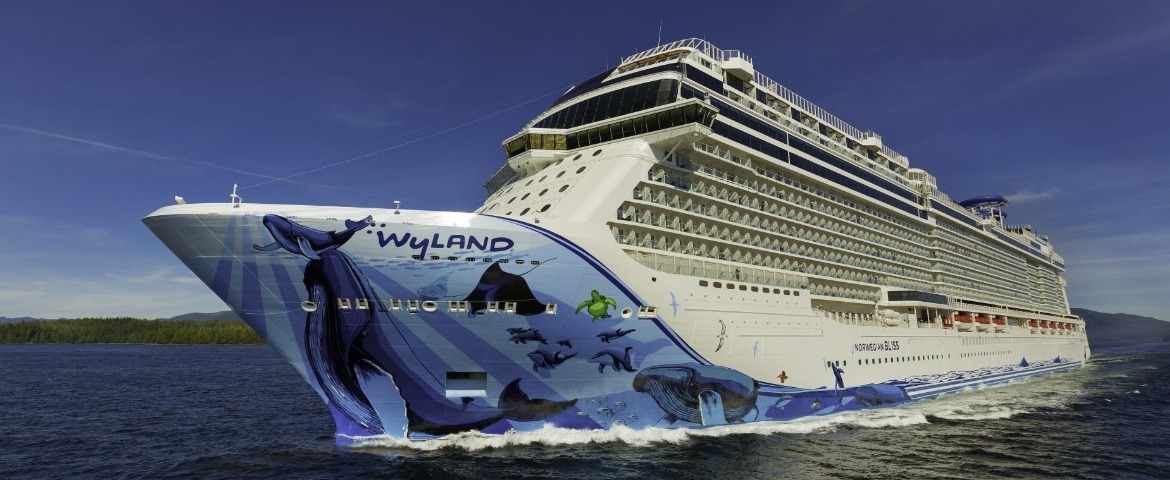
Norwegian Dawn
6 Cruises
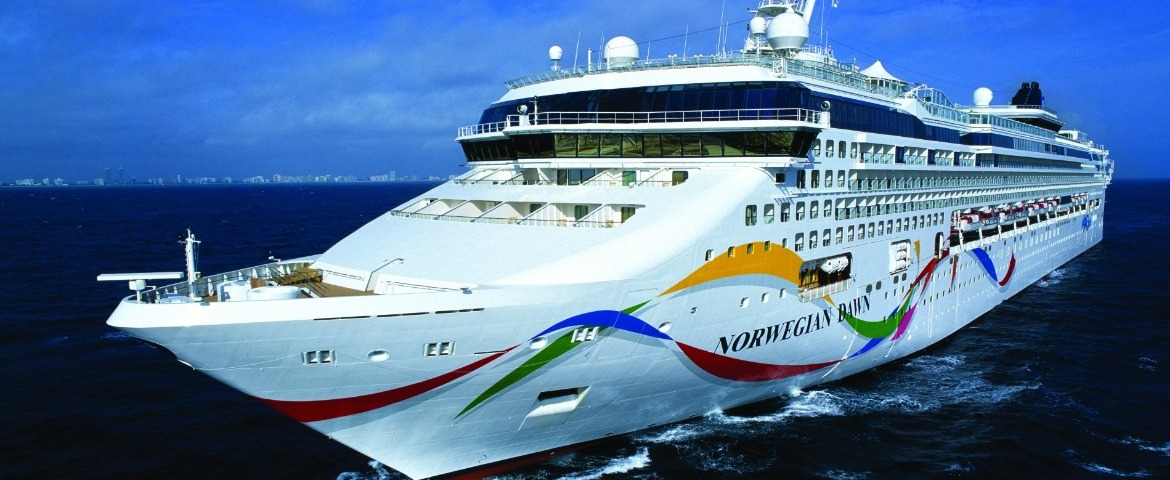
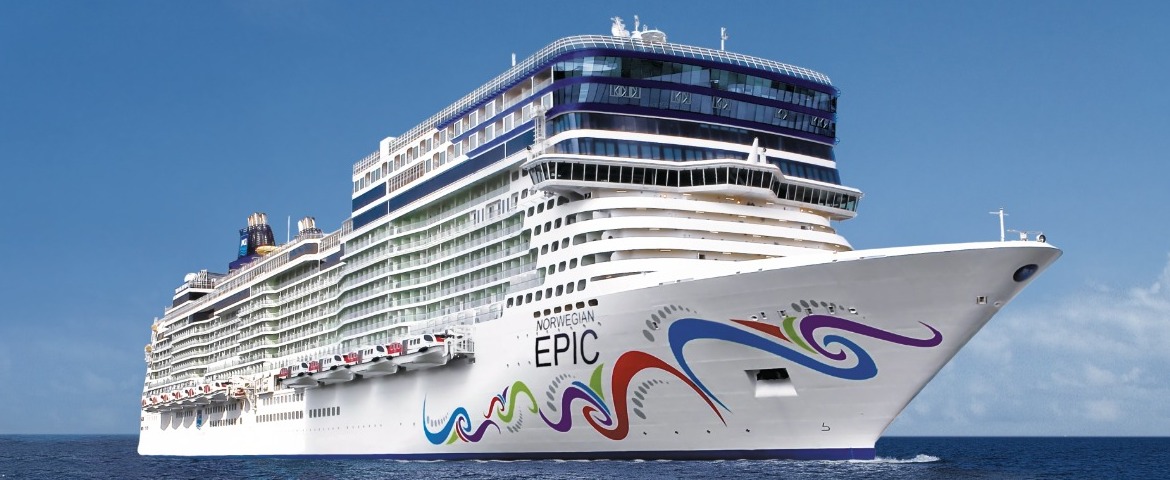
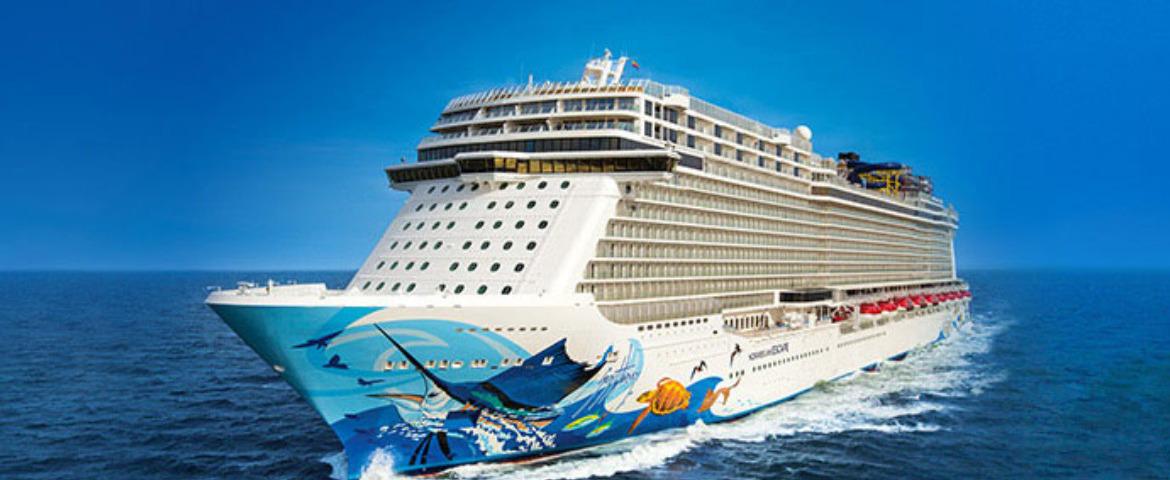
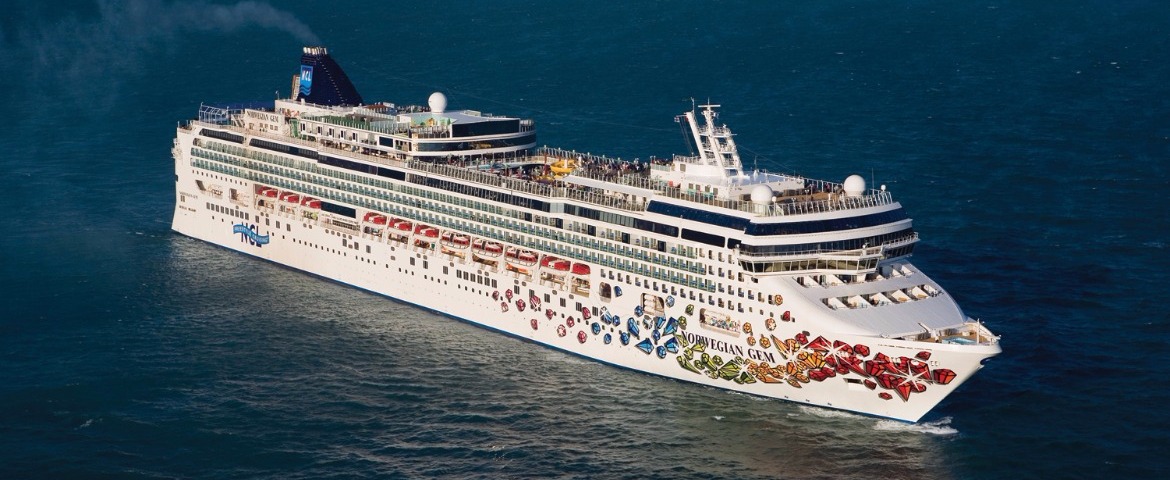

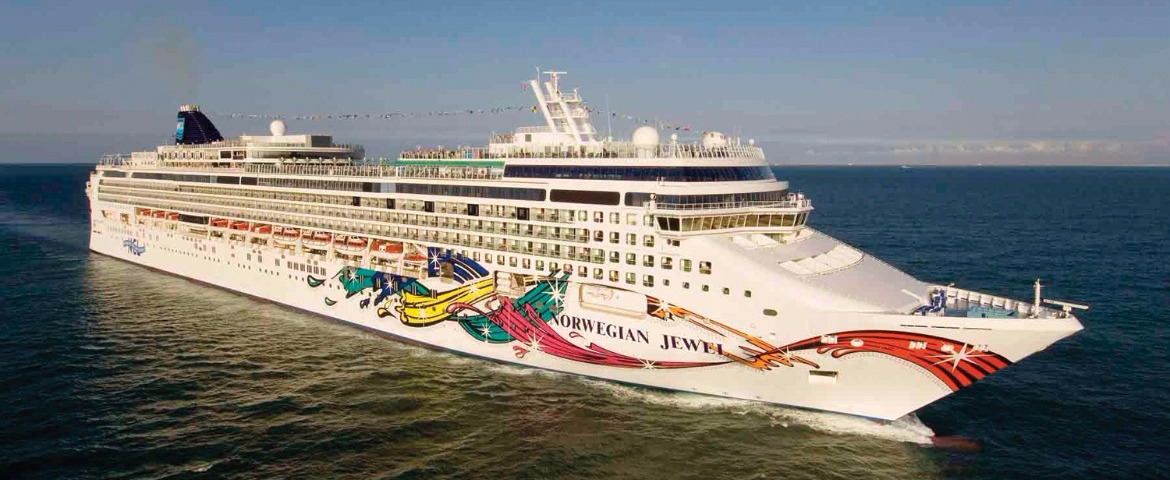
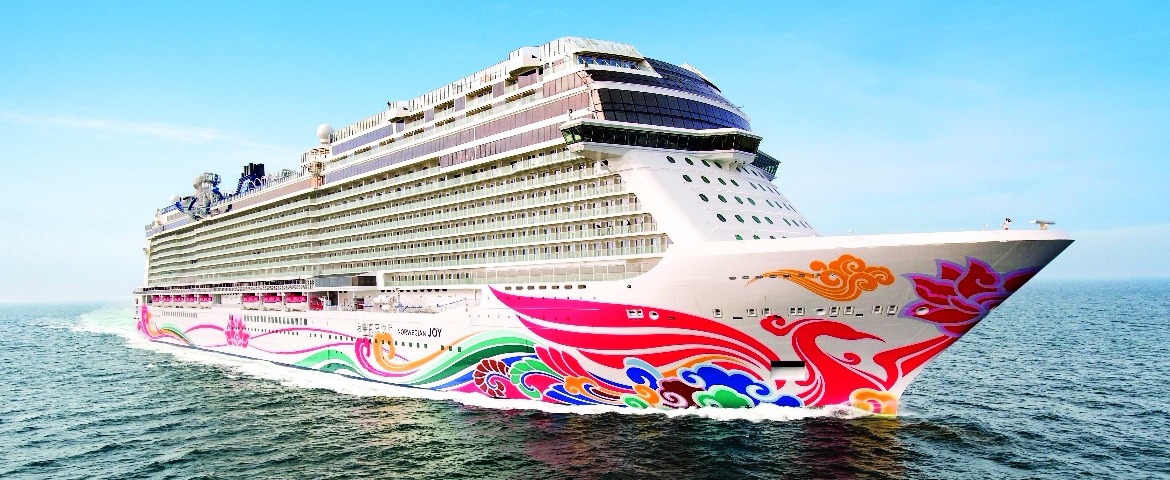
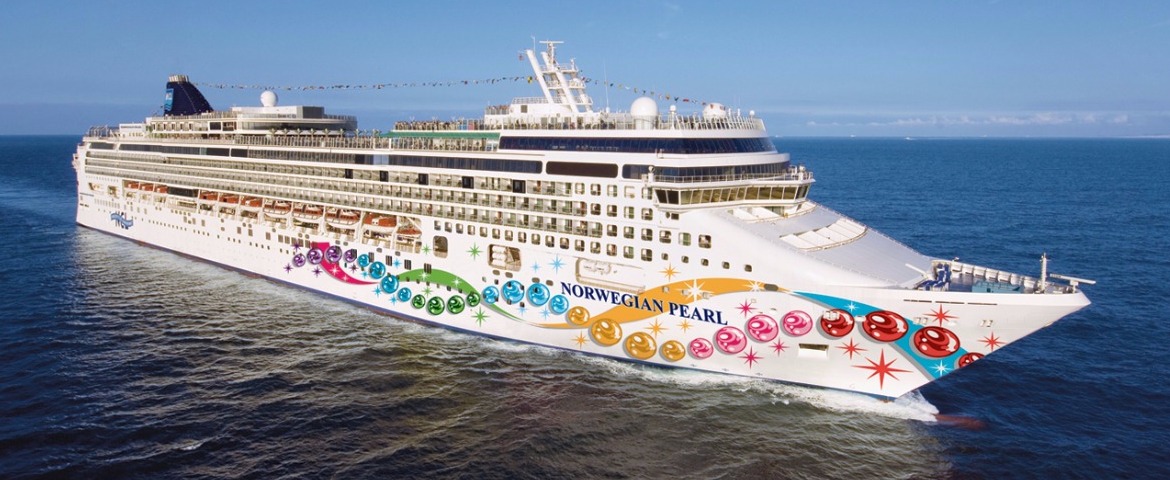
Norwegian Pearl
19 Cruises
| 3 January | 10 nights | Round-trip from Philadelphia, USA |
From
574$
|
| 13 January | 10 nights | Round-trip from Philadelphia, USA |
From
560$
|
| 23 January | 10 nights | Round-trip from Philadelphia, USA |
From
631$
|
| 2 February | 10 nights | Round-trip from Philadelphia, USA |
From
659$
|
| 20 February | 10 nights | Round-trip from Philadelphia, USA |
From
701$
|
| 3 January | 12 nights | Round-trip from Philadelphia, USA |
From
645$
|
| 15 January | 12 nights | Round-trip from Philadelphia, USA |
From
743$
|
| 27 January | 11 nights | Round-trip from Philadelphia, USA |
From
722$
|
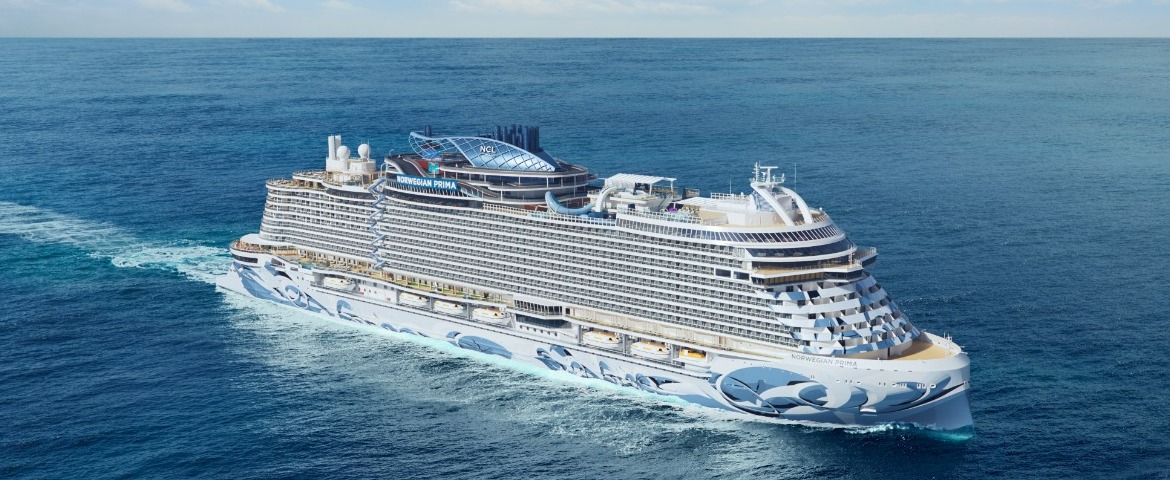
Norwegian Prima
47 Cruises
Oceania Cruises (44 Cruises)

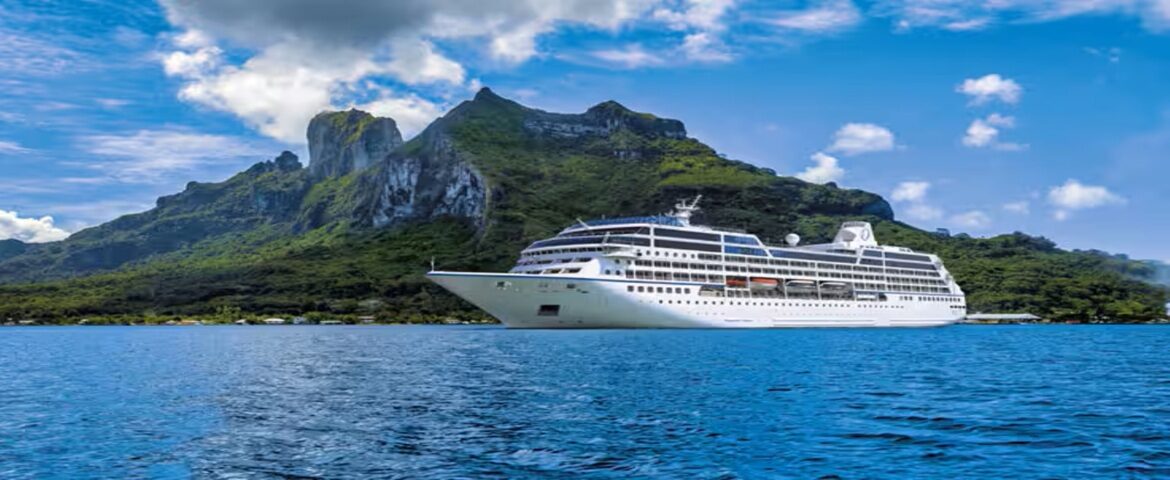
Oceania Insignia
5 Cruises
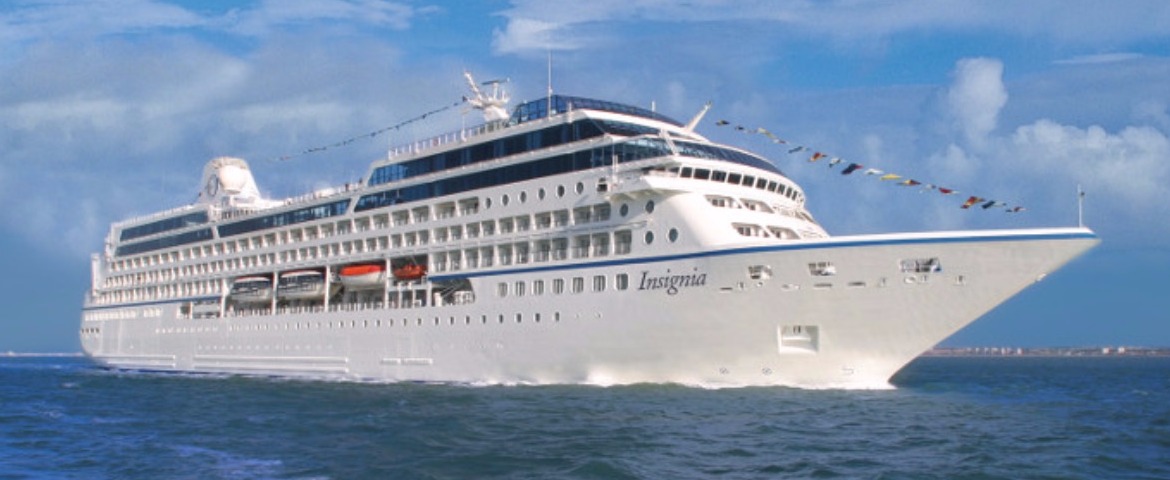
Oceania Marina
10 Cruises
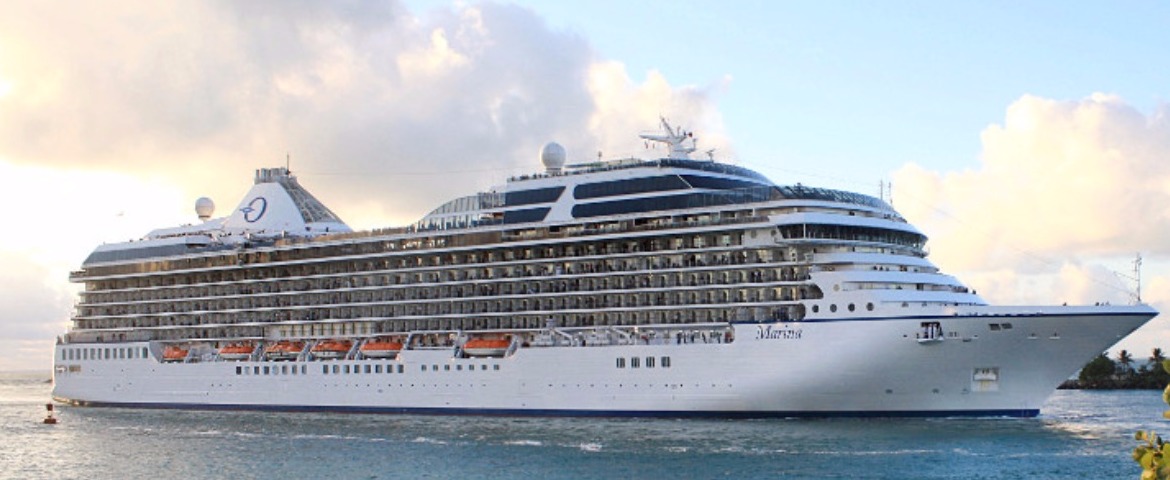
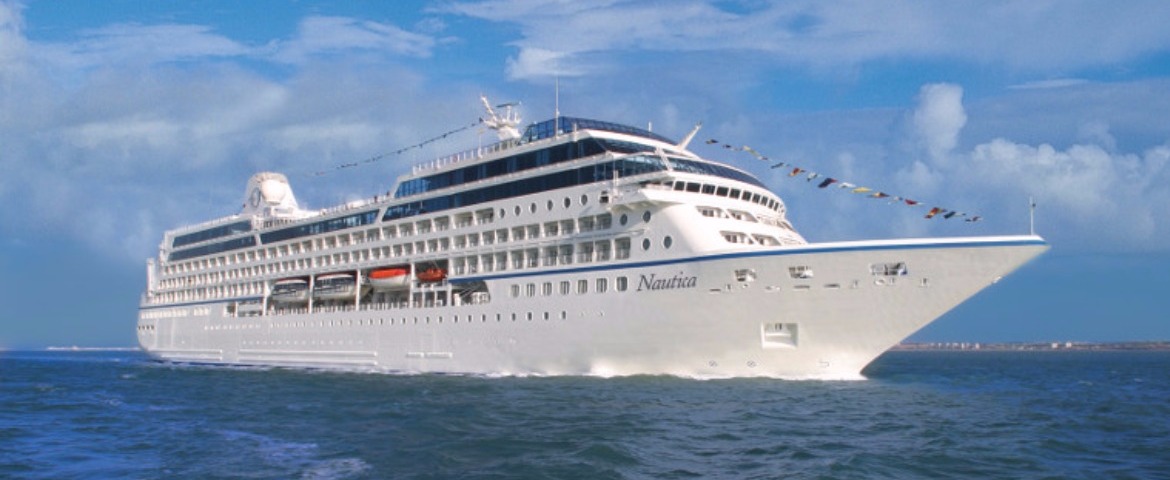
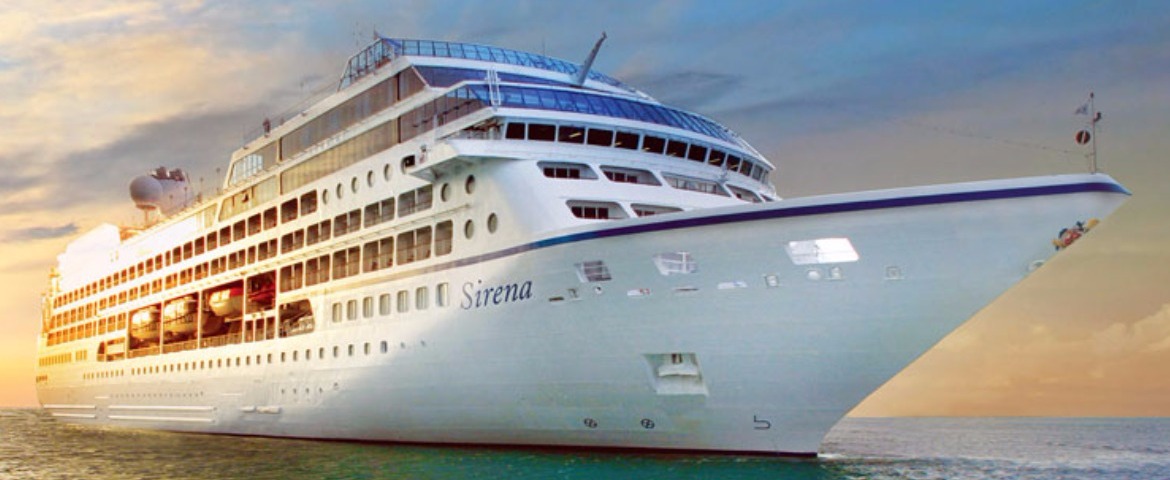
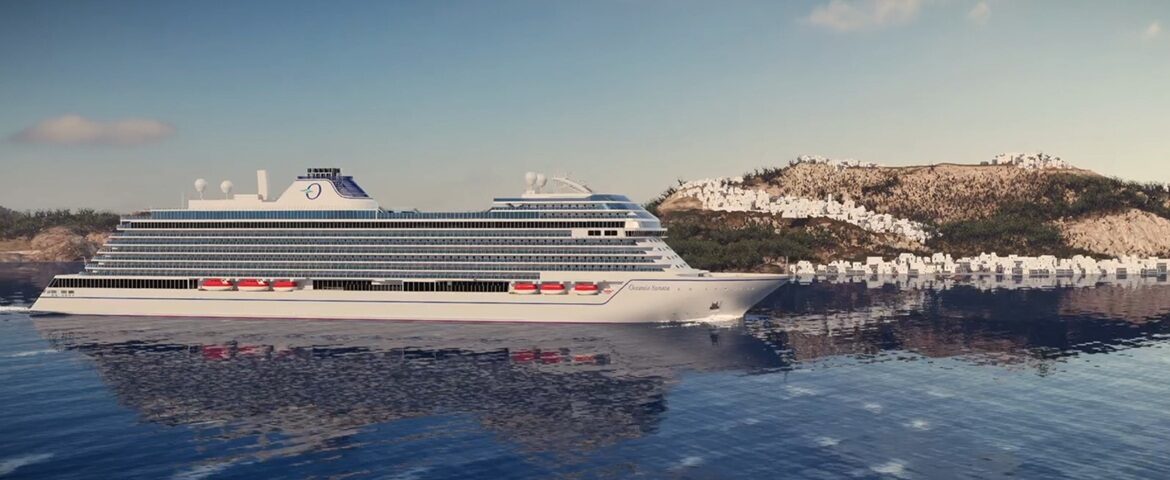
Oceania Sonata
9 Cruises
| 2 February | 10 nights | Round-trip from Miami, USA |
450-628-6241
Call us
|
| 19 February | 11 nights | Round-trip from Miami, USA |
450-628-6241
Call us
|
| 1 March | 10 nights | Round-trip from Miami, USA |
450-628-6241
Call us
|
| 1 March | 17 nights | Round-trip from Miami, USA |
450-628-6241
Call us
|
Princess Cruises (240 Cruises)
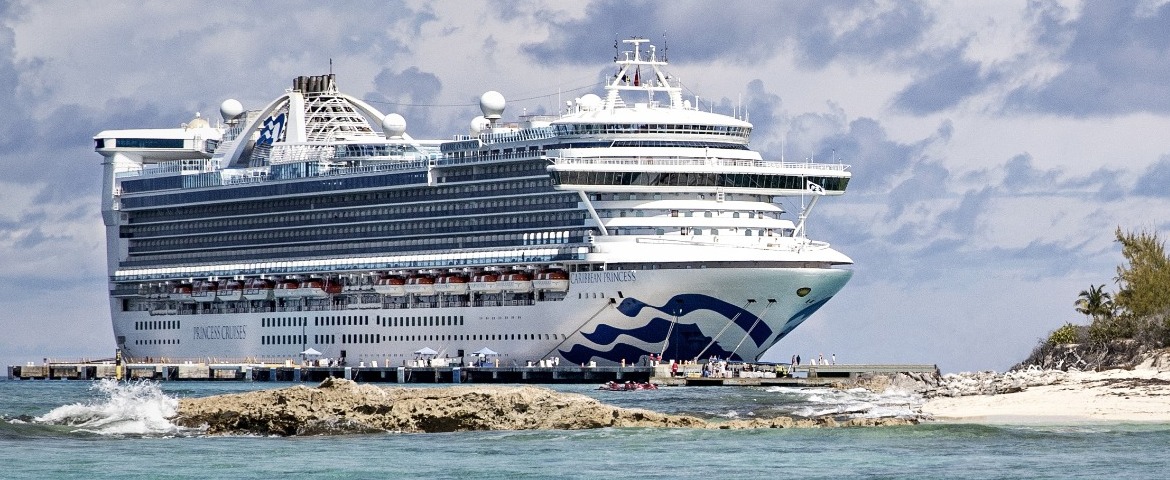

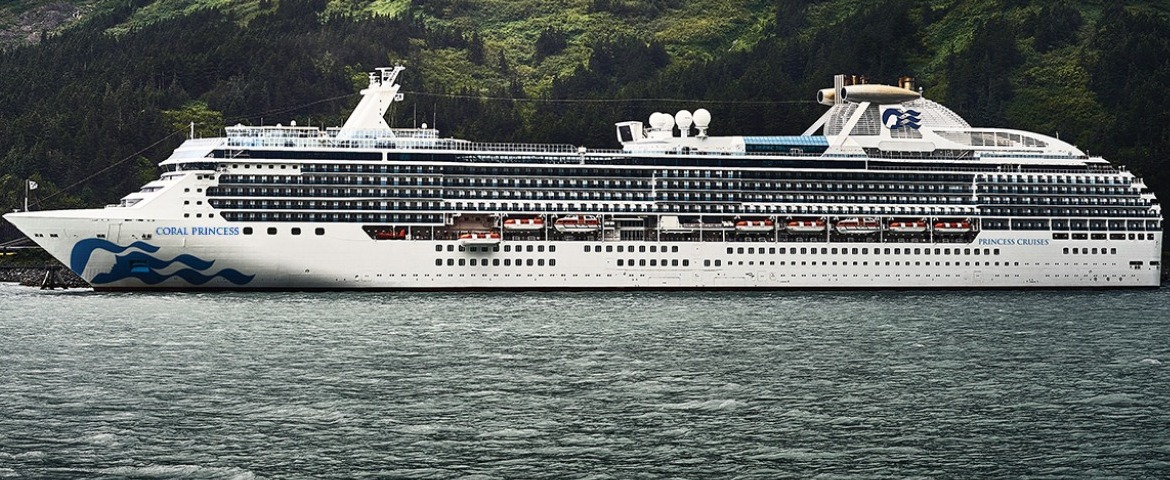
Crown Princess
40 Cruises
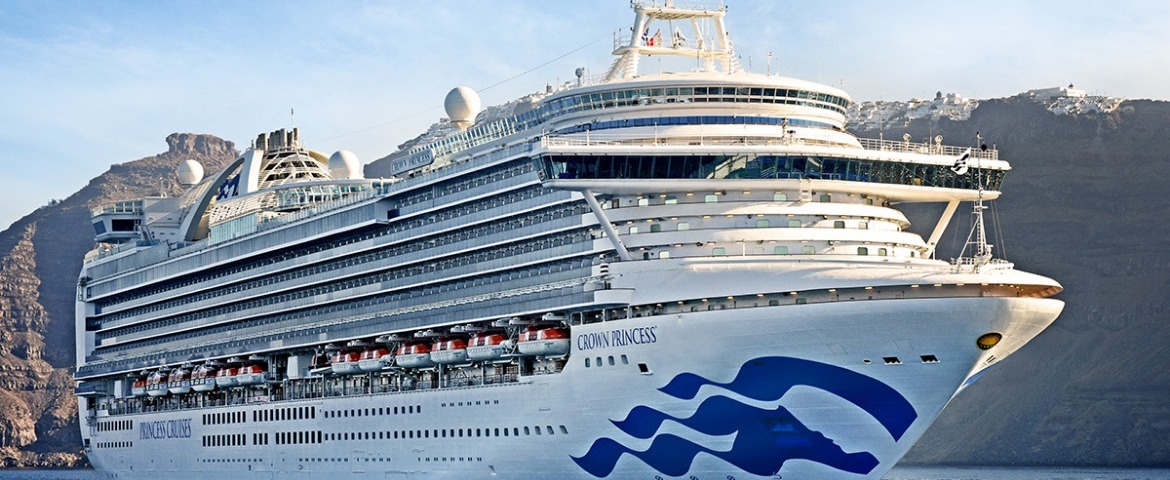
Emerald Princess
57 Cruises
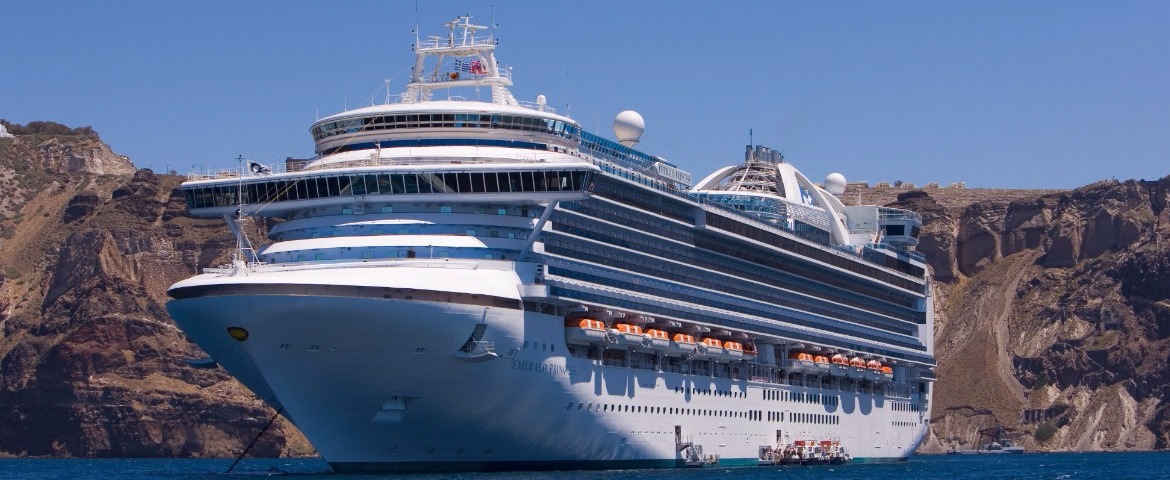
Enchanted Princess
16 Cruises
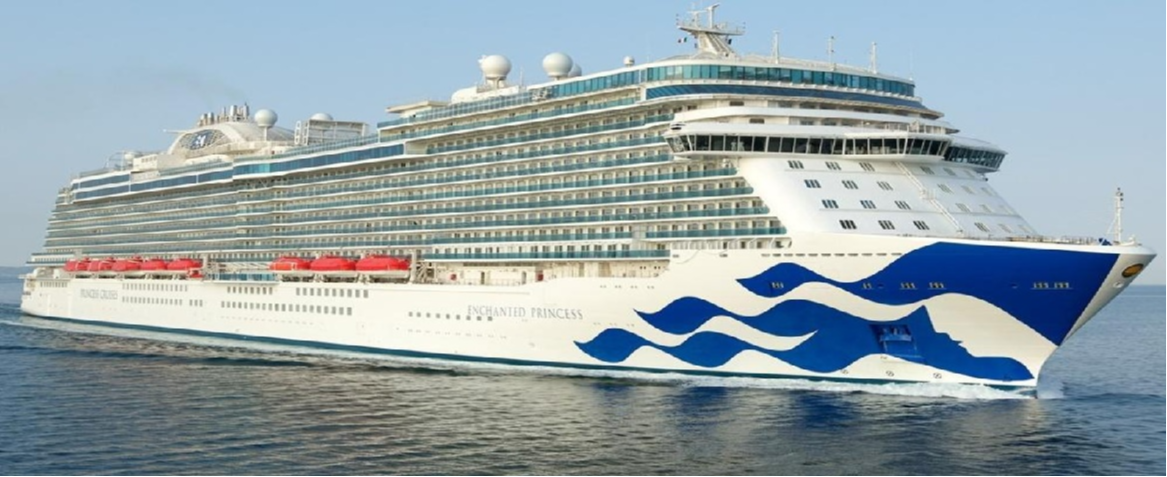
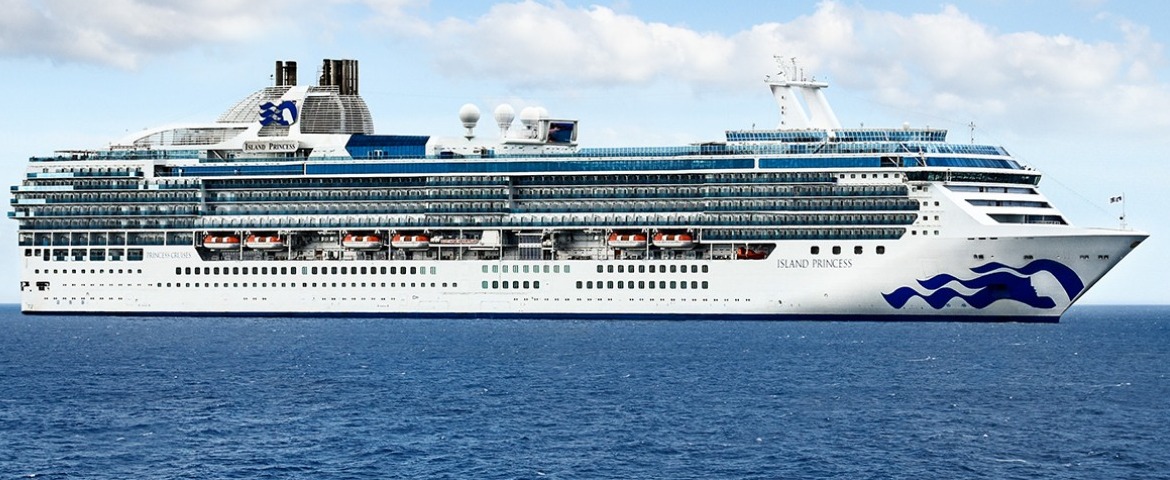
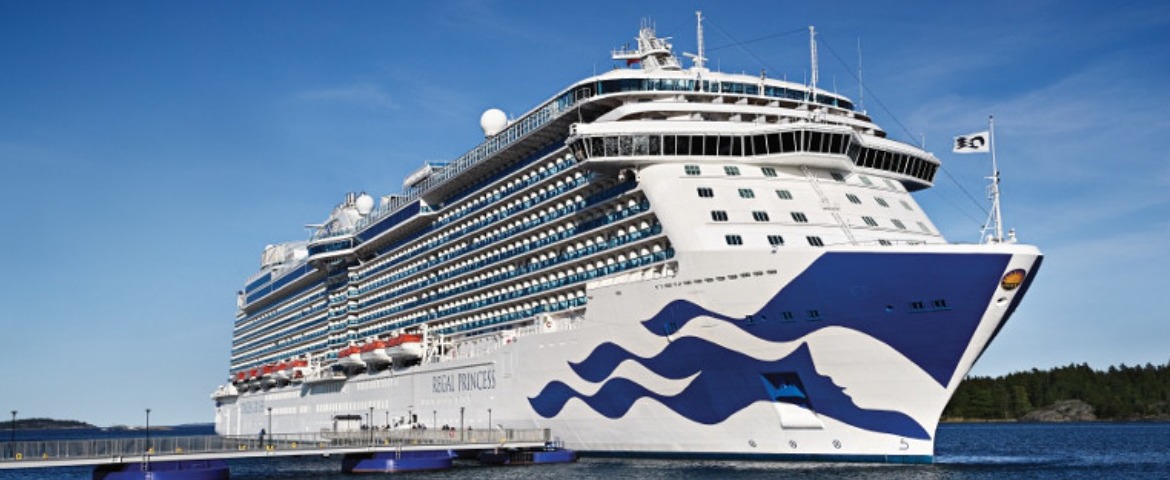
Regal Princess
38 Cruises
| 20 March | 14 nights | Round-trip from Fort Lauderdale, USA |
450-628-6241
Call us
|
| 20 March | 7 nights | Round-trip from Fort Lauderdale, USA |
450-628-6241
Call us
|
| 3 April | 7 nights | Round-trip from Fort Lauderdale, USA |
450-628-6241
Call us
|
| 10 April | 7 nights | Round-trip from Fort Lauderdale, USA |
450-628-6241
Call us
|
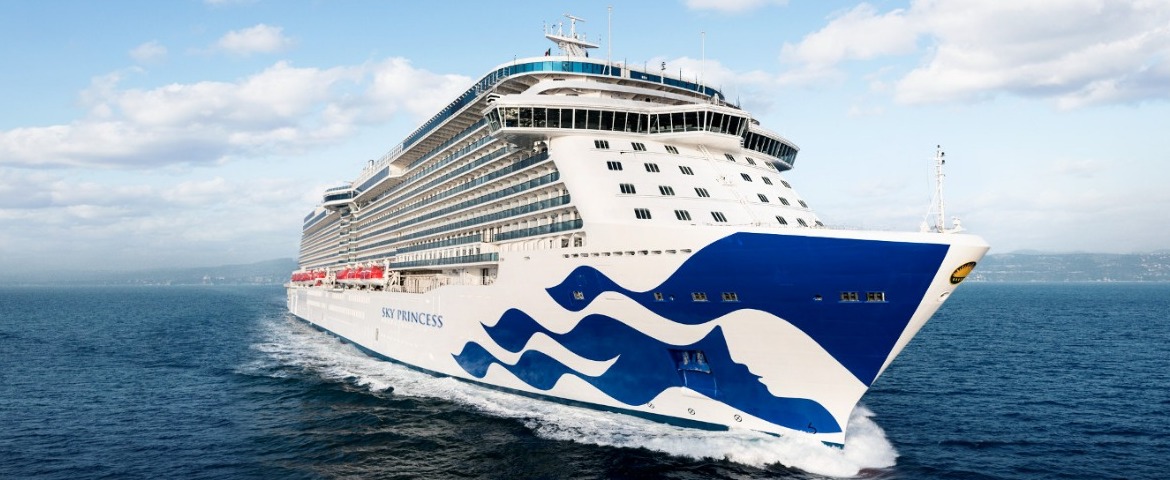
Sky Princess
30 Cruises
| 10 January | 8 nights | Round-trip from Port Canaveral, USA |
450-628-6241
Call us
|
| 24 January | 8 nights | Round-trip from Port Canaveral, USA |
450-628-6241
Call us
|
| 7 February | 8 nights | Round-trip from Port Canaveral, USA |
450-628-6241
Call us
|
| 21 February | 8 nights | Round-trip from Port Canaveral, USA |
450-628-6241
Call us
|
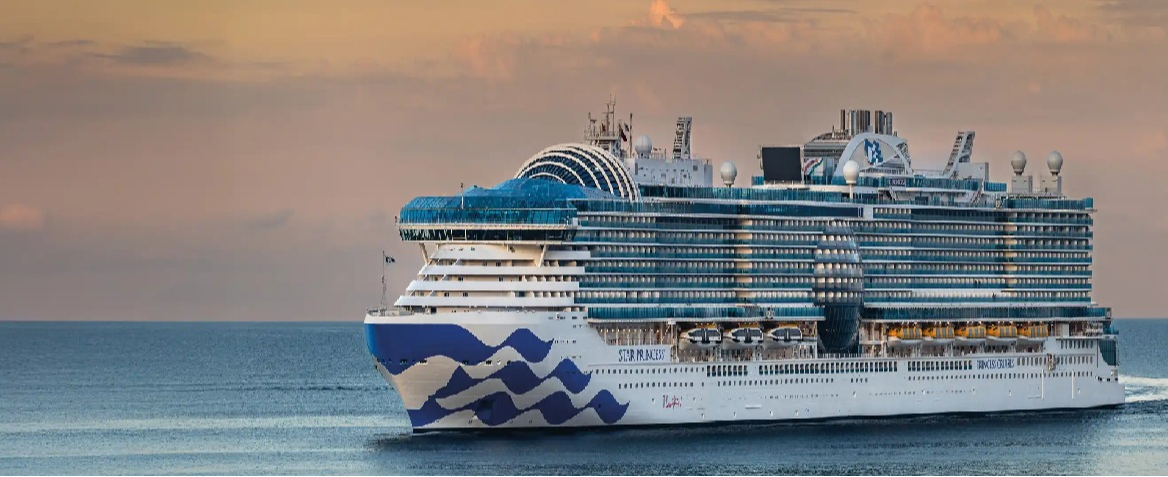
Star Princess
17 Cruises
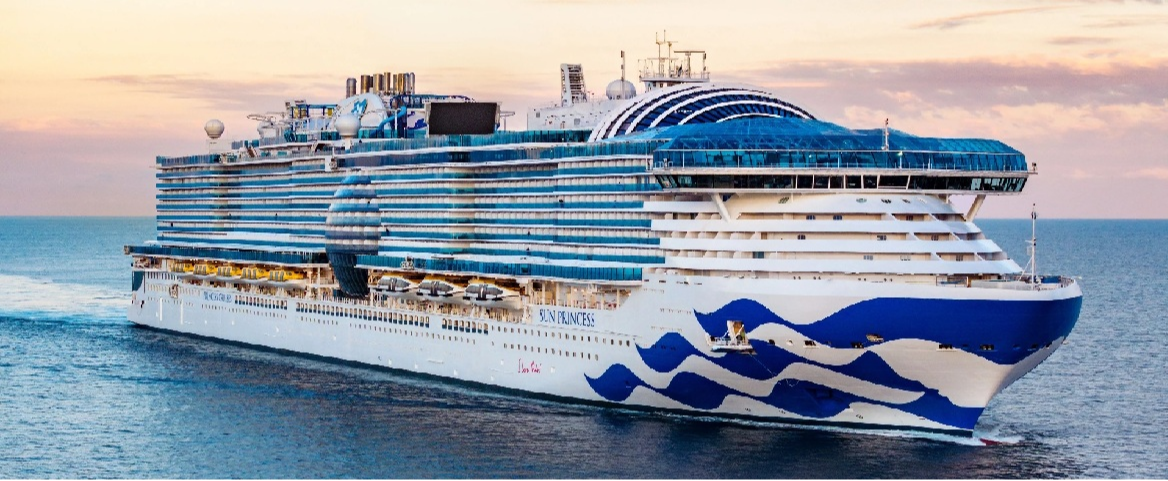
Sun Princess
36 Cruises
Regent Seven Seas Cruises (22 Cruises)
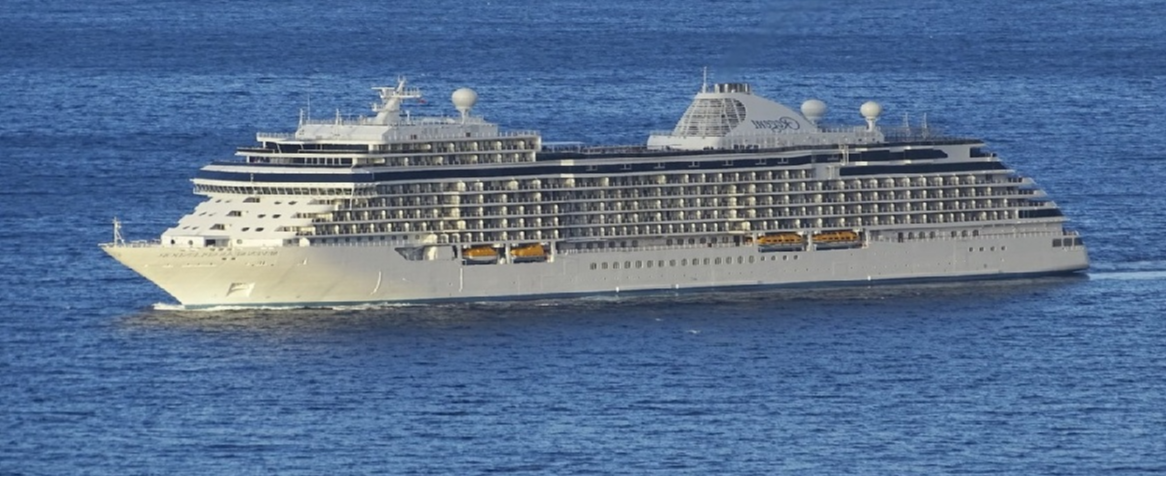


Seven Seas Prestige
10 Cruises
Royal Caribbean Cruises (179 Cruises)




Grandeur of the Seas
32 Cruises

Harmony of the Seas
17 Cruises

| 3 April | 7 nights | Round-trip from Port Canaveral, USA |
From
1466$
|
| 17 April | 7 nights | Round-trip from Port Canaveral, USA |
From
1428$
|
| 12 June | 7 nights | Round-trip from Port Canaveral, USA |
From
2475$
|
| 26 June | 7 nights | Round-trip from Port Canaveral, USA |
From
1821$
|
Independence of the Seas
17 Cruises

| 10 January | 7 nights | Round-trip from Miami, USA |
From
1096$
|
| 24 January | 7 nights | Round-trip from Miami, USA |
From
901$
|
| 7 March | 7 nights | Round-trip from Miami, USA |
From
985$
|
| 21 March | 7 nights | Round-trip from Miami, USA |
From
1244$
|


Rhapsody of the Seas
41 Cruises

| 13 November | 14 nights | One-way from Barcelona to San Juan |
From
1019$
|
| 27 November | 7 nights | Round-trip from San Juan, Puerto Rico |
From
973$
|


Vision of the Seas
50 Cruises

| 21 October | 8 nights | One-way from Baltimore to San Juan |
From
910$
|
| 29 October | 9 nights | Round-trip from San Juan, Puerto Rico |
From
1190$
|
Seabourn Cruise Line (18 Cruises)
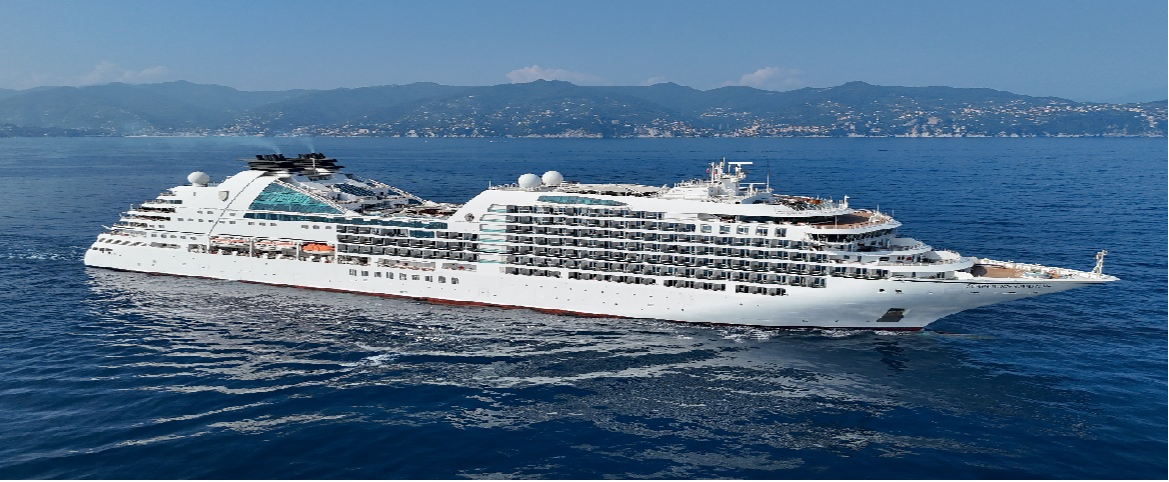

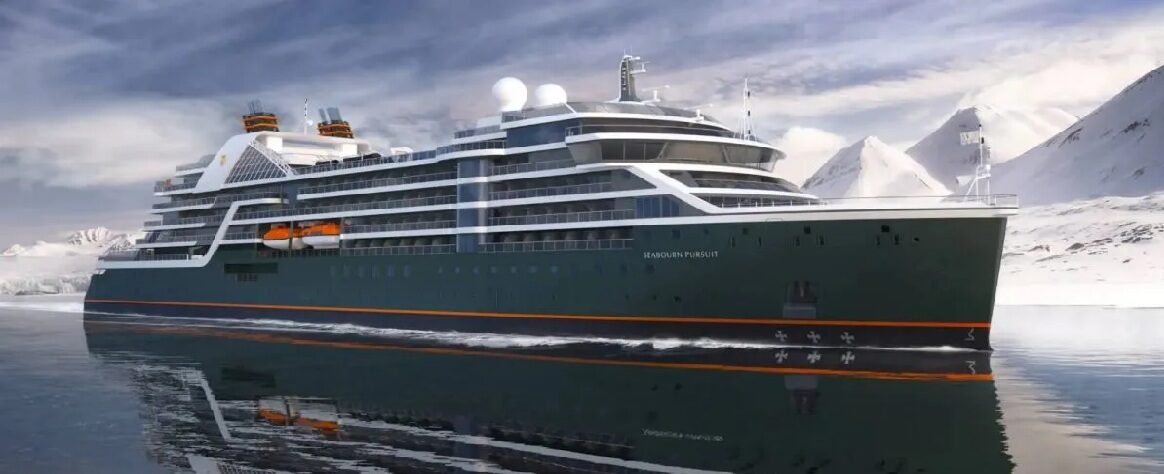
Seabourn Pursuit
9 Cruises
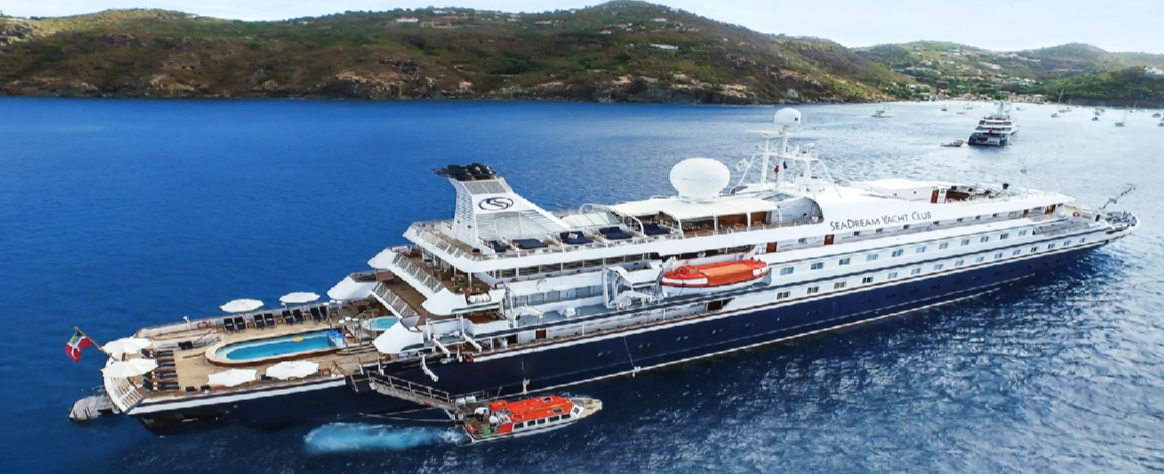
SeaDream Yacht Club (76 Cruises)
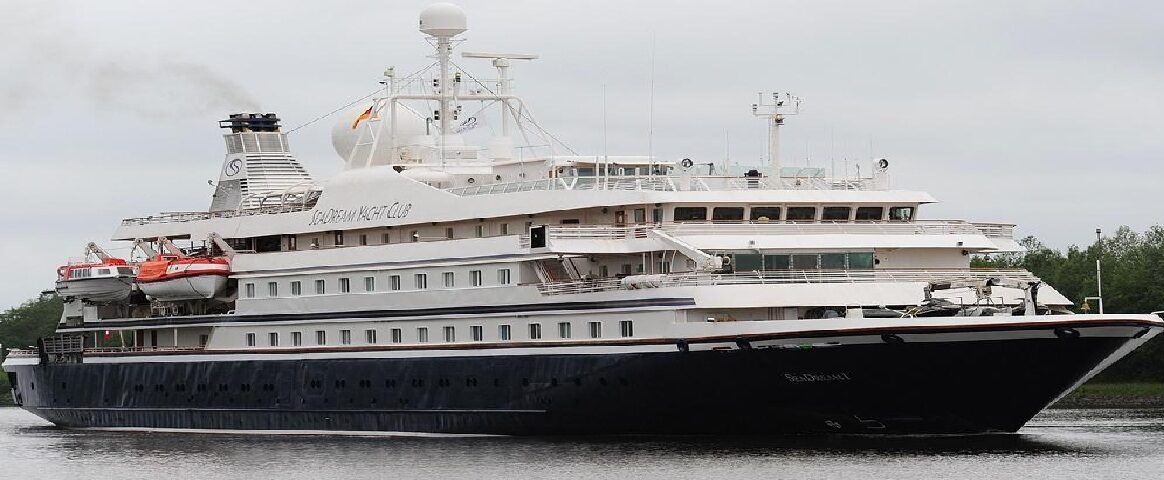
Seadream I
42 Cruises

| 15 April | 7 nights | One-way from Marigot to San Juan |
450-628-6241
Call us
|
| 22 April | 14 nights | One-way from San Juan to Malaga |
450-628-6241
Call us
|
| 3 February | 11 nights | One-way from San Juan to Bridgetown |
450-628-6241
Call us
|
| 21 February | 10 nights | One-way from Bridgetown to San Juan |
450-628-6241
Call us
|
Seadream II
34 Cruises
| 7 March | 6 nights | One-way from St Thomas Island USVI to San Juan |
450-628-6241
Call us
|
| 13 March | 7 nights | One-way from San Juan to West Palm Beach |
450-628-6241
Call us
|
| 5 February | 7 nights | Round-trip from San Juan, Puerto Rico |
450-628-6241
Call us
|
| 12 February | 11 nights | One-way from San Juan to Bridgetown |
450-628-6241
Call us
|
| 18 March | 7 nights | One-way from St Thomas Island USVI to San Juan |
450-628-6241
Call us
|
| 25 March | 7 nights | Round-trip from San Juan, Puerto Rico |
450-628-6241
Call us
|
Silversea Cruises (45 Cruises)
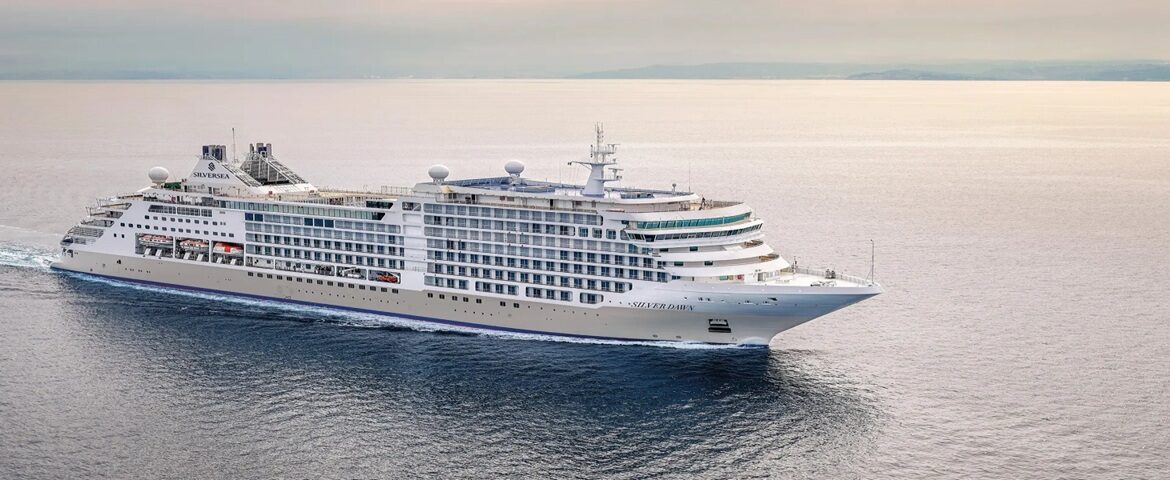
Silver Dawn
14 Cruises

Silver Ray
11 Cruises
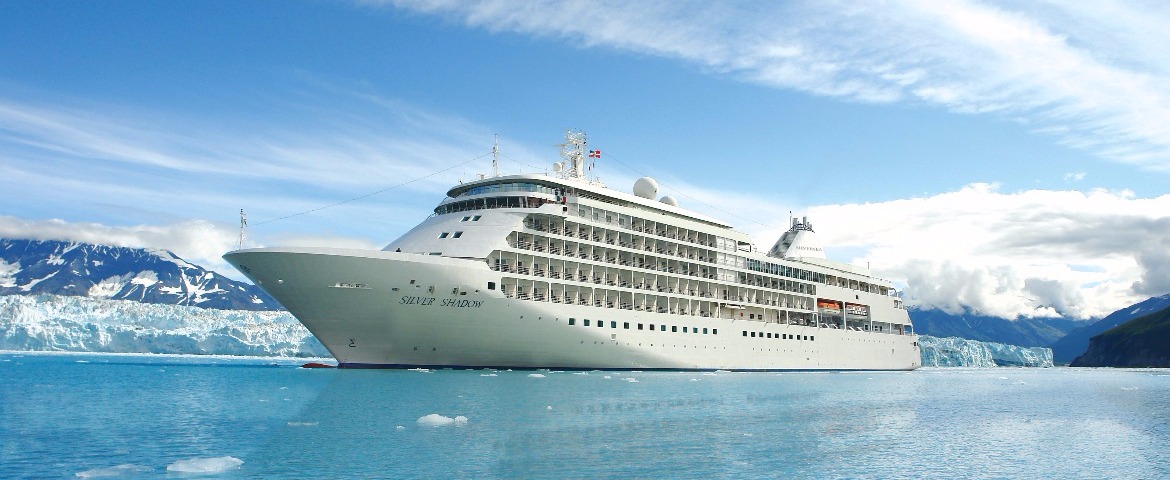
Silver Shadow
16 Cruises
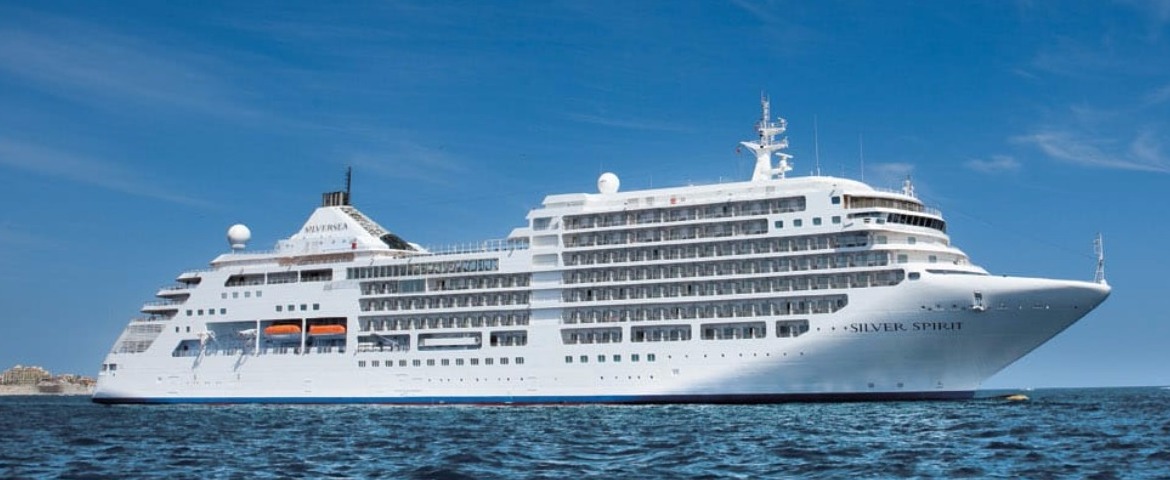
Viking Ocean Cruises (34 Cruises)
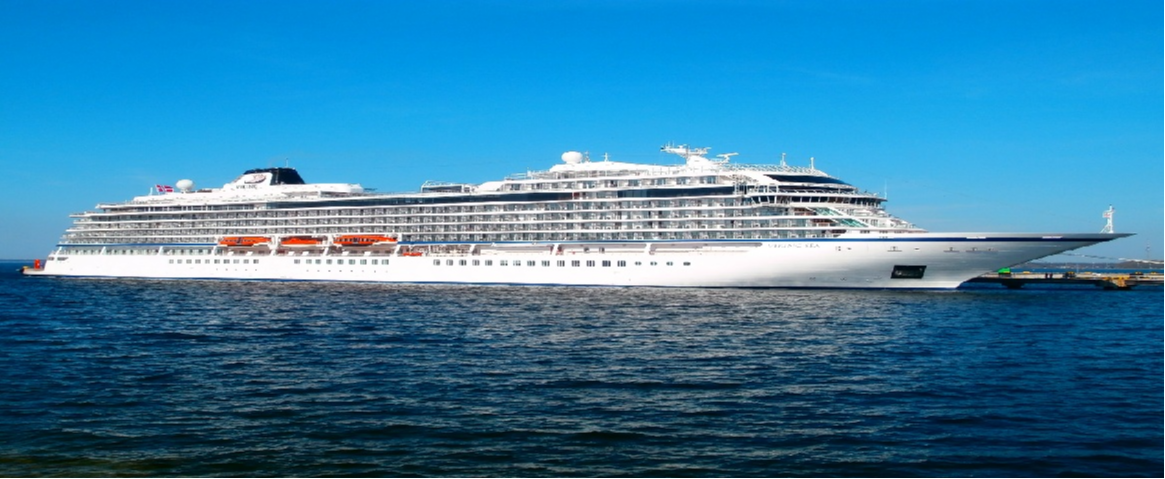
Viking Sea
23 Cruises

| 6 March | 20 nights | One-way from San Juan to Civitavecchia-Rome |
450-628-6241
Call us
|
| 6 March | 13 nights | One-way from San Juan to Barcelona |
450-628-6241
Call us
|
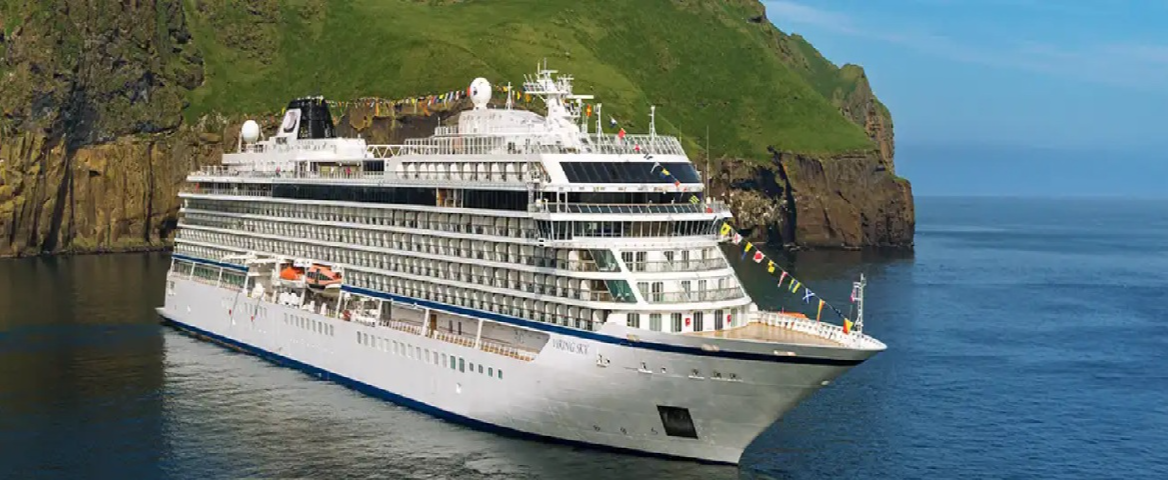
Viking Sky
11 Cruises
Virgin Voyages (71 Cruises)
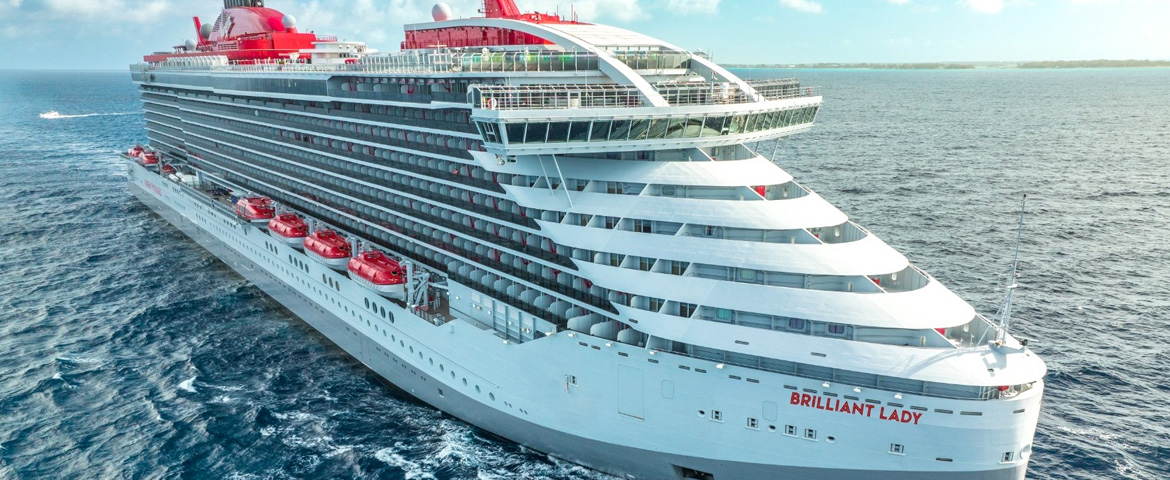

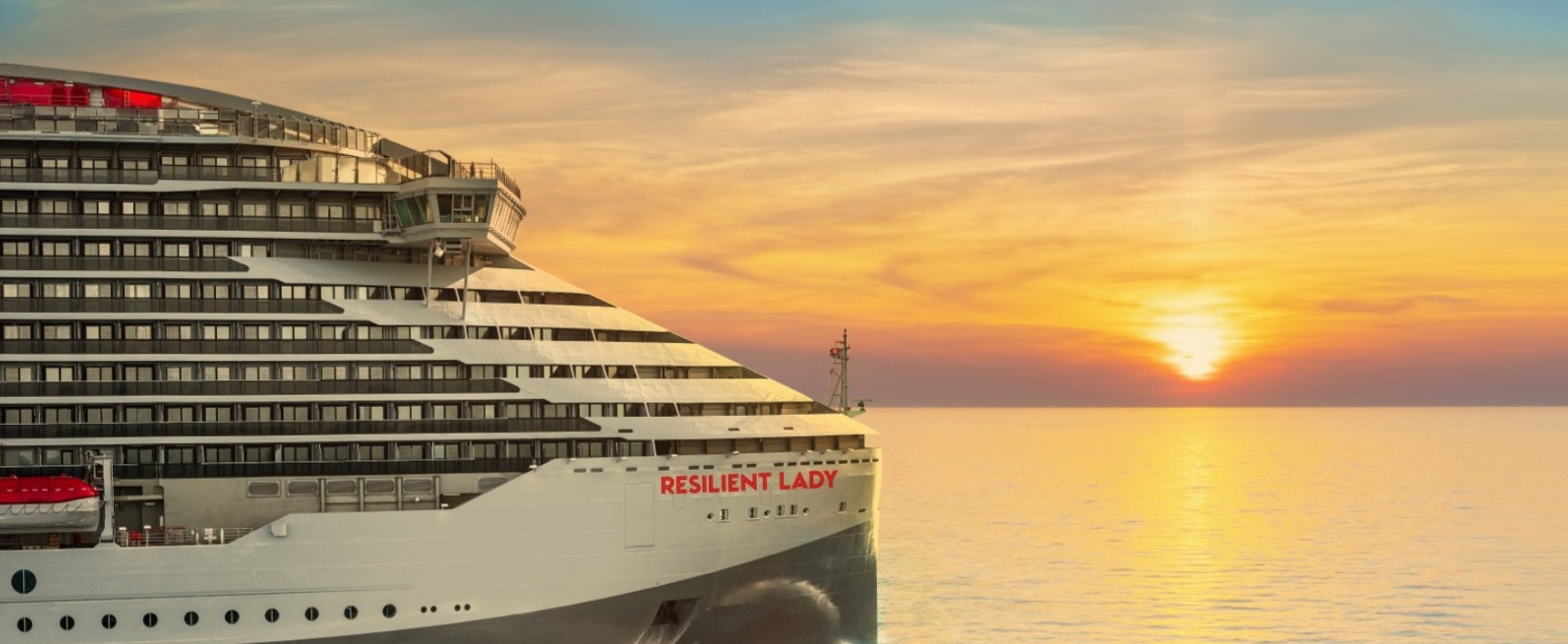
Resilient Lady
13 Cruises
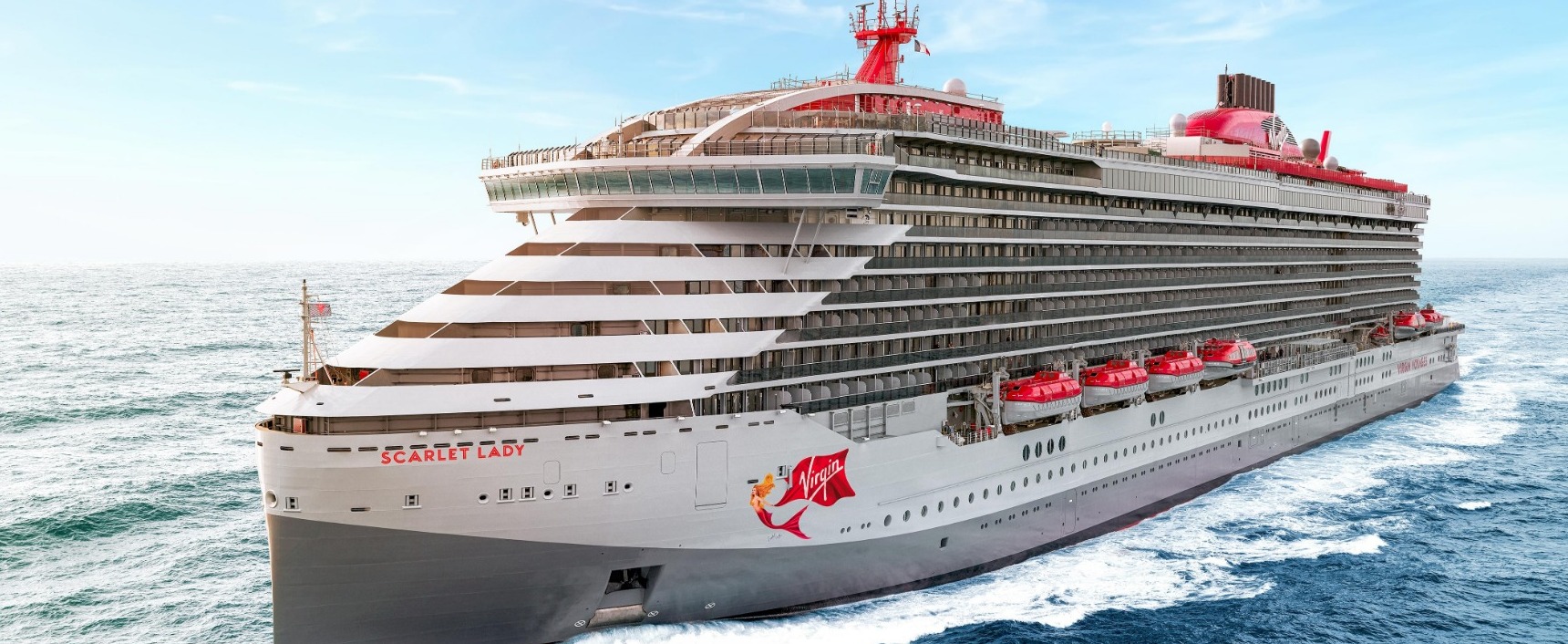
Scarlet Lady
26 Cruises
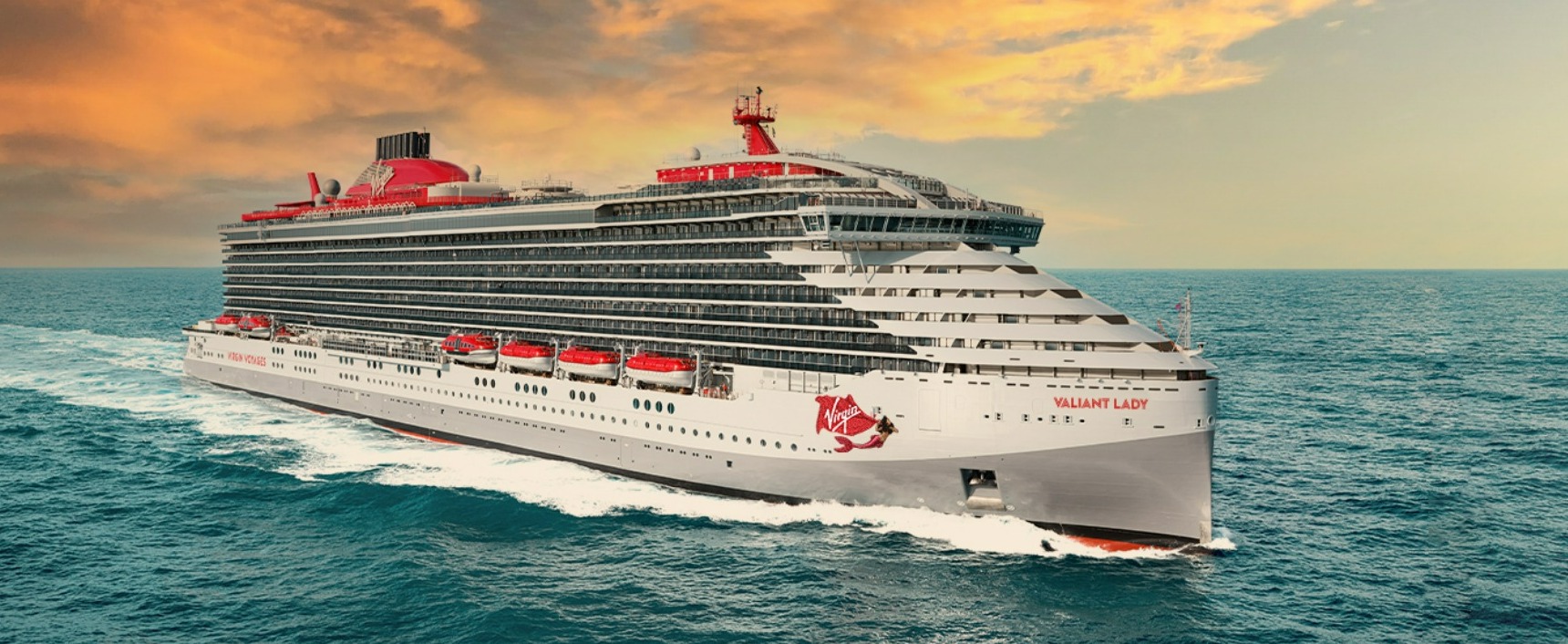
Valiant Lady
23 Cruises
Windstar Cruises (69 Cruises)
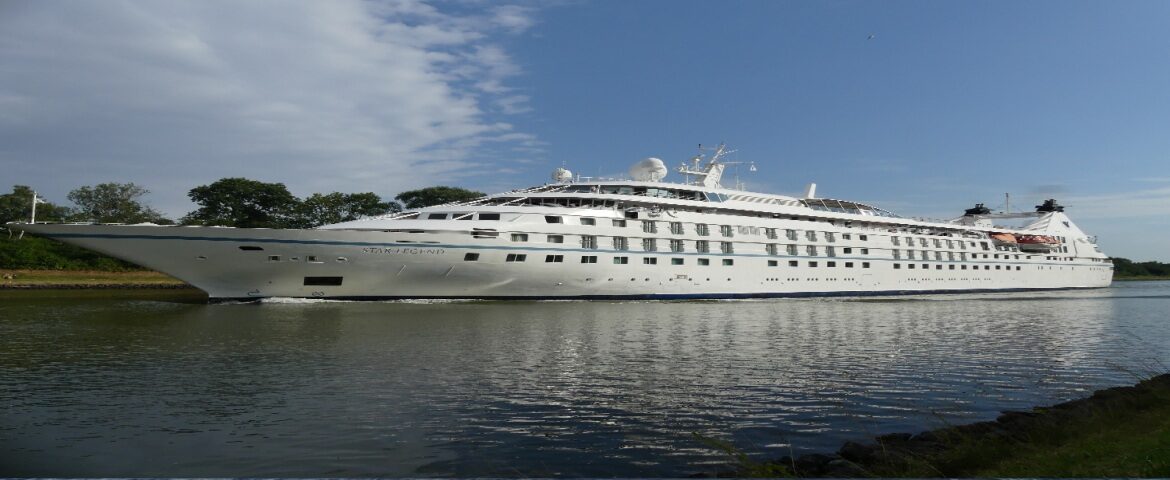
Star Legend
23 Cruises

Star Pride
46 Cruises
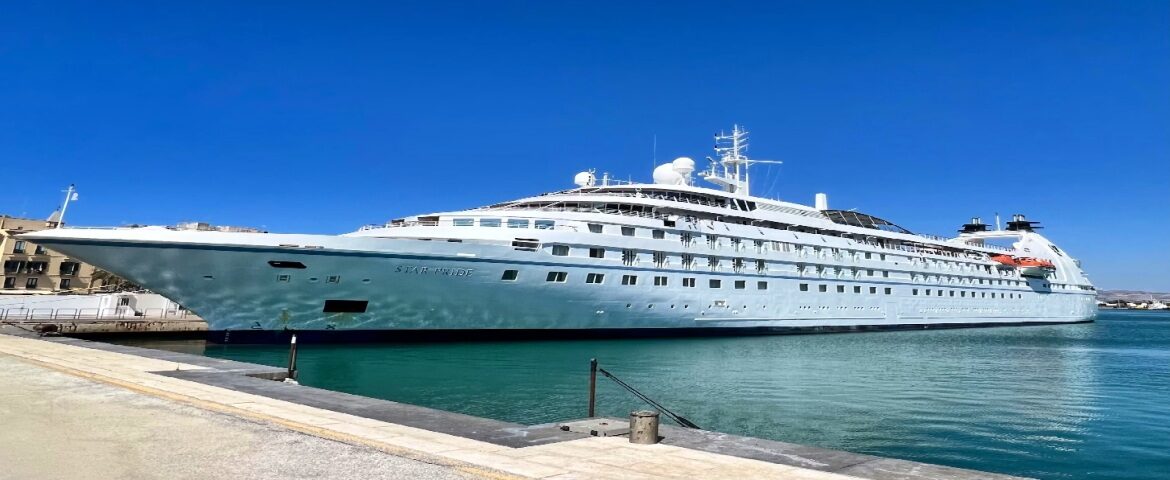
| 21 February | 21 nights | One-way from Puntarenas to San Juan |
450-628-6241
Call us
|
| 28 February | 14 nights | One-way from Panama City to San Juan |
450-628-6241
Call us
|

Port of San Juan, Puerto Rico | Cruise Port Guide
Frequently Asked Questions
At the very foot of Old San Juan. The historic quarter literally begins across from the piers: it is one of the few Caribbean calls where you need neither taxi nor excursion to start exploring.
Yes, entirely. The Paseo de la Princesa promenade, flat and shaded, leaves the piers and follows the walls to the San Juan gate. The quarter fits in a rectangle seven streets by four, but allow a full day to exhaust it.
The San Felipe del Morro fort, about twenty minutes' walk from the piers, stacks six levels of batteries above the waves. The Spanish built and reinforced it over more than two centuries to lock the entrance to the bay, and it turned back Drake himself.
El Morro guards the bay entrance at the tip of the headland; San Cristóbal, at the other end of the old town, defended the city from the landward side. It is the largest Spanish military work in the New World, with tunnels, cisterns and guard posts. One ticket covers both.
They are adoquines, cast from slag brought from Spain as ballast in the galleons. Together with the powder-blue, corn-yellow and coral-pink facades and the wrought-iron balconies, they form the city's most recognizable image.
It was founded in 1521, making it the oldest city under the American flag. La Fortaleza, the governors' official residence since the 1540s, is the oldest executive mansion still in use in the hemisphere.
Calle del Cristo with its galleries, the tiny Cristo chapel and its park of tame pigeons, the Plaza de Armas where regulars play dominoes in the shade, and the streets hung with umbrellas or flags. Getting lost is the best use of your time here.
Mofongo, mashed fried plantain pounded with garlic and topped with shrimp or pork, served in family fondas as readily as on Calle Fortaleza. The piña colada claims to have been born right here, with two establishments disputing the invention since the 1950s.
The US dollar, since Puerto Rico is a United States territory, and Spanish. English is widely understood in Old San Juan. Cards are taken everywhere.
Many itineraries sail in the evening: the ship glides along the lit ramparts, passes beneath the guns of El Morro and reaches the Atlantic through the channel the Spanish held for three hundred years. From the walls, figures sometimes wave at departing ships, an old local custom.


