---
Choose a Cruiseline or a ship
Question or 
quote?

Ask an agent

Itineraries of the National Geographic Orion

Price and Availability Notice
Prices displayed are provided for informational purposes only. They reflect the rates in effect at the time of their most recent update and are shown in Canadian dollars, per person, based on double occupancy, unless otherwise specified.

Supplier rates, exchange rates, taxes and fees, room or cabin categories, and promotions are subject to change at any time. The applicable price is the one confirmed by a travel advisor at the time of booking, subject to availability. Only the confirmed price shall be considered valid.

It is the traveler's responsibility to confirm the price, inclusions, and applicable terms and conditions before making a reservation. While every effort is made to keep our content up to date, transmission, display, or pricing errors may occur. In such cases, the correct price will be communicated to the traveler before any booking is confirmed. Certain terms, restrictions, and exclusions may apply.

decks plans

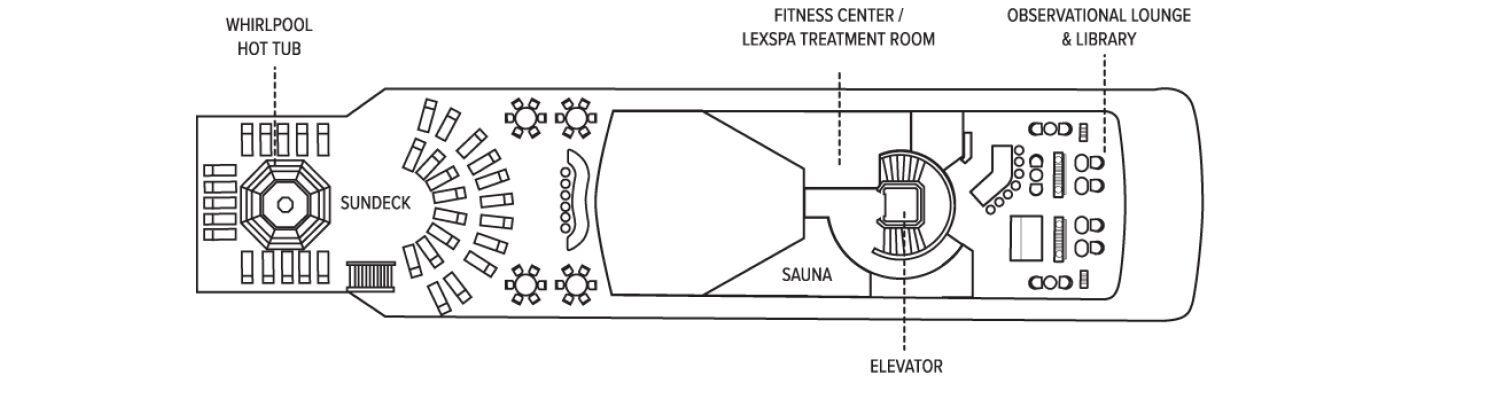
Deck - 5

Observational lounge
Lindblad Expeditions National Geographic Orion Observation Deck

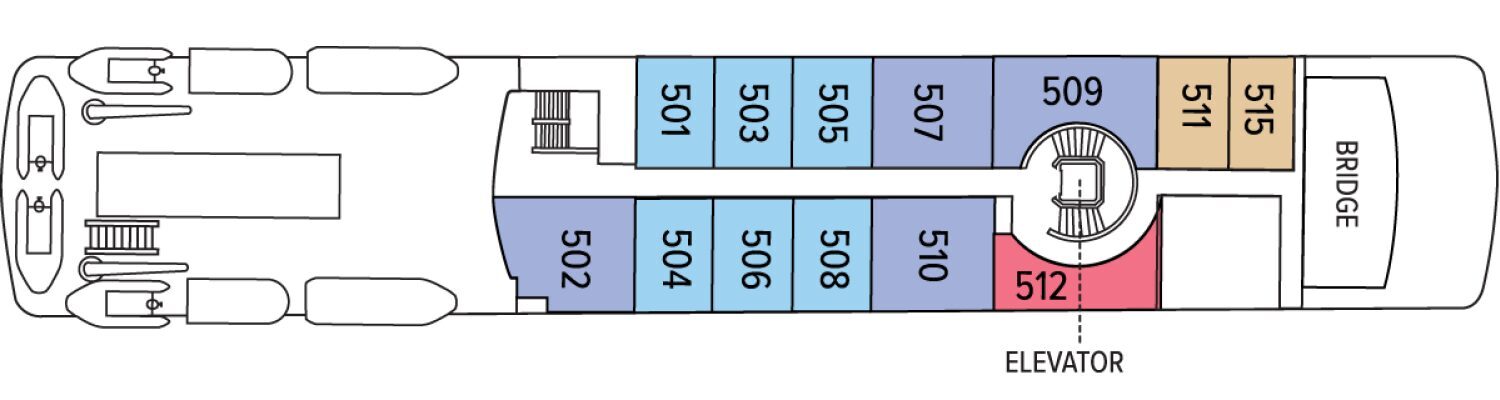
Deck - 4

Chambers
Lindblad Expeditions National Geographic Orion Bridge Deck

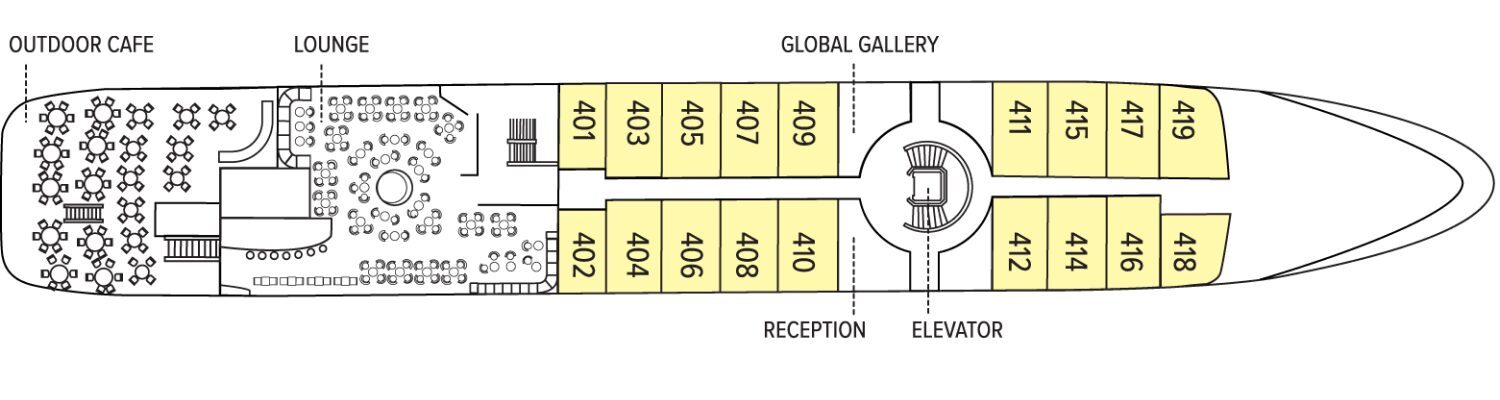
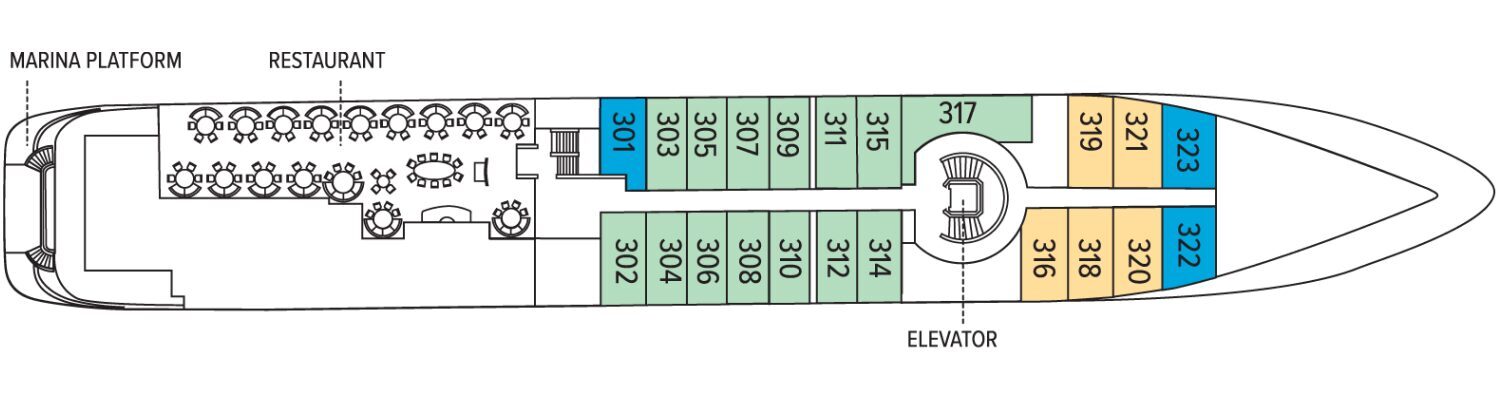
Deck - 3

Lounge
Lindblad Expeditions National Geographic Orion Upper Deck

Deck - 2

Restaurant
Lindblad Expeditions National Geographic Orion Main Deck

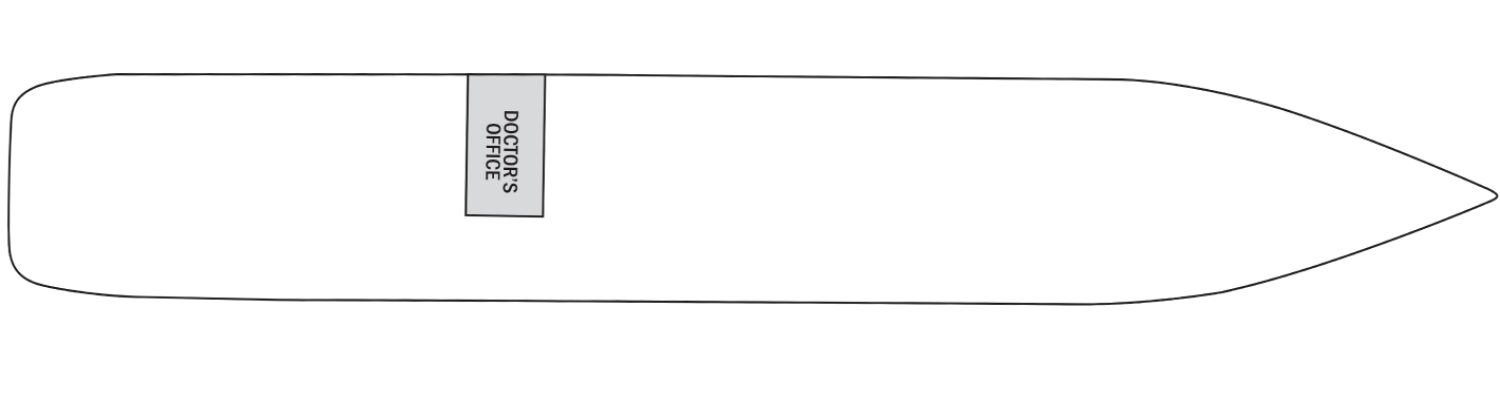
Deck - 1

Doctor
Lindblad Expeditions National Geographic Orion Expedition Deck

Ship's attributes

Services And Amenities

  • Elevators

Technical specifications

  • Classe:  Expedition
  • Speed:  15.0 knots
  • Passengers:  177
  • Decks:  5
  • Length:  102 m
  • Width:  14 m

History

  • 2003: Année de construction
  • 2014: Année de rénovation

A polar ship without a mudroom

The National Geographic Orion was built in Germany in 2003. One hundred and three metres, 53 cabins, 102 travellers, six decks, one lift, retractable stabilisers. A third-party database gives her a first-year ice rating; the official page offers only "high ice-class rating" with no figure.

Her most serious flaw has to be named, and a professional review states it plainly: there is no mudroom where travellers can put on their gear, and no space in the cabin to store wet equipment either. On a polar route that is a real problem. Outdoor embarkation areas turn slippery in cold regions, and wet gear ends up somewhere.

This ship is excellent at what she is best at: the South Pacific, Asia, the Mediterranean, where heavy gear is not needed. In Antarctica she does the job with a logistical discomfort her younger fleetmates do not impose.

What is aboard

An open bridge, a plunge pool, an observation lounge, a library, a fitness centre and a spa, two dining spaces including an outdoor cafe. Crew gratuities are included and a National Geographic photographer is aboard: she is one of only four ships in that position.

One documented incident, because it says something about the trade: on 27 December 2016, a main engine failure some two hundred nautical miles south of the Beagle Channel. The ship continued on auxiliary power and reached port safely. Departures were affected.

The other ships in the fleet

The National Geographic Endurance and the National Geographic Resolution have a higher ice class and a mudroom. The Connect is a chartered European river ship. The The Jahan holds the lower Mekong.

The fare in detail

Aboard and ashore, the fare covers meals, the outings of the expedition programme, use of the Zodiacs, kayaks, paddleboards and snorkelling gear, park entrance fees, special access permits, port taxes and the scheduled airport transfers. Alcohol is included aboard, except on four ships the line names explicitly.

Two structural exclusions. International air travel is not included; some essential internal flights are, when the itinerary says so. And crew gratuities are included on four ships only: the Endurance, the Resolution, the Explorer and the Orion. On the other eight they remain at your discretion and on your account.

The National Geographic photographer follows the same list of four ships. Everywhere else a certified photo instructor fills that role. We spell this out because the difference appears nowhere on the ship pages, and it matters to anyone booking primarily for the photography.

Basic Wi-Fi is included. In Antarctica, the Arctic and parts of the Galapagos, the link depends on satellite and weather: no guarantee of service.

Life aboard, without the decor

These are expedition ships, not cruise ships. One dining room, one seating, no butler, no free-flowing champagne, no chandeliers. A professional review puts it bluntly: anyone hoping for that will be disappointed. What you get instead are naturalists, an open bridge and outings twice a day.

The programme is decided day by day, according to ice, wind and wildlife. Landings are by Zodiac, sometimes with feet in the water, from an unstable craft.

No wheelchair-accessible cabin is documented on any ship in the fleet, and the line publishes no accessibility policy. Some ships have a lift, several do not, and on one of them the lift does not even reach the mudroom. Any booking for a traveller with limited mobility must be confirmed in writing.

Arranging this trip from Quebec

International air travel is not included in the expedition fare. Some internal flights essential to the route are, when the itinerary states it explicitly.

Plan a night ahead before embarkation, two if the time difference is large. That margin is used exactly once, but on that day it saves the trip. Keep the return day free as well.

We build the complete file — flight, expedition, hotels, transfers, insurance — under the protection of Quebec's compensation fund for travel agency customers. One call is enough to check what the season really allows.
Frequently Asked Questions

It is the room where you put on your gear before boarding a Zodiac and stow wet equipment on return. This ship has none, and a professional review flags it as a real flaw in polar regions.
That is exactly the problem: the same review notes there is no space in the cabin for it either. On a polar route, plan for dry bags and accept the inconvenience.
She sails there, but with a logistical discomfort the more recent ships do not impose. She is excellent, on the other hand, in the South Pacific, Asia and the Mediterranean, where heavy gear is not needed.
She dates from 2003, German yard. One hundred and three metres, fifty-three cabins, one hundred and two travellers, six decks, one lift and retractable stabilisers.
On this ship, yes. It is one of only four in the fleet where they are: the Endurance, the Resolution, the Explorer and the Orion. On the brand's other eight ships they stay on the traveller's account.
Yes, on this ship. There is one on only four ships in the fleet. On all the others, photographic guidance comes from a certified instructor, which is a different role.
The official page says only high ice-class rating, with no figure. A third-party database gives her a first-year ice rating. We report both and do not settle it.
Yes, one documented. On 27 December 2016, a main engine failure some two hundred nautical miles south of the Beagle Channel. The ship continued on auxiliary power and reached port safely; departures were affected.
Yes, one. But boarding a Zodiac requires going down several flights of stairs: a review states travellers need to be mobile enough for that.
An open bridge, a plunge pool, an observation lounge, a library, a fitness centre, a spa and two dining spaces including an outdoor cafe.
No. It is a brand licence agreement, extended to 2040. National Geographic does not own the line and operates no ship. What it contributes are lecturers and specialists who sail aboard.
The line publishes no accessibility policy and no wheelchair-accessible cabin is documented on any of its ships. Access to sites is by Zodiac, often as a wet landing.
No. A review says it plainly: neither the high-end finishes, nor the multiple restaurants, nor the expedition equipment of the recent ships. She is a well-kept 2003 hull, not a new unit.
The South Pacific, Asia and the Mediterranean for most of the year, with Antarctic routes in the southern season. She is the most widely travelled ship of the polar fleet.
Yes, as soon as the booking is made here. Licence, trust account and compensation fund apply whatever country the ship sails in and whatever flag she carries.
  • #National Geographic Orion
  • #Lindblad Expeditions Australia cruise
  • #Indonesia cruise
  • #Raja Ampat cruise
  • #Papua New Guinea cruise
  • #naturalist expedition
  • #wildlife cruise
  • #coral reef snorkeling
  • #marine biodiversity
  • #scientific expedition cruise
  • #luxury small ship cruise
  • #intimate expedition vessel
  • #sustainable cruise travel
  • #South Pacific exploration
  • #Asia Pacific expedition cruise
  • #remote islands cruise
  • #adventure travel cruise
  • #eco expedition cruise
  • #tropical wildlife cruise
  • #marine expedition voyage
  • #wilderness exploration cruise