Final season in 2026
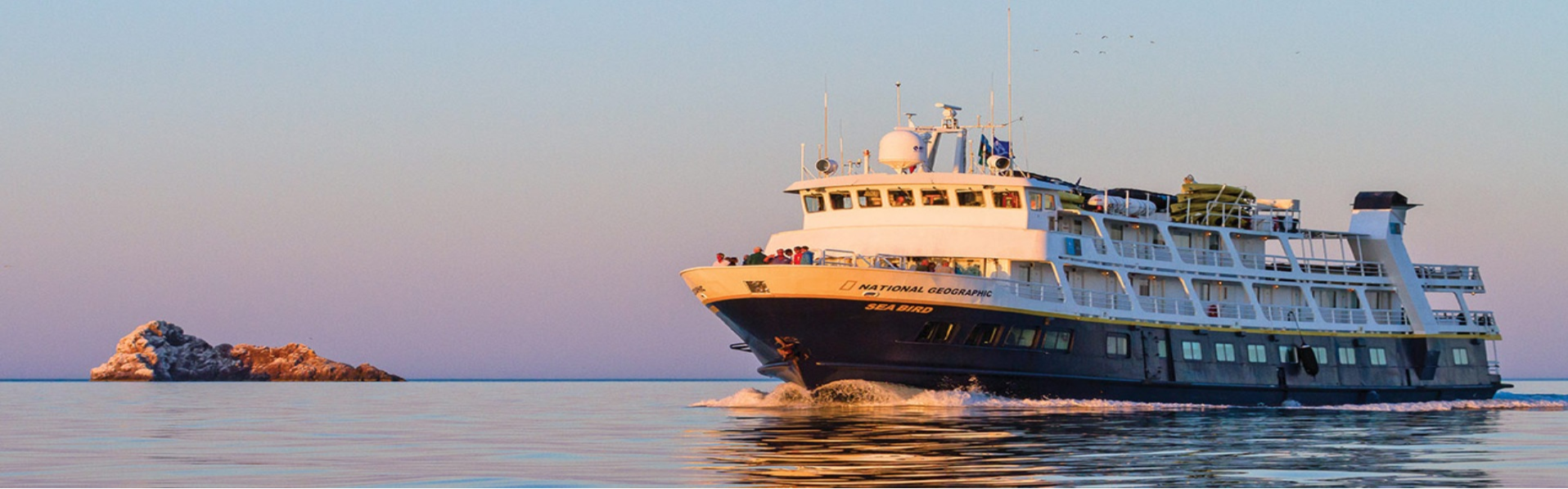
Let us start with what matters: the National Geographic Sea Bird is running her
final season in 2026. In December 2025 the line announced the withdrawal of this
ship and her twin after that year. They will be replaced on the Alaska itineraries
by another hull, larger and more recent, from 2027. There will be no reprieve. If
this ship interests you, this is the window and there will not be another.
She is an early-1980s hull, built in Washington State. Sources hesitate between
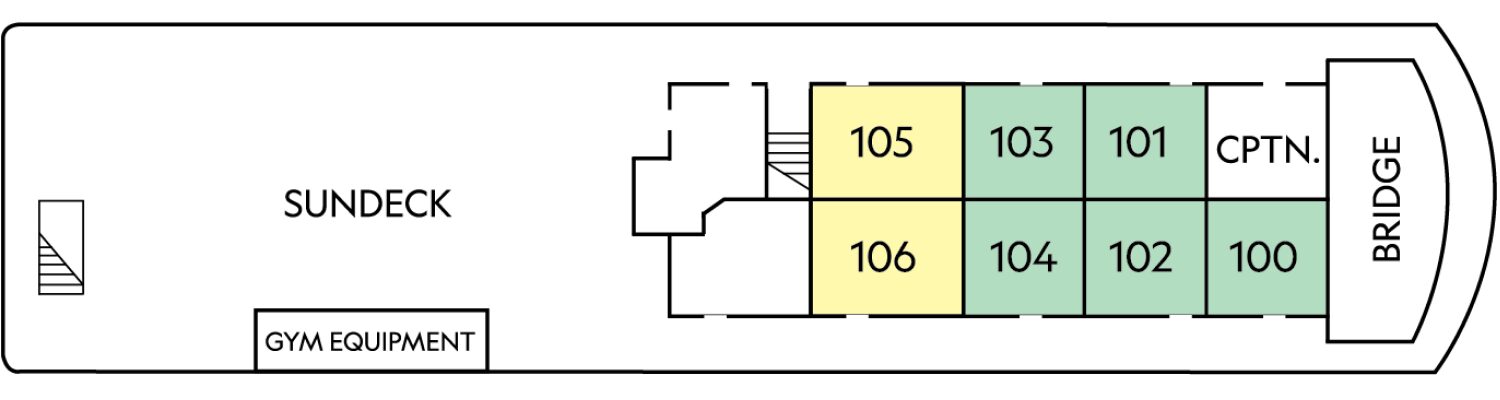
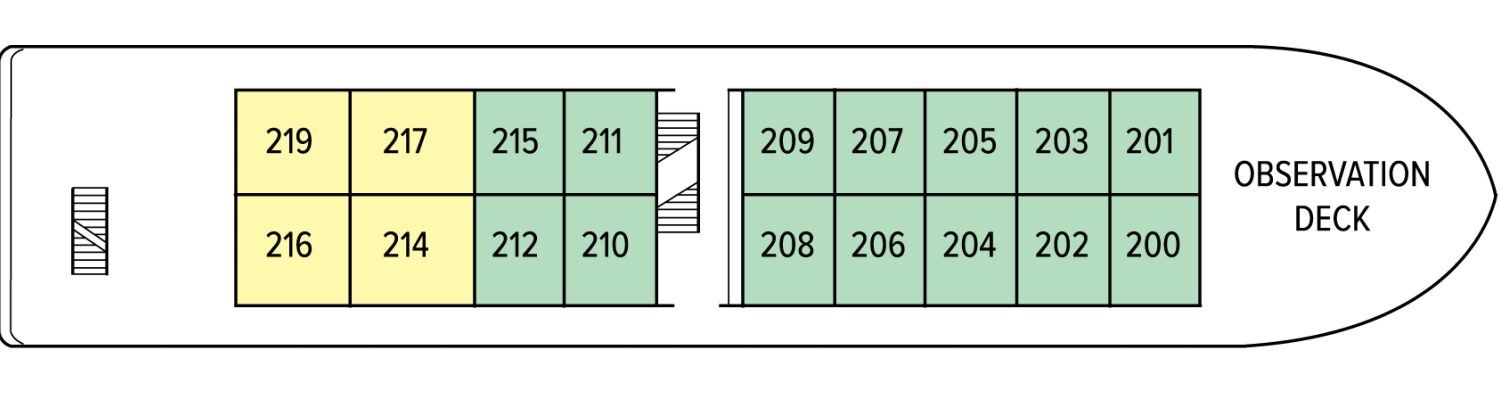
1981 and 1982 and do not allow a ship-by-ship answer. Forty-six metres, three
decks, 31 cabins, 62 travellers, United States flag, last reported refit in
2014.
What to know, without gloss
No lift, across three decks. A professional review writes of her twin that she
is not an appropriate choice for a traveller in a wheelchair, and that holds for
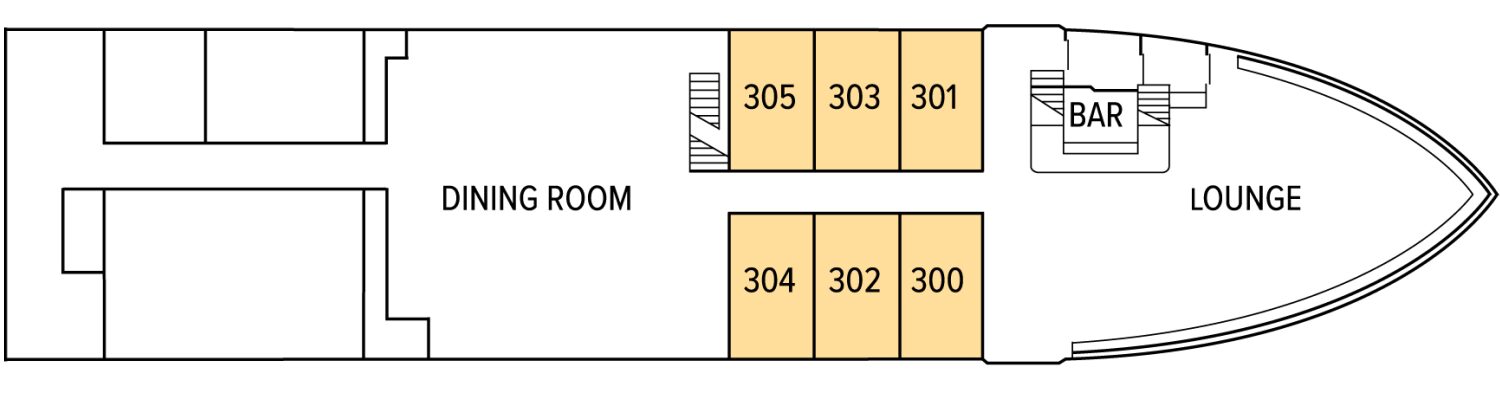
this one. Very few public spaces: the ship is small and you feel it. One dining
room, one seating, no evening entertainment beyond the talks.
One public health fact, because it is documented by a government agency and not
by rumour. In 2026, two gastrointestinal outbreaks were recorded aboard this ship.
On the late-June voyage, nineteen travellers out of sixty-eight were affected,
close to twenty-eight per cent, plus one crew member. We say so because a client
has the right to know before booking, not after.
What the ship offers in exchange: a shallow draught and a small size that open
arms and coves closed to larger vessels. That is why she sailed for forty-four
years.
The other ships in the fleet
The National Geographic Quest and the National Geographic Venture are the recent coastal ships, with lifts. The National Geographic Endeavour II holds the
Galapagos. The National Geographic Orion covers the South Pacific and Asia.
What is included, and what is not
The fare covers life aboard and the expedition itself: meals, guided
outings, Zodiacs, kayaks, paddleboards, snorkelling gear, national park
entrance fees, access permits and port taxes. It also covers the services of a
medical professional "where applicable" — the phrase is the line's own, and it
means a doctor is not guaranteed on every ship.
Outside it: international flights, visas, insurance, treatments, premium
spirits and upgraded Wi-Fi packages. And crew gratuities on eight ships out of
twelve: they are included only on the Endurance, the Resolution, the Explorer
and the Orion.
The same rule governs the National Geographic photographer, aboard those
four ships alone. Elsewhere a certified photo instructor accompanies the group.
Always ask which of the two sails on the date you are considering.
Aboard
Public rooms are plain and functional: one dining room with a single seating,
an observation lounge, a library, and a mudroom for wet gear on the ships that
have one. Evenings are talks rather than shows. That is not a shortfall; it is
the format.
Expedition equipment is included and never charged: Zodiacs, kayaks,
paddleboards, snorkelling gear. No ship in this fleet carries a submersible,
unlike some expedition competitors: the confusion is easy and worth clearing
up.
On accessibility, plainly: no wheelchair-accessible cabin is documented on any
ship in the fleet, and the line publishes no policy on the matter. Access to
sites is by Zodiac, often as a wet landing. A lift aboard changes nothing about
that step.
What this trip asks of you from Montreal
An international flight not included in the fare, and often an internal flight
on top. Total travel time surprises many people: these regions are not reached
in a day.
Arrive the day before at the very least. It is the only margin that absorbs a
delay, a lost bag or a sleepless flight. Many of our clients take two nights on
site before embarking and have never regretted the expense.
Our advisors bring flight, expedition, hotels, transfers and insurance into a
single file protected by Quebec's compensation fund for travel agency customers.
We verify the real dates before anything is booked.